0001999371-26-009117.txt : 20260427 0001999371-26-009117.hdr.sgml : 20260427 20260427113359 ACCESSION NUMBER: 0001999371-26-009117 CONFORMED SUBMISSION TYPE: 485BPOS PUBLIC DOCUMENT COUNT: 53 FILED AS OF DATE: 20260427 DATE AS OF CHANGE: 20260427 EFFECTIVENESS DATE: 20260427 FILER: COMPANY DATA: COMPANY CONFORMED NAME: Tidal Trust II CENTRAL INDEX KEY: 0001924868 ORGANIZATION NAME: EIN: 000000000 STATE OF INCORPORATION: DE FISCAL YEAR END: 1231 FILING VALUES: FORM TYPE: 485BPOS SEC ACT: 1940 Act SEC FILE NUMBER: 811-23793 FILM NUMBER: 26897817 BUSINESS ADDRESS: STREET 1: 234 WEST FLORIDA STREET, SUITE 700 CITY: MILWAUKEE STATE: WI BUSINESS PHONE: (844) 986-7676 MAIL ADDRESS: STREET 1: 234 WEST FLORIDA STREET, SUITE 700 CITY: MILWAUKEE STATE: WI FORMER COMPANY: FORMER CONFORMED NAME: Tidal ETF Trust II DATE OF NAME CHANGE: 20220421 FILER: COMPANY DATA: COMPANY CONFORMED NAME: Tidal Trust II CENTRAL INDEX KEY: 0001924868 ORGANIZATION NAME: EIN: 000000000 STATE OF INCORPORATION: DE FISCAL YEAR END: 1231 FILING VALUES: FORM TYPE: 485BPOS SEC ACT: 1933 Act SEC FILE NUMBER: 333-264478 FILM NUMBER: 26897816 BUSINESS ADDRESS: STREET 1: 234 WEST FLORIDA STREET, SUITE 700 CITY: MILWAUKEE STATE: WI BUSINESS PHONE: (844) 986-7676 MAIL ADDRESS: STREET 1: 234 WEST FLORIDA STREET, SUITE 700 CITY: MILWAUKEE STATE: WI FORMER COMPANY: FORMER CONFORMED NAME: Tidal ETF Trust II DATE OF NAME CHANGE: 20220421 0001924868 S000079702 Return Stacked(R) Bonds & Managed Futures ETF C000240949 Return Stacked(R) Bonds & Managed Futures ETF RSBT 0001924868 S000079703 Return Stacked(R) Global Stocks & Bonds ETF C000240950 Return Stacked(R) Global Stocks & Bonds ETF RSSB 0001924868 S000081720 Return Stacked(R) U.S. Stocks & Managed Futures ETF C000244698 Return Stacked(R) U.S. Stocks & Managed Futures ETF RSST 0001924868 S000084638 Return Stacked(R) Bonds & Futures Yield ETF C000249072 Return Stacked(R) Bonds & Futures Yield ETF RSBY 0001924868 S000084639 Return Stacked(R) U.S. Stocks & Futures Yield ETF C000249073 Return Stacked(R) U.S. Stocks & Futures Yield ETF RSSY 0001924868 S000089361 Return Stacked(R) Bonds & Merger Arbitrage ETF C000255882 Return Stacked(R) Bonds & Merger Arbitrage ETF RSBA 0001924868 S000091930 Return Stacked(R) U.S. Stocks & Gold/Bitcoin ETF C000259807 Return Stacked(R) U.S. Stocks & Gold/Bitcoin ETF RSSX 485BPOS 1 newfound_485bpos-042726.htm POST EFFECTIVE AMENDMENT
false 485BPOS 0001924868 0001924868 2026-04-27 2026-04-27 0001924868 rs:S000084638Member 2026-04-27 2026-04-27 0001924868 rs:S000084638Member oef:RiskLoseMoneyMember 2026-04-27 2026-04-27 0001924868 rs:S000084638Member rs:DerivativesRiskMember 2026-04-27 2026-04-27 0001924868 rs:S000084638Member rs:FuturesContractsMember 2026-04-27 2026-04-27 0001924868 rs:S000084638Member rs:SwapsMember 2026-04-27 2026-04-27 0001924868 rs:S000084638Member rs:CaymanSubsidiaryRiskMember 2026-04-27 2026-04-27 0001924868 rs:S000084638Member rs:BondRisksMember 2026-04-27 2026-04-27 0001924868 rs:S000084638Member rs:EquityMarketRiskMember 2026-04-27 2026-04-27 0001924868 rs:S000084638Member rs:CommoditiesRiskMember 2026-04-27 2026-04-27 0001924868 rs:S000084638Member rs:CommoditylinkedDerivativesTaxRiskMember 2026-04-27 2026-04-27 0001924868 rs:S000084638Member rs:CommodityPoolRegulatoryRiskMember 2026-04-27 2026-04-27 0001924868 rs:S000084638Member rs:TaxRiskMember 2026-04-27 2026-04-27 0001924868 rs:S000084638Member us-gaap:CreditRiskMember 2026-04-27 2026-04-27 0001924868 rs:S000084638Member rs:CurrencyRiskMember 2026-04-27 2026-04-27 0001924868 rs:S000084638Member rs:ForeignInvestmentRiskMember 2026-04-27 2026-04-27 0001924868 rs:S000084638Member us-gaap:InterestRateRiskMember 2026-04-27 2026-04-27 0001924868 rs:S000084638Member rs:HighPortfolioTurnoverRiskMember 2026-04-27 2026-04-27 0001924868 rs:S000084638Member rs:LeverageRiskMember 2026-04-27 2026-04-27 0001924868 rs:S000084638Member oef:RiskNondiversifiedStatusMember 2026-04-27 2026-04-27 0001924868 rs:S000084638Member rs:USGovernmentAndUSAgencyObligationsRiskMember 2026-04-27 2026-04-27 0001924868 rs:S000084638Member rs:UnderlyingEtfsRisksMember 2026-04-27 2026-04-27 0001924868 rs:S000084638Member rs:CounterpartyRiskMember 2026-04-27 2026-04-27 0001924868 rs:S000084638Member rs:EtfRisks.Member 2026-04-27 2026-04-27 0001924868 rs:S000084638Member rs:AuthorizedParticipantsMarketMakersAndLiquidityProvidersConcentrationRiskMember 2026-04-27 2026-04-27 0001924868 rs:S000084638Member rs:CashRedemptionRiskMember 2026-04-27 2026-04-27 0001924868 rs:S000084638Member rs:CostsOfBuyingOrSellingSharesMember 2026-04-27 2026-04-27 0001924868 rs:S000084638Member rs:SharesMayTradeAtPricesOtherThanNavMember 2026-04-27 2026-04-27 0001924868 rs:S000084638Member rs:TradingMember 2026-04-27 2026-04-27 0001924868 rs:S000084638Member rs:EconomicAndMarketRiskMember 2026-04-27 2026-04-27 0001924868 rs:S000084638Member rs:IlliquidInvestmentsRiskMember 2026-04-27 2026-04-27 0001924868 rs:S000084638Member rs:ManagementRiskMember 2026-04-27 2026-04-27 0001924868 rs:S000084638Member rs:ModelsAndDataRiskMember 2026-04-27 2026-04-27 0001924868 rs:S000084638Member rs:NewerFundRiskMember 2026-04-27 2026-04-27 0001924868 rs:S000084638Member rs:OperationalRiskMember 2026-04-27 2026-04-27 0001924868 rs:S000079702Member 2026-04-27 2026-04-27 0001924868 rs:S000079702Member oef:RiskLoseMoneyMember 2026-04-27 2026-04-27 0001924868 rs:S000079702Member rs:DerivativesRiskMember 2026-04-27 2026-04-27 0001924868 rs:S000079702Member rs:FuturesContractsMember 2026-04-27 2026-04-27 0001924868 rs:S000079702Member rs:SwapsMember 2026-04-27 2026-04-27 0001924868 rs:S000079702Member rs:CaymanSubsidiaryRiskMember 2026-04-27 2026-04-27 0001924868 rs:S000079702Member rs:BondRisksMember 2026-04-27 2026-04-27 0001924868 rs:S000079702Member rs:EquityMarketRiskMember 2026-04-27 2026-04-27 0001924868 rs:S000079702Member rs:CommoditiesRiskMember 2026-04-27 2026-04-27 0001924868 rs:S000079702Member rs:CommoditylinkedDerivativesTaxRiskMember 2026-04-27 2026-04-27 0001924868 rs:S000079702Member rs:CommodityPoolRegulatoryRiskMember 2026-04-27 2026-04-27 0001924868 rs:S000079702Member rs:TaxRiskMember 2026-04-27 2026-04-27 0001924868 rs:S000079702Member us-gaap:CreditRiskMember 2026-04-27 2026-04-27 0001924868 rs:S000079702Member rs:CurrencyRiskMember 2026-04-27 2026-04-27 0001924868 rs:S000079702Member rs:ForeignInvestmentRiskMember 2026-04-27 2026-04-27 0001924868 rs:S000079702Member us-gaap:InterestRateRiskMember 2026-04-27 2026-04-27 0001924868 rs:S000079702Member rs:HighPortfolioTurnoverRiskMember 2026-04-27 2026-04-27 0001924868 rs:S000079702Member rs:LeverageRiskMember 2026-04-27 2026-04-27 0001924868 rs:S000079702Member oef:RiskNondiversifiedStatusMember 2026-04-27 2026-04-27 0001924868 rs:S000079702Member rs:USGovernmentAndUSAgencyObligationsRiskMember 2026-04-27 2026-04-27 0001924868 rs:S000079702Member rs:UnderlyingEtfsRisksMember 2026-04-27 2026-04-27 0001924868 rs:S000079702Member rs:CounterpartyRiskMember 2026-04-27 2026-04-27 0001924868 rs:S000079702Member rs:EtfRisks.Member 2026-04-27 2026-04-27 0001924868 rs:S000079702Member rs:AuthorizedParticipantsMarketMakersAndLiquidityProvidersConcentrationRiskMember 2026-04-27 2026-04-27 0001924868 rs:S000079702Member rs:CashRedemptionRiskMember 2026-04-27 2026-04-27 0001924868 rs:S000079702Member rs:CostsOfBuyingOrSellingSharesMember 2026-04-27 2026-04-27 0001924868 rs:S000079702Member rs:SharesMayTradeAtPricesOtherThanNavMember 2026-04-27 2026-04-27 0001924868 rs:S000079702Member rs:TradingMember 2026-04-27 2026-04-27 0001924868 rs:S000079702Member rs:EconomicAndMarketRiskMember 2026-04-27 2026-04-27 0001924868 rs:S000079702Member rs:IlliquidInvestmentsRiskMember 2026-04-27 2026-04-27 0001924868 rs:S000079702Member rs:ManagementRiskMember 2026-04-27 2026-04-27 0001924868 rs:S000079702Member rs:ModelsAndDataRiskMember 2026-04-27 2026-04-27 0001924868 rs:S000079702Member rs:NewerFundRiskMember 2026-04-27 2026-04-27 0001924868 rs:S000079702Member rs:OperationalRiskMember 2026-04-27 2026-04-27 0001924868 rs:S000089361Member 2026-04-27 2026-04-27 0001924868 rs:S000089361Member rs:DerivativesRiskMember 2026-04-27 2026-04-27 0001924868 rs:S000089361Member rs:FuturesContractsMember 2026-04-27 2026-04-27 0001924868 rs:S000089361Member rs:OptionsContractsMember 2026-04-27 2026-04-27 0001924868 rs:S000089361Member rs:SwapAgreementsMember 2026-04-27 2026-04-27 0001924868 rs:S000089361Member rs:EquityMarketRiskMember 2026-04-27 2026-04-27 0001924868 rs:S000089361Member rs:MarketCapitalizationRisk.Member 2026-04-27 2026-04-27 0001924868 rs:S000089361Member rs:LargecapitalizationInvestingMember 2026-04-27 2026-04-27 0001924868 rs:S000089361Member rs:MidcapitalizationInvestingMember 2026-04-27 2026-04-27 0001924868 rs:S000089361Member rs:SmallCapitalizationInvestingMember 2026-04-27 2026-04-27 0001924868 rs:S000089361Member rs:BondRisksMember 2026-04-27 2026-04-27 0001924868 rs:S000089361Member us-gaap:InterestRateRiskMember 2026-04-27 2026-04-27 0001924868 rs:S000089361Member rs:HighPortfolioTurnoverRiskMember 2026-04-27 2026-04-27 0001924868 rs:S000089361Member rs:LeverageRiskMember 2026-04-27 2026-04-27 0001924868 rs:S000089361Member rs:ShortSaleRiskMember 2026-04-27 2026-04-27 0001924868 rs:S000089361Member oef:RiskNondiversifiedStatusMember 2026-04-27 2026-04-27 0001924868 rs:S000089361Member rs:USGovernmentAndUSAgencyObligationsRiskMember 2026-04-27 2026-04-27 0001924868 rs:S000089361Member rs:IndexStrategyRiskMember 2026-04-27 2026-04-27 0001924868 rs:S000089361Member rs:ModelsAndDataRiskMember 2026-04-27 2026-04-27 0001924868 rs:S000089361Member rs:PassiveInvestmentRiskMember 2026-04-27 2026-04-27 0001924868 rs:S000089361Member rs:MergerarbitrageRiskMember 2026-04-27 2026-04-27 0001924868 rs:S000089361Member rs:TaxRiskMember 2026-04-27 2026-04-27 0001924868 rs:S000089361Member rs:TrackingErrorRiskMember 2026-04-27 2026-04-27 0001924868 rs:S000089361Member rs:ManagementRiskMember 2026-04-27 2026-04-27 0001924868 rs:S000089361Member rs:UnderlyingEtfsRisksMember 2026-04-27 2026-04-27 0001924868 rs:S000089361Member rs:CounterpartyRiskMember 2026-04-27 2026-04-27 0001924868 rs:S000089361Member us-gaap:CreditRiskMember 2026-04-27 2026-04-27 0001924868 rs:S000089361Member rs:EtfRisks.Member 2026-04-27 2026-04-27 0001924868 rs:S000089361Member rs:AuthorizedParticipantsMarketMakersAndLiquidityProvidersConcentrationRiskMember 2026-04-27 2026-04-27 0001924868 rs:S000089361Member rs:CashRedemptionRiskMember 2026-04-27 2026-04-27 0001924868 rs:S000089361Member rs:CostsOfBuyingOrSellingSharesMember 2026-04-27 2026-04-27 0001924868 rs:S000089361Member rs:SharesMayTradeAtPricesOtherThanNavMember 2026-04-27 2026-04-27 0001924868 rs:S000089361Member rs:TradingMember 2026-04-27 2026-04-27 0001924868 rs:S000089361Member rs:EconomicAndMarketRiskMember 2026-04-27 2026-04-27 0001924868 rs:S000089361Member rs:MoneyMarketInstrumentRiskMember 2026-04-27 2026-04-27 0001924868 rs:S000089361Member rs:NewerFundRiskMember 2026-04-27 2026-04-27 0001924868 rs:S000089361Member rs:OperationalRiskMember 2026-04-27 2026-04-27 0001924868 rs:S000079703Member 2026-04-27 2026-04-27 0001924868 rs:S000079703Member rs:DerivativesRiskMember 2026-04-27 2026-04-27 0001924868 rs:S000079703Member rs:FuturesContractsMember 2026-04-27 2026-04-27 0001924868 rs:S000079703Member rs:SwapsMember 2026-04-27 2026-04-27 0001924868 rs:S000079703Member rs:UnderlyingEtfsRisksMember 2026-04-27 2026-04-27 0001924868 rs:S000079703Member rs:BondRisksMember 2026-04-27 2026-04-27 0001924868 rs:S000079703Member rs:ForeignInvestmentRiskMember 2026-04-27 2026-04-27 0001924868 rs:S000079703Member rs:EmergingMarketsRiskMember 2026-04-27 2026-04-27 0001924868 rs:S000079703Member rs:EquityMarketRiskMember 2026-04-27 2026-04-27 0001924868 rs:S000079703Member us-gaap:CreditRiskMember 2026-04-27 2026-04-27 0001924868 rs:S000079703Member rs:CurrencyRiskMember 2026-04-27 2026-04-27 0001924868 rs:S000079703Member us-gaap:InterestRateRiskMember 2026-04-27 2026-04-27 0001924868 rs:S000079703Member rs:HighPortfolioTurnoverRiskMember 2026-04-27 2026-04-27 0001924868 rs:S000079703Member rs:LeverageRiskMember 2026-04-27 2026-04-27 0001924868 rs:S000079703Member oef:RiskNondiversifiedStatusMember 2026-04-27 2026-04-27 0001924868 rs:S000079703Member rs:USGovernmentAndUSAgencyObligationsRiskMember 2026-04-27 2026-04-27 0001924868 rs:S000079703Member rs:CounterpartyRiskMember 2026-04-27 2026-04-27 0001924868 rs:S000079703Member rs:EtfRisks.Member 2026-04-27 2026-04-27 0001924868 rs:S000079703Member rs:AuthorizedParticipantsMarketMakersAndLiquidityProvidersConcentrationRiskMember 2026-04-27 2026-04-27 0001924868 rs:S000079703Member rs:CashRedemptionRiskMember 2026-04-27 2026-04-27 0001924868 rs:S000079703Member rs:CostsOfBuyingOrSellingSharesMember 2026-04-27 2026-04-27 0001924868 rs:S000079703Member rs:SharesMayTradeAtPricesOtherThanNavMember 2026-04-27 2026-04-27 0001924868 rs:S000079703Member rs:TradingMember 2026-04-27 2026-04-27 0001924868 rs:S000079703Member rs:EconomicAndMarketRiskMember 2026-04-27 2026-04-27 0001924868 rs:S000079703Member rs:IlliquidInvestmentsRiskMember 2026-04-27 2026-04-27 0001924868 rs:S000079703Member rs:ManagementRiskMember 2026-04-27 2026-04-27 0001924868 rs:S000079703Member rs:NewerFundRiskMember 2026-04-27 2026-04-27 0001924868 rs:S000079703Member rs:OperationalRiskMember 2026-04-27 2026-04-27 0001924868 rs:S000079703Member rs:TaxRiskMember 2026-04-27 2026-04-27 0001924868 rs:S000084639Member 2026-04-27 2026-04-27 0001924868 rs:S000084639Member rs:DerivativesRiskMember 2026-04-27 2026-04-27 0001924868 rs:S000084639Member rs:FuturesContractsMember 2026-04-27 2026-04-27 0001924868 rs:S000084639Member rs:SwapsMember 2026-04-27 2026-04-27 0001924868 rs:S000084639Member rs:CaymanSubsidiaryRiskMember 2026-04-27 2026-04-27 0001924868 rs:S000084639Member rs:UnderlyingEtfsRisksMember 2026-04-27 2026-04-27 0001924868 rs:S000084639Member rs:CommoditiesRiskMember 2026-04-27 2026-04-27 0001924868 rs:S000084639Member rs:CommoditylinkedDerivativesTaxRiskMember 2026-04-27 2026-04-27 0001924868 rs:S000084639Member rs:CommodityPoolRegulatoryRiskMember 2026-04-27 2026-04-27 0001924868 rs:S000084639Member rs:TaxRiskMember 2026-04-27 2026-04-27 0001924868 rs:S000084639Member rs:EquityMarketRiskMember 2026-04-27 2026-04-27 0001924868 rs:S000084639Member us-gaap:CreditRiskMember 2026-04-27 2026-04-27 0001924868 rs:S000084639Member rs:CurrencyRiskMember 2026-04-27 2026-04-27 0001924868 rs:S000084639Member rs:ForeignInvestmentRiskMember 2026-04-27 2026-04-27 0001924868 rs:S000084639Member us-gaap:InterestRateRiskMember 2026-04-27 2026-04-27 0001924868 rs:S000084639Member rs:HighPortfolioTurnoverRiskMember 2026-04-27 2026-04-27 0001924868 rs:S000084639Member rs:LeverageRiskMember 2026-04-27 2026-04-27 0001924868 rs:S000084639Member rs:LargecapitalizationInvestingMember 2026-04-27 2026-04-27 0001924868 rs:S000084639Member oef:RiskNondiversifiedStatusMember 2026-04-27 2026-04-27 0001924868 rs:S000084639Member rs:USGovernmentAndUSAgencyObligationsRiskMember 2026-04-27 2026-04-27 0001924868 rs:S000084639Member rs:CounterpartyRiskMember 2026-04-27 2026-04-27 0001924868 rs:S000084639Member rs:BondRisksMember 2026-04-27 2026-04-27 0001924868 rs:S000084639Member rs:EtfRisks.Member 2026-04-27 2026-04-27 0001924868 rs:S000084639Member rs:AuthorizedParticipantsMarketMakersAndLiquidityProvidersConcentrationRiskMember 2026-04-27 2026-04-27 0001924868 rs:S000084639Member rs:CashRedemptionRiskMember 2026-04-27 2026-04-27 0001924868 rs:S000084639Member rs:CostsOfBuyingOrSellingSharesMember 2026-04-27 2026-04-27 0001924868 rs:S000084639Member rs:SharesMayTradeAtPricesOtherThanNavMember 2026-04-27 2026-04-27 0001924868 rs:S000084639Member rs:TradingMember 2026-04-27 2026-04-27 0001924868 rs:S000084639Member rs:EconomicAndMarketRiskMember 2026-04-27 2026-04-27 0001924868 rs:S000084639Member rs:IlliquidInvestmentsRiskMember 2026-04-27 2026-04-27 0001924868 rs:S000084639Member rs:ManagementRiskMember 2026-04-27 2026-04-27 0001924868 rs:S000084639Member rs:ModelsAndDataRiskMember 2026-04-27 2026-04-27 0001924868 rs:S000084639Member rs:NewerFundRiskMember 2026-04-27 2026-04-27 0001924868 rs:S000084639Member rs:OperationalRiskMember 2026-04-27 2026-04-27 0001924868 rs:S000081720Member 2026-04-27 2026-04-27 0001924868 rs:S000081720Member rs:DerivativesRiskMember 2026-04-27 2026-04-27 0001924868 rs:S000081720Member rs:FuturesContractsMember 2026-04-27 2026-04-27 0001924868 rs:S000081720Member rs:SwapsMember 2026-04-27 2026-04-27 0001924868 rs:S000081720Member rs:CaymanSubsidiaryRiskMember 2026-04-27 2026-04-27 0001924868 rs:S000081720Member rs:EquityMarketRiskMember 2026-04-27 2026-04-27 0001924868 rs:S000081720Member rs:MarketCapitalizationRisk.Member 2026-04-27 2026-04-27 0001924868 rs:S000081720Member rs:LargecapitalizationInvestingMember 2026-04-27 2026-04-27 0001924868 rs:S000081720Member rs:CommoditiesRiskMember 2026-04-27 2026-04-27 0001924868 rs:S000081720Member rs:CommoditylinkedDerivativesTaxRiskMember 2026-04-27 2026-04-27 0001924868 rs:S000081720Member rs:CommodityPoolRegulatoryRiskMember 2026-04-27 2026-04-27 0001924868 rs:S000081720Member rs:BondRisksMember 2026-04-27 2026-04-27 0001924868 rs:S000081720Member rs:TaxRiskMember 2026-04-27 2026-04-27 0001924868 rs:S000081720Member rs:CurrencyRiskMember 2026-04-27 2026-04-27 0001924868 rs:S000081720Member rs:ForeignInvestmentRiskMember 2026-04-27 2026-04-27 0001924868 rs:S000081720Member us-gaap:InterestRateRiskMember 2026-04-27 2026-04-27 0001924868 rs:S000081720Member rs:HighPortfolioTurnoverRiskMember 2026-04-27 2026-04-27 0001924868 rs:S000081720Member rs:LeverageRiskMember 2026-04-27 2026-04-27 0001924868 rs:S000081720Member oef:RiskNondiversifiedStatusMember 2026-04-27 2026-04-27 0001924868 rs:S000081720Member rs:USGovernmentAndUSAgencyObligationsRiskMember 2026-04-27 2026-04-27 0001924868 rs:S000081720Member rs:UnderlyingEtfsRisksMember 2026-04-27 2026-04-27 0001924868 rs:S000081720Member rs:CounterpartyRiskMember 2026-04-27 2026-04-27 0001924868 rs:S000081720Member rs:EtfRisks.Member 2026-04-27 2026-04-27 0001924868 rs:S000081720Member rs:AuthorizedParticipantsMarketMakersAndLiquidityProvidersConcentrationRiskMember 2026-04-27 2026-04-27 0001924868 rs:S000081720Member rs:CashRedemptionRiskMember 2026-04-27 2026-04-27 0001924868 rs:S000081720Member rs:CostsOfBuyingOrSellingSharesMember 2026-04-27 2026-04-27 0001924868 rs:S000081720Member rs:SharesMayTradeAtPricesOtherThanNavMember 2026-04-27 2026-04-27 0001924868 rs:S000081720Member rs:TradingMember 2026-04-27 2026-04-27 0001924868 rs:S000081720Member rs:EconomicAndMarketRiskMember 2026-04-27 2026-04-27 0001924868 rs:S000081720Member rs:IlliquidInvestmentsRiskMember 2026-04-27 2026-04-27 0001924868 rs:S000081720Member rs:ManagementRiskMember 2026-04-27 2026-04-27 0001924868 rs:S000081720Member rs:ModelsAndDataRiskMember 2026-04-27 2026-04-27 0001924868 rs:S000081720Member rs:NewerFundRiskMember 2026-04-27 2026-04-27 0001924868 rs:S000081720Member rs:OperationalRiskMember 2026-04-27 2026-04-27 0001924868 rs:S000091930Member 2026-04-27 2026-04-27 0001924868 rs:S000091930Member rs:EquityMarketRiskMember 2026-04-27 2026-04-27 0001924868 rs:S000091930Member rs:BitcoinInvestmentRisksMember 2026-04-27 2026-04-27 0001924868 rs:S000091930Member rs:DigitalAssetsRiskMember 2026-04-27 2026-04-27 0001924868 rs:S000091930Member rs:DigitalAssetMarketsRiskMember 2026-04-27 2026-04-27 0001924868 rs:S000091930Member rs:BlockchainTechnologyRiskMember 2026-04-27 2026-04-27 0001924868 rs:S000091930Member rs:GoldInvestmentRisksMember 2026-04-27 2026-04-27 0001924868 rs:S000091930Member rs:DerivativesRiskMember 2026-04-27 2026-04-27 0001924868 rs:S000091930Member rs:FuturesContractsMember 2026-04-27 2026-04-27 0001924868 rs:S000091930Member rs:SwapsMember 2026-04-27 2026-04-27 0001924868 rs:S000091930Member rs:CaymanSubsidiaryRiskMember 2026-04-27 2026-04-27 0001924868 rs:S000091930Member rs:CommoditylinkedDerivativesTaxRiskMember 2026-04-27 2026-04-27 0001924868 rs:S000091930Member rs:CommodityPoolRegulatoryRiskMember 2026-04-27 2026-04-27 0001924868 rs:S000091930Member rs:TaxRiskMember 2026-04-27 2026-04-27 0001924868 rs:S000091930Member rs:LeverageRiskMember 2026-04-27 2026-04-27 0001924868 rs:S000091930Member rs:ConcentrationRiskMember 2026-04-27 2026-04-27 0001924868 rs:S000091930Member rs:UnderlyingFundsRiskMember 2026-04-27 2026-04-27 0001924868 rs:S000091930Member rs:UnderlyingBitcoinFundRisksMember 2026-04-27 2026-04-27 0001924868 rs:S000091930Member rs:UnderlyingGoldFundRisksMember 2026-04-27 2026-04-27 0001924868 rs:S000091930Member rs:PotentiallyNo1940ActProtectionsMember 2026-04-27 2026-04-27 0001924868 rs:S000091930Member rs:ReverseRepurchaseAgreementRiskMember 2026-04-27 2026-04-27 0001924868 rs:S000091930Member rs:MarketCapitalizationRisk.Member 2026-04-27 2026-04-27 0001924868 rs:S000091930Member rs:LargecapitalizationInvestingMember 2026-04-27 2026-04-27 0001924868 rs:S000091930Member rs:HighPortfolioTurnoverRiskMember 2026-04-27 2026-04-27 0001924868 rs:S000091930Member oef:RiskNondiversifiedStatusMember 2026-04-27 2026-04-27 0001924868 rs:S000091930Member rs:ManagementRiskMember 2026-04-27 2026-04-27 0001924868 rs:S000091930Member rs:CounterpartyRiskMember 2026-04-27 2026-04-27 0001924868 rs:S000091930Member rs:EconomicAndMarketRiskMember 2026-04-27 2026-04-27 0001924868 rs:S000091930Member rs:EtfRisks.Member 2026-04-27 2026-04-27 0001924868 rs:S000091930Member rs:AuthorizedParticipantsMarketMakersAndLiquidityProvidersConcentrationRiskMember 2026-04-27 2026-04-27 0001924868 rs:S000091930Member rs:CashRedemptionRiskMember 2026-04-27 2026-04-27 0001924868 rs:S000091930Member rs:CostsOfBuyingOrSellingSharesMember 2026-04-27 2026-04-27 0001924868 rs:S000091930Member rs:SharesMayTradeAtPricesOtherThanNavMember 2026-04-27 2026-04-27 0001924868 rs:S000091930Member rs:TradingMember 2026-04-27 2026-04-27 0001924868 rs:S000091930Member rs:MoneyMarketInstrumentRiskMember 2026-04-27 2026-04-27 0001924868 rs:S000091930Member rs:NewFundRiskMember 2026-04-27 2026-04-27 0001924868 rs:S000091930Member rs:OperationalRiskMember 2026-04-27 2026-04-27 0001924868 rs:S000091930Member rs:USGovernmentAndUSAgencyObligationsRiskMember 2026-04-27 2026-04-27 0001924868 rs:C000249072Member 2026-04-27 2026-04-27 0001924868 rs:C000240949Member 2026-04-27 2026-04-27 0001924868 rs:C000255882Member 2026-04-27 2026-04-27 0001924868 rs:C000240950Member 2026-04-27 2026-04-27 0001924868 rs:C000249073Member 2026-04-27 2026-04-27 0001924868 rs:C000244698Member 2026-04-27 2026-04-27 0001924868 rs:C000259807Member 2026-04-27 2026-04-27 0001924868 rs:C000249072Member 2025-01-01 2025-12-31 0001924868 rs:C000240949Member 2024-01-01 2024-12-31 0001924868 rs:C000240949Member 2025-01-01 2025-12-31 0001924868 rs:C000240949Member 2023-02-07 2025-12-31 0001924868 rs:C000240949Member oef:AfterTaxesOnDistributionsMember 2025-01-01 2025-12-31 0001924868 rs:C000240949Member oef:AfterTaxesOnDistributionsMember 2023-02-07 2025-12-31 0001924868 rs:C000240949Member oef:AfterTaxesOnDistributionsAndSalesMember 2025-01-01 2025-12-31 0001924868 rs:C000240949Member oef:AfterTaxesOnDistributionsAndSalesMember 2023-02-07 2025-12-31 0001924868 rs:BloombergUSAggregateBondIndexMember 2025-01-01 2025-12-31 0001924868 rs:BloombergUSAggregateBondIndexMember 2023-02-07 2025-12-31 0001924868 rs:C000255882Member 2025-01-01 2025-12-31 0001924868 rs:C000240950Member 2024-01-01 2024-12-31 0001924868 rs:C000240950Member 2025-01-01 2025-12-31 0001924868 rs:C000249073Member 2025-01-01 2025-12-31 0001924868 rs:C000244698Member 2024-01-01 2024-12-31 0001924868 rs:C000244698Member 2025-01-01 2025-12-31 0001924868 rs:C000249072Member 2024-08-20 2025-12-31 0001924868 rs:C000249072Member oef:AfterTaxesOnDistributionsMember 2025-01-01 2025-12-31 0001924868 rs:C000249072Member oef:AfterTaxesOnDistributionsMember 2024-08-20 2025-12-31 0001924868 rs:C000249072Member oef:AfterTaxesOnDistributionsAndSalesMember 2025-01-01 2025-12-31 0001924868 rs:C000249072Member oef:AfterTaxesOnDistributionsAndSalesMember 2024-08-20 2025-12-31 0001924868 rs:BloombergUSAggregateBondIndexMember 2024-08-20 2025-12-31 0001924868 rs:C000255882Member 2024-12-17 2025-12-31 0001924868 rs:C000255882Member oef:AfterTaxesOnDistributionsMember 2025-01-01 2025-12-31 0001924868 rs:C000255882Member oef:AfterTaxesOnDistributionsMember 2024-12-17 2025-12-31 0001924868 rs:C000255882Member oef:AfterTaxesOnDistributionsAndSalesMember 2025-01-01 2025-12-31 0001924868 rs:C000255882Member oef:AfterTaxesOnDistributionsAndSalesMember 2024-12-17 2025-12-31 0001924868 rs:BloombergUSTreasuryIndexMember 2025-01-01 2025-12-31 0001924868 rs:BloombergUSTreasuryIndexMember 2024-12-17 2025-12-31 0001924868 rs:SAndP500TotalReturnIndexMember 2025-01-01 2025-12-31 0001924868 rs:SAndP500TotalReturnIndexMember 2024-12-17 2025-12-31 0001924868 rs:C000240950Member 2023-12-04 2025-12-31 0001924868 rs:C000240950Member oef:AfterTaxesOnDistributionsMember 2025-01-01 2025-12-31 0001924868 rs:C000240950Member oef:AfterTaxesOnDistributionsMember 2023-12-04 2025-12-31 0001924868 rs:C000240950Member oef:AfterTaxesOnDistributionsAndSalesMember 2025-01-01 2025-12-31 0001924868 rs:C000240950Member oef:AfterTaxesOnDistributionsAndSalesMember 2023-12-04 2025-12-31 0001924868 rs:SAndPComposite1500IndexMember 2025-01-01 2025-12-31 0001924868 rs:SAndPComposite1500IndexMember 2023-12-04 2025-12-31 0001924868 rs:C000249073Member 2024-05-28 2025-12-31 0001924868 rs:C000249073Member oef:AfterTaxesOnDistributionsMember 2025-01-01 2025-12-31 0001924868 rs:C000249073Member oef:AfterTaxesOnDistributionsMember 2024-05-28 2025-12-31 0001924868 rs:C000249073Member oef:AfterTaxesOnDistributionsAndSalesMember 2025-01-01 2025-12-31 0001924868 rs:C000249073Member oef:AfterTaxesOnDistributionsAndSalesMember 2024-05-28 2025-12-31 0001924868 rs:SAndP500TotalReturnIndexMember 2024-05-28 2025-12-31 0001924868 rs:C000244698Member 2023-09-05 2025-12-31 0001924868 rs:C000244698Member oef:AfterTaxesOnDistributionsMember 2025-01-01 2025-12-31 0001924868 rs:C000244698Member oef:AfterTaxesOnDistributionsMember 2023-09-05 2025-12-31 0001924868 rs:C000244698Member oef:AfterTaxesOnDistributionsAndSalesMember 2025-01-01 2025-12-31 0001924868 rs:C000244698Member oef:AfterTaxesOnDistributionsAndSalesMember 2023-09-05 2025-12-31 0001924868 rs:SAndP500TotalReturnIndexMember 2023-09-05 2025-12-31 0001924868 rs:S000089361Member oef:RiskLoseMoneyMember 2026-04-27 2026-04-27 0001924868 rs:S000079703Member oef:RiskLoseMoneyMember 2026-04-27 2026-04-27 0001924868 rs:S000084639Member oef:RiskLoseMoneyMember 2026-04-27 2026-04-27 0001924868 rs:S000081720Member oef:RiskLoseMoneyMember 2026-04-27 2026-04-27 0001924868 rs:S000091930Member oef:RiskLoseMoneyMember 2026-04-27 2026-04-27 iso4217:USD xbrli:shares iso4217:USD xbrli:shares xbrli:pure


AS FILED WITH THE U.S. SECURITIES AND EXCHANGE COMMISSION ON APRIL 27, 2026


1933 Act Registration File No.: 333-264478

1940 Act File No.: 811-23793


UNITED STATES 

SECURITIES AND EXCHANGE COMMISSION

Washington, D.C. 20549


FORM N-1A


REGISTRATION STATEMENT UNDER THE SECURITIES ACT OF 1933
Pre-Effective Amendment No. ___
Post-Effective Amendment No. 586
and/or  
REGISTRATION STATEMENT UNDER THE INVESTMENT COMPANY ACT OF 1940
Amendment No. 589


TIDAL TRUST II

(Exact Name of Registrant as Specified in Charter)


234 West Florida Street, Suite 700

Milwaukee, Wisconsin 53204 

(Address of Principal Executive Offices, Zip Code)


(Registrant’s Telephone Number, including Area Code) (855) 843-2534


The Corporation Trust Company

 1209 Orange Street 

Corporation Trust Center

Wilmington, DE 19801 

(Name and Address of Agent for Service)


Copies to:


Eric W. Falkeis

Tidal ETF Services LLC

234 West Florida Street, Suite 700

Milwaukee, WI 53204

Rachael L. Schwartz

Sullivan & Worcester LLP 

1251 Avenue of the Americas
New York, New York 10020


It is proposed that this filing will become effective (check appropriate box):


immediately upon filing pursuant to paragraph (b)
on (date) pursuant to paragraph (b)
60 days after filing pursuant to paragraph (a)(1)
on (date) pursuant to paragraph (a)(1)
75 days after filing pursuant to paragraph (a)(2)
on (date) pursuant to paragraph (a)(2) of rule 485


Explanatory Note: This Post-Effective Amendment No. 586 to the Registration Statement of Tidal Trust II (the “Trust”) is being filed to add Return Stacked® Bonds & Futures Yield ETF, Return Stacked® Bonds & Managed Futures ETF, Return Stacked® Bonds & Merger Arbitrage ETF, Return Stacked® Global Stocks & Bonds ETF, Return Stacked® U.S. Stocks & Futures Yield ETF, Return Stacked® U.S. Stocks & Managed Futures ETF and Return Stacked® U.S. Stocks & Gold/Bitcoin ETF’s audited financial statements and certain related financial information for the fiscal period ended December 31, 2025 and to make other permissible changes under Rule 485(b).



RSBY Return Stacked® Bonds & Futures Yield ETF
   
RSBT Return Stacked® Bonds & Managed Futures ETF
   
RSBA Return Stacked® Bonds & Merger Arbitrage ETF
   
RSSB Return Stacked® Global Stocks & Bonds ETF
   
RSSY Return Stacked® U.S. Stocks & Futures Yield ETF
   
RSST Return Stacked® U.S. Stocks & Managed Futures ETF
   
RSSX Return Stacked® U.S. Stocks & Gold/Bitcoin ETF


Each listed on Cboe BZX Exchange, Inc.


PROSPECTUS


April 27, 2026


Neither the U.S. Securities and Exchange Commission (“SEC”) nor the Commodity Futures Trading Commission (“CFTC”) have approved or disapproved of these securities or passed upon the accuracy or adequacy of this Prospectus. Any representation to the contrary is a criminal offense.


TABLE OF CONTENTS


Return Stacked® Bonds & Futures Yield ETF – Fund Summary   1
Return Stacked® Bonds & Managed Futures ETF- Fund Summary   10
Return Stacked® Bonds & Merger Arbitrage ETF- Fund Summary   20
Return Stacked® Global Stocks & Bonds ETF- Fund Summary   30
Return Stacked® U.S. Stocks & Futures Yield ETF – Fund Summary   38
Return Stacked® U.S. Stocks & Managed Futures ETF - Fund Summary   48
Return Stacked® U.S. Stocks & Gold/Bitcoin ETF - Fund Summary   59
Additional Information about the Funds   71
Portfolio Holdings Information   86
Management   86
How to Buy and Sell Shares   90
Dividends, Distributions, and Taxes   92
Distribution   94
Premium/Discount Information   95
Additional Notices   95
Financial Highlights   96


Return Stacked® Bonds & Futures Yield ETF - Fund Summary


Investment Objective


The Return Stacked® Bonds & Futures Yield ETF (the “Fund”) seeks long-term capital appreciation.


Fees and Expenses of the Fund


This table describes the fees and expenses that you may pay if you buy, hold, and sell shares of the Fund (“Shares”). You may pay other fees, such as brokerage commissions and other fees to financial intermediaries, which are not reflected in the table and Example below.


Annual Fund Operating Expenses(1) (expenses that you pay each year as a percentage of the value of your investment)
       
Management Fees     0.95 %
Distribution and/or Service (12b-1) Fees     0.00 %
Other Expenses     0.00 %
Acquired Fund Fees and Expenses(2)     0.06 %
Total Annual Fund Operating Expenses     1.01 %

  (1) The Fund’s investment adviser, Tidal Investments LLC (“Tidal” or the “Adviser”), a Tidal Financial Group company, will pay, or require a third party to pay, all expenses incurred by the Fund (except for advisory fees and sub-advisory fees, as the case may be) excluding interest charges on any borrowings made for investment purposes, dividends and other expenses on securities sold short, taxes, brokerage commissions and other expenses incurred in placing orders for the purchase and sale of securities and other investment instruments, acquired fund fees and expenses, accrued deferred tax liability, distribution fees and expenses paid by the Fund under any distribution plan adopted pursuant to Rule 12b-1 under the Investment Company Act, as amended (the “1940 Act”), and litigation expenses and other non-routine or extraordinary expenses.
  (2) Acquired Fund Fees and Expenses are expenses indirectly incurred by the Fund as a result of its investments in one or more underlying funds, including exchange-traded funds and money market funds.


Expense Example


This Example is intended to help you compare the cost of investing in the Fund with the cost of investing in other funds. The Example assumes that you invest $10,000 in the Fund for the time periods indicated and then hold or redeem all of your Shares at the end of those periods. The Example also assumes that your investment has a 5% return each year and that the Fund’s operating expenses remain the same. The Example does not take into account brokerage commissions that you may pay on your purchases and sales of Shares. Although your actual costs may be higher or lower, based on these assumptions your costs would be:


1 Year 3 Years 5 Years 10 Years
$103 $322 $558 $1,236


Portfolio Turnover


The Fund pays transaction costs, such as commissions, when it buys and sells securities (or “turns over” its portfolio). A higher portfolio turnover rate may indicate higher transaction costs and may result in higher taxes when Shares are held in a taxable account. These costs, which are not reflected in total annual fund operating expenses or in the Example, affect the Fund’s performance. For the fiscal year ended January 31, 2026, the Fund’s portfolio turnover rate was 75% of the average value of its portfolio.


Principal Investment Strategies


The Fund is an actively-managed exchange-traded fund (“ETF”) that seeks to achieve its investment objective by investing in two complimentary investment strategies, a Bond strategy and a Futures Yield strategy. The Fund uses leverage to “stack” the total return of holdings in the Fund’s Bond strategy together with the potential returns of the Fund’s Futures Yield strategy. Essentially, one dollar invested in the Fund provides approximately one dollar of exposure to the Fund’s Bond strategy and approximately one dollar of exposure to the Fund’s Futures Yield strategy. So, the return of the Futures Yield strategy (minus the cost of financing) is essentially stacked on top of the returns of the Bond strategy.


Under normal circumstances, the Fund will invest at least 80% of its net assets, plus borrowings for investment purposes, in (a) the Bond strategy (as described below) and (b) the Futures Yield strategy (as described below).


1 


For the Fund’s Bond strategy, the Fund will invest in U.S. Treasury securities, bond ETFs, and/or futures contracts on U.S. Treasury securities, as well as swaps on any of the foregoing and/or swaps on U.S. fixed income indices.


For the Fund’s Futures Yield strategy, the Fund will invest among four major asset classes (commodities, currencies, equities, and fixed income) and generally, the Fund will gain exposure to these four asset classes by investing in futures contracts including, but not limited to, commodity futures; currency futures; equity index futures; bond futures; and interest rate futures; as well as swaps on any of the foregoing and/or swaps on applicable indices (collectively, the “Instruments”). The Fund may either invest directly in the Instruments or indirectly by investing in the Subsidiary (as described below) that invests in the Instruments.


The Fund will target a 100% exposure to each of its Bond strategy and its Futures Yield strategy.


Further, the Fund (and the Subsidiary) will hold U.S. Treasury bills and cash equivalents as collateral for the futures and swap contracts as well as to generate income.


Bond strategy:


The Fund seeks to capture the total return of the broad U.S. fixed income market with the objective of long-term capital appreciation. To do so, the Fund will invest in U.S. Treasury securities, broad-based bond ETFs, U.S. Treasury futures contracts, as well as swaps on any of the foregoing and/or swaps on U.S. fixed income indices.


For the Fund’s direct investments in U.S. Treasury securities, the Fund will invest in Treasury bills, notes, and bonds across the yield curve and the holdings will have a target duration of two to eight years.


The Fund may also invest in broad-based aggregate bond ETFs, which are ETFs that are designed to provide broad exposure to U.S. corporate and government bonds. The Fund’s sub-adviser, Newfound Research LLC (“Newfound”), will favor low-cost bond ETFs that provide exposure to the overall U.S. bond market, and which are highly liquid.


Further, the Fund may implement its bond strategy by investing in U.S. Treasury futures, which are contracts for the purchase and sale of U.S. government notes or bonds for future delivery. The Fund will invest in futures contracts on U.S. Treasuries with maturities ranging from 2 to 30 years, with a target duration of 2 to 8 years.


Under normal circumstances, the Fund’s exposure to the Bond strategy will represent approximately 100% of the Fund’s net assets.


Note: Notional value is the total underlying amount of a derivatives trade. Leverage allows an investor (like the Fund) to use a small amount of money to gain exposure to a larger (and potentially, a much larger) amount. So, notional value reflects the total value of a trade, not the cost (or market value) of taking the trade.


Futures Yield Strategy:


The Fund will invest, using a Futures Yield strategy, among four major asset classes (commodities, currencies, equities, and fixed income). As noted above, the Fund will invest in the Instruments.


The Fund may either invest directly in the Instruments or indirectly by investing in the Subsidiary (as described below) that invests in the Instruments. There are no geographic limits on the market exposure of the Fund’s assets. This flexibility allows ReSolve Asset Management SEZC (Cayman) (“ReSolve”) to look for investments or gain exposure to asset classes and markets around the world that it believes will enhance the Fund’s ability to meet its objective.


ReSolve uses a proprietary, systematic and quantitative process which seeks to generate attractive risk-adjusted returns by evaluating the “carry premium” in commodity, currency, equity, volatility, credit and fixed income Instruments. Carry premium is the economic benefit that one can achieve by holding or “carrying” a particular investment, less the costs associated with holding that asset. The type of economic benefit varies by asset type; for example, stocks may pay dividends and bonds may pay a coupon. Certain investments may actually have a negative carry premium, meaning that the economic benefit is exceeded by the costs of holding the investment (financing costs, storage costs, etc.).


At its most basic level, a strategy that seeks to benefit from the carry premium would hold long positions on Instruments that pay a carry premium and hold short positions on Instruments that have a negative carry premium. The size and type (long or short) of the position taken will relate to various factors, including ReSolve’s systematic assessment of an investment’s carry premium as well as ReSolve ‘s estimate of the Instrument’s risk.


2 


The owner of a long position in a derivative instrument will benefit from an increase in the price of the underlying instrument. The owner of a short position in a derivative instrument will benefit from a decrease in the price of the underlying instrument. ReSolve generally expects that the Fund will have exposure in long and short positions across all four major asset classes (commodities, currencies, fixed income and equities), but at any one time the Fund may emphasize one or two of the asset classes or a limited number of exposures within an asset class.


Futures contracts have a limited lifespan before they expire (e.g., quarterly). The Fund will frequently “roll-over” futures contracts - replace an expiring contract with a contract that expires further in the future. As a result, the Fund’s portfolio will be subject to a high portfolio turnover rate.


Under normal circumstances, the Fund’s aggregate notional exposure to the Futures Yield strategy will be approximately 100% of the Fund’s net assets. The Fund’s Futures Yield strategy involves levered exposure to a basket of global futures contracts (and/or swaps on such futures contracts).


Cayman Subsidiary:


The Fund intends to gain exposure to its investments either directly or indirectly by investing through a wholly-owned Cayman Islands subsidiary (the “Subsidiary”) that is advised by the Adviser and ReSolve. The Fund may invest up to 25% of its total assets in the Subsidiary, tested at the end of each fiscal quarter.


The Subsidiary will generally hold investments that do not generate “qualifying income” under the source of income test required to qualify as a regulated investment company (“RIC”) under Subchapter M of the Internal Revenue Code of 1986, as amended (the “Code”). Unlike the Fund, the Subsidiary may invest without limitation in investments that do not generate “qualifying income”; however, the Subsidiary will comply with the same Investment Company Act of 1940, as amended (the “1940 Act”), requirements that are applicable to the Fund’s transactions in derivatives. In addition, the Subsidiary will be subject to the same fundamental investment restrictions and will follow the same compliance policies and procedures as the Fund. Unlike the Fund, the Subsidiary will not seek to qualify as a RIC under the Code. The Fund is the sole investor in the Subsidiary and does not expect the shares of the Subsidiary to be offered or sold to other investors. Except as otherwise noted, for purposes of this Prospectus, references to the Fund’s investments include the Fund’s indirect investments through the Subsidiary.


The financial statements of the Subsidiary will be consolidated with the Fund’s financial statements in the Fund’s Annual and Semi-Annual Reports.


ReSolve Asset Management Inc. (“RAM”) serves as a non-discretionary investment sub-adviser to the Fund and the Subsidiary and is responsible for trade execution of portfolio securities and financial instruments for each entity, including selecting broker-dealers to execute purchase and sale transactions.


Collateral – Futures Yield


As part of the Fund’s Futures Yield strategy, the Fund holds collateral investments. The Fund (and the Subsidiary, as applicable) expects to invest approximately 25% to 100% of its net assets in U.S. Treasury bills, money market funds, cash and cash equivalents (e.g., high quality commercial paper and similar instruments that are rated investment grade or, if unrated, of comparable quality, as Newfound determines), that provide liquidity, serve as margin or collateralize the Fund’s or the Subsidiary’s investments in futures and swap contracts.


Non-Diversified


The Fund is classified as a “non-diversified” investment company under the Investment Company Act of 1940, as amended (the “1940 Act”) and, therefore, may invest a greater percentage of its assets in a particular issuer than a diversified fund.


Principal Investment Risks


The principal risks of investing in the Fund are summarized below. As with any investment, there is a risk that you could lose all or a portion of your investment in the Fund. Some or all of these risks may adversely affect the Fund’s net asset value per share (“NAV”), trading price, yield, total return and/or ability to meet its investment objective. For more information about the risks of investing in the Fund, see the section in the Fund’s Prospectus titled “Additional Information About the Funds — Principal Risks of Investing in The Funds.”


Each risk summarized below is considered a “principal risk” of investing in the Fund, regardless of the order in which they appear.


3 


Derivatives Risk. Derivatives are financial instruments that derive value from the underlying reference asset or assets, such as stocks, bonds, commodities, currencies, funds (including ETFs), interest rates or indexes. The Fund’s investments in derivatives may pose risks in addition to, and greater than, those associated with directly investing in securities or other ordinary investments, including risk related to the market, imperfect correlation with underlying investments or the Fund’s other portfolio holdings, higher price volatility, lack of availability, counterparty risk, liquidity, valuation and legal restrictions. The use of derivatives is a highly specialized activity that involves investment techniques and risks different from those associated with ordinary portfolio securities transactions. The use of derivatives may result in larger losses or smaller gains than directly investing in the underlying reference asset(s). Because derivatives often require only a limited initial investment, the use of derivatives may expose the Fund to losses in excess of those amounts initially invested. In addition, the Fund’s investments in derivatives are subject to the following risks:


Futures Contracts. Risks of futures contracts include: (i) an imperfect correlation between the value of the futures contract and the underlying asset; (ii) possible lack of a liquid secondary market; (iii) the inability to close a futures contract when desired; (iv) losses caused by unanticipated market movements, which may be unlimited; (v) an obligation for the Fund to make daily cash payments to maintain its required margin, particularly at times when the Fund may have insufficient cash; and (vi) unfavorable execution prices from rapid selling.


Swaps. Swap agreements involve the risk that the party with whom the Fund has entered into the swap will default on its obligation to pay the Fund. Additionally, certain unexpected market events or significant adverse market movements could result in the Fund not holding enough assets to be able to meet its obligations under the agreement. Such occurrences may negatively impact the Fund’s ability to implement its principal investment strategies and could result in losses to the Fund. 


Cayman Subsidiary Risk. By investing in the Subsidiary, the Fund is indirectly exposed to the risks associated with the Subsidiary’s investments. The futures contracts and other investments held by the Subsidiary are subject to the same economic risks that apply to similar investments if held directly by the Fund. The Subsidiary is not registered under the 1940 Act, and, unless otherwise noted in this Prospectus, is not subject to all the investor protections of the 1940 Act. Changes in the laws of the United States and the Cayman Islands could result in the inability of the Fund and/or the Subsidiary to continue to operate as it does currently and could adversely affect the Fund. For example, the Cayman Islands does not currently impose any income, corporate or capital gains tax or withholding tax on the Subsidiary. If Cayman Islands law changes such that the Subsidiary must pay Cayman Islands taxes, Fund shareholders would likely suffer decreased investment returns. In addition, the Subsidiary is also subject to many of the risks to which each Fund is subject, such as tax risks, commodity related risks, and market and data risks.


Bond Risks. The Fund will be subject to bond and fixed income risks through its investments in U.S. Treasury securities, broad-based bond ETFs, U.S. Treasury and fixed income futures contracts, as well as swaps. Changes in interest rates generally will cause the value of fixed-income and bond instruments held by Fund (or underlying ETFs) to vary inversely to such changes. Prices of longer-term fixed-income instruments generally fluctuate more than the prices of shorter-term fixed income instruments as interest rates change. Fixed-income instruments that are fixed-rate are generally more susceptible than floating rate loans to price volatility related to changes in prevailing interest rates. The prices of floating rate fixed-income instruments tend to have less fluctuation in response to changes in interest rates, but will have some fluctuation, particularly when the next interest rate adjustment on such security is further away in time or adjustments are limited in amount over time. The Fund (or underlying ETFs) may invest in short-term securities that, when interest rates decline, affect the Fund’s (or underlying ETF’s) yield as these securities mature or are sold and the Fund (or underlying ETFs) purchases new short-term securities with lower yields. An obligor’s willingness and ability to pay interest or to repay principal due in a timely manner may be affected by, among other factors, its cash flow.


Equity Market Risk. By virtue of the Fund’s investments in equity index futures agreements and/or equity swaps, the Fund is exposed to common stocks indirectly which subjects the Fund to equity market risk. Common stocks are generally exposed to greater risk than other types of securities, such as preferred stock and debt obligations, because common stockholders generally have inferior rights to receive payment from specific issuers. Equity securities may experience sudden, unpredictable drops in value or long periods of decline in value. This may occur because of factors that affect securities markets generally or factors affecting specific issuers, industries, or sectors in which the Fund invests.


Commodities Risk. Exposure to the commodities markets may subject the Fund to greater volatility than investments in traditional securities. The value of commodity-linked derivative investments may be affected by changes in overall market movements, commodity index volatility, changes in interest rates, or factors affecting a particular industry or commodity, such as drought, floods, weather, embargoes, tariffs and international economic, political and regulatory developments.


4 


Commodity-Linked Derivatives Tax Risk. The tax treatment of commodity-linked derivative instruments may be adversely affected by changes in legislation, regulations, or other legally binding authority. As a RIC, the Fund must derive at least 90% of its gross income each taxable year from certain qualifying sources of income under the Code. If, as a result of any adverse future legislation, U.S. Treasury regulations, and/or guidance issued by the Internal Revenue Service (the “IRS”), the income of the Fund from certain commodity-linked derivatives, including income from the Fund’s investments in the Subsidiary, were treated as non-qualifying income, the Fund may fail to qualify as a RIC and/or be subject to federal income tax at the Fund level. The uncertainty surrounding the treatment of certain derivative instruments under the qualification tests for a RIC may limit the Fund’s use of such derivative instruments.


The Fund intends to limit its investment in the Subsidiary to no more than 25% of the value of its total assets in order to satisfy certain asset diversification requirements for taxation as a regulated investment company. The Fund intends to manage the exposure to the Subsidiary so that the Fund’s investments in the Subsidiary do not exceed 25% of the total assets at the end of any quarter. If the Fund’s investments in the Subsidiary were to exceed 25% of the Fund’s total assets at the end of a tax quarter, the Fund, generally, has a grace period to cure such lack of compliance. If the Fund fails to timely cure, it may no longer be eligible to be treated as a RIC.


Commodity Pool Regulatory Risk. The Fund’s investment exposure to certain instruments will cause it to be deemed to be a commodity pool, thereby subjecting the Fund to regulation under the Commodity Exchange Act of 1936, as amended (“CEA”), and CFTC rules. The Adviser is registered as a commodity pool operator (“CPO”), ReSolve is registered as a CPO as well as a commodity trading advisor (“CTA”), RAM is registered as a CTA, and the Fund will be operated in accordance with applicable CFTC rules, as well as the regulatory scheme applicable to registered investment companies. Registration as a CPO or CTA imposes additional compliance obligations on the Adviser, ReSolve and RAM, as applicable, and the Fund related to additional laws, regulations, and enforcement policies, which could increase compliance costs and may affect the operations and financial performance of the Fund. However, the Fund’s status as a commodity pool and the Adviser’s, ReSolve’s and RAM’s registration as a CPO (and/or CTA, as applicable), are not expected to materially adversely affect the Fund’s ability to achieve its investment objective. The CFTC has not passed on the adequacy of this Prospectus.


Tax Risk. The Fund intends to treat any income it may derive from the Subsidiary as “qualifying income” under the provisions of the Code applicable to RICs. The IRS has issued numerous private letter rulings (“PLRs”) provided to third parties not associated with the Fund or its affiliates (which only those parties may rely on as precedent) concluding that similar arrangements resulted in qualifying income. Many of such PLRs have now been revoked by the IRS. In March of 2019, the IRS published Regulations that concluded that income from a corporation similar to the Subsidiary would be qualifying income, if the income is related to the Fund’s business of investing in stocks or securities. Although the Regulations do not require distributions from the Subsidiary, the Fund intends to cause the Subsidiary to make distributions that would allow the Fund to make timely distributions to its shareholders. The Fund generally will be required to include in its own taxable income the income of the Subsidiary for a tax year, regardless of whether the Fund receives a distribution of the Subsidiary’s income in that tax year, and this income would nevertheless be subject to the distribution requirement for qualification as a regulated investment company and would be taken into account for purposes of the 4% excise tax.


If the Fund did not qualify as a RIC for any taxable year and certain relief provisions were not available, the Fund’s taxable income would be subject to tax at the Fund level and to a further tax at the shareholder level when such income is distributed. In such event, in order to re-qualify for taxation as a RIC, the Fund might be required to recognize unrealized gains, pay substantial taxes and interest and make certain distributions. This would cause investors to incur higher tax liabilities than they otherwise would have incurred and would have a negative impact on Fund returns. In such event, the Fund’s Board of Trustees may determine to reorganize or close the Fund or materially change the Fund’s investment objective and strategies. In the event that the Fund fails to qualify as a RIC, the Fund will promptly notify shareholders of the implications of that failure.


Credit Risk. Credit risk refers to the possibility that the issuer of a security will not be able to make principal and interest payments when due. Changes in an issuer’s credit rating or the market’s perception of an issuer’s creditworthiness may also affect the value of the Fund’s investment in that issuer. Securities rated in the four highest categories by the rating agencies are considered investment grade but they may also have some speculative characteristics. Investment grade ratings do not guarantee that the issuer will not default on its payment obligations or that bonds will not otherwise lose value.


Currency Risk. Currency risk is the risk that changes in currency exchange rates will negatively affect securities denominated in, and/or receiving revenues in, foreign currencies. The liquidity and trading value of foreign currencies could be affected by global economic factors, such as inflation, interest rate levels, and trade balances among countries, as well as the actions of sovereign governments and central banks. Adverse changes in currency exchange rates (relative to the U.S. dollar) may erode or reverse any potential gains from the Fund’s (or an underlying ETF’s) investments in securities denominated in a foreign currency or may widen existing losses.


5 


Foreign Investment Risk. The Fund may invest in equity index futures and swaps on foreign equity investments. Such investments involve certain risks not involved in domestic investments and may experience more rapid and extreme changes in value than investments in securities of U.S. companies. Financial markets in foreign countries often are not as developed, efficient, or liquid as financial markets in the United States, and therefore, the prices of non-U.S. securities and instruments can be more volatile. In addition, the Fund will be subject to risks associated with adverse political and economic developments in foreign countries, which may include the imposition of economic sanctions. Generally, there is less readily available and reliable information about non-U.S. issuers due to less rigorous disclosure or accounting standards and regulatory practices. Since foreign exchanges may be open on days when the Fund does not price its Shares, the value of the securities in the Fund’s portfolio may change on days when shareholders will not be able to purchase or sell the Fund’s Shares. Conversely, Shares may trade on days when foreign exchanges are closed. Investment in foreign securities may involve higher costs than investment in U.S. securities, including higher transaction and custody costs as well as the imposition of additional taxes by foreign governments. Each of these factors can make investments in the Fund more volatile and potentially less liquid than other types of investments.


Interest Rate Risk. Interest rate risk is the risk that prices of fixed income securities generally increase when interest rates decline and decrease when interest rates increase. The Fund may lose money if short-term or long-term interest rates rise sharply or otherwise change in a manner not anticipated by Newfound or ReSolve, as the case may be.


High Portfolio Turnover Risk. The Fund may actively and frequently trade all or a significant portion of the Fund’s holdings. A high portfolio turnover rate increases transaction costs, which may increase the Fund’s expenses. Frequent trading may also cause adverse tax consequences for investors in the Fund due to an increase in short-term capital gains.


Leverage Risk. As part of the Fund’s principal investment strategy, the Fund will make investments in futures and/or swaps to gain long and short exposure across four major asset classes (commodities, currencies, fixed income and equities). These derivative instruments provide the economic effect of financial leverage by creating additional investment exposure to the underlying instrument, as well as the potential for greater loss. You could lose all or substantially all of your investment in the Fund should the Fund’s trading positions suddenly turn unprofitable. The net asset value of the Fund while employing leverage will be more volatile and sensitive to market movements.


Non-Diversification Risk. Because the Fund is “non-diversified,” it may invest a greater percentage of its assets in the securities of a single issuer or a smaller number of issuers than if it was a diversified fund. As a result, a decline in the value of an investment in a single issuer or a smaller number of issuers could cause the Fund’s overall value to decline to a greater degree than if the Fund held a more diversified portfolio.


U.S. Government and U.S. Agency Obligations Risk. The Fund may invest in securities issued by the U.S. government or its agencies or instrumentalities. U.S. Government obligations include securities issued or guaranteed as to principal and interest by the U.S. Government, its agencies or instrumentalities, such as the U.S. Treasury. Payment of principal and interest on U.S. Government obligations may be backed by the full faith and credit of the United States or may be backed solely by the issuing or guaranteeing agency or instrumentality itself. In the latter case, the investor must look principally to the agency or instrumentality issuing or guaranteeing the obligation for ultimate repayment, which agency or instrumentality may be privately owned. There can be no assurance that the U.S. Government would provide financial support to its agencies or instrumentalities (including government-sponsored enterprises) where it is not obligated to do so. Although U.S. Treasuries are backed by the U.S. government, those government policies may change both in terms of the payment of interest and in the payment of principal. Furthermore, while holding a Treasury until maturity can guarantee principal, selling a treasury prior to maturity or buying a treasury subsequent to issue date may put principal at risk.


Underlying ETFs Risks. The Fund will incur higher and duplicative expenses because it invests in bond ETFs (“Underlying ETFs”). There is also the risk that the Fund may suffer losses due to the investment practices of the Underlying ETFs. The Fund will be subject to substantially the same risks as those associated with the direct ownership of securities held by the Underlying ETFs. Additionally, the market price of the shares of an Underlying ETF in which the Fund invests will fluctuate based on changes in the net asset value as well as changes in the supply and demand of its shares in the secondary market. It is also possible that an active secondary market for an Underlying ETF’s shares may not develop, and market trading in the shares of the Underlying ETF may be halted under certain circumstances. Underlying ETFs are also subject to the “ETF Risks” described below.


Counterparty Risk. Counterparty risk is the likelihood or probability that a party involved in a transaction might default on its contractual obligation. Where the Fund enters into derivative contracts that are exchange-traded, the Fund is subject to the counterparty risk associated with the Fund’s clearing broker or clearinghouse. Relying on a counterparty exposes the Fund to the risk that a counterparty will not settle a transaction in accordance with its terms and conditions because of a dispute over the terms of the contract (whether or not bona fide) or because of a credit or liquidity problem, thus causing the Fund to suffer a loss. If a counterparty defaults on its payment obligations to the Fund, this default will cause the value of an investment in the Fund to decrease. In addition, to the extent the Fund deals with a limited number of counterparties, it will be more susceptible to the credit risks associated with those counterparties.


The remaining principal risks are presented in alphabetical order. Each risk summarized below is considered a “principal risk” of investing in the Fund, regardless of the order in which it appears.


ETF Risks.


  Authorized Participants, Market Makers, and Liquidity Providers Concentration Risk. The Fund has a limited number of financial institutions that are authorized to purchase and redeem Shares directly from the Fund (known as “Authorized Participants” or “APs”). In addition, there may be a limited number of market makers and/or liquidity providers in the marketplace. To the extent either of the following events occur, Shares may trade at a material discount to NAV and possibly face delisting: (i) APs exit the business or otherwise become unable to process creation and/or redemption orders and no other APs step forward to perform these services; or (ii) market makers and/or liquidity providers exit the business or significantly reduce their business activities and no other entities step forward to perform their functions. Any such decisions by market makers or authorized participants to reduce their role or step away from these activities in times of market stress could inhibit the effectiveness of the arbitrage process in maintaining the relationship between the underlying value of the Fund’s portfolio securities and the Fund’s market price. This reduced effectiveness could result in Fund shares trading at a premium or discount to its NAV and also greater than normal intraday bid-ask spreads


6 


  Cash Redemption Risk. An ETF’s investment strategy may require it to redeem its shares for cash or to otherwise include cash as part of its redemption proceeds. For example, an ETF may not be able to redeem in-kind certain securities held by the ETF (e.g., derivative instruments). In such a case, the ETF may be required to sell or unwind portfolio investments to obtain the cash needed to distribute redemption proceeds. This may cause the ETF to recognize a capital gain that it might not have recognized if it had made a redemption in-kind. As a result, the ETF may pay out higher annual capital gain distributions than if the in-kind redemption process was used. By paying out higher annual capital gain distributions, investors may be subjected to increased capital gains taxes.


  Costs of Buying or Selling Shares. Buying or selling Shares involves certain costs, including brokerage commissions, other charges imposed by brokers, and bid-ask spreads. The bid-ask spread represents the difference between the price at which an investor is willing to buy Shares and the price at which an investor is willing to sell Shares. The spread varies over time based on the Shares’ trading volume and market liquidity. The spread is generally lower if Shares have more trading volume and market liquidity and higher if Shares have little trading volume and market liquidity. Due to the costs of buying or selling Shares, frequent trading of Shares may reduce investment results and an investment in Shares may not be advisable for investors who anticipate regularly making small investments.


  Shares May Trade at Prices Other Than NAV. As with all ETFs, Shares may be bought and sold in the secondary market at market prices. Although it is expected that the market price of Shares will approximate the Fund’s NAV, there may be times when the market price of Shares is more than the NAV intra-day (premium) or less than the NAV intra-day (discount) due to supply and demand of Shares or during periods of market volatility and there may be widening bid-ask spreads. This risk is heightened in times of market volatility, periods of steep market declines, and periods when there is limited trading activity for Shares in the secondary market, in which case such premiums or discounts may be significant and there may be furthering widening bid-ask spreads.


  Trading. Although Shares are listed for trading on a national securities exchange, such as Cboe BZX Exchange, Inc. (the “Exchange”), and may be traded on U.S. exchanges other than the Exchange, there can be no assurance that Shares will trade with any volume, or at all, on any stock exchange. In stressed market conditions, the liquidity of Shares may begin to mirror the liquidity of the Fund’s portfolio holdings, which can be significantly less liquid than Shares.


Economic and Market Risk. Economies and financial markets throughout the world are becoming increasingly interconnected, which increases the likelihood that events or conditions in one country or region will adversely impact markets or issuers in other countries or regions. Securities in the Fund’s portfolio may underperform in comparison to securities in the general financial markets, a particular financial market, or other asset classes, due to a number of factors, including inflation (or expectations for inflation), deflation (or expectations for deflation), interest rates, global demand for particular products or resources, market instability, financial system instability, debt crises and downgrades, embargoes, tariffs, sanctions and other trade barriers, regulatory events, other governmental trade or market control programs and related geopolitical events. In addition, the value of the Fund’s investments may be negatively affected by the occurrence of global events such as war, terrorism, environmental disasters, natural disasters or events, country instability, and infectious disease epidemics or pandemics. The imposition by the U.S. of tariffs on goods imported from foreign countries and reciprocal tariffs levied on U.S. goods by those countries also may lead to volatility and instability in domestic and foreign markets.


Illiquid Investments Risk. The Fund may, at times, hold illiquid investments, by virtue of the absence of a readily available market for certain of its investments, or because of legal or contractual restrictions on sales. The Fund could lose money if it is unable to dispose of an investment at a time or price that is most beneficial to the Fund.


Management Risk. The Fund is actively-managed and may not meet its investment objective based on Newfound’s or ReSolve’s success or failure to implement investment strategies for the Fund.


7 


Models and Data Risk. The composition of the Fund’s (and Subsidiary’s) portfolio is heavily dependent on proprietary investment models as well as information and data supplied by third parties (“Models and Data”). When Models and Data prove to be incorrect or incomplete, any decisions made in reliance thereon may lead to the inclusion or exclusion of securities from the Fund’s (or Subsidiary’s) portfolio that would have been excluded or included had the Models and Data been correct and complete.


Newer Fund Risk. The Fund is a recently organized management investment company with a limited operating history. As a result, prospective investors have only a limited track record or history on which to base their investment decisions. There can be no assurance that the Fund will grow to or maintain an economically viable size.


Operational Risk. The Fund is subject to risks arising from various operational factors, including, but not limited to, human error, processing and communication errors, errors of the Fund’s service providers, counterparties or other third-parties, failed or inadequate processes and technology or systems failures. The Fund relies on third-parties for a range of services, including custody. Any delay or failure relating to engaging or maintaining such service providers may affect the Fund’s ability to meet its investment objective. Although the Fund, Adviser, Newfound, ReSolve, and RAM seek to reduce these operational risks through controls and procedures, there is no way to completely protect against such risks.
 

Performance


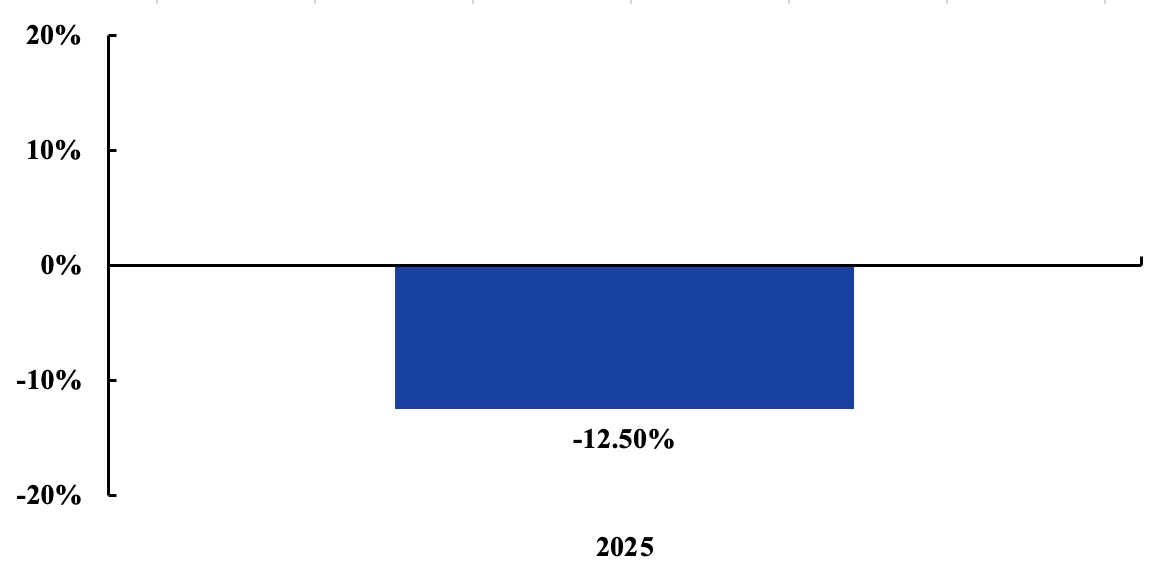
The following performance information provides some indication of the risks of investing in the Fund by showing changes in the Fund’s performance over time. The bar chart shows the annual returns for the Fund year over year. The table illustrates how the Fund’s average annual returns for the 1-year and since inception periods compare with those of a broad measure of market performance. The Fund’s past performance, before and after taxes, does not necessarily indicate how it will perform in the future. Updated performance information is available on the Fund’s website at www.returnstackedetfs.com.


Calendar Year Ended December 31,


During the period of time shown in the bar chart, the Fund’s highest quarterly return was 2.30% for the quarter ended September 30, 2025 and the lowest quarterly return was -5.73% for the quarter ended June 30, 2025.


The performance information shown above is based on a calendar year. The Fund’s year-to-date return for the period ended March 31, 2026 was 20.60%.


Average Annual Total Returns


For the Periods Ended December 31, 2025


  1 Year Since Inception
August 20, 2024
Return Before Taxes -12.50% -14.65%
Return After Taxes on Distributions -13.22% -15.73%
Return After Taxes on Distributions and Sale of Fund Shares -7.40% -11.49%
Bloomberg U.S. Aggregate Bond Index(1) (reflects no deduction for fees, expenses, or taxes) 7.30% 3.71%


(1) The Bloomberg U.S. Aggregate Bond Index is a broad-based flagship benchmark that measures the investment grade, U.S. dollar-denominated, fixed-rate taxable bond market. The index includes U.S. Treasuries, government-related and corporate securities, MBS (agency fixed-rate pass-throughs), ABS and CMBS (agency and non-agency).


After-tax returns are calculated using the historical highest individual federal marginal income tax rates during the period covered by the table above and do not reflect the impact of state and local taxes. Actual after-tax returns depend on an investors’ tax situation and may differ from those shown. After-tax returns shown are not relevant to investors who hold their Shares through tax-deferred or other tax-advantaged arrangements such as an individual retirement account (“IRA”). In certain cases, the figures representing “Return After Taxes on Distributions and Sale of Fund Shares” may be higher than the other figures for the same period. A higher after-tax return results when a capital loss occurs upon redemption and provides an assumed tax deduction that benefits the investor.


Management


Investment Adviser


Tidal Investments LLC serves as investment adviser to the Fund and the Subsidiary.


8 


Investment Sub-Advisers


Newfound Research LLC serves as investment sub-adviser to the Fund.


ReSolve Asset Management Inc. serves as a non-discretionary investment sub-adviser to the Fund and the Subsidiary.


Futures Advisor


ReSolve Asset Management SEZC (Cayman) serves as futures advisor to the Fund and the Subsidiary.


Portfolio Managers


The following individuals are jointly and primarily responsible for the day-to-day management of the Fund and, as indicated below, the Subsidiary.


Corey Hoffstein, Chief Investment Officer for Newfound, has been a portfolio manager of the Fund since its inception in 2024.


Rodrigo Gordillo, CIM®, President & Portfolio Manager for ReSolve, has been a portfolio manager of both the Fund and the Subsidiary with respect to futures advice since their inception in 2024.


Adam Butler, CFA®, CAIA®, Chief Investment Officer & Portfolio Manager for ReSolve, has been a portfolio manager of both the Fund and the Subsidiary with respect to futures advice since their inception in 2024.


Michael Philbrick, CIM®, AIFP®, Co-Founder, CEO and Portfolio Manager of ReSolve, has been a portfolio manager of both the Fund and the Subsidiary with respect to futures advice since their inception in 2024.


Andrew Butler, CFA®, Chief Investment Officer & Portfolio Manager for RAM, has been a portfolio manager of both the Fund and the Subsidiary since 2026.


CFA® and Chartered Financial Analyst® are registered trademarks owned by the CFA Institute. AIFP® and Accredited Investment Fiduciary® registered trademarks owned by Fi360, Inc. CIM® and Chartered Investment Manager® are registered trademarks owned by Canadian Securities Institute. Chartered Alternative Investment Analyst® is a registered trademark owned by the CFA Institute.


Purchase and Sale of Shares


The Fund issues and redeems Shares at NAV only in large blocks known as “Creation Units,” which only APs (typically, broker-dealers) may purchase or redeem. The Fund generally issues and redeems Creation Units in exchange for a portfolio of securities (the “Deposit Securities”) and/or a designated amount of U.S. cash.


Shares are listed on a national securities exchange, such as the Exchange, and individual Shares may only be bought and sold in the secondary market through brokers at market prices, rather than NAV. Because Shares trade at market prices rather than NAV, Shares may trade at a price greater than NAV (premium) or less than NAV (discount).


An investor may incur costs attributable to the difference between the highest price a buyer is willing to pay to purchase Shares (the “bid” price) and the lowest price a seller is willing to accept for Shares (the “ask” price) when buying or selling Shares in the secondary market. This difference in bid and ask prices is often referred to as the “bid-ask spread.”


Information regarding the Fund’s NAV, market price, how often Shares traded on the Exchange at a premium or discount, and the median bid-ask spread can be found on the Fund’s website at www.returnstackedetfs.com.


Tax Information


Fund distributions are generally taxable to shareholders as ordinary income, qualified dividend income, or capital gains (or a combination), unless your investment is in an individual retirement account (“IRA”) or other tax-advantaged account. Distributions on investments made through tax-deferred arrangements may be taxed later upon withdrawal of assets from those accounts.


Financial Intermediary Compensation


If you purchase Shares through a broker-dealer or other financial intermediary (such as a bank) (an “Intermediary”), the Adviser, Newfound, or their affiliates may pay Intermediaries for certain activities related to the Fund, including participation in activities that are designed to make Intermediaries more knowledgeable about exchange-traded products, including the Fund, or for other activities, such as marketing, educational training, or other initiatives related to the sale or promotion of Shares. These payments may create a conflict of interest by influencing the Intermediary and your salesperson to recommend the Fund over another investment. Any such arrangements do not result in increased Fund expenses. Ask your salesperson or visit the Intermediary’s website for more information.

9 


Return Stacked® Bonds & Managed Futures ETF - Fund Summary


Investment Objective


The Return Stacked® Bonds & Managed Futures ETF (the “Fund”) seeks long-term capital appreciation.


Fees and Expenses of the Fund


This table describes the fees and expenses that you may pay if you buy, hold, and sell shares of the Fund (“Shares”). You may pay other fees, such as brokerage commissions and other fees to financial intermediaries, which are not reflected in the table and Example below.


Annual Fund Operating Expenses(1) (expenses that you pay each year as a percentage of the value of your investment)  
Management Fees   0.95%
Distribution and/or Service (12b-1) Fees   0.00%
Other Expenses   0.00%
Acquired Fund Fees and Expenses(2)   0.06%
Total Annual Fund Operating Expenses   1.01%
(1) The Fund’s investment adviser, Tidal Investments LLC (“Tidal” or the “Adviser”), a Tidal Financial Group company, will pay, or require a sub-adviser to pay, all expenses incurred by the Fund (except for advisory fees and sub-advisory fees, as the case may be) excluding interest charges on any borrowings made for investment purposes, dividends and other expenses on securities sold short, taxes, brokerage commissions and other expenses incurred in placing orders for the purchase and sale of securities and other investment instruments, acquired fund fees and expenses, accrued deferred tax liability, distribution fees and expenses paid by the Fund under any distribution plan adopted pursuant to Rule 12b-1 under the Investment Company Act of 1940, as amended (the “1940 Act”), and litigation expenses and other non-routine or extraordinary expenses.
(2) Acquired Fund Fees and Expenses are expenses indirectly incurred by the Fund as a result of its investments in one or more underlying funds, including exchange-traded funds and money market funds. The total annual fund operating expenses in this fee table will not correlate to the expense ratio in the Fund’s Financial Highlights because the financial statements include only the direct operating expenses incurred by the Fund, not the indirect costs of investing in other investment companies.


Expense Example


This Example is intended to help you compare the cost of investing in the Fund with the cost of investing in other funds. The Example assumes that you invest $10,000 in the Fund for the time periods indicated and then hold or redeem all of your Shares at the end of those periods. The Example also assumes that your investment has a 5% return each year and that the Fund’s operating expenses remain the same. The Example does not take into account brokerage commissions that you may pay on your purchases and sales of Shares. Although your actual costs may be higher or lower, based on these assumptions your costs would be:


1 Year 3 Years 5 Years 10 Years
$103 $322 $558 $1,236


Portfolio Turnover


The Fund pays transaction costs, such as commissions, when it buys and sells securities (or “turns over” its portfolio). A higher portfolio turnover rate may indicate higher transaction costs and may result in higher taxes when Shares are held in a taxable account. These costs, which are not reflected in total annual fund operating expenses or in the Expense Example above, affect the Fund’s performance. For the fiscal year ended January 31, 2026, the Fund’s portfolio turnover rate was 88% of the average value of its portfolio.


10 


Principal Investment Strategies


The Fund is an actively-managed exchange-traded fund (“ETF”) that seeks to achieve its investment objective by investing in two complimentary investment strategies, a Bond strategy and a Managed Futures strategy. The Fund uses leverage to “stack” the total return of holdings in the Fund’s Bond strategy together with the potential returns of the Fund’s Managed Futures strategy. Essentially, one dollar invested in the Fund provides approximately one dollar of exposure to the Fund’s Bond strategy and approximately one dollar of exposure to the Fund’s Managed Futures strategy. So, the return of the Managed Futures strategy (minus the cost of financing) is essentially stacked on top of the returns of the Bond strategy.


Under normal circumstances, the Fund will invest at least 80% of its net assets, plus borrowings for investment purposes, in (a) the Bond strategy (as described below) and (b) the managed futures strategy (as described below). For the Fund’s Bond strategy, the Fund will invest in U.S. Treasury securities, Bond ETFs, and/or futures contracts on U.S. Treasury securities, as well as swaps on any of the foregoing and/or swaps on U.S. fixed income indices.


For the Fund’s Managed Futures strategy, the Fund will invest among four major asset classes (commodities, currencies, equities, and fixed income) and generally, the Fund will gain exposure to these four asset classes by investing in futures contracts including, but not limited to, commodity futures; currency futures; equity index futures; bond futures; and interest rate futures; as well as swaps on any of the foregoing and/or swaps on applicable indices (collectively, the “Instruments”). The Fund may either invest directly in the Instruments or indirectly by investing in the Subsidiary (as described below) that invests in the Instruments.


The Fund will target a 100% exposure to each of its Bond strategy and its Managed Futures strategy.


Bond Strategy:


The Fund seeks to capture the total return of the broad U.S. fixed income market with the objective of long-term capital appreciation. To do so, the Fund will invest in U.S. Treasury securities, broad-based bond ETFs, and/or U.S. Treasury futures contracts, as well as swaps on any of the foregoing and/or swaps on U.S. fixed income indices.


For the Fund’s direct investments in U.S. Treasury securities, the Fund will invest Treasury bills, notes, and bonds across the yield curve and the holdings will have a target duration of two to eight years.


The Fund may also invest in broad-based aggregate bond ETFs, which are ETFs that are designed to provide broad exposure to U.S. corporate and government bonds. The Fund’s sub-adviser, Newfound Research LLC (“Newfound”), will favor low-cost bond ETFs that provide exposure to the overall U.S. bond market, and which are highly liquid.


Further, the Fund may implement its bond strategy by investing in U.S. Treasury futures, which are contracts for the purchase and sale of U.S. government notes or bonds for future delivery. The Fund will invest in futures contracts on U.S. Treasuries with maturities ranging from 2 to 30 years, with a target duration of 2 to 8 years.


Under normal circumstances, the Fund’s exposure to the Bond strategy will represent approximately 100% of the Fund’s net assets.


Note: Notional value is the total underlying amount of a derivatives trade. Leverage allows an investor (like the Fund) to use a small amount of money to gain exposure to a larger (and potentially, a much larger) amount. So, notional value reflects the total value of a trade, not the cost (or market value) of taking the trade.


Managed Futures Strategy:


The Fund will invest, using a Managed Futures strategy, among four major asset classes (commodities, currencies, equities, and fixed income). As noted above, the Fund will invest in the Instruments.


The Fund may either invest directly in the Instruments or indirectly by investing in the Subsidiary (as described below) that invests in the Instruments. There are no geographic limits on the market exposure of the Fund’s assets. This flexibility allows ReSolve Asset Management SEZC (Cayman) (“ReSolve”) to look for investments or gain exposure to asset classes and markets around the world that it believes will enhance the Fund’s ability to meet its objective.


ReSolve uses a proprietary, systematic and quantitative process which seeks to benefit from price trends in commodity, currency, equity, volatility, credit and fixed income Instruments. As part of this process, the Fund will take either a long or short position in a given Instrument. The size and type (long or short) of the position taken will relate to various factors, including ReSolve’s systematic assessment of a trend and its likelihood of continuing as well as ReSolve’s estimate of the Instrument’s risk. The owner of a long position in a derivative instrument will benefit from an increase in the price of the underlying instrument. The owner of a short position in a derivative instrument will benefit from a decrease in the price of the underlying instrument. ReSolve generally expects that the Fund will have exposure in long and short positions across all four major asset classes (commodities, currencies, fixed income and equities), but at any one time the Fund may emphasize one or two of the asset classes or a limited number of exposures within an asset class.


11 


Futures contracts have a limited lifespan before they expire (e.g., quarterly). The Fund will frequently “roll-over” futures contracts - replace an expiring contract with a contract that expires further in the future. As a result, the Fund’s portfolio will be subject to a high portfolio turnover rate.


Under normal circumstances, the Fund’s exposure to the Managed Futures strategy will represent approximately 100% of the Fund’s net assets. The Fund’s Managed Futures strategy involves levered exposure to a diversified basket of global futures contracts (and/or swaps on such futures contracts).


Cayman Subsidiary:


The Fund intends to gain exposure to its investments either directly or indirectly by investing through a wholly-owned Cayman Islands subsidiary (the “Subsidiary”) that is advised by the Adviser and ReSolve. The Fund may invest up to 25% of its total assets in the Subsidiary, tested at the end of each fiscal quarter.


The Subsidiary will generally hold investments that do not generate “qualifying income” under the source of income test required to qualify as a regulated investment company (“RIC”) under Subchapter M of the Internal Revenue Code of 1986, as amended (the “Code”). Unlike the Fund, the Subsidiary may invest without limitation in investments that do not generate “qualifying income”; however, the Subsidiary will comply with the same Investment Company Act of 1940, as amended (the “1940 Act”), requirements that are applicable to the Fund’s transactions in derivatives. In addition, the Subsidiary will be subject to the same fundamental investment restrictions and will follow the same compliance policies and procedures as the Fund. Unlike the Fund, the Subsidiary will not seek to qualify as a RIC under the Code. The Fund is the sole investor in the Subsidiary and does not expect the shares of the Subsidiary to be offered or sold to other investors. Except as otherwise noted, for purposes of this Prospectus, references to the Fund’s investments include the Fund’s indirect investments through the Subsidiary.


The financial statements of the Subsidiary will be consolidated with the Fund’s financial statements in the Fund’s Annual and Semi-Annual Reports.


ReSolve Asset Management Inc. (“RAM”) serves as a non-discretionary investment sub-adviser to the Fund and the Subsidiary and is responsible for trade execution of portfolio securities and financial instruments for each entity, including selecting broker-dealers to execute purchase and sale transactions.


Collateral – Managed Futures


The Fund (and the Subsidiary, as applicable) expects to invest approximately 40% to 100% of its net assets in U.S. Treasury bills, money market funds, cash and cash equivalents (e.g., high quality commercial paper and similar instruments that are rated investment grade or, if unrated, of comparable quality, as Newfound determines), that provide liquidity, serve as margin or collateralize the Fund’s or the Subsidiary’s investments in futures and swap contracts.


Non-Diversified


The Fund is classified as a “non-diversified” investment company under the Investment Company Act of 1940, as amended (the “1940 Act”) and, therefore, may invest a greater percentage of its assets in a particular issuer than a diversified fund.


Principal Investment Risks


The principal risks of investing in the Fund are summarized below. As with any investment, there is a risk that you could lose all or a portion of your investment in the Fund. Some or all of these risks may adversely affect the Fund’s net asset value per share (“NAV”), trading price, yield, total return and/or ability to meet its investment objective. For more information about the risks of investing in the Fund, see the section in the Fund’s Prospectus titled “Additional Information About the Funds — Principal Risks of Investing in The Funds.”


Each risk summarized below is considered a “principal risk” of investing in the Fund, regardless of the order in which they appear.


12 


Derivatives Risk. Derivatives are financial instruments that derive value from the underlying reference asset or assets, such as stocks, bonds, commodities, currencies, funds (including ETFs), interest rates or indexes. The Fund’s investments in derivatives may pose risks in addition to, and greater than, those associated with directly investing in securities or other ordinary investments, including risk related to the market, imperfect correlation with underlying investments or the Fund’s other portfolio holdings, higher price volatility, lack of availability, counterparty risk, liquidity, valuation and legal restrictions. The use of derivatives is a highly specialized activity that involves investment techniques and risks different from those associated with ordinary portfolio securities transactions. The use of derivatives may result in larger losses or smaller gains than directly investing in the underlying reference asset(s). Because derivatives often require only a limited initial investment, the use of derivatives may expose the Fund to losses in excess of those amounts initially invested. In addition, the Fund’s investments in derivatives are subject to the following risks:


Futures Contracts. Risks of futures contracts include: (i) an imperfect correlation between the value of the futures contract and the underlying asset; (ii) possible lack of a liquid secondary market; (iii) the inability to close a futures contract when desired; (iv) losses caused by unanticipated market movements, which may be unlimited; (v) an obligation for the Fund to make daily cash payments to maintain its required margin, particularly at times when the Fund may have insufficient cash; and (vi) unfavorable execution prices from rapid selling.


Swaps. Swap agreements involve the risk that the party with whom the Fund has entered into the swap will default on its obligation to pay the Fund. Additionally, certain unexpected market events or significant adverse market movements could result in the Fund not holding enough assets to be able to meet its obligations under the agreement. Such occurrences may negatively impact the Fund’s ability to implement its principal investment strategies and could result in losses to the Fund.


Cayman Subsidiary Risk. By investing in the Subsidiary, the Fund is indirectly exposed to the risks associated with the Subsidiary’s investments. The futures contracts and other investments held by the Subsidiary are subject to the same economic risks that apply to similar investments if held directly by the Fund. The Subsidiary is not registered under the 1940 Act, and, unless otherwise noted in this Prospectus, is not subject to all the investor protections of the 1940 Act. Changes in the laws of the United States and the Cayman Islands could result in the inability of the Fund and/or the Subsidiary to continue to operate as it does currently and could adversely affect the Fund. For example, the Cayman Islands does not currently impose any income, corporate or capital gains tax or withholding tax on the Subsidiary. If Cayman Islands law changes such that the Subsidiary must pay Cayman Islands taxes, Fund shareholders would likely suffer decreased investment returns. In addition, the Subsidiary is also subject to many of the risks to which each Fund is subject, such as tax risks, commodity related risks, and market and data risks.


Bond Risks. The Fund will be subject to bond and fixed income risks through its investments in U.S. Treasury securities, broad-based bond ETFs, U.S. Treasury and fixed income futures contracts, as well as swaps. Changes in interest rates generally will cause the value of fixed-income and bond instruments held by Fund (or underlying ETFs) to vary inversely to such changes. Prices of longer-term fixed-income instruments generally fluctuate more than the prices of shorter-term fixed income instruments as interest rates change. Fixed-income instruments that are fixed-rate are generally more susceptible than floating rate loans to price volatility related to changes in prevailing interest rates. The prices of floating rate fixed-income instruments tend to have less fluctuation in response to changes in interest rates, but will have some fluctuation, particularly when the next interest rate adjustment on such security is further away in time or adjustments are limited in amount over time. The Fund (or underlying ETFs) may invest in short-term securities that, when interest rates decline, affect the Fund’s (or underlying ETF’s) yield as these securities mature or are sold and the Fund (or underlying ETFs) purchases new short-term securities with lower yields. An obligor’s willingness and ability to pay interest or to repay principal due in a timely manner may be affected by, among other factors, its cash flow.


Equity Market Risk. By virtue of the Fund’s investments in equity index futures agreements and/or equity swaps, the Fund is exposed to common stocks indirectly which subjects the Fund to equity market risk. Common stocks are generally exposed to greater risk than other types of securities, such as preferred stock and debt obligations, because common stockholders generally have inferior rights to receive payment from specific issuers. Equity securities may experience sudden, unpredictable drops in value or long periods of decline in value. This may occur because of factors that affect securities markets generally or factors affecting specific issuers, industries, or sectors in which the Fund invests.


Commodities Risk. Exposure to the commodities markets may subject the Fund to greater volatility than investments in traditional securities. The value of commodity-linked derivative investments may be affected by changes in overall market movements, commodity index volatility, changes in interest rates, or factors affecting a particular industry or commodity, such as drought, floods, weather, embargoes, tariffs and international economic, political and regulatory developments.


Commodity-Linked Derivatives Tax Risk. The tax treatment of commodity-linked derivative instruments may be adversely affected by changes in legislation, regulations, or other legally binding authority. As a RIC, the Fund must derive at least 90% of its gross income each taxable year from certain qualifying sources of income under the Code. If, as a result of any adverse future legislation, U.S. Treasury regulations, and/or guidance issued by the Internal Revenue Service (the “IRS”), the income of the Fund from certain commodity-linked derivatives, including income from the Fund’s investments in the Subsidiary, were treated as non-qualifying income, the Fund may fail to qualify as RIC and/or be subject to federal income tax at the Fund level. The uncertainty surrounding the treatment of certain derivative instruments under the qualification tests for a RIC may limit the Fund’s use of such derivative instruments.


13 


The Fund intends to limit its investment in the Subsidiary to no more than 25% of the value of its total assets in order to satisfy certain asset diversification requirements for taxation as a regulated investment company. The Fund intends to manage the exposure to the Subsidiary so that the Fund’s investments in the Subsidiary do not exceed 25% of the total assets at the end of any quarter. If the Fund’s investments in the Subsidiary were to exceed 25% of the Fund’s total assets at the end of a tax quarter, the Fund, generally, has a grace period to cure such lack of compliance. If the Fund fails to timely cure, it may no longer be eligible to be treated as a RIC.


Commodity Pool Regulatory Risk. The Fund’s investment exposure to certain instruments will cause it to be deemed to be a commodity pool, thereby subjecting the Fund to regulation under the Commodity Exchange Act of 1936, as amended (“CEA”), and CFTC rules. The Adviser is registered as a commodity pool operator (“CPO”), ReSolve is registered as a CPO as well as a commodity trading advisor (“CTA”), RAM is registered as a CTA, and the Fund will be operated in accordance with applicable CFTC rules, as well as the regulatory scheme applicable to registered investment companies. Registration as a CPO or CTA imposes additional compliance obligations on the Adviser, Resolve and RAM, as applicable, and the Fund related to additional laws, regulations, and enforcement policies, which could increase compliance costs and may affect the operations and financial performance of the Fund. However, the Fund’s status as a commodity pool and the Adviser’s, ReSolve’s and RAM’s registration as a CPO (and/or CTA, as applicable), are not expected to materially adversely affect the Fund’s ability to achieve its investment objective. The CFTC has not passed on the adequacy of this Prospectus.


Tax Risk. The Fund intends to treat any income it may derive from the Subsidiary as “qualifying income” under the provisions of the Code applicable to RICs. The IRS has issued numerous private letter rulings (“PLRs”) provided to third parties not associated with the Fund or its affiliates (which only those parties may rely on as precedent) concluding that similar arrangements resulted in qualifying income. Many of such PLRs have now been revoked by the IRS. In March of 2019, the IRS published Regulations that concluded that income from a corporation similar to the Subsidiary would be qualifying income, if the income is related to the Fund’s business of investing in stocks or securities. Although the Regulations do not require distributions from the Subsidiary, the Fund intends to cause the Subsidiary to make distributions that would allow the Fund to make timely distributions to its shareholders. The Fund generally will be required to include in its own taxable income the income of the Subsidiary for a tax year, regardless of whether the Fund receives a distribution of the Subsidiary’s income in that tax year, and this income would nevertheless be subject to the distribution requirement for qualification as a regulated investment company and would be taken into account for purposes of the 4% excise tax.


If the Fund did not qualify as a RIC for any taxable year and certain relief provisions were not available, the Fund’s taxable income would be subject to tax at the Fund level and to a further tax at the shareholder level when such income is distributed. In such event, in order to re-qualify for taxation as a RIC, the Fund might be required to recognize unrealized gains, pay substantial taxes and interest and make certain distributions. This would cause investors to incur higher tax liabilities than they otherwise would have incurred and would have a negative impact on Fund returns. In such event, the Fund’s Board of Trustees may determine to reorganize or close the Fund or materially change the Fund’s investment objective and strategies. In the event that the Fund fails to qualify as a RIC, the Fund will promptly notify shareholders of the implications of that failure.


Credit Risk. Credit risk refers to the possibility that the issuer of a security will not be able to make principal and interest payments when due. Changes in an issuer’s credit rating or the market’s perception of an issuer’s creditworthiness may also affect the value of the Fund’s investment in that issuer. Securities rated in the four highest categories by the rating agencies are considered investment grade but they may also have some speculative characteristics. Investment grade ratings do not guarantee that the issuer will not default on its payment obligations or that bonds will not otherwise lose value.


Currency Risk. Currency risk is the risk that changes in currency exchange rates will negatively affect securities denominated in, and/or receiving revenues in, foreign currencies. The liquidity and trading value of foreign currencies could be affected by global economic factors, such as inflation, interest rate levels, and trade balances among countries, as well as the actions of sovereign governments and central banks. Adverse changes in currency exchange rates (relative to the U.S. dollar) may erode or reverse any potential gains from the Fund’s (or an underlying ETF’s) investments in securities denominated in a foreign currency or may widen existing losses.


Foreign Investment Risk. The Fund may invest in equity index futures and swaps on foreign equity investments. Such investments involve certain risks not involved in domestic investments and may experience more rapid and extreme changes in value than investments in securities of U.S. companies. Financial markets in foreign countries often are not as developed, efficient, or liquid as financial markets in the United States, and therefore, the prices of non-U.S. securities and instruments can be more volatile. In addition, the Fund will be subject to risks associated with adverse political and economic developments in foreign countries, which may include the imposition of economic sanctions. Generally, there is less readily available and reliable information about non-U.S. issuers due to less rigorous disclosure or accounting standards and regulatory practices. Since foreign exchanges may be open on days when the Fund does not price its Shares, the value of the securities in the Fund’s portfolio may change on days when shareholders will not be able to purchase or sell the Fund’s Shares. Conversely, Shares may trade on days when foreign exchanges are closed. Investment in foreign securities may involve higher costs than investment in U.S. securities, including higher transaction and custody costs as well as the imposition of additional taxes by foreign governments. Each of these factors can make investments in the Fund more volatile and potentially less liquid than other types of investments.


14 


Interest Rate Risk. Interest rate risk is the risk that prices of fixed income securities generally increase when interest rates decline and decrease when interest rates increase. The Fund may lose money if short-term or long-term interest rates rise sharply or otherwise change in a manner not anticipated by Newfound or Resolve, as the case may be.


High Portfolio Turnover Risk. The Fund may actively and frequently trade all or a significant portion of the Fund’s holdings. A high portfolio turnover rate increases transaction costs, which may increase the Fund’s expenses. Frequent trading may also cause adverse tax consequences for investors in the Fund due to an increase in short-term capital gains.


Leverage Risk. As part of the Fund’s principal investment strategy, the Fund will make investments in futures and/or swaps to gain long and short exposure across four major asset classes (commodities, currencies, fixed income and equities). These derivative instruments provide the economic effect of financial leverage by creating additional investment exposure to the underlying instrument, as well as the potential for greater loss. You could lose all or substantially all of your investment in the Fund should the Fund’s trading positions suddenly turn unprofitable. The net asset value of the Fund while employing leverage will be more volatile and sensitive to market movements.


Non-Diversification Risk. Because the Fund is “non-diversified,” it may invest a greater percentage of its assets in the securities of a single issuer or a smaller number of issuers than if it was a diversified fund. As a result, a decline in the value of an investment in a single issuer or a smaller number of issuers could cause the Fund’s overall value to decline to a greater degree than if the Fund held a more diversified portfolio.


U.S. Government and U.S. Agency Obligations Risk. The Fund may invest in securities issued by the U.S. government or its agencies or instrumentalities. U.S. Government obligations include securities issued or guaranteed as to principal and interest by the U.S. Government, its agencies or instrumentalities, such as the U.S. Treasury. Payment of principal and interest on U.S. Government obligations may be backed by the full faith and credit of the United States or may be backed solely by the issuing or guaranteeing agency or instrumentality itself. In the latter case, the investor must look principally to the agency or instrumentality issuing or guaranteeing the obligation for ultimate repayment, which agency or instrumentality may be privately owned. There can be no assurance that the U.S. Government would provide financial support to its agencies or instrumentalities (including government-sponsored enterprises) where it is not obligated to do so. Although U.S. Treasuries are backed by the U.S. government, those government policies may change both in terms of the payment of interest and in the payment of principal. Furthermore, while holding a Treasury until maturity can guarantee principal, selling a treasury prior to maturity or buying a treasury subsequent to issue date may put principal at risk.


Underlying ETFs Risks. The Fund will incur higher and duplicative expenses because it invests in bond ETFs (“Underlying ETFs”). There is also the risk that the Fund may suffer losses due to the investment practices of the Underlying ETFs. The Fund will be subject to substantially the same risks as those associated with the direct ownership of securities held by the Underlying ETFs. Additionally, the market price of the shares of an Underlying ETF in which the Fund invests will fluctuate based on changes in the net asset value as well as changes in the supply and demand of its shares in the secondary market. It is also possible that an active secondary market for an Underlying ETF’s shares may not develop, and market trading in the shares of the Underlying ETF may be halted under certain circumstances. Underlying ETFs are also subject to the “ETF Risks” described below.


Counterparty Risk. Counterparty risk is the likelihood or probability that a party involved in a transaction might default on its contractual obligation. Where the Fund enters into derivative contracts that are exchange-traded, the Fund is subject to the counterparty risk associated with the Fund’s clearing broker or clearinghouse. Relying on a counterparty exposes the Fund to the risk that a counterparty will not settle a transaction in accordance with its terms and conditions because of a dispute over the terms of the contract (whether or not bona fide) or because of a credit or liquidity problem, thus causing the Fund to suffer a loss. If a counterparty defaults on its payment obligations to the Fund, this default will cause the value of an investment in the Fund to decrease. In addition, to the extent the Fund deals with a limited number of counterparties, it will be more susceptible to the credit risks associated with those counterparties.


15 


The remaining principal risks are presented in alphabetical order. Each risk summarized below is considered a “principal risk” of investing in the Fund, regardless of the order in which it appears.


ETF Risks.


  Authorized Participants, Market Makers, and Liquidity Providers Concentration Risk. The Fund has a limited number of financial institutions that are authorized to purchase and redeem Shares directly from the Fund (known as “Authorized Participants” or “APs”). In addition, there may be a limited number of market makers and/or liquidity providers in the marketplace. To the extent either of the following events occur, Shares may trade at a material discount to NAV and possibly face delisting: (i) APs exit the business or otherwise become unable to process creation and/or redemption orders and no other APs step forward to perform these services; or (ii) market makers and/or liquidity providers exit the business or significantly reduce their business activities and no other entities step forward to perform their functions. Any such decisions by market makers or authorized participants to reduce their role or step away from these activities in times of market stress could inhibit the effectiveness of the arbitrage process in maintaining the relationship between the underlying value of the Fund’s portfolio securities and the Fund’s market price. This reduced effectiveness could result in Fund shares trading at a premium or discount to its NAV and also greater than normal intraday bid-ask spreads.


  Cash Redemption Risk. An ETF’s investment strategy may require it to redeem its shares for cash or to otherwise include cash as part of its redemption proceeds. For example, an ETF may not be able to redeem in-kind certain securities held by the ETF (e.g., derivative instruments). In such a case, the ETF may be required to sell or unwind portfolio investments to obtain the cash needed to distribute redemption proceeds. This may cause the ETF to recognize a capital gain that it might not have recognized if it had made a redemption in-kind. As a result, the ETF may pay out higher annual capital gain distributions than if the in-kind redemption process was used. By paying out higher annual capital gain distributions, investors may be subjected to increased capital gains taxes.


  Costs of Buying or Selling Shares. Buying or selling Shares involves certain costs, including brokerage commissions, other charges imposed by brokers, and bid-ask spreads. The bid-ask spread represents the difference between the price at which an investor is willing to buy Shares and the price at which an investor is willing to sell Shares. The spread varies over time based on the Shares’ trading volume and market liquidity. The spread is generally lower if Shares have more trading volume and market liquidity and higher if Shares have little trading volume and market liquidity. Due to the costs of buying or selling Shares, frequent trading of Shares may reduce investment results and an investment in Shares may not be advisable for investors who anticipate regularly making small investments.


  Shares May Trade at Prices Other Than NAV. As with all ETFs, Shares may be bought and sold in the secondary market at market prices. Although it is expected that the market price of Shares will approximate the Fund’s NAV, there may be times when the market price of Shares is more than the NAV intra-day (premium) or less than the NAV intra-day (discount) due to supply and demand of Shares or during periods of market volatility and there may be widening bid-ask spreads. This risk is heightened in times of market volatility, periods of steep market declines, and periods when there is limited trading activity for Shares in the secondary market, in which case such premiums or discounts may be significant and there may be furthering widening bid-ask spreads.


  Trading. Although Shares are listed for trading on a national securities exchange, such as Cboe BZX Exchange, Inc. (the “Exchange”), and may be traded on U.S. exchanges other than the Exchange, there can be no assurance that Shares will trade with any volume, or at all, on any stock exchange. In stressed market conditions, the liquidity of Shares may begin to mirror the liquidity of the Fund’s portfolio holdings, which can be significantly less liquid than Shares.


Economic and Market Risk. Economies and financial markets throughout the world are becoming increasingly interconnected, which increases the likelihood that events or conditions in one country or region will adversely impact markets or issuers in other countries or regions. Securities in the Fund’s portfolio may underperform in comparison to securities in the general financial markets, a particular financial market, or other asset classes, due to a number of factors, including inflation (or expectations for inflation), deflation (or expectations for deflation), interest rates, global demand for particular products or resources, market instability, financial system instability, debt crises and downgrades, embargoes, tariffs, sanctions and other trade barriers, regulatory events, other governmental trade or market control programs and related geopolitical events. In addition, the value of the Fund’s investments may be negatively affected by the occurrence of global events such as war, terrorism, environmental disasters, natural disasters or events, country instability, and infectious disease epidemics or pandemics. The imposition by the U.S. of tariffs on goods imported from foreign countries and reciprocal tariffs levied on U.S. goods by those countries also may lead to volatility and instability in domestic and foreign markets.


16 


Illiquid Investments Risk. The Fund may, at times, hold illiquid investments, by virtue of the absence of a readily available market for certain of its investments, or because of legal or contractual restrictions on sales. The Fund could lose money if it is unable to dispose of an investment at a time or price that is most beneficial to the Fund.


Management Risk. The Fund is actively-managed and may not meet its investment objective based on Newfound’s or ReSolve’s success or failure to implement investment strategies for the Fund.


Models and Data Risk. The composition of the Fund’s (and Subsidiary’s) portfolio is heavily dependent on proprietary investment models as well as information and data supplied by third parties (“Models and Data”). When Models and Data prove to be incorrect or incomplete, any decisions made in reliance thereon may lead to the inclusion or exclusion of securities from the Fund’s (or Subsidiary’s) portfolio that would have been excluded or included had the Models and Data been correct and complete.


Newer Fund Risk. The Fund is a recently organized management investment company with a limited operating history. As a result, prospective investors have only a limited track record or history on which to base their investment decisions. There can be no assurance that the Fund will grow to or maintain an economically viable size.


Operational Risk. The Fund is subject to risks arising from various operational factors, including, but not limited to, human error, processing and communication errors, errors of the Fund’s service providers, counterparties or other third-parties, failed or inadequate processes and technology or systems failures. The Fund relies on third-parties for a range of services, including custody. Any delay or failure relating to engaging or maintaining such service providers may affect the Fund’s ability to meet its investment objective. Although the Fund, Adviser, Newfound, ReSolve, and RAM seek to reduce these operational risks through controls and procedures, there is no way to completely protect against such risks.
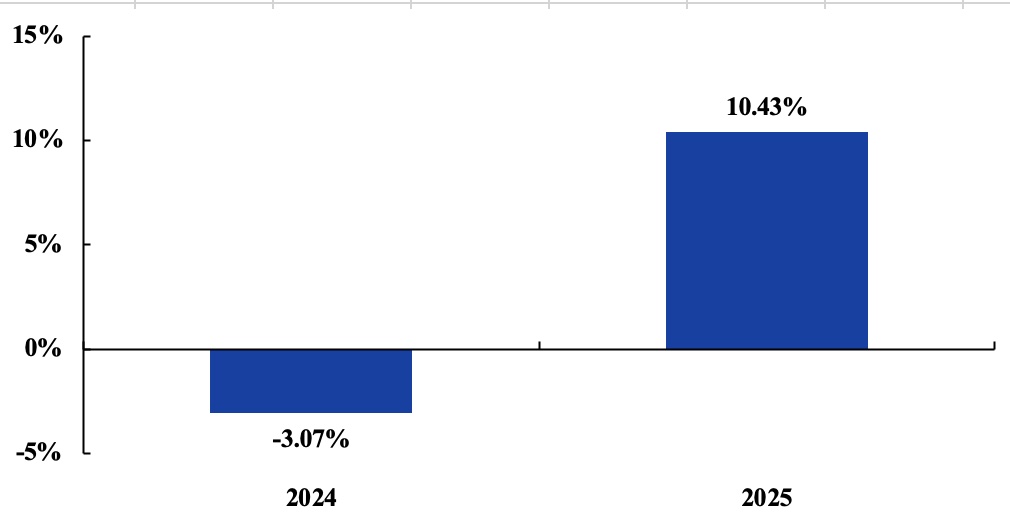
 

Performance


The following performance information provides some indication of the risks of investing in the Fund by showing changes in the Fund’s performance over time. The bar chart shows the annual returns for the Fund year over year. The table illustrates how the Fund’s average annual returns for the 1-year and since inception periods compare with those of a broad measure of market performance. The Fund’s past performance, before and after taxes, does not necessarily indicate how it will perform in the future. Updated performance information is available on the Fund’s website at www.returnstackedetfs.com.


Calendar Year Ended December 31, 


During the period of time shown in the bar chart, the Fund’s highest quarterly return was 6.51% for the quarter ended December 31, 2025 and the lowest quarterly return was -7.36% for the quarter ended December 31, 2024.


The performance information shown above is based on a calendar year. The Fund’s year-to-date return for the period ended March 31, 2026 was 4.91%.


17 


Average Annual Total Returns


For the Periods Ended December 31, 2025

 
  1 Year Since Inception
February 7, 2023
Return Before Taxes 10.43% -1.81%
Return After Taxes on Distributions 9.04% -2.55%
Return After Taxes on Distributions and Sale of Fund Shares 6.18% -1.68%
Bloomberg U.S. Aggregate Bond Index(1) (reflects no deduction for fees, expenses, or taxes) 7.30% 4.06%


(1) The Bloomberg U.S. Aggregate Bond Index is a broad-based flagship benchmark that measures the investment grade, U.S. dollar-denominated, fixed-rate taxable bond market. The index includes U.S. Treasuries, government-related and corporate securities, MBS (agency fixed-rate pass-throughs), ABS and CMBS (agency and non-agency).


After-tax returns are calculated using the historical highest individual federal marginal income tax rates during the period covered by the table above and do not reflect the impact of state and local taxes. Actual after-tax returns depend on an investors tax situation and may differ from those shown. After-tax returns shown are not relevant to investors who hold their Shares through tax-deferred or other tax-advantaged arrangements such as an individual retirement account (“IRA”). In certain cases, the figures representing “Return After Taxes on Distributions and Sale of Fund Shares” may be higher than the other figures for the same period. A higher after-tax return results when a capital loss occurs upon redemption and provides an assumed tax deduction that benefits the investor.


Management


Investment Adviser


Tidal Investments LLC serves as investment adviser to the Fund and the Subsidiary.


Investment Sub-Advisers


Newfound Research LLC serves as investment sub-adviser to the Fund.


ReSolve Asset Management Inc. serves as a non-discretionary investment sub-adviser to the Fund and the Subsidiary.


Futures Advisor


ReSolve Asset Management SEZC (Cayman) serves as futures advisor to the Fund and the Subsidiary.


Portfolio Managers


The following individuals are jointly and primarily responsible for the day-to-day management of the Fund and, as indicated below, the Subsidiary.


Corey Hoffstein, Chief Investment Officer for Newfound, has been a portfolio manager of the Fund since its inception in 2023.


Rodrigo Gordillo, CIM®, President & Portfolio Manager for ReSolve, has been a portfolio manager of both the Fund and the Subsidiary with respect to futures advice since their inception in 2023.


Adam Butler, CFA®, CAIA®, Chief Investment Officer & Portfolio Manager for ReSolve, has been a portfolio manager of both the Fund and the Subsidiary with respect to futures advice since their inception in 2023.


Michael Philbrick, CIM®, AIFP®, Co-Founder, CEO and Portfolio Manager of ReSolve, has been a portfolio manager of both the Fund and the Subsidiary with respect to futures advice since their inception in 2023.


Andrew Butler, CFA®, Chief Investment Officer & Portfolio Manager for RAM, has been a portfolio manager of both the Fund and the Subsidiary since 2026.


CFA® and Chartered Financial Analyst® are registered trademarks owned by the CFA Institute. AIFP® and Accredited Investment Fiduciary® registered trademarks owned by Fi360, Inc. CIM® and Chartered Investment Manager® are registered trademarks owned by Canadian Securities Institute. Chartered Alternative Investment Analyst® is a registered trademark owned by the CFA Institute.


18 


Purchase and Sale of Shares


The Fund issues and redeems Shares at NAV only in large blocks known as “Creation Units,” which only APs (typically, broker-dealers) may purchase or redeem. The Fund generally issues and redeems Creation Units in exchange for a portfolio of securities (the “Deposit Securities”) and/or a designated amount of U.S. cash.


Shares are listed on a national securities exchange, such as the Exchange, and individual Shares may only be bought and sold in the secondary market through brokers at market prices, rather than NAV. Because Shares trade at market prices rather than NAV, Shares may trade at a price greater than NAV (premium) or less than NAV (discount).


An investor may incur costs attributable to the difference between the highest price a buyer is willing to pay to purchase Shares (the “bid” price) and the lowest price a seller is willing to accept for Shares (the “ask” price) when buying or selling Shares in the secondary market. This difference in bid and ask prices is often referred to as the “bid-ask spread.”


Information regarding the Fund’s NAV, market price, how often Shares traded on the Exchange at a premium or discount, and the median bid-ask spread can be found on the Fund’s website at www.returnstackedetfs.com.


Tax Information


Fund distributions are generally taxable to shareholders as ordinary income, qualified dividend income, or capital gains (or a combination), unless your investment is in an individual retirement account (“IRA”) or other tax-advantaged account. Distributions on investments made through tax-deferred arrangements may be taxed later upon withdrawal of assets from those accounts.


Financial Intermediary Compensation


If you purchase Shares through a broker-dealer or other financial intermediary (such as a bank) (an “Intermediary”), the Adviser, Newfound, or their affiliates may pay Intermediaries for certain activities related to the Fund, including participation in activities that are designed to make Intermediaries more knowledgeable about exchange-traded products, including the Fund, or for other activities, such as marketing, educational training, or other initiatives related to the sale or promotion of Shares. These payments may create a conflict of interest by influencing the Intermediary and your salesperson to recommend the Fund over another investment. Any such arrangements do not result in increased Fund expenses. Ask your salesperson or visit the Intermediary’s website for more information.


19 


Return Stacked® Bonds & Merger Arbitrage ETF – Fund Summary


Investment Objective


Return Stacked® Bonds & Merger Arbitrage ETF (the “Fund”) seeks long-term capital appreciation.


Fees and Expenses of the Fund


This table describes the fees and expenses that you may pay if you buy, hold, and sell shares of the Fund (“Shares”). You may pay other fees, such as brokerage commissions and other fees to financial intermediaries, which are not reflected in the table and Example below.


Annual Fund Operating Expenses(1) (expenses that you pay each year as a percentage of the value of your investment)  
 
Management Fees 0.95%
Distribution and/or Service (12b-1) Fees 0.00%
Other Expenses (includes interest expense) 0.01%
Acquired Fund Fees and Expenses(2) 0.05%
Total Annual Fund Operating Expenses 1.01%
(1) The Fund’s investment adviser, Tidal Investments LLC (“Tidal” or the “Adviser”), a Tidal Financial Group company, will pay, or require a sub-adviser to pay, all of the Fund’s expenses, except for the following: advisory and sub-advisory fees, interest charges on any borrowings made for investment purposes, dividends and other expenses on securities sold short, taxes, brokerage commissions and other expenses incurred in placing orders for the purchase and sale of securities and other investment instruments, acquired fund fees and expenses, accrued deferred tax liability, distribution fees and expenses paid by the Fund under any distribution plan adopted pursuant to Rule 12b-1 under the Investment Company Act of 1949 (the “1940 Act”), litigation expenses, and other non-routine or extraordinary expenses.
(2) Acquired Fund Fees and Expenses are expenses indirectly incurred by the Fund as a result of its investments in one or more underlying funds, including exchange-traded funds and money market funds.


Expense Example


This Example is intended to help you compare the cost of investing in the Fund with the cost of investing in other funds. The Example assumes that you invest $10,000 in the Fund for the time periods indicated and then hold or redeem all of your Shares at the end of those periods. The Example also assumes that your investment has a 5% return each year and that the Fund’s operating expenses remain the same. The Example does not take into account brokerage commissions that you may pay on your purchases and sales of Shares. Although your actual costs may be higher or lower, based on these assumptions your costs would be:


1 Year 3 Years 5 Years 10 Years
$103 $322 $558 $1,236


Portfolio Turnover


The Fund pays transaction costs, such as commissions, when it buys and sells securities (or “turns over” its portfolio). A higher portfolio turnover rate may indicate higher transaction costs and may result in higher taxes when Shares are held in a taxable account. These costs, which are not reflected in total annual fund operating expenses or in the Expense Example above, affect the Fund’s performance. For the fiscal year ended January 31, 2026, the Fund’s portfolio turnover was 305% of the average value of its portfolio.


20 


Principal Investment Strategies


The Fund is an exchange-traded fund (“ETF”) that employs a hybrid management approach to achieve its investment objective by investing in two complementary strategies: an actively managed Bond strategy and a passively managed Merger Arbitrage strategy. The Fund uses leverage to “stack” the total return of holdings in the Fund’s Bond strategy together with the potential returns of the Fund’s Merger Arbitrage strategy. Essentially, one dollar invested in the Fund provides approximately one dollar of exposure to the Fund’s Bond strategy and approximately one dollar of exposure to the Fund’s Merger Arbitrage strategy. So, the return of the Merger Arbitrage strategy (minus the cost of financing) is essentially stacked on top of the returns of the Bond strategy.


Under normal circumstances, the Fund will invest at least 80% of its net assets, plus borrowings for investment purposes, in (a) the Bond strategy (as described below) and (b) the Merger Arbitrage strategy (as described below).


  Bond strategy: The Fund will invest in U.S. Treasury securities, U.S. Treasury ETFs, and/or futures contracts on U.S. Treasury securities, as well as swaps on any of the foregoing and/or swaps on U.S. Treasury indices.
     
  Merger Arbitrage strategy: The Fund will invest in U.S. equity securities with both long and short exposures. The Fund may either invest directly in U.S. equity securities or access them via derivative contracts (i.e., via options and swaps). The Fund may invest in or have exposure to securities issued by small-, mid-, and large-capitalization issuers. The Fund may also invest in cash or cash equivalents, such as money market funds, similar cash management vehicles, and ultra short-term bond ETFs.
 

The Fund will target a 100% exposure to each of its Bond strategy and its Merger Arbitrage strategy. For more information, see the section in the Fund’s Prospectus titled “Additional Information About the Fund’s Principal Investment Strategies.”


Bond Strategy:


Through its actively managed Bond strategy, the Fund seeks to capture the total return of the broad U.S. Treasury market with the objective of long-term capital appreciation. To do so, the Fund will invest in futures contracts and swaps that provide exposure to the U.S. Treasury market, including U.S. Treasury futures, swaps on U.S. Treasury futures, swaps on U.S. Treasury indices, and/or swaps on U.S. Treasury ETFs. U.S. Treasury futures are contracts for the purchase and sale of U.S. government notes or bonds for future delivery. The Fund will invest in or have exposure to futures contracts on U.S. Treasuries with maturities ranging from 2 to 30 years, with a target duration of 2 to 8 years.


The Fund may also invest directly in U.S. Treasury securities, including Treasury bills, notes, and bonds across the yield curve with a target duration of 2 to 8 years, as well as broad-based U.S. Treasury ETFs, which are ETFs that are designed to provide broad exposure to U.S. Treasuries. The Fund’s sub-adviser, Newfound Research LLC (“Newfound”), will favor low-cost bond ETFs that provide exposure to the overall U.S. Treasury market, and which are highly liquid.


Under normal circumstances, the Fund’s notional exposure to the Bond strategy will represent approximately 100% of the Fund’s net assets.


Note: Notional value is the total underlying amount of a derivatives trade. Leverage allows an investor (like the Fund) to use a small amount of money to gain exposure to a larger (and potentially, a much larger) amount. So, notional value reflects the total value of a trade, not the cost (or market value) of taking the trade. In addition, duration refers to the average life of a debt instrument and serves as a measure of that instrument’s interest rate risk. In general, when interest rates increase, the prices of fixed income securities decrease. Generally speaking, the longer an asset’s duration, the more sensitive the asset will be to changes in interest rates. For example, if interest rates increase by 1%, the market value of a bond portfolio with a duration of three years would decline by approximately 3%.


ReSolve Asset Management Inc. (“RAM”) serves as a non-discretionary investment sub-adviser to the Fund and is responsible for trade execution of financial instruments specifically related to the Bond Strategy, including selecting broker-dealers to execute purchase and sale transactions.


Merger Arbitrage Strategy – Overview:


Through its passively managed Merger Arbitrage strategy, the Fund’s portfolio allocated to this strategy will seek to generally track the performance of the AlphaBeta Merger Arbitrage Index (“Underlying Index”). In seeking to generally track the Underlying Index, the Fund’s Merger Arbitrage strategy portfolio will invest in U.S. equities (including large-, medium-, and small-capitalization companies) with both long and short exposures. The Fund may either invest directly in U.S. equity securities or access them via derivative contracts (i.e. via options and swaps). The Fund may also gain access to the Underlying Index via a total return swap. The Underlying Index is owned, calculated, administered, and disseminated by AlphaBeta Investment Indices Ltd. (“Index Provider”).


21 


Merger Arbitrage Strategy – Underlying Index:


The Underlying Index employs a merger arbitrage strategy designed to capture the difference (the “spread”) between the trading price of a target company’s stock (the “Target”) after the public announcement of a merger, takeover, tender offer, leveraged buyout, or other reorganization, and the price that the acquiring company (the “Acquirer”) has agreed to pay for that stock. Only companies involved in publicly announced transactions are eligible for inclusion in the Underlying Index.


To select its constituents, the Underlying Index assesses several factors, including the probability of the merger’s completion based on a pricing model that incorporates statistically significant factors that are relevant to deal completion, such as the market capitalization of the acquirer, the payment method, estimated quality of the acquirer, whether both parties have mutually agreed to the terms of the deal, and measures of market concentration. The estimated probability of a deal’s completion is used to calculate its estimated expected return of the deal, which is used to compare the relative attractiveness of the transaction compared to others in the arbitrage universe.


The Underlying Index may also hold significant cash or cash equivalents, such as money market funds, similar cash management vehicles, and ultra short-term bond ETFs. Cash allocations typically occur when there are insufficient eligible Targets for inclusion or when a transaction represented by a Target has been consummated or abandoned. During periods of market stress or low merger and acquisition activity, the availability of suitable transactions may be significantly limited, potentially impacting the Fund’s ability to achieve its investment objective.


To be considered for the Underlying Index, a merger or acquisition deal must involve a Target company traded on major U.S. stock exchanges, with a deal value over $50 million and a deal premium below 50%. The Target must have an average daily turnover exceeding $1 million, and neither the Target nor the Acquirer (nor their ultimate parent companies) can be based in Russia or China. For cash-and-stock deals, the Acquirer must also be U.S.-traded and the deal must not require a shareholder vote by the Acquirer. Deals are included if they have at least an 85% estimated probability of completion and an estimated expected return above the risk-free rate plus 4%.


The Underlying Index can hold up to 20 deals, with a maximum leverage of 200% long and 200% short. Each deal starts with a 12.5% allocation, adjustable upon inclusion, and cannot exceed 12.5% of the Underlying Index on reconstitution. New deals are added as they are announced, with weightings based on the type of deal (cash-only or cash-and-stock). Weights can be adjusted to reduce estimated downside risk. The Fund’s Merger Arbitrage strategy may, at times, not be able to track the Underlying Index due to regulatory constraints that apply to the Fund but not the Underlying Index. For example, if, over certain periods, the Underlying Index reaches leverage levels that are incompatible with Rule 18f-4 under the 1940 Act, a rule which limits the amount of exposure funds can achieve through derivatives, the Fund will be unable to track the Underlying Index during those periods, which may limit the Fund’s ability to achieve its investment objective.


The Underlying Index assumes that a completed deal is removed from the Underlying Index the day after its completion, which may not always align with the Fund’s Merger Arbitrage strategy.


The Underlying Index reconstitutes based on events such as the addition or removal of deals, deal cancellation, or completion. Deals may be removed to make room for more attractive deals or if pending for over 300 days. Other factors like market conditions or corporate events can also trigger deal removal at the discretion of the Underlying Index’s Index Committee.


For more information about the Underlying Index, see “Additional Information About the Funds” below.


Merger Arbitrage Strategy – Fund Implementation:


To gain exposure to the Underlying Index, the Fund will establish long positions in shares of Targets either directly or indirectly through the use of derivative contracts (i.e., via options and swaps). When a transaction involves the exchange of an Acquirer’s common stock, the Fund will, in accordance with the Underlying Index, include short exposure in the Acquirer’s stock at the deal’s exchange ratio (the rate at which the Target’s shares are exchanged for the Acquirer’s shares). This short exposure (selling borrowed stock with the expectation of buying it back at a lower price) is designed to lock in the current deal spread and hedge against the risk of a decline in the deal value due to a decline Acquirer’s stock price. The Fund enters into a short sale by selling a security it has borrowed (typically from a broker or other institution) or by using derivatives, such as swaps, to gain short exposure. Additionally, the Fund may access the Underlying Index through a total return swap (a derivative contract that exchanges the total return of an asset) rather than investing directly in the individual constituents of the Underlying Index.


Although the Fund generally expects to replicate (or hold all components of) the Underlying Index, the Fund reserves the right to use representative sampling to track the Underlying Index.


22 


Under normal circumstances, the Fund’s exposure to the Merger Arbitrage strategy will represent approximately 100% of the Fund’s net assets. The Fund’s Merger Arbitrage strategy may involve levered exposure to U.S. equities.


The Adviser is responsible for trade execution of securities and financial instruments specifically related to the Merger Arbitrage Strategy, including selecting broker-dealers to execute purchase and sale transactions.


Collateral


The Fund will invest in collateral, including U.S. Government securities (such as bills, notes and bonds issued by the U.S. Treasury) and money market funds. The collateral investments are designed to provide liquidity, serve as margin, or otherwise collateralize the Fund’s investments in derivative instruments (i.e., futures and swaps). The Fund’s allocation to collateral will generally range between 5% and 25% under normal circumstances.


The Fund’s investment strategies may include active and frequent trading, and as a result, the Fund’s portfolio will be subject to a high portfolio turnover rate. The Fund is classified as a “non-diversified” investment company under the 1940 Act and, therefore, may invest a greater percentage of its assets in a particular issuer than a diversified fund.


Principal Investment Risks


The principal risks of investing in the Fund are summarized below. As with any investment, there is a risk that you could lose all or a portion of your investment in the Fund. Some or all of these risks may adversely affect the Fund’s net asset value per share (“NAV”), trading price, yield, total return and/or ability to meet its investment objective. For more information about the risks of investing in the Fund, see the section in the Fund’s Prospectus titled “Additional Information About the Funds — Principal Risks of Investing in The Funds.”


Each risk summarized below is considered a “principal risk” of investing in the Fund, regardless of the order in which they appear.


Derivatives Risk. Derivatives are financial instruments that derive value from the underlying reference asset or assets, such as stocks, bonds, commodities, currencies, funds (including ETFs), interest rates or indexes. The Fund’s investments in derivatives may pose risks in addition to, and greater than, those associated with directly investing in securities or other ordinary investments, including risk related to the market, imperfect correlation with underlying investments or the Fund’s other portfolio holdings, higher price volatility, lack of availability, counterparty risk, liquidity, valuation and legal restrictions. The use of derivatives is a highly specialized activity that involves investment techniques and risks different from those associated with ordinary portfolio securities transactions. The use of derivatives may result in larger losses or smaller gains than directly investing in the underlying reference asset(s). Because derivatives often require only a limited initial investment, the use of derivatives may expose the Fund to losses in excess of those amounts initially invested. In addition, the Fund’s investments in derivatives are subject to the following risks:


  Futures Contracts. Risks of futures contracts include: (i) an imperfect correlation between the value of the futures contract and the underlying asset; (ii) possible lack of a liquid secondary market; (iii) the inability to close a futures contract when desired; (iv) losses caused by unanticipated market movements, which may be unlimited; (v) an obligation for the Fund to make daily cash payments to maintain its required margin, particularly at times when the Fund may have insufficient cash; and (vi) unfavorable execution prices from rapid selling.


  Options Contracts. The use of options contracts involves investment strategies and risks different from those associated with ordinary portfolio securities transactions. The prices of options are volatile and are influenced by, among other things, actual and anticipated changes in the value of the underlying instrument, including the anticipated volatility, which are affected by fiscal and monetary policies and by national and international political, changes in the actual or implied volatility or the reference asset, the time remaining until the expiration of the option contract and economic events.


  Swap Agreements. Swap agreements involve the risk that the party with whom the Fund has entered into the swap will default on its obligation to pay the Fund. Additionally, certain unexpected market events or significant adverse market movements could result in the Fund not holding enough assets to be able to meet its obligations under the agreement. Such occurrences may negatively impact the Fund’s ability to implement its principal investment strategies and could result in losses to the Fund.


23 


Equity Market Risk. By virtue of the Fund’s investments in or exposure to equity securities, the Fund is subject to equity market risk. Common stocks are generally exposed to greater risk than other types of securities, such as preferred stock and debt obligations, because common stockholders generally have inferior rights to receive payment from specific issuers. Equity securities may experience sudden, unpredictable drops in value or long periods of decline in value. This may occur because of factors that affect securities markets generally or factors affecting specific issuers, industries, or sectors in which the Fund invests.


Market Capitalization Risk.


  Large-Capitalization Investing. The securities of large-capitalization companies may be relatively mature compared to smaller companies and therefore subject to slower growth during times of economic expansion. Large-capitalization companies may also be unable to respond quickly to new competitive challenges, such as changes in technology and consumer tastes.


  Mid-Capitalization Investing. The securities of mid-capitalization companies may be more vulnerable to adverse issuer, market, political, or economic developments than securities of large-capitalization companies. The securities of mid-capitalization companies generally trade in lower volumes and are subject to greater and more unpredictable price changes than large-capitalization stocks or the stock market as a whole.


  Small-Capitalization Investing. The securities of small-capitalization companies may be more vulnerable to adverse issuer, market, political, or economic developments than securities of large- or mid-capitalization companies. The securities of small-capitalization companies generally trade in lower volumes and are subject to greater and more unpredictable price changes than large- or mid-capitalization stocks or the stock market as a whole. There is typically less publicly available information concerning smaller-capitalization companies than for larger, more established companies.


Bond Risks. The Fund will be subject to bond and fixed income risks through its investments in U.S. Treasury securities, U.S. Treasury ETFs, U.S. Treasury futures contracts, as well as swaps. Changes in interest rates generally will cause the value of fixed-income and bond instruments held by Fund to vary inversely to such changes. Prices of longer-term fixed-income instruments generally fluctuate more than the prices of shorter-term fixed income instruments as interest rates change. Fixed-income instruments that are fixed-rate are generally more susceptible than floating rate loans to price volatility related to changes in prevailing interest rates. The prices of floating rate fixed-income instruments tend to have less fluctuation in response to changes in interest rates, but will have some fluctuation, particularly when the next interest rate adjustment on such security is further away in time or adjustments are limited in amount over time. The Fund may invest in short-term securities that, when interest rates decline, affect the Fund’s yield as these securities mature or are sold and the Fund purchases new short-term securities with lower yields. An obligor’s willingness and ability to pay interest or to repay principal due in a timely manner may be affected by, among other factors, its cash flow.


Interest Rate Risk. Interest rate risk is the risk that prices of fixed income securities generally increase when interest rates decline and decrease when interest rates increase. The Fund may lose money if short-term or long-term interest rates rise sharply or otherwise change in a manner not anticipated by Newfound.


High Portfolio Turnover Risk. The Fund may actively and frequently trade all or a significant portion of the Fund’s holdings. A high portfolio turnover rate increases transaction costs, which may increase the Fund’s expenses. Frequent trading may also cause adverse tax consequences for investors in the Fund due to an increase in short-term capital gains.


Leverage Risk.  As part of the Fund’s principal investment strategy, the Fund will make investments in futures and/or swaps. These derivative instruments provide the economic effect of financial leverage by creating additional investment exposure to the underlying instrument, as well as the potential for greater loss. You could lose all or substantially all of your investment in the Fund should the Fund’s trading positions suddenly turn unprofitable. The net asset value of the Fund while employing leverage will be more volatile and sensitive to market movements.


Short Sale Risk. The Fund enters into a short sale by selling a security it has borrowed (typically from a broker or other institution). If the market price of a security increases after the Fund borrows the security, the Fund will suffer a (potentially unlimited) loss when it replaces the borrowed security at the higher price. In certain cases, purchasing a security to cover a short position can itself cause the price of the security to rise further, thereby exacerbating the loss. In addition, the Fund may not always be able to borrow the security at a particular time or at an acceptable price. Short sales also involve transaction and financing costs that will reduce potential Fund gains and increase potential Fund losses. In addition, the Underlying Funds in which the Fund invests may also enter into short sales, and the Fund will bear the risk of such use.


Non-Diversification Risk. Because the Fund is “non-diversified,” it may invest a greater percentage of its assets in the securities of a single issuer or a smaller number of issuers than if it was a diversified fund. As a result, a decline in the value of an investment in a single issuer or a smaller number of issuers could cause the Fund’s overall value to decline to a greater degree than if the Fund held a more diversified portfolio. This may increase the Fund’s volatility and cause the performance of a relatively smaller number of issuers to have a greater impact on the Fund’s performance.


24 


U.S. Government and U.S. Agency Obligations Risk. The Fund may invest in securities issued by the U.S. government or its agencies or instrumentalities. U.S. Government obligations include securities issued or guaranteed as to principal and interest by the U.S. Government, its agencies or instrumentalities, such as the U.S. Treasury. Payment of principal and interest on U.S. Government obligations may be backed by the full faith and credit of the United States or may be backed solely by the issuing or guaranteeing agency or instrumentality itself. In the latter case, the investor must look principally to the agency or instrumentality issuing or guaranteeing the obligation for ultimate repayment, which agency or instrumentality may be privately owned. There can be no assurance that the U.S. Government would provide financial support to its agencies or instrumentalities (including government-sponsored enterprises) where it is not obligated to do so. Although U.S. Treasuries are backed by the U.S. government, those government policies may change both in terms of the payment of interest and in the payment of principal. Furthermore, while holding a Treasury until maturity can guarantee principal, selling a treasury prior to maturity or buying a treasury subsequent to issue date may put principal at risk.


Index Strategy Risk. The Fund’s Merger Arbitrage strategy is linked to the Underlying Index maintained by the Index Provider that exercises complete control over the Underlying Index. The Index Provider may delay or add a rebalance date, which may adversely impact the performance of the Fund and the correlation of the Fund’s Merger Arbitrage portfolio to the Underlying Index. In addition, there is no guarantee that the methodology used by the Index Provider to identify constituents for the Underlying Index will achieve its intended result or positive performance. Errors in Underlying Index data, Underlying Index computations or the construction of the Underlying Index in accordance with its methodology may occur from time to time and may not be identified and/or corrected for a period of time or at all, which may have an adverse impact on the Fund.


Models and Data Risk. The composition of the Underlying Index is heavily dependent on proprietary quantitative models as well as information and data supplied by third parties (“Models and Data”). When Models and Data prove to be incorrect or incomplete, any decisions made in reliance thereon may lead to the inclusion or exclusion of securities from the Underlying Index universe that would have been excluded or included had the Models and Data been correct and complete. If the composition of the Underlying Index reflects such errors, the Fund’s Merger Arbitrage portfolio can be expected to also reflect the errors.


Passive Investment Risk. The Fund’s Merger Arbitrage strategy is passively managed. The Fund’s Merger Arbitrage portfolio is generally invested in the securities and financial instruments included in, or representative of, its Underlying Index regardless of its investment merit. As a result, the Fund’s performance may be adversely affected by a general decline in the market segments relating to its Underlying Index.


Merger-Arbitrage Risk. Merger-arbitrage investing involves the risk that the outcome of a proposed event, whether it be a merger, reorganization, or other event, will prove incorrect and that the Fund’s return on the investment will be negative, or that the expected event may be delayed or completed on terms other than those originally proposed, which may cause the Fund to lose money or fail to achieve a desired rate of return.


Tax Risk. The Fund intends to elect and to qualify each year to be treated as a RIC under Subchapter M of the Code. As a RIC, the Fund will not be subject to U.S. federal income tax on the portion of its net investment income and net capital gain that it distributes to Shareholders, provided that it satisfies certain requirements of the Code. If the Fund does not qualify as a RIC for any taxable year and certain relief provisions are not available, the Fund’s taxable income will be subject to tax at the Fund level and to a further tax at the shareholder level when such income is distributed.


Tracking Error Risk. While the Fund’s Merger Arbitrage portfolio generally seeks to track the performance, before fees and expenses, of the Underlying Index, the performance of the Fund’s Merger Arbitrage portfolio and its Underlying Index may differ from each other for a variety of reasons. For example, the Fund incurs operating expenses and portfolio transaction costs not incurred by the Underlying Index. In addition, the Fund may not be fully invested in the securities and financial instruments of the Underlying Index at all times or may hold securities and financial instruments not included in the Underlying Index. Also, the Fund may not be able to track the Underlying Index for certain periods due to regulatory constraints applicable to the Fund but not the Underlying Index.


25 


Management Risk. The Fund’s Bond strategy is actively-managed and may not meet its investment objective based on Newfound’s success or failure to implement the Bond strategy for the Fund.


Underlying ETFs Risks. The Fund will incur higher and duplicative expenses because it invests in ETFs (“Underlying ETFs”). There is also the risk that the Fund may suffer losses due to the investment practices of the Underlying ETFs. The Fund will be subject to substantially the same risks as those associated with the direct ownership of securities held by the Underlying ETFs. Additionally, the market price of the shares of an Underlying ETF in which the Fund invests will fluctuate based on changes in the net asset value as well as changes in the supply and demand of its shares in the secondary market. It is also possible that an active secondary market for an Underlying ETF’s shares may not develop, and market trading in the shares of the Underlying ETF may be halted under certain circumstances. Underlying ETFs are also subject to the “ETF Risks” described below.


Counterparty Risk. Counterparty risk is the likelihood or probability that a party involved in a transaction might default on its contractual obligation. Where the Fund enters into derivative contracts that are exchange-traded, the Fund is subject to the counterparty risk associated with the Fund’s clearing broker or clearinghouse. Relying on a counterparty exposes the Fund to the risk that a counterparty will not settle a transaction in accordance with its terms and conditions because of a dispute over the terms of the contract (whether or not bona fide) or because of a credit or liquidity problem, thus causing the Fund to suffer a loss. If a counterparty defaults on its payment obligations to the Fund, this default will cause the value of an investment in the Fund to decrease. In addition, to the extent the Fund deals with a limited number of counterparties, it will be more susceptible to the credit risks associated with those counterparties.


The remaining principal risks are presented in alphabetical order. Each risk summarized below is considered a “principal risk” of investing in the Fund, regardless of the order in which it appears.


Credit Risk: Credit risk refers to the possibility that the issuer of a security will not be able to make principal and interest payments when due. Changes in an issuer’s credit rating or the market’s perception of an issuer’s creditworthiness may also affect the value of the Fund’s investment in that issuer. Securities rated in the four highest categories by the rating agencies are considered investment grade but they may also have some speculative characteristics. Investment grade ratings do not guarantee that the issuer will not default on its payment obligations or that bonds will not otherwise lose value.


ETF Risks.


  Authorized Participants, Market Makers, and Liquidity Providers Concentration Risk. The Fund has a limited number of financial institutions that are authorized to purchase and redeem Shares directly from the Fund (known as “Authorized Participants” or “APs”). In addition, there may be a limited number of market makers and/or liquidity providers in the marketplace. To the extent either of the following events occur, Shares may trade at a material discount to NAV and possibly face delisting: (i) APs exit the business or otherwise become unable to process creation and/or redemption orders and no other APs step forward to perform these services; or (ii) market makers and/or liquidity providers exit the business or significantly reduce their business activities and no other entities step forward to perform their functions. Any such decisions by market makers or authorized participants to reduce their role or step away from these activities in times of market stress could inhibit the effectiveness of the arbitrage process in maintaining the relationship between the underlying value of the Fund’s portfolio securities and the Fund’s market price. This reduced effectiveness could result in Fund shares trading at a premium or discount to its NAV and also greater than normal intraday bid-ask spreads.
     
  Cash Redemption Risk. An ETF’s investment strategy may require it to redeem its shares for cash or to otherwise include cash as part of its redemption proceeds. For example, an ETF may not be able to redeem in-kind certain securities held by the ETF (e.g., derivative instruments). In such a case, the ETF may be required to sell or unwind portfolio investments to obtain the cash needed to distribute redemption proceeds. This may cause the ETF to recognize a capital gain that it might not have recognized if it had made a redemption in-kind. As a result, the ETF may pay out higher annual capital gain distributions than if the in-kind redemption process was used. By paying out higher annual capital gain distributions, investors may be subjected to increased capital gains taxes.
     

26 


  Costs of Buying or Selling Shares. Buying or selling Shares involves certain costs, including brokerage commissions, other charges imposed by brokers, and bid-ask spreads. The bid-ask spread represents the difference between the price at which an investor is willing to buy Shares and the price at which an investor is willing to sell Shares. The spread varies over time based on the Shares’ trading volume and market liquidity. The spread is generally lower if Shares have more trading volume and market liquidity and higher if Shares have little trading volume and market liquidity. Due to the costs of buying or selling Shares, frequent trading of Shares may reduce investment results and an investment in Shares may not be advisable for investors who anticipate regularly making small investments.
     
  Shares May Trade at Prices Other Than NAV. As with all ETFs, Shares may be bought and sold in the secondary market at market prices. Although it is expected that the market price of Shares will approximate the Fund’s NAV, there may be times when the market price of Shares is more than the NAV intra-day (premium) or less than the NAV intra-day (discount) due to supply and demand of Shares or during periods of market volatility and there may be widening bid-ask spreads. This risk is heightened in times of market volatility, periods of steep market declines, and periods when there is limited trading activity for Shares in the secondary market, in which case such premiums or discounts may be significant and there may be furthering widening bid-ask spreads.
     
  Trading. Although Shares are listed for trading on a national securities exchange, such as Cboe BZX Exchange, Inc. (the “Exchange”), and may be traded on U.S. exchanges other than the Exchange, there can be no assurance that Shares will trade with any volume, or at all, on any stock exchange. In stressed market conditions, the liquidity of Shares may begin to mirror the liquidity of the Fund’s portfolio holdings, which can be significantly less liquid than Shares.


Economic and Market Risk. Economies and financial markets throughout the world are becoming increasingly interconnected, which increases the likelihood that events or conditions in one country or region will adversely impact markets or issuers in other countries or regions. Securities in the Fund’s portfolio may underperform in comparison to securities in the general financial markets, a particular financial market, or other asset classes, due to a number of factors, including inflation (or expectations for inflation), deflation (or expectations for deflation), interest rates, global demand for particular products or resources, market instability, financial system instability, debt crises and downgrades, embargoes, tariffs, sanctions and other trade barriers, regulatory events, other governmental trade or market control programs and related geopolitical events. In addition, the value of the Fund’s investments may be negatively affected by the occurrence of global events such as war, terrorism, environmental disasters, natural disasters or events, country instability, and infectious disease epidemics or pandemics. The imposition by the U.S. of tariffs on goods imported from foreign countries and reciprocal tariffs levied on U.S. goods by those countries also may lead to volatility and instability in domestic and foreign markets.


Money Market Instrument Risk. The Fund may use a variety of money market instruments for cash management purposes, including money market funds and depositary accounts. The Fund will incur expenses when investment in money market instruments, which will reduce performance. Money market instruments may lose money.


Newer Fund Risk. The Fund is a recently organized management investment company with a limited operating history. As a result, prospective investors have only a limited track record or history on which to base their investment decisions. There can be no assurance that the Fund will grow to or maintain an economically viable size.


Operational Risk. The Fund is subject to risks arising from various operational factors, including, but not limited to, human error, processing and communication errors, errors of the Fund’s service providers, counterparties or other third-parties, failed or inadequate processes and technology or systems failures. The Fund relies on third-parties for a range of services, including custody. Any delay or failure relating to engaging or maintaining such service providers may affect the Fund’s ability to meet its investment objective. Although the Fund, Adviser, Newfound and RAM seek to reduce these operational risks through controls and procedures, there is no way to completely protect against such risks.
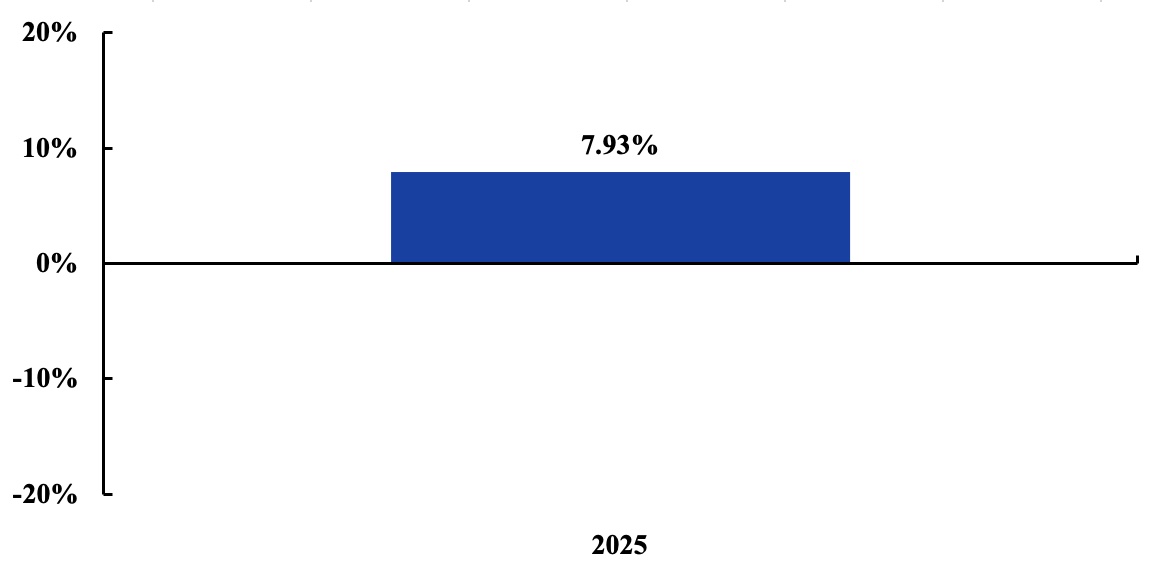
 

Performance


The following performance information provides some indication of the risks of investing in the Fund by showing changes in the Fund’s performance over time. The bar chart shows the annual returns for the Fund year over year. The table illustrates how the Fund’s average annual returns for the 1-year and since inception periods compare with those of a broad measure of market performance. The Fund’s past performance, before and after taxes, does not necessarily indicate how it will perform in the future. Updated performance information is available on the Fund’s website at www.returnstackedetfs.com.


Calendar Year Ended December 31,


27 


During the period of time shown in the bar chart, the Fund’s highest quarterly return was 2.90% for the quarter ended March 31, 2025 and the lowest quarterly return was 1.27% for the quarter ended December 31, 2025.


The performance information shown above is based on a calendar year. The Fund’s year-to-date return for the period ended March 31, 2026 was -0.67%.


Average Annual Total Returns


For the Periods Ended December 31, 2025


  1 Year Since Inception
December 17, 2024
Return Before Taxes 7.93% 7.68%
Return After Taxes on Distributions 6.60% 6.38%
Return After Taxes on Distributions and Sale of Fund Shares 4.79% 5.36%
Bloomberg U.S. Treasury Index(1) (reflects no deduction for fees, expenses, or taxes) 6.32% 5.37%
S&P 500® Total Return Index(2) (reflects no deduction for fees, expenses, or taxes) 17.88% 14.06%


(1) The Bloomberg U.S. Treasury Index is a benchmark that tracks the performance of U.S. dollar-denominated, fixed-rate, nominal debt issued by the U.S. Treasury.
(2) The S&P 500 Total Return Index is a benchmark that tracks the performance of the 500 largest publicly traded companies in the United States.  


After-tax returns are calculated using the historical highest individual federal marginal income tax rates during the period covered by the table above and do not reflect the impact of state and local taxes. Actual after-tax returns depend on an investors’ tax situation and may differ from those shown. After-tax returns shown are not relevant to investors who hold their Shares through tax-deferred or other tax-advantaged arrangements such as an individual retirement account (“IRA”). In certain cases, the figures representing “Return After Taxes on Distributions and Sale of Fund Shares” may be higher than the other figures for the same period. A higher after-tax return results when a capital loss occurs upon redemption and provides an assumed tax deduction that benefits the investor.


Management


Investment Adviser


Tidal Investments, LLC serves as investment adviser to the Fund.


Investment Sub-Adviser


Newfound Research LLC serves as investment sub-adviser to the Fund.


ReSolve Asset Management Inc. serves as a non-discretionary investment sub-adviser to the Fund


Portfolio Managers


The following individuals are jointly and primarily responsible for the day-to-day management of the Fund.


Corey Hoffstein, Chief Investment Officer for Newfound, has been a portfolio manager of the Fund since its inception in 2024.


Stephen Foy, Portfolio Manager for Tidal, has been a portfolio manager of the Fund since 2026.


Christopher P. Mullen, Portfolio Manager for the Adviser, has been a portfolio manager of the Fund since its inception in 2024.


Andrew Butler, CFA®, Chief Investment Officer & Portfolio Manager for RAM, has been a portfolio manager of the Fund since 2026.


CFA® is a registered trademark owned by the CFA Institute.


28 


Purchase and Sale of Shares


The Fund issues and redeems Shares at NAV only in large blocks known as “Creation Units,” which only APs (typically, broker-dealers) may purchase or redeem. The Fund generally issues and redeems Creation Units in exchange for a portfolio of securities (the “Deposit Securities”) and/or a designated amount of U.S. cash.


Shares are listed on a national securities exchange, such as the Exchange, and individual Shares may only be bought and sold in the secondary market through brokers at market prices, rather than NAV. Because Shares trade at market prices rather than NAV, Shares may trade at a price greater than NAV (premium) or less than NAV (discount).


An investor may incur costs attributable to the difference between the highest price a buyer is willing to pay to purchase Shares (the “bid” price) and the lowest price a seller is willing to accept for Shares (the “ask” price) when buying or selling Shares in the secondary market. This difference in bid and ask prices is often referred to as the “bid-ask spread.”


Information regarding the Fund’s NAV, market price, how often Shares traded on the Exchange at a premium or discount, and the median bid-ask spread can be found on the Fund’s website at www.returnstackedetfs.com.


Tax Information


Fund distributions are generally taxable to shareholders as ordinary income, qualified dividend income, or capital gains (or a combination), unless your investment is in an individual retirement account (“IRA”) or other tax-advantaged account. Distributions on investments made through tax-deferred arrangements may be taxed later upon withdrawal of assets from those accounts.


Financial Intermediary Compensation


If you purchase Shares through a broker-dealer or other financial intermediary (such as a bank) (an “Intermediary”), the Adviser, Newfound, or their affiliates may pay Intermediaries for certain activities related to the Fund, including participation in activities that are designed to make Intermediaries more knowledgeable about exchange-traded products, including the Fund, or for other activities, such as marketing, educational training, or other initiatives related to the sale or promotion of Shares. These payments may create a conflict of interest by influencing the Intermediary and your salesperson to recommend the Fund over another investment. Any such arrangements do not result in increased Fund expenses. Ask your salesperson or visit the Intermediary’s website for more information.


29 


Return Stacked® Global Stocks & Bonds ETF - Fund Summary


Investment Objective


The Return Stacked® Global Stocks & Bonds ETF (the “Fund”) seeks long-term capital appreciation.


Fees and Expenses of the Fund


This table describes the fees and expenses that you may pay if you buy, hold, and sell shares of the Fund (“Shares”). You may pay other fees, such as brokerage commissions and other fees to financial intermediaries, which are not reflected in the table and Example below.


Annual Fund Operating Expenses(1) (expenses that you pay each year as a percentage of the value of your investment)  
Management Fees 0.35%
Distribution and/or Service (12b-1) Fees 0.00%
Other Expenses 0.00%
Acquired Fund Fees and Expenses(2) 0.04%
Total Annual Fund Operating Expenses 0.39%
(1) The Fund’s investment adviser, Tidal Investments LLC (“Tidal” or the “Adviser”), a Tidal Financial Group company, will pay, or require a sub-adviser to pay, all expenses incurred by the Fund (except for advisory fees and sub-advisory fees, as the case may be) excluding interest charges on any borrowings made for investment purposes, dividends and other expenses on securities sold short, taxes, brokerage commissions and other expenses incurred in placing orders for the purchase and sale of securities and other investment instruments, acquired fund fees and expenses, accrued deferred tax liability, distribution fees and expenses paid by the Fund under any distribution plan adopted pursuant to Rule 12b-1 under the Investment Company Act of 1940, as amended (the “1940 Act”), and litigation expenses and other non-routine or extraordinary expenses.
(2) Acquired Fund Fees and Expenses are expenses indirectly incurred by the Fund as a result of its investments in one or more underlying funds, including exchange-traded funds and money market funds. The total annual fund operating expenses in this fee table will not correlate to the expense ratio in the Fund’s Financial Highlights because the financial statements include only the direct operating expenses incurred by the Fund, not the indirect costs of investing in other investment companies.


Expense Example


This Example is intended to help you compare the cost of investing in the Fund with the cost of investing in other funds. The Example assumes that you invest $10,000 in the Fund for the time periods indicated and then hold or redeem all of your Shares at the end of those periods. The Example also assumes that your investment has a 5% return each year and that the Fund’s operating expenses remain the same. The Example does not take into account brokerage commissions that you may pay on your purchases and sales of Shares. The management fee waiver discussed above is reflected only through May 31, 2026. Although your actual costs may be higher or lower, based on these assumptions your costs would be:


1 Year 3 Years 5 Years 10 Years
$40 $125 $219 $493


Portfolio Turnover


The Fund pays transaction costs, such as commissions, when it buys and sells securities (or “turns over” its portfolio). A higher portfolio turnover rate may indicate higher transaction costs and may result in higher taxes when Shares are held in a taxable account. These costs, which are not reflected in total annual fund operating expenses or in the Expense Example above, affect the Fund’s performance. For the fiscal year ended January 31, 2026, the Fund’s portfolio turnover rate was 39% of the average value of its portfolio.


30 


Principal Investment Strategies


The Fund is an actively-managed exchange-traded fund (“ETF”) that seeks to achieve its investment objective by investing primarily in large-capitalization global equity securities, global equity ETFs (or a combination of other ETFs that together provide global equity market exposure), and futures contracts that provide the Fund with exposure to the performance of the U.S. Treasury bond market, as well as swaps on any of the foregoing and/or swaps on applicable indices. In addition, the Fund will hold U.S. Treasury bills and other high-quality securities as collateral for the futures and swaps as well as to generate income. The Fund uses leverage to “stack” the total return of holdings in the Fund’s global equity strategy together with the potential returns of the Fund’s U.S. treasury strategy. Essentially, one dollar invested in the Fund provides approximately one dollar of exposure to the Fund’s global equity investments and approximately one dollar of exposure to the Fund’s U.S. Treasury strategy. So, the return of the U.S. Treasury strategy (minus the cost of financing) is essentially stacked on top of the returns of the global equity strategy.


Under normal circumstances, the Fund will invest at least 80% of its net assets, plus borrowings for investment purposes, in (a) global equity securities and ETFs that, in the aggregate, provide exposure to the global equity markets, and (b) U.S. Treasury future contracts that provide the Fund with indirect exposure to the performance of the U.S. treasury bond market.


Global Equity Exposure:


The Fund may invest in the equity securities of companies located throughout the world (e.g., in the United States, other developed markets (e.g., Europe), and emerging markets). Under normal conditions, the Fund will invest at least 40% of its assets (unless market conditions are not deemed favorable, in which case the Fund would invest at least 30% of its assets) in companies in multiple countries outside of the Unites States (i.e., non-U.S. companies). In determining whether a company is a U.S. or non-U.S. company, the Fund’s sub-adviser, Newfound Research, LLC (“Newfound”) primarily considers the location of the principal trading market for the company’s common stock, and may also consider other metrics, such as the location of the company’s corporate or operational headquarters or principal place of business.


Newfound will seek to construct the Fund’s global equity portfolio to reflect the overall global equity markets on a market capitalization weighted basis. To do so, the Fund will invest in global equity ETFs (which are ETFs that invest primarily in the equity securities of companies located throughout the world), other broad-based ETFs that provide exposure to the global equity market, individual equity securities, and equity index futures contracts, as well as swaps on any of the foregoing and/or swaps on equity indices.


For example, rather than hold a global equity ETF, the Fund may:


  Hold multiple ETFs that, together, provide similar exposure (e.g., a combination of U.S. equity ETFs, international equity ETFs, and emerging markets ETFs);


  Hold individual securities that, together, provide similar exposure (e.g., through a basket of securities representing the underlying holdings of a global equity ETF);


  Hold equity index futures contracts that, together, provide similar exposure; or


  Employ a combination of the above holdings, so the aggregated investment provides similar exposure.


The Fund’s investment in global equity ETFs (or a combination of ETFs, individual securities providing global equity market exposure) will generally comprise between 75% and 80% of the Fund’s portfolio. The remaining exposure to global equities will generally be achieved through equity index futures or swaps. The equity index futures or swaps may be linked to leading indices from developed, emerging, and global markets.


U.S. Treasury Exposure:


To provide the Fund with exposure to performance of the U.S. Treasury bond market, the Fund will invest in futures contracts and swaps that provide exposure to the U.S. Treasury market, including U.S. Treasury futures, swaps on U.S. Treasury futures, swaps on U.S. Treasury indices, and/or swaps on U.S. Treasury ETFs. The Fund will invest in (or have exposure to) futures contracts on U.S. Treasuries with maturities ranging from 2 to 30 years, with a target duration of 2 to 8 years. Under normal circumstances, the Fund’s aggregate U.S. Treasury exposures will represent a “notional exposure” (i.e., the total underlying amount of exposure created by a derivatives trade) of approximately 100% of the Fund’s net assets.


31 


Note: Notional value is the total underlying amount of a derivatives trade. Leverage allows an investor (like the Fund) to use a small amount of money to theoretically control a much larger amount. So, notional value reflects the total value of a trade, not the cost (or market value) of taking the trade.


Futures contracts have a limited lifespan before they expire (e.g., quarterly). The Fund will frequently “roll-over” futures contracts - replace an expiring contract with a contract that expires further in the future. As a result, the Fund’s portfolio will be subject to a high portfolio turnover rate.


ReSolve Asset Management Inc. (“RAM”) serves as a non-discretionary investment sub-adviser to the Fund and is responsible for trade execution of portfolio securities and financial instruments, including selecting broker-dealers to execute purchase and sale transactions.


Collateral – U.S. Treasury Futures


The Fund expects to invest approximately 0% to 25% of its net assets in U.S. Treasury bills, money market funds, cash, and cash equivalents (e.g., high quality commercial paper and similar instruments that are rated investment grade or, if unrated, of comparable quality, as Newfound determines), that provide liquidity, serve as margin or collateralize the Fund’s investments in futures and swap contracts.


Principal Investment Risks


The principal risks of investing in the Fund are summarized below. As with any investment, there is a risk that you could lose all or a portion of your investment in the Fund. Some or all of these risks may adversely affect the Fund’s net asset value per share (“NAV”), trading price, yield, total return and/or ability to meet its investment objective. For more information about the risks of investing in the Fund, see the section in the Fund’s Prospectus titled “Additional Information About the Funds — Principal Risks of Investing in The Funds.”


Each risk summarized below is considered a “principal risk” of investing in the Fund, regardless of the order in which they appear.


Derivatives Risk. Derivatives are financial instruments that derive value from the underlying reference asset or assets, such as stocks, bonds, or funds (including ETFs), interest rates or indexes. The Fund’s investments in derivatives may pose risks in addition to, and greater than, those associated with directly investing in securities or other ordinary investments, including risk related to the market, imperfect correlation with underlying investments or the Fund’s other portfolio holdings, higher price volatility, lack of availability, counterparty risk, liquidity, valuation and legal restrictions. The use of derivatives is a highly specialized activity that involves investment techniques and risks different from those associated with ordinary portfolio securities transactions. The use of derivatives may result in larger losses or smaller gains than directly investing in the underlying reference asset(s). Because derivatives often require only a limited initial investment, the use of derivatives may expose the Fund to losses in excess of those amounts initially invested. In addition, the Fund’s investments in derivatives are subject to the following risks:


Futures Contracts. Risks of futures contracts include: (i) an imperfect correlation between the value of the futures contract and the underlying asset; (ii) possible lack of a liquid secondary market; (iii) the inability to close a futures contract when desired; (iv) losses caused by unanticipated market movements, which may be unlimited; (v) an obligation for the Fund to make daily cash payments to maintain its required margin, particularly at times when the Fund may have insufficient cash; and (vi) unfavorable execution prices from rapid selling.


Swaps. Swap agreements involve the risk that the party with whom the Fund has entered into the swap will default on its obligation to pay the Fund. Additionally, certain unexpected market events or significant adverse market movements could result in the Fund not holding enough assets to be able to meet its obligations under the agreement. Such occurrences may negatively impact the Fund’s ability to implement its principal investment strategies and could result in losses to the Fund.


Underlying ETFs Risks. The Fund will incur higher and duplicative expenses because it invests in other ETFs (e.g., Global equity ETFs). There is also the risk that the Fund may suffer losses due to the investment practices of the underlying ETFs. The Fund will be subject to substantially the same risks as those associated with the direct ownership of securities held by the underlying ETFs. Additionally, underlying ETFs are also subject to the “ETF Risks” described herein.


32 


Bond Risks. The Fund will be subject to bond and fixed income risks through its investments in U.S. Treasury securities. Changes in interest rates generally will cause the value of fixed-income and bond instruments held by the Fund to vary inversely to such changes. Prices of longer-term fixed-income instruments generally fluctuate more than the prices of shorter-term fixed income instruments as interest rates change. Fixed-income instruments that are fixed-rate are generally more susceptible than floating rate loans to price volatility related to changes in prevailing interest rates. The prices of floating rate fixed-income instruments tend to have less fluctuation in response to changes in interest rates, but will have some fluctuation, particularly when the next interest rate adjustment on such security is further away in time or adjustments are limited in amount over time. The Fund may invest in short-term securities that, when interest rates decline, affect the Fund’s yield as these securities mature or are sold and the Fund purchases new short-term securities with lower yields.


Foreign Investment Risk. Returns on investments in foreign securities or underlying ETFs (e.g., global equity ETFs) that invest foreign securities could be more volatile than, or trail the returns on, investments in (or ETFs that invest only in) U.S. securities. Investments in or exposures to foreign securities are subject to special risks, including risks associated with foreign securities generally, including differences in information available about issuers of securities and investor protection standards applicable in other jurisdictions; capital controls risks, including the risk of a foreign jurisdiction imposing restrictions on the ability to repatriate or transfer currency or other assets; currency risks; political, diplomatic and economic risks; regulatory risks; and foreign market and trading risks, including the costs of trading and risks of settlement in foreign jurisdictions.


Emerging Markets Risk. Investments in securities and instruments traded in developing or emerging markets, including via underlying ETFs, or that provide exposure to such securities or markets, can involve additional risks relating to political, economic, or regulatory conditions not associated with investments in U.S. securities and instruments. For example, emerging markets may be subject to (i) greater market volatility, (ii) lower trading volume and liquidity, (iii) greater social, political and economic uncertainty, (iv) governmental controls on foreign investments and limitations on repatriation of invested capital, (v) lower disclosure, corporate governance, auditing and financial reporting standards, (vi) fewer protections of property rights, (vii) restrictions on the transfer of securities or currency, and (viii) settlement and trading practices that differ from those in U.S. markets. Each of these factors may impact the ability of the Fund (or an underlying ETF) to buy, sell or otherwise transfer securities, adversely affect the trading market and price for Shares and cause the Fund (or an underlying ETF) to decline in value.


Equity Market Risk. By virtue of the Fund’s investments in equity securities and equity ETFs, the Fund is exposed to common stocks which subjects the Fund to equity market risk. Common stocks are generally exposed to greater risk than other types of securities, such as preferred stock and debt obligations, because common stockholders generally have inferior rights to receive payment from specific issuers. Equity securities may experience sudden, unpredictable drops in value or long periods of decline in value. This may occur because of factors that affect securities markets generally or factors affecting specific issuers, industries, or sectors in which the Fund invests.


Credit Risk. Credit risk refers to the possibility that the issuer of a security will not be able to make principal and interest payments when due. Changes in an issuer’s credit rating or the market’s perception of an issuer’s creditworthiness may also affect the value of the Fund’s investment in that issuer. Securities rated in the four highest categories by the rating agencies are considered investment grade but they may also have some speculative characteristics. Investment grade ratings do not guarantee that the issuer will not default on its payment obligations or that bonds will not otherwise lose value.


Currency Risk. Currency risk is the risk that changes in currency exchange rates will negatively affect securities denominated in, and/or receiving revenues in, foreign currencies. The liquidity and trading value of foreign currencies could be affected by global economic factors, such as inflation, interest rate levels, and trade balances among countries, as well as the actions of sovereign governments and central banks. Adverse changes in currency exchange rates (relative to the U.S. dollar) may erode or reverse any potential gains from the Fund’s (or an underlying ETF’s) investments in securities denominated in a foreign currency or may widen existing losses.


Interest Rate Risk. Interest rate risk is the risk that prices of fixed income securities generally increase when interest rates decline and decrease when interest rates increase. The Fund may lose money if short-term or long-term interest rates rise sharply or otherwise change in a manner not anticipated by Newfound.


High Portfolio Turnover Risk. The Fund may actively and frequently trade all or a significant portion of the Fund’s holdings. A high portfolio turnover rate increases transaction costs, which may increase the Fund’s expenses. Frequent trading may also cause adverse tax consequences for investors in the Fund due to an increase in short-term capital gains.


Leverage Risk. As part of the Fund’s principal investment strategy, the Fund will make investments in futures and/or swap contracts. These derivative instruments provide the economic effect of financial leverage by creating additional investment exposure to the underlying instrument, as well as the potential for greater loss. You could lose all or substantially all of your investment in the Fund should the Fund’s trading positions suddenly turn unprofitable. The net asset value of the Fund while employing leverage will be more volatile and sensitive to market movements.


33 


Non-Diversification Risk. Because the Fund is “non-diversified,” it may invest a greater percentage of its assets in the securities of a single issuer or a smaller number of issuers than if it was a diversified fund. As a result, a decline in the value of an investment in a single issuer or a smaller number of issuers could cause the Fund’s overall value to decline to a greater degree than if the Fund held a more diversified portfolio.


U.S. Government and U.S. Agency Obligations Risk. The Fund may invest in securities issued by the U.S. government or its agencies or instrumentalities. U.S. Government obligations include securities issued or guaranteed as to principal and interest by the U.S. Government, its agencies or instrumentalities, such as the U.S. Treasury. Payment of principal and interest on U.S. Government obligations may be backed by the full faith and credit of the United States or may be backed solely by the issuing or guaranteeing agency or instrumentality itself. In the latter case, the investor must look principally to the agency or instrumentality issuing or guaranteeing the obligation for ultimate repayment, which agency or instrumentality may be privately owned. There can be no assurance that the U.S. Government would provide financial support to its agencies or instrumentalities (including government-sponsored enterprises) where it is not obligated to do so. Although U.S. Treasuries are backed by the U.S. government, those government policies may change both in terms of the payment of interest and in the payment of principal. Furthermore, while holding a treasury until maturity can guarantee principal, selling a treasury prior to maturity or buying a treasury subsequent to issue date may put principal at risk.


Counterparty Risk. Counterparty risk is the likelihood or probability that a party involved in a transaction might default on its contractual obligation. Where the Fund enters into derivative contracts that are exchange-traded, the Fund is subject to the counterparty risk associated with the Fund’s clearing broker or clearinghouse. Relying on a counterparty exposes the Fund to the risk that a counterparty will not settle a transaction in accordance with its terms and conditions because of a dispute over the terms of the contract (whether or not bona fide) or because of a credit or liquidity problem, thus causing the Fund to suffer a loss. If a counterparty defaults on its payment obligations to the Fund, this default will cause the value of an investment in the Fund to decrease. In addition, to the extent the Fund deals with a limited number of counterparties, it will be more susceptible to the credit risks associated with those counterparties.


The remaining principal risks are presented in alphabetical order. Each risk summarized below is considered a “principal risk” of investing in the Fund, regardless of the order in which it appears.


ETF Risks.


  Authorized Participants, Market Makers, and Liquidity Providers Concentration Risk. The Fund has a limited number of financial institutions that are authorized to purchase and redeem Shares directly from the Fund (known as “Authorized Participants” or “APs”). In addition, there may be a limited number of market makers and/or liquidity providers in the marketplace. To the extent either of the following events occur, Shares may trade at a material discount to NAV and possibly face delisting: (i) APs exit the business or otherwise become unable to process creation and/or redemption orders and no other APs step forward to perform these services; or (ii) market makers and/or liquidity providers exit the business or significantly reduce their business activities and no other entities step forward to perform their functions. Any such decisions by market makers or authorized participants to reduce their role or step away from these activities in times of market stress could inhibit the effectiveness of the arbitrage process in maintaining the relationship between the underlying value of the Fund’s portfolio securities and the Fund’s market price. This reduced effectiveness could result in Fund shares trading at a premium or discount to its NAV and also greater than normal intraday bid-ask spreads.


  Cash Redemption Risk. An ETF’s investment strategy may require it to redeem its shares for cash or to otherwise include cash as part of its redemption proceeds. For example, an ETF may not be able to redeem in-kind certain securities held by the ETF (e.g., derivative instruments). In such a case, the ETF may be required to sell or unwind portfolio investments to obtain the cash needed to distribute redemption proceeds. This may cause the ETF to recognize a capital gain that it might not have recognized if it had made a redemption in-kind. As a result, the ETF may pay out higher annual capital gain distributions than if the in-kind redemption process was used. By paying out higher annual capital gain distributions, investors may be subjected to increased capital gains taxes.


  Costs of Buying or Selling Shares. Buying or selling Shares involves certain costs, including brokerage commissions, other charges imposed by brokers, and bid-ask spreads. The bid-ask spread represents the difference between the price at which an investor is willing to buy Shares and the price at which an investor is willing to sell Shares. The spread varies over time based on the Shares’ trading volume and market liquidity. The spread is generally lower if Shares have more trading volume and market liquidity and higher if Shares have little trading volume and market liquidity. Due to the costs of buying or selling Shares, frequent trading of Shares may reduce investment results and an investment in Shares may not be advisable for investors who anticipate regularly making small investments.


34 


  Shares May Trade at Prices Other Than NAV. As with all ETFs, Shares may be bought and sold in the secondary market at market prices. Although it is expected that the market price of Shares will approximate the Fund’s NAV, there may be times when the market price of Shares is more than the NAV intra-day (premium) or less than the NAV intra-day (discount) due to supply and demand of Shares or during periods of market volatility and there may be widening bid-ask spreads. This risk is heightened in times of market volatility, periods of steep market declines, and periods when there is limited trading activity for Shares in the secondary market, in which case such premiums or discounts may be significant and there may be furthering widening bid-ask spreads.


  Trading. Although Shares are listed for trading on a national securities exchange, such as Cboe BZX Exchange, Inc. (the “Exchange”), and may be traded on U.S. exchanges other than the Exchange, there can be no assurance that Shares will trade with any volume, or at all, on any stock exchange. In stressed market conditions, the liquidity of Shares may begin to mirror the liquidity of the Fund’s portfolio holdings, which can be significantly less liquid than Shares.


Economic and Market Risk. Economies and financial markets throughout the world are becoming increasingly interconnected, which increases the likelihood that events or conditions in one country or region will adversely impact markets or issuers in other countries or regions. Securities in the Fund’s portfolio may underperform in comparison to securities in the general financial markets, a particular financial market, or other asset classes, due to a number of factors, including inflation (or expectations for inflation), deflation (or expectations for deflation), interest rates, global demand for particular products or resources, market instability, financial system instability, debt crises and downgrades, embargoes, tariffs, sanctions and other trade barriers, regulatory events, other governmental trade or market control programs and related geopolitical events. In addition, the value of the Fund’s investments may be negatively affected by the occurrence of global events such as war, terrorism, environmental disasters, natural disasters or events, country instability, and infectious disease epidemics or pandemics. The imposition by the U.S. of tariffs on goods imported from foreign countries and reciprocal tariffs levied on U.S. goods by those countries also may lead to volatility and instability in domestic and foreign markets.


Illiquid Investments Risk. The Fund may, at times, hold illiquid investments, by virtue of the absence of a readily available market for certain of its investments, or because of legal or contractual restrictions on sales. The Fund could lose money if it is unable to dispose of an investment at a time or price that is most beneficial to the Fund.


Management Risk. The Fund is actively-managed and may not meet its investment objective based on Newfound’s success or failure to implement investment strategies for the Fund.


Newer Fund Risk. The Fund is a recently organized management investment company with a limited operating history. As a result, prospective investors have only a limited track record or history on which to base their investment decisions. There can be no assurance that the Fund will grow to or maintain an economically viable size.


Operational Risk. The Fund is subject to risks arising from various operational factors, including, but not limited to, human error, processing and communication errors, errors of the Fund’s service providers, counterparties or other third-parties, failed or inadequate processes and technology or systems failures. The Fund relies on third-parties for a range of services, including custody. Any delay or failure relating to engaging or maintaining such service providers may affect the Fund’s ability to meet its investment objective. Although the Fund, Adviser, Newfound, and RAM seek to reduce these operational risks through controls and procedures, there is no way to completely protect against such risks.


Tax Risk. The Fund intends to elect and to qualify each year to be treated as a RIC under Subchapter M of the Code. As a RIC, the Fund will not be subject to U.S. federal income tax on the portion of its net investment income and net capital gain that it distributes to Shareholders, provided that it satisfies certain requirements of the Code. If the Fund does not qualify as a RIC for any taxable year and certain relief provisions are not available, the Fund’s taxable income will be subject to tax at the Fund level and to a further tax at the shareholder level when such income is distributed.


35 
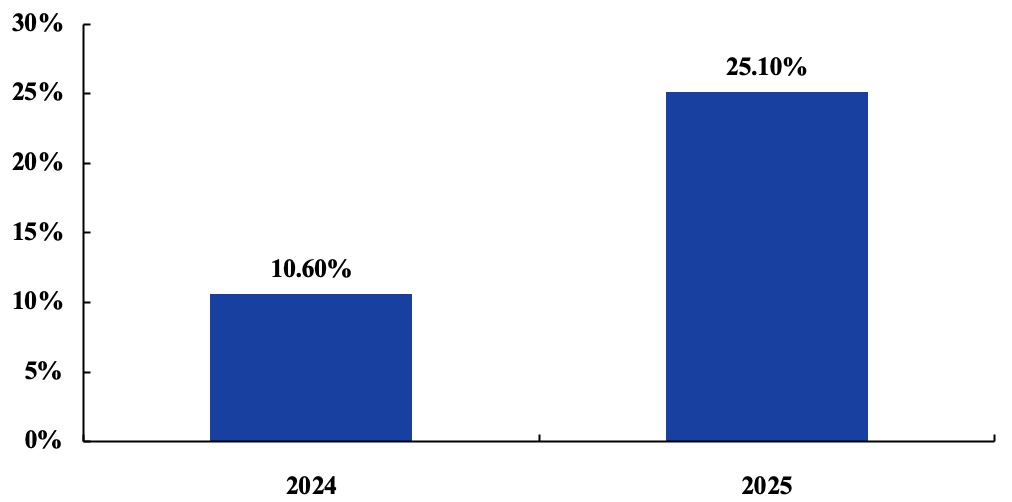


Performance


The following performance information provides some indication of the risks of investing in the Fund by showing changes in the Fund’s performance over time. The bar chart shows the annual returns for the Fund year over year. The table illustrates how the Fund’s average annual returns for the 1-year and since inception periods compare with those of a broad measure of market performance. The Fund’s past performance, before and after taxes, does not necessarily indicate how it will perform in the future. Updated performance information is available on the Fund’s website at www.returnstackedetfs.com.


Calendar Year Ended December 31 ,


During the period of time shown in the bar chart, the Fund’s highest quarterly return was 11.74% for the quarter ended June 30, 2025 and the lowest quarterly return was -5.59% for the quarter ended December 31, 2024.


The performance information shown above is based on a calendar year. The Fund’s year-to-date return for the period ended March 31, 2026 was -2.88%.


Average Annual Total Returns


For the Periods Ended December 31, 2025


  1 Year Since Inception
December 4, 2023
Return Before Taxes 25.10% 20.71%
Return After Taxes on Distributions 23.99% 19.92%
Return After Taxes on Distributions and Sale of Fund Shares 15.47% 16.01%
S&P Composite 1500 Index (reflects no deduction for fees, expenses, or taxes)(1) 17.02% 22.28%


(1) The S&P Composite 1500 Index®, is made up of the S&P 500®, S&P MidCap 400®, and S&P 600® Indices, and represents a broad measure of the U.S. equity market


After-tax returns are calculated using the historical highest individual federal marginal income tax rates during the period covered by the table above and do not reflect the impact of state and local taxes. Actual after-tax returns depend on an investors tax situation and may differ from those shown. After-tax returns shown are not relevant to investors who hold their Shares through tax-deferred or other tax-advantaged arrangements such as an individual retirement account (“IRA”).


Management


Investment Adviser


Tidal Investments LLC (“Tidal” or the “Adviser”) serves as investment adviser to the Fund.


Investment Sub-Advisers


Newfound Research LLC (“Newfound”) serves as investment sub-adviser to the Fund.


ReSolve Asset Management Inc. (“RAM”) serves as a non-discretionary investment sub-adviser to the Fund.


Portfolio Managers


The following individuals are jointly and primarily responsible for the day-to-day management of the Fund.


36 


Corey Hoffstein, Chief Investment Officer for Newfound, has been a portfolio manager of the Fund since its inception in 2023.


Andrew Butler, CFA®, Chief Investment Officer & Portfolio Manager for RAM, has been a portfolio manager of the Fund since 2026.


CFA® is a registered trademark owned by the CFA Institute.


Purchase and Sale of Shares


The Fund issues and redeems Shares at NAV only in large blocks known as “Creation Units,” which only APs (typically, broker-dealers) may purchase or redeem. The Fund generally issues and redeems Creation Units in exchange for a portfolio of securities (the “Deposit Securities”) and/or a designated amount of U.S. cash.


Shares are listed on a national securities exchange, such as the Exchange, and individual Shares may only be bought and sold in the secondary market through brokers at market prices, rather than NAV. Because Shares trade at market prices rather than NAV, Shares may trade at a price greater than NAV (premium) or less than NAV (discount).


An investor may incur costs attributable to the difference between the highest price a buyer is willing to pay to purchase Shares (the “bid” price) and the lowest price a seller is willing to accept for Shares (the “ask” price) when buying or selling Shares in the secondary market. This difference in bid and ask prices is often referred to as the “bid-ask spread.”


Information regarding the Fund’s NAV, market price, how often Shares traded on the Exchange at a premium or discount, and the median bid-ask spread can be found on the Fund’s website at www.returnstackedetfs.com.


Tax Information


Fund distributions are generally taxable to shareholders as ordinary income, qualified dividend income, or capital gains (or a combination), unless your investment is in an individual retirement account (“IRA”) or other tax-advantaged account. Distributions on investments made through tax-deferred arrangements may be taxed later upon withdrawal of assets from those accounts.


Financial Intermediary Compensation


If you purchase Shares through a broker-dealer or other financial intermediary (such as a bank) (an “Intermediary”), the Adviser, Newfound, or their affiliates may pay Intermediaries for certain activities related to the Fund, including participation in activities that are designed to make Intermediaries more knowledgeable about exchange-traded products, including the Fund, or for other activities, such as marketing, educational training, or other initiatives related to the sale or promotion of Shares. These payments may create a conflict of interest by influencing the Intermediary and your salesperson to recommend the Fund over another investment. Any such arrangements do not result in increased Fund expenses. Ask your salesperson or visit the Intermediary’s website for more information.


37 


Return Stacked® U.S. Stocks & Futures Yield ETF - Fund Summary


Investment Objective


The Return Stacked® U.S. Stocks & Futures Yield ETF (the “Fund”) seeks long-term capital appreciation.


Fees and Expenses of the Fund


This table describes the fees and expenses that you may pay if you buy, hold, and sell shares of the Fund (“Shares”). You may pay other fees, such as brokerage commissions and other fees to financial intermediaries, which are not reflected in the table and Example below.


Annual Fund Operating Expenses(1) (expenses that you pay each year as a percentage of the value of your investment)
         
Management Fees     0.95 %
Distribution and/or Service (12b-1) Fees     0.00 %
Other Expenses     0.00 %
Acquired Fund Fees and Expenses(2)     0.04 %
Total Annual Fund Operating Expenses     0.99 %


  (1) The Fund’s investment adviser, Tidal Investments LLC (“Tidal” or the “Adviser”), a Tidal Financial Group company, will pay, or require a third party to pay, all expenses incurred by the Fund (except for advisory fees and sub-advisory fees, as the case may be) excluding interest charges on any borrowings made for investment purposes, dividends and other expenses on securities sold short, taxes, brokerage commissions and other expenses incurred in placing orders for the purchase and sale of securities and other investment instruments, acquired fund fees and expenses, accrued deferred tax liability, distribution fees and expenses paid by the Fund under any distribution plan adopted pursuant to Rule 12b-1 under the Investment Company Act, as amended (the “1940 Act”), and litigation expenses and other non-routine or extraordinary expenses.
  (2) Acquired Fund Fees and Expenses are expenses indirectly incurred by the Fund as a result of its investments in one or more underlying funds, including exchange-traded funds and money market funds. The total annual fund operating expenses in this fee table will not correlate to the expense ratio in the Fund’s Financial Highlights because the financial statements include only the direct operating expenses incurred by the Fund, not the indirect costs of investing in other investment companies.


Expense Example


This Example is intended to help you compare the cost of investing in the Fund with the cost of investing in other funds. The Example assumes that you invest $10,000 in the Fund for the time periods indicated and then hold or redeem all of your Shares at the end of those periods. The Example also assumes that your investment has a 5% return each year and that the Fund’s operating expenses remain the same. The Example does not take into account brokerage commissions that you may pay on your purchases and sales of Shares. Although your actual costs may be higher or lower, based on these assumptions your costs would be:


1 Year 3 Years 5 Years 10 Years
$101 $315 $547 $1,213


Portfolio Turnover


The Fund pays transaction costs, such as commissions, when it buys and sells securities (or “turns over” its portfolio). A higher portfolio turnover rate may indicate higher transaction costs and may result in higher taxes when Shares are held in a taxable account. These costs, which are not reflected in total annual fund operating expenses or in the Example, affect the Fund’s performance. For the fiscal year ended January 31, 2026, the Fund’s portfolio turnover rate was 83% of the average value of its portfolio.


Principal Investment Strategies


The Fund is an actively-managed exchange-traded fund (“ETF”) that seeks to achieve its investment objective by investing in two complimentary investment strategies, a U.S. Equity strategy and a Futures Yield strategy. The Fund uses leverage to “stack” the total return of holdings in the Fund’s U.S. Equity strategy together with the potential returns of the Fund’s Futures Yield strategy. Essentially, one dollar invested in the Fund provides approximately one dollar of exposure to the Fund’s U.S. Equity strategy and approximately one dollar of exposure to the Fund’s Futures Yield strategy. So, the return of the Futures Yield (minus the cost of financing) strategy is essentially stacked on top of the returns of the U.S. Equity strategy.


38 


Under normal circumstances, the Fund will invest at least 80% of its net assets, plus borrowings for investment purposes, in (a) the U.S. Equity strategy (as described below) and (b) the Futures Yield strategy (as described below).


For the Fund’s U.S. Equity strategy, the Fund will invest in U.S. equity securities (i.e., common stocks of U.S. issuers), U.S. equity ETFs, and/or futures contracts on U.S. equity indices, as well as swaps on any of the foregoing and/or swaps on equity indices.


For the Fund’s Futures Yield strategy, the Fund will invest among four major asset classes (commodities, currencies, equities, and fixed income) and generally, the Fund will gain exposure to these four asset classes by investing in futures contracts including, but not limited to, commodity futures; currency futures; equity index futures; bond futures; and interest rate futures; as well as swaps on any of the foregoing and/or swaps on applicable indices (collectively, the “Instruments”). The Fund may either invest directly in the Instruments or indirectly by investing in the Subsidiary (as described below) that invests in the Instruments.


The Fund will target a 100% exposure to each of its U.S. Equity strategy and its Futures Yield strategy.


Further, the Fund (and the Subsidiary) will hold U.S. Treasury bills and cash equivalents as collateral for the futures and swap contracts as well as to generate income.


U.S. Equity Strategy:


The Fund seeks to capture the total return of large-capitalization U.S. equities (meaning companies with a market capitalization greater than $8 billion) with the objective of long-term capital appreciation. To do so, the Fund will invest in U.S. equity securities, U.S. equity ETFs, or U.S. equity index futures contracts, as well as swaps on any of the foregoing and/or swaps on equity indices.


For the Fund’s direct investments in U.S. equity securities, the Fund will invest in large-capitalization U.S. equities. The Fund may also invest in broad-based U.S. equity ETFs, which are ETFs that are designed to provide broad exposure to U.S. equity markets. The Fund’s sub-adviser, Newfound Research LLC (“Newfound”), will favor low-cost equity ETFs that provide exposure to the large-capitalization U.S. equity market, and which are highly liquid. Further, the Fund may implement its equity strategy by investing in U.S. equity index futures and swaps.


Under normal circumstances, the Fund’s exposure to the U.S. Equity strategy will represent approximately 100% of the Fund’s net assets.


Note: Notional value is the total underlying amount of a derivatives trade. Leverage allows an investor (like the Fund) to use a small amount of money to gain exposure to a larger (and potentially, a much larger) amount. So, notional value reflects the total value of a trade, not the cost (or market value) of taking the trade.


Futures Yield Strategy:


The Fund will invest, using a Futures Yield strategy, among four major asset classes (commodities, currencies, equities, and fixed income). As noted above, the Fund will invest in the Instruments.


The Fund may either invest directly in the Instruments or indirectly by investing in the Subsidiary (as described below) that invests in the Instruments. There are no geographic limits on the market exposure of the Fund’s assets. This flexibility allows ReSolve Asset Management SEZC (Cayman) (“ReSolve”) to look for investments or gain exposure to asset classes and markets around the world that it believes will enhance the Fund’s ability to meet its objective.


ReSolve uses a proprietary, systematic and quantitative process which seeks to generate attractive risk-adjusted returns by evaluating the “carry premium” in commodity, currency, equity, volatility, credit and fixed income Instruments. Carry premium is the economic benefit that one can achieve by holding or “carrying” a particular investment, less the costs associated with holding that asset. The type of economic benefit varies by asset type; for example, stocks may pay dividends and bonds may pay a coupon. Certain investments may actually have a negative carry premium, meaning that the economic benefit is exceeded by the costs of holding the investment (financing costs, storage costs, etc.).


At its most basic level, a strategy that seeks to benefit from the carry premium would hold long positions on Instruments that pay a carry premium and hold short positions on Instruments that have a negative carry premium. The size and type (long or short) of the position taken will relate to various factors, including ReSolve’s systematic assessment of an investment’s carry premium as well as ReSolve’s estimate of the Instrument’s risk.


39 


The owner of a long position in a derivative instrument will benefit from an increase in the price of the underlying instrument. The owner of a short position in a derivative instrument will benefit from a decrease in the price of the underlying instrument. ReSolve generally expects that the Fund will have exposure in long and short positions across all four major asset classes (commodities, currencies, fixed income and equities), but at any one time the Fund may emphasize one or two of the asset classes or a limited number of exposures within an asset class.


Futures contracts have a limited lifespan before they expire (e.g., quarterly). The Fund will frequently “roll-over” futures contracts - replace an expiring contract with a contract that expires further in the future. As a result, the Fund’s portfolio will be subject to a high portfolio turnover rate.


Under normal circumstances, the Fund’s aggregate notional exposure to the Futures Yield strategy will be approximately 100% of the Fund’s net assets. The Fund’s Futures Yield strategy involves levered exposure to a basket of global futures contracts (and/or swaps on such futures contracts).


Cayman Subsidiary:


The Fund intends to gain exposure to its investments either directly or indirectly by investing through a wholly-owned Cayman Islands subsidiary (the “Subsidiary”) that is advised by the Adviser and ReSolve. The Fund may invest up to 25% of its total assets in the Subsidiary, tested at the end of each fiscal quarter.


The Subsidiary will generally hold investments that do not generate “qualifying income” under the source of income test required to qualify as a regulated investment company (“RIC”) under Subchapter M of the Internal Revenue Code of 1986, as amended (the “Code”). Unlike the Fund, the Subsidiary may invest without limitation in investments that do not generate “qualifying income”; however, the Subsidiary will comply with the same Investment Company Act of 1940, as amended (the “1940 Act”), requirements that are applicable to the Fund’s transactions in derivatives. In addition, the Subsidiary will be subject to the same fundamental investment restrictions and will follow the same compliance policies and procedures as the Fund. Unlike the Fund, the Subsidiary will not seek to qualify as a RIC under the Code. The Fund is the sole investor in the Subsidiary and does not expect the shares of the Subsidiary to be offered or sold to other investors. Except as otherwise noted, for purposes of this Prospectus, references to the Fund’s investments include the Fund’s indirect investments through the Subsidiary.


The financial statements of the Subsidiary will be consolidated with the Fund’s financial statements in the Fund’s Annual and Semi-Annual Reports.


ReSolve Asset Management Inc. (“RAM”) serves as a non-discretionary investment sub-adviser to the Fund and the Subsidiary and is responsible for trade execution of portfolio securities and financial instruments for each entity, including selecting broker-dealers to execute purchase and sale transactions.


Collateral –Futures Yield


As part of the Fund’s Futures Yield strategy, the Fund holds collateral investments. The Fund (and the Subsidiary, as applicable) expects to invest approximately 25% to 100% of its net assets in U.S. Treasury bills, money market funds, cash and cash equivalents (e.g., high quality commercial paper and similar instruments that are rated investment grade or, if unrated, of comparable quality, as Newfound determines), that provide liquidity, serve as margin or collateralize the Fund’s investments in futures and swap contracts.


Non-Diversified


The Fund is classified as a “non-diversified” investment company under the Investment Company Act of 1940, as amended (the “1940 Act”) and, therefore, may invest a greater percentage of its assets in a particular issuer than a diversified fund.


Principal Investment Risks


The principal risks of investing in the Fund are summarized below. As with any investment, there is a risk that you could lose all or a portion of your investment in the Fund. Some or all of these risks may adversely affect the Fund’s net asset value per share (“NAV”), trading price, yield, total return and/or ability to meet its investment objective. For more information about the risks of investing in the Fund, see the section in the Fund’s Prospectus titled “Additional Information About the Funds — Principal Risks of Investing in the Funds.”


40 


Each risk summarized below is considered a “principal risk” of investing in the Fund, regardless of the order in which they appear.


Derivatives Risk. Derivatives are financial instruments that derive value from the underlying reference asset or assets, such as stocks, bonds, or funds (including ETFs), interest rates or indexes. The Fund’s investments in derivatives may pose risks in addition to, and greater than, those associated with directly investing in securities or other ordinary investments, including risk related to the market, imperfect correlation with underlying investments or the Fund’s other portfolio holdings, higher price volatility, lack of availability, counterparty risk, liquidity, valuation and legal restrictions. The use of derivatives is a highly specialized activity that involves investment techniques and risks different from those associated with ordinary portfolio securities transactions. The use of derivatives may result in larger losses or smaller gains than directly investing in the underlying reference asset(s). Because derivatives often require only a limited initial investment, the use of derivatives may expose the Fund to losses in excess of those amounts initially invested. In addition, the Fund’s investments in derivatives are subject to the following risks:


Futures Contracts. Risks of futures contracts include: (i) an imperfect correlation between the value of the futures contract and the underlying asset; (ii) possible lack of a liquid secondary market; (iii) the inability to close a futures contract when desired; (iv) losses caused by unanticipated market movements, which may be unlimited; (v) an obligation for the Fund to make daily cash payments to maintain its required margin, particularly at times when the Fund may have insufficient cash; and (vi) unfavorable execution prices from rapid selling.


Swaps. Swap agreements involve the risk that the party with whom the Fund has entered into the swap will default on its obligation to pay the Fund. Additionally, certain unexpected market events or significant adverse market movements could result in the Fund not holding enough assets to be able to meet its obligations under the agreement. Such occurrences may negatively impact the Fund’s ability to implement its principal investment strategies and could result in losses to the Fund.


Cayman Subsidiary Risk. By investing in the Subsidiary, the Fund is indirectly exposed to the risks associated with the Subsidiary’s investments. The futures contracts and other investments held by the Subsidiary are subject to the same economic risks that apply to similar investments if held directly by the Fund. The Subsidiary is not registered under the 1940 Act, and, unless otherwise noted in this Prospectus, is not subject to all the investor protections of the 1940 Act. Changes in the laws of the United States and the Cayman Islands could result in the inability of the Fund and/or the Subsidiary to continue to operate as it does currently and could adversely affect the Fund. For example, the Cayman Islands does not currently impose any income, corporate or capital gains tax or withholding tax on the Subsidiary. If Cayman Islands law changes such that the Subsidiary must pay Cayman Islands taxes, Fund shareholders would likely suffer decreased investment returns. In addition, the Subsidiary is also subject to many of the risks to which each Fund is subject, such as tax risks, commodity related risks, and market and data risks.


Underlying ETFs Risks. The Fund will incur higher and duplicative expenses because it invests in other ETFs (e.g., equity ETFs) (“Underlying ETFs”). There is also the risk that the Fund may suffer losses due to the investment practices of the Underlying ETFs. The Fund will be subject to substantially the same risks as those associated with the direct ownership of securities held by the Underlying ETFs. Additionally, the market price of the shares of an Underlying ETF in which the Fund invests will fluctuate based on changes in the net asset value as well as changes in the supply and demand of its shares in the secondary market. It is also possible that an active secondary market for an Underlying ETF’s shares may not develop, and market trading in the shares of the Underlying ETF may be halted under certain circumstances. Underlying ETFs are also subject to the “ETF Risks” described below.


Commodities Risk. Exposure to the commodities markets may subject the Fund to greater volatility than investments in traditional securities. The value of commodity-linked derivative investments may be affected by changes in overall market movements, commodity index volatility, changes in interest rates, or factors affecting a particular industry or commodity, such as drought, floods, weather, embargoes, tariffs and international economic, political and regulatory developments.


Commodity-Linked Derivatives Tax Risk. The tax treatment of commodity-linked derivative instruments may be adversely affected by changes in legislation, regulations, or other legally binding authority. As a RIC, the Fund must derive at least 90% of its gross income each taxable year from certain qualifying sources of income under the Code. If, as a result of any adverse future legislation, U.S. Treasury regulations, and/or guidance issued by the Internal Revenue Service (the “IRS”), the income of the Fund from certain commodity-linked derivatives, including income from the Fund’s investments in the Subsidiary, were treated as non-qualifying income, the Fund may fail to qualify as RIC and/or be subject to federal income tax at the Fund level. The uncertainty surrounding the treatment of certain derivative instruments under the qualification tests for a RIC may limit the Fund’s use of such derivative instruments.


The Fund intends to limit its investment in the Subsidiary to no more than 25% of the value of its total assets in order to satisfy certain asset diversification requirements for taxation as a regulated investment company. The Fund intends to manage the exposure to the Subsidiary so that the Fund’s investments in the Subsidiary do not exceed 25% of the total assets at the end of any quarter. If the Fund’s investments in the Subsidiary were to exceed 25% of the Fund’s total assets at the end of a tax quarter, the Fund, generally, has a grace period to cure such lack of compliance. If the Fund fails to timely cure, it may no longer be eligible to be treated as a RIC.


41 


Commodity Pool Regulatory Risk. The Fund’s investment exposure to certain instruments will cause it to be deemed to be a commodity pool, thereby subjecting the Fund to regulation under the Commodity Exchange Act of 1936, as amended (“CEA”), and CFTC rules. The Adviser is registered as a commodity pool operator (“CPO”), ReSolve is registered as a CPO as well as a commodity trading advisor (“CTA”), RAM is registered as a CTA, and the Fund will be operated in accordance with applicable CFTC rules, as well as the regulatory scheme applicable to registered investment companies. Registration as a CPO or CTA imposes additional compliance obligations on the Adviser, ReSolve and RAM, as applicable, and the Fund related to additional laws, regulations, and enforcement policies, which could increase compliance costs and may affect the operations and financial performance of the Fund. However, the Fund’s status as a commodity pool and the Adviser’s, ReSolve’s and RAM’s registration as a CPO (and/or CTA, as applicable), are not expected to materially adversely affect the Fund’s ability to achieve its investment objective. The CFTC has not passed on the adequacy of this Prospectus.


Tax Risk. The Fund intends to treat any income it may derive from the Subsidiary as “qualifying income” under the provisions of the Code applicable to RICs. The IRS has issued numerous private letter rulings (“PLRs”) provided to third parties not associated with the Fund or its affiliates (which only those parties may rely on as precedent) concluding that similar arrangements resulted in qualifying income. Many of such PLRs have now been revoked by the IRS. In March of 2019, the IRS published Regulations that concluded that income from a corporation similar to the Subsidiary would be qualifying income, if the income is related to the Fund’s business of investing in stocks or securities. Although the Regulations do not require distributions from the Subsidiary, the Fund intends to cause the Subsidiary to make distributions that would allow the Fund to make timely distributions to its shareholders. The Fund generally will be required to include in its own taxable income the income of the Subsidiary for a tax year, regardless of whether the Fund receives a distribution of the Subsidiary’s income in that tax year, and this income would nevertheless be subject to the distribution requirement for qualification as a regulated investment company and would be taken into account for purposes of the 4% excise tax.


If the Fund did not qualify as a RIC for any taxable year and certain relief provisions were not available, the Fund’s taxable income would be subject to tax at the Fund level and to a further tax at the shareholder level when such income is distributed. In such event, in order to re-qualify for taxation as a RIC, the Fund might be required to recognize unrealized gains, pay substantial taxes and interest and make certain distributions. This would cause investors to incur higher tax liabilities than they otherwise would have incurred and would have a negative impact on Fund returns. In such event, the Fund’s Board of Trustees may determine to reorganize or close the Fund or materially change the Fund’s investment objective and strategies. In the event that the Fund fails to qualify as a RIC, the Fund will promptly notify shareholders of the implications of that failure.


Equity Market Risk. By virtue of the Fund’s investments in equity securities and equity ETFs, the Fund is exposed to common stocks which subjects the Fund to equity market risk. Common stocks are generally exposed to greater risk than other types of securities, such as preferred stock and debt obligations, because common stockholders generally have inferior rights to receive payment from specific issuers. Equity securities may experience sudden, unpredictable drops in value or long periods of decline in value. This may occur because of factors that affect securities markets generally or factors affecting specific issuers, industries, or sectors in which the Fund invests.


Credit Risk. Credit risk refers to the possibility that the issuer of a security will not be able to make principal and interest payments when due. Changes in an issuer’s credit rating or the market’s perception of an issuer’s creditworthiness may also affect the value of the Fund’s investment in that issuer. Securities rated in the four highest categories by the rating agencies are considered investment grade but they may also have some speculative characteristics. Investment grade ratings do not guarantee that the issuer will not default on its payment obligations or that bonds will not otherwise lose value.


Currency Risk. Currency risk is the risk that changes in currency exchange rates will negatively affect securities denominated in, and/or receiving revenues in, foreign currencies. The liquidity and trading value of foreign currencies could be affected by global economic factors, such as inflation, interest rate levels, and trade balances among countries, as well as the actions of sovereign governments and central banks. Adverse changes in currency exchange rates (relative to the U.S. dollar) may erode or reverse any potential gains from the Fund’s (or an Underlying ETF’s) investments in securities denominated in a foreign currency or may widen existing losses.


42 


Foreign Investment Risk. The Fund may invest in equity index futures and swaps on foreign equity investments. Such investments involve certain risks not involved in domestic investments and may experience more rapid and extreme changes in value than investments in securities of U.S. companies. Financial markets in foreign countries often are not as developed, efficient, or liquid as financial markets in the United States, and therefore, the prices of non-U.S. securities and instruments can be more volatile. In addition, the Fund will be subject to risks associated with adverse political and economic developments in foreign countries, which may include the imposition of economic sanctions. Generally, there is less readily available and reliable information about non-U.S. issuers due to less rigorous disclosure or accounting standards and regulatory practices. Since foreign exchanges may be open on days when the Fund does not price its Shares, the value of the securities in the Fund’s portfolio may change on days when shareholders will not be able to purchase or sell the Fund’s Shares. Conversely, Shares may trade on days when foreign exchanges are closed. Investment in foreign securities may involve higher costs than investment in U.S. securities, including higher transaction and custody costs as well as the imposition of additional taxes by foreign governments. Each of these factors can make investments in the Fund more volatile and potentially less liquid than other types of investments.


Interest Rate Risk. Interest rate risk is the risk that prices of fixed income securities generally increase when interest rates decline and decrease when interest rates increase. The Fund may lose money if short-term or long-term interest rates rise sharply or otherwise change in a manner not anticipated by Newfound or ReSolve, as the case may be.


High Portfolio Turnover Risk. The Fund may actively and frequently trade all or a significant portion of the Fund’s holdings. A high portfolio turnover rate increases transaction costs, which may increase the Fund’s expenses. Frequent trading may also cause adverse tax consequences for investors in the Fund due to an increase in short-term capital gains.


Leverage Risk. As part of the Fund’s principal investment strategy, the Fund will make investments in futures and/or swaps to gain long and short exposure across four major asset classes (commodities, currencies, fixed income and equities). These derivative instruments provide the economic effect of financial leverage by creating additional investment exposure to the underlying instrument, as well as the potential for greater loss. You could lose all or substantially all of your investment in the Fund should the Fund’s trading positions suddenly turn unprofitable. The net asset value of the Fund while employing leverage will be more volatile and sensitive to market movements.


Large-Capitalization Investing. The securities of large-capitalization companies may be relatively mature compared to smaller companies and therefore subject to slower growth during times of economic expansion. Large-capitalization companies may also be unable to respond quickly to new competitive challenges, such as changes in technology and consumer tastes.


Non-Diversification Risk. Because the Fund is “non-diversified,” it may invest a greater percentage of its assets in the securities of a single issuer or a smaller number of issuers than if it was a diversified fund. As a result, a decline in the value of an investment in a single issuer or a smaller number of issuers could cause the Fund’s overall value to decline to a greater degree than if the Fund held a more diversified portfolio.


U.S. Government and U.S. Agency Obligations Risk. The Fund may invest in securities issued by the U.S. government or its agencies or instrumentalities. U.S. Government obligations include securities issued or guaranteed as to principal and interest by the U.S. Government, its agencies or instrumentalities, such as the U.S. Treasury. Payment of principal and interest on U.S. Government obligations may be backed by the full faith and credit of the United States or may be backed solely by the issuing or guaranteeing agency or instrumentality itself. In the latter case, the investor must look principally to the agency or instrumentality issuing or guaranteeing the obligation for ultimate repayment, which agency or instrumentality may be privately owned. There can be no assurance that the U.S. Government would provide financial support to its agencies or instrumentalities (including government-sponsored enterprises) where it is not obligated to do so. Although U.S. Treasuries are backed by the U.S. government, those government policies may change both in terms of the payment of interest and in the payment of principal. Furthermore, while holding a treasury until maturity can guarantee principal, selling a Treasury prior to maturity or buying a treasury subsequent to issue date may put principal at risk.


Counterparty Risk. Counterparty risk is the likelihood or probability that a party involved in a transaction might default on its contractual obligation. Where the Fund enters into derivative contracts that are exchange-traded, the Fund is subject to the counterparty risk associated with the Fund’s clearing broker or clearinghouse. Relying on a counterparty exposes the Fund to the risk that a counterparty will not settle a transaction in accordance with its terms and conditions because of a dispute over the terms of the contract (whether or not bona fide) or because of a credit or liquidity problem, thus causing the Fund to suffer a loss. If a counterparty defaults on its payment obligations to the Fund, this default will cause the value of an investment in the Fund to decrease. In addition, to the extent the Fund deals with a limited number of counterparties, it will be more susceptible to the credit risks associated with those counterparties.


43 


The remaining principal risks are presented in alphabetical order. Each risk summarized below is considered a “principal risk” of investing in the Fund, regardless of the order in which it appears.


Bond Risks. The Fund will be subject to bond and fixed income risks through its investments in U.S. Treasury securities. Changes in interest rates generally will cause the value of fixed-income and bond instruments held by the Fund to vary inversely to such changes. Prices of longer-term fixed-income instruments generally fluctuate more than the prices of shorter-term fixed income instruments as interest rates change. Fixed-income instruments that are fixed-rate are generally more susceptible than floating rate loans to price volatility related to changes in prevailing interest rates. The prices of floating rate fixed-income instruments tend to have less fluctuation in response to changes in interest rates, but will have some fluctuation, particularly when the next interest rate adjustment on such security is further away in time or adjustments are limited in amount over time. The Fund may invest in short-term securities that, when interest rates decline, affect the Fund’s yield as these securities mature or are sold and the Fund purchases new short-term securities with lower yields.


ETF Risks.


  Authorized Participants, Market Makers, and Liquidity Providers Concentration Risk. The Fund has a limited number of financial institutions that are authorized to purchase and redeem Shares directly from the Fund (known as “Authorized Participants” or “APs”). In addition, there may be a limited number of market makers and/or liquidity providers in the marketplace. To the extent either of the following events occur, Shares may trade at a material discount to NAV and possibly face delisting: (i) APs exit the business or otherwise become unable to process creation and/or redemption orders and no other APs step forward to perform these services; or (ii) market makers and/or liquidity providers exit the business or significantly reduce their business activities and no other entities step forward to perform their functions. Any such decisions by market makers or authorized participants to reduce their role or step away from these activities in times of market stress could inhibit the effectiveness of the arbitrage process in maintaining the relationship between the underlying value of the Fund’s portfolio securities and the Fund’s market price. This reduced effectiveness could result in Fund shares trading at a premium or discount to its NAV and also greater than normal intraday bid-ask spreads.
 
  Cash Redemption Risk. An ETF’s investment strategy may require it to redeem its shares for cash or to otherwise include cash as part of its redemption proceeds. For example, an ETF may not be able to redeem in-kind certain securities held by the ETF (e.g., derivative instruments). In such a case, the ETF may be required to sell or unwind portfolio investments to obtain the cash needed to distribute redemption proceeds. This may cause the ETF to recognize a capital gain that it might not have recognized if it had made a redemption in-kind. As a result, the ETF may pay out higher annual capital gain distributions than if the in-kind redemption process was used. By paying out higher annual capital gain distributions, investors may be subjected to increased capital gains taxes
 
  Costs of Buying or Selling Shares. Buying or selling Shares involves certain costs, including brokerage commissions, other charges imposed by brokers, and bid-ask spreads. The bid-ask spread represents the difference between the price at which an investor is willing to buy Shares and the price at which an investor is willing to sell Shares. The spread varies over time based on the Shares’ trading volume and market liquidity. The spread is generally lower if Shares have more trading volume and market liquidity and higher if Shares have little trading volume and market liquidity. Due to the costs of buying or selling Shares, frequent trading of Shares may reduce investment results and an investment in Shares may not be advisable for investors who anticipate regularly making small investments.
 
  Shares May Trade at Prices Other Than NAV. As with all ETFs, Shares may be bought and sold in the secondary market at market prices. Although it is expected that the market price of Shares will approximate the Fund’s NAV, there may be times when the market price of Shares is more than the NAV intra-day (premium) or less than the NAV intra-day (discount) due to supply and demand of Shares or during periods of market volatility and there may be widening bid-ask spreads. This risk is heightened in times of market volatility, periods of steep market declines, and periods when there is limited trading activity for Shares in the secondary market, in which case such premiums or discounts may be significant and there may be furthering widening bid-ask spreads.
 
  Trading. Although Shares are listed for trading on a national securities exchange, such as Cboe BZX Exchange, Inc. (the “Exchange”), and may be traded on U.S. exchanges other than the Exchange, there can be no assurance that Shares will trade with any volume, or at all, on any stock exchange. In stressed market conditions, the liquidity of Shares may begin to mirror the liquidity of the Fund’s portfolio holdings, which can be significantly less liquid than Shares.


44 


Economic and Market Risk. Economies and financial markets throughout the world are becoming increasingly interconnected, which increases the likelihood that events or conditions in one country or region will adversely impact markets or issuers in other countries or regions. Securities in the Fund’s portfolio may underperform in comparison to securities in the general financial markets, a particular financial market, or other asset classes, due to a number of factors, including inflation (or expectations for inflation), deflation (or expectations for deflation), interest rates, global demand for particular products or resources, market instability, financial system instability, debt crises and downgrades, embargoes, tariffs, sanctions and other trade barriers, regulatory events, other governmental trade or market control programs and related geopolitical events. In addition, the value of the Fund’s investments may be negatively affected by the occurrence of global events such as war, terrorism, environmental disasters, natural disasters or events, country instability, and infectious disease epidemics or pandemics. The imposition by the U.S. of tariffs on goods imported from foreign countries and reciprocal tariffs levied on U.S. goods by those countries also may lead to volatility and instability in domestic and foreign markets.


Illiquid Investments Risk. The Fund may, at times, hold illiquid investments, by virtue of the absence of a readily available market for certain of its investments, or because of legal or contractual restrictions on sales. The Fund could lose money if it is unable to dispose of an investment at a time or price that is most beneficial to the Fund.


Management Risk. The Fund is actively-managed and may not meet its investment objective based on Newfound’s or ReSolve’s success or failure to implement investment strategies for the Fund.


Models and Data Risk. The composition of the Fund’s (and Subsidiary’s) portfolio is heavily dependent on proprietary investment models as well as information and data supplied by third parties (“Models and Data”). When Models and Data prove to be incorrect or incomplete, any decisions made in reliance thereon may lead to the inclusion or exclusion of securities from the Fund’s (or Subsidiary’s) portfolio that would have been excluded or included had the Models and Data been correct and complete.


Newer Fund Risk. The Fund is a recently organized management investment company with a limited operating history. As a result, prospective investors have only a limited track record or history on which to base their investment decisions. There can be no assurance that the Fund will grow to or maintain an economically viable size.


Operational Risk. The Fund is subject to risks arising from various operational factors, including, but not limited to, human error, processing and communication errors, errors of the Fund’s service providers, counterparties or other third-parties, failed or inadequate processes and technology or systems failures. The Fund relies on third-parties for a range of services, including custody. Any delay or failure relating to engaging or maintaining such service providers may affect the Fund’s ability to meet its investment objective. Although the Fund, Adviser, Newfound, ReSolve, and RAM seek to reduce these operational risks through controls and procedures, there is no way to completely protect against such risks.
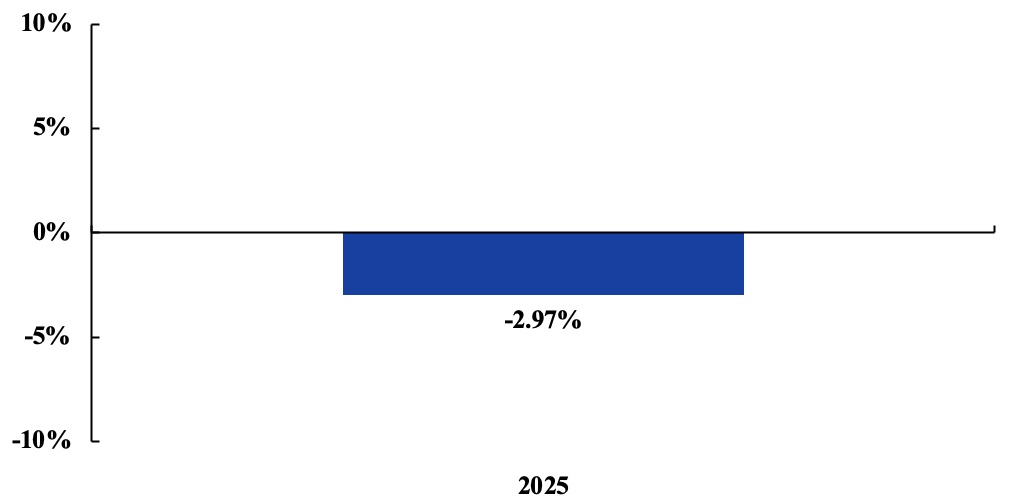
 

Performance


The following performance information provides some indication of the risks of investing in the Fund by showing changes in the Fund’s performance over time. The bar chart shows the annual returns for the Fund year over year. The table illustrates how the Fund’s average annual returns for the 1-year and since inception periods compare with those of a broad measure of market performance. The Fund’s past performance, before and after taxes, does not necessarily indicate how it will perform in the future. Updated performance information is available on the Fund’s website at www.returnstackedetfs.com.


Calendar Year Ended December 31,


During the period of time shown in the bar chart, the Fund’s highest quarterly return was 8.78% for the quarter ended September 30, 2025 and the lowest quarterly return was -12.02% for the quarter ended March 31, 2025.


The performance information shown above is based on a calendar year. The Fund’s year-to-date return for the period ended March 31, 2026 was 15.51%.


Average Annual Total Returns


For the Periods Ended December 31, 2025


  1 Year Since Inception
May 28, 2024
Return Before Taxes -2.97% -0.88%
Return After Taxes on Distributions -3.75% -1.38%
Return After Taxes on Distributions and Sale of Fund Shares -1.75% -0.88%
S&P 500® Total Return Index (reflects no deduction for fees, expenses, or taxes)(1) 17.88% 18.87%


(1) The S&P 500® Total Return Index is a benchmark that tracks the performance of the 500 largest publicly traded companies in the United States.


45 


After-tax returns are calculated using the historical highest individual federal marginal income tax rates during the period covered by the table above and do not reflect the impact of state and local taxes. Actual after-tax returns depend on an investors’ tax situation and may differ from those shown. After-tax returns shown are not relevant to investors who hold their Shares through tax-deferred or other tax-advantaged arrangements such as an individual retirement account (“IRA”). In certain cases, the figures representing “Return After Taxes on Distributions and Sale of Fund Shares” may be higher than the other figures for the same period. A higher after-tax return results when a capital loss occurs upon redemption and provides an assumed tax deduction that benefits the investor.


Management


Investment Adviser


Tidal Investments LLC serves as investment adviser to the Fund and the Subsidiary.


Investment Sub-Advisers


Newfound Research LLC serves as investment sub-adviser to the Fund.


ReSolve Asset Management Inc. serves as a non-discretionary investment sub-adviser to the Fund and the Subsidiary.


Futures Advisor


ReSolve Asset Management SEZC (Cayman) serves as futures advisor to the Fund and the Subsidiary.


Portfolio Managers


The following individuals are jointly and primarily responsible for the day-to-day management of the Fund.


Corey Hoffstein, Chief Investment Officer for Newfound, has been a portfolio manager of the Fund since its inception in 2024.


Rodrigo Gordillo, CIM®, President & Portfolio Manager for ReSolve, has been a portfolio manager of both the Fund and the Subsidiary with respect to futures advice since their inception in 2024.


Adam Butler, CFA®, CAIA®, Chief Investment Officer & Portfolio Manager for ReSolve, has been a portfolio manager of both the Fund and the Subsidiary with respect to futures advice since their inception in 2024.


Michael Philbrick, CIM®, AIFP®, Co-Founder, CEO and Portfolio Manager of ReSolve, has been a portfolio manager of both the Fund and the Subsidiary with respect to futures advice since their inception in 2024.


Andrew Butler, CFA®, Chief Investment Officer & Portfolio Manager for RAM, has been a portfolio manager of both the Fund and the Subsidiary since 2026.


CFA® and Chartered Financial Analyst® are registered trademarks owned by the CFA Institute. AIFP® and Accredited Investment Fiduciary® registered trademarks owned by Fi360, Inc. CIM® and Chartered Investment Manager® are registered trademarks owned by Canadian Securities Institute. Chartered Alternative Investment Analyst® is a registered trademark owned by the CFA Institute.


Purchase and Sale of Shares


The Fund issues and redeems Shares at NAV only in large blocks known as “Creation Units,” which only APs (typically, broker-dealers) may purchase or redeem. The Fund generally issues and redeems Creation Units in exchange for a portfolio of securities (the “Deposit Securities”) and/or a designated amount of U.S. cash.


46 


Shares are listed on a national securities exchange, such as the Exchange, and individual Shares may only be bought and sold in the secondary market through brokers at market prices, rather than NAV. Because Shares trade at market prices rather than NAV, Shares may trade at a price greater than NAV (premium) or less than NAV (discount).


An investor may incur costs attributable to the difference between the highest price a buyer is willing to pay to purchase Shares (the “bid” price) and the lowest price a seller is willing to accept for Shares (the “ask” price) when buying or selling Shares in the secondary market. This difference in bid and ask prices is often referred to as the “bid-ask spread.”


Information regarding the Fund’s NAV, market price, how often Shares traded on the Exchange at a premium or discount, and the median bid-ask spread can be found on the Fund’s website at www.returnstackedetfs.com.


Tax Information


Fund distributions are generally taxable to shareholders as ordinary income, qualified dividend income, or capital gains (or a combination), unless your investment is in an individual retirement account (“IRA”) or other tax-advantaged account. Distributions on investments made through tax-deferred arrangements may be taxed later upon withdrawal of assets from those accounts.


Financial Intermediary Compensation


If you purchase Shares through a broker-dealer or other financial intermediary (such as a bank) (an “Intermediary”), the Adviser, Newfound, or their affiliates may pay Intermediaries for certain activities related to the Fund, including participation in activities that are designed to make Intermediaries more knowledgeable about exchange-traded products, including the Fund, or for other activities, such as marketing, educational training, or other initiatives related to the sale or promotion of Shares. These payments may create a conflict of interest by influencing the Intermediary and your salesperson to recommend the Fund over another investment. Any such arrangements do not result in increased Fund expenses. Ask your salesperson or visit the Intermediary’s website for more information.


47 


Return Stacked® U.S. Stocks & Managed Futures ETF - Fund Summary


Investment Objective


Return Stacked® U.S. Stocks & Managed Futures ETF (the “Fund”) seeks long-term capital appreciation.


Fees and Expenses of the Fund


This table describes the fees and expenses that you may pay if you buy, hold, and sell shares of the Fund (“Shares”). You may pay other fees, such as brokerage commissions and other fees to financial intermediaries, which are not reflected in the table and Example below.


Annual Fund Operating Expenses(1) (expenses that you pay each year as a percentage of the value of your investment)  
Management Fees 0.95%
Distribution and/or Service (12b-1) Fees 0.00%
Other Expenses 0.00%
Acquired Fund Fees and Expenses(2) 0.04%
Total Annual Fund Operating Expenses 0.99%
(1) The Fund’s investment adviser, Tidal Investments LLC (“Tidal” or the “Adviser”), a Tidal Financial Group company, will pay, or require a third party to pay, all of the Fund’s expenses, except for the following: advisory and sub-advisory fees, interest charges on any borrowings made for investment purposes, dividends and other expenses on securities sold short, taxes, brokerage commissions and other expenses incurred in placing orders for the purchase and sale of securities and other investment instruments, acquired fund fees and expenses, accrued deferred tax liability, distribution fees and expenses paid by the Fund under any distribution plan adopted pursuant to Rule 12b-1 under the Investment Company Act of 1940 (the “1940 Act”), litigation expenses, and other non-routine or extraordinary expenses.
(2) Acquired Fund Fees and Expenses are expenses indirectly incurred by the Fund as a result of its investments in one or more underlying funds, including exchange-traded funds and money market funds. The total annual fund operating expenses in this fee table will not correlate to the expense ratio in the Fund because the financial statements include only the direct operating expenses incurred by the Fund, not the indirect costs of investing in other investment companies.


Expense Example


This Example is intended to help you compare the cost of investing in the Fund with the cost of investing in other funds. The Example assumes that you invest $10,000 in the Fund for the time periods indicated and then hold or redeem all of your Shares at the end of those periods. The Example also assumes that your investment has a 5% return each year and that the Fund’s operating expenses remain the same. The Example does not take into account brokerage commissions that you may pay on your purchases and sales of Shares. Although your actual costs may be higher or lower, based on these assumptions your costs would be:


1 Year 3 Years 5 Years 10 Years
$101 $315 $547 $1,213


Portfolio Turnover


The Fund pays transaction costs, such as commissions, when it buys and sells securities (or “turns over” its portfolio). A higher portfolio turnover rate may indicate higher transaction costs and may result in higher taxes when Shares are held in a taxable account. These costs, which are not reflected in total annual fund operating expenses or in the Expense Example above, affect the Fund’s performance. For the fiscal year ended January 31, 2026, the Fund’s portfolio turnover rate was 105% of the average value of its portfolio.


Principal Investment Strategies


The Fund is an actively-managed exchange-traded fund (“ETF”) that seeks to achieve its investment objective by investing in two complimentary investment strategies, a U.S. Equity strategy and a Managed Futures strategy. The Fund uses leverage to “stack” the total return of holdings in the Fund’s U.S. Equity strategy together with the potential returns of the Fund’s Managed Futures strategy. Essentially, one dollar invested in the Fund provides approximately one dollar of exposure to the Fund’s U.S. Equity strategy and approximately one dollar of exposure to the Fund’s Managed Futures strategy. So, the return of the Managed Futures strategy (minus the cost of financing) is essentially stacked on top of the returns of the U.S. Equity strategy.


48 


In particular, the term “exposure” refers to the degree to which the Fund’s investment is influenced by fluctuations in each of the U.S. Equity strategy and the Managed Futures strategy. If you invest one dollar in the Fund, nearly one dollar’s worth of that investment will track the performance of the Fund’s U.S. Equity strategy, behaving similarly to how U.S. stocks behave. In addition, almost another dollar will align with the performance of the Managed Futures strategy, mirroring the ups and downs of futures markets. So essentially, your single dollar investment is doubled to follow and potentially profit (or experience losses) from two different investment strategies. The Fund’s two strategies are not explicitly designed to have any target correlation to each other (whether positive or negative).


Under normal circumstances, the Fund will invest at least 80% of its net assets, plus borrowings for investment purposes, in (a) the U.S. Equity strategy (as described below) and (b) the Managed Futures strategy (as described below). For the Fund’s U.S. Equity strategy, the Fund will invest in U.S. equity securities (i.e., common stocks of U.S. issuers), U.S. equity ETFs, and/or futures contracts on U.S. equity indices, as well as swaps on any of the foregoing and/or swaps on equity indices.


For the Fund’s Managed Futures strategy, the Fund will invest among four major asset classes (commodities, currencies, equities, and fixed income) and generally, the Fund will gain exposure to these four asset classes by investing in futures contracts including, but not limited to, commodity futures; currency futures; equity index futures; bond futures; and interest rate futures; as well as swaps on any of the foregoing and/or swaps on applicable indices (collectively, the “Instruments”). The Fund may either invest directly in the Instruments or indirectly by investing in the Subsidiary (as described below) that invests in the Instruments.


The Fund will target a 100% exposure to each of its U.S. Equity strategy and its Managed Futures strategy.


Further, the Fund (and the Subsidiary) will hold U.S. Treasury bills and cash equivalents as collateral for the futures and swap contracts as well as to generate income.


U.S. Equity Strategy:


The Fund seeks to capture the total return of large-capitalization U.S. equities (meaning companies with a market capitalization greater than $8 billion) with the objective of long-term capital appreciation. To do so, the Fund will invest in U.S. equity securities, U.S. equity ETFs, and/or U.S. equity index futures contracts, as well as swaps on any of the foregoing and/or swaps on equity indices.


For the Fund’s direct investments in U.S. equity securities, the Fund will invest in large-capitalization U.S. equities. The Fund may also invest in broad-based U.S. large-capitalization equity ETFs, which are ETFs that are designed to provide broad exposure to U.S. large-capitalization equity markets. The Fund’s sub-adviser, Newfound Research LLC (“Newfound”), will favor low-cost equity ETFs that provide exposure to the large-capitalization U.S. equity market, and which are highly liquid. Further, the Fund may implement its equity strategy by investing in U.S. equity index futures and swaps.


Under normal circumstances, the Fund’s exposure to the U.S. Equity strategy will represent approximately 100% of the Fund’s net assets.


Note: Notional value is the total underlying amount of a derivatives trade. Leverage allows an investor (like the Fund) to use a small amount of money to gain exposure to a larger (and potentially, a much larger) amount. So, notional value reflects the total value of a trade, not the cost (or market value) of taking the trade. Via the Fund’s use of futures and/or swaps in both its U.S. Equity and Managed Futures strategies (described below), the Fund provides leveraged exposure to a combination of U.S. equities and managed futures.


Managed Futures Strategy:


The Fund will invest, using a Managed Futures strategy, among four major asset classes (commodities, currencies, equities, and fixed income). As noted above, the Fund will invest in the Instruments.


The Fund may either invest directly in the Instruments or indirectly by investing in the Subsidiary (as described below) that invests in the Instruments. There are no geographic limits on the market exposure of the Fund’s assets. This flexibility allows ReSolve Asset Management SEZC (Cayman) (the “ReSolve”) to look for investments or gain exposure to asset classes and markets around the world that it believes will enhance the Fund’s ability to meet its objective.


49 


ReSolve uses a proprietary, systematic and quantitative process which seeks to benefit from price trends in commodity, currency, equity, volatility, credit and fixed income Instruments. As part of this process, the Fund will take either a long or short position in a given Instrument. The size and type (long or short) of the position taken will relate to various factors, including ReSolve’s systematic assessment of a trend and its likelihood of continuing as well as ReSolve’s estimate of the Instrument’s risk. The owner of a long position in a derivative instrument will benefit from an increase in the price of the underlying instrument. The owner of a short position in a derivative instrument will benefit from a decrease in the price of the underlying instrument. ReSolve generally expects that the Fund will have exposure in long and short positions across all four major asset classes (commodities, currencies, fixed income and equities), but at any one time the Fund may emphasize one or two of the asset classes or a limited number of exposures within an asset class.


Futures contracts have a limited lifespan before they expire (e.g., quarterly). The Fund will frequently “roll-over” futures contracts - replace an expiring contract with a contract that expires further in the future. As a result, the Fund’s portfolio will be subject to a high portfolio turnover rate.


Under normal circumstances, the Fund’s exposure to the Managed Futures strategy will represent approximately 100% of the Fund’s net assets. The Fund’s Managed Futures strategy involves levered exposure to a diversified basket of global futures contracts (and/or swaps on such futures contracts).


Example: If the Fund has $100 in assets, the Fund expects to achieve $100 of exposure to the equity strategy and $100 of exposure to the managed futures strategy. This is akin to investing $100 in a US equity fund, borrowing $100, and putting the borrowed $100 in a managed futures fund.


Cayman Subsidiary:


The Fund intends to gain exposure to its investments either directly or indirectly by investing through a wholly-owned Cayman Islands subsidiary (the “Subsidiary”) that is advised by the Adviser and ReSolve. The Fund may invest up to 25% of its total assets in the Subsidiary, tested at the end of each fiscal quarter.


The Subsidiary will generally hold investments that do not generate “qualifying income” under the source of income test required to qualify as a regulated investment company (“RIC”) under Subchapter M of the Internal Revenue Code of 1986, as amended (the “Code”). Unlike the Fund, the Subsidiary may invest without limitation in investments that do not generate “qualifying income”; however, the Subsidiary will comply with the same Investment Company Act of 1940, as amended (the “1940 Act”), requirements that are applicable to the Fund’s transactions in derivatives. In addition, the Subsidiary will be subject to the same fundamental investment restrictions and will follow the same compliance policies and procedures as the Fund. Unlike the Fund, the Subsidiary will not seek to qualify as a RIC under the Code. The Fund is the sole investor in the Subsidiary and does not expect the shares of the Subsidiary to be offered or sold to other investors. Except as otherwise noted, for purposes of this Prospectus, references to the Fund’s investments include the Fund’s indirect investments through the Subsidiary.


The financial statements of the Subsidiary will be consolidated with the Fund’s financial statements in the Fund’s Annual and Semi-Annual Reports.


ReSolve Asset Management Inc. (“RAM”) serves as a non-discretionary investment sub-adviser to the Fund and the Subsidiary and is responsible for trade execution of portfolio securities and financial instruments for each entity, including selecting broker-dealers to execute purchase and sale transactions.


Collateral – Managed Futures


The Fund (and the Subsidiary, as applicable) expects to invest approximately 40% to 100% of its net assets in U.S. Treasury bills, money market funds, cash and cash equivalents (e.g., high quality commercial paper and similar instruments that are rated investment grade or, if unrated, of comparable quality, as Newfound determines), that provide liquidity, serve as margin or collateralize the Fund’s or the Subsidiary’s investments in futures and swap contracts.


Non-Diversified


The Fund is classified as a “non-diversified” investment company under the Investment Company Act of 1940, as amended (the “1940 Act”) and, therefore, may invest a greater percentage of its assets in a particular issuer than a diversified fund.


50 


Principal Investment Risks


The principal risks of investing in the Fund are summarized below. As with any investment, there is a risk that you could lose all or a portion of your investment in the Fund. Some or all of these risks may adversely affect the Fund’s net asset value per share (“NAV”), trading price, yield, total return and/or ability to meet its investment objective. For more information about the risks of investing in the Fund, see the section in the Fund’s Prospectus titled “Additional Information About the Funds — Principal Risks of Investing in The Funds.”


Each risk summarized below is considered a “principal risk” of investing in the Fund, regardless of the order in which they appear.


Derivatives Risk. Derivatives are financial instruments that derive value from the underlying reference asset or assets, such as stocks, bonds, commodities, currencies, funds (including ETFs), interest rates or indexes. The Fund’s investments in derivatives may pose risks in addition to, and greater than, those associated with directly investing in securities or other ordinary investments, including risk related to the market, imperfect correlation with underlying investments or the Fund’s other portfolio holdings, higher price volatility, lack of availability, counterparty risk, liquidity, valuation and legal restrictions. The use of derivatives is a highly specialized activity that involves investment techniques and risks different from those associated with ordinary portfolio securities transactions. The use of derivatives may result in larger losses or smaller gains than directly investing in the underlying reference asset(s). Because derivatives often require only a limited initial investment, the use of derivatives may expose the Fund to losses in excess of those amounts initially invested. In addition, the Fund’s investments in derivatives are subject to the following risks:


Futures Contracts. Risks of futures contracts include: (i) an imperfect correlation between the value of the futures contract and the underlying asset; (ii) possible lack of a liquid secondary market; (iii) the inability to close a futures contract when desired; (iv) losses caused by unanticipated market movements, which may be unlimited; (v) an obligation for the Fund to make daily cash payments to maintain its required margin, particularly at times when the Fund may have insufficient cash; and (vi) unfavorable execution prices from rapid selling.


Swaps. Swap agreements involve the risk that the party with whom the Fund has entered into the swap will default on its obligation to pay the Fund. Additionally, certain unexpected market events or significant adverse market movements could result in the Fund not holding enough assets to be able to meet its obligations under the agreement. Such occurrences may negatively impact the Fund’s ability to implement its principal investment strategies and could result in losses to the Fund. 


Cayman Subsidiary Risk. By investing in the Subsidiary, the Fund is indirectly exposed to the risks associated with the Subsidiary’s investments. The futures contracts and other investments held by the Subsidiary are subject to the same economic risks that apply to similar investments if held directly by the Fund. The Subsidiary is not registered under the 1940 Act, and, unless otherwise noted in this Prospectus, is not subject to all the investor protections of the 1940 Act. Changes in the laws of the United States and the Cayman Islands could result in the inability of the Fund and/or the Subsidiary to continue to operate as it does currently and could adversely affect the Fund. For example, the Cayman Islands does not currently impose any income, corporate or capital gains tax or withholding tax on the Subsidiary. If Cayman Islands law changes such that the Subsidiary must pay Cayman Islands taxes, Fund shareholders would likely suffer decreased investment returns. In addition, the Subsidiary is also subject to many of the risks to which each Fund is subject, such as tax risks, commodity related risks, and market and data risks.


Equity Market Risk. By virtue of the Fund’s investments in equity securities, equity ETFs, and equity index futures and swap agreements, the Fund is exposed to equity securities both directly and indirectly which subjects the Fund to equity market risk. Common stocks are generally exposed to greater risk than other types of securities, such as preferred stock and debt obligations, because common stockholders generally have inferior rights to receive payment from specific issuers. Equity securities may experience sudden, unpredictable drops in value or long periods of decline in value. This may occur because of factors that affect securities markets generally or factors affecting specific issuers, industries, or sectors in which the Fund invests.


Market Capitalization Risk.


  Large-Capitalization Investing. Returns on investments in securities of large companies could trail the returns on investments in securities of smaller and mid-sized companies. The securities of large-capitalization companies may also be relatively mature compared to smaller companies and therefore subject to slower growth during times of economic expansion. Large-capitalization companies may also be unable to respond quickly to new competitive challenges, such as changes in technology and consumer tastes.


51 


Commodities Risk. Exposure to the commodities markets may subject the Fund to greater volatility than investments in traditional securities. The value of commodity-linked derivative investments may be affected by changes in overall market movements, commodity index volatility, changes in interest rates, or factors affecting a particular industry or commodity, such as drought, floods, weather, embargoes, tariffs and international economic, political and regulatory developments.


Commodity-Linked Derivatives Tax Risk. The tax treatment of commodity-linked derivative instruments may be adversely affected by changes in legislation, regulations, or other legally binding authority. As a RIC, the Fund must derive at least 90% of its gross income each taxable year from certain qualifying sources of income under the Code. If, as a result of any adverse future legislation, U.S. Treasury regulations, and/or guidance issued by the Internal Revenue Service (the “IRS”), the income of the Fund from certain commodity-linked derivatives, including income from the Fund’s investments in the Subsidiary, were treated as non-qualifying income, the Fund may fail to qualify as RIC and/or be subject to federal income tax at the Fund level. The uncertainty surrounding the treatment of certain derivative instruments under the qualification tests for a RIC may limit the Fund’s use of such derivative instruments.


The Fund intends to limit its investment in the Subsidiary to no more than 25% of the value of its total assets in order to satisfy certain asset diversification requirements for taxation as a regulated investment company. The Fund intends to manage the exposure to the Subsidiary so that the Fund’s investments in the Subsidiary do not exceed 25% of the total assets at the end of any quarter. If the Fund’s investments in the Subsidiary were to exceed 25% of the Fund’s total assets at the end of a tax quarter, the Fund, generally, has a grace period to cure such lack of compliance. If the Fund fails to timely cure, it may no longer be eligible to be treated as a RIC.


Commodity Pool Regulatory Risk. The Fund’s investment exposure to certain instruments will cause it to be deemed to be a commodity pool, thereby subjecting the Fund to regulation under the Commodity Exchange Act of 1936, as amended (“CEA”), and CFTC rules. The Adviser is registered as a commodity pool operator (“CPO”), ReSolve is registered as a CPO as well as a commodity trading advisor (“CTA”), RAM is registered as a CTA, and the Fund will be operated in accordance with applicable CFTC rules, as well as the regulatory scheme applicable to registered investment companies. Registration as a CPO or CTA imposes additional compliance obligations on the Adviser, ReSolve and RAM, as applicable, and the Fund related to additional laws, regulations, and enforcement policies, which could increase compliance costs and may affect the operations and financial performance of the Fund. However, the Fund’s status as a commodity pool and the Adviser’s, ReSolve’s and RAM’s registration as a CPO (and/or CTA, as applicable), are not expected to materially adversely affect the Fund’s ability to achieve its investment objective. The CFTC has not passed on the adequacy of this Prospectus.


Bond Risks. The Fund will be subject to bond and fixed income risks through its investments in U.S. Treasury securities, and investments in U.S. Treasury and fixed income futures and swap contracts. Changes in interest rates generally will cause the value of fixed-income and bond instruments held by Fund to vary inversely to such changes. Prices of longer-term fixed-income instruments generally fluctuate more than the prices of shorter-term fixed income instruments as interest rates change. Fixed-income instruments that are fixed-rate are generally more susceptible than floating rate loans to price volatility related to changes in prevailing interest rates. The prices of floating rate fixed-income instruments tend to have less fluctuation in response to changes in interest rates, but will have some fluctuation, particularly when the next interest rate adjustment on such security is further away in time or adjustments are limited in amount over time. The Fund may invest in short-term securities that, when interest rates decline, affect the Fund’s yield as these securities mature or are sold and the Fund purchases new short-term securities with lower yields. An obligor’s willingness and ability to pay interest or to repay principal due in a timely manner may be affected by, among other factors, its cash flow.


Tax Risk. The Fund intends to treat any income it may derive from the Subsidiary as “qualifying income” under the provisions of the Code applicable to RICs. The IRS has issued numerous private letter rulings (“PLRs”) provided to third parties not associated with the Fund or its affiliates (which only those parties may rely on as precedent) concluding that similar arrangements resulted in qualifying income. Many of such PLRs have now been revoked by the IRS. In March of 2019, the IRS published Regulations that concluded that income from a corporation similar to the Subsidiary would be qualifying income, if the income is related to the Fund’s business of investing in stocks or securities. Although the Regulations do not require distributions from the Subsidiary, the Fund intends to cause the Subsidiary to make distributions that would allow the Fund to make timely distributions to its shareholders. The Fund generally will be required to include in its own taxable income the income of the Subsidiary for a tax year, regardless of whether the Fund receives a distribution of the Subsidiary’s income in that tax year, and this income would nevertheless be subject to the distribution requirement for qualification as a regulated investment company and would be taken into account for purposes of the 4% excise tax.


If the Fund did not qualify as a RIC for any taxable year and certain relief provisions were not available, the Fund’s taxable income would be subject to tax at the Fund level and to a further tax at the shareholder level when such income is distributed. In such event, in order to re-qualify for taxation as a RIC, the Fund might be required to recognize unrealized gains, pay substantial taxes and interest and make certain distributions. This would cause investors to incur higher tax liabilities than they otherwise would have incurred and would have a negative impact on Fund returns. In such event, the Fund’s Board of Trustees may determine to reorganize or close the Fund or materially change the Fund’s investment objective and strategies. In the event that the Fund fails to qualify as a RIC, the Fund will promptly notify shareholders of the implications of that failure.


52 


Currency Risk. Currency risk is the risk that changes in currency exchange rates will negatively affect securities denominated in, and/or receiving revenues in, foreign currencies. The liquidity and trading value of foreign currencies could be affected by global economic factors, such as inflation, interest rate levels, and trade balances among countries, as well as the actions of sovereign governments and central banks. Adverse changes in currency exchange rates (relative to the U.S. dollar) may erode or reverse any potential gains from the Fund’s (or an underlying ETF’s) investments in securities denominated in a foreign currency or may widen existing losses.


Foreign Investment Risk. The Fund may invest in equity index futures and swaps on foreign equity investments. Such investments involve certain risks not involved in domestic investments and may experience more rapid and extreme changes in value than investments in securities of U.S. companies. Financial markets in foreign countries often are not as developed, efficient, or liquid as financial markets in the United States, and therefore, the prices of non-U.S. securities and instruments can be more volatile. In addition, the Fund will be subject to risks associated with adverse political and economic developments in foreign countries, which may include the imposition of economic sanctions. Generally, there is less readily available and reliable information about non-U.S. issuers due to less rigorous disclosure or accounting standards and regulatory practices. Since foreign exchanges may be open on days when the Fund does not price its Shares, the value of the securities in the Fund’s portfolio may change on days when shareholders will not be able to purchase or sell the Fund’s Shares. Conversely, Shares may trade on days when foreign exchanges are closed. Investment in foreign securities may involve higher costs than investment in U.S. securities, including higher transaction and custody costs as well as the imposition of additional taxes by foreign governments. Each of these factors can make investments in the Fund more volatile and potentially less liquid than other types of investments.


Interest Rate Risk. Interest rate risk is the risk that prices of fixed income securities generally increase when interest rates decline and decrease when interest rates increase. The Fund may lose money if short-term or long-term interest rates rise sharply or otherwise change in a manner not anticipated by Newfound or Resolve, as the case may be.


High Portfolio Turnover Risk. The Fund may actively and frequently trade all or a significant portion of the Fund’s holdings. A high portfolio turnover rate increases transaction costs, which may increase the Fund’s expenses. Frequent trading may also cause adverse tax consequences for investors in the Fund due to an increase in short-term capital gains.


Leverage Risk. As part of the Fund’s principal investment strategy, the Fund will make investments in futures and/or swaps to gain long and short exposure across four major asset classes (commodities, currencies, fixed income and equities). These derivative instruments provide the economic effect of financial leverage by creating additional investment exposure to the underlying instrument, as well as the potential for greater loss. You could lose all or substantially all of your investment in the Fund should the Fund’s trading positions suddenly turn unprofitable. The net asset value of the Fund while employing leverage will be more volatile and sensitive to market movements.


Non-Diversification Risk. Because the Fund is “non-diversified,” it may invest a greater percentage of its assets in the securities of a single issuer or a smaller number of issuers than if it was a diversified fund. As a result, a decline in the value of an investment in a single issuer or a smaller number of issuers could cause the Fund’s overall value to decline to a greater degree than if the Fund held a more diversified portfolio.


U.S. Government and U.S. Agency Obligations Risk. The Fund may invest in securities issued by the U.S. government or its agencies or instrumentalities. U.S. Government obligations include securities issued or guaranteed as to principal and interest by the U.S. Government, its agencies or instrumentalities, such as the U.S. Treasury. Payment of principal and interest on U.S. Government obligations may be backed by the full faith and credit of the United States or may be backed solely by the issuing or guaranteeing agency or instrumentality itself. In the latter case, the investor must look principally to the agency or instrumentality issuing or guaranteeing the obligation for ultimate repayment, which agency or instrumentality may be privately owned. There can be no assurance that the U.S. Government would provide financial support to its agencies or instrumentalities (including government-sponsored enterprises) where it is not obligated to do so. Although U.S. Treasuries are backed by the U.S. government, those government policies may change both in terms of the payment of interest and in the payment of principal. Furthermore, while holding a Treasury until maturity can guarantee principal, selling a treasury prior to maturity or buying a treasury subsequent to issue date may put principal at risk.


Underlying ETFs Risks. The Fund will incur higher and duplicative expenses because it invests in U.S. equity ETFs (Underlying ETFs). There is also the risk that the Fund may suffer losses due to the investment practices of the Underlying ETFs. The Fund will be subject to substantially the same risks as those associated with the direct ownership of securities held by the Underlying ETFs. Additionally, the market price of the shares of an Underlying ETF in which the Fund invests will fluctuate based on changes in the net asset value as well as changes in the supply and demand of its shares in the secondary market. It is also possible that an active secondary market for an Underlying ETF’s shares may not develop, and market trading in the shares of the Underlying ETF may be halted under certain circumstances. Underlying ETFs are also subject to the “ETF Risks” described below.


53 


Counterparty Risk. Counterparty risk is the likelihood or probability that a party involved in a transaction might default on its contractual obligation. Where the Fund enters into derivative contracts that are exchange-traded, the Fund is subject to the counterparty risk associated with the Fund’s clearing broker or clearinghouse. Relying on a counterparty exposes the Fund to the risk that a counterparty will not settle a transaction in accordance with its terms and conditions because of a dispute over the terms of the contract (whether or not bona fide) or because of a credit or liquidity problem, thus causing the Fund to suffer a loss. If a counterparty defaults on its payment obligations to the Fund, this default will cause the value of an investment in the Fund to decrease. In addition, to the extent the Fund deals with a limited number of counterparties, it will be more susceptible to the credit risks associated with those counterparties.


The remaining principal risks are presented in alphabetical order. Each risk summarized below is considered a “principal risk” of investing in the Fund, regardless of the order in which it appears.


ETF Risks.


Authorized Participants, Market Makers, and Liquidity Providers Concentration Risk. The Fund has a limited number of financial institutions that are authorized to purchase and redeem Shares directly from the Fund (known as “Authorized Participants” or “APs”). In addition, there may be a limited number of market makers and/or liquidity providers in the marketplace. To the extent either of the following events occur, Shares may trade at a material discount to NAV and possibly face delisting: (i) APs exit the business or otherwise become unable to process creation and/or redemption orders and no other APs step forward to perform these services; or (ii) market makers and/or liquidity providers exit the business or significantly reduce their business activities and no other entities step forward to perform their functions. Any such decisions by market makers or authorized participants to reduce their role or step away from these activities in times of market stress could inhibit the effectiveness of the arbitrage process in maintaining the relationship between the underlying value of the Fund’s portfolio securities and the Fund’s market price. This reduced effectiveness could result in Fund shares trading at a premium or discount to its NAV and also greater than normal intraday bid-ask spreads.


  Cash Redemption Risk. An ETF’s investment strategy may require it to redeem its shares for cash or to otherwise include cash as part of its redemption proceeds. For example, an ETF may not be able to redeem in-kind certain securities held by the ETF (e.g., derivative instruments). In such a case, the ETF may be required to sell or unwind portfolio investments to obtain the cash needed to distribute redemption proceeds. This may cause the ETF to recognize a capital gain that it might not have recognized if it had made a redemption in-kind. As a result, the ETF may pay out higher annual capital gain distributions than if the in-kind redemption process was used. By paying out higher annual capital gain distributions, investors may be subjected to increased capital gains taxes.
     
  Costs of Buying or Selling Shares. Buying or selling Shares involves certain costs, including brokerage commissions, other charges imposed by brokers, and bid-ask spreads. The bid-ask spread represents the difference between the price at which an investor is willing to buy Shares and the price at which an investor is willing to sell Shares. The spread varies over time based on the Shares’ trading volume and market liquidity. The spread is generally lower if Shares have more trading volume and market liquidity and higher if Shares have little trading volume and market liquidity. Due to the costs of buying or selling Shares, frequent trading of Shares may reduce investment results and an investment in Shares may not be advisable for investors who anticipate regularly making small investments.
     
  Shares May Trade at Prices Other Than NAV. As with all ETFs, Shares may be bought and sold in the secondary market at market prices. Although it is expected that the market price of Shares will approximate the Fund’s NAV, there may be times when the market price of Shares is more than the NAV intra-day (premium) or less than the NAV intra-day (discount) due to supply and demand of Shares or during periods of market volatility and there may be widening bid-ask spreads. This risk is heightened in times of market volatility, periods of steep market declines, and periods when there is limited trading activity for Shares in the secondary market, in which case such premiums or discounts may be significant and there may be furthering widening bid-ask spreads.
     
  Trading. Although Shares are listed for trading on a national securities exchange, such as Cboe BZX Exchange, Inc. (the “Exchange”), and may be traded on U.S. exchanges other than the Exchange, there can be no assurance that Shares will trade with any volume, or at all, on any stock exchange. In stressed market conditions, the liquidity of Shares may begin to mirror the liquidity of the Fund’s portfolio holdings, which can be significantly less liquid than Shares.


54 


Economic and Market Risk. Economies and financial markets throughout the world are becoming increasingly interconnected, which increases the likelihood that events or conditions in one country or region will adversely impact markets or issuers in other countries or regions. Securities in the Fund’s portfolio may underperform in comparison to securities in the general financial markets, a particular financial market, or other asset classes, due to a number of factors, including inflation (or expectations for inflation), deflation (or expectations for deflation), interest rates, global demand for particular products or resources, market instability, financial system instability, debt crises and downgrades, embargoes, tariffs, sanctions and other trade barriers, regulatory events, other governmental trade or market control programs and related geopolitical events. In addition, the value of the Fund’s investments may be negatively affected by the occurrence of global events such as war, terrorism, environmental disasters, natural disasters or events, country instability, and infectious disease epidemics or pandemics. The imposition by the U.S. of tariffs on goods imported from foreign countries and reciprocal tariffs levied on U.S. goods by those countries also may lead to volatility and instability in domestic and foreign markets.


Illiquid Investments Risk. The Fund may, at times, hold illiquid investments, by virtue of the absence of a readily available market for certain of its investments, or because of legal or contractual restrictions on sales. The Fund could lose money if it is unable to dispose of an investment at a time or price that is most beneficial to the Fund.


Management Risk. The Fund is actively-managed and may not meet its investment objective based on Newfound’s or ReSolve’s success or failure to implement investment strategies for the Fund.


Models and Data Risk. The composition of the Fund’s (and Subsidiary’s) portfolio is heavily dependent on proprietary investment models as well as information and data supplied by third parties (“Models and Data”). When Models and Data prove to be incorrect or incomplete, any decisions made in reliance thereon may lead to the inclusion or exclusion of securities from the Fund’s (or Subsidiary’s) portfolio that would have been excluded or included had the Models and Data been correct and complete.


Newer Fund Risk. The Fund is a recently organized management investment company with a limited operating history. As a result, prospective investors have only a limited track record or history on which to base their investment decisions. There can be no assurance that the Fund will grow to or maintain an economically viable size.


Operational Risk. The Fund is subject to risks arising from various operational factors, including, but not limited to, human error, processing and communication errors, errors of the Fund’s service providers, counterparties or other third-parties, failed or inadequate processes and technology or systems failures. The Fund relies on third-parties for a range of services, including custody. Any delay or failure relating to engaging or maintaining such service providers may affect the Fund’s ability to meet its investment objective. Although the Fund, Adviser, Newfound, ReSolve, and RAM seek to reduce these operational risks through controls and procedures, there is no way to completely protect against such risks.


Performance


The following performance information provides some indication of the risks of investing in the Fund by showing changes in the Fund’s performance over time. The bar chart shows the annual returns for the Fund year over year. The table illustrates how the Fund’s average annual returns for the 1-year and since inception periods compare with those of a broad measure of market performance. The Fund’s past performance, before and after taxes, does not necessarily indicate how it will perform in the future. Updated performance information is available on the Fund’s website at www.returnstackedetfs.com.


55 


Calendar Year Ended December 31, 


During the period of time shown in the bar chart, the Fund’s highest quarterly return was 15.75% for the quarter ended March 31, 2024 and the lowest quarterly return was -7.37% for the quarter ended March 31, 2025.


The performance information shown above is based on a calendar year. The Fund’s year-to-date return for the period ended March 31, 2026 was 0.09%.


Average Annual Total Returns


For the Periods Ended December 31, 2025

 
  1 Year Since Inception
September 5, 2023
Return Before Taxes 19.97% 17.17%
Return After Taxes on Distributions 19.62% 16.85%
Return After Taxes on Distributions and Sale of Fund Shares 12.02% 13.30%
S&P 500® Total Return Index (reflects no deduction for fees, expenses, or taxes)(1) 17.88% 21.50%


(1) The S&P 500® Total Return Index is a widely recognized benchmark index that tracks the performance of the 500 largest publicly traded companies in the United States


After-tax returns are calculated using the historical highest individual federal marginal income tax rates during the period covered by the table above and do not reflect the impact of state and local taxes. Actual after-tax returns depend on an investors tax situation and may differ from those shown. After-tax returns shown are not relevant to investors who hold their Shares through tax-deferred or other tax-advantaged arrangements such as an individual retirement account (“IRA”).


Management


Investment Adviser


Tidal Investments LLC serves as investment adviser to the Fund and the Subsidiary.


Investment Sub-Advisers


Newfound Research LLC serves as investment sub-adviser to the Fund.


ReSolve Asset Management Inc. serves as investment sub-adviser to the Fund and the Subsidiary.


Futures Advisor


ReSolve Asset Management SEZC (Cayman) serves as futures advisor to the Fund and the Subsidiary.


56 


Portfolio Managers


The following individuals are jointly and primarily responsible for the day-to-day management of the Fund and, as indicated below, the Subsidiary.


Corey Hoffstein, Chief Investment Officer for Newfound, has been a portfolio manager of the Fund since its inception in 2023.


Rodrigo Gordillo, CIM®, President & Portfolio Manager for ReSolve, has been a portfolio manager of both the Fund and the Subsidiary with respect to futures advice since their inception in 2023.


Adam Butler, CFA®, CAIA®, Chief Investment Officer & Portfolio Manager for ReSolve, has been a portfolio manager of both the Fund and the Subsidiary with respect to futures advice since their inception in 2023.


Michael Philbrick, CIM®, AIFP®, Co-Founder, CEO and Portfolio Manager of ReSolve, has been a portfolio manager of both the Fund and the Subsidiary with respect to futures advice since their inception in 2023.


Andrew Butler, CFA®, Chief Investment Officer & Portfolio Manager for RAM, has been a portfolio manager of both the Fund and the Subsidiary since 2026.


CFA® and Chartered Financial Analyst® are registered trademarks owned by the CFA Institute. AIFP® and Accredited Investment Fiduciary® registered trademarks owned by Fi360, Inc. CIM® and Chartered Investment Manager® are registered trademarks owned by Canadian Securities Institute. Chartered Alternative Investment Analyst® is a registered trademark owned by the CFA Institute.


Purchase and Sale of Shares

The Fund issues and redeems Shares at NAV only in large blocks known as “Creation Units,” which only APs (typically, broker-dealers) may purchase or redeem. The Fund generally issues and redeems Creation Units in exchange for a portfolio of securities (the “Deposit Securities”) and/or a designated amount of U.S. cash.


Shares are listed on a national securities exchange, such as the Exchange, and individual Shares may only be bought and sold in the secondary market through brokers at market prices, rather than NAV. Because Shares trade at market prices rather than NAV, Shares may trade at a price greater than NAV (premium) or less than NAV (discount).


An investor may incur costs attributable to the difference between the highest price a buyer is willing to pay to purchase Shares (the “bid” price) and the lowest price a seller is willing to accept for Shares (the “ask” price) when buying or selling Shares in the secondary market. This difference in bid and ask prices is often referred to as the “bid-ask spread.”


Information regarding the Fund’s NAV, market price, how often Shares traded on the Exchange at a premium or discount, and the median bid-ask spread can be found on the Fund’s website at www.returnstackedetfs.com.


Tax Information


Fund distributions are generally taxable to shareholders as ordinary income, qualified dividend income, or capital gains (or a combination), unless your investment is in an individual retirement account (“IRA”) or other tax-advantaged account. Distributions on investments made through tax-deferred arrangements may be taxed later upon withdrawal of assets from those accounts.


57 


Financial Intermediary Compensation


If you purchase Shares through a broker-dealer or other financial intermediary (such as a bank) (an “Intermediary”), the Adviser, Newfound, or their affiliates may pay Intermediaries for certain activities related to the Fund, including participation in activities that are designed to make Intermediaries more knowledgeable about exchange-traded products, including the Fund, or for other activities, such as marketing, educational training, or other initiatives related to the sale or promotion of Shares. These payments may create a conflict of interest by influencing the Intermediary and your salesperson to recommend the Fund over another investment. Any such arrangements do not result in increased Fund expenses. Ask your salesperson or visit the Intermediary’s website for more information.


58 


Return Stacked® U.S. Stocks & Gold/Bitcoin ETF – Fund Summary


Investment Objective


Return Stacked® U.S. Stocks & Gold/Bitcoin ETF (the “Fund”) seeks long-term capital appreciation.


Fees and Expenses of the Fund


This table describes the fees and expenses that you may pay if you buy, hold, and sell shares of the Fund (“Shares”). You may pay other fees, such as brokerage commissions and other fees to financial intermediaries, which are not reflected in the table and Example below.


Annual Fund Operating Expenses(1) (expenses that you pay each year as a percentage of the value of your investment)
Management Fees 0.65%
Distribution and/or Service (12b-1) Fees 0.00%
Other Expenses 0.00%
Acquired Fund Fees and Expenses(2) 0.02%
Total Annual Fund Operating Expenses 0.67%
(1) The Fund’s investment adviser, Tidal Investments LLC (“Tidal” or the “Adviser”), a Tidal Financial Group company, will pay, or require a third party to pay, all of the Fund’s expenses, except for the following: advisory and sub-advisory fees, interest charges on any borrowings made for investment purposes, dividends and other expenses on securities sold short, taxes, brokerage commissions and other expenses incurred in placing orders for the purchase and sale of securities and other investment instruments, acquired fund fees and expenses, accrued deferred tax liability, distribution fees and expenses paid by the Fund under any distribution plan adopted pursuant to Rule 12b-1 under the Investment Company Act of 1949 (the “1940 Act”), litigation expenses, and other non-routine or extraordinary expenses.
(2) Acquired Fund Fees and Expenses (AFFEs) are estimated for the current fiscal year. AFFEs include fees and expenses incurred indirectly by the Fund as a result of investments in other investment companies.


Expense Example


This Example is intended to help you compare the cost of investing in the Fund with the cost of investing in other funds. The Example assumes that you invest $10,000 in the Fund for the time periods indicated and then hold or redeem all of your Shares at the end of those periods. The Example also assumes that your investment has a 5% return each year and that the Fund’s operating expenses remain the same. The Example does not take into account brokerage commissions that you may pay on your purchases and sales of Shares. Although your actual costs may be higher or lower, based on these assumptions your costs would be:


1 Year 3 Years 5 Years 10 Years
$68 $214 $373 $835


Portfolio Turnover


The Fund pays transaction costs, such as commissions, when it buys and sells securities (or “turns over” its portfolio). A higher portfolio turnover rate may indicate higher transaction costs and may result in higher taxes when Shares are held in a taxable account. These costs, which are not reflected in total annual fund operating expenses or in the Example, affect the Fund’s performance. For the fiscal period May 29, 2025 (commencement of operation) to January 31, 2026, the Fund’s portfolio turnover rate was 61% of the average value of its portfolio.


Principal Investment Strategies


The Fund is an exchange-traded fund (“ETF”) that employs a hybrid management approach to achieve its investment objective by investing in two complementary strategies: a U.S. Equity strategy and a Gold/Bitcoin strategy. The Fund uses leverage to “stack” the total return of holdings in the Fund’s U.S. Equity strategy together with the potential returns of the Fund’s Gold/Bitcoin strategy. Essentially, one dollar invested in the Fund provides approximately one dollar of exposure to the Fund’s U.S. Equity strategy and approximately one dollar of exposure to the Fund’s Gold/Bitcoin strategy. So, the return of the Gold/Bitcoin strategy (minus the cost of financing) is essentially stacked on top of the returns of the U.S. Equity strategy.


Under normal circumstances, the Fund will invest at least 80% of its net assets, plus borrowings for investment purposes, in (a) the U.S. Equity strategy (as described below) and (b) the Gold/Bitcoin strategy (as described below).


59 


  U.S. Equity strategy: The Fund will invest in U.S. equity securities (i.e. common stocks of U.S. issuers), U.S. equity ETFs, and/or futures contracts on U.S. equity indices, as well as swaps on any of the foregoing and/or swaps on equity indices.


  Gold/Bitcoin strategy: The Fund may invest in gold ETFs and gold exchange traded products (“ETPs”), futures contracts on gold, bitcoin ETFs and ETPs, and/or futures contracts on bitcoin, as well as swaps on any of the foregoing and/or swaps on gold indices, bitcoin indices or indices representing the performance of both gold and bitcoin.


The Fund will target a 100% exposure to each of its U.S. Equity strategy and its Gold/Bitcoin strategy. For more information, see the section in the Fund’s Prospectus titled “Additional Information About the Fund’s Principal Investment Strategies.”


U.S. Equity Strategy:


The Fund seeks to capture the total return of large-capitalization U.S. equities (meaning companies with a market capitalization greater than $8 billion) with the objective of long-term capital appreciation. To do so, the Fund will invest in U.S. equity securities, U.S. equity ETFs, and/or U.S. equity index futures contracts, as well as swaps on any of the foregoing and/or swaps on equity indices.


The goal of the U.S. Equity Strategy is to provide broad exposure to the U.S. large-capitalization equity market rather than employing a security selection process to identify individual companies for purchase. The number of equity holdings to which the Fund will typically be exposed, either through direct investment or indirectly through index ETFs and index futures and swap contracts, is between approximately 400 and 500.


For the Fund’s direct investments in U.S. equity securities, the Fund will invest in large-capitalization U.S. equities. The Fund may also invest in broad-based U.S. equity ETFs, which are ETFs that are designed to provide broad exposure to the large-capitalization U.S. equity market. The Fund’s sub-adviser, Newfound Research LLC (“Newfound”), will favor low-cost equity ETFs, which are highly liquid. Further, the Fund may implement its equity strategy by investing in U.S. equity index futures and swaps which provide broad exposure to the large-capitalization U.S. equity market.


Under normal circumstances, the Fund’s exposure to the U.S. Equity strategy will represent approximately 100% of the Fund’s net assets.


Gold/Bitcoin Strategy:


The Fund seeks to capture the total return associated with gold and bitcoin with the objective of long-term capital appreciation. To do so, the Fund may invest in gold ETFs and ETPs, bitcoin ETFs and ETPs, gold futures, and/or bitcoin futures, as well as swaps on any of the foregoing and/or swaps on gold indices, bitcoin indices or indices representing the performance of both gold and bitcoin. ETFs and ETPs may be referred to herein collectively as “Underlying Funds.”


For the Fund’s exposure to gold and bitcoin, ReSolve Asset Management SEZC (Cayman) (“ReSolve”) will employ a risk parity framework designed to balance the contribution of volatility from each asset. In other words, the allocation between gold and bitcoin will be dynamically adjusted so that each asset contributes equally to the overall portfolio risk. This means that the Gold/Bitcoin strategy will typically allocate a larger percentage of its assets to the asset class with lower forecasted volatility (i.e., the asset class with smaller price fluctuations over time). Within this framework, the Fund may invest directly or indirectly through the Subsidiary (described below) in gold and bitcoin Underlying Funds or gain exposure through gold futures and/or swaps and bitcoin futures and/or swaps, each of which is intended to provide broad exposure to these underlying assets.


Under normal circumstances, the Fund’s exposure to the Gold/Bitcoin strategy will represent approximately 100% of the Fund’s net assets. It is expected that the Gold/Bitcoin strategy will generally allocate between 75% and 95% of its assets to gold and between 5% and 25% to bitcoin. If the relative volatility of gold and bitcoin were to materially change, it is expected that the relative allocation to gold would decrease and the relative allocation to bitcoin would increase. For example, if the forecasted volatility for both assets were equal, both gold and bitcoin would receive 50% of the portfolio allocation.


The Fund does not invest directly in bitcoin or any other digital assets. Investors seeking direct exposure to the price of bitcoin should consider an investment other than the Fund.


The Fund does not invest directly in gold or gold bullion. Investors seeking direct exposure to the price of gold should consider an investment other than the Fund.


60 


Cayman Subsidiary:


The Fund intends to gain exposure to the Gold/Bitcoin strategy either indirectly as described above or by investing through a wholly-owned Cayman Islands subsidiary (the “Subsidiary”) that is advised by the Adviser and ReSolve. The Fund may invest up to 25% of its total assets in the Subsidiary, tested at the end of each fiscal quarter.


The Subsidiary will generally invest in investments (such as bitcoin and gold futures contracts) that do not generate “qualifying income” under the source of income test required to qualify as a regulated investment company (“RIC”) under Subchapter M of the Internal Revenue Code of 1986, as amended (the “Code”). Unlike the Fund, the Subsidiary may invest without limitation in such investments; however, the Subsidiary will comply with the same 1940 Act requirements that are applicable to the Fund’s transactions in derivatives. In addition, the Subsidiary will be subject to the same fundamental investment restrictions as the Fund and will comply with them on an aggregate basis with the Fund, and will follow the same compliance policies and procedures as the Fund. Unlike the Fund, the Subsidiary will not seek to qualify as a RIC under the Code. The Fund is the sole investor in the Subsidiary and does not expect the shares of the Subsidiary to be offered or sold to other investors. Because the value of the Subsidiary must not exceed 25% of the Fund’s value at the close of any quarter, the Subsidiary may need to sell assets as a quarter end approaches and pay a dividend to the Fund. This dividend will constitute qualifying income for RIC purposes. Except as otherwise noted, for purposes of this Prospectus, references to the Fund’s investments include the Fund’s indirect investments through the Subsidiary.


ReSolve Asset Management Inc. (“RAM”) serves as a non-discretionary investment sub-adviser to the Fund and the Subsidiary and is responsible for trade execution of portfolio securities and financial instruments for each entity, including selecting broker-dealers to execute purchase and sale transactions.


Reverse Repurchase Agreements


The Fund may invest in reverse repurchase agreements, which are a form of borrowing where the Fund sells portfolio securities to financial institutions and agrees to repurchase them at a later date for a higher price. This arrangement allows the Fund to use the proceeds from the initial sale for other investment purposes. However, since the Fund repurchases the securities at a higher price, it incurs a loss on these transactions.


To qualify for treatment as a RIC under the Code, the Fund may use reverse repurchase agreements to ensure that its investment in the Subsidiary does not exceed 25% of the Fund’s total assets at the end of each fiscal quarter (the “Asset Diversification Test”). During other times of the year, the Fund’s investments in the Subsidiary may exceed 25% of its total assets.


Collateral


The Fund and Subsidiary will invest in collateral, including U.S. Government securities (such as bills, notes and bonds issued by the U.S. Treasury) and money market funds. The collateral investments are designed to provide liquidity, serve as margin, or otherwise collateralize the Fund’s or Subsidiary’s investments in derivative instruments (i.e., futures and swap contracts). The Fund’s allocation to collateral will generally range between 5% and 25% under normal circumstances.


The Fund’s investment strategies may include active and frequent trading. The Fund is classified as a “non-diversified” investment company under the 1940 Act and, therefore, may invest a greater percentage of its assets in a particular issuer than a diversified fund.


Information About Bitcoin


As noted above, the Fund does not invest directly in bitcoin or any other digital assets. The Fund does not invest in or seek direct exposure to the current “spot” or cash price of bitcoin. Investors seeking direct exposure to the price of bitcoin should consider an investment other than the Fund. The following provides an overview of bitcoin, the Bitcoin Blockchain, the relationship between the two, as well as their use cases.


61 


Bitcoin Description:


Bitcoin, the first and most well-known modern digital asset, operates on a decentralized network using blockchain technology to facilitate secure and anonymous transactions. Bitcoin represents a digital asset that functions as a medium of exchange utilizing cryptographic protocols to secure transactional processes, control the creation of additional units, and verify the transfer of assets. Its operation on a decentralized blockchain network ensures both transparency and immutability of records, without the need for a central authority. This innovative technology underpinning bitcoin allows for peer-to-peer transactions and provides a framework for digital scarcity, making bitcoin a unique investment commodity within the digital asset landscape. Although bitcoin is called a crypto or digital currency, it is not presently accepted widely as a means of payment.


Bitcoin Blockchain Description:


The Bitcoin Blockchain constitutes a decentralized, digital ledger technology that chronologically and publicly records all bitcoin transactions. This technology is characterized by its use of blocks, which are structurally linked in a chain through cryptographic hashes. Each block contains a list of transactions that, once verified and added to the blockchain through a consensus process known as proof of work, which may take an hour or more, becomes irreversible and tamper-evident. The integrity, transparency, and security of the transactional data are maintained autonomously within the bitcoin network, eliminating the necessity for central oversight and facilitating trust in a peer-to-peer system.


The Relationship between Bitcoin and Bitcoin Blockchain:


Bitcoin is a digital asset that operates on the Bitcoin Blockchain, a decentralized and cryptographic ledger system. The Bitcoin Blockchain underpins the entire bitcoin network, providing a secure and transparent mechanism for recording bitcoin transactions. Each bitcoin transaction is verified by network participants and permanently recorded on the Bitcoin Blockchain, ensuring the integrity and traceability of the digital asset. Thus, while bitcoin serves as a medium of exchange or store of value, the Bitcoin Blockchain acts as the immutable record-keeping system that facilitates and authenticates the circulation and ownership of bitcoin. This symbiotic relationship ensures that bitcoin operates in a trustless and decentralized manner, with the Bitcoin Blockchain maintaining bitcoin’s history and scarcity.


Bitcoin and Bitcoin Blockchain Use Cases:


Bitcoin and the Bitcoin Blockchain serve as innovative financial instruments within the digital economy, offering multiple use cases. However, their adoption has been limited. Key applications include:


  1. Decentralized Transactions: Bitcoin facilitates peer-to-peer financial transactions globally without the need for intermediaries, reducing transaction costs and times. This feature makes it an attractive option for cross-border transfers and remittances. Bitcoin and the Bitcoin Blockchain were designed to be used as an alternative general purpose payment system and while bitcoin may be an attractive option for cross border transfers and remittances, it is presently not widely used as a means of payment.
  2. Store of Value: Due to its limited supply and decentralized nature, bitcoin is perceived as a digital alternative to traditional stores of value like gold, potentially serving as a hedge against inflation and currency devaluation.
  3. Smart Contracts: While primarily associated with other blockchain platforms, the Bitcoin Blockchain can execute smart contracts—self-executing contractual agreements with the terms directly written into code—thereby enabling automated and conditional transactions.
  4. Asset Tokenization: The Bitcoin Blockchain provides a platform for tokenizing assets, converting rights to an asset into a digital token on the blockchain. This can include real estate, stocks, or other forms of assets, enhancing liquidity and market efficiency. At this time this functionality is limited. Unlike the scripting language of blockchain platforms like Ethereum, the scripting language of the Bitcoin Blockchain is not Turing complete, and thus more limited in terms of the types of smart contracts it can support.
  5. Digital Identity Verification: Leveraging the security and immutability of the Bitcoin Blockchain, companies can develop digital identity verification systems, enhancing privacy and reducing identity theft. At this time this functionality is limited.

62 


Principal Investment Risks


The principal risks of investing in the Fund are summarized below. As with any investment, there is a risk that you could lose all or a portion of your investment in the Fund. Some or all of these risks may adversely affect the Fund’s net asset value per share (“NAV”), trading price, yield, total return and/or ability to meet its investment objective. For more information about the risks of investing in the Fund, see the section in the Fund’s Prospectus titled “Additional Information About the Fund — Principal Risks of Investing in The Fund.”


Each risk summarized below is considered a “principal risk” of investing in the Fund, regardless of the order in which they appear.


Equity Market Risk. By virtue of the Fund’s investments in or exposure to equity securities, the Fund is subject to equity market risk. Common stocks are generally exposed to greater risk than other types of securities, such as preferred stock and debt obligations, because common stockholders generally have inferior rights to receive payment from specific issuers. Equity securities may experience sudden, unpredictable drops in value or long periods of decline in value. This may occur because of factors that affect securities markets generally or factors affecting specific issuers, industries, or sectors in which the Fund invests.


Bitcoin Investment Risks. The Fund’s indirect investment in bitcoin, through investment in bitcoin futures, swaps and/or bitcoin Underlying Funds, exposes it to the unique risks of this emerging innovation. Bitcoin’s price is highly volatile, and its market is influenced by the changing bitcoin network, fluctuating acceptance levels, and unpredictable usage trends. Not being a legal tender and operating outside central authority systems like banks, bitcoin faces potential government restrictions. For instance, some countries may limit or ban bitcoin transactions, negatively impacting its market value.


The risks associated with bitcoin include the possibility of fraud, theft, market manipulation, and security breaches in trading platforms. A small group of large bitcoin holders, known as “whales,” can significantly influence bitcoin’s price and may have the ability to manipulate the price. The largely unregulated nature of bitcoin and its trading venues heightens risks of fraudulent activities and market manipulation, which could affect bitcoin’s price. For example, if a group of miners gains control over a majority of the bitcoin network, they could manipulate transactions to their advantage. Historical instances have seen bitcoin trading venues shut down due to fraud or security breaches, often leaving investors without recourse and facing significant losses.


Updates to bitcoin’s software, proposed by developers, can lead to the creation of new digital assets, or “forks,” if not broadly adopted. This can impact bitcoin’s demand and the Fund’s performance. The extreme volatility of bitcoin’s market price can result in shareholder losses. Furthermore, the operation of bitcoin trading platforms may be disrupted or cease altogether due to various issues, further affecting bitcoin’s price and the Fund’s investments.


The value of bitcoin has historically been subject to significant speculation, making trading and investing in bitcoin reliant on market sentiment rather than traditional fundamental analysis.


Bitcoin’s price can be influenced by events unrelated to its security or utility, including instability in other speculative areas of the crypto/blockchain space, potentially leading to substantial declines in its value.


Risks associated with crypto asset trading platforms include fragmentation, regulatory non-compliance, and the possibility of enforcement actions by regulatory authorities, which could impact the valuation of bitcoin-linked derivatives held by the Fund.


The security of the Bitcoin Blockchain may be compromised if a single miner or group controls more than 50% of the network’s hashing power, where hashing power refers to the computational capacity used to validate and secure transactions on the blockchain.


Proposed changes to the bitcoin protocol may not be universally adopted, leading to the creation of competing blockchains (forks) with different assets and participants, exemplified by past forks like Bitcoin Cash and Bitcoin SV.


The Bitcoin Blockchain protocol may contain vulnerabilities that attackers could exploit to disrupt its operation, potentially compromising the security and reliability of the network.


Emerging alternative public blockchains, particularly those emphasizing privacy through technologies like zero-knowledge cryptography, pose risks and challenges to the dominance of the Bitcoin Blockchain as a payment system.


Common impediments to adopting the Bitcoin Blockchain as a payment network include slow transaction processing, variability in transaction fees, and the volatility of bitcoin’s price, which may deter widespread adoption by businesses and consumers.


63 


The development and use of “Layer II solutions” are critical for the scalability and functionality of the Bitcoin Blockchain, but they also introduce risks such as off-chain transaction execution, which could affect transparency and security. Layer II solutions are off-chain protocols that improve scalability and reduce transaction costs by processing transactions outside the main blockchain network.


Adoption and use of other blockchains supporting advanced applications like smart contracts present challenges to the dominance of the Bitcoin Blockchain, potentially impacting its long-term relevance and utility in the evolving landscape of blockchain technology.


The Fund’s strategy may be harmed to the extent bitcoin is viewed less as a risk asset, and more as, like gold, a safe haven asset, resulting in the two assets having a much higher correlation and a less stable investment trajectory for the Fund.


  Digital Assets Risk: Digital assets like bitcoin, designed as mediums of exchange, are still an emerging asset class and are not presently widely used as such. They operate independently of any central authority or government backing and are subject to regulatory changes and extreme price volatility. The trading platforms for digital assets are relatively new, largely unregulated or possibly operating out of compliance with regulations, and thus more vulnerable to fraud and failures compared to traditional, regulated exchanges. Shutdowns of these platforms due to fraud, technical glitches, or security issues can significantly affect digital asset prices and market volatility.
  Digital Asset Markets Risk: The digital asset market, particularly bitcoin, has experienced considerable volatility, leading to market disruptions and erosion of confidence among market participants. This instability and the resultant negative publicity could adversely affect the Fund’s reputation and trading prices. Ongoing market turbulence could significantly impact the value of the Fund’s share.
  Blockchain Technology Risk: Blockchain technology, which underpins bitcoin and other digital assets, is relatively new, and many of its applications are untested. The adoption of blockchain and the development of competing platforms or technologies could affect its usage. Investments in companies or vehicles that utilize blockchain technology are subject to market volatility and may experience lower trading volumes compared to more established industries. Additionally, regulatory changes, internet disruptions, cybersecurity incidents, and intellectual property disputes could further affect the adoption and functionality of blockchain technology.


Gold Investment Risks. The Fund will not invest directly in gold but will gain exposure through gold futures and/or swap contracts and gold Underlying Funds. These investments are subject to significant risk due to the inherent volatility and unpredictability of the commodities markets. The value of these investments is typically derived from the price movements of physical gold or related economic variables. Price fluctuations in gold linked instruments can be swift and substantial, often showing a low correlation with the returns of traditional equity and bond markets and may not align with trends in other asset classes.


Numerous factors can influence the price of gold, including overall market movements, interest rate changes, and variations in global supply and demand. Additionally, the volume of gold imports and exports, production factors such as weather conditions, and technological advances in gold processing and mining can significantly impact gold prices. Increased hedging activities, economic conditions, regulatory developments, and political stability also play crucial roles. Furthermore, global supply and demand dynamics, political and economic events, inflation expectations, currency exchange rates, and investment activities of hedge funds and commodity funds can all affect gold prices. Sharp fluctuations in gold markets may result in potential losses. In addition, gold markets have experienced extended periods of flat or declining prices. Investors should also be aware that while gold is often used to preserve wealth, there is no assurance that it will maintain its long-term value in terms of purchasing power.


Derivatives Risk. Derivatives are financial instruments that derive value from the underlying reference asset or assets, such as stocks, bonds, commodities, currencies, funds (including ETFs), interest rates or indexes. The Fund’s investments in derivatives may pose risks in addition to, and greater than, those associated with directly investing in securities or other ordinary investments, including risk related to the market, imperfect correlation with underlying investments or the Fund’s other portfolio holdings, higher price volatility, lack of availability, counterparty risk, liquidity, valuation and legal restrictions. The use of derivatives is a highly specialized activity that involves investment techniques and risks different from those associated with ordinary portfolio securities transactions. The use of derivatives may result in larger losses or smaller gains than directly investing in the underlying reference asset(s). Because derivatives often require only a limited initial investment, the use of derivatives may expose the Fund to losses in excess of those amounts initially invested. In addition, the Fund’s investments in derivatives are subject to the following risks:


    Futures Contracts. Risks of futures contracts include: (i) an imperfect correlation between the value of the futures contract and the underlying asset; (ii) possible lack of a liquid secondary market; (iii) the inability to close a futures contract when desired; (iv) losses caused by unanticipated market movements, which may be unlimited; (v) an obligation for the Fund to make daily cash payments to maintain its required margin, particularly at times when the Fund may have insufficient cash; and (vi) unfavorable execution prices from rapid selling.


64 


Swaps. Swap agreements involve the risk that the party with whom the Fund has entered into the swap will default on its obligation to pay the Fund. Additionally, certain unexpected market events or significant adverse market movements could result in the Fund not holding enough assets to be able to meet its obligations under the agreement. Such occurrences may negatively impact the Fund’s ability to implement its principal investment strategies and could result in losses to the Fund.


Cayman Subsidiary Risk. By investing in the Subsidiary, the Fund is indirectly exposed to the risks associated with the Subsidiary’s investments. The futures contracts and other investments held by the Subsidiary are subject to the same economic risks that apply to similar investments if held directly by the Fund. The Subsidiary is not registered under the 1940 Act, and, unless otherwise noted in this Prospectus, is not subject to all the investor protections of the 1940 Act. Changes in the laws of the United States and the Cayman Islands could result in the inability of the Fund and/or the Subsidiary to continue to operate as it does currently and could adversely affect the Fund. For example, the Cayman Islands does not currently impose any income, corporate or capital gains tax or withholding tax on the Subsidiary. If Cayman Islands law changes such that the Subsidiary must pay Cayman Islands taxes, Fund shareholders would likely suffer decreased investment returns. In addition, the Subsidiary is also subject to many of the risks to which the Fund is subject, such as tax risks, commodity related risks, and market and data risks.


Commodity-Linked Derivatives Tax Risk. The tax treatment of commodity-linked derivative instruments may be adversely affected by changes in legislation, regulations, or other legally binding authority. As a RIC, the Fund must derive at least 90% of its gross income each taxable year from certain qualifying sources of income under the Code. If, as a result of any adverse future legislation, U.S. Treasury regulations, and/or guidance issued by the Internal Revenue Service (the “IRS”), the income of the Fund from certain commodity-linked derivatives, including income from the Fund’s investments in the Subsidiary, were treated as non-qualifying income, the Fund may fail to qualify as RIC and/or be subject to federal income tax at the Fund level. The uncertainty surrounding the treatment of certain derivative instruments under the qualification tests for a RIC may limit the Fund’s use of such derivative instruments.


The Fund intends to limit its investment in the Subsidiary to no more than 25% of the value of its total assets in order to satisfy certain asset diversification requirements for taxation as a regulated investment company. The Fund intends to manage the exposure to the Subsidiary so that the Fund’s investments in the Subsidiary do not exceed 25% of the total assets at the end of any quarter. If the Fund’s investments in the Subsidiary were to exceed 25% of the Fund’s total assets at the end of a tax quarter, the Fund, generally, has a grace period to cure such lack of compliance. If the Fund fails to timely cure, it may no longer be eligible to be treated as a RIC.


Commodity Pool Regulatory Risk. The Fund’s investment exposure to certain instruments will cause it to be deemed to be a commodity pool, thereby subjecting the Fund to regulation under the Commodity Exchange Act of 1936, as amended (“CEA”), and CFTC rules. The Adviser is registered as a commodity pool operator (“CPO”), ReSolve is registered as a CPO as well as a commodity trading advisor (“CTA”), RAM is registered as a CTA, and the Fund will be operated in accordance with applicable CFTC rules, as well as the regulatory scheme applicable to registered investment companies. Registration as a CPO or CTA imposes additional compliance obligations on the Adviser, ReSolve and RAM, as applicable, and the Fund related to additional laws, regulations, and enforcement policies, which could increase compliance costs and may affect the operations and financial performance of the Fund. However, the Fund’s status as a commodity pool and the Adviser’s, ReSolve’s and RAM’s registration as a CPO (and/or CTA, as applicable), are not expected to materially adversely affect the Fund’s ability to achieve its investment objective. The CFTC has not passed on the adequacy of this Prospectus.


Tax Risk. The Fund intends to treat any income received by the Subsidiary as “qualifying income” under the provisions of the Code applicable to RICs. The IRS has issued numerous private letter rulings (“PLRs”) provided to third parties not associated with the Fund or its affiliates (which only those parties may rely on as precedent) concluding that similar arrangements resulted in qualifying income. Many of such PLRs have now been revoked by the IRS. In March of 2019, the IRS published Regulations that concluded that income from a corporation similar to the Subsidiary would be qualifying income. Although the Regulations do not require distributions from the Subsidiary, the Fund intends to cause the Subsidiary to make distributions that would allow the Fund to make timely distributions to its shareholders and to meet the requirement that the Subsidiary have a value not in excess of 25% of the Fund’s value at the close of a quarter. The Fund generally will be required to include in its own taxable income the income of the Subsidiary for a tax year, regardless of whether the Fund receives a distribution of the Subsidiary’s income in that tax year, and this income would nevertheless be subject to the distribution requirement for qualification as a regulated investment company and would be taken into account for purposes of the 4% excise tax.


If the Fund did not qualify as a RIC for any taxable year and certain relief provisions were not available, the Fund’s taxable income would be subject to tax at the Fund level and to a further tax at the shareholder level when such income is distributed. In such event, in order to re-qualify for taxation as a RIC, the Fund might be required to recognize unrealized gains, pay substantial taxes and interest and make certain distributions. This would cause investors to incur higher tax liabilities than they otherwise would have incurred and would have a negative impact on Fund returns. In such event, the Fund’s Board of Trustees may determine to reorganize or close the Fund or materially change the Fund’s investment objective and strategies. In the event that the Fund fails to qualify as a RIC, the Fund will promptly notify shareholders of the implications of that failure.


65 


Leverage Risk. As part of the Fund’s principal investment strategy, the Fund will make investments in futures and/or swaps. These derivative instruments provide the economic effect of financial leverage by creating additional investment exposure to the underlying instrument, as well as the potential for greater loss. You could lose all or substantially all of your investment in the Fund should the Fund’s trading positions suddenly turn unprofitable. The net asset value of the Fund while employing leverage will be more volatile and sensitive to market movements.


Concentration Risk. The Fund will not concentrate its investments (i.e., hold more than 25% of its total assets) in any industry or group of related industries, except that the Fund will have economic exposure that is concentrated to the industries, if any, assigned to gold. As a result, the Fund may be more susceptible to loss due to adverse occurrences that affect the price of such industries more than the market as a whole.


Underlying Funds Risk. The Fund will incur higher and duplicative expenses because it invests in other Underlying Funds (e.g., equity ETFs, gold ETFs and ETPs and bitcoin ETFs and ETPs). There is also the risk that the Fund may suffer losses due to the investment practices of the Underlying Funds. The Fund will be subject to substantially the same risks as those associated with the direct ownership of securities and investments held by Underlying Funds. Additionally, underlying ETFs are also subject to the “ETF Risks” described herein


Underlying Bitcoin Fund Risks: Investing in an Underlying Fund that focuses on bitcoin, either through direct holdings or indirectly via derivatives like futures contracts and swaps, carries significant risks. These risks include high market volatility, which can be influenced by technological advancements, regulatory changes, and broader economic factors. When trading derivatives, liquidity risks and counterparty risks are substantial. Managing futures contracts can be complex and may affect the performance of an Underlying Fund. The use of swap transactions is a highly specialized activity, which involves investment techniques and risks different from those associated with ordinary portfolio securities transactions. Additionally, each Underlying Fund, and consequently the Fund, is dependent on blockchain technology, which brings technological and cybersecurity risks, along with custodial challenges for securely storing digital assets. The constantly evolving regulatory and legal landscape presents continuous compliance and valuation difficulties. Risks related to market concentration and network issues in the digital asset sector further add complexity. Moreover, operational intricacies in managing digital assets and potential market volatility can lead to losses for each Underlying Fund.


Underlying Gold Fund Risks: Investing in an Underlying Fund that focuses on gold, either through direct holdings or indirectly via derivatives like futures contracts, carries significant risk due to the inherent volatility and unpredictability of the commodities markets. Underlying Funds that trade futures contracts are subject to derivatives risk, leverage risk, counterparty risk and futures contracts risk, among other risks. In addition, Underlying Funds holding gold directly face significant custodial and safeguarding risks regarding their gold holdings. There is an inherent danger of these gold bars being lost, damaged, stolen, or becoming inaccessible due to factors such as natural disasters or terrorism.


Potentially No 1940 Act Protections. It is expected that one or more Underlying Funds will not be registered as an investment company subject to the 1940 Act. In addition, Underlying Funds that invest directly in bitcoin or gold are not subject to the 1940 Act. Accordingly, investors in such an Underlying Fund would not have the protections expressly provided by that statute, including: provisions preventing Underlying Fund insiders from managing an Underlying Fund to their benefit and to the detriment of shareholders; provisions preventing an Underlying Fund from issuing securities having inequitable or discriminatory provisions; provisions preventing management by irresponsible persons; provisions preventing the use of unsound or misleading methods of computing Underlying Fund earnings and asset value; provisions prohibiting suspension of redemptions (except under limited circumstances); provisions limiting fund leverage; provisions imposing a fiduciary duty on fund managers with respect to receipt of compensation for services; and provisions preventing changes in an Underlying Fund’s character without the consent of shareholders.


Reverse Repurchase Agreement Risk. Similar to borrowing, reverse repurchase agreements provide the Fund with cash for investment purposes, which creates leverage and subjects the Fund to the risks of leverage. Reverse repurchase agreements also involve the risk that the other party may fail to return the securities in a timely manner or at all. The Fund could lose money if it is unable to recover the securities and/or if the value of collateral held by the Fund, including the value of the investments made with cash collateral, is less than the value of securities.


Market Capitalization Risk.


  Large-Capitalization Investing. The securities of large-capitalization companies may be relatively mature compared to smaller companies and therefore subject to slower growth during times of economic expansion. Large-capitalization companies may also be unable to respond quickly to new competitive challenges, such as changes in technology and consumer tastes.


66 


High Portfolio Turnover Risk. The Fund may actively and frequently trade all or a significant portion of the Fund’s holdings. A high portfolio turnover rate increases transaction costs, which may increase the Fund’s expenses. Frequent trading may also cause adverse tax consequences for investors in the Fund due to an increase in short-term capital gains.


Non-Diversification Risk. Because the Fund is “non-diversified,” it may invest a greater percentage of its assets in the securities of a single issuer or a smaller number of issuers than if it was a diversified fund. As a result, a decline in the value of an investment in a single issuer or a smaller number of issuers could cause the Fund’s overall value to decline to a greater degree than if the Fund held a more diversified portfolio. This may increase the Fund’s volatility and cause the performance of a relatively smaller number of issuers to have a greater impact on the Fund’s performance.


Management Risk. The Fund’s strategy is actively-managed and may not meet its investment objective based on the Newfound’s or ReSolve’s success or failure to implement the strategy for the Fund.


Counterparty Risk. Counterparty risk is the likelihood or probability that a party involved in a transaction might default on its contractual obligation. Where the Fund enters into derivative contracts that are exchange-traded, the Fund is subject to the counterparty risk associated with the Fund’s clearing broker or clearinghouse. Relying on a counterparty exposes the Fund to the risk that a counterparty will not settle a transaction in accordance with its terms and conditions because of a dispute over the terms of the contract (whether or not bona fide) or because of a credit or liquidity problem, thus causing the Fund to suffer a loss. If a counterparty defaults on its payment obligations to the Fund, this default will cause the value of an investment in the Fund to decrease. In addition, to the extent the Fund deals with a limited number of counterparties, it will be more susceptible to the credit risks associated with those counterparties.


Economic and Market Risk. Economies and financial markets throughout the world are becoming increasingly interconnected, which increases the likelihood that events or conditions in one country or region will adversely impact markets or issuers in other countries or regions. Securities in the Fund’s portfolio may underperform in comparison to securities in the general financial markets, a particular financial market, or other asset classes, due to a number of factors, including inflation (or expectations for inflation), deflation (or expectations for deflation), interest rates, global demand for particular products or resources, market instability, financial system instability, debt crises and downgrades, embargoes, tariffs, sanctions and other trade barriers, regulatory events, other governmental trade or market control programs and related geopolitical events. In addition, the value of the Fund’s investments may be negatively affected by the occurrence of global events such as war, terrorism, environmental disasters, natural disasters or events, country instability, and infectious disease epidemics or pandemics. The imposition by the U.S. of tariffs on goods imported from foreign countries and reciprocal tariffs levied on U.S. goods by those countries also may lead to volatility and instability in domestic and foreign markets.


ETF Risks.


  Authorized Participants, Market Makers, and Liquidity Providers Concentration Risk. The Fund has a limited number of financial institutions that are authorized to purchase and redeem Shares directly from the Fund (known as “Authorized Participants” or “APs”). In addition, there may be a limited number of market makers and/or liquidity providers in the marketplace. To the extent either of the following events occur, Shares may trade at a material discount to NAV and possibly face delisting: (i) APs exit the business or otherwise become unable to process creation and/or redemption orders and no other APs step forward to perform these services; or (ii) market makers and/or liquidity providers exit the business or significantly reduce their business activities and no other entities step forward to perform their functions. Any such decisions by market makers or authorized participants to reduce their role or step away from these activities in times of market stress could inhibit the effectiveness of the arbitrage process in maintaining the relationship between the underlying value of the Fund’s portfolio securities and the Fund’s market price. This reduced effectiveness could result in Fund shares trading at a premium or discount to its NAV and also greater than normal intraday bid-ask spreads
     
Cash Redemption Risk. An ETF’s investment strategy may require it to redeem its shares for cash or to otherwise include cash as part of its redemption proceeds. For example, an ETF may not be able to redeem in-kind certain securities held by the ETF (e.g., derivative instruments). In such a case, the ETF may be required to sell or unwind portfolio investments to obtain the cash needed to distribute redemption proceeds. This may cause the ETF to recognize a capital gain that it might not have recognized if it had made a redemption in-kind. As a result, the ETF may pay out higher annual capital gain distributions than if the in-kind redemption process was used. By paying out higher annual capital gain distributions, investors may be subjected to increased capital gains taxes.


67 


  Costs of Buying or Selling Shares. Buying or selling Shares involves certain costs, including brokerage commissions, other charges imposed by brokers, and bid-ask spreads. The bid-ask spread represents the difference between the price at which an investor is willing to buy Shares and the price at which an investor is willing to sell Shares. The spread varies over time based on the Shares’ trading volume and market liquidity. The spread is generally lower if Shares have more trading volume and market liquidity and higher if Shares have little trading volume and market liquidity. Due to the costs of buying or selling Shares, frequent trading of Shares may reduce investment results and an investment in Shares may not be advisable for investors who anticipate regularly making small investments.
     
  Shares May Trade at Prices Other Than NAV. As with all ETFs, Shares may be bought and sold in the secondary market at market prices. Although it is expected that the market price of Shares will approximate the Fund’s NAV, there may be times when the market price of Shares is more than the NAV intra-day (premium) or less than the NAV intra-day (discount) due to supply and demand of Shares or during periods of market volatility and there may be widening bid-ask spreads. This risk is heightened in times of market volatility, periods of steep market declines, and periods when there is limited trading activity for Shares in the secondary market, in which case such premiums or discounts may be significant and there may be furthering widening bid-ask spreads.
     
  Trading. Although Shares are listed for trading on a national securities exchange, such as Cboe BZX Exchange, Inc. (the “Exchange”), and may be traded on U.S. exchanges other than the Exchange, there can be no assurance that Shares will trade with any volume, or at all, on any stock exchange. In stressed market conditions, the liquidity of Shares may begin to mirror the liquidity of the Fund’s portfolio holdings, which can be significantly less liquid than Shares.


Money Market Instrument Risk. The Fund may use a variety of money market instruments for cash management purposes, including money market funds and depositary accounts. The Fund will incur expenses when investment in money market instruments, which will reduce performance. Money market instruments may lose money.


New Fund Risk. The Fund is a recently organized management investment company with a limited operating history. As a result, prospective investors have only a limited track record or history on which to base their investment decisions. There can be no assurance that the Fund will grow to or maintain an economically viable size.


Operational Risk. The Fund is subject to risks arising from various operational factors, including, but not limited to, human error, processing and communication errors, errors of the Fund’s service providers, counterparties or other third-parties, failed or inadequate processes and technology or systems failures. The Fund relies on third-parties for a range of services, including custody. Any delay or failure relating to engaging or maintaining such service providers may affect the Fund’s ability to meet its investment objective. Although the Fund, Adviser, ReSolve and RAM seek to reduce these operational risks through controls and procedures, there is no way to completely protect against such risks.


U.S. Government Obligations Risk. The Fund may invest in securities issued by the U.S. government. U.S. Government obligations include securities issued or guaranteed as to principal and interest by the U.S. Government, such as the U.S. Treasury. Payment of principal and interest on U.S. Government obligations may be backed by the full faith and credit of the United States Although U.S. Treasuries are backed by the U.S. government, those government policies may change both in terms of the payment of interest and in the payment of principal. Furthermore, while holding a Treasury until maturity can guarantee principal, selling a treasury prior to maturity or buying a treasury subsequent to issue date may put principal at risk.


Performance


Performance information for the Fund is not included because the Fund has not completed a full calendar year of operations as of the date of this Prospectus. When such information is included, this section will provide some indication of the risks of investing in the Fund by showing changes in the Fund’s performance history from year to year and showing how the Fund’s average annual total returns compare with those of a broad measure of market performance. Although past performance of the Fund is no guarantee of how it will perform in the future, historical performance may give you some indication of the risks of investing in the Fund. Updated performance information will be available on the Fund’s website at www.returnstackedetfs.com.


Management


Investment Adviser


Tidal Investments, LLC serves as investment adviser to the Fund and the Subsidiary.


68 


Investment Sub-Advisers


Newfound Research LLC serves as investment sub-adviser to the Fund.


ReSolve Asset Management Inc. (“RAM”) serves as a non-discretionary investment sub-adviser to the Fund and the Subsidiary.


Futures Advisor


ReSolve Asset Management SEZC (Cayman) serves as futures advisor to the Fund and the Subsidiary.


Portfolio Managers


The following individuals are jointly and primarily responsible for the day-to-day management of the Fund and, as indicated below, the Subsidiary.


Corey Hoffstein, Chief Investment Officer for Newfound, has been a portfolio manager of the Fund since its inception in 2025.


Rodrigo Gordillo, CIM®, President & Portfolio Manager for ReSolve, has been a portfolio manager of both the Fund and the Subsidiary with respect to futures advice since their inception in 2025.


Adam Butler, CFA®, CAIA®, Chief Investment Officer & Portfolio Manager for ReSolve, has been a portfolio manager of both the Fund and the Subsidiary with respect to futures advice since their inception in 2025.


Michael Philbrick, CIM®, AIFP®, Co-Founder, CEO and Portfolio Manager of ReSolve, has been a portfolio manager of both the Fund and the Subsidiary with respect to futures advice since their inception in 2025.


Andrew Butler, CFA®, Chief Investment Officer & Portfolio Manager for RAM, has been a portfolio manager of both the Fund and the Subsidiary since 2026.


CFA® and Chartered Financial Analyst® are registered trademarks owned by the CFA Institute. AIFP® and Accredited Investment Fiduciary® registered trademarks owned by Fi360, Inc. CIM® and Chartered Investment Manager® are registered trademarks owned by Canadian Securities Institute. Chartered Alternative Investment Analyst® is a registered trademark owned by the CFA Institute.


Purchase and Sale of Shares


The Fund issues and redeems Shares at NAV only in large blocks known as “Creation Units,” which only APs (typically, broker-dealers) may purchase or redeem. The Fund generally issues and redeems Creation Units in exchange for a portfolio of securities (the “Deposit Securities”) and/or a designated amount of U.S. cash.


Shares are listed on a national securities exchange, such as the Exchange, and individual Shares may only be bought and sold in the secondary market through brokers at market prices, rather than NAV. Because Shares trade at market prices rather than NAV, Shares may trade at a price greater than NAV (premium) or less than NAV (discount).


An investor may incur costs attributable to the difference between the highest price a buyer is willing to pay to purchase Shares (the “bid” price) and the lowest price a seller is willing to accept for Shares (the “ask” price) when buying or selling Shares in the secondary market. This difference in bid and ask prices is often referred to as the “bid-ask spread.”


Information regarding the Fund’s NAV, market price, how often Shares traded on the Exchange at a premium or discount, and bid-ask spreads can be found on the Fund’s website at www.returnstackedetfs.com.


Tax Information


Fund distributions are generally taxable to shareholders as ordinary income, qualified dividend income, or capital gains (or a combination), unless your investment is in an individual retirement account (“IRA”) or other tax-advantaged account. Distributions on investments made through tax-deferred arrangements may be taxed later upon withdrawal of assets from those accounts.


69 


Financial Intermediary Compensation


If you purchase Shares through a broker-dealer or other financial intermediary (such as a bank) (an “Intermediary”), the Adviser, Newfound, or their affiliates may pay Intermediaries for certain activities related to the Fund, including participation in activities that are designed to make Intermediaries more knowledgeable about exchange-traded products, including the Fund, or for other activities, such as marketing, educational training, or other initiatives related to the sale or promotion of Shares. These payments may create a conflict of interest by influencing the Intermediary and your salesperson to recommend the Fund over another investment. Any such arrangements do not result in increased Fund expenses. Ask your salesperson or visit the Intermediary’s website for more information.


70 


ADDITIONAL INFORMATION ABOUT THE FUNDS


Investment Objectives


Each Fund seeks long-term capital appreciation.


An investment objective is fundamental if it cannot be changed without the consent of the holders of a majority of the outstanding Shares. Each Fund’s investment objective has not been adopted as a fundamental investment policy and therefore may be changed without the consent of the Fund’s shareholders upon approval by the Board of Trustees (the “Board”) of Tidal Trust II (the “Trust”). A Fund will notify shareholders in writing at least 60 days before making any changes to its investment objective.


Additional Information About each Fund’s Principal Investment Strategies


The following information is in addition to, and should be read along with, the description of each Fund’s principal investment strategies in the section titled “Fund Summary — Principal Investment Strategies” above.


80% Policies: Each Fund’s “80%” policy, as described in its Summary Section of this prospectus above, is non-fundamental and can be changed without shareholder approval. However, Fund shareholders would be given at least 60 days’ notice prior to any such change.


For the purpose of complying with its 80% policy, each Fund uses the notional value of its derivatives positions. Each Fund will consider the investment of the underlying ETF when determining compliance with its own names rule policy.


The allocation of each Fund’s assets to its component sub-strategies is largely static. That is, each Fund’s strategy is designed to “stack” the total return of holdings in one sub-strategy together with the total return of holdings in the Fund’s other sub-strategy. If a Fund’s portfolio drifts out of balance, the Fund’s portfolio will be re-allocated accordingly. For example, buy and sell recommendations for the Return Stacked® Bonds & Futures Yield ETF’s strategy are made as necessary to allocate new contributions or to re-allocate the Fund’s portfolio when the portfolio drifts from its target allocations (i.e., re-allocations will be made to ensure that one dollar invested in the Fund provides approximately one dollar of exposure to the Bonds strategy and one dollar of exposure to the Futures Yield strategy).


All Funds


Each Fund may invest in futures contracts, as described in each Fund’s principal investment strategies in the section titled “Fund Summary — Principal Investment Strategies” above. An investor in futures contracts generally deposits cash (also known as “margin”) with a futures commission merchant (an “FCM”) for its open positions in futures contracts. The margin requirements or position limits may be based on the notional exposure of the futures contracts, or the number of futures contracts purchased. The FCM, in turn, generally transfers such deposits to the clearing house to protect the clearing house against non-payment by a Fund. A Fund may also be required to pay variation margin, which is the amount of cash that each party agrees to pay to or receive from the other to reflect the daily fluctuation in the value of the futures contract. The clearing house effectively serves as the counterparty to a futures contract. In addition, the FCM may require a Fund to deposit additional margin collateral in excess of the clearing house’s requirements for the FCM’s own protection.


As noted above, the Return Stacked® Global Stocks & Bonds ETF may have exposure to companies located in emerging markets. Newfound has broad discretion to identify countries that it considers qualifying as “emerging markets.” Unless otherwise indicated, in determining whether a country is an emerging market, Newfound may take into account specific or general factors that Newfound deems to be relevant, including interest rates, inflation rates, exchange rates, monetary and fiscal policies, trade and current account balances and/or legal, social and political developments, as well as whether the country is considered to be emerging or developing by supranational organizations such as the World Bank, the United Nations, or other similar entities. Emerging market countries generally will include countries with low gross national product per capita and the potential for rapid economic growth and are likely to be located in Africa, Asia, the Middle East, Eastern and Central Europe and Central and South America.


A Treasury bill is a short-term U.S. government debt obligation backed by the Treasury Department with a maturity of one year or less. A Treasury note is a U.S. government debt security with a fixed interest rate and a maturity between two and 10 years. Treasury bonds are U.S. government securities that have a 20-year or 30-year term, and they pay a fixed interest rate on a semi-annual basis.


For bond investments, “duration” is a measure of the sensitivity of the price of the bond to a change in interest rates. In general, the higher the duration, the more the bond’s price will drop as interest rates rise (and the greater the interest rate risk). For example, if rates were to rise 1%, a bond with a five-year average duration would likely lose approximately 5% of its value.


71 


Newfound measures “modified” bond duration, which takes into account both the bond’s time to maturity and its yield to maturity. Unlike simple duration, modified duration adjusts for the fact that bond prices and yields have a nonlinear relationship. It is a tool used by Newfound to manage interest rate risk in Fund’s bond portfolio.


Under the 1940 Act and the SEC’s current rules, exemptions, and interpretations, an investment company (such as the Funds) cannot exceed 33.33% of its total assets in what is known as senior securities. These are securities that have priority over other claims on the investment company’s assets. This includes borrowed money and certain types of derivatives. Consequently, an investment company’s use of leverage is restricted to a ratio of 1:2, meaning an investment company can borrow up to two dollars for every dollar of net assets.


There are, however, exceptions to this rule. Certain derivatives, such as futures, options and swaps, can bypass or have more flexibility around this leverage limit pursuant to Rule 18f-4 under the 1940 Act.


An investment company (like the Funds) implementing a “stacking” strategy might use leverage by investing 100% of its net assets in a combination of fully paid for securities, such as common stocks and U.S. Treasury securities, as well as derivative instruments, such as futures, options and swaps, resulting in exposures in excess of 100%. The total amount of these investments, especially the ones using leverage, must still comply with the regulatory limits unless certain exceptions apply.


Here’s an example: The Return Stacked® U.S. Stocks & Managed Futures ETF might invest 100% of its net assets in equity securities and also hold a futures position that doubles its exposure to the equity market. To uphold this position, the Fund would have to post collateral equivalent to approximately another 10% of its net assets. The Fund will, on an ongoing basis, make sure that it’s not going over the leverage limits considering the economic exposure from these positions.


As noted above, the Return Stacked® U.S. Stocks & Managed Futures ETF may invest in commodities futures. In that case, the Fund expects to invest in Crude Oil (WTI), Crude Oil (Brent), Heating Oil, Gasoline (RBOB), Natural Gas, Gasoil, Gold, Silver, and/or Copper futures.


Although it may appear counterintuitive, the Return Stacked® U.S. Stocks & Managed Futures ETF is able to invest up to 100% in U.S. Treasury bills (and other cash equivalents as collateral) and, at the same time, be fully invested in U.S. equity futures as well as its managed futures strategy. That is because the Fund’s U.S. Equity Strategy can invest in U.S. equity securities, U.S. equity ETFs, or U.S. equity index futures contracts. So, for example, at the extreme, the Return Stacked® U.S. Stocks & Managed Futures ETF could be invested as follows:


  100% T-Bills (collateral)
  100% U.S. equity index futures
  100% Managed Futures Strategy


However, under normal conditions, the Return Stacked® U.S. Stocks & Managed Futures ETF’s portfolio will more likely be allocated in a manner similar to the following:


  25% T-Bills (collateral)
  75% U.S. Equity ETFs/equity securities, and 25% US. Equity index futures
  100% Managed Futures Strategy


The Underlying Index - Return Stacked® Bonds & Merger Arbitrage ETF


The Return Stacked® Bonds & Merger Arbitrage ETF’s Underlying Index is owned, calculated, administered, and disseminated by AlphaBeta Investment Indices Ltd.


Eligibility Criteria


Mergers & acquisitions deals will only be considered for inclusion in the Underlying Index if they meet the following criteria:


  Target company is traded in major U.S. stock exchanges.
  Payment method of the deal is cash or cash and stock.
  Value of the deal is greater than $200 million.
  The deal premium (percentage difference between target price and closing price of the target company the day before the deal was announced) is below 50%.
  The average daily turnover of the target company over the previous 6 months is above $1 million.
  The parent company of neither the target company nor the acquirer company are located in Russia or China.


72 


For cash & stock deals there are further criteria which are considered, namely:


  The acquirer company is traded in major U.S. stock exchanges.
 

The deal does not require a shareholder vote by the acquirer company.


Inclusion Criteria


The inclusion criteria for including a deal in the Underlying Index are as follows:


  Estimated probability of completion calculation result is greater than or equal to 85%.
  Estimated expected return calculation result is greater than or equal to the risk-free rate of return + 4%.


If a newly announced deal passes the Eligibility Criteria and the Inclusion Criteria, it will be included in the Underlying Index.


Index Specifications


The Underlying Index allows for a maximum of 20 deals, with a maximum leverage of 200% long, in the Underlying Index on reconstitution events.


Each deal is initially assigned an equal-weighted allocation of 12.5%. The initial weight allocation may be dynamically adjusted upon inclusion in the Underlying Index.


The maximum weight allocation for a deal at reconstitution is 12.5%.


Dynamic Weight Adjustment


The Underlying Index employs a dynamic weight adjustment methodology that systematically adjusts the initial equal-weighted allocation for each deal, as and if required, based on a set of predefined criteria related to deal size and general trends in mergers & acquisitions activity prevalent in the markets. This approach is designed to ensure that the Underlying Index remains reflective of significant merger activity while maintaining its investability.


As market conditions change, the Underlying Index will systematically adjust its weighting towards deals that meet its liquidity criteria and to minimize any market impact created by entering or exiting the trade. All adjustments to the weighting are governed by objective, observable criteria that are regularly reviewed and updated to ensure that the liquidity criteria are reflective of prevailing market conditions.


The dynamic weight adjustment methodology will only reduce the initial weight-allocation, as and if required, and will never increase the weight allocation. The maximum weight allocation for any deal in the Underlying Index will never exceed 12.5% on reconstitution events


Deal Addition Mechanism


Each new deal is added to the Underlying Index iteratively as the deals are announced. This process continues until the Underlying Index has reached the maximum number of deals and/or maximum leverage.


Each new deal that is included in the Underlying Index is initially assigned an equal-weighted allocation. The weight allocation for each individual deal is then reduced, if and as required, in accordance with the dynamic weight adjustment methodology referred to above.


If the deal is a regular cash-only deal, only the target company is added to the Underlying Index with the given weight allocation. If the deal is a cash & stock deal, the target company is added to the Underlying Index with the given weight allocation, and the acquirer company is added to the Underlying Index with a negative weight allocation (i.e., short allocation) in proportion to the percentage of the deal paid in stock.


73 


Deal Comparison Mechanism


If the addition of the new deal would cause the maximum number of deals and/or maximum leverage to be violated, the newly announced deal is systematically compared to the deals already included in the Underlying Index constituents to assess whether or not an existing deal (or deals) should be removed from the Underlying Index in order to allow for the addition of the new deal. The steps in the systematic comparison are as follows:


  The estimated expected return of all the deals already in the Underlying Index are re-calculated.
  If all the deals currently in the Underlying Index have a superior estimated expected return than the newly announced deal, the newly announced deal is not included in the Underlying Index.
  If there are any deals in the Underlying Index with an inferior estimated expected return than the newly announced deal, the deals in the Underlying Index are ranked according to their estimated expected return, from highest to lowest.
  The deal currently in the Underlying Index with lowest estimated expected return is removed, and the newly announced deal is added to the Underlying Index in its place.
  The process of removing deals with inferior estimated expected return is repeated until the newly announced deal can be included in the Underlying Index without violating Underlying Index specifications.


Expected Downside Risk Adjustment


Upon including a new deal in the Underlying Index, the estimated downside risk of the deal is calculated. If calculated to be above 3%, the weight allocation for the deal is reduced until the new estimated downside risk calculated for the deal does not exceed this threshold. If the deal is a regular cash-only deal, the weight allocation of the target company is reduced; if the deal is a cash & stock deal, the negative weight allocation of the acquirer company is also reduced (in absolute terms) in the same proportion as the target company


Reconstitution


The Underlying Index is event-driven and does not have regular reconstitutions with set time-intervals. The following events will cause the Underlying Index constituents to be reconstituted:


  Addition of a New Deal: a new deal is included in the Underlying Index constituents.
  Removal of an Old Deal: an old deal already in the Underlying Index constituents is removed from the Underlying Index constituents.
  Cancellation of a Deal: a deal already in the Underlying Index constituents is cancelled, and so should be removed from the Underlying Index constituents.
  Completion of a Deal: a deal already in the Underlying Index constituents is completed, and so should be removed from the Underlying Index constituents. The Underlying Index assumes that the day after completion, the stock is out of the Underlying Index.


In each of the above events, the entire Underlying Index constituents are reconstituted and rebalanced. The weight allocations for each deal are reset back to their initial allocations. The estimated downside risk for each deal in the Underlying Index constituents are re-calculated and the weight allocations are re-adjusted accordingly.


Removal of a Deal from the Underlying Index Constituents


A deal may be removed from the Underlying Index for the following reasons:


  To allow for the addition of a new deal with superior estimated expected return, without violating Underlying Index specifications.
  The deal has been pending for over 300 days. In this case the deal is removed from the Underlying Index.


Extreme events, that are unexpected and cannot be foreseen, may necessitate the removal of a deal from the Underlying Index constituents. In such cases, the Underlying Index Committee will be convened to reach a decision as to how to handle any extreme events as they may occur. This process will be handled transparently and with full due-diligence, and all decisions reached by the Underlying Index Committee will be published and documented. If the decision is reached by the Underlying Index Committee to remove the deal from the Underlying Index, the Underlying Index constituents will be reconstituted.


74 


Asset Class Correlation - Return Stacked® U.S. Stocks & Gold/Bitcoin ETF


The Fund’s strategy includes exposure to U.S. large-cap equities, gold, and bitcoin, which are asset classes that have historically exhibited low to moderate correlation. This means they have not typically moved in the same direction at the same time, which may help smooth overall portfolio performance. However, the relationship between these asset classes can change, particularly during periods of market stress. Bitcoin, in particular, has exhibited high volatility and may behave differently from more traditional investments, leading to unpredictable effects on Fund returns. There is no guarantee that combining these asset classes will lead to more stable performance, and investors should be prepared for fluctuations in value based on the distinct risk and return characteristics of each component.


Cayman Subsidiaries - Return Stacked® Bonds & Futures Yield ETF, Return Stacked® Bonds & Managed Futures ETF, Return Stacked® U.S. Stocks & Futures Yield ETF, Return Stacked® U.S. Stocks & Managed Futures ETF and Return Stacked® U.S. Stocks & Gold/Bitcoin ETF


Each Subsidiary of such Funds is not registered under the 1940 Act, and, unless otherwise noted in this Prospectus, is not subject to all the investor protections of the 1940 Act. However, each such Fund wholly owns and controls its Subsidiary, making it unlikely that the Subsidiary will take action contrary to the interests of the Fund and its shareholders. The Board has oversight responsibility for the investment activities of the Funds, including its investment in the Subsidiaries, and each such Fund’s role as sole shareholder of its Subsidiary. Each Subsidiary will be subject to the same investment restrictions and limitations, and follow the same compliance policies and procedures, as the corresponding Fund. Each such Fund complies with Section 8 and Section 18 of the 1940 Act, governing investment policies and capital structure and leverage, respectively, on an aggregate basis with its Subsidiary. Each Subsidiary also complies with Section 17 of the 1940 Act relating to affiliated transactions and custody. Each Subsidiary’s custodian is U.S. Bank. Each investment adviser to a Subsidiary complies with provisions of the 1940 Act relating to Board approval of investment advisory contracts (Section 15) as if it were an investment adviser to a Fund under Section 2(a)(20) of the 1940 Act; provided, however, that for purposes of complying with Section 15(c), the reviews of each Fund’s and its Subsidiary’s investment advisory agreements may be combined.


Manager of Managers Structure – All Funds


The Funds and the Adviser have received exemptive relief from the SEC permitting the Adviser (subject to certain conditions and the approval of the Board) to change or select new sub-advisers without obtaining shareholder approval. The relief also permits the Adviser to materially amend the terms of agreements with a sub-adviser (including an increase in the fee paid by the Adviser to the sub-adviser (and not paid by a Fund)) or to continue the employment of a sub-adviser after an event that would otherwise cause the automatic termination of services with Board approval, but without shareholder approval. Shareholders will be notified of any sub-adviser changes. The Adviser has the ultimate responsibility, subject to oversight by the Board, to oversee a sub-adviser and recommend their hiring, termination and replacement. The exemptive relief applies to sub-advisers that are either wholly owned by the Adviser or its parent company, as well as to unaffiliated sub-advisers, including those whose affiliation arises solely from their sub-advisory relationship.


75 


Principal Risks of Investing in the Funds


The principal risks are presented in alphabetical order to facilitate finding particular risks and comparing them with those of other funds. Each risk summarized below is considered a “principal risk” of investing in the Funds, regardless of the order in which it appears. As with any investment, there is a risk that you could lose all or a portion of your investment in the Funds. Some or all of these risks may adversely affect a Fund’s NAV per share, trading price, yield, total return and/or ability to meet its investment objective. The risks below apply to each Fund as indicated in the following table. Additional information about each such risk and its potential impact on a Fund is set forth below the table.


  Return Stacked®
Bonds & Futures
Yield ETF

Return Stacked®
Bonds
&

Managed

Futures ETF

Return Stacked®
Bonds
&

Merger 

Arbitrage ETF

Return Stacked® Global Stocks & Bonds ETF Return Stacked® U.S. Stocks & Futures Yield ETF

Return Stacked®

U.S. Stocks &

Managed

Futures ETF

Return Stacked®

U.S. Stocks &

Gold/

Bitcoin ETF

Bitcoin Investment Risks -- -- -- -- -- -- X
Bond Risks X X X X X X --
Cayman Subsidiary Risk X X -- -- X X X
Commodities Risk X X -- -- X X --
Commodity-Linked Derivatives Tax Risk X X -- -- X X X
Commodity Pool Regulatory Risk X X -- -- X X X
Concentration Risk -- -- -- -- -- -- X
Counterparty Risk X X X X X X X
Credit Risk X X X X X -- --
Currency Risk X X -- X X X --
Derivatives Risk X X X X X X X
Futures Contracts X X X X X X X
— Options Contracts -- -- X -- -- -- --
— Swap Agreements X X X X X X
ETF Risks X X X X X X X
Authorized Participants, Market Makers, and Liquidity Providers Concentration Risk X X  X X X X X
— Cash Redemption Risk X X X X X X X
— Costs of Buying or Selling Shares X X X X X X X
— Shares May Trade at Prices Other Than NAV X X X X X X X
— Trading X X X X X X X
Economic and Market Risk X X X X X X X
Emerging Markets Risk -- -- -- X -- -- --
Equity Market Risk X X X X X X X
Foreign Investment Risk X X -- X X X --
Gold Investment Risk -- -- -- -- -- -- X
High Portfolio Turnover Risk X X X X X X X
Illiquid Investment Risk X X -- X X X --
Index Strategy Risk -- -- X -- -- -- --
Interest Rate Risk X X X X X X --
Leverage Risk X X X X X X X
Management Risk X X X X X X X
Market Capitalization Risk -- -- X -- X X X
Large-Capitalization Investing -- -- X -- X X X
— Mid-Capitalization Investing -- -- X -- -- -- --
— Small-Capitalization Investing -- -- X -- -- -- --
Merger-Arbitrage Risk -- -- X -- -- -- --
Models and Data Risk X X X -- X X --
Money Market Instrument Risk -- -- X -- -- -- X
Newer Fund Risk X X X X X X X
Non-Diversification Risk X X X X X X X
Operational Risks X X X X X X X
Passive Investment Risk -- -- X -- -- -- --
Reverse Repurchase Agreement Risk -- -- -- -- -- -- X
Short Sale Risk -- -- X -- -- -- --
Tax Risk X X X X X X X
Tracking Error Risk -- -- X -- -- -- --
U.S. Government and U.S. Agency Obligations Risk X X X X X X X
Underlying ETFs Risk X X X X X X --
Underlying Funds Risk -- -- -- -- -- -- X


Bitcoin Investment Risks. The Fund’s indirect investment in bitcoin, through investment in bitcoin futures, swaps or bitcoin Underlying Funds, exposes it to the unique risks of this emerging innovation. Bitcoin’s price is highly volatile, and its market is influenced by the changing bitcoin network, fluctuating acceptance levels, and unpredictable usage trends. Not being a legal tender and operating outside central authority systems like banks, bitcoin faces potential government restrictions. For instance, some countries may limit or ban bitcoin transactions, negatively impacting its market value.


The risks associated with bitcoin include the possibility of fraud, theft, market manipulation, and security breaches in trading platforms. A small group of large bitcoin holders, known as “whales,” can significantly influence bitcoin’s price and may have the ability to manipulate the price. The largely unregulated nature of bitcoin and its trading venues heightens risks of fraudulent activities and market manipulation, which could affect bitcoin’s price. For example, if a group of miners gains control over a majority of the bitcoin network, they could manipulate transactions to their advantage. Historical instances have seen bitcoin trading venues shut down due to fraud or security breaches, often leaving investors without recourse and facing significant losses.


76 


Updates to bitcoin’s software, proposed by developers, can lead to the creation of new digital assets, or “forks,” if not broadly adopted. This can impact bitcoin’s demand and the Fund’s performance. The extreme volatility of bitcoin’s market price can result in shareholder losses. Furthermore, the operation of bitcoin trading platforms may be disrupted or cease altogether due to various issues, further affecting bitcoin’s price and the Fund’s investments.


The value of bitcoin has historically been subject to significant speculation, making trading and investing in bitcoin reliant on market sentiment rather than traditional fundamental analysis.


Bitcoin’s price can be influenced by events unrelated to its security or utility, including instability in other speculative areas of the crypto/blockchain space, potentially leading to substantial declines in its value.


Risks associated with crypto asset trading platforms include fragmentation, regulatory non-compliance, and the possibility of enforcement actions by regulatory authorities, which could impact the valuation of bitcoin-linked derivatives held by the Fund.


The security of the Bitcoin Blockchain may be compromised if a single miner or group controls more than 50% of the network’s hashing power, where hashing power refers to the computational capacity used to validate and secure transactions on the blockchain.


Proposed changes to the bitcoin protocol may not be universally adopted, leading to the creation of competing blockchains (forks) with different assets and participants, exemplified by past forks like Bitcoin Cash and Bitcoin SV.


The Bitcoin Blockchain protocol may contain vulnerabilities that attackers could exploit to disrupt its operation, potentially compromising the security and reliability of the network.


Emerging alternative public blockchains, particularly those emphasizing privacy through technologies like zero-knowledge cryptography, pose risks and challenges to the dominance of the Bitcoin Blockchain as a payment system.


Common impediments to adopting the Bitcoin Blockchain as a payment network include slow transaction processing, variability in transaction fees, and the volatility of bitcoin’s price, which may deter widespread adoption by businesses and consumers.


The development and use of “Layer II solutions” are critical for the scalability and functionality of the Bitcoin Blockchain, but they also introduce risks such as off-chain transaction execution, which could affect transparency and security. Layer II solutions are off-chain protocols that improve scalability and reduce transaction costs by processing transactions outside the main blockchain network.


Adoption and use of other blockchains supporting advanced applications like smart contracts present challenges to the dominance of the Bitcoin Blockchain, potentially impacting its long-term relevance and utility in the evolving landscape of blockchain technology.


The Fund’s strategy may be harmed to the extent bitcoin is viewed less as a risk asset, and more as, like gold, a safe haven asset, resulting in the two assets having a much higher correlation and a less stable investment trajectory for the Fund.


  Digital Assets Risk: Digital assets like bitcoin, designed as mediums of exchange, are still an emerging asset class and are not presently widely used as such. They operate independently of any central authority or government backing and are subject to regulatory changes and extreme price volatility. The trading platforms for digital assets are relatively new, largely unregulated or possibly operating out of compliance with regulations, and thus more vulnerable to fraud and failures compared to traditional, regulated exchanges. Shutdowns of these platforms due to fraud, technical glitches, or security issues can significantly affect digital asset prices and market volatility.
     
  Digital Asset Markets Risk: The digital asset market, particularly bitcoin, has experienced considerable volatility, leading to market disruptions and erosion of confidence among market participants. This instability and the resultant negative publicity could adversely affect the Fund’s reputation and trading prices. Ongoing market turbulence could significantly impact the value of the Fund’s share.
     
  Blockchain Technology Risk: Blockchain technology, which underpins bitcoin and other digital assets, is relatively new, and many of its applications are untested. The adoption of blockchain and the development of competing platforms or technologies could affect its usage. Investments in companies or vehicles that utilize blockchain technology are subject to market volatility and may experience lower trading volumes compared to more established industries. Additionally, regulatory changes, internet disruptions, cybersecurity incidents, and intellectual property disputes could further affect the adoption and functionality of blockchain technology.


77 


Bond Risks. The Fund will be subject to bond and fixed income risks. Changes in interest rates generally will cause the value of fixed-income and bond instruments held by the Fund (or underlying bond ETFs) to vary inversely to such changes. Prices of longer-term fixed-income instruments generally fluctuate more than the prices of shorter-term fixed income instruments as interest rates change. Fixed-income instruments that are fixed-rate are generally more susceptible than floating rate loans to price volatility related to changes in prevailing interest rates. The prices of floating rate fixed-income instruments tend to have less fluctuation in response to changes in interest rates, but will have some fluctuation, particularly when the next interest rate adjustment on such security is further away in time or adjustments are limited in amount over time. The Fund (or underlying bond ETFs) may invest in short-term securities that, when interest rates decline, affect the Fund (or underlying bond ETFs) yield as these securities mature or are sold and the Fund (or underlying bond ETF) purchases new short-term securities with lower yields. An obligor’s willingness and ability to pay interest or to repay principal due in a timely manner may be affected by, among other factors, its cash flow.


Cayman Subsidiary Risk. By investing in its respective Subsidiary, each of the Return Stacked® Bonds & Futures Yield ETF, Return Stacked® Bonds & Managed Futures ETF, Return Stacked® U.S. Stocks & Futures Yield ETF, Return Stacked® U.S. Stocks & Managed Futures ETF and Return Stacked® U.S. Stocks & Gold/Bitcoin ETF are indirectly exposed to the risks associated with its Subsidiary’s investments. The futures contracts and other investments held by each Subsidiary are subject to the same economic risks that apply to similar investments if held directly by the corresponding Fund. There can be no assurance that the investment objectives of a Subsidiary will be achieved. Each Subsidiary is not registered under the 1940 Act, and, unless otherwise noted in this Prospectus, is not subject to all the investor protections of the 1940 Act. Changes in the laws of the United States and the Cayman Islands could result in the inability of each Fund and/or its Subsidiary to continue to operate as they do currently and could adversely affect the corresponding Fund. For example, the Cayman Islands does not currently impose any income, corporate or capital gains tax or withholding tax on the Subsidiaries. If Cayman Islands law changes such that the Subsidiaries must pay Cayman Islands taxes, Fund shareholders would likely suffer decreased investment returns.


Commodities Risk. Exposure to the commodities markets may subject the Fund to greater volatility than investments in traditional securities. The value of commodity-linked derivative investments may be affected by changes in overall market movements, commodity index volatility, changes in interest rates, or factors affecting a particular industry or commodity, such as drought, floods, weather, embargoes, tariffs and international economic, political and regulatory developments. Additionally, the Fund may gain exposure to the commodities markets through investments in exchange-traded notes, the value of which may be influenced by, among other things, time to maturity, level of supply and demand for the exchange-traded note, volatility and lack of liquidity in underlying markets, the performance of the reference instrument, changes in the issuer’s credit rating and economic, legal, political or geographic events that affect the reference instrument.


Commodity-Linked Derivatives Tax Risk. The tax treatment for each of the Return Stacked® Bonds & Futures Yield ETF, Return Stacked® Bonds & Managed Futures ETF, Return Stacked® U.S. Stocks & Futures Yield ETF, Return Stacked® U.S. Stocks & Managed Futures ETF and Return Stacked® U.S. Stocks & Gold/Bitcoin ETF’s use of commodity-linked derivative instruments may be adversely affected by changes in legislation, regulations or other legally binding authority. If, as a result of any such adverse action, the income of the Fund from certain commodity-linked derivatives was treated as non-qualifying income for purposes of the Fund’s qualification as a regulated investment company, the Fund might fail to qualify as such and be subject to federal income tax at the Fund level. As a regulated investment company, the Fund must derive at least 90% of its gross income for each taxable year from sources treated as qualifying income under the Code. The IRS has issued a number of private letter rulings to other mutual funds, upon which the Fund cannot rely, which indicate that income from a fund’s investment in certain commodity-linked notes and a wholly owned foreign subsidiary that invests in commodity-linked derivatives, such as the Subsidiary, constitutes qualifying income. However, in September 2016 the IRS announced that it will no longer issue private letter rulings on questions relating to the treatment of a corporation as a regulated investment company that require a determination of whether a financial instrument or position is a security under section 2(a)(36) of the Investment Company Act. A financial instrument or position that constitutes a security under section 2(a)(36) of the Investment Company Act generates qualifying income for a corporation taxed as a regulated investment company. The IRS’s announcement caused it to revoke the portion of any rulings relating to a mutual fund’s investment in commodity-linked notes that required such a determination, some of which have been revoked prospectively as of a date agreed upon with the IRS. Accordingly, the Fund may invest in certain commodity-linked notes: (a) directly only to the extent that such commodity-linked notes constitute securities under section 2(a)(36) of the Investment Company Act or (b) indirectly through the Subsidiary.


78 


Additionally, in September 2016, the IRS issued proposed regulations that would require the Subsidiary to distribute its “Subpart F” income (defined in Section 951 of the Code to include passive income such as income from commodity-linked derivatives) each year in order for the Fund to treat that income as qualifying income. Each Fund anticipates that the Subsidiary will distribute the “Subpart F” income earned by the Subsidiary each year, which the Fund will treat as qualifying income. Should the IRS issue further guidance, or Congress enact legislation, that adversely affects the tax treatment of the Fund’s use of commodity-linked derivative instruments or the Subsidiary (which guidance might be applied retroactively to the Fund), it could limit the Fund’s ability to pursue its investment strategy and the Fund might not qualify as a regulated investment company for one or more years. In this event, the Fund’s board of trustees may authorize a change in investment strategy or Fund liquidation. In lieu of potential disqualification, the Fund is permitted to pay a tax for certain failures to satisfy the income requirement, which, in general, are limited to those due to reasonable cause and not willful neglect. The Fund also may incur transaction and other costs to comply with any new or additional guidance from the IRS. The Fund intends to limit its investment in the Subsidiary to no more than 25% of the value of its total assets in order to satisfy certain asset diversification requirements for taxation as a regulated investment company. The investment strategy of the Fund may cause the Fund to hold more than 25% of the Fund’s total assets in investments in the Subsidiary the majority of the time. The Fund intends to manage the exposure to the Subsidiary so that the Fund’s investments in the Subsidiary do not exceed 25% of the total assets at the end of any quarter. If the Fund’s investments in the Subsidiary were to exceed 25% of the Fund’s total assets at the end of a tax quarter, the Fund, generally, has a grace period to cure such lack of compliance. If the Fund fails to timely cure, it may no longer be eligible to be treated as a RIC.


Commodity Pool Regulatory Risk. Each of the Return Stacked® Bonds & Futures Yield ETF, Return Stacked® Bonds & Managed Futures ETF, Return Stacked® U.S. Stocks & Futures Yield ETF, Return Stacked® U.S. Stocks & Managed Futures ETF and Return Stacked® U.S. Stocks & Gold/Bitcoin ETF’s investment exposure to certain instruments will cause it to be deemed to be a commodity pool, thereby subjecting the Fund to regulation under CEA and CFTC rules. The Adviser is registered as a CPO, ReSolve is registered as a CTA, RAM is registered as a CTA, and the Fund will be operated in accordance with applicable CFTC rules, as well as the regulatory scheme applicable to registered investment companies. Registration as a CPO or CTA imposes additional compliance obligations on the Adviser, ReSolve and RAM, as applicable, and the Fund related to additional laws, regulations, and enforcement policies, which could increase compliance costs and may affect the operations and financial performance of the Fund. However, the Fund’s status as a commodity pool and the Adviser’s, ReSolve’s and RAM’s registration as a CPO (and/or CTA, as applicable), respectively, are not expected to materially adversely affect the Fund’s ability to achieve its investment objective. The CFTC has not passed on the adequacy of this Prospectus.


Concentration Risk. The Fund will not concentrate its investments (i.e., hold more than 25% of its total assets) in any industry or group of related industries, except that the Fund will have economic exposure that is concentrated to the industries, if any, assigned to gold. As a result, the Fund may be more susceptible to loss due to adverse occurrences that affect the price of such industries more than the market as a whole.


Counterparty Risk. Counterparty risk is the likelihood or probability that a party involved in a transaction might default on its contractual obligation. Where the Fund enters into derivative contracts that are exchange-traded, the Fund is subject to the counterparty risk associated with the Fund’s clearing broker or clearinghouse. Relying on a counterparty exposes the Fund to the risk that a counterparty will not settle a transaction in accordance with its terms and conditions because of a dispute over the terms of the contract (whether or not bona fide) or because of a credit or liquidity problem, thus causing the Fund to suffer a loss. If a counterparty defaults on its payment obligations to the Fund, this default will cause the value of an investment in the Fund to decrease. In addition, to the extent the Fund deals with a limited number of counterparties, it will be more susceptible to the credit risks associated with those counterparties.


Credit Risk. Credit risk refers to the possibility that the issuer of a security will not be able to make principal and interest payments when due. Changes in an issuer’s credit rating or the market’s perception of an issuer’s creditworthiness may also affect the value of the Fund’s investment in that issuer. Securities rated in the four highest categories by the rating agencies are considered investment grade but they may also have some speculative characteristics. Investment grade ratings do not guarantee that the issuer will not default on its payment obligations or that bonds will not otherwise lose value.


Currency Risk. Currency risk is the risk that changes in currency exchange rates will negatively affect securities denominated in, and/or receiving revenues in, foreign currencies. The liquidity and trading value of foreign currencies could be affected by global economic factors, such as inflation, interest rate levels, and trade balances among countries, as well as the actions of sovereign governments and central banks. Adverse changes in currency exchange rates (relative to the U.S. dollar) may erode or reverse any potential gains from the Fund’s (or an underlying ETF’s) investments in securities denominated in a foreign currency or may widen existing losses.


79 


Derivatives Risk. Derivatives are financial instruments that derive value from the underlying reference asset or assets, such as stocks, bonds, or funds (including ETFs), interest rates or indexes. The Fund’s investments in derivatives may pose risks in addition to, and greater than, those associated with directly investing in securities or other ordinary investments, including risk related to the market, imperfect correlation with underlying investments or the Fund’s other portfolio holdings, higher price volatility, lack of availability, counterparty risk, liquidity, valuation and legal restrictions. The use of derivatives is a highly specialized activity that involves investment techniques and risks different from those associated with ordinary portfolio securities transactions. The use of derivatives may result in larger losses or smaller gains than directly investing in the underlying reference asset(s). Because derivatives often require only a limited initial investment, the use of derivatives may expose the Fund to losses in excess of those amounts initially invested. In addition, the Fund’s investments in derivatives are subject to the following risks:


  Futures Contracts. Risks of futures contracts include: (i) an imperfect correlation between the value of the futures contract and the underlying asset; (ii) possible lack of a liquid secondary market; (iii) the inability to close a futures contract when desired; (iv) losses caused by unanticipated market movements, which may be unlimited; (v) an obligation for the Fund to make daily cash payments to maintain its required margin, particularly at times when the Fund may have insufficient cash; and (vi) unfavorable execution prices from rapid selling.


Unlike equities, which typically entitle the holder to a continuing stake in a corporation, futures contracts normally specify a certain date for settlement in cash based on the reference asset. As the futures contracts approach expiration, they may be replaced by similar contracts that have a later expiration. This process is referred to as “rolling.” If the market for these contracts is in “contango,” meaning that the prices of futures contracts in the nearer months are lower than the price of contracts in the distant months, the sale of the near-term month contract would be at a lower price than the longer-term contract, resulting in a cost to “roll” the futures contract. The actual realization of a potential roll cost will be dependent upon the difference in price of the near and distant contract. Because the margin requirement for futures contracts is less than the value of the assets underlying the futures contract, futures trading involves a degree of leverage. As a result, a relatively small price movement in a futures contract may result in immediate and substantial loss, as well as gain, to the Fund.


  Options Contracts. The use of options contracts involves investment strategies and risks different from those associated with ordinary portfolio securities transactions. The prices of options are volatile and are influenced by, among other things, actual and anticipated changes in the value of the underlying instrument, including the anticipated volatility, which are affected by fiscal and monetary policies and by national and international political, changes in the actual or implied volatility or the reference asset, the time remaining until the expiration of the option contract and economic events. For the Fund in particular, the value of the options contracts in which it invests are substantially influenced by the value of the underlying security. The Fund may experience substantial downside from specific option positions and certain option positions held by the Fund may expire worthless. The options held by the Fund are exercisable at the strike price on their expiration date. As an option approaches its expiration date, its value typically increasingly moves with the value of the underlying security. However, prior to such date, the value of an option generally does not increase or decrease at the same rate at the underlying security. There may at times be an imperfect correlation between the movement in the values of options contracts and the underlying security, and there may at times not be a liquid secondary market for certain options contracts. The value of the options held by the Fund will be determined based on market quotations or other recognized pricing methods. Additionally, as the Fund intends to continuously maintain indirect exposure to the underlying security through the use of options contracts, as the options contracts it holds are exercised or expire it will enter into new options contracts, a practice referred to as “rolling.” If the expiring options contracts do not generate proceeds enough to cover the cost of entering into new options contracts, the Fund may experience losses.


  Swap Agreements. Swap agreements involve the risk that the party with whom the Fund has entered into the swap will default on its obligation to pay the Fund. Additionally, certain unexpected market events or significant adverse market movements could result in the Fund not holding enough assets to be able to meet its obligations under the agreement. Such occurrences may negatively impact the Fund’s ability to implement its principal investment strategies and could result in losses to the Fund. The risk of loss to the Fund for swap transactions that are entered into on a net basis depends on which party is obligated to pay the net amount to the other party. If the counterparty is obligated to pay the net amount to the Fund, the risk of loss to the Fund is loss of the entire amount that the Fund is entitled to receive. If the Fund is obligated to pay the net amount, the Fund’s risk of loss is generally limited to that net amount. If the swap agreement involves the exchange of the entire principal value of a security, the entire principal value of that security is subject to the risk that the other party to the swap will default on its contractual delivery obligations. In addition, the Fund’s risk of loss also includes any margin at risk in the event of default by the counterparty (in an uncleared swap) or the central counterparty or FCM (in a cleared swap), plus any transaction costs.


80 


ETF Risks.


  Authorized Participants, Market Makers, and Liquidity Providers Concentration Risk. The Fund has a limited number of financial institutions that are authorized to purchase and redeem Shares directly from the Fund (known as “Authorized Participants” or “APs”). In addition, there may be a limited number of market makers and/or liquidity providers in the marketplace. To the extent either of the following events occur, Shares may trade at a material discount to NAV and possibly face delisting: (i) APs exit the business or otherwise become unable to process creation and/or redemption orders and no other APs step forward to perform these services; or (ii) market makers and/or liquidity providers exit the business or significantly reduce their business activities and no other entities step forward to perform their functions. Any such decisions by market makers or authorized participants to reduce their role or step away from these activities in times of market stress could inhibit the effectiveness of the arbitrage process in maintaining the relationship between the underlying value of the Fund’s portfolio securities and the Fund’s market price. This reduced effectiveness could result in Fund shares trading at a premium or discount to its NAV and also greater than normal intraday bid-ask spreads.


  Cash Redemption Risk. An ETF’s investment strategy may require it to redeem its shares for cash or to otherwise include cash as part of its redemption proceeds. For example, an ETF may not be able to redeem in-kind certain securities held by the ETF (e.g., derivative instruments). In such a case, the ETF may be required to sell or unwind portfolio investments to obtain the cash needed to distribute redemption proceeds. This may cause the ETF to recognize a capital gain that it might not have recognized if it had made a redemption in-kind. As a result, the ETF may pay out higher annual capital gain distributions than if the in-kind redemption process was used. By paying out higher annual capital gain distributions, investors may be subjected to increased capital gains taxes.


  Costs of Buying or Selling Shares. Buying or selling Shares involves certain costs, including brokerage commissions, other charges imposed by brokers, and bid-ask spreads. The bid-ask spread represents the difference between the price at which an investor is willing to buy Shares and the price at which an investor is willing to sell Shares. The spread varies over time based on the Shares’ trading volume and market liquidity. The spread is generally lower if Shares have more trading volume and market liquidity and higher if Shares have little trading volume and market liquidity. Due to the costs of buying or selling Shares, frequent trading of Shares may reduce investment results and an investment in Shares may not be advisable for investors who anticipate regularly making small investments.


  Shares May Trade at Prices Other Than NAV. As with all ETFs, Shares may be bought and sold in the secondary market at market prices. Although it is expected that the market price of Shares will approximate the Fund’s NAV, there may be times when the market price of Shares is more than the NAV intra-day (premium) or less than the NAV intra-day (discount) due to supply and demand of Shares or during periods of market volatility and there may be widening bid-ask spreads. This risk is heightened in times of market volatility, periods of steep market declines, and periods when there is limited trading activity for Shares in the secondary market, in which case such premiums or discounts may be significant and there may be furthering widening bid-ask spreads.


  Trading. Although Shares are listed for trading on a national securities exchange, such as Cboe BZX Exchange, Inc. (the “Exchange”), and may be traded on U.S. exchanges other than the Exchange, there can be no assurance that Shares will trade with any volume, or at all, on any stock exchange. In stressed market conditions, the liquidity of Shares may begin to mirror the liquidity of the Fund’s portfolio holdings, which can be significantly less liquid than Shares.


Economic and Market Risk. Economies and financial markets throughout the world are becoming increasingly interconnected, which increases the likelihood that events or conditions in one country or region will adversely impact markets or issuers in other countries or regions. Securities in the Fund’s portfolio may underperform in comparison to securities in the general financial markets, a particular financial market, or other asset classes, due to a number of factors, including inflation (or expectations for inflation), deflation (or expectations for deflation), interest rates, global demand for particular products or resources, market instability, financial system instability, debt crises and downgrades, embargoes, tariffs, sanctions and other trade barriers, regulatory events, other governmental trade or market control programs and related geopolitical events. In addition, the value of the Fund’s investments may be negatively affected by the occurrence of global events such as war, terrorism, environmental disasters, natural disasters or events, country instability, and infectious disease epidemics or pandemics. The imposition by the U.S. of tariffs on goods imported from foreign countries and reciprocal tariffs levied on U.S. goods by those countries also may lead to volatility and instability in domestic and foreign markets.


81 


Emerging Markets Risk. Investments in emerging market securities, either directly or indirectly, impose risks different from, or greater than, risks of investing in foreign developed countries, including: smaller market capitalization; significant price volatility; and restrictions on foreign investment. Emerging market countries may have relatively unstable governments and may present the risk of nationalization of businesses, expropriation, and confiscatory taxation, or, in certain instances, reversion to closed market, centrally planned economies. Emerging market economies may also experience more severe downturns. The currencies of emerging market countries may experience significant declines against the U.S. dollar, and devaluation may occur subsequent to investments in these currencies by the Fund. Inflation and rapid fluctuations in inflation rates have had, and may continue to have, negative effects on the economies and securities markets of certain emerging market countries. In addition, less information may be available about companies in emerging markets than in developed markets because such emerging markets companies may not be subject to accounting, auditing and financial reporting standards or to other regulatory practices required by U.S. companies which may lead to potential errors in index data, index computation and/or index construction. Such conditions may impact the ability of the Fund to buy, sell or otherwise transfer securities; adversely affect the trading market and price for such securities; and/or cause the Fund to decline in value.


Equity Market Risk. By virtue of the Fund’s investments in equity securities, the Fund is exposed to common stocks directly and/or indirectly which subjects the Fund to equity market risk. Common stocks are generally exposed to greater risk than other types of securities, such as preferred stock and debt obligations, because common stockholders generally have inferior rights to receive payment from specific issuers. Equity securities may experience sudden, unpredictable drops in value or long periods of decline in value. This may occur because of factors that affect securities markets generally or factors affecting specific issuers, industries, or sectors in which the Fund invests.


Foreign Investment Risk. Returns on investments in foreign securities (or indirectly via underlying ETFs, futures or swap contracts) could be more volatile than, or trail the returns on, ETFs that invest only in U.S. securities. Investments in or exposures to foreign securities are subject to special risks, including risks associated with foreign securities generally, including differences in information available about issuers of securities and investor protection standards applicable in other jurisdictions; capital controls risks, including the risk of a foreign jurisdiction imposing restrictions on the ability to repatriate or transfer currency or other assets; currency risks; political, diplomatic and economic risks; regulatory risks; and foreign market and trading risks, including the costs of trading and risks of settlement in foreign jurisdictions.


Gold Investment Risks. The Fund will not invest directly in gold but will gain exposure through gold futures contracts, swaps and gold Underlying Funds. These investments are subject to significant risk due to the inherent volatility and unpredictability of the commodities markets. The value of these investments is typically derived from the price movements of physical gold or related economic variables. Price fluctuations in gold linked instruments can be swift and substantial, often showing a low correlation with the returns of traditional equity and bond markets and may not align with trends in other asset classes.


Numerous factors can influence the price of gold, gold futures contracts, swaps and gold Underlying Funds, including overall market movements, interest rate changes, and variations in global supply and demand. Additionally, the volume of gold imports and exports, production factors such as weather conditions, and technological advances in gold processing and mining can significantly impact gold prices. Increased hedging activities, economic conditions, regulatory developments, and political stability also play crucial roles. Furthermore, global supply and demand dynamics, political and economic events, inflation expectations, currency exchange rates, and investment activities of hedge funds and commodity funds can all affect gold prices. Sharp fluctuations in gold markets may result in potential losses. In addition, gold markets have experienced extended periods of flat or declining prices. Investors should also be aware that while gold is often used to preserve wealth, there is no assurance that it will maintain its long-term value in terms of purchasing power.


High Portfolio Turnover Risk. The Fund may actively and frequently trade all or a significant portion of the Fund’s holdings. A high portfolio turnover rate increases transaction costs, which may increase the Fund’s expenses. Frequent trading may also cause adverse tax consequences for investors in the Fund due to an increase in short-term capital gains. A Fund calculates portfolio turnover without including the short-term cash instruments or derivative transactions that comprise the majority of a Fund’s trading. As such, if a Fund’s extensive use of derivative instruments were reflected, the calculated portfolio turnover rate would be significantly higher.


Illiquid Investments Risk. The Fund may, at times, hold illiquid investments, by virtue of the absence of a readily available market for certain of its investments, or because of legal or contractual restrictions on sales. The Fund could lose money if it is unable to dispose of an investment at a time or price that is most beneficial to the Fund.


Index Strategy Risk. The Return Stacked® Bonds & Merger Arbitrage ETF’s Merger Arbitrage strategy is linked to an Underlying Index maintained by the Index Provider that exercises complete control over the Underlying Index. The Index Provider may delay or add a rebalance date, which may adversely impact the performance of the Fund and the correlation of the Fund’s Merger Arbitrage portfolio to the Underlying Index. In addition, there is no guarantee that the methodology used by the Index Provider to identify constituents for the Underlying Index will achieve its intended result or positive performance. Errors in Underlying Index data, Underlying Index computations or the construction of the Underlying Index in accordance with its methodology may occur from time to time and may not be identified and/or corrected for a period of time or at all, which may have an adverse impact on the Fund.


82 


Interest Rate Risk. Interest rate risk is the risk that prices of fixed income securities generally increase when interest rates decline and decrease when interest rates increase. The Fund may lose money if short-term or long-term interest rates rise sharply or otherwise change in a manner not anticipated by Newfound or Resolve, as the case may be.


Over the past several years, the Federal Reserve has significantly adjusted the level of interest rates from historic lows to higher levels. Recently, interest rates have continued to rise due to actions taken by the Federal Reserve, which has raised interest rates and may continue to do so. However, the Federal Reserve may also lower interest rates in response to changing economic conditions. If interest rates rise, the Fund’s yield may not increase proportionately, and the maturities of fixed income securities that can be prepaid or called by the issuer may be extended. Conversely, if interest rates fall, the Fund’s yield may decrease. Changing interest rates may have unpredictable effects on the markets and the Fund’s investments. A general rise in interest rates may cause investors to move out of fixed income securities on a large scale, which could adversely affect the price and liquidity of fixed income securities. Similarly, a decline in interest rates could lead to increased prepayments of fixed income securities, impacting their maturities and liquidity. The Fund may be exposed to heightened interest rate risk as interest rates fluctuate. Fluctuations in interest rates may also affect the liquidity of fixed income securities and instruments held by the Fund.


Leverage Risk. As part of the Fund’s principal investment strategy, the Fund will make investments in futures and/or swaps. These derivative instruments provide the economic effect of financial leverage by creating additional investment exposure to the underlying instrument, as well as the potential for greater loss. You could lose all or substantially all of your investment in the Fund should the Fund’s trading positions suddenly turn unprofitable. The net asset value of the Fund while employing leverage will be more volatile and sensitive to market movements.


Management Risk. The Fund is actively-managed and may not meet its investment objective based on Newfound ‘s or ReSolve’s, as the case may be, success or failure to implement investment strategies for the Fund.


Market Capitalization Risk.


  Large-Capitalization Investing. The securities of large-capitalization companies may be relatively mature compared to smaller companies and therefore subject to slower growth during times of economic expansion. Large-capitalization companies may also be unable to respond quickly to new competitive challenges, such as changes in technology and consumer tastes.


  Mid-Capitalization Investing. The securities of mid-capitalization companies may be more vulnerable to adverse issuer, market, political, or economic developments than securities of large-capitalization companies. The securities of mid-capitalization companies generally trade in lower volumes and are subject to greater and more unpredictable price changes than large-capitalization stocks or the stock market as a whole.


  Small-Capitalization Investing. The securities of small-capitalization companies may be more vulnerable to adverse issuer, market, political, or economic developments than securities of large- or mid-capitalization companies. The securities of small-capitalization companies generally trade in lower volumes and are subject to greater and more unpredictable price changes than large- or mid-capitalization stocks or the stock market as a whole. There is typically less publicly available information concerning smaller-capitalization companies than for larger, more established companies.


Merger-Arbitrage Risk. Merger-arbitrage investing involves the risk that the outcome of a proposed event, whether it be a merger, reorganization, or other event, will prove incorrect and that the Fund’s return on the investment will be negative, or that the expected event may be delayed or completed on terms other than those originally proposed, which may cause the Fund to lose money or fail to achieve a desired rate of return.


Models and Data Risk. The composition of the Fund’s portfolio is heavily dependent on proprietary investment models as well as information and data supplied by third parties (“Models and Data”). When Models and Data prove to be incorrect or incomplete, any decisions made in reliance thereon may lead to the inclusion or exclusion of securities from the Fund’s portfolio that would have been excluded or included had the Models and Data been correct and complete.


Money Market Instrument Risk. The Fund may use a variety of money market instruments for cash management purposes, including money market funds and depositary accounts. The Fund will incur expenses when investment in money market instruments, which will reduce performance. Money market instruments may lose money.


83 


Newer Fund Risk. The Fund is a recently organized management investment company with no operating history. As a result, prospective investors do not have a track record or history on which to base their investment decisions.


Non-Diversification Risk. Because the Fund is “non-diversified,” it may invest a greater percentage of its assets in the securities of a single issuer or a smaller number of issuers than if it was a diversified fund. As a result, a decline in the value of an investment in a single issuer or a smaller number of issuers could cause the Fund’s overall value to decline to a greater degree than if the Fund held a more diversified portfolio.


Operational Risk. The Fund is subject to risks arising from various operational factors, including, but not limited to, human error, processing and communication errors, errors of the Fund’s service providers, counterparties or other third-parties, failed or inadequate processes and technology or systems failures. The Fund relies on third-parties for a range of services, including custody. Any delay or failure relating to engaging or maintaining such service providers may affect the Fund’s ability to meet its investment objective. Although the Fund, Adviser, Newfound, ReSolve, and RAM, as the case may be, seek to reduce these operational risks through controls and procedures, there is no way to completely protect against such risks.


Passive Investment Risk. The Return Stacked® Bonds & Merger Arbitrage ETF’s Merger Arbitrage strategy is passively managed. The Fund’s Merger Arbitrage portfolio is generally invested in the securities and financial instruments included in, or representative of, its Underlying Index regardless of its investment merit. As a result, the Fund’s performance may be adversely affected by a general decline in the market segments relating to its Underlying Index.


Reverse Repurchase Agreement Risk. Similar to borrowing, reverse repurchase agreements provide the Fund with cash for investment purposes, which creates leverage and subjects the Fund to the risks of leverage. Reverse repurchase agreements also involve the risk that the other party may fail to return the securities in a timely manner or at all. The Fund could lose money if it is unable to recover the securities and/or if the value of collateral held by the Fund, including the value of the investments made with cash collateral, is less than the value of securities.


Short Sale Risk. The Fund enters into a short sale by selling a security it has borrowed (typically from a broker or other institution). If the market price of a security increases after the Fund borrows the security, the Fund will suffer a (potentially unlimited) loss when it replaces the borrowed security at the higher price. In certain cases, purchasing a security to cover a short position can itself cause the price of the security to rise further, thereby exacerbating the loss. In addition, the Fund may not always be able to borrow the security at a particular time or at an acceptable price. Short sales also involve transaction and financing costs that will reduce potential Fund gains and increase potential Fund losses. In addition, the Underlying Funds in which the Fund invests may also enter into short sales, and the Fund will bear the risk of such use.


Tax Risk.


Return Stacked® Bonds & Merger Arbitrage ETF and Return Stacked® Global Stocks & Bonds ETF - The Fund intends to elect and to qualify each year to be treated as a RIC under Subchapter M of the Code. As a RIC, the Fund will not be subject to U.S. federal income tax on the portion of its net investment income and net capital gain that it distributes to Shareholders, provided that it satisfies certain requirements of the Code. If the Fund does not qualify as a RIC for any taxable year and certain relief provisions are not available, the Fund’s taxable income will be subject to tax at the Fund level and to a further tax at the shareholder level when such income is distributed.


Return Stacked® Bonds & Futures Yield ETF, Return Stacked® Bonds & Managed Futures ETF, Return Stacked® U.S. Stocks & Futures Yield ETF, Return Stacked® U.S. Stocks & Managed Futures ETF and Return Stacked® U.S. Stocks & Gold/Bitcoin ETF - Each Fund intends to treat any income it may derive from the Subsidiary as “qualifying income” under the provisions of the Code applicable to RICs. The IRS had issued numerous PLRs provided to third parties not associated with the Fund or its affiliates (which only those parties may rely on as precedent) concluding that similar arrangements resulted in qualifying income. Many of such PLRs have now been revoked by the IRS. In March of 2019, the IRS published Regulations that concluded that income from a corporation similar to the Subsidiary would be qualifying income, if the income is related to the Fund’s business of investing in stocks or securities. Although the Regulations do not require distributions from the Subsidiary, the Fund intends to cause the Subsidiary to make distributions that would allow the Fund to make timely distributions to its shareholders. The Fund generally will be required to include in its own taxable income the income of the Subsidiary for a tax year, regardless of whether the Fund receives a distribution of the Subsidiary’s income in that tax year, and this income would nevertheless be subject to the distribution requirement for qualification as a regulated investment company and would be taken into account for purposes of the 4% excise tax.


If the Fund did not qualify as a RIC for any taxable year and certain relief provisions were not available, the Fund’s taxable income would be subject to tax at the Fund level and to a further tax at the shareholder level when such income is distributed. In such event, in order to re-qualify for taxation as a RIC, the Fund might be required to recognize unrealized gains, pay substantial taxes and interest and make certain distributions. This would cause investors to incur higher tax liabilities than they otherwise would have incurred and would have a negative impact on Fund returns. In such event, the Fund’s Board of Trustees may determine to reorganize or close the Fund or materially change the Fund’s investment objective and strategies. In the event that the Fund fails to qualify as a RIC, the Fund will promptly notify shareholders of the implications of that failure.


84 


Tracking Error Risk. While the Return Stacked® Bonds & Merger Arbitrage ETF’s Merger Arbitrage portfolio generally seeks to track the performance, before fees and expenses, of the Underlying Index, the performance of the Fund’s Merger Arbitrage portfolio and its Underlying Index may differ from each other for a variety of reasons. For example, the Fund incurs operating expenses and portfolio transaction costs not incurred by the Underlying Index. In addition, the Fund may not be fully invested in the securities and financial instruments of the Underlying Index at all times or may hold securities and financial instruments not included in the Underlying Index. Also, the Fund may not be able to track the Underlying Index for certain periods due to regulatory constraints applicable to the Fund but not the Underlying Index.


U.S. Government and U.S. Agency Obligations Risk. The Fund may invest in securities issued by the U.S. government or its agencies or instrumentalities. U.S. Government obligations include securities issued or guaranteed as to principal and interest by the U.S. Government, its agencies or instrumentalities, such as the U.S. Treasury. Payment of principal and interest on U.S. Government obligations may be backed by the full faith and credit of the United States or may be backed solely by the issuing or guaranteeing agency or instrumentality itself. In the latter case, the investor must look principally to the agency or instrumentality issuing or guaranteeing the obligation for ultimate repayment, which agency or instrumentality may be privately owned. There can be no assurance that the U.S. Government would provide financial support to its agencies or instrumentalities (including government-sponsored enterprises) where it is not obligated to do so. Although U.S. Treasuries are backed by the U.S. government, those government policies may change both in terms of the payment of interest and in the payment of principal. Furthermore, while holding a treasury until maturity can guarantee principal, selling a treasury prior to maturity or buying a treasury subsequent to issue date may put principal at risk.


Underlying ETFs Risks. The Fund will incur higher and duplicative expenses because it invests in other ETFs. There is also the risk that the Fund may suffer losses due to the investment practices of the underlying ETFs. The Fund will be subject to substantially the same risks as those associated with the direct ownership of securities held by the underlying ETFs. Additionally, underlying ETFs are also subject to the “ETF Risks” described herein.


Underlying Funds Risk. The Fund will incur higher and duplicative expenses because it invests in other Underlying Funds (e.g., equity ETFs, gold ETFs and ETPs and bitcoin ETFs and ETPs). There is also the risk that the Fund may suffer losses due to the investment practices of the Underlying Funds. The Fund will be subject to substantially the same risks as those associated with the direct ownership of securities and investments held by Underlying Funds. Additionally, underlying ETFs are also subject to the “ETF Risks” described herein.


Underlying Bitcoin Fund Risks: Investing in an Underlying Fund that focuses on bitcoin, either through direct holdings or indirectly via derivatives like futures contracts and swaps, carries significant risks. These risks include high market volatility, which can be influenced by technological advancements, regulatory changes, and broader economic factors. When trading derivatives, liquidity risks and counterparty risks are substantial. Managing futures contracts can be complex and may affect the performance of an Underlying Fund. The use of swap transactions is a highly specialized activity, which involves investment techniques and risks different from those associated with ordinary portfolio securities transactions. Additionally, each Underlying Fund, and consequently the Fund, is dependent on blockchain technology, which brings technological and cybersecurity risks, along with custodial challenges for securely storing digital assets. The constantly evolving regulatory and legal landscape presents continuous compliance and valuation difficulties. Risks related to market concentration and network issues in the digital asset sector further add complexity. Moreover, operational intricacies in managing digital assets and potential market volatility can lead to losses for each Underlying Fund.


Underlying Gold Fund Risks: Investing in an Underlying Fund that focuses on gold, either through direct holdings or indirectly via derivatives like futures contracts, carries significant risk due to the inherent volatility and unpredictability of the commodities markets. Underlying Funds that trade futures contracts are subject to derivatives risk, leverage risk, counterparty risk and futures contracts risk, among other risks. In addition, Underlying Funds holding gold directly face significant custodial and safeguarding risks regarding their gold holdings. There is an inherent danger of these gold bars being lost, damaged, stolen, or becoming inaccessible due to factors such as natural disasters or terrorism.


Potentially No 1940 Act Protections. It is expected that one or more Underlying Funds will not be registered as an investment company subject to the 1940 Act. In addition, Underlying Funds that invest directly in bitcoin or gold are not subject to the 1940 Act. Accordingly, investors in such an Underlying Fund would not have the protections expressly provided by that statute, including: provisions preventing Underlying Fund insiders from managing an Underlying Fund to their benefit and to the detriment of shareholders; provisions preventing an Underlying Fund from issuing securities having inequitable or discriminatory provisions; provisions preventing management by irresponsible persons; provisions preventing the use of unsound or misleading methods of computing Underlying Fund earnings and asset value; provisions prohibiting suspension of redemptions (except under limited circumstances); provisions limiting fund leverage; provisions imposing a fiduciary duty on fund managers with respect to receipt of compensation for services; and provisions preventing changes in an Underlying Fund’s character without the consent of shareholders.


85 


PORTFOLIO HOLDINGS INFORMATION


Information about each Fund’s daily portfolio holdings is available on the Funds’ website at www.returnstackedetfs.com. A complete description of the Funds’ policies and procedures with respect to the disclosure of the Fund portfolio holdings is available in the Funds’ Statement of Additional Information (“SAI”).


MANAGEMENT


Investment Adviser


Tidal Investments LLC, (“Tidal” or the “Adviser”), located at 234 West Florida Street, Suite 700, Milwaukee, Wisconsin 53204, is an SEC-registered investment adviser and a Delaware limited liability company. Tidal was founded in March 2012 and is dedicated to understanding, researching and managing assets within the expanding ETF universe. As of March 31, 2026, Tidal had assets under management of approximately $47.37 billion and served as the investment adviser or sub-adviser for 376 registered funds.


Tidal serves as investment adviser to the Funds and has overall responsibility for the general management and administration of the Funds pursuant to an investment advisory agreement with the Trust, on behalf of the Funds (the “Advisory Agreement”). The Adviser provides oversight of Newfound, RAM and ReSolve and reviews of their performance. The Adviser is also responsible for trading portfolio securities for the Return Stacked® Bonds & Merger Arbitrage ETF, including selecting broker-dealers to execute purchase and sale transactions. The Adviser may also from time to time trade certain financial instruments on behalf of each Fund, including swaps. The Adviser also arranges for sub-advisory, futures advisory, transfer agency, custody, fund administration, and all other related services necessary for the Funds to operate. For the services it provides to the Funds, the Funds pay the Adviser a unitary management fee, which is calculated daily and paid monthly, at an annual rate set forth in the table below of each Fund’s average daily net assets.


Fund Name Unitary Management Fee
Return Stacked® Bonds & Futures Yield ETF 0.95%
Return Stacked® Bonds & Managed Futures ETF 0.95%
Return Stacked® Bonds & Merger Arbitrage ETF 0.95%
Return Stacked® Global Stocks & Bonds ETF 0.35%
Return Stacked® U.S. Stocks & Futures Yield ETF 0.95%
Return Stacked® U.S. Stocks & Managed Futures ETF 0.95%
Return Stacked® U.S. Stocks & Gold/Bitcoin ETF 0.65%


Prior to April 27, 2026, the Adviser had contractually agreed to waive its unitary management fee for the Return Stacked® Global Stocks & Bonds ETF (which includes all expenses incurred by the Fund except for interest charges on any borrowings made for investment purposes, dividends and other expenses on securities sold short, taxes, brokerage commissions and other expenses incurred in placing orders for the purchase and sale of securities and other investment instruments, acquired fund fees and expenses, accrued deferred tax liability, extraordinary expenses, distribution fees and expenses paid by the Fund under any distribution plan adopted pursuant to Rule 12b-1 under the 1940 Act (collectively, the “Excluded Expenses”)) to 0.35% of the Fund’s average daily net assets. Effective April 27, 2026, the fee waiver agreement was terminated by the Board and the Fund’s management fee was reduced to 0.35%.


Under the Advisory Agreement, in exchange for a single unitary management fee from the Fund, the Adviser has agreed to pay all expenses incurred by the Funds and the Subsidiary except for interest charges on any borrowings made for investment purposes, dividends and other expenses on securities sold short, taxes, brokerage commissions and other expenses incurred in placing orders for the purchase and sale of securities and other investment instruments, acquired fund fees and expenses, accrued deferred tax liability, extraordinary expenses, distribution fees and expenses paid by the Fund under any distribution plan adopted pursuant to Rule 12b-1 under the 1940 Act (collectively, the “Excluded Expenses”).


The Adviser also serves as the investment adviser to each Subsidiary of Return Stacked® Bonds & Futures Yield ETF, Return Stacked® Bonds & Managed Futures ETF, Return Stacked® U.S. Stocks & Futures Yield ETF, Return Stacked® U.S. Stocks & Managed Futures ETF and Return Stacked® U.S. Stocks & Gold/Bitcoin ETF, respectively, pursuant to an investment advisory agreement with each Subsidiary (each a “Subsidiary Advisory Agreement”). The Adviser does not receive additional compensation for services to any Subsidiary. Each Subsidiary is a wholly-owned and controlled subsidiary of its corresponding Fund, and is organized under the laws of the Cayman Islands as an exempted company. The Adviser does not receive additional compensation for its services to the Subsidiaries. The investment advisory agreements between the Adviser and the Subsidiaries were approved by the Board. However, because the Subsidiaries are not registered under the 1940 Act, they are not subject to the regulatory protections of the 1940 Act and each Fund, as an investor in its Subsidiary, will not have all of the protections offered to investors in registered investment companies. Because each Fund wholly owns and controls its Subsidiary, and the Adviser is subject to the oversight of the Board, it is unlikely that a Subsidiary will take action contrary to the interests of its Fund or its shareholders. Additionally, as part of the Board’s consideration of the Advisory Agreement between the Trust and the Adviser, the Board will also consider the Adviser’s performance with regard to each Subsidiary.


86 


Investment Sub-Advisers


Newfound Research LLC – The Funds


Newfound Research LLC (“Newfound”), located at Suite 324, 260 Central Avenue, 4th Floor, St. Petersburg, Florida 33701, serves as investment sub-adviser to the Funds pursuant to an investment sub-advisory agreement with the Adviser (the “Sub-Advisory Agreement”). Newfound was founded in 2008, and serves as the adviser to a mutual fund and sub-adviser and model manager for other investment strategies and indices. Newfound became registered as an investment advisor registered with the SEC in 2012. As of March 31, 2026, Newfound had approximately $1,195 million in assets under management.


Newfound is responsible for the day-to-day management of each Fund’s portfolio, including determining the securities and financial instruments purchased and sold by the Funds, subject to the supervision of the Adviser and the Board.


For its services as sub-adviser, Newfound is entitled to receive a fee from the Adviser, which fee is calculated daily and payable monthly, at an annual rate of 0.04% of the average daily net assets of each Fund. However, as Fund Sponsor, Newfound may automatically waive all or a portion of its sub-advisory fee. See “Fund Sponsors” below for more information.


Non-Discretionary Investment Sub-Adviser – The Funds and each of their Subsidiaries, where applicable.


ReSolve Asset Management Inc.


ReSolve Asset Management Inc. (“RAM”), located at 401 Bay Street, 16th Floor, Toronto, Canada, M5H 2Y4, serves as a non-discretionary investment sub-adviser to each Fund and each of their Subsidiaries, where applicable. RAM was founded in 2015 and provides security and commodity-related services to investment advisors, high net worth individuals, and public and private funds in addition to providing trading and operation support services. RAM is registered as an investment fund manager in Ontario, Québec, and Newfoundland and Labrador, and as a portfolio manager and exempt market dealer in Ontario, Alberta, British Columbia, and Newfoundland and Labrador. RAM is also registered as a commodity trading manager in Ontario, and as a portfolio manager and derivatives portfolio manager in Québec. RAM is registered with the SEC as an investment adviser and also registered with the CFTC as a CTA. As of March 31, 2026, RAM had approximately $162 million in assets under management.


Pursuant to the RAM Sub-Advisory Agreement, RAM is responsible for trade execution of portfolio securities and financial instruments for each Fund, including selecting broker-dealers to execute purchase and sale transactions, except for the Return Stacked® Bonds & Merger Arbitrage ETF where RAM is responsible for the trade execution of financial instruments and selection of broker-dealers specifically related to the Bond Strategy, subject to the supervision of the Adviser and the Board. For its services as investment sub-adviser, RAM is entitled to receive a fee from the Adviser, which fee is calculated daily and payable monthly, at an annual rate set forth in the table below of each Fund’s average daily net assets.


Fund Name Sub-Advisory Fee
Return Stacked® Bonds & Futures Yield ETF 0.04%
Return Stacked® Bonds & Managed Futures ETF 0.04%
Return Stacked® Bonds & Merger Arbitrage ETF 0.05%
Return Stacked® Global Stocks & Bonds ETF 0.04%
Return Stacked® U.S. Stocks & Futures Yield ETF 0.04%
Return Stacked® U.S. Stocks & Managed Futures ETF 0.04%
Return Stacked® U.S. Stocks & Gold/Bitcoin ETF 0.05%


RAM serves as a non-discretionary investment sub-adviser to the Funds, pursuant to a sub-advisory agreement between the Adviser and RAM (the “RAM Sub-Advisory Agreement”). RAM also serves as a non-discretionary investment sub-adviser to their Subsidiaries, pursuant to sub-advisory agreements, each between the Adviser and RAM (the “RAM Subsidiary Sub-Advisory Agreement”). RAM does not receive additional compensation for services to any Subsidiary. Each of the RAM Sub-Advisory Agreement and the Subsidiary Sub-Advisory Agreement was approved by the Board.


Futures Advisor - Return Stacked® Bonds & Futures Yield ETF, Return Stacked® Bonds & Managed Futures ETF, Return Stacked® U.S. Stocks & Futures Yield ETF, Return Stacked® U.S. Stocks & Managed Futures ETF, and Return Stacked® U.S. Stocks & Gold/Bitcoin ETF and each of their Subsidiaries


ReSolve Asset Management SEZC (Cayman)


ReSolve Asset Management SEZC (Cayman) (“ReSolve”), located at 90 North Church Street Strathvale House, 5th Floor George Town, Grand Cayman, Cayman Islands, KY1-9012, serves as futures advisor to the Return Stacked® Bonds & Futures Yield ETF, Return Stacked® Bonds & Managed Futures ETF, Return Stacked® U.S. Stocks & Futures Yield ETF, Return Stacked® U.S. Stocks & Managed Futures ETF and Return Stacked® U.S. Stocks & Gold/Bitcoin ETF, and each of their Subsidiaries. ReSolve was founded in 2019, and provides commodity-related services to investment advisors, high net worth individuals, and public and private funds. ReSolve is registered with the CFTC as a CPO and as a CTA. ReSolve is also registered with the Cayman Islands Monetary Authority as a Registered Person under section 5(4) and schedule 4 of the Securities Investment Business Law (as revised and amended) of the Cayman Islands. ReSolve became registered as a CPO and as a CTA with the NFA in 2020. As of March 31, 2026, ReSolve had approximately $812 million in assets under management.


87 


ReSolve is responsible for the day-to-day management of the respective Fund’s (and its Subsidiary’s) commodities portfolio, including determining the instruments to be purchased and sold by a Fund and its Subsidiary, subject to the supervision of the Adviser and the Board.


For its services as futures advisor, ReSolve is entitled to receive a fee from the Adviser, which fee is calculated daily and payable monthly, at an annual rate of 0.04% of the relevant Fund’s average daily net assets. However, as a “Fund Sponsor,” ReSolve may automatically waive all or a portion of its futures advisory fee. See “Fund Sponsors” below for more information.


ReSolve serves as futures advisor to the relevant Funds, pursuant to a futures agreement between the Adviser and ReSolve (the “Trading Agreement”). ReSolve also serves as futures advisor to their Subsidiaries, pursuant to futures agreements, each between the Adviser and ReSolve (the “Subsidiary Futures Agreement”). ReSolve does not receive additional compensation for services to any Subsidiary. Each of the Futures Agreement and the Subsidiary Futures Agreement was approved by the Board.


Advisory, Sub-Advisory, and Futures Advisory Agreements


A discussion regarding the basis for the Board’s most recent approval of the Funds’ Advisory Agreement, Sub-Advisory Agreement, and Futures Trading Advisory Agreement is available in the Funds’ Semi-Annual Report for the period ending July 31, 2025.


A discussion regarding the basis for the Board’s approval of the RAM Sub-Advisory Agreement will be available in the Funds’ Annual Report on Form N-CSR for the period ending January 31, 2026.


CFTC Regulation - Return Stacked® Bonds & Futures Yield ETF, Return Stacked® Bonds & Managed Futures ETF, Return Stacked® U.S. Stocks & Futures Yield ETF, Return Stacked® U.S. Stocks & Managed Futures ETF, and Return Stacked® U.S. Stocks & Gold/Bitcoin ETF


Because of the nature of their investments, each Fund is subject to regulation under the CEA, as a commodity pool and the Adviser is subject to regulation under the CEA as a CPO with respect to the Funds, as those terms are defined under the CEA. ReSolve is a registered CPO and CTA and RAM is registered as a CTA. The Adviser, ReSolve and RAM are regulated by the CFTC and the National Futures Association and are subject to those regulator’s disclosure requirements. Further, the Adviser is regulated by the SEC and is subject to its disclosure requirements. The CFTC has adopted rules that are intended to harmonize certain CEA disclosure requirements with SEC disclosure requirements, including Rule 4.12(c)(3)(i) under the CEA, which requires the CPO of a registered investment company with less than three years of operating history to disclose the performance of all accounts and pools that are managed by the CPO and that have investment objectives, policies and strategies substantially similar to those of the newly-formed registered investment company. The CPO has not managed accounts and/or pools that have investment objectives, policies, and strategies substantially similar to those of the Funds.


Portfolio Managers


The following individuals are portfolio managers of the Funds as noted below. Mr. Hoffstein of Newfound is primarily responsible for the day-to-day management of a Fund’s securities investments and Messrs. Gordillo, Philbrick and Butler of ReSolve are primarily responsible for the day-to-day management of a Fund’s and its Subsidiary’s commodity investments. Mr. Butler of RAM oversees trade execution for each Fund and its Subsidiary, as applicable, except that Mr. Foy and Mr. Mullen oversee trading and execution for the Return Stacked® Bonds & Merger Arbitrage ETF’s securities and financial instruments specific to the Merger Arbitrage Strategy.


Corey Hoffstein, Chief Investment Officer for Newfound – All Funds


Mr. Hoffstein has been the CIO, co-founder and CTO of Newfound since 2008. Mr. Hoffstein is responsible for overseeing the Adviser’s investment team and the ongoing management of Newfound’s investment strategies. Mr. Hoffstein also takes an active role in the management of the firm, including business development and strategic growth initiatives. Mr. Hoffstein holds a Master of Science in Computational Finance from Carnegie Mellon University and a Bachelor of Science in Computer Science, cum laude, from Cornell University.


88 


Rodrigo Gordillo, President and Portfolio Manager for the ReSolve -- Return Stacked® Bonds & Futures Yield ETF, Return Stacked® Bonds & Managed Futures ETF, Return Stacked® U.S. Stocks & Futures Yield ETF, Return Stacked® U.S. Stocks & Managed Futures ETF, and Return Stacked® U.S. Stocks & Gold/Bitcoin ETF and their respective Subsidiaries


Rodrigo Gordillo CIM® has been President of ReSolve since 2021, prior to which he was a Co-Founder, President, Managing Director and Portfolio Manager of ReSolve Canada from 2015 to 2020; Portfolio Manager at Dundee Private Wealth from 2014 to 2015; Portfolio Manager at Macquarie Private Wealth (Canada) from 2011 to 2014; Investment Advisor at Macquarie Private Wealth (Canada) from 2006 to 2011. Mr. Gordillo is a Chartered Investment Manager®.


Adam Butler, Chief Investment Officer for ReSolve - Return Stacked® Bonds & Futures Yield ETF, Return Stacked® Bonds & Managed Futures ETF, Return Stacked® U.S. Stocks & Futures Yield ETF, Return Stacked® U.S. Stocks & Managed Futures ETF, and Return Stacked® U.S. Stocks & Gold/Bitcoin ETF and their respective Subsidiaries


Adam Butler CFA®, CAIA® has been CIO of ReSolve since 2021, prior to which he was a Co-Founder, Chief Executive Officer, Chief Investment Officer, Ultimate Designated Person, and Portfolio Manager of ReSolve Canada from 2015 to 2020; Portfolio Manager at Dundee Private Wealth from 2014 to 2015; Portfolio Manager at Macquarie Private Wealth (Canada) from 2011 to 2014; Portfolio Manager at Richardson GMP’s flagship Toronto branch from 2005 to 2011; and Investment Advisor at BMO Nesbitt Burns from 1994 to 2001. Mr. Butler holds Chartered Financial Analyst® and Chartered Alternative Investment Analyst® charters.


Michael Philbrick CIM®, AIFP®. Mr. Philbrick is a Co-Founder, CEO and Portfolio Manager for ReSolve - Return Stacked® Bonds & Futures Yield ETF, Return Stacked® Bonds & Managed Futures ETF, Return Stacked® U.S. Stocks & Futures Yield ETF, Return Stacked® U.S. Stocks & Managed Futures ETF, and Return Stacked® U.S. Stocks & Gold/Bitcoin ETF and their respective Subsidiaries


Michael Philbrick CIM®, AIFP®, is a Co-Founder, CEO and Portfolio Manager for ReSolve since 2019, Mr. Philbrick was Co-Founder, President and Portfolio Manager of ReSolve Canada from 2015 to 2019; a Portfolio Manager at Dundee Private Wealth from 2014 to 2015; Branch Manager and Portfolio Manager at Macquarie Private Wealth (Canada) from 2011 to 2014; Branch Manager and Portfolio Manager at Richardson GMP’s flagship Toronto branch from 2005 to 2011; Branch Manager and Investment Advisor at Scotia McLeod from 2002 to 2005; and Investment Advisor at BMO Nesbitt Burns from 1994 to 2001. Mr. Philbrick is a Chartered Investment Manager® and Accredited Investment Fiduciary®.


Andrew Butler, CFA, Portfolio Manager for RAM – All Funds


Andrew Butler PhD, CFA®, has been Chief Investment Officer of RAM since November 2022. Mr. Butler started as a Quantitative Analyst at Dundee Private Wealth from 2014 to 2015. He joined RAM as Head of Quant Research in 2015 and served as Portfolio Manager from December 2020 until November 2022. He holds a PhD in Industrial Engineering from University of Toronto, a Master’s in Applied Mathematics from York University, a Graduate Diploma in Financial Engineering from the Schulich School of Business, and a Bachelor of Science in Applied Mathematics and Physics from Memorial University. Mr. Butler is a Chartered Financial Analyst®.


Stephen Foy, Portfolio Manager for the Adviser – Return Stacked® Bonds & Merger Arbitrage ETF


Mr. Foy joined Tidal in 2024 and is Senior Vice President of Trading and Co-Head of Tidal's ETF Trading and Portfolio Management team. He previously oversaw Invesco ETF Services from 2021 to 2024, including middle and back-office operations as well as portfolio implementation for all equity and alternative ETFs. Mr. Foy holds an MBA from Johns Hopkins University and spent five years in ETF Portfolio Management at ProShares from 2016 to 2021. He brings a robust portfolio management background across a wide array of strategies and asset classes. Throughout his career, he has led global teams through hundreds of product launches, organizational changes, and technological and operational transformations. 


Christopher P. Mullen, Portfolio Manager for the Adviser - Return Stacked® Bonds & Merger Arbitrage ETF


Christopher P. Mullen serves as Portfolio Manager at the Adviser, having joined the firm in January 2024. From September 2019 to December 2023, he was a Portfolio Manager at Vest Financial LLC, where he managed exchange-traded funds, mutual funds and retirement fund portfolios. Mr. Mullen previously served as a Senior Portfolio Analyst at ProShares Advisors LLC from September 2016 until September 2019. Prior to that, Mr. Mullen served as associate portfolio manager at USCF Investments LLC from February 2013 to September 2016. Mr. Mullen received a Master of Business Administration from the University of Maryland. He also holds a dual bachelor’s degree in global politics and history from Marquette University.


89 


CFA® and Chartered Financial Analyst® are registered trademarks owned by the CFA Institute. Accredited Investment Fiduciary® is a registered trademark owned by Fi360, Inc. Chartered Investment Manager® is a registered trademark owned by Canadian Securities Institute. Chartered Alternative Investment Analyst® is a registered trademark owned by the CFA Institute.


The Funds’ SAI provides additional information about each Portfolio Manager’s compensation structure, other accounts that each Portfolio Manager manages, and each Portfolio Manager’s ownership of Shares.


FUND SPONSORS


The Adviser has entered into a fund sponsorship agreement with Newfound and ReSolve pursuant to which each of Newfound and ReSolve is a sponsor to each Fund. Under these arrangements, Newfound and ReSolve have agreed to provide financial support (as described below) to each Fund.


Every month, unitary management fees for each Fund are calculated and paid to the Adviser, and the Adviser retains a portion of the unitary management fees from each Fund.


In return for their financial support for the Funds, the Adviser has agreed to pay each of Newfound and ReSolve any remaining profits generated by the unitary management fee for each Fund. If the amount of the unitary management fee for a Fund exceeds the Fund’s operating expenses (including the sub-advisory fee and futures advisory fee) and the Adviser-retained amount, that excess amount is considered “remaining profit.” In that case, the Adviser will pay the remaining profits to Newfound and ReSolve.


During months when the funds generated by the unitary management fee are insufficient to cover the entire sub-advisory fee or the futures advisory fee, if applicable, those fees are automatically waived. Any such waivers are not subject to recoupment.


Further, if the amount of the unitary management fee for a Fund is less than the Fund’s operating expenses and the Adviser-retained amount, Newfound and ReSolve are obligated to reimburse the Adviser for the shortfall.


HOW TO BUY AND SELL SHARES


Each Fund issues and redeems Shares only in Creation Units at the NAV per share next determined after receipt of an order from an AP. Only APs may acquire Shares directly from the Funds, and only APs may tender their Shares for redemption directly to the Funds, at NAV. APs must be a member or participant of a clearing agency registered with the SEC and must execute a Participant Agreement that has been agreed to by the Distributor (defined below), and that has been accepted by the Funds’ transfer agent, with respect to purchases and redemptions of Creation Units. Once created, Shares trade in the secondary market in quantities less than a Creation Unit.


Most investors buy and sell Shares in secondary market transactions through brokers. Individual Shares are listed for trading on the secondary market on the Exchange and can be bought and sold throughout the trading day like other publicly traded securities.


When buying or selling Shares through a broker, you will incur customary brokerage commissions and charges, and you may pay some or all of the spread between the bid and the offer price in the secondary market on each leg of a round trip (purchase and sale) transaction. In addition, because secondary market transactions occur at market prices, you may pay more than NAV when you buy Shares, and receive less than NAV when you sell those Shares.


Book Entry


Shares are held in book-entry form, which means that no stock certificates are issued. Depository Trust Company (“DTC”) or its nominee is the record owner of all outstanding Shares.


Investors owning Shares are beneficial owners as shown on the records of DTC or its participants. DTC serves as the securities depository for all Shares. DTC’s participants include securities brokers and dealers, banks, trust companies, clearing corporations and other institutions that directly or indirectly maintain a custodial relationship with DTC. As a beneficial owner of Shares, you are not entitled to receive physical delivery of stock certificates or to have Shares registered in your name, and you are not considered a registered owner of Shares. Therefore, to exercise any right as an owner of Shares, you must rely upon the procedures of DTC and its participants. These procedures are the same as those that apply to any other securities that you hold in book-entry or “street name” through your brokerage account.


90 


Frequent Purchases and Redemptions of Shares


The Funds impose no restrictions on the frequency of purchases and redemptions of Shares. In determining not to approve a written, established policy, the Board evaluated the risks of market timing activities by Fund shareholders. Purchases and redemptions by APs, who are the only parties that may purchase or redeem Shares directly with the Funds, are an essential part of the ETF process and help keep Share trading prices in line with the NAV. As such, the Funds accommodate frequent purchases and redemptions by APs. However, the Board has also determined that frequent purchases and redemptions for cash may increase tracking error and portfolio transaction costs and may lead to the realization of capital gains. To minimize these potential consequences of frequent purchases and redemptions, the Funds employs fair value pricing and may impose transaction fees on purchases and redemptions of Creation Units to cover the custodial and other costs incurred by the Fund in effecting trades. In addition, the Funds and the Adviser reserve the right to reject any purchase order at any time.


Determination of Net Asset Value


Each Fund’s NAV is calculated as of the scheduled close of regular trading on the New York Stock Exchange (“NYSE”), generally 4:00 p.m. Eastern Time, each day the NYSE is open for regular business. The NAV for each Fund is calculated by dividing the Fund’s net assets by its Shares outstanding.


In calculating its NAV, each Fund generally values its assets on the basis of market quotations, last sale prices, or estimates of value furnished by a pricing service or brokers who make markets in such instruments. If such information is not available for a security or other asset held by a Fund or is determined to be unreliable, the security or other asset will be valued at fair value estimates under guidelines established by the Adviser (as described below).


Swap agreements are valued based on the nature of the underlying reference asset or index. A Fund may use the closing price of the underlying reference asset, as provided by independent pricing services, or evaluated prices generated by pricing vendors’ models. Exchange-traded options are valued at the composite mean price, calculated as the average of the highest bid and lowest ask prices across the exchanges on which the option is principally traded. Futures contracts are priced by an approved independent pricing service. Futures contracts are valued at the settlement price on the exchange on which they are principally traded.


Fair Value Pricing


The Board has designated the Adviser as the “valuation designee” for the Fund under Rule 2a-5 of the 1940 Act, subject to its oversight. The Adviser has adopted procedures and methodologies, which have been approved by the Board, to fair value Fund investments whose market prices are not “readily available” or are deemed to be unreliable. For example, such circumstances may arise when: (i) an investment has been delisted or has had its trading halted or suspended; (ii) an investment’s primary pricing source is unable or unwilling to provide a price; (iii) an investment’s primary trading market is closed during regular market hours; or (iv) an investment’s value is materially affected by events occurring after the close of the investment’s primary trading market. Generally, when fair valuing an investment, the Adviser will take into account all reasonably available information that may be relevant to a particular valuation including, but not limited to, fundamental analytical data regarding the issuer, information relating to the issuer’s business, recent trades or offers of the investment, general and/or specific market conditions, and the specific facts giving rise to the need to fair value the investment. Fair value determinations are made in good faith and in accordance with the fair value methodologies included in the Adviser’s valuation procedures. The Adviser will fair value Fund investments whose market prices are not “readily available” or are deemed to be unreliable. Due to the subjective and variable nature of fair value pricing, there can be no assurance that the Adviser will be able to obtain the fair value assigned to the investment upon the sale of such investment.


Investments by Other Registered Investment Companies in the Funds


Section 12(d)(1) of the 1940 Act restricts investments by registered investment companies in the securities of other investment companies, including Shares. Registered investment companies are permitted to invest in a Fund beyond the limits set forth in Section 12(d)(1), subject to certain terms and conditions set forth in an SEC exemptive rule under the 1940 Act, including that such investment companies enter into an agreement with a Fund.


Delivery of Shareholder Documents – Householding


Householding is an option available to certain investors of the Funds. Householding is a method of delivery, based on the preference of the individual investor, in which a single copy of certain shareholder documents can be delivered to investors who share the same address, even if their accounts are registered under different names. Householding for the Funds is available through certain broker-dealers. If you are interested in enrolling in householding and receiving a single copy of prospectuses and other shareholder documents, please contact your broker-dealer. If you are currently enrolled in householding and wish to change your householding status, please contact your broker-dealer.


91 


DIVIDENDS, DISTRIBUTIONS, AND TAXES


Dividends and Distributions


Each Fund intends to pay out dividends and interest income, if any, annually, and distribute any net realized capital gains to its shareholders at least annually. The Funds will declare and pay income and capital gain distributions, if any, in cash. Distributions in cash may be reinvested automatically in additional whole Shares only if the broker through whom you purchased Shares makes such option available. Your broker is responsible for distributing the income and capital gain distributions to you.


Taxes


The following discussion is a summary of some important U.S. federal income tax considerations generally applicable to investments in the Funds. Your investment in the Funds may have other tax implications. Please consult your tax advisor about the tax consequences of an investment in Shares, including the possible application of foreign, state, and local tax laws.


Each Fund intends to qualify each year for treatment as a regulated investment company (a “RIC”) under the Internal Revenue Code of 1986, as amended. If it meets certain minimum distribution requirements, a RIC is not subject to tax at the fund level on income and gains from investments that are timely distributed to shareholders. However, a Fund’s failure to qualify as a RIC or to meet minimum distribution requirements would result (if certain relief provisions were not available) in fund-level taxation and, consequently, a reduction in income available for distribution to shareholders.


Unless your investment in Shares is made through a tax-exempt entity or tax-advantaged account, such as an IRA plan, you need to be aware of the possible tax consequences when a Fund makes distributions, when you sell your Shares listed on the Exchange, and when you purchase or redeem Creation Units (institutional investors only).The following general discussion of certain U.S. federal income tax consequences is based on provisions of the Code and the regulations issued thereunder as in effect on the date of this Prospectus. New legislation, as well as administrative changes or court decisions, may significantly change the conclusions expressed herein, and may have a retroactive effect with respect to the transactions contemplated herein.


Taxes on Distributions


For federal income tax purposes, distributions of net investment income are generally taxable to shareholders as ordinary income or qualified dividend income. Taxes on distributions of net capital gains (if any) are determined by how long a Fund owned the investments that generated them, rather than how long a shareholder has owned their Shares. Sales of assets held by a Fund for more than one year generally result in long-term capital gains and losses, and sales of assets held by the Fund for one year or less generally result in short-term capital gains and losses. Distributions of a Fund’s net capital gain (the excess of net long-term capital gains over net short-term capital losses) that are reported by the Fund as capital gain dividends (“Capital Gain Dividends”) will be taxable as long-term capital gains to shareholders. Distributions of short-term capital gain will generally be taxable to shareholders as ordinary income. Dividends and distributions are generally taxable to you whether you receive them in cash or reinvest them in additional Shares.


Distributions reported by a Fund as “qualified dividend income” are generally taxed to non-corporate shareholders at rates applicable to long-term capital gains, provided certain holding period and other requirements are met. “Qualified dividend income” generally is income derived from dividends paid by U.S. corporations or certain foreign corporations that are either incorporated in a U.S. possession or eligible for tax benefits under certain U.S. income tax treaties. In addition, dividends that a Fund receives in respect of stock of certain foreign corporations may be qualified dividend income if that stock is readily tradable on an established U.S. securities market. Corporate shareholders may be entitled to a dividends-received deduction for the portion of dividends they receive from a Fund that are attributable to dividends received by the Fund from U.S. corporations, subject to certain limitations.


Shortly after the close of each calendar year, you will be informed of the character of any distributions received from the Funds.


In addition to the federal income tax, certain individuals, trusts, and estates may be subject to a Net Investment Income (“NII”) tax of 3.8%. The NII tax is imposed on the lesser of: (i) a taxpayer’s investment income, net of deductions properly allocable to such income; or (ii) the amount by which such taxpayer’s modified adjusted gross income exceeds certain thresholds ($250,000 for married individuals filing jointly, $200,000 for unmarried individuals and $125,000 for married individuals filing separately). Each Fund’s distributions are includable in a shareholder’s investment income for purposes of this NII tax. In addition, any capital gain realized by a shareholder upon a sale or redemption of Fund shares is includable in such shareholder’s investment income for purposes of this NII tax.


In general, your distributions are subject to federal income tax for the year in which they are paid. Certain distributions paid in January, however, may be treated as paid on December 31 of the prior year. Distributions are generally taxable to you even if they are paid from income or gains earned by a Fund before your investment (and thus were included in the Shares’ NAV when you purchased your Shares).


92 


You may wish to avoid investing in the Funds shortly before a dividend or other distribution, because such a distribution will generally be taxable to you even though it may economically represent a return of a portion of your investment.


If you are neither a resident nor a citizen of the United States or if you are a foreign entity, distributions (other than Capital Gain Dividends) paid to you by the Funds will generally be subject to a U.S. withholding tax at the rate of 30%, unless a lower treaty rate applies. The Funds may, under certain circumstances, report all or a portion of a dividend as an “interest-related dividend” or a “short-term capital gain dividend,” which would generally be exempt from this 30% U.S. withholding tax, provided certain other requirements are met.


Under the Foreign Account Tax Compliance Act (“FATCA”), the Funds may be required to withhold a generally nonrefundable 30% tax on distributions of net investment income paid to (A) certain “foreign financial institutions” unless such foreign financial institution agrees to verify, monitor, and report to the Internal Revenue Service (“IRS”) the identity of certain of its account-holders, among other items (or unless such entity is otherwise deemed compliant under the terms of an intergovernmental agreement between the United States and the foreign financial institution’s country of residence), and (B) certain “non-financial foreign entities” unless such entity certifies to the Fund that it does not have any substantial U.S. owners or provides the name, address, and taxpayer identification number of each substantial U.S. owner, among other items. This FATCA withholding tax could also affect a Fund’s return on its investments in foreign securities or affect a shareholder’s return if the shareholder holds its Fund shares through a foreign intermediary. You are urged to consult your tax adviser regarding the application of this FATCA withholding tax to your investment in a Fund and the potential certification, compliance, due diligence, reporting, and withholding obligations to which you may become subject in order to avoid this withholding tax.


The Funds (or a financial intermediary, such as a broker, through which a shareholder owns Shares) generally are required to withhold and remit to the U.S. Treasury a percentage of the taxable distributions and sale or redemption proceeds paid to any shareholder who fails to properly furnish a correct taxpayer identification number, who has underreported dividend or interest income, or who fails to certify that they are not subject to such withholding.


Taxes When Shares are Sold on the Exchange


Any capital gain or loss realized upon a sale of Shares generally is treated as a long-term capital gain or loss if Shares have been held for more than one year and as a short-term capital gain or loss if Shares have been held for one year or less. However, any capital loss on a sale of Shares held for six months or less is treated as long-term capital loss to the extent of Capital Gain Dividends paid with respect to such Shares. Any loss realized on a sale will be disallowed to the extent Shares are acquired, including through reinvestment of dividends, within a 61-day period beginning 30 days before and ending 30 days after the sale of substantially identical Shares.


Taxes on Purchases and Redemptions of Creation Units


An AP having the U.S. dollar as its functional currency for U.S. federal income tax purposes who exchanges securities for Creation Units generally recognizes a gain or a loss. The gain or loss will be equal to the difference between the value of the Creation Units at the time of the exchange and the exchanging AP’s aggregate basis in the securities delivered plus the amount of any cash paid for the Creation Units. An AP who exchanges Creation Units for securities will generally recognize a gain or loss equal to the difference between the exchanging AP’s basis in the Creation Units and the aggregate U.S. dollar market value of the securities received, plus any cash received for such Creation Units. The IRS may assert, however, that a loss that is realized upon an exchange of securities for Creation Units may not be currently deducted under the rules governing “wash sales” (for an AP who does not mark-to-market their holdings) or on the basis that there has been no significant change in economic position. Persons exchanging securities should consult their own tax advisor with respect to whether wash sale rules apply and when a loss might be deductible.


Any capital gain or loss realized upon redemption of Creation Units is generally treated as long-term capital gain or loss if Shares comprising the Creation Units have been held for more than one year and as a short-term capital gain or loss if such Shares have been held for one year or less.


The Funds may include a payment of cash in addition to, or in place of, the delivery of a basket of securities upon the redemption of Creation Units. The Funds may sell portfolio securities to obtain the cash needed to distribute redemption proceeds. This may cause a Fund to recognize investment income and/or capital gains or losses that it might not have recognized if it had completely satisfied the redemption in-kind. As a result, the Funds may be less tax efficient if they include such a cash payment in the proceeds paid upon the redemption of Creation Units.


93 


Derivatives and Complex Securities


The Funds may invest, directly or indirectly, in derivatives and/or other complex securities. These investments may be subject to special and complex tax rules, which could affect the Funds’ ability to qualify as a RIC, affect whether gains and losses recognized by the Funds are treated as ordinary income or loss or capital gain or loss, accelerate the recognition of income to the Funds, cause income or gain to be recognized even though corresponding cash is not received by the Funds, and/or defer the Funds’ ability to recognize losses. These rules may also affect the amount, timing, or character of income distributed by the Funds.


Taxation of the Subsidiaries


There is, at present, no direct taxation in the Cayman Islands and interest, dividends and gains payable to a Subsidiary will be received free of all Cayman Islands taxes. Each Subsidiary is registered as an “exempted company” pursuant to the Companies Law (as amended). Each Subsidiary has received an undertaking from the Governor in Cabinet of the Cayman Islands to the effect that, for a period of twenty years from the date of the undertaking, no law that thereafter is enacted in the Cayman Islands imposing any tax or duty to be levied on profits, income or on gains or appreciation, or any tax in the nature of estate duty or inheritance tax, will apply to any property comprised in or any income arising under the Subsidiary, or to the shareholders thereof, in respect of any such property or income.


Important Tax Considerations When Purchasing Fund Shares


If you are investing through a taxable account, you should carefully consider the timing of your investment relative to a Fund’s distribution schedule. Purchasing Fund shares shortly before a distribution may increase your tax liability, a situation commonly referred to as “buying a dividend.”


When a Fund makes a distribution, its share price typically drops by an amount roughly equal to the distribution. As a hypothetical example, if you invest $5,000 to purchase 250 shares at $20 per share on December 15, and the Fund pays a $1 per share distribution on December 16, the share price would adjust to $19 (ignoring market fluctuations). Although your total investment value remains $5,000 (250 shares × $19 in share value plus 250 shares × $1 distribution), you would owe taxes on the $250 distribution, even if you reinvest the distribution rather than receiving it in cash.


Distributions are taxable to shareholders even if they are paid from income or gains realized by a Fund before you invested, and even if they were reflected in the purchase price of the shares. Consequently, you may incur taxes on income or gains that accrued before your investment, without corresponding benefit.


Unless you are investing through a tax-advantaged account, such as an IRA or an employer-sponsored retirement plan, you may wish to avoid purchasing Fund shares shortly before a distribution. You can minimize the potential tax impact by reviewing the relevant Fund’s distribution schedule prior to investing. When available, information about a Fund’s distribution schedule can be found on the Funds’ website at www.returnstackedetfs.com.


The foregoing discussion summarizes some of the possible consequences under current federal tax law of an investment in the Funds. It is not a substitute for personal tax advice. You also may be subject to foreign, state, and local tax on Fund distributions and sales of Shares. Consult your personal tax advisor about the potential tax consequences of an investment in Shares under all applicable tax laws. For more information, please see the section entitled “Federal Income Taxes” in the SAI.


DISTRIBUTION


Foreside Fund Services, LLC, a wholly owned subsidiary of Foreside Financial Group (dba ACA Group), (the “Distributor”), the Funds’ distributor, is a broker-dealer registered with the SEC. The Distributor distributes Creation Units for the Funds on an agency basis and does not maintain a secondary market in Shares. The Distributor has no role in determining the policies of the Funds or the securities that are purchased or sold by the Funds. The Distributor’s principal address is 190 Middle Street, Suite 301, Portland, Maine 04101.


The Board has adopted a Distribution (Rule 12b-1) Plan (the “Plan”) pursuant to Rule 12b-1 under the 1940 Act. In accordance with the Plan, each Fund is authorized to pay an amount up to 0.25% of its average daily net assets each year to pay distribution fees for the sale and distribution of its Shares.


No Rule 12b-1 fees are currently paid by the Funds, and there are no plans to impose these fees. However, in the event Rule 12b-1 fees are charged in the future, because the fees are paid out of Fund assets on an ongoing basis, over time these fees will increase the cost of your investment and may cost you more than certain other types of sales charges.


94 


PREMIUM/DISCOUNT INFORMATION


Information regarding how often Shares traded on the Exchange at a price above (i.e., at a premium) or below (i.e., at a discount) the NAV of each Fund can be found on the Funds’ website at www.returnstackedetfs.com.


ADDITIONAL NOTICES


Shares are not sponsored, endorsed, or promoted by the Exchange. The Exchange is not responsible for, nor has it participated in the determination of, the timing, prices, or quantities of Shares to be issued, nor in the determination or calculation of the equation by which Shares are redeemable. The Exchange has no obligation or liability to owners of Shares in connection with the administration, marketing, or trading of Shares.


Without limiting any of the foregoing, in no event shall the Exchange have any liability for any lost profits or indirect, punitive, special, or consequential damages even if notified of the possibility thereof.


The Adviser, Newfound, RAM, ReSolve, and the Funds make no representation or warranty, express or implied, to the owners of Shares or any member of the public regarding the advisability of investing in securities generally or in the Funds particularly.


The Third Amended and Restated Declaration of Trust (“Declaration of Trust”) provides a detailed process for the bringing of derivative or direct actions by shareholders in order to permit legitimate inquiries and claims while avoiding the time, expense, distraction, and other harm that can be caused to a Fund or its shareholders as a result of spurious shareholder demands and derivative actions. Prior to bringing a derivative action, a demand by three unrelated shareholders must first be made on a Fund’s Trustees. The Declaration of Trust details various information, certifications, undertakings and acknowledgments that must be included in the demand. Following receipt of the demand, the trustees have a period of 90 days, which may be extended by an additional 60 days, to consider the demand. If a majority of the Trustees who are considered independent for the purposes of considering the demand determine that maintaining the suit would not be in the best interests of the Fund, the Trustees are required to reject the demand and the complaining shareholders may not proceed with the derivative action unless the shareholders are able to sustain the burden of proof to a court that the decision of the Trustees not to pursue the requested action was not a good faith exercise of their business judgment on behalf of the Fund. The Declaration of Trust further provides that shareholders owning Shares representing no less than a majority of a Fund’s outstanding shares must join in bringing the derivative action. If a demand is rejected, the complaining shareholders will be responsible for the costs and expenses (including attorneys’ fees) incurred by the Fund in connection with the consideration of the demand, if a court determines that the demand was made without reasonable cause or for an improper purpose. If a derivative action is brought in violation of the Declaration of Trust, the shareholders bringing the action may be responsible for the Fund’s costs, including attorneys’ fees, if a court determines that the action was brought without reasonable cause or for an improper purpose. The Declaration of Trust provides that no shareholder may bring a direct action claiming injury as a shareholder of the Trust, or any Fund, where the matters alleged (if true) would give rise to a claim by the Trust or by the Trust on behalf of a Fund, unless the shareholder has suffered an injury distinct from that suffered by the shareholders of the Trust, or the Fund, generally. Under the Declaration of Trust, a shareholder bringing a direct claim must be a shareholder of the Fund with respect to which the direct action is brought at the time of the injury complained of or have acquired the shares afterwards by operation of law from a person who was a shareholder at that time. The Declaration of Trust further provides that a Fund shall be responsible for payment of attorneys’ fees and legal expenses incurred by a complaining shareholder only if required by law, and any attorneys’ fees that the Fund is obligated to pay shall be calculated using reasonable hourly rates. These provisions do not apply to claims brought under the federal securities laws.


The Declaration of Trust also requires that actions by shareholders against a Fund be brought exclusively in a federal or state court located within the State of Delaware. This provision will not apply to claims brought under the federal securities laws. Limiting shareholders’ ability to bring actions only in courts located in Delaware may cause shareholders economic hardship to litigate the action in those courts, including paying for travel expenses of witnesses and counsel, requiring retaining local counsel, and may limit shareholders’ ability to bring a claim in a judicial forum that shareholders find favorable for disputes, which may discourage such actions.


95 


FINANCIAL HIGHLIGHTS


The Financial Highlights table is intended to help you understand each Fund’s performance for the Funds’ periods shown. Certain information reflects financial results for a single Fund share. The total return in the table represents the rate that an investor would have earned or lost on an investment in the Fund (assuming reinvestment of all dividends and distributions). This information (except for information presented as of July 31, 2025 which is unaudited) has been audited by Cohen & Company, Ltd., the Funds’ independent registered public accounting firm, whose report, along with each Fund’s financial statements, is included in the Funds’ annual Certified Shareholder Annual Report on Form N-CSR, which is available upon request.


96 


Consolidated Financial Highlights Return Stacked Bonds & Futures Yield ETF
 

For a share outstanding throughout the periods presented


    Year ended
January 31, 2026
  Period ended
January 31, 2025(a)
PER SHARE DATA:        
         
Net asset value, beginning of period   $17.51   $20.00
         
INVESTMENT OPERATIONS:        
Net investment income(b)(c)   0.45   0.24
Net realized and unrealized gain (loss) on investments(d)    (1.81)   (2.33)
Total from investment operations   (1.36)   (2.09)
         
LESS DISTRIBUTIONS FROM:        
Net investment income   (0.32)   (0.41)
Total distributions   (0.32)   (0.41)
         
ETF transaction fees per share   0.00(e)   0.01
Net asset value, end of period   $15.83   $17.51
         
TOTAL RETURN(f)   -7.78%(g)   -10.42%
         
SUPPLEMENTAL DATA AND RATIOS:(h)        
Net assets, end of period (in thousands)   $77,953   $108,580
Ratio of expenses to average net assets(i)    0.95%   0.95%
Ratio of interest expense to average net assets(i)    0.00%(j)   0.00%(j)
Ratio of net investment income (loss) to average net assets(i)    2.79%   2.93%
Portfolio turnover rate(f)(k)    75%   32%
   
(a) Inception date of the Fund was August 20, 2024.
(b) Net investment income per share has been calculated based on average shares outstanding during the periods.
(c) Recognition of net investment income by the Fund is affected by the timing of the declaration of dividends by the underlying investment companies in which the Fund invests. The ratio does not include net investment income of the investment companies in which the Fund invests.
(d) Realized and unrealized gains and losses per share in the caption are balancing amounts necessary to reconcile the change in net asset value per share for the periods, and may not reconcile with the aggregate gains and losses in the Statements of Operations due to share transactions for the periods.
(e) Amount represents less than $0.005 per share.
(f) Not annualized for periods less than one year.
(g) Had the Adviser not reimbursed trade errors, the total return for the period would have been -8.33%.
(h) Ratios do not include the income and expenses of the underlying funds in which the Fund invests.
(i) Annualized for periods less than one year.
(j) Amount represents less than 0.005%.
(k) Portfolio turnover rate excludes in-kind transactions, if any.
   

97 


Consolidated Financial Highlights Return Stacked Bonds & Managed Futures ETF
 

For a share outstanding throughout the periods presented 


    Year ended January 31,     Period ended
January 31,
 
    2026     2025     2024(a)  
PER SHARE DATA:                        
                         
Net asset value, beginning of period     $17.17       $16.90       $20.00  
                         
INVESTMENT OPERATIONS:                        
Net investment income(b)(c)      0.46       0.51       0.44  
Net realized and unrealized gain (loss) on investments(d)      1.50       (0.25)       (3.15)  
Total from investment operations     1.96       0.26       (2.71)  
                         
LESS DISTRIBUTIONS FROM:                        
Net investment income     (0.57)             (0.41)  
Total distributions     (0.57)             (0.41)  
                         
ETF transaction fees per share     0.00(e)        0.01       0.02  
Net asset value, end of period     $18.56       $17.17       $16.90  
                         
TOTAL RETURN(f)     11.54%(g)        1.60%       -13.53%  
                         
SUPPLEMENTAL DATA AND RATIOS:(h)                        
Net assets, end of period (in thousands)     $96,978       $88,853       $48,585  
Ratio of expenses to average net assets(i)      0.95%       0.95%       0.99%  
Ratio of interest expense to average net assets(i)      0.00%(j)        0.00%(j)        –%  
Ratio of net investment income (loss) to average net assets(i)      2.72%       2.93%       2.54%  
Portfolio turnover rate(f)(k)      88%       103%       259%  
                         
(a) Inception date of the Fund was February 7, 2023.
(b) Net investment income per share has been calculated based on average shares outstanding during the periods.
(c) Recognition of net investment income by the Fund is affected by the timing of the declaration of dividends by the underlying investment companies in which the Fund invests. The ratio does not include net investment income of the investment companies in which the Fund invests.
(d) Realized and unrealized gains and losses per share in the caption are balancing amounts necessary to reconcile the change in net asset value per share for the periods, and may not reconcile with the aggregate gains and losses in the Statements of Operations due to share transactions for the periods.
(e) Amount represents less than $0.005 per share.
(f) Not annualized for periods less than one year.
(g) Had the Adviser not reimbursed trade errors, the total return for the period would have been 11.48%.
(h) Ratios do not include the income and expenses of the underlying funds in which the Fund invests.
(i) Annualized for periods less than one year.
(j) Amount represents less than 0.005%.
(k) Portfolio turnover rate excludes in-kind transactions, if any.
   

98 


Financial Highlights Return Stacked Bonds & Merger Arbitrage ETF
 

For a share outstanding throughout the periods presented


    Year ended
January 31, 2026
  Period ended
January 31, 2025(a)
PER SHARE DATA:        
         
Net asset value, beginning of period   $20.08   $20.00
         
INVESTMENT OPERATIONS:        
Net investment income(b)   0.16   0.04
Net realized and unrealized gain (loss) on investments(c)    1.34   0.03
Total from investment operations   1.50   0.07
         
LESS DISTRIBUTIONS FROM:        
Net investment income   (0.59)   0.00(d)
Net realized gains   (0.11)  
Total distributions   (0.70)   0.00(d)
         
ETF transaction fees per share   0.03   0.01
Net asset value, end of period   $20.91   $20.08
         
TOTAL RETURN(e)   7.66%(f)   0.40%
         
SUPPLEMENTAL DATA AND RATIOS:        
Net assets, end of period (in thousands)   $51,755   $9,034
Ratio of expenses to average net assets(g)    0.96%   0.95%
Ratio of dividends, interest and borrowing expense on securities sold short to average net assets(g)   0.01%   0.00%(h)
Ratio of tax expenses to average net assets(g)    0.00%(h)   –%
Ratio of operational expenses to average net assets excluding dividends, interest, and borrowing expense on securities sold short(g)   0.95%   0.95%
Ratio of net investment income (loss) to average net assets(g)    0.77%   1.77%
Portfolio turnover rate(e)(i)    305%   2%
         
(a) Inception date of the Fund was December 17, 2024.
(b) Net investment income per share has been calculated based on average shares outstanding during the periods.
(c) Realized and unrealized gains and losses per share in the caption are balancing amounts necessary to reconcile the change in net asset value per share for the periods, and may not reconcile with the aggregate gains and losses in the Statements of Operations due to share transactions for the periods.
(d) Amount represents less than $0.005 per share.
(e) Not annualized for periods less than one year.
(f) Had the Adviser not reimbursed trade errors and interest reimbursement, the total return for the period would have been 7.58%.
(g) Annualized for periods less than one year.
(h) Amount represents less than 0.005%.
(i) Portfolio turnover rate excludes in-kind transactions, if any.
   

99 


Financial Highlights Return Stacked Global Stocks & Bonds ETF
 

For a share outstanding throughout the periods presented


    Year ended January 31,     Period ended
January 31,
 
    2026     2025     2024(a)  
PER SHARE DATA:                        
                         
Net asset value, beginning of period     $23.96       $21.09       $20.00  
                         
INVESTMENT OPERATIONS:                        
Net investment income(b)(c)     0.52       0.48       0.11  
Net realized and unrealized gain (loss) on investments(d)      5.33       2.65       1.11  
Total from investment operations     5.85       3.13       1.22  
                         
LESS DISTRIBUTIONS FROM:                        
Net investment income     (0.72)       (0.22)       (0.13)  
Net realized gains     (0.26)       (0.04)        
Total distributions     (0.98)       (0.26)       (0.13)  
                         
ETF transaction fees per share(e)     0.00       0.00       0.00  
Net asset value, end of period     $28.83       $23.96       $21.09  
                         
TOTAL RETURN(f)     24.45%       14.88%       6.06%  
                         
SUPPLEMENTAL DATA AND RATIOS:(g)                        
Net assets, end of period (in thousands)     $448,960       $246,825       $64,838  
Ratio of expenses to average net assets:                        
Before expense reimbursement/recoupment(h)      0.51%       0.50%       0.50%  
After expense reimbursement/recoupment(h)      0.36%       0.35%       0.35%  
Ratio of interest expense to average net assets(h)      0.00%(i)        0.00%(i)        –%  
Ratio of tax expenses to average net assets(h)      0.01%       –%       –%  
Ratio of operational expenses to average net assets excluding interest and tax expense(h)     0.35%       0.35%       0.35%  
Ratio of net investment income (loss) to average net assets(h)      1.97%       2.06%       3.41%  
Portfolio turnover rate(f)(j)      39%       7%       –%  
                         
(a) Inception date of the Fund was December 4, 2023.
(b) Net investment income per share has been calculated based on average shares outstanding during the periods.
(c) Recognition of net investment income by the Fund is affected by the timing of the declaration of dividends by the underlying investment companies in which the Fund invests. The ratio does not include net investment income of the investment companies in which the Fund invests.
(d) Realized and unrealized gains and losses per share in the caption are balancing amounts necessary to reconcile the change in net asset value per share for the periods, and may not reconcile with the aggregate gains and losses in the Statements of Operations due to share transactions for the periods.
(e) Amount represents less than $0.005 per share.
(f) Not annualized for periods less than one year.
(g) Ratios do not include the income and expenses of the underlying funds in which the Fund invests.
(h) Annualized for periods less than one year.
(i) Amount represents less than 0.005%.
(j) Portfolio turnover rate excludes in-kind transactions, if any.
   

100 


Consolidated Financial Highlights Return Stacked U.S. Stocks & Futures Yield ETF
 

For a share outstanding throughout the periods presented


    Year ended
January 31, 2026
 

Period ended

January 31, 2025(a)

PER SHARE DATA:        
         
Net asset value, beginning of period   $20.22   $20.00
         
INVESTMENT OPERATIONS:        
Net investment income(b)(c)   0.13   0.14
Net realized and unrealized gain (loss) on investments(d)    0.10   0.07
Total from investment operations   0.23   0.21
         
LESS DISTRIBUTIONS FROM:         
Net investment income   (0.39)  
Return of capital   0.00(e)  
Total distributions   (0.39)  
         
ETF transaction fees per share   0.01   0.01
Net asset value, end of period   $20.07   $20.22
         
TOTAL RETURN(f)   1.25%(g)   1.09%
         
SUPPLEMENTAL DATA AND RATIOS:(h)        
Net assets, end of period (in thousands)   $95,831   $147,581
Ratio of expenses to average net assets(i)    0.95%   0.95%
Ratio of interest expense to average net assets(i)(j)    0.00%   0.00%
Ratio of net investment income (loss) to average net assets(i)    0.67%   1.02%
Portfolio turnover rate(f)(k)    83%   75%
         
(a) Inception date of the Fund was May 28, 2024.
(b) Net investment income per share has been calculated based on average shares outstanding during the periods.
(c) Recognition of net investment income by the Fund is affected by the timing of the declaration of dividends by the underlying investment companies in which the Fund invests. The ratio does not include net investment income of the investment companies in which the Fund invests.
(d) Realized and unrealized gains and losses per share in the caption are balancing amounts necessary to reconcile the change in net asset value per share for the periods, and may not reconcile with the aggregate gains and losses in the Statements of Operations due to share transactions for the periods.
(e) Amount represents less than $0.005 per share.
(f) Not annualized for periods less than one year.
(g) Had the Adviser not reimbursed trade errors, the total return for the period would have been 1.22%.
(h) Ratios do not include the income and expenses of the underlying funds in which the Fund invests.
(i) Annualized for periods less than one year.
(j) Amount represents less than 0.005%.
(k) Portfolio turnover rate excludes in-kind transactions, if any.
   

101 


Consolidated Financial Highlights Return Stacked U.S. Stocks & Gold/Bitcoin ETF
 

For a share outstanding throughout the period presented


    Period ended
    January 31,
    2026(a)
PER SHARE DATA:    
     
Net asset value, beginning of period   $20.00
     
INVESTMENT OPERATIONS:    
Net investment income(b)(c)    0.10
Net realized and unrealized gain (loss) on investments(d)    7.39
Total from investment operations   7.49
     
LESS DISTRIBUTIONS FROM:    
Net investment income   (0.25)
Net realized gains   (0.14)
Total distributions   (0.39)
     
ETF transaction fees per share   0.00(e)
Net asset value, end of period   $27.10
     
TOTAL RETURN(f)   37.57%(g)
     
SUPPLEMENTAL DATA AND RATIOS:(h)    
Net assets, end of period (in thousands)   $61,645
Ratio of expenses to average net assets(i)    0.65%
Ratio of interest expense to average net assets(j)    0.00%
Ratio of net investment income (loss) to average net assets(i)    0.58%
Portfolio turnover rate(f)(k)    61%


(a) Inception date of the Fund was May 29, 2025.
(b) Net investment income per share has been calculated based on average shares outstanding during the period.
(c) Recognition of net investment income by the Fund is affected by the timing of the declaration of dividends by the underlying investment companies in which the Fund invests. The ratio does not include net investment income of the investment companies in which the Fund invests.
(d) Realized and unrealized gains and losses per share in the caption are balancing amounts necessary to reconcile the change in net asset value per share for the periods, and may not reconcile with the aggregate gains and losses in the Statement of Operations due to share transactions for the period.
(e) Amount represents less than $0.005 per share.
(f) Not annualized for periods less than one year.
(g) Had the Adviser not reimbursed trade errors, the total return would not have changed.
(h) Ratios do not include the income and expenses of the underlying funds in which the Fund invests.
(i) Annualized for periods less than one year.
(j) Amount represents less than 0.005%.
(k) Portfolio turnover rate excludes in-kind transactions, if any.
   

102 


Consolidated Financial Highlights Return Stacked U.S. Stocks & Managed Futures ETF
 

For a share outstanding throughout the periods presented


    Year ended January 31,     Period ended
January 31,
 
    2026     2025     2024(a)  
PER SHARE DATA:                        
                         
Net asset value, beginning of period     $24.91       $20.00       $20.00  
                         
INVESTMENT OPERATIONS:                        
Net investment income(b)(c)     0.17       0.23       0.11  
Net realized and unrealized gain (loss) on investments(d)      4.79       4.69       0.06  
Total from investment operations     4.96       4.92       0.17  
                         
LESS DISTRIBUTIONS FROM:                        
Net investment income     (0.08)             (0.12)  
Net realized gains     (0.24)       (0.02)       (0.07)  
Total distributions     (0.32)       (0.02)       (0.19)  
                         
ETF transaction fees per share     0.00(e)       0.01       0.02  
Net asset value, end of period     $29.55       $24.91       $20.00  
                         
TOTAL RETURN(f)     19.94%(g)       24.65%       0.92%  
                         
SUPPLEMENTAL DATA AND RATIOS:(h)                        
Net assets, end of period (in thousands)     $344,251       $282,674       $57,999  
Ratio of expenses to average net assets(i)      0.95%       0.95%       0.96%  
Ratio of interest expense to average net assets(i)      0.00%(j)       0.00%(j)       –%  
Ratio of net investment income (loss) to average net assets(i)      0.69%       0.95%       1.32%  
Portfolio turnover rate(f)(k)      105%       118%       19%  
                         
(a) Inception date of the Fund was September 5, 2023.
(b) Net investment income per share has been calculated based on average shares outstanding during the periods.
(c) Recognition of net investment income by the Fund is affected by the timing of the declaration of dividends by the underlying investment companies in which the Fund invests. The ratio does not include net investment income of the investment companies in which the Fund invests.
(d) Realized and unrealized gains and losses per share in the caption are balancing amounts necessary to reconcile the change in net asset value per share for the periods, and may not reconcile with the aggregate gains and losses in the Statements of Operations due to share transactions for the periods.
(e) Amount represents less than $0.005 per share.
(f) Not annualized for periods less than one year.
(g) Had the Adviser not reimbursed trade errors, the total return for the period would have been 19.91%.
(h) Ratios do not include the income and expenses of the underlying funds in which the Fund invests.
(i) Annualized for periods less than one year.
(j) Amount represents less than 0.005%.
(k) Portfolio turnover rate excludes in-kind transactions, if any.
   

103 


Return Stacked® ETFs


Adviser Tidal Investments LLC
234 West Florida Street, Suite 700
Milwaukee, WI 53204
Sub-Adviser Newfound Research LLC
Suite 324, 260 Central Avenue, 4th Floor,
St. Petersburg, Florida 33701
Distributor Foreside Fund Services, LLC
190 Middle Street, Suite 301
Portland, Maine 04101

Non-discretionary Sub-Adviser


Resolve Asset Management Inc.
401 Bay Street, 16th Floor,

Toronto, Canada, M5H 2Y4

Custodian U.S. Bank National Association
1555 North Rivercenter Dr.
Milwaukee, Wisconsin 53212
Futures Advisor
(Return Stacked® Bonds & Futures Yield ETF, Return Stacked® Bonds & Managed Futures ETF, Return Stacked® U.S. Stocks & Futures Yield ETF, Return Stacked® U.S. Stocks & Managed Futures ETF, and Return Stacked® U.S. Stocks & Gold/Bitcoin ETF)
ReSolve Asset Management SEZC (Cayman)
90 North Church Street
Strathvale House, 5th Floor
George Town, Grand Cayman, Cayman Islands, KY1-9012
Fund Accountant and Transfer Agent U.S. Bancorp Fund Services, LLC, doing business as U.S. Bank Global Fund Services
615 East Michigan Street
Milwaukee, Wisconsin 53202
Administrator Tidal ETF Services LLC
234 West Florida Street, Suite 700
Milwaukee, WI 53204
Legal Counsel Sullivan & Worcester LLP
1251 Avenue of the Americas, 19th Floor
New York, NY 10020
Independent Registered Public Accounting Firm

Cohen & Company, Ltd.

1835 Market Street, Suite 310

Philadelphia, PA 19103


Investors may find more information about the Funds in the following documents:


Statement of Additional Information: The Funds’ SAI provides additional details about the investments of the Funds and certain other additional information. A current SAI dated April 27, 2026, as supplemented from time to time, is on file with the SEC and is herein incorporated by reference into this Prospectus. It is legally considered a part of this Prospectus.


Annual/Semi-Annual Reports: Additional information about each Fund’s investments is available in the Funds’ annual and semi-annual reports to shareholders and in Form N-CSR. In the annual report you will find a discussion of the market conditions and investment strategies that significantly affected each Fund’s performance during the Fund’s prior fiscal year or period. In Form N-CSR, you will find the Funds’ annual and semi-annual financial statements.


You can obtain free copies of these documents, request other information or make general inquiries about the Funds by contacting the Funds at Return Stacked® ETFs, c/o U.S. Bank Global Fund Services, P.O. Box 219252, Kansas City, Missouri 64121-9252 or calling (844) 737-3001.


These documents and other information about the Funds are available:


  Free of charge from the SEC’s EDGAR database on the SEC’s website at http://www.sec.gov; or


  Free of charge from the Funds’ Internet website at www.returnstackedetfs.com; or


  For a duplicating fee, by e-mail request to publicinfo@sec.gov.


The SAI and other information are also available from a financial intermediary (such as a broker-dealer or bank) through which the Funds’ shares may be purchased or sold.


(SEC Investment Company Act File No. 811-23793)


RSBY Return Stacked® Bonds & Futures Yield ETF
   
RSBT Return Stacked® Bonds & Managed Futures ETF
   
RSBA Return Stacked® Bonds & Merger Arbitrage ETF
   
RSSB Return Stacked® Global Stocks & Bonds ETF
   
RSSY Return Stacked® U.S. Stocks & Futures Yield ETF
   
RSST Return Stacked® U.S. Stocks & Managed Futures ETF
   
RSSX Return Stacked® U.S. Stocks & Gold/Bitcoin ETF


Each listed on Cboe BZX Exchange, Inc.


STATEMENT OF ADDITIONAL INFORMATION


April 20, 2026


This Statement of Additional Information (“SAI”) is not a prospectus and should be read in conjunction with the Prospectus for the Return Stacked® Bonds & Futures Yield ETF, Return Stacked® Bonds & Managed Futures ETF, Return Stacked® Bonds & Merger Arbitrage ETF, Return Stacked® Global Stocks & Bonds ETF, Return Stacked® U.S. Stocks & Futures Yield ETF, Return Stacked® U.S. Stocks & Managed Futures ETF and Return Stacked® U.S. Stocks & Gold/Bitcoin ETF (each a “Fund” and collectively the “Funds”), each a series of Tidal Trust II (the “Trust”), dated April 20, 2026, as may be supplemented from time to time (the “Prospectus”). Capitalized terms used in this SAI that are not defined have the same meaning as in the Prospectus, unless otherwise noted. A copy of the Prospectus may be obtained without charge, by calling the Funds at (844) 737-3001, visiting www.returnstackedetfs.com or writing to the Funds at info@returnstackedetfs.com, c/o U.S. Bank Global Fund Services, P.O. Box 219252, Kansas City, Missouri 64121-9252.


Each Fund’s audited financial statements for the annual fiscal period ended January 31, 2026 are incorporated herein by reference to the Funds’ annual Certified Shareholder Report on Form N-CSR dated January 31, 2026 (File No. 811-23793). A copy of each Fund’s annual and semi-annual Certified Shareholder Report on Form-NCSR may be obtained at no charge by contacting the Funds at the address or phone number noted above.


TABLE OF CONTENTS 


General Information about the Trust   1
Additional Information about Investment Objectives, Policies, and Related Risks   1
Description of Permitted Investments   2
Investment Restrictions   21
Exchange Listing and Trading   22
Management of the Trust   23
Principal Shareholders, Control Persons and Management Ownership   28
Codes of Ethics   30
Proxy Voting Policies   30
Investment Adviser   31
Investment Sub-Advisers and Futures Advisor   32
Portfolio Managers   36
The Distributor   39
Administrator   40
Fund Accountant and Transfer Agent   41
Custodian   42
Legal Counsel   43
Independent Registered Public Accounting Firm   43
Portfolio Holdings Disclosure Policies and Procedures   43
Description of Shares   43
Limitation of Trustees’ Liability   43
Brokerage Transactions   43
Portfolio Turnover Rate   46
Book Entry Only System   47
Purchase and Redemption of Shares in Creation Units   48
Determination of Net Asset Value   53
Dividends and Distributions   54
Federal Income Taxes   54
Financial Statements   59


GENERAL INFORMATION ABOUT THE TRUST


The Trust is an open-end management investment company consisting of multiple series, including the Funds. This SAI relates to the Return Stacked® Bonds & Futures Yield ETF, Return Stacked® Bonds & Managed Futures ETF, Return Stacked® Bonds & Merger Arbitrage ETF, Return Stacked® Global Stocks & Bonds ETF, Return Stacked® U.S. Stocks & Futures Yield ETF, Return Stacked® U.S. Stocks & Managed Futures ETF and Return Stacked® U.S. Stocks & Gold/Bitcoin ETF. The Trust was organized as a Delaware statutory trust on January 13, 2022. The Trust is registered with the U.S. Securities and Exchange Commission (“SEC”) under the Investment Company Act of 1940, as amended (together with the rules and regulations adopted thereunder, as amended, the “1940 Act”), as an open-end management investment company and the offering of each Fund’s shares (“Shares”) is registered under the Securities Act of 1933, as amended (the “Securities Act”). The Trust is governed by its Board of Trustees (the “Board”). Tidal Investments LLC (“Tidal” or the “Adviser”) serves as investment adviser to each Fund, Newfound Research LLC (“Newfound”) serves as investment sub-adviser to each Fund and ReSolve Asset Management Inc. (“RAM”, and together with “Newfound,” the “Sub-Advisers”) serves as a non-discretionary investment sub-adviser to each Fund and their respective Subsidiaries (as defined below), where applicable. ReSolve Asset Management SEZC (Cayman) (“ReSolve”) serves as the futures advisor to the Return Stacked® Bonds & Futures Yield ETF, Return Stacked® Bonds & Managed Futures ETF, Return Stacked® U.S. Stocks & Futures Yield ETF, Return Stacked® U.S. Stocks & Managed Futures ETF and Return Stacked® U.S. Stocks & Gold/Bitcoin ETF and their respective Subsidiaries (defined below).


Each Fund offers and issues Shares at its net asset value (“NAV”) only in aggregations of a specified number of Shares (each, a “Creation Unit”). The Funds generally offer and issue Shares in exchange for a basket of securities (“Deposit Securities”) together with the deposit of a specified cash payment (“Cash Component”). The Trust reserves the right to permit or require the substitution of a “cash in lieu” amount (“Deposit Cash”) to be added to the Cash Component to replace any Deposit Security. Shares of the Funds are or will be listed on Cboe BZX Exchange, Inc. (the “Exchange”). Shares trade on the Exchange at market prices that may differ from the Shares’ NAV. Shares are also redeemable only in Creation Unit aggregations, and generally in exchange for portfolio securities and a specified cash payment, or entirely for cash. As a practical matter, only institutions or large investors, known as “Authorized Participants” or “APs,” purchase or redeem Creation Units. Except when aggregated in Creation Units, Shares are not individually redeemable.


Shares may be issued in advance of receipt of Deposit Securities subject to various conditions, including a requirement to maintain on deposit with the Trust cash at least equal to a specified percentage of the value of the missing Deposit Securities, as set forth in the Participant Agreement (as defined below). The Trust may impose a transaction fee for each creation or redemption. In all cases, such fees will be limited in accordance with the requirements of the SEC applicable to management investment companies offering redeemable securities. As in the case of other publicly traded securities, brokers’ commissions on transactions in the secondary market will be based on negotiated commission rates at customary levels.


ADDITIONAL INFORMATION ABOUT INVESTMENT OBJECTIVES, POLICIES, AND RELATED RISKS


Each Fund’s investment objective and principal investment strategies are described in the Prospectus, under “Investment Objective” and “Principal Investment Strategies,” respectively. The following information supplements, and should be read in conjunction with, the Prospectus. For a description of certain permitted investments, see “Description of Permitted Investments” in this SAI.


With respect to a Fund’s investments, unless otherwise noted, if a percentage limitation on investment is adhered to at the time of investment or contract, a subsequent increase or decrease as a result of market movement or redemption will not result in a violation of such investment limitation.


Non-Diversification


Each Fund is classified as a non-diversified investment company under the 1940 Act. A “non-diversified” classification means that the Funds are not limited by the 1940 Act’s diversification requirements with regard to the percentage of its assets that may be invested in the securities of a single issuer. This means that a Fund may invest a greater portion of its assets in the securities of a single issuer or a small number of issuers than if it was a diversified fund, and therefore, those issuers may constitute a greater portion of such Fund’s portfolio. This may have an adverse effect on the Fund’s performance or subject its Shares to greater price volatility than more diversified investment companies. Moreover, in pursuing its objective, a Fund may hold the securities of a single issuer in an amount exceeding 10% of the value of the outstanding securities of the issuer, subject to restrictions imposed by the Internal Revenue Code of 1986, as amended (the “Code”).


Although the Funds are non-diversified for purposes of the 1940 Act, each Fund intends to maintain the required level of diversification and otherwise conduct its operations so as to qualify as a regulated investment company (“RIC”) for purposes of the Code, and to relieve such Fund of any liability for federal income tax to the extent that their earnings are distributed to shareholders. Compliance with the diversification requirements of the Code may limit the investment flexibility of a Fund and may make it less likely that such Fund will meet its investment objectives. See “Federal Income Taxes” in this SAI for further discussion.


1


General Risks


The value of a Fund’s portfolio securities may fluctuate with changes in the financial condition of an issuer or counterparty, changes in specific economic or political conditions that affect a particular security or issuer and changes in general economic or political conditions. An investor in a Fund could lose money over short or long periods of time.


There can be no guarantee that a liquid market for the securities held by a Fund will be maintained. The existence of a liquid trading market for certain securities may depend on whether dealers will make a market in such securities. There can be no assurance that a market will be made or maintained or that any such market will be or remain liquid. The price at which securities may be sold and the value of Shares will be adversely affected if trading markets for the Fund’s portfolio securities are limited or absent, or if bid-ask spreads are wide.


Financial markets, both domestic and foreign, have recently experienced an unusually high degree of volatility. Continuing events and possible continuing market turbulence may have an adverse effect on performance of a Fund.


Cyber Security Risk. Investment companies, such as the Funds, and their service providers may be subject to operational and information security risks resulting from cyber attacks. Cyber attacks include, among other behaviors, stealing or corrupting data maintained online or digitally, denial of service attacks on websites, the unauthorized release of confidential information or various other forms of cyber security breaches. Cyber attacks affecting the Funds or the Adviser, Newfound, ReSolve, RAM, Custodian (defined below), Transfer Agent (defined below), intermediaries or other third-party service providers may adversely impact the Funds. For instance, cyber attacks may interfere with the processing of shareholder transactions, impact each Fund’s ability to calculate its NAV, cause the release of private shareholder information or confidential company information, impede trading, subject the Funds to regulatory fines or financial losses, and cause reputational damage. The Funds may also incur additional costs for cyber security risk management purposes. Similar types of cyber security risks are also present for issuers of securities in which a Fund invests, which could result in material adverse consequences for such issuers, and may cause a Fund’s investment in such portfolio companies to lose value.


DESCRIPTION OF PERMITTED INVESTMENTS


The following are descriptions of the permitted investments and investment practices and associated risk factors. The Funds will invest in any of the following instruments or engage in any of the following investment practices only if such investment or activity is consistent with such Fund’s investment objective and permitted by such Fund’s stated investment policies. In addition, certain of the techniques and investments discussed in this SAI are not principal strategies of the Funds as disclosed in the Prospectus, and while such techniques and investments are permissible for a Fund to utilize, such Fund is not required to utilize such non-principal techniques or investments.


Borrowing


Although the Funds do not intend to borrow money, a Fund may do so to the extent permitted by the 1940 Act. Under the 1940 Act, a Fund may borrow up to one-third (1/3) of its total assets. The Funds will borrow money only for short-term or emergency purposes. Such borrowing is not for investment purposes and will be repaid by the Fund promptly. Borrowing will tend to exaggerate the effect on NAV of any increase or decrease in the market value of a Fund’s portfolio. Money borrowed will be subject to interest costs that may or may not be recovered by earnings on the securities purchased. The Funds also may be required to maintain minimum average balances in connection with a borrowing or to pay a commitment or other fee to maintain a line of credit; either of these requirements would increase the cost of borrowing over the stated interest rate.


Depositary Receipts


To the extent the Funds invest in stocks of foreign corporations, a Fund’s investment in securities of foreign companies may be in the form of depositary receipts or other securities convertible into securities of foreign issuers. American Depositary Receipts (“ADRs”) are dollar-denominated receipts representing interests in the securities of a foreign issuer, which securities may not necessarily be denominated in the same currency as the securities into which they may be converted. ADRs are receipts typically issued by U.S. banks and trust companies which evidence ownership of underlying securities issued by a foreign corporation. Generally, ADRs in registered form are designed for use in domestic securities markets and are traded on exchanges or over-the-counter in the United States. 


2


Global Depositary Receipts (“GDRs”), European Depositary Receipts (“EDRs”), and International Depositary Receipts (“IDRs”) are similar to ADRs in that they are certificates evidencing ownership of shares of a foreign issuer; however, GDRs, EDRs, and IDRs may be issued in bearer form and denominated in other currencies and are generally designed for use in specific or multiple securities markets outside the U.S. EDRs, for example, are designed for use in European securities markets, while GDRs are designed for use throughout the world. Depositary receipts will not necessarily be denominated in the same currency as their underlying securities.


The Funds will not invest in any unlisted depositary receipts or any depositary receipt that is deemed to be illiquid or for which pricing information is not readily available. In addition, all depositary receipts generally must be sponsored. However, the Funds may invest in unsponsored depositary receipts under certain limited circumstances. The issuers of unsponsored depositary receipts are not obligated to disclose material information in the United States and, therefore, there may be less information available regarding such issuers and there may not be a correlation between such information and the value of the depositary receipts.


Equity Securities


Equity securities, such as the common stocks of an issuer, are subject to stock market fluctuations and therefore may experience volatile changes in value as market conditions, consumer sentiment or the financial condition of the issuers change. A decrease in value of the equity securities in a Fund’s portfolio may also cause the value of such Fund’s Shares to decline.


An investment in a Fund should be made with an understanding of the risks inherent in an investment in equity securities, including the risk that the financial condition of issuers may become impaired or that the general condition of the stock market may deteriorate (either of which may cause a decrease in the value of a Fund’s portfolio securities and therefore a decrease in the value of Shares of such Fund). Common stocks are susceptible to general stock market fluctuations and to volatile increases and decreases in value as market confidence and perceptions change. These investor perceptions are based on various and unpredictable factors, including expectations regarding government, economic, monetary and fiscal policies; inflation and interest rates; economic expansion or contraction; and global or regional political, economic or banking crises.


Types of Equity Securities:


Common Stocks. Common stocks represent units of ownership in a company. Common stocks usually carry voting rights and earn dividends. Unlike preferred stocks, which are described below, dividends on common stocks are not fixed but are declared at the discretion of the company’s board of directors.


Holders of common stocks incur more risk than holders of preferred stocks and debt obligations because common stockholders, as owners of the issuer, generally have inferior rights to receive payments from the issuer in comparison with the rights of creditors or holders of debt obligations or preferred stocks. Further, unlike debt securities, which typically have a stated principal amount payable at maturity (whose value, however, is subject to market fluctuations prior thereto), or preferred stocks, which typically have a liquidation preference and which may have stated optional or mandatory redemption provisions, common stocks have neither a fixed principal amount nor a maturity. Common stock values are subject to market fluctuations as long as the common stock remains outstanding.


Preferred Stocks. Preferred stocks are also units of ownership in a company. Preferred stocks normally have preference over common stock in the payment of dividends and the liquidation of the company. However, in all other respects, preferred stocks are subordinated to the liabilities of the issuer. Unlike common stocks, preferred stocks are generally not entitled to vote on corporate matters. Types of preferred stocks include adjustable-rate preferred stock, fixed dividend preferred stock, perpetual preferred stock, and sinking fund preferred stock.


Generally, the market values of preferred stock with a fixed dividend rate and no conversion element vary inversely with interest rates and perceived credit risk.


Rights and Warrants. A right is a privilege granted to existing shareholders of a corporation to subscribe to shares of a new issue of common stock before it is issued. Rights normally have a short life of usually two to four weeks, are freely transferable and entitle the holder to buy the new common stock at a lower price than the public offering price. Warrants are securities that are usually issued together with a debt security or preferred stock and that give the holder the right to buy proportionate amount of common stock at a specified price. Warrants are freely transferable and are traded on major exchanges. Unlike rights, warrants normally have a life that is measured in years and entitles the holder to buy common stock of a company at a price that is usually higher than the market price at the time the warrant is issued. Corporations often issue warrants to make the accompanying debt security more attractive.


An investment in warrants and rights may entail greater risks than certain other types of investments. Generally, rights and warrants do not carry the right to receive dividends or exercise voting rights with respect to the underlying securities, and they do not represent any rights in the assets of the issuer. In addition, their value does not necessarily change with the value of the underlying securities, and they cease to have value if they are not exercised on or before their expiration date. Investing in rights and warrants increases the potential profit or loss to be realized from the investment as compared with investing the same amount in the underlying securities.


3


Smaller Companies. The securities of small- and mid-capitalization companies may be more vulnerable to adverse issuer, market, political, or economic developments than securities of larger-capitalization companies. The securities of small- and mid-capitalization companies generally trade in lower volumes and are subject to greater and more unpredictable price changes than larger capitalization stocks or the stock market as a whole. Some small- or mid-capitalization companies have limited product lines, markets, and financial and managerial resources and tend to concentrate on fewer geographical markets relative to larger capitalization companies. There is typically less publicly available information concerning small- and mid-capitalization companies than for larger, more established companies. Small- and mid-capitalization companies also may be particularly sensitive to changes in interest rates, government regulation, borrowing costs, and earnings.


Tracking Stocks. The Funds may invest in tracking stocks. A tracking stock is a separate class of common stock whose value is linked to a specific business unit or operating division within a larger company and which is designed to “track” the performance of such business unit or division. The tracking stock may pay dividends to shareholders independent of the parent company. The parent company, rather than the business unit or division, generally is the issuer of tracking stock. However, holders of the tracking stock may not have the same rights as holders of the company’s common stock.


When-Issued Securities. A when-issued security is one whose terms are available and for which a market exists, but which has not been issued. When a Fund engages in when-issued transactions, it relies on the other party to consummate the sale. If the other party fails to complete the sale, a Fund may miss the opportunity to obtain the security at a favorable price or yield.


When purchasing a security on a when-issued basis, a Fund assumes the rights and risks of ownership of the security, including the risk of price and yield changes. At the time of settlement, the value of the security may be more or less than the purchase price. The yield available in the market when the delivery takes place also may be higher than those obtained in the transaction itself. Because a Fund does not pay for the security until the delivery date, these risks are in addition to the risks associated with its other investments. 


Rule 18f-4 under the 1940 Act permits a Fund to invest in securities on a when-issued or forward-settling basis, or with a non-standard settlement cycle, notwithstanding the limitation on the issuance of senior securities in Section 18 of the 1940 Act, provided that the Fund intends to physically settle the transaction and the transaction will settle within 35 days of its trade date (the “Delayed-Settlement Securities Provision”). A when-issued, forward-settling, or non-standard settlement cycle security that does not satisfy the Delayed-Settlement Securities Provision is treated as a derivatives transaction under Rule 18f-4. 


Derivative Instruments


Generally, derivatives are financial instruments whose value depends on or is derived from, the value of one or more underlying assets, reference rates, or indices or other market factors (a “reference instrument”) and may relate to stocks, bonds, interest rates, credit, currencies, commodities or related indices. Derivative instruments can provide an efficient means to gain or reduce exposure to the value of a reference instrument without actually owning or selling the instrument. Some common types of derivatives include options, futures and forwards.


Derivative instruments may be used for “hedging,” which means that they may be used to seek to protect the Fund’s investments from a decline in value resulting from changes to interest rates, market prices, currency fluctuations, or other market factors. Derivative instruments may also be used for other purposes, including to seek to increase liquidity, provide efficient portfolio management, broaden investment opportunities (including taking short or negative positions), implement a tax or cash management strategy, gain exposure to a particular security or segment of the market, modify the effective duration of the Fund’s portfolio investments and/or enhance total return. However derivative instruments are used, their successful use is not assured and will depend upon, among other factors, the ability to gauge relevant market movements.


Derivative instruments may be used for purposes of direct hedging. Direct hedging means that the transaction must be intended to reduce a specific risk exposure of a portfolio security or its denominated currency and must also be directly related to such security or currency. The Fund’s use of derivative instruments may be limited from time to time by policies adopted by the Board or the Adviser.


Because some derivative instruments used by a Fund may oblige the Fund’s to make payments or incur additional obligations in the future, the SEC requires investment companies to “cover” or segregate liquid assets equal to the potential exposure created by such derivatives. See “Borrowing” above for more information on the Fund’s obligation to cover or segregate such assets.


4


SEC Rule 18f-4 (“Rule 18f-4” or the “Derivatives Rule”) regulates the ability of a Fund to enter into derivative transactions and other leveraged transactions. The Derivatives Rule defines the term “derivatives” to include short sales and forward contracts, such as TBA transactions, in addition to instruments traditionally classified as derivatives, such as swaps, futures, and options. Rule 18f-4 also regulates other types of leveraged transactions, such as reverse repurchase transactions and transactions deemed to be “similar to” reverse repurchase transactions, such as certain securities lending transactions in connection with which a Fund obtains leverage. Among other things, under Rule 18f-4, a Fund is prohibited from entering into these derivatives transactions except in reliance on the provisions of the Derivatives Rule. The Derivatives Rule establishes limits on the derivatives transactions that a Fund may enter into based on the value-at-risk (“VaR”) of the Fund inclusive of derivatives. A Fund will generally satisfy the limits under the Rule if the VaR of its portfolio (inclusive of derivatives transactions) does not exceed 200% of the VaR of its “designated reference portfolio.” The “designated reference portfolio” is a representative unleveraged index or a Fund’s own portfolio absent derivatives holdings, as determined by such Fund’s derivatives risk manager. This limits test is referred to as the “Relative VaR Test.” If a Fund determines that the Relative VaR Test is not appropriate in light of its strategy, subject to specified conditions, the Fund may instead comply with the “Absolute VaR Test.” A Fund will satisfy the Absolute VaR Test if the VaR of its portfolio does not exceed 20% of the value of the Fund’s net assets.


In addition, among other requirements, Rule 18f-4 requires a Fund to establish a derivatives risk management program, appoint a derivatives risk manager, and carry out enhanced reporting to the Board, the SEC and the public regarding a Fund’s derivatives activities.


Futures contracts. Generally, a futures contract is a standard binding agreement to buy or sell a specified quantity of an underlying reference instrument, such as a specific security, currency or commodity, at a specified price at a specified later date. A “sale” of a futures contract means the acquisition of a contractual obligation to deliver the underlying reference instrument called for by the contract at a specified price on a specified date. A “purchase” of a futures contract means the acquisition of a contractual obligation to acquire the underlying reference instrument called for by the contract at a specified price on a specified date. The purchase or sale of a futures contract will allow the Fund’s to increase or decrease its exposure to the underlying reference instrument without having to buy the actual instrument.


The underlying reference instruments to which futures contracts may relate include non-U.S. currencies, interest rates, stock and bond indices, and debt securities, including U.S. government debt obligations. In most cases the contractual obligation under a futures contract may be offset, or “closed out,” before the settlement date so that the parties do not have to make or take delivery. The closing out of a contractual obligation is usually accomplished by buying or selling, as the case may be, an identical, offsetting futures contract. This transaction, which is effected through a member of an exchange, cancels the obligation to make or take delivery of the underlying instrument or asset. Although some futures contracts by their terms require the actual delivery or acquisition of the underlying instrument or asset, some require cash settlement.


Futures contracts may be bought and sold on U.S. and non-U.S. exchanges. Futures contracts in the U.S. have been designed by exchanges that have been designated “contract markets” by the CFTC and must be executed through a futures commission merchant (“FCM”), which is a brokerage firm that is a member of the relevant contract market. Each exchange guarantees performance of the contracts as between the clearing members of the exchange, thereby reducing the risk of counterparty default. Futures contracts may also be entered into on certain exempt markets, including exempt boards of trade and electronic trading facilities, available to certain market participants. Because all transactions in the futures market are made, offset or fulfilled by an FCM through a clearinghouse associated with the exchange on which the contracts are traded, the Funds will incur brokerage fees when it buys or sells futures contracts.


The Funds generally buys and sells futures contracts only on contract markets (including exchanges or boards of trade) where there appears to be an active market for the futures contracts, but there is no assurance that an active market will exist for any particular contract or at any particular time. An active market makes it more likely that futures contracts will be liquid and bought and sold at competitive market prices. In addition, many of the futures contracts available may be relatively new instruments without a significant trading history. As a result, there can be no assurance that an active market will develop or continue to exist.


When the Fund’s enters into a futures contract, it must deliver to an account controlled by the FCM (that has been selected by the Fund’s), an amount referred to as “initial margin” that is typically calculated as an amount equal to the volatility in market value of a contract over a fixed period. Initial margin requirements are determined by the respective exchanges on which the futures contracts are traded and the FCM. Thereafter, a “variation margin” amount may be required to be paid by the Fund’s or received by the Fund’s in accordance with margin controls set for such accounts, depending upon changes in the marked-to market value of the futures contract. The account is marked-to market daily and the variation margin is monitored by the Adviser and Custodian (defined below) on a daily basis. When the futures contract is closed out, if the Funds have a loss equal to or greater than the margin amount, the margin amount is paid to the FCM along with any loss in excess of the margin amount. If the Funds have a loss of less than the margin amount, the excess margin is returned to the Funds. If the Funds have a gain, the full margin amount and the amount of the gain is paid to the Funds.


Some futures contracts provide for the delivery of securities that are different than those that are specified in the contract. For a futures contract for delivery of debt securities, on the settlement date of the contract, adjustments to the contract can be made to recognize differences in value arising from the delivery of debt securities with a different interest rate from that of the particular debt securities that were specified in the contract. In some cases, securities called for by a futures contract may not have been issued when the contract was written.


5


Risks of futures contracts. The Fund’s use of futures contracts is subject to the risks associated with derivative instruments generally. In addition, a purchase or sale of a futures contract may result in losses to the Funds in excess of the amount that the Funds delivered as initial margin. Because of the relatively low margin deposits required, futures trading involves a high degree of leverage; as a result, a relatively small price movement in a futures contract may result in immediate and substantial loss, or gain, to the Funds. In addition, if the Funds have insufficient cash to meet daily variation margin requirements or close out a futures position, it may have to sell securities from its portfolio at a time when it may be disadvantageous to do so. Adverse market movements could cause the Fund’s to experience substantial losses on an investment in a futures contract.


There is a risk of loss by the Funds of the initial and variation margin deposits in the event of bankruptcy of the FCM with which the Funds have an open position in a futures contract. The assets of the Fund’s may not be fully protected in the event of the bankruptcy of the FCM or central counterparty because the Funds might be limited to recovering only a pro rata share of all available funds and margin segregated on behalf of an FCM’s customers. If the FCM does not provide accurate reporting, the Funds are also subject to the risk that the FCM could use the Fund’s assets, which are held in an omnibus account with assets belonging to the FCM’s other customers, to satisfy its own financial obligations or the payment obligations of another customer to the central counterparty.


The Fund’s may not be able to properly hedge or effect its strategy when a liquid market is unavailable for the futures contract the Fund’s wishes to close, which may at times occur. In addition, when futures contracts are used for hedging, there may be an imperfect correlation between movements in the prices of the underlying reference instrument on which the futures contract is based and movements in the prices of the assets sought to be hedged.


If the Adviser’s, Newfound’s or ReSolve’s investment judgment about the general direction of market prices or interest or currency exchange rates is incorrect, the Fund’s overall performance will be poorer than if it had not entered into a futures contract. For example, if the Funds have purchased futures to hedge against the possibility of an increase in interest rates that would adversely affect the price of bonds held in its portfolio and interest rates instead decrease, the Funds will lose part or all of the benefit of the increased value of the bonds which it has hedged. This is because its losses in its futures positions will offset some or all of its gains from the increased value of the bonds.


The difference (called the “spread”) between prices in the cash market for the purchase and sale of the underlying reference instrument and the prices in the futures market is subject to fluctuations and distortions due to differences in the nature of those two markets. First, all participants in the futures market are subject to initial deposit and variation margin requirements. Rather than meeting additional variation margin requirements, investors may close futures contracts through offsetting transactions that could distort the normal pricing spread between the cash and futures markets. Second, the liquidity of the futures markets depends on participants entering into offsetting transactions rather than making or taking delivery of the underlying instrument. To the extent participants decide to make or take delivery, liquidity in the futures market could be reduced, resulting in pricing distortion. Third, from the point of view of speculators, the margin deposit requirements that apply in the futures market are less onerous than similar margin requirements in the securities market. Therefore, increased participation by speculators in the futures market may cause temporary price distortions. When such distortions occur, a correct forecast of general trends in the price of an underlying reference instrument by the Adviser, Newfound or ReSolve may still not necessarily result in a profitable transaction.


Futures contracts that are traded on non-U.S. exchanges may not be as liquid as those purchased on CFTC-designated contract markets. In addition, non-U.S. futures contracts may be subject to varied regulatory oversight. The price of any non-U.S. futures contract and, therefore, the potential profit and loss thereon, may be affected by any change in the non-U.S. exchange rate between the time a particular order is placed and the time it is liquidated, offset or exercised.


The CFTC and the various exchanges have established limits referred to as “speculative position limits” on the maximum net long or net short position that any person, such as the Fund, may hold or control in a particular futures contract. Trading limits are also imposed on the maximum number of contracts that any person may trade on a particular trading day. An exchange may order the liquidation of positions found to be in violation of these limits and it may impose other sanctions or restrictions. The regulation of futures, as well as other derivatives, is a rapidly changing area of law. For more information, see “Developing government regulation of derivatives” below.


Futures exchanges may also limit the amount of fluctuation permitted in certain futures contract prices during a single trading day. This daily limit establishes the maximum amount that the price of a futures contract may vary either up or down from the previous day’s settlement price. Once the daily limit has been reached in a futures contract subject to the limit, no more trades may be made on that day at a price beyond that limit. The daily limit governs only price movements during a particular trading day and does not limit potential losses because the limit may prevent the liquidation of unfavorable positions. For example, futures prices have occasionally moved to the daily limit for several consecutive trading days with little or no trading, thereby preventing prompt liquidation of positions and subjecting some holders of futures contracts to substantial losses.


6


Options on futures contracts. Options on futures contracts trade on the same contract markets as the underlying futures contract. When a Fund buys an option, it pays a premium for the right, but does not have the obligation, to purchase (call) or sell (put) a futures contract at a set price (the exercise price). The purchase of a call or put option on a futures contract, whereby a Fund has the right to purchase or sell, respectively, a particular futures contract, is similar in some respects to the purchase of a call or put option on an individual security or currency. Depending on the premium paid for the option compared to either the price of the futures contract upon which it is based or the price of the underlying reference instrument, the option may be less risky than direct ownership of the futures contract or the underlying reference instrument. For example, a Fund could purchase a call option on a long futures contract when seeking to hedge against an increase in the market value of the underlying reference instrument, such as appreciation in the value of a non-U.S. currency against the U.S. dollar.


The seller (writer) of an option becomes contractually obligated to take the opposite futures position if the buyer of the option exercises its rights to the futures position specified in the option. In return for the premium paid by the buyer, the seller assumes the risk of taking a possibly adverse futures position. In addition, the seller will be required to post and maintain initial and variation margin with the FCM. One goal of selling (writing) options on futures may be to receive the premium paid by the option buyer. For more general information about the mechanics of purchasing and writing options, see “Options” below.


Risks of options on futures contracts. A Fund’s use of options on futures contracts are subject to the risks related to derivative instruments generally. In addition, the amount of risk a Fund assumes when it purchases an option on a futures contract is the premium paid for the option plus related transaction costs. The purchase of an option also entails the risk that changes in the value of the underlying futures contract will not be fully reflected in the value of the option purchased. The seller (writer) of an option on a futures contract is subject to the risk of having to take a possibly adverse futures position if the purchaser of the option exercises its rights. If the seller were required to take such a position, it could bear substantial losses. An option writer has potentially unlimited economic risk because its potential loss, except to the extent offset by the premium received, is equal to the amount the option is “in-the-money” at the expiration date. A call option is in-the-money if the value of the underlying futures contract exceeds the exercise price of the option. A put option is in-the-money if the exercise price of the option exceeds the value of the underlying futures contract.


Options. An option is a contract that gives the purchaser of the option, in return for the premium paid, the right to buy an underlying reference instrument, such as a specified security, currency, index, or other instrument, from the writer of the option (in the case of a call option), or to sell a specified reference instrument to the writer of the option (in the case of a put option) at a designated price during the term of the option. The premium paid by the buyer of an option will reflect, among other things, the relationship of the exercise price to the market price and the volatility of the underlying reference instrument, the remaining term of the option, supply, demand, interest rates and/or currency exchange rates. An American style put or call option may be exercised at any time during the option period while a European style put or call option may be exercised only upon expiration or during a fixed period prior thereto. Put and call options are traded on national securities exchanges and in the OTC market.


Options traded on national securities exchanges are within the jurisdiction of the SEC or other appropriate national securities regulator, as are securities traded on such exchanges. As a result, many of the protections provided to traders on organized exchanges will be available with respect to such transactions. In particular, all option positions entered into on a national securities exchange in the United States are cleared and guaranteed by the Options Clearing Corporation, thereby reducing the risk of counterparty default. Furthermore, a liquid secondary market in options traded on a national securities exchange may be more readily available than in the OTC market, potentially permitting a Fund to liquidate open positions at a profit prior to exercise or expiration, or to limit losses in the event of adverse market movements. There is no assurance, however, that higher than anticipated trading activity or other unforeseen events might not temporarily render the capabilities of the Options Clearing Corporation inadequate, and thereby result in the exchange instituting special procedures which may interfere with the timely execution of a Fund’s orders to close out open options positions.


Purchasing call and put options. As the buyer of a call option, a Fund has a right to buy the underlying reference instrument (e.g., a currency or security) at the exercise price at any time during the option period (for American style options). A Fund may enter into closing sale transactions with respect to call options, exercise them, or permit them to expire. For example, a Fund may buy call options on underlying reference instruments that it intends to buy with the goal of limiting the risk of a substantial increase in their market price before the purchase is effected. Unless the price of the underlying reference instrument changes sufficiently, a call option purchased by a Fund may expire without any value to the Fund, in which case the Fund would experience a loss to the extent of the premium paid for the option plus related transaction costs.


7


As the buyer of a put option, a Fund has the right to sell the underlying reference instrument at the exercise price at any time during the option period (for American style options). Like a call option, a Fund may enter into closing sale transactions with respect to put options, exercise them or permit them to expire. A Fund may buy a put option on an underlying reference instrument owned by the Fund (a protective put) as a hedging technique in an attempt to protect against an anticipated decline in the market value of the underlying reference instrument. Such hedge protection is provided only during the life of the put option when a Fund, as the buyer of the put option, is able to sell the underlying reference instrument at the put exercise price, regardless of any decline in the underlying instrument’s market price. A Fund may also seek to offset a decline in the value of the underlying reference instrument through appreciation in the value of the put option. A put option may also be purchased with the intent of protecting unrealized appreciation of an instrument when the Adviser or Newfound deems it desirable to continue to hold the instrument because of tax or other considerations. The premium paid for the put option and any transaction costs would reduce any short-term capital gain that may be available for distribution when the instrument is eventually sold. Buying put options at a time when the buyer does not own the underlying reference instrument allows the buyer to benefit from a decline in the market price of the underlying reference instrument, which generally increases the value of the put option.


If a put option was not terminated in a closing sale transaction when it has remaining value, and if the market price of the underlying reference instrument remains equal to or greater than the exercise price during the life of the put option, the buyer would not make any gain upon exercise of the option and would experience a loss to the extent of the premium paid for the option plus related transaction costs. In order for the purchase of a put option to be profitable, the market price of the underlying reference instrument must decline sufficiently below the exercise price to cover the premium and transaction costs.


Writing call and put options. Writing options may permit the writer to generate additional income in the form of the premium received for writing the option. The writer of an option may have no control over when the underlying reference instruments must be sold (in the case of a call option) or purchased (in the case of a put option) because the writer may be notified of exercise at any time prior to the expiration of the option (for American style options). In general, though, options are infrequently exercised prior to expiration. Whether or not an option expires unexercised, the writer retains the amount of the premium. Writing “covered” call options means that the writer owns the underlying reference instrument that is subject to the call option. Call options may also be written on reference instruments that the writer does not own.


If a Fund writes a covered call option, any underlying reference instruments that are held by the Fund and are subject to the call option will be earmarked on the books of the Fund as segregated to satisfy its obligations under the option. A Fund will be unable to sell the underlying reference instruments that are subject to the written call option until it either effects a closing transaction with respect to the written call, or otherwise satisfies the conditions for release of the underlying reference instruments from segregation. As the writer of a covered call option, a Fund gives up the potential for capital appreciation above the exercise price of the option should the underlying reference instrument rise in value. If the value of the underlying reference instrument rises above the exercise price of the call option, the reference instrument will likely be “called away,” requiring a Fund to sell the underlying instrument at the exercise price. In that case, a Fund will sell the underlying reference instrument to the option buyer for less than its market value, and the Fund will experience a loss (which will be offset by the premium received by the Fund as the writer of such option). If a call option expires unexercised, a Fund will realize a gain in the amount of the premium received. If the market price of the underlying reference instrument decreases, the call option will not be exercised and a Fund will be able to use the amount of the premium received to hedge against the loss in value of the underlying reference instrument. The exercise price of a call option will be chosen based upon the expected price movement of the underlying reference instrument. The exercise price of a call option may be below, equal to (at-the-money), or above the current value of the underlying reference instrument at the time the option is written.


As the writer of a put option, a Fund has a risk of loss should the underlying reference instrument decline in value. If the value of the underlying reference instrument declines below the exercise price of the put option and the put option is exercised, a Fund, as the writer of the put option, will be required to buy the instrument at the exercise price, which will exceed the market value of the underlying reference instrument at that time. A Fund will incur a loss to the extent that the current market value of the underlying reference instrument is less than the exercise price of the put option. However, the loss will be offset in part by the premium received from the buyer of the put. If a put option written by a Fund expires unexercised, the Fund will realize a gain in the amount of the premium received.


Closing out options (exchange-traded options). If the writer of an option wants to terminate its obligation, the writer may effect a “closing purchase transaction” by buying an option of the same series as the option previously written. The effect of the purchase is that the clearing corporation will cancel the option writer’s position. However, a writer may not effect a closing purchase transaction after being notified of the exercise of an option. Likewise, the buyer of an option may recover all or a portion of the premium that it paid by effecting a “closing sale transaction” by selling an option of the same series as the option previously purchased and receiving a premium on the sale. There is no guarantee that either a closing purchase or a closing sale transaction may be made at a time desired by a Fund. Closing transactions allow a Fund to terminate its positions in written and purchased options. A Fund will realize a profit from a closing transaction if the price of the transaction is less than the premium received from writing the original option (in the case of written options) or is more than the premium paid by the Fund to buy the option (in the case of purchased options). For example, increases in the market price of a call option sold by a Fund will generally reflect increases in the market price of the underlying reference instrument. As a result, any loss resulting from a closing transaction on a written call option is likely to be offset in whole or in part by appreciation of the underlying instrument owned by a Fund.


8


Risks of options. A Fund’s options investments involve certain risks, including general risks related to derivative instruments. There can be no assurance that a liquid secondary market on an exchange will exist for any particular option, or at any particular time, and a Fund may have difficulty effecting closing transactions in particular options. Therefore, a Fund would have to exercise the options it purchased in order to realize any profit, thus taking or making delivery of the underlying reference instrument when not desired. A Fund could then incur transaction costs upon the sale of the underlying reference instruments. Similarly, when a Fund cannot affect a closing transaction with respect to a put option it wrote, and the buyer exercises, the Fund would be required to take delivery and would incur transaction costs upon the sale of the underlying reference instruments purchased. If a Fund, as a covered call option writer, is unable to affect a closing purchase transaction in a secondary market, it will not be able to sell the underlying reference instrument until the option expires, it delivers the underlying instrument upon exercise, or it segregates enough liquid assets to purchase the underlying reference instrument at the marked-to-market price during the term of the option. When trading options on non-U.S. exchanges or in the OTC market, many of the protections afforded to exchange participants will not be available. For example, there may be no daily price fluctuation limits, and adverse market movements could therefore continue to an unlimited extent over an indefinite period of time.


The effectiveness of an options strategy for hedging depends on the degree to which price movements in the underlying reference instruments correlate with price movements in the relevant portion of a Fund’s portfolio that is being hedged. In addition, a Fund bears the risk that the prices of its portfolio investments will not move in the same amount as the option it has purchased or sold for hedging purposes, or that there may be a negative correlation that would result in a loss on both the investments and the option. If the Adviser or Newfound is not successful in using options in managing a Fund’s investments, the Fund’s performance will be worse than if the Adviser or Newfound did not employ such strategies.


Swaps. Generally, swap agreements are contracts between a Fund and another party (the swap counterparty) involving the exchange of payments on specified terms over periods ranging from a few days to multiple years. A swap agreement may be negotiated bilaterally and traded OTC between the two parties (for an uncleared swap) or, in some instances, must be transacted through an FCM and cleared through a clearinghouse that serves as a central counterparty (for a cleared swap). In a basic swap transaction, a Fund agrees with the swap counterparty to exchange the returns (or differentials in rates of return) and/or cash flows earned or realized on a particular “notional amount” or value of predetermined underlying reference instruments. The notional amount is the set dollar or other value selected by the parties to use as the basis on which to calculate the obligations that the parties to a swap agreement have agreed to exchange. The parties typically do not actually exchange the notional amount. Instead, they agree to exchange the returns that would be earned or realized if the notional amount were invested in given investments or at given interest rates. Examples of returns that may be exchanged in a swap agreement are those of a particular security, a particular fixed or variable interest rate, a particular non-U.S. currency, or a “basket” of securities representing a particular index. Swaps can also be based on credit and other events.


A Fund will generally enter into swap agreements on a net basis, which means that the two payment streams that are to be made by a Fund and its counterparty with respect to a particular swap agreement are netted out, with the Fund receiving or paying, as the case may be, only the net difference in the two payments. A Fund’s obligations (or rights) under a swap agreement that is entered into on a net basis will generally be the net amount to be paid or received under the agreement based on the relative values of the obligations of each party upon termination of the agreement or at set valuation dates. A Fund will accrue its obligations under a swap agreement daily (offset by any amounts the counterparty owes the Fund). If the swap agreement does not provide for that type of netting, the full amount of the Fund’s obligations will be accrued on a daily basis.


Comprehensive swaps regulation. The Dodd-Frank Wall Street Reform and Consumer Protection Act of 2010 (the “Dodd-Frank Act”) and related regulatory developments imposed comprehensive regulatory requirements on swaps and swap market participants. The regulatory framework includes: (1) registration and regulation of swap dealers and major swap participants; (2) requiring central clearing and execution of standardized swaps; (3) imposing margin requirements on swap transactions; (4) regulating and monitoring swap transactions through position limits and large trader reporting requirements; and (5) imposing record keeping and centralized and public reporting requirements, on an anonymous basis, for most swaps. The CFTC is responsible for the regulation of most swaps. The SEC has jurisdiction over a small segment of the market referred to as “security-based swaps,” which includes swaps on single securities or credits, or narrow-based indices of securities or credits.


Uncleared swaps. In an uncleared swap, the swap counterparty is typically a brokerage firm, bank or other financial institution. A Fund customarily enters into uncleared swaps based on the standard terms and conditions of an International Swaps and Derivatives Association (“ISDA”) Master Agreement. ISDA is a voluntary industry association of participants in the over-the-counter derivatives markets that has developed standardized contracts used by such participants that have agreed to be bound by such standardized contracts. In the event that one party to a swap transaction defaults and the transaction is terminated prior to its scheduled termination date, one of the parties may be required to make an early termination payment to the other. An early termination payment may be payable by either the defaulting or non-defaulting party, depending upon which of them is “in-the-money” with respect to the swap at the time of its termination. Early termination payments may be calculated in various ways, but are intended to approximate the amount the “in-the-money” party would have to pay to replace the swap as of the date of its termination.


9


During the term of an uncleared swap, a Fund is required to pledge to the swap counterparty, from time to time, an amount of cash and/or other assets equal to the total net amount (if any) that would be payable by the Fund to the counterparty if all outstanding swaps between the parties were terminated on the date in question, including any early termination payments (“variation margin”). Periodically, changes in the amount pledged are made to recognize changes in value of the contract resulting from, among other things, interest on the notional value of the contract, market value changes in the underlying investment, and/or dividends paid by the issuer of the underlying instrument. Likewise, the counterparty will be required to pledge cash or other assets to cover its obligations to a Fund. However, the amount pledged may not always be equal to or more than the amount due to the other party. Therefore, if a counterparty defaults in its obligations to a Fund, the amount pledged by the counterparty and available to the Fund may not be sufficient to cover all the amounts due to the Fund and the Fund may sustain a loss.


Currently, the Funds do not intend to typically provide initial margin in connection with uncleared swaps. However, rules requiring initial margin for uncleared swaps have been adopted and are being phased in over time. When these rules take effect, if a Fund is deemed to have material swaps exposure under applicable swap regulations, the Fund will be required to post initial margin in addition to variation margin.


Cleared swaps. Certain standardized swaps are subject to mandatory central clearing and exchange-trading. The Dodd-Frank Act and implementing rules will ultimately require the clearing and exchange-trading of many swaps. Mandatory exchange-trading and clearing will occur on a phased-in basis based on the type of market participant, CFTC approval of contracts for central clearing and public trading facilities making such cleared swaps available to trade. To date, the CFTC has designated only certain of the most common types of credit default index swaps and interest rate swaps as subject to mandatory clearing and certain public trading facilities have made certain of those cleared swaps available to trade, but it is expected that additional categories of swaps will in the future be designated as subject to mandatory clearing and trade execution requirements. Central clearing is intended to reduce counterparty credit risk and increase liquidity, but central clearing does not eliminate these risks and may involve additional costs and risks not involved with uncleared swaps. See “Risks of cleared swaps” below.


In a cleared swap, a Fund’s ultimate counterparty is a central clearinghouse rather than a brokerage firm, bank or other financial institution. Cleared swaps are submitted for clearing through each party’s FCM, which must be a member of the clearinghouse that serves as the central counterparty. Transactions executed on a swap execution facility (“SEF”) may increase market transparency and liquidity but may require a Fund to incur increased expenses to access the same types of swaps that it has used in the past. When a Fund enters into a cleared swap, it must deliver to the central counterparty (via the FCM) an amount referred to as “initial margin.” Initial margin requirements are determined by the central counterparty and are typically calculated as an amount equal to the volatility in market value of the cleared swap over a fixed period, but an FCM may require additional initial margin above the amount required by the central counterparty. During the term of the swap agreement, a “variation margin” amount may also be required to be paid by a Fund or may be received by the Fund in accordance with margin controls set for such accounts. If the value of a Fund’s cleared swap declines, the Fund will be required to make additional “variation margin” payments to the FCM to settle the change in value. Conversely, if the market value of a Fund’s position increases, the FCM will post additional “variation margin” to the Fund’s account. At the conclusion of the term of the swap agreement, if a Fund has a loss equal to or greater than the margin amount, the margin amount is paid to the FCM along with any loss in excess of the margin amount. If a Fund has a loss of less than the margin amount, the excess margin is returned to the Fund. If a Fund has a gain, the full margin amount and the amount of the gain is paid to the Fund.


Credit default swaps. The “buyer” of protection in a credit default swap agreement is obligated to pay the “seller” a periodic stream of payments over the term of the agreement in return for a payment by the “seller” that is contingent upon the occurrence of a credit event with respect to a specific underlying reference debt obligation (whether as a single debt instrument or as part of an index of debt instruments). The contingent payment by the seller generally is the face amount of the debt obligation, in return for the buyer’s obligation to make periodic cash payments and deliver in physical form the reference debt obligation or a cash payment equal to the then-current market value of that debt obligation at the time of the credit event. If no credit event occurs, the seller would receive a fixed rate of income throughout the term of the contract, while the buyer would lose the amount of its payments and recover nothing. The buyer is also subject to the risk that the seller will not satisfy its contingent payment obligation, if and when due.


Purchasing protection through a credit default swap may be used to attempt to hedge against a decline in the value of debt security or securities due to a credit event. The seller of protection under a credit default swap receives periodic payments from the buyer but is exposed to the risk that the value of the reference debt obligation declines due to a credit event and that it will have to pay the face amount of the reference obligation to the buyer. Selling protection under a credit default swap may also permit the seller to gain exposure that is similar to owning the reference debt obligation directly. As the seller of protection, a Fund would effectively add leverage to its portfolio because, in addition to its total assets, the Fund would be subject to the risk that there would be a credit event and the Fund would have to make a substantial payment in the future.


10


Generally, a credit event means bankruptcy, failure to timely pay interest or principal, obligation acceleration or default, or repudiation or restructuring of the reference debt obligation. There may be disputes between the buyer or seller of a credit default swap agreement or within the swaps market as a whole as to whether or not a credit event has occurred or what the payout should be which could result in litigation. In some instances where there is a dispute in the credit default swap market, a regional Determinations Committee set up by ISDA may make an official binding determination regarding the existence of credit events with respect to the reference debt obligation of a credit default swap agreement or, in the case of a credit default swap on an index, with respect to a component of the index underlying the credit default swap agreement. In the case of a credit default swap on an index, the existence of a credit event is determined according to the index methodology, which may in turn refer to determinations made by ISDA’s Determinations Committees with respect to particular components of the index.


ISDA’s Determinations Committees are comprised principally of dealers in the OTC derivatives markets which may have a conflicting interest in the determination regarding the existence of a particular credit event. In addition, in the sovereign debt market, a credit default swap agreement may not provide the protection generally anticipated because the government issuer of the sovereign debt instruments may be able to restructure or renegotiate the debt in such a manner as to avoid triggering a credit event. Moreover, (1) sovereign debt obligations may not incorporate common, commercially acceptable provisions, such as collective action clauses, or (2) the negotiated restructuring of the sovereign debt may be deemed non-mandatory on all holders. As a result, the determination committee might then not be able to determine, or may be able to avoid having to determine, that a credit event under the credit default agreement has occurred.


For these and other reasons, the buyer of protection in a credit default swap agreement is subject to the risk that certain occurrences, such as particular restructuring events affecting the value of the underlying reference debt obligation, or the restructuring of sovereign debt, may not be deemed credit events under the credit default swap agreement. Therefore, if the credit default swap was purchased as a hedge or to take advantage of an anticipated increase in the value of credit protection for the underlying reference obligation, it may not provide any hedging benefit or otherwise increase in value as anticipated. Similarly, the seller of protection in a credit default swap agreement is subject to the risk that certain occurrences may be deemed to be credit events under the credit default swap agreement, even if these occurrences do not adversely impact the value or creditworthiness of the underlying reference debt obligation.


Interest rate swaps. An interest rate swap is an agreement between two parties to exchange interest rate payment obligations. Typically, one party’s obligation is based on an interest rate fixed to maturity while the other party’s obligation is based on an interest rate that changes in accordance with changes in a designated benchmark (for example, Secured Overnight Financing Rate (SOFR), prime rate, commercial paper rate, or other benchmarks). Alternatively, both payment obligations may be based on an interest rate that changes in accordance with changes in a designated benchmark (also known as a “basis swap”). In a basis swap, the rates may be based on different benchmarks (for example, SOFR versus commercial paper) or on different terms of the same benchmark (for example, one-month SOFR versus three-month SOFR). Each party’s payment obligation under an interest rate swap is determined by reference to a specified “notional” amount of money. Therefore, interest rate swaps generally do not involve the delivery of securities, other underlying instruments, or principal amounts; rather they entail the exchange of cash payments based on the application of the designated interest rates to the notional amount. Accordingly, barring swap counterparty or FCM default, the risk of loss in an interest rate swap is limited to the net amount of interest payments that a Fund is obligated to make or receive (as applicable), as well as any early termination payment payable by or to the Fund upon early termination of the swap.


By swapping fixed interest rate payments for floating payments, an interest rate swap can be used to increase or decrease a Fund’s exposure to various interest rates, including to hedge interest rate risk. Interest rate swaps are generally used to permit the party seeking a floating rate obligation the opportunity to acquire such obligation at a rate lower than is directly available in the credit markets, while permitting the party desiring a fixed-rate obligation the opportunity to acquire such a fixed-rate obligation, also frequently at a rate lower than is directly available in the credit markets. The success of such a transaction depends in large part on the availability of fixed-rate obligations at interest (or coupon) rates low enough to cover the costs involved. Similarly, a basis swap can be used to increase or decrease a Fund’s exposure to various interest rates, including to hedge against or speculate on the spread between the two indexes, or to manage duration. An interest rate swap transaction is affected by change in interest rates, which, in turn, may affect the prepayment rate of any underlying debt obligations upon which the interest rate swap is based.


Inflation index swaps. An inflation index swap is a contract between two parties, whereby one party makes payments based on the cumulative percentage increase in an index that serves as a measure of inflation (typically, the Consumer Price Index) and the other party makes a regular payment based on a compounded fixed rate. Each party’s payment obligation under the swap is determined by reference to a specified “notional” amount of money. Typically, an inflation index swap has payment obligations netted and exchanged upon maturity. The value of an inflation index swap is expected to change in response to changes in the rate of inflation. If inflation increases at a faster rate than anticipated at the time the swap is entered into, the swap will increase in value. Similarly, if inflation increases at a rate slower than anticipated at the time the swap is entered into, the swap will decrease in value.


11


Equity total return swaps. A total return swap (also sometimes referred to as a synthetic equity swap or “contract for difference” when written with respect to an equity security or basket of equity securities) is an agreement between two parties under which the parties agree to make payments to each other so as to replicate the economic consequences that would apply had a purchase or short sale of the underlying reference instrument or index thereof taken place. For example, one party agrees to pay the other party the total return earned or realized on the notional amount of an underlying equity security and any dividends declared with respect to that equity security. In return the other party makes payments, typically at a floating rate, calculated based on the notional amount.


Options on swap agreements. An option on a swap agreement generally is an OTC option (see the discussion above on OTC options) that gives the buyer of the option the right, but not the obligation, in return for payment of a premium to the seller, to enter into a previously negotiated swap agreement, or to extend, terminate or otherwise modify the terms of an existing swap agreement. The writer (seller) of an option on a swap agreement receives premium payments from the buyer and, in exchange, becomes obligated to enter into or modify an underlying swap agreement upon the exercise of the option by the buyer. When a Fund purchases an option on a swap agreement, it risks losing only the amount of the premium it has paid should it decide to let the option expire unexercised, plus any related transaction costs.


There can be no assurance that a liquid secondary market will exist for any particular option on a swap agreement, or at any particular time, and a Fund may have difficulty affecting closing transactions in particular options on swap agreements. Therefore, a Fund may have to exercise the options that it purchases in order to realize any profit and take delivery of the underlying swap agreement. A Fund could then incur transaction costs upon the sale or closing out of the underlying swap agreement. In the event that the option on a swap is exercised, the counterparty for such option would be the same counterparty with whom a Fund entered into the underlying swap.


However, if a Fund writes (sells) an option on a swap agreement, the Fund is bound by the terms of the underlying swap agreement upon exercise of the option by the buyer, which may result in losses to the Fund in excess of the premium it received. Options on swap agreements involve the risks associated with derivative instruments generally, as described above, as well as the additional risks associated with both options and swaps generally.


Options on swap agreements are considered to be swaps for purposes of CFTC regulation. Although they are traded OTC, the CFTC may in the future designate certain options on swaps as subject to mandatory clearing. For more information, see “Cleared swaps” and “Risks of cleared swaps.”


An option on an interest rate swap (also sometimes referred to as a “swaption”) is a contract that gives the purchaser the right, but not the obligation, in return for payment of a premium, to enter into a new interest rate swap. A pay fixed option on an interest rate swap gives the buyer the right to establish a position in an interest rate swap where the buyer will pay (and the writer will receive) the fixed-rate cash flows and receive (and the writer will pay) the floating-rate cash flows. In general, most options on interest rate swaps are “European” exercise, which means that they can only be exercised at the end of the option term. Depending on the movement of interest rates between the time of purchase and expiration, the value of the underlying interest rate swap and therefore also the value of the option on the interest rate swap will change.


An option on a credit default swap is a contract that gives the buyer the right (but not the obligation), in return for payment of a premium to the option seller, to enter into a new credit default swap on a reference entity at a predetermined spread on a future date. This spread is the price at which the contract is executed (the option strike price). Similar to a put option, in a payer option on a credit default swap, the option buyer pays a premium to the option seller for the right, but not the obligation, to buy credit protection on a reference entity (e.g., a particular portfolio security) at a predetermined spread on a future date. Similar to a call option, in a receiver option on a credit default swap the option buyer pays a premium for the right, but not the obligation to sell credit default swap protection on a reference entity or index. Depending on the movement of market spreads with respect to the particular referenced debt securities between the time of purchase and expiration of the option, the value of the underlying credit default swap and therefore the value of the option will change. Options on credit default swaps currently are traded OTC and the specific terms of each option on a credit default swap are negotiated directly with the counterparty.


Commodity-linked total return swaps. A commodity-linked total return swap is an agreement between two parties under which the parties agree to exchange a fixed return or interest rate on the notional amount of the swap for the return of a particular commodities index, commodity contract or basket of commodity contracts as if such notional amount had been invested in such index, commodity contract or basket of commodity contracts. For example, one party agrees to pay the other party the return on a particular index multiplied by the notional amount of the swap. In return, the other party makes periodic payments, such as at a floating interest rate, calculated based on such notional amount. If the commodity swap is for one period, a Fund may pay a fixed fee, established at the outset of the swap. However, if the term of the commodity swap is more than one period, with interim swap payments, a Fund may pay an adjustable or floating fee. With a “floating” rate, the fee may be pegged to a base rate, such as the SOFR, and is adjusted each period. Therefore, if interest rates increase over the term of the swap contract, a Fund may be required to pay a higher fee at each swap reset date.


12


Risks of swaps generally. The use of swap transactions is a highly specialized activity, which involves investment techniques and risks different from those associated with ordinary portfolio securities transactions. Whether a Fund will be successful in using swap agreements to achieve its investment goal depends on the ability of the Adviser or Newfound to correctly to predict which types of investments are likely to produce greater returns. If the Adviser or Newfound, in using swap agreements, is incorrect in its forecasts of market values, interest rates, inflation, currency exchange rates or other applicable factors, the investment performance of a Fund will be less than its performance would have been if it had not used the swap agreements.


The risk of loss to a Fund for swap transactions that are entered into on a net basis depends on which party is obligated to pay the net amount to the other party. If the counterparty is obligated to pay the net amount to a Fund, the risk of loss to the Fund is loss of the entire amount that the Fund is entitled to receive. If a Fund is obligated to pay the net amount, the Fund’s risk of loss is generally limited to that net amount. If the swap agreement involves the exchange of the entire principal value of a security, the entire principal value of that security is subject to the risk that the other party to the swap will default on its contractual delivery obligations. In addition, a Fund’s risk of loss also includes any margin at risk in the event of default by the counterparty (in an uncleared swap) or the central counterparty or FCM (in a cleared swap), plus any transaction costs.


Because bilateral swap agreements are structured as two-party contracts and may have terms of greater than seven days, these swaps may be considered to be illiquid and, therefore, subject to a Fund’s limitation on investments in illiquid securities. If a swap transaction is particularly large or if the relevant market is illiquid, a Fund may not be able to establish or liquidate a position at an advantageous time or price, which may result in significant losses. Participants in the swap markets are not required to make continuous markets in the swap contracts they trade. Participants could refuse to quote prices for swap contracts or quote prices with an unusually widespread between the price at which they are prepared to buy and the price at which they are prepared to sell. Some swap agreements entail complex terms and may require a greater degree of subjectivity in their valuation. However, the swap markets have grown substantially in recent years, with a large number of financial institutions acting both as principals and agents, utilizing standardized swap documentation. As a result, the swap markets have become increasingly liquid. In addition, central clearing and the trading of cleared swaps on public facilities are intended to increase liquidity. The Adviser, under the supervision of the Board, is responsible for determining and monitoring the liquidity of a Fund’s swap transactions.


Rules adopted under the Dodd-Frank Act require centralized reporting of detailed information about many swaps, whether cleared or uncleared. This information is available to regulators and, also, to a more limited extent and on an anonymous basis, to the public. Reporting of swap data is intended to result in greater market transparency. This may be beneficial to funds that use swaps in their trading strategies. However, public reporting imposes additional recordkeeping burdens on these funds, and the safeguards established to protect anonymity are not yet tested and may not provide protection of the funds’ identities as intended.


Certain U.S. Internal Revenue Service (“IRS”) positions may limit a Fund’s ability to use swap agreements in a desired tax strategy. It is possible that developments in the swap markets and/or the laws relating to swap agreements, including potential government regulation, could adversely affect a Fund’s ability to benefit from using swap agreements, or could have adverse tax consequences. For more information about potentially changing regulation, see “Developing government regulation of derivatives” below.


Risks of uncleared swaps. Uncleared swaps are typically executed bilaterally with a swap dealer rather than traded on exchanges. As a result, swap participants may not be as protected as participants on organized exchanges. Performance of a swap agreement is the responsibility only of the swap counterparty and not of any exchange or clearinghouse. As a result, a Fund is subject to the risk that a counterparty will be unable or will refuse to perform under such agreement, including because of the counterparty’s bankruptcy or insolvency. A Fund risks the loss of the accrued but unpaid amounts under a swap agreement, which could be substantial, in the event of a default, insolvency or bankruptcy by a swap counterparty. In such an event, a Fund will have contractual remedies pursuant to the swap agreements, but bankruptcy and insolvency laws could affect the Fund’s rights as a creditor. If the counterparty’s creditworthiness declines, the value of a swap agreement would likely decline, potentially resulting in losses. In unusual or extreme market conditions, a counterparty’s creditworthiness and ability to perform may deteriorate rapidly, and the availability of suitable replacement counterparties may become limited.


Risks of cleared swaps. As noted above, under recent financial reforms, certain types of swaps are, and others eventually are expected to be, required to be cleared through a central counterparty, which may affect counterparty risk and other risks faced by a Fund.


Central clearing is designed to reduce counterparty credit risk and increase liquidity compared to uncleared swaps because central clearing interposes the central clearinghouse as the counterparty to each participant’s swap, but it does not eliminate those risks completely. There is also a risk of loss by a Fund of the initial and variation margin deposits in the event of bankruptcy of the FCM with which the Fund has an open position, or the central counterparty in a swap contract. The assets of a Fund may not be fully protected in the event of the bankruptcy of the FCM or central counterparty because a Fund might be limited to recovering only a pro rata share of all available funds and margin segregated on behalf of an FCM’s customers. If the FCM does not provide accurate reporting, a Fund is also subject to the risk that the FCM could use the Fund’s assets, which are held in an omnibus account with assets belonging to the FCM’s other customers, to satisfy its own financial obligations or the payment obligations of another customer to the central counterparty. Credit risk of cleared swap participants is concentrated in a few clearinghouses, and the consequences of insolvency of a clearinghouse are not clear.


13


With cleared swaps, a Fund may not be able to obtain as favorable terms as it would be able to negotiate for a bilateral, uncleared swap. In addition, an FCM may unilaterally amend the terms of its agreement with a Fund, which may include the imposition of position limits or additional margin requirements with respect to the Fund’s investment in certain types of swaps. Central counterparties and FCMs can require termination of existing cleared swap transactions upon the occurrence of certain events, and can also require increases in margin above the margin that is required at the initiation of the swap agreement.


Finally, a Fund is subject to the risk that, after entering into a cleared swap with an executing broker, no FCM or central counterparty is willing or able to clear the transaction. In such an event, a Fund may be required to break the trade and make an early termination payment to the executing broker.


Combined transactions. A Fund may enter into multiple derivative instruments, and any combination of derivative instruments as part of a single or combined strategy (a “Combined Transaction”) when the Adviser or Newfound believes it is in the best interests of a Fund to do so. A Combined Transaction will usually contain elements of risk that are present in each of its component transactions.


Although Combined Transactions are normally entered into based on the Adviser or Newfound’s judgment that the combined strategies will reduce risk or otherwise more effectively achieve the desired portfolio management goal(s), it is possible that the combination will instead increase such risks or hinder achievement of the portfolio management objective.


Debt Securities


In general, a debt security represents a loan of money to the issuer by the purchaser of the security. A debt security typically has a fixed payment schedule that obligates the issuer to pay interest to the lender and to return the lender’s money over a certain time period. A company typically meets its payment obligations associated with its outstanding debt securities before it declares and pays any dividend to holders of its equity securities. Bonds, notes, and commercial paper are examples of debt securities and differ in the length of the issuer’s principal repayment schedule, with bonds carrying the longest repayment schedule and commercial paper the shortest.


Debt securities are all generally subject to interest rate, credit, income, and prepayment risks and, like all investments, are subject to liquidity and market risks to varying degrees depending upon the specific terms and type of security.


Credit risk. The Adviser may perform its own independent investment analysis of securities being considered for a Fund’s portfolio, which includes consideration of, among other things, the issuer’s financial resources, its sensitivity to economic conditions and trends, its operating history, the quality of the issuer’s management and regulatory matters. The Adviser also may consider the ratings assigned by various investment services and independent rating agencies, such as Moody’s Investors Service (“Moody’s”) or S&P Global Ratings (“S&P”), that publish ratings based upon their assessment of the relative creditworthiness of the rated debt securities. Generally, a lower rating indicates higher credit risk. Higher yields are ordinarily available from debt securities in the lower rating categories.


Some securities are subject to risks as a result of a credit downgrade or default by a government, its agencies, or instrumentalities. Credit risk is a greater concern for high-yield debt securities and debt securities of issuers whose ability to pay interest and principal may be considered speculative. Debt securities are typically classified as investment grade-quality (medium to highest credit quality) or below investment grade-quality (commonly referred to as high-yield or junk bonds). Many individual debt securities are rated by a third-party source, such as Moody’s or S&P, to help describe the creditworthiness of the issuer.


Using credit ratings to evaluate debt securities can involve certain risks. For example, ratings assigned by the rating agencies are based upon an analysis completed at the time of the rating of the obligor’s ability to pay interest and repay principal. Rating agencies typically rely to a large extent on historical data which may not accurately represent present or future circumstances. Ratings do not purport to reflect the risk of fluctuations in market value of the debt security and are not absolute standards of quality and only express the rating agency’s current opinion of an obligor’s overall financial capacity to pay its financial obligations. A credit rating is not a statement of fact or a recommendation to purchase, sell or hold a debt obligation. Also, credit quality can change suddenly and unexpectedly, and credit ratings may not reflect the issuer’s current financial condition or events since the security was last rated. Rating agencies may have a financial interest in generating business, including from the arranger or issuer of the security that normally pays for that rating, and providing a low rating might affect the rating agency’s prospects for future business. While rating agencies have policies and procedures to address this potential conflict of interest, there is a risk that these policies will fail to prevent a conflict of interest from impacting the rating.


Extension risk. The market value of some debt securities, particularly mortgage securities and certain asset-backed securities, may be adversely affected when bond calls or prepayments on underlying mortgages or other assets are less or slower than anticipated. Extension risk may result from, for example, rising interest rates or unexpected developments in the markets for the underlying assets or mortgages. As a consequence, the security’s effective maturity will be extended, resulting in an increase in interest rate sensitivity to that of a longer-term instrument. Extension risk generally increases as interest rates rise. This is because, in a rising interest rate environment, the rate of prepayment and exercise of call or buy-back rights generally falls and the rate of default and delayed payment generally rises. When the maturity of an investment is extended in a rising interest rate environment, a below-market interest rate is usually locked-in and the value of the security reduced. This risk is greater for fixed-rate than variable-rate debt securities.


14


Income risk. A Fund’s income will decline during periods of falling interest rates or when the Fund experiences defaults on debt securities it holds. A Fund’s income declines when interest rates fall because, as the Fund’s higher-yielding debt securities mature or are prepaid, the Fund must re-invest the proceeds in debt securities that have lower, prevailing interest rates. The amount and rate of distributions that the Fund’s shareholders receive are affected by the income that the Fund receives from its portfolio holdings. If the income is reduced, distributions by a Fund to shareholders may be less.


Fluctuations in income paid to a Fund are generally greater for variable rate debt securities. A Fund will be deemed to receive taxable income on certain securities which pay no cash payments until maturity, such as zero-coupon securities. A Fund may be required to sell portfolio securities that it would otherwise continue to hold in order to obtain sufficient cash to make the distribution to shareholders required for U.S. tax purposes.


Inflation risk. The market price of debt securities generally falls as inflation increases because the purchasing power of the future income and repaid principal is expected to be worth less when received by a Fund. Debt securities that pay a fixed rather than variable interest rate are especially vulnerable to inflation risk because variable-rate debt securities may be able to participate, over the long term, in rising interest rates which have historically corresponded with long-term inflationary trends.


Interest rate risk. The market value of debt securities generally varies in response to changes in prevailing interest rates. Interest rate changes can be sudden and unpredictable. In addition, short-term and long-term rates are not necessarily correlated to each other as short-term rates tend to be influenced by government monetary policy while long-term rates are market driven and may be influenced by macroeconomic events (such as economic expansion or contraction), inflation expectations, as well as supply and demand. During periods of declining interest rates, the market value of debt securities generally increases. Conversely, during periods of rising interest rates, the market value of debt securities generally declines. This occurs because new debt securities are likely to be issued with higher interest rates as interest rates increase, making the old or outstanding debt securities less attractive. In general, the market prices of long-term debt securities or securities that make little (or no) interest payments are more sensitive to interest rate fluctuations than shorter-term debt securities. The longer a Fund’s average weighted portfolio duration, the greater the potential impact a change in interest rates will have on its share price. Also, certain segments of the fixed income markets, such as high-quality bonds, tend to be more sensitive to interest rate changes than other segments, such as lower-quality bonds.


Prepayment risk. Debt securities, especially bonds that are subject to “calls,” such as asset-backed or mortgage-backed securities, are subject to prepayment risk if their terms allow the payment of principal and other amounts due before their stated maturity. Amounts invested in a debt security that has been “called” or “prepaid” will be returned to an investor holding that security before expected by the investor. In such circumstances, the investor, such as a Fund, may be required to re-invest the proceeds it receives from the called or prepaid security in a new security which, in periods of declining interest rates, will typically have a lower interest rate. Prepayment risk is especially prevalent in periods of declining interest rates and will result for other reasons, including unexpected developments in the markets for the underlying assets or mortgages. For example, a decline in mortgage interest rates typically initiates a period of mortgage refinancings. When homeowners refinance their mortgages, the investor in the underlying pool of mortgage-backed securities (such as a fund) receives its principal back sooner than expected, and must reinvest at lower, prevailing rates.


Securities subject to prepayment risk are often called during a declining interest rate environment and generally offer less potential for gains and greater price volatility than other income-bearing securities of comparable maturity.


Call risk is similar to prepayment risk and results from the ability of an issuer to call, or prepay, a debt security early. If interest rates decline enough, the debt security’s issuer can save money by repaying its callable debt securities and issuing new debt securities at lower interest rates.


Foreign Securities


The Funds may invest directly in foreign securities or have indirect exposure to foreign securities. Investing in securities of foreign companies and countries involves certain considerations and risks that are not typically associated with investing in U.S. government securities and securities of domestic companies. There may be less publicly available information about a foreign issuer than a domestic one, and foreign companies are not generally subject to uniform accounting, auditing and financial standards, and requirements comparable to those applicable to U.S. companies. There may also be less government supervision and regulation of foreign securities exchanges, brokers, and listed companies than exists in the United States. Interest and dividends paid by foreign issuers as well as gains or proceeds realized from the sale or other disposition of foreign securities may be subject to withholding and other foreign taxes, which may decrease the net return on such investments as compared to dividends and interest paid to the Funds by domestic companies or the U.S. government. There may be the possibility of expropriations, seizure or nationalization of foreign deposits, the imposition of economic sanctions, confiscatory taxation, political, economic or social instability, or diplomatic developments that could affect assets of the Funds held in foreign countries. The establishment of exchange controls or other foreign governmental laws or restrictions could adversely affect the payment of obligations. In addition, investing in foreign securities will generally result in higher commissions than investing in similar domestic securities.


15


Decreases in the value of currencies of the foreign countries in which a Fund may invest relative to the U.S. dollar will result in a corresponding decrease in the U.S. dollar value of such Fund’s assets denominated in those currencies (and possibly a corresponding increase in the amount of securities required to be liquidated to meet distribution requirements). Conversely, increases in the value of currencies of the foreign countries in which a Fund invests relative to the U.S. dollar will result in a corresponding increase in the U.S. dollar value of such Fund’s assets (and possibly a corresponding decrease in the amount of securities to be liquidated).


Investing in emerging markets can have more risk than investing in developed foreign markets. The risks of investing in these markets may be exacerbated relative to investments in foreign markets. Governments of developing and emerging market countries may be more unstable as compared to more developed countries. Developing and emerging market countries may have less developed securities markets or exchanges, and legal and accounting systems. It may be more difficult to sell securities at acceptable prices and security prices may be more volatile than in countries with more mature markets. Currency values may fluctuate more in developing or emerging markets. Developing or emerging market countries may be more likely to impose government restrictions, including confiscatory taxation, expropriation or nationalization of a company’s assets, and restrictions on foreign ownership of local companies. In addition, emerging markets may impose restrictions on a Fund’s ability to repatriate investment income or capital and, thus, may adversely affect the operations of the Funds. Certain emerging markets may impose constraints on currency exchange and some currencies in emerging markets may have been devalued significantly against the U.S. dollar. For these and other reasons, the prices of securities in emerging markets can fluctuate more significantly than the prices of securities of companies in developed countries. The less developed the country, the greater effect these risks may have on the Funds.


Foreign Currencies


Although the Funds intend to hold investments only denominated in U.S. dollars, each Fund may have indirect exposure to foreign currency fluctuations. A Fund’s net asset value could decline if a relevant foreign currency depreciates against the U.S. dollar or if there are delays or limits on the repatriation of such currency. Currency exchange rates can be very volatile and can change quickly and unpredictably. As a result, a Fund’s net asset value may change without warning, which could have a significant negative impact on such Fund.


Illiquid Investments and Restricted Securities


Pursuant to Rule 22e-4 under the 1940 Act, each Fund may not acquire any “illiquid investment” if, immediately after the acquisition, the Fund would have invested more than 15% of its net assets in illiquid investments that are assets. An “illiquid investment” is any investment that a Fund reasonably expects cannot be sold or disposed of in current market conditions in seven calendar days or less without the sale or disposition significantly changing the market value of the investment. The Funds have implemented a liquidity risk management program and related procedures to identify illiquid investments pursuant to Rule 22e-4. The 15% limit shall be observed continuously.


Each Fund may purchase certain restricted securities that can be resold to institutional investors and which may be determined not to be illiquid investments pursuant to the Fund’s liquidity risk management program. In many cases, those securities are traded in the institutional market under Rule 144A under the 1933 Act and are called Rule 144A securities.


Investments in illiquid investments involve more risks than investments in similar securities that are readily marketable. Illiquid investments may trade at a discount from comparable, more liquid investments. Investment of a Fund’s assets in illiquid investments may restrict the ability of the Fund to dispose of its investments in a timely fashion and for a fair price as well as its ability to take advantage of market opportunities. The risks associated with illiquidity will be particularly acute where a Fund’s operations require cash, such as when the Fund has net redemptions, and could result in the Fund borrowing to meet short-term cash requirements or incurring losses on the sale of illiquid investments.


Illiquid investments are often restricted securities sold in private placement transactions between issuers and their purchasers and may be neither listed on an exchange nor traded in other established markets. In many cases, the privately placed securities may not be freely transferable under the laws of the applicable jurisdiction or due to contractual restrictions on resale. To the extent privately placed securities may be resold in privately negotiated transactions, the prices realized from the sales could be less than those originally paid by a Fund or less than the fair value of the securities. In addition, issuers whose securities are not publicly traded may not be subject to the disclosure and other investor protection requirements that may be applicable if their securities were publicly traded. If any privately placed securities held by a Fund are required to be registered under the securities laws of one or more jurisdictions before being resold, the Fund may be required to bear the expenses of registration. Private placement investments may involve investments in smaller, less seasoned issuers, which may involve greater risks than investments in more established companies. These issuers may have limited product lines, markets or financial resources, or they may be dependent on a limited management group. In making investments in private placement securities, the Fund may obtain access to material non-public information, which may restrict a Fund’s ability to conduct transactions in those securities.


16


Investment Company Securities


The Funds may invest in the securities of other investment companies, including money market funds and ETFs, subject to applicable limitations under Section 12(d)(1) of the 1940 Act. Investing in another pooled vehicle exposes the Funds to all the risks of that pooled vehicle.


Pursuant to Section 12(d)(1), each Fund may invest in the securities of another investment company (the “acquired company”) provided that such Fund, immediately after such purchase or acquisition, does not own in the aggregate: (1) more than 3% of the total outstanding voting stock of the acquired company; (2) securities issued by the acquired company having an aggregate value in excess of 5% of the value of the total assets of the Fund; or (3) securities issued by the acquired company and all other investment companies (other than treasury stock of the Fund) having an aggregate value in excess of 10% of the value of the total assets of the Fund. To the extent allowed by law or regulation, each Fund may invest its assets in securities of investment companies that are money market funds in excess of the limits discussed above.


If a Fund invests in and, thus, is a shareholder of, another investment company, such Fund’s shareholders will indirectly bear the Fund’s proportionate share of the fees and expenses paid by such other investment company, including advisory fees, in addition to both the management fees payable directly by the Fund to the Adviser and the other expenses that the Fund bears directly in connection with its own operations.


Section 12(d)(1) of the 1940 Act restricts investments by registered investment companies in securities of other registered investment companies, including the Funds. The acquisition of Shares by registered investment companies is subject to the restrictions of Section 12(d)(1) of the 1940 Act, except as may be permitted by exemptive rules under the 1940 Act.


The Funds may rely on Section 12(d)(1)(F) and Rule 12d1-3 of the 1940 Act, which provide an exemption from Section 12(d)(1) that allows a Fund to invest all of its assets in other registered funds, including ETFs, if, among other conditions: (1) the Fund, together with its affiliates, acquires no more than three percent of the outstanding voting stock of any acquired fund; and (2) the sales load charged on Shares is no greater than the limits set forth in Rule 2830 of the Conduct Rules of the Financial Industry Regulatory Authority, Inc. (“FINRA”). The Funds may also rely on Rule 12d1-4 under the 1940 Act, which provides an exemption from Section 12(d)(1) that allows a Fund to invest all of its assets in other registered funds, including ETFs, if such Fund satisfies certain conditions specified in the Rule, including, among other conditions, that the Fund and its advisory group will not control (individually or in the aggregate) an acquired fund (e.g., hold more than 25% of the outstanding voting securities of an acquired fund that is a registered open-end management investment company).


Initial Public Offering Risk


The Funds may, on a limited basis, participate in IPOs. The market value of IPO shares may fluctuate considerably and is often subject to speculative trading due to factors such as the absence of a prior public market, unseasoned trading, a smaller number of shares available for trading and limited information available about the issuer, its business model, the quality of management, earnings growth potential and other criteria used to evaluate its investment prospects. Such stocks may have exhibited price appreciation in connection with the IPO that is not sustained, and it is not uncommon for stocks to decline in value in the period following the IPO. Additionally, the market for IPO shares can be speculative and/or inactive for extended periods of time. There is no assurance that a Fund will be able to obtain allocable portions of IPO shares. The limited number of shares available for trading in some IPOs may make it more difficult for the Funds to buy or sell significant amounts of shares without an unfavorable impact on prevailing prices. Investors in IPO shares can be affected by substantial dilution in the value of their shares, by sales of additional shares and by concentration of control in existing management and principal shareholders.


Money Market Funds


The Funds may invest in underlying money market funds that either seek to maintain a stable $1 NAV (“stable NAV money market funds”) or that have a share price that fluctuates (“variable NAV market funds”). Although an underlying stable NAV money market fund seeks to maintain a stable $1 NAV, it is possible for the Funds to lose money by investing in such a money market fund. Because the share price of an underlying variable NAV market fund will fluctuate, when a Fund sells the shares it owns they may be worth more or less than what such Fund originally paid for them. In addition, neither type of money market fund is designed to offer capital appreciation. Certain underlying money market funds may impose a fee upon the sale of shares or may temporarily suspend the ability to sell shares if such fund’s liquidity falls below required minimums.


17


Other Short-Term Instruments


The Funds may invest in short-term instruments, including money market instruments, on an ongoing basis to provide liquidity or for other reasons. Money market instruments are generally short-term investments that may include but are not limited to: (1) shares of money market funds; (2) obligations issued or guaranteed by the U.S. government, its agencies or instrumentalities (including government-sponsored enterprises); (3) negotiable certificates of deposit (“CDs”), bankers’ acceptances, fixed time deposits and other obligations of U.S. and foreign banks (including foreign branches) and similar institutions; (4) commercial paper rated at the date of purchase “Prime-1” by Moody’s Investors Service or “A-1” by S&P Global Ratings or, if unrated, of comparable quality as determined by the Adviser; (5) non-convertible corporate debt securities (e.g., bonds and debentures) with remaining maturities at the date of purchase of not more than 397 days and that satisfy the rating requirements set forth in Rule 2a-7 under the 1940 Act; and (6) short-term U.S. dollar denominated obligations of foreign banks (including U.S. branches) that, in the opinion of the Adviser, are of comparable quality to obligations of U.S. banks which may be purchased by a Fund. Any of these instruments may be purchased on a current or a forward-settled basis. Money market instruments also include shares of money market funds. Time deposits are non-negotiable deposits maintained in banking institutions for specified periods of time at stated interest rates. Bankers’ acceptances are time drafts drawn on commercial banks by borrowers, usually in connection with international transactions. 


Securities Lending


Each Fund may lend portfolio securities to certain creditworthy borrowers. The Funds did not participate in securities lending for the fiscal period ended January 31, 2026. The borrowers provide collateral that is maintained in an amount at least equal to the current value of the securities loaned. A Fund may terminate a loan at any time and obtain the return of the securities loaned. A Fund receives the value of any interest or cash or non-cash distributions paid on the securities that it lends. Distributions received on loaned securities in lieu of dividend payments (i.e., substitute payments) would not be considered qualified dividend income.


With respect to loans that are collateralized by cash, the borrower will be entitled to receive a fee based on the amount of cash collateral. A Fund is compensated by the difference between the amount earned on the reinvestment of cash collateral and the fee paid to the borrower. In the case of collateral other than cash, the Fund is compensated by a fee paid by the borrower equal to a percentage of the value of the loaned securities. Any cash collateral may be reinvested in certain short-term instruments either directly on behalf of a lending Fund or through one or more joint accounts or money market funds, which may include those managed by the Adviser.


Each Fund may pay a portion of the interest or fees earned from securities lending to a borrower as described above, and to one or more securities lending agents approved by the Board who administer the lending program for each Fund in accordance with guidelines approved by the Board. In such capacity, the lending agent causes the delivery of loaned securities from a Fund to borrowers, arranges for the return of loaned securities to such Fund at the termination of a loan, requests deposit of collateral, monitors the daily value of the loaned securities and collateral, requests that borrowers add to the collateral when required by the loan agreements, and provides recordkeeping and accounting services necessary for the operation of the program.


Securities lending involves exposure to certain risks, including operational risk (i.e., the risk of losses resulting from problems in the settlement and accounting process), “gap” risk (i.e., the risk of a mismatch between the return on cash collateral reinvestments and the fees a Fund has agreed to pay a borrower), and credit, legal, counterparty and market risk. In the event a borrower does not return a Fund’s securities as agreed, such Fund may experience losses if the proceeds received from liquidating the collateral do not at least equal the value of the loaned security at the time the collateral is liquidated plus the transaction costs incurred in purchasing replacement securities.


Repurchase Agreements


Each Fund may invest in repurchase agreements with commercial banks, brokers or dealers to generate income from its excess cash balances. A repurchase agreement is an agreement under which a Fund acquires a financial instrument (e.g., a security issued by the U.S. government or an agency thereof, a banker’s acceptance or a certificate of deposit) from a seller, subject to resale to the seller at an agreed upon price and date (normally, the next Business Day). A “Business Day” is any day on which the New York Stock Exchange (“NYSE”) is open for regular trading. A repurchase agreement may be considered a loan collateralized by securities. The resale price reflects an agreed upon interest rate effective for the period the instrument is held by a Fund and is unrelated to the interest rate on the underlying instrument.


In these repurchase agreement transactions, the securities acquired by a Fund (including accrued interest earned thereon) must have a total value in excess of the value of the repurchase agreement and are held by the Fund’s custodian bank until repurchased. No more than an aggregate of 15% of a Fund’s net assets will be invested in illiquid securities, including repurchase agreements having maturities longer than seven days and securities subject to legal or contractual restrictions on resale, or for which there are no readily available market quotations.


18


The use of repurchase agreements involves certain risks. For example, if the other party to the agreement defaults on its obligation to repurchase the underlying security at a time when the value of the security has declined, a Fund may incur a loss upon disposition of the security. If the other party to the agreement becomes insolvent and subject to liquidation or reorganization under the U.S. Bankruptcy Code or other laws, a court may determine that the underlying security is collateral for a loan by the Fund not within the control of such Fund and, therefore, the Fund may not be able to substantiate its interest in the underlying security and may be deemed an unsecured creditor of the other party to the agreement.


Tax Risks


As with any investment, you should consider how your investment in Shares will be taxed. The tax information in the Prospectus and this SAI is provided as general information. You should consult your own tax professional about the tax consequences of an investment in Shares.


Unless your investment in Shares is made through a tax-deferred retirement account or other tax-advantaged arrangement, such as an individual retirement account, you need to be aware of the possible tax consequences when the Fund makes distributions or you sell Shares.


Commodities Regulations - Return Stacked® Bonds & Futures Yield ETF, Return Stacked® Bonds & Managed Futures ETF, Return Stacked® U.S. Stocks & Futures Yield ETF, Return Stacked® U.S. Stocks & Managed Futures ETF and Return Stacked® U.S. Stocks & Gold/Bitcoin ETF


Each Fund and its respective Subsidiary (defined below) is subject to regulation as a commodity pool under the CEA and the Commodity Futures Trading Commission (“CFTC”) rules and regulations. The Adviser serves as the “commodity pool operator” (“CPO”) of these Funds and the Subsidiaries. The Adviser is registered as a CPO with the CFTC and is a member of the National Futures Association (“NFA”). Although each these Funds and each Subsidiary is subject to regulation as a commodity pool, each Fund’s trading in commodity interests will be limited. There is no assurance that the Adviser will remain a registered CPO with respect to a Fund or a Subsidiary, or that a Fund or a Subsidiary will remain a commodity pool to the extent that one or more exclusions or exemptions are available under applicable CFTC regulations. The Adviser currently does not rely on an exclusion from the definition of CPO in CFTC Rule 4.5 with respect to these Funds. The Adviser is subject to dual regulation by the CFTC and the SEC. The CFTC adopted regulations that seek to “harmonize” CFTC regulations with overlapping SEC rules and regulations. The Adviser has availed itself of the CFTC’s substituted compliance option under the harmonization regulations with respect to the Funds by filing a notice with the National Futures Association. The Adviser will remain subject to certain CFTC-mandated disclosure, reporting and recordkeeping regulations.


Subsidiary Risk - Return Stacked® Bonds & Futures Yield ETF, Return Stacked® Bonds & Managed Futures ETF, Return Stacked® U.S. Stocks & Futures Yield ETF, Return Stacked® U.S. Stocks & Managed Futures ETF and Return Stacked® U.S. Stocks & Gold/Bitcoin ETF


Each Fund may invest up to 25% of its assets in a subsidiary that is wholly-owned by such Fund and organized under the laws of the Cayman Islands (each, a “Subsidiary”). Each Subsidiary may invest without limitation in futures contracts. Further, the Subsidiary may invest in any type of investment in which the Fund is permitted to invest, as described in the Prospectus and this SAI. Each such Fund’s investment in its Subsidiary will not exceed 25% of the value of the Fund’s total assets, as measured at the end of each of the Fund’s fiscal quarters. Asset limitations are imposed by Subchapter M of the Code, and are measured at each taxable year and quarter end. The Adviser also serves as the investment adviser to each Subsidiary but will not receive separate compensation. ReSolve serves as the futures advisor to each Subsidiary but does not receive separate compensation. RAM serves as investment-sub-adviser to each Subsidiary responsible for trade execution of portfolio securities and financial instruments but does not receive separate compensation.


None of the Subsidiaries are registered under the 1940 Act but each will be subject to certain protections of the 1940 Act with respect to the Funds, as described in this SAI. All of each Fund’s investments in its Subsidiary will be subject to the investment policies and restrictions of the relevant Fund, including those related to leverage, collateral and segregation requirements and liquidity. In addition, the valuation and brokerage policies of a Fund will be applied to its Subsidiary. Each Fund’s investments in its Subsidiary are not subject to all investor protection provisions of the 1940 Act. However, because each Fund is the sole investor in its Subsidiary, it is not likely that a Subsidiary will take any action that is contrary to the interests of its Fund and its shareholders.


The financial information of each Subsidiary will be consolidated into its Fund’s financial statements, as contained within the Fund’s annual and semi-annual reports provided to shareholders. 


19


Regulatory changes, including changes in the laws of the U.S. or the Cayman Islands, could result in the inability of a Fund and/or its Subsidiary to operate as described in the Prospectus and this SAI. Such changes could potentially impact a Fund’s ability to implement its investment strategy and could result in decreased investment returns. In addition, in the event changes to the laws of the Cayman Islands require a Subsidiary to pay taxes to a governmental authority, its Fund would be likely to suffer decreased returns.


In order to qualify as a RIC under Subchapter M of the Code and be eligible to receive “pass-through” tax treatment, each Fund must, among other things, meet certain requirements regarding the source of its income, the diversification of its assets and the distribution of its income. Under the source of income test, at least 90% of a RIC’s gross income each year must be “qualifying income,” which generally consists of dividends, interest, gains on investment assets and certain other categories of investment income (also referred to as “good income”). Qualifying income generally does not include income derived from futures contracts. When a RIC is a “U.S. Shareholder” of certain foreign subsidiaries (“controlled foreign corporations” or “CFCs”), the RIC will generally be required to include in gross income certain income whether or not such income is distributed by the CFC. Under final Treasury Regulations issued in 2019, both imputed and actual distributions from a CFC are generally treated as qualifying income under the RIC source of income test. The Fund’s investment in the Subsidiary is intended to provide the Fund with exposure to futures contracts within the limitations of the Code such that the Fund continues to qualify as a RIC, but there is a risk that the IRS could assert that the income that the Fund derives from the Subsidiary and/or futures contracts will not be considered qualifying income for purposes of the source of income test.


The Internal Revenue Service (“IRS”) issued many private letter rulings (which the Funds may not use or cite as precedent because only the recipient of a private letter ruling may rely upon it) between 2006 and 2011 concluding that income a RIC derives from a CFC, such as the Subsidiaries, which earns income derived from commodities is qualifying income. Like futures contracts, income derived from commodities does not qualify as good income for purposes of the source of income test applicable to RICs. Each Fund’s investment in its Subsidiary is intended to provide the relevant Fund with exposure to the commodities markets within the limitations of the Code such that such Fund continues to qualify as a RIC, but there is a risk that the IRS could assert that the income that a Fund derives from the Subsidiary and/or futures contracts will not be considered qualifying income for purposes of the source of income test.


In the past, there have been some indications that the aforementioned 2006 to 2011 private letter rulings may no longer represent the IRS’ views. The policies underlying those private letter rulings would have been officially overturned if Treasury Regulations proposed on September 28, 2016 (the “Proposed Regulations”) were finalized as proposed. Under the Proposed Regulations, the Subpart F inclusions derived from the CFC (i.e., deemed annual distributions from the CFC to the RIC, which the 2006 through 2011 private letter rulings concluded was qualifying income for a RIC, would no longer be considered qualifying income. Instead, only actual distributions that the CFC makes to the RIC out of the CFC’s earnings and profits for the applicable taxable year that are attributable to the Subpart F inclusion (“Earnings and Profits”) would qualify. As discussed above, in the Final Regulations, the Proposed Regulations were reversed with respect to this particular issue. Under the Final Regulations, both actual and imputed distributions that the CFC makes to the RIC and Subpart F inclusions are generally treated as qualifying income under the source of income test, provided that such income is derived with respect to the RIC’s business of investing in stock, securities or currencies. However, the Final Regulations do not specifically address distributions or Subpart F imputations from CFCs that derive income from futures contracts. The Final Regulations do not clarify whether there are any limitations on whether such income is qualifying income under the source of income test. The Final Regulations also do not expressly adopt or apply the aforementioned 2006-2011 private letter rulings to other taxpayers, although those private letter rulings are consistent with the Final Regulations and may continue to be valid (as opposed to invalid as they would have been under the Proposed Regulations).


The federal income tax treatment of each Fund’s income from its Subsidiary also may be negatively affected by future legislation, Treasury Regulations (proposed or final), and/or other IRS guidance or authorities that could affect the character, timing of recognition, and/or amount of a Fund’s investment company taxable income and/or net capital gains and, therefore, the distributions it makes. If a Fund failed the source of income test for any taxable year but was eligible to and did cure the failure, it could incur potentially significant additional federal income tax expenses. If, on the other hand, a Fund failed to qualify as a RIC for any taxable year and was ineligible to or otherwise did not cure the failure, it would be subject to federal income tax at the fund level on its taxable income at the regular corporate tax rate (without reduction for distributions to shareholders), with the consequence that its income available for distribution to shareholders would be reduced and distributions from its current or accumulated earnings and profits would generally be taxable to its shareholders as dividend income.


Temporary Defensive Strategies


Under normal market conditions, each Fund will stay fully invested according to its principal investment strategies. For temporary defensive purposes during adverse market, economic, political, or other conditions, a Fund may invest up to 100% of its assets in cash or cash equivalents, such as U.S. Government obligations, investment grade debt securities and other money market instruments. Taking a temporary defensive position may result in a Fund not achieving its investment objective.


20


INVESTMENT RESTRICTIONS


The Trust has adopted the following investment restrictions as fundamental policies with respect to the Funds. These restrictions cannot be changed with respect to a Fund without the approval of the holders of a majority of such Fund’s outstanding voting securities. For the purposes of the 1940 Act, a “majority of outstanding shares” means the vote of the lesser of: (1) 67% or more of the voting securities of the Fund present at the meeting if the holders of more than 50% of the Fund’s outstanding voting securities are present or represented by proxy; or (2) more than 50% of the outstanding voting securities of the Fund.


Except with the approval of a majority of the outstanding voting securities, each Fund may not:


  1. Borrow money or issue senior securities (as defined under the 1940 Act), except to the extent permitted under the 1940 Act.


  2. Make loans, except to the extent permitted under the 1940 Act.


  3. Purchase or sell real estate unless acquired as a result of ownership of securities or other instruments, except to the extent permitted under the 1940 Act. This shall not prevent the Fund from investing in securities or other instruments backed by real estate, real estate investment trusts (“REITs”) or securities of companies engaged in the real estate business.


  4. Purchase or sell commodities unless acquired as a result of ownership of securities or other instruments, except to the extent permitted under the 1940 Act. This shall not prevent the Fund from purchasing or selling options and futures contracts or from investing in securities or other instruments backed by physical commodities.


  5. Underwrite securities issued by other persons, except to the extent permitted under the 1940 Act.


Each Fund except for Return Stacked® U.S. Stocks & Gold/Bitcoin ETF


  6. Concentrate its investments (i.e., hold more than 25% of its total assets) in any industry or group of related industries. For purposes of this limitation, securities of the U.S. government (including its agencies and instrumentalities), repurchase agreements collateralized by securities of the U.S. government (including its agencies and instrumentalities), registered investment companies and tax-exempt securities of state or municipal governments and their political subdivisions, are not considered to be issued by members of any industry.


Return Stacked® U.S. Stocks & Gold/Bitcoin ETF


  7. Concentrate its investments (i.e., hold more than 25% of its total assets) in any industry or group of related industries except that the Fund will concentrate in investments that have economic exposure to gold and/or gold futures. For purposes of this limitation, securities of the U.S. government (including its agencies and instrumentalities), repurchase agreements collateralized by securities of the U.S. government (including its agencies and instrumentalities), registered investment companies and tax-exempt securities of state or municipal governments and their political subdivisions, are not considered to be issued by members of any industry. Additionally, for purposes of this restriction, digital assets are considered a type of investment and not an industry.


In determining its compliance with the fundamental investment restriction on concentration, a Fund will look through to the underlying holdings of any investment company that publicly publishes its underlying holdings on a daily basis. In addition, if an underlying investment company does not publish its holdings daily but has a policy to concentrate or has otherwise disclosed that it is concentrated in a particular industry or group of related industries, a Fund will consider such investment company as being invested in such industry or group of related industries. Additionally, in determining its compliance with the fundamental investment restriction on concentration, the Funds will look through to the user or use of private activity municipal bonds to determine their industry.


For purposes of applying the limitation set forth in the concentration policy set forth above, a Fund may use the Standard Industrial Classification (SIC) Codes, North American Industry Classification System (NAICS) Codes, MSCI Global Industry Classification System, FTSE/Dow Jones Industry Classification Benchmark (ICB) system, or any other reasonable industry classification system (including systems developed by the Adviser) to identify each industry. A Fund’s method applying the limitations in the above concentration policy, including the classification levels used, may differ from those of the Trust’s other series.


If a percentage limitation is adhered to at the time of investment or contract, a later increase or decrease in percentage resulting from any change in value or total or net assets will not result in a violation of such restriction, except that the percentage limitations with respect to the borrowing of money and illiquid investments will be observed continuously.


NON-FUNDAMENTAL SUMMARIES OF CURRENT LEGAL REQUIREMENTS AND INTERPRETATIONS RELATED TO CERTAIN FUNDAMENTAL INVESTMENT RESTRICTIONS


This section summarizes current legal requirements and interpretations applicable to the Funds with respect to certain of the fundamental investment restrictions listed above. The current legal requirements and interpretations are subject to change at any time, and this section may be revised at any time to reflect changes in legal requirements or interpretations, or to further clarify existing requirements or interpretations. No part of this section constitutes a fundamental policy or a part of any of the above fundamental investment restrictions. The discussion in this section provides summary information only and is not a comprehensive discussion. It does not constitute legal advice. Investors who are interested in obtaining additional detail about these requirements and interpretations should consult their own counsel.


21


With respect to fundamental investment restriction 1 (regarding borrowing): Currently, the 1940 Act permits mutual funds to engage in borrowing subject to certain limits. The 1940 Act essentially permits a fund to borrow under two scenarios. First, a fund is permitted to borrow from banks provided it maintains “asset coverage of at least 300%” for all borrowings, which means a mutual fund generally can borrow from banks but has a borrowing limit equal to 1/3 of its total assets immediately after the borrowing and continuing thereafter (for example, a fund with $100 million in assets could borrow $50 million, because $50 million is 1/3 of $150 million). Second, a fund is permitted to borrow from banks or other lenders in an amount up to 5% of its total assets for temporary purposes.


With respect to fundamental investment restriction 1 (regarding issuing senior securities): Currently, the 1940 Act generally prohibits mutual funds from issuing “senior securities.” The 1940 Act defines a “senior security” generally to mean “any bond, debenture, note, or similar obligation or instrument constituting a security and evidencing indebtedness, and any stock of a class having priority over any other class as to distribution of assets or payment of dividends.” In other words, a senior security is an obligation that has priority over (or is senior to) a fund’s shares with respect to the payment of dividends or the distribution of fund assets. Borrowing, as described above, is an exception to this general prohibition. Rule 18f-4 allows a fund to treat reverse repurchase agreements as borrowings up to the 1940 Act’s limits on borrowings without being treated as a derivative under that Rule. Alternatively, a fund may rely on Rule 18f-4(d)(1)(ii) and treat a reverse repurchase agreement or similar financing transaction as a derivative transaction under the fund’s derivatives risk management program.


With respect to fundamental investment restriction 2: The 1940 Act does not prohibit a fund from making loans. However, SEC staff interpretations currently prohibit funds from lending more than one-third of their total assets, except through the purchase of debt obligations or the use of repurchase agreements.


With respect to fundamental investment restriction 3: The 1940 Act does not prohibit a fund from owning real estate. However, a fund could lose favorable tax treatment if too much of its income is from sources other than investments in securities. This restriction would not prevent a fund from investing in securities of companies that invest in real estate or real estate-related activities.


With respect to fundamental investment restriction 4: The 1940 Act generally does not prohibit a fund from investing in commodities or commodity-related instruments. A fund is, however, limited in the amount of illiquid assets it may purchase, and certain commodities, especially physical commodities, may be considered to be illiquid.


With respect to fundamental investment restriction 5: Currently, under the 1940 Act and other federal securities laws, a fund is considered an “underwriter” if the fund participates in the public distribution of securities of other issuers, which involves purchasing the securities from an issuer with the intention of reselling the securities to the public. A fund that purchases securities in a private transaction for investment purposes and later sells those securities to institutional investors in a restricted sale could, under one view, technically be considered to be an underwriter of those securities. Under current legal requirements, fundamental investment restriction 5 permits a fund to sell securities in this circumstance.


With respect to fundamental investment restriction 6: While the 1940 Act does not define what constitutes “concentration” in an industry, the SEC has taken the position that investment of 25% or more of a fund’s total assets in one or more issuers conducting their principal business activities in the same industry constitutes concentration. It is possible that interpretations of concentration could change in the future. The policy in (6) above will be interpreted to refer to concentration as that term may be interpreted from time to time.


EXCHANGE LISTING AND TRADING


Shares are listed for trading and trade throughout the day on the Exchange.


There can be no assurance that a Fund will continue to meet the requirements of the Exchange necessary to maintain the listing of Shares. The Exchange may, but is not required to, remove Shares from the listing under any of the following circumstances: (1) the Exchange becomes aware that the Fund is no longer eligible to operate in reliance on Rule 6c-11 of the Investment Company Act of 1940; (2) the Fund no longer complies with the Exchange’s requirements for Shares; or (3) such other event shall occur or condition shall exist that, in the opinion of the Exchange, makes further dealings on the Exchange inadvisable. The Exchange will remove the Shares from listing and trading upon termination of such Fund.


22


The Trust reserves the right to adjust the price levels of Shares in the future to help maintain convenient trading ranges for investors. Any adjustments would be accomplished through stock splits or reverse stock splits, which would have no effect on the net assets of the Fund.


MANAGEMENT OF THE TRUST


Board Responsibilities. The Board oversees the management and operations of the Trust. Like all registered investment companies, the day-to-day management and operation of the Trust is the responsibility of the various service providers to the Trust, such as the Adviser, the Sub-Advisers, ReSolve, the Distributor, the Administrator, the Custodian, and the Transfer Agent, each of whom is discussed in greater detail in this Statement of Additional Information. The Board has appointed various senior employees of the Administrator as officers of the Trust, with responsibility to monitor and report to the Board on the Trust’s operations. In conducting this oversight, the Board receives regular reports from these officers and the service providers. For example, the Treasurer reports as to financial reporting matters and the President reports as to matters relating to the Trust’s operations. In addition, the Adviser provides regular reports on the investment strategy and performance of the Fund. The Board has appointed a Chief Compliance Officer who administers the Trust’s compliance program and regularly reports to the Board as to compliance matters. These reports are provided as part of formal “Board Meetings” which are typically held quarterly, in person, and involve the Board’s review of recent operations. In addition, various members of the Board also meet with management in less formal settings, between formal “Board Meetings,” to discuss various topics. In all cases, however, the role of the Board and of any individual Trustee is one of oversight and not of management of the day-to-day affairs of the Trust and its oversight role does not make the Board a guarantor of the Trust’s investments, operations or activities.


As part of its oversight function, the Board receives and reviews various risk management reports and discusses these matters with appropriate management and other personnel. Because risk management is a broad concept comprised of many elements (e.g., investment risk, issuer and counterparty risk, compliance risk, operational risks, business continuity risks, etc.), the oversight of different types of risks is handled in different ways. For example, the Board meets regularly with the CCO to discuss compliance and operational risks and the Audit Committee meets with the Trust’s independent public accounting firm to discuss, among other things, the internal control structure of the Trust’s financial reporting function.


The full Board also receives reports from the Adviser as to investment risks of the Fund. In addition to these reports, from time to time the full Board receives reports from the Administrator and the Adviser as to enterprise risk management.


The Board recognizes that not all risks that may affect the Fund can be identified and/or quantified, that it may not be practical or cost-effective to eliminate or mitigate certain risks, that it may be necessary to bear certain risks (such as investment-related risks) to achieve the Fund’s goals, and that the processes, procedures, and controls employed to address certain risks may be limited in their effectiveness. Moreover, reports received by the Board as to risk management matters are typically summaries of the relevant information. Most of the Fund’s investment management and business affairs are carried out by or through the Adviser, Sub-Advisers, ReSolve and other service providers, each of which has an independent interest in risk management but whose policies and the methods by which one or more risk management functions are carried out may differ from the Fund’s and each other’s in the setting of priorities, the resources available, or the effectiveness of relevant controls. As a result of the foregoing and other factors, the Board’s ability to monitor and manage risk, as a practical matter, is subject to limitations.


Members of the Board. There are five members of the Board, three of whom are not interested persons of the Trust, as that term is defined in the 1940 Act (the “Independent Trustees”). Mr. Eric W. Falkeis serves as Chairman of the Board and is an interested person of the Trust.


The Board is composed of a majority (60 percent) of Independent Trustees. The Trust has determined its leadership structure is appropriate given the specific characteristics and circumstances of the Trust. The Board has a Lead Independent Trustee, who acts as the primary liaison between the Independent Trustees and management. Ms. Michelle McDonough currently serves as the Lead Independent Trustee of the Board. The Board also believes that its leadership structure facilitates the orderly and efficient flow of information to the Independent Trustees from Fund management.


23


Additional information about each Trustee of the Trust is set forth below. The address of each Trustee of the Trust is c/o Tidal Trust II, 234 West Florida Street, Suite 700, Milwaukee, Wisconsin 53204.


Name and
Year of

Birth

Position
Held
with the
Trust
Term of
Office and
Length of
Time
Served(1)
Principal Occupation(s)
During Past 5 Years

Number
of
Portfolios
in Fund
Complex(2)
Overseen

by
Trustee

Other Directorships Held
by Trustee During
Past 5 Years
Independent
Trustees(3)
         
Javier Marquina
Born: 1973
Trustee Indefinite term; since 2022 Founder and Chief Executive Officer of ARQ Consultants Inc. (since 2019) a firm specializing in cross border real estate investments; Interim CEO for the Americas of Acciona Inmobiliaria (2020 to 2021); Head of Investment Team for Latin America for GLL Real Estate Partners (2016 to 2020). 431 Board Vice-Chairman of Inmobiliaria Spectrum (Guatemala and UK); Independent Board Member of LATAM Logistics Properties S.A. (Columbia, Peru and Costa Rica); Independent Board Member of Logistic Properties of the Americas.
Michelle McDonough
Born: 1980
Trustee Indefinite term; since 2022 Chief Operating Officer, Trillium Asset Management LLC (2010 to 2024) 431 Trillium Asset Management, LLC (2020 to 2024)
Dave Norris
Born: 1976
Trustee Indefinite term; since 2022 Consulting work with Rubin Brown, CPA services (since 2024); Consulting work with RedRidge Diligence Services (2023 to 2024); Chief Operating Officer, RedRidge Diligence Services (2011 to 2023) 431 None
Interested Trustees
Eric W. Falkeis(4)
Born: 1973
Principal Executive Officer, Trustee, and Chairman Principal Executive Officer since 2022, Indefinite term; Trustee, and Chairman, since 2022, Indefinite term Chief Operating Officer, Tidal Investments LLC (since 2023); Chief Executive Officer, Tidal ETF Services LLC (since 2018). 584 Independent Director, Muzinich Direct Lending Income Fund, Inc. (since 2023); Independent Director, Muzinich BDC, Inc. (since 2019); Trustee, Professionally Managed Portfolios (27 series) (since 2011); Trustee and Chairman of Tidal Trust I (since 2018); Trustee and Chairman of Tidal Trust III (since 2025); Trustee and Chairman of Tidal Trust IV (since 2025); Trustee and Chairman of Tidal Trust V (since 2025).

Domenick Pugliese (5)

Born: 1961

Trustee Indefinite term; since 2026 Partner, Sullivan & Worcester LLP (a law firm) (since 2019). 431 None.


  (1) The Trustees have designated a mandatory retirement age of 78, such that each Trustee, serving as such on the date he or she reaches the age of 78, shall submit his or her resignation not later than the last day of the calendar year in which his or her 78th birthday occurs.
  (2) The group of Funds sponsored by Tidal and managed by the Adviser or its affiliates, including Tidal Trust I, Tidal Trust II, Tidal Trust III, Tidal Trust IV and Tidal Trust V.
  (3) All Independent Trustees of the Trust are not “interested persons” of the Trust as defined under the 1940 Act (the “Independent Trustees”).
  (4) Mr. Falkeis is considered an “interested person” of the Trust due to his positions as Principal Executive Officer and Chairman of the Trust, and Chief Executive Officer of Tidal ETF Services LLC, a Tidal Financial Group company and an affiliate of the Adviser.

  (5) Mr. Pugliese is a partner of Sullivan & Worcester LLP, which serves as legal counsel to the Trust. Mr. Pugliese previously served as the lead partner representing the Trust and the Trust’s Independent Trustees. As the former lead partner in the firm that serves as legal counsel to the Trust, Mr. Pugliese is considered an “interested person,” of the Trust as defined under the 1940 Act.


24


Individual Trustee Qualifications.


The Board believes that each of the Trustees has the qualifications, experience, attributes and skills (“Trustee Attributes”) appropriate to their service as Trustees of the Trust in light of the Trust’s business and structure. Each of the Trustees has substantial business and professional backgrounds that indicate they have the ability to critically review, evaluate and access information provided to them. Certain of these business and professional experiences are set forth in detail in the table above. The Board annually conducts a ‘self-assessment’ wherein the effectiveness of the Board and individual Trustees is reviewed.


In addition to the information provided in the table above, below is certain additional information concerning each particular Trustee and certain of their Trustee Attributes. The information provided below, and in the table above, is not all-inclusive. Many Trustee Attributes involve intangible elements, such as intelligence, integrity, work ethic, the ability to work together, the ability to communicate effectively, the ability to exercise judgment, the ability to ask incisive questions, and commitment to shareholder interests. In conducting its annual self-assessment, the Board has determined that the Trustees have the appropriate attributes and experience to serve effectively as Trustees of the Trust.


The Board has concluded that Mr. Marquina should serve as a Trustee because of his substantial business experience related to commercial real estate investment and business development through his current position as CEO and Founder at ARQ Consultants Inc., as well as through former positions. Mr. Marquina’s experience, qualifications, attributes, or skills, on an individual basis and in combination with those of the other Trustees, led to the Board’s conclusion that he possesses the requisite skills and attributes as a Trustee to carry out oversight responsibilities with respect to the Trust.


The Board has concluded that Ms. McDonough should serve as a Trustee because of her substantial financial services experience, including experience with operations, compliance, IT, service provider oversight and management. For over a decade, Ms. McDonough served as COO of Trillium Asset Management and in that capacity oversaw all non-investment functions for the firm. Ms. McDonough experience, qualifications, attributes, or skills, on an individual basis and in combination with those of the other Trustees, led to the Board’s conclusion that she possesses the requisite skills and attributes as a Trustee to carry out oversight responsibilities with respect to the Trust. 


The Board has concluded that Mr. Norris should serve as a Trustee because of his substantial experience across multitude of industries and operated businesses. Mr. Norris’ business operation experience consists of capital raising, business development, investor relations, strategic planning, treasury management, deal execution, restructuring and oversight of back-office functions. Mr. Norris serves as the Trust’s Audit Committee Financial Expert. Mr. Norris’ experience, qualifications, attributes, or skills, on an individual basis and in combination with those of the other Trustees, led to the Board’s conclusion that he possesses the requisite skills and attributes as a Trustee to carry out oversight responsibilities with respect to the Trust.


The Board has concluded that Mr. Falkeis should serve as a Trustee because of his substantial investment company experience and his experience with financial, accounting, investment, and regulatory matters through his former position as Senior Vice President and Chief Financial Officer (and other positions) of U.S. Bancorp Fund Services, LLC, doing business as U.S. Bank Global Fund Services (“Global Fund Services”), a full service provider to ETFs, mutual funds, and alternative investment products, from 1997 to 2013, as well as a Trustee and Chairman of the Tidal Trust I, from 2018 to present, Trustee and Chairman of Tidal Trust III, from 2025 to present, Trustee and Chairman of the Tidal Trust IV, from 2025 to present, and Trustee and Chairman of the Tidal Trust V, from 2025 to present. In addition, he has experience consulting with investment advisors regarding the legal structure of mutual funds, distribution channel analysis, and actual distribution of those funds. Mr. Falkeis also has substantial managerial, operational, technological, and risk oversight related experience through his former position as Chief Operating Officer of the advisers to the Direxion mutual fund and ETF complex. Mr. Falkeis’ experience, qualifications, attributes, or skills on an individual basis and in combination with those of the other Trustees led to the Board’s conclusion that he possesses the requisite skills and attributes as a Trustee to carry out oversight responsibilities with respect to the Trust.


The Board has concluded that Mr. Pugliese should serve as a Trustee because of his substantial and deep experience in the investment company industry, working with registered investment companies and their boards on all aspects of investment company regulation for more than 35 years. From his experience serving as counsel to mutual funds and exchange traded funds and as counsel to fund boards, as well as his specific experience serving as counsel to the Trust and its Independent Trustees, Mr. Pugliese has intimate knowledge of Board operations and responsibilities, the Trust and the Adviser, their products, operations, personnel and resources. Mr. Pugliese’s extensive knowledge of the investment management industry, boards’ operations and responsibilities and the operation and oversight of exchange-traded funds led to the Board’s conclusion that he is valuable to the Board in its oversight of the Trust.


25


Board Committees. The Board has established the following standing committees of the Board:


Audit Committee. The Board has a standing Audit Committee that is composed of each of the Independent Trustees of the Trust and is chaired by an Independent Trustee. Mr. Norris is chair of the Audit Committee and he presides at the Audit Committee meetings, participates in formulating agendas for Audit Committee meetings, and coordinates with management to serve as a liaison between the Independent Trustees and management on matters within the scope of responsibilities of the Audit Committee as set forth in its Board-approved written charter.  The chair of the Audit Committee may delegate certain tasks to a vice chair. Ms. McDonough currently serves as vice chair of the Audit Committee. The principal responsibilities of the Audit Committee include overseeing the Trust’s accounting and financial reporting policies and practices and its internal controls; overseeing the quality, objectivity and integrity of the Trust’s financial statements and the independent audits thereof; monitoring the independent auditor’s qualifications, independence, and performance; acting as a liaison between the Trust’s independent auditors and the full Board; pre-approving all auditing services to be performed for the Trust; reviewing the compensation and overseeing the work of the independent auditor (including resolution of disagreements between management and the independent auditor regarding financial reporting) for the purpose of preparing or issuing an audit report or related work; pre-approving all permitted non-audit services (including the fees and terms thereof) to be performed for the Trust; pre-approving all permitted non-audit services to be performed for any investment adviser or sub-adviser to the Trust by any of the Trust’s independent auditors if the engagement relates directly to the operations and financial reporting of the Trust; meeting with the Trust’s independent auditors as necessary to (1) review the arrangement for and scope of the annual audits and any special audits, (2) discuss any matters of concern relating to the Fund’s financial statements, (3) consider the independent auditors’ comments with respect to the Trust’s financial policies, procedures and internal accounting controls and Trust management’s responses thereto, and (4) review the form of opinion the independent auditors propose to render to the Board and the Fund’s shareholders; discussing with management and the independent auditor significant financial reporting issues and judgments made in connection with the preparation of the Fund’s financial statements; and reviewing and discussing reports from the independent auditors on (1) all critical accounting policies and practices to be used, (2) all alternative treatments within generally accepted accounting principles for policies and practices related to material items that have been discussed with management, (3) other material written communications between the independent auditor and management, including any management letter, schedule of unadjusted differences, or management representation letter, and (4) all non-audit services provided to any entity in the Trust that were not pre-approved by the Committee; and reviewing disclosures made to the Committee by the Trust’s principal executive officer and principal accounting officer during their certification process for the Fund’s Form N-CSR. For the fiscal period ending January 31, 2026, the Audit Committee met once with respect to the Funds.


The Audit Committee also serves as the Qualified Legal Compliance Committee (“QLCC”) for the Trust for the purpose of compliance with Rules 205.2(k) and 205.3(c) of the Code of Federal Regulations, regarding alternative reporting procedures for attorneys retained or employed by an issuer who appear and practice before the SEC on behalf of the issuer (the “issuer attorneys”). An issuer attorney who becomes aware of evidence of a material violation by the Trust, or by any officer, director, employee, or agent of the Trust, may report evidence of such material violation to the QLCC as an alternative to the reporting requirements of Rule 205.3(b) (which requires reporting to the chief legal officer and potentially escalating further to other entities). For the fiscal period ending January 31, 2026, the QLCC did not meet with respect to the Trust.


Nominating and Governance Committee. The Board has a standing Nominating and Governance Committee that is composed of each of the Independent Trustees of the Trust and Mr. Pugliese. The Nominating and Governance Committee operates under a written charter approved by the Board. The Nominating and Governance Committee is responsible for seeking and reviewing candidates for consideration as nominees for Trustees as is considered necessary from time to time and meets only as necessary. The Nominating and Governance Committee generally will not consider nominees recommended by shareholders. The Nominating and Governance Committee is also responsible for, among other things, reviewing and making recommendations regarding Independent Trustee compensation and the Trustees’ annual “self-assessment.” Mr. Pugliese is the chair of the Nominating and Governance Committee. The Nominating and Governance Committee meets periodically, as necessary, but at least annually. For the fiscal period ending January 31, 2026, the Nominating and Governance Committee met three times with respect to the Trust.


26


Principal Officers of the Trust


The officers of the Trust conduct and supervise its daily business. The address of each officer of the Trust is c/o Tidal Trust II, 234 West Florida Street, Suite 700, Milwaukee, Wisconsin 53204, unless otherwise indicated. Additional information about the Trust’s officers is as follows:


Name and
Year of Birth

Position(s)

Held
with the

Trust

Term of Office and

Length
of Time Served

Principal Occupation(s)
During Past 5 Years
Eric W. Falkeis(1)
Born: 1973
Principal Executive Officer, Interested Trustee, Chairman Principal Executive Officer since 2022, Indefinite term; Interested Trustee, Chairman, since 2022, Indefinite term Chief Operating Officer, Tidal Investments LLC (since 2023); Chief Executive Officer, Tidal ETF Services LLC (since 2018).
William H. Woolverton, Esq.
Born: 1951
Chief Compliance Officer and AML Compliance Officer AML Compliance Officer since 2023, Indefinite term; Chief Compliance Officer, Indefinite term; since 2022 Chief Compliance Officer (since 2023), Compliance Adviser (2022 to 2023), Tidal Investments LLC; Senior Compliance Adviser, ACA Global (2020 to 2023); Director, Hadron Specialty Insurance Company (since 2023) Operating Partner, Altamont Capital Partners (private equity firm) (since 2021).
Ally L. Mueller
Born: 1979
President Indefinite term; since 2025 SVP of Launches & Client Success Management (since 2025), VP of Launches & Client Success Management (2024 to 2025), Head of ETF Launches and Client Success (2023 to 2024), Head of ETF Launches and Finance Director (2019 to 2023), Tidal ETF Services LLC.
Aaron J. Perkovich
Born: 1973
Treasurer, Principal Financial Officer, and Principal Accounting Officer Indefinite term; since 2023 SVP of Fund Administration (since 2024), Head of Fund Administration (2023 to 2024), Fund Administration Manager (2022 to 2023), Tidal ETF Services LLC; Assistant Director Investments, Mason Street Advisors, LLC (2021 to 2022); Vice President, U.S. Bancorp Fund Services, LLC (2006 to 2021).
Joel L. Weiss
Born: 1963
Senior Vice President Indefinite term; since 2026 SVP of Board Management (since 2025), Tidal ETF Services LLC; Founder & Owner, JW Fund Management LLC (2016 to 2025).
Lissa M. Richter
Born: 1979
Vice President Indefinite term; since 2025 VP of Fund Governance and Compliance (since 2024), ETF Regulatory Manager, Tidal ETF Services LLC (2021 to 2024).
Kelly J. Lavari
Born: 1967
Secretary Indefinite term; since 2025 VP of Fund Governance and Compliance (since 2024), Fund Governance Specialist (2023 to 2024), Compliance Manager – Global Credit Finance, State Street Bank & Trust (2016 to 2023).
Peter Chappy
Born: 1975
Assistant Treasurer Indefinite term; since 2023 VP of Fund Administration (since 2024), Fund Administration Manager, Tidal ETF Services LLC (2023 to 2024); Product Owner, Allvue Systems (2022 to 2023); Senior Business Consultant, Refinitiv (2015 to 2022).
Melissa Breitzman
Born: 1983
Assistant Treasurer Indefinite term; since 2023 VP of Fund Administration (since 2024), Fund Administration Manager, Tidal ETF Services LLC (2023 to 2024); Assistant Vice President, U.S. Bancorp Fund Services, LLC (2005 to 2023).


  (1) Mr. Falkeis is considered an “interested person” of the Trust due to his positions as Principal Executive Officer and Chairman of the Trust, and Chief Executive Officer of Tidal ETF Services LLC, a Tidal Financial Group company and an affiliate of the Adviser.


Trustee Ownership of Shares. Each Fund is required to show the dollar amount ranges of each Trustee’s “beneficial ownership” of Shares and each other series of the Trust as of the end of the most recently completed calendar year. Dollar amount ranges disclosed are established by the SEC. “Beneficial ownership” is determined in accordance with Rule 16a-1(a)(2) under the Securities Exchange Act of 1934, as amended (the “1934 Act”).


As of December 31, 2025, the following Trustee beneficially owned shares of certain series of the Trust as follows, and no other Trustee owned shares of the Funds or of any series of the Trust:


Dollar Range of Shares

Owned in the Funds

Aggregate Dollar Range of Shares of

Series of the Trust

Javier Marquina None Over $100,000


27


As of December 31, 2025, neither the Independent Trustees nor members of their immediate family, owned securities beneficially or of record in the Adviser, the Sub-Advisers, ReSolve, the Distributor (as defined below), or an affiliate of the Adviser, the Sub-Advisers, ReSolve, or Distributor. Accordingly, neither the Independent Trustees nor members of their immediate family, have direct or indirect interest, the value of which exceeds $120,000, in the Adviser, the Sub-Advisers, ReSolve, the Distributor or any of their affiliates. In addition, during the two most recently completed calendar years, neither the Independent Trustees nor members of their immediate families have conducted any transactions (or series of transactions) in which the amount involved exceeds $120,000 and to which the Adviser, the Sub-Advisers, ReSolve, the Distributor or any affiliate thereof was a party.


Board Compensation. 


As of January 1, 2026, the Independent Trustees and Mr. Pugliese each receive a quarterly retainer of $35,000 plus $10,000 for each regular meeting attended and $3,000 for each special meeting attended. The Independent Trustees and Mr. Pugliese also receive reimbursement for travel and other out-of-pocket expenses incurred in connection with serving as a Trustee. In addition, the Lead Independent Trustee receives an annual retainer of $60,000, the Audit Committee Chair receives an annual retainer of $60,000, the Audit Committee vice chair receives an annual retainer of $30,000 and the Nominating and Governance Committee Chair receives an annual retainer of $20,000. The Trust has no pension or retirement plan. Prior to January 1, 2026, effective July 1, 2025, the Independent Trustees each received a quarterly retainer of $25,000 plus $8,000 for each regular meeting attended and $3,000 for each special meeting attended. In addition, the Lead Independent Trustee received an annual retainer of $60,000, the Audit Committee Chair received an annual retainer of $60,000 and the Audit Committee Vice-Chair received an annual retainer of $20,000. Prior to July 1, 2025, effective January 1, 2025, the Independent Trustees each received a quarterly retainer of $25,000 plus $5,000 for each meeting attended. In addition, the Lead Independent Trustee received an annual retainer of $35,000 and the Audit Committee Chair received an annual retainer of $30,000. 


The following table shows the compensation earned by each Trustee for the Funds’ fiscal year ending January 31, 2026. Independent Trustee fees are an obligation of the Trust and are paid by the Adviser, as are other Trust expenses. The Trust pays the Adviser a unitary fee which the Adviser uses to pay Trust expenses. Trustee compensation shown below does not include reimbursed out-of-pocket expenses in connection with attendance at meetings.


Name

Aggregate Compensation

From the Funds

Total Compensation From Fund
Complex Paid to Trustees
Interested Trustees
Eric W. Falkeis $0 $0
Domenick Pugliese $0 $43,000*
Independent Trustees
Javier Marquina $0 $164,000
Michelle McDonough $0 $240,250
David Norris $0 $221,500

 *Reflects compensation earned January 1, 2026 through January 31, 2026 as Mr. Pugliese became a Trustee effective January 1, 2026


PRINCIPAL SHAREHOLDERS, CONTROL PERSONS AND MANAGEMENT OWNERSHIP


A principal shareholder is any person who owns of record or beneficially 5% or more of the outstanding Shares. A control person is a shareholder that owns beneficially or through controlled companies more than 25% of the voting securities of a company or acknowledges the existence of control. Shareholders owning voting securities in excess of 25% may determine the outcome of any matter affecting and voted on by shareholders of the Fund.  As of March 30, 2026, the Trustees and Officers of the Trust as a group did not beneficially own more than 1% of the outstanding shares of a Fund.


28


As of March 30, 2026, to the best of the Trust’s knowledge, the following shareholders were considered to be principal shareholders of the Funds:


Return Stacked® Bonds & Futures Yield ETF:  


Name and Address % of Ownership Type of Ownership

Goldman Sachs & Co. LLC

200 West Street

New York, NY 10282

55.47%  Record 

Charles Schwab & Co., Inc.

211 Main Street

San Francisco, CA 94105-1905

19.32%  Record 

Citibank N.A.

388 Greenwich Street Tower Building

New York, NY 10013

7.54% Record

CIBC World Markets, Inc. - Canada

81 Bay Street, CIBC Square

Toronto, ON M5J 0E7, Canada

7.48% Record


Return Stacked® Bonds & Managed Futures ETF:


Name and Address % of Ownership Type of Ownership

Charles Schwab & Co., Inc.

211 Main Street

San Francisco, CA 94105-1905

57.55%  Record 

National Financial Services LLC

245 Summer Street

Boston, MA 02210

15.17% Record

CIBC World Markets, Inc. - Canada

81 Bay Street, CIBC Square

Toronto, ON M5J 0E7, Canada

6.46% Record


Return Stacked® Bonds & Merger Arbitrage ETF:  


Name and Address % of Ownership Type of Ownership

Charles Schwab & Co., Inc.

211 Main Street

San Francisco, CA 94105-1905

55.24%  Record

National Financial Services LLC

245 Summer Street

Boston, MA 02210

15.94% Record

UBS Securities LLC

11 Madison Avenue

New York, NY 10010

14.56% Record


Return Stacked® Global Stocks & Bonds ETF:  


Name and Address % of Ownership Type of Ownership

Charles Schwab & Co., Inc.

211 Main Street

San Francisco, CA 94105-1905 

61.93%  Record

National Financial Services LLC

245 Summer Street

Boston, MA 02210

24.60% Record


29


Return Stacked® U.S. Stocks & Futures Yield ETF:  


Name and Address % of Ownership Type of Ownership

Charles Schwab & Co., Inc.

211 Main Street

San Francisco, CA 94105-1905

40.89%  Record

Goldman Sachs & Co. LLC

200 West Street

New York, NY 10282

37.58% Record

Citibank N.A.

388 Greenwich Street Tower Building

New York, NY 10013

7.25% Record


Return Stacked® U.S. Stocks & Managed Futures ETF:  


Name and Address % of Ownership Type of Ownership

Charles Schwab & Co., Inc.

211 Main Street

San Francisco, CA 94105-1905

52.16% Record

National Financial Services LLC

245 Summer Street

Boston, MA 02210

26.63% Record


Return Stacked® U.S. Stocks & Gold/Bitcoin ETF:  


Name and Address % of Ownership Type of Ownership

Charles Schwab & Co., Inc.

211 Main Street

San Francisco, CA 94105-1905 

51.77% Record

National Financial Services LLC

245 Summer Street

Boston, MA 02210 

30.52% Record


CODES OF ETHICS


The Trust, the Adviser, the Sub-Advisers and ReSolve have each adopted codes of ethics pursuant to Rule 17j-1 of the 1940 Act. These codes of ethics are designed to prevent affiliated persons of the Trust, the Adviser, the Sub-Advisers, and ReSolve from engaging in deceptive, manipulative or fraudulent activities in connection with securities held or to be acquired by a Fund (which may also be held by persons subject to the codes of ethics). Each code of ethics permits personnel subject to that code of ethics to invest in securities for their personal investment accounts, subject to certain limitations, including limitations related to securities that may be purchased or held by the Funds. The Distributor (as defined below) relies on the principal underwriters exception under Rule 17j-1(c)(3), specifically where the Distributor is not affiliated with the Trust, the Adviser, the Sub-Advisers, or ReSolve and no officer, director, or general partner of the Distributor serves as an officer, director, or general partner of the Trust, the Adviser, the Sub-Advisers or ReSolve.


There can be no assurance that the codes of ethics will be effective in preventing such activities. Each code of ethics may be found on the SEC’s website at http://www.sec.gov.


PROXY VOTING POLICIES


The Board has delegated proxy voting responsibilities to the Adviser, subject to the Board’s oversight. In delegating proxy responsibilities, the Board has directed that proxies be voted consistent with each Fund’s and its shareholders’ best interests and in compliance with all applicable proxy voting rules and regulations. The Adviser has adopted proxy voting policies and guidelines for this purpose (“Proxy Voting Policies”), which have been adopted by the Trust as the policies and procedures that will be used when voting proxies on behalf of the Funds.


In the absence of a conflict of interest, the Adviser will generally vote “for” routine proposals, such as the election of directors, approval of auditors, and amendments or revisions to corporate documents to eliminate outdated or unnecessary provisions. Unusual or disputed proposals will be reviewed and voted on a case-by-case basis. The Proxy Voting Policies address, among other things, material conflicts of interest that may arise between the interests of each Fund and the interests of the Adviser. The Proxy Voting Policies will ensure that all issues brought to shareholders are analyzed in light of the Adviser’s fiduciary responsibilities.


30


The Trust’s Chief Compliance Officer is responsible for monitoring the effectiveness of the Proxy Voting Policies.


Information on how the Funds voted proxies relating to portfolio securities during the most recent 12-month period ended June 30 will be available (1) without charge, upon request, by calling (844) 737-3001, (2) on the Funds’ website at www.returnstackedetfs.com or (3) on the SEC’s website at www.sec.gov.


INVESTMENT ADVISER


Tidal Investments LLC (“Tidal” or the “Adviser”), a Tidal Financial Group company, located at 234 West Florida Street, Suite 700, Milwaukee, Wisconsin 53204, serves as investment adviser to each Fund and each Subsidiary and has overall responsibility for the general management and administration of each Fund.


Pursuant to the Investment Advisory Agreement (the “Advisory Agreement”), the Adviser provides investment advice to each Fund and oversees the day-to-day operations of each Fund, subject to the direction and oversight of the Board. Under the Advisory Agreement, the Adviser is also responsible for arranging sub-advisory, transfer agency, custody, fund administration and accounting, and other related services necessary for the Funds to operate. The Adviser provides oversight of the Sub-Advisers and ReSolve and review of the Sub-Advisers’ and ReSolve’s performance. The Adviser is also responsible for trading portfolio securities for the Return Stacked® Bonds & Merger Arbitrage ETF specifically related to the Merger Arbitrage Strategy, including selecting broker-dealers to execute purchase and sale transactions. The Adviser administers each Fund’s business affairs, provides office facilities and equipment and certain clerical, bookkeeping, and administrative services. Under the Advisory Agreement, in exchange for a single unitary management fee from each Fund, the Adviser has agreed to pay all expenses incurred by such Fund except for the Excluded Expenses, as defined below. For services provided to the Funds, each Fund pays the Adviser a unitary management fee, which is calculated daily and paid monthly, at an annual rate as set forth in the table below:


Fund Name Unitary Management Fee

Unitary Management Fee

After

Waiver

Return Stacked® Bonds & Futures Yield ETF 0.95% N/A
Return Stacked® Bonds & Managed Futures ETF 0.95% N/A
Return Stacked® Bonds & Merger Arbitrage ETF 0.95% N/A
Return Stacked® Global Stocks & Bonds ETF 0.35% N/A
Return Stacked® U.S. Stocks & Futures Yield ETF 0.95% N/A
Return Stacked® U.S. Stocks & Managed Futures ETF 0.95% N/A
Return Stacked® U.S. Stocks & Gold/Bitcoin ETF 0.65% N/A


Prior to April 27, 2026, the Adviser had contractually agreed to waive its unitary management fee for the Return Stacked® Global Stocks & Bonds ETF (which includes all expenses incurred by the Fund except for interest charges on any borrowings made for investment purposes, dividends and other expenses on securities sold short, taxes, brokerage commissions and other expenses incurred in placing orders for the purchase and sale of securities and other investment instruments, acquired fund fees and expenses, accrued deferred tax liability, extraordinary expenses, distribution fees and expenses paid by the Fund under any distribution plan adopted pursuant to Rule 12b-1 under the 1940 Act (collectively, the “Excluded Expenses”)) to 0.35% of the Fund’s average daily net assets. Effective April 27, 2026, the fee waiver agreement was terminated by the Board and the Fund’s management fee was reduced to 0.35%.


The Adviser also serves as the investment adviser to each Subsidiary, each of which is a wholly-owned and controlled subsidiary of its corresponding Fund, organized under the laws of the Cayman Islands as an exempted company, pursuant to an investment advisory agreement with the relevant Subsidiary (the “Subsidiary Advisory Agreements”). Under the Subsidiary Advisory Agreements, the Adviser is also responsible for arranging futures advisory, transfer agency, custody, fund administration and accounting, and other related services necessary for the Subsidiaries to operate. The Adviser provides oversight of ReSolve and RAM and review of ReSolve’s and RAM’s performance. The Adviser administers each Subsidiary’s business affairs, provides office facilities and equipment and certain clerical, bookkeeping, and administrative services. The Adviser does not receive additional compensation for its services to the Subsidiaries.


Each of the Advisory Agreement and Subsidiary Agreements with respect to the Funds and Subsidiaries, respectively, will continue in force for an initial period of two years. Thereafter, each of the Advisory Agreement and Subsidiary Advisory Agreements will be renewable from year to year with respect to each Fund and each Subsidiary, respectively, so long as its continuance is approved at least annually (1) by the vote, cast in person (or in another manner permitted by the 1940 Act or pursuant to exemptive relief therefrom) at a meeting called for that purpose, of a majority of those Trustees who are not “interested persons” of the Adviser or the Trust; and (2) by the majority vote of either the full Board or the vote of a majority of the outstanding Shares. Each of the Advisory Agreement and Subsidiary Advisory Agreements automatically terminates on assignment and is terminable on a 60-day written notice either by the Trust or the Adviser.


31


The Adviser shall not be liable to the Trust or any shareholder for anything done or omitted by it, except acts or omissions involving willful misfeasance, bad faith, gross negligence, or reckless disregard of the duties imposed upon it by its agreement with the Trust or for any losses that may be sustained in the purchase, holding, or sale of any security.


The tables below show management fees paid by each Fund to the Adviser for the fiscal periods/years indicated.


Fund and Period Management
Fee
Fees
Waived
Management
Fee After
Waiver
Return Stacked® Bonds & Futures Yield ETF      
August 20, 2024 (commencement of operations) to January 31, 2025 $441,228 N/A N/A
February 1, 2025 to January 31, 2026 $918,767 N/A N/A
       
Return Stacked® Bonds & Managed Futures ETF      
February 7, 2023 (commencement of operations) to January 31, 2024 $224,623 N/A N/A
February 1, 2024 to January 31, 2025 $750,052 N/A N/A
February 1, 2025 to January 31, 2026 $797,128 N/A N/A
       
Return Stacked® Bonds & Merger Arbitrage ETF      
December 17, 2024 (commencement of operations) to January 31, 2025 $9,087 N/A N/A
February 1, 2025 to January 31, 2026 $203,870 N/A N/A
       
Return Stacked® Global Stocks & Bonds ETF      
December 4, 2023 (commencement of operations) to January 31, 2024 $32,497 N/A N/A
February 1, 2024 to January 31, 2025 $778,497 $(233,549) $544,948
February 1, 2025 to January 31, 2026 $1,609,374 $(482,812) $1,126,562
       
Return Stacked® U.S. Stocks & Futures Yield ETF      
May 28, 2024 (commencement of operations) to January 31, 2025 $939,571 N/A N/A
February 1, 2025 to January 31, 2026 $1,095,015 N/A N/A
       
Return Stacked® U.S. Stocks & Managed Futures ETF      
September 5, 2023 (commencement of operations) to January 31, 2024 $90,930 N/A N/A
February 1, 2024 to January 31, 2025 $1,710,174 N/A N/A
February 1, 2025 to January 31, 2026 $2,548,921 N/A N/A
       
Return Stacked® U.S. Stocks & Gold/Bitcoin ETF      
May 29, 2025 (commencement of operations) to January 31, 2026 $110,123 N/A N/A


INVESTMENT SUB-ADVISERS AND FUTURES ADVISOR


Newfound Research LLC – Investment Sub-Adviser – All Funds


The Adviser has retained Newfound Research LLC, located at Suite 324, 200 Central Avenue, 4th Floor, St. Petersburg, Florida 33701 to serve as an investment sub-adviser to Funds, pursuant to an investment sub-advisory agreement (the “Sub-Advisory Agreement”) between the Adviser and Newfound. Newfound became registered with the SEC in 2012.  


Pursuant to the Sub-Advisory Agreement, Newfound is responsible for the day-to-day management of the Funds’ securities portfolio (and certain financial instruments), including determining the securities and other investment instruments purchased and sold by the Funds, subject to the supervision of the Adviser and the Board. Newfound is paid a fee by the Adviser, which is calculated daily and paid monthly at an annual rate of 0.04% of each Fund’s average daily net assets. 


32


The Sub-Advisory Agreement will continue in force for an initial period of two years. Thereafter, the Sub-Advisory Agreement will be renewable from year to year with respect to the Funds, so long as its continuance is approved at least annually by (1) by the vote, cast in person (or in another manner permitted by the 1940 Act or pursuant to exemptive relief therefrom) at a meeting called for that purpose, of a majority of those Trustees who are not “interested persons” of the Trust; and (2) by the majority vote of either the full Board or the vote of a majority of the outstanding Shares. The Sub-Advisory Agreement will terminate automatically in the event of its assignment, and is terminable at any time, without penalty, by the Board, including a majority of the Independent Trustees, or by the vote of a majority of the outstanding voting securities of the respective Fund, on 60 days’ written notice to the Adviser and Newfound, or by the Adviser or Newfound on 60 days’ written notice to the Trust and the other party. The Sub-Advisory Agreement provides that Newfound shall not be protected against any liability to the Trust or its shareholders by reason of willful misfeasance, bad faith or gross negligence on its part in the performance of its duties or from reckless disregard of its obligations or duties thereunder.


In addition, Newfound has agreed via a separate agreement to assume a portion of the Adviser’s obligation to pay all expenses incurred by each Fund, except for the Excluded Expenses. Such expenses incurred by the Funds and paid by Newfound include fees charged by Tidal ETF Services, LLC, the Funds’ administrator and an affiliate of the Adviser.


The tables below show fees paid by the Adviser to Newfound with respect to the Funds for the fiscal periods/years indicated.


Return Stacked® Bonds & Futures Yield ETF


  Sub-Advisory Fee
August 20, 2024 (commencement of operations) to January 31, 2025 $37,156
February 1, 2025 to January 31, 2026 $77,370


Return Stacked® Bonds & Managed Futures ETF


  Sub-Advisory Fee
February 7, 2023 (commencement of operations) to January 31, 2024 $9,458
February 1, 2024 to January 31, 2025 $63,162
February 1, 2025 to January 31, 2026 $67,127


Return Stacked® Bonds & Merger Arbitrage ETF


  Sub-Advisory Fee
December 17, 2024 (commencement of operations) to January 31, 2025 $765
February 1, 2025 to January 31, 2026 $17,168


Return Stacked® Global Stocks & Bonds ETF 


  Sub-Advisory Fee
December 4, 2023 (commencement of operations) to January 31, 2024 $2,600
February 1, 2024 to January 31, 2025 $124,560
February 1, 2025 to January 31, 2026 $257,500


Return Stacked® U.S. Stocks & Futures Yield ETF


  Sub-Advisory Fee
May 28, 2024 (commencement of operations) to January 31, 2025 $79,122
February 1, 2025 to January 31, 2026 $92,212


Return Stacked® U.S. Stocks & Managed Futures ETF


  Sub-Advisory Fee
September 5, 2023 (commencement of operations) to January 31, 2024 $3,829
February 1, 2024 to January 31, 2025 $144,015
February 1, 2025 to January 31, 2026 $214,646
   
Return Stacked® U.S. Stocks & Gold/Bitcoin ETF      
       
  Sub-Advisory Fee
May 29, 2025 (commencement of operations) to January 31, 2026 $13,554    


33


ReSolve Asset Management Inc. – Non-Discretionary Investment Sub-Adviser – All Funds and their respective Subsidiaries, where applicable


The Adviser has retained ReSolve Asset Management Inc., located at 401 Bay Street, 16th Floor, Toronto, Canada, M5H 2Y4, to serve as a non-discretionary investment sub-adviser to the Funds, pursuant to an investment sub-advisory agreement (the “RAM Sub-Advisory Agreement”) between the Adviser and RAM.


Pursuant to the RAM Sub-Advisory Agreement, RAM is responsible for trade execution of portfolio securities and financial instruments for each Fund, including selecting broker-dealers to execute purchase and sale transactions, except for the Return Stacked® Bonds & Merger Arbitrage ETF where RAM is responsible for the trade execution of financial instruments and selection of broker-dealers specifically related to the Bond Strategy,  subject to the supervision of the Adviser and the Board. RAM is paid a fee by the Adviser, which is calculated daily and paid monthly at an annual rate set forth in the table below of each Fund’s average daily net assets.


Fund Name Sub-Advisory Fee
Return Stacked® Bonds & Futures Yield ETF 0.04%
Return Stacked® Bonds & Managed Futures ETF 0.04%
Return Stacked® Bonds & Merger Arbitrage ETF 0.05%
Return Stacked® Global Stocks & Bonds ETF 0.04%
Return Stacked® U.S. Stocks & Futures Yield ETF 0.04%
Return Stacked® U.S. Stocks & Managed Futures ETF 0.04%
Return Stacked® U.S. Stocks & Gold/Bitcoin ETF 0.05%


RAM also serves as a non-discretionary investment sub-adviser to each Fund’s Subsidiary, where applicable, each a wholly-owned and controlled subsidiary of its respective Fund, organized under the laws of the Cayman Islands as an exempted company, pursuant to a sub-advisory agreement between the Adviser and RAM (the “RAM Subsidiary Sub-Advisory Agreements”). Under each RAM Subsidiary Sub-Advisory Agreements, RAM is responsible for trade execution of portfolio securities and financial instruments for each Subsidiary, including selecting broker-dealers to execute purchase and sale transactions, subject to the supervision of the Adviser and the Board. RAM is not paid an additional fee under the RAM Subsidiary Sub-Advisory Agreements.


Each of the RAM Sub-Advisory Agreement and RAM Subsidiary Sub-Advisory Agreements with respect to the Funds and the Subsidiaries, respectively, will continue in force for an initial period of two years. Thereafter, each of the RAM Sub-Advisory Agreement and RAM Subsidiary Sub-Advisory Agreements will be renewable from year to year with respect to each Fund and its Subsidiary, respectively, so long as its continuance is approved at least annually (1) by the vote, cast in person at a meeting called for that purpose (or in another manner permitted by the 1940 Act or pursuant to exemptive relief therefrom), of a majority of those Trustees who are not “interested persons” of the Trust; and (2) by the majority vote of either the full Board or the vote of a majority of the outstanding Shares. Each of the RAM Sub-Advisory Agreement and RAM Subsidiary Sub-Advisory Agreements will terminate automatically in the event of its assignment, and is terminable at any time, without penalty, by the Board, including a majority of the Independent Trustees, or by the vote of a majority of the outstanding voting securities of the Fund, on 60 days’ written notice to the Adviser and RAM, or by the Adviser or RAM on 60 days’ written notice to the Trust and the other party. Each of the RAM Sub-Advisory Agreement and RAM Subsidiary Sub-Advisory Agreements provide that RAM shall not be protected against any liability to the Trust or its shareholders by reason of willful misfeasance, bad faith or gross negligence on its part in the performance of its duties or from reckless disregard of its obligations or duties thereunder.


As of the date of this SAI, RAM has not received any payment for its services under the RAM Sub-Advisory Agreement and RAM Subsidiary Sub-Advisory Agreements because those agreements were not yet in effect.


ReSolve Asset Management SEZC (Cayman) - Futures Advisor – Return Stacked® Bonds & Futures Yield ETF, Return Stacked® Bonds & Managed Futures ETF, Return Stacked® U.S. Stocks & Futures Yield ETF, Return Stacked® U.S. Stocks & Managed Futures ETF, and Return Stacked® U.S. Stocks & Gold/Bitcoin ETF and their respective Subsidiaries


The Adviser has retained ReSolve Asset Management SEZC (Cayman), located at 90 North Church Street Strathvale House, 5th Floor George Town, Grand Cayman, Cayman Islands, KY1-9012 to serve as the futures advisor to each of the Return Stacked® Bonds & Futures Yield ETF, Return Stacked® Bonds & Managed Futures ETF, Return Stacked® U.S. Stocks & Futures Yield ETF, Return Stacked® U.S. Stocks & Managed Futures ETF and Return Stacked® U.S. Stocks & Gold/Bitcoin ETF, pursuant to a futures advisory agreement (the “Futures Advisory Agreement”) between the Adviser and ReSolve.


Pursuant to the Futures Advisory Agreement, ReSolve is responsible for the day-to-day management of each such Fund’s commodities portfolio, including recommending commodities investments to be purchased and sold by the Funds, subject to the supervision of the Adviser and the Board. ReSolve is paid a fee by the Adviser, which is calculated daily and paid monthly at an annual rate of 0.04% of each Fund’s average daily net assets.


34


ReSolve also serves as the futures advisor to each such Fund’s Subsidiary, each a wholly-owned and controlled subsidiary of its respective Fund, organized under the laws of the Cayman Islands as an exempted company, pursuant to a trading advisory agreement between the Adviser and ReSolve (the “Subsidiary Futures Advisory Agreements”). Under each Subsidiary Futures Advisory Agreement, ReSolve is responsible for the day-to-day management of that Subsidiary’s commodities portfolio, including making recommendations about the commodities investments to be purchased and sold by the Subsidiary, subject to the supervision of the Adviser and the Board. ReSolve is not paid an additional fee under the Subsidiary Trading Agreement.


Each of the Futures Advisory Agreement and Subsidiary Futures Advisory Agreements with respect to the Funds and the Subsidiaries, respectively, will continue in force for an initial period of two years. Thereafter, each of the Futures Advisory Agreement and Subsidiary Futures Advisory Agreements will be renewable from year to year with respect to each Fund and its Subsidiary, respectively, so long as its continuance is approved at least annually (1) by the vote, cast in person at a meeting called for that purpose (or in another manner permitted by the 1940 Act or pursuant to exemptive relief therefrom), of a majority of those Trustees who are not “interested persons” of the Trust; and (2) by the majority vote of either the full Board or the vote of a majority of the outstanding Shares. Each of the Futures Advisory Agreement and the Subsidiary Futures Advisory Agreement will terminate automatically in the event of its assignment, and is terminable at any time, without penalty, by the Board, including a majority of the Independent Trustees, or by the vote of a majority of the outstanding voting securities of the Fund, on 60 days’ written notice to the Adviser and ReSolve, or by the Adviser or ReSolve on 60 days’ written notice to the Trust and the other party. Each of the Futures Advisory Agreement and Subsidiary Futures Advisory Agreements provides that ReSolve shall not be protected against any liability to the Trust or its shareholders by reason of willful misfeasance, bad faith or gross negligence on its part in the performance of its duties or from reckless disregard of its obligations or duties thereunder.


In addition, ReSolve has agreed via a separate agreement to assume a portion of the Adviser’s obligation to pay all expenses incurred by each Fund, except for the Excluded Expenses. Such expenses incurred by the Funds and paid by ReSolve include fees charged by Tidal ETF Services, LLC, the Funds’ administrator and an affiliate of the Adviser.


The tables below show fees paid by the Adviser to ReSolve with respect to the Funds for the fiscal periods/years indicated.


Return Stacked® Bonds & Futures Yield ETF


  Future Advisory Fee
August 20, 2024 (commencement of operations) to January 31, 2025 $4,645
February 1, 2025 to January 31, 2026 $19,343


Return Stacked® Bonds & Managed Futures ETF


  Future Advisory Fee
February 7, 2023 (commencement of operations) to January 31, 2024 $9,458
February 1, 2024 to January 31, 2025 $7,895
February 1, 2025 to January 31, 2026 $16,782


Return Stacked® Bonds & Merger Arbitrage ETF


   Future Advisory Fee
December 17, 2024 (commencement of operations) to January 31, 2025 $240
February 1, 2025 to January 31, 2026 $4,615


Return Stacked® Global Stocks & Bonds ETF


  Future Advisory Fee
December 4, 2023 (commencement of operations) to January 31, 2024 $2,600
February 1, 2024 to January 31, 2025 $15,570
February 1, 2025 to January 31, 2026 $51,179


Return Stacked® U.S. Stocks & Futures Yield ETF


  Future Advisory Fee
May 28, 2024 (commencement of operations) to January 31, 2025 $9,890
February 1, 2025 to January 31, 2026 $23,053


35


Return Stacked® U.S. Stocks & Managed Futures ETF


  Future Advisory Fee
September 5, 2023 (commencement of operations) to January 31, 2024 $3,829
February 1, 2024 to January 31, 2025 $17,865
February 1, 2025 to January 31, 2026 $51,390
   
Return Stacked® U.S. Stocks & Gold/Bitcoin ETF  
   
  Future Advisory Fee
May 29, 2025 (commencement of operations) to January 31, 2026 $19,131


Consulting Arrangement


Newfound and ReSolve have entered into a consulting services agreement (the “Consulting Agreement”) with Wood River Capital LLC (“Wood River”). Neither the Trust nor the Adviser is a party to the Consulting Agreement. In exchange for providing certain consulting and support services to Newfound and ReSolve with respect to the Return Stacked® Bonds & Futures Yield ETF and the Return Stacked® U.S. Stocks & Futures Yield ETF, Newfound and ReSolve have agreed to pay Wood River a fee based on a percentage of each Fund’s unitary management fee. Further, the Consulting Agreement contemplates that, to the extent that Wood River may be, or may be deemed to be, a beneficial owner of shares of the Funds, within the meaning of Sections 13(d) and 16(a) of the Securities Exchange Act of 1934, as amended, as a result of its ownership of the Funds, Wood River’s shares of the Funds, if any, will be voted in accordance with “mirror voting” practices.


PORTFOLIO MANAGERS


The following individuals are portfolio managers of the Funds as noted below. Mr. Hoffstein of Newfound is primarily responsible for the day-to-day management of a Fund’s securities investments and Messrs. Gordillo, Philbrick and Butler of ReSolve are primarily responsible for the day-to-day management of a Fund’s and its Subsidiary’s commodity investments. Mr. Butler of RAM oversees trade execution for each Fund and its Subsidiary, as applicable, except that Ms. Foy and Mr. Mullen oversee trading and execution for the Return Stacked® Bonds & Merger Arbitrage ETF’s securities and financial instruments specific to the Merger Arbitrage Strategy.


Other Accounts. In addition to the Funds, as noted below for each portfolio manager, the portfolio managers managed the following other accounts as of January 31, 2026.


Rodrigo Gordillo, President and Portfolio Manager for ReSolve - Return Stacked® Bonds & Futures Yield ETF, Return Stacked® Bonds & Managed Futures ETF, Return Stacked® U.S. Stocks & Futures Yield ETF, Return Stacked® U.S. Stocks & Managed Futures ETF, and Return Stacked® U.S. Stocks & Gold/Bitcoin ETF


Type of Accounts

Total Number 

of Accounts 

Total Assets of
Accounts (in 

millions) 

Total Number of
Accounts Subject
to a
Performance- 

Based
Fee 

Total Assets of
Accounts Subject to a
Performance-Based
Fee (in millions)
Registered Investment Companies 1 $41.3 0 $0
Other Pooled Investment Vehicles 4 $68.5 3 $49.4
Other Accounts 0 $0 0 $0


Adam Butler, Chief Investment Officer for ReSolve - Return Stacked® Bonds & Futures Yield ETF, Return Stacked® Bonds & Managed Futures ETF, Return Stacked® U.S. Stocks & Futures Yield ETF, Return Stacked® U.S. Stocks & Managed Futures ETF, and Return Stacked® U.S. Stocks & Gold/Bitcoin ETF


Type of Accounts

Total Number 

of Accounts 

Total Assets of
Accounts (in 

millions) 

Total Number of
Accounts Subject
to a
Performance- 

Based
Fee 

Total Assets of
Accounts Subject to a
Performance-Based
Fee (in millions)
Registered Investment Companies 1 $41.3 0 $0
Other Pooled Investment Vehicles 4 $68.5 3 $49.4
Other Accounts 0 $0 0 $0


36


Michael Philbrick, Co-Founder, CEO and Portfolio Manager for ReSolve - Return Stacked® Bonds & Futures Yield ETF, Return Stacked® Bonds & Managed Futures ETF, Return Stacked® U.S. Stocks & Futures Yield ETF, Return Stacked® U.S. Stocks & Managed Futures ETF, and Return Stacked® U.S. Stocks & Gold/Bitcoin ETF


Type of Accounts Total Number
of Accounts

Total Assets of
Accounts  

(in millions) 

Total Number of
Accounts Subject
to a
Performance- 

Based
Fee 

Total Assets of
Accounts Subject  

to a
Performance-Based
Fee (in millions) 

Registered Investment Companies 1 $41.3 0 $0
Other Pooled Investment Vehicles 4 $68.5 3 $49.4
Other Accounts 0 $0 0 $0


Corey Hoffstein, Chief Investment Officer for Newfound – All Funds  


Type of Accounts Total Number
of Accounts

Total Assets of
Accounts  

(in millions) 

Total Number of
Accounts Subject
to a
Performance- 

Based
Fee 

Total Assets of
Accounts Subject to a
Performance-Based
Fee (in millions)
Registered Investment Companies 1 $39.9 0 $0
Other Pooled Investment Vehicles 0 $0 0 $0
Other Accounts 0 $0 0 $0


Andrew Butler, CFA, Portfolio Manager for RAM – All Funds  


Type of Accounts Total Number
of Accounts

Total Assets of
Accounts  

(in millions) 

Total Number of
Accounts Subject
to a
Performance- 

Based
Fee 

Total Assets of
Accounts Subject to a
Performance-Based
Fee (in millions)
Registered Investment Companies 1 $41.3 0 $0
Other Pooled Investment Vehicles 2 $42.2 2 $42.2
Other Accounts 4 $35.1 1 $5.2


Stephen Foy, Portfolio Manager for the Adviser – Return Stacked® Bonds & Merger Arbitrage ETF


Type of Accounts Total Number
of Accounts

Total Assets of
Accounts (in 

millions) 

Total Number of
Accounts Subject
to a
Performance- 

Based
Fee 

Total Assets of
Accounts Subject to a
Performance-Based
Fee (in millions)
Registered Investment Companies 31 $1,295 0 $0
Other Pooled Investment Vehicles 0 $0 0 $0
Other Accounts 0 $0 0 $0


37


Christopher P. Mullen, Portfolio Manager for the Adviser  – Return Stacked® Bonds & Merger Arbitrage ETF


Type of Accounts Total Number
of Accounts

Total Assets of
Accounts (in 

millions) 

Total Number of
Accounts Subject
to a
Performance- 

Based
Fee 

Total Assets of
Accounts Subject to a
Performance-Based
Fee (in millions)
Registered Investment Companies 89 $8,155 0 $0
Other Pooled Investment Vehicles 0 $0 0 $0
Other Accounts 0 $0 0 $0


CFA® and Chartered Financial Analyst® are registered trademarks owned by the CFA Institute.


Portfolio Manager Fund Ownership. The Funds are required to show the dollar range of each portfolio manager’s “beneficial ownership” of Shares as of the end of the most recently completed fiscal year. Dollar amount ranges disclosed are established by the SEC. “Beneficial ownership” is determined in accordance with Rule 16a-1(a)(2) under the 1934 Act.


As of January 31, 2026:


  Mr. Gordillo, Mr. Adam Butler and Mr. Philbrick each beneficially owned between $10,001 to $50,000 of each Fund.
  Mr. Hoffstein beneficially owned shares of the Return Stacked® Global Stocks & Bonds ETF, the Return Stacked® U.S. Stocks & Gold/Bitcoin ETF, and the Return Stacked® Bonds & Merger Arbitrage ETF each valued between $500,001 - $1,000,000 as well as the Return Stacked® U.S. Stocks & Managed Futures ETF, the Return Stacked® Bonds & Managed Futures ETF, and the Return Stacked® U.S. Stocks & Futures Yield ETF each valued between $100,001 – $500,000.
  Mr. Foy and Mr. Mullen did not beneficially own any shares of the Funds.
  Mr. Andrew Butler did not beneficially own any shares of the Funds.


Portfolio Manager Compensation.


Each portfolio manager of the Adviser is compensated by the Adviser with a base salary and discretionary bonus based on the financial performance and profitability of the Adviser and not based on the performance of the Fund. To the extent a portfolio manager is an equity owner of the Adviser, such portfolio manager may indirectly benefit indirectly from the revenue generated by the Funds’ Advisory Agreement with the Adviser.


Mr. Hoffstein is an equity owner of Newfound and therefore benefits indirectly from the revenue generated from the Funds’ Sub-Advisory Agreement.


Each of Messrs. Adam Butler, Rodrigo Gordillo, and Michael Philbrick is compensated by ReSolve with a fixed salary and discretionary bonus based on the financial performance and profitability of ReSolve and not based on the performance of the Funds. In addition, Michael Philbrick, Adam Butler and Rodrigo Gordillo are equity owners of ReSolve and therefore benefit indirectly from the revenue generated from the Funds’ Trading / Subsidiary Trading Agreements.


Mr. Andrew Butler is compensated by RAM with a fixed salary and discretionary bonus based on the financial performance and profitability of RAM and not based on the performance of the Funds. In addition, Andrew Butler is an equity owner of RAM and therefore benefits indirectly from the revenue generated from the RAM Sub-Advisory Agreement.


Description of Material Conflicts of InterestThe portfolio managers’ management of “other accounts” may give rise to potential conflicts of interest in connection with their management of the Funds’ investments, on the one hand, and the investments of the other accounts, on the other. The other accounts may have similar investment objectives or strategies as the Funds. A potential conflict of interest may arise as a result, whereby a portfolio manager could favor one account over another. Another potential conflict could include a portfolio manager’s knowledge about the size, timing, and possible market impact of Fund trades, whereby a portfolio manager could use this information to the advantage of other accounts and to the disadvantage of the Fund. For instance, the portfolio managers may receive fees from certain accounts that are higher than the fees received from the Funds, or receive a performance-based fee on certain accounts. In those instances, a portfolio manager has an incentive to favor the higher and/or performance-based fee accounts over the Funds. To mitigate these conflicts, the Adviser, Newfound, ReSolve and RAM have each established policies and procedures to ensure that the purchase and sale of securities among all accounts the firm manages are fairly and equitably allocated.


38


THE DISTRIBUTOR


The Trust and Foreside Fund Services, LLC, a wholly owned subsidiary of Foreside Financial Group (dba ACA Group) (the “Distributor”), are parties to a distribution agreement (“Distribution Agreement”), whereby the Distributor acts as principal underwriter for the Funds and distributes Shares on a best efforts basis. Shares are continuously offered for sale by the Distributor only in Creation Units. The Distributor will not distribute Shares in amounts less than a Creation Unit and does not maintain a secondary market in Shares. The principal business address of the Distributor is 190 Middle Street, Suite 301, Portland, Maine 04101.


Under the Distribution Agreement, the Distributor, as agent for the Trust, will review orders for the purchase and redemption of Creation Units, provided that any subscriptions and orders will not be binding on the Trust until accepted by the Trust. The Distributor is a broker-dealer registered under the 1934 Act and a member of FINRA.


The Distributor may also enter into agreements with securities dealers (“Soliciting Dealers”) who will solicit purchases of Creation Units of Shares. Such Soliciting Dealers may also be Authorized Participants (as discussed in “Procedures for Purchase of Creation Units” below) or DTC participants (as defined below).


The Distribution Agreement will continue for two years from its effective date and is renewable annually thereafter. The continuance of the Distribution Agreement must be specifically approved at least annually (1) by the vote of the Trustees or by a vote of the shareholders of each Fund and (2) by the vote of a majority of the Independent Trustees who have no direct or indirect financial interest in the operations of the Distribution Agreement or any related agreement, cast in person (or in another manner permitted by the 1940 Act or pursuant to exemptive relief therefrom) at a meeting called for the purpose of voting on such approval. The Distribution Agreement is terminable without penalty by the Trust on 60 days’ written notice when authorized either by majority vote of its outstanding voting Shares or by a vote of a majority of its Board (including a majority of the Independent Trustees), or by the Distributor on 60 days’ written notice, and will automatically terminate in the event of its assignment. The Distribution Agreement provides that, in the absence of willful misfeasance, bad faith, or gross negligence on the part of the Distributor, or reckless disregard by it of its obligations thereunder, the Distributor shall not be liable for any action or failure to act in accordance with its duties thereunder.


For the fiscal year ending January 31, 2025, none of the Funds incurred any underwriting commissions and the Distributor did not receive any amounts.


Intermediary Compensation. The Adviser, Newfound and ReSolve, or their affiliates, out of their own resources and not out of Fund assets (i.e., without additional cost to the Fund or its shareholders), may pay certain broker dealers, banks, and other financial intermediaries (“Intermediaries”) for certain activities related to the Funds, including participation in activities that are designed to make Intermediaries more knowledgeable about exchange traded products, including the Funds, or for other activities, such as marketing and educational training or support. These arrangements are not financed by the Funds and, thus, do not result in increased Fund expenses. They are not reflected in the fees and expenses listed in the fees and expenses sections of the Funds’ Prospectus and they do not change the price paid by investors for the purchase of Shares or the amount received by a shareholder as proceeds from the redemption of Shares.


Such compensation may be paid to Intermediaries that provide services to the Funds, including marketing and education support (such as through conferences, webinars, and printed communications). The Adviser, Newfound and ReSolve will periodically assess the advisability of continuing to make these payments. Payments to an Intermediary may be significant to the Intermediary, and amounts that Intermediaries pay to your adviser, broker, or other investment professional, if any, may also be significant to such adviser, broker, or investment professional. Because an Intermediary may make decisions about what investment options it will make available or recommend, and what services to provide in connection with various products, based on payments it receives or is eligible to receive, such payments create conflicts of interest between the Intermediary and its clients. For example, these financial incentives may cause the Intermediary to recommend the Funds over other investments. The same conflict of interest exists with respect to your financial adviser, broker, or investment professional if they receive similar payments from their Intermediary firm.


Intermediary information is current only as of the date of this SAI. Please contact your adviser, broker, or other investment professional for more information regarding any payments their Intermediary firm may receive. Any payments made by the Adviser, Newfound and ReSolve, or their affiliates to an Intermediary may create the incentive for an Intermediary to encourage customers to buy Shares.


If you have any additional questions, please call (844) 737-3001.


Distribution (Rule 12b-1) Plan. The Trust has adopted a Distribution (Rule 12b-1) Plan (the “Plan”) in accordance with the provisions of Rule 12b-1 under the 1940 Act. No payments pursuant to the Plan are expected to be made during the twelve (12) month period from the date of this SAI. Rule 12b-1 fees to be paid by a Fund under the Plan may only be imposed after approval by the Board.


39


Continuance of the Plan must be approved annually by a majority of the Trustees of the Trust and by a majority of the Trustees who are not interested persons (as defined in the 1940 Act) of the Trust and have no direct or indirect financial interest in the Plan or in any agreements related to the Plan (“Independent Trustees”). None of the Independent Trustees have a direct or indirect financial interest in the Plan or any agreements related to the Plan. The Plan may be continued from year-to-year only if the Board, including a majority of the Independent Trustees, concludes at least annually that continuation of the Plan is likely to benefit shareholders. The Board has determined that the Plan is likely to benefit the Funds by providing an incentive for brokers, dealers, and other financial intermediaries to engage in sales and marketing efforts on behalf of the Funds and to provide enhanced services to shareholders. The Board also determined that the Plan may enhance the Funds’ ability to sell shares and access important distribution channels.


The Plan requires that quarterly written reports of amounts spent under the Plan and the purposes of such expenditures be furnished to and reviewed by the Trustees. The Plan may not be amended to increase materially the amount that may be spent thereunder without approval by a majority of the outstanding Shares. All material amendments of the Plan will require approval by a majority of the Trustees of the Trust and of the Independent Trustees.


The Plan provides that each Fund pays the Distributor an annual fee of up to a maximum of 0.25% of the average daily net assets of the Shares. Under the Plan, the Distributor may make payments pursuant to written agreements to financial institutions and intermediaries such as banks, savings and loan associations, and insurance companies including, without limit, investment counselors, broker-dealers, and the Distributor’s affiliates and subsidiaries (collectively, “Agents”) as compensation for services and reimbursement of expenses incurred in connection with distribution assistance. The Plan is characterized as a compensation plan since the distribution fee will be paid to the Distributor without regard to the distribution expenses incurred by the Distributor or the amount of payments made to other financial institutions and intermediaries. The Trust intends to operate the Plan in accordance with its terms and with FINRA rules concerning sales charges.


Under the Plan, subject to the limitations of applicable law and regulations, each Fund is authorized to compensate the Distributor up to the maximum amount to finance any activity primarily intended to result in the sale of Creation Units of the Fund or for providing, or arranging for others to provide, shareholder services and for the maintenance of shareholder accounts. Such activities may include, but are not limited to: (1) delivering copies of the Fund’s then current reports, prospectuses, notices, and similar materials, to prospective purchasers of Creation Units; (2) marketing and promotional services, including advertising; (3) paying the costs of and compensating others, including Authorized Participants with whom the Distributor has entered into written Authorized Participant Agreements, for performing shareholder servicing on behalf of the Fund; (4) compensating certain Authorized Participants for providing assistance in distributing the Creation Units of the Fund, including the travel and communication expenses and salaries and/or commissions of sales personnel in connection with the distribution of the Creation Units of the Fund; (5) payments to financial institutions and intermediaries such as banks, savings and loan associations, insurance companies, and investment counselors, broker-dealers, mutual fund supermarkets, and the affiliates and subsidiaries of the Trust’s service providers as compensation for services or reimbursement of expenses incurred in connection with distribution assistance; (6) facilitating communications with beneficial owners of Shares, including the cost of providing, or paying others to provide, services to beneficial owners of Shares, including, but not limited to, assistance in answering inquiries related to Shareholder accounts; and (7) such other services and obligations as are set forth in the Distribution Agreement.


ADMINISTRATOR


Tidal ETF Services LLC (the “Administrator”), a Tidal Financial Group company, and an affiliate of the Adviser, serves as the Fund’s administrator. The Administrator is located at 234 West Florida Street, Suite 700, Milwaukee, Wisconsin 53204. Pursuant to a Fund Administration Servicing Agreement between the Trust and the Administrator. The Administrator provides the Trust with, or arranges for, administrative, compliance, and management services (other than investment advisory services) to be provided to the Trust and the Board. Pursuant to the Fund Administration Servicing Agreement, officers or employees of the Administrator serve as the Trust’s principal executive officer, principal financial officer, and chief compliance officer, the Administrator coordinates the payment of Fund-related expenses, and the Administrator manages the Trust’s relationships with its various service providers. As compensation for the services it provides, the Administrator receives a fee based on each Fund’s average daily net assets, subject to a minimum annual fee. The Administrator also is entitled to certain out-of-pocket expenses for the services mentioned above.


The tables below show fees paid for administrative services by the Adviser to the Administrator with respect to the Funds for the fiscal periods/years indicated.


Return Stacked® Bonds & Futures Yield ETF


  Fees Paid to the Administrator
August 20 2024 (commencement of operations) to January 31, 2025 $15,683
February 1, 2025 to January 31, 2026 $35,000


40


Return Stacked® Bonds & Managed Futures ETF


  Fees Paid to the Administrator
February 7, 2023 (commencement of operations) to January 31, 2024 $34,233
February 1, 2024 to January 31, 2025 $35,000
February 1, 2025 to January 31, 2026 $35,000


Return Stacked® Bonds & Merger Arbitrage ETF


  Fees Paid to the Administrator
December 17, 2024 (commencement of operations) to January 31, 2025 $4,208
February 1, 2025 to January 31, 2026 $35,000


Return Stacked® Global Stocks & Bonds ETF


  Fees Paid to the Administrator
December 4, 2023 (commencement of operations) to January 31, 2024 $14,192
February 1, 2024 to January 31, 2025 $50,658
February 1, 2025 to January 31, 2026 $92,964


Return Stacked® U.S. Stocks & Futures Yield ETF


  Fees Paid to the Administrator
May 28, 2024 (commencement of operations) to January 31, 2025 $29,872
February 1, 2025 to January 31, 2026 $36,192


Return Stacked® U.S. Stocks & Managed Futures ETF 


  Fees Paid to the Administrator
September 5, 2023 (commencement of operations) to January 31, 2024 $5,562
February 1, 2024 to January 31, 2025 $56,171
February 1, 2025 to January 31, 2026 $79,356
   
Return Stacked® U.S. Stocks & Gold/Bitcoin ETF  
   
  Fees Paid to the Administrator
May 29, 2025 (commencement of operations) to January 31, 2026 $23,493


FUND ACCOUNTANT AND TRANSFER AGENT


Global Fund Services, located at 615 East Michigan Street, Milwaukee, Wisconsin 53202, serves as the Funds’ fund accountant and transfer agent. Until March 31, 2026, Global Fund Services also served as the Funds’ sub-administrator.


Pursuant to a Fund Accounting Servicing Agreement between the Trust and Global Fund Services, Global Fund Services provides the Trust with accounting services, including portfolio accounting services, tax accounting services and furnishing financial reports. In this capacity, Global Fund Services does not have any responsibility or authority for the management of the Funds, the determination of investment policy, or for any matter pertaining to the distribution of Shares. Until March 31, 2026, Global Fund Services provided administrative and management (other than investment advisory services) to the Funds under a Fund Sub-Administration Servicing Agreement. As compensation for the sub-administration (through March 31, 2026), accounting and management services, the Adviser pays Global Fund Services a fee based on each Fund’s average daily net assets, subject to a minimum annual fee. Global Fund Services also is entitled to certain out-of-pocket expenses for the services mentioned above, including pricing expenses.


41


The tables below show fees paid by the Adviser to Global Fund Services with respect to the Funds for the fiscal periods/years indicated.


Return Stacked® Bonds & Futures Yield ETF


  Fees Paid to Global Fund Services
August 20, 2024 (commencement of operations) to January 31, 2025 $14,014
February 1, 2025 to January 31, 2026 $29,719


Return Stacked® Bonds & Managed Futures ETF


  Fees Paid to  Global Fund Services
February 7, 2023 (commencement of operations) to January 31, 2024 $38,634
February 1, 2024 to January 31, 2025 $33,070
February 1, 2025 to January 31, 2026 $28,000


Return Stacked® Bonds & Merger Arbitrage ETF


  Fees Paid to  Global Fund Services
December 17, 2024 (commencement of operations) to January 31, 2025 $3,366
February 1, 2025 to January 31, 2026 $28,000


Return Stacked® Global Stocks & Bonds ETF


  Fees Paid to  Global Fund Services
December 4, 2023 (commencement of operations) to January 31, 2024 $14,192
February 1, 2024 to January 31, 2025 $53,273
February 1, 2025 to January 31, 2026 $96,562


Return Stacked® U.S. Stocks & Futures Yield ETF


  Fees Paid to  Global Fund Services
May 28, 2024 (commencement of operations) to January 31, 2025 $30,840
February 1, 2025 to January 31, 2026 $34,606


Return Stacked® U.S. Stocks & Managed Futures ETF


  Fees Paid to  Global Fund Services
September 5, 2023 (commencement of operations) to January 31, 2024 $6,277
February 1, 2024 to January 31, 2025 $59,572
February 1, 2025 to January 31, 2026 $80,492
   
Return Stacked® U.S. Stocks & Gold/Bitcoin ETF  
   
  Fees Paid to Global Fund Services
May 29, 2025 (commencement of operations) to January 31, 2026 $18,794


CUSTODIAN


Pursuant to a Custody Agreement, U.S. Bank National Association (“U.S. Bank”), 1555 North Rivercenter Drive, Milwaukee, Wisconsin 53212, serves as the custodian (the “Custodian”) of each Fund’s assets. U.S. Bank is the parent company of Global Fund Services. The Custodian holds and administers the assets in the Funds’ portfolios. Pursuant to the Custody Agreement, the Custodian receives an annual fee from the Adviser based on the Trust’s total average daily net assets, subject to a minimum annual fee, and certain settlement charges. The Custodian also is entitled to certain out-of-pocket expenses.


42


LEGAL COUNSEL


Sullivan & Worcester LLP, 1251 Avenue of the Americas, 19th Floor, New York, New York 10020, serves as legal counsel for the Trust and the Independent Trustees.


INDEPENDENT REGISTERED PUBLIC ACCOUNTING FIRM


Cohen & Company, Ltd., located at 1835 Market Street, Suite 310, Philadelphia, PA 19103, serves as the independent registered public accounting firm for the Funds. Its services include auditing the Funds’ financial statements. Cohen & Co Advisory, LLC, an affiliate of Cohen & Company, Ltd., provides tax services as requested.


PORTFOLIO HOLDINGS DISCLOSURE POLICIES AND PROCEDURES


The Board has adopted a policy regarding the disclosure of information about each Fund’s security holdings. Each Fund’s entire portfolio holdings are publicly disseminated each day the Fund is open for business and through financial reporting and news services including publicly available internet web sites. In addition, the composition of the Deposit Securities is publicly disseminated daily prior to the opening of the Exchange via the National Securities Clearing Corporation (“NSCC”).


DESCRIPTION OF SHARES


The Third Amended and Restated Declaration of Trust (“Declaration of Trust”) authorizes the issuance of an unlimited number of funds and shares. Each share represents an equal proportionate interest in such Fund with each other share. Shares are entitled upon liquidation to a pro rata share in the net assets of such Fund. Shareholders have no preemptive rights. The Declaration of Trust provides that the Trustees may create additional series or classes of shares. All consideration received by the Trust for shares of any additional funds and all assets in which such consideration is invested would belong to that fund and would be subject to the liabilities related thereto. Share certificates representing Shares will not be issued. Shares, when issued, are fully paid and non-assessable.


Each Share has one vote with respect to matters upon which a shareholder vote is required, consistent with the requirements of the 1940 Act and the rules promulgated thereunder. Shares of all funds in the Trust vote together as a single class, except that if the matter being voted on affects only a particular fund it will be voted on only by that fund and if a matter affects a particular fund differently from other funds, that fund will vote separately on such matter. As a Delaware statutory trust, the Trust is not required, and does not intend, to hold annual meetings of shareholders. Approval of shareholders will be sought, however, for certain changes in the operation of the Trust and for the election of Trustees under certain circumstances. The Trust will call for a meeting of shareholders to consider the removal of one or more Trustees and other certain matters upon the written request of shareholders holding at least a majority of the outstanding shares of the Trust entitled to vote at such meeting. In the event that such a meeting is requested, the Trust will provide appropriate assistance and information to the shareholders requesting the meeting.


Under the Declaration of Trust, the Trustees have the power to liquidate each Fund without shareholder approval. While the Trustees have no present intention of exercising this power, they may do so if a Fund fails to reach a viable size within a reasonable amount of time or for such other reasons as may be determined by the Board.


LIMITATION OF TRUSTEES’ LIABILITY


The Declaration of Trust provides that a Trustee shall be liable only for his or her own willful misfeasance, bad faith, gross negligence, or reckless disregard of the duties involved in the conduct of the office of Trustee, and shall not be liable for errors of judgment or mistakes of fact or law. The Declaration of Trust also provides that the Trust shall indemnify each person who is, or has been, a Trustee or officer of the Trust, and upon the due approval of the Trustees, each person who is, or has been an employee or agent of the Trust, and, upon due approval of the Trustees, any person who is serving or has served at the Trust’s request as a director, officer, partner, trustee, employee, agent, or fiduciary of another organization with respect to any alleged acts or omissions while acting within the scope of a Trustee’s service in such a position. However, nothing in the Declaration of Trust shall protect or indemnify a Trustee against any liability for a Trustee’s willful misfeasance, bad faith, gross negligence, or reckless disregard of the duties involved in the conduct of the office of Trustee. Nothing contained in this section attempts to disclaim a Trustee’s individual liability in any manner inconsistent with the federal securities laws.


BROKERAGE TRANSACTIONS


The policy of the Trust regarding purchases and sales of securities for a Fund is that primary consideration will be given to obtaining the most favorable prices and efficient executions of transactions. Consistent with this policy, when securities transactions are effected on a stock exchange, the Trust’s policy is to pay commissions which are considered fair and reasonable without necessarily determining that the lowest possible commissions are paid in all circumstances. The Trust believes that a requirement always to seek the lowest possible commission cost could impede effective portfolio management and preclude a Fund and the Adviser or RAM from obtaining a high quality of brokerage and research services. In seeking to determine the reasonableness of brokerage commissions paid in any transaction, the Adviser and RAM will rely upon their respective experience and knowledge regarding commissions generally charged by various brokers and on its judgment in evaluating the brokerage services received from the broker effecting the transaction. Such determinations are necessarily subjective and imprecise, as in most cases, an exact dollar value for those services is not ascertainable. The Trust has adopted policies and procedures that prohibit the consideration of sales of Shares as a factor in the selection of a broker or dealer to execute its portfolio transactions.


43


The Adviser and RAM owe a fiduciary duties to their clients to seek to provide best execution on trades effected. In selecting a broker/ dealer for each specific transaction, the Adviser and RAM each chooses the broker/dealer deemed most capable of providing the services necessary to obtain the most favorable execution. “Best execution” is generally understood to mean the most favorable cost or net proceeds reasonably obtainable under the circumstances. The full range of brokerage services applicable to a particular transaction may be considered when making this judgment, which may include, but is not limited to liquidity, price, commission, timing, aggregated trades, capable floor brokers or traders, competent block trading coverage, ability to position, capital strength and stability, reliable and accurate communications and settlement processing, use of automation, knowledge of other buyers or sellers, arbitrage skills, administrative ability, underwriting, and provision of information on a particular security or market in which the transaction is to occur. The specific criteria will vary depending upon the nature of the transaction, the market in which it is executed, and the extent to which it is possible to select from among multiple broker/ dealers. The Adviser and RAM will also use electronic crossing networks (“ECNs”) when appropriate.


Subject to the foregoing policies, brokers or dealers selected to execute a Fund’s portfolio transactions may include such Fund’s Authorized Participants (as discussed in “Purchase and Redemption of Shares in Creation Units — Procedures for Purchase of Creation Units” below) or their affiliates. An Authorized Participant or its affiliates may be selected to execute a Fund’s portfolio transactions in conjunction with an all-cash Creation Unit order or an order including “cash-in-lieu” (as described below under “Purchase and Redemption of Shares in Creation Units”), so long as such selection is in keeping with the foregoing policies. As described below under “Purchase and Redemption of Shares in Creation Units — Creation Transaction Fee” and “ — Redemption Transaction Fee”, a Fund may determine to not charge a variable fee on certain orders when the Adviser or RAM has determined that doing so is in the best interests of a Fund’s shareholders, even if the decision to not charge a variable fee could be viewed as benefiting the Authorized Participant or its affiliate selected to execute such Fund’s portfolio transactions in connection with such orders.


The Adviser and RAM each may use a Fund’s assets for, or participate in, third-party soft dollar arrangements, in addition to receiving proprietary research from various full-service brokers, the cost of which is bundled with the cost of the broker’s execution services. The Adviser and RAM do not “pay up” for the value of any such proprietary research. Section 28(e) of the 1934 Act permits the Adviser and RAM under certain circumstances, to cause a Fund to pay a broker or dealer a commission for effecting a transaction in excess of the amount of commission another broker or dealer would have charged for effecting the transaction in recognition of the value of brokerage and research services provided by the broker or dealer. The Adviser and RAM may receive a variety of research services and information on many topics, which it can use in connection with its management responsibilities with respect to the various accounts over which it exercises investment discretion or otherwise provides investment advice. The research services may include qualifying order management systems, portfolio attribution and monitoring services, and computer software and access charges which are directly related to investment research.


Accordingly, a Fund may pay a broker commission higher than the lowest available in recognition of the broker’s provision of such services to the Adviser and RAM but only if the Adviser or RAM, as applicable, determines the total commission (including the soft dollar benefit) is comparable to the best commission rate that could be expected to be received from other brokers. The amount of soft dollar benefits received depends on the amount of brokerage transactions effected with the brokers. A conflict of interest exists because there is an incentive to (1) cause clients to pay a higher commission than the firm might otherwise be able to negotiate, (2) cause clients to engage in more securities transactions than would otherwise be optimal, and (3) only recommend brokers that provide soft dollar benefits.


The Adviser or RAM each faces a potential conflict of interest when it uses client trades to obtain brokerage or research services. This conflict exists because the Adviser or RAM, as applicable, can use the brokerage or research services to manage client accounts without paying cash for such services, which reduces the Adviser’s or RAM’s expenses to the extent that the Adviser or RAM would have purchased such products had they not been provided by brokers. Section 28(e) permits the Adviser and RAM to use brokerage or research services for the benefit of any account it manages. Certain accounts managed by the Adviser and RAM may generate soft dollars used to purchase brokerage or research services that ultimately benefit the Adviser, RAM, their affiliates, or other accounts managed by the Adviser or RAM effectively cross subsidizing the other accounts managed by the Adviser or RAM that benefit directly from the product. The Adviser and RAM may not necessarily use all of the brokerage or research services in connection with managing a Fund whose trades generated the soft dollars used to purchase such products.


The Adviser and RAM are responsible, subject to oversight by the Board, for placing orders on behalf of a Fund for the purchase or sale of portfolio securities. If purchases or sales of portfolio securities of a Fund and one or more other investment companies or clients supervised by the Adviser, RAM or any of their affiliates are considered at or about the same time, transactions in such securities are allocated among them in a manner deemed equitable and consistent with relevant fiduciary obligations. In some cases, this procedure could have a detrimental effect on the price or volume of the security so far as the Fund is concerned. However, in other cases, it is possible that the ability to participate in volume transactions and to negotiate lower brokerage commissions will be beneficial to the Fund. The primary consideration is prompt execution of orders at the most favorable net price.


44


The Funds may deal with affiliates in principal transactions to the extent permitted by exemptive order or applicable rule or regulation.


The tables below show aggregate brokerage commissions paid with respect to the Funds for the fiscal periods/years indicated.


Return Stacked® Bonds & Futures Yield ETF


  Brokerage Commissions
August 20, 2024 (commencement of operations) to January 31, 2025 $157,715
February 1, 2025 to January 31, 2026 $257,809


Return Stacked® Bonds & Managed Futures ETF


  Brokerage Commissions
February 7, 2023 (commencement of operations) to January 31, 2024 $183,636
February 1, 2024 to January 31, 2025 $218,808**
February 1, 2025 to January 31, 2026 $104,462


Return Stacked® Bonds & Merger Arbitrage ETF


  Brokerage Commissions
December 17, 2024 (commencement of operations) to January 31, 2025 $3,472
February 1, 2025 to January 31, 2026 $43,017


Return Stacked® Global Stocks & Bonds ETF


  Brokerage Commissions
December 4, 2023 (commencement of operations) to January 31, 2024 $5,289
February 1, 2024 to January 31, 2025 $37,724*
February 1, 2025 to January 31, 2026 $85,506


Return Stacked® U.S. Stocks & Futures Yield ETF


  Brokerage Commissions
May 28, 20204 (commencement of operations) to January 31, 2025 $227,751
February 1, 2025 to January 31, 2026 $247,076


Return Stacked® U.S. Stocks & Managed Futures ETF


  Brokerage Commissions
September 5, 2023 (commencement of operations) to January 31, 2024 $73,072
February 1, 2024 to January 31, 2025 $438,602*
February 1, 2025 to January 31, 2026 $313,508
   
Return Stacked® U.S. Stocks & Gold/Bitcoin ETF  
   
  Brokerage Commissions
May 29, 2025 (commencement of operations) to January 31, 2026 $4,820


*The increase in brokerage commissions during the fiscal year ended January 31, 2025 was primarily the result of the prior fiscal period, during which the Fund commenced operations, consisting of less than a full year. 


**The increase in the Return Stacked® U.S. Stocks & Managed Futures ETF’s brokerage commissions during the fiscal year ended January 31, 2025 was primarily the result of an increase in assets during this period, which resulted in an increase in the quantity of shares and contracts traded and therefore an increase in the fixed per-share and per-contract commissions paid.


45


Brokerage with Fund Affiliates. The Funds may execute brokerage or other agency transactions through registered broker-dealer affiliates of the Funds, the Adviser, Newfound, ReSolve or RAM, for a commission in conformity with the 1940 Act, the 1934 Act and rules promulgated by the SEC. These rules require that commissions paid to the affiliate by the Funds for exchange transactions not exceed “usual and customary” brokerage commissions. The rules define “usual and customary” commissions to include amounts which are “reasonable and fair compared to the commission, fee or other remuneration received or to be received by other brokers in connection with comparable transactions involving similar securities being purchased or sold on a securities exchange during a comparable period of time.” The Trustees, including those who are not “interested persons” of the Funds, have adopted procedures for evaluating the reasonableness of commissions paid to affiliates and review these procedures periodically.


For the fiscal period or year ending January 31, 2025, none of the Funds paid brokerage commissions to any registered broker-dealer affiliates of the Funds, the Adviser, Newfound, ReSolve or RAM.


Directed Brokerage  


For the fiscal period or year ending January 31, 2025, none of the Funds paid brokerage commissions on brokerage transactions directed to brokers pursuant to an agreement or understanding whereby the broker provided research or other brokerage services to the Adviser, Newfound, ReSolve or RAM.


Securities of “Regular Broker-Dealers.” The Funds are required to identify any securities of its “regular brokers and dealers” (as such term is defined in the 1940 Act) that it may hold at the close of its most recent fiscal year. “Regular brokers or dealers” of the Funds are the ten brokers or dealers that, during the most recent fiscal year: (1) received the greatest dollar amounts of brokerage commissions from the Fund’s portfolio transactions; (2) engaged as principal in the largest dollar amounts of portfolio transactions of the Fund; or (3) sold the largest dollar amounts of Shares.


For the fiscal period or year ending January 31, 2025, none of the Funds acquired any securities of their “regular brokers or dealers” or their parent companies.


PORTFOLIO TURNOVER RATE


A portfolio turnover rate is, in summary, the percentage computed by dividing the lesser of a Fund’s purchases or sales of securities (excluding short-term securities and securities transferred in-kind) by the average market value of such Fund. A rate of 100% indicates that the equivalent of all of the Fund’s assets have been sold and reinvested in a year. High portfolio turnover may affect the amount, timing and character of distributions, and, as a result, may increase the amount of taxes payable by shareholders. Higher portfolio turnover also results in higher transaction costs. To the extent that net short-term capital gains are realized by a Fund, any distributions resulting from such gains are considered ordinary income for federal income tax purposes.


The tables below show the portfolio turnover rate with respect to the Funds for the fiscal periods/years indicated.  


Return Stacked® Bonds & Futures Yield ETF


  Portfolio Turnover
August 20, 2024 (commencement of operations) to January 31, 2025 32%
February 1, 2025 to January 31, 2026 75%


Return Stacked® Bonds & Managed Futures ETF


  Portfolio Turnover
February 7, 2023 (commencement of operations) to January 31, 2024* 259%
February 1, 2024 to January 31, 2025 103%
February 1, 2025 to January 31, 2026 88%


Return Stacked® Bonds & Merger Arbitrage ETF


  Portfolio Turnover
December 17, 2024 (commencement of operations) to January 31, 2025 2%
February 1, 2025 to January 31, 2026** 305%


46


Return Stacked® Global Stocks & Bonds ETF


  Portfolio Turnover
December 4, 2023 (commencement of operations) to January 31, 2024 0%
February 1, 2024 to January 31, 2025 7%
February 1, 2025 to January 31, 2026 39%


Return Stacked® U.S. Stocks & Futures Yield ETF


  Portfolio Turnover
May 28, 2024 (commencement of operations) to January 31, 2025 75%
February 1, 2025 to January 31, 2026 83%


Return Stacked® U.S. Stocks & Managed Futures ETF


  Portfolio Turnover
September 5, 2023 (commencement of operations) to January 31, 2024 19%
February 1, 2024 to January 31, 2025*** 118%
February 1, 2025 to January 31, 2026*** 105%
   
Return Stacked® U.S. Stocks & Gold/Bitcoin ETF  
  Portfolio Turnover
May 29, 2025 (commencement of operations) to January 31, 2026 61%


*Return Stacked® Bonds & Managed Futures ETF’s high portfolio turnover level for this period was a result of certain portfolio trades and trade corrections. If this referenced activity was excluded from the calculations, the resulting portfolio turnover would be 103%.


**The Return Stacked® Bonds & Merger Arbitrage ETF’s high portfolio turnover level for this period was a result of its event-driven merger arbitrage approach, where positions are initiated upon deal announcements and exited upon completion or termination, resulting in frequent but expected trading activity.


***The increase in the Return Stacked® U.S. Stocks & Managed Futures ETF’s portfolio turnover rate during the fiscal year ended January 31, 2025 and the high portfolio turnover rate during the fiscal year ended January 31, 2026 were primarily the result of increased dispersion between the Fund’s stock portfolio and its managed futures portfolio, resulting in increased trading to maintain target allocations to the strategies.


BOOK ENTRY ONLY SYSTEM


The Depository Trust Company (“DTC”) acts as securities depositary for Shares. Shares are represented by securities registered in the name of DTC or its nominee, Cede & Co., and deposited with, or on behalf of, DTC. Except in limited circumstances set forth below, certificates will not be issued for Shares.


DTC is a limited-purpose trust company that was created to hold securities of its participants (the “DTC Participants”) and to facilitate the clearance and settlement of securities transactions among the DTC Participants in such securities through electronic book-entry changes in accounts of the DTC Participants, thereby eliminating the need for physical movement of securities certificates. DTC Participants include securities brokers and dealers, banks, trust companies, clearing corporations and certain other organizations, some of whom (and/or their representatives) own DTC. More specifically, DTC is owned by a number of its DTC Participants and by the New York Stock Exchange (“NYSE”) and FINRA. Access to the DTC system is also available to others such as banks, brokers, dealers, and trust companies that clear through or maintain a custodial relationship with a DTC Participant, either directly or indirectly (the “Indirect Participants”).


Beneficial ownership of Shares is limited to DTC Participants, Indirect Participants, and persons holding interests through DTC Participants and Indirect Participants. Ownership of beneficial interests in Shares (owners of such beneficial interests are referred to in this SAI as “Beneficial Owners”) is shown on, and the transfer of ownership is effected only through, records maintained by DTC (with respect to DTC Participants) and on the records of DTC Participants (with respect to Indirect Participants and Beneficial Owners that are not DTC Participants). Beneficial Owners will receive from or through the DTC Participant a written confirmation relating to their purchase of Shares. The Trust recognizes DTC or its nominee as the record owner of all Shares for all purposes. Beneficial Owners of Shares are not entitled to have Shares registered in their names, and will not receive or be entitled to physical delivery of Share certificates. Each Beneficial Owner must rely on the procedures of DTC and any DTC Participant and/or Indirect Participant through which such Beneficial Owner holds its interests, to exercise any rights of a holder of Shares.


47


Conveyance of all notices, statements, and other communications to Beneficial Owners is effected as follows. DTC will make available to the Trust upon request and for a fee a listing of Shares held by each DTC Participant. The Trust shall obtain from each such DTC Participant the number of Beneficial Owners holding Shares, directly or indirectly, through such DTC Participant. The Trust shall provide each such DTC Participant with copies of such notice, statement, or other communication, in such form, number and at such place as such DTC Participant may reasonably request, in order that such notice, statement or communication may be transmitted by such DTC Participant, directly or indirectly, to such Beneficial Owners. In addition, the Trust shall pay to each such DTC Participant a fair and reasonable amount as reimbursement for the expenses attendant to such transmittal, all subject to applicable statutory and regulatory requirements.


Share distributions shall be made to DTC or its nominee, Cede & Co., as the registered holder of all Shares. DTC or its nominee, upon receipt of any such distributions, shall credit immediately DTC Participants’ accounts with payments in amounts proportionate to their respective beneficial interests in the Funds as shown on the records of DTC or its nominee. Payments by DTC Participants to Indirect Participants and Beneficial Owners of Shares held through such DTC Participants will be governed by standing instructions and customary practices, as is now the case with securities held for the accounts of customers in bearer form or registered in a “street name,” and will be the responsibility of such DTC Participants.


The Trust has no responsibility or liability for any aspect of the records relating to or notices to Beneficial Owners, or payments made on account of beneficial ownership interest in Shares, or for maintaining, supervising, or reviewing any records relating to such beneficial ownership interests, or for any other aspect of the relationship between DTC and the DTC Participants or the relationship between such DTC Participants and the Indirect Participants and Beneficial Owners owning through such DTC Participants.


DTC may determine to discontinue providing its service with respect to a Fund at any time by giving reasonable notice to the Fund and discharging its responsibilities with respect thereto under applicable law. Under such circumstances, the Fund shall act either to find a replacement for DTC to perform its functions at a comparable cost or, if such replacement is unavailable, to issue and deliver printed certificates representing ownership of Shares, unless the Trust makes other arrangements with respect thereto satisfactory to the Exchange.


PURCHASE AND REDEMPTION OF SHARES IN CREATION UNITS


The Trust issues and redeems Shares only in Creation Units on a continuous basis through the Transfer Agent, without a sales load (but subject to transaction fees, if applicable), at their NAV per share next determined after receipt of an order, on any Business Day, in proper form pursuant to the terms of the Authorized Participant Agreement (“Participant Agreement”). The NAV of Shares is calculated each Business Day as of the scheduled close of regular trading on the NYSE, generally 4:00 p.m., Eastern Time. The Funds will not issue fractional Creation Units. A “Business Day” is any day on which the NYSE is open for regular trading.


Placement of Creation or Redemption Orders. All orders to purchase or redeem Creation Units are to be governed according to the applicable Participant Agreement that each Authorized Participant has executed. In general, all orders to purchase or redeem Creation Units must be received by the transfer agent in the proper form required by the Participant Agreement no later than the closing time of the regular trading session of the NYSE (ordinarily 4:00 p.m. Eastern Time) on each day the NYSE is open for business (the “Closing Time”) in order for the purchase or redemption of Creation Units to be effected based on the NAV of shares of a Fund as next determined on such date after receipt of the order in proper form. At its discretion, a Fund may require an Authorized Participant to submit an order to purchase or redeem Creation Units earlier in the day, including in circumstances in which an applicable market for a security included in the creation or redemption basket closes earlier than usual, or in such other circumstances as the Fund may determine and disclose to Authorized Participants. In general, any Fund Deposit (as defined below) or Additional Cash Deposit (as also defined below) corresponding to the placement of an order to purchase Creation Units must be transferred and delivered to the Custodian by no later than 2:00 p.m. Eastern Time for a Fund on the contractual settlement date (or such other time as specified by the Trust and disclosed to Authorized Participants) (in each instance, the “Deposit Deadline”).


Fund Deposit. The consideration for purchase of a Creation Unit of a Fund generally consists of either (i) the in-kind deposit of a designated portfolio of securities (the “Deposit Securities”) per each Creation Unit and the Cash Component (defined below), computed as described below, or (ii) the cash value of the Deposit Securities. Notwithstanding the foregoing, the Trust reserves the right to permit or require the substitution of a “cash in lieu” amount (“Deposit Cash”) to be added to the Cash Component to replace any Deposit Security. When accepting purchases of Creation Units for all or a portion of Deposit Cash, a Fund may incur additional costs associated with the acquisition of Deposit Securities that would otherwise be provided by an in-kind purchaser.


48


Together, the Deposit Securities or Deposit Cash, as applicable, and the Cash Component constitute the “Fund Deposit,” which represents the minimum initial and subsequent investment amount for a Creation Unit of a Fund. The “Cash Component” is an amount equal to the difference between the NAV of Shares (per Creation Unit) and the value of the Deposit Securities or Deposit Cash, as applicable. If the Cash Component is a positive number (i.e., the NAV per Creation Unit exceeds the value of the Deposit Securities or Deposit Cash, as applicable), the Cash Component shall be such positive amount. If the Cash Component is a negative number (i.e., the NAV per Creation Unit is less than the value of the Deposit Securities or Deposit Cash, as applicable), the Cash Component shall be such negative amount and the creator will be entitled to receive cash in an amount equal to the Cash Component. The Cash Component serves the function of compensating for any differences between the NAV per Creation Unit and the value of the Deposit Securities or Deposit Cash, as applicable. Computation of the Cash Component excludes any stamp duty or other similar fees and expenses payable upon transfer of beneficial ownership of the Deposit Securities, if applicable, which shall be the sole responsibility of the Authorized Participant (as defined below).


Each Fund, through NSCC, make available on each Business Day, prior to the opening of business on the Exchange (currently 9:30 a.m., Eastern Time), the list of the names and the required number of Shares of each Deposit Security or the required amount of Deposit Cash, as applicable, to be included in the current Fund Deposit (based on information at the end of the previous Business Day) for the Fund. Such Fund Deposit is subject to any applicable adjustments as described below, to effect purchases of Creation Units of the Fund until such time as the next-announced composition of the Deposit Securities or the required amount of Deposit Cash, as applicable, is made available.


The identity and number of Shares of the Deposit Securities or the amount of Deposit Cash, as applicable, required for the Fund Deposit for a Fund may change from time to time.


Cash Purchase. The Trust may at its discretion permit full or partial cash purchases of Creation Units of a Fund. When full or partial cash purchases of Creation Units are available or specified for a Fund, they will be effected in essentially the same manner as in-kind purchases thereof. In the case of a full or partial cash purchase, the Authorized Participant must pay the cash equivalent of the Deposit Securities it would otherwise be required to provide through an in-kind purchase, plus the same Cash Component required to be paid by an in-kind purchaser together with a creation transaction fee and non-standard charges, as may be applicable.


Procedures for Purchase of Creation Units. To be eligible to place orders with the Transfer Agent to purchase a Creation Unit of a Fund, an entity must be (i) a “Participating Party” (i.e., a broker-dealer or other participant in the clearing process through the Continuous Net Settlement System of the NSCC (the “Clearing Process”)), a clearing agency that is registered with the SEC; or (ii) a DTC Participant (see “Book Entry Only System”). In addition, each Participating Party or DTC Participant (each, an “Authorized Participant”) must execute a Participant Agreement with respect to purchases and redemptions of Creation Units. Each Authorized Participant will agree, pursuant to the terms of a Participant Agreement, on behalf of itself or any investor on whose behalf it will act, to certain conditions, including that it will pay to the Trust, an amount of cash sufficient to pay the Cash Component together with the creation transaction fee (described below), if applicable, and any other applicable fees and taxes.


All orders to purchase Shares directly from a Fund must be placed for one or more Creation Units and in the manner and by the time set forth in the Participant Agreement and/or applicable order form. The order cut-off time for orders to purchase Creation Units is expected to generally be between 4:30 p.m. Eastern time and 5:00 p.m. Eastern time on the Business Day prior to the day of the transaction (also known as T-1 or T minus one Order Window), subject to a Fund’s right to require an earlier submission as indicated under “Placement of Creation or Redemption Orders.” The time may be modified by a Fund from time-to-time by amendment to the Participant Agreement and/or applicable order form or as noted under "Placement of Creation or Redemption Orders." The date on which an order to purchase Creation Units (or an order to redeem Creation Units, as set forth below) is received and accepted is referred to as the “Order Placement Date.”


An Authorized Participant may require an investor to make certain representations or enter into agreements with respect to the order (e.g., to provide for payments of cash, when required). Investors should be aware that their particular broker may not have executed a Participant Agreement and that, therefore, orders to purchase Shares directly from a Fund in Creation Units must be placed by the investor’s broker through an Authorized Participant that has executed a Participant Agreement. In such cases there may be additional charges to such investor. At any given time, there may be only a limited number of broker-dealers that have executed a Participant Agreement and only a small number of such Authorized Participants may have international capabilities.


On days when the Exchange closes earlier than normal, each Fund may require orders to create Creation Units to be placed earlier in the day. In addition, if a market or markets on which a Fund’s investments are primarily traded is closed, the Fund will also generally not accept orders on such day(s). Orders must be transmitted by an Authorized Participant by telephone or other transmission method acceptable to the Transfer Agent pursuant to procedures set forth in the Participant Agreement and in accordance with the applicable order form. On behalf of a Fund, the Transfer Agent will notify the Custodian of such order. The Custodian will then provide such information to the appropriate local sub-custodian(s). Those placing orders through an Authorized Participant should allow sufficient time to permit proper submission of the purchase order to the Transfer Agent by the cut-off time on such Business Day. Economic or market disruptions or changes, or telephone or other communication failure may impede the ability to reach the Transfer Agent or an Authorized Participant.


49


Fund Deposits must be delivered by an Authorized Participant through the Federal Reserve System (for cash) or through DTC (for corporate securities), through a subcustody agent (for foreign securities) and/or through such other arrangements allowed by the Trust or its agents. With respect to foreign Deposit Securities, the Custodian shall cause the subcustodian of a Fund to maintain an account into which the Authorized Participant shall deliver, on behalf of itself or the party on whose behalf it is acting, such Deposit Securities (or Deposit Cash for all or a part of such securities, as permitted or required), with any appropriate adjustments as advised by the Trust. Foreign Deposit Securities must be delivered to an account maintained at the applicable local subcustodian. A Fund Deposit transfer must be ordered by the Authorized Participant in a timely fashion to ensure the delivery of the requisite number of Deposit Securities or Deposit Cash, as applicable, to the account of the Fund or its agents by no later than the Deposit Deadline. If the Fund or its agents do not receive all of the Deposit Securities, or the required Deposit Cash in lieu thereof, by such time, then the order may be deemed rejected and the Authorized Participant shall be liable to the Fund for losses, if any, resulting therefrom. All questions as to the number of Deposit Securities or Deposit Cash to be delivered, as applicable, and the validity, form and eligibility (including time of receipt) for the deposit of any tendered securities or cash, as applicable, will be determined by the Trust, whose determination shall be final and binding. The amount of cash represented by the Cash Component must be transferred directly to the Custodian through the Federal Reserve Bank wire transfer system in a timely manner to be received by the Custodian no later than the contractual settlement date. If the Cash Component and the Deposit Securities or Deposit Cash, as applicable, are not received by the Custodian in a timely manner by the contractual settlement date, the creation order may be cancelled. Upon written notice to the Transfer Agent, such canceled order may be resubmitted the following Business Day using a Fund Deposit as newly constituted to reflect the then current NAV of such Fund. 


The order shall be deemed to be received on the Business Day on which the order is placed provided that the order is placed in proper form prior to the applicable cut-off time and the federal funds in the appropriate amount are deposited with the Custodian by no later than the Deposit Deadline. If the order is not placed in proper form as required, or federal funds in the appropriate amount are not received by the Deposit Deadline, then the order may be deemed to be rejected and the Authorized Participant shall be liable to the applicable Fund for losses, if any, resulting therefrom. A creation request is in “proper form” if all procedures set forth in the Participant Agreement, order form and this SAI are properly followed.


Issuance of a Creation Unit. Except as provided in this SAI, Creation Units will not be issued until the transfer of good title to the Trust of the Deposit Securities or payment of Deposit Cash, as applicable, and the payment of the Cash Component have been completed. When the required Deposit Securities (or the cash value thereof) have been delivered to the account of the Custodian (or sub-custodian, as applicable), the Transfer Agent, the Adviser and Newfound shall be notified of such delivery, and the Trust will issue and cause the delivery of the Creation Units. The typical settlement date for each transaction will be within one day of the transaction (commonly referred to as “T+1”), unless the Fund and Authorized Participant agree to a different timeline for settlement or the transaction is exempt from the requirements of Rule 15c6-1 under the 1934 Act. Due to the schedule of holidays in certain countries, however, the delivery of Shares may take longer than one Business Day following the day on which the purchase order is received. In such cases, the local market settlement procedures will not commence until the end of local holiday periods. The Authorized Participant shall be liable to the Funds for losses, if any, resulting from unsettled orders.


Creation Units may be purchased in advance of receipt by the Trust of all or a portion of the applicable Deposit Securities as described below. In these circumstances, the initial deposit will have a value greater than the NAV of the Shares on the date the order is placed in proper form since, in addition to available Deposit Securities, cash must be deposited in an amount equal to the sum of (i) the Cash Component, plus (ii) an additional amount of cash equal to a percentage of the value as set forth in the Participant Agreement, of the undelivered Deposit Securities (the “Additional Cash Deposit”), which shall be maintained in a separate non-interest bearing collateral account. The Authorized Participant must deposit with the Custodian the Additional Cash Deposit, as applicable, by the Deposit Deadline. If the Fund or its agents do not receive the Additional Cash Deposit in the appropriate amount, by such time, then the order may be deemed rejected and the Authorized Participant shall be liable to the Fund for losses, if any, resulting therefrom. An additional amount of cash shall be required to be deposited with the Trust, pending delivery of the missing Deposit Securities to the extent necessary to maintain the Additional Cash Deposit with the Trust in an amount at least equal to the applicable percentage, as set forth in the Participant Agreement, of the daily market value of the missing Deposit Securities. The Participant Agreement will permit the Trust to buy the missing Deposit Securities at any time. Authorized Participants will be liable to the Trust for the costs incurred by the Trust in connection with any such purchases. These costs will be deemed to include the amount by which the actual purchase price of the Deposit Securities exceeds the value of such Deposit Securities on the day the purchase order was deemed received by the Transfer Agent plus the brokerage and related transaction costs associated with such purchases. The Trust will return any unused portion of the Additional Cash Deposit once all of the missing Deposit Securities have been properly received by the Custodian or purchased by the Trust and deposited into the Trust. In addition, a transaction fee, as described below under “Creation Transaction Fee,” may be charged. The delivery of Creation Units so created generally will occur no later than the contractual settlement date.


50


Acceptance of Orders of Creation Units. The Trust reserves the right to reject an order for Creation Units transmitted to it by the Transfer Agent with respect to a Fund including, if (1) the order is not in proper form; (2) the Deposit Securities or Deposit Cash, as applicable, delivered by the Authorized Participant are not as disseminated through the facilities of the NSCC for that date by the Custodian; (3) the investor(s), upon obtaining Shares ordered, would own 80% or more of the currently outstanding Shares; (4) the acceptance of the Fund Deposit would, in the opinion of counsel, be unlawful; (5) the acceptance or receipt of the order for a Creation Unit would, in the opinion of counsel to the Trust, be unlawful; or (6) in the event that circumstances outside the control of the Trust, the Custodian, the Transfer Agent and/or the Adviser make it for all practical purposes not feasible to process orders for Creation Units.


Examples of such circumstances include acts of God; public service or utility problems such as fires, floods, extreme weather conditions and power outages resulting in telephone, telecopy and computer failures; market conditions or activities causing trading halts; systems failures involving computer or other information systems affecting the Trust, the Distributor, the Custodian, a sub-custodian, the Transfer Agent, DTC, NSCC, Federal Reserve System, or any other participant in the creation process, and other extraordinary events. The Transfer Agent shall notify a prospective creator of a Creation Unit and/or the Authorized Participant acting on behalf of the creator of a Creation Unit of its rejection of the order of such person. The Trust, the Transfer Agent, the Custodian, any sub-custodian and the Distributor are under no duty, however, to give notification of any defects or irregularities in the delivery of Fund Deposits nor shall either of them incur any liability for the failure to give any such notification. The Trust, the Transfer Agent, the Custodian and the Distributor shall not be liable for the rejection of any purchase order for Creation Units.


All questions as to the number of Shares of each security in the Deposit Securities and the validity, form, eligibility and acceptance for deposit of any securities to be delivered shall be determined by the Trust, and the Trust’s determination shall be final and binding.


Notwithstanding the Trust’s ability to reject an order for creation units, the Trust will only do so in a manner consistent with any current or future SEC rulemaking or guidance relating thereto; provided that, no such suspension of the issuance of creation units will be done in a manner that impairs the arbitrage mechanism for investors.


Creation Transaction Fee. A fixed purchase (i.e., creation) transaction fee, payable to the Custodian, may be imposed for the transfer and other transaction costs associated with the purchase of Creation Units (“Creation Order Costs”). The standard fixed creation transaction fee for each Fund, regardless of the number of Creation Units created in the transaction, can be found in the table below. Each Fund may adjust the standard fixed creation transaction fee from time to time. The fixed creation fee may be waived on certain orders if the Custodian has determined to waive some or all of the Creation Order Costs associated with the order or another party, such as the Adviser, has agreed to pay such fee.


In addition, a variable fee, payable to the Funds, of up to the maximum percentage listed in the table below of the value of the Creation Units subject to the transaction may be imposed for cash purchases, non-standard orders, or partial cash purchases of Creation Units. The variable charge is primarily designed to cover additional costs (e.g., brokerage, taxes) involved with buying the securities with cash. Each Fund may determine to not charge a variable fee on certain orders when the Adviser has determined that doing so is in the best interests of Fund shareholders.


Fixed Creation Transaction Fee Maximum Variable Transaction Fee
$300 2.00%


Investors who use the services of a broker or other such intermediary may be charged a fee for such services. Investors are responsible for the fixed costs of transferring the Fund Securities (defined below) from the Trust to their account or on their order


Risks of Purchasing Creation Units. There are certain legal risks unique to investors purchasing Creation Units directly from a Fund. Because Shares may be issued on an ongoing basis, a “distribution” of Shares could be occurring at any time. Certain activities that a shareholder performs as a dealer could, depending on the circumstances, result in the shareholder being deemed a participant in the distribution in a manner that could render the shareholder a statutory underwriter and subject to the prospectus delivery and liability provisions of the Securities Act. For example, a shareholder could be deemed a statutory underwriter if it purchases Creation Units from a Fund, breaks them down into the constituent Shares, and sells those Shares directly to customers, or if a shareholder chooses to couple the creation of a supply of new Shares with an active selling effort involving solicitation of secondary-market demand for Shares. Whether a person is an underwriter depends upon all of the facts and circumstances pertaining to that person’s activities, and the examples mentioned here should not be considered a complete description of all the activities that could cause you to be deemed an underwriter.


Dealers who are not “underwriters” but are participating in a distribution (as opposed to engaging in ordinary secondary-market transactions), and thus dealing with Shares as part of an “unsold allotment” within the meaning of Section 4(a)(3)(C) of the Securities Act, will be unable to take advantage of the prospectus delivery exemption provided by Section 4(a)(3) of the Securities Act.


51


Redemption. Shares may be redeemed only in Creation Units at their NAV next determined after receipt of a redemption request in proper form by the Fund through the Transfer Agent and only on a Business Day. EXCEPT UPON LIQUIDATION OF A FUND, THE FUND WILL NOT REDEEM SHARES IN AMOUNTS LESS THAN CREATION UNITS. Investors must accumulate enough Shares in the secondary market to constitute a Creation Unit to have such Shares redeemed by the Trust. There can be no assurance, however, that there will be sufficient liquidity in the public trading market at any time to permit assembly of a Creation Unit. Investors should expect to incur brokerage and other costs in connection with assembling a sufficient number of Shares to constitute a redeemable Creation Unit.


With respect to each Fund, the Custodian, through the NSCC, makes available prior to the opening of business on the Exchange (currently 9:30 a.m., Eastern Time) on each Business Day, the list of the names and Share quantities of each Fund’s portfolio securities that will be applicable (subject to possible amendment or correction) to redemption requests received in proper form (as defined below) on that day (“Fund Securities”). Fund Securities received on redemption may not be identical to Deposit Securities.


Redemption proceeds for a Creation Unit are paid either in-kind or in cash, or combination thereof, as determined by the Trust. With respect to in-kind redemptions of the Funds, redemption proceeds for a Creation Unit will consist of Fund Securities—as announced by the Custodian on the Business Day of the request for redemption received in proper form plus cash in an amount equal to the difference between the NAV of Shares being redeemed, as next determined after a receipt of a request in proper form, and the value of the Fund Securities (the “Cash Redemption Amount”), less a fixed redemption transaction fee, as applicable, as set forth below. If the Fund Securities have a value greater than the NAV of Shares, a compensating cash payment equal to the differential is required to be made by or through an Authorized Participant by the redeeming shareholder. Notwithstanding the foregoing, at the Trust’s discretion, an Authorized Participant may receive the corresponding cash value of the securities in lieu of the in-kind securities value representing one or more Fund Securities.


The typical settlement date for each redemption transaction will be within one day of the transaction (or T+1), unless the Fund and Authorized Participant agree to a different timeline for settlement or the transaction is exempt from the requirements of Rule 15c6-1 under the 1934 Act. Due to the schedule of holidays in certain countries, however, the receipt of redemption proceeds may take longer than one Business Day following the day on which the purchase order is received. In such cases, the local market settlement procedures will not commence until the end of local holiday periods.


Cash Redemption. Full or partial cash redemptions of Creation Units will be effected in essentially the same manner as in-kind redemptions thereof. In the case of full or partial cash redemptions, the Authorized Participant receives the cash equivalent of the Fund Securities it would otherwise receive through an in-kind redemption, plus the same Cash Redemption Amount to be paid to an in-kind redeemer.


Redemption Transaction Fee. A fixed redemption transaction fee, payable to the Custodian, may be imposed for the transfer and other transaction costs associated with the redemption of Creation Units (“Redemption Order Costs”). The standard fixed redemption transaction fee for a Fund, regardless of the number of Creation Units redeemed in the transaction, can be found in the table below. Each Fund may adjust the redemption transaction fee from time to time. The fixed redemption fee may be waived on certain orders if the Custodian has determined to waive some or all of the Redemption Order Costs associated with the order or another party, such as the Adviser, has agreed to pay such fee.


In addition, a variable fee, payable to each Fund, of up to the maximum percentage listed in the table below of the value of the Creation Units subject to the transaction may be imposed for cash redemptions, non-standard orders, or partial cash redemptions (when cash redemptions are available) of Creation Units. The variable charge is primarily designed to cover additional costs (e.g., brokerage, taxes) involved with selling portfolio securities to satisfy a cash redemption. Each Fund may determine to not charge a variable fee on certain orders when the Adviser has determined that doing so is in the best interests of Fund shareholders.


Fixed Redemption Transaction Fee Maximum Variable Transaction Fee
$300 2.00%


Investors who use the services of a broker or other such intermediary may be charged a fee for such services. Investors are responsible for the fixed costs of transferring the Fund Securities from the Trust to their account or on their order.


Procedures for Redemption of Creation Units. Orders to redeem Creation Units must generally be submitted in proper form to the Transfer Agent between 4:30 p.m. Eastern time and 5:00 p.m. Eastern time on the Business Day prior to the day of the transaction (also known as T-1 or T minus one Order Window), subject to a Fund's right to require an earlier submission as indicated under "Placement of Creation or Redemption Orders." A redemption request is considered to be in “proper form” if (i) an Authorized Participant has transferred or caused to be transferred to the Trust’s Transfer Agent the Creation Unit(s) being redeemed through the book-entry system of DTC so as to be effective by the time as set forth in the Participant Agreement and (ii) a request in form satisfactory to the Trust is received by the Transfer Agent from the Authorized Participant on behalf of itself or another redeeming investor within the time periods specified in the Participant Agreement. If the Transfer Agent does not receive the investor’s Shares through DTC’s facilities by the times and pursuant to the other terms and conditions set forth in the Participant Agreement, the redemption request shall be rejected.


52


The Authorized Participant must transmit the request for redemption, in the form required by the Trust, to the Transfer Agent in accordance with procedures set forth in the Authorized Participant Agreement. Investors should be aware that their particular broker may not have executed an Authorized Participant Agreement, and that, therefore, requests to redeem Creation Units may have to be placed by the investor’s broker through an Authorized Participant who has executed an Authorized Participant Agreement. Investors making a redemption request should be aware that such request must be in the form specified by such Authorized Participant. Investors making a request to redeem Creation Units should allow sufficient time to permit proper submission of the request by an Authorized Participant and transfer of the Shares to the Trust’s Transfer Agent; such investors should allow for the additional time that may be required to effect redemptions through their banks, brokers or other financial intermediaries if such intermediaries are not Authorized Participants.


Additional Redemption Procedures. In connection with taking delivery of Shares of Fund Securities upon redemption of Creation Units, a redeeming shareholder or Authorized Participant acting on behalf of such Shareholder must maintain appropriate custody arrangements with a qualified broker-dealer, bank, or other custody providers in each jurisdiction in which any of the Fund Securities are customarily traded, to which account such Fund Securities will be delivered. Deliveries of redemption proceeds will generally be made by the next Business Day following the trade date, as discussed above.


The Trust may in its discretion exercise its option to cause a Fund to redeem such Shares in cash, and the redeeming investor will be required to receive its redemption proceeds in cash. In addition, an investor may request a redemption in cash that the Fund may, in its sole discretion, permit. In either case, the investor will receive a cash payment equal to the NAV of its Shares of such Fund based on the NAV of Shares next determined after the redemption request is received in proper form (minus a redemption transaction fee, if applicable, and additional charge for requested cash redemptions specified above, to offset the Trust’s brokerage and other transaction costs associated with the disposition of Fund Securities). A Fund may also, in its sole discretion, upon request of a shareholder, provide such redeemer a portfolio of securities that differs from the exact composition of the Fund Securities but does not differ in NAV.


Redemptions of Shares for Fund Securities will be subject to compliance with applicable federal and state securities laws and each Fund (whether or not it otherwise permits cash redemptions) reserves the right to redeem Creation Units for cash to the extent that the Trust could not lawfully deliver specific Fund Securities upon redemptions or could not do so without first registering the Fund Securities under such laws. An Authorized Participant or an investor for which it is acting subject to a legal restriction with respect to a particular security included in the Fund Securities applicable to the redemption of Creation Units may be paid an equivalent amount of cash. The Authorized Participant may request the redeeming investor of the Shares to complete an order form or to enter into agreements with respect to such matters as compensating cash payment. Further, an Authorized Participant that is not a “qualified institutional buyer,” (“QIB”) as such term is defined under Rule 144A of the Securities Act, will not be able to receive Fund Securities that are restricted securities eligible for resale under Rule 144A. An Authorized Participant may be required by the Trust to provide a written confirmation with respect to QIB status to receive Fund Securities.


The right of redemption may be suspended or the date of payment postponed with respect to a Fund (1) for any period during which the Exchange is closed (other than customary weekend and holiday closings); (2) for any period during which trading on the Exchange is suspended or restricted; (3) for any period during which an emergency exists as a result of which disposal of the Shares of the Fund or determination of the NAV of the Shares is not reasonably practicable; or (4) in such other circumstance as is permitted by the SEC.


DETERMINATION OF NET ASSET VALUE


NAV per Share for each Fund is computed by dividing the value of the net assets of such Fund (i.e., the value of its total assets less total liabilities) by the total number of Shares outstanding, rounded to the nearest cent. Expenses and fees, including the management fees, are accrued daily and taken into account for purposes of determining NAV. The NAV of ach Fund is calculated by Global Fund Services and determined at the scheduled close of the regular trading session on the NYSE (ordinarily 4:00 p.m., Eastern Time) on each day that the NYSE is open, provided that fixed-income assets may be valued as of the announced closing time for trading in fixed-income instruments on any day that the Securities Industry and Financial Markets Association (“SIFMA”) announces an early closing time.


In calculating each Fund’s NAV per Share, such Fund’s investments are generally valued using market valuations. A market valuation generally means a valuation (i) obtained from an exchange, a pricing service, or a major market maker (or dealer), (ii) based on a price quotation or other equivalent indication of value supplied by an exchange, a pricing service, or a major market maker (or dealer) or (iii) based on amortized cost. In the case of shares of other funds that are not traded on an exchange, a market valuation means such fund’s published NAV per share. The Funds may use various pricing services, or discontinue the use of any pricing service, as approved by the Adviser from time to time. A price obtained from a pricing service based on such pricing service’s valuation matrix may be considered a market valuation. Any assets or liabilities denominated in currencies other than the U.S. dollar are converted into U.S. dollars at the current market rates on the date of valuation as quoted by one or more sources.


53


For assets traded on an exchange, the Fund may value investments using market valuations. A market valuation generally means a valuation (1) obtained from an exchange, a pricing service, or a major market maker (or dealer), (2) based on a price quotation or other equivalent indication of value supplied by an exchange, a pricing service, or a major market maker (or dealer) or (3) based on amortized cost. In the case of shares of other funds that are not traded on an exchange, a market valuation means such fund’s published NAV per share.


When market prices are not “readily available” or are deemed to be unreliable, consistent with Rule 2a-5 under the 1940 Act, the Trust and the Adviser have adopted procedures and methodologies wherein the Adviser, serving as the Fund’s Valuation Designee (as defined in Rule 2a-5), determines the fair value of Fund investments.


DIVIDENDS AND DISTRIBUTIONS


The following information supplements and should be read in conjunction with the section in the Prospectus entitled “Dividends, Distributions, and Taxes.”


General Policies. Each Fund intends to pay out dividends and interest income, if any, annually, and distribute any net realized capital gains to its shareholders at least annually.


Distributions of net realized capital gains, if any, generally are declared and paid once a year, but the Fund may make distributions on a more frequent basis to comply with the distribution requirements of the Code, in all events in a manner consistent with the provisions of the 1940 Act.


Each Fund will declare and pay income and capital gain distributions, if any, in cash. Dividends and other distributions on Shares are distributed, as described below, on a pro rata basis to Beneficial Owners of such Shares. Dividend payments are made through DTC Participants and Indirect Participants to Beneficial Owners then of record with proceeds received from the Trust.


Each Fund makes additional distributions to the extent necessary (1) to distribute the entire annual taxable income of the Fund, plus any net capital gains and (2) to avoid imposition of the excise tax imposed by Section 4982 of the Code. Management of the Trust reserves the right to declare special dividends if, in its reasonable discretion, such action is necessary or advisable to preserve the Fund’s eligibility for treatment as a RIC or to avoid imposition of income or excise taxes on undistributed income at the Fund level.


Dividend Reinvestment Service. The Trust will not make the DTC book-entry dividend reinvestment service available for use by Beneficial Owners for reinvestment of their cash proceeds, but certain individual broker-dealers may make available the DTC book-entry Dividend Reinvestment Service for use by Beneficial Owners of the Fund through DTC Participants for reinvestment of their dividend distributions. Investors should contact their brokers to ascertain the availability and description of these services. Beneficial Owners should be aware that each broker may require investors to adhere to specific procedures and timetables to participate in the dividend reinvestment service and investors should ascertain from their brokers such necessary details. If this service is available and used, dividend distributions of both income and realized gains will be automatically reinvested in additional whole Shares issued by the Trust of such Fund at NAV per Share. Distributions reinvested in additional Shares will nevertheless be taxable to Beneficial Owners acquiring such additional Shares to the same extent as if such distributions had been received in cash.


FEDERAL INCOME TAXES


The following is only a summary of certain U.S. federal income tax considerations generally affecting the Funds and their respective shareholders that supplements the discussion in the Prospectus. No attempt is made to present a comprehensive explanation of the federal, state, local or foreign tax treatment of the Funds or their respective shareholders, and the discussion here and in the Prospectus is not intended to be a substitute for careful tax planning.


The following general discussion of certain U.S. federal income tax consequences is based on provisions of the Code and the regulations issued thereunder as in effect on the date of this SAI. New legislation, as well as administrative changes or court decisions, may significantly change the conclusions expressed herein, and may have a retroactive effect with respect to the transactions contemplated herein.


Shareholders are urged to consult their own tax advisers regarding the application of the provisions of tax law described in this SAI in light of the particular tax situations of the shareholders and regarding specific questions as to federal, state, local, or foreign taxes.


54


Taxation of the Funds. Each Fund will elect and intends to qualify each year to be treated as a RIC under the Code. As such, each Fund should not be subject to federal income taxes on its net investment income and capital gains, if any, to the extent that it timely distributes such income and capital gains to its shareholders. Generally, to be taxed as a RIC, a Fund must distribute in each taxable year at least 90% of its “investment company taxable income” (before the deduction for dividends paid) for the taxable year, which includes, among other items, dividends, interest, net short-term capital gain and net foreign currency gain, less expenses, as well as 90% of its net tax-exempt interest income, if any (the “Distribution Requirement”) and also must meet several additional requirements. Among these requirements are the following: (1) at least 90% of the Fund’s gross income each taxable year must be derived from dividends, interest, payments with respect to certain securities loans, gains from the sale or other disposition of stock, securities or foreign currencies, or other income derived with respect to its business of investing in such stock, securities or foreign currencies, and net income derived from interests in qualified publicly traded partnerships (the “Qualifying Income Requirement”); and (2) at the end of each quarter of the Fund’s taxable year, the Fund’s assets must be diversified so that (a) at least 50% of the value of the Fund’s total assets is represented by cash and cash items, U.S. government securities, securities of other RICs, and other securities, with such other securities limited, in respect to any one issuer, to an amount not greater in value than 5% of the value of the Fund’s total assets and to not more than 10% of the outstanding voting securities of such issuer, and (b) not more than 25% of the value of its total assets is invested in the securities (other than U.S. government securities or securities of other RICs) of any one issuer, the securities (other than securities of other RICs) of two or more issuers which the Fund controls and which are engaged in the same, similar, or related trades or businesses, or the securities of one or more qualified publicly traded partnerships (the “Diversification Requirement”).


To the extent a Fund makes investments that may generate income that is not qualifying income, including certain derivatives, such Fund will seek to restrict the resulting income from such investments so that the Fund’s non-qualifying income does not exceed 10% of its gross income.


Although each Fund intends to distribute substantially all of its net investment income and may distribute its capital gains for any taxable year, a Fund will be subject to federal income taxation to the extent any such income or gains are not distributed. Each Fund is treated as a separate corporation for federal income tax purposes. Each Fund therefore is considered to be a separate entity in determining its treatment under the rules for RICs described herein. The requirements (other than certain organizational requirements) for qualifying RIC status are determined at the Fund level rather than at the Trust level.


If a Fund fails to satisfy the Qualifying Income Requirement or the Diversification Requirement in any taxable year, the Fund may be eligible for relief provisions if the failures are due to reasonable cause and not willful neglect and if a penalty tax is paid with respect to each failure to satisfy the applicable requirements. Additionally, relief is provided for certain de minimis failures of the Diversification Requirement where the Fund corrects the failure within a specified period of time. To be eligible for the relief provisions with respect to a failure to meet the Diversification Requirement, the Fund may be required to dispose of certain assets. If these relief provisions were not available to the Fund and it were to fail to qualify for treatment as a RIC for a taxable year, all of its taxable income would be subject to tax at regular corporate rates without any deduction for distributions to shareholders, and its distributions (including capital gains distributions) generally would be taxable to the shareholders of the Fund as ordinary income dividends, subject to the dividends received deduction for corporate shareholders and the lower tax rates on qualified dividend income received by noncorporate shareholders, subject to certain limitations. To requalify for treatment as a RIC in a subsequent taxable year, the Fund would be required to satisfy the RIC qualification requirements for that year and to distribute any earnings and profits from any year in which the Fund failed to qualify for tax treatment as a RIC. If the Fund failed to qualify as a RIC for a period greater than two taxable years, it would generally be required to pay a fund-level tax on certain net built in gains recognized with respect to certain of its assets upon disposition of such assets within five years of qualifying as a RIC in a subsequent year. The Board reserves the right not to maintain the qualification of a Fund for treatment as a RIC if it determines such course of action to be beneficial to shareholders. If a Fund determines that it will not qualify as a RIC, the Fund will establish procedures to reflect the anticipated tax liability in such Fund’s NAV.


Each Fund may elect to treat part or all of any “qualified late year loss” as if it had been incurred in the succeeding taxable year in determining the Fund’s taxable income, net capital gain, net short-term capital gain, and earnings and profits. The effect of this election is to treat any such “qualified late year loss” as if it had been incurred in the succeeding taxable year in characterizing Fund distributions for any calendar year. A “qualified late year loss” generally includes net capital loss, net long-term capital loss, or net short-term capital loss incurred after October 31 of the current taxable year, subject to special rules in the event the Fund makes an election under Section 4982(e)(4) of the Code, (commonly referred to as “post-October losses”), and certain other late-year losses.


Capital losses in excess of capital gains (“net capital losses”) are not permitted to be deducted against a RIC’s net investment income. Instead, for U.S. federal income tax purposes, potentially subject to certain limitations, the Fund may carry a net capital loss from any taxable year forward indefinitely to offset its capital gains, if any, in years following the year of the loss. To the extent subsequent capital gains are offset by such losses, they will not result in U.S. federal income tax liability to the Fund and may not be distributed as capital gains to its shareholders. Generally, the Fund may not carry forward any losses other than net capital losses. The carryover of capital losses may be limited under the general loss limitation rules if the Fund experiences an ownership change as defined in the Code.


As of January 31, 2026, the Funds had long-term and short-term capital loss carryovers of the following, which do not expire.


Fund   Short-Term   Long-Term
RSBY ETF   $ 3,798,964     $  
RSBT ETF     2,366,721       4,529,001  
RSBA ETF            
RSSB ETF            
RSSY ETF     5,588,942        
RSSX ETF            
RSST ETF     3,048,464       2,311,267  


55


Each Fund will be subject to a nondeductible 4% federal excise tax on certain undistributed income if it does not distribute to its shareholders in each calendar year an amount at least equal to 98% of its ordinary income for the calendar year plus 98.2% of its capital gain net income for either the one-year period ending on October 31 of that year, or, if the Fund makes an election under Section 4982(e)(4) of the Code, the Fund’s fiscal year, subject to an increase for any shortfall in the prior year’s distribution. Each Fund intends to declare and distribute dividends and distributions in the amounts and at the times necessary to avoid the application of the excise tax, but can make no assurances that all such tax liability will be eliminated.


Each Fund intends to distribute substantially all of its net investment income and net capital gain to shareholders for each taxable year. If a Fund meets the Distribution Requirement but retains some or all of its income or gains, it will be subject to federal income tax at regular corporate rates to the extent any such income or gains are not distributed. The Fund may elect to designate certain amounts retained as undistributed net capital gain as deemed distributions in a notice to its shareholders, who (i) will be required to include in income for U.S. federal income tax purposes, as long-term capital gain, their proportionate shares of the undistributed amount so designated, (ii) will be entitled to credit their proportionate shares of the income tax paid by the Fund on that undistributed amount against their federal income tax liabilities and to claim refunds to the extent such credits exceed their tax liabilities, and (iii) will be entitled to increase their tax basis, for federal income tax purposes, in their Shares by an amount equal to the excess of the amount of undistributed net capital gain included in their respective income over their respective income tax credits.


Taxation of Shareholders – Distributions. Each Fund intends to distribute annually to its shareholders substantially all of its investment company taxable income (computed without regard to the deduction for dividends paid), its net tax-exempt income, if any, and any net capital gain (net long-term capital gains in excess of net short-term capital losses, taking into account any capital loss carryforwards). The distribution of investment company taxable income (as so computed) and net capital gain will be taxable to Fund shareholders regardless of whether the shareholder receives these distributions in cash or reinvests them in additional Shares.


Each Fund (or your broker) will report to shareholders annually the amounts of dividends paid from ordinary income, the amount of distributions of net capital gain, the portion of dividends which may qualify for the dividends received deduction for corporate shareholders, and the portion of dividends which may qualify for treatment as qualified dividend income, which is taxable to non-corporate shareholders at long-term capital gain rates.


Distributions from a Fund’s net capital gain will be taxable to shareholders at long-term capital gains rates, regardless of how long shareholders have held their Shares. Distributions may be subject to state and local taxes.


Qualified dividend income includes, in general, subject to certain holding period and other requirements, dividend income from taxable domestic corporations and certain “qualified foreign corporations.” Subject to certain limitations, “qualified foreign corporations” include those incorporated in territories of the United States, those incorporated in certain countries with comprehensive tax treaties with the United States, and other foreign corporations if the stock with respect to which the dividends are paid is readily tradable on an established securities market in the United States. Dividends received by a Fund from an ETF or an underlying fund taxable as a RIC or a REIT may be treated as qualified dividend income generally only to the extent so reported by such ETF, underlying fund or REIT. If 95% or more of a Fund’s gross income (calculated without taking into account net capital gain derived from sales or other dispositions of stock or securities) consists of qualified dividend income, the Fund may report all distributions of such income as qualified dividend income.


Fund dividends will not be treated as qualified dividend income if such Fund does not meet certain holding period and other requirements with respect to dividend paying stocks in its portfolio, or the shareholder does not meet certain holding period and other requirements with respect to the Shares on which the dividends were paid. Distributions by a Fund of its net short-term capital gains will be taxable to shareholders as ordinary income.


In the case of corporate shareholders, certain dividends received by a Fund from U.S. corporations (generally, dividends received by the Fund in respect of any share of stock (1) with a tax holding period of at least 46 days during the 91-day period beginning on the date that is 45 days before the date on which the stock becomes ex-dividend as to that dividend and (2) that is held in an unleveraged position) and distributed and appropriately so reported by the Fund may be eligible for the 50% dividends-received deduction. Certain preferred stock must have a holding period of at least 91 days during the 181-day period beginning on the date that is 90 days before the date on which the stock becomes ex-dividend as to that dividend to be eligible. Capital gain dividends distributed to a Fund from other RICs are not eligible for the dividends-received deduction. To qualify for the deduction, corporate shareholders must meet the minimum holding period requirement stated above with respect to their Shares, taking into account any holding period reductions from certain hedging or other transactions or positions that diminish their risk of loss with respect to their Shares, and, if they borrow to acquire or otherwise incur debt attributable to Shares, they may be denied a portion of the dividends-received deduction with respect to those Shares.


56


Although dividends generally will be treated as distributed when paid, any dividend declared by a Fund in October, November or December and payable to shareholders of record in such a month that is paid during the following January will be treated for U.S. federal income tax purposes as received by shareholders on December 31 of the calendar year in which it was declared.


In addition to the federal income tax, certain individuals, trusts and estates may be subject to a Net Investment Income (“NII”) tax of 3.8%. The NII tax is imposed on the lesser of: (i) a taxpayer’s investment income, net of deductions properly allocable to such income; or (ii) the amount by which such taxpayer’s modified adjusted gross income exceeds certain thresholds ($250,000 for married individuals filing jointly, $200,000 for unmarried individuals and $125,000 for married individuals filing separately). Each Fund’s distributions are includable in a shareholder’s investment income for purposes of this NII tax. In addition, any capital gain realized by a shareholder upon a sale or redemption of Fund shares is includable in such shareholder’s investment income for purposes of this NII tax.


Shareholders who have not held Shares for a full year should be aware that the Funds may report and distribute, as ordinary dividends or capital gain dividends, a percentage of income that is not equal to the percentage of such Fund’s ordinary income or net capital gain, respectively, actually earned during the applicable shareholder’s period of investment in the Fund. A taxable shareholder may wish to avoid investing in a Fund shortly before a dividend or other distribution, because the distribution will generally be taxable to the shareholder even though it may economically represent a return of a portion of the shareholder’s investment.


To the extent that a Fund makes a distribution of income received by the Fund in lieu of dividends (a “substitute payment”) with respect to securities on loan pursuant to a securities lending transaction, such income will not constitute qualified dividend income to individual shareholders and will not be eligible for the dividends received deduction for corporate shareholders.


If a Fund’s distributions exceed its earnings and profits, all or a portion of the distributions made for a taxable year may be recharacterized as a return of capital to shareholders. A return of capital distribution will generally not be taxable, but will reduce each shareholder’s cost basis in the Fund and result in a higher capital gain or lower capital loss when the Shares on which the distribution was received are sold. After a shareholder’s basis in the Shares has been reduced to zero, distributions in excess of earnings and profits will be treated as gain from the sale of the shareholder’s Shares.


Taxation of Shareholders – Sale of Shares. A sale or redemption of Shares may give rise to a gain or loss. In general, any gain or loss realized upon a taxable disposition of Shares will be treated as long-term capital gain or loss if Shares have been held for more than 12 months. Otherwise, the gain or loss on the taxable disposition of Shares will generally be treated as short-term capital gain or loss. Any loss realized upon a taxable disposition of Shares held for six months or less will be treated as long-term capital loss, rather than short-term capital loss, to the extent of any amounts treated as distributions to the shareholder of long-term capital gain with respect to such Shares (including any amounts credited to the shareholder as undistributed capital gains). All or a portion of any loss realized upon a taxable disposition of Shares may be disallowed if substantially identical Shares are acquired (through the reinvestment of dividends or otherwise) within a 61-day period beginning 30 days before and ending 30 days after the disposition. In such a case, the basis of the newly acquired Shares will be adjusted to reflect the disallowed loss.


The cost basis of Shares acquired by purchase will generally be based on the amount paid for Shares and then may be subsequently adjusted for other applicable transactions as required by the Code. The difference between the selling price and the cost basis of Shares generally determines the amount of the capital gain or loss realized on the sale of Shares. Contact the broker through whom you purchased your Shares to obtain information with respect to the available cost basis reporting methods and elections for your account.


An Authorized Participant who exchanges securities for Creation Units generally will recognize a gain or a loss. The gain or loss will be equal to the difference between the market value of the Creation Units at the time and the sum of the exchanger’s aggregate basis in the securities surrendered plus the amount of cash paid for such Creation Units. A person who redeems Creation Units will generally recognize a gain or loss equal to the difference between the exchanger’s basis in the Creation Units and the sum of the aggregate market value of any securities received plus the amount of any cash received for such Creation Units. The Internal Revenue Service (“IRS”), however, may assert that a loss realized upon an exchange of securities for Creation Units cannot currently be deducted under the rules governing “wash sales” (for an exchange, who does not mark-to-market its portfolio) or on the basis that there has been no significant change in economic position.


57


Any capital gain or loss realized upon the creation of Creation Units will generally be treated as long-term capital gain or loss if the securities exchanged for such Creation Units have been held for more than one year. Any capital gain or loss realized upon the redemption of Creation Units will generally be treated as long-term capital gain or loss if the Shares composing the Creation Units have been held for more than one year. Otherwise, such capital gains or losses will generally be treated as short-term capital gains or losses. Any loss upon a redemption of Creation Units held for six months or less may be treated as long-term capital loss to the extent of any amounts treated as distributions to the applicable Authorized Participant of long-term capital gain with respect to the Creation Units (including any amounts credited to the Authorized Participant as undistributed capital gains). 


The Trust, on behalf of each Fund, has the right to reject an order for Creation Units if the purchaser (or a group of purchasers) would, upon obtaining the Creation Units so ordered, own 80% or more of the outstanding Shares and if, pursuant to Section 351 of the Code, the Fund would have a basis in the deposit securities different from the market value of such securities on the date of deposit. The Trust also has the right to require the provision of information necessary to determine beneficial Share ownership for purposes of the 80% determination. If the Fund does issue Creation Units to a purchaser (or a group of purchasers) that would, upon obtaining the Creation Units so ordered, own 80% or more of the outstanding Shares, the purchaser (or a group of purchasers) will not recognize gain or loss upon the exchange of securities for Creation Units.


Persons purchasing or redeeming Creation Units should consult their own tax advisers with respect to the tax treatment of any creation or redemption transaction and whether the wash sales rule applies and when a loss may be deductible.


Taxation of Fund Investments. Certain of each Fund’s investments may be subject to complex provisions of the Code (including provisions relating to hedging transactions, straddles, integrated transactions, foreign currency contracts, forward foreign currency contracts, and notional principal contracts) that, among other things, may affect the Fund’s ability to qualify as a RIC, affect the character of gains and losses realized by the Fund (e.g., may affect whether gains or losses are ordinary or capital), accelerate recognition of income to the Fund and defer losses. These rules could therefore affect the character, amount and timing of distributions to shareholders. These provisions also may require the Funds to mark to market certain types of positions in its portfolio (i.e., treat them as if they were closed out) which may cause a Fund to recognize income without the Fund receiving cash with which to make distributions in amounts sufficient to enable the Fund to satisfy the RIC distribution requirements for avoiding Fund-level income and excise taxes. Each Fund intends to monitor its transactions, intends to make appropriate tax elections, and intends to make appropriate entries in its books and records to mitigate the effect of these rules and preserve the Fund’s qualification for treatment as a RIC. To the extent a Fund invests in an underlying fund that is taxable as a RIC, the rules applicable to the tax treatment of complex securities will also apply to the underlying funds that also invest in such complex securities and investments. In addition, because the tax rules applicable to such instruments may be uncertain under current law, an adverse determination or future IRS guidance with respect to these rules (which determination or guidance could be retroactive) may affect whether the Fund has made sufficient distributions and otherwise satisfied the relevant requirements to maintain its qualification as a RIC and avoid the Fund-level tax.


Foreign Investments by a Fund. Interest and other income received by a Fund with respect to foreign securities may give rise to withholding and other taxes imposed by foreign countries. Tax treaties or conventions between certain countries and the United States may reduce or eliminate such taxes. If, as of the close of a taxable year, more than 50% of the value of a Fund’s assets consists of certain foreign stock or securities, the Fund will be eligible to elect to pass through to investors the amount of certain qualifying foreign income and similar taxes paid by the Fund during that taxable year. This means that investors would be considered to have received as additional income their respective shares of such foreign taxes, but may be entitled to either a corresponding tax deduction in calculating taxable income, or, subject to certain limitations, a credit in calculating federal income tax. If a Fund does not so elect, the Fund will be entitled to claim a deduction for certain foreign taxes incurred by the Fund. A Fund (or its administrative agent) will notify you if it makes such an election and provide you with the information necessary to reflect foreign taxes paid on your income tax return.


Backup Withholding. Each Fund will be required in certain cases to withhold (as “backup withholding”) on amounts payable to any shareholder who (1) fails to provide a correct taxpayer identification number certified under penalty of perjury; (2) is subject to backup withholding by the IRS for failure to properly report all payments of interest or dividends; (3) fails to provide a certified statement that they are not subject to “backup withholding;” or (4) fails to provide a certified statement that they are a U.S. person (including a U.S. resident alien). The backup withholding rate is at a rate set under Section 3406 of the Code. Backup withholding is not an additional tax and any amounts withheld may be credited against the shareholder’s ultimate U.S. federal income tax liability. Backup withholding will not be applied to payments that have been subject to the 30% withholding tax on shareholders who are neither citizens nor permanent residents of the United States.


58


Non-U.S. Shareholders. Any non-U.S. investors in a Fund may be subject to U.S. withholding and estate tax and are encouraged to consult their tax advisors prior to investing in the Fund. Foreign shareholders (i.e., nonresident alien individuals and foreign corporations, partnerships, trusts and estates) are generally subject to a U.S. withholding tax at the rate of 30% (or a lower tax treaty rate) on distributions derived from taxable ordinary income. A Fund may, under certain circumstances, report all or a portion of a dividend as an “interest-related dividend” or a “short-term capital gain dividend,” which would generally be exempt from this 30% U.S. withholding tax, provided certain other requirements are met. Short-term capital gain dividends received by a nonresident alien individual who is present in the U.S. for a period or periods aggregating 183 days or more during the taxable year are not exempt from this 30% withholding tax. Gains realized by foreign shareholders from the sale or other disposition of Shares generally are not subject to U.S. taxation, unless the recipient is an individual who is physically present in the U.S. for 183 days or more per year (based on a formula that factors in presence in the U.S. during the two preceding years as well). Foreign shareholders who fail to provide an applicable IRS form may be subject to backup withholding on certain payments from the Fund. Backup withholding will not be applied to payments that are subject to the 30% (or lower applicable treaty rate) withholding tax described in this paragraph. Different tax consequences may result if the foreign shareholder is engaged in a trade or business within the United States. In addition, the tax consequences to a foreign shareholder entitled to claim the benefits of a tax treaty may be different than those described above.


Under the Foreign Account Tax Compliance Act (“FATCA”), the Funds may be required to withhold a generally nonrefundable 30% tax on distributions of net investment income paid to (a) certain “foreign financial institutions” unless such foreign financial institution agrees to verify, monitor, and report to the IRS the identity of certain of its account holders, among other items (or unless such entity is otherwise deemed compliant under the terms of an intergovernmental agreement between the United States and the foreign financial institution’s country of residence), and (b) certain “non-financial foreign entities” unless such entity certifies to the Fund that it does not have any substantial U.S. owners or provides the name, address, and taxpayer identification number of each substantial U.S. owner, among other items. This FATCA withholding tax could also affect a Fund’s return on its investments in foreign securities or affect a shareholder’s return if the shareholder holds its Fund shares through a foreign intermediary. You are urged to consult your tax adviser regarding the application of this FATCA withholding tax to your investment in a Fund and the potential certification, compliance, due diligence, reporting, and withholding obligations to which you may become subject in order to avoid this withholding tax.


For foreign shareholders to qualify for an exemption from backup withholding, described above, the foreign shareholder must comply with special certification and filing requirements. Foreign shareholders in a Fund should consult their tax advisors in this regard.


Tax-Exempt Shareholders. Certain tax-exempt shareholders, including qualified pension plans, individual retirement accounts, salary deferral arrangements, 401(k) plans, and other tax-exempt entities, generally are exempt from federal income taxation, except with respect to their unrelated business taxable income (“UBTI”). Tax-exempt entities are generally not permitted to offset losses from one unrelated trade or business against the income or gain of another unrelated trade or business. Certain net losses incurred prior to January 1, 2018 are permitted to offset gain and income created by an unrelated trade or business, if otherwise available. Under current law, each Fund generally serves to block UBTI from being realized by its tax-exempt shareholders with respect to their shares of Fund income. However, notwithstanding the foregoing, tax-exempt shareholders could realize UBTI by virtue of their investment in the Funds if, for example, (1) such Fund invests in residual interests of Real Estate Mortgage Investment Conduits (“REMICs”), (2) such Fund invests in a REIT that is a taxable mortgage pool (“TMP”) or that has a subsidiary that is a TMP or that invests in the residual interest of a REMIC, or (3) Shares in such Fund constitute debt-financed property in the hands of the tax-exempt shareholders within the meaning of section 514(b) of the Code. Charitable remainder trusts are subject to special rules and should consult their tax advisers. The IRS has issued guidance with respect to these issues and prospective shareholders, especially charitable remainder trusts, are strongly encouraged to consult with their tax advisers regarding these issues.


Certain Potential Tax Reporting Requirements. Under U.S. Treasury regulations, if a shareholder recognizes a loss on disposition of the Shares of $2 million or more for an individual shareholder or $10 million or more for a corporate shareholder (or certain greater amounts over a combination of years), the shareholder must file with the IRS a disclosure statement on IRS Form 8886. Direct shareholders of portfolio securities are in many cases excepted from this reporting requirement, but under current guidance, shareholders of a RIC are not excepted. Significant penalties may be imposed for the failure to comply with the reporting requirements. The fact that a loss is reportable under these regulations does not affect the legal determination of whether the taxpayer’s treatment of the loss is proper. Shareholders should consult their tax advisors to determine the applicability of these regulations in light of their individual circumstances.


Other Issues. In those states which have income tax laws, the tax treatment of the Funds and of Funds shareholders with respect to distributions by the Funds may differ from federal tax treatment.


FINANCIAL STATEMENTS


The Funds’ audited financial statements, accompanying notes and report of the independent registered public accounting firm appearing in the Funds’ Annual Certified Shareholder Report on Form N-CSR for the fiscal period ended January 31, 2026, are incorporated herein by reference. You may request a copy of each Fund’s annual and semi-annual reports at no charge by calling (844) 737-3001 or through the Funds’ website at www.returnstackedetfs.com.


59


TIDAL TRUST II


PART C: OTHER INFORMATION


Item 28. Exhibits


Exhibit
No.
Description of Exhibit
(a) (i) Certificate of Trust of Tidal Trust II (formerly, Tidal ETF Trust II) (the “Trust” or the “Registrant”), previously filed with the Trusts registration statement on Form N-1A on April 26, 2022, is hereby incorporated by reference.
  (ii) Certificate of Amendment to Certificate of Trust, previously filed with Post-Effective Amendment No. 28 on Form N-1A on November 14, 2022 and is incorporated herein by reference.
  (iii) Registrant’s Third Amended and Restated Declaration of Trust, previously filed with Post-Effective Amendment No. 135 on Form N-1A on November 20, 2023 and is incorporated herein by reference.
  (iv) Organizational Documents for Return Stacked® Cayman Subsidiary (for the Return Stacked® Bonds & Managed Futures ETF).
    (1) Investment Advisory Agreement, previously filed with Post-Effective Amendment No. 56 on Form N-1A on February 6, 2023 and is incorporated herein by reference.
    (2) Subsidiary Futures Trading Advisory Agreement, previously filed with Post-Effective Amendment No. 131 on Form N-1A on October 25, 2023 and is incorporated herein by reference.
      (a)     First Amendment to the Subsidiary Futures Trading Advisory Agreementfiled herewith.
    (3) Subsidiary Sub-Advisory Agreementfiled herewith.  
    (4) Memorandum and Articles of Association, previously filed with Post-Effective Amendment No. 56 on Form N-1A on February 6, 2023 and is incorporated herein by reference.
    (5) Certificate of Incorporation, previously filed with Post-Effective Amendment No. 56 on Form N-1A on February 6, 2023 and is incorporated herein by reference.
    (6) Tax Undertaking, previously filed with Post-Effective Amendment No. 56 on Form N-1A on February 6, 2023 and is incorporated herein by reference.
    (7) Private Investment Company Custodian Agreement, previously filed with Post-Effective Amendment No. 56 on Form N-1A on February 6, 2023 and is incorporated herein by reference.
  (v) Organizational Documents for Newfound RSST Cayman Subsidiary (for the Return Stacked® U.S. Stocks & Managed Futures ETF).
    (1) Investment Advisory Agreement, previously filed with Post-Effective Amendment No. 118 on Form N-1A on August 29, 2023 and is incorporated herein by reference.
    (2) Subsidiary Futures Trading Advisory Agreement, previously filed with Post-Effective Amendment No. 118 on Form N-1A on August 29, 2023 and is incorporated herein by reference.
      (a)     First Amendment to the Subsidiary Futures Trading Advisory Agreementfiled herewith.
    (3) Subsidiary Sub-Advisory Agreementfiled herewith.  
    (4) Memorandum and Articles of Association, previously filed with Post-Effective Amendment No. 118 on Form N-1A on August 29, 2023 and is incorporated herein by reference.
    (5) Certificate of Incorporation, previously filed with Post-Effective Amendment No. 118 on Form N-1A on August 29, 2023 and is incorporated herein by reference.
    (6) Tax Undertaking, previously filed with Post-Effective Amendment No. 118 on Form N-1A on August 29, 2023 and is incorporated herein by reference.
    (7) Private Investment Company Custodian Agreement, previously filed with Post-Effective Amendment No. 118 on Form N-1A on August 29, 2023 and is incorporated herein by reference.
  (vi) Organizational Documents for Newfound RSBY Cayman Subsidiary (for Return Stacked® Bonds & Futures Yield ETF)
    (1) Investment Advisory Agreement, previously filed with Post-Effective Amendment No. 204 on Form N-1A on April 19, 2024 and is incorporated herein by reference.
    (2) Subsidiary Futures Trading Advisory Agreement, previously filed with Post-Effective Amendment No. 204 on Form N-1A on April 19, 2024 and is incorporated herein by reference.
      (a)     First Amendment to the Subsidiary Futures Trading Advisory Agreementfiled herewith.
    (3) Subsidiary Sub-Advisory Agreementfiled herewith.  
    (4) Memorandum and Articles of Association, previously filed with Post-Effective Amendment No. 204 on Form N-1A on April 19, 2024 and is incorporated herein by reference.
    (5) Certificate of Incorporation, previously filed with Post-Effective Amendment No. 204 on Form N-1A on April 19, 2024 and is incorporated herein by reference.
    (6) Tax Undertaking, previously filed with Post-Effective Amendment No. 204 on Form N-1A on April 19, 2024 and is incorporated herein by reference.


C-1


    (7) Private Investment Company Custodian Agreement, previously filed with Post-Effective Amendment No. 204 on Form N-1A on April 19, 2024 and is incorporated herein by reference.
  (vii) Organizational Documents for Cambria-Chesapeake Cayman Subsidiary (for Cambria Chesapeake Pure Trend ETF)
    (1) Investment Advisory Agreement, previously filed with Post-Effective Amendment No. 213 on Form N-1A on May 21, 2024 and is incorporated herein by reference.
    (2) Subsidiary Futures Trading Advisory Agreement, previously filed with Post-Effective Amendment No. 213 on Form N-1A on May 21, 2024 and is incorporated herein by reference.
    (3) Memorandum and Articles of Association, previously filed with Post-Effective Amendment No. 213 on Form N-1A on May 21, 2024 and is incorporated herein by reference.
    (4) Certificate of Incorporation, previously filed with Post-Effective Amendment No. 213 on Form N-1A on May 21, 2024 and is incorporated herein by reference.
    (5) Tax Undertaking, previously filed with Post-Effective Amendment No. 213 on Form N-1A on May 21, 2024 and is incorporated herein by reference.
    (6) Private Investment Company Custodian Agreement, previously filed with Post-Effective Amendment No. 216 on Form N-1A on May 22, 2024 and is incorporated herein by reference.
  (viii) Organizational Documents for Quantify Chaos Cayman Subsidiary (for STKd 100% Bitcoin & 100% Gold ETF)
    (1) Investment Advisory Agreement, previously filed with Post-Effective Amendment No. 264 on Form N-1A on September 23, 2024 and is incorporated herein by reference.
    (2) Subsidiary Sub-Advisory Agreement, previously filed with Post-Effective Amendment No. 264 on Form N-1A on September 23, 2024 and is incorporated herein by reference.
    (3) Memorandum and Articles of Association, previously filed with Post-Effective Amendment No. 264 on Form N-1A on September 23, 2024 and is incorporated herein by reference.
    (4) Certificate of Incorporation, previously filed with Post-Effective Amendment No. 264 on Form N-1A on September 23, 2024 and is incorporated herein by reference.
    (5) Tax Undertaking, previously filed with Post-Effective Amendment No. 264 on Form N-1A on September 23, 2024 and is incorporated herein by reference.
    (6) Private Investment Company Custodian Agreement, previously filed with Post-Effective Amendment No. 264 on Form N-1A on September 23, 2024 and is incorporated herein by reference.
  (ix) Organizational Documents for Return Stacked RSSX Cayman Subsidiary (for Return Stacked® U.S. Stocks & Gold/Bitcoin ETF)
    (1) Investment Advisory Agreement, previously filed with Post-Effective Amendment No. 342 on Form N-1A on April 25, 2025 and is incorporated herein by reference.
    (2) Subsidiary Futures Trading Advisory Agreement, previously filed with Post-Effective Amendment No. 342 on Form N-1A on April 25, 2025 and is incorporated herein by reference.
      (a)  First Amendment to the Subsidiary Futures Trading Advisory Agreementfiled herewith.
    (3) Subsidiary Sub-Advisory Agreementfiled herewith.  
    (4) Memorandum and Articles of Association, previously filed with Post-Effective Amendment No. 342 on Form N-1A on April 25, 2025 and is incorporated herein by reference.
    (5) Certificate of Incorporation, previously filed with Post-Effective Amendment No. 342 on Form N-1A on April 25, 2025 and is incorporated herein by reference.
    (6) Tax Undertaking, previously filed with Post-Effective Amendment No. 342 on Form N-1A on April 25, 2025 and is incorporated herein by reference.
    (7) Private Investment Company Custodian Agreement, previously filed with Post-Effective Amendment No. 342 on Form N-1A on April 25, 2025 and is incorporated herein by reference.
  (x) Organizational Documents for Nicholas Crypto Income Cayman Subsidiary (for Nicholas Crypto Income ETF)
    (1) Investment Advisory Agreement, previously filed with Post-Effective Amendment No. 363 on Form N-1A on June 10, 2025 and is incorporated herein by reference.
    (2) Subsidiary Sub-Advisory Agreement, previously filed with Post-Effective Amendment No. 363 on Form N-1A on June 10, 2025 and is incorporated herein by reference.
    (3) Memorandum and Articles of Association, previously filed with Post-Effective Amendment No. 363 on Form N-1A on June 10, 2025 and is incorporated herein by reference.
    (4) Certificate of Incorporation, previously filed with Post-Effective Amendment No. 363 on Form N-1A on June 10, 2025 and is incorporated herein by reference.
    (5) Tax Undertaking, previously filed with Post-Effective Amendment No. 363 on Form N-1A on June 10, 2025 and is incorporated herein by reference.
    (6) Private Investment Company Custodian Agreement, previously filed with Post-Effective Amendment No. 363 on Form N-1A on June 10, 2025 and is incorporated herein by reference.
  (xi) Organizational Documents for Defiance Enhanced Long Vol Cayman Subsidiary (for Defiance Enhanced Long Vol ETF)
    (1) Investment Advisory Agreement, previously filed with Post-Effective Amendment No. 391 on Form N-1A on August 4, 2025 and is incorporated herein by reference.


C-2


    (2) Memorandum and Articles of Association, previously filed with Post-Effective Amendment No. 391 on Form N-1A on August 4, 2025 and is incorporated herein by reference.
    (3) Certificate of Incorporation, previously filed with Post-Effective Amendment No. 391 on Form N-1A on August 4, 2025 and is incorporated herein by reference.
    (4) Tax Undertaking, previously filed with Post-Effective Amendment No. 391 on Form N-1A on August 4, 2025 and is incorporated herein by reference.
    (5) Private Investment Company Custodian Agreement, previously filed with Post-Effective Amendment No. 391 on Form N-1A on August 4, 2025 and is incorporated herein by reference.
  (xii) Organizational Documents for Cayman Subsidiary (Defiance Vol Carry Hedged ETF) – to be filed by amendment.
  (xiii) Organizational Documents for Quantify Chaos Cayman Subsidiary (for IncomeSTKd 1X US Stocks & 1X Bitcoin Premium ETF)
    (1) Investment Advisory Agreement, previously filed with Post-Effective Amendment No. 514 on Form N-1A on January 16, 2026 and is incorporated herein by reference.
    (2) Subsidiary Sub-Advisory Agreement (Quantify), previously filed with Post-Effective Amendment No. 514 on Form N-1A on January 16, 2026 and is incorporated herein by reference.
    (3) Subsidiary Sub-Advisory Agreement (Convexitas), previously filed with Post-Effective Amendment No. 514 on Form N-1A on January 16, 2026 and is incorporated herein by reference.
    (4) Memorandum and Articles of Association, previously filed with Post-Effective Amendment No. 514 on Form N-1A on January 16, 2026 and is incorporated herein by reference.
    (5) Certificate of Incorporation, previously filed with Post-Effective Amendment No. 514 on Form N-1A on January 16, 2026 and is incorporated herein by reference.
    (6) Tax Undertaking, previously filed with Post-Effective Amendment No. 514 on Form N-1A on January 16, 2026 and is incorporated herein by reference.
    (7) Private Investment Company Custodian Agreement, previously filed with Post-Effective Amendment No. 514 on Form N-1A on January 16, 2026 and is incorporated herein by reference.
  (xiv) Organizational Documents for Quantify Chaos Cayman Subsidiary (for IncomeSTKd 1X Bitcoin & 1X Gold Premium ETF)
    (1) Investment Advisory Agreement, previously filed with Post-Effective Amendment No. 514 on Form N-1A on January 16, 2026 and is incorporated herein by reference.
    (2) Subsidiary Sub-Advisory Agreement (Quantify), previously filed with Post-Effective Amendment No. 514 on Form N-1A on January 16, 2026 and is incorporated herein by reference.
    (3) Subsidiary Sub-Advisory Agreement (Convexitas), previously filed with Post-Effective Amendment No. 514 on Form N-1A on January 16, 2026 and is incorporated herein by reference.
    (4) Memorandum and Articles of Association, previously filed with Post-Effective Amendment No. 514 on Form N-1A on January 16, 2026 and is incorporated herein by reference.
    (5) Certificate of Incorporation, previously filed with Post-Effective Amendment No. 514 on Form N-1A on January 16, 2026 and is incorporated herein by reference.
    (6) Tax Undertaking, previously filed with Post-Effective Amendment No. 514 on Form N-1A on January 16, 2026 and is incorporated herein by reference.
    (7) Private Investment Company Custodian Agreement, previously filed with Post-Effective Amendment No. 514 on Form N-1A on January 16, 2026 and is incorporated herein by reference.
  (xv) Organizational Documents for Quantify Chaos Cayman Subsidiary (for Quantify 2X Daily Alt Season Crypto ETF)
    (1) Investment Advisory Agreement, previously filed with Post-Effective Amendment No. 505 on Form N-1A on January 2, 2026 and is incorporated herein by reference.
    (2) Subsidiary Sub-Advisory Agreement, previously filed with Post-Effective Amendment No. 505 on Form N-1A on January 2, 2026 and is incorporated herein by reference.
    (3) Memorandum and Articles of Association, previously filed with Post-Effective Amendment No. 505 on Form N-1A on January 2, 2026 and is incorporated herein by reference.
    (4) Certificate of Incorporation, previously filed with Post-Effective Amendment No. 505 on Form N-1A on January 2, 2026 and is incorporated herein by reference.
    (5) Tax Undertaking, previously filed with Post-Effective Amendment No. 505 on Form N-1A on January 2, 2026 and is incorporated herein by reference.
    (6) Private Investment Company Custodian Agreement, previously filed with Post-Effective Amendment No. 505 on Form N-1A on January 2, 2026 and is incorporated herein by reference.
  (xvi) Organizational Documents for Nicholas Gold Income Cayman Subsidiary (for Nicholas Gold Income ETF)
    (1) Investment Advisory Agreement, previously filed with Post-Effective Amendment No. 522 on Form N-1A on February 4, 2026 and is incorporated herein by reference.
    (2) Memorandum and Articles of Association, previously filed with Post-Effective Amendment No. 522 on Form N-1A on February 4, 2026 and is incorporated herein by reference.
    (3) Certificate of Incorporation, previously filed with Post-Effective Amendment No. 522 on Form N-1A on February 4, 2026 and is incorporated herein by reference.


C-3


    (4) Tax Undertaking, previously filed with Post-Effective Amendment No. 522 on Form N-1A on February 4, 2026 and is incorporated herein by reference.
    (5) Private Investment Company Custodian Agreement, previously filed with Post-Effective Amendment No. 522 on Form N-1A on February 4, 2026 and is incorporated herein by reference.
  (xvii) Organizational Documents for Nicholas Silver Income Cayman Subsidiary (for Nicholas Silver Income ETF)
    (1) Investment Advisory Agreement, previously filed with Post-Effective Amendment No. 522 on Form N-1A on February 4, 2026 and is incorporated herein by reference.
    (2) Memorandum and Articles of Association, previously filed with Post-Effective Amendment No. 522 on Form N-1A on February 4, 2026 and is incorporated herein by reference.
    (3) Certificate of Incorporation, previously filed with Post-Effective Amendment No. 522 on Form N-1A on February 4, 2026 and is incorporated herein by reference.
    (4) Tax Undertaking, previously filed with Post-Effective Amendment No. 522 on Form N-1A on February 4, 2026 and is incorporated herein by reference.
    (5) Private Investment Company Custodian Agreement, previously filed with Post-Effective Amendment No. 522 on Form N-1A on February 4, 2026 and is incorporated herein by reference.
  (xviii) Organizational Documents for Nicholas Nuclear Income Cayman Subsidiary (for Nicholas Nuclear Income ETF)
    (1) Investment Advisory Agreement, previously filed with Post-Effective Amendment No. 522 on Form N-1A on February 4, 2026 and is incorporated herein by reference.
    (2) Memorandum and Articles of Association, previously filed with Post-Effective Amendment No. 522 on Form N-1A on February 4, 2026 and is incorporated herein by reference.
    (3) Certificate of Incorporation, previously filed with Post-Effective Amendment No. 522 on Form N-1A on February 4, 2026 and is incorporated herein by reference.
    (4) Tax Undertaking, previously filed with Post-Effective Amendment No. 522 on Form N-1A on February 4, 2026 and is incorporated herein by reference.
    (5) Private Investment Company Custodian Agreement, previously filed with Post-Effective Amendment No. 522 on Form N-1A on February 4, 2026 and is incorporated herein by reference.
  (xix) Organizational Documents for Nicholas Defense and Rare Earth Income Cayman Subsidiary (for Nicholas Defense and Rare Earth Income ETF)
    (1) Investment Advisory Agreement, previously filed with Post-Effective Amendment No. 522 on Form N-1A on February 4, 2026 and is incorporated herein by reference.
    (2) Memorandum and Articles of Association, previously filed with Post-Effective Amendment No. 522 on Form N-1A on February 4, 2026 and is incorporated herein by reference.
    (3) Certificate of Incorporation, previously filed with Post-Effective Amendment No. 522 on Form N-1A on February 4, 2026 and is incorporated herein by reference.
    (4) Tax Undertaking, previously filed with Post-Effective Amendment No. 522 on Form N-1A on February 4, 2026 and is incorporated herein by reference.
    (5) Private Investment Company Custodian Agreement, previously filed with Post-Effective Amendment No. 522 on Form N-1A on February 4, 2026 and is incorporated herein by reference.
  (xx) Organizational Documents for Newfound RSSY Cayman Subsidiary (for the Return Stacked® U.S. Stocks & Futures Yield ETF).
    (1) Investment Advisory Agreement, previously filed with Post-Effective Amendment No. 204 on Form N-1A on April 19, 2024 and is incorporated herein by reference.
    (2) Subsidiary Futures Trading Advisory Agreement, previously filed with Post-Effective Amendment No. 204 on Form N-1A on April 19, 2024 and is incorporated herein by reference.
      (a)  First Amendment to the Subsidiary Futures Trading Advisory Agreementfiled herewith.
    (3) Subsidiary Sub-Advisory Agreementfiled herewith.  
    (4) Memorandum and Articles of Association, previously filed with Post-Effective Amendment No. 204 on Form N-1A on April 19, 2024 and is incorporated herein by reference.
    (5) Certificate of Incorporation, previously filed with Post-Effective Amendment No. 204 on Form N-1A on April 19, 2024 and is incorporated herein by reference.
    (6) Tax Undertaking, previously filed with Post-Effective Amendment No. 204 on Form N-1A on April 19, 2024 and is incorporated herein by reference.
    (7) Private Investment Company Custodian Agreement, previously filed with Post-Effective Amendment No. 204 on Form N-1A on April 19, 2024 and is incorporated herein by reference.
  (xxi) Organizational Documents for Quantify Absolute Income Cayman Subsidiary (for Quantify Absolute Income ETF) – to be filed by amendment.
  (xxii) Organizational Documents for Defiance Daily Target 2X Long VAVX Cayman Subsidiary (for Defiance Daily Target 2X Long VAVX ETF) – to be filed by amendment .
  (xxiii) Organizational Documents for Nicholas Bitcoin and Treasuries AfterDark Cayman Subsidiary (for Nicholas Bitcoin and Treasuries AfterDark ETF )


C-4


    (1) Investment Advisory Agreement, previously filed with Post-Effective Amendment No. 552 on Form N-1A on March 9, 2026 and is incorporated herein by reference.
    (2) Subsidiary Sub-Advisory Agreement, previously filed with Post-Effective Amendment No. 552 on Form N-1A on March 9, 2026 and is incorporated herein by reference.
    (3) Memorandum and Articles of Association, previously filed with Post-Effective Amendment No. 552 on Form N-1A on March 9, 2026 and is incorporated herein by reference.
    (4) Certificate of Incorporation, previously filed with Post-Effective Amendment No. 552 on Form N-1A on March 9, 2026 and is incorporated herein by reference.
    (5) Tax Undertaking, previously filed with Post-Effective Amendment No. 552 on Form N-1A on March 9, 2026 and is incorporated herein by reference.
    (6) Private Investment Company Custodian Agreement, previously filed with Post-Effective Amendment No. 552 on Form N-1A on March 9, 2026 and is incorporated herein by reference.
(b)   Registrant’s Amended and Restated By-Laws, previously filed with Post-Effective Amendment No. 513 on Form N-1A on January 13, 2026 and is incorporated herein by reference.
(c)   Instruments Defining Rights of Security Holders - See relevant portions of Declaration of Trust and By-Laws.
(d) (i) Investment Advisory Agreement between the Trust (on behalf of Carbon Collective Climate Solutions U.S. Equity ETF) and Toroso Investments, LLC, previously filed with the Trusts registration statement on Form N-1A/A on July 12, 2022, is hereby incorporated by reference.
    (a) First Amendment to Investment Advisory Agreement adding Carbon Collective Short Duration Green Bond ETF, previously filed with Post-Effective Amendment No. 196 on Form N-1A on April 2, 2024 and is incorporated herein by reference.
  (ii) Investment Advisory Agreement between the Trust (on behalf of YieldMax® AAPL Option Income Strategy ETF, YieldMax® AMZN Option Income Strategy ETF, YieldMax® BRK.B Option Income Strategy ETF, YieldMax® COIN Option Income Strategy ETF, YieldMax® META Option Income Strategy ETF, YieldMax® GOOGL Option Income Strategy ETF, YieldMax® NFLX Option Income Strategy ETF, YieldMax® NVDA Option Income Strategy ETF, YieldMax® XYZ Option Income Strategy ETF, YieldMax® TSLA Option Income Strategy ETF, YieldMax® ARKK Option Income Strategy ETF, YieldMax® KWEB Option Income Strategy ETF, YieldMax® GDX Option Income Strategy ETF, YieldMax® XBI Option Income Strategy ETF, and YieldMax® TLT Option Income Strategy ETF) and Tidal Investments LLC (f/k/a Toroso Investments, LLC (Toroso)), previously filed with Post-Effective Amendment No. 32 on Form N-1A on November 21, 2022 and is incorporated herein by reference.
    (i) First Amendment to Investment Advisory Agreement to add the following series: YieldMax® ABNB Option Income Strategy ETF, YieldMax® AMD Option Income Strategy ETF, YieldMax® MRNA Option Income Strategy ETF, YieldMax® PYPL Option Income Strategy ETF, YieldMax® DIS Option Income Strategy ETF, YieldMax® JP Option Income Strategy ETF, YieldMax® MSFT Option Income Strategy ETF, YieldMax® XOM Option Income Strategy ETF, previously filed with Post-Effective Amendment No. 111 on Form N-1A on August 14, 2023 and is incorporated herein by reference.
    (ii) Second Amendment to Investment Advisory Agreement to add the following series: YieldMax® ADBE Option Income Strategy ETF, YieldMax® AI Option Income Strategy ETF, YieldMax® BA Option Income Strategy ETF, YieldMax® BIIB Option Income Strategy ETF, YieldMax® INTC Option Income Strategy ETF, YieldMax® NKE Option Income Strategy ETF, YieldMax® ORCL Option Income Strategy ETF, YieldMax® ROKU Option Income Strategy ETF, YieldMax® SNOW Option Income Strategy ETF, YieldMax® TGT Option Income Strategy ETF and YieldMax® ZM Option Income Strategy ETF, previously filed with Post-Effective Amendment No. 130 on Form N-1A on October 6, 2023 and is incorporated herein by reference.
    (iii) Third Amendment to Investment Advisory Agreement to add the following series: YieldMax® Universe Fund of Option Income ETFs and YieldMax® Magnificent 7 Fund of Option Income ETFs, previously filed with Post-Effective Amendment No. 153 on Form N-1A on January 8, 2024 and is incorporated herein by reference.
    (iv) Fourth Amendment to Investment Advisory Agreement to add the following series: YieldMax® Ultra Option Income Strategy ETF and YieldMax® MSTR Option Income Strategy ETF, previously filed with Post-Effective Amendment No. 171 on Form N-1A on February 16, 2024 and is incorporated herein by reference.
    (v) Fifth Amendment to Investment Advisory Agreement to add the following series: YieldMax® TSLA Short Option Income Strategy ETF, YieldMax® Innovation Short Option Income Strategy ETF, YieldMax® NVDA Short Option Income Strategy ETF, YieldMax® COIN Short Option Income Strategy ETF, YieldMax® AAPL Short Option Income Strategy ETF and YieldMax® N100 Short Option Income Strategy ETF, previously filed with Post-Effective Amendment No. 182 on Form N-1A on March 4, 2024 and is incorporated herein by reference.
    (vi) Sixth Amendment to the Investment Advisory Agreement to add the following series: YieldMax® Bitcoin Option Income Strategy ETF, previously filed with Post-Effective Amendment No. 203 on Form N-1A on April 17, 2024 and is incorporated herein by reference.

C-5


    (vii) Seventh Amendment to the Investment Advisory Agreement to add the following series: YieldMax® BABA Option Income Strategy ETF, YieldMax® CVNA Option Income Strategy ETF, YieldMax® DKNG Option Income Strategy ETF, YieldMax® HOOD Option Income Strategy ETF, YieldMax® JD Option Income Strategy ETF, YieldMax® MARA Option Income Strategy ETF, YieldMax® PDD Option Income Strategy ETF, YieldMax® PLTR Option Income Strategy ETF, YieldMax® RBLX Option Income Strategy ETF, YieldMax® SHOP Option Income Strategy ETF, YieldMax® SMCI Option Income Strategy ETF, and YieldMax® TSM Option Income Strategy ETF, previously filed with Post-Effective Amendment No. 241 on Form N-1A on July 30, 2024, and is incorporated herein by reference.
    (viii) Eighth Amendment to the Investment Advisory Agreement to add the following series: YieldMax® Ether Option Income Strategy ETF, previously filed with Post-Effective Amendment No. 259 on Form N-1A on September 9, 2024, and is incorporated herein by reference.
    (ix) Ninth Amendment to the Investment Advisory Agreement to add the following series: YieldMax® Target 12™ Semiconductor Option Income ETF, YieldMax® Target 12™ Biotech & Pharma Option Income ETF, YieldMax® Target 12™ Energy Option Income ETF, YieldMax® Target 12™ Real Estate Option Income ETF, YieldMax® Target 12™ Tech & Innovation Option Income ETF, YieldMax® Target 12™ Big 50 Option Income ETF, YieldMax® Dorsey Wright Hybrid 5 Income ETF, YieldMax® Dorsey Wright Featured 5 Income ETF, YieldMax® AI & Tech Portfolio Option Income ETF, YieldMax® Crypto Industry & Tech Portfolio Option Income ETF, YieldMax® China Portfolio Option Income ETF, YieldMax® Semiconductor Portfolio Option Income ETF, YieldMax® Biotech & Pharma Portfolio Option Income ETF and YieldMax® Ultra Short Option Income Strategy ETF, previously filed with Post-Effective Amendment No. 277 on Form N-1A on November 8, 2024 and is incorporated herein by reference.
    (x) Tenth Amendment to the Investment Advisory Agreement to add the following series: YieldMax® Nasdaq 100 0DTE Covered Call Strategy ETF, YieldMax® S&P 500 0DTE Covered Call Strategy ETF, and YieldMax® R2000 0DTE Covered Call Strategy ETF, previously filed with Post-Effective Amendment No. 307 on Form N-1A on February 4, 2025 and is incorporated herein by reference.
    (xi) Eleventh Amendment to the Investment Advisory Agreement to add the following series: YieldMax® MSTR Short Option Income Strategy ETF, YieldMax® AMD Short Option Income Strategy ETF, YieldMax® AMZN Short Option Income Strategy ETF, YieldMax® MARA Short Option Income Strategy ETF, YieldMax® BITCOIN Short Option Income Strategy ETF, YieldMax® META Short Option Income Strategy ETF and YieldMax® SMCI Short Option Income Strategy ETF, previously filed with Post-Effective Amendment No. 329 on Form N-1A on March 21, 2025 and is incorporated herein by reference.
    (xii) Twelfth Amendment to the Investment Advisory Agreement to add the following series: YieldMax® AI Performance & Distribution Target 25™ ETF, YieldMax® AMD Performance & Distribution Target 25™ ETF, YieldMax® AMZN Performance & Distribution Target 25™ ETF, YieldMax® COIN Performance & Distribution Target 25™ ETF, YieldMax® MARA Performance & Distribution Target 25™ ETF, YieldMax® MSTR Performance & Distribution Target 25™ ETF, YieldMax® NVDA Performance & Distribution Target 25™ ETF, YieldMax® PLTR Performance & Distribution Target 25™ ETF, YieldMax® SMCI Performance & Distribution Target 25™ ETF and YieldMax® TSLA Performance & Distribution Target 25™ ETF, previously filed with Post-Effective Amendment No. 436 on Form N-1A on March 21, 2025 and is incorporated herein by reference.
    (xiii) Thirteenth Amendment to the Investment Advisory Agreement to add the following series: YieldMax® Bitcoin Performance & Distribution Target 25™ ETF, previously filed with Post-Effective Amendment No. 443 on Form N-1A on October 10, 2025 and is incorporated herein by reference.
    (xiv) Fourteenth Amendment to the Investment Advisory Agreement to add the following series: YieldMax® AFRM Option Income Strategy ETF, YieldMax® APP Option Income Strategy ETF, YieldMax® ARM Option Income Strategy ETF, YieldMax® AVGO Option Income Strategy ETF, YieldMax® CRWD Option Income Strategy ETF, YieldMax® GME Option Income Strategy ETF, YieldMax® HIMS Option Income Strategy ETF, YieldMax® IONQ Option Income Strategy ETF, YieldMax® LLY Option Income Strategy ETF, YieldMax® RDDT Option Income Strategy ETF, YieldMax® SPOT Option Income Strategy ETF and YieldMax® UBER Option Income Strategy ETF, previously filed with Post-Effective Amendment No. 413 on Form N-1A on August 26, 2025, is hereby incorporated by reference.
    (xv) Fifteenth Amendment to the Investment Advisory Agreement to add the following series: YieldMax® CRCL Option Income Strategy ETF, YieldMax® CRWV Option Income Strategy ETF, YieldMax® GLXY Option Income Strategy ETF and YieldMax® U.S Stocks Target Double Distribution ETF, previously filed with Post-Effective Amendment No. 408 on Form N-1A on August 25, 2025, is hereby incorporated by reference.
    (xvi) Sixteenth Amendment to the Investment Advisory Agreement to add the following series: YieldMax® Hundred Club ETFs, previously filed with Post-Effective Amendment No. 495 on Form N-1A on December 19, 2025, is hereby incorporated by reference.
    (xvii) Seventeenth Amendment to the Investment Advisory Agreement to add the following series: YieldMax® Top Ten ETFs, previously filed with Post-Effective Amendment No. 530 on Form N-1A on February 13, 2026 and is incorporated herein by reference.
    (xviii) Eighteenth Amendment to the Investment Advisory Agreement to add the following series: YieldMax® WarTech & Cyber Defense Portfolio Option Income ETF, YieldMax® Strategic Metals & Mining Portfolio Option Income ETF, YieldMax® Digital Finance Ecosystem Portfolio Option Income ETF and YieldMax® RoboTech & Automation Portfolio Option Income ETF – to be filed by amendment.
  (iii) Investment Advisory Agreement between the Trust (on behalf of Senior Secured Credit Opportunities ETF) and Toroso Investments, LLC, previously filed with Post-Effective Amendment No. 15 on Form N-1A on October 13, 2022 and is incorporated herein by reference.
  (iv) Investment Advisory Agreement between the Trust (on behalf of Nicholas Fixed Income Alternative ETF) and Toroso Investments, LLC, previously filed with Post-Effective Amendment No. 34 on Form N-1A on November 22, 2022 and is incorporated herein by reference.
    (i) First Amendment to the Investment Advisory Agreement adding Nicholas Global Equity and Income ETF, previously filed with Post-Effective Amendment No. 238 on Form N-1A on July 23, 2024 and is incorporated herein by reference.


C-6


    (ii) Second Amendment to the Investment Advisory Agreement adding Nicholas Crypto Income ETF, previously filed with Post-Effective Amendment No. 363 on Form N-1A on June 10, 2025 and is incorporated herein by reference.
    (iii) Third Amendment to the Investment Advisory Agreement adding Nicholas Gold Income ETF, Nicholas Silver Income ETF, Nicholas Nuclear Income ETF, Nicholas Defense and Rare Earth Income ETF, Nicholas Bitcoin Tail ETF, and Nicholas Bitcoin and Treasuries AfterDark ETF, previously filed with Post-Effective Amendment No. 522 on Form N-1A on February 4, 2026 and is incorporated herein by reference.
    (iv) Fourth Amendment to the Investment Advisory Agreement adding Fitz-Gerald Must Have Portfolio® ETF and Fitz-Gerald Must Have Portfolio® and Options Overlay ETF – to be filed by amendment.
  (v) Investment Advisory Agreement between the Trust (on behalf of the Pinnacle Focused Opportunities ETF) and Toroso Investments, LLC, previously filed with Post-Effective Amendment No. 45 on Form N-1A on December 28, 2022 and is incorporated herein by reference.
  (vi) Investment Advisory Agreement between the Trust (on behalf of the Tactical Advantage ETF) and Toroso Investments, LLC, previously filed with Post-Effective Amendment No. 72 on Form N-1A on April 6, 2023 and is incorporated herein by reference.
  (vii) Investment Advisory Agreement between the Trust (on behalf of the Veridien Climate Action ETF) and Toroso Investments, LLC, previously filed with Post-Effective Amendment No. 74 on Form N-1A on April 11, 2023 and is incorporated herein by reference.
  (viii) Investment Advisory Agreement between the Trust (on behalf of the Return Stacked® Bonds & Managed Futures ETF and Return Stacked® Global Stocks & Bonds ETF) and Toroso Investments, LLC, previously filed with Post-Effective Amendment No. 56 on Form N-1A on February 6, 2023 and is incorporated herein by reference.
    (i) First amendment to the Investment Advisory Agreement adding Return Stacked® U.S. Stocks & Managed Futures ETF, previously filed with Post-Effective Amendment No. 118 on Form N-1A on August 29, 2023 and is incorporated herein by reference.
    (ii) Second Amendment to the Investment Advisory Agreement adding Return Stacked® Bonds & Futures Yield ETF and Return Stacked® U.S. Stocks & Futures Yield ETF, previously filed with Post-Effective Amendment No. 204 on Form N-1A on April 19, 2024 and is incorporated herein by reference.
    (iii) Third Amendment to the Investment Advisory Agreement adding Return Stacked® Bonds & Merger Arbitrage ETF, previously filed with Post-Effective Amendment No. 291 on Form N-1A on December 16, 2024 and is incorporated herein by reference.
    (iv) Fourth Amendment to the Investment Advisory Agreement – not applicable.
    (v) Fifth Amendment to the Investment Advisory Agreement adding Return Stacked® U.S. Stocks & Gold/Bitcoin ETF – previously filed with Post-Effective Amendment No. 355 on Form N-1A on May 27, 2025 and is incorporated herein by reference.
    (vi) Sixth Amendment to the Investment Advisory Agreement for the Return Stacked® Global Stocks & Bonds ETFfiled herewith.
    (vii) Seventh Amendment to the Investment Advisory Agreement adding Return Stacked® International Stocks & Managed Futures ETF – to be filed by amendment.
  (ix) Investment Advisory Agreement between the Trust (on behalf of the DGA Absolute Return ETF) and Toroso Investments, LLC, previously filed with Post-Effective Amendment No. 79 on April 14, 2023.
  (x) Investment Advisory Agreement between the Trust (on behalf of the Tactical Advantage ETF) and Toroso Investments, LLC, previously filed with Post-Effective Amendment No. 72 on April 6, 2023.
  (xi) Investment Advisory Agreement between the Trust (on behalf of the Roundhill Generative AI & Technology ETF) and Toroso Investments, LLC, previously filed with Post-Effective Amendment No. 88 on Form N-1A on May 12, 2023 and is incorporated herein by reference.
  (xii) Investment Advisory Agreement between the Trust (on behalf of the Blueprint Chesapeake Multi-Asset Trend ETF) and Toroso Investments, LLC, previously filed with Post-Effective Amendment No. 102 on Form N-1A on June 27, 2023 and is incorporated herein by reference.
  (xiii) Investment Advisory Agreement between the Trust (on behalf of Cboe Validus S&P 500 Dynamic PutWrite Index ETF) and Toroso Investments, LLC, previously filed with Post-Effective Amendment No. 107 on Form N-1A on July 25, 2023 and incorporated herein by reference.
  (xiv) Investment Advisory Agreement between the Trust (on behalf of the Grizzle Growth ETF) and Toroso Investments, LLC, previously filed with Post-Effective Amendment No. 109 on Form N-1A on August 7, 2023 and is incorporated herein by reference.
  (xv) Investment Advisory Agreement between the Trust (on behalf of CoreValues Alpha Greater China Growth ETF) and Toroso Investments, LLC, previously filed with Post-Effective Amendment No. 124 on Form N-1A on September 20, 2023 and is incorporated herein by reference.
    (i) First Amendment to Investment Advisory Agreement adding CoreValues America First Technology Index ETF, previously filed with Post-Effective Amendment No. 463 on Form N-1A on November 10, 2025 and is incorporated herein by reference.


C-7


  (xvi) Investment Advisory Agreement between the Trust (on behalf of Defiance Nasdaq 100 Weekly Distribution ETF, Defiance S&P 500 Weekly Distribution ETF and Defiance R2000 Weekly Distribution ETF) and Toroso Investments, LLC, previously filed with Post-Effective Amendment No. 117 on Form N-1A on August 25, 2023 and is incorporated herein by reference.
    (i) First Amendment to Investment Advisory Agreement to add the following series: Defiance Treasury Alternative Yield ETF, previously filed with Post-Effective Amendment No. 155 on Form N-1A on January 23, 2024 and is incorporated herein by reference.
    (ii) Second Amendment to the Investment Advisory Agreement to add the following series the Defiance Developed Markets Enhanced Options Income ETF, Defiance Emerging Markets Enhanced Options Income ETF, Defiance Nasdaq 100 Target Income ETF, Defiance S&P 500 Target Income ETF and Defiance R2000 Target Income ETF previously filed with Post-Effective Amendment No. 165 on Form N-1A on February 1, 2024 and is incorporated herein by reference.
    (iii) Third Amendment to the Investment Advisory Agreement to add the following series: Defiance Nasdaq 100 Target Income ETF, Defiance S&P 500 Target Income ETF and Defiance R2000 Target Income ETF, previously filed with Post-Effective Amendment No. 177 on Form N-1A on February 28, 2024, and is incorporated herein by reference.
    (iv) Fourth Amendment to the Investment Advisory Agreement to add the following series: Defiance Gold Enhanced Options Income ETF, Defiance Silver Enhanced Options Income ETF, Defiance Oil Enhanced Options Income ETF, and Defiance Treasury Enhanced Options Income ETF, previously filed with Post-Effective Amendment No. 206 on Form N-1A on April 29, 2024 and is incorporated herein by reference.
    (v) Fifth Amendment to the Investment Advisory Agreement to add the following series: the Defiance Daily Target 2X Long Copper ETF, Defiance Daily Target 2X Long RIOT ETF (formerly known as Defiance Daily Target 2X Long Carbon ETF), Defiance Daily Target 2X Long China Dragons ETF (formerly known as Defiance Daily Target 2X Long Lithium ETF), Defiance Daily Target 2X Long Solar ETF, Defiance Daily Target 2X Long Uranium ETF, Defiance Daily Target 2X Long LLY ETF, Defiance Daily Target 2X Long MSTR ETF, Defiance Daily Target 2X Long NVO ETF, Defiance Daily Target 2X Long AVGO ETF, Defiance Daily Target 2X Long SMCI ETF and Defiance Daily Target 2X Short MSTR ETF, previously filed with Post-Effective Amendment No. 216 on Form N-1A on May 22, 2024 and is incorporated herein by reference.
    (vi) Sixth Amendment to the Investment Advisory Agreement – not applicable.
    (vii) Seventh Amendment to the Investment Advisory Agreement – not applicable.
    (viii) Eighth Amendment to the Investment Advisory Agreement to add the following series: Defiance Large Cap ex-Mag 7 ETF, previously filed with Post-Effective Amendment No. 266 on Form N-1A on October 11, 2024 and is incorporated herein by reference.
    (ix) Ninth Amendment to the Investment Advisory Agreement to add the following series: Defiance Daily Target 2X Long SOFI ETF, Defiance Daily Target 2X Long AMAT ETF, Defiance Daily Target 2X Long B ETF, Defiance Daily Target 2X Long ORCL ETF, Defiance Daily Target 2X Long FSLR ETF, Defiance Daily Target 2X Long DKNG ETF, Defiance Hot Sauce Daily 3X Strategy ETF and Defiance AI & Power Infrastructure ETF, previously filed with Post-Effective Amendment No. 299 on Form N-1A on January 14, 2025 and is incorporated herein by reference.
    (x) Tenth Amendment to the Investment Advisory Agreement to add the following series: Defiance Daily Target 2X Long HIMS ETF, Defiance Daily Target 2X Long IONQ ETF, Defiance Daily Target 2X Long RKLB ETF, Defiance Daily Target 2X Long CVNA ETF, Defiance Daily Target 2X Long HOOD ETF, Defiance Daily Target 2X Long VST ETF, Defiance Daily Target 2X Long JPM ETF, Defiance Daily Target 2X Long PENN ETF, Defiance Daily Target 2X Long SOUN ETF, Defiance Daily Target 2X Long MRVL ETF, Defiance Daily Target 2X Long RGTI ETF, Defiance Leveraged Long MSTR ETF, Defiance Leveraged Long + Income MSTR ETF, Defiance Daily Target 2X Short RIOT ETF, Defiance Daily Target 2X Short SMCI ETF and Defiance Daily Target 2X Short LLY ETF, previously filed with Post-Effective Amendment No. 327 on Form N-1A on March 11, 2025 and is incorporated herein by reference.
    (xi) Eleventh Amendment to the Investment Advisory Agreement to add the following series: Defiance Daily Target 2X Long DJT ETF, Defiance Daily Target 2X Long RDDT ETF, Defiance Trillion Dollar Club Index ET, Defiance Nasdaq 100 LightningSpread™ Income ETF, Defiance S&P 500 LightningSpread™ Income ETF, Defiance Russell 2000 LightningSpread™ Income ETF, Defiance Daily Target 2X Short CVNA ETF, Defiance Daily Target 2X Short IONQ ETF, Defiance Daily Target 2X Short PLTR ETF, Defiance Daily Target 2X Short RKLB ETF, Defiance Daily Target 2X Long ANET ETF, Defiance Daily Target 2X Long ARM ETF, Defiance Daily Target 2X Long PM ETF, and Defiance Daily Target 2X Long UBER ETF, previously filed with Post-Effective Amendment No. 339 on Form N-1A on April 8, 2025 and is incorporated herein by reference.
    (xii) Twelfth Amendment to the Investment Advisory Agreement to add the following series: Defiance 2X Daily Long Pure Quantum ETF, Defiance MAGA Seven ETF, Defiance Daily Target 2X Long OKLO ETF, Defiance Daily Target 2X Long QBTS ETF, Defiance Daily Target 2X Short RGTI ETF, Defiance Daily Target 2X Short QBTS ETF and Defiance Nasdaq 100 Double Short Hedged ETF, previously filed with Post-Effective Amendment No. 366 on Form N-1A on June 17, 2025 and is incorporated herein by reference.


C-8


    (xiii) Thirteenth Amendment to the Investment Advisory Agreement to add the following series: Defiance Vol Carry Hedged ETF, Defiance Enhanced Short Vol ETF, Defiance Enhanced Long Vol ETF, Defiance Leveraged Long + Income AAPL ETF, Defiance Leveraged Long + Income AMD ETF, Defiance Leveraged Long + Income AMZN ETF, Defiance Leveraged Long + Income BRK.B ETF, Defiance Leveraged Long + Income COIN ETF, Defiance Leveraged Long + Income GOOGL ETF, Defiance Leveraged Long + Income HIMS ETF, Defiance Leveraged Long + Income HOOD ETF, Defiance Leveraged Long + Income META ETF, Defiance Leveraged Long + Income NFLX ETF, Defiance Leveraged Long + Income NVDA ETF, Defiance Leveraged Long + Income PLTR ETF, Defiance Leveraged Long + Income SMCI ETF and Defiance Leveraged Long + Income TSLA ETF, previously filed with Post-Effective Amendment No. 382 on Form N-1A on July 15, 2025, is hereby incorporated by reference.
    (xiv) Fourteenth Amendment to the Investment Advisory Agreement to add the following series: Defiance Leveraged Long + Income CRCL ETF, Defiance Leveraged Long + Income CRWV ETF, Defiance Leveraged Long + Income GLXY ETF, Defiance Leveraged Long + Income Magnificent Seven ETF, Defiance Leveraged Long + Income Nasdaq 100 ETF, Defiance Leveraged Long + Income S&P 500 ETF, Defiance Leveraged Long + Income Ethereum ETF and Defiance Leveraged Long + Income Bitcoin ETF, previously filed with Post-Effective Amendment No. 408 on Form N-1A on August 25, 2025, is hereby incorporated by reference.
    (xv) Fifteenth Amendment to the Investment Advisory Agreement to add the following series: Defiance Daily Target 2X Long ALAB ETF, Defiance Daily Target 2X Long APLD ETF, Defiance Daily Target 2X Long AVAV ETF, Defiance Daily Target 2X Long JOBY ETF, Defiance Daily Target 2X Long KTOS ETF, Defiance Daily Target 2X Long LMND ETF, Defiance Daily Target 2X Long NBIS ETF, Defiance Daily Target 2X Long NVTS ETF, Defiance Daily Target 2X Long OSCR ETF, Defiance Daily Target 2X Long PONY ETF, Defiance Daily Target 2X Long RCAT ETF, Defiance Daily Target 2X Long RBRK ETF and Defiance Daily Target 2X Long ZETA ETF Defiance Daily Target 2X Long ET ETF, Defiance Daily Target 2X Long FIG ETF, Defiance Daily Target 2X Long IREN ETF, Defiance Daily Target 2X Long MP ETF, Defiance Daily Target 2X Long QS ETF Defiance Daily Target 2X Long AEO ETF, Defiance Daily Target 2X Long BLSH ETF, Defiance Daily Target 2X Long DASH ETF, Defiance Daily Target 2X Long MRNA ETF and Defiance U.S. Dividend Equity Paid Weekly ETF, previously filed with Post-Effective Amendment No. 433 on Form N-1A on September 24, 2025, is hereby incorporated by reference.
    (xvi) Sixteenth Amendment to the Investment Advisory Agreement to add the following series: Defiance Leveraged Long BEAM ETF, Defiance Leveraged Long SBET ETF, Defiance Leveraged Long OPEN ETF and Defiance Leveraged Long EOSE ETF, Defiance Leveraged Long + Income BMNR ETF, Defiance Leveraged Long + Income SOFI ETF, Defiance Leveraged Long + Income XRP ETF, Defiance Leveraged Long + Income SOL ETF, Defiance Leveraged Long DOCN ETF, Defiance Leveraged Long HTZ ETF, Defiance Leveraged Long NEGG ETF, Defiance Leveraged Long NMAX ETF, Defiance Leveraged Long RUM ETF, Defiance Daily Target 2X Short AMD ETF, Defiance Daily Target 2X Short APP ETF, Defiance Daily Target 2X Short ASTS ETF, Defiance Daily Target 2X Short AVGO ETF, Defiance Daily Target 2X Short BBAI ETF, Defiance Daily Target 2X Short BMNR ETF, Defiance Daily Target 2X Short CRCL ETF, Defiance Daily Target 2X Short HIMS ETF, Defiance Daily Target 2X Short HOOD ETF, Defiance Daily Target 2X Short INTC ETF, Defiance Daily Target 2X Short MRVL ETF, Defiance Daily Target 2X Short MU ETF, Defiance Daily Target 2X Short NVO ETF, Defiance Daily Target 2X Short OKLO ETF, Defiance Daily Target 2X Short OSCR ETF, Defiance Daily Target 2X Short SBET ETF, Defiance Daily Target 2X Short TSM ETF, and Defiance Daily Target 2X Short UNH ETF, Defiance Daily Target 2X Long CHWY ETF, Defiance Daily Target 2X Long CAVA ETF, Defiance Daily Target 2X Long ELF ETF, Defiance Daily Target 2X Long WYNN ETF, Defiance Daily Target 2X Long ESLT ETF, Defiance Daily Target 2X Long BMNR ETF, Defiance QTUM Options Income ETF, Defiance Daily Target 2X Long AA ETF, Defiance Daily Target 2X Long CAE ETF, Defiance Daily Target 2X Long CSCO ETF, Defiance Daily Target 2X Long EBAY ETF, Defiance Daily Target 2X Long EXEL ETF, Defiance Daily Target 2X Long IBKR ETF, Defiance Daily Target 2X Long KLAC ETF, Defiance Daily Target 2X Long MPWR ETF, Defiance Daily Target 2X Long PFE ETF, Defiance Daily Target 2X Long SE ETF, Defiance Daily Target 2X Long ERIC ETF and Defiance Daily Target 2X Long UPS ETF, previously filed with Post-Effective Amendment No. 457 on Form N-1A on October 29, 2025 and is incorporated herein by reference.
    (xvii) Seventeenth Amendment to the Investment Advisory Agreement to add the following series: Defiance Daily Target 2X Short APLD ETF, Defiance Daily Target 2X Short ARM ETF, Defiance Daily Target 2X Short BE ETF, Defiance Daily Target 2X Short BITF ETF, Defiance Daily Target 2X Short CLSK ETF, Defiance Daily Target 2X Short CRWV ETF, Defiance Daily Target 2X Short IREN ETF, Defiance Daily Target 2X Short JOBY ETF, Defiance Daily Target 2X Short NBIS ETF, Defiance Daily Target 2X Short NVTS ETF, Defiance Daily Target 2X Short OPEN ETF, Defiance Daily Target 2X Short ORCL ETF, Defiance Daily Target 2X Short SMR ETF, Defiance Daily Target 2X Short SNOW ETF, Defiance Daily Target 2X Short UPST ETF, Defiance Daily Target 2X Long BITF ETF, Defiance Daily Target 2X Long CLS ETF, Defiance Daily Target 2X Long HPQ ETF, Defiance Daily Target 2X Long JMIA ETF, Defiance Daily Target 2X Long LUNR ETF, Defiance Daily Target 2X Long ONDS ETF, Defiance Daily Target 2X Long RKT ETF, Defiance Daily Target 2X Long PGY ETF, Defiance Daily Target 2X Long PL ETF, Defiance Daily Target 2X Long BE ETF, Defiance Daily Target 2X Long BIIB ETF, Defiance Daily Target 2X Long BTQ ETF, Defiance Daily Target 2X Long ETHM ETF, Defiance Daily Target 2X Long JBLU ETF, Defiance Daily Target 2X Long NOK ETF, Defiance Daily Target 2X Long OXY ETF, Defiance Daily Target 2X Long RMBS ETF, Defiance Daily Target 2X Long VRTX ETF, Defiance Daily Target 2X Long WING ETF, Defiance Daily Target 2X Long ZIM ETF, Defiance Long Pure Quantum ETF, and Defiance Daily Target 2X Long WLTH ETF, previously filed with Post-Effective Amendment No. 502 on Form N-1A on December 23, 2025 and is incorporated herein by reference.


C-9


    (xviii) Eighteenth Amendment to the Investment Advisory Agreement to add the following series: Defiance Daily 2X Short Pure Quantum Computing Index ETF, Defiance 2X Daily Long Pure Drone and Aerial Automation ETF, Defiance Daily Target 2X Long CLF ETF, Defiance Daily Target 2X Long PLUG ETF, Defiance Daily Target 2X Long UUUU ETF, Defiance Daily Target 2X Long CCJ ETF, Defiance Daily Target 2X Long DNN ETF, Defiance Daily Target 2X Long HL ETF, Defiance Daily Target 2X Long NDAQ ETF, Defiance Daily Target 2X Long PAAS ETF, Defiance Daily Target 2X Long PATH ETF, Defiance Daily Target 2X Long POET ETF, Defiance Daily Target 2X Long COMM ETF, Defiance Daily Target 2X Long AMKR ETF, Defiance Daily Target 2X Short RKT ETF, Defiance AdvMicrDev LightningSpread™ Income ETF, Defiance AAPL LightningSpread™ Income ETF, Defiance Blkstne LightningSpread™ Income ETF, Defiance CRCL LightningSpread™ Income ETF, Defiance COIN LightningSpread™ Income ETF, Defiance FcBk LightningSpread™ Income ETF, Defiance MSTR LightningSpread™ Income ETF, Defiance NVDA LightningSpread™ Income ETF, Defiance ORCL LightningSpread™ Income ETF, Defiance PLTR LightningSpread™ Income ETF, Defiance TSLA LightningSpread™ Income ETF, Defiance Bitcoin LightningSpread™ Income ETF, Defiance Ethereum LightningSpread™ Income ETF, Defiance Gold LightningSpread™ Income ETF, Defiance Gold Miners LightningSpread™ Income ETF, Defiance Silver LightningSpread™ Income ETF, Defiance Solana LightningSpread™ Income ETF, and Defiance XRP LightningSpread™ Income ETF, previously filed with Post-Effective Amendment No. 517 on Form N-1A on January 26, 2026 and is incorporated herein by reference.
    (xix) Form of Nineteenth Amendment to the Investment Advisory Agreement to add the following series: Defiance Daily Target 2X Long AMTM ETF, previously filed with Post-Effective Amendment No. 543 on Form N-1A on February 24, 2026 and is incorporated herein by reference.
    (xx) Twentieth Amendment to the Investment Advisory Agreement to add the following series: Defiance Daily Target 2X Long ABTC ETF, Defiance Daily Target 2X Long GCT ETF, Defiance Daily Target 2X Long LUMN ETF, Defiance Daily Target 2X Long MDLN ETF, Defiance Daily Target 2X Long PINS ETF, Defiance Daily Target 2X Long ROKU ETF, Defiance Daily Target 2X Long SATS ETF, Defiance Daily Target 2X Long SNDL ETF, Defiance Daily Target 2X Long TLRY ETF, Defiance Daily Target 2X Long WBD ETF, Defiance Daily Target 2X Long XOVR ETF, Defiance Space Data Center Leaders ETF, Defiance Pure Space Daily 2X Strategy ETF, Defiance Daily Target 2X Long Discord ETF, Defiance Daily Target 2X Long ASTS ETF, Defiance Daily Target 2X Long BKSY ETF, Defiance Daily Target 2X Long COHR ETF, Defiance Daily Target 2X Long ENVX ETF, Defiance Daily Target 2X Long FRSH ETF, Defiance Daily Target 2X Long GSAT ETF, Defiance Daily Target 2X Long JD ETF, Defiance Daily Target 2X Long LEU ETF, Defiance Daily Target 2X Long OUST ETF, Defiance Daily Target 2X Long RDW ETF, Defiance Daily Target 2X Long RVMD ETF, Defiance Daily Target 2X Long STX ETF and Defiance Daily Target 2X Long VSAT ETF, previously filed with Post-Effective Amendment No. 564 on Form N-1A on March 27, 2026 and is incorporated herein by reference.
    (xxi) Form of Twenty-First Amendment to the Investment Advisory Agreement to add the following series: Defiance Daily Target 2X Long RYAAY ETF, Defiance Daily Target 2X Long UMAC ETF, Defiance Daily Target 2X Long WYFI ETF, Defiance Daily Target 2X Long ABAT ETF, Defiance Daily Target 2X Long PRME ETF, Defiance Daily Target 2X Long KULR ETF, Defiance Daily Target 2X Long SPCE ETF, Defiance Daily Target 2X Long ALMU ETF, Defiance Daily Target 2X Long FJET ETF, Defiance Daily Target 2X Long RYCEY ETF, Defiance Daily Target 2X Long OPTT ETF, Defiance Daily Target 2X Long SIDU ETF, Defiance Daily Target 2X Long SSNLF ETF, Defiance Daily Target 2X Long HXSCL ETF, Defiance Daily Target 2X Long KRKNF ETF, Defiance Daily Target 2X Long AMPX ETF, Defiance Daily Target 2X Long BEAT ETF, Defiance Daily Target 2X Long KOPN ETF, Defiance Daily Target 2X Long LTRX ETF, Defiance Daily Target 2X Long OSS ETF, Defiance Daily Target 2X Long REKR ETF, Defiance Daily Target 2X Long VELO ETF, Defiance Daily Target 2X Long YALL ETF, Defiance Daily Target 2X Long YSS ETF, Defiance Daily Target 2X Long SIL ETF, Defiance Daily Target 2X Long SILJ ETF, Defiance Daily Target 2X Long [SpaceX] ETF, Defiance Daily Target 2X Short [SpaceX] ETF, Defiance Daily Target 2X Long VAVX ETF, Defiance Pure AI Daily 2X Strategy ETF, Defiance Daily Target 2X Long CRSR ETF, Defiance Daily Target 2X Long FSLY ETF, Defiance Daily Target 2X Long INFQ ETF, Defiance Daily Target 2X Long PI ETF, Defiance Daily Target 2X Long RPID ETF, Defiance Daily Target 2X Long AAOI ETF, Defiance KSM TipRanks Analyst ETF, Defiance Nasdaq 100 Autocallable Income ETF, Defiance Bitcoin Autocallable Income ETF, Defiance Gold Autocallable Income ETF, and Defiance Silver Autocallable Income ETF, previously filed with Post-Effective Amendment No. 583 on Form N-1A on April 24, 2026 and is incorporated herein by reference.
    (xxii) Twenty-Second Amendment to the Investment Advisory Agreement to add the following series: Defiance Daily Target 2X Short [Discord] ETF – to be filed by amendment. 
    (xxiii) Twenty-Third Amendment to the Investment Advisory Agreement to add the following series: Defiance Daily Target 2X Long [Anthropic] ETF and Defiance Daily Target 2X Short [Anthropic] ETF – to be filed by amendment.
    (xxiv) Twenty-Fourth Amendment to the Investment Advisory Agreement to add the following series: Defiance Daily Target 2X Long [Anduril] ETF and Defiance Daily Target 2X Short [Anduril] ETF – to be filed by amendment.
    (xxv) Twenty-Fifth Amendment to the Investment Advisory Agreement to add the following series: Defiance Daily Target 2X Long [OpenAI] ETF and Defiance Daily Target 2X Short [OpenAI] ETF – to be filed by amendment.
    (xxvi) Twenty-Sixth Amendment to the Investment Advisory Agreement to add the following series: Defiance 2X Daily Short Pure Space Index ETF and Defiance 2X Daily Short Taiwan ETF – to be filed by amendment.


C-10


    (xxvii) Twenty-Seventh Amendment to the Investment Advisory Agreement to add the following series: Defiance Daily Target 2X Long [Cohere] ETF and Defiance Daily Target 2X Short [Cohere] ETF – to be filed by amendment.
    (xxviii) Twenty-Eighth Amendment to the Investment Advisory Agreement to add the following series: Defiance Daily Target 2X Long [X-Energy] ETF – to be filed by amendment.
    (xxix) Twenty-Ninth Amendment to the Investment Advisory Agreement to add the following series: Defiance Daily Target 2X Long FLNC ETF, Defiance Daily Target 2X Long KRMN ETF, Defiance Daily Target 2X Long MTSI ETF, Defiance Daily Target 2X Long PURR ETF, Defiance Daily Target 2X Long SIVEF ETF, and Defiance Daily Target 2X Long DRAM ETF – to be filed by amendment.
    (xxx) Thirtieth Amendment to the Investment Advisory Agreement to add the following series: Defiance Daily Target 2X Long [Cerebras] ETF and Defiance Daily Target 2X Short [Cerebras] ETF – to be filed by amendment.
    (xxxi) Thirty-First Amendment to the Investment Advisory Agreement to add the following series: Defiance Daily Target 2X Long [Kraken] ETF and Defiance Daily Target 2X Short [Kraken] ETF – to be filed by amendment.
    (xxxii) Thirty-Second Amendment to the Investment Advisory Agreement to add the following series: Defiance Daily Target 2X Long [Databricks] ETF and Defiance Daily Target 2X Short [Databricks] ETF – to be filed by amendment.
    (xxxiii) Thirty-Third Amendment to the Investment Advisory Agreement to add the following series: Defiance Daily Target 2X Long LWLG ETF – to be filed by amendment.
    (xxxiv) Thirty-Fourth Amendment to the Investment Advisory Agreement to add the following series: Defiance Daily Target 2X Long [Stripe] ETF and Defiance Daily Target 2X Short [Stripe] ETF – to be filed by amendment.
    (xxxv) Thirty-Fifth Amendment to the Investment Advisory Agreement to add the following series: Defiance Daily 2X Long Brazil ETF, Defiance Daily 2X Long Israel ETF, Defiance Daily 2X Long South Korea ETF, and Defiance Daily 2X Long Taiwan ETF – to be filed by amendment.
    (xxxvi) Thirty-Sixth Amendment to the Investment Advisory Agreement to add the following series: Defiance Daily Target 2X Long [Toss] ETF and Defiance Daily Target 2X Short [Toss] ETF – to be filed by amendment.
  (xvii) Investment Advisory Agreement between the Trust (on behalf of Hilton Small-MidCap Opportunity ETF) and Tidal Investments LLC, previously filed with Post-Effective Amendment No. 135 on Form N-1A on November 20, 2023 and is incorporated herein by reference.
    (i) First Amendment to the Investment Advisory Agreement adding Hilton BDC Corporate Bond ETF, previously filed with Post-Effective Amendment No. 356 on Form N-1A on June 2, 2025 and is incorporated herein by reference.
  (xviii) Investment Advisory Agreement between the Trust (for the Quantify Absolute Income ETF) and Tidal Investments LLC, previously filed with Post-Effective Amendment No. 197 on Form N-1A on April 5, 2024 and is incorporated herein by reference.
    (i) First Amendment to the Investment Advisory Agreement to add the following series: STKd 100% Bitcoin & 100% Gold ETF, previously filed with Post-Effective Amendment No. 264 on Form N-1A on September 23, 2024 and is incorporated herein by reference.
    (ii) Second Amendment to the Investment Advisory Agreement to add the following series: STKd 100% COIN & 100% NVDA ETF, STKd 100% NVDA & 100% MSTR ETF, STKd 100% MSTR & 100% COIN ETF, STKd 100% COIN & 100% HOOD ETF, STKd 100% NVDA & 100% AMD ETF, STKd 100% TSLA & 100% MSTR ETF, STKd 100% TSLA & 100% NVDA ETF, STKd 100% SMCI & 100% NVDA ETF, STKd 100% UBER & 100% TSLA ETF and STKd 100% META & 100% AMZN ETF, previously filed with Post-Effective Amendment No. 316 on Form N-1A on February 24, 2025 and is incorporated herein by reference.
    (iii) Third Amendment to the Investment Advisory Agreement to add the following series: Quantify 2X Daily All Cap Crypto ETF, Quantify 2X Daily Alt Season Crypto ETF and Quantify 2X Daily AltAlt Season Crypto ETF, previously filed with Post-Effective Amendment No. 505 on Form N-1A on January 2, 2026 and is incorporated herein by reference.
    (iv) Fourth Amendment to the Investment Advisory Agreement to add the following series: IncomeSTKd 1x US Stocks & 1x Bitcoin Premium ETF, IncomeSTKd 1x US Stocks & 1x Gold Premium ETF, IncomeSTKd 1x Bitcoin & 1x Gold Premium ETF, IncomeSTKd 1x Treasury & 1x Gold Premium ETF, IncomeSTKd 1x Bitcoin & 1x Treasury Premium ETF, IncomeSTKd 1x US Stocks & 1x Treasury Premium ETF, IncomeQ Bitcoin & Bitcoin Treasury mNAV Harvester ETF, and IncomeQ Crypto & Crypto Treasury mNAV Harvester ETF, previously filed with Post-Effective Amendment No. 514 on Form N-1A on January 16, 2026 and is incorporated herein by reference.
  (xix) Investment Advisory Agreement between the Trust (for the iREIT – MarketVector Quality REIT Index ETF) and Tidal Investments LLC, previously filed with Post-Effective Amendment No. 181 on Form N-1A on February 29, 2024 and is incorporated herein by reference.
  (xx) Investment Advisory Agreement between the Trust (for Even Herd Long Short ETF) and Tidal Investments LLC, previously filed with Post-Effective Amendment No. 194 on Form N-1A on March 26, 2024 and is incorporated herein by reference.
  (xxi) Investment Advisory Agreement between the Trust (for Peerless Option Wheel ETF) and Tidal Investments LLC, previously filed with Post-Effective Amendment No. 211 on Form N-1A on May 10, 2024 and is incorporated herein by reference.
  (xxii) Investment Advisory Agreement between the Trust (for Clockwise U.S. Core Equity ETF) and Tidal Investments LLC – previously filed with Post-Effective Amendment No. 224 on Form N-1A on June 11, 2024 and is incorporated herein by reference.


C-11


  (xxiii) Investment Advisory Agreement between the Trust (for Cambria Chesapeake Pure Trend ETF) and Tidal Investments LLC, previously filed with Post-Effective Amendment No. 213 on Form N-1A on May 21, 2024 and is incorporated herein by reference.
  (xxiv) Investment Sub-Advisory Agreement between Toroso Investments, LLC and Carbon Collective Investing, LLC (for the Carbon Collective Climate Solutions U.S. Equity ETF), previously filed with the Trusts registration statement on Form N-1A/A on July 12, 2022, is hereby incorporated by reference.
  (a) First Amendment to Investment Advisory Agreement to add the following series: Carbon Collective Short Duration Green Bond ETF, previously filed with Post-Effective Amendment No. 196 on Form N-1A on April 2, 2024 and is incorporated herein by reference.
  (xxv) Investment Advisory Agreement between the Trust (for Portfolio Building Block 1X Inverse US Large Cap Daily Target ETF and Portfolio Building Block 1X Inverse US Growth and Innovation Daily Target ETF) and Tidal Investments LLC – to be filed by amendment.
  (a) First Amendment to Investment Advisory Agreement to add the following series: Portfolio Building Block 1X Inverse US Value Daily Target ETF and Portfolio Building Block 1X Inverse Developed Markets Ex US Daily Target ETF – to be filed by amendment.
  (xxvi) Investment Sub-Advisory Agreement between Toroso Investments, LLC and Nicholas Wealth, LLC (for the Nicholas Fixed Income Alternative ETF), previously filed with Post-Effective Amendment No. 34 on Form N-1A on November 22, 2022 and is incorporated herein by reference.
    (i) First Amendment to the Sub-Advisory Agreement adding: Nicholas Global Equity and Income ETF – previously filed with Post-Effective Amendment No. 238 on Form N-1A on July 23, 2024 and is incorporated herein by reference.
    (ii) Second Amendment to the Sub-Advisory Agreement adding: Nicholas Crypto Income ETF, previously filed with Post-Effective Amendment No. 363 on Form N-1A on June 10, 2025 and is incorporated herein by reference.
    (iii) Third Amendment to the Sub-Advisory Agreement adding: Nicholas Gold Income ETF, Nicholas Silver Income ETF, Nicholas Nuclear Income ETF,Nicholas Defense and Rare Earth Income ETF, Nicholas Bitcoin Tail ETF, and Nicholas Bitcoin and Treasuries AfterDark ETF, previously filed with Post-Effective Amendment No. 522 on Form N-1A on February 4, 2026 and is incorporated herein by reference.
    (iv) Fourth Amendment to the Investment Sub-Advisory Agreement adding: Fitz-Gerald Must Have Portfolio® ETF and Fitz-Gerald Must Have Portfolio® and Options Overlay ETF – to be filed by amendment.
  (xxvii) Investment Sub-Advisory Agreement between Toroso Investments, LLC and Pinnacle Family Advisors, LLC (for the Pinnacle Focused Opportunities ETF) previously filed with Post-Effective Amendment No. 45 on Form N-1A on December 28, 2022 and is incorporated herein by reference.
  (xxviii) Investment Sub-Advisory Agreement between Toroso Investments, LLC and Family Dynasty Advisors LLC (for the Tactical Advantage ETF), previously filed with Post-Effective Amendment No. 72 on Form N-1A on April 6, 2023 and is incorporated herein by reference.
  (xxxix) Investment Sub-Advisory Agreement between Tidal Investments LLC and Newfound Research LLC (for the Return Stacked® Bonds & Managed Futures ETF, Return Stacked® Global Stocks & Bonds ETF, Return Stacked® U.S. Stocks & Managed Futures ETF, Return Stacked® Bonds & Futures Yield ETF, Return Stacked® U.S. Equity & Futures Yield ETF and Return Stacked® Bonds & Merger Arbitrage ETF), previously filed with Post-Effective Amendment No. 291 on Form N-1A on December 16, 2024 and is incorporated herein by reference.
    (i) First Amendment to the Investment Sub-Advisory Agreement between Tidal Investment LLC and Newfound Research LLC (for the Return Stacked® U.S. Stocks & Gold/Bitcoin ETF), previously filed with Post-Effective Amendment No. 342 on Form N-1A on April 25, 2025 and is incorporated herein by reference.
    (ii) Second Amendment to the Investment Sub-Advisory Agreement between Tidal Investment LLC and Newfound Research LLC (for the Return Stacked® Bonds & Managed Futures ETF, Return Stacked® Global Stocks & Bonds ETF, Return Stacked® U.S. Stocks & Managed Futures ETF, Return Stacked® Bonds & Futures Yield ETF, Return Stacked® U.S. Equity & Futures Yield ETF, Return Stacked® Bonds & Merger Arbitrage ETF and Return Stacked® U.S. Stocks & Gold/Bitcoin ETF), previously filed with Post-Effective Amendment No. 355 on Form N-1A on May 27, 2025 and is incorporated herein by reference.
    (iii) Third Amendment to the Investment Sub-Advisory Agreement between Tidal Investment LLC and Newfound Research LLC (adding Return Stacked® International Stocks & Managed Futures ETF) – to be filed by amendment.
  (xxx) Investment Sub-Advisory Agreement between Toroso Investments, LLC and Montrose Estate Capital Management, LLC d/b/a Days Global Advisors (for the DGA Absolute Return ETF), previously filed with Post-Effective Amendment No. 79 on April 14, 2023.
  (xxxi) Investment Sub-Advisory Agreement between Toroso Investments, LLC and Veridien Global Investors LLC (for the Veridien Climate Action ETF), previously filed with Post-Effective Amendment No. 74 on Form N-1A on April 11, 2023 and is incorporated herein by reference.
  (xxxii) Investment Sub-Advisory Agreement between Toroso Investments, LLC and Roundhill Financial Inc. (for the Roundhill Generative AI & Technology ETF), previously filed with Post-Effective Amendment No. 88 on Form N-1A on May 12, 2023 and is incorporated herein by reference.


C-12


  (xxxiii) Investment Sub-Advisory Agreement between Toroso Investments, LLC and Chesapeake Capital Corporation (for the Blueprint Chesapeake Multi-Asset Trend ETF), previously filed with Post-Effective Amendment No. 102 on Form N-1A on June 27, 2023 and is incorporated herein by reference.
  (xxxiv) Investment Sub-Advisory Agreement between Toroso Investments, LLC and Blueprint Fund Management, LLC (for the Blueprint Chesapeake Multi-Asset Trend ETF), previously filed with Post-Effective Amendment No. 102 on Form N-1A on June 27, 2023 and is incorporated herein by reference.
  (xxxv) Investment Sub-Advisory Agreement between Toroso Investments, LLC and Grizzle Investment Management LLC (for the Grizzle Growth ETF), previously filed with Post-Effective Amendment No. 109 on Form N-1A on August 7, 2023 and is incorporated herein by reference.
  (xxxvi) Investment Sub-Advisory Agreement between Toroso Investments, LLC and Cambria Investment Management, L.P. (for the Grizzle Growth ETF), previously filed with Post-Effective Amendment No. 109 on Form N-1A on August 7, 2023 and is incorporated herein by reference.
  (xxxvii) Investment Sub-Advisory Agreement between Toroso Investments, LLC and MSA Power Funds LLC (for the CoreValues Alpha Greater China Growth ETF, previously filed with Post-Effective Amendment No. 124 on Form N-1A on September 20, 2023 and is incorporated herein by reference.
    (i) First Amendment to the Sub-Advisory Agreement between Tidal Investment LLC and MSA Power Funds LLC (for the CoreValues America First Technology Index ETF), previously filed with Post-Effective Amendment No. 463 on Form N-1A on November 10, 2025 and is incorporated herein by reference.
  (xxxviii)   Investment Sub-Advisory Agreement between Tidal Investments LLC and Hilton Capital Management, LLC (on behalf of Hilton Small-MidCap Opportunity ETF), previously filed with Post-Effective Amendment No. 135 on Form N-1A on November 20, 2023 and is incorporated herein by reference.
    (i) First Amendment to the Investment Sub-Advisory Agreement Adding: Hilton BDC Corporate Bond ETF, previously filed with Post-Effective Amendment No. 356 on Form N-1A on June 2, 2025 and is incorporated herein by reference.
  (xxxix) Investment Sub-Advisory Agreement between Tidal Investments LLC and Quantify Chaos Advisors, LLC (for the Quantify Absolute Income ETF), previously filed with Post-Effective Amendment No. 197 on Form N-1A on April 5, 2024 and is incorporated herein by reference.
    (i) First Amendment to the Investment Sub-Advisory Agreement Adding: STKd 100% Bitcoin & 100% Gold ETF, previously filed with Post-Effective Amendment No. 266 on Form N-1A on October 11, 2024 and is incorporated herein by reference.
    (ii) Second Amendment to the Investment Sub-Advisory Agreement Adding: STKd 100% COIN & 100% NVDA ETF, STKd 100% NVDA & 100% MSTR ETF, STKd 100% MSTR & 100% COIN ETF, STKd 100% COIN & 100% HOOD ETF, STKd 100% NVDA & 100% AMD ETF, STKd 100% TSLA & 100% MSTR ETF, STKd 100% TSLA & 100% NVDA ETF, STKd 100% SMCI & 100% NVDA ETF, STKd 100% UBER & 100% TSLA ETF and STKd 100% META & 100% AMZN ETF, previously filed with Post-Effective Amendment No. 316 on Form N-1A on February 24, 2025 and is incorporated herein by reference.
    (iii) Third Amendment to the Investment Sub-Advisory Agreement Adding: Quantify 2X Daily All Cap Crypto ETF, Quantify 2X Daily Alt Season Crypto ETF and Quantify 2X Daily AltAlt Season Crypto ETF, previously filed with Post-Effective Amendment No. 505 on Form N-1A on January 2, 2026 and is incorporated herein by reference.
    (iv) Fourth Amendment to the Investment Sub-Advisory Agreement Adding: IncomeSTKd 1x US Stocks & 1x Bitcoin Premium ETF, IncomeSTKd 1x US Stocks & 1x Gold Premium ETF, IncomeSTKd 1x Bitcoin & 1x Gold Premium ETF, IncomeSTKd 1x Treasury & 1x Gold Premium ETF, IncomeSTKd 1x Bitcoin & 1x Treasury Premium ETF, IncomeSTKd 1x US Stocks & 1x Treasury Premium ETF, IncomeQ Bitcoin & Bitcoin Treasury mNAV Harvester ETF, and IncomeQ Crypto & Crypto Treasury mNAV Harvester ETF, previously filed with Post-Effective Amendment No. 514 on Form N-1A on January 16, 2026 and is incorporated herein by reference.
  (xl) Investment Sub-Advisory Agreement between Tidal Investments LLC and Convexitas, LLC (for the IncomeSTKd 1x US Stocks & 1x Bitcoin Premium ETF, IncomeSTKd 1x US Stocks & 1x Gold Premium ETF, IncomeSTKd 1x Bitcoin & 1x Gold Premium ETF, IncomeSTKd 1x Treasury & 1x Gold Premium ETF, IncomeSTKd 1x Bitcoin & 1x Treasury Premium ETF, IncomeSTKd 1x US Stocks & 1x Treasury Premium ETF, IncomeQ Bitcoin & Bitcoin Treasury mNAV Harvester ETF, and IncomeQ Crypto & Crypto Treasury mNAV Harvester ETF, previously filed with Post-Effective Amendment No. 514 on Form N-1A on January 16, 2026 and is incorporated herein by reference.
  (xli) Investment Sub-Advisory Agreement between Tidal Investments LLC and Artesian Capital Management (Delaware) LP (for Carbon Collective Short Duration Green Bond ETF), previously filed with Post-Effective Amendment No. 196 on Form N-1A on April 2, 2024 and is incorporated herein by reference.
  (xlii) Investment Sub-Advisory Agreement between Tidal Investments LLC and Even Herd, LLC (for Even Herd Long Short ETF), previously filed with Post-Effective Amendment No. 194 on Form N-1A on March 26, 2024 and is incorporated herein by reference.
  (xliii) Investment Sub-Advisory Agreement between Tidal Investments LLC and Peerless Wealth LLC (for Peerless Option Wheel ETF), previously filed with Post-Effective Amendment No. 211 on Form N-1A on May 10, 2024 and is incorporated herein by reference.


C-13


  (xliv) Investment Sub-Advisory Agreement between Tidal Investments LLC and Clockwise Capital LLC (for Clockwise U.S. Core Equity ETF), previously filed with Post-Effective Amendment No. 295 on Form N-1A on December 23, 2024 and is incorporated herein by reference.
  (xlv) Investment Sub-Advisory Agreement between Tidal Investments LLC and Chesapeake Capital Corporation (for Cambria Chesapeake Pure Trend ETF), previously filed with Post-Effective Amendment No. 213 on Form N-1A on May 21, 2024 and is incorporated herein by reference.
  (xlvi) Investment Sub-Advisory Agreement between Tidal Investments LLC and Cambria Investment Management, L.P (for Cambria Chesapeake Pure Trend ETF), previously filed with Post-Effective Amendment No. 213 on Form N-1A on May 21, 2024 and is incorporated herein by reference.
  (xlvii) Investment Advisory Agreement between the Trust (for Chesapeake Trend-Following Fixed Income ETF) and Tidal Investments LLC, previously filed with Post-Effective Amendment No. 525 on Form N-1A on February 6, 2026 and is incorporated herein by reference.
  (xlviii) Investment Sub-Advisory Agreement between Tidal Investments LLC and Chesapeake Capital Corporation (for Chesapeake Trend-Following Fixed Income ETF), previously filed with Post-Effective Amendment No. 525 on Form N-1A on February 6, 2026 and is incorporated herein by reference.
  (xlix) Sub-Advisory Agreement between Tidal Investments LLC and ReSolve Asset Management Inc. (for Return Stacked® Bonds & Managed Futures ETF, Return Stacked® Global Stocks & Bonds ETF, Return Stacked® U.S. Stocks & Managed Futures ETF, Return Stacked® Bonds & Futures Yield ETF, Return Stacked® U.S. Stocks & Futures Yield ETF, Return Stacked® Bonds & Merger Arbitrage ETF and Return Stacked® U.S. Stocks & Gold/Bitcoin ETF)filed herewith.  
    (i)      First Amendment to the Sub-Advisory Agreement adding: Return Stacked® International Stocks & Managed Futures ETF)filed herewith.  
  (e) (i) Distribution Agreement between the Trust and Foreside Fund Services, LLC, previously filed with the Trusts’ registration statement on Form N-1A/A on July 12, 2022, is hereby incorporated by reference.
    (1) First Amendment to the Distribution Agreement (adding YieldMax® AAPL Option Income ETF, YieldMax® AMZN Option Income Strategy ETF, YieldMax® BRK.B Option Income Strategy ETF, YieldMax® COIN Option Income Strategy ETF, YieldMax® META Option Income Strategy ETF, YieldMax® GOOGL Option Income Strategy ETF, YieldMax® NFLX Option Income Strategy ETF, YieldMax® NVDA Option Income Strategy ETF, YieldMax® XYZ Option Income Strategy ETF, YieldMax® TSLA Option Income Strategy ETF, YieldMax® ARKK Option Income Strategy ETF, YieldMax® KWEB Option Income Strategy ETF, YieldMax® GDX Option Income Strategy ETF, YieldMax® XBI Option Income Strategy ETF, and YieldMax® TLT Option Income Strategy ETF, and Senior Secured Credit Opportunities ETF), previously filed with Post-Effective Amendment No. 15 on Form N-1A on October 13, 2022 and is incorporated herein by reference.
    (2) Third Amendment to the Distribution Agreement (adding Nicholas Fixed Income Alternative ETF), previously filed with Post-Effective Amendment No. 34 on Form N-1A on November 22, 2022 and is incorporated herein by reference.
    (3) Fourth Amendment to the Distribution Agreement (adding Pinnacle Focused Opportunities ETF and Veridien Climate Action ETF), previously filed with Post-Effective Amendment No. 45 on Form N-1A on December 28, 2022 and is incorporated herein by reference.
    (4) Fifth Amendment to the Distribution Agreement (adding Return Stacked® Bonds & Managed Futures ETF and Return Stacked® Global Stocks & Bonds ETF), previously filed with Post-Effective Amendment No. 56 on Form N-1A on February 6, 2023 and is incorporated herein by reference.
    (5) Sixth Amendment to the Distribution Agreement (adding DGA Absolute Return ETF and Tactical Advantage ETF), previously filed with Post-Effective Amendment No. 72 on Form N-1A on April 6, 2023 and is incorporated herein by reference.
    (6) Seventh Amendment to the Distribution Agreement (adding Roundhill Generative AI & Technology ETF), previously filed with Post-Effective Amendment No. 83 on Form N-1A on May 2, 2023 and is incorporated herein by reference.
    (7) Eighth Amendment to the Distribution Agreement (adding Blueprint Chesapeake Multi-Asset Trend ETF), previously filed with Post-Effective Amendment No. 102 on Form N-1A on June 27, 2023 and is incorporated herein by reference.
    (8) Ninth Amendment to the Distribution Agreement (adding Cboe Validus S&P 500 Dynamic PutWrite Index ETF, Grizzle Growth ETF, YieldMax® MSTR Option Income Strategy ETF, YieldMax® ABNB Option Income Strategy ETF, YieldMax® AMD Option Income Strategy ETF, YieldMax® MRNA Option Income Strategy ETF, YieldMax® PYPL Option Income Strategy ETF, YieldMax® DIS Option Income Strategy ETF, YieldMax® JP Option Income Strategy ETF, YieldMax® MSFT Option Income Strategy ETF, and YieldMax® XOM Option Income Strategy ETF), previously filed with Post-Effective Amendment No. 107 on Form N-1A on July 25, 2023 and is incorporated herein by reference.
    (9) Tenth Amendment to the Distribution Agreement (adding Return Stacked® U.S. Stocks & Managed Futures ETF, Defiance Nasdaq 100 Weekly Distribution ETF, Defiance S&P 500 Weekly Distribution ETF and Defiance R2000 Weekly Distribution ETF), previously filed with Post-Effective Amendment No. 117 on Form N-1A on August 25, 2023 and is incorporated herein by reference.


C-14


    (10) Eleventh Amendment to the Distribution Agreement (adding CoreValues Alpha Greater China Growth ETF, YieldMax® ADBE Option Income Strategy ETF, YieldMax® AI Option Income Strategy ETF, YieldMax® BA Option Income Strategy ETF, YieldMax® BIIB Option Income Strategy ETF, YieldMax® INTC Option Income Strategy ETF, YieldMax® NKE Option Income Strategy ETF, YieldMax® ORCL Option Income Strategy ETF, YieldMax® ROKU Option Income Strategy ETF, YieldMax® SNOW Option Income Strategy ETF, YieldMax® TGT Option Income Strategy ETF and YieldMax® ZM Option Income Strategy ETF), previously filed with Post-Effective Amendment No. 130 on Form N-1A on October 6, 2023 and is incorporated herein by reference.
    (11) Twelfth Amendment to the Distribution Agreement (adding Hilton Small-MidCap Opportunity ETF), previously filed with Post-Effective Amendment No. 153 on Form N-1A on January 8, 2024 and is incorporated herein by reference.
    (12) Thirteenth Amendment to the Distribution Agreement (adding YieldMax® Universe Fund of Option Income ETFs, YieldMax® Magnificent 7 Fund of Option Income ETFs and Defiance Treasury Alternative Yield ETF), previously filed with Post-Effective Amendment No. 153 on Form N-1A on January 8, 2024 and is incorporated herein by reference.
    (13) Fourteenth Amendment to the Distribution Agreement (adding Defiance Developed Markets Enhanced Options Income ETF, Defiance Emerging Markets Enhanced Options Income ETF, Defiance Nasdaq 100 Target Income ETF, Defiance S&P 500 Target Income ETF, Defiance R2000 Target Income ETF Quantify Absolute Income ETF, iREIT – MarketVector Quality REIT Index ETF, YieldMax® Ultra Option Income Strategy ETF and YieldMax® MSTR Option Income Strategy ETF), previously filed with Post-Effective Amendment No. 165 on Form N-1A on February 1, 2024 and is incorporated herein by reference.
    (14) Fifteenth Amendment to the Distribution Agreement (adding YieldMax® TSLA Short Option Income Strategy ETF, YieldMax® Innovation Short Option Income Strategy ETF, YieldMax® NVDA Short Option Income Strategy ETF, YieldMax® COIN Short Option Income Strategy ETF and YieldMax® AAPL Short Option Income Strategy ETF, YieldMax® N100 Short Option Income Strategy ETF and Carbon Collective Short Duration Green Bond ETF), previously filed with Post-Effective Amendment No. 182 on Form N-1A on March 4, 2024 and is incorporated herein by reference.
    (15) Sixteenth Amendment to the Distribution Agreement (adding Even Herd Long Short ETF, Peerless Option Wheel ETF, Return Stacked® Bonds & Futures Yield ETF, Return Stacked® U.S. Equity & Futures Yield ETF and YieldMax® Bitcoin Option Income Strategy ETF), previously filed with Post-Effective Amendment No. 194 on Form N-1A on March 26, 2024 and is incorporated herein by reference.
    (16) Seventeenth Amendment to the Distribution Agreement (adding Defiance Gold Enhanced Options Income ETF, Defiance Silver Enhanced Options Income ETF, Defiance Oil Enhanced Options Income ETF, Defiance Treasury Enhanced Options Income ETF and Clockwise U.S. Core Equity ETF), previously filed with Post-Effective Amendment No. 206 on Form N-1A on April 29, 2024 and is incorporated herein by reference.
    (17) Eighteenth Amendment to the Distribution Agreement (adding Cambria Chesapeake Pure Trend ETF, Defiance Daily Target 2X Short MSTR ETF, Defiance Daily Target 2X Long RIOT ETF (formerly known as Defiance Daily Target 2X Long Carbon ETF), Defiance Daily Target 2X Long Copper ETF, Defiance Daily Target 2X Long China Dragons ETF (formerly known as Defiance Daily Target 2X Long Lithium ETF), Defiance Daily Target 2x Long LLY ETF, Defiance Daily Target 2X Long MSTR ETF, Defiance Daily Target 2X Long NVO ETF, Defiance Daily Target 2X Long AVGO ETF, Defiance Daily Target 2X Long SMCI ETF, Defiance Daily Target 2X Long Solar ETF and Defiance Daily Target 2x Long Uranium ETF), previously filed with Post-Effective Amendment No. 213 on Form N-1A on May 21, 2024 and is incorporated herein by reference.
    (18) Nineteenth Amendment to the Distribution Agreement (adding Nicholas Global Equity and Income ETF, YieldMax® BABA Option Income Strategy ETF, YieldMax® CVNA Option Income Strategy ETF, YieldMax® DKNG Option Income Strategy ETF, YieldMax® HOOD Option Income Strategy ETF, YieldMax® JD Option Income Strategy ETF, YieldMax® MARA Option Income Strategy ETF, YieldMax® PDD Option Income Strategy ETF, YieldMax® PLTR Option Income Strategy ETF, YieldMax® RBLX Option Income Strategy ETF, YieldMax® SHOP Option Income Strategy ETF, YieldMax® SMCI Option Income Strategy ETF, and YieldMax® TSM Option Income Strategy ETF), previously filed with Post-Effective Amendment No. 237 on Form N-1A on July 18, 2024 and is incorporated herein by reference.
    (19) Twentieth Amendment to the Distribution Agreement (adding YieldMax® Ether Option Income Strategy ETF, STKd 100% Bitcoin & 100% Gold ETF and Defiance Large Cap ex-Mag 7 ETF), previously filed with Post-Effective Amendment No. 259 on Form N-1A on September 9, 2024, and is incorporated herein by reference.
    (20) Twenty-First Amendment to the Distribution Agreement (adding YieldMax® Target 12™ Semiconductor Option Income ETF, YieldMax® Target 12™ Biotech & Pharma Option Income ETF, YieldMax® Target 12™ Energy Option Income ETF, YieldMax® Target 12™ Real Estate Option Income ETF, YieldMax® Target 12™ Tech & Innovation Option Income ETF, YieldMax® Target 12™ Big 50 Option Income ETF, YieldMax® Dorsey Wright Hybrid 5 Income ETF, YieldMax® Dorsey Wright Featured 5 Income ETF, YieldMax® AI & Tech Portfolio Option Income ETF, YieldMax® Crypto Industry & Tech Portfolio Option Income ETF, YieldMax® China Portfolio Option Income ETF, YieldMax® Semiconductor Portfolio Option Income ETF, YieldMax® Biotech & Pharma Portfolio Option Income ETF, YieldMax® Ultra Short Option Income Strategy ETF and Return Stacked® Bonds & Merger Arbitrage ETF, previously filed with Post-Effective Amendment No. 280 on Form N-1A on November 22, 2024, and is incorporated herein by reference.


C-15


    (21) Twenty-Second Amendment to the Distribution Agreement (adding Defiance Daily Target 2X Long SOFI ETF, Defiance Daily Target 2X Long AMAT ETF, Defiance Daily Target 2X Long B ETF, Defiance Daily Target 2X Long ORCL ETF, Defiance Daily Target 2X Long FSLR ETF and Defiance Daily Target 2X Long DKNG ETF, Defiance Hot Sauce Daily 3X Strategy ETF, Defiance AI & Power Infrastructure ETF, YieldMax® Nasdaq 100 0DTE Covered Call Strategy ETF, YieldMax® S&P 500 0DTE Covered Call Strategy ETF and YieldMax® R2000 0DTE Covered Call Strategy ETF), previously filed with Post-Effective Amendment No. 299 on Form N-1A on January 14, 2025 and is incorporated herein by reference.
    (22) Twenty-Third Amendment to the Distribution Agreement (adding STKd 100% COIN & 100% NVDA ETF, STKd 100% NVDA & 100% MSTR ETF, STKd 100% MSTR & 100% COIN ETF, STKd 100% COIN & 100% HOOD ETF, STKd 100% NVDA & 100% AMD ETF, STKd 100% TSLA & 100% MSTR ETF, STKd 100% TSLA & 100% NVDA ETF, STKd 100% SMCI & 100% NVDA ETF, STKd 100% UBER & 100% TSLA ETF, STKd 100% META & 100% AMZN ETF, Defiance Leveraged Long MSTR ETF, Defiance Leveraged Long + Income MSTR ETF, Defiance Daily Target 2X Long HIMS ETF, Defiance Daily Target 2X Long IONQ ETF, Defiance Daily Target 2X Long RKLB ETF, Defiance Daily Target 2X Long CVNA ETF, Defiance Daily Target 2X Long HOOD ETF, Defiance Daily Target 2X Long VST ETF, Defiance Daily Target 2X Long JPM ETF, Defiance Daily Target 2X Long PENN ETF, Defiance Daily Target 2X Long SOUN ETF, Defiance Daily Target 2X Long MRVL ETF, Defiance Daily Target 2X Long RGTI ETF, Defiance Daily Target 2X Short RIOT ETF, Defiance Daily Target 2X Short SMCI ETF, Defiance Daily Target 2X Short LLY ETF, YieldMax® MSTR Short Option Income Strategy ETF, YieldMax® AMD Short Option Income Strategy ETF, YieldMax® AMZN Short Option Income Strategy ETF, YieldMax® MARA Short Option Income Strategy ETF, YieldMax® Bitcoin Short Option Income Strategy ETF, YieldMax® META Short Option Income Strategy ETF and YieldMax® SMCI Short Option Income Strategy ETF) previously filed with Post-Effective Amendment No. 327 on Form N-1A on March 11, 2025 and is incorporated herein by reference.
    (23) Twenty-Fourth Amendment to the Distribution Agreement (adding Defiance Daily Target 2X Long DJT ETF, Defiance Daily Target 2X Long RDDT ETF, Return Stacked® U.S. Stocks & Gold/Bitcoin ETF, Defiance Trillion Dollar Club Index ETF, Defiance Nasdaq 100 LightningSpread™ Income ETF, Defiance S&P 500 LightningSpread™ Income ETF, Defiance Russell 2000 LightningSpread™ Income ETF, YieldMax® AI Performance & Distribution Target 25™ ETF, YieldMax® AMD Performance & Distribution Target 25™ ETF, YieldMax® AMZN Performance & Distribution Target 25™ ETF, YieldMax® COIN Performance & Distribution Target 25™ ETF, YieldMax® MARA Performance & Distribution Target 25™ ETF, YieldMax® MSTR Performance & Distribution Target 25™ ETF, YieldMax® NVDA Performance & Distribution Target 25™ ETF, YieldMax® PLTR Performance & Distribution Target 25™ ETF, YieldMax® SMCI Performance & Distribution Target 25™ ETF and YieldMax® TSLA Performance & Distribution Target 25™ ETF, Defiance Daily Target 2X Short CVNA ETF, Defiance Daily Target 2X Short IONQ ETF, Defiance Daily Target 2X Short PLTR ETF, Defiance Daily Target 2X Short RKLB ETF, Defiance Daily Target 2X Long ANET ETF, Defiance Daily Target 2X Long ARM ETF, Defiance Daily Target 2X Long PM ETF, Defiance Daily Target 2X Long UBER ETF, Hilton BDC Corporate Bond ETF, and Nicholas Crypto Income ETF), previously filed with Post-Effective Amendment No. 339 on Form N-1A on April 8, 2025 and is incorporated herein by reference.
    (24) Twenty-Fifth Amendment to the Distribution Agreement (adding Defiance 2X Daily Long Pure Quantum ETF, Defiance MAGA Seven ETF, Defiance Daily Target 2X Long OKLO ETF, Defiance Daily Target 2X Long QBTS ETF, Defiance Daily Target 2X Short RGTI ETF, Defiance Daily Target 2X Short QBTS ETF, Defiance Nasdaq 100 Double Short Hedged ETF and YieldMax® Bitcoin Performance and Distribution Target 25ETF), previously filed with Post-Effective Amendment No. 366 on Form N-1A on June 17, 2025 and is incorporated herein by reference.
    (25) Twenty-Sixth Amendment to the Distribution Agreement (adding Defiance Vol Carry Hedged ETF, Defiance Enhanced Short Vol ETF, Defiance Enhanced Long Vol ETF, YieldMax® AFRM Option Income Strategy ETF, YieldMax® APP Option Income Strategy ETF, YieldMax® ARM Option Income Strategy ETF, YieldMax® AVGO Option Income Strategy ETF, YieldMax® CRWD Option Income Strategy ETF, YieldMax® GME Option Income Strategy ETF, YieldMax® HIMS Option Income Strategy ETF, YieldMax® IONQ Option Income Strategy ETF, YieldMax® LLY Option Income Strategy ETF, YieldMax® RDDT Option Income Strategy ETF, YieldMax® SPOT Option Income Strategy ETF, YieldMax® UBER Option Income Strategy ETF, Defiance Leveraged Long + Income AAPL ETF, Defiance Leveraged Long + Income AMD ETF, Defiance Leveraged Long + Income AMZN ETF, Defiance Leveraged Long + Income BRK.B ETF, Defiance Leveraged Long + Income COIN ETF, Defiance Leveraged Long + Income GOOGL ETF, Defiance Leveraged Long + Income HIMS ETF, Defiance Leveraged Long + Income HOOD ETF, Defiance Leveraged Long + Income META ETF, Defiance Leveraged Long + Income NFLX ETF, Defiance Leveraged Long + Income NVDA ETF, Defiance Leveraged Long + Income PLTR ETF, Defiance Leveraged Long + Income SMCI ETF and Defiance Leveraged Long + Income TSLA ETF), previously filed with Post-Effective Amendment No. 382 on Form N-1A on July 15, 2025, is hereby incorporated by reference.


C-16


    (26) Twenty-Seventh Amendment to the Distribution Agreement (adding Defiance Leveraged Long + Income CRCL ETF, Defiance Leveraged Long + Income CRWV ETF, Defiance Leveraged Long + Income GLXY ETF, Defiance Leveraged Long + Income Magnificent Seven ETF, Defiance Leveraged Long + Income Nasdaq 100 ETF, Defiance Leveraged Long + Income S&P 500 ETF, Defiance Leveraged Long + Income Ethereum ETF and Defiance Leveraged Long + Income Bitcoin ETF, YieldMax® CRCL Option Income Strategy ETF, YieldMax® CRWV Option Income Strategy ETF, YieldMax® GLXY Option Income Strategy ETF, and YieldMax® U.S Stocks Target Double Distribution ETF), previously filed with Post-Effective Amendment No. 408 on Form N-1A on August 25, 2025, is hereby incorporated by reference.
    (27) Twenty-Eighth Amendment to the Distribution Agreement (adding Defiance Daily Target 2X Long ALAB ETF, Defiance Daily Target 2X Long APLD ETF, Defiance Daily Target 2X Long AVAV ETF, Defiance Daily Target 2X Long JOBY ETF, Defiance Daily Target 2X Long KTOS ETF, Defiance Daily Target 2X Long LMND ETF, Defiance Daily Target 2X Long NBIS ETF, Defiance Daily Target 2X Long NVTS ETF, Defiance Daily Target 2X Long OSCR ETF, Defiance Daily Target 2X Long PONY ETF, Defiance Daily Target 2X Long RCAT ETF, Defiance Daily Target 2X Long RBRK ETF, Defiance Daily Target 2X Long ZETA ETF, Defiance Daily Target 2X Long ET ETF, Defiance Daily Target 2X Long FIG ETF, Defiance Daily Target 2X Long IREN ETF, Defiance Daily Target 2X Long MP ETF, Defiance Daily Target 2X Long QS ETF, Defiance Daily Target 2X Long AEO ETF, Defiance Daily Target 2X Long BLSH ETF, Defiance Daily Target 2X Long DASH ETF, and Defiance U.S. Dividend Equity Paid Weekly ETF), previously filed with Post-Effective Amendment No. 433 on Form N-1A on September 24, 2025, is hereby incorporated by reference.
    (28) Twenty-Ninth Amendment to the Distribution Agreement (adding Defiance Leveraged Long BEAM ETF, Defiance Leveraged Long SBET ETF, Defiance Leveraged Long OPEN ETF, Defiance Leveraged Long EOSE ETF, Defiance Leveraged Long + Income BMNR ETF, Defiance Leveraged Long + Income SOFI ETF, Defiance Leveraged Long + Income XRP ETF, Defiance Leveraged Long + Income SOL ETF, CoreValues America First Technology Index ETF, Defiance Daily Target 2X Long CHWY ETF, Defiance Daily Target 2X Long CAVA ETF, Defiance Daily Target 2X Long ELF ETF, Defiance Daily Target 2X Long WYNN ETF, Defiance Daily Target 2X Long ESLT ETF, Defiance Daily Target 2X Long BMNR ETF, Defiance Daily Target 2X Short AMD ETF, Defiance Daily Target 2X Short APP ETF, Defiance Daily Target 2X Short ASTS ETF, Defiance Daily Target 2X Short AVGO ETF, Defiance Daily Target 2X Short BBAI ETF, Defiance Daily Target 2X Short BMNR ETF, Defiance Daily Target 2X Short CRCL ETF, Defiance Daily Target 2X Short HIMS ETF, Defiance Daily Target 2X Short HOOD ETF, Defiance Daily Target 2X Short INTC ETF, Defiance Daily Target 2X Short MRVL ETF, Defiance Daily Target 2X Short MU ETF, Defiance Daily Target 2X Short NVO ETF, Defiance Daily Target 2X Short OKLO ETF, Defiance Daily Target 2X Short OSCR ETF, Defiance Daily Target 2X Short SBET ETF, Defiance Daily Target 2X Short TSM ETF, Defiance Daily Target 2X Short UNH ETF, Defiance Leveraged Long DOCN ETF, Defiance Leveraged Long HTZ ETF, Defiance Leveraged Long NEGG ETF, Defiance Leveraged Long NMAX ETF, Defiance Leveraged Long RUM ETF, Defiance QTUM Options Income ETF, Defiance Daily Target 2X Long AA ETF, Defiance Daily Target 2X Long CAE ETF, Defiance Daily Target 2X Long CSCO ETF, Defiance Daily Target 2X Long EBAY ETF, Defiance Daily Target 2X Long EXEL ETF, Defiance Daily Target 2X Long IBKR ETF, Defiance Daily Target 2X Long KLAC ETF, Defiance Daily Target 2X Long MPWR ETF, Defiance Daily Target 2X Long PFE ETF, Defiance Daily Target 2X Long SE ETF, Defiance Daily Target 2X Long ERIC ETF and Defiance Daily Target 2X Long UPS ETF) – previously filed with Post-Effective Amendment No. 457 on Form N-1A on October 29, 2025 and is incorporated herein by reference.
    (29) Thirtieth Amendment to the Distribution Agreement (adding Quantify 2X Daily All Cap Crypto ETF, Quantify 2X Daily Alt Season Crypto ETF, Quantify 2X Daily AltAlt Season Crypto ETF, YieldMax® Hundred Club ETFs, IncomeSTKd 1x US Stocks & 1x Bitcoin Premium ETF, IncomeSTKd 1x US Stocks & 1x Gold Premium ETF, IncomeSTKd 1x Bitcoin & 1x Gold Premium ETF, IncomeSTKd 1x Treasury & 1x Gold Premium ETF, IncomeSTKd 1x Bitcoin & 1x Treasury Premium ETF, IncomeSTKd 1x US Stocks & 1x Treasury Premium ETF, IncomeQ Bitcoin & Bitcoin Treasury mNAV Harvester ETF, IncomeQ Crypto & Crypto Treasury mNAV Harvester ETF, Defiance Daily Target 2X Short APLD ETF, Defiance Daily Target 2X Short ARM ETF, Defiance Daily Target 2X Short BE ETF, Defiance Daily Target 2X Short BITF ETF, Defiance Daily Target 2X Short CLSK ETF, Defiance Daily Target 2X Short CRWV ETF, Defiance Daily Target 2X Short IREN ETF, Defiance Daily Target 2X Short JOBY ETF, Defiance Daily Target 2X Short NBIS ETF, Defiance Daily Target 2X Short NVTS ETF, Defiance Daily Target 2X Short OPEN ETF, Defiance Daily Target 2X Short ORCL ETF, Defiance Daily Target 2X Short SMR ETF, Defiance Daily Target 2X Short SNOW ETF, Defiance Daily Target 2X Short UPST ETF, Defiance Daily Target 2X Long BITF ETF, Defiance Daily Target 2X Long CLS ETF, Defiance Daily Target 2X Long HPQ ETF, Defiance Daily Target 2X Long JMIA ETF, Defiance Daily Target 2X Long LUNR ETF, Defiance Daily Target 2X Long ONDS ETF, Defiance Daily Target 2X Long RKT ETF, Defiance Daily Target 2X Long PGY ETF, Defiance Daily Target 2X Long PL ETF, Defiance Daily Target 2X Long BE ETF, Defiance Daily Target 2X Long BIIB ETF, Defiance Daily Target 2X Long BTQ ETF, Defiance Daily Target 2X Long ETHM ETF, Defiance Daily Target 2X Long JBLU ETF, Defiance Daily Target 2X Long NOK ETF, Defiance Daily Target 2X Long OXY ETF, Defiance Daily Target 2X Long RMBS ETF, Defiance Daily Target 2X Long VRTX ETF, Defiance Daily Target 2X Long WING ETF, Defiance Daily Target 2X Long ZIM ETF,Defiance Long Pure Quantum ETF, and Defiance Daily Target 2X Long WLTH ETF), previously filed with Post-Effective Amendment No. 502 on Form N-1A on December 23, 2025 and is incorporated herein by reference.


C-17


    (30) Thirty-First Amendment to the Distribution Agreement (adding Defiance 2X Daily Short Pure Quantum Computing Index ETF, 2X Daily Long Pure Drone and Aerial Automation ETF, Defiance Daily Target 2X Long CLF ETF, Defiance Daily Target 2X Long PLUG ETF, Defiance Daily Target 2X Long UUUU ETF, Defiance Daily Target 2X Long CCJ ETF, Defiance Daily Target 2X Long DNN ETF, Defiance Daily Target 2X Long HL ETF, Defiance Daily Target 2X Long NDAQ ETF, Defiance Daily Target 2X Long PAAS ETF, Defiance Daily Target 2X Long PATH ETF, Defiance Daily Target 2X Long POET ETF, Defiance Daily Target 2X Long COMM ETF, Defiance Daily Target 2X Long AMKR ETF, Defiance Daily Target 2X Short RKT ETF, Nicholas Gold Income ETF, Nicholas Silver Income ETF, Nicholas Nuclear Income ETF, Nicholas Defense and Rare Earth Income ETF, Chesapeake Trend-Following Fixed Income ETF, Defiance AdvMicrDev LightningSpread™ Income ETF, Defiance AAPL LightningSpread™ Income ETF, Defiance Blkstne LightningSpread™ Income ETF, Defiance CRCL LightningSpread™ Income ETF, Defiance COIN LightningSpread™ Income ETF, Defiance FcBk LightningSpread™ Income ETF, Defiance MSTR LightningSpread™ Income ETF, Defiance NVDA LightningSpread™ Income ETF, Defiance ORCL LightningSpread™ Income ETF, Defiance PLTR LightningSpread™ Income ETF, Defiance TSLA LightningSpread™ Income ETF, Defiance Bitcoin LightningSpread™ Income ETF, Defiance Ethereum LightningSpread™ Income ETF, Defiance Gold LightningSpread™ Income ETF, Defiance Gold Miners LightningSpread™ Income ETF, Defiance Silver LightningSpread™ Income ETF, Defiance Solana LightningSpread™ Income ETF, Defiance XRP LightningSpread™ Income ETF, YieldMax® Top Ten ETFs, Nicholas Bitcoin and Treasuries AfterDark ETF, Nicholas Bitcoin Tail ETF, YieldMax® WarTech & Cyber Defense Portfolio Option Income ETF, YieldMax® Strategic Metals & Mining Portfolio Option Income ETF, YieldMax® Digital Finance Ecosystem Portfolio Option Income ETF and YieldMax® RoboTech & Automation Portfolio Option Income ETF), previously filed with Post-Effective Amendment No. 517 on Form N-1A on January 26, 2026 and is incorporated herein by reference.
    (31) Form of Thirty-Second Amendment to the Distribution Agreement (adding Defiance Daily Target 2X Long AMTM ETF), previously filed with Post-Effective Amendment No. 543 on Form N-1A on February 24, 2026 and is incorporated herein by reference.
    (32) Thirty-Third Amendment to the Distribution Agreement (adding Portfolio Building Block 1X Inverse US Large Cap Daily Target ETF, Portfolio Building Block 1X Inverse US Growth and Innovation Daily Target ETF, Defiance Daily Target 2X Long ABTC ETF, Defiance Daily Target 2X Long GCT ETF, Defiance Daily Target 2X Long LUMN ETF, Defiance Daily Target 2X Long MDLN ETF, Defiance Daily Target 2X Long PINS ETF, Defiance Daily Target 2X Long ROKU ETF, Defiance Daily Target 2X Long SATS ETF, Defiance Daily Target 2X Long SNDL ETF, Defiance Daily Target 2X Long TLRY ETF, Defiance Daily Target 2X Long WBD ETF, Defiance Daily Target 2X Long XOVR ETF, Defiance Space Data Center Leaders ETF, Defiance Pure Space Daily 2X Strategy ETF, Defiance Daily Target 2X Long Discord ETF, Defiance Daily Target 2X Long ASTS ETF, Defiance Daily Target 2X Long BKSY ETF, Defiance Daily Target 2X Long COHR ETF, Defiance Daily Target 2X Long ENVX ETF, Defiance Daily Target 2X Long FRSH ETF, Defiance Daily Target 2X Long GSAT ETF, Defiance Daily Target 2X Long JD ETF, Defiance Daily Target 2X Long LEU ETF, Defiance Daily Target 2X Long OUST ETF, Defiance Daily Target 2X Long RDW ETF, Defiance Daily Target 2X Long RVMD ETF, Defiance Daily Target 2X Long STX ETF and Defiance Daily Target 2X Long VSAT ETF ), previously filed with Post-Effective Amendment No. 564 on Form N-1A on March 27, 2026 and is incorporated herein by reference.
    (33) Thirty-Fourth Amendment to the Distribution Agreement (adding Defiance Daily Target 2X Long RYAAY ETF, Defiance Daily Target 2X Long UMAC ETF, Defiance Daily Target 2X Long WYFI ETF, Defiance Daily Target 2X Long ABAT ETF, Defiance Daily Target 2X Long PRME ETF, Defiance Daily Target 2X Long KULR ETF, Defiance Daily Target 2X Long SPCE ETF, Defiance Daily Target 2X Long ALMU ETF, Defiance Daily Target 2X Long FJET ETF, Defiance Daily Target 2X Long RYCEY ETF, Fitz-Gerald Must Have Portfolio® ETF, Fitz-Gerald Must Have Portfolio® and Options Overlay ETF, Defiance Daily Target 2X Long OPTT ETF, Defiance Daily Target 2X Long SIDU ETF, Defiance Daily Target 2X Long SSNLF ETF, Defiance Daily Target 2X Long HXSCL ETF, Defiance Daily Target 2X Long KRKNF ETF, Return Stacked® International Stocks & Managed Futures ETF, Defiance Daily Target 2X Long AMPX ETF, Defiance Daily Target 2X Long BEAT ETF, Defiance Daily Target 2X Long KOPN ETF, Defiance Daily Target 2X Long LTRX ETF, Defiance Daily Target 2X Long OSS ETF, Defiance Daily Target 2X Long REKR ETF, Defiance Daily Target 2X Long VELO ETF, Defiance Daily Target 2X Long YALL ETF, Defiance Daily Target 2X Long YSS ETF, Defiance Daily Target 2X Long SIL ETF, Defiance Daily Target 2X Long SILJ ETF, Defiance Daily Target 2X Long [SpaceX] ETF, Defiance Daily Target 2X Short [SpaceX] ETF, Defiance Daily Target 2X Long VAVX ETF, Defiance Pure AI Daily 2X Strategy ETF, Defiance Daily Target 2X Long CRSR ETF, Defiance Daily Target 2X Long FSLY ETF, Defiance Daily Target 2X Long INFQ ETF, Defiance Daily Target 2X Long PI ETF, Defiance Daily Target 2X Long RPID ETF, Defiance Daily Target 2X Long AAOI ETF, Defiance KSM TipRanks Analyst ETF, Defiance Nasdaq 100 Autocallable Income ETF, Defiance Bitcoin Autocallable Income ETF, Defiance Gold Autocallable Income ETF, and Defiance Silver Autocallable Income ETF), previously filed with Post-Effective Amendment No. 583 on Form N-1A on April 24, 2026 and is incorporated herein by reference.
    (34) Thirty-Fifth Amendment to the Distribution Agreement (adding Portfolio Building Block 1X Inverse US Value Daily Target ETF and Portfolio Building Block 1X Inverse Developed Markets Ex US Daily Target ETF) to be filed by amendment.
    (35) Thirty-Sixth Amendment to the Distribution Agreement (adding Defiance Daily Target 2X Short [Discord] ETF) – to be filed by amendment.


C-18


    (36) Thirty-Seventh Amendment to the Distribution Agreement (adding Defiance Daily Target 2X Long [Anthropic] ETF and Defiance Daily Target 2X Short [Anthropic] ETF) – to be filed by amendment.
    (37) Thirty-Eighth Amendment to the Distribution Agreement (adding Defiance Daily Target 2X Long [Anduril] ETF and Defiance Daily Target 2X Short [Anduril] ETF) – to be filed by amendment.
    (38) Thirty-Ninth Amendment to the Distribution Agreement (adding Defiance Daily Target 2X Long [OpenAI] ETF and Defiance Daily Target 2X Short [OpenAI] ETF) – to be filed by amendment.
    (39) Fortieth Amendment to the Distribution Agreement (adding Defiance 2X Daily Short Pure Space Index ETF and Defiance 2X Daily Short Taiwan ETF) – to be filed by amendment.
    (40) Forty-First Amendment to the Distribution Agreement (adding Defiance Daily Target 2X Long [Cohere] ETF and Defiance Daily Target 2X Short [Cohere] ETF) – to be filed by amendment.
    (41) Forty-Second Amendment to the Distribution Agreement (adding Defiance Daily Target 2X Long [X-Energy] ETF) – to be filed by amendment.
    (42) Forty-Third Amendment to the Distribution Agreement (adding Defiance Daily Target 2X Long FLNC ETF, Defiance Daily Target 2X Long KRMN ETF, Defiance Daily Target 2X Long MTSI ETF, Defiance Daily Target 2X Long PURR ETF, Defiance Daily Target 2X Long SIVEF ETF, and Defiance Daily Target 2X Long DRAM ETF) – to be filed by amendment.
    (43) Forty-Fourth Amendment to the Distribution Agreement (adding Defiance Daily Target 2X Long [Cerebras] ETF and Defiance Daily Target 2X Short [Cerebras] ETF) – to be filed by amendment.
    (44) Forty-Fifth Amendment to the Distribution Agreement (adding Defiance Daily Target 2X Long [Kraken] ETF and Defiance Daily Target 2X Short [Kraken] ETF) – to be filed by amendment.
    (45) Forty-Sixth Amendment to the Distribution Agreement (adding Defiance Daily Target 2X Long [Databricks] ETF and Defiance Daily Target 2X Short [Databricks] ETF – to be filed by amendment.
    (46) Forty-Seventh Amendment to the Distribution Agreement (adding Defiance Daily Target 2X Long LWLG ETF – to be filed by amendment.
    (47) Forty-Eighth Amendment to the Distribution Agreement (adding Defiance Daily Target 2X Long [Stripe] ETF and Defiance Daily Target 2X Short [Stripe] ETF – to be filed by amendment.
    (48) Forty-Ninth Amendment to the Distribution Agreement (adding Defiance Daily 2X Long Brazil ETF, Defiance Daily 2X Long Israel ETF, Defiance Daily 2X Long South Korea ETF, and Defiance Daily 2X Long Taiwan ETF – to be filed by amendment.
    (49) Fiftieth Amendment to the Distribution Agreement (adding: Defiance Daily Target 2X Long [Toss] ETF and Defiance Daily Target 2X Short [Toss] ETF) – to be filed by amendment.
  (ii) Distribution Agreement between the Trust and ALPS Distributors, Inc. (on behalf of Cambria Chesapeake Pure Trend ETF), previously filed with Post-Effective Amendment No. 338 on Form N-1A on April 4, 2025 and is incorporated herein by reference.
  (iii) Form of Authorized Participant Agreement, previously filed with the Trusts registration statement on Form N-1A/A on July 12, 2022, is hereby incorporated by reference.
  (iv) Distribution Services Agreement between Toroso Investments, LLC and Foreside Fund Services, LLC, previously filed with the Trusts registration statement on Form N-1A/A on July 12, 2022, is hereby incorporated by reference.
(f)   Not applicable.
(g) (i) Custodian Agreement between the Trust and U.S. Bank National Association, previously filed with the Trusts registration statement on Form N-1A/A on July 12, 2022, is hereby incorporated by reference.
    (1) First Amendment to the Custodian Agreement (adding YieldMax® AAPL Option Income Strategy ETF, YieldMax® AMZN Option Income Strategy ETF, YieldMax® BRK.B Option Income Strategy ETF, YieldMax® COIN Option Income Strategy ETF, YieldMax® META Option Income Strategy ETF, YieldMax® GOOGL Option Income Strategy ETF, YieldMax® NFLX Option Income Strategy ETF, YieldMax® NVDA Option Income Strategy ETF, YieldMax® XYZ Option Income Strategy ETF, and YieldMax® TSLA Option Income ETF, YieldMax® ARKK Option Income ETF, YieldMax® KWEB Option Income ETF, YieldMax® GDX Option Income Strategy ETF, YieldMax® XBI Option Income Strategy ETF, and YieldMax® TLT Option Income Strategy ETF, and Senior Secured Credit Opportunities ETF), previously filed with Post-Effective Amendment No. 15 on Form N-1A on October 13, 2022 and is incorporated herein by reference.
    (2) Third Amendment to the Custodian Agreement (adding Nicholas Fixed Income Alternative ETF), previously filed with Post-Effective Amendment No. 318 on Form N-1A on February 24, 2025 and is incorporated herein by reference.
    (3) Fourth Amendment to the Custodian Agreement (adding Pinnacle Focused Opportunities ETF), previously filed with Post-Effective Amendment No. 45 on Form N-1A on December 28, 2022 and is incorporated herein by reference.
    (4) Fifth Amendment to the Custodian Agreement (adding Return Stacked® Bonds & Managed Futures ETF and Return Stacked® Global Stocks & Bonds ETF) previously filed with Post-Effective Amendment No. 56 on Form N-1A on February 6, 2023 and is incorporated herein by reference.
    (5) Sixth Amendment to the Custodian Agreement (adding DGA Absolute Return ETF), previously filed with Post-Effective Amendment No. 72 on Form N-1A on April 6, 2023 and is incorporated herein by reference.
    (6) Seventh Amendment to the Custodian Agreement (adding Tactical Advantage ETF), previously filed with Post-Effective Amendment No. 72 on Form N-1A on April 6, 2023 and is incorporated herein by reference.


C-19


    (7) Eighth Amendment to the Custodian Agreement (adding Roundhill Generative AI & Technology ETF), previously filed with Post-Effective Amendment No. 83 on Form N-1A on May 2, 2023 and is incorporated herein by reference.
    (8) Ninth Amendment to the Custodian Agreement (adding Blueprint Chesapeake Multi-Asset Trend ETF), previously filed with Post-Effective Amendment No. 102 on Form N-1A on June 27, 2023 and is incorporated herein by reference.
    (9) Tenth Amendment to the Custodian Agreement (adding Cboe Validus S&P 500 Dynamic PutWrite Index ETF, Grizzle Growth ETF, YieldMax® MSTR Option Income Strategy ETF, YieldMax® ABNB Option Income Strategy ETF, YieldMax® AMD Option Income Strategy ETF, YieldMax® MRNA Option Income Strategy ETF, YieldMax® PYPL Option Income Strategy ETF, YieldMax® DIS Option Income Strategy ETF, YieldMax® JP Option Income Strategy ETF, YieldMax® MSFT Option Income Strategy ETF, and YieldMax® XOM Option Income Strategy ETF), previously filed with Post-Effective Amendment No. 107 on Form N-1A on July 25, 2023 and is incorporated herein by reference.
    (10) Eleventh Amendment to the Custodian Agreement (adding Return Stacked® U.S. Stocks & Managed Futures ETF, Defiance Nasdaq 100 Weekly Distribution ETF, Defiance Nasdaq 100 Target 30 Weekly Distribution ETF, Defiance S&P 500 Weekly Distribution ETF, Defiance S&P 500 Target 30 Weekly Distribution ETF and Defiance R2000 Weekly Distribution ETF), previously filed with Post-Effective Amendment No. 117 on Form N-1A on August 25, 2023 and is incorporated herein by reference.
    (11) Twelfth Amendment to the Custodian Agreement (adding CoreValues Alpha Greater China Growth ETF, YieldMax® ADBE Option Income Strategy ETF, YieldMax® AI Option Income Strategy ETF, YieldMax® BA Option Income Strategy ETF, YieldMax® BIIB Option Income Strategy ETF, YieldMax® INTC Option Income Strategy ETF, YieldMax® NKE Option Income Strategy ETF, YieldMax® ORCL Option Income Strategy ETF, YieldMax® ROKU Option Income Strategy ETF, YieldMax® SNOW Option Income Strategy ETF, YieldMax® TGT Option Income Strategy ETF and YieldMax® ZM Option Income Strategy ETF), previously filed with Post-Effective Amendment No. 130 on Form N-1A on October 6, 2023 and is incorporated herein by reference.
    (12) Thirteenth Amendment to the Custodian Agreement (adding Hilton Small-MidCap Opportunity ETF), previously filed with Post-Effective Amendment No. 135 on Form N-1A on November 20, 2023 and is incorporated herein by reference.
    (13) Fourteenth Amendment to the Custodian Agreement (adding YieldMax® Universe Fund of Option Income ETFs, YieldMax® Magnificent 7 Fund of Option Income ETFs and Defiance Treasury Alternative Yield ETF), previously filed with Post-Effective Amendment No. 153 on Form N-1A on January 8, 2024 and is incorporated herein by reference.
    (14) Fifteenth Amendment to the Custodian Agreement (adding Defiance Developed Markets Enhanced Options Income ETF, Defiance Emerging Markets Enhanced Options Income ETF, Defiance Nasdaq 100 Target Income ETF, Defiance S&P 500 Target Income ETF, Defiance R2000 Target Income ETF Quantify Absolute Income ETF, iREIT - MarketVector Quality REIT Index ETF, YieldMax® Ultra Option Income Strategy ETF and YieldMax® MSTR Option Income Strategy ETF), previously filed with Post-Effective Amendment No. 171 on Form N-1A on February 16, 2024 and is incorporated herein by reference.
    (15) Sixteenth Amendment to the Custodian Agreement (adding YieldMax® TSLA Short Option Income Strategy ETF, YieldMax® Innovation Short Option Income Strategy ETF, YieldMax® NVDA Short Option Income Strategy ETF, YieldMax® COIN Short Option Income Strategy ETF, YieldMax® AAPL Short Option Income Strategy ETF, YieldMax® N100 Short Option Income Strategy ETF and Carbon Collective Short Duration Green Bond ETF), previously filed with Post-Effective Amendment No. 182 on Form N-1A on March 4, 2024 and is incorporated herein by reference.
    (16) Seventeenth Amendment to the Custodian Agreement (adding Even Herd Long Short ETF, Peerless Option Wheel ETF, Return Stacked® Bonds & Futures Yield ETF, Return Stacked® U.S. Equity & Futures Yield ETF and YieldMax® Bitcoin Option Income Strategy ETF), previously filed with Post-Effective Amendment No. 194 on Form N-1A on March 26, 2024 and is incorporated herein by reference.
    (17) Eighteenth Amendment to the Custodian Agreement (adding Defiance Gold Enhanced Options Income ETF, Defiance Silver Enhanced Options Income ETF, Defiance Oil Enhanced Options Income ETF, Defiance Treasury Enhanced Options Income ETF and Clockwise U.S. Core Equity ETF), previously filed with Post-Effective Amendment No. 206 on Form N-1A on April 29, 2024 and is incorporated herein by reference.
    (18) Nineteenth Amendment to the Custodian Agreement (adding Cambria Chesapeake Pure Trend ETF, Defiance Daily Target 2X Short MSTR ETF, Defiance Daily Target 2X Long RIOT ETF (formerly known as Defiance Daily Target 2X Long Carbon ETF), Defiance Daily Target 2X Long Copper ETF, Defiance Daily Target 2X Long China Dragons ETF (formerly known as Defiance Daily Target 2X Long Lithium ETF), Defiance Daily Target 2X Long LLY ETF, Defiance Daily Target 2X Long MSTR ETF, Defiance Daily Target 2X Long NVO ETF, Defiance Daily Target 2X Long AVGO ETF, Defiance Daily Target 2X Long SMCI ETF, Defiance Daily Target 2X Long Solar ETF and Defiance Daily Target 2X Long Uranium ETF), previously filed with Post-Effective Amendment No. 213 on Form N-1A on May 21, 2024 and is incorporated herein by reference.
    (19) Twentieth Amendment to the Custodian Agreement (adding Nicholas Global Equity and Income ETF, YieldMax® BABA Option Income Strategy ETF, YieldMax® CVNA Option Income Strategy ETF, YieldMax® DKNG Option Income Strategy ETF, YieldMax® HOOD Option Income Strategy ETF, YieldMax® JD Option Income Strategy ETF, YieldMax® MARA Option Income Strategy ETF, YieldMax® PDD Option Income Strategy ETF, YieldMax® PLTR Option Income Strategy ETF, YieldMax® RBLX Option Income Strategy ETF, YieldMax® SHOP Option Income Strategy ETF, YieldMax® SMCI Option Income Strategy ETF, and YieldMax® TSM Option Income Strategy ETF), previously filed with Post-Effective Amendment No. 237 on Form N-1A on July 18, 2024 and is incorporated herein by reference.


C-20


    (20) Twenty-First Amendment to the Custodian Agreement (adding YieldMax® Ether Option Income Strategy ETF, STKd 100% Bitcoin & 100% Gold ETF and Defiance Large Cap ex-Mag 7 ETF), previously filed with Post-Effective Amendment No. 261 on Form N-1A on September 18, 2024, and is incorporated herein by reference.
    (21) Twenty-Second Amendment to the Custodian Agreement (adding YieldMax® Target 12™ Semiconductor Option Income ETF, YieldMax® Target 12™ Biotech & Pharma Option Income ETF, YieldMax® Target 12™ Energy Option Income ETF, YieldMax® Target 12™ Real Estate Option Income ETF, YieldMax® Target 12™ Tech & Innovation Option Income ETF, YieldMax® Target 12™ Big 50 Option Income ETF, YieldMax® Dorsey Wright Hybrid 5 Income ETF, YieldMax® Dorsey Wright Featured 5 Income ETF, YieldMax® AI & Tech Portfolio Option Income ETF, YieldMax® Crypto Industry & Tech Portfolio Option Income ETF, YieldMax® China Portfolio Option Income ETF, YieldMax® Semiconductor Portfolio Option Income ETF, YieldMax® Biotech & Pharma Portfolio Option Income ETF, YieldMax® Ultra Short Option Income Strategy ETF and Return Stacked® Bonds & Merger Arbitrage ETF), previously filed with Post-Effective Amendment No. 280 on Form N-1A on November 22, 2024, and is incorporated herein by reference.
    (22) Twenty-Third Amendment to the Custodian Agreement (adding Defiance Daily Target 2X Long SOFI ETF, Defiance Daily Target 2X Long AMAT ETF, Defiance Daily Target 2X Long B ETF, Defiance Daily Target 2X Long ORCL ETF, Defiance Daily Target 2X Long FSLR ETF, Defiance Daily Target 2X Long DKNG ETF, Defiance Hot Sauce Daily 3X Strategy ETF, Defiance AI & Power Infrastructure ETF, YieldMax® Nasdaq 100 0DTE Covered Call Strategy ETF, YieldMax® S&P 500 0DTE Covered Call Strategy ETF and YieldMax® R2000 0DTE Covered Call Strategy ETF), previously filed with Post-Effective Amendment No. 299 on Form N-1A on January 14, 2025 and is incorporated herein by reference.
    (23) Twenty-Fourth Amendment to the Custodian Agreement (adding STKd 100% COIN & 100% NVDA ETF, STKd 100% NVDA & 100% MSTR ETF, STKd 100% MSTR & 100% COIN ETF, STKd 100% COIN & 100% HOOD ETF, STKd 100% NVDA & 100% AMD ETF, STKd 100% TSLA & 100% MSTR ETF, STKd 100% TSLA & 100% NVDA ETF, STKd 100% SMCI & 100% NVDA ETF, STKd 100% UBER & 100% TSLA ETF and STKd 100% META & 100% AMZN ETF, Defiance Leveraged Long MSTR ETF, Defiance Leveraged Long + Income MSTR ETF, Defiance Daily Target 2X Long HIMS ETF, Defiance Daily Target 2X Long IONQ ETF, Defiance Daily Target 2X Long RKLB ETF, Defiance Daily Target 2X Long CVNA ETF, Defiance Daily Target 2X Long HOOD ETF, Defiance Daily Target 2X Long VST ETF, Defiance Daily Target 2X Long JPM ETF, Defiance Daily Target 2X Long PENN ETF, Defiance Daily Target 2X Long SOUN ETF, Defiance Daily Target 2X Long MRVL ETF, Defiance Daily Target 2X Long RGTI ETF, YieldMax® MSTR Short Option Income Strategy ETF, YieldMax® AMD Short Option Income Strategy ETF, YieldMax® AMZN Short Option Income Strategy ETF, YieldMax® MARA Short Option Income Strategy ETF, YieldMax® Bitcoin Short Option Income Strategy ETF, YieldMax® META Short Option Income Strategy ETF, YieldMax® SMCI Short Option Income Strategy ETF), previously filed with Post-Effective Amendment No. 316 on Form N-1A on February 24, 2025 and is incorporated herein by reference.
    (24) Twenty-Fifth Amendment to the Custodian Agreement (adding Defiance Daily Target 2X Short RIOT ETF, Defiance Daily Target 2X Short SMCI ETF and Defiance Daily Target 2X Short LLY ETF), previously filed with Post-Effective Amendment No. 336 on Form N-1A on March 31, 2025 and is incorporated herein by reference.
    (25) Twenty-Sixth Amendment to the Custodian Agreement (adding Defiance Daily Target 2X Long DJT ETF, Defiance Daily Target 2X Long RDDT ETF, Return Stacked® U.S. Stocks & Gold/Bitcoin ETF, Defiance Trillion Dollar Club Index ETF, Defiance Nasdaq 100 LightningSpread™ Income ETF, Defiance S&P 500 LightningSpread™ Income ETF, Defiance Russell 2000 LightningSpread™ Income ETF, YieldMax® AI Performance & Distribution Target 25™ ETF, YieldMax® AMD Performance & Distribution Target 25™ ETF, YieldMax® AMZN Performance & Distribution Target 25™ ETF, YieldMax® COIN Performance & Distribution Target 25™ ETF, YieldMax® MARA Performance & Distribution Target 25™ ETF, YieldMax® MSTR Performance & Distribution Target 25™ ETF, YieldMax® NVDA Performance & Distribution Target 25™ ETF, YieldMax® PLTR Performance & Distribution Target 25™ ETF, YieldMax® SMCI Performance & Distribution Target 25™ ETF and YieldMax® TSLA Performance & Distribution Target 25™ ETF, Defiance Daily Target 2X Short CVNA ETF, Defiance Daily Target 2X Short IONQ ETF, Defiance Daily Target 2X Short PLTR ETF, Defiance Daily Target 2X Short RKLB ETF, Defiance Daily Target 2X Long ANET ETF, Defiance Daily Target 2X Long ARM ETF, Defiance Daily Target 2X Long PM ETF, Defiance Daily Target 2X Long UBER ETF, Hilton BDC Corporate Bond ETF, and Nicholas Crypto Income ETF), previously filed with Post-Effective Amendment No. 342 on Form N-1A on April 25, 2025 and is incorporated herein by reference.
    (26) Twenty-Seventh Amendment to the Custodian Agreement (adding Defiance 2X Daily Long Pure Quantum ETF, Defiance MAGA Seven ETF, Defiance Daily Target 2X Long OKLO ETF, Defiance Daily Target 2X Long QBTS ETF, Defiance Daily Target 2X Short RGTI ETF, Defiance Daily Target 2X Short QBTS ETF, Defiance Nasdaq 100 Double Short Hedged ETF and YieldMax® Bitcoin Performance & Distribution Target 25™ ETF), previously filed with Post-Effective Amendment No. 366 on Form N-1A on June 17, 2025 and is incorporated herein by reference.


C-21


    (27) Twenty-Eighth Amendment to the Custodian Agreement (adding Defiance Vol Carry Hedged ETF, Defiance Enhanced Short Vol ETF, Defiance Enhanced Long Vol ETF Defiance Leveraged Long + Income AAPL ETF, Defiance Leveraged Long + Income AMD ETF, Defiance Leveraged Long + Income AMZN ETF, Defiance Leveraged Long + Income BRK.B ETF, Defiance Leveraged Long + Income COIN ETF, Defiance Leveraged Long + Income GOOGL ETF, Defiance Leveraged Long + Income HIMS ETF, Defiance Leveraged Long + Income HOOD ETF, Defiance Leveraged Long + Income META ETF, Defiance Leveraged Long + Income NFLX ETF, Defiance Leveraged Long + Income NVDA ETF, Defiance Leveraged Long + Income PLTR ETF, Defiance Leveraged Long + Income SMCI ETF, Defiance Leveraged Long + Income TSLA ETF, YieldMax® AFRM Option Income Strategy ETF, YieldMax® APP Option Income Strategy ETF, YieldMax® ARM Option Income Strategy ETF, YieldMax® AVGO Option Income Strategy ETF, YieldMax® CRWD Option Income Strategy ETF, YieldMax® GME Option Income Strategy ETF, YieldMax® HIMS Option Income Strategy ETF, YieldMax® IONQ Option Income Strategy ETF, YieldMax® LLY Option Income Strategy ETF, YieldMax® RDDT Option Income Strategy ETF, YieldMax® SPOT Option Income Strategy ETF and YieldMax® UBER Option Income Strategy ETF), previously filed with Post-Effective Amendment No. 391 on Form N-1A on August 4, 2025 and is incorporated herein by reference.
    (28) Twenty-Ninth Amendment to the Custodian Agreement (adding YieldMax® CRCL Option Income Strategy ETF, YieldMax® CRWV Option Income Strategy ETF, YieldMax® GLXY Option Income Strategy ETF, Defiance Leveraged Long + Income CRCL ETF, Defiance Leveraged Long + Income CRWV ETF, Defiance Leveraged Long + Income GLXY ETF, Defiance Leveraged Long + Income Magnificent Seven ETF, Defiance Leveraged Long + Income Nasdaq 100 ETF, Defiance Leveraged Long + Income S&P 500 ETF, Defiance Leveraged Long + Income Ethereum ETF, Defiance Leveraged Long + Income Bitcoin ETF, and YieldMax® U.S Stocks Target Double Distribution ETF), previously filed with Post-Effective Amendment No. 421 on Form N-1A on September 8, 2025 and is incorporated herein by reference.
    (29) Thirtieth Amendment to the Custodian Agreement (adding Defiance Daily Target 2X Long ALAB ETF, Defiance Daily Target 2X Long APLD ETF, Defiance Daily Target 2X Long AVAV ETF, Defiance Daily Target 2X Long JOBY ETF, Defiance Daily Target 2X Long KTOS ETF, Defiance Daily Target 2X Long LMND ETF, Defiance Daily Target 2X Long NBIS ETF, Defiance Daily Target 2X Long NVTS ETF, Defiance Daily Target 2X Long OSCR ETF, Defiance Daily Target 2X Long PONY ETF, Defiance Daily Target 2X Long RCAT ETF, Defiance Daily Target 2X Long RBRK ETF, Defiance Daily Target 2X Long ZETA ETF, Defiance Daily Target 2X Long AEO ETF, Defiance Daily Target 2X Long BLSH ETF, Defiance Daily Target 2X Long DASH ETF, Defiance Daily Target 2X Long MRNA ETF, Defiance Daily Target 2X Long ET ETF, Defiance Daily Target 2X Long FIG ETF, Defiance Daily Target 2X Long IREN ETF, Defiance Daily Target 2X Long MP ETF, Defiance Daily Target 2X Long QS ETF and Defiance U.S. Dividend Equity Paid Weekly ETF), previously filed with Post-Effective Amendment No. 446 on Form N-1A on October 17, 2025 and is incorporated herein by reference.
    (30) Thirty-First Amendment to the Custodian Agreement (adding Defiance Leveraged Long BEAM ETF, Defiance Leveraged Long SBET ETF, Defiance Leveraged Long OPEN ETF, Defiance Leveraged Long EOSE ETF, Defiance Leveraged Long + Income BMNR ETF, Defiance Leveraged Long + Income SOFI ETF, Defiance Leveraged Long + Income XRP ETF, Defiance Leveraged Long + Income SOL ETF, CoreValues America First Technology Index ETF, Defiance Daily Target 2X Long CHWY ETF, Defiance Daily Target 2X Long CAVA ETF, Defiance Daily Target 2X Long ELF ETF, Defiance Daily Target 2X Long WYNN ETF, Defiance Daily Target 2X Long ESLT ETF, Defiance Daily Target 2X Long BMNR ETF, Defiance Daily Target 2X Short AMD ETF, Defiance Daily Target 2X Short APP ETF, Defiance Daily Target 2X Short ASTS ETF, Defiance Daily Target 2X Short AVGO ETF, Defiance Daily Target 2X Short BBAI ETF, Defiance Daily Target 2X Short BMNR ETF, Defiance Daily Target 2X Short CRCL ETF, Defiance Daily Target 2X Short HIMS ETF, Defiance Daily Target 2X Short HOOD ETF, Defiance Daily Target 2X Short INTC ETF, Defiance Daily Target 2X Short MRVL ETF, Defiance Daily Target 2X Short MU ETF, Defiance Daily Target 2X Short NVO ETF, Defiance Daily Target 2X Short OKLO ETF, Defiance Daily Target 2X Short OSCR ETF, Defiance Daily Target 2X Short SBET ETF, Defiance Daily Target 2X Short TSM ETF, Defiance Daily Target 2X Short UNH ETF, Defiance Leveraged Long DOCN ETF, Defiance Leveraged Long HTZ ETF, Defiance Leveraged Long NEGG ETF, Defiance Leveraged Long NMAX ETF, Defiance Leveraged Long RUM ETF, Defiance QTUM Options Income ETF, Defiance Daily Target 2X Long AA ETF, Defiance Daily Target 2X Long CAE ETF, Defiance Daily Target 2X Long CSCO ETF, Defiance Daily Target 2X Long EBAY ETF, Defiance Daily Target 2X Long EXEL ETF, Defiance Daily Target 2X Long IBKR ETF, Defiance Daily Target 2X Long KLAC ETF, Defiance Daily Target 2X Long MPWR ETF, Defiance Daily Target 2X Long PFE ETF, Defiance Daily Target 2X Long SE ETF, Defiance Daily Target 2X Long ERIC ETF and Defiance Daily Target 2X Long UPS ETF), previously filed with Post-Effective Amendment No. 463 on Form N-1A on November 10, 2025 and is incorporated herein by reference.


C-22


    (31) Thirty-Second Amendment to the Custodian Agreement (adding Quantify 2X Daily All Cap Crypto ETF, Quantify 2X Daily Alt Season Crypto ETF, Quantify 2X Daily AltAlt Season Crypto ETF, YieldMax® Hundred Club ETFs, IncomeSTKd 1x US Stocks & 1x Bitcoin Premium ETF, IncomeSTKd 1x US Stocks & 1x Gold Premium ETF, IncomeSTKd 1x Bitcoin & 1x Gold Premium ETF, IncomeSTKd 1x Treasury & 1x Gold Premium ETF, IncomeSTKd 1x Bitcoin & 1x Treasury Premium ETF, IncomeSTKd 1x US Stocks & 1x Treasury Premium ETF, IncomeQ Bitcoin & Bitcoin Treasury mNAV Harvester ETF, IncomeQ Crypto & Crypto Treasury mNAV Harvester ETF, Defiance Daily Target 2X Short APLD ETF, Defiance Daily Target 2X Short ARM ETF, Defiance Daily Target 2X Short BE ETF, Defiance Daily Target 2X Short BITF ETF, Defiance Daily Target 2X Short CLSK ETF, Defiance Daily Target 2X Short CRWV ETF, Defiance Daily Target 2X Short IREN ETF, Defiance Daily Target 2X Short JOBY ETF, Defiance Daily Target 2X Short NBIS ETF, Defiance Daily Target 2X Short NVTS ETF, Defiance Daily Target 2X Short OPEN ETF, Defiance Daily Target 2X Short ORCL ETF, Defiance Daily Target 2X Short SMR ETF, Defiance Daily Target 2X Short SNOW ETF, Defiance Daily Target 2X Short UPST ETF, Defiance Daily Target 2X Long BITF ETF, Defiance Daily Target 2X Long CLS ETF, Defiance Daily Target 2X Long HPQ ETF, Defiance Daily Target 2X Long JMIA ETF, Defiance Daily Target 2X Long LUNR ETF, Defiance Daily Target 2X Long ONDS ETF, Defiance Daily Target 2X Long RKT ETF, Defiance Daily Target 2X Long PGY ETF, Defiance Daily Target 2X Long PL ETF, Defiance Daily Target 2X Long BE ETF, Defiance Daily Target 2X Long BIIB ETF, Defiance Daily Target 2X Long BTQ ETF, Defiance Daily Target 2X Long ETHM ETF, Defiance Daily Target 2X Long JBLU ETF, Defiance Daily Target 2X Long NOK ETF, Defiance Daily Target 2X Long OXY ETF, Defiance Daily Target 2X Long RMBS ETF, Defiance Daily Target 2X Long VRTX ETF, Defiance Daily Target 2X Long WING ETF, Defiance Daily Target 2X Long ZIM ETF, Defiance Long Pure Quantum ETF, and Defiance Daily Target 2X Long WLTH ETF), previously filed with Post-Effective Amendment No. 502 on Form N-1A on December 23, 2025 and is incorporated herein by reference.
    (32) Thirty-Third Amendment to the Custodian Agreement (adding Chesapeake Trend-Following Fixed Income ETF, Defiance 2X Daily Long Pure Drone and Aerial Automation ETF, Defiance 2X Daily Short Pure Quantum Computing Index ETF, Defiance Daily Target 2X Long CLF ETF, Defiance Daily Target 2X Long PLUG ETF, Defiance Daily Target 2X Long UUUU ETF, Defiance Daily Target 2X Long CCJ ETF, Defiance Daily Target 2X Long DNN ETF, Defiance Daily Target 2X Long HL ETF, Defiance Daily Target 2X Long NDAQ ETF, Defiance Daily Target 2X Long PAAS ETF, Defiance Daily Target 2X Long PATH ETF, Defiance Daily Target 2X Long POET ETF, Defiance Daily Target 2X Long COMM ETF, Defiance Daily Target 2X Long AMKR ETF, Defiance Daily Target 2X Short RKT ETF, Defiance AdvMicrDev LightningSpread™ Income ETF, Defiance AAPL LightningSpread™ Income ETF, Defiance Blkstne LightningSpread™ Income ETF, Defiance CRCL LightningSpread™ Income ETF, Defiance COIN LightningSpread™ Income ETF, Defiance FcBk LightningSpread™ Income ETF, Defiance MSTR LightningSpread™ Income ETF, Defiance NVDA LightningSpread™ Income ETF, Defiance ORCL LightningSpread™ Income ETF, Defiance PLTR LightningSpread™ Income ETF, Defiance TSLA LightningSpread™ Income ETF, Nicholas Bitcoin and Treasuries AfterDark ETF, Nicholas Bitcoin Tail ETF, Nicholas Gold Income ETF, Nicholas Silver Income ETF, Nicholas Nuclear Income ETF, Nicholas Defense and Rare Earth Income ETF, YieldMax® WarTech & Cyber Defense Portfolio Option Income ETF, YieldMax® Strategic Metals & Mining Portfolio Option Income ETF, YieldMax® Digital Finance Ecosystem Portfolio Option Income ETF, YieldMax® RoboTech & Automation Portfolio Option Income ETF and YieldMax® Top Ten ETFs), previously filed with Post-Effective Amendment No. 517 on Form N-1A on January 26, 2026 and is incorporated herein by reference.
    (33) Thirty-Fourth Amendment to the Custodian Agreement (adding, Defiance Bitcoin LightningSpread™ Income ETF, Defiance Ethereum LightningSpread™ Income ETF, Defiance Gold LightningSpread™ Income ETF, Defiance Gold Miners LightningSpread™ Income ETF, Defiance Silver LightningSpread™ Income ETF, Defiance Solana LightningSpread™ Income ETF, and Defiance XRP LightningSpread™ Income ETF), previously filed with Post-Effective Amendment No. 527 on Form N-1A on February 9, 2026, and is incorporated herein by reference.
    (34) Form of Thirty-Fifth Amendment to the Custodian Agreement (adding Defiance Daily Target 2X Long AMTM ETF), previously filed with Post-Effective Amendment No. 543 on Form N-1A on February 24, 2026 and is incorporated herein by reference.
    (35) Thirty-Sixth Amendment to the Custodian Agreement (adding Portfolio Building Block 1X Inverse US Large Cap Daily Target ETF, Portfolio Building Block 1X Inverse US Growth and Innovation Daily Target ETF, Defiance Daily Target 2X Long ABTC ETF, Defiance Daily Target 2X Long GCT ETF, Defiance Daily Target 2X Long LUMN ETF, Defiance Daily Target 2X Long MDLN ETF, Defiance Daily Target 2X Long PINS ETF, Defiance Daily Target 2X Long ROKU ETF, Defiance Daily Target 2X Long SATS ETF, Defiance Daily Target 2X Long SNDL ETF, Defiance Daily Target 2X Long TLRY ETF, Defiance Daily Target 2X Long WBD ETF, Defiance Daily Target 2X Long XOVR ETF, Defiance Space Data Center Leaders ETF, Defiance Pure Space Daily 2X Strategy ETF, Defiance Daily Target 2X Long Discord ETF, Defiance Daily Target 2X Long ASTS ETF, Defiance Daily Target 2X Long BKSY ETF, Defiance Daily Target 2X Long COHR ETF, Defiance Daily Target 2X Long ENVX ETF, Defiance Daily Target 2X Long FRSH ETF, Defiance Daily Target 2X Long GSAT ETF, Defiance Daily Target 2X Long JD ETF, Defiance Daily Target 2X Long LEU ETF, Defiance Daily Target 2X Long OUST ETF, Defiance Daily Target 2X Long RDW ETF, Defiance Daily Target 2X Long RVMD ETF, Defiance Daily Target 2X Long STX ETF and Defiance Daily Target 2X Long VSAT ETF), previously filed with Post-Effective Amendment No. 564 on Form N-1A on March 27, 2026 and is incorporated herein by reference.


C-23


    (36) Thirty-Seventh Amendment to the Custodian Agreement (adding Defiance Daily Target 2X Long RYAAY ETF, Defiance Daily Target 2X Long UMAC ETF, Defiance Daily Target 2X Long WYFI ETF, Defiance Daily Target 2X Long ABAT ETF, Defiance Daily Target 2X Long PRME ETF, Defiance Daily Target 2X Long KULR ETF, Defiance Daily Target 2X Long SPCE ETF, Defiance Daily Target 2X Long ALMU ETF, Defiance Daily Target 2X Long FJET ETF and Defiance Daily Target 2X Long RYCEY ETF) – to be filed by amendment.
    (37) Thirty-Eighth Amendment to the Custodian Agreement (adding Fitz-Gerald Must Have Portfolio® ETF and Fitz-Gerald Must Have Portfolio® and Options Overlay ETF) – to be filed by amendment.
    (38) Thirty-Ninth Amendment to the Custodian Agreement (adding Defiance Daily Target 2X Long OPTT ETF, Defiance Daily Target 2X Long SIDU ETF, Defiance Daily Target 2X Long SSNLF ETF, Defiance Daily Target 2X Long HXSCL ETF, and Defiance Daily Target 2X Long KRKNF ETF) – to be filed by amendment.
    (39) Fortieth Amendment to the Custodian Agreement (adding Return Stacked® International Stocks & Managed Futures ETF) – to be filed by amendment.
    (40) Forty-First Amendment to the Custodian Agreement (adding Defiance Daily Target 2X Long AMPX ETF, Defiance Daily Target 2X Long BEAT ETF, Defiance Daily Target 2X Long KOPN ETF, Defiance Daily Target 2X Long LTRX ETF, Defiance Daily Target 2X Long OSS ETF, Defiance Daily Target 2X Long REKR ETF, Defiance Daily Target 2X Long VELO ETF, Defiance Daily Target 2X Long YALL ETF, and Defiance Daily Target 2X Long YSS ETF) – to be filed by amendment.
    (41) Forty-Second Amendment to the Custodian Agreement (adding Portfolio Building Block 1X Inverse US Value Daily Target ETF and Portfolio Building Block 1X Inverse Developed Markets Ex US Daily Target ETF) – to be filed by amendment.
    (42) Forty-Third Amendment to the Custodian Agreement (adding Defiance Daily Target 2X Short [Discord] ETF) - to be filed by amendment.
    (43) Forty-Fourth Amendment to the Custodian Agreement (adding Defiance Daily Target 2X Long SIL ETF and Defiance Daily Target 2X Long SILJ ETF) – to be filed by amendment.
    (44) Forty-Fifth Amendment to the Custodian Agreement (adding Defiance Daily Target 2X Long [SpaceX] ETF and Defiance Daily Target 2X Short [SpaceX] ETF) – to be filed by amendment.
    (45) Forty-Sixth Amendment to the Custodian Agreement (adding Defiance Daily Target 2X Long VAVX ETF) – to be filed by amendment.
    (46) Forty-Seventh Amendment to the Custodian Agreement (adding Defiance Pure AI Daily 2X Strategy ETF) – to be filed by amendment.
    (47) Forty-Eighth Amendment to the Custodian Agreement (adding Defiance Daily Target 2X Long CRSR ETF, Defiance Daily Target 2X Long FSLY ETF, Defiance Daily Target 2X Long INFQ ETF, Defiance Daily Target 2X Long PI ETF, Defiance Daily Target 2X Long RPID ETF, and Defiance Daily Target 2X Long AAOI ETF) – to be filed by amendment.
    (48) Forty-Ninth Amendment to the Custodian Agreement (adding Defiance KSM TipRanks Analyst ETF) – to be filed by amendment.
    (49) Fiftieth Amendment to the Custodian Agreement (adding Defiance Daily Target 2X Long [Anthropic] ETF and Defiance Daily Target 2X Short [Anthropic] ETF) – to be filed by amendment.
    (50) Fifty-First Amendment to the Custodian Agreement (adding Defiance Daily Target 2X Long [Anduril] ETF and Defiance Daily Target 2X Short [Anduril] ETF) – to be filed by amendment.
    (51) Fifty-Second Amendment to the Custodian Agreement (adding Defiance Nasdaq 100 Autocallable Income ETF, Defiance Bitcoin Autocallable Income ETF, Defiance Gold Autocallable Income ETF, and Defiance Silver Autocallable Income ETF) – to be filed by amendment.
    (52) Fifty-Third Amendment to the Custodian Agreement (adding Defiance Daily Target 2X Long [OpenAI] ETF and Defiance Daily Target 2X Short [OpenAI] ETF) – to be filed by amendment.
    (53) Fifty-Fourth Amendment to the Custodian Agreement (adding Defiance 2X Daily Short Pure Space Index ETF and Defiance 2X Daily Short Taiwan ETF) – to be filed by amendment.
    (54) Fifty-Fifth Amendment to the Custodian Agreement (adding Defiance Daily Target 2X Long [Cohere] ETF and Defiance Daily Target 2X Short [Cohere] ETF) – to be filed by amendment.
    (55) Fifty-Sixth Amendment to the Custodian Agreement (adding Defiance Daily Target 2X Long [X-Energy] ETF) – to be filed by amendment.
    (56) Fifty-Seventh Amendment to the Custodian Agreement (adding Defiance Daily Target 2X Long FLNC ETF, Defiance Daily Target 2X Long KRMN ETF, Defiance Daily Target 2X Long MTSI ETF, Defiance Daily Target 2X Long PURR ETF, Defiance Daily Target 2X Long SIVEF ETF, and Defiance Daily Target 2X Long DRAM ETF) – to be filed by amendment.
    (57) Fifty-Eighth Amendment to the Custodian Agreement (adding Defiance Daily Target 2X Long [Cerebras] ETF and Defiance Daily Target 2X Short [Cerebras] ETF) – to be filed by amendment.
    (58) Fifty-Ninth Amendment to the Custodian Agreement (adding Defiance Daily Target 2X Long [Kraken] ETF and Defiance Daily Target 2X Short [Kraken] ETF) – to be filed by amendment.
    (59) Sixtieth Amendment to the Custodian Agreement (adding Defiance Daily Target 2X Long [Databricks] ETF and Defiance Daily Target 2X Short [Databricks] ETF – to be filed by amendment.


C-24


    (60) Sixty-First Amendment to the Custodian Agreement (adding Defiance Daily Target 2X Long LWLG ETF – to be filed by amendment.
    (61) Sixty-Second Amendment to the Custodian Agreement (adding Defiance Daily Target 2X Long [Stripe] ETF and Defiance Daily Target 2X Short [Stripe] ETF – to be filed by amendment.
    (62) Sixty-Third Amendment to the Custodian Agreement (adding Defiance Daily 2X Long Brazil ETF, Defiance Daily 2X Long Israel ETF, Defiance Daily 2X Long South Korea ETF, and Defiance Daily 2X Long Taiwan ETF – to be filed by amendment.
    (63) Sixty-Fourth Amendment to the Custodian Agreement (adding Defiance Daily Target 2X Long [Toss] ETF and Defiance Daily Target 2X Short [Toss] ETF) – to be filed by amendment.
  (ii) Semi-Transparent ETF Custody Agreement between Tidal Trust II and U.S. Bank National Association, previously filed with Post-Effective Amendment No. 74 on Form N-1A on April 11, 2023 and is incorporated herein by reference.
(h) (i) Fund Administration Servicing Agreement between the Trust and Tidal ETF Services LLC, previously filed with the Trusts registration statement on Form N-1A/A on July 12, 2022, is hereby incorporated by reference.
    (1) First Amendment to the Fund Administration Servicing Agreement (adding YieldMax® AAPL Option Income Strategy ETF, YieldMax® AMZN Option Income Strategy ETF, YieldMax® BRK.B Option Income Strategy ETF, YieldMax® COIN Option Income Strategy ETF, YieldMax® META Option Income Strategy ETF, YieldMax® GOOGL Option Income Strategy ETF, YieldMax® NFLX Option Income Strategy ETF, YieldMax® NVDA Option Income Strategy ETF, YieldMax® XYZ Option Income Strategy ETF, YieldMax® TSLA Option Income Strategy ETF, YieldMax® ARKK Option Income Strategy ETF, YieldMax® KWEB Option Income Strategy ETF, YieldMax® GDX Option Income Strategy ETF, YieldMax® XBI Option Income Strategy ETF, and YieldMax® TLT Option Income Strategy ETF and Senior Secured Credit Opportunities ETF), previously filed with Post-Effective Amendment No. 15 on Form N-1A on October 13, 2022 and is incorporated herein by reference.
    (2) Third Amendment to the Fund Administration Servicing Agreement (adding Nicholas Fixed Income Alternative ETF), previously filed with Post-Effective Amendment No. 34 on Form N-1A on November 22, 2022 and is incorporated herein by reference.
    (3) Fourth Amendment to the Fund Administration Servicing Agreement (adding Pinnacle Focused Opportunities ETF and Veridien Climate Action ETF), previously filed with Post-Effective Amendment No. 45 on Form N-1A on December 28, 2022 and is incorporated herein by reference.
    (4) Fifth Amendment to the Fund Administration Servicing Agreement (adding Return Stacked® Bonds & Managed Futures ETF and Return Stacked® Global Stocks & Bonds ETF), previously filed with Post-Effective Amendment No. 56 on Form N-1A on February 6, 2023 and is incorporated herein by reference.
    (5) Sixth Amendment to the Fund Administration Servicing Agreement (adding DGA Absolute Return ETF), previously filed with Post-Effective Amendment No. 72 on Form N-1A on April 6, 2023 and is incorporated herein by reference.
    (6) Seventh Amendment to the Fund Administration Servicing Agreement (adding Tactical Advantage ETF), previously filed with Post-Effective Amendment No. 72 on Form N-1A on April 6, 2023 and is incorporated herein by reference.
    (7) Eighth Amendment to the Fund Administration Servicing Agreement (adding Roundhill Generative AI & Technology ETF), previously filed with Post-Effective Amendment No. 83 on Form N-1A on May 2, 2023 and is incorporated herein by reference.
    (8) Ninth Amendment to the Fund Administration Servicing Agreement (adding Blueprint Chesapeake Multi-Asset Trend ETF), previously filed with Post-Effective Amendment No. 102 on Form N-1A on June 27, 2023 and is incorporated herein by reference.
    (9) CCO Services Amendment to Fund Administration Servicing Agreement, previously filed with Post-Effective Amendment No. 88 on Form N-1A on May 12, 2023 and is incorporated herein by reference.
    (10) Tenth Amendment to the Fund Administration Servicing Agreement (adding Cboe Validus S&P 500 Dynamic PutWrite Index ETF, Grizzle Growth ETF, YieldMax® MSTR Option Income Strategy ETF, YieldMax® ABNB Option Income Strategy ETF, YieldMax® AMD Option Income Strategy ETF, YieldMax® MRNA Option Income Strategy ETF, YieldMax® PYPL Option Income Strategy ETF, YieldMax® DIS Option Income Strategy ETF, YieldMax® JP Option Income Strategy ETF, YieldMax® MSFT Option Income Strategy ETF, and YieldMax® XOM Option Income Strategy ETF), previously filed with Post-Effective Amendment No. 107 on Form N-1A on July 25, 2023 and is incorporated herein by reference.
    (11) Eleventh Amendment to the Fund Administration Servicing Agreement (adding Return Stacked® U.S. Stocks & Managed Futures ETF, Defiance Nasdaq 100 Weekly Distribution ETF, Defiance S&P 500 Weekly Distribution ETF and Defiance R2000 Weekly Distribution ETF), previously filed with Post-Effective Amendment No. 117 on Form N-1A on August 25, 2023 and is incorporated herein by reference.
    (12) Twelfth Amendment to the Fund Administration Servicing Agreement (adding CoreValues Alpha Greater China Growth ETF, YieldMax® ADBE Option Income Strategy ETF, YieldMax® AI Option Income Strategy ETF, YieldMax® BA Option Income Strategy ETF, YieldMax® BIIB Option Income Strategy ETF, YieldMax® INTC Option Income Strategy ETF, YieldMax® NKE Option Income Strategy ETF, YieldMax® ORCL Option Income Strategy ETF, YieldMax® ROKU Option Income Strategy ETF, YieldMax® SNOW Option Income Strategy ETF, YieldMax® TGT Option Income Strategy ETF and YieldMax® ZM Option Income Strategy ETF), previously filed with Post-Effective Amendment No. 124 on Form N-1A on September 20, 2023 and is incorporated herein by reference.


C-25


    (13) Thirteenth Amendment to the Fund Administration Servicing Agreement (adding Hilton Small-MidCap Opportunity ETF), previously filed with Post-Effective Amendment No. 135 on Form N-1A on November 20, 2023 and is incorporated herein by reference.
    (14) Fourteenth Amendment to the Fund Administration Servicing Agreement (adding YieldMax® Universe Fund of Option Income ETFs, YieldMax® Magnificent 7 Fund of Option Income ETFs and Defiance Treasury Alternative Yield ETF), previously filed with Post-Effective Amendment No. 153 on Form N-1A on January 8, 2024 and is incorporated herein by reference.
    (15) Fifteenth Amendment to the Fund Administration Servicing Agreement (adding Defiance Developed Markets Enhanced Options Income ETF, Defiance Emerging Markets Enhanced Options Income ETF, Defiance Nasdaq 100 Target Income ETF, Defiance S&P 500 Target Income ETF, Defiance R2000 Target Income ETF Quantify Absolute Income ETF, iREIT - MarketVector Quality REIT Index ETF, YieldMax® Ultra Option Income Strategy ETF and YieldMax® MSTR Option Income Strategy ETF), previously filed with Post-Effective Amendment No. 165 on Form N-1A on February 1, 2024 and is incorporated herein by reference.
    (16) Sixteenth Amendment to the Fund Administration Servicing Agreement (adding YieldMax® TSLA Short Option Income Strategy ETF, YieldMax® Innovation Short Option Income Strategy ETF, YieldMax® NVDA Short Option Income Strategy ETF, YieldMax® COIN Short Option Income Strategy ETF, YieldMax® AAPL Short Option Income Strategy ETF, YieldMax® N100 Short Option Income Strategy ETF and Carbon Collective Short Duration Green Bond ETF), previously filed with Post-Effective Amendment No. 182 on Form N-1A on March 4, 2024 and is incorporated herein by reference.
    (17) Seventeenth Amendment to the Fund Administration Servicing Agreement (adding Even Herd Long Short ETF, Peerless Option Wheel ETF, Return Stacked® Bonds & Futures Yield ETF, Return Stacked® U.S. Equity & Futures Yield ETF and YieldMax® Bitcoin Option Income Strategy ETF), previously filed with Post-Effective Amendment No. 194 on Form N-1A on March 26, 2024 and is incorporated herein by reference.
    (18) Eighteenth Amendment to the Fund Administration Servicing Agreement (adding Defiance Gold Enhanced Options Income ETF, Defiance Silver Enhanced Options Income ETF, Defiance Oil Enhanced Options Income ETF, Defiance Treasury Enhanced Options Income ETF and Clockwise U.S. Core Equity ETF), previously filed with Post-Effective Amendment No. 206 on Form N-1A on April 29, 2024 and is incorporated herein by reference.
    (19) Nineteenth Amendment to the Fund Administration Servicing Agreement (adding Cambria Chesapeake Pure Trend ETF, Defiance Daily Target 2X Short MSTR ETF, Defiance Daily Target 2X Long RIOT ETF (formerly known as Defiance Daily Target 2X Long Carbon ETF), Defiance Daily Target 2X Long Copper ETF, Defiance Daily Target 2X Long China Dragons ETF (formerly known as Defiance Daily Target 2X Long Lithium ETF), Defiance Daily Target 2X Long LLY ETF, Defiance Daily Target 2X Long MSTR ETF, Defiance Daily Target 2X Long NVO ETF, Defiance Daily Target 2X Long AVGO ETF, Defiance Daily Target 2X Long SMCI ETF, Defiance Daily Target 2X Long Solar ETF and Defiance Daily Target 2X Long Uranium ETF), previously filed with Post-Effective Amendment No. 213 on Form N-1A on May 21, 2024 and is incorporated herein by reference.
    (20) Twentieth Amendment to the Fund Administration Servicing Agreement (adding Nicholas Global Equity and Income ETF, YieldMax® BABA Option Income Strategy ETF, YieldMax® CVNA Option Income Strategy ETF, YieldMax® DKNG Option Income Strategy ETF, YieldMax® HOOD Option Income Strategy ETF, YieldMax® JD Option Income Strategy ETF, YieldMax® MARA Option Income Strategy ETF, YieldMax® PDD Option Income Strategy ETF, YieldMax® PLTR Option Income Strategy ETF, YieldMax® RBLX Option Income Strategy ETF, YieldMax® SHOP Option Income Strategy ETF, YieldMax® SMCI Option Income Strategy ETF, and YieldMax® TSM Option Income Strategy ETF), previously filed with Post-Effective Amendment No. 237 on Form N-1A on July 18, 2024 and is incorporated herein by reference.
    (21) Twenty-First Amendment to the Fund Administration Servicing Agreement (adding YieldMax® Ether Option Income Strategy ETF, STKd 100% Bitcoin & 100% Gold ETF and Defiance Large Cap ex-Mag 7 ETF), previously filed with Post-Effective Amendment No. 259 on Form N-1A on September 9, 2024, and is incorporated herein by reference.
    (22) Twenty-Second Amendment to the Fund Administration Servicing Agreement (adding YieldMax® Target 12™ Semiconductor Option Income ETF, YieldMax® Target 12™ Biotech & Pharma Option Income ETF, YieldMax® Target 12™ Energy Option Income ETF, YieldMax® Target 12™ Real Estate Option Income ETF, YieldMax® Target 12™ Tech & Innovation Option Income ETF, YieldMax® Target 12™ Big 50 Option Income ETF, YieldMax® Dorsey Wright Hybrid 5 Income ETF, YieldMax® Dorsey Wright Featured 5 Income ETF, YieldMax® AI & Tech Portfolio Option Income ETF, YieldMax® Crypto Industry & Tech Portfolio Option Income ETF, YieldMax® China Portfolio Option Income ETF, YieldMax® Semiconductor Portfolio Option Income ETF, YieldMax® Biotech & Pharma Portfolio Option Income ETF, YieldMax® Ultra Short Option Income Strategy ETF and Return Stacked® Bonds & Merger Arbitrage ETF), previously filed with Post-Effective Amendment No. 280 on Form N-1A on November 22, 2024, and is incorporated herein by reference.
    (23) Twenty-Third Amendment to the Fund Administration Servicing Agreement (adding Defiance Daily Target 2X Long SOFI ETF, Defiance Daily Target 2X Long AMAT ETF, Defiance Daily Target 2X Long B ETF, Defiance Daily Target 2X Long ORCL ETF, Defiance Daily Target 2X Long FSLR ETF, Defiance Daily Target 2X Long DKNG ETF, Defiance Hot Sauce Daily 3X Strategy ETF, Defiance AI & Power Infrastructure ETF, YieldMax® Nasdaq 100 0DTE Covered Call Strategy ETF, YieldMax® S&P 500 0DTE Covered Call Strategy ETF and YieldMax® R2000 0DTE Covered Call Strategy ETF), previously filed with Post-Effective Amendment No. 299 on Form N-1A on January 14, 2025 and is incorporated herein by reference.


C-26


    (24) Twenty-Fourth Amendment to the Fund Administration Servicing Agreement (adding STKd 100% COIN & 100% NVDA ETF, STKd 100% NVDA & 100% MSTR ETF, STKd 100% MSTR & 100% COIN ETF, STKd 100% COIN & 100% HOOD ETF, STKd 100% NVDA & 100% AMD ETF, STKd 100% TSLA & 100% MSTR ETF, STKd 100% TSLA & 100% NVDA ETF, STKd 100% SMCI & 100% NVDA ETF, STKd 100% UBER & 100% TSLA ETF and STKd 100% META & 100% AMZN ETF, Defiance Leveraged Long MSTR ETF, Defiance Leveraged Long + Income MSTR ETF, Defiance Daily Target 2X Long HIMS ETF, Defiance Daily Target 2X Long IONQ ETF, Defiance Daily Target 2X Long RKLB ETF, Defiance Daily Target 2X Long CVNA ETF, Defiance Daily Target 2X Long HOOD ETF, Defiance Daily Target 2X Long VST ETF, Defiance Daily Target 2X Long JPM ETF, Defiance Daily Target 2X Long PENN ETF, Defiance Daily Target 2X Long SOUN ETF, Defiance Daily Target 2X Long MRVL ETF, Defiance Daily Target 2X Long RGTI ETF, Defiance Daily Target 2X Short RIOT ETF, Defiance Daily Target 2X Short SMCI ETF and Defiance Daily Target 2X Short LLY ETF, YieldMax® MSTR Short Option Income Strategy ETF, YieldMax® AMD Short Option Income Strategy ETF, YieldMax® AMZN Short Option Income Strategy ETF, YieldMax® MARA Short Option Income Strategy ETF, YieldMax® Bitcoin Short Option Income Strategy ETF, YieldMax® META Short Option Income Strategy ETF and YieldMax® SMCI Short Option Income Strategy ETF), previously filed with Post-Effective Amendment No. 316 on Form N-1A on February 24, 2025 and is incorporated herein by reference.
    (25) Twenty-Fifth Amendment to the Fund Administration Servicing Agreement (adding Defiance Daily Target 2X Long DJT ETF, Defiance Daily Target 2X Long RDDT ETF, Return Stacked® U.S. Stocks & Gold/Bitcoin ETF, Defiance Trillion Dollar Club Index ETF, Defiance Nasdaq 100 LightningSpread™ Income ETF, Defiance S&P 500 LightningSpread™ Income ETF, Defiance Russell 2000 LightningSpread™ Income ETF, YieldMax® AI Performance & Distribution Target 25™ ETF, YieldMax® AMD Performance & Distribution Target 25™ ETF, YieldMax® AMZN Performance & Distribution Target 25™ ETF, YieldMax® COIN Performance & Distribution Target 25™ ETF, YieldMax® MARA Performance & Distribution Target 25™ ETF, YieldMax® MSTR Performance & Distribution Target 25™ ETF, YieldMax® NVDA Performance & Distribution Target 25™ ETF, YieldMax® PLTR Performance & Distribution Target 25™ ETF, YieldMax® SMCI Performance & Distribution Target 25™ ETF and YieldMax® TSLA Performance & Distribution Target 25™ ETF, Defiance Daily Target 2X Short CVNA ETF, Defiance Daily Target 2X Short IONQ ETF, Defiance Daily Target 2X Short PLTR ETF, Defiance Daily Target 2X Short RKLB ETF, Defiance Daily Target 2X Long ANET ETF, Defiance Daily Target 2X Long ARM ETF, Defiance Daily Target 2X Long PM ETF, Defiance Daily Target 2X Long UBER ETF, Hilton BDC Corporate Bond ETF, and Nicholas Crypto Income ETF), previously filed with Post-Effective Amendment No. 339 on Form N-1A on April 8, 2025 and is incorporated herein by reference.
    (26) Twenty-Sixth Amendment to the Fund Administration Servicing Agreement (adding Defiance 2X Daily Long Pure Quantum ETF, Defiance MAGA Seven ETF, Defiance Daily Target 2X Long OKLO ETF, Defiance Daily Target 2X Long QBTS ETF, Defiance Daily Target 2X Short RGTI ETF, Defiance Daily Target 2X Short QBTS ETF, Defiance Nasdaq 100 Double Short Hedged ETF and YieldMax® Bitcoin Performance & Distribution Target 25™ ETF), previously filed with Post-Effective Amendment No. 366 on Form N-1A on June 17, 2025 and is incorporated herein by reference.
    (27) Twenty-Seventh Amendment to the Fund Administration Servicing Agreement (adding Defiance Vol Carry Hedged ETF, Defiance Enhanced Short Vol ETF, Defiance Enhanced Long Vol ETF, Defiance Leveraged Long + Income AAPL ETF, Defiance Leveraged Long + Income AMD ETF, Defiance Leveraged Long + Income AMZN ETF, Defiance Leveraged Long + Income BRK.B ETF, Defiance Leveraged Long + Income COIN ETF, Defiance Leveraged Long + Income GOOGL ETF, Defiance Leveraged Long + Income HIMS ETF, Defiance Leveraged Long + Income HOOD ETF, Defiance Leveraged Long + Income META ETF, Defiance Leveraged Long + Income NFLX ETF, Defiance Leveraged Long + Income NVDA ETF, Defiance Leveraged Long + Income PLTR ETF, Defiance Leveraged Long + Income SMCI ETF, Defiance Leveraged Long + Income TSLA ETF, YieldMax® AFRM Option Income Strategy ETF, YieldMax® APP Option Income Strategy ETF, YieldMax® ARM Option Income Strategy ETF, YieldMax® AVGO Option Income Strategy ETF, YieldMax® CRWD Option Income Strategy ETF, YieldMax® GME Option Income Strategy ETF, YieldMax® HIMS Option Income Strategy ETF, YieldMax® IONQ Option Income Strategy ETF, YieldMax® LLY Option Income Strategy ETF, YieldMax® RDDT Option Income Strategy ETF, YieldMax® SPOT Option Income Strategy ETF and YieldMax® UBER Option Income Strategy ETF) – previously filed with Post-Effective Amendment No. 382 on Form N-1A on July 15, 2025, is hereby incorporated by reference.
    (28) Twenty-Eighth Amendment to the Fund Administration Servicing Agreement (adding YieldMax® CRCL Option Income Strategy ETF, YieldMax® CRWV Option Income Strategy ETF, YieldMax® GLXY Option Income Strategy ETF, Defiance Leveraged Long + Income CRCL ETF, Defiance Leveraged Long + Income CRWV ETF, Defiance Leveraged Long + Income GLXY ETF, Defiance Leveraged Long + Income Magnificent Seven ETF, Defiance Leveraged Long + Income Nasdaq 100 ETF, Defiance Leveraged Long + Income S&P 500 ETF, Defiance Leveraged Long + Income Ethereum ETF and Defiance Leveraged Long + Income Bitcoin ETF, and YieldMax® U.S Stocks Target Double Distribution ETF), previously filed with Post-Effective Amendment No. 408 on Form N-1A on August 25, 2025, is hereby incorporated by reference.


C-27


    (29) Twenty-Ninth Amendment to the Fund Administration Servicing Agreement (adding Defiance Daily Target 2X Long ALAB ETF, Defiance Daily Target 2X Long APLD ETF, Defiance Daily Target 2X Long AVAV ETF, Defiance Daily Target 2X Long JOBY ETF, Defiance Daily Target 2X Long KTOS ETF, Defiance Daily Target 2X Long LMND ETF, Defiance Daily Target 2X Long NBIS ETF, Defiance Daily Target 2X Long NVTS ETF, Defiance Daily Target 2X Long OSCR ETF, Defiance Daily Target 2X Long PONY ETF, Defiance Daily Target 2X Long RCAT ETF, Defiance Daily Target 2X Long RBRK ETF, Defiance Daily Target 2X Long ZETA ETF Defiance Daily Target 2X Long AEO ETF, Defiance Daily Target 2X Long BLSH ETF, Defiance Daily Target 2X Long DASH ETF, Defiance Daily Target 2X Long MRNA ETF, Defiance U.S. Dividend Equity Paid Weekly ETF, Defiance Daily Target 2X Long ET ETF, Defiance Daily Target 2X Long FIG ETF, Defiance Daily Target 2X Long IREN ETF, Defiance Daily Target 2X Long MP ETF and Defiance Daily Target 2X Long QS ETF), previously filed with Post-Effective Amendment No. 433 on Form N-1A on September 24, 2025, is hereby incorporated by reference.
    (30) Thirtieth Amendment to the Fund Administration Servicing Agreement (adding Defiance Leveraged Long BEAM ETF, Defiance Leveraged Long SBET ETF, Defiance Leveraged Long OPEN ETF, Defiance Leveraged Long EOSE ETF, Defiance Leveraged Long + Income BMNR ETF, Defiance Leveraged Long + Income SOFI ETF, Defiance Leveraged Long + Income XRP ETF, Defiance Leveraged Long + Income SOL ETF, CoreValues America First Technology Index ETF, Defiance Daily Target 2X Long CHWY ETF, Defiance Daily Target 2X Long CAVA ETF, Defiance Daily Target 2X Long ELF ETF, Defiance Daily Target 2X Long WYNN ETF, Defiance Daily Target 2X Long ESLT ETF, Defiance Daily Target 2X Long BMNR ETF, Defiance Daily Target 2X Short AMD ETF, Defiance Daily Target 2X Short APP ETF, Defiance Daily Target 2X Short ASTS ETF, Defiance Daily Target 2X Short AVGO ETF, Defiance Daily Target 2X Short BBAI ETF, Defiance Daily Target 2X Short BMNR ETF, Defiance Daily Target 2X Short CRCL ETF, Defiance Daily Target 2X Short HIMS ETF, Defiance Daily Target 2X Short HOOD ETF, Defiance Daily Target 2X Short INTC ETF, Defiance Daily Target 2X Short MRVL ETF, Defiance Daily Target 2X Short MU ETF, Defiance Daily Target 2X Short NVO ETF, Defiance Daily Target 2X Short OKLO ETF, Defiance Daily Target 2X Short OSCR ETF, Defiance Daily Target 2X Short SBET ETF, Defiance Daily Target 2X Short TSM ETF, Defiance Daily Target 2X Short UNH ETF, Defiance Leveraged Long DOCN ETF, Defiance Leveraged Long HTZ ETF, Defiance Leveraged Long NEGG ETF, Defiance Leveraged Long NMAX ETF, Defiance Leveraged Long RUM ETF, Defiance QTUM Options Income ETF, Defiance Daily Target 2X Long AA ETF, Defiance Daily Target 2X Long CAE ETF, Defiance Daily Target 2X Long CSCO ETF, Defiance Daily Target 2X Long EBAY ETF, Defiance Daily Target 2X Long EXEL ETF, Defiance Daily Target 2X Long IBKR ETF, Defiance Daily Target 2X Long KLAC ETF, Defiance Daily Target 2X Long MPWR ETF, Defiance Daily Target 2X Long PFE ETF, Defiance Daily Target 2X Long SE ETF, Defiance Daily Target 2X Long ERIC ETF and Defiance Daily Target 2X Long UPS ETF) – previously filed with Post-Effective Amendment No. 457 on Form N-1A on October 29, 2025 and is incorporated herein by reference.
    (31) Thirty-First Amendment to the Fund Administration Servicing Agreement (adding Quantify 2X Daily All Cap Crypto ETF, Quantify 2X Daily Alt Season Crypto ETF, Quantify 2X Daily AltAlt Season Crypto ETF, YieldMax® Hundred Club ETFs, IncomeSTKd 1x US Stocks & 1x Bitcoin Premium ETF, IncomeSTKd 1x US Stocks & 1x Gold Premium ETF, IncomeSTKd 1x Bitcoin & 1x Gold Premium ETF, IncomeSTKd 1x Treasury & 1x Gold Premium ETF, IncomeSTKd 1x Bitcoin & 1x Treasury Premium ETF, IncomeSTKd 1x US Stocks & 1x Treasury Premium ETF, IncomeQ Bitcoin & Bitcoin Treasury mNAV Harvester ETF, IncomeQ Crypto & Crypto Treasury mNAV Harvester ETF, Defiance Daily Target 2X Short APLD ETF, Defiance Daily Target 2X Short ARM ETF, Defiance Daily Target 2X Short BE ETF, Defiance Daily Target 2X Short BITF ETF, Defiance Daily Target 2X Short CLSK ETF, Defiance Daily Target 2X Short CRWV ETF, Defiance Daily Target 2X Short IREN ETF, Defiance Daily Target 2X Short JOBY ETF, Defiance Daily Target 2X Short NBIS ETF, Defiance Daily Target 2X Short NVTS ETF, Defiance Daily Target 2X Short OPEN ETF, Defiance Daily Target 2X Short ORCL ETF, Defiance Daily Target 2X Short SMR ETF, Defiance Daily Target 2X Short SNOW ETF, Defiance Daily Target 2X Short UPST ETF, Defiance Daily Target 2X Long BITF ETF, Defiance Daily Target 2X Long CLS ETF, Defiance Daily Target 2X Long HPQ ETF, Defiance Daily Target 2X Long JMIA ETF, Defiance Daily Target 2X Long LUNR ETF, Defiance Daily Target 2X Long ONDS ETF, Defiance Daily Target 2X Long RKT ETF, Defiance Daily Target 2X Long PGY ETF, Defiance Daily Target 2X Long PL ETF, Defiance Daily Target 2X Long BE ETF, Defiance Daily Target 2X Long BIIB ETF, Defiance Daily Target 2X Long BTQ ETF, Defiance Daily Target 2X Long ETHM ETF, Defiance Daily Target 2X Long JBLU ETF, Defiance Daily Target 2X Long NOK ETF, Defiance Daily Target 2X Long OXY ETF, Defiance Daily Target 2X Long RMBS ETF, Defiance Daily Target 2X Long VRTX ETF, Defiance Daily Target 2X Long WING ETF, Defiance Daily Target 2X Long ZIM ETF, Defiance Long Pure Quantum ETF, and Defiance Daily Target 2X Long WLTH ETF), previously filed with Post-Effective Amendment No. 495 on Form N-1A on December 19, 2025, is hereby incorporated by reference.


C-28


    (32) Thirty-Second Amendment to the Fund Administration Servicing Agreement (adding Chesapeake Trend-Following Fixed Income ETF, Defiance 2X Daily Long Pure Drone and Aerial Automation ETF, Defiance 2X Daily Short Pure Quantum Computing Index ETF, Defiance Daily Target 2X Long CLF ETF, Defiance Daily Target 2X Long PLUG ETF, Defiance Daily Target 2X Long UUUU ETF, Defiance Daily Target 2X Long CCJ ETF, Defiance Daily Target 2X Long DNN ETF, Defiance Daily Target 2X Long HL ETF, Defiance Daily Target 2X Long NDAQ ETF, Defiance Daily Target 2X Long PAAS ETF, Defiance Daily Target 2X Long PATH ETF, Defiance Daily Target 2X Long POET ETF, Defiance Daily Target 2X Long COMM ETF, Defiance Daily Target 2X Long AMKR ETF, Defiance Daily Target 2X Short RKT ETF, Defiance AdvMicrDev LightningSpread™ Income ETF, Defiance AAPL LightningSpread™ Income ETF, Defiance Blkstne LightningSpread™ Income ETF, Defiance CRCL LightningSpread™ Income ETF, Defiance COIN LightningSpread™ Income ETF, Defiance FcBk LightningSpread™ Income ETF, Defiance MSTR LightningSpread™ Income ETF, Defiance NVDA LightningSpread™ Income ETF, Defiance ORCL LightningSpread™ Income ETF, Defiance PLTR LightningSpread™ Income ETF, Defiance TSLA LightningSpread™ Income ETF, Defiance Bitcoin LightningSpread™ Income ETF, Defiance Ethereum LightningSpread™ Income ETF, Defiance Gold LightningSpread™ Income ETF, Defiance Gold Miners LightningSpread™ Income ETF, Defiance Silver LightningSpread™ Income ETF, Defiance Solana LightningSpread™ Income ETF, Defiance XRP LightningSpread™ Income ETF, Nicholas Bitcoin and Treasuries AfterDark ETF, Nicholas Bitcoin Tail ETF, Nicholas Gold Income ETF, Nicholas Silver Income ETF, Nicholas Nuclear Income ETF, Nicholas Defense and Rare Earth Income ETF, YieldMax® WarTech & Cyber Defense Portfolio Option Income ETF, YieldMax® Strategic Metals & Mining Portfolio Option Income ETF, YieldMax® Digital Finance Ecosystem Portfolio Option Income ETF, YieldMax® RoboTech & Automation Portfolio Option Income ETF and YieldMax® Top Ten ETFs), previously filed with Post-Effective Amendment No. 517 on Form N-1A on January 26, 2026 and is incorporated herein by reference.
    (33) Form of Thirty-Third Amendment to the Fund Administration Servicing Agreement (adding Defiance Daily Target 2X Long AMTM ETF), previously filed with Post-Effective Amendment No. 543 on Form N-1A on February 24, 2026 and is incorporated herein by reference.
    (34) Thirty-Fourth Amendment to the Fund Administration Servicing Agreement (adding Portfolio Building Block 1X Inverse US Large Cap Daily Target ETF, Portfolio Building Block 1X Inverse US Growth and Innovation Daily Target ETF, Defiance Daily Target 2X Long ABTC ETF, Defiance Daily Target 2X Long GCT ETF, Defiance Daily Target 2X Long LUMN ETF, Defiance Daily Target 2X Long MDLN ETF, Defiance Daily Target 2X Long PINS ETF, Defiance Daily Target 2X Long ROKU ETF, Defiance Daily Target 2X Long SATS ETF, Defiance Daily Target 2X Long SNDL ETF, Defiance Daily Target 2X Long TLRY ETF, Defiance Daily Target 2X Long WBD ETF, Defiance Daily Target 2X Long XOVR ETF, Defiance Space Data Center Leaders ETF, Defiance Pure Space Daily 2X Strategy ETF, Defiance Daily Target 2X Long ASTS ETF, Defiance Daily Target 2X Long BKSY ETF, Defiance Daily Target 2X Long COHR ETF, Defiance Daily Target 2X Long ENVX ETF, Defiance Daily Target 2X Long FRSH ETF, Defiance Daily Target 2X Long GSAT ETF, Defiance Daily Target 2X Long JD ETF, Defiance Daily Target 2X Long LEU ETF, Defiance Daily Target 2X Long OUST ETF, Defiance Daily Target 2X Long RDW ETF, Defiance Daily Target 2X Long RVMD ETF, Defiance Daily Target 2X Long STX ETF, Defiance Daily Target 2X Long VSAT ETF, and Defiance Daily Target 2X Long Discord ETF ), previously filed with Post-Effective Amendment No. 564 on Form N-1A on March 27, 2026 and is incorporated herein by reference.
    (35) Thirty-Fifth Amendment to the Fund Administration Servicing Agreement (adding Defiance Daily Target 2X Long RYAAY ETF, Defiance Daily Target 2X Long UMAC ETF, Defiance Daily Target 2X Long WYFI ETF, Defiance Daily Target 2X Long ABAT ETF, Defiance Daily Target 2X Long PRME ETF, Defiance Daily Target 2X Long KULR ETF, Defiance Daily Target 2X Long SPCE ETF, Defiance Daily Target 2X Long ALMU ETF, Defiance Daily Target 2X Long FJET ETF, Defiance Daily Target 2X Long RYCEY ETF, Fitz-Gerald Must Have Portfolio® ETF, Fitz-Gerald Must Have Portfolio® and Options Overlay ETF, Defiance Daily Target 2X Long OPTT ETF, Defiance Daily Target 2X Long SIDU ETF, Defiance Daily Target 2X Long SSNLF ETF, Defiance Daily Target 2X Long HXSCL ETF, Defiance Daily Target 2X Long KRKNF ETF, Return Stacked® International Stocks & Managed Futures ETF, Defiance Daily Target 2X Long AMPX ETF, Defiance Daily Target 2X Long BEAT ETF, Defiance Daily Target 2X Long KOPN ETF, Defiance Daily Target 2X Long LTRX ETF, Defiance Daily Target 2X Long OSS ETF, Defiance Daily Target 2X Long REKR ETF, Defiance Daily Target 2X Long VELO ETF, Defiance Daily Target 2X Long YALL ETF, Defiance Daily Target 2X Long YSS ETF, Defiance Daily Target 2X Long SIL ETF, Defiance Daily Target 2X Long SILJ ETF, Defiance Daily Target 2X Long [SpaceX] ETF, Defiance Daily Target 2X Short [SpaceX] ETF, Defiance Daily Target 2X Long VAVX ETF, Defiance Pure AI Daily 2X Strategy ETF, Defiance Daily Target 2X Long CRSR ETF, Defiance Daily Target 2X Long FSLY ETF, Defiance Daily Target 2X Long INFQ ETF, Defiance Daily Target 2X Long PI ETF, Defiance Daily Target 2X Long RPID ETF, Defiance Daily Target 2X Long AAOI ETF, Defiance KSM TipRanks Analyst ETF, Defiance Nasdaq 100 Autocallable Income ETF, Defiance Bitcoin Autocallable Income ETF, Defiance Gold Autocallable Income ETF, and Defiance Silver Autocallable Income ETF), previously filed with Post-Effective Amendment No. 583 on Form N-1A on April 24, 2026 and is incorporated herein by reference.
   

(36) Thirty-Sixth Amendment to the Fund Administration Servicing Agreement (adding Portfolio Building Block 1X Inverse US Value Daily Target ETF and Portfolio Building Block 1X Inverse Developed Markets Ex US Daily Target ETF) – to be filed by amendment. 

(37) Thirty-Seventh Amendment to the Fund Administration Servicing Agreement (adding Defiance Daily Target 2X Short [Discord] ETF) – to be filed by amendment.  


C-29


    (38) Thirty-Eighth Amendment to the Fund Administration Servicing Agreement (adding Defiance Daily Target 2X Long [Anthropic] ETF and Defiance Daily Target 2X Short [Anthropic] ETF) – to be filed by amendment.
    (39) Thirty-Ninth Amendment to the Fund Administration Servicing Agreement (adding Defiance Daily Target 2X Long [Anduril] ETF and Defiance Daily Target 2X Short [Anduril] ETF) – to be filed by amendment.
    (40) Fortieth Amendment to the Fund Administration Servicing Agreement (adding Defiance Daily Target 2X Long [OpenAI] ETF and Defiance Daily Target 2X Short [OpenAI] ETF) – to be filed by amendment.
    (41) Forty-First Amendment to the Fund Administration Servicing Agreement (adding Defiance 2X Daily Short Pure Space Index ETF and Defiance 2X Daily Short Taiwan ETF) – to be filed by amendment.
    (42) Forty-Second Amendment to the Fund Administration Servicing Agreement (adding Defiance Daily Target 2X Long [Cohere] ETF and Defiance Daily Target 2X Short [Cohere] ETF) – to be filed by amendment.
    (43) Forty-Third Amendment to the Fund Administration Servicing Agreement (adding Defiance Daily Target 2X Long [X-Energy] ETF) – to be filed by amendment.
    (44) Forty-Fourth Amendment to the Fund Administration Servicing Agreement (adding Defiance Daily Target 2X Long FLNC ETF, Defiance Daily Target 2X Long KRMN ETF, Defiance Daily Target 2X Long MTSI ETF, Defiance Daily Target 2X Long PURR ETF, Defiance Daily Target 2X Long SIVEF ETF, and Defiance Daily Target 2X Long DRAM ETF) – to be filed by amendment.
    (45) Forty-Fifth Amendment to the Fund Administration Servicing Agreement (adding Defiance Daily Target 2X Long [Cerebras] ETF and Defiance Daily Target 2X Short [Cerebras] ETF) – to be filed by amendment.
    (46) Forty-Sixth Amendment to the Fund Administration Servicing Agreement (adding Defiance Daily Target 2X Long [Kraken] ETF and Defiance Daily Target 2X Short [Kraken] ETF) – to be filed by amendment.
    (47) Forty-Seventh Amendment to the Fund Administration Servicing Agreement (adding Defiance Daily Target 2X Long [Databricks] ETF and Defiance Daily Target 2X Short [Databricks] ETF – to be filed by amendment.
    (48) Forty-Eighth Amendment to the Fund Administration Servicing Agreement (adding Defiance Daily Target 2X Long LWLG ETF – to be filed by amendment.
    (49) Forty-Ninth Amendment to the Fund Administration Servicing Agreement (adding Defiance Daily Target 2X Long [Stripe] ETF and Defiance Daily Target 2X Short [Stripe] ETF – to be filed by amendment.
    (50) Fiftieth Amendment to the Fund Administration Servicing Agreement (adding Defiance Daily 2X Long Brazil ETF, Defiance Daily 2X Long Israel ETF, Defiance Daily 2X Long South Korea ETF, and Defiance Daily 2X Long Taiwan ETF – to be filed by amendment.
    (51) Fifty-First Amendment to the Fund Administration Servicing Agreement (adding Defiance Daily Target 2X Long [Toss] ETF and Defiance Daily Target 2X Short [Toss] ETF) – to be filed by amendment.
  (ii) Fund Accounting Servicing Agreement between the Trust and U.S. Bancorp Fund Services, LLC, previously filed with the Trusts registration statement on Form N-1A/A on July 12, 2022, is hereby incorporated by reference.
    (1) First Amendment to the Fund Accounting Servicing Agreement (adding YieldMax® AAPL Option Income Strategy ETF, YieldMax® AMZN Option Income Strategy ETF, YieldMax® BRK.B Option Income Strategy ETF, YieldMax® COIN Option Income Strategy ETF, YieldMax® META Option Income Strategy ETF, YieldMax® GOOGL Option Income Strategy ETF, YieldMax® NFLX Option Income Strategy ETF, YieldMax® NVDA Option Income Strategy ETF, YieldMax® XYZ Option Income Strategy ETF, YieldMax® TSLA Option Income Strategy ETF, YieldMax® ARKK Option Income Strategy ETF, YieldMax® KWEB Option Income Strategy ETF, YieldMax® GDX Option Income Strategy ETF, YieldMax® XBI Option Income Strategy ETF, YieldMax® TLT Option Income Strategy ETF, and Senior Secured Credit Opportunities ETF), previously filed with Post-Effective Amendment No. 15 on Form N-1A on October 13, 2022 and is incorporated herein by reference.
    (2) Third Amendment to the Fund Accounting Servicing Agreement (adding Nicholas Fixed Income Alternative ETF), previously filed with Post-Effective Amendment No. 318 on Form N-1A on February 24, 2025 and is incorporated herein by reference.
    (3) Fourth Amendment to the Fund Accounting Servicing Agreement (adding Pinnacle Focused Opportunities ETF), previously filed with Post-Effective Amendment No. 45 on Form N-1A on December 28, 2022 and is incorporated herein by reference.
    (4) Fifth Amendment to the Fund Accounting Servicing Agreement (adding Return Stacked® Bonds & Managed Futures ETF and Return Stacked® Global Stocks & Bonds ETF), previously filed with Post-Effective Amendment No. 56 on Form N-1A on February 6, 2023 and is incorporated herein by reference.
    (5) Sixth Amendment to the Fund Accounting Servicing Agreement (adding DGA Absolute Return ETF), previously filed with Post-Effective Amendment No. 72 on Form N-1A on April 6, 2023 and is incorporated herein by reference.
    (6) Seventh Amendment to the Fund Accounting Servicing Agreement (adding Tactical Advantage ETF), previously filed with Post-Effective Amendment No. 72 on Form N-1A on April 6, 2023 and is incorporated herein by reference.
    (7) Eighth Amendment to the Fund Accounting Servicing Agreement (adding Roundhill Generative AI & Technology ETF), previously filed with Post-Effective Amendment No. 83 on Form N-1A on May 2, 2023 and is incorporated herein by reference.


C-30


    (8) Ninth Amendment to the Fund Accounting Servicing Agreement (adding Blueprint Chesapeake Multi-Asset Trend ETF), previously filed with Post-Effective Amendment No. 102 on Form N-1A on June 27, 2023 and is incorporated herein by reference.
    (9) Tenth Amendment to the Fund Accounting Servicing Agreement (adding Cboe Validus S&P 500 Dynamic PutWrite Index ETF, Grizzle Growth ETF, YieldMax® MSTR Option Income Strategy ETF, YieldMax® ABNB Option Income Strategy ETF, YieldMax® AMD Option Income Strategy ETF, YieldMax® MRNA Option Income Strategy ETF, YieldMax® PYPL Option Income Strategy ETF, YieldMax® DIS Option Income Strategy ETF, YieldMax® JP Option Income Strategy ETF, YieldMax® MSFT Option Income Strategy ETF, and YieldMax® XOM Option Income Strategy ETF), previously filed with Post-Effective Amendment No. 107 on Form N-1A on July 25, 2023 and is incorporated herein by reference.
    (10) Eleventh Amendment to the Fund Accounting Servicing Agreement (adding Return Stacked® U.S. Stocks & Managed Futures ETF, Defiance Nasdaq 100 Weekly Distribution ETF, Defiance S&P 500 Weekly Distribution ETF and Defiance R2000 Weekly Distribution ETF), previously filed with Post-Effective Amendment No. 117 on Form N-1A on August 25, 2023 and is incorporated herein by reference.
    (11) Twelfth Amendment to the Fund Accounting Servicing Agreement (adding CoreValues Alpha Greater China Growth ETF, YieldMax® ADBE Option Income Strategy ETF, YieldMax® AI Option Income Strategy ETF, YieldMax® BA Option Income Strategy ETF, YieldMax® BIIB Option Income Strategy ETF, YieldMax® INTC Option Income Strategy ETF, YieldMax® NKE Option Income Strategy ETF, YieldMax® ORCL Option Income Strategy ETF, YieldMax® ROKU Option Income Strategy ETF, YieldMax® SNOW Option Income Strategy ETF, YieldMax® TGT Option Income Strategy ETF and YieldMax® ZM Option Income Strategy ETF), previously filed with Post-Effective Amendment No. 130 on Form N-1A on October 6, 2023 and is incorporated herein by reference.
    (12) Thirteenth Amendment to the Fund Accounting Servicing Agreement (adding Hilton Small-MidCap Opportunity ETF), previously filed with Post-Effective Amendment No. 135 on Form N-1A on November 20, 2023 and is incorporated herein by reference.
    (13) Fourteenth Amendment to the Fund Accounting Servicing Agreement (adding YieldMax® Universe Fund of Option Income ETFs, YieldMax® Magnificent 7 Fund of Option Income ETFs and Defiance Treasury Alternative Yield ETF), previously filed with Post-Effective Amendment No. 153 on Form N-1A on January 8, 2024 and is incorporated herein by reference.
    (14) Fifteenth Amendment to the Fund Accounting Servicing Agreement (adding Defiance Developed Markets Enhanced Options Income ETF, Defiance Emerging Markets Enhanced Options Income ETF, Defiance Nasdaq 100 Target Income ETF, Defiance S&P 500 Target Income ETF, Defiance R2000 Target Income ETF Quantify Absolute Income ETF, iREIT - MarketVector Quality REIT Index ETF, YieldMax® Ultra Option Income Strategy ETF and YieldMax® MSTR Option Income Strategy ETF), previously filed with Post-Effective Amendment No. 171 on Form N-1A on February 16, 2024 and is incorporated herein by reference.
    (15) Sixteenth Amendment to the Fund Accounting Servicing Agreement (adding YieldMax® TSLA Short Option Income Strategy ETF, YieldMax® Innovation Short Option Income Strategy ETF, YieldMax® NVDA Short Option Income Strategy ETF, YieldMax® COIN Short Option Income Strategy ETF, YieldMax® AAPL Short Option Income Strategy ETF, YieldMax® N100 Short Option Income Strategy ETF and Carbon Collective Short Duration Green Bond ETF), previously filed with Post-Effective Amendment No. 182 on Form N-1A on March 4, 2024 and is incorporated herein by reference.
    (16) Seventeenth Amendment to the Fund Accounting Servicing Agreement (adding Even Herd Long Short ETF, Peerless Option Wheel ETF, Return Stacked® Bonds & Futures Yield ETF, Return Stacked® U.S. Equity & Futures Yield ETF and YieldMax® Bitcoin Option Income Strategy ETF), previously filed with Post-Effective Amendment No. 194 on Form N-1A on March 26, 2024 and is incorporated herein by reference.
    (17) Eighteenth Amendment to the Fund Accounting Servicing Agreement (adding Defiance Gold Enhanced Options Income ETF, Defiance Silver Enhanced Options Income ETF, Defiance Oil Enhanced Options Income ETF, Defiance Treasury Enhanced Options Income ETF and Clockwise U.S. Core Equity ETF), previously filed with Post-Effective Amendment No. 206 on Form N-1A on April 29, 2024 and is incorporated herein by reference.
    (18) Nineteenth Amendment to the Fund Accounting Servicing Agreement (adding Cambria Chesapeake Pure Trend ETF, Defiance Daily Target 2X Short MSTR ETF, Defiance Daily Target 2X Long RIOT ETF (formerly known as Defiance Daily Target 2X Long Carbon ETF), Defiance Daily Target 2x Long Copper ETF, Defiance Daily Target 2X Long China Dragons ETF (formerly known as Defiance Daily Target 2X Long Lithium ETF), Defiance Daily Target 2X Long LLY ETF, Defiance Daily Target 2X Long MSTR ETF, Defiance Daily Target 2X Long NVO ETF, Defiance Daily Target 2X Long AVGO ETF, Defiance Daily Target 2X Long SMCI ETF, Defiance Daily Target 2X Long Solar ETF and Defiance Daily Target 2X Long Uranium ETF), previously filed with Post-Effective Amendment No. 213 on Form N-1A on May 21, 2024 and is incorporated herein by reference.
    (19) Twentieth Amendment to the Fund Accounting Servicing Agreement (adding Nicholas Global Equity and Income ETF, YieldMax® BABA Option Income Strategy ETF, YieldMax® CVNA Option Income Strategy ETF, YieldMax® DKNG Option Income Strategy ETF, YieldMax® HOOD Option Income Strategy ETF, YieldMax® JD Option Income Strategy ETF, YieldMax® MARA Option Income Strategy ETF, YieldMax® PDD Option Income Strategy ETF, YieldMax® PLTR Option Income Strategy ETF, YieldMax® RBLX Option Income Strategy ETF, YieldMax® SHOP Option Income Strategy ETF, YieldMax® SMCI Option Income Strategy ETF, and YieldMax® TSM Option Income Strategy ETF), previously filed with Post-Effective Amendment No. 237 on Form N-1A on July 18, 2024 and is incorporated herein by reference.


C-31


    (20) Twenty-First Amendment to the Fund Accounting Servicing Agreement (adding YieldMax® Ether Option Income Strategy ETF, STKd 100% Bitcoin & 100% Gold ETF and Defiance Large Cap ex-Mag 7 ETF), previously filed with Post-Effective Amendment No. 261 on Form N-1A on September 18, 2024, and is incorporated herein by reference.
    (21) Twenty-Second Amendment to the Fund Accounting Servicing Agreement (adding YieldMax® Target 12™ Semiconductor Option Income ETF, YieldMax® Target 12™ Biotech & Pharma Option Income ETF, YieldMax® Target 12™ Energy Option Income ETF, YieldMax® Target 12™ Real Estate Option Income ETF, YieldMax® Target 12™ Tech & Innovation Option Income ETF, YieldMax® Target 12™ Big 50 Option Income ETF, YieldMax® Dorsey Wright Hybrid 5 Income ETF, YieldMax® Dorsey Wright Featured 5 Income ETF, YieldMax® AI & Tech Portfolio Option Income ETF, YieldMax® Crypto Industry & Tech Portfolio Option Income ETF, YieldMax® China Portfolio Option Income ETF, YieldMax® Semiconductor Portfolio Option Income ETF, YieldMax® Biotech & Pharma Portfolio Option Income ETF, YieldMax® Ultra Short Option Income Strategy ETF and Return Stacked® Bonds & Merger Arbitrage ETF), previously filed with Post-Effective Amendment No. 280 on Form N-1A on November 22, 2024, and is incorporated herein by reference.
    (22) Twenty-Third Amendment to the Fund Accounting Servicing Agreement (adding Defiance Daily Target 2X Long SOFI ETF, Defiance Daily Target 2X Long AMAT ETF, Defiance Daily Target 2X Long B ETF, Defiance Daily Target 2X Long ORCL ETF, Defiance Daily Target 2X Long FSLR ETF, Defiance Daily Target 2X Long DKNG ETF, Defiance Hot Sauce Daily 3X Strategy ETF, Defiance AI & Power Infrastructure ETF, YieldMax® Nasdaq 100 0DTE Covered Call Strategy ETF, YieldMax® S&P 500 0DTE Covered Call Strategy ETF and YieldMax® R2000 0DTE Covered Call Strategy ETF), previously filed with Post-Effective Amendment No. 299 on Form N-1A on January 14, 2025 and is incorporated herein by reference.
    (23) Twenty-Fourth Amendment to the Fund Accounting Servicing Agreement (adding STKd 100% COIN & 100% NVDA ETF, STKd 100% NVDA & 100% MSTR ETF, STKd 100% MSTR & 100% COIN ETF, STKd 100% COIN & 100% HOOD ETF, STKd 100% NVDA & 100% AMD ETF, STKd 100% TSLA & 100% MSTR ETF, STKd 100% TSLA & 100% NVDA ETF, STKd 100% SMCI & 100% NVDA ETF, STKd 100% UBER & 100% TSLA ETF, STKd 100% META & 100% AMZN ETF, Defiance Leveraged Long MSTR ETF, Defiance Leveraged Long + Income MSTR ETF, Defiance Daily Target 2X Long HIMS ETF, Defiance Daily Target 2X Long IONQ ETF, Defiance Daily Target 2X Long RKLB ETF, Defiance Daily Target 2X Long CVNA ETF, Defiance Daily Target 2X Long HOOD ETF, Defiance Daily Target 2X Long VST ETF, Defiance Daily Target 2X Long JPM ETF, Defiance Daily Target 2X Long PENN ETF, Defiance Daily Target 2X Long SOUN ETF, Defiance Daily Target 2X Long MRVL ETF, Defiance Daily Target 2X Long RGTI ETF, YieldMax® MSTR Short Option Income Strategy ETF, YieldMax® AMD Short Option Income Strategy ETF, YieldMax® AMZN Short Option Income Strategy ETF, YieldMax® MARA Short Option Income Strategy ETF, YieldMax® Bitcoin Short Option Income Strategy ETF, YieldMax® META Short Option Income Strategy ETF and YieldMax® SMCI Short Option Income Strategy ETF), previously filed with Post-Effective Amendment No. 316 on Form N-1A on February 24, 2025 and is incorporated herein by reference.
    (24) Twenty-Fifth Amendment to the Fund Accounting Servicing Agreement (adding Defiance Daily Target 2X Short RIOT ETF, Defiance Daily Target 2X Short SMCI ETF, Defiance Daily Target 2X Short LLY ETF), previously filed with Post-Effective Amendment No. 336 on Form N-1A on March 31, 2025 and is incorporated herein by reference.
    (25) Twenty-Sixth Amendment to the Fund Accounting Servicing Agreement (adding Defiance Daily Target 2X Long DJT ETF, Defiance Daily Target 2X Long RDDT ETF, Return Stacked® U.S. Stocks & Gold/Bitcoin ETF, Defiance Trillion Dollar Club Index ETF, Defiance Nasdaq 100 LightningSpread™ Income ETF, Defiance S&P 500 LightningSpread™ Income ETF, Defiance Russell 2000 LightningSpread™ Income ETF, YieldMax® AI Performance & Distribution Target 25™ ETF, YieldMax® AMD Performance & Distribution Target 25™ ETF, YieldMax® AMZN Performance & Distribution Target 25™ ETF, YieldMax® COIN Performance & Distribution Target 25™ ETF, YieldMax® MARA Performance & Distribution Target 25™ ETF, YieldMax® MSTR Performance & Distribution Target 25™ ETF, YieldMax® NVDA Performance & Distribution Target 25™ ETF, YieldMax® PLTR Performance & Distribution Target 25™ ETF, YieldMax® SMCI Performance & Distribution Target 25™ ETF and YieldMax® TSLA Performance & Distribution Target 25™ ETF, Defiance Daily Target 2X Short CVNA ETF, Defiance Daily Target 2X Short IONQ ETF, Defiance Daily Target 2X Short PLTR ETF, Defiance Daily Target 2X Short RKLB ETF, Defiance Daily Target 2X Long ANET ETF, Defiance Daily Target 2X Long ARM ETF, Defiance Daily Target 2X Long PM ETF, Defiance Daily Target 2X Long UBER ETF, Hilton BDC Corporate Bond ETF, and Nicholas Crypto Income ETF), previously filed with Post-Effective Amendment No. 342 on Form N-1A on April 25, 2025 and is incorporated herein by reference.
    (26) Twenty-Seventh Amendment to the Fund Accounting Servicing Agreement (adding Defiance 2X Daily Long Pure Quantum ETF, Defiance MAGA Seven ETF, Defiance Daily Target 2X Long OKLO ETF, Defiance Daily Target 2X Long QBTS ETF, Defiance Daily Target 2X Short RGTI ETF, Defiance Daily Target 2X Short QBTS ETF, Defiance Nasdaq 100 Double Short Hedged ETF and YieldMax® Bitcoin Performance & Distribution Target 25™ ETF), previously filed with Post-Effective Amendment No. 366 on Form N-1A on June 17, 2025 and is incorporated herein by reference.


C-32


    (27) Twenty-Eighth Amendment to the Fund Accounting Servicing Agreement (adding Defiance Vol Carry Hedged ETF, Defiance Enhanced Short Vol ETF, Defiance Enhanced Long Vol ETF, Defiance Leveraged Long + Income AAPL ETF, Defiance Leveraged Long + Income AMD ETF, Defiance Leveraged Long + Income AMZN ETF, Defiance Leveraged Long + Income BRK.B ETF, Defiance Leveraged Long + Income COIN ETF, Defiance Leveraged Long + Income GOOGL ETF, Defiance Leveraged Long + Income HIMS ETF, Defiance Leveraged Long + Income HOOD ETF, Defiance Leveraged Long + Income META ETF, Defiance Leveraged Long + Income NFLX ETF, Defiance Leveraged Long + Income NVDA ETF, Defiance Leveraged Long + Income PLTR ETF, Defiance Leveraged Long + Income SMCI ETF, Defiance Leveraged Long + Income TSLA ETF, YieldMax® AFRM Option Income Strategy ETF, YieldMax® APP Option Income Strategy ETF, YieldMax® ARM Option Income Strategy ETF, YieldMax® AVGO Option Income Strategy ETF, YieldMax® CRWD Option Income Strategy ETF, YieldMax® GME Option Income Strategy ETF, YieldMax® HIMS Option Income Strategy ETF, YieldMax® IONQ Option Income Strategy ETF, YieldMax® LLY Option Income Strategy ETF, YieldMax® RDDT Option Income Strategy ETF, YieldMax® SPOT Option Income Strategy ETF, and YieldMax® UBER Option Income Strategy ETF) – previously filed with Post-Effective Amendment No. 391 on Form N-1A on August 4, 2025 and is incorporated herein by reference.
    (28) Twenty-Ninth Amendment to the Fund Accounting Servicing Agreement (adding YieldMax® CRCL Option Income Strategy ETF, YieldMax® CRWV Option Income Strategy ETF, YieldMax® GLXY Option Income Strategy ETF, Defiance Leveraged Long + Income CRCL ETF, Defiance Leveraged Long + Income CRWV ETF, Defiance Leveraged Long + Income GLXY ETF, Defiance Leveraged Long + Income Magnificent Seven ETF, Defiance Leveraged Long + Income Nasdaq 100 ETF, Defiance Leveraged Long + Income S&P 500 ETF, Defiance Leveraged Long + Income Ethereum ETF, Defiance Leveraged Long + Income Bitcoin ETF, and YieldMax® U.S Stocks Target Double Distribution ETF), previously filed with Post-Effective Amendment No. 421 on Form N-1A on September 8, 2025 and is incorporated herein by reference.
    (29) Thirtieth Amendment to the Fund Accounting Servicing Agreement (adding Defiance Daily Target 2X Long ALAB ETF, Defiance Daily Target 2X Long APLD ETF, Defiance Daily Target 2X Long AVAV ETF, Defiance Daily Target 2X Long JOBY ETF, Defiance Daily Target 2X Long KTOS ETF, Defiance Daily Target 2X Long LMND ETF, Defiance Daily Target 2X Long NBIS ETF, Defiance Daily Target 2X Long NVTS ETF, Defiance Daily Target 2X Long OSCR ETF, Defiance Daily Target 2X Long PONY ETF, Defiance Daily Target 2X Long RCAT ETF, Defiance Daily Target 2X Long RBRK ETF, Defiance Daily Target 2X Long ZETA ETF, Defiance U.S. Dividend Equity Paid Weekly ETF, Defiance Daily Target 2X Long ET ETF, Defiance Daily Target 2X Long FIG ETF, Defiance Daily Target 2X Long IREN ETF, Defiance Daily Target 2X Long MP ETF, Defiance Daily Target 2X Long QS ETF, Defiance Daily Target 2X Long AEO ETF, Defiance Daily Target 2X Long BLSH ETF, Defiance Daily Target 2X Long DASH ETF and Defiance Daily Target 2X Long MRNA ETF), previously filed with Post-Effective Amendment No. 446 on Form N-1A on October 17, 2025 and is incorporated herein by reference.
    (30) Thirty-First Amendment to the Fund Accounting Servicing Agreement (adding Defiance Leveraged Long BEAM ETF, Defiance Leveraged Long SBET ETF, Defiance Leveraged Long OPEN ETF, Defiance Leveraged Long EOSE ETF, Defiance Leveraged Long + Income BMNR ETF, Defiance Leveraged Long + Income SOFI ETF, Defiance Leveraged Long + Income XRP ETF, Defiance Leveraged Long + Income SOL ETF, CoreValues America First Technology Index ETF, Defiance Daily Target 2X Long CHWY ETF, Defiance Daily Target 2X Long CAVA ETF, Defiance Daily Target 2X Long ELF ETF, Defiance Daily Target 2X Long WYNN ETF, Defiance Daily Target 2X Long ESLT ETF, Defiance Daily Target 2X Long BMNR ETF, Defiance Daily Target 2X Short AMD ETF, Defiance Daily Target 2X Short APP ETF, Defiance Daily Target 2X Short ASTS ETF, Defiance Daily Target 2X Short AVGO ETF, Defiance Daily Target 2X Short BBAI ETF, Defiance Daily Target 2X Short BMNR ETF, Defiance Daily Target 2X Short CRCL ETF, Defiance Daily Target 2X Short HIMS ETF, Defiance Daily Target 2X Short HOOD ETF, Defiance Daily Target 2X Short INTC ETF, Defiance Daily Target 2X Short MRVL ETF, Defiance Daily Target 2X Short MU ETF, Defiance Daily Target 2X Short NVO ETF, Defiance Daily Target 2X Short OKLO ETF, Defiance Daily Target 2X Short OSCR ETF, Defiance Daily Target 2X Short SBET ETF, Defiance Daily Target 2X Short TSM ETF, Defiance Daily Target 2X Short UNH ETF, Defiance Leveraged Long DOCN ETF, Defiance Leveraged Long HTZ ETF, Defiance Leveraged Long NEGG ETF, Defiance Leveraged Long NMAX ETF, Defiance Leveraged Long RUM ETF, Defiance QTUM Options Income ETF, Defiance Daily Target 2X Long AA ETF, Defiance Daily Target 2X Long CAE ETF, Defiance Daily Target 2X Long CSCO ETF, Defiance Daily Target 2X Long EBAY ETF, Defiance Daily Target 2X Long EXEL ETF, Defiance Daily Target 2X Long IBKR ETF, Defiance Daily Target 2X Long KLAC ETF, Defiance Daily Target 2X Long MPWR ETF, Defiance Daily Target 2X Long PFE ETF, Defiance Daily Target 2X Long SE ETF, Defiance Daily Target 2X Long ERIC ETF and Defiance Daily Target 2X Long UPS ETF), previously filed with Post-Effective Amendment No. 463 on Form N-1A on November 10, 2025 and is incorporated herein by reference.
    (31) Thirty-Second Amendment to the Fund Accounting Servicing Agreement (adding Quantify 2X Daily All Cap Crypto ETF, Quantify 2X Daily Alt Season Crypto ETF, Quantify 2X Daily AltAlt Season Crypto ETF, YieldMax® Hundred Club ETFs, IncomeSTKd 1x US Stocks & 1x Bitcoin Premium ETF, IncomeSTKd 1x US Stocks & 1x Gold Premium ETF, IncomeSTKd 1x Bitcoin & 1x Gold Premium ETF, IncomeSTKd 1x Treasury & 1x Gold Premium ETF, IncomeSTKd 1x Bitcoin & 1x Treasury Premium ETF, IncomeSTKd 1x US Stocks & 1x Treasury Premium ETF, IncomeQ Bitcoin & Bitcoin Treasury mNAV Harvester ETF, IncomeQ Crypto & Crypto Treasury mNAV Harvester ETF, Defiance Daily Target 2X Short APLD ETF, Defiance Daily Target 2X Short ARM ETF, Defiance Daily Target 2X Short BE ETF, Defiance Daily Target 2X Short BITF ETF, Defiance Daily Target 2X Short CLSK ETF, Defiance Daily Target 2X Short CRWV ETF, Defiance Daily Target 2X Short IREN ETF, Defiance Daily Target 2X Short JOBY ETF, Defiance Daily Target 2X Short NBIS ETF, Defiance Daily Target 2X Short NVTS ETF, Defiance Daily Target 2X Short OPEN ETF, Defiance Daily Target 2X Short ORCL ETF, Defiance Daily Target 2X Short SMR ETF, Defiance Daily Target 2X Short SNOW ETF, Defiance Daily Target 2X Short UPST ETF, Defiance Daily Target 2X Long BITF ETF, Defiance Daily Target 2X Long CLS ETF, Defiance Daily Target 2X Long HPQ ETF, Defiance Daily Target 2X Long JMIA ETF, Defiance Daily Target 2X Long LUNR ETF, Defiance Daily Target 2X Long ONDS ETF, Defiance Daily Target 2X Long RKT ETF, Defiance Daily Target 2X Long PGY ETF, Defiance Daily Target 2X Long PL ETF, Defiance Daily Target 2X Long BE ETF, Defiance Daily Target 2X Long BIIB ETF, Defiance Daily Target 2X Long BTQ ETF, Defiance Daily Target 2X Long ETHM ETF, Defiance Daily Target 2X Long JBLU ETF, Defiance Daily Target 2X Long NOK ETF, Defiance Daily Target 2X Long OXY ETF, Defiance Daily Target 2X Long RMBS ETF, Defiance Daily Target 2X Long VRTX ETF, Defiance Daily Target 2X Long WING ETF, Defiance Daily Target 2X Long ZIM ETF, Defiance Long Pure Quantum ETF, and Defiance Daily Target 2X Long WLTH ETF), previously filed with Post-Effective Amendment No. 502 on Form N-1A on December 23, 2025 and is incorporated herein by reference.


C-33


    (32) Thirty-Third Amendment to the Fund Accounting Servicing Agreement (adding Chesapeake Trend-Following Fixed Income ETF, Defiance 2X Daily Long Pure Drone and Aerial Automation ETF, Defiance 2X Daily Short Pure Quantum Computing Index ETF, Defiance Daily Target 2X Long CLF ETF, Defiance Daily Target 2X Long PLUG ETF, Defiance Daily Target 2X Long UUUU ETF, Defiance Daily Target 2X Long CCJ ETF, Defiance Daily Target 2X Long DNN ETF, Defiance Daily Target 2X Long HL ETF, Defiance Daily Target 2X Long NDAQ ETF, Defiance Daily Target 2X Long PAAS ETF, Defiance Daily Target 2X Long PATH ETF, Defiance Daily Target 2X Long POET ETF, Defiance Daily Target 2X Long COMM ETF, Defiance Daily Target 2X Long AMKR ETF, Defiance Daily Target 2X Short RKT ETF, Defiance AdvMicrDev LightningSpread™ Income ETF, Defiance AAPL LightningSpread™ Income ETF, Defiance Blkstne LightningSpread™ Income ETF, Defiance CRCL LightningSpread™ Income ETF, Defiance COIN LightningSpread™ Income ETF, Defiance FcBk LightningSpread™ Income ETF, Defiance MSTR LightningSpread™ Income ETF, Defiance NVDA LightningSpread™ Income ETF, Defiance ORCL LightningSpread™ Income ETF, Defiance PLTR LightningSpread™ Income ETF, Defiance TSLA LightningSpread™ Income ETF, Nicholas Bitcoin and Treasuries AfterDark ETF, Nicholas Bitcoin Tail ETF, Nicholas Gold Income ETF, Nicholas Silver Income ETF, Nicholas Nuclear Income ETF, Nicholas Defense and Rare Earth Income ETF, YieldMax® WarTech & Cyber Defense Portfolio Option Income ETF, YieldMax® Strategic Metals & Mining Portfolio Option Income ETF, YieldMax® Digital Finance Ecosystem Portfolio Option Income ETF, YieldMax® RoboTech & Automation Portfolio Option Income ETF and YieldMax® Top Ten ETFs), previously filed with Post-Effective Amendment No. 517 on Form N-1A on January 26, 2026 and is incorporated herein by reference.
    (33) Thirty-Fourth Amendment to the Fund Accounting Servicing Agreement (adding Defiance Bitcoin LightningSpread™ Income ETF, Defiance Ethereum LightningSpread™ Income ETF, Defiance Gold LightningSpread™ Income ETF, Defiance Gold Miners LightningSpread™ Income ETF, Defiance Silver LightningSpread™ Income ETF, Defiance Solana LightningSpread™ Income ETF, and Defiance XRP LightningSpread™ Income ETF), previously filed with Post-Effective Amendment No. 527 on Form N-1A on February 9, 2026, and is incorporated herein by reference.
    (34) Form of Thirty-Fifth Amendment to the Fund Accounting Servicing Agreement (adding Defiance Daily Target 2X Long AMTM ETF), previously filed with Post-Effective Amendment No. 543 on Form N-1A on February 24, 2026 and is incorporated herein by reference.
    (35) Thirty-Sixth Amendment to the Fund Accounting Servicing Agreement (adding Portfolio Building Block 1X Inverse US Large Cap Daily Target ETF, Portfolio Building Block 1X Inverse US Growth and Innovation Daily Target ETF, Defiance Daily Target 2X Long ABTC ETF, Defiance Daily Target 2X Long GCT ETF, Defiance Daily Target 2X Long LUMN ETF, Defiance Daily Target 2X Long MDLN ETF, Defiance Daily Target 2X Long PINS ETF, Defiance Daily Target 2X Long ROKU ETF, Defiance Daily Target 2X Long SATS ETF, Defiance Daily Target 2X Long SNDL ETF, Defiance Daily Target 2X Long TLRY ETF, Defiance Daily Target 2X Long WBD ETF, Defiance Daily Target 2X Long XOVR ETF, Defiance Space Data Center Leaders ETF, Defiance Pure Space Daily 2X Strategy ETF, Defiance Daily Target 2X Long Discord ETF, Defiance Daily Target 2X Long ASTS ETF, Defiance Daily Target 2X Long BKSY ETF, Defiance Daily Target 2X Long COHR ETF, Defiance Daily Target 2X Long ENVX ETF, Defiance Daily Target 2X Long FRSH ETF, Defiance Daily Target 2X Long GSAT ETF, Defiance Daily Target 2X Long JD ETF, Defiance Daily Target 2X Long LEU ETF, Defiance Daily Target 2X Long OUST ETF, Defiance Daily Target 2X Long RDW ETF, Defiance Daily Target 2X Long RVMD ETF, Defiance Daily Target 2X Long STX ETF and Defiance Daily Target 2X Long VSAT ETF), previously filed with Post-Effective Amendment No. 564 on Form N-1A on March 27, 2026 and is incorporated herein by reference.
   

(36) Form of Amended and Restated Fund Accounting Servicing Agreement between the Trust and U.S. Bancorp Fund Services, LLC, previously filed with Post-Effective Amendment No. 583 on Form N-1A on April 24, 2026 and is incorporated herein by reference.

(37) Form of First Amendment to Amended and Restated Fund Accounting Servicing Agreement (adding Defiance Daily Target 2X Long RYAAY ETF, Defiance Daily Target 2X Long UMAC ETF, Defiance Daily Target 2X Long WYFI ETF, Defiance Daily Target 2X Long ABAT ETF, Defiance Daily Target 2X Long PRME ETF, Defiance Daily Target 2X Long KULR ETF, Defiance Daily Target 2X Long SPCE ETF, Defiance Daily Target 2X Long ALMU ETF, Defiance Daily Target 2X Long FJET ETF, Defiance Daily Target 2X Long RYCEY ETF, Fitz-Gerald Must Have Portfolio® ETF, Fitz-Gerald Must Have Portfolio® and Options Overlay ETF, Defiance Daily Target 2X Long OPTT ETF, Defiance Daily Target 2X Long SIDU ETF, Defiance Daily Target 2X Long SSNLF ETF, Defiance Daily Target 2X Long HXSCL ETF, Defiance Daily Target 2X Long KRKNF ETF, Return Stacked® International Stocks & Managed Futures ETF, Defiance Daily Target 2X Long AMPX ETF, Defiance Daily Target 2X Long BEAT ETF, Defiance Daily Target 2X Long KOPN ETF, Defiance Daily Target 2X Long LTRX ETF, Defiance Daily Target 2X Long OSS ETF, Defiance Daily Target 2X Long REKR ETF, Defiance Daily Target 2X Long VELO ETF, Defiance Daily Target 2X Long YALL ETF, Defiance Daily Target 2X Long YSS ETF, Defiance Daily Target 2X Long AMPX ETF, Defiance Daily Target 2X Long BEAT ETF, Defiance Daily Target 2X Long KOPN ETF, Defiance Daily Target 2X Long LTRX ETF, Defiance Daily Target 2X Long OSS ETF, Defiance Daily Target 2X Long REKR ETF, Defiance Daily Target 2X Long VELO ETF, Defiance Daily Target 2X Long YALL ETF, Defiance Daily Target 2X Long YSS ETF, Portfolio Building Block 1X Inverse US Value Daily Target ETF, Portfolio Building Block 1X Inverse Developed Markets Ex US Daily Target ETF, Defiance Daily Target 2X Long SIL ETF, Defiance Daily Target 2X Long SILJ ETF, Defiance Daily Target 2X Long [SpaceX] ETF, Defiance Daily Target 2X Short [SpaceX] ETF, Defiance Daily Target 2X Long VAVX ETF, Defiance Pure AI Daily 2X Strategy ETF, Defiance Daily Target 2X Long CRSR ETF, Defiance Daily Target 2X Long FSLY ETF, Defiance Daily Target 2X Long INFQ ETF, Defiance Daily Target 2X Long PI ETF, Defiance Daily Target 2X Long RPID ETF, Defiance Daily Target 2X Long AAOI ETF, Defiance KSM TipRanks Analyst ETF, Defiance Nasdaq 100 Autocallable Income ETF, Defiance Bitcoin Autocallable Income ETF, Defiance Gold Autocallable Income ETF, and Defiance Silver Autocallable Income ETF), previously filed with Post-Effective Amendment No. 583 on Form N-1A on April 24, 2026 and is incorporated herein by reference.


C-34


    (38) Second Amendment to Amended and Restated Fund Accounting Servicing Agreement (adding Defiance Daily Target 2X Short [Discord] ETF) – to be filed by amendment. 
    (39) Third Amendment to Amended and Restated Fund Accounting Servicing Agreement (adding Defiance Daily Target 2X Long [Anthropic] ETF and Defiance Daily Target 2X Short [Anthropic] ETF) – to be filed by amendment.
    (40) Fourth Amendment to Amended and Restated Fund Accounting Servicing Agreement (adding Defiance Daily Target 2X Long [Anduril] ETF and Defiance Daily Target 2X Short [Anduril] ETF) – to be filed by amendment.
    (41) Fifth Amendment to Amended and Restated Fund Accounting Servicing Agreement (adding Defiance Daily Target 2X Long [OpenAI] ETF and Defiance Daily Target 2X Short [OpenAI] ETF) – to be filed by amendment.
    (42) Sixth Amendment to Amended and Restated Fund Accounting Servicing Agreement (adding Defiance 2X Daily Short Pure Space Index ETF and Defiance 2X Daily Short Taiwan ETF) – to be filed by amendment.
    (43) Seventh Amendment to Amended and Restated Fund Accounting Servicing Agreement (adding Defiance Daily Target 2X Long [Cohere] ETF and Defiance Daily Target 2X Short [Cohere] ETF) – to be filed by amendment.
    (44) Eighth Amendment to Amended and Restated Fund Accounting Servicing Agreement (adding Defiance Daily Target 2X Long [X-Energy] ETF) – to be filed by amendment.
    (45) Ninth Amendment to Amended and Restated Fund Accounting Servicing Agreement (adding Defiance Daily Target 2X Long FLNC ETF, Defiance Daily Target 2X Long KRMN ETF, Defiance Daily Target 2X Long MTSI ETF, Defiance Daily Target 2X Long PURR ETF, Defiance Daily Target 2X Long SIVEF ETF, and Defiance Daily Target 2X Long DRAM ETF) – to be filed by amendment.
    (46) Tenth Amendment to Amended and Restated Fund Accounting Servicing Agreement (adding Defiance Daily Target 2X Long [Cerebras] ETF and Defiance Daily Target 2X Short [Cerebras] ETF) – to be filed by amendment.
    (47) Eleventh Amendment to Amended and Restated Fund Accounting Servicing Agreement (adding Defiance Daily Target 2X Long [Kraken] ETF and Defiance Daily Target 2X Short [Kraken] ETF) – to be filed by amendment.
    (48) Twelfth Amendment to Amended and Restated Fund Accounting Servicing Agreement (adding Defiance Daily Target 2X Long [Databricks] ETF and Defiance Daily Target 2X Short [Databricks] ETF – to be filed by amendment.
    (49) Thirteenth Amendment to Amended and Restated Fund Accounting Servicing Agreement (adding Defiance Daily Target 2X Long LWLG ETF – to be filed by amendment.
    (50) Fourteenth Amendment to Amended and Restated Fund Accounting Servicing Agreement (adding Defiance Daily Target 2X Long [Stripe] ETF and Defiance Daily Target 2X Short [Stripe] ETF – to be filed by amendment.
    (51) Fifteenth Amendment to Amended and Restated Fund Accounting Servicing Agreement (adding Defiance Daily 2X Long Brazil ETF, Defiance Daily 2X Long Israel ETF, Defiance Daily 2X Long South Korea ETF, and Defiance Daily 2X Long Taiwan ETF – to be filed by amendment.
    (52) Sixteenth Amendment to Amended and Restated Fund Accounting Servicing Agreement (adding Defiance Daily Target 2X Long [Toss] ETF and Defiance Daily Target 2X Short [Toss] ETF) – to be filed by amendment.
  (iii) Semi-Transparent ETF Trust Fund Accounting Servicing Agreement, previously filed with Post-Effective Amendment No. 74 on Form N-1A on April 11, 2023 and is incorporated herein by reference.
  (iv) Transfer Agent Agreement between the Trust and U.S. Bancorp Fund Services, LLC, previously filed with the Trusts registration statement on Form N-1A/A on July 12, 2022, is hereby incorporated by reference.
    (1) First Amendment to the Transfer Agent Agreement (adding YieldMax® AAPL Option Income ETF, YieldMax® AMZN Option Income Strategy ETF, YieldMax® BRK.B Option Income Strategy ETF, YieldMax® COIN Option Income Strategy ETF, YieldMax® META Option Income Strategy ETF, YieldMax® GOOGL Option Income Strategy ETF, YieldMax® NFLX Option Income Strategy ETF, YieldMax® NVDA Option Income Strategy ETF, YieldMax® XYZ Option Income Strategy ETF, YieldMax® TSLA Option Income Strategy ETF, YieldMax® ARKK Option Income Strategy ETF, YieldMax® KWEB Option Income Strategy ETF, YieldMax® GDX Option Income Strategy ETF, YieldMax® XBI Option Income Strategy ETF, and YieldMax® TLT Option Income Strategy ETF, and Senior Secured Credit Opportunities ETF), previously filed with Post-Effective Amendment No. 15 on Form N-1A on October 13, 2022 and is incorporated herein by reference.


C-35


    (2) Third Amendment to the Transfer Agent Agreement (adding Nicholas Fixed Income Alternative ETF), previously filed with Post-Effective Amendment No. 318 on Form N-1A on February 24, 2025 and is incorporated herein by reference.
    (3) Fourth Amendment to the Transfer Agent Agreement (adding Pinnacle Focused Opportunities ETF), previously filed with Post-Effective Amendment No. 45 on Form N-1A on December 28, 2022 and is incorporated herein by reference.
    (4) Fifth Amendment to the Transfer Agent Agreement (adding Return Stacked® Bonds & Managed Futures ETF and Return Stacked® Global Stocks & Bonds ETF), previously filed with Post-Effective Amendment No. 56 on Form N-1A on February 6, 2023 and is incorporated herein by reference.
    (5) Sixth Amendment to the Transfer Agent Agreement (adding DGA Absolute Return ETF), previously filed with Post-Effective Amendment No. 72 on Form N-1A on April 6, 2023 and is incorporated herein by reference.
    (6) Seventh Amendment to the Transfer Agent Agreement (adding Tactical Advantage ETF), previously filed with Post-Effective Amendment No. 72 on Form N-1A on April 6, 2023 and is incorporated herein by reference.
    (7) Eighth Amendment to the Transfer Agent Agreement (adding Roundhill Generative AI & Technology ETF), previously filed with Post-Effective Amendment No. 83 on Form N-1A on May 2, 2023 and is incorporated herein by reference.
    (8) Ninth Amendment to the Transfer Agent Agreement (adding Blueprint Chesapeake Multi-Asset Trend ETF), previously filed with Post-Effective Amendment No. 102 on Form N-1A on June 27, 2023 and is incorporated herein by reference.
    (9) Tenth Amendment to the Transfer Agent Agreement (adding Cboe Validus S&P 500 Dynamic PutWrite Index ETF, Grizzle Growth ETF, YieldMax® MSTR Option Income Strategy ETF, YieldMax® ABNB Option Income Strategy ETF, YieldMax® AMD Option Income Strategy ETF, YieldMax® MRNA Option Income Strategy ETF, YieldMax® PYPL Option Income Strategy ETF, YieldMax® DIS Option Income Strategy ETF, YieldMax® JP Option Income Strategy ETF, YieldMax® MSFT Option Income Strategy ETF, and YieldMax® XOM Option Income Strategy ETF), previously filed with Post-Effective Amendment No. 107 on Form N-1A on July 25, 2023 and is incorporated herein by reference.
    (10) Eleventh Amendment to the Transfer Agent Agreement (adding Defiance Nasdaq 100 Weekly Distribution ETF, Defiance S&P 500 Weekly Distribution ETF and Defiance R2000 Weekly Distribution ETF), previously filed with Post-Effective Amendment No. 117 on Form N-1A on August 25, 2023 and is incorporated herein by reference.
    (11) Twelfth Amendment to the Transfer Agent Agreement (adding CoreValues Alpha Greater China Growth ETF, YieldMax® ADBE Option Income Strategy ETF, YieldMax® AI Option Income Strategy ETF, YieldMax® BA Option Income Strategy ETF, YieldMax® BIIB Option Income Strategy ETF, YieldMax® INTC Option Income Strategy ETF, YieldMax® NKE Option Income Strategy ETF, YieldMax® ORCL Option Income Strategy ETF, YieldMax® ROKU Option Income Strategy ETF, YieldMax® SNOW Option Income Strategy ETF, YieldMax® TGT Option Income Strategy ETF and YieldMax® ZM Option Income Strategy ETF), previously filed with Post-Effective Amendment No. 130 on Form N-1A on October 6, 2023 and is incorporated herein by reference.
    (12) Thirteenth Amendment to the Transfer Agent Agreement (adding Hilton Small-MidCap Opportunity ETF), previously filed with Post-Effective Amendment No. 135 on Form N-1A on November 20, 2023 and is incorporated herein by reference.
    (13) Fourteenth Amendment to the Transfer Agent Agreement (adding YieldMax® Universe Fund of Option Income ETFs, YieldMax® Magnificent 7 Fund of Option Income ETFs and Defiance Treasury Alternative Yield ETF), previously filed with Post-Effective Amendment No. 153 on Form N-1A on January 8, 2024 and is incorporated herein by reference.
    (14) Fifteenth Amendment to the Transfer Agent Agreement (adding Defiance Developed Markets Enhanced Options Income ETF, Defiance Emerging Markets Enhanced Options Income ETF, Defiance Nasdaq 100 Target Income ETF, Defiance S&P 500 Target Income ETF, Defiance R2000 Target Income ETF Quantify Absolute Income ETF, iREIT - MarketVector Quality REIT Index ETF, YieldMax® Ultra Option Income Strategy ETF and YieldMax® MSTR Option Income Strategy ETF), previously filed with Post-Effective Amendment No. 171 on Form N-1A on February 16, 2024 and is incorporated herein by reference.
    (15) Sixteenth Amendment to the Transfer Agent Agreement (adding YieldMax® TSLA Short Option Income Strategy ETF, YieldMax® Innovation Short Option Income Strategy ETF, YieldMax® NVDA Short Option Income Strategy ETF, YieldMax® COIN Short Option Income Strategy ETF, YieldMax® AAPL Short Option Income Strategy ETF, YieldMax® N100 Short Option Income Strategy ETF and Carbon Collective Short Duration Green Bond ETF), previously filed with Post-Effective Amendment No. 182 on Form N-1A on March 4, 2024 and is incorporated herein by reference.
    (16) Seventeenth Amendment to the Transfer Agent Agreement (adding Even Herd Long Short ETF, Peerless Option Wheel ETF, Return Stacked® Bonds & Futures Yield ETF, Return Stacked® U.S. Equity & Futures Yield ETF and YieldMax® Bitcoin Option Income Strategy ETF), previously filed with Post-Effective Amendment No. 194 on Form N-1A on March 26, 2024 and is incorporated herein by reference.
    (17) Eighteenth Amendment to the Transfer Agent Agreement (adding Defiance Gold Enhanced Options Income ETF, Defiance Silver Enhanced Options Income ETF, Defiance Oil Enhanced Options Income ETF, Defiance Treasury Enhanced Options Income ETF and Clockwise U.S. Core Equity ETF), previously filed with Post-Effective Amendment No. 206 on Form N-1A on April 29, 2024 and is incorporated herein by reference.


C-36


    (18) Nineteenth Amendment to the Transfer Agent Agreement (adding Cambria Chesapeake Pure Trend ETF, Defiance Daily Target 2X Short MSTR ETF, Defiance Daily Target 2X Long RIOT ETF (formerly known as Defiance Daily Target 2X Long Carbon ETF), Defiance Daily Target 2X Long Copper ETF, Defiance Daily Target 2X Long China Dragons ETF (formerly known as Defiance Daily Target 2X Long Lithium ETF), Defiance Daily Target 2X Long LLY ETF, Defiance Daily Target 2X Long MSTR ETF, Defiance Daily Target 2x Long NVO ETF, Defiance Daily Target 2X Long AVGO ETF, Defiance Daily Target 2X Long SMCI ETF, Defiance Daily Target 2X Long Solar ETF and Defiance Daily Target 2X Long Uranium ETF), previously filed with Post-Effective Amendment No. 213 on Form N-1A on May 21, 2024 and is incorporated herein by reference.
    (19) Twentieth Amendment to the Transfer Agent Agreement (adding Nicholas Global Equity and Income ETF, YieldMax® BABA Option Income Strategy ETF, YieldMax® CVNA Option Income Strategy ETF, YieldMax® DKNG Option Income Strategy ETF, YieldMax® HOOD Option Income Strategy ETF, YieldMax® JD Option Income Strategy ETF, YieldMax® MARA Option Income Strategy ETF, YieldMax® PDD Option Income Strategy ETF, YieldMax® PLTR Option Income Strategy ETF, YieldMax® RBLX Option Income Strategy ETF, YieldMax® SHOP Option Income Strategy ETF, YieldMax® SMCI Option Income Strategy ETF, and YieldMax® TSM Option Income Strategy ETF), previously filed with Post-Effective Amendment No. 237 on Form N-1A on July 18, 2024 and is incorporated herein by reference.
    (20) Twenty-First Amendment to the Transfer Agent Agreement (adding YieldMax® Ether Option Income Strategy ETF, STKd 100% Bitcoin & 100% Gold ETF and Defiance Large Cap ex-Mag 7 ETF), previously filed with Post-Effective Amendment No. 261 on Form N-1A on September 18, 2024, and is incorporated herein by reference.
    (21) Twenty-Second Amendment to the Transfer Agent Agreement (adding YieldMax® Target 12™ Semiconductor Option Income ETF, YieldMax® Target 12™ Biotech & Pharma Option Income ETF, YieldMax® Target 12™ Energy Option Income ETF, YieldMax® Target 12™ Real Estate Option Income ETF, YieldMax® Target 12™ Tech & Innovation Option Income ETF, YieldMax® Target 12™ Big 50 Option Income ETF, YieldMax® Dorsey Wright Hybrid 5 Income ETF, YieldMax® Dorsey Wright Featured 5 Income ETF, YieldMax® AI & Tech Portfolio Option Income ETF, YieldMax® Crypto Industry & Tech Portfolio Option Income ETF, YieldMax® China Portfolio Option Income ETF, YieldMax® Semiconductor Portfolio Option Income ETF, YieldMax® Biotech & Pharma Portfolio Option Income ETF, YieldMax® Ultra Short Option Income Strategy ETF and Return Stacked® Bonds & Merger Arbitrage ETF), previously filed with Post-Effective Amendment No. 280 on Form N-1A on November 22, 2024, and is incorporated herein by reference.
    (22) Twenty-Third Amendment to the Transfer Agent Agreement (adding Defiance Daily Target 2X Long SOFI ETF, Defiance Daily Target 2X Long AMAT ETF, Defiance Daily Target 2X Long B ETF, Defiance Daily Target 2X Long ORCL ETF, Defiance Daily Target 2X Long FSLR ETF, Defiance Daily Target 2X Long DKNG ETF, Defiance Hot Sauce Daily 3X Strategy ETF, Defiance AI & Power Infrastructure ETF, YieldMax® Nasdaq 100 0DTE Covered Call Strategy ETF, YieldMax® S&P 500 0DTE Covered Call Strategy ETF, YieldMax® R2000 0DTE Covered Call Strategy ETF), previously filed with Post-Effective Amendment No. 299 on Form N-1A on January 14, 2025 and is incorporated herein by reference.
    (23) Twenty-Fourth Amendment to the Transfer Agent Agreement (adding STKd 100% COIN & 100% NVDA ETF, STKd 100% NVDA & 100% MSTR ETF, STKd 100% MSTR & 100% COIN ETF, STKd 100% COIN & 100% HOOD ETF, STKd 100% NVDA & 100% AMD ETF, STKd 100% TSLA & 100% MSTR ETF, STKd 100% TSLA & 100% NVDA ETF, STKd 100% SMCI & 100% NVDA ETF, STKd 100% UBER & 100% TSLA ETF, STKd 100% META & 100% AMZN ETF, Defiance Leveraged Long MSTR ETF, Defiance Leveraged Long + Income MSTR ETF, Defiance Daily Target 2X Long HIMS ETF, Defiance Daily Target 2X Long IONQ ETF, Defiance Daily Target 2X Long RKLB ETF, Defiance Daily Target 2X Long CVNA ETF, Defiance Daily Target 2X Long HOOD ETF, Defiance Daily Target 2X Long VST ETF, Defiance Daily Target 2X Long JPM ETF, Defiance Daily Target 2X Long PENN ETF, Defiance Daily Target 2X Long SOUN ETF, Defiance Daily Target 2X Long MRVL ETF, Defiance Daily Target 2X Long RGTI ETF, YieldMax® MSTR Short Option Income Strategy ETF, YieldMax® AMD Short Option Income Strategy ETF, YieldMax® AMZN Short Option Income Strategy ETF, YieldMax® MARA Short Option Income Strategy ETF, YieldMax® Bitcoin Short Option Income Strategy ETF, YieldMax® META Short Option Income Strategy ETF and YieldMax® SMCI Short Option Income Strategy ETF), previously filed with Post-Effective Amendment No. 316 on Form N-1A on February 24, 2025 and is incorporated herein by reference.
    (24) Twenty-Fifth Amendment to the Transfer Agent Agreement (adding Defiance Daily Target 2X Short RIOT ETF, Defiance Daily Target 2X Short SMCI ETF and Defiance Daily Target 2X Short LLY ETF), previously filed with Post-Effective Amendment No. 336 on Form N-1A on March 31, 2025 and is incorporated herein by reference.
    (25) Twenty-Sixth Amendment to the Transfer Agent Agreement (adding Defiance Daily Target 2X Long DJT ETF, Defiance Daily Target 2X Long RDDT ETF, Return Stacked® U.S. Stocks & Gold/Bitcoin ETF, Defiance Trillion Dollar Club Index ETF, Defiance Nasdaq 100 LightningSpread™ Income ETF, Defiance S&P 500 LightningSpread™ Income ETF, Defiance Russell 2000 LightningSpread™ Income ETF, YieldMax® AI Performance & Distribution Target 25™ ETF, YieldMax® AMD Performance & Distribution Target 25™ ETF, YieldMax® AMZN Performance & Distribution Target 25™ ETF, YieldMax® COIN Performance & Distribution Target 25™ ETF, YieldMax® MARA Performance & Distribution Target 25™ ETF, YieldMax® MSTR Performance & Distribution Target 25™ ETF, YieldMax® NVDA Performance & Distribution Target 25™ ETF, YieldMax® PLTR Performance & Distribution Target 25™ ETF, YieldMax® SMCI Performance & Distribution Target 25™ ETF and YieldMax® TSLA Performance & Distribution Target 25™ ETF, Defiance Daily Target 2X Short CVNA ETF, Defiance Daily Target 2X Short IONQ ETF, Defiance Daily Target 2X Short PLTR ETF, Defiance Daily Target 2X Short RKLB ETF, Defiance Daily Target 2X Long ANET ETF, Defiance Daily Target 2X Long ARM ETF, Defiance Daily Target 2X Long PM ETF, Defiance Daily Target 2X Long UBER ETF, Hilton BDC Corporate Bond ETF, and Nicholas Crypto Income ETF), previously filed with Post-Effective Amendment No. 342 on Form N-1A on April 25, 2025 and is incorporated herein by reference.


C-37


    (26) Twenty-Seventh Amendment to the Transfer Agent Agreement (adding Defiance 2X Daily Long Pure Quantum ETF, Defiance MAGA Seven ETF, Defiance Daily Target 2X Long OKLO ETF, Defiance Daily Target 2X Long QBTS ETF, Defiance Daily Target 2X Short RGTI ETF, Defiance Daily Target 2X Short QBTS ETF, Defiance Nasdaq 100 Double Short Hedged ETF and YieldMax® Bitcoin Performance & Distribution Target 25™ ETF), previously filed with Post-Effective Amendment No. 366 on Form N-1A on June 17, 2025 and is incorporated herein by reference.
    (27) Twenty-Eighth Amendment to the Transfer Agent Agreement (adding Defiance Vol Carry Hedged ETF, Defiance Enhanced Short Vol ETF, Defiance Enhanced Long Vol ETF, Defiance Leveraged Long + Income AAPL ETF, Defiance Leveraged Long + Income AMD ETF, Defiance Leveraged Long + Income AMZN ETF, Defiance Leveraged Long + Income BRK.B ETF, Defiance Leveraged Long + Income COIN ETF, Defiance Leveraged Long + Income GOOGL ETF, Defiance Leveraged Long + Income HIMS ETF, Defiance Leveraged Long + Income HOOD ETF, Defiance Leveraged Long + Income META ETF, Defiance Leveraged Long + Income NFLX ETF, Defiance Leveraged Long + Income NVDA ETF, Defiance Leveraged Long + Income PLTR ETF, Defiance Leveraged Long + Income SMCI ETF, Defiance Leveraged Long + Income TSLA ETF, YieldMax® AFRM Option Income Strategy ETF, YieldMax® APP Option Income Strategy ETF, YieldMax® ARM Option Income Strategy ETF, YieldMax® AVGO Option Income Strategy ETF, YieldMax® CRWD Option Income Strategy ETF, YieldMax® GME Option Income Strategy ETF, YieldMax® HIMS Option Income Strategy ETF, YieldMax® IONQ Option Income Strategy ETF, YieldMax® LLY Option Income Strategy ETF, YieldMax® RDDT Option Income Strategy ETF, YieldMax® SPOT Option Income Strategy ETF, and YieldMax® UBER Option Income Strategy ETF) – previously filed with Post-Effective Amendment No. 391 on Form N-1A on August 4, 2025 and is incorporated herein by reference.
    (28) Twenty-Ninth Amendment to the Transfer Agent Agreement (adding YieldMax® CRCL Option Income Strategy ETF, YieldMax® CRWV Option Income Strategy ETF, and YieldMax® GLXY Option Income Strategy ETF, Defiance Leveraged Long + Income CRCL ETF, Defiance Leveraged Long + Income CRWV ETF, Defiance Leveraged Long + Income GLXY ETF, Defiance Leveraged Long + Income Magnificent Seven ETF, Defiance Leveraged Long + Income Nasdaq 100 ETF, Defiance Leveraged Long + Income S&P 500 ETF, Defiance Leveraged Long + Income Ethereum ETF and Defiance Leveraged Long + Income Bitcoin ETF, and YieldMax® U.S Stocks Target Double Distribution ETF), previously filed with Post-Effective Amendment No. 421 on Form N-1A on September 8, 2025 and is incorporated herein by reference.
    (29) Thirtieth Amendment to the Transfer Agent Agreement (adding Defiance Daily Target 2X Long ALAB ETF, Defiance Daily Target 2X Long APLD ETF, Defiance Daily Target 2X Long AVAV ETF, Defiance Daily Target 2X Long JOBY ETF, Defiance Daily Target 2X Long KTOS ETF, Defiance Daily Target 2X Long LMND ETF, Defiance Daily Target 2X Long NBIS ETF, Defiance Daily Target 2X Long NVTS ETF, Defiance Daily Target 2X Long OSCR ETF, Defiance Daily Target 2X Long PONY ETF, Defiance Daily Target 2X Long RCAT ETF, Defiance Daily Target 2X Long RBRK ETF and Defiance Daily Target 2X Long ZETA ETF, Defiance Daily Target 2X Long AEO ETF, Defiance Daily Target 2X Long BLSH ETF, Defiance Daily Target 2X Long DASH ETF, Defiance Daily Target 2X Long MRNA ETF, Defiance Daily Target 2X Long ET ETF, Defiance Daily Target 2X Long FIG ETF, Defiance Daily Target 2X Long IREN ETF, Defiance Daily Target 2X Long MP ETF, Defiance Daily Target 2X Long QS ETF and Defiance U.S. Dividend Equity Paid Weekly ETF), previously filed with Post-Effective Amendment No. 446 on Form N-1A on October 17, 2025 and is incorporated herein by reference.
    (30) Thirty-First Amendment to the Transfer Agent Agreement (adding Defiance Leveraged Long BEAM ETF, Defiance Leveraged Long SBET ETF, Defiance Leveraged Long OPEN ETF, Defiance Leveraged Long EOSE ETF, Defiance Leveraged Long + Income BMNR ETF, Defiance Leveraged Long + Income SOFI ETF, Defiance Leveraged Long + Income XRP ETF, Defiance Leveraged Long + Income SOL ETF, CoreValues America First Technology Index ETF, Defiance Daily Target 2X Long CHWY ETF, Defiance Daily Target 2X Long CAVA ETF, Defiance Daily Target 2X Long ELF ETF, Defiance Daily Target 2X Long WYNN ETF, Defiance Daily Target 2X Long ESLT ETF, Defiance Daily Target 2X Long BMNR ETF, Defiance Daily Target 2X Short AMD ETF, Defiance Daily Target 2X Short APP ETF, Defiance Daily Target 2X Short ASTS ETF, Defiance Daily Target 2X Short AVGO ETF, Defiance Daily Target 2X Short BBAI ETF, Defiance Daily Target 2X Short BMNR ETF, Defiance Daily Target 2X Short CRCL ETF, Defiance Daily Target 2X Short HIMS ETF, Defiance Daily Target 2X Short HOOD ETF, Defiance Daily Target 2X Short INTC ETF, Defiance Daily Target 2X Short MRVL ETF, Defiance Daily Target 2X Short MU ETF, Defiance Daily Target 2X Short NVO ETF, Defiance Daily Target 2X Short OKLO ETF, Defiance Daily Target 2X Short OSCR ETF, Defiance Daily Target 2X Short SBET ETF, Defiance Daily Target 2X Short TSM ETF, Defiance Daily Target 2X Short UNH ETF, Defiance Leveraged Long DOCN ETF, Defiance Leveraged Long HTZ ETF, Defiance Leveraged Long NEGG ETF, Defiance Leveraged Long NMAX ETF, Defiance Leveraged Long RUM ETF, Defiance QTUM Options Income ETF, Defiance Daily Target 2X Long AA ETF, Defiance Daily Target 2X Long CAE ETF, Defiance Daily Target 2X Long CSCO ETF, Defiance Daily Target 2X Long EBAY ETF, Defiance Daily Target 2X Long EXEL ETF, Defiance Daily Target 2X Long IBKR ETF, Defiance Daily Target 2X Long KLAC ETF, Defiance Daily Target 2X Long MPWR ETF, Defiance Daily Target 2X Long PFE ETF, Defiance Daily Target 2X Long SE ETF, Defiance Daily Target 2X Long ERIC ETF and Defiance Daily Target 2X Long UPS ETF), previously filed with Post-Effective Amendment No. 463 on Form N-1A on November 10, 2025 and is incorporated herein by reference.


C-38


    (31) Thirty-Second Amendment to the Transfer Agent Agreement (adding Quantify 2X Daily All Cap Crypto ETF, Quantify 2X Daily Alt Season Crypto ETF, Quantify 2X Daily AltAlt Season Crypto ETF, YieldMax® Hundred Club ETFs, IncomeSTKd 1x US Stocks & 1x Bitcoin Premium ETF, IncomeSTKd 1x US Stocks & 1x Gold Premium ETF, IncomeSTKd 1x Bitcoin & 1x Gold Premium ETF, IncomeSTKd 1x Treasury & 1x Gold Premium ETF, IncomeSTKd 1x Bitcoin & 1x Treasury Premium ETF, IncomeSTKd 1x US Stocks & 1x Treasury Premium ETF, IncomeQ Bitcoin & Bitcoin Treasury mNAV Harvester ETF, IncomeQ Crypto & Crypto Treasury mNAV Harvester ETF, Defiance Daily Target 2X Short APLD ETF, Defiance Daily Target 2X Short ARM ETF, Defiance Daily Target 2X Short BE ETF, Defiance Daily Target 2X Short BITF ETF, Defiance Daily Target 2X Short CLSK ETF, Defiance Daily Target 2X Short CRWV ETF, Defiance Daily Target 2X Short IREN ETF, Defiance Daily Target 2X Short JOBY ETF, Defiance Daily Target 2X Short NBIS ETF, Defiance Daily Target 2X Short NVTS ETF, Defiance Daily Target 2X Short OPEN ETF, Defiance Daily Target 2X Short ORCL ETF, Defiance Daily Target 2X Short SMR ETF, Defiance Daily Target 2X Short SNOW ETF, Defiance Daily Target 2X Short UPST ETF, Defiance Daily Target 2X Long BITF ETF, Defiance Daily Target 2X Long CLS ETF, Defiance Daily Target 2X Long HPQ ETF, Defiance Daily Target 2X Long JMIA ETF, Defiance Daily Target 2X Long LUNR ETF, Defiance Daily Target 2X Long ONDS ETF, Defiance Daily Target 2X Long RKT ETF, Defiance Daily Target 2X Long PGY ETF, Defiance Daily Target 2X Long PL ETF, Defiance Daily Target 2X Long BE ETF, Defiance Daily Target 2X Long BIIB ETF, Defiance Daily Target 2X Long BTQ ETF, Defiance Daily Target 2X Long ETHM ETF, Defiance Daily Target 2X Long JBLU ETF, Defiance Daily Target 2X Long NOK ETF, Defiance Daily Target 2X Long OXY ETF, Defiance Daily Target 2X Long RMBS ETF, Defiance Daily Target 2X Long VRTX ETF, Defiance Daily Target 2X Long WING ETF, Defiance Daily Target 2X Long ZIM ETF, Defiance Long Pure Quantum ETF, and Defiance Daily Target 2X Long WLTH ETF), previously filed with Post-Effective Amendment No. 502 on Form N-1A on December 23, 2025 and is incorporated herein by reference.
    (32) Thirty-Third Amendment to the Transfer Agent Agreement (adding Chesapeake Trend-Following Fixed Income ETF, Defiance 2X Daily Long Pure Drone and Aerial Automation ETF, Defiance 2X Daily Short Pure Quantum Computing Index ETF, Defiance Daily Target 2X Long CLF ETF, Defiance Daily Target 2X Long PLUG ETF, Defiance Daily Target 2X Long UUUU ETF, Defiance Daily Target 2X Long CCJ ETF, Defiance Daily Target 2X Long DNN ETF, Defiance Daily Target 2X Long HL ETF, Defiance Daily Target 2X Long NDAQ ETF, Defiance Daily Target 2X Long PAAS ETF, Defiance Daily Target 2X Long PATH ETF, Defiance Daily Target 2X Long POET ETF, Defiance Daily Target 2X Long COMM ETF, Defiance Daily Target 2X Long AMKR ETF, Defiance Daily Target 2X Short RKT ETF, Defiance AdvMicrDev LightningSpread™ Income ETF, Defiance AAPL LightningSpread™ Income ETF, Defiance Blkstne LightningSpread™ Income ETF, Defiance CRCL LightningSpread™ Income ETF, Defiance COIN LightningSpread™ Income ETF, Defiance FcBk LightningSpread™ Income ETF, Defiance MSTR LightningSpread™ Income ETF, Defiance NVDA LightningSpread™ Income ETF, Defiance ORCL LightningSpread™ Income ETF, Defiance PLTR LightningSpread™ Income ETF, Defiance TSLA LightningSpread™ Income ETF, Nicholas Bitcoin and Treasuries AfterDark ETF, Nicholas Bitcoin Tail ETF, Nicholas Gold Income ETF, Nicholas Silver Income ETF, Nicholas Nuclear Income ETF, Nicholas Defense and Rare Earth Income ETF, YieldMax® WarTech & Cyber Defense Portfolio Option Income ETF, YieldMax® Strategic Metals & Mining Portfolio Option Income ETF, YieldMax® Digital Finance Ecosystem Portfolio Option Income ETF, YieldMax® RoboTech & Automation Portfolio Option Income ETF and YieldMax® Top Ten ETFs), previously filed with Post-Effective Amendment No. 517 on Form N-1A on January 26, 2026 and is incorporated herein by reference.
    (33) Thirty-Fourth Amendment to the Transfer Agent Agreement (adding Defiance Bitcoin LightningSpread™ Income ETF, Defiance Ethereum LightningSpread™ Income ETF, Defiance Gold LightningSpread™ Income ETF, Defiance Gold Miners LightningSpread™ Income ETF, Defiance Silver LightningSpread™ Income ETF, Defiance Solana LightningSpread™ Income ETF, and Defiance XRP LightningSpread™ Income ETF), previously filed with Post-Effective Amendment No. 527 on Form N-1A on February 9, 2026, and is incorporated herein by reference.
    (34) Form of Thirty-Fifth Amendment to the Transfer Agent Agreement (adding Defiance Daily Target 2X Long AMTM ETF), previously filed with Post-Effective Amendment No. 543 on Form N-1A on February 24, 2026 and is incorporated herein by reference.
    (35) Thirty-Sixth Amendment to the Transfer Agent Agreement (adding Portfolio Building Block 1X Inverse US Large Cap Daily Target ETF, Portfolio Building Block 1X Inverse US Growth and Innovation Daily Target ETF, Defiance Daily Target 2X Long ABTC ETF, Defiance Daily Target 2X Long GCT ETF, Defiance Daily Target 2X Long LUMN ETF, Defiance Daily Target 2X Long MDLN ETF, Defiance Daily Target 2X Long PINS ETF, Defiance Daily Target 2X Long ROKU ETF, Defiance Daily Target 2X Long SATS ETF, Defiance Daily Target 2X Long SNDL ETF, Defiance Daily Target 2X Long TLRY ETF, Defiance Daily Target 2X Long WBD ETF, Defiance Daily Target 2X Long XOVR ETF, Defiance Space Data Center Leaders ETF, Defiance Pure Space Daily 2X Strategy ETF, Defiance Daily Target 2X Long Discord ETF, Defiance Daily Target 2X Long ASTS ETF, Defiance Daily Target 2X Long BKSY ETF, Defiance Daily Target 2X Long COHR ETF, Defiance Daily Target 2X Long ENVX ETF, Defiance Daily Target 2X Long FRSH ETF, Defiance Daily Target 2X Long GSAT ETF, Defiance Daily Target 2X Long JD ETF, Defiance Daily Target 2X Long LEU ETF, Defiance Daily Target 2X Long OUST ETF, Defiance Daily Target 2X Long RDW ETF, Defiance Daily Target 2X Long RVMD ETF, Defiance Daily Target 2X Long STX ETF and Defiance Daily Target 2X Long VSAT ETF), previously filed with Post-Effective Amendment No. 564 on Form N-1A on March 27, 2026 and is incorporated herein by reference.


C-39


(36) Form of Amended and Restated Transfer Agent Agreement between the Trust and U.S. Bancorp Fund Services, LLC, previously filed with Post-Effective Amendment No. 583 on Form N-1A on April 24, 2026 and is incorporated herein by reference.

(37) Form of First Amendment to the Amended and Restated Transfer Agent Agreement (adding Defiance Daily Target 2X Long RYAAY ETF, Defiance Daily Target 2X Long UMAC ETF, Defiance Daily Target 2X Long WYFI ETF, Defiance Daily Target 2X Long ABAT ETF, Defiance Daily Target 2X Long PRME ETF, Defiance Daily Target 2X Long KULR ETF, Defiance Daily Target 2X Long SPCE ETF, Defiance Daily Target 2X Long ALMU ETF, Defiance Daily Target 2X Long FJET ETF, Defiance Daily Target 2X Long RYCEY ETF, Fitz-Gerald Must Have Portfolio® ETF, Fitz-Gerald Must Have Portfolio® and Options Overlay ETF, Daily Target 2X Long OPTT ETF, Defiance Daily Target 2X Long SIDU ETF, Defiance Daily Target 2X Long SSNLF ETF, Defiance Daily Target 2X Long HXSCL ETF, Defiance Daily Target 2X Long KRKNF ETF, Return Stacked® International Stocks & Managed Futures ETF, Defiance Daily Target 2X Long AMPX ETF, Defiance Daily Target 2X Long BEAT ETF, Defiance Daily Target 2X Long KOPN ETF, Defiance Daily Target 2X Long LTRX ETF, Defiance Daily Target 2X Long OSS ETF, Defiance Daily Target 2X Long REKR ETF, Defiance Daily Target 2X Long VELO ETF, Defiance Daily Target 2X Long YALL ETF, Defiance Daily Target 2X Long YSS ETF, Portfolio Building Block 1X Inverse US Value Daily Target ETF and Portfolio Building Block 1X Inverse Developed Markets Ex US Daily Target ETF, Defiance Daily Target 2X Long SIL ETF, Defiance Daily Target 2X Long SILJ ETF, Defiance Daily Target 2X Long [SpaceX] ETF, Defiance Daily Target 2X Short [SpaceX] ETF, Defiance Daily Target 2X Long VAVX ETF, Defiance Pure AI Daily 2X Strategy ETF, Defiance Daily Target 2X Long CRSR ETF, Defiance Daily Target 2X Long FSLY ETF, Defiance Daily Target 2X Long INFQ ETF, Defiance Daily Target 2X Long PI ETF, Defiance Daily Target 2X Long RPID ETF, Defiance Daily Target 2X Long AAOI ETF, Defiance KSM TipRanks Analyst ETF, Defiance Nasdaq 100 Autocallable Income ETF, Defiance Bitcoin Autocallable Income ETF, Defiance Gold Autocallable Income ETF, and Defiance Silver Autocallable Income ETF), previously filed with Post-Effective Amendment No. 583 on Form N-1A on April 24, 2026 and is incorporated herein by reference.

    (38) Second Amendment to the Amended and Restated Transfer Agent Agreement (adding Defiance Daily Target 2X Short [Discord] ETF) – to be filed by amendment. 
    (39) Third Amendment to the Amended and Restated Transfer Agent Agreement (adding Defiance Daily Target 2X Long [Anthropic] ETF and Defiance Daily Target 2X Short [Anthropic] ETF) – to be filed by amendment.
    (40) Fourth Amendment to the Amended and Restated Transfer Agent Agreement (adding Defiance Daily Target 2X Long [Anduril] ETF and Defiance Daily Target 2X Short [Anduril] ETF) – to be filed by amendment.
    (41) Fifth Amendment to the Amended and Restated Transfer Agent Agreement (adding Defiance Daily Target 2X Long [OpenAI] ETF and Defiance Daily Target 2X Short [OpenAI] ETF) – to be filed by amendment.
    (42) Sixth Amendment to the Amended and Restated Transfer Agent Agreement (adding Defiance 2X Daily Short Pure Space Index ETF and Defiance 2X Daily Short Taiwan ETF) – to be filed by amendment.
    (43) Seventh Amendment to the Amended and Restated Transfer Agent Agreement (adding Defiance Daily Target 2X Long [Cohere] ETF and Defiance Daily Target 2X Short [Cohere] ETF) – to be filed by amendment.
    (44) Eighth Amendment to the Amended and Restated Transfer Agent Agreement (adding Defiance Daily Target 2X Long [X-Energy] ETF) – to be filed by amendment.
    (45) Ninth Amendment to the Amended and Restated Transfer Agent Agreement (adding Defiance Daily Target 2X Long FLNC ETF, Defiance Daily Target 2X Long KRMN ETF, Defiance Daily Target 2X Long MTSI ETF, Defiance Daily Target 2X Long PURR ETF, Defiance Daily Target 2X Long SIVEF ETF, and Defiance Daily Target 2X Long DRAM ETF) – to be filed by amendment.
    (46) Tenth Amendment to the Amended and Restated Transfer Agent Agreement (adding Defiance Daily Target 2X Long [Cerebras] ETF and Defiance Daily Target 2X Short [Cerebras] ETF) – to be filed by amendment.
    (47) Eleventh Amendment to the Amended and Restated Transfer Agent Agreement (adding Defiance Daily Target 2X Long [Kraken] ETF and Defiance Daily Target 2X Short [Kraken] ETF) – to be filed by amendment.
    (48) Twelfth Amendment to the Amended and Restated Transfer Agent Agreement (adding Defiance Daily Target 2X Long [Databricks] ETF and Defiance Daily Target 2X Short [Databricks] ETF – to be filed by amendment.
    (49) Thirteenth Amendment to the Amended and Restated Transfer Agent Agreement (adding Defiance Daily Target 2X Long LWLG ETF – to be filed by amendment.
    (50) Fourteenth Amendment to the Amended and Restated Transfer Agent Agreement (adding Defiance Daily Target 2X Long [Stripe] ETF and Defiance Daily Target 2X Short [Stripe] ETF – to be filed by amendment.
    (51) Fifteenth Amendment to the Amended and Restated Transfer Agent Agreement (adding Defiance Daily 2X Long Brazil ETF, Defiance Daily 2X Long Israel ETF, Defiance Daily 2X Long South Korea ETF, and Defiance Daily 2X Long Taiwan ETF – to be filed by amendment.
    (52) Sixteenth Amendment to the Amended and Restated Transfer Agent Agreement (adding Defiance Daily Target 2X Long [Toss] ETF and Defiance Daily Target 2X Short [Toss] ETF) – to be filed by amendment.


C-40


  (v) Semi-Transparent ETF Transfer Agent Servicing Agreement, previously filed with Post-Effective Amendment No. 74 on Form N-1A on April 11, 2023 and is incorporated herein by reference.
  (vi) Powers of Attorney, previously filed with Post-Effective Amendment No. 513 on Form N-1A on January 13, 2026 and is incorporated herein by reference.
  (vii) Futures Trading Advisory Agreement between Toroso Investments, LLC and ReSolve Asset Management SEZC (Cayman) (for the Return Stacked® Bonds & Managed Futures ETF and Return Stacked® U.S. Stocks & Managed Futures ETF), previously filed with Post-Effective Amendment No. 131 on Form N-1A on October 25, 2023 and is incorporated herein by reference.
    (i) First Amendment to the Futures Trading Advisory Agreement between Tidal Investment LLC and ReSolve Asset Management SEZC (Cayman) (for the Return Stacked® Bonds & Futures Yield ETF and Return Stacked® U.S. Equity & Futures Yield ETF), previously filed with Post-Effective Amendment No. 204 on Form N-1A on April 19, 2024 and is incorporated herein by reference.
    (ii) Second Amendment to the Futures Trading Advisory Agreement between Tidal Investments LLC and ReSolve Asset Management SEZC (Cayman) (for the Return Stacked® U.S. Stocks & Gold/Bitcoin ETF) – previously filed with Post-Effective Amendment No. 342 on Form N-1A on April 25, 2025 and is incorporated herein by reference.
    (iii) Third Amendment to the Futures Trading Advisory Agreement between Tidal Investments LLC and ReSolve Asset Management SEZC (Cayman)filed herewith.
    (iv) Fourth Amendment to the Futures Trading Advisory Agreement between Tidal Investments LLC and ReSolve Asset Management SEZC (Cayman) (for the Return Stacked® International Stocks & Managed Futures ETF)filed herewith.
  (viii) Futures Trading Advisory Agreement between Toroso Investments, LLC and Chesapeake Capital Corporation (for the Blueprint Chesapeake Multi-Asset Trend ETF), previously filed with Post-Effective Amendment No. 103 on Form N-1A on June 30, 2023 and is incorporated herein by reference.
  (ix) Futures Trading Advisory Agreement between Tidal Investments LLC and Chesapeake Capital Corporation (for the Cambria Chesapeake Pure Trend ETF), previously filed with Post-Effective Amendment No. 213 on Form N-1A on May 21, 2024 and is incorporated herein by reference.
  (x) Form of ETF Support Agreement by and among Toroso Investments, LLC, Tidal ETF Services, LLC, and one or more fund sponsor(s), previously filed with Post-Effective Amendment No. 56 on Form N-1A on February 6, 2023 and is incorporated herein by reference.
  (xi) Rule 12d1-4 Fund of Funds Investment Agreement between the Trust (on behalf of each series of the Trust) and various Aberdeen trusts (on behalf of each series), previously filed with Post-Effective Amendment No. 56 on Form N-1A on February 6, 2023 and is incorporated herein by reference.
  (xii) Rule 12d1-4 Fund of Funds Investment Agreement between the Trust and various BlackRock and iShares trusts (on behalf of each series), previously filed with Post-Effective Amendment No. 56 on Form N-1A on February 6, 2023 and is incorporated herein by reference.
  (xiii) Rule 12d1-4 Fund of Funds Investment Agreement between the Trust (on behalf of certain series of the Trust) and Direxion Shares ETF Trust (on behalf of certain series of the Trust), previously filed with Post-Effective Amendment No. 56 on Form N-1A on February 6, 2023 and is incorporated herein by reference.
    (i) Amendment to Rule 12d1-4 Excluded Series (Funds) of the Direxion Shares ETF Trust, previously filed with Post-Effective Amendment No. 211 on Form N-1A on May 10, 2024 and is incorporated herein by reference.
  (xiv) Amended and Restated Rule 12d1-4 Fund of Funds Investment Agreement between the Trust (on behalf of certain series of the Trust) and Fidelity Merrimack Street Trust, Fidelity Covington Trust, Fidelity Commonwealth Trust and Fidelity Greenwood Trust (on behalf of certain series of the Trust), previously filed with Post-Effective Amendment No. 363 on Form N-1A on June 10, 2025 and is incorporated herein by reference.
    (i) Amended Schedule B to Amended and Restated Rule 12d1-4 Fund of Funds Investment Agreement, previously filed with Post-Effective Amendment No. 556 on Form N-1A on March 17, 2026 and is incorporated herein by reference.
  (xv) Rule 12d1-4 Fund of Funds Investment Agreement between the Trust (on behalf of each series of the Trust) and Invesco Exchange-Traded Fund Trust, Invesco Exchange-Traded Fund Trust II, Invesco India Exchange-Traded Fund Trust, Invesco Actively Managed Exchange-Traded Trust, Invesco Actively Managed Exchange-Traded Commodity Fund Trust and Invesco Exchange-Traded Self-Indexed Fund Trust, previously filed with Post-Effective Amendment No. 56 on Form N-1A on February 6, 2023 and is incorporated herein by reference.
  (xvi) Rule 12d1-4 Fund of Funds Investment Agreement between the Trust (on behalf of certain series of the Trust) and PIMCO ETF Trust and PIMCO Equity Series (on behalf of certain series of the Trust), previously filed with Post-Effective Amendment No. 56 on Form N-1A on February 6, 2023 and is incorporated herein by reference.
  (xvii) Rule 12d1-4 Fund of Funds Investment Agreement between the Trust (on behalf of certain series of the Trust) and ProShares Trust, previously filed with Post-Effective Amendment No. 56 on Form N-1A on February 6, 2023 and is incorporated herein by reference.
  (xviii) Rule 12d1-4 Fund of Funds Investment Agreement between the Trust (on behalf of certain series of the Trust) and The Select Sector SPDR Trust, previously filed with Post-Effective Amendment No. 56 on Form N-1A on February 6, 2023 and is incorporated herein by reference.


C-41


  (xix) Rule 12d1-4 Fund of Funds Investment Agreement between the Trust (on behalf of certain series of the Trust) and SPDR Series Trust, SPDR Index Shares Funds, and SSGA Active Trust, previously filed with Post-Effective Amendment No. 56 on Form N-1A on February 6, 2023 and is incorporated herein by reference.
  (xx) Rule 12d1-4 Fund of Funds Investment Agreement between the Trust (on behalf of each series of the Trust) and VanEck ETF (on behalf of certain series), previously filed with Post-Effective Amendment No. 56 on Form N-1A on February 6, 2023 and is incorporated herein by reference.
    (i) Amended Schedule to Rule 12d1-4 Fund of Funds Investment Agreement, previously filed with Post-Effective Amendment No. 556 on Form N-1A on March 17, 2026 and is incorporated herein by reference.
  (xxi) Rule 12d1-4 Fund of Funds Investment Agreement between the Trust (on behalf of certain series of the Trust) and Vanguard Funds (on behalf of certain series), previously filed with Post-Effective Amendment No. 56 on Form N-1A on February 6, 2023 and is incorporated herein by reference.
  (xxii) Rule 12d1-4 Fund of Funds Investment Agreement between the Trust (on behalf of certain series of the Trust) and Cambria ETF Trust (on behalf of certain series), previously filed with Post-Effective Amendment No. 130 on Form N-1A on October 6, 2023and is incorporated herein by reference.
    (1) Amendment to Rule 12d1-4 Fund of Funds Investment Agreement, previously filed with Post-Effective Amendment No. 213 on Form N-1A on May 21, 2024 and is incorporated herein by reference.
  (xxiii) Fee Waiver Agreement between the Trust (on behalf of the DGA Core Plus Absolute Return ETF) and Tidal Investments LLC, previously filed with Post-Effective Amendment No. 281 on Form N-1A on November 22, 2024 and is incorporated herein by reference.
  (xxiv) Fee Waiver Agreement between the Trust (on behalf of the CoreValues Alpha Greater China Growth ETF) and Toroso Investments, LLC, previously filed with Post-Effective Amendment No. 124 on Form N-1A on September 20, 2023 and is incorporated herein by reference.
  (xxv) Fee Waiver Agreement between the Trust (on behalf of the Peerless Option Income Wheel ETF) and Tidal Investments LLC, previously filed with Post-Effective Amendment No. 386 on Form N-1A on July 25, 2025, and is incorporated herein by reference.
  (xxvi) Fee Waiver Agreement between the Trust (on behalf of the YieldMax® Ultra Option Income Strategy ETF), previously filed with Post-Effective Amendment No. 171 on Form N-1A on February 16, 2024 and is incorporated herein by reference.
  (xxvii) Fee Waiver Agreement between the Trust (on behalf of the Quantify Absolute Income ETF) and Tidal Investments LLC, previously filed with Post-Effective Amendment No. 375 on Form N-1A on July 3, 2025, and is incorporated herein by reference.
  (xxviii) Fee Waiver Agreement between the Trust (on behalf of the YieldMax® Ultra Short Option Income Strategy ETF), previously filed with Post-Effective Amendment No. 311 on Form N-1A on February 13, 2025, and is incorporated herein by reference.
  (xxix) Fee Waiver Agreement between the Trust (on behalf of the Defiance Leveraged Long + Income MSTR ETF) and Tidal Investments LLC, previously filed with Post-Effective Amendment No. 363 on Form N-1A on June 10, 2025 and is incorporated herein by reference.
  (xxx) Fee Waiver Agreement between the Trust (on behalf of the Return Stacked® Global Stocks & Bonds ETF) and Tidal Investments LLC, previously filed with Post-Effective Amendment No. 375 on Form N-1A on July 3, 2025, and is incorporated herein by reference.
  (xxxi) Rule 12d1-4 Fund of Funds Investment Agreement between the Trust (on behalf of certain series of the Trust) and EA Series Trust – previously filed with Post-Effective Amendment No. 383 on Form N-1A on July 23, 2025, and is incorporated herein by reference.
  (xxxii) Rule 12d1-4 Fund of Funds Investment Agreement between the Trust (on behalf of certain series of the Trust) and Listed Funds Trust, previously filed with Post-Effective Amendment No. 446 on Form N-1A on October 17, 2025 and is incorporated herein by reference.
  (xxxiii) Fee Waiver Agreement between the Trust (on behalf of Quantify 2X Daily Alt Season Crypto ETF), previously filed with Post-Effective Amendment No. 505 on Form N-1A on January 2, 2026 and is incorporated herein by reference.
  (xxxiv) Fee Waiver Agreement between the Trust (on behalf of IncomeSTKd 1x US Stocks & 1x Bitcoin Premium ETF, IncomeSTKd 1x Bitcoin & 1x Gold Premium ETF and IncomeQ Bitcoin & Bitcoin Treasury mNAV Harvester ETF), previously filed with Post-Effective Amendment No. 514 on Form N-1A on January 16, 2026 and is incorporated herein by reference.
  (xxxv) Fee Waiver Agreement between the Trust (on behalf of Clockwise U.S. Core Equity ETF), previously filed with Post-Effective Amendment No. 501 on Form N-1A on December 23, 2025 and is incorporated herein by reference.
  (xxxvi) Fee Waiver Agreement between the Trust (on behalf of YieldMax® Hundred Club ETFs), previously filed with Post-Effective Amendment No. 516 on Form N-1A on January 22, 2026 and is incorporated herein by reference.
  (xxxvii)   Fee Waiver Agreement between the Trust (on behalf of YieldMax® Top Ten ETFs), previously filed with Post-Effective Amendment No. 530 on Form N-1A on February 13, 2026 and is incorporated herein by reference.
(i) (i) Opinion and Consent of Counsel (for the Carbon Collective Climate Solutions U.S. Equity ETF), previously filed with the Trusts registration statement on Form N-1A/A on July 12, 2022, is hereby incorporated by reference.


C-42


  (ii) Opinion and Consent of Counsel (for the YieldMax® AAPL Option Income Strategy ETF, YieldMax® AMZN Option Income Strategy ETF, YieldMax® BRK.B Option Income Strategy ETF, YieldMax® COIN Option Income Strategy ETF, YieldMax® META Option Income Strategy ETF, YieldMax® GOOGL Option Income Strategy ETF, YieldMax® NFLX Option Income Strategy ETF, YieldMax® NVDA Option Income Strategy ETF, YieldMax® XYZ Option Income Strategy ETF, and YieldMax® TSLA Option Income Strategy ETF), previously filed with Post-Effective Amendment No. 32 on Form N-1A on November 21, 2022 and is incorporated herein by reference.
  (iii) Opinion and Consent of Counsel (for the YieldMax® ARKK Option Income Strategy ETF, YieldMax® KWEB Option Income Strategy ETF, YieldMax® GDX Option Income Strategy ETF, YieldMax® XBI Option Income Strategy ETF, and YieldMax® TLT Option Income Strategy ETF), previously filed with Post-Effective Amendment No. 33 on Form N-1A on November 21, 2022 and is incorporated herein by reference.
  (iv) Opinion and Consent of Counsel (for the Senior Secured Credit Opportunities ETF), previously filed with Post-Effective Amendment No. 15 on Form N-1A on October 13, 2022 and is incorporated herein by reference.
  (v) Opinion and Consent of Counsel (for the Nicholas Fixed Income Alternative ETF), previously filed with Post-Effective Amendment No. 34 on Form N-1A on November 22, 2022 and is incorporated herein by reference.
  (vi) Opinion and Consent of Counsel (for the Pinnacle Focused Opportunities ETF), previously filed with Post-Effective Amendment No. 45 on Form N-1A on December 28, 2022 and is incorporated herein by reference.
  (vii) Opinion and Consent of Counsel (for the Tactical Advantage ETF), previously filed with Post-Effective Amendment No. 72 on Form N-1A on April 6, 2023 and is incorporated herein by reference.
  (viii) Opinion and Consent of Counsel (for the Return Stacked® Bonds & Managed Futures ETF and Return Stacked® Global Stocks & Bonds ETF), previously filed with Post-Effective Amendment No. 56 on Form N-1A on February 6, 2023 and is incorporated herein by reference.
  (ix) Opinion and Consent of Counsel (for the DGA Absolute Return ETF), previously filed with Post-Effective Amendment No. 79 on April 14, 2023.
  (x) Opinion and Consent of Counsel (for the Veridien Climate Action ETF), previously filed with Post-Effective Amendment No. 74 on Form N-1A on April 11, 2023 and is incorporated herein by reference.
  (xi) Opinion and Consent of Counsel (for the Roundhill Generative AI & Technology ETF), previously filed with Post-Effective Amendment No. 88 on Form N-1A on May 12, 2023 and is incorporated herein by reference.
  (xii) Opinion and Consent of Counsel (for the Blueprint Chesapeake Multi-Asset Trend ETF), previously filed with Post-Effective Amendment No. 102 on Form N-1A on June 27, 2023 and is incorporated herein by reference.
  (xiii) Opinion and Consent of Counsel (for the Cboe Validus S&P 500 Dynamic PutWrite Index ETF), previously filed with Post-Effective Amendment No. 107 on Form N-1A on July 25, 2023 and is incorporated herein by reference.
  (xiv) Opinion and Consent of Counsel (for the Grizzle Growth ETF), previously filed with Post-Effective Amendment No. 109 on Form N-1A on August 7, 2023 and is incorporated herein by reference.
  (xv) Opinion and Consent of Counsel (for Psychedelics Companies), previously filed with Post-Effective Amendment No. 479 on Form N-1A on November 24, 2025 and is incorporated herein by reference.
  (xvi) Opinion and Consent of Counsel (for the YieldMax® ABNB Option Income Strategy ETF, YieldMax® AMD Option Income Strategy ETF, YieldMax® MRNA Option Income Strategy ETF, YieldMax® PYPL Option Income Strategy ETF, YieldMax® DIS Option Income Strategy ETF, YieldMax® JP Option Income Strategy ETF, YieldMax® MSFT Option Income Strategy ETF, and YieldMax® XOM Option Income Strategy ETF), previously filed with Post-Effective Amendment No. 111 on Form N-1A on August 14, 2023 and is incorporated herein by reference.
  (xvii) Opinion and Consent of Counsel (for the CoreValues Alpha Greater China Growth ETF), previously filed with Post-Effective Amendment No. 124 on Form N-1A on September 20, 2023 and is incorporated herein by reference.


C-43


  (xviii) Opinion and Consent of Counsel (for the Defiance S&P 500 Weekly Distribution ETF (f/k/a Defiance Nasdaq 100 Enhanced Options Income ETF), Defiance S&P 500 Weekly Distribution ETF (f/ka Defiance S&P 500 Enhanced Options Income ETF) and Defiance R2000 Weekly Distribution ETF (Defiance R2000 Enhanced Options Income ETF)), previously filed with Post-Effective Amendment No. 117 on Form N-1A on August 25, 2023 and is incorporated herein by reference.
  (xix) Opinion and Consent of Counsel (for the Return Stacked® U.S. Stocks & Managed Futures ETF), previously filed with Post-Effective Amendment No. 118 on Form N-1A on August 29, 2023 and is incorporated herein by reference.
  (xx) Opinion and Consent of Counsel (for the YieldMax® ADBE Option Income Strategy ETF, YieldMax® AI Option Income Strategy ETF, YieldMax® BA Option Income Strategy ETF, YieldMax® BIIB Option Income Strategy ETF, YieldMax® INTC Option Income Strategy ETF, YieldMax® NKE Option Income Strategy ETF, YieldMax® ORCL Option Income Strategy ETF, YieldMax® ROKU Option Income Strategy ETF, YieldMax® SNOW Option Income Strategy ETF, YieldMax® TGT Option Income Strategy ETF and YieldMax® ZM Option Income Strategy ETF), previously filed with Post-Effective Amendment No. 130 on Form N-1A on October 6, 2023 and is incorporated herein by reference.
  (xxi) Opinion and Consent of Counsel (for the Hilton Small-MidCap Opportunity ETF), previously filed with Post-Effective Amendment No. 135 on Form N-1A on November 20, 2023 and is incorporated herein by reference.
  (xxii) Opinion and Consent of Counsel (for the Quantify Absolute Income ETF), previously filed with Post-Effective Amendment No. 197 on Form N-1A on April 5, 2024 and is incorporated herein by reference.
  (xxiii) Opinion and Consent of Counsel (for the YieldMax® Universe Fund of Option Income ETFs and YieldMax® Magnificent 7 Fund of Option Income ETFs), previously filed with Post-Effective Amendment No. 153 on Form N-1A on January 8, 2024 and is incorporated herein by reference.
  (xxiv) Opinion and Consent of Counsel (for the Defiance Treasury Alternative Yield ETF), previously filed with Post-Effective Amendment No. 155 on Form N-1A on January 23, 2024 and is incorporated herein by reference.
  (xxv) Opinion and Consent of Counsel (for the iREIT - MarketVector Quality REIT Index ETF), previously filed with Post-Effective Amendment No. 181 on Form N-1A on February 29, 2024 and is incorporated herein by reference.
  (xxvi) Opinion and Consent of Counsel (for the Defiance Developed Markets Enhanced Options Income ETF and Defiance Emerging Markets Enhanced Options Income ETF), previously filed with Post-Effective Amendment No. 165 on Form N-1A on February 1, 2024 and is incorporated herein by reference.
  (xxvii) Opinion and Consent of Counsel (for YieldMax® Ultra Option Income Strategy ETF), previously filed with Post-Effective Amendment No. 171 on Form N-1A on February 16, 2024 and is incorporated herein by reference.
  (xxviii) Opinion and Consent of Counsel (for YieldMax® MSTR Option Income Strategy ETF), previously filed with Post-Effective Amendment No. 172 on Form N-1A on February 20, 2024 and is incorporated herein by reference.
  (xxix) Opinion and Consent of Counsel (for the Carbon Collective Short Duration Green Bond ETF), previously filed with Post-Effective Amendment No. 196 on Form N-1A on April 2, 2024 and is incorporated herein by reference.
  (xxx) Opinion and Consent of Counsel (for the Defiance Nasdaq 100 Target Income ETF, Defiance S&P 500 Target Income ETF and Defiance R2000 Target Income ETF), previously filed with Post-Effective Amendment No. 177 on Form N-1A on February 28, 2024 and is incorporated herein by reference.
  (xxxi) Opinion and Consent of Counsel (for the YieldMax® TSLA Short Option Income Strategy ETF, YieldMax® Innovation Short Option Income Strategy ETF, YieldMax® NVDA Short Option Income Strategy ETF, YieldMax® COIN Short Option Income Strategy ETF and YieldMax® AAPL Short Option Income Strategy ETF), previously filed with Post-Effective Amendment No. 182 on Form N-1A on March 4, 2024 and is incorporated herein by reference.
  (xxxii) Opinion and Consent of Counsel (for the YieldMax® N100 Short Option Income Strategy ETF), previously filed with Post-Effective Amendment No. 183 on Form N-1A on March 5, 2024 and is incorporated herein by reference.
  (xxxiii) Opinion and Consent of Counsel (for the Even Herd Long Short ETF), previously filed with Post-Effective Amendment No. 194 on Form N-1A on March 26, 2024 and is incorporated herein by reference.
  (xxxiv) Opinion and Consent of Counsel (for the Peerless Option Wheel ETF), previously filed with Post-Effective Amendment No. 211 on Form N-1A on May 10, 2024 and is incorporated herein by reference.
  (xxxv) Opinion and Consent of Counsel (for the YieldMax® Bitcoin Option Income Strategy ETF), previously filed with Post-Effective Amendment No. 203 on Form N-1A on April 17, 2024 and is incorporated herein by reference.
  (xxxvi) Opinion and Consent of Counsel (for the Return Stacked® Bonds & Futures Yield ETF and Return Stacked® U.S. Stocks & Futures Yield ETF), previously filed with Post-Effective Amendment No. 204 on Form N-1A on April 19, 2024 and is incorporated herein by reference.
  (xxxvii) Opinion and Consent of Counsel (for the Defiance Gold Enhanced Options Income ETF, Defiance Silver Enhanced Options Income ETF, Defiance Oil Enhanced Options Income ETF, and Defiance Treasury Enhanced Options Income ETF), previously filed with Post-Effective Amendment No. 206 on Form N-1A on April 29, 2024 and is incorporated herein by reference.
  (xxxviii)   Opinion and Consent of Counsel (for the Clockwise U.S. Core Equity ETF (formerly Clockwise Core Equity & Innovation ETF)), previously filed with Post-Effective Amendment No. 224 on Form N-1A on June 11, 2024 and is incorporated herein by reference.
  (xxxix) Opinion and Consent of Counsel (for the Cambria Chesapeake Pure Trend ETF), previously filed with Post-Effective Amendment No. 213 on Form N-1A on May 21, 2024 and is incorporated herein by reference.
  (xl) Opinion and Consent of Counsel (for the Defiance Daily Target 2X Long Cooper ETF, Defiance Daily Target 2X Long RIOT ETF (formerly known as Defiance Daily Target 2X Long Carbon ETF), Defiance Daily Target 2X Long China Dragons ETF (formerly known as Defiance Daily Target 2X Long Lithium ETF), Defiance Daily Target 2X Long Solar ETF and Defiance Daily Target 2X Long Uranium ETF), previously filed with Post-Effective Amendment No. 297 on Form N-1A on December 30, 2024 and is incorporated herein by reference.
  (xli) Opinion and Consent of Counsel (for the Defiance Daily Target 2X Long LLY ETF, Defiance Daily Target 2X Long MSTR ETF, Defiance Daily Target 2X Long NVO ETF, Defiance Daily Target 2X Long PANW ETF and Defiance Daily Target 2X Long SMCI ETF), previously filed with Post-Effective Amendment No. 222 on Form N-1A on June 4, 2024 and is incorporated herein by reference.
  (xlii) Opinion and Consent of Counsel (for the Defiance Daily Target 1.5X Short MSTR ETF), previously filed with Post-Effective Amendment No. 225 on Form N-1A on June 17, 2024 and is incorporated herein by reference.
  (xliii) Opinion and Consent of Counsel (for the YieldMax® BABA Option Income Strategy ETF, YieldMax® CVNA Option Income Strategy ETF, YieldMax® DKNG Option Income Strategy ETF, YieldMax® HOOD Option Income Strategy ETF, YieldMax® JD Option Income Strategy ETF, YieldMax® MARA Option Income Strategy ETF, YieldMax® PDD Option Income Strategy ETF, YieldMax® PLTR Option Income Strategy ETF, YieldMax® RBLX Option Income Strategy ETF, YieldMax® SHOP Option Income Strategy ETF, YieldMax® SMCI Option Income Strategy ETF, and YieldMax® TSM Option Income Strategy ETF), previously filed with Post-Effective Amendment No. 241 on Form N-1A on July 30, 2024, and is incorporated herein by reference.


C-44


  (xliv) Opinion and Consent of Counsel (for the YieldMax® Ether Option Income Strategy ETF), previously filed with Post-Effective Amendment No. 259 on Form N-1A on September 9, 2024, and is incorporated herein by reference.
  (xlv) Opinion and Consent of Counsel (for the STKd 100% Bitcoin & 100% Gold ETF (f/k/a STKD Bitcoin & Gold ETF), previously filed with Post-Effective Amendment No. 264 on Form N-1A on September 23, 2024 and is incorporated herein by reference.
  (xlvi) Opinion and Consent of Counsel (for the YieldMax® Target 12™ Semiconductor Option Income ETF, YieldMax® Target 12™ Biotech & Pharma Option Income ETF, YieldMax® Target 12™ Energy Option Income ETF, YieldMax® Target 12™ Real Estate Option Income ETF, YieldMax® Target 12™ Tech & Innovation Option Income ETF and YieldMax® Target 12™ Big 50 Option Income ETF), previously filed with Post-Effective Amendment No. 277 on Form N-1A on November 8, 2024 and is incorporated herein by reference.
  (xlvii) Opinion and Consent of Counsel (for the Nicholas Global Equity and Income ETF), previously filed with Post-Effective Amendment No. 238 on Form N-1A on July 23, 2024 and is incorporated herein by reference.
  (xlviii) Opinion and Consent of Counsel (for the Defiance Large Cap ex-Mag 7 ETF), previously filed with Post-Effective Amendment No. 266 on Form N-1A on October 11, 2024 and is incorporated herein by reference.
  (xlix) Opinion and Consent of Counsel (for the YieldMax® Dorsey Wright Hybrid 5 Income ETF, and YieldMax® Dorsey Wright Featured 5 Income ETF), previously filed with Post-Effective Amendment No. 288 on Form N-1A on December 10, 2024 and is incorporated herein by reference.
  (l) Opinion and Consent of Counsel (for the YieldMax® AI & Tech Portfolio Option Income Portfolio ETF, YieldMax® Crypto Industry & Tech Portfolio Option Income ETF, YieldMax® China Portfolio Option Income ETF, YieldMax® Semiconductor Portfolio Option Income ETF and YieldMax® Biotech & Pharma Portfolio Option Income ETF), previously filed with Post-Effective Amendment No. 286 on Form N-1A on December 2, 2024 and is incorporated herein by reference.
  (li) Opinion and Consent of Counsel (for the YieldMax® Ultra Short Option Income Strategy ETF), previously filed with Post-Effective Amendment No. 311 on Form N-1A on February 13, 2025, and is incorporated herein by reference.
  (lii) Opinion and Consent of Counsel (for the Return Stacked® Bonds & Merger Arbitrage ETF), previously filed with Post-Effective Amendment No. 291 on Form N-1A on December 16, 2024 and is incorporated herein by reference.
  (liii) Opinion and Consent of Counsel (for the Defiance Daily Target 2X Long SOFI ETF, Defiance Daily Target 2X Long AMAT ETF, Defiance Daily Target 2X Long B ETF, Defiance Daily Target 2X Long ORCL ETF, Defiance Daily Target 2X Long FSLR ETF and Defiance Daily Target 2X Long DKNG ETF), previously filed with Post-Effective Amendment No. 299 on Form N-1A on January 14, 2025 and is incorporated herein by reference.
  (liv) Opinion and Consent of Counsel (for the Defiance Daily Target 2X Long Pure Quantum ETF, Defiance Hot Sauce Daily 3X Strategy ETF and Defiance MAGA Seven ETF) previously filed with Post-Effective Amendment No. 376 on Form N-1A on July 9, 2025 and is incorporated herein by reference.
  (lv) Opinion and Consent of Counsel (for the YieldMax® Nasdaq 100 0DTE Covered Call Strategy ETF, YieldMax® S&P 500 0DTE Covered Call Strategy ETF, and YieldMax® R2000 0DTE Covered Call Strategy ETF), previously filed with Post-Effective Amendment No. 307 on Form N-1A on February 4, 2025 and is incorporated herein by reference.
  (lvi) Opinion and Consent of Counsel (for the Defiance AI & Power Infrastructure ETF), previously filed with Post-Effective Amendment No. 309 on Form N-1A on February 7, 2025 and is incorporated herein by reference.
  (lvii) Opinion and Consent of Counsel (for the STKd 100% COIN & 100% NVDA ETF, STKd 100% NVDA & 100% MSTR ETF, STKd 100% MSTR & 100% COIN ETF, STKd 100% COIN & 100% HOOD ETF, STKd 100% NVDA & 100% AMD ETF, STKd 100% TSLA & 100% MSTR ETF, STKd 100% TSLA & 100% NVDA ETF, STKd 100% SMCI & 100% NVDA ETF, STKd 100% UBER & 100% TSLA ETF and STKd 100% META & 100% AMZN ETF), previously filed with Post-Effective Amendment No. 316 on Form N-1A on February 24, 2025 and is incorporated herein by reference.
  (lviii) Opinion and Consent of Counsel (for the YieldMax® MSTR Short Option Income Strategy ETF, YieldMax® AMD Short Option Income Strategy ETF, YieldMax® AMZN Short Option Income Strategy ETF, YieldMax® MARA Short Option Income Strategy ETF, YieldMax® BITCOIN Short Option Income Strategy ETF, YieldMax® META Short Option Income Strategy ETF and YieldMax® SMCI Short Option Income Strategy ETF), previously filed with Post-Effective Amendment No. 329 on Form N-1A on March 21, 2025 and is incorporated herein by reference.
  (lix) Opinion and Consent of Counsel (for the Defiance Leveraged Long MSTR ETF and Defiance Leveraged Long + Income MSTR ETF), previously filed with Post-Effective Amendment No. 330 on Form N-1A on March 21, 2025 and is incorporated herein by reference.
  (lx) Opinion and Consent of Counsel (for the Defiance Daily Target 2X Long HIMS ETF, Defiance Daily Target 2X Long IONQ ETF, Defiance Daily Target 2X Long RKLB ETF, Defiance Daily Target 2X Long CVNA ETF, Defiance Daily Target 2X Long HOOD ETF, Defiance Daily Target 2X Long VST ETF, Defiance Daily Target 2X Long JPM ETF, Defiance Daily Target 2X Long PENN ETF, Defiance Daily Target 2X Long SOUN ETF, Defiance Daily Target 2X Long MRVL ETF and Defiance Daily Target 2X Long RGTI ETF), previously filed with Post-Effective Amendment No. 327 on Form N-1A on March 11, 2025 and is incorporated herein by reference.


C-45


  (lxi) Opinion and Consent of Counsel (for the Defiance Daily Target 2X Short RIOT ETF, Defiance Daily Target 2X Short SMCI ETF and Defiance Daily Target 2X Short LLY ETF), previously filed with Post-Effective Amendment No. 336 on Form N-1A on March 31, 2025 and is incorporated herein by reference.
  (lxii) Opinion and Consent of Counsel (for the Defiance Daily Target 2X Long DJT ETF and Defiance Daily Target 2X Long RDDT ETF), previously filed with Post-Effective Amendment No. 339 on Form N-1A on April 8, 2025 and is incorporated herein by reference.
  (lxiii) Opinion and Consent of Counsel (for the Return Stacked® U.S. Stocks & Gold/Bitcoin ETF), previously filed with Post-Effective Amendment No. 342 on Form N-1A on April 25, 2025 and is incorporated herein by reference
  (lxiv) Opinion and Consent of Counsel (for the Defiance Trillion Dollar Club Index ETF), previously filed with Post-Effective Amendment No. 345 on Form N-1A on April 30, 2025 and is incorporated herein by reference.
  (lxv) Opinion and Consent of Counsel (for the Defiance Nasdaq 100 LightningSpread™ Income ETF, Defiance S&P 500 LightningSpread™ Income ETF, and Defiance Russell 2000 LightningSpread™ Income ETF), previously filed with Post-Effective Amendment No. 351 on Form N-1A on May 23, 2025 and is incorporated herein by reference.
  (lxvi) Opinion and Consent of Counsel (for the YieldMax® AI Performance & Distribution Target 25™ ETF, YieldMax® AMD Performance & Distribution Target 25™ ETF, YieldMax® AMZN Performance & Distribution Target 25™ ETF, YieldMax® COIN Performance & Distribution Target 25™ ETF, YieldMax® MARA Performance & Distribution Target 25™ ETF, YieldMax® MSTR Performance & Distribution Target 25™ ETF, YieldMax® NVDA Performance & Distribution Target 25™ ETF, YieldMax® PLTR Performance & Distribution Target 25™ ETF, YieldMax® SMCI Performance & Distribution Target 25™ ETF and YieldMax® TSLA Performance & Distribution Target 25™ ETF), previously filed with Post-Effective Amendment No. 436 on Form N-1A on October 3, 2025 and is incorporated herein by reference.
  (lxvii) Opinion and Consent of Counsel (for the Defiance Daily Target 2X Short CVNA ETF, Defiance Daily Target 2X Short IONQ ETF, Defiance Daily Target 2X Short PLTR ETF and Defiance Daily Target 2X Short RKLB ETF), previously filed with Post-Effective Amendment No. 348 on Form N-1A on May 13, 2025 and is incorporated herein by reference.
  (lxviii) Opinion and Consent of Counsel (for the Defiance Daily Target 2X Long ANET ETF, Defiance Daily Target 2X Long ARM ETF, Defiance Daily Target 2X Long PM ETF, and Defiance Daily Target 2X Long UBER ETF), previously filed with Post-Effective Amendment No. 349 on Form N-1A on May 16, 2025 and is incorporated herein by reference.
  (lxix) Opinion and Consent of Counsel (for the Hilton BDC Corporate Bond ETF), previously filed with Post-Effective Amendment No. 356 on Form N-1A on June 2, 2025 and is incorporated herein by reference.
  (lxx) Opinion and Consent of Counsel (for YieldMax® Bitcoin Performance & Distribution Target 25™ ETF), previously filed with Post-Effective Amendment No. 443 on Form N-1A on October 10, 2025 and is incorporated herein by reference.
  (lxxi) Opinion and Consent of Counsel (for the Nicholas Crypto Income ETF), previously filed with Post-Effective Amendment No. 363 on Form N-1A on June 10, 2025 and is incorporated herein by reference.
  (lxxii) Opinion and Consent of Counsel (for the Defiance Daily Target 2X Long OKLO ETF, Defiance Daily Target 2X Long QBTS ETF, Defiance Daily Target 2X Short RGTI ETF and Defiance Daily Target 2X Short QBTS ETF), previously filed with Post-Effective Amendment No. 366 on Form N-1A on June 17, 2025 and is incorporated herein by reference.
  (lxxiii) Opinion and Consent of Counsel (for the Defiance Nasdaq 100 Double Short Hedged ETF), previously filed with Post-Effective Amendment No. 372 on Form N-1A on June 27, 2025 and is incorporated herein by reference.
  (lxxiv) Opinion and Consent of Counsel (for the Defiance Vol Carry Hedged ETF, Defiance Enhanced Short Vol ETF and Defiance Enhanced Long Vol ETF), previously filed with Post-Effective Amendment No. 382 on Form N-1A on July 15, 2025, is hereby incorporated by reference.
  (lxxv) Opinion and Consent of Counsel (for the Defiance Leveraged Long + Income AAPL ETF, Defiance Leveraged Long + Income AMD ETF, Defiance Leveraged Long + Income AMZN ETF, Defiance Leveraged Long + Income BRK.B ETF, Defiance Leveraged Long + Income COIN ETF, Defiance Leveraged Long + Income GOOGL ETF, Defiance Leveraged Long + Income HIMS ETF, Defiance Leveraged Long + Income HOOD ETF, Defiance Leveraged Long + Income META ETF, Defiance Leveraged Long + Income NFLX ETF, Defiance Leveraged Long + Income NVDA ETF, Defiance Leveraged Long + Income PLTR ETF, Defiance Leveraged Long + Income SMCI ETF, and Defiance Leveraged Long + Income TSLA ETF), previously filed with Post-Effective Amendment No. 399 on Form N-1A on August 15, 2025, is hereby incorporated by reference.
  (lxxvi) Opinion and Consent of Counsel (for the YieldMax® AFRM Option Income Strategy ETF, YieldMax® APP Option Income Strategy ETF, YieldMax® ARM Option Income Strategy ETF, YieldMax® AVGO Option Income Strategy ETF, YieldMax® CRWD Option Income Strategy ETF, YieldMax® GME Option Income Strategy ETF, YieldMax® HIMS Option Income Strategy ETF, YieldMax® IONQ Option Income Strategy ETF, YieldMax® LLY Option Income Strategy ETF, YieldMax® RDDT Option Income Strategy ETF, YieldMax® SPOT Option Income Strategy ETF and YieldMax® UBER Option Income Strategy ETF), previously filed with Post-Effective Amendment No. 413 on Form N-1A on August 26, 2025, is hereby incorporated by reference.
  (lxxvii) Opinion and Consent of Counsel (for YieldMax® CRCL Option Income Strategy ETF, YieldMax® CRWV Option Income Strategy ETF, and YieldMax® GLXY Option Income Strategy ETF), previously filed with Post-Effective Amendment No. 421 on Form N-1A on September 8, 2025 and is incorporated herein by reference.


C-46


  (lxxviii) Opinion and Consent of Counsel (for the Defiance Leveraged Long + Income CRCL ETF, Defiance Leveraged Long + Income CRWV ETF, Defiance Leveraged Long + Income GLXY ETF, Defiance Leveraged Long + Income Magnificent Seven ETF, Defiance Leveraged Long + Income Nasdaq 100 ETF, Defiance Leveraged Long + Income S&P 500 ETF, Defiance Leveraged Long + Income Ethereum ETF and Defiance Leveraged Long + Income Bitcoin ETF), previously filed with Post-Effective Amendment No. 423 on Form N-1A on September 9, 2025 and is incorporated herein by reference.
  (lxxix) Opinion and Consent of Counsel (for YieldMax® U.S Stocks Target Double Distribution ETF) – previously filed with Post-Effective Amendment No. 483 on Form N-1A on November 26, 2025 and is incorporated herein by reference.
  (lxxx) Opinion and Consent of Counsel (for Defiance Daily Target 2X Long ALAB ETF, Defiance Daily Target 2X Long APLD ETF, Defiance Daily Target 2X Long AVAV ETF, Defiance Daily Target 2X Long JOBY ETF, Defiance Daily Target 2X Long KTOS ETF, Defiance Daily Target 2X Long LMND ETF, Defiance Daily Target 2X Long NBIS ETF, Defiance Daily Target 2X Long NVTS ETF, Defiance Daily Target 2X Long OSCR ETF, Defiance Daily Target 2X Long PONY ETF, Defiance Daily Target 2X Long RCAT ETF, Defiance Daily Target 2X Long RBRK ETF and Defiance Daily Target 2X Long ZETA ETF), previously filed with Post-Effective Amendment No. 477 on Form N-1A on November 24, 2025 and is incorporated herein by reference.
  (lxxxi) Opinion and Consent of Counsel (for Defiance U.S. Dividend Equity Paid Weekly ETF), previously filed with Post-Effective Amendment No. 496 on Form N-1A on December 19, 2025 and is incorporated herein by reference.
  (lxxxii) Opinion and Consent of Counsel (for Defiance Daily Target 2X Long ET ETF, Defiance Daily Target 2X Long IREN ETF, Defiance Daily Target 2X Long FIG ETF, Defiance Daily Target 2X Long MP ETF and Defiance Daily Target 2X Long QS ETF), previously filed with Post-Effective Amendment No. 446 on Form N-1A on October 17, 2025 and is incorporated herein by reference.
  (lxxxiii) Opinion and Consent of Counsel (for Defiance Daily Target 2X Long AEO ETF, Defiance Daily Target 2X Long BLSH ETF, Defiance Daily Target 2X Long DASH ETF and Defiance Daily Target 2X Long MRNA ETF), previously filed with Post-Effective Amendment No. 455 on Form N-1A on October 27, 2025 and is incorporated herein by reference.
  (lxxxiv) Opinion and Consent of Counsel (for Defiance Leveraged Long BEAM ETF, Defiance Leveraged Long SBET ETF, Defiance Leveraged Long OPEN ETF and Defiance Leveraged Long EOSE ETF) – previously filed with Post-Effective Amendment No. 457 on Form N-1A on October 29, 2025 and is incorporated herein by reference.
  (lxxxv) Opinion and Consent of Counsel (for Defiance Leveraged Long + Income BMNR ETF and Defiance Leveraged Long + Income SOFI ETF), previously filed with Post-Effective Amendment No. 460 on Form N-1A on October 31, 2025 and is incorporated herein by reference.
  (lxxxvi) Opinion and Consent of Counsel (for Defiance Leveraged Long + Income XRP ETF and Defiance Leveraged Long + Income SOL ETF), previously filed with Post-Effective Amendment No. 484 on Form N-1A on November 26, 2025 and is incorporated herein by reference.
  (lxxxvii) Opinion and Consent of Counsel (for CoreValues America First Technology Index ETF), previously filed with Post-Effective Amendment No. 463 on Form N-1A on November 10, 2025 and is incorporated herein by reference.
  (lxxxviii)   Opinion and Consent of Counsel (for Defiance Daily Target 2X Long CHWY ETF, Defiance Daily Target 2X Long CAVA ETF, Defiance Daily Target 2X Long ELF ETF, Defiance Daily Target 2X Long WYNN ETF, Defiance Daily Target 2X Long ESLT ETF and Defiance Daily Target 2X Long BMNR ETF), previously filed with Post-Effective Amendment No. 465 on Form N-1A on November 10, 2025 and is incorporated herein by reference.
  (lxxxix) Opinion and Consent of Counsel (for Defiance Daily Target 2X Short AMD ETF, Defiance Daily Target 2X Short APP ETF, Defiance Daily Target 2X Short ASTS ETF, Defiance Daily Target 2X Short AVGO ETF, Defiance Daily Target 2X Short BBAI ETF, Defiance Daily Target 2X Short BMNR ETF, Defiance Daily Target 2X Short CRCL ETF, Defiance Daily Target 2X Short HIMS ETF, Defiance Daily Target 2X Short HOOD ETF, Defiance Daily Target 2X Short INTC ETF, Defiance Daily Target 2X Short MRVL ETF, Defiance Daily Target 2X Short MU ETF, Defiance Daily Target 2X Short NVO ETF, Defiance Daily Target 2X Short OKLO ETF, Defiance Daily Target 2X Short OSCR ETF, Defiance Daily Target 2X Short SBET ETF, Defiance Daily Target 2X Short TSM ETF, and Defiance Daily Target 2X Short UNH ETF), previously filed with Post-Effective Amendment No. 464 on Form N-1A on November 10, 2025 and is incorporated herein by reference.
  (xc) Opinion and Consent of Counsel (for Defiance Leveraged Long DOCN ETF, Defiance Leveraged Long HTZ ETF, Defiance Leveraged Long NEGG ETF, Defiance Leveraged Long NMAX ETF, and Defiance Leveraged Long RUM ETF), previously filed with Post-Effective Amendment No. 469 on Form N-1A on November 18, 2025 and is incorporated herein by reference.
  (xci) Opinion and Consent of Counsel (for Defiance QTUM Options Income ETF), previously filed with Post-Effective Amendment No. 474 on Form N-1A on November 21, 2025 and is incorporated herein by reference.
  (xcii) Opinion and Consent of Counsel (for Defiance Daily Target 2X Long AA ETF, Defiance Daily Target 2X Long CAE ETF, Defiance Daily Target 2X Long CSCO ETF, Defiance Daily Target 2X Long EBAY ETF, Defiance Daily Target 2X Long EXEL ETF, Defiance Daily Target 2X Long IBKR ETF, Defiance Daily Target 2X Long KLAC ETF, Defiance Daily Target 2X Long MPWR ETF, Defiance Daily Target 2X Long PFE ETF, Defiance Daily Target 2X Long SE ETF, Defiance Daily Target 2X Long ERIC ETF and Defiance Daily Target 2X Long UPS ETF), previously filed with Post-Effective Amendment No. 477 on Form N-1A on November 24, 2025 and is incorporated herein by reference.


C-47


  (xciii) Opinion and Consent of Counsel (for Quantify 2X Daily All Cap Crypto ETF, Quantify 2X Daily Alt Season Crypto ETF and Quantify 2X Daily AltAlt Season Crypto ETF), previously filed with Post-Effective Amendment No. 505 on Form N-1A on January 2, 2026 and is incorporated herein by reference.
  (xciv) Opinion and Consent of Counsel (for YieldMax® Hundred Club ETFs), previously filed with Post-Effective Amendment No. 495 on Form N-1A on December 19, 2025, is hereby incorporated by reference.
  (xcv) Opinion and Consent of Counsel (for IncomeSTKd 1x US Stocks & 1x Bitcoin Premium ETF, IncomeSTKd 1x US Stocks & 1x Gold Premium ETF, IncomeSTKd 1x Bitcoin & 1x Gold Premium ETF, IncomeSTKd 1x Treasury & 1x Gold Premium ETF, IncomeSTKd 1x Bitcoin & 1x Treasury Premium ETF, IncomeSTKd 1x US Stocks & 1x Treasury Premium ETF, IncomeQ Bitcoin & Bitcoin Treasury mNAV Harvester ETF, and IncomeQ Crypto & Crypto Treasury mNAV Harvester ETF), previously filed with Post-Effective Amendment No. 514 on Form N-1A on January 16, 2026 and is incorporated herein by reference.
  (xcvi) Opinion and Consent of Counsel (for Defiance Daily Target 2X Short APLD ETF, Defiance Daily Target 2X Short ARM ETF, Defiance Daily Target 2X Short BE ETF, Defiance Daily Target 2X Short BITF ETF, Defiance Daily Target 2X Short CLSK ETF, Defiance Daily Target 2X Short CRWV ETF, Defiance Daily Target 2X Short IREN ETF, Defiance Daily Target 2X Short JOBY ETF, Defiance Daily Target 2X Short NBIS ETF, Defiance Daily Target 2X Short NVTS ETF, Defiance Daily Target 2X Short OPEN ETF, Defiance Daily Target 2X Short ORCL ETF, Defiance Daily Target 2X Short SMR ETF, Defiance Daily Target 2X Short SNOW ETF, and Defiance Daily Target 2X Short UPST ETF), previously filed with Post-Effective Amendment No. 512 on Form N-1A on January 9, 2026 and is incorporated herein by reference.
  (xcvii) Opinion and Consent of Counsel (for Defiance Daily Target 2X Long BITF ETF, Defiance Daily Target 2X Long CLS ETF, Defiance Daily Target 2X Long HPQ ETF, Defiance Daily Target 2X Long JMIA ETF, Defiance Daily Target 2X Long LUNR ETF, Defiance Daily Target 2X Long ONDS ETF, Defiance Daily Target 2X Long RKT ETF, Defiance Daily Target 2X Long PGY ETF, and Defiance Daily Target 2X Long PL ETF), previously filed with Post-Effective Amendment No. 502 on Form N-1A on December 23, 2025 and is incorporated herein by reference.
  (xcviii) Opinion and Consent of Counsel (for Defiance Daily Target 2X Long BE ETF, Defiance Daily Target 2X Long BIIB ETF, Defiance Daily Target 2X Long BTQ ETF, Defiance Daily Target 2X Long ETHM ETF, Defiance Daily Target 2X Long JBLU ETF, Defiance Daily Target 2X Long NOK ETF, Defiance Daily Target 2X Long OXY ETF, Defiance Daily Target 2X Long RMBS ETF, Defiance Daily Target 2X Long VRTX ETF, Defiance Daily Target 2X Long WING ETF and Defiance Daily Target 2X Long ZIM ETF), previously filed with Post-Effective Amendment No. 506 on Form N-1A on January 2, 2026 and is incorporated herein by reference.
  (xcix) Opinion and Consent of Counsel (for Defiance Long Pure Quantum ETF), previously filed with Post-Effective Amendment No. 507 on Form N-1A on January 5, 2026 and is incorporated herein by reference.
  (c) Opinion and Consent of Counsel (for Defiance Daily Target 2X Long WLTH ETF), previously filed with Post-Effective Amendment No. 509 on Form N-1A on January 6, 2026 and is incorporated herein by reference.
  (ci) Opinion and Consent of Counsel (for Defiance 2X Daily Short Pure Quantum Computing Index ETF), previously filed with Post-Effective Amendment No. 531 on Form N-1A on February 13, 2026 and is incorporated herein by reference.
  (cii) Opinion and Consent of Counsel (for Defiance Daily Target 2X Long CLF ETF, Defiance Daily Target 2X Long PLUG ETF, Defiance Daily Target 2X Long UUUU ETF, Defiance Daily Target 2X Long CCJ ETF, Defiance Daily Target 2X Long DNN ETF, Defiance Daily Target 2X Long HL ETF, Defiance Daily Target 2X Long NDAQ ETF, Defiance Daily Target 2X Long PAAS ETF, Defiance Daily Target 2X Long PATH ETF, Defiance Daily Target 2X Long POET ETF, Defiance Daily Target 2X Long COMM ETF and Defiance Daily Target 2X Long AMKR ETF), previously filed with Post-Effective Amendment No. 517 on Form N-1A on January 26, 2026 and is incorporated herein by reference.
  (ciii) Opinion and Consent of Counsel (for Defiance 2X Daily Long Pure Drone and Aerial Automation ETF), previously filed with Post-Effective Amendment No. 518 on Form N-1A on January 26, 2026 and is incorporated herein by reference.
  (civ) Opinion and Consent of Counsel (for Defiance Daily Target 2X Short RKT ETF), previously filed with Post-Effective Amendment No. 520 on Form N-1A on January 30, 2026 and is incorporated herein by reference.
  (cv) Opinion and Consent of Counsel (for Nicholas Gold Income ETF, Nicholas Silver Income ETF, Nicholas Nuclear Income ETF and Nicholas Defense and Rare Earth Income ETF), previously filed with Post-Effective Amendment No. 522 on Form N-1A on February 4, 2026 and is incorporated herein by reference.
  (cvi) Opinion and Consent of Counsel (for Chesapeake Trend-Following Fixed Income ETF), previously filed with Post-Effective Amendment No. 525 on Form N-1A on February 6, 2026, and is incorporated herein by reference.
  (cvii) Opinion and Consent of Counsel (for Defiance AdvMicrDev LightningSpread™ Income ETF, Defiance AAPL LightningSpread™ Income ETF, Defiance Blkstne LightningSpread™ Income ETF, Defiance CRCL LightningSpread™ Income ETF, Defiance COIN LightningSpread™ Income ETF, Defiance FcBk LightningSpread™ Income ETF, Defiance MSTR LightningSpread™ Income ETF, Defiance NVDA LightningSpread™ Income ETF, Defiance ORCL LightningSpread™ Income ETF, Defiance PLTR LightningSpread™ Income ETF, Defiance TSLA LightningSpread™ Income ETF, Defiance Bitcoin LightningSpread™ Income ETF, Defiance Ethereum LightningSpread™ Income ETF, Defiance Gold LightningSpread™ Income ETF, Defiance Gold Miners LightningSpread™ Income ETF, Defiance Silver LightningSpread™ Income ETF, Defiance Solana LightningSpread™ Income ETF, and Defiance XRP LightningSpread™ Income ETF), previously filed with Post-Effective Amendment No. 527 on Form N-1A on February 9, 2026 and is incorporated herein by reference.


C-48


  (cviii) Opinion and Consent of Counsel (for YieldMax® Top Ten ETFs), previously filed with Post-Effective Amendment No. 530 on Form N-1A on February 13, 2026 and is incorporated herein by reference.
  (cix) Opinion and Consent of Counsel (for Nicholas Bitcoin and Treasuries AfterDark ETF and Nicholas Bitcoin Tail ETF), previously filed with Post-Effective Amendment No. 552 on Form N-1A on March 9, 2026 and is incorporated herein by reference.
  (cx) Opinion and Consent of Counsel (for YieldMax® WarTech & Cyber Defense Portfolio Option Income ETF, YieldMax® Strategic Metals & Mining Portfolio Option Income ETF, YieldMax® Digital Finance Ecosystem Portfolio Option Income ETF and YieldMax® RoboTech & Automation Portfolio Option Income ETF), previously filed with Post-Effective Amendment No. 542 on Form N-1A on February 24, 2026 and is incorporated herein by reference.
  (cxi) Opinion and Consent of Counsel (for Defiance Daily Target 2X Long AMTM ETF), previously filed with Post-Effective Amendment No. 543 on Form N-1A on February 24, 2026 and is incorporated herein by reference.
  (cxii) Opinion and Consent of Counsel (for Portfolio Building Block 1X Inverse US Large Cap Daily Target ETF and Portfolio Building Block 1X Inverse US Growth and Innovation Daily Target ETF) – to be filed by amendment.
  (cxiii) Opinion and Consent of Counsel (for Defiance Daily Target 2X Long ABTC ETF, Defiance Daily Target 2X Long GCT ETF, Defiance Daily Target 2X Long LUMN ETF, Defiance Daily Target 2X Long MDLN ETF, Defiance Daily Target 2X Long PINS ETF, Defiance Daily Target 2X Long ROKU ETF, Defiance Daily Target 2X Long SATS ETF, Defiance Daily Target 2X Long SNDL ETF, Defiance Daily Target 2X Long TLRY ETF, Defiance Daily Target 2X Long WBD ETF and Defiance Daily Target 2X Long XOVR ETF), previously filed with Post-Effective Amendment No. 564 on Form N-1A on March 27, 2026 and is incorporated herein by reference.
  (cxiv) Opinion and Consent of Counsel (for Defiance Space Data Center Leaders ETF and Defiance Pure Space Daily 2X Strategy ETF), previously filed with Post-Effective Amendment No. 568 on Form N-1A on April 7, 2026 and is incorporated herein by reference.
  (cxv) Opinion and Consent of Counsel (for Defiance Daily Target 2X Long Discord ETF) – to be filed by amendment.
  (cxvi) Opinion and Consent of Counsel (for Defiance Daily Target 2X Long ASTS ETF, Defiance Daily Target 2X Long BKSY ETF, Defiance Daily Target 2X Long COHR ETF, Defiance Daily Target 2X Long ENVX ETF, Defiance Daily Target 2X Long FRSH ETF, Defiance Daily Target 2X Long GSAT ETF, Defiance Daily Target 2X Long JD ETF, Defiance Daily Target 2X Long LEU ETF, Defiance Daily Target 2X Long OUST ETF, Defiance Daily Target 2X Long RDW ETF, Defiance Daily Target 2X Long RVMD ETF, Defiance Daily Target 2X Long STX ETF and Defiance Daily Target 2X Long VSAT ETF), previously filed with Post-Effective Amendment No. 580 on Form N-1A on April 22, 2026 and is incorporated herein by reference.
  (cxvii) Opinion and Consent of Counsel (for Defiance Daily Target 2X Long RYAAY ETF, Defiance Daily Target 2X Long UMAC ETF, Defiance Daily Target 2X Long WYFI ETF, Defiance Daily Target 2X Long ABAT ETF, Defiance Daily Target 2X Long PRME ETF, Defiance Daily Target 2X Long KULR ETF, Defiance Daily Target 2X Long SPCE ETF, Defiance Daily Target 2X Long ALMU ETF, Defiance Daily Target 2X Long FJET ETF and Defiance Daily Target 2X Long RYCEY ETF), previously filed with Post-Effective Amendment No. 583 on Form N-1A on April 24, 2026 and is incorporated herein by reference.
  (cxviii) Opinion and Consent of Counsel (adding Fitz-Gerald Must Have Portfolio® ETF and Fitz-Gerald Must Have Portfolio® and Options Overlay ETF) – to be filed by amendment.
  (cxix) Opinion and Consent of Counsel (adding Daily Target 2X Long OPTT ETF, Defiance Daily Target 2X Long SIDU ETF, Defiance Daily Target 2X Long SSNLF ETF, Defiance Daily Target 2X Long HXSCL ETF, and Defiance Daily Target 2X Long KRKNF ETF) – to be filed by amendment.
  (cxx) Opinion and Consent of Counsel (adding Return Stacked® International Stocks & Managed Futures ETF) – to be filed by amendment.
  (cxxi) Opinion and Consent of Counsel (adding Defiance Daily Target 2X Long AMPX ETF, Defiance Daily Target 2X Long BEAT ETF, Defiance Daily Target 2X Long KOPN ETF, Defiance Daily Target 2X Long LTRX ETF, Defiance Daily Target 2X Long OSS ETF, Defiance Daily Target 2X Long REKR ETF, Defiance Daily Target 2X Long VELO ETF, Defiance Daily Target 2X Long YALL ETF, and Defiance Daily Target 2X Long YSS ETF) – to be filed by amendment.
  (cxxii) Opinion and Consent of Counsel (adding Portfolio Building Block 1X Inverse US Value Daily Target ETF and Portfolio Building Block 1X Inverse Developed Markets Ex US Daily Target ETF) – to be filed by amendment.
  (cxxiii) Opinion and Consent of Counsel (adding Defiance Daily Target 2X Short [Discord] ETF) – to be filed by amendment.
  (cxxiv) Opinion and Consent of Counsel (adding Defiance Daily Target 2X Long SIL ETF and Defiance Daily Target 2X Long SILJ ETF) – to be filed by amendment.
  (cxxv) Opinion and Consent of Counsel (adding Defiance Daily Target 2X Long [SpaceX] ETF and Defiance Daily Target 2X Short [SpaceX] ETF) – to be filed by amendment.
  (cxxvi) Opinion and Consent of Counsel (adding Defiance Daily Target 2X Long VAVX ETF) – to be filed by amendment.
  (cxxvii)   Opinion and Consent of Counsel (adding Defiance Pure AI Daily 2X Strategy ETF) – to be filed by amendment.


C-49


  (cxxviii) Opinion and Consent of Counsel (adding Defiance Daily Target 2X Long CRSR ETF, Defiance Daily Target 2X Long FSLY ETF, Defiance Daily Target 2X Long INFQ ETF, Defiance Daily Target 2X Long PI ETF, Defiance Daily Target 2X Long RPID ETF, and Defiance Daily Target 2X Long AAOI ETF) – to be filed by amendment.
  (cxxix) Opinion and Consent of Counsel (adding Defiance KSM TipRanks Analyst ETF) – to be filed by amendment.
  (cxxx) Opinion and Consent of Counsel (adding Defiance Daily Target 2X Long [Anthropic] ETF and Defiance Daily Target 2X Short [Anthropic] ETF) – to be filed by amendment.
  (cxxxi) Opinion and Consent of Counsel (adding Defiance Daily Target 2X Long [Anduril] ETF and Defiance Daily Target 2X Short [Anduril] ETF) – to be filed by amendment.
  (cxxxii) Opinion and Consent of Counsel (adding Defiance Nasdaq 100 Autocallable Income ETF, Defiance Bitcoin Autocallable Income ETF, Defiance Gold Autocallable Income ETF, and Defiance Silver Autocallable Income ETF) – to be filed by amendment.
  (cxxxiii) Opinion and Consent of Counsel (adding Defiance Daily Target 2X Long [OpenAI] ETF and Defiance Daily Target 2X Short [OpenAI] ETF) – to be filed by amendment.
  (cxxxiv) Opinion and Consent of Counsel (adding Defiance 2X Daily Short Pure Space Index ETF and Defiance 2X Daily Short Taiwan ETF) – to be filed by amendment.
  (cxxxv) Opinion and Consent of Counsel (adding Defiance Daily Target 2X Long [Cohere] ETF and Defiance Daily Target 2X Short [Cohere] ETF) – to be filed by amendment.
  (cxxxvi) Opinion and Consent of Counsel (adding Defiance Daily Target 2X Long [X-Energy] ETF) – to be filed by amendment.
  (cxxxvii) Opinion and Consent of Counsel (adding Defiance Daily Target 2X Long FLNC ETF, Defiance Daily Target 2X Long KRMN ETF, Defiance Daily Target 2X Long MTSI ETF, Defiance Daily Target 2X Long PURR ETF, Defiance Daily Target 2X Long SIVEF ETF, and Defiance Daily Target 2X Long DRAM ETF) – to be filed by amendment.
  (cxxxviii)   Opinion and Consent of Counsel (adding Defiance Daily Target 2X Long [Cerebras] ETF and Defiance Daily Target 2X Short [Cerebras] ETF) – to be filed by amendment.
  (cxxxix) Opinion and Consent of Counsel (adding Defiance Daily Target 2X Long [Kraken] ETF and Defiance Daily Target 2X Short [Kraken] ETF) – to be filed by amendment.
  (cxl) Opinion and Consent of Counsel (adding Defiance Daily Target 2X Long [Databricks] ETF and Defiance Daily Target 2X Short [Databricks] ETF – to be filed by amendment.
  (cxli) Opinion and Consent of Counsel (adding Defiance Daily Target 2X Long LWLG ETF – to be filed by amendment.
  (cxlii) Opinion and Consent of Counsel (adding Defiance Daily Target 2X Long [Stripe] ETF and Defiance Daily Target 2X Short [Stripe] ETF – to be filed by amendment.
  (cxliii) Opinion and Consent of Counsel (adding Defiance Daily 2X Long Brazil ETF, Defiance Daily 2X Long Israel ETF, Defiance Daily 2X Long South Korea ETF, and Defiance Daily 2X Long Taiwan ETF – to be filed by amendment.
  (cxliv) Opinion and Consent of Counsel (adding Defiance Daily Target 2X Long [Toss] ETF and Defiance Daily Target 2X Short [Toss] ETF) – to be filed by amendment.
  (cxlv) Consent of Counsel (for Return Stacked® ETFs)filed herewith.  
(j)   Consent of Independent Registered Public Accounting Firmfiled herewith.
(k)   Not applicable.
(l) (i) Subscription Agreement, previously filed with the Trusts registration statement on Form N-1A/A on July 12, 2022, is hereby incorporated by reference.
  (ii) Letter of Representations between the Trust and Depository Trust Company – to be filed by amendment.
(m)   Amended and Restated Rule 12b-1 Planfiled herewith.
(n)   Not applicable.
(o)   Reserved.
(p) (i) Code of Ethics for Tidal Trust II, previously filed with Post-Effective Amendment No. 487 on Form N-1A on December 3, 2025 and is incorporated herein by reference.
  (ii) Code of Ethics for Tidal Investments LLC, previously filed with Post-Effective Amendment No. 474 on Form N-1A on November 21, 2025 and is incorporated herein by reference.
  (iii) Code of Ethics Carbon Collective Investing, LLC, previously filed with the Trusts registration statement on Form N-1A/A on July 12, 2022, is hereby incorporated by reference.
  (iv) Code of Ethics for Distributor not applicable per Rule 17j-1(c)(3).
  (v) Code of Ethics for Nicholas Wealth Managementfiled herewith.
  (vi) Code of Ethics for Pinnacle Family Advisors, LLC, previously filed with Post-Effective Amendment No. 45 on Form N-1A on December 28, 2022 and is incorporated herein by reference.
  (vii) Code of Ethics for Veridien Global Investors LLC, previously filed with Post-Effective Amendment No. 74 on Form N-1A on April 11, 2023 and is incorporated herein by reference.
  (viii) Code of Ethics for Family Dynasty Advisors LLC, previously filed with Post-Effective Amendment No. 72 on Form N-1A on April 6, 2023 and is incorporated herein by reference.
  (ix) Code of Ethics for Newfound Research LLC, previously filed with Post-Effective Amendment No. 487 on Form N-1A on December 3, 2025 and is incorporated herein by reference


C-50


  (x) Code of Ethics for ReSolve Asset Management SEZC (Cayman)filed herewith.
  (xi) Code of Ethics for Roundhill Financial Inc., previously filed with Post-Effective Amendment No. 251 on Form N-1A on August 27, 2024 and is incorporated herein by reference.
  (xii) Code of Ethics for Montrose Estate Capital Management, LLC d/b/a Days Global Advisors, previously filed with Post-Effective Amendment No. 249 on Form N-1A on August 19, 2024 and is incorporated herein by reference.
  (xiii) Code of Ethics for Chesapeake Capital Corporation, previously filed with Post-Effective Amendment No. 135 on Form N-1A on November 20, 2023 and is incorporated herein by reference.
  (xiv) Code of Ethics for Blueprint Fund Management, LLC, previously filed with Post-Effective Amendment No. 102 on Form N-1A on June 27, 2023 and is incorporated herein by reference.
  (xv) Code of Ethics for Grizzle Investment Management LLC, previously filed with Post-Effective Amendment No. 109 on Form N-1A on August 7, 2023 and is incorporated herein by reference.
  (xvi) Code of Ethics for Cambria Investment Management, L.P., previously filed with Post-Effective Amendment No. 124 on Form N-1A on September 20, 2023 and is incorporated herein by reference.
  (xvii) Code of Ethics for Hilton Capital Management, LLC, previously filed with Post-Effective Amendment No. 135 on Form N-1A on November 20, 2023 and is incorporated herein by reference.
  (xviii) Code of Ethics for MSA Power Funds LLC, previously filed with Post-Effective Amendment No. 463 on Form N-1A on November 10, 2025 and is incorporated herein by reference.
  (xix) Code of Ethics for Quantify Chaos Advisors, LLC, previously filed with Post-Effective Amendment No. 197 on Form N-1A on April 5, 2024 and is incorporated herein by reference.
  (xx) Code of Ethics for Artesian Capital Management (Delaware) LP, previously filed with Post-Effective Amendment No. 196 on Form N-1A on April 2, 2024 and is incorporated herein by reference.
  (xxi) Code of Ethics for Even Herd, LLC, previously filed with Post-Effective Amendment No. 487 on Form N-1A on December 3, 2025 and is incorporated herein by reference
  (xxii) Code of Ethics for Peerless Wealth LLC, previously filed with Post-Effective Amendment No. 211 on Form N-1A on May 10, 2024 and is incorporated herein by reference.
  (xxiii) Code of Ethics for Clockwise Capital LLC, previously filed with Post-Effective Amendment No. 224 on Form N-1A on June 11, 2024 and is incorporated herein by reference.
  (xxiv) Code of Ethics for Convexitas, LLC, previously filed with Post-Effective Amendment No. 514 on Form N-1A on January 16, 2026 and is incorporated herein by reference.
  (xxv) Code of Ethics for ReSolve Asset Management, Inc.filed herewith.


Item 29. Persons Controlled by or Under Common Control with Registrant


No person is directly or indirectly controlled by or under common control with the Registrant.


Item 30. Indemnification


Reference is made to Article VII of the Registrant’s Third Amended and Restated Declaration of Trust. The general effect of this provision is to indemnify the Trustees, officers, employees and other agents of the Trust who are parties pursuant to any proceeding by reason of their actions performed in their scope of service on behalf of the Trust.


Pursuant to Rule 484 under the Securities Act of 1933, as amended (the Securities Act), the Registrant furnishes the following undertaking: Insofar as indemnification for liability arising under the Securities Act of 1933 may be permitted to trustees, officers and controlling persons of the Registrant pursuant to the foregoing provisions, or otherwise, the Registrant has been advised that, in the opinion of the Securities and Exchange Commission such indemnification is against public policy as expressed in the Securities Act and is, therefore, unenforceable. In the event that a claim for indemnification against such liabilities (other than the payment by the Registrant of expenses incurred or paid by a trustee, officer or controlling person of the Registrant in the successful defense of any action, suit or proceeding) is asserted by such trustee, officer or controlling person in connection with the securities being registered, the Registrant will, unless in the opinion of its counsel the matter has been settled by controlling precedent, submit to a court of appropriate jurisdiction the question whether such indemnification by it is against public policy as expressed in the Securities Act and will be governed by the final adjudication of such issue.


C-51


Item 31. Business and Other Connections of Investment Adviser


This Item incorporates by reference each investment adviser’s Uniform Application for Investment Adviser Registration (Form ADV) on file with the SEC, as listed below. Each Form ADV may be obtained, free of charge, at the SECs website at www.adviserinfo.sec.gov. Additional information as to any other business, profession, vocation or employment of a substantial nature engaged in by each officer and director of the below-listed investment advisers is included in the Trusts Statement of Additional Information.


Investment Adviser   SEC File No.
Tidal Investments LLC (f/k/a Toroso Investments, LLC)   801-76857
Carbon Collective Investing, LLC   801-119296
Platos Philosophy LLC   801-126714
Nicholas Wealth, LLC   801-122063
Pinnacle Family Advisors, LLC   801-78013
Newfound Research LLC   801-73042
Montrose Estate Capital Management, LLC   801-127176
Family Dynasty Advisors LLC   801-127497
Roundhill Financial Inc.   801-114971
Veridien Global Investors, LLC   801-127602
Chesapeake Capital Corporation   801-106985
Blueprint Fund Management, LLC   801-117790
Grizzle Investment Management LLC   801-122682
Cambria Investment Management, L.P.   801-71786
MSA Power Funds LLC   801-128292
Hilton Capital Management, LLC   801-60776
Quantify Chaos Advisors, LLC (dba Quantify Funds)   801-129075
Artesian Capital Management (Delaware) LP   801-129697
Even Herd, LLC   801-129721
Peerless Wealth LLC   801-129909
Clockwise Capital LLC   801-123024
Convexitas, LLC   801-132451


Item 32.


(i)(a) Foreside Fund Services, LLC (the “Distributor”) serves as principal underwriter for the following investment companies registered under the Investment Company Act of 1940, as amended:


1. AB Active ETFs, Inc.
2. ABS Long/Short Strategies Fund
3. ActivePassive Core Bond ETF, Series of Trust for Professional Managers
4. ActivePassive Intermediate Municipal Bond ETF, Series of Trust for Professional Managers
5. ActivePassive International Equity ETF, Series of Trust for Professional Managers
6. ActivePassive U.S. Equity ETF, Series of Trust for Professional Managers
7. AdvisorShares Trust
8. AFA Private Credit Fund
9. AGF Investments Trust
10. AIM ETF Products Trust
11. Alexis Practical Tactical ETF, Series of Listed Funds Trust
12. AlphaCentric Prime Meridian Income Fund
13. Alternative Strategies Income Fund
14. American Century ETF Trust
15. AMG ETF Trust
16. Amplify ETF Trust
17. Applied Finance Dividend Fund, Series of World Funds Trust
18. Applied Finance Explorer Fund, Series of World Funds Trust
19. Applied Finance Select Fund, Series of World Funds Trust
20. Ardian Access LLC
21. ARK ETF Trust
22. ARK Venture Fund
23. Bitwise Funds Trust
24. BondBloxx ETF Trust


C-52


25. Bramshill Multi-Strategy Income Fund, Series of Investment Managers Series Trust
26. Bridgeway Funds, Inc.
27. Brinker Capital Destinations Trust
28. Brookfield Real Assets Income Fund Inc.
29. Build Funds Trust
30. Calamos Convertible and High Income Fund
31. Calamos Convertible Opportunities and Income Fund
32. Calamos Dynamic Convertible and Income Fund
33. Calamos Global Dynamic Income Fund
34. Calamos Global Total Return Fund
35. Calamos Strategic Total Return Fund
36. Carlyle Tactical Private Credit Fund
37. Cascade Private Capital Fund
38. Catalyst/Perini Strategic Income Fund
39. CBRE Global Real Estate Income Fund
40. Center Coast Brookfield MLP & Energy Infrastructure Fund
41. Cliffwater Corporate Lending Fund
42. Cliffwater Enhanced Lending Fund
43. Coatue Innovative Strategies Fund
44. Cohen & Steers ETF Trust
45. Convergence Long/Short Equity ETF, Series of Trust for Professional Managers
46. CrossingBridge Ultra-Short Duration ETF, Series of Trust for Professional Managers
47. Curasset Capital Management Core Bond Fund, Series of World Funds Trust
48. Curasset Capital Management Limited Term Income Fund, Series of World Funds Trust
49. CYBER HORNET S&P 500® and Bitcoin 75/25 Strategy ETF, Series of CYBER HORNET Trust
50. Davis Fundamental ETF Trust
51. Defiance BMNR Option Income ETF, Series of ETF Series Solutions
52. Defiance Connective Technologies ETF, Series of ETF Series Solutions
53. Defiance Drone and Modern Warfare ETF, Series of ETF Series Solutions
54. Defiance Quantum ETF, Series of ETF Series Solutions
55. Defiance Retail Kings ETF, Series of ETF Series Solutions
56. Denali Structured Return Strategy Fund
57. Dodge & Cox Funds
58. DoubleLine ETF Trust
59. DoubleLine Income Solutions Fund
60. DoubleLine Opportunistic Credit Fund
61. DoubleLine Yield Opportunities Fund
62. DriveWealth ETF Trust
63. EIP Investment Trust
64. Ellington Income Opportunities Fund
65. ETF Opportunities Trust
66. Exchange Listed Funds Trust
67. Exchange Place Advisors Trust
68. FIS Trust
69. FlexShares Trust
70. Fortuna Hedged Bitcoin ETF, Series of Listed Funds Trust
71. Forum Funds
72. Forum Funds II
73. Forum Real Estate Income Fund
74. GMO ETF Trust
75. GoldenTree Opportunistic Credit Fund
76. Gramercy Emerging Markets Debt Fund, Series of Investment Managers Series Trust
77. Grayscale Funds Trust
78. Guinness Atkinson Funds
79. Harbor ETF Trust
80. Harris Oakmark ETF Trust
81. Hawaiian Tax-Free Trust
82. Horizon Kinetics Blockchain Development ETF, Series of Listed Funds Trust
83. Horizon Kinetics Energy and Remediation ETF, Series of Listed Funds Trust
84. Horizon Kinetics Inflation Beneficiaries ETF, Series of Listed Funds Trust


C-53


85. Horizon Kinetics Japan Owner Operator ETF, Series of Listed Funds Trust
86. Horizon Kinetics Medical ETF, Series of Listed Funds Trust
87. Horizon Kinetics SPAC Active ETF, Series of Listed Funds Trust
88. Horizon Kinetics Texas ETF, Series of Listed Funds Trust
89. Innovator ETFs Trust
90. Ironwood Institutional Multi-Strategy Fund LLC
91. Ironwood Multi-Strategy Fund LLC
92. Jensen Quality Growth ETF, Series of Trust for Professional Managers
93. John Hancock Exchange-Traded Fund Trust
94. Kurv ETF Trust
95. Lazard Active ETF Trust
96. LDR Real Estate Value-Opportunity Fund, Series of World Funds Trust
97. Lone Peak Value Fund, Series of World Funds Trust
98. Mairs & Power Balanced Fund, Series of Trust for Professional Managers
99. Mairs & Power Growth Fund, Series of Trust for Professional Managers
100. Mairs & Power Minnesota Municipal Bond ETF, Series of Trust for Professional Managers
101. Mairs & Power Small Cap Fund, Series of Trust for Professional Managers
102. Manor Investment Funds
103. MoA Funds Corporation
104. Moerus Worldwide Fund, Series of Northern Lights Fund Trust IV
105. Morgan Stanley ETF Trust
106. Morgan Stanley Pathway Large Cap Equity ETF, Series of Morgan Stanley Pathway Funds
107. Morgan Stanley Pathway Small-Mid Cap Equity ETF, Series of Morgan Stanley Pathway Funds
108. Morningstar Funds Trust
109. NEOS ETF Trust
110. Niagara Income Opportunities Fund
111. NXG Cushing® Midstream Energy Fund
112. NXG NextGen Infrastructure Income Fund
113. OTG Latin American Fund, Series of World Funds Trust
114. Overlay Shares Core Bond ETF, Series of Listed Funds Trust
115. Overlay Shares Foreign Equity ETF, Series of Listed Funds Trust
116. Overlay Shares Hedged Large Cap Equity ETF, Series of Listed Funds Trust
117. Overlay Shares Large Cap Equity ETF, Series of Listed Funds Trust
118. Overlay Shares Municipal Bond ETF, Series of Listed Funds Trust
119. Overlay Shares Short Term Bond ETF, Series of Listed Funds Trust
120. Overlay Shares Small Cap Equity ETF, Series of Listed Funds Trust
121. Palmer Square Funds Trust
122. Palmer Square Opportunistic Income Fund
123. Partners Group Private Income Opportunities, LLC
124. Perkins Discovery Fund, Series of World Funds Trust
125. Philotimo Focused Growth and Income Fund, Series of World Funds Trust
126. Plan Investment Fund, Inc.
127. Point Bridge America First ETF, Series of ETF Series Solutions
128. Precidian ETFs Trust
129. Rareview 2x Bull Cryptocurrency & Precious Metals ETF, Series of Collaborative Investment Series Trust
130. Rareview Dynamic Fixed Income ETF, Series of Collaborative Investment Series Trust
131. Rareview Systematic Equity ETF, Series of Collaborative Investment Series Trust
132. Rareview Tax Advantaged Income ETF, Series of Collaborative Investment Series Trust
133. Rareview Total Return Bond ETF, Series of Collaborative Investment Series Trust
134. Renaissance Capital Greenwich Funds
135. REX ETF Trust
136. Reynolds Funds, Inc.
137. RMB Investors Trust
138. Robinson Opportunistic Income Fund, Series of Investment Managers Series Trust
139. Robinson Tax Advantaged Income Fund, Series of Investment Managers Series Trust
140. Roundhill Ball Metaverse ETF, Series of Listed Funds Trust
141. Roundhill Cannabis ETF, Series of Listed Funds Trust
142. Roundhill ETF Trust
143. Roundhill Magnificent Seven ETF, Series of Listed Funds Trust
144. Roundhill Sports Betting & iGaming ETF, Series of Listed Funds Trust


C-54


145. Roundhill Video Games ETF, Series of Listed Funds Trust
146. Rule One Fund, Series of World Funds Trust
147. Russell Investments Exchange Traded Funds
148. Securian AM Real Asset Income Fund, Series of Investment Managers Series Trust
149. Six Circles Trust
150. Sound Shore Fund, Inc.
151. SP Funds Trust
152. Sparrow Funds
153. Spear Alpha ETF, Series of Listed Funds Trust
154. STF Tactical Growth & Income ETF, Series of Listed Funds Trust
155. STF Tactical Growth ETF, Series of Listed Funds Trust
156. Strategic Trust
157. Strategy Shares
158. Swan Hedged Equity US Large Cap ETF, Series of Listed Funds Trust
159. Tekla World Healthcare Fund
160. Tema ETF Trust
161. The 2023 ETF Series Trust
162. The Community Development Fund
163. The Cook & Bynum Fund, Series of World Funds Trust
164. The Private Shares Fund
165. The SPAC and New Issue ETF, Series of Collaborative Investment Series Trust
166. Third Avenue Trust
167. Third Avenue Variable Series Trust
168. Tidal Trust I
169. Tidal Trust II
170. Tidal Trust III
171. Tidal Trust IV
172. TIFF Investment Program
173. Timothy Plan High Dividend Stock ETF, Series of The Timothy Plan
174. Timothy Plan International ETF, Series of The Timothy Plan
175. Timothy Plan Market Neutral ETF, Series of The Timothy Plan
176. Timothy Plan US Large/Mid Cap Core ETF, Series of The Timothy Plan
177. Timothy Plan US Small Cap Core ETF, Series of The Timothy Plan
178. Total Fund Solution
179. Touchstone ETF Trust
180. Trailmark Series Trust
181. T-Rex 2X Inverse Bitcoin Daily Target ETF, Series of World Funds Trust
182. T-Rex 2x Inverse Ether Daily Target ETF, Series of World Funds Trust
183. T-Rex 2X Long Bitcoin Daily Target ETF, Series of World Funds Trust
184. T-Rex 2x Long Ether Daily Target ETF
185. U.S. Global Investors Funds
186. Union Street Partners Value Fund, Series of World Funds Trust
187. Vest Bitcoin Strategy Managed Volatility Fund, Series of World Funds Trust
188. Vest S&P 500® Dividend Aristocrats Target Income Fund, Series of World Funds Trust
189. Vest US Large Cap 10% Buffer Strategies Fund, Series of World Funds Trust
190. Vest US Large Cap 20% Buffer Strategies Fund, Series of World Funds Trust
191. Virtus Stone Harbor Emerging Markets Income Fund
192. Volatility Shares Trust
193. WEBs ETF Trust
194. Wedbush Series Trust
195. Wellington Global Multi-Strategy Fund
196. Wilshire Mutual Funds, Inc.
197. Wilshire Variable Insurance Trust
198. WisdomTree Trust
199. XAI Octagon Floating Rate & Alternative Income Term Trust


(i)(b) The following are the Officers and Manager of the Distributor, the Registrant’s underwriter. The Distributor’s main business address is 190 Middle Street, Suite 301, Portland, Maine 04101.


C-55


Name   Address   Position with Underwriter   Position
with
Registrant
             
Teresa Cowan   190 Middle Street, Suite 301
Portland, ME 04101
  President/Manager   None
Chris Lanza   190 Middle Street, Suite 301
Portland, ME 04101
  Vice President   None
Kate Macchia   190 Middle Street, Suite 301
Portland, ME 04101
  Vice President   None
Alicia Strout   190 Middle Street, Suite 301
Portland, ME 04101
  Vice President and Chief Compliance Officer   None
Gabriel E. Edelman   190 Middle Street, Suite 301
Portland, ME 04101
  Secretary   None
Susan L. LaFond   190 Middle Street, Suite 301
Portland, ME 04101
  Treasurer   None
Weston Sommers   190 Middle Street, Suite 301
Portland, ME 04101
  Financial and Operations Principal and Chief Financial Officer   None


(i)(c) Not applicable.
(ii)(a) ALPS Distributors, Inc. (“ALPS”) serves as principal underwriter for certain series of the following investment companies registered under the Investment Company Act of 1940, as amended:


1290 Funds
1WS Credit Income Fund
Aberdeen Income Credit Strategies Fund
abrdn ETFs
abrdn Funds
abrdn Global Premier Properties Fund
Accordant ODCE Index Fund
Alpha Alternative Assets Fund
ALPS Series Trust
Alternative Credit Income Fund
Apollo Diversified Credit Fund
Apollo Diversified Real Estate Fund
AQR Funds
Axonic Alternative Income Fund
Axonic Funds 

BBH Trust
Bluerock High Income Institutional Credit Fund
Bluerock Total Income+ Real Estate Fund
Bridge Builder Trust
Cambria ETF Trust 

CION Ares Diversified Credit Fund
CION Grosvenor Infrastructure Fund
Columbia ETF Trust
Columbia ETF Trust I
Columbia ETF Trust II 

Columbia Seligman Premium Technology Growth Fund, Inc.
CRM Mutual Fund Trust

DBX ETF Trust
Eagle Point Defensive Income Trust
Eagle Point Enhanced Income Trust


C-56


EA Series Trust (Cambria Series)
ETF Series Solutions (Vident Series)
Financial Investors Trust
Firsthand Funds
FS Credit Income Fund
FS Credit Opportunities Corp.
FS MVP Private Markets Fund
Gemcorp Commodities Alternative Products Fund
Goehring & Rozencwajg Investment Funds
Goldman Sachs ETF Trust
Goldman Sachs ETF Trust II
Graniteshares ETF Trust
Hartford Funds Exchange-Traded Trust
Heartland Group, Inc.
Investment Managers Series Trust II (AXS-Advised Funds)
Investment Managers Series Trust II (Alternative Access-Advised Fund)
Janus Detroit Street Trust
Lattice Strategies Trust
Litman Gregory Funds Trust
Longleaf Partners Funds Trust
Manager Directed Portfolios (Spyglass Growth Fund)
Meridian Fund, Inc.
Natixis ETF Trust
Natixis ETF Trust II
New York Life Investments Active ETF Trust
New York Life Investments ETF Trust 

Opportunistic Credit Interval Fund
PRIMECAP Odyssey Funds
Principal Exchange-Traded Funds
RiverNorth Funds
RiverNorth Opportunities Fund, Inc.
RiverNorth/DoubleLine Strategic Opportunity Fund, Inc.
RiverNorth Opportunistic Municipal Income Fund, Inc.
RiverNorth Managed Duration Municipal Income Fund, Inc.
RiverNorth Flexible Municipal Income Fund, Inc.
RiverNorth Capital and Income Fund, Inc.
RiverNorth Flexible Municipal Income Fund II, Inc.
RiverNorth Managed Duration Municipal Income Fund II, Inc.
SPDR Dow Jones Industrial Average ETF Trust
SPDR S&P 500 ETF Trust
SPDR S&P MidCap 400 ETF Trust
Sphinx Opportunity Fund II
Sprott Funds Trust
The Arbitrage Funds 

The Pop Venture Fund
Themes ETF Trust
Tidal Trust II (Cambria Series)
Thornburg ETF Trust
Thrivent ETF Trust
Trust for Professional Managers (PT Asset Management Series) 

USCF ETF Trust
Valkyrie ETF Trust II
Wasatch Funds
Wilmington Funds

X-Square Balanced Fund
X-Square Series Trust


(ii)(b) The following are the directors and executive officers of ALPS, the Registrant’s underwriter. ALPS’ business address, unless otherwise noted, is 1290 Broadway, Suite 1000, Denver, Colorado 80203.


C-57


Name   Position with Underwriter   Positions with Registrant
Stephen J. Kyllo   President, Chief Operating Officer, Director, Chief Compliance Officer   None
         
Brian Schell**   Vice President & Treasurer   None
         
Eric Parsons   Vice President, Controller and Assistant Treasurer   None
         
Jason White***   Secretary   None
         
Richard C. Noyes   Senior Vice President, General Counsel, Assistant Secretary   None
         
Eric Theroff^   Assistant Secretary   None
         
Adam Girard^^   Tax Officer   None
         
Liza Price   Vice President, Managing Counsel   None
         
Jed Stahl   Vice President, Managing Counsel   None
         
Terence Digan   Vice President   None
         
James Stegall   Vice President   None
         
Hilary Quinn   Vice President   None


* Except as otherwise noted, the principal business address for each of the above directors and executive officers is 1290 Broadway, Suite 1000, Denver, Colorado 80203.
** The principal business address for Mr. Schell is 100 South Wacker Drive, 19th Floor, Chicago, IL 60606.
*** The principal business address for Mr. White is 4 Times Square, New York, NY 10036.
^ The principal business address for Mr. Theroff is 1055 Broadway Boulevard, Kansas City, MO 64105
^^ The principal business address for Mr. Girard is 80 Lamberton Road, Windsor, CT 06095


(ii)(c) Not applicable.


Item 33. Location of Accounts and Records


The books and records required to be maintained by Section 31(a) of the Investment Company Act of 1940 are maintained at the following locations:


Records Relating to:   Are located at:
     
Registrant’s Fund Administrator   Tidal ETF Services LLC
234 West Florida Street, Suite 700
Milwaukee, Wisconsin 53204
     

Registrant’s Fund Accountant and

Transfer Agent

  U.S. Bancorp Fund Services, LLC
615 East Michigan Street
Milwaukee, WI 53202
     
Registrant’s Custodian   U.S. Bank, National Association
1555 N. Rivercenter Drive
Milwaukee, WI 53212


Registrant’s Principal Underwriters   Foreside Fund Services, LLC
190 Middle Street, Suite 301
Portland, ME 04101
     
    ALPS Distributors, Inc.
1290 Broadway, Suite 1000
Denver, CO 80203
     

C-58


Registrant’s Investment Adviser   Tidal Investments LLC
234 West Florida Street, Suite 700
Milwaukee, Wisconsin 53204
     
Registrant’s Sub-Adviser   Carbon Collective Investing, LLC
1748 Shattuck Ave.
PMB 164
Berkeley, CA 94709
     
Registrant’s Sub-Adviser   Nicholas Wealth, LLC
Wealth Management
218 Roswell Street NE
Marietta, Georgia 30060
     
Registrant’s Sub-Adviser   Pinnacle Family Advisors, LLC
620 W. Republic Road, Suite 104
Springfield, Missouri 65807
     
Registrant’s Sub-Adviser   Veridien Global Investors LLC
320 Post Road
Darien, Connecticut 06820
     
Registrant’s Sub-Adviser   Newfound Research LLC
200 Central Avenue, Suite 324
St. Petersburg, Florida 33701
     
Registrant’s Futures Trading Advisor   ReSolve Asset Management SEZC (Cayman)
90 North Church Street Strathvale House, 5th Floor
George Town, Grand Cayman, Cayman Islands, KY1-9012
     
Registrant’s Sub-Adviser   Montrose Estate Capital Management, LLC
d/b/a Days Global Advisors
6363 Woodway Dr., Suite # 763
Houston, TX 77057
     
Registrant’s Sub-Adviser   Family Dynasty Advisors LLC
4601 S. Loop 289 #7
Lubbock, TX 79424
     
Registrant’s Sub-Adviser   Roundhill Financial Inc.
154 West 14th Street, 2nd Floor
New York, New York 10011
     
Registrant’s Sub-Adviser   Veridien Global Investors LLC
320 Post Road
Darien, CT 06820
     
Registrant’s Sub-Adviser   Chesapeake Capital Corporation
308 Long Lane
Richmond, Virginia 23221


Registrant’s Sub-Adviser   Blueprint Fund Management, LLC
1250 Revolution Mill Dr., Suite 150,
Greensboro, NC 27405
     
Registrant’s Sub-Adviser   Grizzle Investment Management LLC
573 Coldstream Drive
Berwyn, Pennsylvania 19312
     

C-59


Registrant’s Sub-Adviser   Cambria Investment Management, L.P.
3300 Highland Avenue
Manhattan Beach, CA 90266
     
Registrant’s Sub-Adviser   Hilton Capital Management, LLC
1010 Franklin Avenue, Suite 300A
Garden City, NY 11530
     
Registrant’s Sub-Adviser   Quantify Chaos Advisors, LLC (dba Quantify Funds)
60 Wharf Drive, Apt. 3309
Brooklyn, New York 11222
     
Registrant’s Sub-Adviser   Convexitas, LLC
440 West Lake Street
Chicago, Illinois 60606
     
Registrant’s Sub-Adviser   Artesian Capital Management (Delaware) LP
499 7th Ave, Level 22N
New York, NY 10018
     
Registrant’s Sub-Adviser   Even Herd, LLC
14642 Bogert Pkwy.
Oklahoma City, OK 73134
     
Registrant’s Sub-Adviser   Peerless Wealth LLC
1 East Campus View Blvd. Suite 210
Columbus, Ohio 43235
     
Registrant’s Sub-Adviser   Clockwise Capital LLC
1395 Brickell Avenue, Unit 800
Miami, FL 33131
     
Registrant’s Sub-Adviser   MSA Power Funds LLC
396 9th Avenue, 6th Floor
New York, NY 10001


Item 34. Management Services


Not applicable.


Item 35. Undertakings


Not applicable.


C-60


SIGNATURE


Pursuant to the requirements of the Securities Act of 1933, as amended, and the Investment Company Act of 1940, as amended, the Registrant certifies that it meets all requirements for effectiveness of this Post-Effective Amendment No. 586 to its Registration Statement on Form N-1A under Rule 485(b) under the Securities Act and has duly caused this Post-Effective Amendment No. 586 to its Registration Statement on Form N-1A to be signed on its behalf by the undersigned, duly authorized, in the City of Milwaukee, State of Wisconsin, on April 27, 2026.


  Tidal Trust II  
     
  /s/ Eric W. Falkeis  
  Principal Executive Officer  


Pursuant to the requirements of the Securities Act of 1933, as amended, this Registration Statement has been signed below by the following persons in the capacities indicated on April 27, 2026.


Signature   Title
     
/s/ Eric W. Falkeis   Principal Executive Officer, Trustee and Chairman
Eric W. Falkeis    
     
/s/ Dave Norris*   Trustee
David Norris    
     
/s/ Michelle McDonough*   Trustee
Michelle McDonough    
     
/s/ Javier Marquina*   Trustee
Javier Marquina    
     
/s/ Domenick Pugliese*   Trustee
Domenick Pugliese    
     
/s/ Aaron Perkovich   Treasurer (principal financial officer and principal accounting officer)
Aaron Perkovich    
     
*By: /s/ Eric W. Falkeis    
  Eric Falkeis, Attorney in Fact  
  By Power of Attorney    


C-61


Exhibit Index


Exhibit No. Description
   
(a)(iv)(2)(a) First Amendment to the Subsidiary Futures Trading Advisory Agreement (RSBT)
(a)(iv)(3) Subsidiary Sub-Advisory Agreement (RSBT)
(a)(v)(2)(a) First Amendment to the Subsidiary Futures Trading Advisory Agreement (RSST)
(a)(v)(3) Subsidiary Sub-Advisory Agreement (RSST)
(a)(vi)(2)(a) First Amendment to the Subsidiary Futures Trading Advisory Agreement (RSBY)
(a)(vi)(3) Subsidiary Sub-Advisory Agreement (RSBY)
(a)(ix)(2)(a) First Amendment to the Subsidiary Futures Trading Advisory Agreement (RSSX)
(a)(ix)(3) Subsidiary Sub-Advisory Agreement (RSSX)
(a)(xx)(2)(a)    First Amendment to the Subsidiary Futures Trading Advisory Agreement (RSSY)
(a)(xx)(3) Subsidiary Sub-Advisory Agreement (RSSY)
(d)(viii)(vi) Sixth Amendment to the Investment Advisory Agreement
(d)(xlix) Sub-Advisory Agreement
(d)(xlix)(i) First Amendment to the Sub-Advisory Agreement
(h)(vii)(iii) Third Amendment to the Futures Trading Advisory Agreement
(h)(vii)(iv)    Fourth Amendment to the Futures Trading Advisory Agreement
(i)(cxlv) Consent of Counsel
(j) Consent of Independent Registered Public Accounting Firm
(m) Amended and Restated 12b-1 Plan
(p)(v) Code of Ethics for Nicholas Wealth Management
(p)(x) Code of Ethics for ReSolve Asset Management SEZC (Cayman)
(p)(xxv) Code of Ethics for ReSolve Asset Management Inc.


C-62


EX-99.(A)(IV)(2)(A) 4 ex99-aiv2a.htm FIRST AMENDMENT TO THE SUBSIDIARY FUTURES TRADING ADVISORY AGREEMENT (RSBT)


Tidal Trust II 485BPOS 

Exhibit 99.(a)(iv)(2)(a)


FIRST AMENDMENT TO THE


SUBSIDIARY FUTURES TRADING ADVISORY AGREEMENT


between RESOLVE ASSET MANAGEMENT SEZC (CAYMAN), and


TIDAL INVESTMENTS LLC


(Return Stacked Cayman Subsidiary/Return Stacked® Bonds & Managed Futures ETF)


This First Amendment to the Subsidiary Futures Trading Advisory Agreement (this “Amendment”) is made as of April 24, 2026 by and between ReSolve Asset Management SEZC (Cayman) (the “Trader”) and Tidal Investments LLC (the “Adviser”).


BACKGROUND:


A.The Adviser and the Trader are parties to a Subsidiary Futures Trading Advisory Agreement dated October 2, 2023, as amended (the “Agreement”), pursuant to which the Trader is to provide futures trading advisory services to a portion of the assets of Return Stacked Cayman Subsidiary (the “Fund”), a wholly owned subsidiary of Return Stacked® Bonds & Managed Futures ETF (the “U.S. Fund”) representing a portion of the U.S. Fund assets allocated by the Adviser for management by the Trader (the “Allocated Portion”) pursuant to a Futures Trading Advisory Agreement dated October 2, 2023, as amended, between the Adviser and the Trader.


B.Pursuant to Section 2 of the Agreement, the Trader will make recommendations to the Adviser for the Allocated Portion, have full discretionary authority to manage the investment of the Allocated Portion, including the authority to purchase, sell, cover open positions, and generally deal in financial and commodities futures contracts, options, short-term investment vehicles and other property comprising or relating to the Fund, as well as manage the investment and reinvestment of the Allocated Portion. Section 2 also provides that the Trader will perform the functions set forth in the Agreement, among which is the function to place orders for the purchases and sales of portfolio investments for the Allocated Portion.


C.The parties desire to delegate to ReSolve Asset Management Inc. (“RAM”), a sub-adviser to the Fund, the functions of placing orders for the purchases and sales of portfolio investments for the Allocated Portion and negotiation of transaction-related agreements and confirmations.


TERMS:


NOW, THEREFORE, intending to be legally bound, the parties agree as follows:


1.The second paragraph of Section 2 of the Agreement is deleted in its entirety and replaced with the following:


“Consistent with the Investment Guidelines, unless otherwise directed in writing by the Adviser or the Trust, the Trader shall have full discretionary authority to manage the investment of the Allocated Portion of the Fund, including the authority to purchase, sell, cover open positions, and generally deal in financial and commodity futures contracts, options, swaps, short-term investment vehicles and other property comprising or relating to the Fund (collectively, “Financial Instruments).


1


2.Section 2.d. of the Agreement is deleted in its entirety and replaced with the following:


“d.          place orders, or direct RAM to place orders, on behalf of the Fund for the purchase and sale of Financial Instruments for the Allocated Portion;”


3.The first two paragraphs of Section 5 of the Agreement are deleted in their entirety and replaced with the following:


“The Adviser hereby delegates to the Trader the authority to place orders for the purchase and sale of Financial Instruments for each Fund's Allocated Portion, and to select the brokers, dealers, futures commission merchants, or other intermediaries that will execute such transactions. Upon such delegation:”


4.The following are added as Section 5.F and Section 5.G. of the Agreement:


“F.          (i)         The Trader is authorized to appoint or direct RAM to perform any and all of the Trader’s obligations under Section 5.A through Section 5.D. of the Agreement, subject to all terms and conditions otherwise applicable to the Trader under Section 5.


(ii)       RAM is independently responsible to the Adviser for its trade execution errors under the Sub-Advisory Agreement between RAM and the Adviser (the "RAM Sub-Advisory Agreement"), and the Trader shall not be liable for any trade errors committed by RAM in the performance of functions delegated to RAM pursuant to this Section 5.F., provided that the Trader's instructions to RAM were accurate, complete, and timely. The Trader shall remain responsible for any errors attributable to the Trader's own instructions to RAM, including errors in instrument selection, quantities, transaction direction, or Fund allocation communicated by the Trader to RAM.


(iii)      The Trader shall exercise reasonable care, skill, and due diligence in the selection of RAM to perform services on its behalf as contemplated by this Agreement. The Trader also shall be responsible for supervising, monitoring, and overseeing the activities and performance of RAM in accordance with the terms of the Trader’s agreement with RAM.


“G.          For the avoidance of doubt, the Trader’s authorization pursuant to Section 5.B of the Agreement includes the authorization to negotiate transaction-related agreements and confirmations, including ISDA master agreements and related documents, as well as open brokerage and futures commission merchant accounts and take other necessary or appropriate actions related thereto consistent with the other terms of Section 5.B.”


5.Section 5.E of the Agreement is deleted in its entirety and replaced with the following:


"E. [Reserved. See Section 6.e.]" 


2


6.The following is added as Section 6.e. of the Agreement:


“e.          The Trader shall promptly notify the Adviser and the Trust's Chief Compliance Officer of any errors in connection with its instructions to RAM for any Fund, including errors in instrument selection, quantities, transaction direction or Fund allocation, (collectively, "Trade Errors"), and of any trade execution errors committed by RAM of which the Trader becomes aware. The Trader shall use reasonable efforts to correct or otherwise mitigate any Trade Error, including coordinating with RAM to unwind affected transactions and pursuing recovery from the applicable broker, dealer, or counterparty. For purposes of this Section 6.e, "net losses" means the aggregate direct economic loss to a Fund resulting from a Trade Error, calculated by netting all gains and losses across all positions and instruments arising from or affected by the same Trade Error event. Any net losses resulting from a Trade Error which cannot be unwound or reimbursed by the applicable broker, dealer, or counterparty shall be promptly reimbursed to the Fund by the Trader. To the extent that a Fund subsequently receives any third-party payment for the same loss for which the Trader has reimbursed the Fund, the Fund shall promptly reimburse the Trader. The Trader shall not be financially responsible for trade execution errors committed by RAM pursuant to Section 5.F., provided that the Trader's instructions to RAM were accurate, complete, and timely. Any net gains resulting from a Trade Error shall be handled in accordance with the Adviser's trade error policies, or in the absence of any such policies, pursuant to determination of the Board.”


7.Miscellaneous.


a.Capitalized terms not defined in this Amendment shall have the respective meanings set forth in the Agreement.


  b. Except as specifically amended by this Amendment, and except as necessary to conform to the intention of the parties hereinabove set forth, the Agreement shall remain unaltered and in full force and effect and is hereby ratified and confirmed.
     
  c. The Agreement, as amended hereby, together with its Schedule, constitutes the complete understanding and agreement of the parties with respect to the subject matter hereof and supersedes all prior communications with respect thereto. This Amendment may be executed in two or more counterparts, each of which shall be deemed an original, but all of which together shall constitute one and the same instrument. The facsimile signature of any party to this Amendment shall constitute the valid and binding execution hereof by such party.
     
  d.

PURSUANT TO AN EXEMPTION FROM THE COMMODITY FUTURES TRADING COMMISSION IN CONNECTION WITH ACCOUNTS OF QUALIFIED ELIGIBLE PERSONS, THIS AGREEMENT IS NOT REQUIRED TO BE, AND HAS NOT BEEN, FILED WITH THE COMMISSION. THE COMMODITY FUTURES TRADING COMMISSION DOES NOT PASS UPON THE MERITS OF PARTICIPATING IN ANY TRADING PROGRAM OR UPON THE ADEQUACY OR ACCURACY OF COMMODITY TRADING ADVISOR DISCLOSURE. CONSEQUENTLY, THE COMMODITY FUTURES TRADING COMMISSION HAS NOT REVIEWED OR APPROVED ANY TRADING PROGRAM OF THE ADVISOR OR THIS AGREEMENT.


[Signature page follows]


3


IN WITNESS WHEREOF, the parties have caused this Amendment to be signed by duly authorized representatives as of the date first set forth above.


Tidal Investments LLC (Adviser) 


By: /s/Gavin Filmore  
Name: Gavin Filmore  
Title: Chief Executive Officer  


ReSolve Asset Management SEZC (Cayman) (Trader)


By: /s/Mike Philbrick  
Name: Mike Philbrick  
Title: CEO  


4


EX-99.(A)(IV)(3) 5 ex99-aiv3.htm SUBSIDIARY SUB-ADVISORY AGREEMENT (RSBT)


Tidal Trust II 485BPOS 


Exhibit 99.(a)(iv)(3)


SUBSIDIARY SUB-ADVISORY AGREEMENT

(Return Stacked Cayman Subsidiary/Return Stacked® Bonds & Managed Futures ETF)


This Subsidiary Sub-Advisory Agreement (the “Agreement”) is made as of April 24, 2026, by and between ReSolve Asset Management Inc., a Canadian corporation located at 401 Bay Street, 16th Floor, Toronto, Ontario, Canada M5H 2Y4 (the “Sub-Adviser”), and Tidal Investments LLC, a Delaware limited liability company located at 234 West Florida Street, Suite 700, Milwaukee, Wisconsin 53204 (the “Adviser”). The Adviser and the Sub-Adviser are each and individually a “Party” and collectively the “Parties.”


WHEREAS, the Adviser is registered as an investment adviser under the Investment Advisers Act of 1940, as amended (the “Advisers Act”), and as a commodity pool operator (“CPO”) subject to regulation under the Commodity Exchange Act (“CEA”) and by the Commodity Futures Trading Commission (“CFTC”) and the National Futures Association (“NFA”);


WHEREAS, Return Stacked Cayman Subsidiary (the “Cayman Fund”), is an Exempted Company incorporated in the Cayman Islands with limited liability, and will be wholly-owned by its sole investor, Return Stacked® Bonds & Managed Futures ETF (the “U.S. Fund”) which is a series of Tidal Trust II, a Delaware statutory trust, (the “Trust”), is engaged in business as an open-end investment company with one or more series of shares and is registered under the Investment Company Act of 1940, as amended (the “1940 Act”);


WHEREAS, the Trust has retained the Adviser to perform investment advisory and commodity trading advisory services for the Cayman Fund under the terms of an Investment Advisory Agreement between the Adviser and the Cayman Fund, dated January 30, 2023 (the “Advisory Agreement”);


WHEREAS, the Advisory Agreement provides that the Adviser shall have the authority to select and retain sub-advisers to perform some or all of the services for which the Adviser is responsible pursuant to the Advisory Agreement;


WHEREAS, the Adviser, acting pursuant to the Advisory Agreement, wishes to retain the Sub-Adviser, with the approval of the Board of Trustees of the Trust (the “Board”) and, if required, the shareholders of the U.S. Fund, to provide sub-advisory services in the manner and in accordance with the terms of this Agreement (as it may be amended from time to time);


WHEREAS, the Sub-Adviser's services under this Agreement are limited to trade execution and related operational services as described herein, and the Sub-Adviser shall not have discretionary authority over investment decisions for the Cayman Fund, which authority is retained by the Adviser and its delegates under their respective agreements;


WHEREAS, the Adviser has furnished the Sub-Adviser with copies of each of the following documents: (a) the Trust’s Agreement and Declaration of Trust (such Agreement and Declaration of Trust, as in effect on the date of this Agreement and as amended from time to time, herein called the “Declaration of Trust”); (b) By-Laws of the Trust (such By-Laws, as in effect on the date of this Agreement and as amended from time to time); and (c) Prospectus and Statement of Additional Information of the U.S. Fund (“Prospectus” and “SAI”, respectively); and


WHEREAS, the U.S. Fund is a separate series of the Trust having separate assets and liabilities.


NOW, THEREFORE: intending to be legally bound, the Parties hereby agree as follows:


1


1. APPOINTMENT OF sub-adviser.


a.Acceptance. The Adviser hereby retains the Sub-Adviser to manage the portion of the Cayman Fund’s assets allocated to the Sub-Adviser by the Adviser (“Allocated Portion”) for the period and on the terms set forth in this Agreement. The Sub-Adviser hereby accepts the appointment, on the terms herein set forth and for the compensation herein provided.


b.Independent Contractor. The Sub-Adviser shall for all purposes herein be deemed to be an independent contractor and shall, unless otherwise expressly provided or authorized, have no authority to act for or be deemed an agent of the Cayman Fund.


c.The Sub-Adviser’s Representations. The Sub-Adviser represents, warrants and agrees that it has all requisite power and authority to enter into and perform its obligations under this Agreement, and has taken all necessary corporate action to authorize its execution, delivery and performance of this Agreement. The Sub-Adviser represents, warrants and agrees that it is registered as an investment fund manager in Ontario, Quebec, and Newfoundland and Labrador, and as a portfolio manager and exempt market dealer in Ontario, Alberta, British Columbia, and Newfoundland and Labrador. The Sub-Adviser is also registered as a commodity trading manager in Ontario and a derivative portfolio manager in Quebec. Additionally the Sub-Adviser is registered as an investment adviser under the Advisers Act as a commodity trading advisory under the CEA, and is a member of the NFA, and it further represents, warrants and agrees that it is duly organized and properly registered and operating under the laws of Canada, with its principal place of business in the Province of Ontario, with the power to own its assets and carry on its business as it is now being conducted and as proposed to be conducted under the terms of this Agreement. The information contained in the Sub-Adviser’s Form ADV as provided to the Adviser is true and complete in all material respects, and also as filed with the SEC and provided to clients, is true and complete in all material respects, and does not make any untrue statement of a material fact or omit to state any material fact which is required to be stated in the Form ADV.


d.The Adviser’s Representations. The Adviser represents, warrants and agrees that (i) it is registered as an investment adviser under the Advisers Act, as a commodity trading advisory under the CEA, and is a member of the NFA, (ii) it has all requisite power and authority to enter into and perform its obligations under this Agreement, and has taken all necessary corporate action to authorize its execution, delivery and performance of this Agreement; and (ii) it has the authority under the Advisory Agreement to appoint the Sub-Adviser. The Adviser further represents, warrants and agrees that is duly organized and properly registered and operating under the laws of Delaware with the power to own its assets and carry on its business as it is now being conducted and as proposed to be conducted under the terms of this Agreement.


e.Plenary authority of the Board of Trustees. The Sub-Adviser and the Adviser both acknowledge that the U.S. Fund is a registered investment company that operates as a series of the Trust under the authority of the Board.


2


2. PROVISION OF SUB-ADVISORY SERVICES.


The Sub-Adviser shall be responsible, at the direction of the Adviser or its delegate, for the trade execution services described herein. Portfolio management duties shall include, but not be limited to, in consultation with the Adviser, performing daily monitoring of: (i) Cayman Fund positions and variances from the most recently received instructions from the Adviser, (ii) portfolio positioning to the Cayman Fund’s investment guidelines and alignment with the Cayman Fund’s target strategy, (iii) foreign currency positioning, including determinations as to the retention or disposition of foreign currency instruments and derivatives, (iv) negotiation of transaction-related agreements and confirmations, including ISDA master agreements and related documents, as well as opening brokerage and futures commission merchant accounts and take other necessary or appropriate actions related thereto, provided that all Cayman Fund assets shall remain in the direct or indirect custody of the Cayman Fund's custodian and (v) overall portfolio risk management with respect to daily portfolio disposition and acquisition activities. The Sub-Adviser shall also implement trading decisions for the Cayman Fund in accordance with instructions provided by the Adviser or its delegate in writing pursuant to mutually agreed upon notification protocols. In the event the Sub-Adviser requires clarification on a particular Adviser or its delegate instruction (e.g., due to a potential regulatory or compliance issue), the Sub-Adviser will seek guidance from the Adviser or its delegate prior to executing any transaction in question. The Sub-Adviser shall also assist in liquidity and valuation determinations for portfolio assets where reasonably requested by the Adviser.


The Adviser hereby grants the Sub-Adviser the authority to execute trades, process creation and redemption transactions, and implement related operational activities for the Cayman Fund in accordance with instructions received from the Adviser or its delegate, and to perform activities necessary or incidental thereto. The Sub-Adviser shall have the authority to select members of securities exchanges, brokers, dealers, futures commission merchants, issuers, and other permissible intermediaries and counterparties (collectively, “Intermediaries”) to effect trade executions, in its sole discretion (subject to its best execution obligations). The Sub-Adviser may consider input from the Adviser regarding Intermediary selection or trading strategies; while retaining discretion over such decisions to act in a manner consistent with its best execution obligations.


The Adviser acknowledges and agrees that the Sub-Adviser’s pre-trade reviews are intended solely to support the Adviser’s oversight responsibilities and shall not be construed to transfer or limit the Adviser’s ultimate responsibility for ensuring that all investment decisions and instructions comply with applicable law, regulation, and Cayman Fund governing documents.


The Sub-Adviser acknowledges that the Board retains ultimate authority over the Cayman Fund and U.S. Fund (the “Funds”) and may take any and all actions necessary and reasonable to protect the interests of the Funds’ shareholders.


In addition, the Sub-Adviser will in the performance of its duties and obligations under this Agreement in respect of the Allocated Portion:


a.maintain and preserve the records relating to its activities hereunder required by applicable law, to the extent not maintained by the Adviser or another agent of the Trust, and the Sub-Adviser hereby agrees that all records which it maintains for the Cayman Fund are the property of the Cayman Fund and further agrees to surrender promptly to the Trust or the Adviser copies of any such records upon the Trust’s or Adviser’s request;


b.as soon as practicable after the close of business each day, but no later than the close of business the following business day, provide the U.S. Fund’s Administrator and/or Custodian, as requested (generally via electronic file format) with the trade information for each transaction effected for the Allocated Portion, provide copies of such trade tickets to the Adviser and the Trust upon request, and promptly forward to the Custodian and/or Administrator, as requested, copies of all brokerage or dealer confirmations;


c.to the extent reasonably requested by the Trust, use its commercially reasonable best efforts to assist the Chief Compliance Officer of the Trust (“CCO”) comply with applicable requirements of Rule 38a-1 under the 1940 Act and the Advisory Agreement, including, without limitation, providing the CCO with (a) current copies of the compliance policies and procedures of the Sub-Adviser in effect from time to time (including prompt notice of any material changes thereto), (b) a summary of such policies and procedures in connection with the annual review thereof by the Trust required under Rule 38a-1, and (c) upon request, a certificate of the chief compliance officer of the Sub-Adviser to the effect that the policies and procedures of the Sub-Adviser are reasonably designed to prevent violation of Federal Securities Laws (as such term is defined in Rule 38a-1) to the extent applicable to the Sub-Adviser’s management of the Allocated Portion;


3


d.act in conformity with the Trust’s Declaration of Trust, the U.S. Fund’s Prospectus and SAI and all other applicable federal laws and regulations, as each is amended from time to time;


e.except as permitted by the Trust’s policies and procedures, not disclose but shall treat confidentially all information in respect of the portfolio investments of the Allocated Portion, including, without limitation, the identification and market value or other pricing information of any and all portfolio investments or other financial instruments held by the Allocated Portion, and any and all trades of portfolio investments or other transactions effected for the Allocated Portion (including past, pending and proposed trades); and


f.provide reasonable assistance to the Adviser, the Administrator and/or the Trust with respect to the annual audit of the U.S. Fund’s financial statements, including, but not limited to: (i) providing broker contacts as needed for obtaining trade confirmations; (ii) providing, as applicable, copies of trade-related documentation, including, but not limited to, agreements relating to loans, swaps or other derivatives, or futures trading accounts, within a reasonable time after the execution of such agreements; (iii) providing assistance in obtaining trade confirmations in the event the U.S. Fund, Cayman Fund or the U.S. Fund’s independent registered public accounting firm is unable to obtain such confirmations directly from the brokers; and (iv) obtaining market quotations for investments that are not readily ascertainable in the event the U.S. Fund, Cayman Fund or the U.S. Fund’s independent registered public accounting firm is unable to obtain such market quotations through independent means.


The Adviser or its authorized agents will timely provide the Sub-Adviser, or arrange for the Trust to provide the Sub-Adviser, with copies of monthly accounting statements for the Allocated Portion, and such other information as may be reasonably necessary or appropriate in order for the Sub-Adviser to perform its responsibilities hereunder.


In the case of notices of class action suits received by Sub-Adviser involving issuers, counterparties or other parties in interest with respect to investments presently or formerly held in the Allocated Portion, the Sub-Adviser shall promptly forward such notices to the Adviser or the Trust.


3. ALLOCATION OF EXPENSES


Each Party to this Agreement shall bear the costs and expenses of performing its obligations hereunder, except that the Cayman Fund or the Adviser shall be responsible for payment of brokerage and futures commission merchant commissions, transfer fees, registration costs, transaction-related taxes and other similar costs and transaction-related expenses and fees arising out of transactions effected on behalf of the Cayman Fund. The Sub-Adviser specifically agrees that with respect to the operation of the Allocated Portion, the Sub-Adviser shall be responsible for providing the personnel, office space and equipment reasonably necessary to provide its advisory services in respect of the Allocated Portion hereunder. Nothing in this Agreement shall alter the allocation of expenses and costs agreed upon between the Cayman Fund and the Adviser in the Advisory Agreement or any other agreement to which they are Parties.


4


4. FEES


The Sub-Adviser receives compensation for its services to the U.S. Fund pursuant to the Sub-Advisory Agreement between the Sub-Adviser and the Adviser, and it will not receive any additional compensation for services rendered by the Sub-Adviser as investment sub-adviser to the Cayman Fund.


5. Limitation of Liability; Indemnification


a.In the absence of willful misfeasance, bad faith or gross negligence on the part of the Sub-Adviser, or reckless disregard of its obligations and duties hereunder, none of the Sub-Adviser, its affiliates or their respective officers, controlling persons, members, partners, shareholders, agents or employees (each, an “Indemnified Person” and collectively, the “Indemnified Persons”) shall be subject to any liability to the Adviser, the Cayman Fund, the U.S. Fund, or the Trust for any act or omission in the course of, or connected with, rendering services hereunder.


b.Neither the Adviser (including its affiliates, their officers, controlling persons, agents or employees) nor the Sub-Adviser (including all Indemnified Persons) shall be liable to one another for special, consequential or incidental damages.


c.Sub-Adviser shall indemnify the Adviser, its affiliates, officers, controlling persons, agents, and employees for, and hold it harmless against, any and all losses, claims, damages, liabilities (including amounts paid in settlement with the written consent of the Sub-Adviser) or litigation (including reasonable legal and other expenses) (“Losses”) to which the Adviser may become subject as a result of Sub-Adviser’s willful misfeasance, bad faith or gross negligence in the performance of its duties or from reckless disregard by it of its obligations and duties under this Agreement.


d.The Adviser shall indemnify the Indemnified Persons for, and hold each Indemnified Person harmless against, any and all Losses to which such Indemnified Person may become subject as a direct result of this Agreement or Sub-Adviser’s performance of its duties hereunder; provided, however, that nothing contained herein shall require that the Sub-Adviser be indemnified for Losses that resulted from the Sub-Adviser’s willful misfeasance, bad faith or gross negligence in the performance of its duties or from reckless disregard by it of its obligations and duties under this Agreement; provided that the Adviser shall have been given written notice concerning any matter for which indemnification is claimed under this Section.


e.(i)          Notwithstanding Sections 5.a. and 5.c., the Sub-Adviser shall be solely responsible for any “net losses” arising out of or relating to its trade errors, execution mistakes, allocation errors, or other incorrect, incomplete, or erroneous acts or omissions in connection with its trading activities for the Cayman Fund (collectively, “Trade Errors”), provided, however, that the term "Trade Errors" shall not include (A) any error arising from the Sub-Adviser’s good faith execution of an instruction received from the Adviser or delegate that is subsequently determined to have been incorrect, incomplete, or erroneous, unless the Sub-Adviser had actual knowledge at the time of execution that such instruction was incorrect, incomplete, or erroneous; (B) any error attributable to (i) systems, data or information provided or made available to the Sub-Adviser by the Adviser, the Trust, the Cayman Fund‘s custodian, the Cayman Fund’s administrator, or any delegate, or any third-party data or service provider retained by the Adviser, the Trust, or a delegate on behalf of the Cayman Fund, or (ii) any defect, error, failure, delay, or inaccuracy in any third-party data, data feed, software, system, or service procured or utilized by the Sub-Adviser in the ordinary course of performing its trade execution obligations hereunder; or (C) any investment decision made by the delegate under its respective agreement with the Adviser or by the Adviser itself in its capacity as investment adviser to the Cayman Fund.


5


(ii)          For purposes of this Section 5, "net losses" means the aggregate direct economic loss to the Cayman Fund resulting from a Trade Error, calculated by netting all gains and losses across all positions and instruments arising from or affected by the same Trade Error event or related series of transactions.


(iii)         The Sub-Adviser shall promptly notify the Adviser and the Trust's chief compliance officer of any Trade Error, and it shall use reasonable efforts to unwind, correct or otherwise mitigate any such Trade Error, including pursuing recovery from the applicable broker, dealer or counterparty. Any net losses resulting from a Trade Error which cannot be unwound or is not reimbursed by the applicable broker, dealer or counterparty shall be promptly reimbursed to the Cayman Fund by the Sub-Adviser at its own expense, and the Sub-Adviser shall not allocate to the Cayman Fund any such net loss. To the extent that the Cayman Fund subsequently receives any payments from a broker, dealer, or other third party for the same loss for which the Sub-Adviser has reimbursed the Cayman Fund, the Cayman Fund shall promptly reimburse the Sub-Adviser in the amount of such third-party recovery. Any net gains resulting from a Trade Error shall be retained by the Cayman Fund.


6. STANDARD OF CARE


The Sub-Adviser shall comply with all applicable laws and regulations in the discharge of its duties under this Agreement; shall (as provided in Section 2 above) comply with the Investment Guidelines; shall act at all times in the best interests of the Cayman Fund; and shall discharge its duties with the care, skill, prudence and diligence under the circumstances then prevailing that a prudent person acting in a like capacity and familiar with such matters would use in the conduct of a similar enterprise.


7. TERM AND TERMINATION OF THIS AGREEMENT; NO ASSIGNMENT


This Agreement shall become effective as to the Cayman Fund upon its approval by the Board and its execution by the Parties hereto. Unless sooner terminated, this Agreement shall continue for an initial period of no more than two years from the effective date, and thereafter shall continue in effect for successive additional periods not exceeding one (1) year so long as such continuation with respect to the Cayman Fund is approved at least annually by the Board, including a majority of the Trustees of the Trust who are not parties to this Agreement or interested persons of either party hereto;


This Agreement may be terminated at any time by either party hereto, without the payment of any penalty, upon sixty (60) days’ prior written notice to the other party; and


 This Agreement shall terminate automatically in the event of any assignment thereof, as defined in the 1940 Act. This Agreement will also terminate immediately in the event that the Advisory Agreement is terminated.


8. SERVICES NOT EXCLUSIVE


The services of the Sub-Adviser to the Adviser and the Allocated Portion are not to be deemed exclusive and the Sub-Adviser shall be free to render similar services to others so long as its services hereunder are not impaired thereby. It is specifically understood that the Sub-Adviser and each Indemnified Person may continue to engage in providing portfolio management services and advice to other investment advisory clients. The Adviser agrees that Sub-Adviser and each Indemnified Person may give advice and take action in the performance of its duties with respect to any of the Sub-Adviser’s or Indemnified Person’s other clients which may differ from advice given or the timing or nature of action taken with respect to the Allocated Portion. The Sub-Adviser and the Indemnified Persons, however, shall not provide investment advice to any assets of the Cayman Fund other than the Allocated Portion. Nothing in this Agreement shall be deemed to require the Sub-Adviser or any Indemnified Person to purchase or sell for the Allocated Portion of the Cayman Fund any security or other property which the Sub-Adviser or any Indemnified Person may purchase or sell for its or their own account or for the account of any other client.


6


9. AGGREGATION OF ORDERS


Nothing in this Agreement shall preclude the combination of orders for the sale or purchase of portfolio investments of the Allocated Portion with those for other accounts managed by the Sub-Adviser or its affiliates, to the extent permitted by applicable laws and regulations and only if orders are allocated in a manner deemed equitable by the Sub-Adviser among the accounts.


The Sub-Adviser agrees that (i) it will not aggregate transactions unless aggregation is consistent with its duty to seek best execution; (ii) no account will be favored over any other account; each account participating in an aggregated order will participate at the average price for all transactions in that investment on a given business day, with transaction costs shared pro-rata based on each account’s participation in the transaction; and (iii) allocations will be made in accordance with the Sub-Adviser’s compliance policies and procedures.


10. NO SHORTING FUND SHARES; NO BORROWING FROM FUND


The Sub-Adviser agrees that neither it nor any of its officers or employees shall take any short position in the shares of the Cayman Fund or U.S. Fund. This prohibition shall not prevent the purchase of such shares by any of the officers or employees of the Sub-Adviser or any trust, pension, profit-sharing or other benefit plan for such persons or affiliates thereof, at a price not less than the net asset value thereof at the time of purchase, as allowed pursuant to rules promulgated under the 1940 Act.


The Sub-Adviser may not borrow any assets, securities or other property from the Cayman Fund.


11. AMENDMENT


No provision of this Agreement may be changed, waived, discharged or terminated orally, but only by an instrument in writing signed by all Parties.


12. CONFIDENTIAL RELATIONSHIP.


The Sub-Adviser will not disclose, in any manner whatsoever, any list of securities or other investments held by the Cayman Fund or the U.S. Fund, except in accordance with the U.S. Fund’s portfolio holdings disclosure policy or as otherwise directed in writing by the Adviser or the Trust. The Sub-Adviser has adopted appropriate policies which require that each of its officers, employees, or other access persons refrain from disclosing the securities or other investments of the Cayman Fund and the U.S. Fund, except in accordance with the U.S. Fund’s portfolio holdings disclosure policy or as otherwise directed in writing by the Adviser or the Trust.


7


13. CERTIFICATIONS; DISCLOSURE CONTROLS AND PROCEDURES


The Sub-Adviser acknowledges that, in compliance with the Sarbanes-Oxley Act of 2002 (the “Sarbanes-Oxley Act”), and the implementing regulations promulgated thereunder, the Trust and the U.S. Fund are required to make certain certifications and have adopted disclosure controls and procedures. To the extent reasonably requested by the Trust, the Sub-Adviser agrees to use its commercially reasonable efforts to assist the Trust and the U.S. Fund in complying with the Sarbanes-Oxley Act and implementing the Trust’s disclosure controls and procedures. The Sub-Adviser agrees to inform the Trust of any material development related to the Allocated Portion that the Sub-Adviser reasonably believes is relevant to the U.S. Fund’s certification obligations under the Sarbanes-Oxley Act.


14. COMPLIANCE PROGRAM AND REPORTING


The Sub-Adviser acknowledges it is an “investment adviser” to the Cayman Fund as that term is defined in Section 2(a)(20) of the 1940 Act, and represents and warrants that it has adopted and implemented and will maintain written policies and procedures reasonably designed to prevent violations of the Federal Securities Laws as defined in Rule 38a-1 of the 1940 Act, including adoption of a code of ethics consistent with the requirements of Rule 17j-1 of the 1940 Act, in connection with its management of the Allocated Portion (the policies and procedures referred to in this Section are referred to herein as the Sub-Adviser’s “Compliance Program”).


The Sub-Adviser shall furnish the Adviser, the Board and/or the CCO of the Trust with such information, certifications and reports as such persons may reasonably deem appropriate or may reasonably request from the Sub-Adviser regarding the Sub-Adviser’s compliance with the Federal Securities Laws, as defined in Rule 38a-1 under the 1940 Act. Upon the commercially reasonable request of the Adviser or the Trust given upon commercially reasonable advance notice, the Sub-Adviser shall make its officers and employees available to the Adviser and/or the CCO of the Trust from time to time to review the Sub-Adviser’s Compliance Program and its adherence thereto.


15. REFERENCE TO ADVISER AND SUB-ADVISER


a.The Sub-Adviser grants the Adviser non-exclusive rights to use, display and promote trademarks, symbols, logos or other trade dress of the Sub-Adviser in conjunction with any activity associated with the Cayman Fund, and the Adviser may promote the identity of and services provided by the Sub-Adviser to the Adviser, which references shall not differ in substance from those included in the Prospectus, SAI and this Agreement, in any advertising or promotional materials; provided, however, that at all times the Adviser shall protect the goodwill and reputation of the Sub-Adviser in connection with marketing and promotion of the Cayman Fund.


b.Neither the Sub-Adviser nor any affiliate or agent of Sub-Adviser shall make reference to or use the name of the Adviser or any of its affiliates, or any of their clients, except references concerning the identity of and services provided by the Sub-Adviser to the Cayman Fund or to the Adviser, which references shall not differ in substance from those included in the U.S. Fund’s Prospectus, SAI and this Agreement, in any advertising or promotional materials without the prior approval of Adviser, which approval shall not be unreasonably withheld or delayed and notice of approval or disapproval will be provided promptly and in any event within three (3) business days. Subsequent advertising or promotional materials having substantially the same form as previously approved by the Adviser, and without material difference in content, may be used by the Sub-Adviser without obtaining the Adviser’s approval, unless the Adviser’s previous approval is withdrawn in writing. The Sub-Adviser hereby agrees to make all commercially reasonable efforts to cause any agent or affiliate of the Sub-Adviser to satisfy the foregoing obligation.


c.It is understood that the name of each Party to this Agreement, and any derivatives thereof or logos associated with that name, is the valuable property of the Party in question and its affiliates, and that each other Party has the right to use such names pursuant to the relationship created by, and in accordance with the terms of, this Agreement only so long as this Agreement shall continue in effect. Upon termination of this Agreement, the Parties shall forthwith cease to use the names of the other Party (or any derivative or logo) as appropriate and to the extent that continued use is not required by applicable laws, rules and regulations.


8


16. OTHER SUB-ADVISERS


In performance of its duties and obligations under this Agreement, the Sub-Adviser may, at its own expense, consult with other sub-advisers for the Cayman Fund, including affiliates of the Sub-Adviser, concerning transactions for the Cayman Fund in securities or other assets.


17. NOTIFICATION


The Sub-Adviser agrees that it will provide prompt notice to the Adviser and the Trust about: (a) material changes in the employment status of key investment and portfolio management personnel, including a Chief Investment Officer or similar position, involved in the management of the Allocated Portion; (b) material changes in the investment process used to manage the Allocated Portion; (c) material changes in senior management or operations of the Sub-Adviser, including specifically changes in the roles of Chief Executive Officer, Chief Financial Officer, Chief Compliance Officer or General Counsel; or (d) any material change in ownership or capital structure of the Sub-Adviser which may constitute an “assignment” of this Agreement as defined in Section 15 of the 1940 Act, and the rules promulgated thereunder.


18. NOTICES


Notices and other communications required or permitted under this Agreement shall be in writing, shall be deemed to be effectively delivered when actually received, and may be delivered by US mail (first class, postage prepaid), by facsimile transmission, by hand or by commercial overnight delivery service, addressed as follows:


ADVISER:

Tidal Investments, LLC 

234 West Florida Street, Suite 700 

Milwaukee, Wisconsin 53204 

Attention: Chief Executive Officer 


SUB-ADVISER:

ReSolve Asset Management Inc.

401 Bay Street, 16th Floor,

Toronto, Ontario, Canada M5H 2Y4


Attn: President


 19. ASSIGNMENT


This Agreement may not be assigned by any Party, either in whole or in part, without the prior written consent of each other Party.


20. SEVERABILITY


If any provision of this Agreement shall be held or made invalid by a court decision, statute or rule, or shall be otherwise rendered invalid, the remainder of this Agreement shall not be affected thereby.


9


21. CAPTIONS


The captions in this Agreement are included for convenience of reference only and in no way define or limit any of the provisions hereof or otherwise affect their construction or effect.


22. GOVERNING LAW AND ARBITRATION


(a) This Agreement shall be governed by and construed in accordance with the laws of the State of New York, without regard to the conflicts of laws principles thereof, and (b) any question of interpretation of any term or provision of this Agreement having a counterpart in or otherwise derived from a term or provision of the 1940 Act, shall be resolved by reference to such term or provision of the 1940 Act and to interpretation thereof, if any, by the United States courts or in the absence of any controlling decision of any such court, by rules, regulations or orders of the Securities and Exchange Commission issued pursuant to said 1940 Act. In addition, where the effect of a requirement of the Act reflected in any provision of this Agreement is revised by rule, regulation or order of the Securities and Exchange Commission, such provision shall be deemed to incorporate the effect of such rule, regulation or order.


(b) Subject to the conditions and exceptions noted below, and to the extent not inconsistent with applicable law, in the event of any dispute pertaining to this Agreement, Sub-Adviser and Adviser agree to submit the dispute to arbitration in accordance with the auspices and rules of the American Arbitration Association (“AAA”), provided that the AAA accepts jurisdiction. Sub-Adviser and Adviser understand that such arbitration shall be final and binding, and that by agreeing to arbitration, Adviser and Sub-Adviser are waiving their respective rights to seek remedies in court, including the right to a jury trial.


23. COUNTERPARTS


This Agreement may be executed in any number of counterparts, each of which shall be deemed an original and all of which together shall constitute one instrument.


PURSUANT TO AN EXEMPTION FROM THE COMMODITY FUTURES TRADING COMMISSION IN CONNECTION WITH ACCOUNTS OF QUALIFIED ELIGIBLE PERSONS, THIS AGREEMENT IS NOT REQUIRED TO BE, AND HAS NOT BEEN, FILED WITH THE COMMISSION. THE COMMODITY FUTURES TRADING COMMISSION DOES NOT PASS UPON THE MERITS OF PARTICIPATING IN ANY TRADING PROGRAM OR UPON THE ADEQUACY OR ACCURACY OF COMMODITY TRADING ADVISOR DISCLOSURE. CONSEQUENTLY, THE COMMODITY FUTURES TRADING COMMISSION HAS NOT REVIEWED OR APPROVED ANY TRADING PROGRAM OF THE ADVISOR OR THIS AGREEMENT.


[Signature page follows]


10


IN WITNESS WHEREOF, the Parties hereto have caused this Agreement to be executed as of the day first set forth above.


Tidal Investments LLC (Adviser)  
     
By: /s/Jay Pestrichelli  
Name: Jay Pestrichelli  
Title: Chief Trading Officer  
     
ReSolve Asset Management Inc. (Sub-Adviser)  
     
By: /s/Cheryl Davidson  
Name: Cheryl Davidson  
Title: President  


11


EX-99.(A)(V)(2)(A) 6 ex99-av2a.htm FIRST AMENDMENT TO THE SUBSIDIARY FUTURES TRADING ADVISORY AGREEMENT (RSST)


Tidal Trust II Newfound 485BPOS 

Exhibit 99.(a)(v)(2)(a)


FIRST AMENDMENT TO THE


SUBSIDIARY FUTURES TRADING ADVISORY AGREEMENT


between RESOLVE ASSET MANAGEMENT SEZC (CAYMAN), and


TIDAL INVESTMENTS LLC


(Newfound RSST Cayman Subsidiary/Return Stacked® U.S. Stocks & Managed Futures ETF)


This First Amendment to the Subsidiary Futures Trading Advisory Agreement (this “Amendment”) is made as of April 24, 2026 by and between ReSolve Asset Management SEZC (Cayman) (the “Trader”) and Tidal Investments LLC (the “Adviser”).


BACKGROUND:


A.The Adviser and the Trader are parties to a Subsidiary Futures Trading Advisory Agreement dated October 2, 2023, as amended (the “Agreement”), pursuant to which the Trader is to provide futures trading advisory services to a portion of the assets of Newfound RSST Cayman Subsidiary (the “Fund”), a wholly owned subsidiary of Return Stacked® U.S. Stocks & Managed Futures ETF (the “U.S. Fund”) representing a portion of the U.S. Fund assets allocated by the Adviser for management by the Trader (the “Allocated Portion”) pursuant to a Futures Trading Advisory Agreement dated October 2, 2023, as amended, between the Adviser and the Trader.


B.Pursuant to Section 2 of the Agreement, the Trader will make recommendations to the Adviser for the Allocated Portion, have full discretionary authority to manage the investment of the Allocated Portion, including the authority to purchase, sell, cover open positions, and generally deal in financial and commodities futures contracts, options, short-term investment vehicles and other property comprising or relating to the Fund, as well as manage the investment and reinvestment of the Allocated Portion. Section 2 also provides that the Trader will perform the functions set forth in the Agreement, among which is the function to place orders for the purchases and sales of portfolio investments for the Allocated Portion.


C.The parties desire to delegate to ReSolve Asset Management Inc. (“RAM”), a sub-adviser to the Fund, the functions of placing orders for the purchases and sales of portfolio investments for the Allocated Portion and negotiation of transaction-related agreements and confirmations.


TERMS:


NOW, THEREFORE, intending to be legally bound, the parties agree as follows:


1.The second paragraph of Section 2 of the Agreement is deleted in its entirety and replaced with the following:


“Consistent with the Investment Guidelines, unless otherwise directed in writing by the Adviser or the Trust, the Trader shall have full discretionary authority to manage the investment of the Allocated Portion of the Fund, including the authority to purchase, sell, cover open positions, and generally deal in financial and commodity futures contracts, options, swaps, short-term investment vehicles and other property comprising or relating to the Fund (collectively, “Financial Instruments).


1


2.Section 2.d. of the Agreement is deleted in its entirety and replaced with the following:


“d.          place orders, or direct RAM to place orders, on behalf of the Fund for the purchase and sale of Financial Instruments for the Allocated Portion;”


3.The first two paragraphs of Section 5 of the Agreement are deleted in their entirety and replaced with the following:


“The Adviser hereby delegates to the Trader the authority to place orders for the purchase and sale of Financial Instruments for each Fund's Allocated Portion, and to select the brokers, dealers, futures commission merchants, or other intermediaries that will execute such transactions. Upon such delegation:”


4.The following are added as Section 5.F and Section 5.G. of the Agreement:


“F.          (i)         The Trader is authorized to appoint or direct RAM to perform any and all of the Trader’s obligations under Section 5.A through Section 5.D. of the Agreement, subject to all terms and conditions otherwise applicable to the Trader under Section 5.


(ii)       RAM is independently responsible to the Adviser for its trade execution errors under the Sub-Advisory Agreement between RAM and the Adviser (the "RAM Sub-Advisory Agreement"), and the Trader shall not be liable for any trade errors committed by RAM in the performance of functions delegated to RAM pursuant to this Section 5.F., provided that the Trader's instructions to RAM were accurate, complete, and timely. The Trader shall remain responsible for any errors attributable to the Trader's own instructions to RAM, including errors in instrument selection, quantities, transaction direction, or Fund allocation communicated by the Trader to RAM.


(iii)       The Trader shall exercise reasonable care, skill, and due diligence in the selection of RAM to perform services on its behalf as contemplated by this Agreement. The Trader also shall be responsible for supervising, monitoring, and overseeing the activities and performance of RAM in accordance with the terms of the Trader’s agreement with RAM.


“G.          For the avoidance of doubt, the Trader’s authorization pursuant to Section 5.B of the Agreement includes the authorization to negotiate transaction-related agreements and confirmations, including ISDA master agreements and related documents, as well as open brokerage and futures commission merchant accounts and take other necessary or appropriate actions related thereto consistent with the other terms of Section 5.B.”


5.Section 5.E of the Agreement is deleted in its entirety and replaced with the following:


"E. [Reserved. See Section 6.e.]"


2


6.The following is added as Section 6.e. of the Agreement:


“e.           The Trader shall promptly notify the Adviser and the Trust's Chief Compliance Officer of any errors in connection with its instructions to RAM for any Fund, including errors in instrument selection, quantities, transaction direction or Fund allocation, (collectively, "Trade Errors"), and of any trade execution errors committed by RAM of which the Trader becomes aware. The Trader shall use reasonable efforts to correct or otherwise mitigate any Trade Error, including coordinating with RAM to unwind affected transactions and pursuing recovery from the applicable broker, dealer, or counterparty. For purposes of this Section 6.e, "net losses" means the aggregate direct economic loss to a Fund resulting from a Trade Error, calculated by netting all gains and losses across all positions and instruments arising from or affected by the same Trade Error event. Any net losses resulting from a Trade Error which cannot be unwound or reimbursed by the applicable broker, dealer, or counterparty shall be promptly reimbursed to the Fund by the Trader. To the extent that a Fund subsequently receives any third-party payment for the same loss for which the Trader has reimbursed the Fund, the Fund shall promptly reimburse the Trader. The Trader shall not be financially responsible for trade execution errors committed by RAM pursuant to Section 5.F., provided that the Trader's instructions to RAM were accurate, complete, and timely. Any net gains resulting from a Trade Error shall be handled in accordance with the Adviser's trade error policies, or in the absence of any such policies, pursuant to determination of the Board.”

7.Miscellaneous.


a.Capitalized terms not defined in this Amendment shall have the respective meanings set forth in the Agreement.
   
  b. Except as specifically amended by this Amendment, and except as necessary to conform to the intention of the parties hereinabove set forth, the Agreement shall remain unaltered and in full force and effect and is hereby ratified and confirmed.
     
  c. The Agreement, as amended hereby, together with its Schedule, constitutes the complete understanding and agreement of the parties with respect to the subject matter hereof and supersedes all prior communications with respect thereto. This Amendment may be executed in two or more counterparts, each of which shall be deemed an original, but all of which together shall constitute one and the same instrument. The facsimile signature of any party to this Amendment shall constitute the valid and binding execution hereof by such party.
     
  d.

PURSUANT TO AN EXEMPTION FROM THE COMMODITY FUTURES TRADING COMMISSION IN CONNECTION WITH ACCOUNTS OF QUALIFIED ELIGIBLE PERSONS, THIS AGREEMENT IS NOT REQUIRED TO BE, AND HAS NOT BEEN, FILED WITH THE COMMISSION. THE COMMODITY FUTURES TRADING COMMISSION DOES NOT PASS UPON THE MERITS OF PARTICIPATING IN ANY TRADING PROGRAM OR UPON THE ADEQUACY OR ACCURACY OF COMMODITY TRADING ADVISOR DISCLOSURE. CONSEQUENTLY, THE COMMODITY FUTURES TRADING COMMISSION HAS NOT REVIEWED OR APPROVED ANY TRADING PROGRAM OF THE ADVISOR OR THIS AGREEMENT.


[Signature page follows]


3


IN WITNESS WHEREOF, the parties have caused this Amendment to be signed by duly authorized representatives as of the date first set forth above.

Tidal Investments LLC (Adviser)


By: /s/Gavin Filmore  
Name: Gavin Filmore  
Title: Chief Executive Officer  


ReSolve Asset Management SEZC (Cayman) (Trader)


By: /s/Mike Philbrick  
Name: Mike Philbrick  
Title: CEO  


4


EX-99.(A)(V)(3) 7 ex99-av3.htm SUBSIDIARY SUB-ADVISORY AGREEMENT (RSST)


Tidal Trust II 485BPOS 

Exhibit 99.(a)(v)(3)


SUBSIDIARY SUB-ADVISORY AGREEMENT

(Newfound RSST Cayman Subsidiary/Return Stacked® U.S. Stocks & Managed Futures ETF)


This Subsidiary Sub-Advisory Agreement (the “Agreement”) is made as of April 24, 2026, by and between ReSolve Asset Management Inc., a Canadian corporation located at 401 Bay Street, 16th Floor, Toronto, Ontario, Canada M5H 2Y4 (the “Sub-Adviser”), and Tidal Investments LLC, a Delaware limited liability company located at 234 West Florida Street, Suite 700, Milwaukee, Wisconsin 53204 (the “Adviser”). The Adviser and the Sub-Adviser are each and individually a “Party” and collectively the “Parties.”


WHEREAS, the Adviser is registered as an investment adviser under the Investment Advisers Act of 1940, as amended (the “Advisers Act”), and as a commodity pool operator (“CPO”) subject to regulation under the Commodity Exchange Act (“CEA”) and by the Commodity Futures Trading Commission (“CFTC”) and the National Futures Association (“NFA”);


WHEREAS, Newfound RSST Cayman Subsidiary (the “Cayman Fund”), is an Exempted Company incorporated in the Cayman Islands with limited liability, and will be wholly-owned by its sole investor, Return Stacked® U.S. Stocks & Managed Futures ETF (the “U.S. Fund”) which is a series of Tidal Trust II, a Delaware statutory trust, (the “Trust”), is engaged in business as an open-end investment company with one or more series of shares and is registered under the Investment Company Act of 1940, as amended (the “1940 Act”);


WHEREAS, the Trust has retained the Adviser to perform investment advisory and commodity trading advisory services for the Cayman Fund under the terms of an Investment Advisory Agreement between the Adviser and the Cayman Fund, dated April 15, 2023 (the “Advisory Agreement”);


WHEREAS, the Advisory Agreement provides that the Adviser shall have the authority to select and retain sub-advisers to perform some or all of the services for which the Adviser is responsible pursuant to the Advisory Agreement;


WHEREAS, the Adviser, acting pursuant to the Advisory Agreement, wishes to retain the Sub-Adviser, with the approval of the Board of Trustees of the Trust (the “Board”) and, if required, the shareholders of the U.S. Fund, to provide sub-advisory services in the manner and in accordance with the terms of this Agreement (as it may be amended from time to time);


WHEREAS, the Sub-Adviser's services under this Agreement are limited to trade execution and related operational services as described herein, and the Sub-Adviser shall not have discretionary authority over investment decisions for the Cayman Fund, which authority is retained by the Adviser and its delegates under their respective agreements;


WHEREAS, the Adviser has furnished the Sub-Adviser with copies of each of the following documents: (a) the Trust’s Agreement and Declaration of Trust (such Agreement and Declaration of Trust, as in effect on the date of this Agreement and as amended from time to time, herein called the “Declaration of Trust”); (b) By-Laws of the Trust (such By-Laws, as in effect on the date of this Agreement and as amended from time to time); and (c) Prospectus and Statement of Additional Information of the U.S. Fund (“Prospectus” and “SAI”, respectively); and


WHEREAS, the U.S. Fund is a separate series of the Trust having separate assets and liabilities.


NOW, THEREFORE: intending to be legally bound, the Parties hereby agree as follows:


1


1. APPOINTMENT OF sub-adviser.


a.Acceptance. The Adviser hereby retains the Sub-Adviser to manage the portion of the Cayman Fund’s assets allocated to the Sub-Adviser by the Adviser (“Allocated Portion”) for the period and on the terms set forth in this Agreement. The Sub-Adviser hereby accepts the appointment, on the terms herein set forth and for the compensation herein provided.


b.Independent Contractor. The Sub-Adviser shall for all purposes herein be deemed to be an independent contractor and shall, unless otherwise expressly provided or authorized, have no authority to act for or be deemed an agent of the Cayman Fund.


c.The Sub-Adviser’s Representations. The Sub-Adviser represents, warrants and agrees that it has all requisite power and authority to enter into and perform its obligations under this Agreement, and has taken all necessary corporate action to authorize its execution, delivery and performance of this Agreement. The Sub-Adviser represents, warrants and agrees that it is registered as an investment fund manager in Ontario, Quebec, and Newfoundland and Labrador, and as a portfolio manager and exempt market dealer in Ontario, Alberta, British Columbia, and Newfoundland and Labrador. The Sub-Adviser is also registered as a commodity trading manager in Ontario and a derivative portfolio manager in Quebec. Additionally the Sub-Adviser is registered as an investment adviser under the Advisers Act as a commodity trading advisory under the CEA, and is a member of the NFA, and it further represents, warrants and agrees that it is duly organized and properly registered and operating under the laws of Canada, with its principal place of business in the Province of Ontario, with the power to own its assets and carry on its business as it is now being conducted and as proposed to be conducted under the terms of this Agreement. The information contained in the Sub-Adviser’s Form ADV as provided to the Adviser is true and complete in all material respects, and also as filed with the SEC and provided to clients, is true and complete in all material respects, and does not make any untrue statement of a material fact or omit to state any material fact which is required to be stated in the Form ADV.


d.The Adviser’s Representations. The Adviser represents, warrants and agrees that (i) it is registered as an investment adviser under the Advisers Act, as a commodity trading advisory under the CEA, and is a member of the NFA, (ii) it has all requisite power and authority to enter into and perform its obligations under this Agreement, and has taken all necessary corporate action to authorize its execution, delivery and performance of this Agreement; and (ii) it has the authority under the Advisory Agreement to appoint the Sub-Adviser. The Adviser further represents, warrants and agrees that is duly organized and properly registered and operating under the laws of Delaware with the power to own its assets and carry on its business as it is now being conducted and as proposed to be conducted under the terms of this Agreement.


e.Plenary authority of the Board of Trustees. The Sub-Adviser and the Adviser both acknowledge that the U.S. Fund is a registered investment company that operates as a series of the Trust under the authority of the Board.


2


2. PROVISION OF SUB-ADVISORY SERVICES.


The Sub-Adviser shall be responsible, at the direction of the Adviser or its delegate, for the trade execution services described herein. Portfolio management duties shall include, but not be limited to, in consultation with the Adviser, performing daily monitoring of: (i) Cayman Fund positions and variances from the most recently received instructions from the Adviser, (ii) portfolio positioning to the Cayman Fund’s investment guidelines and alignment with the Cayman Fund’s target strategy, (iii) foreign currency positioning, including determinations as to the retention or disposition of foreign currency instruments and derivatives, (iv) negotiation of transaction-related agreements and confirmations, including ISDA master agreements and related documents, as well as opening brokerage and futures commission merchant accounts and take other necessary or appropriate actions related thereto, provided that all Cayman Fund assets shall remain in the direct or indirect custody of the Cayman Fund's custodian and (v) overall portfolio risk management with respect to daily portfolio disposition and acquisition activities. The Sub-Adviser shall also implement trading decisions for the Cayman Fund in accordance with instructions provided by the Adviser or its delegate in writing pursuant to mutually agreed upon notification protocols. In the event the Sub-Adviser requires clarification on a particular Adviser or its delegate instruction (e.g., due to a potential regulatory or compliance issue), the Sub-Adviser will seek guidance from the Adviser or its delegate prior to executing any transaction in question. The Sub-Adviser shall also assist in liquidity and valuation determinations for portfolio assets where reasonably requested by the Adviser.


The Adviser hereby grants the Sub-Adviser the authority to execute trades, process creation and redemption transactions, and implement related operational activities for the Cayman Fund in accordance with instructions received from the Adviser or its delegate, and to perform activities necessary or incidental thereto. The Sub-Adviser shall have the authority to select members of securities exchanges, brokers, dealers, futures commission merchants, issuers, and other permissible intermediaries and counterparties (collectively, “Intermediaries”) to effect trade executions, in its sole discretion (subject to its best execution obligations). The Sub-Adviser may consider input from the Adviser regarding Intermediary selection or trading strategies; while retaining discretion over such decisions to act in a manner consistent with its best execution obligations.


The Adviser acknowledges and agrees that the Sub-Adviser’s pre-trade reviews are intended solely to support the Adviser’s oversight responsibilities and shall not be construed to transfer or limit the Adviser’s ultimate responsibility for ensuring that all investment decisions and instructions comply with applicable law, regulation, and Cayman Fund governing documents.


The Sub-Adviser acknowledges that the Board retains ultimate authority over the Cayman Fund and U.S. Fund (the “Funds”) and may take any and all actions necessary and reasonable to protect the interests of the Funds’ shareholders.


In addition, the Sub-Adviser will in the performance of its duties and obligations under this Agreement in respect of the Allocated Portion:


a.maintain and preserve the records relating to its activities hereunder required by applicable law, to the extent not maintained by the Adviser or another agent of the Trust, and the Sub-Adviser hereby agrees that all records which it maintains for the Cayman Fund are the property of the Cayman Fund and further agrees to surrender promptly to the Trust or the Adviser copies of any such records upon the Trust’s or Adviser’s request;


b.as soon as practicable after the close of business each day, but no later than the close of business the following business day, provide the U.S. Fund’s Administrator and/or Custodian, as requested (generally via electronic file format) with the trade information for each transaction effected for the Allocated Portion, provide copies of such trade tickets to the Adviser and the Trust upon request, and promptly forward to the Custodian and/or Administrator, as requested, copies of all brokerage or dealer confirmations;


c.to the extent reasonably requested by the Trust, use its commercially reasonable best efforts to assist the Chief Compliance Officer of the Trust (“CCO”) comply with applicable requirements of Rule 38a-1 under the 1940 Act and the Advisory Agreement, including, without limitation, providing the CCO with (a) current copies of the compliance policies and procedures of the Sub-Adviser in effect from time to time (including prompt notice of any material changes thereto), (b) a summary of such policies and procedures in connection with the annual review thereof by the Trust required under Rule 38a-1, and (c) upon request, a certificate of the chief compliance officer of the Sub-Adviser to the effect that the policies and procedures of the Sub-Adviser are reasonably designed to prevent violation of Federal Securities Laws (as such term is defined in Rule 38a-1) to the extent applicable to the Sub-Adviser’s management of the Allocated Portion;


3


d.act in conformity with the Trust’s Declaration of Trust, the U.S. Fund’s Prospectus and SAI and all other applicable federal laws and regulations, as each is amended from time to time;


e.except as permitted by the Trust’s policies and procedures, not disclose but shall treat confidentially all information in respect of the portfolio investments of the Allocated Portion, including, without limitation, the identification and market value or other pricing information of any and all portfolio investments or other financial instruments held by the Allocated Portion, and any and all trades of portfolio investments or other transactions effected for the Allocated Portion (including past, pending and proposed trades); and


f.provide reasonable assistance to the Adviser, the Administrator and/or the Trust with respect to the annual audit of the U.S. Fund’s financial statements, including, but not limited to: (i) providing broker contacts as needed for obtaining trade confirmations; (ii) providing, as applicable, copies of trade-related documentation, including, but not limited to, agreements relating to loans, swaps or other derivatives, or futures trading accounts, within a reasonable time after the execution of such agreements; (iii) providing assistance in obtaining trade confirmations in the event the U.S. Fund, Cayman Fund or the U.S. Fund’s independent registered public accounting firm is unable to obtain such confirmations directly from the brokers; and (iv) obtaining market quotations for investments that are not readily ascertainable in the event the U.S. Fund, Cayman Fund or the U.S. Fund’s independent registered public accounting firm is unable to obtain such market quotations through independent means.


The Adviser or its authorized agents will timely provide the Sub-Adviser, or arrange for the Trust to provide the Sub-Adviser, with copies of monthly accounting statements for the Allocated Portion, and such other information as may be reasonably necessary or appropriate in order for the Sub-Adviser to perform its responsibilities hereunder.


In the case of notices of class action suits received by Sub-Adviser involving issuers, counterparties or other parties in interest with respect to investments presently or formerly held in the Allocated Portion, the Sub-Adviser shall promptly forward such notices to the Adviser or the Trust.


3. ALLOCATION OF EXPENSES


Each Party to this Agreement shall bear the costs and expenses of performing its obligations hereunder, except that the Cayman Fund or the Adviser shall be responsible for payment of brokerage and futures commission merchant commissions, transfer fees, registration costs, transaction-related taxes and other similar costs and transaction-related expenses and fees arising out of transactions effected on behalf of the Cayman Fund. The Sub-Adviser specifically agrees that with respect to the operation of the Allocated Portion, the Sub-Adviser shall be responsible for providing the personnel, office space and equipment reasonably necessary to provide its advisory services in respect of the Allocated Portion hereunder. Nothing in this Agreement shall alter the allocation of expenses and costs agreed upon between the Cayman Fund and the Adviser in the Advisory Agreement or any other agreement to which they are Parties.


4


4. FEES


The Sub-Adviser receives compensation for its services to the U.S. Fund pursuant to the Sub-Advisory Agreement between the Sub-Adviser and the Adviser, and it will not receive any additional compensation for services rendered by the Sub-Adviser as investment sub-adviser to the Cayman Fund.


5. Limitation of Liability; Indemnification


a.In the absence of willful misfeasance, bad faith or gross negligence on the part of the Sub-Adviser, or reckless disregard of its obligations and duties hereunder, none of the Sub-Adviser, its affiliates or their respective officers, controlling persons, members, partners, shareholders, agents or employees (each, an “Indemnified Person” and collectively, the “Indemnified Persons”) shall be subject to any liability to the Adviser, the Cayman Fund, the U.S. Fund, or the Trust for any act or omission in the course of, or connected with, rendering services hereunder.


b.Neither the Adviser (including its affiliates, their officers, controlling persons, agents or employees) nor the Sub-Adviser (including all Indemnified Persons) shall be liable to one another for special, consequential or incidental damages.


c.Sub-Adviser shall indemnify the Adviser, its affiliates, officers, controlling persons, agents, and employees for, and hold it harmless against, any and all losses, claims, damages, liabilities (including amounts paid in settlement with the written consent of the Sub-Adviser) or litigation (including reasonable legal and other expenses) (“Losses”) to which the Adviser may become subject as a result of Sub-Adviser’s willful misfeasance, bad faith or gross negligence in the performance of its duties or from reckless disregard by it of its obligations and duties under this Agreement.


d.The Adviser shall indemnify the Indemnified Persons for, and hold each Indemnified Person harmless against, any and all Losses to which such Indemnified Person may become subject as a direct result of this Agreement or Sub-Adviser’s performance of its duties hereunder; provided, however, that nothing contained herein shall require that the Sub-Adviser be indemnified for Losses that resulted from the Sub-Adviser’s willful misfeasance, bad faith or gross negligence in the performance of its duties or from reckless disregard by it of its obligations and duties under this Agreement; provided that the Adviser shall have been given written notice concerning any matter for which indemnification is claimed under this Section.


e.(i)          Notwithstanding Sections 5.a. and 5.c., the Sub-Adviser shall be solely responsible for any “net losses” arising out of or relating to its trade errors, execution mistakes, allocation errors, or other incorrect, incomplete, or erroneous acts or omissions in connection with its trading activities for the Cayman Fund (collectively, “Trade Errors”), provided, however, that the term "Trade Errors" shall not include (A) any error arising from the Sub-Adviser’s good faith execution of an instruction received from the Adviser or delegate that is subsequently determined to have been incorrect, incomplete, or erroneous, unless the Sub-Adviser had actual knowledge at the time of execution that such instruction was incorrect, incomplete, or erroneous; (B) any error attributable to (i) systems, data or information provided or made available to the Sub-Adviser by the Adviser, the Trust, the Cayman Fund‘s custodian, the Cayman Fund’s administrator, or any delegate, or any third-party data or service provider retained by the Adviser, the Trust, or a delegate on behalf of the Cayman Fund, or (ii) any defect, error, failure, delay, or inaccuracy in any third-party data, data feed, software, system, or service procured or utilized by the Sub-Adviser in the ordinary course of performing its trade execution obligations hereunder; or (C) any investment decision made by the delegate under its respective agreement with the Adviser or by the Adviser itself in its capacity as investment adviser to the Cayman Fund.


5


(ii)         For purposes of this Section 5, "net losses" means the aggregate direct economic loss to the Cayman Fund resulting from a Trade Error, calculated by netting all gains and losses across all positions and instruments arising from or affected by the same Trade Error event or related series of transactions.


(iii)        The Sub-Adviser shall promptly notify the Adviser and the Trust's chief compliance officer of any Trade Error, and it shall use reasonable efforts to unwind, correct or otherwise mitigate any such Trade Error, including pursuing recovery from the applicable broker, dealer or counterparty. Any net losses resulting from a Trade Error which cannot be unwound or is not reimbursed by the applicable broker, dealer or counterparty shall be promptly reimbursed to the Cayman Fund by the Sub-Adviser at its own expense, and the Sub-Adviser shall not allocate to the Cayman Fund any such net loss. To the extent that the Cayman Fund subsequently receives any payments from a broker, dealer, or other third party for the same loss for which the Sub-Adviser has reimbursed the Cayman Fund, the Cayman Fund shall promptly reimburse the Sub-Adviser in the amount of such third-party recovery. Any net gains resulting from a Trade Error shall be retained by the Cayman Fund.


6. STANDARD OF CARE


The Sub-Adviser shall comply with all applicable laws and regulations in the discharge of its duties under this Agreement; shall (as provided in Section 2 above) comply with the Investment Guidelines; shall act at all times in the best interests of the Cayman Fund; and shall discharge its duties with the care, skill, prudence and diligence under the circumstances then prevailing that a prudent person acting in a like capacity and familiar with such matters would use in the conduct of a similar enterprise.


7. TERM AND TERMINATION OF THIS AGREEMENT; NO ASSIGNMENT


This Agreement shall become effective as to the Cayman Fund upon its approval by the Board and its execution by the Parties hereto. Unless sooner terminated, this Agreement shall continue for an initial period of no more than two years from the effective date, and thereafter shall continue in effect for successive additional periods not exceeding one (1) year so long as such continuation with respect to the Cayman Fund is approved at least annually by the Board, including a majority of the Trustees of the Trust who are not parties to this Agreement or interested persons of either party hereto;


This Agreement may be terminated at any time by either party hereto, without the payment of any penalty, upon sixty (60) days’ prior written notice to the other party; and


 This Agreement shall terminate automatically in the event of any assignment thereof, as defined in the 1940 Act. This Agreement will also terminate immediately in the event that the Advisory Agreement is terminated.


8. SERVICES NOT EXCLUSIVE


The services of the Sub-Adviser to the Adviser and the Allocated Portion are not to be deemed exclusive and the Sub-Adviser shall be free to render similar services to others so long as its services hereunder are not impaired thereby. It is specifically understood that the Sub-Adviser and each Indemnified Person may continue to engage in providing portfolio management services and advice to other investment advisory clients. The Adviser agrees that Sub-Adviser and each Indemnified Person may give advice and take action in the performance of its duties with respect to any of the Sub-Adviser’s or Indemnified Person’s other clients which may differ from advice given or the timing or nature of action taken with respect to the Allocated Portion. The Sub-Adviser and the Indemnified Persons, however, shall not provide investment advice to any assets of the Cayman Fund other than the Allocated Portion. Nothing in this Agreement shall be deemed to require the Sub-Adviser or any Indemnified Person to purchase or sell for the Allocated Portion of the Cayman Fund any security or other property which the Sub-Adviser or any Indemnified Person may purchase or sell for its or their own account or for the account of any other client.


6


9. AGGREGATION OF ORDERS


Nothing in this Agreement shall preclude the combination of orders for the sale or purchase of portfolio investments of the Allocated Portion with those for other accounts managed by the Sub-Adviser or its affiliates, to the extent permitted by applicable laws and regulations and only if orders are allocated in a manner deemed equitable by the Sub-Adviser among the accounts.


The Sub-Adviser agrees that (i) it will not aggregate transactions unless aggregation is consistent with its duty to seek best execution; (ii) no account will be favored over any other account; each account participating in an aggregated order will participate at the average price for all transactions in that investment on a given business day, with transaction costs shared pro-rata based on each account’s participation in the transaction; and (iii) allocations will be made in accordance with the Sub-Adviser’s compliance policies and procedures.


10. NO SHORTING FUND SHARES; NO BORROWING FROM FUND


The Sub-Adviser agrees that neither it nor any of its officers or employees shall take any short position in the shares of the Cayman Fund or U.S. Fund. This prohibition shall not prevent the purchase of such shares by any of the officers or employees of the Sub-Adviser or any trust, pension, profit-sharing or other benefit plan for such persons or affiliates thereof, at a price not less than the net asset value thereof at the time of purchase, as allowed pursuant to rules promulgated under the 1940 Act.


The Sub-Adviser may not borrow any assets, securities or other property from the Cayman Fund.


11. AMENDMENT


No provision of this Agreement may be changed, waived, discharged or terminated orally, but only by an instrument in writing signed by all Parties.


12. CONFIDENTIAL RELATIONSHIP.


The Sub-Adviser will not disclose, in any manner whatsoever, any list of securities or other investments held by the Cayman Fund or the U.S. Fund, except in accordance with the U.S. Fund’s portfolio holdings disclosure policy or as otherwise directed in writing by the Adviser or the Trust. The Sub-Adviser has adopted appropriate policies which require that each of its officers, employees, or other access persons refrain from disclosing the securities or other investments of the Cayman Fund and the U.S. Fund, except in accordance with the U.S. Fund’s portfolio holdings disclosure policy or as otherwise directed in writing by the Adviser or the Trust.


7


13. CERTIFICATIONS; DISCLOSURE CONTROLS AND PROCEDURES


The Sub-Adviser acknowledges that, in compliance with the Sarbanes-Oxley Act of 2002 (the “Sarbanes-Oxley Act”), and the implementing regulations promulgated thereunder, the Trust and the U.S. Fund are required to make certain certifications and have adopted disclosure controls and procedures. To the extent reasonably requested by the Trust, the Sub-Adviser agrees to use its commercially reasonable efforts to assist the Trust and the U.S. Fund in complying with the Sarbanes-Oxley Act and implementing the Trust’s disclosure controls and procedures. The Sub-Adviser agrees to inform the Trust of any material development related to the Allocated Portion that the Sub-Adviser reasonably believes is relevant to the U.S. Fund’s certification obligations under the Sarbanes-Oxley Act.


14. COMPLIANCE PROGRAM AND REPORTING


The Sub-Adviser acknowledges it is an “investment adviser” to the Cayman Fund as that term is defined in Section 2(a)(20) of the 1940 Act, and represents and warrants that it has adopted and implemented and will maintain written policies and procedures reasonably designed to prevent violations of the Federal Securities Laws as defined in Rule 38a-1 of the 1940 Act, including adoption of a code of ethics consistent with the requirements of Rule 17j-1 of the 1940 Act, in connection with its management of the Allocated Portion (the policies and procedures referred to in this Section are referred to herein as the Sub-Adviser’s “Compliance Program”).


The Sub-Adviser shall furnish the Adviser, the Board and/or the CCO of the Trust with such information, certifications and reports as such persons may reasonably deem appropriate or may reasonably request from the Sub-Adviser regarding the Sub-Adviser’s compliance with the Federal Securities Laws, as defined in Rule 38a-1 under the 1940 Act. Upon the commercially reasonable request of the Adviser or the Trust given upon commercially reasonable advance notice, the Sub-Adviser shall make its officers and employees available to the Adviser and/or the CCO of the Trust from time to time to review the Sub-Adviser’s Compliance Program and its adherence thereto.


15. REFERENCE TO ADVISER AND SUB-ADVISER


a.The Sub-Adviser grants the Adviser non-exclusive rights to use, display and promote trademarks, symbols, logos or other trade dress of the Sub-Adviser in conjunction with any activity associated with the Cayman Fund, and the Adviser may promote the identity of and services provided by the Sub-Adviser to the Adviser, which references shall not differ in substance from those included in the Prospectus, SAI and this Agreement, in any advertising or promotional materials; provided, however, that at all times the Adviser shall protect the goodwill and reputation of the Sub-Adviser in connection with marketing and promotion of the Cayman Fund.


b.Neither the Sub-Adviser nor any affiliate or agent of Sub-Adviser shall make reference to or use the name of the Adviser or any of its affiliates, or any of their clients, except references concerning the identity of and services provided by the Sub-Adviser to the Cayman Fund or to the Adviser, which references shall not differ in substance from those included in the U.S. Fund’s Prospectus, SAI and this Agreement, in any advertising or promotional materials without the prior approval of Adviser, which approval shall not be unreasonably withheld or delayed and notice of approval or disapproval will be provided promptly and in any event within three (3) business days. Subsequent advertising or promotional materials having substantially the same form as previously approved by the Adviser, and without material difference in content, may be used by the Sub-Adviser without obtaining the Adviser’s approval, unless the Adviser’s previous approval is withdrawn in writing. The Sub-Adviser hereby agrees to make all commercially reasonable efforts to cause any agent or affiliate of the Sub-Adviser to satisfy the foregoing obligation.


c.It is understood that the name of each Party to this Agreement, and any derivatives thereof or logos associated with that name, is the valuable property of the Party in question and its affiliates, and that each other Party has the right to use such names pursuant to the relationship created by, and in accordance with the terms of, this Agreement only so long as this Agreement shall continue in effect. Upon termination of this Agreement, the Parties shall forthwith cease to use the names of the other Party (or any derivative or logo) as appropriate and to the extent that continued use is not required by applicable laws, rules and regulations.


8


16. OTHER SUB-ADVISERS


In performance of its duties and obligations under this Agreement, the Sub-Adviser may, at its own expense, consult with other sub-advisers for the Cayman Fund, including affiliates of the Sub-Adviser, concerning transactions for the Cayman Fund in securities or other assets.


17. NOTIFICATION


The Sub-Adviser agrees that it will provide prompt notice to the Adviser and the Trust about: (a) material changes in the employment status of key investment and portfolio management personnel, including a Chief Investment Officer or similar position, involved in the management of the Allocated Portion; (b) material changes in the investment process used to manage the Allocated Portion; (c) material changes in senior management or operations of the Sub-Adviser, including specifically changes in the roles of Chief Executive Officer, Chief Financial Officer, Chief Compliance Officer or General Counsel; or (d) any material change in ownership or capital structure of the Sub-Adviser which may constitute an “assignment” of this Agreement as defined in Section 15 of the 1940 Act, and the rules promulgated thereunder.


18. NOTICES


Notices and other communications required or permitted under this Agreement shall be in writing, shall be deemed to be effectively delivered when actually received, and may be delivered by US mail (first class, postage prepaid), by facsimile transmission, by hand or by commercial overnight delivery service, addressed as follows:


ADVISER:

Tidal Investments, LLC 

234 West Florida Street, Suite 700 

Milwaukee, Wisconsin 53204 

Attention: Chief Executive Officer 


SUB-ADVISER:

ReSolve Asset Management Inc.

401 Bay Street, 16th Floor,

Toronto, Ontario, Canada M5H 2Y4


Attn: President


 19. ASSIGNMENT


This Agreement may not be assigned by any Party, either in whole or in part, without the prior written consent of each other Party.


20. SEVERABILITY


If any provision of this Agreement shall be held or made invalid by a court decision, statute or rule, or shall be otherwise rendered invalid, the remainder of this Agreement shall not be affected thereby.


9


21. CAPTIONS


The captions in this Agreement are included for convenience of reference only and in no way define or limit any of the provisions hereof or otherwise affect their construction or effect.


22. GOVERNING LAW AND ARBITRATION


(a) This Agreement shall be governed by and construed in accordance with the laws of the State of New York, without regard to the conflicts of laws principles thereof, and (b) any question of interpretation of any term or provision of this Agreement having a counterpart in or otherwise derived from a term or provision of the 1940 Act, shall be resolved by reference to such term or provision of the 1940 Act and to interpretation thereof, if any, by the United States courts or in the absence of any controlling decision of any such court, by rules, regulations or orders of the Securities and Exchange Commission issued pursuant to said 1940 Act. In addition, where the effect of a requirement of the Act reflected in any provision of this Agreement is revised by rule, regulation or order of the Securities and Exchange Commission, such provision shall be deemed to incorporate the effect of such rule, regulation or order.


(b) Subject to the conditions and exceptions noted below, and to the extent not inconsistent with applicable law, in the event of any dispute pertaining to this Agreement, Sub-Adviser and Adviser agree to submit the dispute to arbitration in accordance with the auspices and rules of the American Arbitration Association (“AAA”), provided that the AAA accepts jurisdiction. Sub-Adviser and Adviser understand that such arbitration shall be final and binding, and that by agreeing to arbitration, Adviser and Sub-Adviser are waiving their respective rights to seek remedies in court, including the right to a jury trial.


23. COUNTERPARTS


This Agreement may be executed in any number of counterparts, each of which shall be deemed an original and all of which together shall constitute one instrument.


PURSUANT TO AN EXEMPTION FROM THE COMMODITY FUTURES TRADING COMMISSION IN CONNECTION WITH ACCOUNTS OF QUALIFIED ELIGIBLE PERSONS, THIS AGREEMENT IS NOT REQUIRED TO BE, AND HAS NOT BEEN, FILED WITH THE COMMISSION. THE COMMODITY FUTURES TRADING COMMISSION DOES NOT PASS UPON THE MERITS OF PARTICIPATING IN ANY TRADING PROGRAM OR UPON THE ADEQUACY OR ACCURACY OF COMMODITY TRADING ADVISOR DISCLOSURE. CONSEQUENTLY, THE COMMODITY FUTURES TRADING COMMISSION HAS NOT REVIEWED OR APPROVED ANY TRADING PROGRAM OF THE ADVISOR OR THIS AGREEMENT.


[Signature page follows]


10


IN WITNESS WHEREOF, the Parties hereto have caused this Agreement to be executed as of the day first set forth above.


Tidal Investments LLC (Adviser)  
     
By: /s/Jay Pestrichelli  
Name: Jay Pestrichelli  
Title: Chief Trading Officer  
     
ReSolve Asset Management Inc. (Sub-Adviser)  
     
By: /s/Cheryl Davidson  
Name: Cheryl Davidson  
Title: President  


11


EX-99.(A)(VI)(2)(A) 8 ex99-avi2a.htm FIRST AMENDMENT TO THE SUBSIDIARY FUTURES TRADING ADVISORY AGREEMENT (RSBY)


Tidal Trust II 485BPOS 

Exhibit 99.(a)(vi)(2)(a)


FIRST AMENDMENT TO THE


SUBSIDIARY FUTURES TRADING ADVISORY AGREEMENT


between RESOLVE ASSET MANAGEMENT SEZC (CAYMAN), and


TIDAL INVESTMENTS LLC


(Newfound RSBY Cayman Subsidiary/Return Stacked® Bonds & Futures Yield ETF)


This First Amendment to the Subsidiary Futures Trading Advisory Agreement (this “Amendment”) is made as of April 24, 2026 by and between ReSolve Asset Management SEZC (Cayman) (the “Trader”) and Tidal Investments LLC (the “Adviser”).


BACKGROUND:


A.The Adviser and the Trader are parties to a Subsidiary Futures Trading Advisory Agreement dated March 15 , 2024, as amended (the “Agreement”), pursuant to which the Trader is to provide futures trading advisory services to a portion of the assets of Newfound RSBY Cayman Subsidiary (the “Fund”), a wholly owned subsidiary of Return Stacked® Bonds & Futures Yield ETF (the “U.S. Fund”) representing a portion of the U.S. Fund assets allocated by the Adviser for management by the Trader (the “Allocated Portion”) pursuant to a Futures Trading Advisory Agreement dated October 2, 2023, as amended, between the Adviser and the Trader.


B.Pursuant to Section 2 of the Agreement, the Trader will make recommendations to the Adviser for the Allocated Portion, have full discretionary authority to manage the investment of the Allocated Portion, including the authority to purchase, sell, cover open positions, and generally deal in financial and commodities futures contracts, options, short-term investment vehicles and other property comprising or relating to the Fund, as well as manage the investment and reinvestment of the Allocated Portion. Section 2 also provides that the Trader will perform the functions set forth in the Agreement, among which is the function to place orders for the purchases and sales of portfolio investments for the Allocated Portion.


C.The parties desire to delegate to ReSolve Asset Management Inc. (“RAM”), a sub-adviser to the Fund, the functions of placing orders for the purchases and sales of portfolio investments for the Allocated Portion and negotiation of transaction-related agreements and confirmations.


TERMS:


NOW, THEREFORE, intending to be legally bound, the parties agree as follows:


1.The second paragraph of Section 2 of the Agreement is deleted in its entirety and replaced with the following:


“Consistent with the Investment Guidelines, unless otherwise directed in writing by the Adviser or the Trust, the Trader shall have full discretionary authority to manage the investment of the Allocated Portion of the Fund, including the authority to purchase, sell, cover open positions, and generally deal in financial and commodity futures contracts, options, swaps, short-term investment vehicles and other property comprising or relating to the Fund (collectively, “Financial Instruments).


1


2.Section 2.d. of the Agreement is deleted in its entirety and replaced with the following:


“d. place orders, or direct RAM to place orders, on behalf of the Fund for the purchase and sale of Financial Instruments for the Allocated Portion;”


3.The first two paragraphs of Section 5 of the Agreement are deleted in their entirety and replaced with the following:


“The Adviser hereby delegates to the Trader the authority to place orders for the purchase and sale of Financial Instruments for each Fund's Allocated Portion, and to select the brokers, dealers, futures commission merchants, or other intermediaries that will execute such transactions. Upon such delegation:”


4.The following are added as Section 5.F and Section 5.G. of the Agreement:


“F.          (i)          The Trader is authorized to appoint or direct RAM to perform any and all of the Trader’s obligations under Section 5.A through Section 5.D. of the Agreement, subject to all terms and conditions otherwise applicable to the Trader under Section 5.


(ii)        RAM is independently responsible to the Adviser for its trade execution errors under the Sub-Advisory Agreement between RAM and the Adviser (the "RAM Sub-Advisory Agreement"), and the Trader shall not be liable for any trade errors committed by RAM in the performance of functions delegated to RAM pursuant to this Section 5.F., provided that the Trader's instructions to RAM were accurate, complete, and timely. The Trader shall remain responsible for any errors attributable to the Trader's own instructions to RAM, including errors in instrument selection, quantities, transaction direction, or Fund allocation communicated by the Trader to RAM.


(iii)       The Trader shall exercise reasonable care, skill, and due diligence in the selection of RAM to perform services on its behalf as contemplated by this Agreement. The Trader also shall be responsible for supervising, monitoring, and overseeing the activities and performance of RAM in accordance with the terms of the Trader’s agreement with RAM.


“G.          For the avoidance of doubt, the Trader’s authorization pursuant to Section 5.B of the Agreement includes the authorization to negotiate transaction-related agreements and confirmations, including ISDA master agreements and related documents, as well as open brokerage and futures commission merchant accounts and take other necessary or appropriate actions related thereto consistent with the other terms of Section 5.B.”


5.Section 5.E of the Agreement is deleted in its entirety and replaced with the following:


"E. [Reserved. See Section 6.e.]"


2


6.The following is added as Section 6.e. of the Agreement:


“e.           The Trader shall promptly notify the Adviser and the Trust's Chief Compliance Officer of any errors in connection with its instructions to RAM for any Fund, including errors in instrument selection, quantities, transaction direction or Fund allocation, (collectively, "Trade Errors"), and of any trade execution errors committed by RAM of which the Trader becomes aware. The Trader shall use reasonable efforts to correct or otherwise mitigate any Trade Error, including coordinating with RAM to unwind affected transactions and pursuing recovery from the applicable broker, dealer, or counterparty. For purposes of this Section 6.e, "net losses" means the aggregate direct economic loss to a Fund resulting from a Trade Error, calculated by netting all gains and losses across all positions and instruments arising from or affected by the same Trade Error event. Any net losses resulting from a Trade Error which cannot be unwound or reimbursed by the applicable broker, dealer, or counterparty shall be promptly reimbursed to the Fund by the Trader. To the extent that a Fund subsequently receives any third-party payment for the same loss for which the Trader has reimbursed the Fund, the Fund shall promptly reimburse the Trader. The Trader shall not be financially responsible for trade execution errors committed by RAM pursuant to Section 5.F., provided that the Trader's instructions to RAM were accurate, complete, and timely. Any net gains resulting from a Trade Error shall be handled in accordance with the Adviser's trade error policies, or in the absence of any such policies, pursuant to determination of the Board.”


7.Miscellaneous.


a.Capitalized terms not defined in this Amendment shall have the respective meanings set forth in the Agreement.
   
  b. Except as specifically amended by this Amendment, and except as necessary to conform to the intention of the parties hereinabove set forth, the Agreement shall remain unaltered and in full force and effect and is hereby ratified and confirmed.
     
  c. The Agreement, as amended hereby, together with its Schedule, constitutes the complete understanding and agreement of the parties with respect to the subject matter hereof and supersedes all prior communications with respect thereto. This Amendment may be executed in two or more counterparts, each of which shall be deemed an original, but all of which together shall constitute one and the same instrument. The facsimile signature of any party to this Amendment shall constitute the valid and binding execution hereof by such party.
     
  d.

PURSUANT TO AN EXEMPTION FROM THE COMMODITY FUTURES TRADING COMMISSION IN CONNECTION WITH ACCOUNTS OF QUALIFIED ELIGIBLE PERSONS, THIS AGREEMENT IS NOT REQUIRED TO BE, AND HAS NOT BEEN, FILED WITH THE COMMISSION. THE COMMODITY FUTURES TRADING COMMISSION DOES NOT PASS UPON THE MERITS OF PARTICIPATING IN ANY TRADING PROGRAM OR UPON THE ADEQUACY OR ACCURACY OF COMMODITY TRADING ADVISOR DISCLOSURE. CONSEQUENTLY, THE COMMODITY FUTURES TRADING COMMISSION HAS NOT REVIEWED OR APPROVED ANY TRADING PROGRAM OF THE ADVISOR OR THIS AGREEMENT.


[Signature page follows]


3


IN WITNESS WHEREOF, the parties have caused this Amendment to be signed by duly authorized representatives as of the date first set forth above.

Tidal Investments LLC (Adviser)


By: /s/Gavin Filmore  
Name: Gavin Filmore  
Title: Chief Executive Officer  


ReSolve Asset Management SEZC (Cayman) (Trader)


By: /s/Mike Philbrick  
Name: Mike Philbrick  
Title: CEO  


4


EX-99.(A)(VI)(3) 9 ex99-avi3.htm SUBSIDIARY SUB-ADVISORY AGREEMENT (RSBY)


Tidal Trust II 485BPOS 

Exhibit 99.(a)(vi)(3)


SUBSIDIARY SUB-ADVISORY AGREEMENT

(Newfound RSBY Cayman Subsidiary/Return Stacked® Bonds & Futures Yield ETF)


This Subsidiary Sub-Advisory Agreement (the “Agreement”) is made as of April 24, 2026, by and between ReSolve Asset Management Inc., a Canadian corporation located at 401 Bay Street, 16th Floor, Toronto, Ontario, Canada M5H 2Y4 (the “Sub-Adviser”), and Tidal Investments LLC, a Delaware limited liability company located at 234 West Florida Street, Suite 700, Milwaukee, Wisconsin 53204 (the “Adviser”). The Adviser and the Sub-Adviser are each and individually a “Party” and collectively the “Parties.”


WHEREAS, the Adviser is registered as an investment adviser under the Investment Advisers Act of 1940, as amended (the “Advisers Act”), and as a commodity pool operator (“CPO”) subject to regulation under the Commodity Exchange Act (“CEA”) and by the Commodity Futures Trading Commission (“CFTC”) and the National Futures Association (“NFA”);


WHEREAS, Newfound RSBY Cayman Subsidiary (the “Cayman Fund”), is an Exempted Company incorporated in the Cayman Islands with limited liability, and will be wholly-owned by its sole investor, Return Stacked® Bonds & Futures Yield ETF (the “U.S. Fund”) which is a series of Tidal Trust II, a Delaware statutory trust, (the “Trust”), is engaged in business as an open-end investment company with one or more series of shares and is registered under the Investment Company Act of 1940, as amended (the “1940 Act”);


WHEREAS, the Trust has retained the Adviser to perform investment advisory and commodity trading advisory services for the Cayman Fund under the terms of an Investment Advisory Agreement between the Adviser and the Cayman Fund, dated March 15, 2024 (the “Advisory Agreement”);


WHEREAS, the Advisory Agreement provides that the Adviser shall have the authority to select and retain sub-advisers to perform some or all of the services for which the Adviser is responsible pursuant to the Advisory Agreement;


WHEREAS, the Adviser, acting pursuant to the Advisory Agreement, wishes to retain the Sub-Adviser, with the approval of the Board of Trustees of the Trust (the “Board”) and, if required, the shareholders of the U.S. Fund, to provide sub-advisory services in the manner and in accordance with the terms of this Agreement (as it may be amended from time to time);


WHEREAS, the Sub-Adviser's services under this Agreement are limited to trade execution and related operational services as described herein, and the Sub-Adviser shall not have discretionary authority over investment decisions for the Cayman Fund, which authority is retained by the Adviser and its delegates under their respective agreements;


WHEREAS, the Adviser has furnished the Sub-Adviser with copies of each of the following documents: (a) the Trust’s Agreement and Declaration of Trust (such Agreement and Declaration of Trust, as in effect on the date of this Agreement and as amended from time to time, herein called the “Declaration of Trust”); (b) By-Laws of the Trust (such By-Laws, as in effect on the date of this Agreement and as amended from time to time); and (c) Prospectus and Statement of Additional Information of the U.S. Fund (“Prospectus” and “SAI”, respectively); and


WHEREAS, the U.S. Fund is a separate series of the Trust having separate assets and liabilities.


NOW, THEREFORE: intending to be legally bound, the Parties hereby agree as follows:


1


1. APPOINTMENT OF sub-adviser.


a.Acceptance. The Adviser hereby retains the Sub-Adviser to manage the portion of the Cayman Fund’s assets allocated to the Sub-Adviser by the Adviser (“Allocated Portion”) for the period and on the terms set forth in this Agreement. The Sub-Adviser hereby accepts the appointment, on the terms herein set forth and for the compensation herein provided.


b.Independent Contractor. The Sub-Adviser shall for all purposes herein be deemed to be an independent contractor and shall, unless otherwise expressly provided or authorized, have no authority to act for or be deemed an agent of the Cayman Fund.


c.The Sub-Adviser’s Representations. The Sub-Adviser represents, warrants and agrees that it has all requisite power and authority to enter into and perform its obligations under this Agreement, and has taken all necessary corporate action to authorize its execution, delivery and performance of this Agreement. The Sub-Adviser represents, warrants and agrees that it is registered as an investment fund manager in Ontario, Quebec, and Newfoundland and Labrador, and as a portfolio manager and exempt market dealer in Ontario, Alberta, British Columbia, and Newfoundland and Labrador. The Sub-Adviser is also registered as a commodity trading manager in Ontario and a derivative portfolio manager in Quebec. Additionally the Sub-Adviser is registered as an investment adviser under the Advisers Act as a commodity trading advisory under the CEA, and is a member of the NFA, and it further represents, warrants and agrees that it is duly organized and properly registered and operating under the laws of Canada, with its principal place of business in the Province of Ontario, with the power to own its assets and carry on its business as it is now being conducted and as proposed to be conducted under the terms of this Agreement. The information contained in the Sub-Adviser’s Form ADV as provided to the Adviser is true and complete in all material respects, and also as filed with the SEC and provided to clients, is true and complete in all material respects, and does not make any untrue statement of a material fact or omit to state any material fact which is required to be stated in the Form ADV.


d.The Adviser’s Representations. The Adviser represents, warrants and agrees that (i) it is registered as an investment adviser under the Advisers Act, as a commodity trading advisory under the CEA, and is a member of the NFA, (ii) it has all requisite power and authority to enter into and perform its obligations under this Agreement, and has taken all necessary corporate action to authorize its execution, delivery and performance of this Agreement; and (ii) it has the authority under the Advisory Agreement to appoint the Sub-Adviser. The Adviser further represents, warrants and agrees that is duly organized and properly registered and operating under the laws of Delaware with the power to own its assets and carry on its business as it is now being conducted and as proposed to be conducted under the terms of this Agreement.


e.Plenary authority of the Board of Trustees. The Sub-Adviser and the Adviser both acknowledge that the U.S. Fund is a registered investment company that operates as a series of the Trust under the authority of the Board.


2


2. PROVISION OF SUB-ADVISORY SERVICES.


The Sub-Adviser shall be responsible, at the direction of the Adviser or its delegate, for the trade execution services described herein. Portfolio management duties shall include, but not be limited to, in consultation with the Adviser, performing daily monitoring of: (i) Cayman Fund positions and variances from the most recently received instructions from the Adviser, (ii) portfolio positioning to the Cayman Fund’s investment guidelines and alignment with the Cayman Fund’s target strategy, (iii) foreign currency positioning, including determinations as to the retention or disposition of foreign currency instruments and derivatives, (iv) negotiation of transaction-related agreements and confirmations, including ISDA master agreements and related documents, as well as opening brokerage and futures commission merchant accounts and take other necessary or appropriate actions related thereto, provided that all Cayman Fund assets shall remain in the direct or indirect custody of the Cayman Fund's custodian and (v) overall portfolio risk management with respect to daily portfolio disposition and acquisition activities. The Sub-Adviser shall also implement trading decisions for the Cayman Fund in accordance with instructions provided by the Adviser or its delegate in writing pursuant to mutually agreed upon notification protocols. In the event the Sub-Adviser requires clarification on a particular Adviser or its delegate instruction (e.g., due to a potential regulatory or compliance issue), the Sub-Adviser will seek guidance from the Adviser or its delegate prior to executing any transaction in question. The Sub-Adviser shall also assist in liquidity and valuation determinations for portfolio assets where reasonably requested by the Adviser.


The Adviser hereby grants the Sub-Adviser the authority to execute trades, process creation and redemption transactions, and implement related operational activities for the Cayman Fund in accordance with instructions received from the Adviser or its delegate, and to perform activities necessary or incidental thereto. The Sub-Adviser shall have the authority to select members of securities exchanges, brokers, dealers, futures commission merchants, issuers, and other permissible intermediaries and counterparties (collectively, “Intermediaries”) to effect trade executions, in its sole discretion (subject to its best execution obligations). The Sub-Adviser may consider input from the Adviser regarding Intermediary selection or trading strategies; while retaining discretion over such decisions to act in a manner consistent with its best execution obligations.


The Adviser acknowledges and agrees that the Sub-Adviser’s pre-trade reviews are intended solely to support the Adviser’s oversight responsibilities and shall not be construed to transfer or limit the Adviser’s ultimate responsibility for ensuring that all investment decisions and instructions comply with applicable law, regulation, and Cayman Fund governing documents.


The Sub-Adviser acknowledges that the Board retains ultimate authority over the Cayman Fund and U.S. Fund (the “Funds”) and may take any and all actions necessary and reasonable to protect the interests of the Funds’ shareholders.


In addition, the Sub-Adviser will in the performance of its duties and obligations under this Agreement in respect of the Allocated Portion:


a.maintain and preserve the records relating to its activities hereunder required by applicable law, to the extent not maintained by the Adviser or another agent of the Trust, and the Sub-Adviser hereby agrees that all records which it maintains for the Cayman Fund are the property of the Cayman Fund and further agrees to surrender promptly to the Trust or the Adviser copies of any such records upon the Trust’s or Adviser’s request;


b.as soon as practicable after the close of business each day, but no later than the close of business the following business day, provide the U.S. Fund’s Administrator and/or Custodian, as requested (generally via electronic file format) with the trade information for each transaction effected for the Allocated Portion, provide copies of such trade tickets to the Adviser and the Trust upon request, and promptly forward to the Custodian and/or Administrator, as requested, copies of all brokerage or dealer confirmations;


c.to the extent reasonably requested by the Trust, use its commercially reasonable best efforts to assist the Chief Compliance Officer of the Trust (“CCO”) comply with applicable requirements of Rule 38a-1 under the 1940 Act and the Advisory Agreement, including, without limitation, providing the CCO with (a) current copies of the compliance policies and procedures of the Sub-Adviser in effect from time to time (including prompt notice of any material changes thereto), (b) a summary of such policies and procedures in connection with the annual review thereof by the Trust required under Rule 38a-1, and (c) upon request, a certificate of the chief compliance officer of the Sub-Adviser to the effect that the policies and procedures of the Sub-Adviser are reasonably designed to prevent violation of Federal Securities Laws (as such term is defined in Rule 38a-1) to the extent applicable to the Sub-Adviser’s management of the Allocated Portion;


3


d.act in conformity with the Trust’s Declaration of Trust, the U.S. Fund’s Prospectus and SAI and all other applicable federal laws and regulations, as each is amended from time to time;


e.except as permitted by the Trust’s policies and procedures, not disclose but shall treat confidentially all information in respect of the portfolio investments of the Allocated Portion, including, without limitation, the identification and market value or other pricing information of any and all portfolio investments or other financial instruments held by the Allocated Portion, and any and all trades of portfolio investments or other transactions effected for the Allocated Portion (including past, pending and proposed trades); and


f.provide reasonable assistance to the Adviser, the Administrator and/or the Trust with respect to the annual audit of the U.S. Fund’s financial statements, including, but not limited to: (i) providing broker contacts as needed for obtaining trade confirmations; (ii) providing, as applicable, copies of trade-related documentation, including, but not limited to, agreements relating to loans, swaps or other derivatives, or futures trading accounts, within a reasonable time after the execution of such agreements; (iii) providing assistance in obtaining trade confirmations in the event the U.S. Fund, Cayman Fund or the U.S. Fund’s independent registered public accounting firm is unable to obtain such confirmations directly from the brokers; and (iv) obtaining market quotations for investments that are not readily ascertainable in the event the U.S. Fund, Cayman Fund or the U.S. Fund’s independent registered public accounting firm is unable to obtain such market quotations through independent means.


The Adviser or its authorized agents will timely provide the Sub-Adviser, or arrange for the Trust to provide the Sub-Adviser, with copies of monthly accounting statements for the Allocated Portion, and such other information as may be reasonably necessary or appropriate in order for the Sub-Adviser to perform its responsibilities hereunder.


In the case of notices of class action suits received by Sub-Adviser involving issuers, counterparties or other parties in interest with respect to investments presently or formerly held in the Allocated Portion, the Sub-Adviser shall promptly forward such notices to the Adviser or the Trust.


3. ALLOCATION OF EXPENSES


Each Party to this Agreement shall bear the costs and expenses of performing its obligations hereunder, except that the Cayman Fund or the Adviser shall be responsible for payment of brokerage and futures commission merchant commissions, transfer fees, registration costs, transaction-related taxes and other similar costs and transaction-related expenses and fees arising out of transactions effected on behalf of the Cayman Fund. The Sub-Adviser specifically agrees that with respect to the operation of the Allocated Portion, the Sub-Adviser shall be responsible for providing the personnel, office space and equipment reasonably necessary to provide its advisory services in respect of the Allocated Portion hereunder. Nothing in this Agreement shall alter the allocation of expenses and costs agreed upon between the Cayman Fund and the Adviser in the Advisory Agreement or any other agreement to which they are Parties.


4


4. FEES


The Sub-Adviser receives compensation for its services to the U.S. Fund pursuant to the Sub-Advisory Agreement between the Sub-Adviser and the Adviser, and it will not receive any additional compensation for services rendered by the Sub-Adviser as investment sub-adviser to the Cayman Fund.


5. Limitation of Liability; Indemnification


a.In the absence of willful misfeasance, bad faith or gross negligence on the part of the Sub-Adviser, or reckless disregard of its obligations and duties hereunder, none of the Sub-Adviser, its affiliates or their respective officers, controlling persons, members, partners, shareholders, agents or employees (each, an “Indemnified Person” and collectively, the “Indemnified Persons”) shall be subject to any liability to the Adviser, the Cayman Fund, the U.S. Fund, or the Trust for any act or omission in the course of, or connected with, rendering services hereunder.


b.Neither the Adviser (including its affiliates, their officers, controlling persons, agents or employees) nor the Sub-Adviser (including all Indemnified Persons) shall be liable to one another for special, consequential or incidental damages.


c.Sub-Adviser shall indemnify the Adviser, its affiliates, officers, controlling persons, agents, and employees for, and hold it harmless against, any and all losses, claims, damages, liabilities (including amounts paid in settlement with the written consent of the Sub-Adviser) or litigation (including reasonable legal and other expenses) (“Losses”) to which the Adviser may become subject as a result of Sub-Adviser’s willful misfeasance, bad faith or gross negligence in the performance of its duties or from reckless disregard by it of its obligations and duties under this Agreement.


d.The Adviser shall indemnify the Indemnified Persons for, and hold each Indemnified Person harmless against, any and all Losses to which such Indemnified Person may become subject as a direct result of this Agreement or Sub-Adviser’s performance of its duties hereunder; provided, however, that nothing contained herein shall require that the Sub-Adviser be indemnified for Losses that resulted from the Sub-Adviser’s willful misfeasance, bad faith or gross negligence in the performance of its duties or from reckless disregard by it of its obligations and duties under this Agreement; provided that the Adviser shall have been given written notice concerning any matter for which indemnification is claimed under this Section.


e.(i)          Notwithstanding Sections 5.a. and 5.c., the Sub-Adviser shall be solely responsible for any “net losses” arising out of or relating to its trade errors, execution mistakes, allocation errors, or other incorrect, incomplete, or erroneous acts or omissions in connection with its trading activities for the Cayman Fund (collectively, “Trade Errors”), provided, however, that the term "Trade Errors" shall not include (A) any error arising from the Sub-Adviser’s good faith execution of an instruction received from the Adviser or delegate that is subsequently determined to have been incorrect, incomplete, or erroneous, unless the Sub-Adviser had actual knowledge at the time of execution that such instruction was incorrect, incomplete, or erroneous; (B) any error attributable to (i) systems, data or information provided or made available to the Sub-Adviser by the Adviser, the Trust, the Cayman Fund‘s custodian, the Cayman Fund’s administrator, or any delegate, or any third-party data or service provider retained by the Adviser, the Trust, or a delegate on behalf of the Cayman Fund, or (ii) any defect, error, failure, delay, or inaccuracy in any third-party data, data feed, software, system, or service procured or utilized by the Sub-Adviser in the ordinary course of performing its trade execution obligations hereunder; or (C) any investment decision made by the delegate under its respective agreement with the Adviser or by the Adviser itself in its capacity as investment adviser to the Cayman Fund.


5


(ii)         For purposes of this Section 5, "net losses" means the aggregate direct economic loss to the Cayman Fund resulting from a Trade Error, calculated by netting all gains and losses across all positions and instruments arising from or affected by the same Trade Error event or related series of transactions.


(iii)        The Sub-Adviser shall promptly notify the Adviser and the Trust's chief compliance officer of any Trade Error, and it shall use reasonable efforts to unwind, correct or otherwise mitigate any such Trade Error, including pursuing recovery from the applicable broker, dealer or counterparty. Any net losses resulting from a Trade Error which cannot be unwound or is not reimbursed by the applicable broker, dealer or counterparty shall be promptly reimbursed to the Cayman Fund by the Sub-Adviser at its own expense, and the Sub-Adviser shall not allocate to the Cayman Fund any such net loss. To the extent that the Cayman Fund subsequently receives any payments from a broker, dealer, or other third party for the same loss for which the Sub-Adviser has reimbursed the Cayman Fund, the Cayman Fund shall promptly reimburse the Sub-Adviser in the amount of such third-party recovery. Any net gains resulting from a Trade Error shall be retained by the Cayman Fund.


6. STANDARD OF CARE


The Sub-Adviser shall comply with all applicable laws and regulations in the discharge of its duties under this Agreement; shall (as provided in Section 2 above) comply with the Investment Guidelines; shall act at all times in the best interests of the Cayman Fund; and shall discharge its duties with the care, skill, prudence and diligence under the circumstances then prevailing that a prudent person acting in a like capacity and familiar with such matters would use in the conduct of a similar enterprise.


7. TERM AND TERMINATION OF THIS AGREEMENT; NO ASSIGNMENT


This Agreement shall become effective as to the Cayman Fund upon its approval by the Board and its execution by the Parties hereto. Unless sooner terminated, this Agreement shall continue for an initial period of no more than two years from the effective date, and thereafter shall continue in effect for successive additional periods not exceeding one (1) year so long as such continuation with respect to the Cayman Fund is approved at least annually by the Board, including a majority of the Trustees of the Trust who are not parties to this Agreement or interested persons of either party hereto;


This Agreement may be terminated at any time by either party hereto, without the payment of any penalty, upon sixty (60) days’ prior written notice to the other party; and


 This Agreement shall terminate automatically in the event of any assignment thereof, as defined in the 1940 Act. This Agreement will also terminate immediately in the event that the Advisory Agreement is terminated.


8. SERVICES NOT EXCLUSIVE


The services of the Sub-Adviser to the Adviser and the Allocated Portion are not to be deemed exclusive and the Sub-Adviser shall be free to render similar services to others so long as its services hereunder are not impaired thereby. It is specifically understood that the Sub-Adviser and each Indemnified Person may continue to engage in providing portfolio management services and advice to other investment advisory clients. The Adviser agrees that Sub-Adviser and each Indemnified Person may give advice and take action in the performance of its duties with respect to any of the Sub-Adviser’s or Indemnified Person’s other clients which may differ from advice given or the timing or nature of action taken with respect to the Allocated Portion. The Sub-Adviser and the Indemnified Persons, however, shall not provide investment advice to any assets of the Cayman Fund other than the Allocated Portion. Nothing in this Agreement shall be deemed to require the Sub-Adviser or any Indemnified Person to purchase or sell for the Allocated Portion of the Cayman Fund any security or other property which the Sub-Adviser or any Indemnified Person may purchase or sell for its or their own account or for the account of any other client.


6


9. AGGREGATION OF ORDERS


Nothing in this Agreement shall preclude the combination of orders for the sale or purchase of portfolio investments of the Allocated Portion with those for other accounts managed by the Sub-Adviser or its affiliates, to the extent permitted by applicable laws and regulations and only if orders are allocated in a manner deemed equitable by the Sub-Adviser among the accounts.


The Sub-Adviser agrees that (i) it will not aggregate transactions unless aggregation is consistent with its duty to seek best execution; (ii) no account will be favored over any other account; each account participating in an aggregated order will participate at the average price for all transactions in that investment on a given business day, with transaction costs shared pro-rata based on each account’s participation in the transaction; and (iii) allocations will be made in accordance with the Sub-Adviser’s compliance policies and procedures.


10. NO SHORTING FUND SHARES; NO BORROWING FROM FUND


The Sub-Adviser agrees that neither it nor any of its officers or employees shall take any short position in the shares of the Cayman Fund or U.S. Fund. This prohibition shall not prevent the purchase of such shares by any of the officers or employees of the Sub-Adviser or any trust, pension, profit-sharing or other benefit plan for such persons or affiliates thereof, at a price not less than the net asset value thereof at the time of purchase, as allowed pursuant to rules promulgated under the 1940 Act.


The Sub-Adviser may not borrow any assets, securities or other property from the Cayman Fund.


11. AMENDMENT


No provision of this Agreement may be changed, waived, discharged or terminated orally, but only by an instrument in writing signed by all Parties.


12. CONFIDENTIAL RELATIONSHIP.


The Sub-Adviser will not disclose, in any manner whatsoever, any list of securities or other investments held by the Cayman Fund or the U.S. Fund, except in accordance with the U.S. Fund’s portfolio holdings disclosure policy or as otherwise directed in writing by the Adviser or the Trust. The Sub-Adviser has adopted appropriate policies which require that each of its officers, employees, or other access persons refrain from disclosing the securities or other investments of the Cayman Fund and the U.S. Fund, except in accordance with the U.S. Fund’s portfolio holdings disclosure policy or as otherwise directed in writing by the Adviser or the Trust.


7


13. CERTIFICATIONS; DISCLOSURE CONTROLS AND PROCEDURES


The Sub-Adviser acknowledges that, in compliance with the Sarbanes-Oxley Act of 2002 (the “Sarbanes-Oxley Act”), and the implementing regulations promulgated thereunder, the Trust and the U.S. Fund are required to make certain certifications and have adopted disclosure controls and procedures. To the extent reasonably requested by the Trust, the Sub-Adviser agrees to use its commercially reasonable efforts to assist the Trust and the U.S. Fund in complying with the Sarbanes-Oxley Act and implementing the Trust’s disclosure controls and procedures. The Sub-Adviser agrees to inform the Trust of any material development related to the Allocated Portion that the Sub-Adviser reasonably believes is relevant to the U.S. Fund’s certification obligations under the Sarbanes-Oxley Act.


14. COMPLIANCE PROGRAM AND REPORTING


The Sub-Adviser acknowledges it is an “investment adviser” to the Cayman Fund as that term is defined in Section 2(a)(20) of the 1940 Act, and represents and warrants that it has adopted and implemented and will maintain written policies and procedures reasonably designed to prevent violations of the Federal Securities Laws as defined in Rule 38a-1 of the 1940 Act, including adoption of a code of ethics consistent with the requirements of Rule 17j-1 of the 1940 Act, in connection with its management of the Allocated Portion (the policies and procedures referred to in this Section are referred to herein as the Sub-Adviser’s “Compliance Program”).


The Sub-Adviser shall furnish the Adviser, the Board and/or the CCO of the Trust with such information, certifications and reports as such persons may reasonably deem appropriate or may reasonably request from the Sub-Adviser regarding the Sub-Adviser’s compliance with the Federal Securities Laws, as defined in Rule 38a-1 under the 1940 Act. Upon the commercially reasonable request of the Adviser or the Trust given upon commercially reasonable advance notice, the Sub-Adviser shall make its officers and employees available to the Adviser and/or the CCO of the Trust from time to time to review the Sub-Adviser’s Compliance Program and its adherence thereto.


15. REFERENCE TO ADVISER AND SUB-ADVISER


a.The Sub-Adviser grants the Adviser non-exclusive rights to use, display and promote trademarks, symbols, logos or other trade dress of the Sub-Adviser in conjunction with any activity associated with the Cayman Fund, and the Adviser may promote the identity of and services provided by the Sub-Adviser to the Adviser, which references shall not differ in substance from those included in the Prospectus, SAI and this Agreement, in any advertising or promotional materials; provided, however, that at all times the Adviser shall protect the goodwill and reputation of the Sub-Adviser in connection with marketing and promotion of the Cayman Fund.


b.Neither the Sub-Adviser nor any affiliate or agent of Sub-Adviser shall make reference to or use the name of the Adviser or any of its affiliates, or any of their clients, except references concerning the identity of and services provided by the Sub-Adviser to the Cayman Fund or to the Adviser, which references shall not differ in substance from those included in the U.S. Fund’s Prospectus, SAI and this Agreement, in any advertising or promotional materials without the prior approval of Adviser, which approval shall not be unreasonably withheld or delayed and notice of approval or disapproval will be provided promptly and in any event within three (3) business days. Subsequent advertising or promotional materials having substantially the same form as previously approved by the Adviser, and without material difference in content, may be used by the Sub-Adviser without obtaining the Adviser’s approval, unless the Adviser’s previous approval is withdrawn in writing. The Sub-Adviser hereby agrees to make all commercially reasonable efforts to cause any agent or affiliate of the Sub-Adviser to satisfy the foregoing obligation.


c.It is understood that the name of each Party to this Agreement, and any derivatives thereof or logos associated with that name, is the valuable property of the Party in question and its affiliates, and that each other Party has the right to use such names pursuant to the relationship created by, and in accordance with the terms of, this Agreement only so long as this Agreement shall continue in effect. Upon termination of this Agreement, the Parties shall forthwith cease to use the names of the other Party (or any derivative or logo) as appropriate and to the extent that continued use is not required by applicable laws, rules and regulations.


8


16. OTHER SUB-ADVISERS


In performance of its duties and obligations under this Agreement, the Sub-Adviser may, at its own expense, consult with other sub-advisers for the Cayman Fund, including affiliates of the Sub-Adviser, concerning transactions for the Cayman Fund in securities or other assets.


17. NOTIFICATION


The Sub-Adviser agrees that it will provide prompt notice to the Adviser and the Trust about: (a) material changes in the employment status of key investment and portfolio management personnel, including a Chief Investment Officer or similar position, involved in the management of the Allocated Portion; (b) material changes in the investment process used to manage the Allocated Portion; (c) material changes in senior management or operations of the Sub-Adviser, including specifically changes in the roles of Chief Executive Officer, Chief Financial Officer, Chief Compliance Officer or General Counsel; or (d) any material change in ownership or capital structure of the Sub-Adviser which may constitute an “assignment” of this Agreement as defined in Section 15 of the 1940 Act, and the rules promulgated thereunder.


18. NOTICES


Notices and other communications required or permitted under this Agreement shall be in writing, shall be deemed to be effectively delivered when actually received, and may be delivered by US mail (first class, postage prepaid), by facsimile transmission, by hand or by commercial overnight delivery service, addressed as follows:


ADVISER:

Tidal Investments, LLC 

234 West Florida Street, Suite 700 

Milwaukee, Wisconsin 53204 

Attention: Chief Executive Officer 


SUB-ADVISER:

ReSolve Asset Management Inc.

401 Bay Street, 16th Floor,

Toronto, Ontario, Canada M5H 2Y4


Attn: President


 19. ASSIGNMENT


This Agreement may not be assigned by any Party, either in whole or in part, without the prior written consent of each other Party.


20. SEVERABILITY


If any provision of this Agreement shall be held or made invalid by a court decision, statute or rule, or shall be otherwise rendered invalid, the remainder of this Agreement shall not be affected thereby.


9


21. CAPTIONS


The captions in this Agreement are included for convenience of reference only and in no way define or limit any of the provisions hereof or otherwise affect their construction or effect.


22. GOVERNING LAW AND ARBITRATION


(a) This Agreement shall be governed by and construed in accordance with the laws of the State of New York, without regard to the conflicts of laws principles thereof, and (b) any question of interpretation of any term or provision of this Agreement having a counterpart in or otherwise derived from a term or provision of the 1940 Act, shall be resolved by reference to such term or provision of the 1940 Act and to interpretation thereof, if any, by the United States courts or in the absence of any controlling decision of any such court, by rules, regulations or orders of the Securities and Exchange Commission issued pursuant to said 1940 Act. In addition, where the effect of a requirement of the Act reflected in any provision of this Agreement is revised by rule, regulation or order of the Securities and Exchange Commission, such provision shall be deemed to incorporate the effect of such rule, regulation or order.


(b) Subject to the conditions and exceptions noted below, and to the extent not inconsistent with applicable law, in the event of any dispute pertaining to this Agreement, Sub-Adviser and Adviser agree to submit the dispute to arbitration in accordance with the auspices and rules of the American Arbitration Association (“AAA”), provided that the AAA accepts jurisdiction. Sub-Adviser and Adviser understand that such arbitration shall be final and binding, and that by agreeing to arbitration, Adviser and Sub-Adviser are waiving their respective rights to seek remedies in court, including the right to a jury trial.


23. COUNTERPARTS


This Agreement may be executed in any number of counterparts, each of which shall be deemed an original and all of which together shall constitute one instrument.


PURSUANT TO AN EXEMPTION FROM THE COMMODITY FUTURES TRADING COMMISSION IN CONNECTION WITH ACCOUNTS OF QUALIFIED ELIGIBLE PERSONS, THIS AGREEMENT IS NOT REQUIRED TO BE, AND HAS NOT BEEN, FILED WITH THE COMMISSION. THE COMMODITY FUTURES TRADING COMMISSION DOES NOT PASS UPON THE MERITS OF PARTICIPATING IN ANY TRADING PROGRAM OR UPON THE ADEQUACY OR ACCURACY OF COMMODITY TRADING ADVISOR DISCLOSURE. CONSEQUENTLY, THE COMMODITY FUTURES TRADING COMMISSION HAS NOT REVIEWED OR APPROVED ANY TRADING PROGRAM OF THE ADVISOR OR THIS AGREEMENT.


[Signature page follows]


10


IN WITNESS WHEREOF, the Parties hereto have caused this Agreement to be executed as of the day first set forth above.


Tidal Investments LLC (Adviser)  
     
By: /s/Jay Pestrichelli  
Name: Jay Pestrichelli  
Title: Chief Trading Officer  
     
ReSolve Asset Management Inc. (Sub-Adviser)  
     
By: /s/Cheryl Davidson  
Name: Cheryl Davidson  
Title: President  


11


EX-99.(A)(IX)(2)(A) 10 ex99-aix2a.htm FIRST AMENDMENT TO THE SUBSIDIARY FUTURES TRADING ADVISORY AGREEMENT (RSSX)


Tidal Trust II 485BPOS 

Ex99.(a)(ix)(2)(a)


FIRST AMENDMENT TO THE


SUBSIDIARY FUTURES TRADING ADVISORY AGREEMENT


between RESOLVE ASSET MANAGEMENT SEZC (CAYMAN), and


TIDAL INVESTMENTS LLC


(Return Stacked RSSX Cayman Subsidiary/Return Stacked® U.S. Stocks & Gold/Bitcoin ETF)


This First Amendment to the Subsidiary Futures Trading Advisory Agreement (this “Amendment”) is made as of April 24, 2026 by and between ReSolve Asset Management SEZC (Cayman) (the “Trader”) and Tidal Investments LLC (the “Adviser”).


BACKGROUND:


A.The Adviser and the Trader are parties to a Subsidiary Futures Trading Advisory Agreement dated April 4, 2025, as amended (the “Agreement”), pursuant to which the Trader is to provide futures trading advisory services to a portion of the assets of Return Stacked® RSSX Cayman Subsidiary (the “Fund”), a wholly owned subsidiary of Return Stacked® U.S. Stocks & Gold/Bitcoin ETF (the “U.S. Fund”) representing a portion of the U.S. Fund assets allocated by the Adviser for management by the Trader (the “Allocated Portion”) pursuant to a Futures Trading Advisory Agreement dated October 2, 2023, as amended, between the Adviser and the Trader.


B.Pursuant to Section 2 of the Agreement, the Trader will make recommendations to the Adviser for the Allocated Portion, have full discretionary authority to manage the investment of the Allocated Portion, including the authority to purchase, sell, cover open positions, and generally deal in financial and commodities futures contracts, options, short-term investment vehicles and other property comprising or relating to the Fund, as well as manage the investment and reinvestment of the Allocated Portion. Section 2 also provides that the Trader will perform the functions set forth in the Agreement, among which is the function to place orders for the purchases and sales of portfolio investments for the Allocated Portion.


C.The parties desire to delegate to ReSolve Asset Management Inc. (“RAM”), a sub-adviser to the Fund, the functions of placing orders for the purchases and sales of portfolio investments for the Allocated Portion and negotiation of transaction-related agreements and confirmations.


TERMS:


NOW, THEREFORE, intending to be legally bound, the parties agree as follows:


1.The second paragraph of Section 2 of the Agreement is deleted in its entirety and replaced with the following:

“Consistent with the Investment Guidelines, unless otherwise directed in writing by the Adviser or the Trust, the Trader shall have full discretionary authority to manage the investment of the Allocated Portion of the Fund, including the authority to purchase, sell, cover open positions, and generally deal in financial and commodity futures contracts, options, swaps, short-term investment vehicles and other property comprising or relating to the Fund (collectively, “Financial Instruments).


1


2.Section 2.d. of the Agreement is deleted in its entirety and replaced with the following:


“d.          place orders, or direct RAM to place orders, on behalf of the Fund for the purchase and sale of Financial Instruments for the Allocated Portion;”


3.The first two paragraphs of Section 5 of the Agreement are deleted in their entirety and replaced with the following:


“The Adviser hereby delegates to the Trader the authority to place orders for the purchase and sale of Financial Instruments for each Fund's Allocated Portion, and to select the brokers, dealers, futures commission merchants, or other intermediaries that will execute such transactions. Upon such delegation:”


4.The following are added as Section 5.F and Section 5.G. of the Agreement:


“F.          (i)          The Trader is authorized to appoint or direct RAM to perform any and all of the Trader’s obligations under Section 5.A through Section 5.D. of the Agreement, subject to all terms and conditions otherwise applicable to the Trader under Section 5.


(ii)         RAM is independently responsible to the Adviser for its trade execution errors under the Sub-Advisory Agreement between RAM and the Adviser (the "RAM Sub-Advisory Agreement"), and the Trader shall not be liable for any trade errors committed by RAM in the performance of functions delegated to RAM pursuant to this Section 5.F., provided that the Trader's instructions to RAM were accurate, complete, and timely. The Trader shall remain responsible for any errors attributable to the Trader's own instructions to RAM, including errors in instrument selection, quantities, transaction direction, or Fund allocation communicated by the Trader to RAM.


(iii)        The Trader shall exercise reasonable care, skill, and due diligence in the selection of RAM to perform services on its behalf as contemplated by this Agreement. The Trader also shall be responsible for supervising, monitoring, and overseeing the activities and performance of RAM in accordance with the terms of the Trader’s agreement with RAM.


“G.          For the avoidance of doubt, the Trader’s authorization pursuant to Section 5.B of the Agreement includes the authorization to negotiate transaction-related agreements and confirmations, including ISDA master agreements and related documents, as well as open brokerage and futures commission merchant accounts and take other necessary or appropriate actions related thereto consistent with the other terms of Section 5.B.”


5.Section 5.E of the Agreement is deleted in its entirety and replaced with the following:


"E. [Reserved. See Section 6.e.]"


2


6.The following is added as Section 6.e. of the Agreement:


“e.           The Trader shall promptly notify the Adviser and the Trust's Chief Compliance Officer of any errors in connection with its instructions to RAM for any Fund, including errors in instrument selection, quantities, transaction direction or Fund allocation, (collectively, "Trade Errors"), and of any trade execution errors committed by RAM of which the Trader becomes aware. The Trader shall use reasonable efforts to correct or otherwise mitigate any Trade Error, including coordinating with RAM to unwind affected transactions and pursuing recovery from the applicable broker, dealer, or counterparty. For purposes of this Section 6.e, "net losses" means the aggregate direct economic loss to a Fund resulting from a Trade Error, calculated by netting all gains and losses across all positions and instruments arising from or affected by the same Trade Error event. Any net losses resulting from a Trade Error which cannot be unwound or reimbursed by the applicable broker, dealer, or counterparty shall be promptly reimbursed to the Fund by the Trader. To the extent that a Fund subsequently receives any third-party payment for the same loss for which the Trader has reimbursed the Fund, the Fund shall promptly reimburse the Trader. The Trader shall not be financially responsible for trade execution errors committed by RAM pursuant to Section 5.F., provided that the Trader's instructions to RAM were accurate, complete, and timely. Any net gains resulting from a Trade Error shall be handled in accordance with the Adviser's trade error policies, or in the absence of any such policies, pursuant to determination of the Board.”


7.Miscellaneous.


a.Capitalized terms not defined in this Amendment shall have the respective meanings set forth in the Agreement.
   
  b. Except as specifically amended by this Amendment, and except as necessary to conform to the intention of the parties hereinabove set forth, the Agreement shall remain unaltered and in full force and effect and is hereby ratified and confirmed.
     
  c. The Agreement, as amended hereby, together with its Schedule, constitutes the complete understanding and agreement of the parties with respect to the subject matter hereof and supersedes all prior communications with respect thereto. This Amendment may be executed in two or more counterparts, each of which shall be deemed an original, but all of which together shall constitute one and the same instrument. The facsimile signature of any party to this Amendment shall constitute the valid and binding execution hereof by such party.
     
  d.

PURSUANT TO AN EXEMPTION FROM THE COMMODITY FUTURES TRADING COMMISSION IN CONNECTION WITH ACCOUNTS OF QUALIFIED ELIGIBLE PERSONS, THIS AGREEMENT IS NOT REQUIRED TO BE, AND HAS NOT BEEN, FILED WITH THE COMMISSION. THE COMMODITY FUTURES TRADING COMMISSION DOES NOT PASS UPON THE MERITS OF PARTICIPATING IN ANY TRADING PROGRAM OR UPON THE ADEQUACY OR ACCURACY OF COMMODITY TRADING ADVISOR DISCLOSURE. CONSEQUENTLY, THE COMMODITY FUTURES TRADING COMMISSION HAS NOT REVIEWED OR APPROVED ANY TRADING PROGRAM OF THE ADVISOR OR THIS AGREEMENT.


[Signature page follows]


3


IN WITNESS WHEREOF, the parties have caused this Amendment to be signed by duly authorized representatives as of the date first set forth above.

Tidal Investments LLC (Adviser)


Tidal Investments LLC (Adviser)


By: /s/Gavin Filmore  
Name: Gavin Filmore  
Title: Chief Executive Officer  


ReSolve Asset Management SEZC (Cayman) (Trader)


By: /s/Mike Philbrick  
Name: Mike Philbrick  
Title: CEO  


4


EX-99.(A)(IX)(3) 11 ex99-aix3.htm SUBSIDIARY SUB-ADVISORY AGREEMENT (RSSX)


Tidal Trust II 485BPOS 

Exhibit 99.(a)(ix)(3)


SUBSIDIARY SUB-ADVISORY AGREEMENT

(Return Stacked RSSX Cayman Subsidiary/Return Stacked® U.S. Stocks & Gold/Bitcoin ETF)


This Subsidiary Sub-Advisory Agreement (the “Agreement”) is made as of April 24, 2026, by and between ReSolve Asset Management Inc., a Canadian corporation located at 401 Bay Street, 16th Floor, Toronto, Ontario, Canada M5H 2Y4 (the “Sub-Adviser”), and Tidal Investments LLC, a Delaware limited liability company located at 234 West Florida Street, Suite 700, Milwaukee, Wisconsin 53204 (the “Adviser”). The Adviser and the Sub-Adviser are each and individually a “Party” and collectively the “Parties.”


WHEREAS, the Adviser is registered as an investment adviser under the Investment Advisers Act of 1940, as amended (the “Advisers Act”), and as a commodity pool operator (“CPO”) subject to regulation under the Commodity Exchange Act (“CEA”) and by the Commodity Futures Trading Commission (“CFTC”) and the National Futures Association (“NFA”);


WHEREAS, Return Stacked RSSX Cayman Subsidiary (the “Cayman Fund”), is an Exempted Company incorporated in the Cayman Islands with limited liability, and will be wholly-owned by its sole investor, Return Stacked® U.S. Stocks & Gold/Bitcoin ETF (the “U.S. Fund”) which is a series of Tidal Trust II, a Delaware statutory trust, (the “Trust”), is engaged in business as an open-end investment company with one or more series of shares and is registered under the Investment Company Act of 1940, as amended (the “1940 Act”);


WHEREAS, the Trust has retained the Adviser to perform investment advisory and commodity trading advisory services for the Cayman Fund under the terms of an Investment Advisory Agreement between the Adviser and the Cayman Fund, dated April 4, 2025 (the “Advisory Agreement”);


WHEREAS, the Advisory Agreement provides that the Adviser shall have the authority to select and retain sub-advisers to perform some or all of the services for which the Adviser is responsible pursuant to the Advisory Agreement;


WHEREAS, the Adviser, acting pursuant to the Advisory Agreement, wishes to retain the Sub-Adviser, with the approval of the Board of Trustees of the Trust (the “Board”) and, if required, the shareholders of the U.S. Fund, to provide sub-advisory services in the manner and in accordance with the terms of this Agreement (as it may be amended from time to time);


WHEREAS, the Sub-Adviser's services under this Agreement are limited to trade execution and related operational services as described herein, and the Sub-Adviser shall not have discretionary authority over investment decisions for the Cayman Fund, which authority is retained by the Adviser and its delegates under their respective agreements;


WHEREAS, the Adviser has furnished the Sub-Adviser with copies of each of the following documents: (a) the Trust’s Agreement and Declaration of Trust (such Agreement and Declaration of Trust, as in effect on the date of this Agreement and as amended from time to time, herein called the “Declaration of Trust”); (b) By-Laws of the Trust (such By-Laws, as in effect on the date of this Agreement and as amended from time to time); and (c) Prospectus and Statement of Additional Information of the U.S. Fund (“Prospectus” and “SAI”, respectively); and


WHEREAS, the U.S. Fund is a separate series of the Trust having separate assets and liabilities.


NOW, THEREFORE: intending to be legally bound, the Parties hereby agree as follows:


1


1. APPOINTMENT OF sub-adviser.


a.Acceptance. The Adviser hereby retains the Sub-Adviser to manage the portion of the Cayman Fund’s assets allocated to the Sub-Adviser by the Adviser (“Allocated Portion”) for the period and on the terms set forth in this Agreement. The Sub-Adviser hereby accepts the appointment, on the terms herein set forth and for the compensation herein provided.


b.Independent Contractor. The Sub-Adviser shall for all purposes herein be deemed to be an independent contractor and shall, unless otherwise expressly provided or authorized, have no authority to act for or be deemed an agent of the Cayman Fund.


c.The Sub-Adviser’s Representations. The Sub-Adviser represents, warrants and agrees that it has all requisite power and authority to enter into and perform its obligations under this Agreement, and has taken all necessary corporate action to authorize its execution, delivery and performance of this Agreement. The Sub-Adviser represents, warrants and agrees that it is registered as an investment fund manager in Ontario, Quebec, and Newfoundland and Labrador, and as a portfolio manager and exempt market dealer in Ontario, Alberta, British Columbia, and Newfoundland and Labrador. The Sub-Adviser is also registered as a commodity trading manager in Ontario and a derivative portfolio manager in Quebec. Additionally the Sub-Adviser is registered as an investment adviser under the Advisers Act as a commodity trading advisory under the CEA, and is a member of the NFA, and it further represents, warrants and agrees that it is duly organized and properly registered and operating under the laws of Canada, with its principal place of business in the Province of Ontario, with the power to own its assets and carry on its business as it is now being conducted and as proposed to be conducted under the terms of this Agreement. The information contained in the Sub-Adviser’s Form ADV as provided to the Adviser is true and complete in all material respects, and also as filed with the SEC and provided to clients, is true and complete in all material respects, and does not make any untrue statement of a material fact or omit to state any material fact which is required to be stated in the Form ADV.


d.The Adviser’s Representations. The Adviser represents, warrants and agrees that (i) it is registered as an investment adviser under the Advisers Act, as a commodity trading advisory under the CEA, and is a member of the NFA, (ii) it has all requisite power and authority to enter into and perform its obligations under this Agreement, and has taken all necessary corporate action to authorize its execution, delivery and performance of this Agreement; and (ii) it has the authority under the Advisory Agreement to appoint the Sub-Adviser. The Adviser further represents, warrants and agrees that is duly organized and properly registered and operating under the laws of Delaware with the power to own its assets and carry on its business as it is now being conducted and as proposed to be conducted under the terms of this Agreement.


e.Plenary authority of the Board of Trustees. The Sub-Adviser and the Adviser both acknowledge that the U.S. Fund is a registered investment company that operates as a series of the Trust under the authority of the Board.


2


2. PROVISION OF SUB-ADVISORY SERVICES.


The Sub-Adviser shall be responsible, at the direction of the Adviser or its delegate, for the trade execution services described herein. Portfolio management duties shall include, but not be limited to, in consultation with the Adviser, performing daily monitoring of: (i) Cayman Fund positions and variances from the most recently received instructions from the Adviser, (ii) portfolio positioning to the Cayman Fund’s investment guidelines and alignment with the Cayman Fund’s target strategy, (iii) foreign currency positioning, including determinations as to the retention or disposition of foreign currency instruments and derivatives, (iv) negotiation of transaction-related agreements and confirmations, including ISDA master agreements and related documents, as well as opening brokerage and futures commission merchant accounts and take other necessary or appropriate actions related thereto, provided that all Cayman Fund assets shall remain in the direct or indirect custody of the Cayman Fund's custodian and (v) overall portfolio risk management with respect to daily portfolio disposition and acquisition activities. The Sub-Adviser shall also implement trading decisions for the Cayman Fund in accordance with instructions provided by the Adviser or its delegate in writing pursuant to mutually agreed upon notification protocols. In the event the Sub-Adviser requires clarification on a particular Adviser or its delegate instruction (e.g., due to a potential regulatory or compliance issue), the Sub-Adviser will seek guidance from the Adviser or its delegate prior to executing any transaction in question. The Sub-Adviser shall also assist in liquidity and valuation determinations for portfolio assets where reasonably requested by the Adviser.


The Adviser hereby grants the Sub-Adviser the authority to execute trades, process creation and redemption transactions, and implement related operational activities for the Cayman Fund in accordance with instructions received from the Adviser or its delegate, and to perform activities necessary or incidental thereto. The Sub-Adviser shall have the authority to select members of securities exchanges, brokers, dealers, futures commission merchants, issuers, and other permissible intermediaries and counterparties (collectively, “Intermediaries”) to effect trade executions, in its sole discretion (subject to its best execution obligations). The Sub-Adviser may consider input from the Adviser regarding Intermediary selection or trading strategies; while retaining discretion over such decisions to act in a manner consistent with its best execution obligations.


The Adviser acknowledges and agrees that the Sub-Adviser’s pre-trade reviews are intended solely to support the Adviser’s oversight responsibilities and shall not be construed to transfer or limit the Adviser’s ultimate responsibility for ensuring that all investment decisions and instructions comply with applicable law, regulation, and Cayman Fund governing documents.


The Sub-Adviser acknowledges that the Board retains ultimate authority over the Cayman Fund and U.S. Fund (the “Funds”) and may take any and all actions necessary and reasonable to protect the interests of the Funds’ shareholders.


In addition, the Sub-Adviser will in the performance of its duties and obligations under this Agreement in respect of the Allocated Portion:


a.maintain and preserve the records relating to its activities hereunder required by applicable law, to the extent not maintained by the Adviser or another agent of the Trust, and the Sub-Adviser hereby agrees that all records which it maintains for the Cayman Fund are the property of the Cayman Fund and further agrees to surrender promptly to the Trust or the Adviser copies of any such records upon the Trust’s or Adviser’s request;


b.as soon as practicable after the close of business each day, but no later than the close of business the following business day, provide the U.S. Fund’s Administrator and/or Custodian, as requested (generally via electronic file format) with the trade information for each transaction effected for the Allocated Portion, provide copies of such trade tickets to the Adviser and the Trust upon request, and promptly forward to the Custodian and/or Administrator, as requested, copies of all brokerage or dealer confirmations;


c.to the extent reasonably requested by the Trust, use its commercially reasonable best efforts to assist the Chief Compliance Officer of the Trust (“CCO”) comply with applicable requirements of Rule 38a-1 under the 1940 Act and the Advisory Agreement, including, without limitation, providing the CCO with (a) current copies of the compliance policies and procedures of the Sub-Adviser in effect from time to time (including prompt notice of any material changes thereto), (b) a summary of such policies and procedures in connection with the annual review thereof by the Trust required under Rule 38a-1, and (c) upon request, a certificate of the chief compliance officer of the Sub-Adviser to the effect that the policies and procedures of the Sub-Adviser are reasonably designed to prevent violation of Federal Securities Laws (as such term is defined in Rule 38a-1) to the extent applicable to the Sub-Adviser’s management of the Allocated Portion;


3


d.act in conformity with the Trust’s Declaration of Trust, the U.S. Fund’s Prospectus and SAI and all other applicable federal laws and regulations, as each is amended from time to time;


e.except as permitted by the Trust’s policies and procedures, not disclose but shall treat confidentially all information in respect of the portfolio investments of the Allocated Portion, including, without limitation, the identification and market value or other pricing information of any and all portfolio investments or other financial instruments held by the Allocated Portion, and any and all trades of portfolio investments or other transactions effected for the Allocated Portion (including past, pending and proposed trades); and


f.provide reasonable assistance to the Adviser, the Administrator and/or the Trust with respect to the annual audit of the U.S. Fund’s financial statements, including, but not limited to: (i) providing broker contacts as needed for obtaining trade confirmations; (ii) providing, as applicable, copies of trade-related documentation, including, but not limited to, agreements relating to loans, swaps or other derivatives, or futures trading accounts, within a reasonable time after the execution of such agreements; (iii) providing assistance in obtaining trade confirmations in the event the U.S. Fund, Cayman Fund or the U.S. Fund’s independent registered public accounting firm is unable to obtain such confirmations directly from the brokers; and (iv) obtaining market quotations for investments that are not readily ascertainable in the event the U.S. Fund, Cayman Fund or the U.S. Fund’s independent registered public accounting firm is unable to obtain such market quotations through independent means.


The Adviser or its authorized agents will timely provide the Sub-Adviser, or arrange for the Trust to provide the Sub-Adviser, with copies of monthly accounting statements for the Allocated Portion, and such other information as may be reasonably necessary or appropriate in order for the Sub-Adviser to perform its responsibilities hereunder.


In the case of notices of class action suits received by Sub-Adviser involving issuers, counterparties or other parties in interest with respect to investments presently or formerly held in the Allocated Portion, the Sub-Adviser shall promptly forward such notices to the Adviser or the Trust.


3. ALLOCATION OF EXPENSES


Each Party to this Agreement shall bear the costs and expenses of performing its obligations hereunder, except that the Cayman Fund or the Adviser shall be responsible for payment of brokerage and futures commission merchant commissions, transfer fees, registration costs, transaction-related taxes and other similar costs and transaction-related expenses and fees arising out of transactions effected on behalf of the Cayman Fund. The Sub-Adviser specifically agrees that with respect to the operation of the Allocated Portion, the Sub-Adviser shall be responsible for providing the personnel, office space and equipment reasonably necessary to provide its advisory services in respect of the Allocated Portion hereunder. Nothing in this Agreement shall alter the allocation of expenses and costs agreed upon between the Cayman Fund and the Adviser in the Advisory Agreement or any other agreement to which they are Parties.


4


4. FEES


The Sub-Adviser receives compensation for its services to the U.S. Fund pursuant to the Sub-Advisory Agreement between the Sub-Adviser and the Adviser, and it will not receive any additional compensation for services rendered by the Sub-Adviser as investment sub-adviser to the Cayman Fund.


5. Limitation of Liability; Indemnification


a.In the absence of willful misfeasance, bad faith or gross negligence on the part of the Sub-Adviser, or reckless disregard of its obligations and duties hereunder, none of the Sub-Adviser, its affiliates or their respective officers, controlling persons, members, partners, shareholders, agents or employees (each, an “Indemnified Person” and collectively, the “Indemnified Persons”) shall be subject to any liability to the Adviser, the Cayman Fund, the U.S. Fund, or the Trust for any act or omission in the course of, or connected with, rendering services hereunder.


b.Neither the Adviser (including its affiliates, their officers, controlling persons, agents or employees) nor the Sub-Adviser (including all Indemnified Persons) shall be liable to one another for special, consequential or incidental damages.


c.Sub-Adviser shall indemnify the Adviser, its affiliates, officers, controlling persons, agents, and employees for, and hold it harmless against, any and all losses, claims, damages, liabilities (including amounts paid in settlement with the written consent of the Sub-Adviser) or litigation (including reasonable legal and other expenses) (“Losses”) to which the Adviser may become subject as a result of Sub-Adviser’s willful misfeasance, bad faith or gross negligence in the performance of its duties or from reckless disregard by it of its obligations and duties under this Agreement.


d.The Adviser shall indemnify the Indemnified Persons for, and hold each Indemnified Person harmless against, any and all Losses to which such Indemnified Person may become subject as a direct result of this Agreement or Sub-Adviser’s performance of its duties hereunder; provided, however, that nothing contained herein shall require that the Sub-Adviser be indemnified for Losses that resulted from the Sub-Adviser’s willful misfeasance, bad faith or gross negligence in the performance of its duties or from reckless disregard by it of its obligations and duties under this Agreement; provided that the Adviser shall have been given written notice concerning any matter for which indemnification is claimed under this Section.


e.(i)         Notwithstanding Sections 5.a. and 5.c., the Sub-Adviser shall be solely responsible for any “net losses” arising out of or relating to its trade errors, execution mistakes, allocation errors, or other incorrect, incomplete, or erroneous acts or omissions in connection with its trading activities for the Cayman Fund (collectively, “Trade Errors”), provided, however, that the term "Trade Errors" shall not include (A) any error arising from the Sub-Adviser’s good faith execution of an instruction received from the Adviser or delegate that is subsequently determined to have been incorrect, incomplete, or erroneous, unless the Sub-Adviser had actual knowledge at the time of execution that such instruction was incorrect, incomplete, or erroneous; (B) any error attributable to (i) systems, data or information provided or made available to the Sub-Adviser by the Adviser, the Trust, the Cayman Fund‘s custodian, the Cayman Fund’s administrator, or any delegate, or any third-party data or service provider retained by the Adviser, the Trust, or a delegate on behalf of the Cayman Fund, or (ii) any defect, error, failure, delay, or inaccuracy in any third-party data, data feed, software, system, or service procured or utilized by the Sub-Adviser in the ordinary course of performing its trade execution obligations hereunder; or (C) any investment decision made by the delegate under its respective agreement with the Adviser or by the Adviser itself in its capacity as investment adviser to the Cayman Fund.

5


(ii)        For purposes of this Section 5, "net losses" means the aggregate direct economic loss to the Cayman Fund resulting from a Trade Error, calculated by netting all gains and losses across all positions and instruments arising from or affected by the same Trade Error event or related series of transactions.


(iii)       The Sub-Adviser shall promptly notify the Adviser and the Trust's chief compliance officer of any Trade Error, and it shall use reasonable efforts to unwind, correct or otherwise mitigate any such Trade Error, including pursuing recovery from the applicable broker, dealer or counterparty. Any net losses resulting from a Trade Error which cannot be unwound or is not reimbursed by the applicable broker, dealer or counterparty shall be promptly reimbursed to the Cayman Fund by the Sub-Adviser at its own expense, and the Sub-Adviser shall not allocate to the Cayman Fund any such net loss. To the extent that the Cayman Fund subsequently receives any payments from a broker, dealer, or other third party for the same loss for which the Sub-Adviser has reimbursed the Cayman Fund, the Cayman Fund shall promptly reimburse the Sub-Adviser in the amount of such third-party recovery. Any net gains resulting from a Trade Error shall be retained by the Cayman Fund.


6. STANDARD OF CARE


The Sub-Adviser shall comply with all applicable laws and regulations in the discharge of its duties under this Agreement; shall (as provided in Section 2 above) comply with the Investment Guidelines; shall act at all times in the best interests of the Cayman Fund; and shall discharge its duties with the care, skill, prudence and diligence under the circumstances then prevailing that a prudent person acting in a like capacity and familiar with such matters would use in the conduct of a similar enterprise.


7. TERM AND TERMINATION OF THIS AGREEMENT; NO ASSIGNMENT


This Agreement shall become effective as to the Cayman Fund upon its approval by the Board and its execution by the Parties hereto. Unless sooner terminated, this Agreement shall continue for an initial period of no more than two years from the effective date, and thereafter shall continue in effect for successive additional periods not exceeding one (1) year so long as such continuation with respect to the Cayman Fund is approved at least annually by the Board, including a majority of the Trustees of the Trust who are not parties to this Agreement or interested persons of either party hereto;


This Agreement may be terminated at any time by either party hereto, without the payment of any penalty, upon sixty (60) days’ prior written notice to the other party; and


 This Agreement shall terminate automatically in the event of any assignment thereof, as defined in the 1940 Act. This Agreement will also terminate immediately in the event that the Advisory Agreement is terminated.


8. SERVICES NOT EXCLUSIVE


The services of the Sub-Adviser to the Adviser and the Allocated Portion are not to be deemed exclusive and the Sub-Adviser shall be free to render similar services to others so long as its services hereunder are not impaired thereby. It is specifically understood that the Sub-Adviser and each Indemnified Person may continue to engage in providing portfolio management services and advice to other investment advisory clients. The Adviser agrees that Sub-Adviser and each Indemnified Person may give advice and take action in the performance of its duties with respect to any of the Sub-Adviser’s or Indemnified Person’s other clients which may differ from advice given or the timing or nature of action taken with respect to the Allocated Portion. The Sub-Adviser and the Indemnified Persons, however, shall not provide investment advice to any assets of the Cayman Fund other than the Allocated Portion. Nothing in this Agreement shall be deemed to require the Sub-Adviser or any Indemnified Person to purchase or sell for the Allocated Portion of the Cayman Fund any security or other property which the Sub-Adviser or any Indemnified Person may purchase or sell for its or their own account or for the account of any other client.


6


9. AGGREGATION OF ORDERS


Nothing in this Agreement shall preclude the combination of orders for the sale or purchase of portfolio investments of the Allocated Portion with those for other accounts managed by the Sub-Adviser or its affiliates, to the extent permitted by applicable laws and regulations and only if orders are allocated in a manner deemed equitable by the Sub-Adviser among the accounts.


The Sub-Adviser agrees that (i) it will not aggregate transactions unless aggregation is consistent with its duty to seek best execution; (ii) no account will be favored over any other account; each account participating in an aggregated order will participate at the average price for all transactions in that investment on a given business day, with transaction costs shared pro-rata based on each account’s participation in the transaction; and (iii) allocations will be made in accordance with the Sub-Adviser’s compliance policies and procedures.


10. NO SHORTING FUND SHARES; NO BORROWING FROM FUND


The Sub-Adviser agrees that neither it nor any of its officers or employees shall take any short position in the shares of the Cayman Fund or U.S. Fund. This prohibition shall not prevent the purchase of such shares by any of the officers or employees of the Sub-Adviser or any trust, pension, profit-sharing or other benefit plan for such persons or affiliates thereof, at a price not less than the net asset value thereof at the time of purchase, as allowed pursuant to rules promulgated under the 1940 Act.


The Sub-Adviser may not borrow any assets, securities or other property from the Cayman Fund.


11. AMENDMENT


No provision of this Agreement may be changed, waived, discharged or terminated orally, but only by an instrument in writing signed by all Parties.


12. CONFIDENTIAL RELATIONSHIP.


The Sub-Adviser will not disclose, in any manner whatsoever, any list of securities or other investments held by the Cayman Fund or the U.S. Fund, except in accordance with the U.S. Fund’s portfolio holdings disclosure policy or as otherwise directed in writing by the Adviser or the Trust. The Sub-Adviser has adopted appropriate policies which require that each of its officers, employees, or other access persons refrain from disclosing the securities or other investments of the Cayman Fund and the U.S. Fund, except in accordance with the U.S. Fund’s portfolio holdings disclosure policy or as otherwise directed in writing by the Adviser or the Trust.


7


13. CERTIFICATIONS; DISCLOSURE CONTROLS AND PROCEDURES


The Sub-Adviser acknowledges that, in compliance with the Sarbanes-Oxley Act of 2002 (the “Sarbanes-Oxley Act”), and the implementing regulations promulgated thereunder, the Trust and the U.S. Fund are required to make certain certifications and have adopted disclosure controls and procedures. To the extent reasonably requested by the Trust, the Sub-Adviser agrees to use its commercially reasonable efforts to assist the Trust and the U.S. Fund in complying with the Sarbanes-Oxley Act and implementing the Trust’s disclosure controls and procedures. The Sub-Adviser agrees to inform the Trust of any material development related to the Allocated Portion that the Sub-Adviser reasonably believes is relevant to the U.S. Fund’s certification obligations under the Sarbanes-Oxley Act.


14. COMPLIANCE PROGRAM AND REPORTING


The Sub-Adviser acknowledges it is an “investment adviser” to the Cayman Fund as that term is defined in Section 2(a)(20) of the 1940 Act, and represents and warrants that it has adopted and implemented and will maintain written policies and procedures reasonably designed to prevent violations of the Federal Securities Laws as defined in Rule 38a-1 of the 1940 Act, including adoption of a code of ethics consistent with the requirements of Rule 17j-1 of the 1940 Act, in connection with its management of the Allocated Portion (the policies and procedures referred to in this Section are referred to herein as the Sub-Adviser’s “Compliance Program”).


The Sub-Adviser shall furnish the Adviser, the Board and/or the CCO of the Trust with such information, certifications and reports as such persons may reasonably deem appropriate or may reasonably request from the Sub-Adviser regarding the Sub-Adviser’s compliance with the Federal Securities Laws, as defined in Rule 38a-1 under the 1940 Act. Upon the commercially reasonable request of the Adviser or the Trust given upon commercially reasonable advance notice, the Sub-Adviser shall make its officers and employees available to the Adviser and/or the CCO of the Trust from time to time to review the Sub-Adviser’s Compliance Program and its adherence thereto.


15. REFERENCE TO ADVISER AND SUB-ADVISER


a.The Sub-Adviser grants the Adviser non-exclusive rights to use, display and promote trademarks, symbols, logos or other trade dress of the Sub-Adviser in conjunction with any activity associated with the Cayman Fund, and the Adviser may promote the identity of and services provided by the Sub-Adviser to the Adviser, which references shall not differ in substance from those included in the Prospectus, SAI and this Agreement, in any advertising or promotional materials; provided, however, that at all times the Adviser shall protect the goodwill and reputation of the Sub-Adviser in connection with marketing and promotion of the Cayman Fund.


b.Neither the Sub-Adviser nor any affiliate or agent of Sub-Adviser shall make reference to or use the name of the Adviser or any of its affiliates, or any of their clients, except references concerning the identity of and services provided by the Sub-Adviser to the Cayman Fund or to the Adviser, which references shall not differ in substance from those included in the U.S. Fund’s Prospectus, SAI and this Agreement, in any advertising or promotional materials without the prior approval of Adviser, which approval shall not be unreasonably withheld or delayed and notice of approval or disapproval will be provided promptly and in any event within three (3) business days. Subsequent advertising or promotional materials having substantially the same form as previously approved by the Adviser, and without material difference in content, may be used by the Sub-Adviser without obtaining the Adviser’s approval, unless the Adviser’s previous approval is withdrawn in writing. The Sub-Adviser hereby agrees to make all commercially reasonable efforts to cause any agent or affiliate of the Sub-Adviser to satisfy the foregoing obligation.


c.It is understood that the name of each Party to this Agreement, and any derivatives thereof or logos associated with that name, is the valuable property of the Party in question and its affiliates, and that each other Party has the right to use such names pursuant to the relationship created by, and in accordance with the terms of, this Agreement only so long as this Agreement shall continue in effect. Upon termination of this Agreement, the Parties shall forthwith cease to use the names of the other Party (or any derivative or logo) as appropriate and to the extent that continued use is not required by applicable laws, rules and regulations.


8


16. OTHER SUB-ADVISERS


In performance of its duties and obligations under this Agreement, the Sub-Adviser may, at its own expense, consult with other sub-advisers for the Cayman Fund, including affiliates of the Sub-Adviser, concerning transactions for the Cayman Fund in securities or other assets.


17. NOTIFICATION


The Sub-Adviser agrees that it will provide prompt notice to the Adviser and the Trust about: (a) material changes in the employment status of key investment and portfolio management personnel, including a Chief Investment Officer or similar position, involved in the management of the Allocated Portion; (b) material changes in the investment process used to manage the Allocated Portion; (c) material changes in senior management or operations of the Sub-Adviser, including specifically changes in the roles of Chief Executive Officer, Chief Financial Officer, Chief Compliance Officer or General Counsel; or (d) any material change in ownership or capital structure of the Sub-Adviser which may constitute an “assignment” of this Agreement as defined in Section 15 of the 1940 Act, and the rules promulgated thereunder.


18. NOTICES


Notices and other communications required or permitted under this Agreement shall be in writing, shall be deemed to be effectively delivered when actually received, and may be delivered by US mail (first class, postage prepaid), by facsimile transmission, by hand or by commercial overnight delivery service, addressed as follows:


ADVISER:

Tidal Investments, LLC 

234 West Florida Street, Suite 700 

Milwaukee, Wisconsin 53204 

Attention: Chief Executive Officer 


SUB-ADVISER:

ReSolve Asset Management Inc.

401 Bay Street, 16th Floor,

Toronto, Ontario, Canada M5H 2Y4


Attn: President


 19. ASSIGNMENT


This Agreement may not be assigned by any Party, either in whole or in part, without the prior written consent of each other Party.


20. SEVERABILITY


If any provision of this Agreement shall be held or made invalid by a court decision, statute or rule, or shall be otherwise rendered invalid, the remainder of this Agreement shall not be affected thereby.


9


21. CAPTIONS


The captions in this Agreement are included for convenience of reference only and in no way define or limit any of the provisions hereof or otherwise affect their construction or effect.


22. GOVERNING LAW AND ARBITRATION


(a) This Agreement shall be governed by and construed in accordance with the laws of the State of New York, without regard to the conflicts of laws principles thereof, and (b) any question of interpretation of any term or provision of this Agreement having a counterpart in or otherwise derived from a term or provision of the 1940 Act, shall be resolved by reference to such term or provision of the 1940 Act and to interpretation thereof, if any, by the United States courts or in the absence of any controlling decision of any such court, by rules, regulations or orders of the Securities and Exchange Commission issued pursuant to said 1940 Act. In addition, where the effect of a requirement of the Act reflected in any provision of this Agreement is revised by rule, regulation or order of the Securities and Exchange Commission, such provision shall be deemed to incorporate the effect of such rule, regulation or order.


(b) Subject to the conditions and exceptions noted below, and to the extent not inconsistent with applicable law, in the event of any dispute pertaining to this Agreement, Sub-Adviser and Adviser agree to submit the dispute to arbitration in accordance with the auspices and rules of the American Arbitration Association (“AAA”), provided that the AAA accepts jurisdiction. Sub-Adviser and Adviser understand that such arbitration shall be final and binding, and that by agreeing to arbitration, Adviser and Sub-Adviser are waiving their respective rights to seek remedies in court, including the right to a jury trial.


23. COUNTERPARTS


This Agreement may be executed in any number of counterparts, each of which shall be deemed an original and all of which together shall constitute one instrument.


PURSUANT TO AN EXEMPTION FROM THE COMMODITY FUTURES TRADING COMMISSION IN CONNECTION WITH ACCOUNTS OF QUALIFIED ELIGIBLE PERSONS, THIS AGREEMENT IS NOT REQUIRED TO BE, AND HAS NOT BEEN, FILED WITH THE COMMISSION. THE COMMODITY FUTURES TRADING COMMISSION DOES NOT PASS UPON THE MERITS OF PARTICIPATING IN ANY TRADING PROGRAM OR UPON THE ADEQUACY OR ACCURACY OF COMMODITY TRADING ADVISOR DISCLOSURE. CONSEQUENTLY, THE COMMODITY FUTURES TRADING COMMISSION HAS NOT REVIEWED OR APPROVED ANY TRADING PROGRAM OF THE ADVISOR OR THIS AGREEMENT.


[Signature page follows]


10


IN WITNESS WHEREOF, the Parties hereto have caused this Agreement to be executed as of the day first set forth above.


Tidal Investments LLC (Adviser)  
     
By: /s/Jay Pestrichelli  
Name: Jay Pestrichelli  
Title: Chief Trading Officer  
     
ReSolve Asset Management Inc. (Sub-Adviser)  
     
By: /s/Cheryl Davidson  
Name: Cheryl Davidson  
Title: President  


11


EX-99.(A)(XX)(2)(A) 12 ex99-axx2a.htm FIRST AMENDMENT TO THE SUBSIDIARY FUTURES TRADING ADVISORY AGREEMENT (RSSY)


Tidal Trust II 485BPOS 

Exhibit 99.(a)(xx)(2)(a)


FIRST AMENDMENT TO THE


SUBSIDIARY FUTURES TRADING ADVISORY AGREEMENT


between RESOLVE ASSET MANAGEMENT SEZC (CAYMAN), and


TIDAL INVESTMENTS LLC


(Newfound RSSY Cayman Subsidiary/Return Stacked® U.S. Stocks & Futures Yield ETF)


This First Amendment to the Subsidiary Futures Trading Advisory Agreement (this “Amendment”) is made as of April 24, 2026 by and between ReSolve Asset Management SEZC (Cayman) (the “Trader”) and Tidal Investments LLC (the “Adviser”).


BACKGROUND:


A.The Adviser and the Trader are parties to a Subsidiary Futures Trading Advisory Agreement dated March 15 , 2024, as amended (the “Agreement”), pursuant to which the Trader is to provide futures trading advisory services to a portion of the assets of Newfound RSSY Cayman Subsidiary (the “Fund”), a wholly owned subsidiary of Return Stacked® U.S. Stocks & Futures Yield ETF (the “U.S. Fund”) representing a portion of the U.S. Fund assets allocated by the Adviser for management by the Trader (the “Allocated Portion”) pursuant to a Futures Trading Advisory Agreement dated October 2, 2023, as amended, between the Adviser and the Trader.


B.Pursuant to Section 2 of the Agreement, the Trader will make recommendations to the Adviser for the Allocated Portion, have full discretionary authority to manage the investment of the Allocated Portion, including the authority to purchase, sell, cover open positions, and generally deal in financial and commodities futures contracts, options, short-term investment vehicles and other property comprising or relating to the Fund, as well as manage the investment and reinvestment of the Allocated Portion. Section 2 also provides that the Trader will perform the functions set forth in the Agreement, among which is the function to place orders for the purchases and sales of portfolio investments for the Allocated Portion.


C.The parties desire to delegate to ReSolve Asset Management Inc. (“RAM”), a sub-adviser to the Fund, the functions of placing orders for the purchases and sales of portfolio investments for the Allocated Portion and negotiation of transaction-related agreements and confirmations.


TERMS:


NOW, THEREFORE, intending to be legally bound, the parties agree as follows:


1.The second paragraph of Section 2 of the Agreement is deleted in its entirety and replaced with the following:


“Consistent with the Investment Guidelines, unless otherwise directed in writing by the Adviser or the Trust, the Trader shall have full discretionary authority to manage the investment of the Allocated Portion of the Fund, including the authority to purchase, sell, cover open positions, and generally deal in financial and commodity futures contracts, options, swaps, short-term investment vehicles and other property comprising or relating to the Fund (collectively, “Financial Instruments).


1


2.Section 2.d. of the Agreement is deleted in its entirety and replaced with the following:


“d.           place orders, or direct RAM to place orders, on behalf of the Fund for the purchase and sale of Financial Instruments for the Allocated Portion;”


3.The first two paragraphs of Section 5 of the Agreement are deleted in their entirety and replaced with the following:


“The Adviser hereby delegates to the Trader the authority to place orders for the purchase and sale of Financial Instruments for each Fund's Allocated Portion, and to select the brokers, dealers, futures commission merchants, or other intermediaries that will execute such transactions. Upon such delegation:”


4.The following are added as Section 5.F and Section 5.G. of the Agreement:


“F.           (i)         The Trader is authorized to appoint or direct RAM to perform any and all of the Trader’s obligations under Section 5.A through Section 5.D. of the Agreement, subject to all terms and conditions otherwise applicable to the Trader under Section 5.


(ii)        RAM is independently responsible to the Adviser for its trade execution errors under the Sub-Advisory Agreement between RAM and the Adviser (the "RAM Sub-Advisory Agreement"), and the Trader shall not be liable for any trade errors committed by RAM in the performance of functions delegated to RAM pursuant to this Section 5.F., provided that the Trader's instructions to RAM were accurate, complete, and timely. The Trader shall remain responsible for any errors attributable to the Trader's own instructions to RAM, including errors in instrument selection, quantities, transaction direction, or Fund allocation communicated by the Trader to RAM.


(iii)       The Trader shall exercise reasonable care, skill, and due diligence in the selection of RAM to perform services on its behalf as contemplated by this Agreement. The Trader also shall be responsible for supervising, monitoring, and overseeing the activities and performance of RAM in accordance with the terms of the Trader’s agreement with RAM.


“G.           For the avoidance of doubt, the Trader’s authorization pursuant to Section 5.B of the Agreement includes the authorization to negotiate transaction-related agreements and confirmations, including ISDA master agreements and related documents, as well as open brokerage and futures commission merchant accounts and take other necessary or appropriate actions related thereto consistent with the other terms of Section 5.B.”


5.Section 5.E of the Agreement is deleted in its entirety and replaced with the following:


"E. [Reserved. See Section 6.e.]"


2


6.The following is added as Section 6.e. of the Agreement:


“e.           The Trader shall promptly notify the Adviser and the Trust's Chief Compliance Officer of any errors in connection with its instructions to RAM for any Fund, including errors in instrument selection, quantities, transaction direction or Fund allocation, (collectively, "Trade Errors"), and of any trade execution errors committed by RAM of which the Trader becomes aware. The Trader shall use reasonable efforts to correct or otherwise mitigate any Trade Error, including coordinating with RAM to unwind affected transactions and pursuing recovery from the applicable broker, dealer, or counterparty. For purposes of this Section 6.e, "net losses" means the aggregate direct economic loss to a Fund resulting from a Trade Error, calculated by netting all gains and losses across all positions and instruments arising from or affected by the same Trade Error event. Any net losses resulting from a Trade Error which cannot be unwound or reimbursed by the applicable broker, dealer, or counterparty shall be promptly reimbursed to the Fund by the Trader. To the extent that a Fund subsequently receives any third-party payment for the same loss for which the Trader has reimbursed the Fund, the Fund shall promptly reimburse the Trader. The Trader shall not be financially responsible for trade execution errors committed by RAM pursuant to Section 5.F., provided that the Trader's instructions to RAM were accurate, complete, and timely. Any net gains resulting from a Trade Error shall be handled in accordance with the Adviser's trade error policies, or in the absence of any such policies, pursuant to determination of the Board.”


7.Miscellaneous.


a.Capitalized terms not defined in this Amendment shall have the respective meanings set forth in the Agreement.
   
  b. Except as specifically amended by this Amendment, and except as necessary to conform to the intention of the parties hereinabove set forth, the Agreement shall remain unaltered and in full force and effect and is hereby ratified and confirmed.
     
  c. The Agreement, as amended hereby, together with its Schedule, constitutes the complete understanding and agreement of the parties with respect to the subject matter hereof and supersedes all prior communications with respect thereto. This Amendment may be executed in two or more counterparts, each of which shall be deemed an original, but all of which together shall constitute one and the same instrument. The facsimile signature of any party to this Amendment shall constitute the valid and binding execution hereof by such party.
     
  d.

PURSUANT TO AN EXEMPTION FROM THE COMMODITY FUTURES TRADING COMMISSION IN CONNECTION WITH ACCOUNTS OF QUALIFIED ELIGIBLE PERSONS, THIS AGREEMENT IS NOT REQUIRED TO BE, AND HAS NOT BEEN, FILED WITH THE COMMISSION. THE COMMODITY FUTURES TRADING COMMISSION DOES NOT PASS UPON THE MERITS OF PARTICIPATING IN ANY TRADING PROGRAM OR UPON THE ADEQUACY OR ACCURACY OF COMMODITY TRADING ADVISOR DISCLOSURE. CONSEQUENTLY, THE COMMODITY FUTURES TRADING COMMISSION HAS NOT REVIEWED OR APPROVED ANY TRADING PROGRAM OF THE ADVISOR OR THIS AGREEMENT.


[Signature page follows]


3


IN WITNESS WHEREOF, the parties have caused this Amendment to be signed by duly authorized representatives as of the date first set forth above.


Tidal Investments LLC (Adviser)


Tidal Investments LLC (Adviser)


By: /s/Gavin Filmore  
Name: Gavin Filmore  
Title: Chief Executive Officer  


ReSolve Asset Management SEZC (Cayman) (Trader)


By: /s/Mike Philbrick  
Name: Mike Philbrick  
Title: CEO  


4


EX-99.(A)(XX)(3) 13 ex99-axx3.htm SUBSIDIARY SUB-ADVISORY AGREEMENT (RSSY)


Tidal Trust II 485BPOS 

Exhibit 993.(a)(xx)(3)


SUBSIDIARY SUB-ADVISORY AGREEMENT

(Newfound RSSY Cayman Subsidiary/Return Stacked® U.S. Stocks & Futures Yield ETF)


This Subsidiary Sub-Advisory Agreement (the “Agreement”) is made as of April 24, 2026, by and between ReSolve Asset Management Inc., a Canadian corporation located at 401 Bay Street, 16th Floor, Toronto, Ontario, Canada M5H 2Y4 (the “Sub-Adviser”), and Tidal Investments LLC, a Delaware limited liability company located at 234 West Florida Street, Suite 700, Milwaukee, Wisconsin 53204 (the “Adviser”). The Adviser and the Sub-Adviser are each and individually a “Party” and collectively the “Parties.”


WHEREAS, the Adviser is registered as an investment adviser under the Investment Advisers Act of 1940, as amended (the “Advisers Act”), and as a commodity pool operator (“CPO”) subject to regulation under the Commodity Exchange Act (“CEA”) and by the Commodity Futures Trading Commission (“CFTC”) and the National Futures Association (“NFA”);


WHEREAS, Newfound RSSY Cayman Subsidiary (the “Cayman Fund”), is an Exempted Company incorporated in the Cayman Islands with limited liability, and will be wholly-owned by its sole investor, Return Stacked® U.S. Stocks & Futures Yield ETF (the “U.S. Fund”) which is a series of Tidal Trust II, a Delaware statutory trust, (the “Trust”), is engaged in business as an open-end investment company with one or more series of shares and is registered under the Investment Company Act of 1940, as amended (the “1940 Act”);


WHEREAS, the Trust has retained the Adviser to perform investment advisory and commodity trading advisory services for the Cayman Fund under the terms of an Investment Advisory Agreement between the Adviser and the Cayman Fund, dated March 15, 2024 (the “Advisory Agreement”);


WHEREAS, the Advisory Agreement provides that the Adviser shall have the authority to select and retain sub-advisers to perform some or all of the services for which the Adviser is responsible pursuant to the Advisory Agreement;


WHEREAS, the Adviser, acting pursuant to the Advisory Agreement, wishes to retain the Sub-Adviser, with the approval of the Board of Trustees of the Trust (the “Board”) and, if required, the shareholders of the U.S. Fund, to provide sub-advisory services in the manner and in accordance with the terms of this Agreement (as it may be amended from time to time);


WHEREAS, the Sub-Adviser's services under this Agreement are limited to trade execution and related operational services as described herein, and the Sub-Adviser shall not have discretionary authority over investment decisions for the Cayman Fund, which authority is retained by the Adviser and its delegates under their respective agreements;


WHEREAS, the Adviser has furnished the Sub-Adviser with copies of each of the following documents: (a) the Trust’s Agreement and Declaration of Trust (such Agreement and Declaration of Trust, as in effect on the date of this Agreement and as amended from time to time, herein called the “Declaration of Trust”); (b) By-Laws of the Trust (such By-Laws, as in effect on the date of this Agreement and as amended from time to time); and (c) Prospectus and Statement of Additional Information of the U.S. Fund (“Prospectus” and “SAI”, respectively); and


WHEREAS, the U.S. Fund is a separate series of the Trust having separate assets and liabilities.


NOW, THEREFORE: intending to be legally bound, the Parties hereby agree as follows:


1


1. APPOINTMENT OF sub-adviser.


a.Acceptance. The Adviser hereby retains the Sub-Adviser to manage the portion of the Cayman Fund’s assets allocated to the Sub-Adviser by the Adviser (“Allocated Portion”) for the period and on the terms set forth in this Agreement. The Sub-Adviser hereby accepts the appointment, on the terms herein set forth and for the compensation herein provided.


b.Independent Contractor. The Sub-Adviser shall for all purposes herein be deemed to be an independent contractor and shall, unless otherwise expressly provided or authorized, have no authority to act for or be deemed an agent of the Cayman Fund.


c.The Sub-Adviser’s Representations. The Sub-Adviser represents, warrants and agrees that it has all requisite power and authority to enter into and perform its obligations under this Agreement, and has taken all necessary corporate action to authorize its execution, delivery and performance of this Agreement. The Sub-Adviser represents, warrants and agrees that it is registered as an investment fund manager in Ontario, Quebec, and Newfoundland and Labrador, and as a portfolio manager and exempt market dealer in Ontario, Alberta, British Columbia, and Newfoundland and Labrador. The Sub-Adviser is also registered as a commodity trading manager in Ontario and a derivative portfolio manager in Quebec. Additionally the Sub-Adviser is registered as an investment adviser under the Advisers Act as a commodity trading advisory under the CEA, and is a member of the NFA, and it further represents, warrants and agrees that it is duly organized and properly registered and operating under the laws of Canada, with its principal place of business in the Province of Ontario, with the power to own its assets and carry on its business as it is now being conducted and as proposed to be conducted under the terms of this Agreement. The information contained in the Sub-Adviser’s Form ADV as provided to the Adviser is true and complete in all material respects, and also as filed with the SEC and provided to clients, is true and complete in all material respects, and does not make any untrue statement of a material fact or omit to state any material fact which is required to be stated in the Form ADV.


d.The Adviser’s Representations. The Adviser represents, warrants and agrees that (i) it is registered as an investment adviser under the Advisers Act, as a commodity trading advisory under the CEA, and is a member of the NFA, (ii) it has all requisite power and authority to enter into and perform its obligations under this Agreement, and has taken all necessary corporate action to authorize its execution, delivery and performance of this Agreement; and (ii) it has the authority under the Advisory Agreement to appoint the Sub-Adviser. The Adviser further represents, warrants and agrees that is duly organized and properly registered and operating under the laws of Delaware with the power to own its assets and carry on its business as it is now being conducted and as proposed to be conducted under the terms of this Agreement.


e.Plenary authority of the Board of Trustees. The Sub-Adviser and the Adviser both acknowledge that the U.S. Fund is a registered investment company that operates as a series of the Trust under the authority of the Board.


2. PROVISION OF SUB-ADVISORY SERVICES.


The Sub-Adviser shall be responsible, at the direction of the Adviser or its delegate, for the trade execution services described herein. Portfolio management duties shall include, but not be limited to, in consultation with the Adviser, performing daily monitoring of: (i) Cayman Fund positions and variances from the most recently received instructions from the Adviser, (ii) portfolio positioning to the Cayman Fund’s investment guidelines and alignment with the Cayman Fund’s target strategy, (iii) foreign currency positioning, including determinations as to the retention or disposition of foreign currency instruments and derivatives, (iv) negotiation of transaction-related agreements and confirmations, including ISDA master agreements and related documents, as well as opening brokerage and futures commission merchant accounts and take other necessary or appropriate actions related thereto, provided that all Cayman Fund assets shall remain in the direct or indirect custody of the Cayman Fund's custodian and (v) overall portfolio risk management with respect to daily portfolio disposition and acquisition activities. The Sub-Adviser shall also implement trading decisions for the Cayman Fund in accordance with instructions provided by the Adviser or its delegate in writing pursuant to mutually agreed upon notification protocols. In the event the Sub-Adviser requires clarification on a particular Adviser or its delegate instruction (e.g., due to a potential regulatory or compliance issue), the Sub-Adviser will seek guidance from the Adviser or its delegate prior to executing any transaction in question. The Sub-Adviser shall also assist in liquidity and valuation determinations for portfolio assets where reasonably requested by the Adviser.


2


The Adviser hereby grants the Sub-Adviser the authority to execute trades, process creation and redemption transactions, and implement related operational activities for the Cayman Fund in accordance with instructions received from the Adviser or its delegate, and to perform activities necessary or incidental thereto. The Sub-Adviser shall have the authority to select members of securities exchanges, brokers, dealers, futures commission merchants, issuers, and other permissible intermediaries and counterparties (collectively, “Intermediaries”) to effect trade executions, in its sole discretion (subject to its best execution obligations). The Sub-Adviser may consider input from the Adviser regarding Intermediary selection or trading strategies; while retaining discretion over such decisions to act in a manner consistent with its best execution obligations.


The Adviser acknowledges and agrees that the Sub-Adviser’s pre-trade reviews are intended solely to support the Adviser’s oversight responsibilities and shall not be construed to transfer or limit the Adviser’s ultimate responsibility for ensuring that all investment decisions and instructions comply with applicable law, regulation, and Cayman Fund governing documents.


The Sub-Adviser acknowledges that the Board retains ultimate authority over the Cayman Fund and U.S. Fund (the “Funds”) and may take any and all actions necessary and reasonable to protect the interests of the Funds’ shareholders.


In addition, the Sub-Adviser will in the performance of its duties and obligations under this Agreement in respect of the Allocated Portion:


a.maintain and preserve the records relating to its activities hereunder required by applicable law, to the extent not maintained by the Adviser or another agent of the Trust, and the Sub-Adviser hereby agrees that all records which it maintains for the Cayman Fund are the property of the Cayman Fund and further agrees to surrender promptly to the Trust or the Adviser copies of any such records upon the Trust’s or Adviser’s request;


b.as soon as practicable after the close of business each day, but no later than the close of business the following business day, provide the U.S. Fund’s Administrator and/or Custodian, as requested (generally via electronic file format) with the trade information for each transaction effected for the Allocated Portion, provide copies of such trade tickets to the Adviser and the Trust upon request, and promptly forward to the Custodian and/or Administrator, as requested, copies of all brokerage or dealer confirmations;


3


c.to the extent reasonably requested by the Trust, use its commercially reasonable best efforts to assist the Chief Compliance Officer of the Trust (“CCO”) comply with applicable requirements of Rule 38a-1 under the 1940 Act and the Advisory Agreement, including, without limitation, providing the CCO with (a) current copies of the compliance policies and procedures of the Sub-Adviser in effect from time to time (including prompt notice of any material changes thereto), (b) a summary of such policies and procedures in connection with the annual review thereof by the Trust required under Rule 38a-1, and (c) upon request, a certificate of the chief compliance officer of the Sub-Adviser to the effect that the policies and procedures of the Sub-Adviser are reasonably designed to prevent violation of Federal Securities Laws (as such term is defined in Rule 38a-1) to the extent applicable to the Sub-Adviser’s management of the Allocated Portion;


d.act in conformity with the Trust’s Declaration of Trust, the U.S. Fund’s Prospectus and SAI and all other applicable federal laws and regulations, as each is amended from time to time;


e.except as permitted by the Trust’s policies and procedures, not disclose but shall treat confidentially all information in respect of the portfolio investments of the Allocated Portion, including, without limitation, the identification and market value or other pricing information of any and all portfolio investments or other financial instruments held by the Allocated Portion, and any and all trades of portfolio investments or other transactions effected for the Allocated Portion (including past, pending and proposed trades); and


f.provide reasonable assistance to the Adviser, the Administrator and/or the Trust with respect to the annual audit of the U.S. Fund’s financial statements, including, but not limited to: (i) providing broker contacts as needed for obtaining trade confirmations; (ii) providing, as applicable, copies of trade-related documentation, including, but not limited to, agreements relating to loans, swaps or other derivatives, or futures trading accounts, within a reasonable time after the execution of such agreements; (iii) providing assistance in obtaining trade confirmations in the event the U.S. Fund, Cayman Fund or the U.S. Fund’s independent registered public accounting firm is unable to obtain such confirmations directly from the brokers; and (iv) obtaining market quotations for investments that are not readily ascertainable in the event the U.S. Fund, Cayman Fund or the U.S. Fund’s independent registered public accounting firm is unable to obtain such market quotations through independent means.


The Adviser or its authorized agents will timely provide the Sub-Adviser, or arrange for the Trust to provide the Sub-Adviser, with copies of monthly accounting statements for the Allocated Portion, and such other information as may be reasonably necessary or appropriate in order for the Sub-Adviser to perform its responsibilities hereunder.


In the case of notices of class action suits received by Sub-Adviser involving issuers, counterparties or other parties in interest with respect to investments presently or formerly held in the Allocated Portion, the Sub-Adviser shall promptly forward such notices to the Adviser or the Trust.


3. ALLOCATION OF EXPENSES


Each Party to this Agreement shall bear the costs and expenses of performing its obligations hereunder, except that the Cayman Fund or the Adviser shall be responsible for payment of brokerage and futures commission merchant commissions, transfer fees, registration costs, transaction-related taxes and other similar costs and transaction-related expenses and fees arising out of transactions effected on behalf of the Cayman Fund. The Sub-Adviser specifically agrees that with respect to the operation of the Allocated Portion, the Sub-Adviser shall be responsible for providing the personnel, office space and equipment reasonably necessary to provide its advisory services in respect of the Allocated Portion hereunder. Nothing in this Agreement shall alter the allocation of expenses and costs agreed upon between the Cayman Fund and the Adviser in the Advisory Agreement or any other agreement to which they are Parties.


4


4. FEES


The Sub-Adviser receives compensation for its services to the U.S. Fund pursuant to the Sub-Advisory Agreement between the Sub-Adviser and the Adviser, and it will not receive any additional compensation for services rendered by the Sub-Adviser as investment sub-adviser to the Cayman Fund.


5. Limitation of Liability; Indemnification


a.In the absence of willful misfeasance, bad faith or gross negligence on the part of the Sub-Adviser, or reckless disregard of its obligations and duties hereunder, none of the Sub-Adviser, its affiliates or their respective officers, controlling persons, members, partners, shareholders, agents or employees (each, an “Indemnified Person” and collectively, the “Indemnified Persons”) shall be subject to any liability to the Adviser, the Cayman Fund, the U.S. Fund, or the Trust for any act or omission in the course of, or connected with, rendering services hereunder.


b.Neither the Adviser (including its affiliates, their officers, controlling persons, agents or employees) nor the Sub-Adviser (including all Indemnified Persons) shall be liable to one another for special, consequential or incidental damages.


c.Sub-Adviser shall indemnify the Adviser, its affiliates, officers, controlling persons, agents, and employees for, and hold it harmless against, any and all losses, claims, damages, liabilities (including amounts paid in settlement with the written consent of the Sub-Adviser) or litigation (including reasonable legal and other expenses) (“Losses”) to which the Adviser may become subject as a result of Sub-Adviser’s willful misfeasance, bad faith or gross negligence in the performance of its duties or from reckless disregard by it of its obligations and duties under this Agreement.


d.The Adviser shall indemnify the Indemnified Persons for, and hold each Indemnified Person harmless against, any and all Losses to which such Indemnified Person may become subject as a direct result of this Agreement or Sub-Adviser’s performance of its duties hereunder; provided, however, that nothing contained herein shall require that the Sub-Adviser be indemnified for Losses that resulted from the Sub-Adviser’s willful misfeasance, bad faith or gross negligence in the performance of its duties or from reckless disregard by it of its obligations and duties under this Agreement; provided that the Adviser shall have been given written notice concerning any matter for which indemnification is claimed under this Section.


e.(i)          Notwithstanding Sections 5.a. and 5.c., the Sub-Adviser shall be solely responsible for any “net losses” arising out of or relating to its trade errors, execution mistakes, allocation errors, or other incorrect, incomplete, or erroneous acts or omissions in connection with its trading activities for the Cayman Fund (collectively, “Trade Errors”), provided, however, that the term "Trade Errors" shall not include (A) any error arising from the Sub-Adviser’s good faith execution of an instruction received from the Adviser or delegate that is subsequently determined to have been incorrect, incomplete, or erroneous, unless the Sub-Adviser had actual knowledge at the time of execution that such instruction was incorrect, incomplete, or erroneous; (B) any error attributable to (i) systems, data or information provided or made available to the Sub-Adviser by the Adviser, the Trust, the Cayman Fund‘s custodian, the Cayman Fund’s administrator, or any delegate, or any third-party data or service provider retained by the Adviser, the Trust, or a delegate on behalf of the Cayman Fund, or (ii) any defect, error, failure, delay, or inaccuracy in any third-party data, data feed, software, system, or service procured or utilized by the Sub-Adviser in the ordinary course of performing its trade execution obligations hereunder; or (C) any investment decision made by the delegate under its respective agreement with the Adviser or by the Adviser itself in its capacity as investment adviser to the Cayman Fund.

5


(ii)          For purposes of this Section 5, "net losses" means the aggregate direct economic loss to the Cayman Fund resulting from a Trade Error, calculated by netting all gains and losses across all positions and instruments arising from or affected by the same Trade Error event or related series of transactions.


(iii)         The Sub-Adviser shall promptly notify the Adviser and the Trust's chief compliance officer of any Trade Error, and it shall use reasonable efforts to unwind, correct or otherwise mitigate any such Trade Error, including pursuing recovery from the applicable broker, dealer or counterparty. Any net losses resulting from a Trade Error which cannot be unwound or is not reimbursed by the applicable broker, dealer or counterparty shall be promptly reimbursed to the Cayman Fund by the Sub-Adviser at its own expense, and the Sub-Adviser shall not allocate to the Cayman Fund any such net loss. To the extent that the Cayman Fund subsequently receives any payments from a broker, dealer, or other third party for the same loss for which the Sub-Adviser has reimbursed the Cayman Fund, the Cayman Fund shall promptly reimburse the Sub-Adviser in the amount of such third-party recovery. Any net gains resulting from a Trade Error shall be retained by the Cayman Fund.


6. STANDARD OF CARE


The Sub-Adviser shall comply with all applicable laws and regulations in the discharge of its duties under this Agreement; shall (as provided in Section 2 above) comply with the Investment Guidelines; shall act at all times in the best interests of the Cayman Fund; and shall discharge its duties with the care, skill, prudence and diligence under the circumstances then prevailing that a prudent person acting in a like capacity and familiar with such matters would use in the conduct of a similar enterprise.


7. TERM AND TERMINATION OF THIS AGREEMENT; NO ASSIGNMENT


This Agreement shall become effective as to the Cayman Fund upon its approval by the Board and its execution by the Parties hereto. Unless sooner terminated, this Agreement shall continue for an initial period of no more than two years from the effective date, and thereafter shall continue in effect for successive additional periods not exceeding one (1) year so long as such continuation with respect to the Cayman Fund is approved at least annually by the Board, including a majority of the Trustees of the Trust who are not parties to this Agreement or interested persons of either party hereto;


This Agreement may be terminated at any time by either party hereto, without the payment of any penalty, upon sixty (60) days’ prior written notice to the other party; and


 This Agreement shall terminate automatically in the event of any assignment thereof, as defined in the 1940 Act. This Agreement will also terminate immediately in the event that the Advisory Agreement is terminated.


8. SERVICES NOT EXCLUSIVE


The services of the Sub-Adviser to the Adviser and the Allocated Portion are not to be deemed exclusive and the Sub-Adviser shall be free to render similar services to others so long as its services hereunder are not impaired thereby. It is specifically understood that the Sub-Adviser and each Indemnified Person may continue to engage in providing portfolio management services and advice to other investment advisory clients. The Adviser agrees that Sub-Adviser and each Indemnified Person may give advice and take action in the performance of its duties with respect to any of the Sub-Adviser’s or Indemnified Person’s other clients which may differ from advice given or the timing or nature of action taken with respect to the Allocated Portion. The Sub-Adviser and the Indemnified Persons, however, shall not provide investment advice to any assets of the Cayman Fund other than the Allocated Portion. Nothing in this Agreement shall be deemed to require the Sub-Adviser or any Indemnified Person to purchase or sell for the Allocated Portion of the Cayman Fund any security or other property which the Sub-Adviser or any Indemnified Person may purchase or sell for its or their own account or for the account of any other client.


6


9. AGGREGATION OF ORDERS


Nothing in this Agreement shall preclude the combination of orders for the sale or purchase of portfolio investments of the Allocated Portion with those for other accounts managed by the Sub-Adviser or its affiliates, to the extent permitted by applicable laws and regulations and only if orders are allocated in a manner deemed equitable by the Sub-Adviser among the accounts.


The Sub-Adviser agrees that (i) it will not aggregate transactions unless aggregation is consistent with its duty to seek best execution; (ii) no account will be favored over any other account; each account participating in an aggregated order will participate at the average price for all transactions in that investment on a given business day, with transaction costs shared pro-rata based on each account’s participation in the transaction; and (iii) allocations will be made in accordance with the Sub-Adviser’s compliance policies and procedures.


10. NO SHORTING FUND SHARES; NO BORROWING FROM FUND


The Sub-Adviser agrees that neither it nor any of its officers or employees shall take any short position in the shares of the Cayman Fund or U.S. Fund. This prohibition shall not prevent the purchase of such shares by any of the officers or employees of the Sub-Adviser or any trust, pension, profit-sharing or other benefit plan for such persons or affiliates thereof, at a price not less than the net asset value thereof at the time of purchase, as allowed pursuant to rules promulgated under the 1940 Act.


The Sub-Adviser may not borrow any assets, securities or other property from the Cayman Fund.


11. AMENDMENT


No provision of this Agreement may be changed, waived, discharged or terminated orally, but only by an instrument in writing signed by all Parties.


12. CONFIDENTIAL RELATIONSHIP.


The Sub-Adviser will not disclose, in any manner whatsoever, any list of securities or other investments held by the Cayman Fund or the U.S. Fund, except in accordance with the U.S. Fund’s portfolio holdings disclosure policy or as otherwise directed in writing by the Adviser or the Trust. The Sub-Adviser has adopted appropriate policies which require that each of its officers, employees, or other access persons refrain from disclosing the securities or other investments of the Cayman Fund and the U.S. Fund, except in accordance with the U.S. Fund’s portfolio holdings disclosure policy or as otherwise directed in writing by the Adviser or the Trust.


7


13. CERTIFICATIONS; DISCLOSURE CONTROLS AND PROCEDURES


The Sub-Adviser acknowledges that, in compliance with the Sarbanes-Oxley Act of 2002 (the “Sarbanes-Oxley Act”), and the implementing regulations promulgated thereunder, the Trust and the U.S. Fund are required to make certain certifications and have adopted disclosure controls and procedures. To the extent reasonably requested by the Trust, the Sub-Adviser agrees to use its commercially reasonable efforts to assist the Trust and the U.S. Fund in complying with the Sarbanes-Oxley Act and implementing the Trust’s disclosure controls and procedures. The Sub-Adviser agrees to inform the Trust of any material development related to the Allocated Portion that the Sub-Adviser reasonably believes is relevant to the U.S. Fund’s certification obligations under the Sarbanes-Oxley Act.


14. COMPLIANCE PROGRAM AND REPORTING


The Sub-Adviser acknowledges it is an “investment adviser” to the Cayman Fund as that term is defined in Section 2(a)(20) of the 1940 Act, and represents and warrants that it has adopted and implemented and will maintain written policies and procedures reasonably designed to prevent violations of the Federal Securities Laws as defined in Rule 38a-1 of the 1940 Act, including adoption of a code of ethics consistent with the requirements of Rule 17j-1 of the 1940 Act, in connection with its management of the Allocated Portion (the policies and procedures referred to in this Section are referred to herein as the Sub-Adviser’s “Compliance Program”).


The Sub-Adviser shall furnish the Adviser, the Board and/or the CCO of the Trust with such information, certifications and reports as such persons may reasonably deem appropriate or may reasonably request from the Sub-Adviser regarding the Sub-Adviser’s compliance with the Federal Securities Laws, as defined in Rule 38a-1 under the 1940 Act. Upon the commercially reasonable request of the Adviser or the Trust given upon commercially reasonable advance notice, the Sub-Adviser shall make its officers and employees available to the Adviser and/or the CCO of the Trust from time to time to review the Sub-Adviser’s Compliance Program and its adherence thereto.


15. REFERENCE TO ADVISER AND SUB-ADVISER


a.The Sub-Adviser grants the Adviser non-exclusive rights to use, display and promote trademarks, symbols, logos or other trade dress of the Sub-Adviser in conjunction with any activity associated with the Cayman Fund, and the Adviser may promote the identity of and services provided by the Sub-Adviser to the Adviser, which references shall not differ in substance from those included in the Prospectus, SAI and this Agreement, in any advertising or promotional materials; provided, however, that at all times the Adviser shall protect the goodwill and reputation of the Sub-Adviser in connection with marketing and promotion of the Cayman Fund.


b.Neither the Sub-Adviser nor any affiliate or agent of Sub-Adviser shall make reference to or use the name of the Adviser or any of its affiliates, or any of their clients, except references concerning the identity of and services provided by the Sub-Adviser to the Cayman Fund or to the Adviser, which references shall not differ in substance from those included in the U.S. Fund’s Prospectus, SAI and this Agreement, in any advertising or promotional materials without the prior approval of Adviser, which approval shall not be unreasonably withheld or delayed and notice of approval or disapproval will be provided promptly and in any event within three (3) business days. Subsequent advertising or promotional materials having substantially the same form as previously approved by the Adviser, and without material difference in content, may be used by the Sub-Adviser without obtaining the Adviser’s approval, unless the Adviser’s previous approval is withdrawn in writing. The Sub-Adviser hereby agrees to make all commercially reasonable efforts to cause any agent or affiliate of the Sub-Adviser to satisfy the foregoing obligation.


c.It is understood that the name of each Party to this Agreement, and any derivatives thereof or logos associated with that name, is the valuable property of the Party in question and its affiliates, and that each other Party has the right to use such names pursuant to the relationship created by, and in accordance with the terms of, this Agreement only so long as this Agreement shall continue in effect. Upon termination of this Agreement, the Parties shall forthwith cease to use the names of the other Party (or any derivative or logo) as appropriate and to the extent that continued use is not required by applicable laws, rules and regulations.


8


16. OTHER SUB-ADVISERS


In performance of its duties and obligations under this Agreement, the Sub-Adviser may, at its own expense, consult with other sub-advisers for the Cayman Fund, including affiliates of the Sub-Adviser, concerning transactions for the Cayman Fund in securities or other assets.


17. NOTIFICATION


The Sub-Adviser agrees that it will provide prompt notice to the Adviser and the Trust about: (a) material changes in the employment status of key investment and portfolio management personnel, including a Chief Investment Officer or similar position, involved in the management of the Allocated Portion; (b) material changes in the investment process used to manage the Allocated Portion; (c) material changes in senior management or operations of the Sub-Adviser, including specifically changes in the roles of Chief Executive Officer, Chief Financial Officer, Chief Compliance Officer or General Counsel; or (d) any material change in ownership or capital structure of the Sub-Adviser which may constitute an “assignment” of this Agreement as defined in Section 15 of the 1940 Act, and the rules promulgated thereunder.


18. NOTICES


Notices and other communications required or permitted under this Agreement shall be in writing, shall be deemed to be effectively delivered when actually received, and may be delivered by US mail (first class, postage prepaid), by facsimile transmission, by hand or by commercial overnight delivery service, addressed as follows:


ADVISER:

Tidal Investments, LLC 

234 West Florida Street, Suite 700 

Milwaukee, Wisconsin 53204 

Attention: Chief Executive Officer 


SUB-ADVISER:

ReSolve Asset Management Inc.

401 Bay Street, 16th Floor,

Toronto, Ontario, Canada M5H 2Y4


Attn: President


 19. ASSIGNMENT


This Agreement may not be assigned by any Party, either in whole or in part, without the prior written consent of each other Party.


20. SEVERABILITY


If any provision of this Agreement shall be held or made invalid by a court decision, statute or rule, or shall be otherwise rendered invalid, the remainder of this Agreement shall not be affected thereby.


9


21. CAPTIONS


The captions in this Agreement are included for convenience of reference only and in no way define or limit any of the provisions hereof or otherwise affect their construction or effect.


22. GOVERNING LAW AND ARBITRATION


(a) This Agreement shall be governed by and construed in accordance with the laws of the State of New York, without regard to the conflicts of laws principles thereof, and (b) any question of interpretation of any term or provision of this Agreement having a counterpart in or otherwise derived from a term or provision of the 1940 Act, shall be resolved by reference to such term or provision of the 1940 Act and to interpretation thereof, if any, by the United States courts or in the absence of any controlling decision of any such court, by rules, regulations or orders of the Securities and Exchange Commission issued pursuant to said 1940 Act. In addition, where the effect of a requirement of the Act reflected in any provision of this Agreement is revised by rule, regulation or order of the Securities and Exchange Commission, such provision shall be deemed to incorporate the effect of such rule, regulation or order.


(b) Subject to the conditions and exceptions noted below, and to the extent not inconsistent with applicable law, in the event of any dispute pertaining to this Agreement, Sub-Adviser and Adviser agree to submit the dispute to arbitration in accordance with the auspices and rules of the American Arbitration Association (“AAA”), provided that the AAA accepts jurisdiction. Sub-Adviser and Adviser understand that such arbitration shall be final and binding, and that by agreeing to arbitration, Adviser and Sub-Adviser are waiving their respective rights to seek remedies in court, including the right to a jury trial.


23. COUNTERPARTS


This Agreement may be executed in any number of counterparts, each of which shall be deemed an original and all of which together shall constitute one instrument.


PURSUANT TO AN EXEMPTION FROM THE COMMODITY FUTURES TRADING COMMISSION IN CONNECTION WITH ACCOUNTS OF QUALIFIED ELIGIBLE PERSONS, THIS AGREEMENT IS NOT REQUIRED TO BE, AND HAS NOT BEEN, FILED WITH THE COMMISSION. THE COMMODITY FUTURES TRADING COMMISSION DOES NOT PASS UPON THE MERITS OF PARTICIPATING IN ANY TRADING PROGRAM OR UPON THE ADEQUACY OR ACCURACY OF COMMODITY TRADING ADVISOR DISCLOSURE. CONSEQUENTLY, THE COMMODITY FUTURES TRADING COMMISSION HAS NOT REVIEWED OR APPROVED ANY TRADING PROGRAM OF THE ADVISOR OR THIS AGREEMENT.


[Signature page follows]


10


IN WITNESS WHEREOF, the Parties hereto have caused this Agreement to be executed as of the day first set forth above.


Tidal Investments LLC (Adviser)  
     
By: /s/Jay Pestrichelli  
Name: Jay Pestrichelli  
Title: Chief Trading Officer  
     
ReSolve Asset Management Inc. (Sub-Adviser)  
     
By: /s/Cheryl Davidson  
Name: Cheryl Davidson  
Title: President  


11


EX-99.(D)(VIII)(VI) 14 ex99-dviiivi.htm SIXTH AMENDMENT TO THE INVESTMENT ADVISORY AGREEMENT


Tidal Trust II 485BPOS 

Exhibit 99.(d)(viii)(vi)


SIXTH AMENDMENT TO THE


TRUST


INVESTMENT ADVISORY AGREEMENT


with


TIDAL INVESTMENTS LLC


This sixth Amendment to the Investment Advisory Agreement (the “Amendment”) is made as of April 24, 2026, by and between Tidal Trust II (the “Trust”) and Tidal Investments LLC (the “Adviser”).


BACKGROUND:


A.The Trust and the Adviser have entered into an Investment Advisory Agreement dated as of January 30, 2023, as amended to date (the “Agreement”) pursuant to which the Adviser is engaged by the Trust to serve as the investment adviser to each Fund identified on the then-current Schedule A to the Agreement.


B.The Trust and the Adviser desire to amend and restate Schedule A to the Agreement reflect a change in the advisory fee rate for the following Fund:


Return Stacked® Global Stocks & Bonds ETF


C.Section 21 of the Agreement allows for the amendment of the Agreement by a written instrument executed by both parties.


D.This Background section and the Schedule attached to this Amendment are incorporated by reference into, and made a part of, this Amendment.


TERMS:


NOW, THEREFORE, intending to be legally bound, the parties agree as follows:


1.The current Schedule A to the Agreement is hereby amended and restated in its entirety as set forth on the Amended and Restated Schedule A attached hereto.


2.Miscellaneous.


a.Capitalized terms not defined in this Amendment shall have the respective meanings set forth in the Agreement.


b.Except as specifically amended by this Amendment, and except as necessary to conform to the intention of the parties herein above set forth, the Agreement shall remain unaltered and in full force and effect and is hereby ratified and confirmed.


c.The Agreement, as amended hereby, together with its Schedule, constitutes the complete understanding and agreement of the parties with respect to the subject matter hereof and supersedes all prior communications with respect thereto. This Amendment may be executed in two or more counterparts, each of which shall be deemed an original, but all of which together shall constitute one and the same instrument. The facsimile signature of any party to this Amendment shall constitute the valid and binding execution hereof by such party.


IN WITNESS WHEREOF, the parties have caused this Amendment to be signed by duly authorized representatives as of the date first set forth above.


TIDAL TRUST II   TIDAL INVESTMENTS LLC
on behalf of its series listed on Amended Schedule A      
         
By: /s/ Eric Falkeis   By: /s/ Jay Pestrichelli
Name: Eric Falkeis   Name: Jay Pestrichelli
Title: Principal Executive Officer   Title: Chief Trading Officer
Date: April 25, 2026   Date: April 24, 2026


Amended AND RESTATED

Schedule A


to the


TIDAL TRUST II


INVESTMENT ADVISORY AGREEMENT


with


TIDAL INVESTMENTS LLC


(April 24, 2025)


Fund Name Advisory Fee
Return Stacked® Bonds & Managed Futures ETF 0.95%
Return Stacked® Global Stocks & Bonds ETF 0.35%
Return Stacked® U.S. Stocks & Managed Futures ETF 0.95%
Return Stacked® Bonds & Futures Yield ETF 0.95%
Return Stacked® U.S. Equity & Futures Yield ETF 0.95%
Return Stacked® Bonds & Merger Arbitrage ETF 0.95%
Return Stacked® U.S. Stocks & Gold/Bitcoin ETF 0.65%


[remainder of page left intentionally blank]


EX-99.(D)(XLIX) 15 ex99-dxlix.htm SUB-ADVISORY AGREEMENT


Tidal Trust II 485BPOS 

Exhibit 99.(d)(xlix)


SUB-ADVISORY AGREEMENT


(Return Stacked® ETFs)


This Sub-Advisory Agreement (the “Agreement”) is made as of April 24, 2026, by and between Tidal Investments LLC, a Delaware limited liability company, with its principal place of business at 234 West Florida Street, Suite 700, Milwaukee, Wisconsin 53204 (the “Adviser”) and ReSolve Asset Management Inc., a Canadian corporation, with its principal place of business at 401 Bay Street, 16th Floor, Toronto, Ontario, Canada M5H 2Y4 (the “Sub-Adviser”), with respect to each series of Tidal Trust II (the “Trust”) identified on Schedule A to this Agreement, as may be amended from time to time (each, a “Fund” and, if more than one Fund, together, the “Funds”).


BACKGROUND


A.           The Adviser is registered as an investment adviser under the Investment Advisers Act of 1940, as amended (the “Advisers Act”), as a commodity trading advisor under the Commodity Exchange Act, as amended (the “Commodities Exchange Act”), and is a member of the National Futures Association (the “NFA”); and it engages in the businesses of providing investment advisory services and commodity trading advisory services.


B.           The Adviser has entered into an Investment Advisory Agreement dated January 30, 2024, as amended (the “Investment Advisory Agreement”), with the Trust, an open-end management investment company registered under the Investment Company Act of 1940, as amended (the “1940 Act”), on behalf of each Fund.


C.            The Sub-Adviser is registered as an investment fund manager in Ontario, Quebec, and Newfoundland and Labrador, and as a portfolio manager and exempt market dealer in Ontario, Alberta, British Columbia, and Newfoundland and Labrador. The Sub-Adviser is also registered as a commodity trading manager in Ontario and derivative portfolio manager in Quebec. Additionally the Sub-Adviser is registered as an investment adviser under the Advisers Act, as a commodity trading advisor under the Commodity Exchange Act, and is a member of the NFA; and it engages in the businesses of providing investment advisory services and commodity trading advisory services.


D.           The Investment Advisory Agreement contemplates that the Adviser may appoint one or more sub-advisers to perform some or all of the services for which the Adviser is responsible. The Adviser has separately appointed Newfound Research LLC (“Newfound”) as investment sub-adviser to each Fund pursuant to a separate sub-advisory agreement (the "Newfound Sub-Advisory Agreement"), under which Newfound is responsible for the day-to-day management of each Fund's securities portfolio, including determining the securities and financial instruments to be purchased and sold by each Fund, subject to the supervision and oversight of the Adviser and the Board. The Adviser has also separately appointed ReSolve Asset Management SEZC (Cayman) ("ReSolve Cayman") as futures trading advisor to certain Funds and their Subsidiaries pursuant to separate trading advisory agreements (the "Trading Advisory Agreements"), under which ReSolve Cayman is responsible for the day-to-day management of each such Fund's (and its Subsidiary's) commodities portfolio, including determining the commodity instruments to be purchased and sold, subject to the supervision and oversight of the Adviser and the Board. The Sub-Adviser's services under this Agreement are limited to trade execution and related operational services as described herein and are provided in the context of, and are complementary to, the services provided by Newfound and ReSolve Cayman under their respective agreements with the Adviser.


1


E.           Subject to the terms of this Agreement, the Sub-Adviser is willing to furnish such services to the Adviser and each Fund.


TERMS


NOW, THEREFORE, in consideration of the mutual covenants herein contained, the sufficiency of which is hereby acknowledged, and each of the parties hereto intending to be legally bound, it is agreed as follows:


1.            Appointment of the Sub-Adviser. The Adviser hereby appoints the Sub-Adviser to act as an investment adviser and commodity trading advisor for each Fund (or each portion of a Fund’s assets allocated to the Sub-Adviser by the Adviser), for trade execution and other related services as described herein and subject to the supervision and oversight of the Adviser and the Board of Trustees of the Trust (the “Board”), and in accordance with the terms and conditions of this Agreement. The Sub-Adviser will be an independent contractor and will have no authority to act for or represent the Trust or the Adviser in any way or otherwise be deemed an agent of the Trust or the Adviser except as expressly authorized in this Agreement or another writing by the Trust, the Adviser and the Sub-Adviser. The Sub-Adviser accepts that appointment and agrees to render the services herein set forth, for the compensation herein provided.


2.             Sub-Advisory Services.


2.1.The Sub-Adviser shall be responsible, at the direction of the Adviser or its Delegate, for the services described in this Section 2.1 and Section 2.2. For the purposes of this Agreement, "Delegate" means any person or entity identified on Schedule B as authorized by the Adviser to provide instructions to the Sub-Adviser, together with the scope of such person's or entity's Delegated authority.


(a)Portfolio management duties, which shall include, but not be limited to, in consultation with the Adviser, (i) performing daily monitoring of: (A) Fund positions and variances from the most recently received portfolio disposition and creation unit basket instructions from the Adviser, (B) portfolio positioning with investment guidelines and alignment with the Fund’s target strategy, and (C) foreign currency positioning, including determinations as to the retention or disposition of foreign currency instruments and derivatives;


(b)Negotiation of transaction-related agreements and confirmations, including ISDA master agreements and related documents, as well as opening brokerage and futures commission merchant accounts and take other necessary or appropriate actions related thereto, provided that all Fund assets shall remain in the direct or indirect custody of the Fund's custodian;


(c)Overall portfolio risk management with respect to daily portfolio disposition and acquisition activities;


2


(d)Implement trading decisions for each Fund in a manner consistent with Section 7 and in accordance with instructions provided by the Adviser or its Delegate in writing pursuant to mutually agreed upon notification protocols. In the event the Sub-Adviser requires clarification on a particular Adviser or its Delegate instruction (e.g., due to a potential regulatory or compliance issue), the Sub-Adviser will seek guidance from the Adviser or its Delegate prior to executing any transaction in question and shall not be obligated to execute any transaction until resolved by the Adviser or its Delegate; and


(e)Assist in liquidity and valuation determinations for portfolio assets where reasonably requested by the Adviser.


The Sub-Adviser’s monitoring and risk management duties under this Section 2.1 are performed in support of the Adviser’s oversight responsibilities and for the avoidance of doubt do not constitute primary responsibility for investment decisions made by Newfound, ReSolve Cayman or the Adviser under their respective agreements.


2.2.The Adviser hereby grants the Sub-Adviser the authority to manage each Fund’s creation unit, redemption and rebalancing processes, the discretion to determine whether such transactions are to be settled in cash or in kind (subject to the Adviser’s instructions and oversight) and the authority to execute such transactions, the authority to corresponding with the Authorized Participants on behalf of the Funds, and implementing activities necessary or incidental thereto. In addition, the Sub-Adviser shall have the authority to select members of securities exchanges, brokers, dealers, futures commission merchants, issuers, and other permissible intermediaries and counterparties (collectively, “Intermediaries”) to effect trade executions, in its sole discretion (subject to its best execution obligations as stated in Section 7). The Sub-Adviser may consider input from the Adviser regarding Intermediary selection or trading strategies; while retaining discretion over such decisions to act in a manner consistent with its best execution obligations.


2.3.The Adviser acknowledges and agrees that the Sub-Adviser’s pre-trade reviews are intended solely to support the Adviser’s oversight responsibilities and shall not be construed to transfer or limit the Adviser’s ultimate responsibility for ensuring that all investment decisions and instructions comply with applicable law, regulation, and Fund governing documents.


2.4.The Sub-Adviser acknowledges that the Board retains ultimate authority over the Funds and, notwithstanding any term of this Agreement, the Board may take any and all actions necessary and reasonable to protect the interests of the Funds’ shareholders.


3.Representations of the Sub-Adviser.


3.1.The Sub-Adviser has all requisite power and authority to enter into and perform its obligations under this Agreement, and has taken all necessary corporate action to authorize its execution, delivery and performance of this Agreement.


3


3.2.The Sub-Adviser is registered as an investment adviser under the Advisers Act and has provided its current Form ADV, including the firm brochure and applicable brochure supplements to the Adviser. The Sub-Adviser is registered as a commodity trading advisor under the Commodities Exchange Act, and is a member of the NFA.


3.3.The Sub-Adviser maintains errors and omissions insurance coverage in an appropriate amount and shall provide prior written notice to the Adviser and the Trust (i) of any material changes in its insurance policies or insurance coverage or (ii) if any material claims will be made on its insurance policies. Furthermore, the Sub-Adviser shall upon reasonable request provide the Adviser and the Trust with any information they may reasonably require concerning the amount of or scope of such insurance.


3.4.None of the Sub-Adviser, its affiliates, or any officer, director or employee of the Sub-Adviser or its affiliates is subject to any event set forth in Section 9 of the 1940 Act that would disqualify the Sub-Adviser from acting as an investment adviser to an investment company under the 1940 Act. The Sub-Adviser will promptly notify the Adviser and the Trust upon the Sub-Adviser’s discovery of the occurrence of any event that would disqualify the Sub-Adviser from serving as an investment adviser of an investment company pursuant to Section 9(a) of the 1940 Act or otherwise.


3.5.The Sub-Adviser has adopted and implemented written policies and procedures, as required by Rule 206(4)-7 under the Advisers Act, which are reasonably designed to prevent violations of federal securities laws by the Sub-Adviser, its employees, officers, and agents. The Sub-Advisor also has adopted and implemented written supervisory procedures consistent with NFA Rule 2-9. Upon reasonable notice to and reasonable request, the Sub-Adviser shall provide the Adviser and the Trust with access to the records relating to such policies and procedures as they relate to the Funds. The Sub-Adviser will also provide, at the reasonable request of the Adviser or the Trust, periodic certifications, in a form reasonably acceptable to the Adviser or the Trust, attesting to such written policies and procedures, including written supervisory procedures.


3.6.The Sub-Adviser shall implement and maintain a business continuity plan and policies and procedures reasonably designed to prevent, detect and respond to cybersecurity threats and to implement such internal controls and other safeguards as the Sub-Adviser reasonably believes are necessary to protect each Fund’s confidential information and the nonpublic personal information of Fund shareholders. The Sub-Adviser shall promptly notify the Adviser and the Trust of any material violations or breaches of such policies and procedures.


3.7.The Sub-Adviser agrees to provide reasonable assistance with the liquidity classifications required under each Fund’s liquidity risk management program.


4.            Representations of the Adviser.


4.1.The Adviser has all requisite power and authority to enter into and perform its obligations under this Agreement, and has taken all necessary corporate action to authorize its execution, delivery and performance of this Agreement.


4


4.2.The Adviser is registered as an investment adviser under the Advisers Act. The Adviser is registered as a commodity trading advisor under the Commodities Exchange Act, and is a member of the NFA, and each of the Adviser and each Fund is a “Qualified Eligible Person,” as defined in Rule 4.7 under the Commodity Exchange Act. None of the Adviser, its affiliates, or any officer, manager, partner or employee of the Adviser or its affiliates is subject to any event set forth in Section 9 of the 1940 Act that would disqualify the Adviser from acting as an investment adviser to an investment company under the 1940 Act. The Adviser will promptly notify the Sub-Adviser upon the Adviser’s discovery of an occurrence of any event that would disqualify the Adviser from serving as an investment adviser of an investment company pursuant to Section 9(a) of the 1940 Act or otherwise. The Adviser agrees to comply with the requirements of the 1940 Act, the Advisers Act, the Securities Act of 1933 Act, as amended (the “1933 Act”), the Securities Exchange Act of 1934, as amended (the “1934 Act”), the Commodity Exchange Act and the rules and regulations thereunder, and the rules of the NFA, each as applicable, as well all other applicable federal and state laws, rules, regulations and case law that relate to the Adviser’s services described hereunder and to the conduct of its business as a registered investment adviser and a commodity trading advisor and to maintain all licenses and registrations necessary to perform its duties hereunder in good order. The Adviser shall maintain compliance procedures that it reasonably believes are adequate to ensure its compliance with the foregoing.


4.3.The Adviser has the authority under the Investment Advisory Agreement to appoint the Sub-Adviser and the Delegate, if any.


4.4.The Adviser further represents and warrants that it has received a copy of the Sub-Adviser’s current Form ADV.


4.5.The Adviser has provided the Sub-Adviser with each Fund’s most current prospectus and statement of additional information contained in the Trust’s registration statement and the Investment Policies, as in effect from time to time. The Adviser shall promptly furnish to the Sub-Adviser copies of all material amendments or supplements to the foregoing documents.


4.6.The Adviser or its Delegate will provide timely information to the Sub-Adviser regarding such matters as inflows to and outflows from each Fund and the cash requirements of, and cash available for investment in, the Fund.


4.7.The Adviser or its Delegate will timely provide the Sub-Adviser with copies of monthly accounting statements for each Fund, and such other information as may be reasonably necessary or appropriate in order for the Sub-Adviser to perform its responsibilities hereunder.


5


5.            Compliance. The Sub-Adviser shall comply with the requirements of the 1940 Act, the Advisers Act, the 1933 Act, the 1934 Act, the Commodity Exchange Act and the respective rules and regulations thereunder, and the rules of the NFA, each as applicable, as well as with all other applicable federal and state laws, rules, regulations and case law that relate to the services and relationships described hereunder and to the conduct of its business as a registered investment adviser and commodity trading advisor and to maintain all licenses and registrations necessary to perform its duties hereunder in good order. The Sub-Adviser also shall comply with the objectives, policies and restrictions set forth in the Registration Statement, as amended or supplemented, of the Funds, and with any policies, guidelines, instructions and procedures approved by the Board or the Adviser and provided to the Sub-Adviser. In performing the Sub-Adviser’s obligations hereunder, the Sub-Adviser shall use commercially reasonable efforts, in the execution and implementation of its duties hereunder, to avoid causing any Fund to fail to satisfy the diversification and source of income requirements of Subchapter M of the Internal Revenue Code of 1986, as amended (the “Code”), for qualification as a regulated investment company if the Fund has elected to be treated as a regulated investment company under the Code. The Sub-Adviser shall promptly notify the Adviser if, in the course of performing its duties under this Section 5, the Sub-Adviser becomes aware of any circumstance that has caused or may cause a Fund to fail to satisfy the requirements of Subchapter M. For the avoidance of doubt the Adviser retains primary responsibility for ensuring each Fund's compliance with Subchapter M, taking into account investment decisions of the Adviser and the Delegates, as well as any other sub-adviser and trading advisor to the Funds.


6.            Proxy Voting. The Board has the authority to determine how proxies with respect to securities that are held by the Funds shall be voted, and the Board has initially determined to delegate the authority and responsibility to vote proxies for each Fund’s portfolio investments to the Adviser with the authority to delegate such responsibility to sub-advisers.


To carry out such proxy voting obligations, the Sub-Adviser shall initially have the proxy voting authority, if any, as set forth on Schedule A hereto (which may differ by Fund). The Adviser may revise the scope of the Sub-Adviser’s proxy voting authority upon the provision of at least 30 days’ written notice to the Sub-Adviser. Absent the Sub-Adviser’s provision of written notice to the Adviser declining such change, such a change shall be effective as of the later of the end of such 30-day period or the date set forth in such notice.


If Schedule A indicates “full” proxy voting authority, initially, the Adviser hereby delegates such proxy voting authority for a Fund to the Sub-Adviser. So long as proxy voting authority for a Fund has been delegated to the Sub-Adviser, the Sub-Adviser shall exercise its proxy voting responsibilities. The Sub-Adviser shall carry out such responsibility in accordance with any instructions that the Board or the Adviser shall provide from time to time, and at all times in a manner consistent with Rule 206(4)-6 under the Advisers Act and its fiduciary responsibilities to the Trust. The Sub-Adviser shall provide periodic reports and keep records relating to proxy voting as the Board or the Adviser may reasonably request or as may be necessary for the Funds to comply with the 1940 Act and other applicable law. Any such delegation of proxy voting authority to the Sub-Adviser may be revoked or modified by the Adviser at any time.


If Schedule A indicates “advisory” proxy voting authority, initially, the Sub-Adviser shall provide the Adviser, via a mutually agreed upon methodology, the Sub-Adviser’s recommendations with respect to how to vote proxies with respect to all or a sub-set of a Fund’s proxies. Notwithstanding such recommendations, the Adviser shall retain full proxy voting authority to decide how to vote all such proxies.


6


If Schedule A indicates “none” with respect to proxy voting authority, the Sub-Adviser shall have no proxy voting authority or responsibilities with respect to a Fund’s proxy voting obligations.


7.Brokerage. The Adviser has delegated trading authority to the Sub-Adviser and, to that end, the Sub-Adviser shall have the trading authority set forth below in this Section 7 (Brokerage) for each Fund’s entire portfolio.


7.1.The Sub-Adviser shall arrange for the placing and execution of Fund orders for the purchase and sale of portfolio securities, futures, swap transactions, options on swap transactions, forwards and other types of derivatives, foreign currencies or securities or other instruments denominated in foreign currencies, or derivative instruments based upon foreign currencies, including forward foreign currency contracts and options and futures on foreign currencies (collectively, “Financial Instruments”) with Intermediaries, and may negotiate brokerage commissions, if applicable, and other transaction terms. The Sub-Adviser shall seek to obtain “best execution” consistent with its relevant policies and procedures and its obligations under applicable laws and regulations considering all circumstances, the Sub-Adviser is authorized to place orders for the purchase and sale of portfolio securities for the Funds with such Intermediaries as it may select from time to time. The Sub-Adviser is authorized to execute account documentation, agreements, contracts and other documents on behalf of the Funds, as the Sub-Adviser shall be requested by Intermediaries and other persons or entities in connection with the services provided hereunder. Subject to Section 7.2 below, the Sub-Adviser is also authorized to place transactions with Intermediaries who provide research or statistical information or analyses to the Funds, to the Sub-Adviser, or to any other client for which the Sub-Adviser provides investment advisory and/or commodity trading advisory services. The Sub-Adviser also agrees that it will cooperate with the Trust and the Adviser to allocate brokerage transactions to Intermediaries who provide benefits directly to the Funds; provided, however, that such allocation comports with applicable law including, without limitation, Rule 12b-1(h) under the 1940 Act. Should the Adviser elect the right to direct brokerage, the Sub-Adviser and its Delegates shall not be obligated to seek best execution on such directed brokerage transactions.


7.2.Notwithstanding the provisions of Section 7.1 above and subject to such policies and procedures as may be adopted by the Board and officers of the Trust or the direction of the Adviser or its Delegate and consistent with Section 28(e) of the 1934 Act, the Sub-Adviser is authorized to cause the Fund to pay a member of an exchange, broker or dealer an amount of commission for effecting a securities transaction in excess of the amount of commission another member of an exchange, broker or dealer would have charged for effecting that transaction, in such instances where the Sub-Adviser has determined in good faith that such amount of commission was reasonable in relation to the value of the brokerage and research services provided by such member, broker or dealer, viewed in terms of either that particular transaction or the Sub-Adviser’s overall responsibilities with respect to the Funds and to other funds or clients for which the Sub-Adviser exercises investment discretion.


7.3.The Sub-Adviser is authorized to direct portfolio transactions to a broker that is an affiliated person of the Adviser, the Sub-Adviser, or the Funds in accordance with such standards and procedures as may be approved by the Board in accordance with Rule 17e-1 under the 1940 Act, or other rules or guidance promulgated by the SEC. Any transaction placed with an affiliated broker must (i) be placed at best execution, and (ii) may not be a principal transaction.


7


7.4.On occasions when the Sub-Adviser deems the purchase or sale of a security to be in the best interest of a Fund as well as other clients of the Sub-Adviser, the Sub-Adviser to the extent permitted by applicable laws and regulations and subject to its policies on trade aggregation and allocation, is authorized to aggregate the securities to be purchased or sold to attempt to obtain a more favorable price or lower brokerage commissions and efficient execution. Allocation of the securities so purchased or sold, as well as the expenses incurred in the transaction, will be made by the Sub-Adviser in the manner which the Sub-Adviser considers to be equitable and consistent with its fiduciary obligations to the Funds and to its other clients over time and subject to its policies on trade aggregation and allocation.


7.5.Subject to Section 5 (e.g., adherence to each Fund’s registration statement), the Sub-Adviser may, at the direction of the Adviser or its Delegate, make decisions for the Fund as to derivative instruments and foreign currency matters and make determinations as to the retention or disposition of derivative instruments, foreign currencies or securities or other instruments denominated in foreign currencies, or derivative instruments based upon foreign currencies, including forward foreign currency contracts and options and futures on foreign currencies, and may execute and perform the same on behalf of a Fund.


8.Records/Reports.


8.1.Recordkeeping. The Sub-Adviser shall not be responsible for the provision of administrative, bookkeeping or accounting services to the Funds, except as otherwise provided herein or as may be necessary for the Sub-Adviser to supply to the Adviser, the Board or the Trust’s chief compliance officer (the “Chief Compliance Officer”) the information required to be supplied under this Agreement.


8.2.Separate Books and Records. The Sub-Adviser shall maintain separate books and detailed records of all matters pertaining to Fund assets advised by the Sub-Adviser required by Rule 31a-1 under the 1940 Act (other than those records being maintained by any administrator, sub-administrator, custodian or transfer agent appointed by the Funds) relating to its responsibilities provided hereunder with respect to the Funds, and shall preserve such records for the periods and in a manner prescribed therefore by Rule 31a-2 under the 1940 Act (the “Funds’ Books and Records”). The Funds’ Books and Records shall be available to the Adviser, the Board and the Chief Compliance Officer at any time upon request, shall be delivered to the Adviser upon the termination of this Agreement and shall be available without delay during any day the Adviser is open for business.


8


8.3.Holdings Information and Pricing. The Sub-Adviser shall provide regular reports regarding Fund holdings, and shall, on its own initiative, furnish the Adviser and the Board from time to time with whatever information the Sub-Adviser believes is appropriate for this purpose. The Sub-Adviser agrees to immediately notify the Adviser if the Sub-Adviser reasonably believes that the value of any security held by a Fund may not reflect its fair value. The Sub-Adviser agrees to provide any pricing information of which the Sub-Adviser is aware to the Trust, the Board, the Adviser and/or any Fund pricing agent to assist in the determination of the fair value of any Fund holdings for which market quotations are not readily available or as otherwise required in accordance with the 1940 Act or the Trust’s valuation procedures for the purpose of calculating each Fund’s net asset value in accordance with procedures and methods established by the Board.


8.4.Cooperation with Agents of the Trust. The Sub-Adviser agrees to cooperate with and provide reasonable assistance to the Adviser, the Trust, the Chief Compliance Officer, any Trust custodian or foreign sub-custodians, any Trust pricing agents and all other agents and representatives of the Trust, and to provide such information with respect to the Funds as they may reasonably request from time to time in the performance of their obligations, provide prompt responses to reasonable requests made by such persons and establish appropriate interfaces with each so as to promote the efficient exchange of information and compliance with applicable laws and regulations.


8.5.Information and Reporting. The Sub-Adviser shall provide the Adviser and the Trust, and its respective officers, with such periodic reports concerning the obligations the Sub-Adviser has assumed under this Agreement as the Board or the Adviser may from time to time reasonably request.


8.6.Notification of Breach/Compliance Reports. The Sub-Adviser shall notify the Adviser immediately upon detection of (i) any material failure to manage any Fund in accordance with its investment objectives and policies or any applicable law; or (ii) any material breach of any of the Funds’ or the Sub-Adviser’s policies, guidelines or procedures. The Sub-Adviser agrees to correct any such failure promptly and to take any action that the Adviser or the Board may reasonably request in connection with any such breach. Upon request, the Sub-Adviser shall also provide the officers of the Trust with supporting certifications in connection with such certifications of Fund financial statements and the Trust’s disclosure controls adopted pursuant to the Sarbanes-Oxley Act of 2002 (the “Sarbanes-Oxley Act”), and the implementing regulations adopted thereunder, and agrees to inform the Trust of any material development related to a Fund that the Adviser reasonably believes is relevant to the Fund’s certification obligations under the Sarbanes-Oxley Act. The Sub-Adviser will promptly notify the Adviser in the event (i) the Sub-Adviser is served or otherwise receives notice of any action, suit, proceeding, inquiry or investigation, at law or in equity, before or by any court, public board, or body, involving the affairs of the Trust or the Adviser (excluding class action suits in which a Fund is a member of the plaintiff class by reason of the Fund’s ownership of shares in the defendant) or the compliance by the Sub-Adviser with the federal or state securities laws or (ii) an actual change in control of the Sub-Adviser resulting in an “assignment” (as defined in the 1940 Act) that has occurred or is otherwise proposed to occur.


9


8.7.Board and Filings Information. The Sub-Adviser will also provide the Adviser and the Board with any information reasonably requested regarding its management of the Funds required for any meeting of the Board, or for any shareholder report, amended registration statement, proxy statement, or prospectus supplement to be filed by the Trust with the SEC. The Sub-Adviser will make its officers and employees available to meet with the Board from time to time on reasonable notice to review its investment management services to the Funds in light of current and prospective economic and market conditions and shall furnish to the Board such information as may reasonably be requested by the Board under Section 15(c) of the 1940 Act in order for the Board to evaluate this Agreement or any proposed amendments thereto.


8.8.Transaction Information. The Sub-Adviser shall furnish to the Adviser, the Board or a designee such information concerning portfolio transactions as may be necessary to enable the Adviser, the Board or a designated agent to perform such compliance testing on the Funds and the Sub-Adviser’s services as the Adviser may, in its sole discretion, determine to be appropriate. The provision of such information by the Sub-Adviser to the Adviser, the Board or a designated agent in no way relieves the Sub-Adviser of its own responsibilities under this Agreement.


9.            Code of Ethics. The Sub-Adviser has adopted a written code of ethics that it reasonably believes complies with the requirements of Rule 17j-1 under the 1940 Act, which it will provide to the Adviser and Trust. The Sub-Adviser shall ensure that its Access Persons (as defined in the Sub-Adviser’s Code of Ethics) comply in all material respects with the Sub-Adviser’s Code of Ethics, as in effect from time to time. Upon request, the Sub-Adviser shall provide the Adviser and the Trust with a copy of the Sub-Adviser’s current Code of Ethics, as in effect from time to time. The Sub-Adviser certifies that it has adopted procedures reasonably necessary to prevent Access Persons from engaging in any conduct prohibited by the Sub-Adviser’s Code of Ethics. Annually, the Sub-Adviser shall furnish a written report, which complies with the requirements of Rule 17j-1, concerning the Sub-Adviser’s Code of Ethics to the Adviser and Trust. The Sub-Adviser shall respond to requests for information from the Adviser and the Trust as to violations of the Code of Ethics by Access Persons and the sanctions imposed by the Sub-Adviser. The Sub-Adviser shall immediately notify the Adviser of any material violation of the Code of Ethics, whether or not such violation relates to a security held by any Fund.


10.           Members and Employees. Members and employees of the Sub-Adviser may be trustees, officers or employees of the Trust.


11.           Custody. Nothing in this Agreement shall permit the Sub-Adviser to take or receive physical possession of cash, securities or other investments of a Fund.


12.           Compensation.


12.1.Sub-Advisory Fee. During the term of this Agreement, the Sub-Adviser shall bear its own costs of providing services under this Agreement. The Adviser agrees to pay to the Sub-Adviser or its designated paying agent, an annual sub-advisory fee equal to the amount of the daily average net assets of each Fund shown on Schedule A attached hereto, payable on a monthly basis.


10


12.2.The initial fee under this Agreement shall be payable on the first business day of the first month following the effective date of this Agreement with respect to a Fund and shall be prorated as set forth below. If this Agreement is terminated with respect to a Fund prior to the end of any calendar month, the sub-advisory fee shall be prorated for the portion of any month in which this Agreement is in effect according to the proportion which the number of calendar days, during which the Agreement is in effect, bears to the number of calendar days in the month, and shall be payable within 30 days after the date of termination.


12.3.The Sub-Adviser shall look exclusively to the Adviser for payment of the sub-advisory fee.


13.           Non-Exclusivity. The services to be rendered by the Sub-Adviser under the provisions of this Agreement are not to be deemed to be exclusive, and the Sub-Adviser shall be free to render similar or different services to others so long as its ability to render the services provided for in this Agreement shall not be impaired thereby. Without limiting the foregoing, the Sub-Adviser, its members, employees and agents may engage in other businesses, may render investment advisory services to other investment companies, or to any other corporation, association, firm, entity or individual, and may render underwriting services to the Trust on behalf of a Fund or to any other investment company, corporation, association, firm, entity or individual.


14.           Liability and Standard of Care; Trade Errors.


14.1.The Sub-Adviser shall exercise due care and diligence and use the same skill and care in providing its services hereunder as it uses in providing services to other investment companies, accounts and customers, but the Sub-Adviser and its affiliates and their respective agents, control persons, directors, officers, employees, supervised persons and access persons shall not be liable for any action taken or omitted to be taken by the Sub-Adviser in the absence of willful misfeasance, bad faith, gross negligence or reckless disregard of its duties. Notwithstanding the foregoing, federal securities laws and certain state laws impose liabilities under certain circumstances on persons who have acted in good faith, and therefore nothing herein shall in any way constitute a waiver or limitation of any right which the Trust, a Fund or any shareholder of a Fund may have under any federal securities law or state law the applicability of which is not permitted to be contractually waived.


14.2.The Sub-Adviser shall indemnify the Trust, each Fund, the Adviser and each of their respective affiliates, agents, control persons, directors, members of the Board, officers, employees and shareholders (the “Adviser Indemnified Parties”) against, and hold them harmless from, any costs, expense, claim, loss, liability, judgment, fine, settlement or damage (including reasonable legal and other expenses) (collectively, “Losses”) arising out of any claim, demands, actions, suits or proceedings (civil, criminal, administrative or investigative) asserted or threatened to be asserted by any third party (collectively, “Proceedings”) in so far as such Loss (or actions with respect thereto) arises out of or is based upon: (i) any material misstatement or omission of a material fact in information regarding the Sub-Adviser furnished in writing to the Adviser by the Sub-Adviser for use in the Registration Statement, proxy materials or reports filed with the SEC; or (ii) the willful misfeasance, bad faith, gross negligence, or reckless disregard of obligations or duties of the Sub-Adviser in the performance of its duties under this Agreement (collectively, “Sub-Adviser Disabling Conduct”).


11


14.3.Notwithstanding anything to the contrary contained herein, the Sub-Adviser, its affiliates and their respective agents, control persons, directors, partners, officers, employees, supervised persons and access persons shall not be liable to, nor shall they have any indemnity obligation to, the Adviser, its officers, directors, agents, employees, controlling persons or shareholders or to a Fund, Trust or their shareholders for: (i) any material misstatement or omission of a material fact in a Fund’s Prospectus, registration statement, proxy materials or reports filed with the SEC, unless and to the extent such material misstatement or omission was made in reliance upon, and is consistent with, the information furnished to the Adviser by the Sub-Adviser specifically for use therein; (ii) any action taken or failure to act in good faith reliance upon (A) information, instructions or requests, whether oral or written, with respect to a Fund made to the Sub-Adviser by a duly authorized officer of the Adviser or the Trust; (B) the advice of counsel to the Trust; or (C) any written instruction of the Board; or (iii) acts of the Sub-Adviser which result from or are based upon acts or omissions of the Adviser, including, but not limited to, a failure of the Adviser to provide accurate and current information with respect to any records maintained by Adviser, which records are not also maintained by the Sub-Adviser; provided, however, that the limitations on the Sub-Adviser’s liability and indemnification obligations described in (i) through (iii) above shall not apply with respect to, and to the extent, any portion of liability is attributable to Sub-Adviser Disabling Conduct.


14.4.The Sub-Adviser shall not be deemed by virtue of this Agreement to have made any representation or warranty that any level of investment performance or level of investment results, either relative or absolute, will be achieved.


14.5.For the avoidance of doubt, neither Fund shareholders nor the members of the Board shall be personally liable under this Agreement.


14.6.The Adviser shall indemnify the Sub-Adviser and each of its respective affiliates, agents, control persons, directors, officers, employees and shareholders (the “Sub-Adviser Indemnified Parties”) against, and hold them harmless from, any Losses arising out of any Proceedings in so far as such Loss (or actions with respect thereto) arises out of or is based upon: (i) any material misstatement or omission of a material fact in information regarding the Adviser furnished by or on behalf of the Adviser in writing for use in the Registration Statement, proxy materials or reports filed with the SEC; or (ii) the willful misfeasance, bad faith, gross negligence, or reckless disregard of obligations or duties of the Adviser in the performance of its duties under this Agreement (collectively, “Adviser Disabling Conduct”).


12


14.7.Notwithstanding anything to the contrary contained herein, the Adviser, its affiliates and their respective agents, control persons, directors, partners, officers, employees, supervised persons and access persons shall not be liable to, nor shall they have any indemnity obligation to, any Sub-Adviser Indemnified Parties for: (i) any material misstatement or omission of a material fact in a Fund’s Prospectus, registration statement, proxy materials or reports filed with the SEC, to the extent such material misstatement or omission was made in reliance upon, and is consistent with, the information furnished to the Adviser by or on behalf of the Sub-Adviser specifically for use therein; (ii) any action taken or failure to act in good faith reliance upon  acts or omissions of the Sub-Adviser which result from or are based upon acts or omissions of the Sub-Adviser, including, but not limited to, a failure of the Sub-Adviser to provide accurate and current information with respect to any records maintained by Sub-Adviser; provided, however, that the limitations on the Adviser’s liability and indemnification obligations described in this Section 14.7 shall not apply with respect to, and to the extent, any portion of liability that is attributable to Adviser Disabling Conduct.


14.8.(a)        Notwithstanding Sections 14.1 and 14.2, the Sub-Adviser shall be solely responsible for any net losses arising out of or relating to its trade errors, execution mistakes, allocation errors, or other incorrect, incomplete, or erroneous acts or omissions in connection with its trading activities for any Fund (collectively, “Trade Errors”) provided, however, that the term "Trade Errors" shall not include (i) any error arising from the Sub-Adviser’s good faith execution of an instruction received from the Adviser or Delegate that is subsequently determined to have been incorrect, incomplete, or erroneous, unless the Sub-Adviser had actual knowledge at the time of execution that such instruction was incorrect, incomplete, or erroneous; (ii) any error attributable to (A) systems, data or information provided or made available to the Sub-Adviser by the Adviser, the Trust, the Custodian, Administrator, or any Delegate, or any third-party data or service provider retained by the Adviser, the Trust, or a Delegate on behalf of the Funds, or (B) any defect, error, failure, delay, or inaccuracy in any third-party data, data feed, software, system, or service procured or utilized by the Sub-Adviser in the ordinary course of performing its trade execution obligations hereunder; or (iii) any investment decision made by the Adviser, Newfound and/or ReSolve Cayman that has been communicated to the Sub-Adviser pursuant to Section 2.1(d).


(b)       For purposes of this Section 14.8, "net losses" means the aggregate direct economic loss to a Fund resulting from a Trade Error, calculated by netting all gains and losses across all positions and instruments arising from or affected by the same Trade Error event or related series of transactions.


(c)       The Sub-Adviser shall promptly notify the Adviser and the Trust's Chief Compliance Officer of any Trade Error, and it shall use reasonable efforts to unwind, correct or otherwise mitigate any such Trade Error, including pursuing recovery from the applicable broker, dealer or counterparty. Any net losses resulting from a Trade Error which cannot be unwound or are not reimbursed by the applicable broker, dealer or counterparty shall be promptly reimbursed to the Fund by the Sub-Adviser at its own expense and the Sub-Adviser shall not allocate to any Fund any such net loss. To the extent that a Fund subsequently receives any payments from a broker, dealer, or other third party for the same loss for which the Sub-Adviser has reimbursed the Fund, the Fund shall promptly reimburse the Sub-Adviser in the amount of such third-party recovery. Any net gains resulting from a Trade Error shall be retained by the applicable Fund.


13


14.9.Notwithstanding any other term of this Section 14, none of the Adviser Indemnified Parties or the Sub-Adviser Indemnified Parties shall be liable to one another for special, consequential or incidental damages.


15.Term/Approval/Amendments.


15.1.This Agreement shall become effective with respect to a Fund upon (a) the parties’ mutual agreement to add such Fund to this Agreement and (b) approval of this Agreement with respect to such Fund by (i) a vote of the Board, including a majority of those trustees of the Trust who are not “interested persons” (as defined in the 1940 Act) of any party to this Agreement (the “Independent Trustees”), cast in person at a meeting called for the purpose of voting on such approval (or in another manner permitted by the 1940 Act or pursuant to exemptive relief therefrom), and (ii) by vote of a majority of the Fund’s outstanding securities (to the extent required under the 1940 Act). No rights or obligations shall arise under this Agreement as to any Fund until both (a) and (b) have been satisfied. This Agreement shall continue in effect with respect to a Fund for an initial period of two years thereafter, and may be renewed annually thereafter only so long as such renewal and continuance is specifically approved at least annually by the Board provided that in such event such renewal and continuance shall also be approved by the vote of a majority of the Independent Trustees cast in person at a meeting called for the purpose of voting on such approval (or in another manner permitted by the 1940 Act or pursuant to exemptive relief therefrom).


15.2.No material amendment to this Agreement shall be effective unless the terms thereof have been approved as required by the 1940 Act. The modification of any of the non-material terms of this Agreement may be approved by the vote, cast in person at a meeting called for such purpose (or in another manner permitted by the 1940 Act or pursuant to exemptive relief therefrom), of a majority of the Independent Trustees.


15.3.In connection with such renewal or amendment, the Sub-Adviser shall furnish such information as may be reasonably necessary by the Adviser or the Board to evaluate the terms of this Agreement and any amendment thereto.


15.4.This Agreement may be terminated at any time, without the payment of any penalty, by the Board, including a majority of the Independent Trustees, by the vote of a majority of the outstanding voting securities of a Fund, on sixty (60) days’ written notice to the Adviser and the Sub-Adviser, or by the Adviser or Sub-Adviser on sixty (60) days’ written notice to the Trust and the other party. This Agreement will automatically terminate, without the payment of any penalty, in the event the Investment Advisory Agreement between the Adviser and the Trust is assigned (as defined in the 1940 Act) or terminates for any other reason. This Agreement will also terminate upon written notice to the other party that the other party is in material breach of this Agreement, unless the other party in material breach of this Agreement cures such breach to the reasonable satisfaction of the party alleging the breach within thirty (30) days after written notice. This Agreement will also automatically terminate in the event of its assignment (as defined in the 1940 Act) unless the parties hereto, by agreement, obtain an exemption from the SEC from the provisions of the 1940 Act pertaining to the subject matter of this subsection.


14


16.Use of the Sub-Adviser’s Name.


16.1.The parties agree that the name of the Sub-Adviser, the names of any affiliates of the Sub-Adviser and any derivative or logo or trademark or service mark or trade name are the valuable property of the Sub-Adviser and its affiliates. The Adviser and the Trust shall have the right to use such name(s), derivatives, logos, trademarks or service marks or trade names only with the prior written approval of the Sub-Adviser, which approval shall not be unreasonably withheld or delayed so long as this Agreement is in effect.


16.2.Upon termination of this Agreement, the Adviser and the Trust shall forthwith cease to use such name(s), derivatives, logos, trademarks or service marks or trade names. The Adviser and the Trust agree that they will review with the Sub-Adviser any advertisement, sales literature, or notice prior to its use that makes reference to the Sub-Adviser or its affiliates or any such name(s), derivatives, logos, trademarks, service marks or trade names so that the Sub-Adviser may review the context in which it is referred to, it being agreed that the Sub-Adviser shall have no responsibility to ensure the adequacy of the form or content of such materials for purposes of the 1940 Act or other applicable laws and regulations. If the Adviser or the Trust makes any unauthorized use of the Sub-Adviser’s names, derivatives, logos, trademarks or service marks or trade names, the parties acknowledge that the Sub-Adviser shall suffer irreparable harm for which monetary damages may be inadequate and thus, the Sub-Adviser shall be entitled to injunctive relief, as well as any other remedy available under law.


17.Nonpublic Personal Information. Notwithstanding any provision herein to the contrary, the Sub-Adviser agrees on behalf of itself and its directors, shareholders, officers, and employees (1) to treat confidentially and as proprietary information of the Adviser and the Trust (a) all records and other information relative to each Fund’s prior, present, or potential shareholders (and clients of said shareholders) and (b) any Nonpublic Personal Information, as defined under Section 248.3(t) of Regulation S-P (“Regulation S-P”), promulgated under the Gramm-Leach-Bliley Act (the “G-L-B Act”), and (2) except after prior notification to and approval in writing by the Adviser or the Trust, not to use such records and information for any purpose other than the performance of its responsibilities and duties hereunder, or as otherwise permitted by Regulation S-P or the G-L-B Act, and if in compliance therewith, the privacy policies adopted by the Trust and communicated in writing to the Sub-Adviser. Such written approval shall not be unreasonably withheld by the Adviser or the Trust and may not be withheld where the Sub-Adviser may be exposed to civil or criminal contempt or other proceedings for failure to comply after being requested to divulge such information by duly constituted authorities.


18.Anti-Money Laundering Compliance. The Sub-Adviser acknowledges that, in compliance with the Bank Secrecy Act, as amended, the USA PATRIOT Act, and any implementing regulations thereunder (together, “AML Laws”), the Trust has adopted an Anti-Money Laundering Policy. The Sub-Adviser agrees to comply with the Trust’s Anti-Money Laundering Policy and the AML Laws, as the same may apply to the Sub-Adviser, now and in the future. The Sub-Adviser further agrees to provide to the Trust, the Trust’s administrator, sub-administrator and/or the Trust’s anti-money laundering compliance officer such reports, certifications and contractual assurances as may be reasonably requested by the Trust. The Trust may disclose information regarding the Sub-Adviser to governmental and/or regulatory or self-regulatory authorities to the extent required by applicable law or regulation and may file reports with such authorities as may be required by applicable law or regulation.


15


19.           Notices. Any notice required or permitted to be given by either party to the other shall be in writing and shall be deemed to have been given on the date delivered personally or by courier service, or three days after sent by registered or certified mail, postage prepaid, return receipt requested, or on the date sent and confirmed received by facsimile transmission to the other party’s address set forth below, or such other address(es) as may be specified in writing by one party to the other party.


Notices to Adviser shall be sent to:
   
  Tidal Investments LLC
  234 West Florida Street, Suite 700
  Milwaukee, Wisconsin 53204
  Attn: Chief Executive Officer
   
Notices to Sub-Adviser shall be sent to:


ReSolve Asset Management Inc.

401 Bay Street, 16th Floor,

Toronto, Ontario, Canada M5H 2Y4


Attn: President


20.           Successors. This Agreement shall extend to and bind the heirs, executors, administrators and successors of the parties hereto.


21.           Meanings. For the purposes of this Agreement, the terms “vote of a majority of the outstanding voting securities;” “interested persons;” and “assignment” shall have the meaning defined in the 1940 Act or the rules promulgated thereunder; subject, however, to such exemptions as may be granted by the SEC under the 1940 Act or any interpretations of the SEC staff.


22.           Entire Agreement and Amendments. This Agreement represents the entire agreement among the parties with regard to the investment management matters described herein and may not be added to or changed orally and may not be modified or rescinded except by a writing signed by the parties hereto except as otherwise noted herein.


23.           Enforceability. Any term or provision of this Agreement which is invalid or unenforceable in any jurisdiction shall, as to such jurisdiction be ineffective to the extent of such invalidity or unenforceability without rendering invalid or unenforceable the remaining terms or provisions of this Agreement or affecting the validity or enforceability of any of the terms or provisions of this Agreement in any other jurisdiction.


16


24.          Jurisdiction. This Agreement shall be governed by and construed in accordance with the substantive laws of the state of New York and the Adviser and Sub-Adviser consent to the jurisdiction of courts, both state or federal, in New York, with respect to any dispute under this Agreement.


25.          Section Headings. The headings of sections contained in this Agreement are provided for convenience only, form no part of this Agreement and shall not affect its construction.


26.          Counterparts. This Agreement may be executed simultaneously in two or more counterparts, each of which shall be deemed an original, but all of which together shall constitute one and the same instrument.


PURSUANT TO AN EXEMPTION FROM THE COMMODITY FUTURES TRADING COMMISSION IN CONNECTION WITH ACCOUNTS OF QUALIFIED ELIGIBLE PERSONS, THIS AGREEMENT IS NOT REQUIRED TO BE, AND HAS NOT BEEN, FILED WITH THE COMMISSION. THE COMMODITY FUTURES TRADING COMMISSION DOES NOT PASS UPON THE MERITS OF PARTICIPATING IN ANY TRADING PROGRAM OR UPON THE ADEQUACY OR ACCURACY OF COMMODITY TRADING ADVISOR DISCLOSURE. CONSEQUENTLY, THE COMMODITY FUTURES TRADING COMMISSION HAS NOT REVIEWED OR APPROVED ANY TRADING PROGRAM OF THE ADVISOR OR THIS AGREEMENT.


[Signature Page Follows]


17


IN WITNESS WHEREOF, the parties hereto have this Agreement to be executed by their duly authorized officers on the day and year first written above.


TIDAL INVESTMENTS LLC  
   
By: /s/Jay Pestrichelli  
Name: Jay Pestrichelli  
Title: Chief Trading Officer  
Date: 4/24/2026  
     
RESOLVE ASSET MANAGEMENT INC.  
     
By: /s/Cheryl Davidson  
Name: Cheryl Davidson  
Title: President  
Date: 4/24/2026  


18


Schedule A


to the


Sub-Advisory Agreement


by and between


Tidal Investments LLC


and


ReSolve Asset Management Inc.


Fund Name Sub-Advisory Fee Effective Date Proxy Voting Authority
Return Stacked® Bonds and Managed Futures ETF 0.04% February 7, 2023 None
Return Stacked® Global Stocks & Bonds ETF 0.04% December 4, 2023 None
Return Stacked® U.S. Stocks & Managed Futures ETF 0.04% September 5, 2023 None
Return Stacked® Bonds & Futures Yield ETF 0.04% August 20, 2024 None
Return Stacked® U.S. Stocks & Futures Yield ETF 0.04% May 29, 2024 None
Return Stacked® Bonds & Merger Arbitrage ETF 0.03% December 18, 2024 None
Return Stacked® U.S. Stocks & Gold/Bitcoin ETF 0.05% May 30, 2025 None


19


Schedule B


to the


Sub-Advisory Agreement


by and between


Tidal Investments LLC


and


ReSolve Asset Management Inc.


Delegate Scope of Delegated Authority
   
Newfound Research LLC Investment instructions with respect to each Fund's securities portfolio, including securities and financial instruments to be purchased and sold
   
ReSolve Asset Management SEZC (Cayman) Investment instructions with respect to each applicable Fund's commodities portfolio, including commodity instruments to be purchased and sold


EX-99.(D)(XLIX)(I) 16 ex99-dxlixi.htm FIRST AMENDMENT TO THE SUB-ADVISORY AGREEMENT


Tidal Trust II 485BPOS 

Exhibit 99.(d)(xlix)(i)


FIRST AMENDMENT TO THE


SUB-ADVISORY AGREEMENT


This First Amendment to the Sub-Advisory Agreement (the “Amendment”) is made as of April 24, 2026, by and between TIDAL INVESTMENTS LLC (the “Adviser”) and RESOLVE ASSET MANAGEMENT INC. (the “Sub-Adviser”).


BACKGROUND:


A.The Adviser and the Sub-Adviser are parties to a Sub-Advisory Agreement dated as of April 24, 2026 (the “Agreement”).


B.Pursuant to Section 22 of the Agreement the parties desire to amend and restate Schedule A to the Agreement to add the following new series: 


Return Stacked® International Stocks & Managed Futures ETF


C.This Background section and the Schedule attached to this Amendment are incorporated by reference into, and made a part of, this Amendment.


TERMS:


NOW, THEREFORE, intending to be legally bound, the parties agree as follows:


1.The current Schedule A to the Agreement is hereby amended and restated in its entirety as set forth on the Amended and Restated Schedule A attached hereto.


2.Miscellaneous.


a.Capitalized terms not defined in this Amendment shall have the respective meanings set forth in the Agreement.


b.Except as specifically amended by this Amendment, and except as necessary to conform to the intention of the parties hereinabove set forth, the Agreement shall remain unaltered and in full force and effect and is hereby ratified and confirmed.


c.The Agreement, as amended hereby, together with its Amended and Restated Schedule A, constitutes the complete understanding and agreement of the parties with respect to the subject matter hereof and supersedes all prior communications with respect thereto. This Amendment may be executed in two or more counterparts, each of which shall be deemed an original, but all of which together shall constitute one and the same instrument. The facsimile signature of any party to this Amendment shall constitute the valid and binding execution hereof by such party.


[Signature Page Follows]


1


IN WITNESS WHEREOF, the parties have caused this Amendment to be signed by duly authorized representatives as of the date first set forth above.


TIDAL INVESTMENTS LLC  
   
By: /s/Jay Pestrichelli  
Name: Jay Pestrichelli  
Title: Chief Trading Officer  
Date: 4/24/2026  
     
RESOLVE ASSET MANAGEMENT INC.  
     
By: /s/Cheryl Davidson  
Name: Cheryl Davidson  
Title: President  
Date: 4/24/2026  


2


Amended and Restated Schedule A


to the


Sub-Advisory Agreement by and between Tidal Investments LLC and ReSolve Asset Management nc.


(April 24, 2026)


Fund Name Sub-Advisory Fee Effective Date Proxy Voting Authority
Return Stacked® Bonds and Managed Futures ETF 0.04% February 7, 2023 None
Return Stacked® Global Stocks & Bonds ETF 0.04% December 4, 2023 None
Return Stacked® U.S. Stocks & Managed Futures ETF 0.04% September 5, 2023 None
Return Stacked® Bonds & Futures Yield ETF 0.04% August 20, 2024 None
Return Stacked® U.S. Stocks & Futures Yield ETF 0.04% May 29, 2024 None
Return Stacked® Bonds & Merger Arbitrage ETF 0.03% December 18, 2024 None
Return Stacked® U.S. Stocks & Gold/Bitcoin ETF 0.05% May 30, 2025 None
Return Stacked® International Stocks & Managed Futures ETF 0.04% Commencement of Operations None


[Remainder of page left blank intentionally]


3


EX-99.(H)(VII)(III) 17 ex99-hviiiii.htm THIRD AMENDMENT TO THE FUTURES TRADING ADVISORY AGREEMENT


Tidal Trust 485BPOS 

Exhibit 99.(h)(vii)(iii)


THIRD AMENDMENT TO THE


FUTURES TRADING ADVISORY AGREEMENT


between RESOLVE ASSET MANAGEMENT SEZC (CAYMAN), and


TIDAL INVESTMENTS LLC


This Third Amendment to the Futures Trading Advisory Agreement (this “Amendment”) is made as of April 24, 2026 by and between ReSolve Asset Management SEZC (Cayman) (the “Trader”) and Tidal Investments LLC (the “Adviser”).


BACKGROUND:


A.The Adviser and the Trader are parties to a Futures Trading Advisory Agreement dated October 2, 2023, as amended (the “Agreement”), pursuant to which the Trader is to provide futures trading advisory services to a portion of the assets of each Fund (as defined in the Agreement) allocated by the Adviser for management by the Trader (with respect to each Fund, the “Allocated Portion”).


B.Pursuant to Section 2 of the Agreement, the Trader will make recommendations to the Adviser for each Fund’s Allocated Portion, have full discretionary authority to manage the investment of each Fund’s Allocated Portion, including the authority to purchase, sell, cover open positions, and generally deal in financial and commodities futures contracts, options, short-term investment vehicles and other property comprising or relating to the Fund, as well as manage the investment and reinvestment of each Fund’s Allocated Portion. Section 2 also provides that the Trader will perform the functions set forth in the Agreement, among which is the function to place orders for the purchases and sales of portfolio investments for each Fund’s Allocated Portion.


C.The parties desire to delegate to ReSolve Asset Management Inc. (“RAM”), a sub-adviser to each Fund, the functions of placing orders for the purchase and sale of portfolio investments for the Allocated Portion and negotiation of transaction-related agreements and confirmations.


TERMS:


NOW, THEREFORE, intending to be legally bound, the parties agree as follows:


1.The second paragraph of Section 2 of the Agreement is deleted in its entirety and replaced with the following:


“Consistent with the Investment Guidelines, unless otherwise directed in writing by the Adviser or the Trust, the Trader shall have full discretionary authority to manage the investment of the Allocated Portion of each Fund, including the authority to purchase, sell, cover open positions, and generally deal in financial and commodity futures contracts, options, swaps, short-term investment vehicles and other property comprising or relating to a Fund (collectively, “Financial Instruments).


2.Section 2.d. of the Agreement is deleted in its entirety and replaced with the following:


“d.     place orders, or direct RAM to place orders, on behalf of each Fund for the purchase and sale of Financial Instruments for the Fund’s Allocated Portion;”


1


3.The first two paragraphs of Section 5 of the Agreement are deleted in their entirety and replaced with the following:


“The Adviser hereby delegates to the Trader the authority to place orders for the purchase and sale of Financial Instruments for each Fund’s Allocated Portion, and to select the brokers, dealers, futures commission merchants, or other intermediaries that will execute such transactions. Upon such delegation:” 


4.The following are added as Section 5.F and Section 5.G. of the Agreement:


“F.           (i)         The Trader is authorized to appoint or direct RAM to perform any and all of the Trader’s obligations under Section 5.A through Section 5.D. of the Agreement, subject to all terms and conditions otherwise applicable to the Trader under Section 5.


(ii)        RAM is independently responsible to the Adviser for its trade execution errors under the Sub-Advisory Agreement between RAM and the Adviser (the “RAM Sub-Advisory Agreement”), and the Trader shall not be liable for any trade errors committed by RAM in the performance of functions delegated to RAM pursuant to this Section 5.F., provided that the Trader’s instructions to RAM were accurate, complete, and timely. The Trader shall remain responsible for any errors attributable to the Trader’s own instructions to RAM, including errors in instrument selection, quantities, transaction direction, or Fund allocation communicated by the Trader to RAM. 


(iii)       The Trader shall exercise reasonable care, skill, and due diligence in the selection of RAM to perform services on its behalf as contemplated by this Agreement. The Trader also shall be responsible for supervising, monitoring, and overseeing the activities and performance of RAM in accordance with the terms of the Trader’s agreement with RAM.


“G.          For the avoidance of doubt, the Trader’s authorization pursuant to Section 5.B of the Agreement includes the authorization to negotiate transaction-related agreements and confirmations, including ISDA master agreements and related documents, as well as open brokerage and futures commission merchant accounts and take other necessary or appropriate actions related thereto consistent with the other terms of Section 5.B.”


5.Section 5.E of the Agreement is deleted in its entirety and replaced with the following:


“E. [Reserved. See Section 6.e.]”


6.The following is added as Section 6.e. of the Agreement:


“e.          The Trader shall promptly notify the Adviser and the Trust’s Chief Compliance Officer of any errors in connection with its instructions to RAM for any Fund, including errors in instrument selection, quantities, transaction direction or Fund allocation, (collectively, “Trade Errors”), and of any trade execution errors committed by RAM of which the Trader becomes aware. The Trader shall use reasonable efforts to correct or otherwise mitigate any Trade Error , including coordinating with RAM to unwind affected transactions and pursuing recovery from the applicable broker, dealer, or counterparty. For purposes of this Section 6.e, “net losses” means the aggregate direct economic loss to a Fund resulting from a Trade Error, calculated by netting all gains and losses across all positions and instruments arising from or affected by the same Trade Error event. Any net losses resulting from a Trade Error which cannot be unwound or reimbursed by the applicable broker, dealer, or counterparty shall be promptly reimbursed to the Fund by the Trader. To the extent that a Fund subsequently receives any third-party payment for the same loss for which the Trader has reimbursed the Fund, the Fund shall promptly reimburse the Trader. The Trader shall not be financially responsible for trade execution errors committed by RAM pursuant to Section 5.F., provided that the Trader’s instructions to RAM were accurate, complete, and timely. Any net gains resulting from a Trade Error shall be handled in accordance with the Adviser’s trade error policies, or in the absence of any such policies, pursuant to determination of the Board.”


2


7.Miscellaneous.


a.Capitalized terms not defined in this Amendment shall have the respective meanings set forth in the Agreement.


  b. Except as specifically amended by this Amendment, and except as necessary to conform to the intention of the parties hereinabove set forth, the Agreement shall remain unaltered and in full force and effect and is hereby ratified and confirmed.
     
  c. The Agreement, as amended hereby, together with its Schedule, constitutes the complete understanding and agreement of the parties with respect to the subject matter hereof and supersedes all prior communications with respect thereto. This Amendment may be executed in two or more counterparts, each of which shall be deemed an original, but all of which together shall constitute one and the same instrument. The facsimile signature of any party to this Amendment shall constitute the valid and binding execution hereof by such party.
     
  d.

PURSUANT TO AN EXEMPTION FROM THE COMMODITY FUTURES TRADING COMMISSION IN CONNECTION WITH ACCOUNTS OF QUALIFIED ELIGIBLE PERSONS, THIS AGREEMENT IS NOT REQUIRED TO BE, AND HAS NOT BEEN, FILED WITH THE COMMISSION. THE COMMODITY FUTURES TRADING COMMISSION DOES NOT PASS UPON THE MERITS OF PARTICIPATING IN ANY TRADING PROGRAM OR UPON THE ADEQUACY OR ACCURACY OF COMMODITY TRADING ADVISOR DISCLOSURE. CONSEQUENTLY, THE COMMODITY FUTURES TRADING COMMISSION HAS NOT REVIEWED OR APPROVED ANY TRADING PROGRAM OF THE ADVISOR OR THIS AGREEMENT.


[Signature page follows]


3


IN WITNESS WHEREOF, the parties have caused this Amendment to be signed by duly authorized representatives as of the date first set forth above.


Tidal Investments LLC (Adviser)  
     
By: /s/Gavin Filmore  
Name: Gavin Filmore  
Title: Chief Executive Officer  
     
ReSolve Asset Management SEZC (Cayman) (Trader)
     
By: /s/Mike Philbrick  
Name: Mike Philbrick  
Title: CEO  


4


EX-99.(H)(VII)(IV) 18 ex99-hviiiv.htm FOURTH AMENDMENT TO THE FUTURES TRADING ADVISORY AGREEMENT


Tidal Trust II 485BPOS 

Exhibit 99.(h)(vii)(iv)


FOURTH AMENDMENT TO THE


FUTURES TRADING ADVISORY AGREEMENT


between ReSolve Asset Management SEZC (Cayman), and


TIDAL INVESTMENTS LLC


This Fourth Amendment to the Futures Trading Advisory Agreement (the “Amendment”) is made as of April 26, 2026, by and between by and between ReSolve Asset Management SEZC (Cayman) (the “Trader”) and Tidal Investments LLC (f/k/a Toroso Investments, LLC) (the “Adviser”).


BACKGROUND:


A.The Adviser and the Trader are parties to a Futures Trading Advisory Agreement dated as of October 2, 2023 (the “Agreement”).


B.The parties desire to supplement Schedule A to the Agreement with the addition of the following new series:


Return Stacked® International Stocks & Managed Futures ETF


TERMS:


NOW, THEREFORE, intending to be legally bound, the parties agree as follows:


1.Schedule A to the Agreement is hereby amended and restated in its entirety as set forth on the Amended and Restated Schedule A attached hereto.


2.Miscellaneous.


a.Capitalized terms not defined in this Amendment shall have the respective meanings set forth in the Agreement.


b.Except as specifically amended by this Amendment, and except as necessary to conform to the intention of the parties hereinabove set forth, the Agreement shall remain unaltered and in full force and effect and is hereby ratified and confirmed.


c.The Agreement, as amended hereby, together with its Schedule, constitutes the complete understanding and agreement of the parties with respect to the subject matter hereof and supersedes all prior communications with respect thereto. This Amendment may be executed in two or more counterparts, each of which shall be deemed an original, but all of which together shall constitute one and the same instrument. The facsimile signature of any party to this Amendment shall constitute the valid and binding execution hereof by such party.


d.PURSUANT TO AN EXEMPTION FROM THE COMMODITY FUTURES TRADING COMMISSION IN CONNECTION WITH ACCOUNTS OF QUALIFIED ELIGIBLE PERSONS, THIS AGREEMENT IS NOT REQUIRED TO BE, AND HAS NOT BEEN, FILED WITH THE COMMISSION. THE COMMODITY FUTURES TRADING COMMISSION DOES NOT PASS UPON THE MERITS OF PARTICIPATING IN ANY TRADING PROGRAM OR UPON THE ADEQUACY OR ACCURACY OF COMMODITY TRADING ADVISOR DISCLOSURE. CONSEQUENTLY, THE COMMODITY FUTURES TRADING COMMISSION HAS NOT REVIEWED OR APPROVED ANY TRADING PROGRAM OF THE ADVISOR OR THIS AGREEMENT.


IN WITNESS WHEREOF, the parties have caused this Amendment to be signed by duly authorized representatives as of the date first set forth above.


Tidal Investments LLC (Adviser)  
     
By: /s/Gavin Filmore  
Name: Gavin Filmore  
Title: Chief Executive Officer  
     
ReSolve Asset Management SEZC (Cayman) (Trader)
     
By: /s/Mike Philbrick  
Name: Mike Philbrick  
Title: CEO  


Amended AND RESTATED

Schedule A


to the


FUTURES TRADING ADVISORY AGREEMENT


between ReSolve Asset Management SEZC (Cayman), and


TIDAL INVESTMENTS LLC


Series of Tidal Trust II Fee Rate
Return Stacked® Bonds & Managed Futures ETF 0.04% (4 basis points)
Return Stacked® U.S. Stocks & Managed Futures ETF 0.04% (4 basis points)
Return Stacked® Bonds & Futures Yield ETF 0.04% (4 basis points)
Return Stacked® U.S. Equity & Futures Yield ETF 0.04% (4 basis points)
Return Stacked® U.S. Stocks & Gold/Bitcoin ETF 0.04% (4 basis points)
Return Stacked® International Stocks & Managed Futures ETF 0.04% (4 basis points)


[remainder of page left intentionally blank]


EX-99.(I)(CXLV) 19 ex99-icxlv.htm CONSENT OF COUNSEL
 

Tidal Trust II 485BPOS 


Exhibit 99.(i)(cxlv)


CONSENT OF SULLIVAN & WORCESTER LLP


We hereby consent to the use of our name and any reference to our firm in the Registration Statement of Tidal Trust II (the “Trust”), included as part of Post-Effective Amendment No. 586 to the Trust’s Registration Statement on Form N-1A (File No. 333-264478). In giving such consent, we do not thereby admit that we come within the category of persons whose consent is required under Section 7 of the Securities Act of 1933, as amended, or the rules and regulations of the Securities and Exchange Commission thereunder.


/s/ Sullivan & Worcester LLP

Sullivan & Worcester LLP


New York, NY

April 27, 2026


EX-99.(J) 20 ex99-j.htm CONSENT OF INDEPENDENT REGISTERED PUBLIC ACCOUNTING FIRM


Tidal Trust II 485BPOS 

Exhibit 99.(j)


CONSENT OF INDEPENDENT REGISTERED PUBLIC ACCOUNTING FIRM


We hereby consent to the incorporation by reference in this Registration Statement on Form N-1A of our report dated April 1, 2026, relating to the financial statements and financial highlights of Return Stacked Bonds & Futures Yield ETF, Return Stacked Bonds & Managed Futures ETF, Return Stacked Bonds & Merger Arbitrage ETF, Return Staked Global Stocks & Bonds ETF, Return Stacked U.S. Stocks & Futures Yield ETF, Return Stacked U.S. Stocks & Gold/Bitcoin ETF and Return Stacked U.S. Stocks & Managed Futures ETF, each series of Tidal Trust II, which are included in Form N-CSR for the year or period ended January 31, 2026, and to the references to our firm under the headings “Financial Highlights” in the Prospectus and “Independent Registered Public Accounting Firm” in the Statement of Additional Information.


/s/ Cohen & Company, Ltd.

COHEN & COMPANY, LTD.

Philadelphia, Pennsylvania

April 24, 2026


EX-99.(M) 21 ex99-m.htm AMENDED AND RESTATED 12B-1 PLAN


Tidal Trust II 485BPOS 

Exhibit 99.(m)


TIDAL TRUST II


DISTRIBUTION (RULE 12b-1) PLAN


The following Distribution (Rule 12b-1) Plan (the “Plan”) has been adopted pursuant to Rule 12b-1 under the Investment Company Act of 1940, as amended (the “Act”), by Tidal Trust II (the “Trust”), a Delaware statutory trust, on behalf of the series of the Trust listed on Schedule A as may be amended from time to time (each, a “Fund”). The Plan has been approved by a majority of the Trust’s Board of Trustees (the “Board”), including a majority of the Trustees who are not interested persons of the Trust and who have no direct or indirect financial interest in the operation of the Plan or in any Rule 12b-1 Agreement (as defined below) (the “Disinterested Trustees”), cast in person at a meeting called for the purpose of voting on such Plan.


In approving the Plan, the Board determined that adoption of the Plan would be prudent and in the best interests of each Fund and its shareholders. Such approval by the Board of Trustees included a determination, in the exercise of its reasonable business judgment and in light of its fiduciary duties, that there is a reasonable likelihood that the Plan will benefit each Fund and its shareholders.


The provisions of the Plan are as follows:


1.PAYMENTS BY THE FUND TO PROMOTE THE SALE OF FUND SHARES


The Trust, on behalf of each identified Fund, will pay the principal distributor of the Fund’s shares (the “Distributor”), a distribution fee and/or shareholder servicing fee equal to a percentage of the average daily net assets of each Fund as shown on Schedule A in connection with the promotion and distribution of Fund shares and the provision of personal services to shareholders and the maintenance of shareholder accounts, including, but not necessarily limited to: (i) delivering copies of the Fund’s then current reports, prospectuses, notices, and similar materials, to prospective purchasers of Fund shares; (ii) marketing and promotional services, including advertising; (iii) paying the costs of and compensating others, including authorized participants with whom the Distributor has entered into written authorized participant agreements, for performing shareholder servicing on behalf of the Fund; (iv) compensating certain authorized participants for providing assistance in distributing the shares of the Fund, including the travel and communication expenses and salaries and/or commissions of sales personnel in connection with the distribution of Fund shares; (v) payments to financial institutions and intermediaries such as banks, savings and loan associations, insurance companies and investment counselors, broker-dealers, mutual fund supermarkets and the affiliates and subsidiaries of the Trust’s service providers as compensation for services or reimbursement of expenses incurred in connection with distribution assistance; and (vi) facilitating communications with beneficial owners of shares, including the cost of providing (or paying others to provide) services to beneficial owners of shares, including, but not limited to, assistance in answering inquiries related to shareholder accounts. The Distributor may pay all or a portion of these fees to any registered securities dealer, financial institution or any other person (the “Recipient”) who renders assistance in distributing or promoting the sale of shares, or who provides certain shareholder services, pursuant to a written agreement (the “Rule 12b-1 Agreement”), a form of which is attached hereto as Appendix A with respect to each Fund. To the extent not so paid by the Distributor, such amounts may be retained by the Distributor. Payment of these fees shall be made monthly promptly following the close of the month.


2.RULE 12b-1 AGREEMENTS


(a) No Rule 12b-1 Agreement shall be entered into with respect to a Fund and no payments shall be made pursuant to any Rule 12b-1 Agreement, unless such Rule 12b-1 Agreement is in writing and the form of which has first been delivered to and approved by a vote of a majority of the Board, and of the Disinterested Trustees, cast in person at a meeting called for the purpose of voting on such Rule 12b-1 Agreement. The form of Rule 12b-1 Agreement relating to the Funds attached hereto as Appendix A has been approved by the Board as specified above.


(b) Any Rule 12b-1 Agreement shall describe the services to be performed by the Recipient and shall specify the amount of, or the method for determining, the compensation to the Recipient.


(c) No Rule 12b-1 Agreement may be entered into unless it provides (i) that it may be terminated with respect to a Fund at any time, without the payment of any penalty, by vote of a majority of the shareholders of the Fund, or by vote of a majority of the Disinterested Trustees, on not more than 60 days’ written notice to the other party to the Rule 12b-1 Agreement, and (ii) that it shall automatically terminate in the event of its assignment.


(d) Any Rule 12b-1 Agreement shall continue in effect for a period of more than one year from the date of its execution only if such continuance is specifically approved at least annually by a vote of a majority of the Board, and of the Disinterested Trustees, cast in person at a meeting called for the purpose of voting on such Rule 12b-1 Agreement.


3.QUARTERLY REPORTS


The Distributor shall provide to the Board, and the Board shall review at least quarterly, a written report of all amounts expended pursuant to the Plan. This report shall include the identity of the recipient of each payment and the purpose for which the amounts were expended and such other information as the Board may reasonably request.


4.EFFECTIVE DATE AND DURATION OF THE PLAN


The Plan shall become effective immediately upon approval by the vote of a majority of the Board, and of the Disinterested Trustees, cast in person at a meeting called for the purpose of voting on the approval of the Plan. The Plan shall continue in effect with respect to each Fund for a period of one year from its effective date unless terminated pursuant to its terms. Thereafter, the Plan shall continue with respect to each Fund from year to year, provided that such continuance is approved at least annually by a vote of a majority of the Board of Trustees, and of the Disinterested Trustees, cast in person at a meeting called for the purpose of voting on such continuance. The Plan, or any Rule 12b-1 Agreement, may be terminated with respect to a Fund at any time, without penalty, on not more than 60 days’ written notice by a majority vote of shareholders of the Fund, or by vote of a majority of the Disinterested Trustees.


5.SELECTION OF DISINTERESTED TRUSTEES


During the period in which the Plan is effective, the selection and nomination of those Trustees who are Disinterested Trustees of the Trust shall be committed to the discretion of the Disinterested Trustees.


6.AMENDMENTS


All material amendments of the Plan shall be in writing and shall be approved by a vote of a majority of the Board, and of the Disinterested Trustees, cast in person (or virtually if permitted by the SEC) at a meeting called for the purpose of voting on such amendment. In addition, the Plan may not be amended to increase materially the amount to be expended by a Fund hereunder without the approval by a majority vote of shareholders of such Fund.


7.RECORDKEEPING


The Trust shall preserve copies of the Plan, any Rule 12b-1 Agreement and all reports made pursuant to Section 3 for a period of not less than six years from the date of this Plan, any such Rule 12b-1 Agreement or such reports, as the case may be, the first two years in an easily accessible place.


Adopted: June 29, 2022


Last Amended: April 15, 2026


Schedule A

to the

Distribution (Rule 12b-1) Plan


Series of Tidal Trust II Rule 12b-1 Fee
   
Carbon Collective Climate Solutions U.S. Equity ETF Up to 0.25% of average daily net assets
Carbon Collective Short Duration Green Bond ETF Up to 0.25% of average daily net assets
YieldMax® Innovation Option Income Strategy ETF Up to 0.25% of average daily net assets
YieldMax® KWEB Option Income Strategy ETF Up to 0.25% of average daily net assets
YieldMax® Gold Miners Option Income Strategy ETF Up to 0.25% of average daily net assets
YieldMax® XBI Option Income Strategy ETF Up to 0.25% of average daily net assets
YieldMax® TLT Option Income Strategy ETF Up to 0.25% of average daily net assets
YieldMax® AAPL Option Income Strategy ETF Up to 0.25% of average daily net assets
YieldMax® AMZN Option Income Strategy ETF Up to 0.25% of average daily net assets
YieldMax® BRK.B Option Income Strategy ETF Up to 0.25% of average daily net assets
YieldMax® COIN Option Income Strategy ETF Up to 0.25% of average daily net assets
YieldMax® META Option Income Strategy ETF Up to 0.25% of average daily net assets
YieldMax® GOOGL Option Income Strategy ETF Up to 0.25% of average daily net assets
YieldMax® NFLX Option Income Strategy ETF Up to 0.25% of average daily net assets


YieldMax® NVDA Option Income Strategy ETF Up to 0.25% of average daily net assets
YieldMax® XYZ Option Income Strategy ETF Up to 0.25% of average daily net assets
YieldMax® TSLA Option Income Strategy ETF Up to 0.25% of average daily net assets
Nicholas Fixed Income Alternative ETF Up to 0.25% of average daily net assets
Pinnacle Focused Opportunities ETF Up to 0.25% of average daily net assets
Return Stacked® Bonds & Managed Futures ETF Up to 0.25% of average daily net assets
Return Stacked® Global Stocks & Bonds ETF Up to 0.25% of average daily net assets
Return Stacked® U.S. Stocks & Managed Futures ETF Up to 0.25% of average daily net assets
DGA Core Plus Absolute Return ETF  Up to 0.25% of average daily net assets
Tactical Advantage ETF Up to 0.25% of average daily net assets
Roundhill Generative AI & Technology ETF Up to 0.25% of average daily net assets
Blueprint Chesapeake Multi-Asset Trend ETF Up to 0.25% of average daily net assets
Grizzle Growth ETF Up to 0.25% of average daily net assets
YieldMax® ABNB Option Income Strategy ETF Up to 0.25% of average daily net assets
YieldMax® AMD Option Income Strategy ETF Up to 0.25% of average daily net assets
YieldMax® MRNA Option Income Strategy ETF Up to 0.25% of average daily net assets
YieldMax® PYPL Option Income Strategy ETF Up to 0.25% of average daily net assets
YieldMax® DIS Option Income Strategy ETF Up to 0.25% of average daily net assets


YieldMax® JPM Option Income Strategy ETF Up to 0.25% of average daily net assets
YieldMax® MSFT Option Income Strategy ETF Up to 0.25% of average daily net assets
YieldMax® XOM Option Income Strategy ETF Up to 0.25% of average daily net assets
Defiance Nasdaq 100 Enhanced Options & 0DTE Income ETF Up to 0.25% of average daily net assets
Defiance S&P 500 Enhanced Options & 0DTE Income ETF Up to 0.25% of average daily net assets
Defiance R2000 Enhanced Options & 0DTE Income ETF Up to 0.25% of average daily net assets
Defiance Treasury Alternative Yield ETF Up to 0.25% of average daily net assets
Defiance Developed Markets Enhanced Options Income ETF Up to 0.25% of average daily net assets
Defiance Emerging Markets Enhanced Options Income ETF Up to 0.25% of average daily net assets
Defiance Nasdaq 100 Income Target ETF Up to 0.25% of average daily net assets
Defiance S&P 500 Income Target ETF Up to 0.25% of average daily net assets
Defiance R2000 Income Target ETF Up to 0.25% of average daily net assets
Defiance Gold Enhanced Options Income ETF Up to 0.25% of average daily net assets
Defiance Silver Enhanced Options Income ETF Up to 0.25% of average daily net assets
Defiance Oil Enhanced Options Income ETF Up to 0.25% of average daily net assets
Defiance Treasury Enhanced Options Income ETF Up to 0.25% of average daily net assets
Defiance Daily Target 2X Long LLY ETF Up to 0.25% of average daily net assets
Defiance Daily Target 2X Long MSTR ETF Up to 0.25% of average daily net assets


Defiance Daily Target 2X Long NVO ETF Up to 0.25% of average daily net assets
Defiance Daily Target 2X Long AVGO ETF Up to 0.25% of average daily net assets
Defiance Daily Target 2X Long SMCI ETF Up to 0.25% of average daily net assets
Defiance Daily Target 2X Long RIOT ETF Up to 0.25% of average daily net assets
Defiance Daily Target 2X Long Copper ETF Up to 0.25% of average daily net assets
Defiance Daily Target 2X Long China Dragons ETF Up to 0.25% of average daily net assets
Defiance Daily Target 2X Long Solar ETF Up to 0.25% of average daily net assets
Defiance Daily Target 2X Short MSTR ETF Up to 0.25% of average daily net assets
YieldMax® AI Option Income Strategy ETF Up to 0.25% of average daily net assets
YieldMax® ROKU Option Income Strategy ETF Up to 0.25% of average daily net assets
YieldMax® SNOW Option Income Strategy ETF Up to 0.25% of average daily net assets
YieldMax® ZM Option Income Strategy ETF Up to 0.25% of average daily net assets
YieldMax® ADBE Option Income Strategy ETF Up to 0.25% of average daily net assets
YieldMax® NKE Option Income Strategy ETF Up to 0.25% of average daily net assets
YieldMax® ORCL Option Income Strategy ETF Up to 0.25% of average daily net assets
YieldMax® INTC Option Income Strategy ETF Up to 0.25% of average daily net assets
YieldMax® BIIB Option Income Strategy ETF Up to 0.25% of average daily net assets
YieldMax® BA Option Income Strategy ETF Up to 0.25% of average daily net assets


YieldMax® TGT Option Income Strategy ETF Up to 0.25% of average daily net assets
YieldMax® Universe Fund of Option Income ETFs Up to 0.25% of average daily net assets
YieldMax® Magnificent 7 Fund of Option Income ETFs Up to 0.25% of average daily net assets
YieldMax® Ultra Option Income Strategy ETF Up to 0.25% of average daily net assets
YieldMax® MSTR Option Income Strategy ETF Up to 0.25% of average daily net assets
CoreValues Alpha Greater China Growth ETF Up to 0.25% of average daily net assets
CoreValues Alpha America’s Digital Growth ETF Up to 0.25% of average daily net assets
CoreValues Alpha India Growth ETF Up to 0.25% of average daily net assets
Hilton Small-MidCap Opportunity ETF Up to 0.25% of average daily net assets
Quantify Absolute Income ETF Up to 0.25% of average daily net assets
iREIT® - MarketVector Quality REIT Index ETF   Up to 0.25% of average daily net assets
YieldMax® Short TSLA Option Income Strategy ETF Up to 0.25% of average daily net assets
YieldMax® Short Innovation Option Income Strategy ETF Up to 0.25% of average daily net assets
YieldMax® Short NVDA Option Income Strategy ETF Up to 0.25% of average daily net assets
YieldMax® Short COIN Option Income Strategy ETF Up to 0.25% of average daily net assets
YieldMax® Short AAPL Option Income Strategy ETF Up to 0.25% of average daily net assets
YieldMax® Short N100 Option Income Strategy ETF Up to 0.25% of average daily net assets
Even Herd Long Short ETF Up to 0.25% of average daily net assets


Peerless Option Income Wheel ETF Up to 0.25% of average daily net assets
Return Stacked® Bonds & Futures Yield ETF Up to 0.25% of average daily net assets
Return Stacked® U.S. Stocks & Futures Yield ETF Up to 0.25% of average daily net assets
YieldMax® Bitcoin Option Income Strategy ETF Up to 0.25% of average daily net assets
Clockwise Core Equity & Innovation ETF Up to 0.25% of average daily net assets
Cambria Chesapeake Pure Trend ETF Up to 0.25% of average daily net assets
Nicholas Global Equity and Income ETF Up to 0.25% of average daily net assets
YieldMax® BABA Option Income Strategy ETF Up to 0.25% of average daily net assets
YieldMax® CVNA Option Income Strategy ETF Up to 0.25% of average daily net assets
YieldMax® DKNG Option Income Strategy ETF Up to 0.25% of average daily net assets
YieldMax® HOOD Option Income Strategy ETF Up to 0.25% of average daily net assets
YieldMax® JD Option Income Strategy ETF Up to 0.25% of average daily net assets
YieldMax® MARA Option Income Strategy ETF Up to 0.25% of average daily net assets
YieldMax® PDD Option Income Strategy ETF Up to 0.25% of average daily net assets
YieldMax® PLTR Option Income Strategy ETF Up to 0.25% of average daily net assets
YieldMax® RBLX Option Income Strategy ETF Up to 0.25% of average daily net assets
YieldMax® SHOP Option Income Strategy ETF Up to 0.25% of average daily net assets
YieldMax® SMCI Option Income Strategy ETF Up to 0.25% of average daily net assets


YieldMax® TSM Option Income Strategy ETF Up to 0.25% of average daily net assets
YieldMax® Ether Option Income Strategy ETF Up to 0.25% of average daily net assets
Defiance Large Cap ex-Mag 7 ETF Up to 0.25% of average daily net assets
STKD Bitcoin & Gold ETF Up to 0.25% of average daily net assets
YieldMax® Target 12TM Semiconductor Option Income ETF Up to 0.25% of average daily net assets
YieldMax® Target 12TM BioTech & Pharma Option Income ETF Up to 0.25% of average daily net assets
YieldMax® Target 12TM Energy Option Income ETF Up to 0.25% of average daily net assets
YieldMax® Target 12TM Real Estate Option Income ETF Up to 0.25% of average daily net assets
YieldMax® Target 12TM Tech & Innovation Option Income ETF Up to 0.25% of average daily net assets
YieldMax® Target 12TM Big 50 Option Income ETF Up to 0.25% of average daily net assets
YieldMax® Dorsey Wright Hybrid 5 Income ETF  Up to 0.25% of average daily net assets
YieldMax® Dorsey Wright Featured 5 Income ETF Up to 0.25% of average daily net assets
YieldMax® AI & Tech Portfolio Option Income  ETF Up to 0.25% of average daily net assets
YieldMax® Crypto Industry & Tech Portfolio Option Income ETF Up to 0.25% of average daily net assets
YieldMax® China Portfolio Option Income ETF Up to 0.25% of average daily net assets
YieldMax® Semiconductor Portfolio Option Income ETF Up to 0.25% of average daily net assets
YieldMax® Biotech & Pharma Portfolio Option Income ETF Up to 0.25% of average daily net assets
YieldMax® Ultra Short Option Income Strategy ETF Up to 0.25% of average daily net assets


Return Stacked® Bonds & Merger Arbitrage ETF Up to 0.25% of average daily net assets
Defiance Daily Target 2X Long SOFI ETF Up to 0.25% of average daily net assets
Defiance Daily Target 2X Long AMAT ETF Up to 0.25% of average daily net assets
Defiance Daily Target 2X Long GOLD ETF Up to 0.25% of average daily net assets
Defiance Daily Target 2X Long ORCL ETF Up to 0.25% of average daily net assets
Defiance Daily Target 2X Long FSLR ETF Up to 0.25% of average daily net assets
Defiance Daily Target 2X Long DKNG ETF Up to 0.25% of average daily net assets
Defiance Hot Sauce 3X Strategy ETF Up to 0.25% of average daily net assets
Defiance AI & Power Infrastructure ETF Up to 0.25% of average daily net assets
YieldMax® Nasdaq 100 0DTE Covered Call Strategy ETF Up to 0.25% of average daily net assets
YieldMax® S&P 500 0DTE Covered Call Strategy ETF Up to 0.25% of average daily net assets
YieldMax® R2000 0DTE Covered Call Strategy ETF Up to 0.25% of average daily net assets
STKd 100% COIN & 100% NVDA ETF Up to 0.25% of average daily net assets
STKd 100% NVDA & 100% MSTR ETF Up to 0.25% of average daily net assets
STKd 100% COIN & 100% HOOD ETF Up to 0.25% of average daily net assets
STKd 100% NVDA & 100% AMD ETF Up to 0.25% of average daily net assets
STKd 100% TSLA & 100% MSTR ETF Up to 0.25% of average daily net assets
STKd 100% TSLA & 100% NVDA ETF Up to 0.25% of average daily net assets


STKd 100% META & 100% AMZN ETF Up to 0.25% of average daily net assets
YieldMax® MSTR Short Option Income Strategy ETF Up to 0.25% of average daily net assets
YieldMax® AMD Short Option Income Strategy ETF Up to 0.25% of average daily net assets
YieldMax® AMZN Short Option Income Strategy ETF Up to 0.25% of average daily net assets
YieldMax® MARA Short Option Income Strategy ETF Up to 0.25% of average daily net assets
YieldMax® Bitcoin Short Option Income Strategy ETF Up to 0.25% of average daily net assets
YieldMax® META Short Option Income Strategy ETF Up to 0.25% of average daily net assets
YieldMax® SMCI Short Option Income Strategy ETF Up to 0.25% of average daily net assets
Defiance Leveraged Long MSTR ETF Up to 0.25% of average daily net assets
Defiance Leveraged Long + Income MSTR ETF Up to 0.25% of average daily net assets
Defiance Daily Target 2X Long HIMS ETF Up to 0.25% of average daily net assets
Defiance Daily Target 2X Long IONQ ETF Up to 0.25% of average daily net assets
Defiance Daily Target 2X Long RKLB ETF Up to 0.25% of average daily net assets
Defiance Daily Target 2X Long CVNA ETF Up to 0.25% of average daily net assets
Defiance Daily Target 2X Long HOOD ETF Up to 0.25% of average daily net assets
Defiance Daily Target 2X Long VST ETF Up to 0.25% of average daily net assets
Defiance Daily Target 2X Long PENN ETF Up to 0.25% of average daily net assets
Defiance Daily Target 2X Long SOUN ETF Up to 0.25% of average daily net assets


Defiance Daily Target 2X Long MRVL ETF Up to 0.25% of average daily net assets
Defiance Daily Target 2X Long RGTI ETF Up to 0.25% of average daily net assets
Defiance Daily Target 2X Short RIOT ETF Up to 0.25% of average daily net assets
Defiance Daily Target 2X Short SMCI ETF Up to 0.25% of average daily net assets
Defiance Daily Target 2X Long DJT ETF Up to 0.25% of average daily net assets
Defiance Daily Target 2X Long RDDT ETF Up to 0.25% of average daily net assets
Defiance Nasdaq 100 LightningSpread™ Income ETF Up to 0.25% of average daily net assets
Defiance S&P 500 LightningSpread™ Income ETF Up to 0.25% of average daily net assets
Defiance Russell 2000 LightningSpread™ Income ETF Up to 0.25% of average daily net assets
Defiance Daily Target 2X Short CVNA ETF Up to 0.25% of average daily net assets
Defiance Daily Target 2X Short IONQ ETF Up to 0.25% of average daily net assets
Defiance Daily Target 2X Short PLTR ETF Up to 0.25% of average daily net assets
Defiance Daily Target 2X Short RKLB ETF Up to 0.25% of average daily net assets
Defiance Daily Target 2X Long ARM ETF Up to 0.25% of average daily net assets
Defiance Daily Target 2X Long UBER ETF Up to 0.25% of average daily net assets
Defiance Daily Target 2X Long ANET ETF Up to 0.25% of average daily net assets
 YieldMax™ Target 25™ AI Option Income ETF Up to 0.25% of average daily net assets
 YieldMax™ Target 25™ AMD Option Income ETF Up to 0.25% of average daily net assets


 YieldMax™ Target 25™ AMZN Option Income ETF Up to 0.25% of average daily net assets
 YieldMax™ Target 25™ COIN Option Income ETF Up to 0.25% of average daily net assets
 YieldMax™ Target 25™ MARA Option Income ETF Up to 0.25% of average daily net assets
 YieldMax™ Target 25™ MSTR Option Income ETF Up to 0.25% of average daily net assets
 YieldMax™ Target 25™ NVDA Option Income ETF Up to 0.25% of average daily net assets
 YieldMax™ Target 25™ PLTR Option Income ETF Up to 0.25% of average daily net assets
 YieldMax™ Target 25™ SMCI Option Income ETF Up to 0.25% of average daily net assets
 YieldMax™ Target 25™ TSLA Option Income ETF Up to 0.25% of average daily net assets
Return Stacked® U.S. Stocks & Gold/Bitcoin ETF Up to 0.25% of average daily net assets
Nicholas Crypto Income ETF Up to 0.25% of average daily net assets
Hilton BDC Corporate Bond ETF Up to 0.25% of average daily net assets
 YieldMax™ Target 25™ Bitcoin Option Income ETF Up to 0.25% of average daily net assets
Defiance Daily Target 2x Long OKLO ETF Up to 0.25% of average daily net assets
Defiance Daily Target 2x Long QBTS ETF Up to 0.25% of average daily net assets
Defiance Daily Target 2x Short RGTI ETF Up to 0.25% of average daily net assets
Defiance Daily Target 2x Short QBTS ETF Up to 0.25% of average daily net assets
Defiance MSTR Double Short Hedged ETF Up to 0.25% of average daily net assets
Defiance Nasdaq 100 Double Short Hedged ETF Up to 0.25% of average daily net assets


Defiance 2X Daily Long Pure Quantum ETF Up to 0.25% of average daily net assets
Defiance MAGA Seven ETF Up to 0.25% of average daily net assets
Defiance Vol Carry Hedged ETF Up to 0.25% of average daily net assets
Defiance Enhanced Short Vol ETF Up to 0.25% of average daily net assets
Defiance Leveraged Long + Income AAPL ETF Up to 0.25% of average daily net assets
Defiance Leveraged Long + Income AMZN ETF Up to 0.25% of average daily net assets
Defiance Leveraged Long + Income BRK.B ETF Up to 0.25% of average daily net assets
Defiance Leveraged Long + Income COIN ETF Up to 0.25% of average daily net assets
Defiance Leveraged Long + Income GOOGL ETF Up to 0.25% of average daily net assets
Defiance Leveraged Long + Income META ETF Up to 0.25% of average daily net assets
Defiance Leveraged Long + Income NFLX ETF Up to 0.25% of average daily net assets
Defiance Leveraged Long + Income NVDA ETF Up to 0.25% of average daily net assets
Defiance Leveraged Long + Income TSLA ETF Up to 0.25% of average daily net assets
YieldMax® RDDT Option Income Strategy ETF Up to 0.25% of average daily net assets
YieldMax® GME Option Income Strategy ETF Up to 0.25% of average daily net assets
YieldMax® AFRM Option Income Strategy ETF Up to 0.25% of average daily net assets
YieldMax® CRWD Option Income Strategy ETF Up to 0.25% of average daily net assets
YieldMax® UBER Option Income Strategy ETF Up to 0.25% of average daily net assets


YieldMax® ARM Option Income Strategy ETF Up to 0.25% of average daily net assets
YieldMax® AVGO Option Income Strategy ETF Up to 0.25% of average daily net assets
YieldMax® HIMS Option Income Strategy ETF Up to 0.25% of average daily net assets
YieldMax® APP Option Income Strategy ETF Up to 0.25% of average daily net assets
YieldMax® LLY Option Income Strategy ETF Up to 0.25% of average daily net assets
YieldMax® SPOT Option Income Strategy ETF Up to 0.25% of average daily net assets
YieldMax® IONQ Option Income Strategy ETF Up to 0.25% of average daily net assets
LevMax™ Bitcoin [Monthly 3x1] ETF Up to 0.25% of average daily net assets
LevMax™ COIN [Monthly 3x1] ETF Up to 0.25% of average daily net assets
LevMax™ MSTR [Monthly 3x1] ETF Up to 0.25% of average daily net assets
LevMax™ NVDA [Monthly 3x1] ETF Up to 0.25% of average daily net assets
LevMax™ PLTR [Monthly 3x1] ETF Up to 0.25% of average daily net assets
LevMax™ TSLA [Monthly 3x1] ETF Up to 0.25% of average daily net assets
LevMax™ AMZN [Monthly 3x1] ETF Up to 0.25% of average daily net assets
LevMax™ BRK-B [Monthly 3x1] ETF Up to 0.25% of average daily net assets
LevMax™ MSFT [Monthly 3x1] ETF Up to 0.25% of average daily net assets
LevMax™ HOOD [Monthly 3x1] ETF Up to 0.25% of average daily net assets
LevMax™ RDDT [Monthly 3x1] ETF Up to 0.25% of average daily net assets


LevMax™ SMCI [Monthly 3x1] ETF Up to 0.25% of average daily net assets
Defiance Leveraged Long + Income Magnificent Seven ETF Up to 0.25% of average daily net assets
Defiance Leveraged Long + Income Nasdaq 100 ETF Up to 0.25% of average daily net assets
Defiance Leveraged Long + Income S&P 500 ETF Up to 0.25% of average daily net assets
Defiance Leveraged Long + Income Bitcoin ETF Up to 0.25% of average daily net assets
Defiance Leveraged Long + Income CRCL ETF Up to 0.25% of average daily net assets
Defiance Leveraged Long + Income CRWV ETF Up to 0.25% of average daily net assets
Defiance Leveraged Long + Income GLXY ETF Up to 0.25% of average daily net assets
YieldMax® GLXY Option Income Strategy ETF Up to 0.25% of average daily net assets
YieldMax® CRWV Option Income Strategy ETF Up to 0.25% of average daily net assets
YieldMax® CRCL Option Income Strategy ETF Up to 0.25% of average daily net assets
YieldMax® U.S. Dividend Target Double Distribution ETF Up to 0.25% of average daily net assets
Defiance Daily Target 2X Long AEO ETF Up to 0.25% of average daily net assets
Defiance Daily Target 2X Long ALAB ETF Up to 0.25% of average daily net assets
Defiance Daily Target 2X Long APLD ETF Up to 0.25% of average daily net assets
Defiance Daily Target 2X Long AVAV ETF Up to 0.25% of average daily net assets
Defiance Daily Target 2X Long BLSH ETF Up to 0.25% of average daily net assets
Defiance Daily Target 2X Long DASH ETF Up to 0.25% of average daily net assets
Defiance Daily Target 2X Long ET ETF Up to 0.25% of average daily net assets
Defiance Daily Target 2X Long FIG ETF Up to 0.25% of average daily net assets
Defiance Daily Target 2X Long IREN ETF Up to 0.25% of average daily net assets
Defiance Daily Target 2X Long JOBY ETF Up to 0.25% of average daily net assets
Defiance Daily Target 2X Long KTOS ETF Up to 0.25% of average daily net assets
Defiance Daily Target 2X Long LMND ETF Up to 0.25% of average daily net assets


Defiance Daily Target 2X Long MP ETF Up to 0.25% of average daily net assets
Defiance Daily Target 2X Long MRNA ETF Up to 0.25% of average daily net assets
Defiance Daily Target 2X Long NBIS ETF Up to 0.25% of average daily net assets
Defiance Daily Target 2X Long NVTS ETF Up to 0.25% of average daily net assets
Defiance Daily Target 2X Long OSCR ETF Up to 0.25% of average daily net assets
Defiance Daily Target 2X Long PONY ETF Up to 0.25% of average daily net assets
Defiance Daily Target 2X Long QS ETF Up to 0.25% of average daily net assets
Defiance Daily Target 2X Long RBRK ETF Up to 0.25% of average daily net assets
Defiance Daily Target 2X Long RCAT ETF Up to 0.25% of average daily net assets
Defiance Daily Target 2X Long ZETA ETF Up to 0.25% of average daily net assets
Defiance SCHD Target 10 Income ETF Up to 0.25% of average daily net assets
CoreValues America First Technology Index ETF Up to 0.25% of average daily net assets
Defiance Leveraged Long BEAM ETF Up to 0.25% of average daily net assets
Defiance Leveraged Long SBET ETF Up to 0.25% of average daily net assets
Defiance Leveraged Long OPEN ETF Up to 0.25% of average daily net assets
Defiance Leveraged Long EOSE ETF Up to 0.25% of average daily net assets
Defiance Leveraged Long DOCN ETF Up to 0.25% of average daily net assets
Defiance Leveraged Long HTZ ETF Up to 0.25% of average daily net assets
Defiance Leveraged Long NEGG ETF Up to 0.25% of average daily net assets
Defiance Leveraged Long NMAX ETF Up to 0.25% of average daily net assets
Defiance Leveraged Long RUM ETF Up to 0.25% of average daily net assets
Defiance Leveraged Long + Income BMNR ETF Up to 0.25% of average daily net assets
Defiance Leveraged Long + Income SOFI ETF Up to 0.25% of average daily net assets
Defiance Leveraged Long + Income SOL Up to 0.25% of average daily net assets
Defiance Leveraged Long + Income XRP Up to 0.25% of average daily net assets
Defiance Daily Target 2X Long CHWY ETF Up to 0.25% of average daily net assets


Defiance Daily Target 2X Long CAVA ETF Up to 0.25% of average daily net assets
Defiance Daily Target 2X Long ELF ETF Up to 0.25% of average daily net assets
Defiance Daily Target 2X Long WYNN ETF Up to 0.25% of average daily net assets
Defiance Daily Target 2X Long BMNR ETF Up to 0.25% of average daily net assets
Defiance Daily Target 2X Long ESLT ETF Up to 0.25% of average daily net assets
Defiance Daily Target 2X Long AA ETF Up to 0.25% of average daily net assets
Defiance Daily Target 2X Long CAE ETF Up to 0.25% of average daily net assets
Defiance Daily Target 2X Long CSCO ETF Up to 0.25% of average daily net assets
Defiance Daily Target 2X Long EBAY ETF   Up to 0.25% of average daily net assets
Defiance Daily Target 2X Long EXEL ETF Up to 0.25% of average daily net assets
Defiance Daily Target 2X Long IBKR ETF Up to 0.25% of average daily net assets
Defiance Daily Target 2X Long KLAC ETF Up to 0.25% of average daily net assets
Defiance Daily Target 2X Long MPWR ETF Up to 0.25% of average daily net assets
Defiance Daily Target 2X Long PFE ETF Up to 0.25% of average daily net assets
 Defiance Daily Target 2X Long SE ETF Up to 0.25% of average daily net assets
 Defiance Daily Target 2X Long ERIC ETF Up to 0.25% of average daily net assets
 Defiance Daily Target 2X Long UPS ETF Up to 0.25% of average daily net assets
 Defiance QTUM Options Income ETF Up to 0.25% of average daily net assets
Defiance Daily Target 2X Short BNMR ETF Up to 0.25% of average daily net assets
Defiance Daily Target 2X Short CRCL ETF Up to 0.25% of average daily net assets
Defiance Daily Target 2X Short AMD ETF Up to 0.25% of average daily net assets
Defiance Daily Target 2X Short APP ETF  Up to 0.25% of average daily net assets
Defiance Daily Target 2X Short ASTS ETF Up to 0.25% of average daily net assets
Defiance Daily Target 2X Short AVGO ETF Up to 0.25% of average daily net assets
Defiance Daily Target 2X Short BBAI ETF Up to 0.25% of average daily net assets
Defiance Daily Target 2X Short HIMS ETF Up to 0.25% of average daily net assets


Defiance Daily Target 2X Short HOOD ETF Up to 0.25% of average daily net assets
Defiance Daily Target 2X Short INTC ETF Up to 0.25% of average daily net assets
Defiance Daily Target 2X Short MRVL ETF Up to 0.25% of average daily net assets
Defiance Daily Target 2X Short MU ETF Up to 0.25% of average daily net assets
Defiance Daily Target 2X Short NVO ETF Up to 0.25% of average daily net assets
Defiance Daily Target 2X Short OKLO ETF Up to 0.25% of average daily net assets
Defiance Daily Target 2X Short OSCR ETF Up to 0.25% of average daily net assets
Defiance Daily Target 2X Short SBET ETF Up to 0.25% of average daily net assets
Defiance Daily Target 2X Short TSM ETF Up to 0.25% of average daily net assets
Defiance Daily Target 2X Short UNH ETF Up to 0.25% of average daily net assets
Quantify 2X Daily All Cap Crypto ETF Up to 0.25% of average daily net assets
Quantify 2X Daily Alt Season Crypto ETF Up to 0.25% of average daily net assets
Quantify 2X Daily AltAlt Season Crypto ETF Up to 0.25% of average daily net assets
YieldMax® Hundred Club ETF Up to 0.25% of average daily net assets
IncomeSTKd 1x US Stocks & 1x Bitcoin Premium ETF Up to 0.25% of average daily net assets
IncomeSTKd 1x US Stocks & 1x Gold Premium ETF Up to 0.25% of average daily net assets
IncomeSTKd 1x Bitcoin & 1x Gold Premium ETF Up to 0.25% of average daily net assets
IncomeSTKd 1x Treasury & 1x Gold Premium ETF Up to 0.25% of average daily net assets
IncomeSTKd 1x Bitcoin & 1x Treasury Premium ETF Up to 0.25% of average daily net assets
IncomeSTKd 1x US Stocks & 1x Treasury Premium ETF Up to 0.25% of average daily net assets
IncomeQ 1.5x Bitcoin & Bitcoin Treasury mNAV Harvester ETF Up to 0.25% of average daily net assets
IncomeQ 1.5x Crypto & Crypto Treasury mNAV Harvester ETF Up to 0.25% of average daily net assets
Defiance Daily Target 2x Long LUNR ETF Up to 0.25% of average daily net assets
Defiance Daily Target 2x Long BITF ETF Up to 0.25% of average daily net assets


Defiance Daily Target 2x Long CLS ETF Up to 0.25% of average daily net assets
Defiance Daily Target 2x Long JMIA ETF Up to 0.25% of average daily net assets
Defiance Daily Target 2x Long HPQ ETF Up to 0.25% of average daily net assets
Defiance Daily Target 2x Long RKT ETF Up to 0.25% of average daily net assets
Defiance Daily Target 2x Long ONDS ETF Up to 0.25% of average daily net assets
Defiance Daily Target 2x Long PGY ETF Up to 0.25% of average daily net assets
Defiance Daily Target 2x Long PL ETF Up to 0.25% of average daily net assets
Defiance Daily Target 2X Short JOBY ETF Up to 0.25% of average daily net assets
Defiance Daily Target 2X Short NVTS ETF Up to 0.25% of average daily net assets
Defiance Daily Target 2X Short NBIS ETF Up to 0.25% of average daily net assets
Defiance Daily Target 2X Short CLSK ETF Up to 0.25% of average daily net assets
Defiance Daily Target 2X Short APLD ETF Up to 0.25% of average daily net assets
Defiance Daily Target 2X Short CRWV ETF Up to 0.25% of average daily net assets
Defiance Daily Target 2X Short UPST ETF Up to 0.25% of average daily net assets
Defiance Daily Target 2X Short SMR ETF Up to 0.25% of average daily net assets
Defiance Daily Target 2X Short BITF ETF Up to 0.25% of average daily net assets
Defiance Daily Target 2X Short SNOW ETF Up to 0.25% of average daily net assets
Defiance Daily Target 2X Short IREN ETF Up to 0.25% of average daily net assets
Defiance Daily Target 2X Short OPEN ETF Up to 0.25% of average daily net assets
Defiance Daily Target 2X Short BE ETF Up to 0.25% of average daily net assets
Defiance Daily Target 2X Short ORCL ETF Up to 0.25% of average daily net assets
Defiance Daily Target 2X Short ARM ETF Up to 0.25% of average daily net assets
Defiance Daily Target 2x Long BE ETF Up to 0.25% of average daily net assets
Defiance Daily Target 2x Long BTQ ETF Up to 0.25% of average daily net assets
Defiance Daily Target 2x Long JBLU ETF Up to 0.25% of average daily net assets
Defiance Daily Target 2x Long BIIB ETF Up to 0.25% of average daily net assets


Defiance Daily Target 2x Long OXY ETF Up to 0.25% of average daily net assets
Defiance Daily Target 2x Long WING ETF Up to 0.25% of average daily net assets
Defiance Daily Target 2x Long VRTX ETF Up to 0.25% of average daily net assets
Defiance Daily Target 2x Long ZIM ETF Up to 0.25% of average daily net assets
Defiance Daily Target 2x Long RMBS ETF Up to 0.25% of average daily net assets
Defiance Daily Target 2x Long NOK ETF Up to 0.25% of average daily net assets
Defiance Daily Target 2X Long ETHM ETF Up to 0.25% of average daily net assets
Defiance Daily Target 2X Long WLTH ETF Up to 0.25% of average daily net assets
Defiance Long Pure Quantum ETF Up to 0.25% of average daily net assets
Defiance 2x Daily Short Pure Quantum Computing Index ETF Up to 0.25% of average daily net assets
Defiance 2x Daily Long Pure Drone and Aerial Automation ETF Up to 0.25% of average daily net assets
Defiance Daily Target 2x Long CLF ETF Up to 0.25% of average daily net assets
Defiance Daily Target 2x Long PLUG ETF Up to 0.25% of average daily net assets
Defiance Daily Target 2x Long UUUU ETF Up to 0.25% of average daily net assets
Defiance Daily Target 2x Long CCJ ETF Up to 0.25% of average daily net assets
Defiance Daily Target 2x Long DNN ETF Up to 0.25% of average daily net assets
Defiance Daily Target 2x Long HL ETF Up to 0.25% of average daily net assets
Defiance Daily Target 2x Long NDAQ ETF Up to 0.25% of average daily net assets
Defiance Daily Target 2x Long PAAS ETF Up to 0.25% of average daily net assets
Defiance Daily Target 2x Long PATH ETF Up to 0.25% of average daily net assets
Defiance Daily Target 2x Long POET ETF Up to 0.25% of average daily net assets
Defiance Daily Target 2x Long COMM ETF Up to 0.25% of average daily net assets
Defiance Daily Target 2x Long AMKR ET Up to 0.25% of average daily net assets
Defiance Daily Target 2x Short RKT ETF Up to 0.25% of average daily net assets
Defiance AdvMicrDev LightningSpread Income ETF Up to 0.25% of average daily net assets


Defiance AAPL LightningSpread Income ETF Up to 0.25% of average daily net assets
Defiance Blkstne LightningSpread Income ETF Up to 0.25% of average daily net assets
Defiance CRCL LightningSpread Income ETF Up to 0.25% of average daily net assets
Defiance COIN LightningSpread Income ETF Up to 0.25% of average daily net assets
Defiance FcBk LightningSpread Income ETF Up to 0.25% of average daily net assets
Defiance MSTR LightningSpread Income ETF Up to 0.25% of average daily net assets
Defiance NVDA LightningSpread Income ETF Up to 0.25% of average daily net assets
Defiance ORCL LightningSpread Income ETF Up to 0.25% of average daily net assets
Defiance PLTR LightningSpread Income ETF Up to 0.25% of average daily net assets
Defiance TSLA LightningSpread Income ETF Up to 0.25% of average daily net assets
Defiance Bitcoin LightningSpread Income ETF Up to 0.25% of average daily net assets
Defiance Ethereum LightningSpread Income ETF Up to 0.25% of average daily net assets
Defiance Gold LightningSpread Income ETF Up to 0.25% of average daily net assets
Defiance Gold Miners LightningSpread Income ETF Up to 0.25% of average daily net assets
Defiance Silver LightningSpread Income ETF Up to 0.25% of average daily net assets
Defiance Solana LightningSpread Income ETF Up to 0.25% of average daily net assets
Defiance Ripple LightningSpread Income ETF Up to 0.25% of average daily net assets
Chesapeake Trend-Following Fixed Income ETF Up to 0.25% of average daily net assets
Nicholas Gold Income ETF Up to 0.25% of average daily net assets
Nicholas Silver Income ETF Up to 0.25% of average daily net assets
Nicholas Nuclear Income ETF Up to 0.25% of average daily net assets
Nicholas Defense and Rare Earth Income Up to 0.25% of average daily net assets
Nicholas Bitcoin Tail ETF Up to 0.25% of average daily net assets
Nicholas Bitcoin AfterDark ETF Up to 0.25% of average daily net assets
YieldMax® Top Ten ETF Up to 0.25% of average daily net assets


YieldMax® WarTech & Cyber Defense Portfolio Option Income ETF Up to 0.25% of average daily net assets
 YieldMax® Strategic Metals & Mining Portfolio Option Income ETF Up to 0.25% of average daily net assets
YieldMax® Digital Finance Ecosystem Portfolio Option Income ETF Up to 0.25% of average daily net assets
 YieldMax® RoboTech & Automation Portfolio Option Income ETF Up to 0.25% of average daily net assets
Defiance Daily Target 2x Long AMTM ETF Up to 0.25% of average daily net assets
Portfolio Building Block 1X Inverse US Large Cap Daily Target ETF Up to 0.25% of average daily net assets
Portfolio Building Block 1X Inverse US Growth Daily Target ETF Up to 0.25% of average daily net assets
Portfolio Building Block 1X Inverse Developed Markets Ex US Daily Target ETF Up to 0.25% of average daily net assets
Portfolio Building Block 1X Inverse US Value Daily Target ETF Up to 0.25% of average daily net assets
Defiance Space Data Center Leaders ETF Up to 0.25% of average daily net assets
Defiance Pure Space Daily 2X Strategy ETF Up to 0.25% of average daily net assets
Defiance Daily Target 2X Long ABTC ETF Up to 0.25% of average daily net assets
Defiance Daily Target 2X Long GCT ETF Up to 0.25% of average daily net assets
Defiance Daily Target 2X Long LUMN ETF Up to 0.25% of average daily net assets
Defiance Daily Target 2X Long MDLN ETF Up to 0.25% of average daily net assets
Defiance Daily Target 2X Long PINS ETF Up to 0.25% of average daily net assets
Defiance Daily Target 2X Long ROKU ETF Up to 0.25% of average daily net assets
Defiance Daily Target 2X Long SATS ETF Up to 0.25% of average daily net assets
Defiance Daily Target 2X Long SNDL ETF Up to 0.25% of average daily net assets
Defiance Daily Target 2X Long TLRY ETF Up to 0.25% of average daily net assets
Defiance Daily Target 2X Long WBD ETF Up to 0.25% of average daily net assets
Defiance Daily Target 2X Long XOVR ETF Up to 0.25% of average daily net assets
Defiance Daily Target 2X Long Discord ETF Up to 0.25% of average daily net assets
Defiance Daily Target 2X Long ASTS ETF Up to 0.25% of average daily net assets


Defiance Daily Target 2X Long BKSY ETF Up to 0.25% of average daily net assets
Defiance Daily Target 2X Long COHR ETF Up to 0.25% of average daily net assets
Defiance Daily Target 2X Long ENVX ETF Up to 0.25% of average daily net assets
Defiance Daily Target 2X Long FRSH ETF Up to 0.25% of average daily net assets
Defiance Daily Target 2X Long GSAT ETF Up to 0.25% of average daily net assets
Defiance Daily Target 2X Long JD ETF Up to 0.25% of average daily net assets
Defiance Daily Target 2X Long LEU ETF Up to 0.25% of average daily net assets
Defiance Daily Target 2X Long OUST ETF Up to 0.25% of average daily net assets
Defiance Daily Target 2X Long RDW ETF Up to 0.25% of average daily net assets
Defiance Daily Target 2X Long RVMD ETF Up to 0.25% of average daily net assets
Defiance Daily Target 2X Long STX ETF Up to 0.25% of average daily net assets
Defiance Daily Target 2X Long VSAT ETF Up to 0.25% of average daily net assets
Fitz-Gerald Must Have Portfolio® ETF Up to 0.25% of average daily net assets
Fitz-Gerald Must Have Portfolio® and Options Overlay ETF Up to 0.25% of average daily net assets
Return Stacked® International Stock & Managed Futures ETF Up to 0.25% of average daily net assets
Defiance Daily Target 2x Long RYAAY ETF Up to 0.25% of average daily net assets
Defiance Daily Target 2x Long UMAC ETF Up to 0.25% of average daily net assets
Defiance Daily Target 2x Long WYFI ETF Up to 0.25% of average daily net assets
Defiance Daily Target 2x Long ABAT ETF Up to 0.25% of average daily net assets
Defiance Daily Target 2x Long PRME ETF Up to 0.25% of average daily net assets
Defiance Daily Target 2x Long KULR ETF Up to 0.25% of average daily net assets
Defiance Daily Target 2x Long SPCE ETF Up to 0.25% of average daily net assets
Defiance Daily Target 2x Long ALMU ETF Up to 0.25% of average daily net assets
Defiance Daily Target 2x Long FJET ETF Up to 0.25% of average daily net assets
Defiance Daily Target 2x Long RYCEY ETF Up to 0.25% of average daily net assets
Defiance Daily Target 2X Long OPTT ETF Up to 0.25% of average daily net assets


Defiance Daily Target 2X Long SIDU ETF Up to 0.25% of average daily net assets
Defiance Daily Target 2X Long SSNLF ETF Up to 0.25% of average daily net assets
Defiance Daily Target 2X Long HXSCL ETF Up to 0.25% of average daily net assets
Defiance Daily Target 2X Long KRKNF ETF Up to 0.25% of average daily net assets
Defiance Daily Target 2x Long KOPN ETF Up to 0.25% of average daily net assets
Defiance Daily Target 2x Long LTRX ETF Up to 0.25% of average daily net assets
Defiance Daily Target 2x Long OSS ETF Up to 0.25% of average daily net assets
Defiance Daily Target 2x Long VELO ETF Up to 0.25% of average daily net assets
Defiance Daily Target 2x Long REKR ETF Up to 0.25% of average daily net assets
Defiance Daily Target 2x Long YALL ETF Up to 0.25% of average daily net assets
Defiance Daily Target 2x Long AMPX ETF Up to 0.25% of average daily net assets
Defiance Daily Target 2x Long BEAT ETF Up to 0.25% of average daily net assets
Defiance Daily Target 2x Long YSS ETF Up to 0.25% of average daily net assets
Defiance Pure AI Daily 2X Strategy ETF Up to 0.25% of average daily net assets
Defiance Daily Target 2X Long CRSR ETF Up to 0.25% of average daily net assets
Defiance Daily Target 2X Long FSLY ETF Up to 0.25% of average daily net assets
Defiance Daily Target 2X Long INFQ ETF Up to 0.25% of average daily net assets
Defiance Daily Target 2X Long PI ETF Up to 0.25% of average daily net assets
Defiance Daily Target 2X Long RPID ETF Up to 0.25% of average daily net assets
Defiance Daily Target 2X Long AAOI ETF Up to 0.25% of average daily net assets
Defiance KSM TipRanks Analyst ETF Up to 0.25% of average daily net assets
Defiance Nasdaq 100 Autocallable Income ETF Up to 0.25% of average daily net assets
Defiance Bitcoin Autocallable Income ETF Up to 0.25% of average daily net assets
Defiance Gold Autocallable Income ETF Up to 0.25% of average daily net assets
Defiance Silver Autocallable Income ETF Up to 0.25% of average daily net assets
Defiance Daily Target 2X Long VAVX ETF Up to 0.25% of average daily net assets
Defiance Daily Target 2X Long SIL Up to 0.25% of average daily net assets


Defiance Daily Target 2X Long SILJ ETFs Up to 0.25% of average daily net assets
Defiance Daily Target 2X Long [SpaceX] ETF Up to 0.25% of average daily net assets


For all services rendered pursuant to the Rule 12b-1 Agreement, we shall pay you the fee shown above calculated as follows:


The above fee as a percentage of the average daily net assets of the Fund (computed on an annual basis) which are owned of record by your firm as nominee for your customers or which are owned by those customers of your firm whose records, as maintained by the Trust or its agent, designate your firm as the customer’s dealer or service provider of record.


We shall make the determination of the net asset value, which determination shall be made in the manner specified in the Fund’s current prospectus, and pay to you, on the basis of such determination, the fee specified above, to the extent permitted under the Plan.


Appendix A


Rule 12b-1 Related Agreement


[Distributor Letterhead]


[Adviser name and address]


Ladies and Gentlemen:


This letter will confirm our understanding and agreement with respect to payments to be made to you pursuant to a Distribution (Rule 12b-1) Plan (the “Plan”) adopted by Tidal Trust II (the “Trust”), on behalf of the [__________________], a series of the Trust (the “Fund”), pursuant to Rule 12b-1 under the Investment Company Act of 1940, as amended (the “Act”). The Plan and this related agreement (the “Rule 12b-1 Agreement”) have been approved by a majority of the Board of Trustees of the Trust (the “Board”), including a majority of the Board who are not “interested persons” of the Trust, as defined in the Act, and who have no direct or indirect financial interest in the operation of the Plan or in this or any other Rule 12b-1 Agreement (the “Disinterested Trustees”), cast in person (or virtually if permitted by the SEC) at a meeting called for the purpose of voting thereon. Such approval included a determination by the Board that, in the exercise of its reasonable business judgment and in light of its fiduciary duties, there is a reasonable likelihood that the Plan will benefit the Fund or its shareholders.


1.    To the extent you provide distribution and marketing services in the promotion of the Fund’s shares and/or services to the Fund’s shareholders, including furnishing services and assistance to your customers who invest in and own shares, including, but not limited to, answering routine inquiries regarding the Fund and assisting in changing account designations and addresses, we shall pay you a fee as described on Schedule A. We reserve the right to increase, decrease or discontinue the fee at any time in our sole discretion upon written notice to you.


You agree that all activities conducted under this Rule 12b-1 Related Agreement will be conducted in accordance with the Plan, as well as all applicable state and federal laws, including the Act, the Securities Exchange Act of 1934, the Securities Act of 1933, the U.S. PATRIOT Act of 2001 and any applicable rules of the Financial Industry Regulatory Authority.


2.    You shall furnish us with such information as shall reasonably be requested either by the Board or by us with respect to the services provided and the fees paid to you pursuant to this Rule 12b-1 Agreement.


3.    We shall furnish to the Board, for its review, on a quarterly basis, a written report of the amounts expended under the Plan by us and the purposes for which such expenditures were made.


4.    This Rule 12b-1 Agreement may be terminated: (a) on 60 days’ written notice after the vote of a majority of shareholders, or (b) at any time by the vote of a majority of the Disinterested Trustees, in each case, without payment of any penalty. In addition, this Rule 12b-1 Agreement will be terminated by any act which terminates the Plan or the Distribution Agreement between the Trust and us and shall terminate immediately in the event of its assignment. This Rule 12b-1 Agreement may be amended by us upon written notice to you, and you shall be deemed to have consented to such amendment upon effecting any purchases of shares for your own account or on behalf of any of your customer’s accounts following your receipt of such notice.


5.    This Rule 12b-1 Agreement shall become effective on the date accepted by you and shall continue in full force and effect so long as the continuance of the Plan and this Rule 12b-1 Agreement are approved at least annually by a vote of the Board and of the Disinterested Trustees, cast in person at a meeting called for the purpose of voting thereon. All communications to us should be sent to the above address. Any notice to you shall be duly given if mailed or faxed to you at the address specified by you below.


[Distributor]


By:    


Name:    


Title:    


Accepted:


(Dealer or Service Provider Name)


(Street Address)


(City)(State)(ZIP)


(Telephone No.)


(Facsimile No.)


By:    

(Name and Title)


Schedule A

to the

Rule 12b-1 Related Agreement


For all services rendered pursuant to the Rule 12b-1 Agreement, we shall pay you the fee shown above calculated as follows:


The above fee as a percentage of the average daily net assets of the Fund (computed on an annual basis) which are owned of record by your firm as nominee for your customers or which are owned by those customers of your firm whose records, as maintained by the Trust or its agent, designate your firm as the customer’s dealer or service provider of record.


We shall make the determination of the net asset value, which determination shall be made in the manner specified in the Fund’s current prospectus, and pay to you, on the basis of such determination, the fee specified above, to the extent permitted under the Plan.


Series of Tidal Trust II Rule 12b-1 Fee
   
Carbon Collective Climate Solutions U.S. Equity ETF Up to 0.25% of average daily net assets
Carbon Collective Short Duration Green Bond ETF Up to 0.25% of average daily net assets
YieldMax® Innovation Option Income Strategy ETF Up to 0.25% of average daily net assets
YieldMax® KWEB Option Income Strategy ETF Up to 0.25% of average daily net assets
YieldMax® Gold Miners Option Income Strategy ETF Up to 0.25% of average daily net assets
YieldMax® XBI Option Income Strategy ETF Up to 0.25% of average daily net assets
YieldMax® TLT Option Income Strategy ETF Up to 0.25% of average daily net assets
YieldMax® AAPL Option Income Strategy ETF Up to 0.25% of average daily net assets
YieldMax® AMZN Option Income Strategy ETF Up to 0.25% of average daily net assets
YieldMax® BRK.B Option Income Strategy ETF Up to 0.25% of average daily net assets
YieldMax® COIN Option Income Strategy ETF Up to 0.25% of average daily net assets
YieldMax® META Option Income Strategy ETF Up to 0.25% of average daily net assets
YieldMax® GOOGL Option Income Strategy ETF Up to 0.25% of average daily net assets
YieldMax® NFLX Option Income Strategy ETF Up to 0.25% of average daily net assets
YieldMax® NVDA Option Income Strategy ETF Up to 0.25% of average daily net assets
YieldMax® XYZ Option Income Strategy ETF Up to 0.25% of average daily net assets
YieldMax® TSLA Option Income Strategy ETF Up to 0.25% of average daily net assets
Nicholas Fixed Income Alternative ETF Up to 0.25% of average daily net assets


Pinnacle Focused Opportunities ETF Up to 0.25% of average daily net assets
Return Stacked® Bonds & Managed Futures ETF Up to 0.25% of average daily net assets
Return Stacked® Global Stocks & Bonds ETF Up to 0.25% of average daily net assets
Return Stacked® U.S. Stocks & Managed Futures ETF Up to 0.25% of average daily net assets
DGA Core Plus Absolute Return ETF  Up to 0.25% of average daily net assets
Tactical Advantage ETF Up to 0.25% of average daily net assets
Roundhill Generative AI & Technology ETF Up to 0.25% of average daily net assets
Blueprint Chesapeake Multi-Asset Trend ETF Up to 0.25% of average daily net assets
Grizzle Growth ETF Up to 0.25% of average daily net assets
YieldMax® ABNB Option Income Strategy ETF Up to 0.25% of average daily net assets
YieldMax® AMD Option Income Strategy ETF Up to 0.25% of average daily net assets
YieldMax® MRNA Option Income Strategy ETF Up to 0.25% of average daily net assets
YieldMax® PYPL Option Income Strategy ETF Up to 0.25% of average daily net assets
YieldMax® DIS Option Income Strategy ETF Up to 0.25% of average daily net assets
YieldMax® JPM Option Income Strategy ETF Up to 0.25% of average daily net assets
YieldMax® MSFT Option Income Strategy ETF Up to 0.25% of average daily net assets
YieldMax® XOM Option Income Strategy ETF Up to 0.25% of average daily net assets
Defiance Nasdaq 100 Enhanced Options & 0DTE Income ETF Up to 0.25% of average daily net assets
Defiance S&P 500 Enhanced Options & 0DTE Income ETF Up to 0.25% of average daily net assets
Defiance R2000 Enhanced Options & 0DTE Income ETF Up to 0.25% of average daily net assets
Defiance Treasury Alternative Yield ETF Up to 0.25% of average daily net assets
Defiance Developed Markets Enhanced Options Income ETF Up to 0.25% of average daily net assets
Defiance Emerging Markets Enhanced Options Income ETF Up to 0.25% of average daily net assets
Defiance Nasdaq 100 Income Target ETF Up to 0.25% of average daily net assets
Defiance S&P 500 Income Target ETF Up to 0.25% of average daily net assets
Defiance R2000 Income Target ETF Up to 0.25% of average daily net assets
Defiance Gold Enhanced Options Income ETF Up to 0.25% of average daily net assets
Defiance Silver Enhanced Options Income ETF Up to 0.25% of average daily net assets
Defiance Oil Enhanced Options Income ETF Up to 0.25% of average daily net assets
Defiance Treasury Enhanced Options Income ETF Up to 0.25% of average daily net assets
Defiance Daily Target 2X Long LLY ETF Up to 0.25% of average daily net assets


Defiance Daily Target 2X Long MSTR ETF Up to 0.25% of average daily net assets
Defiance Daily Target 2X Long NVO ETF Up to 0.25% of average daily net assets
Defiance Daily Target 2X Long AVGO ETF Up to 0.25% of average daily net assets
Defiance Daily Target 2X Long SMCI ETF Up to 0.25% of average daily net assets
Defiance Daily Target 2X Long RIOT ETF Up to 0.25% of average daily net assets
Defiance Daily Target 2X Long Copper ETF Up to 0.25% of average daily net assets
Defiance Daily Target 2X Long China Dragons ETF Up to 0.25% of average daily net assets
Defiance Daily Target 2X Long Solar ETF Up to 0.25% of average daily net assets
Defiance Daily Target 2X Short MSTR ETF Up to 0.25% of average daily net assets
YieldMax® AI Option Income Strategy ETF Up to 0.25% of average daily net assets
YieldMax® ROKU Option Income Strategy ETF Up to 0.25% of average daily net assets
YieldMax® SNOW Option Income Strategy ETF Up to 0.25% of average daily net assets
YieldMax® ZM Option Income Strategy ETF Up to 0.25% of average daily net assets
YieldMax® ADBE Option Income Strategy ETF Up to 0.25% of average daily net assets
YieldMax® NKE Option Income Strategy ETF Up to 0.25% of average daily net assets
YieldMax® ORCL Option Income Strategy ETF Up to 0.25% of average daily net assets
YieldMax® INTC Option Income Strategy ETF Up to 0.25% of average daily net assets
YieldMax® BIIB Option Income Strategy ETF Up to 0.25% of average daily net assets
YieldMax® BA Option Income Strategy ETF Up to 0.25% of average daily net assets
YieldMax® TGT Option Income Strategy ETF Up to 0.25% of average daily net assets
YieldMax® Universe Fund of Option Income ETFs Up to 0.25% of average daily net assets
YieldMax® Magnificent 7 Fund of Option Income ETFs Up to 0.25% of average daily net assets
YieldMax® Ultra Option Income Strategy ETF Up to 0.25% of average daily net assets
YieldMax® MSTR Option Income Strategy ETF Up to 0.25% of average daily net assets
CoreValues Alpha Greater China Growth ETF Up to 0.25% of average daily net assets
CoreValues Alpha America’s Digital Growth ETF Up to 0.25% of average daily net assets
CoreValues Alpha India Growth ETF Up to 0.25% of average daily net assets
Hilton Small-MidCap Opportunity ETF Up to 0.25% of average daily net assets
Quantify Absolute Income ETF Up to 0.25% of average daily net assets
iREIT® - MarketVector Quality REIT Index ETF   Up to 0.25% of average daily net assets
YieldMax® Short TSLA Option Income Strategy ETF Up to 0.25% of average daily net assets
YieldMax® Short Innovation Option Income Strategy ETF Up to 0.25% of average daily net assets


YieldMax® Short NVDA Option Income Strategy ETF Up to 0.25% of average daily net assets
YieldMax® Short COIN Option Income Strategy ETF Up to 0.25% of average daily net assets
YieldMax® Short AAPL Option Income Strategy ETF Up to 0.25% of average daily net assets
YieldMax® Short N100 Option Income Strategy ETF Up to 0.25% of average daily net assets
Even Herd Long Short ETF Up to 0.25% of average daily net assets
Peerless Option Income Wheel ETF Up to 0.25% of average daily net assets
Return Stacked® Bonds & Futures Yield ETF Up to 0.25% of average daily net assets
Return Stacked® U.S. Stocks & Futures Yield ETF Up to 0.25% of average daily net assets
YieldMax® Bitcoin Option Income Strategy ETF Up to 0.25% of average daily net assets
Clockwise Core Equity & Innovation ETF Up to 0.25% of average daily net assets
Cambria Chesapeake Pure Trend ETF Up to 0.25% of average daily net assets
Nicholas Global Equity and Income ETF Up to 0.25% of average daily net assets
YieldMax® BABA Option Income Strategy ETF Up to 0.25% of average daily net assets
YieldMax® CVNA Option Income Strategy ETF Up to 0.25% of average daily net assets
YieldMax® DKNG Option Income Strategy ETF Up to 0.25% of average daily net assets
YieldMax® HOOD Option Income Strategy ETF Up to 0.25% of average daily net assets
YieldMax® JD Option Income Strategy ETF Up to 0.25% of average daily net assets
YieldMax® MARA Option Income Strategy ETF Up to 0.25% of average daily net assets
YieldMax® PDD Option Income Strategy ETF Up to 0.25% of average daily net assets
YieldMax® PLTR Option Income Strategy ETF Up to 0.25% of average daily net assets
YieldMax® RBLX Option Income Strategy ETF Up to 0.25% of average daily net assets
YieldMax® SHOP Option Income Strategy ETF Up to 0.25% of average daily net assets
YieldMax® SMCI Option Income Strategy ETF Up to 0.25% of average daily net assets
YieldMax® TSM Option Income Strategy ETF Up to 0.25% of average daily net assets
YieldMax® Ether Option Income Strategy ETF Up to 0.25% of average daily net assets
Defiance Large Cap ex-Mag 7 ETF Up to 0.25% of average daily net assets
STKD Bitcoin & Gold ETF Up to 0.25% of average daily net assets
YieldMax® Target 12TM Semiconductor Option Income ETF Up to 0.25% of average daily net assets
YieldMax® Target 12TM BioTech & Pharma Option Income ETF Up to 0.25% of average daily net assets
YieldMax® Target 12TM Energy Option Income ETF Up to 0.25% of average daily net assets


YieldMax® Target 12TM Real Estate Option Income ETF Up to 0.25% of average daily net assets
YieldMax® Target 12TM Tech & Innovation Option Income ETF Up to 0.25% of average daily net assets
YieldMax® Target 12TM Big 50 Option Income ETF Up to 0.25% of average daily net assets
YieldMax® Dorsey Wright Hybrid 5 Income ETF  Up to 0.25% of average daily net assets
YieldMax® Dorsey Wright Featured 5 Income ETF Up to 0.25% of average daily net assets
YieldMax® AI & Tech Portfolio Option Income  ETF Up to 0.25% of average daily net assets
YieldMax® Crypto Industry & Tech Portfolio Option Income ETF Up to 0.25% of average daily net assets
YieldMax® China Portfolio Option Income ETF Up to 0.25% of average daily net assets
YieldMax® Semiconductor Portfolio Option Income ETF Up to 0.25% of average daily net assets
YieldMax® Biotech & Pharma Portfolio Option Income ETF Up to 0.25% of average daily net assets
YieldMax® Ultra Short Option Income Strategy ETF Up to 0.25% of average daily net assets
Return Stacked® Bonds & Merger Arbitrage ETF Up to 0.25% of average daily net assets
Defiance Daily Target 2X Long SOFI ETF Up to 0.25% of average daily net assets
Defiance Daily Target 2X Long AMAT ETF Up to 0.25% of average daily net assets
Defiance Daily Target 2X Long GOLD ETF Up to 0.25% of average daily net assets
Defiance Daily Target 2X Long ORCL ETF Up to 0.25% of average daily net assets
Defiance Daily Target 2X Long FSLR ETF Up to 0.25% of average daily net assets
Defiance Daily Target 2X Long DKNG ETF Up to 0.25% of average daily net assets
Defiance Hot Sauce 3X Strategy ETF Up to 0.25% of average daily net assets
Defiance AI & Power Infrastructure ETF Up to 0.25% of average daily net assets
YieldMax® Nasdaq 100 0DTE Covered Call Strategy ETF Up to 0.25% of average daily net assets
YieldMax® S&P 500 0DTE Covered Call Strategy ETF Up to 0.25% of average daily net assets
YieldMax® R2000 0DTE Covered Call Strategy ETF Up to 0.25% of average daily net assets
STKd 100% COIN & 100% NVDA ETF Up to 0.25% of average daily net assets
STKd 100% NVDA & 100% MSTR ETF Up to 0.25% of average daily net assets
STKd 100% COIN & 100% HOOD ETF Up to 0.25% of average daily net assets
STKd 100% NVDA & 100% AMD ETF Up to 0.25% of average daily net assets


STKd 100% TSLA & 100% MSTR ETF Up to 0.25% of average daily net assets
STKd 100% TSLA & 100% NVDA ETF Up to 0.25% of average daily net assets
STKd 100% META & 100% AMZN ETF Up to 0.25% of average daily net assets
YieldMax® MSTR Short Option Income Strategy ETF Up to 0.25% of average daily net assets
YieldMax® AMD Short Option Income Strategy ETF Up to 0.25% of average daily net assets
YieldMax® AMZN Short Option Income Strategy ETF Up to 0.25% of average daily net assets
YieldMax® MARA Short Option Income Strategy ETF Up to 0.25% of average daily net assets
YieldMax® Bitcoin Short Option Income Strategy ETF Up to 0.25% of average daily net assets
YieldMax® META Short Option Income Strategy ETF Up to 0.25% of average daily net assets
YieldMax® SMCI Short Option Income Strategy ETF Up to 0.25% of average daily net assets
Defiance Leveraged Long MSTR ETF Up to 0.25% of average daily net assets
Defiance Leveraged Long + Income MSTR ETF Up to 0.25% of average daily net assets
Defiance Daily Target 2X Long HIMS ETF Up to 0.25% of average daily net assets
Defiance Daily Target 2X Long IONQ ETF Up to 0.25% of average daily net assets
Defiance Daily Target 2X Long RKLB ETF Up to 0.25% of average daily net assets
Defiance Daily Target 2X Long CVNA ETF Up to 0.25% of average daily net assets
Defiance Daily Target 2X Long HOOD ETF Up to 0.25% of average daily net assets
Defiance Daily Target 2X Long VST ETF Up to 0.25% of average daily net assets
Defiance Daily Target 2X Long PENN ETF Up to 0.25% of average daily net assets
Defiance Daily Target 2X Long SOUN ETF Up to 0.25% of average daily net assets
Defiance Daily Target 2X Long MRVL ETF Up to 0.25% of average daily net assets
Defiance Daily Target 2X Long RGTI ETF Up to 0.25% of average daily net assets
Defiance Daily Target 2X Short RIOT ETF Up to 0.25% of average daily net assets
Defiance Daily Target 2X Short SMCI ETF Up to 0.25% of average daily net assets
Defiance Daily Target 2X Long DJT ETF Up to 0.25% of average daily net assets
Defiance Daily Target 2X Long RDDT ETF Up to 0.25% of average daily net assets
Defiance Nasdaq 100 LightningSpread™ Income ETF Up to 0.25% of average daily net assets
Defiance S&P 500 LightningSpread™ Income ETF Up to 0.25% of average daily net assets
Defiance Russell 2000 LightningSpread™ Income ETF Up to 0.25% of average daily net assets


Defiance Daily Target 2X Short CVNA ETF Up to 0.25% of average daily net assets
Defiance Daily Target 2X Short IONQ ETF Up to 0.25% of average daily net assets
Defiance Daily Target 2X Short PLTR ETF Up to 0.25% of average daily net assets
Defiance Daily Target 2X Short RKLB ETF Up to 0.25% of average daily net assets
Defiance Daily Target 2X Long ARM ETF Up to 0.25% of average daily net assets
Defiance Daily Target 2X Long UBER ETF Up to 0.25% of average daily net assets
Defiance Daily Target 2X Long ANET ETF Up to 0.25% of average daily net assets
 YieldMax™ Target 25™ AI Option Income ETF Up to 0.25% of average daily net assets
 YieldMax™ Target 25™ AMD Option Income ETF Up to 0.25% of average daily net assets
 YieldMax™ Target 25™ AMZN Option Income ETF Up to 0.25% of average daily net assets
 YieldMax™ Target 25™ COIN Option Income ETF Up to 0.25% of average daily net assets
 YieldMax™ Target 25™ MARA Option Income ETF Up to 0.25% of average daily net assets
 YieldMax™ Target 25™ MSTR Option Income ETF Up to 0.25% of average daily net assets
 YieldMax™ Target 25™ NVDA Option Income ETF Up to 0.25% of average daily net assets
 YieldMax™ Target 25™ PLTR Option Income ETF Up to 0.25% of average daily net assets
 YieldMax™ Target 25™ SMCI Option Income ETF Up to 0.25% of average daily net assets
 YieldMax™ Target 25™ TSLA Option Income ETF Up to 0.25% of average daily net assets
Return Stacked® U.S. Stocks & Gold/Bitcoin ETF Up to 0.25% of average daily net assets
Nicholas Crypto Income ETF Up to 0.25% of average daily net assets
Hilton BDC Corporate Bond ETF Up to 0.25% of average daily net assets
 YieldMax™ Target 25™ Bitcoin Option Income ETF Up to 0.25% of average daily net assets
Defiance Daily Target 2x Long OKLO ETF Up to 0.25% of average daily net assets
Defiance Daily Target 2x Long QBTS ETF Up to 0.25% of average daily net assets
Defiance Daily Target 2x Short RGTI ETF Up to 0.25% of average daily net assets
Defiance Daily Target 2x Short QBTS ETF Up to 0.25% of average daily net assets
Defiance MSTR Double Short Hedged ETF Up to 0.25% of average daily net assets
Defiance Nasdaq 100 Double Short Hedged ETF Up to 0.25% of average daily net assets


Defiance 2X Daily Long Pure Quantum ETF Up to 0.25% of average daily net assets
Defiance MAGA Seven ETF Up to 0.25% of average daily net assets

Defiance Vol Carry Hedged ETF

Up to 0.25% of average daily net assets
Defiance Enhanced Short Vol ETF Up to 0.25% of average daily net assets
Defiance Leveraged Long + Income AAPL ETF Up to 0.25% of average daily net assets
Defiance Leveraged Long + Income AMZN ETF Up to 0.25% of average daily net assets
Defiance Leveraged Long + Income BRK.B ETF Up to 0.25% of average daily net assets
Defiance Leveraged Long + Income COIN ETF Up to 0.25% of average daily net assets
Defiance Leveraged Long + Income GOOGL ETF Up to 0.25% of average daily net assets
Defiance Leveraged Long + Income META ETF Up to 0.25% of average daily net assets
Defiance Leveraged Long + Income NFLX ETF Up to 0.25% of average daily net assets
Defiance Leveraged Long + Income NVDA ETF Up to 0.25% of average daily net assets
Defiance Leveraged Long + Income TSLA ETF Up to 0.25% of average daily net assets
YieldMax® RDDT Option Income Strategy ETF Up to 0.25% of average daily net assets
YieldMax® GME Option Income Strategy ETF Up to 0.25% of average daily net assets
YieldMax® AFRM Option Income Strategy ETF Up to 0.25% of average daily net assets
YieldMax® CRWD Option Income Strategy ETF Up to 0.25% of average daily net assets
YieldMax® UBER Option Income Strategy ETF Up to 0.25% of average daily net assets
YieldMax® ARM Option Income Strategy ETF Up to 0.25% of average daily net assets
YieldMax® AVGO Option Income Strategy ETF Up to 0.25% of average daily net assets
YieldMax® HIMS Option Income Strategy ETF Up to 0.25% of average daily net assets
YieldMax® APP Option Income Strategy ETF Up to 0.25% of average daily net assets
YieldMax® LLY Option Income Strategy ETF Up to 0.25% of average daily net assets
YieldMax® SPOT Option Income Strategy ETF Up to 0.25% of average daily net assets
YieldMax® IONQ Option Income Strategy ETF Up to 0.25% of average daily net assets


LevMax™ Bitcoin [Monthly 3x1] ETF Up to 0.25% of average daily net assets
LevMax™ COIN [Monthly 3x1] ETF Up to 0.25% of average daily net assets
LevMax™ MSTR [Monthly 3x1] ETF Up to 0.25% of average daily net assets
LevMax™ NVDA [Monthly 3x1] ETF Up to 0.25% of average daily net assets
LevMax™ PLTR [Monthly 3x1] ETF Up to 0.25% of average daily net assets
LevMax™ TSLA [Monthly 3x1] ETF Up to 0.25% of average daily net assets
LevMax™ AMZN [Monthly 3x1] ETF Up to 0.25% of average daily net assets
LevMax™ BRK-B [Monthly 3x1] ETF Up to 0.25% of average daily net assets
LevMax™ MSFT [Monthly 3x1] ETF Up to 0.25% of average daily net assets
LevMax™ HOOD [Monthly 3x1] ETF Up to 0.25% of average daily net assets
LevMax™ RDDT [Monthly 3x1] ETF Up to 0.25% of average daily net assets
LevMax™ SMCI [Monthly 3x1] ETF Up to 0.25% of average daily net assets
Defiance Leveraged Long + Income Magnificent Seven ETF Up to 0.25% of average daily net assets
Defiance Leveraged Long + Income Nasdaq 100 ETF Up to 0.25% of average daily net assets
Defiance Leveraged Long + Income S&P 500 ETF Up to 0.25% of average daily net assets
Defiance Leveraged Long + Income Bitcoin ETF Up to 0.25% of average daily net assets
Defiance Leveraged Long + Income CRCL ETF Up to 0.25% of average daily net assets
Defiance Leveraged Long + Income CRWV ETF Up to 0.25% of average daily net assets
Defiance Leveraged Long + Income GLXY ETF Up to 0.25% of average daily net assets
YieldMax® GLXY Option Income Strategy ETF Up to 0.25% of average daily net assets
YieldMax® CRWV Option Income Strategy ETF Up to 0.25% of average daily net assets
YieldMax® CRCL Option Income Strategy ETF Up to 0.25% of average daily net assets
YieldMax® U.S. Dividend Target Double Distribution ETF Up to 0.25% of average daily net assets
Defiance Daily Target 2X Long AEO ETF Up to 0.25% of average daily net assets
Defiance Daily Target 2X Long ALAB ETF Up to 0.25% of average daily net assets


Defiance Daily Target 2X Long APLD ETF Up to 0.25% of average daily net assets
Defiance Daily Target 2X Long AVAV ETF Up to 0.25% of average daily net assets
Defiance Daily Target 2X Long BLSH ETF Up to 0.25% of average daily net assets
Defiance Daily Target 2X Long DASH ETF Up to 0.25% of average daily net assets
Defiance Daily Target 2X Long ET ETF Up to 0.25% of average daily net assets
Defiance Daily Target 2X Long FIG ETF Up to 0.25% of average daily net assets
Defiance Daily Target 2X Long IREN ETF Up to 0.25% of average daily net assets
Defiance Daily Target 2X Long JOBY ETF Up to 0.25% of average daily net assets
Defiance Daily Target 2X Long KTOS ETF Up to 0.25% of average daily net assets
Defiance Daily Target 2X Long LMND ETF Up to 0.25% of average daily net assets
Defiance Daily Target 2X Long MP ETF Up to 0.25% of average daily net assets
Defiance Daily Target 2X Long MRNA ETF Up to 0.25% of average daily net assets
Defiance Daily Target 2X Long NBIS ETF Up to 0.25% of average daily net assets
Defiance Daily Target 2X Long NVTS ETF Up to 0.25% of average daily net assets
Defiance Daily Target 2X Long OSCR ETF Up to 0.25% of average daily net assets
Defiance Daily Target 2X Long PONY ETF Up to 0.25% of average daily net assets
Defiance Daily Target 2X Long QS ETF Up to 0.25% of average daily net assets
Defiance Daily Target 2X Long RBRK ETF Up to 0.25% of average daily net assets
Defiance Daily Target 2X Long RCAT ETF Up to 0.25% of average daily net assets
Defiance Daily Target 2X Long ZETA ETF Up to 0.25% of average daily net assets
Defiance SCHD Target 10 Income ETF Up to 0.25% of average daily net assets
CoreValues America First Technology Index ETF Up to 0.25% of average daily net assets
Defiance Leveraged Long BEAM ETF Up to 0.25% of average daily net assets
Defiance Leveraged Long SBET ETF Up to 0.25% of average daily net assets
Defiance Leveraged Long OPEN ETF Up to 0.25% of average daily net assets
Defiance Leveraged Long EOSE ETF Up to 0.25% of average daily net assets


Defiance Leveraged Long DOCN ETF Up to 0.25% of average daily net assets
Defiance Leveraged Long HTZ ETF Up to 0.25% of average daily net assets
Defiance Leveraged Long NEGG ETF Up to 0.25% of average daily net assets
Defiance Leveraged Long NMAX ETF Up to 0.25% of average daily net assets
Defiance Leveraged Long RUM ETF Up to 0.25% of average daily net assets
Defiance Leveraged Long + Income BMNR ETF Up to 0.25% of average daily net assets
Defiance Leveraged Long + Income SOFI ETF Up to 0.25% of average daily net assets
Defiance Leveraged Long + Income SOL Up to 0.25% of average daily net assets
Defiance Leveraged Long + Income XRP Up to 0.25% of average daily net assets
Defiance Daily Target 2X Long CHWY ETF Up to 0.25% of average daily net assets
Defiance Daily Target 2X Long CAVA ETF Up to 0.25% of average daily net assets
Defiance Daily Target 2X Long ELF ETF Up to 0.25% of average daily net assets
Defiance Daily Target 2X Long WYNN ETF Up to 0.25% of average daily net assets
Defiance Daily Target 2X Long BMNR ETF Up to 0.25% of average daily net assets
Defiance Daily Target 2X Long ESLT ETF Up to 0.25% of average daily net assets
Defiance Daily Target 2X Long AA ETF Up to 0.25% of average daily net assets
Defiance Daily Target 2X Long CAE ETF Up to 0.25% of average daily net assets
Defiance Daily Target 2X Long CSCO ETF Up to 0.25% of average daily net assets
Defiance Daily Target 2X Long EBAY ETF   Up to 0.25% of average daily net assets
Defiance Daily Target 2X Long EXEL ETF Up to 0.25% of average daily net assets
Defiance Daily Target 2X Long IBKR ETF Up to 0.25% of average daily net assets
Defiance Daily Target 2X Long KLAC ETF Up to 0.25% of average daily net assets
Defiance Daily Target 2X Long MPWR ETF Up to 0.25% of average daily net assets
Defiance Daily Target 2X Long PFE ETF Up to 0.25% of average daily net assets
 Defiance Daily Target 2X Long SE ETF Up to 0.25% of average daily net assets
 Defiance Daily Target 2X Long ERIC ETF Up to 0.25% of average daily net assets


 Defiance Daily Target 2X Long UPS ETF Up to 0.25% of average daily net assets
 Defiance QTUM Options Income ETF Up to 0.25% of average daily net assets
Defiance Daily Target 2X Short BNMR ETF Up to 0.25% of average daily net assets
Defiance Daily Target 2X Short CRCL ETF Up to 0.25% of average daily net assets
Defiance Daily Target 2X Short AMD ETF Up to 0.25% of average daily net assets
Defiance Daily Target 2X Short APP ETF  Up to 0.25% of average daily net assets
Defiance Daily Target 2X Short ASTS ETF Up to 0.25% of average daily net assets
Defiance Daily Target 2X Short AVGO ETF Up to 0.25% of average daily net assets
Defiance Daily Target 2X Short BBAI ETF Up to 0.25% of average daily net assets
Defiance Daily Target 2X Short HIMS ETF Up to 0.25% of average daily net assets
Defiance Daily Target 2X Short HOOD ETF Up to 0.25% of average daily net assets
Defiance Daily Target 2X Short INTC ETF Up to 0.25% of average daily net assets
Defiance Daily Target 2X Short MRVL ETF Up to 0.25% of average daily net assets
Defiance Daily Target 2X Short MU ETF Up to 0.25% of average daily net assets
Defiance Daily Target 2X Short NVO ETF Up to 0.25% of average daily net assets
Defiance Daily Target 2X Short OKLO ETF Up to 0.25% of average daily net assets
Defiance Daily Target 2X Short OSCR ETF Up to 0.25% of average daily net assets
Defiance Daily Target 2X Short SBET ETF Up to 0.25% of average daily net assets
Defiance Daily Target 2X Short TSM ETF Up to 0.25% of average daily net assets
Defiance Daily Target 2X Short UNH ETF Up to 0.25% of average daily net assets
Quantify 2X Daily All Cap Crypto ETF Up to 0.25% of average daily net assets
Quantify 2X Daily Alt Season Crypto ETF Up to 0.25% of average daily net assets
Quantify 2X Daily AltAlt Season Crypto ETF Up to 0.25% of average daily net assets
YieldMax® Hundred Club ETF Up to 0.25% of average daily net assets
IncomeSTKd 1x US Stocks & 1x Bitcoin Premium ETF Up to 0.25% of average daily net assets


IncomeSTKd 1x US Stocks & 1x Gold Premium ETF Up to 0.25% of average daily net assets
IncomeSTKd 1x Bitcoin & 1x Gold Premium ETF Up to 0.25% of average daily net assets
IncomeSTKd 1x Treasury & 1x Gold Premium ETF Up to 0.25% of average daily net assets
IncomeSTKd 1x Bitcoin & 1x Treasury Premium ETF Up to 0.25% of average daily net assets
IncomeSTKd 1x US Stocks & 1x Treasury Premium ETF Up to 0.25% of average daily net assets
IncomeQ 1.5x Bitcoin & Bitcoin Treasury mNAV Harvester ETF Up to 0.25% of average daily net assets
IncomeQ 1.5x Crypto & Crypto Treasury mNAV Harvester ETF Up to 0.25% of average daily net assets
Defiance Daily Target 2x Long LUNR ETF Up to 0.25% of average daily net assets
Defiance Daily Target 2x Long BITF ETF Up to 0.25% of average daily net assets
Defiance Daily Target 2x Long CLS ETF Up to 0.25% of average daily net assets
Defiance Daily Target 2x Long JMIA ETF Up to 0.25% of average daily net assets
Defiance Daily Target 2x Long HPQ ETF Up to 0.25% of average daily net assets
Defiance Daily Target 2x Long RKT ETF Up to 0.25% of average daily net assets
Defiance Daily Target 2x Long ONDS ETF Up to 0.25% of average daily net assets
Defiance Daily Target 2x Long PGY ETF Up to 0.25% of average daily net assets
Defiance Daily Target 2x Long PL ETF Up to 0.25% of average daily net assets
Defiance Daily Target 2X Short JOBY ETF Up to 0.25% of average daily net assets
Defiance Daily Target 2X Short NVTS ETF Up to 0.25% of average daily net assets
Defiance Daily Target 2X Short NBIS ETF Up to 0.25% of average daily net assets
Defiance Daily Target 2X Short CLSK ETF Up to 0.25% of average daily net assets
Defiance Daily Target 2X Short APLD ETF Up to 0.25% of average daily net assets
Defiance Daily Target 2X Short CRWV ETF Up to 0.25% of average daily net assets
Defiance Daily Target 2X Short UPST ETF Up to 0.25% of average daily net assets
Defiance Daily Target 2X Short SMR ETF Up to 0.25% of average daily net assets


Defiance Daily Target 2X Short BITF ETF Up to 0.25% of average daily net assets
Defiance Daily Target 2X Short SNOW ETF Up to 0.25% of average daily net assets
Defiance Daily Target 2X Short IREN ETF Up to 0.25% of average daily net assets
Defiance Daily Target 2X Short OPEN ETF Up to 0.25% of average daily net assets
Defiance Daily Target 2X Short BE ETF Up to 0.25% of average daily net assets
Defiance Daily Target 2X Short ORCL ETF Up to 0.25% of average daily net assets
Defiance Daily Target 2X Short ARM ETF Up to 0.25% of average daily net assets
Defiance Daily Target 2x Long BE ETF Up to 0.25% of average daily net assets
Defiance Daily Target 2x Long BTQ ETF Up to 0.25% of average daily net assets
Defiance Daily Target 2x Long JBLU ETF Up to 0.25% of average daily net assets
Defiance Daily Target 2x Long BIIB ETF Up to 0.25% of average daily net assets
Defiance Daily Target 2x Long OXY ETF Up to 0.25% of average daily net assets
Defiance Daily Target 2x Long WING ETF Up to 0.25% of average daily net assets
Defiance Daily Target 2x Long VRTX ETF Up to 0.25% of average daily net assets
Defiance Daily Target 2x Long ZIM ETF Up to 0.25% of average daily net assets
Defiance Daily Target 2x Long RMBS ETF Up to 0.25% of average daily net assets
Defiance Daily Target 2x Long NOK ETF Up to 0.25% of average daily net assets
Defiance Daily Target 2X Long ETHM ETF Up to 0.25% of average daily net assets
Defiance Daily Target 2X Long WLTH ETF Up to 0.25% of average daily net assets
Defiance Long Pure Quantum ETF Up to 0.25% of average daily net assets
Defiance 2x Daily Short Pure Quantum Computing Index ETF Up to 0.25% of average daily net assets
Defiance 2x Daily Long Pure Drone and Aerial Automation ETF Up to 0.25% of average daily net assets
Defiance Daily Target 2x Long CLF ETF Up to 0.25% of average daily net assets
Defiance Daily Target 2x Long PLUG ETF Up to 0.25% of average daily net assets
Defiance Daily Target 2x Long UUUU ETF Up to 0.25% of average daily net assets


Defiance Daily Target 2x Long CCJ ETF Up to 0.25% of average daily net assets
Defiance Daily Target 2x Long DNN ETF Up to 0.25% of average daily net assets
Defiance Daily Target 2x Long HL ETF Up to 0.25% of average daily net assets
Defiance Daily Target 2x Long NDAQ ETF Up to 0.25% of average daily net assets
Defiance Daily Target 2x Long PAAS ETF Up to 0.25% of average daily net assets
Defiance Daily Target 2x Long PATH ETF Up to 0.25% of average daily net assets
Defiance Daily Target 2x Long POET ETF Up to 0.25% of average daily net assets
Defiance Daily Target 2x Long COMM ETF Up to 0.25% of average daily net assets
Defiance Daily Target 2x Long AMKR ET Up to 0.25% of average daily net assets
Defiance Daily Target 2x Short RKT ETF Up to 0.25% of average daily net assets
Defiance AdvMicrDev LightningSpread Income ETF Up to 0.25% of average daily net assets
Defiance AAPL LightningSpread Income ETF Up to 0.25% of average daily net assets
Defiance Blkstne LightningSpread Income ETF Up to 0.25% of average daily net assets
Defiance CRCL LightningSpread Income ETF Up to 0.25% of average daily net assets
Defiance COIN LightningSpread Income ETF Up to 0.25% of average daily net assets
Defiance FcBk LightningSpread Income ETF Up to 0.25% of average daily net assets
Defiance MSTR LightningSpread Income ETF Up to 0.25% of average daily net assets
Defiance NVDA LightningSpread Income ETF Up to 0.25% of average daily net assets
Defiance ORCL LightningSpread Income ETF Up to 0.25% of average daily net assets
Defiance PLTR LightningSpread Income ETF Up to 0.25% of average daily net assets
Defiance TSLA LightningSpread Income ETF Up to 0.25% of average daily net assets
Defiance Bitcoin LightningSpread Income ETF Up to 0.25% of average daily net assets
Defiance Ethereum LightningSpread Income ETF Up to 0.25% of average daily net assets
Defiance Gold LightningSpread Income ETF Up to 0.25% of average daily net assets
Defiance Gold Miners LightningSpread Income ETF Up to 0.25% of average daily net assets


Defiance Silver LightningSpread Income ETF Up to 0.25% of average daily net assets
Defiance Solana LightningSpread Income ETF Up to 0.25% of average daily net assets
Defiance Ripple LightningSpread Income ETF Up to 0.25% of average daily net assets
Chesapeake Trend-Following Fixed Income ETF Up to 0.25% of average daily net assets
Nicholas Gold Income ETF Up to 0.25% of average daily net assets
Nicholas Silver Income ETF Up to 0.25% of average daily net assets
Nicholas Nuclear Income ETF Up to 0.25% of average daily net assets
Nicholas Defense and Rare Earth Income Up to 0.25% of average daily net assets
Nicholas Bitcoin Tail ETF Up to 0.25% of average daily net assets
Nicholas Bitcoin AfterDark ETF Up to 0.25% of average daily net assets
YieldMax® Top Ten ETF Up to 0.25% of average daily net assets
YieldMax® WarTech & Cyber Defense Portfolio Option Income ETF Up to 0.25% of average daily net assets
 YieldMax® Strategic Metals & Mining Portfolio Option Income ETF Up to 0.25% of average daily net assets
YieldMax® Digital Finance Ecosystem Portfolio Option Income ETF Up to 0.25% of average daily net assets
 YieldMax® RoboTech & Automation Portfolio Option Income ETF Up to 0.25% of average daily net assets
Defiance Daily Target 2x Long AMTM ETF Up to 0.25% of average daily net assets
Portfolio Building Block 1X Inverse US Large Cap Daily Target ETF Up to 0.25% of average daily net assets
Portfolio Building Block 1X Inverse US Growth Daily Target ETF Up to 0.25% of average daily net assets
Portfolio Building Block 1X Inverse Developed Markets Ex US Daily Target ETF Up to 0.25% of average daily net assets
Portfolio Building Block 1X Inverse US Value Daily Target ETF Up to 0.25% of average daily net assets
Defiance Space Data Center Leaders ETF Up to 0.25% of average daily net assets
Defiance Pure Space Daily 2X Strategy ETF Up to 0.25% of average daily net assets
Defiance Daily Target 2X Long ABTC ETF Up to 0.25% of average daily net assets
Defiance Daily Target 2X Long GCT ETF Up to 0.25% of average daily net assets


Defiance Daily Target 2X Long LUMN ETF Up to 0.25% of average daily net assets
Defiance Daily Target 2X Long MDLN ETF Up to 0.25% of average daily net assets
Defiance Daily Target 2X Long PINS ETF Up to 0.25% of average daily net assets
Defiance Daily Target 2X Long ROKU ETF Up to 0.25% of average daily net assets
Defiance Daily Target 2X Long SATS ETF Up to 0.25% of average daily net assets
Defiance Daily Target 2X Long SNDL ETF Up to 0.25% of average daily net assets
Defiance Daily Target 2X Long TLRY ETF Up to 0.25% of average daily net assets
Defiance Daily Target 2X Long WBD ETF Up to 0.25% of average daily net assets
Defiance Daily Target 2X Long XOVR ETF Up to 0.25% of average daily net assets
Defiance Daily Target 2X Long Discord ETF Up to 0.25% of average daily net assets
Defiance Daily Target 2X Long ASTS ETF Up to 0.25% of average daily net assets
Defiance Daily Target 2X Long BKSY ETF Up to 0.25% of average daily net assets
Defiance Daily Target 2X Long COHR ETF Up to 0.25% of average daily net assets
Defiance Daily Target 2X Long ENVX ETF Up to 0.25% of average daily net assets
Defiance Daily Target 2X Long FRSH ETF Up to 0.25% of average daily net assets
Defiance Daily Target 2X Long GSAT ETF Up to 0.25% of average daily net assets
Defiance Daily Target 2X Long JD ETF Up to 0.25% of average daily net assets
Defiance Daily Target 2X Long LEU ETF Up to 0.25% of average daily net assets
Defiance Daily Target 2X Long OUST ETF Up to 0.25% of average daily net assets
Defiance Daily Target 2X Long RDW ETF Up to 0.25% of average daily net assets
Defiance Daily Target 2X Long RVMD ETF Up to 0.25% of average daily net assets
Defiance Daily Target 2X Long STX ETF Up to 0.25% of average daily net assets
Defiance Daily Target 2X Long VSAT ETF Up to 0.25% of average daily net assets
Fitz-Gerald Must Have Portfolio® ETF Up to 0.25% of average daily net assets
Fitz-Gerald Must Have Portfolio® and Options Overlay ETF Up to 0.25% of average daily net assets


Return Stacked® International Stock & Managed Futures ETF Up to 0.25% of average daily net assets
Defiance Daily Target 2x Long RYAAY ETF Up to 0.25% of average daily net assets
Defiance Daily Target 2x Long UMAC ETF Up to 0.25% of average daily net assets
Defiance Daily Target 2x Long WYFI ETF Up to 0.25% of average daily net assets
Defiance Daily Target 2x Long ABAT ETF Up to 0.25% of average daily net assets
Defiance Daily Target 2x Long PRME ETF Up to 0.25% of average daily net assets
Defiance Daily Target 2x Long KULR ETF Up to 0.25% of average daily net assets
Defiance Daily Target 2x Long SPCE ETF Up to 0.25% of average daily net assets
Defiance Daily Target 2x Long ALMU ETF Up to 0.25% of average daily net assets
Defiance Daily Target 2x Long FJET ETF Up to 0.25% of average daily net assets
Defiance Daily Target 2x Long RYCEY ETF Up to 0.25% of average daily net assets
Defiance Daily Target 2X Long OPTT ETF Up to 0.25% of average daily net assets
Defiance Daily Target 2X Long SIDU ETF Up to 0.25% of average daily net assets
Defiance Daily Target 2X Long SSNLF ETF Up to 0.25% of average daily net assets
Defiance Daily Target 2X Long HXSCL ETF Up to 0.25% of average daily net assets
Defiance Daily Target 2X Long KRKNF ETF Up to 0.25% of average daily net assets
Defiance Daily Target 2x Long KOPN ETF Up to 0.25% of average daily net assets
Defiance Daily Target 2x Long LTRX ETF Up to 0.25% of average daily net assets
Defiance Daily Target 2x Long OSS ETF Up to 0.25% of average daily net assets
Defiance Daily Target 2x Long VELO ETF Up to 0.25% of average daily net assets
Defiance Daily Target 2x Long REKR ETF Up to 0.25% of average daily net assets
Defiance Daily Target 2x Long YALL ETF Up to 0.25% of average daily net assets
Defiance Daily Target 2x Long AMPX ETF Up to 0.25% of average daily net assets
Defiance Daily Target 2x Long BEAT ETF Up to 0.25% of average daily net assets
Defiance Daily Target 2x Long YSS ETF Up to 0.25% of average daily net assets
Defiance Pure AI Daily 2X Strategy ETF Up to 0.25% of average daily net assets
Defiance Daily Target 2X Long CRSR ETF Up to 0.25% of average daily net assets


Defiance Daily Target 2X Long FSLY ETF Up to 0.25% of average daily net assets
Defiance Daily Target 2X Long INFQ ETF Up to 0.25% of average daily net assets
Defiance Daily Target 2X Long PI ETF Up to 0.25% of average daily net assets
Defiance Daily Target 2X Long RPID ETF Up to 0.25% of average daily net assets
Defiance Daily Target 2X Long AAOI ETF Up to 0.25% of average daily net assets
Defiance KSM TipRanks Analyst ETF Up to 0.25% of average daily net assets
Defiance Nasdaq 100 Autocallable Income ETF Up to 0.25% of average daily net assets
Defiance Bitcoin Autocallable Income ETF Up to 0.25% of average daily net assets
Defiance Gold Autocallable Income ETF Up to 0.25% of average daily net assets
Defiance Silver Autocallable Income ETF Up to 0.25% of average daily net assets
Defiance Daily Target 2X Long VAVX ETF Up to 0.25% of average daily net assets
Defiance Daily Target 2X Long SIL Up to 0.25% of average daily net assets
Defiance Daily Target 2X Long SILJ ETFs Up to 0.25% of average daily net assets
Defiance Daily Target 2X Long [SpaceX] ETF Up to 0.25% of average daily net assets


EX-99.(P)(V) 22 ex99-pv.htm CODE OF ETHICS FOR NICHOLAS WEALTH MANAGEMENT
 

Tidal Trust II 485BPOS 


Exhibit 99.(p)(v)


Compliance Policies and Procedures


Effective Date: 1/2/2026


1 


Code of Ethics Statement


Background


In accordance with SEC regulations, Nicholas Wealth Management (“NWM”) has adopted a code of ethics to:


Set forth standards of conduct expected of all supervised persons (including compliance with federal securities laws).

Safeguard material non-public information about client transactions; and

Require “access persons” to report their personal securities transactions. In addition, the activities of an investment adviser and its personnel must comply with the broad antifraud provisions of Section 206 of the Advisers Act.


Introduction


As an investment advisory firm, NWM has an overarching fiduciary duty to its clients. They deserve its undivided loyalty and effort, and their interests come first. NWM has an obligation to uphold that fiduciary duty and see that its personnel do not take inappropriate advantage of their positions and the access to information that comes with their positions.


NWM holds its supervised persons accountable for adhering to and advocating the following general standards to the best of their knowledge and ability:


Always place the interest of the clients first and never benefit at the expense of advisory clients.

Always act in an honest and ethical manner, including in connection with the handling and avoidance of actual or potential conflicts of interest between personal and professional relationships.

Always maintain the confidentiality of information concerning the identity of security holdings and financial circumstances of clients.

Fully comply with applicable laws, rules and regulations of federal, state, and local governments and other applicable regulatory agencies; and

Proactively promote ethical and honest behavior with NWM including, without limitation, the prompt reporting of violations of, and being accountable for adherence to, this Code of Ethics.


Failure to comply with NWM’s Code of Ethics may result in disciplinary action, up to and including termination of employment.


Definitions


Access Person” includes any supervised person who has access to non-public information regarding any client’s purchase or sale of securities, or non-public information regarding the portfolio holdings of any client account or any fund the adviser or its control affiliates manage, or is involved in making securities recommendations to clients, or has access to such recommendations that are non-public. All of the firm’s directors, officers, and partners are presumed to be access persons.


2 


Advisers Act” means Investment Advisers Act of 1940.


Adviser” means NWM.


Beneficial ownership” shall be interpreted in the same manner as it would be under Rule 16a-1(a)(2) under the Securities Exchange Act of 1934: a direct or indirect “pecuniary interest” that is held or shared by a person directly or indirectly in a security, through any contract, arrangement, understanding, relationship or otherwise, which offers the opportunity to directly or indirectly profit or share in any profit from a transaction. An access person is presumed to have beneficial ownership of any family member’s account.


CCO” means Chief Compliance Officer per rule 206(4)-7 of the Investment Advisers Act of 1940.


For the purposes of this Code of Ethics, a “Conflict of Interest” will be deemed to be present when an individual’s private interest interferes in any way, or even appears to interfere, with the interests of the adviser as a whole.


Initial Public Offering” means an offering of securities registered under the Securities Act of 1933, the issuer of which, immediately before the registration, was not subject to the reporting requirements of Section 13 or Section 15(d) of the Securities Exchange Act of 1934.


Investment personnel” means any employee of the adviser or of any company in a control relationship to the Adviser who, in connection with his or her regular functions or duties, makes or participates in making recommendations regarding the purchase or sale of securities for clients.


Limited Offering” means an offering that is exempt from registration under the Securities Act of 1933 pursuant to Section 4(2) or Section 4(6) thereof or pursuant to Rule 504, Rule 505, or Rule 506 thereunder.


"Reportable Security" means any note, stock, treasury stock, security future, bond, debenture, evidence of indebtedness, certificate of interest or participation in any profit-sharing agreement, collateral-trust certificate, preorganization certificate or subscription, transferable share, investment contract, voting-trust certificate, certificate of deposit for a security, fractional undivided interest in oil, gas, or other mineral rights, any put, call, straddle, option, or privilege on any security (including a certificate of deposit) or on any group or index of securities (including any interest therein or based on the value thereof), or any put, call, straddle, option, or privilege entered into on a national securities exchange relating to foreign currency, or, in general, any interest or instrument commonly known as a “security”, or any certificate of interest or participation in, temporary or interim certificate for, receipt for, guaranty of, or warrant or right to subscribe to or purchase any of the foregoing, except:


Direct obligations of the Government of the United States.

Bankers' acceptances, bank certificates of deposit, commercial paper and high-quality short-term debt instruments, including repurchase agreements.


3 


Shares issued by money market funds.

Shares issued by open-ended funds other than reportable funds.

Shares issued by unit investment trusts that are invested exclusively in one or more open-ended funds, none of which are reportable funds.


Supervised Persons” means directors, officers, and partners of the adviser (or other persons occupying a similar status or performing similar functions); employees of the adviser; and any other person who provides advice on behalf of the adviser and is subject to the adviser’s supervision and control.


Compliance Procedures


Compliance with Laws and Regulations


Supervised persons of NWM must comply with applicable state and federal securities laws. Specifically, supervised persons are not permitted, in connection with the purchase or sale, directly or indirectly, of a security held or to be acquired by a client:


To defraud such client in any manner.

To mislead such client, including making any statement that omits material facts.

To engage in any act, practice or course of conduct that operates or would operate as a fraud or deceit upon such client.

To engage in any manipulative practice with respect to such client.

To engage in any manipulative practice with respect to securities, including price manipulation.


Prohibited Purchases and Sales


As a fiduciary, NWM and its supervised persons must place the interests of clients ahead of their own when making personal investment decisions. The firm must mitigate potential conflicts of interest that may arise from personal securities transactions by requiring preclearance of certain investments. It supports the firm’s commitment to integrity, transparency, and regulatory compliance under Rule 204A-1 of the Investment Advisers Act of 1940.


Personal trading by supervised persons may give rise to real or perceived conflicts of interest, including but not limited to:

Front-running: Trading ahead of client transactions to benefit from expected market movement.

Misuse of material non-public information (MNPI): Using confidential information obtained through advisory activities for personal gain.

Allocation favoritism: Participating in limited investment opportunities (e.g., private placements) at the expense of clients.

Trading in securities recommended to clients: Creating alignment or divergence between personal and client investment strategies.


4 


Insider Trading


Illegal insider trading refers generally to buying or selling a security, in breach of a fiduciary duty or other relationship of trust and confidence, while in possession of material, non-public information about the security. The SEC defines information as material if “there is a substantial likelihood that a reasonable shareholder would consider it important in making an investment decision.” Information is non-public if it has not been disseminated in a manner making it available to investors generally.


NWM strictly prohibits trading personally or on the behalf of others, directly or indirectly, based on the use of material, non-public or confidential information. NWM additionally prohibits the communicating of material non-public information to others in violation of the law. Employees who are aware of the misuse of material non-public information should report such to the Chief Compliance Officer (CCO). This policy applies to all of NWM’s employees and associated persons without exception.


Please note that it is the SEC’s position that the term “material non-public information” relates not only to issuers but also to the adviser’s securities recommendations and client securities holdings and transactions.


Preclearance Procedure


Supervised persons must submit all personal trade requests through Orion Compliance before placing any order.

The request must include:

Security name and ticker or identifier,

Trade type (buy/sell),

Quantity and account name,

Any relevant notes (e.g., private offering details).

Trades are not permitted until written approval is received through Orion. Preclearance is valid only for the day it is granted. If the trade is not executed on the same day, a new preclearance request is required.


Each IAR is individually responsible for understanding and complying with the firm’s preclearance requirements. Supervised persons should reporting any inadvertent violation of this policy to the Chief Compliance Officer (CCO) immediately.


Initial Public Offerings (IPOs)


No access person or other employee may acquire, directly or indirectly, beneficial ownership in any securities in an Initial Public Offering.


Limited or Private Offerings


No person or other employee may acquire, directly or indirectly, beneficial ownership in any securities in a Limited or Private Offering.


5 


Miscellaneous Restrictions


Blackout Periods


From time to time, representatives of NWM may buy or sell securities for themselves at or around the same time as clients. This may provide an opportunity for representatives of NWM to buy or sell securities before or after recommending securities to clients resulting in representatives profiting of the recommendations they provide to clients. Such transactions may create a conflict of interest. When similar securities are being bought or sold, NWM employees will either transact clients’ transactions before their own or will transact alongside clients’ transactions in block or bunch trades.


Margin Accounts


Investment personnel are prohibited from purchasing securities on margin.


Short Sales


Investment personnel are prohibited from selling any security short, in their own accounts, which is owned by any client of the firm, except for short sales “against the box.”


Enforcement and Violations


Failure to comply with this policy may result in disciplinary action, up to and including termination of employment, and may also result in regulatory consequences. All preclearance activity and violations are monitored by the CCO and documented as part of the firm’s ongoing compliance program.


Prohibited Activities


Conflicts of Interest


NWM has an affirmative duty of care, loyalty, honesty, and good faith to act in the best interest of its clients. A conflict of interest may arise if a person’s personal interest interferes or appears to interfere with the interests of NWM or its clients. A conflict of interest can arise whenever a person takes action or has an interest that makes it difficult for him or her to perform his or her duties and responsibilities for NWM honestly, objectively, and effectively.


6 


While it is impossible to describe all of the possible circumstances under which a conflict of interest may arise, listed below are situations that most likely could result in a conflict of interest and that are prohibited under this Code of Ethics:


Access persons may not favor the interest of one client over another client (e.g., larger accounts over smaller accounts, accounts compensated by performance fees over accounts not so compensated, accounts in which employees have made material personal investments, accounts of close friends or relatives of supervised persons). This kind of favoritism would constitute a breach of fiduciary duty.

Access persons are prohibited from using knowledge about pending or currently considered securities transactions for clients to profit personally, directly or indirectly, as a result of such transactions, including by purchasing or selling such securities.


Access persons are prohibited from recommending, implementing or considering any securities transaction for a client without having disclosed any material beneficial ownership, business or personal relationship, or other material interest in the issuer or its affiliates, to the CCO. If the CCO deems the disclosed interest to present a material conflict, the investment personnel may not participate in any decision-making process regarding the securities of that issuer.


Political and Charitable Contributions


Supervised persons that make political contributions must report each such contribution to the CCO through the third-party code of ethics reporting solution. Supervised persons are prohibited from considering the adviser’s current or anticipated business relationships as a factor in soliciting political or charitable donations.


Gifts and Entertainment


Supervised persons shall not accept inappropriate gifts, favors, entertainment, special accommodations, or other things of material value that could influence their decision-making or make them feel beholden to a person or firm. Similarly, supervised persons should not offer gifts, favors, entertainment or other things of value that could be viewed as overly generous or aimed at influencing decision-making or making a client feel beholden to the firm or the supervised person.


No supervised person may receive any gift, service, or other thing of more than de minimis value from any person or entity that does business with or on behalf of the adviser. No supervised person may give or offer any gift of more than de minimis value to existing clients, prospective clients, or any entity that does business with or on behalf of the adviser. The annual receipt of gifts from the same source valued at $100 or less shall be considered de minimis. Additionally, the receipt of an occasional dinner, a ticket to a sporting event or the theater, or comparable entertainment also should be considered to be of de minimis value if the person or entity providing the entertainment is present.


All gifts, given and received, will be logged centrally at the time of receipt and reviewed periodically by Compliance.


No supervised person may give or accept cash gifts or cash equivalents to or from a client, prospective client, or any entity that does business with or on behalf of the adviser.


Bribes and kickbacks are criminal acts, strictly prohibited by law. Supervised persons must not offer, give, solicit or receive any form of bribe or kickback.


7 


Service on Board of Directors


Supervised persons shall not serve on the board of directors of publicly traded companies absent prior authorization by the CCO. Any such approval may only be made if it is determined that such board service will be consistent with the interests of the clients and of NWM, and that such person serving as a director will be isolated from those making investment decisions with respect to such company by appropriate procedures. A director of a private company may be required to resign, either immediately or at the end of the current term, if the company goes public during his or her term as director.


Confidentiality


Supervised persons shall respect the confidentiality of information acquired in the course of their work and shall not disclose such information, except when they are authorized or legally obliged to disclose the information. They may not use confidential information acquired in the course of their work for their personal advantage. Supervised persons must keep information about clients (including former clients) in strict confidence, including the client’s identity (unless the client consents), the client’s financial circumstances, the client’s security holdings, and advice furnished to the client by the firm.


Pre-Clearance


For any activity where it is indicated in the Code of Ethics that pre-clearance is required, the following procedure must be followed:


Pre-clearance requests must be submitted by the requesting supervised person to the CCO in writing. The request must describe in detail what is being requested and any relevant information about the proposed activity.

The CCO will respond in writing to the request as quickly as is practical, either giving an approval or declination of the request, or requesting additional information for clarification.

Pre-clearance authorizations expire 48 hours after the approval, unless otherwise noted by the CCO on the written authorization response.

Records of pre-clearance requests and responses will be maintained by the CCO for monitoring purposes and ensuring the Code of Ethics is followed.


Personal Securities Reporting and Monitoring


Holdings Reports


Every access person shall, no later than ten (10) days after the person becomes an access person and annually thereafter, file a holdings report containing the following information:


The title, exchange ticker symbol or CUSIP number (when available), type of security, number of shares and principal amount of each Reportable Security in which the access person has any direct or indirect beneficial ownership when the person becomes an access person.


8 


The name of any broker, dealer or bank with whom the access person maintains an account in which any securities are held for the direct or indirect benefit of the access person.

The date that the report was submitted by the access person.


Transaction Reports


Every Access Person shall, no later than thirty (30) days after the end of calendar quarter, file transaction reports containing the following information:


For each transaction involving a Reportable Security in which the access person had, or as a result of the transaction acquired, any direct or indirect beneficial interest, the access person must provide the date of the transaction, the title, exchange ticker symbol or CUSIP number (when available), type of security, the interest rate and maturity date (if applicable), number of shares and principal amount of each involved in the transaction;

The nature of the transaction (e.g., purchase, sale).

The price of the security at which the transaction was effected.

The name of any broker, dealer or bank with or through the transaction was effected.

The date that the report was submitted by the access person.


Access Persons may use duplicate brokerage confirmations and account statements in lieu of submitting quarterly transaction reports, provided that the required information is contained in those confirmations and statements.


Report Confidentiality


Holdings and transaction reports will be held strictly confidential, except to the extent necessary to implement and enforce the provisions of the code or to comply with requests for information from government agencies.


Exceptions to Reporting Requirements


Access Persons do not need to submit:


Any report with respect to securities held in accounts over which the Access Person had no direct or indirect influence or control.

A transaction report with respect to transactions effected pursuant to an automatic investment plan.

A transaction report if the report would duplicate information contained in broker trade confirmations or account statements that the firm holds in its records so long as it receives the confirmations or statements no later than 30 days after the end of the applicable calendar quarter.


9 


Review of Personal Securities


NWM is required by the Advisers Act and applicable state law to review Access Persons’ initial Holdings report and to do so annually thereafter. Transaction reports are reviewed at least quarterly. The CCO is responsible for reviewing these transactions and holdings reports.


Access Persons are subject to the reporting requirements detailed above for personal accounts and all accounts in which they have any beneficial ownership in any reportable securities. For clarification, these terms are defined in this Code.


Certification of Compliance


Initial Certification


The firm is required to provide supervised persons with a copy of this Code. Supervised persons are to certify in writing via a NWM attestation statement that they have:

(a) received a copy of this Code; (b) read and understand all provisions of this Code; and (c) agreed to comply with the terms of this Code.


Acknowledgement of Amendments


The firm must provide supervised persons with any amendments to this Code and supervised persons must submit a written acknowledgement that they have received, read, and understood the amendments to this Code.


Annual Certification


Supervised persons must annually certify via a NWM attestation statement that they have read, understood, and complied with this Code of Ethics and that the supervised person has made the reports required by this code and has not engaged in any prohibited conduct.


The CCO shall maintain records of these certifications of compliance. A template through third-party Code of Ethics administrator.


Reporting Violations and Whistleblower Provisions


Supervised persons must report violations of the firm’s Code of Ethics promptly to the CCO. If the CCO is involved in the violation or is unreachable, supervised persons may report directly to the CCO’s Supervisor or other firm principal. Reports of violations will be treated confidentially to the extent permitted by law and investigated promptly and appropriately.


10 


Persons may report violations of the Code of Ethics on an anonymous basis. Examples of violations that must be reported include (but are not limited to):


Noncompliance with applicable laws, rules, and regulations.

Fraud or illegal acts involving any aspect of the firm’s business.

Material misstatements in regulatory filings, internal books and records, clients records or reports.

Activity that is harmful to clients, including fund shareholders.

Deviations from required controls and procedures that safeguard clients and the firm; and

Violations of the firm’s Code of Ethics.


No retribution will be taken against a person for reporting, in good faith, a violation or suspected violation of this Code of Ethics.


Retaliation against an individual who reports a violation is prohibited and constitutes a further violation of the Code.


Compliance Officer Duties


Training and Education


CCO shall be responsible for training and educating supervised persons regarding this Code. Training will occur periodically as needed and supervised persons are required to attend any training sessions or read any applicable materials.


Recordkeeping


CCO shall ensure that NWM maintains the following records in a readily accessible place:


A copy of each Code of Ethics that has been in effect at any time during the past five years.

A record of any violation of the Code and any action taken as a result of such violation for five years from the end of the fiscal year in which the violation occurred.

A record of written acknowledgements and/or attestation statements of receipt of the Code and amendments for each person who is currently, or within the past five years was, a supervised person. These records must be kept for five years after the individual ceases to be a supervised person of the firm.

Holdings and transactions reports made pursuant to the code, including any brokerage confirmation and account statements made in lieu of these reports.

A list of the names of persons who are currently, or within the past five years were, access and/or supervised persons;

A record of any decision and supporting reasons for approving the acquisition of securities by access or supervised persons in initial public offerings and limited offerings for at least five years after the end of the fiscal year in which approval was granted.


11 


A record of any decisions that grant employees or access or supervised persons a waiver from or exception to the Code.


Annual Review


CCO shall review at least annually the adequacy of this Code of Ethics and the effectiveness of its implementation and make any changes needed.


Sanctions


Any violations discovered by or reported to the CCO shall be reviewed and investigated promptly and reported through the CCO to the Supervisor or other firm principal. Such report shall include the corrective action taken and any recommendation for disciplinary action deemed appropriate by the CCO. Such recommendation shall be based on, among other things, the severity of the infraction, whether it is a first or repeat offense, and whether it is part of a pattern of disregard for the letter and intent of this Code of Ethics. Upon recommendation of the CCO, the Supervisor may impose such sanctions for violation of this Code of Ethics as it deems appropriate, including, but not limited to:


Letter of censure.

Suspension or termination of employment.

Reversal of a securities trade at the violator’s expense and risk, including disgorgement

of any profit.

In serious cases, referral to law enforcement or regulatory authorities.


Political Contributions (“Pay to Play Rules”)


Rule 206(4)-5 under the Advisers Act (the “Pay to Play Rules”) curtails improper influence on government officials and entities when awarding contracts to a registered investment adviser to advise/manage public funds.


The Pay to Play Rules generally prohibit NWM, as an investment adviser, from providing advisory services for compensation to a government entity (including the investment by the government entity in any fund) for two years when NWM or certain supervised persons makes a contribution (as defined below) to certain state, local or federal government-elected officials or candidates where the office of such official or candidate is directly or indirectly responsible for or can influence (or has authority to appoint any person who is directly or indirectly responsible for or can influence) the hiring of NWM to manage the assets of the government entity. Government entities covered by the Pay to Play Rules include state, local or federal government pension plans, state university endowments and other state, local or federal government accounts.


The compensation prohibition would be triggered when a “contribution” to a government official or campaign is made by NWM or by certain supervised persons. Examples of “contributions” include but may not be limited to the donation of money (check, credit card or cash) for a political campaign or in-kind contributions such as the use of a personal residence or office location, staff or refreshments for a campaign event, payment to attend a political fund-raising event or anything else of value for the purpose of influencing an election.


12 


In addition, NWM may be prohibited from receiving compensation from a government client for two years if either NWM or a supervised person engages in fundraising activities that include soliciting or coordinating (“bundling”) political contributions or payments to a state or local political party where, or to an official or candidate of a government entity to which, NWM is providing or seeking to provide advisory services. Supervised persons should be sensitive that fundraising may occur at a formal event organized and classified as a fundraiser or on an unplanned basis in an informal setting.


Pre-Clearance Requirements and Procedures


NWM does not actively work with elected officials or government entities. It is not believed that preclearance is necessary for the firm. Supervised Persons are required to disclose political contributions quarterly to ensure that in the event the firm begins working with these individuals or entities on a routine basis, contributions can be considered.


Prohibition on Indirect Contributions and Activities


Neither NWM nor any supervised person shall use any person or entity to circumvent or act as a “conduit” to make contributions, or coordinate any contributions, to an official or candidate. Supervised Persons may not be directly or indirectly reimbursed or otherwise compensated by NWM for any political contribution or activity prohibited by this policy and otherwise cannot do indirectly what they cannot do directly pursuant to this policy.


New Employees


New employees (and certain consultants deemed supervised persons by the CCO) will be required to complete a form to report political contributions made by them (and their spouses and immediate family members) over the previous two years. This information will be submitted to the CCO prior to hiring or engagement to ensure compliance with the Pay to Play Rule.


Third Party Solicitors


The federal Pay to Play Rule also prohibits NWM from providing or agreeing to provide, directly or indirectly, payment to any third-party solicitor who, for a fee, solicits advisory business from any government client on behalf of NWM, unless the solicitor is a regulated person. A regulated person is a (i) registered broker-dealer, also subject to pay to play restrictions; (ii) registered investment adviser also subject to pay to play restrictions; or (iii) registered municipal adviser subject to the pay to play restrictions adopted by the Municipal Securities Rulemaking Board. The CCO should be consulted prior to engaging any solicitor to receive pre-clearance to engage such solicitor and to ensure that such solicitor meets the definition of a “Regulated Person” and has sufficient “pay to play” policies in effect. Each agreement with a solicitor prior to its execution must be reviewed and approved in writing by the CCO.


In certain limited circumstances, NWM may have a limited ability to cure the consequences of an inadvertent political contribution to an official for whom the supervised person making it is not entitled to vote, provided that the contributions, in the aggregate, do not exceed $350 to any one official, per election, if discovered within four months of the date of such contribution. Therefore, in order to catch any such inadvertent contribution, the CCO will require quarterly certification from supervised persons that political contributions have been reported and are recorded in compliance with the Pay to Play Policy.


13 


Outside Business Activities


The firm recognizes that supervised persons may engage in business activities outside their role with NWM. Outside Business Activities (“OBAs”) may be permissible, but they can create actual or potential conflicts of interest, regulatory risks, and client-confusion risks if not properly disclosed, reviewed, and supervised. This policy establishes the firm’s standards for the identification, approval, supervision, and documentation of OBAs to ensure compliance with regulatory requirements and the firm’s fiduciary duty.


As a fiduciary, NWM must place the interests of clients ahead of the interests of supervised persons. OBAs may create incentives, compensation arrangements, or external obligations that could conflict with or appear to conflict with the supervised person’s duties to clients. OBAs may also create reputational risks for the firm and, depending on the nature of the activity, may require disclosure in regulatory filings.


This policy applies to all supervised persons, including employees, investment adviser representatives (IARs), independent contractors, officers, and control persons.


Definition of Outside Business Activity


An Outside Business Activity is any compensated or uncompensated business, professional, or occupational activity that a supervised person conducts outside the scope of their relationship with NWM, including but not limited to:


Employment or independent-contractor work for another person or entity


Serving as a director, officer, partner, trustee, or in any similar role


Operating or managing a separate business or service


Providing professional services (e.g., tax preparation, consulting)


Holding licenses to sell insurance or acting as an insurance agent


Serving as a registered representative of a broker-dealer


Teaching, writing, or speaking engagements


Media appearances, regular commentary, or personal-media platforms with professional themes


Maintaining a separate business related to financial services


Passive investments (e.g., ownership of publicly traded securities, rental property without active management) are not considered OBAs, unless participation becomes active or creates potential conflicts of interest.


Conflicts of Interest Associated With OBAs


A supervised person may receive compensation, commissions, or referral fees associated with the OBA. Compensation arrangements may create incentives that differ from the supervised person’s fiduciary obligations to clients.


OBAs may reduce the supervised person’s ability to devote sufficient time and focus to their responsibilities at NWM.


Certain OBAs inherently present additional conflicts, such as:


Insurance Agents: Earning commissions on insurance sales may create incentives to recommend insurance products even when advisory clients may not need them.

Broker-Dealer Representatives: Receiving transaction-based compensation from a broker-dealer may conflict with fee-based advisory recommendations and must be carefully monitored, documented, and disclosed.

Tax Professionals, Real-Estate Agents, Trustees, or Consultants: These roles may influence or be influenced by advisory recommendations.


14 


Disclosure Requirements


OBAs that create conflicts may require updates to:


Form U4


Form ADV Part 1


Form ADV Part 2A


Form ADV Part 2B


Internal conflict registers or other client-facing disclosures


Accurate and timely disclosure is a regulatory requirement.


Reputational and Public-Communication Risks


Public-facing activities—such as media appearances, speaking engagements, or social-media commentary may be misinterpreted by clients or the public as advisory activity or as firm-sponsored commentary. Content disseminated through these channels may also meet the definition of “advertising” under the SEC’s Marketing Rule.


Pre-Approval Requirement


Supervised persons must obtain written approval before engaging in any OBA, whether compensated or uncompensated. A supervised person must provide the following information:


Name and contact information of the outside entity


A detailed description of the activity


Expected time commitment


Compensation arrangement or formula (if applicable)


Description of any financial service–related licenses involved


Description of potential conflicts of interest


Whether the activity involves marketing, client interaction, or public communication


Reviewer and Approving Parties

The President ordinarily evaluates and approves OBAs of supervised persons.


When the President is the individual engaged in the OBA, the approval authority shifts to the Chief Compliance Officer (“CCO”), who acts as the alternate reviewer.


If the OBA involves heightened conflicts (e.g., public commentary, compensation tied to financial products), the CCO may escalate the review to firm management.


Ultimate approval authority rests with firm management.


Media, Public-Speaking, and Commentary Activities


Certain OBAs involve compensated or uncompensated participation in:


Live or recorded media appearances


Public speaking engagements


15 


Webinars or podcasts


Articles, blogs, personal-brand platforms


Social-media accounts used for commentary


These activities present heightened compliance risks and must adhere to the following standards:


Pre-Approval and Content Identification


All media-related OBAs must be disclosed and pre-approved by the President or, when applicable, the CCO. The supervised person must identify:


The platform, conference, station, or publication


The nature of the commentary


Expected content or subject matter


Any compensation or promotional arrangements


Application of the SEC Marketing Rule


Any content that may reasonably be viewed as:


Promoting the firm,


 Discussing the firm’s services or investment strategies,


Referencing performance,


Mentioning firm-managed products, or


Implying testimonials or endorsements


must be pre-approved by Compliance as advertising under Rule 206(4)-1.


Supervised persons must not provide personalized investment advice or promote the firm during the OBA unless explicitly approved and reviewed as advertising.


Personal Capacity Requirement


Commentary must represent the supervised person’s personal views, not the firm’s. They must not:


State or imply they speak on behalf of NWM


Promote NWM, its advisory services, or firm-managed products


Reference specific securities unless Compliance has approved the content under the Marketing Rule


Supervision


The CCO or designee may:


Review sample media appearances


Review related social-media posts


Review proposed speaking outlines


Require disclaimers or updated disclosures


Direct removal or correction of non-compliant content


16 


Disclosure Requirements


The firm must determine whether the OBA requires disclosure on: Industry-related OBAs such as insurance, broker-dealer activities, or compensated public-facing activities typically require disclosure. All supervised person OBAs that relate to financial services or create potential conflicts must be disclosed in the individual’s brochure supplement. Officer-level OBAs, compensation-generating activities, or OBAs that influence the advisory business may require firm-level disclosure. Compliance will make required filings promptly.


Periodic Review


The CCO or designee may perform periodic reviews of OBAs, including:


Reviewing representative content or communications


Confirming time commitments remain reasonable


Assessing whether conflicts have changed


Reviewing updated compensation arrangements


Annual Attestation


As part of the firm’s annual compliance process, supervised persons must re-attest that:


Their OBAs remain accurate


No material changes have occurred


Disclosures remain current


Corrective Action


If a supervised person fails to comply with OBA requirements, the firm may:


Require changes to the OBA


Suspend or revoke approval


Require corrective disclosures


Apply disciplinary action


Recordkeeping Requirements


The firm will maintain:


All initial OBA requests


Approval or denial documentation


Conflict-of-interest analysis prepared by the President or CCO


Copies or links to public-commentary samples, when required


Evidence of ongoing monitoring or attestation


Records of communications related to the OBA


Records will be maintained in accordance with the firm’s books and records policy.


17 


Summary


The firm permits supervised persons to engage in Outside Business Activities only when:


The activity is fully disclosed;


Conflicts are understood and mitigated;


The OBA does not impair the supervised person’s ability to act in clients’ best interests;


Required disclosures are made; and


Any public-facing or media-related content is pre-approved when necessary and complies with the SEC Marketing Rule.


The firm maintains the right to deny, restrict, or revoke approval for any OBA that presents an unacceptable conflict, regulatory risk, or reputational concern.


18 

EX-99.(P)(X) 23 ex99-px.htm CODE OF ETHICSFOR RESOLVE ASSET MANAGEMENT SEZC (CAYMAN)


Tidal Trust II 485BPOS 


Exhibit 99.(p)(x)


ReSolve Asset Management SEZC (Cayman) 


Rule 17J-1 Code of Ethics


Resolve Asset Management SEZC Cayman (the “Company”) is trading in futures and options on behalf of a mutual fund. Oversight of futures and options on futures is under the purview of the Commodity Futures Trading Commission (“CFTC”) with whom the Company is registered. In fact, under the Commodity Exchange Act (“CEA”), the CFTC has exclusive jurisdiction in regulating such instruments. Therefore, the Company is not an investment adviser under Section 2(a)(20) of the Investment Advisers Act of 1940 since the Advisers Act deals with oversight of those advising in securities and the Company is advising in commodity futures and options thereon. Since the Company is CFTC registered as a commodity trading advisor, commodity pool operator and a member of the National Futures Association (“NFA”), the Company has the requisite licensing to undertake the proposed activities for the benefit of the mutual fund.


Rule 17j-1 of the Investment Company Act of 1940 (“Rule 17j-1”) prohibits fraudulent, deceptive or manipulate acts by fund personnel in connection with their personal transactions in securities held or to be acquired by the fund. Rule 17j-1 also contains requirements that are designed to prevent fraud, including (i) requiring funds and their investment advisers and principal underwriters (collectively, “Rule 17j-1 Organizations”) to adopt a code of ethics (“Rule 17j-1 Code of Ethics”) containing provisions reasonably necessary to prevent fraudulent, deceptive or manipulative acts and (ii) requiring certain persons to report their personal securities transactions to their Rule 17j-1 organization.


The Company is not a Rule 17j-1 Organization. However, the Company has implemented policies and procedures to comply with Rule 17j-1. The following policies and procedures are the Company’s Rule 17j-1 Code of Ethics.


Introduction


The Company has approved and adopted this Rule 17j-1 Code of Ethics. This Rule 17j-1 Code of Ethics sets forth the general fiduciary principles and standards of business conduct to which all of the Company’s personnel are subject. This Rule 17j-1 Code of Ethics further sets forth policies and procedures that are reasonably designed to prevent certain personnel or Access Persons, as defined herein, from engaging in conduct prohibited by the Investment Company Act of 1940 and establishes reporting requirements for certain personnel or Access Persons. Certain capitalized terms used in this Rule 17j-1 Code of Ethics and not defined in the text herein, such as “Access Persons,” are defined in Appendix A-1. All references to currency, dollars and “$” shall mean the United States (“U.S.”) dollar.


Who is Covered by Rule 17j-1 Code of Ethics?


This Rule 17j-1 Code of Ethics applies to all employees, officers and partners of the Company or other persons (hereinafter “Access Persons”) as determined by the Company’s compliance officer (“Compliance Officer”). As of the date hereof, Michael Philbrick is the Compliance Officer. It is the responsibility of each Access Person to immediately report to the Compliance Officer any known or suspected violations of this Rule 17j-1 Code of Ethics, the Compliance Manual, or of any other activity of any Access Person or consultant that could constitute a violation of law. If personnel are aware of any activity in this regard, they should contact the Compliance Officer, or his designee, immediately. Failure to report a potential violation could result in disciplinary action against the non-reporting Access Person. The Company will ensure that Access Persons are not subject to retaliation in their employment as a result of reporting a known or suspected violation.


October 2025 1


ReSolve Asset Management SEZC (Cayman) 


Things to Know to Properly Use Rule 17j-1 Code of Ethics


There are three (3) reporting forms that Access Persons are required to complete under this Rule 17j-1 Code of Ethics; the Initial and Annual Holdings Reports and Quarterly Transactions Reports. Copies of these forms are available upon request, accessible within Orion-the electronic compliance/code of ethics system (herein referred to as Orion) and are included in the appendices to this 17j-1 Code of Ethics.


All Access Persons must complete the acknowledgement of having received, read and understood this Rule 17j-1 Code of Ethics contained within the Initial and Annual Holdings Report in Orion and renew that acknowledgment on a yearly basis.


The Compliance Officer, or his designee, has the authority to grant written waivers of the provisions of this Rule 17j-1 Code of Ethics in appropriate instances. However, (i) it is expected that waivers will be granted only in rare instances and, (ii) some provisions of the Rule 17j-1 Code of Ethics are prescribed by SEC rules and cannot be waived. These provisions include, but are not limited to, the requirements that Access Persons file reports and obtain pre-approval of investments in IPOs and Limited Offerings.


The Compliance Officer, or his designee, will review the terms and provisions of this Rule 17j-1 Code of Ethics at least annually and make amendments as necessary. Any amendments to this Rule 17j-1 Code of Ethics will be provided to personnel.


General Fiduciary Principles


Acting as a Fiduciary


It is the policy of the Company to act in the best interest of its clients and on the principles of full disclosure, good faith and fair dealing. The Company recognizes that it has a fiduciary duty to its clients. Acting as a fiduciary requires that the Company, consistent with its other statutory and regulatory obligations, act solely in the clients’ best interests when providing investment advice and engaging in other activities on behalf of clients. The Company and its Access Persons must seek to avoid situations which may result in potential or actual conflicts of interest with these duties. To this end, the following principles apply:


All Access Persons must always observe the highest standards of integrity and fair dealing and conduct their personal and business dealings in accordance with the letter, spirit and intent of all relevant laws and regulations;


The Company must have a reasonable basis for the investment advice and decisions it makes for its clients;


The Company must ensure that its investment decisions are consistent with client’s investment objectives, policies and any disclosures made to clients;


All Access Persons must refrain from entering into transactions, including personal securities transactions, that are inconsistent with the interests of clients;


Access Persons should not take inappropriate advantage of their positions and may not, directly or indirectly, use client opportunities for personal gain; and


October 2025 2


ReSolve Asset Management SEZC (Cayman) 


Access Persons must be loyal to the clients and place the interests of the clients above their own.


The Company treats violations of this Rule 17j-1 Code of Ethics very seriously. If personnel violate this Rule 17j-1 Code of Ethics, the Company may take disciplinary measures against the individual, including, without limitation, imposing penalties or fines, reducing their compensation, demotions, requiring unwinding of the trade, requiring disgorgement of trading gains, suspending or terminating employment, or any combination of the foregoing.


Improper trading activity can constitute a violation of this Rule 17j-1 Code of Ethics. Individuals can also violate this Rule 17j-1 Code of Ethics, however, by failing to file required reports, or by making inaccurate or misleading reports or statements concerning trading activity or securities accounts. Conduct can violate this Rule 17j-1 Code of Ethics even if no clients are harmed by the conduct.


If personnel have any doubt or uncertainty about what this Rule 17j-1 Code of Ethics requires or permits, they should ask the Compliance Officer or his designee. Do not guess the answer.


Compliance with the Federal Securities Laws


Access Persons are required to comply with applicable federal securities laws at all times. Examples of applicable federal securities laws include:


The Securities Act of 1933, the Securities Exchange Act of 1934, the Sarbanes-Oxley Act of 2002 and the SEC rules thereunder;


The Investment Advisers Act of 1940 (the “Advisers Act”) and the SEC rules thereunder;


The Investment Company Act of 1940 (the “Investment Company Act”) and the SEC rules thereunder;


Title V of the Gramm-Leach-Bliley Act of 1999 (privacy and security of client non-public information);


The Bank Secrecy Act, as it applies to mutual funds and investment advisers, and the SEC and Department of the Treasury rules thereunder.


Conflicts of Interest


Personal Conflicts


All Access Persons must avoid establishing financial interests or outside affiliations which may create a conflict, or appear to create a conflict, between the Access Person’s personal interests and the interests of the Company or its clients. A potential conflict of interest exists whenever an Access Person has a direct financial or other personal interest in any transaction or proposed transaction involving the Company or any of its clients. A conflict of interest may also exist where the Access Person has an indirect interest in a transaction, for example, because the transaction will benefit someone with whom the Access Person has a friendship or other personal relationship.


In such situations, Access Persons must disclose the conflict to the Compliance Officer, or his designee, and recuse themselves from the decision-making process with respect to the transaction in question and from influencing or appearing to influence the relationship between the Company or any of its clients and the customer involved. Access Persons may not use non-public knowledge of a pending or currently considered securities transaction for a client to profit personally, directly or indirectly, as a result.


October 2025 3


ReSolve Asset Management SEZC (Cayman) 


Conflict of Interest between the Company and a Client


In certain instances, the Company’s relationship with a client may require the Company to place the client’s interest above its own interests. If an Access Person becomes aware of a situation where the Company’s pursuit of its own interests in a transaction appears to conflict with its obligations to a client, they should bring the situation to the immediate attention of the Compliance Officer or his designee.


The Appearance of a Conflict of Interest Must Be Avoided


All Access Persons are expected to be objective in making business decisions and to consider any improper interest or influence that could arguably impair that objectivity. In determining whether there is an appearance of conflict, each Access Person should determine whether a reasonable, disinterested observer (i.e., investor, supplier, broker, an acquaintance, examiner or a government representative) would have any grounds to believe:


That the Company was serving its own interests or one client’s interests at the expense of another; or


That business with clients or the Company was done on the basis of friendship, family ties, the giving and receiving of gifts, or to curry favor with some specific entity or individual rather than on the merits.


If an Access Person’s participation in a decision-making process would raise the appearance of conflict of interest, the Access Person should inform the Compliance Officer, or his designee, immediately.


Outside Business Activities


All Access Person outside employment, board memberships, advisory positions, trade group positions, management positions, or any involvement with public companies must be fully disclosed and submitted for prior approval to the Compliance Officer, or his designee, with the exception of purely charitable or civic involvements which do not impinge on the Access Person’s work commitment to the Company. Approval must be obtained through the Compliance Officer and will ordinarily require consideration by senior management. Any outside employment for compensation, regardless of the nature, must be reported. The Company can deny approval for any reason. This prohibition does not apply to service as an officer or board member of any parent, subsidiary or affiliate of the Company.


Political Contributions


The Company may only make a political contribution to a U.S. candidate if:


The contribution is approved by the Compliance Officer or designee;


The contribution is permitted by applicable law, as determined by the Company’s counsel or outside counsel;


The following information about the contribution is obtained, recorded and maintained: (i) name of candidate/political party; (ii) office/position for which candidate is running; (iii) state/jurisdiction; (iv) party affiliation; (v) date of election; (vi) type of election (primary, general or special); (vii) description of why the Company should support candidate/political party; (viii) information about whether the Company has done business with the state or local agency the candidate is trying to join (e.g., served as adviser to a municipal bond offering); and (ix) name and signature of person submitting this information; and


The contribution does not present a conflict of interest or is detrimental to the Company’s advisory clients.


October 2025 4


ReSolve Asset Management SEZC (Cayman) 


Individual Contributions


The Company’s Access Persons may contribute to candidates for federal, state and local elective offices to the extent permitted by law and the Company’s Rule 17j-1 Code of Ethics of Ethics.


Preferential Treatment


Access Persons must make investment decisions, undertake commitments, and perform their duties and obligations without favoritism of any kind and award business or contracts strictly on the basis of merit. An Access Person should not actively seek or accept a discount on any item for personal use from a business contact. If such a person extends preferential treatment (for example, offers a discount) in a personal transaction, the Access Person must have the preferential treatment pre-approved by the Compliance Officer, or designee, before proceeding with the transaction.


Borrowing


Access Persons should borrow only from reputable organizations that regularly lend money. Borrowing from relatives, however, is not subject to restriction. If an Access Person borrows from any financial institution, the loan must not involve favored treatment of any kind based upon their employment with the Company.


Gifts and Gratuities


No Access Person may accept or receive on their own behalf or on behalf of the Company any gift or other accommodation which has a value in excess of a de minimis amount (currently $250) from any vendor, broker, public company, securities salesman, client or prospective client (a “business contact”). No Access Person may accept cash gifts or cash equivalents from any such person. This prohibition applies equally to gifts to members of the Family/Household of an Access Person. Any gifts or accommodations in excess of the de minimis amount must be submitted to the Compliance Officer, or designee, for prior approval. The Compliance Officer, or designee, will maintain documentation of all such requests and resulting approvals or denials.


No Access Person may give on their own behalf or on behalf of the Company any gift or other accommodation to a business contact that may be construed as an improper attempt to influence the recipient. These policies are not intended to prohibit normal business entertainment.


Gifts/Entertainment from Brokers


The objective of Section 17(e)(1) of the Investment Company Act is to prevent persons affiliated with registered investment companies from having conflicts of interest impairing their judgment and loyalty. A violation of Section 17(e)(1) of the Investment Company Act occurs upon receipt of compensation. Entertainment and gifts paid to the Company or affiliated persons of the Company/sub-adviser by brokers who executed securities transactions on behalf of the Company’s/sub-adviser’s client at times may be deemed to be “compensation” prohibited under Section 17(e)(1).


October 2025 5


ReSolve Asset Management SEZC (Cayman) 


The SEC staff has addressed this issue in IM Guidance Update No. 2015-1 (February 2015). The Company/ sub-adviser and its affiliated persons are not permitted to receive entertainment and gifts from any broker executing securities transactions on behalf of a client or a broker the Company/ sub-adviser is considering doing business with on behalf of clients. For purposes of this policy, (i) broker-sponsored meetings with corporate management teams for the purpose of discussing or evaluating investments on behalf of the Company’s clients where food and beverages may be served and (ii) business meals with brokers, their analysts, investment bankers, or corporate clients for the purpose of discussing or evaluating investments on behalf of the Company’s clients are not deemed to be “compensation” which is prohibited under Section 17(e)(1).


Therefore, any Access Person of the Company receiving entertainment or gifts from a broker must report such a receipt immediately to the Compliance Officer, or designee. The Compliance Officer must decide if the receipt of such entertainment or gifts is a violation of Section 17(e)(1). If the Compliance Officer, or designee, determines there is no connection between the entertainment or gift(s) received and the use of the broker that provided the entertainment or gift(s), then it will not deem the receipt of such entertainment or gift(s) to be a violation of Section 17(e)(1). The Compliance Officer, or designee, can also consult with the Company’s counsel to assist in making the determination of a nexus between the receipt of entertainment or gift(s) and the use of the broker executing securities transactions on behalf of a fund.


Entertainment and Meals


Payment for entertainment or meals where the Access Person is not accompanied by the person purchasing the entertainment or meals is considered a gift, subject to the rules discussed above. Acceptance of meals and entertainment where the host is present is generally permitted. However, the acceptance of particularly lavish entertainment or entertainment with excessive frequency is generally inappropriate and should be refused. Entertainment in poor taste or that adversely reflects the morals or judgment of the individuals attending the event is considered inappropriate and also should be refused. Individuals involved in the purchase of equipment, supplies, and services may not accept entertainment or meals from a vendor or potential vendor except if business is to be discussed. Finally, under no circumstances should entertainment be accepted, which may affect or be construed to affect any future dealing with that person.


Standards of Business Conduct


General


Access Persons are expected to conduct themselves at all times in a manner consistent with the highest professional standards. Each Access Person accordingly must devote their attention and skills to the performance of their responsibilities and avoid activities that interfere with that responsibility or that are detrimental to the Company and its reputation.


Communications with Clients


All communications with clients, whether verbal or written, must convey information clearly and fairly. Access Persons must comply with the Company’s policies and procedures regarding advertising and performance reporting: refer to the Communications with the Public and Promotional Material section of the Compliance Manual. Exaggerated, unwarranted or misleading statements or claims are prohibited.


October 2025 6


ReSolve Asset Management SEZC (Cayman) 


Disclosure of Confidential Information


In the course of conducting business, Access Persons may become privy to confidential information about the Company, its current and prospective clients, and Reportable Fund agents. It is a violation of this Rule 17J-1 Code of Ethics, and in some cases may be a violation of law, for any Access Person to disclose to anyone other than another Access Person any confidential information obtained while in the course of conducting business on behalf of the Company. Disclosure to other Access Persons should be made only when and to the extent necessary to further the legitimate business purposes of the Company. Access Persons may not use any such information in connection with their personal investments or investments of others subject to their control.


Client and Investor Information


Clients and investors in the Company have the right to expect the Company and its Access Persons to treat information concerning their business dealings in the strictest confidence. Accordingly, no one may divulge investor confidences except in accordance with the Company’s privacy policy and unless the party to whom a disclosure is made is legitimately entitled to the information (i.e., needs to know the information in furtherance of the investor’s business) or the investor gives prior consent to the disclosure. Any such prior consent should be documented in advance of disclosure.


Company Information


Confidential information about the Company, its affiliated companies, that is obtained by an Access Person, including its clients, products, processes, financial condition, plans, patents, or licenses may not be disclosed to persons outside of the organization, except with the approval of the Compliance Officer, or designee, and to further the legitimate business purposes of the Company.


Discretion should always be used when handling confidential client information or company information, and such information should never be disseminated to an unauthorized person. Access Persons are reminded that when it is necessary to carry sensitive information off the firm’s premises, they should take appropriate care of its security. Specifically, Access Persons should avoid casually displaying documents or engaging in confidential business conversations in public places, including, but not limited to, elevators, hallways, restrooms, airports, and in public transportation. Access Persons who take documents or computer files off the premises to work at home should return all such materials to the Company upon completion of the particular at home project. Any questions about the confidential nature of information or whether confidential information may be disclosed should immediately be referred to the Compliance Officer, or designee.


Corporate Assets


All information, products and services connected to or generated by the Company as a business are considered corporate assets to which the Company has ownership rights. Corporate property utilized or developed by Access Persons during their employment, including, but not limited to, files, analysis, reference materials, reports, written or email correspondence, trade secrets, client lists, strategies, computer hardware and software, data processing systems, computer programs and databases, remains exclusively the Company’s property both during employment and after the Access Person leaves the firm. Accordingly, all Access Persons are expected to protect the Company’s ownership or property including all information, products, and services and to return all information to the Company at the termination of employment.


October 2025 7


ReSolve Asset Management SEZC (Cayman) 


Further, Access Persons are prohibited from misusing the Company’s corporate assets (including use of assets for a non-business purpose, theft, inflation of expenses, etc.) and from misusing or removing those assets from the premises upon leaving the firm. Before beginning employment with the Company, each Access Person should give their supervisor or the Compliance Officer, or his designee, a copy of any non-competition, non-disclosure or non-pirating agreement by which the Access Person is bound at the time of hiring. Any questions about this requirement should be directed to the Compliance Officer or designee.


Money Laundering


Every Access Person bears responsibility for recognizing suspicious transaction or investor activity that may constitute money laundering (including the structuring of deposits) and that may involve proceeds from unlawful activities such as drug trafficking or racketeering. In particular, Access Persons should be aware that even the simple receipt of funds, including through wire transfers, which are derived from illegal activities can subject them to prosecution for money laundering. Any suspicious deposit or customer activity which causes an Access Person concern about the source of an investor’s funds should be promptly reported to the Compliance Officer, or designee. Please refer to the ReSolve Anti-Money Laundering Policies and Procedures.


Bribery


Under federal law, it is illegal for the Company or any Access Person to pay, offer to pay, or authorize a payment of any money or other thing of value to:


An official of a local, state, federal or foreign government or an agency of a local, state, federal or foreign government;


A political party or official thereof, or a candidate for political office; or


Any other person the payor knows or has reason to know will pay or give the money or value to those listed above.


Where the purpose is to influence the recipient to take or refrain from taking any official action or to induce the recipient to use their influence to affect governmental action to obtain, retain, or direct business for the Company, offering or making any such remuneration or consideration to a domestic or foreign government official, political party or candidate for political office is strictly prohibited. All Access Persons must immediately report all invitations to accept a bribe or any proposal or suggestion of a similar illegal nature to the Compliance Officer, or designee.


Political Contributions/Pay-to-Play


“Pay-to-Play” refers to the practice whereby an adviser or its employees make political contributions or gifts for the purpose of obtaining or retaining advisory contracts with government entities. General fiduciary principles under the Advisers Act require an adviser to take reasonable steps to ensure that any political contributions made by it or its employees are not intended to obtain or retain advisory business. The SEC has adopted Rule 206(4)5 that substantially restricts contribution and solicitation practices of investment advisers and certain of their related persons. The rule has three (3) key elements:


It prohibits an investment adviser from providing advisory services for compensation – directly or through a pooled investment vehicle – for two (2) years, if the adviser or certain of its executives or employees make a political contribution to a U.S. elected official who is in a position to influence the selection of the adviser;


October 2025 8


ReSolve Asset Management SEZC (Cayman) 


It prohibits an advisory firm and certain executives and employees from soliciting or coordinating campaign contributions from others – a practice referred to as “bundling” – for an elected official who is in a position to influence the selection of the adviser. It also prohibits solicitation and coordination of payments to political parties in the state or locality where the adviser is seeking business; and


It prohibits an adviser from paying a third-party, such as a solicitor or placement agent, to solicit a government client on behalf of the investment adviser, unless that third-party is an SEC-registered investment adviser or broker-dealer subject to similar Pay-to-Play restrictions.


Refer to SEC Press Release 2010-116 for additional information.


The rule includes a de minimis provision that permits contributions of up to $350 for U.S. candidates for whom the contributor is entitled to vote, and $150 for candidates for whom the contributor is not entitled to vote.


Political contributions or gifts from the Company, its Access Persons and solicitors to persons who may be in a position to affect the award of business to the Company may raise various legal and regulatory issues. For instance, the SEC as well as many states and municipalities have rules disqualifying an adviser from managing assets for certain governmental entities if the adviser, any employee or an adviser’s solicitor has contributed to certain political organizations, candidates or state officials for office.


To avoid violating such rules, as well as to avoid the appearance of impropriety, all political contributions must be in compliance with the procedures below.


Pre-Approval of Contributions in Excess of $150 – When making contributions to a candidate running for office in the U.S., Access Persons must be sensitive when considering a contribution to a political party, political action committee (“PAC”) or person who is, or may in the future be, in a position to affect the award of business to the Company. Therefore, prior to making any political contribution or gift (including subscriptions, loans or deposit of money or anything of value given) to any political party (e.g., Republican, Democratic, Independent), PAC or to any state official as defined by this policy in excess of $150 (whether in a lump sum or series of contributions in any calendar year), the employee should seek approval from the Compliance Officer or his designee.


Quarterly Reporting - All Access Persons will be required to include it in their Quarterly Transaction Report (referred to in Appendix A-5. Quarterly Transaction Report) their political contributions to U.S. candidates during the quarter (including those under the $150 preclearance level). These contributions may include subscriptions, loans or deposits of money or anything of value given to any political party (e.g., Republican, Democratic, Independent), PAC or to any state official as defined by this policy.


U.S. state officials are defined in this policy as any person, who was, at the time of the political contribution or gift, a candidate for governor, treasurer or a legislative seat. A PAC is defined as a private group organized to elect or defeat government officials in order to promote legislation that is often favorable to that group’s purpose or mission. The Quarterly Transaction Report will ask the Access Person to disclose the name of recipient, amount of the contribution or gift value, office and state of the campaign and the date of the contribution. Additionally, each Access Person will indicate whether they are entitled to vote for the recipient of their political contribution.


October 2025 9


ReSolve Asset Management SEZC (Cayman) 


Separation of Political and Employment Activities - All political activities of Access Persons must be kept separate from employment and expenses may not be charged to the Company. Access Persons may not conduct political activities during working hours or use the Company’s facilities for political campaign purposes without the prior written approval of the Compliance Officer or his designee.


No Contribution on Behalf of the Company – Access Persons may not make political contributions on behalf of the Company to any political party, or in connection with any federal, state, or local campaigns, except with the prior written approval of the Compliance Officer or his designee.


Relations with Regulators


It is the Company’s policy to cooperate with government authorities and regulators during routine audits and examinations, as well as inquiries and investigations. The Compliance Officer must be made aware immediately of any requests from government authorities or regulators and Access Persons must not make any return contact with any government authority or regulator without the explicit approval of the Compliance Officer.


Restrictions on Personal Trading Activity


General Policy


No Access Person shall, in connection with the direct or indirect purchase or sale of a Security “held or to be acquired” by a client of the Company:


Employ any device, scheme or artifice to defraud any of the Company’s clients;


Make any untrue statement of a material fact or omit to state a material fact necessary to make the statements, in light of the circumstances under which they are made, not misleading;


Engage in any act, practice or course of business that operates or would operate as a fraud or deceit upon any client; or


Engage in any manipulative practice with respect to the clients.


Prohibition Against Insider Trading


Access Persons and the members of their Family/Household are prohibited from engaging in, or helping others engage in, insider trading. Generally, the “insider trading” doctrine under U.S. federal securities laws prohibits any person (including investment advisers) from knowingly or recklessly breaching a duty owed by that person by:


Trading while in possession of material, non-public information;


Communicating (“tipping”) such information to others;


Recommending the purchase or sale of Securities on the basis of such information; or


Providing substantial assistance to someone who is engaged in any of the above activities.


October 2025 10


ReSolve Asset Management SEZC (Cayman) 


This means that Access Persons and members of their Family/Household may not trade with respect to a particular Security or issuer at a time when that person knows or should know that they are in possession of material non-public information about the issuer or security. Information is considered “material” if there is a substantial likelihood that a reasonable investor would consider it important in making their investment decisions, or if it could reasonably be expected to affect the price of a company’s securities. Material information can also relate to events or circumstances affecting the market for a company’s securities such as information about an expected government ruling or regulation. Information is considered non-public until such time as it has been disseminated in a manner making it available to investors generally (e.g., through national business and financial news wire services). Please consult with the Compliance Officer, or designee, for a full description of permissible and prohibited activities.


Preclearance of Personal Trades


Access Persons must obtain pre-clearance from the Compliance Officer, or designee, in the following situations:


Prior to acquiring directly, or indirectly, Beneficial Ownership in any Securities in an IPO or Limited Offering;


Prior to acquiring or disposing of a direct or indirect Beneficial Ownership Interest in any Exchange-traded Product, as described below; and


Prior to acquiring or disposing of a direct or indirect Beneficial Ownership Interest in any Futures contract.


IPOs or Limited Offerings


Access Persons must obtain pre-clearance to acquire Beneficial Ownership in any Securities in an IPO or in a Limited Offering.


The general standards for granting or denying pre-clearance are whether the securities are under active or potential consideration for client accounts, and whether the proposed transaction poses any conflicts of interest to the Company or its clients.


All Exchange-Traded Products (“ETPs”) Except for Money Market ETFs


Access Persons must obtain pre-clearance for all personal trades of ETPs, except for ETFs representing money market funds or high interest savings accounts. For clarity, personal trades of individual stocks do not require pre-clearance.


In general, an ETP is a collective investment vehicle that trades on a stock exchange and that holds or represents securities, indexes, commodities or other financial instruments that can provide a return to the holder. Further definition of what an ETP is can be found in the Appendix A-1 below. Please note that preclearance is required for the Return Stacked® Balanced Allocation & Systematic Macro Fund, but not for other mutual funds which do not trade on an exchange.


All Futures Contracts


Access Persons must obtain pre-clearance for all personal trades of Futures contracts.


The general standards for granting or denying pre-clearance are whether the Futures contracts, or the interests underlying the Futures contracts, are under active or potential consideration for Client accounts, and whether the proposed transaction poses any conflicts of interest to the Company or its Clients.


October 2025 11


ReSolve Asset Management SEZC (Cayman) 


Prohibition on Short Sales and Similar Transactions


Access Persons may not purchase a put option or sell a call option, sell short or otherwise take a short position, either directly or through any Beneficial Ownership, in any individual Security held by any client. Access Persons must receive the Compliance Officer, or the designee’s, approval prior to the purchase of a put option, sell a call option, or otherwise effect a short sale related to any index represented in a client account.


Submission of Trade Approval Requests


To obtain approval for a personal trade, a request must be submitted through the compliance application. The submission form in the compliance application requires specifics of the proposed trade, including instrument, quantity and transaction nature. Unless specifically requested otherwise, approvals of personal trades are valid for the day on which the approval is granted and for the business day immediately following. Staff may request that the approved trade be placed as an open order for a period of up to 30 days. However, the terms of the order (such as price, quantity and special trading instructions) may not be changed without first obtaining preclearance approval for the change. Preclearance approvals for changes to open orders are placed through the online compliance application. The Compliance Officer or designee may revoke an approval any time after it is granted and before the transaction is executed.


When Will Personal Trade Requests be Denied?


Approval of a Personal Trade may be denied if, in the judgement of the Compliance Officer or designee, the trade requested conflicts with the interests of clients. The Company reserves the right to withhold disclosure of the reason for the denial.


Reporting Requirements and Procedures


In order to provide the Company with information to enable it to determine with reasonable assurance whether the provisions of this Rule 17j-1 Code of Ethics are being observed by its Access Persons, the following reporting requirements regarding personal securities transactions apply.


Initial and Annual Holdings Reports


Within ten (10) days after a person becomes an Access Person, and at least annually thereafter, such person shall submit to the Compliance Officer, or designee, a completed Initial/Annual Holdings Report in the electronic code of ethics system. Each holdings report must contain, at a minimum, (a) the title and type of Security, and as applicable, the exchange ticker symbol or CUSIP number, number of shares and principal amount of each Security (other than an Exempt Security) in which the person has any direct or indirect beneficial ownership; (b) the name of any broker, dealer or bank with whom the person maintains an account in which any Securities other than Exempt Securities are held for the person’s direct or indirect benefit; and (c) the date the person submits the report. The Initial Holdings Report must include all cryptocurrencies and be current as of a date no more than forty-five (45) days prior to the date the person became an Access Person and the Annual Holdings Report shall include cryptocurrencies/virtual currencies be submitted prior to the deadline imposed by the Compliance Officer, or designee, and must be current as of a date no more than thirty (30) days prior to the date the report is submitted. The Holdings Report requirement for a given Access Person may be satisfied by provision of broker-dealer investment statements that contains all required information.


October 2025 12


ReSolve Asset Management SEZC (Cayman) 


The Initial and Annual Holdings Reports must include holdings or accounts managed on a discretionary basis by third-party managers or trustees. These reports are submitted through the compliance application.


Quarterly Transaction Report


Each Access Person shall submit reports in the electronic code of ethics system showing all transactions in Securities (other than Exempt Securities) in which the person has, or by reason of such transaction acquires, any direct or indirect beneficial ownership, as well as all accounts established with brokers, dealers or banks during the quarter in which any Securities, other than Exempt Securities, were held for the direct or indirect beneficial interest of the person and any political contributions made during the preceding quarter. Such reports shall be filed no later than thirty (30) days after the end of each calendar quarter. An Access Person need not detail each transaction on a quarterly transaction report under this paragraph if all of the information required by this paragraph is contained in the brokerage confirmations or account statements required to be submitted under this Rule 17j-1 Code of Ethics, provided the person so designates on the form. The report must include the date on which such a report was submitted to the Compliance Officer or designee. Such Transactions Report may be satisfied by provision of a broker-dealer investment statement that contains all required information.


APs are not required to file Quarterly Transaction Reports with respect to any accounts over which they do not have any direct or indirect influence or control.


Administration of the Rule 17j-1 Code of Ethics


In addition to the responsibilities outlined in this this Rule 17j-1 Code of Ethics, the Compliance Officer’s duties and responsibilities are contained within the Code of Ethics section of the Company’s Compliance Manual.


Miscellaneous


Confidentiality


The Company will endeavor to maintain the confidentiality of all PTRs and any other information filed pursuant to this Rule 17j-1 Code of Ethics. Such reports and related information, however, may be produced to the SEC and other regulatory agencies.


The “Should Have Known” Standard


For purposes of this Rule 17j-1 Code of Ethics, the “should have known” standard does not:


Imply a duty of inquiry;


Presume that the individual should have deduced or extrapolated from discussions or memoranda dealing with a client’s investment strategies; or


Impute knowledge from the individual’s awareness of a fund’s portfolio holdings, market considerations, benchmark index, or investment policies, objectives and restrictions.


October 2025 13


ReSolve Asset Management SEZC (Cayman) 


Appendix A-1. Definitions 

The definitions and terms used in this Rule 17j-1 Code of Ethics are intended to mean the same as they do under the Investment Company Act and the other federal securities laws. If a definition hereunder conflicts with the definition in the Investment Company Act or other federal securities laws, or if a term used in this Rule 17j-1 Code of Ethics is not defined, the definitions and meanings in the Investment Company Act or other federal securities laws, as applicable, should be followed.


Access Person means: (i) every director or officer of the Company, (ii) every Access Person of the Company who, in connection with his or her regular functions or duties, makes, participates in or obtains information regarding the purchase or sale of a Security for any client, or has access to non-public information about the portfolio holdings of any client, or whose functions relate to the making of any recommendations with respect to purchases and sales, and (iii) every other person (whether or not a Access Person of the Company, such as consultants) who is subject to the Company’s supervision and control who has access to non-public information regarding any purchase or sale of securities of any client, or has access to non-public information about the portfolio holdings of any client.


Automatic Investment Plan means a program in which regular periodic purchases (or withdrawals) are made automatically in (or from) investment accounts in accordance with a predetermined schedule and allocation. An Automatic Investment Plan includes a dividend reinvestment plan. However, any transaction that overrides the pre-set schedule or allocations of the automatic investment plan is not considered to be under the Automatic Investment Plan.


Beneficial Ownership or Beneficially Owns means the same as it does under Section 16 of the Securities Exchange Act of 1934 and Rule 16a-1(a)(2) thereunder. Specifically, a person is the “beneficial owner” of any securities in which he or she has a direct or indirect pecuniary (monetary) interest. Beneficial Ownership includes, but is not limited to securities or accounts held in the name or for the benefit of the following:


A member of an Access Person’s immediate family (spouse, domestic partner, child or parents) who lives in an Access Person’s household (including children who are temporarily living outside of the household for school, military service or other similar situation);


A relative of the person who lives in an Access Person’s household and over whose purchases, sales, or other trading activities an Access Person directly or indirectly exercises influence;


A relative whose financial affairs an Access Person “controls”, whether by contract, arrangement, understanding or by convention (such as a relative he or she traditionally advises with regard to investment choices, invests for or otherwise assists financially);


An investment account over which an Access Person has investment control or discretion;


A trust or other arrangement that names an Access Person as a beneficiary; and


A non-public entity (partnership, corporation or otherwise) of which an Access Person is a director, officer, partner or Access Person, or in which he or she owns ten percent (10%) or more of any class of voting securities, a “controlling” interest as generally defined by securities laws, or over which he exercises effective control.


October 2025 14


ReSolve Asset Management SEZC (Cayman) 


Control means the power to exercise a controlling influence over the management or policies of the Company. Any person who owns beneficially, either directly or through one or more controlled companies, more than twenty-five percent (25%) of the voting securities of the Company shall be presumed to control the Company. A natural person shall be presumed not to be a controlled person within the meaning of this title. Any such presumption may be rebutted by evidence, but except as hereinafter provided, shall continue until a determination to the contrary made by the SEC by order either on its own motion or on application by an interested person.


Exchange-traded products (ETPs) are investment vehicles listed on a stock exchange and seeks to provide exposure to an underlying benchmark, index, one or more commodities, other financial products or even an actively managed strategy. The most common types of ETPs are:


a)Exchange-traded Funds (ETFs) are collective investment vehicles that hold a basket of investments, which can include stocks and bonds. An ETF usually tracks an underlying index such as the S&P 500, but it can follow an industry, sector, commodity, or even a currency. Often there is an agreement in place to ensure the price on the stock exchange is always close to the NAV.


b)Exchange-traded Notes (ETNs) track debt securities and are issued by a bank or other financial institution, similar to corporate bonds; generally pay the return of principal and any generated returns at maturity; may not pay periodic interest payment prior to maturity.


c)Exchange-traded Commodities (ETCs) are financial instruments designed to offer investors exposure to commodity prices; these instruments can be structured as either ETFs or ETNs.


d)Closed-End Funds, which are a type of mutual fund that issues a fixed number of shares though one initial public offering (IPO) to raise capital for its initial investments. Its shares are traded on a stock exchange, but no new shares are created and no new money will flow into the fund.


Exempt Security means: (i) direct obligations of the U.S. government (or any other “government security” as that term is defined in the Investment Company Act), bankers’ acceptances, bank certificates of deposit, commercial paper and High-Quality Short-Term Debt Instruments, including repurchase agreements, and shares of registered open-end investment companies, other than Reportable Funds, (ii) securities purchased or sold in any account over which the Access Person has no direct or indirect influence or control, (iii) securities purchased or sold in a transaction that is non-volitional on the part of the Access Person, including mergers, recapitalizations or similar transactions, and (iv) securities acquired as a part of an Automatic Investment Plan.


Family/Household means a member of such person’s immediate family (spouse, domestic partner, child or parents) who lives in the person’s household (including children who are temporarily living outside of the household for school, military service or other similar situation), and a relative of the person who lives in such person’s household.


Futures mean any financial contract obligating a buyer to purchase an asset or the seller to sell an asset, such as a physical commodity or a financial instrument, at a predetermined future date and price. Futures contracts detail the quality and quantity of the underlying asset; they are standardized to facilitate trading on a futures exchange.


October 2025 15


ReSolve Asset Management SEZC (Cayman) 


High Quality Short-Term Debt Instrument means any instrument that has a maturity at issuance of less than three hundred sixty-six (366) days and that is rated in one (1) of the two (2) highest rating categories by a nationally recognized statistical rating organization (e.g., Moody’s Investors Service).


IPO (i.e., initial public offering) means an offering of securities registered under the Securities Act of 1933 the issuer of which, immediately before the registration, was not subject to the reporting requirements of Sections 13 or 15(d) of the Securities Exchange Act of 1934.


Investment Personnel means (i) any Access Person of the Company (or of any company in a control relationship to the Company) who, in connection with their regular functions or duties, makes or participates in making recommendations regarding the purchase or sale of Securities for a client, (ii) any natural person who controls the Company and who obtains information concerning recommendations made regarding the purchase or sale of Securities by a client.


Limited Offering means an offering that is exempt from registration under the Securities Act of 1933 pursuant to Section 4(2), Section 4(6), Rule 504, Rule 505 or Rule 506 (e.g., private placements).


Purchase or Sale of a Security includes, among other things, the writing of an option to purchase or sell a security. The purchase or sale of a security in an account in which a person is deemed to have a Beneficial Ownership or a Beneficial Interest is deemed to be a purchase or sale of a Security by such a person.


Reportable Fund means any investment companies other than money market funds that may or may not be registered under the Investment Company Act for which the Company serves as an investment adviser or whose investment adviser or principal underwriter controls the Company, is controlled by the Company, or is under common control with the Company. A Reportable Fund includes funds that are sub-advised by the Company.


Reportable Security means a security as defined in the definition below (“Security”), except that it does not include:


(i)Direct obligations of the government of the U.S.;


(ii)Bankers’ Acceptances, bank certificates of deposit, commercial paper and high quality short-term debt instruments, including repurchase agreements;


(iii)Shares issued by money market funds;


(iv)Shares issued by open-end funds other than Reportable Funds; and


(v)Shares issued by unit investment trusts that are invested exclusively in one or more open-end funds, none of which are Reportable Funds.


October 2025 16


ReSolve Asset Management SEZC (Cayman) 


Security means any note, stock, treasury stock, bond, debenture, evidence of indebtedness, certificate of interest or participation in any profit-sharing agreement, collateral-trust certificate, pre-organization certificate or subscription, transferable share, investment contract, voting-trust certificate, certificate of deposit for a security, fractional undivided interest in oil, gas, or other mineral rights, any put, call, straddle, option, or privilege on any security (including a certificate of deposit) or on any group or index of securities (including any interest therein or based on the value thereof), or any put, call, straddle, option, or privilege entered into on a national securities exchange relating to foreign currency, or, in general, any interest or instrument commonly known as a “security”, or any certificate of interest or participation in, temporary or interim certificate for, receipt for, guarantee of, or warrant or right to subscribe to or purchase any of the foregoing.


October 2025 17


ReSolve Asset Management SEZC (Cayman) 


Appendix A-2. Reportable Funds


Name of Fund Type of Fund Fund Ticker Symbol(s) Inception Date
Return Stacked® Balanced Allocation & Systematic Macro Fund Registered Investment Company RDMAX, RDMCX, RDMIX 3/2018
Return Stacked® Bonds & Managed Futures ETF Registered Investment Company RSBT 2/2023
Return Stacked® U.S. Stocks & Managed Futures ETF Registered Investment Company RSST 9/2023
Return Stacked® U.S. Stocks & Futures Yield ETF Registered Investment Company RSSY 5/2024
Return Stacked® Bonds & Futures Yield ETF Registered Investment Company RSBY 8/2024
Return Stacked® U.S. Stocks & Gold/Bitcoin ETF Registered Investment Company RSSX 5/2025


October 2025 18


ReSolve Asset Management SEZC (Cayman) 


Appendix A-3. Personal Trade Request Form (“PTR”)


Personal trade requests are submitted and approved through Orion.


Appendix A-4. Initial and Annual Holdings Reports


Initial and annual holdings reports are submitted through Orion.


Appendix A-5. Quarterly Transaction Report


Personal transactions are submitted quarterly through Orion.


Appendix A-6. Annual discretionary Accounts Certification


Discretionary accounts certifications are submitted through Orion.


October 2025 19
EX-99.(P)(XXV) 24 ex99-pxxv.htm CODE OF ETHICS FOR RESOLVE ASSET MANAGEMENT INC.
 

Tidal Trust II 485BPOS 


Exhibit 99.(p)(xxv)


ReSolve Asset Management Inc.


Code of Ethics and Standards of Conduct


Introduction


ReSolve Asset Management Inc. (“Adviser”), in accordance with the requirements of Rule 204A of the Investment Advisers Act of 1940 (the “Advisers Act”), has approved and adopted this Code of Ethics (the “Code”). This Code sets forth the general fiduciary principles and standards of business conduct to which all of Adviser’s Access Persons are subject. This Code further sets forth policies and procedures that are reasonably designed to prevent Access Persons, as defined herein, from engaging in conduct prohibited by the Advisers Act and establishes reporting requirements for these Access Persons. Certain capitalized terms used in this Code and not defined in the text herein, such as “Access Persons,” are defined in Appendix A-1.


About Adviser


The Adviser is an investment adviser registered with the Securities and Exchange Commission (“SEC”) pursuant to the Advisers Act. Adviser acts as investment adviser to Clients who are individuals and entities including investment companies registered under the Investment Company Act of 1940 (the “Company Act”). The Adviser maintains registrations in additional jurisdictions. The Adviser acts as adviser or sub-adviser to investment funds domiciled in both the US and in other jurisdictions. A list of Reportable Funds, as defined in Rule 204A of the Advisers Act is attached in Appendix A-2.


Who is Covered by the Code


This Code applies to all employees, officers and partners of Adviser or other persons (hereinafter “Access Persons”) as determined by Adviser’s Chief Compliance Officer (“CCO”). It is the responsibility of each Access Person to immediately report to Adviser’s CCO, any known or suspected violations of this Code, the Compliance Manual, or of any other activity of any Access Person or consultant that could constitute a violation of law. If you are aware of any activity in this regard, you should contact the CCO immediately. Failure to report a potential violation could result in disciplinary action against the non-reporting Access Person. Adviser will ensure that Access Persons are not subject to retaliation in their employment as a result of reporting a known or suspected violation.


Things You Need to Know to Use this Code


Under Rule 204A of the Advisers Act, each Access Person is required to provide an Initial Holdings Report, an Annual Holdings Report and a Quarterly Transactions Report. Access Persons satisfy these requirements by providing broker-dealer account statements that contain the required information, and by completing compliance certifications as required by the Adviser’s CCO. Further information about these reports is provided below.


Upon commencement of becoming an Access Person and annually thereafter, each Access Person is required to sign and submit a written certification acknowledging (i) receipt of a copy of this Code of Ethics; (ii) their compliance with the Code of Ethics since becoming an Access Person; and (iii) their agreement to comply with the Code of Ethics for as long as they are deemed to be an Access Person. Access Persons are also required to sign and submit a form acknowledging receipt of a copy of any amendments to the Code of Ethics.


The CCO has the authority to grant written waivers of the provisions of this Code in appropriate instances. However,

(i) it is expected that waivers will be granted only in rare instances and, (ii) some provisions of the Code are prescribed by SEC rules and cannot be waived. These provisions include, but are not limited to, the requirements that Access Persons file reports and obtain pre-approval of investments in IPOs and Limited Offerings.


The CCO will review the terms and provisions of this Code at least annually and make amendments as necessary. Any amendments to this Code will be provided to you.


October 2025


ReSolve Asset Management Inc.


General Fiduciary Principles


Acting as a Fiduciary


It is the policy of Adviser to act in the best interest of its Clients and on the principles of full disclosure, good faith and fair dealing. Adviser recognizes that it has a fiduciary duty to its Clients. Acting as a fiduciary requires that Adviser, consistent with its other statutory and regulatory obligations, act solely in the Clients’ best interests when providing investment advice and engaging in other activities on behalf of Clients. Adviser and its Access Persons must seek to avoid situations which may result in potential or actual conflicts of interest with these duties. To this end, the following principles apply:


All Access Persons must always observe the highest standards of integrity and fair dealing and conduct their personal and business dealings in accordance with the letter, spirit and intent of all relevant laws and regulations;


Adviser must have a reasonable basis for the investment advice and decisions it makes for its Clients;


Adviser must ensure that its investment decisions are consistent with Clients’ investment objectives, policies and any disclosures made to Clients;


All Access Persons must refrain from entering into transactions, including personal securities transactions, that are inconsistent with the interests of Clients;


Access Persons should not take inappropriate advantage of their positions and may not, directly or indirectly, use Client opportunities for personal gain; and


Access Persons must be loyal to Clients and place the interests of Clients above their own.


Adviser treats violations of this Code very seriously. If you violate this Code, Adviser may take disciplinary measures against you, including, without limitation, imposing penalties or fines, reducing your compensation, demoting you, requiring unwinding of the trade, requiring disgorgement of trading gains, suspending or terminating your employment, or any combination of the foregoing.


Improper trading activity can constitute a violation of this Code. You can also violate this Code by failing to file required reports, or by making inaccurate or misleading reports or statements concerning trading activity or securities accounts. Your conduct can violate this Code even if no Clients are harmed by your conduct.


If you have any doubt or uncertainty about what this Code requires or permits, you should ask the CCO. Do not guess at the answer.


Compliance with Securities Laws and Regulations


Access Persons are required to comply with applicable securities laws and regulations at all times. Examples of applicable securities laws and regulations include:


the Securities Act of 1933, the Securities Exchange Act of 1934, the Sarbanes-Oxley Act of 2002 and the SEC rules thereunder;


the Investment Advisers Act of 1940 and the SEC rules thereunder;


the Investment Company Act of 1940 and the SEC rules thereunder;


Title V of the Gramm-Leach-Bliley Act of 1999 (privacy and security of Client non-public information);


the Bank Secrecy Act, as it applies to mutual funds and investment advisers, and the SEC and Department of the Treasury rules thereunder; and


National Instrument 31-103 “Registration Requirements, Exemptions and Ongoing Registrant Obligations” and the rules and regulations of the Canadian Securities Administrators thereunder.


October 2025


ReSolve Asset Management Inc.


Conflicts of Interest


Personal Conflicts


All Access Persons must avoid establishing financial interests or outside affiliations which may create a conflict, or appear to create a conflict, between the Access Person’s personal interests and the interests of Adviser or its Clients. A potential conflict of interest exists whenever an Access Person has a direct financial or other personal interest in any transaction or proposed transaction involving Adviser or any of its Clients. A conflict of interest may also exist where the Access Person has an indirect interest in a transaction, for example, because the transaction will benefit someone with whom the Access Person has a friendship or other personal relationship.


In such situations, Access Persons must disclose the conflict to the CCO and recuse themselves from the decision-making process with respect to the transaction in question and from influencing or appearing to influence the relationship between Adviser or any of its Clients and the customer involved. Access Persons may not use non-public knowledge of a pending or currently considered securities transaction for a Client to profit personally, directly or indirectly, as a result.


Conflict of Interest between Adviser and a Client


In certain instances, Adviser’s relationship with a Client may require Adviser to place the Client’s interest above its own interests. If an Access Person becomes aware of a situation where Adviser’s pursuit of its own interests in a transaction appears to conflict with its obligations to a Client, he or she should bring the situation to the immediate attention of the CCO.


The Appearance of a Conflict of Interest Must Be Avoided


All Access Persons are expected to be objective in making business decisions and to consider any improper interest or influence that could arguably impair that objectivity. In determining whether there is an appearance of conflict, each Access Person should determine whether a reasonable, disinterested observer (i.e., investor, supplier, broker, an acquaintance, examiner or a government representative) would have any grounds to believe:


That Adviser was serving its own interests or one Client’s interests at the expense of another; or


That business with Clients or Adviser was done on the basis of friendship, family ties, the giving and receiving of gifts, or to curry favor with some specific entity or individual rather than on the merits.


If an Access Person’s participation in a decision-making process would raise the appearance of conflict of interest, the Access Person should inform his or her manager immediately.


Outside Business Activities


All employees of ReSolve must promptly advise the CCO of all outside business activities (“OBAs”), including any directorships, officer positions or ownership of other entities, including personal holding companies. No Access Person may hold any outside employment or engage in any OBA without the CCO’s prior written approval.


OBAs include, but are not limited to, the following:


any employment (full or part-time) and business activities outside of ReSolve with another entity, whether paid or not;


acting as a director or officer of another entity, whether for profit or not-for-profit;


acting in any position of influence;


any paid or unpaid roles with charitable, social or religious organizations where the individual is in a position of power or influence and where the activity places a Registered Individual or Permitted Individual in contact with clients or potential clients, including positions where the Registered Individual or Permitted Individual handles investments or monies of the organization;


October 2025


ReSolve Asset Management Inc.


acting as a coach of a sports or other community activity or as a teacher or mentor;


assuming a consulting arrangement for another entity;


providing any other services such as tax planning or financial planning services;


selling other products and services, including selling life insurance or mutual funds;


being a landlord; and


being an officer, director or significant shareholder of a personal holding company or a privately-owned company.


ReSolve is required to monitor any business or activity outside of ReSolve in which an employee engages, including any business or activity outside of ReSolve that is subject to regulation by any other regulatory authority.


Any questions regarding this policy and how it affects an OBA should be directed to the CCO.


Review and Approval of OBAs


Requests for approval are administered by way of the Firm’s compliance application.


Access Persons are required to provide ReSolve with requested details in respect of OBAs, including, without limitation:


the name of the entity or organization on whose behalf the OBA will be conducted;


the individual’s title with such entity or organization;


a fulsome description of the OBA and the individual’s specific roles and responsibilities;


any forms of compensation or other remuneration to be received by the individual as a result of the OBA;


whether or not the OBA involves the use by the individual of a Holdco, and, if so, what is the purpose of the Holdco and will the Holdco receive any form of compensation (including securities ownership) in connection with the OBA;


the estimated number of hours per week that the individual expects to engage in the OBA.


Preferential Treatment


Access Persons must make investment decisions, undertake commitments, and perform their duties and obligations without favoritism of any kind and award business or contracts strictly on the basis of merit. An Access Person should not actively seek nor accept a discount on any item for personal use from a business contact. If such a person extends preferential treatment (for example, offers a discount) in a personal transaction, the Access Person must have the preferential treatment pre-approved by the CCO before proceeding with the transaction.


Borrowing


Access Persons should borrow only from reputable organizations that regularly lend money. Borrowing from relatives, however, is not subject to restriction. If an Access Person borrows from any financial institution, the loan must not involve favored treatment of any kind based upon their employment with Adviser.


Gifts and Gratuities


No Access Person may accept or receive on their own behalf or on behalf of Adviser any gift or other accommodation which has a value in excess of a de minimis amount (currently $250 (U.S.)) from any vendor, broker, public company, securities salesman, Client or prospective Client (a “business contact”). No Access Person may accept cash gifts or cash equivalents from any such person. This prohibition applies equally to gifts to members of the Family/Household of an Access Person. Any gifts or accommodations in excess of the de minimis amount must be submitted to the CCO for prior approval. The CCO will maintain documentation of all such requests and resulting approvals or denials.


October 2025


ReSolve Asset Management Inc.


No Access Person may give on their own behalf or on behalf of Adviser any gift or other accommodation to a business contact that may be construed as an improper attempt to influence the recipient. These policies are not intended to prohibit normal business entertainment.


Gifts/Entertainment from Brokers: The objective of Section 17(e)(1) of the Investment Company Act is to prevent persons affiliated with registered investment companies from having conflicts of interest impair their judgment and loyalty. A violation of Section 17(e)(1) of the Investment Company Act occurs upon receipt of compensation. Entertainment and gifts paid to an Adviser/Sub-Adviser or affiliated persons of Adviser/Sub-Adviser by brokers who executed securities transactions on behalf of Adviser’s/Sub-Adviser’s Fund Client at times may be deemed to be “compensation” prohibited under Section 17(e)(1).


The SEC staff has addressed this issue in IM Guidance Update No. 2015-1 (February 2015). The Adviser/Sub-Adviser and its affiliated persons are not permitted to receive entertainment and gifts from any broker executing securities transactions on behalf of a Fund Client or a broker the Adviser/Sub-Adviser is considering doing business with on behalf of Fund Clients. For purposes of this policy, (i) broker-sponsored meetings with corporate management teams for the purpose of discussing or evaluating investments on behalf of Adviser’s Clients where food and beverages may be served and (ii) business meals with brokers, their analysts, investment bankers, or corporate Clients for the purpose of discussing or evaluating investments on behalf of Adviser’s Clients are not deemed to be “compensation” which is prohibited under Section 17(e)(1).


Therefore, any Access Person of ReSolve receiving entertainment or gifts from a broker must report such receipt immediately to the CCO. The CCO must make a determination if the receipt of such entertainment or gifts is a violation of Section 17(e)(1). If the CCO determines there is no connection between the entertainment or gift(s) received and the use of the broker that provided the entertainment or gift(s), then it will not deem the receipt of such entertainment or gift(s) to be a violation of Section 17(e)(1).


Entertainment and Meals


Payment for entertainment or meals where the Access Person is not accompanied by the person purchasing the entertainment or meals is considered a gift, subject to the rules discussed above. Acceptance of meals and entertainment where the host is present is generally permitted. However, the acceptance of particularly lavish entertainment or entertainment with excessive frequency is generally inappropriate and should be refused. Entertainment in poor taste or that adversely reflects on the morals or judgment of the individuals attending the event is considered inappropriate and also should be refused. Individuals involved in the purchase of equipment, supplies, and services may not accept entertainment or meals from a vendor or potential vendor except if business is to be discussed. Finally, under no circumstances should entertainment be accepted which may affect or be construed to affect any future dealing with that person.


Standards of Business Conduct


General


Access Persons are expected to conduct themselves at all times in a manner consistent with the highest professional standards. Each Access Person accordingly must devote his or her attention and skills to the performance of his or her responsibilities and avoid activities that interfere with that responsibility or that are detrimental to Adviser and its reputation.


October 2025


ReSolve Asset Management Inc.


Communications with Clients


All communications with Clients, whether verbal or written, must convey information clearly and fairly. Access Persons must comply with Adviser’s policies and procedures regarding Advertising and Performance Reporting. Exaggerated, unwarranted or misleading statements or claims are prohibited.


Disclosure of Confidential Information


In the course of conducting business, Access Persons may become privy to confidential information about Adviser, its present and prospective Clients, and Reportable Fund agents. It is a violation of this Code, and in some cases may be a violation of law, for any Access Person to disclose to anyone other than another Access Person any confidential information obtained while in the course of conducting business on behalf of Adviser. Disclosure to other Access Persons should be made only when and to the extent necessary to further the legitimate business purposes of Adviser. Access Persons may not use any such information in connection with their personal investments or investments of others subject to their control.


Client and Investor Information


Clients and investors in the parent of Adviser have the right to expect Adviser and its Access Persons to treat information concerning their business dealings in the strictest confidence. Accordingly, no one may divulge investor confidences except in accordance with Adviser’s privacy policy and unless the party to whom a disclosure is made is legitimately entitled to the information (i.e., needs to know the information in furtherance of the investor’s business) or the investor gives prior consent to the disclosure. Any such prior consent should be documented in advance of disclosure.


Company Information


Confidential information about Adviser, its parent or other affiliated companies, that is obtained by an Access Person, including its Clients, products, processes, financial condition, plans, patents, or licenses may not be disclosed to persons outside of the organization, except with the approval of senior management and to further the legitimate business purposes of Adviser.


Discretion should always be used when handling confidential Client information or company information, and such information should never be disseminated to an unauthorized person. Access Persons are reminded that when it is necessary to carry sensitive information off the firm’s premises, they should take appropriate care for its security. Specifically, Access Persons should avoid casually displaying documents or engaging in confidential business conversations in public places, including, but not limited to, elevators, hallways, restrooms, airports, and in public transportation. Access Persons who take documents or computer files off the premises to work at home should return all such materials to Adviser upon completion of the particular at home project. Any questions about the confidential nature of information or whether confidential information may be disclosed should immediately be referred to the CCO.


Corporate Assets


All information, products and services connected to or generated by Adviser as a business are considered corporate assets to which Adviser has ownership rights. Corporate property utilized or developed by Access Persons during their employment, including, but not limited to, files, analysis, reference materials, reports, written or e-mail correspondence, trade secrets, Client lists, strategies, computer hardware and software, data processing systems, computer programs and databases, remains exclusively Adviser’s property both during employment and after the Access Person leaves the firm. Accordingly, all Access Persons are expected to protect Adviser’s ownership or property including all information, products, and services and to return all information to Adviser at the termination of employment.


Further, Access Persons are prohibited from misusing Adviser’s corporate assets (including use of assets for a non-business purpose, theft, inflation of expenses, etc.) and from misusing or removing those assets from the premises upon leaving the firm. Before beginning employment with Adviser, each Access Person should give his or her manager a copy or any non-competition, non-disclosure or non-pirating agreement by which the Access Person is bound at the time of hiring. Any questions about this requirement should be raised with senior management.


October 2025


ReSolve Asset Management Inc.


Money Laundering


Every Access Person bears responsibility for recognizing suspicious transaction or investor activity that may constitute money laundering (including the structuring of deposits) and that may involve proceeds from unlawful activities such as drug trafficking or racketeering. In particular, Access Persons should be aware that even the simple receipt of funds, including through wire transfers, which are derived from illegal activities can subject them to prosecution for money laundering. Any suspicious deposit or customer activity which causes an Access Person concern about the source of an investor’s funds should be promptly reported to the CCO. Please refer to the ReSolve Anti-Money Laundering Policies and Procedures for US Jurisdictions document for details.


Bribery


Under federal law, it is illegal for Adviser or any Access Person to pay, offer to pay, or authorize a payment of any money or other thing of value to:


an official of a local, state, federal or foreign government or an agency of a local, state, federal or foreign government;


a political party or official thereof, or a candidate for political office; or


any other person the payor knows or has reason to know will pay or give the money or value to those listed above.


Where the purpose is to influence the recipient to take or refrain from taking any official action or to induce the recipient to use his or her influence to affect governmental action to obtain, retain, or direct business for Adviser, offering or making any such remuneration or consideration to a domestic or foreign government official, political party or candidate for political office is strictly prohibited. All Access Persons must immediately report all invitations to accept a bribe or any proposal or suggestion of a similar illegal nature to the CCO.


Political Contributions / Pay-to-Play


“Pay-to-play” refers to the practice whereby an adviser or its employees make political contributions or gifts for the purpose of obtaining or retaining advisory contracts with government entities. General fiduciary principles under the Advisers Act require an adviser to take reasonable steps to ensure that any political contributions made by it or its employees are not intended to obtain or retain advisory business. The SEC has adopted Rule 206(4)5 that substantially restricts contribution and solicitation practices of investment advisers and certain of their related persons. The rule has three key elements:


It prohibits an investment adviser from providing advisory services for compensation – directly or through a pooled investment vehicle – for two years, if the adviser or certain of its executives or employees make a political contribution to a U.S. elected official who is in a position to influence the selection of the adviser.


It prohibits an advisory firm and certain executives and employees from soliciting or coordinating campaign contributions from others – a practice referred to as “bundling” – for an elected official who is in a position to influence the selection of the adviser. It also prohibits solicitation and coordination of payments to political parties in the state or locality where the adviser is seeking business.


It prohibits an adviser from paying a third party, such as a solicitor or placement agent, to solicit a government Client on behalf of the investment adviser, unless that third party is an SEC-registered investment adviser or broker-dealer subject to similar pay to play restrictions.


SEC Press Release 2010-116; http://www.sec.gov/news/press/2010/2010-116.htm


The rule includes a de minimis provision that permits contributions of up to $350 (U.S.) for U.S. candidates for whom the contributor is entitled to vote, and $150 (U.S.) for candidates for whom the contributor is not entitled to vote.


October 2025


ReSolve Asset Management Inc.


US Political contributions or gifts from Adviser, its Access Persons and solicitors to persons who may be in a position to affect the award of business to Adviser may raise various legal and regulatory issues. For instance, the SEC as well as many states and municipalities have rules disqualifying an adviser from managing assets for certain governmental entities if the adviser, any employee or an adviser’s solicitor has contributed to certain political organizations, candidates or state officials for office.


To avoid violating such rules, as well as to avoid the appearance of impropriety, all US political contributions must be in compliance with the following procedures:


Pre-Approval of US Political Contributions in Excess of $150.00 (U.S.) When making contributions to a candidate running for office in the U.S., Access Persons must be sensitive when considering a contribution to a political party, PAC or person who is, or may in the future be, in a position to affect the award of business to Adviser. Therefore, prior to making any political contribution or gift (including subscriptions, loans or deposit of money or anything of value given) to any political party (e.g., Republican, Democratic, Independent), Political Action Committees (“PAC”) or to any state official as defined by this policy in excess of $150 (whether in a lump sum or series of contributions in any calendar year), the employee should seek approval from the Chief Compliance Officer or his or her designee.


Quarterly Reporting - All Access Persons are required to report their political contributions to U.S. candidates during the quarter (including those under the $150 (U.S.) preclearance level) on their Quarterly Code of Ethics Certification. These contributions may include subscriptions, loans or deposits of money or anything of value given to any political party (e.g., Republican, Democratic, Independent), PAC or to any state official as defined by this policy.


U.S. State officials are defined in this policy is any person, who was, at the time of the political contribution or gift, a candidate for governor, treasurer or a legislative seat. A PAC is defined as a private group organized to elect or defeat government officials in order to promote legislation that is often favorable to that group’s purpose or mission. The quarterly report will ask the Advisory Person to disclose the name of recipient, amount of the contribution or gift value, office and state of the campaign and the date of the contribution. Additionally, each Advisory Person will indicate whether they are entitled to vote for the recipient of their political contribution.


Separation of Political and Employment Activities - All political activities of Access Persons must be kept separate from employment and expenses may not be charged to the Adviser. Access Persons may not conduct political activities during working hours or use Adviser’s facilities for political campaign purposes without the prior written approval of the CCO or his designee.


No Contribution on Behalf of Adviser – Access Persons may not make political contributions on behalf of Adviser to any political party, or in connection with any federal, state, or local campaigns, except with the prior written approval of the CCO or his designee.


Political Contributions - Adviser


Adviser may make a political contribution to a U.S. candidate only if:


The contribution is approved by Adviser’s CCO or designee;


The contribution is permitted by applicable law, as determined by Adviser’s counsel or outside counsel;


The following information about the contribution is obtained, recorded and maintained: (1) name of candidate/political party; (2) office/position for which candidate is running; (3) state/jurisdiction; (4) party affiliation; (5) date of election; (6) type of election (primary, general or special); (7) description of why Adviser should support candidate/political party; (8) information about whether Adviser has done business with the state or local agency the candidate is trying to join (e.g., served as adviser to a municipal bond offering); and (9) name and signature of person submitting this information; and


The contribution does not present a conflict of interest or is detrimental to Adviser’s advisory Clients.


October 2025


ReSolve Asset Management Inc.


Relations with Regulators


It is Adviser’s policy to cooperate with government authorities and regulators during routine audits and examinations, as well as inquiries and investigations. The CCO must be made aware immediately of any requests from government authorities or regulators and Access Persons must not make any return contact with any government authority or regulator without the explicit approval of the CCO.


Personal Trading Policy


General Policy


No Access Person shall, in connection with the direct or indirect purchase or sale of a Security “held or to be acquired” by a Client of ReSolve:


employ any device, scheme or artifice to defraud any of ReSolve’s Clients;


make any untrue statement of a material fact or omit to state a material fact necessary to make the statements, in light of the circumstances under which they are made, not misleading;


engage in any act, practice or course of business that operates or would operate as a fraud or deceit upon any Client; or


engage in any manipulative practice with respect to the Clients.


Prohibition Against Insider Trading


Access Persons and the members of their Family/Household are prohibited from engaging in, or helping others engage in, insider trading. Generally, the “insider trading” doctrine under U.S. federal securities laws prohibits any person (including investment advisers) from knowingly or recklessly breaching a duty owed by that person by:


trading while in possession of material, nonpublic information;


communicating (“tipping”) such information to others;


recommending the purchase or sale of securities on the basis of such information; or


providing substantial assistance to someone who is engaged in any of the above activities.


This means that Access Persons and members of their Family/Household may not trade with respect to a particular security or issuer at a time when that person knows or should know that he or she is in possession of material nonpublic information about the issuer or security. Information is considered “material” if there is a substantial likelihood that a reasonable investor would consider it important in making his or her investment decisions, or if it could reasonably be expected to affect the price of a company’s securities. Material information can also relate to events or circumstances affecting the market for a company’s securities such as information about an expected government ruling or regulation. Information is considered nonpublic until such time as it has been disseminated in a manner making it available to investors generally (e.g., through national business and financial news wire services).


Preclearance of Personal Trades


Access Persons must obtain pre-clearance from ReSolve Compliance in the following situations:


Prior to acquiring directly, or indirectly, Beneficial Ownership in any Securities in an IPO or Limited Offering;


Prior to acquiring or disposing of a direct or indirect Beneficial Ownership Interest in any Exchange-traded Security, as described below; and


Prior to acquiring or disposing of a direct or indirect Beneficial Ownership Interest in any Futures contract.


October 2025


ReSolve Asset Management Inc.


IPOs or Limited Offerings


Access Persons must obtain pre-clearance to acquire Beneficial Ownership in any Securities in an IPO or in a Limited Offering.


The general standards for granting or denying pre-clearance are whether the securities are under active or potential consideration for Client accounts, and whether the proposed transaction poses any conflicts of interest to ReSolve or its Clients.


All Exchange-traded Products (“ETPs”) except for money market ETFs


Access Persons must obtain pre-clearance for all personal trades of ETPs, except for ETFs representing money market funds or high interest savings accounts. For clarity, personal trades of individual stocks do not require pre-clearance.


In general, an ETP is a collective investment vehicle that trades on a stock exchange and that holds or represents securities, indexes, commodities or other financial instruments that can provide a return to the holder. Further definition of what an ETP is can be found in the Appendix below. Please note that preclearance is required for the Return Stacked® Balanced Allocation & Systematic Macro Fund, but not for other mutual funds which do not trade on an exchange.


All Futures Contracts


Access Persons must obtain pre-clearance for all personal trades of Futures contracts.


The general standards for granting or denying pre-clearance are whether the Futures contracts, or the interests underlying the Futures contracts are under active or potential consideration for Client accounts, and whether the proposed transaction poses any conflicts of interest to ReSolve or its Clients.


Prohibition on Short Sales and Similar Transactions


Access Persons may not purchase a put option or sell a call option, sell short or otherwise take a short position, either directly or through any Beneficial Ownership, in any individual Security held by any Client. Access Persons must receive Compliance approval prior to the purchase a put option, sell a call option, or otherwise effect a short sale related to any index represented in a Client account.


Submission of Trade Approval Requests


To obtain approval for a personal trade, a request must be submitted through the compliance application. The submission form in the compliance application requires specifics of the proposed trade, including instrument, quantity and transaction nature. Unless specifically requested otherwise, approvals of personal trades are valid for the day on which the approval granted and for the business day immediately following. Staff may request that the approved trade be placed as an open order for a period of up to 30 days. However, the terms of the order (such as price, quantity and special trading instructions) may not be changed without first obtaining preclearance approval for the change. Preclearance approvals for changes to open orders are placed through the online compliance application. The ReSolve Compliance Team may revoke an approval any time after it is granted and before the transaction is executed.


When will Personal Trade Requests be Denied?


Approval of a Personal Trade may be denied if, in the judgement of the ReSolve Compliance Team, the trade requested conflicts with the interests of ReSolve Clients. The ReSolve Compliance Team reserves the right to withhold disclosure of the reason for the denial.


October 2025


ReSolve Asset Management Inc.


Reporting Requirements & Procedures


In order to provide Adviser with information to enable it to determine with reasonable assurance whether the provisions of this Code are being observed by its Access Persons, the following reporting requirements regarding personal securities transactions apply.


Initial and Annual Holdings Reports


Within ten days after a person becomes an Access Person, and annually thereafter, such person shall submit to the CCO a completed Initial/Annual Holdings Report in the electronic Code of Ethics system. Each holdings report must contain, at a minimum, (a) the title and type of Security, and as applicable, the exchange ticker symbol or CUSIP number, number of shares and principal amount of each Security (other than an Exempt Security) in which the person has any direct or indirect beneficial ownership; (b) the name of any broker, dealer or bank with whom the person maintains an account in which any Securities other than Exempt Securities are held for the person’s direct or indirect benefit; and (c) the date the person submits the report. Such Holdings Report may be satisfied by provision of a broker-dealer investment statement that contains all required information.


The Initial and Annual Holdings Reports must include holdings or accounts managed on a discretionary basis by third-party managers or trustees. These reports are submitted through the compliance application.


Quarterly Transaction Report


Each Access Person shall submit reports in the electronic Code of Ethics system showing all transactions in Securities (other than Exempt Securities) in which the person has, or by reason of such transaction acquires, any direct or indirect beneficial ownership, as well as all accounts established with brokers, dealers or banks during the quarter in which any Securities, other than Exempt Securities, were held for the direct or indirect beneficial interest of the person and any political contributions made during the preceding quarter. Such reports shall be filed no later than 30 days after the end of each calendar quarter. An Access Person need not detail each transaction on a quarterly transaction report under this paragraph if all of the information required by this paragraph is contained in the brokerage confirmations or account statements required to be submitted under this Code, provided the person so designates on the form. The Report must include the date on which such report was submitted to the CCO. Such Transactions Report may be satisfied by provision of a broker-dealer investment statement that contains all required information.


Access Persons are not required to file Quarterly Transaction Reports with respect to any accounts over which they do not have any direct or indirect influence or control.


Administration of the Code


The duties and responsibilities of the Adviser’s CCO are contained within the Adviser’s Compliance Manual.


Miscellaneous


Confidentiality


The Adviser will endeavor to maintain the confidentiality of all reports and any other information filed pursuant to this Code. Such reports and related information, however, may be produced to the SEC and other regulatory agencies.


The “should have known” standard


For purposes of this Code, the “should have known” standard does not:


imply a duty of inquiry;


presume that the individual should have deduced or extrapolated from discussions or memoranda dealing with a Client’s investment strategies; or


impute knowledge from the individual’s awareness of a Fund’s portfolio holdings, market considerations, benchmark index, or investment policies, objectives and restrictions.


October 2025


ReSolve Asset Management Inc.


Appendix A-1. Definitions


The definitions and terms used in this Code are intended to mean the same as they do under the Advisers Act and the other federal securities laws. If a definition hereunder conflicts with the definition in the Advisers Act or other federal securities laws, or if a term used in this Code is not defined, the definitions and meanings in the Advisers Act or other federal securities laws, as applicable, should be followed.


Access Person means: (i) every Director or officer of Adviser, (ii) every Access Person of Adviser who, in connection with his or her regular functions or duties, makes, participates in or obtains information regarding the purchase or sale of a Security for any Client, or has access to nonpublic information about the portfolio holdings of any Client, or whose functions relate to the making of any recommendations with respect to purchases and sales, and (iii) every other person (whether or not a Access Person of Adviser, such as consultants) who is subject to Adviser’s supervision and control who has access to nonpublic information regarding any purchase or sale of securities of any Client, or has access to nonpublic information about the portfolio holdings of any Client.


Automatic Investment Plan means a program in which regular periodic purchases (or withdrawals) are made automatically in (or from) investment accounts in accordance with a predetermined schedule and allocation. An Automatic Investment Plan includes a dividend reinvestment plan. However, any transaction that overrides the pre-set schedule or allocations of the automatic investment plan is not considered to be under the Automatic Investment Plan.


Beneficial Ownership or Beneficially Owns means the same as it does under Section 16 of the Securities Exchange Act of 1934 and Rule 16a-1(a)(2) thereunder. Specifically, a person is the “beneficial owner” of any securities in which he or she has a direct or indirect pecuniary (monetary) interest. Beneficial Ownership includes, but is not limited to securities or accounts held in the name or for the benefit of the following:


a member of an Access Person’s immediate family (spouse, domestic partner, child or parents) who lives in an Access Person’s household (including children who are temporarily living outside of the household for school, military service or other similar situation);


a relative of the person who lives in an Access Person’s household and over whose purchases, sales, or other trading activities an Access Person directly or indirectly exercises influence;


a relative whose financial affairs an Access Person “controls”, whether by contract, arrangement, understanding or by convention (such as a relative he or she traditionally advises with regard to investment choices, invests for or otherwise assists financially);


an investment account over which an Access Person has investment control or discretion;


a trust or other arrangement that names an Access Person as a beneficiary; and


a non-public entity (partnership, corporation or otherwise) of which an Access Person is a director, officer, partner or Access Person, or in which he owns 10% or more of any class of voting securities, a “controlling” interest as generally defined by securities laws, or over which he exercises effective control.


Control means the power to exercise a controlling influence over the management or policies of Adviser. Any person who owns beneficially, either directly or through one or more controlled companies, more than 25 per centum of the voting securities of Adviser shall be presumed to control Adviser. A natural person shall be presumed not to be a controlled person within the meaning of this title. Any such presumption may be rebutted by evidence, but except as hereinafter provided, shall continue until a determination to the contrary made by the SEC by order either on its own motion or on application by an interested person.


October 2025


ReSolve Asset Management Inc.


Exchange-traded products (ETPs) are investment vehicles listed on a stock exchange and seeks to provide exposure to an underlying benchmark, index, one or more commodities, other financial products or even an actively managed strategy. The most common types of ETPs are:


a)Exchange-traded Funds (ETFs) are collective investment vehicles that hold a basket of investments, which can include stocks and bonds. An ETF usually tracks an underlying index such as the S&P 500, but it can follow an industry, sector, commodity, or even a currency. Often there is an agreement in place to ensure the price on the stock exchange is always close to the NAV.


b)Exchange-traded Notes (ETNs) track debt securities and are issued by a bank or other financial institution, similar to corporate bonds; generally pay the return of principal and any generated returns at maturity; may not pay periodic interest payment prior to maturity.


c)Exchange-traded Commodities (ETCs) are financial instruments designed to offer investors exposure to commodity prices; these instruments can be structured as either ETFs or ETNs.


d)Closed-End Funds, which are a type of mutual fund that issues a fixed number of shares though one initial public offering (IPO) to raise capital for its initial investments. Its shares are traded on a stock exchange, but no new shares are created and no new money will flow into the fund.


Exempt Security means: (i) direct obligations of the U.S. Government (or any other “government security” as that term is defined in the 1940 Act), bankers’ acceptances, bank certificates of deposit, commercial paper and High-Quality Short-Term Debt Instruments, including repurchase agreements, and shares of registered open-end investment companies, other than Reportable Funds, (ii) securities purchased or sold in any account over which the Access Person has no direct or indirect influence or control, (iii) securities purchased or sold in a transaction that is non-volitional on the part of the Access Person, including mergers, recapitalizations or similar transactions, and (iv) securities acquired as a part of an Automatic Investment Plan.


Family/Household means a member of such person’s immediate family (spouse, domestic partner, child or parents) who lives in the person’s household (including children who are temporarily living outside of the household for school, military service or other similar situation), and a relative of the person who lives in such person’s household.


Futures mean any financial contract obligating a buyer to purchase an asset or the seller to sell an asset, such as a physical commodity or a financial instrument, at a predetermined future date and price. Futures contracts detail the quality and quantity of the underlying asset; they are standardized to facilitate trading on a futures exchange.


High Quality Short-Term Debt Instrument means any instrument that has a maturity at issuance of less than 366 days and that is rated in one of the two highest rating categories by a nationally recognized statistical rating organization (e.g., Moody’s Investors Service).


IPO (i.e., initial public offering) means an offering of securities registered under the Securities Act of 1933 the issuer of which, immediately before the registration, was not subject to the reporting requirements of Sections 13 or 15(d) of the Securities Exchange Act of 1934.


Investment Personnel means (i) any Access Person of Adviser (or of any company in a control relationship to Adviser) who, in connection with his or her regular functions or duties, makes or participates in making recommendations regarding the purchase or sale of Securities for a Client, (ii) any natural person who controls Adviser and who obtains information concerning recommendations made regarding the purchase or sale of Securities by a Client.


Limited Offering means an offering that is exempt from registration under the Securities Act of 1933 pursuant to Section 4(2), Section 4(6), Rule 504, Rule 505 or Rule 506 (e.g., private placements).


Purchase or Sale of a Security includes, among other things, the writing of an option to purchase or sell a security. The purchase or sale of a security in an account in which a person is deemed to have a Beneficial Ownership or a Beneficial Interest is deemed to be a purchase or sale of a Security by such a person.


Reportable Fund means any investment companies other than money market funds that may or may not be registered under the Investment Company Act for which Adviser serves as an investment adviser or whose investment adviser or principal underwriter controls Adviser, is controlled by Adviser, or is under common control with Adviser. A Reportable Fund includes funds that are sub-advised by Adviser.


October 2025


ReSolve Asset Management Inc.


Reportable Security means a security as defined in the definition below (“Security”), except that it does not include:


(i)Direct obligations of the Government of the United States;


(ii)Bankers’ Acceptances, bank certificates of deposit, commercial paper and high quality short-term debt instruments, including repurchase agreements;


(iii)Shares issued by money market funds;


(iv)Shares issued by open-end funds other than Reportable Funds; and


(v)Shares issued by unit investment trusts that are invested exclusively in one or more open-end funds, none off which are Reportable Funds.


Security means any note, stock, treasury stock, security future, bond, debenture, evidence of indebtedness, certificate of interest or participation in any profit-sharing agreement, collateral-trust certificate, pre-organization certificate or subscription, transferable share, investment contract, voting-trust certificate, certificate of deposit for a security, fractional undivided interest in oil, gas, or other mineral rights, any put, call, straddle, option, or privilege on any security (including a certificate of deposit) or on any group or index of securities (including any interest therein or based on the value thereof), or any put, call, straddle, option, or privilege entered into on a national securities exchange relating to foreign currency, or, in general, any interest or instrument commonly known as a “security”, or any certificate of interest or participation in, temporary or interim certificate for, receipt for, guarantee of, or warrant or right to subscribe to or purchase any of the foregoing.


October 2025


ReSolve Asset Management Inc.


APPENDIX A-2. Reportable Funds


Name of Fund Type of Fund Fund Ticker Symbol(s) Inception Date
Return Stacked® Balanced Allocation & Systematic Macro Fund Registered Investment Company RDMAX, RDMCX, RDMIX 3/2018
Return Stacked® Bonds & Managed Futures ETF Registered Investment Company RSBT 2/2023
Return Stacked® U.S. Stocks & Managed Futures ETF Registered Investment Company RSST 9/2023
Return Stacked® U.S. Stocks & Futures Yield ETF Registered Investment Company RSSY 5/2024
Return Stacked® Bonds & Futures Yield ETF Registered Investment Company RSBY 8/2024
Return Stacked® U.S. Stocks & Gold/Bitcoin Yield ETF Registered Investment Company RSSX 5/2025


October 2025


EX-101.SCH 25 rs-20260427.xsd XBRL SCHEMA FILE EX-101.DEF 26 rs-20260427_def.xml XBRL DEFINITION FILE EX-101.LAB 27 rs-20260427_lab.xml XBRL LABEL FILE Return Stacked(R) Bonds & Futures Yield ETF Derivatives Risk [Member] Futures Contracts [Member] Swaps [Member] Cayman Subsidiary Risk [Member] Bond Risks [Member] Equity Market Risk [Member] Commodities Risk [Member] Commodity-Linked Derivatives Tax Risk [Member] Commodity Pool Regulatory Risk [Member] Tax Risk [Member] Credit Risk [Member] Currency Risk [Member] Foreign Investment Risk [Member] Interest Rate Risk [Member] High Portfolio Turnover Risk [Member] Leverage Risk [Member] U.S. Government and U.S. Agency Obligations Risk [Member] Underlying ETFs Risks [Member] Counterparty Risk [Member] ETF Risks [Member] Authorized Participants, Market Makers, and Liquidity Providers Concentration Risk [Member] Cash Redemption Risk [Member] Costs of Buying or Selling Shares [Member] Shares May Trade at Prices Other Than NAV [Member] Trading [Member] Economic and Market Risk [Member] Illiquid Investments Risk [Member] Management Risk [Member] Models and Data Risk [Member] Newer Fund Risk [Member] Operational Risk [Member] Return Stacked(R) Bonds & Managed Futures ETF Return Stacked(R) Bonds & Merger Arbitrage ETF Options Contracts [Member] Swap Agreements [Member] Market Capitalization Risk [Member] Large-Capitalization Investing [Member] Mid-Capitalization Investing [Member] Small-Capitalization Investing [Member] Short Sale Risk [Member] Index Strategy Risk [Member] Passive Investment Risk [Member] Merger-Arbitrage Risk [Member] Tracking Error Risk [Member] Money Market Instrument Risk [Member] Return Stacked(R) Global Stocks & Bonds ETF Emerging Markets Risk [Member] Return Stacked(R) U.S. Stocks & Futures Yield ETF Return Stacked(R) U.S. Stocks & Managed Futures ETF Return Stacked(R) U.S. Stocks & Gold/Bitcoin ETF Bitcoin Investment Risks [Member] Digital Assets Risk [Member] Digital Asset Markets Risk [Member] Blockchain Technology Risk [Member] Gold Investment Risks [Member] Concentration Risk [Member] Underlying Funds Risk [Member] Underlying Bitcoin Fund Risks [Member] Underlying Gold Fund Risks [Member] Potentially No 1940 Act Protections [Member] Reverse Repurchase Agreement Risk [Member] New Fund Risk [Member] Return Stacked(R) Bonds & Futures Yield ETF [Member] Return Stacked(R) Bonds & Managed Futures ETF [Member] Return Stacked(R) Bonds & Merger Arbitrage ETF [Member] Return Stacked(R) Global Stocks & Bonds ETF [Member] Return Stacked(R) U.S. Stocks & Futures Yield ETF [Member] Return Stacked(R) U.S. Stocks & Managed Futures ETF [Member] Return Stacked(R) U.S. Stocks & Gold/Bitcoin ETF [Member] Bloomberg U.S. Aggregate Bond Index (reflects no deduction for fees, expenses, or taxes) Bloomberg U.S. Treasury Index (reflects no deduction for fees, expenses, or taxes) S&P 500 Total Return Index (reflects no deduction for fees, expenses, or taxes) S&P Composite 1500 Index (reflects no deduction for fees, expenses, or taxes) Return Stacked(R) Bonds & Futures Yield ETF. Return Stacked(R) Bonds & Futures Yield ETF [Member] Return Stacked(R) Bonds & Managed Futures ETF. Return Stacked(R) Bonds & Managed Futures ETF [Member] Return Stacked(R) Bonds & Merger Arbitrage ETF. Return Stacked(R) Bonds & Merger Arbitrage ETF [Member] Return Stacked(R) Global Stocks & Bonds ETF. Return Stacked(R) Global Stocks & Bonds ETF [Member] Return Stacked(R) U.S. Stocks & Futures Yield ETF. Return Stacked(R) U.S. Stocks & Futures Yield ETF [Member] Return Stacked(R) U.S. Stocks & Managed Futures ETF. Return Stacked(R) U.S. Stocks & Managed Futures ETF [Member] Return Stacked(R) U.S. Stocks & Gold/Bitcoin ETF. Return Stacked(R) U.S. Stocks & Gold/Bitcoin ETF [Member] U.S. Government and U.S. Agency Obligations Risk. Operational Risk. New Fund Risk. Money Market Instrument Risk. Costs of Buying or Selling Shares. Authorized Participants, Market Makers, and Liquidity Providers Concentration Risk. ETF Risks. Economic and Market Risk. Counterparty Risk. Management Risk. High Portfolio Turnover Risk. Large-Capitalization Investing. Market Capitalization Risk. Reverse Repurchase Agreement Risk. Underlying Gold Fund Risks. Underlying Bitcoin Fund Risks. Underlying Funds Risk. Concentration Risk. Leverage Risk. Tax Risk. Commodity Pool Regulatory Risk. Commodity-Linked Derivatives Tax Risk. Cayman Subsidiary Risk. Swaps. Futures Contracts. Derivatives Risk. Gold Investment Risks. Bitcoin Investment Risks. Equity Market Risk. Models and Data Risk. Illiquid Investments Risk. Trading. Shares May Trade at Prices Other Than NAV. Cash Redemption Risk. Underlying ETFs Risks. Foreign Investment Risk. Currency Risk. Bond Risks. Commodities Risk. Emerging Markets Risk. Tracking Error Risk. Merger-Arbitrage Risk. Passive Investment Risk. Index Strategy Risk. Short Sale Risk. Mid-Capitalization Investing. Swap Agreements. Options Contracts. Bloomberg U.S. Aggregate Bond Index (reflects no deduction for fees, expenses, or taxes) S&P 500 Total Return Index (reflects no deduction for fees, expenses, or taxes) Small-Capitalization Investing. Digital Assets Risk. Digital Asset Markets Risk. Blockchain Technology Risk. Bloomberg U.S. Treasury Index (reflects no deduction for fees, expenses, or taxes) Newer Fund Risk. S&P Composite 1500 Index (reflects no deduction for fees, expenses, or taxes) Potentially No 1940 Act Protections. EX-101.PRE 28 rs-20260427_pre.xml XBRL PRESENTATION FILE GRAPHIC 29 ex99pxv001.jpg GRAPHIC begin 644 ex99pxv001.jpg M_]C_X 02D9)1@ ! @ 9 !D #_[ 11'5C:WD 0 $ / _^X #D%D M;V)E &3 ?_; (0 !@0$! 4$!@4%!@D&!08)"P@&!@@+# H*"PH*#! , M# P,# P0# X/$ \.#!,3%!03$QP;&QL<'Q\?'Q\?'Q\?'P$'!P<-# T8$! 8 M&A41%1H?'Q\?'Q\?'Q\?'Q\?'Q\?'Q\?'Q\?'Q\?'Q\?'Q\?'Q\?'Q\?'Q\? M'Q\?'Q\?'Q\?_\ $0@ @ )8 P$1 (1 0,1 ?_$ +< 0 " @,! 0 M '" 4& 0($ PD! 0 # 0$! ! P0"!080 $# P$$ M! 8*#04.!04 $" P0 $04&(3$2!T%1$PAA<2(RLQ2!D4)2I\<7%FR09"1M/A.RDZ;QZ2>4-N9>:>:2ZTM+C:P%(6DA22#N( M(V$5PEWH% H% H% H% H% H% H% H% H% H% H% H% H% H% H% H% H% H% M H% H% H% H% H% H% H% H% H% H% H% H%!7+O9:GR+0PVFV75-0)3;DR: MA!([7@4$-H5UI!N;5OX-(G-I]%6V?17+A3U"O14EAU4"PZJ!8=5 L.J@6'50 M+#JH.+#JH.#8#<*E+H;'H%!U-NJHRAU5P]0J)'SA8WL9$#C)46DO<06VF_N>)-P.BO,YM(B[Z85Z/ [2JV]T%UO4EQ0*)P4"@40XH.": M)=#T+=,K M35@7E H%QNID+T"@4"XH%Q0*!0+B@7ID+BF0H% H% N*#CB3UT#C3UT'((.Z M@4"@$@4"] N*!<4"XH%QUTR%Z!0*!0+CKJ,CCB3UU(!23N-1D@XXD]= XD]=!S<4%6N]O]:]/_1[ MOIA7H\#M*K;W06=U;U+8] Z)DZSU ,)&FQ\>Z65O^L2K\!""!PBVVYXJKW;? M",XRZK&4H_PE:M(!&?QUCN/9O5E_.CV=_5+JYW2M8I;4I.@ M7.Z]/SZ^Q]2%LIBY^)R6I' M!-J TWVSS35[*=<0T%'<.-03<^ 7J+3B,D0G!GNG:G?1Q,ZCQCJ??(0ZH?8K M#/.B/ZK/J=OX0]7JVC/X[XI^GYT>Q]4OFKNAZM )5J''#A\XEI\ 5'YL>Q]2 M(N86CI&CM2.X"1.8R#K33;QE1;]F>T!/#MZ1:M.K;YQV5VC#5E+L-^VN\J5B MNYD;YK5)_P"7B_?N5BYD](:-*U-8&@H.%7X3:HD0'S#U+WC-'Q9&6<=Q%&/X]W-=G7JLVRZAU"%MK#B%I"DK2;I4#M M!!&\&O-A22.J]2( U[JGO'Z)QWSID)&)F8Q*DH M>EQ(]^S*S9)6A92H G9>MVK7IO.(Z2JM-H?#ESKGO#:[0]+QDC%QL9&=#+LR M3'LE2Q8J0VE))40#OW5&_5JIT]45M:5B&0X&QVGGV'%;KMMK$N=Z#4>8+',M MV/&.AI4",^VI9F)R"%*#B2!P!L@'A-[WO5FOPS_)S.?17?.]X#G5@LO+Q&47 M!CSX3G92&O5DJ -K@A058@@W!KT*\75:,QV53LF&Z\NM6]X?6L-K+1)&*C8; MMNS4_(8LIP-J <[-""H^"YZ:HW4U4Z=IL'IW%/93, MS&X4)D>4ZX=Y.Y*1O4H] %36LVG$$SA!62[R6J-0Y=.$Y35F&\]C&!Q/NM,MNEM/2I;*D(<8PB8M#:^0O.+/:ZD92#FVHR'X#33S+T9*D]HAQ12KB2HJ L0-U5\GCQKZ MQV=4ME,8(-9%@=VR@COF&USM3.,G1$C&*QR&1Q0I;9,A3HN5<*SY-B+6!-7: MOK_M#FV?1 #O>8YMM.+;=?A(6T5)<0J( 4J0;*!\KH(K?'#URJ\[)FY83^>V M;05I&](.^LU>_7L[F5==?\S.\%H1^*WG7<8MJ;Q"++ MC1PMM:F[%:=I24D7W&O0U:=-^RF;6AXM%CAMIM ML$)XE*XCTFP %3MX^JD=2M[3*Q6CF=7LX)I&K'XTG-!2R\["24,E)5Y 2%;; MA.^O/OXY_CV6PSE0DH/-/R$.!$>ERWT1XT=)2R;/K60UI%Q4AP<7J+#*5)0>HJ2BWM7KG[-,3TKE/C;W:MJ'6_>%Y:/H?U M[&S6'6L)3,4V%LJ)V!"G&PVXTH]'$*MIKT[.W27/E:O=)?*_GIIK6ZQCUI.+ MS_#Q''/*"@Z!YRF'-G'\'?6;=QK:_P!EE;Y2:"#NJAT4"@B[F0[ST@S9V2TF M_C7L$PT'$0G6[R_(1=VQ59*MH) O6C5]4]+9RXMY>B"OXGN:_#Q>LPK6O;U0 M7^^K;^'K5?;9.W+A?/29+B9#5[V,:PK[)6J$PV1+XEINV21Y*;>Z%ZP;OKCX MK:^7JE ;A5+LH% H% -!"/>+YKY[2B,=A=-RTQ,K,2N1)D%"7%-L)\E 2%7 M*U]-MPK7Q-$7ZSV<7MA(_+75:-5:*Q.Y?1Y#H_II-9]M/&TPZ MBN$E H%!HO-/FOA= 8Q#TI)EY.7Q#'XUL@*<*?.6M1\QM-]JO:JW3IG9 M/1S:^$K[1JUSC'E+ MB/*W5B=:Y;O$L':*\7]&A$?/GDY^ MM^,.;P[24ZG@(L@"P];93M[%?W8]P?8K7QM\TZ3V<7KE45?$A2D.)*'$$H<; M4"%)4DV4D@[B#7KYA0^9-Z#J3X?8I,CTXW-YC%2$2,9.D09#9XD.QW5H((W; M ;'V:XM6)[HS*[7)36D_5W+C'9?(J"\E=V/+<2+!;C"RCCL-Q4+$UX^_7%+8 M::SF%:N\9S#S^7U_D\&F6:=0%H('R>NO<\XFV/5F\?5-_=XYS>I.L:,U"_:(LAO!SG3^+43LC.$^Y/ M^+/1NK%R^/\ VJLUW]UFP;^.O.7-*YU1P_RKU,V1?_<5K]E!"OY*MT?.'-^S M!=VB,EKE+CU@6+[\EU7A)=(_O:LYG^DHU]DIUF=E L#04K[PJ0.;V< &],4G MQEA->OQ/\V?9W6)[NZ0GE'@K=/K!_P!NNL'+_P!)6:^R2ZSK"@^$R9'B17I, MAP-,,-J==<.Y*$ J4H^("D=>AE1[FGS*R>O=2.37"L8F.LMX?'WV)1>P<(Z7 M'.D^Q7L\?3%*_JSVF96EY+ MV 3I@'QRZ]_7\8_9FGU7RT@D)TGA0!8"!&M\2FO#O\I:([,M7*4 ][A*?UZ+^-D_W*V\'Y2KV=FM]T="3J34"K;1"8 /@[4G^2K.?VASJ[RM%7G+ MB@X4; F@JIWE>9C^6U O1^/=*<3BU#YQ"3L?E6OP*M[EH='OJ]+AZ<1Y2HO? MV;SW7M"18&FE:LE-!62S)4F*M0VMQ&U<(">KM% D^Q5/,VS-O'TAWKKZIS MW5BB%CPYG#8[+XR3C,@PF1!F-J:D,K%PI*AX>D;P>BIBTQ.8,**ZQT[D-%ZW MG8A#RVY&+D!<"8D\+G9[%L.I(Z>$[:]S5>+URS6Z2MWR8YA_KMHIC(R;#*Q5 M>J9-"=W;( _" = <20JO)WZO"V/1?6V8;Z#>J710?*4D*8=2K:E2% CQ@U&> MI/9^>+:1\X $;/60+>#MK5[_ /5E_P#K]#V!9AL= 2FWM5X$M3Z5(4"@4"@Z M/+2ALK4>%*=JE'< -I-!2/F?-RVJ\OE=>A).">R)Q$!P]"8[=T6\"A<^,U[& MB(K$5]<99[3GJE+NF:L 1F=*/K\PC(0DD]"K(?2/$>%7LUFYU,3Y.]PL+-X:9B9[ M8=ASFEL/(.WR5BU_&#M%<5MB[Z85LX':7&WN@NMZDH.KOXI?7PFWM4% M]<;J/&XO1&'RV6D"/%7%A([5GHV3R5@=(W M@UPE7CO%\EE2$/ZVT\Q>4V"O-06A^-0/^)0D>[2//'2-M;^+R,?QLJO56BXL M"-H.T$;J])4ZJ542B7S4JV^H0MMW2Y/:\MI31VAC*/@7^Z0A5>7S8_G_ ,:= M795_F9*+_,/4SI-RO)ROL.D?R5Z&OX1^S-LGJUAIW1LKE5:N$^=WWG1\^,(TIJ*1?.1D6QTE9VRV4#S23_C4#^D M-M8.5Q_&?*.RS7;/=(W-JRN6>INKYND'^I6?3\X=W[,'W=$VY0X/[KMS[;RZ MLY7^DE.R2JSNB@4%+.\+_:_G/@Q?0)KV.)_G#/L[K$]WK^R+ ^)_TZZ\[E?Z M2LU_%)54+"@C+O%9A[&KOG%)4U[KYI_E->%#2[5(4'7@3?=41 M [5(4 U _/G6 *M59Y(WJGS /CE5[^KXQ^S-/JLS@>\WRM@X/'0GWIG;18S+ M+O#')'&VV$JL;]8KS;<.\ST61LA[_P"*?E/_ )>;_P!L?\*H_"V)^R$6<^N; MNC-=8?%0\ X^M^%*6^^'VBT A393L))OM-:>-Q[4F9ES>V61[HWUAU#\C8]* MJN.?VJ:N\K05YRXH//D9:8>/DRU^;&:6\KQ-I*OY*1&1^>.1FO396FO M9L5<)<$VJ)%4^]=C41];8J>@67.@<+OA4PZ0#_177J<"W\9A3LCJ]G=*R3J- M1Y_%\1[&1$:D\/1VC3G!?^BNN>?'2)3KE:$5YL+2I'S?_%+^"?M5!/9^>+?Z M2_ZH>FKW_P"K+ZOT/9_$H^"/M5X+4[T"@4"@4$:]X#6:M-\N9PC*(R65_P#I M\%*?.XG19Q0^"B]7\:GE?]NKB]L0PD[E0&^[Y^JJ&KY%B&,@D^Z]>1^'4/'O M177W_P#MGT/'^*N/+'59TOKK#9HDH8;>2U,ZO5W_ ,&X#XN*_L5Z6^GE284U MG$KXH4E204&Z2 4D;B#7B-+M0* 105;[S/+?(Q-0.:TQ[*GL9-0A&4" 28[R M $I<4![A:0+GH->CP]T8\94[8]4;\ON:>KM"R5+Q#Z78#RN*3C'[JCN?="VU M"ONDUJW:*W[]W$7F%F>77>!T=JUQJ!)4W^M>G_H]WTPKT>!VE5M[H+K>I*#H[^+7XC]JI@6UY MK@'NW *%PTD?B M%$[W$ >3UCQ5WR]&)FT(I?T3^0E8VBXMN.W?6#NN5)[PW)E6F)CFJL"R3I^8 MY>=%0+B&\L^J$%+ W[Q6Q5E\5KOMZ*.9E;#N?. M\6A\PWT(R9/])E']RO,YORAHTST5_=AJ. M2@LAW,OTSJGY/$^_$3V17W5/ M[+5#I&2E7]I%:.;'\W&KLW?F5R^Q&M]-.XB> T^"7($T"ZV'P/)6/ =RATBJ M=6R=:5TI5O!KV:WB]<^DL M\QA8?$\W8^N.3NJ(4]:6]30,4_ZXR-@?;""!(;'4?=#H->=?1X;8QV6^6:MT M[NO]D&"^"]Z9=5\K_24TGHDFL[LH%!2SO##_ .7LX?N8OH$U['$_SAGV=UB> M[S_9%@?$_P"G77GY<91O%\PM.Y!T\+4?(,]HH[@E:NS)_K5ZF^,TF/T4U[KZI\ M'6:\)I=JD";4"@4"@&H'Y\:Q)&J<^?\ GYEOCEU[^KXQ^S-*[FEM*:7"M:X492UJC,DDEI)))*:\2][9GJOBL,I^J&E?_LN/_P"U9_P:CSM[I\8] MD&]ZG#8?'Z=P2X$"-$6NE577/[5G)C9NER PDGJ4V@-J'MIKPMU<7G] MVF.S::X2X-1(J]WMY"#J+3S MQHAOK(Z;+= 'WM>EP.TRIV3U<]TK&N+U'G\ MEPGLH\1J,%]'&ZYQV]I%.?;I$&I:$5YL+BI'S?\ Q2_@G[503V?GBW^DO^J' MIJ]_^K+ZOT/9_$H^"/M5X+4[T"]1D*D*#A1L+U$BKW.W6#N6YO8Z!#QSV;A: M2*'G\;&"E%U\D..<7 E=@GR$DVKTN-KQKF9G&5-YZME/>+UH=AY=3[>'M_R- M5?AU]+0F=D^RN6HF7DYF:IW'/8I$EUQ]J ^E25MMNJ*DI'$$D@7V&U>GKGIW MRKM.5R.16KOUEY<8R2ZOCG0D^H3NOM(_DA1^$CA->+OU^-Y74GHD*JG90";5 M&1\GF6WFUMN(2MMP%*T+ 4E23L((.P@TR(/YA]U_ Y13N0TH^,-.5=1@*!5# M<4=NP>9R],5G,+Z6RT;O;_6O3_T>[Z85=P.TN=O=!=;U+B@Z/?BE_!/VJF!;7FQ M_P#S:/H_&_;:KQ]/^O\ V5\_%4ME^1'D-OQW5,R&5I<9>0>%:%I-TJ21N(-> MM,>DJ8E8UQA#$R"DHU-CD!,]D; \CAS&4OQ)"%-OL.#B2M"Q925#J-9XG'6':D?.WE%*T#G0[$"W=,Y!9. M.DJVEI6\QW#UI]R?="O5X^[SC$]V;93",G%V-AOK2HF5K^YOMT;G/I(>@17F M\SY0UZ>RK^K?K;G/I&7Z==:Z?&&>_=B:Z)]^Y63E^C1I]5 MJ:Q+R@4&'UE)1%TCFY"S9+4"2HGQ,JKJGRA$]D5=TV5VG+N9'/G,9%TG_6-M MJK5SH_\ 17JGHFTB]8IA:C'G9RDC:WP@DPPEO4D!*CCWCY/:IWJCN'WJO 2!_YA=>?RO])74CHDNJ'8=U!C\[AH>9P\W%31Q1)S"V'AT\*TD7 M'BWU-9FLQ/L3&84/UAI++Z1U'*P6224R8JKL/@6#K-[MO(/2#]@U[FK9%XRS M6B8E;_DOS'BZTTC&<6L#-0$ICY:/?R@XD6#MO>N 7!]BO'Y&J:67TMF$@!5Z MJ=.%'JVU$R(>3S2R^?YV0]*:8D-JP&-;>5G7^ .!Y:!Y26U^YX%<*;CIO6KZ M?'7Y6[J_+,XA,2366%CFI'!.ZH'Y\ZQ(.I\^;[#.F&_^N77OZOC'[,T^J^6D MK?JIA;;O4(WH4UX=^\M$=F5KE* N]P1^K>GQTF>Z?]B:V\'Y3^RO9V:WW1S; M4>H1T^I,$?&FK.?VASK[RM#7G+B@X5N/1X:"G7>&Y>/Z9UD]EXS1^9L*+UPD+NLZ^9<@2M&37 F7$4N5BDJ/XQES: MZVF_2VK;;J-9^;JF)\G6J?18,&X!K!E:X6L)%SL'23T4R*2\Z]6-ZNYD3I," M\B'&*,;CNS\HN]D2"4 ;^-Q1M7L\;7X:^K->V969Y'RH=@V1N*1;VJ\!JAP_)9CLK>>6&V6DJ6ZXHV"4I%U M$^ "HB<]!&_)[F)F==/ZDG.H:1A(4X1\,4(*7%-6))<43Y1M8^S5^_3%/%S6 MV4FU2Z#08?5^HXFG-,9+.RS9G'L+>X??+ \A/\Y=A75*^4XA$SB$.]UG"29$ M;/ZUR/ES\S*4RAT[RE"NT=/LN+M[%:N9;$Q6/17JCIE/-CUUC6J[=[+2?%&Q M&JF4^4TLX^:O[ARZV2?$H*'LUOX-^LUE7LAKW=9U>(&J9VFGE68R[7;Q03L] M9CC:!\-O[56M?(TXK%H54GKB4W)VI%ZR+4)=ZS$8UW0D M/)NI2)\.S3>Z5BY2M19[*\!$5F(W$4 MOH+KCG:<(\24WJ[GS$1$>J-4/GWM_K5I_P"CW?3"G [2;4%5O4N";42^3INV MOX)^U4BW'-8W[MB3_P#C\;]MJO'T_P"O_973\515J\H]=>M+.]^F]29C36;B MYS$OEB?"7QMGW*DGSVUCW2%C817%Z1>,2[B<+S8N&UWIEC-8\AMS8U.AD M^7'? \IM7@Z4GI%>+LU^$X:*SF&4U7I;#:GP4O"YA@2($M'"XCW25#:E:#[E M:3M!KFMIK.83,94.YG@163E]X7Z>RL&K?K9G/I"7Z==:Z?&&>_=B:Z)]^Y63E^C1I]5J:Q+R@X4; FDB$>:V4YUYUC+:;P6DRSB'U*C_.OK M#2G9$?I*$*4CL^/P[:UZ:ZXQ,RKM,^S2^5^&Y]D_7\=-*5OPGGV46 M<0.$+;6E9X3;8;BK]]M>SU=;$3B%L,J1>HF$H*[P/)5W.(.J=-1RYG6@!D(38\J6T-@6@=+J/Z MPK9Q>1X])[*[TSV;MR)Q>3Q7*_#P,I$=@SF0]VL9]/ XGB>6H<0\1JG?:)O, MPZK'1O\ 5+HH-2U_J'6F(CQ?U6TY^L,A]2TR$E],=+*4I!2H\7G<1V6%6:ZU MF?Y3AS:9]%8]4\J^=VIM03L[DM.K]=GN!;B6W6 A(2 E*$@N;DI%J]+7NUUK MB)4S6%8/2+FMTP:IGCZ_2\._*WLQFJ=:\_\ 641> M-P>DI6 @R04//GR7U(.]/;.]F$ C?PB]=4UZ:3F;91-K3Z-F[O?*7,Z,:RF1 MU RVSE9_ RPRVL.]G'1Y1XE#9Q+6=H\%5\K?%YQ'9-*X3/6584$?\Q-4)(X>R44E7"+*WU=JI2?E.'%IGT5ED''QT",Y MFQ(;"FVFT$(4MH*7Q'8$^36#;77WB5M9E)NH,AE(."ES<7 .2R++95%QX6&R M\X-R.-6Q/CK/7K/59*M_-'!\]>8+T/UO2)Q\&!QJCQ6WV5DN. !2UK4L7V"P M%J]#3;7K[2HMY2\'+C1O/+0><7E,?I4RD/M&/+B//,A+C?$%"RDKNE25#8:Z MW;->R(B9*Q:%E]'9;/Y3!M2\]B3A,FI2P[CRZE[A"562KC3L/$-M>=>(B>G6 M%T2S="*FMIK.81,95KU5W M;M;ZU%<[:( L,SF%#:+$V0Y;=T7Z17HTY=+1BZF:3'9M>"YU6VK>GC5PE*3T\";U-*ZJ=9G*)FTMEY3]WS!Z/?;R^3= M3E-0-C\ YPVCQB?\BA6TJ^[5MZK57NY4WZ1TA-=<0EX"LRPH."; ^"@B7F%J MSG*9.4P^F-'=I$4%,1LVI]"N)"T6+B&B46.T@7K3JIKQ$S9Q:9[*]GD7S8/_ M .N2? >T9O?K\^O1GD:_=3-)31A=:]X^!!9BS-$,Y!3*$MB2IQ+2U!(L"H)< M*;^*L-M.F9SY+(M;V8+74SO'ZNQCF).=TD<7B M$+#JX;,AEQ3JT>:7'"M-PG> !6_3.JG7/53;REL?)IWG!I>-C=+Y72 ^8TOJ M"LIV[27&&W5%:E+0E2^TL>K;7'(\+3-HGJZUYB,)T!) -8LK$)\\D\T]2,3= M)X/2HDX-Q3*SER\WQN%-ED(;6I'!90M>MG&\*SY3/57?*&,;R:YUXS(QLEC\ M$_'FPW4OQGDO1[I6@W!_&;?#6VW(US&)GHJ\;+,\N-23',-&OINK]) M->LMOOHF,&*Z$2V'PD!1"5CHY-/#PLIM6=_,V#'3#U)R_ MR4S(H'#ZS#:6T'".E2%)4E)/W*K55;CT_K:'7G/LP>IM+\X^;N5BC*XL:4TS M$45M,RE<3G$K8IPH'E.+X=B=@2*[ILUZHZ3Y2YF)LG+0VB,-HW3S&$Q*2&&_ M*=>78N.NJ\]UP])/V*Q;+S>I)^U49%P.;39'=O<'2C&XX^T6:\?5_K_P!76^*G:E;2:]9G?!2R M>FU)1,MLY74BW?@/6:RL"^QYF^\?YQ&]!]BL^_5Y1AWKOA>[3NH M<5J##Q6N&U_IE[$9 =G( M1=W'30+KCOVL%CK2=RD](KK7>:SE$QEH/=@TOF=+8K5&"S+!8GP\J$K'N5I+ M">%QL^Z0L;0:MY%_*8H"U,#CA\-,#D" MU2% H% J,!:F M3 6I@*8"I BXH%JC 6I@*G 6VU& M3 6J< !:@4"VV]1@< M6\-2.;5& J15KO<;-5:?^0/>F%>CP.TJMO= Q)->@J=2:@='+J0I(\Y0L/9V M5$RA=3FY"_\ @/+1K;6,4P0.KLNS/][7C:I_],_JT6^*D*UW)ZNNO899L^2U MVJ'$R^1/37,R0ESN_O3XPQW[L373@H+(=S+],ZI^3Q/OW*R4"@4"@4 M"@4"@4"@4"@4"@4"@4"@4"@4"@4"@4"@4"@4"@4"@4"@4"@4"@4"@ @FUZ!0 M*!0*!0*!0*!0*!0*!0*!0*!0*"K/>Z^M6GOD#WIA7H\#M*G;W0*36]6ZE5AM M/LU"&7T7IO)ZIU/C\/BV52'GGV^V6V"I+306"XXX1L2E*0=]5[+Q6)RZK&97 MLUI@%9S167P;! V9QF3PTUW'Y6,Y M!GL$H?COI*%!2=AM?>.HBO:B\3UB62U9> WM???<:C+C#K7(4R+*]V3G:6%, M:$U%(_ J/!@9KI\T_FJR>C_)G^;U5BY&G'\H:==\QU6B!!]NL2Y^;VK?K;G/ MI&7Z==>S3XPQ7[L34N2@LAW,OTSJGY/$^_R>/U M_C\;)6DX;+QG$Q?) 4B8R>(IX]YXV]PH/%S0U?E\!CHB<*@.Y*2Z7.S*0O\ MW:.GM)!L?N1:]!LCV?@MZ=.=XQZFF+ZYQ=;?!QT'DT/,S<[3,*=F2DSIB#(4 ME*0@(0X2IM%A[U!&V@R>8DNQ<3-DLD!UB.ZXV2+@*0@J&SQB@T;33?,G-8"! MEOUFCL>O,H>[+U!M7#Q"]K\0O0;;@(6HHK3J4;2+ /M&Q4!T)6+*%!LE!K.OLYDVS?0:SGL=K9V4])Q>=9@PDMW1%7$0\H%*?*)<*AOH,%HQ?,3. MX7'9MW4#"&)7X1V&(2+\"7"E2>/BZ0G?:@D)-^$7H-;U+F\C!U'IF#&6E,;) MR7VIB2D**DMLE:0"?-\J@S\IU3<5U:#Y:$*4/&$DB@PG+_,3\SH[%Y3(+2Y, ME-%;RTI" 5!:AL2-VP4&PT"@4$E:0H"&QO0+[ ME.G8GQ4&V8;*1Q\(W4'MH-"UUK3.Z?U1C&XC'K>) M]5>E96.E(+H9;6E*G6SONV%7X>F@V]O)QI>(^<(+R7F76"]'>3M2H<-TF@QG M+_+S\SH_%Y.>L.3)316\M*0@$\9&Q(W;!0;#0:CK[4.;AMPL5IO@5J#)+68X M<2%I0RPDK=6H'KL$CPF@R^D\\WGL!#RB!PE] [9KI0ZGR74'X*P109>@U356 MILNSEHNG-/,MO9N:V7E.OW["+'2;%YP#:JYV)3TT'C=P?,^(WZU$U%'R$D>4 MJ!)B(:87]RE;9XT>.@W.,J0J.TJ0E*)!0DNH0;I"[>4 >D7H/EDWW&,=*?;- MG&F7%H)VCB2@D4&AZ81S*S>G\?E_UECL>O,I>[+U!"N'BZ+\0O0;=IV%J**T M\G-Y-O)N*4"RMM@1^!-MH(!5?;09<[101UI+F!DW]6Y+"YKA3%,4&GX*+S*RF%@9+]9X[7KK#;_9^H(5P]HD*M?B&Z]!MFGXF>BQ7$9K(( MR4@KNV\VR(X"+>;P@F^WIH,I01QH?F)E)F8?Q>?2E"94N2UA9J4A"'1'<*%L M*ML[1(%QUT&PZQS>0QLO3S<):4(R&4:B2N)(5=I:5%0%]QV;Z#9ANH,+J#'Z MGEJ9^9W#;B*>&U!IV"=YE9>?FH:=1QV3AY?JG'Z@A7:? M@TKX[<0MYUK4$BPD2FXK2)3@>D)0D//!/ %K \I02-UST4%7N]W]:M/?1[WI MA7H\'M*G;W0(5;/#6Y4]>"R,/'9N!D)L1.0B1'T/2(*[<+R$&Y;5<$657-ZY MB8A,=T[8SO7::Q+19Q>A$P63O1&>9:!\? T+U@GAVGO*S[8AZCWSH(\DZ3>M M\K1^3KG\*?<^Z'@R?>STME$<&3T&BQ/X5/\YN]!XL$]%U5K*?F$V>Q4""W B'>E3DM(>D$>))2@T&L)YD MGPI1,IY*$+()V"R $[*#WDV%Z",N(2A!G- EI2>!2MJT>2;T$GC= M0:5S6_16&^FH'I#0;K>@4'RF?^$?_P!&K[TT&KHM'QXLM<&0Y+DA$MM*5+1:.3L"P4F^[;0>B7H_5*8KJE:PG* ;42DL1MM MDG9YE!Z.4W]G6#_T!](J@VV@4"@BW3FFDY[1V3::<]6R47-SI.,F#SF9#;UT M'Q'S5>"@[3-/Y:/H;4^?U#PJU'E(#J9 0;H890@AMAOP>Z5X:#?M,_5O%?(X M_HDT'O??:896\\H(:;25N+.X)2+DGV*"+-)ZEGKFY743NG,G/7F71ZH^RVV6 MQ!:'"PA/$M)V[5'9TT&1Y89-V)D,IIF1$D8]MIQ4_$1I:0EWU1]7E(L"19MR M^[H-!(M!IF52%K+/FP)C@) M+9/0RZ?-ZC09OE.+1%0 MA30CLJ/:J!6I.UQW[ H/5H?,/0=8Y/$/X^3BH6:*LCC&):4I/; 2D(X2H6. MQ5!)1W4&B1G$0.;TU,P\!RV,8&.6K,U0\Z],QNH%8 MZ,VT3ZIZJT\"I )*N-9OMH/IR^RT[+Z-Q.2GN!V9*9XWG D*5Q$7L-@W4&4 MS?Z&G_)WO1F@CW0.E]1RM%X:1'U3,AL.14*;BMLQU);'O05)*C;PT$@8.!.@ MP1'FSW,D^%*)E/)0A9!.Q-D )V4'OH(QPFFF=08'4T-2RQ*:STM^!+3YS,AL MI+;B?9W^"@[IT]F6]*ZCU%J;@7J*=CWV"E'XN/';;(2VW\,CC50;AHCZFX3Y M#']$F@^NK_JIF/D4CT2J#3]):5U*_I;$/-:LFQVG(;*FV$,1RE"2@62"I)) M\-!O&%A3(4!$:9-M)H,?-U'.F3M,X3-I#6H\5FXZ9:1L2^T4+[.4U]ROIZ MC02Z*!0:5H#ZPZU^EA_Z=N@W6@JKWO3_ .ZM/?1[WIA7H<'M*C;W0&5;-M;E M>'P4LDGJHB9?%:^@5#B9?,FN9E$.M<)*!0*!0*!0*!060[F7Z9U3\GB??N5D MY?HT:?5:FL2\H%!T?:2\PXRL!2'$E"TG<4J%B/:H,1I/2>,TQBDXO'!7JP<6 M[Q.'B65.&YN0!NW"@Z(T=B$:L=U0$J^=86OU4&=&Z@^$Z M(B7$>BN$AM]M;2RG8>%:2DV]N@U*'RQ;A16HD34699C,)"&6424A*4C< ."@ MSV!P+N(0ZV&@QFF]/0L# MC$P(I6M/&X\Z\Z>)QQQU14M:S87))H&I-.0<_C%0)96VGM&WFWFCPN-N-*"D M+0=MB"*#*(!2A*5'B( !4>D]=!A]5:7AZC@-0I3SS"&7VY+;L=00XEQJY002 M#UT&)5R]?(/_ +HS>WI]:3_@4&UQFE-,H;4LN%"0GC5M4;"USX30=GFPXTML MFP6DI)\!%J#'ZBY')XS M(/K6'L2ZX]&2DV22XC@/&+;=E!D7VNU94T38+24DC?Y0M0>'3F"C8'#1<1%4 MM<:(G@:4X>)=B2K:;#KH,E0* ;VV;Z#$Z>T[%P<9Z-%6M;$[=M!]X$1N%!CPVR2W&:0R M@JVGA;2$B_M4'EU#AFLUB)&+>=<98EI[-Y;1X5\!/E)!L;<0V&@]<2(S%C-Q MF$!##*$MM(3L 2D6 H,?D--PYN;QN9*EM3<9VB6EMD +;=%EMN @W3T^.@RU M!BW\!%>U%%SJE+$J(PY&:0#Y!0Z0I1(MONF@]&7Q,'*XZ1CYK*7HLI!0\VKI M!_E'10?'3N#BX+#1<1$4M<6&CLVE.&Z[7)VD ==!Z,I",Z _#[5;*9#:FE.M MFRTA8L2DF^W;0?/"XB)B,7&QD1/!%B-I::3O-D])\)WF@\^=TW#R\C'275K: MD8N0)45YH@*"@.%23<&Z5#8H4&6%^F@Q.H]+XG4$5$?(M$EE0 M[:<3M2:#!+Y<.2$F/D=1Y:= .Q4-;R4)4GWJUMI2M0]F@VO'8^'CH3$*$REB M+'0&V64"R4I&X"@[3(PDQ78ZB0EY"FU$;[+!2?MT&H0N6+<&(S#B:BS#$9A( M0RRB2D)2D= '!09_3^!7B&WD*R4S)=LH*"IK@=4BPM9%@FP-!EC>VS?08O!: M?B89$U,92UB=*=FO=H0;./6X@FP'D[-E!Z6B8L9J-'U'F6H[*0VTTF2D)2E(L !P=%!G\!@W,0PXRK( M2\CVB^/M9K@<6G9;A20$[*#*=&R@Q6G=/0\'">B1E+6V_(>E++A!/&^OC4!8 M#9<[*#S9S1N(S&6QF5D(*)V(=#T5]LA*C;W"]FU'3:@SJ0;;=]!S08K#Z>B8 MJ=E)<=:U+RTCUJ0%D$!? $61LV"R:#*T%6^^#!E(S6F\D4'U-<9^+VHW!T+# MG"?&DUOX-HQ,*=JNSBR:WRHM+Y+78&U1+G+XWKC*'%W^3I^58^J#^#_EG^>93X]O\ )T_* ML?5!_!_RS_/,I\>W^3I^58^J#^#_ )9_GF4^/;_)T_*L?5!_!_RS_/,I\>W^ M3I^58^J#^#_EG^>93X]O\G3\JQ]4'\'_ "S_ #S*?'M_DZ?E6/J@_@_Y9_GF M4^/;_)T_*L?5!_!_RS_/,I\>W^3I^58^J'=KN@\L$.I6N3DW4 W4V9" %#J) M#8-1/*L?5"6M+Z5P>F,0SB,)$;A8]@?@V6QO)WJ4HW*E'I)JBUIM.96,O0*! M0*!0*!0*!0*!0*!0*!0*!0*!0*!0*!0*!0*!0*!0*!0*!0*!0*!0*!0*!0*! 60*!0*!0*!0*!0*!0*!0*!0*!0*#_V0$! end GRAPHIC 30 newfound485bpos042726001.jpg GRAPHIC begin 644 newfound485bpos042726001.jpg M_]C_X 02D9)1@ ! 0$ 8 !@ #_VP!# @&!@<&!0@'!P<)"0@*#!0-# L+ M#!D2$P\4'1H?'AT:'!P@)"XG("(L(QP<*#7J#A(6&AXB)BI*3E)66EYB9FJ*CI*6FIZBIJK*SM+6VM[BYNL+#Q,7& MQ\C)RM+3U-76U]C9VN'BX^3EYN?HZ>KQ\O/T]?;W^/GZ_\0 'P$ P$! 0$! M 0$! 0 $" P0%!@<("0H+_\0 M1$ @$"! 0#! <%! 0 0)W $" M Q$$!2$Q!A)!40=A<1,B,H$(%$*1H;'!"2,S4O 58G+1"A8D-.$E\1<8&1HF M)R@I*C4V-S@Y.D-$149'2$E*4U155E=865IC9&5F9VAI:G-T=79W>'EZ@H.$ MA8:'B(F*DI.4E9:7F)F:HJ.DI::GJ*FJLK.TM;:WN+FZPL/$Q<;'R,G*TM/4 MU=;7V-G:XN/DY>;GZ.GJ\O/T]?;W^/GZ_]H # ,! (1 Q$ /P#W^BBD+!02 M2 !U)H 6HY98X(VDED5$49+,< 5P7C+XN^'?"J/ DPO;\=((3D ^Y[5XC?\ MB7QU\5M0-G8Q3"U8X\J'*QJ/]HT >J^-/CEHVA^9::-C4+P9&Y3^[4_7O7DA M@^(7Q3NWND2XDA3++\QCB7V'J:].\%_ ;3M,,=WX@D%[MJ=/ MTBU2(&"UA7Y57(04 ?,F@_$KQC\/+T:;K=O/-;QG!AN0=P'^RU>[^$?B1X>\ M80J+.[6*ZQ\UM*<,/IZUJZ[X9T;Q39K2*X1A\KX^8>X->$^+O@9J^B3-J M7A:X>X2,[A$&Q*GT/>@#Z1R**^:/"GQKUWPU<+IOB:VEN84.UF<;94_QKWGP MYXPT/Q3:K/I5]'+D\(0,;^[5[C'RV\1W.Q_I7@W MB#XH>+?'UX=,T*WF@MY#M$5N"78>YKS2=[W4[N>YD\VYDR7D8Y8]>]>Y?"SX MF^$-,M(M-NM.CTNZP%-R!E9#ZD]10 G@WX!22.E]XJGY/S?98VR3_O&O;+'3 MM*\.:=Y5K#!9VL8Y( 48]S7%>+_C+X<\-0E+64:A>$96.$Y4?4UXKJ'B#QW\ M4[QX;:.;[(,DQQ96-1[GO0!ZIXT^.ND:+YEIH:C4+P<>8/\ 5J?KWKRA;#XA M?%.Z>["SR0KEE+MY<8]A7*^&]0L- \1K-J^F+J$,+E7B+8Y!ZCUKZN\(^//" MNOZ>HTNYAMMB_-;OA"GX4 >#Z+\0O&?PWOAI^L032VR'!AN,Y _V6KW7PC\3 MO#OB^)5M;H07>/FMYCA@?;UKB/BC\2O!KV4VF?8HM8N\%01]V,_[U>,^$O!? MB+Q/JB/HUK)"@?/GDE5C&?6@#ZF\5?#[0/%]NRW]H@G(^6>,8E6MO<3>=-%$JO)_>(')JMK?B M#2O#]D]SJMY%!$!T<\GZ#O0!XEX.^/DMM(EAXKMVX.TW*+\P_P!X5[EI.MZ; MKEHMUIMW%%)WT[3 M8EO=1'W\GY(_KZF@#U6BODJZ^,OCS492]O=&)?[L$7%3Z=\;_&NESJ;V5;E. MZ3QX)% 'U=17#?#_ .)FE^.K9DC'V;4(QF2W8_J/45W!8 9/0=: %HKEK_X@ M^';#6+;23?)-?7$@18HOFP??TKJ10 4444 %%%% !1110 4444 %%>2?&GQW MK?@Q]+&D2I']H#;]RYSBMOX0^*=3\6^$7U#59%><7#)E1C@4 >@4444 %%%% M !1110 4444 %&:1CA2?:OF:;XQ>+4\9OIJW,7V<7GD@;/X=V* /IK-&:\^\ M<7WB32DMK[3M5BBM[B2*'R6ASM+=3FLW4?%FO^&?&>BZ5J%W'=VEQ&6N95CV MXRV%H ]3S17GFG^-+[4OBM/HD&W^R8H6 ;'+R+UP?2O0Z "BBB@ HHHH *** M* "BBB@ HHHH ^7_ ( 0177C+489XDDC:U(*N,@\UZ)XR^!6C:WYEUHSC3KP M\[ ,QL?IVKRGX->)=,\+^,YY=5F\B.:,Q!R. V>]?55I>6]] D]K-'-$PR'1 ML@T >'^$_P!GN.WN!<^);M9]IR+>$\'ZFO98-)L-'TB2UT^UCMX5C("HN.U: M=17*E[:5%ZLA _*@#Y+^''A[3_$_Q&O--U.+S+=Q,< X(.3R*Z;Q+\ ]:TZ[ M\[PW=?:8'.-C-L=![GN*Y+2-8U'X9_$.>_O=-&9@K+0!PG@SX"65@T=[XDF%W<#YOLZ?6S?NY(GP3_O+7JOPL^,%SXLU%-#U6V5;TH62>/H^.N1V- 'L5<)\8O^27 MZQ_US'\Z[L5PGQB_Y)?K'_7,?SH \,^ D:2_$15D177[,_##-?4_V.U_Y]H? M^^!7R!\*_%.G^$/%XU/4O,\CR63]VN3DU[E_PO\ \'>MY_WZH E^+_@K2-1\ M%7^I):Q0WMFGFI*B@$XZ@UXW\#-2GLOB1:P(Q\NYC:-U['CBN@^)/QJM_$FA MS:+HMO*D$_$TTO!*^@%,^ /A.YN?$;>(9HF2UMD*QL1P['T^E 'T;?ZA:Z99 MR7=[.D,$8RSN< 5Y1K'[0OAVPN&AL;*YO@IQO4A%/TS7#?';QCD:?X=N- M9T")K>2U&^2 '*LO?'H:S/@9X@?5$U#P=?RN]M<0,T7/*CHP% &=\7?B9H?C MC1;"TTM;@203F1_-3:,$8J'X0?$?1? ]CJ$.J"X+7$BLGE)NX J7XN_#/1/ M^BV%WI;W#23SF-O-?(P!FH?A#\.-&\<6.H3:H]PK6\BJGE/C@B@#W?PM\0]' M\7:=>WVG+.(K/_6>8F#TSQ6)I7QL\,:OK<&E6Z7?VB:3REW1X&:TM%\!Z5X' M\.ZO#I;3,EQ$S/YK9Y"FOF7P%_R4[2O^OW^IH ^T,UQ_C/XD:+X&N;:#55G+ M7"ED\I-W KL*^=/VDO\ D,Z-_P!<'_G0![5X<\8Z=XG\/R:U8B46R;L[UP>. MO%9GA;XH>'_%NI7-A8R2QSP*683+MR ><5ROP9_Y)#=?67^5?.<%U>VNLS&P MEDCGDD:,&,X)!.,4 ?3OB'XY>%]"O'M(A-?2H*;B M"XCLYI/+5 NYLUYQX9_9ZCO--CN]=U*:*XE4-Y,*CY<^I/>M#XL^';?PI\'+ M32+65Y88+I KOU.2>M 'H>G_ !(\.7_A9_$/VOR;)&*MYHPP8=L>M<'??M': M+!N\KXA1+KPC MXV6-)")[*Z"[AQG!K[6L9_M-A;S_ //2-7_,4 5=?NWL/#^H7M/\ A*O&]I;WTIQ>7/[QB><$Y-?:=_:I?6$]I)]R:,H?H17QIXH\.ZKX M%\4NK))$8I=]O.!PPSD$&@#Z\TKPMHFBVB6UEIUO&B*!GRP2?J:RO%_@#1/% M&D3P36427&PF*:- &5NW2O%]%_:)UBS@2'4]-@N]HP948JQ_I78Z9^T1X>NF M5;ZQNK0G^+A@/RH \G\+Z!XJ\+>-[6YATN]VP7&QW6,X9,X/X8KZ*\3>/O#F MCPW.GW^I1V]ZT!(B;.>1Q6WH7B72/$EI]HTJ\CN$[A3ROU%>Q6 M=IK$,D\K;40 \FOD;1-%_MCQ-;:09?+$T_E>9C..<9KWWP_\ DT+7K/4QK32 MFWD#[/*QG% 'M!;:,GI7(:[\4/"?AZ9H+S4T:9>L<7S$?E53XLZGJ]AX-DCT M2WFEO+EO+S"N2B]S7B?P]^$-]XNN[JYUYKFRMXF (9RQ9.-TD9 KO-.U2RU:T2ZL+F.X@?HZ'(KQ+Q9\ =*M-"N+S1KRY6Y@0OL ME.X/BN5^!7B>[TOQDNBR2L;2\RGED\*XZ$4 ?49X%&%BLWVWUZ3'&>ZCN:\*\ ?#O4?B/?W%Q-=-#:Q-^^ MN&^9F8]A[T >\6?QN\%WDXB^W21$G :6,@5WUE?6VH6J7-I.DT+C*NAR#7SY MXL_9_72=#FO](U.:YE@4N\4R ;@.N,5D?!#QG>:1XICT*XE9K&\.T(Q^X_8B M@#H?VE/]9H?T>NG_ &>O^2?2_P#7V]3+%! M%WUMIUI)=7#XI>#[JY2WM]8BDF=MJHH))- M>"?$CXDW_CS55TG25D73@^V.-/O3'U->I?"GX40>&K:/5]7C675)!E$(R(1_ MC0!ZOYJ"+S68*F,DGC KB-9^+O@_1;AH)M2$LJG#+"-V*\_^/'CZYLYT\,Z; M,8B4#W3H<'GHM8WP_P#@GXUYE\./A3=^/$DO[FY: MUT]'V^:%RSMWQ0!] Z%\4O"GB.7[/9ZBJSMPL:W&\Q2* Q ]"*\?TAI'\2V32DF0W*;B>N=U 'V/XC MT"7Q#I-C;Q3I"89HYB6!.0O.*SO$?@=O$&K27;7*1H;$VRC:!M' MCU&YMI)T>01[8R M6FFQZ1=QO.T$C1E@1@X.*JC]HW2"<#1;PGTW"@ M#VRBO+M ^-.GZ^M^8]+N819V[7#;R/F ["L4?M&Z2%Q_2OH3Q9\1- \(0,;Z[5[C' MRV\9RY/]*\"\4?$CQ-\2;@Z1I=DR6,.?D8^QKT^-UD0.C!D89!!R#7S+:_L^^()=$-W)=0Q7V-RVW_ -?UK.TG MQOXW^&%^+#4XII+53@P7&2"/]EJ /I/Q!X5T;Q/9M;:K91SJ1@-C#+]#7A7B M?X ZI979F\-77GP.<>7(VUT'U[UZKX.^*GA[Q/>-/CQIVE^9:>'T%[=#(\X_ZM3_6@#UC5-8T_1;-KK4;J M*WA49+.V/RKP_P 9_'UV+V/A6#'O"BI/)"+Z_ YFF&0I_V1VH \;T/X9>+O'UR=3URX MF@MV^8RW!)9A[+4/P=MEL_C#';*Q981,@)[XXKZID 6!PH 4\#Z5\N?"G_D MM\G^_+!::G;B2.UN=LT;=&4'G]*^TM!&G?V':/I44<=F\0:-8Q@ $5\_\ M[0/A3[#K$'B"WCQ#=?),0.CCO76_ +Q;_:6A3:#<29GL_FBR>2A_PH \.\=/ M-)\0M7.29?M;!?KGBNSAU'XQK!&()-4$04;,*,8QQVJC\:?#L^A>/);Y8R+> M\(FC?'&[N*]L^''Q)T;7O#MK#=7T5O?P1B.2.5@N<#&1F@#QZZG^,%]:2VMU M_:M?$+XHZ9X6T21 MM/N[>ZU-^(8E;.-7N4O[>!+&"/)>-,98]!F@"G^TA_R M*^D?]?3?^@U7_9M_Y!&L_P#79/Y5=_:,MY)?".FS*I*171WGTRN!7*? 3Q=H M^@IJ=CJEY':M,RNCR'"G QC- 'T'K/\ R!+[_K@_\C7QYX"_Y*=I7_7[_4U] M9QZ[I7B33=0ATF_ANBD3*QB;."1Q7R!I-Z?#?CJ"[N$(^R7F7'L&YH ^W:^< MOVDO^0SHW_7!_P"=>Q)\1O";:6+[^VK81E=VTO\ -],>M?,?Q1\9CQIXI:[M MPPLX5\J'/<>M 'M'P9_Y)#=?67^5>%>#HDF^(^G1R*&4WO(/^]7NOP9_Y)#= M?67^5>&>"?\ DIFF_P#7]_4T ?:0X%>3_M!_\D[3_KZ2O6*\G_:#_P"2=I_U M])0!QO[-L*'5=9F*C>(44'T&:^BJ^>/V;/\ C^UO_KFG\Z^AZ /B_P ?_P#) M2]3_ .OO^M?8.B?\@*P_ZX)_(5\?>/\ _DI>I_\ 7W_6OL'1/^0%8?\ 7!/Y M"@"Z[K&I9V"J.I)P*R]3TO1/$4!M+^&UO$/\+$,1]*J>-],FU?P;J=E;LRS2 M0'85.#DS3O'#(8YXW* /?-1^ G@V]9F@CNK1C M_P \Y<@?@:X+Q3^SY<:?92W>B:@;KRU+&&5<,0/0BO=](\3Z-KEE'=6.H6\B M.,XW@$?457\1>+-&\/:7-=7M] NU#M0."S''0"@#Y(\%^)=0\'^*;>X@D= ) M0D\1/##.""*^Q+V=;GP[/.GW9+8L/Q7-?%9WZ_XL)M8CNN[K*(/=J^S_ +*U MMX4-J>7CM-GXA: /D3P3_P E+T[_ *_?ZU]I5\4>%KF+3_B'93W+"...]^9C MV^:OLV/4K&549+RW8/\ =Q(.: ,?QCXPTOP;I/V[4G^\<1Q+]YSZ"O#]0_:! M\07MPT6AZ3!$N?ERAD8_44G[1LUPWB;3(6+>0MN2@[9SS7;? G3=#/@M+F&* M"34&D/GLP!=3V'TH \ZNOB+\4M0LYE>T<0.A#[;/:-N.:Y;X7,Q^)ND%OO&? MGZ\U]+?$7Q3I?ACPK>F:6(7,L31Q0J1N8D8Z5\T_"YB_Q,TASU:?- ':_M&W M#OXJTR$D[([8D#ZFO2?@1;1P?#>!T W2S.S'U.:XW]HW1)7;2M:C0F-5:"0@ M=.<;U/4"@#W&1%EC:-U#*PP0>XK!MO!/A MNTO$NK?1[6.=&W+(J<@^M2^)O$MAX;T.YU"ZN8DV(2BEAEFQP *\/\'?%WQG MXG\8V6EJUL;>:7YPL R$^OTH L_M*??T/Z/7CUIJNLWVD0^&K-I&MVE+B"(< MNQ]?6O8?VD_OZ']'J_\ L^>&-,?1)M?E@$E]YQB1FYV >GO0!Y)X&U@>#?'= MM/J5HI$4GES)*O,>>,_45]D6MS%>6T5S X>*10RL.A!KY^^/7@06\Z^*-/BQ M')\MVJCH>S5K? ?QY]NLCX9U";,\ W6K,?O+_=_"@#R+XG74MQ\2=8E?EA<8 M /H*ZVQ^,WCFQL8+6WTJ/R8D")_HK= *R_C5HLVC?$6YNMA$-YB>-L<9[BO? MOAMXDTKQ/X2LGB\C[5%&(YHB!N# 8Z4 >*:C\8O'.IZ=<6,^DIY4Z%'Q:MT- M9'PBM=0MOB7IDC6EQ&A8ABT; 8Q]*^DO&7B;2O!VAS:A=1P,ZC]W#P&<^@KD M?A_\54\;Z^;"#0OLRI&7:;(.V@#R'X[3R3?$RY5B<1PQJH]L5[_\*+6*T^&N MC+$ -T.]OH>$8=$GN$CO M;(E%1FP73L10!ZTZ+)&R,,JP((]J^*;J%+?XCR0IPJ:C@#VWU]<^*O%&G^&- M$N;V[N8T94/EIN&YFQP *^.K.[:_\807;_>FO Y_%LT ?<%O_P >\7^X/Y5) M4=O_ ,>\7^X/Y5)0 5Y#^T-_R(UM_P!?2UZ]7D/[0_\ R(UO_P!?2T 2_#[4 M?!,7@/2$U";2A=K !()0N[.3UKL=,N?!MY?)'IC:9+=#YE$*KN'N*\K\&?!' MP_XA\(:9JUU=7:S7,(=PC# -=UX3^$.B>$-;75+&YNI)E4J!(>.: .OE\/Z/ M)O=],M&=LDL8ADFOGWX1:?9W?Q6UJ"XMHI8E\W:CH"!\WI7THWW&^E?.GP:_ MY*[KO_;;_P!"H ]?\8:3IUCX*UN2TLK>%S:."T<84XQ7EGP#AT630M4.J)9& M3[0-OVC;G&.V:]?\=?\ (BZU_P!>K_RKYT^%_P ,8O'>F7MU)J15CATHN3\H4)G-<9XT^*TVB>(5\-^'M+_M#4P &7/RK[<5GZ M1\!K?2=8M-0&NW,AMY!($(X..U4/&G@;Q1IGCZ3Q=X3,=Q-*=SQG!*G&#QZ4 M 2'XO^*?#M[ OB[PX+:TF; FCSQ7K$/B/2IX(YDO(MLBAAENQ&:\1U'XEZU; M&&U\>^#XY+3>,.R$<^H[5WT'B?X>/;QLOV5 4!"[>G'2@#Y]\<>!O$OAS4IK MG589;F%W+"Z!+*PSW/:O3_A5\1_!UC:0Z9+81:5=G ,Q&1(?4M7NEQ;074#0 MW$22QL,,CJ"#^%>0^-/@/IFJ^9=Z XL;H\^2?]6Q]O2@#U^*:*XB66&19(V& M593D&L_6?#^E^(+)K35+**YB88^=>1]#VKYBLO$'CKX4:B+6[28V@/\ JILM M&P_V3VKVSP9\8/#_ (I"6\THL;X\>5*2Z$8VJER"'0]N>XKZD!# $$$&L37/"&@^) G]J MZ;!<,AR&9?F_.@#YIFU#Q[\6]1\J(3?9"WW$RL*#W/>O5_!?P,T?0_+N]9(U M"\'(1A^[4_3O7J-CIUGIEJEM96T5O"@PJ1J *6^U"TTVU>YO+B."%!EGD; % M $L4,4$:QPQK&B\!5& *H:WX@TOP]9-=ZI>16\2C^(\GZ#O7D'C3X^6UMYEE MX9B^T3?=^TN/E'T'>N%T?P-XU^)M^-0U6:>.U8Y,]QD#'^RM '1>,?CQ>Z@[ MZ=X6MVC5\H)V7+M_NBK'P;^'FOVGB9/$^K1&WCV/A9/ON6[X[5Z5X/\ A;X= M\((LD-LMS>@4< M?>0^H->&:K^SMJ\5RS:3J<,D1/'F95@*^CZ* /G'2OV==6FN5;5M4ACA!Y\K M+,17N?ACPKIGA+24T_3(=B#EG/WG/J36W10!D^(O#]EXGT2XTK4$W03#J.JG ML1[UX1?_ +.6IK8""!7T;10!YM\+?AO=^ A>M^?:O5J* .+\$>"9?"G@V;0Y+I9 MGD+GS , ;A7!:%\"+S2/%-KJ[:M$ZPS^:4"')YZ5[C10 5Q_Q&\&R^./#8TN M*Y6W83+)O89Z5V%% 'FWPP^&4_@"XOI9KY+G[2JJ JXQBO2:** /#_$7P)O- M;\476KKJT4:S3>8$*'BO:+"V-G86]L6W&*-4SZX&*L44 (1FO(OB#\$K3Q)= M2:GH\B6=\_,D9'R.?7V->O44 ?(]Q\(?'FERE8+-V&>'@EZTMK\'_'>JSJ+B MT:,9Y>>7.*^MZ* /+?AU\';+PA.NI:A(MYJ0'R''R1_3WKU!E#*5(R",$4ZB M@#YW\?? S5)M:GU'P[Y?: M&KZQHH ^=?#'P/UW5K]+OQ;=.L"\F(REW?VSVJYX;^#FMZ!\1H-3C6'^S(+@ MLGS_ #;.U>_44 9NNZ'9>(M(GTW4(A)!,N"#V/J*^=/$/P(\2:7>M+H3_&/P!K/C5M,.E"(_9PV_>V.M;?PF\)ZCX/\)OIVIA!.9VD M&PY>T4 4=6TNWUC3+C3[N,/!.A1@?>OGBW^"_C'0?$HO]'DAVP3;X7WX) M7/0_A7TK10!QOBOP/;^.O#,-KJT8AOT0,LJOA]\/K#P)I30PG MSKR;F>7(>ARV17M]) MB@#&\76D]_X1U2TMD+S2V[(BCN37!_ [PSJWAG1-2@U:T:WDEG#(&[C%>K48 MH 0UXGXI\.>-?"_CF;Q)X;$FH6DY+-:ER0N>HQ7MM% 'SQXDD^(/Q+@@TB?P MU_9]N) S2N,8_$UTT'P'TY8(Q)>R;PH#8Z9QS7L&*,'UH 6BBB@"EJ>DV&L6 M;VNH6L5Q"XP5D7->(>,_@%@O>^%IRK#YOLTA_P#037OE% 'RQH'Q+\7_ ]O M1IFN6\\UO&<&*XSN4?[+5[OX5^)?AOQ5:[[:]C@G5CC_%S4MSF8VF[[S92%![>M>E>"O@-IVG>5> M>(91>7 ^80K_ *L'W]:]BM;2WLK=(+:%(8D&%1%P!0!YOX+^"NA>&_+NK]1J M%\.=T@^13["O3418U"H J@8 P!3J* "BBB@ HHHH **** "BBB@ HHHH ** M** "BBB@ HHHH **** "BBB@ HHHH **** "BBB@ HHHH **** "BBB@ HHH MH **** "BBB@ HHHH **** "BBB@ HHHH **** "BBB@ HHHH **** "BBB@ ; HHHH **** "BBB@ HHHH **** "BBB@#__9 end GRAPHIC 31 rsba-chart.jpg GRAPHIC begin 644 rsba-chart.jpg M_]C_X 02D9)1@ ! @$ 2 !( #_X0#H17AI9@ 34T *@ @ !@$2 , M ! $ $: 4 ! 5@$; 4 ! 7@$H , ! ( (3 M , ! $ (=I 0 ! 9@ "0 0 ) ! B0 M ' !# R,C&1 0 ' ! $" P"2A@ ' $@ ,R@ ' !# Q M,#"@ 0 # 0 ! "@ @ $ 0 !(*@ P $ 0 CRD!@ # M 0 05-#24D !38W)E96YS:&]T #_X@TL24-#7U!23T9)3$4 M 0$ T<87!P; (0 !M;G1R4D="(%A96B 'Z@ ! ( "@ Y IA8W-P05!0 M3 !!4%!, ]M8 0 #3+6%P<&P M !%D M97-C !4 &)DK -O@ R(5C=7)V ! % H #P 4 M !D '@ C "@ +0 R #8 .P! $4 2@!/ %0 60!> &, : !M '( =P!\ ($ MA@"+ ) E0": )\ HP"H *T L@"W +P P0#& ,L T #5 -L X #E .L \ #V M /L! 0$' 0T!$P$9 1\!)0$K 3(!. $^ 44!3 %2 5D!8 %G 6X!=0%\ 8,! MBP&2 9H!H0&I ;$!N0'! $!Z0'R ?H" P(, A0"'0(F B\". )! M DL"5 )= F<"<0)Z H0"C@*8 J("K *V L$"RP+5 N "ZP+U P #"P,6 R$# M+0,X T,#3P-: V8#<@-^ XH#E@.B ZX#N@/' ],#X /L _D$!@03!" $+00[ M!$@$501C!'$$?@2,!)H$J 2V!,0$TP3A!/ $_@4-!1P%*P4Z!4D%6 5G!7<% MA@66!:8%M07%!=4%Y07V!@8&%@8G!C<&2 99!FH&>P:,!IT&KP; !M$&XP;U M!P<'&09!ZP'OP?2!^4'^ @+"!\(,@A&"%H(;@B"")8( MJ@B^"-((YPC["1 ))0DZ"4\)9 EY"8\)I FZ"<\)Y0G["A$*)PH]"E0*:@J! M"I@*K@K%"MP*\PL+"R(+.0M1"VD+@ N8"[ +R OA"_D,$@PJ#$,,7 QU#(X, MIPS #-D,\PT-#28-0 U:#70-C@VI#<,-W@WX#A,.+@Y)#F0.?PZ;#K8.T@[N M#PD/)0]!#UX/>@^6#[,/SP_L$ D0)A!#$&$0?A";$+D0UQ#U$1,1,1%/$6T1 MC!&J$)%ZX7TA?W&!L80!AE&(H8KQC5&/H9(!E%&6L9D1FW&=T:!!HJ&E$:=QJ> M&L4:[!L4&SL;8QN*&[(;VAP"'"H<4AQ['*, M0!YJ'I0>OA[I'Q,?/A]I'Y0?OQ_J(!4@02!L()@@Q"#P(1PA2"%U(:$ASB'[ M(B--@U$S5--8Y",$)R0K5"]T,Z0WU#P$0#1$=$ MBD3.11)%546:1=Y&(D9G1JM&\$2 M5^!8+UA]6,M9&EEI6;A:!UI66J9:]5M%6Y5;Y5PU7(9 MO5\/7V%?LV %8%=@JF#\84]AHF'U8DEBG&+P8T-CEV/K9$!DE&3I93UEDF7G M9CUFDF;H9SUGDV?I:#]HEFCL:4-IFFGQ:DAJGVKW:T]KIVO_;%=LKVT(;6!M MN6X2;FMNQ&\>;WAOT7 K<(9PX'$Z<95Q\')+%V/G:;=OAW5G>S>!%X;GC,>2IYB7GG>D9ZI7L$>V-[PGPA?(%\X7U!?:%^ M 7YB?L)_(W^$?^6 1X"H@0J!:X'-@C""DH+T@U>#NH0=A("$XX5'A:N&#H9R MAM>'.X>?B 2(:8C.B3.)F8G^BF2*RHLPBY:+_(QCC,J-,8V8C?^.9H[.CS:/ MGI &D&Z0UI$_D:B2$9)ZDN.339.VE""4BI3TE5^5R98TEI^7"I=UE^"83)BX MF229D)G\FFB:U9M"FZ^<')R)G/>=9)W2GD">KI\=GXN?^J!IH-BA1Z&VHB:B MEJ,&HW:CYJ16I,>E.*6IIAJFBZ;]IVZGX*A2J,2I-ZFIJARJCZL"JW6KZ:Q< MK-"M1*VXKBVNH:\6KXNP +!UL.JQ8+'6LDNRPK,XLZZT);2K_UP'# [,%G MP>/"7\+;PUC#U,11Q,[%2\7(QD;&P\=!Q[_(/%$XIZ#+HO.E&Z=#J6^KEZW#K^^R&[1'MG.XH[K3O0._, M\%CPY?%R\?_RC/,9\Z?T-/3"]5#UWO9M]OOWBO@9^*CY./G'^E?ZY_MW_ ?\ MF/TI_;K^2_[<_VW__W!A+CY.7FY^CIZO'R\_3U]O?X^?K_Q ? 0 # M 0$! 0$! 0$! 0(#! 4&!P@)"@O_Q "U$0 " 0($! ,$!P4$! ! M G< 0(#$00%(3$&$D%1!V%Q$R(R@0@40I&AL<$)(S-2\!5B7J"@X2%AH>(B8J2DY25EI>8F9JBHZ2EIJ>HJ:JRL[2UMK>XN;K"P\3%QL?( MRKR\_3U]O?X^?K_VP!# $! 0$! 0(! 0(# M @(" P0# P,#! 8$! 0$! 8'!@8&!@8&!P<'!P<'!P<(" @(" @)"0D)"0L+ M"PL+"PL+"PO_VP!# 0(" @,# P4# P4+" 8("PL+"PL+"PL+"PL+"PL+"PL+ M"PL+"PL+"PL+"PL+"PL+"PL+"PL+"PL+"PL+"PL+"PO_W0 $ $G_V@ , P$ M A$#$0 _ /[^**** "BBB@ HHHH **** "BBB@ HHHH **** "BBB@ HHHH M*RM#T32_#FEQ:-HL7DVT.[8FXMC<2QY8D]2>]:M% !1110 4444 %%%% !11 M10 4444 %%%% !1110 4444 %%%% &5KFB:7XCTN71M:B\ZVFV[TW%<[2&'* MD'J!WK5HHH **** "BBB@ HHHH **** "BBB@ HHHH **** "BBB@ HHHH R MKO1-+OM4L]9NXM]S8>9Y#[B-GFC:W .#D>H..U:M%% !1110 4444 %%%% ! M1110 4444 %%%% !1110 4444 %%%% &5::)I=CJEYK-I%LN;_R_/?<3O\H; M5X)P,#T SWK5HHH **** "BBB@ HHHH **** "BBB@ HHHH **** "BBB@ H MHHH RM#T32_#FEQ:-HL7DVT.[8FXMC<2QY8D]2>]:M%% !1110 4444 %%%% M !1110 4444 %%%% !1110 4444 %96N:)I?B/2Y=&UJ+SK:;;O3<5SM(8H'>M6B@ HHHH **** "BBB@ HHHH **** "BBB@ HHHH **** "BBB@ K* MN]$TN^U2SUF[BWW-AYGD/N(V>:-K< X.1Z@X[5JT4 %%%% !1110 4444 %% M%% '_]#^_BBBB@ K\8/BG_P<*_\ !'GX,?':[_9T^('QITZV\2:=XC8$.5(Q7ZN_%OP/J'Q.^%?B7X;Z5K5WX;N? M$&EWFFQ:MI^W[78O=1-$+B#>&7S8BV]-P(W 9!K^&'_@Y:_X(\_\$R_V&/\ M@EYX?^)'[/O@V#PAXTT7Q#IFC:=J$=Q+)>:P+F.4W$=V9'83N8XFGW[=R,F% MVHS*0#^[6Z\>>!['P/)\3;S6;&+PW%8G4WU5KB,62V0C\TW!GSY?DB/Y_,W; M=O.<+5_AS_P; MS_\ !/SQQX(=M)UG1Y(KVQO;0F&>WN)[5KII8W3#*YF59-P(.\ ]: /]!W]K MW]M7]F#]@WX3-\;OVL/%UKX1\.FYCLH99DDGFN;J4$I#;V\"233RD*S;(T8A M5+'"J2.2_9&_X*$?LG?MQ7'BC1?V>?$KWVN^![PZ?XCT+4;*ZTG6-)N@S+LN MK*]BAN(_F1EW;"A967.Y6 _C\_X+_:7^T1^UM^QE^P;_ ,%'[31[[7?!^D:? MIWB'QK'IT#W L)M6,L%&SG$H MR ?UK?M._MI_L^_LAWO@C1/C1JD\&K?$?78/#?AO3+&UEOK[4+^?HL<$"N_E MID>9*0(X]R[F&X9^K*_FN_X)RZ;=?MV?M)ZY_P %U?VL]GAWPA'#<>'/@GI. MM.MLFE>'"S1SZO*)"%2ZU-MVUB>XN)W$<4,48 M+.[NQ"JJJ"68D 9-?"'_#V'_@EE_P!'+?"K_P ++2/_ )*H ^_Z*S])U;2M M?TJVUW0KF*]L;V))[>X@<21312 ,CHZDJRLI!5@2"#D5H4 %%%% !1110 44 M44 %%%% !1110 4444 %%%% !1110 4444 %%%% !1110 4444 %%%% !111 M0 4444 %%%% !1110 4444 %%%% !1110 4444 %%%% !1110 4444 %%%% M!1110 4444 %%%% !1110 4444 %%%% !1110 4444 %%%% !1110 4444 % M%%% !1110 4444 %%%% !1110 4444 %%%% !1110 4444 %%%% !1110 44 M44 %%%% !1110 4444 %%%% !1110 4444 %%%% !1110 4444 %%%% !111 M0 4444 %%%% !1110 4444 %%%% !1110!__T?[^**** ,7Q+XD\/>#?#M_X MO\6WT&F:5I5O+>7EY=2+%!;V\"EY))'8A41%!9F) &37^=K^T5_P<$?\$V_ MVL?^"FMI\[7/VR/A+X*N=.TWPOXYE\3^&],9?-U.X\/Z*T^F7%Q,L;2)YR^=\&^%? M&%UOWZQI6BVEI>+YH*R;)8XU:/S 3YFPKOS\V: /2/V7/A O[/G[,WPZ^ B; M"/!'AC2- S%RA_LVUCM_EX''[OCBOPP_X*%>(M>_X*N_MJV'_!';X0WDT7PO M\%&R\2_'36K)RH:V#"6P\/1RJ1B:\=1)/@@K& 0OV?OV4_V??V M6;?Q-!\!O#4.@/XRUJY\1:Y.)9KBXU#4[O'FW$\UP\DKLV.A?:.< 9.0#^/G M_@L+9:AXE_X.(_V,/V.OB3I\^TW<+@P%?)=D6&V MA\HA@D>T 2$-VW_ 9\^.OBG$/%5I_PBJ2LSVMI/=2 MWPN8K9CD;6BBMI)$4X4E6QF0D_U;_M.?L7_LM?MEZ'I6@?M.>"=.\71:#="^ MTN:Z5H[JPN./WEM"_#%F[RQZ?I< AB,LF-\CD?-)(V!ND5)!X)KXH_X)[?\ M&X?_ 1C^./[ OP/^-?Q2^#?]J>)_&'P_P##.MZO>?\ "0Z[!]HO]0TZWGN) M?+AU!(DWRNS;8T5%SA0!@5]?_P#!T=_R@H^.?_%=,\$^%H/LNF:/:0V-G#N9_+@MT$<:[G M)9MJJ!EB2>Y)KH*** "BBB@ HHHH **** "BBB@ HHHH **** "BBB@ HHHH M **** "BBB@ HHHH **** "BBB@ HHHH **** "BBB@ HHHH **** "BBB@ MHHHH **** "BBB@ HHHH **** "BBB@ HHHH **** "BBB@ HHHH **** "B MBB@ HHHH **** "BBB@ HHHH **** "BBB@ HHHH **** "BBB@ HHHH *** M* "BBB@ HHHH **** "BBB@ HHHH **** "BBB@ HHHH **** "BBB@ HHHH M **** "BBB@ HHHH **** "BBB@ HHHH **** "BBB@ HHHH **** "BBB@ MHHHH __2_OXHHHH **** "BBB@ HHHH **** "BBB@#\ ?\ @Z._Y04?'/\ M[EG_ -2#3*^__P#@D[_RBR_9I_[)5X-_]-%K7P!_P='?\H*/CG_W+/\ ZD&F M5]__ /!)W_E%E^S3_P!DJ\&_^FBUH ^_Z*** "BBB@ HHHH **** "BBB@ H MHHH **** "BBB@ HHHH **** "BBB@ HHHH **** "BBB@ HHHH **** "BB MB@ HHHH **** "BBB@ HHHH **** "BBB@ HHHH **** "BBB@ HHHH **** M "BBB@ HHHH **** "BBB@ HHHH **** "BBB@ HHHH **** "BBB@ HHHH M**** "BBB@ HHHH **** "BBB@ HHHH **** "BBB@ HHHH **** "BBB@ H MHHH **** "BBB@ HHHH **** "BBB@ HHHH **** "BBB@ HHHH **** "BB MB@ HHHH **** "BBB@ HHHH _]/^_BBBB@ HHHH **** "BBB@ HHHH **** M /P!_P"#H[_E!1\<_P#N6?\ U(-,K[__ ."3O_*++]FG_LE7@W_TT6M? '_! MT=_R@H^.?_#?_31:U\ ?\'1W_*"CXY_]RS_ .I!IE??_P#P2=_Y19?LT_\ 9*O! MO_IHM: /O^BBB@ HHHH **** "BBB@ HHHH **** "BBB@ HHHH **** "BB MB@ HHHH **** "BBB@ HHHH **** "BBB@ HHHH **** "BBB@ HHHH **** M "BBB@ HHHH **** "BBB@ HHHH **** "BBB@ HHHH **** "BBB@ HHHH M**** "BBB@ HHHH **** "BBB@ HHHH **** "BBB@ HHHH **** "BBB@ H MHHH **** "BBB@ HHHH **** "BBB@ HHHH **** "BBB@ HHHH **** "BB MB@ HHHH **** "BBB@ HHHH **** "BBB@ HHHH **** "BBB@ HHHH **** M /_5_OXHHHH **** "BBB@ HHHH **** "BBB@#\ ?\ @Z._Y04?'/\ [EG_ M -2#3*^__P#@D[_RBR_9I_[)5X-_]-%K7P!_P='?\H*/CG_W+/\ ZD&F5]__ M /!)W_E%E^S3_P!DJ\&_^FBUH ^_Z*** "BBB@ HHHH **** "BBB@ HHHH M**** "BBB@ HHHH **** "BBB@ HHHH **** "BBB@ HHHH **** "BBB@ H MHHH **** "BBB@ HHHH **** "BBB@ HHHH **** "BBB@ HHHH **** "BB MB@ HHHH **** "BBB@ HHHH **** "BBB@ HHHH **** "BBB@ HHHH **** M "BBB@ HHHH **** "BBB@ HHHH **** "BBB@ HHHH **** "BBB@ HHHH M**** "BBB@ HHHH **** "BBB@ HHHH **** "BBB@ HHHH **** "BBB@ H MHHH **** "BBB@ HHHH _];^_BBBB@ HHHH **** "BBB@ HHHH **** /P! M_P"#H[_E!1\<_P#N6?\ U(-,K[__ ."3O_*++]FG_LE7@W_TT6M? '_!T=_R M@H^.?_&KZ1;*YA\0:IJ&CZEJ7V5TFNGC$$&\PRH\<,.]"#B9U(8@']QU%?FG_ M ,%=/^"A&E_\$Q/V#_&/[6$EA%J^L:<(-/T+3IV*Q76JWSB.!9"I!\N/YII0 M"&,<;!2&(-?RY^,O^"N?_!2;]@K]E_\ 97_X*>?M$?$^7XF>$OCI>W9\9>"G MT?3;.TL+&5O-M3I,MO!#>19)0-QP ?@'\,?V'-8MM)UW]H2^WVWBN2UCO?L&DJ;0*]O!<*T+2SF]0AI%<(B, M-NYE9:7_ 2B_P""F7[4NK?\%>_C]_P2._:8\33?$73/ 7V_4O"OB:^M;:VU M5+6SFMT^RWALH;>";=%_LK_!;5[/0-8\?6]KHL^I7Q>(X\J'W_ 3%_P"">?B? M]J"'X@^._$'C2S>QTS0[*>?3XK.^U6^F2-4,*61EV*GF3%%FW%8R V>: /\ M0E^%_P 7/A1\;O"47C[X+^)])\7Z%/(\4>I:+>PZA:/)$=KJLT#O&64\, V0 M>M:/Q ^(G@#X3^#K_P"(GQ2US3_#7A_2H_.O=3U2YCL[.VCR!NEFE98T7) R MS 9-?%G_ 2J_9&A_86_X)X_";]EYX%M]1\.:! VK*O?5KW-U?'/V^&5Q,OB37K4R;+/49!>QP8G&<-]F MA20C=P//)Z] #^T7]G[]L7]D[]J^"^N/V9/B5X9\?C3"!>+H&J6^H/;[C@&5 M879D#?PE@ W;-;WQX_:<_9S_ &6_"\/C7]I/QWH'@+2;F0PP76OZC!I\@#Q9HWAN\U MFTTU1##J-O-?7&F7EO+$@VLLUI;QK]WA@KCYU!K^BG_@J1_P2L_X)I_%BT^) MG[:'_!5OQC>7UN-.DMO#UYW&RWTRUCG$=S=R3*\[>:DK7$KA M%B"X4@'[O?"3XS_"#X_>![7XF_ SQ3I/C+PY>EE@U31+V&_LY&0X95F@9T+* M>&&<@\'!KR#XV_MT?L6_LU^,+'X>_M"?%GPCX(UW4D66WT_7-9M;"Y>)R563 MRYI%81LP*AR I/ .:_DW_P"#)OX/_$#PK^S%\7_C)JOB*TNO#/BW6].M=-T2 MWO$GFL[K3$N%N;BX@1F-L]PLL*H'"O(D0<@IY;'\9?C5/?Z'^U5_P58L_P!K M]TA\7WOAZ].C_P!JD"66P.OV1TP6WF?,8O*^P& +T01^E '^H):7=K?VL5]8 MRI-!,BR1R1L&1T89#*1P01R".M>3^&?V@?@CXT^+OB+X!^$?%6F:GXT\(0VU MQK>BVUPDMYI\5VH:!KB-23'YBD,@;!8OV ?VXOBU_P3?\ ^#<'X.^- MOBYIEWX@^*GB9+CP_P##7PM34-3VSQ7 M\7G_ 4Z_P""(O\ P5R_X*'_ /!1GP/^W]IDOPC\'O\ #RVT:UTK1I/$>LZ@ M)%T:^FOU::<:#!DR2S,"%C&U<#)(+$ ]5_X/1]+U^_\ ^"6/@V]TO)L[+XE: M7+> ==C:=J<:$^P=P,>I'I7X9_\ !:V2+_B' _8-2/O!:G\1IKY_6O[H_P!L M?]B=_P#@II^P)X@_93_:ZL-/\)ZSXIM@TC^'KZ36;?2M0M9O-M+BVN;FTL)) M@I1&D5K>$LK/%G!WG^>#4?\ @@-^WM^U/\$?V=?V _VT-7\%:7\'OV?;RZFO M-;\.ZA>WFK>)K61_]'@CM9K.W2R*09@E=IY.6\Q VW:0#[K\3_\ !''X>_\ M!3/_ ())_LH^ _BWKU]X,^(?PN\$>%[S0?$=A$EQ+87?]FV:SQ2P2D+-$YAC M+KN1M\2,& #*W@/Q=_9\\-_\$1]2^)/[<6EZ[+\:_P!L;]J+5F\+^#X%T]-- MMI-1U.5)!#:6"S3M':6[K%-IHVAD?Z1J^NIXX99YE\R& M9(8D16$,.]OG?#_J1_P1K_X+!^%?^"KG@3QQ9ZEX6?P-\0OAAJB:5XFT07/V MVW0SF589[>XV1EXY&@F4JR!D9"#D%6;X\_X*G?\ !*']HWXD?\%0O@7_ ,%: M?V1K*Q\5ZS\-FLK#Q#X3O+Y-,EOK*SFFD2:TN)5,(E*7,D;K*R#Y8R,_-77_ M /!OI_P2)^,O_!-S0/BO\:OVG[S3V^(WQFU>&_O=,TJ8W-KI=I:O<2QQ>>57 MS)7DNI#(5!0!4 ).30!_1G1110!^ /\ P='?\H*/CG_W+/\ ZD&F5^,/[$7[ M5_\ P=@>'/V+_A#X>_9T_9D^&NO_ ]L/!6@6_AC4[_4+=+J]T:*QA6RGF5O M$L!$LMN$=P88B&)RB?='[/?\'1W_ "@H^.?_ '+/_J0:97W_ /\ !)W_ )19 M?LT_]DJ\&_\ IHM: /L_X>7OC+4? &AZA\1K2*P\0SZ?;2:I:P$&*"]:-3/& MA#R JLA8*0[<#[QZUV%%% !1110 4444 %%%% !1110 4444 %%%% !1110 M4444 %%%% !1110 4444 %%%% !1110 4444 %%%% !1110 4444 %%%% !1 M110 4444 %%%% !1110 4444 %%%% !1110 4444 %%%% !1110 5_+?_P % M7?\ C.?_ (+/?LF_\$T+/_2_#?@6>?XO^-8?OP^5II9-/CE Z;I(Y(6!YVW2 MG@'G^I"OCWP%^PK^SO\ #C]L;QO^WEX?T^Z?XE?$#3+31M4U"XNI)HUL;-8E M2&"%CLA0^1&SA -S+N/.: . _;__ ."GW[&G_!,?PEX>\9?M@>)I= M_%5Z] MCID5M9SWUQ.T(5IG$<".PCA5U:1CTW #+,JGPC_@HY_P3*_81_X+/_LY^%M< M^-M[@^"_VQO!Z^*K+PS>F_TQEN[FRFMY) JRJLMK)$^R55"R M(6(. >&52(?C]_P3<_95_:;\)^'_ (8?%[3]8N? WAK3H=+M/">GZYJ.E:$] MM;@+$MQ9V-Q EP(T 15FWJ%&,4 ?P0?L=?L'ZQ_P4Z_X+CZ++\)_B!XN^,G[ M/_[.EQI%O-X]\6W7VP75MH.V>/3[698HD,<]X76*-26-OOGWG<,_W%_%E/\ M@E3_ ,%:I?&O[%'Q&O?"?Q4U?P)<3VVL:,)4?4]%NQF"26!U*S021MF)YH&^ M1_D8@Y6OO3X.?!/X/_L\_#ZQ^%'P)\,:7X/\-::"+;3-(M8[.UC)^\PCB55W M,>68Y9CR237Y3_$S_@WV_P""77Q0_:7U']K>\\&:IH7C?6;N>_U&\\/>(-3T M<75U=;C/*19W,1C:7*Y24*/D9FX4,,_P!G7QQ_ M9^_9'\?2K\8/VD/ WA+79?"EM)=+K7B/2[.[?3K:W#2NZW%S&QA2,;G)# +R M:W?V>/V:O@-^R=\,[7X._LY^%K'PEX5'JAT&Z6SNKFVC<.ULTK1 MR$0R[0LH4*73*YVE@0#\2?V#M*\1_P#!47]KO6?^"S7Q2TJYE^&7P_AU#P]\ M"/#MQ&4::WCW1WVOM$V )[UT,-OD J@P1F.-S_'K;?MS?MD_'7_@GU\:_P#@ MJOXF^+'BK3?C!X>^*WANST6?3]8N[:QTW3[N"[DDL;>Q67[,+9R4W1O$P80K MNSE]W^IQX#\">#OA?X(T?X;?#S38-'T'0+*#3M.L;5=D-M:VR".*)%'1410H M'H*_%[Q]_P &Z_\ P3+^(OQ)U[QKJV@ZU::#XKU^U\4ZYX.L=6FM_#>HZO:" M81W$MFGS*1]HFRD4B1D2$;,8 /T@_81^-7C']I']B;X1?M"?$.U2RU[QQX- MT/7=1AC79&MUJ%G%/+L7)VH7WCM+2TB2& M""%!''%'& JHBJ %50 , # J]0 4444 %%%% !1110 4444 %%%% !1110 M 4444 %%%% !1110 4444 %%%% !1110 4444 %%%% !1110 4444 %%%% ! M1110 4444 %%%% !1110 4444 %%%% !1110 4444 %%%% !1110 4444 %% M%% !1110 4444 ?_T?[^**** "BBB@ HHHH **** "BBB@ HHHH _ '_ (.C MO^4%'QS_ .Y9_P#4@TROO_\ X)._\HLOV:?^R5>#?_31:U\ ?\'1W_*"CXY_ M]RS_ .I!IE??_P#P2=_Y19?LT_\ 9*O!O_IHM: /O^BBB@ HHHH **** "BB MB@ HHHH **** "BBB@ HHHH **** "BBB@ HHHH **** "BBB@ HHHH **** M "BBB@ HHHH **\E^/OQ2'P-^!/C7XUFQ_M3_A#]!U+6_L?F^3]H_L^WDG\K MS-K[-^S;NV-MSG!Z5_*]_P 16\'_ $0=O_"G_P#O97OY/PQF>:0E4P%'G479 M^]%6?_;S1P8S-,+A6HUYV;VT;_),_K[HK^03_B*W@_Z(.W_A3_\ WLH_XBMX M/^B#M_X4_P#][*]C_B'/$7_0+_Y/3_\ DCC_ -8\N_Y^_A+_ "/Z^Z*_D$_X MBMX/^B#M_P"%/_\ >RC_ (BMX/\ H@[?^%/_ />RC_B'/$7_ $"_^3T__D@_ MUCR[_G[^$O\ (_K[HK^03_B*W@_Z(.W_ (4__P![*/\ B*W@_P"B#M_X4_\ M][*/^(<\1?\ 0+_Y/3_^2#_6/+O^?OX2_P C^ONBOY!/^(K>#_H@[?\ A3__ M 'LH_P"(K>#_ *(.W_A3_P#WLH_XASQ%_P! O_D]/_Y(/]8\N_Y^_A+_ "/Z M^Z*_D$_XBMX/^B#M_P"%/_\ >RC_ (BMX/\ H@[?^%/_ />RC_B'/$7_ $"_ M^3T__D@_UCR[_G[^$O\ (_K[HK^03_B*W@_Z(.W_ (4__P![*/\ B*W@_P"B M#M_X4_\ ][*/^(<\1?\ 0+_Y/3_^2#_6/+O^?OX2_P C^ONBOY!/^(K>#_H@ M[?\ A3__ 'LH_P"(K>#_ *(.W_A3_P#WLH_XASQ%_P! O_D]/_Y(/]8\N_Y^ M_A+_ "/Z^Z*_D$_XBMX/^B#M_P"%/_\ >RC_ (BMX/\ H@[?^%/_ />RC_B' M/$7_ $"_^3T__D@_UCR[_G[^$O\ (_K[HK^03_B*W@_Z(.W_ (4__P![*/\ MB*W@_P"B#M_X4_\ ][*/^(<\1?\ 0+_Y/3_^2#_6/+O^?OX2_P C^ONBOY!/ M^(K>#_H@[?\ A3__ 'LH_P"(K>#_ *(.W_A3_P#WLH_XASQ%_P! O_D]/_Y( M/]8\N_Y^_A+_ "/Z^Z*_D$_XBMX/^B#M_P"%/_\ >RC_ (BMX/\ H@[?^%/_ M />RC_B'/$7_ $"_^3T__D@_UCR[_G[^$O\ (_K[HK^03_B*W@_Z(.W_ (4_ M_P![*/\ B*W@_P"B#M_X4_\ ][*/^(<\1?\ 0+_Y/3_^2#_6/+O^?OX2_P C M^ONBOY!/^(K>#_H@[?\ A3__ 'LH_P"(K>#_ *(.W_A3_P#WLH_XASQ%_P! MO_D]/_Y(/]8\N_Y^_A+_ "/Z^Z*_D$_XBMX/^B#M_P"%/_\ >RC_ (BMX/\ MH@[?^%/_ />RC_B'/$7_ $"_^3T__D@_UCR[_G[^$O\ (_K[HK^03_B*W@_Z M(.W_ (4__P![*/\ B*W@_P"B#M_X4_\ ][*/^(<\1?\ 0+_Y/3_^2#_6/+O^ M?OX2_P C^ONBOY!/^(K>#_H@[?\ A3__ 'LH_P"(K>#_ *(.W_A3_P#WLH_X MASQ%_P! O_D]/_Y(/]8\N_Y^_A+_ "/Z^Z*_D$_XBMX/^B#M_P"%/_\ >RC_ M (BMX/\ H@[?^%/_ />RC_B'/$7_ $"_^3T__D@_UCR[_G[^$O\ (_K[HK^0 M3_B*W@_Z(.W_ (4__P![*/\ B*W@_P"B#M_X4_\ ][*/^(<\1?\ 0+_Y/3_^ M2#_6/+O^?OX2_P C^ONBOY!/^(K>#_H@[?\ A3__ 'LH_P"(K>#_ *(.W_A3 M_P#WLH_XASQ%_P! O_D]/_Y(/]8\N_Y^_A+_ "/Z^Z*_D$_XBMX/^B#M_P"% M/_\ >RC_ (BMX/\ H@[?^%/_ />RC_B'/$7_ $"_^3T__D@_UCR[_G[^$O\ M(_K[HK^03_B*W@_Z(.W_ (4__P![*/\ B*W@_P"B#M_X4_\ ][*/^(<\1?\ M0+_Y/3_^2#_6/+O^?OX2_P C^ONBOY!/^(K>#_H@[?\ A3__ 'LH_P"(K>#_ M *(.W_A3_P#WLH_XASQ%_P! O_D]/_Y(/]8\N_Y^_A+_ "/Z^Z*_D$_XBMX/ M^B#M_P"%/_\ >RC_ (BMX/\ H@[?^%/_ />RC_B'/$7_ $"_^3T__D@_UCR[ M_G[^$O\ (_K[HK^03_B*W@_Z(.W_ (4__P![*/\ B*W@_P"B#M_X4_\ ][*/ M^(<\1?\ 0+_Y/3_^2#_6/+O^?OX2_P C^ONBOY!/^(K>#_H@[?\ A3__ 'LH M_P"(K>#_ *(.W_A3_P#WLH_XASQ%_P! O_D]/_Y(/]8\N_Y^_A+_ "/Z^Z*_ MD$_XBMX/^B#M_P"%/_\ >RC_ (BMX/\ H@[?^%/_ />RC_B'/$7_ $"_^3T_ M_D@_UCR[_G[^$O\ (_K[HK^03_B*W@_Z(.W_ (4__P![*/\ B*W@_P"B#M_X M4_\ ][*/^(<\1?\ 0+_Y/3_^2#_6/+O^?OX2_P C^ONBOY!/^(K>#_H@[?\ MA3__ 'LH_P"(K>#_ *(.W_A3_P#WLH_XASQ%_P! O_D]/_Y(/]8\N_Y^_A+_ M "/Z^Z*^-_V _P!K9?VYOV5/#?[3B^'_ /A%QXA>^3^S3=?;?)^QW4MM_KO* MAW;O*W?ZL8SCG&3]D5\?BL-4P]:>'K*TX-IK>S3LUIIOV/7I58U(1J0=TU=> MC"BBBL#0**** "BBB@ HHHH **** "BBB@ HHHH **** "BBB@ HHHH **** M "BBB@ HHHH **** "BBB@ HHHH **** "BBB@ HHHH _]+^_BBBB@ HHHH M**** "BBB@ HHHH **** /P!_P"#H[_E!1\<_P#N6?\ U(-,K[__ ."3O_*+ M+]FG_LE7@W_TT6M? '_!T=_R@H^.?_BJH+.Q"J"Q K\8?@W_P<*_LD?%+QE\-+'Q7X-\;> /!WQIOKO3? /C+Q)96 MD&C:W=64PMW0&&\FN+;S)2JPFXAC#@@DJ* /WIHK\[O^"CW_ 4[_9F_X)?? M"G2?B7^T+)J-_=^)+\:7H.@Z) MUJNJW9P2D$;O$@5 09)))$1=RKDNZ*W(? ML*_\%7_V?OVZ/BY\0_V:M'TG6? OQ5^%=U);>)/"/B-+=;V%8I/):>"6TGN; M>X@$A"&2.4X+*2 KHS 'Z@45\#_M>_\ !03X;?LF?%7X5_ !M$U/QG\0?C!K M7]E:%X?T3RC=+;0KONM0G,KHL5I:KAI9",?XU+T?YA1117["?&A1110 4444 %%%% M!1110 4444 %%%% !1110 4444 %%%% !1110 4444 %%%% !1110 4444 % M%%% !1110 4444 %%%% !1110 4444 %%%% !1110 4444 %%%% !1110 44 M44 %%%% '^C;_P $!/\ E%/\-O\ KMKG_ITNZ_9.OQL_X("?\HI_AM_UVUS_ M -.EW7[)U_('%'_(XQO_ %]J?^E,_8LK_P!SH?X8_D@HHHKPCN"BBB@ HHHH M **** "BBB@ HHHH **** "BBB@ HHHH **** "BBB@ HHHH **** "BBB@ MHHHH **** "BBB@ HKC_ 3\0_ 'Q*TJ37?ASKFG^(+&*4P/<:;NPH **** /_7_OXHHHH **** /Y.O^#R7XJ^(_ /_!)S M2O!>@S/%!XW\>:3I.H!20LEI!;7E^%..#^_M86P?3/:OP"_X+1V,-A_P;B?L M%W-N DL<5NRLO# RZ>[M@^YP?K7];7_!R/\ L*?$O]OS_@EOXE^'?P6TZ36? M&'A+4[+Q7I.FPKNFO9+ 213PQ#()E-K/,8U&6=P$ RPK^/S]KOQ;IW_!2#_@ ME3^PC_P3?_9.F7Q5\9-.NKG3]:\-VNY[S1/[-0V4DNI1@%K2(%O-WRJH\I6< M949H _6+_@KA^R)^V3_P43_8%_82_P""@WP6\/ZA\0=;\!^'M&U[Q1H.GCS= M1N5UFUTN[DN;:%B#,1+:LKJFZ1A(C ;58CO_ -@SX)_$+X _\%3?VM?^"\G[ M5^B:M\*/@E'IFK1:2/$MI)IFJ:E#--:N)OL$VRX12EJ!''-&CRS31H@+*P'] M>OP)^%FF_ SX(>#?@GH\@EM/!VAZ=H<#A=H:/3[=(%(7G&0@XSQ7\_/[0,DG M_!:K_@HNO[&&AL;O]FO]F_5+?4_B/9>+R"X*, M%81/0!S/[!?C?X=^"_$6M?\ !)=*^'7C'XY*FD?#K1=?NEBD\/\ M@Y3YEG96L;?/)=WBD7-QY2EB&!PA>1:_HI^"?QX^"W[27P]M/BS\ /%6E^,O M#-^66#4]'NH[NV=XSATWQD@.IX93AE/! K^.#_@L[:>+?AU_P,(M*M=3BO+HSJ7<^7',&DM'9CMRGE\_)QL_P#!GCX;^)8F M_:D^)&FQ7$/PE\0>+;0>&&8,+.>[@>]-R]J.%^6![196 ^;Y%S\A /[7J** M* /P!_X.CO\ E!1\<_\ N6?_ %(-,KY _P"">W_!QY_P1C^!W[ OP/\ @I\4 MOC)_9?B?P?\ #_PSHFKV?_"/:[/]GO\ 3].MX+B+S(=/>)]DJ,NZ-V1L94D8 M-?7_ /P='?\ *"CXY_\ _X)9?]&T_"K_PC=(_ M^1:/^'3W_!++_HVGX5?^$;I'_P BT ? '_$4;_P0H_Z+G_Y;/B'_ .5E'_$4 M;_P0H_Z+G_Y;/B'_ .5E??\ _P .GO\ @EE_T;3\*O\ PC=(_P#D6C_AT]_P M2R_Z-I^%7_A&Z1_\BT ? '_$4;_P0H_Z+G_Y;/B'_P"5E'_$4;_P0H_Z+G_Y M;/B'_P"5E??_ /PZ>_X)9?\ 1M/PJ_\ "-TC_P"1:/\ AT]_P2R_Z-I^%7_A M&Z1_\BT ? '_ !%&_P#!"C_HN?\ Y;/B'_Y64?\ $4;_ ,$*/^BY_P#EL^(? M_E97W_\ \.GO^"67_1M/PJ_\(W2/_D6C_AT]_P $LO\ HVGX5?\ A&Z1_P#( MM 'P!_Q%&_\ !"C_ *+G_P"6SXA_^5E'_$4;_P $*/\ HN?_ );/B'_Y65]_ M_P##I[_@EE_T;3\*O_"-TC_Y%H_X=/?\$LO^C:?A5_X1ND?_ "+0!\ ?\11O M_!"C_HN?_EL^(?\ Y64?\11O_!"C_HN?_EL^(?\ Y65]_P#_ Z>_P""67_1 MM/PJ_P#"-TC_ .1:/^'3W_!++_HVGX5?^$;I'_R+0!\ ?\11O_!"C_HN?_EL M^(?_ )64?\11O_!"C_HN?_EL^(?_ )65]_\ _#I[_@EE_P!&T_"K_P (W2/_ M )%H_P"'3W_!++_HVGX5?^$;I'_R+0!\ ?\ $4;_ ,$*/^BY_P#EL^(?_E91 M_P 11O\ P0H_Z+G_ .6SXA_^5E??_P#PZ>_X)9?]&T_"K_PC=(_^1:/^'3W_ M 2R_P"C:?A5_P"$;I'_ ,BT ? '_$4;_P $*/\ HN?_ );/B'_Y64?\11O_ M 0H_P"BY_\ EL^(?_E97W__ ,.GO^"67_1M/PJ_\(W2/_D6C_AT]_P2R_Z- MI^%7_A&Z1_\ (M 'P!_Q%&_\$*/^BY_^6SXA_P#E91_Q%&_\$*/^BY_^6SXA M_P#E97W_ /\ #I[_ ()9?]&T_"K_ ,(W2/\ Y%H_X=/?\$LO^C:?A5_X1ND? M_(M 'P!_Q%&_\$*/^BY_^6SXA_\ E91_Q%&_\$*/^BY_^6SXA_\ E97W_P#\ M.GO^"67_ $;3\*O_ C=(_\ D6C_ (=/?\$LO^C:?A5_X1ND?_(M 'P!_P 1 M1O\ P0H_Z+G_ .6SXA_^5E'_ !%&_P#!"C_HN?\ Y;/B'_Y65]__ /#I[_@E ME_T;3\*O_"-TC_Y%H_X=/?\ !++_ *-I^%7_ (1ND?\ R+0!\ ?\11O_ 0H M_P"BY_\ EL^(?_E91_Q%&_\ !"C_ *+G_P"6SXA_^5E??_\ PZ>_X)9?]&T_ M"K_PC=(_^1:/^'3W_!++_HVGX5?^$;I'_P BT ? '_$4;_P0H_Z+G_Y;/B'_ M .5E'_$4;_P0H_Z+G_Y;/B'_ .5E??\ _P .GO\ @EE_T;3\*O\ PC=(_P#D M6C_AT]_P2R_Z-I^%7_A&Z1_\BT ? '_$4;_P0H_Z+G_Y;/B'_P"5E'_$4;_P M0H_Z+G_Y;/B'_P"5E??_ /PZ>_X)9?\ 1M/PJ_\ "-TC_P"1:/\ AT]_P2R_ MZ-I^%7_A&Z1_\BT ?CQ^UY_PO_D3_* _X:B^!?\ T'/_ "5N/_C5'_#47P+_ M .@Y_P"2MQ_\:K_5_P#^'3W_ 2R_P"C:?A5_P"$;I'_ ,BT?\.GO^"67_1M M/PJ_\(W2/_D6C_B+F_X)9?]&T_"K_PC=(_^1:/ M^'3W_!++_HVGX5?^$;I'_P BT?\ $7,X_P"?5+_P&?\ \F'^J&#_ )Y_>O\ MY$_R@/\ AJ+X%_\ 0<_\E;C_ .-4?\-1? O_ *#G_DKO_D3_ "@/^&HO@7_T'/\ R5N/_C5'_#47P+_Z#G_DK?WK_Y$_R@/^&HO@7_ -!S_P E M;C_XU1_PU%\"_P#H.?\ DK?WK_ .1/\H#_ (:B^!?_ $'/_)6X_P#C5'_#47P+_P"@Y_Y*W'_Q MJO\ 5_\ ^'3W_!++_HVGX5?^$;I'_P BT?\ #I[_ ()9?]&T_"K_ ,(W2/\ MY%H_XBYG'_/JE_X#/_Y,/]4,'_//[U_\B?Y0'_#47P+_ .@Y_P"2MQ_\:H_X M:B^!?_0<_P#)6X_^-5_J_P#_ Z>_P""67_1M/PJ_P#"-TC_ .1:/^'3W_!+ M+_HVGX5?^$;I'_R+1_Q%S./^?5+_ ,!G_P#)A_JA@_YY_>O_ )$_R@/^&HO@ M7_T'/_)6X_\ C5'_ U%\"_^@Y_Y*W'_ ,:K_5__ .'3W_!++_HVGX5?^$;I M'_R+1_PZ>_X)9?\ 1M/PJ_\ "-TC_P"1:/\ B+F_X)9?\ 1M/PJ_\ "-TC_P"1:/\ AT]_P2R_Z-I^%7_A&Z1_\BT?\1?WK_Y$_P H#_AJ+X%_]!S_ ,E;C_XU1_PU%\"_^@Y_ MY*W'_P :K_5__P"'3W_!++_HVGX5?^$;I'_R+1_PZ>_X)9?]&T_"K_PC=(_^ M1:/^(N9Q_P ^J7_@,_\ Y,/]4,'_ #S^]?\ R)_E ?\ #47P+_Z#G_DK_X)9?]&T_"K_PC=(_^1:/^'3W_ M 2R_P"C:?A5_P"$;I'_ ,BT?\1_X)9?]&T_"K_PC=(_^1:/^(N9Q_SZI?\ @,__ ),/ M]4,'_//[U_\ (G^4!_PU%\"_^@Y_Y*W'_P :H_X:B^!?_0<_\E;C_P"-5_J_ M_P##I[_@EE_T;3\*O_"-TC_Y%H_X=/?\$LO^C:?A5_X1ND?_ "+1_P 1_P""67_1 MM/PJ_P#"-TC_ .1:/^(N9Q_SZI?^ S_^3#_5#!_SS^]?_(G^4!_PU%\"_P#H M.?\ DK?WK M_P"1/\H#_AJ+X%_]!S_R5N/_ (U1_P -1? O_H.?^2MQ_P#&J_U?_P#AT]_P M2R_Z-I^%7_A&Z1_\BT?\.GO^"67_ $;3\*O_ C=(_\ D6C_ (BYG'_/JE_X M#/\ ^3#_ %0P?\\_O7_R)_E ?\-1? O_ *#G_DKO_D3_* _X:B^!?\ T'/_ "5N/_C5'_#47P+_ .@Y_P"2MQ_\:K_5_P#^ M'3W_ 2R_P"C:?A5_P"$;I'_ ,BT?\.GO^"67_1M/PJ_\(W2/_D6C_B+F_X)9?]&T_"K_PC=(_^1:/^'3W_!++_HVGX5?^$;I' M_P BT?\ $7,X_P"?5+_P&?\ \F'^J&#_ )Y_>O\ Y$_G2_X)!_\ !P;_ ,$A M?V7?^"?O@CX(_'7XN?V%XHTB756N[+^P-:N?+%S?W$\?[RWL)8FW1NK?*YQG M!P017Z7?\11O_!"C_HN?_EL^(?\ Y65]_P#_ Z>_P""67_1M/PJ_P#"-TC_ M .1:/^'3W_!++_HVGX5?^$;I'_R+7YOC\9/%XFKBJB2E.3D[;7;N[;Z?,^EP M]&-&E&E':*2^[0^ /^(HW_@A1_T7/_RV?$/_ ,K*/^(HW_@A1_T7/_RV?$/_ M ,K*^_\ _AT]_P $LO\ HVGX5?\ A&Z1_P#(M'_#I[_@EE_T;3\*O_"-TC_Y M%KD-3X _XBC?^"%'_1<__+9\0_\ RLH_XBC?^"%'_1<__+9\0_\ RLK[_P#^ M'3W_ 2R_P"C:?A5_P"$;I'_ ,BT?\.GO^"67_1M/PJ_\(W2/_D6@#X _P"( MHW_@A1_T7/\ \MGQ#_\ *RC_ (BC?^"%'_1<_P#RV?$/_P K*^__ /AT]_P2 MR_Z-I^%7_A&Z1_\ (M'_ Z>_P""67_1M/PJ_P#"-TC_ .1: /@#_B*-_P"" M%'_1<_\ RV?$/_RLH_XBC?\ @A1_T7/_ ,MGQ#_\K*^__P#AT]_P2R_Z-I^% M7_A&Z1_\BT?\.GO^"67_ $;3\*O_ C=(_\ D6@#X _XBC?^"%'_ $7/_P M MGQ#_ /*RC_B*-_X(4?\ 1<__ "V?$/\ \K*^_P#_ (=/?\$LO^C:?A5_X1ND M?_(M'_#I[_@EE_T;3\*O_"-TC_Y%H ^ /^(HW_@A1_T7/_RV?$/_ ,K*/^(H MW_@A1_T7/_RV?$/_ ,K*^_\ _AT]_P $LO\ HVGX5?\ A&Z1_P#(M'_#I[_@ MEE_T;3\*O_"-TC_Y%H ^ /\ B*-_X(4?]%S_ /+9\0__ "LH_P"(HW_@A1_T M7/\ \MGQ#_\ *ROO_P#X=/?\$LO^C:?A5_X1ND?_ "+1_P .GO\ @EE_T;3\ M*O\ PC=(_P#D6@#X _XBC?\ @A1_T7/_ ,MGQ#_\K*/^(HW_ ((4?]%S_P#+ M9\0__*ROO_\ X=/?\$LO^C:?A5_X1ND?_(M'_#I[_@EE_P!&T_"K_P (W2/_ M )%H ^ /^(HW_@A1_P!%S_\ +9\0_P#RLH_XBC?^"%'_ $7/_P MGQ#_ /*R MOO\ _P"'3W_!++_HVGX5?^$;I'_R+1_PZ>_X)9?]&T_"K_PC=(_^1: /@#_B M*-_X(4?]%S_\MGQ#_P#*RC_B*-_X(4?]%S_\MGQ#_P#*ROO_ /X=/?\ !++_ M *-I^%7_ (1ND?\ R+1_PZ>_X)9?]&T_"K_PC=(_^1: /@#_ (BC?^"%'_1< M_P#RV?$/_P K*/\ B*-_X(4?]%S_ /+9\0__ "LK[_\ ^'3W_!++_HVGX5?^ M$;I'_P BT?\ #I[_ ()9?]&T_"K_ ,(W2/\ Y%H ^ /^(HW_ ((4?]%S_P#+ M9\0__*RC_B*-_P""%'_1<_\ RV?$/_RLK[__ .'3W_!++_HVGX5?^$;I'_R+ M1_PZ>_X)9?\ 1M/PJ_\ "-TC_P"1: /@#_B*-_X(4?\ 1<__ "V?$/\ \K*/ M^(HW_@A1_P!%S_\ +9\0_P#RLK[_ /\ AT]_P2R_Z-I^%7_A&Z1_\BT?\.GO M^"67_1M/PJ_\(W2/_D6@#X _XBC?^"%'_1<__+9\0_\ RLH_XBC?^"%'_1<_ M_+9\0_\ RLK[_P#^'3W_ 2R_P"C:?A5_P"$;I'_ ,BT?\.GO^"67_1M/PJ_ M\(W2/_D6@#X _P"(HW_@A1_T7/\ \MGQ#_\ *RC_ (BC?^"%'_1<_P#RV?$/ M_P K*^__ /AT]_P2R_Z-I^%7_A&Z1_\ (M'_ Z>_P""67_1M/PJ_P#"-TC_ M .1: /@#_B*-_P""%'_1<_\ RV?$/_RLH_XBC?\ @A1_T7/_ ,MGQ#_\K*^_ M_P#AT]_P2R_Z-I^%7_A&Z1_\BT?\.GO^"67_ $;3\*O_ C=(_\ D6@#X _X MBC?^"%'_ $7/_P MGQ#_ /*RC_B*-_X(4?\ 1<__ "V?$/\ \K*^_P#_ (=/ M?\$LO^C:?A5_X1ND?_(M'_#I[_@EE_T;3\*O_"-TC_Y%H _!G_@R_P##VOZ# M_P $KO&4VN6-Q9)J/Q-U.[M&GB:,3V[:5I"B6,L!O0LK*&7()4C.0:_KEKC_ M !\/? 'PH\&Z=\.?A;H>G^&O#VD1""QTO2K:.SLK6('(2&"%4CC7))VJH%= MA0 4444 ?__0_OXHHHH **** "LNUT/1+'4KG6;*S@AO+S;]HG2-5DEV#"[V M RVT<#).*U** "N&\ _##X:?"C2KG0_A;X=TSPU97EU+?7%OI5I%9Q2W4^/, MF=(516D? W.1N; R:[FB@#BO'_PU^'/Q8\.OX/\ BGH&F^)=(D=9'LM5M8KR MV9ESAC%,KH2,G!QQFMGPUX8\->#-!M?"W@_3K;2=,L4\NWL[.%(((4'\*1H MJCV K#?_31:U\ ?\'1W_*" MCXY_]RS_ .I!IE??_P#P2=_Y19?LT_\ 9*O!O_IHM: /O^BBB@ HHHH **** M "BBB@ HHHH **** "BBB@ HHHH **** "BBB@ HHHH **** "BBB@ HHHH M**** "BBB@ HHHH **** "BBB@ HHHH **** "BBB@ HHHH **** "BBB@ H MHHH **** "BBB@ HHHH **** "BBB@ HHHH **** "BBB@ HHHH **** "BB MB@ HHHH **** "BBB@ HHHH **** "BBB@ HHHH **** "BBB@ HHHH **** M "BBB@ HHHH **** "BBB@ HHHH **** "BBB@ HHHH **** "BBB@ HHHH M**** "BBB@ HHHH **** "BBB@ HHHH **** /_3_OXHHHH **** "BBB@ H MHHH **** "BBB@#\ ?\ @Z._Y04?'/\ [EG_ -2#3*^__P#@D[_RBR_9I_[) M5X-_]-%K7P!_P='?\H*/CG_W+/\ ZD&F5]__ /!)W_E%E^S3_P!DJ\&_^FBU MH ^_Z*** "BBB@ HHHH **** "BBB@ HHHH **** "BBB@ HHHH **** "BB MB@ HHHH **** "BBB@ HHHH **** "BBB@ HHHH **** "BBB@ HHHH **** M "BBB@ HHHH **** "BBB@ HHHH **** "BBB@ HHHH **** "BBB@ HHHH M**** "BBB@ HHHH **** "BBB@ HHHH **** "BBB@ HHHH **** "BBB@ H MHHH **** "BBB@ HHHH **** "BBB@ HHHH **** "BBB@ HHHH **** "BB MB@ HHHH **** "BBB@ HHHH **** "BBB@ HHHH **** "BBB@ HHHH _]3^ M_BBBB@ HHHH **** "BBB@ HHHH **** /P!_P"#H[_E!1\<_P#N6?\ U(-, MK[__ ."3O_*++]FG_LE7@W_TT6M? '_!T=_R@H^.?_7LB0PQC<[NP55 [DG@"@"Q M115*/4M.EOY-*BN(VNHE#O"'!D56Z$KG(![$B@"[12$A068X ZFJ6FZIIFLV MBZAI%S%=0/D+)"XD0X.#@J2.#0!>HK,UC6M&\/:>^K^(+N&QM(L;YKB18HUW M$ 99B ,D@#GJ:T@01D=#0 M%%% 'X _\'1W_ "@H^.?_ '+/_J0:97W_ /\ M!)W_ )19?LT_]DJ\&_\ IHM:^ /^#H[_ )04?'/_ +EG_P!2#3*^_P#_ (). M_P#*++]FG_LE7@W_ --%K0!]_P!%%% !1110 4444 %%%% !1110 4444 %% M%% !1110 4444 %%%% !1110 4444 %%%% !1110 4444 %%%% !1110 444 M4 %%%% !1110 4444 %%%% !1110 4444 %%%% !1110 4444 %%%% !1110 M 4444 %%%% !1110 4444 %%%% !1110 4444 %%%% !1110 4444 %%%% ! M1110 4444 %%%% !1110 4444 %%%% !1110 4444 %%%% !1110 4444 %% M%% !1110 4444 %%%% !1110 4444 %%%% !1110 4444 %%%% !1110 444 M4 %%%% !1110 4444 ?_UO[^***_-3_@J?X]_P""F?P[_9ZTG6_^"4_@K1/' MGQ$E\0V\&H:?KTL$-M'HS6]RTTRM/>V*>8LZVZ@"5CM=OD/)4 _2NO\ ->_X M.FXOVP?@]^V1\)_AM\5/CCKWCSPIXQACU<:"8(]*TFRFM[[RPL=I:D1R@+MV MR7'FS @YD(( _J+_ ."8WQL_X.)/'_[2CZ#_ ,%0/A!X/\#_ S_ +(NI5U+ M0[FSFNO[25H_(CVP:O>OM93(2?)QP/F'&?YRO^#RQE'[>W[..3TT60_^5%: M/ZU/^"Z_[;GC#_@G[_P2_P#B7^T'\,;D6GB_R+;1M!G*AC!?ZI,EN)U# J7M MXWDG0,"I:, @@U_#S\6? D/[+'_! ;]F/_@KM\&KFXTO]HO5/BA>7NJ^.#,\ MNJZBEQ-K ,-W,[%KB$K8VX:.4NC#S 01(^?ZNO\ @Z^^%NN_$K_@C!XYU30( MI;A_"6KZ)K) P_ J: /T!_X.3_^"A/QO^.__!$O]G'XQ_"Z>Y\.^&_CF;:Z M\7)I[O'%YWV'SO[.=\[F@,_G':Q_>>0"<@&NH_X)V2:G^RG_ ,'4WQ6_8Q_9 M%A_LGX+ZEX9LKO5- T[Y=*MC'H.G7*78B7]VDOVR01^8 &/GLI)SBOWW_P"" M$;3Q5H5_X(TB]U#2=7A+>7/>Q"\QV>*:%IBJN MA5T(X(-?'/[;7@?X(?\ !,WP]I_[&W_!)KP7::/^TO\ M/7 T+2]3:YN=1U+ M3],MT N]7O+V\EN+H6VGP F%3(4$@W(C"-UH N?%G'[;^S M#^S#K$5YXQF7FU\6>.(>8-+S]V6UT[[]RO*M(2CJ0T3C^E\ 8' %?Q/_MU? M%SXC_P#!)?XD_L M>.6..>:0SS2/AF4>5&A5%PWV'_P08_X*7_M/?'7]M#]I?_@G)^T[K\OCI_@M MK^IP>'_$UW#%%?S6%AJ4VGM#=M!''%*WRQ.C[0_+@EAMV@']3U%%% 'X _\ M!T=_R@H^.?\ W+/_ *D&F5]__P#!)W_E%E^S3_V2KP;_ .FBUKX _P"#H[_E M!1\<_P#N6?\ U(-,K\8?V(O^"!?_ 4C^,?[%_PA^+O@7_@HE\2O!.B>*O!6 M@:QI_AVPCU0VND6M]8PS164/E^((4\JV1Q$FR*-=JC"*/E !_7] MNO\ X-Q/V;O^"C_Q@M/C=^UC\9OBKKFLZ7;FSTQ+:\T*QM["U\UIA%!'!HB# M"NY^=R\K8&YVP,?T-44 ?/WA3]GW3XO@1>?L_?&_Q%JGQ:TK5+.XT[4;GQ=% M8/<7UE6DFA6FI71=G\R1+1+V> %V*0RW) +/N+"20-_0Y M10 R.-(D6*)0JJ , =A7YS?L_?\$\M&^%7[;/Q1_;[^*7BF;QYX_\?)%I M.D37-HMK#X;\-VQW1:99H)),AGP\\V5,T@W;%);=^CE% 'Y/_P#!2K_@DG\' MO^"C'B7XU/XA?$S2=#?_31:U\ ?\'1W_*"CXY_]RS_ .I!IE?? M_P#P2=_Y19?LT_\ 9*O!O_IHM: /O^BBB@ HHHH **** "BBB@ HHHH **** M "BBB@ HHHH **** "BBB@ HHHH **** "BBB@ HHHH **** "BBB@ HHHH M**** "BBB@ HHHH **** "BBB@ HHHH **** "BBB@ HHHH **** "BBB@ H MHHH **** "BBB@ HHHH **** "BBB@ HHHH **** "BBB@ HHHH **** "BB MB@ HHHH **** "BBB@ HHHH **** "BBB@ HHHH **** "BBB@ HHHH **** M "BBB@ HHHH **** "BBB@ HHHH **** "BBB@ HHHH **** "BBB@ HHHH M**** "BBB@ HHHH **** /_0_OXHHHH **** "BBB@ HHHH **** "BBB@#\ M ?\ @Z._Y04?'/\ [EG_ -2#3*^__P#@D[_RBR_9I_[)5X-_]-%K7P!_P='? M\H*/CG_W+/\ ZD&F5]__ /!)W_E%E^S3_P!DJ\&_^FBUH ^_Z*** "BBB@ H MHHH **** "BBB@ HHHH **** "BBB@ HHHH **** "BBB@ HHHH **** "BB MB@ HHHH **** "BBB@ HHHH **** "BBB@ HHHH **** "BBB@ HHHH **** M "BBB@ HHHH **** "BBB@ HHHH **** "BBB@ HHHH **** "BBB@ HHHH M**** "BBB@ HHHH **** "BBB@ HHHH **** "BBB@ HHHH **** "BBB@ H MHHH **** "BBB@ HHHH **** "BBB@ HHHH **** "BBB@ HHHH **** "BB MB@ HHHH **** "BBB@ HHHH **** "BBB@ HHHH _]'^_BBBB@ HHHH **** M "BBB@ HHHH **** /P!_P"#H[_E!1\<_P#N6?\ U(-,K[__ ."3O_*++]FG M_LE7@W_TT6M? '_!T=_R@H^.?_#?_31:U\ ?\'1W_*"CXY_]RS_ .I!IE??_P#P M2=_Y19?LT_\ 9*O!O_IHM: /O^BBB@ HHHH **** "BBB@ HHHH **** "BB MB@ HHHH **** "BBB@ HHHH **** "BBB@ HHHH **** "BBB@ HHHH **** M "BBB@ HHHH **** "BBB@ HHHH **** "BBB@ HHHH **** "BBB@ HHHH M**** "BBB@ HHHH **** "BBB@ HHHH **** "BBB@ HHHH **** "BBB@ H MHHH **** "BBB@ HHHH **** "BBB@ HHHH **** "BBB@ HHHH **** "BB MB@ HHHH **** "BBB@ HHHH **** "BBB@ HHHH **** "BBB@ HHHH **** M "BBB@ HHHH **** /_3_OXHHHH **** "BBB@ HHHH **** "BBB@#\ ?\ M@Z._Y04?'/\ [EG_ -2#3*^__P#@D[_RBR_9I_[)5X-_]-%K7P!_P='?\H*/ MCG_W+/\ ZD&F5]__ /!)W_E%E^S3_P!DJ\&_^FBUH ^_Z*** "BBB@ HHHH M**** "BBB@ HHHH **** "BBB@ HHHH **** "BBB@ HHHH **** "BBB@ H MHHH **** "BBB@ HHHH **** "BBB@ HHHH **** "BBB@ HHHH **** "BB MB@ HHHH **** "BBB@ HHHH **** "BBB@ HHHH **** "BBB@ HHHH **** M "BBB@ HHHH **** "BBB@ HHHH **** "BBB@ HHHH **** "BBB@ HHHH M**** "BBB@ HHHH **** "BBB@ HHHH **** "BBB@ HHHH **** "BBB@ H MHHH **** "BBB@ HHHH **** "BBB@ HHHH _]3^_BBBB@ HHHH **** "BB MB@ HHHH **** /P!_P"#H[_E!1\<_P#N6?\ U(-,K[__ ."3O_*++]FG_LE7 M@W_TT6M? '_!T=_R@H^.?_A7=XFGP:AKM[%86TEW(CR+"LDS*I MD9(I&"@Y*HQZ T >V221PQM-,P1$!+,3@ #J2:_BV_:L_P"#Q+P3\%/BR]M\ M%_@+K/C?X6Q7\VGVWC2[U%])M]7DMR5D>P0V4\;Q@C2.OZ'"L<8&Z MOQA_X.@KGX.?#?\ X(^+^R%X,\-VLWB#QUK7AWPO\/?#FFVJF6.ZL[N"4"RM MXQN41VT3P#RQ@&98SP^" ?KQ\(O^"F?[*'Q?_P""?$7_ 4RTW69-.^&*Z+= M:U>3WD96YLQ8L\=S;R1*6)GCFC:$(A;S'QY98,I/XLZ)_P '*^N:3\)/AU^V M]\;/@=)X2_9K^*7BRX\):/XK_MY;K6+62W>9/M=YIBVBHL#&WGRL5U(ZB&3& M\[ _YW_\%+?V1OB/_P $P_\ @TZT3]D_Q#)GQ#J6LZ1)XL\A@\<=QJ-^VHR0 M;UX98)4A@W XO?CU^WMXT_X)A_M4_#^'X:?&'PGI\&JP1Z=JAU MC2]1MYK6WO"D/A M5^R'\8/V??\ @IK\9?\ @XI_X*9Z9:_"'PAX:\,Q#3_#G]HVNJ:BUQ%I5KI3 MN[V%H?B M'\9?B_K"V6B>'I+IK2"VTVW^>^U.]E2.5HK6VC!)(0ESG:#L;'ZA+NVC?U[X MK^3[]DOX]?"_]EF_NO\ @LU_P5?O9M$^,/[3EQ#HWP[\(6]K-J6JZ3X6#H;# M2;&TA1I#-/OBGNGVHN^2,/LE=E;]\OV+_P#@H%^RQ^WYX7USQ%^S7XA?4KCP MK?MI>O:7>VTMAJ>E7JEE,-U:SJDD9)1PK8*,58*Q*L ?:%%%% 'X _\'1W_ M "@H^.?_ '+/_J0:97W_ /\ !)W_ )19?LT_]DJ\&_\ IHM:^2/^#C7X0_$O MXZ_\$8?C7\-/A#HUQK^O75OHMW%96H!E>'3]8L;NX< D#$4$,DC?[*FOP9_8 MB_X.Z_\ @FY^S7^Q?\(?V=/'7@GXE7>M^ /!6@>&]0GL--TN2UENM*L8;65X M6DU:-VB9XR4+QHQ7!*J>* /[G**X_P"'GC;2OB5X T/XC:%'+%8Z_I]MJ5ND MX"RK%=QK*@<*S*&"L P#$9Z$]:["@ HHHH **** "BBB@ HHHH **** "BBB M@ HHHH **** "BBB@ HHHH **** "BBB@ HHHH **** "BBB@ HHHH **** M"BBB@ HHHH **** "BBB@ HHHH **** "BBB@ HHHH **** "BBB@ HHHH * M*** "BBB@ HHHH **** "BBB@ HHHH **** "BBB@ HHHH **** "BBB@ HH MHH **** "BBB@ HHHH **** "BBB@ HHHH **** "BBB@ HHHH **** "BBB M@ HHHH **** "BBB@ HHHH **** "BBB@ HHHH **** "BBB@ HHHH **** M"BBB@ HHHH **** /__6_OXKY#_;2_8._91_X*'?"NQ^"G[8?A0>,/#&FZI% MK5M9&^O+#9?0130)+YEE/;RG$<\J[2Y0[LD$@$?7E% 'Y%?LW_\ !'G_ ()> M?\$R_%FL?M6_LL?"B[T#Q)I.B7T4LVFW^LZY>S66T2RP064UU=>=+)Y2B-(X MC*S85.6P?XXOBY_P4!_X+F^+O^"DVJ?M_P"B?L3^+?$+:+;2:/\ #_3/%O@C MQ%=Q^&--/[==J0;F=@[#_5QLL8 K_22HH _E ^'_[.?_!0S_@L M_P#\$4/C=X2_;ZTNY\!_%;XF>()M0\+Z!JFGW.BVNBQZ(MD;"W2UNP]Q#!<7 M%K*9))-[,L[.">*_#?XE_LZ?MH?M/_\ !&']G[_@B/X5^#/C;3/C5X&^(EY= M^(7U70[NST+3]+275FBO)-5>/[$T$BZ@@5HIG+&)]H):,/\ Z0]% '@O[*_P M&T3]EK]F;X??LU>'+@WECX!\.:9X?AN64(UPNG6Z0>:RC@-(4WL/4FOPO^-N MC:S_ ,%E_P#@I.G[-%U:S']F;]F758=0\8/*C);>+?&L63;Z8-PQ-::=RUR. M5:3*,I#1./Z2J* /XS_^#C+]G?XU:'_P4Q_8\_X*%P:-J.M?"CX;>)=$C\3S M:=;27@T9;+68+V2YGBB5G6*:'*[\%=T(4X+(&E_X-N?V<_C;?_\ !0K]KW_@ MH+>Z+J.@?"SXF^)=67PL^HVTEG_:\=UJUQ>)1&* M!N"^-H/4BO?_ UXF\-^,_#]EXM\'ZA;:MI6I0I<6E[9RK/;SPR#*O'(A*NC M#D,I((Z5_'?_ ,%7_P#@W:^ /CK]E7]H/]OS]I#Q_KFO_'"WTW7O&BZYY_E: M3;1:;'+<6FEPV3!R+6.VCCM%)D:3(#J1_JZ^:/\ @@%^TQ^T/^R3_P &WO[0 M7[2VO7%P^G>#KO7[GP#]LS(D4XLX$'E!R1]E&HODH %\SSNY- ']BGBC]O#] MB7P1\9H?V=/&/Q=\':5X]N)$AC\/7>MV<.I&67&R/[.\HD$CY&Q" S9^4&OI MS6=9TCP[I-UK_B"[AL;"RB>>XN;AUBAABC!9G=V(554 DDD #DU_F*_LU_#+ MPI\0O^#33]J3]H3QW:)K'CB]^)]GJ4FO7@\_4'GBN]$3>9WS(6(NKG))R?.? M)^8U_13_ ,$^_ _Q!_X+]?\ !%'X+^!/VE_'VJ:?H&E:M=Z;\0_[-;R]2\30 MZ$TD=A;O.]5TY6>YL] UJTU"XC12 7,<$KMY>2!O VY.,YKU[XI_&+X1_ SPHWCOXV> M*=(\':&DJ0-J.N7T.GV@EDSL0S3NB;FP=HW9/:O\U']JW_@FY8?\$L_^#C;] MGKX&_P#!.75M6W>)KWPWX@M;2>KFZF22ST MI4:^5[=?+Q=22*ZDLCIC;D-0!_7'X)_;Z_84^)?BNQ\!_#CXU> _$&N:I*(+ M+3M-\1Z?=W=Q*>0D4,4[.[8'15)KZTK^'_\ X-VOV*/^" OCG]HZP_:N_8&\ M?^/==^)?@JRNY1X3\?SZ?'>:?'=H;5[O[/:V42R[4E*"6&YECC,@W8!_A;\-[:ST>[M[6XLK>[U29+NXM[&"*[BBN)9@]D MKS3NO[R2<$EB68_87B7_ (-EO^")'C+Q%?\ B_Q;\&I]3U75;F6\O+RZ\5>( MI9[BXG8O))([:F69W8EF8DDDY-?H/^Q%_P $Y/V,?^"6Z6[0KD##@L0H8C]-/'O\ MP0N_X)B?$KXFZM\2_%/P[D*>(=6CU_6M!MM7U&V\.ZIJT)+1W=WI,5REC-*I M9OO0[6WMO5MQS] _MG_\$S/V)/\ @H-X-\-?#K]K;P8_B;0/!\CS:1IMOJFH MZ3:6\DB+%N\K3KFV20I&NR,R!O*4L$VAWR ?QX?L._\ !73_ ()<> OBS\1_ M^"OO[7WC^/QS^T_\0+>2'PYX%T;2M3D7P[IH016>C6ES-9I:_:Y45([F[,@C MY8*3OD,O]0_[3UE_P19^-G[2ME^S+^VEHOPPU;XR>)=.@>+3/$5G92ZT\4JE M8HX[N2,2B0@$1(DJR$#*#&*\=\'?\&SW_!$;P%XNTKQUX5^"2V^J:+>07]G* M_B+79E2>V<21L8Y-1:-P&4$JZLK="",BO?\ ]NS_ ((F?\$W_P#@HYX[M?BO M^U'X".H^++2WBLUUG3[^ZTZ[>WA+%(Y#;RHDH4L<-(C.HX# #% '\S"_\$@? M"?\ P3M_X.6OV>X/^"?#WEKX7\2Z?J7B76M$::2Z&@Z7!%-:W7F3.S2?9+K< M(X//9F\\E0S84#^\.ODS]E+]A[]F7]BK0+[0_P!GOP\VFRZKY/\ :&HWUY GRAPHIC 32 rsbt-chart.jpg GRAPHIC begin 644 rsbt-chart.jpg M_]C_X 02D9)1@ ! @$ 2 !( #_X0#H17AI9@ 34T *@ @ !@$2 , M ! $ $: 4 ! 5@$; 4 ! 7@$H , ! ( (3 M , ! $ (=I 0 ! 9@ "0 0 ) ! B0 M ' !# R,C&1 0 ' ! $" P"2A@ ' $@ ,R@ ' !# Q M,#"@ 0 # 0 ! "@ @ $ 0 _*@ P $ 0 @JD!@ # M 0 05-#24D !38W)E96YS:&]T #_X@TL24-#7U!23T9)3$4 M 0$ T<87!P; (0 !M;G1R4D="(%A96B 'Z@ ! ( "@ Y IA8W-P05!0 M3 !!4%!, ]M8 0 #3+6%P<&P M !%D M97-C !4 &)DK -O@ R(5C=7)V ! % H #P 4 M !D '@ C "@ +0 R #8 .P! $4 2@!/ %0 60!> &, : !M '( =P!\ ($ MA@"+ ) E0": )\ HP"H *T L@"W +P P0#& ,L T #5 -L X #E .L \ #V M /L! 0$' 0T!$P$9 1\!)0$K 3(!. $^ 44!3 %2 5D!8 %G 6X!=0%\ 8,! MBP&2 9H!H0&I ;$!N0'! $!Z0'R ?H" P(, A0"'0(F B\". )! M DL"5 )= F<"<0)Z H0"C@*8 J("K *V L$"RP+5 N "ZP+U P #"P,6 R$# M+0,X T,#3P-: V8#<@-^ XH#E@.B ZX#N@/' ],#X /L _D$!@03!" $+00[ M!$@$501C!'$$?@2,!)H$J 2V!,0$TP3A!/ $_@4-!1P%*P4Z!4D%6 5G!7<% MA@66!:8%M07%!=4%Y07V!@8&%@8G!C<&2 99!FH&>P:,!IT&KP; !M$&XP;U M!P<'&09!ZP'OP?2!^4'^ @+"!\(,@A&"%H(;@B"")8( MJ@B^"-((YPC["1 ))0DZ"4\)9 EY"8\)I FZ"<\)Y0G["A$*)PH]"E0*:@J! M"I@*K@K%"MP*\PL+"R(+.0M1"VD+@ N8"[ +R OA"_D,$@PJ#$,,7 QU#(X, MIPS #-D,\PT-#28-0 U:#70-C@VI#<,-W@WX#A,.+@Y)#F0.?PZ;#K8.T@[N M#PD/)0]!#UX/>@^6#[,/SP_L$ D0)A!#$&$0?A";$+D0UQ#U$1,1,1%/$6T1 MC!&J$)%ZX7TA?W&!L80!AE&(H8KQC5&/H9(!E%&6L9D1FW&=T:!!HJ&E$:=QJ> M&L4:[!L4&SL;8QN*&[(;VAP"'"H<4AQ['*, M0!YJ'I0>OA[I'Q,?/A]I'Y0?OQ_J(!4@02!L()@@Q"#P(1PA2"%U(:$ASB'[ M(B--@U$S5--8Y",$)R0K5"]T,Z0WU#P$0#1$=$ MBD3.11)%546:1=Y&(D9G1JM&\$2 M5^!8+UA]6,M9&EEI6;A:!UI66J9:]5M%6Y5;Y5PU7(9 MO5\/7V%?LV %8%=@JF#\84]AHF'U8DEBG&+P8T-CEV/K9$!DE&3I93UEDF7G M9CUFDF;H9SUGDV?I:#]HEFCL:4-IFFGQ:DAJGVKW:T]KIVO_;%=LKVT(;6!M MN6X2;FMNQ&\>;WAOT7 K<(9PX'$Z<95Q\')+%V/G:;=OAW5G>S>!%X;GC,>2IYB7GG>D9ZI7L$>V-[PGPA?(%\X7U!?:%^ M 7YB?L)_(W^$?^6 1X"H@0J!:X'-@C""DH+T@U>#NH0=A("$XX5'A:N&#H9R MAM>'.X>?B 2(:8C.B3.)F8G^BF2*RHLPBY:+_(QCC,J-,8V8C?^.9H[.CS:/ MGI &D&Z0UI$_D:B2$9)ZDN.339.VE""4BI3TE5^5R98TEI^7"I=UE^"83)BX MF229D)G\FFB:U9M"FZ^<')R)G/>=9)W2GD">KI\=GXN?^J!IH-BA1Z&VHB:B MEJ,&HW:CYJ16I,>E.*6IIAJFBZ;]IVZGX*A2J,2I-ZFIJARJCZL"JW6KZ:Q< MK-"M1*VXKBVNH:\6KXNP +!UL.JQ8+'6LDNRPK,XLZZT);2K_UP'# [,%G MP>/"7\+;PUC#U,11Q,[%2\7(QD;&P\=!Q[_(/%$XIZ#+HO.E&Z=#J6^KEZW#K^^R&[1'MG.XH[K3O0._, M\%CPY?%R\?_RC/,9\Z?T-/3"]5#UWO9M]OOWBO@9^*CY./G'^E?ZY_MW_ ?\ MF/TI_;K^2_[<_VW__W!A+CY.7FY^CIZO'R\_3U]O?X^?K_Q ? 0 # M 0$! 0$! 0$! 0(#! 4&!P@)"@O_Q "U$0 " 0($! ,$!P4$! ! M G< 0(#$00%(3$&$D%1!V%Q$R(R@0@40I&AL<$)(S-2\!5B7J"@X2%AH>(B8J2DY25EI>8F9JBHZ2EIJ>HJ:JRL[2UMK>XN;K"P\3%QL?( MRKR\_3U]O?X^?K_VP!# $! 0$! 0(! 0(# M @(" P0# P,#! 8$! 0$! 8'!@8&!@8&!P<'!P<'!P<(" @(" @)"0D)"0L+ M"PL+"PL+"PO_VP!# 0(" @,# P4# P4+" 8("PL+"PL+"PL+"PL+"PL+"PL+ M"PL+"PL+"PL+"PL+"PL+"PL+"PL+"PL+"PL+"PL+"PO_W0 $ $#_V@ , P$ M A$#$0 _ /[HO^$2^*'_ $-__E/A_P#BJ/\ A$OBA_T-_P#Y3X?_ (JO5J* M/*?^$2^*'_0W_P#E/A_^*H_X1+XH?]#?_P"4^'_XJO5J* /*?^$2^*'_ $-_ M_E/A_P#BJ/\ A$OBA_T-_P#Y3X?_ (JO5J* /*?^$2^*'_0W_P#E/A_^*H_X M1+XH?]#?_P"4^'_XJO5J* /*?^$2^*'_ $-__E/A_P#BJ/\ A$OBA_T-_P#Y M3X?_ (JO5J* /*?^$2^*'_0W_P#E/A_^*H_X1+XH?]#?_P"4^'_XJO5J* /* M?^$2^*'_ $-__E/A_P#BJ/\ A$OBA_T-_P#Y3X?_ (JO5J* /*?^$2^*'_0W M_P#E/A_^*H_X1+XH?]#?_P"4^'_XJO5J* /FGXI^'?'EAX#O[K6O$?V^V3RM M\'V..+?F10/F4DC!P??&*] _X1+XH?\ 0W_^4^'_ .*KTN^L+'4[5K'4H8[B M%\;HY5#J<'(R#D'!&:MT >4_\(E\4/\ H;__ "GP_P#Q5'_")?%#_H;_ /RG MP_\ Q5>K44 >4_\ ")?%#_H;_P#RGP__ !5'_")?%#_H;_\ RGP__%5ZM10! MY3_PB7Q0_P"AO_\ *?#_ /%4?\(E\4/^AO\ _*?#_P#%5ZM10!Y3_P (E\4/ M^AO_ /*?#_\ %4?\(E\4/^AO_P#*?#_\57JU% 'E/_")?%#_ *&__P I\/\ M\51_PB7Q0_Z&_P#\I\/_ ,57JU% 'E/_ B7Q0_Z&_\ \I\/_P 51_PB7Q0_ MZ&__ ,I\/_Q5>K44 >4_\(E\4/\ H;__ "GP_P#Q5'_")?%#_H;_ /RGP_\ MQ5>K44 >4_\ ")?%#_H;_P#RGP__ !5'_")?%#_H;_\ RGP__%5ZM10!\T_" MSP[X\O\ P'876B^(_L%L_F[(/L<3>//$=K M:>(_)N8?L?GS_8XV\[=&2ORDX7:...O4U]+54AL+&WNIKZ"&-)KC;YLBJ S[ M!A=Q')P.!GI0!YI_PB7Q0_Z&_P#\I\/_ ,51_P (E\4/^AO_ /*?#_\ %5ZM M10!Y3_PB7Q0_Z&__ ,I\/_Q5'_")?%#_ *&__P I\/\ \57JU% 'E/\ PB7Q M0_Z&_P#\I\/_ ,51_P (E\4/^AO_ /*?#_\ %5ZM10!Y3_PB7Q0_Z&__ ,I\ M/_Q5'_")?%#_ *&__P I\/\ \57JU% 'E/\ PB7Q0_Z&_P#\I\/_ ,51_P ( ME\4/^AO_ /*?#_\ %5ZM10!Y3_PB7Q0_Z&__ ,I\/_Q5'_")?%#_ *&__P I M\/\ \57JU% 'E/\ PB7Q0_Z&_P#\I\/_ ,51_P (E\4/^AO_ /*?#_\ %5ZM M10!Y3_PB7Q0_Z&__ ,I\/_Q5'_")?%#_ *&__P I\/\ \57JU% 'S3XB\.^/ M(?'GARUN_$?G7,WVSR)_L<:^3MC!;Y0<-N''/3J*] _X1+XH?]#?_P"4^'_X MJO2YK"QN+J&^GAC>:WW>5(R@LF\8;:3R,C@XZU;H \I_X1+XH?\ 0W_^4^'_ M .*H_P"$2^*'_0W_ /E/A_\ BJ]6HH \I_X1+XH?]#?_ .4^'_XJC_A$OBA_ MT-__ )3X?_BJ]6HH \I_X1+XH?\ 0W_^4^'_ .*H_P"$2^*'_0W_ /E/A_\ MBJ]6HH \I_X1+XH?]#?_ .4^'_XJC_A$OBA_T-__ )3X?_BJ]6HH \I_X1+X MH?\ 0W_^4^'_ .*H_P"$2^*'_0W_ /E/A_\ BJ]6HH \I_X1+XH?]#?_ .4^ M'_XJC_A$OBA_T-__ )3X?_BJ]6HH \I_X1+XH?\ 0W_^4^'_ .*H_P"$2^*' M_0W_ /E/A_\ BJ]6HH \I_X1+XH?]#?_ .4^'_XJO/\ XI^'?'EAX#O[K6O$ M?V^V3RM\'V..+?F10/F4DC!P??&*^EJJ7UA8ZG:M8ZE#'<0OC='*H=3@Y&0< M@X(S0!YI_P (E\4/^AO_ /*?#_\ %4?\(E\4/^AO_P#*?#_\57JU% 'E/_") M?%#_ *&__P I\/\ \51_PB7Q0_Z&_P#\I\/_ ,57JU% 'E/_ B7Q0_Z&_\ M\I\/_P 51_PB7Q0_Z&__ ,I\/_Q5>K44 >4_\(E\4/\ H;__ "GP_P#Q5'_" M)?%#_H;_ /RGP_\ Q5>K44 >4_\ ")?%#_H;_P#RGP__ !5'_")?%#_H;_\ MRGP__%5ZM10!Y3_PB7Q0_P"AO_\ *?#_ /%4?\(E\4/^AO\ _*?#_P#%5ZM1 M0!Y3_P (E\4/^AO_ /*?#_\ %4?\(E\4/^AO_P#*?#_\57JU% 'E/_")?%#_ M *&__P I\/\ \51_PB7Q0_Z&_P#\I\/_ ,57JU% 'E/_ B7Q0_Z&_\ \I\/ M_P 57G_PL\.^/+_P'876B^(_L%L_F[(/L<4_P#")?%#_H;_ M /RGP_\ Q5'_ B7Q0_Z&_\ \I\/_P 57JU% 'E/_")?%#_H;_\ RGP__%4? M\(E\4/\ H;__ "GP_P#Q5>K44 >4_P#")?%#_H;_ /RGP_\ Q5'_ B7Q0_Z M&_\ \I\/_P 57JU% '__T/[^***\G^-A^.7_ KJ^C_9R70O^$MDV)9R>)&N M/[.B!/S22):CS9=J\B-7CW'@R+UH ]8HK^+?_@W>_P""C'[?W[:O_!4']H+P M#^VEXY.O)X*T::QM]'TY!:Z+9W%IJ2V[O;6Z!<]& EEW3%3AF-87_!8[]M/] ML?XY?\%)=9_9(_8?_:J\#_LZV/PKTG3+/58_%WB'^PO[:UK5@]TXMW%K<+)] MF@-O&RLR%9'(&XE@H!_;+17XB?\ !(G]G/\ X*5_LI?!/Q_XT_X*6_%Z/XS> M(M4DAN]#ATF]EO[*VTVT@:3]S)+:VK&:YDD8, C+MCC(;)('\85W_P %DO\ M@I)??L+W?_!7V'XNZW;^-$^.T/A&+PHMR?\ A%ET%]&DU VO]F?ZEEWJL9F( M\_;\WF>8=] '^GQ17XT_\%)/V_?B9\*OV=_ 7PG_ &7=/$W[0G[0RPZ1X&T> M4Y.G2W,*R7FIW/!VV^EPN99&*E=X4$%=V/T8_98^"NM_LZ_L\^$O@KXH\7:S MX]U7P_IZ07_B+Q!=RWNH:E=L2\\\LLSR/AY&8HA8B--L:_*HH ]^HHHH *** M* "BBB@ HHHH **** "BBB@ HHHH **** "BBB@ HHHH **** "BBB@ HHHH M **** "BBB@ HHHH **** "BBB@ HHHH **** "BBB@ HHHH **** "BBB@ MHHHH **** "BBB@ HHHH **** "BBB@ HHHH **** "BBB@ HHHH **** "B MBB@ HHHH **** "BBB@ HHHH **** "BBB@ HHHH **** "BBB@ HHHH *** M* "BBB@ HHHH **** "BBB@ HHHH **** "BBB@ HHHH **** "BBB@ HHHH M **** "BBB@#_]'^_BBBN!^)W@[Q#X^\%7GA7PMXKU7P5?76SR]8T6.REO;? M:P)\M=0M;VU.X#:?,@?@G&#@@ _A!_X-:B#_ ,%GOVP/\ Q_\ &/PCXX\3^&OB7XEU6[U34+]+^'5+.+4;UC,RSVDJ M"01_.-L23Q%4VA3@8/UE^P]_P;U?L]?\$]OVC=2_:A_9W^,/Q0B\2>("Z:\F MIWFB7MKJ\$MPMS+%(?'FH7>I^(;3PYJ=K]FNYKZ5II@%N;6;*-([.J3"8(QRFW P M ?#/_!J;9_M:_ :\_:8_X)X?M%ZA)J^D? KQ1I^FZ1<"1IK2&XNOM@NHK220 M!_(=8()TCP-GFDE59SG] _CA_P $8_\ @C[^SY9^)_VM/C+H5QHW@#PSJLOQ M$U;P]-J5Q_PBT>K6L3 WO]G!MC2%242!28W+",1D$+7ZY_LU?LP_"+]D[X=' MX7 M[!6C_M_Q> ?A_P#%+Q-<6GPV\-:_#K_B/PM!;JT7B=K+#V=K=3%P4M8YAYDL M01Q,0HRI4-0!_.CXZ_:<^,_[+W[(_P 5_P#@Y#^/WA5;CXH_$&UL?#OPF\+: MP&:#PMX3O;A5L1,J%2)KL,;ZZV,"_P J*T?F.!T'[!O_ 65_;;TC_@H?^SW M^Q[^USKFG>/]"_:3^%VB^.[.^MM+ATVZT+4-7LKF\6W3[-A)K M"FU&UM[&VT;2+.&2WC C@!,UP()9(_-9@-KM\FX@J ?O)1110!^$'[4?_!1K M]OG_ (;Y\0_L)?\ !/SX3>&O&NI^"O#6G^(MG%?I_\ LA>*_P!K+QE\&H-;_;2\*:)X,\<-=SI+IN@7S:C9+;*1Y3B9 M@"689W#'%?E!^SO_ ,K'7[1?_9*O"/\ Z/DK]_Z "BBB@ HHHH **** "BBB M@ HHHH **** "BBB@ HHHH **** "BBB@ HHHH **** "BBB@ HHHH **** M"BBB@ HHHH **** "BBB@ HHHH **** "BBB@ HHHH **** "BBB@ HHHH * M*** "BBB@ HHHH **** "BBB@ HHHH **** "BBB@ HHHH **** "BBB@ HH MHH **** "BBB@ HHHH **** "BBB@ HHHH **** "BBB@ HHHH **** "BBB M@ HHHH **** "BBB@ HHHH **** "BBB@ HHHH **** "BBB@#__TO[^**** M "BBB@ HHHH **** "BBB@#\ /V=_P#E8Z_:+_[)5X1_]'R5^_\ 7X ?L[_\ MK'7[1?\ V2KPC_Z/DK]_Z "BBB@ HHHH **** "BBB@ HHHH **** "BBB@ MHHHH **** "BBB@ HHHH **** "BBB@ HHHH **** "BBB@ HHHH **** "B MBB@ HHHH **** "BBB@ HHHH **** "BBB@ HHHH **** "BBB@ HHHH *** M* "BBB@ HHHH **** "BBB@ HHHH **** "BBB@ HHHH **** "BBB@ HHHH M **** "BBB@ HHHH **** "BBB@ HHHH **** "BBB@ HHHH **** "BBB@ MHHHH **** "BBB@ HHHH **** "BBB@#_]/^_BBBB@ HHHH **** "BBB@ H MHHH _ #]G?\ Y6.OVB_^R5>$?_1\E?O_ %^ '[.__*QU^T7_ -DJ\(_^CY*_ M?^@ HHHH **** "BBB@ HHHH **** "BBB@ HHHH **** "BBB@ HHHH *** M* "BBB@ HHHH **** "BBB@ HHHH **** "BBB@ HHHH **** "BBB@ HHHH M **** "BBB@ HHHH **** "BBB@ HHHH **** "BBB@ HHHH **** "BBB@ MHHHH **** "BBB@ HHHH **** "BBB@ HHHH **** "BBB@ HHHH **** "B MBB@ HHHH **** "BBB@ HHHH **** "BBB@ HHHH **** "BBB@ HHHH *** M* "BBB@ HHHH __4_OXHHHH **** "BBB@ HHHH **** /P _9W_ .5CK]HO M_LE7A'_T?)7[_P!?@!^SO_RL=?M%_P#9*O"/_H^2OW_H **** "BBB@ HHHH M **** "BBB@ HHHH **** "BBB@ HHHH **** "BBB@ HHHH **** "BBB@ MHHHH **** "BBB@ HHHH **** "BBB@ HHHH **** "BBB@ HHHH **** "B MBB@ HHHH **** "BBB@ HHHH **** "BBB@ HHHH **** "BBB@ HHHH *** M* "BBB@ HHHH **** "BBB@ HHHH **** "BBB@ HHHH **** "BBB@ HHHH M **** "BBB@ HHHH **** "BBB@ HHHH **** "BBB@ HHHH **** /_U?[^ M**** "BBB@ HHHH **** "BBB@#\ /V=_P#E8Z_:+_[)5X1_]'R5^_\ 7X ? ML[_\K'7[1?\ V2KPC_Z/DK]_Z "BBB@ HHHH **** "BBB@ HHHH **** "B MBB@ HHHH **** "BBB@ HHHH **** "BBB@ HHHH **** "BBB@ HHHH *** M* "BBB@ HHHH **** "BBB@ HHHH **** "BBB@ HHHH **** "BBB@ HHHH M **** "BBB@ HHHH **** "BBB@ HHHH **** "BBB@ HHHH **** *M\UZE ME,^F(DMR$8Q)*Q1&?'RAF"L5!/4A20.QZ5_#G^TG_P %%_\ @K'X,_X.%?@A M^P?\C:/X,U#7-$OY-%\#QS6UE=VE_O'E7=Q<#[5<$%&5U++"^ PB4G _ MN6K^ /\ X*;D?\1@?[/?_QZ>A(_?[V.] ']\=?PT?\%[?^"WGQMT_]LKX5_L9_L5Z]JGAKPMIOC:VL/%'B MO29GMAJNJV=Q;I=:3;SQD%H;-;A!>!20\SB,X\I@W[F?\%8/^"A7BG2/V"?B M9J?_ 3$U*#XK?$O1]1M/#%_:^!YEUS5=!:_=HYYS;V0N'BN(HTD\KS$"I*- MS!MA4_P$?\%0OVM]=\4^+?V6? >A?LQ>+_@9I'P9\V/1]%\1_:#?>('DO+6X MED1YK*V>6>6:,F:0)(SS3;CR<$ _T&_^"F7[.'_!5O\ ;%UNZ^$O[&/Q8M/@ M!X+TC38[AM?BC-SJ^OZK,7/V9)(7$MA9VZJFZ9?WTDCD!&1?F_)/_@UC_;R_ MX*$?M#?"GXZ>&_VQM5U+XA:'\,+FVBT;7KUOM-U->[;DW=BEY@_:PHBB=26= MH_,&6*R(!^^/Q$\ M_P5%_8-TOP3XJUSQ=\#M;\?^'-.UC4K#0M0^P>(-&.H MV^]K.ZWQ*Y0%VBFC>*/S-A'RG./Y=/\ @V;\%?M9_L&_\%5/VB?^"37C_7IO M$/@/P'I,NK[E9A917S7%G]CNH8F+>0][9W)>6-6ZH 2Q3- 'Y:7?_!9+_@I) M??L+W?\ P5]A^+NMV_C1/CM#X1B\*+8=]?VQ?\%)/V_?B9\*OV=_ 7PG_9=T\3?M"?M#+#I'@;1Y3DZ=+ M:G<\';;Z7"YED8J5WA005W8\@^.'_!&/_@C[^SY9^)_VM/C+H5QHW@#PSJLO MQ$U;P]-J5Q_PBT>K6L3 WO\ 9P;8TA4E$@4F-RPC$9!"U^8OCK]ISXS_ ++W M[(_Q7_X.0_C]X56X^*/Q!M;'P[\)O"VL!F@\+>$[VX5;$3*A4B:[#&^NMC O M\J*T?F. ?U8_LL?!76_V=?V>?"7P5\4>+M9\>ZKX?T](+_Q%X@NY;W4-2NV M)>>>669Y'P\C,40L1&FV-?E45[]7\>'[!O\ P65_;;TC_@H?^SW^Q[^USKFG M>/\ 0OVD_A=HOCNSOK;2X=-NM"U#5[*YO%MT^S82:W'V=HCYBF3+*^\!6#?V M'T %%%% !1110 4444 %%%% !1110 4444 %%%% !1110 4444 %%%% !111 M0 4444 %%%% '__6_OXHHHH **** "BBB@ HHHH **** /P _9W_ .5CK]HO M_LE7A'_T?)7[_P!?@!^SO_RL=?M%_P#9*O"/_H^2OW_H **** "BBB@ HHHH M **** "BBB@ HHHH **** "BBB@ HHHH **** "BBB@ HHHH **** "BBB@ MHHHH **** "BBB@ HHHH **** "BBB@ HHHH **** "BBB@ HHHH **** "B MBB@ HHHH **** "BBB@ HHHH **** "BBB@ HHHH **** "BBB@ HHHH *** M* "BBB@ HHHH CF1I87C1S&S @.N,J3W&01D>X(K^?#XM_\ !NI\"/CA^V/I M?[??Q&^.GQ:N_BMH=S8W6G:S'=>'H!:OIN#;".VCT%;?8F.4,95\G>&+-G^A M.B@#\_/VV?\ @FS^S]_P4*_9JT[]F_\ :EN=5UMM'DMKS3_$\$EO9Z[::C;+ MM%[#+!;I;QS.-V]4MQ"=Q C "X\\_9$_X)3?!O\ 9?\ VE/%_P"VOXP\3Z_\ M4_C/XWM(=.U#Q=XG-HMQ%8V\<426]K;V-M:VT"%((@[",NQ3[P#,#^HU% 'X M_P#_ 3+_P""*'[)G_!*GXA?$?XD?L[:CX@U&]^(\L/VB/6KN.XBLK:!Y)4@ M@$<,1(WRMEY3(Y 4;@=Q?6_X**?\$:_V8?\ @II\7?AC\:/CQKOBC2=4^%$\ MEQI,6@75I;V\[2303D7*W%G);[X<'4=:\4^.+X:GXJ\5:_<_;=;UR\0%4 MENI@L:8C4E8XH8XH8P3LC4EB?LJB@#\_OV\OV"M'_;_B\ _#_P"*7B:XM/AM MX:U^'7_$?A:"W5HO$[66'L[6ZF+@I:QS#S)8@CB8A1E2H:O6/VSOV./@G^WA M^S%XG_9,^/-G+-X6\46T<,IM&$-Q;20.LL$]NY5@DD,B*Z95E.,,K*2I^J:* M /P;_8A_X(.?";]E+]I;PC^UA\3O'VK_ !1\6_#7PG:^"/!3:C:V]C;:-I%G M#);Q@1P F:X$$LD?FLP&UV^3<05_>2BB@ HHHH **** "BBB@ HHHH **** M"BBB@ HHHH **** "BBB@ HHHH **** "BBB@ HHHH __]?^_BO)_C8?CE_P MKJ^C_9R70O\ A+9-B6 MV_X1"\_LV_U'7K*6SM'GNKF,&1HXKF[;;!N\IE@7+H_VA';7OB1\'9([?4[V) M42;5K*ZCEELIF1%55G;R986PN',8?[S-C^7>[_X+)?\ !22^_87N_P#@K[#\ M7=;M_&B?':'PC%X46Y/_ BRZ"^C2:@;7^S/]2R[U6,S$>?M^;S/,.^OT?\ M^#'/X>:S:>$OVB_BO>A*K<1?0-[BOWD^.'_!& M/_@C[^SY9^)_VM/C+H5QHW@#PSJLOQ$U;P]-J5Q_PBT>K6L3 WO]G!MC2%24 M2!28W+",1D$+0!Z__P %)/V_?B9\*OV=_ 7PG_9=T\3?M"?M#+#I'@;1Y3DZ M=+:G<\';;Z7"YED8J5WA005W8_1C]ECX*ZW^SK^SSX2^"OBCQ=K/CW5 M?#^GI!?^(O$%W+>ZAJ5VQ+SSRRS/(^'D9BB%B(TVQK\JBOY3O'7[3GQG_9>_ M9'^*_P#P%M8#-!X6\)WMPJV(F5"I$UV&-]=;&! M?Y45H_,<#H/V#?\ @LK^VWI'_!0_]GO]CW]KG7-.\?Z%^TG\+M%\=V=];:7# MIMUH6H:O97-XMNGV;"36X^SM$?,4R997W@*P8 _L/HHHH _ #]G?_E8Z_:+_ M .R5>$?_ $?)7[_U_)#\5_'G[?/@3_@X0^-]W^P/X"\->/=7G^&OA5-5M_$N MJ/I<5O;"1RCQ,BMO8OP0>@YK^C[]D+Q7^UEXR^#4&M_MI>%-$\&>.&NYTETW M0+YM1LEME(\IQ,P!+,,[ACB@#Z@HHHH **** "BBB@ HHHH **** "BBB@ H MHHH **** "BBB@ HHHH **** "BBB@ HHHH **** "BBB@ HHHH **** "BB MB@ HHHH **** "BBB@ HHHH **** "BBB@ HHHH **** "BBB@ HHHH **** M "BBB@ HHHH **** "BBB@ HHHH **** "OYO_V]O^#@O_AB#]K'Q7^R]_PJ M/_A)_P#A&/L/_$S_ +?^Q>?]MLX+O_4_8)MFSSMG^L;.W/&<#^D"O\W_ /X+ MV?\ *6/XK?\ <"_],]C7WWAUDN"S3,JF'QU/G@J;DE=K52@K^ZT]FSP.(\=6 MPN&C4H2LW)+9/2S[W['[ ?\ $5S_ -4%_P#+I_\ O71_Q%<_]4%_\NG_ .]= M?Q_T5^S_ /$..'?^@7_R>I_\F?%?ZR9C_P _?_)8_P"1_8!_Q%<_]4%_\NG_ M .]='_$5S_U07_RZ?_O77\?]%'_$..'?^@7_ ,GJ?_)A_K)F/_/W_P EC_D? MV ?\17/_ %07_P NG_[UT?\ $5S_ -4%_P#+I_\ O77\?]%'_$..'?\ H%_\ MGJ?_ "8?ZR9C_P _?_)8_P"1_8!_Q%<_]4%_\NG_ .]='_$5S_U07_RZ?_O7 M7\?]%'_$..'?^@7_ ,GJ?_)A_K)F/_/W_P EC_D?V ?\17/_ %07_P NG_[U MT?\ $5S_ -4%_P#+I_\ O77\?]%'_$..'?\ H%_\GJ?_ "8?ZR9C_P _?_)8 M_P"1_8!_Q%<_]4%_\NG_ .]='_$5S_U07_RZ?_O77\?]%'_$..'?^@7_ ,GJ M?_)A_K)F/_/W_P EC_D?V ?\17/_ %07_P NG_[UT?\ $5S_ -4%_P#+I_\ MO77\?]%'_$..'?\ H%_\GJ?_ "8?ZR9C_P _?_)8_P"1_8!_Q%<_]4%_\NG_ M .]='_$5S_U07_RZ?_O77\?]%'_$..'?^@7_ ,GJ?_)A_K)F/_/W_P EC_D? MV ?\17/_ %07_P NG_[UT?\ $5S_ -4%_P#+I_\ O77\?]%'_$..'?\ H%_\ MGJ?_ "8?ZR9C_P _?_)8_P"1_8!_Q%<_]4%_\NG_ .]='_$5S_U07_RZ?_O7 M7\?]%'_$..'?^@7_ ,GJ?_)A_K)F/_/W_P EC_D?V ?\17/_ %07_P NG_[U MT?\ $5S_ -4%_P#+I_\ O77\?]%'_$..'?\ H%_\GJ?_ "8?ZR9C_P _?_)8 M_P"1_8!_Q%<_]4%_\NG_ .]='_$5S_U07_RZ?_O77\?]%'_$..'?^@7_ ,GJ M?_)A_K)F/_/W_P EC_D?Z0'_ 2C_P""KG_#SS_A/?\ B@O^$'_X0C^R_P#F M*?VE]J_M+[5_TZVWE^7]F_VMV[MCG]@*_C__ .#4?_FO7_\(MZMM[M]3[_ "3$U,1@J=:L[R=[O3NUT"BBBOEC MU0HHHH **** "BBB@ HHHH **** "BBB@ HHHH **** /__0_OXK@?B=X.\0 M^/O!5YX5\+>*]5\%7UUL\O6-%CLI;VWVL"?+74+6]M3N VGS('X)Q@X([ZB@ M#\"/V'O^#>K]GK_@GM^T;J7[4/[._P 8?BA%XD\0%TUY-3O-$O;75X);A;F6 M*Y1]&# 22H"TD+Q3+D[)%R:^C/VK?^"/WP3_ &C?VDI?VQ?A[XO\2_"+XH:E MH,_A?6M>\(O9A]7T>Y18GANXKVUNHFD6)0L4Z*DL>U#N/EQ[/UKHH ^/_P!A M?]A?]G;_ ()U?L[:5^S'^S'I'=-=[F66YD\^\OKR8 2W5S+A0\TFU02% M554*J*J*JCS[]O+]@K1_V_XO /P_^*7B:XM/AMX:U^'7_$?A:"W5HO$[66'L M[6ZF+@I:QS#S)8@CB8A1E2H:OT!HH ^5OVSOV./@G^WA^S%XG_9,^/-G+-X6 M\46T<,IM&$-Q;20.LL$]NY5@DD,B*Z95E.,,K*2I_,3]B'_@@Y\)OV4OVEO" M/[6'Q.\?:O\ %'Q;\-?"=KX(\%-J-K;V-MHVD6<,EO&!' "9K@02R1^:S ;7 M;Y-Q!7]Y** "BBB@#\ /V=_^5CK]HO\ [)5X1_\ 1\E?O_7X ?L[_P#*QU^T M7_V2KPC_ .CY*_?^@ HHHH **** "BBB@ HHHH **** "BBB@ HHHH **** M"BBB@ HHHH **** "BBB@ HHHH **** "BBB@ HHHH **** "BBB@ HHHH * M*** "BBB@ HHHH **** "BBB@ HHHH **** "BBB@ HHHH **** "BBB@ HH MHH **** "BBB@ HHHH **** "O\ -_\ ^"]G_*6/XK?]P+_TSV-?Z0%?YO\ M_P %[/\ E+'\5O\ N!?^F>QK]3\(_P#D<5?^O4O_ $N!\KQ?_NO\ N5O_ '*5_8!7\?\ _P &H_\ S7K_ +E;_P!R ME?V 5_+7B-_R46*_[<_]-P/U3AO_ )%U+_M[_P!*84445\0>X%%%% !1110 M4444 %%%% !1110 4444 %%%% !1110!_]'^_BBBB@ HHHH **** "BBB@ H MHHH _ #]G?\ Y6.OVB_^R5>$?_1\E?O_ %^ '[.__*QU^T7_ -DJ\(_^CY*_ M?^@ HHHH **** "BBB@ HHHH **** "BBB@ HHHH **** "BBB@ HHHH *** M* "BBB@ HHHH **** "BBB@ HHHH **** "BBB@ HHHH **** "BBB@ HHHH M **** "BBB@ HHHH **** "BBB@ HHHH **** "BBB@ HHHH **** "BBB@ MHHHH **** "O\W__ (+V?\I8_BM_W O_ $SV-?Z0%?YO_P#P7L_Y2Q_%;_N! M?^F>QK]3\(_^1Q5_Z]2_]+@?*\7_ .YP_P :_*1^/]%%%?T2?G(4444 %%%% M !1110 4444 %%%% !1110 4444 %%%% !1110 4444 %%%% ']@'_!J/_S7 MK_N5O_(W_ "46*_[<_P#3<#]4X;_Y%U+_ +>_]*84445\0>X%%%% M!1110 4444 %%%% !1110 4444 %%%% !1110!__T_[^**** "BBB@ HHHH M**** "BBB@#\ /V=_P#E8Z_:+_[)5X1_]'R5^_\ 7X ?L[_\K'7[1?\ V2KP MC_Z/DK]_Z "BBB@ HHHH **** "BBB@ HHHH **** "BBB@ HHHH **** "B MBB@ HHHH **** "BBB@ HHHH **** "BBB@ HHHH **** "BBB@ HHHH *** M* "BBB@ HHHH **** "BBB@ HHHH **** "BBB@ HHHH **** "BBB@ HHHH M **** "BBB@ HHHH *_S?_\ @O9_REC^*W_<"_\ 3/8U_I 5_F__ /!>S_E+ M'\5O^X%_Z9[&OU/PC_Y'%7_KU+_TN!\KQ?\ [G#_ !K\I'X_T445_1)^O^Y6_]RE?V 5_'_\ \&H__->O^Y6_]RE?V 5_+7B-_P E%BO^W/\ MTW _5.&_^1=2_P"WO_2F%%%%?$'N!1110 4444 %%%% !1110 4444 %%%% M!1110 4444 ?_]3^_BBBB@ HHHH **** "BBB@ HHHH _ #]G?\ Y6.OVB_^ MR5>$?_1\E?O_ %^ '[.__*QU^T7_ -DJ\(_^CY*_?^@ HHHH **** "BBB@ MHHHH **** "BBB@ HHHH **** "BBB@ HHHH **** "BBB@ HHHH **** "B MBB@ HHHH **** "BBB@ HHHH **** "BBB@ HHHH **** "BBB@ HHHH *** M* "BBB@ HHHH **** "BBB@ HHHH **** "BBB@ HHHH **** "O\W__ (+V M?\I8_BM_W O_ $SV-?Z0%?YO_P#P7L_Y2Q_%;_N!?^F>QK]3\(_^1Q5_Z]2_ M]+@?*\7_ .YP_P :_*1^/]%%%?T2?G(4444 %%%% !1110 4444 %%%% !11 M10 4444 %%%% !1110 4444 %%%% ']@'_!J/_S7K_N5O_+='\/?\)%XQ34Y=.4QQ:E,T.G MPQ?VA=6R^9BWGD=4+N4="0!R0#^FBBOY2O@O^W)_P7%_8X_8?_:%_;:_X*[^ M%=%L#X!T:S/@W0+-; _;M0NI3#YMQ+IUS<;8$ED@4J65BK.1C:#7Q5^R1_P7 M-_X* >$/VC/V/8/VH/$>G>//"7[6EDRW>F0Z3;Z>^@7UUJ]QIUH;*6W"R/"H M%N95N3,QS*0P^7: ?W%45^-W_!2[]L;X[:-\6/AY_P $ZOV#-1@L_CC\4IUU M&YU>6VCOH?"?A2RD'V[5KB"97B9GP;>UCE7;+*6 .X*#^P>EVES8:9;V-Y=2 M7LT,21O<3!%DF90 781JB!F/)"JJY/ XH O4444 ?@!^SO_ ,K'7[1?_9*O M"/\ Z/DK]_Z_ #]G?_E8Z_:+_P"R5>$?_1\E?O\ T %%%% !1110 4444 %% M%% !1110 4444 %%%% !1110 4444 %%%% !1110 4444 %%%% !1110 444 M4 %%%% !1110 4444 %%%% !1110 4444 %%%% !1110 4444 %%%% !1110 M 4444 %%%% !1110 4444 %%%% !1110 4444 %%%% !1110 5_F_P#_ 7L M_P"4L?Q6_P"X%_Z9[&O]("O\W_\ X+V?\I8_BM_W O\ TSV-?J?A'_R.*O\ MUZE_Z7 ^5XO_ -SA_C7Y2/Q_HHHK^B3\Y"BBB@ HHHH **** "BBB@ HHHH M**** "BBB@ HHHH **** "BBB@ HHHH _L _X-1_^:]?]RM_[E*_L K^/_\ MX-1_^:]?]RM_[E*_L K^6O$;_DHL5_VY_P"FX'ZIPW_R+J7_ &]_Z4PHHHKX M@]P**** "BBB@ HHHH **** "BBB@ HHHH **** "BBB@#__UO[^**** "OX M]/\ @JM_P:HWW_!0C]I#QW^V-X5^.5UIGC3Q7-'/!INKZ6LVG0K;1)!!;K-# M*LL4:11JH<1R'(R5))K^PNOYZ_B=_P $J?\ @I5H7[?WB;]LW]D7]KS4?#6@ M^+[A)KWP;XHTJ37])MT"*IAB@:\BB\M<9B\M()8P=HD.22 ?E!_P0;G_ &K/ MC?\ \-.?\$'/^"L'VWQAI?@C2X+4M?737=S:VMY^[,,5Z2SM"R&"YL6/S1 $ MC PJ_7?B+_@DQ^Q'_P $A_"?A;_@H)^U%\0_$/Q#T#]F+1;JS^'NA:C#:0>5 M<7EY//A'I'[:G[1/A*U\7?MA?MI>(HHDTS4IG@T M[PUI-OY2VNEEE!E$&GQW%NDL2;6DGD)=V\H,?UR_X)A?\%;O%_[7G[6OQQ_X M)_\ [0WAW3=#^)WP2U&XBDO=">4Z7K&GPW!MC<113EIK=E8QEHVDDXE&&R"* MZO\ X+/_ /!(^W_X*G?#KP)>^#O$\7@[XA_"O6O[;\-:G=V[75DS2&(S6]Q& MC(_ERM!"V]"64QC@@D5A?\$Q/^"27B']CK]J3XV_MY_'[Q+8>)/BG\;M2GN+ MF'1898=*TBPFN#<&UMVF)EF+/Y>Z20+Q&H"@[BP!^X-%%% '\D/Q7\>?M\^! M/^#A#XWW?[ _@+PUX]U>?X:^%4U6W\2ZH^EQ6]L)'*/$R*V]B_!!Z#FOZ/OV M0O%?[67C+X-0:W^VEX4T3P9XX:[G273= OFU&R6V4CRG$S $LPSN&.*_*#]G M?_E8Z_:+_P"R5>$?_1\E?O\ T %%%% !1110 4444 %%%% !1110 4444 %% M%% !1110 4444 %%%% !1110 4444 %%%% !1110 4444 %%%% !1110 444 M4 %%%% !1110 4444 %%%% !1110 4444 %%%% !1110 4444 %%%% !1110 M 4444 %%%% !1110 4444 %%%% !1110 5_F_P#_ 7L_P"4L?Q6_P"X%_Z9 M[&O]("O\W_\ X+V?\I8_BM_W O\ TSV-?J?A'_R.*O\ UZE_Z7 ^5XO_ -SA M_C7Y2/Q_HHHK^B3\Y"BBB@ HHHH **** "BBB@ HHHH **** "BBB@ HHHH M**** "BBB@ HHHH _L _X-1_^:]?]RM_[E*_L K^/_\ X-1_^:]?]RM_[E*_ ML K^6O$;_DHL5_VY_P"FX'ZIPW_R+J7_ &]_Z4PHHHKX@]P**** "BBB@ HH MHH **** "BBB@ HHHH **** "BBB@#__U_[^**** "BBB@ HHHH **** "BB MB@#\ /V=_P#E8Z_:+_[)5X1_]'R5^_\ 7X ?L[_\K'7[1?\ V2KPC_Z/DK]_ MZ "BBB@ HHHH **** "BBB@ HHHH **** "BBB@ HHHH **** "BBB@ HHHH M **** "BBB@ HHHH **** "BBB@ HHHH **** "BBB@ HHHH **** "BBB@ MHHHH **** "BBB@ HHHH **** "BBB@ HHHH **** "BBB@ HHHH **** "B MBB@ HHHH *_S?_\ @O9_REC^*W_<"_\ 3/8U_I 5_F__ /!>S_E+'\5O^X%_ MZ9[&OU/PC_Y'%7_KU+_TN!\KQ?\ [G#_ !K\I'X_T445_1)^O M^Y6_]RE?V 5_'_\ \&H__->O^Y6_]RE?V 5_+7B-_P E%BO^W/\ TW _5.&_ M^1=2_P"WO_2F%%%%?$'N!1110 4444 %%%% !1110 4444 %%%% !1110 44 M44 ?_]#^_BBBB@ HHHH **** "BBB@ HHHH _ #]G?\ Y6.OVB_^R5>$?_1\ ME?O_ %^ '[.__*QU^T7_ -DJ\(_^CY*_?^@ HHHH **** "BBB@ HHHH *** M* "BBB@ HHHH **** "BBB@ HHHH **** "BBB@ HHHH **** "BBB@ HHHH M **** "BBB@ HHHH **** "BBB@ HHHH **** "BBB@ HHHH **** "BBB@ MHHHH **** "BBB@ HHHH **** "BBB@ HHHH **** "O\W__ (+V?\I8_BM_ MW O_ $SV-?Z0%?YO_P#P7L_Y2Q_%;_N!?^F>QK]3\(_^1Q5_Z]2_]+@?*\7_ M .YP_P :_*1^/]%%%?T2?G(4444 %%%% !1110 4444 %%%% !1110 4444 M%%%% !1110 4444 %%%% ']@'_!J/_S7K_N5O_(W_ "46*_[<_P#3 M<#]4X;_Y%U+_ +>_]*84445\0>X%%%% !1110 4444 %%%% !1110 4444 % M%%% !1110!__TO[^**** "BBB@ HHHH **** "BBB@#\ /V=_P#E8Z_:+_[) M5X1_]'R5^_\ 7X ?L[_\K'7[1?\ V2KPC_Z/DK]_Z "BBB@ HHHH **** "B MBB@ HHHH **** "BBB@ HHHH **** "BBB@ HHHH **** "BBB@ HHHH *** M* "BBB@ HHHH **** "BBB@ HHHH **** "BBB@ HHHH **** "BBB@ HHHH M **** "BBB@ HHHH **** "BBB@ HHHH **** "BBB@ HHHH *_S?_\ @O9_ MREC^*W_<"_\ 3/8U_I 5_F__ /!>S_E+'\5O^X%_Z9[&OU/PC_Y'%7_KU+_T MN!\KQ?\ [G#_ !K\I'X_T445_1)^O^Y6_]RE?V 5_'_\ \&H_ M_->O^Y6_]RE?V 5_+7B-_P E%BO^W/\ TW _5.&_^1=2_P"WO_2F%%%%?$'N M!1110 4444 %%%% !1110 4444 %%%% !1110 4444 ?_]/^_BBBB@ HHHH M**** "BBB@ HHHH _ #]G?\ Y6.OVB_^R5>$?_1\E?O_ %^ '[.__*QU^T7_ M -DJ\(_^CY*_?^@ HHHH **** "BBB@ HHHH **** "BBB@ HHHH **** "B MBB@ HHHH **** "BBB@ HHHH **** "BBB@ HHHH **** "BBB@ HHHH *** M* "BBB@ HHHH **** "BBB@ HHHH **** "BBB@ HHHH **** "BBB@ HHHH M **** "BBB@ HHHH **** "O\W__ (+V?\I8_BM_W O_ $SV-?Z0%?YO_P#P M7L_Y2Q_%;_N!?^F>QK]3\(_^1Q5_Z]2_]+@?*\7_ .YP_P :_*1^/]%%%?T2 M?G(4444 %%%% !1110 4444 %%%% !1110 4444 %%%% !1110 4444 %%%% M ']@'_!J/_S7K_N5O_XTZT-E+;A9'A4"W,JW)F8YE(8?+M^+/^#;+]EWP7^UO^U_\ MS?"OXOV M)U/P#XDL+G0-9M@Q0L=2U2X>%D<1XV'*N PY%?M+XB_P""3'[$?_!( M?PGX6_X*"?M1?$/Q#\0] _9BT6ZL_A[H6HPVD'E7%Y>3W-M#^XC5KR]>ZNC' M;,VQ$.QBF(]P /TG_P""EW[8WQVT;XL?#S_@G5^P9J,%G\QO+J2]FAB2-[ MB8(LDS* "["-40,QY(557)X '%?QF>//VM?C#_P1X^$>D?MJ?M$^$K7Q=^V% M^VEXBBB33-2F>#3O#6DV_E+:Z664&40:?'<6Z2Q)M:2>0EW;R@Q_7+_@F%_P M5N\7_M>?M:_''_@G_P#M#>'=-T/XG?!+4;B*2]T)Y3I>L:?#<&V-Q%%.6FMV M5C&6C:23B48;((H _<^BBB@#^=C]FWQ?HUY_PBOP _X?!_MV?\ 1A7Q5_\ O3_ /XN MC_A\'^W9_P!&%?%7_P "]/\ _BZ /W_HK\ /^'P?[=G_ $85\5?_ +T_P#^ M+H_X?!_MV?\ 1A7Q5_\ O3_ /XN@#]_Z*_ #_A\'^W9_P!&%?%7_P "]/\ M_BZ/^'P?[=G_ $85\5?_ +T_P#^+H _?^BOP _X?!_MV?\ 1A7Q5_\ O3_ M /XNC_A\'^W9_P!&%?%7_P "]/\ _BZ /W_HK\ /^'P?[=G_ $85\5?_ +T M_P#^+H_X?!_MV?\ 1A7Q5_\ O3_ /XN@#]_Z*_ #_A\'^W9_P!&%?%7_P " M]/\ _BZ/^'P?[=G_ $85\5?_ +T_P#^+H _?^BOP _X?!_MV?\ 1A7Q5_\ M O3_ /XNC_A\'^W9_P!&%?%7_P "]/\ _BZ /W_HK^2CXN?\'3]S\!OB%J'P MG^,/[*OCWP_XCTKROM=A=7UD)H?/B2:/< 2/FC=6'/0BO-_^(O[X>?\ 1MWC M7_P/LJ]*GDN83BIPPTW%ZIJ$FFGU6AS2QN'BW&52*:\U_F?V/T5_'!_Q%_?# MS_HV[QK_ .!]E1_Q%_?#S_HV[QK_ .!]E5_V%F7_ $"U/_ )?Y"^O8;_ )^Q M_P# E_F?V/T5_'!_Q%_?#S_HV[QK_P"!]E1_Q%_?#S_HV[QK_P"!]E1_869? M] M3_P E_D'U[#?\_8_^!+_ #/['Z*_C@_XB_OAY_T;=XU_\#[*C_B+^^'G M_1MWC7_P/LJ/["S+_H%J?^ 2_P @^O8;_G['_P "7^9_8_17\<'_ !%_?#S_ M *-N\:_^!]E1_P 1?WP\_P"C;O&O_@?94?V%F7_0+4_\ E_D'U[#?\_8_P#@ M2_S/['Z*_C@_XB_OAY_T;=XU_P# ^RH_XB_OAY_T;=XU_P# ^RH_L+,O^@6I M_P" 2_R#Z]AO^?L?_ E_F?V/T5_'!_Q%_?#S_HV[QK_X'V5'_$7]\//^C;O& MO_@?94?V%F7_ $"U/_ )?Y!]>PW_ #]C_P"!+_,_L?HK^.#_ (B_OAY_T;=X MU_\ ^RH_P"(O[X>?]&W>-?_ /LJ/["S+_H%J?^ 2_R#Z]AO^?L?_ E_F?V M/T5_'!_Q%_?#S_HV[QK_ .!]E1_Q%_?#S_HV[QK_ .!]E1_869?] M3_ , E M_D'U[#?\_8_^!+_,_L?HK^.#_B+^^'G_ $;=XU_\#[*C_B+^^'G_ $;=XU_\ M#[*C^PLR_P"@6I_X!+_(/KV&_P"?L?\ P)?YG]C]%?QP?\1?WP\_Z-N\:_\ M@?94?\1?WP\_Z-N\:_\ @?94?V%F7_0+4_\ )?Y!]>PW_/V/_@2_P S^Q^B MOXX/^(O[X>?]&W>-?_ ^RH_XB_OAY_T;=XU_\#[*C^PLR_Z!:G_@$O\ (/KV M&_Y^Q_\ E_F?V/T5_'!_P 1?WP\_P"C;O&O_@?95](?L^?\'('Q5_:L_M?_ M (9V_8\^(OBW^P?L_P#:'V"]L6^S_:O,\K?N8??\I\?[IK*OE..HP=2M0G&* MW;C)+MNT5#%T)RY85$WV31_4?17X ?\ #X/]NS_HPKXJ_P#@7I__ ,71_P / M@_V[/^C"OBK_ .!>G_\ Q=>>=!^_]%?@!_P^#_;L_P"C"OBK_P"!>G__ !=' M_#X/]NS_ *,*^*O_ (%Z?_\ %T ?O_17X ?\/@_V[/\ HPKXJ_\ @7I__P 7 M1_P^#_;L_P"C"OBK_P"!>G__ != '[_T5^ '_#X/]NS_ *,*^*O_ (%Z?_\ M%T?\/@_V[/\ HPKXJ_\ @7I__P 70!^_]%?@!_P^#_;L_P"C"OBK_P"!>G__ M !='_#X/]NS_ *,*^*O_ (%Z?_\ %T ?O_17X ?\/@_V[/\ HPKXJ_\ @7I_ M_P 71_P^#_;L_P"C"OBK_P"!>G__ != '[_T5^ '_#X/]NS_ *,*^*O_ (%Z M?_\ %T?\/@_V[/\ HPKXJ_\ @7I__P 70!^_]?+_ (5_:]^#7C+]K+Q7^Q9H MDUVWCCP9HECK^I1/ 5MELM18K"4ESAF)!RN.*_*#_A\'^W9_T85\5?\ P+T_ M_P"+K\X/AG^U)_P45\"?\%0/B=^WQ=_L3?$J?2/'G@_1?#5OI23V0N;>72Y& M=I7HK\ /^'P?[=G_ $85\5?_ +T_P#^+H_X?!_MV?\ M1A7Q5_\ O3_ /XN@#]_Z*_ #_A\'^W9_P!&%?%7_P "]/\ _BZ/^'P?[=G_ M $85\5?_ +T_P#^+H _?^BOP _X?!_MV?\ 1A7Q5_\ O3_ /XNC_A\'^W9 M_P!&%?%7_P "]/\ _BZ /W_HK\ /^'P?[=G_ $85\5?_ +T_P#^+H_X?!_M MV?\ 1A7Q5_\ O3_ /XN@#]_Z*_ #_A\'^W9_P!&%?%7_P "]/\ _BZ/^'P? M[=G_ $85\5?_ +T_P#^+H _?^BOP _X?!_MV?\ 1A7Q5_\ O3_ /XNC_A\ M'^W9_P!&%?%7_P "]/\ _BZ /W_HK\ /^'P?[=G_ $85\5?_ +T_P#^+H_X M?!_MV?\ 1A7Q5_\ O3_ /XN@#]_Z_S?_P#@O9_REC^*W_<"_P#3/8U_4#_P M^#_;L_Z,*^*O_@7I_P#\77\N_P#P45^!?_!4K]M?]LCQC^TWX7_9*\>Z)8>) MO[/\JRNC:R31?8K&WM&W,C[3N:$L,=B*_0?#?-\'EV9U*^-J;/W_HK\ /^'P?[=G_ $85\5?_ +T_P#^+H_X?!_M MV?\ 1A7Q5_\ O3_ /XNOE#UC]_Z*_ #_A\'^W9_T85\5?\ P+T__P"+H_X? M!_MV?]&%?%7_ ,"]/_\ BZ /W_HK\ /^'P?[=G_1A7Q5_P# O3__ (NC_A\' M^W9_T85\5?\ P+T__P"+H _?^BOP _X?!_MV?]&%?%7_ ,"]/_\ BZ/^'P?[ M=G_1A7Q5_P# O3__ (N@#]_Z*_ #_A\'^W9_T85\5?\ P+T__P"+H_X?!_MV M?]&%?%7_ ,"]/_\ BZ /W_HK\ /^'P?[=G_1A7Q5_P# O3__ (NC_A\'^W9_ MT85\5?\ P+T__P"+H _?^BOP _X?!_MV?]&%?%7_ ,"]/_\ BZ/^'P?[=G_1 MA7Q5_P# O3__ (N@#]7_ (#?M>_!K]H_XE?$SX4?#.:[EU?X2ZVF@>(%N(## M&E[)$)@(F)/F+L(^88YXKZ@K\(/^"+'PJ_:1T[Q[^TK^U'^T-\/=0^&/_"Y_ M'46NZ3H.KRQR:A!;06JP-YPB)498?*0>17[OT %%%% '_]7^_BBBB@ K\5/V ML?\ @DGK7CW]OCPU_P %1/V.O&MA\.OC'HNF3Z-J?]LZ2^LZ-K=G+ ULAN(( MKJSE2:&-ODD24AO+C5EPO/[5T4 ?E/\ \$E?^"47PJ_X)1_!#6? 'A77+GQG MXN\8ZD=8\4^*+V!;>?4KS!"!8E9_*AC#.4C,DA#2.Q8EN+O[1_[!OQ _:Y_; MN^&OQ>^.6LZ?<_!7X0QG7=$\(Q"1Y]1\8$E8;^_W*(C#91DFUC4LPE)9CM8K M7ZET4 ?BW_P6?_X)'V__ 5.^'7@2]\'>)XO!WQ#^%>M?VWX:U.[MVNK)FD, M1FM[B-&1_+E:"%MZ$LIC'!!(K"_X)B?\$DO$/['7[4GQM_;S^/WB6P\2?%/X MW:E/<7,.BPRPZ5I%A-<&X-K;M,3+,6?R]TD@7B-0%!W%OW!HH **** /P _9 MW_Y6.OVB_P#LE7A'_P!'R5^_]?@!^SO_ ,K'7[1?_9*O"/\ Z/DK]_Z "BBB M@ HHHH **** "BBB@ HHHH **** "BBB@#_-_P#^"]G_ "EC^*W_ ' O_3/8 MU^/]?L!_P7L_Y2Q_%;_N!?\ IGL:_'^O[!X9_P"1/@O^O5/_ -(1^.YG_OE? M_'+\V%%%%>V<(4444 %%%% !1110 4444 %%%% !1110 4444 %%%% !1110 M 4444 %?V ?\&H__ #7K_N5O__\ 26?V 4445_+1^J!1110 4444 %%%% !1 M110 4444 %%%% !1110 4444 %%%% !1110 4444 %%%% !1110 4444 %%% M% !1110 4444 %%%% !1110 4444 %%%% !1110 4444 %%%% !1110 4444 M %%%% !1110 4444 %%%% !1110 4444 %%%% !1110 4444 %%%% !1110! M_];^_BBBB@ HHHH **** "BBB@ HHHH _ #]G?\ Y6.OVB_^R5>$?_1\E?O_ M %^ '[.__*QU^T7_ -DJ\(_^CY*_?^@ HHHH **** "BBB@ HHHH **** "B MBB@ HHHH _S?_P#@O9_REC^*W_<"_P#3/8U^/]?L!_P7L_Y2Q_%;_N!?^F>Q MK\?Z_L'AG_D3X+_KU3_](1^.YG_OE?\ QR_-A1117MG"%%%% !1110 4444 M%%%% !1110 4444 %%%% !1110 4444 %%%% !7]@'_!J/\ \UZ_[E;_ -RE M?Q_U_8!_P:C_ /->O^Y6_P#_])9_ M8!1117\M'ZH%%%% !1110 4444 %%%% !1110 4444 %%%% !1110 4444 % M%%% !1110 4444 %%%% !1110 4444 %%%% !1110 4444 %%%% !1110 44 M44 %%%% !1110 4444 %%%% !1110 4444 %%%% !1110 4444 %%%% !111 M0 4444 %%%% !1110 4444 %%%% '__7_OXHHHH **** "BBB@ HHHH **** M /P _9W_ .5CK]HO_LE7A'_T?)7[_P!?@!^SO_RL=?M%_P#9*O"/_H^2OW_H M **** "BBB@ HHHH **** "BBB@ HHHH **** /\W_\ X+V?\I8_BM_W O\ MTSV-?C_7[ ?\%[/^4L?Q6_[@7_IGL:_'^O[!X9_Y$^"_Z]4__2$?CN9_[Y7_ M ,O^Y6_P#Q7:?8["VM7\Q8;&9!EX6*XD;*D$X.0/@_ M_B%[_;[_ .AO^'__ (,-1_\ E;7].Y!Q?DU'+,)1JXJ*E&G!-7V:BDUMT9^7 MYAD^-GBJLX4FTY2:]+L_F_HK^D#_ (A>_P!OO_H;_A__ .##4?\ Y6T?\0O? M[??_ $-_P_\ _!AJ/_RMKUO]=LB_Z"X?>_\ (Y/[#Q__ #Y9_-_17]('_$+W M^WW_ -#?\/\ _P &&H__ "MH_P"(7O\ ;[_Z&_X?_P#@PU'_ .5M'^NV1?\ M07#[W_D']AX__GRS^;^BOZ0/^(7O]OO_ *&_X?\ _@PU'_Y6T?\ $+W^WW_T M-_P__P#!AJ/_ ,K:/]=LB_Z"X?>_\@_L/'_\^6?S?T5_2!_Q"]_M]_\ 0W_# M_P#\&&H__*VC_B%[_;[_ .AO^'__ (,-1_\ E;1_KMD7_07#[W_D']AX_P#Y M\L_F_HK^D#_B%[_;[_Z&_P"'_P#X,-1_^5M'_$+W^WW_ -#?\/\ _P &&H__ M "MH_P!=LB_Z"X?>_P#(/[#Q_P#SY9_-_17]('_$+W^WW_T-_P /_P#P8:C_ M /*VC_B%[_;[_P"AO^'_ /X,-1_^5M'^NV1?]!_P!OO_H;_A__ .##4?\ Y6T?\0O?[??_ $-_P_\ _!AJ/_RMH_UV MR+_H+A][_P @_L/'_P#/EG\W]%?T@?\ $+W^WW_T-_P__P#!AJ/_ ,K:/^(7 MO]OO_H;_ (?_ /@PU'_Y6T?Z[9%_T%P^]_Y!_8>/_P"?+/YOZ*_I _XA>_V^ M_P#H;_A__P"##4?_ )6T?\0O?[??_0W_ __ /!AJ/\ \K:/]=LB_P"@N'WO M_(/[#Q__ #Y9_-_17]('_$+W^WW_ -#?\/\ _P &&H__ "MH_P"(7O\ ;[_Z M&_X?_P#@PU'_ .5M'^NV1?\ 07#[W_D']AX__GRS^;^BOZ0/^(7O]OO_ *&_ MX?\ _@PU'_Y6T?\ $+W^WW_T-_P__P#!AJ/_ ,K:/]=LB_Z"X?>_\@_L/'_\ M^6?S?U_8!_P:C_\ ->O^Y6_]RE?'_P#Q"]_M]_\ 0W_#_P#\&&H__*VOW@_X M(F?\$O?C[_P3;_X69_PO+6/#^J_\)G_8WV+^PKBYG\O^SOMGF>;]HMK?&?M" M;-N[.&SC S\EQSQ3E.,R/$8?#8F,IRY;);NTXM_@F>OD658NCCJ=2K3:BKZ_ M]NL_>"BBBOYY/T0**** "BBB@ HHHH **** "BBB@ HHHH **** "BBB@ HH MHH **** "BBB@ HHHH **** "BBB@ HHHH **** "BBB@ HHHH **** "BBB M@ HHHH **** "BBB@ HHHH **** "BBB@ HHHH **** "BBB@ HHHH **** M"BBB@ HHHH **** "BBB@ HHHH **** /__1_OXHHHH **** "BBB@ HHHH M**** /P _9W_ .5CK]HO_LE7A'_T?)7[_P!?@!^SO_RL=?M%_P#9*O"/_H^2 MOW_H **** "BBB@ HHHH **** "BBB@ HHHH **** "BBB@ HHHH **** "B MBB@ HHK\G?\ @I/_ ,%J/V#O^"5;:3HW[3NO7D_B37(3=67A[0[87NIO:JQ7 MSW0O''%$6!56ED3>P8)NVOM /UBHKX+_ .">O_!2?]E#_@IY\&KCXV?LI:U- M?V.GW9L-2L;Z VM_I]SM#B.>$E@-R$,CHSQL,@,2K ?0O[1_[1_P4_9'^"NO M_M#_ +0^OV_AGPAX9M_M%_?W&Y@@9@B(B(&>221V5(XT5G=R%4$D"@#V^BOR MC_92_P""QG[*/[5WQHT/]GO3M.\3^!?%WB[P]%XL\+V'C#3!II\0:),&9;NP M=99DD0HC/L9DEV*S;,*Q'S!^U?\ \'+/_!+O]C3]H;Q1^S%\8]9U\^)_"%RE MIJ(T_27NK=9GB24JLH"_B1\2 M_A'K6JZ=X9^$NF1ZOXGU;7-/>QM+.UE$K*=Y9RS%8)"$4%CMX!.!63^RU_P7 MG_84_:L^,W@WX(^&U\2>%M0^)EEDZ/HL"W M>K:OJFH2"."TLK=GC$LS\MMWKA%8YXKZPTN\GU#3+>_N;:6RDGB21[>:-^,KD _JBHK^3"W_X M*'_\%I?V ?\ @EM\E6VFW6@:AJZWKQ0P&T5!+;@V@1_/#R8?>'&TJP!_9M17XP?MV M_M>?'[Q=^UU\/?\ @F9^P5K2:+\0=;,7B?QWXG6U@OT\*>$;:0!V\JYCE@-Y M?OB&V21&V@[BH#(X_9X# QUH 6BBB@#\ /V=_P#E8Z_:+_[)5X1_]'R5^_\ M7X ?L[_\K'7[1?\ V2KPC_Z/DK]_Z "BBB@ HHHH **** "BBB@ HHHH *** M* "BBB@ HHHH **** "BBB@ HHHH ^?-:_:V_94\-ZQ=^'?$7Q-\)V&H6$TE MO/_ 4S\5_LT?LE?LL_%3]K>'X' MWGQGO_B)IBQ:PFB:?_;'VZWALO+MGO9BSFWTN*.-6=X@8X]S2JAD=F;P7XS? M\&PW_!(OX^?&#Q7\=/B1X/UFY\1>--8OM>U2:+7+R*.2]U&=[B=E17"H&D=B M%' ' XK T/\ X*S^-_V//VO-3_X)]?%_]F/XB:1\+_!]G::/X)\8^'-+O_$\ M6I6EE;HD321VMLS$.BX!A>:1'&V50=S* ?F!_P &4VN_LRQ_LO?%3PIX#U'4 M)?BB^KV5[XKL[R)8K:.RQ/'IQLV5F,J8$QF9@KK(VTKMV,_1?\'LGQ3U;P_^ MP[\*/A#8O+';^)O&DFH7)0D(Z:79RJL;XX(+W0<*>Z ]5KU/_@G%^PC^T5^P M;:?ME?\ !5+X5_":YTSQ'\1!JU_\,OAC=1>7J"Z;%+->0"ZM8&+0R7,C1[;! M")HUC,0PS*!\Y_MG_ ;_ (*4_P#!>_\ X(667Q1^.?PI/@7XY?#[Q?:*243,8T=_WKVWR<2** /B?_@O-X\\0_ C]N7_@ MGG\4OA\SV^K^'?"_AR>V,.0SBWO+>)_$'B^S@U6[82/-?3+'YJ>5%#!'^ZAC MC10$1=Q9LL?Y]O%W[+7QO_X*]?\ !2']CCQ-HOP[\6>$O GP"\(^'[CQ_JGB MO0[S1(K?5],G%S<:3$M]%";F8R0QQ,UOYB!92^[:I-?N)_P<57/QP\>?L):? M^QW^SMI.HZCXF^/7BS1O!4ES86LLZ:=IMS.);NZN'C4K%!MC6&1G(&R4\X!( M /R:_P"":_\ P2\\7_M)?\&ZOQCTGP)IVG^#_'/[5-[JGB_3[.&,6EG:P17: MOI=@H156*T=;8^7M7:D=STP-M?)O[)?_ 2O_;S^)W[0W[$1^,7P[U/X6>&_ MV3=,DN_&6N:Y+;0VLESI^M7.HQ06;QSN;E)XEAWRK^Z19'W-\N#_ 'A?"/X8 M>$?@E\*?#/P9\ 6_V70O"6E6>C:=#_SSM;&%8(EXQT1 *_%S_@JGXM^*_P"V M3\8O#/\ P1R_9UGOM)A\=V?]M?%3Q1:HRIHO@N-PDEG%-C9]LU1OW")EBL1) M9"C[E /D+P%^TA\"_P!K+]I;4/\ @M/^VCXGLO!_[-?P;O;KPO\ !A-9GWB$@PW5K.L=Q;R9!^66-2<''0U_+[_P.]6O++0;R]MI;.'7;AK\S)=V MT\;_MI_"CXXW5I\0/& M^I3>((]+\0Z:%M89)SOBM1=6\GFPI;ILBC?R9"%09&>1_;57\[2?\$G_ /@I MU\)?VV/&O[3'[+W[8VHV7A3Q_JEUJ5[X4\8Z,_B*RL5N9&=8;:-[Z*-4@#!8 M3$+=E1%C8LH((!^:'_!#9?CW_P %)OV3OVGO^"-7_!6X:IXD;X5ZCINB3WUY M<^=JML;B2Y*Q"])D$KV=S8+-;2MY@(8 EXPJU]+^._\ @G?^RG_P17TK1?\ M@I5\=?%^O?&3QK\)?"]I\._A1H=Y!;VSO/+Y\&G6,$-M'ON;N0W$B>:<^7$9 M)/+)0%?WX_8X_8O^'_['GAGQ"VCWMQXC\9>.]6F\0^,?%%^B)>ZWJ]Q]^9TB M"Q01(/DM[>)1'#& J@G>+=%TSQ[^V9^W#XPM+OQ7J^K2NNE:1+=W$%G;6K" ^:]KI_VI;>W@BD M5OC#X;L_#'Q.^!GB"70];72Y9 M)=,U"-;BXMUN;42_O8QYEM(KQNS[?D;>=^U9_P#@K1_P20U#]O\ ^)7P7_:@ M^#WB:T\*?%+X$^(;;7-%DU.![C3-0C@N8+K[-="(B5 );=&21-Q +J5.X,L_ M_!(;_@DE=?\ !.G7_B]\=_BIXFMO%OQ0^..OR:[X@N=.@>WTZS5I[BX2VM5E M9I&427,K/(^TME1M&S+ '[7T444 ?S0?M WG[9G[$G_!8CXA_MD_#/X >)?C M3X0^)'@70]"M7\+W%NDEG']?>*2]2.$@+*3"2FV3.5YSQ7U!10 4444 %%%% M!1110 4444 %%%% !1110 4444 %%%% !1110 4444 %%%% !1110 4444 % M%%% !1110 4444 %%%% !1110 4444 %%%% !1110 4444 %%%% !1110 44 M44 %%%% !1110 4444 %%%% !1110 4444 %%%% !1110 4444 %%%% !111 M0 4444 %%%% !1110 4444 %%%% !1110 4444 %%%% !1110 4444 %%%% M!1110 4444 %%%% !1110 4444 %%%% !1110 4444 %%%% !1110 4444 ? M_]3^_BBBB@ HHHH **** "BBB@ HHHH **** "BBB@ HHHH **** "BBB@ H MHHH **** "BBB@ HHHH **** "BBB@ HHHH **** "BBB@ HHHH **** "BB MB@ HHHH **** "BBB@ HHHH **** "BBB@ HHHH **** "BBB@ HHHH **** M "BBB@ HHHH **** "BBB@ HHHH **** "BBB@ HHHH **** "BBB@ HHHH M**** "BBB@ HHHH **** "BBB@ HHHH **** "BBB@ HHHH **** "BBB@ H MHHH **** "BBB@ HHHH **** "BBB@ HHHH **** "BBB@#_U?[^**** "BB MB@ HHHH **** "BBB@ HHHH **** "BBB@ HHHH **** "BBB@ HHHH **** M "BBB@ HHHH **** "BBB@ HHKSOXO3_ !.M?A3XEN/@I;V5WXQ32[LZ%#J4 MC163ZCY3?9A.ZJS+$9=OF%5)"YP": /1**_S2/\ @NE_P31_;8_X)2>&_ __ M 4VB_:A\3>./B%K_B:'2M9OY'ET^>#4YX9KV)[/;.Z_9%%J\?V=E"JH0!=A M*I^B_P#P5H_;W_:2^.OQ/_X)^_\ !//QWJ=[X4C^/-KX(U[XI66ES/8W-X-? MNK6TDLW:+8\<*N+LO$"%9MN1^[% ']T%%?QIKH<&L.+/S7?R894:X1XQA21'C&W!F_P"" MW_\ P1]_;8_:?^%WQG_X*$_%OX]WFA77PUM=7U[P?X%TPRC1+'0-"629-TPE MC(U"[MX?/DE$6$F81%F159 #^T&BOYF_^#7[]K_XZ?&[_@D1-\5_VQ_$,MU: M^"-=U;3;+Q#K4WSR:#IMO;S>=<7$F-ZV[O/$978D+%AC\M?AO\8_^"C'[0/[ M;O\ P<G_LQ2:?;_$&[TZ:WT"Y MU8D65K>S#9'<3 )(72 MYICVGS-FSOFO\X3_ (+4?L"_MH_\$0/B9\,?VY/A M5^TOXJ\=^,/&.JS07VIW[R07QU2U"S@F,SSI<6LP+*T$H95P%;>KX4 _TZ** M_BD_X*L?M:_%S]J'_@K[^R/_ ,$K_']S=:'X#\16>A>)/B%X?L+F2V74K^]: M:5]/NV0K(]M#'; >66 ;SB6&Y49>H_X(P?M>^*_V>?\ @MO^T=_P1\6_NKKX M76FHZMJ_@FQO+B6Z.B2VDD4CV5JTK,R6KV\SML+$*T(*@&1R0#^S.BOX2/\ M@N?_ ,$BOVY?&7P ^)7_ 53^-G[0&H6WC/P;<3:SI?@K37EBT31M#CN/*@M M+.Y66-A=);LDDDX@433[E(^825T'AW_@JO\ '?PY_P &KVA_%K]ICQ?>Z=XV M^(NI3_#;1O%BO\ MZ_\ X)(_\$TOV8OVM_VC?"?C7X/?\%#-6^*">$-5L]9U3P/=:3J6A:EJ-M92 M+,\.R]U/S&A;:%FEABF15)&02*_T4* "BBB@ HHHH **** "BBB@ HHHH ** M** "BBB@ HHHH **** "BBB@ HHHH **** "BBB@ HHHH __UO[^**** "BB MB@ HHHH **** "BBB@ HHHH **** "BBB@ HHHH **** "BBB@ HHHH **** M "BBB@ HHHH **** "BBB@ IKND:&20A549)/ %.KSGXO?"CP/\=?A?K_P: M^)EO/=^'?$]C-INI6]M=W%C)-:W"E)(Q/:R13QAU)4F.1202,X)H _B[_:\_ MX*0_\$M_^"E7_!1K2;']KGXO:%H/[//[-VIO/IVCW"SW3>-_$X #W++#%(AT MNT"^7&3G[23)MW12$CY"_P""IOQ$T']H[_@M=_P3[_X*0^ K#4+'XL11S1H,><)O,<$[V;%;335#L. 1-117/Q)\4W1>8:%X;!60V44<2NSZAJ(VJD1&$@):3"R*U?O5 M^R5^P'^RU^Q,WB/5/@+H$T&N^,KH7WB'7]6OKK6-:U:X&);Z?4M3U"Y\4>(&EN; MJY%OV'?^#>SP!%\7/A%\*- MM64<TSM+MWD-*#_ #^?M:_' MW_@K=JW_ 7=^#OQ2^+?P0\/^&OV@-&LM(A\,>"+.YC.FWD$+77V;=(M_(B! MRTH(^TQ@!!P._P#I*?L4?L ?LB_\$Z_AKJ7PB_8W\(+X.\/:QJ;ZQ>6PO;S4 M&EO)(HX3(9;V>XE \N% $#A!@D*"S$\I\3/^"97[$'QA_; \-?M[?$;P3_:/ MQ9\(16\.D:[_ &E?P_9TM#(8A]EBN4M'VF5^9(6)SSG P ?=-H]Q):1/>*$E M9%+J.0&(Y'X&K%%% !1110 4444 %%%% !1110 4444 %%%% !1110 4444 M%%%% !1110 4444 %%%% !1110 4444 %%%% !1110 4444 %%%% !1110 4 M444 %%%% !1110 4444 %%%% %'4]3TW1--N-9UFXBM+.TB>:>>9Q''%'&"S M.[,0%50"22< "P2!F' =@TY"GG]T_\ =-?UW?'[ M_@G=^R!^TQ\)?!_P7^+'A(3Z1\/'M)O"D]C=W.GZCH2$*6;:!N.0#^;G_@O#_P40_9&_:#^-6G_ /!';Q_\ M7=-^&W@DS6VL?%KQ(YDEECL[22.>WT.R$4Q:*OJV'X MU?\ !O-^V]^R[HGP^^),?A/_ (4C\-/$$?@3P7>^(YVT;3+G4(["VFE33FFE M@G80Q31QRS.%RX8[B#N;VKQ)_P &RO\ P1(\8^(K_P 7>+?@U/J>JZK<2WEY M>77BKQ%+/<7$[%Y))';4RSN[$LS$DDG)KV3Q)_P06_X)2>)OV5=/_8ON_A3# M%X TC5[C7M/M(]3U W5KJ-TJI--'>/_#7_@G'^V;^S'^UI_P2GOK_1]2\9?$G2=%M?"\=Y)>A)I=US]IM9G=IS9? M9XY$NUE>1!&X)8(Q%?Z!E?G7^QG_ ,$J/V(OV#+JWU?]GOPOWM&O)I5M8G8 NENL:N0"P.!7Z*4 %%%% !1110 4444 %% M%% !1110 4444 %%%% !1110 4444 %%%% !1110 4444 %%%% !1110!__7 M_OXHHHH **** "BBB@ HHHH **** "BBB@ HHHH **** "BBB@ HHHH **** M "BBB@ HHHH **** "BBB@ HHHH **** "BBB@ HHHH **** "BBB@ HHHH M**** "BBB@ HHHH **** "BBB@ HHHH **** "BBB@ HHHH **** "BBB@ H MHHH **** "BBB@ HHHH **** "BBB@ HHHH **** "BBB@ HHHH **** "BB MB@ HHHH **** "BBB@ HHHH **** "BBB@ HHHH **** "BBB@ HHHH **** C "BBB@ HHHH **** "BBB@ HHHH **** "BBB@ HHHH _]D! end GRAPHIC 33 rsby-chart.jpg GRAPHIC begin 644 rsby-chart.jpg M_]C_X 02D9)1@ ! @$ 2 !( #_X0#H17AI9@ 34T *@ @ !@$2 , M ! $ $: 4 ! 5@$; 4 ! 7@$H , ! ( (3 M , ! $ (=I 0 ! 9@ "0 0 ) ! B0 M ' !# R,C&1 0 ' ! $" P"2A@ ' $@ ,R@ ' !# Q M,#"@ 0 # 0 ! "@ @ $ 0 !)"@ P $ 0 CBD!@ # M 0 05-#24D !38W)E96YS:&]T #_X@TL24-#7U!23T9)3$4 M 0$ T<87!P; (0 !M;G1R4D="(%A96B 'Z@ ! ( "@ Y IA8W-P05!0 M3 !!4%!, ]M8 0 #3+6%P<&P M !%D M97-C !4 &)DK -O@ R(5C=7)V ! % H #P 4 M !D '@ C "@ +0 R #8 .P! $4 2@!/ %0 60!> &, : !M '( =P!\ ($ MA@"+ ) E0": )\ HP"H *T L@"W +P P0#& ,L T #5 -L X #E .L \ #V M /L! 0$' 0T!$P$9 1\!)0$K 3(!. $^ 44!3 %2 5D!8 %G 6X!=0%\ 8,! MBP&2 9H!H0&I ;$!N0'! $!Z0'R ?H" P(, A0"'0(F B\". )! M DL"5 )= F<"<0)Z H0"C@*8 J("K *V L$"RP+5 N "ZP+U P #"P,6 R$# M+0,X T,#3P-: V8#<@-^ XH#E@.B ZX#N@/' ],#X /L _D$!@03!" $+00[ M!$@$501C!'$$?@2,!)H$J 2V!,0$TP3A!/ $_@4-!1P%*P4Z!4D%6 5G!7<% MA@66!:8%M07%!=4%Y07V!@8&%@8G!C<&2 99!FH&>P:,!IT&KP; !M$&XP;U M!P<'&09!ZP'OP?2!^4'^ @+"!\(,@A&"%H(;@B"")8( MJ@B^"-((YPC["1 ))0DZ"4\)9 EY"8\)I FZ"<\)Y0G["A$*)PH]"E0*:@J! M"I@*K@K%"MP*\PL+"R(+.0M1"VD+@ N8"[ +R OA"_D,$@PJ#$,,7 QU#(X, MIPS #-D,\PT-#28-0 U:#70-C@VI#<,-W@WX#A,.+@Y)#F0.?PZ;#K8.T@[N M#PD/)0]!#UX/>@^6#[,/SP_L$ D0)A!#$&$0?A";$+D0UQ#U$1,1,1%/$6T1 MC!&J$)%ZX7TA?W&!L80!AE&(H8KQC5&/H9(!E%&6L9D1FW&=T:!!HJ&E$:=QJ> M&L4:[!L4&SL;8QN*&[(;VAP"'"H<4AQ['*, M0!YJ'I0>OA[I'Q,?/A]I'Y0?OQ_J(!4@02!L()@@Q"#P(1PA2"%U(:$ASB'[ M(B--@U$S5--8Y",$)R0K5"]T,Z0WU#P$0#1$=$ MBD3.11)%546:1=Y&(D9G1JM&\$2 M5^!8+UA]6,M9&EEI6;A:!UI66J9:]5M%6Y5;Y5PU7(9 MO5\/7V%?LV %8%=@JF#\84]AHF'U8DEBG&+P8T-CEV/K9$!DE&3I93UEDF7G M9CUFDF;H9SUGDV?I:#]HEFCL:4-IFFGQ:DAJGVKW:T]KIVO_;%=LKVT(;6!M MN6X2;FMNQ&\>;WAOT7 K<(9PX'$Z<95Q\')+%V/G:;=OAW5G>S>!%X;GC,>2IYB7GG>D9ZI7L$>V-[PGPA?(%\X7U!?:%^ M 7YB?L)_(W^$?^6 1X"H@0J!:X'-@C""DH+T@U>#NH0=A("$XX5'A:N&#H9R MAM>'.X>?B 2(:8C.B3.)F8G^BF2*RHLPBY:+_(QCC,J-,8V8C?^.9H[.CS:/ MGI &D&Z0UI$_D:B2$9)ZDN.339.VE""4BI3TE5^5R98TEI^7"I=UE^"83)BX MF229D)G\FFB:U9M"FZ^<')R)G/>=9)W2GD">KI\=GXN?^J!IH-BA1Z&VHB:B MEJ,&HW:CYJ16I,>E.*6IIAJFBZ;]IVZGX*A2J,2I-ZFIJARJCZL"JW6KZ:Q< MK-"M1*VXKBVNH:\6KXNP +!UL.JQ8+'6LDNRPK,XLZZT);2K_UP'# [,%G MP>/"7\+;PUC#U,11Q,[%2\7(QD;&P\=!Q[_(/%$XIZ#+HO.E&Z=#J6^KEZW#K^^R&[1'MG.XH[K3O0._, M\%CPY?%R\?_RC/,9\Z?T-/3"]5#UWO9M]OOWBO@9^*CY./G'^E?ZY_MW_ ?\ MF/TI_;K^2_[<_VW__W!A+CY.7FY^CIZO'R\_3U]O?X^?K_Q ? 0 # M 0$! 0$! 0$! 0(#! 4&!P@)"@O_Q "U$0 " 0($! ,$!P4$! ! M G< 0(#$00%(3$&$D%1!V%Q$R(R@0@40I&AL<$)(S-2\!5B7J"@X2%AH>(B8J2DY25EI>8F9JBHZ2EIJ>HJ:JRL[2UMK>XN;K"P\3%QL?( MRKR\_3U]O?X^?K_VP!# $! 0$! 0(! 0(# M @(" P0# P,#! 8$! 0$! 8'!@8&!@8&!P<'!P<'!P<(" @(" @)"0D)"0L+ M"PL+"PL+"PO_VP!# 0(" @,# P4# P4+" 8("PL+"PL+"PL+"PL+"PL+"PL+ M"PL+"PL+"PL+"PL+"PL+"PL+"PL+"PL+"PL+"PL+"PO_W0 $ $G_V@ , P$ M A$#$0 _ /[^**** "BBB@ HHHH **** "BBB@ HHHH **** "BBB@ HHHH M*Y35_#']J^*-(\2>?Y?]E?:/W>W/F>>@7KD8QC/0YKJZ* "BBB@ HHHH *** M* "BBB@ HHHH **** "BBB@ HHHH **** "N4TCPQ_97BC5_$GG^9_:OV?\ M=[<>7Y"%>N3G.<]!BNKHH **** "BBB@ HHHH **** "BBB@ HHHH **** " MBBB@ HHHH *Y3P1X8_X0WPO:^&_/^T_9M_[S;LW;W+=,G&,XZUU=% !1110 M4444 %%%% !1110 4444 %%%% !1110 4444 %%%% '*>-_#'_"9>%[KPWY_ MV;[3L_>;=^W8X;ID9SC'6NKHHH **** "BBB@ HHHH **** "BBB@ HHHH * M*** "BBB@ HHHH Y35_#']J^*-(\2>?Y?]E?:/W>W/F>>@7KD8QC/0YKJZ** M "BBB@ HHHH **** "BBB@ HHHH **** "BBB@ HHHH **** .4TCPQ_97BC M5_$GG^9_:OV?]WMQY?D(5ZY.+ MM+_9<_83\=+\$/ ]OI/]K>)/'2RR1W]]>32O%!IEB;9A<1"-8S-?[1'["GQW_X*N:G M\8O%_A_XD>$?B;X9L_#MEI6M75MHNEZ9>I=-+8QZ8L@LY87S#O\ .AD:3R 7 M)+R[P#_4PHK\4?%__!6>V^"'_!'7X>?\%#/BUI O/''C_P *:%+HOAFT5A)K M/BC6[5&M[.UC&YRDLK&3Y=S+ &8!B,'WW_@E3^R[\??V;OV:?[8_:Z\6:AXO M^+OQ!OIO%'BZ>[NY+BUL;Z^^<:?8QL[106UHI$2I" A<,R_*5 /TQHHHH * M*** "BBB@ HHHH **** "BBB@ HHHH **** "BBB@ HHHH **** "BBB@ HH MHH **** "BBB@ HHHH **** "BBB@ HHHH **** "BBB@ HHHH **** "BBB M@ HHHH **** "BBB@ HHHH **** "BBB@ HHHH **** "BBB@ HHHH **** M"BBB@ HHHH **** "BBB@ HHHH **** "BBB@ HHHH **** "BBB@ HHHH * M*** "BBB@ HHHH **** "BBB@ HHHH **** "BBB@ HHHH **** "BBB@ HH MHH **** "BBB@ HHHH **** "BBB@ HHHH **** "BBB@ HHHH **** /__1 M_OXHHHH *^;?VNOVK/A#^Q/^SSXD_:4^-]Z;70O#EOYGE1#?*_#5G??M"M\// 'A6/S;/P MO!X:.HI)J3[A)>SS_P!IVWF2;"(X@8@(EW;>9') /#O^"/O[$]U^S+\6/%W_ M 5H_P""D)IY[6:WC?[0=3N M=GE/*)0!$=Q0#(SFOT__ &I?^"/^N^*/^"@ND?\ !4W]B7QS8?#;XP6^FS:3 MK<>LZ2^LZ+KEO);_ &5'GACNK26*:*(* Z2$/Y48*C#%@#^87_@UO\&ZMJ__ M 76_:C^)%LQ6PTK3?$ME-CH9=0U^WDC!]L6TA^HK^D#XF?\&Y/_ 31\3^) M_%WBG6'\2>'_ +XMUVU\7>)O!=CJZ6?AB]U#3A.4GE0P_:88U%Q.6C@NHH@ M'X4!(]GTM_P26_X)*_"W_@E9\,_$VF:-K]QXW\>?$#4CJWBSQ3=VZ6DFH7 + MF-(X$9Q#!&9)&5#)(=\CL6P0J^B_\%1?V5/VC?VWOV=X?V6/@AXNLO _A[QA MJ5O:>.=5=I?[2;PUG-W:Z>J1LGGW*_NV:5E01[E((&;[PCIFGS0W^EZ M;I2VS)/;W[W+>=6N OF'9_:#K7[(/P$U7]D.^_89LM%33/AO> M^%YO" TVS/E^3ID]N;4K&_)#B-B1(Q%6*9'''#&L42A44 *H& .@ I] !7 M\I7_ 62_;O_ ."H,G_!4WX.?\$EO^"97BW0OAOXE\?>%YO%3>(M:MH;J"8Q M#5&DMIEGL=0\M%BTTM&\4)=I'VL0O(_JUK^0+]LC_EA6OAJUBMY;6]63, MDDICT?325:/@ O)S_".M?M=110 4444 %%%% !1110 4444 %%%% !1110 4 M444 %%%% !1110 4444 %%%% !1110 4444 %%%% !1110 4444 %%%% !11 M10 4444 %%%% !1110 4444 %%%% !1110 4444 %%%% !1110 4444 %%%% M !1110 4444 %%%% !1110 4444 %%%% !1110 4444 %%%% !1110 4444 M%%%% !1110 4444 %%%% !1110 4444 %%%% !1110 4444 %%%% !1110 4 M444 %%%% !1110 4444 %%%% !1110 4444 %%%% !1110 4444 %%%% !11 M10 4444 %%%% '__TO[^**** "BBB@ HHHH **** "BBB@ HHHH *_D"_;(_ MY7)/V3O^R5:E_P"DWBNOZ_:_D"_;(_Y7)/V3O^R5:E_Z3>*Z /Z_:*** "BB MB@ HHHH **** "BBB@ HHHH **** "BBB@ HHHH **** "BBB@ HHHH **** M "BBB@ HHHH **** "BBB@ HHHH **** "BBB@ HHHH **** "BBB@ HHHH M**** "BBB@ HHHH **** "BBB@ HHHH **** "BBB@ HHHH **** "BBB@ H MHHH **** "BBB@ HHHH **** "BBB@ HHHH **** "BBB@ HHHH **** "BB MB@ HHHH **** "BBB@ HHHH **** "BBB@ HHHH **** "BBB@ HHHH **** M "BBB@ HHHH **** "BBB@ HHHH **** "BBB@ HHHH _]/^_BBBB@ HHHH M**** "BBB@ HHHH **** "OY OVR/^5R3]D[_LE6I?\ I-XKK^OVOY OVR/^ M5R3]D[_LE6I?^DWBN@#^OVBBB@ HHHH **** "BBB@ HHHH **** "BBB@ H MHHH **** "BBB@ HHHH **** "BBB@ HHHH **** "BBB@ HHHH **** "BB MB@ HHHH **** "BBB@ HHHH **** "BBB@ HHHH **** "BBB@ HHHH **** M "BBB@ HHHH **** "BBB@ HHHH **** "BBB@ HHHH **** "BBB@ HHHH M**** "BBB@ HHHH **** "BBB@ HHHH **** "BBB@ HHHH **** "BBB@ H MHHH **** "BBB@ HHHH **** "BBB@ HHHH **** "BBB@ HHHH **** "BB MB@ HHHH **** /_4_OXHHHH **** "BBB@ HHHH **** "BBB@ K^0+]LC_E M*Z_K]K^0+]LC_E*Z /Z_:*** "BBB@ HHHH **** "BBB@ HHHH **** "BB MB@ HHHH **** "BBB@ HHHH **** "BBB@ HHHH **** "BBB@ HHHH **** M "BBB@ HHHH **** "BBB@ HHHH **** "BBB@ HHHH **** "BBB@ HHHH M**** "BBB@ HHHH **** "BBB@ HHHH **** "BBB@ HHHH **** "BBB@ H MHHH **** "BBB@ HHHH **** "BBB@ HHHH **** "BBB@ HHHH **** "BB MB@ HHHH **** "BBB@ HHHH **** "BBB@ HHHH **** "BBB@ HHHH **** M "BBB@ HHHH _];^_BBBB@ HHHH **** "BBB@ HHHH **** "OY OVR/^5R M3]D[_LE6I?\ I-XKK^OVOY OVR/^5R3]D[_LE6I?^DWBN@#^OVBBB@ HHHH M**** "BBB@ HHHH **** "BBB@ HHHH **** "BBB@ HHHH **** "BBB@ H MHHH **** "BBB@ HHHH **** "BBB@ HHHH **** "BBB@ HHHH **** "BB MB@ HHHH **** "BBB@ HHHH **** "BBB@ HHHH **** "BBB@ HHHH **** M "BBB@ HHHH **** "BBB@ HHHH **** "BBB@ HHHH **** "BBB@ HHHH M**** "BBB@ HHHH **** "BBB@ HHHH **** "BBB@ HHHH **** "BBB@ H MHHH **** "BBB@ HHHH **** "BBB@ HHHH **** /_7_OXHHHH ***^#/V] MO^"D'[,O_!.+X9R?$S]HFXU61#;S75OI^B:;/J5Y/';E1(V(U\J%%+J#+<2P MQ D OD@4 ?>=%?CC_P $:O\ @KEHG_!8#X6^/OC+X5\%3^"M'\*>)3H5C#=W MBW=S=0BVAG$TP2-$B:2/9M180J^='E\D@ '[?T5^57_ M 2B_P""KGPE_P""IWP?UWQ;X;TB7P9XU\$ZBVD>+/"EY/\ ]I'X/?!E_%7P%^&GB_2_"&I> M(VUP6NL7SZH+@K>66GFT>(P(+?A9KJ-W$L6=F7$8!_7?17AOAO\ :2^"OB?] MF^P_:WM->@M_A[J'AV+Q4FL7),,,>DRVXNA/)NY0"$[F!&5Y!&:^6?\ @F9^ MVG\2_P#@H#\"K_\ :>\1^!?^$&\&:YJ]VG@@7-PTFH:KH4#E(=0N83&@M_M! M!,<89_E&X,596(!^C%%%% !7\@7[9'_*Y)^R=_V2K4O_ $F\5U_7[7\@7[9' M_*Y)^R=_V2K4O_2;Q70!_7[1110 4444 %%%% !1110 4444 %%%% !1110 M4444 %%%% !1110 4444 %%%% !1110 4444 %%%% !1110 4444 %%%% !1 M110 4444 %%%% !1110 4444 %%%% !1110 4444 %%%% !1110 4444 %%% M% !1110 4444 %%%% !1110 4444 %%%% !1110 4444 %%%% !1110 4444 M %%%% !1110 4444 %%%% !1110 4444 %%%% !1110 4444 %%%% !1110 M4444 %%%% !1110 4444 %%%% !1110 4444 %%%% !1110 4444 %%%% !1 M110 4444 %%%% '_T/[^**** "OSY_X*U(C_ /!*[]I57 (_X59XP//J-*N2 M*_0:ORL_X++_ !,G\._\$]/BW\(/#7A/Q=XS\4_$?P1XB\/Z'IWA3PWJ>O/) M=WUF]JGGR6%M/%:J&G5MUP\095;9O*D4 ?@;_P &2O\ R8A\6O\ L??_ ''V MM?!G_!&[Q3X@\>_\':7[1OB+Q87-Y#?>/[9!+]Y(;/4H[:!/^ 0HJ#V%?>__ M :+>'/C3^R?\'?'_P"R_P#M/?"KXA_#_P 1^)O$PUK2I]=\(:Q9:;/;K8HD M@:_DM!:P.A@.%GECWEE6/>QVAGBW]D'XD_\ !*O_ (.)-;_X*3ZGX1\1>)O@ M;\6M.U>6]U;PQI%WKL^C:I?PQR317=M8Q2SJLUY&#%((RA$P&[*.0 ?GI_P; M!:SK4G_!=/\ :H^'*!Y- UC1_%,U[$IQ&9+;7[:.%B1CD)/,HQS\QK:N/^#= MG_@IQ\)OV9OB_P#\$Q?A;X=TCQ%X.^(GC_0-?TCX@3ZQ;6UG:Z3IBW*O]MM& M/VT7&'M\I!;RID2X<@)O_4W_ (-E?^":WQ\^ WQ!^-O_ 4*_:8\,7_@;5?B M_J4\?A_P_J\7V?4[;2Y;N2[EENH6^>%I9&C5(W"N!$6(VLAK]N?^"JG[;WBO M]B;]FG^T?@OHSTV%#::-Y MH;;%+?/%]HN0&'EQC(;]W(A_2CX*?\%UO^"4/B7Q?X3^!'PM\62:5HFKZE)X M0\*:J^C7=AX:OK_35A1K&RO7A2WS$LT"KRL9$B!&.Y<\K\/_ /@E!XL^ W_! M'7XM?L?>!M7&N_&;XL^%_$-UXG\3W$F)=;\6:[:2+,\LSC<(3(X@1B 5B&XC M>6)_A,;]ES]I3]HK]@/]G_\ X)8_#CP!XAM/C;X:^*7BJ;6]-O-+NK3^Q[2Z M2S6.\NYGC"16Y+,?-W8_GZKJGAGP?\ "I_MEKHD M4,]_)_:#^)+&/RDGFMXCB6X0MNE7" D9.%/]WE?R!?MD?\KDG[)W_9*M2_\ M2;Q70!^I_P#P2R_X+P?LB?\ !73Q_P"*OAS^S=X<\8:)?>$-/AU*\?Q+9V5M M$\4\GE*(C:WUVQ8-R0RJ,=STK]KJ** "BBB@ HHHH **** "BBB@ HHHH ** M** "BBB@ HHHH **** "BBB@ HHHH **** "BBB@ HHHH **** "BBB@ HHH MH **** "BBB@ HHHH **** "BBB@ HHHH **** "BBB@ HHHH **** "BBB@ M HHHH **** "BBB@ HHHH **** "BBB@ HHHH **** "BBB@ HHHH **** " MBBB@ HHHH **** "BBB@ HHHH **** "BBB@ HHHH **** "BBB@ HHHH ** M** "BBB@ HHHH **** "BBB@ HHHH **** "BBB@ HHHH **** "BBB@ HHH MH **** "BBB@ HHHH __T?[^**** "BBB@ HHHH **** "BBB@ HHHH *_D" M_;(_Y7)/V3O^R5:E_P"DWBNOZ_:_D"_;(_Y7)/V3O^R5:E_Z3>*Z /Z_:*** M "BBB@ HHHH **** "BBB@ HHHH **** "BBB@ HHHH **** "BBB@ HHHH M**** "BBB@ HHHH **** "BBB@ HHHH **** "BBB@ HHHH **** "BBB@ H MHHH **** "BBB@ HHHH **** "BBB@ HHHH **** "BBB@ HHHH **** "BB MB@ HHHH **** "BBB@ HHHH **** "BBB@ HHHH **** "BBB@ HHHH **** M "BBB@ HHHH **** "BBB@ HHHH **** "BBB@ HHHH **** "BBB@ HHHH M**** "BBB@ HHHH **** "BBB@ HHHH **** "BBB@ HHHH _]+^_BBBB@ H MHHH **** "BBB@ HHHH **** "OY OVR/^5R3]D[_LE6I?\ I-XKK^OVOY O MVR/^5R3]D[_LE6I?^DWBN@#^OVBBB@ HHHH **** "BBB@ HHHH **** "BB MB@ HHHH **** "BBB@ HHHH **** "BBB@ HHHH **** "BBB@ HHHH **** M "BBB@ HHHH **** "BBB@ HHHH **** "BBB@ HHHH **** "BBB@ HHHH M**** "BBB@ HHHH **** "BBB@ HHHH **** "BBB@ HHHH **** "BBB@ H MHHH **** "BBB@ HHHH **** "BBB@ HHHH **** "BBB@ HHHH **** "BB MB@ HHHH **** "BBB@ HHHH **** "BBB@ HHHH **** "BBB@ HHHH **** M "BBB@ HHHH **** /_3_OXHHHH **** "BBB@ HHHH **** "BBB@ K^0+] MLC_E*Z_K]K^0+]LC_E*Z /Z_:*** "BBB@ HHHH **** "BBB@ HHHH **** M "BBB@ HHHH **** "BBB@ HHHH **** "BBB@ HHHH **** "BBB@ HHHH M**** "BBB@ HHHH **** "BBB@ HHHH **** "BBB@ HHHH **** "BBB@ H MHHH **** "BBB@ HHHH **** "BBB@ HHHH **** "BBB@ HHHH **** "BB MB@ HHHH **** "BBB@ HHHH **** "BBB@ HHHH **** "BBB@ HHHH **** M "BBB@ HHHH **** "BBB@ HHHH **** "BBB@ HHHH **** "BBB@ HHHH M**** "BBB@ HHHH _]7^_BBBB@ HHHH **** "BBB@ HHHH **** "OY OVR M/^5R3]D[_LE6I?\ I-XKK^OVOY OVR/^5R3]D[_LE6I?^DWBN@#^OVBBB@ H MHHH **** "BBB@ HHHH **** "BBB@ HHHH **** "BBB@ HHHH **** "BB MB@ HHHH **** "BBB@ HHHH **** "BBB@ HHHH **** "BBB@ HHHH **** M "BBB@ HHHH **** "BBB@ HHHH **** "BBB@ HHHH **** "BBB@ HHHH M**** "BBB@ HHHH **** "BBB@ HHHH **** "BBB@ HHHH **** "BBB@ H MHHH **** "BBB@ HHHH **** "BBB@ HHHH **** "BBB@ HHHH **** "BB MB@ HHHH **** "BBB@ HHHH **** "BBB@ HHHH **** /_6_OXHHHH **** M "BBO%/CK^TE^SW^R_X17Q]^T?XWT+P)HLDH@CO=>OX=/ADE(R(T:9U#N0"0 MJY;':@#VNBO._A7\7?A3\=/!%G\3/@IXFTKQ=X)_%+]O+]B3X'_$ZU^"OQE^+O@_PKXNO/*,6CZMK5I9WI$_\ MJLPRRJZ^82!'N WGA*Z /Z_:*** "BB MB@ HHHH **** "BBB@ HHHH **** "BBB@ HHHH **** "BBB@ HHHH **** M "BBB@ HHHH **** "BBB@ HHHH **** "BBB@ HHHH **** "BBB@ HHHH M**** "BBB@ HHHH **** "BBB@ HHHH **** "BBB@ HHHH **** "BBB@ H MHHH **** "BBB@ HHHH **** "BBB@ HHHH **** "BBB@ HHHH **** "BB MB@ HHHH **** "BBB@ HHHH **** "BBB@ HHHH **** "BBB@ HHHH **** M "BBB@ HHHH **** "BBB@ HHHH **** "BBB@ HHHH _]?^_BBBB@ HHHH M*_@N\0?'2^_;6_X/(_"WPH^)'_$W\&?"!=3TG0]*NOWEK#<66ASW,T_E'*>: M;]B^_&XB*('[BX_O1K^ 7P#\'M7_ &=/^#UU8O$ENUG8>/?[7\0:1-)PEU%J M7AZY=V0GTNHYXO\ >0@=J .Q_P""!O[2?B+X#?\ !?W]K#_@GCX?E^S?#?Q% MXI\8ZEI>CQ@+;V.I:3J;+&T*<"-6LR\3A1\PCBSP@K\/?%$^H:-^S;_P5%T+ M]KETB^+UUXI\%M;)J9 OI)U\2SM=&V\SYS&82C I\ODE2/EQ7[(?\$-?@QJW MQ0_X.?/VN?C[:6KW&@>!-<\;J;]!F%+[4]::WMXRPXS) MTR^HC-?VF_M!?" M+]BG2%O?VLOVEO!GA":X\#V,FI3>*-;TFTN;O3K6Q4RM(MS+$\J", L-C9ST MYH _ [X M=RWMT2 M+2>Y20EEAL+)X))S)A5(1)"F_(_97_@F/^P3X;_X)X?LLZ=\&X[\^(/%^K7$ MVO>,_$(++^S;_Q'H>G:IJ^&+;6I9=;N[.>X6XFNKN JK065NH3; I *$Y)YQ@#UT5_BA?\,6?"S_ )_]5_[^P_\ QFC_ (8L^%G_ #_ZK_W]A_\ C-'_ !"W M/?Y8?^!(/]:T5_BA?\,6?" MS_G_ -5_[^P__&:/^&+/A9_S_P"J_P#?V'_XS1_Q"W/?Y8?^!(/]:T5_BA?\,6?"S_ )_]5_[^P_\ QFC_ M (8L^%G_ #_ZK_W]A_\ C-'_ !"W/?Y8?^!(/]:T5_BA?\,6?"S_G_ -5_[^P__&:/^&+/A9_S_P"J_P#? MV'_XS1_Q"W/?Y8?^!(/]:T M5_BA?\,6?"S_ )_]5_[^P_\ QFC_ (8L^%G_ #_ZK_W]A_\ C-'_ !"W/?Y8 M?^!(/]:T5_BA?\,6?"S_G_ M -5_[^P__&:/^&+/A9_S_P"J_P#?V'_XS1_Q"W/?Y8?^!(/]:T5_BA?\,6?"S_ )_]5_[^P_\ QFC_ (8L M^%G_ #_ZK_W]A_\ C-'_ !"W/?Y8?^!(/]:T5_BA?\,6?"S_G_ -5_[^P__&:/^&+/A9_S_P"J_P#?V'_X MS1_Q"W/?Y8?^!(/]:T5_BA M?\,6?"S_ )_]5_[^P_\ QFC_ (8L^%G_ #_ZK_W]A_\ C-'_ !"W/?Y8?^!( M/]:"/V;?B=K?B2 MPT/Q*U^MU/I=S:Q7:?9;&XN4\MI;69!EXE#;HV^4G&#@C^M?_B"I_P""67_0 M_?%7_P &ND?_ "FKY3/<@Q>45XX;&)*3CS*SOHVU^:9ZV S"CC*;J4=D[:_U MYG]?M%?R!?\ $%3_ ,$LO^A^^*O_ (-=(_\ E-1_Q!4_\$LO^A^^*O\ X-=( M_P#E-7BG:?U^T5_(%_Q!4_\ !++_ *'[XJ_^#72/_E-1_P 05/\ P2R_Z'[X MJ_\ @UTC_P"4U ']?M%?R!?\05/_ 2R_P"A^^*O_@UTC_Y34?\ $%3_ ,$L MO^A^^*O_ (-=(_\ E-0!_7[17\@7_$%3_P $LO\ H?OBK_X-=(_^4U'_ !!4 M_P#!++_H?OBK_P"#72/_ )34 ?U^T5_(%_Q!4_\ !++_ *'[XJ_^#72/_E-1 M_P 05/\ P2R_Z'[XJ_\ @UTC_P"4U ']?M%?R!?\05/_ 2R_P"A^^*O_@UT MC_Y34?\ $%3_ ,$LO^A^^*O_ (-=(_\ E-0!_7[17\@7_$%3_P $LO\ H?OB MK_X-=(_^4U'_ !!4_P#!++_H?OBK_P"#72/_ )34 ?U^T5_(%_Q!4_\ !++_ M *'[XJ_^#72/_E-1_P 05/\ P2R_Z'[XJ_\ @UTC_P"4U ']?M%?R!?\05/_ M 2R_P"A^^*O_@UTC_Y34?\ $%3_ ,$LO^A^^*O_ (-=(_\ E-0!_7[17\@7 M_$%3_P $LO\ H?OBK_X-=(_^4U'_ !!4_P#!++_H?OBK_P"#72/_ )34 ?U^ MT5_(%_Q!4_\ !++_ *'[XJ_^#72/_E-1_P 05/\ P2R_Z'[XJ_\ @UTC_P"4 MU ']?M%?R!?\05/_ 2R_P"A^^*O_@UTC_Y34?\ $%3_ ,$LO^A^^*O_ (-= M(_\ E-0!_7[17\@7_$%3_P $LO\ H?OBK_X-=(_^4U'_ !!4_P#!++_H?OBK M_P"#72/_ )34 ?U^T5_(%_Q!4_\ !++_ *'[XJ_^#72/_E-1_P 05/\ P2R_ MZ'[XJ_\ @UTC_P"4U ']?M%?R!?\05/_ 2R_P"A^^*O_@UTC_Y34?\ $%3_ M ,$LO^A^^*O_ (-=(_\ E-0!_7[17\@7_$%3_P $LO\ H?OBK_X-=(_^4U'_ M !!4_P#!++_H?OBK_P"#72/_ )34 ?U^T5_(%_Q!4_\ !++_ *'[XJ_^#72/ M_E-1_P 05/\ P2R_Z'[XJ_\ @UTC_P"4U '8?\'"_P 0O'W@[_@IQ_P3:T+P MCKFH:58ZW\4)(-1M[.YD@BNXO[6\.KLF1&"R+M=QM<$88CN:_K-K^:G]B_\ MX-5?^"9_[$W[17A[]I?PGJ7C+QCK7A6XCOM,M/%%[87-C!?0.LL%T$M=/M9/ M.@D17C/F;0PY!K^E:@ HHHH _]#^_BBBB@ HHHH *^*_VN?^"?'[*G[;UQX< MUSX]^'YYO$'@V=[KP]X@TB_NM'UK2IGQN:VOK*6&= < E=Y0D E<@$?:E% ' MRK^R+^Q)^R_^PG\.9_A;^RWX4@\,Z9?73W]_)YLMW>7]Y+]^>ZNKAY;BXD/] MZ21MHX7"@"LK]MW]BCX4?M^_!5/V>OCG?ZQ;^$9]4LM1U.QTBZ%H-4CL7\U; M.[;8[-:O(%>1$*.2BX<8Y^OZ* ,O2M$T;0M%MO#>BVD-IIUG EM!:PHL<,4, M:A5C1% 5450%"@8 &*_#R#_@W*_X)?6_Q 3Q&OAO5SX5C\1GQ:O@4ZI*?"BZ MT8Q']I^PX_N@+Y7F>3L&S9Y?R5^Z]% "*JHH5!@#@ 4M%% !7\@7[9'_ "N2 M?LG?]DJU+_TF\5U_7[7\@7[9'_*Y)^R=_P!DJU+_ -)O%= ']?M%%% !1110 M 4444 %%%% !1110 4444 %%%% !1110 4444 %%%% !1110 4444 %%%% ! M1110 4444 %%%% !1110 5_"+_P="_\ )^?@[_L0;'_TXZC7]W5?PB_\'0O_ M "?GX._[$&Q_]..HU^B^%W_(]C_AE^1\[Q3_ +@_5'\W-%%%?TN?F(4444 % M%%% !1110 4444 %%%% !1110 4444 %%%% !1110 4444 %%%% !1110 44 M44 %%%% !1110 4444 %%%% !1110 4444 %%%% !1110 4444 %%%% !111 M0 4444 %%%% !1110!^NG_!"'_E*Y\)_^NFL_P#IIO:_TC*_S<_^"$/_ "E< M^$__ %TUG_TTWM?Z1E?SOXN?\C>C_P!>E_Z7,_1N$/\ *Z_K]K^0+]LC_EQ_PR_(^= MXI_W!^J/YN:***_I<_,0HHHH **** "BBB@ HHHH **** "BBB@ HHHH *** M* "BBB@ HHHH **** "BBB@ HHHH **** "BBB@ HHHH **** "BBB@ HHHH M **** "BBB@ HHHH **** "BBB@ HHHH **** "BBB@#]=/^"$/_ "E<^$__ M %TUG_TTWM?Z1E?YN?\ P0A_Y2N?"?\ ZZ:S_P"FF]K_ $C*_G?Q<_Y&]'_K MTO\ TN9^C<(?[G/_ !/\HA1117Y6?5!1110 4444 %%%% !1110 4444 %%% M% !1110 4444 %%%% !1110 4444 %%%% !1110 4444 %%%% !1110 4444 M %%%% '_TO[^**** "BBB@ HHHH **** "BBB@ HHHH *_D"_;(_Y7)/V3O^ MR5:E_P"DWBNOZ_:_D"_;(_Y7)/V3O^R5:E_Z3>*Z /Z_:*** "BBB@ HHHH M**** "BBB@ HHHH **** "BBB@ HHHH **** "BBB@ HHHH **** "BBB@ H MHHH **** "BBB@ K^$7_ (.A?^3\_!W_ &(-C_Z<=1K^[JOX1?\ @Z%_Y/S\ M'?\ 8@V/_IQU&OT7PN_Y'L?\,OR/G>*?]P?JC^;FBBBOZ7/S$**** "BBB@ MHHHH **** "BBB@ HHHH **** "BBB@ HHHH **** "BBB@ HHHH **** "B MBB@ HHHH **** "BBB@ HHHH **** "BBB@ HHHH **** "BBB@ HHHH *** M* "BBB@ HHHH _73_@A#_P I7/A/_P!=-9_]--[7^D97^;G_ ,$(?^4KGPG_ M .NFL_\ IIO:_P!(ROYW\7/^1O1_Z]+_ -+F?HW"'^YS_P 3_*(4445^5GU0 M4444 %%%% !1110 4444 %%%% !1110 4444 %%%% !1110 4444 %%%% !1 M110 4444 %%%% !1110 4444 %%%% !1110!_]/^_BBBB@ HHHH **** "BB MB@ HHHH **** "OY OVR/^5R3]D[_LE6I?\ I-XKK^OVOY OVR/^5R3]D[_L ME6I?^DWBN@#^OVBBB@ HHHH **** "BBB@ HHHH **** "BBB@ HHHH **** M "BBB@ HHHH **** "BBB@ HHHH **** "BBB@ HHHH *_A%_P"#H7_D_/P= M_P!B#8_^G'4:_NZK^$7_ (.A?^3\_!W_ &(-C_Z<=1K]%\+O^1['_#+\CYWB MG_<'ZH_FYHHHK^ES\Q"BBB@ HHHH **** "BBB@ HHHH **** "BBB@ HHHH M **** "BBB@ HHHH **** "BBB@ HHHH **** "BBB@ HHHH **** "BBB@ MHHHH **** "BBB@ HHHH **** "BBB@ HHHH **** /UT_X(0_\ *5SX3_\ M736?_33>U_I&5_FY_P#!"'_E*Y\)_P#KIK/_ *:;VO\ 2,K^=_%S_D;T?^O2 M_P#2YGZ-PA_N<_\ $_RB%%%%?E9]4%%%% !1110 4444 %%%% !1110 4444 M %%%% !1110 4444 %%%% !1110 4444 %%%% !1110 4444 %%%% !1110 M4444 ?_4_OXHHHH **** "BBB@ HHHH **** "BBB@ K^0+]LC_E*Z_K]K^0+]LC_EQ_PR_(^=XI_W!^J/YN:***_I<_,0HHHH **** "B MBB@ HHHH **** "BBB@ HHHH **** "BBB@ HHHH **** "BBB@ HHHH *** M* "BBB@ HHHH **** "BBB@ HHHH **** "BBB@ HHHH **** "BBB@ HHHH M **** "BBB@#]=/^"$/_ "E<^$__ %TUG_TTWM?Z1E?YN?\ P0A_Y2N?"?\ MZZ:S_P"FF]K_ $C*_G?Q<_Y&]'_KTO\ TN9^C<(?[G/_ !/\HA1117Y6?5!1 M110 4444 %%%% !1110 4444 %%%% !1110 4444 %%%% !1110 4444 %%% M% !1110 4444 %%%% !1110 4444 %%%% '_U?[^**** "BBB@ HHHH **** M "BBB@ HHHH *_D"_;(_Y7)/V3O^R5:E_P"DWBNOZ_:_D"_;(_Y7)/V3O^R5 M:E_Z3>*Z /Z_:*** "BBB@ HHHH **** "BBB@ HHHH **** "BBB@ HHHH M**** "BBB@ HHHH **** "BBB@ HHHH **** "BBB@ K^$7_ (.A?^3\_!W_ M &(-C_Z<=1K^[JOX1?\ @Z%_Y/S\'?\ 8@V/_IQU&OT7PN_Y'L?\,OR/G>*? M]P?JC^;FBBBOZ7/S$**** "BBB@ HHHH **** "BBB@ HHHH **** "BBB@ MHHHH **** "BBB@ HHHH **** "BBB@ HHHH **** "BBB@ HHHH **** "B MBB@ HHHH **** "BBB@ HHHH **** "BBB@ HHHH _73_@A#_P I7/A/_P!= M-9_]--[7^D97^;G_ ,$(?^4KGPG_ .NFL_\ IIO:_P!(ROYW\7/^1O1_Z]+_ M -+F?HW"'^YS_P 3_*(4445^5GU04444 %%%% !1110 4444 %%%% !1110 M4444 %%%% !1110 4444 %%%% !1110 4444 %%%% !1110 4444 %%%% !1 M110!_];^_BBBB@ KX8_X*"?'K]J?]G7]G_6OB5^RA\.-/^(6M:5IU_J-PFJZ MLFEV=G#8PF8LPV/+<.X!"1)L#$?-+'D$_A3^T?\ \'=W["?[,W[0OCO]G'QA M\-_']]JW@#Q#J?AR]N;.WT\VTUQI=Q);2/$7OD] M'XL_\&Q?_!4_]L+_ (*F#X]_$/\ :QUFSO%T'4="CT;3=-LX[.RTV&[CO#+' M"%!E<,8T):>65^/O5H?ML?\ !4']HSXW?\%M? ?_ 10_8_\8/\ #2Q\B2\\ M;^+K*TM;W50ZZ;+J@L[,7L-Q;Q 6Z1!I3$[^9+CY1&0_YL_\&.7_ "3?]HW_ M +"7AG_T5?UX!^RSIFN:-_P>M>++/Q0?]*?6/$DT6?\ GA/H$TL'7_I@R4 ? MNU_P1&_X*T?&3]H/]J[XZ_\ !+[]L76(_$_Q*^"^N:Q#I?B:*TAL3K>D:5?_ M &"1IX+<)"EQ'(8FS$BAXY>5!C9G_$#XD_\ !#OVQ?VUO@1\1 MV^'WA;]FG6/"]GX8\)VVE:?=6>HVFM:S+IKOJ,EW;2W$DC11>81'+&$9B$"X MS7-_\$==$U[6_P#@[=_:*U+1,BVTK6_B-!U,P#_P C2Q5^X?QI_P"# M8WX:>-/%WQHTGX*?%K4_A_\ #3]H34=,U/QOX5BTF&^D>;2[UM0C&GWCS1_9 M$-P[,%>"<+G ^4!0 ?IC^S1_P5(^&GCK_@DGX;_X*E_M#^3X2T63PNVM:[%% MDI'=6SM;S16RN=SF:Y0I;1EBSET7))R<_P#X)$Z_^VU\9_@OKG[8/[:^IW%C M=?%O4!K?A;P2T<4\'S)BP=3 MOB<>8_B1+KS7>[L5'EVC32+F MYCRZ ?,?D8 _N\HK\4?^"67QQ_X+B_%?Q_XJT_\ X*O?!OP?\,O#UII\,FA7 M7AJZBN);J]:3$DE?M=0 4444 %%%% !1110 4444 % M%%% !1110 4444 %%%% !1110 4444 %%%% !1110 4444 %%%% !1110 44 M44 %?PB_\'0O_)^?@[_L0;'_ -..HU_=U7\(O_!T+_R?GX._[$&Q_P#3CJ-? MHOA=_P CV/\ AE^1\[Q3_N#]4?SC_UZ7_I-_#/Q8E^&_B[P?\1)],EOKK2==U./4=.;35N 'A M@FT98KGS!/@HTT&-N0YZ5],_MO?\$C/C')_P5+^'_P#P62_82;0KOXA>&H)+ M+Q-X6\1W1-&1'&W!1@_]$]% 'X!?\$> M/^"/GC/]B/XX?&7]NK]J/5-(UGXT?'#6+_4+^+03*^F:-9:A>/?2VEO-.D4L MQEF9&D=HT \I%4'!9OT'_P""E _;8U3]E+6? ?\ P3]TVWG^)'BN6'1+;5KN M\BM(- M;S*W&IDR,&D:VCSY21!Y/-96",%8'[VHH ^ ?V:O^"<_P(_9C_8%C M_P""??@Q)7\-76@WNCZO?D!;S4KC5(GCOKV9CNS-.TCOSN"#:@^55%?QPQ?\ M&VG_ 4QE_9/B_X)/7(\-+\.D^+[_$5OB,-1!!L3I:Z8(AINS[1]HV OL)\O M>=OF;?WE?Z#E% '#_#'X?Z!\)OAMX>^%?A4.-+\,Z9::59B0@O\ 9[*)88]Q M )VH,X YKN*** "OY OVR/^5R3]D[_LE6I?^DWBNOZ_:_D"_;(_Y7)/V3O^ MR5:E_P"DWBN@#^OVBBB@ HHHH **** "BBB@ HHHH **** "BBB@ HHHH ** M** "BBB@ HHHH **** "BBB@ HHHH **** "BBB@ HHHH *_A%_X.A?^3\_! MW_8@V/\ Z<=1K^[JOX1?^#H7_D_/P=_V(-C_ .G'4:_1?"[_ )'L?\,OR/G> M*?\ <'ZH_FYHHHK^ES\Q"BBB@ HHHH **** "BBB@ HHHH **** "BBB@ HH MHH **** "BBB@ HHHH **** "BBB@ HHHH **** "BBB@ HHHH **** "BBB M@ HHHH **** "BBB@ HHHH **** "BBB@ HHHH **** /UT_X(0_\I7/A/\ M]=-9_P#33>U_I&5_FY_\$(?^4KGPG_ZZ:S_Z:;VO](ROYW\7/^1O1_Z]+_TN M9^C<(?[G/_$_RB%%%%?E9]4%%%% !1110 4444 %%%% !1110 4444 %%%% M!1110 4444 %%%% !1110 4444 %%%% !1110 4444 %%%% !1110 4444 ? M_]#^_BBBB@ HHHH **** "BBB@ HHHH **** "OY OVR/^5R3]D[_LE6I?\ MI-XKK^OVOY OVR/^5R3]D[_LE6I?^DWBN@#^OVBBB@ HHHH **** "BBB@ H MHHH **** "BBB@ HHHH **** "BBB@ HHHH **** "BBB@ HHHH **** "BB MB@ HHHH *_A%_P"#H7_D_/P=_P!B#8_^G'4:_NZKP3XI_LJ_LP_'/7X?%?QK M^'/ACQ?JEM;K:17FM:3:W\\=NK,ZQ+)/&[! SLP4' +$XR37T_".?4\GS!8V MK!R235EOJ>9F^ EC,.Z$96=T_N/\GJBO]3K_ (=W?L _]$/\ _\ A-Z?_P#& M*/\ AW=^P#_T0_P#_P"$WI__ ,8K]6_XC!@O^@6?WH^3_P!3JW_/U?G_\ QBC_ (=W?L _]$/\ _\ A-Z?_P#&*/\ MB,&"_P"@6?WH/]3JW_/U?G_P#QBC_B,&"_Z!9_>@_U.K?\_5]S/\L6BO\ 4Z_X M=W?L _\ 1#_ /_A-Z?\ _&*/^'=W[ /_ $0_P#_X3>G_ /QBC_B,&"_Z!9_> M@_U.K?\ /U?G__ !BC_B,&"_Z!9_>@_P!3JW_/U?G_\ QBC_ (=W?L _]$/\ _\ A-Z?_P#&*/\ B,&"_P"@6?WH/]3JW_/U M?G M_P#QBC_B,&"_Z!9_>@_U.K?\_5]S/\L6BO\ 4Z_X=W?L _\ 1#_ /_A-Z?\ M_&*/^'=W[ /_ $0_P#_X3>G_ /QBC_B,&"_Z!9_>@_U.K?\ /U?G__ !BC_B,&"_Z! M9_>@_P!3JW_/U?G_\ QBC_ (=W?L _ M]$/\ _\ A-Z?_P#&*/\ B,&"_P"@6?WH/]3JW_/U?G_P#QBC_B,&"_Z!9_>@_U M.K?\_5]S/\L6BO\ 4Z_X=W?L _\ 1#_ /_A-Z?\ _&*/^'=W[ /_ $0_P#_X M3>G_ /QBC_B,&"_Z!9_>@_U.K?\ /U?G__ !BC_B,&"_Z!9_>@_P!3JW_/U?G_\ QBC_ (=W?L _]$/\ _\ A-Z?_P#&*/\ MB,&"_P"@6?WH/]3JW_/U?G_P#QBC_B,&"_Z!9_>@_U.K?\_5]S/\L6BO\ 4Z_X M=W?L _\ 1#_ /_A-Z?\ _&*/^'=W[ /_ $0_P#_X3>G_ /QBC_B,&"_Z!9_> M@_U.K?\ /U?G__ !BC_B,&"_Z!9_>@_P!3JW_/U?G_\ QBC_ (=W?L _]$/\ _\ A-Z?_P#&*/\ B,&"_P"@6?WH/]3JW_/U M?G M_P#QBC_B,&"_Z!9_>@_U.K?\_5]S/\L6BO\ 4Z_X=W?L _\ 1#_ /_A-Z?\ M_&*/^'=W[ /_ $0_P#_X3>G_ /QBC_B,&"_Z!9_>@_U.K?\ /U?G__ !BC_B,&"_Z! M9_>@_P!3JW_/U?G_\ QBC_ (=W?L _ M]$/\ _\ A-Z?_P#&*/\ B,&"_P"@6?WH/]3JW_/U?G_P#QBC_B,&"_Z!9_>@_U M.K?\_5]S/\L6BO\ 4Z_X=W?L _\ 1#_ /_A-Z?\ _&*/^'=W[ /_ $0_P#_X M3>G_ /QBC_B,&"_Z!9_>@_U.K?\ /U?G__ !BC_B,&"_Z!9_>@_P!3JW_/U?G_\ QBC_ (=W?L _]$/\ _\ A-Z?_P#&*/\ MB,&"_P"@6?WH/]3JW_/U?G_P#QBC_B,&"_Z!9_>@_U.K?\_5]S/\L6BO\ 4Z_X M=W?L _\ 1#_ /_A-Z?\ _&*/^'=W[ /_ $0_P#_X3>G_ /QBC_B,&"_Z!9_> M@_U.K?\ /U?261CPJHH)) M]!7\PW@__@\&_P""3?BSXZ1_"2>'QAI.B7%VMG#XLOM-@CTDEGV^=(HN6NXX M.0V][<,!DLBXH _JFHJII^H6&K6$&J:7/'%DMS<1V$:37DTEU-';Q101N M\:N[R2*,%U &22 ": /JZBOY'_!4/]G?]@;Q%X(^%_C:T MU;Q?\1?B9?QZ;X5\'>&H8KC5M1FDD6(/B>:""&$2.%,LTJ+UV[MK8 /T@HK\ MZ_V#?^"FGP#_ &_-0\<>!O UAK'A'QY\,M3;2?%?A'Q)#%;ZMIEPK.@9A!-/ M#+"[1N$EBE=3CG&1GY9_;#_X+P_LL_LG?M!>*OV8M%\+^*OB=XM^'GARX\6^ M,H/"D%F\6@Z/:)'+-+<27EW:JTB1RQOY46\@.-Q4\4 ?MU17S3^R%^UQ\"OV MY_V>_#W[3O[..K?VQX4\21.]O(Z&*>&6)C'+!/&>8Y8I%9'4Y&1E25(8^._ MO_@H)\-?VD/VQ?B=^R5\(-%U/58/A%%;P>(_%:>5_8T6L7!_Y!<3[_,EN8DW M--M3;$4*.0V 0#[XHHHH **** "BBB@ HHHH **** "BBB@ HHHH **** "B MBB@ HHHH **** "BBB@ HHHH **** "BBB@ HHHH **** "BBB@ HHHH *** M* "BBB@ HHHH **** "BBB@ HHHH **** "BBB@ HHHH **** "BBB@ HHHH M __2_OXHHHH **** "BBB@ HHHH **** "BBB@ K^0+]LC_E*Z_K]K^0+]LC_E?LK?'O4M:TGP]>W]IJ+W&@3P6]X);-BZ /<07,>TD_,#&21T(H ^S M+#Q7X6U6Y%EI>IVMS,V2(XID=CCD\ DU_G,_\'>OPM^&GPS_ &\_V>(_AQX> MTWP^EUHA$RZ;:16JR>7J65W")5!P7;&?4^M?TN?\$_?^#93]@O\ X)O_ +4V M@?M=? [Q7X]U3Q+X=AO8+:VUR_T^>Q9;^WDMI"Z6^G6\A(21BN)1AL$Y'%?R MO_\ !W-^U/\ L[?&/]OKX-I\'?&>D>+E\$:.\6MR:+>17\=E/]O+&"5X&=5F M41DM%G>N1N R,@'^B[^T1^SS\*OVJOA'J7P*^-U@VK>%=9EM'U"P$KPI=1V= MQ',/V9_V=OV3/A_I5O\ M9O&FJWNF:;8Z!916DLVDJL2*DZPJJB%)G#1O)\L2K,00H>OZU?C;_P %.?V+ M/@K^Q3KG[?C^.=+\3?#C1[(Q96/AGP]' MD0:=86YT^>:_F+_ .#IWQ=^VQJ7A_X+?#']E3X*:O\ M%S0M'UY_&/B2!?#ESXAT6633E\FQM+Z"!'66)S+/++#(0IV1DY!KVS]J[_@M MK^T5^P7_ ,$;?@I^W]\2_A_#XX\;?%8Z=/=6T;MI^F:9%K4$VHP"1D21_P!W M;B."-3AG;+,^X$-W'[3_ /P<9_"C]C7X/?L\_&S]H'X0^,+'0_CGX>M]>NKB MT2.6+0_.CB=H&:3ROM$B^9O"CRF:+:X7+; ?@9_P1;_ ."U7[#?BW]L;PM\ M /VOOV3/A9\(/B3>ZNFF>'_&'A#PI:Z0UCJLO[F*"XAEB>ZM9)9#Y0FCGP'< M*R(FYQ>_:4^)>O\ Q2_X/4_ _A77I&EL?!-[H^CZ:CYQ' -".H, #T!N+J5A MCKG-?=/[=WPE_8[_ ."]O[77[-WQ;_X)S7-OXEUOPIK]MJ_CWQK86D]G%IOA MJT>*>.VO9I8HBU^\@VV=MS,G[PL$CRP\B_X*O_LZZM^Q3_P<=? K_@JS\0$^ MP_!_Q?J.E6&O>))!MLM(U.&U?3-MY+R(8VMQ#*LLFU2!(,XC)H ^9OV5/B7X MB^&O_!Z5X[\)^')&BL?&VI:]I&IQQYQ+ -%.H#('!Q<6L3G/3&:]-_:R_8%_ M;._9._X*@?MD?'#2?ACXI^)7@_\ :8^%'C#PUX6U+POITNK^3JWB2.U\NWO$ M@#O:K#+$Z>9*!&8]I#=0OI/_ 2,_9XU+]L;_@XP^/G_ 5-^')$0FRU;4KF%+#%E+C9,BP"9WD0LH5H_P#GH#7]HGQN^-'PU_9T^$/B M3X[?&/5(M%\+^$]/GU/4[V8_+%;VZEFP.K,<;41 /V$?#=I'=?M9?M$>(]1C\(^&UE2?\ L6;41&DUY<.I>,1: M;;(MQ,PW1K,^#N0.U?L;^Q_X]_X)A?\ !'SX5^'?^"??B?XS^%M.\=6S+>^( MY]6U.&+4-2UW4\//>7S.Y,3W+D>4)W#"((H+!03YA_P2.^"WQ*_:L^+_ (D_ MX+8_M;:7+I_BCXF6@TSX:^'[P;F\,>!E8M;8'1;G4,_:)G'56RI42N@_AK\2 MR:E\*_V7O^"E_P '_P!KR5;7XS:YXP\#O96^IL!J%][EM@Y+R(\+K M+O0LK1NK E2"0#_6=BEBGB6:%@Z. RLIR"#T(-/K\SO^"-/A'XU^ _\ @EE\ M"O"'[0\=U!XNL/"5E'=PWVX7,$6";:*4,2RR16QB1E;YE*X(!&*_3&@ HHHH M **** "BBB@ HHHH **** "BBB@ HHHH **** "BBB@ HHHH **** "BBB@ MHHHH **** "BBB@ HHHH **** "BBB@ HHHH **** "BBB@ HHHH **** "B MBB@ HHHH **** "BBB@ HHHH **** "BBB@#_]/^_BBBB@ HHHH **** "BB MB@ HHHH **** "OY OVR/^5R3]D[_LE6I?\ I-XKK^OVOY OVR/^5R3]D[_L ME6I?^DWBN@#^OVBBB@ HHHH **** "BBB@ HHHH **** "BBB@ HHHH **** M "BBB@ HHHH **** "BBB@ HHHH **** "BBB@ HHHH **** "BBB@ HHHH M**** "BBB@ HHHH **** "BBB@ HHHH **** "BBB@ HHHH **** "BBB@"G MJ&G:?JUF^GZK!'1GD5IT4 9FCZ+H_A[3H](T"TAL;2$8C@MXUBC0>RJ !^ J MS>V-EJ=G+IVI0I<6\ZE)(I%#HZMP0RG(((Z@U:HH JV-A8Z79Q:=ID*6]O H M2.*)0B(J\ *HP .@% M4ZR)OAF5T;:ZJRY4X8 CD"NRHH AMK:VLK:.SLXUBAB4(B( JJJC X X M%>:>)?@=\%/&GC2P^)'C'P?HFK>(M*V_8M4O-/@GO;;8=R^5.Z&1,'D;6 MJ-% !1110 4444 %%%% !1110 4444 %%%% !1110 4444 %%%% !1110 44 M44 %%%% !1110 4444 %%%% !1110 4444 %%%% !1110 4444 %%%% !111 M0 4444 %%%% !1110 4444 %%%% !1110 4444 %%%% !1110!__U/[^**** M "BBB@ HHHH **** "BBB@ HHHH *_D"_;(_Y7)/V3O^R5:E_P"DWBNOZ_:_ MD"_;(_Y7)/V3O^R5:E_Z3>*Z /Z_:*** "BBB@ HHHH **** "BBB@ HHHH M**** "BBB@ HHHH **** "BBB@ HHHH **** "BBB@ HHHH **** "BBB@ H MHHH **** "BBB@ HHHH **** "BBB@ HHHH **** "BBB@ HHHH **** "BB MB@ HHHH **** "BBB@ HHHH **** "BBB@ HHHH **** "BBB@ HHHH **** M "BBB@ HHHH **** "BBB@ HHHH **** "BBB@ HHHH **** "BBB@ HHHH M**** "BBB@ HHHH **** "BBB@ HHHH **** "BBB@ HHHH **** "BBB@ H MHHH **** "BBB@ HHHH _]7^_BBBB@ KX"_X**_\%+_V5/\ @EW\$8_CC^U- MJMQ;VU[<&STO2].B%SJ>IW(4N8[:%GC4[5&7>1TB3(#."R@_:]QXT\'6EP]K M=ZM912QL5='G165AU!!;((KP?X@_LC_LU?'+XR>'/VB_BCX:L?%NN^&-,N=. MT.34E%[9V4-])')/+;P2;H5GE\J-3.%\S8H4,%)! /R\_P""8O\ P<1_L"_\ M%2_BC-\"?A,-<\(^.!;RW=IH_B:W@@?4(8 6D-I);SW$\9*N%#,JLJ M,P^JOVUO^"JGP#_8R^,G@G]EUM'UOXB?%WXB[FT#P5X6BMY=2F@7?FXF>ZGM MK>W@_=R8>24$['*@A'*_R3?L=_L2^#OB[_P=J_$;XG?L<:-#H/PG^".J/?ZW M/IX+1+\OEQS8 4 #/^!/Q+U_XQ_\ ![#K&L^) M)&D'A^\U[1K*-L[8;?3/#L]JH0'H&(9SC@L['O0!_9'_ ,$__P#@I%^SQ_P4 M;\$^(_$7P774M'UOP3JTNA^)_#6O0):ZQHVH0EE,5S#')*F&*,$=)'1BC+G< MCJOYW_'S_@Y!_8H^"/Q)^)/A+1O#'C#QSX<^#-[8Z=X\\5>'K6SETG1;K4;D MV<49\^[AGG(N%:-S#$R@J=I>OYW_ /@B_P#$OQ%X"_X.N?VG/ASHLC+I/C'7 M/B!;7UNN?++6NJM=QR$#C@D8?Q5X-XV_X)>_\%!/V6_AG^W)^PC9? M"+Q7X[U']H/6_"5QX(\1:+8/>Z3>6NDZ[-J$DEW>K^YLW\B4;UN7CQ(#R5PQ M /\ 1B^$OQ9^'7QU^%V@?&CX3:M#K?A?Q180:IIFH0$^7/:W*!XW 8!ERIY5 M@&4Y# $$5\F?L0?\% _AM^WWJ7Q%U7X'Z)J9\&>!-??PY9^*;D1#3M?N[8'[ M4^G[7:22"!MJ^-<7_A>GC_ M ,-D>-M%?^":_P(^*/A#3-0\')'X=L- 75(#=&\C^_#(P8*]]+(6>5,^:\K,2NXT M?J?1110 5_(%^V1_RN2?LG?]DJU+_P!)O%=?U^U_$U_P5N_:"^%'[%?_ =' M_LT?MA?M-7]QX9^&GA_X975I?Z\;&ZO+>*XN8_$L$<06UAFD=S)<0@JB,5#A MF 7) !_;+17YP?L0_P#!7#_@GM_P4=\5:YX)_8R^(/\ PF6I^&[2.^U&'^RM M2T[R8)7\M&W7UK;JV6XPA8CN,5^C] !1110 4444 %%%% !1110 4444 %%% M% !1110 4444 %%%% !1110 4444 %%%% !1110 4444 %%%% !1110 4444 M %%%% !1110 4444 %%%% !1110 4444 %%%% !1110 4444 %%%% !1110 M4444 %%%% !1110 4444 %%%% !1110 4444 %%%% !1110 4444 %%%% !1 M110 4444 %%%% !1110 4444 %%%% !1110 4444 %%%% !1110 4444 %%% M% !1110 4444 %%%% !1110 4444 %%%% !1110 4444 %%%% !1110 4444 M %%%% !1110 4444 ?_6_OXHHHH _EH_:'_X-&?^";7[2_Q^\._&GQ) MM-<\?:_J7B/4(+#4M,CM8[K5+A[F585DTJ1UC#R$(&=V"X!8GFN/_P""Q?\ MP4D^&7_! '_@G?X*_8"_92U6[U'XG7'AR/1O"TFHO'/>:7I$ : ZK=&..*-I M_^"\GA_2]:^$'_!+G]@SX%_\ "$:C MXX\8:6/$7C+6=>&N:A?K+<1RZO?7$?V"W\VZGM8Y55VDVPC 5<*H'UI^T[\# M?^':_P#P=2^!_P#@H9\<)H_#WP2^*OVTMXJNR(=,T[5+C0YK"2WNYR=D+-Q% '\1 M7_!NY^S!XH^-W_!8#]JC_@K-IUE+_P *MU_7O%6G^#=4GB:./6&UC6#^BU.P34[2*[6UOH,^5<0B56$X[)% MPRY.#S0!^&G[ ?[#O[3O@']E+XR?MD?&ML_M9?M#Z-?ZK>2YV-H+/:R+H^C6 M[,08H[(&,.-P_>##,PC1J_SZXX+:7_@B%:_LSVMK+_PO7_AIR1ET%4;_ (2# MRO\ A'TML>1C[0#]LQ'C&?-&/O5_L,5YO+.8Y[F, MH\1DV_O]PY0 @']G%%?QU_\ !6_]CO\ X+S?MFS?$_\ :,^#/Q8N/@UX#^'$ MFH#PAX%TC4[K3=2URST?<9+^YN;)POFWAC:2SCF6&$)+.?3O^#37_@I) M^U)^WC^S#\0O 7[4VKW7BS4OAEJ=A!8>(K\^9>7=KJ:3/Y-Q*26FD@:$GS&^ M$X]8U?7MUQY, [K4B+>#Q->Z M3,]Q<:P?,QMTZ&X!=9&(680Q#'$RC]TO^"J7[$7QM_X*&_LKW_[+'PB^+;?" M"Q\12B+Q!J$&CG5KB_TW:=UDN+RS\F.5B/.(9C(@,9PC.#_)U%_P8ZW11+2[ M_:HFDM5(W1#P:5!4'H,ZT0#Z'!QZ4 >'?\''SV?BG_@N=^R#\??#UV;_ ,*^ M+M%\&3:7=;&1)(H]>N)R5# $ QW,;X8!AOY K=_X*Y^#=6^(G_!W+^S_ .&] M"8I/#J7@*]9E^\L6GWC7>"O$ME;K=OI3Q^4&B>W=XUF@<0Q$IO0AHT8,,$-YM^RW_P $?M?\ M,?\ !0?6/^"IW[;/CJP^)/Q>N=.BTG18=&TAM&T31+:.#[,SP0RW-W-)/)%N M!=I0%\V4!3N4J =?_P %H_VLO&GPM_9X/[('[,FGR>)_CQ\>K>[\+^#M%M2/ M-@BN8S'>ZI.QXAMK&%R[2O\ ()-F?EWE;7_!'W]B+]GC_@E)\"='_P""?GAC MQ%9ZS\3[NP?QEXI>+/GWDTS1VTER%QF.V1@EO;!]I94+8+>8:_'#_@H#_P & MKOQW_P""BO[5GB/]JWXT_M8R)J.KR&+3[&+P*[WXF-\3]5\?PZ9;)H2:GH'@G0?\ A([9(Y6N+"UN?/LUAFLV?!2*^MKT2M'@ M',?C3XKUB3QS\ M6OB5<07/BWQA=VT=I-??8XQ%:VT%O&3':V=M$ D,",QXW2/(Y+4 ? GRAPHIC 34 rssb-chart.jpg GRAPHIC begin 644 rssb-chart.jpg M_]C_X 02D9)1@ ! @$ 2 !( #_X0#H17AI9@ 34T *@ @ !@$2 , M ! $ $: 4 ! 5@$; 4 ! 7@$H , ! ( (3 M , ! $ (=I 0 ! 9@ "0 0 ) ! B0 M ' !# R,C&1 0 ' ! $" P"2A@ ' $@ ,R@ ' !# Q M,#"@ 0 # 0 ! "@ @ $ 0 _2@ P $ 0 ?:D!@ # M 0 05-#24D !38W)E96YS:&]T #_X@TL24-#7U!23T9)3$4 M 0$ T<87!P; (0 !M;G1R4D="(%A96B 'Z@ ! ( "@ Y IA8W-P05!0 M3 !!4%!, ]M8 0 #3+6%P<&P M !%D M97-C !4 &)DK -O@ R(5C=7)V ! % H #P 4 M !D '@ C "@ +0 R #8 .P! $4 2@!/ %0 60!> &, : !M '( =P!\ ($ MA@"+ ) E0": )\ HP"H *T L@"W +P P0#& ,L T #5 -L X #E .L \ #V M /L! 0$' 0T!$P$9 1\!)0$K 3(!. $^ 44!3 %2 5D!8 %G 6X!=0%\ 8,! MBP&2 9H!H0&I ;$!N0'! $!Z0'R ?H" P(, A0"'0(F B\". )! M DL"5 )= F<"<0)Z H0"C@*8 J("K *V L$"RP+5 N "ZP+U P #"P,6 R$# M+0,X T,#3P-: V8#<@-^ XH#E@.B ZX#N@/' ],#X /L _D$!@03!" $+00[ M!$@$501C!'$$?@2,!)H$J 2V!,0$TP3A!/ $_@4-!1P%*P4Z!4D%6 5G!7<% MA@66!:8%M07%!=4%Y07V!@8&%@8G!C<&2 99!FH&>P:,!IT&KP; !M$&XP;U M!P<'&09!ZP'OP?2!^4'^ @+"!\(,@A&"%H(;@B"")8( MJ@B^"-((YPC["1 ))0DZ"4\)9 EY"8\)I FZ"<\)Y0G["A$*)PH]"E0*:@J! M"I@*K@K%"MP*\PL+"R(+.0M1"VD+@ N8"[ +R OA"_D,$@PJ#$,,7 QU#(X, MIPS #-D,\PT-#28-0 U:#70-C@VI#<,-W@WX#A,.+@Y)#F0.?PZ;#K8.T@[N M#PD/)0]!#UX/>@^6#[,/SP_L$ D0)A!#$&$0?A";$+D0UQ#U$1,1,1%/$6T1 MC!&J$)%ZX7TA?W&!L80!AE&(H8KQC5&/H9(!E%&6L9D1FW&=T:!!HJ&E$:=QJ> M&L4:[!L4&SL;8QN*&[(;VAP"'"H<4AQ['*, M0!YJ'I0>OA[I'Q,?/A]I'Y0?OQ_J(!4@02!L()@@Q"#P(1PA2"%U(:$ASB'[ M(B--@U$S5--8Y",$)R0K5"]T,Z0WU#P$0#1$=$ MBD3.11)%546:1=Y&(D9G1JM&\$2 M5^!8+UA]6,M9&EEI6;A:!UI66J9:]5M%6Y5;Y5PU7(9 MO5\/7V%?LV %8%=@JF#\84]AHF'U8DEBG&+P8T-CEV/K9$!DE&3I93UEDF7G M9CUFDF;H9SUGDV?I:#]HEFCL:4-IFFGQ:DAJGVKW:T]KIVO_;%=LKVT(;6!M MN6X2;FMNQ&\>;WAOT7 K<(9PX'$Z<95Q\')+%V/G:;=OAW5G>S>!%X;GC,>2IYB7GG>D9ZI7L$>V-[PGPA?(%\X7U!?:%^ M 7YB?L)_(W^$?^6 1X"H@0J!:X'-@C""DH+T@U>#NH0=A("$XX5'A:N&#H9R MAM>'.X>?B 2(:8C.B3.)F8G^BF2*RHLPBY:+_(QCC,J-,8V8C?^.9H[.CS:/ MGI &D&Z0UI$_D:B2$9)ZDN.339.VE""4BI3TE5^5R98TEI^7"I=UE^"83)BX MF229D)G\FFB:U9M"FZ^<')R)G/>=9)W2GD">KI\=GXN?^J!IH-BA1Z&VHB:B MEJ,&HW:CYJ16I,>E.*6IIAJFBZ;]IVZGX*A2J,2I-ZFIJARJCZL"JW6KZ:Q< MK-"M1*VXKBVNH:\6KXNP +!UL.JQ8+'6LDNRPK,XLZZT);2K_UP'# [,%G MP>/"7\+;PUC#U,11Q,[%2\7(QD;&P\=!Q[_(/%$XIZ#+HO.E&Z=#J6^KEZW#K^^R&[1'MG.XH[K3O0._, M\%CPY?%R\?_RC/,9\Z?T-/3"]5#UWO9M]OOWBO@9^*CY./G'^E?ZY_MW_ ?\ MF/TI_;K^2_[<_VW__W!A+CY.7FY^CIZO'R\_3U]O?X^?K_Q ? 0 # M 0$! 0$! 0$! 0(#! 4&!P@)"@O_Q "U$0 " 0($! ,$!P4$! ! M G< 0(#$00%(3$&$D%1!V%Q$R(R@0@40I&AL<$)(S-2\!5B7J"@X2%AH>(B8J2DY25EI>8F9JBHZ2EIJ>HJ:JRL[2UMK>XN;K"P\3%QL?( MRKR\_3U]O?X^?K_VP!# $! 0$! 0(! 0(# M @(" P0# P,#! 8$! 0$! 8'!@8&!@8&!P<'!P<'!P<(" @(" @)"0D)"0L+ M"PL+"PL+"PO_VP!# 0(" @,# P4# P4+" 8("PL+"PL+"PL+"PL+"PL+"PL+ M"PL+"PL+"PL+"PL+"PL+"PL+"PL+"PL+"PL+"PL+"PO_W0 $ $#_V@ , P$ M A$#$0 _ /[^***\>^/W[0'P;_9:^#VO?'W]H#Q!:^%_"'AJW-UJ.HW9/EQ) MD*H"J&=W=B$CC16>1V"JI8@4 >PT5^!?[$W_ T5\Y?LF_M9? ;]MWX"Z%^TI^S9KJ>(/"?B!':WN%1HI(Y(F*2P MS1. \,C*D$_E;?_ /!QK_P36T[XA2^'Y]2UX^#;?Q4/!,OQ 73@ M?"B:Z8S+]F-UYOG$;%)\X6Y@VC?YGE_-0!^[]%>6?&KXT_#/]GGX0>(OCQ\7 MM5AT?PKX5T^;5-2OI3\D=O I9B .69NB*N6=B%4$D"N7_9=_: TC]JG]G[PI M^T5X=\/ZUX7TWQC8IJ5EIWB&"*VU)+68DPO+%#+.B>='ME0>83L==P5LJ #W MNBBB@ HHHH **** "BBB@ HHHH **** "BBB@ HHHH **** "BBB@ HHHH * M*** "BBB@ HHHH **** "BBB@ HHHH **** "BBB@ HHHH **** "BBB@ HH MHH **** "BBB@ HHHH **** "BBB@ HHHH **** "BBB@ HHHH **** "BBB M@ HHHH **** "BBB@ HHHH **** "BBB@ HHHH **** "BBB@ HHHH **** M"BBB@ HHHH **** "BBB@ HHHH **** "BBB@ HHHH **** "BBB@ HHHH * M*** "BBB@ HHHH **** /__0_OXKR'XP_!7X2_&>PT;_ (6[X>@\36_A;4X] M>T^TN5,L2ZA:QR)%*8 OBG\>?AUXG^"&E:'=Z3IMA9ZCI2:=?ZEXH24_8;[ M5("P-O;S23(!*GFEHXHF?:KR-']B_P#!%7X@WGQR_P"#IC]LOQMXEWSE-&\7 M:3&+C)86VFZ[IEA"I#V_X+]_M;_LP_%+X.?"WQ?X' M\-?#F\?6/&_BKQIH4_AZ4::);>XATFW2Y"/?3/+%*N^W,D%N9"WF'>17!:=^ MS1\5O^"/_P#P7J^-O[=^L>!?$_C+X3?&[PGKTVDZAX5T>\UR2#Q!J=S9Z@]C M=16,,TD#S7=O)'#(Z>4RRH2X(DV 'RU_P9-^-/%?C/X4?M+_ +/=]>7$>A02 M:#J%H8R<6UUJD-_;7#KS@.Z6T)&,?ZOVKXN_X<9_\%/8?V)KK_@D-'\,[MM4 MD^.,/C5/&_FVX\-'0DTB33OM/VCS?,!RPD^S^7YV/EV;QBOZ,/\ @U6_X)C_ M !O_ ."?/[''BKQU^TIH\WAKQG\5=3M;]M%NE"7=CIEA$R6JW*]8YG::9VB; M#1JRA@K[E'Z>_P#!5W]KCXP_L^?![1/@I^R7IKZS\68+79]IU %BH<"-]KJC']I/V7/^"D7[ M"O[8WB:Z^'W[,GQ%TOQ'K.GV27YTV-9;2Y:Q8A5N(8;F.)YK?) \Z)6CY'S< MC/XH_P#!37_@DSX[^%/_ ;W>)_V%OV*;>^\4^)M/:PUW6VB#2:IXIO8[R*Z MU.X<99YIYG4S+&2S%8TB7=A17Y ?\$SO@_\ &3]I/_@KW^R%\;/@;X=UG2O" MGP+^!WAWPYX^U:ZL+BPMK?5;/3+VTN+!FFC199WEGC0HN3@,_1"0 ?Z"5%%% M 'F_CCXR?"'X974%A\2?%6C^'I[I#)#'J=]#:/(@."RB5U+ '@D5T'A#QQX+ M^(6C+XC\ ZO9:YIS.T8NM/N([F$NGWE#QLRY'<9XK^9#Q1^QS^S)^W1_P<&? M&WP#^UUX.LO'^B^%_AEX7NM)LM5,DD-G-<3.)7B4, I<#YL=:_H?_9Q_9A^ M/[(OPTB^#G[-7A:R\'>%X;B:[33M/5EA6:<@R. Q)RQ SS0![Q1110 4444 M%%%% !1110 4444 %%%% !1110 4444 %%%% !1110 4444 %%%% !1110 4 M444 %%%% !1110 4444 %%%% !1110 4444 %%%% !1110 4444 %%%% !11 M10 4444 %%%% !1110 4444 %%%% !1110 4444 %%%% !1110 4444 %%%% M !1110 4444 %%%% !1110 4444 %%%% !1110 4444 %%%% !1110 4444 M%%%% !1110 4444 %%%% !1110 4444 %%%% !1110 4444 %%%% !1110!_ M_]'^_BBBB@ HHHH **** "BBB@ HHHH _ #]G?\ Y6.OVB_^R5>$?_1\E?O_ M %^ '[.__*QU^T7_ -DJ\(_^CY*_?^@ HHHH **** "BBB@ HHHH **** "B MBB@ HHHH **** "BBB@ HHHH **** "BBB@ HHHH **** "BBB@ HHHH *** M* "BBB@ HHHH **** "BBB@ HHHH **** "BBB@ HHHH **** "BBB@ HHHH M **** "BBB@ HHHH **** "BBB@ HHHH **** "BBB@ HHHH **** "BBB@ MHHHH **** "BBB@ HHHH **** "BBB@ HHHH **** "BBB@ HHHH **** "B MBB@ HHHH **** "BBB@ HHHH **** "BBB@ HHHH __2_OXHHHH **** "BB MB@ HHHH **** /P _9W_ .5CK]HO_LE7A'_T?)7[_P!?@!^SO_RL=?M%_P#9 M*O"/_H^2OW_H **** "BBB@ HHHH **** "BBB@ HHHH **** "BBB@ HHHH M **** "BBB@ HHHH **** "BBB@ HHHH **** "BBB@ HHHH **** "BBB@ MHHHH **** "BBB@ HHHH **** "BBB@ HHHH **** "BBB@ HHHH **** "B MBB@ HHHH **** "BBB@ HHHH **** "BBB@ HHHH **\[^+WBKQ=X&^%/B7Q MI\/]!F\5:]I.EW=WINBV[I%+J-W#$SPVRO(51#,X5 S$*N*=M:U=FPL_#]O+91ZIJ$TDY2=HXTS':$^6[?Z0.,\CYQ_X)$?LL_P#! M;#QO^T7X/_:+^/?[97A7XP_!#2YKF34;;P5XCDUI-0N$A<0V[,+"&$*LS(TP M,H;:I7&3P ?V%45R7CR7QU#X-U.3X8P6%QXA%N_]GQZI+)#9-<8^3SGB220( M#RVQ"2.!CK7\7/[$/_!17_@IM\5/^#E34OV)/VN/'UE<^'O!5MKUL=!\+0-8 M:#(R60GAD,_9U_ MX(__ %\6:AX"TCX@3V&K^-==T.00:M+87%Q,BV-K(M6^(EI\.)]7UGP+K.L3"YUA["P M="^FW$^T/=2>5,DD4KY?Y) 25**H!_6717^8/=_\%DO^"DE]^PO=_P#!7V'X MNZW;^-$^.T/A&+PHMR?^$6707T:34#:_V9_J67>JQF8CS]OS>9YAWU_;%_P4 MD_;]^)GPJ_9W\!?"?]EW3Q-^T)^T,L.D>!M'E.3ITMS"LEYJ=SP=MOI<+F61 MBI7>%!!7=@ _9:BO ?V6/@KK?[.O[//A+X*^*/%VL^/=5\/Z>D%_XB\071F*(6(C3;&ORJ*]^H **** "BBB@ HHHH **** "BBB@ M HHHH **** "BBB@ HHHH **** "BBB@ HHHH **** /_]/^_BBBB@ HHHH M**** "BBB@ HHHH _ #]G?\ Y6.OVB_^R5>$?_1\E?O_ %^ '[.__*QU^T7_ M -DJ\(_^CY*_?^@ HHHH **** "BBB@ HHHH **** "BBB@ HHHH **** "B MBB@ HHHH **** "BBB@ HHHH **** "BBB@ HHHH **** "BBB@ HHHH *** M* "BBB@ HHHH **** "BBB@ HHHH **** "BBB@ HHHH **** "BBB@ HHHH M **** "BBB@ HHHH **** "BBB@ HHHH **** "BBB@ K^0__@I#XL_9O_X+ M&_MV^'OV-O'_ ,0O#GAO]GK]G77/[7\?ZAJ>L6UBVO\ B:.,QII%D))48I:Q M/(EW<+@(9G0$2*I/]5'QA^'ES\6_A9X@^&%IXBU;PD^OV,UA_;&@RQ0:G9"= M2AEM99HIXXYE!.QS&Q4\C! (_E.F_P"#*_\ X)<7$SW%Q\0?BM)(Y+,S:MI! M+$\DDG1N2: /T%_:S_X)G_\ !+K_ (+H^ _AS\7?%_B#5YM#L+'4=+\&S>'] M173H)+6WN&AGEM+>:&2.1&:!2LBQE7B6-AE-I/\ .S^SI_P3<_:._P"""'_! M>OX$_"KX ^-;[Q?\,/CV^HV#P2+Y4\]C80[[R.^A0&)GLM\5S'.@7(!X0;U/ M]"7[4W_!N5^Q[^TG\,?@GX%T?QAXU\":M\ ]$M] \,:_H5_#%?FVMMA62XS! ML^T&1?-,L"P-YC'^':J_H)^RQ_P3R\#?LZ^,8OC!X_\ &?BCXP?$2WTX:/:^ M*O&]W%>WUC8'!>WLTAA@AMTE(#3NB>=.0#+(^!@ ^G_A5^T9^S]\==5\0:%\ M$_'&@>+[WPI="QUJ#1=1M[Z73KD[L17*PNYB)O%=GJ_Q358FO;VYM+N M71X8VE>-;-9;1HF9'E+!KJ.XR%4,#\^_POP)_P &ZGP(^&_[:UW_ ,%#O"?Q MT^+4/Q=U"[NKR[UQ[KP]()WO8S%,K6S:";;RVC8H(Q$%08V!2JD 'X>?\%!_ M!_B#P=_P>)? +Q5XA,OV#Q+;Z%=:<\@Q&(TAN[1D0]#B:)B1URWN*I?\$X? M6K>-_P#@\(_:"\7:;O%KX2C\1W]TRCY"LBVMDJL>G+W ('^S[&OZSOVZ/^"9 MOP)_;PU+P'\0/&>H:MX4^(7PNU./5_"?C'P^\$6JZ=WF@=T1I( M9861MO&,MF/]@G_@F-\ OV -2\=^/O ][JOBSQ_\4M5DUGQ=XN\020R:GJ=U M)(\I&VWB@MX85DED9(H8D W7[!6C_M_P 7@'X?_%+Q-<6GPV\-:_#K_B/PM!;JT7B= MK+#V=K=3%P4M8YAYDL01Q,0HRI4-7K'[9W[''P3_ &\/V8O$_P"R9\>;.6;P MMXHMHX93:,(;BVD@=98)[=RK!)(9$5TRK*<8964E2 ?S,_L&_P#!97]MO2/^ M"A_[/?['O[7.N:=X_P!"_:3^%VB^.[.^MM+ATVZT+4-7LKF\6W3[-A)K M"FU&UM[&VT;2+.&2WC C@!,UP()9(_-9@-KM\FX@K^\E !1110 4444 %%%% M !1110 4444 %%%% !1110 4444 %%%% !1110 4444 %%%% !1110!__]3^ M_BOA#_@H?^T!^TE\ O@/$W[''@-OB)\5?%FI1:%X:TV;*:=!=31R3/=ZA-N1 M8;2WAAD=BTD8=]D08-(#7W?52_O['2K&;5-4FCMK:VC:6::5@D<<:#+,S' " M@#))X H _A4_9M_X+9_\%FOV/?\ @K7X)_X)Y_\ !6W2='U:U^)&I:;IMK_9 MUI;P/;KKDPMK*[LKBR 2>W%P#'(LJLXPX+*R5^BG_!5+]OW_ (+$:G^W/>_L MA?\ !&;PYH?B>3X>Z'IUUXS_ +2ETQ)X]1UGS9[>&-=0N[8L$M8TD;R@V/-& M_&5SYS\(O@YX-_X*5?\ !5C5?^"ZGQYGA\._L\? [3DT/X;7^J,+6+79-*DG M>366\S&VRBNIYWMG.#*_E$?ZME/AW_!2C_@TE\5_M;_'/X@_M@?"7X[7$?C_ M ,7ZO'=0L;B(:#I.EQ6+2I96L+2W-S(]A/<1N)6=4C0N'4Q M,2,,IK^8"\_X.1O^"D<_[+UU_P %6M-U'1H_ ?:]B!/,$@B#G=Y6WY*_6W_@UX_:L_;;^(_ASX[?L&_M[W-]K7BCX M:S8:4+W5I?MEXJ7WVN*2SFN2SBX2%[,M#(68M')@,4" =EXP_P"#9O\ 83\# M>']8TKQG\0=&3?J!C$Z6*6Y96C)WB,? MZW(W4 ?J/_P4,_X*+6O[*G[(6B_%+X2Z4_B7XD_%,V6C?#?PR5_TC5-410VT4,:Q1EO*BQ&K,B*SY?\')7[27A M>YO_ 3X,M&\(_L]>"I?]#8:=>3"T?5G5E(@FU-SP^PM%9(P D'ED_3'[#7_ M 7B^-?Q(_;7^$7[&?[9/@S0-&N?C[\/],\?^$-5\,S7'E6T>J6TUW%97L=R MTA:0Q02*)HW4>8%780^5 /Z@J*** /P _9W_ .5CK]HO_LE7A'_T?)7[_P!? MR0_%?]JGXS_LK_\ !PA\;_$'P8^"GB7XUW6J_#7PK;W-EX:E@BELHTD=A+*9 MR 58_*,W_!P7_P ,0?M8^*_V7O\ A4?_ D_ M_",?8?\ B9_V_P#8O/\ MMG!=_ZG[!-LV>=L_P!8V=N>,X'JY1DN-S2L\/@: M?/-+F:NEHFE?WFENTNC_B*Y_P"J"_\ ET__ 'KH_P"(<<1? M] O_ )/3_P#DP_UDR[_G[_Y++_(_L HK^/\ _P"(KG_J@O\ Y=/_ -ZZ/^(K MG_J@O_ET_P#WKH_XAQQ%_P! O_D]/_Y,/]9,N_Y^_P#DLO\ (_L HK^/_P#X MBN?^J"_^73_]ZZ/^(KG_ *H+_P"73_\ >NC_ (AQQ%_T"_\ D]/_ .3#_63+ MO^?O_DLO\C^P"BOX_P#_ (BN?^J"_P#ET_\ WKH_XBN?^J"_^73_ />NC_B' M'$7_ $"_^3T__DP_UDR[_G[_ .2R_P C^P"BOX__ /B*Y_ZH+_Y=/_WKH_XB MN?\ J@O_ )=/_P!ZZ/\ B''$7_0+_P"3T_\ Y,/]9,N_Y^_^2R_R/[ **_C_ M /\ B*Y_ZH+_ .73_P#>NC_B*Y_ZH+_Y=/\ ]ZZ/^(<<1?\ 0+_Y/3_^3#_6 M3+O^?O\ Y++_ "/[ **_C_\ ^(KG_J@O_ET__>NC_B*Y_P"J"_\ ET__ 'KH M_P"(<<1?] O_ )/3_P#DP_UDR[_G[_Y++_(_L HK^/\ _P"(KG_J@O\ Y=/_ M -ZZ/^(KG_J@O_ET_P#WKH_XAQQ%_P! O_D]/_Y,/]9,N_Y^_P#DLO\ (_L MHK^/_P#XBN?^J"_^73_]ZZ/^(KG_ *H+_P"73_\ >NC_ (AQQ%_T"_\ D]/_ M .3#_63+O^?O_DLO\C^P"BOX_P#_ (BN?^J"_P#ET_\ WKH_XBN?^J"_^73_ M />NC_B''$7_ $"_^3T__DP_UDR[_G[_ .2R_P C^P"BOX__ /B*Y_ZH+_Y= M/_WKH_XBN?\ J@O_ )=/_P!ZZ/\ B''$7_0+_P"3T_\ Y,/]9,N_Y^_^2R_R M/[ **_'_ /X)1_\ !5S_ (>>?\)[_P 4%_P@_P#PA']E_P#,4_M+[5_:7VK_ M *=;;R_+^S?[6[=VQS^P%?+9EEN(P&(EA,7'EJ1M=73W2:U3:V:ZGJX;$T\1 M35:B[Q>SU].H4445PFX4444 %%%% !1110 4444 %%%% !1110 4444 %%%% M '__U?[^*_-C_@JE^Q#\;O\ @H;^RQ?_ ++'PB^+9^$%AXBE$7B#4(-'.K7- M_IVT[K)<7EGY,!_%/CK]J MK4O%GA;PCK6E:G/X^%/&.C/XBLK%;F1G6&VC>^ MBC5( P6$Q"W9418V+*"#_1+10!\=?L]N/$?C+QWJTW MB'QCXHOT1+W6]7N/OS.D06*")!\EO;Q*(X8P%4$[F;Q3_@IA^QC\8/V^_!'A M']FG2/$UKX:^%6J:U%=?$A8WF35M6T>S*RIIMHT:[$CNI1BYD9T98U 4,&93 M^F%% 'YY_P#!0O\ X)S?"+]OW]A'7_V$]5D'A+1;VSLX=&N=/@4KI,VFLCV; M1P HK11^6J-$"H,1*@J2&'Y,_L*?\$&/BO\ ";]L[X5_ME?MA^.]%\2W_P " M/ 6F^ /!FF>';6>&%X--MIK2*\O9+ALF413R8B1=N]@V_P"3#?TY44 %%%% M'X ?L[_\K'7[1?\ V2KPC_Z/DK]_Z_ #]G?_ )6.OVB_^R5>$?\ T?)7[_T M%%%% !1110 4444 %%%% !1110 4444 %%%% !1110 4444 %%%% !1110 4 M444 %%%% !1110 4444 %%%% !1110 4444 %%%% !1110 4444 %%%% !11 M10 4444 %%%% !1110 4444 %%%% !1110 4444 %%%% !1110 4444 %%%% M !1110 5_F__ /!>S_E+'\5O^X%_Z9[&O]("O\W_ /X+V?\ *6/XK?\ <"_] M,]C7ZGX1_P#(XJ_]>I?^EP/E>+_]SA_C7Y2/Q_HHHK^B3\Y"BBB@ HHHH ** M** "BBB@ HHHH **** "BBB@ HHHH **** "BBB@ HHHH _L _X-1_\ FO7_ M '*W_N4K^P"OX_\ _@U'_P":]?\ $?_1\ ME?O_ %^ '[.__*QU^T7_ -DJ\(_^CY*_?^@ HHHH **** "BBB@ HHHH *** M* "BBB@ HHHH **** "BBB@ HHHH **** "BBB@ HHHH **** "BBB@ HHHH M **** "BBB@ HHHH **** "BBB@ HHHH **** "BBB@ HHHH **** "BBB@ MHHHH **** "BBB@ HHHH **** "BBB@ HHHH **** "O\W__ (+V?\I8_BM_ MW O_ $SV-?Z0%?YO_P#P7L_Y2Q_%;_N!?^F>QK]3\(_^1Q5_Z]2_]+@?*\7_ M .YP_P :_*1^/]%%%?T2?G(4444 %%%% !1110 4444 %%%% !1110 4444 M%%%% !1110 4444 %%%% ']@'_!J/_S7K_N5O_(W_ "46*_[<_P#3 M<#]4X;_Y%U+_ +>_]*84445\0>X%%%% !1110 4444 %%%% !1110 4444 % M%%% !1110!__T/[^***^$/\ @H?\%?VJOVC_ (#Q? 7]E+QPOPRO/%.I16>O M^+(=S:CI6B".1[AM/1"I:[F=8H%;S(_+21Y P95R ?=]%?YLO@OX ?MA_P#! M#K_@X=^#'[)7P5^*VM_$+P[\5;O1;O4(+N20?;-%U>\EL[W[=;%Y8S-;"VFG M6=1D*BL"IW*/T8\'>.O^'S'_ <3_'G]D7]I2^O=4^$WP7\):[8>'/#MO>36 M]E!JNGW5CITM\Z0L@>Z$UQ<.DC?-&5C4'$8H _N"HK^0W_@U!_X*6?'7]K_] MB'X@_!'XNWUQXN\7?!62U73+Z^E>6[O=.U2.X>T@GEBOPB_P""EW[6?Q_\1>"?AO\ \$X_V89/['_: M%_:"TZ-;VYBR1X0\/^6!J^KS8(9#$"\%KDJSS9V,70*?U?\ V6/V:OA=^QY^ MSSX2_9F^#%JUIX;\':>EC:"1M\LI!+2S2MQNEGE9Y96P-SNQP,T >_4444 ? M@!^SO_RL=?M%_P#9*O"/_H^2OW_K\ /V=_\ E8Z_:+_[)5X1_P#1\E?O_0 4 M444 %%%% !1110 4444 %%%% !1110 4444 %%%% !1110 4444 %%%% !11 M10 4444 %%%% !1110 4444 %%%% !1110 4444 %%%% !1110 4444 %%%% M !1110 4444 %%%% !1110 4444 %%%% !1110 4444 %%%% !1110 4444 M%%%% !7^;_\ \%[/^4L?Q6_[@7_IGL:_T@*_S?\ _@O9_P I8_BM_P!P+_TS MV-?J?A'_ ,CBK_UZE_Z7 ^5XO_W.'^-?E(_'^BBBOZ)/SD**** "BBB@ HHH MH **** "BBB@ HHHH **** "BBB@ HHHH **** "BBB@#^P#_@U'_P":]?\ M^U"[E[(O"HB]7ED MV5\=?MI_L"_LH_P#!0WX=6'PD_:_\-3^+/#>F7RZE!IZ: MKJ&F1?:E1D6206%S;F4JKL%$A8+DD $YH _D9_8G_P""F?\ P38\0_M6>,/^ M"PO[6?CZR\1_';QRL6@?#OX;:1!->WWAS1Y&%M9V22&-8/[1NPX-Q+YBQQ>; M(-P#NHYO_@CG\/M1_9E_X.D?VR/!_P 0LZ:;C0/%VNVSW;8WV6IZUINIP2;B M>0;:8.6ST!SSFOZ"OAA_P;<_\$6O@W\2O#WQ=^'7P76P\0^%=3M-8TRY?Q!K MEPL-Y8RK-#(8IM0>*0+(BG9(C(V,,I!(K[&_:O\ ^"8?[&G[9_CJP^*OQJ\. M7D?B[3M/GT>/7=!U:^T+4I-+N@5GLIKC3Y[=Y[:56=6BE++M=PN-S9 /Y3?^ M#(#X,:]HOPB^/?[0&HVLL>G>(=5T30K&=E(CD?2HKF>X"GHV/MD6?3IZU_1Q M^V#^SQ_P2D_8FT/Q=_P4X^.7PN\,VFJ^%&/B&?45L8S/=:O]R!X8#B%]0GF9 M8XIBGFF1P2XY:OT3_9]_9X^"7[*GPCT?X#_L[^&[/PGX1T"+R;'3;%2(T!.Y MF9F)>21V):221F=V)9F))->3_M/_ +$GP8_:_P#&'PW\2?'%M0U'3_ACKH\2 MZ?H:3JFE7NIQ+MMIKZ$H3/\ 926>%=ZJ&8[@X.* /YBOV@_%_P"V!_P3F_X) M<_&G_@L]\3[1++]J3XZ3Z5 IGB%Q'X)T&]N(XM/TR&.52 ;6!M\H90'NV3S5 MG7E[)/9R,-\$:/; -"K>7Y3-E2P4K_9[\>_@+\(OVH/@[X@^ /Q MYT.#Q)X1\46IL]2TZYW!)HB0PPR%71T95='1@Z.H92& -? G[''_ 1G_8G_ M &)/BW;?'?X;66LZ]XOTK1(?#6C:GXEU*34Y='T:!2B6=D&"I#&$.S.TR;"5 MW[68$ _5FBBB@#^2'XK^ _V^?'?_ <(?&^T_8'\>^&O 6KP?#7PJ^JW'B72 MWU2*XMC(X1(E1EV,'Y)/4<5_1]^R%X4_:R\&_!J#1/VTO%>B>,_'"W<[RZEH M%BVG636S$>4@A8DAE&=QSS7Y0?L[_P#*QU^T7_V2KPC_ .CY*_?^@ HHHH * M*** "BBB@ HHHH **** "BBB@ HHHH **** "BBB@ HHHH **** "BBB@ HH MHH **** "BBB@ HHHH **** "BBB@ HHHH **** "BBB@ HHHH **** "BBB M@ HHHH **** "BBB@ HHHH **** "BBB@ HHHH **** "BBB@ HHHH **** M"O\ -_\ ^"]G_*6/XK?]P+_TSV-?Z0%?YO\ _P %[/\ E+'\5O\ N!?^F>QK M]3\(_P#D<5?^O4O_ $N!\KQ?_NO\ MN5O_ '*5_8!7\?\ _P &H_\ S7K_ +E;_P!RE?V 5_+7B-_R46*_[<_]-P/U M3AO_ )%U+_M[_P!*84445\0>X%%%% !1110 4444 %%%% !1110 4444 %%% M% !1110!_]+^_BBBB@ HHHH **** "BBB@ HHHH _ #]G?\ Y6.OVB_^R5>$ M?_1\E?O_ %^ '[.__*QU^T7_ -DJ\(_^CY*_?^@ HHHH **** "BBB@ HHHH M **** "BBB@ HHHH **** "BBB@ HHHH **** "BBB@ HHHH **** "BBB@ MHHHH **** "BBB@ HHHH **** "BBB@ HHHH **** "BBB@ HHHH **** "B MBB@ HHHH **** "BBB@ HHHH **** "BBB@ HHHH **** "O\W__ (+V?\I8 M_BM_W O_ $SV-?Z0%?YO_P#P7L_Y2Q_%;_N!?^F>QK]3\(_^1Q5_Z]2_]+@? M*\7_ .YP_P :_*1^/]%%%?T2?G(4444 %%%% !1110 4444 %%%% !1110 4 M444 %%%% !1110 4444 %%%% ']@'_!J/_S7K_N5O_(W_ "46*_[< M_P#3<#]4X;_Y%U+_ +>_]*84445\0>X%%%% !1110 4444 %%%% !1110 44 M44 %%%% !1110!__U/[^**** "BOEKX8?MM_LE_&SXXZ_P#LW?![Q_H_BGQK MX5LQ?ZQINE3B\-E"9!%^^EB#0I('(4Q%_,7NH'-<9^U3_P %'?V&_P!B'7=) M\,?M8?$S1O VHZ[!)=6%OJ,C+)/#$P1G545CM#'&3C)SCH: /MBBOC_]E']O MS]CC]N5==?\ 9)^(&F>.U\,FV&J-IID9;4W?F>2'+HHR_E28 S]TUY'=?\%= M/^";=E\=V_9LNOBYHR>+4U8: T1$WV%=6/2Q;4/*^PBZR"OD&<2[AMV[N* / MTVMT,DLLCGA41%+,3P M,UYY^SY^T!\)_P!J;X-Z#^T!\#-2DUCPCXG@:ZTR^EM+BQ-Q '9/,$-U%#,$ M8J2C,@#KAERK D ]DHHHH _ #]G?_E8Z_:+_ .R5>$?_ $?)7[_U^ '[._\ MRL=?M%_]DJ\(_P#H^2OW_H **** "BBB@ HHHH **** "BBB@ HHHH **** M"BBB@ HHHH **** "BBB@ HHHH **** "BBB@ HHHH **** "BBB@ HHHH * M*** "BBB@ HHHH **** "BBB@ HHHH **** "BBB@ HHHH **** "BBB@ HH MHH **** "BBB@ HHHH **** "BBB@ K_ #?_ /@O9_REC^*W_<"_],]C7^D! M7^;_ /\ !>S_ )2Q_%;_ +@7_IGL:_4_"/\ Y'%7_KU+_P!+@?*\7_[G#_&O MRD?C_1117]$GYR%%%% !1110 4444 %%%% !1110 4444 %%%% !1110 444 M4 %%%% !1110!_8!_P &H_\ S7K_ +E;_P!RE?V 5_'_ /\ !J/_ ,UZ_P"Y M6_\ _\ 2F%%%%?$'N!1110 M4444 %%%% !1110 4444 %%%% !1110 4444 ?_5_OXKRCXV? _X8?M%?#J] M^$OQDTUM8\.:F4^V6/VB:WCN%0[@DI@DC9XR1\T;$HXX8$5ZO7 _$[XK?"_X M)^"KSXD_&7Q)I?A+P[I^S[5JFLWD5A90>8P1?,GG9(UW,0HRPR2 .: /X&_^ M#37P=X>^'?\ P5L_:K^'_A&W%II.A66H:?90!BPBM[76?+C3+$L=J*!DDDXY MKXP_X+(?M[_LW^)/^"MWQ6\5_MY?LT:I\7_!/A^>R\&>$Y;S7=5\*_8K313, MMV]L]J@CN5NKN2>92X(*!-A +,???^#8#]J#]GOP[_P60_:+U/Q5XQTG1[?X MD'44\,2:A=1VBZK-? MM)_$S_@G;^VWI%[X&'AR_N]&F/CW2XWT/6EM79&9>9PLX^&?B27X^R_M M"PZ_]D.G7)C?21HDMD;X7QC\@VGGL&-P9=FT[\XYK^P__@W9_P"">T?[)'C? M]I/]H+X<:=?>'_A'\7/%%J_PZTO44EAN6\/Z6]X8;QH9_P!_'%/]JQ;>>%F: M&-7%_P#@BSX,UR:?P;X*TO2M M=_: \3VLICS8Q(KVNB+,,%9]4D3SI^59+<9^8>8E?N_\#_BE^SCXY\.CPA^S MAXE\.:WI?A:*'3_LGAV]MKJ'3XHEV10E+9V$054VJA P%P!Q7\N'_!2O]@GX MY?L-_P#!NO\ %7P-\+=1O/%7Q4\6W5MXG^*OB2TW-?ZU/?W<4FKR[E "_B%HR^(_ .KV6N:*_F!U_]B+]D_\ ;<_X.&OCMX6_:O\ NF^.M.T M/X9>%+NP@U)69()I)'1G7:R\E>#7]%W[./[,/P!_9%^&D7P<_9J\+67@[PO# M<37::=IZLL*S3D&1P&).6(&>: />**** "BBB@ HHHH **** "BBB@ HHHH M**** "BBB@ HHHH **** "BBB@ HHHH **** "BBB@ HHHH **** "BBB@ H MHHH **** "BBB@ HHHH **** "BBB@ HHHH **** "BBB@ HHHH **** "BB MB@ HHHH **** "BBB@ HHHH **** "BBB@ K_-__ ."]G_*6/XK?]P+_ -,] MC7^D!7^;_P#\%[/^4L?Q6_[@7_IGL:_4_"/_ )'%7_KU+_TN!\KQ?_NO^Y6_]RE?V M 5_+7B-_R46*_P"W/_3<#]4X;_Y%U+_M[_TIA1117Q![@4444 %%%% !1110 M 4444 %%%% !1110 4444 %%%% '_];^_BBBB@ KGM2\)>%-9U6VUW6-,M+N M^LO^/>XFA226+G/R.P++SSP170T4 %<=KGP[^'_B?Q1HWCCQ)H6GZAK7ATSM MI.H7-K'+=6!N5"3&WE=2\/FJ K["NX Y%=C10 UT21#'( RL,$'D$&O/? ' MP@^$WPG6]7X6^%](\-#4I!-=C2K*&S\^09PTGDHN]AD\MD\FO1** "BBB@#\ M /V=_P#E8Z_:+_[)5X1_]'R5^_\ 7X ?L[_\K'7[1?\ V2KPC_Z/DK]_Z "B MBB@ HHHH **** "BBB@ HHHH **** "BBB@ HHHH **** "BBB@ HHHH *** M* "BBB@ HHHH **** "BBB@ HHHH **** "BBB@ HHHH **** "BBB@ HHHH M **** "BBB@ HHHH **** "BBB@ HHHH **** "BBB@ HHHH **** "BBB@ MHHHH *_S?_\ @O9_REC^*W_<"_\ 3/8U_I 5_F__ /!>S_E+'\5O^X%_Z9[& MOU/PC_Y'%7_KU+_TN!\KQ?\ [G#_ !K\I'X_T445_1)^O^Y6_ M]RE?V 5_'_\ \&H__->O^Y6_]RE?V 5_+7B-_P E%BO^W/\ TW _5.&_^1=2 M_P"WO_2F%%%%?$'N!1110 4444 %%%% !1110 4444 %%%% !1110 4444 ? M_]?^_BBBB@ HHHH **** "BBB@ HHHH _ #]G?\ Y6.OVB_^R5>$?_1\E?O_ M %^ '[.__*QU^T7_ -DJ\(_^CY*_?^@ HHHH **** "BBB@ HHHH **** "B MBB@ HHHH **** "BBB@ HHHH **** /Y7OVQO^#COQ=\#_\ @H#\)_V"?AY\ M$MY^(/B/0+*?7/',,FEB32=6U!;)[BQL5/G.&Q((Y)WB*2(0T+8Q7Z;_\ M%E?^"KGP_P#^"1?[)_\ POGQ%I!\3^(];OET?PYH@F\A;N]=&D9YI,,4@AC0 MM(RJ23M08+AA_+=_P<3?\K)?[&/_ '(__J47-;/_ ?":EXD6W_9FT0KMT.: MY\4S2L#D-:&TZXBNVE83*UO.B3+($D:, (#(H']! MU?P"_P#!>F+Q'.OV>/^"6OQT^+_ ,,Y9;?7]*\)WR65Q #YMM+= 6XG3'1H1*9 W\)7 M)X% 'R!J/_!9+QA^T_\ MBZ[^PU_P2N\#V?Q*U;P4^SQCXZUR[ELO"6@LKLA MBWP123WL[.CQHD7EJ[*2KLB2.E[_ (*5_P#!6#XD_P#!.ZQ^"_[,]GIFA_$+ M]H3XWZW;Z%H\$,<^DZ#;M-I[JX6)9)XHD3SMTI#N&0+LK^*']AF^ M_;T_X)Z?\$.;S_@J3^P_\83X>@?XA"R\3>%)=%T^ZMKB %+2*62YGBDN&(D: M-?)RJJLK.A5\LWNG[6_[9WB_]OW_ (+(?\$V_P!J'Q3IL6CP>++#P!?&T@+& MW345\57=O?>7O)8*9[?" DD1A,DGF@#^OS]@O_@K'XR^+7[>GQ5_X)9?MBZ5 MHF@_&+X;+#?65YX=:<:3KVFS0PW!D@BNB\L$T45Q"[1-+)N5F*G"-7Y _$S_ M (.B/CPNB?%G]JOX'_#CPYJOP/\ A#XYTCP="8D3 EP4(;Y0MXO$<_P#P?,7K^&2P2,1M>8)"_9O^$'C#[L=1N*XS M_'MK[B^(G_!K3XQOK'XH_LX?"7XK:?H7P/\ BUXWTGQG?VMQILLVNZ6-,^UY ML;5Q*+>5'-T LTH#((DRCG<2 ?T5?&__ (*(?L\_ G]@<_\ !1'Q3=RMX)N_ M#EEXATN( +=ZA_:L*26-K"F3F>Y:6.-5R0&;)(4$CNOV'/&?[57Q(_9?\+?$ M;]M'0])\+_$'7[65WN(XBHN&!5?-W*JX7)_G%U MCXE_L]_&[X@W7[3'CEY;3]A__@G_ &L6G>&H$'VB/Q7XQT:%+6.XB!(6XATT M>7;6A)"2W3A@Y1G"_8W[(W_!PY\+/VA/C[\)O@9\7?AMJOPT'QYT:76_ .IW M5_!J$%_$ESI?^EP/E>+_ /W_!37X8_\% _"7_"J?#%K\)?[%32M'N_$>KW4EZ-%U*745>>5 M-!C$9F:38416" <,QYK]/O\ @L3_ ,$GM>_X+$_L.:3\+O'LND^!/BMX;NO[ M9T:ZM+J;5-+MKTHT&?"]]<:K'/?6@N-VH7 M-S/:V>Q/.N9IX8521@60._[L^9=_9;_X)8_\%%KS]HK]J33_ /@HC\:&^(OP M-^->F:SHNC>'H=0NYY+6#59CY OV"_B'_P $>-)\3>!-0^$'C7QI:>)K?QU01EEDFNC%F.!(OF#.7W*54U^CE% 'Y-_M._\$H/ MA%\4?^"26O?\$I?@$/#K^'K?2]%G==XBN[">.\@GN-HS(9;J)9+EP-SEW M;[QK\$/V-/\ @A3^W3K7[5'[*?CO]KJPT/PCX3_90T!;!9=-U0:E<>(=1M-1 MN[RUDMT2-?(M\2P&3SMLF4O\ N5O_ '*5_8!7\M>( MW_)18K_MS_TW _5.&_\ D74O^WO_ $IA1117Q![@4444 %%%% !1110 4444 M %%%% !1110 4444 %%%% '_T?[^*\G^-GQ73X*_#J^^(/\ PCFN^+9+78L6 MD^&[(W^HW,DAVJL<>Y$'/5Y)(XU'+.HYKUBB@#^;;_@D'_P7D\8?\%6_VVOB ME\ H?AJ/A[X7^'^C?:H(]1G:?6I+Q+M;9UN0NV&' )!A5796'^L;I78?''_@ MKS^T!\2_^"E'BK_@F!_P3C\,^&M9\6?#?PQ=>)?%6N>+9+EK!9+=8"MA:PV; MQR-(7NH(WF:3:CNP\L^6<_@[_P &M7_*9[]L+_N+_P#I]-:?_!"'4_$6K?\ M!T+^VCJ/C5=FHK9^.8W3.0L47B73T0*3U41J@4]QB@#^GO\ X)#_ /!6?X4? M\%5/V.3^TII=FGA?6O#TTMAXKT9IC,NFW<">9O20JI>"6(B6-]O'S(*I$>P>_^W";?]D4^2F[ M[,83\QV>;_RTKYH_X,?=(UC5M%_:U;5 M!I]E;H 79YW8$[58I&'?!"FO=_V6-2_:.UK]GGPEK?[7-IHVG?$B^T]+G7K+ MP^DJ:?:7,Q+_ &>+SIIW8PJ5C=_-97=69<*0!_,5K7[5/P-^+/COQ#_P6@_: M&CN(OV4?V5/,\/?!W2+6/S#XCU]9%LI]:ABD95D EVVFGL[;5P928FC_:?\$_LD?&'X=ZC\+O%?Q3\'V?CGP2UQ?PZG:ZMI-[!)?6)4DBD=R94@ M!*+CHQX)XK^C[]D+]K7X:_MK?!J#XY?"BPUO3=(GNY[-8=?TZ72[T26Y 8F" M8!PIS\K=#0!]04444 %%%% !1110 4444 %%%% !1110 4444 ?F_P#'O_@K MC_P3U_9A^+.K? WXY?$'^P_%.A^1]MLO[)U*Y\K[3"EQ'^\M[62)MT4B-\KG M&<'!! \?_P"']O\ P2<_Z*M_Y0M9_P#D&OX__P#@O9_REC^*W_<"_P#3/8U^ M/]?O&3^%V58O 8?%5*M12G",G9QM>44W;W'IKW/@L9Q3BZ6(J4HQC:,FMGT= MOYC_ $@/^']O_!)S_HJW_E"UG_Y!H_X?V_\ !)S_ **M_P"4+6?_ )!K_-_H MKTO^(1Y/_P _:O\ X%#_ .0.;_6_&?R0^Y__ "1_I ?\/[?^"3G_ $5;_P H M6L__ "#1_P /[?\ @DY_T5;_ ,H6L_\ R#7^;_11_P 0CR?_ )^U?_ H?_(! M_K?C/Y(?<_\ Y(_T@/\ A_;_ ,$G/^BK?^4+6?\ Y!H_X?V_\$G/^BK?^4+6 M?_D&O\W^BC_B$>3_ //VK_X%#_Y /];\9_)#[G_\D?Z0'_#^W_@DY_T5;_RA M:S_\@T?\/[?^"3G_ $5;_P H6L__ "#7^;_11_Q"/)_^?M7_ ,"A_P#(!_K? MC/Y(?<__ )(_T@/^']O_ 2<_P"BK?\ E"UG_P"0:/\ A_;_ ,$G/^BK?^4+ M6?\ Y!K_ #?Z*/\ B$>3_P#/VK_X%#_Y /\ 6_&?R0^Y_P#R1_I ?\/[?^"3 MG_15O_*%K/\ \@T?\/[?^"3G_15O_*%K/_R#7^;_ $4?\0CR?_G[5_\ H?_ M " ?ZWXS^2'W/_Y(_P!(#_A_;_P2<_Z*M_Y0M9_^0:/^']O_ 2<_P"BK?\ ME"UG_P"0:_S?Z*/^(1Y/_P _:O\ X%#_ .0#_6_&?R0^Y_\ R1_I ?\ #^W_ M ().?]%6_P#*%K/_ ,@T?\/[?^"3G_15O_*%K/\ \@U_F_T4?\0CR?\ Y^U? M_ H?_(!_K?C/Y(?<_P#Y(_T@/^']O_!)S_HJW_E"UG_Y!H_X?V_\$G/^BK?^ M4+6?_D&O\W^BC_B$>3_\_:O_ (%#_P"0#_6_&?R0^Y__ "1_I ?\/[?^"3G_ M $5;_P H6L__ "#1_P /[?\ @DY_T5;_ ,H6L_\ R#7^;_11_P 0CR?_ )^U M?_ H?_(!_K?C/Y(?<_\ Y(_T@/\ A_;_ ,$G/^BK?^4+6?\ Y!H_X?V_\$G/ M^BK?^4+6?_D&O\W^BC_B$>3_ //VK_X%#_Y /];\9_)#[G_\D?Z0'_#^W_@D MY_T5;_RA:S_\@U]@?LH_M[?LF_MO_P!O_P##+WBO_A)_^$8^R_VG_H-Y9>1] MM\WR?^/N"'?O\F3[F[&WG&1G_*_K^P#_ (-1_P#FO7_I?^EP/E>+_ //-;"71"DYC&]5A=X@^1F5,'/U-\8/ M^"2_[4G[.W_!47QO_P %0_\ @FZ?"^IZC\5O"U_X>\2>&_%%]/I45KJ%Y]G* MZC:SV]I>"1?.M8IYX)$5F82;7_>#R_Z4** /QC_X(=?\$E-'_P""0_[)$WP> MU36(/$GC7Q/?_P!L>)=5M49+9[GRUCCM[&OB1J7]G_$'Q?^"EO_ 2A\&?M??\ !*W4O^"".;:&O\ N5O_ '*5_8!7\M>( MW_)18K_MS_TW _5.&_\ D74O^WO_ $IA1117Q![@4444 %%%% !1110 4444 M %%%% !1110 4444 %%%% '_T_[^**** "BBB@ HHHH **** "BBB@#\ /V= M_P#E8Z_:+_[)5X1_]'R5^_\ 7X ?L[_\K'7[1?\ V2KPC_Z/DK]_Z "BBB@ MHHHH **** "BBB@ HHHH **** "BBB@#_-__ ."]G_*6/XK?]P+_ -,]C7X_ MU^P'_!>S_E+'\5O^X%_Z9[&OQ_K^P>&?^1/@O^O5/_TA'X[F?^^5_P#'+\V% M%%%>V<(4444 %%%% !1110 4444 %%%% !1110 4444 %%%% !1110 4444 M%?V ?\&H_P#S7K_N5O\ W*5_'_7]@'_!J/\ \UZ_[E;_ -RE?$>(W_).XK_M MS_TY ]SAO_D8TO\ M[_TEG]@%%%%?RT?J@4444 %%%% !1110 4444 %%%% M!1110 4444 %%%% !1110 4444 %%%% !1110 4444 %%%% !7^;_P#\%[/^ M4L?Q6_[@7_IGL:_T@*_S?_\ @O9_REC^*W_<"_\ 3/8U^I^$?_(XJ_\ 7J7_ M *7 ^5XO_P!SA_C7Y2/Q_HHHK^B3\Y"BBB@ HHHH **** "BBB@ HHHH *** M* "BBB@ HHHH **** "BBB@ HHHH _L _P"#4?\ YKU_W*W_ +E*_L K^/\ M_P"#4?\ YKU_W*W_ +E*_L K^6O$;_DHL5_VY_Z;@?JG#?\ R+J7_;W_ *4P MHHHKX@]P**** "BBB@ HHHH **** "BBB@ HHHH **** "BBB@#_U/[^**** M "BBB@ HHHH **** "BBB@#\ /V=_P#E8Z_:+_[)5X1_]'R5^_\ 7X ?L[_\ MK'7[1?\ V2KPC_Z/DK]_Z "BBB@ HHHH **** "BBB@ HHHH **** "BBB@# M_-__ ."]G_*6/XK?]P+_ -,]C7X_U^P'_!>S_E+'\5O^X%_Z9[&OQ_K^P>&? M^1/@O^O5/_TA'X[F?^^5_P#'+\V%%%%>V<(4444 %%%% !1110 4444 %%%% M !1110 4444 %%%% !1110 4444 %?V ?\&H_P#S7K_N5O\ W*5_'_7]@'_! MJ/\ \UZ_[E;_ -RE?$>(W_).XK_MS_TY ]SAO_D8TO\ M[_TEG]@%%%%?RT? MJ@4444 %%%% !1110 4444 %%%% !1110 4444 %%%% !1110 4444 %%%% M!1110 4444 %%%% !7^;_P#\%[/^4L?Q6_[@7_IGL:_T@*_S?_\ @O9_REC^ M*W_<"_\ 3/8U^I^$?_(XJ_\ 7J7_ *7 ^5XO_P!SA_C7Y2/Q_HHHK^B3\Y"B MBB@ HHHH **** "BBB@ HHHH **** "BBB@ HHHH **** "BBB@ HHHH _L M_P"#4?\ YKU_W*W_ +E*_L K^/\ _P"#4?\ YKU_W*W_ +E*_L K^6O$;_DH ML5_VY_Z;@?JG#?\ R+J7_;W_ *4PHHHKX@]P**** "BBB@ HHHH **** "BB MB@ HHHH **** "BBB@#_U?[^**** "BBOXWO^"['[;7[4_C+]N_1?V'_ -BS M]ICP9^SG<>!/#L6K^(]0\7:]_84.I7VM29M[19?LUR&>VMH5FP=B[;D9). M#^R&BOY!/ '_ ^,_P""6/\ P33_ &B_VY?VSOCAIWQJ\0VWAVP;P%'I5[)J MVE69NI1$]^YFM+592#/%(@ =#'&V20V!^9_['7_!2C]NKX(?M/?L'Z]KOQ3\ M2_$:R_:AL&A\;Z-K]Z;^S,]]KES8)=6D3C%E]FB,1"VWEH1 =RG>^X _T*Z* M_"?_ (*-?'SXS_M*?M1^$/\ @DC^Q;XFU#PKXBU5+?Q1\3?&&BSM!=^%O"D$ MBLL,$Z$&'4-2<".'!W)$2Y78^Y?W*TO3X-(TRWTFV:5X[6)(D:>5YI2J %Y M)"SNQ Y9F+,>22: +U%%% 'X ?L[_P#*QU^T7_V2KPC_ .CY*_?^OP _9W_Y M6.OVB_\ LE7A'_T?)7[_ - !1110 4444 %%%% !1110 4444 %%%% !1110 M!_F__P#!>S_E+'\5O^X%_P"F>QK\?Z_8#_@O9_REC^*W_<"_],]C7X_U_8/# M/_(GP7_7JG_Z0C\=S/\ WRO_ (Y?FPHHHKVSA"BBB@ HHHH **** "BBB@ H MHHH **** "BBB@ HHHH **** "BBB@ K^P#_ (-1_P#FO7_YPW_R,:7_ &]_Z2S^P"BB MBOY:/U0**** "BBB@ HHHH **** "BBB@ HHHH **** "BBB@ HHHH **** M"BBB@ HHHH **** "BBB@ K_ #?_ /@O9_REC^*W_<"_],]C7^D!7^;_ /\ M!>S_ )2Q_%;_ +@7_IGL:_4_"/\ Y'%7_KU+_P!+@?*\7_[G#_&ORD?C_111 M7]$GYR%%%% !1110 4444 %%%% !1110 4444 %%%% !1110 4444 %%%% ! M1110!_8!_P &H_\ S7K_ +E;_P!RE?V 5_'_ /\ !J/_ ,UZ_P"Y6_\ _\ 2F%%%%?$'N!1110 4444 %%% M% !1110 4444 %%%% !1110 4444 ?_6_OXHHHH *_F9_;Y_X-C?^">?_!0G MXS^._CCJOB_Q1H'Q/\1SI=W][9ZC#>PV\[1JL(ELYHV81")%5(UDB^11M8 5 M_3-7\_WQ8_X-]/@YXI_;MUS_ (*%? GXR?$CX0^.O%-Q]IUC_A&-0MA;W#LJ MK( MS;39CDVAFBE,L6[[J 'Y(_P#!N?\ L[?M ?L^?M$_M;_\$6_VMI(O M'WPR\&6EB)[:8--I?_$[1B%C209C34+*197ASA6C)'S;F/Z(_'?]B3_@FE_P M1&^'6G?MN>#O"NL>+_''@R"3PG\)O#>JZI>2#3=*@D9BK3W%Q,[ MR$2S)$9"IXQ7[C?LO_LF_"7]DOPCJ'A[X<+>:AJ>O7C:GKVOZQ.;W6=:OW 4 MW-]=, TL@4!$ "QQH D:(@"CQ/XD_L#:'\:?V]?!7[:OQ?\ $L^N:=\,=*N+ M?PAX1:V5-/T[5[P@3ZJ[[V,]T8@(HMR*L( 9?G&Z@#^9O]J[XY?M/?\ !"[] MFCX<:/I%QIVK?M6_MC>,9-1\=^--1MQ?6]A<(;=7M[>+<$>*Q%Y#;VL;$PJH ME=4&\!?TL_X)'_\ !4+]HCXZ?\%!?VC?^"9?[4-Y:^*=7^#>H7[%L4O((<0"9?,A8-$B*;[/:6T.4MX/,?M\^!/\ @X0^-]W^P/X"\->/=7G^&OA5-5M_ M$NJ/I<5O;"1RCQ,BMO8OP0>@YK^C[]D+Q7^UEXR^#4&M_MI>%-$\&>.&NYTE MTW0+YM1LEME(\IQ,P!+,,[ACBOR@_9W_ .5CK]HO_LE7A'_T?)7[_P! !111 M0 4444 %%%% !1110 4444 %%%% !1110!_F_P#_ 7L_P"4L?Q6_P"X%_Z9 M[&OQ_K]@/^"]G_*6/XK?]P+_ -,]C7X_U_8/#/\ R)\%_P!>J?\ Z0C\=S/_ M 'RO_CE^;"BBBO;.$**** "BBB@ HHHH **** "BBB@ HHHH **** "BBB@ MHHHH **** "O[ /^#4?_ )KU_P!RM_[E*_C_ *_L _X-1_\ FO7_ '*W_N4K MXCQ&_P"2=Q7_ &Y_Z<@>YPW_ ,C&E_V]_P"DL_L HHHK^6C]4"BBB@ HHHH M**** "BBB@ HHHH **** "BBB@ HHHH **** "BBB@ HHHH **** "BBB@ H MHHH *_S?_P#@O9_REC^*W_<"_P#3/8U_I 5_F_\ _!>S_E+'\5O^X%_Z9[&O MU/PC_P"1Q5_Z]2_]+@?*\7_[G#_&ORD?C_1117]$GYR%%%% !1110 4444 % M%%% !1110 4444 %%%% !1110 4444 %%%% !1110!_8!_P:C_\ ->O^Y6_] MRE?V 5_'_P#\&H__ #7K_N5O__]*84445\0>X%%%% !1110 4444 %%%% !1110 4444 %%%% !1110!__7 M_OXHHHH **** "BBB@ HHHH **** /P _9W_ .5CK]HO_LE7A'_T?)7[_P!? M@!^SO_RL=?M%_P#9*O"/_H^2OW_H **** "BBB@ HHHH **** "BBB@ HHHH M **** /\W_\ X+V?\I8_BM_W O\ TSV-?C_7[ ?\%[/^4L?Q6_[@7_IGL:_' M^O[!X9_Y$^"_Z]4__2$?CN9_[Y7_ ,O^Y6_P#QK_2 K_-__P"" M]G_*6/XK?]P+_P!,]C7ZGX1_\CBK_P!>I?\ I<#Y7B__ '.'^-?E(_'^BBBO MZ)/SD**** "BBB@ HHHH **** "BBB@ HHHH **** "BBB@ HHHH **** "B MBB@#^P#_ (-1_P#FO7_O^Y6_P#QK_2 K_-__P""]G_*6/XK?]P+_P!,]C7ZGX1_\CBK_P!> MI?\ I<#Y7B__ '.'^-?E(_'^BBBOZ)/SD**** "BBB@ HHHH **** "BBB@ MHHHH **** "BBB@ HHHH **** "BBB@#^P#_ (-1_P#FO7_(YKW4+P0+NE:&SM(Y MKF1(QS(ZQE$_B(R* /KBBO#_ (3?M+_L_?'7X)VW[2'PC\8Z3KW@.ZM9KU== MMKE#9+!;[O.:21B!%Y.UA*)-IC*D. 0$?_1\E?O\ MT %%%% !1110 4444 %%%% !1110 4444 %%%% '^;__ ,%[/^4L?Q6_[@7_ M *9[&OQ_K]@/^"]G_*6/XK?]P+_TSV-?C_7]@\,_\B?!?]>J?_I"/QW,_P#? M*_\ CE^;"BBBO;.$**** "BBB@ HHHH **** "BBB@ HHHH **** "BBB@ H MHHH **** "O[ /\ @U'_ .:]?]RM_P"Y2OX_Z_L _P"#4?\ YKU_W*W_ +E* M^(\1O^2=Q7_;G_IR![G#?_(QI?\ ;W_I+/[ ****_EH_5 HHHH **** "BBB M@ HHHH **** "BBB@ HHHH **** "BBB@ HHHH **** "BBB@ HHHH **** M"O\ -_\ ^"]G_*6/XK?]P+_TSV-?Z0%?YO\ _P %[/\ E+'\5O\ N!?^F>QK M]3\(_P#D<5?^O4O_ $N!\KQ?_NO\ MN5O_ '*5_8!7\?\ _P &H_\ S7K_ +E;_P!RE?V 5_+7B-_R46*_[<_]-P/U M3AO_ )%U+_M[_P!*84445\0>X%%%% !1110 4444 %%%% !1110 4444 %%% M% !1110!_]+^_BBBB@ K^%_]G'XO7O[1?_!YCX_U+79VOK/X?Z#J>@Z+'+\P ML5T[3X;>98L_=W3S73G'>5NQQ7]T%?P]>+OA?I/_ 3 _P"#I^]_;$_:/O[; MPA\'_C-HNJ7.F>*M2=;72HM0>PC-S:SW+D1QS>?;L55V4N)8\9+8H _)K_@E MO%^TC^T#^SM_P44_X)B_L[RSW+ZE9W.N^&](BDV*L]GJ;0WEM;CA0U_:B. @ MD!BB X&37JG[$/[-O[1W[0_[5?\ P3P\)?"/P9XAT&^_9^TN2?XB7E_I=UIT M6C+::]>7,UI*3'W,M=\*?\ !*;]C746LOB_\<(9?[3U>'+'PGX-C.S4=6D*D%)'7=;VF2I> M4G:P=5R ?,UIXP\)?\%7/V]+O]H[XBZI:6/[)_[)^KO'H]UJ$Z0:9XG\=V_R M2ZB\DA$;V>D[O+MW)VO.VY696=1_1!\/?B9\./BWX9B\:_"GQ!IOB?1IV9([ M_2;N*]MG9>H66%G0D=P#Q7\5'_!R]^S3:_LB?L>_LA_L]?!?3)=-_9W\"^+8 M['Q1!]ZUWJ;?[)-?$ *YE!OWDD<8>5R3\S"O8/\ @W_7QC>?\%H/VZ=:^"YW M? R7Q#>*CV./[(DUW[>QC-L4_=,WD_:"QB_@,>>"E ']EU%%% '\U'[,/B_6 M;S_@Z+_:8\)S,GV.#X5>&]@"_-^Z-FZ\_6YD_3TK^E>OQ(_;Q_X("?L(?\%! M_C^_[3GQ7G\4^'/&-U80Z??7GAC51IXO8K8!8C.KQ3 LB!4!7:"JC()&:\/\ M(?\ !LE^P)X,T9=$TWQG\57B5V?/_"8W4/+?[,"Q)^.W/KF@#^B>BOP _P"( M;W]A/_H_L)_P#0X?%7_P +?4/_ (J@#^7[_@O9_P I8_BM_P!P+_TS MV-?C_7]W.O\ _!JS_P $M?%>K2Z_XHF\>ZE?W&WS;FZ\474TS[%"KN=P6.% M R> *Q_^(3?_@DM_P ^_C7_ ,*2?_XFOV;*_%:EA,%0PCPK;IPC&_,M>5)7 M^'K8^+Q7"W=W[G\+U%?W0_\ $)O_ ,$EO^??QK_X4D__ ,31 M_P 0F_\ P26_Y]_&O_A23_\ Q-=__$8J/_0&_P#P-?\ R)A_J;/_ )_+[O\ M@G\+U%?W0_\ $)O_ ,$EO^??QK_X4D__ ,31_P 0F_\ P26_Y]_&O_A23_\ MQ-'_ !&*C_T!O_P-?_(A_J;/_G\ON_X)_"]17]T/_$)O_P $EO\ GW\:_P#A M23__ !-'_$)O_P $EO\ GW\:_P#A23__ !-'_$8J/_0&_P#P-?\ R(?ZFS_Y M_+[O^"?PO45_=#_Q";_\$EO^??QK_P"%)/\ _$T?\0F__!);_GW\:_\ A23_ M /Q-'_$8J/\ T!O_ ,#7_P B'^IL_P#G\ON_X)_"]17]T/\ Q";_ /!);_GW M\:_^%)/_ /$T?\0F_P#P26_Y]_&O_A23_P#Q-'_$8J/_ $!O_P #7_R(?ZFS M_P"?R^[_ ()_"]17]T/_ !";_P#!);_GW\:_^%)/_P#$T?\ $)O_ ,$EO^?? MQK_X4D__ ,31_P 1BH_] ;_\#7_R(?ZFS_Y_+[O^"?PO45_=#_Q";_\ !);_ M )]_&O\ X4D__P 31_Q";_\ !);_ )]_&O\ X4D__P 31_Q&*C_T!O\ \#7_ M ,B'^IL_^?R^[_@G\+U%?W0_\0F__!);_GW\:_\ A23_ /Q-'_$)O_P26_Y] M_&O_ (4D_P#\31_Q&*C_ - ;_P# U_\ (A_J;/\ Y_+[O^"?PO45_=#_ ,0F M_P#P26_Y]_&O_A23_P#Q-'_$)O\ \$EO^??QK_X4D_\ \31_Q&*C_P! ;_\ M U_\B'^IL_\ G\ON_P""?PO45_=#_P 0F_\ P26_Y]_&O_A23_\ Q-'_ !"; M_P#!);_GW\:_^%)/_P#$T?\ $8J/_0&__ U_\B'^IL_^?R^[_@G\+U%?W0_\ M0F__ 26_P"??QK_ .%)/_\ $T?\0F__ 26_P"??QK_ .%)/_\ $T?\1BH_ M] ;_ / U_P#(A_J;/_G\ON_X)_"]7]@'_!J/_P UZ_[E;_W*5]0_\0F__!); M_GW\:_\ A23_ /Q-=AX3_P"#7K_@FKX"^T?\(-JGQ%T;[7L\_P"P>+;RV\SR M\[=_EXW;=QQGID^M>%Q+XE4LURVK@(X9Q<^77F3M:2EM9=K'=EG#4L)B88AU M;VOI;NFOU/Z+Z*_ #_B&]_83_P"AP^*O_A;ZA_\ %4?\0WO["?\ T.'Q5_\ M"WU#_P"*K\G/K3]_Z*_ #_B&]_83_P"AP^*O_A;ZA_\ %4?\0WO["?\ T.'Q M5_\ "WU#_P"*H _?^BOP _XAO?V$_P#H_L)_P#0X?%7_P + M?4/_ (J@#]_Z*_ #_B&]_83_ .AP^*O_ (6^H?\ Q5'_ !#>_L)_]#A\5?\ MPM]0_P#BJ /W_K\H/A%^U[\9?&7_ 6(^+_[%NMSVC>!_!G@7P_K^FQ) %N5 MO=1E=9B\N
  • ^)46KWD207%\GC"]6YEBCY5'E'SLJ]E)P.U ']#]%?@!_P 0WO[" M?_0X?%7_ ,+?4/\ XJC_ (AO?V$_^AP^*O\ X6^H?_%4 ?O_ $5^ '_$-[^P MG_T.'Q5_\+?4/_BJ/^(;W]A/_H;Z__ ,&K/_!+7Q7JTNO^*)O'NI7] MQM\VYNO%%U-,^Q0J[G<%CA0 ,G@ "OK.#N)8Y)C9XN=/G3@XV3MNXN^S['DY MSECQU%4E+EL[[7Z-?J?PC45_=#_Q";_\$EO^??QK_P"%)/\ _$T?\0F__!); M_GW\:_\ A23_ /Q-?I/_ !&*C_T!O_P-?_(GS7^IL_\ G\ON_P""?PO45_=# M_P 0F_\ P26_Y]_&O_A23_\ Q-'_ !";_P#!);_GW\:_^%)/_P#$T?\ $8J/ M_0&__ U_\B'^IL_^?R^[_@G\+U%?W0_\0F__ 26_P"??QK_ .%)/_\ $T?\ M0F__ 26_P"??QK_ .%)/_\ $T?\1BH_] ;_ / U_P#(A_J;/_G\ON_X)_"] M17]T/_$)O_P26_Y]_&O_ (4D_P#\31_Q";_\$EO^??QK_P"%)/\ _$T?\1BH M_P#0&_\ P-?_ "(?ZFS_ .?R^[_@G\+U%?W0_P#$)O\ \$EO^??QK_X4D_\ M\31_Q";_ /!);_GW\:_^%)/_ /$T?\1BH_\ 0&__ -?_(A_J;/_ )_+[O\ M@G\+U%?W0_\ $)O_ ,$EO^??QK_X4D__ ,31_P 0F_\ P26_Y]_&O_A23_\ MQ-'_ !&*C_T!O_P-?_(A_J;/_G\ON_X)_"]17]T/_$)O_P $EO\ GW\:_P#A M23__ !-'_$)O_P $EO\ GW\:_P#A23__ !-'_$8J/_0&_P#P-?\ R(?ZFS_Y M_+[O^"?PO45_=#_Q";_\$EO^??QK_P"%)/\ _$T?\0F__!);_GW\:_\ A23_ M /Q-'_$8J/\ T!O_ ,#7_P B'^IL_P#G\ON_X)_"]17]T/\ Q";_ /!);_GW M\:_^%)/_ /$T?\0F_P#P26_Y]_&O_A23_P#Q-'_$8J/_ $!O_P #7_R(?ZFS M_P"?R^[_ ()_"]17]T/_ !";_P#!);_GW\:_^%)/_P#$T?\ $)O_ ,$EO^?? MQK_X4D__ ,31_P 1BH_] ;_\#7_R(?ZFS_Y_+[O^"?PO45_=#_Q";_\ !);_ M )]_&O\ X4D__P 31_Q";_\ !);_ )]_&O\ X4D__P 31_Q&*C_T!O\ \#7_ M ,B'^IL_^?R^[_@G\+U%?W0_\0F__!);_GW\:_\ A23_ /Q-'_$)O_P26_Y] M_&O_ (4D_P#\31_Q&*C_ - ;_P# U_\ (A_J;/\ Y_+[O^"?+W_!J/\ \UZ_ M[E;_ -RE?V 5_.AX3_X->O\ @FKX"^T?\(-JGQ%T;[7L\_[!XMO+;S/+SMW^ M7C=MW'&>F3ZUV'_$-[^PG_T.'Q5_\+?4/_BJ_)^)_L)_P#0X?%7_P +?4/_ (J@#]_Z*_ #_B&]_83_ .AP^*O_ (6^H?\ Q5'_ M !#>_L)_]#A\5?\ PM]0_P#BJ /W_HK\ /\ B&]_83_Z'#XJ_P#A;ZA_\51_ MQ#>_L)_]#A\5?_"WU#_XJ@#Z@_X)Z_M>_&7]H_\ :B_:H^%'Q,GM)=(^$OCJ M#0/#ZV\ AD2RDM%F(E8$^8V\GYCCCBOU?KX?_89_X)Z_LW?\$\O ^M>!_P!G MFTU#_BI-0.IZMJ.KWLFHZA>W.W8K37$IW/L7Y5ST%?<% !1110!__]/^_BBB MB@ K/U72-)UVQ?2];M8KRVDQOAG021M@Y&58$'! (]ZT** $50H"J, < "N/ MM/AW\/\ 3_'%W\3;#0M/@\2:A;)9W6K1VL:WT]M&@KL M:* ,7Q'X:\.^,-#N?#'BW3[;5--O4,=Q:7D2SP3(?X7C<%6'L016;X)\!>!O MAIX>A\(_#G1;#P_I-N28K+3;:.TMXRW)VQQ*J#)ZX%=910 4444 %%%% !11 M10 4444 %%%% !1110 4444 %%%% !1110 4444 %%%% !1110 4444 %%%% M !1110 4444 %%%% !1110 4444 %%%% !1110 4444 %%%% !1110 4444 M%%%% !1110 4444 %%%% !1110 4444 %%%% !1110 4444 %%%% !1110 4 M444 %%%% !1110 4444 %%%% !1110 4444 %%%% !1110 4444 %%%% !11 M10 4444 %%%% !1110 4444 %%%% !1110 4444 %%%% !1110 4444 %%%% M !1110!__]3^_BBBB@ HHHH **** "BBB@ HHHH **** "BBB@ HHHH **** M "BBB@ HHHH **** "BBB@ HHHH **** "BBB@ HHHH ***QO$?B+0O!_AZ_ M\6^*;N+3],TNWEN[RZG8)%!! I>21V/"JB@LQ/ H V:*_CE\8_\'DO[)W@S MXZVGA/4?A!XQ3X;:A/LL_&,Y2WDN[4.$:[@T^1 9+?JP(G$A7&4#':/VW_;S M_P""OO[/'[%'PT^&'B;1+.Z^(WB;XXW=E9?#[P_HSI%+K37_ )/E3>=+A8;? M_2(09&5FW2H AYV@'ZQT5^4?[#/_ 51\(?M8_M$?$K]BKXI>%)OAE\:OA4\ M3ZQX9N+^'4H;BRG5'2[L;N)8_/B EBWYBC9/-3(.[C\XO^"F?_!SU^S_ /\ M!/KXY:M\"O!?PUU_XI7'A*ZBL?%.K6$RV.DZ7>3 ,+47+13"6Y53\\>$56^3 M>6#A #^GFBOAS_@G;_P4!^!'_!3']E[2/VIOV?9+E-*OY9;*\L;Y!'=Z?J%O MM\ZVF"EE+*&5@R,59&5@><5\G?M0?\%G_@9^SS_P4D^$O_!,?0=*?Q9XX^(M MTD6KRV]VL,7AZ&X4M;-.OER&668 N('/#&GW.J:I?3Y\NVM+2,RRR-@$X5%)P 2>@ M!-?R/Z=_P>1_LG6?[0=A\//B;\(?&'A'P'JTL7V/Q5J)03FSF7_!4CX=?MV^,_B3 M\"-9\/W'P^^+/P@U>72/%7A2]NXKUHC'(T:W-IK/:2JL%\+NT8PMI[JQ*I<&Z MU^8QLS*RLR$,0#]0**_CD_9T_P"# MP?X+?M._'OP;^SM\-?@/XIFU[QMK-EHMB#J-J56:\E6(.^%X1-V]ST502>!7 M]C= !1110 4444 %%%% !1110 4444 %%%% !1110 4444 %%%% !1110 44 M44 %%%% !1110 4444 ?_]7^_BBBB@ HHHH **** "BBB@ HHHH **** "BB MB@ HHHH **** "BBB@ HHHH **** "BBB@ HHHH **** "BBB@ HHHH *Y3Q MWX&\'?$_P5JWPX^(>FV^LZ#KUG-I^HV%V@D@NK6X0QRQ2(>&1T)5E/!!(-=7 M7F_QA\5>._ _PL\0>+OA?X7F\;>)-.L9I],T&WNK>RDU&[53Y4 N+IXX(0[8 M#2.P"KDX) ! /Y3?^#I#X50_MHV_[.O_ 2Q_9ST:TU'XL>*?%/]MV2Q1@+H M?ARRM9K6XN)R@)M[1GE1CQM<6K!59T45^77_ 5=\!)\!?\ @O;_ ,$ZOV.M M&:6;PW\+-+^&>DZ9-, &N!;ZZUJ92!D LMI&&']X'VK5\%_!;_@[^^''[17Q M(_:G\#_"30[;QK\3KE'U'4;F_P#"]]/;6, MM/M'N-1D,-G;@#9$O#,-\A= M_FK] _VL_P#@C5^W9\0OAM^QM^W?9PR^.OVB_@1=Z5K7CK0;_4K87FLN=336 MKBW@O'E%F);2Z>>)%$@@:-\1-MC17 /C.QU_Q-H?_!\IJ=GX8+F'4TCM;^-. M%>V/@B*5M_LLD:/_ +RBOZ.?^"V6N?LX?LG_ /!(;XX>&Y_#NGP1?$&PU71] M*T>UME,FJ>*O%+R>5)'$HW371NY3=LP!D_=LX.5R/C+_ ()]?\$U/VA_B%_P M6?\ BY_P6F_:G\)3_#BTUZ!=,\%>%M1N;6XU=8A96U@;R]%G-&_"'Q6 M?3(OC=\9?$;W.E:)K%W'96-OXAUJ&&"&.]N9&1(;73[6WCEOI"P565T1BS(6 M_ 3QEI/[.'[-?_!Q_P#LY>);#XN:+X^@9-)UOQQ\0&U:VFLK_P 07DM])?7, MTZ2F"W0,R)%#N AA$:=LG^D/]D#_ ()0?M,?\%)/A%XJ\3?\'('AJXUOQ_#SXGZ/::_H.I!%N]/OHEGMIUC=9%62-@5==R@[2"#CD8K^07_@ MY;_9^;_@IQ^U_P#LV_\ !,CX 6EO>?$-9M1\1>(-56,./#?AJ;R86FN7'W(Y M61V6,D%WBC4?-(F?ZN_VF/''QH^&_P !O%'C7]G7P4_Q$\ MM]>.0D:R7%W+##'$A;S)29 WEJP0,Y53_!E\'/@-_P 'AGP&\<_$;XJ?#?X8 MZ/;^+?BIJC:KX@UVYO?"EYJ$T@3RX(DEGU"0I;6J#;;6X'E1+PJ\G(!WW[94 M1T?_ (.X_P!FOX06T,D.B_#_ $;PSH.CB4Y+6=O:W_X) MXZ_XFT7_ (/&/CKIGAPN+/5E\2VVIA/NFV6*VG&[V^T11?CBOOG]J+_@C[^U MQX.^.W['/_!2KX7:=>?$WXC_ 6T3P]HWQ*T)]1@_M?5UL4+W5Y:W-Y/';S7 M(>>Y4H\Z^9^["-@''T1_P2$_X)A?M >"_P#@I!^T!_P5O_:R\/'P/K'Q3O+^ MR\*>%)[FWN[ZQTB\N8YS/?-:R3VZ7#QP6Z!(YGVGS=V,K0!Z=_P<('X#? #_ M ((Z>+OV8?!7A2RDU#XC75GX7\%>%=-M5:6\US4;U+@-;0("S3(WF7)< LT@ MY)=QG\U_BC_P1E_X*6_![_@A3\(/^"?G['4>FW7Q!B\3P^-?&\LVH0VT<5U# M*;V"TA\X&*80W/V<%F.QFM=W*OBO"OVP_AG_ ,'2/QI_X*-R?MO_ 5^ VG: M-9>%+:ZT;P'IVLZQX8U(:-I]PP$MRB2ZDT:7]VJCSYD!8(?)5O+49^ZO .H? M\'/7P*_8FF^-]SX/T/Q[\=?$OQ FO_$7AO6KRRDCM/#-O96UM9PZ?'97L-C& MK212O,(Y?.)D#%6K7^K7MFCHNFV*6C%HK M*=F#W,]QY4F(U2.,G]X/Z3: "BBB@ HHHH **** "BBB@ HHHH **** "BBB M@ HHHH **** "BBB@ HHHH **** "BBB@ HHHH __];^_BBBB@ HHHH **** M "BBB@ HHHH **** "BBB@ HHHH **** "BBB@ HHHH **** "BBB@ HHHH M**** "BBB@ HHHH **** "BBB@ HHHH **** "BBB@ HHHH **** "BBB@ H MHHH **** "BBB@ HHHH **** "BBB@ HHHH **** "BBB@ HHHH **** "BB MB@ HHHH **** "BBB@ HHHH **** "BBB@ HHHH **** "BBB@ HHHH **** M "BBB@ HHHH **** "BBB@ HHHH **** "BBB@ HHHH **** "BBB@ HHHH 6**** "BBB@ HHHH **** "BBB@#_V0$! end GRAPHIC 35 rsst-chart.jpg GRAPHIC begin 644 rsst-chart.jpg M_]C_X 02D9)1@ ! @$ 2 !( #_X0#H17AI9@ 34T *@ @ !@$2 , M ! $ $: 4 ! 5@$; 4 ! 7@$H , ! ( (3 M , ! $ (=I 0 ! 9@ "0 0 ) ! B0 M ' !# R,C&1 0 ' ! $" P"2A@ ' $@ ,R@ ' !# Q M,#"@ 0 # 0 ! "@ @ $ 0 _2@ P $ 0 ?:D!@ # M 0 05-#24D !38W)E96YS:&]T #_X@TL24-#7U!23T9)3$4 M 0$ T<87!P; (0 !M;G1R4D="(%A96B 'Z@ ! ( "@ Y IA8W-P05!0 M3 !!4%!, ]M8 0 #3+6%P<&P M !%D M97-C !4 &)DK -O@ R(5C=7)V ! % H #P 4 M !D '@ C "@ +0 R #8 .P! $4 2@!/ %0 60!> &, : !M '( =P!\ ($ MA@"+ ) E0": )\ HP"H *T L@"W +P P0#& ,L T #5 -L X #E .L \ #V M /L! 0$' 0T!$P$9 1\!)0$K 3(!. $^ 44!3 %2 5D!8 %G 6X!=0%\ 8,! MBP&2 9H!H0&I ;$!N0'! $!Z0'R ?H" P(, A0"'0(F B\". )! M DL"5 )= F<"<0)Z H0"C@*8 J("K *V L$"RP+5 N "ZP+U P #"P,6 R$# M+0,X T,#3P-: V8#<@-^ XH#E@.B ZX#N@/' ],#X /L _D$!@03!" $+00[ M!$@$501C!'$$?@2,!)H$J 2V!,0$TP3A!/ $_@4-!1P%*P4Z!4D%6 5G!7<% MA@66!:8%M07%!=4%Y07V!@8&%@8G!C<&2 99!FH&>P:,!IT&KP; !M$&XP;U M!P<'&09!ZP'OP?2!^4'^ @+"!\(,@A&"%H(;@B"")8( MJ@B^"-((YPC["1 ))0DZ"4\)9 EY"8\)I FZ"<\)Y0G["A$*)PH]"E0*:@J! M"I@*K@K%"MP*\PL+"R(+.0M1"VD+@ N8"[ +R OA"_D,$@PJ#$,,7 QU#(X, MIPS #-D,\PT-#28-0 U:#70-C@VI#<,-W@WX#A,.+@Y)#F0.?PZ;#K8.T@[N M#PD/)0]!#UX/>@^6#[,/SP_L$ D0)A!#$&$0?A";$+D0UQ#U$1,1,1%/$6T1 MC!&J$)%ZX7TA?W&!L80!AE&(H8KQC5&/H9(!E%&6L9D1FW&=T:!!HJ&E$:=QJ> M&L4:[!L4&SL;8QN*&[(;VAP"'"H<4AQ['*, M0!YJ'I0>OA[I'Q,?/A]I'Y0?OQ_J(!4@02!L()@@Q"#P(1PA2"%U(:$ASB'[ M(B--@U$S5--8Y",$)R0K5"]T,Z0WU#P$0#1$=$ MBD3.11)%546:1=Y&(D9G1JM&\$2 M5^!8+UA]6,M9&EEI6;A:!UI66J9:]5M%6Y5;Y5PU7(9 MO5\/7V%?LV %8%=@JF#\84]AHF'U8DEBG&+P8T-CEV/K9$!DE&3I93UEDF7G M9CUFDF;H9SUGDV?I:#]HEFCL:4-IFFGQ:DAJGVKW:T]KIVO_;%=LKVT(;6!M MN6X2;FMNQ&\>;WAOT7 K<(9PX'$Z<95Q\')+%V/G:;=OAW5G>S>!%X;GC,>2IYB7GG>D9ZI7L$>V-[PGPA?(%\X7U!?:%^ M 7YB?L)_(W^$?^6 1X"H@0J!:X'-@C""DH+T@U>#NH0=A("$XX5'A:N&#H9R MAM>'.X>?B 2(:8C.B3.)F8G^BF2*RHLPBY:+_(QCC,J-,8V8C?^.9H[.CS:/ MGI &D&Z0UI$_D:B2$9)ZDN.339.VE""4BI3TE5^5R98TEI^7"I=UE^"83)BX MF229D)G\FFB:U9M"FZ^<')R)G/>=9)W2GD">KI\=GXN?^J!IH-BA1Z&VHB:B MEJ,&HW:CYJ16I,>E.*6IIAJFBZ;]IVZGX*A2J,2I-ZFIJARJCZL"JW6KZ:Q< MK-"M1*VXKBVNH:\6KXNP +!UL.JQ8+'6LDNRPK,XLZZT);2K_UP'# [,%G MP>/"7\+;PUC#U,11Q,[%2\7(QD;&P\=!Q[_(/%$XIZ#+HO.E&Z=#J6^KEZW#K^^R&[1'MG.XH[K3O0._, M\%CPY?%R\?_RC/,9\Z?T-/3"]5#UWO9M]OOWBO@9^*CY./G'^E?ZY_MW_ ?\ MF/TI_;K^2_[<_VW__W!A+CY.7FY^CIZO'R\_3U]O?X^?K_Q ? 0 # M 0$! 0$! 0$! 0(#! 4&!P@)"@O_Q "U$0 " 0($! ,$!P4$! ! M G< 0(#$00%(3$&$D%1!V%Q$R(R@0@40I&AL<$)(S-2\!5B7J"@X2%AH>(B8J2DY25EI>8F9JBHZ2EIJ>HJ:JRL[2UMK>XN;K"P\3%QL?( MRKR\_3U]O?X^?K_VP!# $! 0$! 0(! 0(# M @(" P0# P,#! 8$! 0$! 8'!@8&!@8&!P<'!P<'!P<(" @(" @)"0D)"0L+ M"PL+"PL+"PO_VP!# 0(" @,# P4# P4+" 8("PL+"PL+"PL+"PL+"PL+"PL+ M"PL+"PL+"PL+"PL+"PL+"PL+"PL+"PL+"PL+"PL+"PO_W0 $ $#_V@ , P$ M A$#$0 _ /[^***\0_:._:/^"?[)'P6U[]H7]HCQ!;^&?"'AJ#[1?W]P&8(& M8(BHB!GDDD=E2.-%9W8A5!)Q0![?17X/?L*?\''7_!,C_@H)\=8?V*]M_X**_\%N_V"_\ M@EU\0] ^%?[5&KZI!KOB/3FU6VM=*L&O62T$K0K))M9=@=T<)USL;TH _72B MOS/_ ."<7_!6+]D__@J?I'BOQ!^R@VMW%AX.FM+?4+G5=/:QB,UXLC(D3,S> M8RK&2X'W0RY^\*^4+_\ X.-?^":VG?$*7P_/J6O'P;;^*AX)E^("Z<#X4373 M&9?LQNO-\XC8I/G"W,&T;_,\OYJ /W?HKRSXU?&GX9_L\_"#Q%\>/B]JL.C^ M%?"NGS:IJ5]*?DCMX%+,0!RS-T15RSL0J@D@5R_[+O[0&D?M4_L_>%/VBO#O MA_6O"^F^,;%-2LM.\0P16VI):S$F%Y8H99T3SH]LJ#S"=CKN"ME0 >]T444 M%%%% !1110 4444 %%%% !1110 4444 %%%% !1110 4444 %%%% !1110 4 M444 %%%% !1110 4444 %%%% !1110 4444 %%%% !1110 4444 %%%% !11 M10 4444 %%%% !1110 4444 %%%% !1110 4444 %%%% !1110 4444 %%%% M !1110 4444 %%%% !1110 4444 %%%% !1110 4444 %%%% !1110 4444 M%%%% !1110 4444 %%%% !1110 4444 %%%% !1110 4444 %%%% !1110 4 M444 %%%% !1110!__]#^_BOG_P#:!_9<^!?[4]AX*-*\+ZS%KU MIIM]F2QEOH(988FN+<_N[A8Q,SI'*K() KXW*I'T!7YF_P#!6']L3X]?L9?L ME:MXX_97^&'B7XK?$K5RVF^'M+\/:-=ZQ';74B$_;+U;6.0I;P ;L-@ROMC! M 9G0 _EF_:4_8)^'7[17_!UO\/-$_8D\.V7AO2/A!8^&_&'Q*NM&A6TL;74= M/NI;Q4=8@J+/=P?8H"JX9]S.5^61J^1O^"L/Q<_X*1?!O_@HY\;/VP?B;^QU MH/Q/^%LM[::/I5_\0_!S>(["RT30E>"*:VN(W_T*.[9I;EV8@,TB[Q\JJ.E_ MX)^_M??\%SO@[HUA^RM\-?V2?%'@K7?BSXHM6\:?%;6O"NMRZM->ZM=(EWJM MW/&)_HW;_ (+>_'GX8_MJ>-OV6?VK_P!D_P"(^C>% M;/4[NS\+^*O#&DW?B2WU>TA=DBF>*WME&VX0!U\AYC&7$;J-K/0!L_\ !!+] MM[]B3_@H7^QIXML?V1_ACI'P,U/3KLVWBSPQX=M+>T@@O;^WV17T3VT,"2K- M'$51W19%,)1AA59OY4/^'&?_ 4]A_8FNO\ @D-'\,[MM4D^.,/C5/&_FVX\ M-'0DTB33OM/VCS?,!RPD^S^7YV/EV;QBOZR/^")?_!-RY_8_\>?M ?M77?AD M_#VU^/WB:/5M#\%NL<<^A:'9O=/:1W,4),4%Q,;J21[:-G6W39'NW!@/J7_@ MJ[^UQ\8?V?/@]HGP4_9+TU]9^./QEU ^%_!,(C+P6,TBC[5JMTVUE2WT^%O. M9F!&_8""I; !^8_[1VJ^"OV__P!I.V_8@\1^(8+;]E?]DR&PU3XP^(=1G6"P MU[7],C5K/19IW;RS!:[/M.H L5#@1OM=48_M)^RY_P %(OV%?VQO$UU\/OV9 M/B+I?B/6=/LDOSIL:RVERUBQ"K<0PW,<3S6^2!YT2M'R/FY&?Q1_X*:_\$F? M'?PI_P"#>[Q/^PM^Q3;WWBGQ-I[6&NZVT0:35/%-['>176IW#C+/-/,ZF98R M68K&D2[L**_(#_@F=\'_ (R?M)_\%>_V0OC9\#?#NLZ5X4^!?P.\.^'/'VK7 M5A<6%M;ZK9Z9>VEQ8,TT:++.\L\:%%R1 <%E$KJ6 /!(KH/"'CCP7\0M&7Q'X!U>RU MS3F=HQ=:?<1W,)=/O*'C9ER.XSQ7\R'BC]CG]F3]NC_@X,^-O@']KKP=9>/] M%\+_ R\+W6DV6JF22&SFN)G$KQ*& 4N!\V.M?T/_LX_LP_ ']D7X:1?!S]F MKPM9>#O"\-Q-=IIVGJRPK-.09' 8DY8@9YH ]XHHHH **** "BBB@ HHHH * M*** "BBB@ HHHH **** "BBB@ HHHH **** "BBB@ HHHH **** "BBB@ HH MHH **** "BBB@ HHHH **** "BBB@ HHHH **** "BBB@ HHHH **** "BBB M@ HHHH **** "BBB@ HHHH **** "BBB@ HHHH **** "BBB@ HHHH **** M"BBB@ HHHH **** "BBB@ HHHH **** "BBB@ HHHH **** "BBB@ HHHH * M*** "BBB@ HHHH **** "BBB@ HHHH **** "BBB@ HHHH __]'^_BBBB@ H MHHH **** "BBB@ HHHH _ #]G?\ Y6.OVB_^R5>$?_1\E?O_ %^ '[.__*QU M^T7_ -DJ\(_^CY*_?^@ HHHH **** "BBB@ HHHH **** "BBB@ HHHH *** M* "BBB@ HHHH **** "BBB@ HHHH **** "BBB@ HHHH **** "BBB@ HHHH M **** "BBB@ HHHH **** "BBB@ HHHH **** "BBB@ HHHH **** "BBB@ MHHHH **** "BBB@ HHHH **** "BBB@ HHHH **** "BBB@ HHHH **** "B MBB@ HHHH **** "BBB@ HHHH **** "BBB@ HHHH **** "BBB@ HHHH *** M* "BBB@ HHHH **** "BBB@ HHHH __2_OXHHHH **** "BBB@ HHHH **** M /P _9W_ .5CK]HO_LE7A'_T?)7[_P!?@!^SO_RL=?M%_P#9*O"/_H^2OW_H M **** "BBB@ HHHH **** "BBB@ HHHH **** "BBB@ HHHH **** "BBB@ MHHHH **** "BBB@ HHHH **** "BBB@ HHHH **** "BBB@ HHHH **** "B MBB@ HHHH **** "BBB@ HHHH **** "BBB@ HHHH **** "BBB@ HHHH *** M* "BBB@ HHHH **** "BBB@ HHHH **** "BBB@ HHHH **** "BBB@ HHHH M **** "BBB@ HHHH **** "BBB@ HHHH **** "BBB@ HHHH **** "BBB@ MHHHH **** /_T_[^**** "BBB@ HHHH **** "BBB@#\ /V=_P#E8Z_:+_[) M5X1_]'R5^_\ 7X ?L[_\K'7[1?\ V2KPC_Z/DK]_Z "BBB@ HHHH **** "B MBB@ HHHH **** "BBB@ HHHH **** "BBB@ HHHH **** "BBB@ HHHH *** M* "BBB@ HHHH **** "BBB@ HHHH **** "BBB@ HHHH **** "BBB@ HHHH M **** "BBB@ HHHH **** "BBB@ HHHH **** "BBB@ HHHH **** "BBB@ MHHHH **** "BJM\UZEE,^F(DMR$8Q)*Q1&?'RAF"L5!/4A20.QZ5_#G^TG_P M47_X*Q^#/^#A7X(?L'_'+QWHVC^#-0US1+^31? \/V=_VF_P!GG_@G5^S=XBD\$:C\ M9=)/$MF$;4;'2+S4(K%4M#*CI&\K&9FEVEU\I0N,FOGW]G'_ (*!_M*_ ML"_\'"&M_P#!([XR>.=;^)?PF\>&UD\+7_BR[-[JVCW-YIXO8E6[<&6>)Y@] MH4D8\[)%*D.K@']DM%?FO_P5Z_;GU+_@G#_P3Q^(O[6_ANRM]2UWP]:VUOH] MK=[O(DU#4;B*T@,@7!9(VE\UU!4LJ%0RYR/XY/C-^WY_P4<_8\_X)O\ [+'_ M 6;T7XU>)_&VN_$77[^P\;>&];N$D\-W\;374EO!!91QI%9[8+.6)G@42%C MO#+MP0#_ $0Z*_CU_;EO/^"Y/_!3GX\>$/B%_P $D_%MU\*OA&WP^\.ZQ+J6 MIWIT^QU'4M>C>_(@D6WG>Y,-M+;QR-''L1P5)#':/$?^"/&L_P#!8WPW_P % M:?B;\ OVY?C??_$C1/@+X4.K>(-.TF]:]TVYU/5K=386;/);6[-)Y4DDV-H" MR0@[_X+)?\ !22^_87N_P#@K[#\7=;M_&B?':'PC%X46Y/_ M BRZ"^C2:@;7^S/]2R[U6,S$>?M^;S/,.^O[8O^"DG[?OQ,^%7[._@+X3_L MNZ>)OVA/VAEATCP-H\IR=.EN85DO-3N>#MM]+AX(K^?#XM_\&ZGP(^.'[8^E_M]_$;XZ?%J[^*VAW-C M=:=K,=UX>@%J^FX-L([:/05M]B8Y0QE7R=X8LV0"I_P7,_X(6_P @'>/,6.21$5%VC^W3]I3]B?QI^T]X(T[X4>*/C=XZ\/\ A=--&GZU M#X>;3--O]=8@K))=WL=AYD0E4D21V0M4.3@ 8 ]2_9$_8M_9A_80^$-M\#?V M4?"%GX0\.P.9GBM]TDUS.PP9KB>5GFGE( &^5V(4!1A0 #YM_:U^&?['O\ MP6(_9/\ BM^Q!X?^(FC:Y')Y6G:M<>';^WU*ZT+5+:9;BU:>*&0E'CG@!,3E M/,".F1\V/X"?^"KO[)G_ 4!_8Z_9M^!/_!"'7/&GA/XL0ZQXON/$7@_2/#M MI=+XA@:8S00)=--(L4=O/-?W31($8AED+2[$ ']L'[$__!![]G[_ ()T2_%3 M6_V.O'WB[POK_P 4I;=9-6N'L=1FTFTMY7E$-G'X8O] M/_LH?\$HOV3_ -D_XP:S^TU8Q:MX^^+GB$%=1\>>,[S^U==EC*A-D;A(H+9 M@";;:"$; $.5 /9_@#X&\)_L _L#^$/A]XYU&-=&^#G@6RM=4U!1A##H5@ MHN;C!QPPB>3MUK\EO^#;/X?^*?%/[*?CW_@H9\4[8P>+_P!I[QOJ_C.-OV4]8\1:AX4L/'-A_9E MYJ>EB-KJ.U>1&F1!*K)B:-6B?(/R.<K6L3 WO]G!MC2%242!28W+",1D$+7YB^.OVG M/C/^R]^R/\5_^#D/X_>%5N/BC\0;6Q\._";PMK 9H/"WA.]N%6Q$RH5(FNPQ MOKK8P+_*BM'YC@?T7?MY?L%:/^W_ !> ?A_\4O$UQ:?#;PUK\.O^(_"T%NK1 M>)VLL/9VMU,7!2UCF'F2Q!'$Q"C*E0U>L?MG?L_MRN;Q;=/LV$FMQ M]G:(^8IDRROO 5@W]A]?@W^Q#_P0<^$W[*7[2WA']K#XG>/M7^*/BWX:^$[7 MP1X*;4;6WL;;1M(LX9+>,". $S7 @EDC\UF VNWR;B"O[R4 %%%% !1110 4 M444 %%%% !1110 4444 %%%% !1110 4444 %%%% !1110 4444 %%%% '__ MU?[^*^$/^"A_P5_:J_:/^ \7P%_92\<+\,KSQ3J45GK_ (LAW-J.E:((Y'N& MT]$*EKN9UB@5O,C\M)'D#!E7/W?7B?[1W[1'PA_9-^!_B7]HKX\:Q%H7A/PG M9/?:A=R]D7A41>KRR.5CBC7+.[*J@DB@#_/1\%_ #]L/_@AU_P '#OP8_9*^ M"OQ6UOXA>'?BK=Z+=ZA!=R2#[9HNKWDMG>_;K8O+&9K86TTZSJ,A45@5.Y1^ MC'@[QU_P^8_X.)_CS^R+^TI?7NJ?";X+^$M=L/#GAVWO)K>R@U73[JQTZ6^= M(60/=":XN'21OFC*QJ#B,5RW[$__ 4S_P"";'B']JSQA_P6%_:S\?67B/X[ M>.5BT#X=_#;2()KV^\.:/(PMK.R20QK!_:-V'!N)?,6.+S9!N =U'-_\$<_A M]J/[,O\ P=(_MD>#_B%G33<:!XNUVV>[;&^RU/6M-U."3<3R#;3!RV>@.>+O@K):KIE]?2O+=WNG:I'_M)_M#W_\ P3ROO^"F]YXQUR/]IQ?VBX=& M77%NIUU"+3CHDMT;%8=VU;87("?9MGE[1Y>W:-M?T#?\&0'P8U[1?A%\>_V@ M-1M98].\0ZKHFA6,[*1'(^E17,]P%/1L?;(L^G3UK^CC]L']GC_@E)^Q-H?B M[_@IQ\ZU?[D#PP'$+ZA/,RQQ3%/-,C@EQRU 'C M?_!2[]K/X_\ B+P3\-_^"'_+ U?5YL$,AB M!>"UR59YL[&+H%/ZO_LL?LU?"[]CS]GGPE^S-\&+5K3PWX.T]+&T$C;Y92"6 MEFE;C=+/*SRRM@;G=C@9K^4K]H/Q?^V!_P $YO\ @ES\:?\ @L]\3[1++]J3 MXZ3Z5 IGB%Q'X)T&]N(XM/TR&.52 ;6!M\H90'NV3S5R3V M%/VLO!OP:@T3]M+Q7HGC/QPMW.\NI:!8MIUDULQ'E((6 M)(91G<<\T ?4%%%% !1110 4444 %%%% !1110 4444 %%%% !1110 4444 M%%%% !1110!^3WQ__P""VO\ P3B_9Z_: \*?LJZUX_M_$GQ$\7:_I_ARWT/P MX!J4UI=ZC<);(;R1&$%L$>13(DD@FV\K&W2OIO\ ;@_;X_99_P""=7P7?X[_ M +6/B5/#VB-.+.T18WN+N^NV5F6"V@C#/)(0I)X"J 6=E4$U_$3_ ,%X_A+\ M+/A%_P '''[&^B_"?PWI?ABRN9/ TLMMI-G%90O(OB:X0.R0JBEMJJNXC.T M= *_4;_@\3_8Z\0?';]AOPC^TMX<\0:?I4GP=U.[N;BRU&]2Q^W6VJK"C"V, MK*DMW&T"-%"#YDB&01Y?", ?LA\'O^"R_P"RA\2_VFM"_8\^(&D^+?A3\1O% ME@FI^'M(\=:.VDOJUM('*-;2"2:,LWEN!'(R.65DV[P5'ZKZKJNEZ#I=SKFN M7,5E9643SW%Q.XCBBBC!9W=V(55502S$@ #)K_-@_P"">W[<,_\ P6S_ ."O M/[,MY^W3K.F?#_Q?\"=- LBDE_$#]JSQ!-:R:_(\6CZ3 MID'VS4M0,04R&&(,JA(PREY)'2,%E7=N90?XJ_\ @Z;^,G[*WBS]LCX(_LT_ M%'X1^)OAOX-\"7UQ!K?B^TT2&REU319'@1X=$!9(KJ"!$)5W8"-WPJ#Y@_\ M<%8_LI_L*?M!ZEHG[7^M>%-%\:1:IX-T_3=&O];@6_LX/#S"2ZC^SPW0>.$3 M)<9FD"AY$"*Y(0 'FW_ 3=_P""NO[$_P#P53\,:QK?[*NNW,FI>'C%_:FB M:M;_ &/4[1)ON2-%N=7C8@KYD3N@88)!QGYC^*W_ <1?\$Y_A%\3O%/@C6[ MOQ%J'A_P)XAL_"OB?QEINF?:?#VD:O?>?Y=O/,)!.^#;3AW@MY8U,9!;)7=^ M&G_!K7^QQ;C_ (* ?M-?\%!O@G8OHWP+OM2U[PAX#B!98+^RFU9+N-X03EHK M2WMX8PQR-TI4,61\?!?CK_@BC_P4P^&_P(_:!_X)P^$OAEJ/BJY^)WQ/\/>( M/#OC"*:W&BS:-9?;S-%--TV36+G5GE7[)'811F9K@R E3&(QOW D%>17C'[&O[5W@ M[]MS]G?0/VG/ASH6N:#X<\4+)/I4?B"VCM+NYM%'[[]H#QAY_V6WGM=&M( M_L>B-.S 1F\-O]JO&+@QP+]_:7,U=+1-*_O-+=HY<9CJ.%@JE>5DW;9O7Y7['](%%?Q_P#_ !%< M_P#5!?\ RZ?_ +UT?\17/_5!?_+I_P#O77T7_$..(O\ H%_\GI__ "9YO^LF M7?\ /W_R67^1_8!17\?_ /Q%<_\ 5!?_ "Z?_O71_P 17/\ U07_ ,NG_P"] M='_$..(O^@7_ ,GI_P#R8?ZR9=_S]_\ )9?Y']@%%?Q__P#$5S_U07_RZ?\ M[UT?\17/_5!?_+I_^]='_$..(O\ H%_\GI__ "8?ZR9=_P _?_)9?Y']@%%? MQ_\ _$5S_P!4%_\ +I_^]='_ !%<_P#5!?\ RZ?_ +UT?\0XXB_Z!?\ R>G_ M /)A_K)EW_/W_P EE_D?V 45_'__ ,17/_5!?_+I_P#O71_Q%<_]4%_\NG_[ MUT?\0XXB_P"@7_R>G_\ )A_K)EW_ #]_\EE_D?V 45_'_P#\17/_ %07_P N MG_[UT?\ $5S_ -4%_P#+I_\ O71_Q#CB+_H%_P#)Z?\ \F'^LF7?\_?_ "67 M^1_8!17\?_\ Q%<_]4%_\NG_ .]='_$5S_U07_RZ?_O71_Q#CB+_ *!?_)Z? M_P F'^LF7?\ /W_R67^1_8!17\?_ /Q%<_\ 5!?_ "Z?_O71_P 17/\ U07_ M ,NG_P"]='_$..(O^@7_ ,GI_P#R8?ZR9=_S]_\ )9?Y']@%%?Q__P#$5S_U M07_RZ?\ [UT?\17/_5!?_+I_^]='_$..(O\ H%_\GI__ "8?ZR9=_P _?_)9 M?Y']@%%?Q_\ _$5S_P!4%_\ +I_^]='_ !%<_P#5!?\ RZ?_ +UT?\0XXB_Z M!?\ R>G_ /)A_K)EW_/W_P EE_D?V 45_'__ ,17/_5!?_+I_P#O71_Q%<_] M4%_\NG_[UT?\0XXB_P"@7_R>G_\ )A_K)EW_ #]_\EE_D?V 45_'_P#\17/_ M %07_P NG_[UT?\ $5S_ -4%_P#+I_\ O71_Q#CB+_H%_P#)Z?\ \F'^LF7? M\_?_ "67^1_8!17X_P#_ 2C_P""KG_#SS_A/?\ B@O^$'_X0C^R_P#F*?VE M]J_M+[5_TZVWE^7]F_VMV[MCG]@*^6S++<1@,1+"8N/+4C:ZNGNDUJFULUU/ M5PV)IXBFJU%WB]GKZ=0HHHKA-PHHHH **** "BBB@ HHHH **** "BBB@ HH MHH **** /__6_OXKXZ_;3_8%_91_X*&_#JP^$G[7_AJ?Q9X;TR^74H-/35=0 MTR+[4J,BR2"PN;'OB[\ M.O@NMAXA\*ZG::QIER_B#7+A8;RQE6:&0Q3:@\4@61%.R1&1L892"17V-^U? M_P $P_V-/VS_ !U8?%7XU>'+R/Q=IVGSZ/'KN@ZM?:%J4FEW0*SV4UQI\]N\ M]M*K.K12EEVNX7&YL_?]% 'C/[/O[/'P2_94^$>C_ ?]G?PW9^$_".@1>38Z M;8J1&@)W,S,Q+R2.Q+222,SNQ+,Q))KR?]I_]B3X,?M?^,/AOXD^.+:AJ.G_ M QUT>)=/T-)U32KW4XEVVTU]"4)G^RDL\*[U4,QW!P<5]?44 >0_'OX"_"+ M]J#X.^(/@#\>=#@\2>$?%%J;/4M.N=P2:(D,,,A5T=&571T8.CJ&4A@#7P)^ MQQ_P1G_8G_8D^+=M\=_AM9:SKWB_2M$A\-:-J?B74I-3ET?1H%*)9V08*D,8 M0[,[3)L)7?M9@?U9HH **** /P _9W_Y6.OVB_\ LE7A'_T?)7[_ -?@!^SO M_P K'7[1?_9*O"/_ */DK]_Z "BBB@ HHHH **** "BBB@ HHHH **** "BB MB@ HHHH **** "BBB@ HHHH _P _K_@N!H?Q^_:,_P""Y'[/O[4_P&^"?Q6\ M4^ OA/\ \(NNN:K:> ]>2/S-+UR>^N1 LMBCS!('4AT4HY.%+=:^_P#_ (.6 M/V;OVD_VO_"_[-/[7W[-_@OQ)\0? 7PXU^?5/$OA"'2KRVUB2WGFLW28Z3=1 M0W;$);31.KPB2,2 [=C.P_L&HH _A._:/_8SU/\ X*:?\%^/@I^V-^P9\/?$ MWA+P=X6DT'Q'\0/&NM:!?>&;2>^TJ\:X,<::C;V\EQ>M!'%;.8TD!)7?\B.] M?H5X4_X*[?\ !:.V^)/[4EGXJ_9%O=8T3X3>8_@JVLK2^LKC5MFI0VJQBXD\ M]-0+63R7P:RAY6+:HQ(A']4]% '\:?\ P4 ^,OB__@X*_P"">&A?LN_"G]G? MQWX6^+NJ:_IMR\GBS0[G3]%\*26D@^VW;:O<1102QM;M+%''%_I,H?\ U 8! M:TO^"UWQ)_;7_92_8I^&O_!(W_@GO\'/B)\1]+L/"VD:'XM\4Z!X>U.:UET. MPA2U?3X+JUAE5;B^2(_:61SY,3[!EI"4_L:HH _D6_X(N?MD?\%6/CO^TEX' M_9B^*'[,]W^S)\"_AMX=U"[^SKX;U/2[6_:*-+6TLOM.I)MRKW!N2D9\Z5HR M[LP#Y_S_E+'\5O^X%_P"F>QK]3\(_^1Q5 M_P"O4O\ TN!\KQ?_ +G#_&ORD?C_ $445_1)^O^Y6_P#%'US!T<7]2COSOO?8[LMXF^MXF&']E:]]>:^R;[+L?V 4445^6'U M04444 %%%% !1110 4444 %%%% !1110 4444 %%%% !1110 4444 %%%% ! M1110 4444 %%%% !7^;_ /\ !>S_ )2Q_%;_ +@7_IGL:_T@*_S?_P#@O9_R MEC^*W_<"_P#3/8U^I^$?_(XJ_P#7J7_I<#Y7B_\ W.'^-?E(_'^BBBOZ)/SD M**** "BBB@ HHHH **** "BBB@ HHHH **** "BBB@ HHHH **** "BBB@#^ MP#_@U'_YKU_W*W_N4K^P"OX__P#@U'_YKU_W*W_N4K^P"OY:\1O^2BQ7_;G_ M *;@?JG#?_(NI?\ ;W_I3"BBBOB#W HHHH **** "BBB@ HHHH **** "BBB M@ HHHH **** /__0_OXHHHH **** "BBB@ HHHH **** /P _9W_ .5CK]HO M_LE7A'_T?)7[_P!?@!^SO_RL=?M%_P#9*O"/_H^2OW_H **** "BBB@ HHHH M **** "BBB@ HHHH **** /\W_\ X+V?\I8_BM_W O\ TSV-?C_7[ ?\%[/^ M4L?Q6_[@7_IGL:_'^O[!X9_Y$^"_Z]4__2$?CN9_[Y7_ ,O^Y6_P#QK_2 K_-__P""]G_*6/XK?]P+_P!,]C7ZGX1_\CBK_P!>I?\ I<#Y7B__ M '.'^-?E(_'^BBBOZ)/SD**** "BBB@ HHHH **** "BBB@ HHHH **** "B MBB@ HHHH **** "BBB@#^P#_ (-1_P#FO7_O^Y6_P#QK_2 K_-__P""]G_*6/XK?]P+_P!, M]C7ZGX1_\CBK_P!>I?\ I<#Y7B__ '.'^-?E(_'^BBBOZ)/SD**** "BBB@ MHHHH **** "BBB@ HHHH **** "BBB@ HHHH **** "BBB@#^P#_ (-1_P#F MO7_29X81)YF%O&&J0$66AMI>N7$VB:*C6VG!["[CDG9A!EWCMXV822N1DDM0!_21_P M1]_X+#^%_P#@KU\/?&WQ7\%?#S5O OAWP;?6^F_;=6NH9X[RZDC::9(_* V_ M9X_*:0L>DJX[U^>-]_P=1_L^6MM/\=+?X9ZS/^S];>/5^'C^/DOHOM!U)K9K MOSUTKR_,-IY*&3?]H$I3'[K?\E?0'_! S_@KQ=_\%C_V:?''A3XV^'+7P[X_ M\#20:9XDM],5H;.[MM4CE6&XBC=FDA=_)F22,LP5D!#8;:OX6G_@V1_;\C_9 MPN/^"7D&I^'/^%62_%Z+XAKX]-\WVD::FFOIWD'3?)\S[7Y;[L!_)WY'F;?F MH _M8_:O_:\^"W[''[+WB;]K;XNZBL?A3PWIWV_?"0SWC28%O!;C.'EN9&2. M(9P6<9(&370_LL?%'XH_&W]GGPE\7?C/X);X<^)/$>GIJ%WX:DO/M\NG"4OEN63G;N/\WOQ)^+GP&_:T_:"O/C3\8]:CT?]B;]A>:*+ M[;=;IK3Q5XYT]$@C8*BDW-OI6Y(XE13Y]U( HD1\#]6/V.O^"T?[&'[:7QDT M[]G[P4=>\*^,=?T&'Q3H&F>*-/\ [/DUK1;A3(EW9,LDJ2(8U+[699"@+!"J MN5 /UHHHHH _ #]G?_E8Z_:+_P"R5>$?_1\E?O\ U_*SK_[;O[)_[$?_ <- M?';Q3^U?XZTWP+IVN?#+PI:6$^I,RI/-'([LB[5;D+R:_HN_9Q_:>^ /[77P MTB^,?[-7BFR\8^%YKB:T34=/9FA:: @2("P!RI(SQ0![Q1110 4444 %%%% M!1110 4444 %%%% !1110!_F_P#_ 7L_P"4L?Q6_P"X%_Z9[&OQ_K]@/^"] MG_*6/XK?]P+_ -,]C7X_U_8/#/\ R)\%_P!>J?\ Z0C\=S/_ 'RO_CE^;"BB MBO;.$**** "BBB@ HHHH **** "BBB@ HHHH **** "BBB@ HHHH **** "O M[ /^#4?_ )KU_P!RM_[E*_C_ *_L _X-1_\ FO7_ '*W_N4KXCQ&_P"2=Q7_ M &Y_Z<@>YPW_ ,C&E_V]_P"DL_L HHHK^6C]4"BBB@ HHHH **** "BBB@ H MHHH **** "BBB@ HHHH **** "BBB@ HHHH **** "BBB@ HHHH *_S?_P#@ MO9_REC^*W_<"_P#3/8U_I 5_F_\ _!>S_E+'\5O^X%_Z9[&OU/PC_P"1Q5_Z M]2_]+@?*\7_[G#_&ORD?C_1117]$GYR%%%% !1110 4444 %%%% !1110 44 M44 %%%% !1110 4444 %%%% !1110!_8!_P:C_\ ->O^Y6_]RE?V 5_'_P#\ M&H__ #7K_N5O__]*84445\0 M>X%%%% !1110 4444 %%%% !1110 4444 %%%% !1110!__3_OXK@?B=XP\1 M> O!5YXI\*>%-4\;7]ML\O1]&DLH;VXW,%/EOJ-U96HV@[CYDZ< XR< ]]10 M!_$5_P $)OV!_P#@J%^PC_P4H^+?[1W[2_[/NK:?X4^,!NXDNM/\0>';UM*D MO=26[5[F-=561X8XR_F&!9)<@;8WSQ^J"?MC?\%Z_@U^VQXU\!_$[]F/3OBE M\'+_ %2Z'A'5_!VK66GWMO8"1A:MSSEE2W*N69&9 JU_1+10!^0 MO_!+?_@G?J7[)7C+XU?M5?$VSLM)^(G[1'B4^)M:T73)/M%EHMNCSO:V*3[5 M^T3(;B5[FX5$229SL78JL>I_X*N^)?VP]=^#VB?LK_L/:/J,?C+XP:@?#]UX MPAA5MR'<@!_5&B@#^?#_@IK_P1\_X3W_@B M!?\ _!-3]A6SCL;CPK:Z;<:%8SRK#_:<^FW"W,RSRG:GGW;>9(9'VH;A@6*K MDC\@_P#@GI_P3F_;9^,?_!4']E[]J;XG?#G6_A=X0_9K^$&@>#-8N-?2.UGU M/6=+T^[LFBLXUD9Y8F>Y#--@1F-&&=S*#_<710 4444 ?SD?"_X8_#;XF_\ M!Q?^T)8_$GP]IGB&"U^%OA*2&/4[2*[2-S-("RB56"DC@D5_0?X0\#^"_A[H MR^'/ .D66AZ.VA#O]Y@D:JN3W..:_"C]G?_ )6.OVB_^R5>$?\ MT?)7[_T %%%% !1110 4444 %%%% !1110 4444 %%%% '^;_P#\%[/^4L?Q M6_[@7_IGL:_'^OV _P""]G_*6/XK?]P+_P!,]C7X_P!?V#PS_P B?!?]>J?_ M *0C\=S/_?*_^.7YL****]LX0HHHH **** "BBB@ HHHH **** "BBB@ HHH MH **** "BBB@ HHHH *_L _X-1_^:]?]RM_[E*_C_K^P#_@U'_YKU_W*W_N4 MKXCQ&_Y)W%?]N?\ IR![G#?_ ",:7_;W_I+/[ ****_EH_5 HHHH **** "B MBB@ HHHH **** "BBB@ HHHH **** "BBB@ HHHH **** "BBB@ HHHH *** M* "O\W__ (+V?\I8_BM_W O_ $SV-?Z0%?YO_P#P7L_Y2Q_%;_N!?^F>QK]3 M\(_^1Q5_Z]2_]+@?*\7_ .YP_P :_*1^/]%%%?T2?G(4444 %%%% !1110 4 M444 %%%% !1110 4444 %%%% !1110 4444 %%%% ']@'_!J/_S7K_N5O_O^Y6_P#QK_2 K_-__P"" M]G_*6/XK?]P+_P!,]C7ZGX1_\CBK_P!>I?\ I<#Y7B__ '.'^-?E(_'^BBBO MZ)/SD**** "BBB@ HHHH **** "BBB@ HHHH **** "BBB@ HHHH **** "B MBB@#^P#_ (-1_P#FO7_O^Y6_P#QK_2 K_-__P""]G_*6/XK?]P+_P!,]C7ZGX1_\CBK_P!> MI?\ I<#Y7B__ '.'^-?E(_'^BBBOZ)/SD**** "BBB@ HHHH **** "BBB@ MHHHH **** "BBB@ HHHH **** "BBB@#^P#_ (-1_P#FO7_O^Y6_P#QK_2 K_-__P""]G_* M6/XK?]P+_P!,]C7ZGX1_\CBK_P!>I?\ I<#Y7B__ '.'^-?E(_'^BBBOZ)/S MD**** "BBB@ HHHH **** "BBB@ HHHH **** "BBB@ HHHH **** "BBB@# M^P#_ (-1_P#FO7_/DC:X= SIKVO]C?Q-X<_X*;_\'0G[3OAO]I&T MMO&7A;X>>#/$OA;P_INHQBYL["+3M0L-*E,$'3JEL-6(*[\BT\SS_N_-]SISTK^/W_ (,X/VQ?C'\8_P!C?XM_ MLEZOJ!OY?A1-977A9KL[A;V^N)=D6V>ODQ7-LT@!^[YQ .W '\MMW9>/+G_@ MFSJ/@'4H+Y_VL)/VGX)'M^?^$L,O]CS G@_:=W]H<[AQYW.-]LBLC;6.&4@\@BOP:_X*+_%7XX_M5^(O 7_!%CX+ M:N]AX\^(6AVVJ?%[Q'IQ!_X1OPBBJEZ%895;K4Y-UO;J<_(Q+ *ZN/W7^$'P ME^'?P%^%OA_X+?"32X=$\,^%K"#3-,L8!B."VMD"(HSR3@99B2S'))))- 'H MU%%% 'X ?L[_ /*QU^T7_P!DJ\(_^CY*_?\ K\ /V=_^5CK]HO\ [)5X1_\ M1\E?O_0 4444 %%%% !1110 4444 %%%% !1110 4444 ?YO_P#P7L_Y2Q_% M;_N!?^F>QK\?Z_8#_@O9_P I8_BM_P!P+_TSV-?C_7]@\,_\B?!?]>J?_I"/ MQW,_]\K_ ..7YL****]LX0HHHH **** "BBB@ HHHH **** "BBB@ HHHH * M*** "BBB@ HHHH *_L _X-1_^:]?]RM_[E*_C_K^P#_@U'_YKU_W*W_N4KXC MQ&_Y)W%?]N?^G('N<-_\C&E_V]_Z2S^P"BBBOY:/U0**** "BBB@ HHHH ** M** "BBB@ HHHH **** "BBB@ HHHH **** "BBB@ HHHH **** "BBB@ K_- M_P#^"]G_ "EC^*W_ ' O_3/8U_I 5_F__P#!>S_E+'\5O^X%_P"F>QK]3\(_ M^1Q5_P"O4O\ TN!\KQ?_ +G#_&ORD?C_ $445_1)^O^Y6_P#-]K ,-RG! (YH _@E_P"#5WQ-X>U/_@LW^UG)I][!,-4@UBZL MRDBMY\(UP$O'@_,N'4Y&1@CUKUO_ ()P?#E?^"?O_!T-^UA8_&MD\.Z/XH\' M>*_%NC75R?+@N=/U#4['5]T+-@.L,*SJ^W.UH)%/*&OZX/"'_!,W_@F_\/\ MQ1I_CCP%^S[\-M$UK2;B.[L=0T_PII=M=6T\1#))%+';*\;HP!5E(((R#7I7 M[0G['/[)W[6<&G6W[3OPV\->/QH[E[$Z_IEO?M;%B"PB:9&9 ^T;U4@.!A@1 M0!_(_P#\&3O[-?B_P)^S-\7_ -I[Q)ITEI8?$#6--TK2)Y1M^T0:&EP9I(\] M8_-NS'N'!>-AU4X_I?\ ^"A7[1G[._\ P3]^"FN_MJ>,_"EAJ_C.%8](\/PV MUI&=9UK6+W]S9:=;RJAG9IGX8+NV1!VVD*17WEX3\)>%/ 7AFP\%>!=,M-%T M;2H$M;*PL(4MK6V@B&U(XHHPJ(B@855 ' %>4_%3]F3X$_&[XA>!_BG\6/# MD&NZY\-KZ;4_#4*DDT ?RG_ +;OPB_: M^_X)D_\ !#+XT_M<7&KW!_:;^-&I:7J_Q'\5::Q6YTN/4;F. 65G(A)AM]/M MY!:0E&Q&7=XRHV;?@3_@F3\2OB=^SQ_P6"_8^^#_ .S?K&IW/A7XS_ OP[K_ M ,0]*:\FNK2[U.ZTN]N;F_G21W5+A)H8G\S ;DIG$A!_O^\8^#O"7Q#\*ZCX M%\>Z7::UHFKV\EI?6%]"EQ;7-O*"KQRQ2 HZ,I(96!!'6OE']F3_ ()U?L0_ ML;>(]0\8_LS?#71_"6L:G;K93W]M&TEU]D0@K;I+,TCQP @'R8RL>0/EX& # M[2HHHH _DA^*_P"RM\9_VJ/^#A#XW^'_ (,?&OQ+\%+K2OAKX5N+F]\-102R MWL;R.HBE$X("J?F&.*[GN&\0:^D M4=Z\,+QGFOR@_9W_Y6.OVB_\ LE7A'_T?)7[_ - !1110 444 M4 %%%% !1110 4444 %%%% !1110!_F__P#!>S_E+'\5O^X%_P"F>QK\?Z_8 M#_@O9_REC^*W_<"_],]C7X_U_8/#/_(GP7_7JG_Z0C\=S/\ WRO_ (Y?FPHH MHKVSA"BBB@ HHHH **** "BBB@ HHHH **** "BBB@ HHHH **** "BBB@ K M^P#_ (-1_P#FO7_YPW_R,:7_ &]_Z2S^P"BBBOY:/U0**** "BBB@ HHHH **** "BBB M@ HHHH **** "BBB@ HHHH **** "BBB@ HHHH **** "BBB@ K_ #?_ /@O M9_REC^*W_<"_],]C7^D!7^;_ /\ !>S_ )2Q_%;_ +@7_IGL:_4_"/\ Y'%7 M_KU+_P!+@?*\7_[G#_&ORD?C_1117]$GYR%%%% !1110 4444 %%%% !1110 M 4444 %%%% !1110 4444 %%%% !1110!_8!_P &H_\ S7K_ +E;_P!RE?V M5_'_ /\ !J/_ ,UZ_P"Y6_\ _\ 2F%%%%?$'N!1110 4444 %%%% !1110 4444 %%%% !1110 4444 ?_1 M_OXHHHH **** "BBB@ HHHH **** /P _9W_ .5CK]HO_LE7A'_T?)7[_P!? M@!^SO_RL=?M%_P#9*O"/_H^2OW_H **** "BBB@ HHHH **** "BBB@ HHHH M **** /\W_\ X+V?\I8_BM_W O\ TSV-?C_7[ ?\%[/^4L?Q6_[@7_IGL:_' M^O[!X9_Y$^"_Z]4__2$?CN9_[Y7_ ,O^Y6_P#QK_2 K_-__P"" M]G_*6/XK?]P+_P!,]C7ZGX1_\CBK_P!>I?\ I<#Y7B__ '.'^-?E(_'^BBBO MZ)/SD**** "BBB@ HHHH **** "BBB@ HHHH **** "BBB@ HHHH **** "B MBB@#^P#_ (-1_P#FO7_O^Y6_P#QK_2 K_-__P""]G_*6/XK?]P+_P!,]C7ZGX1_\CBK_P!> MI?\ I<#Y7B__ '.'^-?E(_'^BBBOZ)/SD**** "BBB@ HHHH **** "BBB@ MHHHH **** "BBB@ HHHH **** "BBB@#^P#_ (-1_P#FO7_O^Y6_P#QK_2 K_-__P""]G_* M6/XK?]P+_P!,]C7ZGX1_\CBK_P!>I?\ I<#Y7B__ '.'^-?E(_'^BBBOZ)/S MD**** "BBB@ HHHH **** "BBB@ HHHH **** "BBB@ HHHH **** "BBB@# M^P#_ (-1_P#FO7_6,9SP ? MT.45_,'^R=_P6Y_;BO/V5OCK^V7_ ,%&OV=[SX.^$OA%I%M=:=9W5M?Z?J&N M7]TS(D$*ZA&@$8?RHVE"D*TR]<,*\3_9-_X.*OV@O$O[0'[-O@S]KGP-X:TW MPA^U392S>&KGP[)="]T6[?4I].M8+S[1))'="9XXLR1+!L\_[I\L[P#^NBBO MRT_X*5?MY>/_ -EY_ '[//[+.C:?XO\ CQ\8-832_">B:EYC6,%K 1)J&IWX M@=)5L[.#+.5969B-N0&Q^GNEIJ<6F6\>M2Q3WBQ()Y((S%$\H W,B,SE5)R0 MI=B!P6/6@"]1110!^ '[._\ RL=?M%_]DJ\(_P#H^2OW_K\ /V=_^5CK]HO_ M +)5X1_]'R5^_P#0 4444 %%%% !1110 4444 %%%% !1110 4444 ?YO_\ MP7L_Y2Q_%;_N!?\ IGL:_'^OV _X+V?\I8_BM_W O_3/8U^/]?V#PS_R)\%_ MUZI_^D(_'O\ N5O_ '*5_8!7\M>( MW_)18K_MS_TW _5.&_\ D74O^WO_ $IA1117Q![@4444 %%%% !1110 4444 M %%%% !1110 4444 %%%% '_U?[^**** "OXI_\ @JE_P0L_X+*?'']MKXB_ MM^?L7?'.UT'4=>%I#IVB:5J^H^'KY=/TZ%8;>V$\(\EGX:0^9)'&9)'.1FO[ M6*_GK^)WPL_X.(OAA^W]XF^+/[/?C;X??$?X(>(;A&L?"7BMY=+DTNWV*-B2 MVME)*DB,#B423K(#N>+=@ _+K_@D1^TK^TU_P %??V?OVC?^"*W_!6B*_A\ M:^%=+CLYM8E@2WU:.(R^6/M**JQ23V=S'#-%+S]H5OFW8WOZ)X)_X(AV/[#^ MH?"+]L;_ (*)?%W1M2^&/[&&@7EQH<>DZ?-:W%^\5_<:C;W%X99G"R1RS1QQ M6\ /V_OVO_ (<_"'XI MZ?!8_LP^ S'XMU^-KF-YO%OB&VD_T'3I;=6+K86I_?S>:-L[_)M^57 !^.^A M_MMZ9^P]I#?\%K/V_/"FI:Y\;/VF[R#PU\*_ %NZ1W6A>$5826EGYLQ"0-/O MCN;Z7!)DEB'EJS2 ?MO_ ,$]?^"L'PZ_;H^,GQ5_9;USPS=^ ?BM\&M3ET_Q M#H-SB2W(#$P3 .%.?E;H:_*#]G?_E8Z_:+_P"R M5>$?_1\E?O\ T %%%% !1110 4444 %%%% !1110 4444 %%%% '^;__ ,%[ M/^4L?Q6_[@7_ *9[&OQ_K]@/^"]G_*6/XK?]P+_TSV-?C_7]@\,_\B?!?]>J M?_I"/QW,_P#?*_\ CE^;"BBBO;.$**** "BBB@ HHHH **** "BBB@ HHHH M**** "BBB@ HHHH **** "O[ /\ @U'_ .:]?]RM_P"Y2OX_Z_L _P"#4?\ MYKU_W*W_ +E*^(\1O^2=Q7_;G_IR![G#?_(QI?\ ;W_I+/[ ****_EH_5 HH MHH **** "BBB@ HHHH **** "BBB@ HHHH **** "BBB@ HHHH **** "BBB M@ HHHH **** "O\ -_\ ^"]G_*6/XK?]P+_TSV-?Z0%?YO\ _P %[/\ E+'\ M5O\ N!?^F>QK]3\(_P#D<5?^O4O_ $N!\KQ?_NO\ N5O_ '*5_8!7\?\ _P &H_\ S7K_ +E;_P!RE?V 5_+7B-_R M46*_[<_]-P/U3AO_ )%U+_M[_P!*84445\0>X%%%% !1110 4444 %%%% !1 M110 4444 %%%% !1110!_];^_BBBB@ HHHH **** "BBB@ HHHH _ #]G?\ MY6.OVB_^R5>$?_1\E?O_ %^ '[.__*QU^T7_ -DJ\(_^CY*_?^@ HHHH *** M* "BBB@ HHHH **** "BBB@ HHHH _S?_P#@O9_REC^*W_<"_P#3/8U^/]?L M!_P7L_Y2Q_%;_N!?^F>QK\?Z_L'AG_D3X+_KU3_](1^.YG_OE?\ QR_-A111 M7MG"%%%% !1110 4444 %%%% !1110 4444 %%%% !1110 4444 %%%% !7] M@'_!J/\ \UZ_[E;_ -RE?Q_U_8!_P:C_ /->O^Y6_P#_])9_8!1117\M'ZH%%%% !1110 4444 %%%% !1110 44 M44 %%%% !1110 4444 %%%% !1110 4444 %%%% !1110 5_F_\ _!>S_E+' M\5O^X%_Z9[&O]("O\W__ (+V?\I8_BM_W O_ $SV-?J?A'_R.*O_ %ZE_P"E MP/E>+_\ $?_1\E?O_ %^ '[.__*QU M^T7_ -DJ\(_^CY*_?^@ HHHH **** "BBB@ HHHH **** "BBB@ HHHH _S? M_P#@O9_REC^*W_<"_P#3/8U^/]?L!_P7L_Y2Q_%;_N!?^F>QK\?Z_L'AG_D3 MX+_KU3_](1^.YG_OE?\ QR_-A1117MG"%%%% !1110 4444 %%%% !1110 4 M444 %%%% !1110 4444 %%%% !7]@'_!J/\ \UZ_[E;_ -RE?Q_U_8!_P:C_ M /->O^Y6_P#_])9_8!1117\M'ZH% M%%% !1110 4444 %%%% !1110 4444 %%%% !1110 4444 %%%% !1110 44 M44 %%%% !1110 5_F_\ _!>S_E+'\5O^X%_Z9[&O]("O\W__ (+V?\I8_BM_ MW O_ $SV-?J?A'_R.*O_ %ZE_P"EP/E>+_\ $?_1\E?O_ %^ '[.__*QU^T7_ -DJ\(_^CY*_?^@ HHHH **** "B MBB@ HHHH **** "BBB@ HHHH _S?_P#@O9_REC^*W_<"_P#3/8U^/]?L!_P7 ML_Y2Q_%;_N!?^F>QK\?Z_L'AG_D3X+_KU3_](1^.YG_OE?\ QR_-A1117MG" M%%%% !1110 4444 %%%% !1110 4444 %%%% !1110 4444 %%%% !7]@'_! MJ/\ \UZ_[E;_ -RE?Q_U_8!_P:C_ /->O^Y6_P#_])9_8!1117\M'ZH%%%% !1110 4444 %%%% !1110 4444 % M%%% !1110 4444 %%%% !1110 4444 %%%% !1110 5_F_\ _!>S_E+'\5O^ MX%_Z9[&O]("O\W__ (+V?\I8_BM_W O_ $SV-?J?A'_R.*O_ %ZE_P"EP/E> M+_\ [JUFO5UVVN4-DL%ON M\YI)&($7D[6$HDVF,J0X!!Q\S_L[?\%6?^">O[6'Q/@^#7P ^*&F:_XEO;:> M\L++R[BU.HVUL\D4TM@]S%%'>QQO%*K/:M*H,;Y/R-@ _0BBO"/VE/VF_@3^ MR!\']2^/7[2'B*#POX3TEH8[F^F228^9&0*X##='(%=&P>590RG@@&@"]1110!^ '[._\ MRL=?M%_]DJ\(_P#H^2OW_K\ /V=_^5CK]HO_ +)5X1_]'R5^_P#0 4444 %% M%% !1110 4444 %%%% !1110 4444 ?YO_\ P7L_Y2Q_%;_N!?\ IGL:_'^O MV _X+V?\I8_BM_W O_3/8U^/]?V#PS_R)\%_UZI_^D(_'O\ N5O_ '*5_8!7\M>(W_)18K_MS_TW _5.&_\ D74O M^WO_ $IA1117Q![@4444 %%%% !1110 4444 %%%% !1110 4444 %%%% '_ MTO[^**** "OX7_V_M%_\'F/C_4M=G:^L_A_H.IZ#HLIM#>6UN.%#7]J(X""0&*(#@9-> MJ?L0_LV_M'?M#_M5_P#!/#PE\(_!GB'0;[]G[2Y)_B)>7^EW6G1:,MIKUY[T^*XN;F>Y56',,C30HCC(9XI,?=S7["?\%;?VCOBQXRUWPI M_P $IOV-=1:R^+_QPAE_M/5XCW6H3I!IGB?QW;_)+J+R2$1O9 MZ3N\NW3]H+&+^ QYX*4 ?V74444 ?S4?LP^+]9O/^#HO]IC MPG,R?8X/A5X;V +\W[HV;KS];F3]/2OZ5Z_$C]O'_@@)^PA_P4'^/[_M.?%> M?Q3X<\8W5A#I]]>>&-5&GB]BM@%B,ZO%,"R(%0%=H*J,@D9KP_PA_P &R7[ MG@S1ET33?&?Q5>)79\_\)C=0\M_LP+$GX[<^N: /Z)Z*_ #_ (AO?V$_^AP^ M*O\ X6^H?_%4?\0WO["?_0X?%7_PM]0_^*H _?\ HK\ /^(;W]A/_H_L)_P#0X?%7_P +?4/_ (J@#]_Z*_ #_B&]_83_ .AP^*O_ (6^ MH?\ Q5'_ !#>_L)_]#A\5?\ PM]0_P#BJ /W_HK\ /\ B&]_83_Z'#XJ_P#A M;ZA_\51_Q#>_L)_]#A\5?_"WU#_XJ@#]_P"BOP _XAO?V$_^AP^*O_A;ZA_\ M51_Q#>_L)_\ 0X?%7_PM]0_^*H _?^BOP _XAO?V$_\ HMCXO%<) MSK5JE554N9M[=W?N?PO45_=#_P 0F_\ P26_Y]_&O_A23_\ Q-'_ !";_P#! M);_GW\:_^%)/_P#$UW_\1BH_] ;_ / U_P#(F'^IL_\ G\ON_P""?PO45_=# M_P 0F_\ P26_Y]_&O_A23_\ Q-'_ !";_P#!);_GW\:_^%)/_P#$T?\ $8J/ M_0&__ U_\B'^IL_^?R^[_@G\+U%?W0_\0F__ 26_P"??QK_ .%)/_\ $T?\ M0F__ 26_P"??QK_ .%)/_\ $T?\1BH_] ;_ / U_P#(A_J;/_G\ON_X)_"] M17]T/_$)O_P26_Y]_&O_ (4D_P#\31_Q";_\$EO^??QK_P"%)/\ _$T?\1BH M_P#0&_\ P-?_ "(?ZFS_ .?R^[_@G\+U%?W0_P#$)O\ \$EO^??QK_X4D_\ M\31_Q";_ /!);_GW\:_^%)/_ /$T?\1BH_\ 0&__ -?_(A_J;/_ )_+[O\ M@G\+U%?W0_\ $)O_ ,$EO^??QK_X4D__ ,31_P 0F_\ P26_Y]_&O_A23_\ MQ-'_ !&*C_T!O_P-?_(A_J;/_G\ON_X)_"]17]T/_$)O_P $EO\ GW\:_P#A M23__ !-'_$)O_P $EO\ GW\:_P#A23__ !-'_$8J/_0&_P#P-?\ R(?ZFS_Y M_+[O^"?PO45_=#_Q";_\$EO^??QK_P"%)/\ _$T?\0F__!);_GW\:_\ A23_ M /Q-'_$8J/\ T!O_ ,#7_P B'^IL_P#G\ON_X)_"]17]T/\ Q";_ /!);_GW M\:_^%)/_ /$T?\0F_P#P26_Y]_&O_A23_P#Q-'_$8J/_ $!O_P #7_R(?ZFS M_P"?R^[_ ()_"]17]T/_ !";_P#!);_GW\:_^%)/_P#$T?\ $)O_ ,$EO^?? MQK_X4D__ ,31_P 1BH_] ;_\#7_R(?ZFS_Y_+[O^"?PO45_=#_Q";_\ !);_ M )]_&O\ X4D__P 31_Q";_\ !);_ )]_&O\ X4D__P 31_Q&*C_T!O\ \#7_ M ,B'^IL_^?R^[_@G\+U?V ?\&H__ #7K_N5O_O^":O@+[1_P@VJ?$71OM>SS_ +!XMO+;S/+SMW^7C=MW M'&>F3ZUX7$OB52S7+:N CAG%SY=>9.UI*6UEVL=V6<-2PF)AB'5O:^ENZ:_4 M_HOHK\ /^(;W]A/_ *'#XJ_^%OJ'_P 51_Q#>_L)_P#0X?%7_P +?4/_ (JO MR<^M/W_HK\ /^(;W]A/_ *'#XJ_^%OJ'_P 51_Q#>_L)_P#0X?%7_P +?4/_ M (J@#]_Z*_ #_B&]_83_ .AP^*O_ (6^H?\ Q5'_ !#>_L)_]#A\5?\ PM]0 M_P#BJ /W_HK\ /\ B&]_83_Z'#XJ_P#A;ZA_\51_Q#>_L)_]#A\5?_"WU#_X MJ@#]_P"BOP _XAO?V$_^AP^*O_A;ZA_\51_Q#>_L)_\ 0X?%7_PM]0_^*H _ M?^BOP _XAO?V$_\ H!?#^OZ;$D 6Y6]U&5UF+RY MRRD 84CBOE__ (AO?V$_^AP^*O\ X6^H?_%5S]O_ ,&R/_!.JS\1W/C*TU[X ME1:O>1)!<7R>,+U;F6*/E4>4?.RKV4G [4 ?T/T5^ '_ !#>_L)_]#A\5?\ MPM]0_P#BJ/\ B&]_83_Z'#XJ_P#A;ZA_\50!^_\ 17X ?\0WO["?_0X?%7_P MM]0_^*H_XAO?V$_^AP^*O_A;ZA_\50!^_P#17X ?\0WO["?_ $.'Q5_\+?4/ M_BJ/^(;W]A/_ *'#XJ_^%OJ'_P 50!^_]%?@!_Q#>_L)_P#0X?%7_P +?4/_ M (JC_B&]_83_ .AP^*O_ (6^H?\ Q5 '[_T5^ '_ !#>_L)_]#A\5?\ PM]0 M_P#BJ/\ B&]_83_Z'#XJ_P#A;ZA_\50!^_\ 17X ?\0WO["?_0X?%7_PM]0_ M^*H_XAO?V$_^AP^*O_A;ZA_\50!^_P#17X ?\0WO["?_ $.'Q5_\+?4/_BJ/ M^(;W]A/_ *'#XJ_^%OJ'_P 50!^_]?YO_P#P7L_Y2Q_%;_N!?^F>QK^H'_B& M]_83_P"AP^*O_A;ZA_\ %5YOK_\ P:L_\$M?%>K2Z_XHF\>ZE?W&WS;FZ\47 M4TS[%"KN=P6.% R> *^LX.XECDF-GBYT^=.#C9.V[B[[/L>3G.6/'4524N M6SOM?HU^I_"-17]T/_$)O_P26_Y]_&O_ (4D_P#\31_Q";_\$EO^??QK_P"% M)/\ _$U^D_\ $8J/_0&__ U_\B?-?ZFS_P"?R^[_ ()_"]17]T/_ !";_P#! M);_GW\:_^%)/_P#$T?\ $)O_ ,$EO^??QK_X4D__ ,31_P 1BH_] ;_\#7_R M(?ZFS_Y_+[O^"?PO45_=#_Q";_\ !);_ )]_&O\ X4D__P 31_Q";_\ !);_ M )]_&O\ X4D__P 31_Q&*C_T!O\ \#7_ ,B'^IL_^?R^[_@G\+U%?W0_\0F_ M_!);_GW\:_\ A23_ /Q-'_$)O_P26_Y]_&O_ (4D_P#\31_Q&*C_ - ;_P# MU_\ (A_J;/\ Y_+[O^"?PO45_=#_ ,0F_P#P26_Y]_&O_A23_P#Q-'_$)O\ M\$EO^??QK_X4D_\ \31_Q&*C_P! ;_\ U_\B'^IL_\ G\ON_P""?PO45_=# M_P 0F_\ P26_Y]_&O_A23_\ Q-'_ !";_P#!);_GW\:_^%)/_P#$T?\ $8J/ M_0&__ U_\B'^IL_^?R^[_@G\+U%?W0_\0F__ 26_P"??QK_ .%)/_\ $T?\ M0F__ 26_P"??QK_ .%)/_\ $T?\1BH_] ;_ / U_P#(A_J;/_G\ON_X)_"] M17]T/_$)O_P26_Y]_&O_ (4D_P#\31_Q";_\$EO^??QK_P"%)/\ _$T?\1BH M_P#0&_\ P-?_ "(?ZFS_ .?R^[_@G\+U%?W0_P#$)O\ \$EO^??QK_X4D_\ M\31_Q";_ /!);_GW\:_^%)/_ /$T?\1BH_\ 0&__ -?_(A_J;/_ )_+[O\ M@G\+U%?W0_\ $)O_ ,$EO^??QK_X4D__ ,31_P 0F_\ P26_Y]_&O_A23_\ MQ-'_ !&*C_T!O_P-?_(A_J;/_G\ON_X)_"]17]T/_$)O_P $EO\ GW\:_P#A M23__ !-'_$)O_P $EO\ GW\:_P#A23__ !-'_$8J/_0&_P#P-?\ R(?ZFS_Y M_+[O^"?PO45_=#_Q";_\$EO^??QK_P"%)/\ _$T?\0F__!);_GW\:_\ A23_ M /Q-'_$8J/\ T!O_ ,#7_P B'^IL_P#G\ON_X)\O?\&H_P#S7K_N5O\ W*5_ M8!7\Z'A/_@UZ_P"":O@+[1_P@VJ?$71OM>SS_L'BV\MO,\O.W?Y>-VW<<9Z9 M/K78?\0WO["?_0X?%7_PM]0_^*K\GXESF.:YE5Q\8_L)_ M]#A\5?\ PM]0_P#BJ\([S]_Z*_ #_B&]_83_ .AP^*O_ (6^H?\ Q5'_ !#> M_L)_]#A\5?\ PM]0_P#BJ /W_HK\ /\ B&]_83_Z'#XJ_P#A;ZA_\51_Q#>_ ML)_]#A\5?_"WU#_XJ@#]_P"BOP _XAO?V$_^AP^*O_A;ZA_\51_Q#>_L)_\ M0X?%7_PM]0_^*H _?^BOP _XAO?V$_\ HTETCX2^.H- \/K;P"& M1+*2T68B5@3YC;R?F...*_5^OA_]AG_@GK^S=_P3R\#ZUX'_ &>;34/^*DU MZGJVHZO>R:CJ%[<[=BM-<2G<^Q?E7/05]P4 %%%% '__T_[^**** "L_5=(T MG7;%]+UNUBO+:3&^&=!)&V#D95@0<$ CWK0HH 15"@*HP!P *X^T^'?P_P!/ M\<7?Q-L-"T^#Q)J%LEG=:M':QK?3VT9RD4DX7S&C4\JC,5!Z"NQHH Q?$?AK MP[XPT.Y\,>+=/MM4TV]0QW%I>1+/!,A_A>-P58>Q!%9O@GP%X&^&GAZ'PC\. M=%L/#^DVY)BLM-MH[2WC+6[O+J=@D4$$"EY)'8\*J*"S$\ "@#9HK^.7QC_P>2_LG>#/CK:>$]1^$ M'C%/AMJ$^RS\8SE+>2[M0X1KN#3Y$!DM^K B<2%<90,=H_;?]O/_ (*^_L\? ML4?#3X8>)M$L[KXC>)OCC=V5E\/O#^C.D4NM-?\ D^5-YTN%AM_](A!D96;= M*@"'G: ?K'17Y1_L,_\ !5'PA^UC^T1\2OV*OBEX4F^&7QJ^%3Q/K'AFXOX= M2AN+*=4=+NQNXEC\^("6+?F*-D\U,@[N/SB_X*9_\'/7[/\ _P $^OCEJWP* M\%_#77_BE<>$KJ*Q\4ZM83+8Z3I=Y, PM1: M*^'/^"=O_!0'X$?\%,?V7M(_:F_9]DN4TJ_EELKRQOD$=WI^H6^WSK:8*64L MH96#(Q5D96!YQ7R=^U!_P6?^!G[//_!23X2_\$Q]!TI_%GCCXBW21:O+;W:P MQ>'H;A2ULTZ^7(999@"XAS&5CVN6PZ9 /V4HHHH **** "BBB@ HHHH **** M "BBB@ HHHH **** "BBB@ HHHH **** "BBB@ HHHH **** "BBB@ HHHH M**** "BBB@ HHHH **** "BBB@ HHHH **** "BBB@ HHHH **X?XF_$KP+\ M&OASKWQ<^)^I1:-X<\,:?$? >K2Q?8_%6HE!.;.9RBWCZ<$W_9^-Q,4TK[0= MJLPVD _L8HK\I/V_/^"L'PJ_8J\;?"[X$>$-"N/B5\5/C1?PV7A'PUIMS':I M/',ZI]KNKMPZ6]J"XQ)LD+88JI5'9=3_ ()Y?\%2/AU^W;XS^)/P(UGP_%+V[BO6B,O^);.=+'2X-3ASY]K;2/' M(+B:%E9) S1#>K!2P&X_K?I'_!6O]E;Q5_P3!U+_ (*L^#KFYO/ &G:%=ZL] MI*JP7PN[1C"VGNK$JEP;H"W7YC&S,K*S(0Q /U HK^.3]G3_ (/!_@M^T[\> M_!O[.WPU^ _BF;7O&VLV6BV(.HVI59KR58@[X7A$W;W/15!)X%?V-T %%%% M!1110 4444 %%%% !1110 4444 %%%% !1110 4444 %%%% !1110 4444 % M%%% !1110!__U?[^**** "BBB@ HHHH **** "BBB@ HHHH **** "BBB@ H MHHH **** "BBB@ HHHH **** "BBB@ HHHH **** "BBB@ KE/'?@;P=\3_! M6K?#CXAZ;;ZSH.O6;_&'Q5X[ M\#_"SQ!XN^%_A>;QMXDTZQFGTS0;>ZM[*34;M5/E0"XNGC@A#M@-([ *N3@D M $ _E-_X.D/A5#^VC;_LZ_\ !+']G/1K34?BQXI\4_VW9+%& NA^'+*UFM;B MXG* FWM&>5&/&UQ:L%5G117Y=?\ !5WP$GP%_P""]O\ P3J_8ZT9I9O#?PLT MOX9Z3IDTP :X%OKK6IE(&0"RVD88?W@?:M7P7\%O^#O[XXU&0PV=N -D2\,PWR%W^:OT#_:S_ M ."-7[=GQ"^&W[&W[=]G#+XZ_:+^!%WI6M>.M!O]2MA>:RYU--:N+>"\>468 MEM+IYXD42"!HWQ$VV-%< ^,['7_$VA_\'RFIV?A@N8=32.UOXTX5[8^"(I6W M^RR1H_\ O**_HY_X+9:Y^SA^R?\ \$AOCAX;G\.Z?!%\0;#5='TK1[6V4R:I MXJ\4O)Y4D<2C=-=&[E-VS &3]VS@Y7(^,O\ @GU_P34_:'^(7_!9_P"+G_!: M;]J?PE/\.+37H%TSP5X6U&YM;C5UB%E;6!O+T6SJO[HLN;:,A5Q(&=@#Z4_87TG5_^#=C_@BUX;\(?%9],B^-WQE\ M1O.6^D+!5971&+,A;\!/&6D_LX M?LU_\''_ .SEXEL/BYHOCZ!DTG6_''Q ;5K::RO_ !!>2WTE]&KC6_%R^([<^&=$MM: MCMK/3]-L[0()85T&[^SKY\MQ,'#L96,8+# 0U^6W[27_ :PV,?_ 5S^'%I M^SM\&II/V46M]//BR9O$J[UFW7'VH 7%^-3^[Y/^I4CGY?XJ /[\D=)$$D9# M*PR".00:=4-O;PVEO':VXVQQ*$4=VG6-UD59(V!5UW*#M((..1BOY!?^#EO]GYO^"G M'[7_ .S;_P $R/@!:6]Y\0UFU'Q%X@U58PX\-^&IO)A::Y* M-1\TB9_J[_:8\-?V=?!3_$3QS8V3'1/#JWEMIZWUXY"1K)< M76K! SE5/\&7P<^ W_ >&? ;QS\1OBI\-_ACH]OXM^*FJ M-JOB#7;F]\*7FH32!/+@B26?4)"EM:H-MM;@>5$O"KR<@'??ME1'1_\ @[C_ M &:_A!;0R0Z+\/\ 1O#.@Z.)3DM9V]K=SH0>,XDE=2<#E35[_@GCK_B;1?\ M@\8^.NF>'"XL]67Q+;:F$^Z;98K:<;O;[1%%^.*^^?VHO^"/O[7'@[X[?L<_ M\%*OA=IUY\3?B/\ !;1/#VC?$K0GU&#^U]76Q0O=7EK M[OK'2+RYCG,]\UK)/;I%+*34/B-=6?A?P5X5TVU5I;S7-1O4N UM @+-,C>9G:SK'AC4AHVGW# 2W*)+J31I?W:J//F0%@A\E6\M1G[J\ ZA_P<]? K]B: M;XWW/@_0_'OQU\2_$":_\1>&]:O+*2.T\,V]E;6UG#I\=E>PV,:M)%*\PCE\ MXF0,59RYH _,_P#9%_X+<_\ !8/_ ()S?MP>#OV.?^"UOA8W^A>-M1M].M]9 MO+"SMKVS6XD%NEU:WFGA+2]MHY74W&?,D"G(<$!&_P! BOYLOB/^SC^U5_P6 MHNO@E%^VW\"Y/@+X;^%/BBU\::PVHZO9ZM?ZM>V:.BZ;8I:,6BLIV8/ GRAPHIC 36 rssy-chart.jpg GRAPHIC begin 644 rssy-chart.jpg M_]C_X 02D9)1@ ! @$ 2 !( #_X0#H17AI9@ 34T *@ @ !@$2 , M ! $ $: 4 ! 5@$; 4 ! 7@$H , ! ( (3 M , ! $ (=I 0 ! 9@ "0 0 ) ! B0 M ' !# R,C&1 0 ' ! $" P"2A@ ' $@ ,R@ ' !# Q M,#"@ 0 # 0 ! "@ @ $ 0 _2@ P $ 0 ?:D!@ # M 0 05-#24D !38W)E96YS:&]T #_X@TL24-#7U!23T9)3$4 M 0$ T<87!P; (0 !M;G1R4D="(%A96B 'Z@ ! ( "@ Y IA8W-P05!0 M3 !!4%!, ]M8 0 #3+6%P<&P M !%D M97-C !4 &)DK -O@ R(5C=7)V ! % H #P 4 M !D '@ C "@ +0 R #8 .P! $4 2@!/ %0 60!> &, : !M '( =P!\ ($ MA@"+ ) E0": )\ HP"H *T L@"W +P P0#& ,L T #5 -L X #E .L \ #V M /L! 0$' 0T!$P$9 1\!)0$K 3(!. $^ 44!3 %2 5D!8 %G 6X!=0%\ 8,! MBP&2 9H!H0&I ;$!N0'! $!Z0'R ?H" P(, A0"'0(F B\". )! M DL"5 )= F<"<0)Z H0"C@*8 J("K *V L$"RP+5 N "ZP+U P #"P,6 R$# M+0,X T,#3P-: V8#<@-^ XH#E@.B ZX#N@/' ],#X /L _D$!@03!" $+00[ M!$@$501C!'$$?@2,!)H$J 2V!,0$TP3A!/ $_@4-!1P%*P4Z!4D%6 5G!7<% MA@66!:8%M07%!=4%Y07V!@8&%@8G!C<&2 99!FH&>P:,!IT&KP; !M$&XP;U M!P<'&09!ZP'OP?2!^4'^ @+"!\(,@A&"%H(;@B"")8( MJ@B^"-((YPC["1 ))0DZ"4\)9 EY"8\)I FZ"<\)Y0G["A$*)PH]"E0*:@J! M"I@*K@K%"MP*\PL+"R(+.0M1"VD+@ N8"[ +R OA"_D,$@PJ#$,,7 QU#(X, MIPS #-D,\PT-#28-0 U:#70-C@VI#<,-W@WX#A,.+@Y)#F0.?PZ;#K8.T@[N M#PD/)0]!#UX/>@^6#[,/SP_L$ D0)A!#$&$0?A";$+D0UQ#U$1,1,1%/$6T1 MC!&J$)%ZX7TA?W&!L80!AE&(H8KQC5&/H9(!E%&6L9D1FW&=T:!!HJ&E$:=QJ> M&L4:[!L4&SL;8QN*&[(;VAP"'"H<4AQ['*, M0!YJ'I0>OA[I'Q,?/A]I'Y0?OQ_J(!4@02!L()@@Q"#P(1PA2"%U(:$ASB'[ M(B--@U$S5--8Y",$)R0K5"]T,Z0WU#P$0#1$=$ MBD3.11)%546:1=Y&(D9G1JM&\$2 M5^!8+UA]6,M9&EEI6;A:!UI66J9:]5M%6Y5;Y5PU7(9 MO5\/7V%?LV %8%=@JF#\84]AHF'U8DEBG&+P8T-CEV/K9$!DE&3I93UEDF7G M9CUFDF;H9SUGDV?I:#]HEFCL:4-IFFGQ:DAJGVKW:T]KIVO_;%=LKVT(;6!M MN6X2;FMNQ&\>;WAOT7 K<(9PX'$Z<95Q\')+%V/G:;=OAW5G>S>!%X;GC,>2IYB7GG>D9ZI7L$>V-[PGPA?(%\X7U!?:%^ M 7YB?L)_(W^$?^6 1X"H@0J!:X'-@C""DH+T@U>#NH0=A("$XX5'A:N&#H9R MAM>'.X>?B 2(:8C.B3.)F8G^BF2*RHLPBY:+_(QCC,J-,8V8C?^.9H[.CS:/ MGI &D&Z0UI$_D:B2$9)ZDN.339.VE""4BI3TE5^5R98TEI^7"I=UE^"83)BX MF229D)G\FFB:U9M"FZ^<')R)G/>=9)W2GD">KI\=GXN?^J!IH-BA1Z&VHB:B MEJ,&HW:CYJ16I,>E.*6IIAJFBZ;]IVZGX*A2J,2I-ZFIJARJCZL"JW6KZ:Q< MK-"M1*VXKBVNH:\6KXNP +!UL.JQ8+'6LDNRPK,XLZZT);2K_UP'# [,%G MP>/"7\+;PUC#U,11Q,[%2\7(QD;&P\=!Q[_(/%$XIZ#+HO.E&Z=#J6^KEZW#K^^R&[1'MG.XH[K3O0._, M\%CPY?%R\?_RC/,9\Z?T-/3"]5#UWO9M]OOWBO@9^*CY./G'^E?ZY_MW_ ?\ MF/TI_;K^2_[<_VW__W!A+CY.7FY^CIZO'R\_3U]O?X^?K_Q ? 0 # M 0$! 0$! 0$! 0(#! 4&!P@)"@O_Q "U$0 " 0($! ,$!P4$! ! M G< 0(#$00%(3$&$D%1!V%Q$R(R@0@40I&AL<$)(S-2\!5B7J"@X2%AH>(B8J2DY25EI>8F9JBHZ2EIJ>HJ:JRL[2UMK>XN;K"P\3%QL?( MRKR\_3U]O?X^?K_VP!# $! 0$! 0(! 0(# M @(" P0# P,#! 8$! 0$! 8'!@8&!@8&!P<'!P<'!P<(" @(" @)"0D)"0L+ M"PL+"PL+"PO_VP!# 0(" @,# P4# P4+" 8("PL+"PL+"PL+"PL+"PL+"PL+ M"PL+"PL+"PL+"PL+"PL+"PL+"PL+"PL+"PL+"PL+"PO_W0 $ $#_V@ , P$ M A$#$0 _ /[^**** "BL7Q'XD\.^#]!N_%/BZ_MM*TRPB:>ZO+R58(((D&6> M21R%50.I) %?FE^S=_P61_8$_;"_:]U/]B[]EWQ>?'/B71M$NM=O=1TN$R:- M'#:3P0/&EXQ59Y"UPA4P"2(J&S(",$ _4>BOSH_:U_X*@?LX?LC_ !E\*_LS MZO::]XY^*?C.WGOM*\&^#[$:EK$EE;))))R M?L5?MN?LZ_\ !0/X$67[1/[,>M-J_A^ZGELYTGB:VN[*]M\>;;7,#@-%-'D$ MJ'_ GB&S\*^)_& M6FZ9]I\/:1J]]Y_EV\\PD$[X-M.'>"WEC4QD%LE=W[,>)?B?\._!_P -;[XR M>)=:L[3PIINFR:Q_8U_:N\' M?MN?L[Z!^TY\.="US0?#GBA9)]*C\06T=I=W-HKE([I8HY9ML,X&^$N59XR& MV@,,_4- !1110 4444 %%%% !1110 4444 %%%% !1110 4444 %%%% !111 M0 4444 %%%% !1110 4444 %%%% !1110 4444 %%%% !1110 4444 %%%% M!1110 4444 %%%% !1110 4444 %%%% !1110 4444 %%%% !1110 4444 % M%%% !1110 4444 %%%% !1110 4444 %%%% !1110 4444 %%%% !1110 44 M44 %%%% !1110 4444 %%%% !1110 4444 %%%% !1110 4444 %%%% !111 M0 4444 %%%% !1110 4444 ?_]#^_BBBB@#F?&/@KP;\1/#L_A#X@:19:[I- MT8VFLM0MTNK:0Q.LB%HY R-L=5=<@X901R!7\"'_ 0C\-^'O!__ =._M8> M%O"=C!IFF:?%X\@M;2UC6&"")/$%D%2.- %1%'"JH X'%?WT>._&NC_ Y\ M(WWC;Q!#?W%EIT?FRQZ7I]UJMXRY Q%:644]S,V3]V*)VQSC -?P3_\ !)/0 M_C]\%O\ @X<^.O[9?Q=^"?Q6\._#;XHW'BZWT36;OP'KWE_\3;5X+NT>=$L6 MDA62*(Y9U C)&\J,D 'HG['7Q)U+XQ?\'F'Q?U_5S(RZ'I>K:/:QRYQ%'I=C M:V?R _=5BCOQP2Y;N:PO^#27XC>)M+_X*%?M=?!"TD?_ (1ZZNGU<0\^5%I7%NI4=%+QSD-@98(N?NBOLGXS_ +)7Q'_X)R_\'%Y_X*E:AX4\0>)/@M\3 MM%OHM6U'PSI%WKMQHFJM8I"R7-I8137 CN)H(VCE$90M,02-A->J?\&OG_!. M7X_?LQZ+\9OVSOVG?#%YX)U_XUZS'-I7A[5(_*U&QTNWEN)]]Q&(/ M#OC"*:W&BS:-9?;S-?\ 9;>>UT:TC^QZ(T[,!&;PV_VJ\8N#' OW M]RNA_9/_ (*?_ME^,_V.?V?!#09?%OQ7\=7\/A;P)HD,9E%SK=_E(I9\< M):VPS-.[E4VJ$+*7!K\Q?VD?^"3/Q6^$?_! [XN_L>_ &\G\7?&?QQ8-XC\4 MZTK'[=XG\037<%YJ9W'#,;F**2V@0X)38I^8L2 ?J=^RQ_P4H_X)U_M)^*K/ MX$?LL?$;0]6U*VT\S:9I%HDEF)].LV: R6"S1Q);X ^$5C^(E_>:;1 <%E$KJ6 /!(KTBOY:/%'['/[,G[='_!P9\;? /[77@ZR\?Z+X7^ M&7A>ZTFRU4R20V)0P"EP/FQUH _I?\#_$[X;?$VUGOOAMXATSQ#!: MN(YI-,NXKM(W(R%8Q,P4D<@&NXKY7_98_8B_9/\ V(] U7PM^RAX%TSP+I^N M7"75_!IJLJ3S1KL5VW,W(7@5]44 %%%% !1110 4444 %%%% !1110 4444 M%%%% !1110 4444 %%%% !1110 4444 %%%% !1110 4444 %%%% !1110 4 M444 %%%% !1110 4444 %%%% !1110 4444 %%%% !1110 4444 %%%% !11 M10 4444 %%%% !1110 4444 %%%% !1110 4444 %%%% !1110 4444 %%%% M !1110 4444 %%%% !1110 4444 %%%% !1110 4444 %%%% !1110 4444 M%%%% !1110 4444 %%%% !1110 4444 ?__1_OXHHHH **** "BBB@ HHHH M**** "OP _9W_P"5CK]HO_LE7A'_ -'R5^_]?@!^SO\ \K'7[1?_ &2KPC_Z M/DH _?\ HHHH **** "BBB@ HHHH **** "BBB@ HHHH **** "BBB@ HHHH M **** "BBB@ HHHH **** "BBB@ HHHH **** "BBB@ HHHH **** "BBB@ MHHHH **** "BBB@ HHHH **** "BBB@ HHHH **** "BBB@ HHHH **** "B MBB@ HHHH **** "BBB@ HHHH **** "BBB@ HHHH **** "BBB@ HHHH *** M* "BBB@ HHHH **** "BBB@ HHHH **** "BBB@ HHHH **** "BBB@ HHHH M **** "BBB@ HHHH __2_OXHHHH **** "BBB@ HHHH **** "OP _9W_P"5 MCK]HO_LE7A'_ -'R5^_]?@!^SO\ \K'7[1?_ &2KPC_Z/DH _?\ HHHH *** M* "BBB@ HHHH **** "BBB@ HHHH **** "BBB@ HHHH **** "BBB@ HHHH M **** "BBB@ HHHH **** "BBB@ HHHH **** "BBB@ HHHH **** "BBB@ MHHHH **** "BBB@ HHHH **** "BBB@ HHHH **** "BBB@ HHHH **** "B MBB@ HHHH **** "BBB@ HHHH **** "BBB@ HHHH **** "BBB@ HHHH *** M* "BBB@ HHHH **** "BBB@ HHHH **** "BBB@ HHHH **** "BBB@ HHHH M __3_OXHHHH **** "BBB@ HHHH **** "OP _9W_P"5CK]HO_LE7A'_ -'R M5^_]?@!^SO\ \K'7[1?_ &2KPC_Z/DH _?\ HHHH **** "BBB@ HHHH *** M* "BBB@ HHHH **** "BBB@ HHHH **** "BBB@ HHHH **** "BBB@ HHHH M **** "BBB@ HHHH **** "BBB@ HHHH **** "BBB@ HHHH **** "BBB@ MHHHH **** "BBB@ HHHH **** "BBB@ HHHH **** "BBB@ HHHH **** "B MBB@ HHHH **** "BBB@ HHHH **** "BBB@ HHHH **** "BBB@ HHHH *** M* "BBB@ HHHH **** "BBB@ HHHH **** "BBB@ HHHH __4_OXHHHH **** M "BBB@ HHHH **** "OP _9W_P"5CK]HO_LE7A'_ -'R5^_]?@!^SO\ \K'7 M[1?_ &2KPC_Z/DH _?\ HHHH **** "BBB@ HHHH **** "BBB@ HHHH *** M* "BBB@ HHHH **** "BBB@ HHHH **** "BBB@ HHHH **** "BBB@ HHHH M **** "BBB@ HHHH **** "BBB@ HHHH **** "BBB@ HHHH **** "BBB@ MHHHH **** "BBB@ HHHH **** "BBB@ HHHH **** "BBB@ HHHH **** "B MBB@ HHHH **** "BBB@ HHHH **** "BBB@ HHHH **** "BBB@ HHHH *** M* "BBB@ HHHH **** "BBB@ HHHH __5_OXHHHH **** "BBB@ HHHH **** M "OP _9W_P"5CK]HO_LE7A'_ -'R5^_]?@!^SO\ \K'7[1?_ &2KPC_Z/DH M_?\ HHHH **** "BBB@ HHHH **** "BBB@ HHHH **** "BBB@ HHHH *** M* "BBB@ HHHH **** "BBB@ HHHH **** "BBB@ HHHH **** "BBB@ HHHH M **** "BBB@ HHHH **** "BBB@ HHHH **** "BBB@ HHHH **** "BBB@ MHHHH **** "BBB@ HHHH **** "BBB@ HHHH **** "BBB@ HHHH **** "B MBB@ HHHH **** "BBB@ HHHH **** "BBB@ HHHH **** "BBB@ HHHH *** M* "BBB@ HHHH __6_OXHHHH **** /S;_P""C?\ P5<_8]_X)8>&?#'B?]K/ M5+ZR3QA=7%KI<&FVC7EQ*;1%>9RBE<(GF1AFSU=1WKP3]AK_ (+U_P#!/C_@ MH1XH\6>'/@'J>M0P^!M!G\2:[J6M:P_P""E%Q\=OA[^RS9_&?X3?#SPE#H5@?%OA5O%6A2/=M' M?7U]';QOOBD#^7;M-\I5(#@A6)/MG_!)_P#:M_8]_P""PW[#7[1/[#O[._P< M\(?LX_&SQ+X(N[#5HO"^FPV.FZI%+%);0W6ZWACE$,%Q.$E@E,C1K-\CON; M!^SWP'_X.#?^"?'Q_P#BUX*^&&@R^(]#L?B??WVE^"?$FN:7]CT7Q%>:?,L$ ML5I+YK3*WFNJ+]HAAW.P0?.0I_1[]LS]L+X+?L(?L\Z[^TM\>KFXBT+1!%&M MM8QB>^OKNX<1P6MI"63S;B9R%1-P'5F*J&8?PH_ C_@CI_P4:^,6F?L6?LB? M$/X9:IX M_V:O%GBC6?&'B?4);8:"](\7WFE7NA2ZK907CZ; MJ2HE[9M.@-[' MQ3-X>E2'5+.-9;:^LFE&Z,SVMPD5Q&L@!*,\85\':3@X^KZ "OP _9W_ .5C MK]HO_LE7A'_T?)7[_P!?SD?"_P")WPV^&7_!Q?\ M"7WQ)\0Z9X>@NOA;X2C MADU.[BM$D<32$JIE90Q Y(% ']&]%?M^7?[/'Q5_9>\=:[\'YH[1-+^('A.SN-:-Q-/#')(QM88-FR*1VB:,3^>! M&7"/N"CD_P#@G/\ L#0WG_!5#XS?\%?=,\%7WPO\-_$30X?#V@^'-6L_[-U6 M\DD:UFU'5KRQ !LS<3VJ^5%+^^DR\TJ(S@'^B6B@#\1?^"MWQ?\ C?\ %?6O M"?\ P2H_9$FNM-\>?&N&5_$GB2"-C'X5\%Q-LU"^,G"BXN!NM;5<@LY;#(P0 MU^47_!S1_P $VOB)9?\ !(+X8_ ?]@[PI>WW@SX-:U;37GA_28WN+G^SH[2> M 7;1Q@O.\=@"Q,KRMP'8?V+T4 ?QM_\ !)3X;_$WX]?\'"?[1?\ P49^ M$FCZGI7P-U?PY;Z+::G=V8,_P!D ME%% !7\K.O\ [$7[)_[;G_!PU\=O"W[5_@73?'6G:'\,O"EW80:DK,D$TDCH MSKM9>2O!K^J:OP _9W_Y6.OVB_\ LE7A'_T?)0!^J_[+'[$7[)_[$>@:KX6_ M90\"Z9X%T_7+A+J_@TU65)YHUV*[;F;D+P*^J*** "BBB@ HHHH **** "BB MB@ HHHH **** "BBB@ HHHH **** "BBB@ HHHH **** "BBB@ HHHH **** M "BBB@ HHHH **** "BBB@ HHHH **** "BBB@ HHHH **** "BBB@ HHHH M**** "BBB@ HHHH **** "BBB@ HHHH **** "BBB@ HHHH **** "BBB@ H MHHH **** "BBB@ HHHH **** "BBB@ HHHH **** "BBB@ HHHH **** "BB MB@ HHHH **** "BBB@ HHHH **** "BBB@ HHHH **** /_0_OXHHHH **** M "BBB@ HHHH **** "OP _9W_P"5CK]HO_LE7A'_ -'R5^_]?@!^SO\ \K'7 M[1?_ &2KPC_Z/DH _?\ HHHH **** "BBB@ HHHH **** "BBB@ HHHH *** M* "BBB@ HHHH **** "BBB@ HHHH **** "BBB@ HHHH **** "BBB@ HHHH M **** "BBB@ HHHH **** "BBB@ HHHH **** "BBB@ HHHH **** "BBB@ MHHHH **** "BBB@ HHHH **** "BBB@ HHHH **** "BBB@ HHHH **** "B MBB@ HHHH **** "BBB@ HHHH **** "BBB@ HHHH **** "BBB@ HHHH *** M* "BBB@ HHHH **** "BBB@ HHHH __1_OXHHHH **** "BBB@ HHHH **** M "OP _9W_P"5CK]HO_LE7A'_ -'R5^_]?@!^SO\ \K'7[1?_ &2KPC_Z/DH M_?\ HHHH **** "BBB@ HHHH **** "BBB@ HHHH **** "BBB@ HHHH *** M* "BBB@ HHHH **** "BBB@ HHHH **** "BBB@ HHHH **** "BBB@ HHHH M **** "BBB@ HHHH **** "BBB@ HHHH **** "BBB@ HHHH **** "BBB@ MHHHH **** "BBB@ HHHH **** "BBB@ HHHH **** "BBB@ HHHH **** "B MBB@ HHHH **** "BBB@ HHHH **** "BBB@ HHHH **** "BBB@ HHHH *** M* "BBB@ HHHH __2_OXHHHH **** "BBB@ HHHH **** "OP _9W_P"5CK]H MO_LE7A'_ -'R5^_]?@!^SO\ \K'7[1?_ &2KPC_Z/DH _?\ HHHH **** "B MBB@ HHHH **** "BBB@ HHHH **** "BBB@ HHHH **** "BBB@ HHHH *** M* "BBB@ HHHH **** "BBB@ HHHH **** "BBB@ HHHH **** "BBB@ HHHH M **** "BBB@ HHHH **** "BBB@ HHHH **** "BBB@ HHHH **** "BBB@ MHHHH **** "BBB@ HHHH **** "BBB@ HHHH **** "BBB@ HHHH **** "B MBB@ HHHH **** "BBB@ HHHH **** "BBB@ HHHH **** "BBB@ HHHH __3 M_OXHHHH **** "BBB@ HHHH **** "OP _9W_P"5CK]HO_LE7A'_ -'R5^_] M?@!^SO\ \K'7[1?_ &2KPC_Z/DH _?\ HHHH **** "BBB@ HHHH **** "B MBB@ HHHH **** "BBB@ HHHH **** "BBB@ HHHH **** "BBB@ HHHH *** M* "BBB@ HHHH **** "BBB@ HHHH **** "BBB@ HHHH **** "BBB@ HHHH M **** "BBB@ HHHH **** "BBB@ HHHH **** "BBB@ HHHH **** "BBB@ MHHHH **** "BBB@ HHHH **** "BBB@ HHHH **** "BBB@ HHHH **** "B MBB@ HHHH **** "BBB@ HHHH **** "BBB@ HHHH __4_OXHHHH **** "BO ME_\ :>_;1_9=_8ST32=<_:6\8V?AA=?N39Z5;.LMS?:A<#&8[6TMDEN9V7&2,$%XY55U!!( (H ]ZHK\Z?@S_P %;/\ @G'^T'\8;;X#?![XL:1K7B?4 M9;F#3H$6>*WU*6S.)TL+N6)+6]:/JPMI93CGIS7US\>OCU\(/V7_ (/Z_P#' MWX^:];^&?"'ABV-WJ>I7(9HX8LA1\J*SNS,RHB(K.[D*H+$"@#UVBN7\$>,= M ^(G@O2/B!X4>672]&=(Y8F*L,I(BNIX9001744 M%?@!^SO_ ,K'7[1?_9*O"/\ Z/DK]_Z_ #]G?_E8Z_:+_P"R5>$?_1\E '[_ M -%%% !1110 4444 %%%% !1110 4444 %%%% !1110 4444 %%%% !1110 M4444 %%%% !1110 4444 %%%% !1110 4444 %%%% !1110 4444 %%%% !1 M110 4444 %%%% !1110 4444 %%%% !1110 4444 %%%% !1110 4444 %%% M% !1110 4444 %%%% !1110 4444 %%%% !1110 4444 %%%% !1110 4444 M %%%% !1110 4444 %%%% !1110 4444 %%%% !1110 4444 %%%% !1110 M4444 %%%% '_U?[^**** "BBB@#^%_XI?%Z]^.O_ >L_#KX;:].;_1_AEI- MQIEA;2?-##*?#%YJ3LBG@.+BYR6^]N0<_*N/B#_@GYK'QY^(7_!07_@I[_P3 M2^ =[);1?$'3?B7<:'IZR^5 FL66K/8P*F?EA,\-TT+R#'"IG.U*;MA;Z9INKC0+G2!;W<['RX" M^VWE5Y"J,KL0?W;D;/\ P;6_LV>*OB3_ ,%)/VM?^"K,.GS0?#_Q]XB\0Z;X M.U*XB:,:M;:IK3W\T]OD8>%%A@4R#*EV*@DHV #\6/V=/V4/VIOCMHO_ 3_ M /V2?A;X#\2>'_B+\#/&WBS4_'4]]I5U8+H%O/KEE>PSW,\L21C]Q"YC 8EV M 106(!_JS^,?B#0?^"M_[?5U\-=']E;]E+55U#QE?W,JQZ=XF\<6@WQ6 M$DCD1O9:2#YET&.QICL=2I1Q]A?\%;/VOOBO\-_#?A7]A_\ 8WF63X__ !YG MET;PVZDD:#IJ+G4-Z@4^\L]\WF2%OD$S1 8VH ?VH M_#7XN?"CXS^'V\6?![Q/I/BS2EE:$WFC7L-_;B5<$H9('==P!&1G(S7H5?Q1 M_P#!'MIM4_X.1_VH==_9!,)^ A\,V"7KZ1M_L0ZA]GTW[*$\K]U]H$@N]N.0 MOG>IK^UR@ K^4KX7_M&?#+X*_P#!T%^TD_QR\;:1X1T2?X8>'+>UDUS4(-/M MY)D6QD6-'G=%9QYDK!02<%CTK^K6OY.?''_!/S]CO]OC_@X7^.OA/]KKP/:^ M--/T/X:^%+ZQAN)KBW$5Q([QL^;>6(L2@"_,2,"@#^BK0_VV?V,_$\4D_AOX MN>"]02(A7:VU^QF"D]B4F.#]:W/^&L?V5_\ HI?A3_P_"O\ WZE_^.4?\.!_^"-O_1O?A7_OU+_\_"O_?J7_XY M1_PX'_X(V_\ 1O?A7_OU+_\ '* /O_\ X:Q_97_Z*7X4_P#!S:?_ !VC_AK' M]E?_ **7X4_\'-I_\=KX _X<#_\ !&W_ *-[\*_]^I?_ (Y1_P .!_\ @C;_ M -&]^%?^_4O_ ,_"O\ WZE_^.4?\.!_^"-O_1O?A7_OU+_\_" MO_?J7_XY1_PX'_X(V_\ 1O?A7_OU+_\ '* /O_\ X:Q_97_Z*7X4_P#!S:?_ M !VC_AK']E?_ **7X4_\'-I_\=KX _X<#_\ !&W_ *-[\*_]^I?_ (Y1_P . M!_\ @C;_ -&]^%?^_4O_ ,_"O\ WZE_^.4?\.!_^"-O_1O?A7_OU+_\_"O_?J7_XY1_PX'_X(V_\ 1O?A7_OU+_\ '* /O_\ X:Q_97_Z*7X4 M_P#!S:?_ !VC_AK']E?_ **7X4_\'-I_\=KX _X<#_\ !&W_ *-[\*_]^I?_ M (Y1_P .!_\ @C;_ -&]^%?^_4O_ ,_"O\ WZE_^.4?\.!_^"-O_1O?A7_O MU+_\"_@/X9T[6=#\%Z_J%A=PQ2"2"YMK&:2*1< MOCTYK%_!WQ"MM.\,;9DGM;2P>R60QV[Q\%"^ M3U/-?MO7SO\ LT_LE_LV?L<^ I/AA^R_X,TSP3H,UP]U)9Z;%Y:/,_5V))9C MZ9)QVKZ(H **** /_];^_BBBB@ HHHH I:CING:Q8RZ7J]O'=6TZE)(9D#QN MIZAE8$$>Q%6888;>%;>W4)&@"JJC ' Z 5)10!QS?#OX?OX]7XJOH6GGQ M0EC_ &8NL&UC^WBR+^9]G%QM\T0^9\_E[MN[G&:Z#5](TG7]+N-#UZUAO;*\ MC:&>WN$$D4L;C#*Z,"K*0<$$$$5HT4 <3X!^&GPY^%.A?\(M\+O#^F^&],\Q MI?L>E6D5G!YCXW-Y<*JNXX&3C)Q7;444 %?@!^SO_P K'7[1?_9*O"/_ */D MK]_Z_ #]G?\ Y6.OVB_^R5>$?_1\E '[_P!%%% !1110 4444 %%%% !1110 M 4444 %%%% !1110 4444 %%%% !1110 4444 %%%% !1110 4444 ?'_P#P M4*_Y,$^./_9/_$W_ *;KBO\ *_K_ %0/^"A7_)@GQQ_[)_XF_P#3=<5_E?U^ M^>#_ /N>*_QK\CX#C'^-2]'^84445^P'QP4444 %%%% !1110 4444 %%%% M!1110 4444 %%%% !1110 4444 %%%% !1110 4444 %%%% !1110 4444 % M%%% !1110 4444 %%%% !1110 4444 %%%% !7^P!7^/_7^P!7XCXR?\P/\ MW$_]QGW'!G_+_P#[=_\ ;@HHHK\1/N HHHH **** "BBB@ HHHH **** "BB MB@ HHHH **** "BBB@ HHHH **** "BBB@ HHHH **** "BBB@ HHHH _]?^ M_BBBB@ HHHH **** "BBB@ HHHH *_ #]G?_ )6.OVB_^R5>$?\ T?)7[_U^ M '[._P#RL=?M%_\ 9*O"/_H^2@#]_P"BBB@ HHHH **** "BBB@ HHHH *** M* "BBB@ HHHH **** "BBB@ HHHH **** "BBB@ HHHH **** /C_P#X*%?\ MF"?''_LG_B;_ --UQ7^5_7^J!_P4*_Y,$^./_9/_ !-_Z;KBO\K^OWSP?_W/ M%?XU^1\!QC_&I>C_ #"BBBOV ^."BBB@ HHHH **** "BBB@ HHHH **** " MBBB@ HHHH **** "BBB@ HHHH **** "BBB@ HHHH **** "BBB@ HHHH ** M** "BBB@ HHHH **** "BBB@ HHHH *_V *_Q_Z_V *_$?&3_F!_[B?^XS[C M@S_E_P#]N_\ MP4445^(GW 4444 %%%% !1110 4444 %%%% !1110 4444 M%%%% !1110 4444 %%%% !1110 4444 %%%% !1110 4444 ?__0_OXHHHH M**** "BBB@ HHHH **** "OP _9W_P"5CK]HO_LE7A'_ -'R5^_]?@!^SO\ M\K'7[1?_ &2KPC_Z/DH _?\ HHHH **** "BBB@ HHHH **** "BBB@ HHHH M **** "BBB@ HHHH **** "BBB@ HHHH **** "BBB@#X_\ ^"A7_)@GQQ_[ M)_XF_P#3=<5_E?U_J@?\%"O^3!/CC_V3_P 3?^FZXK_*_K]\\'_]SQ7^-?D? M <8_QJ7H_P PHHHK]@/C@HHHH **** "BBB@ HHHH **** "BBB@ HHHH ** M** "BBB@ HHHH **** "BBB@ HHHH **** "BBB@ HHHH **** "BBB@ HHH MH **** "BBB@ HHHH **** "O]@"O\?^O]@"OQ'QD_Y@?^XG_N,^XX,_Y?\ M_;O_ +<%%%%?B)]P%%%% !1110 4444 %%%% !1110 4444 %%%% !1110 4 M444 %%%% !1110 4444 %%%% !1110 4444 %%%% '__T?[^**** "BBB@ H MHHH **** "BBB@ K\ /V=_\ E8Z_:+_[)5X1_P#1\E?O_7X ?L[_ /*QU^T7 M_P!DJ\(_^CY* /W_ **** "BBB@ HHHH **** "BBB@ HHHH **** "BBB@ MHHHH **** "BBB@ HHHH **** "BBB@ HHHH ^5_VZ?#VO\ B[]B3XQ^$_"= MC<:IJNJ>!_$-I9V=I$T]Q<7$]A.D<44: L[NQ"JJ@EB0 ,FO\V?_ (=Z?M]_ M]$.^('_A,ZC_ /&*_P!4"BOMN%>-J^1TJE*E14U-IZMK96Z'AYKD<,=.,YS: MLK:'^5__ ,.]/V^_^B'?$#_PF=1_^,4?\.]/V^_^B'?$#_PF=1_^,5_J@45] M7_Q&#&?] L?O9Y7^IU'_ )^O[D?Y7_\ P[T_;[_Z(=\0/_"9U'_XQ1_P[T_; M[_Z(=\0/_"9U'_XQ7^J!11_Q&#&?] L?O8?ZG4?^?K^Y'^5__P .]/V^_P#H MAWQ _P#"9U'_ .,4?\.]/V^_^B'?$#_PF=1_^,5_J@44?\1@QG_0+'[V'^IU M'_GZ_N1_E?\ _#O3]OO_ *(=\0/_ F=1_\ C%'_ [T_;[_ .B'?$#_ ,)G M4?\ XQ7^J!11_P 1@QG_ $"Q^]A_J=1_Y^O[D?Y7_P#P[T_;[_Z(=\0/_"9U M'_XQ1_P[T_;[_P"B'?$#_P )G4?_ (Q7^J!11_Q&#&?] L?O8?ZG4?\ GZ_N M1_E?_P##O3]OO_HAWQ _\)G4?_C%'_#O3]OO_HAWQ _\)G4?_C%?ZH%%'_$8 M,9_T"Q^]A_J=1_Y^O[D?Y7__ [T_;[_ .B'?$#_ ,)G4?\ XQ1_P[T_;[_Z M(=\0/_"9U'_XQ7^J!11_Q&#&?] L?O8?ZG4?^?K^Y'^5_P#\.]/V^_\ HAWQ M _\ "9U'_P",4?\ #O3]OO\ Z(=\0/\ PF=1_P#C%?ZH%%'_ !&#&?\ 0+'[ MV'^IU'_GZ_N1_E?_ /#O3]OO_HAWQ _\)G4?_C%'_#O3]OO_ *(=\0/_ F= M1_\ C%?ZH%%'_$8,9_T"Q^]A_J=1_P"?K^Y'^5__ ,.]/V^_^B'?$#_PF=1_ M^,4?\.]/V^_^B'?$#_PF=1_^,5_J@44?\1@QG_0+'[V'^IU'_GZ_N1_E?_\ M#O3]OO\ Z(=\0/\ PF=1_P#C%'_#O3]OO_HAWQ _\)G4?_C%?ZH%%'_$8,9_ MT"Q^]A_J=1_Y^O[D?Y7_ /P[T_;[_P"B'?$#_P )G4?_ (Q1_P .]/V^_P#H MAWQ _P#"9U'_ .,5_J@44?\ $8,9_P! L?O8?ZG4?^?K^Y'^5_\ \.]/V^_^ MB'?$#_PF=1_^,4?\.]/V^_\ HAWQ _\ "9U'_P",5_J@44?\1@QG_0+'[V'^ MIU'_ )^O[D?Y7_\ P[T_;[_Z(=\0/_"9U'_XQ1_P[T_;[_Z(=\0/_"9U'_XQ M7^J!11_Q&#&?] L?O8?ZG4?^?K^Y'^5__P .]/V^_P#HAWQ _P#"9U'_ .,4 M?\.]/V^_^B'?$#_PF=1_^,5_J@44?\1@QG_0+'[V'^IU'_GZ_N1_E?\ _#O3 M]OO_ *(=\0/_ F=1_\ C%'_ [T_;[_ .B'?$#_ ,)G4?\ XQ7^J!11_P 1 M@QG_ $"Q^]A_J=1_Y^O[D?Y7_P#P[T_;[_Z(=\0/_"9U'_XQ1_P[T_;[_P"B M'?$#_P )G4?_ (Q7^J!11_Q&#&?] L?O8?ZG4?\ GZ_N1_E?_P##O3]OO_HA MWQ _\)G4?_C%'_#O3]OO_HAWQ _\)G4?_C%?ZH%%'_$8,9_T"Q^]A_J=1_Y^ MO[D?Y7__ [T_;[_ .B'?$#_ ,)G4?\ XQ1_P[T_;[_Z(=\0/_"9U'_XQ7^J M!11_Q&#&?] L?O8?ZG4?^?K^Y'^5_P#\.]/V^_\ HAWQ _\ "9U'_P",4?\ M#O3]OO\ Z(=\0/\ PF=1_P#C%?ZH%%'_ !&#&?\ 0+'[V'^IU'_GZ_N1_E?_ M /#O3]OO_HAWQ _\)G4?_C%'_#O3]OO_ *(=\0/_ F=1_\ C%?ZH%%'_$8, M9_T"Q^]A_J=1_P"?K^Y'^5__ ,.]/V^_^B'?$#_PF=1_^,4?\.]/V^_^B'?$ M#_PF=1_^,5_J@44?\1@QG_0+'[V'^IU'_GZ_N1_E?_\ #O3]OO\ Z(=\0/\ MPF=1_P#C%'_#O3]OO_HAWQ _\)G4?_C%?ZH%%'_$8,9_T"Q^]A_J=1_Y^O[D M?Y7_ /P[T_;[_P"B'?$#_P )G4?_ (Q1_P .]/V^_P#HAWQ _P#"9U'_ .,5 M_J@44?\ $8,9_P! L?O8?ZG4?^?K^Y'^5_\ \.]/V^_^B'?$#_PF=1_^,5_J M@445\=Q9QA6SWV/M:2A[/FM9MWYN7O\ X3VZ7I/[7?Q.TCP7?ZTGFV5C M<&2XO)8MQ3S?L]NDLRQ;@5\UD"9!&[(./I?X*?''X/\ [1_PSTOXR_ ?Q)I_ MBWPMK*,]EJ>F3+/;S!&*, R]&1@593AE8$$ @BOPV_X*7?\ !&7_ ()T?$CX M-_M$?M@?M9:?<^(O%^K:)J>N'Q3J%Y)'/H-OI=C_ *'!8)&R0QPVPA5@K(S3 M.S>:7#;1\8?\&:WP0^-'PP_X)N^*?B#\1DN++P]X\\62ZEX;M+@%0]M!;Q6T MUV@(X2>6,Q@_Q>1N'!!(!_5?\4/BG\-O@E\/]5^*WQ@UZQ\,^&M#A-QJ&J:G M.EM:VT0(&Z21R%7)( R>20!DD"OE']F;_@IG^PG^V'X_U#X4?LZ?$?3O$/B? M3+5;Z;2FCGLKQK-PI6XBANHH7F@(=")H@\9#J=V&7/\ ,G_P>S^*/BII?[&? MPB\,>'?M$?A#5?%ERVM/$76)KNWM2UE%+CY2#JK?Q1@@97(_._P#X+=?' M/0_AK_P5*_85_;L_94OHQ=:YX3\,W,']D2"-KNQCOB%A'O#7BS0'CBU#3+J23SK=Y8UE5 M7VQL,E'5L9XSSS7HW[.'_!3#]@K]KJ/Q)/\ LX?%+0_%4/@^S&HZW-;2LD.G MVC;L2SR2JB(F$ :_(_XF_P#!M]_P3$\3>+?BI^V/^WR-2\?>(/$> ML:WXNU?4Y-1N])LM.L'DDN(X(8+2=3Y=I:A8R\DCLY0M\H(1?R%_X)J?\$WO M&WQ#_P"#=3]IGQO^RGX=ET3Q1^TA>ZGJ/AC1TF9KC_A'-'NC'9Z:))69Y&D1 M+R)&D<^8)E)/)8@']9'[.W_!5G_@GK^UA\3X/@U\ /BAIFO^);VVGO+"R\NX MM3J-M;/)%-+8/$OA'X,\0Z#??L_:7)/\1+R_TNZTZ+1EM->O+F:TN99XHU$MU "$ MB!+.+D'&"Q']']IXP\)?\%7/V]+O]H[XBZI:6/[)_P"R?J[QZ/=:A.D&F>)_ M'=O\DNHO)(1&]GI.[R[=R=KSMN5F5G4 ']).EZC;:QIEOJUF)%ANHDF031O# M(%-?A3X@TWQ/HT[,D=_I-W% M>VSLO4++"SH2.X!XKMZ "BBB@ HHHH **** "BBB@ HHHH **** "BBB@ HH MHH **** "BBB@ HHHH **** "BBB@ HHHH **** "BBB@ HHHH **** "BBB M@ HHHH **** "BBB@ HHHH **** "BBB@ HHHH **** /__3_OXHHHH **** M /D#]J[]OW]C3]AM-#?]K;XAZ3X$_P"$E-P-+&IR,K77V3R_.V!%8D1^;'N. M,#+-'LX/$OA;4-0N;O5WGM"9HK<2W5S$OA'X,\0Z#??L_:7)/\1+R_P!+NM.BT9;37KRYFM+F6>*-1+=0 A(@2SBY M!Q@L1_1_:>,/"7_!5S]O2[_:.^(NJ6EC^R?^R?J[QZ/=:A.D&F>)_'=O\DNH MO)(1&]GI.[R[=R=KSMN5F5G4 ']).EZC;:QIEOJUF)%ANHDF031O#(%-?A3X@TWQ/HT[,D=_I-W%>VSLO4+ M+"SH2.X!XKMZ "OP _9W_P"5CK]HO_LE7A'_ -'R5^_]?@!^SO\ \K'7[1?_ M &2KPC_Z/DH _?\ HHHH **** "BBB@ HHHH **** "BBB@ HHHH **** "B MBB@ HHHH **** "BBB@ HHHH **** "BBB@ HHHH **** "BBB@ HHHH *** M* "BBB@ HHHH **** "BBB@ HHHH *_EQ_:!_P"#7WX;?'[X\^-OCM??M%_% M#1)_&NOZEKTFG6%]$MI:/J5Q)<&&!2A(BC,FQ >B@5_4=10!_GY_\%TO^"T' M[./PZ\9^#/\ @D/:_P!M_$'X5_#(6&G_ !3GTR^6SO\ Q!<:+&J1Z.;LJP1! M-$CZBZ#>T@,2%&1R?TH_8O\ ^#B0?%G]C#X^?M??"_X'-X>^$G[.?A[P]IVA M>%+"X5KR\O+B26*11-%"(;:SM(!;958)#'&'D)(P@_KDIDD< /'3WEM/X?\ &5S' M=07-QIMP\6ZP9XXI;MMR!XF@A$RMD*,KD_S_ /\ P3K_ .",G@O]M/\ X*IZ M?^W]\.O@S=? []EOX;7=I=^#='U>":WU+Q/>Z6QF>PMB^F K9L8ES;@@*1$QY)8DDDU MZGJOAOP[KMQ:7>N6%M>2Z?*)[5YXED:"4='C+ E&'J,&MJ@#\0?^"MO[1WQ8 M\9:[X4_X)3?L:ZBUE\7_ (X0R_VGJ\.6/A/P;&=FHZM(5(*2.NZWM,E2\I.U M@ZKG\+_^#E[]FFU_9$_8]_9#_9Z^"^F2Z;^SOX%\6QV/BB#[UKO4V_V2:^( M5S*#?O)(XP\KDGYF%?VNVGP[^'^G^.+OXFV&A:?!XDU"V2SNM6CM8UOI[:,Y M2*2<+YC1J>51F*@]!6OXC\->'?&&AW/ACQ;I]MJFFWJ&.XM+R)9X)D/\+QN" MK#V((H _CK_X-_U\8WG_ 6@_;IUKX+G=\#)?$-XJ/8X_LB37?M[&,VQ3]TS M>3]H+&+^ QYX*5_9=7)^"? 7@;X:>'H?"/PYT6P\/Z3;DF*RTVVCM+>,MR=L M<2J@R>N!764 %%%% !1110 4444 %%%% !1110 4444 %%%% !1110 4444 M%%%% !1110 4444 %%%% !1110 4444 %%%% !1110 4444 %%%% !1110 4 M444 %%%% !1110 4444 %%%% !1110 4444 ?__4_OXHHHH *_EQ_:!_X-?? MAM\?OCSXV^.U]^T7\4-$G\:Z_J6O2:=87T2VEH^I7$EP88%*$B*,R;$!Z*!7 M]1U% '\V$_\ P7)_X)I_L\?'W5/^"17[8T.M^'(O FFV/AQM?\9,092$G4!UEFB6&3DEER ?,_^"$G_!/GP=\#OVX_VE/VU/V:=-G\._ # MXAR6&G_#VSGBEMA?P1@3WMW#!-B6.R2Z+QV3.H\R%BR 1[2W]/&L>#_"7B&] MM]1U_2[.^N+0Y@EN($E>(]?D9@2OX5T= 'X@_P#!6W]H[XL>,M=\*?\ !*;] MC746LOB_\<(9?[3U>'+'PGX-C.S4=6D*D%)'7=;VF2I>4G:P=5S^%_\ PM=ZFW^R37Q "N90;]Y)'&'E M'])MR3%9:;;1VEO&6Y.V.)509/7 K MK* "OY(?BO\ L!?!C]OS_@X0^-_A#XSZKXETJU\/_#7PK>6S^&M8GT>5Y)9' M0B5X""ZXZ*> >:_K>K\ /V=_^5CK]HO_ +)5X1_]'R4 ?H_^Q!^P%\&/V _" MNN>$/@QJOB75;7Q!=QWER_B76)]8E22)-@$3SDE%QU4<$\U]P444 %%%% !1 M110 4444 %%%% !1110 4444 %%%% !1110 4444 %%%% !1110 4444 %%% M% !1110 4444 %%%% !1110 4444 %%%% !1110 4444 %%%% !1110 4444 M %%%% !1110 4444 %%%% !1110 4444 %%%% !1110 4444 %%%% !1110 M4444 %%%% !1110 4444 %%%% !1110 4444 %%%% !1110 4444 %%%% !1 M110 4444 %%%% !1110 4444 %%%% !1110 4444 %%%% !1110 4444 ?_5 M_OXHHHH **** "BBB@ HHHH **** "OP _9W_P"5CK]HO_LE7A'_ -'R5^_] M?@!^SO\ \K'7[1?_ &2KPC_Z/DH _?\ HHHH **** "BBB@ HHHH **** "B MBB@ HHHH **** "BBB@ HHHH **** "BBB@ HHHH **** "BBB@ HHHH *** M* "BBB@ HHHH **** "BBB@ HHHH **** "BBB@ HHHH **** "BBB@ HHHH M **** "BBB@ HHHH **** "BBB@ HHHH **** "BBB@ HHHH **** "BBB@ MHHHH **** "BBB@ HHHH **** "BBB@ HHHH **** "BBB@ HHHH **** "B MBB@ HHHH **** "BBB@ HHHH **** "BBB@ HHHH __6_OXHHHH **** "BB MB@ HHHH **** "OP _9W_P"5CK]HO_LE7A'_ -'R5^_]?@!^SO\ \K'7[1?_ M &2KPC_Z/DH _?\ HHHH **** "BBB@ HHHH **** "BBB@ HHHH **** "B MBB@ HHHH **** "BBB@ HHHH **** "BBB@ HHHH **** "BBB@ HHHH *** M* "BBB@ HHHH **** "BBB@ HHHH **** "BBB@ HHHH **** "BBB@ HHHH M **** "BBB@ HHHH **** "BBB@ HHHH **** "BBB@ HHHH **** "BBB@ MHHHH **** "BBB@ HHHH **** "BBB@ HHHH **** "BBB@ HHHH **** "B MBB@ HHHH **** "BBB@ HHHH __7_OXHHHH **** "BBB@ HHHH **** "OP M _9W_P"5CK]HO_LE7A'_ -'R5^_]?@!^SO\ \K'7[1?_ &2KPC_Z/DH _?\ MHHHH **** "BBB@ HHHH **** "BBB@ HHHH **** "BBB@ HHHH **** "B MBB@ HHHH **** "BBB@ HHHH **** "BBB@ HHHH **** "BBB@ HHHH *** M* "BBB@ HHHH **** "BBB@ HHHH **** "BBB@ HHHH **** "BBB@ HHHH M **** "BBB@ HHHH **** "BBB@ HHHH **** "BBB@ HHHH **** "BBB@ MHHHH **** "BBB@ HHHH **** "BBB@ HHHH **** "BBB@ HHHH **** "B MBB@ HHHH __0_OXHHHH **** "BBB@ HHHH **** "OP _9W_P"5CK]HO_LE M7A'_ -'R5^_]?@!^SO\ \K'7[1?_ &2KPC_Z/DH _?\ HHHH **** "BBB@ MHHHH **** "BBB@ HHHH **** "BBB@ HHHH **** "BBB@ HHHH **** "B MBB@ HHHH **** "BBB@ HHHH **** "BBB@ HHHH **** "BBB@ HHHH *** M* "BBB@ HHHH **** "BBB@ HHHH **** "BBB@ HHHH **** "BBB@ HHHH M **** "BBB@ HHHH **** "BBB@ HHHH **** "BBB@ HHHH **** "BBB@ MHHHH **** "BBB@ HHHH **** "BBB@ HHHH **** "BBB@ HHHH __1_OXH MHHH ***^6OAA^VW^R7\;/CCK_P"S=\'O'^C^*?&OA6S%_K&FZ5.+PV4)D$7[ MZ6(-"D@Z@VNFK%/?7[VD&XR7!MK2*:9+=-K;IG01#:V6^4X^D?A3\6/AG\=/AUI'Q=^ M#>O6/B;PQKT NM/U/3IEN+:XB)(W(Z$@X8%6'56!4@$$4 >A45^<=U_P5T_X M)MV7QW;]FRZ^+FC)XM35AH#1$3?85U8]+%M0\K["+K(*^09Q+N&W;NXK[[\6 M^+/#/@+PKJ?CGQK?P:7HVC6LU]?WMRXC@M[:W0R2RR.>%1$4LQ/ S0!T-%> M-_L^?M ?"?\ :F^#>@_M ? S4I-8\(^)X&NM,OI;2XL3<0!V3S!#=10S!&*D MHS( ZX9$?_1\E?O_ %^ '[.__*QU^T7_ M -DJ\(_^CY* /W_HHHH **** "BBB@ HHHH **** "BBB@ HHHH **** "BB MB@ HHHH **** "BBB@ HHHH **** "BBB@ HHHH **** "BBB@ HHHH **** M "BBB@ HHHH **** "BBB@ HHHH **** "BBB@ HHHH **** "BBB@ HHHH M**** "BBB@ HHHH **** "BBB@ HHHH **** "BBB@ HHHH **** "BBB@ H MHHH **** "BBB@ HHHH **** "BBB@ HHHH **** "BBB@ HHHH **** "BB MB@ HHHH **** "BBB@ HHHH _]+^_BBBORW_ ."HW_!+[PW_ ,%0/ ?A;P)X MD^(WBCX=)X6OYK]+CPO.L$MR9HQ'LE+ Y5<9'O0!]X_&SX'_ P_:*^'5[\) M?C)IK:QX'OAW_ M ,%;/VJ_A_X1MQ::3H5EJ&GV4 8L(K>UUGRXTRQ+':B@9))..:_I>_X)_P#_ M 36^ ?_ 1,T#X@_%[X@?'?7-:\/>)(=-BOM1^(6J6]O8::+1Y0A2:0QQQF M5K@*=SI^*O&.DZ/;_$@ZBGAB34+J.T M759KG6EDAAMC*5$DTJ.&CB7,CC.U3@T ?7__ 2A^)*_M;?\'4/[7OBWQXXU MFUTGPQXH\.V N '2*TTO5=,TM%B!X56A1QQC(D8GECF/_@RS^//Q,^('[.7Q M]_93GU::.Q\*7&F:KX?:1C(MC+KD=Y'/Y8/W4$EK'+M'!=G;&227?!CP[X7_ M .",7_!Q_P#M$_'7]K:_@\(?#7XO>#_%&O\ A;7[YEM[#4+F_OK'5IK.&5R$ M-S&\5Q"("PD=@FU<21[OJC_@SC_8A^*O[./['/CW]H_XLZ-/H4OQ=U/3WTBW MO(FBN)M)TF*7R;DJP!$-? M^"A?QX\+_P#!%GP9KDT_@WP5I>E:[^T!XGM93'FQB17M=$688*SZI(GG3\JR M6XS\P\Q*_2[_ (*@_MU3?L+_ +.JZU\/=,_X2?XI^.;Z+PO\/O#2?-+JOB"_ M^2 %<@^1!GSIV)50B[=P9EK\(?\ @I7^P3\7)?#FMZ7X6BAT_[)X=O;:ZAT^*)=D4)2V=A$%5-JH0,!< <5[?7 M^=)_P2Z:;5O^"TW[&=S^Q086TBS_ &>_#B?$MM&V_95D&F78NQJ/E?+YINC: M\2?-Y_ED\BO]%N@ K\ /V=_^5CK]HO\ [)5X1_\ 1\E?O_7Y0?MB_P#!&7]C M/]MKXUK^T-\3#XET'Q>VGQ:9=:AX7UNXT>2\MH"3$MQY!_>>7DA<]!0!^K]% M?#_[$'[ 7P8_8#\*ZYX0^#&J^)=5M?$%W'>7+^)=8GUB5)(DV 1/.247'51P M3S7W!0 4444 %%%% !1110 4444 %%%% !1110 4444 %%%% !1110 4444 M%%%% !1110 4444 %%%% !1110 4444 %%%% !1110 4444 %%%% !1110 4 M444 %%%% !1110 4444 %%%% !1110 4444 %%%% !1110 4444 %%%% !11 M10 4444 %%%% !1110 4444 %%%% !1110 4444 %%%% !1110 4444 %%%% M !1110 4444 %%%% !1110 4444 %%%% !1110 4444 %%%% !1110 4444 M%%%% !1110!__]/^_BBBB@ HHHH SM4T?2-Z)(ACD 96&"#R"#3J* /._ 'P@^$WPG6]7X6^%](\ M-#4I!-=C2K*&S\^09PTGDHN]AD\MD\FO1*** "BBB@ HHHH **** "BBB@ H MHHH **** "BBB@ HHHH **** "BBB@ HHHH **** "BBB@ HHHH **** "BB MB@ HHHH **** "BBB@ HHHH **** "BBB@ HHHH **** "BBB@ HHHH **** M "BBB@ HHHH **** "BBB@ HHHH **** "BBB@ HHHH **** "BBB@ HHHH M**** "BBB@ HHHH **** "BBB@ HHHH **** "BBB@ HHHH **** "BBB@ H MHHH **** "BBB@ HHHH **** "BBB@ HHHH **** "BBB@ HHHH _]3^_BBB MB@ HHHH **** "BBB@ HHHH **** "BBB@ HHHH **** "BBB@ HHHH **** M "BBB@ HHHH **** "BBB@ HHHH **** "BBB@ HHHH **** "BBB@ HHHH M**** "BBB@ HHHH **** "BBB@ HHHH **** "BBB@ HHHH **QO$?B+0O!_ MAZ_\6^*;N+3],TNWEN[RZG8)%!! I>21V/"JB@LQ/ K^/[QC_P>2_LG>#/C MK:>$]1^$'C%/AMJ$^RS\8SE+>2[M0X1KN#3Y$!DM^K B<2%<90,=H /[&J*_ M)S]O/_@K[^SQ^Q1\-/AAXFT2SNOB-XF^.-W967P^\/Z,Z12ZTU_Y/E3>=+A8 M;?\ TB$&1E9MTJ (>=L_[#/_ 51\(?M8_M$?$K]BKXI>%)OAE\:OA4\3ZQX M9N+^'4H;BRG5'2[L;N)8_/B EBWYBC9/-3(.[@ _5RBOYAO^"F?_ <]?L__ M /!/KXY:M\"O!?PUU_XI7'A*ZBL?%.K6$RV.DZ7>3 ,+47+13"6Y53\\>$56 M^3>6#A/T[_9J_P""M7[*?[47_!.[6/\ @I-X$N;JU\&>&=+U*^URSO46.]T^ MXTF$S7-K( Q1I0NTQE&*R!T(/S8H _3ZBOXKOA[_ ,'GWP*^*GC[0_AAX#^ M/BS4=<\2:A;:7IUK'J5IOGN[R18H8U^7J[L%'UK^T]"Q0%QAL<@'/- #J*** M "BBB@ HHHH **** "BBB@ HHHH **** "BBB@ HHHH **** "BBB@ HHHH M**** "BBB@ HHHH **** "BBB@ HHHH **** "BBB@ HHHH **** "BBB@ H MHHH **** "BBB@ HHHH **** /_5_OXHHHH **** "BBB@ HHHH **** "BB MB@ HHHH **** "BBB@ HHHH **** "BBB@ HHHH **** "BBB@ HHHH **** M "BBB@ HHHH **** "BBB@ HHHH **** "BBB@ HHHH **** "BBB@ HHHH M**** "BBB@ HHHH **** .4\=^!O!WQ/\%:M\./B'IMOK.@Z]9S:?J-A=H)( M+JUN$,-?B=^GMK& 6VGVCW&HR M&&SMP!LB7AF&^0N_S4 97_!5WP$GP%_X+V_\$ZOV.M&:6;PW\+-+^&>DZ9-, M &N!;ZZUJ92!D LMI&&']X'VKTRQU_Q-H?\ P?*:G9^&"YAU-([6_C3A7MCX M(BE;?[+)&C_[RBOLS]K/_@C5^W9\0OAM^QM^W?9PR^.OVB_@1=Z5K7CK0;_4 MK87FLN=336KBW@O'E%F);2Z>>)%$@@:-\1-MC17^H/\ @GU_P34_:'^(7_!9 M_P"+G_!:;]J?PE/\.+37H%TSP5X6U&YM;C5UB%E;6!O+T6 M*7D\J2.)1NFNC=RF[9@#)^[9P9196<4R$A"6F7++][-_X*6?## M_@Y9_:*_X*,:=^TO^S?\";"U\&_"R6ZM?A_9:UK'AR^CB>0A7U>2WGU'8+V= M5_=%ES;1D*N) SM]5?!F/_@Z(^'W['_Q _:%\7^&]"\1?M ZUXOTNUM_"VN7 MNGR:?%X1TRSD=GL(]/O8[*.>:[G99-\ZS.B,3DB(@ _)/X7_ /!:G_@MU_P1 M_P#VG/#'PE_X+/\ A=_$'@'Q!=1VYU&[L;%;B&V1E66YT[4=."6]TT(=9)89 MC(^,+F(L#7^B.CI*@DC(96&01R"#7\PWQG^!/[:W_!=+X$> ?V;_ -NG]G]_ M@-X?T7Q'8^(_%>K7VL6FI270TY)4-IH]O;.T\;7@E*O/**** "BBB@ HHHH **** "BBB@ HHHH **** /_9 end GRAPHIC 37 sullivan-logo.jpg GRAPHIC begin 644 sullivan-logo.jpg M_]C_X 02D9)1@ ! 0$ 8 !@ #_VP!# @&!@<&!0@'!P<)"0@*#!0-# L+ M#!D2$P\4'1H?'AT:'!P@)"XG("(L(QP<*#7J#A(6&AXB)BI*3E)66EYB9FJ*CI*6FIZBIJK*SM+6VM[BYNL+#Q,7& MQ\C)RM+3U-76U]C9VN'BX^3EYN?HZ>KQ\O/T]?;W^/GZ_\0 'P$ P$! 0$! M 0$! 0 $" P0%!@<("0H+_\0 M1$ @$"! 0#! <%! 0 0)W $" M Q$$!2$Q!A)!40=A<1,B,H$(%$*1H;'!"2,S4O 58G+1"A8D-.$E\1<8&1HF M)R@I*C4V-S@Y.D-$149'2$E*4U155E=865IC9&5F9VAI:G-T=79W>'EZ@H.$ MA8:'B(F*DI.4E9:7F)F:HJ.DI::GJ*FJLK.TM;:WN+FZPL/$Q<;'R,G*TM/4 MU=;7V-G:XN/DY>;GZ.GJ\O/T]?;W^/GZ_]H # ,! (1 Q$ /P#W^BBB@ HH MHH **** "BBB@ J.>9+:WDFD.$12Q-25QWC[7X-+T]+>23!D^9E'WF Z #Z_ MRK2E#GFHF56;C!N*N^B[OH;MEJD:Z&-1OIDB3YF=V/ &XX%6=,OUU.PCO$C> M.*7+1A^I7/!]L]:\*;Q!+KUS8V=[="WL4? C7D(NX52?P /\ZY#XYW5S-\0/(E9O)@MHQ"IZ 'DD?CG\JS_!/_ KN M739(/%:WL=\TAVSH6\L+QC&WOUZ@T >T^$/BSH'BR[2P EL;]_N0SXQ(?16' M4^QP:[VO ?#'PET/5]2>YL?&45Q!%)OA2SQYZJ#E2V?NGIVKMOB5\1+_ ,!S MZ9;VEI!=BYB=F><_[M<7IWQXUF]U.TM6TBP59IDC+!GR 6 ]?>@#O/&OQ2L/!6L1Z;=:=3_'O_D> M+7_KQ3_T-ZT?#/\ R;KXA_Z^'_G%0!V/AKXS:;XE\0VFCP:5=PR7+%5D=U(7 M"D\X^E>??$Z>:3Q]J2/*[+&45 3PHV*<"N<^%/\ R4S1?^NC_P#H#5U7Q$\5 M:?I_CS5+6;PQ8WC44)78T[%;P1X;N_$%\5MUPB M\/*1\J#N?_K5] :1I%IHM@EI:)A1RS'JY]37E3>-KKPE\-=#US1M!L8[:^=U MN(]SD(^3M.2UFCA\V'RF/S@'##GZC]:JM7= M31;">LN9GIM%>2>+?BYJ.D>-I/#VCZ;:W;*Z0AI2V6E;''!]2!^=:/COXM6W M@^==,@M5OM6"!IE#;8HB1T)ZD]\>G>N8#TJBOG?_ (7UXG $QTO3O*)P#YU^QZE$GF>6'W)(N<$J>O&1Q0!Z!17B?B?XV:MH7B M?4M*ATJRDCM9VB5W9\D#N<&L_5?C_J'FQKI6F6HC"+O>XW$L^.< $8&^45Y]\-OB6OC@7-I=6BVNH6Z"1A&24D3.,C/(P<<>]% %3XFZ1X+\11I_: MGB"TT[4K8%$E$BLP']UDSDC/T(KRVY^#?B,V:7VD2V>K6JK/;R2VM[:R<$<,C \@_X5Z1\8M4;6M- M\(:FZA'NK!I64= QV$_K6#X5^&OB/Q9J*O-:SVMFS[IKRY4KQGG&>6/^37HG MQG\&73Z%HL^CVDDUMI<1MGBC7 M1Z#_ ,C%IG_7W%_Z&*WO"*^,6-WHOA]+J./4 $N<1X4*,C)8CY>":HZ-H>JQ M>(M/+:;>!5NX\L;=P,;QSTH [3X]_P#(\6O_ %XI_P"AO6CX9_Y-U\0_]?#_ M ,XJK_'+3;Z\\:VSVMEQ_L_:_;/9W"W#3L5B, M3!CS'T&,T <)\*?^2F:+_P!='_\ 0&IWQ9_Y*;K/^^G_ *+6K7POTG4K;XCZ M/+/I]W%&LC;G>%@!\C=213OBGI.I7/Q(UB6#3[N6-G3#I"Q!_=KT(% 'J'A[ M05\2_ .WTO:#+);2-#GM(LC%?U&/QKP[P?K[^$_%UEJC*^VWZ9X[OC8V%Q+:71^TQF*) MF4;OO#@=FS^E(#2^$NFR^*OB7<:Y> NMLSWG M&2**0'T528!.<4M% !1110 =**** "HS/"KLAEC#( 6!89 ]ZDKS34_ >I MWVM^()[>>SACOH6^^6=BQ*%.=N4'R<@,1Z 4 >D"6,MM#J6YXSSQUI#/"%5C M*@5ONDL.?I7!VFA:U::W!JS"P=[IKDS1"9P(Q*T>-IV_,0(^X'6JS1=/L[FT#Q2.Q8NB['Y48(9D^;&6V^8N[)&,\Y'6E22.3[CJW& M>#GBO-HO!>NIJ6CZJVHVAN+ ^;,,-^^DF=C.<]AM*@<'.T=*O^#_ ;J7AG[ M:J:A%();&..VW9;R)/G+=1RF]B1]2* .Y6:)T9UD1E4D,P8$#'7-'FQ'CS$/ MXCTS_+FN \!^$-4T.WU&QU*XM9M/O(O]7$Q8[R-KDDJ.#V]!USUK(L?AGK(@ MN8[C6(9'FLW7.6QYP_=H3Q]WR@%/?)- 'J?VJWVQD3Q;9/N'>/F^GK3FN(5+ MAIHP4 +@L/E!]?2O*[SX<:A?6BL)K&W7-Q,EK%DQ1!VB(C0E#_!]SX?\075_//#*MS#(N(_E*DSL_H-W!7D\@@@<&B@#__9 end GRAPHIC 38 ex99j001.jpg GRAPHIC begin 644 ex99j001.jpg M_]C_X 02D9)1@ ! 0$ 8 !@ #_VP!# ," @," @,# P,$ P,$!0@%!00$ M!0H'!P8(# H,# L*"PL-#A(0#0X1#@L+$!80$1,4%145# \7&!84&!(4%13_ MVP!# 0,$! 4$!0D%!0D4#0L-%!04%!04%!04%!04%!04%!04%!04%!04%!04 M%!04%!04%!04%!04%!04%!04%!04%!3_P 1" R 1<# 2( A$! Q$!_\0 M'P 04! 0$! 0$ $" P0%!@<("0H+_\0 M1 @$# P($ P4% M! 0 %] 0(# 01!1(A,4$&$U%A!R)Q%#*!D:$((T*QP152T? D,V)R@@D* M%A<8&1HE)B7J#A(6&AXB)BI*3E)66EYB9FJ*CI*6FIZBIJK*SM+6VM[BYNL+#Q,7& MQ\C)RM+3U-76U]C9VN'BX^3EYN?HZ>KQ\O/T]?;W^/GZ_\0 'P$ P$! 0$! M 0$! 0 $" P0%!@<("0H+_\0 M1$ @$"! 0#! <%! 0 0)W $" M Q$$!2$Q!A)!40=A<1,B,H$(%$*1H;'!"2,S4O 58G+1"A8D-.$E\1<8&1HF M)R@I*C4V-S@Y.D-$149'2$E*4U155E=865IC9&5F9VAI:G-T=79W>'EZ@H.$ MA8:'B(F*DI.4E9:7F)F:HJ.DI::GJ*FJLK.TM;:WN+FZPL/$Q<;'R,G*TM/4 MU=;7V-G:XN/DY>;GZ.GJ\O/T]?;W^/GZ_]H # ,! (1 Q$ /P#]4ZBN;F*T M@>::18HD!9G=@%4>I)Z54UW6;/P[I%[JFH3K;6-G"T\\S]$1022?P%?$FF^, M/$W[;'Q3GT2&YNM$^&FGD2W5M ^UYXP?E#D=7D5NSEK M5U2:BE>3V1]3ZA^T)\-]+NGM[GQOHJ3)PRK=JV/Q&176>'/%VB^+K076BZM9 MZK;_ //2SG64#Z[3Q^-EG8>$-)$2KM+SVRS2-Z[G<$G\Z\G M^.7[/ \+:3=^-?A2)?"OBK3T,TD&F-LBNX@,LOE_=W <@8P<8QTJE&E-\J;7 MK_6A$IUZ<>:44_)7O_P?P/I"VU&VNYYX8+F&:6W8)-'&X9HVQG# =#CGFK5? M)'_!/K5[_P 0:%XYU+4[F2\U"ZU2.6>>4Y9W*')-?6U16I^RFX7O8UH5?;TU M4M:XM(>*-PH(S6)T&!J/CWPYI%S+;WWB#2[*>([7BN+R.-E/H06!%7=&\1Z7 MXCMWGTK4K34X4;8\EG.LJJV <$J2,X(X]Z^5OVY/@UX3L?AYJOC>VTS[/XE> M\@$EXDK_ +T,0IW*3MZ =NU7_P#@G=_R236O^PL__HM*['0BZ'MHOK8\Y8BH ML1[":7<^K:*3<* M "T4FE?('[3GQ5U;QC\7=!^#>@ZA+I%K?3P1ZK>P-MD<28/E@]0 O)]20 M.G7:E2=:7*C"M65&/,_1>I]-R_$?PM#?FR?Q+I"7F[;]G:^B$F?3;NSFNC1Q M(BLI#*PR".]>#^)_V-?AMJ_@V;2+#1$TS4%AQ!JB2.9ED X=R3\W/4&O,?V$ M/B/X@N=7\3> =;O)=0AT=!):/*VXPA)/+>,$\[[N]%^&&F[9+JWA<(\RY M.W>1U=R#@'A0/4<]%*BZEY-V2W9RUZZI-02O)[+^NA]1W_[0OPVTR[:VN?&^ MBQS*<,HNU;'XC(KK?#GB_1/%UI]JT35K+5K?C,EG.LH'UP>/QKE/#GP!^'WA M73DLK#P?I/E*NPO<6RS2..^YW!)S]:\L^-W[.S^&])NO&'PF+^$_%5DC2RP: M:YCBO(@"63R_N[NA Q@XQCI0HTIOE3:]2)3KP7,TFNRO?_@GT;:ZA;7DL\<% MS%/) VR5(W#&-L9PP'0XQP:LU\I?\$_=7O=?\(^,M2U*YDN]0NM7\V>>4Y9W M,8))KZJDE2)2SL%4TU:QN MK@=8H;A'?\@!T=< M\\DI3CR2Y6.$E./,CRC_ (*#>/+SPW\--*T&SD>$Z[I2.- !^;-7+?\%)U/\ 9W@1NWFW8_'$5>A? ML"7"3? 9$7[T6IW"-]<(?Y$5ZDE; JW5_JSQ4^;,7?HOT1])TQXPX(."#V(I M]%>2>Z>/_ CX-W/P@U?QUEK?^R]7U4WEA'"Q)CB(/RL,#&"< #/ K"^+G[5V MG>#?%$7@[PKI^-_/\ M&O0IP]I&=>KK;\3R:M1T90PU'1O\#Z)^T_M'_83>_9/!7F@;_[- MW3;\8^[OSC/XX]ZF^$/[6>F>./%+^#O$VE3>$O&4# MU[$U[Z%!%?G?^WOIO_"*?&[1==TTM:7ES817)FB^5A-'(RALCOA5Y]J*$8XF M7LY12?2Q6)E/"Q56,FUU3_K0^C/V[3G]GG4_^OVU_P#1E>*_LA_%27P3\*;G M1=#TMO$7C#5=6E^PZ3'($&Q8DW2RL>$C'KW/'K7:_M#>-G^(O[%&G^(I0!/? M&R>4#H)!)M?_ ,>4UF?\$Z/!=FF@>)/%4B*]]+<#3XV(YCC50[8_WBPS_NBM MX)0PDN?H_P#(Y)MU,;!P>\?P-/XD?'#XZ_!:WM-<\4^'O#EYH$DRQRC3GXQ7%_MAVT M4W[.GB\N@8I%"ZY&<$31\UXK_P $[M9:T\&^.(Y6/V:TN(;@ G@91]V/3A!6 M+A&K0=1*S3Z'2ISHXI4G*Z:Z]#VSX[?M+Z-\&[BTT:*SFUWQ5?@"UTJV.#\Q MVJ7;L"> "37-7&K?M(1:2VKKI/A!F"F7^QU:4S[<9V;MVTMVZXS7R'\*?B! M9>,?VH;'QAXRU**TLS>R7C37K_)'M5C$G/0#"@?05]]']H_X9=O&VD?^! JJ ME)T$HQAS.VKM1[]:X7X^?M#?%7X,3/>3>$='_P"$?EO&M[2_:=I#(.2H958% M6*@GICBOFSXA^-],\.?M='Q7X4OXKS33J=M=>?9O\D@=4\YWY[CX"\(M'D:2POXA)'O&&4]"K#L000?I70 MU\N_\$]K^>Z^#%]!+(7CMM6ECB!/W5,<;$#\6)_&OJ*N*M!4ZDH+H>CAZCJT MHS?40]#7YM?M=#4_AG^U&/$]L&C>0VNI6DAZ,455(_-"*^O?VBOVF-&^ UA# M \#:IXAO(R]KIZ-M4+G&^1OX5ST[G!]"1\__ !%^#/Q+_: ^%TGC_P 2ZC$N MIQ6YN])\-6MMM"0'!8%OO;F4 A3GH,]>.W")TG[2>D7H>=CI*M'V5/64=?0] MDUO]J?3_ !5X3M[/X=6T_B;QKJ=FKP:?:QEEL79>6G;CX,Z;J6K:].EWXJUDAKIHSN6!E?/W[!'Q@A\/>);KP'J M8CBCU-C+93L@5A.!\T9/7# < ]QCO7I'[3GPB\3>#_".O^-_#_Q)\40O!,;F M;39;]_)6-Y,%8]I&W;NX!SP,552G[.3P\79/KW,Z5;VD%B6N9KIM;_,^M?,I MP.:^//V??:HZEL<[8T4 ?3):N _X*16 V8S_(_I7JO[ ;JWP#10!_%6N?MF_&:]MM0OKK3?A[I*&=M*M9FB\]-VU!(5.2S'DGL M0*^E/VD;P2_!7QS:6=PIU!-*DI2;=*I7?Q;'C54E6IX9?#O_ , ]^\2_LE?#K4M"N;;2M!BT'4C& M?LVHV$DDM>)_LU_&?4-5\7W_P>^)@77;F"XDBL[N]Q*WF1 M$YC9CR?NDJW7CKTK[3;I7YLW9W?MXC[#G/\ PDJ?=^HW_P#LU&&;K1G&;O97 M7DPQ:6'G3J4U:[LUW1^BVB>'].\.V7V73+*"QMMQ?RX$"@L>K'U)[D\T5HK] MT?2BO,;OJSV5IHCP_P#; ^$\OQ4^$5XME&TFK:03?VJ(N6EVJ0\8^JDX]P*\ M,_X)W_$FWLYM>\#WN I^@/I7W&1D8KY3^,W['MU- MXO'CSX9:@FA>(X9A=&P/R0R2@Y+(W\!/=2-IR>F:[Z-6,J3H5'9/9]CRL11G M&K'$TE=K==T?5@.:1F"]:^>/#'QP^*^FV"6OB?X/ZG>:E&NUKK29X_*E/KM) M.W\S5C4I_BU\:;>?1WT1/AEX>G^2ZOI[@7&H2Q]TC5<*A(XR>E8>PDG[S5O5 M'4L1%KW4V_1G#ZOHES\:S\>M9TY7FM6MH]&TQTY6=K8%WV>H+@#CUKS+_@G5 MJ<5I\2?$MA(0LUQI@=%/4[)5S_Z%7W-X)\$Z7\/O"NGZ!HT'D6%E$(XP>68] MV8]V)R2?>OFKXA?LN^(? 7Q)3XD?">:%M1$[SW&A7)"H^[.]8SP-K9/RG&,\ M'TZZ=>,HSI/1/;Y?\,<%7#SISIUTKM;_ #_X<^M%Z5^>G_!1+4EN_BEX=L(W MWO;:4&9%Y(9Y7P/R4?G7T>/CS\2/[.,?_"E=:_M;;C;]LB^S[O\ ?]/PKA_A MO^RWXB\:?$H_$KXL3P'4FG6X@T.WPZ(5 \L.>FU<#Y1G..3US.&MAY^UJ/;; MS+Q3>)@J5)/7?2UC%^+_ (6N?!G[!>B:3>1M#=P_9'EC<89&>8R%2/4;\5T7 M_!.[_DDFM?\ 86?_ -%QT_\ :HT_XJ_%'3-1\&:%X#C?01>.<]*YO]FC0OC)\#=/FT&?X=QZCI5[>"=[@ZA%') 2%5CP6W XQGW MK5OGPTE=7;O:Z,$N3%Q?*^5*U[,]K_:^_P"3<_&7_7"+_P!'QUX)_P $\[/^ MT/"OQ#M0<>?Y$6?3#?C+\ [C58?\ A7B:M8ZFT1DW:A%$\17< 003D88\8[5G1:>& ME&^M_P#(UQ$6L7"=G:W;U/#?V=[6W\)_M):)I/B&S@D1;Z33IX;R,,H)HU5YK5C ML6Y9/NNK_P +C '/!P.AZ['@CXU_%S3M(CL?%'PCU34-5B0)]KT^:-(YB!]Y M@20I]<$CV%.O+ZRHU*JN1AH_57*G5CI?1VN>TS>!/"5H5>30-&A^8!6:S MB7YB> #CKFO _P#@H7_R1+3?^PU!_P"B9JZO3O GC/XQ^(M+USX@P1^'- TR M=;JR\*6LWFM+,IRLES(.#@\A0,?U\W_:ET'XN_&>S/AC3O *6^B66H&XBOA? MQN]R%#*C;21M!#$XY-94(VJQ;DM-]3HQ,N:A)*+UVT/0_P!AK_DW70O^OBZ_ M]'-6=^WQ_P D"G_["5M_[-7/_LS1?%WX4:)I7@[5OA]'+HHNF+:G]OC1[='; M+$J"V_&2<#!KT#]KSP!KWQ,^#\NC>';$ZAJ+7T$WDJZH=J[LG+$#O3=HXI3; MTO<2O+!."3NE;8X3_@G=_P D@UC_ +#,G_HF*OJDU\=?LMZ!\7O@G;'P[??# M]+O1KZ_6>6]-_&CVVX*CM@%MP"J#C@U]B@YZUEBE^]E).Z9M@KJA&+5FC\R/ MVOKZ9?VI-2DU13)9P26@2-^A@"(2!['+5^E6DW5M?Z9:7%FR2VDL2O$R'*E" M,C!],5XC^TQ^RUIWQUAAU.TNQI7B:UB\J*Y9A MRTU/#5YN:;C+KN>6?MF_ F\^&'C,>/?#JO!I&H7(F!4)0P)AWN$;>:*>_2*,1S7^T@[,!FX)'/0#W MP!7UU#&L4:HBA54 #L*\FK!0T;N_(]RC4=351:CTON>)?M@?"R;XG?!O48[ M&$S:KI1&H6J(N6?:#O0?52W'J!7B'_!._P")%O:C7_ ]W((KN67^T+1'.-^% M"R*!ZC"G\_2OM\C<"*^5/C1^R#?7/C/_ (3WX9ZFNA^)4F%T;)L)$\HZLC?P MD]U(*G)Z9KIHU8RI.A4=D]GYG)7HSA6CB*2NUHUY'U6#FFNP"Y/2OGGPM\*/@_J=YJ,2[&N]*GC\J8_P![:2=N?8FK&HW7Q<^,UM-I']C)\+]! MFRES?7%PMS?RQGJL2K@(2,\GIVKG]C)/WFK>J.E8B,E[J;?:S'?!T1_$OXF_ M%CQ+*GVG0KF6/0+7=RDT4*L)2I[@EOUKQ;PMX3U[]B_XRW=]<:?>:U\/M77R M7U&SB9_LZ;LJ9 ,X9.A]021Z#[*\#^#=,^'_ (6T[0-'A\C3[*(11J?O'U9C MW).23ZFL/QKXG\5:;>/:Z)X475X2F?M4ETB)D]MO6IJXV.'4I--Q>EDFWY;% MT::3LI& MWY>>N>U>5_LG?L]ZZWC.]^*GCBVDLM6NI9I;/3ITVR*TA.Z5P>5X8A1UY)]* M[34W^+UU(S6/AVQTC/1[2.(./^!,2:]7^$T'BJ#PN!XND$FHF5BG(+JF!@,1 MQG.:\W#YJJLY4*5&<;KXI*R]#TL5DTJ48XBM7A)IZ1B[OU.U P!12T5V'*%( M1112$Q,<_C311130QY^[3".11102]A<<&E[444D4]@4"D(YHHJNHGN*_2FX' MI1126Y+W'=A01P***2&(!2J!GI113!BD#'2FT44?9''<,#'2E6BBEU&(>M%% M%#Z$K<0@;NG:EQP***0T&*<.]%%5T$MQ::U%%!0G\-)@<<445,=A2'BHV W= 4***?5">PZE3[M%%-C0ZBBB@9_]D! end GRAPHIC 39 ex99j002.jpg GRAPHIC begin 644 ex99j002.jpg M_]C_X 02D9)1@ ! 0$ 8 !@ #_VP!# ," @," @,# P,$ P,$!0@%!00$ M!0H'!P8(# H,# L*"PL-#A(0#0X1#@L+$!80$1,4%145# \7&!84&!(4%13_ MVP!# 0,$! 4$!0D%!0D4#0L-%!04%!04%!04%!04%!04%!04%!04%!04%!04 M%!04%!04%!04%!04%!04%!04%!04%!3_P 1" !# 1L# 2( A$! Q$!_\0 M'P 04! 0$! 0$ $" P0%!@<("0H+_\0 M1 @$# P($ P4% M! 0 %] 0(# 01!1(A,4$&$U%A!R)Q%#*!D:$((T*QP152T? D,V)R@@D* M%A<8&1HE)B7J#A(6&AXB)BI*3E)66EYB9FJ*CI*6FIZBIJK*SM+6VM[BYNL+#Q,7& MQ\C)RM+3U-76U]C9VN'BX^3EYN?HZ>KQ\O/T]?;W^/GZ_\0 'P$ P$! 0$! M 0$! 0 $" P0%!@<("0H+_\0 M1$ @$"! 0#! <%! 0 0)W $" M Q$$!2$Q!A)!40=A<1,B,H$(%$*1H;'!"2,S4O 58G+1"A8D-.$E\1<8&1HF M)R@I*C4V-S@Y.D-$149'2$E*4U155E=865IC9&5F9VAI:G-T=79W>'EZ@H.$ MA8:'B(F*DI.4E9:7F)F:HJ.DI::GJ*FJLK.TM;:WN+FZPL/$Q<;'R,G*TM/4 MU=;7V-G:XN/DY>;GZ.GJ\O/T]?;W^/GZ_]H # ,! (1 Q$ /P#](?'?Q2TG MP)=V%A<07VIZM?[C;:9I_#?PKXIL/#6HHNE:[!JLVBSP_Z3+;HSJ6\L=\, M'"GGVKJC2B^6^SZG#*K).5MUT_4]%\&?%C2_&>HWNFI::EI&K6D2W#Z?JUL8 M)C"W"R*,D,I/&0>#UQ5&V^.OA^[^'*^-8XKW^R&NA9A#$OF[_/\ (^[NQC?[ M]*Y#PUJI^)WQIA\4:197]KH>DZ))927EY:O;_:II) PC57 )"@$D],FO$])^ M&.M_\* AUS=T^?.>O/2KC1@VKNVQE*O42] MU7WU]+'TWXL^-5AX6\8CPPFAZ[K>K?8UOC'I-HLP6)F*@G+CG*G]*O:S\7-% M\/>)O"V@ZDMS9:AXB1VM%EC 5&4 [)#GY6.0 .>>]>(?&!(K3]HO[;?Z_P"( M/"UDWAV&)+_0[=Y#(_GR'RV(C<=.?RK6^,/P_/Q(\>> +"*:\*MHEZ]OK#QL M)(+A1$\,K' VMN4'!QWH]E#W;[-%.M4]ZVZ=OQ/P\:G6?L"SK_ &5J M$NFS^<@7,L>-Q7!.5^88/Z5E_$'XM:)\-I[6+5$O)GGBDN6%G#YGDP1E1),_ M(PBEUSC)YX!KA/V38M<3PGXKD\1V;V6L2^(KE[A'0J&?9&&9<]5)!P1Q7#?M M&C6;OXFQ7,NCW&I6^C6T,NDZ7'9RS0ZP';-S%(Z X*E(R%;CY))$.Y& 8$=P:\Y\2?'CP[X;UR^TUX-4OQINS^T;S3[-I MK>PW=/-8=.#DX!P.N*Z/X?"VE?#$^/!-%M5N_P!G+Q-E_PV^\]S MUCXY^&M&G\%PR2SSR>+7C731 @;APN&?D8'SCU[UG^*/V@]$\*>)-7T>XTG6 M[MM(CBFO[NQLQ-!;1N,JS$-G& >W8U\_6GPSU_3?'6B76I6UQ-:>'O%5EHFC M@1,0MD)7F,GTP\:YZ#;CM7GZ_P"1"KUI.R6M_P!'^J/7O'_QG\.?#?PKIOB# M4II[C3]0=$MC:)O:3>I<, 2. H)/M4GQ#^+^@?#'3-'U#6I9EL=4NX[.&>!- MRHS@D,_(PN 3GGZ5Y'\5/"VL:UX[\->%?#OAR/6M*\-Z','BO;@VT.9D^SIB M38P+*@8XQWKE](XM*U2%XF8A8TDB9V..A7!W= M.:F-"$N5M^NOW?D7.M43DETVT]+_ )GTA%\2-/N?$?B#1+>"ZN;_ $:TBO9E MB12)4D5B@C.[ECM/7 Z'4X-.CM)8[*65)&6+!&Y%(X)'6LH0YN9/=+]4;U*JCRM/1L[;_ (7Q M:?\ "<'PK_PBOB?^U!\_-DGE^5YGE^=GS,^7GOC\*3Q#^T%H?AKQ#K.EW6EZ MW+%HQC_M'4;:S\VVM5==RL[!MP&,DG;V-5TLYS^T\]WY$@M3X46/SMIV;OM3 M'&[IG':O.]?\5Q^%_''QETZ32]2U#4=-.,G9+HOS.:56<%=OJT?2]E=PW]K# M_P#"OO#W@7P;J<=Y&-HHP6#R#A?09ZXKT('-+6TV674/$"Z=!)J,<5S-!")9M..V8F(J8@ I9(EP=QY//(I6 ^A8;J MWFGF@CE1YH2!+&K LA(R,CMD*?$^GZKIFE0ZRRVJ7%QO2^'S3N;J021 M\1DEE0(P^9<;\G(X# ^F?+%58-0L[F^N;.*YCDN[8*9H58%XPPRNX=LX.*\# M\*>-O&MQ?>#5N]8$B7]E#>.MS&$%TSR,)(@%C.2BA2/F7!.3D51\$>*=>?3/ M'_B5KJ>368(K"ZN$^SA63RRYFMPN.<*&3/7WH%8^C;F]MM/\K[1/'!YT@BC\ MQ@-[GHH]2?2@7UK)?/9">,W:QB9H-PWA"2 V/0D$9]C7SOH_CCQCKUY9?VC, M\,4.IZ? RM;QMDW#O*&4E>"D+1ID=P:B\#:GJNG>(? \MOJ5Q.)K&TL+X3H& M,H,MYN5B1D%"@'\Z!GT5<:E9V=U:VTUS'#<73,L$3L TI R0H[X'-3RF.&-Y M9&"(@+,Q. .IKY=\63ZM8>)=9FM-6NXM1L=;U*ZA9XU@4$8VM@K]! MQSFO0/"/BCQ+X@U?QA!J]Q$MM%;SJNGX(DB XB=?D VNI)Y=LGH!@B@#U'0/ M$NC^*K-[K1M2M=3MD;8TMI*LBAL9P2._-/N/$.EVUO>337]O%#9.([EVD $+ M$ A6/8_,O7U%?-VD-KGPV^$ND^(X+V.QEU2R@AVVEN2$6.QG\HON!R[2%,G' M4 4WQ7J^H&^\:6*WA!'X54LM?TO4=2O-/M-0M[B^LR!- M?&NI:AHZKKUSIZ3Q6<3JEG&1()4N29?F7*L1$C8Z#/3M4%O\6_%*WJRC4+B] MF^Q1R3:9#:K^[0Z>LK3@[<@B4C@Y'S=* /I8* :ANIX+*VFN+B188(D+R2.< M*J@9))] *^<++XB^+[B_T6%->>:!+J2.6:*))%ND^V6T8RWEK_!,_("]!]:U M[CQ!XEU3X:>-(-3FGO;J*=- AC1%5IY3($>08 P6$JCDX^6@#V[0X--33(7T MI818SYN(WM\;)-YW%P1UW$DY[YJ]Y:U\Z:7XT\1Z'H.FZ=9?:--.FZ=>)9V# MP+(U[(IE>!G.,==OUR ?3&T5G2>)-*@UJ+1Y-1MDU66,RQV32@2 ML@ZL%ZXX-?/TOQ'\665[I]G=:]/&L6HR6RSFT3-^1?QQ&-CMPN(F)XQFM3QE M;377CO4])M2]MXIN];M+RPNUAW-':K; ,X8C&U2LH(/&6ZU?.^F_$#QS?R>'IWO([+A]JW285WC:*)H3MC8G<1,X VGG.["XJU- MXQ\1V%OHM[=^(+BXAO;^Y0V$-M&)V47!B15!0AT"J2PR&YSD@8H ]U.J6@T[ M^T/M,7V'R_.^T;QLV8SNSTQCG-317$<\221.)(W4,K*A%?,@\=>(;VWM M=,O+YH;:?1-O]FI:HB3H=.DD:7(7@^8-NU<#Y>E;7P_U/5Y?&?A6'5-9NI(K M:2_L8@T:HDP$-LZ(P"X)^9\=\)]+M$\23W4.E:K9ZC-:MLG2VF5V MB//# 'CH?RK7KY$\#:M>Z->:M<6R M@\=ZZ2?XJ^+@FG2&_F@G%JR/#+&B_:E,,[)<+'Y>>=D9SN !XVT@/HZ[U&VL M&@6XGCA:>011!V WN02%'J< \>U6:^>FUK7KCQKX!T_5]4GNXR+2^4O;*@NI M)$F,A)4<>7\B@ _Q)O"MCXLTTV-]YX@+! M_P#1KAX6R,_Q(0<<]*-9&O&X3^RFT]8=OS?; Y;=[;>U4-GC+_GIHG_?,U & M]8Z?;:;96]I;0K#;P(L<<:CA5 P /PJ<(H["N:V>,O\ GIHG_?,U&SQE_P ] M-$_[YFH Z;:/3I2;!SP.:YK9XR_YZ:)_WS-1L\9?\]-$_P"^9J .FVCTI-BC ML*YK9XR_YZ:)_P!\S4;/&7_/31/^^9J .E**>U&T>E,O^>FB?]\S4 =-M M&,O^>FB?]\S4;/&7_/31/\ OF:@#I=H]!5&PT*STR^U"\@C M*SW\BRW#%B=S*BH, ]/E4#BLC9XR_P">FB?]\S4;/&7_ #TT3_OF:@#I#&", M 8K.\/\ ANQ\,V!L[&-DB:5YF,CM(SNS%F8LQ)))/>LS9XR_YZ:)_P!\S4;/ M&7_/31/^^9J .FVCT%)L'I7-;/&7_/31/^^9J-GC+_GIHG_?,U '2^6O]T4; M%]!7-;/&7_/31/\ OF:C9XR_YZ:)_P!\S4 6M<\%Z7XBU+3[V^BEEEL7$D*" M=UC+ A@60':^" 1N!P16YM'I7,[/&7_/31/^^9J-GC+_ )Z:)_WS-0!TNQ?0 M>M&Q?05S6SQE_P ]-$_[YFHV>,O^>FB?]\S4 6Y/!VF2^)DUYXI'U&./RD+2 MN8T&,9"9VAL<9 SBMKRU]!7-;/&7_/31/^^9J-GC+_GIHG_?,U '2[%'8,O^>FB?\ ?,U '2[!Z"G5S&SQE_STT3_OF:C9 MXR_YZ:)_WS-0!T]%OX5YAX^MKK5O'LT>E16.HWEIH["XL=7RL MCD<[7C8 _.2A!R,8QR*XM+B#6="\4W-SYS6UIX3LY=)>ZP98ALD.\'L_F(N2 M/[JT ?0%>6DE<*H^I- M>!ZQ+>W6A>.-1OU)\06C:;]AVVGRW%R1 M]EN@XMU*%9WVL/*8,".^>Q&,YH V9=8L(+-;N2]MX[1L;9WE41G/3#9Q3KG5 M;*SACEN+N""*0A4>20*K$] "3S7E^C^$].TRPB1KVWNGCO+QO[(B9#:;IL-Y M7S#A8PRG(QR3ZXK T[0+;PY/HUH;^R\16UKHMY UI+)B.$B8&25=V1L7/E]= MP &,\X /=RZJN20!ZFJ\^JV5M:K=37<$5LV,3/( ASTP2<5PO@:V;5_@OIEK MK:KI M"-)C\: /:+K5+*Q$1N;N"W$IVQF60+O/H,]:+G4[.SGAAGNH8)ICB..20*SG MT4'K^%?/WAV26XT:TN+V.#5E'AVYCCM;J0*UO L\@2?YA@JR!%)!W?(.#4L-X7LR2\@$UA((Y-APPZLV"-ISN7GM0!]$W-Y!9Q&6XFC@B M! +R,%7). ,GU) HN;R"RMWGN)HX($&6DE8*JCW)KR?XTB[/P/B&H$&]\[2_ M/_W_ +7!N_7-=#\4(9;V/P_9VCP?;Y=15K>"\4M;3%8W8K+CG&T,1C/S!>*J MWNJ7-WVCS!Y>/7=G&*2;5K*WLUNY;R".U8 B=Y M$(/3YLXYKPZTDO[S5-#T."VM+60:SJ#7D$@,EDEPL8DC" $;DPY8#@[@JZ!I5E96-G;6=GJ.(;L/+:MUU>QOH))K:]M[B&,X>2*5653[D'BO/)-:L-4^!1F19-'MI=+ M\I8HF\QH0?W8QDY*Y[D]#R:YJ_TYX]/\$ZIIF3:ND:RA7P0 M"KAO;H%P3C@ ]HN-5LK2V2YGO((;=\;9I)%5&STP2<'-65=74,I#*>01T->$ MP6ESJECX @TL65YJ%OX<\YM/U08M9(F1$+ C.),C'0C!.<9KK_!OBFVTCX1: M==V<-S,8(/)2!D::0.)#&>(]Q*!L\KGY10!Z!-J=I;Q32RW4,<<)VRN\@ C/ M'#'MU'7UJ!/$&ERVDETFHVCVL9VO.LZE%/H6S@5X/X;U#3M8T?QCI<[W-V+S MQ'%YIN-.E?S0PA!RC*!U!.T]!U&*W?#J0PZM>^%0EG'+HNHJ]FEG;+#;W^^ ML4F548*5!Y8#^[TSB@#V"?5[&ULUNYKVWAM6QMGDE54.>F&)Q5F.1)45T8.C M#(93D$5\_>&8IK]M+T_24MI]5L-1U1I=/U,'["1O4.(F&3A3(H0XZ%L@=NHT M+76TSX$:O>:4\UI>:=;WJ R;6\F>-GW!.H**P(7V H ];HKP?Q;\3-4\&V'A MF/[7JD<]Q=?;+P:K#&\IM49%=/W2E55M^0QQC!R1737'B_4T^-%OX=34A_8] MQ MZ&\L<2"-A]F#8Q\P EZYX/8T >F/>01W$=NTR+/("R1%@&8#&2!U(&1^= M2Y%>7>*#_P 7_P# ?_8)U3_T*VJOXA\<>(]7^)FL^$]!EAT]])TE-1#3*I:^ ME=B$C!8$)&-N&;!.2.E:^SVMVN8>U2O?O8]9R*K6&J6>J1O)974-W&C%&:"0 M. PZ@D=_:O ]6^,7BR/1_&_B!)[&QC\)W45J^D&/>+PA(VD/F'YAN+D1X]!D M'-8OA7Q)K/@V^U[4],E@ATJZ\?)I\^FM;C+K<+"K-N'W64L" ..#GK6JH2:O M_7]:F3Q,;I)'T_D49%?.7A?XO^._&.EKK5K930:==/?Q29M(A%8+%Y@B<.7W M2-NC =2O\1QC'-&S^/WBS0?#FDZQJIM=7_M3PG+KJV\,'E""9&C &04N,Q(I!!9LDD#-;_ (0\>ZG#XY\5>$]7F357TBWM[N#4(XUB:42JQ\EE M'R[P4)&,9!'%1[)VNM2U7C>S/3\T9%>#1?%;Q=:_#;_A83I:ZCI=QIMQ?G35 MPALV&/*C& 6D/7>21C:<"JWQ ^)/B_P-8:E;)K%OJ-XWAV;7;>[2T0"!X60- M&5'#1OY@P3\PVGDU:HR;LB7B()7:9]!9%+7@'BCXC>,/#@\8*NKV\[^'[.RU M4,UFH$ZS%@\!]%&PX8?-SSG'/O<,GF0QN< LH.*SE3<%=FL*L:CLC,UKPMI' MB%XVU+3K>\:,85I4R0#U&?3VZ47OAC2=2DM'NM.MIVM/]1OC!\L#& /88''M M1169J/N_#FEW^I0:A<6$$U[;X\J=T!9,9Q@^V3CTS5#4OA_X;UBVDM[W1+*Z M@DG:[>.6$%6F889R/[Q'>BB@"G+\)_!LUC;V4GAG3'M+'$L[.T71;);6S+?9X1"-L>3D@#T)Y(HHH LWGA+1KY[UY]-MY'O4 M2.Y8H,RJGW Q[@=JJP^ ?#L&DC2X]'M$T]'\Q;=8\(K8QD#MQQQ110!9O_"F MCZHUJ;O3;:?[* L(>,80<8 'IP..G%27GAC2=1U&"_NM/@GO(,>7,Z99<'(_ M(]/2BB@"75M'LM=LC::A:Q7MLS(YBF4,I*L&4X/HP!'N*75-&L=AHHID]2J_A#19=(32VTRV_L]&#I $ 56SGH'I110 W_ (5YX:.G6]A_8EG] MCMR?)B$8Q'GJ%] ?2M&V\/:99WR7<%A;PW,=O]F26.,*5B!R$&.BYYQ110!G MVW@+P[8K?);Z/:Q+?'-R%3_7'.:?;6,VE6K6EN6 (_7;CIGOZU;.B:>^E-I9LX/[.:,P MM:A (RA&"NWIBBB@!EUX=TR]EEDN+"WF>:V-G(SQ@EH3R8S_ +//2F1^&-)1 MT9=.MU99UN581C(E5=@?/J% 7/IQ110!-/HUC<:I:ZE+:1/?VR/'#0[=DKP*2-OW?KM[>G:J47PM\)1VMW;KX?L1!=7*W4, M23*M%%-2EW)E"-]B>;X;>%Y[J\G?0K$RWBL+AO* \W<,,3ZD@G) MZ\TEI\,_"EB-/6W\/V$0T^.2&T"PC]RC_?1?13W'2BBGS/N)1C?8?8_#GPQI MECY%Y$!$,K. M0),]=P!(SUHHJ5)VW'RKL/L/ GA[3-0NKVUT:SM[JYW>=(D0&_=][(Z<]_6J MA^%_A,:;>6'_ C]A]CO,"XA,(VRA?NAAW ].E%%-2=]P<8VV))/ASX8GCN$ MET.RD6XM5L9@T0/F0+]V-O51V!K?L;"WTZSAM;:)8;>% D<:]%4< "BBINV6 %HI;(_]D! end XML 51 report.css IDEA: XBRL DOCUMENT /* Updated 2009-11-04 */ /* v2.2.0.24 */ /* DefRef Styles */ .report table.authRefData{ background-color: #def; border: 2px solid #2F4497; font-size: 1em; position: absolute; } .report table.authRefData a { display: block; font-weight: bold; } .report table.authRefData p { margin-top: 0px; } .report table.authRefData .hide { background-color: #2F4497; padding: 1px 3px 0px 0px; text-align: right; } .report table.authRefData .hide a:hover { background-color: #2F4497; } .report table.authRefData .body { height: 150px; overflow: auto; width: 400px; } .report table.authRefData table{ font-size: 1em; } /* Report Styles */ .pl a, .pl a:visited { color: black; text-decoration: none; } /* table */ .report { background-color: white; border: 2px solid #acf; clear: both; color: black; font: normal 8pt Helvetica, Arial, san-serif; margin-bottom: 2em; } .report hr { border: 1px solid #acf; } /* Top labels */ .report th { background-color: #acf; color: black; font-weight: bold; text-align: center; } .report th.void { background-color: transparent; color: #000000; font: bold 10pt Helvetica, Arial, san-serif; text-align: left; } .report .pl { text-align: left; vertical-align: top; white-space: normal; width: 200px; white-space: normal; /* word-wrap: break-word; */ } .report td.pl a.a { cursor: pointer; display: block; width: 200px; overflow: hidden; } .report td.pl div.a { width: 200px; } .report td.pl a:hover { background-color: #ffc; } /* Header rows... */ .report tr.rh { background-color: #acf; color: black; font-weight: bold; } /* Calendars... */ .report .rc { background-color: #f0f0f0; } /* Even rows... */ .report .re, .report .reu { background-color: #def; } .report .reu td { border-bottom: 1px solid black; } /* Odd rows... */ .report .ro, .report .rou { background-color: white; } .report .rou td { border-bottom: 1px solid black; } .report .rou table td, .report .reu table td { border-bottom: 0px solid black; } /* styles for footnote marker */ .report .fn { white-space: nowrap; } /* styles for numeric types */ .report .num, .report .nump { text-align: right; white-space: nowrap; } .report .nump { padding-left: 2em; } .report .nump { padding: 0px 0.4em 0px 2em; } /* styles for text types */ .report .text { text-align: left; white-space: normal; } .report .text .big { margin-bottom: 1em; width: 17em; } .report .text .more { display: none; } .report .text .note { font-style: italic; font-weight: bold; } .report .text .small { width: 10em; } .report sup { font-style: italic; } .report .outerFootnotes { font-size: 1em; } XML 52 Show.js IDEA: XBRL DOCUMENT // Edgar(tm) Renderer was created by staff of the U.S. Securities and Exchange Commission. Data and content created by government employees within the scope of their employment are not subject to domestic copyright protection. 17 U.S.C. 105. var Show={};Show.LastAR=null,Show.showAR=function(a,r,w){if(Show.LastAR)Show.hideAR();var e=a;while(e&&e.nodeName!='TABLE')e=e.nextSibling;if(!e||e.nodeName!='TABLE'){var ref=((window)?w.document:document).getElementById(r);if(ref){e=ref.cloneNode(!0); e.removeAttribute('id');a.parentNode.appendChild(e)}} if(e)e.style.display='block';Show.LastAR=e};Show.hideAR=function(){Show.LastAR.style.display='none'};Show.toggleNext=function(a){var e=a;while(e.nodeName!='DIV')e=e.nextSibling;if(!e.style){}else if(!e.style.display){}else{var d,p_;if(e.style.display=='none'){d='block';p='-'}else{d='none';p='+'} e.style.display=d;if(a.textContent){a.textContent=p+a.textContent.substring(1)}else{a.innerText=p+a.innerText.substring(1)}}} ZIP 57 0001999371-26-009117-xbrl.zip IDEA: XBRL DOCUMENT begin 644 0001999371-26-009117-xbrl.zip M4$L#!!0 ( #I0IIQ$ #QE . 97@Y.2UA:78R82YH=&WM M'6M3V\;VNV?\'_9RIRG,&).21UN@S A;)IH+MFN+Y.9V[MQ92VN\C2RY>D#< M7W_/.;LK2WX0DX"3 $T)MJ3=/7O>KU6.WKCG9\?5RM$;VVKB;]=QS^SCHSWU M&R[LF3LGG>9[^(U_CKJL[[X_LW_;&D9A>L!^>CY)F2O'(F%M<'17O?X'A:) MY>4HW3H^.H'-X8]>Y!^[NZPE1> ?L%X6B-TNOQ1L=_?XJ.F\->NK67?3:$(S MFV5V!U&:1F-][5KZZ0BA?/[#5FDT0K^;R+\%W,0'!U'LBUC-=A)P[P/;!VB3 M*)!^?M/,K.[_9.[/4 3S'^N_"SO8*VWA'I&X0*)\3/GY0 SQ\5:G[2Y#!ZP M=RWVIF>W?ML*Q?4PRD+_?R]_>3681,GN\Y?[/^^_KH_2\=:Q*WT>,#?.DI0Y M#H-'3KJ=_M&>A10U6$&ZXEH:P'OC(/OC2 YDRG[]M;[-=[;EU<[V_@Y\*G'6 M=R@C9A'88LOI]5UFG=OM)ORXS.TP]XW]@#;8OSCI.TW'ZKUGK0OWHF?WF=NS MFD[[E%G-MTZ_ S>LTYYMX_8?T+X'(KT6(F2PX<[96YM9_;[MLG.K;9W25EG? M_D^#;3>L]W!MIU:M\-!_0-MWG:9UQISV6[OOXG;[[.RL\8#VM]T3:1:'K)^" MY1 ^:_ IS,7ZV2"1ON3Q=*_\P+-87!Y6*R=1Z"?L&1]/#MDY#\&"^*R5P8, MD>VVOGO-]B?8#3F<@AT9R03,90QFQ!J+T(>?E*412T>B@"2S]VK%C;DOPTMF M^5".=1D+0:.V4YSK6>#_E46'1Q?'^7Q'>Q?'SV*ZO,/@D3'W!>,)BX;, MFL0R8/LO:VS_^?YK-I@R$"]F9!+HUQ/]*+@2S$H2D6I2X)S5BI9+HN<.VT:* M(-"S]1%4$9<6Q\F1ZU%#T M.,HFW)SG=S.VR/$U-LGB).-*,5R/I#JA":">3"+85A:@#<"Z.XDT:X5/Z>A[D5H;VN @M!QBC()BRZ#J$&9+9T(7I MU]/V\TM>U/MU-K\NB\4$G@?NF,!ZJ5810#JQI% M9VYK;,\3+)^EJ]8K@52D&[\;CJGERCE=R;>:[_?<'OZ%DKXT.OI$ +FNH#]* MW7*RGF[I%AB@+SQBR'W#DCG9:T4&NY9! +OY(("AO6B,5.@:$YLBE] M-RQ8K6@>K+$1OT)5 #/Y,O%B@5=1 'F6CJ)8IE.<3/$XS2%S4YP#-\_8-7C( M"S+B7-(8Q:F T;T13T0-U$P0@)/N18!Q%DV 3R%REK2!&K'II0A%S%$]^ *< M !FRH0QYZ$GX@O=QSY$O2><:9>8!7\3<2V&*:*+G2F#U=!=LV[@(_94 ]1C M$)PJ CA!BD U3H#\4YP:W)T$=P"XBT7 25=HO*)R($F[ABW@[^7XP8ECL0;" MZ@6*\R")"!#4T4#)$4\7: XP DG'='V8A9XB.GI=<#D=(:;FN(:/(P!?&02T M H6!1)2 >X)1 B?)N<50*J% BB4%X&X!(+AYU4N/#C@7IUMSXQ9SSJ?M^1@O'>Y,8PE02FS M*7(0L)L2K>4,Q[Z$WVAP*"ZC5)(VK%90[&(>)IP@V"5IAN>Y$8]$:Y-P*..Q MTJ!?F6GO*5[!>,KNG??O,XK83'!4W%*[\ZZ&&;Z>W>KT*,^'!B@%:ZA5]D P M9'$P)-7*(,I9TH@"\0%J<6"R(+I.#C:,F<>@H7Y:7T,EX,N . )U@#!\,D(5 ML-HA0FN&&@P%&LR>!&%&OQ[\F*FVOV3;?#"@PN' M$E4.@IC6PU3?*+FGR0A$;I5_"3[%YSN8YH8R+^L[FVSF:X*+]7G.YO1F5_.: M3^[+XV3;'K N2L*5"*8U$UJV?(K'%HM<8"J< M8Y!?A\J/VN27JE4;X>8-2\^R,BN6)P]ANK\R$7J(H$/6490_P&6UECID;WF0 MX6U5RF3PWY*:K-$BKPN5U97%T_)^"_19EL);5]T7=F;V=,C M@XB^6-_I'E)9,;V.9GYW4G2\7RW*+E8\"L(+-V5\@_A6*X]1?HL5(_#WQ&": MYUN2/$NB_>5%[_6FK-R:TB>X-R+Q_3%9EJB%20@,<(^!TK3 ((X^D!9 /Y@^ MS!S>\5@F"?+#6" 48:J4"?FR%'/'8X'U&VDREY2N%!^%EZ40V658CIIE8I(Z MNYC 9'B]6M%X@>L'3\KA_I7#RULH!R.T)//"):"A5(GHWU MI4X8Y]D( #L &1@$@I55YSP #S4LU1GIP>WCK?E9W +$+Q: <[ N2:" M)@RF8+*3">:+"B@N%A'10\=V :%U.F);Q'$4&Q[0O4B[2PK6>?<><)HI0N>% M=%4K!\Y*$; 54ZC[.[7YW@N5: JCE#*]DO@#H44FUM J&,F I;J0C^OH0IGF M>C"A@JH%LV*%,=8^54=@1+%.3TU4!2U8KYG>"G^^;O8 >I%89K]ZISQ-8SG(TD59 4BB MZW 9-,5,FIH&&,0\22147@(Y#G\A$JCT6BN:=*U.Z!& 2'51*+<#[R(!LE"6 MFBF,]T,P;$QRETO2-R+-MQ%G%].Y)>X T8P]5)>QX$D4$@MX8+EK+/D@,0N* MO.5GF-P%<"A_H^4@IR^UWY0M@FD*PN 0U8 .$+G*@PI@7-580%0%N54_69(S(B4EDF*\I.> H:;P*Y:5?$&MWE#S+>H_I]^T M )M)BCQ;'F/*QW[DJ3BKU E"?2PJA,(,) Y8#)^J%1,_$8-F9NH4>WE4,!4* MD+6$.N%B]'OB:!+3MG3HE(.!3PO8N+=8YM%3Y?Q>0&O]*<2Z_Q#K51YB'<]0 M;V\T"_K%U+Q'K013DT-GU]D?/8'V1?C8"25R1GU=%_7_JH=60?&-AHV?8KHU MBDO[#[F.M/^XZDB?P."FN>XQ*-_7GY/?PDS)?'H+E=!ZZ:QOGC]NZ1B*.W(, MY^-7ZGH83S#? $$[K+BB01W @6BU,9)BR!H8&DOR*CO#(00B,=*D$/%*C"[# M4!.-3"5:TF51-Z@/#+"G"_TCLZD^,^A=$O/6%MHVR)X1/JH5FU8L)3;TME:D M6192&/#XPCF/ ;:#8V!T#6'?DOQ!5@H.JQ4QQ+YAP@^$2Y0/-%E]RKO!BI): M1!$PFHD1X$7<>1&8'AFJKA43/.&,60BB!1@9#E4G4;$ H.H/Y/KC,&QC!STP M94/@#^7?SS)^RJDV90E*+Y#K+&)LY)O6&<8?,-4D2H0.[V1)B@WJ0Y&R($K@ M*?4=O7$>ZGCB$B2BY&8D8W]7+3SA4Q)A4SLC M+!$A\4S25:"3RE#SXM[\OCY'O+ M/1H&4GQ[$__,R R!K1^H8&99_D4K^A^38G(6>!_8B30KYIE#Q0@1WJ\/6HT^ 3F<+%OU&'4-((%93CBNK"8BOOG34%#^IY _ RV#8-COW1$T 40T0Q&UAR=SFL2AG65 MIRWR4;-LJ\JDJM-UD>Y'1^^C8%7,N1%,O(+!&8#+.N/SVEQNKU2PRT(>@&!A M?$G^G>J+AW&>RA0+\NK4S<3T"X%YA@WI,3IA+?P2_DF*;L5M-W+6>M2[TQEN MOX-- WMWS.I]6[+CSIT4G;UQ0#$@<'1T*:B2D$?5?6\D_"P@MQ%<2YEFJ2[( M&#=2]0,D*5>GL*B7)!>*.4&B:;7U,%)G&D/&/$UU[QPY@;XJ$H)[+NA@/GB] MDN(-4U@F%[<\HZJ0H%]>,E]C/D5O57>G*0-W':'[.8YB40QA 'O41Y?'VKFK MZ^..4#1AF 3KQ(,:&V2IZ9O1(8;!GQHV0QF+0I'G.R@XF<5\*HP8X M#0S!L9!DG&$5XI@VA'FK7%@$)[\"AE(:9" 516:1AL;MP/C7%$U_F7KYBIKD M21?=1OC]Y;K(?+JO0YO.BU[^PU-O9K#:S_VV?=UVGTV:M7N<<3W.R1N?\ MO--TW/?5ROQ;SO"6T^_CXTX;OK7;=H,&OW/<-\QJ-#H7^'JL3HO]?F&=.2W' M;C+[S#EUT.?KVKU^I]W'(Z-.?_:>- 9?VAV7]>S?+YP># # 3NP: -=D;RRZ M5ZVU^KWV447+N'8<[OG*,B[ M5L]U&D[7*9RKS*I5DKO MN1LH)TC%<^!]3@M=S;-7.O%4I8+S#B]\49(^WS++1E#4]GV_'Z[T5H=E;\E3 MJV_K=.M.\4VS7^G]!O>5:LD5#%;:^"0!*32?OBP+\_J'NW2V3J8'-T9^>M$7 MKWY8T)B#!8UY9U#M)7NG_ J"GY8,,/!9!\17O_[PA2[S'6Z E/AR-_;N%ODT MBKX9?+@R#>X?(:HL;ZLH\BJORM\"-7?GT-VYIB6ENO)E2'.O,U55MKM]S^R3 M$OWNE.BY_"!8=R2#02R]#T]:=-DB:^#HFT'(AM2HW7DP*G.-IM:7#SEZ?+E6 M]+CI: [_(13]#Z <[>E_,^7_4$L#!!0 ( #IU]>5,;R9;O_XK0=\CG&],#$04&O'2W\76$ &%K M @-7@O9U3+QXD9)*4.U2E6XM8,VG?V?+I18![FML#WB6-J!25BXGS_H[Y[Q^ M=_;^Z$VW\_I=OW> _YX-SH[Z;UX_Y7_A#T_-)WLG!Q_A7_S?UZ=J=/;QJ/_W M)[,T*5ZI[:U%H9BKX_!:#=.Y3@+^0Z!&81;-=M5<9Q=1\DKAHUN[J@@_ M%QLZCB[@3Y,P*<+LR9M?DG&^V'W]]/3-/;PDBRXNBR=O7N_!XO#_Y27_9V-# M'49A/'VEAF4<;ISJBU!M;+QY?3#XP[R?1]THT@6-;%ZS,4Z+(IW+WZZC:7&) ML]SZCR>5;^/L-_+H?T+X$!\QM'4?FA&YL^WS>=N MBV#\-_)?;P5/*TNXMRUL')#]3O7Y.)SAXX2;7_^3(:1X7Z_??--;V^%EVMKSU;O\\*."'S=Z!W\,1B?P2^_ML-]_WS\^^P9KA6FL#<.BS!(U M*N"ZA5.UKY3NWT+K(PG,/W<"_X\;7B,E2_Q--_E2E^M?I$1G]>5U$.$YN&2N M(HMBM?,\4#M;.R\#-5XJG4S5."RNPS"QLQB&HS2^"E4OS\-"3@1'[G8&R603 MQP^4AL---$PU49,T6Z29+J(T47$ZT04>JZ.C?3/S@S#6USH+51S-(YQM'.EQ%$?%$M8R7^AD MZ:]CY]ES]0&&P0EG,*Q=T*B$+ZM?M[8"]3Z*KW7Y*0QA&A^B?)(F>92H%\]V MMAKS;YG[ICJ#1^0#.A'\BK=0A9,-]>22/@0"BJZB::GC&,[/#'VJLV(I(^)C MW-P4D17(3SG30*?C,)\4Q[^'D3__:X;G,"'=_UAOS<*G/PIW/9W.W!E M@"U%.? %)( <-A.VW!"2TG(D(&+AO_A-1V5FD%SU)@5>N.W?GP-UX!CP\12& M:R<&>KY)S?1%),EY.D7B7*1IK-)%"'U;QLF?98!)T@NZ),HS_%E:[_\ M[;>=G2T:Z_",KA[]91NF9RC\F.8%]]2, PPGG40\6V^ X\.>__W'2[&.^;,< M[7962EJA-'<(_, A$(&_EP%*"/A[_W,X7R##VQ<&&"6&K8?(8Q!'FL4 MV-=1<6E8:+=C>6A YWL=Q3$(%G5]"5QHN9%>)R$14 2L&'3P4*X42 #965^[ M!]AK[5V/DPN:!YPP:/2Q 989X+QX%K MGFR$Q.TM=S'"B38^34(%7&">XMOM%/-+C1>)Q(3/Q[J=5GYE3OMF=F47@9]; M5O78;R-K$[A!=+;=SJ7&'2]TA*3NB11DP\"T9VDV;P@2I!@\+,?D"^&E]F,8 MX2J:P%I@ /\:(LUZ/!V.>8XD@*RZ(9)P'*L@&GVO,D?#D[W! S6EV_]?.BF1 MHSS;(KWQ69TJFF_X21\5^FA1X]4B2T&'@QD4EZ!C^BH>7IG/@#C@4W&T$+F_)81-40//5Y7P$#\S.#-_RHCD Y, MIB0[0%Q/D91D1"L= R(N)EI'=!7^)&N '4^$H40);@DH$E.=3$*W(,.KX!<@ M.G M9N@2"#^'DY)4;68G,3%[-B]8+;>#PK$ JYIDT1B>N 1](DJ"-CL5YD',*TD+ M9F!3L(6!O'$X%'26E:57R&^WK*[C0ZXXQ(?O9_G6W0IAP6@?A)-;B/C(\K=M9RTL8^_8G M25T%SA/.9B@94^9!J+BT\!=C4Z]B+($0MYH %?/R?4;:]OZ*JJ/6QNMJ;[EQ MI*_K/)F6(Q_]A3D#'UW-#>F9M!'U_4U O^5X/$E01 M[#HJ?-ZWN]UPWBK9%> >&O4&WJ>!=\/B)4_MY^VRNTO>)30I%TA'ON'F2 48 M)]XB^XQ&+RP?J+&QT7OWZ';U^.0#C(9;>W@R[./FOH)+5,"M@.WJ=N V@,Z M/!_=HN.4=1;857%WTM5&AS?>++R S+#R5]]_(ZOA4PP[[L(+_E6&H#3!/';5 MR0+O*O!3F,@(+U>:[*H_=%SBQQRB5/ _+;%6$P!]Z45,5P9%JSO@A1?;8B8V M>GM3./=)):QJUK2KSI8+&+J7 3E/=M4Q\#9>]W&*J]FNQ&+-MRB:##O&X=KF MBL=9J#]MC$/@;3#:@G;1G^++E5-LQE_QS^Z,*F_TI^8BQ/=%/D3YVYNJ=WIZ M,C@^PU">.CE4%6\9?0UTNB1'MOY*E0O0X28Z#Y^\\:Q#&]/=>W//O*/!)\YZ M>T=]M=\_.CKM'1P,CM_^_GIV\&;UQWJS_D#[:9Z_Z4TFX:) M@^CUT_,WU=B/\"A6;O.&^@4\;DZ>3OIDD6:^"/5(LUZFK)KN$M8!LO0(_-09$PA$.^ M-#9 _P<=)F3>)FG5/0<#T\S@_]Q$8 IP8UD)=_>TV\&+>O_D^"@I;W)GRJM1 MES51AR$2 )P:<9&\G10S\Q"L_%IG((%%3R<=4UR[D40&D%K)WY8C:F"17HNS MHD) I%FA5IO29S9J ..F8Y@]SZ;5R<,.&7Q3H3^%";TO"2= Q>AZL<$\]E$B M,TT=/=,+K#\H ,J-P7Z3T(1,@CQX#?/TW]B46^+L,S1&6=KACCAXR#_*+G' G:+Z07P_T=ZG.DIXDIL_!S%).CZ46I'PX]""G@B87X*"_06Z;CVGEX\ M!K+4@=J#TXGR2^!,<3D?1_J65S>W!&V^.$_KRVT&?;J=YH)Y(7 D672ER7'5 M7! \S;NRZ9GY OJH3>3.T :PJ)Q2P("&]DF[2)4',.CW A.$U&H>SF$K#?\[ M/C2?X2%GR'-O(QJ<"U$-CC-E976)=6;"'-W48O'- M,,I(O.Q(_XLL2B;10H-0 <.(:-W&9-FUW>V?4- US\D'/@1,J MC&^7"0V2^PXQ[;X_0\&-4?MEN+V=3NP?S^E M^[U(]^D72?=;)/LFBO:*#78G ;86K?/-[7:^#"SF,]3@*W+4;FFA0F7P" M&@(Y3^@/LBNKN1VGUY=5OR MINJ._YV'[./?^>GCK_CX=S;5Z?#DC\%H<'*,'OY*&L^H/_QCL-\??0_G_3=- MA6ES]8U#U+$L+BU0@I>;@@(^\1W@YFN@R*-0- "0P#J&Z[@7BV^I@ULVR=]- M-K8QR1FF4E(DD><%=F!<3F'X<5F0M3'V038!6@.8!U+&K&DZL6X!7J+L$&9" M1Z NS-,D*H #PA_2V2M2,GUO(2@$><1*&?+L*S _45'*!1. V*L4&"IL"TR6 MM(])"*H5,N<<[)\)?]4^;.=!&I7S*IBWX#3$ZO-G835IC^5?E!&J<8E C^FP MZ0.[Z);H!.B.V44(G*E "7&QI(E$%%<(X?MJ4F89,(6E/Z$ 8PFX[[1I(>HI M42**JL[-=#/X(&'2R!"#9 9 2FF,SIO#24)D/5I/2XXSNEH'S?8B+2*#EP!) MB+$VUFPW#&[*H8G$5$UFD1C=:,7:.0]&!SVX("@UZ]\Q0UG\#-D'UR'0&J9O M+<*$7$3C+/T$,O6";>*9I$Y,7.K%/,PPJ:/ 6$I:FM%146:D"B#Y^RADT4OY7F3A'.&,8@SS+:4[FACY1K:+:V%WVK<"\>Y1@=D%58* MRX>#YPPPI")0WH%!(AN*9J"%TLK@#44Z26-8V( /([P*F]:/<6; WL? 4>S7 M<6] Q*)66\('M0DZ@)V_++46;EYL@DU7$CP)G:]T$\E'0XE(*5,=N7*(>X$F MF9?A>@/5R!DD>1A^(NY"C]995[=3WRT@Y)1,)N'R:$PG9%B;&XL;"LI&CC_? M>.) U*#X?S$ZX\BKBO3%S@!U' MG"H$>YCQJT+) H3-8>F2HUL&(R+P0U/" /,1$4,.6KB^F6PKRY<%7HJ6-@NNI7C4$ ?I->X21-0FK"C3MI(H!F)T(#M:6IY860AD,N- M"WS$K,;S:^0:LB(HLLW&!"R\*K*+S."5+/Z$.XYDAJ,5^S98XE*5R:C8 Y>2(..\]>.60H%K"?Y#-F'V1BM(X/ED:$\8KJ\$L22R$8 M(F17T#+9?&E!W],\*JR,!+6D'(*J&(-V@-!EUO,M]]GD1>XVJ0"!W^$ M5%=QLWF4)P%-YZ0SB"][AK53[%,0Q+X61 \58[YU]$1!?)7?HD9TSZ-9:@NX-);;;(2U6 M;*%:<(,4@=+<_UMC+CB*L7&,QZ..S_L!P,R/PCE_1[0G&L*4V\=!H1 =3J%X M*%!]%$M;'"T4X7'Z'VIY3 &H5&GSXL$Y6?(.P/BZAS?Z=!C%) ML)5XF,MMF\Y!B2?MGC&F3^&??>/4(H^>5$$_ M',/V(G=XGV0U@0E\\Q6%%U^C7F/\Q[Y7[RE=.&^;JKL2>%,B_[_U=Z(SEZQ2 MPO$Z_^K]7]-'>2/OB**5(Q8!=).C2\1,F3,&!!T*83:)B/X]Q9/MUAD"^]G8 M)4<S&;1Q$%A)-O2JWNS?U))6EAASXB(96<\C(4%(-6S MW_3&MA>?QO(GW4Y/"C#X.!,?&6-]_8P,3('GD,VF_7O'IABL9_^$YX*9LAR2 M*#SZ-^D,LMA%"O.U]B)YO:;DFY%'*UA/FU_:R!A%K) -2/"5)<\QJZ45V)OX MA8S/:3V@%%<-O&(^)]>4L U_9LJ;& ?!$O%_N(H&25+J&#TF:$WSZ,B /3IQ M6@\?@#N1P.:[UAB0FN -( =V:'>/",;;P[1*,!5EW9 R[YLUT58MKF77==77 M.PW!X$_8B ?]C]SO5U$:V]S;PW"* @"NO'7&888PG! *.F+((6*RT&4X,[A- MMQ7KJGK[/(IN)OI8&>5%3E89$K>RU IS:K*F+TMQ?/:0D0[/'B72X:>*^Y>! MJ^+<114'T0'%TO'-JN'27@^A72^MEP;H#:3$(-8'8I/+\8Z9<"6")K);R'CZ M."A-&F=T0R6%GRK9]P0%AI\QB9)L) S%%'4=S/FUVR5;0'X$#$.0:81F$SNG M"PRP,;AARG'=>,EP -\F:3JJ7%0T\DJRKA(^M^I0Y(^D"=AH-6E$G,U#$5JR M%B0PZ9<<*1MDV/RROTSZ#8';6-@FK-CV$#G MU*()H=15$H93(=ET+&%-$ZJMFNX"/C.#<4J$E42^+X"^O5$'2>D&PVA../"1 M5L;C2MI^G&J4:/FU7GCWKX( 2S,; ;?I&8*K8N9$<5@_;H)BT/FCO "LV$I> MX2E&O-$=E"7-C;$4^,55:?%,"]T ID(N8 *3/X&@KKLPH1G_ZM,"P]&X_%%B96A M987'"CL]1727SM':@T$TPPSN92M48R>ZG9NWHKFCT%YNJP4/<,+Y3+QZU8MW5!*S[D(K8QDMNA5+&Q\J5;) M; X+OHR7/LD[?NA"&BVJ"I41P)-GWN$K&3HWI0P]E\!*\"5>=[1H[2)JE3\D M>LC8C@:"P$:+'E_TE=P\FEWX[,;B^ \81WEN,M#RDK=-@%GC9;JG=T=++?.Y/DB?X_3_O'(\Z7>+CI$GTTPJGM Q^] M#Q8P:*)QJ$U1G%R X.%GK(XCAHC+0*BG?5J&$B@Q)ZT_M$6@UE,V_$K"S#X7 M\"7Q.-X=P>[^!MME45"S$'>/I71F\MKSPCQ20^87^K/QF/,-SD$Q1$"SVY*V MK]EMHCEB,%IG44ZI&64A^FB+E99B#1K8A%E+A+L!*X13 I9!1JQ%EZX'B_['D==^#3 ML"GVT%(YG8ROI7&8^:G%MISVDC15TV/E^_/=FSWOSQ^RY_WYH_2\KY:3S\'F MZ3]TJ=C62.1OS^A_R.KH=JJY+Z00YM6B<3.Q2"P'$P;L$)?U"N]^MZX5G19J M*=>5^CJV( X9/&SFTL38@>A*]S:F::?(("GGZ*V\KI*LYQ6%M/"Q2GL8+A2Y MNB'+9J4_X -5*E]LWKG*YI%U38.*,5-'IA/.KL+"=O/$>JF]&IP_2W!^+U"F M6(QZG(<"Q,5+-RMC!:KF#!0<=+X%:JQ![=/4:2=3%UF:HU?S L;B;PFB%\1\ M"PP@H)0=N,*?J*[@-,HY-<2@?GT]FU).RZH-C_&7)&P=F#0L4-#BB*HJI"V% M[07A0#9L4F1I')/?BC4\^*OD 4T^X1^\N';@1+G"R++YHLX7:)2NH8A/V13 M7NEO2]VHQ]'H'M1&E# _M:>HEE-O?CVO0'6LZNHE[E!O/MNMK\U57FD<4/,$ M^B8Q6R7$7FWQ)[8^Q"J?I,#C<3<#3E@D%(O4K0J$W7*A;N' O@OF)VSTQX*- M'H<1A]8\/=\+FU5O52!WJO4B*7N/6J[)>K>3M'COO#'HT.R 9?:_3[ 9EI$BFBL786$.G&0;0.XO* 2W MI?A0JCH%Q%K4 NJ+>(MRT)82]/.2?T^2&R85^+GVW^C6ZWD M4K"+9MX+F+D2%D'RMJEF* MT6R2!5X-0/B3=!KYR63NANQTTXCA'OAZ&0/IT)1^2L!#M MQ"OW4 ^\I%DC;5**0&19BJJ3@]S,$4OS"4_=10JZ'?.E2LV/DB00DDBK# M]#D^FH1I27'DW#<36W,;S%P8)613.=LR(JME+YQ=?/[FC!;3ITGZ52^"E;R5 M4L,P3^ 7Q)VTCD$?*%=B0*J7J;7>.IT![8G9:= H;V*D%VEJF&8%W42U;UTM MH!NKH-B*/::,*D@HL6DH;X(+ZR 4!([8\;L[G)1MYU"7(I<:*S]AU23E:EN: MW4/0%H60S'IH7B19O35U.]?D2[UU$KMJ;:^RL4611>.R,*8=(NCR95Z$K'\7 MFJTXAQWQ^T[,\2SUE8YB^7JS1,ZX9E=XZ58UPJ-3?+GK5=IJ?P0/6E>S].2Z MVN(UI--RI<\HFVXL*!1M%B-N$;.0;%7'QLI<<3Q'&C?%4NE9P@["!+ 2TXS. M@W8[0.*,RRRDXL*8LTF;JR>3,M-4\:UUUG(0LQ O6)[."JS&&\@Q!;4UP5!\ M.$ M,17^'2^;QR+Z0XI58;@-@_B4ZI'W>FG"UDC\+JUY?UW=P/)I-UIJ>S 1 MR=;;'69I;P!%]<:87N*I=W-K.>7PY1!.2(KN3/1"3ZA25B7DX,(-C9AX1=1] MHWRC%P\YZOGB448]O]0W>L_OJP>O\+$Q$ Q8&$#T&W)G01LO0E33HO7*E28" MFNEY%"]?W3:K&K&9A?Y;&M\AXD-,9R5C'XK:IUX$3LVHZ6NL9!"XE6,L%Q<9 M,QHQ.<$834"!FM"76KB!6').!='*TV0"[,N*Q0@EGP7>7AB?*AG*I(SR?$#2 MDS''V1U^V=1*O4_1+.E=*'P,C$>87*XQ6]:;@B",C0J*M9]<26L/$/3U@!^W M$MI*LOJQ*?[[D[P0>PV358=:4DG-9H]IJ[1@S=(;4G$Q3'0BEW4H:K.)],38FLBQFK\[?T[2$\LJNM85- M*W.M7 FD6/EN8V11>#EBX(J*>)JV(41'5,RZ;Z0I#\5HC8@&<.5!5$8G[,G+ M31BZ=WS0&QX@G'F_Q_V.'\+ZOJ3R.]?J$"N$@)^5XE>-U&17@STNEZ=#+OWK7GSUI8_-\,AID!*916T93(UJFW2 M**7G$3'C)G@0MPYO$>;]W+H4^B9=PB*1FD=Z4SV1-*?T-4,LTS+ M>,J57@R:@KK,<.,M@\ F4V@!.ECX P!E[_$^_PH2H3]\K^!*TP^#8YNJJ-QH-WA[C[P_]UK> NSE@U>TPHI[\$:V6 D&Z*7R. M.517.C:2G@MJLIKE-9HR'_OMX+&(\CD["[&H&-X4J><=DA3$]E[U^6'\*DI* MX[T&^HX(A2%=D"D'2UU>C\L$+0"2C"U.9OX NV(_*QU]3">B:KVFZ\O4YG>:_*I&2@L[ M\9AS4I*JA%31:QO9U*RE'.QW(>@?YBI)VJ&C9CHU7J^]5HI$U>P??!J>$+I03!0^5K M_.8V[@8ZJSD23'=-T=G/N3^5!&93G2+/31^5@BMD47J\5PD*OX)5R;";(&87 M5=Y(6')J9>!>&LVI*GD1QDOIRNZ2IOU0CP1^/0 &W0%;FS=5$B5IRJ: ["\IL::%^C:CA(OR:[>M)EY@IDU(7NF5\(NA576 MXR=X)Z4O;K5CI9\W^"5SOF M@EYK6P2Y+BDF+W %]*6N,U!B7 /TYU?9;4[# M?4K22%8G7@N88KD@]\A)=)=-;H^!DM5 M79-$:UNH 5,X2\RYS4..<\*0C9H'W8ZYXZW%FY>FH\C2+[TDY9[;_5"K)X3D MV38CKGY@LQ[0A2LA2Z\[])1\^9 CGR\?9>1SM2[S M^Z;JO7T[[+^UWH:3X4%_^, 30%>R2E,389&%C'UBO]1\+ V\&%N&>H#G3(^) M_3A6M+)XVZK$=O'781V]F>&+8(V9UGRL#;2&*4Q9'#\OI1)7J!3WN\TW2HCZ M!"T-NTK0D*AXG\S8;RAD]#80)(Q9:@NCS%.I8FQ6\V"9ZQT[O#@]#$LLKU<2 M>ETLO%(X0K!JYE.#QJWVCM)%;4DM9*/7HN=4V?Z*B6DTE58 MJ5W S^VR?FB^Q=W^HH6V;M_$S7LJY8EH:/>DA=#I*Z[I@>46Q3O&10_M8L7B MQ/";4Y*HS2"K=-4Z^WQQO*KV7-&!4A6I6.5&AG"ML<[^,'>R7!X\H$^&9Z\[W;P\XV[D"(GXW"),ALB,O43ZK&1] M55-NI>2JZ=R47V)C,=O'5)PW=!W:K8K,I;Z*;PB(\#(:1XQD]4T75S?/EW3D M)Y87H(1Q!E[[A%OJH1N *,,[,=9NBN#/(M 486S"^EB#81PF(7RB%K&6^@94 M7=ZX>C,_]]GYQ#ATA6R'"C\R^%>L*8PPD^DE96'E6W7@KUDWIMH0:@@LO&J9 MAZR$@2D(7L;,#ZN= <@'][@%(%IMA/I(LRR]EJ0E,GL#O]UDTSRTL9%O%\[_ MSG[&[6U0SM_WCP\>?ICO6.I#Y=9U4-7*)5C!K2:F(/@U9@T$+OS-5<:L QI^ M0Y\=5WHEE9:8DP?L\YLF2P,&? 38W8]3E^D^:6MG4^V?'!\.#H"V!KTC->P? MD0DX>C4XMD"%.S&*TS,3%-%*@X-]-'#R?IE5P^-/_$JJ9JD==?4F,#I!!Y835/@VLKR+)QE M6#676+^LSE:CNVWO5W2/N^N^J[MN._J?O_:^/V#6Y7TK:KP% G8@:Y3+O7G,OZ(S&O M$]8O(L=CM5+\I.$ZJ0&K[]!LKN&TM(U%I0T=9LNW]Z%KM*"[<>WFR):XD3>= M&"'3_%VG>1>K.M=W6;@K83IZ:DJY3)E:S2I@>[M22#M_7C M,(Y"!*]'U%TAO/+J(C:%;(4,FDV/)8>RL6T/66P"HWR.&OO[TZ-![WB_KX 5 MOAWV&"\Z[)^R>^U1<<5:M_2($!NN^%PSM=34"FC+SQ!H1$LG/8OR7M/K:SM; MZT:Q-/Z<0,(H4L,]YZ8^U]1NH)!AJ=R2ISC[UUM^)R/$-H,V^+A5;07OVC\P MIRHL.-T5701K8#&OIV5CF1YF$]=A$OJ!^TPY+QZ,]DDS+H&#^*TS:4;TGNU? M_VQ_3VO-A#MT)&0)MWK/9F$F4B=*D(EX&8LLEMP#4GA&-TH$6";E]0]U8O@T M2R\R/?<%Z8/E2E^2IC$KLR3*+VL%;2M0;-.N"-N=5I&_-G/ *WX0M.D*< E) M&AO\LK$CT7M4N3'A'&ZI9[VF6?T9T15:JP4I+MYC^K/>$N*QEV#%#61OJW/3H7R53F*F;FY)BX$IP33"Z?K#5!(-@6O2 ABCNZIL/.EOE0!%I?!< MI29%'1ZXZLA-;9'(-0MDS)+I!-NZY\UK:!'^>HKWF3IG":;_H5Y*5A5>;(). M<-@?]E%3.#M1O8,_!J/^D)2%T?G>AOS^L\CP]RPR7.>4%T9A<'Q'IIFZJGA31_Q_Y2&$U9SL=@% !_B=.+M-H[$"3V-$-76WM7 M:)"_?Y:))X"E!BX6*Z)P33J)M"ET6U>F7**L'_.1&;($X,:,G/)!N6P&Y&K3 MZUJP)/5*OL;3...KG7M 2T&$4L.ML;1*$TZ>4KX9@7NF%M[N.I\&V/94%N"' M( )3$0:X(I)++HA27A9GV!C;*5]=X:Z2[^>MQN&.8(\F;$IA"27&Y[-H*POM M(RN;1U91F;C)F'1X=--L:SGRLQ3QCUR*V#]G@PFP$6[R-%^(3KQ".-L;0KCQ MC)P:%/6FPA5-+<$#'53*SMI/&%U\9;90S9VB/"B;F A;4UN3^+87L+4B[5GZQ405KZ)IR9E"NZV#9>: MVJC)J7"'8(%2S@D5-J>VQ*CNI64>+VU>H:632DL,LZO.=44';XISHG.,3DIB MR&7>+E[,,%X_3?;NMC_BTY]F^CKQHD!-%QTGH'B> M.KK#DNK>IN]3&JQQ0DXTWFXBR O3C,CQBJ;@0*P@2)5.$BI<.S3K>? MXN&'*QW.R4DM^4C$T\D7LOTWJHM/R;$$#+-$++P@H MV0_>AF@I,NTL2$=(C-\,9$Z6J/3>;D@49JNMPL4^P]2^CA9I@!W*ZY('E9BW!7?3UY=2[H8XV(<"(ESW6FD[3S+XV MMKF@4%JA+('=G\@**[R]E]QL-$18':^7.1TOUT#JO"U:LY46S1F:HUN7_LC6 MNT'[W*PV8Q8@-1A,W1T)S53@XF!"H*="\&TUV/BM#.*KUN7[[2$'AW][E,'A M;UV7[P;'RY>-@$OBH*3HA[DW]C=[8'(U1M+2?V@[/6 M4&@P))%J/X7+2@HP-OIKS?WV&J[Z!5/VJ9:@5UOJQ-02=(UK30Y ('VKG9U[ M0QS-9N_NJK7QZD5YW0.!IVT#YJ'240A&#,S1ON;5K;M M5]WM2"5+OS;7+(V95?"F]3D="I0EV;- /C@$C2U!VZKV0;?CA16\?7X;)A3, MV4]+X&LQEUV>KE> L\3=FB?L/'5MV+*W@ M7?LD="R4B8FD8@Q0; #TX-C\T3;![RH+.)=&T%9N8.R5M*((; P_X"NNL<@< M5]QW-2XYA&!1_^YI,$K.1XB2B-7:+ +C%WN2Y-BF, 7V2HF%(7:@6@_PT9F> M$#N4=$IIRD ?76IV)XZ7GEN%$B 3,CGEE;9!-09IIQ0Q"0DL JPZ3J_S5S_ ME7!^$=\/4O>3?/'LQ#.!CI2517JM885]*O0B!^O#_/2$K(;;725D633\(2_P MI8T2OJ*/OR)[\X:OVG'_W4,!U2&:ZM@3M?#@T=&^?P)?Z44[SYZK#QBU/X3M MA9>J40%W##CSJ(2-5K]N;=W#2]]'\;4N/X6@EW^(<@+N).K%LYVMY_?PLAX" MFI##O%HEBWV[TW@4B(JL5^'G-?L+U^R&&MM?=O\\F_A;WL%A.$(%5O4H0_.] M4U\'R63SJY+H\ZUMM0O1^>G;XK+UT_Q7[R;:19\U5>>I1E\-0W4 M25+H+((?]F&! MK,.^&11(+*7R.*NRVIQ>M%!R+YL2C"'R5@>FEB2JB9+=4G7C"E[ MQ$:=DUPWHX ]+HR10+N6VS.985QR'E<2)!N9!@LDHH1@["EW:&B?C$3D;4.0 M0HH'?G_*O#F$\OM##J'\_BA#*#=PDNU-M=\[IGGD>%7^C$LBVN+,HQ=,=> MF#T8T%3J-PK$RB@<.?[^+.,^27!G4[T] 6%VC'5^CGH?"(?<&^X-SH:/(/R M\8$59>R[G0OR.1EU:6H()%R)6J#";<9?7 BL!^?\,S!7BD%>J\2V@7II MOS\/^%D%.G)3F=M&,MB(V@K=ED2T MUL QLZ3""4];7S."DYX2:X0Y*72=TS;)-%^4P*[)>H ./ M5+)K<8^X"%\Z$WBD"U?BO/N?)<"PG\[%N:G@G[)6E"C7H""Y_)%!8KL"(-0P ME"*PS(@XH\M+U[(Q(FH&/HM)T['E,6XZ>LKTQ%C&U*S/7YY=G:7E6]<62%*/ M?:=K'.P>4T'BP'7L&3X):/I-^[XQ%,%1+T9U@O42(H MNGB*89Q>!RUH(ND57,O[JQ:;#%JKUV,* VKH"\[_EF[--7!!L\AV)9#+EWV, M0AG'-T-B1G8VC@H.(:[BIKK,%S8:PL$O0_!SV.&)3D#1M*-T.ST!Q5&RH;9U%N/2H)RV2 M]8]?_9?T\&']745&?OL(S*^_JMT]D/,+*T/\X[QT-#@?] ]4_&KP= M8#SDM#\<@6$9U'I4J0%WQACV_W$^&,(78&)[_8#T_G<]^JS;V>OWCP-U.#B" MS^E=9J(\F\WJQ-4-\SXXD4X 4R]M_\1_PA[<#ZDGP^]^9AY4$0$GG)%:ZBRV@B^ M#SMQ]#&X\SJZ'=D;V+<_!OT/L"_X]E.8WQ_PLS=G6_V!NH/U[1S@_ZH' 70_ MN"_&PZZ<>R9S\Y+_QH(U\!=NX( .&A.#1];Z?[_I$F_VKFUO/63WVO;63__: MMZ'\&T4+W(8!<>CC/G"\#^_ZP_[)(=Z$@"W%:@<[*J+$N4'U!#8#SA%9367K M6 &>@A1GC V&72E'@?M<_@BR](NB\948^]VG^M6P+?LG.,OCOS_9:0&4()Y$ MK8GBO5Z+O7H!V3O&?U?']%_^1WN M_;8LQ=W>^[%[]7GOGQ^;_:6*V $MS'# MI_G3_P+J/(4]!!OM,HSCZ&MNW!MB>K41[_6%9U$1-][(*!EL<8R&E&!DONIK M6^/]M_WQ+Q"B?P%N1'.H-<\*_:J7X5NM]=\BZGU@U\M8'>BK:)JGR;W3]'V^ MKY6D/?#'[:_Z>M"-KRZI[U;'='O[06N"VW?2!.];,VM1SI_NG1Q\1+IY^N[L M_1'\\/\!4$L#!!0 ( #I2=;;7Q MM^=X%_;IR8'Z#1<.S)VS7OLC_,;_3OK,]3Y>V+_NC.(H.V(_O9QFS),3D;*N MN&6#>,*CAKK08*Y(Y.B837AR+:,CAD-?'K-,?,[V>2BOX9(OHDPD.ZPR:)O!YG.ZM)WW M9G^UZGX63VEEL\W^,,ZR>**OW!2-1J M9R'W/[%#@#:-0QD4-\W*ZOY/YOZ<1+#^J?Z[A,%!!85[).+2$15SJN-#,<+A MG5[76T4.V 'N6NS=P.[\NA.)VU&<1\'_O_[;F^$T3O=?OC[\^?!M4F>9LQQ& PYZ_?>]W<,] M^%3AJ;^@=)A- +F.,W ]9EW:W3;\>,SK,>^=_8@0=*_.7*?M6(./K'/E70UL MEWD#J^UTSYG5?N^X/;AAG0]L&]%_1'@/178K1,0 X=[%>YM9KFM[[-+J6N>$ M*G/M?[;8;LOZ"-?V&O4:CX)'A+[GM*T+YG3?VZZ'Z+KLXJ+UB/#;'8@L3R+F M9F S1, &KOL/UN(S6)"Y^3"5@>3)[$"-JM?TL!>)N#YF5TVW"1-C_U/*7O#) M])B=QV%P<"8S/Y81L[W.7U[#_003F'->$(U/R24>ZQW;Q1!#H^?X(JD@JF^/BR/QD/IWH1J09+I8B\S-< M8;>Z!&%97:/Y5S[VDH"<6:W_.Q_TKKKMHX=G9L\ZN[!9R[ZXZ%MMM#6_[KS< MH>]NWVJ9[Q^@P<8=B@+89H9W: ME\W#-S)"O\]KGZZ_;347!ZP10,$TFQ%[(@,JSF4\$6S* 2I $T22KQ!(=H<\ M!CP#Q4<25J\I"7O30+GC*)AP:Y'9SCD:*7+X', .@[#&8MO(\ Y+:;6:TL;;JK^%W>E&8M;LT1,@1A 3R+%(M+% M'/ L%/X\#&.?S@S48%9BBU&< /,:S6?NZA-8/,1BD;[:KP)2^2SY(@_5:VN9 MJ.=G\1 V.R0N>E7FHD:AK;.UG*PEX< ;X%\H^]O1->KO)HC;&NOV!-7.V69J MIU_B!%?XQ)F'AC>+XV^4.>U6AB%@\TD 9_OQ!(^?X[S4^ ME?J7OAA?K--0^JD MO!1PO#_FJ6B #@I#<./]&"C.XBDP+$35DA!H$+]>BT@D'%5%(, ] %$?R8A' MOH0O>!]QC@-)ZMAH.A_X(N%^!DO$4[U6"KMG^V#V)F7H;P3HSA"FX%(QP)G4 M:Z WIW#\,UP:U'2*& #M$A%R4AJ:KJ@E2.1N 07\O9H^N' B-B!8LW3B/$QC M @05.)SDF&=+9PXPPI%.Z/HHCWQUZ.B/P>5LC)1:X!H^B0%\92W01)0FTJ&$ MW!>,DCMIP2WFI%(*M5C*D5B NK-41S*N(1KNLQC!7+/NN;!=$UK!M;EHGD'B[[/E>8A]V(N,55^158" MOE,RMIKSV+&[D)-5J)1K)9*)4Z7UQ M[V8\>T^[8,1E#R[=^PPT'AZE;N]# W.! [O3&U!&$ U1!E91J^ZA8,CA8%#J MM6%<<*21!&(#U.; 8V%\FQX],&6>@H+Z:7,%E8)/ ]((IP,'PZ=CU #K'2.T M:JC 4)[!_$F0973TP9^9:3M,-BX YJI@$F=,K#&T9]FH)06;8&:D6F&2!C@ MZK5Y+H2=Y^ )A#+"??((=&&JW)5;T+#@M('OIY&^!1\+67TA6M'ZD8H3%?\Q M'8,LK', P>A_O0=H;BBUO[DWR.;.(/A 7^<-SN[V!6_Y]+Y<0K;K T\AB]Z( M<-8P06"G -.)TBS)R=+L+5>=1GPBP]G1'_'8E; MN'E965"EB8IIJRJ-RP6V;5F ;X=D55T5ZY''L-%ON8A\).HQZREN.4* M,HY M9N]YF.-M5;MD\&=%$=;L_[942EU;+:U2HG2FJU)VF^KN$F8&IV/FS::PM)7P MH?2/69=/A,*[&R,V/U6*M&86E9F!7JJ.NXSQ,!'\T_Y0@/\%JTV)BF40WZX% M<;DL.ZUP267',FC;*1UOG:&?@N$^W,QP%P:Z&30?AXW>KO>ZJ4\0-%_\[]\. M7_UR_(V_RH%] ^V6\A?J-8C;%@-_N!^!CPQ.P:ALOY>BLB(HPU$KC=OZF.RX ML$X/1M"G)ZNO-G>R1U1HS&[CN9^=EAWM-\M"C$60DA3#39G<(9:TR(YH?WS9.[XK+;>A& KNCTF.?TQ796HYUCM@*W"_X?X&2,,)+LL\#+%7R=*XCFAWBQ?GW M\V7;_]3DOK,E [XK][:SD%>I$6LU\[M0TL^GTUAB/&\K%GN1I(@N&(TA$$*7GT#;P#9S?K!@0A+GU^/2M?8RCS3JM30?_H?T4$Q; MH3XIDK*!U'GC(OD!8(<@$\-0L*HF703@3],D][R?OB@!75R>!NZ<[LIO9AHX M_GH-^ 17G@I:/IR!84^GF*PJ$;Q<8D2''CL-A%;X2'N1)'%B.$+W,.VO*&L7 MW7_ =Z96;9DB@BJI Y]E"-B:)=3]O<9BTX;*07#6/* 2B8PHUS.I^:KDHYL-DQ;1K!8U?L1"8UF MVR_*M[C:K4!UZ_MY GLT* &%;I98D< MYMFRY D\6VT"IIR&D\O(\U U?^E7 CR*GY#(E!AME&V]UJYT!" B*(+W62! M=_$ \DA66BZ,:T0P/)@90++%SFD]Q%\S'-M@DCF0&]@P_4^X6O*54B"+EC"E9U2> M=TL"#<"K6!BP DD#5YNN%@D(98!66[RB;*B&/R1__FENS?F6W)J.#F;X32P# M?1 LB/,A.@&K:*W]%:4HIBMZ9=XTSU8DG$AEB;0<6NDU8*JI#8M55>%Z[:ZR M<%D;.F[; FJF&?)L=8ZI, >QKT*R2M<(];RH: L3FSAA.=*JUTRH10R:FZ4S M[/M1<5DM_]:*=1[U$JP-+EW=I/]:R#0OH@ NZ9$P:AOFZ+Y;S7H\6KA3>I7 MAX^Y5'7XM$I5SPIS[>VW7Y._PLS'8OH*%<>33U>)+?EU:P,-<$HF4\PA0" . M&Z_I30>H( )MC:48L1:&NY)\P]YH!.%$@J=4BF(E1HQ1I(^1#![:PW+L2LDM M=.]- +S8D+(JDF5?$LBNB&,;"WT@]9HR2T0/9M..E62%1FM-ZF0I+0'#EQ[[ M&&(#.(8WMQ"\+><$ZK6\&N.)$78*4VP/00]E_$P:GS)KL*.D7E $K 1XF79^ M#$9#1JH-QH1 N&(>@; !148C:DV"0RBE_%4$A@X\3L/&== ,,S8"_E!>^CRG MIUQC4X>@E $YP"+!EKU9DV$4 4M-XU3H($U6Y+JADT:1R.JU,$YAF+K )H)' M.BJX!IDG5'7F$]O.XHGT&4XPSV60:Y7F(>%*L/(J64"S^7EH,A>PH7K(!#C_ MFDN%M0$!W/($ER:Q,#U.1!99JMUPW6M$FR'W:FJ:Q$@*EK$, A,W%$!;$6W/ M]%Z+4&NQU',4'_D\TNDQ.#GLBU0-3G(RA&.:[[CYR@@ M1P6Z64DYC7E: :W2JJSVK:JO8G 5[#7IQJ)#;2%Y"L"05&PD[ZNCW6_.)^*3 M%Z6$(C/Y1,- BF_OXOKY,4-X&H0J)%F51=&*_L>TG'#%!C_@)U*MF#Q6:24. MIZS3 7BV5!FS/\ZN3J]E*DOPI!' M(LY3?%C@^8F0K1S3SYL<$]_LF%I\*C.X^#LJ$\H!H08+!"@PT^:!>=KB@?12 MZS"*'>HVY>^0905U<=?C2.7SWP3SXMQT@J3Z]4Z\RD-Q/Q6I/<8_%4F:-HON MZ56P/30X]F=?P.& JX)2)D=(9G HS%/C117%2*>RYZ*8-<\/J]RO>G8PULW\ MZ&F5+*AY&@93Q6!ST6YL9"-K!0<\XB'H#LPNB9?5CU4 /-\E=L6Y,&J MFZEIA@)7!!#2"NS&WW5E?X<@P>&MCM,:O_?0AE=S!C999GND2DO&853]#FG'U;!EUQA1" ML2!(M*PVD$;J3)O+A&>9;@PDAS=094T(182.#Q-)L94IC),[7UU1U70P!JE8 MZ F?H6>N6^^4#;^-T=.>Q(DHAVM /6H2+/(*A5L?($8HFC!-@M?"PP8;YIGI M M+AE*&?FC8G&8LC4>1V*!";Q[G"MV[7;M$"'QSO';-:K=X5OB*LUV%_O[(NG(YCMYE]X9P[Z/?U[8';Z[KX M,*SCSM\5Q^!+M^>Q@?WW*V< $P"X,[L! +;9.XON*6#.;+O;8!WG L;0?@9@ M!5&SBL!=L+=[MMJS;[DNN^K#)9Q[:0\]?^*;#0NEC2WO^ M3BN>J81XT:V&+XK2S_?,4S$4S]W7&_,J[Y=8]48_1>Y=G0Z^SWSHSB!5;_KJS0]+*GRXI,*W M!M5!>G#.;R!.Z\@08[1-0'SSRP_?Z-UO$0&R*JL][NUM\L09GM^YM8M*BG5M2^C6GCCK"I^;E>_WE$T>E:BWZ<2O92? M!.N/93A,I/_I68NNVF0#>W!'D@-6KW'HW*W*!+^/5C#F=?;Q3./GAX>:#_ MC9J3 _W/VOP74$L#!!0 ( #IU]>5,;6;;G_XK0=[CCCE*DJXW:$ &%K @,M@=V.B8F) ME)2"+*+ [_7U[ROS8VU&$<)=-7:E@E MT<9I>!&IC8TWKP\&'_3[>=2-,EO0R/HU&^.L++.Y_.TZGI:7.,NM_WKB?1MG MOU'$_Q/!A_C@.,NG4')^U;0>\ 3[MJ7?#_N'?GZ31]2RKTNG_>_[; MB_$B*S:VGN_\NO-R\[*Z.@_I?+>!R7ZO??-]?"];7XR_K:LW6/K/X#+XA^":QO=+XW&AP,>L-/ M"G[VV&__[Y_?/87K!6FL3:,RBI/U:B$6Q!-U7 T^J?:#Y

    QF&^?,I/=3ORV"]Y=+&KSC='F_#%;/*Y4+^$\\6N>ILETZ=[<3G) MXE3USP[_XP_L#[@+\6PI?XS3:82#;FV^B%.X+Y=Q(6^'\S2;A?NVT9M>Q466 M+[N=WD4>17/X'NX%/[Y67D;JEV3ZKRK#K_I/Y/3G=147,+%II,)"93/56^1Q MHG:>!VIG:^=EH,9+%:93-8[*ZRA*S2R&T2A+KB+5*XJH5._#%/@4CMSM#-+) M)HX?J!#.-PUAJJF:9/DBR\,RSE*59).P! H(2_5\:UOMA;"0$B96!FK[Y>O1 M^>F;\O+U4_Q7'299EL,N9CGL<1:HD[0,\QA^H(%#]?[%.[7SZ;FJK=/L2Y2[ M*PVZ'5B*60)SH4%Z%14E3KU01T?[>N8'41)>AWFDDG@>XVR3.!S'25PN82WS M19@NW77L/'NN/L(P..$XF&1I ;3[ MXMG.5F/^+7/?5&?PB'Q )X)?<1:J<+)1.+FD#X& XJMX6H5) N>GASX-\W(I M(^)CW+QCH\HZM'?]F&Z6D*/Z9YP3W5XP##R28QS]89X/BPYW[_ M\5*L9?XU4;I"X@JYV9/@!PZ!$MP-#5!,P-_[7Z+Y KG>OG#!.-6\/4*VPZ?/ M8PR*!(ZQ &VZO.QV&HPTH$.^CI,$I(NZO@16M-S(KM.(J"@&?@QZV"KV2LT!ZZG;KZX&J;K@9:VQL:J;XS,/,8N"YNCX)[ M"EP3;[6OXGH2I2C#LBI)9)?X>5 _ OI68_.C] )D+.WQN +1$16%*)(#/D-KY5OZP&]F6V81^+EA68_] M5K)6@1M$9]OM7(:XX648([4[H@79,3#O69;/&P(%*(9NC&7VI?!4\S&,;7(,U#D8 ;E)2B:[C' _076>1F"%HY_#JOR$I1/)(L," '5 M.CHI)C.4]QNA5B4<*BNR.3$'' NN-8ZDJ:C;03)B]N:^F)A%L4 %=@P,>E'E M116FI$JXJ[#'_&B/UI'&S@:BY@8Z-US7$8%ZVETDC7%/V >3R2P M0&H)S4'N96$^)6F$7"=BMF^X$%W/;L?>3WJ\KH6![)G!F_]5Q2 9F$Q)<("X MGB(IR8A&- 9$7$RTEN@\YB1K@!U/A9O$*6X)*!+3,)U$=D&:4<$O0'3V4JP! M^XQ+&&&)JH.60+,\FZL2CI"V$_[]R5,\2OEON-'F$+0T\/;5-7AQ#W/T"T1? MHDE%^C:SDX0X/=L8K)N;0>%8@%5-\G@,3UR"+A&G09NQ"O,@YI5F)3.P*1C$ M0-XX'$HYP\JR*^0W5D)-HTF,MD.KA N$5]FOQXZ4%: !7S\EU&VO9^3]51:^-UM;?<. JOZSR9 MEB,?_8DY Q]=S0WIF;7)NCK-,R+OBM1_-)=*'@0=@%/0+?E>#U)4$5[ ^P#XUZ ^?3P+EAR9*G]O-VF=TEBPSMR072D6NU65(!QHFWR#P3 MHBN6#U3;V.C">W2[>GSR$4;#K3T\&?9Q++R S+"*5]]_(_T0)X8&=^$%_ZHB4)I@'KOJ9(%W%?@I M3&2$ERM+=]6',*GP8PXC*OB?EGBH#E*^=**:*P.7_@XX <"VP(F)L-X4O%1_BR*^L&,<4FVN>)Q'X>>- M<02\#49;T"ZZ4WRYFWOF'0T^<=;;.^JK_?[1 MT6GOX&!P_/;O3[:>T.^CT]Z^_OWCX.#LW=^?4'#^ST[K-F(\&^J100$M8Q#S M>N[PQ2>$K3C03PA88&MSASG0T[.#-ZL_#C?K#[2?YOF;WF02+4HTB%X_/7_C M!X"$1[%R6S34+^!Q++'=%N*,Q:TT+9+4(CT1'M<0B=4>M:=". M S M7SOE=WE6I%;5@=KB;$H"2E09MN\P@@C/H).83$-7K>%EN[/0[)EVI]!V;P8< MGNUE;VA1T\P;Z.5Z/N@CC=*"]1MY4BS7J9S2T[,A_@?I\MM?5T)_ M/+[SE1B =%Q$)"+5/JPO#R=EEMOKX=()6Y@S<6TMJGR1%9&A"% !IDAA1.CH M0\ GAD< Z-Z="(9&BP "S%!MWL&U)-?PUO -EZ 'EN (J$)AWQI;(#^#SI, MR+Q-,]\]!P/3S.#_[$1@"G!C60FW][3;P8MZ_^3X*"EO3CJFN'9C"0L@M9*_K4#HP"*[%F>%1T"D6:%6 MF]%G)F0 XV9CF#W/IM7)PPX9?%,9?HY2>E\:38"*T?5B@GGLHT1FFEEZIA<8 M?U E)N _29Q"9D$>? :YNF_L2FW!-MG:(RRM,,=L1B1?U31.)KP/,S,:?A11P!,)\W-4HK;C.+SEU"!Q)'E^%Y+AJ+@B>YEW9 M=,Q\07[4)G)G? -85%8I8%1#^Z1MF,I!&?1[O$MD[LZC.6REYG_'A_HS/.0< M>>YM1(-S(:K!\:85K"S++\(4.3&3:(YNRV3IK2XUSDR8HYU:(KX9AAJ)EQWI M?Y''Z21>A"!4P# B6C\8G6MFVT;]?7V*YE63)&9J<-ZC;G\-.Z>F6520#WH.G%!A<+M*:9#" M=8B%]OLS%-PHM^OVX']^RG=[T6Z3[]* MNM\BV3=1M'LVV)T$V%J\SC>WV_DZQ)C+4(-OR%&[G;68Y_3=E0WD!Z)MJ&^J M;(BCVUFG'R"O[7(MXHYS8(.RSOA\&_R.,DD4F;O*(^9,-PDD R2Z7WG2[:P2 M*"U(DKH\^6D]_V5<+KHSESM-HGIX=05.H-V,T8%J@#1,1&W)87PM&C2X(4SS'D,/6>(>ENO8%W!?1W8W4[LNKVY+;5'?\[SQD M'__.3Q^_Y^/?V52GPY,/@]'@Y!@]_%Y.SZ@__##8[X^^A_/^+\V':7/UC2/4 ML0PN+5""EYN" CYQ'>#Z:Z#(HU#4 )# .(;KN!>#;ZF#6S;)WTTVMC;)&:92 M4221YP5V8%)-8?AQ59*U,79!-@%: Y@,4B6L:5JQ;@!>HNP09B*,05V89VE< M @>$/V2S5Z1DNMY"4 B*F)4RY-E78'ZBHE0()@"Q5QDP5-@6F"QI'Y,(5"MD MS@78/Q/^JGG8S(,T*NM5T&_!:8C5Y\[":-(.R[^H8E3CTD@T)#QL^L LNB4Z M ;IC?A$!9RI10EPL:2(QQ14B^+Z:5'D.3&'I3BC 6 +N.VU:A'I*G(JB&A9Z MNCE\D#)IY(A!T@,@I31&Y\WA3"&R'HVGI< 97:V#9GN1E;'&2R"\.TP+UFPW M-&[*HHG$5$UGL1C=:,6:.0]&!SVX("@UZ]_10QG\#-D'UQ'0&N9P+:*47$3C M//L,,O6";>*9Y$],;/[%/,HQLZ/$6$I6Z=%146A\Y5N(OEH*!LI8ZHC5PYQ+] DBRI:;Z : M.8.DB*+/Q%WHT3KKZG;JNP6$G)'))%P>C>F4#&M]8W%#0=DH\.<;3QR(&I1; M?#R)88/(0&>VFU2T0[@%'@-",K!$)Y?B&N\0K#XLLC0<$U>FUS=._I$A>EK" MWA=D8[.EX86]ZS!X/EP1Z 6Q)^1H:@+;["!:I^CB)_>#/7YQ1=KKW 9\M3R! ML?)?>[>-X*T3;%,W(=9L8?OVS1Z7)JD7X_[![(0KKR+>&S,'V''$>4*PASF_ M*I)40-@2@A>N;R[:R?%G@I2@XBP 16OD\PIRT M.-*RL<(_+@27M>8FJP8&68A18?>K:+L:Z '2 ($G21B[2AT)6YME9@'(",$T MJ9'D-,'$7JL,.BZO]>;6(B2=4GNGY#);@,K79$; XL!>)2EOI[Z4K1=M1+OX M1.F!A>VB6SF)!/1!>HV=- &E"3MJI8T$FI$(-=B>IE:46A8"N=RXP$?,:AR_ MAN3(N>Z\51&111YM,*'ET54<71<$J6?T(5QS)+6$KUFU0 G@TH49!,^RP/H4 M-LU&P)P\$8N=9Z\<,A0#V$^+&;,/,C%:QP=+(\9XA3_\DL12!(8(V16T3#9? M6M#WG#3HLC(2U))O"*IB MH!7NLDO Z=FF,=S8.DZ4R:EO(C M+FJ^L-)#SU\BXO:E*S1F%)=T!2@R5K89_^+.R&5Z_#Z4J.BGP6V [X(^SW+6 MA@\R+ZYJDY,PX+9DU4E/EDSD9CI2EC=$J=AHNS_C73\:6C1$Q1XM/%3*\+;P M70AGI4C)29(5/GB'LM2FX5)[:A4:?/APF*[X!F%];$*;^3L-HI-@O7B8S6V; MSD&))^V>,:9/X9]][=0BCYYU *S!)23GUE)=Q:$B.R'/TGA"$!G%L)UU%"(Z M<99T4!?00\H=+M!U<;!M%%E(=$-0V&78;#ZZ*_P&V-;/Z+SP03\H_W'KE?O*5TX9YO\70F<*9'_W_@[T9E+5BGA>*U_]?ZO MZ:.\D7=$TG4O=D_\9(65M@S(F+9&0]C89%&]>RW<&/;B4]C M[9-NIR<%&%R\>F&*QG_X3G@IFR')(H'?K7Z0RR MV$4&\S7V(GF]IN2;D4<]K*?)+VUDC")6R 0D^,J2YYC54@_V)GXA[7-:#RC% M-01>,9^3:TK8ACLSY4R,@V"I^#]L18,TK<($/29H3?/HR( =.K%:#Q^ /9' MY+O6&)":X T@!W9D=H\(QMG#S"<83UG7I,S[9DRT58MKV?70]_5.(S#X4S;B M0?\C]_M5G"4F]_8PFJ( @"MOG'&8(0PGA(*.&'*$F"QT&\S@U7WL&6 M4ZXV%R(+6'!1!*,F"MR7WJ]KL[N=CVUZ>W8/&SCD(+JV]RZ/$^+ M5\&JRG7\BZMBAT 8YAXVY8(E;9,<4WCW3Z/;++2-@6G6CF$#G5.+)H125VD4 M385DL[&$-76HUC?=!7RF!^.4"".)7%\ ?7NC#I(*&PRC.>' 15IICRMI^TD6 MHD0KKL.%<_\\!%B6FPBX2<\07!4S)XK#NG$3%(/6'^4$8,56<@I/,>*-[JAL MID,(<6HW3[7LG0XK6%2/4ZW-=:P*K30/WTF-]E(5%M48#D"O$U^/;T6!7YG8 M$$^-5^1/BV%>Z 32$7(!%>C\#01UF84)S_Y7E94.C,;ABQ(K0\L*CQ5V>HKH MKK! :P\&"1EF<"];H1H[T>W59=7'IOF$'_.F#[CQ8U>8=KI(1%KJ4H>,26 F^Q.N.%JU91*WRAT0/&=O10!"8 M:-'CB[Z2FR=D%SZ[L3C^ \914>@,M*+B;1-@UGA9"N')(O"%_/>XE6624)$8N?P MV[_!=AD4U"S"W6,IG>N\]J+4C]20^67X17O,^087H!@BH-EN2=O7S#;1'#$8 M'>9Q0:D952GZ:(N5EF$-&MB$64N$NP$KA%,"ED%&K$%R2Y"]3:4W$-4;+.=V MQN$?" .5W3@$<"E@>NBH3P+QD*MB@540B&+^5<6+>2VZ8^68(V9)C+<5!KX- MN.+(KV[G.$.M^D(UJD89>+96KJ6NE6R)=V1RN@XXWJUY7L<=N#2LBSVTE$TG MXVNI'69N:K$II[TD354W6OG^?/=FS_OSA^QY?_XH/>^KY>1SL'GZ#UTJMC42 M^=LS^A^R.KH=/_>%%,+"+QHW$XO$<#!AP!9Q6:_P[K;L6M%FH99R[=77,05Q MR.!A,YO]SHO6<\I"FG@8UY[&"X4N;HARZ;7P>^! M*I4O-N]<9?/(N*9!Q9BI(]T)9U=A8;MY:KS43@W.GR4XOQK$@6JY@P4''2^!6H<@MH74IN=7%WD68%>S0L8B[\EB%X0\RTP@(!2=N * M?Z:Z@M.XX-00C?IU]6Q*.:U\&Q[C+VG4.C!I6*"@)3%55/!7R0$*:/8I_>3"MP,ESA=$ELT72;9$I70-0W[(IIS2WX:Z48^C MT1VHC2AA;FI/Z9=3;WZ]\* Z1G5U$G>H09]IV=?F*O<:!]0\@:Y)S%8)L5=3 M_(FM#['*)QGP>-S-@!,6"<4B=:L"8;=)&7N4]VTA;OG?,F).D6PG>H'G,N//,)W1TQDTP*/YJ$]Z=2(ZU14-T MQ,FD(E>63+DV5CXGT1->(":?T+DV$)V ,,.739(PGF.J)Y-,X/87\&AVSF4$ M%F%,/LLB*LO$R;S'%6&.>AFEA,PM'&29LQ/KG+Y6BNASW^"$SZB"OY-,JHWZ M=1?5>40K\*2%:X-;P#+[WR?8#$M+D9 K%V%A#IQD&T#N3R@$MZ7X4*HZ!<1: MU +JBWB+O+R2SZ_C+U6XJG M*$#+,*N(7^IPV#M0\[(!I;8FP5K:)CO'R5\SJL^NJ6L1P!*OHRM6RT(*R5]* M/3I)3M)%W"]-M<(\4FUIN"@58V=Y* MY#R0VS"MQ\^W_HENMY%*W*OM_]E;O M^N566OSKE.(_1L?"!:C6J6:^$@DB'CR1[%M!B0DB^EF^68C2;9(%3 Q#^ M))U&?C*9>V$R-_A7(NM@N4L%P-4#K<7KO+-?^U]Y_W%6HH!'/ J)::&(0KW8 M##>)C%]L3C9-T.&7OSU_L>M1:K>#YAMGQ]<#$$B9MMA#&I6BESB%'NHAERQO M)$Q*^8<\SU!ILF";.:)H/N-YVQA!MZ.?,]%<:G.,W) @1%)?F#['1],HJRB" M7+@&8FM6@YX+XX-,$F=;+J1?\,):Q.=OSF@Q?9JD6^\B6,E5*2D,,P1^0<1) MZQCT@;+%!:1NF5KKK=,9T)[HG09=\B86>I%EFEUZN":J>FNK -U8_\34ZM$% M5$$VB35#&1-<4@=!('#$EM/=X:1,(X>Z_+@,L>83UDM2MJJEWCV$:U'P2*^' MYD4RU5E3MW--7M1;)[&KUO:\C2W+/!Y7I3;J$#M7+(LR8LV[#-E^LZ@1M^/$ M',\RO KC1+[>+(XSKED43J)5C?#H%%_N.C6VVA_!@P[]_#RYKJ9L#6FS7.,S MSJ<;"PI"Z\6(0T0O)%_5J]&;*XYG2>.F*"H]2ZA!F #68)K1>=!N!TB<295' M5%88LS5I<\/)I,I#JO76.FLYB%F$%ZS(9B76X0WDF(+:FF H/AR@EH1*_HZ7 MS6,1S2'#>C#<@$&\2?68>[TH86L,?I?6O+^N;F#VM!LM53V8B&3KS0ZSG-=0 MHGI+3"?EU+FYM6QR^'($)R3E=B;A(IQ0C2POV& ##8UHN"?DZNK%S6'+%P\Y M;/GB488M;W5N?K.(B;SIUU6O DH!R@!; (AT0^X8Z,UE],VC3[>LN1X!P\=6 M3@TYHL<=B(AGX3Q.EJ]NFU6-X/5"OUIA/$1@B6[)I U+T1K5B\!J*35UCW44 M0L5R<.;B(F<^);8J6+$IZ%\3^E(+,Q$3T&HPH7(4H0 ;NF(50TF$@;>7VAE+ M%C;ILCP?4!3("N2T$+?>JEA?*+HW_$1Y9A)AFZTQ!H,E:@\6B4;86 MMH,D^G:(D5N)ZS^4RK\/F0N!UP!<=5PFU=]L-J0V>@X6.+TA(1EU$X]L!17 M;ZD*JH1L/*5.BGR57L0E #NV,G&;5D M,/J[DQS(Z+W ]$RBX)C!RBXW52^E&Z;OD[F9JGDQQ1\Q"5,I>P8+R016&!<" MA(CG8]2=S-VZ^UQL4,6Q?NBS5)D4\Q2K7.H:3P5 MWJZUQ5B]N7I7 BE6OML8671D#B_8"B2.PM[\,W?)R$X;N'1_TA@<(F-[O<4?EAPL+:V?<7 U$K!V"EGKEM1K)S[:J M=3&YQ.KE-7=PNSN7W[7F=M."<;1:M*/",1#YNC\9#B 8,^JM*;"NAT/4@A3C M*FG+9&I4/:51K,^A?$9F\"!V'&6WMIC#?9:@M0UJ(? (I[C_?Y5Q C_>%[!5>: M?A@#D>J]'?;[V#UZM]LY/E&]T6CP]AA_?^BWO@4^SB&Q;H<,E.ULV<5E;Z8[?A/)9I/F>G))8MPYLB%<,C$IW8 M0*P^/XR0Q6FEO>1 WS'A/*3/,F4YJ7G&P3*@_>M,+:,P=SH[V)5-;9%IG ZG MI=9>8RH%,20*;ADB^VE?+/"47\XJ&>:#1*0Q(D)E;7N=W@\+!%6"4EA-5BB^ M(+1.\EH^@U=26V\S9?^!:@1Z;BE)S*#SN#OOJJQ8 ?D/KV>0[G7D5X2ZOLQ, M!JG.X&HDS;"SD#DGI<%*T!:]P[%)_EK*P7X7@OYAKI(D-EIJIE,CYRHZU.&\ M6K;,5G-@\*3)"")--@(Z*Y*E_C-[=Q-U!T]9%@0FV&007.+O)2I'7]BZ+0G5I*KL%%"?A.K2G\ M"M8]PWZ%F+_DO9'0ZM0LP;XTGE/=\S)*EM+WW:9EN\%L'RB/;3X-*3UL4?W; MINGGI(Y/SE3_G_M'YZ/!AT>@@!NH+/-F/Q6CEKYJLK(:J6*:CW/[0NFR#C(I MJ5AHK3+.\>D9$!Q^D>&[W8[6$]U,#^(CA2O.O%P06Y=73R2>+T+N!LO5]QZJ3QU=M",T_0LR;L MT/1*V*6PRGJV*ZF8E?,^<+UB+HM:8)D>W#HC,/5X!KZCH#I=XU M8(5N'=_F-.RG)(UD=>+J@"EV.]-X1DFEY$C@J3*J1G<-BRE6![\!0S'J!P1<+Y'9(N M[56CZZ/16OZ:)"K<0@V8)%IA5F\1<3P5AFQ45>AV]!UO+0^]U#U+EFYQ)RDH MW>Z\6CTA),^V&7%]!9-7@7X_*0HA^?OLL])_FCD)H4Q<#UEZW:%KY_MVV'_K?$VG P/^L,'GF*ZDE7JJ@N+/&*,%?NEYF-I$<88 M-M0#' ]\0NS'LJ*5Y>%6I,,(K M'WB;;Y0P^RE:&F:5H"%1>4"9L=NR2.MM($@8&]46>YEG4B=9K^;!,M<[]I"Q M>A@6<5[W4H9MT-PK32&8./VIQOOZ':.TVB6]PJ+/M>Y14J)41(NHJ\JHC\'.[K!_J;W$_P7@1&K=O:N<]E0)(-+1]TD#UPBNN&H(%'<4[ MQF45S6+%XL28G562J)$AJW1^)7^^.$[=?*X90Y56KNBGK@3OG.!]$BF.3+]M8FV,AJ M].YD>#8X?JL.SX\/X+?>L#_:Q0_V3H;#DX_TR?#D?;>#GS]LV7,C1TC%YQ9C MND6N[2729R6OS$_JE:*NNC=4<8FMRTRG5''>T'5HMRIRFUPKOB$@PLMX'#-B MUC5=;&4^5]*1GUA>@!+&&GCM$VZIN*Z!J PCQ0"]+K,_BT%3A+$)%&0,AG&4 M1O")6B2A5%"@^O7:U9N[V=76)\:A*V0[5%J20<9B36%8FDPO*3PKWZH#C/6Z M,9F'X$5@X?F%)/(*!J;(>94P/_1[#Y /[G$+0+3:""J2Y7EV+6E19/8&;D/+ MIGEH8B/W@@'XP?:2>>D1KVC\@$'+T;G&X^;&*KLR2C?^MZZ=2C7A+OR-2Y!N%<9.S.XP(6 M15GKP.LD)%F+SRTP?E,16U.AKZE%,NZI6>[6FIB8B I47.CIHX>3]$HN4%HX M0$+&XK(=IXF_V6'.!%U;RMTAEBR<9@L33+L2XOL7Y9G:EW=]O>K^A/=]=]5W?==O0_?^M]?\"LYPX.R%\? ML@/RUY\.2%\0/0-!U ?C\'# Y5_!+CP8C/:/3D;GPS[*J+/AR=$(<5'=SNGP M9+]_ ']_X/[)!MOUFEXC4PTXA=4X$JS#(I>$ZJ:&Q[]#.KN&T-*U+I=$=YN.W=[IK-+F[ M<>WZR):XD3>=&"'3W%VG<_ [O]QI*U:NC/-5G=G6^\9-0=M),ETT5@KQ2O9J MTX/=6O3!V?IQE,01(MYCZM\073F5%YM"UB.#9EMER=5L;-M#%IO *)^CQO[^ M]&C0.][O*V"%;X<]QHL.^Z?L7GM47+'6CSTFQ(8M;]=,8=4U"=J2.@0:T=*K MSZ"\U\+UM9VM=:U8:G].(&$4J1)?<-N@:VIH4,JP5-#)49S=ZRV_DQ%BVDUK M?-RJQH5W[5!84)T7G.Z*/H4UL)C3-;.Q3 >SB>O0A0. ^TPY_QZ,]DDS+H&# MN,TY:4;TGNU?_VA_3VMMACOT/&0)MWK/9E$N4B=.D8DXJ8TLENP#4MHF;)0B M,$S*Z5!JQ?!IGEWDX=P5I ^6*WU-FL:LRM.XN*R5S/6@V+HA$C94]9&_)G/ M*;(0M.D*< E)&FO\LK8CT7ODW9AH#K?4L5ZSO/Z,Z JM]8@4EP?2'6!O"?&8 M2[#B!K(WN?T.MGB/U;GN@;Y*)]%3U[>DQ<"48!KA=-UAO.Q$X)JT ,;HKBI, M3_J;%Z#P2MMYM2_J\,!51ZYKF,2V'2%CEG2OV=8];UY#@_ /IWB?J3>78/H? MZJ5D5>'%)N@$A_UA'S6%LQ/5._@P&/6'I"R,SO?98R_9QGC.J>\T J# MO2-IEFY87&P>7UR6VBXAW_F;7M62GMY[&"%T93E? Q& ?"7)+O(_.Z$ M(+&G.;K:VOM.@_S]HTH= 2Q5=K$H$H5KLDDZ,1^9(4L ;OW( M*1^4RZ9!KB:]K@5+4J\5K#V-,[[:A0.T%$0HM?0:2S,VX>09Y9L1N&=JX.VV MMVJ C55E 6X((M"59X K(KD4@BCE97&&C;:=BM4U]+Q\/VS1A4PI+ M-3$^GT5;588NLK)Y9)[*Q&W,I(>DG69;4Y.?Q8Y_Y&+'[CEK3(")<).G^4)T MXA7"V=P0PHWGY-2@J#=5N&AJ"0[HP"ML:SYA7*T L8T+W;F(3O7"N][V9OVE M%BLMNP\FH%$2#3=$M_.-V8*?.T5Y4"8Q$;:FMB;]D8O"H/H*CI:* U*,B:NR MA4LQ)B6M"O?;O"!'@6%^U=@ER"L8A-/ M36H;W&T;+D-JU":GPCV(!4HY)U38G!H?H[J7546R-'F%ADZ\IAMZ5ZWKB@Y> ME_]$YQB=E,20JZ)=O.AAG(Z=]DVVK)IL($A5IU1=H]"JS-UN?\RG/\W#Z]2) M C5==)R XGCJZ Y+JGN;OD]IL-H).0GQ=A-!7NAV1Y97- 4'8@5!JA12\@3# M"Q<9'9YQNOT4#S]<<7).3FK)1R*>3KZ8&SK+\:WA:H"F3:[!/&&%;U(7K99G M"AI@$6!X04#)?O V1$N1:6= .D)B_&8@<[)$I;MW0Z(P.S4!8I)X_,U+\;N0 MQJL=\6C2=SLX@:+1O8>+BH*M?QDOU 1[G-,E#PPW:PGNHJ^OH.X0=;0) 4:< M[+'6=)IF]K6VS06%T@IE"V]Y':F$<+J>+W,Z7BY&E+G;-&:J>BH MSU ?W;IT8#;>#=KG9HD:O0"IP:"+]4AHQH.+@PF!G@K!M]5@X[_4 MU_4[^^TA!X=_>Y3!X:^5!/?H.'FYJ4[.WO6'KI=DI!YV6&60WM3T@')"ZA&X M5J960WD&K86W,#J ->N)W4DW3]O-K+7;0M%6Q9GZ M8#0Q1 Q&?> .PE\1E6\Q%P^;P%=%P0EQK_-O=&XNVT&UPA2MI0"QZE,%;UD+ MUZWMP0A54\N)_>"L-90A&))(M9^CI9<"C*T$6W._G9:N;L&4?2I Z-26.M$% M"&UK7)T#$$AG;&OGWA!',]F[NVIMO'I1SMPIO 9&4%5H- <.WAZ=@T$G[8,6 M41I3"$;/C-'^NEEN^U6W.^)EZ=?FFF<)LPK>M#ZG0X&R)'L6R >'H+&E:%O5 M/NAVG+""L\]OHY2".?M9!7PMX?+.TW4?0\%SH;[PU]BF#953+' 8+F)L],2E MR24AO6&.ZOQV8IEE7%;H/+7A;5OX0X>UFVU PM9 ]O:+]A V;5AXX M2_R-6>+^0\>6'4NS>=N@"1T+5:HCJ1@#%!L /3@F?[1-\-O* M:E$;25&Q@[ M):TH IO #_B*:RPRQY7];6%,#B$8U+]]&HR2\Q&B)!*U-HO!^,6N)P4V0LR MO5)B880]KM8#?'063H@=2CJE-'^@CRY#=B>.EXY;A1(@4S(YY96F!38&::<4 M,8D(+ *L.LFNBU<_P)6P?A'7#U+WDWSU[,0S@8Z4E>4NC6&%_3#"10'6A_[I M"5D-M[M*R+)H^$->X$L;M7Y%'W]%]N8-7S7C_KN' JI#/ T31]3"@T='^^X) M?*,7[3Q[KCYBU/X0MA=>JD8EW#'@S*,*-EK]NK5U#R]]'R?78?4Y KW\8UP0 M<"=5+Y[M;#V_AY?U$-"$'.;5*EGLVIW:HT!49+P*/Z_9G[AF-U2K_;K[Y]C$ M?^4='$8C5&!5CS(TWUOU=9!.-K\IB3[?VE9[('/TW=M^^7IT?OJFO'S]%/_% MNYGEP3=]Y5F6PU>S0)VD99C'\,,^+!#N__L7[]3.I^X&AP]NEAD]- ZH?> ME %LC H=[Y:J&U?P B8VZM!DNR8%['%AC 3:M=P&2@]CD_.XDB#9R#18(!$E M!&-/N:U#^V0D(F\ZAY12//#[4^;-(93?'W((Y?='&4*Y@9-L;ZK]WBEEUCUL M+H)NWDFX<,K\^Y<6(?X&]#.C1B-@UZ5Q)%$/BY.B^*]$CM-,78=+\:-Q_^MY M7+J%3@S;XLJB'$.W[(79@P9-96Y#0JR,PI'C[\\R[I,$=S;5VQ,09L=8Y^>H M]Y%PR+WAWN!L^ C"#Q@?6%'&OMNY()^35I>FFD"BE:@%*MRF_<6EP'IPSI^R M_+/5I:2#L<0O8-19$D\X*YY& #TKG<2+Q*F1P[$^=/PC<1OD!L8#N0=#9 &H M5+ 'XV&7/^Z96#77^UTB"DXNC%>^D!' M[D1SVT@:&U%;H=V2F-8::,#8>1JCI*>-+UCA*$27Q8_#<:&Y">Z0Y&52]PS3 MS%$^DP+[%2K .'=TO =>=BWN$1?ARV8"C[3A2IQW_XL$&/:SN3@W%?Q3U8H2 M%2$H2#9_9)":K@ (-8RD""PS(L[H,CTQEC'5 MZW.79U9G:/G6M062U&/>:1L46T.8T'RX%7\"2XY2/I M*&]Y!%.%!/T9UDN4"(HNGF*49-=!"YI(>A+7\O[\8I-!:_5Z3&% #7W!^=_2 M%;H&+F@6V?8"N7S9QRB4<7P])&9DY^.XY!#B*FX:5L7"1$,X^*4)?@X[/ E3 M4#3-*-U.3T!QE&QH,P![O9Z?.]_2_[W7H_(F"V 8?P"E%].8F[,W2DKKGP7? M9U!R1,"A.QM;%#U&A"T^.8ZIT;<#KM-@4ME<9X# BVM[TP"F@"66! 4;YVZ/ M69N&0F4FD4],"2I"8%MB:#8VZZ'X0EPY5GJ+P^3!7CA6>;"JQ-H; MGCUXS;NMLPB7'G6D15K-Q\SP'6T $PBD/A"'O.O1PQ"9='QA*!P_-0^7V47$ M("*-R910.36VL=6^'C*U#=Z/^/GWYX^#LG>KM$QF/L#+T M/\Y[1X/#0?] ]8\&;P<8#SGM#T=@6 :U'E5JP)TQAOU_G ^&\ 68V%X_(+W_ M78\^ZW;V^OWC0!T.CN!S>I>>*,]FTY^XNF'>!R?2B>.T-QJI\U/X$W[W?7\X MX)GC'1SL#TY[5(,4EMD[_J0'HJHR5$KA9&B_VSN J??V/^$?80_.A_3SH3,? M/0^*B,!3MF@-558;P?=A)XX^!7=>1[P/[]F'0_PC[@F\_A?E]@)^=.9OJ M#]0=K&_F /_G'P30_>"^& ^[!D.LE(_ /2U_!+GY59%W+YY^]ZE^,QS+_@G. M\OCO3W9:P".('5%KHF2OU^*L3O#UCK'>U?'[E__5'LRM/?;LQ=V>>_&[_]S7 MS^_-WG(%9. VQO>T>/J_@3I/80_!'KN,DB3^EAOWAAA<;<1[?>%97":--S(B M!GL@H]$D>)AO^MK6V/YM?_P3A.A>@!N1&VK-L3B_Z67XJ];Z;Q'U/K#K9:(. MPJMX6F3IO=/T?;ZOE:0=H,?MK_IV,(UO+JGO5K-T>_M!:WW;=]+Z_FHM#(9\ MNG=R\ GIYNF[L_='\,/_!U!+ P04 " Z7)M<>]H4L\01 "%90 #0 M &5X.3DM878R82YH=&WM'6ESVDCV.U7\AUYO3<:NPCCC'+-C>UPE@W!4:P,+ M;5R M]L:VFOC;==PK^_SL2/V& T?FS$6G^1Y^XW]G7=9WWU_9O^X-HS ]83\]GZ3, ME6.1L+:8LEXTYF%-':BQOHCE\)2->7PKPQ.&ESX_9:GXF![R0-["(4^$J8CW MSI^%@V1R>G;4/=_!)K&\':5[YV<7@!S^Z$W^FTD]'".7S'_9*=R/TAXG\7W?IU+Q33892%_G]?_NW58!(EA\]?'O]\_+H^ M2L=[YZ[T><#<.$M2YC@(/%W+X-J+;J=_=F0A:PUYD,&XJ89T9Z)D?QS)@4S9 M+[_4]_G!_MW!_O$!?"A)V)]05\PF@&'+Z?5=9EW;[2;\N,SM,/>-_0 (+G!S MUWOU;R[Z3M.Q>N]9Z\:]Z=E]YO:LIM.^9%;SK=/OP GKLF?;2(5'Q-^!2*=" MA P0[ER]M9G5[]LNN[;:UB6AROKVOQILOV&]AV,'M6J%A_XC0M]UFM85<]IO M[;Z+Z/;9U57C$>&WGQO*7A_TN,%GL!3K9X-$^I+'LZ.>2+,8CJ3@:(3_+!:W MI]7*3;U?AT.1]R%AS_AX0A>Q6>M#"X'L&RW]:>WQ$'37?HIK/0O\ MW[+H].SF/%_O[.CF_%E,AP\87#+FOF \8=&069-8!NSX98T=/S]^S08S!CK& MC&("$WNB'P5W@EE)(E+-"ERS6M'*25P]8/O($01ZOC^"*N+2YK@X2CXY5">\ M$TF*BR4H^0Q7V"\O05B6UZC_F=E>T(X+J_'WRU[GIMT\>7AA=JV+*YLU[*NK MKM5$1_/KWO,]^M[O6@WS_9W3=-_\ND=AY9="=6_D"H1P>V;E.Q>N.! 1UN MW*.LH&FNT&'N\_KQ*QEB).@VS]>?MNJ+%ZQ10,&TF)%XH@ JR64\%FS" 2I M$U22KU!(=H\^^CP%J]7QTF@@XFKEF'3L10TUCZ-JPLE%<3?W%@6^QB99G&1< MV87I2'JC(I"28)O$T9T$K1YJL%(-%C=@ 7IWTD,+0IA,(D K"M$$X%H+?Q';@__0G7?CGE1?]=!P]8XM._0TEQL9FFZ!4GH"X\D M\]C(9L[_6E'2IC(( )L/ B3;B\;(?H[W)29$*,HK?3>R6*UH8:RQ$;]#PP K M^3+Q8H%'41]YEHZB6*8S7$P).ZTA<[^< [+I M$L\!1F#IF(X/L]!33,<0# ZG(Z34@M3P<03@*_> /J%P(S$EX)Y@5.%)]F,KNC73#) MLGO7_5WF%@^/4KOSKH8EP)[=ZO2H$(B.* 6OJ$WW0#"4<' HU;ZLNAS=G_L.>63786@;-\#&4:5N!/!K&:2 MSE8.IA,F:9R19SM8;G4-^5@&LY-/R=AR6PQ\AG,.BNQ0PU*[_E);ZS%JSZK& M+#8T3V&YWS(1>DB@4]91G#_!;;6Y.F5O>9#A:=7\9/!G11?7V.#7A5[LVG9K M&=\"?U95^#:U^P7,#$ZGS)U-8&DKY@/IG;(V'PN%=SM";'XJ=7G-7=2G!GJI M1O RQH-8\ ^' P&Q&ZPV(2H607R]%L3EOBX>GLM":<9A^)"ZC^DTFD?B23$4?[6L MQ-@9*6@QG)3Q/7JL:NO?K2(76TP0 8K!+*_$)'G]1$?0R_'L?86[#=50<&]$ M>OQCLJJ6"XL0&! P \MI@T$IHBD^"B]+(>G+L'\UK]$D=78S@<7HN"8+'#YY,A*[-Q(O/\-( M&.4EW><^=B]Y,K<1]1;)XOS[Y;+O_][TOK4E![XO#[YR!;?4+];VY7>AU)Y/ M)I'$U-M$!LP$!KH)P4-ETS&WUSQ5BSV+$\03O,4 ** [4V!F8)NY(%AP0QQE MMZ/"L>:R<-2JE20;_(\,4$1;H2')Z[6^U"7EO$X!8 >@#(- L+()703@L2:L M^J $='%YNG#O?%]^@;0 PZL5D Q<:R)HP6 &/CR98"6I0.)BOQ%C=YPS$-JV M([5%'$>QD0$]PW2X8C8B'_T#23.-:\MT%%1_'20K1<#6+*'.']06AS94"2J, M4BH&2Y(/A!:%6$.K8"1'EJKF/\&A>VI:ZL&5"NHGS-L9QFG[U#^!.XJ]?1J^ M*IC#>LT,9?B++;X?D=#HH;V\EXNK305:5L_+8MBC1M4AC+",?P8Y"69UYBZB M&HLQ!]"+S#+X:DQYFL9RD*7+N@*01--P%33%&IM>1IH+U9B"BA8H@/@-B4!= MVEK1M6MS0I< 1&KR0H4?>!89D(72#&"4HB""X<$T=[4F?2/:_ 7J[&*]MR0D MH*&QAU8S%CR)0I($#SQYC24?))9)48O\#*N_ !45>+0ZY&RF^9VR8S!#19@T MHC70B2-7A5(!\JM&$8BYH!ZY\I;$&/OA&LR!6)+C))O@+E@EK;%Q%,H47!=^ MIHHJ1$2)$'DA& NE:EH SQ8T&8!7^2Y@!2H&X30=S8L,RM>L=FYY\U!=_I"" M^8>%+I=;"EU:.F'A=Y'T-2.8'V4#]/>K:*U#$V4A)BLF9E[5+U84EL/5RGW-X:(9=/I-"ZB9I"BSY7M,G]F//)5VE69':/)%9518 MHL0;EK.I:L6D4R2@F5DZQ>D?E5N% G0MH5&Z&,.?.)K$A);.I'(P\&H!B'O+ M?2"]5"[O!;+6GU*NW:=OO/52;=H56"I2FNL^OLWSV!_D7X.#LE M,)%@\@ X>-UTRH U20>C9&4@Q9 _-<2;%A9SB$=")&+A72 M5XFI8AAJ-I+#0W^X*H4&Q<=1UMG2F,BJ%)9]3@:[(H&M+4UGD%E0K-NU8 MJE)HM-;43);J$7#YTM,> QP#Q_1F"LG;BF) 5DKQJA4QQ'EAH@\D/53<,Z5Z M*J+!CI(F0A$P6HD1X$7:>1$X#1FJX123 N&*60C*!A09#M7 4+&JKXH6%,#C M;3B^#I9AQH8@'RI*GY?O5&AL>@U4*Z 6,0XN#>K,\PB8*E)E B=I,F27AO2 MAR)E093 5>H[QM0\U%G!+>@\H:J+G#A\%HVE1W>8IS,HM$JR@' E6'F9+ MO"PP)0O84#UJ J2_Y5*AK4& J#R&#R"/.,]M)H_H EGHSW ] 42;85QOJ*DK M(@EXQB((3-Q1 FV%M+W9[#ZHJQ4E1QX/=5T,.$6BIYWQ/J8)C\^,$3N7JWF"5"N1.G-2,;^H=IX MPF>DPJ8A1E0B1N*1);49<>!#$;32P++:EU!9QH.5P%Y39\SGQA:JI@2>L@>? MUO?5V>X6"XEJRM\4$HT *;F]3W[F;(;TU ]42K*JBJ(-_8])L=(*L@_B1)85 MB\:A$@0.7-;E .0M=?_F%Q9)X0M,5LG^S,< +R(>^TL)Z_<0#_V\63QT=G-^ M+1-/! $/190E.,+_])S&5MCT\R9LXINQJ<$G,H6#OZ-R4TT&+8HOP*"8T0JL MF^9/AA<&;%$-T-:H^(.AIP/UO>\AH2+_-\$\YYLN6)2_WHM7\5+<3V5.C_%/ M29/FDEV4Y$5)_VQA+KW?!TGY:?81:$O2^?/QY&.).>LN/'XY^;BF3;$\+;RU MN>-!/9\Q7@7;0X-C?_0$, =R2-0R.40R@X,W#V_G70VCG2K*%_E=\WJMJL6J M)_HB/?*.D4_!HYEG5+!T"\YN .'R7)5K"]7!4N@]W.>I M6K.@B%*=3,P $H0&@)"^1Y>\A5^B?ZZX&TO;O9*U&?>VNL+G8_#0P&Y/6+UO M2W?4ZID--X75Y M1=5CP9R@Y*''?(:1LAYW4SY\&F'H.XYB44R?@'HTF)?G^7F8[2-&J)IPFX2H MA0:Z'$:)YOJA1FR+U$ E_A- @$QU:4"<15 M>F7F&18#C\(FN/@=")2R( .I.#+/D#4.>_>]/HWEGI5G-5F]C_MZZ[K=-JLU>M]@F7Q M?6MXVNGW\1:G#=_:;;M!"[QSW#?,:C0Z-_BBKDZ+_>/&NG):CMUD]I5SZ6#< MU[5[_4Z[CX^H.OWY&]L8?&EW7-:S_W'C]. & .["K@& 3?;&HG,*F O;;M=8 MR[F":V@_ [""J%Y&X#[8FQU;[=FU^GUVTX5#>.^UW7,4]%VKYSH-IVNY>">@ M:K7?FX44,-U>YQ*+"9W>_'ZK"2A8C?=X$&AQTZ//K0),"^^M8TVGW[CJ] '. M.E*S#_<#1:[>US;&14&CZ00T?.O8[X ^"$$78'P+GPNPS\%N:8@5'/!_F2GZ MX3:=D985-(_H'_J!Z54MMBVGO/_&]PWF1A];9.9A:'S2[S\&IIV\:W4-_O>W M.5\\YC;GB^^RS?E0;PQPR&RW;3"![_"E 9U6^74 5$;Q>*8JPC*I5DJOX!NH M\$AE>A"7S@J#T_,W3?%4%:CSZ3%\?9-^IF9>BJ%\;E>OKBN]]6'5J_44N?=U M>7:7+T]<4/&UA;]=E4=RUJ' M)5LV6+)E6X/J*#FZY'>0L+1D@,G*)B"^^N6'KPQSMX@ F=?5H>?V-ODTB;X9 M>K@R#79/$-7&MU7F=Y=W\3^#--L+N+;N6LBHKGU7TL([4%57;KOV]9[NR9,1 M_3:-Z+7\(%AW)(-!++T/3U9TU28;T.B;(<@#F5&[\VA,Y@;CJR\?Q(_^,K_P=02P,$% @ .ER;7#;M]$&"- 7A,! P M !E>#DY+6%V,RYH=&WM?7E3&]F2[_^*T'F!R(*#'CI;N-VA S"U@L, M7 GLZYAX\:(DE:#:I2IU+6#-IY_'_5SW;5/,S/X_2%PD>W=E49?2XW MPB0^AS]-HK2,\D>O?DG'Q6+WY>.35W?PDCP^OR@?O7KY&A:'_R\O^3\;&^H@ MCI+I"S6LDFCC)#R/U,;&JY?[@_?Z_3SJ1IDM:&3]FHUQ5I;97/YV%4_+"YSE MUG\\\KZ-L]\HXO^.X$-\<)SETRCGT5XGX>23VH'9%ED23\V'>F3^?%M_;K<( MQG\E_W56\-A;PAUN8N.(S'?\YY-HAH\?'!^=MFT'O $^[:FWP_[!'X_2Z&J6 M5>GT_S_][=EXD14;6T]W?MUYOGE1SA^].HVG8:).\ZHHU6"@%#SS^N1X]/)Q M#X]4;PL>++Y,9GAG)-3_?!&/XU+]_OOF6KB^=KF^]F3=(ZO_A1=$OP26-SI[ M/1KL#WK#CPI^W.CMOQ^,CN&7WIMAO_^N?W3Z#=8*TU@[$HI0P]'H5.V%2QA* MC:IQ$4_C,%\^'D9EE<-?2K@ET?27/#K?[7;.-D>;\*=L\JE0OX3SQ:YZ%Z9P M):;JH(+'85K]TX/_]:?U)UR$>+:4/\;I-,)!MS:?Q2E"'U\K+R+U2S+]J\KPJ_X3.?UY7<4%3&P:J;!0 MV4SU%GFJ/%2A7!BXZB\BJ+4S&(8C;+D,E*]HHA*.1$6ZNG6MGH=PD)*F%@9J.WG M+T=G)Z_*BY>/\5]UD&19#KN8Y;#'6:".TS+,8_B!!@[5NV=OU<['IZJV3K,O M4>ZN-.AV8"EF"]'27@5YI%*XGF,LTWBR7*W98?9.CKU;7U3C/^'D M59GA4JJ$[Z:=\9X9LO]Y%G[MF;2ISEP@O25:>DSOYYGF47@ MYX9?/?0KR2H%;A"=;;=S$>*.EV&,!._(%>3%P+EG63YO2!.D&#PLR^E+8:CF M8QCA,I[ 6F ]S(BS3J,'8YYCB2 _+HAEW -31HLFK19Z!&@@ M>B)=9$ )J-3143&=H;3?"+4BX9!9D8'>[2.+'8V$/4VT+CAYMZ\=0&P\.(B*EA+HY.L MJ?T!,WDB@0522V@.\G46YE,21\AV(N;[A@W1]>QV[/VDQ^LZ& B?&;SYKRH& MV"KL)$YQ2T"9F(;I)+(+TIP* M?@&BLY=B#?AG7,((2U0?M B:Y=EXE'*?\*--H>@Q8&WKZZY MBWN8HU<@^AQ-*M*VF9TDQ.K9PF#-W P*QP*L:I+'8WCB K2). W:3%68!S&O M-"N9@4W!' ;RQN%0S!E6EETBO[$B:AI-8K0<6D5<(+S*?CUVQ*S8):X4 SVS MVYD"JSR')=DMB>*<&!R;Q2K4VU/\)"=K *,*,P-]&[E3TQ5!-WB2+437)*^$ M<(H9Z/K9%7*_:3:I:%]?P(5>MXP)V<_VK[L>8<)I[4>3)!0/DN9IH#P7%8Q] M\Y.DK +GB68SE(P9\R!46UKXBS:K5S&60(A;38"*>?DN(VU[OZ?JJ+7QNGJ] MW#@,K^H\F98C'_V-.0,?7=CAGE>P-L ^->@/GT\"Y8IVX#: MSH \'SVCXXQU%MA5\7C2U4:?-]XLO(#,L(H7WW\C_>@F1@5WX05_51$H33"/ M776\P+L*_!0F,L++E:6[ZGV85/@Q1Q 5_$]+*%3')Y\[ SF0\V17'0%OXW4?9;B:;2]4JK]%P5[8,8ZF M-E<\SJ/PT\8X MX&HRUH%]TI/E\YQ69P%/]LS\A[HSNU.PS@"OD0Y6]OJM[) MR?'@Z!1#>NKX0'D>,_H:Z'1I@6S]A:H6H,--PB)Z],JQ#DV\]?6K.^8=#3YQ MVGM]V%=[_PM;G#'.CQZ?ZKU1^'F_4'VD_S[%5O,HD6 M)1I$+Q^?O?+#/\*C6+DM&NH7\+@Y^3GIDT66NR+[65O:%'3S!OHY7H^Z"2-TH+U&WE2+->IG-+CTR'^!^GRZUP$ M_B\R]Y]70G\\OO65&(!T7$0D(M4>K"\/)V66V^OAT@E;F#-Q;2VJ?)$5D:$( M4 &F2&%$Z.A#P/"=&1S#HGIT(AD:+ +,4&_>P;4DU_!6\ V7H >6X BH0F' M?&EL@/XW.DS(O$TSWST' ]/,X/_L1& *<&-9";?W% ,5Z3<@QP=)>9-;4UZ- MNHR).HR0 .#4B(L4[:28ZX=@Y5=A#A)8]'32,<6U&TM< *F5_&T% @<6V94X M*SP"(LT*M=J,/C,Q Q@W&\/L>3:M3AYVR.";RO!3E-+[TF@"5(RN%Q/08Q\E M,M/,TC.]P/B# J#K(Z$)O0#^_S /+D!Q7 MS07!T[PKFXZ9+[B/VD1NC6X B\HJ!8QI:)^TC5,Y&(-^+] AR%#-HSELI>9_ M1P?Z,SSD''GN342#-4EBI@;G/>KFU[!S:II%!?F@Y\ ) M%4:WJY0&*5R'6&B_/T/!C7)['E/,AIZC+_J/&$R #IS(F=#S9DMQ^[H=V+^? MTOU.I/OTBZ3[#9)]$T6[9X/=2H"MQ>M\<[N=+\.+N0PU^(HOQ^,!L='Z.'WTGE&_>'[P5Y_]#V<]]\T M&Z;-U3>.4,#+ZE#F[9)'\W MV=C:)&>82D611)X7V(%)-87AQU5)UL;8!=D$: U@*DB5L*9IQ;H!>(FR0YB) M, 9U89ZE<0D<$/Z0S5Z0DNEZ"T$A*&)6RI!G7X+YB8I2(9@ Q%YEP%!A6V"R MI'U,(E"MD#D78/],^*OF83,/TJBL5T&_!:$R' M31^81;=$)T!WS,\CX$PE2HCS)4TDIKA"!-]7DRK/@2DLW0D%&$O ?:=-BU!/ MB5-15,-"3S>'#U(FC1PQ2'H I)3&Z+PYG"=$UJ/QM!0XH\MUT&S/LS+6> F0 MA!AK8\UV0^.F+)I(3-5T%HO1C5:LF?-@M-^#"X)2L_X=/93!SY!]"=Q]8K,OYE&.>1TEQE*R2H^.BCI[N!VW(#JU$5RX M $HRVGIA9H)/1TC+UC0G50#)W\4@BU[*]R*/Y@AG%&.8;RG=R51^G@ /R*;+ MEKC5?Q;R(6:6D:X/NX]8,7+U&P+-X^*3=R^)RL0)@#3 M\E^P24!HL\)FT;T M.V)5&%*Q(M9 ;HL870]L1VA?W;6@-?)1U*"/WC4T6UH+O]6X%XYSA0Y('U8* MRX>#YR0PI")0WH%!(AN*9Z"%TLK@#64VR1)8V( /([J,FM:/=F; WB? 4X$F M6531>@/5R%DD111](NY"C]995[=3WRT@Y(Q,)N'R:$RG9%CK&XL;"LI&@3]? M>^) U*# MYS;@J^4)C)7_TKMM!&^=8)NZ";%F"]NW;_:X-$F]&/17Q7ILYP(XC M3A2"/:EQ9&6C17^<2&XK#4W534PR$*,"KM?1=O50 ^0!@@\2<+85>I(V-I, M,PM 1@BF28PDIPFF]5IET'%YK3>W%B'IE-@[)9?9 E2^)C,"%@?V*DEY._6E M;+UH(]K%)TH/+&P7W;3"AY=%E'%T5!*EG]"%<O'#(4 ]A/BQFS#S(Q6L<'2R/&>(4__)+$4@2& M"-D5M$PV7UK0]S0/CY61H):$0U 5$] .\%HGX57@I!?S[7=9Y#FN-O7@X ^0 MZCPWFT-Y$M"T3CJ-^#)G6,N5J$L@W&X'LUW:A#S\0^%E6R/O*G4DC,VS1*OZ MW8X5,RPT14^))-^G)(YY(8P<*,9X[\R+@/B\W*$'=LZ@6X<2=&\HL=T.:;%B M"]6"&Z0(5/K^WQASP5&TC:,]'G5\W@\ 9GX0SOE;HCW1$*;APBL1# M@>JC6-KB:*$(C]7_4,MC.C#19L1'UG@PFH)DVGTFZ<]1[SAM3XXBU!OK:!XD M36?2M!0?<5'SA94>>OX2$;A1$4_#6X# M?!?T>9:S-GR0>7%5FYR$ ;%[T(X*T5*3I*L\,$[E*4V#9?:4ZO0X,.'PW3%-PCK8Q/:S-]I$)T$ MZ\7#;&[;= Y*/&GWC#%]#/_L::<6>?2L V -+B$YMY;J,@X5V0EYEL83@L@H MANVLHQ#1B;.D@[J 'E+N<(&NBX-MH\A"HAN"PB[#9O/17>$WP+9^0N>%#_KA M&+83NW@\F\43"X61;$NG]LW>L9>TL,*>$1'+SG@8"^LSJB>_ MA1O;3GP:BY]T.STIP.#B3%QDC/'U,S(P YY#-EOHWCLVQ6 ]>\<\%\R4Y9!$ MZ="_3F>0Q2XRF*^Q%\GK-27?C#SJ83U-?FDC8Q2Q0B8@P5>6/,>LEGJP-_$+ M:9_3>D IKB'PBOF<7%/"-MR9*6=B' 1+Q?]A*QJD:14FZ#%!:YI'1P;LT(G5 M>O@ [(D$)M^UQH#4!&\ .; CLWM$,,X>9C[!>,JZ)F7>-V.BK5IZBBH/H@')I^:9ON+370VC72^NE 7H#J3*(]8'8Y+*\8R9&G2O8]08'19TRB)!L)0S%E70>S?NUVR1:0'P'#$&0:H=G$SND2 M VP,;IAR7#=9,AS M4F:CBH;%8V=JJRKA,^-.A3Y(VD")EI-&A%G\U"$EJP% M"4?EL$;0=&*_[(7K#5TQ/ST"2%[0'5 ?EL0:Y7LY+.%J)K[[A M=6ZX\A:VG'*UN1!9P(*+(A@U4>"^]'Y=D^/G]?SZUW-VN^NI36_'YF$;AQ14 MW^;6Y7E:O I65:[C7UP5.P3",/>P*1UQ)VT^R$"5:<14NG/OG(<"RW$3 37J&X*J8.5$:IE[W18P:)ZG&IMKF-5:*5Y^$YJM)>JL*C&< !ZG?AZ M?"L*_,K$AGAJO")_6@SS0B>0CI +J$#G;R"HRRQ,>/9?558Z,!J'+TJL#"TK M/%;8Z2FBN\("K3T8)&28P9ULA6KL1+=S_58TEU->Y%EU?N&]81Z%%(7_=L#V M'RUJYL;D!11CT^LQ*$^7E:)G>*%L)G[=JJ4;2NDYYY&1D M,K:C@2 PT:*'%WTE-T_(+GQV8W'\!XRCHM 9:$7%VR; K/&RYBR[S!(JNV7@ M3#64DM4FY0\$<>60>$/^>MQ+LL@H28Q<^I091LJC<*T6JJJ?/ZO?#? M[_5.)7FB_Z^3_M&(\R7N;[I$'XUPZOS 1^^" M!32::!R%NBA.(4#PZ#-6QQ%#Q&8@U-,^#4,)E)B3QA_:(E#K*1MN)6%FGPOX MDG@<;X]@MW^#[3(HJ%F$N\=2.M=Y[46I'ZDA\\OPL_:8\PTN0#%$0+/=DK:O MF6VB.6(P.LSC@E(SJE+TT18K+<,:-+ )LY8(=P-6"*<$+(.,6(/DEB![FTIO M(*K76,[MC,,_$ 8JNW$(X%+ ]-!1GP3B(5?% JL@$,7\5<6+>2VZ8^68(V9) MC+<5!KX)N.+(KV[G*$.M^EPUJD89>+96KJ6NE6R)=V1RN@XXWBUZ7L<=N#2L MBSVTU$TGXVNI'69N:K$II[TD356W6?G^?/=ZS_O3^^QY?_H@/>^KY>13L'GZ M]UTJMC43^<<3^A^R.KH=/_>%%,+"+QHW$XO$<#!AP!9Q6:_P[C;L6M%GH99R M[=77,05QR.!A,YO]SHO6<\I"FG@8UZ+&"X4N;HI MRZ;7N^^>*I7/-F]=9?/0N*9!Q9BI0]T-9U=A8;MY:KS43@W.GR4XOQK$@6JY@P4''2^!6H<@MH74I^=7)WG68%>S7,8B[\EB%X0\RTP M@(!2=N *?Z*Z@M.XX-00C?IU]6Q*.:U\&Q[C+VG4.C!I6*"@)3%55/!7R0$*:/8I_>3"MP,ESA=$ELT72;9$I70-0W[(IIS2 MWX:Z48^CT1VHC2AA;FI/Z9=3;WZ]\* Z1G5U$G>H/9]IV-?F*O<:!]0\@:Y) MS%8)L5=3_(FM#['*)QGP>-S-@!,6"<4B=:L"8;=)&7N4]VTA;OG?,F).D6PG>H'J$]ZM M2(ZU14-TQ,FD(E>63+DV5CXGT1.>(R:?T+DV$)V ,,.739(PGF.J)Y-,X/87 M\&AVSF4$%F%,/LLB*LO$R;S'%6&.>AFEA,PM'&29LQ/KG+Y6BNASW^"$SZB" MOY-,JHWZ=1?5>4@K\*2%:X-;P#+[WR?8#$M+D9 K%V%A#IQD&T#N;R@$-Z7X M4*HZ!<1:U +JC7B#O+R2SZ M_C+U6XJG*$#+,*N(7^IPV#M0\[(!I;8FP5K:)CO'R5\SJL^NJ6L1P!*OHDM6 MRT(*R5](/3I)3M)%W"],M<(\4FUIN"@58V=Y* MY#R0VS"MQ\^V_T:U6ZMW_7(K+?YU2O$?HV/A'%3K5#-?B001#YY(]JV@N4M1(21?RS=+,9I- MLL"I 0A_DDXC/YG,G3"9:_PKD76PW*8"X.J!UN)UWMF_]U^9Q5%6HIA'5 H) M:Z&+0CW;##>)F)]M3C9-Z.&7?SQ]MNO1:[>#1ASGR-?#$$B?MN1#&I6BG3CE M'NJ!ERQOI$U*$8@\SU!ULI";.6)I/N&IVTA!MZ.?,S%=:GB,/)& 1%)EF#[' M1],HJRB.7+AF8FMN@YX+HX1,*F=;1J1?]L+:Q6>O3FDQ?9JD6_4B6,E;*34, M\P1^0=Q)ZQCT@;(E!J1ZF5KKK=,9T)[HG0:-\CI&>IYEFFEZZ":J?6MK 5U; M!<54[-%E5$%"B4U#>1-<6 >A('#$EM_=XJ1,.X>Z%+D(L?(35DU2MK:EWCT$ M;5$(2:^'YD62U5E3MW-%OM0;)[&KUEY[&UN6>3RN2FW:(8*N6!9EQ/IW&;(5 M9[$C;M^).9YE>!G&B7R]62)G7+,KG'2K&N'1*3[?=2IMM3^"!QWZ67IR74WQ M&M)IN=)GG$\W%A2*UHL1MXA>2+ZJ8Z,W5QS/DL9UL51ZEK"#, &LQ#2C\Z#= M#I XDRJ/J+@PYFS2YH:3296'5/&M==9R$+,(+UB1S4JLQAO(,06U-<%0?#A M+0D5_ATOF\6]=7R,&&&QHQ<4_4?:-\ MHV?W.>KY[$%&/;_4-WK'[ZL'K_"Q,1 ,6!A ]!MR9T$;+R-4T^)U[TH3 9PL7]PTJQJQZ87^35WO )$ANJ>2M@Q%X5// JM@U#0U5B\(ULK1E?/SG%F, M&)M@AJ:@.DWH2RU\0&PXJWR$RM%A NS(BF4()9,%WEYJ;RJ9R*2&\GQ QI,9 MQWD=;L%4K]*GZ)3T+A0[&L C[*T(,4_6F8)@B[7RB56?;#%K!PKT]2 ?-Y+8 M2H+ZL6G]>Q*[D'D-AU6'5U(9S69?::.H8)W2:_**4;GPB%>"^_R6JJ""QL;A MZ62Z5^E5G%(!A%Q73;4]R>;L.65( "FFWCN<'"#$)K!7=9)19P6C@#LY?@S" M"TSK(XIQ&IEL)!,T(%Q(7B&>#Y&YY3;Z]V(P8I3%I,Q:GN#.0.]0YOJU,O$ M;@5+>C:.@9[@6(*.+/3FUG;$L55):U6\+]JN1&;%C-7Z>)K63^'M6ENHU)NK M=R608N6[C9%%R>4H@2TDXFC7FA M43'3OI:F'.2B,1P:8)5[40V=\";/-V'H MWM%^;[B/$.:]'OGVY%".M=/:%BR9Q/FDFG,Z&>EE M*56A ./8EH*444H),I+;BK&WH4KB3Y%CTB$0&N5T'.:R)Y+RA.YEF&56)5.N M[J(1%-19AIMM:=0UF3\+T+ZB'P <>X?W^5>0"/WA.P57FGX8')GTA-.W@Y'J MO1GV^]C/>;?;.3I6O=%H\.8(?[_OM[X%T,U!JFZ'4?3D@VBU$0C&32%SS)NZ M#!,MZ;F()JM93G,I_;'; AX+)Y^Q@Q +B>%-D1K>$4E!;.E5GQ_&K.*TTAYK MH.^8D!?2^9CRCM0\X_ 5T/Y5II91F#N]%NS*IK;L,TZ'$T5KKS&U>QBD!+<, ML?:T+Q8*RB]G[0HS-")2_A SLK:]3N^'!8)60$FE)D\37Q!:AW4MP\ K< MDQ)3)8R*GMK8I&,MY6"_"T'_,%=)4@TM-=.ID:,3G=MP7BU;9NLK,)S1Y.B0 M4AH!G97+@.]=$7^&KZT]WUK'.GBF\BM7W/J_Z^] MP[/1X/T#4, ->)5YLY\<44LH-7E2C>0MS<>YH:#T/0>9E%0LM%;9V?CT# @. MO\B VFY'ZXEN[@7QD<(59UYVAJV4JR<2SQQ26&4]9H)W M4GKA^ETJW5S!+YGS.6L1]%K3%LAV1M&Y@"O@+G6=@9+A&D _M[)N,44-X/?@#E5.5&[W0ZV>$))GVXRX MXH')=$ 7GI1ID(QZ=C_I/\V<%$TFKOLLO6[11_+Y?8YV/G^0T<[5NLSOFZKW MYLVP_\9X&XZ'^_WA/4_Z7,DJ=1V$11XQWHG]4O.Q-.UB/!GJ 8XS/2'V8UG1 MRH)MJY+9Q5^'M?-FFB^"-:;;\;$VT!JFT*5PW%P4+Z[@%?2[R3=**/H4+0VS M2M"0J&"?S-AM(J3U-A DC%-J"Z/,,ZETF\-@KN M%8L0?)K^5"-P_1Y.6NV2[EW1IUH_)ZFXPU^\"(W;-[7SGDI)(AK:/FE@<^$EU_' $HOB'>-"AV:Q8G%B^,TJ M2=1:D%4ZO[8^7QRGDCU7<:#T1"I0N9$C1&L<%EQJPUV)Q:G;%3E*K3.JZ2./ MZ#&#"RWT!C)4JJ7'VRHU=T6%;J>@YOT)4VUO;8*-K$9OCX>G@Z,WZN#L:!]^ MZPW[HUW\X/7Q<'C\@3X9'K_K=O#S^RU[KN4(J?C<8DR R+6]1/JL9'KY:;92 M9E5W:RHNL)F8Z5TJSANZ#NU616[37<4W!$1X$8]C1J^ZIHNME>=*.O(3RPM0 MPE@#KWW"+370-2B4(9T8:]>%[V*/3+@5ZPIC#"3Z26E8.5;=;"O7C>FUQ!>""P\O[1#7L' M% 2O$N:'?C< \L$]; &(5ANA/K(\SZXD48G,WL!M,=DT#TULY-N%\[^SGW%[ M&Y3S=_VC_?L?YCN2FE"%<1WX6KD$*[B]Q!0$?XB9 H$-?W-E,>. AM_09\?5 M74FE)>;D0/K<1LG2= $? 7;WX]1BNDO:VME4>\='!X-]H*U![U -^X=D H[> M#DXV[S>QU5F2T;]U!7/J&B^I<&3J7(%P+C)VYW%)B:*L]<1UDH.LQ>>6_+ZN MK*RIF=?4(AG"U"Q :TU,3 T%*B[T]-'#27HEEPPM'$P@@VO9CM/$W^SY9H*N M+07H$!863K,%];!WJI$:19:]>%YZ)FG=-34FL#J! U8+*7!M9'D>S7*LE$NL M7U9G*M#=M/]_O,>NYA0/RU_OL@/SUIP/2%T1/0!#U MP3@\&'!!5K +]P>COZ^_#W^^Y?[+!=KTV MU,A4 TXG-8X$ZW (\W&81L7&\>687"V?APE<83@ M]9@Z*D273BW$II#UR*#9Z%CR)AO;=I_%)C#*IZBQOSLY'/2.]OH*6.&;88_Q MHL/^";O7'A17K'5(CPFQ80O.-=-)=7V MOP,@4:T=,\S*.^U<'UM9VM=*Y;: MGQ-(&$7JMA?*6@R4,BR56'(49_=ZR^]DA)@&T!H?MZJ5X&U[!A94>06G MNZ)S8 TLYO2Q;"S3P6SB.G02/W"?*>?"@]$^:<8EN?[>]I MK9-PBRZ$+.%6[]DLRD7JQ"DR$2=7D<62?4"*S82-L@"&23D]0ZT8/LFS\SR< MNX+TWG*E+TG3F%5Y&A<7M2*V'A1;MRC"%J<^\M=D#C@%#X(V70$N(4ECC5_6 M=B1ZC[P;$\WAECK6:Y;7GQ%=H;5"D.*"/;HGZPTA'G,)5MQ ]B:WW\$6[[$Z MTUW)5^DD>NKZEK08F!),(YRN.XR7: A))?_,"%%ZQ.:\.11T> MN.K(=3V1V#8(9,R2[O[:NN?-:V@0_N$4[S-URQ),_WV]E*PJ/-L$G>"@/^RC MIG!ZK'K[[P>C_I"4A='9ZPWY_6=AX>]96+C.*<^UPF#O2)JE&Q87F\?G%Z6V M2\CWO4C"I6FDGI72\!U[2F$T93D?@U$ _"7)SC._7R!([&F.KK;V3M @?_^L M4D< 2]U;+%!$X9IL$H>ZN&U=F;*)LF[,1V;($H";,7+*!^6R:9"K2:]KP9+4 MJ_=J3^.,KW;A "T%$4I-ML;2'DTX>4;Y9@3NF1IXN^UV&F"K4UF &X((=!48 MX(I(+H4@2GE9G&&C;:=B=54[+]_/68W%'<$>3=B4PK))C,]GT5:5H8NL;!Z9 MIS)Q8S'IZFBGV=9FY&?YX1^Y_+![SAH38"+3+^::7F]\:[@RGVE<:S!/6'.;U$6KY9F"!EB6%UX04+(?O W1 M4F3:&9".D!B_&R^XP6B$L#I>+W,Z7JZ&U#E;M&:J*^HSU$>W+CV1C7>#]KE9 M;48O0&HPZ+H[$IKQX.)@0J"G0O!M-=CXC0SBJ];B^^T^!X=_>Y#!X6]=B^\: MQ\GS375\^K8_=+TD(W6_PRJ#]+HV!)034H_ M3*U&LHS:*VAA=$!K")/[$[Z M:]K^8JVECYW( TS'Z674TN[(M3S<%(JVBLK4F:*)(6(PZCUW$/Z*J'R+N;C? M!+XJ"DZ(>YU_HW-SV0ZJ%:9HK>J'59\J>,M:N&YM#T:HFEI.[ =GK:$,P9!$ MJOT4+;T48&SNUYK[[319=0NF[%$M0:>VU+&N)6B;U>H<@$!Z55L[]YHXFLG> MW55KX]6+"W5JO\+&::B<8JW"W$\LLX[)"YZD- M;]O"'SJLW6S,$;8&LK>?M8>P:;L:"0P6UW//6>)OS!+W[CNV[$C:O]N62>A8 MJ%(=2<48H-@ Z,$Q^:-M@M]6%K NC:"MW,#8*6E%$=@$?L!77&&1.:ZR;VM< M<@C!H/[MTV"4G(T0)9&HM5D,QB_V(2FP-6$&[)42"R/L.K4>X*.S<$+L4-(I MI1$#?701LCMQO'3<*I0 F9+)*:\T3:DQ2#NEB$E$8!%@U4EV5;SX :Z$]8NX M?I"ZG^2+9R>>"72DK"S/:PPK[$T1+@JP/O1/C\AJN-E50I9%PQ_R#%_:*-XK M^O@+LC>O^:H9]]\]%% =XFF8.*(6'CP\W'-/X"N]:.?)4_4!H_8'L+WP4C4J MX8X!9QY5L-'JUZVM.WCINSBY"JM/$>CE'^*"@#NI>O9D9^OI';RLAX FY# O M5LEBU^[4'@6B(N-5^'G-_L8UNZ:Z]I?=/\CLY-7Y<7+Q_@OWLTL#[[J*T^S'+Z:!>HX+<,\ MAA_V8(%P_]\]>ZMV/CYMN0U?[;!75$?WC_:K,@#XY02$* 4$O^HV?B_68=X, M"B264GF855E-3B]:*(6330G&$'FK UU+$M7$BXP+IF#M,_@P: F+:OBKTQRT M'B.XW];(SA;6&'S?'_9>#PX'IQ_O-SD-I'[H=1G QJC0\6ZING$)+V!BHVY) MMH-1P!X7QDB@7'T+Y_3Z'4'Y_D"&4:SC)]J;:ZYU09MW]YB+HYIV$"Z?,OW]I$>)O0#\S MZAD"=ET:1Q+UL#@IBO]*Y#C-U%6X%#\:=Z2>QZ5;Z,2P+:XLRC%TRUZ8/6C0 M5.8V!\3**!PY_OXLXRY)<&=3O3D&87:$=7X.>Q\(A]P;OAZ<#A] ^ 'C RO* MV'<[Y^1STNK25!-(M!*U0(7;M+^X%%@/SOECEG^RNI3T%);X!8PZ2^()9\73 M"*!GI9-XD3@U.CO? RZ[% M/>(B?-E,X)$V7(GS[G^6 ,->-A?GIH)_JEI1HB($!GWN\LSJ#"W?N+9 DGK,.VVS M8.MHIEZKBRSG5K'NLNC+*Z=Q;SGP"IX$MWPD/=XMCV"JD* _PWJ)$D'1Q5., MDNPJ:$$327_@6MZ?7VPR:*U>CRD,J*$O./];.C37P 7-(MM>()E3>9 $,XT^@]&(:<[OT1DEI_;/@^PQ*C@@X=&=CBZ+'B+#%)\'%M;QK %+#$DJ!@X]SM]VK34*C,)/*)*4%%"&Q+#,W& M9CT47X@KQTIO<9CA@BDX[/#87CI^;A,CN/&$2D,9D2*J?&-K;:UWVFML&K MD[/AZ*QW=$JI?D>J_Z_^.S+XJ*:F.GV+953>O3O>'YQ^Q J;IUA 18'NC6$+ M^F@P&N'C@R.LMW+4WZ,O?QB$(#,N@UJ-*#;@SQK#_S[/!$+X $WO=#TCO?]NCS[J=U_W^4: .!H?P.;U+ M3Y1GL^E/7%TS[_UCZ<1QTAN-U-D)_ F_^ZX_'/#,\0X.]@8G/:I!"LOL'7W4 M U%5&2JE<#RTW^WMP]1[>Q_QC[ '9T/Z^<"9CYX'143@*5NTABJKC>#[L!.' M'X-;KZ/;D;V!?7L_Z'^ ?<&WG\#\WL//SIQ-]0?J#M8WBV8ZT1X;QE07@T2>/X?[1'CVF-/GMWNN6>_^\]]^?Q>O5ZNP"7R6B9">CFJ[ZV%4!P MTQ__!B&Z%^!:>(A:<\S:KWH9OM5:_RVBW@.9L$S4?G@93XLLO7.:OLOWM9*T M@R:Y^55?#PORU077[0JC;F_?:]5R^U:JY;=6]6#(QZ^/]S\BW3Q^>_KN$'[X M'U!+ P04 " Z7)M_K=+>7DG7MY<5JMG+RSK2;^=AWWPCX] M.5"_X<*!&3GK-*_A-_YWTF5]]_K"_G5G&(7I$7OQ?)(R5XY%PMIBRGK1F(.7T6#I+)\ M-HGES2C=.3TY ^3P1V_RE_U]UI(B\(]8+PO$?I??"+:_?WK2=-Z;_=6J^VDT MH97--ON#*$VCL;XVE7XZ0BB?_[13FHW0[R?R=P&#>.,@BGT1J]7. NY]9(< M;1(%TL\'S]>S6[_NA&(ZC++0_^^KO[T>3*)D__FKPU\.W]1'Z7CGU)4^#Y@;9TG* M'(LV^F?'%AXI(8L>+"XF8;PWEC(_C22 YFRMV_KNWQO]U;N[1[NP:<2 M:_T)A<1L BBVG%[?9=:EW6["C\O<#G/?V8\(P?[56=]I.E;OFK6NW*N>W6=N MSVHZ[7-F-=\[_0X,6.<]VT;T'Q'> Y%.A0@9(-RY>&\SJ]^W779IM:US0I7U M[7\UV&[#NH9K>[5JA8?^(T+?=9K6!7/:[^V^B^CVV<5%XQ'AM]O6:I3U^F?7 MK,%GL!3K9X-$^I+'LX.>2+,8KJ1@6H3_+!8WQ]7*613Z"7O&QY-CULK@!@#D M&HT*L]W6GUZM_0^LAAS.P(J,9 +&,@8C8HU%Z,-/RM*(I2-1()&A0+7BQMR7 MX0VS_%N91#!BW<1"T*S=%-=Z%OB_9='QR=5IOM[)P=7ILY@N[S&X9Y:C>/'IZ97>OLPF8-^^*B:S71P/RZ\WR'OO>[5L-\_^ TW7>_ M[I #^;50W>FC B').^3_-\T=VJ%]7C]\+4/T^=SFZ?IA MJ[YXPQH!%$RS&;$G,J#B7,9CP28?&: MD8R!I('D<11-&%QD=S.WR/ U-LGB).-*+TQ'TAL5@90$VR2.;B5(]5"#E6JP MN $+T+N5'FH0PF02 5I1B"H U^(HW:00/J.K%R%N96B*B\!R #$*@AF+IB%@ MF,RGPNI?KND7-[RJ]^ML<5<6BPG, L(1SHO8Y7,,GCP((H].!Q1>.F> :F48 MQ<"G1LF984WJQ=/*5^FJ_4H@%0^-;\XN'2^-!@C)(;'+RR*[U'+%G*YE6LWT M!VX/_T(QWXY:47_70;+6&+(?4,.<;:9AN@5.Z N/.//0\&9^_K4BITUE$ V M'P5PMA>-\?@YSDN,:V .'_F5OAM>K%8T,];8B-^B0H"5?)EXL<"K*(<\2T=1 M+-,9+J:8G=:0N3W.@5OD\!K)2P/'>B">B!LHF",!-]R*@.(LF MP+ 0/$M"H$;\>B-"$7/4$KX 3T"&;"A#'GH2ON XXASYDC2O46D>\$7,O126 MB"9ZK01V3_?!PHV+T-\*4)(!3,&E(H 3Q D4Y 2.?X9+@\^3( 9 NU@$G)2& MIBMJ"1*Y*:" OU?3!Q>.Q08$JQ=.G =)1("@IH:3'/%TZ=U#CVXXUZ= M[<[-6\^Z7+3L8,SWN3&5)8DI\RNR$O"=DK'5G,>^A?%HV"P97=N^S?9TSQ\"BU.Q]J MF.OKV:U.CS)^:(A2L(I:=0\$0PX'@U*M#**<(XTD$!N@-@<>"Z)I0;S)T&6T=$'?V:F[3#9.!\, M:*HB(W7*P!I'WXF!NO_]E-9N@%J328I$,\2H5N9I%G:>@><1R!#WR4+0O8ER MCZ:@T<%)!%]3$WD*/AV*5CD\8EH?4\VCY*\F(Y"]=0XG.!E?[W&: 65F-O<^ MV=SY!)_KZ[S/V=V^YY1/[LL%9;L>\#"*Q*T(9C43=+9R,)TP2>.,+-O>6"U]@,YQ3$&2'2I+:])<*6(]1>E:57K%D>0S+_9:)T$,"';.. M.ODCW%:KJV/VG@<9#JOR)H,_*^JT1@>_*51;UQ94R_@6SF=59F]3O5_ S.!T MS-S9!):V8CZ0WC%K\[%0>+RP/'VYFVG,37O?K3U;\ZZVX7W_V MU[?'Q<"]AG9"V>=J!>*RQ< >QD/P@<$(#XOVZ-WI=TV%$/!O1')\<_)JDPL+$)@@+L+1TX;#.+H(ZD# M]&OIP]R!'8]EDB!CC 5"$:9*JY!O2L%T/!98IY$F-4GY2/%)>%D*(5N&5:=Y MAB6ILZL)+$;7-5G@\M&3DKA_)?'J"Y2$$5Z2?>YCS9$GQ0FB"T9C (30Y270-K#-G!\LF!!'V.$\V -@!R,0@$*RL21*Q1I[XH 5U3# K5*!TL7:(?CCV"@BMZ9'H(HZCV+""[D/:7U&P MSMOV@.%,$3HOI*M:.3!8BH"M64*-[]46&R]4.BF,4DKL2F(3A!9Y64.K8"2S MENI"/NZCZV.:^<&P"JH-S$L3QH3[5 N!&<4Z/350%91CO68:*_S%E\75I@+UK.=E,>Q1HTP/^EO&6@.[!+,Z1IH;50^7\AW(G?@-B4 5UUK1T&NM0K< 1*J+0CDC M.(H'D(6RU$QA?"*"X<$$>+5 ?2="_152[6+NML0D(*&QA\HS%CR)0N($#^QZ MC24?):8\48K\##.Y !4E:[0XY,=,/3AE^V :@S"$1&V@PTBNDIX"^%>U%=#A M@GCDPEMB8ZQM:S '8HF/DVR"NV#&L\;&42A3L*CX!\E0N1)74QZJLH_ MCA8D&8!7T2]@!2(&SC5=S1,&RN2LMG%Y(5#=_I",^8HU:"I'-%(*W%BC'9Q+WE$N#'25U=R)@M!(CP(NT M\R(P&C)4C28F!,(5LQ"$#2@R'*KFGV*.7R4MR('':=B*#IIAQH; '\I+GV?Q ME&ML*@^4*R '6,38A#>K,XPB8*E)E @=I,F27!O2AR)E093 7>H[^M0\U%'! M#<@\H:ISG=A(%HVE1S/,DQ;D6B590+@2K+Q,%M!L7A:8E 5LJ!X; =+?<*G0 MUB" 5Q[#!^!'[,TV741T@RQ4:[CNYJ'-T*\WU-09D00L8Q$$)FXI@+9"VMYL M=A?4U8KB(X^'.B\&)T.J M,=!4],PBYL+ 2V&ORC'D/V$+6E,!3^N#S\KXZVMUB(E%U[)M$HF$@ MQ;=W\<_\F"$\]0,5DJS*HFA%_W-2S+0"[P,[D6;%I'&H&('#*>MT )XMU0+G M-Q9)X0L,5DG_S%OZSB(>^T\!ZP/X7[]LYG^=7)U>RL030.Q ME6/Z99-CXIL=4X-/9 H7?T=E0CD@U&"^ 5F&CLP3YL_35YHSD6Q0]VF_!V& MEA74Q5T/&!7/?Q/,\W/3"9+RUSOQ*MZ*^ZE([3'^*4G2G+.+G+S(Z5_,S*6W M_R I/W]\!-H2=_YR./E4.IQU-QZ^FGQ:4Q99[C3>6L_RH)[W)Z^"[:'!L3]Y M @X'8E:4,CE$,H-#81[XSJLH1CI55"'R6?/\L,K]JJK!A/3_@2N"""D MY^@4N_!+],\%=V-NNY.S-CN]K:[PY1@\-+#;8U;O^Y(==^')UOE[$A0# D=' M-X)J'WD&H>^-A)\%Y"*#&RW3+-4E).,RJT:&).7J:3'JA^O**JZ6 ,4K+08SY#SUPW MVRD;/HW0U1Y'L2B&:T ]:@O,\PJY6^\C1BB:,$V"U\*#&AMDJ>G[T>&4H9^: M-B<9BT*1YW8H$)O'MRID&G(OD7"N, P,P;'T91Q_%KUKRSU M/CFKS>Q_VI==U^FT6:O7N<2G3EFC632F@#FS[7:-M9P+N(?V,P KB.IE!.Z" MO=FQU9Y=J]]G5UVXA',O[9ZCH.]:/==I.%W+Q9F JM6^-@LI8+J]SCDF+SJ] M^7RK"2A8C6N\"+2XZM'G5@&FA7?@"C._AE5) M;\LA[[_QW82YTL>2G'F0&I\2_(^!Z5[>Q+H&_[O+JB\?Z0B/?!+9X5^[?E;JGBJ M$N)YMQJ^^TD_T3-/Q5 \=U^ONRN],6+5Z_@4N7=U.O@^7[BX(.)K$W_WE1[) M11\K@7R2@'R83]^6.7GSTS8=I+/9T9W1FM[TY>N?EG398$F7;0VJ@^3@G-]" MP-*2 08KFX#X^NU/W^CF;A$!4J^K7<_M;?)Y$GTW]'!E&MP_053;@*TBO]N\ M:^ +2+,]AVOKIH64ZMKW+"V\-U55 ;>K7^^HGCPIT>]3B5[*CX)U1S(8Q-+[ M^*1%5VVR 8V^&X(\D!JU.X]&96[0+OOJ,<=UKS:*ZQXZSL)$A_YW5DX.]#_- M\G]02P,$% @ .ER;7-JKC\2%- ZA(! T !E>#DY+6%V:3,N:'1M M[7UY4QO)EN__BM!WR.<;TP,1!0:\=+=Q.T* L/4" U?"]G5,O'B1DDI0[5*5 MNA:PYM//V7*I18#[&ML#OHN-42DKEY-G_9US7KXY>WOTJMMY^:;?.\"_SP9G M1_U7+Q_SW_"+Q^:3O9.#C_ W_O?EJ1J=?3SJ__%HEB;%"[6]M2C4630/*'QT:U<5X>=B0\?1.?QJ$B9%F#UZ]4LR MSA>[+Q^?OKJ#EV31^47QZ-7+/5@<_E]>\G\V-M1A%,;3%VI8QN'&J3X/U<;& MJY<'@_?F_3SJ1I$N:&3SFHUQ6A3I7'YW%4V+"YSEUG\\JGP;9[^11_\=PH?X MX#C-IF'&H^W%>O))[8;6T]W M?MUYOGE1S!^].HNF.E9G69D7:C!0"I[9.ST9O7SZ/!P: W_*C@QXW>P?O! MZ 3^T7L][/??]H_/OL%:81IKQT(2:CC:^ZCV]1*&4J-RG$?32&?+Q\.P*#/X M30'7))S^DH7GN]W.7II,<_6+GB]VU6$)#\!$/N(%4?VSP__UI_0GW(!HMI1? M1LDTQ$&W-I]%"=R2BRB7M\,AVGW"+=OH32^C/,V6W4[O/ O#.7P/]X(?7RLN M0O5+//VK3/&KU2!VMG:>1ZH\5)I.*EQ M6%R%86)G,0Q':7P9JEZ>AX5ZJQ/@3CARMS-()ILX?J T'&VB8:J)FJ39(LUT M$:6)BM.)+L*ITH5ZNK6M]C0LI(")%8':?OYR].[T57'Q\C'^K0[C-,U@%],, M]C@-U$E2Z"R"'VA@K=X^>Z-V/CY5M77:?0DS?Z5!MP-+L4M@WC-(+L.\P*GG MZNAHW\S\((SUE?)4?8!A<,(9#&L7 M-"KAR^K7K:U O8WB*UU^"D.8QH_!]%_O^L&)_#A37_8[XT")X$*M_W=#EP98$I1#GP!"2"'S80M-X2D MM!P)L#CX$[_IJ,P,DJO>I, +M_W[4Z .' ,^GL)P[<1 SS>IF;Z()#E/ITB< MBS2-5;H(X:ZEF5ISP^R?GE1N?5Z._X235T6*2RECOIMNQOMVR/[GR85.0/G M"?LC]GO^B#R=\;+V;<.JSS+@!,DY?1+E.;YL[9=__+:SLT5C'9[1U:/?;,/T M#(4?T[S@GIIQ@.&DDXAGZPUP?-CSO_]P*=8Q?R-ENYUV,2N$YLZ 'SB$K_A; M&:" @-_W/X?S!?*[?>%_46*X>H@,A\^=QQCDL49I?145%X:#=CN6A09TO%=1 M'(-<45<7P(26&^E5$A+]1,")02\.Y4:! )"-]?5-8%QI]D*-49.F];?H#&JE MRM#M@,[@ZY6^KEG;EG>;H\W&IL"D(V"UN#,*+B>P2KS*56VV(D;R0A/$$>#!Q[EF;SAA1!BL'#NF? UQ@8)L7&G1O_+4NBPM0.9$N4J $5.;HJ)C.4,IO M:*- >&26IW/B#C@6W&L];-M00//1X7?<"X3.#-_]51B ;F$Q)"#N)$MP24"*F.IF$;D&&4\$_@.CYBA-R#\'$Y*TK*9G<3$ZMFR M8(W<#@K' JQJDD5C>.("M(DH"=I,5)@',:\D+9B!3<$,!O+&X5#,65:67B*_ M<2)J&DXBM!A:15P@O,I]/?+$K-@COA0#_;+;F0*K/(R;GR1E%3A/.)NA9$R9!Z':TL)? MC#F]BK$$0MQJ E3,R_<9:=O[*ZJ.6ANOJ[WEQI&^JO-D6HY\]#?F#'QT-3>D M9]8FZ^HT2XF\2];_P50J>!!T^TU!N>1[/4A01;#KJ/!YW^1VPWFK9"^ >VC4 M&WB?!MX-BY<\M9^WR^XN.9;0H%P@'?EFFR,58)QXB^PS&AVP?*#&OD;'W8/; MU>.3#S :;NWAR;"/F_L"+E$!MP*VJ]N!VP Z _)\](B.4]998%?%TTE7&WW= M>+/P C+#RE]\_XVLAC,Q#+@++_BK#$%I@GGLJI,%WE7@IS"1$5ZN--E5[W5< MXL<<,E3PGY;8IPE(/O$2&TV]+KSZJ!+F-&O:56?+!0S= MRX"<)[OJ&'@;K_LXQ=5L5V*CYEL4W84=X_!I<\7C+-2?-L8A\#88;4&[Z$_Q M^G@R.SS"$ITX.5<531E\#G2[) MD:V_4.4"=+B)SL-'KSSKT 98]U[=,>]H\(FSWMY17^WWCXY.>P<'@^/7?SS: M>D3_'IWV]LV_/PP.SM[\\8@"\7]W6C<1X]G0C P*:!&!F#=SAR\^(AS%@7E" M@ %;FSO,@1Z?';Q:_;'>K#_0?IKO7O4FDW!1H$'T\O&[5]6PC_ H5F[SAOH% M/&Y.@3CZ9)%FO@CW-&:C:8&L%N$1FUB66*3^J#4-VE, >O9KI_RNBA5I5'6@ MMBB=DH 258;M.XP;PC/%!4B]I*;6\++]61CV3+N3&[LW!0[/]G)E:%'3[!OH MY68^Z"0-DYSU&WE2+->IG-+CLR'^@73Y=2X"_XG,_>>5,!^/;WTE!B =%R&) M2+4/Z\OTI$@S=SU\.F$+Z>=CMX4>^>'!\DY4UN37DUZK(FZC!$ H!3(RZ2MY-B9AZ" ME5_I#"2PZ.FD8XIK-Y*X %(K^=MR! PLTBMQ5E0(B#0KU&I3^LS&#&#<= RS MY]FT.GG8(8-O*O2G,*'W)>$$J!A=+S:0QSY*9*:IHV=Z@?4'!4"Y,=AO$IB0 M29 'KV&>_AN;@'\_TB/,SU%2(D- MG:.8!%T_2NUH^%%(P4XDS$]A@=XB'=?>TXO'0)8Z4'MP.E%^ 9PI+N?C2-_P MZN:6H,T7YVE]N58$*06LW#.6REX7_'A^8S/.0,>>Y-1(-S(:K!\:8E MK"S-SG6"G)A)-$.W9;RLK"ZQSDR8HYM:++X9!AB)EQWI?Y%%R21::! J8!@1 MK=N(++NVNYU3E 9R$2RA6+5%)>@4B M V<*$FI:3@I9@WD[RS\_E,&D5&1E:$!&\T4<%O@JXCOP,B!7'1MG4"[7$2\!6MX1.M?LMHWZ M^^84[:LF<<34X+U'W?P:=DY-TS G'_0<.*'"Z':9T""Y[Q#3[OLS%-PHM^<1 MQ6SH.?IB]1&+"3"!$SD3>MYN*6Y?MP/[]U.ZWXETGWZ1=+]!LF^B:*_88+<2 M8&O1.M_<;N?+<&(^0PV^(D?M=M8BGM-W5S:0'XBVH;ZJLB&.;F^=U0!Y;9=K M$7>< QN4=<97M<%O*9-$D;FM/&+.=)U LDBBNY4GW@(9#3Y&S2!:N#+DQ$;,AC?2T@ M-;H@3/$<0]:M\0Y'=>T+N"NBNQVIW957MR6/J>[XW[G//OZ=GS[^BH]_9U.= M#D_>#T:#DV/T\%?2=T;]X?O!?G_T/9SWWS0+ILW5-PY1Q[*XM$ )7FX*"OC$ M=X";KX$BCT+1 $ "ZQBNXUXLOJ4.;MDD?S?9V,8D9YA*29%$GA?8@7$YA>'' M94'6QM@'V01H#6 *2!FSING$N@5XB;)#F D=@;HP3Y.H X(OTAG+TC)]+V% MH!#D$2MER+,OP?Q$12D73 !BKU)@J+ M,%G2/B8AJ%;(G'.P?R;\5?NPG0=I M5,ZK8-Z"TQ"KSY^%U:0]EG]>1JC&)0(\IL.F#^RB6Z(3H#MFYR%PI@(EQ/F2 M)A)17"&$[ZM)F67 %);^A *,)>"^TZ:%J*=$B2BJ.C?3S>"#A$DC0PR2&0 I MI3$Z;P[G!Y'U:#TM.<[H B0AQMI8L]TPN"F')A)3-9E%8G2C M%6OG/!@=].""H-2L?\<,9?$S9!]">I^X MK(MYF&$^1X&QE+0THZ.BSAYNSRV(3FT$%RZ DJRVGMN9X-,ATK(SS4D50/+W M,D[^0BD!Y!P:);"B:@19* M*X,W%.DDC6%A SZ,\#)L6C_&F0%['P-'L5_'O0$1BUIM"1_4)N@ =OZRU%JX M>;X)-EU)\"1TOM)-)!\-Y2"E3'7DRB'N!9ID7H;K#50C9X_D8?B)N L]6F== MW4Y]MX"04S*9A,NC,9V086UN+&XH*!LY_GSMB0-1@W*+C\<1;! 9Z,QVXY)V M"+>@PH"0#!S1R:6XPCL$J]=YFN@Q<65Z?>/D'QBBIR7L?4XV-EL:E;!W'0;/ MARL"/2?VA!Q-36";/43K%%W\Y'YPQR^N2'>=VX"OCBHF MQ)H=;-^]N<*E2>I%N'\P.^'*JXCWVLP!=AQQHA#L8<:O"B4!$#:'I4N.;AF, MB, /30D#S$=$##EHX?IFLJTL7Q9X*7+.(D"$5C8/,1\M"HUL+/&7"\%EK?DI MJH%%%F)4V/\JVJX6>H T0.!)$L:^4D?"UF68.0 R0C!M0B0Y33"=URF#GLMK MO;FU"$FGA-XIN6%D85 +M6C'??I]%GN-JDPH<_ %27<7-YE&>!#2=D\X@ONP9UG(E MZA((M]O#;!RK)%W%282QN99;%3];L>)&1::HJ>$DN]3$,>\$$8. M%&.]=_9%0'R5W*$'=LZ@6VL)NC>4V&Z'M%BQA6K!#5($2G/_;XRYX"C&QC$> MCSH^[P< ,S\(Y_PMT9YH"%-N'P>%0G0XA>*A0/51+&UQM%"$Q^E_J.4Q'=AH M,^(C:SP834$R[3Z3].>H=Y2T)T<1ZHUUM HDS632M!0=\5'SN9,>9OX2$7A1$4_#6X#?!?T>9:S+GR05N*J+CD) VY+ M5IW,9,E$;J8CI5E#E(J-MOLSWO6CH44U*O9HX:%2AK>%[X*>%2(E)W&:5\$[ ME*4VU4OCJ55H\.'#.EGQ#<+ZN(0V^WL:Q"3!5N)A+K=M.@?(5Z MC?$?^UZ]QW3AO&VJ[DK@38G\_];?BW@RFT43 M!X61;$NOYLW^225I884](R*6G?$P%A9D5$]^TQO;7GP:BY]T.STIP.#C3'QD MC/7U,S(P!9Y#-IOV[QV;8K">_1.>"V;*6/,>LEE9@;^(7,CZG]8!27#7PBOF<7%/"-OR9 M*6]B' 1+Q/_A*AHD2:EC])B@- '-BA MW3TB&&\/TRK!5)1U0\J\;]9$6[6XEEW755_O- 2#/V$C'O0_KADM[/81V MO;1>&J WD.J"6!^(32['.V;"E0B:R&XAX^GCH#1IG-$UE11^JF3?$Q08?L8D M2K*1,!13U'4PY]=NEVP!^1$P#$&F$9I-[)PN,,#&X(8IQW7C)<,!?)NDZ:AR M4='(J\:Z2OCJEKWPO:$KYF=& M ,D+N@/J0SY8Y )+$QL/2V,-(H1;W1'93,]0H@2MWFJ9>], M6,&A>KQJ;;YC56BE>?A>:G0E56%1CN$ S#KQ]?A6%/BEC0WQU'A%U6DQS N= M0"9"+J "D[^!H"Z[,.'9?Y5IX<%H/+XHL3*TK/!88:>GB.[2.5I[,(AFF,&= M;(5J[$2W<_U6-)=37&1I>7Y1><,\U!2%_W; ]A\M:N;'Y 44X]+K,2A/EY6B M9WBA7"9^W:JE&TKI.>>AE9',%KV*A8TOU2J9S6'!%_'2)WG'#UU(HT55H3(" M>/+,.WPE0^>FE*'G$E@)OL3KCA:M742M\H=$#QG;T4 0V&C1PXN^DIM'LPN? MW5@<_P'C*,]-!EI>\K8),&N\K#G++M.8RFY9.%,-I>2T2?D%05PY)-Z0OQ7N M)5EDE"1&+GW*#"/E4;A6"U75SY_5[X9[G0C/K+F6H>M?A7M+%)0[\613]8Z. M3O9[9Y(\T?_7:?]XQ/D2]S==HH]&.'5\X*/WP0(&330.M2F*DPL0//R,U7'$ M$'$9"/6T3\M0 B7FI/6'M@C4>LJ&7TF8V><"OB0>Q]LCV-WO8+LL"FH6XNZQ ME,Y,7GM>F$=JR/Q"?S8><[[!.2B&"&AV6]+V-;M--$<,1NLLRBDUHRQ$'VVQ MTE*L00.;,&N)<#=@A7!*P#+(B+5(;@FRMZGT%J)ZC>7H59^K M1M4H"\\VRK74M9(MJ1R9G*X'CO>+GM=Q!SX-FV(/+773R?A:&H>9GUILRVDO M25,U[56^/]^]WO/^]#Y[WI\^2,_[:CGY%&R>_GV7BFU-1/[QA/Y#5D>W4\U] M(84PKQ:-FXE%8CF8,&"'N*Q7>/<;=:WHLU!+N:[4U[$%<Z MMS%-.T4&23E';^5UE60]KRBDA8]56L-PHS %?Y$=06G4O I&&!@A9'5%4A;2EL+P@'LF&3(DOCF/Q6K.'!;R4' M**#9)_23#]\.E#A?$%DV7\3I$I72-0SY(9OR2G];ZD8]CD;WH#:BA/FI/46U MG'KSZWD%JF-55R]QA]KRV49];:[R2N. FB?0-XG9*B'V:HL_L?4A5ODD!1Z/ MNQEPPB*A6*1N52#LE@MU"P?V73 _8:,_%FST.(PXM.;I^5[8K'JK KE3K1=) MV7O4C06=4S3R4F;I^*TSAI^S^HE;V'SJGI3"4;5?*QY?3F9Q=Q?IGY'\10%:!EF%?%+'0YW M!VI>-J#4UB181]MDYWCY:U;UV;5U+0)8XE5XR6J9II#\A=2CD^0D4\3]PE8K MS$+5EH:+4C'REH>RD/= 8L.\$C_?_AO=:B67NE79_[NW>K=:;J7%OTXI_F-T M+)R#:IT8YBN1(.+!$\F^%31W(2J$Y&M5S5*,9I,L\&H PJ^DT\A/)G,G3.8: M_TKH'"RWJ0"X>J"U:)UW]N_]>2S32 L4\XA*X<(W0ABY>K:I-XF:GVU.-FWL MX9=_/'VVVX@_2(Y\/0R!].E*/B1A(=J)5^ZA'GA)LRJ(!Z^75('(LA1U)X>Y MF2.8YA,>NQ2$ BJ3),G^.C29B6%$?.?3.QEML@25IF+@P3 MLKF<;2F1*^M>G-%:^C1)O^I%L)*W4FH8Y@G\@K@3.T:WXPU"GRA78T#*EZFU MWCH= FV*W>IK&>EYFAJF64$W4>U;5PO(!-M!/VTI@V)+]I@ZJB"BQ*BAQ FN MK,.I$X[?W>*D;#N'1GK'A<;23U@V2;GBEF;[$+5%,22S()H7B59_45?D2[UQ M$KMJ;:^RKT611>.RT!0/A24AA"Y?YD7("GBAV8QSX!&_\<0<"4)?ZBA>D=I1 M2_3UFA(WG")TBL^Q-XPMM=7^#)ZTKJ;IR7UUU6OD%R NLNG&@D+19BWB%C'K MR%9U; S8 2V3Q0$=:5P73*5G"3S(4YK1>=!N!TB<<9F%5%P80(XIJ"T*QN+# 6J)J?)OB^-=](<4J\)P&P;Q M*=4C[[4J-J!?M87B=VG-^^OJ&I[/C=L;M3V8AF2*=H-9VAM 4;TQII=XZEW< M6DXY?#F$ Y*B.Q.]T!.JE%4).;AP0R,F7A%UWRC?Z-E]CGH^>Y!1SR_UC=[Q M^^K!*WQL# 0#%@80_89<6=#&BQ#5M&B]2L8R%'U//0N<@E'3U%B[(%@K1U?.SS-F,6)L@AF:@.HTH2^U\ &Q MX1AAB^J"5IX>%&!'5BQ#*)DL\/;">%/)1"8ME.<#(I[,.,[K\ NF5BI]^HH. M2AT#X!'VEFO,D_6F(-ABHWQBU2=7S-J# GT]R,>-)+:2H'YL6O^>Q"YD7L-A MU>&55$:SV5?:ZBE8I_2:O&(4P17BE> ^OZ7,J:"Q=7AZF>YEFGE'5X.$&(3V*LZ2:FS@M6_O1P_!N$%MO41Q;@LY'6YJ7H) MW3-SJ^S]5,WK*6Z%B4ZD>ADL)!5T8)0+GB&:CU'YL3?L]G-Q1J0](6^X%E[2 M!H$HV USE1B/C( MW&QN;4<\6Y6T5L7[8LQ*9%;,6)V/I[ZP"ZJQX7:M+51:F6OE2B#%RG=7*;D< M)7"%1#SMVA"B(RIFVM?2E(= MQ_=A?5]2[9WKEVO3H9=^M:D>6U+GIOA$$<@Y;$*VC*9&M4S:93/\XB8L1(\B%N'MPCS M?K#9V2+]%&';RD563DFW)X=R9)S6KF#)),HFY9S3R4@O2Z@*!1C'KA2DC%)( MD)&\5HR]U2J./H6>28= :)33DSWL][&?\VZWJ/1X/4Q_ON^W_H60#<'J;H=1M&3#Z+51B 8-X7,,6_J4L=&TG,135:SO.92 MYF._!3P63G['#D(L)(8W16IXAR0%L:57?7X8LXJ2TGBL@;XC0EY(YV/*.U+S ME,-70/M7J5J&.O-Z+;B535W99YP.)XK67F-K]S!("6X98NUI7QP4E%_.VA5F M:(2D_"%F9&U[G=X/"P2M@))*;9XFOD"[8CRU#(-*D6NSS92/!UH.J*R%I!6# M^N+OO*]]8DWB/RM=?$SWH6J-IJN+U.9TFIRJ1AH+.^Z82/AQ:E_@7AK-J1)Y M$:(J4TN4]L/+5>@Z-MZTI'2_1?5OF[;#DCH^.5/]?^T?O1L-WC\ !=R"5YDW M5Y,C:@FE-D^JD;QE^#@W%)2^YR"3XI*%UBH[&Y^> <'A%QE0V^T8/='/O2 ^ MDOOBK)*=X2KEFHE$\X7F_JQHSL[2KS$NGJC9N8)9M:$YIE>"KL45EF/F>"=E%ZXU2Z5?J[@E\SY MG+4(>JUM"^0ZHYA*J,MVBC^3S^QSM?/X@HYVK=9G?-U7O]>MA_[7U-IP,#_K# M>Y[TN9)5FCH(BRQDN!/[I>9C:=K%>#+4 SQG>DSLQ[&BE07;5B6SB[\.:^?- M#%\$:\RTXV-MH#5,84KA^+DHE;A"I:#?3;Y10M$G:&G858*&1 7[9,9^$R&C MMX$@*3@LTQ)&F:=2N=BLYMXRUUMV=7%Z&)957J\D\;HH>*58A.#3S*<&@5OM MX634+NG>%7ZJ]7.2RFE):B4?O1:[I<[T94K@I,NP4J^ G]ME_=!\BSO\10MM MW;Z)F_=42A+1T.Y)BYK3EUS' TLLBG>,"QW:Q8K%B>$WIR11:T%6Z:JU]?GB M>)7LN8H#I2=2@J+://(+'+"PT-QO(4*F6 M'F^KU-P5%;J]@IKW)TRUO;4)-K(:O3D9G@V.7ZO#=\<'\*_>L#_:Q0_V3H;# MDP_TR?#D;;>#G]]OV7,M1TC$YQ9A D1F["729R73JYIF*V563;>F_ *;B=G> MI>*\H>O0;E5D+MU5?$- A!?1.&)4H6^ZN%IYOJ0C/[&\ "6,,_#:)]Q2 ]V M0AG1B;%V4_A^%H&F"&,3RL<:#.,P">$3M8BUU#2@BO+&U9OY^<[.)\:A*V0[ M5.R1 ;]B36&$F4PO*04KWZIC?N@ZI6+L$*;B\Q!<&O,5,@<.%OKBQF'=#P+_39<7574FF).7F0/K]1 MLC1=P$> W?TXM9CNDK9V-M7^R?'AX !H:] [4L/^$9F HS>#T\W[36QUEF3U M;U/!G+K&2RH[[9H&M+ 3J$A>EINJ > M]EXU4JO(LA>ODIY)6G=-C0F<3N"!U30%KJTLS\)9AI5RB?7+ZFP%NIOV?D7' MN-ONN[KMMJ/_^6OO^SUF/;=P0/YZGQV0O_YT0%8%T1,01'TP#@\'7) 5[,*# MP6C_Z&3T;MA'&74V/#D:(2ZJVSD=GNSW#^#W]]P_V6"[E3;4R%0#3B>UC@3G M<-#96"=AOG'R.0Z7:' @)]S9VMJIM/V%G6\^Z1?("%QX*\*,162J#!)W_D+? MT"F\:E0.M=/@N-+Q2EIU%1CJ1,P@EV;W&G)9?R3F1XK%8*GC1<)S5@ M]2T:S#6PPSY]MYSC;9SUZ[='-D2-_*Z$R-DFK_K= [57BRWVHJ5 M*^/446^V]4YN4]!VXM24<972N%+]K^G!;BW#X&W].(RC$,'K$754""^]6HA- M(5LA@V:C8YY$<]ONL]@$1OD4-?:WIT>#WO%^7P$K?#WL,5YTV#]E]]J#XHJU M#ND1(391;EO:;7UW:VUHUB:?PY@811I&Y[SHU\ MKJC%0"'#4HDE3W'VK[?\FXP0VP#:X.-6M1*\;<_ G"JOX'17= ZL@<6\/I:- M97J835R'2>('[C/E5'@PVB?-N 0.XK?+I!G1>[9__;/]/8T>D%%QJRZ$+.%6 M[]DLS$3J1 DR$2]7D<62>T"*S>A&60#+I+R>H4X,GV;I>:;GOB"]MUSI2](T M9F661/E%K8AM!8IM6A1AB],J\M=F#GCU#H(V70$N(4EC@U\V=B1ZCRHW)IS# M+?6LUS2K/R.Z0FMA"\4%>TQ/UAM"//82K+B![$UNOX,MWF/USG0E7Z63F*F; M6])B8$HPC7"Z_C"51$/@FK0 QNBN*A5/^ELE0%$I-M\>0TMPE]/\3Y3MRS!]-_72\FJPK--T D.^\,^:@IG)ZIW\'XP MZ@])61B]V]N0?_\L+/P]"PO7.>6Y41C<'4G29,/A8K/H_*(P=@GYOA>Q7MI& MZFDA#=^QIQ1&4Y;S,1@%P%_B]#RM]@L$B3W-T-76W@D:Y.^?9>()8*E[B_6) M*%R33B)MBMO6E2F7*.O'?&2&+ &X&2.G?% NFP&YVO2Z%BQ)O7JO\33.^&KG M'M!2$*'49&LL[=&$DZ>4;T;@GJF%M[MNIP&V.I4%^"&(P%2! :Z(Y)(+HI27 MQ1DVQG;*5U>UJ^3[>:MQN"/8HPF;4E@VB?'Y+-K*0OO(RN:1550F;BPF71W= M--O:C/PL/_PCEQ_VS]E@ FR$FSS-YZ(3KQ#.]H80;CPCIP9%O:ED15-+\$ ' ME5*S]A/&U0H0V[K0O8OHU1.\[6T7F[YYW>MADZ_.! Q*HN&&Z':^,ENHYDY1 M'I1-3(2MJ:W)?.2C,*A4@J>EXH 48^(":7HIQJ2D5>%^VQ=D*##L/PUVR1Z! M+97 E4^X%MFEL>+87L+4B[4GZQ405KZ)IR9E"FZW#1>:6J?)J7!78(%2S@D5 M-J=6Q*CNI64>+VU>H:632AL,LZO.=44';PIRHG.,3DIBR&7>+E[,,%X/3?.KK#DNK>IN]3&JQQ M0DXTWFXBR'/3@,CQBJ;@0*P@2)5.$\I<.S3K>?XN&'*Q?.R4DM^4C$ MT\D7LN4WJHM/R;$$#+,L++P@HV0_>AF@I,NTL2$=( MC-\,9$Z6J/3;;D@49JYN-\$OBH*3HA[ MDW]C=[8'(U1M+2?V@[/64&@P))%J/X65DKO4 MW*\U]]MKLNH73-FG6H)>;:D34TO0-:LU.0"!]*IV=NXU<32;O;NKUL:K%^7- MG<)K8 25N4%SX.#MT3D8=-(^:!XF$85@S,P8[6_:U[9?=;I%A*V7N$JX)*0WS%&3WTXLLXB*$IVG+KSM"G^8L':S M,8=N#61O/VL/8=-V-1(8'*[GGK/$WY@E[M]W;-FQM']W+9/0L5 F)I**,4"Q M ="#8_-'VP2_JRS@7!I!6[F!L5?2BB*P,?R K[C"(G-<9-_5N.00@D7]NZ?! M*'DW0I1$K-9F$1B_V(O4>H"/SO2$V*&D4THC!OKH0K,[ M<;STW"J4 )F0R2FOM$VI,4@[I8A)2& 18-5Q>I6_^ &NA/.+^'Z0NI_DBV88O;13O%7W\!=F;UWS5 MCOOO'@JH#M%4QYZHA0>/CO;]$_A*+]IY\E1]P*C](6POO%2-"KACP)E')6RT M^G5KZPY>^C:*KW3Y*02]_$.4$W G4<^>[&P]O8.7]1#0A!SFQ2I9[-N=QJ- M5&2]"C^OV=^X9M=4U_ZR^^?9Q-_R#@[#$2JPJD<9FF^=^CI()IM?E42?;FVK M/9 YYNYM/W\Y>G?ZJKAX^1C_QKN99L%7?>59FL%7TT"=)(7.(OAA'Q8(]__M MLS=JY^/3EMOPU0Y[177TZM%^508 _S@%(4H!P:^ZC=^+==@W@P*)I50>9E56 MF].+%DKN95.",43>ZL#4DD0U\2+E@BE8^PP^#%K"H@;^ZC4'K<<([K]O<'1X.SC_2:G@=0/O2X#V!H5)MXM53M@(II'C@]Z?,ZT,HO]_G M$,KO#S*$<@TGV=Y4^[U3RJR[WUP$W;P3O?#*_%AG1CU#P*Y+HE"B M'@XG1?%?B1PGJ;K22_&C<4?J>53XA4XLV^+*HAQ#=^R%V8,!3:6N-R Y.25R M_/U9QEV2X,ZF>GT"PNP8Z_P<]3X0#KDWW!N<#1] ^ 'C RO*V'<[Y^1S,NK2 MU!!(N!*U0(7;C+^X$%@/SOECFGURNI3T%);X!8PZBZ,)9\73"*!G)9-H$7LU M&F^ .25XF=<^PC17E,RFP7Z("C'-'QWM0R:[%/>(B?.E,X)$N M7(GS[G^6 ,-^.A?GIH*_REI1HER#@N3R1P:)[0J 4,-0BL R(^*,+B]=R\:( MJ 'X+"9-QY;'N.[H*=,38QE3LSY_>79UEI9O7%L@23WVG5(NO>)HIEZKBS3C M3K'^LNC+*Z=Q;SGP"IX$MWPD/=X=CV"JD* _PWJ)$D'1Q5,,X_0J:$$327O@ M6MY?M=ADT%J]'E,84$-?T;<+5FD>U*()PPQ.=@*)I1^EV>@**HV1#EP'8Z_6JN?,M'=E[/2IO ML@"&\2=0>CZ-N%UZHZ2T^5GP?18E1P2L_=FXHN@1(FSQR7%$3;<]<)T!D\KF M>@,$E;AV91K %+#$DJ!@H\SO]^K24*C,)/*)*4%%"&Q+#,W%9BLH/HTKQTIO MD8[O[85CE0>K6IR\.S[K#T][P[-[KWFW=1;ATJ.>M$C*^9@9OJ<-8 *!U ?B MD'<]>JB124?GEL+Q4_MPD9Z'#"(RF$P)E5-C&U?MZSY3V^#5Z;OAZ%WO^(Q2 M_8Y5_U_]MV3P44U-=?8&RZB\?7MR,#C[B!4VS[" B@+=&\,6]-%@-,+'!\=8 M;^6XOT]?_C X>Z-Z^T3&(ZP,_<]WO:/!X:!_H/I'@]<#C(><]H#.&,/^/]\-AO %F-A>/R"]_TV//NMV]OK]XT =#H[@V_^(OX0]>#>DGP^]^9AY4$0$GG)%:ZBRV@B^#SMQ]#&X]3JZ'=D; MV+?W@_X'V!=\^RG,[SW\[,W95G^@[F!].P?X7_4@@.X'=\5XV)5SQV1N7O)? M6+ &?L,-'-!!8V+PR%K_WS==XO7>M>VM^^Q>V]YZD/ZU[RE=@?('Q(V/^\#= M/KSI#_LGATCU 5N%U6YU5#")\X#JR6H&B"-RF4K4L;([!8G->!H,L5(^ O>T M_!'DYA=%WBOQ]-M/]:OA6/9/<);'?SS::0&/('9$K8F2O5Z+LWK!UUO&>E?' M[Y__1WLPM_;8DV>W>^[9[]7GOGQ^K_:6*R #-S&^Q_GC_PO4>0I["/;811C' MT=?Q.M"7T31/DSNGZ;M\7RM)>T"/FU_U]6 :7UU2 MWZYFZ?;VO=;ZMF^E]7UK+0R&?+QW;QF[.W1_##_P!02P,$% @ M.ER;7,44($C0$0 7&< X !E>#DY+6%X>#)A+FAT;>T=:V_;1O*[ /V' M/1^:VH L)\ZCK>T:H"7*(2M;37QM^NX%_;IR8'Z#1<.S)VS3O,: M?N-_)UW6=Z\O[)]WAE&8'K$7SRED@]KO\1K#]_=.3IO/.[*]6W4^C":ULMMD?1&D:C?6U MJ?33$4+Y_+N=TFR$?C^1?PBXB0,'4>R+6*UV%G#O SL$:),HD'Y^TZRL[K\P M]^.*)]3'A^((0YO==KN*G+ #G#78F][=NOGG5!, MAU$6^O][]>/KP21*]I^_.OSA\$U]E(YW3EWI\X"Y<9:DS'$8@S%GW4[_Y,#" M(S5DP8/%S32$]\9"]L>1',B4_?13?9?O[7[\N+=[N >?2JSU-Q02LPF@V')Z M?9=9EW:["3\NG:?N3VKZ;3/F=5\Y_0[ M<,,Z[]DVHO^(\!Z(="I$R #ASL4[FUG]ONVR2ZMMG1.JK&__I\%V&]8U7-NK M52L\]!\1^J[3M"Z8TWYG]UU$M\\N+AJ/"+_=ME:CK-?O7[,&G\%2K)\-$NE+ M'L\.>B+-8KB2@FD1_K-8W!Q7*U?U?ATN1=Z'A#WCX\DQ:V4P#,"Y1M/";+?U MMU=NOX'MD,,9V)*13,!DQF!*K+$(??A)61JQ="0*A#(4J%;!?[O671\PR&C+DO&$]8-&36))8! M.WQ58X?/#]^PP8R!A#$CEG"$/=&/@EO!K"01*;OD(1AT7+-:T:))9[K'=O%$ M$.CY_@BJB$N;X^+(]V1 G?!6)"DNEB#?,UQAM[P$85E>H_YW/O:";)Q9C7^= M]SI7[>;1PS.S:YU=V*QA7UQTK2::F9]WGN_0]W[7:ICO[YVF^_;G'7(C/Q>J M.SU5((3;,RO?BCB5'@\,Z#!QAZ* IAFAW=KG]KK]MU1<'K!% MP32;$7LB RK.93P6;,(!*D 31)*O$$AVASSZ/!4^B$SLC:J5%Z\9R1A(&D@> M1]&$FXOL;N86&;[&)EF<9%SIA>E(>J,BD))@F\31K02I'FJP4@T6-V !>K?2 M0PU"F$PB0"L*407@6AREFQ3"GVCL18A;&1KD(K <0(R"8,:B:0@8)O.IL/KG MZOO%;6G*XMXL%A.8!>0CS!=QS.<8;'D01!Z=$:@]&%&Mࠜ%PJU%U^K8A M^.*9Y:MTU7XED(I'QS=FFFJEXZ71 #8[)*9Y662:6JZ>T[6LJUG_P.WA7RCL MVU$NZN\ZR-<:<_8-ZIFSS?1,M\ )?>$19QX:WLS/OU;DM*D, L#F@P#.]J(Q M'C_'>8EQ$(K\2M\-+U8KFAEK;,1O42W 2KY,O%C@591&GJ6C*);I#!=3S$YK MR-PJY\ M>A"]X'W&.?$GZUR@V#_@BYEX*2T03O58"NZ?[ M8.?&1>AO!:C* *;@4A' &5:D$@JK6,*16( "ZLUA%,BH@&NR MS&,Y3OL^5YB%O8BXQ97Y%5@*^4S*VFO/8ES >30[%391*4HO5"LI?S,.$$P3[ M)-8PGALY2;1:"8E_#3@#3"Z<#!\,D(-;&'G&7@>@0QQGRP$W9LH]V@*&AV< M1/ U-9&GX-.A:.GXQWB;6A]3_:/DKR8CD+UU#B9^SNWW/*9_R9"#PETS#KJY(]P M6ZVNCMD['F1X6Y4Z&?Q94;,U.OA-H?*ZMKA:QK=P/JOR>YOJ_0)F!J=CYLXF ML+05\X'TCEF;CX7"NQTA-B]*-5TSBZK20"]5]EW&>! +_F%_(,!W@]4F1,4B MB&_6@KAY M6?F+[,FW(+(O-_?&AU2"3*?1W"%/BA[YZV59QO)(09CAIHSO$.=JY9N6YV*= M"1Q!,9CE"9DD3Z-H1WK9K;TK?[>A& KNC4B.OT]6I71A$0(#_&8X"R3!!EC+!"*,%5:A9Q?H"2,\)+LQ8GB"X8C0$00M>I0-O -G-^L&!"'&4WH\*UYC*/U*J5)!O\1GHHHJU0 MG^396U_J!'.>M0"P Y")02!869,N O!8PU=]40*ZN#P-W#G=E9_/+7#NU0HP M""XY$;1N, .+GDPPO52@=+$(B0X]MAX(K>F1Z"*.H]BP@FYKVE]1^,WT:_F+=[WLD--IK+R_P MXFI3@7K6\[(8]JA1R@C]+6.M@5V"69VYBZC&8LP!].)A&7PUICQ-8SG(TF61 M 4BB:;@*FF+B32\CS4#5$J9\!W(G?D0^$<'P8 *\6J"^$J'^#*EV,0E<8A*0T-A#Y1D+GD0A<8('=KW&D@\2 M+4@R M *^B7\ *1 R<:[J:9QZ4R5EMX_**HAK^D(SYESDRY]MU9%HZBN&WD?3U>3 _ MR@9H_5>17#LJ2E%,5G33O*Z?K4@XD>BL5*?274%:/"+$Q?XH3E$*M:,3$6\6EFEDZQ,T@% M7*$ D4NHR2Y&9RB.)C&AI<.K' P<+0!Q;[E&I)?*V;Y UOI3'';_<=CK/ X[ MG9/>_GNE4.]1.<'2Y-[9=?9K3Z"9$3[V58F<4=_41?V_:M#C5<:;5*D.'W-! MZO"I(/6D,.GVF\])7&'*8S%OA8KCF\]3B>VZ=\OQ!C@EXPGF$" 0AXW7=*\# M5!"!-D92#%D#PUU)OF%G.(2H(L93*D2Q$B/&,-3'2 8/[6$Q=J6L%GKY)@!> M;"%9%4&NPHJ5L4 2L 7J2=%X'1D*%J M7#&1$*Z8A2!L0)'AD)J)X! *N7X5B*$#C].PM1TTPXP-@3^4ESY/YBG7V!0@ M*&5 #K"(L:EO5F<810P'.O^%286U M +<\QJ5)+$Q7$I%%%HHV7'<'T6;(O9J:)C&2@&4L@L#$+<715DC;,[W7(M1: M+/4#W5Z#$Z.'O^AEB0Y'L QS7?<_&3FP7LN]H7ETDB%>$354IH'&%\!.I5DP>J^P2AU/6Z0 \ M6RH)SL<52>$+#%9)_\Q;!,\B'OM/ >L#^%\_;.9_G5R=7LK$$T' 0Q%E"3Y. M\/3,R%:.Z8=-CHEO=DP-/I$I7/P#E0GE@%"#^0(4F.GOP'1M_HQZH=D7Q0YU MF_)WR+*"NKCK@:7B^6^">7YN.D%2_GHG7L6AN)^*U![CGY(DS3F[R,F+G/[) MS%QZLQ"2\L^/CT!;XLX?#BS;N#AJ\G'-=61Y<[EK?5 #^IYO_,JV!X: M'/NC)^!PP%5!*9-#)#,X%.8Q\KR88J13V7.1SYKGAU7N5SU=&.GV>_2T"A;4 M/"^#J6(PK@-PS^>B7%O(1I8*CEG( ] =&%V3+ZL> X!YGLIM"_)@U>0>A[(^%G 97X()(?75]5-"$6$C@]C2;&5*8R3.U]>4=5T, 8I6>@QGZ%G MKGONE V?1NAICZ-8%,,UH!YU!^9YA=RM]Q$C%$V8)L%KX4&-#;+4M/_H<,K0 M3TV;DXQ%H-;%3(-N9=(.%>X#0S!L?1E''\5SIDVBD7'H[ )+GX+ M#*4TR$"J$YE'59JV Q-+4.;@R]3+7ZA)GG31IPB_OUH7F4_W];"J<]J]ZO6O M+/6N.JO-['_;EUW7Z;19J]>YQ*=86:-S>=EI.NZU@F7QO6]XV^GW<8K3AF_M MMMV@!=X[[EMF-1J=*WQA6*?%?KFR+IR68S>9?>&<.^CW=>U>O]/NX^.R3G_^ MYC@&7]H=E_7L7ZZ<'DP X,[L&@#89&\MNJ> .;/M=HVUG L80_L9@!5$]3(" M=\'>[-AJSZ[5[[.K+ES"N9=VSU'0=ZV>ZS2Z(,0= '&=_"Y /L<[):&6,$!_Y\KL'_[K+JR\=<5GWY3995'^KM M!0ZI[;8-*O ]OL"@TRJ_FH#2*![/5 9:)M5*Z66 ^4>J4@/_-)9H6U[_M8K MGJJ$>-ZTAN^2T@_VS%,Q%,_=UTOT_H+W7*QZE:#:?5_S99$+"#^A_3"Y MIURO8IF53Q)0/N;3EZ6EWGRW3>_S;'9T9RBL-WWY^KLE0S%8,A1;@^H@.3CG MMQ -MF2 D> F(+[^Z;LOC"&VB #9KM5^_?8V^7,2?37T<&4:W#]!5$^&K<+J MV[PEXQ-(LSUO=NL&AI3JVI=B+;SJ5I58MZM?[RA-/2G1KU.)7LH/@G5',AC$ MTOOPI$57;;(!C;X:@CR0&K4[CT9E;M"+_.HQ!\VO-@J:'SJ(Q2R2_@=R3@[T MOZGS?U!+ P04 " Z7)M<&RD&59%&24E#M M4I6Z%K#FT[^SY5*+ /\?G?V_NA-M_/Z7;]W@/^> M#/^5_X0]/S2=[)P>?X%_\W]>G:G3VZ:C_CR>S-"E>J>VM1:'.HKG. MU;&^5L-T'B8!_R%0(YU%LUTU#[.+*'FE\-&M757H+\5&&$<7\*>)3@J=/7GS M2S+.%[NOGYZ^N8>79-'%9?'DS>L]6!S^O[SD?VULJ,-(Q]-7:EC&>N,TO-!J M8^/-ZX/!!_-^'G6C2!KSL9[AXX/^WAD9IMP8/%E\D,[XV$ M^E\NHW%4J-]_?[:Y%JZO??FROO9LO4)8_P.OB'D)+'!TOC<:' QZPT\*?MSH M'7P8C$[@E][;8;__OG]\]C>L%::Q=BPTH8:CT2>U'RYA*#4JQWDTC<)L^72H MBS*#OQ1P3_3TETQ?['8[YYNC3?A3.OFA7E:;;L=GH7F=9S M^![N!3^^5EQJ]4L\_;-,\:O5)S+Z\[J*,'*H0#3D*8 M:J(F:;9(L["(TD3%Z20L]%2%A7J^M:WV0EA( 1,K K7]\O7H_/1-O_BG=KY]%S5UFGW16?^2H-N!Y9BE\ L M:)!?JZ&C?S/Q Q^%UF&D51_,(9QM'X3B*HV():YDOPF3IKV/GV7/U M$8;!"6IPZG4D:QWI2 M1%<:GO,F@4]&.M^4A[\'T7^_ZP8G\/%=?]COC0(GB JW_=T.7!E@35$.? $) M((?-A"TWA*1".1)@=/!?_*:C,C-(KGJ3 B_<]N_/@3IP#/AX"L.U$P,]WZ1F M^B*2Y#R=(G$NTC16Z4+#74LSM>:&V3\]J=SZO!S_ 2>OBA274L9\-]V,]^V0 M_2^3RS !'00GO/;+?_RVL[-%(_9[-"+^87MWG:[?N#60H_IGG!/37C ,-))Q'/UAO@^+ RF<=+L8[Y&UG;[;0+6R$T M=P;\P"%\Q=_* 4$_+W_1<\7R._VA?]%B>'J&AD.GSN/,RT(".]SJ*8Y KZOH2F-!R([U.--%/!)P8U&,M-PH$@&RLKW8"XTJS5VJ, M"C6MOT5S4"L5AV[':@Z^DNDKGK7-H:'J6P-3CX#AXOXHN*+ ,/%"5U7;BC#) MB[ H845P2?!CN,*UU]"W&KNODPL0K[3)XQ*DALYS83IPTY,-30S?,A@CGVCS MTT0K8 3S%-]NIYA?AGB72%+XK*S;:659YL1OYEAV$?BYY5:/_4*R0H$;1&?; M[5R&N.-%&"&Y>U(%.3'P[5F:S1NR!"D&#\OQ^4+8J?T81KB*)K 6&,"_BDBS M'EN'8YXC"2"W;D@E',?JB$;EJ\S1L&5O\$!-B0.\#S.X"]LO2'%\7J>)YO@_ MJ:-"'2UZO%ID*2AQ,(/B$I1,_QS@ @/SO Q! \<_AV5Q"8HGTD4*E( J'1T5 MTQG*^HW0J!$>F>7IG+@#C@7W&DY![:9A-21PAV]',]RT;HNO9[;C[28_7-3 0/C-X\Y]E!+*!R90D!PCL*9*2 MC&AE8T#$Q43KB*["G60-L..)L),HP2T!56(:)A/M%F0X%?P"1.@A$'E7WUC5WKD=%(X%6-4DB\;PQ"5H$U$2M!FJ, ]B7DE:, .;@C$,Y(W# MH9BSK"R]0G[C1-143R*T&UI%7""\RGT]\L2L6"6^% ,ML]N9 JN\@"6Y+=%1 M1@R.C6(5FNW)?Y*3,W]1A9F!MHWF(H!L\21>B:Y)/0CC%##3]]!JYWS2= ME+2OK^!"KSO&A.QG^]?="F'":1WH21R*_\CP-%">\Q+&OOU)4E:!\^C9#"5C MRCP(U986_F*,ZE6,)1#B5A.@8EZ^STC;WE]1==3:>%WM+3>.PNLZ3Z;ER$=_ M8<[ 1U=S0WIF;;*N3K.4R+MD_1\,IH('0>??%)1+OM>#!%4$NXX*G_<-;S>< MMTKV!;B'1KV!]VG@W;!XR5/[>;OL[I)["0W*!=*1;[8Y4@'&B;?(/A.B&Y8/ MU%C9Z+Y[=+MZ?/(11L.M/3P9]G%S7\$E*N!6P'9U.W ;0&= GH]^T7'*.@OL MJO@[Z6JCQQMO%EY 9ECYJ^^_D=78)L8$=^$%?Y8:E":8QZXZ6>!=!7X*$QGA MY4J37?4AC$O\F..'"OZG)1!JHI,OO7#FRHAE=0>\R%];T,2&5F^*M3ZIQ#S- MFG;5V7(!0_>-L0;> M!J,M:!?]*;Y<.<5F:!3_[,ZH\D9_:O<8OA7R(J7( .-PES_>2-9QW::.O>FWOF'0T^<=;;.^JK_?[1T6GO MX&!P_/8?3[:>T.^CT]Z^^?WCX.#LW3^>4%3^KT[K-F(\&YJ100$M(A#S9N[P MQ2<$JC@P3PA*8&MSASG0T[.#-ZL_#C?K#[2?YOF;WF2B%P4:1*^?GK^I!G^$ M1[%RFS?4+^!Q+-/-%N*M:="> M"S7SOE M=U6L2*.J [5%Z90$E*@R;-]A]!">*2Y!ZB4UM8:7[<_"L&?:G=S8O2EP>+:7 M*T.+FF;?0"\W\T$GJ4YRUF_D2;%Y,Z45Z,N:Z(.-1( G!IQ MD;R=%#/S$*S\.LQ HN>3CJFN'8CB0L@M9*_+4?8P"*]%F=%A8!(LT*M-J7/ M;,P QDW','N>3:N3AQTR^*8B_*P3>E^B)T#%Z'JQX3SV42(S31T]TPNL/R@ MRHW!?I/ A$R"/'@-\_3?V)1; NTS-$99VN&..'S(/TL]UA->KHF#QO0"^/^C M<)R%4P26V ZBDG0]:/4CH8?:0IY(F%^U@5ZB\*X]IY>/ :R# .U!Z<3Y9? MF>)R/H["6U[=W!*T^>(\K2^W&?+I=IH+YH7 D63154B.J^:"X&G>E4W/S!?4 M1VTB=\8V@$7EE )&-+1/VL6I/(1!OQ>8$&2HYGH.6VGXW_&A^0P/.4.>>QO1 MX%R(:G"\:0DK2[.+,$%.S"2:H=LR7E96EUAG)LS132T6WPS#C,3+CO2_R*)D M$BU"$"I@&!&MVX@LN[:[G5.4!G(1+*%8MS9?:KA8Z75"0WJF^P16M40E!O_N M1WIY44EZ#2(#9PH2:EI."EE!F-/B0,09B68_]P.Z*QSJ3(J1Y^Y!^<=^TV;$ MP3*_0^0YO8,/\G:6?WXH@TFIR$IMH$;S1:P+?!7Q'7@9D&L8&V=0+M<1+P%: MWA$ZU^RVC?K[YA3MJR9QQ-3@O4?=_AIV3DU3G9,/>@Z<4&%TNTQHD-QWB(7N M^S,4W"BWYQ'%;.@Y^F+U$8L),($3.1-ZWFXI;E^W _OW4[K?BW2??I5TOT6R M;Z)HK]A@=Q)@:]$ZW]QNY^O08CY##;XA1^UVUB*>TW=7-I ?B+:AOJFR(8YN M;YW5 'EMEVL1=YP#&Y1UQE>UP>\HDT21N:L\8LYTDT"R2*+[E2?=SBJ!T@(E MJ[AK_];LAS;GSEBC5+5(I$ )0FH**M?$=WF:KX'JAFS0 MA/P#ZPJL(QTLHJ$.9]@D#R=95<8(8V!"2;$CGA=H_G$YA>''94'ZY=B'502H M_R'TOXQ9MW",W$)Z1+Q1E#R,0$#,TR0J@.;A#^GL%:D5OG\(1$ >L1C&6WH% M!@>*QERBP(BV2>$*P;; 9$G>3#0(4[R..6B\$_ZJ?=C.@V2HLR/-6W :HN?[ ML["ZDW?)+\H(!7*V!UC!C9Z$3<@J,L_0S<-$+MH)F@I:?.+3]7&>(XR_0>YZ6 M9G14S=BGZ3F"T(V)<#*P=IU^EMN9X-,::=D98\3\D?Q]U*EH(GPO,CU' )N8 M/WQ+Z4XF\O,$>$ Z7;9$*OXKEP\QDXBT.]A]1 >1<]<2:!;EGROWDJA,S#ZD M ;Y-[@L^"1!]3E@9IM\1G93)4(S0V67,TWID;84IDE=; ;I5K:+>T M%G"I<2\]CX"CVZ[@W:H'A\DD)']0FZ"!5_K+4FMZ\V 0MOB1 "KK;Z":2 M54ZY)RE3'1GOQ+U =\A+O=[ L7'60*[U9^(N]&B==74[]=T"0DY)218NC^93 M0J:4N;&XH7^6P+C@YQM/'(@:U!E\/(Y@@\@D8[8;E[1#N 45!H1DX(A.+L4U MWB%8?9BG23@FKDRO;YS\8\-PM"1RU\$..P\9U[#S$]?PH])F2Q#^@BQ^MGLJ M0?@Z*)\9CRB;.8E.E+9J @?GX6NG&' @9XAC3>(8=:*F#8;KY!4C][]6[EBE ML,Y,FWHSJ0TNB<"]N:)!D$86X?[![$1C6,58;\QC8#<6IRW!'F;\*BU)B; Y MK/GDZ"3"^ S\T-1^0#"*^D/N8A MF6PKZSX+9-@YYS0@7BR;:\R1B[31VTK\ MXT)08FM^VFQ@<8X8H_:_BI:T!4(@#1"4DQ1%W^ @1=!EO3DX- )";9(FN7 P MQ=@9*IX#;KVYM0B0IR3C*3GP%F".- 4EB%^PGDD#=5-?RM:+IFPN< /Z,A81KCJ06\S4K%ZB=^'1A!\&SS+%*ADOZ M$6@I3\0A^=E'B S%I@\D^8S9!YF_K>.#%1QA]*0Z_))4)@U&,MF\M$PVK5MR M 6@>%59&2J2D/X(9$X/FBMB-6L\&-T4Y';X0M*?8_!1TIZJ11@\UM$J #F3U]-2",7' M\.=.>ICY2WS>O72%QHSBDJX Q>F*-L>4N-HRF1Z_#R4J^A!Q&^"[H,^SG'7! MC+02Y76I4AC^6[+J9"9+[IMF&[ M$,X*D9*3.,VK4"+*F9N&2Q-%4&CPX<-ALN(;A#QRZ77V[S2(2,>'T*_^P;ARMYFYUS:@TN(3E>E^HJ"A79"5F:1!,"["@&$:VC$#%I MO*2#^O B4NYP@;[[C6TC[0#:#4'AEN%R"^FN\!M@6S^C8ZT*0>*(NA='Q/LD MJPE,&)ZO*+SX&O4:$]OP/ PUDE1*JV/G^[_^: M?G/]PA_Z+EZZ9P_92_?L47KI'CFF[(Z(<6$@HM[^$[BJ=32+B MKIY9PUZ1&2:QL"N%0A"L1.U?1GI&!7HD;G(RFT43!_N2S&*ORM/^225!9X6U M+ HU@,+/33[?2DV(B/J?)18#;*R2C8%"0:>01"GZNS MH0_KV3_AN6!6. =C"X^[FM0=6>P"N,+$>B/(ISHESY\\6L$UVUSJ1G8TXN)L M*)8% L7,V.BI0#S%ZV@\FNL!I7.'((GFD21E M&*,_#GTU/#J*=X].G$[-!^!.)+"YW37Q!GPPD\B?MKM'!./M85HEF(HI:$B9 M]\TZ %8MKF77PVJ4:ZISN"SL(@+K@@*/5U$:VSSS0SU%]0*NO'7U8C8\G!"J M423N->(/T2$],QAEMQ7KJGK[/(IN)K59#H(O8&46<0226SG.9*:";$2.I-]4<:]R"@-4G.C&XI) M? <]\#%0T!UQD?H+YI&288;QGZ(NFITSO9WA!>2\P-@'V6-HJ[%'O,"H'J-] MI@QTB)>,C_$-H:9WS,$$(J\L[2J>=*MH)2*K;WF='R.] M@P&I?"$?(@M8<%T(JST(XIG>;\J2_+R>W_YZSNYV/8V][ZG"K/J2WE(U]$V% MHA97AM.@ZH P7_,*@3#L/6S*!4?:-C\HK]P_ _=T6$]&:CKUEKT"G%TU(:"^ M2K2>"LFF8XFEFOAPU5\@:$PS&&>%6$GD.R#HVQMUUX!C-"0<^]-"X>4D) MC-,0)5I^'2Z\^U>!1*:9#;O;#!4!&C)SHN"O'ZQ!,>B<8%[45U1HK_860T#I MCLIF>H00)6[S5,O>F5B&@[EY!>M\;Z[02O/PO>SP2K;&HAS# 9AUXNOQK2CP M2QN0XJGQBJK38MPC>IY,6%Z0#":%!5&.=F'"L_\LT\+#E7E\40)TJ'#CL<). M3Q'N&.9H!, @(6,;[F4K5&,GNIV;MZ*YG.(R2\N+R\H;YCJDT/_?A^W_T4)U M/A! D#BNP@ B >BR4L@.+Y0K1E W=NB&4H;2A;8RDMFB5[2Q\:5:,;-W126@742M^(B%+!I0T M8 LV1/7X0KYD_8<<-V#O!@>=P#C*\;8(&&R]K/I2K-*;*8Q9#58-& M.6U2_D"8;X[#-^1OA7M)(AWER5$<@9+C2'D4KM5"5?7S9_6[X=,GPC-KKB4I M^U?AP1(%)1,]VU2]HZ.3_=Z99!/U_W7:/QYQ M'#S1_JHQ%.K2_XZ'V$@H$P MC75HZ@+EDAFAOV"!(#%$7$I./?/5,I1 B3EIW60M K6>P^074V;VN8 OB2/J M[BD=[F^P719Z-=.X>RRE,Y/:GQ?FD5JJ2A%^,8Y4OL$Y*(:(\'=;TO8UNTTT M1XR AUF44ZY268@^VF*EI5B&!S9AUA)6;V 9X92 99 1:U,;)++?IM);7.P- MEG,[XZ@>""/W??NB_C0-QG*I\@84@B&+^+*/%O.;T=W+,$[,DQMMJ M(]^&EO'D5[=SG*)6?:$:A;-LOH)1KJ6TEVQ)YQWLX-.PJ7?1 M4CJ>C*^E<9CYV=6VHOB2-%739^;[\]V;@YG/'W(P\_FC#&:NEI//P>;I/W2I MV-9-Y3^>T?^0U='M5)/!2"',JW7S9F*16 XF#-C!/.M%[OV.92M:3=2RSBLE MAFQ-(#)XV,REB;$#T54O;DS33I&16<[16WE=)7O5JXMI,6N5'CE<*W-U5YK- M2O/"!ZI4OMB\2%"Q&,-Q MK@7]BY=N5L8*5,T9*#CH? O4. 2U+Z160YFZR-(;+^)TB4KI&H;\D$UYU<\M M=:,>1Z-[" Q1POQ\HJ):4;[Y];R"X+"JJY"1GOJQRK#KAW8GD M6%NT1$><3(J2I?&4RX-E.$S:F+@ M9; :HW[=!_L=T0HJTL*WP1U*FOWO$^P'9J1(R,6;L%(-3K(--_47%(+;\HJH M=@,%Q%K4 FH.>8MRT):']/.2?T^K87]J"C9E6;;F_*!4C;WDH"WD/)#;,*_&3_/^F6ZWD4KIKL 8'0L7H%HGAOE*)(AX\$12?@7D6X@*(4EB5;,4H]DD M"[PRB/ G:;;RD\G<"Y.YP;^BG8/E+D405P^T%JWSSOZU_\HLCM,"Q3RB4DA8 M"UWDZL5FN$G$_&)SLFE##[_\Q_,7NQ5Z[7;0B./$_'H8 NG3U9E(="':B5=C MHAYX2;-&KJ94GLBR%%4G![F9(Y;F,YZZBQ1T.^8Y&].ECL_($PE()(66Z7-\ M--%I27'DW#<36R'O9BZ,$K+YHVUIF-5:&\XN/G]S1HOITR3]4AO!2MY*^6@( M'_\%<2>M8] 'RM4UD')^:JVW3F= >V)V&C3*FQCI19H:IEE!-U'Y7U<'D[(=+>I2Y#+$4FA81DRY\IYF]Q"T M12$DLQZ:%TE6;TW=SC7Y4F^=Q*Y:VZML;%%DT;@LC&F'"+I\F1>:]>\B9"O. M84?\UAMS/,OP*HQB^7JS+L^X9E=X63@UPJ-3?+GKE9YK?P0/.JRF!LIUM15S M2*?E8J=1-MU84"C:+$;<(F8AV:JFE96YXGB.-&Z*I=*SA!V$"6!ILAF=!^UV M@,09EYFF^LJ8*$J;&TXF9192"<366L#R=%5B0.)!C"FIK@J'X<(!: M8JI]/%XVCT7TAQ1+T7 G"O$IU2/O]5J=K9'X75KS_KJZ@>73;K04%&$BDJVW M.\S2W@"*ZKU!O6Q7[^;6$MGARQI.2"K]3,)%.*'2<960@PLW-&+B%5%75S)N M#EZ^>,C!RQ>/,GCYM2[.>WY?/0:%CXV!8,!0 -K=D*L'2G6A4=N*UBLWDPAH M%LZC>/GJMEG5B,TL]-]2W X1YF%Z1!DS3[0W]2)PVD)-[6)=@3"J'"JYN,B8 M7XCE"#9E GK0A+[4KX=?N-6 M0EM)5C\VQ7]_DA=BKT&KZHA)*A7;[)9M=0^LQ7M#!BGJ"Q42EG@]OZ7,J6BW M]6%Z.U.3M#.?BPAWVA+SA6CA*&ZJA8,_*=6*;6=L0S/TD15;POQE1$EL7LU;EMF@9-7MFUMNAG M9:Z5*X$4*]]MC"QZ*SO^74$23V$VA.B(BEGWC33E@1&M+=# GSR(BO\$(7FY M"4/WC@]ZPP-$)>_WN'/S0UC?UW0TX$H,8DP0?K-2.*N18>QJJ>>32ZR97_.Y MMOM,^5UK?M[S/OX)$Z _?*[C2],/@V&8W0JNE0,ALBH)C M*M15&!M)S\4X6I6NHP\_J)N)5-7?EHG [G?M9>8ZNT,.X( M;AG"YVE?'+J37\[:%29=:%+^$ :RMKU.[X<%@E9 >:(V]1)?$#H?="UIH%(L MVVPSI=B!E@,J:R&9PJ"^^#OO:Y]8V_B/2F\BTU.I6HWG^C*U:9HF3:J1F<*^ M..:BHF4Z-?)?HKX;S:MDR5S*!$8HV M[8:44@UT5BP#OG=Y] 6^MO9R:QWKZ=D*LMQ5HAI4M#DH^#XX-7RA5!)XJ'R- MW]S&W4!G-4>"6:LI^NPYA:>2AVR*3.2YZ0]4I3(Q_+\'%NDRC=W$$FQ24+K55V-CX] M X+#+S)&MMLQ>J*?3D%\)/?%627APE7<-1.)YHN0N\YR'=Q-->"XH9]!1U_) M"XQ/FHM073\!YU:@;J2Q ,MK:A%Z@:[M*/%RY>KMIYDGF%D30&=Z)>Q26&4] M#()W4CK\5GMO^NE_7S/G"]8BZ+6V]97K_F/2^U8@6.HZ ^6W-;![?H7>YC3< MIR2-9'7BM8 I=CO3:$:9F^03X*DR=,7TJHLH% :_ 7,J,ZY/)^U3J'FNM7DL\Z<<$56]QTR&]U5H^MC(%'5 M-4G0M84:,!.SQ-397'.X$H9LE"[H=LP=;RW\O#3=2)9^!24I%=WNAUH](23/ MMAEQ$0.;O( N/*F\($GR['XR?YIY69=,7 ]6>OWU[E$O'W(T].6CC(;^8+1) MFM7OFZKW]NVP_];Z/DZ&!_WA \\J7LOE8VN0Q8 VU$L^U M'Q,S=(QQ946X5=GRXCW$XGPSPZ7!-C0-,%DW:0V:F%H[?K)+)6 M8/H)VCUVE:"O445 F;'?&LEHD2#6& C5%M29IU(QUZSFD;'ZA@;CM$(LY[M> MR1)VD?E*-0H!P)E/#<2WVIG**('2DTQ_KG6IDM)L26KE,+T6^Q//PJN4X$]7 MNE(0@9_;96W5?(M[:D:+T#JA$S?OJ=0\HJ'=DQ:7%UYQH1"LX2B^.JZD:!C=R?!L5/DEMDBSW8+%E437H=W&R5P^K7BJ@ @OHW'$\%C?D'+%^'Q) M1UYK>0%*&&=NMD^XI?:V09TR9A0C_Z;@^BP"'17&)N21-5_&.M'PB5K$H11- MH$KFQO&<^0G5SD/'@31D.U1-DA'%8MMAO)L,0:DU*]^JHXG-NC%_AS!,8&]6 M:T=D)0Q,(?DR9GY8K4)/'L''+0#1AB0,2IIEZ;5D0I$1'OB-,YO&JHW4_'W@ M@N^LFV]O@W+^OG]\\/"#CL=2="JWCHRJ5BZA$VYK, 7!'V(J0N""\5RZS+K# MX3?T('+Y6%)IB3EY,$._-;D4^\='@-W].,6>[I.V=C;5_LGQX> :&O0.U+# M_A&9@*-W@]/-ATUL=99D]6]3(CT@+91S[PA%!ORR'6>( MO]G)SH: 6RK<(4@MG*8+',0O=VH56?8I5O(_2>NNJ3&!TPD\Z%Q(870KRS,] MR[ 4+[%^69TM<7?;WJ_H@W?7?5=WW7;TAG_K?7_ K.<.KL]?'[+K\]>?KL^J M('H&@J@/QN'A@"N^@EUX,!CM'YV,SH=]E%%GPY.C$:*TNIW3X)SC=.OL1ZB08'=^AL5G#:6E;I$K+,TS!;^]YUFAW=N/:S9$M<2-O M.C'"R?F[3N=0;?9RIZU8N3).3O5F6^\@-@5M)TY-G5BIO2NIJDT/=FN=!V_K MQSJ.-$+I(VK9H*^\8HM-(5LA@V;[9DG,;&S;0Q:;P"B?H\;^_O1HT#O>[RM@ MA6^'/4:O#ONG[%Y[5%RQUO<](OR(JVC7S%LMOY,18MM:&[3>JA9V=^U5 MEU-I%YSNBHYU->B:US^QL4P/08KK,%4"@/M,.=D>C/9),RZ!@_AM&FE&])[M M7_]H?T]K(88[=+]C";=ZSV8Z$ZD3)@U=1(6C3%> 2 MDC0V:&IC1Z+WJ')C]!QNJ6>]IEG]&=$56DL0*:X(9'J!WA+BL9=@Q0UD;W+[ M'6SQ'JMSTVM]E4YBIFYN28N!*<$T0@W[PU32'H%KT@(8,;RJ%CWI;Y4 1:6: M7:7011VLN.K(3<&2R'4@9 25Z3K:NN?-:VCS#<(IWF=JQR49!@_U4K*J\&(3 M=(+#_K"/FL+9B>H=?!B,^D-2%D;G>QOR^\_*Q=^SQ&'2]L>/BVDC3TVK<)HRG(^!J, ^$N<7J35AH0@L:<9NMK: M.Q"#_/VC3#P!+(5UL0(2A6O2212:ZKEU92";^5E<;Z/L9WRU67S*MF'WFH<[@CV:,*F%-9EXFP!%FUE M$?HXS^:1550F[EPF;2/=--OZF/RL;_PCUS?VS]E@ FR$FSS-%Z(3KQ#.]H80 MBCTCIP9%O:F,1E-+\$ 'E5JV]A-&^0HLW+K0O8OH%2R\ZVUO%EMJL=+2^V " M!B71<$-T.]^8+50SN2@KRZ9)PM;4UF0^\E$85+C!TU)Q0(HQ<0FV<"G&I-<5 MWKX@0X%A?S78)7L$MG #5V/A8F=7QHIC>PD30=:>K5= 6/DFGIH43;C;-ER& MU)M-3H7;#@N4&FS'"V=5/ILF%UUKBLZ>%/Q$YUC=%(2 M0R[S=O%BAO&:=+HWN1IJLH$@5;VZ=(W:JC)WM_T1G_XT"Z\3+PK4=-%Q.HSG MJ:,[+(GW;?H^)>4:)^0DQ-M-!'EA.APY7M$4'(@5!*F22RT5#"]#KY8FYH)L>WADO_VD(B?&;@KB *MOYEM% 3;&M.ESRPW*PEN(N^OIP:0M31)@08\7+96I-[FKG@ MQC87%$HKE"6P^Q-9886W]Y([F&J$U?%ZF=/Q<@VDSMNB-5N^T9RA.;IU:;IL MO1NTS\W:-V8!4A'"5 &2T$P%+@XF!'HJ!-]6@XW?RB JMZIYI[ZNQ=EO#SDX M_-NC# [_W54";W"A>%U>_?,L^53;T*EV=F,J&KANNR0$( MI!FVLW-OB*/97.)=M39>O2AO[A1> R.HS V: P=OC\[!H)/V07.=1!2",3-C MM+_IC]M^U=V.5&H&U.::I3&S"MZT/J=#@;(D>Q;(!X>@L25H6]4^Z':\L(*W MSV]U0L&<_;0$OA9S+>?I>A5#P7.A5O#7V)D-E5.LG!@N(NSMQ'7()3V^88Z: M;'MBF454E.@\=>%M5X;$A+6;G3_"UD#V]HOV$#9M5R.!P>%Z'CA+_(U9XOY# MQY8=2W]YUY,)'0ME8B*I& ,4&P ].#9_M$WPNSH'SJ41M!4_&'L%MB@"&\,/ M^(IK+'G'9?Q=Q4T.(5C4OWL:C)+S$:(D8K4VB\#XQ48G.?8^3(&]4F*AQK96 MZP$^.@LGQ XEG5(Z/=!'ER&[$\=+SZU""9 )F9SR2MOU&H.T4XJ8: *+ *N. MT^O\U0]P)9Q?Q/>#U/TD7ST[\4R@(V5ER6!K6&'SBW"1@_5A?GI"5L/MKA*R M+!K^D!?XTD9!8=''7Y&]><-7[;C_[J& ZA!-P]@3M?#@T=&^?P+?Z$4[SYZK MCQBU/X3MA9>J40%W##CSJ(2-5K]N;=W#2]]'\758?M:@EW^,<@+N).K%LYVM MY_?PLAX"FI##O%HEBWV[TW@4B(JL5^'G-?L+U^R&BM]?=_\\F_COO(-#/4(% M5O4H0_.]4U\'R63SFY+H\ZUMM0O1^>G;XK+UT_Q7[R;:19\TU>> MI1E\-0W425*$600_[,,"X?Z_?_%.[7QZWG(;OMEAKZC87CW:;\H X)=3$*(4 M$/RFV_B]6(=],RB06$KE<=:(M3F]:*'D7C8E&$/DK0Y,94M4$R]3+IB"E=C@ MPZ E+&K@KU[WT7J,X&%;(SM;6/'P0W_8VQL<#+= M4G7C"E[ Q$;MF%R+I( ]+HR10+N6>SZ985QR'M MTX'JI46(OP7]S*B#"=AU2:0EZN%P4A3_E-9+ 1 MM16Z+8EHK8$!C)TG$4IZVOB<%8Y<=%G\.!SGAIO@#DE>)O7RL)T;Y3,I]U^B M HQS1\=[4,FNQ3WB(GSI3."1+ER)\^Y_D0##?CH7YZ:"?\I:4:(\! 7)Y8\, M$MNC *&&6DK2,B/BC"XO76Q[CIZ"G3$V,94[,^?WEV=9:6 M;UU;($D]]IVN&[%S-%,SUT6:<2]:?UGTY973>+ <> 5/@EL^DB;RCD_#,'/88_":=UN? M$RX]ZDF+I)R/F>%[V@ F$$A]( YYUZ.'(3+IZ,)2.'YJ'R[2"\T@(H/)E% Y MM=EQU;X>,K4-WIR>#T?GO>,S2O4[5OU_]=^3P4T/1V!8!K6.66K ?3J&_7^>#X;P!9C87C\@O?]=CS[K=O;Z M_>- '0Z.X'-ZEYDHSV:S.G%UP[P/3J0OR&EO-%+GI_ G_.[[_G# ,\<[.-@? MG/:H!BDLLW?\R0Q$566HE,+)T'VW=P!3[^U_PC_"'IP/Z>=#;SYF'A01@:=< MT1JJK#:"[\-.''T*[KR.;D?V!O;MPZ#_$?8%WWX*\_L /WMSMM4?J%=9W\X! M_J]Z$$#W@_MB/.S*N6FP%QX^,^<+>/[_K#_LDA4GW 5F&U=QX53.(\H'JRF@'B MB%RF$G6L[$Y!8C.>!D.LE(_ '39_!+GY59'W2CS][E/]9CB6_1.K\59O>#K'6.]J^/W+_^S/9A;>^S9B[L]]^+WZG-?/[\W>\L5 MD(';&-_3_.G_!NH\A3T$>^Q2QW'T+3?N#3&XVHCW^L*SJ(@;;V1$##971J-) M\##?]+6ML?W;_O@7"-&_ #Z?I^WQ?*TE[0(_;7_7M8!K?7%+?K6;I]O:#UOJV[Z3U_=U:& SY=._DX!/2 MS=-W9^^/X(?_#U!+ P04 " Z7)M9XSYW=>XP/E*_/3=>7PH'QE M5.OX;C;,:Z-2+NAW:"A$/;56_2N\XT_YAG3,K]?&ATS/D;E8W9$F'"=X[)T,J^MPM$1QZ=$XD^R%SU.%]:+*8*YG(5%Z[77]T M7B[<5#:PB>#]@K6:0ZUO MI C4^I[#[;@S6EGWOXOZQT<$ZU?"WPD."A,L;/ 09T04SYD<[[ >#K]L-,R^Y[7N#:_SOY_;0[\OSH04P2^ M)(T&(3"F=M/JE M5%&ET+"A8W"RD<&,0,GX,>)=+\OY]_HW]]LT=YQQ_OYV MUB^H)-$FP&*G\6_SBE0_&P0@V;[MF/N$#^-YF>C8RI95>N? M&YU6^RNI?FP;!C;M$)_W7 YVB!VS4:]>D['P.N3Z^F*#_/T)%I3W'C;,8+R+ M.> ^\?D/.2#5(7-M>$DB/2('C#3<.^9+U5*U[[COB8?#@VI?,*;:WN"8UX[] M/?#.R[>5>'JY<%MY+53S6P*K#ZG-"/6)UR/5D> .*9YD2?&H>)8EW0="79MT MF;QGS"5XW)-^! ]Z:A_5E]SC\ #7B.>.J?8C4[O6JA?_^MANW3;KI6UOG<*P6:U=&^3"N+Z^J=;KC>;'#YFCC/J[D0K3FCR*!!^0+5UN!]P M:S!!+N@Y<_L0V=JHU#)F"P9#]YTR -C*8PZ H' NC&$4UKN$X))P&_IXC\-" MGJNFP,O-68$0R&/'&C ;HFA2C:Q43&UXX@6SC;\07JE!< B'63#,F-P=AVCM MN1"UF<\%0SDH0*E^ =)%2#TB)QC3 M4)-[GN-X]]SM*Y"4UBWIYYK T!#BN:;ZV;"1NPCNDC:9F4J;R4"XI",AB61V MN7-[ ]K&^D 6_O?PX*/C=<&A=:1G??/):SH>X ?T]*-S&!LXJ@$#1YH?RIQ MTCB2I@*MF^6)D2>4=P;1@?D#I^Y:3+GUK Y?=9"L) J(R$ZMLU#"Z];]S0:K MRVQK&NU/G?4&J@NWW4[*U6Q]R>)=3=NX;+6-+*( Q(R^#?#39<1A?3 6J.* MNJSVC*&F$XI6 F,I[1#]TI:ST%_;,H3ZO\ \O%L^+IJ.2O5II80\H,P#4'HT M[6'LG0B6,+XG7&($+2&@D@\H8)])=!9R<'@0QL'5Q,QV-',<9^F]8UN$VTEO M[QI6 $!Q.0! IO2)^Q9S'.HR+_ Q6]JPH=Z]T"N_C$#H<@*YH",NH?$O=,5, M#'WB>I 5LQYWM8Y-.6=_ '96)]JH7Z"-(W3Q\.>041<, %C2<(DO>0 F=L<=6]1!( 665*63S+91;S?;PU ?MM M>2X(?AB9PLP_#LBSEH^!HAEG$4, M16#30@,4>'T&2! $'XLH)Q]Y["P*$=:1D-/INS'+&XX<)AG@PV8"'+R."N$- M1S$2YTLZ08J648^PVO&Z CUM/&I$<]E<3;FP\DG MLF4DF)$>M7P^Y! >^2 X*@.@#,F@[H,ZP(>4E&UF%US]#B2O-:_+M50TXY@/ MAL<+*NH'ED[*']8==TU60F %P3EHRO< TTA0J'/2&BGAE5"CHFL(56- X%]* ML42TTUFBY&%N54-*'0&JWYA$7>HPNUE7,/HMUV5@VH#,D2([R?G97,U^TH[) M$HNU5E<\V1EO) M+OX%K-,'$FDVCTR%?,)EL76:3AN'P0 4V%@U\#(#JZGD!N!Y?)F(CY?O6]P3M M$8>3=##3#NC)FR9*@F(=L""OIB,?T!K]+Z-0MMC5*"2"O[AH(97-#YGBPLJ: MZ.FR*G4@C<9$@8Q9'R\:'TBR<96=4I]CCS=4!FM3[()%ZC(PKCW$$GI"'\0 M\G&X+_73GN@I\D1>BVG5\H>RL'$%%B=#A/>O,NGBF!QV?+KGWDCN&OQ$76(H2,L<&*M'N1R M6*^QM!58G;J+ 6<]8@JJHKQXYTT<4AU\Z1PJPD*94UTH\WR.%V]UDMAJ!4Y7 MLL6K6.UD-/U(2%S<1[^_=.%=$LUJ@!34]?%&ID2"$22Q%L70# *;,&* W+19 M)VV(;JJF49\I-?X9*(UB&B!UB_1MY G>W+WT#<1V]MHF7VF!^B[Q]]+5R5MF M=TM%RB\"TNW5*K\0FV\F0I;3]7ZJ8W&]ZD]Z!P'3XUH57,(3)?+/^N_XDY+, MCJB- 2[DJ4#C:?XD\1&IL[.8E)EH: D?F';YH"H[,2F9>\.Q!%W')Z_2/IV5 MH"WL5)\#FM\])]!;D;6X#O>2S7"W^EU#> R:SV,\A*@E9"X\FF=R'/;CQ\!2 M>J,M=;?:<=&!3)4T)L?.HO-^P"5&1E.%C^$)AJ6.NNSQ$W55;?%E@'?X80'D M8AAM^OQF$;/2J1WEWY^^V@-G7[0[ YWL-F?;"YS7?RDZ#96YT]?%9R M5Q%@ON*US!XV>]@LL#K&]X#+ASUX]N!Y1HC,1)\)4A5=+@5> ^^1LU/(2<:C[[;\[\24,*=\%-/VX[_@%'O?]#(_?\ N@PB]^*A?"[XKZ/U!+ M P04 " Z7)M%. EP@W=-W:FI*MK9!'5GRD62( M[Z>?]=HO238FD. 0WT<'VWKLQ]KKO7[KS?OSCQ_>=CMOWN_O[.&_YX?G'_;? MOGG*_\(73_4O[X[W_H)_\7_?G 1GYW]]V/_7DT&>5;\%FQNC*CA/AJH,CM1U M<)H/HRSD+\+@3!7)X'4PC(J+)/LMP$LW7@>5^E*M16ER 5_U55:IXG70B_J? M+XI\G,5K_3S-B]^"Z\ND4D_>_I+URM'K-T]/WGZ#MQ?)Q64UX^5OWL%RX/_+ MV__'VEIPD*@T_BTX':=J[22Z4,':VMLW>X=_Z('QZ]:J?$2OU.]?Z^55E0_E MN^LDKBYQ^!O_>.+=C=-:*Y/_5O C7MC+BU@5_+1W*8PSV()IE'F:Q.9'_63^ M?5/_;M<.GO]6_NO,X*DWA8=8W<:FFH?Y#TK5H(++#XZ/SMO6"5X-O^X$[T_W M#_[U)%/7 WS9_]O^]7EOE)=K&]M;+[=>K%]6PR=OSY,X2H/S8EQ6P>%A$, U M[TZ.S]X\W<&]UNN%.XXODQ%^?Z+;_W*9])(J>/5J?25>7?F2)E]6/4)\3(?P MQK?#@IQ]>K>VL_?'X=GQZ5_!SN^G^_L?]X_.?^HE63E5U;C(@K,*+E+QF[-/ M)V]_*=0%C G_[';VSP_*;TDU?\,A2@83^3+)8H4/W5A_GF0/M6Y?-Z3SRZ3L M=L[&O;6=^"HI\V(2[%P42@WA[F"ENE3!+VG\[W'^^LVGM^:'-T\_P7+3UZM! M4L*H8A5$99 /@IU1D:3!UG88;&ULO0B#WB2(LCCHJ>I:J2R O6,V=)A=J;+" MAY7!AP^[N%5AMQ,%>RJ-KJ-"!6DRA '&\&_42]*DF@3]?#B*LDD( J2Z#!*X M$=Z5]9,1/&X$[%_A^WOC,LE46091%6P]VP[^A+<$!S!C>"N0"TR@@L4EPN#/I.SG&=S>[3Q_MK6QW9@^+I JO,GCW&!.I^HL3Z]4 ML%.6J@H^1AD(%EK!PZR_3G,+HF 7OHZ3*(.)%*.\B*HDSV9.IMMQ9[.]L1F\ MBR9F$ILOB.RK2Z9YG&1> +WD!5!3'@;'6145"?Q![XV"C\_?!UM_-69EMMZ? MF0RL4.5(]:MNI\H#%?4O [@L4;33-7%2>RQ][],)$F0R2&!/'/_4L4@ MAOE4[.#% ;RF HJT-!@B70UAVCV@,/@B5G&W,RCR85#!P:#K\=\5'!PNLAW! M 1"[,P#%4(C[E0,'Y8/G\6^&OISF)]H0[O@_/A M=SN[_^OWT^-/1WN/5AQ-V9F9^[*SWM37!M$P22>_W322AF['D_NZ_Z(90[K< M.5"U''+DUR IDQ+6%(XBG"XX"8GAQD$DE\&LX+]X'"RKUL^ \]FOD =LOMK> MH!,J1W,*RP0) S?X[ 5O0I8^S&-D[E4!O#&[X-?G[NMWS37[7_IP;$%EAX?- M>JN^ QF5>X\W ! VP+L3',50#7OP,I@//N>(&#.PMH,QZ!CP"&#J>3^A;^MO M.CK8<1]*3 :8>:"R"Y ):PK/5*S<6:$_EM.@:-XWB23!F-# M@07R5*/:_N=8]50_)%9Y)+Z/%#_@_W^(>L S42>F;Y#3@]I=#?(TR;L=_3C\ M37U10UAO6/O/H+['*DIK[]E)04!441B\*T"LE)= T.EXV$NB&UZ]'K3,-$K+ MW)DNGX,63M^<,#T;CE=R!=((S TS'?=:7I-U..XH E&2I1,ZCS+5FB ML5>Y-$SV9#0:Y2!TR0@$BB6KL(03$FDZ!WD\4L4@+X9!F0_I(CA*0JC=CJ$P MN (7JG_IO8(.6#E"?T(O5 6<2@;;:44X&HW%1CB.X C4-,P![/:Y@Y/E^NIU?X V5^^*@ MW55$XZ%K04[SZ>N5G]!X8\UD_'=-YCA4PLF&2X=_X5.=Z9 "#)(LR4.%3N*6LBC&[G6 9>@I7!?A2 MJ9AQEWD:H\_*K!JH*;! ?ZM^Q;X)7*\1;GV)Y@#>DE\!M:!;6_,PO23*<\WCX#3 M9IA$E,7UK3>J1%(P#WNO3EBQT^\&*Z>T^O@?#*"1^\442_IOPZ.P*CD>1_E.)M-+_"K[Z+0-:P7 MQX:;,^X5*OJ\UE/ :N!I(UI%=X@OI@ZQ&=&UBD_CC>[0OF$X>E%(]Q9:Y_Z" M:)W&:#WS.3G*A9*YMA^P:+&UKI,T)=TD!VE<9&A!DG RW%">Z3+_G\_!,4_$ MX7S_]./98P\V/'E[=/PGW/9^_W3_X/AT'Q62@&*3L4AJK2T,0;>+TFZG#WH$ MZ+@@#$54HT0&S4[%(G;'@T'23X#Q3?!65K(2OAI#M/W/67Z=JO@";S#4)R\! MC8\4)+P8"!65U"P6<@:M)U47Y&/HY:PO@^6.ECT>"'(M@$Z5YM?E;]]ZS1:. M@VTN" >K\3&,R["MH;7E&L="K;QFKPB9\&UE@\6A10F<<6HPR?/"@!Y=LT10 MG;=VZHK^A JYT'I$/_U2E&CQHG(*EA&:4&G>C[2&6QM3;^*R5+ OR&CPU6!V M->48^C7:\$T:\/UH]!1!1S>[(G<6VQ8<3*_YPNGR6NPL(\T[ZO=!!8M0F3$J M,$LE7N^,'8 M0JKIET0)!8<9%R1 ZAXI(G'B(P7L;<[CI\LN(]"_,]CR<769 M%^17X_W'%@J./==E*YYT6DT6>3X!H,-[P'-^ :?D!V$N,08QH(Z$.6 M0%N?H[[TU8@(3WW!EY9H2/.P_EN;)YY91//@#;]&#P%0H1"*!#UJ.\8;XZQ4 M<^E@&V ,XF:*G)-%EA"^F>1[H8Q3U)"84!4FC<#:59>AL6S1>E)9R+P-# M7&RFGT8C^)H!;2T4UVWR7L^!=B:40"QW@1:QMJOG.^\^[ >[^Q\^G.SL[1T> M_?ZO)QM/Z//9RKYW!#;G#TU7#\U/]2N"_5=*/4CU_ M>.(32O'>TU=(!O+&^M;S)$.S^7SO;=O/S_#7K760X[4K6O6/.E\H+R/BJ:[? M,PS$%1TG!5O>=2D!YQ_=5'L*U:I*68Z@F4:W8Z62YF]BQ0G @ M#QB-BU$NT9.ZS6*<=?J]UC,7#%64E<2N0="5..("P]8DR?VD+IW1%;PC5<#R M85\6DVN=69DXT?HLIYI2W*9F61%7]O,1Y?J1"<5C^BI<)^BD%L_DG(C-ZY $ZG(##'.3F,NC=.*!6C=0PA6RDJRJN,[Y.>-0$ $PSQ+0-7!+_+! M;\'*SJJ$3O)25"D\75=1D:#6!:8-)2*B'9:#;@(G&@:<3NB/Y$K%3H V3DK] M$-;."A6Q!CJ&5\*FE!AZ]DZ#>;@Y"ROO5IU'ZN?A:#F+U"K>%V,X7"F&2UD+ MP86F'\Q*>/IT!72"H09X.QR:BPFKF"N[J\A]%-P;],=%0=:C\]8V/WDDRV0. M,YB,>"J9;;BK >X\7#'I[>W ]#%!H78/1@'X67'>9UJA?(1K!8P!D]!! M;R:UOL@_JP)=JA0"E" 86J%)2<;:4&&T!O5TL*/&>D15]%F)19C!,2Y+C%Z@ MU3 "D36"@U^I@.=4VI%4[!H);52#C8$T9?XA]BHSKT(-,>8FH1-6!$CL9_)W M']8SCR=:,Y (%G\+C <+LP[? F4>2H'6\E@\T+'HSWQZI/;L:PY4-&YAMPE QE&48.R,DQ&6X8OIS@1 M,0O0T4'=*/T,*Q4?I-UI;K8(AR?2B8X&C,$.1GT=+,8^JPGP@BJ'I2[7@T,6 MB.J*\N'K[MP"#E5"$CP%]=O+9Q-6:<%F!E93650](1+N_^2&J\0A0;!*<48E)%3?M M(Q4P+!6*!V,%:CY6L%/BF4;J2!,X%92-Q(9I.N9C43/'D#]8;4*TT6M46H$R MHC+/HAZ9K41LADJZ'9M0\Y D<2]R:ANVH*X7W"RG:CX];3!W.XZG@%*I:@H= M.RW.1[A]M1\@<8\MR$EXTK$DEA*SB/C1CQ\T54NS <> M%.?C'@PD)VZ!8J!*JC&SG2':--ZC)O0,QX%@90L5]SI)6F$]0XM?;HC%S=@* M6A.V[L_1?8>=_4G8SGP>[JWY/=RUD/!%$;4&A)$:W? @GPVKI!C:UHZP /U@ M(1!,C+481N#!2Z(4DW=1LRCR/N7_AV(YEW SW8LFDW \A7R-S'=R#SNBL*1S MQSD+P "KE,]>/RHOV?P./B?H]?+CNX:NS8@]!" M,L8',S9N/>((QI?>[9R0MI.,:.&]FBCM+2@E1*PU1N)2QDKT_1I8=(Y.?%![ MQ(M!FE@DU2--58=5$(P!LY+F#;\$10*6CHLZ*-+@I&(KJ0"!X;%S!O[@8AOX M8X:#!AU#J'<5,B_VSHQPNTN*JJ#2BKNO)&597$MC_%(GKZS :4J9%:63T*N0 M0ZD!382P'\?.BRP#92TIN MVHCSYYUCA83-5&O%@83Z9]D8S6F#&FWGO0S$/""G?W9[3N\DAY5>3H,NJVE1 MD(!7JS4^-(6Z2M0U,U].'5.4&P_'D& EM.YS.\4G:%A#I.(48Y/NGI4#-G H M,-3Z^'%:@2Y4*:>XP"I#*BO'!1>4B"NW53UB,]J1"&0M3O@D1",P'/L1EBRD MT76H#4OBJW@CF>L7.$LN,# >[>49>< SLOUU\7[OG)C#P=E>S%XMQ3E2DYBL MD=P,4P(DC?0#TH'T %2%)I3:-2W?F-^"=G7YMR'#&+]W-SC%HZ;6^!MS$9_,$S!5H%6I>3P M5-W. 9QL@73;^\--Z<#G8+('&O_]2S#VF5E9%=E\CR9!JDQEK5O:V0:H49O* MK$J#)C!%'21J%C3%4E ^(*G?PG+U?2=)QKJW*HJ\$(^=N)C(F3)=\HMP'_?(_MY^_MJ%M+$5TGX=Y58PDO,LF\',N.J@LA/A(A5"2-F3_*H M8,*_2O+4>E$&"BNQ4S>ZE4;7I4ZO:3 US:S*$*F>N)D$LZC&L:P=;\*:*O.Y M5D;7GV(YF5V81E &U%=:G&!K[=5Z\(FX@2/%K>I2\PZ*>)^F#>@ZGIN$?A^] M!K8F '/.2BZY962=7*IYVK>9Z@E03^"$:_T<\DQ.X8RT?C(Z4W75HK;X*1>4 M[^54@\+2)F E] DIR62=4?3#!PSUP->1EF9TAA1.Z,4'1N,#(0-(J*Q/.T M=*+S9310%^,(3WG42 ]Q. \"NZ<)#(D#A-:[Z$0E6I)&L&PDEFQ-UYC0K"?+ ML]&X!RLC]8&UR^#0X_-JT8P&(S$L;DX=JV[2N3*C"-!3UK_D^DN/V=4/^_(( M/^ 1?OF5P3]3YZ\EHB-K(LK7]($:;.8FF.CPNY$M5IT1GWR3_.V]];Q#>/E% M$0U_\(3-N]>O;R\4"(!;_C\E).>'XQ9F'9>LP;"&[=N$ZKYIF(X"9@Z*^S), M5PO3;3_F,-WV,DSWPW&.K\BOOE.(SD?OJC\*^VS=!KO]-B$R+DX. UV=7,>2 M\Z"5G)*UTO9N^D]R*B*DR#ZL#^']GI 2'YI63HC,-4!T.[3#R:NQO?[R1M3Y M]U)X:- MHRJ.->M'-#U2GCV[J=$17M/26JGV0/<(R)-GMHS!WYO-5Z8?*VT$@U4/)[$4 MCX).="VYK( (+#3V,E]IV4;(3 ('9?(!'%0'Q-TGMX*3+:!=L!25Q31Z\L"& M_.@070QV"%0/$)5T"1.9[TBLTZO&6JH! /(I$6=(12AM63SF5:6D=].N#]F9 MV^)C"B;B+#XLK[%^(%@$F+O*2KO&"27RU]([G<8%."@I13/CQ\$$%WD>!Z3P M^**"/1[FG4[EJ^-:H@5,JF":$R>*X03(ZE(6-:N9SL.XTI@20D ?N$#JN$4^O)'2 MG$=BH4"995U'A:X79!9R2>$[0P -5JNGV)) UO?MP,Y46CTNK 7 G1=3]3.\KS^UO0+$U^!*Y[KG8CG/N3>.[I*T.U+"^(-_FB3KD:+UE#P+>#%<$($9FUQR+/P4Z-"#*PH%5!U] M1*0S>/%*L'8[[:D>]^'*LXX[^;1M/^W:RI0V#YH+E_/- M?&G2+PVF"ZKR[9QJP6U\:J7;@I4S_>"VRV3D>-4VRC,83&^)OW'!;8R^;"*NPBD?)M+UR BW3J6BMG6KIZCEW/ M1L#./DV,&/;$D6?AU0.6ELXG?HD'O$T&OHJ@@VT^TX M0-S3,M3=*+AS"*;4J)3MO]\4T>2XF4RQMOT. M28%&N"TX TB>C-U'NC,V^0*UF'([X2&E!$KBA, L#'(AMX@<%Q0#0:=L'[O, MUCD.S WXQ B3 S[J[3O4>7>G1(UN)%7OV?WTQR[./U_E>_0%627"P1889WMX>-014C/=_X'.,P['9P9%^3?Y<,]#XBWD]1 MTC(XU.3L70L6V_.0W^ZU#5*X#S#V:W1E2W2JGQ1@34L*%_$ZG#?N/)\R NC! M3]*H:!H-3-_=;N>C[=30@N/F3EJ#2_15MCM5-%G;J=- M$#^DN+=#GDSI:Z0-!A^.FR*IG!+J-":F>QK]:#DDP%G=C[R'YRV4JA<+I52Y MN6PG1?YE$OR1HX%GFX:Q&&C&!SR0MLO\&@_V%SR9=?1KIZB"L7?@(%ZJU,@9 M(A#*W>6BQJN\TFWK*N_]2994S/_-BV,>AIBV_@!M*K0Y2W Q/MT,U;-8;=)!*.)K5@\# 8+MG'3/FQT\ =(CL=M9X<(B M% QQ,D DJAZK!ZN^2Y@+7_%O5IIU4>LT-:A]A#;S@E2M4G?-JT"[!(SI6#94\MV>J:#VY1QV/?,KG\&P9%* VW:*+9[0MZU2#[:;DGL2R?$ M4"-J4(4P648JBTT*_;,-:O[-93I:]8SI.+GZ,EW+HWOL@F7JZP\'37)%M3-& MQ0_>*FKB8)RF.L]JZG'0)\=OER>0H)JCE&%F3*T]F([-\Y$_THI(KE H,]FD_*S4J%$3**449B\H>C'5RFS!#U#<+=)ZD*TQ MK]W#C+C6DL)E$L!L09-UD@!/C:Z!0<(6"C8FT9SPPBG$VA*E,8[MJ_RSF!&P M-)3X6$-IQXU% #@,*"[9UTSV)<;$Y)8L;*["UC"X2B(\52U=#;J=H8*'QS#F MB^8SG1 SN26R6#P9==47U>*ZSEF_AK+AD/6A:HABKM$?E[D8\:LC'TE0\R=O M%&$+JV$;,T!I,(.DT2:,E3=JO-GP_40MC"$W.YKQXC%',UXLHQGWQV"R/%.: MN=1/YC1FT\YA=!OE*<X&?(>(_R(9<7XA ^UF#\C9"=]!AU#TH>[P=(@1[VX^UEI2/94"IZ\WG7T9 MK)A!K[9[2*@Q*S:]T'Z294[(@^$;O[Q;/V/*X+Q01H<>@=3375 L^LY\\T! B#\CH:U=HFY",IGLW:?H6W73/R@-'> M*Q"0Y$UP&HJ&]?ZCQ&$Q9F;]C[H Q.U,"L_("<;J+0^O#I+1 .8#(91LJ"0SM2-U D M@L=OE1 *3@4FY'#?3^4TW;1]'$KVG[FQ:+LO3JO>#'0.T!W@A(M:W(^) MUQL;]08X0VJ>LQ*T'17.I[+V+$V95/##6E>,$E.N<<.D34?#C] *K^F/U?09 MDPB1SC.EI0C!2C=M?L(ZH=*.F[S4Z:U+FNUDG%;J3HNJ^O3#(16K:;N$Y3,$%JFP>&8]"%>UZQV,OU+1:&[9N+P?[(Z=ABMMCK1M-R MI(#[NP 2I8J*/C6GP5P,H&@4 SZ0"8KX*)V4U@\CJ]CB_V*O4NZ$Y/II@H<$ MZ8?]U?79R%C*1JI%SC7B3[D]7GNZQ<0L;H.N@$YHD9Q.$DG%F8;]/(?]X\1# MV2-&5]'Q'2>A#Z@B[_M\QUMBN&3& O=4I@;D]&-%KM <3LP.8A<'KYD)U:+;T?+&,/Z6?T%5)C"CXWCDMNIBEMFB MS+-+JHYTUX'/,H67J54&VN7<2-BL2I-,-;?;L\[:::T%L8<,,-]Z(QOQJO.K M\$"V;L%2T7M 16_.LO.ZC\B+(W&>@L_\-H.HEU^)9+(L\@8$MVY'/)X:T\K>VI.+U_75&K3HVUFZ$W4_9QBH?) M?4&V#C-RJ^"CS'2YTDVN6!?$+E<$*VP@;*V") G1'/="]NE%P/UVH/!TS(23 ML;<]#=["S'W>47&]-3?T@HN*"\4=!>V .#AA!Q*:F!IJMJ3E2#?)^A*RR6IB M[SI+;A Q:S=,M'55KJ/23=Q*,I-&J/DT-KPTX5*_X;N1GDT!WQ/'/2]0)\F*O)D#SGG( MMM$0SZ321^$"SNPYGYX3@VC-&6Y[HJ$,O%1'V9@M&16CM MDQ'0[&I=U?Y<#=^ZI)=4\UG%9=X%D]88>;GM/Z3NBJJ84 ML65KP=C)-F:%*L)LO0R[-J;4E4"_?9%AE%X^YJ#(RY\R*,+_77_^''.[EI[\ MKV;ANA=_6^:NI[XKV 1.A FM4VBK1TUM<8/5B$,SN\CJ?VKX5F?1/C2XN M"ITJ(>WIQ'8.F])-7RR)<8Y&3"NAEXNK'/*4[X'Q#D<5>5S$40C:.9Q5T#BO M\H+&#WR8G&U!2DA\K1Y+]F:C-4+^$QXXFK+B^1S)\VKTWVB]9TH)@;MV_QPGC4[<927Z> MC^L';=-+R5?JTQAU,D1W8LTP=*D!J/5F?T B-OV63EE"ZZ7G,YB/BU& M0Z&4>M3%5M%3U(,>S8:MYH$.OCT>*K$(P>@:Y66B1]S^RK985'!S* JAO;]# M+"JX.13%RS)W+,K&CDP\P4$]);8*^IH?(HB6: (/D< MX+GL+_IP6S9GG-]L&N;A>I4\S1"<6+/&BY4ZB0!>Y4$,3$F8^Q4Z'?/\LSR> MG%@N,(3VS_GQ*W1TPKIK1181&/T079+=E-Y;TVVI%-:$>&Q0K)%4[*,"]2\3 M-7!KY\1+W2BNI.MLH7EPS->Y<71ZO!N_,UCO&&;I2>?#1&._!XL$N?SSGJ,Y MPRB8/:A&$84NWP&]LQ@4?CCK4)ER]%+?WC.WQYB'FZI8Y\>SL<>84*B.H,S$ M>R5C7G2;4J$60R^)VXR']HY)SS:CM38W6["2:]QH>@K?K&<@QB)V M'[<,("^PUH?=T[6O^[!V>9Q$[#I'\V= T*H49F:,0.67_:UZ!0+M0"[-2/YT M+[N@STC*MT)FI&R2-"81&?Y&I0N2)^(45^!=@A&*JT2N(1ARM^,O[%;KPOHL MQ.VTWDY"FI$P**/6$7-X/A;4<6DS#@:+O]SWP,-RL*YITS1LQ"*[6']] MS"[67W](%^M/*^;F#$L!GWJ?IV@6EL%AK?7229'T;] @;7;3!<5/=2&8Q:SC MSDR7\@Z'08>ZG&$N'Z$J3M50USK.%],.#& M2>G!C;%D@"]'XP),_);L.0L2G@PI!ZE2TW L6F1T UT9.:AX04SD&[F@<1+K M*GGQ!NOX$P@ERA$B!U^4%'SWK.'J72)@&-Y4=XU("VGW.28:.L,M"W3D3%C? MI:<"MT\CUN]B%0 ]NM0Z27L[/8\+Y0[CMW9*>D&X*%13J8V4PS'[K*H Y*5N MOT--QVB)HCC!DBXC<]BXL,:'T9F:X4H>AHL:WS0C<'P\;"BX31=9IFJ6+V3^7ICD2S=6DXKUZ65 4AJF!<0,[<\ M]5X[ ;4I8'XLW5N$ 6 >L7'%.O#_]LO"Z:-UI?S%"'6,0D]1F<9@I- MZ;-<@[\$[CB(^CJKB-@'9MEJEC[,)9KFAK8$?P&!KFK2O(X75 L"\E"<*."2 MDSP,)YDS8 .Z>;Q;<(&+.GX8>AX3K!LH..CW#9C1L[U MCEJK/G6DD1M^F.[+;JCA5DOO=LC'P5URY34F!\SK\HI ;V-6>+E3E%5!6S+; M\)@X*9D6_#'PNOF*4EQ#G7B-W]O\,F\8W%Y6:\!N28WV$,U(3VT#?\3KG::T M>A7= RGE/J)A% 4W%!:)I=?%X/=IA$^,G=+DI.Y+VS1.(-<>XBG('EXUCRB^ MYLV\%-SE_*8&YFZ?<.9!K4GHPL-&PB]K_UL)[U&=_F9F)2L#W)',\,RFG8RUM445YS MY)J9U VEU&!:LEPZ+:@<)U7(QU)Q-5&2H5U*> ',5V1NE#"!E4?T Z?^3,* M'6O4CYH]]8B;687=CO3+[K&1CK_G,0&E7.7IE1;0T0"-[?8"#3VS%= I)6^ M6AOK!#F"W] 3A,17V/ M#;?0($RWY_"%@D3C?,'*I&[99&'))9UW0$%N8KN37 MSMN[60/R"B0WGZ_TF\U0&]U5^'Y,[63GM@IJC4XGZAL%OD'Z";**<8,'5QL MXH; \*U;EQ?9RZYK+%>+*CO7VCN+D"!\;W!-7$/,JJH.%27-$##\VJAC7<"$ MM8<'R7ZUL-#MNF7$/NQ8?XJ;C+RM8N%'!N2Y+W#7$$^Y,_>:'A022T-Y.4N!YYO%HW>BOEVA.O=MJ?72VTVISF%.: M7DX!$1+_BX/TXI*6$Z]N:_+&\#D%NU/\39.NA=E%=&&,Z8GI'@3/O03^5+6F M0$[9 JP.SL:MN+"ZX8 6;O9$:)V8Z70VT0=UFN?BYK >"9DQU&YG7X[>+4\ M\^R8E5F),7+?1BM)>#>G4@Z'$J^27#R IGC<7T9<\-I6Z>>4(%;%9SIDI;"Y M.=,F,#N)AE-C7=>B&6?0.DK<,45Q95@$3 (AN6IO8F^D5-(W[-XQ+*YH,2R2ZDJ$R:/HQR8!TN;6O!9Q"_53;?JX^BL(%A?D%6K2EDP2= M)$ Z\U?0F:..L(<'2M";][A2H9*ZAV;!PS0=OJ>BPMC:_;RD\ZXK6[RJN5:[ MVX.-=K)ZHU:0:"F<=EP"<*')P@T)%(>T8MN,*D>]?* (42!*]4,MC!<%WR). MJ"5TA6['I*X2Z[*MQLM+G*/?3(D)D#LJ1545X=?26BG$P7&"+H,[<*?I7E0F M"UWIL;GQF,-;FQL_9'SKON!TEF@Z7\UBYRRN1(8F/5L"Y#NMV7^FI#M3X@3G*3HLSJ4A(/^'&V3"0;:T!*,U)L2A?J M@CY[9?MK0BS%B0KC^)CR/ .-PZO@[X<0!JXL7"9M\8)H4"FG=QSNM:TS68:H M'H@U?"5.(F]VFN>? \I$*@GOONXM0ZH':G #Y/6S\M.'+S:?+:CQ=)1G:_NR MMTDUL>$+-P1/(6\4$^TU\#;2X&,=US/*I4",'XAP;8+HCG!:FKS"MI"@Y3H# M>!A[7>F=90(K&#'@+/4&K2"FC>O!GRXHN39:4"^[R"G-L#:YD)-,V%4&C-E)N$.'9A:"F,I,(Y"K0F;?CRC25I-A'7 $>,:M_M""!97HSR0F=!EF7>3^0# MR/MAR#T!)&,R!@J*P8:QB$0R(J(/=/&W@91(XF,3GBB01M868[_9^#S\J@$N ML(/@X0>TN;V@G.I#HH\MDM>98.0BO>P"9P&SBI#P]@M0QLJE&V@A%9'MNS5, M,NUEX['"1K$,=18#45R0B8R?-*P\@9Z5GRD_$ OP\.HD"ZS;A[I5&&9D\4VX MMU-EYI!*MWKCIB=;BKV QVFD9!/=2PJG!$RD0&@R MH:6$,10(O[QP0B:A#9A@DOL(QUT:C&J1*AQ1U%\9@480)S 0C4;EUI9$GQ55 MG^:"9CJH98?-K3K['G(/!. V&23E0$48O$QCQ1_+2Z6L.I=(:&!0< M)@Q]L=>2" 677D5LB$+-WZ)^54?H-VJ-H-ID$OH0^"W=1IT6'#.'$% 4!!?! M^<$7" 5#RV$;G6CCDCN56(-/UQ$:&5I+/'4$+(IH&K!0?C:9LEHV=Q\^L*ZD MRZF8(QL,@X2J+1S$6Z82#6[(S5YI/LMJ^8?BP;?P$[4D#@"I##.=+R#$9ES0 M#4B*0%?2U5D:^Q._^G\LPPSG8HZB7M=3LYLL4SLY]'$IZY5>)D7B3N,_E&5$ M@+J3J,"#YJ';11<1PHLRV[C,N4_1$$YK,21NB,DEH>3HE!6!_!$4G4J?[H=L[JY1]Z9B5G/7#)/U=ZN,4=M:IF_/:V6E<8.%H7]G-SU"ZW MW!./_9CAE)OY/.U 'E9K:P\Z3"5=+W=P+RD1L0,6>9?3$STTOT6.6VX^ZKCE MYC)NN8Q;?HT^.F=PHF[G@5Q@&TIX+=L8!2.I,X(J6U=3/*XWV-P:-VFV7HDR M-U/W97X'UOK&](PL+S3R:(5 2FQ<4@$C:8^5VUJ"[O#J5-QB/F_0>F+.0&6. MQ%;UL/CM5A'&-APF=!IZ%>M)[=(!DLV]2/#(KU _,86/(34.GE$Q.:?(#$$6 MD4JM,34N3=\6;FUWT\"YNQXA3'%?/2YW0BU&X'S*>G\0WB@O6=PH$3=K#K@ MA,& MK16(RJF=2QT]T!-ZMX;!V)%5MAI(^@-/EC9D>'30 ^FT MB>";+1F5M9DY32/8>8C\@=P_1"3HX=%[65L2%W02D0I,)T^N0?'K6QM;@RXE M03WVL:C-N/3T^"(=U:,J;/^.VKJ\-G$UTP(X=' XK6NKU-DF;:4;J1<&T.X( M@V#D:*BQ09,&*@=FA%98/KZXY"V4QJN.ZS,B4/O:@H1-OL!VMY/C88>$$!Q5 M!2\=5[I4VB6,ANJZ]($]D,XQ)V1DNP],)#5'L)'0KY*B&KYM./$UD?YN =\*).=ENQ?1P'+Y*XV MOZ>3PT6:'NH1W8[HG0M8?/SSDLB<,'YNBGJ;E[X>1]G5M7Y]S.2E2ZOY6WTD^U,V9"CW):O+29 MRD7H='R1,SR-P3=V-'8[\WH:@_D=C5_A9'215*9Z&:=J:8OC8/QZ=]5-'C_] M@EG^RZU'[;_<^KG\ES$[_LCM[)Q^R91*\A2^D;A/^/Y3;\&E]A MX+@*<2#W[BMLT0EN]!W2'I+S,+@WWZ'K(&OQ<4WSEK%*1P;KG-XRWZU_2X]9 MK:J\[C5C6'X-W?)U7K,;_%_!+/=7 T7F*WU?9,WISL+(TIQS_55.+_*IVL$P M%$W3];5T>RV:,)L3JVXE6KUMGG9=_@FYE4AOFT1.F'EF0G%>+P+CCT T-P+B M]'NB4K(/%CVGK59>KEU=MI,A=T57E L>VJ;SR)>1FZ&!:[O/Z\L<; A!8">. M@B!$JF)K!2_-5#[&E-T&1_*0RRU$/8Z%- (4WHF6)-N+FZX1SGNE:1T(QBX@?&+C0^UIR@T<^/6Z( >YZGZ*&RQ!I?^G.77 M(-*QPX L&P&6#IP)T;@$']#.Z9H0NVX'ZXI^W]A))HMMNH)P;P2KJ'HD/A'=,B@HWCZM+*A5IJA]RT M,N2%8B'=G^BLZ?IP95$'"L])F0\J;*46RI*'SF0("P*>Q2L->Y]2O'%Z2CO5 MY[(J/RZXU9CX(#1BL+ ?>S8ZN"CXD+ = M9\&,\28G<&Y1[XFS1ES[U.WL\WG1C>^8BN&E="DR?G*HDC36HK1/3CE"6\I+ M!R29>9YTTW"% IYFJB&W9X1J;1QA RSO2@P?W88"2$U[\!SHV?LKT;JW-*P' M)+O^+0PXLA[W@; 1I+^.]PV:/$U/B-/)^#OK-Q&H0;AN?7I%_1H88 MJRAEI8)*KU1!4@ !*(GZ-:VWGQI^NT:YZ";V48#G(Q!VJW2MJG :HDT]K?16 M1Y8FM(OD4SL2HUP]M0S-X"G1"KC*@J8Q2R_,)6>2B]E.K0#!,DQJ!'K/D'+W MQN)FN?B?/6H7_[.?R\5_9\)9>DS67WVU^U\S01>MSNJ%Z$//&JE[;4[Q9J^Y M;J?M.L.2C)\^P#=$&8\#V2UY?[%X"7W,S-T3[LP$LC?!0G;L(D;%7,L6I ]# MXC-FQO?H!5M#8QU%RUM2MHT)V=' MJYS]P*=?-Z8E'<\9^S)UMI ]@7L]21&42C%[N@'P5I7,@M-G'@=IC M(W;!55XI+]G,4>M!789-^CLOI&*\NL1*>XWY7&L2>9D;O5L\HM23F;ON2'A2 M'*+!S-9N8LVPKB=S]])!_/PDY*PC1: >/!3E)R6A=YV5AAB2+-IH/0,W3*F@%[42M,[*/=]-NJ+ AT8J86: MC0PX9PDU5NDZ:4-ZF*@JVU/?"# D_$: X\J(,@<*8,6/>9H&6,U6$ZN(R\#8 M!.PE=SQ@TBT44ZI:TPVQ=[IGN(#FGL#Q@ 4BLM?D:KW"B/U;HC!$Z*J6DX5Q M\B0;*P=G;\K98L^\QD?L=KC-,BW2=1Y,&#,/5YAP[BS2$2-DJ6O$)Y2V!\YU ML.WPV0&A(AJ@&Z0T6D9(=CCZPMTP+=,*FAC8AE(A^9EW>/VGC,>87>I":NR+ MF?E&IW]K3YGWZ8D."&\V'LKJ\X($LI^4!24*\9M9YX;;O,<7[#3;*@6MO);D?N=#M74@Q.)V](Y_7,73K4Q0(O('$BI$X;=N3XT%WPT!TF6]':512EUVW8TG9E&13NK"J=K,_HV M5^D5;<31?0UL5D@Z2O(%L59>;*P2[+$HSMV.+B&US4[;0C!>TEI>#][C-UY3 M@6FO"]K?1E/FW#6:%DD("8FH:I>_4R!0EDE'[;J"2V99=80=K%=^57+_ I4(2YT)8G<+ZC=& =!=7[EF5"6X'?[JS&%;' 5I] .Z3.6+J0LPW9E MG[VQSEJ)>\-TK,#2<+NH>8\0^:),*S1NV[6S_5WZP .I(Q,[NM&(@?V<9.UR MW/L;[4*86:5+SG6&4O_A@6;3V\_E6WY MX<8UA@2Y=+$_X#[> D)82P\2&5: 9]&P;8M#\V.IU1RG$L=>[^8NLYK%.8M% M;(\L ]T8.?T]E%#9J=9S+06;[.(G)H"$0'V@694*Y5C>NU=R+S6$LYOZNLQ MF@DKRH6Z2F#'VMI7#**;U+F62990B[#+L21%5E/><%]HN,0V+\/PS[E.$ M>NIGRF^C!AC]UOSPO*B7%FIH:%B;;F=.%A#.9@!H5FDF6V_O*JM022TD4 #5 MJ.N&Y(F,O^">(%@("8>?6^?!FL;M#W986Y;;NA'3W<-T*D)@ Q..M\PSU2% M'D#))-'>'SC7M >53E\XVE M7RNX;ND^+VT\O4)98(XJ'1C5RBFD=M%,W&)JOZGURJ:&PH#7(]@S#F! .54) M1W$S:EV'>EV1T/GP@=AJF6"^7#$%>1')$T%>,Y#:/G"(H#XA^].X[,9Z(?F! MI'SZ9DA#' M3]C:_G7]V4JU2A&H4\-"^<>SM9-@Q>9IM/SLIVE@ (R$7@! 4LQ M=4E?M>6+%EX0GLD597KYL4# RX)M)4&%#PQA:UCU!Z];&J&"B&AA/G M(R=Z*3H5)2LX54Q-F&WG=*]C2CPZ..MFQQPVQ8QM,8D>\@!SSS5.J4WAH58J MZ@ON#,DP I GA4,@Y%GS&(X<5<)%G!_X!?>TBA.A-E:,!'F3'Q\G5T#MJA&F MH_P(PM*T+45BC:M)#526@O$A!..>TCZ%23X$-$)Y0KZ?6ILBW[ M/!^!5>=*TN?"VEG4YLB=T/#?1=EGY.' HR9R[DL.UBHIU_ATMA.<[)R?'AZ? M6\9 ]8Y8-HL&#Y.RT9>923#'7JGR"\*4]6":/GZXTY@_@)+NBPI[RK'R1#,A M8*/M2W^"[&K2LN2F.[@<5F/QT<.M]GZ'P;>.J-OA(1FE 9:(IAFR3T2J;I!] M,=Q#DVVBV+D6$,8#8&V<8FA;BO<)=COLLN+W'EINOEK0EIM'Y'3DBA*NCF0OI&$*>=%H]78!MB;W&G-[#-U^0'"S02-1>/58J-\4Q! -G9G$Z#T R),OZO M4#=A4FZ60TD)*"]@ZA/#8P5%\5KC+!F[HDC0N."H$U*5;&S M&]8FS:\9SP*YN/@D^;H5[+)E>;EDE?LF%(*&9:IMFSAE:('.R533P345ZJ:$ MKWZC!3&_F#%" "%ZHE$)ATS_]808W,VV 3%!4/)WCW&41_]ZL@4<]-X.NQQ0 M%VS+@BEQLO1O^C@;^7R[@?OK]_P?=AO@>=,N>U6[[O;O;7W+/:[<>1*3;LT\G;ZO+-4_P7N0*8U??ZRO.\@%OS,#@&2[5(X(]=F"!PGH_/ MWP=;?VVSMK^(V\)G]@24( K!W.NJN):.-W=C]RZ KK2UL: VQ=F8((8%TW!* MP2;Y-F(=0NDEXM="(&2#Y\BMS%P'DG0?,"]PTZ!M$O$":[0//Z"MS04EFX\J MRG3KVO5 -T5I *_5U(G9$"@<+XBIA5?P>(P9&RF]"-3I>%H M_P;I4<8)EV,1Y^=@G#!G[VUL0#JY7(^7-W.!^ZDHR=S2UL?@E\OH%C1HL[_F\;MT.^Q[= M]?GFQ^S'.51S8?B]>-31KA<_9;3K'OCQ]H+P8\N)_\,YY#.,051;*6 N46B. MIR \,6O-41\3Y+RD%BK5K#!MX$JRLH4745<6^-#MX&3_RHO/-FG"R;QT75R$ ME:=Q1Y3/N;FU,"8;,#R1/+X(!@I.$R+MP?CTFUKZ("/#BY-R-*ZF=EY<&-ZS M<,QPZ_G"4;3&=WROJ.=#:7.S+N4;$N>Z-X;M!:6[M#A:>:$LH-. "Q6N5)80 MM\-*JY!+&+*3\\/BHVSDX/?X8G+_?#W://WX\WCL\_RLX^'3^Z73_+#@_W<%H-_UR M>'8&EP>'1_#IZ&A_%V\._CP\?Q_L[.X>?SHZ/PN.#X+__+3SX?#@<'\OV/]P M^/LAAM%/]D_/CH_.8$+O#\^"G=]/]_<_[L- X,/1\7EPNO^?GPY/]_>Z'1C9 MN_T01K<7O-_A']_M[Q^%P<'A!W@@O4N/DT>S/O^X]X[W^9$G.V=GP:<3^ KO M_;A_>L@C/]DY/3_???.WA^'9W#5WN'9[H?C,QCC.J[B&=P/*_'AKW#V/+H= M9R)Z:4[W_SC<_Q/6!=]^ N/[ _YN'?*!C);' /_G;P2*1]/W@($_3_+K\O]_XM;?*)'SYJ&VKES^E;?6MR-L('4[Y/R1&?+0/ MC.W/]_NG^\<'89O34>(#/D@MI]89D<[NRJ3@P@ZG;E17I]DL-+:7$+@T&"0% M(NOJPI@>V%3W)WT?37;6['*,>U,&W[Q[>WZXM_,!1/4?^V?GR.+/. 7IW5LW MA^(;9(7,G.$W2$CQ]_C%/UJ%SWVN[;O);ZU+6!O)L^?_N(DW?_.A/BV?_@>< MT1,%^C#HT"I-DWF&_OS57?/KOA.9DXB9.:-O/("Y5O>'6,IS+(=_T+7D%+AS MZ6?9D@#W8RWH7E0]['IN/]V"_]O8>O&]UW!6!N_WD@H/(G+!7#O^\ >866=G M^^?!QYVCG=_%S#W:7?]6HG?1=^+[K/Y-0OGA!?$N:."3--B+KI*XQ(C$C\K8 M'ESH/IJ5?'B9ZZ2P_JB+^$/*V9MK6)L^C5MUVOOU47N2?OTI/4GM#D;0.\[ M^(C'J0IV6,GXC@[-;S?R">3_MF3W53*QI%,3I:U@BP][?@^?HVBC_M =PT M3[W!6-+"7C\N50/]M'NVKJF#&N-C3[&DYYK:IN.7);'?F)[\*'=/^WDN4_+[ MK8XG70[471?IU:-L& M X39R*K=<3'D=YYWTS"YMQ4X9?"-LPK>H&(J@?VE4!>OI0KV79X)5B++E3@X M("2K,M@_/YB'ENYS35KEW[VMQ,;ZQO8_;CVE%I? '>=YGW,Z4+UBC-C!+\, M+/9GWW?'[K=@/E/+ _DV^#W->Z";GU5Y_W,9_!(-@=SXD"X/Y ]P(/=47PU[ MJ@BVEP?R<1S(3^MGZ_YQ7$K*'_!@GJE1Q2?S^?)D/HZ3R6*1SZ0^BW^AGWIY M(A>,8G?&%PC_NK5!1V_[QYW(\NA-$XK+ [C(=/LQF@1;KY:G[W&9(]RA/X M_ <^@2C\GK'J^?S'G<7TPW=_.(JWK.Y[]:ASLE[]E#E9WS%]2"=YO7M$N1K+ M)*\?;8++)*\?='[+)*_ODN1U7^7'+9E;]YOHL:=2=3$K"^:>\Y/Z^8CPQ#S],S'R09%'63ZB+J$;.*0458#2&>48EX?/$J'3& M/\).364/9_O_M1NL[$83>,KJ0FV=T_Y,=A';DN;QC&W4%TSNL&_W:0W!,=>; M?(\,>#Y / 97@Y.2UD>&QI>&DN M:'1M[5Q[;^)($O\_4KY#']*,,A*OD,?N) R2"9#A+H$(.QF-5JM3VVZ@=XSM M;;>3L)_^JMHVP002SX20P+&S28!V=U=5_^KI,M6OQN5%;7>G^K6I-?"OT38N MFK5J*?H+'Y22D7JW\1W^XK_J%=&-[Q?-+[F^Y\H3LE_V)3'XB 6DP^Y(SQM1 M-Q]]D"F%#BME-XH_N^.V'"*5Y0^YU&RDOA#P?Q@,XH6F)VPFHM7J#K5^D I0&W@. MMR>#RWNAUCGCA@!QC5 MR-=>L_4EY[*[OA>Z]G\/?S\R?2\HE \KOU6.BT,YRM4,;E.'&"(,)&FW"8%K MZE==O5K2\$@3L>#!XF8QA:\&H>;]D)M;A#MLMEIP(]!C"XQOC8WB$']NE[0&C=MO=O[3K3S7K.)?*X[@W^! M?O#^./Z0NS;#1O:1Z$^_D1@V1&U&:$!\?I$\P5W2.4P M3RKERG&>F&-"79N83-XQYA*0O=%N:!>DW;EIZ@9*72<7%V)6"ND'?$V U0]]GPJ(!4P?=:^K=BYLFT72]:9!+K:.=JZ.&_<^* M9,IFS&P]$4AZ^^);G-RJE**NG?WGO->][C1.5J\)AE:_:)*SYL7%E=9HM#OG M7W+EG'JO7VEGR?MO[8;Q]4M.^=E?I>I)5PZ",'K)RK=,2&Y1)R$=)N94F-1( MKHC]?AF]HM&HS1F)CE KSH[/.7W4449BU"F@(R:GD$BH8,2G0!1P":I+R0*] MM:ED]ER%5"J]NS.E8\FD&9@CM26CA[_P9):#A.@WBB0+_ OS\;_92*EG0\I5 M*(*01A9<9Y;DGDLJ%3QOQ,P#$O!=@AB;!1P A,!!0ZX0)E@@ 2Q$MX;,AOB1 M:+%/>%AC=P=GV!$:^Y[C>'?<'1 (V A@$A8^20[H53#S J0L!:[[N'"/R5"X M1)<0D3.[JE]?@:ZP 6R%+TD;39I+\10@3M6E9_T(R$H"CBKBR.,9N]2?X,0XJ6;H-8\87.>367KM4[W&YP\I$J0TG9[*F'*(Q[@ MP-%D I),!FGQ@#K.&+)]P%\^9:$IVESTVY&9#4Y2">W;LY@(/$549M,RO6J? MCK@S/EF"/9DMOCQI7!9P/<_B5*)#G6]T*FKCQ\6._6Q&Z&DI8Q1HA4*@J7GP MRY'LDX3MP<.#11F"Y<$\"PT+2_EU&]!'N P(7 F^7XX17 &3 # AAP3LGG+U M4Q-[R<39G2?V$'>37G&" D,5"&>MV.M'BUNPOA"L3XNODCKAER$:\HQ+'EC, M<:C+O## 7&.E /I%K&PH6HZ7CQ:Z1+2<49]+F/(/!E],C +B>I#3LCYWE4&# MA"0=CP5#<*AD2&^9,F=@^WR,ZN#MB%$7/.^TS>-N.KU9%0[WEVO&MN#,#DYS MB>!LWEL,3A/=*(",]Y%1Y\'WFN-9=.:56V63:2ZS6!!0,<9PT/)[U/0 TQ,HYV=R_4@-!!M1U)$04E'0GMBM ^K[(8S"1$A1 M%$7]/BA)-#@)(2"= 9;B.4@<%R-FKX.IWNI"-EVPEJ@+QC3\\@CN1 TB..6Q M=#1@@%(! D+;*X/G@LT\P@YVEZ'$(B>&PM[(=YAD!-(E)F!"E$SA?#K!_HR^ MJ-UB/P R1YT$Q0G-O_#]"$)9H AIA&FX3A#ZL#*S,04#)?$%]P3N.PI=.#Q4 MR-DEXR"8&&E/-*)C3/'8/;/"./J6=QZ!U4:>@+#=@IP/]D8R 6 , FJD_&[( MX46DOC#;1IY00#"/ ]*HDR=F*!5IDZLG@HVF/0@-@GHVJ68$<"! 1"!%J'P= MT M4]*D5<, ^C,-Q4ZQ+$26)L1+@>$[)X]$NN/HMP"4Z2)-'AQ(QC@8LEB[8 ME" $>!]_-V=5E0'^/,]$)<64WUBXBR'47%" MP!P.YS4'O&+%)]W!@1([A;7^#K$,!UN>DJZO=/<$]XRKY*?DACHA#D==$@3^ MF]/ND1CWXZFFC85]&6EFIX0VCXFL1=(ISA*>3HDQ]F%I35"36Z>D ]H=\=WQ MD)O]5#M(,DLUM(#$HHZ1QQR;@M$?!9-!: "K^4J*TR0>+R3Q<0/(-$YF=IPF M[16;5-[N3NJ3.[<[Y%O;Z#1UG7S#\F"WE:K\[>ZH[,6B88!)3]KV1F5#--51 MJ1D<)02\ <23 ?_!)<23'G">+[?K@ZW@[B1_1"Q M34=HLQ%<.NC! "M[S7NBNA;84>H'@._D54[A\OE;$0J[$"6==9'*SI=<)?>3 M$5.F,#,JG"_JC$C[S9BDVNQMM]=A:&J796T]$^1^R)P79Q1E?7PR5V(S&Q\< M?7C.MB^;LE)0^C>$B%<0]PJ(XICC\"R4'GW^D%N.S)?+CG) 3S*PW/TRR>X] M"LK@TEFII,Z&G/6)(:@*R[O]/K>PDVE-Q-4 O[5*:1V6*O!_N7*\:@G-,ZZK MML:K\&Q/MN&]EH=[[X)_%6$_Y_M6[N_.ADR,'=*@M]P./'=M;-"J?=NZRFGE MKNT*DAUNJX[%-1'1.KBS21GN[1+"I\LYE4VNW%3^+RLWJVM)>^:FP_KUJBWD M-+J3N$$,+6AQGWFN1#TAMKO3=F_A=/&" &LG\7GKGG,+IQQ@#2SJQU5+N%9Q M@^2TEV[T?X/'T7ZJGI>=D%3E[_EZWF/GZE,;L^"">H+OA!P5#Z?NV![M3U9] M)AI.G$"R'-YMC5?[95\=E3)GVTA;V)B,+F)A9I2)M?VI^M;4 Z=3[,6#\>Q% MPYERA=5))V406NRE0OJ\D4)JJNX.;('"X'.+HSDBNA+>_9C<>!(K9%IT.T6. M9T4UG4,LE!L0"-S$4GNA,.+QB._' >O2)/#,(RUUS[4#Y3_C)UA(Z@&6Y[&T M3)EDNUG]JY(H%\N''WZ:I;F=/2_BK/;%E%_7BW&<]MYYRG1139[Z, M-/-HJYF;H9F16XQT,M'%[UC W&KD.T.L%@[P.YTJ9:5ZA^O+R%;U%CG%K0*^ M9]Q>TC&I?-YJWV9HW[3CNV1B $&-)DPN!=ZUVT35.UACU9MDA/N_;_5O,_3O ML?<[]QR[5.?2\KB[D1IXM,8:B,[O( H]C]:7BZWR9?T2KFUAYIU"^,P;C;#A M*7F4M^LSH0XR6%^>%JOE\EKM'GU#SBJ^$.\M]YNY23R7AC]ZZAL0X)@12KYZ MCA9M$S$=ZOYX^(X%_-Z&/Y=&ZB/>GVAE/-CD5L:#3*V,JVXMQ*?-X^^PKY;B MK[W_'U!+ P04 " Z7)M54Q*PCYJP? M3GE04Q=J;" B.3YF4QY=R>"(X://CUDB/B7[W)=7<,D502*BG<:S8!3/CD\. M>HTM+!+)JTFRTS@Y!>3PKU[D;_O[K"V%[QVQ?NJ+_1Z_$FQ_OW'2X MCARP MRUV-N^W7ZS$XCY.$P#[[\O?WTUFH7Q_O.7A[\..UU!R<'%C+4$ 79BDMI^+8F0/:GB1S)A/WV6WUWLK=[+>7>KH0? M)<'Z"ZJ(6010'+YU^BUF7=B=%OP=LF&7#=_:WQ&"[L&'?:CF=,V:U MWCF#;O\#L\[ZMHTX?T?(CD0R%R)@@'#W_)W-K,' 'K(+JV.=$:IL8/^[R7:; MU@>XME>K5GC@?4?H#YV6=8#QFX9A9LTCZ[/!EC1T^/WS-1@L&$L., MF ')^V(0^M>"67$L$G;! _!)M)J6-+X ;/>JE5UD T*:KX^PBJBT.$Z.?"0? MX 37(DYPLACYR'"&W?(4A&9YCOJVV?!8PGQJ-?]QUN]>=EI'CR_"0^OTW&9- M^_R\9[70;K[9>;Y#WP<]JVF^OW=:P[=O=B@4NB]4MT9;0(AAW\Q\+:)$NMPW MH,/ '8ID6^8)'9H]KQ^^D@%&+\-6X^;;5GWY@1O43C M9R2?*(%*=!F/!)MQ M@ K0!$7D-ZHAR[70XXGP6-=-PA',<$B*]0(M<CR6(.5:+"X 0MPNI:N@7X6 BIA4*V XN-<''6: MS(#@,'T;0C:V"W!Z8BP#@%,&]%@&'^BO[X038'P%1@%#MD6JPR>:D5A6 N?1^P^2A $-QPBJK <5QL7%Q1E#(!>1;% MR/H8_-RR9-38A%^C[,.\GHS=2.!5#E+/TV021C)9X-1**FD%F3F@8#QP)7S!^TB/T)-D9XPNNR S$7<3F"*!2 MK5P+, \^C,&Y0@ T0LLP ]%8X-3@XF/$ .@:"1^(CMB8L )T$$.!.6" O]=3 M"^>-Q&?(MX9%]8)P<#_.#!;P?,*3%>D B('Y4[H^3@-7B0?&'7 9+,BR/0+( MIR$@HZPCFL3"0,4B2+L%HU0\)L'")PS?%+UBCI0#A- ZCB$Y#PN8Q^NE<552 MGDS3UDU3EH MGRM#10*6>[(EJ46! N%3>K=6_#+INUWX2.*7Q8W&!N(J3"3/77K$@YC3^OND MZ/ \-[H2:T,3C&4T58;W*\OLEL)W3"_L_L5@FT'UX^0*190ZW?"H82#CZE61F$FD$832 [0P(.0^>$\/GIDROP(!NKGS0U4 M#"$0J"-P!QC#9Q,T 3?'4>C:T( E*B:7H,QP%2Q;LM"NF?RBVG@"*G>70%0E/.50:KV)+\98-P:B[ OB MT&KEQD!T<7L8.N>SFZ)1=O=@E!PIU^FG"Y*+BG M_$7-)(;M#$@GB),H)8>V MAQT@IP%*YU G2+OI1Y2]'\_$'6YFXC)35O?J3];LSM;,JS_[^Z^'+WX[ONU7 M,;6IH3HI,U:M0-3*EE(?N!] A "V:ERN]MP:DZ[5NFS([?G0\5?6QG)#&!NI MQS#MGZD(7.Q7'K.N,F9'N+P6UV/VCOLIWE9-5P;_K>D>&UEZ7>@!W]CF+>-= M:)>NJ])NJM\%S Q.QVRXF,'45L1'TCUF'3X5"N].B-C\7.HNFU'4'P>*J0;T M*L:C2/"/^R,!/(?99D3%(HBO;P1QM9^,EW,>E58L@O:@/>\G$[YZ^\7F42JD MBG'"DGF8!ZIQ,5)]M6K;L6)>,.YP4T:WF'<5#7TU^_[58H7'\B3%W@9$8F*T MR"HA,85=A5!V-:Z\K7BVH:?8J,@*4Q$P$+Y2@P"6&47A1W)<&*C2ASP@G4YE M'*/\307"$B3*_ZE8$Y/B:"H\R2-IZHQ47!2?A)LFD'JEV$G)2R5QG5W.8#*\ M7JUHZL#U(^W!M+M]"BNW:)->WL$F&5M!IH9[V$_C<6Z2ZFV2S/S[V6H$^NAA M9"EP>W0CT-XDG-S\UZ[<^\(9@(_52M[(U$;G?\!)3 1GLU!B7FPB6F8"6MT= MX(%R))AX:\ZJN3(3$XZ $+JY!*8'5LG%P8(!49A>3?HR]*0!>GIP=W&KOR_M(" M?*]60#YPRIF@>?T%M9&QVE.@=+%SB.DDML&%-OA(=!%%861$ 0<,TM'^FM9] MMKL*!,[L!+!,L;_8M,<'UL]1Z!64MQ*H0E$0)E2IE20H""]*LX9704G^+=$M M=EQ(=[VT^(.?%53MSUL-QJ.3^N"(XLX!VA-4L([UFFG">;6==,(5JI1)0>C/+7%C"4@-OZBSH;+"$=BR@&!(M,,UAI?GB21'*7) MJNKD^CP/UL%4+(JIR:BB);,01 <4%&/\B02A#FNMZ/VUC:%' "Y*BO4F![R+ MS$@#6=KR8,(E@J'^R$9]O99](YI^#U4ON@(E,:"VD8L6%7+/. Q(+%SP]6"0 M/THL;Z*\>2F6;0$JRF*UAF3<1F.^Y#2RC3"AJCCI8@A7!4X!PHPLKE:(QZ Q MF4*79)IZV K,D5@1ZCB=X2I8WJRQ:1C(!+P:?J9**,1,L1!9 1=+G*KACW<+ MR@W JQH.8 7Z!N$W76(?! :MY5[5B$B\2T-1, MG>#F'I6%!0)T+<86"!K[&38 (D)+YUP9&/BT ,3=-0T<-54F[P6RUI]J_=M/ MREYE25DC)[W]J.7\+^;F%JU29H#L.ON]+]#!" \W/(E,4E_71?T_VQ/5'U(J M7]^G5(!)YG*E )GS]2L#7\=GB@?RF:O1&UCZZ0S3-,AT8,52>I9G1 !.YD>; M$RG&K(GYA"2WVQV/(5*+D#>%-$%B,!X$FGED2]#4%-,"JB%BY&0RC.7.>3[5 M/7.$-2E";:EE7:V8TBLE=38M6X1;:#%VG$-DO)IV M52MI.8 68]Q!28D31)1453$54ZI>P(J2ML:^F_HF,X05Z4E4@BM(>6-5U58P0-@3 MX=2D(69+!A%&%NKE7&^-H,50A#4]3>(9\ZDH,4=<4X)B!;0\TVLM0ZTU5(]1 MHN3R0)X6TSMQY#3$3 J7W%SWN19468!"M,EH0JAB:JE-!ID5Z7\8*WH MN!.6)#3YXW044Z-2S>8*T+!8J0X>DMI7"\_X@O38-"B(2L3(<89N4K!3$QZ7 M0,MV06< +EFR[.$RV#>4=K+]-$NE*@"&]&(CE5^?33Q0[:9:R8HWK%B[,6*D MI/DE2Z_-"QJ[P?1Z(,(UQ6__3D8TOXA,2Z<0 ML22;G8DN;+I%JZ\/%D)T0$$>^*S;#@U],VPOLGE9#.[,Z=)+2] 0?9ZK9*Q6 M6/?+X>Q3#O2P=>.#AR]GGVYH#ZR^&63EO2%C/I7^XNAS:*W,-*IG;P99!]MC M@V-_<@4P!T)*%$$Y1C)#X&<.^F;=!".Z*N(2V:B\3JIJH.KX6ZC/WV%$7(AN MS%D.+)E"X#."1"J7\]I25:[4?DL#[H-B80&$<@ZU5QW&N:K&*RC34#=CLU$( M@D5 2(_1I6;AE>A/6G0G:;M5LC;CWH/.<'<,'AO8AQ-6]]O2G>'24<[\?+P2 M0)#H\$I0#R K]PS'F*$J@G#)'@G[M?8*$W,IAB=]AKZ MJ6$YR5@8B*P<1PES7H=0J>V8N[$$OL)M$ B.+2"3E*FTVVPM6/;*A45P\FL0 M*&5!1E)Q),]^-6U')L^C&L^7F9>O:$F>;-%=E-];;XO,IVT=I'0:OV?XEEG-9O<27TK4;;-_7EKG3MNQ6\P^=\X!+ISMD??N?ETX?!@!@IW8-@&NQMQ;=JU9.;;M38VWG'.[36@90!4V]##B[ M!>Y6UU;K]:S!@%WVX!*.O;#[CH*\9_6'3M/I64,<"6A:G0]FHFJEU^^>84FI MV\_'6BT W6I^P(M @\L^?6X7X%EZ-Q=K.8/F>7< ,-:1B@,8#Y0X_U#;&(]J M1=,&Z/;.L=\#77#U'L#W#CX78&89R&T-K8(!_B\S0A\DTW%Z62$?LCNYM2+2 MO4LPOY^<-@:9FP'3_)$ MM2JR?5KX4BA]G":O3% &]]BO,[M3_:%05=B\Y)%I&O9%^2P&<32?[EJ::'81 MRLZ;G<-[QQX[ZU\V9_:RZP[%WOIHY$&",TW$US]M5%9Y\6JSYU[]]M,7!H_W MI^CIXNC63/*SEO:^"Q_$!V?\&O*EMO0Q5]H"U^X/'-GQ]1#=>\YO%]NA3/P' M1U?M!;%5AGB=;079!N+K5.RS%^]A!#(3]N(+Y'ZSEW"R7=4+WMM"B6X+I/EK MVI\+^5&PWD3ZHTBZ'[\IE=R& ?J&T=V.!;*[=T R2PL?/OR])?MY^3UG/R\W MRGX^DXU\63R]BA6],?X(0^QUO<#5]^2OY+('^M]<.#G0_TS#_P%02P,$% M @ .ER;7'T?!+I!"@ #DY+6AV:6EI=BYH=&WM&VMSVDCR M.U7\ASFVDK*K>-B.[9QM0I4 8:L6$"N)Y'Q75U>#-)A9"XE((SOLK[_ND00( M@TTN-Z_A M+_Y4>\2TKMOJA\+0]\0Y.3R8"&+Q,0M)E]T3PQ]3KQ@W%(G) CZ\(&,:W'#O MG.#0@PLBV!=1HBZ_@2:;>8(%A=I;;Q!.+JJ57FT+0 )^,Q*%6K4.F\/?!,@_ M2B72XLQUSHD1N:S4HS>,E$JU:E/[F,*/5RT)?R)73L&4!KX0_CAIN^>.&"&6 M!V\*F=F(?2GD?S'HQ($#/W!8$*]6=ZE]2XX V]!WN3/K3%>.^P_3_CF)8/U: M\KFP@TIF"ULDX@,6S>9DQ[MLB,-;>M=:10Z +T*N3+4UH>"Q^Z'?N0Y_SO^ MY\E@XH>E@^.C]T>GY9$8%VH6=ZA+K" *!=$T D/J/=VL5A3D:$H5Y"O"2A#< MF@2I7T9\P 4Y.ROOC?;W[CC?W^-W^QG!^@E5) 4".VSI?<.Z(DI'[3;AUR*6 M3JPK]5?:8=_J&ZI)+$-I:MU+HC0_:J9N7!/ETE!5W/,OM-D!$_>,>22CB7*L M"*@7#OT C$TTF;# IB$KU QF^NX=R^>4,&2"=*@'-F4,ZQ%3_7>#[#7H%'#9 M+Y)$WZCGD%^(7);65-I$ZWY430LEP23M=N-GW]^?8#KY< JF=,1#TO*C0(R( M DQU)&.%3\2(D58DH@ @6 %UN'=#%.>.AWXP!5&X"5@L WLX\*WK?([\BVJ_ M-ENC6NG7W@:R>9\ C#%U&*$A\8=$F03<)4>G17)T@)^#*4&92>5RZ1%8D$@@ M61; ?"XC@C];O/\]47>4NIME334=KNG--$N?R@< M%.2SV5,:Z?,GK6E=?2C(6.NY6#T:S@$A+"-=^8X%@MO435&'B049*C?3$4GL M=X"1D=6LK>@IGW"O4%/*:3\H(2.)%$GI1/F*!9?0@)$)!9BP"=!*NE8GR5PE M'2J8D^B:;@M_ .L<265[]T!VTTE+THN(52P#/Y )*P.\)V+@37GP-V-[/F19.K;W\Y.WY]=+(]:8;HO@.,.*FY)9A S ML3 8J+5'3 $Y'G.J9K\'ZLAN8$G\"DX(#*1'D<_@M$SAV[4O'DXO$'3HS MPZ!:K>_+[>U%8JK1,;^#'_I6(,CA1[TY[*VK?RIB4@7)KV[(U*I(.&#C22,O M_'QNP""#OJ&N.R4#S(R+4MM3^T'1,*#-C]4?-?ZUL/^5E#U5Z"?T_;"\@:H7 M:G/['=/H@1&'N'C$ H81+\;-Z+7!_8,6"^G"@? F,_A3".=N0R9"C LT"3!"7_GX;;B0C$8!T>VLQUJ=;^'.^TVX0S?C3H-.N(#&OT!SP#.,0^+Y$%^S(?=B]128/L_SYG $]IF, M*.2JJ)N@R!-F"PZ/8T8]L.2+"LR]K#78L7WK;!]LQG;UB\U@,VAN@7]\B"BX M"E4\1!^1#45]>,0E""!X^YG-S\SFF$-LR M4"1F1TG\(^Y] LN-_0#W$F%\CE@"5QD$-(CX_8C#EU@O8+*#6T+AAFD,R4>-^8RL?4A9A_"M0%?.7".Q7=NHHZ M&P9M6JW7-\R^$M^%*5VB_DOM]"Q-[Y*6H7@">=V5$-+4.\IAJ4UM)YBX538J-*]GJW4,_1+0^D0W9C/ M59J N=*XQD8@0M^0WUL+^"Q=SY&F9C;:N@DXEI&,)LP'2K2OB]E]Y'./;"0E MC:%^U-1/0!>$W@/\/L+WE2BW$FQC'.!_EA$@0EKMNZIJMI(!*P N8.#GB'DV M7K1?$'TBK?(Y+FAB@ HF1]8($/BWHM@AQ>ITH61A;57"BCH U-HYBG&IPD-@ M@X#1V]* 0?P":$XDVHMT.EUK$+X*XF*)Q(M61\C/0^Y]CRN;V>FB; 1_PKSY MV:(F+4M7!47]A"=,>BMS=I3/R83%IE&(:4[6=8$S&\2>+@Y\(S=EDZ" MP:EMKI4S3;%]2.XG(62 MWD&,V>(NQI$^ -<8<38D:AQ4@H+K0TAD\9[Z!0&O M8O&3C<\0PID&O"NLK0;(EJ.0O?@&=?\'W]HWR6^'WS+2&W%W$'#[=NL"O$5P MJR58U3"&Y6K5>FUV)X*Y#\3]EF*IS0<5H3\" MING!#:#ZBOAEBV2W#2L^0'H=6*^YKQ^B:/25][RK'?T9:T>_*MG9')%,6C0 M%WD38&$")CQ^<(Y'K8)]8Q:T:MW?U%/\69&C+)76G)2/%U[&.#E^DR)S3@99 MC[Z*BO-*'7QQ(5DM-MJRI@KSW.R+"#%C5X5RCR)V?/HF^R+( ^22SF3VNNXT M7GC0OVX?+<:( 5GZ#._G9X>K-[@9WC%:FV']1)E4W?>^ZU3J7-BPS;\E===ZXI>G_C,*@U]GJ\_GU.PX9ZO!\:ND /^) M"W7P10Z(%O&X1[X%.R\"BLMY7>K=_O>72'E6O$F]? SW[CL#DY+6EC M>&QV+FAT;=5776_J.!!]K]3_,(MTJU8B0*&E'U"D4,(M$@L(LO>J3RN3&+"N M8Z>V0]O]]3L.20LM5;LKQ&IY@,2>.>?,V#$GS3O_]W[K\*!YY[D=_ 7[:?H] MO^^UFN75+\Z6L^EF>]BYAXE_W_=N"C,IS#6<5F(#/HNHA@%]A+&,B"BN!HHP MH8K-"IB(J;\Y#G09Y>$UC!-.G1&94W"<5K/3^P%NO_=]<%/H>UV_D.-'1,V9 M<(R,D:4:F\(J=(W=T>POBI.Q:: M99N.S4.M^?=:Z>6-VM/&C#8+OH9* PQ],@[A;(ZWBLT7MOCRZ&OQG,YL^+C5 M=.%N['5O"H(^SF0BPC_/+L^GL=1.Y:QZ4:V7%B8JM'P6$@Z^2K2!7@\ 8]JC MX:19=I$20=HOA;6_KB'7O"UY/?VK>Z@!+T08^B&9][1@4V;@ZJITS$Z.@R>^ M//E$]^NZO0W)M%7_@;9-70$5AJIM&RK;MY5X)?MV.)AX&#+LPN2/?K_WPQT< M'AR1*&[ S^'XUIOXWACZ_1&L:LDVV [T?J;MS9;> ^-/"@NJZ/09 BDT-A", M!+.@D&@*<@8R42!(1 \/B B!B&=0=(8)(J VTD[/F(J B31K3.=,&T4,DP(F MAA@:64P$>K/MCVWT$0\?$ME(!X]4>GU21*B )R%%-@TQ46GV2&KC>+,9#0Q; MHA@78<,4>B!+<'Y9SV5G6-IBZ0_E".A*%#UP3ETX[C).4YA:K>94ZV=G%Y@)F+,E$W/02;#(NU.$1PJA!"&-I;.-P\Z$$;.WQ-C90$84#SBSR%H2(.M< MJF=;1DR51B!X7$A-7SK.-#;U(6$*:\93@RI%J^W -D([RE8$(&'XZV,(J:U M)4WK2G64=KD3LV>5(;#-K93.F=C_\_!.1?4_D?$98UF789)PSI9$0'8R2150 MC0>36M;[F=3^PL\CON^V^![<> M/A%NI],;?+\I5 KI_63DWN;W&66&%DC.2:Q16GZUX8L;\-ZY^.,<8TF5-<0\ MMSZH?ZLI]3MY1@9=JWU[;;[?V19Q]FG$6XRR/[9?M@F9!?]7C4:][_WB^B,W MVD1?M_G;'?XNMF;9OH.M7LKLN]O?4$L#!!0 ( #I6"+G\M-2_E>)$']8O!]DT#Y*X;B(_[QB%>5^6L1G6[17.#:/:*!0 M?;J8NU7E0#B4FG"]M*:7#4X? I%R_[>SGSZN8Y$8G;/NC]WS5JBVC:'+?!*! M*]-$@6T#H,[(6:P&;5-O:5D6O;':61'AO\G^*-6*8F04LAY#MF8*+BY:W]__ M<$2HU[K\2L? OKF"U7)\V:"/%Q?WG-,"-1NDQI-I-#SZ58^(9?E]:5O7*MI34! MYW8TL\=@CL>+V[EKSZ_JM:F]O'G3#:X.[UUK<(^GA@6[QO!7"B&5=+T#3_ $ M78,2H$(*C'M"QD(2Q00'E$L:H"+W:+W&.*JP!)9TPQ)5J*P4472K$?#+5,@M MS(U3$T0 (I5HC5@*?-3QP8PEB^"TB[J3$3(!P M_T 0(@TC3<6D7D,/2ZI2F87@?4+\D>!^ B=D&_=AFJ((JW2G+T2PW&GS2]HW MA.-=Z>^M7M2GNV)A3:XBL0:8UXIX7TJ#7.0*OC;UJIUK/MR M"L]LZK4K$?GM$5.>P-U"FZR +[JJS)\2+X0$.84+6.SCB[<)#R%#.9$99Z+4 M1W.V9\!XM:S7 B&SC=U1(@$_QX@E?*!$KD#C[L^: C+:BP)UVB5S21 M H:X^)M <\B0$A^I@_%'_N=4]*=[BESO*7(B,U'!6PJ.%$E,/97FK"HL;<2, M=4C(X)S8Z-D')UU'S /3\_"7*&/I%",H(*% /.!^ *;O,WTB, :;8^K;['RT MWOLD?YW[HIVT82Q"R@O"C,4V)GS7A)GRWSW%\>+:FI>.%S>..;]#Q^[DW1T[ M(8N(3Z,X9*0)#N4\V46_$\[(>WO.K\KN67XV_G<<.IX$*KJ,[I>ZC(_=PRZC MFW49KP_Q:3NZ[]Z?M?,R#Z-3U=__ER*IFEUTS]]'1Y]3?7UB/'U8Q/HB2GHP M(WAU9_, X%_%8%.BGQ^,)W\[@53T_,?ER<>2PMGA;XNQ%N?< M?!+^$U!+ P04 " Z7)MJ/Z MY?-;^2=\\#;^IJ16KN%/_'^?VTS3KQO5__VEYSK!7^SHW3!@NC7@/FOQ>]9Q M!X;S2G[PBFGSUZR^? M*_6+^/GRKJ\#=RCN'#_F]8T;!.X@^NS>,H,^MO+=?_\R]FML_6O?^H?#EWCA MC>N9W)-W*]E&]P<[AM;ZKFV9R9?QG>7W1_'W(T1P_R_1?U-O\';L%38(<:J+ MDM^,7V_S'EY>4UOZ+!SP!/A68:>=:NU_?W'X?<\-'?/_/OSQ\6;H^J_??3C^ M_?BW-_U@\,L7W3(-F^E>Z >L7F<,KBFU5>WS6P6[-,:"'8L/BUJX,1&J/O2M M&RM@?_[YYL7@Y9A ;69H3+SCII^EURM*@^F=MUM<5>=,X;579T?//ZZ"5K-Y36Y[?G7];ZOAM^M__ @+!ZC]&'EF-R MO.F[-Q\M!P9-G[.>:]ONO>7O$!=D;RY;3CL10"7_VJ; M?X?N)_S@5T_\]27K&SZ[X=QAAND. VZR8>CYH>$$+'!9?)M?_^O#QT]'#,8O M]QC>J>[<<3\80'M8V1T,#>>1*=V N3UV].>'=Z\8W-2 ;TUN0F-2CX:+XB>_ M8C>/;&+DIR\5'XXN-EB%V\:]X7'F!T80!J[WR *\YA5S'7B%OF'WL %X"Q_0 M O/H7^).APUC M"Z*6U8!#W+ W#/M!(!Z1' X]]PYN!2]HP.W_XWI6\!BUYO @>C$??^^SDFMX M)GXG/N;0ZC0$\>T(@N5T[=#$_IZZ[^CW]WV7(2;'#> ',#BX>.\A]WS7\<>; MP0S'%#_H&W?X"V9:'L>.]."GT=][EF,X70OZ*;X;_$4\TH5[&BAQ<1L$!_%; MAB(QDD*FW'J<"WEY 9A,#C=%0!S$]^6XB( DIUH=O]6(0=>0#9#OPXP 67 > M()6N8=O8A:Z44A!EF&HXMN[.%1? #_RPVQ<-?;/94?LS=4,]%D)\Y[AC7LE^ MEP)GY*W].V?G#;ZKMNA&J$Q[)MX." , >+WGYOIAPA5;XUTB2"Q>$!:AP8 MV7)&\O_:\MC2E1),]>5JH]%6*I5ZZ^1_?WGWB_BWUE;*\;^?V)*EG .]$S_F MCGN!!1HI;CO<)>-E\ 4J\<^BVTGS^:U>^3+]W;%X[K0M?O1F\@3Z?CIL7A@1CD%EYK]2S04#C>7TD],#2D/AMZH+^L(P/\.H0E@P1@X M4:*1C(YCU R8ZSW\IVE8]B-S.&A)W^=36AR;Z-X[$Q:3!4WHNHX#I@'.%_=6 MT(]>W!VXXB-4@.DFXVW%':,WQN^#M"K!"^1T#FV6[P&70>/3*C3^V>'!P,!Y M!XT2\49I"$:W"UYFX*=,); SPT 80]!DF!H,#U_:M@86VA>!^Q=[8;V$F<:V M@(HP(MQARG@H8_"!X_"]K\2#?;A.;;A M@2C"3 8V%'P,[Q7_ !Z)1DH73$=\PW%.GZ!AT#(0XA_2NH'['1XDF%.HQ@Q# M4^@=F 9OQ0W@#B":L1W0=:/)&MO6!.:]F!%;A?!@--I "."/ M 3Y]MF@GP_'P(-4_^*)W+\??IPL4#"OKR;Y\' J@?%??A]<0$@6_&0EOA"T2 MW-0CP608D<(/ P]&E1US'80.J'XA_/P!&Q6)O6^ ,%CR'SB \5++3Z93^!J^ MDT/!X6APLQE#[?!@SN@"%G>BRP56%+:T_0Y*+Q"_\B/#".TK;EJR4<(T1B_& M<'Y C_@&VH_R2ML%@P"NB7.(H]$'(Q\EZ\9S M?W#OMM9-CPN9A?>^%;/6X 8\7NF;H/Z+NPNZ%\>Y.:L3QA7R2'@^B8:^N(-! MUS.ZT/@@$L:T1/CR'M)P%/T"2C8:_K(/TZ,P'K5"1R;R^@*E5PYK.7#!@G7C MUWXYID/S/6>D)4>:\=7$L# <_UZJ2,OY.[1$/WC@E,NK#P]F*6+I'Z=U!+K; M.%F"JX8= /,3*-&1YP%F?8_+EJ,+Z?%;=-NQ'WP.'6*AOFI]D.!RU@08'4ZUF*,E.7(5TXW>H8SG3(2P"X S8D0[_L66BGP(D%@X+S- MT*W!)_A,&8)TF]8#S.-""*'-. _A\Y.)'[K,C?RL !N!0N'#*QF6B&A,Z/Q7 MD=88B.[&R5E$4^"!AG3QIW[QAK6E=IKH<4 D_"F0$!/^ U9>'R9JY#T,X"^C M6)<8$G;DV.,_Q+7/V,62_T7;,H\1^CJR0F>E,3#\_PF>\7?(03ZA*9^8*OQV M_R]LBQ8I*9$@8/"_&9F.V'?Y+96OR$Q)S$@"H%\RXB/S%-,/NP$'^L?K&PY" M"J:MS8G="HQB@>Y+@CDVQ@>=ZS/# F1)PZ\GG$["U^,1ZXOG,#H6&G M0\TB9B?]F]@.FQVU75.T=A83:5C$[S>;B3!.Q(SA)H;[HFEQ9A1_%*A$IQCZ M5[K_Q@U_9*7..&,FX^'%E^> %TE6$' MCZ]$-B!;WXR%@=)..$K$W%]FJ270+&C6#L ZP;=SV&_OF&D\^I$G>7@0V^(R MF!,KD,BC,#QX0BQ;,_6U< .M%#HIUP;8OP-#& %@T28[8EH:]:WK&H UQ_\96Z(/"IO[.@4>BD23+X M"9?(Z<=RT( RXMACB@+.STGB&O_Z=PA:A8;[SQCN'_(-]VJM5BWK]8LJJRAZ ME2FM"JN<=Q11OZ;61"I65JX520F(ZHK830:+GD=S/'BKAP?60"0L @X2'@Y= M)RDIB1V*[4R^(MZ:[;>*T1PW+%4HD:H7R[1D,B.S4S8.6#:'!R/31I@S,2EI MY$06?94>FJH2U&(U(O,>K-5W'2868DXM6*KE/L)RWR6]B$VX(4T=.+X,4\U^U/ M/0,'97Z8_)@BXC3Y;W'R_YAO\M>J#9S\Y51?J6OU%EC^54VO5F1Y?K5(15>5 MT(N3>]$$A_%L-(VQ.C.:D*S4!/C-''J_Y1MZ2K/:JOR$/-?/'&$*2'1< MAR:7.\B$%-8O!)-F]V0V*?G\R4FBG,;VX0$6M]Q97B M04O4!D9C,#+QM6KY MY1.MM^2]WS"LDC=-2]:6)P#04@/SZ? @M28$366GBZXU3PC:8^D)F=Q(7';! M1MAS:%;+=3/I.'C:9TFAFV6@B4HWT711G$%*Y2^^G@IK?23,A<&B0RTB.*)LMKI]'AA OJ1VYI.N(?8"!OU) D1B[IC9:ZC9J%@4B\*JGVC4)N7:D,T*V3VD-F MUH-[-WJXJ)@#']G'>F.CB[7'UHV-T7KP*3:6-H[6L:Y+&N8.49A2Y*+!O]C7 MT.'L^,]7,(2.CS?^V"V]70,G)D7. 7\Q9>A9-COZ*-[QMRV_XR(/]SUYN&NH M^]OR2NS1JHKM/$^F-+;SK/2"9#:U'GFSJ[!'1DO:2)DT8I9^:,H>2491U[5M M8^B#O,=_^T7(*9@KL;Q.61D?/_SWK'T3>L8 9HJ_%K5B>H\%L?)=2Y8\CZ^I M'JUYC_9.$%;)[(9]^&T##4O-]37.9S5'F$A3T)).33'LG\4M'Z)I[]PF MBN:/XU6J$]<-<-4;.G'= %=%:3<(["; -K^W".P&P)8Z9V_(-M@$ MV;):)Y'=!-AF55<([":L654]H>EK$V1;M<;5/H)-)Q3GI 4^4%J@..'E&?*: MW'7-,>>)07916>>\D#1ZS?'HW=9D5]??]U&1_72NNM8@HV8][6U9W;YK&S[H MX0=NQC05.^ >%F7><0*Z7'O;EN,879NSFML-?4"J#K$()73D-DA$@Z,;K!LN/E9.V]_$2K@\UO\JT@F^>Q78S $3\=PX%5P@T?X"9%>,^D3V[TQ M;/C:[?Z(B4OZQ'F=G$4">HPRR?5*[:V<**R,:Z_:=N@SY<;'7#_N+R*Z 6#& MG@(AS=M>W>B*8EZFF'>&W*66A'(Y)8#GJO1Q#^(3[H@-^<'04NK1B-=YM^^X MMDO6[++M+=DAQ]V< U;N<]\8FS_\4VDU$JM^8F?HG!H5@@#V&2=UOP 1$$XM*\7I/ +PJ%2U^9@ M8+O'(6>NXB/E*BA7D>0JQL?$UW9S+6-BMU,+$_.&5IM?2[9K>N*)'*[4>;*Q MQQ@JO&>)K71:AF\:?^-H9%6GCQ^9\;;@D1?XKJ)78SH%@:*)-V^SCT0E1:5S M_(YXI'CHN*@_]!['LE1"OQ2%0(7?<=L=@C TH_-7IJ1C)!([:'TN3Z0ZX&A2 MW1*0Z?DE>G,=C$YX3$&&2'HJ*20 .6L4\M7%0J,Y"J (##3+AB<4G8)JV45' MD%A+!>=0$?>-%.'Q%6NX8"TT&M>%?O^FIG=V$T#. .5O%*"D &42H)P_&%H7 MZE)C8;<#D_-9*!4@-S'9W=MQ:?6NLS;3F.?@XCC&#KJV7DQDW7C'+26>DD" 2"^ M%S1W.Z$=*J4J$ 3"HG3)5PN'F="V]3!P^L5*]3@7#R&&_ZF1SAAU_ MI[ CA1TSZB+UD[64 .YV]'$&J)J''KX*G% M>([![P0$A,.&X;%7D\B3BX?U3C$YX/K="\,.H6F*/>P;N)4T'ND3!2A'Z]** MQ$ 90'NZ1G2,I,\JUJT5&'9!:=0=TRJ())Q:=@ J0!L8MOVZ:9EE8YC:9&3? M=<$W/%K(ZCV.EO(7HH[%ZE3K^M1N$:^C>M<+WL73UX&-C1* U^*(X ^C#0YF M'H==]@I]\RH%D#@V,E7SAF^_(/"EQ2^3,*7;=IB=% M(N6"[#D$8W#C649Z'[(V#(;T!F1[^^[)GL+1IJ&1!.!AT86(U8RU%V9@U_N+ M_=?Q^Z/:\;OI]/B"!/FH(85G5;Y8L.D6L1IM2'76.B%6^5B=JNK\3>V(U6A3 M)R*5DU13Z9"VRLFJ72&QRHNJL: (@%B-5BZ4]O,@J4VPTD[5-K'*R0K7ANXA MJYS1X3\I.DS1X=D'E,T?-[HV?^70L M,JR&X@^OF\8M^YWH?-'TLTH2CI8Q6+D]5N')3.@FN=KYZ%C46.G-J,!*XP.K MZSIF*.JKIJJP">%BA"7+Q0--(N%K]PUO,%G.321SD:PZW .53^R68<8QZ2Q'"2H5C 1KCR1E['W#'"EK?*Q'*#*1=L#CV"-[7^ M6!9][V$0+F?0_^@=1?TIZI\OZK_,H>TTW;OP2RH.SW/\ ,/W#U<.['?(C"QK>;H_"YQQ%_9A:=RDY4-VR[* M0J()WS]UHAF\'+DQ@52=8A_BVT=GOG;K^WEQ:59G'<7>_L45>HG7WYW]5W>^.,1Q1\I_IC$'TG>B%+6&43G.GKNJ%*>&9C4"$$/8<0;Y=*F97N'W5 M=WH1P388=2H5@I2"E*H0:^!R3P?NHPW!0C!_#3S#Y)]H0<\4LW0-&4'+":T3 MPK-LFXEB,Z+V1!T6';"3A$J(4C:E44B1*&53$EN!$J5%QG<2G25*V:NL.DUB MM(#1>:E*PVVA(+6J9*3'8:XDBQX923&KC_$'RN0VLD0N+[GFY([ANXPN;PSZ M/<6@*0:=;PU^[G'T??+ S\*MP%\'QQD'I^ZR0MHJNQDG91"[O.RTJ>,@B%U. M=C..?B9V.=G-.(:$V.5D-^/X"&*7DYU8]T;LYNVWE'4:*V[[_C:N]"=HR2&5 MR3:6)$T"S*EE!S"Z2I4RGM\Z=+'$7^S916SR:JG9Q_\2OHS8X4.TT=-90R5( M"R!]*^D:0&/SB- I-W')$S&:576T;Z3R M1N$_4!2>HO#YHO#)L#F^BG2P7"Z"N]E]"PTG" <4;\]0QLJ) @V]X^2LIJA< MN#8K&Y[WN \*=\ULJDX?_S2C&0E1$9V%"[@5I=T@3CDX)?L*$:=YG$J=LS=4 M<)<#E$@9$Z>%G$Y4]80T5)ZM.'#3&N*TD%.KUK@B3CDX)7M*$J=YG$1.DCA- M;$V-J_7V\+BD3; Z:58)53Y42JW3)%;Y6)4[EY-%TL0JZY W7-RQAZSRQK0_ M4DR;8MKY8MH3"GFM^GB/ ]L3V"Y.U'W4-YM@)798)%;YY*K=)E3Y4#4:UX0J M'RJMK9(SEY.5V+N 6&6P:O"[5.%D7"?YKR8TM0^->/]P]&^B-$%)) H(T3Q$ MHG*+$,U#)**YA&@>(K&HB1#-0R1BW81H'B)1*$"(YL[[G;/7)6*T8$JKZ81H M+B*Q[3HAFH=(I.'V!U'>!%KLU<>+WL5F!\B96N5B)[8$JUIUE,-P:(%G17+#_PK)M0 M@-QM<'$;X&>!U37LUX9MW8*#"P[X+SG?9<%^QU5U5\\VVCR;AK*SYV)N'DZ[ ML;-'1FX>SH5R07 RX)0:VBG!R3I(2R$XF7"J.WM(Z\;1U.HGQ";K@.].=4?/ M=MT"G*]JZ9K@9, YTU6-X&3 :31;.VH!YLW"_DY9V'W-PJX\.I8Z3KF]#X MYEWJG!&<+#AEA2(U67"^)[M<%1N.5CZMQ&R.WHV=,5!(,&5P\"X,.X1F*P-H M9=< A\SSP?'AW;[CVN[M(T R^4.!&675JY2J2I.P3&'12A0QGX%%;5,\> :6 MJJI5"GP:AF8WFJM,N.IJ9P9GRZ>6.AH/SYK3_H)PVY;37D-,N*Q?+ MA3&+FM6N-FJ[J5$VRD8.( 'H\KI%#G9FL339P'.&EM:@^&;F&@3*,F7/713H MS&2CE6E%6*;"*2G"/6"Q_4>,IAE=51LD0%E+$4IG'2D[1"BCY+ZAE(G0_&KB M2S(),^OY:D6>VN7 F4^HT$G>/("JG7KA-5 >3N?M(I>'3A#ZII_'Y\CX5,N6 M*3CR9.M2JTDS6":=T1Y>1&>:CM*L%%TY+R+4%LO-R$6=@TC3-9*B^8@N3E1" M-'\:*RE4?Y%)1YQZMI-T\J;2_Z14.J725TNE1T-%59]@U!0PH2YQU5MZ>34^8%KC='SX3Q_7@1_%)-&V/#ZQP0*BR M49VXMDF<)CC%\D.4YE'2/5#2H?=(F)83IH0;D5JHGHC5!*MO[.C-QTFABO^5 MT!JTE MV:GAWW ^X1] DM,B:E,RB?Q"RG)[N0[2;]#DM=,J$4ZKK.[J(,&7&%6"0YM")[GJ'U&3X)?3^;FJ4+<"YZ.AT=D\6G.]ULGTS*P6: M)4J^9,%IJ91ZR=R 43^E494%Y[*A%WE%Z.AD(U$W$7J82T@L1EG(]UW6FHEX"CF7=/J>A5^ MQQK6;3]PX%)MZ''#W.F#-O(F@X\I&4S)X.62P8K2;JQCK!0@'URR?_B!P_=* MLZR7D#B.AO!DXE'K+<*3B:?6+?T@/)EXFAK#@A1)B*Q<2GAF8NG:3G<\XE2)B7- MLN$V!"@;D&L;CD& ,@%UK.'0IB#'U+N4^]PWAMSXP7&_5L=\77-MV[W'(KF: M]<")T)>6U>W#Z/*EJB8<,8Y()Q.0&$@K[-K<("(C(J!]N>/+6M*.X0$3PPOZ M$:"BPTEV%H=GD[",>"B]@'L5P_M18"CC9]/H[I#I?$>+K_,F>=]3DI>2O&EA M]M!4E^WYQ!9F?L='S*7AZ;S;C\\C>+P!0R6>C-JN%_1 4%RF#L6:AJ*GA1>! MCJ5J'+$6>$; ;ZTN:_+ L..#19H6>E=K@5P L.-(*]:M!2A!-S@RNMAU_4<_ MX /"^70Y[;@W;DH7I-8R$=1<4!>5+^H%J^U<3&PD6*70LO%[L%%>.X]N)9$)F++$#LI%VR1QJK &N?-@JW=7958L](@8DL1:]=;!5O*NBJQ MCGI6L)T85B6F*44[>6=E8JU*P;8F6)68WN@4[.RK58E=E@IV:,^JP*[4BX*= MQK(JL8KE=UW/)&A+.9;:KLZ6>5/X'RB%3RG\11GS>9MV1R.E=*;1KMUY5$I9 M/2W8S+4$G&KK@G;MSH)3ZVBTF5-F0!,<6X*3 >=KP;R+9>*ZU8(%D)9@HY[3 M>:#9H<<*'>F8R>:B21HG,YY(!Y-DLKDH]BQ>LX)_7I_ 8W%]<>@'[!0:,:IY ME,616\&S,S1PF9(L!?69"@^SC2W53CP'0AT>A)[#M,#H_N"F!%+'VAM'5,L: M-GR%14U1F;?A0/M,5@OA5WQ+=3G/ =." W^N%65+Z8KG#^.\J6RIDN;YL[B\ MKM6)15QAM:V)^?FS:'>:6SH?]_FS.#MO;"F:^?Q9:.TRR46L+QK-+<55GC^+ MVM=M[3/__%ETKLM5,K;B^%I;WPW!R)M,_DC)9$HFKR&9K-4KR\T>:TDF/W^% MH6FM;9U9]_QAG%YIY2T59CY_&&>=LQ9)1NR4J.TMK3QX_BP:>F=+Z8;GST+5 MME3,]_Q17%0;*K&(?)+J&<4P(A;72H/FU&2;C#:ISHA%J4KQWV2,%'(:$:O5 ME?K/6JK^K%C,+NSM:#2-Q*6J6H.B?!&+>JNVI=-[GS^+-B54XQ*Y=GU+)7+/ MGX6BJ$64BS.M"8T;=@SGA\\4Q[ ?_2UM+_2L,+0,WS3^QD"TV.@/[F8;-S9/ M[>S'"D8DV569<"3'K1"+]*$J&30*!F-V";&RK25DSY^%5F\\>PQY<\N_46Z9 MT@OS9HW_]LKWJ#3^Q@#\$,>;_A'Y@ M]1Y_^5)S/08S+_.Y=V=UX6YX A/WN,F&H>>'AA,@CJ#/62>T^>'!T?'-ZR.F MW'J<#[@3O&+WG/E]O,/0>&2/;BBN[7'\U+UWF''CWG$&'=P-;2. VQH^ZXGS MG?R_-OUNVR&HP_O*M\2WAM8_U+&^ +7#< M@>5 8T"QRR^ZT%@PJCQXG#>ZS^&!O!'\/.B[/D]?UDO=\5Y\*9\%;. ! \." MU[.2'^/)7;BD!>YNP3O!FZ)HF-P'5-#KXZW#R^,G_>KY?X?N)__PP.2&#:8@ MW"$213;TW#O+Q,_B%WVS'Q)S&0^9 9YYACA,'G /^DRLBGZ'*4L1@Y]X,%@#Y S7AB$ MV+<@A3B08DQ/YQLP:O1B$\>)\;#JUAS /Q'/Q-@-(= MHHH17[5MP]EXKWXN)1U;^A(_;(%]]CO99VN8PV:27W,W=\7VS.)9RG (LY?U MP)0M/&^CNB+U4I_/O^#4R^3,V^%R&DUFX,]OS[^L]6VW]&;_JEA^X%DWX/KC MWMJ@%[P^-\Q_/]_WV, -_Z68=Q;,=\PQ!O*,.K#7/>[[SQI#PS MN!R;>P*] M::,<[H4Q%WUHP?2$-WWWYJ/EH(%G^GWL-^+#^$=BDK_A8$;T M8LOC7_\W];]_@VV EAEV?'25O'7ZOM*\B&Y[>)!^IY0*&\W^>#2!'PA49;!\ M#>>1*4 *[G_TYX=WPM*$<0&7FV./@6OBI[QA>F1%"/0!=I47JL, %!#X/BK@T1<5R MNG8HA27CMF!O"S/?<8/X)A8J36"%?AF(F^OXT1W'GBN(F> R.R.3#V!)LP[O M*E[/<9EI@4$-7-!>=^0_P#S'(Y\LD)GX8?$M7'CDF&4J>(O?2N+H0T+?N7@4 M/9O%=PP("'?J=6* *4)=0SY;OBE[ ;>_L[P 7"%PP:U>RI",G ^M6G[)C "! MNN ";REWG#=/0H)6=+5X=.P>%!SV2M)T= M/4KV4- W@&J$AS^ NV?)NZ/W U8;-%O$LF]">%50YZ!@S%L! GL"?F?C3H[Q M#WJ6&0)X[Y&9,.)18XG6,2 +S4C=SK9^<-OJNZYLP:@OA%JZX0YT?3!R)R-O M##P$C_==&_74AFWMV0KTYZGNHS?RV=/_U=W#@Y1O(E2P]#=A<*24+_;70)Q# M@U*31$FBKH>?#-STR!ASL 1X,4^^';FU?NP5I2\]/$AWTBLVTA&]T',LOS_V M<#')^."1!2(T)F>0M)./0]T2NA4;BI=C*$8V)W7S5R"?@= RM@4#BIN Q$5E MX=\#=GBBYP($![W*OT-+J'Z/WX+\1P-(2MFH-?@Q/*_;-YQ;H=^Z73<$N'$< M0.QJD3)RL#%3X2,#74F8R%"1^5WH!QD-T;I];J)F4=ZP2PQ&( WI/(M=49$" MO!@.%HZ1!_DW' (F[A3K0.-"GGBJJ"M 804@9-ABI ?.FNAZ^*'HT'#H.H<' M]QXJ&@(1 "[,IUFUB3KOG^%!?/GLXM*VNT(

    XB3NK'![8QOW8 M^$FF0#%/\&[HB6:SZH,04SXR.-Y_F+IH]-U[^=WY&^T-:RMZIZ[J\;?'[]X= M2:D&B1HU#A0W,!C%]Y+9M0XO#0KF$<#<8DS4A;\J8= 7AD#!1.LX4S^#T FE M"!T>J4 6^E(R1 C*8$T(S2O!3J SXV+'.6Y3XI^XG,%ZQ?WV?VZR6?[-8(N>B55\)B MDT;4G<7OA6]BL+]#PP-;#+L5 Y'HBL2*V>-#UPN2,/L )QP?9O6A=!O&(XU1 MCT==*1P4- M]\5097!7")7]NR7V%[M$40U>M8'V8/'->F/0/"I-NLT\^9-NS M?0S0S_2]!H90A[$SP^$%7A@O<63]]HZ9QJ,?6:%LPM@Q>D$T=L!G$M[-N,,Z M;K+""'IQ@UX8JLK(M(H4[NR?XS>S74'A67$#!F)76'.HH<$2C<,GXE;P"!BC MA@U3)LRH:%%:<3(B$T1L=XQ(".<>IVU0_7+\)]_Y8YYNU-B17S"ZZPT/[C%@ M,/+^4;^$OIPRI*Y+[LJLP8";%OP-7=G(?[R+7DJDSGRTE<64P?2LV23NTC@X M(M4:6JP3?8@&O4SD8%MPMDK212;>2DQB(B@ MIB/D5GQB5""XN;B:>+&O-># M"5+&N!YQT@/[R9?V3>3G)-E&D?>-;'_7.SP8BR^)0$%OW&-)/*;H5W&*&)\F M+O1XEUM# 4FT3;Y=P13RQZ<,_KB_14U=U(?0W5%>SQ3V<[?+XZ"A\, 2L4W\ M)I#47HASMNMUI<$M;P6ZF]E8B1&G=>4/T(H7V<)D""7!N9F-Q&!7$F\#%\/F MAAA&C@SYB AB ;2_=6!@E(9J= M;FB;.)QP\,2FC*P&B)Q<^#5(_/AP3(W"$-[O%GK$P<#6P+"P1="@GO' $PLS MBO1$-TRE6:,.N^$P5G8M-RYR6^DDT+^?=Q;KER^EQ[\^GW_)&H,R#_=\6]\" M?;[+[=>MP-[I%\#\=*1I4=+7ES#;1%NWAOE%):G[T:*ZGW9<]X,B^Y(P"4Q: M )-EP!0Y!Q 52:4,OL1+8 -FS,L7W^OM]7&9,,&.-V#Z;964SFT^[+L.9RWW M#8F/A%(SNKXU )OKV4/9;6/F12LN;Q&S^#I);Z;";!+X@BC8GQ0%>[9=F5E7 M-\HH;N=YTCGJ1%B1L M>T'"ILW#I=9!CJUNS-^"=:^#3"]Y7-\A2+)^7DOJ5L>+8D>U\Z/%?%D-6_.Y MKE.%_37.9S4GO68RM;PQ[O"Q-8^I#]>W+OOC>D^E*AO>#8SA,@A+E(HHV]8 M5;+FVJ&,K8LJF^K?(28*Q;^U"7Q&T>O];%VHA)&U;TG'N8Q2ZYC M$O;UODM-XR$^S\IQ[R1N>;)ACF M8,,3^^VRORK5B?F6F>L-G9AOF;FBM!L$?=O0F]];!'W+T$N=LS=DPVR;>EFM MDZAO&WJSJBL$?=O6NJJ>T%2Z;>JM6N.*H&\;^D6%],O6/=+K[\1\VQZIUB!! MW_R[M*QNW[4-G]4L+-V/2"MVP#U,2][QG8:=WM9VHEY(EA>]FRXNFDI+SBFA M>O^.2J@H#YPQ"L;WPUW?B&A;CF-T;U[*V[ MYXJRPX/0?N+F*@^O\6_BO2CSWXU!D/P 0T'7M-DM5 NQ=YE M#;I;O7!BNS>^[W1]Q;\B>H3[85A^(,HBQ'J#QL+%WJ9PHK SS/FO;H<^4 M&Q^K43B+N@A QU,KX5['N^BX@Q T@BGFG2$+4TF8UZ=8W- Q^[C;P0EWQ-Y] M=^*P0ZE%=-[M.Z[MDO^WSGA9N9=GGOC'D6$K;#.W >JW@6S =:]:) M^/K>Y<2S_OD'K/<3S[T/^M'Q245&.Y&@+;7FIPJ)$5.:%4(T'U&STYH?/B1& MK'V]H "%&+%*79N#*.?!=WO.Z&N[28P6Z2.M-K_"CABQ*W6>'!44T:P36JM. M'S\R(UIQG.5=1:\N?0[E_@+3!)4V^TC$.#]Y=6=< ]L?4\P5IJ'HRH1,=KTK ;F_(( MSLS9C;!,8!%+W>8HG*+SB0Y[)T*9A%3+)CPY+,4]8Y2SM&@2H?QRT0'AC<;U M4ERFGR.ZZIG VG@=XA'5(>YK'>)*PVR\!G'^D&MJH/=6'G//M)9PH\JJ=:'N MD;+:,"SEXH1HY::E-FS<>M8/0M/\F"_$ZP%0F7#,*.1 MMZB8'FY*C";>!=>!7^ !)SY3[&'?P(WQ#3P+7<8M1^L-B8_DHPR@K5TC.T2(*^G%IV "I'&QBV_;IIF65CF-I\I\BZYQL>9F;U'D=; M4.QV;=,:D%B=:EV?VAWE=53C?<&[@>LQX&:CY."U.,KXPVC3CEF'Y12&WD2D M5B1&%FX)2*0B4CF/:]DU7ALOHSNF,KI]+:-;>:2-E]+-&G4+]^8M_'9\LZ@M MW*9^U[34QD@M/#"$2,4C$5>'$:F)=ZG><8>=B)O-LC. MO>5SN:MG=)JL%*644U=@0,;@QK.,]&Z%;1A@Z6T*"\DEV<<_V@(YDAP\A[SP MD;BQ=P''T/7^8O]U_/ZH=OQNNC!@06G J)'$<0['\L6"[?>(8RZ.E;/6"7%< MG>.IJL[?,I,XYN+XE2BN@6)3Z9!V7 /'=H7$<1T8&PO*:8AC+HZ=$AV(N Z. MVJG:)HYKX(AKQXGCRAQU;?X:*,*8"V,UZ'./0#X%9+)BN(%KA1G6G?&'UTWC MEOU.Y.:2T_2S2A)NEG%4N>$=4\J^$M62X>>10);;MO>(/)A0%$>67*58=[,/WL#]>-U\B]IQHYJI'+& 5S MCKQ=;G0R.3P['%-9?@ VXNI#='_+ZE97@ZF9)K-V>)>UXC/!7+)NVNV'[#3QQO/,MG'%$FI5PM^HMZ3@=:X@>5*XTB)94Z68T>5 MLK;K!3VP<]SQX9Y>VT-G/RY34N ]#J&U=7 X_@<<4 M[\8*/#H\/EBXP^F3MWI>0:XZ^ )X2J=XHK. MQ':XHS,LQ;&Z91=NS4U6-FR;EL%-N=.I4RT)UT)<\IS+W07%-DA*T\],D3B5 MVTY(527^+3;O>.9DM@)&@$B!6?HXBGT%,RDQ8DT1@9F6&*6YHUPV7COS@6IG MJ'8F5^W,:'2)7>]6T2#8EF\PA,LZI/Z.;OK0*#F;&/].+4!Y$24SJ! MR@4*QA>1RC/XL<,(C4GG":K@\E$C-CV"DW6N^5FC1'"RCN7&O<8(3H;.*7:0>CZ< M"XTJJ++8M*NM(@>*%A4FGA.<+#C-S@65EV7.Y"_ZE1MOP*_3J5" ',"3%7W-7!9K0/WT88>-\Q? \\P^2=: MI[04SW3]'P%= ]!.".VP;28*!?>7Z,;+>3Y2.0^5\^0JYWG:S!L=D);$MY8; MA_M;][,*S5&<>4>UVD\G*+:+)H(K$!R%\XG@D[P1I=,D?BOP.R]5:0BO)("M M*KG#\P%*LRXI.8G?/(V7DU"0.64,E@"L _%;2-0+X-(!1+B@I""6"3R-(,IB? MH A<5-SPQN81O5-NXC(^XK=L:=^^4=QXM=1O5"U%U5(9H^ IU5+'5]&$(-#X1K3I]_-.,YEQD6'A1S4RH^D1PA?$_%)RIG"-]3\94Z9Z]+Q&^%J;>F M$[XGXQ,GBQ"^I^(3>6+"]U1\8N<%PK?.JBWCUK%Z5I<[ :T#6$OYT6BM&)%< MB61Z WA"N1)*VOUC/;76G3*5":_,\/*"&*Y8K]ZXNB:&RY05(K ]3,7]A'JX M"^*X#HXPD1#'U>L*<;.SBG5GF=PQXRU"HBT:*I8?>-9-*" 7'NJ"CSH*6.J][?&HP%H"Z4B]W415N M4VIHIP0GZR14A>!DPJG2@?!9:&KU$V*3P:;>J=)Y\%EPOJJE:X*3 >=,5S6" MDP>6PM9PT6"4ZS36BRT'3B$U,)SA2<5JE.&B<3SH5.<++@J%JY0W RX+35 M%EDY67"^T:#*0M,I=1:<[\DV:\6&HY5/*S&;HW=CQZ(4$DS9 M]?B%88?0;&4 K>P:K&9Y?L!TWNT[KNW>/@(DDS\4F%%684VIJC0)RQ06K42! MT1E8U#:%_69@J:I:=3>Q;#Q/_B?ER2E/OER>?&)P5=3RVN7 F4]H5[/#6P-4[=1W60-M.HO^ MX1UET2F+GBN+GF>TG;>7JT[>WX3Z!*UO^GE\R)A/99690J3U72]@I5:3;*), M.J/]\HC.-!VE6=GAZ7XKA-IBM2,%/>8@TG2-I&@^HHL3E1#-G\9*"A5N9-(1 MQUP2G2PZJDKSV'Q$]99>)@'*HM/L7)"5F$WGG-ADL6E=4,HP$XYZUB ZV71H M5X,Y=&CEWSPZND95\IEPSEM%WF?P6V@X@=5[1!Z2CV+;K&P,6=E['$+C"$T: M#9XY9/BN0W1FTB% HW<9W_C]-'1,CYNL;(6"G1K> M'?<#[A$T"2WR3R2SZ!^$+&?LY"':^/JKJL(VG7(\I MY4HIUUPIUT5+5Y:-"^YOHG61,FJIE[NIC;:R1H,.VF21 MY- :\'FN5X=*R3,S?C2J,M'HE+;)S/>5&K1D+CN+7B\1G*RDUA6%W[/87(+W M2' RX%QT=#I-)@O.]SJ9.)DE!LT296VRX+14RMED[A6IG]*HRH)SV="+O 9U M=-:.*+@(/<[$ZL)"5W@G4$"[2*&1#O@8GK([&(:!A?METTG)$[A&PE3Q7( KY/:60*86\ M2@HYULWEKY1 SJ&**G1<6O8Z"LIQ9;KQ%862%9FVCZ)0 "@;#OGQV7!4VJ(M M>TI7FQ0>RX*C-,^P*I78C+.1\2!:]"?@*.9=T^IZ%7['&M9M/W#@4FT(SHY) M1X*,("GM!N')Q%.R?_B!PXE0)B%Q/@KAR<2CUEN$)Q-/K5OZ07@R\30UN!_A MR<+3NJ@HA"<3CTJJ>1Z>=H,&UQP\NM:@P37',HSV5"-"682J09][/!P0HDQ$ M8D-,PC,73]-RN.?O%:6-IY4_4%J9TLKI4>#AZ)%-^,3RYYHURX;GK&/L[57" M>1'--$'7-AQCK[37%JAUK.'0IJA;/FKE/O>-(2A;CKO5.N;K&N@,]QY+0&O6 M R=LL[&UK&X?!JL.4.RT*Z-#R= M=_OQF0"/-S )QNJK[7I!#YQDEZE#L7"$U/ZL%Y1>]#A6+?",@-]:7=;D@6'' M!WHT+33V">Q3)+5BW5J $DQ^1T9?NZ[_Z =\0#B?+J<=]\9-C?_4(C&"NIQ' MGU'%IQ>LQ'$QL9%@E4++QN]9R78Q)GL%,@9/@YGG7&,-)"D.91TC2S"? O/$ M<^_! 2&2JY&L\#MNNT-NLB98W]!(5A6'=A'7E27TPK!#3B!S1=R'AIAO H.5 MN8-G=36X86(*D8AE%,+@BO@8&[8)M_:3%OHC05MFUPZEI)>)V#+$3LH[NE8A MG<.?EXK_2*EX2L4O2HK/WR0\.EBQN=S2Y;W*N"^A49J5!JWQSH+3KK=HK6X6 MG(YZMJ/[E&P!CJ;0T579<%H5VCPA"X[>Z-">M)G[_)7HV*HL-E?JQ8X>/;0% M.!7+[X*%2GRR7'&-YJM,.*4SC51R%IRR>DIJ)W/3WM8%;1.>!:?6T6BSG\Q( M'W@0!"<#SE>R C,#7U5RRK/8J.=TF'%9U+&UR1#&R8<-76#,65=$;#B V62V$ M7_'ERI[6DC1^#JIIP9E5UXJRI0#8\X=QWE2V5+3T_%E<7M?JQ"(N9MN6J??\ M6;0[S2V=Y/O\69R=-[84'W_^++1VF>0BUA>-YI8B=<^?1>WKMG:V?_XL.M?E M*AE;<<2VK9-@Q'&V>H441LQ":VWK>+WG#^/T2BMOJ9[N^<,XZYRU2#)BVU-M M;ZFX^_FS:.B=+>4IGC\+5=M2L=?S1W%1;:C$(C(]JV?DJD8LKI4&S:G)QA-M M4IT1BU*5PGS)&"GD-"+6?ROUG[7X^UFQF%T1W-%V8QK9>,[Z=\I94\XZ5\YZ M0:6TUE@N)+COB>F(2[U5V])!P\^?19LRL7&U9KN^I6K-Y\]"4=0BRL69UH3& M#3N&\\-GBF/8C_Z6MH!Z5AA:AF\:?^/L)S9CA+O9QHW-M[K[XK,"DFQZ3#3B M X,(1>KH%H*17\-C 4O_"^Q[=_5OZ?'P<^. M8*S?S9X7U_CC)\0UMAYG>%M2*]>(]NVIWFS 7_X_4$L#!!0 ( #IN MDMU).DE/=WJFRG'2,Z[J='R3S'3M3[<@$I(PI@@.0=K1_O5GO0 @*,FQF78L MF<;4WC.Q))(@B?7^K&?]\H]/[W[[VWCTRS_>GKR!_TWP/[]\.OOTV]N__?(] M_R]\^[W]^I?7[]_\=_+QTW__]O:OW\UT4?^)1_T4A03 M_F"2?)25FGT'!\*A_\_14?*KDGGV<_*AR>71N9C+Y.CH;[^\.?M7?+_PE5^??_[I\YE9F*I\M7/ MR4FE1#Y)_B'S2UFK5, -BL(EY@N\^>_/;_?[7,[PYQ_^]LM)\H\/;W_]ZW>% MO)KIILC^_^=_>3$MM3EZ\OS9C\]>'B_JY7=_^Z0RD2>?JL;4R=E9DL!O7I^_ M__C+]R=P23C):W]CKV^_!K?F;0>'A]]V#[U*_(7@I]=<["O?&RSR[>>%FJHZ M^>FGXX/R\.#RD-=KW^3Z/7_EHN]L9_W9];"0/$&IL1\XP:#/PD>;RJ*6U:LD MU;FN0'!E]B>>\]F[OR?RL^73YX\/?YW.?\.I/_37[_[[NX> M^ TW:#]#.8&S_H ?_?G[>Y6$&ND)JJO[?6V=NWKQ]/C9BQM>YG\]^^'IK\^^ M>EMV;OB'EWC#IWI9YDH4J1R/SD&SI@KN2A19!J/[O4_H]?_ M=C:3::TNX>V_$34^A^^???_LR;.7C^(9[/REKUG%?X-!5[/5FFYS*PI<$G1& M7L%E_]-(D%Q8W:OD?5DK79B?<7D?\9WJXE7R+Y$W^#4[+N0H!OY8N-Z76];[ M,G#2KO'#8'GGVTYWK57:]DB")WR#.0H>@;OY5\FG52GQI8NI2E\EOXNEY ?T MN\;;?MIQY=Q1^(U[[^?6Y]M\0"6Y-UMQ?U;T,)6 TV5/GOSP^L7+N]'G3]B<9Z#*]2QY6R]4 M:I*/-6CU) [ZS@;R@IZ027H/ZG%<8V3WD6]G!&_F2*KA[G^"L&(]$FH+M M0]$?_>OKJ,%G +T6FRUIFB8"E9S(!094LJ+7^>3>QU+/CGS9VW\Y,W;\Y^__M?OWOR'?W]\?SDU/UM+Q\D@#HNQ%W* MC+_O3Q_<92]EA?>7NV<%)[K]Y3&O]LNG-VNW\.3XQQ>JZ'.67[[_].9OVT[T MK.^)[NR%_M=/+W_\J7VCW?7M8$$?96USH[?Y#SAW(,"FALA75)E!P4QUD35I MG#1N[SQ;;+Z&,0GC3GM]46WLF ME)L+_"AF8%!!XGK(R1(\6KQJ4NCBJ&RFN4H358 +\DN)V*JFSI)EX4IX+[@(FS2#0/HE M_HFG/N&5F.0DK7=EAA]FM/;-XN>SHJXT^F7PJA[RS0P^@CXQ$$%ORK6N5LE, M54N(GO]XQR%QD6@P.:)*%^A SQ2\727@9UE3KU KH0Y@KCSBK E9BS M#P%7;4J([?%84:^O"<]II.3ONAHJT^"6@ 85%["Z0I2@8DIX;C5H:;A]4#V8 MUV7M@BI6&]*>7'%CO4BJ&>\Z<&GH0KAJX]5>>/3Q,'?0;C36G=\&[+#Q"/>2 MH;VR)7S$1%,#6V.:2PQ$05 6<"Z0!=@&N#%@Y^@4=@)^LL"?Y+F^PK_FLN"0 MT<>M< 391-CG[3:[*/15+K.Y9'$04Y6K>K7C?%-,+47'^X$ZWB=4 ^SA!@IP6C=P38T.7 URB:DLN-8L5VE-@:C7$5-97TE9M)$X7A4\RAFX MB(H^J*0M1BU4&>4[RO?CE>^E +&!_V>K"N($(2')%GBZ+%1M. 5?I[(JG#_- MO^2?V5S7*D&''7[02\6 =,X@Z"M2$FE5I2]' M-$C=BK($BTTU,3PD(JQ$&'>M%45J')*WGE::RB^PEL^!O+L%/];XR2H]UH:=R M(2X5.+(DT)A)]0[TA#[#0FRNEJHF89Z0M<7SE7V@&5R40F,-N@ NUVH&5@53 M20[YMAP:(7UKC1=6)CFUB"N&1L9ZSEYD1W\5*F^PB%GKCGFPP+FG/[Y:?W&P MOA5L"M/D%-%ERJ0*U'B!Z7DN34Z2IG2YTS:D@Z!J";\B#Q!Q=W MO4+;<6_I M\X%ERN^\MO=&@OO,)8W]R$T_\()?%TU_3(;PV^U!QA;\\OIO)U3#&H_.*6V! M;9D.8L#"2%[>:K,0DEPM--?B?!'L&H@/.&NBRC@/L[*!E=<695.E) M$;D,XCJ%CQ ^OO&\9*G [,QTKK0/!AFKX*[H; Z>$#^=-:Z(Q[ !6@ 5+S46 MK<%TSF8JQV(@ZC"$"M-:P#*IXE+#4T9M!=]'E8,H;)A2UN* MJBX0#H%G*E$%+V'-<-&I+US:DM:]J=3[W>+[)[VWZ U[%MO X+:?Q3:PO9"A MO9*> 2N&;V#6+1AN/#I)Z]"J+R6<(#EK@3XA; XMS-.?GC_9;XMP*[7S -[R M[>YC_95NODR(OO;[A3U<2;UG#)5_UZ\)48"E"?!+K]"-6Z@R?/-F@=TM4XM1 M />N9H<4_4,#UM1621.!.*;D2C(0_*:X8?G8$RMRTG><&'_;5=>PM$%0>]<6=3CE0E]9Y(%F$H\ M$M9?P8JG*SB?#2CX5/DJ/'&.9QJ/A"_U8':HTLU\P:X]^NHBK<'CK2I<*VJT M"=\.P:PHN1767?'DE$Z^ EF:0!"CP ,'QQD5(-Z_+C&0@)M@-*-;!4<'[:*P MKJMJ?R-0^6_^XE[[E_?ZJ*\PO2,R[E-IPK7M+OAT4:A+L.PMXP>_/ MK&(/C=&58EN42=GF&%"YX0Z[6LB">T8(^MV(W.FN\:BLU*6H Z =_6.&_W8J M%2(W2IS(2SQ-64I16<2U_>6D!?RTH'&[T7US"NA)3%CE,N[MX=ZOWZ]GF)=& MU^FUM$J;ARCNGG8^?3T M!Q0+_]>+@^S0;?N;G+@H!,.]WT (G)$'/>M:7K9)P,I6UZ1<5YNZ\CET\"[P M?U$I^PQYQZ^V^];Z$ZAL)UUAIM#>;!T3%J?C45HDK[-FAO/]2 M7$CZ //8X!*7E(EO4^[K>?:U:H M*R1M56$\"J0;B\X;$*_A;XY'*PR_(:Y! M9N/1[4R!BU;E9Q -&\^%:OM&DX ;T#2B('WN=/1S"+4ID&P_>'F()ZDD'(9; M/3B(8O073YY/W+]>D!MD_WC)A]$RX@8>[OW^I]$U[M\/Y X@7F8\LCMN15N8 M?A"H# -/@.1$T:R$EF68VF9;XB>)@1%*I?8>LI/TK^V@+E&;+P0N^Y# MNC@?B-1EI4VGR<]K#FYXLJ)-V+%BP;NIDJG >K_FK.(EEB6=MCJ[96EO@;VMM4WQIMX.<@970E:A"R2%76_ <2J8"J7Q$R#E%YE,&D"]!F87@ [?4IPN*L?6"O!E?H MP #P9.::\ISPY&19[Z93],5/QT\B,]EN<;A/AP#"_>'9=2#'UM4$;MN$C+VLJ(96BM(R$RW I![]I^$&,[, 7_H($<8]5H"^<.!3F+#_ MM)*M979N[M?)\*84?+.A%C=?]Q9PM1\B7 UN^XMWQ>M MWPX6]!'S$7V:':F&1*@8B%?E"C?%A:P)JQY]PB@5CUXJ="F+(UD@?QS)A,VR MU0M1V(HIMQ1&>8GR$N5EE2".,4R'4_;;)+[!B+^"W\K/$,L8ZC:F3'9!N?8E M0A9:F>M#CXX2.,$&)ND1$73%?9'26)'ZLR75C[XCT#4/FLVBZLW=:6N0@P-? M.G%\BSI-FW+%-0^C8-&B(FZ)AM$!LL*.0/AZ/'+?>CS!X2L/;5B_T"LFA<(\ M>G U:FHDHF'J>X2?IE2%P=[Y?+:!*L..9>.0.]04'7SM$;JN=9+HSN$0"Y_8 M3=EVK_+T#Z[GN3-_\=Y'+NZVT5G5 K%T=W8W7]R +W]X^?SERPV%]UP5W^AM M$C;I-W'%G#8?6DZ;_7LJ#U8L;Z%RMIFXNW2E IOE[N\>^EJL'GFB!X8"MOX3IX;7)-:\R$T'D! M"YKMK7$]WH0;M3TV#';;36UXCZ!"CS0HBPQ-WV!!GW2O\A%/L2#&!\M(88%2 MW*D7TQ51,AZE9"R5R:7H2$986[5P;\+!N?&HG,#02Z1K\0.F9B*-?)U1BAZI M%,EBCN5<:U((\5H28#4E-S+53<6,]&Y0(HL0>*,,H*ALC[C]A#"2??)]9-RP M?0,QCG72E.#0!A(=Y3+*991+=/5429F%2]G*)P5^E32E[?^+M12V.2K@ MY4>._#0H= 0,4,^>/#\Y>AI)8?9/1M>+(EON_RZIYNTNIFY*LIG3+82_3.4] M1PM, D 3B.UH)%E!U(>4N%M%)[3&TZ:F,DC.#=EPEAWWJUU+TAI=W^CZWAGM M4H6?5$V!8XQ^[N$&?[("Z4V>+1UTC S5^W@"(5DEG#^8HG!9^/!27\IE#":C M1 U(HMXITYB>L_Q\J> :0OF#=[^?GQW^G/S3H,B%8\DZ/]-3=-K0=C$399\V M-C=4FT:[M%0TWH^+GD7.V. M.>&><@_?>MGVL!M:I-=6]X7^\.>Q/QQN^_E0^\-WM0-W EC?Q*)_&V0VO;:S MPD#P48U'5DGO]EY_?/&M;G9/$J[WFV ^RW,Y1[.G^"TG+N]:21I$8$G-$ MA?.Z8A3\7EP*E=-::XVO'*^LP[<<2RN#O=_?_W@W'H%WJMS4$*IX&R_PS@/F MU@[+M-AV&Y+PFNO[/SH$C0T'JMN$E7@)KTMH'7---LL4DS%V%PHG1B\?HNM4 MN+F^-R72D*V05HX2X8< $TLEGB\75\?)6]^8B3V7V!TCKO"_[6^6E-^[S<7, M@J2>&XL9.V4;,=<'8Q#[+TW&.#@]?7^(*@J'L( /F:ZXW4=2,ATGZW!7D*^[ MMFVDU#9JC$X5B;RKC;D!RLS!V &9#'Z3/S:A/L_!_,!N0JY=2Q5-;-$U6[QV MMBD2DI$\+&P^"3G'G+&[85\[:T266[+%(0Y3K/O3J $S'F$U5>1&)]>U'E\_ MES0(I(-?^=FI^'589(K=RH,*+\X#)$K0RARCC'N$=7SCOE9"-X$;O407%"R: MKS&A[R$)EB29#(3GJ;VO4%4%8Z3LR!),H+L.',K#[->LP;U8Q)UE9!<@C?;- M\ NT0[@C2":6(X9>CG!S#7I4 PJ<=$FNBDHO>& -1S@S):M)+-5%V1B(;& 6 MN _:I5Z5,CF8-JOO,6EX&$4ABL)01.'_PPE)_PX M.:-$._=\2"YT8?H:G/"ZK2G0*/D,1_"*I(!'WNE@[#W^U:D MB_'H[.0#ON]VF'.^HA9YQ\W.A#&H\Z)9]V@)G(T&AA1MO7G/QX:UOEN:8RE'0*0^'DWICW'E3>^[K) MT& *S\[?F\.8 +^7]WKW=78-IC1-I3&.R==#7_QP8^K=95+$+U34J9&*I@?I M*R0H1L",ZLQA5-(.IT_L;DK.;9'=[:9=6<$?OVUV>OCJP8\)AEUQ;IUBKR*B M;GBXNN'>E$)BMU"R90<-02WL>*=<^>\ M/N^4266>BT+J!H*U#Y+QC[<@4W]P]_M(W")2<[JI:="'TMF.7:%O=K-[(IGW M&_3_6NGE>%3#TBD[ O^+D\K+2AHP4@(9UUJ.?'"6ILW*]2*$OH]--"X-7M5@ M_RP.4J]T@\5YETBDBPCC>VD9@ MG16HD&KJ"457;SLOYRVL6PZT1V]9B@4NX M@%E-S0\6^HBIHI"IR?]F'4P)GZW@T8XNYSCY ]FL_*R;=L&8+)Y*HM'!_"\]8W \ M,F;5:C'*5PH>B%0\&\U>W*W)YMPZBQJ/["-K";60$!;/X@\7N888"._O"R>B M=I1<@T\$QT^;@F\^DSN"CSHK'K-H=VL/WM'%QJ,3KJE&@VQ)P/]3ZCM']1VGWS M:9OS6F'O547T?H'G8($V9F*G/H*'ATDSGD,$!]NF$^M)81EP8KNFQB-T]^B< M-/?(N%89@;1(AEMHIOJSZ]1\/*]I^ KF+78^,5$/-NAFR;]<"3?JFP%MY%^% MRIM*TJS,<-A:6*/'"(G#,50LF3*I*D'U"$N;IN'>FY+Z-)%&V#.+8F\=]F'; MJC]'0TN:)H,_I$0_MLKQJ6GX6H70!1V1+ M#:&JMI/6"%UP^IY^E^FTP05([!BEB:>AUG/@!XC]BKEFQCF/1P#M.Z_$,H9- M#YK5_,2S_ V.S/SEXS!+IX[/F#(T9S9#$RO! \*U$44# /*,BYXB*'*VWPSW@6_#IJ%2E.X:80] MOQPYF[D/(BQU[^_WKIGG7L9Z/]SVRUCOWY.M^U#E\FOUT!]()091%K4'( V7 M88 XZ/I,FK12.**:B79HYK7[/E451$V('H=(C*'D-I$DMEK-Q!M-,-+*8+ U ME;F^PM!L/#*J;GR-#FV1-C7SB6'(QR!R%VE>NISHBJ MZ"W\E9H=]^KO@[F)#6X#;7#;NKEVL,H3PGKW:'P+9]A@HQ-QC'<<8^);*Z3/ M3Y.C6S!(( MH_J,ZG,_U>>VRF!#$("+0E_E,@/'G0K3\T*A[:0@3ZT M%B'6"%, ;B0@9A (I!4P:EZ/Y\0K M0U8SP^KHJC7+VUI3)LD491*;X<+90B$']*1MA6EYF-NT(CM&Q#+I\H28&LVQ M)]9,J'IG"UVNCYR*7IF42Z;!],L-U$7_P.3CRYB,W^Q.9# WVH\]%Q67!EI1:L7_!C)UT<[&[=Q?5FB_> M]MU376I,&:?8](NA_.E"P%8@.NY3^&FEILT>H QN47"-A9X_>;_;2#)]@8+ M![1-4"6UVX)9&"VY-$4+9,W#WR2M-O3,'$3VNU!5=H1:"QT?SA!)RA AW-Q1 M%QB=-\S"OO];:H(E0XA9FU)B$T X:8^ 4$5&E-/A+EM5/& MNK=/!$U8*S:99I1%Y 1^!-KS[VJ&T3UJSK=HR7'T(=KGJ"X?H[HT"TS9HS.& M9 LENHI$4%16Z!DF<]PL$T[/P/_*<,-,$E-*\E,Q9[1<:ML[$WBBH!N1B2/D M_+_$$A[XFZBF.5^OP%_D(A9#3M<]0%VQ/L=F)$R:H8M,XT%(3XN '@)+_:!U MN))6HB01,_)FS[2D 076 MZR <"H\X:<>;!.[+2_+EEW[ ZV/[RLS(U"8_-$B'1G48M M1/@>_Z'FDZXO/NFQ=IQU)(JBH2@;'F])RR-50<\)-9CM@32ZJ4!YT2I)S/_7 MTR=/\.PY7HH5[%2&F;+VWHZ3DV!*R\2U(KKK8>]DF@I#WT,(CG.(D+B-R)%K MBMH%:&'K>,I+J['85\6.Q&K"V8HE.*WDZG6U&\%G+?=6=XDT@1R7L/$>E"WO MTNLD7A7[G+E;TCFQW0LIXU(%44,-]GY/XHX:[/U>;_.<";%> M*^C(A=7.J._P+^0MG.A[/VWELN_$U0IQL MZ'P!%G@JT@O.Z*25PDX5C(10^6V,A^/B/TU)VY(3HH24CT=8=TY%!Y]6^)YGUJX M'D\HAO@YD]P/*RUXF:I6O#";[O$!%L7QIG:@@\UN(9H!:X$VX,V0/_'['^\F M+32:SF[];3H]YB6QL.2>@+^8,M@[ZVI9<*M&ND3FEIG,UH'&[A\X#3KF_ #X MV5%D%^:?2S?'D'JL_+5I,K:;<> .)2XK3S9.*0PX#C;3Q#$G!2S@Y.G7-E.1 M^4&VKM2&CWKB4AWN G,,!.Q<3U@3WF'0VT230.$1N45&=VSXUN(T&, , 6,T M#X_"/'CE1;JALP.XSZ0=96V)B#.'P$IU4QDW$EOA?/OJ@I1N:W@S'"FSH#== ",O$GLO+I_T/" M-U"P[5>.58^ 0L(;.H^FX-N#5W70%)2A;W_#G!%XXLFV(V<0XAZXK> M+NO%J?M.9K$#,;;0Q!::;[O*\U!,>TW@LW/7G=#RB/:ZI8^RO^#.D?5J5H U MQ;Z]BJ":QSVN_ZF] B_!=V,CV1;-_0.=10AYRS5L?XUH!71)BE4[13!PP_HT MWI'#1K "-VI2\"IR]AY%]7&4"9S?EKTT0LHT90D8ZJ;+!!O)_1.;(5)P"-( M+Q +81@L@_*3XN)L[FJN+@GY='N9#$9-:D)5Y@&97G#U"9<8O8H2'I'4"WOY/9-(C^7X-<]#A1\MV*@V684M&.8UR.A0Y_2!3764]R2FZ M\;=WUP,6.C=A@XINJD#8:I?\%8V?987M9X7+ID)_F*\F"]/X+J^U3($R/MB/ M[>3[DSQZ&/;;?PAF%"<)>_\EGC$R;X'30?[#YN=QZEF^&8CQ./;)F^_ MW3!S,.&K]9'!5%6;@(>5($2AXLX2])0.GCXY3#*Q"ETT>\P4B1\DD\=V3L:Y MDH(GI*/W)NG823)3.8Y^6OBM9)N+L:48+(E3^&V>-PBK=I/8W=$PQ.@)1D]P M-[F86M6YI*DDH 'FDANHJL2LEE--Z9'3?WX\.T^*9CF%CP^HP"XNAX74-Y_B2AON.V_# CEO1=[ M/QK;:&SWR]@6@OLX"<];Z0OTD3,IFXKB@D' 5PL"#*^9-)^!<3:)S*/J M4XZT[-)=7C:$RBU FAU([7J+Z8?Z[(5!C/(T.?MC,BTFFZ$ZQ MESX35?*?1E1MWBND.V758-827S@$=&\R7Q'2&$WZ($TZX91O;=(IU12*KBHN M=6J^D$SLDQ'\BK1C9[Y%A:OD4:@UOZ9,]!J8<(!3ZK TPC%!S,./ %T=Q"I*#11:'9M7FZ77*3 N$IDNLH;"7M@#K$6QP$\<$C8]R:&O*S^:&GY) M$Q(QULV5;'BN(>T4S)K8I"B30:TG1"?CD4TN9.&.\]0@;9.5\LE3%U5KLVU= M[7HB3<2@2C*<>QN/(K/0[E#)WY UZDD7A]"-R M =E.4E@P\L<4$K4=3CV%S_W0.MM\ FJ&AVQPJI/HV%KF,VI'J? XY#N#RUFB M-MLM,Z,$;- .BFQO?:#QZ$FQZD4CPQ'H.CUJBV D M;T!Y3*0='M\F2[LPCX7(0)K[!,2;A=9V-!?/O*TKG<>,4930P4CHUTTJOTY6 M.\/,7885ZWVF06XEG-9$) T:?>@TH$?N4S3)180B1Q&,(L@BJ&:=]"U-,FM3 M>V' VLFK<T5B=))K)E17 M?63?SH$Q+?-PN)9@#5ULYP]/KH%T6F(:"__I\QS6L* #3XKOH%GPI]@L"+?] M4VP6W/7>'T!BZP/-$*1,I^-T25I*EYC1&E!&Z_<_WHU' <.R*^&>\' ^ S$R M9\-;L\=V$X>S\<00W"O=4-I84G0AM,0+:QQ1E<(%SXBO$8^S'1:F@^^P=85%=Y$[ M2LSO9!<\MEV_GL?%C66:Z;]=6.H=9$?^Z[+YEAX8M]]47_+.:B M?! V ZR2A>#1A./15L()3%@1P[!O*FA36L?)K^NLHA.WH66UY#O)X)R^' ZB M@,1IC[K*=.?A\YU3IYUB\.W>*!G>=ESOX)C27CX.+^J,C=]XU'FYT7NZ1SMR MUU@YRE"$WA(8"]<%M4%4;R>W"5A3N>+L@5/&VR;[H.9&+ %MEE7(?7VI!)R% M/#51UQ+=+_2*?/K"9U#8M.R*(6W[\]^+1=S5)C@0ATA6Q_/9M[W95\G!]!"V MA^!) 4V1P=NMG3_0HDC6#L(?'*2'B9A7MI0<0DH(CDS67<_&HVC2'[QE.$DO M"GT%7N1<RPDLV(U6N&OS'( M!)2/)S%?WTU=<^"2X-F$]-(D5$Q:9YS3WKZ.")4=EMJA/$OT1P>A;;9-VR3] MX+-ISI/T[F-R&^_1*HE60;#"(']$@2ZR'HG35.B16$)V/PJ9NA,WQC8A[R8- M:&ZS*^MI1P+S6_6'/T=LG2SF8L[)#-28H%47:JIJFAY=9$U:[U&:+N[<6]M) MS-+R"%?'7N>+O5QGQ2Z.4$_1YZE/BN!T:]B_9<^QAI3!5"Q+; -I!P8>)V>S=GB@V>!C\1> D*S" M'S1%A<0MF(6?;/7(A4O46S1HYW)^9>[&-/4YWCD M.EMJ6(BU>KZGI;V8[6:!J[2=F%B@$S1%#5%S:DZ'^X=B:WJ5AB7 -_GJWI3B MD-7?U]W;[> @:[?P!2S,TR<1# .W_?3)@- P#V>C/@2)^^JQ=ZSWQZ- \6]: MI35#1*-0X/]TL5KJQB13890Y3MY^%MAON*;Q.81RDW'Y$F2@TKR!LQY,FWH\ MPEH!!D>Y6E(H5.O#767]G^TB#HIXZHBGOC,$E"[:L+(/9SHE<5M4%+A;L+JJ MR7&1/"IOWEBACOT'45Z&(B^_5J+)^I%V0@@CYP20JDU(G(H5$.X%VA;.31NC M"FFB\$3A&8SPO,,F$P(%W5I^ELITR72L7='5"@G%$;$Z889;Q"!.M;YPDUHI MG3I)TES1H3Z_6FTB7*-D1!<',O/,-K@5Z&K%!'[F\\#4 MG]Y0< PZ-OAXU@'?;.R003W<(6^<#Q*1=;;8[/=)051"ERIK():[6NBV]3'8 M \J$,"A&9\'1JFYJB;^<-155F-=VC=PAIG-@6^7;]8$%F>CWLYE*X36^:6[1 M=3UD-,N#!MU^JGBP&_<8O\V:"+N]!_#B_5:%3T_?CT>,9J2:;;?SO+8[@$EE M>0/ 7UO01)6<0ZC$/>J^55%+'\$67O<VT8W26QK;H5!]>@W,V^530*:SO!>TX#L!HT&MUX MQA(LL"2'7(99(Z><*0/;C@2U.X$X6"]&$%4<9!;E^+'+\34-]%2C_!ZY:K>U MRQ)/Z&QD"(LXSTKO_#GU^@?-RG-JQ5VLY<8-,=2J%D7V*7K7&\XLM M;<)!.2QJJ*BAAJ*AVA%6O=1$AR#?U8*HBSXDR7?CJ$+84CON='U07U]-MT MC\!^3\B!]1K JRB542H?H51VH_9,IL0-X0BV6HI?06**OBXUQ5^Z-)E(_]/ M(2[2;YEX>ZQAZG+HR5;1I&$7EBB[;*988=&SF:R(BQH7ZKH\VT]AG7V4@F/* MWNK&WY0]X.>!H@S:HM0I&12)"<2Z^D=&.?KK=_ DP+6*8^)HURWY@WM. M!^(X8+ST@P:=."9*'C0342?#1)W8T3#>_0SGO"0B T="I*MK$.V^3XBKV* > M"E(@,YH+YP>U?[L4%S14(TD7HIBC?\Z@N'V$J]&'JD 6KY^3HR>14/O/ MZA/XDG.D494,2)70..B &2F#\!0G.#.]G>^D84RK8_4+8+AN4-07.?#:LZ5LZ*%Z XVOBU'Q5L0Y; P98M Z4TNL![(VPR0$WJHJ M%TX+$$B=I\GU@^A'I XBQ M5\*C5?7*)0-4,:OXPI/QZ&HAZ0!%#=,"'X"I[2N0HJ;41&$D$]]T?XQTK.0H MPK]J9"G /^#^&.S,"&FX7"[Q2_NRB,PP- Q$D6][G9)_EKI8OU'M>1WY;H*W MAE1=8#"TD8R],$Y9T+5O:JUR,T?QX9OPV0?%EDDR;>HU0JZ(DHS!:0Q.[VQ! MOY%ZZ-=6FS+L.18DHQ@,10P^8DMP8?I5\='"(C%PX>T5H&^1F%CV&^E3(7(=X&/-JYKAA!&&4J MRM1 9 KGN]Q:FNR EIF*9B6*P&!$X*R/KV7@),CQG2(@&B>NS615">*6PWD, MLICI*N6Y2Y0]\52.HJD7V@YY?@SUJSN3L"]F.NZ0L.(9W=NYSA5)[7AT"M\Y MWA^3'*"7\.S)JW-!0SG.<_C?#T@&39\_?74XM.>Q=^_Z[BEZX/6-1\^>O#QX M?GCT@D>BD6-XDF$!NS+)25HG!_C)32\?@9\X.)Y*5Y4N,3M:S')&TFAD@0)K M4+!:F/%$>"J!C4X1GS+R.: B4::FU#BGNNE4@M=) M/Z%_?@\/'G$Q%F:&U);WQ^>P#RG)8=P;35#;V&O)7!:RH@*KHX?"9O\)-2 6 M6_;%A&$4/*B4>@8RRIBOT(I=JE1RAAS9\2'L$0YF(8+=:O?G*CEH(R$N'OB+ MV1)%L,/M(7:B'V["0RX#7&F'?L:]CD0%>'E9T7BXK=.7+K#0*U@:' 7; =QO M)F>JP#J1S/75H9NK3:>I*7>?:T0Z8FN3S/"A!>L[DCFSKK62B,L :529J%D2 M*Z[LT"^X.$&E!7=$YP L@OCA4,B&7OB_UJEB^+! -1S )]C3[;P#>N6B++4J MN*V;'P46:/2?N,XAWKB0U194KC=&UG[ R<;+/!Z/_K[V&>JL MH%R'AVUN65D_;,!(>T?M!SMEP0-63O<99).9)EB \0<9RNT MG %3KN6M3Z6ZY! Z\!OHNX[A9\+ZM-[YQ?44ZJH$8W"+8TAOJ"_759I"J?!42\^GQ#8\M!NT]Q::U)M M:H =9?B8?>#V0)Z33<$,=:/BKXMK0A@R_YLA'!Q"36+\Q!5LOY05% MA-H&F7(SQ#Q./FX&=F;A7#>#7C]!Y^B1A8\37S#382+%%;ZH):;EG)?5_+H- =)90;E#\QYVL:$YWX\Q4.^U<$K M$05-J)W.KZ'31;!NCO'&-4HY^4\#JE96/*X[Y.*TS?^LLASM#:P4GC^._H;[ M9>+?>F$Y-EK.';IEGVC11-BIX7J%9/TU65L#YGNF1 2"H5MUCXT149-]E2;S M>0RPZ45R9I-Y2;?JA$KMQ+L5#_FNAZ_4V''DA%'!68PM_%>,V&^,#-*[7M1) M@:2J2INESX4@Q:?IY+2R1M5!.HLZHSK*8$)NHG*\?G,[//9KE'M?=.\M]#!IS0SMAR@0[UJL\!\ M%7#N8'V9#M:$>7,&>ZV"[_V*NQQ+_L11<^ZI#GG)@4J$ M5]7VB1]0J&:3Z.BH-'DMT'6WC4];*H!M_].A'[T4NF8TV5NBAJ/X$#^R;5IE M"^3H.DHVL8_G7?*2X%\*@ME2@U9FDZN6L!YJP.([3Y9R.84E'2;H@W(.&OO/ M$ GDDP?(LDAQ)464?EK4>(1A;C-=(AEEIY6MK!2'Y:XP5]G,@DN86U>R'5_N M7<6-4EO467LJY#PD!MYPAB5]S,A\Y'20KJ+RVN>M1[5'5TY>%[<$ C3M71/# M/DT7;($^S+R2LIL@FUSC/74+904Y.E5V1#F\\;HG:M$F MF 1FS-/MSP8W B?LGG'9%(IZ>SV&*C@5\_5M/QTN0)=UBWEXY\_TL6TSP"T" M;CF^^M=:5!D1\-KV99?YM :0^I6M'2#M[\@]V]= 1@VSVF1UCM(V >:.<9VO M_A R:]U9$ M0K.*L^Q!U_0P==.0]2Y6>IR3Z& 1'!*;&G>]:O- M+XRMLQJF,X*="#(/%R#0T=;XDP0KC(YGK'F9CG\SIK>BKGPNDH+YG+V]2XT M):O^;7;2KBR,QVVJ4,SGV#@/AV"&E$_V.95PX/_ZX<439QQT(?WB)K@*#WR8 M8 DK(%*P%*0SW8#(PQ47'N/EZCZD%\+%D+*JJ,8\(;&BLCL]55&CY%)> _X1 M/LCP!!/OX9++;OWU($N*KU?!ZH/2W!;?'Y\4V)QK+?/[C(#Q$N@G"1'R)<),K1MVYX>=_46# :CUZ[N.'^ZPVQI>5N M@U8L,J(1G"-"PCCW?PN\?N7"!["4/FX,8"R:-X?-D%4ZMU84'+#CQ.Z<9,O& M&8\J M"HD8:=--F*L5V;]0;D%"YJ)N"6-3RGDX">;MRTSLR$1.:?SPJZU!EMO)$!8U M#+'3[A:#55-6R"X=XH*&I0D1[23_3BQ)0X*@3)),PAUQOJZPHQUJE#;[O%P5 MC JMF_\G_1SKKSBM ;GW2E_I;K?*G5X.Y^W][L-V U'8^N?9U4)R$P3@N) 9O4 M%!V,C#V*LH8SG,V-)HQL+.*A2V?3/$2&C.Q6I#JAABM9^OK1_H7> M'K;? ,&H& MV'&/]#K(<#?T,VWJ, I0%*"[9ZFEB>AVI"/5,%_J.N MP+!(;IRR1!8&S%\N. T612B*T*!$Z#T8"6I)[&>"B$&$$"N)D2 \Q%GOG%[J M$*0NP"@N45P&)2[G#N;70US"8*YE8#J0Q_-CL#?B,X*[2(2H)&#A87")PR@] M47H&)3UV6'JOXDX3I3)R+"?DP9 MI2I*U<"D2J@">UEZNFQ;TFE4I^6>DIDJ0.Y4D$>((P7V%A!PCMQDEQ);:1P0 MR*=]]%4!&A(+[^"%,VL[L@CAE*(LF%N$^A5V46Z1JTCK!OI3-XX\B?.PY)<< M4@L,ENM;*B#"QX'O8YL\LR30T9E]DOFVL$JSUR!K4<\>X*E./-S\E94A>7F=LX'-MZT-3LC<(C& MU@8DRX-""::L/:1?!9[1T$C(:F>%.-H X+260-VO,^91J,3B!D ML=?Q\NPUA6B9=!V#4"H@V&EPD-I2%T@YA&V_KO\6_CT>44.N:P[^*@VP*4/? M;7%*;CADP\V G7P?8S"B+HNZ;-\3ZY_$YQYJXCPH-<%B/H#..7K+HS/8-X%U M,N2;LR&G+3WIS\B'9"3AOMD_\'/U^H%EI[(]DOCCKE-6 Q\0_*V7;0^[@9%G M;75?XB-Z'OF(D(_H^8#XB/9B#PZ$W?:-9T/HCF1YR#G<+^E57RQ[NXS^?1V14E(#'+ $G;_Z5((%^\C1* M0I2$* D@"<].HBA$48BB@*+P^N&)PNUW?W=CKTG#MK)!(&4WB\&6T.I+._[& M?1R>#X.X75;4[K3NS?R6/;:GY[5TW7=$BL"L/):B=B92K)BUC)(=*#>\A>NW M\K?6G@\SC7+C;=PJ-7>"@Z=Y=&)&H+.6+9CR7+?> N$,G36NWGL#I]W-(QE( MMO)#0 O+A=YSPMT?G>HEC07B&O4')(Q]R#<[^ RF?6VL0.%->O9Q0I(^>V41 M@0FWGG6ZU;;U7;=:V\N66.;R)4ZF!S5>5M*.@+*P(9IX2G.C:%'4 MYZF$9D*#'$/'Q%8%7$'P46.:?8O(AQ!T1BYI-&MB$&J=#-W Z+3!WIQYV^TY4%Y)X%.(\P3T6 M:SL]6AZ=6"KY3LWE(=_9/OH*7TW2L$'%:AA]I*8N9SG>?ZBJ_@YY3NMK(3BS@Q M6_% LQ4(D>C3U6NIVW&F>S@FV X;6DAZ1D$LPD#E#,I$DK M589B(M:I\:. 1 $9@H"\_5S*E 8MWUI.,#/%S33U,I+=19$8FDB$W>9]'*VV M+QTC)?2TFASGD\]XBD\JIKF,O*I16H8E+6]:9ZE/9\*,4@T;G$*4&7SZRM$. M>0I655QJ6$\6Q2>*3Q0?(F[Z,E%2%)0H*(,2E#\X(=TG3@GB=F= L(9E2TX3 M6T=CD>'&8>:/Y'):&I9FA]T<=W?2]O39-ZZCT\#DBFOH7(W"N@+"L>YQ=O@7 M2PK^IJ,6C%KPKA=$L]9OK0'/P1.@:>"@UC)PM2NX9"(O1=Y0>Q7*$!<#X0]B M/MH^H#GZ$E&*!B5%X$OT\;;1D6A%21D[U3P#SR)KP %G0 _2 SG*P@D['Z[0 M+IIZH2MT0\Q"S6IL;.QY^=.%DC/B0OK=0FT,LWFOT M?)!1D1>2$XJ4YI.S 8TR'65Z6#)]-NLI4B"F;52PD&J^@(":P'$NG+9\R4$\ MX%CF.\Q"X'EF_22Z37LY=K!#UA@@Q02RDP9V',HK?L@RRQ3"BXJW_FM5K"RX*@9%/A8R[&3AZX]NT]U!L?"+"19E!,QB.+[?UH<;H3\H]/ M6SSNB0?[/N1;'I+DK=.VDC+_\IS[+@^]NC\88D0<1M?J@;I6O]$DB5M[-\3K MGB+Q5+;9!Q'CCB@<@Q(.]AIZB,==S77;2O;Y57?5CSSOBR2C7V*T>Q$9[9#1 M[L50&>UVM2$C5VPT#'MH&/Z04RRYF'Z>4ZFS5)@XZ3.*P\#$X01?4RY-GW&X MTUS/82E^H.>TPI2,'^@9923*R*!DY&/ !- '>9ZFNL$Y(@U6[60+L(/ENH4GGQUMT(BD'9\A,AP()4=/!:T4YL:?B*J[/XF4,5:0A^2 M!"X@,+_&&8('U&P=3_@ ;W1(@GF2PVLB?7OD>@ZHEN"FMOAY+"2,(+1'%C!% M1"Q=8(BN)G:^DV_W\57=8YSG<"U9@N*]L8J<"-%QBH[3-X=%N@!B0E@/'/68 M@J0:)N@*(.!B=\CO&&1$6=D+62E$W8#K:6D0=AU71+&(8O&-%O051 BI=>V1 MPZ^9_AL.A\U1U[**PA&%8U#"<5*L>LE%@(Y%;ZK22VVG9PFJ3%@[,$5DBF.3'&4HM'MO/! M]#&?$.W= [5WYVRQD.+YUE:/4O.J6DZB]_>@I.%N$$I1I&Y8$ [L;(SY.IGR MA.&&:8)HI(4J+J4A"KK$U#@W8:Y@X5'Z'I3T1<&Y:4$?)*>H^TE.*2OB^L74 M=A2)*!*#$HEW6"[513^)H!D8W'Z9^;Y;K/9$\8CB,2CQ.%N6^:JGHP6>E%J" M2(F'1T_WI)K?7VL>Y7O)&H#CX,AR7A4$+#FN"7> 3Y-*'.TG65+@C M'$U%4^32F$1^QDRMJO-5XG<4PI(LJ0NLH;NC]F=//*RD[=VC NT.&(].12E2 MY(6(\Y/V;K.U5 _C$0EQ)1U*M]X&WO-)"2?@E'B'NT'A7\]<$ !PY95#S,Q' MWS;ZME]C<6MBVKFUDX1Y0G2'42!7W'N=Z (D)<4@C;J M[;+A6A#I+S PE]E]#!KT/1RP;$/B7UT7OZ0]W4N2JBW8BR,3C9H-)>G\GCR#(A8#45@2^:,B,[8LDG MFBH*2122@0G)&Y"0M.[E7"UIM *Q6U5X,'47SI)"%T>..JEVB;5AY\_N>MFW M8>]]&=E[D;WWY5#9>Q_.[G\ &=>7KN.%S?=X%,!]XO20?K<1ROV_&X,\6=\Z MO\R3>A"JDTG0,TL(4Y#9"^?/>DQ>Q6_4!%Y:HF&)9T4&!U:K+I^8:=(%XCU5 M 3^DIHQD6ND+4(69%#FE6BKY.OW&J" MQ1PG)WF^A7&,ED.-P[Q GBNU-H;=\!I 5<$/MDV:WN1'L\/OVK%X'AX%-YHN M\/' 8LJ<9Q^Y^75'N;R4.2VJ.U7K:"X+60GNP0P>#MK_]A84K(<5,(VY<[7K M:6,PLC2V-YH?#=6P^7+A4PJJ=%<*GMA27$AW3 8'08PZA\>!$,VRSE?WAJF\ MWVT_$)5[#I_K#,PPFJP0XQ)Z69T=XKB@G44Z^T8).C)%]V3Q<"-V&D0N!QF6!C'!9%)$H M(H,2D:_QNUSIKT.A&#D3]R@L9\[$HFBPG?.DQL9Y$2,8DQ#1&$9C^'490-6'W()R_#:, M$FG:(+];]!"C4 Q**'[7/21B"1)0416.XB4;/&F4C2I&3U$V!B8;+7JBSP1= M:S%()H:. GL @<5+3JDR7.]20L"4QEAI?V*EL]EX)+9@1&9"Y0:!(10HK9(K M52]"T ME(B8M757LOXQV+MJY^^H6N M$#JD+Z3EV1!Y%(HH%(,2BJ^P%-[SCKUD43 &*Q@XP:S/?#J4!57FJA#5BN#T MNYKR^\#CT3O/%'R0H+&R"RE+JIK'IIG]2QFT_3&V6T(5-?Q_#/^C[8JVZVML M5Y[WL%RJ4-2(Y7)Q,G++1)$8G$C8 +Y?])])'%Z29#IMEMRWL"NO+HI&%(UO MM*!3BYP^TK,CA10(8 !ZB(DH1+XRRN!0FE)4/) &<\CG<"*5V0Z?T]/W47"B MX Q,<$K5"T@ I29*S:"DYBW.K^K' MAZYGB2[F&HDJ<)Q+>4[I]*G/)GS1J3XM:6/J1>;+2=3K2^,'=-'9TI*#=[$_1')#(PSYL_- MG5Q?[9<8[WZ,C'?(>/?C@!CO]G)/#J1X][%9PO56#_D^]E&M_?E"78D,=K79 MUN$(SH8LYB@J8,K>-S4F@9+7CCWMI&6:TP7"@"'8W;-"GUW%'JPDEAQCM/(P MHA72#+>.5"SWXBI1)IDUR#7I.1]?Q4 ^BL:@1,/55_J$\J*2/,;/U%KS0'8P MMVJ.T7R4D"@APY*0?L8#<2J9AH45NL8YS$)5-\Q2AR T1VL#GBE8'G1+TUPA M -#^(IGV*WFZ*JF)HAA%<5BB:.&Q?;ID@BX LEM+D<-[ #=05[N5+FPIZX;+B.SA,94ED5]U9, MZN3"GOYX_-.+^R\Q?6'K;RYZ/7W73\W>HDKTEU@EPBK17_I6B:XKUL#C_O[U M^S?_C:;R^W]\>O?;W_XO4$L#!!0 ( #I"YH=&WM?6MSVTB6Y7=&\#]@:Z<[I B*MORJASW>D%]MS93+:DO5 M/;U?-I) DLPR"+"0 &7VK]_[RD0")"6QRI9)&1NQTV61!/)U;]['N><^>WOQ M[N?G_=ZSMZ]/7L'_1OC_GEV<7OS\^OFS>_R_\.D]^?C9B_>O_A6=7_SKY]?_ M^=TXS\J?HN/[\S*Z,#-MHU_T9?0AGZELP'\81.>Z,./OX(?PTS/WNYDJ)B;[ M*;K_-"KUI_)(I68"_RS,9%I^]_S9"W@Q_O\S_MG_.CJ*WAB=)C]%'ZI4'YVI MB8Z.CIX_>W7ZC^CDY].__?*?W[U\_HG\/HU&>9'H@I_V(E7QQ^@!S-CFJ4G\A^[9_/EQ_?FE M2XZ\^/']V$KW] M\/K-?WZ7ZEI M%,%W7IR]/W]V[P1>^0'?[B:VQ1CJH?^I'[_^-#4C4T8__C@\F!\>?#J\YCGU M)ESQE=4/;WKVW:;#8^"K]^G_TJE:L_QOWO]RT3B$8S4SZ?*GZ]X0'EAX_G?/ M/^CS/%WH?N_$6EU&[U0&9VBFLS(Z?_U_7T8'+]42'G/H)H[O]5/6:C/(M&>JK2,6ZTBF;P%=#E8U#UP^C] M0A<6-6F_!Q]N^+7[,[P*?J2+"(M/\51E<&F>Q&7]DMK!^\ MLDI5B>.V53R%);5E4>&&V&%T,86QC/-"#Z+62+.\A$6#;R^T+6G[5+(P%@;* MPSW7](KHP8$Z/'AP_]"MVFG]@Q/^@86C ). SX]_?'0_LB:+-7W5?4YS3+1* M+:]<[G:0GYE;S>^6 V%U#',LC>QJ:]SA-V.WG/W>NG-0XN3S;!B=^R$%#Z*U MK?YRF\1!>JS M\8[\'9U3/1K!LLDJ_*!P"G%EW MM$!8\MC07_UV__*FO=TR.MQQ_'>A?Z]@LJ6.4A/KC*9=YKQ!I?K(4YH7.9@^ M&@ MG%J;9YE.67[@OUC,23!A6*:(^"MP3$ $,JMB%J:F8$[!]L?WP&D- 5Z)Y"PP1 *63P%'CHO- +7!F: MX !>#NJ/Q/' '+)8%/@O?)'7$C#T56W&G\[AV[&9PYQ(=BYA%J2W#N(\37$% M%CI=#J*5)8_>%Q-8R7^3W%J_ 3! E8"6(87!UH@F:V3-KK7L%?\,60V8!6Q* MD:-2PV4NM,+%'Z7+"+9&6ZN*YA4,9ZX0NKQ*%%[ZW9#51OV38[UV@O(,4Y9=X MP#8] >4[>/-?"XM28*.- E.357B0]8_E=]#OJ])"N1;_UH G9B@9:A@>TV<.?@I41W M9BK";$OXOZJ ZQ8>,@)?)(/+"6\Q/!^H(2[AN5.XZ=/ OVK(>FUZH#:PU>@W MN'DW#K3?DY&.JP(-^7#$&_64,R6"6W2=5=&\!G%$<(&>Q'C=1F=\-0[ G+;P MX['!WZ(C86#GQD4^BW0V41/O@?#\G4E6VT#7F')$IM-7O$?\M!^ST[Q<,VTHH%%OV:TW.5W.;8 M_SG-^SUTK]'+9W'8>.;^SWY.<6_O%0,*Y0H%,)^GAB42!4V#P9B@[5,,!J'OIT I-E0AKJ&9S71BX(UP";%V%^'Z_ M)R^(< 4_9OEEANMH*SN'NQ%68F'R5$E4T09) MG&A)MRQ?3.'8\<:!%U8IW/@EWZEQ7H$DXE]+4U885*A'AL].U24LT;AUQ:M+ M_+_R:O]2=Q,5>@+FQ( \SV5DI^X5I4)[8NTVT%3PMW*IZT&XRL/HC3)IA9Z& M*7Q)33!8P4/)\NRHOJ$; MRT4Q5B\$EP8D9T5D;Y:LT;#F!5ZXN.+-FY66$R]GL9IXAGC-\X3XK@:OG(66 M R 8S^0YXA[4PU=7'K3ZMMPS];8A41CFJC%+_10>\'N%M@?\\>GF/%/^&+ M).3]-/J'2BO\F#/:!#8(4N]AXO[X 7I0K=S]DR AOR'G#A,_6_>\-4 SN)] M 83!S0$%Q61T#Q\>#^X17 @N;WU@,,ML,3;+M*%RG?[RM__\[OYW]._SLY.7[M_R2!D]Q@#!W86)N_]J(2)6CMJSBP_N&6#D M8&8S=0<;QK?6J;UXY7XACWZ,2_$^+G/,&CRX_^#QLWL7K]9_;RV*0%8Q6#EW MKI]&%\NYQNRK&IGX:?2+FFD^^[_DN*;'C>5VOZ+5IB')D#'Z @7J3@7]1P$./<%P:$UU%GIDX<*3NM?)7=FE+/7.N&\=I9"G MGJ2''7(8$H;!63D?*D('$N,\$M4IR=W\AF+[NS?LDS1%;$;CA,\0#^F/-6U; MC/Y JA.YE&"?IFK!H:S<)B$0L.17Q%8*_ 'VL:% M&7%TZ_SURZBH7&HE5AGZ]C (&E1"(07;6 M1M8-H5)4^&)":&8; T1@9U'BA M!JZB)?QCDVJY!P4J->+,0J&/.,ND*'U3XR@(^'%Z]IZ__C._$7=<(Z"@D[G= MDSDZT(4FI",>"DX"2:;LQK(5P>%)M;(($D0MG2XQ5)C K#^".,/)2/AT@(![ MG,H0-/HR_%"L@"O>XJ2/AI9(ELX%$>_HX=I)4_\J&,#?.#G<[[UQV6'P>5QR M>!\GN[=:X-F+YR=Q29@Q"N_Z#>'ZD3V;S9YNPFE)"4ZR5A"(L&QGPM!9BDOG M%8W@)H7_1I"Q)>,:@9MQ:EA]XAV7C\1:$:P?%B&F)-,>LP"":H,D]5HB_ M(L\2_K,@4#6NK8E/( MLX)I#OH]3 @A?!K-.1P8/HY33& VE5698S:%C'B"J.,_\Q'L"V>T!K1*-D]U MNG2+)8.1E%]S[>"VF.I,K@J2@1;<$ZY%@E4$^(Q&PHN\Z;"RP$\]7#Y\!$YD MG=]DM?Y(V[O(#>R!-64EV3E&O\S4TJ5R=#ZT5_J^C]2HA^FWE*'F%- M>/I& ?YMBDI70_KWAP\>FVR[$.[:W, ?>-#GV\'__>.3[W^LM[ YP#7'Y^L, MDT(@T4W_WSJ9Y[P&*"ZKBP5'3*9F,D6Q;6#B4)@GY..B!@G5\Q8#('?08>J: MB&S\R./NY,GDG:DXSHN$O *G1\!T!^<:O ,[-S"D+0> ,^$XD")7(M4+]-A3 M=6E#=8YZK[G_8>9H7<;A2JG[ T(_DOI/[VY9[1H@YK\Z& M"CTN,,$CA2LE96W0P,\;99UAA>V:$M M!M%\JB_(@<>W5!+;*2ZR4P=C.G71 MJ8M.7?PQ=2'%%3<65J,V$R/RG^.IO0U=< M#6)_T.'5.[SZ7<:K/^CPZAU>???PZM^( 5=3\_TI\^WX^^&/C[=\4F>_W=!^ M(U=OI*,T7R)M4QZFTAGY!;>Y7G6Y&E\;Y9S=,L4VYMME4#!XIXVPW<^I-WA# M2KCK8%>WJ1^.0'LLP>LO3%Y9+*=M%/3RD_1U-P,(D5+#L@Q$#BA7DE6!=:298\XO^!X4JP!M@6$<1(=T$OK_0"%U!ICQR M51#JKC,K/TWT+)?81,V*5667^';X+Y$)Y/[3X3=@^).\J/'QCAR0QC_@,MJ, M,2F8@J$Z=D5HFKH@EZ":N"@PHA%]S+73C.TH]"1'),_>G;H]%9;3V9S*MN"\ M.J)'5Z >J^R*4O?K>'=._3FV]"2BOKM*> A [BKXIPZVCH1]RJ3"^"BX;:E+ M$@ W':@1"ME'#NJI.*X*? W2P1F;:IZ8PWOG#,L2>#C,,-8%\\^M+ %^-6#A MC..\RK@DB:$).+&;*80(&79D XAG&6$"OB2X7]7[K7'"G*P!C0VDU)X>@=E/VYDP&@! MV8?1JSQZ]NOS+"^?W?OU>32I,+A-Q229O=0=J\_M\:B%N^5C]V]T0HQAY[6> M^%E=W@8@YT#')Z !KUTT9$ED'#:^L MU#:N= @:_,%[&7_U2B,=MD\+PC,N"LIN+E>N[6\T3[Y[$=^KJ$Y>NO)\RLJ= M"EAB[Z:XMWFI9R^>GPG*%[$,LAD=N\D.< 82YT7=LX1X-$VFLA@)+@)841'E M56E-HB,U'AMA* \),F*$IFCJG<;[R\B(^5PK:BC'GV-/Q?H+(UU>:LT<(8W! MM;K+-(;BU/H*YBEH6=!D0*DI.R@E32]O$'7H3\81D6">'CMH-LGSF6F% >W! M^K2:(P3#I I^ NSXPAGX-O6$H[:.C0_@]LK3A8!;PFG0_XS;LUD[!=P" B70 M7' JTINK,9%^CV:2>71^<\#AJ 8$SM><-,*MBA7"^ 5(X\L$]A;Z@14,U_,UA;?295H7P6 M_&%\_".E-=TQ35WI;AF3SA$G7O: M"!5$ZXP!8LF(7M)UV_&EWK*EZKIG>B[O1@]D[S^&)IW@YIR!Q*R.!*YK\WS6 MA35-BA7O+8$;2X4U1(UYF=6^*)57K+B/X#SE.,6Z=5IM9 >NVDIKU:JPE?'L MHHT7,4MZP_QCRU;Z.HM57A-XU@R=1'4I,VL">4>%10/=0-#7*L_O,$3>C=BC\<$$9Z?JA,$,+L))*;:J0:)N I+AHNKRHQ M($80_F)246-E^ UR7!+%BWNU*;%L+/.]/'$(H+4H9D.9$.S#H)P"N#O.M MZ:0I"L=W!^WWW -# CST5ZT;/'9Q8+;.(CHP0ST<2-HG1T;,BK)#6&)3Y!_Q M?W$\\>\5%CO@B 84RH(WD6Y2T00;V69DH14:VSC ?RE1_7J9&-(VDH_0_"]X_,2,I1(7;:JJ*+!N=P'_ MI,%2KRA,0AAP=I!_3XIKZV+W;7"@2NPH,%ADEC-8X=)^H\B2W;.=3JF?^J8$ MM4*E9>;*):#4YNP5]R=71E)GZ\WE,*L["/*GKBK0F0IV;6 MW+_35J,9-EY,F%&Q,)SHYLY_VV3F\=6<@]>?8CUW]!CSJL!V/O$4CG%)9<.8 MFH:C&HSQ.N*CC(<&)@7M8+" M5PJD2[>@5-U%L1L7Q5F>&G*-"#U9%F94D?K8QWGN[271(.+"Y!'UE.7.F42= M3SM$#9+=!G&FY=?A^1!E/3$)M;,==^'#O0HB=%R)MQA#V"9RUQ U3$'0->KY MIS;D)9VQT]5NW2DI[4)]^R*FS"%6LIP&3$2INB0@JD\*-@0Y!$8@<9W5VT39 M@OH%^7$G_IWX=^)_"^)?=[@-*J>%?E J"!KJP?GW VIY7"02XIA1)A\_^"DZ M,(=;#"!3,XZP.A/\7FVM8_@65O' F$-QG>^YX PYXQS0"(QW&Q55A@B(IUN, M !X/SR>:SGN_586QB2'(%KYX<G@_V45P8'_JYG#9TL L_(^ B+[9)^%RU M_ M:H-7S$:!,_ "F+B?D,DA;C,'S'-)>X.S3',>A8#UBGN>*F-Q,NOSLN(MX ML90*D]]R ^NNAY/A@"(U>)JM*U)F_W!6991!2,%AQ\;AX[%&'-XA]4*!$_+I MD(\P!?I ^BFV1%$Y20AP\(^A>X:0@7X=F_U4OHD+[^M-Y*;W3G=!W\T+>O?O MXL9=ZT/) G\+:G<;I:68V2:K'"X/1,DU,@J!6;X-R8)+F[BRUBMTT\X+]!\H M/WO4E9]UY6=WN?SLT1TI/^L*T.Y. =JM7B7[E9([#9!K789Q%S*,/M:YAD' M6W'10HK M05A4?;ZY,QHMZ$&#MXBB:19II]PP#AFEZU_>X#Q: :KQIE$M&'ZVX9WPYZ/K ML\\#8G2IP79LU3(^6%.K)A^?# ;5Z=(=T*4O\J*@),;>S>K.:$]7HTX[P> K MTAF%GE<.DSI1F?FW:$,J82WTI$I5 =]--2:1\DPOAY'?3?<$) E8X&!\IS;# MH3%;40ULOP?&$@;#"D[<;"CSI\=:466@Z4(F/6X\YY5,FBO1+02591 M:VYB MAW.:A7&;_1XI<%#(\&$U9_T,%T$ 2_6JH\-N[H[:^!O6$>$-G" !=5G=%K2_ M4R$T[%_R-JR?:!+9,H&KF&N^'$(=Y E+3D=ZJM(QUYOZ?S09)JDJ'+:VIB[$ M9HJS69XHH?3 K/%4D=VQP$ OVAR(J&>(N(J>G3X'SPEKZ6>@:9[=.WVN9F0C M'=2$;__QX/']PUJ9+$"!Y4&!>Z- 8#D(2>&L2K7%!>KWA.R$J@)R(L[#"$,GX=[;'$S&*0I*OJJ'T5!=^F'! ,*] ML=\=T;]GIU,_D2&H: VVA%48/?.F(:US* MHA+ 05:S@2"!SVQ>KN._C,T<%0.5J8!/AD"-F#S-0HN=@JX7"X*38/B@F"%X MP<,Q-&8.\?Q2(;>/^UI"(P7'O=;@!_1Y=(2_HVN@"NK<>T*T)?$#&SP6) M=?S]@3X\.#YTQ\)WHI"VVP_V3\*]+J< M@I;7G\#8*C,.8M%!+.XRQ.)Q!['H(!8[#+'8U;N$C#+L MLFI+,!ZXM4>2@!5$;3DP-F&LY8C-Z;OH;Y5)R%W_=4YX_%_R(8CY\>.CX^C@ MC1X5%9;0XQ\.&[7]]Z+@@N<6565HN,%E'5 ^$@C35T51J)D#4WJ#,>2#0FS, M1&R/H/EV(X-$A7$AY1Y2;AJ^L9XP 5^1Y T.2C)!&X_WO4K>8!BD*K#CB9AE M&/E!IW(YZ/<.S*&\^LB"26@I\CW3&N?A:*%R^'&!ZQZP9Y1:S1CK0!DY?CX^ M'C-\E;72Z$%CX$V57'CB#-)@(1KTM8WJ,N&B8F+><9YSYG2$B0$8@[?+')R? M0/HX%[-/3W2#">I> MT.^Y(WA#0U/"FT$0[P8&Y[YHA_U5:@5=X ,.N+;(;)K!I9KJK*E?X"R%ZL7I M!0J#,H.)R\0[[RT@E1+?C %,5X0X:S79*LWFWC(ZQAI-,W8!*>6;(!;]V1 ?VL-\3%9YX&%5E/;V* M5[@*H0/YPE!([8K'D?[(L LBQ8>=L%Z_2(0XD(>(8*NKG?A-^]-:)N2NH7Y3 M>#-4Z6K^L:X*D();BEF"TN)>4\*-QMU^>,7K('>4Z4^5;2QT,,M-B[1YI9W# M?O,+DGI+WE'MM9,QOJNRJ*UP)F[S.[QB]W&>>WO#G*FE1)/1Y&B+H)@\Z[O. M.3 %I3 H)NE!4@+I MLF!D/<:80-CP_L4+2@%0G^P&$T7'"0.[2*B83Z%SLU M<">N>>G8%OF!>)*:[ZIG,,UMR38.%T?!?TK1+-QUWE@?]GMO'62$.!T;;V%R M2 = 46!-K[G#6@- -#RZ'_KTR\YFPF''F>"!+ MP$QH=9LU25-O.$YBY7!>G3+DKDVD^QMSX*$UXFU[(SSP]0$#-\=P=[5^CZU@ M-!=,$5_ D!BRJJ 4Y@'@%L M$)-_DF3?._5R-V^NDM3=54OM (6-:._3W MK8(<81.(BH-Q8D+#R^W=.E?CUNF8X\9N-+H$##PO#-BN(V:QN2S0'L^$4 MRD(O&X0R<:K)#*>^P,K ?ZYVY^6?SN;I4G9_;5-O\,2?(BI!"33'RC+AW\\8'8JO/P,[-R]9B;X# M*[Q "]=*V&>UA=L[E8$-#DKVDYI,D"(9[%.T;"]548"!@VV8P((V%M:39DMU MAC/7O2%.E9GQC5!'AV\'=W KH.>K00=/.M!!!SJXRZ"#)QWHH ,=[#SH8$?- ML5?2R6KN>NW\[U5)@1\(OC?UKXJ5Y4AIO[>:%"0J7M>,HAG+AYFZWB,4E,R6 MU)^K;F(ES?1:/Z-^%QM6"#'2TM/CX9C0VB#_/ M%';@H7+22\RQ2B/5@!DCT_A3Q/G W\=5X1DI4STQI9EA8-N/J@EW"?N8K)X@ M#%%CKI( TI2[#8\-+$*0=':&O0G*YAMHCZ+YSS'/V[:R(T;J_?.T"RS)%/9*8195.M)]* M\"/K9BI>"TJ/Y51FU-J)0J4*F8IC=Y91R9TFM:8TE M58K_6^M%4*K4'C&M:R<;>E_Z.&=:+>>B: M2/KEP H\*_68&&[F/E.,5JIGP&6C7*G:^&I]5[AR3$Y,JF3A!A0\9>^D8:_5 MJBLOZE3IU]J VJ1K$$]OLGJ#>BU?H#;@W$C _4Z=(5IEW8B9C=,J<>VAO9D, MMC,:AX@"D%:;^,B:>P.-1\/,&_-4(='27)7\4R0 -S$VC*XM,LGMD"=V)U_U+[?8M"\^TE%P,' MK_#<()"%O0APA)+4E5MZGT= ]Z&82#-![@'I_SR0KHXME\#Q;2'>B-PV.*A6 M$W12("(9W-:J*J=Y 6-./.5"RSS!Z'R!OV/3[A3+T:T\%34I6@&4!_DOB/'2$9+3M3KG?F&!:V#[[)X M&R,GK@#6JV/7^SB G3.$3!<$";P9/\<=598[:MF\=!4M$L/N^ M+Q=^:BR9IW SP$,G9/)Z?3Y517*)ZTC[D8]+_,< N_\HUSJ>TNQ+6^I9^$/X M<%)@*1S^$+^.]' T6N0/(L\_K2RS7K7"*'UE].)BXBH=9V__X_+6'>M \ MU6)4\QT(%U3S9ROH*QY,JQJE7I [7?*&(U.#%L==&^O'937@DU:^G&NU?6O+2CRH;W:IW90/* 4-1AN(3RL M-B"+=F '99K75'&T6RX5(5_BP4VK%)4%# MK(&+\_E26()IH:A@OY1X)_XAR-'D!?UE;F#QR8R:%)HE<;24$J2UQ7O@UZ,I M*.:1X7::4^(+&\)Q"*, /NZ+G3*Q5*O@%P1)%/A3?"699N>K?ZVQOT-^['[O M9T6%;+=#=][YZF[8K\&:6K8I1$=:%;9=3C)F\N)\DIE_DW-8V;F)35XUBMIK M4 CU8Z"JE27'>Z6-#).2:^9%CU*_[9B9]2I9$M+@7K&'B/E.35UR?; M25,]48W)(!>"A]E,D9:!O%M+E /22+B]PB[;[/=-EI1"O7"T\IFN]ZS?;4M%"[(@R+G9O"HX-8W,K^U4.2U"L'0PV-F\I!I@#'2LT\W]WGHRCS.X M'ZUNUB2(P0;K)SI%?VN%#2\* U[7<@]'?AN*_7./ M^5<\^/V>].5B:"5GVIPJ&>?-#M>;<)=SM92&-O6_X*LNW8=-;9BDP=F#K'0< MA31:S**_F9.^S'_:KZ5--H; MN,9[*&[H'\*V1Y,97_WU%F.X\CW-E;V[3=X[F>]D_D_(_!;B MAD!8VE8!O^)MZK0 $<3E8[Z&ZT:QMG&!_9@X M1\#4E>2IN9N@#KC1 Y-JW=,JR^\W1?A.3^Q56W'U Q&,0YAHA'7P_V+XA4+H M-0JGY4"*DRCAM%D]7(RZ(97$K")PC\>?,G['8R)4E.0SC.?'FXQ9F?9@W>UX M]378[YF@T6Q $1&=K&)&B) C!/L)"RWC.!:& 92TB:[=;#3"X(9SH1$ZDELV MEFTUF7"2@JIO%08'#<(:G1LN.,6OA"&\35'8YQ3%F3M0K4[U]\[4$A3IT5FJ M;B.RU64M_+"9*#Q8?M^0AJ+"-<\6=IDV6'V&FI@K/!S%/&8J2BN)5$W5&!]U MH#SB<*L#HNI5;G16EY3#(,4M_^(WY<4RZ'=-N=I K5&IFM%V& E]7#0VH,D- M8N'GH$Y!E2/TFDD>*5'*H[?4JTFRG<&L&(^,$V$+A*JXP4B8TY+HC"N4B18L M6VZ<+%75C;!M]NHJK>O+Q@M G0]Y]O74W87!',_8 X&['^1(0LF%XP_N/SEX M=/B8AV6K$;*N(2Z;E"_K;=L8H, 6,:8O;0K=/C/I8="12KGEPI_$3(49,JZE M81LG'B.2N=(@RVFA=73P\##Z"'::3IEQZ O'+V]-R#N/Z:YX3&N.S]<9YFFY M39!#[#!;IPM#B66[EYGJ&[K4 VW'4J'B6D5$?\T29:=/MQ@#&[6I<"5R4E8A M97':[&NWT%,3@U:0-_ =<)E'!P\.HR4FRP>N?8!7PS<> \ZBUDND:YDX'K'. MJ%%;%Y3:H+79BOYU>#Y$545H%^\J8'F/$0Y,2OG*]YMNB*7?!74X,IEO),![ M-4;YAPZCW&&4[S)&^8<.H]QAE':WR18)>YPW0@C M4\_J&X_!4R8I;FM"N H$NM:]7()&AE;KCR&-W%,)*Z<,I$V/4C/P>$)),/!0\-(K^N&VJ;4G(U M%#*HZ="H'L8/=QN-10MP_OKE4:$GF#4NFA&.("@N_5&1'TX7(9>C2UX%8?"QYL7/T4CN+'A;;\^Q[#]&;8KCCYH!M\_ MN']\_^CX^,FS>[\ZBGTV"1+FO6JRJMQ1H/WN#?L"32E*8'"U"9JCT;/3YXF. M9B8#^;71LWNGSRFL:LDRHWZ@U%K.MC->XZB:H]S_Q\/']VES*;CH<^T<@256 M1N'?X1]CS!+>$Y(P8E<XWKXM9_4G:;;SWMO2H:Z M8&X5Z[ M6+?.UN6,>-H.KF[+2V>PQ83 MY9PPI%.Y)1BF=.(&X4%%0:%O"@&D5IZQULR8^DZ7PHZS,=N/D"<6P3@HOO-E MY4'#H9%.\\ON'-S2L.'B!N,+#*^C$Z'V=$T<@MV#77M-O5MQS_%Z99/L]+D/ MU?P3B18%DM?<>4H9UN"YHF)N@5KD7:0#;_Y5%@9W<&JN1N)T=. ^=J]65F^:*KU%?@CNNX<#P9*J: MH\WFLCG$#&>'TOQ@!0%YH(>3X0#[-A#9(YZL5WJ6QPBOC ?8Y5;/$:N3E8># M"!92,*/^C@LPI5@4/$8ZW'Z/2-B,=;3<%.1TYTQ$B:RY \>I2&N=5K,YS'9& M5PF< 6VEF4+SR%)O!G PL;TBI="YW[R_Z3S3*0;/:F;;AKVQRN 0,E4,]T?. M]UH]_;V",Z@+I$7]X!K&>15TM YB2V!XXM D]%K"X6%R5ZA*-1-TEG]R=!$0 M#/!+HH,PL T_ 0V)?:$_@9(Z>CR\\K>'KJG%AOL0'MCV=&JRO^AW?G+48"M M(&#%1;?X'9*+>:&I 2 =TA29! \)8&;U"MINZ>=_C9ZP:Q5%U-03Y,_?EIZ( MFFJBLPUN:=AX0I'=L6FL&@OLR>38D!YAIW#Y%ER?AG3B%BW8!5H)"OE[Z6"9^OQ0L)5:0,!, M)D5>S9U_PK)-F2(6@3&VMUA3$V"1;C0BV(;P8,RP#:]_N8MS(-O[&+DTQV S M%P2-I1L?GXHOKEDJ';:7NDY:8DQ&:.A56@4-9K+)/ZXA-&IT,()/,\6K[6LU M8%%G>56WO%]K3Y",#YQI1FZU[#_GT'R&D!E2=)34GS:>"-O@XW3I>KXHFHR! M78[Q&>Z*)WYM:KW?ICJB*JV%C/W:PL0XV=I=A8S_> M$=A8!QJ[*Z"QW;]'V'$ZUV"5*U\<>%8'0>#V?EW3.YYXUJ^66]4,FP@Q&#QI M0Y3F(Q8K6GZI9D^Z)I'DQF2.RC)L3!-/86V:]%Q7-1>4MHGK!R=N%/:,P/^= M8K-%M&YH*;>=8Q89C[JW*3F_J^.8T&*YT5&0,*GA2FM,_*HPXWA& M'@<&\P?4ND9-41!/WW Z:QFX-K2U9]N\S]6_'S3[D%92(A]3P'> M'\R!"HW]%' 0ZZY]KPOYP=26"94AW,FU#ENS2LO&\]W=ROH)C 2!LUU[KW:* MZO;&+G] _(/"0=J92M.C&#Q05&$U]@X;3\LA@:V[*!2%L,7([&@,@F%_5COG MQ7,I\._WB(T65OK%\UT>\3[RGJ(=V::]!RD8;&AL[DAMR+R3_P9_ CP>COU: ME3*?,;R0VP6Z^HFI3A/)CB -=,R)+%]-@403'N#;L#$[]M,.U+]#H/ZO,2(. M;6Q3\0,V2J*QZ!_B7;]0!?L264EME95%)G9PG"?==#C&Z1Y=O/C-<8$+9S/87PN; 6[R?W!Y? MI3?CYMM@!Z0H@SXI:HJXFC$0V+$L^:8TG.E$9VW CI2QJ29SN=,BG1:YFUKD MLU[TV U[&Y4AN$ 0^D%=P$P%TU7!3&LU4A-!&Q+KH6#():$%7?2'0"5D$VS' MQ)-@UY:2NW 11)&LAHY'N9/X3N*_H,3#L\V\$IQ8S=F(;CIVH9+Z4[JPV8S_ M1@M(=S3\=B9%UI3*/IE@)^@R.N4B !=AW,^9[6FNA&-@_5Y8@4>,XWHV0IX0 MC\Q[0R^X]S:OK)[B%JQKK*E1JC%(+%304YW."77,I"/TL:8/C>QYR7L^[/>%\ZA-<1 M@'97_1Y<]:+6M[CKP:^FNG0LQ[*:4-54S2#./G>.YS$\;H1 MO6[_2^K:P:/[W=%@UW1X%TN M&CR^WU4-=E6#7=7@=A&WJ;']WDPC(PA%I-?0[%T?X'<54AAZ7TVQ*2;#CBOD M>?6@5Z)BM!6RFV#C,.:*(*JG,#+N^Y\*EU$QT3WZ;E6C+L\X.HAC2IWT(L MB%B &0MO7\!4-2\("3&&]2>*MA#86"=&AB#8LISA&L;(28A$Z=SMC#@U%L2" MCM"*!@"*7^F8;N!X?P1M,>9.T\W7]GM!0L:1)J_N'#+$NRD%929%E0H7OM28 M$"?%YMT,3D<%VY5*5U$ZA_C>DG@/1QI.9 ('15/1CEC?F%S.M.])BG4K"V52 MQ_[AMM9&$Y>J'CD.H$W5P,-8X%7MM(W^) M#/'GOE?/ HHG+N(.ZVKT;10(W@[B?[>K%-KI;BI]DYZ4\T(?U31<5_#'M:30 M40F"/4[9XLB:LB)%\*4[0'8U'%WL;/=C9R;?ILDA=;X?M_-G,"-/R7AJ5=XFL3M([2?^B MDHXWJK'(7,DDE6I=Q>5:J3_-L$6)+47\MQC ZT_Q5&43?40>;A*=%3D2T@R8 MLQ+MZ1&BNI#(NFO$U&F!3@O<22WPABC I1<"^,9W+].VCX[:LU^?@]EF*8K7 M-L=LT$IH3Z9SHRTPI<*XU2[Z^C?WF[T\ZZV-="'/4BL;?EV<:H<7;D_+ J@[ ME(0YL2P6R?<39M:;%!@'%V6M,^IETSP"&+\/:(!#0#Y^Q)!]BD(2EYHC MZRZ.J[@^A#K@,#6&BF/D/+;<&BI\.'8NR2W&P0.>9>;YH[*\/!O#V6 Z=.,N MB59/(#QWI5VM&-J7W=K30P8Z_B1-^SUOAU\T['#K(:>O+\ZLQYN^9HX\/!SO MB-[^'2?*]2#IQEST%(GX/ M=S0J-#S :E8YW,_ 99M D5@F/)Q,O6SW>U8MT$CP.H.;>,6IPDS@8-V;T;1< MF*0B79?''\']RRGU*7TGFG.XQ=NHTQ5NV*>9OX_P#L##PIE9A,%HODN"+.I" M3TV,:3M**LM&HVE!^XN'C#2.E+O!=S#C+51YT?AD3*I2%T5D\G/,>G(!X5NQ0?6;JJ#'4*<#XY)XEY1= M]G/%!XVHC4*5)2[KX)J91"='Q])SR^43,R3;Y[1[V%_$V+J="DH9/N4#C^J\ M5/%')*?2DZ?1"Y7B]Q,D$,YCSK7^5[T5V\MWSQ.M?WI;B^W?VYS_=G.Y!Q MK2&[VVNRI[+U63VGE2VE1!CW_F9S1ZB(TJ6#XLA/I \K_V8+KXL&^O)S.5V$ M=+C&ZWIYI[RN:_#:QQU>N\-KWVF\]G&'U^[PVCN-U]Y1>Z=!C0/7Z?D4FU>> MJU0SBO3I P VKTWEKP/^FZ6M M=5[R)3:C+XEZ7SYQ78@'D38<%Q#@4\2M\QALC#;4NA3+P.58@K"6!^@3'362 M3GO*NM7^/.A\%$AOM]";$)"4ER->;(%!.K3WH.;Z]VV0FZ7*X\8Z#=:N4F-I M-*/;W>)@H7._QPCUQ#4=I?!,';MQ@.YF]N".F)A[(N7GU4@Z8I(70+']R'4G MCSY(ZXK]G-N>:K"+'+:"HPIUGVRJ(6B&$P84J*0-JCNWXW:6)'*B?[A5J%<- M\,34<)R0VYI8?P#P)3.)6%( =1#S$8.Q[3)>.VPE5( MR?/=@N#NS,$#E ZY&5*;NAZW?G=-3OWKJSFUKGIX']]LA]';_%(O$-%.C7UU M,?.+SK\_< 4[5%?46F1:2%F8>C?8,CF,FHWA,BQQ]\UAQJ;P 2Z)@@1!D/!H MTB'CZ'!TMNY;'%KAKU!#[GKVO%>R-,&I1?,J1?*XJT[O^MY:[KJ3?5GDU#"G M'C+>1:7!6J-Q*45?S2/ _@R?@O"0(A' )[BDX7O=-76;8__G%-N@_Q-[&#=+ MK \/I^SFW/15\ MS/6S^0'2XU+G8>: *F1;E'-:ZJ]+[O*"M@Q>\5*V[NNSE07Y(UW0RF\A,678*XG9/HRFI=ILZ)V89AE/>PE )8\3: MHU,/MVJQ@4@;4!'8$O?@^/XAN3)B<"M/OHRL>A0Y;0HEYS+!CT*,#*)K<#_3 M)7,]T#,&3%(P#[K"B?,;)C#9H.CWUI<$,PE"JM&4D/-S;_W1<5:+1A!3D6A9E%;*'#/H] M_@]B%YRJ0D+5X"QFL9FC/S3#P!O-!H?OPY 'N>A>10B@UY_T#,Z.^_@05Z5V MIV4KIHJSRZLE(?W>J(Z#YBX.^C0Z&/$"9&JF7<_440$^&^Q7HE7*EN!(91_Y MGKB<2LVWO'$&BXH+2\=(@HCUT)HP=KBRZBDUY^. SQ1[=;8>O\)SMV^H,PY)P)$(0 ":K-M?"7(Q=Z3@6**Y @I]Y;R_8*+8\L"GJ\U1R*M,R?8X-PJ9WQI-0+=Z;2MXY_0[@;JAHXXH%8KVX2,:L3MX0. 0 M!AXP5D"V_,6-'C"Y)*.ERQPX5O\PE2CEUP3;7N M/8%[H$:IL5/)X(H#89T/;9T3#5YL53@<^N]\PC>YRX-HQ5WN]\*/+W7;8[YZ M)AYE[D #M6-);;_ [B2[C+'T9E3QIF#/7ADV9WDP%:TI&BLS&$;GN,+N&/#9 M =K;%+BFXP0B%1L$5UOH47K_$?S?AF\>C+(.N?=[S9C[P.4!DD;P M(Q?OG%N[.AZ^8L8.=+$FXN%=;P_88(2#^_*E"OQPPDI#^0VYXWMRWYV<@;"BE144"M/I1L40^0L^6KW?[2J9,O4R%GV+Y+=A M:W&IF)PJ; @1:O1^SRM". 4I.VW4!!DT7'YM'GE'UW4O[0CYPT(5H"5@?'8& M0GH4J[F%=[QX?I)@4-Z6CME"M._&%..S>R_N:!WF[@T;L\TJ28Q+)'-,ULZQ M*FYD4BGTKLJTOON,;=]74?NZ6G]KU.'^JG2A]O:[6*G4M^TEI;OD@8T\M-6Q M*Q4/LN/^'<'KWRGT3;O[X=9H?]Z!%P^VM,IT7G77RV;W3SZXT=W]-;R?052-OP/8$WT6K!:>R7(I4(DN-#2'[%G&5%Q^L=\38 M[0O]#G:DYE5A$5S,*OA*9Z#ED;$2387&WS]W$$T=N%FL\#GQ"K&1AL,]?_V2 M?LQ#DOX">0&FV(23B'=487YMN:43)=1.Y]P!Y"T:M_^=Y9>9Z[]Q+J7SG51_ M?NW^!GT'$#BNV!?$VW76C&R8M&PA;^1CN&&.ZP#\%7@H>"P=^7U'AGN[>:2= M(\,]!0M\&RY:A8[!DBG),*"P[)CG.S'KQ.RZ$9V!#UW-]%;=DZ64+J3^"VZV M1+.E"$8N7#F%FN=L7U)7&$S15M:Z8/=,S_("[[XMWH_17LPQ4"#0U2E[S[T1 M!"[@Q1,P1KMNS9TVN+/:X,M'^6;SJMQ&0Z!M"W[I).@$5>L*+ZGJ4A6:*GDI MEX-$A_XS]$['>6IRC_H8;/%^(3EMD'/!_$;@F4[Q,Z8\D,8X7EU@FC/F].KH M-Z;%]%'&LC"QTY#M6WQZ=8#5: M30N^_L6NM;.B];GI\A@K>+ QYH4'K3&YKMX*"54L0D.N&&)T_0A;18'B'(]< M/?.=I2G9O6$C6W<#&X@LW;33]J?HP!QBC^["P8)R0J;E#J360 8,X-O^ZTW$ M:_.+6 A)?!H@!9F #)@' T\H=ESP^;("?9[8 _\8UX 9MX_X/]PBWLP)GV>( M%(])?VP+>>@JX)M4<061O;%KY6I#N2U,35]'LD2EH3RA,K^^0_RJ9^:J0X-G MPAK &.K9<8K10P*E2;C\KL!RXQF".OG+;8"7FQ-+*<[* M.'X"& J*O6H#1-M[ZYB:I(VXRDI[B).0RL+?9"3KD"*VFF,W( 2$,9[JI)(">>5[73 FV[TN:DW- MX8DM5>P@,)EB+.$8YO"U@&"-F,$"*"A%H!'J61A\C$#/C]!S\"-BKG\9D&=F M\VO0"/S0H-A"<#$C 3"/=& P;9Q1)S*W)S(U:VN_5W?&@]VN/X#3#9_80(1" M0]B4G&7G?3V7*_KXB3LB09V):Z[%9M\X.O[QX2,ZZFAH]GO'3]31\8$Z/'AP MR!P8],AA=!Z0) YJ6@UC0RQ NY#$00%$%]M&CS^6^BE?"MC[1B'4<5U5![RZ MR@R6OQU@PZ<2_NO0UW<,-[459'GD+C0B"*GT$00A"*^?NO0.[@^L,!%;F6DB M"E]P(@0,;E$]D<\7!C;5TC1FB"[#UYCZ&)D>,'&4Y,F6[P>>Z!@\L:9R2GE2K@9Z?K13/'5 MQ.1W4%/0TFOA,?0,56R5A-8SL&15@1.#MY,[495X=3N54[\1=1+8!7F>@G.% M2'%4CT@^9KCF@WT'RQSQ6XS!FK(B\^*P@YIT6J_3>E]I4M]5 MA%OF0K'<;J-TO);I-,_M:1Z);/J6I6H\5J98(^SBYDDXT+5@'GCJU-$V@N_ZT6$[N@(] M4J;M)W^3L./2&6]$_>,66$6"85 7UE3U^&L?DC06<:6DV^%LDP6I( G38NP2 MG<0@G@*F%EA6=B!_8Y;Y1EL29:VA#]PZILO.AKI;FNSXAVWV8:,>._Y^^./C M+9_TS2FR; OQ#>34,4T$1?,K:@RS"Z%H2W8#TU6>;*F3W$YR.\G]TB8(D975 M#D=@"' ^!".P:^P0NOY]L+E8$B5N)[!W26 [IV$W)3;(Q6ON_'0@$5=N-1CG M!<8P79O M(^DFGBX=]@M]I'60LL ((@YW%VGA#HKH.JU0 ]UIY7E-!<"CK@*@JP"XTQ4 MC[H*@*X"H"-VWA:?\Y)OR1;X9IY?DN(2Q2,\. ML86B@P>/_W+HQK1BT,@'-060)T"=<]4U14Y=3*4Y+6Z]BJV@0U[=\*>(TF&( MF@K'[A;#4Y_U>X)L]VPEU-2&EX[[]= CN?>V\/T4>E01Q2B82YHP>MC"%/%! M^E.LY]2\ R%/)F.:5D DCS+W%G#6ZX%)K;F\G^J7HT'FW)_T.,7=$32&3?H]Y MHV#G#EY?G-E#4@M*MKCA9L)(SFO+'"Q!WTJ)D-]:?[1A6SO] M:TRAO!N*-;(I[Z.N5",5*&?V!G".0'(*H@]\VM" 8X3A#76';65]+_ M*X?1$00>!A=55IKD%8J_$.HITDVN^F0K"A:X)?^J9O.G9^#ZW!?@;DDC8J@M MWX0);'&!]2T2!'**;SFHM9NTXXJ7PRT&\'Z,$2$"/2-@&%7DI-!LK8'507W# MN;,H*VA"Z!/<3JH2F^H='T%^T38Y\10S\6)'_'+RCV\D+M/IX3W2PZ.[K8=_ MR4OM]? OH(=)R8&E/RI#+XB*@TA1V(H]"L6-(^M*6F]]F0P6HZ0&$]LH9 'O MLCO%477-BOAI$ *>JZ505(-K156 0;=-X5CE;Z,=RM_:*MZ.30M**K5\2HX4 MNFCX4E^GY3MMP%^Y]LCU-70_[-18I\9V38W%=UN-O:S=0:?,7HI1V51,1<7] M6*1Y"45O\O'8MQ[)"^N=TFVLN;PVS-A, JU54D>R\*UHW&$_%/A##+I"4_-A M"8^@&8SJ%-5PIT$Z#;)K&B39!PWR$CV*Y.AU]H=\T8%+V1<8D'7=PF<5=EBD*VH!T$OJ7!Z=G[P]1OQ0* M8^ZQFIL21X.9?JKPYI\%7O P.N5&787>RO(I&%"\/GS'_FF61QELA^MUCBY[ MHPTR!0D>!S\3F6#C*B).R#B8=^SUB/ ;F2X.=P M0-Z)+JS4#A&]QKQ$&@3+GT4QZGDL\2XYV)MHN/5-R1$6S'"A,*HYXO3@;+^% M\W#T]XH:.\ Z3/.B/+I ]J)7Z"F=UG?\(*J+(POMJ4!\;$6(3T2$X+V%GF#0 M'(V!?*ZS(Z12:,!U?1XK;)G(K;20G(C5EY#;!"Z;>S6Q^-JCXB>)&LU$":7:]^_2@)!Q>K9T8(Z%&(I@PLP(D,<[E4%S.L<\LV@,5]I&)HRV=.]65Y!@=$FIVU- M;^BG]]ZZ L &MTI=28"1L39WT)C&S@U%\>B1XSN, M9$I^[-8U<97&N-0<";__.W8\DDY))%M!7H6&^Y0Y#ZF9M_17@=7C-I,J)MDH MM2_<);-U+"]WANL=.^*X M1IO]UM"@SI;!Q2^H"[(87((KDB 8L0K"W9T2CA9#B(WN5Y4K. GOKX M_SG;VH=WQ'38_6'#.3T]>\^)&S/4P\&F:.BA/Z)U@+1)KAI$4VK6QX /L*8! M?,A-33"6B[YCOT>AD$'M+Z:(HAWG@GWA!W.IUR"Z5$RQUV*6Y9Z<'/JA< *G M?>"%0E)HH^.':*(?/SY(_&&OA]?OK>,K[,[A+9[#@,*4HTV9#I'P&.WD(.,5 M_-$'>>%+Y>1/%/MR,'%VT.$T('5CDY3XT)%/]WLM]FG\EKD)[[3$+QK,TT+7 MW.9IOIIYFAJU![)#S-.>MYCBC3BU%LH=PPR.,J6Q*JCW"=^_A@(;?A#K(ELS MQGZ/<.77KWF M#KLE._K71V O#-R_^KU'!T_@G]1.X/']1_Z_'N.1D?]^X@R!>6$6&$@@S".I M[.[NO\5SSI%-<&MFN5XZTLNA/J*T5&YQ'/B*.FC?.YJ5!JZ M@F)A/LG$T/]Y^/J:<=]]21CI7-;$EU>'I, )YG8H+$7M$]5ZDEY2G\$GIPY) MYI_@"*O5-5T J *Z"@;1'=?;.ZYUZJW?P]S;BNNTFKL+4G>2'I]Q?SM,=$N& M$\&&6-TBF,.17F_+;FKY,L[#9)ZO5@-7!I-;EL'D-6\0,8 5=:.']9_5V$H: M (J8+M;>[@-*S@8U;%((YOLS8 K1,79+G8WOL^!:S 2EY.1U>G]:W"XKX:*@[\P1WJ!/V*(!K;(,]6$3L!&"? \'0$<9WH[9SH_6G9 M^^+Z_44#A;:%8)[\2;P:!LY]KMU2V)\A=#<> 94 F2V ;9V*Z%3$[JF(G;J? MS[<%9=?U=JMN8R=OG;SMG+PM[HBX>2@VQQN"^$T;>=VQL7:BN(NB>%Z<1N4\Z1&Z'R.T0N=NFRE;38_T>P:CR4@^XZGH M1HY6ML*Z+_XW\N ,,"0'^UT5\#U'Z,D,:!BKTTFF+;PZB!/RAP(R:*#",-G& MY:#$[S@V,$PPT:CPQ@7T!JS(2F3>.>+6%<&S!]2ONP&K;;RYP-2LC0LS9\0D M56".X5F4(Z3RUT'4;DM#_;&8@W7=&UM3DPBHX-);,[( ##@/V;($TNH<\D&MRK#_;0VGW&]D\9$CC[K]<6;W3K .["B^Z4#O_Z"G;^X MZ):DL20/0#,^>/A-:\:], R)./B<6S+MB7[L5.&.K,WY^8YIO=N<_8^=@MM3 M!><4V[\P/].IMTZ];51O__IV9_\8U=NC;UJ]?74;>EO/=L<5VPZLYWYINZ^_ M8.78Z<$=69OS\V\XGT%6W^-U MVBVLM;L*C/I#!T;MP*AW&HSZ0P=&[<"H'1AUPS7RJ U&?3@4]FZ51A?8]S+Z M@")CR^A-7LP\">'9Q0?'/_BEL*I?I@B$SWLM>5_L%9_MDG?;T>]1'U+BT-=8 MZR]$GS-3NE:C:CXO\@52[DX+;+8:O2_,%V?!_3Q M,/I[I8H2.]GAS>+;G;)\=.)QB[>(;_K:$HC?_09UHG&+HO%DZ"Z-Q-BXT%13 M7% W%237M]%+7XD+GW22\F7/SZMP#^ Z<9L0AYNPRU?)9ZGE^IR^V%4!J!^[ M %07@+K3 :@?_V@ :GT<"(.[+]Z_^A=%>=]>O/OY^?\'4$L#!!0 ( #I< MFUQZ3:?J%%D / < P - 97@Y.2UP>'AV+FAT;>V]?7/;QI(^^C^K^!UP M\]L])551LN78.4GL]2U9MA/=F\1>R]FSYZ];0V!(XA@$&+Q(YOGTMY_NGL& MI"PQ<2*11K;V6!)!8&8PW=,O3S_][,?W/__T?#AX]N.KTY?T;X3_GKT_?__3 MJ^?/'LB_].D#_?C9BS_B_9__7T5'T.K59\GWTKLGLT5LSM='1T?-G+\__ M)SK]Z?R'7_[KJY]>O7[_E7O W)33-#^JBP4]YM&B_DHN#1Y_5*7_MO3AHGX: MC8LRL:5<_2(S\8>(OA)5198F_L-Q4=?%W'U^TGY^E2;U#)-Y^)_TE-=O?GG? M>W!*CZ2;O/ 3 M>W'[,;@Q;_IR]P9KWWH:W7IG_;XW)0]P>^?A0L;YZN,L':=U]-UWQP>+PX./ M'R\/9=#Z.MW85Z^#?U]Y;'?%_D7KGTZ6GW%2*_L1$V@' M?\LU]I.066+0J_,,_B8S/?E3I\:*X)V]*.C*X>"TJFP=_6QR$JBYS6D'Y_'Q MRCO;@TE?]S[_HLD]_!.G]LU")?[HTM"7,(=J;K+L*#:+ZJOG9T5"K[F81*_J M61I7D,W_OC3;_P\K\L"KS0M\GV;^AZ_ M57>.?EHU1SA3#_Z6);\UQ=/3Y#*M;/FWDG\['$5I'IDX)EO-Y+$EHZR>1?7, M1J7]K4E+O@F+/$RHZ-'#QZ?X!1>VJODA>L^*GA_7^/SDN\WMU)3+:%&F>9PN,BM:K0JUVKBITMQ6512+>HOJ(KJB M9\\B$A1NPI,QF1B7OZ6)%3G=L,0(FO&_;%P'HXHF#8W'EE$PN 69P'&J M@Z %B&W2E/1K/3,U[D/+;^B>9IPMH\16M'.P*@5=:B]YQ3M/'D6TD(F=T.B3 MX8 >9=-\%$W*8A[9?&IH+T[QFMVTZ'EL=M$MQTM>I_#U\)#HS=*STVI&8RKM M@L:,>W3V!$T$WZWLRF".AX,S6]8&#S2+M*9]_V\,WI;S*FHJ^I$^:5\PGI87 MM1N^?&A99"(WDZK!.ZC\9NI.7C<"+YM?!+K-Z6)A\R3]&)T>G=R)>7(_E-JX MR)(=G=_IN&AJ4BJR._=WGGM\.+V?6?\"HQ3ZCB3<'QQ&/RCM-*U(0Y#\^P/H MPL9-F=9.2;[Z&,],3A[\63&?IU5%ADKDSK2+5V?N-(@635DU9-] 6X:JC<^F M8_L.MV\AH,F3VRY>G*>\:7+Z+IS,_@\/._\M.AMICETK7M6:6#"57RJ M)TF*7^C\^Q>M9)6D;-Y!08=W<"OAID]JG2%_7K!:T-_*OBXZSXT.HWH/,$LAX-W?*+0 6.CU[AA>'[A^VNV1N=\PBZJ M:Q//Y.) S3_JU?PNSN\?LX(.;-@#EZP"U"B!>;"_D]YKG9^2NA7K;K'(H A) MB\"&MO-%5BRM)8DO)I,TADBS!6S*.L@/ M 4//3RQ,3E8IM*%63?>S66HGK'ZSE!V?-S(>?Z:XY:QUQBZH%/8G, MYRRMEQBO)4W4-8%IMK2?YW.;I*:V9,&+!8U%6!O&V1M2?J3@/^3%52ZZMUJ0 M_T"CODR+3+4YJT&UF$#U8L G?C-=M."#-3J>6C%(.D7"0=#DY M!%63U7Q:PO&(BX;D"7^EXZVIZ?6U@\!-,G-%:S&)ED7#QZ*YPO_JW?W3U+P? M#NA$(M=JQ)=7,W=OTMRU3.'L312LTG'TVJ09>4%8)UTQ0XY2C<.6SK!V)#), M>A,T=CPM22NX=+0U2AD&76.F.!3)>,23\B(_:KV8SC*T%L%5B@U*"X(18#76 MO3MV5-3!DU'"NY%!B=^2EKK'Q:*@13!NH+1,[1C,)U]X?XSMXOQ([>53>N/_ MI.W^BQ5__?^EMXQ_?ZUL*\'[NP1[?*C]"O.=3-=/F::C38=!6KFXB49P"O(D M$/<@/R!ES?8CO7!LG4CL8AP(T6D.I;[Z$:D31,FB_V[HP+0E'2WO2QJTZ#QW MT?&JYJI(J523I49K.D&<\5('!*4T+HL/MCQ*K,G8+R ]2TJLJDD]R]50B\,! MZW -T_B9I?FD*.>LO49\I-.=X0=EEO5=W!Y7=,C2JZ$%ES&;8'FZT:CPD*3# M08)HB.SX)T4& 0(_+TR^PGKK&M,-;59&B&EFFQ[!AT;8S[*5U-EXL=$8B,CXFLA,2KE#X=#JZ=[E,>+]W3W]1, M2RO+1#/B)RROO3L"O"2=68$[L_6[U!@KW8&79 PUAL!*UZ!:MYM,5A4W+":$ M>F7I-BX;FYHT@T154B$F7G?L]TCD_S2YN'\JX'.'#>$@S&3G1::I9T4)]X)V MS[2$RZ+B%UV9]%)]1US)RK]:2 M] ^=F>R_VH_J:+![XY:-_1Z29%Y4^K#(,_;A2@E\ZBI!6$>BGJIBOK[**H'X MSH(F< M$U9U,5I/3VYRUR9IYFT",9N*,9LM-+PC23H:3NJUT4V.FIZ_?2,C_4F?^&8R MH:4E&^P>*95>B6RE1'B+E_8RM5>:7$0N4E.O&Y4%[:?,FJINC053!H&X1LZ*?.F*7V\+)I^3^T<(NQ-7!=C."*/'CYZLJ=S MW/@"V_\+L;5 U3Z-+D@=PP*G&SR-WBS8M?L^^L5>75B)QS'NEH'. 9PXG/LW M&^;^38 QOA9&O'DE-@-&;R<>UZZO6Y:WBC%>G]&"5N-H3%[%AZ.Q)9.6%L1D M5V99=5_T-]>_PK]RX"%$ND5'[_$FWH.I]5#<_3HP;P!F_B (MN'@M8>PO?40 MMGU;BSU^S8\^_9I/8X1)R4\AHS+RKWK?%F&/WR]/[;QF' -'(0#P7(;Y;*3 MX]KA&\?D<]+/P 8Q*"9*R65PL"/V5G.-9GB\*ETT:)6DL%'"J&IBU*\J-).F\SPK\687H4D D:\.L]^ M?4YFGF+GUY%9Z]^^NGMZWKF?M?'!R6' MMZYXN]5:T#3?OW-/N40Z(#:96PKZXH;I8.PO5P;V\/C1DS2_==':@_&PV69O428/3-75:BWH=ZZ;_G!^W?X'PCBQD+5&[3( MK>6P5R]_4+V2+5CII?;G93;_34+_N+!_$[!#5&A M:=TI&FFE$YG*U@>2,WG%> "[' 558-YLKWSUVA:#Z-[5UP+3 M[5?TBE@++@+2!BUZF>]E_HN6>9;B+23.0Z2E/ 5(HQH@CS0/L6)DC9,GC 2I M8)W@GQ=5J@!F!H8L\=T1G<3R4OG>"!7R*LU1L0!ZJX'?7N#Y@!_;*"N6)$Y!R3>CPC(3VVL/650=2$20]$!Q M%51K[;L,[D4:P?N =6D-OHLRDN):4_MAM'6/7(H*[Y1&-N9KI'Q4DE:EG1;(3N[EYMIC MN3F?PR 2P9%]X2M^8Y-_HFK82\IQA-)(7,SU(&N2!+CXQ*3(<$ C*X);BT84 MRDWB0IN++IR;#^*-F9@\+=R'_CY/J\S*X%PY6%&&%6PTRMB6.3]A=1:X,N < MD?*WB@==^NQ,C(*7]9&#E2E*)V0$MJ<$>6XS4\X%!K\,;M)O_1V;VOED.(#N MEP ^PFY%,ZZQ81IL)Y05(/_'Q8A7\-K;C>'!$F*]DX*O.@7QIOK@BN&/HY<% M !#D2##Z8=H@(L%WLZA@J*YLV6^=W9G:#9"OEL%!\3(!X=%/+N?ZKLVY[MOR M[/&;[[@F81UD6 (95E\R34K,*<'@"-J4>8<^0'J^3N< !;WZ:.8.'+;Q)L/! MQKMHC54/%.H#"%]V ('/UEM'#P(5[1G;OOYZM,I7Y[GJVHL>ZT6F'!ORX8[> M?,RLHWW;8@"/'CY\Q,+,-WMU%DEE)5>R,\%=H+6B]HO:!=0V.0UMDVHO8_+M;^0VGF\Z.?0&UT]")+6X.3 M9.Z[[Z*#19E>FEB Z^HQ+ML\%[,F+IHQ^90AN]=A+XZ].'[)XKC=N??"Y!_@ M&I8V7@I%H&$@=T",.V^X$$RHM:408Y63O!J%)^26=1TO+>AU?5*/[O&^Y)SD MBIWP6<_-&[@+)J%+WZ M:.>+%D'V)N>L>.2^L15$_$U;1NN;H:BZ:)FWPO"OH^PRN4E2DW?B6LD\S670 M1;D5>-5KD4\#8O8]SKPG;!M?,,W1I^B-'O5,1KO#9+37._7/FEK/7+1'!\4= M,A>=.6(+[B1ZKD#:?5N$/7Z_-^!7WFHM @@N]4WOVPKL\P'[02ZO(:!4P\[KFLI3S_ MCOV8.FXA4$.O$\D+?Y*4[01KL]*T*!@B4W;DR[#&CS&!9;$H*O2'"S](\TLZ M);E933L%[NPS69V)&W^'/@A+SQA;G@>F4=KU]91)Y+[\"+T5@L&&0QUQ^9$5 MM!%>46R:RCH-()J4-)V$]MF"T;TK*UA: M=5OI\Q[_N&-3.\_1$I>T0CX\/BUV$(6E MN'3WF54B\G9W>M75E5I1+2O\;CQ-FC@)2:GR#C;TU:61PD*N"@SR,:Y+@C3? MBH*RC+@I2WI&MA0N@D1Z3P:@PG#JW.'!I7ND-PT$UTD>RA%=8>)JF2++K3"; M]3*Y.U.[$9,<'(;.9%_;U=*#2+;-OBW0'K][KX^U9*%M[C!::[G4T6H"479Z M0B@-.90=\G)N3C[7H66.9>E_X, M6^<%[5UX6#;9MW7:XRUPK<<,_=2VUN&N6)ZS"6I'#=* Q-%31N5:"2*6&GMX MJ999!N3 9N3:X& *I37:M.%6G MW=A-9]>V7OB&AFBJ\'QCW>' W3 DM8/-6+G!HY^0,&B6T<&S\^?IL26U=_Y\ MI""' F25#6,AZ"=I0,C]#TW\6\.MS6E@(W8\Z8%B4$=3](G.A4:KM&@W1#\: M+/=A=,5#](5ZTC:NDM="#[GL2UYZ@,,7#G!XSRKDUGE]WQ^97#Y(,E==KYE7 M"-ODU]I^KHR5]61>;0.@XI9_'!%Z2@_IL4F]Z/:B>]O_O,D1DE%"5$.93B"W MVFU ^&C1:,!'9$>1C#5"]&@4;8=^G*:7TIE\H_,DTGP$ 5D@-HRA+$ M#Y=%*0/E!H.(UZ&G*HCWE)T!\:?+-&FVPF:51DT>,BITEG-:W;KJ:7MVRL(! M!\-JD*#U_ U44[HP+J)KKH\'LX%8FE1#S9OMWS";,@KR%JZT=_=Z9V ZCAC:0[AX,73K6>^C8B^[84>_R66U]>6*NL M,"@H.$D24J0PY@MD/@2#[_-0VA_!);[]&1OTDSE0^.^;%Z<.D'L8LL0*,1O<9WDD]U^;MF[\%SNEF-=RIJF$3F.,EV%5O.6*8YM;<7L^NKV&F_'IH:= MBO3_+3HO^[9#?22E=\?NF3NV, GTWU&93F=8]6]ID/Y _^L&R3G_6WLH@>H] MX 9O@ 6107L$CI_#;@.@L&F9'D#!N26).HF6;#, ]K!&/CR\,&F"0="-^F+/ M7L+OE83_U9*L?3EO+4L!++#@=(6SZ]HXYIJ\300'".B-2-T1_>5(_M(+8"^ MO0!N(8#JLS@W2@(YFCWMA:D7IGLE3!O[UJT8L0\W&+!W9JLZT[#)^:>R0'4Q MFYWQS)1I+0" JG!@^-+2Y,"@3K],39[^VU<(.$3Z[PKJIXKG"J5\45PIU-^# M)6 ZMT_R1,\,5<,Y+<76@,A&Y[]G&/2PM\SI6W?N@+'%M,[& @8$\J M%OOJ[XW5WU_WU=]]]?>]V*E[,+6^'KRWV7?09K_O#C!'H.("\%VIFO!]4"3Z M%!?S.7K*+3N=3_A;-4"_8D1#!(N>>K,7OB];^*JJF6\I?@SG;S)NC&7*$CSP M?)YQL64G MQ+5R]=7[)T 2N2)EN*%T K+$.,14<$=O)<2Z%; M5@;_5_>=7O)ZR?N2):^R6;:=W"DG1UF@@5VEE-$B3&$$4V\<9>D$H=VJ461M MV6&Y[<6O%[\O6?S&=EN;,D.TOBB3GJ"YEYY[)SVKJ+N_'W][!Z"[K84J=]B< M40>P4]'X4'ADR&>K9J:T $LK@.9L45=Z&83*R8\USDX1AMK"I$VT&NIIW]C*U5ZBG M3*)3+=F!VD 5R+XMQ1Z_93V#6-ZKX6 B1(7R-E&]8[25 T."2-E?F:6#Z[Q. MR[FOX8I])VK70QCJHY?W'9O:30VG)=QJN]4BI6P?R[0^)LT86.?8,E4E!.;' MR!<"01-PMD+V:]F'W)8F:V M$+))DS&!4V*KN$P7(>DMCK"V4<.:+'K*)RDK$=:H:@%VS'&:<=5S+XB]('[1 M@KA5M1:XJ2JAM9J#=]&XKB,NY#MOC>@^)+90#8KN00I#SN--7&(=S#F9N$K,LMYRU_++(D+KB+]"A*)U%5 M@'Y DD/;V="+ID3#(B?8':L M0ZVXS*UK0T3F?*]V>K5S']7.O?:0D3F<&X2#\V8^%M3#K&A*[KD675G[07+* M*SI&Z.^99KVECE,![#$-NQ+WOH'[\FUI)[:4ZO7AX#TZ]\W[#D [-[75-!&3 M7<[-!QM0 ;0]*D81MW2O\3DJQ]):^]?CQ">=P <[27I:1DG#IS(^"+OGN(01 M$SS3P5W!$$#N>1E]2-%)"O]_9(P7["GN!F?: MH2FO _WBG^>)Z MXT1^:]SF I]=\TSZ\Y%DA%N/#A2F4M(]'# GLF6 B#>9@N?V&>#=F=H-NOM% M499,VKEO\][C5[I16SN(%K]/4EVDVUA%E7;1,/O."M$.6VN"[2OIVHQ4%.") M=GD<^3WA[I!Q#QW2[;/B"EUO1_ .H485/C@<,'Y0%#+TP^;&;7Q;[/H/8.#RV*6CH5-C5& -&SZ+KH PZV7FP+; M;A$7J#R0D/?"@Q\+,I91$\&=8U?/!!CIRW9">G5>"-Q+I*^&3 M8FQQ'BFA6= ?6EA4TZ+DSIY"0T]3DP\Y-CGGAG+TN*2(F[GTC)/D) C]>4D4 M#N>3CZZ.7V_(PT]L3ON^6CU>]D5,>UZS'9_C[^ U>]SSFO6\9O=BI^[!U+YT M7K,OSH2=?FZKE1N.KUJ VOH7#Q0$,/GA#9E ALNW?-M@=!J?+[C4+^P:S-". M= $KDZVBRDHY&$=LM=,+&I[EB2\68',005-RQ/QHA@.+MF@PH[";>Q][QZ;V M[(4XTP]>A:]Q.&"OY@5[,M7WY :]0$_SH(\U[=X+S:Z?_/W 'AZ<'#IS_;Q- M&YQI-?1I+,@"["-[R:%H5Y0RF:19RAE&K3]QI,7PS/R-? ,K<;=FYE**K:4[ M7Q6VYVN[7T/Z_M4D4[X##/BL6)H,?;!/H\NTR+RY?\U,AH-KIE+$,5*@'')B M+W51KX(9CJ/.@O+CQ>%AHFQ(=.[D_\%%,SYRN@#^D%^3X<"M4ZLM.E>/E^IN M@D*[(+^)?$RL9>!K!@'\:J/Z<7C+\,;N;\/!ZX9&KNXH$KWIG.ZI2B>Q=(2Y M'N?JJ(:+H$ZJ5QX(TR%[M+;@O=K8L:F]AW1&O"SK1;/1+<1P]>GCRY.@D.GAMQV5CRB7_X5 \]$T[ M'0*$-M.;A,,=6 M/;%ZW<"-[C1SZN(T(D,J.D!;=0GA,5S28[T'O5%\SA93/ M;M3DEWA,4N!_NSUY.X\([E\=1Z\1SQ"P5<49TZ"&>Q0=I(?Z^"-&2'/ ?&XM M)N08^0OZ<-6S 7\I!-52EWFD6PS/#J! 3QP\&G](EO M,"R4]).BD.3N&+D$T!@X-0+B*"N?':28AUN2N46(A0>O6FZD:ITFD"VK&HT2 M@U-B;'*YB!/&;K9N&+]SDI_4F2Y^U^[!V^I$B40&@;9>.?Z!J?$4VO__"]1? MR>&"D81/NSY 0+C1=KGNJB':;:$6:^LU-<8=.F\:0<&?^4<<19/A=D=8]"BXB:Q9Q3A"'X M?MUP)!$@F]:C%XV=V9J-^045QP@;,2?&;Y'0UM^(;./K"_J:'22FHBVR'F(Q=H=#9H,_D]H&A!S/5L$X9A:Q+K(D: M5+6I"0+5-RXN[3&/:%&[!O1R0VS&[K/:&+C MX>!'A^*0YD?A4]!>-(T=)H2 MI'N,O B:)+T8&H48FSBKTS)NYA5O!@\HZHYC[#8,PC1LN'*2F=FB,)I. !*Q M#?F$T3Y-W90(%9@LP!4B4MI+(X!";5Y:K"''NHHB/@[Z, M1Y\;N5TPETRJ,%37<0;&DQ(R&=Z^S" M)O:23K8(H2TZ5V::P,H%AH1S\P-Y=)4SH;3@P)DQP;=6B0+D.+\LTB3HF0Y3 MP$B>JP1>OCV=NM]?ME8('V5UF3)<*,,X5@.4@KS=A)??EXW4(X)V?(Z_ Q'T MI$<$]8B@>[%3]V!J7SHB:-_,JQOLY3/IL":-]6XH]?LMB1&?9 M-P-3%;NJ_-%MM0-M)IM;>%;J,1%)6?2D!4;D'Z?)LR_4 EM?()[>^OY M'2>=Z!.RTS^:Z10T0#9!M>\5-ZV#CX!H5%K16"6,1J9];7VC\#@SZ5RIPL-7S0[HA0NYDQROU578W81W:Y"M)"7'6^ M4O>D= *BD[B(E:$P9!\Q$N:\WI"F9C3,69%8^6Z:1\PZ&)NJ!9JL?"4S5R.E M25_+X=.$$MGQ5L!ZRR*W"LZM9R;WK3N[7\.-KEV(8HR NH30,T>)@M/D$TN_ M$7UR'+72B-%M&$D5I"WF!EU 4!I\A;0XI]@E?L(,:##@:G[/XZD3E7 M*SFU5(DBBJP_>79G:C>9SZP3)&TF@%S:#?V1L[-34QTO+S35%UKY]*DI-8/K M JN>U80Y^)A3BJ/6:Y'7%1T$E0#&@*ZI79"U6^8N#TP*P^LU35'ZD0BO@163 MG35Z+.EY%[$>(7N*8P':+DDOFVQJ_82"+U4^.>L"WC"YKS/CT3,L7H;->9H\ MP_AT=6I6TECT:7+Q=KI#Y^@FX]3R,%&_I5P1U,974Y'("@:5:1]5. M1(J#I2 YO#3L1J3UNI)T-\FE&U!PE[T4G?W4"C>'3Q;,]M'K_)V=6N@N K+] M:>] CP!?#-?6"/DZH)'O9>>M:FY?UST$PD9YN+-S+]CIX,[%(PF55!5NV3+3 MP!)/A9<&S<)QF:G%,Z%AD6:V>16 =\9>@6FUG*O::5OP06$UE-/4!*S@6'H=MUFZ2/ZCA!?<2\M7NQ19#-[B3:<4%HS M&@NVP4A8MXIBCDA)BD(7%S-I[\^E2QQ D7K$E7FB7) 7K#,=;).F)O5"&I=U MR,3Q"?)ZL[EV590?@ R9(;ZBRT6[M2GSEC<%.@E[O@H1$EPOR3%L&W:!:,&G M_J[T"N'5BRG8]J_DL\+%JX*UIJT)"YB+0#N[WL7BKPW)N$)&K[QU/F&]A0 _ M;2EMT^3Q??_+G9K:C1:FUHII,K;/RNW8U#@KUSG:G'T7=<#6&G*4*2,9 M:S$>?3BA"MD6<(0$&/&VK-#P3A%?/(UGM'5\O"*@HI>@174<^3T6"3$#N?%- M36;MOR6QEM!QF]'?921=59TTI18<=,@-5X^.X6#U[& E/M)BR92/#::%C6VK MH$=:;X;,I>0I^5@[FIL49G I0#B.8XQPIB2HUX1U0E]04R-+I1*3CB2ZZY2M M?A%^G#:8GB5'P1EX/GD8<+ MWBZ.J61-)72^:U69?HUI4\[< @:\D(P&G-2N6+<3P\^L<1T48'2LA'QPQ&VP M=$(@)3V\9GK,U=A.NRN$[DV&&/3RSK)HXRX>=;>QN@+!H1N>:>V).QPH-7M8 M#XBR!+\0_2&V8U-[+>[?:(5W9C7Q+@4C9+,UE6;^.QMQ38NUK3=YH@MH0FKH4F;5(,@Y"RHMHZ/#P73T!D,4SO.BTO1:4BPN6?ALM#< M%(L1\N@*KD0@7RA?]9B439ZOB'885:5!M*#C%3YP9ND)$,/B:D-F:'D6#/F% MPX2I<_UVK?$ _"$(NW(#EOQHD992.6ZFI16''1V6N59F8YT9F;+002J?Z5P! MS%!4Q_1RU^U>R7!J ]]Y-R!:FK1R#"IKD8,>AKR#0+D>AKP1AOQ-#T/N8XA63@"8\%G 4R[!0Q])#* M9D)3#',)=%E9--,9N02E]O"9,#.6>"0&WA/6Y-*YBFF6V:GI3"8V>0NOFX$^ MAT,;%=.DT6O VUI=80?>\.]-EY1S"[2SBKEMW]EP(*.)35-Q5&/%2U*LCG=_ M:.)%4PK2 Q2GJ\@37H1@Z6BP\T7-C!&(<'7HX8^CM^175K0,'!-SGSC>IM.\ M3H]8MT2M:HG>AA#[MRW$'BOQZT7T_]!&JI)4V>)<7H4_36QMTG6.^%T1X5W5 M/S<<'B_*E'RLY>[-:Z=?"@_^5\C4<#"Q":@$&(JMJ6&GB2 V(2GJ)HCVPBQ' M$;=.:W^C2UUN&OW3A U(.P:IOG+($N90%-7/S4#H)M_OZ'KV+6!WN 7L;3I/ MGWQ[_(W79G]*\VF3;]7'G4R;U+63SHH83^**L%'DA)K$#)$+FE8T+>B]>TXC ME$],F2QJ_=O;M+/_U'/NIL^S?CGL%M[+_1^4^Y-O-^S[[:3^Y._'WSW9XBYW M*/9_HGQOT]6] &T*O2Y%G./$=!+//)_%1(Y:> E)RJS.W'#)?X\OMT_IHEX0 M]T00O_@#^.3//H"7VYS C&Q37DK!T2U) E&Z(3E-@_B*44N9*SJ8#97:NP*UQ7!_ MP(#D7P17TA)?\ "%P'-4[U!#4":$)VN8XR8_R%$I2I+N(!_+M/:]?W^J[*Z0V!J[=N*PT' M9W01O>=&7O^#Z*U9DE8]>IN9/JYU%X.7C@_Z%E RH T?--#<4A>6T&FD\9C) M66J73!ON0L6"@)HLUQE]L('^B#OOO.TEL-[@0K0EISY8>>MO\J2B7,JM#("R M#!X*-!O7C::V.HZ4[S.:I*3-4Q1M+$BCDCI'B8#0" $EL+F0&3+*8+Z^=+)>XTFI)2J&[2IOZELD"1.@"*[-OI^[. M"^DY@V8VTL:F8)KC=PT-[]'#;PX>'SZ1857-&&R6J"%@_2NJN^H,4%&N2!-H M-UGWGH44-VA68MQRX2NQD"UK241:2O=U7URC8P1C. ^RGI761A_(;K.94/#T M<;;J7;M/#/]=G.J^WB6JHC56UZ<-0%,6HE18C'27I@=<3+9%RS7RBO^6) MJ69/MQB#&*N94LI*DM: \#ZS23BF2SM+8Q)W?8(H]ZLB6B)Q/G)=7;QNO?7S M,8-6V; "E<97P+P7Y>JA8Z[1Q&(L7Z&OV*K)7D7^VBO0*$+#[CIT2Z SN3>*5!JM0-8#4ZXX+ MKIYA>/P6(XD-^GA.\Q4#D!^@Y$].-YK6F@XJ-0'$47-\W$BEM+?%;SV*4/W2 MBJBN^Z,:;(L!.%T'UC-N1]*^H8Z=R6_'K[0\29/?TGBU$YY@\O-;C\$3XAAI MR,().X"NVBXT[@A%2,/:#R&%6:^F>S7=J^D_6TU[\U5("@S*A0'(=S]J&T=OLNS1HTBZHX+ERY8A;Z +?M+*;3=_1'=\' "'TQ>MZ78D MX/#L_#EME^'@+9H51^\LHT"C1P]/'AZ=G'SS-)K5]>+[!P^NKJZ.*QL?T\Y^ MD-NKZ@$H2ZL'N.Z!N_AX5L]!G+:C*['3KY$;GW(\3##/,$0C>K>)C>9I3A)= M17@U[,Q7;)-Q^U!NAU>M!E G4;. 0/_'UT\>1@=P:@\%TPOWUB=QQ/UGXCUE M()%[(+9(CPMY]M##1FJV_^.D>\M;W,UU(5R]85_'N8.51GT=Y\8ZSK_W=9Q] M'>>]V*E[,+4OMXYSITV87R_("KTQIPN?KL..N+77)LG MO62ET3#RJN1X7MDLP[]S!M_4; Q^S\W4DD71MOT,=FS[XS\6T-_GXA#N^+G M,K\%?] 2E;CH9 T#=2/A,(X<\8J8W3.//QU;G2HO+R,XZ/6V2KL+OJ+7^HH;HF-?P/$[ M?NA\OVU5U!,HZBMZ=G'"T4K#&=*W!X1X*H7+H1:*/O ML1U==]Q$-YTVC'(IV4P>*?E[782HS46+>^L,6X_+D,8*:)VX3!>JBK/"R+'J M"Y(G+?*9;KU2" AT='ZHG5_6H)U@S;?'4V'-'P[>6:%<-?DH>FGG10S\:#Q" MEWB[ !(IKP]'P:XYE500VL*!<(].AP,'&SL]TQ35H2)H_7$9(&Q153UQE-=@ MA1H.M%L 9^;"'1@=. I4?B=9,U_0RLSY.*(-(#31\>HNYBXV)K/HW,N @T,Y MR_UAJ376R/1XUFK:E8Z_ZVR66K2(L-[E<.P >HWL17)KOW33K^_0DOL MB9K[[X8VMBW!=.P[P84ZZPB_;,(E"\LS8_V4DY!AR=K*YYISD*Y;#:VU')?# MP6\RF*A#U@! 8XLU#,-JB])R SW>:1EX- \C*8F@(?B)<6\H[/97)#%Q%9TA M"P82:&%')L53V>XPR38UCIW1WJ1/JMLHE%OIDRA0)\/!)_2)*.7;Z@AM*-++ MVAU. /MU.+A8\0.DI[B\+#Y+_W17!J9IES:00;^;85IZ,HY" M.T+L!W&2BG+$77* OI4Z>^XJ4,$>OH3E8,#"S9LM;?<49Q*Y4PW-9%H6S<*Y M/J(%&.X@TC%!!YX-!1,5"'LC#N4IL<@^HP+IL:O]'GN9$U]O4KM)3S MHA%*@4[D/C1$6.A'SD9C'UW?NGQ'L2W2 XG[WX2?!G>DQ4^D$X6PU0N?Y48IO=T8=W$G/E/C,S?M2B+! \7]G-BR_93.[M7&G1_1%Y8."]\4(3 GL85> MM?RGIY[!QQW@T1&?W.V;#4A^T"5DL]/P 45$E3S42LRE95F5C>NX7J.@#TH\ MHV5JJ79N:A"H+0\W#TZ- C0ROUCMQVVKTI[_3[XL%[?GPH@=O6.;1Q..ZEFT[V*S2[5TC5GC/F,\*L M;HV)[ @.?%<^LSK=5;RYIL>7.[IZNJ9>]'K1^WRB)TA'[6Q$"D4%SW!'S M:I<@14#@!AVTY(/OHX.3PRT&X,*AWAA^L.(%/XT.'AUJX/.!SP$+UEG(GIT5 MC6XVDM#>IB#OX.M#<:(?_"N@6Z:G/C[4;(IK%RQ_?G+H8ZNN"(_^^LUA5"\7 MG;]N,P9RS4G:R..?*C4&\JGH*FJR0[K[WP]AU[AL$1YR-6O[R[GD:;/@^>WAAAWA(L%A9[H$#>M][MT'&[JU?=O4)PJ1IT2U@U=;EPS;(O?I M7T6:1P?(;XVXDE[S!SZ80OZ5!X%%XR)//&?3X38; _OZX+M#V:$<<2>Q]HU! M%;M0-6,E&M5PF/#QNDI%0%LMDB@MJ.CK?7 RXYILW>/UV4M^M1FST!^=;0/N"[(!5\.0 MBH)#J4V!9MF,;EJAJ=1F+[5KR^2+DCQ\I"17F+Q=NC))M2&\_6A#(D+AY%A-DKIT!5R\VJS&>!BZ>M:Q'7-F)F6TPU9 M8#6; #D>J2 WYL;?L+9-7+T$&^V(\+Y>]HH06"B>L)?__RP3^^ M 4; >P&!F?>E27POLI[B]UZ!/90H5\HZ^Y=S%X,'-&RUW3N]H-$F8!;C;H4[ MGI%;^O.B*>.9$21Q93)I-TA.6=RP/M52G1F9_XJ_1Y?&6$H@/,$"VGB M^@KVB)%[&S#XHJN*9G4LQMI3G,-H_0=.))M%& M$TZ86BB)!/KZA',OB_==%F^16_ZS!P@O8DOI;/*Z;#1'Z+MITNNO+1X-Y#V? MH,4\%4(]SB6N7D!'+YW*Z!X _/2MG\].C\]0,ITI'^895M!7S*1EW,R%=L*U M))!TLR^"@:LV$C0D^:.6 MG9G9H)M2>I.T! HYM/X#@=$KA@@X2(^7&S(!L!V>+0$[='KJ%D4,A0Q$_J. MA+W8[X#8[XAXSTV>+AHM%FY;&L&[+BT04;5O(G:;;/R>R][]]_9OJF92VFF& MRYU.#:B^HG-ADXDT,KE[D][I-\:#EXC7!M2))FYJCJ,YXX1(60(:4F_AP/7 M6NM0YH/>IW1)IKF0^ -8Q^DWX WBF; @)0U2)5>.+T.X@O&(\;(/VO7G_[Z? M_RJ86Q@ Y%XS^39XOBK+?!M,@:,^/USM7'AL.B#;+_GX[T6O%[WUP<3%G.'O MV_9'H[K]K^YY);^<6')SLK&\@Q;\Y]N$8H.#\K +E:H&I2KH5"X4C,RJ' 8-$'$0SG>I]<3OD'FZ6S MHDBT)7O8M%U"+6"OET2->Q":LJ=S%+7273 Y96X.*'^#UFR)C;DSDQ!)I^A% MC.10EK2/XMX%()F+E7$_X)%>E"FXTSD3#3)UDNB6M=\?P\?1SVY)PX6,0?6/ M9IK29ITI*R^Y4R8R5)UDLCQ2N6FQVS_8FLN9UQX[' 3'OVNXM_[ZT$7432D M[)9-IOU2%:W+Y(_7O])VAS3TRC)^X'# VQ&/K;G8=VQI8R:T62S#G57W(6J? M4)?GE"S\J9AA:=TTBP M2NM;:!_VP.+[!2P.R).%5U*1QAS.MY^M5J)_6[\_FL\% ,+D@%K:HY;MFL/; M"H<+^=8=);]GBZC2NI$BACZ:W7L1=PUB>?+H^)L[P+"\!:'F=BU>!=<-"1)P M>.98/MM?7] AJ:SK;Z[HO*QFZ<*Y&!>M0+VT[YBT/]PU40=V+*W 720=',RF*I&-8G_N."U$_K<8P*N/\%=S\WVMNI*7=!DU<]P0V-P^^ MIZBY*XJ:[WJ*FIZBYE[LU#V86D]1LX?,+,]^?4YN?\7)FE5W7GOT[.&L;_5" MT]H@@S%&-NZ^FBVWC\9ZR]%N'132UC%F;8/<).^[L((['8QG DQ'\XND8&+* M1%I,34MD2]5+L/E2&C>'.P+H^J =6X@/PD<">V?H :>%%T5M)?_J$GW:[PM/ M4S()$X-?'46P2+6%-T7ADANI"&5]S05;DWJP[Y)NU9ES_ %JRK M]4*=W7I?.[W9Z*@X!1'5:C3H;5F@2UK;*/C5^[>51WQJXRAL$NE JEGJ5^]? M?];SI7^36[S)%^A5MD4F#X@"-.ESZ5=^\RRK>->C\"7+>SVG-7GQ'$TMA5X7 MVJ?S^B>D7@1XD4YG7N*'@\I@W40V8DWKAA!(AT7*9)PQJPB#^ M19R1,]KYMSN77G/[D\IG S8-(+JB8N,">XO;0B^N;2S- ;< ^ >]Z)A M?_#[Q69C_:.%9, MD8&A9'6ZWT*8#2K!$ON1?D!C]OF\2#RY'4// T@(2@;+ MAGD1\.$"T'\(5=AGX$,9'8FT#:TR%" M%C7.$OGK2/Y6\1MVEMU52M^MI:FL?.+:8)$7EXH=J^BQ")EIAZ:&Z&^*&XY< MX#!PPSP;Z0PTI" ;]01'ZZW6<3"6($/J@D0=[?-P()VFU>;>./W1QLEW9FP% MF^_FS"5Q J\7Z+Y,P'YL/0B%HP\'7879J[-[II'V@>&VB%+ M8RU# >]]Y?Y2JR.]8/!A1PN+C8PBGYK8.RA MG5_>M9.DI]OQ ?=7?V*R_Z-4499KKPD""J]GX3?3Y1.1BZ\^Z\FF7I* MXOIZ41\Y64UL<$:T*5'7#V X: ,#+=.X=[0_J4U@U):74%QT$6->H<)P9ZXV M3M(JSHI*^Y'R-5SGVIX[-#N3W0G 9\?VYCW#+O7(T(W(T).'/32TAX;>BZVZ M!U/;'AK:GQ[W>VHW]B\$DP93X;P37UJ2YI)G?EL6Y @A4_'E'#B[8LL"BR$N M-]E_#MJ@O0W%TERAY[/*JU)+LQOX[G!IE9'&\ZZ8BJQ'MC=7DDF70J0B=F6* M/'5".@*1C;'E?-F8+5,.%"-OU T0CU:X DJW\5P,1_9=::>FY-B #Z$$<,; M#:[8 5_V'O"]\H#/@9N!?\4=)O,<680?R2]A*)CHFCZ(>P>#_P<).8=2P=1# M)J,&G8SGGP9#(6<.NV(K667#+S);"H\3?W4DW$.+H/N=1GL]%?_9&V4ORBS< M8-T:#V17# QQ%54,>CJ.7AEZ\,Q]6_2(1)RY M52D8PYE+BK1;.F_(*3\PA^*8IW6F8+/E0GAH@@+H7(*A$M4C13C2]J6*4:-% M_D K5BWGXR)#3NKLUXOSMU'>@/]KI/\R!>/,E)J#791I'J<+!/OFR#GA8Y"! M^\<.!P>%JEC#0*Q7'^V<]H/[_!"KTH:(=;5G1C+X&XI$QVUFKW"9O:?1P5@6 M(#=SZ]K&CLN"YC,:#A)K,HR\C,8F_R#'P=6LF(=/G-.J8F5Y@V@"K1W:2KE! M,*/N=!P@G;.)&H\8#N01GE7KVDG57) >'<2'&C^O;3A$V7P:%N$]<1Q=8(NN M[C.-\E1T+E:3U";<1=$?;U)^*XMSI$L3(!K;YE2"*BS[ M O>HNHD^<1")TI#$D&TU"A(@"JH!AQF3.3)J%;&UTC(96;E4SE7F\4_+Y @T M?DN]OI0RK+JD^ULK ;W*;4N1@:TR8SOZ'G9U$]U@X_QW0Z\:8"YND^S3,K*I M=F^V._VJ>/ P"#;VXW46B1.\6YH8P):PCX);=%P.ND%PE@5G-XII5HZZ:\]N M1K2,ERXP[UB;PQ2?%O@QJ._6Y_R(6\M?,8)&3B2OQNCX(I,FK6::4=4#CNXO M1USECG_?SAY#_DTV^G4'_6C]I!\.PH^O[,IA?\-,/ ;1I?!ER<0"I3.ZR%)F M/Q&@93INY*6@YZ(.6[ "R U;]B%U!FH)N&T@>X-L@$F:,<=E!/R03D03W6H@ M\W:AYSO#C9YN@15M[WRZ8C$/![GEFX)[E(R#3+X8OET^3'YS6J3SD5JS@@-E M+YO.%3,MS6(&\E*&14T46MHZ]][R&"^Q MUO57)M3MR16,$G(TT M?GA7Z_3,W%Q2M2AH=,.&KUI(,S-@]O9ZFDT_K]YH7V2\J;3!:7?%0:_-%[>.UL\&SF$ODW=3OOPS^=1DL9K<%DV%4N,=G6ELR[)A MJK$F=9[$50N=!G%^%DU9 :$K=K1:\F))#P?A35R117"+431S8&"UKQ?,(-%: MY1>OSOC+\G1M.5"49%--R2;JM$'9K1>T#^+.FTR9/K2#")NR:".2N^8=KC9R MMZ>ZT\K@-ZW][X"LE?H>^3Q]*3\]];FMZ3;[?@KMU,TGOR M]^/OGMP! ^ZG67HW/'N30?BY!I.2>;\-&ZYKS8Q": 0,ECT#?B]2O4AUF^;9 MJIG;K?I7:O59R.P4G%*)%6.1K%J:2FD6A9B8W&\&R=:FJEQ<>F[G18ES;(OG M(Y2++ ']8R65_@00"?"6]*#IV2/WM@O\_.=EL=,I=Z+=R_>OU^\GT;K73 ^ M[RG:U-M(/.Q.\BJGVC.J*_M>\LR5*2T7LW+B!=15_C,XG),B2PN/QQAM\7SE MI.N0I50CY!CC&3X3;@!MKN/%'XG%6!*:XW\)BYD//=9E*JFDF_CQ]P J_B>X M2O<,[MW74&VNH3KI:ZCZ&JI[L57W8&H]O?Y^55#=E#Y6[D]ZU4\.LTTJQ:Q/DT$5C/ M:W)G/+0=%!7X9_E=5]]'!^DAFI>7R^@E YL*KA@I)I,TEK(7W0,CNM)?VH7D MMA>AOH3)-6B#YU806+S#I8?[<-!F"TM0%\<>GBBX$.0;/^ ?@.Y35-C4TN8" M0QH+.J^+CW1%A1WJ.9#M@3^.O5#/=3?! %JB.W86N>)&)E,705/T];[K_( U M']85W02WI"6@(;23:WO$2H7K\+4W)1$/#$IY0.EE^'? MADBEHC(/7'$G#07R;E91K.$K=91.\*N;K*8CL#K$!* LJH9]9HQB%613-0OT M8V>()0:C\#?^YBU6%/EG]]X8_[OAO06Z97V)_^A;$Y:8EO)P1^5ZYY520[:. M<)V?MT&;MYD)%!0J& PH:G4PY6)5$Q+I'E16E]?3>(8SVS2:.6A\53N M AUWCXM6IN:PT!77'0%5S?&H< P+NBS@8V,^L0#2RM%W0%;+-%&Z(- 8PQOQ M(Q+*:AV01];Y->@$R7A08ARX^!HCO1D4'IA U\VH%Y^[$9^6['4X:+M$T9MO M/Z"=3I]4@3B%9FY:"W) WO&%GM;M%P_3,.<)M$[]RZ MXOM5_H(VV^LH4R,93W10+8H&O*T)B ]P7L&9R'&2QK,T2[9X/(CZD=%R5G'& M"23INK=Y-#,\FOGZ#EI>6GXLW8;OP3RDMQY!;>=DOIH2$Z.GL^?0U#BCG3YI MGPB%0P9 4=#+F -3#]T'YI94BE3$3:B$/GZ+,51IW; =<=AC9_9%PWW1R?4[ M4F8<".#^'YTJV&T5"\.NI6"MJ+;1)=Y+&KE @E<*CK:9&Y0HG\?*2,*F ][( MV@J*9S_:,DXKGJC6SGW1"N4O@!OMI>[JK;/[IM TY.F;])G)Q*3E!AVB'I_& M"UT+TI$GI!MOHT]>:*3==T Q597R!VX= MLV5O<>V-UNHMKL^DH/(MQ#*0/\=_$=3ZKZDGY!5"D=6T!M)3GB&JE\A>(GN) M_+TF S.GM7Y'<'!+6@/!TPUV Q_7/DY<+IDQL!?$/1'$WJ"_)]*9%_F1IM*M M]'8ZT-BI-!*,BQ+12-?0T)NNA]).>^.9BMY'MQZ 2^04Y*%RX(9K,,6Y6;%>T$%DDM5>8(S4E3: M?#9;.JC5%L\?+]= 5;S0K&@S0J!7$@@G'Z2;N"8-DO16!Q>!()H^691+F M:[ZE=&U5]HO2CAOFI"/YM S90 ,\I(CMQ]@N6.R1]2;'G2 >* :5Y M0P\G#R3-&!4J*!+/X:^,'W6)I T#5IB 5I@VQDOMP:8@H8RX!<.+XI$BEW%!HV,,/0TN:BIM4%0:N2!4.*QD7!'+5OPU MY%=Q([RWT9.'#Q7M6_.(!)\KOE-"+[(D_[C2D)338,M1JZ8B\FM+4GS+XRT& M\&:"?DV,E ;*&+IN6EHY9+_1ZX:[U M0G)_],(9;/KDZ%7^N[S!D4OAETBB(:("8V#>U*#WG#1,>F)J,5B QYFD'Y%X M6^V/6L^0.-RFRBJ'\$M31T4?L*:!AW=P_O;-(;1&:9 /C955Q=,NWJ:;<6_]?CB^/H!R3R<[9Y M04?0]G-0J,FT_5Q=AZ6#G!B-R2"//!RDE4.;N#+DD^\>/T2U]N&(W0I;5EI+ MQ,P9BQJT!I5\%L50VRC3KB6(FE@ZV--: AZ (D R#7+[V.@_TD8X^N]&NE)< MS(JR/GK/@W@)%^>\/<9'45L#65K/\N%#'4IEHO)$SRWM%,%HG/?%PN9'H$;H MX'$]Z"!H4"@=OD X-!RP+E.FFL#7:; M>H"1@R;<+#<^?YW4@0O.\Z-+[H>(&@07[P$$RK='ZF*@VB6F-X4.M2/0JZBB M3/_=-@#TWF#01L]QR5QVAJM-*J5MMG^V^02I14\!<3?JYS5_\\&/KCB0!D\* MR!&GM-7304OWWU\X?7TY=%O-Z.X^'-RJ$OK/K&]NRY:U!_RM"C WK90?0K_- M[VB;-W "JQ8OQ\J[=5A=)9@_9U'*2B;;4N!T[\6*3]9LL*'LUPT/JM.*DWNLLC!+M668(F/'AI>XI]R%[O<:1S\F.O7%=9 M;=#+IZN!)?\;VCAI!RA\&"1 >+A/A:^0FX]K1QA:/FF,:6(6E-KZ$E^V;B?Z M<&??]AO[;C8V3*GA8-V6BE9,J9 /*U\&.T[S-B:MHSV3,D\8M MD+_Y1GL@M\X<60O:_DN2];+'ZJLBFM'@$)4M1:!@'4Z+$@8"!ZL%N\@A9+#8 M37/>=.BIFU8S,6WU?U[CIAWYOMIY[E\,OL.Q;1K& 7ZJEE?I:F@L@ MR% R5)C-\E%KKF2 Y$X*38O*C4MM6W=EA+(IX"Z4B^ BB!O"IJU$&>GF2GI5 M12=?0ZV?/#E(#E4&PI;G&_FO^KUY1WLSH,H3+RBW6: AX7=#2UY+4GI0E(Y< M3%S*I?AC#G#@-XTNAV[J=K1'7Y3905=I0.]D=^T MLTDG;)@XGDQV@C&W%>P\S%U7@.^7! <"5P=L(%FEBV-;YIO&!Z!ZR.9Y'0MK M,$@^.WK>S;L4H)^$T&XX>*/*VDW(NXZ!'G>!"H(]I#]_LV(ZD!E]";N6L3*LSWMCX8[V MTUN5>*8@OU@C7F;5W#(KFGD!\T #>-P(B'?/%;:.8T:.BH6KC.GH$W;3?"Q4 M<*"+\/$M[[.[2&F57*C/%PR&;)0) I+L,7'_,K.9'9+5:_#)N<,M^#LXUE1S M$Q?U6(N-W"#ZK7LW6W+SF:*T'G\/8LR1[YM*<"FD;#)U M5$OH5YDUS$G0PVIL445SH#B6BRYXA7Q])4Z0Z(+V(8"IK+9B3XY_;Y&:GZE\ M[RZJ]P[2Z[":?_% I-76-AC)=0!9@!USD+*<^U1<(-];W0U/X3T!$/8"=U\$ M[EJ)NP4+VI\]NA<=7.06TGCZ!Q&4R*Q[C$?%67^!<=YZ!%Q-EFX!M>S50:\. M[H,ZN"\G\,6V!0)MG>9ZT+<7KEZX[H%P7>Z^;'G8OZ0*-L+\I6+I[BB >[GK MY2Z4NVO%[AZ8N'] %!OR)L-T(E-W!]D[^8BNM1_)\JR$J_;K\S"(Z-AN&996U&@1CSK+$6TN:ZH&]1SR MNP\R"E)]Q+05([@]()?%'QP/J] 0P1^R26XKVCJ!+R8?*DH#[;];W!V"E%H% MMBB+24KC)EEA4+USFD9,BD2W*4FE"7-]<.\1=]WM@)L[3T8)2C.NXC)="#B5 M"Z\F=#/L8"YZ&T6KW2:XG8U0YFYZXLK4U,M4X)];L]%P,"FEP$L2_MQE.&D7 M D*:TDNCB\%Z,R="*UD.YRDQ^4UPT'6B]W M:;+&RL?%Y)"'NMUT;"Y8#:[)Y9()!WSR_0"M(DW[(0>_+P'X-HJ]4@+I9#0?7;_AH=;^/?,65]G&C M2]-YY_U,,-K2QC9=U/++M#&T=6N+NTN+>^[;(!+%VX5+:&2SCYE4"H]NJVY\ MZ0J69EK0.O48CQU,0O88C\T8C\<]QJ/'>-R+K;H'4^LQ'OL%AWB,J9V^??OJ MEY?G_TLO].C1BV:\_7)?[I'?1^- M5\]%%UN1MW+\D+NPN3_*6WAR_/7-O=EPZ>?T=U\\_\7,E1&-C%[!E+]X'H8J MKIOPH\=^PC*MM4GKAQIFN.YCMR]_WYH]NHM^=K1L[Y>+W[ELW]R'9;O%5OM3 ME@TK)2OS/HT_D!M_L9R/B^P I.^W6[^3[^[#^CV^F^4C<\(NI 8-J_.2'.#5 M=>/(XN?0:W]P&?5S6;#M%ED?^5B;56[>NZM:\<_DJGO'++*R0AU%?*AGTU<%JHC/K&_]U9;OO.U1#+G]3*B M.U^7.U&'[U[^?/J_2I!,/Y_][PC_G/_OG:_&72BWKQ\\>GCR[9XILKLS[*[7 M6.#35AWUL_8I<=P^K]Z_OO.]UVNH^Z2A+EZ\O_.9WX4V>D3:Z-'7>Z:-7+KW M^._W7$^]MCM1.[TEM#NZZ,67J8N^W4==M,/FT0]%ECQX MD=9QD>:]LNJ5U36&TY<9[F;#Z[#'#>_P$^A3)_L-_[_GS>U_MSWQ=E@C('G#?0T=? M7U#TBKB@L*0(/[^$XB7)JS)R ,"PC, J*T S -&"_F7 OQOH#)B&E@YR MEIZ!D3J@ZCQP!@0&GZ$!T]+2T%![4=1^@(:%EE5(YB8=FZD]1-B+7?9U8LY9 M$%!.7N'193EY!\?H-):U;VCJZ>OH&9O?, M[UM8/K!R>.+XU,G9Q=7[I8^O'\+_56A8>$3DFZCHI.1W[U-2/Z2EY^9]SB\H M_%+TM>)[955U36U=?6M;>T=G5_>/GT/#(Z-CXQ._)W'X^87%I>65U37B]L[N MWOX!Z?#H'UP@ SZ[_9?XF*AXCI#0P.F@?R#"W3&[Y\!+#2T0C)TK#=-(?9> M;,*RK\^R:R;FE+?0BUR[2^!X_&*0@5-4#G>1^ ^T?R'[/P,6\O^$[#^ _0]< MD\ Y,(CZ\L L@#IP<"3Q69*=50_P$0OFS$NQG(O]G*)]RS3IER>MIZTLJ0$W MRY#7G,PX11PZ>T=#;;D*$4L!HI ^1&L3!5^9VU*6\S\CX;SQ^[' *W2LV@WG M25B:2YZ#"8:'[QUYTWB\T5\H%,_5H5Q3?ZLVB;U'^I=#%"JR"'V'8-?LKGQ; M9IH4C=*I? M'N-$QY?@!R+W6#20=/&ZD1A[AK?*5='K,/G*PG-JF57%920G':)18NC=RF@< M-Q(=_R$@U)8-__=U>E/4-5=;SMJ L)@M%KKVHEW5%? J?S1\*9X!Z3:.E/>L M]X@JS:\+9QYSXG,T)J+]"L;S9[07=?:\W8 M5(-^;C;XKMXJ"E]TJ*[XV^%9,IF(?E8^7(EF=IDQ+[GZ8++SAB M]X%\!P([ M+QVI(D]O^$ G!Z%S__J=>R@C1%D.'GKAQ R#<,_+V @5[>*\+R^PW B\*HQ5 M4UKEE4YSR?DR(@T1>$0![A>NSV!RGJD)(W@8=LWO6=).:STY,\^P+F+J\_=GX=Q(0Y+EZX_0C6ZO2'E M$>$M:$>%M'V)JK<8#AK41/_QZ+P:*\'N#<;XJ\C*6(7FZYWE)','GKUL:!'& MG'"L040U2)WFTG[CQ_1(,3UM0G;?=V MFU+=Y3/?NWEX*7Z2,[V,R9H1?.%:78-G@K?M&WM_G=&FT7CI_>.(>1>$MV4F M'4I51MGC&WSG-A4EL%7X,OG%Z;]XB5RPCG2F;\#%F*>]DBW/2:P!6_^_>" M2T2 U\*T=ON S*+QE_ULYJ9HB>PS__)N(C2J$LWH0@'<1\M2SGJ']U^,S^:( MG?-XPQFHI+AM::W/SEG&8J75L^#3Y0IL2.1& _^E9W^T>(_4)/7:X_1G[PP_ MMIZ^A3K)2E)'%V5#S7.;#.I)/?.].G?W#W0NDC=8O,Q69_E.W/+["O;-Z^ZL MJB!$32"C(Q9,! J ?YHZ7_Q4K^MWU=G.)S4.1_&F#UL>T1G?' OFC%Y$DP5) MOFV6U4-&VT8H+T'M:.D,R.Q0?>+_GFL<"UF\2+]2DLQN^6>#Q--LA=.>C_AJ M\GE2H1G1(\S.9/2)Q4<;64>=Z^R@%793;> _^=/$./8LU\-TCQA;*6.>IO0: M&=1'6W_!9^0+$]G0@N\Z;OT8+Q3>Z)(4NG+SOD3IEF@T[&).W]#T'3=%4^)3 M+"Z+9Z7^?H[?A>G\=L:GP;*A9+\=R>E"L=)5T]/!*@COY1S0GJ+RG MN]$3!1]8 7*C)?Y7!R]2@.#SVC[S4CH\>'T1M[L,M=TJX[F(GKG[L:6'J5;7 M8I4(.]_.=7:M3F(*Y\:C7O8SDOK\?1Y@WBS%M//'@9T:4>8N_AZH,\9N4RV""Z26-&U?%S7#$!'^I MW;3RX?B96OV>JU@(O)T-32+S(P*,B>KM;KV*9F]_U7C)-%\77-B&%Q"EFU7= M[C3L8!1]]C_PSSLH=-W<"HA>J(QU,"4Y$9D#CJ?E?[#JE?(M^EU2O8G..Y$B MPMLR+U?O2*'OTH64[^M;JF^U_;'QJI=7YF$IKE]EACQT.6!'+A2!VT[;V("B!ZFTT*I&_GU M'S]+J#8Z@P=4G(C[D^._*@B_U)TSWA_?#EV$G";.8+3NCOG SJ]?$G\CO:70 M$+LQ]RGX2 HE,M9*K%Q]5=B 4".#RSN+$+ MJ>NPO5]!2EL=_W,+(/0')W[&LG \T?8YOD9HD]]3G]@,6IZ$'<]9=,,83LP* M25H=\V8CF'Z1'T].)Q<6QNN"6BD P:]T^?0HFSY0F@37&T%R!!5=+#&9^5V8 MGI0;?$N^1L5T]=;)[/!@)?#XU2YRT]T<_IS5VIWO[,1I0; M(A@<@6Z3P#CEC"R6FC=/HY+&?C-TMGMNH-3>@7;=R3EN!0]^^ 4H:=$X2&YY MTOKKE!]KDGQ;<3GE%75-#%Z->MKJM\>9B%.=BDJI;[ X@>IWI?EE*AUF!W^. MQJVI^3V7$G4:[O'%C5 U.MH*V8YJS5:%C 5+.V,KN2+EX>]"]H>6VKR:_812 MB5T&NZL^&7*#3T:33.5S;SG.PFZ87.M H#N@H:]TLG!3L4X:4:4+57P+P?S% MTLA7O+](/'C(*)L)P>>D;'_\_#7M_LM*5]E!GXA^^*>1\[&),&V":EP.\Y[_1Q1^#4UFZ 8LJAS$UU==:CY@QZ;2T^VD_W.-# <#N\G M48"$/JI\LX$=#D"J$-Z=2GY1)^IB58\OH]JC&2T-F(H:"*J=2JQDYD5'GRKNHZ!OW&] I&9-XQ5E0X )[=$,G3@JXJ M<3HV"L=0@)TA^:!?)K0/ S#LRVZ&P2J*0 8<6=^RD'0Q]M M;B,'.>;3=H M>(&C'0-"=53NY,6JE$\>O,*OLR19 PLJ,'9S3&P=O+<(1HZL-L_$+N5I\%C7 M&!!17/M18Y)S>CZJ"HR->73W'I<$Y?LJ.6VRX-8+S)O*ZRO%2;6/U"\#VT&, M*P*7"36QF\_MA_[ZMGB53SM ;;<%=S9M M\@11OCK!<;M]^-#VZ;4XK_2#6>C)&2-&V^\CG95#&?[@C>WRCR:02LY)V5<6 M0F4G)H2LR )G:7DYE]02+V1[H+D9OJ^P> *AH+=KZ)^/J?.0OEIF(.UM*TXX MP#$=O"W;*O-9JJNHB0H62H6*P$J! %IT%XS6YI>(8D5'?R N]-1F99V,NU]VY>E+,. ^+S2>D1G#" M%:=0KVY[9:XIIQ/0 %)Y)%!D]H^-T8CO_WWZ\A.SVZF(6?J2)7M# MARRHEKFVXPGR//'34B+^PRX\ZD&)!_- 3.#\OG"P$FS2[/1IY.XK:HXXH0_% MJ0)Q?&I<^M@ =0I=V6LD2)M6#35QV\S8WBZ_R='S79D?I"%0$X!R+[32]_&3 M_3<"!LILH=&VT/HZPP#4XTMBOI-?LI.,$.+M\5&*9)51"_VA^]K#H9MQC\ Q]].M.SW6%!U.(/FQXB+?_ALH-HYE7XF[' *R1U M[5IGL9&PBJ(V21%?>#]9!7&TU/>2T)P_7.Y)Y$SD1)=- M]])XQPYJ<1^^V1,=@!2OPKA5+I38E&*L4I-%^"72?)<:OBSHFZ@\X^%^"$CRBXTRE2!M"8.2+L>$UX0?W<"DL6([N$P2QL3/6WB/'9?O# MUI413%]A0F96K']J6WRX8J"*OO369;\. 7.0=XE%+Y9/%;- MS"U6]BS_I?W"]#\>,GK9,N"! M:.*IT.<@UM]RG].8?CX7+_,S@4R0108N$IF3'3S85^DCG))QW'7I8]5,GHGU*8O(%^F/$"?Q;#06(1V#_P'Y^SF;F:@L$)6N,R#5@JT4[ MQV;TED0O##5\3"E;N#LN-8_FG4+PZ<:;UE4GO?2G"7 0Y$\'UIS1[+#*ITDZ M.E&O=+\S# RJ*;O4SU2Y%'1]?MAY('NVK9R;)QMJG8OQ,R%1@ *7H]C>C)7Q MN &]P12:1W/XK_&3BGKB8&V,^+!G-O19+J9!@S1Z#"T9<_IN^DYU7T8 MO %G#QRLU^^3,VR+UV$';;ZTB-$ZUEKU-N;7NM5(.W%%_T)OP 5,*W[F1K"@ M4@2PWYU-_X_NWX[G/8$.(C6?8(;B]U''CG&S>\]17:[;YEE=LV?W^&%R5G0+ M"K9\NZ3I)QHK+8D1-R&"X[^JL=__OKDX MR/0GU:0#%=OC3LV>O9)-\4ZR(LD^4%+^>D'2Z)US7#R"\?M6P6K)1$CX2P^V MWU75Q8[\:SI@AW-8+5L.?%"P4O[[WQEM%K9(9J_%[JF'D/'&5^C0ILN(@([N MQ"Y/*0]C2['K-_95U^LO2( [,#P$MCO#,7Z9PLF;J2*)9[*FBP[VT Y5E345 MKQ]51UQ_;!K\IO9,RM(2XW6!@+0DB03'3U. 13QB>+[S4_YA2B;L9L!+695Y M$Y0OM(..$O%:Q>PKHG>% 9 M/?],17D>&WT47-^89.]J?/2[HOP+!7AB44VZAH-$8B2*5!+>KA-NI-LG%)XF M3@:K>&B1'/%_83:?C&UJTQE]#V-J:%+L-ZJ@+5..WTEM%RK*'<-N!V>2\$U% M";2O6X,!L^8CBYXLAJ"%FA_DTZX=.=">ZG_2INMAI X*((JUI !E#E3UT6O' MC!&"QF)NRZ65V4[?-A+;Y5&Q*-4_5K1\\Z&@SM,&7,G=)5:+#H9MFXZ3&S^C MOZZ <7E/ZR%O:0L*GXO&C2T_&ZS1,?$_A6]*T;C,3OC&YVOS^WJ<=QZ3"09Q M[%" 33#.^-OZ>43(C(J6S_9MC97Y1A\L@+$^S<\QROZCG[9!=J[PEPAJ#591 M[C*6RSI?Y9WD>&Q->[071*=,EVL>L;#M^XJM2LJA M@_ ,(2H/Z=50BWY&\B**ZXQCE-V81G?O'Q!T1))N6%[QE$E,!XCK1>2K=E:& M;CZGA:*L118ZIA&0*BN2_MPLZ\KL^0T/Z9<-;P-\+* B90"-12FUXLTK0%C? M2JP\;@@H-2)%7'1O#OCH6Z).+;-85/3G8VT7I3?G#+E%?B"&>1P&G@9?(@_! MMN&KL+W=V2,FB].,H 66$FK@/B&;^^W'U"39G5W]?CDI\>&%Y6'X:YO"9F,N MYR,&5U^E_ 7?TFOPO&[/0C!W+X""4._I9CTFUZIORQ.7@[$+A2YV>\>G1B@G M@89\1++1B-"0!Z[^$AN<.^.ZJ)>=H(MB85N@4L@6[NSQQ26; +JE8+5I]$>L MB_3AN979O18*\"F %:E#R'!Y?'SL.J%CX4O=BA2'!:IV8!TPGGA>1'[99AOC M=8N?D:I=U U:]S_T),(B-%>_261UL#OGWV0 :C?*B]R>O15*$K^FW]77)(PY?C^@W^\9^!3$2?OV$8 M1W?_ +F__++6 MH]1,U!<^M)0AMZ/-/[O% 4JD_4BASO'":%R.A_#U/L5@W1'S(!;$=QW"?JK\ MZ.8N8Q7S"#.C3)>&!'@AGI:4:D((BG;?$DP8FD<4P(^5 MV1D,ZU2[.G3"]_FTX6X0QHO?\.#C$0/A5&O_-9%VLTT[9_7JK;K#%Q$ZZJ;Z MQSJ]GC-BPT*/9S2GDD*KO7M]9\^\G#Y'DKIB'TTO3Y=PN-',93:!D@#WE34) MG]P=D5RRJ/0"YT"K^YVGXMQ22#:_ L56:9N(65EH^=V:=COVU4!N0NEJNF7X MKW(Y+\W/SQ_K*%GTJC-^P+;W"O7?SY(#39(':YC)EX>%1#?B)A+4"AK%Y[0K M/9&*KP>8AGYM=(TLU>PX2(YFJG=$V[OW9 M@J7[2:1_YYZJ1C;4*Y'3,2Z/GM7-C1 MJ<29_LU+![OJ>>/Q5J[UO?N)T(B229T:%\,WPOP-,#NK?=BD\=^5(-UB"O!] M.4*N:U!L?#%8'[7,G9CQ*?A5P D"<%G*I^;R)YI\^/RC@"B?\3B M-V>-C*VUMC;?EO_&V-)P[Z&@Y4CE_EM3DEY4 >39GB"%JT:DFBZN)LGGMSM;1DCQ M@6)0\%5I'D2& <$W4B''A__;:4),&KXGCS5@VT86(D2D%3]\^+!D_&JD9\Q5)C];-I)6+D++ M^N'=SJ4U_?<&KX7FTX'U10(Y7NP )3OXJ<*0.T(?G17(XK+O%\11]>6*5&[* MQ1W?O&Q!Y,S[W3Q4YY%%7Q8==J%L';M/7;=F-M2.&)%<:$F"6R<-_9SA4HAC MU.4VB[%(08(CM9,U1YF_I.@85S)AG:<^.E2[C9_X4 #A*U44P!9]4KQL'$X! MSCTFSJ0%^(@5RN>$F&0X7'AQ30.F <2(F'Q6QZC3'$]1JX?;K/\]S>3_+*:\F2:W_VT<8DP# \K[.[H5BKGP$.-@3^WDCK;SL5EAY(L$DC#Q$>;O%GC[QY#J^:20'Z7RAA)EC^WC/_G#M":;'E<0 M(7%-[*["8YMB"L$4X&N&%!]TW]AUOY\.^8BJ[*(UK7LERIM4_.]^I%/K#%;9 MZ82!T)(7_IY(>6Y?/FF=SF#&:EE:03NAG"29K-MCI0OU++%?4P4CM:8R\4V? M::[2G+]98N3=R@N-.A/DNOK-1I8_PO$0JP0<%KAK=6$Y]V"7A11_,Z+:?[:& M_CE 6Q#LFGMA6MM;>TGRC"W=.K &L]V_MGD.A0]64XK<'=TY,!)7BWB#+WE4 M,1HIC&YY7!$)8>=Q2OQ&"QBRR]SD[3KGQBL-NO>((:>4%&I(V$M^N):::-V> M1XH77U$>3Z JVL6JFC1'W(>F0<7I8\/X=RC(*]S+(#!B'.].&I%_4!@W&G?[ M@ <,VR@%7MK*D(@!7Y179SAKG$>W0WQM&H+J+W>U8"/33PNCDMN/*G5F5./# MD__6/2=MVKZ?HP#A31<((9()4U*]*_Q_;LMZ;ZX^K.7.IBT+ZFP2"&(GW3W0 MC;-GM)$ =??=* NA%B'2D4&0,B0;WK[8L$C7,U(3U6ED:C4UMA[4!>U)> M:[K=V\K4X3T]<,XB/VI!+7L\PA7[O1K-T:.07-0F>HNXY&C)<*06#1QV&9Q^ M\G$I,Z]RO\N-@V3!)=LMZD@.K?5.897OAG>[?047/YXNJWT>FV8')>.EH;\1 M6;=JAZIHIFG:OJP5E@OLX;BHVT-*08W4/M-]2*2*?W (+8I/&_"O:9V-. @\ MPU7J'<"_M'#N*S.((YX(G@O'1LGSR!L)X*2NY"_I32!C4*CB">=L:+IDD)/' M>?T7Q?Y?K#KH I]JZI\4#_C8A?"JD,^]U1Z>T/+G#S&NJNV1^9OENN*?8*_'V-O>R/QHA7%O;_++,-&F%&.H,_>H!.6MZ\_/5,F4ST M;KI$-A1*Y&K.Z/7HX+*J7QO4^6ZT1".!0#M_JU;PY=SOJ.'.N]=?1G>Y@QT( M>XIYBX>VP(U9'^H7K6Q?_+2S(_H$&8="Q;[:8P=MJW:UP@1<7KP/Z9UPB@RQ MK:S&0D[\OO;EX@?S>!:74Z^C2U>RH5(D'X)O3RM;6?X7O9KT!)A0UP_8\$SC MS7>R[T4$8UCNY :K^1$/FGOONKNB=-N:;+[U=?PZ-V7 -LZ1C(L/(RM7CV]< M>?YX.[LFS>9OE@AP9#$\8@)A(L)P"P(J@_,QM1'D63$>K\/035OF67JRD'/J MG106 ]#U':GE2=ZFT4C/F0TS^].GWR3*$Q]Q23392 M)]0LUI[\*V2N DD!%/I&_XZ8T#UOR/F->*N7930BS'I3=BYTXBCZ<+A=_8R* M?OY,93W_6Q_@AB:Z:L1BN-($\J,<*48*+;Z=^+#M2G/@7OLAH^T481CGCGZ- MJ VYJ\NY75S5%]CVG#JJ5QF9;/>C7U*"$ MC-7)#S=O?/K,QZS#Y%=I0GO!VK!F3*XG5FWK*N%..#?LU2%^=@X;\Q+&^O94 M0,^W18%D%TAOLZL>CH)K UY-<((J-@YSC:FLE#OB]+SLSX\?9OG)'#BN60C2 M![?>Y2Y1^07*.F5P+W$7_94:D>\VFUBIHKQ=$7Y:N"3LE';EJ51\:^,Z[J!M M'7K&Q>B<>!\F(VU9)'E#M;@B-_@&EA>AU-69SK8ZGN<&3;^D>\_#ZK#?C"0U M;\1Y&I?%-2D"64BG5T@_:J7F7+(&208__6I?G,C1GF!UJ<>_(O6Q*JV+:Q!8 MWMJ81]<[]TU<2E)>V<%A,'RY(<4Y.*^CP"NK!K&8'JK!OD]VJ M3==26/+?&M!L"(,99QJ_)K,#5W^>5X6W!W*1E!\.JEUTG4S)>4R8-%KR?R$0 M*95H.ZL?#702?3X?D%E&I:02,$-3%<)Q"^,0@G*;4DW$2R,#)JO!TH44SVZ^ MVHY75=S9-/+XP$N$Y5BD]'P:1A]7+I;CQR8U"OH%1)/QT/9: MP2%QPO@^JC;AFL$\]XG1RP$D9#CE;'MJA0<#V*' JS> 3J)E+YLV-UKB3$KA MYPDW3@\W*B5X,<9P)'K;"LVK!UM*!^!3H[&:-TAX'BFS MM[3*6F*)YM$-F.PI$T+Q;2!X3#^&[[AV(]]!6QA7(A=V@.8 MGH+*U?9I M")IH_ UM=,MRY#+PE0X V9?_OW?]O]_AU)^_S=02P,$% @ .ER;7.N MW7D=N04 @HN/5S[_?^['[CF+0E"Q_=^_]_*3OE_3>)U M?-OQ>K__;Z-Y=';VO__O@_&^']''Z*->^/M6/XJ&;]^\N;N[V[FK[?A![TWE M\/#PS3T\L\4>>GN?^5RU7*Z\^?'U2[/3)P-KV_'"R/(Z1'[)=;R;_/;A4_EH M.W"=Q*/P%_&2VIN)INFG=OP%]>&]-^S#Q*-1YJ.[[-%(/.J$?KU:V9_6#_:$ M_,)]WK,5Z#,=(?GQ\>I+_'B4_7S\Z)LHL+RPZP<#*Z)+""WM;I>KV]4]I9'M MD'02#='?=WK^[:/M'&S7*J*=B<5)CA0^;ENAG'&;I*9;O)-^0+]1W14/CL+M MGF4-Y<-=*VQCL_R#],.![Y(P\VG\)/&X'07;T7A(PNR.TX_?P,?PG?IVN:*, MUB?=[.[3#Q*OZ/@C+PK&V0_S#Q-?"(-HLO?TCXF'@KC' 8E& <"Y#\@D65"2]ODU\BY_7WK MR/X@]_0;[UA3;[__[:WS5.'N/9;LTFB=^:Y M-2!OS7O[_IUY=HP_M,K5X];%R>EOU6/H/_WGU0D,F?YPZ3M>1/^E,T;_&P2O MS>WM&=NL';:"L)4Y\I88^>RMU4_EEY[P[=W#%GV[0X= _]<8$,^F_Q^=NE:O MU;7[/[Y=:/XQ\MC]QU*7+M%G2L/?1#^A*8M.K>#GUL]N;V M/K:^-8];E187@ZR[]$]S-%%M-?M60,)6M85"G[41XM_F:.88>G+)FZI-=&BA MMG=;5R T6W6UE>$HX-!H^_;8#*.Q2W[?ZM+]]M:LE(>1>>T,Z%O.R9UYY0\L MK\3^4*+O"9PN;&O;N15?LYUPZ%KCMZ;G>P0^<^[?PA8E =WW^(MCV\0#(0"_ MT:?.*;@"I\,V^'UT!>*L$5YT ?_;Y?HVE1RF8_^^=6IUHC+\7VW+].C@Z+N( M\S8!\ZT/B//W;Q(M+_*NNOHN=2-L?> [88DOVU5?EKE5MC[$>R7KQ6_4"89N M!*1+ JHFD1 _AZ/O;8@Z#>V.B8K*VWX /0O";2%Q=NY#>XM_"(?.[UNA,QBZ M! 0N?TFB7?:BT!\%_#WT(<376SYT'&9JZ/P8$$\2'*[XH_RS8\,'78<$)G:; M9"H'1V=_)F.AHH][X0OI62[;$(U[)]SZ$(1OTV-[ M_R:S*:43;S)[L>&0:%&=IW7EA#=?_)!\I3)[K*$RT\OHO+V%>6-O$;^E9E&# M\FF@Y'\_IN^ZI0K++0EA37B [_JQ7C,GL>-3@7.]#] MP<"WG"IY:>2X B#[QK'06$[G0-QR?"D4_CV_0T M:E@N=JB/ HB1T:?X4W$)I_C$'&I0+N:X] /B]+PSCVKP$??DD!# M]8E0I6]Y9$(U7!>"ZQ="9]/J:6&Z $(GYU"#9J-HG^E3LTK?, M,[L:R(L!V;-)X(X=KW<2=4,=^[0(:O.F4D-T07?H"&ZL0]IY;3U= )_9\ZC! MN5B(7M3%G;ZC4?DT5*8F4,-Q(3@V1E'?#YP'8E_2_M/Y&UI>%++(QZ_6#;T) M4'WJB_-KY& P1.#?4C0%D''3(9!T \J5EK%/1_-RYU]OA@533L+^%;')8*AA MO:#JD#.3&J +:K9A%%YT/X[@TG 1-(GKTA\8VXN&ZA.A^NB<:M NED_*IM(: M7P>631K19>!T2'@1]4EPW;>\<^M60_=IT)UU9C6 %XM5I;-+18)&Z=-0FI@^ M#<7%K >T$7_@=.BE0&?Y+6Q)R)],#=.%8'I&=2BXLL:A;=J]M0!0ITZGANI" M4/UJ>5:/Z%#6Q1":-8L:F(L!T[>)"]8_VA%+8W,!;&9/I(;G0O \)W.3EYDTN"*3KSIM<.#(U;_(RX;@AO,F%HU+S)A=QH&\$;W+Q M9[GF32X,FIO&F[PRL&K>Y)7 =V-XDU<'7,V;7 ADM5Q=")Y:>BX!BAO#FUPL M'#5OY.6"Y**.] WA35[-P:YYDPN0I)O& MFURX--6\R47"=0-XDPM'J.9-7A8H-Y W>341R)HWN2#YN=&\R85+5LV;O#H@ M;PQO04^4,V;O'1PKCMO9HW>8EPU+S)_RV:-6_R M,]H,&\.;O(*$$\V;7(AFNW&\R2O0Y.*3335O\BH O-Z\R<7' MJFK>Y.59#S:(-[EX2X+F32X(IIO%FUPX4#5OY,(1JGF3EP_,#>%- M+AZ;FC>Y 'AN F]RX=#4O,G+AN5F\"87#DS-F[PHI?=A;:^RINA3QJ8A\21( M;!9%[3QX>9*TTA2URX?FAE#4%HY-35%; #@O,*Q @W-Q-2]K'C4X%P(G4 W M>@%!Z1ANQ2+U:/SJD&[4*@7?>:((4C5-<$60H<-XP+KUA8:BZ\ B7FIG'A M%2Y!-1=>H7?_]>?"*_ZNK[GPE@O*9I_N]Z;E:E0N@,J,2=2P?!HL-Y"BL5AX M:HK&@B7H1E,T%BY:-47CRH!\YMGDO@GD0*2WS@1XA6,V9R(U/!?S0FU(8EOQ MSB>=V%8 /"^M,*3ZU4:4N"D-3X+AZ6N\;E$* 96YP:(UH/ UYZE14"9/9$:G@L&/V\ "[",TJ_%:Z",VRK <;5(2F>$N"+D)36)RI1SA+UYD71L%( M^U<7@^HC$ZKANA!<-Z&@0N$0U045E@W+S2BHL *F75U082%H0LF+VIJB3QF; MAL23(+%9!17FPO6N9/IH;I0C ]&9"@ M!_Y7]![HN_D"(,V=2@W1Q2"Z&=61BL>GKHZT1'!N3!Y1L;C4>42%R,RC41 MBY_&Y1-Q":&_$W.H0;F8K-R0@@>KD9BZX$$!+ L4&X@LWRQZ-3,\D6[-3>96;YX3Z=FEE_9?7\SN):*O_-KKJ4"#/AK M3FI3O.5>D]HL$8Z:U.:_1;,FM7E&FV%C2&V*5QTTJ4TQFNW&D=JL0,O5I#:% M@G9C26V*#^G7I#:K /!ZD]H4CE)-:K-$Z\$&D=H4;TG0I#8%P?2,ZE!P98UC MU+7O8 &@3IU.#=6%H+H116T*1Z@N:K-T8&X"TU+AN-1,2\N&Y68P+14.3,VT M5, ]?:TK>19_3]>5/)\&Q8/Z7NUP35&GC$U#XDF0V"S2KWGP\B0II4F_E@_- M#2']*AR;FO2K '"N,^E7X8C4I%_+@N&1-1Y87G/4#AW;L8)U#BPN')7Y9KG",:F:Z@N2H/QCXMA,Y^AJT"#PSIU%#R06D%/=*QADYDN^XT@ MK5V!RUZ3UBX=G.M>3K9P5.IRLDOUU:\YAW+Q3GK-H;Q$.&H.Y?\6S9I#^1EM MAHWA4%Y!EI3F4"[DHK5Q',HKN'1I#N5"0;NQ',K%9TAK#N55 'B].92+C_37 M',K+LQYL$(=R\98$S:%<$$PWBT.Y<*!J#N7BH+H1',J%(U1S*"\?F+Y-7+#^ MT8Y8&IL+8#-[(C4\%X+G)E!\%PY-3?&];%AN!L5WX<#4%-^+0K-"/UE7],5C MTY!X$B0VC%=Y#KP\25II7N7E0W-3>)6+QJ;F52X G&O-JUPT(C6O\K)@N$F\ MRD6C4O,J%P3232$'*QJ@FARL '"RZ3Q*Y,/"Y*YM='S1*'UD0C5<%X+K)F;$ M%XU8G1%?M):Z&:SUA2NHFK6^,&AN'&O]JL"J6>M7 M_-8:U?&7 U:WTAD%W[ M;/BB :JSX9<)1WW,+P1&?9@O\3#? $+PPD]O30B^7%!N%"%XX:YX30B^;)AN M&B%XH1#5A. %2M*-(P0O6IIJ0O BX;H)A."%>Y8T(?B20+F)W,J%HE-S*Q;6[EHR:JYE5<'9,\F@0O<5"=1-]2F^T50FS>5&J(+ND$W@_Z[>-^GIO]> M.CC7GF^Y\+AGS;>\1#AJON7_%LV:;_D9;8;-X5LN/GM*\RT7HMEN'M]R\5JN MYELN%+2;R[=<>.:TYEM>!8#7G&^Y\*! S;>\/.O!)O$M%VY)T'S+!<%TP_B6 MBP:JYELN,N-_$_B6BT_SUWS+RP;FIO M%XY-S;=< #PW@F^Y:&AJON5EPW)# M^):+!J;F6UX0FH>5P]JZ\BTK8].0>!(D-HP+;Q[ /,V2H[GPE@_.CT[4\9U4 M>N*ZNAD+A^BTV=1 70BHQTX/R-H:84C6VLY8.$9S)E+#4!NF20#HQ MG1JJBQWYKM^YZ?0MQ[LFG;[GNWYOG2/HBS_TI\ZG!NM"8/WDN[963I>"T]RI MU!!=[.C?B'I*Q1_YNI[2TJ&Y(?64"L>FKJ=4 #C7N9Y2X8C4]926!<,-JJ=4 M."IU/:6B0+JAG/7%(U9SUJ\2OAO#6;\ZX&K.^D(@J^7J0O#4TG-Y4-P 6L;" M\:AI&9<,RDTA!UG!0:Y9/I8/SYAV#2*OM6%^ 8#F3J6&Z)(@RL/&1(Z -HHN MC-3L&=6 71)@P96LT;HTM&9,IX;J0E"]]".8 ;G2BRX#^L8-$ MP1JR3X/L3-.JH;L0=*_@IAJ2*S(.')GF54-W(6 R^)T MCQ)%U6%RUY4$MW#,/C*A&JZ+656MH$CZEX:.IZ3$N$HZ[']-^B6==C>D:;86/J,:T@^TK7 M8RKD K9Q]9A6W&UF,J/O-:UV-:!8#7NQY3\?E7NA[3TJ#XU?<( MYYT]\\(H&&DOP8)>@ND3JN&Z$%S/R=V:EVPH'* 34Z@AN1 D-Z-@0^&PU 4; M"DAJ:7Z"D!\/IJ;AV=^:C1[Q.N.+MNOT<*YU[N "B)UG=C609P+R$5VW:OVP MO%]]N: $G!RY5AC&!J'4J#08Y@!#^;!^N'Y@B$>EP3 [&'9W#P[63S(HH])@ MF$LR[+[@ E7YDF%W5JU%@R&A,]36#PSQJ#08Y@!#?>_P8/W $(]*@V$.G>'P MH+R_=F!01J7!H()A=[MGQ<89I8,F/K;Z$8D MN+;N27CA'3MA%#CMT0LG7EH"8&9]S24)NGXPL+P.^4JL&GYGQ<89@X!VS3/V!R *=0NJR78 A),@W8C0;O.DG9]/6'/!;S/Q!.VSI)7 M@WA#0/PL)7$NB+4[[KFYXYXI?N@+*GDQ+=H=5QP8<-Z?%QAF]LUNV%UD'L"L M\UWDF:IQ,THP#=J-!.TZ2]JUO7L\&_ ^D[O'.DM>#>(- ?'+DL3*5?(ZP*D> M;\S=.6/ 6O3-)/HT:IX':EZ6K&E2"7VY6RY?^Y'E7I%H%'CKC9KI ]:R9B99 MHU'S/%#S+&5-#5Y0KNMHZI4GW>"\/R\PS!Q:OV$VLGD L\XVLF=Y[LTLP31H M-Q*TZRQIU]8F]FS ^TQL8NLL>36(-P3$+TL2XRWRR!\,_=")2(7>)S?@UIPW M7BWX9A)\&C// 3//4L[4M\N[V]4#G:F\^G!*F/?G!8:9T]8W[WZWE&?"WB?R1UUG26O!O&&@/A92N)<$.OXA.<2G_ , M45/;+A_2?FD:G]63@L*\/R\PS,SIM&DWD#D L\XWD&>IO,TLP31H-Q*TZRQI MU_?&\5S ^TQN'.LL>36(-P3$SU(2YX)87YN?Q[7Y6:(FM^9UDRYC^>"PME=1 M1-^5$]Y\\4/RU??(^.7BQR;.VR^D9[DGV-D8.*DQ+TW8P;S%XBUC%O\S4#[+ MVMO30;E_N%^N;1@HE3%K4#Y'4![4]VJ'&P9*9L0?D< M07E8.:QM&BB5,6M0K@"4(\]AB/S6/$Z#:3X:D,"*_$E(S3[V=/>$P\?^!XC[SST?E(OS2C6?&Q.OS'I_'*BAQ_^C(-Z8\S+=)[Y_YM0%P+ MS5%]9VAVJS-K$[N)-["_> MQ&%>$V;BU]K,+=8JBW:J4C[(;*)2*<_>1/:XYFDB9XTK=J M(FGJG0ALIJH5N9H(KL7\S21LT#56GWV)K(7:*XFLA=H MGB9R5H0V829^W9V]Q6SXS]&I6J6>V42MSE-',[>1/8:S]-$ MS@+5:GNS-U%=O(GL19VKB9Q%K>V9B5_W9V\Q9XUG[U2]DCVN>F6.)K+'-4\3 M.:*@/KM8K%>SC[ZYFLB6)O,T4[.)^ M+T?SD+-%<3V0LT5Q/9*[*7U KV9M<*]G(.D+A3;["-T!\% M'1+2O^ ?^L2RP2KQ_@V]U7TP#.,]_OM^:(;1V"6_;W7I!?^M62D/(_/:&9#0 M/"=WYI4_L+P2^T/);)+ Z;XS!U;0<[RW9GGKP__]G\I>^=W[-T/:XD)-T4?+ M[TRP,&Q;KM.C?PJ<7C_:^O ^'%J>VO!VUQHX[OCM8TWCLZ'S0%A/MCXTFL;I MV9>38_/[V?5G\_KSB?EMI[EC-D^.OEV=79^=-,W&^;%Y\N/H<^/\TXEY=/'U MZUFS>79Q;M+_L6[ -??>OF\=E@];Q";.]O:QWQF!5><2328GS)[2ZH"I!0ZC M5DO^].#:=U\OO@3_C.H_Z;#HDGB^AS=^IV-RZPI=U-^W&N%%-S;5;)GH?X]^ MWW+NH[G7PZ:UY?-:ZIC,6^X2'R]>3\VOQV?GQRA?JRJBH?79L7IR9H,7(I M(GOQ8=5_*_Q6 W79)EWZCO%/;WW6\94[ 94"V3[I= MTHF<6X+];- [@@WW!-#7S%:KM9P5+7X9ZYN\C'X835W'W8.]E[*.SW@[%GN6 M69[]Q@]>Q#(E#MWGM4HK/P?/SO\^:5[C'^G-Y+)Q_D]\'M;++V(YG_>N*UQZ M2E&)?63B\O!%+]P;U($3"CQ3R[>30+7\8AX:WRSJR=N=L)@YT7G]-Z5?;,[:)\>CH*?[6%S M]^DWN]KDS2[Y[JT/UV?'C2_&]=6WYK5Y=O:8*7=%5[V7<8]\=7)/)]J >33] MKAG/K&F%9G-(.A"U:IN.9Q[UK8"^_/7+OR<_]SY7:W7C.PDC\]3U \>VS&84 M$!+1+XR\2DIU2;!"4J83ON"-0]LQ$0BZV-^>I@=_>U>5"O M;5=W:_67->R7N%37?6(<^<&0JT/F=3"B8IA;D5_64-CT5ZKE0^."0J]'^"GR M$I=%61*#+PF^0Q^#L1O,<0?2#79";^ 'P'NR@0<@:+*&Y=DF/PE!JVWTP!S8 M]0/XVBT] /6IMX(].W1(:$3^VY?5;^U8PT[MUL"Q]MP7ZX3>[Y4DL$?^[_N. M>6JY-\0)U>65V6 %GA]%OV-Y"A"];KJRNR?7IT)BAN:7+T=ZVJ;F5U^A9Q9Y>A7W;,9J=_9P71@X9R7OS> MR'6=6\N3/?Z_UF#XSOSN0R0Z?1<5I9?+U\U?S/14JKL5V=O&+?%&:'J.^@1\ M]_1$M\)%9^=].WBCS,A$,VIWH)%__."F9(J?0".KEM-N@Q4*GY0S:^'7/?>[ M"/OOSI*]FV>1X83F,/"'?DALBB\KHO^A?^HZ+MC9[AS7-=NDXP^(240(B?FJ MTR>=&],:PA<#QZ+'=MN_?[WD6XR^L2S]QH+X26XL<)P7['=^#M$:SF! ;$"J M.\;NC(:^)T ^' 7A"-QYD6\.K<#J!=:P;[YJOU8'\:RB'@I?P/JS6T"?J0JO M(*_IM5ZRE[!D>V7LA6V-0],"!N%'-ISU^E5%+^ S6L"9]IQ>M6>V:ON[+^3 M^Z%K>4!L-C;._8A -Q;<[$;=J;KG-ZLDN'XDZ'X!EUGN.X-MBZ2_E?-]GW\>O,K"7I4@#6"MD.GHD=FZ\(GUV_3&6I&?N=&=(6U.E,' M6+*_\F7C"=,PT4C69)C@A)VC);XJGWS7?O/1B3J^XT$S(F3&M$:V$]%7=!W/ M\CH.G8-0 "?$=W6H?+;HEY X(O&@XS'V $ ;>($!5%TGI++<9"2/)L4I_<8Q MZ2!KI5&K("O +K9+H36P;HCITZ\%\(6!$X8.WJ_[$%@1LJ!9\XH+*ZJI[Q3I M\_Q)MX'3'1=L0EBPVS)PXO_;WC9/ 5IOS4L*D7?TR5\CXG7@W>_,ORUW!#^9 MV]O\>+*=6_':MA_0>94"_*-+0616:"="WW5L*>!1WN^!]$M)_#V,>,X:12.@ ML"B9GXE[2^!,I_VWO' [,0A^CD"[D\:ZR=-%G48PXR&O2'I$0SH#V^V 6#?; M;4*12(=NN7=4F9E[, H^\MZKS/P;F'J%IVYZ/&ON[P_O8R]VN3R\WWJ3 M[/53;&,SC&S"-C:A;XDG=G_+'KCH98:JEM8]*4SD&P^@O62N"/0W1V@H+Y&Z M\,3K^,X+V)2VTQLOG9A2G;"\Y7L-4MD(5\V/_R1"\F<=_,P#?KP+E MF>[\DR=U&8CX3U" (JNZL[<+;Q-_%&*KLI/X\W(0<[T08N;O;R'HFM0(,[6H M9XZOYRA0&NL*CXP+@X;'O/!H?GRNYPU?\JDWO.7)@]DG]46<0LO!QG/7129O MWA,:B0;(,U%3FNNDILQD\OFO#J,G(?4% NK'6@,J;?E;#]4F<_:7V:/,956[ M65386HP%ND[.AQ.KTS==)P33J^^91VV?F!___6&>W#,S:1S7>^9U=MZ_<7@J M?G%Q=1/'2$'A=3D;NOWA\NJB>7ER=/VM*8=:U-L*I"!6!I1!]N>3[O;V9>"' M0]*)1F$^\6^O$WYKNL[=;>UP+C*(N8A_ZX(L JOV)GJU]:$Q#!SW<<;?E[M2 MZHX\)P[Z*\#7P60MZ8P")W((\Y:(;6D<^0-T:- ]^XI[VIHG1]+/YG%_"3SF MVTXTE@?^=6!AOG)& T>GUW$+?>N6L'C*6Q -4%LLC'_M&K3UD)AAW#WZR- * M(683(]G@[5:'?FIUQO"999-?(_RYR^(YXW7>,1O>V S(D/:/3C?S^'"?(V L ML((Q> XMLQ,X4.[)I8UTB1>2G<+6/4,*&=/](M6%O2'LX)[9'3+3X+0_9)Y= M?MWX^.4$N+".+LZO3\ZOFZN3*?^9?R,[0";FZCSX+4]<668_ -G_/RF/CT5% M^LRZ)B,J>YH5'[W,%?B$BL;F:$#G?)S0/ZTY%&XQ4WG#G4/32TUAY;=UEH1 MRYIA[%[2NKZ(5:P6L(I/$+_U)2WM5*/V)JUK;8%UG4 MK"]CA0_^^Q7>*VR%LWS4F[1_Z\]@=?<+6]VT#7:CEG;WL(@C=X8.SK3H!S., MH$%?!38/SN%QIL2]6FU_%*$A!!8T7.^5W"_@9K.\E3R<8027?A!U?=?QL;N? MZ;:D;P[5%5WO%03:_F>[@I7,7)+4"-A!">'I>J7^NY6:Q7STV;_#CD:^^7$T M1NMXD[CTLM*WJ(:SWJMW6,@U+E(S9&-3G< M?<[K-XMM)W5-./8/MK>;$*]S4-^K'7S% MG-O60__7P?Y1./Y$?D#QF3>B,+ML\>"81QM=.>$-,V]])AB"TGJH=N^/OG6: M9>LO^PFT5K,&N /XM"F^"<^*:WTG*2"FW;5X*:)2=B: M+9_W;ORH%KGIAZ[FG MKF=Z=%L?SKQ;$D9(C" __(^799E30<*.-:3=C8(124W,?N;$7 8.(/.:OO*C MZW=N4&;%,#E-PR3]?.MA[\H.W'@Y8$ Y/.GA-9+D;6$:H6@$*WLT(LI)&HKH6("SVY'T)PG=RPE\/QP][# MZ.[G^4O=;#W??PQ_WW^_MYKE;V+9U0I/%S=ET@('3IBTB2XA85<)7U4 :T;$_HNV. MJ9X[-ITN_MH>C4MFWW=M9G,*P8 8H@%1!4(<8HL?BO?J:&Q:1RO!EG5LHJLAN>-+!=F\V)( "Q> M3^RY:QA!'M+*'&DS?[_U<#L(AG[_^)O7Z1>$O,0^!957*+XS1G$R;0V'^!:8 MN8D-+#3;)ALDPYP;ZZ/7U**.G&HEH0GE3!NS MZ>""XZ3G+#IJ(J^8$H);&GZHO.:Q +2)5T+(F5+(@2PBD-@#V18@A"P@0(*+ M*MSZN&"[!1(?^(5^(Z#"1*BMKYG@R$FSR$C$F1__K M?VYV2'IS@+'2]4.J;A6\/=Z9'&T=WW6M84AA(GZ:;^=DV6)F_9N.1:89C<3T< N_IA>;\J]E/TY_D?NP%YN+BUY,383CATK?%;>I"P4K&C M6-*>[I9;#XTP_'YU^./?>JV^]8&1:#(]>%KG8W)&V?OR$9<9L3L5-*T+.G?T M%20*6_;0:SV<#:\[/_N!W[%J6S,+)OZ<"$^O_/;8/H_[8**Z-RT54T9L3S6I MS?74WF]/,:&Q[7<:4)$"<2"Q.,F;T:VY!%@:+RD!5DLF<'FC@>U'-KVO#"RJ MS/$?PM^WSLY/Z<+1U:*=VZYNF2//8>^_@HO-UH?R#AAPDV/Y,./\3Y^@W[+I M02<1J'JH&I[-"^-4JNU*%B*CGW\>[_5_^$W(29MUPT_OJ=H!4-/>Q 7-S%>T M']M4F.?B>] M7X./!U_JG<.;9>%&O)TI41/FCZ1*4*^U'O;#BX>>7^T,K[M4):B^%IKHXH#+ M].=407,W;7]$]I^Y],_@>KWTPL$Z_*SQ&R?%8)V:']?*^NM3M4"SV:Y4E8;^R M P5QGX[].=&3!?P,RO(E6[]7FP \);@@]Y95G>FF4WU4:T\>+^4]JAI]+U]_ M__/TH7RSJ]PX9[@B'*;O52F2&_F6RE'K(>A\=&Z__]&XWM_;FKI9NKX?>7Y$ M&)KY+XAH"L[[@?O6M6 AB+?]K2D#?RC!FM!6)M+IL7;DB$EYJ? IQ/:897.2ZPVUM"B/]&6 H(' M'OU6U'<"&YCZHS&C[*TU=TW!'R3:!5&XIL=OIT3X!]'6Y#8["Z!/X= MALD/+)O@ZY1I'(X"* 1&F[=%Q*AB/)]OT@*ID1A)&68C.\ MF6V&GYP+QS.'+FY$$V5**$G(:9_H($)F= ^I[ (K6I@DZF"M*@-Q/'J=&B$ MZ%0)+:P+,SWAKH '.L&(?FZ3+L'>T&&8KF.U'=>)QC 9RJ5RXOMTB9WD8C*N MAQ@!=7'\(_@2UK .RHN/EE'\56E)8LEMM^FPGC!& #A^'9"5#/P)**'6)^X0_2'H8(4$(,12H5,%* 88)I) M+"_NG*AOYC[&/?:XQ4U0_L2+K3 <#50/'/N:^7\JY1*=;?X* U\AM(B(CI47 M,F%RK(/U3[!V29]X&)7 ]#B;D $J;,)9Q\(03(MEAA(X/<&G1_4DT6"J>V[H MBS[*4(B$=M)'0;G[&WT;AD$IWD-/%F%-*;N^O%5+<1R0@<6G,Z3H2O;"]ND3 M5" :$=1EH0OE@YH#F0@YVME$T ;5&;#C0@$+I0:&X1IL6G;,ADOG8M3KLXSUQ_U/KO5 M.*1X7L]R'3W+[?N]X-^P%CXX>U,]RZDSX#]R)2>U16EN._B8.8G_T.U9KK0> MSJ\N>X=GWP/+G2]RHEK.J6CR.%>1">_.M:'%':_E=[S6>C@\ZA]XXZN#]J^? M\W4\34DV<\=KV/%\ZU_<\VI^SZF"_:?S);K?;5\ZA\Y\/4_KUS/W?'?FGF>? MSO!M4-JK%?NJ?GGEGT!<^DIZ7BEG=SW#KEPY2@/;^F?UY_UO]$\DU M,6?>ON8QLLXVR/_SJ)DUL6.7:FB=U0U65FRKWYK'6W19:DLTK!8_;;6E3MO! M4Z>M5JV^J&G;7>JTS>K2FIBVW=V#ES1ME?(RIZU>?O(F+55KTWU_S\Z>( (B M)!7*-;U/^%0R2Y-"\Z_S;T'G\O-GK_H"30KU1'!GWBBW8BH84WRT$8:%>G7J M].29% [S4*-<"_[@5Z ^9#+1ARSX MG&44L+LYWN%#(F8 DQ&,[&0$]+M;S.^.CHT,"P%Z=]! P,5MR;2P\O"D?8%^ M&:6FUR$[YFFB *R!I@EFZ/G#HB\,QB:O_KI7RF@I>R;-.[J4:7+\7/EU!1SY M]G YT>Y^Y?)'I3_\Y-Y-<])G]F&^D^D18;:L0,_]R3!/X4L7\>;6+;/PR+CS M!/"?2P[<+E_^)M2Y)KVQ/+6BVCCLEMT__[Q[B5FK]80A/#4X>E@%CM=QA@D_ MM'G#>SY3WRNBJ66V\7C?FJZ+-E26MHGVV[Y!;DO*;F;Y(U@5?6]*0?N>C MM=UUX$&LVQ!_+92 *AD6)M2*/S'Z+BN56"L^9&9DYL>&,\0E7)30'O(AA)"V M*TY4M*[C8<2MV538] 47GV**E^=#LBN1WR-HZ)?.@*$?T?X[LL%$0E=ZXI^(WHNNH? U>34]39KCD M13*F# ;G-:.-PH13A>KW7!L4KB>?' M#%GZ-5KB_:%H.37KB1&N\N HM")\K((__L O,B*OO9Z"6NV7&"SFA <4$?"4NJI\YU^18"1YA+ M+/K#0?DWH5EX) (W#@&E=>A2 "J!1KDQ1G0GOK)>3X*,_C64.<8V2[!]#7O+ M>-5^/17\&=_;R4VN6^6)RB*SR(=I/#SU=^8%\X*]A9,CKP:@H(6.KR_6_YH#/QYO$AV637N4>U@&I2A%WU M,>CMI9]SF6N5+3AS%LT:^!";!1[Y@?43 E-!PIL=\!>!G:7#RYWA&F X&%4S MX&>(A>4K R$8RORB&#=[Q*,J)6IHXL4&OK@'\0PI)2DDK O)EZ=5X4G$R& R M"K!1A 84JB<[$4:KE,R.K-7&O_K.X$.(_\(&@O8?:=BWPHPWK,'&ND[LE0CBJ^E> MP5@$%;L&1O5P_6CRF@!_S='X7_X4G8X"0)RB0+[BD58*?EZS/8^15TG9WG; MI O?Z%AA'W?AK>5B#"F:@^EU*@(!(J.[Q.Y'>S#=1(H84/8@E2=,\D!P+(JC M-9CJA!\.G[!)QV?*_5L>8^L _T "@EP)7F5H5=&[49I1.M8PPBTH#!-&\N;< M#GS+SCCZ>4RQM$/$=A?ZQ4F8^7C5-[V(FF!J-/7Y$\'38IH4J@5 @MIXV%NJQ.X(?,_#)&H4[; MO"4BS#2VB^%]FA5]%2>(/6*;%I?OS@!WIF7 ;U3_H&]A$'@\M M$KATLPT ,JDUH/,5_)8LJ2L* M<3H,J4BE%=1,D:F")]8+IJ:783L*0G"?@S<5H6)TY165XL^E)T2@6LU3,N/1 MNRSXK/'0&5B1\&$'EM?#Q)C 'YA5 $:MS 1!"9\U,L4&/GBP-@)C%LNDW*SI M3934N'%-9,WKE(T>-?/ M+8.YN08!&WS)*Z0#^W'"^QE);I6ECD%"\0TC4$5V#+' #K(_O\ M-6^-N4N\Y-!XX$2H^*JD7]QB \'O2+>) 3$D7!_$)U\C/JP;F!!L! >_L@5[ M5A>)Y*VUN;XW"D60ERAP<3.(.[N1LJ 58BS;,1N8PP.)2FUZ&J7-9?$AL\96 MEGP#EC$Y<+-X Q8<])#H'Q## X."WPNL(54PF'4QY&E-0GI(699UOO"SQ<2T M.BJB[AV6<2YDZ15I^BZ](R!EB*DPZS5/_J6ZYY$UII/[VA!**'\\CB[PJ>KI MWZ0<<#A'$X;6)%HMJ7-"O!JJO=#Y.S]P>7X:1.!1U8<*_Y!AD7A].)HS!LG' M1%\R((1I3\> *?T%"?].A @IO X<1B_A2#<,<**+B' MK 11P/L%6GRE@)HS,4/_??6=VE#C.^@$Q#ZV(0\2FZ#(_4M7'LPZ8GA^0.Z M&=IT&%TG8F"AI[O1P4 9%N!">\YOPF8, !]Q$/IAA",\G%2VS*R+ &K>L$8V'N LGNGB+S,_0*;8)X,%WN&F(")H, M6?U7D1F9),=@-W_QF46[-1J"2>B(!!%L,]7J@%=?3)&DTHG?_SVX[,(R)]:M M1'>+YZ!\4I&@\@H6ZJIL5Q0_)5$G9W7 M:[ M&TS2#/#>;84@GRGT7% ;Q:%M),.OQ*SBG8MQJZ@(9^FH:*T&8R#514.' MY:Q2B:\>0>QNSZ"0: ' TI=D*7$#1E8#4\'!;IN0<,%,2P#M5]@K\&Y"ZZ_% M@2/> MHK\<1%" SH,&; OC^B-UH*2C](4# HIPG*\5B6X3X)0Q:0E/KGW#B*2(KR)&;S'\53(QD KA*3,T9L[.K@#!AW50=G/ >) M!R+!O_-(P*ZU"2'%D@WBZ[L1$R0QD9 0?KBC.V"=(D(#ICI-1RJQBG4@;H?) M)*4#22DW9P\@&G[N#@C1(N,+,!.B(T1J,IH-!:Q4@>E;<,+0"I@4S\*H#R:+ M)]SO$AH4\D;Q"]_KD@&!":"E>"Q0%$DJ$L9/,ACV+93SG#D'/ ,BQ#_1 >B1 M#'#P1A 5J :O,A,CK(&G?G$-#OK3"?LJ/SK%9+A.EX!MPF 2!N8.@0%T;:_( M3F^G!(IY$ &B7J?MN-T Q1E<)KF>&OBNNZVF%$T:>+?!U$B%/:PW>Q-%JB$^ M9VJJ)9]GX&0=HM= 9@07L&>-HR% 4"M-3;GA6PD8XWYBG@^8T,!18.2DY:P! M N:R$\?>)6DDG(S*SHPN%5,[O_%XTK64\PJJ1X$ XT'W).G$LD"/!9L"?5O/ M]=N8]Y6&WJMTB!M6QIEX;ATT_)D-ELQ.HAA^UM!6R9B80F%#3P0BI7G8N#5- M6LFFV,RB?H#<&&28C^2&>"F'CIK_1$$98W96!YSP-$O?9I(6/[G^6],%.?X.3-V%D M%LMM%*)_#?;#==*XR0(JI2:$%T_5%(%+8?OH]Y!&)[YR=%+HJLC?1 M\73ZUI ND/G5E/=#^BO([2LJ)+T1,8]\&SM2.3S8R^7'A(?B\,AO'KBF9-AK M*6T95B 'I[4_XL&CEE!EU?WTE)E\1Q?D#H0\B[U-KQMF=8WC6"3@]\IA!&4C MKY?G8 ;EJZ3@ 'SC2M!I5GJ2DO2,.TWQ!>[0KID6+Y@],9<9*HD<$F3&69B\ M)M)+<'@02TOU_4C2QC)=S >S>/QEEOJ&5N.L'= 5.&'\P[2I^=$?E*7,=E="4*;)NV":B MW;VD=QIX_R@$/$#[H# 962N?Y/#$JW+60Y-!5O+X2(YJ361M7$.0:IL1X;Z5 M]!(: OY4]T*S3VRIGIC#S!:5?$7Y(*?;!S@UR<#AY?JH0 0E?QTN=;F>KS.O MLQ.?%XVO4K.@ZL,MV_ 6\AK;]'@/"&KXJ;S8.*I+E7/F9( RB],&GL5P2!?/ M 0V6_WW[PU$QG4P&929NN09HW/0S<=E-IGQ. M1M[Q\-A)KN82B^C/#.WGMA@P5K"3-QJCRY($L'^,H37D-X20:F+,*9CRF8 6 M$Z243+.'N]4/2E"%=N3AYR48!..I17V'OPZG109ZV@3BO>D-,GQ=PO8-$;#) M(B[Q"RAVX&MLM>&(CA<$['83R\KC#I.7HXQS=B*I01J0UF2'GU,I?0S!DZ'3 M=* $RXV05*IQ# '-9:#U%O<'B]6PG^ M)7L%T76L",^9M"Y73G@#Q0;7!=M#.<@ 1Y;![L7>A/Z"F>3X&6X_6)9G<:-_^MRJ;0,\,96 MQ@NG$N/LJ^0-B7E!=8$Y#SQ5I>4[&NUJN"RFY/+N8-"""USE2&D.3B+05;G: MFB8F5Q8PCS?!;(*Q!QIB%.D19N@R,&!TBPU2 "SC>4QC4G'@0;APK.,%.,ZF M:/P=&RM VP9PH0.P9&!:32G).,-MWEF19ED\.HS?#&M0.!XCY,)JH6TP\T!W MT>+[M4FAZM(M( L-,3L)RHGX[0WY]E.L=8$-5=^9 ML52YXKTRSM1>B0,GW.%3]O+ES G3JS[3W,0P"/"D9&&62HA+)(,RP_'D60":="Q3Q?#$1EE"EA M3&*!)&^)H!,\0U[%9B7(.GQ=2A)5B&AYDB20Q0 E)8S:0!$, MH5"WEN/*8G+(\TH"5B 0^EU2[0D\H)L5+S==T'43WA"V3I!%11M6EP25/YX1 M"HJ'@^8'>D:"RH-:$<]K8 $&BEX4D4[?HSW@I@:VI+:#/@=/AL-FK9]1T.TF:RW.]J+[*0YHP48RP?(60732S03-]*[T*7^\8'TG'@AZHK_>[ M$?%D\4;? [55!@XYGA,Y";,:,[[E# -=[DK\%J9?A*QN&L9IA]S#@U.)V6JA M>(<<#K$SG&FS;DMVYTIXV9C/3&R1<#UJZ8B_X(8;M,9D[&X6EQ@]*+HB:0P@Y\9[QRZ!OH#F%^%"D;N? # MP4'/-.9[![G]CO8(OL'R%Y2K78?=9B=?C23;P = KP;P[=O78O_AOK>--EC4 M( ,'K@JPP;EE>N#?$GZB,.V?U5.E#W-)0%N[Q=GQVZXHI]E5#@F\<4*9+9L* M^C&S; ^M,3_[X3-Z[D)F*]Q(98@$6]V28E #Z1-A%"BG#$_$@F)8(Q6#HVX7 M?-U@)Z0O8@14KVX=")E O@&T:,?>*3R70A3C1F -'<:83A=FR>FK,V:O%B\5 MFA#Z]K@HV"W/*@J.YQ(%RNM;#V=[0?/3[=@/3]NKV/_X[ATQW^QWTZ*J&!&D M)WC\2R-''!?-U!$\U>_Z7#5E3B:J=>(=#@]$$;L![:)CVR9="\M]>CRQ3VX0 M5OM8";^(#1\N58XZ/#MJY#'?4[P=(:J'*6% [>%0L%NLPC/8E2;V+#=QQ3J$ M[#G$6(@L*.*Q,#9FQXY\*$LG(EV4K$31^5 QO;DR^U?_ZN_#P:+KS9I_C%T\&L>!G=@=NH^5%1BHVL M8$C%.:5$?#+%U1:08A> M*[_N,^274WXL6PH#&P9!;I#5@*#AW^J(1>3*BS& M>LG<1]8[YNX=0HP9%B5P5M50_&!,+"OA(@- _IM'N?&52KQOAWS"$GD9020 M:]W)A[YY>$-I1GB-%TI7,BS7R)*,L2JEA!P( _ID\!FLH@,QEA!R-N2)R2%D M?V,8&Y.$,+NQI)(. "/E &!F=YE3.]GA.#0N;I?*2U3WT.$!\9,EA<<)G.V< MC8U?$*U[^", EDM^ _^4W@KTCM5-OYQ.K]GA,X[F%GDVJG&A="?BL9;Z,J][ MSXCHP)_QM4OM[WB#A,D2<+7,FMF,O>I30P%:$A$ M-D$)(,0QB_/,J/B^&.VA,?'"&7@0$Y(S9?&, ^)9G#5:A!+76GS;-GN;(?+[ M$]9<<72QZ"HJ;Y3++MI9>68U.XV9,Q1.*=AX7,+L@%^OP\)Q(>\0"H("N:3Z MZKL](*O ;]!<(6WRQ%#E[.Q0QY[8= M/Y"=AJ6E[7H $*SK(B]QQA"GB\^!CV'$ 8$_QOT18N!1,/VP,RX/$:&Y9 M8A.%^4^".8I7NY<\#'"S!3M2%^)FUNJT/4'&F:^H5LQXF:O->NB6YSITLWO2 M>NA_N3H<'7PZ:G>+"DFC9R][NSBYQ&"=&+W&W3A"-)!_&-.M_%D&]8O 1 MBCU_#$_'Y#50N?NA%N@)KIOX?FAPAB*F"L0)-1B1SAKF.B+2=$" HM).\GQ0 M7B<J[89*9N[I44?$%7(U M(X[94VE[C@_=Z/69M9:.FB!!$[/@,LLINM2Z= >PF$=(N.%SJ@HL1C@0..AY M"D>V33RX,0Z!3ZF#16--._"'N'1DFHH]BM/J. JL\JH/;FLS9E=:3U$-9&S1]6],>O7H$U?95W*]+I))DK M;R@1"!)M@%1Y<5"$A=CQBL:'^SXETS#@CT?(Q5AF*HS4TN65=9ONE1MB&[$? M--'>Y(&KJG2<:3G#$11?B9EL3="CY>N$F=LKQ62&.VO,,@4D(9L0<#9>I*BB M1<]]'T(\[NB<(2DR77NZ<#Z2&EAT(;MA7'K$L]A\&<),5L*,2/I.GB7&TV]] M^EX;:+#\X_OQV_>6?'S=_-.P"P_!D;[:_8'?4"#R3=HB=50:<57!@@)4S M@G-'L-6E#PXS<7#$5@)Q<*3"V2>.$!=\!BZ_\G,QBUJH(8/7,(H+/!"@4\-Y M,(KHO91V@=/Z7)T=J9SW8&+FL8*RU.)AG'?70S(J;M? )%)10QS+=&.X%G>N M&@K[ .-K"!7"AG0R^UFW)+@:T&. U'XRH%\0WB?&FS3NJ:,7-4=Z(\?&#'U4 M+:7'9X+#@8+@%JQ!:O;2V55320/HBZ(]"<^%.MQI:PON&!DM*$R)@>+HSKMA MI7UH=Y!I@8AB:5V0S35!\I J8="U'-?(XA/@U[,D.4*7V#R;D_%J4 2KY&5( M8\G# #T^I@S.7#9CMI5I_T[,*3GJ_8@SE!3L*NG<66P[(> MP#9-ERNDR!0[B04@RXP^CH<$;P@&0%')PX)5\SA>1"ZCRI41#X\5S,9^IDFX ME-&%OIG@[Y,L6E.WJF!D80RYZI0D9D%PZS)F(!!X@A$(?(33I$/&.C#AX&>\ M,TFE,J4#N-]Y%V(Q4E)K)O9QMGN!U2$&LQN@^6:$IG>LB,!BZV)^E,184!RQ M !)FFX1O@L61A;/XW"$!4HE0B#H\3*:=$'LH$-;SUC^^]'WW2EZ89E2^]HH) M+'VT4ZV'GU?A1?TP^NG^45F!VF5"1\RX)XIMX#I=Z5T1 ^KV[DAB[/@(4KQQ M3L3A9H,5T^:_6,J5?$B[P),>V]+4P \^0U@;8FTDH>F(-D[NF1(7YU'74N11 M@CCJI!%K(7"7/CJ]/C*#D2ML$H*\#)E"1 ")@7LDV64>00&%443;EQ=QVX+S M)-$.VVOT.=7+J38LTB.1TD1M^CKNMG'5^)K9['6C)(-'5+^OB/5@SJ1.AYX3 MJ,2QY-.8)RJ>BH07%F,18H2$G3X!7VJ"7TKIR\1I@>:>*WP@4,X7F 4Z0MIK M'A82RD@)RU79H-1 /A[[P1>)3@6?9:2::WQ-,6&DID-Q2"IO@D".$ G- I3T#$0DV*\?(+$5TH3_-]\PF).[LSU$?R3#%H)DI$2^@)B MYBN6J0,$(P'+@'@\=5@)I!2U!/*3?&%O(D#[%HLJ&L*):PM$6#;59JS.V)AD MQ%JOLO+H1J<&,Y!D(AD,:$:V8<\A?&& /13)8J?(O2RBT#E]V0/ ."/ M,$3X%J,F2(3>LI&+!22%F+_\LK@(/RK0"*&;' M_9',M( RWYB8PQT@^AK+:R0,C3GI//^.'DJ8J'7KWRA6A*LFQLM]Q7J,4 "O M7#DLB8_,X8B> V&?V$)=P<7 SO'.@@AB:7&Q0<"2 88@V,0H)F\E++*O+>[, MB=N_TU7M%7CRRH-DXA;3AM)2/!4]F0C)/*C,_R;=( T7^"@YJ9XZ,'[?$B%]-!6BU28)35- /.CS=X,Z3UB]A+IFP$RGC8*8,N&&!K4SE 8!3X*Y/ MF $D#AJZXJX/'>CS*6I?JZ)$,)2P%5KH6ZZ-+6 M9\2V/H8='U/>6"288A)4=A%_&B/-4(#&XD<"B:>7XL>89U-*F($"(FR9&>:= ME)D::Q.GMB?=,'[/ ]JSD4>/5\Q 9J'9)8R:!J+HR,(*CBQD.G9A(N<<:L%4 M;DA[I2HX>)TT-F_\JBCX3[EL& 4B&QNFB!YFJ"_RZ#54^\9*Y#ZOZ,/"0##D MW%9V"?S=4 KP\.0>.AM<-L3QVNIT3BS[1Y^*&-A0UP'4[^)GJ"278]/F!ST+ MYPV\PJZ:1FQ@)4JI(_-+ZQ2[E%*WW(I+H#J8]ITHB2%M0NGM4(KU M!!3(%/6#(43F WT^?4X5XT)L0)(3%TS\;_15\ 8H9; >NO4HW.Y9UK!UA*72 M9M2O9V;%J,QG(TKUH?5@1W]$-P>G3;N]7Z!)B%6)B]./^!\X%T,7TA_X0<;2 M?F7(!\,=9X]CM6)$O*OD8%83]$ DQ*&5"9$ATVQ9]B]$2\7!WP8$E^!;XK)4 MO(\L4)CGO+#PC[B:!O#?#<5)G]?&G1] 0150W&1!<^7>BG;W1T+XI)[ 7K!# M%Z 35X"6:46$E9U!R19"UB_=S[ZH68>V%C8:J\?H/T2E:T&3-$&&V69,4^.X MXW$(,UR!4:6$FF-T;U/L4E305>^@ $FUQ-XL=<_>B'Z!+@U)KW+,K9U*&!5! M=@F33<"^S@KKR6_&@AL%)(N-6P]I(BS0O"KCC.)D9BZ#P_G$R40O6@^_CH;A MX779/J\6Z=KG+U9%BO@3"A4G-$2:$[_&Q7YX4=$2%%9V1K+@= :?.$=W,DB2 M7E]]>A+S_28\UUSY9V0BZ*.&UY1 +R*TYTJ))W9_EQPN3%WC5MDXJV3B:]PF MF I.XX5=9+JC# CG 6)T,W>%]SV918#:'S=%,H9JVA!6P>$1YJCFLY#.E*W6 MBC,00PB)PY[VX"=/AA%CA!.]F!EMR[N!:R@/"YAA"5XQ'HE;Z=O#L $;:'(# MEGM BSA$.!4!SS?3Q;[YLE]X@J;]#% %H#EY:87I%R$N3<<[AJKXX$B&W;6#69[?3#O?^_/3W_MV7=JU6W#'*>Y!F(4[Z:%,I7]EY))QX')UH0CK*)Y6\ M_R:S-JB2EO&,2(L)9HF"$L<_ :64G@ #,'9V$E\5GC ED0+C6AAU#?K9[B,P M@ZDG#SMFLX+)53*Y+CMX8A^C<2J=:B)VW8E'*L]+SA(FO%=8-!YCJ(%(G@@V M'@S^YF1&EEK+0VDZ2J?NEPSN?Q.$W,E,3@@NPSXKP[!2V:A06+O-)XE'J9,< M#K&,4CQ&-MN#"/I+1I%+K42-(<^<,I5)22T9@WY;1URM1'M&2*>*VW@^Q7$N MD6 UQB1-*I9M8%>2)C8>V Y6'C>+R5=.'L]JP9P\B*G"UB#7#_PK4"?$Q= $ ML+1P8R@&3$86\%'Q(M^*.WN(9=D[H/@U'<"GW!KW I(\>)0BQ(.]8],C)$7H M)*D.6!(LO0H932P"5$I&;:&-+U[\+*;AF'P/7LLUK\1;$S::K!NVR)HTT-? M22H2+V&=@^0ND=)S$33+&CY%*IA)BA-OTF*L\ MM@IS8,Q%R)19D-;V6):01W78X.IP$J2*XY^9+-MC.39%1]XQ MD;98,F*+-!#8GFC R A68X)8W;@H#J3B2]&.8.52)2M)3I7#:Q-@N0*[W1F_ M.UU1F3>CPC SH]!\"D-V3UH//RM._:1>^?K]LD V(?%R$]ZNW+O/U+PFY1A0]G#LRY/EI%$T9.>/\V3.K =9>I5L)54;$LU!K-:,TU5SOGER M)?LE]=( #$D@&(HC^=.J7=]WFV?<"D[FA M%Z;LABGZD0Q!B15O).4EG#9)*3'-CE%9J4'EOU.J-DP,=LL/)).;6> M#;&!$N2\[!!,:6QL$TZ\";1R#\P?YBGOM31U25LR<\T)#1(<<6"+YO=P%C<> M^^W4DY#K9ZGJ\\I^3I ]K=?.^@*&+ZLWZUDT,R'"?/G&D[UH/>R=?[P;AXU? M [M;W/X1+U:.H&1IM*31;QIOXCA]W\G2OI0K;EPM6]1.QH1\O/P"]&3HLF%U M,/4*G3$#ZZ>@9V=UGL#.J=*Q*Y;>4O* Q)L4W*+I1ZS>?(*4.G&Y$Q7'8 ;D M[8LP$S8>O.*2Z8H)A.PTB&QC,<%2=\Z M2+' X'.-7#O)2C-JXAB5=D"3.QBZ/@Y=3J"X(R?T<@8'*OH<;LU&IS@!E2A6QV.N M%.)-QL@1ATHX84ZUMY((%.71IJ+:XDS%UU+& .8YI^!UI9N5J0V<--\;P01A M,]P"PN[.T*QY9X59-=M81BH+TRS! S$92<(N,7$'%STQA%M_>D\Z2A3/Q&X7 MM SC:+[5]U?%(I6I.MRO_^K?E)6B$:GOVM MV8 P@/%%[%"?4:>8.7W\XUPZQ3S]:ST\W)S]^%3Y6CWY>5/<9D9[4=PK%.[X M-]8U4^F;D3"=FQFF<]4ZE\AQQA9C"Y$,LQ91&KY:P=1R>7AOJF^&&A@A+*F3 MKX0C6<1>,#8U/R]B1NU=_)[2XWV+69CD]T7J]XYY*>(XNGGO];WT.Q-!']QD MVK8Z2H!W=P1EWRU6\LXV>/!.)@>N'Z2:@%KL,>TOS!./^)$3)6-FQI/C'<-\ M$+G[[.3W"W)]DG0$JB[$0 M+V.9P^7BI%SYS?/)X.D#8..X\PAC/@8S+',:>#Z<+J, "1ZU%%.^);21:]"'P$KW 0[#*A*_!^!-@0@:G4.;SP8), M;9^N;1P';ZA(%-%/21BE=J(H1Z3L39&OI9K0VW[4QW./7CUE:.,PQKDT3C&8 MIS^68*!W91:W.T /#U,\!3&]%=,G@-_!9:R'6/J8+E$<3R5;*XGR#1#(+EA2 MATAAQK*IV+>!56 T3CZ&ZKBXM?M,= "G+[-5#4>1NG4YF]MZ'97RIG,2=<,9 M&7_W9L[LG8]\,+C>6R+M09*3SHFX8$2%5=+ZRGREU&M%ZI*02X+@6EB:C624,F,60Q)M7@:! MVXQB@IE)5'4AYZFD5QC60N(D1=ZW"HZ\24T.$R, M-LYMC;V0++X47=,)[G)A/1"]DG,XN1#BW.Q;F*:&MA%9JZ3C!)W1 +"!WM_T M%H*#)TW/#F_@T(?6<9>)*Z!-A4[@M&5UY+62M4=*F;L9+R SIY_.RU^5U9/6 M@S?^?G[Z$)Q?_E4D;8)2[$\):U7^;*C>-2P4X/1]'U5ZJG*U+35LWN)U>D04 M#;MXJ[9\EI:3"K(67.DC>K#'JN6.^1UD;FRT0!4L9%EABCTRKN0A^;^%3W\; M'19VDE(VA?Z)>H>YB:AQ@+U+K "V53OP;Y@M0?R)JGS@_[LB;-^!.S_Y!L8P MFV2I3?HM4U\ V8@./BKW(K#T)>8S@_\ B710)V1%+SPFMT.5EQ43!JE&13@' M-^U 0HV41\:1#L-Q@4 8] *B*;9/7J,*I+8K;3Z#$&@-"7#* !1BQ.F?B M"B'&SH]+BYMJS[KI\7.LA,:4B'PE;;7$TA@%PO)8]"?L0VJ?A),W&:8DDD7H M5F+Y2<(M1*A0Y6%)DN0\MB@I@V&Q'U'2A)M@H^>0C!-5U- G@Y_C?DA2K>[D MB$U%*!U^;#U\J1W\\\\?C?(_!T7QLJXDMXY76ENC8[YX;T! 5Y M@8%\ECOL6VW" L4PRIA'P^"FFU[$VUQ"$6^19I,JXNU$O(0WTVM7&[&];-+T MJ,LT]!G.T8**+Z>ZT'KXU:V.F^70/KTO,"E$:DVK7L/B5:0&XX&D&^,2^8$I M]KTH9(3P7RUZ\(4-S_XB9/TEL[\$4&24Y6* U)Q1M9J:*@01\$^U[BYW#*V' MFU_VR&WO??*MRI8(EW_/F-,[]"H2#JT.%02_;Y6W\/_IS[^D /+6G MVR&=.X9@:.5P;_^0-@-/?1BX:OE MBIF))9,1Y4YL%F>T=),'=+(DNA.I[!%X98H[IX:BPMM9Y"WP@(E@4UG.+4'> M:;ZZ\8 +(B9HR1FQ/%4"^>"E8H1(J"/0 1:"++A@,P8GW, X@2*<(*&?\>GC M1Q=[?NA:0,IWG5!XB(.AG3S> =X>%V\6-3&!_S\C\!:U6I$ECB'-6/^%3N=Y MXV^3Q93B91NX2#L0;>"R;"96]Y?. >0W,9U+T)%@#Q*!<50;9;RQ,FPX\*&J M-0\X8*&U+'7.)@.>0!O8?&+ V,R"5^%U842&8-N^@^1X:(J16O'@V9"QP8;O M1">P>/#,\]G[L=<0_8"?3.DZ;:L[ MDJ'L#6\L"%$[G"BB/4Z- DP;,52'"E0AR #>GNAIX+N8)X=]P() 8A^$1.T] MH V%7PS1, IPK3@36=]I\TEBX23TIB=(:-!O$="/(1X"^R 6VH%89E;+6-PS M1(UH-'>I=:*5L)*)Z(N,V/54AD/Z2>P&'PD:Q#@;!)L=.S6(=.7#N"Y?'$K" MKM-4RW5&&"FJ[AJX!XF= Q8=?+OP.Z/#V8-D Y!HT!R(!\?>MD#9'4*>0JB* M[-ZV'C[WZ+__/<=7ZN:LUQ:5IBC#?9CSAPF;I?( 2::K9/2/P MDI/#,?HQQN+*E3?%,]#%HJWT)-DA_ H(E"S+5%- MUO*D]3Z5VR2ZX&W?. J)4XY;!AIY179Z.Z6./9<;1 (KK0"5$PF0J MK%-WYWA*"%(B'A6FH8V=XLD#?=.C0^3>;DG=E#T+> JBUUH:X: O"3(F*Q$Y MS2E'(FXKQC+I0/\AG[=YB%C? @\*J)?JJ_E$IB+%U#D IB=(P),^0P\,SXDN M3!#)>3%G'ENG]&#IJ0XA:R/,'ON(+T$#\!SO*2EQYWRMN*U:DLOQNKP35871 M!)A[I!=HB1/B@IL^5N*X":/PHOL1HPD O@C!Z)PS9EF67+V B0O?S@-4/I-*:/<^-%BGUFZ7; MP.N3'T %3-JX1*Q2\?"1X&K)9$7M,IMALN@)--\->C3VV&AG;,XSB4HR,0UTYC MRA19TMUT_I'?5>TB[%Z(?4@468?3BM=S37NHFLE E;\QPE1>B23EN[ZOI(. MR'/# ZSR>H.IXQ#VG$K-W8S#@XMC:WP-=JE&Q*I<7\ >OJ:'_+EU.\,1,C53 M,'F$S$=$/6OO6@]G=Y>W-=*I.KN'^B!9VD'"=QA= /-:V"UY'71919F*CCIXS!8 M18K*$"S^0->!3#PJ3UFL1)I<9ML7?#":P$49=Q+5H5:N;4K53 MP$\K\\3Z!&P<]>.PL Z5:8I-W@9E?NV#N)$/Q'$\&X2>_ MZ*R86,X8P@WUTMC'3*., ;HY-4:M)!W(^';,Y<;K'I_V4#46QA<))55W8GHX M;R]T)'>F-N6$N&8K,L,Q,#7'-7D,[,]7CT#M I"E?CK9__4P./M*M*Q?FJSG MDPR"7)&U0EF&0H)0_L7E5.(_)>E/4LU6M-"+F+*Z5>]3VB?GQWQ^RED_) M//,Z.XD:@N*C9 D?(9(Q>DUFIDBF&L7K(T5K_(YH>@:%>D0P[QP+7?+&7/U% MHBCP/KAN"0/8P$V$U]0M,DA4]P#W&0POBH%?^*=U>R7I&@A\MZF/M M:Y^1$YMW?@!YG 'W._/R&F"@@SS3,4N_H4UZJ+8)^@J%X2(93HM[D[G1#2R] M+<,V@0#?XQ%_K"XWE#:B&Y-I>;(H$2> %]W%RSQ+9G4$+9-"&2=:"1.LSDSG M,'*V'FQ==)L*ES*K:3JTJ +E>\Q@D*8"X_?XR?DL)>N.IS]7ZM,F6 Q*DH9# M#>$0++1J#57.0XL,K$Q[YM&B[++,/WX-AO2\1S&T7W[\.D5I2]_'Z7"YLHHE M*N(A4?6;7O(C/MF\P&U)R$JPV?/@Z9(R^G!,CYU!XE/#)FTZ?LP]8[JQ?^*-#]R O3?T3K)F8%[[SC,2* ML:0Z=.ISFCXDA"%#JD!3$8,-T&.&_<*,6PIOFYKX!U/!5@Y.VYX/MP5X-$#U M \(G!/UN0!8+45&!MHYLI=7E2 M1FHJ1)@&!SERR_%MO%Y9(65S5T"2-*-&,5RP&J'8B=; M&4R:7/J@;Y;;Y[GG56W62&8D8%ESDYVE,KT$A#<%BZR]&%JR3B8&X2@<,9*Q MC1E@XK R2)WPP\DT @-#=M >CLDQCE"YT6@"J>WT+ 0V5MBQ<<;">NV@KU@R M>7:>X_V9TU?G"_S-ZD?K83<\&>T-G:^#?TEQ^R5^=9+86&0@&8)>;9O5E[;E MG0_L^@-"TA6UE9(YTM$B^/UB4A+)\Q>G'HXZ'1Y=R*O;H!L9(A)XH>YTC(3# M(R#^"VS.&%56*>NP,ACW_CJ&E;ULT>?;Q(5\@F,KLF:4?C/GE-;FDW[976D] M');_K?^ZO'!.+ZT"!2"^':4:O%^Y8U^C\U3JP9GUAZ!$;T;MPM=J=!+8ZJU; M4!)L,H1ZV!XFDU)UF!Z[) )KN2+@%+O@\8T1X5PA$&AHV-./X:PYEX"3]NLJ/W M3"^(:\ C8+>131#@A1+ 5LJ7ZUS@U&# 8(6-X>Y!!S"@H?52F>MJ!T M3>[%F:B(8HJ.7@ %9GW&\\12$.!V($@Q,9+E%DL!&.")6-8^6#GD+T39=\N= M$?0SEP&;[V:9#/%3 M8#7RE78F;9@E+(0'=P():Y]>JT<#P!78M$HB]-3AA+ 0F3;R./^C@<^ B1#_ MS32Y\42F.#>IE,HLEQE6[$3S^KQ8"TU20AMA1/SP.BBXW*)B5F3G!?^]-O:CI$HALW2PAL0M$7HVHD; M7$GA9P?AVOA*NT-N>&PXSZT*20(L#%/<(R&LLNS\Q36P88:Q-"J+-Z#2"Y*Q MH'XV/XA=3$B+\'S&,.*(S43 ^L0![U)0K4I)0\2&2H/#[>K0_*!Q-S^%+9!*:= M(P>)R&UE].=6$*"3X#$WY=3OM![J_M]7T8-][=P51A> 00FB8X?EP\F.G<47 MDS.7*O5HE@G_IN<%%SH7W2M6V;G5@?DLU^ELMN*?;.( 37K/,,XZ'<2.)VQR7X"&K%NMXMF!# MYL$WNA(6- ME6_'-N"GG%BRH!\GGBBS#TKGQ/'$F<*3;S7$6RO;LF)\Z+#I$^6$ M1; :<^H24R&<0FT3YI15&QSX)S_WHC*T0 M.47&^^6 ^NSNP/MQM/?I1_F@2%#75^*@62%B>DK&3:PO@UM]-[F;"B\V0E' MC.%G[(4[T@ZI=@J>G_32UR>7OL':PLW]G;2;])L-VX8PHN6L?3,@P<]O3;_\ MOX=5Y9[8#)3><$*UVZ6PB6UJR/+)1!U:_X#LO+$ V/7,=UX&'%2JY2FJEPQ MZ5:U]=!VVM5!Q:J>7+B%S=)$4GH=>PMU#LD[DUYZ'+8O MWII]!VIC)*)-W_'.;G>@[/(P)'1\_">,,YT2BLI<$Y/1J'R2P?/3&$8^G62J M]/EWR4D,(.);]F07PEXIDG:3@:92H,E*Y73D[E447':BECU$P;5;KI0K*+AV M*]5:A=>&.(*@I52>( 5?M7Y8WJ_* -^K7^>?;O[Z_._-P1,0\LAHMOD..@TX M8V ,^G@06UD;:W>[7*'_PY\JU6TZ)I&!F1I!:F/1ZQ<[/7[?:6 M=P8],PPZOV\%87N\C>KFSL]A;\NT7#KM\KLLH>&M6=W;']['N-@M#^^WW@@O MW;)/&-')%1DFIR[20=8B'5$!1N7>8Z5?\AYO/9R$?^[O6L>G![6BBD #HQ>>O$?T:$. PN?W%:A-W M.1K8K?WCT/YN7_GC7I$J6,*L/&506Q_Z[$/SE_B47XGR-&+(XT_/7AH4V2]< MS@3Z?QPXC8]^X^!'/($9XGMZ5S)%^A/G^K#\1)&>EN35G5JF(&?S+BZH?)U, M@EI7WIUB^O"/Z9UF.:L1_7V_M]NQK<8/:\EP5J<4[F #VEK?ML9P/2=>:@DJ MF>IJ[MBW/C3IG9ZKJ^62R92:;+R+U/ \B?'%ORM48'S]WFNF:GM3N[)4:5%; MM@*XN[-?6U1L?)QE198G-8+=OTYN;TX__G-\\U]*C7J6U,@=^M:'/T8>>4Q> MK-(N4= [KIE>E6GO8@J6U?9OH59<'' ))$7<)H"&6G/"EI]BOG/W[^_$*6/8ES[=6]K+V:->JM#U^MH-,',Q3LT[UY#J:31V9U M.3/Z,PBZU9.3C_>]W5DTV'0GEGH:[2]+=RWO[.4KK^L1UY::NH,<*W?2$9VX M/&=8_)-N^J_NX?GY'^/PB!180+'!/6!9!LH5.\>+RR@^Y5+TDCOM)HW4!CO% M5S?>-#179HT[/)P&U7R#W$$.7!5CS\W![K]7YY=__JK,3;\0&]5K+?M;ZV&_ M>4(^_8S^"BH_I]O5I\!W,5*'Z6;V]\R6FK"B\^0)W@T!;/B'$4KO,'E0F\;<<+\QTPHGVAPJZDMAN7%'?U>FN/KGC30P2 M.!-! NH(VL$;BIK'&DCK(!5ET\EF49VS;=0_ZN6#:OEIOI1/7R*O_6_E<^UB MIGB6^G;Y8)O^.X./8PY=CNZTM#A*C'/K0V/4@ZJL57;3JN=H<&FP<+:*.5E9 MGK#'F*PQ/[)0A&L(0# S41M[QL3]NG';6ZISK/.Y_6?]\+SYZ: ^W24R=4#3 MO&!JAY?H"*,C7IDC;.K*5*>MS );;?CPQY=??_7.OES]_*]69H[MFUB9ZM)7 MIKZSMSM]95:]>1L8/,3V+IW6XP2C\2.0.2QF,[?2NM97%DG&OL;>"+W&3E]X MB2X+U%TU?GZT/W6^-WW[V['S! #4EPZ _Y^]-VUJ6VO6AK_K5ZCRGOLIJ#( M]TF5F1(R$B#C%TJV9%M!EAQ)!NQ?_ZX>UJ3!&&*S$W:J3IU[!TM+:^C5JU?W MU5=/]9[_>JH)LS^]".&E")!EWK"?.>7^&975BGT8B)+VS#=W%X[ZO[F MJLL>64&"M^8MP3NKF_>W>G9^/0U6E(/!FJN; M>[^(1MN/D@3&W"/&I5:O!V4_\\#=A]+R)[$?W/XW&PV?+S6708.)_RK>AF76 M(S[[+CF$E"\8T'&2'@=!=L05['':YQ0T>O%^Y!U=1*VW\XY-6NMN >1F&=VS MYTMIT(T"H$R+H0HO/XOQHFZ ;&?\/')4(C!^N2[Z<8=^V+W_>5&WZ^5,*UGX M>*[D ,0 Q\Z3WWU]>#2\G.RU#U^^^#H^?[F^]Q-;?R$GP0RC*"ST[IPB+#O3 MT$%SU/-S7,?HQ=5QLMO[W-NY ["YL'6LU>#W7\>].:WCQNI.($OOCM>/+R:!_N.EE27@;!\_@?.'CY6%,R:KEYN[EY$UZ M%GS]$7[YL+7U;*K0=I,DCQ-QVJ$<\3] EIIB+F\'T5^1!Q,;Q"L?SPEU,<-Y M25P2F&JV0NB+;N3UN'YCW.E#SADQ,' B6L:,*"H!&[DQ&_0%'\(;Z8H? U# M["$5:S>\#?R5%(GQO5M.E5 U/YBLD;I"1"<9M761X@5@:[MO]C\V/#X6]N<))W-ERPVV)QZ"1 _-Y*O09K] _ERF/ M2TY\E7OX$7?5/X3K;C;K'<'OKM9$_,KX[RC4?YB=^N@=?UH&<';-7W[ M*&P>!GL>!SX0ZI[-#?[RZ:S]??/EYQ\?L[T%FH/-NA3@*>-[]AQO'"MBDZK< M60\I62)@V(4]!Y5Q>\!SP!0OR#TK =^0'7D=^A!#[5*KO"A8&16+!6/3F$KK MER#W'=CBFG"63A $AC$++Z9CLLF*?6 *9JP( 1L<'HN8H95JM%7;JBTBI_1* MHR5V*V)AUY0WJK22>#(+Q:NRN#&R5E#1*$G^E&2!@Y"VV@ +2 4*"F)B2-'\Q+KJ2 M8=&C,"5>2:]#M8 E,=G)64N1D=4)V4FLBYMY>(?"[."PAT>HJCP&FX!;)7>= M\Q!WG2QDSCS.7(%+52N@*9#?EGC 3"P8;[ZRM![72*NX0@HK [> ]$^@)DGG M!.3='GV.@]>O\J.M18IK74+Q]"$*>>6I=8JZ0]42P\(SNL*F..2X3GOFCH9) M;!:R9/H8XD_P8B2\&@#MD&A5W\;1]"(JV]PTO9):\H)?(Y%Y;^MR$MYZP>ZD MN_7NR][BT&>:__6)8,W"YYKY6?(70>&4WW]H%Z$O]H3):_WFS0&R0049\41J MV?92D-LD!56'-G3T!R2 MO6#2\[.@=0KQ$F4ME M;)-_Q]*?*I)EFJ&GH@YM54"".4/LV=_^<-AG^[I7V* M$JJ(6N^:8F$)]JT'DGO;#J)V&G2NQ>B=O M:84:;NOD^%3^]T&R/ ML;"@&S+@1>5%L(76:>8NY>,A5?]H *3E*@ HBIC<-%O&V-A0SCK6B(7.K#JJ MHUP[%SI3[K+]?>BN+,_-=1.TEK:K IGEQP\#+,5D["491H2R2/^+[?@!('$) MX3+ J*-H#_$P'2_K/P'A+Q=]1[J7BB+O3KG(NUU[G8JGJHBM4?(<):(-0*-1 MKT\UD3(LD$D!T0P*Q?AP3#*EM@P>D]"@:-(O#A:6A J^GJX +Z1VU=WGVI"-86PUJ 'Y23:(1VGRPUW%..Y,4Y&5N&U$%2+ M\Q#$4QVF2KZS6H L)6;19JZYR,>M8V&U+$P6(YD R.>[$9Z*B)\!KX.?>C=0 M:[H+D)D@SPSPG>S$(]946B3GD+K.GD"@'K6)$(V#9 !Y.4]HQYQT04!+A[*T MRCS;F'>4!';5!(7F!"TI1)_;]N*K92AR*H\[M([9KR*R"]0''0E MH$8&WE7@%#X] -H0N#!%@=\+)&YVE*LKR@H?8,,T 5B95=)-]RHA]Q/-K.Z' M-K[IE(12>0[ TZ3!+AK'VFX-K1G$O_,0?0&E&9D[AP4 MU;PJ]T', -1HR$M=+AD!L":XP@9M)FNWZ:"D]3^@)!CWWA]0TC^DU] M+-E?[W5_%H9:8-B*^:38W-UJ#Y/,6UL#E#W#<'\2O6R,OX!>WBJ6>+7&JW@? MSNG"4/+]8O)7QB$(Q+V:B^-2/OW?!26LJIB29[51.S"GB5\9U MV66'13$I/G\YV7C_*O_Q\N3#FYM@0?("'N29]IQ3N>=Q7S9V&U;5JI*Q&Y]?]-*3C^_/WC,NXQ?>QU;R(18&E1JB*X&AT/A@+[\7N0-1^=ND/X\O)4;ZWO;__XZN_%M52 MENSN_:?8_[75]:TP9L4*]!FP:U?DJ*;+KY$N #V:1F(B]WCI^_2E2L5>URFI M[J=\9LWX3DK5%#=6-^$[]M?YC_,D_ZE;I?N5QRC*:6%_/Y1PM$CZL[:Z-S,! M;ED@S0 -D,D%*4 VF^OM9I6 WFY]_OSUS>VGJ!N4!71^0FEVRF4X#/?,71)] M6V%-=I?$+E),_R'1G'6]YBJJ#R66+(OJVAT\8U6B*@E&WX.-*T^UHF0>]V^^ M?UL_]\\F_B(E$_M@'*W_*MFK68"YBMJ\B@8]3-0.I.G>^3$*T\ 'DPKVE=AI M=8)W\/;5?G@2O]FYWOP9P=/+)\,&ZZLSR*/L*!E_)0>$;7$#B@VQ M??\-<6B[9DK2G^VF5Q\.UKX,ON^6I?^NJBGS4\L 'X):/=B#&:Y#=]>!F;'3 M\]7K=WU[GI*\6+'=>&@)CA+E\.K:/2DM?V6^R8WM>_--BOOG=CC]"_V'L@WN;%>PS=IH1@-M)DGH375###2.XJ_2G@L MIRCS3PS.T8@=C]O2&*D7:2(FL9,,Q(C'#83D@G>C06!_5.& V;79#_ !3SRI M/".(/3:(Z,A_&]PJ5"\GT(^UEUBU*?_:D!A;H/YB+-LRP'$8=*/P*U!.OD=$ M7Z+34'(JQ9QNQLG!YXQI'([288)<8A(+:#J"U0B@K*I.0$#<>]9/L&P]L(HU MM$O9K78IE^K1N%7CN,PGS),ZW]2:P?HG% M38;@&Q?#RD;,/'_ C M/&@(,K 6BKGJ$09,=5M/'+!Y"-D6)QHBI\0V3SV%$U4XH]F92I^8LMP1*BW= M\G<'&^-W5^LS&K@S*;CZ.]Z*'*! M+OJ-S8IHY^Q#I7,RQQJ3'MFLJ/829;,:RRZ6.,Q HW&,#H\TB.%UY+LTUND!,443I-"R?$'2,A_4LKK\V,?,45 0'614XPG\3]X?GW?3K MU@))$A>W';8JMH,]Q&?/^<\ROORO0$5L;-=/S)W@B)U*D:G"2/BOOR7[+[Z% MF\DB,1(2&(!9(SE9-4+S](-H""%!!W=K2GH$-GAI?ZNS"EDC:A]C1 ,=+Q=] M)3',C6J$+>DU]W^::PTQVX[Y"6F9YJ'BMS7YBS@W*R8*894(C)< &>'4"(6VU2ZJ.ES_IX2&_]1_+%&B%7[ ]_RE+9%4HV#0:>3 D4 MPF7WPD^"C!2N=P4:EY(1,8^GVN(O@5J$_8D=ET9]IJSZS(3IMR(Q%Y"8@0][ M1*>-BMVQ&8@A:S6Y@8L?E1:@9+>,UW-("4+8"!T+-\DH H:IOYX\[F1CIUX] M?!9[Y$SQ!-\!/#FN5!73FKB<;'XY\[]M1 M:H[OUO?^:W+ MR?L7V8>-J]''P\[.XW5^:^;.[]=VOBEV0+#YZO5:\M;_?O&(0K-6W?D*5WZS M6034U.-ISCX-QFL=OW]PI>OCW;F[[ND_QTE9KPD1-5=+7O79YN1_[G1X6WM] MKB[O6:MQK1E>[H_GA\_$*I;+A,XC1/$K3/'&7*=XUF!8:8HW*DKQ/I4IWIKG M%&^N/72*M[9VG^H40U&M.4[QK+&QLJ)HK&^4@[C_@,-#'#W2<%;W]6E^#XFK M4"QW%^+B UFVRO5Q]>G[IU'8OHT^+"HU9Y&NCTV[QE+-*)\9),3RIW^% V1S M8^KTW.7ZJ'_AX+A7-&++XIHMK]&:6RSGR< J M6@Y1)9%C0Q7]*?955:K2J>KR4:PQA)TV2+GZ ?%D>:I:GR+VH/1\G@',*G&J MLTIF<6]C:),)=:SK(17]:@#G E*+%MTB0UVO9]4Y9F=/-P0\ 7E4R#_URA.? M3\?N1K,!G*/;C8J6JN?5O1$+6PQN;-;))9:&XPJH/QW#&(];W>VU.$CW=Z;A M."H[<;_CZ@[=MCDG*,=NV3Z00 Z97.!=DV=*)1E8^^ Q<4:=IB$'XU7!ISC7D 4.%TS&_;HXECEN6,L@I+=,6[1#X/KH(!E M5Z",/ GGYI F7J^ ^QWG$<09Q)H1TD;GC6":(W9D\Z048 E-ALF&20Y5( MU:"55JQ:J>_^49;1^T")"S 0JM#LT.SH)& R=E4UPJ'XSUMQQ.=B+8W7X./" M@"._OD%I53,8OA7W?/NTB",1YD5=&2L0]Q;=H3< M!GJ.7&99Q$A5,I1M%^;>&N53(&(LV+H[!=6BS,V#) 8C E$F\7PLWJO/6]_. M3CZ.6ITY5/RL/X9VJG1L];B>/?^(*+\8[-_([81I9S00RSADSL MD[V$%89[ 8)6K0:LBNX>T*&)CXG_S6Z\H<++\GX$^[&7P$G S>-#CFP2:\#+ M$M1X7PX>D1]R<32C56M5Y'.Z8]F\00(X0(C #[SO &[&>F(=B!>!NP+<&XG/ MJX#X+J$VX;\!3\UK Y +8X:)+5F1G38<^\/ 5%I4_%E 7; _7CSBRS*C@(L- MMSW*T0\ASO^0V 8;KNS\V.%7_Y9#&+OJ+S@0=*,$M_JO;9!8]2_B&6?(-GH( M]$\S2J9C2B8^-!2V2@?]*RR2,-M1%+ %U3#1[R<:+ZVY0Y1E LZ=(#00=*Z! M%V6PLGK?0=6C'BC94785D2KE0:8:O955?.$);*T+2V1SP.@#US/ #TS9=1#% MP_J^;/K 7VNMF-]_DJQ8"S[A!YV$SM"_&&8< D\"SHP\<_FD>4R$SZ*%1-U: MQ TO'S$,#F\!CFVBMM/$\RO.)(95*Z-?7W/$BW=0?[D7B;"HW2RIUO!.\6"V MSE7LT IAL]JE0]I^KZ1^9S^62\KO7WITTR>BF,P9W%QQWUX%BHU<746C4Z7OPDU1N_H@V+JZ=N$L+:0X (XX> M]:>P+-9IB7A-;;D:V\#Q>CVH%I 'YH;0#%KP[VIF9KX\\R8W+1RJWI((&Q]M M!S2/P&D?H_&/2Z=/1O^JD(A2;KG=- ,P5O/>J\5#_ M97^+EW#HF3#<'.PUOD/JB01-SP0$D80!$87"@'H*U96/1RF84,;>P_ :1*0H M9PWR)<1T*).Z9#M5ZDM3>+3E.C5[#MLQ) 3W.<3+4%2P_"@U+N0O$J=$:KJI M"I>R.R]:$)7$@V?@Y3)*"337F!\$O/KK(!@;:Z0(&OBL4ZDV\,'=)Z,P9G$" MJ,U:W$2V,8AKD@;BU,XP&]9RB:%16>74TPZ$WVDVZ?^;:?VE6NY"G/]RWR5, M'T]AOQ"/+8=\IT:*FJZ!!:6QTO#:(U9Y=">ONF^D/]:#8LCH@E:%A):B\"I0 MT[H,2P.Y3IZ;#0#KKUNFW#;Q,]Q-K:7TJ"A9"@4$?.V+A=N9YPZ H)%^7^;6 MR#<9VT/CT'AF.(=5J-.C@>@\*=#4SA*604*;$)]<1OGPKB3%/0W^T1;LE[I, M%"]43_A>8:CRAA!=W [R0ND4+Y2-A?ARH'H!GC^^1&54^C^?MA.@WK_BE ?N M+MZ_ H<]4Q0/B4(R))35^PG M(*ARD3!""17)DJ$PZR (VG"S<98'4#2D@]&"'\!I$.9XB,*#':@-10:J\F*T M@SCHBME%ZX]*W>4I M!L(N,!M8EOM"-01?BZ7-)I.LK[TT3$9BCP@;.DFMI'E#Z%'<])2C3&<9%L+E MPS[@:LT@@V"?1&$_23"]$"ST,!ZAEM=^E6+CH$G <)2]UD-5CZ1A=D7CAB*Z M&+/U'!RS/5?:G#+X.&C?^SUK&<7DA3PH?O M,L4PP+$04YP<\U>MRV@P&(K+HA!F2>@ GAJ)HK,Z@(7@9"PD'D% U(S=9UB] M'=8@-E_\%;%VFW^P=HBU:_[!VOT*9^UQR9_"?E2YV:*P&\!-Q*&IAKV))#W M/K44K/96L:0C%$V/QLM%OTTWQ74%PY$MJC2)HA43)%YVZ*R :T&(/>@3^A*X MW.7OY-SQU/.D_*A#XC@CIY=4J]0XGLN2468J;)I5-1!@?4>L-ER9P3'HU$"K MGX"U]5-^H5J0TD^[B$H.Y-J;(ECB<# RFBVPG=4><(L%:48U1]M>!G<(\>U> ME+01S5\4OZ5B< <+5Y2>>PIEJF=V4M"]R+CH/4'O!!&!9-)O9L7%BQ14;+NK M6_&4.[*N^7G3%[IOO (VI._RC)YDD0Q$ MS">()A@;B@5$!5_U1T,8X?J6PG5Q<@M5GBW=Z(4.(%PE69@."ZF?18KE:.RARS#0_&L3SO-.->)JQM,OK9 M?,X1CA,PDYI8)6Y$$J+U1E1Y5/?!879(%3D[.SE0S@KZDAA/I^\-H>#P6WW) M$O\$A^Z94)CQ*' /$C\@JK_=[5JJ/WA(HW4^QG#=4V"H1M$39(@E\S]])"9_!OJFH/")T16<=T0/#W6& 2@EYD?R2&ODB$'$ \S,%!5"& C ME0UWFN'_7Q5=Z4N6+")'LL 3>8 M?ID0YNAE&@KCIB,)+M%OX>.!Q\2?,!"YZ&[=HCN*T V<+R4)%L)IB#^(DZ&B M*& "MYQ ASS*#D;HG>(%HOLOO8<)?PX+N/$".H#$"G?1,H!S';:Q^*M)T9:D M8@6.B!(5BI;#3S="GY*KN('^/@EJ5B:RLI^DI+Z$CQ%[877H)1":J-;E?^4'FUP9Q.@\& M(=>Y$@H1#/VGX.VO]72?Q)U5?5ZTWBK+0I@/U[3A/:1H]<7QG@88^BNDG]B4 MP\JE(W$YA>T: LU7-A2+%X)F1*@ !/S$]@TZ(QEMUQ2@[&"YYCS6:I M4NGJ6%[6+E.%E[*OIIOB9BI^DS=4._&A#(IAY%J93;8! M5-E]%"_\#[ 7KH6<@;W ;A/P*] !F8\Q#A&D*.9#;\B&?"8,)LA2,@5?&1MI MP19T>[BIDK0!M1Q',?[>($\\L!FB6<*?:T"JO\)@^0' ,<5%#YRV%I:*P%"X MOU [P&S2DL!)VE$"!B[AXZ!Z<$ABUNWOF0_C8WX3BC30^V$ M>&*[3JAW=+:3@P5/#SY1O+ SP@V892/LH!<7'$JPV:643DF'WCN^G/C)33AY][X5 MM!9%C/M(\ER9Y QUVS/WZ V]U(\ M%L,7:XPOPT,$D\%XGK"! ^]1/;C30N1;?T+D&")?_XU#Y+\=HXG\^Z%VRH(: MFN$8VYMRC%D,)VN5-D"_<'C+4[ZR(Y>3S<]'7^*C?A8?[2R./L?X-BIC,.M6 M7>.OR)-6[9DA7SX\*BFP$/-4 #8IARD?D!)RQ%1TF(*7B^F!I+Z$[M,&!,DQ MX;Y4U&5).X @)VBY86T$*-ZDQ]KMANA1 .CQ9'MF-P-RUXA:T3I#C(!HVEP3-/\[7 M,C1 ^$ M."7!Z$&[B!''! LP+*,\Z/1CT0/V-M"2^B%&!^)<2FK5^JE5J7)4VMY#IZ;; M-FDA9V((BY4!;IC&$1"2.*.[9K703-]*2]GRJK//A7#,SR?=/(A5Y3BL@*-A M/F$QI%%^3?V65[(%UC=Q],6VNS'DP[]SJ8JGMR.0F/)V<;6^<7 M27?C9T\FSN&I3^'Y;ZB0:ZH?XM+]O^%SO#N [-71:PA3:"E<1A1PI;)L!_E- M$- N4WE-&DRF&U3Q#C.]"W;@W\Y2*+X@=@A%/)1N9.4'BD.<:10E![W]M^@1 MO &-"26C+W<=NL^6/XTDIY"M*RX'\/;ULMQ_N.]]IPU.-<#&PV4!-C@[IP?) M=< G"MG_7.!D%+,F$*U=X^PD[4C6\.L:AP3>.0&_[@M%/R;G]M ;\]D/OXES M%_+.X$ZJP RTN@W#IP;:)T=,,%.V6LA@!"$*-3CJ=B$J#:Y"\2%B+EFZ#@'< M@-G Z-36<20\ES)4XT[J#4-BK!4+,^?DLAESRQ:O%]^;G9O==&?K,?8_?GM5SC?]V_6$*1;(P (>_\K-H5'R9([@J7[3 M9],4)0^*&N$E#@]$B;* =C$$[0==#VL2QIQRHS8(%5XU@!+:]0&,09T@A2TA MA);"3WH[ OZ&C#!(O ^%L'M47A8\2Z4]RTXN;4.HG@,:@JTT,0("G)$K.T^< M-E 0$R;%R!>2G<\,[[N:OE7W'*SPI,.&-A_[,3 )()T/*$^ORN=E:"^5:XZZ M0'LN*ID,*516&!_K-"/(_%0W,N$!=:QLMKOGUOJL^WKW7ONZOC>7$S'JDQ^? MHLG1Z_7%74!+@%.\AJ["/=3=-\QAIPJP:$2F#%0FF:R^%"8R_8M6_MT!2[J4 M\('L:..BJBYP1N3C#-$T81%EXQ7Q6& 7) ,A4M0[BO4. <,8P8VKS7IB1DM,[7P;0&A0Y$^8 N@QM()0K2W@:T">'6S4A\Y#B MUC=@7,-4O,U8-#:FY/=6W0/D4U4HG!HAQJAIJ2&)VQTAWF!/4C'0@S*[64I4-+&;8B?B@59XFR"T,41J8- P\=Y(V( %%) C]SN_HIU(,#'X@D&?)YTG\@>=FTOP M0B^GX-*CP@\6?\0 AP?>CF8X5S9F/5<.[W6N%+IP.?GV?MB-/D?19/W[X@X3 M)"_!SY(?T\Y1:@>.(6A($%2D#5#JF+"8%06I[TU)9I.+ECXX SF9I3D+ODX- M6B&&_XV+UNE'CHHL,WQ#_BC'BT M;%^ITCYP\.@5'*8!N$[)IC$[3/*JQVU_IFXJ74AFP9JV<)/&PUQ.*<=Q&9,9 M%/HA/^[@QRF)5V<49RBN6'PJ?%-8 M!CC/(!FJOHY+^9ORIV6FKR,L?1:8'T2:*AII&A XG0T=IWXDNIYM+'1C]4C0 MGL5JM?1UH"=@KTZ2JD[#THIV8Q 0I#=7US=GB-/%/ L)* MP?3#QO!B2)!GGQ)-%.8H2387+HBL2 ?@3@L>I"Z 9I[4:7N$'!)OT:R8\3*W MN9A#M[HGEY.#B\G.NT^#Z.A]9W%G+WW-^Z'#K"%D"NBD%T2-4\-L(Q(?Q8'5 MCGT^&)^3H4'I@9(UP8&Y@XXQ;2LXTF@=8D@'+FC8/%FE03LWO39",W.,QQP1 M&^1FUAIY4KM0YANZT>N3GU:,.D#2%/+=DL\4@VE=L0,(\ A),3RGIL+" 8KV M,.:4C7P_B.'&. 2&E Z57?;39(A+QP9'2OP3LGHY1I10G:IGB+,'2X"AUTD- M#XX\TA=\'R;U:_6(>'7TH!.E8_AQS LH# YBJOX(PHT@UN"""_ 5Q\3&R-Q0 M)"]Z6AKJ0 ?49U106[,JJ*/[>9NJ.G(YB4Y?A/VCWMNS%XLJ]H))$NK;AG8Z MLM/<'0-[H*0-)%5=' QE(7>\8?'AOB_H- 3[,3I.RS*9,,I*5U?6%;%7K@+? ML1AF='OE ]]F :=I98TH34!1+4L'Y>)$2 MAI8X]Q, =]R(.4.R4K'V8N$2)!_PQ$)V,\U6'WLT7XYTDS4P:Q$K.E,XGU)D M$_%=/[@.HF3XZ-QMC[=MQR02!BCGPKN=<2-OS[J1]Q^TD>_HVN4D[-Q\?1_[ M;\+Q D%,JC[ ?H=-!YZB'/8N75'*FZ^:WDEOO@(>F8DIA>3=D^Z#9F3CEY7B&W' M"A MR7RM\=H.$G/T;+TYO5'H8R8R'L_*:U[*51="< TW:C/]X^3LW(!1HP,8 M.VYZ?\WA3EM;<&DKK)5TQZ1&F+#.2BW&(6X J8X217DQD Y32F8OT#-WO3!R M[+QIR)IF ]=. >\&/B;W2?8 (;\F#1B0H40,H8IYW&#)C5*D']3E0/#?A8YJ(S198EK<2$JWJJI MJEHRCP!N473)F!)K%KA=9L"! T\RWT"<;=KI4+$.=#@D%=^T*4.F= U/G=! M'R,-HU05 EH@W='K! [=O=$%,D+W-;)]$S)-\X!88\'CB. 7Y-^#-\%K1V"0 MA)WZ<"X%0D1#!IFTK6,/CX0G:H*?)DETIBX=,QK?.XN]1==VZG(2]W=^O+MJ MOGR[]P@WZK$+'7%U3XS[]46Q;*BA!LSM+96,:808$:TP9W'SP1/H\S\\XUH[ M%%W@I,&VNJZSZ>/(&[NV1BU+5[9QQ"5?=2+R1H$D21(D';6T%0KWT8/CBP,W M'47R7B])NI 10X(P'-PC=I<9A0"D_[+MT_>Z;TT\9T8*S89E>B%2 M=YA-7^AN.V>MMY7-7K0:"H!AQDXE7H(",IV.."?0B*?D3)8G')7B))"AV MC+Y"*05))&[EG-(2**8GG98#\&9(NXP[UE5HU7W)S%GE P=HM,ZQUKS.LX";Z M//F\^^K3YN3Z:H%N(ND)*F!#M.WIH#%C@+.D <2N%^4<, %^V3V( )%M)3/1 M<(TRC"XFA2S9^^.5/% M-B7!"Z,AP]0GYRT#TPJH2%WQ%'+HQ_3(M80ZWRG-X2HP&8V5(P&&1H&N.+D1 MAQ*F.5TG5X87Z>P<,6=OL=88%'=::^XUY$_N<"3.@:P?^-)*38ZB?"LA=%Q;>DTL[T_8-?U5>/*J@Z1TBVE#T11.Y;;3""D* M23$L%4IH1<"[R.1QYL#XOB-3P7S0SF%[1#]6B+-1)<6XDFE4D7V_I.P0JTV< M.IH&3S$06MDD?,$HO):@N)E00TJNPU<+(*=V8'%G2IJ]D,'Z-['R?DJ'6,-&L3A>,7^7X,T-1!X#(7+N M874R@AW;1:O)"A9Z0WFL3<7!]7]HWOBJ*'D^63>,4IG+#%,D#C.T%QD!AF;? MV$"_4TL,I4#8MF_L$OB[XZGD&)D:(V:#=8/&/)O365KV_42H&-A0%ZD0PX#/ M4,7.1M.6I#T/YPTBJY&9A.M@E35E(_.E=8I?RJC+Z^GR?B&ST:*KZ1J3IJWR M(LHG5-P.Q"#C))F%6R"Y([IU]#IJ3"CBFO83&\#E:#AB9;*4$FJE#L+B",-H'8 H(%? M4?N$"SZE!+;EO!&"4.C*$4 @-Y0G?5T;-TD*Q6G <%/%>HU[*_K=[X#!*3N! M/K J%J"CJYNJU)R 2OB@9LL@9U;LYP1+HK(=S*/Q>D2>(:NX2IJA$IMDFYB: MQKKC&@8,5V T*<4?A+(!F+J0"K'J'50@A9;HR\KV[(W$"V)I@N(J:P[I0KJE M!*I9+IN47J=RT>I-K;A101*^[&EH$^F!YEIELZF3[9F9 ([OITY*O;BZM+.G,4;0-)*Y+2]^ JNH0P+F6$)EHB%X5K%]A VX@//;$KX_2#% M4@4I3G7*.7.JD"TGR,DKK!UC "2]%]="] LAPMIE!^O:7B)$N4'G;H0:!?J3 MD"[FE+W\M!3/,0U=J_<9-=#,! 3WI)(__XG&YLIK02TX&Z=6*V&AR$_ L<[&(7 M#E=$$ ]"-V BS\!8Q6T.K@1S]Y*JJ@*UFG167/==QVF<8Q68D!C: M4(]4Z1SF*9(1 "PHBUA.8+,.)!\(@E"93L4S>?^-IO-B"G'#X1B&9 6V,\H MH(5]-H;A%;+B.AXPQ- D,5HVJ&$QJBC;X51GG4O@G(UF59K=Q+)63IG)Y6*6 ME\#85RC-4]F>DXFIXGOR"XT5R"6S*B:+B3NY#_PNRDW! %NX*4=5;*)J\AA= MC[E!@$O!UB#G"'S44%,@PO NW%;9H82@0W'9]\7U-RL">8=@5\(*"<$/03[5 MUKB5(LD 3"$A,>P=WQL7*654RC4EXPESTCG'@B$-&_F"?A*]^%5LIYK^"S[+ MIY?U5>N>6W5+D=E;#OIK.5G>^@AU#I),9&IE@_^&7Z5#V_IH>5;0M ?[U[>L M<2T_3B&I0ZH1]HM0N+&PRU6NJYGBJN&2TJ6BV=#(( !M[8]E!)-,"H=-"EM( MC> IN7W:8S4VP\Y8=9$Z5;'R2C@Z;$^\!%8 ?D@1FQL7U8$R'H2TH["R5JE* MUC'U\"\(4]SY U-$F.+F'YCBKV(V2N_7"=] SL2I-Z/).#.W3?->)F-U3RXG MO8/UHW3_(A]/%@B.DA]WX>O&[?7$S+"15UC7OL(:*>!FMKNAQ75$3!6XQL.A M.I.9TPJK'J1$']5*H9(@.E6HY$G8-;./.EH[ MZPVXC\21.^-FFCDU_WX7$ZN3YO#^/6/'SMO%K=]Y'>-$ZB5(7*'Y=WV MG$VC[AL7+[Q5YK?AX]"EE66A7!_/7,*(Q\+Y+AG"J-@3. M0I,1W'"7-NSS$:_2X$81/U&!EEB.0$0HH? MP,,(6*ON+C5XYKP?V#S<\M,E1ZNZE>#^E3G%X%%<=<4"?JVL>&($S4'74=F2 MZLHGDL0+VR@#$&0E$KZ990ZE^8/*A#(DD.R?=$/,]2?QN4#2%[O7KSLWT>(4E%4RC8%+!@,D44-HO$&8U=0<:TBT M)4,V9.#(V/KTG'0,*4]KMDA^ _;J)Z@5"B>1,^0$0KJ@Q M*=0)\H1YM'_-\2F;Z(EL5?[[Q_,7R@W5BOV/YRV(I8_?ZZCTC";%S#GX>_[3O\M)\C7_,GZWUKY*>HO;S.@PU+U"Y8Y_HZZY1M\<*W92*EYOAQCL1'%L M4;L(%5990AT2LXZF%S%&MM WQT072%=Z^9-P)$L ]%Z)76P$[-W^CN-N_NF MZ8#4^S)_?M4]E6"(;MUWD[CX30LYP3[SMM#(NCW<,\Q%$784\$W: &(@#-WN9T<]DLLAZ$"7) ME1XY,0]B?+J^_9H>80*-374O=#&6@R6Z,UPN9H>J;YXG@S'XX.*XB0.BX 4_ M/$6-X@1.EU&*"3D*]U)<)@(52E-4V9Q"'(:@4R4J>JKPF.5P])Y80<:_!-"+ MZ'(=@E,F6P;?3XI9#2.*8D20F2+46$GRHHXQMY4Q>:- M&$H[R?MX[HF;I\('#K6<*]\4B7GQ9R4,XJI,X-UB 5RR1!B6IUAJR@@"@P25=YQ"YM"@EB=X&CBW;$&-GK0/F#%#M:F+-F1(M5$IH=&^M+'%=(Y\Q4_.PSTAJ9]K,,TNK#POILF7/7Q+);UU8TZI$, M7<;*W>J"3)3VD.+57.C:-.N'0YM0SV)?+_7(*M%@@#L=BA'+:#!%7AQ*H]49HCH.32A-!"=8+-K2?2![I>:PO!#RX.Q[F.R% MSA%5+Z,3IIW1 &0#X__%+00G3Y$H'+[ H@^MXRZ3=T!?:)TT;*LBO4]*V1X8 MI=9FO(',G,1YO_I0U3T1:O;#YN;.Q^WCV]$"[QKFQTUTJ/%GQPRO(6=]V$\2 M-.J%T=7V3/2YQ\5B))"*KMZF,Y^R6PI894G;/1)'NS8N5]W/H'2UVP*-L(R2 MJPR/I"XJH:BH):QC!2,6OLUN6A#_4M&]VGQ.C5./ B^%?=5.DROR)L@_":,/ M H!G 6T\0'387R"R4YLPU0Y<%EX Y8@1/J'XG;"I J:#%AVP#$E5.6N)<_? =X.X''$"""/;#Y;1B#-;E/>?U(#L M@H1$P0 68$3%MN0E0HZ=STN/G;4GW>+X658R9PJPWQ* KCF8L6[_[!WB#V9NLWQM[\ MWBFK_R6?61I "3ZN(V_4"B=[:2@L,5ARA 1[T;#OM0."G*)\,JX.=??TDN3N M'$J2RZ2G0DGR,.>"Y'0_>ER@W;QIX/,NW?1FL,=F3OJ[7Y9.H0N7D[UWP[=? M#E]]CKW^ HG?I?7]V&NX>%.[1:RL8F.<(N.QD/TXSXCB_JTG[*>L!=RV;#*< MDB,OA8*IE!D#A^]L)OK.U,0M4)T/S02=[Q@N)Q\VLQ=OD_#HR][F,ZEG_TM< M\!UQI]LZ>: :> M>E[96O4VF=KJ?\/G>I5<7=P]SD\L"KM^Z<"6J'KQ.&'UC9)&Q=%:BSJ'3=I:L8F#DT74[-B-6IDJH' M3PUGEF750@6 !+<:DA%F>5@) F4*&;D2L$TJ=$1C\8<#ISZO/$0-2" M8/#PN2P/AA DN0&J FB**,88AI\1-W/VM^P$%D*>>:Y+8RD41HV 4<@?8? D M"%/]&!=^EPD[<4+?QUX#C 9_F=)UT59WI))B6O%8$A1WF+:C/2Z, EQD6E2' MAJ@"6@6^;O4T32+,6L0^8(DCN0^RP.P]2!LJ/RVB69[B6C$O7#]L\R01+BD4 M$L:40!@ 2\7/ *S!/LB%#B$K@NHRR^NJK'>-;E.SYK6!3RK!>"JR8 JY4L4G ML1L\$G2L,C<'S8Y?&$2QEJ.N-*@Q2>25$59N.$+$L;EKX#HM=PYX!O'K$L" MR(48TI9 HT%SH!Y"?\4#8W<(&4]@K&@=+OY?*LZ7_\5C[.F8+P=>UC]3.WU& M0V1J_J9MB-P/3US7F\O)FU[OY3O_8GLMVOAC4LS-I(#Y=O6$2Q]I^!RJ@YE^ M_@JH)V_FL6(.(P)6/NF-<$07:Y:*#U&85!]%$E*!/WH:9A@HR\*,6YB< M1IC+A^7:;L+8 $!9:%B8CC9VC#,7^FXLALJQ=L6^5#D;V %4GQ@W5TY Z(_% MJ>19T&UF#LG95XVUPH'%0SWO,TBM[T$(!^P2\_,\H?1U"Z]FS@60-D$>J I< MQN#\MKI1XH2+-?T=K5EQT.)( .#<")(8\?/[^"%T1-_C6PT# ,_KQCYSQ17' MI6I+A7:#?_Q(>)38499G[[O[B&!XGYX3XH&LU1G.AJF)6O;9<,\RY'?VZW(R M^71^=/LR&>^^_W/QG.,I@9FZ0C'3W(-6X]E7NL5(5X.[DZIA(+#X:R\%).W?F=_%@D/,&7>4N7GM$ M>" +F&J@ #1/+_!YK'EBDFC$60UL5JN;E-5V:*8#4AE0H6QY!*C^J0C$W;+E559',XD+F):C(6= MVY@%JM849J@E[/RHFWYB9!XR$4&*I4VOD*< (-:%// G?V-@C>N-+\!KTT3XG[%3Z8M7>7DZW7V?G^FY>W>?[GK)C?6<&; M2RR >R&]6ESW&Q?!A56 :SE?,RBT3,:\V$M4#]W8H8 IQO* E 641 KN640J MP9=,WX+)>4QH5LD?K]&VC'$B[P@#O?CC&,7VAL+RO"7\;\GM(08AB5*XI^2M M46PC9F^,EL%B-\N8X^?!48%^B!5P1"RQ2P-A",A#H6J>%QZ4#H]E"<:K!(?Q ME\%!,D)HAZZ]:OIDC"J5BAM'C@WIK/"L+A^W8::RU/L!7"O$6>-7N:_,DI+< M!7+.=<$9%@SE\[*R<6&:F83>N<@61XXS8FL^G(N$:*KR(7\>,<;S; M\;1GIBM)WQ*,A.#2]##'+G2D=J;^!8?#!2W&#"? U"1:^P2X7\Z+U87+2;C9 M2U]O1[WAYZT_:GYN:IXG&72XH6:E20SU'J%*BX][41EM,:EY5Y9N-;TQ$M.F MR\(>M)/ W?_V197<:;@G<6?5*O4H?[(K[4AMC.@XE?NBR)",<(#2JOH;^?0< M#?-TH+ -0:/B,1N\R$4&;NDH:B! #N('6+A;=H"<%^!.0F=^H.QC#69K,!Q1 M&MVVO=L.>J#8$G<0IBEST5K/3O'02[8"\E]QE1D:K!U;*;$?\95EBA);()9% M;@<%'EB\*COBE.]6[%. =4;G^,QIN%OW V[4=^=RQO>RR0Y*"+^]CF>>$.(3=FR2%3-&4 Y)VRE=-I3,7P8KH6PEL\B7R=QP:K8>;%V,I\E8(Y6>'8I[?Y;$Y!HHLLWQ MK;T\GPV[Q';Q=Z.,L,63T% \'V9L7Y+%FJ5NF2X6B5+)<&8T*EV1^>=E<)C7 M/8JY ^KGY0+SK/@>L]:RG8J5)/20A.4MKO4Y3S;7(6Y(70F^>09G-XS19V-Q M[ RL7QT_:(OQ8W8;F<7)38PTU%E5A7%Q $E&1'R:#PIFQDW%\J>ZBA=P$I+4 M26>5SFOS^( @)GZIX/,T03)\T8&!I#>DVAN](-&4C]1H!9=D?12VH@2\YB]V M3+)@1-EUF",#&Y/TP010D"?P#50@$2LFSI@P&XC)BJ_#-)&#$_:Q!Y78Q-!C MR'PS_P1K)N>%=YYCK1BE[6&TEYD@D7$F& K;6:@8;$ <,_0/&3X 5$"X*\&B*Y@?$U27#H=Z^-.V=$,(*R"U([T?!=6@8#-166Y8R,EZ' M-!/DO@+?FMA,A7N3,5+7X%IU6,B1OI"W\:]('+CW![R,X.7MWQB\_,2( _GO M)Q$9I)K!=$9^A9V9^176[T:?-5)X%63 ?+IAG)\C/!S%-YMU[(R: M2)Q-&" WTZ/ .!#"HDIP9IXJEXIC,%B.%.4@^?8TG@U2?Y*LG ;C(%8((RN8 MW!7**QWZXX"<0=A:0"@-)X+.N'E:B8%OL7+V[%3M.S,G8-\/AE[5C\O)\+IW M=OKBY63W:FMQ^T5_VN9FEQETCN0'7*$RX[[R*4"T:! $Q<+J1N4D%;*3!)6: M5B6OHYB!]\W+MD7&"]5AG!EG2 HI5M18W#9 MA""!G]Z[!BWN!T.H6QUCMJJPAX5>#'+PE!O2-^#^:%(Z@_$=K5H?NHF1AU!> M,^RS$Q=.2,PUK'7"& G3*"-LLXMV4L;\GL8=W$*G6Y5#*J;7,6@_=8%+#(QC M#5(VQGP> /TW8*S@ \6AXQMRQ)3G2@-^6CM>]#5(87)GW.T+RHFJZ,;EY/.7 ML]V=_<&+87>1S';P93IX[$TNL[D]K"<$#EE'UOJ#LTB=8!4%.PNINEP/'/GX M =4P+M#,#;E\-0$>)?(!Y1;K^*J6'+#2KA GF*(4H=XAA\!S*Q-<0T?-3> *H"!U-B MM%-V=S:PM!V8=RJHG(@;TF@ P@;NKX9$H(;,3@LPM5',9)0./@/>1/S?2N\< M)\/H_)9&(G0V;FB,NK!-I3'!A6?SP/9'?)E.7G0Z<=)E/30OTT^T$P: ME>;]"4O09H0I,S["!8Y3*E_259D[ID>8RW900HPXK;RQ8;@ZE$!" +<@[GD] M1G*9B2;H5BS- U%7ZP*(UJPI^HUDNN&]ZECEK2FUN 6HKD"LG33&&]($)__C M6>NMZ$YPQ7!QSL_) DM82*8X>"$=N'12XQKX,,-8[)10"4*E04(/5,3F(SO" MI*8<3W)$$N@8E\&&,:]G*QW MDG>!MYZ2K@@E:UDEWNGI]GSXT?2G.. M 4P.H%8N_'RF4*Z\:PK /#/:IYY#%@3VD:Y8R?Z"G02B>L#WM"S3^*\8:7UOGM&M9XO.S"?:YMB M-B_U?_E!")3O/2\Z@IS$<0'&6#0*)AWOV[CWZF"TMQ4^6Z"T;]2LW>S#?8;. M%)WU.M2-6/=&/@$RJA\;QKZD=N;CDS1O'7,$7#*S/GVA0(]FAU^-KRMH]6IY M7^*>1&=IVR/(>8[MY?D)[1"P3'2]\]'J,?9P7!]?WUP&/N+%.K-&J&N'=TSY1#4 M@N1EUO0U'(KL$,:\FU/Q>(RPR_IR<0 VFM@BB&>@]E$0)$F2 03(D7$WITKG MU<+Y<>ACH+AF0^%U4?KDG:1B+]P$[4Q8MQ $F&'I6]06;N[/0?M,^>W]S"K@NVP+:K+#!E;AUX40#@7O1_67C=OUUQ M60Q)'?SE]D,H<&)C> O-5D!ZRQ>7FE8M &ZA7>[35EV7;&#P7-IA&.>C#[7J M!;$3-LW!J2-J5]K@0DJBLSP][>27_A"/HLVUYEH3CZ+-YOI&DTN7' #BK9!" M*G:+>'IOKMI[OWK&K#;ZZL-<7_ MX7\UUU=$;V7:;:%OA2V^^\RED_[_GH6W^5_Q:. G.?A5!U[TS.7_R/[OV/9\8W5M1ZI&.8SG__D5Y6&K6A[V M:N5A2\G#UGWEP8O6P\G)9K?]H77BP.&PI<=BZESCL/5 :LVZM3:\??:_PO1)_Q= \#_7?9ZA1XLR3+,G]M:J[(D#<4Z+$[[. M=[-?L">*CU].3CYUNWO)^=YN&"S(;7-(R6V8CHT79/0E .('KO*QQ&>K&WZC M?$1> T8D<@\>>.U@V@^UZ')[=ULW> F]#>Y8S M<\J8GCWOTX_N#_DKNR?J;J= S5&U.IIA\ZW>MS4M/;JUO-*BU-4R_]1;Q4;H!WH.)BE"Z'E<,_]/+@TO?G MLR"'^782O7WCO=[>F+-0F[,*7I&!:*WO>V-PF(D#V5Z%CO8\PM^TSG#N MKS/6"F):^;FYJ8RO!WM[GP?YEQ^=]E2K?FIOYJHRMN9MZ.^L;FS_K.[8F&51 MYJHZ7J[M??RQ=?MU,]SY)U5'I>NI=O1ES;'Y"W@,%_2-"[*R*EW19&YY[>0: M:E)J6"Q0D;&W3@=+IMI?4AV <^\B@4F>NQ+MC;WCSK"Y/SCL+5*)6DZZRN$\ M>PZ3(BXR*S[1S4S3G7+CLJ%;O6^+!ECQLW/=LJ<;7[-6>/HQ?>7]DUMVMVK+ M5@W\V?.W7MKIRZVZ_3.G5+']N1U0_:-VN/,E^98F,]FTQ7[,]6B:E]-AGB/ M*Y1HKJB&K'$^>WX6NC]=6MK=](&R'+@A=A<@7F@3!!YQWRNO?K::E6[,- E-PV M7_TX:(7]E_W^+V^R3)=;>V %^=V9&S2CN7MOK77XZVFMHA2T;]8NQO[-]_!\ M[S=77U/%8.ZXVN;J]AWR\&AJ;#]*$AARC_@,6[T>5%O. W<_B8$NS ]N_YN- MAL^7FLN@ML1_U86Y\-EWR2%D2<. CI/T. BRH]MA$&=!AK,^)T3+^S?CR=O. MR8.YD@,0 QP[3W[W]>'1\')R\":YV3[Y=C9H7OUJ M^G^&4=@+W5R;DYK?6=U8N[>:G[J.U6I^CNNX_N;UR[ZW^ZD=KO]#ZUBKP.^_ MCLVYQ9[7ZM%0CTEJ;J:@_9(A$^EYW;R[S "<(DKLC]?6+R>OLX]7S?>?3[J3 MW6=POO#Q\K Z!*KEYN'E)&HVXR\;2??CIO]LJM!VDR2/$W':H1SQ/U"6A%C< M#J*_(@\F-HA7/IX3FFF&\Y(XF3"[>H503=W(ZW'9W+C3AS1K8C+BW.N,Z<84 M9PDR3S?H"SX$+](5/P ZH]A#HO-N>!OX*RE6G/%N43#:B:JAQ53(U!5B$D6R2Q-I33I,L&5-3_1^;'Y\*,S-%>8]R98; M;DL\!HT5XA?ZY3*G+R)]68=A0*&Y.[(HMBKB>25 MLREZ@XW7G>![_W9SSBF]M208^S5]^RAL'D93'P<^T-6?031D+N;@SK?7.\W3 M_?S+V?8"S<%F'4' E/$]>XX7CA6Q214OA(?49A'PU\.>@X+D/: &8JHT9':7 M>15 "' =^A A[5*KO"A8D!IKM&/3R![AEQ);.K#%-9T[G2 (N&2.>V0@8),5 M^\ %#K#4$FQP>"QB_G.J;%IMJ[:(FMJ MN"@I%8&G C&BJTY1RNIBV>\2L=)1<.W%^44B3/+#0+0G9F ^7RU0"#]>K..C&#J"*LDC0&V:<#+3*]1^5JS>B&R/!,?'_NG))65:$TG"U.)TRZ@D1>:.ADELUGYFJC7B"A*3#XR1 Z#H$ZWJ M:SC:7,3@G9LV5Y+6B=ZOP=FQ)TS:MU]V;@]>O_C67W\4VNLG@GP+GVO">\GU M!_7(?O^A782^V!,FG?^;-P?(G!ADQ+ZL.>UIW"9AO4I*TR3%3R#;Q%YN,;05 M7O+L::RYY*ATS\1YAVD)M6N>B<%7K/L36&2FYW1;6++*(.K'PG\T&0Y8('CI MA *=8'TD<8&OO&:"GNS&(,ZRS"4MF#P1+5@K#.='WP[=O06Z;Y4$HFCCH MAT'7,#3<]]UN**YCR$"I69/[8G:P(H%G53-$<;.FDEDJD:19,E6*BQU$ I[ M])TE?AKV$O=%DOJAD$PQ?R=O,8 JOKZS^3?YN!O4E5,AC% '.G?^GS<8_NV6 M]BE*J.*COFN*VTG>GZ;,B 4-@!SH4ME"+JP$SBT,I*8_^FM3M$XJ_URS!]R?7C?GY]?-?>KK]C;L]+T@LG*<8%%5\=]'[W&&RTLF%N+>.\WYLV+5.RWV4_$^[S6W794[)/Z"H;@^,E $OG.L"N"V8B\:9WG=6VF MA8LS?(WJTT)@,7.3FUA'$\1GQ>*)/N2C/%@M[KUB-UH=<0WSL42,L>+'PESK MP(J4Q(/>OZ,;Q^'&]AI7?*_2"-2(-0N&O#DL5W6OW3T-!Z(!(5"Q6=[9F!+] MT58D_A?!V8'IZ\"5?I,!RRP(KT4)#G:;BWC1)'V4B5K/8#*.S#D3PO=]^U/CE8I4O8%Y%H-7#; M@ [(W*L8XX.9#)H="&%#0^1C+*YG#1D(H[I=V$+K-'.7\O&0RFHU .-R%0 V M14QNFBUCS&PH9QU+LD-G5AW542Y5#YTI=]G^/G0WN*6R#5Q[2!_V=@V^)="# M/(C# L?&BI9AA>A".'_8CM^ ,A<@KP,,!HIVD. 3,?+^D_ ))"++XZP"(X/ MYE6B0)PP /3<.7**&ZJB.TSFD?HKU2I7D5QN&18:):(-R*-1KT\5"#.L%TR! MT@PJL/E@;7%9"1E4)J%!T:1?'*RS*T:8>KF*M0JI777WN12P#$O#":C?H_J\ M6?&UAME)]8K'U7Q[(&3&T^[2, T&X6BP#+6'(ZBUJG\"[S'(Q_(3D(F6QE_@ MS @3> 2%E;,VQZ-Q6P*6P6* M57!QKR$5MU*:@-?#W*;MT)?Z!5M:EF:ZP_2 LOTLB*+2![P.W)E0*U2T[657 MA;8QDBQZR@7'H$WX3WZW*+".AM&)SQKS(!X4_:9B'MF5%+\0"M#D <2C&2D! M/:1]I$>[ F]D0RB,O3Q!':],(,NO%O7 M6*BG8?J@->';>!YQVFG[@G&QH,TRD# .>&I T44A9A2.! @= W@M8S"+E0E MQG,NP"./?H+:\XP_P;I\6-G7@Y)*[9".T^6&.XKQW!@G(ZNB:0BJQ7D($JH> M:T7OK!:@3(E9PYXK'/-QZU@8+A.K)1%.@.SSW0A/1<35@//*3[T;T5VH$P6A MM;9UKRC M1+"K)B@T)VA)0?WF3,I99IB917U-BD(%P(0K!M&(6)9A6@Z M8$48#@ L(7!CB@*_%T@D[2A7=Y05/L&&:0)X,ZLNJNY50FY,FEG=#VU]TS$) M]68=P*U)BUTTC@52&UHUB'_G(?J42C.0X64WA;X,$EDOC]8;DP,R@.Z/M1;H MH%&,>BWN1B$B@!U<;3#%VJ INQ&X+N1@K*T")S'J/OAL-A1:%@[:1<>VME>-Y[7@O+M[ M&]M-Q4(^VN]=).\[Q_U(D[/5U;,G_+,B4KR9O!OM?6V^/>GO_"QXM$!W%;,: MW]S=:@^3S%M; Q9_!L_^).;8&'X!<[Q3+&)NC5=Q,YR3.5]R\&.N5L9QIK=! M"F&C5MH.: M&V_VFY^O?W2_+PX1O+@UM"B8BZ-[9@(YU8\+7($9F8#G-A534L/V*B?F%!%, MX[J4-QZ^^$CWUL3ZVS*>M4,T. VK;)JQ\'T;O#?O^3 M_QMNVW6+Y]<>&W#^L4M?TB*8R*]_Q>Y=;U;,SYTUS9NVK%35,^]_>/?E[#R. M6KN=!8D->CLI1U!'!AU%0D!1[@J@IL,[]_.>GUUSX=>9WD<]Y?D.19^Q0,V_MQ#]OTPN>=OK@X M1P:Y,,J<&J;23?,@2YC&-E>:V ,/<5X/SNZSK@-^\&+8/=U)#K]JD[[,K+N^ MNKZE+X(\:2M0>E.L2!C/R.NQ@&/$RG^OFRGB9Y^ZB+@MF9^(C?LEJ:9V/; 9$L^*]$27%#!Y= UW;/A'P8];1] S([GQM"78,R^1%00(]]\+ MFH>[A3S[__K7=\T_5FX>%>R%:Y/R-W05#%#(:EJL;VMMO]OJV_8#K5#UECN(EV5J[G'S_=IM>C=MG@S5]B-]9 M.?9O%_=EUQN$D?CC'?->0R9.VZ."7DQ-H$I3UEDT8,Z]OPY2S*[)@)-HTAMM MWUSLO&^_OUXOL\$4EZU)ZS9=QQA).V@^SLK_\K/,1'7#O%\UG*(<%=3][^ZGVYN#[]T)_3"IN?=QF$ MPWUPET0O5IK+=R_]G?6D?U8>9IVDNJY(/9:F Z2QU?4$< M/I_M# ].?HP_[C;G) [X-7U#7%(412K@P ?X\C\J#S63,M?EGU>Q++'\,Y-T MEY>_U?DQ"M/ A\,?9%U(?XTP')^=O[BXW4E>-RMT Y_XNUO_*5F:>(#S\@ O M%9RJ*[NKVUM$##9M@63GR#0I.1AL5K'-S8G(V%UZ?&D5.1[8W43(@7V*/F/*#[.J+'496CP!XIT7E4?B1MR_G!PTDS?)2?Y]9]2?)S?B]N7DZ]>-L^NH M.3[H;3V0&W%CLX8;T0+8&4 H3X(^JDE+I#L0?Y7(34[-YI\8-J*Q)!ZWI=$[ M+])$3&(G&8@1CQN(%H5[?X-PZ*A' 4YJTS[@ UX4F>Y)-0+-U1O<*KQI;N:< M_R5I! @$H1J'/Y#?4MDTG3Y [S-B0AN#H*78!*.UH&ECQH:C=)C@IR4BS71R M*@<'5-'5,'A$7V?]),T;1-?6T.Y2M]I=JEI"-'!*;E!Q'>T04A81BWV&/@$?&,-5, 46)D%MQF"!>1VSAU%/P M1(5NN9,Q&_BA@Q?(!H#T43*D,"__R(_*AHWTBO6FUXPPP?'-@&&H=(5&SSP]6KX9O3 MC6!WOSD?G,FB_,\;VQ5A.GLTSY[SGV4@Z/'P'X\34-K8J9^#.R.6QY6"4!6X M]$;[I[<7-Y,W.]XB Y2'P'KFPJ-W@^B(3CT'30,4DRZQZ07W-&XFXD[ M1F][S-VO?8S#C+A3D6=9?I@H!XV@ [WF_D]SK2&FVS$_(8_4/%2TD2:W#*NQ M$4J5NDE&$;#__/4/PDP>23_LUNN'SV*/G"GZS3LJSQY6ZHII35Q.;M^_VWRU M$7Q_N6^@'1]6BO:Z>]Y>OVX&!SM3(V %;?]H(2_E_2BB0+@C4%)UK7DY.5H? M),W-X6#[YU=3GY<3.YV1K^:&U^:SYX4%95V^V'CFAKYA%MUXZHN78Y MZ7RZ]=ZDWX%)?^/DS?N=^SL6 MZR3R_B/\GSN]>I9.F*M?;]90Q)KAROMX?@BE6\N%6W_&%_I/3>?&/*=S<]:2 M0J7IW%A?7^AT/C!.=K^YW)KK7,X:DRC-I6CRMY]+*$XUQ[EBY.+B_WV(-AJ'H>_(2)[TRXE4S/*9P8) MK/SI7P'(WMR<.CUU_HV=.JDQ[BA'\SU%N;98(>!N/DB14*:(6R^[K*E4"(Q,1E[ SZF8=I;%55I> ME37]3LZ3@95G'&(3(>>%JI=1[*LJ\J*3.>6C6#L7.VWPUO0#HI+Q5(4KE?M. M":P\ PCG=JKAW!BY]2ARBR&'"G<%QEV8<\*Z %*AG 9D)2.)8]'U,=2E+E:= M8QD9"B'D25X3\D&]\L3GT[&[T6P N^-VHZ*E\KS>B#4MEA'9J!/)GZJD9(&* M#[Z=?M[>CD^B_NZT$'-E#^YW3-VAT^:%F]N8@D*0,3_OFMQ."O]K;8#'3"<2 M'0UN$0SU?&I"\,:?A& 8]_K:;YP0C&(I5_L72%>31>7.<]#IO;&RCCXG[UN; M5Z^'7R]^QWRU32O04QB<,(K2, 9F"!.4X/)3(>!Z_@T6TD[5%-T9 5HK"$Q5 M[.?3T4T@0B(!BBZ(?!=5"( +N)S+4EA@PSEG23(!(EPK:0<5C)E% TL8/,'T$D MZPWX5#V4'R(PB8?5->VG2MFR\@V*LA#F :R:*.!#3?2>1X_<5CQ^K/5'YA$' M>\2Q!\$F!*2$%719=O_RI!=@'$S%RH9)#A785(-9):*FE&NO^W^49=0 \$I" M7)WJGO*\ZOP\,H=5J2]8I5MA#.0P3<9KXNO"Q"/?OD$+4ST>!^?[H4U-693S MA,P]//?^(,*48 M;.7([81I9S00\Y;*0B;]F*H&8ZZ0@NZ.SU%ZNE/_IK_X"I?E^Y=+;&VL +ZU* MC:MZ;KIC\O_]?WO;.WM_/Q#?-25N8PD(&%%_Z?,*@9HLG$*FS#K58ZL&M?V+ M.,P)20?91+*\ NQ"N.8A,K*^)0^(G\17Q?]F-]Y0@3)99\)UH)? 4<[-JX?L M)M'G@?"\!P/R*M9MVEI.%=7Y?/T?DI!:G3"#M "X-S=7F,P2K (!7"'D P-< MK#K(,\-@ J=4$!K 5=> !=9] 5@@.QUB"PX&[G4(K-)I>(T6L"&'2^%JL-K MWY.AKCN+$K5EFB][UT'EMUA?!RYLQ&KF FU'ZTTW$'HKQ"N%!F^5Y@8 M)9PPYQV\D!8'C9 @_5'@OB:^2_&_,.)K+R+*G$1.583%3N12(ND6Z6%&QQ0^F6+1=U/!#VD:^ZI2MH52\;CH:< MV[_S9QIUILQ=O[.ITYAN$3FHT*N;QJ".'N74I!)LH >!A1@W-0#A\"$+! MLY[#FM8?T=Z$H>"#N_37D8BFR9#MPL[2;RE_U5E%*.-=[YK RROH*U(6E:4W MG*+>@%T%./)*_8$SK4<. 5JQ>%$HC,&YE8[^Y:1WB@O%*1D=<<(&2G%>;?L) M%R@-Q%F0*6>R\BVB'5;E'M5^F-][LNN_]DYLZ+_<=W(2*>0:9OI$=HPT*EV; MQ[Q<<:F(5?>-]'%[D(V)[G]5X&0I"J\"-<'+L$A01\:C"Y/1,EUIQ,_ [J\6 M%:H&>'252H'7W-?^;7!/>^X ;D3T^S*W1M[>V!X:XQ&, >HPLT<#:5 ^A'3Y M+F%Y%BR+@T\NHZ1X5Y)YFP=_ @F,9"TW](&#%4@R*9(RL!V%W4#.8MM,R61P MB*R-+8:%ZH 9L;S@[BQH"30&V X869G;1?5._D3-!3>#T1&S +T6## M.<%"X;@]V[AW*5Z4$;FXV6N\X0CUB6"0!C M&P8VN.C?_,63'\,DJXKI"[@\4=Y4EXUGIK M<,%JN84T6J@, ]4U$B[MH:Z$A91OG=Y)4<-207"L&!7<"G&4*V222:IT9@?N ML&&72J$5"?BMFYAIX60!Z /X+[MV&KQ(WZRRB0TTU>]Z-/SLW;;DB9"SJ[BZ M@?#B.@QNGOS%MQ07=FK=-%/19G!N=K34BKU@VR]P;\:C41?520%)A$IF0R^4V7*$G.R-4DF(6_4$86Z7(R M7=A&94J3A(8J("H[V2S>";8M5L3"XIIT!T6?&1]?NC"2N$4+C6,V>X$/JF:] M;AY(%VX["CN LQ?7X Y%_[!I&E$#<_W![23^*T!?2P+];BB0F@^9"LDH;^B: M8VF0I#UQG$[X-B>+/5+'%1:MNHHAQ,9;B7$BH3#C,9JH+YEEA.UC%AR=9% *R(S@F#%Q?]-+?D9 M)#WA>PZ:J\(

    KT&$MV*FT*N)7#_XG7T#WI=L6L)FFIAIJX"[>9#$HZT$C( ME-P2ZA(O;HK/@4K_0AN#Q \BPGZ"UR$=)G25SW(A9UG.=SG8;7BQ$X+,'='^ M7W'1"ZZ9+@KN;L87[1+*[ HH1.+95F8FK)0](E2+38PE[R?"( (@Z0 M(:Q, MJ0>K7[OI$P 3S4PL<">&@8&.P0BX+D!.E:3CU@_2028_#QVG3<4>'W3'R!Z; M"#.R$G6'"BO@85-5LR\,OU$F=19;?B .CFX+.PE'GR MMMF(0N.!M M&TQ=*%Q,<< 8;%9NP4X^PM>P"=0MF61BT9IV%$,0*0N>[H:LVG32ZG>09<84 M^D='@G#@\ #>Y%LIL;_(4O-NTH%JU>A^F@R@HZ M..&W/4LZE(M>7*+%KH\X M[%U0=AE>N?7ZH>H?C-!]@#:"EAUIBNB*U@/ONW@=[_)D5\DT!14ZIO;8;2QT MD?,_6VON J>___L?6ESVLJV]G?]"E7N/6_%5=@'S_;>YZ;*\9 XB>W$0Z8O ME$ "% N)2,(8?OW;:^A!$Q;9X"0^J;KG;@=$J\?5:WC6LX@R73XA*V$C--;> M;OZ+Y#._&?N#EP XQMG[[XJM-=&9A4!EZ>&%^K_K\@UT,D-V0X!#A1L,>5ZD M)F4_#U6U5G&048[#[0/GSW" ]= MI2F!X3%F6;[-PO&@8Z)-@ >9UB'50;T*E/RI6#YUQ6?[#L@#F=9/MBQ.+[R. MA0A:<"YX^,4S$YY ADE#^>:][7]5WX#&E8?K%-K5%QQFE-(%YB>WJUWP^V,8 M!4'76XMV[O]"!Z[L_H%= FMDC88@C3::<@_PD1@X]_Y ['65RP+A? B=*J\: M_@NODC7[&+!LN!^$,A>GB6QE?6--+)^^5,#Y!/U"\0KEKBUU1] QZ(!^G_(Y MX9^S7E$8 MX@4K\E=0FFS%6;RW%QNR:TL_ 3:3WP.,<>4(H#U-XR"XV&)P#@IG)R5-?L3MI'(QRZR^,2JEW)=:4'6B!PX^*4047C5&K6PR$(J4@%W(5)F*K M:,%P0@%BA.8:5%A8EH;F.[E1WIT88(]FCA3\$5!'+)8((,M2U"9PD8@7=J^[ MNF7PPDJR5[@D8GB 5%:\D,D$T&%FA18@YD]8*'G[ROK;1H1;XPY4I'(4UIKH MF.Y\@P50:M*@/ZJ@$5E6FVW^7A&*Z1#(8'2GJD9\88H'(=1B!>P Q8:5+ M@K<4*-KH+B%S6-N+>FE@JY/[TL:N:@)KWG*YN42\'4=BV87N:"'00-NB M? & _=$5YS!$=0O+OH.4VFPV84L(>X#L M\X#393%+533R=YS'GQ09P/ON5"5-8PO_/<&!' *M&'ZU=+S;4 T\U&3]A&/- MXLE4F+5SFGZ5'2SL(U,(ED: MO^@_#&W32R^=B ,H; #*K1ZN!I2N^\%(R M0J7D-'V:LKL6;FH*,* L%@_3_9TJ"UPWIXF,Y.^UEZ'X M#H!!@8>.)P,^)SC$!$:*[CHY/<^UUQ#U,H>A5K:*+OG:8%O!M(*)V._0JJF# M*S4"]W4#C!,\H=GE6;/UO1"822?H7548C3+%D Y;"93"?EZ:3,B<%=)U5)K% M(@&1*[!%R9FC8+$X0 -; K^'TW_GNT2.K<,T50K#;WJA/?PZ11>NUD^!CRPZ M7PF9L,. :,X IHM^IJ9I9DT;2I*:+ M2/.)PRM51:A0&]<]LG$)L%E[N%7XAY D\O4T]1IG'J-=*A%S$#>"*)/X+^Y&J^R" M> *<6H7I,I-G%)\"T_R25HRJ0074A3-J)TV,P=!QC>2$888R%Z$ MO-,25ERPP$T[4RKX[R@0#3@]\I9F,]+AFD+X9SH/L- IF MKM4PJ%DLQ^Z)@P.>_*$7@XK(84FD(\ KFRB+$9 %F*>8J5?(#G-LHU-XT.3N MF<',N7_8FHZ^#7:2ZW?'-]^Z2^)1?"297\K9<>DGMU#\_:D(]:$:9(PC*ZDT M1E0%($BI(I&0@\QWME;@?9;,K#!-FEMS$8QV+=4N/:C^^2Y*O#.X%"3UW=VK MF\/1\/N;S7>]A5+?P2M;)6^Z;Q+D969%&/(R\!^:.8!\GI$DE%Q7JJY8 M!S,N XB88GFU&(ZO$#VL'>:+I!G+5T5,9U]!.BLTI.K*)AYO!?0*N0@V!(1F M!;6XL@#8D2:$#?D(-27 P4?-!I!!=3R?OB"3$"(=@%]W%>?."E MJ(!MEKH1LS))%5FN6D :SBQ&QB@6O33P$/*Z3T!B]9SXD>F2%^4Z.'/C[3/ M%_;/P_)GNSE#_I06D9%D VG$E*/*T0[1 "A:'2&> M&.- +G/$4&2B W];A*$QLC0!/;QBU-HF4#\%MX1Q74:_4FECD(P&CE,6,2;?'"T'H;)E/--L?0])!=U0I3\P[^8N@O:Q M%+>%?EJ(.!C095BS$2P"Z+\3['?#M IA=S@**AF G@(V0BH:)Q<'KE,A])C0 MO@!6XBTI#)Q*I4[M6S]U*KH:3$6 M+^.9L2JZG2UWPG0B0M7@NB.81RP^P; :60CEFV;V47HN3%[KI==QH ?FZZ-N MZH4*%8OH04?BQ46S?DHG.:,D50T#/8G:5J? 84)5M!$KF226*D!+N+=$OD,- M!V#S&>*2^J9_PLJRLA+AIV)5 J0IIG5]&B59Y>DS6 2^C4&/AUWK0U'2-FU%! M_"A[ E.:.$LOH>^$L@%H +"@6,*ZTMF)7= N(!"[C)I6"4P:(X#9!IE$)GC9 MWSC]S^_$E(U")'K#0Z4#%TRBA/=7[ Q]5R(C9O+I/EI)OD>0CQ<$/9I'/F[4 MEX_;<\G'\KZTILW.QM=OT;O#\_O>'_FX,/G(LZWE(TC'C.XH86FFA"3=$'M0 MZM]>HGYH7\O4=7J_T4/0:EBM)G![2R[FB/:4< M:1EHL)D5)+P6Y#P)TH3+9UF;#1HJOT$,28XK$L)<\D[&D5*:D@"$&0>A)N+4 ML3\'.;? 0I"?D*P4C^,6;>0'P,,$4PZP,)D.24LFIPZ35@GB%@#10D;#L(0Z MZ@<2+>JG MK+8^>X!0SP%X)N*IT.YDXPV1CAC^<[VN S9R1.J4H9(Q2X=L* >VQ+?+G*]1 MJ+(M.9#-N1)@:!NY[>Q]EP\I39$# =I<5[V'U!QVB(A1$&@3/5 M=3V(Q(@QJJES, M=:.6]Z0UC>+-Q#E?/SF\6A; 0,P\O=RFMV.880VC_B\G]IT?IR/%)#G+)8B) MOQK56.!&-(#6?F(Z#/E)EON4_7QHI)I0B$-C@Z7D>-0*N/B/"99 M#*&.9@Q1+XU5O@:R' +_LG$U-,3=07Y;2GJQ\%$B+D@,7!([";J0TAL39ISQ MZ!T/PBZ20 C-%8E5U%5_C@L$DNS2%>VAB$A&KNN%#6L4BEZ[?H>T*3>.ACCG M;$;$G&.D&4^,W ]\AC-8H'4B;)'# Z]5ADF)(M^9'L&Z),8"1#HUDAY''&5N M<&"[N",((<#ZU)I>#=\<7;GOPL_[[>4)&Y8RV6Z0T'EDI-'R-\$[B"QEB<84 J+&/MBI M;[\=SK43'NZ7L.::NZ^=[Y/-YK;[^UAS#RS[;!.O#A/VX]E]N$:KN6.B5@DP M3B_0?64&KKOE5>8T;Z+*EP\<5:,):2M--C89_M0_XY # 2_-NSNA!,9>'(TA MLLXT%[C80*ZA'#7WHJ$$\_;?/=Q!22RDJ34H6P!8]_S.+?*1"(MLC#_S4JHA MT.E#IXFZ2=[TIL\*PLU1$'$)-6(/ TW!2=+R2I%/TH5TYKL_+HYVZXNCD_DN MI@=ZU9IZ_4_G;NI<=7K./Q-&-19O:44(GZ:<$HM7+:7065644E 5\R$9A2#' MNU$ 6B>+ >DB(A6S84NLC>&F!BM$2AT7Z(.BH0)#A7/)RK42Z3JSWQE6?-+"'W& K78WC(X>8Z_&$!MU=?P!W/YR]_L%^MZ8?]]^^.KJ+=[8OV[Z-O M_?K>&,%CRJJ*[M>363 TR@_0Y!$(?M:L MWX1S#+*(>.1*CC'$R.IL]61@7P%D0D# !HU.$;A ]%9-]4^6H8\A1*%$$D*: M:DC,61D?&4_%P5SR,M>%UK0W_?#AE?_F?'B[MSS/!-:&PM<2RCJ;!]KV+.,P M8/4P2DLV2J412B$U2@+EG*35M3;+2EV6UFO5?#^9LIF88KEF'U9533../ Z' MW'\9+ (.996'(K-4,XCROA<@';-$8MU)<#2ES8!!"*87"X$UR #ABG)4%XZ( MI3/O,9O77>P&(P 8I"QD\82F&JL! @[87C(MVB4M.DE^&JAO:_9)52<4H3QU MDQB%Q#]UYZ!+8B\D'6](5)0D0(+(04\H_D+\(TPH!S<+T#;QXH9]*B0IR#'" M%6>KW6F,"BX2OP9S+JNG$@HZP"O008T"4TXI9_UP O[L4GL-9/O$_8(-)? : MHZ&&E4'3*1!=*$Y8MBGF/J5LII"VB28*$KT;Q>BY=\8.<>#XG*JE?D:0'(V2 M9C"SA=1]\'BN;I+.VS8XS4T@D%CG\JJ([#QO5*:!485;(C),Q%8PG>7H38&. MP^6)/#0,U\2.22:!!/T7Y1W#.#W=QO@BL04.& \9:88F6!2Q#8!=W\++6D,W MASAZ'E(4,S\.)$^H*#0P0&%"+$P;+N^@0"]L MU0U;]D.GZUF9+4D,#<$DP]&@##&5ZFQ"HXRTY\)=)#/"Q"4QDYY!G9 D5X4E MR8+QU7$LHU?RA,( ]7=SS!+::T]:I;2"4^<>/>T,>$DLJOQ!I: 5E!1G1E(2 MAKH#V9N;K3?*R7I:)TO6RZYYF&:"YJ^;]ER_OM[WE MG1]5+ES?,;0 !PDB%TNWO5)EK"*@;I+G8L6$D9PE9M#30 (^FT_72 E@<#R: M.K6DTT&T,KMP+(]TQ$PQ8D5@+RX#V,QH%C@Z>=[H!BOMFGW*Y>UHR\F"C9;Y!G73ZEJ,5#H#WYE( @Y\.B^K(-\, M[&#[N5DW2N7'4;(=J\ I\IXZ':R$X.DAJ9XP_MO,%<=$7XG-[D O&](JS4T4 M$G+=85]H4N5Y1Y9[80%Z05>[D2Q5NM(<'=J>H#FS?<]\+VT N8E^QVU'%<,B MZ56:A9POQ&#@NFG,V %SU!FF)^5+2)&&MP-^&^VR7K.OU)9)2(M1:'I#43(H M"+&J92)=1.46L-*3>X)PGB7#-L@DR52E4K8G%:^\"#0 M.="G(&ED/1 L49U8FVQ8UTRT/%I=$Y5&M0Q%Y7J9..:GBU=VIC M?%_6$J#JG]7=:4T[^\?'[Y-DLC%PER=(10=6CV0/.CGDGD9&E7>I:[ RNF2LYUK$I*OF$EJRIY""#L&R4)8;-B!A/%ZK M9.;9H:R[S]DP40F-E/&*)8N5QZ4YJI7ZLOLG]0537[;^I+[\*I;I7VMZ/!B]V>A__?3Y(%C>M9FG^ 51 MBI]1UVRC;U:)@9*+1NFKKX3_MZ??$E%9,J=']%I$FR5= E!]&J$?N;Y99GZC M*K52>"5X#4:.4&]3C\L@1D9T2"6#0Y?-WNGW-![N6\,RZWUE8MEK0D1,9#WZ MBO=&8?Z=F=Q-#E5!*14]A=U1 "7*B6?2M3H 3U'^HYL0(X>@=E&/LTT(P0N7 M'[<$\P3*MSE1:!_1BA?&.V&#"%5Y-&><%+1QL+ :S*Y"?D\JBQI$T:T>.<7. M*1&ULOV*'F&6?)8L156 Q; ?+I?%' &5S?-D#-'S!1,1C;&:,N%ON(!E&&'I MO1C5!I5>G%^F,6I%TENFW&)B.PQ!>X&A/KAY3!8Y?296,68=(8,^TIF!;9FL M@#D,(*$4-%:P$WD^*,KN"G-(:$NRDHAE[D2?^:NRVRAW$B61G'$V%8\"3!M' MA;#B.T+-J: [IUZK?:XB5K3-\U^KS; FI 8:RP-D.2;?F,QS=C0>A*@3,.(, M"PA+I#:&;JUA^$!2_BG8ZA075K^&8CM4GT@_AAY#Z>F/2'38+H(R()@\2LVC MRYE[3\-^Y,^QC(LL&E#S5IR9L_/CN5L576E-N^Z']>_3SI?O&UO+C 5#9215 M&*YXQ]6H4NM#(<7P5I=G**E[3]Q-^B#2Y^])DL0VUUD2MJ6/?%-<]I/80:* M"G27-4U1X5QKL(E=8?5,"&?BHA'4=@(4;K#-S;"8Y@8V\O]S1I2RW:3#Q>3W M*@MB%";+B-V5SU'14T3@2"&8U=FWE& >>$)PN93U(JFYRJ95G&VHL2=6.UML MJEA]G7^*3J1LE7H ''F2O@ L>/(6WF5F:90Z MJN8F32S>%YU9-32MDHITT%5S4G0^+/$)@:,09MYG )ST.XJKCV?(IR+G_Z;B MGS'!9+I$3HWIM]@=\7N+'8Y0&T]O(U4#7N*$"^;STY*@9Y$X88E0XX_$XM:4 MH#/3C'[MJI+F/L O MG3M@O7,]J%W+4#JA9XEKF.B=OH\@OL=5R@;\2ATZS%"&0] =>@):&1(XH7#P M8YR#O5N8#Z *;(EBH^-(MH>F>L27]++J/ M^(6MHN._NJB7.GUAY#B9W/A9^+T%>R_-109F^:P5a%8(D MI2/'F(\M<%PX\7HT%E( J59D6:>?UK&D;>'(75'S4-;.(ID/'EC9F=;TW4G[ MM#\\\_>Z2XRVT?M7]1G1!Y*_4GVS3%IQHR2SAM2BFV>4(HX6 S9P[R,/#M*I M(9*=T JHKCI"SZ5D)G&1QCTGY+0G7?!+_4[H\A9=VOJZ)@O&*<&^RY*VLDRM MDC82JB.ITAJDK',;ZH+"M\JSA>:7$ Y1K.Y/%YLF%TJJ"N62 R:*?3'O*%?D MZ$WE.AN'8R9T"?]%TAJ@FHR4X>)(&F,"2(I9I<%ED@H[PE*(_[+_9V-S_62C M^>S%VB-4/G_T8WOMW-<[JKNUD>[U0N/RJ&8ZT)H>>A\WF_&WKQ?C;\L[GN*= M97 B,F7!(VYA:4@Z"Q'HU@%8R!Z4>)D@@ )UW!0CH5SF[/+TD%D%KT;M3M\9 M0HST3.I_AT*)Y!M(/)A'_K"AJ9/,R%/9]5R\9QA##YA:/GP&+!AN%@#89:+9 M*H\+OC'QLW0LA:!P?2!H:H]2XAF\@E)&3'+5D Y$L3 $Q* 3DX+2B-JU>($R3+HHGMA7 6XM0 M()GV67*+R^9X"DI*V<$L&M(- 8>!7&E'92/18^A22O3<\-.(P4+%7>9?)<:$ M/C%#_AK*7(OK"?TW-65%;=3_?&PA%5UI3;^\^?S%^_SE^GS<7Z+4X+>3)\NX MTC^AGWX>VTUKR8GGW1+3IZHF;FBB0$:'Q#M=C]5F"<5O5%F65!VYPC]9IV\8 MHRC3L=%KBC3<9&BC..3L,'2#W3G@C9A8>)TZ"=)LGZ"Y#E73/9,&,!2V@) ; MHIL$ Y3#PK<;OM!\O@(* /QU; 1M\HJU-1M+V*9PH3912K!)U29*E45/+C^B M0+(XQHCEZ&NURN.2QD^%"_A &/CE Y*H2-Q&I9YP7"0I725A("=?"/-I)(R5 M*&8W< S^^ 1JB05^1S6MP*RC%%];VL=?$)&S]P>1@XB<[3^(G%_L;CU#+TM] M)]9N[0R@^5C=R_K1FEZ_?_GJ^.+;E\'Z$KU7^M6S@HM(T&!ZJF0NW2H[JC)! MFYF%-.VVDY"M*;,UU:TH5+H.NI#(8N3D',7GC6(UVQ.S0,W34ONT8#].NTE- M5I#=V@DH&_,APZHZTYJ>GPRNWUS<>I>?EIB&8MQRP,]!5"'*P4JA7RX9#R%% MSKK 0,L(KU#<>$K)D12\OC3;,"R*+ HWB MI.\/0"$A1P;1T&A+&.F=;6-&0@4.4C.0*$F1*X&23VC3 M@38K]R2&V":F-I>PHE.UQJJL%_&3A++2>_Y'((RLPFBU M<*,W2AG)!%0-%IS8@$SOD[U2&.;D !C;\W5.),$2%CA2R$H,=\=&=@SE'=J8;V5D#.O25HI)2&BL M*!!6,<@\:Y.7)0?]2-(ZK(O/3IX$/?/OH'( M]).,USP;>,C] ,,%(#J$X$LA%S< M,)E!4:KR3\\YR@&F-=J\X@80MK3KK2""T6Q1@G]C7>@6=XC0XF !1E2O4")H MY=A5^B6G(W;SX^>](HQ[VBP*P6E@DPTS&5X%?D'>85746X5$)+-/DO@D"_ZR M^"WB*"% 4WE;/2%5:>IU45F=RF,,!GG'_#2;9)WAM>(M23,I;W2Y&RV^R*/$ MR[6Z5B$W#:FT?]":'@RB]:^[+S_LO5J6TO88)=__0X:*+FF6K>A.%QW'KRD. M[@3#OM/VD ^2JK>OV74+Q]L+*!POM:-976 MSF29+_Z<[T-KVKS:$#OAPX=.>XE\-/1:O#[_HNM3GU^JR9=(V4%*I7%CRM0' MDA5&,K@9H5(UM8!6HR)[0]5DI7*Q4(%$4Q."?DIOT7<8]Y$L>U%<9!8[DNH?; M4.P*L>H=3!_/M41O3B#W 19-YP7D5ME2ZYK3@I(>NMT4J1"T8M%KY:K9B=63+E M(O-R!@2,(..TF4HRR. MY[=A- [!_\6J:<6(E8X:JP??&S[-C''#]7]C#<,L&9RD?<()E&D9&6N/IR^# MS43&G#7[.F,^>3Z&L$DOP+=WHT!HWQB6YGJED"C2D',!W6+*OA39(.$Z!CBH MGZ Q!--Y?O"10]GHNYL ?RJ"WGS4S_^RG_LKMI@#T0F?;N4V6*2@HF,U:I-Z M4MBVH ;HFCAB=!BF(((Q0O3_&\&RKC=@+2EV>6(@08B"]/"Z)/6&X"<<"X, MFR*< /0 F"^]^ Z\P7_+3CSW13=KSW5A++E"K\&$V7+@(3_6CZ%#4T?(0ZJC MREA%2&N ;V9T7;35'86RLO=!."%PCDXS:$]RHP"\@MZJ0V.KRBJNF9[&48 \ M0M@')"J6YR#QS-XS?7%B;-$DC7&M,.7 #_M"Z69<)!70$SN,4RXLRK''!,P&C5R!;4WKTV7UT4VR(!5X@VZ8_G7F'J'9 M<7.#R->Q92XY/#72MTS..6$S^R/D8C5/#:B?\N2 $HQOEWPCB 8- =0"$@V: M _'@NZL.F,ZB1<FO>;^4W26S[I>'JOCD:TD]@B?92?J72@34U%#F*'PR MIS>YHC>MZ6W[_L-9,-CH]/[H&HO3-6"^;3WATH?NOP *<3,.5,*:R:=\(E&= MX!!"5!"J $:X"B%$\"+*(==WE.2;P"\=S=[I8QZ$ZA0*-,_-X<)8YU!AI9RS M078C7+WU#8!H1;P0&GGNK?76&A5DGJ1O$$$%TN IE<.,:_%,D&?8(QK-43CV M,_ TDU@4IJ.=.JQOX#R$8JA,1*# H:6S@1U0G$[:20S]H9*RD;A$IQYVN 3, M2[$,+(H.7@/UO,M<69#*AIEVCOEZGE!Z>R$Y1LX%L,='HU3'M$,(CF2ZH48G M%4S%9R77+#]HX#$4NP0RD^GU+_%%Z ":XUT-@U*8UXUC*C3MDAW+S7(( [BW MO*#++W)7U 6V[?\!MB&P;><) =L>(^*[CF>?;5YR.>AOF5@& MWWXED2R3A$0XF7G@V,80P8!2V\1M3L^S>R2O MZ&-B*[P^^X5.&$T8: 1!790&II%$C+60"4[<2*&Z2"#FQ@56,,MG-)$#E.:1 M_"V^_:'?H^H@YQ!<-MQ-A,HGMJI@HZ%&\ KZ 6MLRG*B FT&7@=[H SQ3/N9 M3%RJ*".N9!X)*@E47:FJ:<.^AP_Y0LXVP:]'+$"-AM;L(XU!Z\@=U\[O*7Y# M0Q5(4&U'7=,#P[R[T =#HR4-AHO8Y2/K5UD$%&7X^@E*CVQ]@G$_,DI[,#P^ MQK3H6U58SE3_?F%EXC%8RE%$.Y-K\(H=I%3[ZP+.];50!L^=NX>OE;V9Z879 M:V6^BG)U>]>:CKOO!\?CP/WD[_VY7!97AY-.G5@ ^UIZ3;DZ'"Z"#:L ;A^V M5@G!0C:A.&14#\\XNL#;!VQNE)Z)A;8J4)3P)M-WE6@J.&:,T^09BCA)2U9% M:\XO)^JCH3!@[HECK^!6$X.0S$S<4_(&JNIH.>IX=7" H]+M,B,HZIH^OQR+<&9L8R!& MPHN]>#?[B:H/U?? .O5"CIWGW*/Z!0W9!7+^=L'9Z@WE<\RUP-J [*R<6$)$ MRS"!S7,1ZV7Z4)KZG\*FN/SM_V+/T'0!__/K9/E9?G8:=-?NYB2KG MKV3440+?24PC.E<1S\HW)$8<2HE;_8YT-D&J>6U0O)"@F>&$U>2&+$T!3'$8 MQIMP-639 7*.@;L2HTB>TJHUF+;!<&BIKF>UY+;7 XD7V0,?DY8+S\X(#!U1JS1-;/#,J)B\1$BF/ X*M?((*"$N"740NA39KQ=\V:N= MS3>?(V5&=UK3T;>#R^]';Z?7VTLDV) ]P#/&8 <-ZN=O/2I?JG$*M+=5%>6( M,''V.(H#*DF.D7""MZ)C%PHV<,%3T62(JIRDA3&*WF73!8A*% /[Q#ZC8.D^ MD-LPHCF>$/U4#WS6I/GE>4!E=]'HIRH)T *Y,[ -ICBF5I(,F)#T$*OBZ,'1 MQ4"N#'+[7+5<*%512(Z%7%.*E:HPGXUL39S\]PU+\0)13E,G@/^*G\G*?":H M1)6!56X=/^PRT>ESC.F 1LVP03*J^>L5",A4/8K5S-37*PT[7XVX%T1MI-Q" M!1:>-H8D5')WU$EYLI-H%'?@-RPK(?;#R2$-8_3)1%P[@\RWENNUQ?B16IKT MY6@<(JQ2M";.C]C\$?R9BG7H=L4?B<.H WR:+PH"=#JQ6'Z8*2.WGG:=='EI M4FF'+PBB#9 "'HEMQ=!$!SB%0A:0[GD1T% 3C)P:+2DD5!W^-^-6? -*[J9@ M8IED9P@6[R#= E-)\$(P,D;>P&,'"CPAW:"?#,1DA7=^',G!"<7925*"V[45@0<"C,:H? .B ( 09I8^OC3M'1_"5K!,_/O N_,-A8':PG>I MG CZ.4!Y32[+G$%EC!3.L1L- ,#?L7B30V?D,7Y:P-HSH.:BF^%4Q69K7INU MDXSG8Z)ZH$NM:;OS*1V\WFA>'/O+I(L%SC*^,W4_2B@=Z98 ))D7D&[&G]O MB#[),*)B]P.=<3\5LC^5EE.7.Q M9M,#6]4Y>6D;%=6RY-%G%3^TLJ6>G]89$7WU8IC>FN>B=E[H?,DL)=UH37?> M?XZ&292\'&POL6@9O)DV6!E=&T$6.EA$V6*J0S21U/XV=A^J3^$DGQZG*8CZ M/OC^)SF>4"'W(?^"020R/H 1E C*GJJ6+")P NQ%C#FIW![<$9QM'F&4AR&% M1M<43K%6S0U]WGI8_S"B@B8$#X3\&EF@%F,_=S[Z+\ F?UJ'XX(6#IP#-8]' M[5RO^9Q(I1UI37NGSE42?[N8WBXQ2\-X=_:"D"?$,G*,94ZBCZFOJ._ O0%* M562T4U3Q&XKQ27E8HX;='PU@LX'*UY"H'O2Z$B7V8!1RG4%+LEO3?TLU4D8> M:S!Q(Y=8JLE+D:E\566Q E$+E342FKWK?4?B!NX.Z6]6ZG7Z(='^0YP1]?Y$ M,KR8'!?(.9A0%-9X"=.;Q5CK!9DJ""9MWIJX&]P)H8]5;0E^AR6I@&$9O+#G M]#CF::)Z494NS ,EA.DDMLRLJ93W:#;ES9JE_&XZ*_0 8I] $RMI<'#E+@_. MD)..@7<,@8;,:F.+T$YB,UV:*LS=!C/OCC""JQSS860!9AK+RA+7*_&XIDBR MB9BLE,8?<\K13Q-49>KC2R<^[(NMQ=O6'^PS53IT89/)K&K4U+);;"67N^J$K:^WRI4>2LRI5'^N6]^D-.2*A M2JYZ!2%:*YY#=+^CO=AV"&*58OOD$V5X+3%?)QDJ,Z+CQ:;A+[HB*1+FZXFR M^U1_.W3L\V6"8P);T=1P!DQA)E MGA%#SEB*-7;Y>R=)CR(O.8^$H8\KY)V,1"^]Q6SJ^.WT9CHY_^;$2]W4^Q6; MNG)TSPJT>E#O(3-]#8OY9A$_127L 2O=T$S.H0>:E3@BZ'FG]G$C2#H1PV6- MB?+X[LK->3-TT:59<:#0R)-\SU99K>&QUTZ$3@IQM/S2[Q27_H#:PL/]R6M? MB5\>N"[$UA:S]B?K7OII>OEM]_S;$M=^OUFQ]M7#>_9B/!ZO\6%,L>:AEW:3 M-7'6*I;F5]'"]G-:F%*YA/P,QC<7>^_?+MC"(GSZ;\!)7V1#6>"7_]E'_E))XA0\*\*&PNOENL( M@@ORAI:# SXI87[]):15Z/UM WL\'8B_[+[ONEZ8 5_\S9U=[8B[W1DFGA@8 M_X6PBQG(#,H#*((S>'8AS^)@F$9B=H6Z%XVSLQ<#*$KU9!M0(&(+;6=Q%TJ4 MJ8)G8N3!91J_[Z0M=X@B:[NYWEQ'D;6]OK$I_L+G#B&&EX/7P[;;WM[;VU#: MUU;7OWOM?W#W>S^P-1X8#9^;Z^+_\*_UC54Q))FW MD!M [D!M/+/IVOB_9_Y]^E[:_J8\7K+W+_YE@!C$VD@8PV-9'_N;9=("+;)J+%3>?,T^ M+B3#F_C";?>_'VUN:[C38J6]DJ3^H&?_GL5)VUE%373MVU!L.R<0ZZ5V M'V$%_[(W=C>']WH_;0-^Z=_+,2I+Q=@CO*)FCM=F\T^.%^9X[3ZA'*]E;J]' MYG=E5*-YD?G>F=!&LW&VGZS3*.A>9>.&5XGFZHYYU>B8(65#O]( MV/*+68VKJ\V75R]??9SLN O>SN:4@N]A(%KKN\X$W%)>F%N"W5(KK7+LSUZ< M.7&G#Q::3>I\^5Z7N815TN)=-%ZJL-B/PZ_A[F##[VPM4UAD_*[58WKV(L#O MZHH*JTQ4[.4V:.GK%C-[6_&KZ.O@,'KG=NI(BM*>+%10["](4*RO"37K'PJ* M6NNP.#G1?SUUI^\VOFWU_9\G)S:;S3(Y43ETH6D8OIQ9DN(QG7!+>L=UKAR9 MZ=TEM>Y2:!V_CS;U7-]/AYJ*W M6F8K91R#I<-Y]@(F11@MJRYE)\]2J^2I986VWNV>?^WBSNO>E^ODX]?-HR3] MF<=UH^RXE@TZ=Z'OS*.\[CXPJ8N9T&/_^Y?H_>W;O0NQ+U8?OHWRO5C@1;39 MW/S!BPCRB<1?Q1NIN;93?2,]#4!;;@JW*D([6?A%QG3>+<:YLN"4P?V;[K!Y M$X[])>;\''#IB9,:BV_SQQIO?FH_EE-YL;L_: MJ@_[I2M_T9J>77R['9Z[[YPWG7DS<75 :;_EWK2FV\K.+O3F!])XY6ZKS@U> M:)?I06,2_U415IB=>]Q^L8[Q4SJ-C]1W<[HW?KCC5PB-.970&',$[?C?8M<\ MU$!>&=DV#IUJ%M4ZUT5%9&M=*-8_%D<\C"_N_>#0O_Q4R_6X!6&]]=TZ ;ZY ME+J=O#C*C-.PN=9W49G;JE#F\MME/F*&?Y L3]+&?DD0G&L WMBE^U;'A27$ MY>"NM]#0\-&VN_WF;J=W<>,^*QM1S8U<'0,V^[O ,/!F"9RW$T:SG^ MP0E[>W?NW6_U3B[._)^T'',EG]$;H-7;Z(LQT66ZU-Y/TNKO7W/1&^[_ZR8<1M1X8 M4&X[+LI3NK.V4QU2J5KUK>5(AT6L^M;^T=Y5E&P,X^U?7<#,O^KKS86M^N;O M)(0@RG3E! B51E0W$\,\L$TW?CWA=!"Z,!"U7?O#^.C=M_C::V[^WD(J.[#< MMEU?T+;=6MO=?PK"*K\+7MZ<7^S>;W]Q;KS?6VC-W 6+PC5NKVWN_"+"ZV40 M13#2'K%G7,>X!R;"WG6]^_\DH^&+Y^LK(*;$7U7Q17SV/#J"'$48RDD4GWA> M=J^3@R\X2XS[K&8AGG=$]>_$\]KJ!!\0W(=2*Y6F,W0\;$U?3T[B MYO'-U?G&+Z>/SAY ;GFW%J>#;#R&,%_,ZHT//J?)U^]W@][>KR:BYUJ][<4) MX>IXUN,*X:O_YPR&?[^WMYM-%+G_[W_6=[?^)J&;<7^;8GE#BN4?$SV/+6*N M((59#!"'0Z/);=)3L4G[7]*3\.WMY\[ISS)^*D7,[ 'D-NFB\(+KNVM[#]@Y M)?AV>?'L&RBGKIC]&EJM:7M]J3:].NIU^KW]\ MMMU]-G-S=J,H#:/4HTW#_\"-(Z[6^T'P5^# )'KAZLT5H:YFJME$G]3VPDX? MTJB97P@XC!*)%](YYEUJP86P9;SJ>L O%#K(MMGU[SUW%?+!&S9]#"R-;:Z@ M[68(^&0/*!M8#N@?!%OF6\>7K>E-<'#3/YD<7J?.,[C-%K2.>ZWI_=W5;;\S M';UJ[OWH.NY7K*-Q4Y=+(,7M&;$"E_ MKE)(^5_+)ID\L(J/*%]^4J[+YD95*C9"&A[(>=FJ0$(4?3W<[!\WM\_,E&MH;Z[-6K'QXSUZ@ M[V95Z+&*+\-!HK8 &&CA?$ MVYX%!X:(WY";5>; %'"G>\"L*1+K?*:8"U3 M+.^+32.KAEO(0NH $X>6I725(FJ666J1F8$UAU=._='GFA/3,2"_#J#G=ONRZO/!]V-96ZWC5G; MK6J$91N.P=*QQZM-/Z,ZAV;A(N!M9Y)!=OA+IB[1FKB\Z0T&H9KXU'&A+:?G MN19P$X7$GZCY?7'1U1X6/?)C8EAD+E#[.=/LGUX>J+K>5:ZFTU 7"7,29@H3 MBD0/:,-T!2\X!-PJW7?6CT0[9.EQYCGF2E:*S9^F0+Y;@J43L6!\^(J[]:1B MMQ[?#\75C4= >GI1DL0+RMG9VFLVMR>GWK=%9T1EMNOFK.U:.42Q7WEJK;SL M4#6YD ]65S 5=QQ75D_LT3 *S2*AS"1'5$I.B#28 ^ =%*UJ9P-J.D+Q\;H^ MEWN3!Z%JZ_T:E";[VZWI]P^OO4OWR]W>ZR720YXI)M0G L#U7YQJ>D,F,(3" M(K__T*Y]5YP)/3KQZW?O#I$/$HZ R>MH.31P64L/A-T3R!/*+N[5J+WZI!98 ML6Q>BLL-F@R+% W@+QG%>IM@:H1 MA< Z;M8M+Y^@WW]^Q!EXKXJ T/3$R=/8_UG^1*U,DB'U+?*QE!#0]0YC?T#\ MG[:&69=:2P6UD3I%D7D2Z8,F^*+1Q<&4_@>F[ M2KTAZ)HGT:1A%\X3[B2\;AO6G!,&RO03F)_#?@PNBB%8/N_7[+-1$'AAR4PI MSDY%%?V[;[ : 87ZOK(J)^]!Z,;>V'HY2@.8L\.3@T)\M<'V"'=V9G-59]]& MKW#%_KX\./O1W3W+4%K0_#W*)L],NTI@$I]PW8@>E!V,J7 #E)6*;^UH'&HO MFV@ ZZ_XZ2@%7MG'V[6SZ,#6_]"!(1W8WF],!_9[WQ[_:;]X/Q+V"Y0R,7UN MY&Y[&HX&HX)&,E)5P%P/ZD;(RJ4I%%ZVL B,N-DPG&:W(5J3V+FH3Z;X\ M%)L-KT"(I24-Z9*DLC#8PL'[Q'Z>3H94M:4!5->W'D1:Q>3&R0IZ+X=RUK'* M'73&*,#$U?^@,\4N9]\/W94%1KFTA;X>L+R%*BUH%E ]H@)01A%#Z>B%:F7_ MQG9<#S+Y,1[B#- O+$/'4'GJ":A.Q;*UR%924J;6*I:IS5:/I?)ORJ=N%&W% M'3%'F7/IWJ=-D^BRYQ:5/6] 8$EYO:'2NOW2ZSA0.DP&"&1A]DRY]/S/,F78 MU4\<+F?>@TUF/*U+EEN9DN7XE2I2_@3VQ($.B.',4!FT3I2DL!04H4#Z36[G]?*B4D'H0&>"8%?20SI$>K5%0?8U[]_OO*:,R!:BJ M3NS*D+#)@F3AH33/; .I^&G6S+/MVE&V>K4\N7A"S>+V#45.-_!ME M;3+T.#Q$R%]).?\$3KU0@ZZ=>]M8J*>A^J VX68CJ[%GZ!>I.M C2ZQ3?AE4=?835*B@1B 2@L">P _*CMTW6Z MTK!'(=X;DVB4*9CG@VBQ?B0F717UEK]9RP65([.")5Q\KB>O6RL33<]$S655 M>>=>?!/@K8@13BAHXL;.6'07"IJ $SPQX!&ZL.;OOXV *T>56CX%XP_%B=@; MA]$ D.%/Z,B<=F&'%FYEJ98Y66U>E]O6M:A]*]"%W7;"VQ7[N=CI^H!+<_=*1_S_@I!N=!0XL&\>]4S)9_5YR! M!(U=K#@^B&1A)UIO)"D4JR]F5TN!#BK%*-?";N C),M2M^7^(_C*& MGT-_%4I(9\:K: >N2)TOYHV]"J(V.#-2](-1A.*E,/X2Z_CZQ%YE8!ZQL"VQ M;F3AWM>+*=%[%[(XJEK+R^[]SO?IL/WZS>;R(%G+6[H,&U]^=,],;(WZ\O>N MW)F9BAD(_9W2B7F/*(-)%31_-[]-\L^WIJ-3[_M-\FK3&_27M%_ NUOOQ%G% M$V?#B3.]-])*1SL(:OPF=A"%O56XO94MY@R%F=_Q'_N>GED!3I:KY^QW=6!W MF_TWX?[!\-OH%ZZY6WU@,[4%LF,39KC'/GR9\F\&;/\[SNU>R?P\6&UW-[M7 MRBKMMN/1_4XXV3_\WEW:N?43SM(0UD\G]ML>>2V[!8)7=+9B,H%T<&Z[ZR9HN-^\5HE.U-S[2'R"@56I0%QH2? M) I%KY\&8Z/42D7+BN)7.B$!TT\\%:?@-!71/+?? M/CKO'YY^?W]0IQXC[DC5/26Y%I'56Y9P+J^%PH0<.@@X^N&TBXQUT(O>3O8/ M-FY>13O/*L*:^9E\ MLPNSM[:SG3>L"P+$3$@NO(PWZ=[VOPJ+OK:QK=;=#UT/]OTJO?&AA3= T: # MU"1VT;^"'UW<>3%"K!/)OU X!C,)N[::^]O-+)'+MW?N^47WPTG[G3X&\I1N M_QC+<27A0M5@YBM5D!])[A@LBERMN;:Y79/1I;"#%K=KS*B%S7 ,(4OO(-3[ M?'VCO;J^0N?XX2TEO1UFDT!01JV)MM:7M,7ZIU'7.;@8WY_N+(7'H^Z %KK- M%L7>UEQK/D X^AC;[ (U0RW]9VXDR?.//Y*_6<*^Z4[V_='7L\W=S>60(U?T M?Z';Y$<+IRQCFTC_[,8:7I"+VST'G>\C/^80@Q)'&2M7LDS-X.4H8=OF=J%9 M:%$<[J5M-Z(<"K]^WC^^F70/P\V\4EA9*&"AE$1U1KS0#;HH^CJQ0;?J;-!9 M=3$JIWAQ6Q70'XODL=IO38/) M_OW'C)D! W(DY*&0/(VYM=(WAM]*W")G-/%7#)K0 M2 J'V]+8E5=Q)":16)$F#<1*@D';(!0VBF$ 4V8S4O$!1SRIC&$$A1H<+N2] M\^X5W!)_'<43[2-4;"/.'O>D02P2^T_8#/YTT,ABXXN_%$OO9Q13_0PC&)/M+(,P0BQL-P3,JAI6, MF+3EN(@PUKL;7&?(:)%'//840 ^A?^HS_'UQ(2E$&D'X=;Y^NZW#QNG MWB+)XM:%_OAZ8SM./[J?TQ\EB]O<+1&6&06[J%RCJ]XXA:YXMI,&DW+AY%": M' *$Q/ZCQ!$M8<79C6CG(+P'MW" .' X#'^WV3O\Y?=D]/VE]L%E,JN]LJ6!;OJ M#Y7NR10U5H !$AN_GT+.*267$*N3? ")R.3>@:WA4:(+I43 3BSO;G%K-K"WQ/?# MOZ1L"]BFN$7I-BS>$(K:U1/S8(C\I'3+E$7*W9?C MZZOKR<>75\L"6&"D7(:'$=:?DG8C)%#?"X88/\)3&WM(; @'O7#.U9T% 'N[ M\C&.:],U<]U76X;IQ8R(%?W,_M_U9D-,-[_"PE=(#37U%44V%&WE ]IY:J7,+DI>RQ3#1HESS+T ;A!Z*'9?* M?:*T^R0'HS:I7>"B&CL^X)LA1VF4)$!2B.27?F*@#O@R(=\#@(;U4NDSJXG6]./!?LPP!F0AMRMLAP,PY:JWYF=#2A:*_3>Z=?1Y73CU>G>E^WV#.S!QMK& M]K!N+=W-=2-:3?!R#H3GW?_K:X7X>/VZNSC4F;5W]1QL5,_!9FO://EXLN=_ MN4QNG$7-P<;F8\S!IIJ#A]W$6PKG4S()VZWI.!E-FM//6W?C'Y^$3&'BS1\M M3+P]UZA>5HYJO2FLX&_OV_[ZWO3R[=9/'M5ZLWI8FI%>C6M])^^CKW313R\N M3HYV;Z.[E_L[1??$CQ;&SFS>C45OWO]]T-6?D5.+=/9OU8V7-PW__LW5T;,7 M6\6X9PVDT&\]\YL+G?FZ(>C"S*]O% $PBYQZ/.++GLOMAG6U)+RXY>:Z%10?IG M??X-?3I;F727@:/2AW7E[N[TL M7Z!BHQ+6/A*/A G+"S27*?< ^'T--T&#.&3\%%(>$I7LD&1HJ(1=SI$N*H4 M(Y,170A,*/ZJ%6'L2V->DUJE/!E88,,BCAYRV*AZ /F^JB(6.D5:/HKE![#3 M!AM4WR.")D?R8VA&"4H+YQG G FK/&>BCOL>0[?,Y)*Q4*D>2 -R_<$A7G#W M&&6 UJP3=F)U?(_&YO'/'Z6#M/&B4ME<^K/18+FP_>[%;MRW]4-"83 MH!F-[Y.-]Z=?-R;]62"5TA[,=U$](-CV%H13F8%2D6!YYX[<;0HTGSD$CYFW M)SI* 3OQF@#YXQ3-U1"I69+-A)1Q?HU^ M:#@,A#8)2A_JE1#$.@70E^O#7#3,7HKV,3*8ZXY/Q:$S?R9>G=\_):.R M>%0F% II*W^TV>Q&T*.[BFC?Z#F7V]JYL MYF+$X&8TE"WG5J!\#9\",5W.0GF9NQ.4G7 8A:#](?9I0;G$S=[K]V^]5[OO M/BZ@A%NE_K"]7G8YEH_KV8L;Q)Z&("8#N^/'G=% ;)"P(\OR8:X.RBT&10CI M&XC]E]I[S7])TR,4@IOH#!OV,! [T8 <5Z*-Q?%\[JSD=UH6XZMNCX;%I]GI M]8 0%Y7RP%-ZM[T:0E%\TO4)MNJ4?+ MA,(*HS>BC?87(T3]T'OV@EFBCEF#X,G\Z\E,A+I?R=5T1R5@">V3W^:6V"^Z MYC+4:$6Z0<*Q TB_&H0E/GOW<7_/6&A8@XHFL7C:V@HJ@,!;F3, ;<-^PWHT"21F) M8$7HI58Z(_=/]0H\LI#A 312#4LZ/Q%Y)M_$6VS@B1GM)%E:^_S[B\T+J8\Z M*+!LDEL3Z3?[PJP5BFZX?DS.4W'Y4HD.?>#TNM/TT$I*T]_D7&T"P5@':9 +3*!."*E'+M.'+<58+HZ3?.HPXT M3.KH0I?H "A-W_7NE8VE](2'[$6[VE[4#:.M^!MMZVUA:)%"HBP**)D;UZ^<>[2^![E'!J-,U7/;#^E>IT%$Z/2<1!7YX2ZEK 05KI8I/-5Z4;Z:A%!U2>W@16.GY MG>R!?^H(S+IBGZ C,'HX4FG-%Z6LLLN+-Z$.!\XRCZWLN[1Y++/WR]SE(&JE M-3O?]WPB&AFCV"H\!O+&B%/FQ@HBJN_<9<:R4C(#N69)'(C9'SBI4AB=$ ZB MA2=T ^9DLXEX.,#JP;, Z(N%,F&[HUB)0WQPCYY;L^N$4)004W=3=L26' I+ M+*7(B@ZP,S",I-W$C\H +;DO=9S65'IU&4XU5U23!C/JH6)G[-\A!B*A0L@K MJ!YGHIF@190*9!WV^14A9UM_(&<(.5O_ SE[U+N _K])/E=P T>IF,ES>9X) MQ>FC)]V:<8(SIY7J.J[9[R1Z0Z@WT1@A1:H:Z?/ O]4WSPH(+>#E<.QD -YB MW3+QL-"%$$$E/2Q#3*";* #O,?CZ$2<4\\\(H1!FQ\ ^Z<2010JBZE"/-7D' M(A6>8]%45!3Q210_J7,+,AD;P5$^VLH\3H7%_#V%=YDC],P&&8A"$VT9FE-,?'@ M\,-?V?+ET!%Z11FQFY%Z\21LG_:+0PW1PPTOCEQ6UV,)\#2J7RKQ SDJ*/LC M%;,WU4A+*)'BJXWM$M00"(\21&2CA""L@:7DR7"&O] T%U<'(O%8.H+XL"5\ M$DLEQK!OK:$S](@21;I_C)VL*U;&#J$'U:'JX2F)X@949QF%^'U#Q2T1Q"!? MAV%!%>:5R $OP2J=#E1D)RLL\$6W7?P!GFVN4-GSL;BB!GGZ4Z\H/7,\;'G\ MIQ;L\CS-0-'OG[2F9U?1U-^>W&[O.4L"/3_2R2O%QD,9N\1^.H=-8SMB'%F. MYLC2,C_VF.)$["*7J^\44K2.C.J&&@>_"+QC2[5+#ZI_OHL2[PQ.MBJRP0%@D71W$<= MQ# %6-T9**# MPHW+%^V.2(GRX L5^$$A=X]0!@-4TH101%M!<3LN$)32L!N MKTH%5'*7E7,0BEA;2N..#CX:U84)061Q@?D)F&@-UNX9G!U9>K@PRO=QE,"%!+AH/PW$ 5"DOX1( M0RFAWWZ@WGZ"_)38T,;?MI(IUJ7LU:G)*B;OOV2-I^SWES+'0!^&^S@O/F"+ M2SP8T'#).CXD/FNZ*O-!?=C8'%&OQ9)-I!&#$B7.$7$-@)/ M=81J9,14@/9S9<%8B#=I:"+M&.&A"&!WA05CN*2K=#'30X.\=Y$2SKY."1(2 MDD,_Z(LE"%7#(@Y T>\(*G!Z'"LP:'J-LV0"Z"0T4]$W&YTR7?EXI',5S97# M?P!Q"/$B2]+ (CX0.F!,LSE:1I)F2073;.:]#LW*I'RX1.R["-HG?1G=KN ? MNG.$2L[LVQ8B=[T8*LQ/L-\-4V6&?>#(6D=V !H)F+8 3"4[$M<)?%VB87-) M\(:&KD >S! *G08HW+A@_$1A%\$^3RSC\DJ]3C\4/6 ]FY;4];NX[5*Y)\O6 M3ZU*J66=,7\KNFUEB0C8#R>4"F8$0'>>^*3G^,2[&%9LFMF'YCG@G5\R>:_Y M^JB;>J%BNT>B1>VM\D,_I3.;48?*9A^&@6$((QP&T5(:B ^NIXZZ$G JT=4( MZ^!S\I),[JK(L*MS+$DM5MXFPFJ"\U0>D>1IT#G*S]G;<"B-PAI74*$,>-45 MM#'7%53>D];TX_O]_>"^DTS]W7]Z!SWLXOV/KSRPJB/"*OJW_P+U.\C'*#I( MF;'Z+W%9K*"+74I+VY26#&3 +:7\WF:&IO*@,DULQL\/1_!OZ[DOWB"."/GH ME'!DZ0>20UQ?CHK40O0/?I$B&[:A@'?(YBB^&IE+7"\!_G#X]=V*/(!X\%VK M/1'=PM'%Y>1LV7 5^9R2$'XB?% EXF8=%O0!Z MA,YT(0='W:X8 ;)^BQ?]3>E?=V*J1J%*/3$\GW@Q$5+#BIVA3S0T8F%^4O!A M^7+A"D+O-83!=EUAT)Q+&!BO;TW#XR_K7_'T;]L1 MVACM<(LU &6,:@YETDCP8A_W60_%O0<$ M5B-4SR$@QXJ:& '!:\DMFT86 *;@I)@VO>Y\8M0N4=.W9E^!RAUUD+H?S*SK2F-V_#C^VX^?;#E\WE&9OZ_01HQ!Y@U7%E MO=D=8YQ* 1+WQ_F,/=(?<;E.0H]RL@RXVLTM5$5QYG)Z>.: M[8163SJ4A-K2B?VVZ!S,JQ_^BK"C[3^P(X0=;?R!'?UBAN!+83G4O1MVEZ/T MY;K0FGY.;]_V7O=W[C]L+>]&@+>670-Y,6D)\8-@6X([W*,F!Y0Y+"4E8+RD M%E:.QD5)QS7[$-F<\*&<7U&CTK$?>,U8&=L1^[#*?8!.8>],[Z@I?*6-=2== M@!0&0MD/R?74D36(:/ E$D3BDW@5@M29=UGF*W0WN\$(:F>D'L5NT-'$V>;< M(%8$S+0H9]!LT4GR4T%]6Q,'L:(3*CA/W<14( M'/1^X2_$/T+4"/-N2-,KRO,$L;AA[(%7,E-<$3M,5ZT>=_8UF67+C,*C%4(; M%:,?_=B>5K;)':%ZA A0#7@L<-I23+AH%;A39*(2<0 MNFSEMHCK=2!IH)KA% .33$B0>&:CB/>FCL,>P4QE=L 0.90J2!,*2:,[9M"> MD3:$Q6'H1_'6QL+.]& MXA[D82IK"%.Y)"HN*PKSMTR7?Y8-_N24;FF0%)D:5C+4#"6-=;B>$0I3B\4C M25(,F F#VP^R=&%A(]])@/06>" P:."'S+YDWH^GV5]'.BB.SH>[DH)%4]*@ND3,7\O83H>N@@Q0@4)51+HL1+&?)"/D+RG4J%50[&$< MI0Q6 "O,=6(WR1('LDGY3?P\<3F.];?DZY!0[*0X2N6B0C>Q')W9#/A2HH0" M/CI&QL6M3)]+[ T=\3W3M&!D"HQ2=N-,+!5H)/?0W^H;ZM7?]C""FK,=)X#R MN<,@@OGJ4&J_&$ T$/_@)V.O)ZZG%$H;\R<.%5?#WK/O"H4T\]?0N*WLN%79 M1_F4#LWA6J0I^9#,LY.9X,P_IU_>B1^":AK"&(CIC,1J%%I20.2I/5&Y=93, M5$*2(7R*;I1%=0.C8#005Y64:Q@46-0#2! 4RNP(EH0DEP& $2\!D"" ZN5M MT:#H5=<;>^9U@I)N".1NA)2 "KSXJ'BV3-PKJ9Z]K"(MYHG]"%H031@RU)3& MVA5)\!R\*TT0A-Q ,JG91DR9@BMVQ<^CF':)$0S@N\@RD@TI'SW,G2C,96J/ M$#U-L$J\F,:03JY&:)(6EZ(B<]QH#O+$BE'!5E#%'1!G/C(A"]4]8AL%1H\V M_!.[7E"3)'%:[V[9:=:]6W;FNUM*>]*:NIU#_^ZMV]T<+:M@+5PLI%#3VPVU M_>5$B/XX1<^-5;!.<]*UG.XTPXBD]AOP]R)JAMP3!E-?PI%XEK*)YMJ"E)L, M#4.,_3S,_#CK0#'>(86K#'U*Y32=#+V)Z[=0,%S94 M.,4$@?A?*X<8LU4A#[7@0G6'8 $D<- "Z8I.S'K[&S*)6Q@6 M Q3MH1*D:+ @[KO*+:*;< ;>Q@C&TCN%. M-3SP"9&,HV /2YU,C^BBU(,&1"++17H,! PT],Z"SO M&PI7/1$A-$I6>XXS;!W"@M65/^MUY<_+N>1/O@^MZ>!J8TO,A_/N=HF137HM MB1QT9/,'C.L4IP5-9G3)(H*(+3L9;:0M1(:B=/.1'Q'T03/2#R@='7,GU8^] M<0JQ0T B. /:Q6V!NHIOT=2?W$?25!D.1)O?+$Z$;EO2J*K:& N5J(]4H)J< MU+C-\4":JD,%YPVY)? %:V(!-'>88Y#&=R,9&DX 0)1ZO0CY(]C5SJ-QQ.'M M2)>$@8LOY(ZU*;5@HCNN/;=PPD%%![G6$4J'V+MB5XA5[V2\(]P2O3FQW0@7 MK3<2/Q!+X^57V5+KFD.>2-%I@CBD=8+0:+TCM$Z%8+(GJ-(M&:MJ\VQF<[W[W)Q;*JM8% D?X;0Z28+AVQEZPL!,H(2BCGCZQ8 MPHYZVCX:[%.\^L35*XRSD,^;XH*ARYW\5'=>.,+7-)1=QN_S9?1%F809RT3' MS@H_T^Y-ZA)QH$@WJ;08^0I6>HTXS-V XRK9X D4S@B8NI(2J45#R/L"41#1 M%T4_G2&+14-'VVX)6(/84VV9LMF!-/V!U7;"6X12$+"KQA(\)\_ G4*1H"U& M%2E62!>*(TQIQ:F.,1][8M3C("2Y3+3(# M[>5)(/ER&]YNB"'YN84GC651#HYIA%_-2'.98Q^^@^"\Q]4F2T.+A 'SRAZT MZ$'92BZHB;)'&7:_8)]]IPT\F*!&AB2Z!SZMRC[LT(L\32%6?8+E86 M,>,JT:?.'<@B$=B'2_??TSI9DBBJYF&JC?J?[S 5>R$NFJO)RXO^_>(^0%H_-$IUF,CH>[XJ0B:I4[Y:Z:D6ZZE:(X1#)=V" MH)"MV6)2OY0R'&20QI*F(,=TD#F6X@!"&WE98*EH0Y1PW(K\=B#'@'8 O'=1 MUT?GG4;VY>D-S&""D$"0]8.4PJA:R@F42$!$D4G@@T75J$-X^QT[1K))%;\B M 'GG#P 9 VT#D\%ZHOC6J D7<6G*BB_EG=G=9T M^^Q\Z^/KWH?CS_WE74JB ZM'L@=<04G?3YR*K0E]_$1SP0('G.IZ0R9(^*F) MLG24Q$8':YC"[LJ6ZV(QG"W' WIAV N4*Y%414XR#TZ??TWBX;PW+K".72:-8$[^5%-_&O)MC8Q12FRK>[(^!) M=8C'R[4X0&56!I1E%:5#4C.:JF)4G&A27&\$Y@/+^@B>P4T M(/1,,1 +ZAXVC'0_>*W864*KCF[UR -)T3NK_8H>(<52-BT?"CX-T+OF<4RH MP648JYOGR1BBV8*5CLC*LR-AAP62\7Z"2Z1CAJJUAF0[,'X* MA&]13%8/_UK\LSV:Y-X YI[TU$0D.FP7DX2 _VB4FD>7<2A/ZJH\-*B*:EZ* M2\IK*.]):WK[MN<<7W7OW^TM,Y9H,C89\43C8\OTXP,W>>#WH\BENI]1VS'Q M"@XS+3#XE2-&IE-Q *B@?'1;NEB@1HV6=VOV)SC[6I-&N9 03X/AA,E5@88S M+R-KJP0%SL*R&JSBF7D# M ;8TZ$MV0T=(&$@C5F9M/F.!.)XI=E-L$"<:<-1!41+"@\,,&S G4 M_60(W,Z4\P6X2E.V*>*9YUP[U\(ZN0@V<(327'1I 7=DC@#6 ! M1L15(^\U.7;.H7?8/W7:S8^?]PIEUE1 (0RZ"'B5GZ@=II,T'S!:S#[)<%*6 MKTJB=,110K&I_-.>$TB&4954I\T<8S 85/;3K-\JD_W(6U(CA)("XILNK&RK M=2B#-UO3CQ/GZGLG38^OW-^;,OBZ;U:2RG/K BTA%V)A$10,^TZ;*B009R5# MF^.'Z3+M'Z7+M!ZDR_13)LND#.??FC'S..U2KG:-B[1V[LKQ?/CB;!=:T\_' MP=:NWXW/T^X2@<62[N*QUW#Y.M+!2,@:/!CO,359[/TP30A"?>:(BR\11OP[ M*>O?DU$0 U,<@6! :M;3K79G0L[!Q_NC.(G%CJ$U?;?7^3IQFM>;O6_/I$/X MEZX'N=FL5P^2GOL9Q6;_X[_0JV2;R]20>'U:*0)MJ<6RU6K9F>52Z'Y?^VGZ MZ.(L7LY9]EH_';$^(15)1W<,W"AF'0QQ-WC>0&:<*.I.Q7-+62>WH3"VP5$B M>:S+1ZINDU@]^%Y^N%*DS8P]:=27#4K&NW#29"PSHY/QM/%U1<]C*1DH)F\J M.9Z/*02J.KIDW)0L9@"?;\@Y@"XQ5"%%% Q 8L740D(5\@N(*3P_^$@I.T26 M. 'D'H14 X*-$5>C&#L R4C':H/.B)>H";<1FB? AD:A1#^+42$-*454HU#C M$UUOP"CEV.4) 6\')4? JY+4&X)S92RN:VR*:OLI2H+X#B!+N#B8[U9[?DO' M8* W J"P<$?H"";G?$\_L-=-.),9V3-(8UP<]2'[8 M]]L\.10C%Y9<:*A*3BR^QB"O7%@_5%R3*H.:.3R1W\KD\33BY(5P-B1X99$6_-+1$"0BO54=0EGEN?D\:P=[1WR:V9P= MV85P]=9'\#C1AE80]4$CS!-2#D(B58%B,[:.3\B7MSW-T NN%\["'85C/S2" MHAE4%$Q#&SN%G@D8?RB&R/YW'W+:VB.,1Y3,@LJSTQX8Z OE!$;B'IQZV%&- MW^-$GY0=AO_F>$_#UNC';!H^3;7$/KI9N", M*;W_#M$/<-2+[DL,95S$5Q3Z(-6SQB4P,PLH>PG,YW9XN%^M:;,WW7KCO.IU M7_?^7 >+NPXDD0S-/8@RGGVV2,@(U-\FF6]EE")18I<1SSH\2?Y]T$(A\]E/ M$CJII(Q#VA^F] PH!5L(:7J>#=6\>H8XQ^R'NF(T!00T?5%&G27B.R=EOZ%9 M+=:GU"WF$VF/)B8%PER_Q=M SAMTE;MXYV H57'#V6V40LQ,03_@B[>, X1U M9V4>9=KVS6P/8M\0DI9'@'*?. L?;A8_9%F;:R+P,6Y2JV]'FL-7T12U*_9/ M0T'T5=M1U[2%V7(RE!&ZD&AQ"A$(XY=22X":H(XL^ZGOAW$_,A)+F"T&6 ,' M6(.7*P4;M_C/OQ_JXF!W_^!@$0>[]0<'^XOI'WRC.Y-K<'$=I$3(>@%7P;50 M$<^=NQI:R,QLP*P6LCE?88::O1.FZ6'_C=/?//L^^N/!7IPNPL);+(!]+5V@ M3-F+BV##*H!OA^U5&3 6;SQH6%,6FC]F_1"R8ZGW,^YZJY5+0,)F"&>1@\7.C$6@4OUG/V MA2&@ *.E50]*3]F*3 D#U!EGRPE[#/ZCWPJ>M1&"- PFF *#F523])@PC1EU MOZ+ZYBWS-=IEDHS7I^DGC>4SS"0F95%^92<3"I ('W[RGR! MW4CS'B+4*W0XB<_PX$DPFB;=.FQ'GOWRZV?[6'UU&G;6[.>I44:#O](E?1W& MF[<]R7 I<=3R#;*4HQ*@NOUT-M;7O 0HA*)*0 .F M7DZN1PSRZ&I'&GW68/R@M->RIE+;@R+J@%KUXYCIAC+/SHC>Z'*54MR%.7$& MQB5<+%R.#:>'+=T9,FN)^"6Y_15@Y!%X #DE]2!TYR$#W*V=4KP]'UBGNCNM MZ>?.Y<[MJ_WU$V=_B< =F:,+Y\KD!40$+'_K)1:5E9 P 4D QU4E9/7I<10' M5+L= ].$!4.'+61"30@@+IH,41F3.]7(N\]B:_%,4HP=@)<&AA,HIT.&_\43 MYHJEHJ^@ORG"3.;GE-U%;P^E6RG2:D5THUM),MQ:I%E8%<<.CBW&667L&1UH MXK5"1:(":4F^*>GL*-H8DE"LW5$GY%SYY5F;%*.T#D0#1",! "=)4 M>$.A*@L1@PV(:X;^01Y0HG>G"J1&:@I,!:T#1&=0.P%LR_9.GC M2]/>\2$4!]CL_^ZLT3N)^Y# MI@2$9FF_Y@L#-E1#57QMH))F^_*WF5+G;8."E[ _[42>9(CA"O4:C'Q5OH&E M#\;J.7##D7BS62N;GD#EQNDN5;DF>:KMQ G,L^/ZV-> X$_#"L MFOMP2;E^)=UH3=]^NQQ?M#]\.7[I+9&T BL0X)ZKV(;(Y(FV:,RS\S'=$94RP$F ;I_I-LIL42I"B!(=K77(Z$'$>'4-0V_DD@45D!XR)6-W564FPDU!!!+" '6] M[U@TDKO#CI#4Z_3#*(AZZ'H@\S215XRI.@DS$%\59E^"5XP0"9A5CR4)"%QO M&NNX&]P)8===84Y.C&O,,LOG>&'/Z3$VP\2&W#P0%6%%'4*CH-;,.]<@ M&] 9IP> T_#$VLE[F"S"RX,ST0OO-HNB!UW1V".TE6214E7:ALJ:B*EW1P@U M42$A(6L1W$!*8T 3%GI3TA277MW->34'NU:YC,&7TQ M.]":7G_9!+O++VS0RA,"@!=RPMP\2EY61S;0/S4]B#!=>(Y MB&3&F(&'CAG,A+H\/23GG7TU:G?ZSA"2#,ZD/#F,7(\O;_%@GCB1P4E:'!+M M1M=ST;?'A+Y \,D8,8.C%(Y5Z&6T":-0+GQ3"@;6.&,$)*/OGNN/-.0!=RWY M="+.5M+U#6 ?HY[)6,T,\M3@&70CCSA&Y!2JJ4*I):21&!3J #BMC@'81G'7 M)0Y(RK(!7S 2 $N[M5$4.K(YGH*2^N\PBZ:R@NSEJ5'J/Z\'IN^&D, M*:-$D,5M$V-"'U71KXL"V_N# D,4V/8?%-@_NH&&):D]+YWX4)P1("![3Y$+ M, JNX2"^]C"4VYJ.=C]_V]V\^M[96V*MPP7>C[G++Y/P]/!XG[TPOBC,X>_* M3#!3/[MV^F:Y//W]?6CUBQ##(CNTW=XL= M.]75;T^#8$2.GN2C,%18V[WHTYP#'FGDQSB M,*^C36\&A]]V-ORT<^H]6^+NWJQ8N_K#?89:E,YF'NI&;+-D,&L6B95037A7 MFF&L0I#N7L4 H[MI$]O,,I_%)$,QMMU!?;B.42@ B41.)1]D%K0/A+9=.61NH)-PU]DI1%&R-<398NF2NPBIEHN;]Y:7U6JD+!809VSI@.H?'F=OE1<9>_=Y+T2&ANYU%Z2BODG2"- M]V(V]?7ZZ\^7Y^VCO:/^,C?U5L6FKAS=,V4)Z(WD))GI:UAT\U.Z03'A_N2UK\0O#UP7$$B+6?O.W>GWKQ^/UB??UY>Y]ML5 M:U\]O&?/EQVM[TR?*J)1\WC5=5+MH]:[DUKNM.^ MOORZ<;C7/P,^8"3MFN 3?]E'JF2SO6H?T%5U'8$;0=[X\V\I".P&SN0O(2=# M8:F!74]'\2^[[T-!@[]M-D,[4*)KF @+2_XU!U:6C*[R+6L!E+6OP;+]DD\8 MM/B/7B#VS9;1O!:Z>TU>7C&GP64:O^^D+7>(PG6KN=Y<1^&ZM;ZQN MR\KEQXJ])9[>WVXJL?K9NW_7?[7_Y4I?J2&;S'\G_/3L]/Q&[ M1DRDZ,ZJT.)'H4_OOX2[[-F+]>;:3E.>6=G]%_]:Y*)LS[LHVVI1MN==E%>= M]GCCX\'_9^];F]K&EG:_ZU>HJ#VGH,JP?04\L]]4F5M" H0 N7ZA9$NV%63) MD63 _O5G=?>ZZF(,8S,)DZISWCW!TM*Z].K5J_OIIS_>-=M_8U%:@=:N%AUH^^R@8$=, MV05_.W.@91^_GGUX^Z,Y.KF[:L:K(N8]H,0E])WC+0HOG E@OM>*("Y\AI8 MX%K.6L\BF_ -5B7K /\2O_!);=H5= M. W+4QC3^/;JP^7LZ.ZU^T\JC$*/1.G0F.I?WYX?!UV3:7Z7Z M-/Q"A<-9>P63LIE&FRX1TLPSL,2NY:9M\:9M9#9M]K/+VZ_GK4_?)D??JBVG M\4_NU]VB_5HTZK57IT[<&XI]NOT8.W;O@5E=SHR.DF^?#DZC[>_O6@N=2]E> M+/5(>JIGH?1(JF_M[I8>22\#;F=,8;-:+8E/F!B"0N;^4H3%=/_SV\GE%_\B M6"'"HL.#ET4>X6?&-:PNE_R(J]-S'F_-A1P$_B.S.#O3F"2P=0MH*J#_$?#?;!]<% M3O'9D>?6H\O!MV]:9:VECD]X]^6,_U'BQIW/0])]5<.((6W=N0-MPO :M3J[ M[&@#_1+M7WU\_V/7^]%;S4#UA:P_>927B!PY%L@1?;C=^+],'A]J(&OF[&K; M638K+<;L-#TB2/*E-QC\./LX^]KP%[$5&Q #83;4 M&01]B*S6H.O68,4KO+ M-=%$;)28B%FY4E$K*5@2<-.Y'9CAIN'BLY9^Z!Z?G^R%[:N;M;* 6"%ET!/4 M JE'>X^ +U< =[$7Y0=:4&#+8V/Z'"TQ/-:L-E<='OM9)N@1.\:8H*&ET-_ MN_E<&PW[Q/<96VNC6[_BQL.J]P],=$;V=I8E>XVM=KFS\R>8Q(4WYQ,F<6FH MC/96N_[X#7STSV[@3NA> O>$3 G?B7:^#+^_]3YU?XJ-#'$BZ"#$H1%1S*G; M?A[97-(&-Q?"E-%:=5DRVMIJ[OP+-OK/0]>XEQ[+_NG;JW9S_N')7OG\O_Y\S&O]U;LO>V- =&_N3 MA8=0%8R3-A1%!]Y7G)X/_;"Q$MP-9<4HXA.SYIOW,OWGY<=/S?$ MR'Q%G,J7;%LQB>Z'O(IL:?1^Y+1,YOE-VDDHGR?AXUJ]>S MT_>[D[,OM1_?G6WVI1I[D3U2?(O_N?3E7,G.3'IC67MX9ZOZP*']DRK$Q\S6 MTBYQ]:UZ>03B.9E,=?+EGYESN-Y\F$O8W,+5P^O9Q>N]V>NO5X.;,_<)6[@D M4>^HUKJ>C3M,)[:#-]./9AWNG+SVHR@-(Z;249#X/U"8MM?L^U'P9^# Q'KA MYL=+BFO/.PU@B+!F.\V_:"P5)",#*D@V=I[3)AI@;Q4\+WX]]=U]9VPW"Q]" M:Y$_N%WPA(V93(+Y7"N!4Y 4)HD1(8,_%>3F*/UBT^F7G]!THJ6?)9-TNZ=M'=A1SQ-L1<4U<+ ^T5=+R"(_AY+.81L@M*>P# M9Q[&<@< !H'' DY,2J7JBO$*'>)D='*C=3UFAA$()]2(P^ 1IN FCJCVB_P^ M5$%+5*6%9%-$]&Q99:BP["J<16RE ^_6"=.KB%F*!QYKC\W G)6-L$C2.!R*%MHCR,$9&*.1GL01?+ZZV%%[6(\[@8CL]*IB[SJGRCR\ZLE1V::CC M9\A^;#>N9TFK=[+3?7]P.W97!WQ0I),O!.;@OU)TLX)N"ZHS_/I#N_)=)MTZ MF>[)R;X4;?R5"[?%@1ZB0#S-@I!\Y#L#-F>#M\RAA_XIAMEG$8?+27>33T;R M,F1"T,C9%\PP1K"?+A,ZV2NLO%6X\@F;E9>Y^A?>)93MM#M8"4#CUZ4:*GR6 M+CJG!1/D0#;O)I0^@O,D"J%>TK]BTMB6.9>E&VC.7LIN,;E<1H91_99U,VM=]$_7Z2>CYK8G_H>WW-C+'?]_M^SXNQ:(JB11TR'=R% MLL:.44D&U9&^U02;$+*P"D8A/T0TTPO0QIW0C=G[>Y,T -K8_:-.WHUFE4VI MC:XU.Z?.49&Q8^_1LPS7RQ8L2GPH^XM/-.0#*-H6 U$H%+(!3Z+-;K?* MN<$:8-/-6DLGZ;-2?*\.''X^8=8C,*7K$7RZH;^,FZ%&T)U,9"TZI< N2L\YC"YWS MQ%Y/IV,BA:_PDN^;KL%[09?/[T%U17H\S M9ZO]C.S9LL"67CKPP$/7OU;*2UK"[%O_Q79<#Q)5[*^"'E14< MH5JPO<=KV BWFB@N;)3]S;YFE!.6KSB\#,T F:#5TZH$KV64X,6?9-'=%R 3 M'>4_QIEAI]\$*@(E$'M*";B"U'3\[D?.9#0JNUYZY_$ZQ\*U3K/IV-W)U(/Z M>LB8QZGIQ\31+C4!7P]]FW9]<86GEC9$.K[%T]!%^XD7!+D/.#TPB_1"P'K; M3G*3:1M9H%E/.5T^M G_65)$V"+QXD6/M7E@#[)^$Z-@)K8Y6JU8\!;OW:\O4QKK*)@83NR*"(J>'6SAIM3W; 5I%FG6]+WM"M9T MH7_$SL4=JA=NKDCZAI'G^DZ8J< +V/6<0E];J)=A^A!G MO8G3C#W-ON#T\J#--%9X](-%(*;D_((08(53WD.]0#SG/#SRZ"N3\?I1L6>A'AN3*.)48_'!]5B/2624QXKHG>V,A#52"^^QE$-_+BU MC!B4'FN2]92=>_9+@*?B9(S55-.A&SMW4#.N3S5'$SVHR#OQK.4U5IA"*@N. M'H.+!M4)DPW D'AA\H*VS'$?)#1W*@NSS#&M>55T5E5D]?4)6I>A2KOKA#<; M]CJ3="'*VH.JAC?HX()J,>2!]&,H3^,'/L;BF6A:8$5H#8D".J+J!):.(_M? ME%W5O-9Z31TJ1.N/'>%(T5[%LAF@.>A.0(V,G!O/RGQZ!"E5<&,*/'?@"23 M))5WE$U^@HE:MWH/5*\B\E3P9%OX&\@ZT^FUVE!7IH%*->"_N!CP@&2U;X[4ZQ M2# X&,5@C*T")S'J/BPA.69:EDH@0PVST M#9<("RBB!BLGBD:[U)P J4*]EIM\']@, '-IFNMRS@J -<$5UNA0GE&]S75Y M-ZN_7=[H\M[YM5W>1M9]M5T,GS'0,[O-[49;H&?./M;3]V\_N]O;KLK!+ROF M1'DMDG#B>Z\UNAI^[7TX7V%%#XDQ"KEJ;^ZVNN,H<:K5UIK$HOQ-V(\V)2;L MIYXK>F7,@4SUN203/X_+!/^/=9FB9XRY,G !%MP3]< M+:1H[=^+4FURZ9L'S@=GNQ$='JVL&,??YQ8O7U6#TR([NC4="2%__+6+N!A3 M40Z K=<+)^8<@[S3,N1K-2LFV>>O9U^_3F;N@?=M%#=7)"_@#%[&9M1=/D<: M) 3+#B9V$(6#33CRY07.&8^A4OQS'^YS2P(()"9/SY';]E/M[/ZP.OYXX*ZP MG/GJMJW!V&F.C=W=/>[X%SE)>ECNW[%[FP7S\V#YI88I*T6EEZ8'!ZD7=#K# MV]V5[5X_X4AH=F7JQ7[7(U=G7ZRJ,,JI)"%<.3$LY& %>?AG=S*M(&B6G'C@ MC24?C2$(TB]"]Q8)%MQ _"21B;SJ:;BA%%YM M\3I&02^%_46(MR>#&QP*CC+L0"52N^L%T=V6)JU+3HQ85+*,7$ B3X+9?"_J M4ZL\P PI5-$YL?#[U[-@.[UR;^/CM_C!>S9&1!8GHJA*3L7,IP1I M5W=$ND__W<'A^'H6^MWHZN;+27397LOTLI7A3./K\M1,YK*A/(Y1-3N.C"): M%M]-=:O=RJ4Q+[C^\R>HA/UAT;TVOW$][&1S/,TEKS6_7JMW-YD>+17EA?=L M_AC4OPO,&O1)]L':BL3V[=[]<.?\ZDO+69NC0IXJJHL.9ZFBNRR6H>I6-4^C M5KC>_Z"@OD<[7Q[YRY%&Z3Z!QD7;*Q"^V=G!+/'3^H^=8!725]+]I0K;LFI: M_1+"UNG]F/BQ"$KEW!MD<-;G<"@\018%R;3X-GP:OLS4R1\ M^N7=:/_#M)^]-&2X4[=:S&!THPFS8)=ZTB\TYF6*V'U%_,WSKQNE5+\+=F*.7?R45]5>VS<=;ZM0^3>'5W=WT=N# MZ/7V YM*Q767N*-6O'V6Q7=6+2*)_#LB\_B]LVIR%;97A#"*"K@_,[O08O?1 MAZ_"&0:B@^O9_F"__6[XX;3>V5F0@4AM[^OI[\O6T M]D0VHD:]A(W(@)OFT])A.1;-?K?G9K]7;(>WI;!LK^.(32B6GP^G%5[.W)E6 M*"L#CT_V5CKT8Q?Q45..VV9ML2>E PQ!XAH%"CGFO7L)O\;!1/%4N?]E&K'X M:T6 H7N .B/0X0; IC@X2N*,H)SC@!@X6:?!>Q1C6BL'-,+GM&D<3^)QA 1U M K2I>_CE"*"LD<:1]7K6JPT1#=AF,-KCPSHAJ'.G1VEJ[684'- $&GAPV1P/"Z,GNJ@F#U'4FT\Q@0&0;V]ZQ M(X&\$@?V(#?6@EJNT"!_E ;;OI[]:.QX];#QK?FUMS;?_G\4AQK3C>_[:7!M-B+>%0WB$B]]@NH(PNI>K8)HIH M*1%WA[(48((&2+Z!GLPB+/$!(CUB3%=1]E:QG!!+L#?KW;T[9"N_POA(HRB>O/A(Z;Q*T41WR$1']1-)$UU; M=3@T$M L/ B*1PL$27OB6P*%RE^"_"P_$I%3XU14YQ5P?P5@PT+R+B5]85!9 M/H!\6D)T0#(\2D"C5"40Q.+NYB6S@KU%MBXNPCP+"J04)91.I;RFIN/4+^?Q M^L>I^?+6XWSXR:&Y.7@P6Z)0OG[H7+A'=[?OH0S>+X=":;0*=H4YQ+57_,\B MCO^O@)\TMLLGYK$HE-+7KF>'77;.?[\[&P:M58)1! (#TVU2LC:8!AIZP1@B ML1;NVICT"6STW#Z71Q8DOI0_QJ$C=,I<#:7(0(;,9*1'B^DU^S^U:H5-MZ5_ M0EB**1LKIQFDH[1'Z<@$E@^)4TYF4*-1+@++*K,;E6Q(!=(Q,XR M.#$!JM@"SZ&'F%V('1=&=B*M[$1/;^@$;"X@H04?=HA8$16\Q1.>,(4UAMF% M7%-V$9.%3E-,C<"Y&E-F%39"Q\-=-&%KTO7^_'7+'"ZJ'W;*]<-GMDZ;"]<[9;W]F=BX+(G '_ M$.S!=+-(MOZ2,QIJHU5KU[/;U@=_.YQ^[28YQV%QF3/ADLE&WY=>EVUWI[SC MC>O9P=M6]6[_QW[\=?!,'6]@Q\O=S*KG>^4];UW/TIOP:]"^N+@;[#Y3SUL+ M][Q:VO-:]7K6O]U+/K\9'(]WGTU8JL5=+RA+4=O->LU+G>:SMWO3ZK$WF\SZ M2G@6^V"#_\Z!7W=BQ2_6K+QK2KVJN](^7!VML6?)E0Y[N1U_]M#66 M.FV+!J=ST]:H/0ZT\T]/6VN9T]9<- B:F[960<6?GWC:H-;1$J=MT>!7?I-6 MZK7&W(G[&0C_];NA")1*>K8K=IV G%^5B5C_&-Q^NZR&S>$OZ%%HFL5'2T:Y MIK&-BI_^%7Z%9F/N])1Y% [*I$:[%<3U=KMU?+A[\G:5:6EX16=W3:2C"1.N M*_#Z1\DE%KLI:Y?4"C$+^2GDM"0RFR4QR,G8/9/'/8A6'D8FXGK@%9>L9AOL M\BHNIXKJ+.63@54*+&)N(G>!>#;75UD00"7.BT>QQ!UV6N,(&WI$V^4(UA3% M,T)D 7P&,"G&*DZ*6<1YC $\SN^#VK8"G _@@,VY%\:*MW_+%E7>^SY@ RST M3)"?YZW#/AA/H= [,CE6"EHJGDG[CBUE-E:P5R:)?ZO8AA$/Z'?'M6^==Q^N M/M3F 3(*>_"X8^D!5;:LBDR[^2-*X"9$8H3#:[G+! E#['^65$Q1!O,R!?D8 M3.69U7>_?ZFS8?>"7]$+WC2\X)G!L:,J]D/@1M&!"#9_R@=,UK_AW-HNFJ(' M/>&[&8$I\H$'WON.'QW-&N.<6VGY)*!0-00Y9;Q@NDF4MVXV>FKU]=S*PZLC MF3:-#E?*G4;G[-#W;KU,W-:.1.8XL<+H7O2[" -D@0\/9KGEI4!5+(>H-@^I MIA7_A5ADG$R:M_B17,F$5X"#)/"X1F$=Y2-!ZC9QK*8RG,D]VDSG@$<=P"16 M42"RL$=I-/#0YR_C N,H9:/Q9;M&PJJ*:I:,X3!)Z.U@6K$@^.V"7U!XXE5R M*5DA<02HE@2SUJ-[IHQ3MJJV]AK[-#M9R8>I,1_-'Q/.LMZB]8@6RP9V&=&Y MJR:;7M6?7A_YX20QHBL\N!L.-BS9/R;$GIHFFQ/RH6\^DF7:,I-?--#G/%28 MDB(TD_=J+H]/[3>/#_+X[/["/#YX'HK5_K7YX++&;];^D2;H?A2"#"",8TF) MQ^]O1[5>]WO0.&^N$!;3W"DZUXO'M?;J(\+90K") [OGQ[W)B*F?$)F)M1!Q M$%@\OLN.R\!SV'_L5O\05FWHI9PQL6*/ Z;P-!1C*8"1Z?UU9Z-4E[$?$TFV MX!+3 +)9V^O=C0)5._>]GZ!(V*HH0?DM\<%#L&(9RRG"]6P5]&*;^A7>W_*V M*GCQ!S@IT=((RG D,H^3C8KQ-C.LJ,0G9$CV^?* 9,,=*0%&6OUI7]8$!4HZ MUB7VO\F=,Y986'[2@<8;1&!P\9;E0V9#+X"9LW UB^6\9#T=ME@#8 &ONOO M@%7&FDD]""_!HN)RNIQ^$6%BS!C!TMNA(X@()LQT$'K^;5'0P^[&" M/RN.%VGN@Q?+\S4@GJVA3CGV6+YOH8*5#^1N*%#A=])-?$Y@6J =Z1)$;R4% M7W@!&^O*V"LI0.Z!8QN@"[KL6@@"XJ=:Z54"?BRY%?SZ,W4TB4'PM--_79". M*S':H*V/>"V19?8G!X?[H<>,-$T2A4''+9CG MQ&6M>F]*-TS/&:<3#EY$CX:E+ME8S&63L]OY,TJ=4&8%6BXCSP':8 5=)F>& M(T#SF;>-ZAC_V449!HYSZ0*QE ,(>C"?8\^^BJ!(5W.4I]/UG5N"D&ZB0TL; ?58]##K M4BN:.RO?:;(^U51 !(\9-8'/'G*W[/SAA*%!B*I15AD[-;S,B9TUB+2/6N9^ M$D?02]@&B]SK9:F2[&(56CZX_+''-%V""9V&AQ8-J2*WL'(-_$J32O]WJ][R MP[*"O5'J_6F?19RIGH)\/KIZ+7+":\E=JMX6E.&*F45$!/88G-BR3X1CWX&2 MIHE>]-Y>#_P;3T[K!JP0I DY=C(">+QJF;+"P$YB]S%C11W:?#$923]OL%;(]=V: Z-Q[T3+M_CD!LJ'7K!)IYV@%2:XN!G$WGPR\-OS-C9=Z9LYG22F@D-,380-'.@L[?17' LXL 0.4%$&].2!:]< @G=,$@^9B@2HOG MD9DCKR0O0%#%(F&8&RJ?1>/8]R"<7K&3:9)Z4)NDA\[_'Y"2SVQ(O(RQ!WM0 M@XKL17E]E)X"J/!'T []I,;9OK")SU7QE*9<'MP.!%D2_//]9R8"3^RQG#XRM\&^_A5N/=A0D"\:L6?4;5.2!FEQL@GC9(_WBAAE2\N\:#4-GM8#:UV&\"5(DEEJE,F'__32WM:JBV?^^IN^0WIL M!-=(=B<&[<\$.P"C5)@$EHG.$6O&J[)E5ING*J)/$EPT-I;$%97B] ..+JHD M:$8+((I#29:B&K"*&I@K>G3W!C ^99/"QEG'7H'S!5K?$,>9^ KFB(;BFB4H M!6!G19/$ZC.1CV*#(4([J^AR+S4E[L(D(>Q27]TGX _R\UCNI,;.I" [LKW8"G^ M)=(XAFYU5,TY8;Y396*N 337AFJ'5)[6 5.)/K('@,5^= >$':D*H@(*ORF-QH/'3Q&.&\0 $X%P-SH %9H%<'R< *X(!W:2"$06(-0?_$%7!Z. M.%8OT%\P="@:PP:U[6X,MK(4;IR!1>A2>_-TQ*DNX"7,C M.XZ"8%-/9\G#&#;!3\K.$EAO^A*35$O\+H)1\M\HG-0A=HVHV[5 MUY.?RMM*3A[-:_4"':U$ I2( ( !:LFRT'%7H'3QS7'XJ3K)=^QB%$PWX7QW M;3ZCQTG@P$<3S1^H.5'4A M_&EWH(&<#@Y#RRLVY/?%XY(=X)I3*_9:3,8RP MWI+04YZ"1^6Z<^Y)MO\IR8!.?XOS!B'*A_+JA.I_ ?OARO3,$CA/6D)XK]7] M*+@4O-:P])CQE:/:\-R^ L-%G'6*_3)AEA 99-RT21%+YW$R1;9*O!'!B3B8 M4+5FS9/"F5IES/GB>%]Z7NE+;#R]H3,&=,:I+>^?[)^@MR^8D@PGGKT?N=B1 M6GMWNY1^$QY24+N/(<35)(2RDG5K:R('IS64O$9SPA&FK+Z?GC*3?[$%N0,E M3SC.[+IA3M%4Y> M50)X2B-O%E]!/$H7R5-#B#6K@$8B_)@M(1;W&E:('.+ M=7!2:)'!+D93F8.B4 YC@\P&4R>S^5K+1DBT7@TUZ>LSL-?'^2@#Q ^V P644K;S*8$@UEP4-YD(T\ M/LQ1O1!=6TC3F5M"2X@_L[W0JZ3<[+DY+"'^S#_(2PJ .%UZ(Y^7+&0*$8S\ MEW"I*PW;'8>]+75>=$ZE9<',AUO:\ [2)KOL>(\]M/ S69D* Z7K.3N/#YH1H2M G*!;5^O1[31;,W5Y4H!R2P*_JABF\J!C)$1,$(\3!S2 MO;J)AXAQ]E_$$,B,6B< NFW65_ID$>.VKIQ?P/+_K_MJ7T&%4>QK?QEWIFR]D MV^IF'[I1<6QT]O"CB8X@.6X%(9 G51(S^SHIVF;$<"78W M*[GZ::+M9A,W@*E^!(YW;&U,N*6%E,[A&&GO7L^&W:/;\-W7]_Z[53%@/9,\ M%S*'7/C)#51_?"FR/9:#C'%D!=S1%ME,L<H6W, M"IH$%!\(=:N5[V=TG>&BV)(INH>PAP"8L)$P&^) 8(YRRS1+>ZTM7UE6M'T) M_AQHB BX*:&31 '1-R[H '!^EQ%92>. @X3AZ,8[KDHOZ'Q2_@@PJ$&T,,97 ML:9@\51,+A/NUBY"PA41M1!]%A;9\$-B?,+BK5WPY$!W2P6;7 /L.D%G=^+U MA,LG-TIUA;:9K 9L \A21>0*02VAOMZ17S_"8A[84/TO6^F4"]XKZ[BH5\D6 MG[)GU#+ST!6-W^@*&'>S^@NC*W[MPVJUK1_"#1V5;?:,0\,/7 (N^.4L:?69 M!Z>L8U:F9< K[L0NHC'Y%1"W##Q$F%:,5;.[F.<\:X1BB>#,8M6_\K M(.*+/4848X!'!:.@1$%J8!CIR.6GKX"I<")/3 ]%'&Z%(+>88$J5I=:E"\J" M;+Z-BDF0(-("O'NO*+$P',]&@$W=.GX@ZMI9R$?JQ52K$/I=T9T/ M'+E.1>GM *QF(W)"ZP3I8JQA?4G0BN2IE6#!^.BK<(E&#\TKGL"!8 3]TIIZ MO6'(>L ]%K2DKH_QB5 BK*Q9>_QGJ9D3D*+XFMDCR M,DJ^B+]S=^J^<*\]? *UJHN>0+N/.H&*>W(]\SJ[^WN-W9.#1NWOGD$/IT/^ MSY? .=D1=G/_K_\*[R 0BBRCYV$VZKJ_@2!1H2UM75MVO?3.\VB;R1Q1A653 M#U 1Q%#"33@Y-^'P+CX&]D'R+FH_5;'_ 5F,J/_F\5RL*# M*4$];L7.V"=J;[8P_U"B[NKUPB4 Y190!K5%E<'>HY2!]OGKF5_WO@S[.U'[ MRGD6#8 ?WQ(33O^V'6:->8(C RT Z3!1,&JR2/!@OQMR.Y2"4LS$Q/LUGHD" MZ@'M8AS<]?H.UD8->1*CW")4B5E#:R@G"C#']G@FV"2D6)7:D "(CL,>#)\ M)NX.U9L&'U5NUW)WF3(C9,\!DB$ROKR04&_D$4\C"V"?'!BC96"*SB>:$U]. MWY9]"29WU.-@<'[RBWRA 'DKG"+OF::_)+4%:@-UO2QD&::X6F9\7*MID>X7 MNY4)E:C"G(M=-%OU17?VT:-V=GEOKF=OWIQ_34^V.Z?18'77S1SL%2^=6W#K MM/%+O*#(\!C0=>TK%CC4FH#Y]0D? *C64057Z"2\#,? 3TG)J MZXM 7(4B<,PB0#/>A&/9HIBP!L"R>*LZ:!]HZH8:F&PZ!#O)Y*TBI:CL* V=(/SP>9@:K*(/:$P IXUY M_G4"2>X(>",E"+.KE)2,(UB9. )Y[V7J<+[#"D2GVF6J$FT]C)L TA+X(N-Q MA#V!N#PGZ^+70^<>_@@"RY6^A7_*;@5VP^IG/\ZFU^[Q&4>WBCP6=00IVXEX MHF5>QF(D%4YX!B$1^#R;!HO25P&A"+?R"5RI91*4@6C@R>OS09=PQ0?V*4VD M1AHA&-\;$;=A 8MDB?W.7U$N(Y@8?$%GX!0.%/Z#HCL@D*.34ISJ66$,JS]B M/LJ;RF':1P?B(K9C8]$39OM1)TQI9ZYG[]Q1W>E^C8]/__9=LOR 4=\G K + MOM[L?!$.0D&RPK:I\'VA>$P0>X1YT[)0CBB![AO<(70>8/L<(:1QCFW(>&*F M+Q+I;5W)N"ELA[PE*V],?,MQ>\F=2!2TSEZ-=!(]3].NQF>SV6-=S](V(*1) MI(Y@^9<'ECA%2QQG\)RH]0[)E>7(E$SRI44:\D4/I M&F#Z\OZ)QS+W?Z8+4[G&TFV H"U9'23W$M[*T[YLKLN^+.G(]Z_8N7[]UCMSOA[LK-.W5M\FH1_#1H9G':&DI MR9**B#0=%R/-(R5","HF01[TC <9)9Y#&Y0"(K4G?7W22-@,_/#&'=6 B%]9&+^B4!>Q:/!/$AN909'C MLDF.IP3CE$P_P@YR,9F!&4;]((H@>';'Y@SI*-G:LX6+,.'480O93Q3%>.C0 M?%GB8E+!;!6LVDM!%$J-BMAWN9)Y=@*RY]NV4Q()+>AYY=PON)%;BV[DZI,V M\@-=NYX=]3XYGV\/KO;/5U6.4=O:T\T3[(X1'V8=LM1^ATT'MGD*>U>0O60W MGVUL/A50%ILO@^7*;<, ;KKDV:\(4<4JD)8,N&+D$>[-X"F /35AE@S3#%.> MMGYQO*\SML+%B$>R93&1M@*6#Y!L@2<58I*$J,^()1 QQ,@/3DO+KJ-\Q$1+ M2,PF:QWW*R(7$>^Y:.M(-!MW1YCC-6'M^N@%_?]@XKN8@88P66F%Y7(4F1#< M@KFE W>/+RXU#-Q0,)L;]VU]N//6%IP(,L+-VY$(@7DQP:SGYP[,990H0C0# MD#F7Q)@AX.T[?F"9^7*0+<=]!6;J7]]S>;("98TR^=4M<>2 XA'@D(\;6&C9 M-1]0^8H\5!=Y+@TEDJ[D@/J'%P^XZ*,)BT8@=A=&@C&<_)SQ*"X>!,5?>0%H M?85J5[GD-!\FRC+O+X0GPXC@EF@U\ 1M(P)8E*U-:">X&K$)39CD"$FGVX($ MF_,5,_)6,:;&- ,!(,IRC 7,7L_55,.C;&PYFXED1%, M]'+ZE!BS((CIZ*H#"DEDI(/G:=[N+5@'VKQ1P3?-5-XY'< =R;N@MGE%K_\R MQ-D>L+NP9XV9?$5H0?8FZ)!%.F$*UZK\7&,LJ"XH(L%D%$*@$\A28')&=RTD MXO%0;WA,1'T>=^D::@FW[,](.=;\#8I%4&SM%P;%_A.48\]H@I]'47 A+QT+ M&M_;BQK?.T\SOLLZ=3V[.?[ZX]6VR.DVVB%=SI[3G8)ZP\+'ABG;>M-7JMO61>>TL-FK3D6&O'2OK(A0 M40'X7H_I9#3B*?-&\6"HJ3!*K* 764E(TANRA;1,_@RM+SEK!%TF%_A K-DO M, MLA*S7/)B5R/B.$^AL%SKR@$>L.J*JAYAEI-+IG&92?3/3H:%@M2]!^+"2 MN^TP"X'IXAZEX0N^#0&"HH">( VTM+YRAF%1$44%^F@)),.'@CT#I@QR9L*> M<17:LM]PQI2\00-T"9,D(SH6RJ08+Y\@\4HE1W/*)TQQFA:NC^#7(M$RLJ@K MZ*A5S!YLDZ")R82 //X/YTUIR(^'2E'3WD0!'3H4"QV#1><*B7!<=N8ZO:F5 M9_QX6:ZEQ1U(.XN>88U'G6$9-]'=F\MTYW+4CP];JSNOV#>U'(*"NXV%QK(6 M#A<&-G>]2.> #JE('D$ A=GPB8Y'0!XFM2% ^IF1SD^1XXM+%%3N)PE! *() M8IIN(784>"GXGYFRQ;*Q0LV?GUS(8)XH+L3Q)W[LDO.60P$R@3-5'Q,R%U)T M^K+=A3"(==):B.&FJ)MHB##F6',GDNVW@;(*K"OT*TU!Q*XL0QG+-T MS)-K"76^E9O#+2 RF4I' @R-<)IA=,<.)027WT8WFA?IXA*C_*=8G8F]5Z_6 MVA7QDSV>L',@&7JN,%=P,;!SO+.@@@C*KQQ"CH1%@&(3H\C?>@F/T!5>$\/[ MX_=U?Q6>O$8ZA7%+[D+=#PYH-Y,W>$W9V @E= +@V^*D0?K ^'U: /!=T,Y^ M=T(_%HBS5NI#N_*3#9;W7Q DUV@3IXZFP9',4P:$EU]@,Z]%*F+)P1T8AJ97 M%2.;L$5TSC1!K^1S?.1=*+V?PF&6\Q-JXR!G%MS@P5>JYY?!*7 W]-!?JQW_ M/8^2 8PAY!O6+%Y:\9![1.27Z)CUY1,T;2& LSXJ.;R@0FTAP)?\:NHBOS%E/5#(2/]#EFMT.VCC:3^M$8\(1 #\R>T]6X4!N MRN:*B?^-?0J^ %3-+\JVIB* IQB"7]#(GD=N\3>BM,4]N9Z][AR/>N_O:]^_ M;J_.VN:U$.GKFD=H;VK?^G&* 0YKCLQ26E^VTJAB@Q@&4[\)U[D>%GNB'"FR]#!K ME1D'G)TH$>4J+6UV>9XE:P\]S\G$988\P++'4)NIE^)AY<;1&%>'QZEB7C) R1_@2SJE*EWRC1P3"48,NQ*1D!U<1P!2? MPUB E 1>*07FO1 E-$DV!XXSOM['8EH+ZI^%>0/V'^>HSO3A>A:_<8\^W81O M[QJKA(-0'3&5N<'_P)/8^X 104Y2!+YS0/,.3VM">P2 ME6!DV"TR/9&R)F$/J(P#0%C25U1I(=Y')^7UR13J5)4L /ZQL;ANE+5Q%\50 MM0)NC[*@LN8\PPUI%84XLXQ'2#L.']AB"R WI/0!P_M8VP/-JP2R)9E1$8FJ M9NCPI=$X RKL@9I4XP#)40YVB>MGJCJ.&BX!DQ5V.-YKH6X4,S"8[#*I8*O> M0RLFTQ)]65Z !Q/V EL:+[O*BL XDV8G5*?A-X[I=2J])M]4UB-:::3Q7H8V M$6$P7K=O,76RO7 2^,'CU$FN%]>S[:O#[KONQ^EV.UBA0N$?UE6*^!,J%3^Q M3)2\!@83-0_AUDR&.G&#D/BHS,;\T<>.WHA=!_A^$_ I?K@3"P,"I> S%;B< M>:SG6AT=#R$:8-80PK9Y]5KT-=!!G0D8.2IY*P%L*_9T /\5DG*E*SCDP@56UPEO MP!?&L6D++,$ZY=_?FD6\72 CC3?(%HJ1)S_&J8YYJI0L!\WSHH0?S0QTKL]# MRF]D#=W2980EP4& $ZTA&W\4=U5:311( M(LR-I;\Q80$HM3W!-()75$[4XNA%#;2FTVQFZ)#;* \P"'6ZF;$C+04_8*)PRG25&KYV! ]? M7']$>U;"IHH[@U\KP&4J88Z0OGF>1@#LX*.([E9/'_0DBN9%: M\]DU!P*Q4# A0 P3N&1YU 3=$:D#:7.\5+.&>Y'9D$SP?9!/N37NA4CR+ ,F M(2'L'98.'?@NV)3H8"U#0I8GWCHCJ0QBF3=A16KE6*W).Z'GX9 M]U7A_3KF-Y +II46/-(7IC1YG ^LN"?7,\>]V(]VIV_?-E?%[LY.<_%Q&[ZN MW5Z/]30_<86US2NL.DB,:JS:+E,N65GY%C=OA@13.(/)T5WT(&4;RE8R9>S0 MJ4)U,?P^%9K=A$"9<#S3/S(?C<$= ZIK3!YCY:/A.@YO5FQFV1 L/)@UVC*V M265)"_8N1[U5Q*VTYR!)$FCI%[)M^-_?,'UW+@Z$*U[Q=,'MLS!?0S&S?=GV M>:!+U[.S3N^FO]MXYW5ZJ]M'T M;=L,6_3#19,HTIN1YGI.O5<.E@TXRSNO< M6QK[?.[X%%2H6W:'2KV4E*6UQ 8RN$'IF,K85+0)YGMQ/;OQ^U][T=E9^_[[ZO:/^+!VES3+.)FNLWF<;=/LC:3(/M(NH:JP MKRCSFJE9+K(0+%ZR?*GERE$Q&)RXQO5+5$>"&9#W(X\(6:UC.) Y,]?G<&VQE&11>F#H"'FBN;OT9WGME]8P%U-/"I *=QZFG!WMU M/=NN;;_=/7'J\>G-"M45=&1SW^B)+;N"!SZ"4TW_$))K;YK]5_XB<:T7(8< M@IR8/4]%U0A1(OBXU6N&BT?WO21!= ?,W7%T!U3OK". LL;Q:]X14 ?,%&!= MV;)/'NX@GO#(S*MR.S"!$29F0Y)^KSQBA5N+%'2Z(S-E2KW=8DY-@OLJ(4S!1>CS9;_ M+._.]2QY<_[F>#"Y<^HKS+DP:MEQ7+)&J4DP( 4G]).28G 5D4S!,S)$R<6% M:K.EN;T*QG60)W,[TE/0[KFCE%!_\,]VI'L!2*%Q4RY'M#MRC%)+!PRHCET M,.KCD[>-%[)5!2WAY6OI@.N$[L?+#J!4IN\5WF-!8WWA#*G'<64]IG_L7!S= M'/JS[8\77U:(@T!7J>H5JG/\&W7-UOJ6H=PIB!KICFF#!P9;5,Y1F8HD0$21 M7L;4"7@*3*9OEH[;$4&$_"?!UA70((R\@#^[&-"E]TY]I_)PWRJ6) 45[PMZ MG"W[7,",^F7?C<+L-PU,$C*[%L66%[+8<2Z":@'KL MBM 7YHD#TN1$24C7-#_>*?LE/<+\6+-\ -/%6(V7Z64.YZI8Y 8I;YY/!D^Q ^?A7>@1IS'8:A0O M"R,X728QYMM*1%EVF2AG0-SQY&7. L)&N'GRI*>YPJ/5&-+VQ"86UX[ :$2, MPAC%5C(@.E^!"?#[(M769>1BI7S-(E48#S3#'*[,0*S_O3]J;(:=:C M1]TH'9+=%X\D_'^LY%QZ?4G,LS]+8=AB6@-S6T88W*0;G6";=Y#8!"FF(.06 MD#&-]8_9$BFXGVRM(JHRL%?%]K/&B)NFC&-Z&[B7)M/,%^">*]QA$:D.8.LE M)_!XDNI;ET/(7]11N:^55%KP4%PXH^%Q'JSBGES/JO>[C%5\PN4:Z'R-702?3&)Q@O@W<%P#C/]4_#K M&/-90%R!#%NHJ/C=E%QJB9ZA@)F>;)M[:&!C!PS=)@ODK/-L4;A.8) \"AVF M]UUO _6*WJ(XDF,-GPD2$G@C6( )U=01YYH8.^=;=KAC[KB?'3^7E<2:@V+6 M\HTKE'\J)$PC7)E_:='[)$)Z)FQ$ .S95J+$,A$$\)Q 5.N5A<#4-4<;#,7B M4]-AETP21,!SYP3.O@+WZU 4BQ-!1XF7:761\MNMZUG[\_?#G6KKV]'G55V/ M%RX:N_T;/XGXR<8OC)_\M9.D_T?7N-B#2EN\[+11[AP.DC&SZF#)$9_G!..A MT_4(_X7RR4$NJ+OG%X>UEU <5F2X9(K#^BDO#4ND^[]T?=@]=EHM6$YA>^$, MK\>54\ATX7KFWI\=O'G;N&E&*Z3RAJ\654[(0A3A$()<'4Z6I 7I1)T;9*?. M\ 4E$A4F66QUKHW]/%LVQYQD:"J4:U,E6T ?-K5 (?9.CPCJ90G$"7LK"K,2 M$1+: < ?11W9@EKH'*E#+) 43=>_9>F?4-U450@4#:F)(<40J=&BHK-0+3I) M=BJH;^P&5]8):7U2-ZGTC9%GFS_OH7O](*+@)Z661$XH?#9&<5B=7(7/$R@E MIJ$ $IJ0^\P08XTR)/Q&6/9C%%XM$*8I89H.S&EW-RDZ$F"(<4"FG6;TZQ# MWAO*C$IWTQK*5#"46-"0;8],KHWCPCXADX]S$(@,1BB8),@BG#MTQ6&X"#W. M\C72Y*I"*R^DRBU??Y0%9VG^/ 7DT(O4LG6N8)>M8EA8I938:^JC0SKAF$@# MWHF!,^@XR$@4N"9%FT"D)ABJ4AW3(:)H'E((#3_T4@)1@H0@[9."?/ALV%E1 MS=9,%ZYGP="[<-Z]B4\Z*X2:R,H>SWV^KWY-.\01SXRF<]0'S"YB&Y8(%DX= M=K=..J%[(JZ3Y^1WC*%H+J7(@2Y9S'VS,S>_!4&0C)T>4^/_M\9D'/X]A@LJ_[+.=],A2$_U MC[]L?N?J0;+@.&'7"?%?:]"!6+0.7$Y@ @O98;>,-7Y+2%WQ$&^XN3N^5T*5 MNO.?^Q\;6Z@/8C-ATTK"#:VTMW?:K!EXZE5A:\4[:&ZK__-?J06T]16L"*(/ M6D3*]I3K:,N%M(V5E'@P7T6)B"D[[QI08"@X@?U4)QS#:C^J8UI2 L^_ -I8 MD7(@:Q8:7/_V^DT(U&&*SZ]DI/(2$LL'SU7MK%SN3"R@PH6#$C CG#0!5S,\ M0GS:^"V'GA^S"SXS:% M9YU/-F448&TH*%G0 R1;0/FF5-&:C1TR4.GX5JQU.N"ZZ_'2$C)A)(ZP6#L! MV2BI@A*;76_$Z0UBET\(Q%HH;0$^E:3>&$([=\"?!$T1[ZDT$;!@1(*+@^6P M%Y[?PC%H -T 3$IW@N$>SX_58XCU5 IL._SNDR:Z<_D>'JON1F8:.+(#%Q<'TY0 M._2[?'((FN@SB>+3%'I'"NQZ=7.-7AB#L57 MD*64R67+/:G7:>.L,S0K;J;SV?*=JKBD@B.2DS[V1OX$LPWTW0%W1K%#$#4E MX!5X30DAG0PT%30%V]]W-QWP>XPA$PUL$Z67V?^)V9GQ7SRU?L'3:ZYI5#"^ MYRAJG POI#)9T.29F_]CFCR/2V$HZ\WU+ [:SH^+F[>C1O^W\?(VQ5:K<4^%LUE'Z&PLCH$!00%?W04]MU' M ES9(=2@GIMDJODZV#M;U%74DB]%%\+-&U^CHRPI= F-\(J@Q8CT#<5=Z-@* MLZ$58]2I'3';$W 6X9T?:D QPYD&T]#%3O'J/1%,\U*_K MV<5A[?CRN#J:>,[O,^I9SBC,*F=' RT+Z%>^,#*/'DXL]6MB_"K@)(E6 0_S M_Q2.C( 88+!#1I.?)*0^Z-X"U&KHI1X1S24[.>AY?J?/6K+H#C;_"' ["@42 M?/="%$R0OE H,HH'@#L?+0P2 +#$X8?,O_"X>46+>,&># MNGCK$#F'<&NK.LS0/+W K0'%F14%$QZWX=<,>9,TVO;U& NYF)GZYR/ PXC" M+0\WBW_D!T"FB;)W""G!H#B,YP%OT^MU9U:_!QP MIE?@*.JD%&9\#UKBBIDT9\[M F?7W$S6OW-V+=J[Z]GKUZUO1X<_AJ\;[=\G MV'.<8'S+L[6QKX2/D<>H<7UL6"!PGO"KE\"#L=U-E,Z:S@!<.E:0IA3-*)"0 MX5QI>B, ^QJX5!E2OY5 M<%U1?J#&TZ8T_= MG#1JAMRT\"@Z=*)TAGX?32LM7T4RL,#Y,S=5^>]X]8PN7,^N7KOO!D>-\XND M]?N0>8Y#AL\_G"":HA?7!,2P)* NL&:),&0!8!XZG#-!\Y$)"+S*7][O1IZ] M]^V+K E9L8_#WI91BUS\9):"%.O"] :C7 MR![Y<(O,22+DMWN_ 9K M(UB[^0N#M9^)[+9(S)X!&L:I(3JA^Y@B-3L+N9T=GA^^.CQMO MW=,5UC$6/4#UK=>K07 Q_]5+++/DJF!FY2#BB$H7V'=1#'#$F.,>> 5 \+Q# MFO^4\)JLR1"O(D(A:LQ=9N(8JGZ"<$!6D9:@!#6Z0I[;$D^)HWP 06ZO@N>LB(2\ 7A) :6:UH)3%J/I!=;95H=S@=,(POH T^IQ5A%X0H)"]< MEH24.\CR\UGA>7$$=\W]7K$$ML1D9ZI(>C$=,B0XZI7O4[+4(S\[W0AY7A1Y MH_C/&Q A*WL4.9+DSQL9PGOV/4Z6SR]B6$5/#8E=*]U)+^63G423N ?O\.,8 M@G$\3;"BC3Z9,FMF9/QJ8=6@'J;^TKTON@NQ^@5KC>T?)OP14L*R=>CW@9M% M$.7BT]P.X83\,5O^6%4P!JI:DCKA%U9)OPZW/Z@*F; ATCC"0F"L R/!>DL0 M[($7*29@:K2 8K@<_*$'$[EQI1&!R[# (S#^,ZSC!6CG&8$FG""8"2Z M\\;LHLA4##; K!GZ!WF--<98/>\:IH)6#HRY000W8G@T1JL6H#R"^%9M7YKV MG@\Q1:2U39W!412EH8C:%DW$3O9*>#PYMH'01<\V,4A%7JS MEIE[&S#=@:@%/9$:E#<3%ED>/G$"$3#",6C<=Y*)EIR*"M8(2<)1DD^8M1!& M)E(MR"/(BRNQQH!9A)V%P ,/.U;EYKZL'73JA X5?%YPXRQ,(/"XL$%1/ZYG M.Y\^]/MO+OO?!OW5[1?U:;.D@LBUMP1M[.8(GW2E.P$"9R,/C(.2PO8J>BEX MBQ4GE.0OEG]BQV"/(UQY 4[$AP#4".4U#W[R.;3IAMPWOY^M<; M.BX,@@7.+6AQUQM[HYSK MHZ ;U[/W9^?-S[,H/=]?(:$Y?ID.GI*S",O,H5]6U*&<B>8 7%Y#.D'M'8 MX^4?ASX /*893"7;95#2D2-0!0@$Y38*X6*G1_QZ-PC@C%&*>7N@.'@IUP@/ M0)[XH'5-;M"%^+M4"CF0JD+R.-YP*9$!;#I!JHK GELJ'0-AB9>U.=[3PD&, M9,'ML7 UK,<=AH4=N9[]V)ET?DS.;I*=%5:OUKYMF<=@ 3.2H,#PD; 'M3?@ MR\ !$*EV"MQ1E/D-YIV4]8C=D"8C$#9P3U0$/)@];'%]/)J$@DD5GP%O#_YO MH?>$YT2I5*=*A@Y')FO1V;DIN7? -A3'!CO>?B!1 .\.]X9JU+X )$,?52*, M2OW^!.>BEQ"\3OL(&I5,)5#5H;Y,X-(]=KS:#N5'L=/*F6J&JT5Y183U\\*! M,^"@-CW_B*?!9^:!^(Y+6SMAC%>T$B*@<3NG MK#O>C9FRE7B&L)@,%=S!1B"![!5-J=,[6H\CD>V0'FMZ5XDB/4 M.Z69B'EV]#^FLHHX4?><>'_(A(*9ON?D10;=? 4J]HV'T=OKV=M/K6EX'Q]] M_N"N;N,O4:%FM*218/3P>-=>:3_DYO!7Y:Z9>XX80'=M]&=.'*._]Z&:,G/? MN9[5[@[&C8XR"8T T[^<3."ZYTWO&NH0&J$I?'JA'CWL$(\*7[HBM.0'W^D.A M^+3I8)>%AZ7\W$G2@\A+SJ+TF%;(.\*B+,L1ZLGH_/SNYNMP6O=6*=2M$J$N M'=V:O$0I06+/ZM-7L0C30'#Y/J8,0PI6195U##VPL=@6P7@QM8^"(.@0M4 K M)OOCMTN%\^/8Q4!=W$3Q''FUWZP_S2=Z@MW-R?O>XE M>[/CN@ Z6L[:C]IAVA]=G;WN#5:Y]MLE:U\^O+57=W=W6WPSILBD[*7]9(OM MM9*E^5FLL&;&"I,FU[CSSG>CUQ_2-TNN.4QPHQ5;7#M%%IO927=G]GVG^3'J U,RTC!.\><_[0-9S=;>9+PB]B>4R?7^LMEUQZ<-\:<]]*%PTR- JH %+86I$JPKCU3ELPNPN/U5?8!>9))J&1B5V^VJSL-:7T=?#K^=E+MC*+N$T3C@=%L M\JUS%'."8R7M:A!K13NJM5FML?^'_U6K;[(QB535S @R.VIWS:9SX__6_/OT MSW R0"SAZV M(%OM';'1Q#!>_:%A/=DJ";3GL]U#VD5Z ^]FY>CQ[$76?/QZ=AN_N3P?GXP/ MWM<40'RY>E_J5'\TL).X]W]K<9),-]$FW?H^'JS93L 63LHAY6W\:==W&N-[ M)5FMZOA^[;^KN5X6*K35N33GK7*[6K3*^TP!,KWY4 F7LL>9?CU/3D\N^Q]. M#^LKNF,>\%)?D :+UCQ>? !> />.4(#UY'6DDC?HLE:E\$AXZES7GW@D9$^"W:V= MW:*3@.9=7&WY.MD>FFO9E6LQMOT]EUX,OGVX4-KR>*L3RG< MWD:LM:'K3.%B[X69)6@4VKFE8U][=>F-4V[G5BLV&47%\BX2[K,SW> S?1+= MK51AO!D??QH,7A_4 F>5"L/P7I6/:>U5@+\I=6$]7EW4,T):^+GES-[MI_VX MEZ3#M^'N7&MQ;E>6JBU:RS8@:_6M:OWOZHWM199D>6KC2^?;C^!;YVYTZ/Z3 M:F.[2&V4#GWMU:D3]X9P,YZG,9[3I;&B;UR1957H*R,3R^E&MU"Q4>'N@(2* MNQ.4-W>NS26L!O ^7$4PPTM7GLV=;\%=O=Z;O+U9I?(TW"R%PUE[!9.RF4:; M+E%[S-.98LMRX[9XQV:5:/:SR]NL7MC\=A!/QI]/EVVR/FJS[A9MUJ)19_;I M]F..IM8#L[J<&?U\V';>I\?OVZ/F(C9LMA-+/8_:2[)>:ZVM5JWT&'H9 "%C MZEK5:HF#W QB%UZ?2T/\]7?3+SO>^^3J>'41_@X/GA5Y.)\YKKZZO-(CKD3/ M>;PO[]ZVZ!!_OO%F)?.Y_'FM:FV>I#[,;%_ZQO4LZGR_"-\T#\Z.'TT_K[SR M^]?NQ^M9[61VO,$8@@A;05L$V*^F^V#ZP*?_FQ2'VT/HG 27:H*RDL='SVHS?@?)>[; M^=07W5=.N+6(C-S6IKL[Z[ M2.SE$19BJUK/:CECD& 63NWZ+AJ%S1*C,"M3G&XCC9505=LB3'8[,"-EP\5G MK!D?'7W:[KR;A@K"^W0JHOF20*K1WB/0Q15 +>Q%Z6@6$]9Y83A]DI88B6M5 MF\\5B?MI9NH1^\:8J:6[G*I;N^6>ZM)]L_WW]\UUUAPY)9P6O4:M Z (A?Q] M>*#30XNM=SX^\D].OW_N?Q@\U];#/O&=Q];_WV3?.GV-J8 M#^H$""-%Q"MG$_N)A'1)6]Y<"5-8:]7E"^N_8^O/G=7:SW&J'\Q7 64;6SI' M(?^C5:WB+9[VU''H>O?24.Y7W_N7C;IWM[OR+7WY_YS1^*]SFW7G?\ED#'?I MG>9?L%O9/W0W@XU=+'4>XZ]GT0%D-L$D'D7QD>O9Y\;MM^K9M'9_ZS]A$Y$E1\>(C@KIN%QP1D%D"]$:](:01\4Q[R.9/ M1(17Y5A1\A9KV0ZP DEJCR?=P.\%4\&E2T0#&HG@QQ!SIB]3+.&-0BO&5.3& M>D:!79PN=O\E!:;6=>*.T!\'1!FF#A:]>SP]W1Z_;, M_1$>+CGMJ#11MR"/#?OVD=EH'$EYY+E 67JQ-&3)Q]O[3Q^FPWK'6R&VL57; MG;=DQ>-;>X67LDUFF,K<50?I4P+@, 6E.T%*"M#"1,>"[)X"30U)B[>^"_') M/K7*%P5KHF(Y8&P:,US=')Z]!UFQBM*3#G_$7'&>4\R2Y"8V]H&3W&)="4 8 MP6,!Y\"\%V=# 0BF0_1_3FZT1$]%-.J*GD96A&)/)CY[590O1C()JG,EV)NB MQ+,0+9;/EZV5"-M9Q!8\\&Z=,+V*V$WBP&/ML8E8CKBY.^>UH/^CX04+A:F> M*F[M>>)6-L(B@>-0N]CCJTVO42E#O684$DH2]0]W, G6#-;:ILN_H-&.3VJ "R8Q8XO.I)-K$S(CD-5B\U) M.&N'W?<'0.&ABJ7!)N"MDA%E/<6[)LJ3 <.&@)HF7(ZZO]]^=WK\[=YS>*B_W];DHIM(A,GGE4VME M=8 Y2SNA"M@1,B.=4(V(!8J\I[@.8SD87R MRGIB(Y2)WL^17MP^N)Y]N6J]V]]N[9W55\AJIA@V7PB.RW^EN'4%K1!4//GU MAW;ENVQ/Z,S!)R?[2-+D)43TJ.AS:=PZ-ZY,2U%\B"\ =VXN-QO:)E_RY&6L MN:##LB_8>8<8Y=(U3]C@"];]!2PR9P*S.UB]0.,$QO)"-!D66""06[\)AB%:L%08+@^_[=OK^\Z4-;QAJ2W2%]/@T#3\ M*];^7!+1X%61:[L$%\Y@5,WT7DQOX@LE]'L>LSB6/S=WR: M<^%7J"OG3,B@KF5JH;O?SNT_E#Q):?G0%'E4A9(#'=?S M+%H9P>W[\M:FXSHC>V^2!EY-^OOKYO]TM?M MU.\-'2^PSX=^T&5WWANV>D6;RNX<'YT7K5ZT>11AW2SVWX?O<8;S2\86XM$[ MS?J]8L4[+71C]C[?:W;A7K.>MJDZITM0A#C_D)>U_0(FVYQ=F9C#_@(CQ\Q. MUB;+L'7*"8,4>7$CNY"%2Q@GV6+Q_J03E*@9S;W M7K8;G1Z[7KD01;:T%3]B9E@/5B0G'O3^ ]TX\AO;55XOMD@C4"/&+&CR9G&Y M*GOMX6G89PTP@0KU"G[:E*B/=@+VO^#>O/7T#LQ?!Y](_/,]F+<.O[XX_Z_[ MZGP2,XV?>(;KG;SN+\/?J-';)Q-93L[U@-1=5%9.H1*]!14:X&! J(;=A:AM M8M^$&+!)1!1C/_8H0 8XC:0B(A-4LP%;Z)PG]GHZ'5-)A0JPS]YX\:;KL]I>'\?>R)^,-J!\(99&5S^!5QC4S,8+.%<["EZ!,\-,X G4 M9DQ26 J*=R,Q-?=T$L@"=VS72^_ W"80"B%/:#8=NSN9>E#I&/FR>7V0L8,% M/>2!PM=#U_9=WQ7'%+:T(YR;2-$6+6 M4UZS!-J$_^3O9@76(O$":B$_T>>!/G$CJS(:]W(0Q/2B;^ 7<^LZ2OGWM86ZF58 MT&B4NB9.)_8T,S5U[H4V2T#" +R$IP[486)B2F$^0,A5@+,N\/M0V!#/.0^/ M//H)RM=R7 F6]L'B@ X@I+L^':<;%7L2XKDQC29&430?5(OU%(13&89*O+.5 M@2A%>AE<7B21'[>6@RWRJI$*AL'8TB48B'UAMI$-GJL]E5>[N' MIBYJJ[ ?^ C;M7"UP<#J@O[K!W G$X,Q=@6L3F1L@=U+&_R?6 S M '40TER7?PD9/KU:0S^6 VIB$5I8)4ZT"-)A#7?\N0E@-/X,0SE4W-<8KJ1 NR4C/Y\6A(_ R11'5D;W(0-Q&_K;#>7^[\5XNZPQ?UO2AOJ7@9[XYBK]:MGG@K M2\A90B&@TB4TJ+&RHUO349?RQU^\XJ(^%>7I7/5&X<2<(]QH6I;'M9L5D^SS MUS-GI]6YI/TE5T32H'/&KNN^RFT\K-@+F\\JVGRVOOET-XVXCN.%!\JT M)G80A8--.-#EI;<1'X^]GG\Y[=RN$WJ]N M[QK4_.;8V'W;XS$?P;^@8[K^'5NX53 _#Q9,SDY#YV(>K%?M'8CRK #E9OMKA=$=UO/+*W+SB=>4'J-&@1$:0LKQLNOAP/% MJS*7JK>E:KU]D9V7<0X/7T=#W]QK#[Z>W;\7UZ?SQJS6&5K6_56^JN MR.=T,_#Z;,!5/UR09F4%IXR1UUXV4T0?/G<1<=>"];%>VZ"U0%MD76@R6VHR M4#B>PS0#U>H%UQ9K#>ZQ<(OCVNL6KN+PCXP3MY0LJ(@XY''+T-;OFCKK51G_ M21LH?C-+R=KW0ZYV_!"PQ'_:FVUB0IFWP%H*!![MJJMO?Y'$N90PJ&\SC MZAYD1Y*1]Z6C:.KT?$S\6P8'<192,@/H\7B\E,*(NBF@3FH06V4Y=F?B\.SAF(K1S M[E7=JX^[%T?MK-F6X?O? HO!C2;,0%[N>;?0H)939>ZAH@I/ MDDF 52 +6Z&1BETP#-7Y4KEO.@E6H<'Z0?NR_O4TV#W>?4#\U,PL4_96+&C+ MJHW*K*SVXS@9?V;"Q,8NE)L6 H[7DL;#)W"&0G'[>G9^.#K\%G^Z<*$RVT(4 MBMEO+D0.=E0[NIY]_^%?7KQIG;;=G2>2*C8:):2*!OY+P^DX KU0S)4A?%KX MJP 6\HQ@_A/'/RA0A,/;4HB3UW'$II68%:<5!#/"S;1":'M4S.RM=.C'+D(; MIAQ(R=H* MW')D>@F&V]>PF'3/54YS]%]CI%\R65 ?R!G&\2#0 %K ?$?L3Z M!Y5H8FR"@XF@:6W&QI-X'.&G!6!*]]3)*SB4<51@?P0')\,("V4#U5)%^?SL M8I^?; G!JC'Y\L8![C,;M9>B5AKK22,)3QK1/J]:U2%:(;/6)[C6;**%H=$' M;9[SC<(#O7@"*#$)]'3N[K1L0%_\!^5'+* M^NT/"$&C#5/.%#!C,+EE9QH"3]@6CAV)GI,PC<7Y0']V9?E(U=BZGM6NMM]= MC;YLT,>PR^Y=S]X=O?X^?KW[<<]Y*KMLHUF@"!^PIM%]KFT[ESW; M2X.IVH&Z #N4HH8X'B9PE/RCM"?;K!%)#J)P4&8#!&'##C.P5%F\%3Y A'^L M"9E#@'_.,Z=EHBS)693N,PU&\*FK" _W@XEW%65-X.6X9*N'MR/WB]>NW2RC MBZ1K55MV.(@24&$\:H+'%415>N); I3& M7X(D##\2H184CBY/WB ./G$.(FVD$ \D^BK8(6)GXV]2 M-@-((DHAL7WDM;[D-RZGW[OX M-CT8-)<#"EJ9.&\7B+,YFK57_,\B8O=\:)WGBO M=_;.]]V[H[W=54:815@5<>\IE9-F6F+H!6,(JUBX[6)2"+!3#Z2BX&DKIX&R.6NB'7K/_4ZM6V'1;^B>$V9CZDI&3SKL>I9<2OC4DTE.9 M$2N,<8P2J4Q=5(2@2_L<(L\;-+IGL1MHE.NCH9B&>*"V_A ,EUK8"OO#/V5< M PJT9>R-')'4Q*3+[(4;>0EI3N<&5">E4V$F0K$YGH,$,&,1.RXL[D2:W(F. M2.X$;"X @XX/.T0 C!K:,CE3(>\NNH,+F*SRGB*:&>=J3"D.V CI][MH$L#Q M\N>+C]HW=LOUPV>V1RXDL^D#8?O#0ETQKPEV$_^:3K>[[_S[T]K3X_8'&+>_ M?WMP&;<_M(+Z8&[?;N)WN:JTS;J?V1<--6M[19X3,0?A7\.'<,KKF0K'>0%XV^PV\Y=H[WMM+V]>LZ+ M^-3QUZO/,?X&CO]A7VQS=Z]\ MAU+_I:O6B\GYXZG^M/G@"C:F_CJ55[6PN/ MJ'Q):]7KV>7&VY6CRD@FI@M6;6 5[J_YX%K2/_ MRZSK_-A3J,QBF!,U9E.M07C2A7-1_ZQ\N#-;:* MM9P#?0',S"\QQ8UE3G%ST8!L;HH;M3P2Y*5,<6NI4[QH_#$WQ:UFOC37"YEB M*).YQ"E>-/*65Q25>JTQ=Y+_B6I2\SPO(DPKF>FNV!T-IWM^=O M=\?^+Y@!T#225,I&N:;1!(N?_A4) ,WFW.DI<].42HUVU6I_GES5V[?G)\7:)B M,C R$22%>("D_MK8LD4I#XT/+.63@26*+.*E(1^,K*B2[:LL Z02B,6C6, % M.ZTQ( T](B5R!">$8E&@I&D^ Y@^8!6G#RSB-<<0*6: M]>!HU?FVK",1Q/4!ID#.'W*EO778Y^.IW:A5@"=TNU+04O&\VG=L8;,QD]TR MN?Q[=;?TN,C9SN4P"O<^[]_TYF%#"GOPN$/J <766E;-SFHY!E?$Z)U;]3:^_SZX.OAI^U5'V,^E6_"K-A@ MNCGBN::9,++5UY/2#J^.9+XI.K4IZ10=X$/?N_4R 6P[$GFW1):A1RKN(HPB M!CX\F"T9(@6J8CF4E7[X8\+TI?B%X#A.+D-6_$P.>X*(P,D2>%RGL*[RL2!3 ME3AG4QG8Y7$#IG4@;@'X'3WH(<^)PCZET<##R(J,OHRC%,JER7:30AQ2^2@. MDX3>#Z85"Y +OA?1<1#9>:182++'PK[+G[?61'TXPY](2(2T>$@\'&R#,GIHJ^W_^ M*TY$!N4W,!P2C<4G,BM1-.;G/&,6K+[;JOUF.T&VD]U?F.WDGZB^NS+B0LX? M-6%J@'8RT@YP[2J4 E>P%C([)D)%N-X@]E!A4,9Q3FUD.>"(98G0*^R_>[R> M*3$E0XAWSF8&!6;-TRU;-J< X\%N0\_J8!EVDS#TJ:)+8L8I[X.3ZIU'U ^6 M$<<>%%01?U#_5NRN-W1NX=A,_)$?8!\ %!#=T?,)44;@4]X6E/ $KQA,#R!? M1Z L.;.4Q4>%O<(%U4ZJ?-?*YJMBC_PXCF0IW,DXX<5N[TBMBEH-!#E+0-?K MZKEB$2,5>S_(G&ABQ2EY \$/A,6ENI/B-&4SP,ZC/KM7KT>$<8U]U )0N=)+ M-CC7'C,Q!/>HOBJ6,B^4G2#7 -Y2#\AD>/:1P._Y .33*=%@SA%_F@+Z5Z&[ M?*+Z(ME$FV"=W:I3NKHG/IA$P"07>@,T 5\"/6[V>KR?L7?E)74_"N%40+S; MDE*ZVY.CU]/TKL,$:H7XP>9ND>%?/*ZU5Q\18!S"I@KLGA_W)B-FE(0]4547 MI,["K>P_]BM_B&NO2&3*>*/K-CC@!E &JZ\%%+.M-:ZLU&N$->= M1-)8N!9R.!![\'IWXP$K3'^3V!_*BPD+1\P"*D[#+!*%A67%!7<[\B'A59M]C?@;,IB^@]7W_WA,$LR2XDK6V8ID?!LK9 M[ TE\:@+YL>S%]2\C$BL-3N2)RF>"NSVZA._))=&UOFIQ5_]2PQA:LN_*+'P M[M5?NQ&,2OR+".-Y6@EZ']5/"XJCE15'=H%CQQ?Z;KE(PFP'@=8 MY70H AIYH0;'L>=KB&!;@[CSA KYOH4Z2CZ0\P*8586*U(MN4R4%7W@!6^O* M$%EN23@(P=)EUQ*6+AP,I5=U^+'4TOWUY^IH$H/H:0IF/5^>:H/.542>XD1= M 3OJA$E8UX?P"[P!]4YP.]XZ 8+I,703((LSQ"A$%$'4'8/8#=M-FC[0-B-3 M+*2"((D$]=(+F&HC9(Y/N!ZS;]&\^9/GHO@A,[AT6116$3<"GA-ANNK=*9V= M/6><3C@,&[V&EG)B89FA34Z^Y\_H)J!,"[1>1IX#G,4JBX*N88[(T7VE)4QG=31IG9+9>&S MZU]J2O$$'"W[J]P +E^ZA\4O5MXKSUG5N"SF^B3UD; M%@[#$MW.NK@?F&71:;)6U?Q D)T908'/'G*W[/Q1AM%["'B3'X2)@)Q&Q 0-KR+_G+J-_TJ32O]7 MIQ/*?NXL2KT_[;.(D^I3X-VG: N%Q;3,4U4W#LK)Q02! M,F $3)CT^P9OC0)-H3DT#DU)M+B?!!LX-!"5&PFJP5K'FD]X.N.3&R@?SHWP M@?+!?_*=O-3 $#6OJ'&\@TO2E(@, XJ@IZEPC=(K MTFDBC1."!M&'>8^7)>L/R^%/9=5F+U$OU[+5O9 5)JZXR^>X_U?AQMFR.IA4 M!YF#!/8J,W%>\/V_W+5BY0=NK]ZU C87L*K$GA7"#3<:Q,Z8F3/D]TI$K3&N M&*66*3HZ^;%)%>&8]KWWB?-#'!.\?B-V7'[SI1-[H:EDW'P M5Q0B)6*F7'23\8OC/.7<@*;$DM)#.Y,-%LU(^,Y=% <\:10@G%X $)>$=HL7 M#AU>@CPS4#XNJ)?C>6C%*1C,SP@LJ/\&%B"PH/T;6/ S*$.A"!"W!94+HW'L M>X 0J]C)-$D]J$+4 P'E-3?DBQ_[V-((Y+O$14>EV=6A:=6J:R["0(B2#UQ[0<[U'V),.L M<:[E'?368$5-H'7BL6%>CL'&%VC?H#@QY*SC\E,DS,ZGU!C:$[I4-P==" M<=T1M".W3NQ'$Z:'G1XSRPT:&4VITB5;3CGJS"3!"#JWDR%C7_B.A6,VYTK=1#1* M*AJW(0*.*I8E3CR2"MX%[:+C9R9>=,!R"E=KX1X 7/K1'1#;0D:ZX%;$[S : MJ0%]#U$)\K@#MU!$?K5,Q]D&Z\41VS1P^WJ\/6?I%APQ=7$#;X-"9. )"@DQ M@RP1AJ/#&XV'#@BSH#@"Y(6 @!L=P(*1(M06_G_VOK2I;6Q;^[M^A2KO/;>2 M*L,Q,W2?FRI"(*$[ PUDZ/Y"R99L*\B26Y(A]J]_U[0G238FP>G$)U6W[NE@ M6]K#VFNOX5G/&F-BW@8>XHT,!RXE/*OYX0H8AB>U'"3C3?1B)'$O0F_$XVL' MUXYHQ9 +[W&TWE^GUIQYB1)EY_ X^I73'8?&HUA4>98D:W;]23T)NH91$S ! M<+_Y39AN5)^K0+;^-PDG#PC4#0>\E-CSPTEO*@ZLN149)RD#0F<68 MFC>C:F,%)."K(E\S81Q?'?VJ!V.KC<+TN\ 21\4EX8A:, +LFB@ON'=L)RC0 MCX!W]Y.L0X5"5?%[7$T.4/.3VO=^*#S5W7$1*8/Z!8&*6HGS6=RN1(9-8]LBOPYJ":ZKVLGQ1>A;=D.\NU,MZ M!*C46";Z#@<%1N.R5$$U_CP*K4=4!X /^B^-3[%+;/GXJQ>8$A:L0D6"'31$ ME2M13&H=$)D3'C&]?6\'<.5-UM"T"WU9T=,B"?"EA14]L<(.9L%5Y(%[/J'P M4S9*<^P)J2W)M=AOE>R;1'G&(YSAYHZ&_4FY)#>.K@5SX)QS]0<;?IX09Q$\ M1*H>Y=;_D=3@'%FPXEB,ZM)-R@GB8>=,:2ND/ZZ&9,C.<9=R,:W19E5FCN&" M+< (9EMF1CE'QFV ^W4$P MPJ3^:^/[P#\Q17$.RCH=1_Y1%D9,0KN_2]GS8,AEK+8PXI<,1NM=BEZ8AL"U MJD% 2^304,,VS61)!LJ+L<_3EZSDKPA+QWN><7C5?:."KXD!G2.WVAWTNS-G M7J?BE5VRY "3KA;RK:E R2J.II-F9;0J6/JF";G6J)X2WDH!U;4EGH7014 ? MN'JEYFAF,YP![OK'7!5'P<51AIAS"5!2."'D%%*A)Z(VW9^UZ9YF'L682$V" M03@M\4=QLE04IP QT!>9)%X]MLS@?R'%8\N#?T9=GEXE4&[Y4QV7HZ\.=U8KHVD:BV=H6>DK\P>2F.# I07VPG36<05U; M_Z*T@D!QNHB&L;3( X6(_MTJ^/,SDQRG:7?=W!>'K[5E >;##1_X@+C$0[C> M\XB2V96260.&L?6<7P='C)J1T(Z8PH;C&W7'*C5L_&J#/?(X M"&I:2)J$%#Z%C)"(BC;LL&(1$=08_HLI,L&H#1*I".-7-O'/V\IY!;;_/YVG M1P9A2F*_4>OR^XU+YI=MP3>@<_E*U]?R$\]R5E6A@!.1V&[_"S]3@0FW+D:C MH%R,;ZN!]KS%H-\F]*\GT3(,)_$%"5XJQCVCG,1\%(S$D)AUZ5OE#'?>\&@?Q#2C3YR;VM&*G#M0[ MQ< YKD:WAUPN?(GH>:OZW!JW^V3A!AD+6^@H2V2=YA2L;EGNB!=HE+/;630N M"^N7B<]T[[!\[#_]CJ ]1B([_/>5Q<8X/;55&1(SW)G&96H<GX^EGW)GC];O]! M"Z#QE5<-;YS+CW1@ETD[J_+HZ:$J=DEM]T6N!8JATJ;XFC._2USU"?8$H-8! MF M&OT1M38,-H M&U*PPQ0<'+XW@2GTK#!+2GG^EC]!I=%R^88DK=4$'FNB4UJGXFKJ"12G3,Q& M+84[&-+#XC/X>&-SJ!WF8(.))@C-D'N"7-*?*!/VH*/BF68 '5#WR]^/$X/GY542HR.XJ+-=+!4E%L"@4DQ*94M4<\"RVJ5B],O7L=%42G_[$) M_F!!U1.K52)ZP0J^''UN9&&I-$&SZTRHB4JF-79L8O14AH]L/W;%)%XM&;=" MR; &4H4IK:)UZX!9)!,P/@Y'ZWY]UJ#LV!:=<^D?)K$W3Q6 Q4,DUN'.6H89 MA@;@ +T9 ,T9"6+= M:&74':0P HDT\)8:TAZ1U*;]T[O2%*1T(X?>C&&[%+A25\040I24P**DB,'C M!?N9S4(S_R@]+IZL>\^DE9O]^JQ71JEN74H]W RR*T[CDD^R8R/-F@8EQBV M'6'A"VE%A]U-"\G#T%)2952AWJ&G$X4-*:]%CR7;RDXN3+=1Y7U=C6Y#ZN\2 MKCU28;$%[J6-1>^E9_>ZEYI' A?33M*//O8^W^1?S8DMT)C9R)C_Q!JLJ,1A&?,EVE9_"#YH$ZUV$7*^() M_-5[',,;X(1PMD/K1E%^J#C@3N,,.>KM7V%$^ M\&"@98Y1WV0^IOYHHL['B M&8PZ_/7-$W7^Z-R'7@<#:@A71R,/#[@$IH?9320W"MMMTMEKG(HF@*?=T.ID MG41UFNU9EP3Y"@@I#T'13SBP/0HFUVM-__;#Y#H4245Z/K7[JD!KK,Y0K?Z[4!,4PUQI/ B78@*88'/I?1S M&/4":IR;2I65/B#<^=L"21B7%3FBNE&.1P*$EE-/YC@B]H:-,"0OB$'8 ^YO MCA&!VIF5X(2Q(?3($0DA5AK,@,%F',8N,Z^#A/:,1[%*Q-3@"RORKI=OW;] M*SSKBJ$MU[[B#TR(-R!HBE58VDM3"Y N,!YG(_,RI\DJ\Q.=9B68UY/9JKZ7#G^.#W_N%);^NKN];.R5Y7(:?DC*ZC M-^H_LXQBKPFR:.6F+%PF&Z[*;Q('H&KKWYVR9-=$KF7/XFAJZ%E?<$,+ 6G: MP(BZ"4N(++0.LB&(%(^.L[VC$?.PFGRPE3_M\2ML]*G1115$8UQ(NXQ^7+"J M,^=?I=!:G#L#HX "/BX4RE?=IBWPDR=/M6LEL/9L8 &Y1CG\6M!H8E*I]ZW[ M1\0"KW$Z27!K&+-3\E N2G+CE='E@F>])LUH3"FKO$"%/NL0,:DA(SW)W4(H MUQV7##9C38BK:S25#MUZE= M!TPCQM&W&@9L &SFN: OR=RC4#6B'-&!SD<9 MC01S[<*O) YB\!G_B (KFM^C/U6/ M$-5UX.R^MW9<4IW*+O1AN]"2>1KK7* MCZEI2TLXJC *C:^'9?"XS2L5YH%?/D:G6M>>.2@%H42?#WA$)Q_)@BR1&EK\ M37(V%*4SXH \==[E)R:4A M#/[!H$W4(13XP1=D,, Q*3@U\4P#"\J\8)OQX M31-=\'K97O1Z:FD=R-3WMOCC^,/U\W#M>8D\NX3WAM_.U0AE'N%9N MXKP<1U[64))4B4,/0 MX_E819W2-CZ1;IQ#53:[KF@4J_I4',(>MNG&8?0'[&["K",JQV87E"-X%!,$ M6UIQ\QH^)K.($L523-[%. RC%*^\$=9>=[EM/8F(7V.G9E1Y"U%OK)9"XR-\Y)"CT7E>0+/M+*K9=NZEV>X8TM7T M>!)W7QZ]>+EYN+D\%2>ZS1V&L:!72@A>83#=)GOTV6QP0V]5YWOS M&Z'^[_\[V-T[^'5>I]:[JQ:;>E/3PJ]59%\O/>%8M=A3 MV?8'CR]F#R=?\#DJP4.69AS2D$/S7*';J+^ZROQH1J(9-3L1F[,\V^;0IRBS^+2NI8@2X*#!J]%&-4="U'$9-Y69+UE4N6 M%JA2P-H'QQ9ON7^V,^VBA$C;/X&8!,3<^(&!F/\$(=(W"$<:R,6"KN+>%T] M26C")>S!.BQ5Y@$*:^,1UJ9E>2Z^\5Q<.#T[+1,N(M&\6$K-AU3R6+;\7I)E M"/^YA34C]F+8>]BXC!A) MC(7F$Z6##+:)!XZI9J44TKF38,^. "ZBS'MDIP M5V:C;T[J^.V.[81%PH)M70:?%SS(^\M)&"XXM*MI.2C>?SS>^3Q^UEG^T9ZL MO:+A. @W&!"?=P_/.QXZC"*6>'89'%L_?,V<7.;P58"^M6.88$R>80@M):H4 M)/$T.(Q04ACAQY /GJEQ. MH%)*U7&;VEA3,$62EYY5@\^L!85%6U MZ3[MM11C 47D$?V0:JBSQ,'<^;I% M=?;L%>U_?QR'5*=.D0^=4:DQ&8 0W" ^S2X..CV_L #2 ]4VP\D,V-.=M[>8 M[M!H/'F.QCC.BQ=6*J*2R6JE$=5/C:>^!U>&Y5/=;42U;#)0CH M12&5?BIN"9!?F[L-&9(2 =FE,F\,DHUSXB0U7-.VR(LTS)!T(P<\/FP,3PER MHGSM$9H>AXLS(+.&=[J$'W,&0"=2AF".>'9$>B,"$8W%-^\X:HF.[(J:2&=9 MEIQKHW!!XVA>P9%C'&U\F7$T:U!7T_3M]O[>1;YS<[ZLANVV6>3C0'PS$LO_ M@1/NS6JA:Q]OI63L2X*Y>2@K$I3ISPJ M8RTXEHAZQK$TF3=EQ%L5BB-%;W1\:*P$]!>.3BZ/_'R<*+]+46P1GX4"4'AT M1MPA"X( FU"H9Y^]-<]6S!S.<_BLP?=L#EO[P5+8Q;Q?]J,OS;"]\\/7C8^] M/&QI\(0AY41>',8Z$*XCZ';AGB CB\OF#)N160JGMQ('0+6$%-T!;*3GLB!9 M8ZG=%N32GM,7 *@+N+'BT@H:*4G%V>B&>3!'00,*IFA#=NJ"0B M",&:";H3K\[;M%KWVK,L#0D!?_PB.KJO%&59GP:T3] NU*B$NM8 M32NN/IN*W.K/>8]]MYLA]I(QG"^$KAE?!>_LD7X@D8,[3_0;GH@0/'<9>&SK M_LFL06A^'!XF(_EL:(LWY)Q7@6QO;/3B\'I)%I!M0;^ ?Z0%=Y-SJ]WLJ\** MWHSR"(O?V'.W!\S2:.:M7N-QL]V9LXA2T_.=@)AJ2:6"6ABUHLHXW),@5$1%83FOF[4)%\6*_P"7M MP' H-H4#SR-F"G3L!$4;5E"ZLGE@9#MQ&I5>A-T:I*(FT]QE2EG.1A3^T:#HPS&AC@+EV8'NQ'X!]4"_:J#$ 433@P'K";!ZIXW(/,EAC#"AO?39RRQBQ$&_#\]$@4XNGY!9EK$LU-40"P2\B( M8GZH\DJ"'([QD!3:V3E[=:[;A"N2,L'SQWG(*2:!5E=P_89H!6O!2TI-P8DC MA?&8;7>JBN6J5?4@KMI%-%XJH,9N%((R>X*BJJ+ =.,H:'Z0YZB,6>-Q )S4 MG5=;PW5DXYOH<"=.C;5TFMW"*:9RW9OLVHIUGU\0:OHUM1R%WVVV-PY:ZB/0 M3:!BBD$4*J>=-H,&)X-%0YR+HTW8.M P<[Q8U"SJL3G&=W=4;->)4<<].ZI. M_J==H.[&\CK8\TVH)-QR>(:A,HA1)SP/$^0.%@)4>V(2]5,ES2'Z*'%GS!\V MB+/QECPK,&G,*#?*RE6.SC-IZ7@9 LVBZU1%BC*N_"PC<;/!\EPD3C^M6'4$ MY3'\SXHJ-I:BL]M4YVA46+^6S;#FP2%WC#-B1L?F\4!?"*Y.AO$:)YC@M 4Q MG)DIU!]LQ7W$<)&XK7X37YJQ_@8O6XI>*SR*1E"G,W9>:H6@:1YN2N'.,#13 M'BN9Y<9$5-6'00XT.^J,OI&__2\,Z&*M"\QD!1(-=BPXC+E0L$K(3 N!"^8D M_PA2)=&[''O1]6P%3]%OTK%,^)!$#:&(BJ#JO; W/?CLU7)2+#L9%3ZS36FE MKJQ3)-\F Y 4J%$_6I"$9( ^IFK+EI,,R2.5<6M(1R:O9BL. 9/SNDG 5'%5 MBVX8YXJ3 Y<(+C.R(<4X)DM^8M5O\9,$2T^%1Z%U2O#O7J"+/%6))ZR&Z 93 MM6,O9VW;GV6@8O! 7>8@AI'[8:5VH# M2UU%,Y9^EP; MQ=7TM^+B][].MP__/ADL,?%-&,'*+A8L].LWMQ!>X M9*M,<++V,\F55(")THU+(\UUR$+ @6"\]Q1JR(U0D3T@ 5GFEX<'4?LRB8&0 MX<>54I4<5F JDPN,1]%(^_A?J82NR!["*&WB=8+T&AT3@3,ML 6/%3Q?6;H4 M( Z1/3M_PL5H.35@R6FIA7.35N[O4QV6\V#\WQY8GZ],F(T)DXN%MPLI'8*697C7D95BMH=,)3-SRT"VJ@A9I23A.)1P05TACMJ81N'DA<"^0^HH725(=T0QZMH9>1%XSD8;">[H@ M;*W8;0AVXY+9)%5VSQR"!,0J,J&>YQ6P5.(XO3 0JE)1_5(.!0RV$(FKM-\J MN'!TG9(F>EN]>%)O2X%WA.O1TS"@CT%+;)22$.H%W1>),!!6%KR_$/RAHHH_ M'V&Z#W<(!#]&^=1'X[,228GE@X2D>'9","XK7%F:18)S5'%9>!?4!:GEY@5+ MM[*LB7[7\!KB:^7RV\M+XJ>(#(8R3/7BLG(S]>IT! M5-;A1 $[V*+PQ*)PA=3"E' MR=7T\O@V[KYXT_]X]M6\B;-O<_5R']]N.1>G=N&.\C!\U\.P,M=VDMXZ92:$ MK9N=S\G*"A%$TQ>Y?D@_I9(/IC 1]]F)>W;J58@9^!^5E^88^$+5-6)&!1,- M$QVG&KW"%#RZF"W61#BDND4._/8\*E"3M)33T V(I0VU](H<&_G[2]!W9^I" MN)0FUPL>GX5)%3;O=7SN&-+5='!Y5F[_/1@.VDLL&<)1^'H8OAJ'FWDUIC$Q M$D?"TF(U0.>+3C<8L,G_K&8#M>M3$3&#Z\FMHV9T(O?4 7*8B?F:JMA4? AK M;T*[.44?SS^146M_7I=SO=!?]&[:"XSA7V8MN_'2U$;Q=7T^CI_N_7W6?IWN412$O5BZPHZ M+"C7+@+O1C;FD49.JAY)DWUD.:&FC[MJ[TQD/N2>HNAIW+H7=*DNKH>]/H;! M)\5-SSVN,)@SBXO>O2 U_1-\](04@\/([;A?JML:KH"A6. X'5V\R@U,U )B MZ2 ".A@0KHW+&3C\J4X*@!6G$@T:BE#43+*="X\9F9"G8F-2Y"?*>O%Q./ XG-)8#6W08I= MU0?:#CF"AZ,DHZGK!51>K&,YLSB ZHLE6.=5:Z)71!VI1CMOLM3J979!X/$% M]-+"A?Y'"^DE_<_9P[F:OO@8',=_38I1'"Y/03F-^KH5SB1?>/5-AC N9G2Z M:RE\E("L5*?)A1K/5=QUJA4K0'@3J7W-/38;A-0E'>,"T6,D1L'>+3[6OPV* MIGYU7"[,Z*06?L$0F3F1@YJ7K$;B24.\.T;2M9+7M=.N> _O+E[H.,%A&KZ[..QCB/ZM*8!9T*98 MN+;_?JQG]QG?U31X\G.YM_[2WO,%-$QXR*E#O]C8?F6V/SG.!V(P;9 MBI\Y!>CT1!/#T>C"OB2Y,KM[:Y (JJTR-L\N9%*QSOHK\4H>!V#3EQ%7=C$^ M78PD!UMBC\Z\IW7WV%J>YDU5OU>5#.O^F1 M8KOFYO=F:?6=3I&6!#4[0=?" M-?;&V)D^X$YMH==%#D9E$58(@+.\\@AL%V\XCW&=\)JW%XI,I+[*9[GSG>!Z M1$E/8T7 #H")>.C:*Z8 (3 F-H4DRZ[-S+EB@O*'LY\_8T14^.4V60!=3$V( M&>Q-V^6QMS;[\;(8@IK%&,=M&C'M,P9*.:R?9GB[C',J)-,XF.HV,0Q(F:+: MY@1Q&*%.53C&N<)C-V(R9V*-*A4RQ!L1A&.$49GB"09_3=395L9X=Y"8^5>(3RX<:T3,R5@V/!4K/R!J0;"S$#"=0;4]AFV2 N&>5I+]:Y _*;\%(MGN!I M_QI)'\83]VMDCBNO/6/5@83&'*L:C4O[Z H3[&I=E=K3.2Y[Q:(%<0N7=>_> M[UZ<-9BKZ?!%>V]K./YM_'&)D))W#BR 2:P*XSN1*46^D ,GI!CM6%!M-Y$. M"&E"V[@4S6CJW2SR8_]QY;5/E$92O-Y.C-D8U$R:1=SATOU!HD5&%?-!5NDS M^K+*;?W .,$2@9/-B$(]<\F.'ZK\V(J8]T"B2OR4HF'UGZ$EY]7FZTI:3890KPD)&WL M4+:KN($:E5[#^D:H&W,04%T&UZ\H_&TWSKOC(OG"HK/;Y!?$!\ M.ATOY?R%H&[RN*.;^7Z'4-#=GU!0@H)N_82"?F>W^)'5/7(QUW9OX9KV^^6> MFD=R-3V.AW\A8HUQ8Z/8_J*C76A_1F:5]^L[H)E% S,6=/+OF,)7Z$W@3F%H^CUBQ(Y;# M?0,W/G";)[@I\$N9@- V-=4<@OC LP MUB.?ZZ-A (Z'HIL!/I8R+@P*$B('+ SPWL+H"7D']A.58YU;6%V4D"0:X@:, MN7^@\D[5W,4>"R0+<-JKSE]DI?!$6+1W9/G]5B%@BPO#E(3-(C.HA1[M,2G\ M@(M1\^0M<)2XXD-E'".XM063I@O03;#2F@P#?THW.^ P!8A(\DI6<6^>&(I9 M$56>NCY#;UI:Z6#W:OHB^G/S]'1<_K&Q+(:G;U%V]A^.HN41MH.D?([3;YS[ M1X_ 1$-]P2HH&0V"3L0H03(Y! I%AVY^6W/_2]N:>W>V-8]+:6I>?.NF"4MH M_5/VV/=;X")=N##^Y'X]?]PA7$T'?Q]O;>>3SG[O8(G-?I19OGJ-+PZ9_Q4. MQAG1>(#LIV7!K3]>!W#Q%8=I^$KI^C,.[>78O)=K&51KD@5$8FZIC=LD8_]> M0O&P<[B:;K\:?1AT3\O]_1^DH<;^@@TU]K^JH0;_!_UC65H_?FKVTK:OZ)BO*C1,&)=,;DT M3%)A$F@Q%;;%L>AD&>6RX^^/P'5'2*5C(D4Q(8%5CVO50EV/176HQ696#5AM MLH55M2ZAX-'H02/IS>%[GV'(% -"YN(NPE\2KB'B+MRP%EA5Q)::H86P4)IZ M(&#',M.T1IOG&?:9%Q0,([*Y:"V,AB/&T.6A+!!F0!CSC*\LRFB$,:=;+%3& M1S'-GF"N"^:/+FC3J)4WKY\>RMWKWC@G"^67(*=(.*9D3!3GYFL4(#,5&GK4 M",FAO^+0]4":IP#/ZXUU)<1A.E%DRETIWN],*A*$.7PCOB-+?+E8VQIIGB54 MI>:,@RB?U/DH(GL60@156&);E#GMF_ D#N*.+!;CG M2S'"LA=Q099]"]AAJX;6.]^BBW(Q.-=*8$'K9FX9GVO='-ZSBW+S:*ZFW?>O MWISOO8R#SJ>?ALH#=?Z*G^)Z^V;!5<0L?HH4;'96H0%1*F1/3"?$W,1B#%B) MCQZUXH67<";6U!,HU 9]&!A4:TPT4'I I,8BY(1S>@0'J4Y.5,JJU!#2M>O8 M(F69D77"ASR.UOOKK1E8TR>&P2/P#-K*I;F5= -,TT(",?BD*L$#B2+.$WT]T/! MO@T"3!"AF6*_6A:R H&SUP"96[#V3^="4PQ[.D.H$4.EA@.+]ZDZ6;@%$(LW MIL*U9_02"C_>XSTM"U O>R614DT6)=V6:[VB[VB(]EVKG7LU')SSO;G7U3]S M56%%QMO>,T)PO,TO&/'!5O8"E];<2C7WTKHG_\6=X[J:;IR=[5QNC^.MF]V? MU]?#75]42@JW!J\]JEY9?5T\BY>9^;1P/E5IG<)J9$-%/P:5Q0F1@%M:#N.B M8,W"?@9XP3F! (ATG2X5_KZP:HAEJ2U*0EFX?T3P&D=V"T%,8/: DJFV1&_+1TE9I^=M:SW7YQ!BWCB2]0WIQ:RN;"A6YP%ZRX("WA M%HC=#C*K]%(JY7,BMKVF0GJ$F%<*E7_>9]_9?28W1#"YQ.C08:O=K([GHZ*ZF2?AJ?/9^_/[@<._GW?9@=YLH ]@ _U)% M#X5?GC;!QUW ,(?X:RIC"^<>T5=.^!'QW]0BDBNVLD1#,)Z,+9-/D4["' MXCEK&-!Y+&$ARNA3NG+6%U70Z(G"33;B^.2M&&3B_L[<6\J.TEE\]YI<1LV) MZ*#(EJB; W&A:00&$?IG&36% NY6H]7IDC!RI[T@]D!@?ZEMJ,8761<+C M.HS&P4?FOKV8"U9LF40OE?*34RQ+7=@A..-N697:M641ME(7 MUB4+S@(WT]QJ[*^YF9PA7$U[T^OAP2:(\5^;/Z^?![M^9)'Q;K&N .5:4&>* M A4)$0$KXQ?!8:JML!UR4_ UT[+XJ)-%_K._/NIV8RW_-.VN.VU(U4=NES%U M4Q 03M=/&<8C(>M1&M\\OYQ?XV/?6IRNX_LTG8C#0&1CF'9(DA9-%7-%R,&N M7\ZQ0DK81-JW,'BUEB .E?V[3P@V0;"W?T*POT3,EG]#'@LCQ6$:,HYC MP:3:PBP!]TNIS1G.U33MGNYT^Y?CXN42,=EJ!*2^!=IBH-GR:<1M?>H4CM)D M#"/_J %OLQP+V;&:$3$.TE8# _E8:"^-@."1*3DI2B%:%#\NZ)M4/\,V$!%L M@8N1^#X57&H^8:[9/N8GV*_1+?F$^%T-EZ)J7,T?*^8XB]52/06)#*L4@]X, M[8ZW Z7D%6R!.VZ/ G =LI0C=U6V0@FJU=>S)9AV;F)5^]SJGN[0N+0T#Y$- M']+MD:P.W\(V3#R[["L*IIDC6/+Q$TRXS?HJD:GHCY]4B(OA?4)Z+"X:M:8P M4P*',QQW2UEL:;_>4M#QF7%:,F?5OL$"%6SF'[<],<$SDM6>I4+-F4W09B?S"U MO[(ARCPC=GT8P%#18W(SCWZ4&=FQ3CRM!?>S;7-$%^NT+A M0P]3[-.,>U+&W2VV-($= S,F+H:P6.E-G&=J8F&N_2?<,[4N MXJIC (L(D2HQ8T0A<2% Q] "P9O@?'&FVJ"7MRF=<"MXY-.;Z&?K* M^-6=F[,:8HB9N2?Y]$-[%EB_*S.JHWDO5SQ*(0-Q^&OK&? MH!LVL&;J6UR]G@@YT5_*,5ZM$N33A.U2PU"Z(#W'WL+T'/?K239W0%?3Y]O' M+\JWG9O=OY98BJS&8/&V%C.H\UK4[X5?,J#HGOJM=;A;*))P$$NC!X).H4YR MT$#V:^I-=8),$!KV8SVW;B8!W4$@"+L("I4W"(ON/%P$NDLTS<$BR=*4E1QN M-!!&+/#)BGJQBT=0,-5 D6.%C'G ,"%R>\!=B(31>&)-7[%*OJS(Y3]%+K@WIFZ&.)F"N M;1BA;3"C9;))>"I^4T/*E-?Z0<,MV!40JS2U(;0) I=(7.M0JEB 4BLJFED8 M)5B5\#PH@\6D3V.'[+1_H MDK+-VD[QFLPT;"#>T%/NB8TRPRQ"<(-*/(Q&41I*]UDP5T M1J7J7BS2-Y3Q M&$I#B]"=C(X0ATDYD5A9@';;2-5ELC(Q ]C_@+F'ZK01^$U'HL/-SG+FB,B9 M"1).24D OXEG,-@$2Y/6:A*Q W\ JV\M8XKA9."(%(QF]RG 4 @]K.4B.;4) M3E^0AN7U+-98T]"08 74K1,/8XUR M7-P%3_O"]7/WXUAK&,;5-#I*WWUXS!?/C+N(N@516%;U=L.[ M2-]@#0T:*_6XV2C*F<]T$",F9%)!:,(I*T9R?1G<",DM]FWU CL5V+TF.&A. M4BS/0\4A]"D978!2TV -31_0A0BT#+U,/\]NL?B8'%RN34"33E&Y$A;HAEM, M8%9BM0['6]XX3)$L>#P6;MMU/YZ&QH%<3:\/3[<_[OY]DVPND6O0>G?E&E0G MQ"(U4$70,=7:D_9&2!KZ_YGUG'HTBMNYHWFG93T#!VD\1&'#Z$1+@8UCX39& MD-\X%2I3C[Z#P1[ZW\;@B90_F6JF5J627==G\=VYILOFT394UP9<;W\3$Y$, MAT,-7AEU!VF69'T*/W*(JE!&I>T^4ZY[3SICI M$ X1$Q?!WBECO*5,< X/G1^^AN%$UVXU5A$YPL(R);%E%5_CFYKV(,05IN:6 MC)L E89E6]@!6:[LA$K82KK)"3A>\DKD4CO]CZDL6R-LB49X%N1' Q *,'W/ M.(B,NOD25>S+B)*W5]-R^.&O07#,^H$*M:$FG)NGN^3YZ:GU06\,? ME;U@[CWB ."MV;_!'NQXW.ZBRY_[FZOIVZ(WZ70'IY,W2TLF$6I!#>R@O5L? MV*EQ84X3,/_)PR[>PWTA2N=M[YQ[\UYU<3W;V[":5^:_PBA&QO]^D!QC%>FD M HJL7NK3[/I]+[H^&)[L8@']TJ1[9\;>+3[=1V2 ZIIE50-+-IKM]XD&AZN- M6Y6'BMA;KC_6G+-80M!)+ ;\A@I'GIO=LMZN@>7K]7-(T 2*=78"!MR7]'SI M0\DU0-)LV8FA<%]N>C3^%U^6C J*S4+Y ZLOO;F>A/3>?;RG'K^QIGM^%S$O M'Q'>H*8>B$VK>\#!"'6X=_Q%\/-C??K-4H=Z=(=0S9_=(.U%&D."[]O*U/(8T M,,*^5W*S;TI@JO9O:80V%AP12A?S\TD0%).1E6>E.G]Z]TSA?#<**0\WXT 1 MOZ,*J7M9PUFXC3H%6*<8PZ]N?;N^]8?\+#K<'Z+.!?SR, P1<_0P>_]Z9_+G MWT6V>W8:+7/O]V;L_>SI/7IZ>WN[+H>Q)"KCJ.P5ZW#69FS-]\@@N?\3OD3P MI9V?\*4'L_)/*E:^-NDW!L]N-]X$AUOO@X>UR%@/QP?38)/CX0X;D+?^,5_KKNT M^FO^(9M"EQDB.)1%>7^1PAQN$DQ^P4:QH"/ D8]9U?_B#V)L7?2K+PJPB]V^ M1P6<;?5?]T!?\W%O%ED/P=$# [\>-/Q%8+!?]0*0FVWK\>92UXSHL*;)>9F? M=_)AO3U_V M#[)D3U_;)[F0:AH)-.]\U"3SVVOM#?@_^J^-S348@JJ]KKS0E?(#D"PV>/[O M4?RY_"4=#\.LQ/#P,$@>^?(?Q?\].GUS E(#"PG#6=M\Y(_3F-]_CK;2HZ<; M^^M;F^KDJN$__==#;LI.\Z:T9V[*CMZ4G?MNRLW!X'1\?'D1?>A^Q:;LZ$W9 MN=>F;#S4IARL'^S-WY0E <;U-5.K5N@%0S#??[GKV0WU$GS(!?*^!/-0C7F) MS*%Z6>)AWR_R[O\]RHNB7"/O>/W3J/\(["'8=*V?N;3L%W]S;VOT6:O1G1VL M/OKWMQCH-TJQS+N(#S:;+N(CN.#@:KP+^S+KZU?3%Y/>7OO5>?J\^\ 6EK8" MGW/-(57R4W2! C&(=L(X2*JPPSH\TJH[F%6O4N6)L#]K5)1_C.%G2/C%]_JK MH!,E#^-+3D_^VNR?[7X:'\1+]"4/G-#OG$D]>CK@#_V_U:<2W)GEVR,'377U MMJO6=N,+'V8!-[NO-D^"#Q]_V_PT[P*9/Y3&2^5+UWK[H2Z5G?6]G:9+A1=> MQ=IDH_R([/OJ5APMM!7/@_*!XF*?.KL;OX\^="\F_0>69WM-,9PTA*<-PF"" MD<8HK>S!3J-C-'/NCYZ^#O+N )TBGZW29F%7A"&SHNROLMNE:HON]B2-3C/4WHLT5UA=>D*]H5 6U\W<.LWH>3WDZ^?;(U?;/UZ.G: MW;JB<2@/JBKVOE!58-DB_%==9^RM;S7:H?=1&=4KO7$9'DYCO-\J#PZ?]0XN M#L-_4F,TAE)F3KVB,':^@_#JDMYQR5958]R>S:N@D]U@^U:# 49Z/0D]FV7G67J3B>:U3B=1T]Q4=;*;"UD9J)Y MYI4ZLF+8-I_8JKU5?>W#'=:MR>Y6&0=PE3ZTN7J/P[K;;C<=UJ995\[I[GVL MV,T[5O5A5O3MQ>W9BYU>UGX3+V*_5@?Q@-?1;ONAPB'M]?;!S%MH-;"*E97; MG)&K<_$TCN>\7T]2B*_*7K]C3$^RRMQ M/Q$E>B;8@WHJQ.-+7,_WNR1'N1_5357XOU$^9[>]->\LS$[I-& XJEF=SYOC MR\O^1;)9!/?EL3%9G0/*ZHQ>O-N-]MKI>?MZ?E9GSOGX.@&8D\=AV:CMOWR? M4K>=:M:[DA6O?=X@87HX>SB:+R#!J82*;68=M=[;!SM7#1F"Z+_6C1P[M#\=)YN4/J4=[B]+;:!^T=>Z+I\;N;HXOB MMYN=W>5,U-[(S2^>Y07!M$X53,N>;B?_-\CC70^H6D\'UG'6C]6&:'69[I$Q M.OU][T.Q&?]QT?^TB FZM=8^6&OO+)(:NI<)6H.*.I-\]/0"_L'7RPZ9GELS M3,^J8)D7S_Z^EMGOCBP?O2?,,0^6?\=,1,$DB_39];I/IJX,VNMC;B2?O=Z+L6YTS&I(< M,]AJ9U0_XKG#A;ZZ8YTKHG?P<&=SMQ%=\;TLXL)G\_Z+N/%@$)7=]?W9B:N9 MY_?HGSV_AVEX@9P;ZASO[?<[@Y/1]/U6_[LXR%3<'B2$B2?XOC C?C^R^4 ' MW-V(BHQN/I2,;JZW_QL.^MS%W'JHQ=Q:WVK?_\ ?SC_PLXZQCJ5BZ=I.NTT^ M.9^@TS2,/NL#'+]\O_OR^?'IIYVE'^"+_PV&HU_/?!C.?XKQ"#WCO>U?\6S" M/^R@@4]#G!EKID_?9,^Q*!,7\23+3Z*H./X\BM(B*FB''R;NG+PJ_][]_=,? MQW\MY$9]86!TPREB6&1VCYX^SJ->$B$]78I]N>6[E GI1<0L)]\GNEDJ77DR MR[F"Y=>K?+)]<#5]=?[R67"V,WW93N!-&T]XA[Z?8S]3A\Z7]LJJ[SR<);Z_ M_T-JR7LMUT-Y=IL;ZSN+Z<%ETP?;,/[O,I:M E;;=Q-XNX>XO7,U_6UK__#E M<+O[X>/^%QSB&;6R)QO[5]/7T\/V5G%]^2)S:>MJ MO+LC+-RH@%2?Y!PK3_ MR/\\3'Y) ES8*%U[=T%)=!K1?:\)+(PC[G^"UNAN=)TH[0ZP+A*+\^!K3""" M)"6%2A:;TE&N284WT@@2ZL=4^J-Q)XF[R42QA#.'BD6/^BXE.HB+$HM 2:;5 ME)O"5=]0GO\A>.SNQL&\O,8=,-FC&*S$I'O MX(H5R-Q)%")7[OF#X0A.;H2Z>"6RNW$?B"R$"(EI9A9O%8/%K -_#4)\%O,ZYL1X0^RDGN(DIMW6 MP@LCBG.FV@JZW#=:D=F=GA]J KN968WO@=SE8/=JNO%;]KKS>NNHG2RK_,!A MUEP1S$3\U%#J*CHA;'3RXT_M,@Y!NFW"X%>OCHB<*2J8X-&PYO*\;4IX/8Q;UZ,E3T$3*%2>"3]V8HHO)G[?G'\UY'_^"B8P(.?>.8T,)E+ MX7-KU>Q[VOIYM"$'/VE#B#9D]P>F#?FQ3QIHD#--A,G$4Z)!1EA:QZLU,S;N#"1<^3&PN7XLV%!5,B^]DIIW":!>\ MMK5Z%\X1'+")_S+K]8HRBN$11X,XZEFFJ?^VUXN[44ZT:H;*16#]VCDE"=4DJ7[XQBBUZ] MO3D,@Z'_;%PF4=[RCDX.Z]OB'QV>-OYYQAGPOWK?O*_?-W_5]^UUW!T$4>*? M#>*DD\?=:SI4O$,M__#TY$S^VSO*UDXR:KD&7SE^2VM9WQQ8\N6<*>^_;V\. MTS"'W\NI\AM/E?=EQ^?P]0-L#ZT_UM'LKL!BNZNKZQS@+SASJL3#,+UWHMOC M':9!,BG*6;_*(VIK6-#/..F&";S"SVY3$^Z'U\+FP1C*<1FMTX&;,XS#;A<> MAFDZS]KQ$S#,NK@C-?'@W]\QC)-X:[S?G;W,AS! M T"@4KOYH[4DYJ6'"?POME*^B>P!S-^'F!M U$X2&$9(UJ\:9I?>F\/WU'D#E3;EJ?T.YD0+_SJEK$BA MVEX?@8M*VAV3U$5+DA'2BX.><'A6^(_+R8A;9;205?@:G/\P@HGGQ1-*78W4 MBE 73!S,NJ<'*MU!<3#U(;OOQ^&J_M;23\!H4+>OCMV[^WE$S8PL.5=)%?2C M_DW/"2-D>B O*!A2#@:>1QT4NT$Q6 '!K'=+G]4AW:MW2'>;EW-[2)V_LOJ& MDT1T0)HP0<9=A0IJ 4?U9RQZD_DD@#?KZ*&36M_W'HSP:QN/A$VPG2*W* MS4=A7%".[LD*R,2AR3K3RH!=,<9>B46)6\'05F**EK@DIZ IR-6)RENT83@W MSPEY7LW [XPG$78>)@)K:=@QXH856A/(?MC'M!.'2K_0DYXHV\<3\AOU_")* MDMH+@BX:HJ05&IX=%->59]]B.S 8J301P6?B?\IOJP+KL7@AOT9'0H[3/;(M9S7C7[;(>^T)0K_:-.+IU0W#IU(EO:5AY&9->X2ZP:0E%L MYR[N\YGLWBMPZL%$N0P^^]9&K48JG:R)T*WDR"/+OBB#STJ;%2AA".V@6P<; M(X&8.4[HU)-G:ZE,6H6KPOP7_,1ICP;]8K12R9W996NA;*=>LYR!4;H:)Z;B.> M*?03NA7'(^HS7P["/+C%;KH][L9>V% D&<0W[34T)T4%7_J9HL(4U=[/%-4_ M2(:B0Q:GN*UT*X&*.*KF;<*>L^<)U"3VNRGEZ@V%Z@QQHG MYW>"]/H)MIM59I.]DDHU< MFC.S&TD]YZ+03LS;#>NHMUTW'@4J FK]E*#B> &Q:\D/&0;7D5=Y]1!+]]'Q M3J*P'RD8ZKC4KNZ:&$*C/,,2':=EGAE5QB%&7EDS#N/$L;6%K0@]+/51CA\\ MG'KGM;R*?@]V'U36729=\*[H>TUX2 M$WS6H]U&B[Z#%VXO0:6D)N,<%33HZ JE'NTCN*S1;LL(H3\<1F+NT<5/W96" M5$U W7S<2Y"7P(9B:G@O=BC%G8,EA:$BK1X]3E4^82?3Z_H88 6P7T!9&W+- MF,0]H1VVZ/R^X2TY_YK<^'E-TC6Y_V-?DPZ]4WNW&;OM0+\^'[__=)0^0^+K95VD!N&>BF[?WM_I MC+(B:+>QPX0@H;\2=&ZM205T7FMZZRR"+BJ_8%>Q%I&G.*)W45*$E=-#+\#U M^/>SN.QFH'J.+T_H>MN X\CUYLR2]0]W@K0E0!40OU7=4+4 O/WS\L\P_!"\ M?[E$U/?RMM:A4*O.[I$-UM4?_M@-.IVEF%V#M;G=N#!GA#F:S"J^VJZ*2?7[ M5]/VX6\O_QS]L7MVT5F2O#S :;1#ARI$1$XX]O(M_"1+^VMXY^M 0# :@4T2 M?^O;?6XG+G5FI>A;G]CK_H>/Y4[:>WVQ\R.>6(=PWIW;HZ=8Y$Y6HZITMV%: M_QT'=[=A?>[LJOOA%3%^R"=L:3%I5L<3 8H_HWL$RUS_QM+ZP*6_BTJOPV+!5*"X8V^Y77K:-PP6PM_1 M@/Z_1YMF/ =Z"6L+=Q00X.N+RT8=W^.WW8.M5Y-GOW6&6W-(.S?7-W>,URE+ MOY9$/5B7=IPNR'NQA,O(Z64P:Z68_GFN(-#A1NM$74T_Y_') MYP_7?^R_-6RQZOCL?!FWZTQVE5F3N1^E?'4F%5%\*&*^]OKNHI1R-6'Y(@&Q M\U:^ ') GQ'4]/'&9F=MX\DBDG,LDF,_#CFY^$GPG(TE25+\YN+9S>_;U[OO MMN:Q7SVL2"TZRX<4L:V'HBULK[<7)3%[&!%[2Z:94;9S!4D[L?@C]9LER,W[ MO>W@.-S;VM[^AG(S8U(/*B8/V-SBVXK)8??O<9RK%$#-E^0+>G,>"9*1HCUE M@GD=[ MK_:W[Q ]LRH/*7=+%K*'8O$$$VLQUFU-]O4E?NA%=Q"%XV01+W2ICN:7LM69 M Z-D9Y])ZNY!87=R-=V;'A=E>EB^F2Q*8=?PVH4(ODXV-JZFF]=[?[R8MK-W M'_:^D-=N:[N9U\X%*UJ@LD A'YH95U2PBSY5*%BI$I:/!#MA !6!/,M 6%[D M&:PLD]=-6H2\17^TQ9A^4O?PJW(0YR'!(B:"^H5G)8D=?-,S,.2BT6>-W2WM M\N=?%#$"(P$T20;^@:-R&DF [8;[3.8,XT.1S.D1@GS#1ULK-AKGHXQ>K=!] M=@A/.][8>,^4%!"2O1ADU-88";]:=P8#]9,(69USD&^4T GVZ=04IN^<7392 M2-F(]7KS5!M/F((;,*:]AH56YDL/SWDM:(I?Z.9CA#1J5'+PV4_BH!,G<3EI M.>#)AJ#K*(AUW0ZI$JI*I/5V?@D3A%T(LQ%&-6%:Q5B8M MS1%+%Q*FX>0W#K8/G%0,_*&-'QHYA7''?4;?6-/4*P7Z=0WD%K0=@5;@".>! MAGIJB,>=G(L+ZK#[J::CJ^GI^/U)=CH]N[A%U337L+P/N^;VU?39[FT9GF]= MW.Q^L1;::=!"LUK/S+'WGB&FYFT*.A@NQ_(K.)6=L.'F\]=_;+U,@JA_L,3P MWI:32[G').]T)?S'ARC%:$=S:C*B4K6&4G=!9D M7N[SV+5U)9.B4Z#3Y"P39P>%Y?XGY3;5)7 E0&AG%?AG_O]LM%NP MW)[]"J6/0#\IWE2;+T;J;5(FR=3%GG9,KA& MZ"87F%%M1K/-5TM(@T5" U=F7:'MNL*&S!XFL!8(DJ8O!\P42Q5XGM1B4'5= MCJN+97!@Y>OFSR7!;6FM1EST00_A^KW;;)P@H\\O*Y\SWCJ8K1\^P!DY!Z'D M!;HC:;S7J"OF/>)J^D<;X&)O-/?O.P%"Z=T[^@IN;FU[)Z2,S:? MYK1U-7V5;)_%O7Z<'_0>;$Y[7SJG+9K3W2&_;9U-;9C4#B)ZGG>'[S^4PX/^ M%T_*Z8GYA7G3SM.=A6=T.'-&&VT0O6/XVV[^H5]&__",-MK-4VKHSK.Q7XVS MS@RS3KN7[\*+FTG4V=RIQ\Z^M''K_2?X/W>&8!V=\)!!V.U%DY!M*^[Z[N+Y MHZ>[]?XJ\USM[W4UMQYT-1?-U=56ZG+^869S_NMYWIF[/'?!MF?_X&IZ<#3Y?7N_ MO?];=UERHZF43?VN#OK_;:GAC\XK[M[#EU8S!3#WW51V/G-S _O3#Y>U&>'W](9R' M%6@5^^%4O'MY6_W_:;ENC.Z/UQ M16":XO99\<=9^N'5NW1G617(%J$- MYP\FG3P.;39VK!K,,'I-X>5!'-TH$G$M)YFJI&2N!#L/<)M1,BZA9R%'6:%E MZA=X'9$7'O\]!HWIRR<,HPC<>D?U&0? .:^/5TX2L4[!P0 "7<0-]%J- RJS?D29"IW-&&4ES"?6SRT:P2/-4_".BX)_C%24 M61KY(08S5?K %%FQN9)G"/XH>!\^4PXVF=@_@S?#%4A*]+X9>_Q,$['A9,9DF*TM/\$93@RB^0+O1FE$[*1>G!EY9NF MN0I$:#,:YREMHRV$HRQ%CYFMHH2K^6WH5X*YG=[?R;F5TVO(19Z M]X_G!SG_]_\=[.X=_/J%H+LY&: F1?:+C]:]MK-L70IZBWX1R2^L,$B\#IX\ M>NF(1V7>"D5.3939>?&DY?P8C%"&06(IG6K>@+<*NH\$:[6_34$1PDTB:Q6, M"/ZWN(6]5&!:L0+P^/0SM#[ER?I+[H/6YX1;O88#M3K2NZB@_F,RV7A-_H(R M:8Q_CI,IF>PCL@?EB:Y;^I=F8*_0TOG&!SHK#$2W4?[Z1-'0,90K H^$7\X7 M7/G)5PAKGPG)1>;5$.0/'&CC_\RC$;P>+673.-IN]DY].NAI.'1YT#SA_Y%M M95=GE0BV1QIF/$[:H4%B70)CB2DXTP/%#V&. )"*8N;@ACX3JTR:D/B6.QX3%SHS6K0]3M* OZ1AAU,_8%?F%\ M?A*GH!'M;50NA)+RSM-??C *4_[_ZUAZ=Y>H,]D3"'4W&)4DWY60!PHZM<]8 M$QZH>,JR9:Y7NL"'48 ,FP8[S=&.0!&@5W[M]"/XGWU0+4F"X7A/QTA,5 A' M,)^-RK_,L)E]D1DG;C'#H\&F4/TR*N9#]+FNK!_2G/A&&_\/R%D_"Y*&*(NG MSAF&:[".BB-5B#T-PEH B7[8*(>RDB)F=E,,#DO2ZJLMQ[U/6,%Z\,(N];W( M?&KF!P.V*%AS'WDRJ%N'H-H5YI;%+:\ M*);!,H=&Y#7U*L4@LS2$;-TRMUZ<=VU.0GXK7_OD:BO,=:Y[ML8#BW:ZD:N MY?F'YH[QV1T_*NMC]>HV9--NPW-E":M/C35,J]0+;AC.O48!VN:9>9AX!LE. M8O@X!,MHG..)L%:<+'65 ""C*JH86]6IX$17C]%M6/GQ75BE( M1(;67R0U0E4?U7\P.Q*)$F?%"MB7G^'BTU=%]VB'7WW7_'U!"]+[QCZ^.QM: MA4[D]'H"11W%*865>('A%)NN>J0^$K*^3JA ZV&=RN].73::&7;4H+K"+=7, MUB<6#]_BD+LX_@ONUZ-@ L-ZHB]:^;I.O9,Z91L7JUMC;,T5D(W;RX-A=)OE MU]I6P %T@B20IK9L'*I:=I"!FRR!$Y#PC[,AASA(ZZ[[IZK0#IX8BC4$IFS& MW16T9=EP F%\(#/A) V&;/UZ08@+%F'+/($.Z!>9,45TR7,[([Y.$+J$!7<& MA873E4YEZ'D6IB:N.4WF6N&>C!_I'.B>SRLD@VAH2 <@&8*,$>L76+=0I1J= MSVY 4[+6D,+9K>;?%7"?8H<0[O362\98#R?]C!!6AG6(3]9]+,FB$%!U)&/V#)9MB<\[#U]AB_BEV^O(0O4DHST7.GVE3IL^? MTAY[._\B>3G8^5?]_!GIE&_+ES=W_D6*35U9IPK9D1" RCZ1\,RZ@HIXE7#6 M.4-%5/O/F-J8U2>G'VT4H-;M7(T*1ASU6-&-^AI^XIM!RZ]49Q8.#D<*_QH; M(Z"N9# L@7>W)PM%TR'%V6J^T^5=\*P(Q[-C-MGH53/(E3U-NMG& K:WMDBI M6/H_\=,T*__S[_BI5U6]L4[;H*8D X[NS##NLYFI3HWT(BW(QD7=)5&?ZK'E MZP'-,W64!K1[<$N")H?[(TB=2)$)>ZE3:](T#Q:\_J_9R[X4^]/_=L84F_Z2 MS>L+GY*]8(2J=HM.9F$S8_,F_$,5YOQ'>,1SCK36-62BT2VTQQ MZKGN$7A8#*)VR5S(41&F*K"P*P .OG0]PXJ-S@OHQ6Z37=VX4MDE&C-3 M2X_*YDD;0GYPJ?>:NP]/.&J/78<5Z-[0YA79&)QRCVA_\!NT-XJ)D7Q$>8@B M^.J/N9%CC+KR.I>67'$+2'%P B-9)X"-:B@G_02EMK M_ZLWR&ZQ8J'V*-HY*I28F, G,O[XBDY0K1IOHLXE@=^7Q%U"HS4A]:W:03HK ML%SQ#7DS9,KZ@I MQ!M/4",$AAPJ]8-^'YNPHS,9%'%A%H!77?^<*3?-..AQ,87$1F"-=!4!)>6% M0XY6F&&H_?1F[B>]!"4=C<.:<(+<69*-DF+IJ[@0>4?2+#$R%0#(>@.,SK V ML7/*OW.Z_U@_0#\3Q;87X7G!N L>5/BK37D']NRZ_PPDBE4U4510 M"0J24 6F>[DEPA(;U!^) *6@^^R&L0V^BL%@?*T08L&@^6FWAF6L.&+]40 :;A,'S;,RNX I?1 MS&CX:=I=-^K[\+72L![<_S>1" FRH(9P/V.C^4RZW&O58F6S[=W0(1KWB.%I MA.,T0G<-%2,1Q"$,%.0^ZNJ0N8F9&*@ ":7=%4LSU])3R(J(J';&[F\LD!3X M+Z>'-$D.O[*).=?6S2NP_??QY/%2SF$MSB.]+(=P!_#E]O"^\_=@P;N(Y5P6 M(-<+X 5Z 6SD2$#5V9SEDQ(EK._/C;812H(F::ZV>&/=J>F?Z8T%MZK6PZ![ M&8T+/R%\7QA(?^A &#_(R]E &5$! MES68/*X=575.5T"6[J/4C[ \I43?$!-KUUOP;C873U[VS(@&-4+3 NG M;,A8%5/&#P?]W2+#5%*N&498J&I*ATOH09>88AKG$RXK'69II$!LGL6A:T;B M2/ LY"%#]\BB(7L,A\3K0FT3C.5LGAM/Z\:NE^6^&_UI.D/&_W1L*TFWSX; M/FF .#KI.,^:=24,0C=40^91O+FFK.P*G-S:Q&Z$'3WB[IBH%*CDD--IY%^J05'P8@6V]SZ*N5Y0))'BE=+3V+ZT M8/>>(]N67:,LD"_.^EY6GV39\AB5P8#1C%2B:I.@Z$E&F;))4&5V@V)02Q4_ M8):Y*5>IL\R>"K18[6PLPI&4\$PW,>R*>0&OJDHU$+T-&(CJ[XR5@'BX^*DZ><\I MC4=T[[\@".+'5^#/; 73B_.B%#,7\RN@-M:NT^PV]8;@LN:IJZ%;P@<8,?H: M,5Q$&8.6:HB@-\+2C@L*T6F5!\%7<1E8;R#S'2VA *P:B;# M;.SF4M8]M0\:@E>0H6$-BKUCL#=,2B3PAU$8CX?,L"05ZF.$@TVI]#*?C,JL MGP>C0=Q%15QFV/:<@^HT(FL,R)3(!7"XSF0I9PG?.&@M29 S,'7%R-@GC:=N M<%?8L: G]K@6SB #"T.PV+2B9@T]M;@<$2@8N$8/Q0XA:5-/U.[672#O$L.TC"X=EZ!:PJJT'--7)!0G.:M M @!'%;F@##J2T%F=-33\'ZQKA!T;^EF)7D?]Q)XBXZRGPHJ3..DD='Z?$9M)X9%Q[V-(3/8593CE:@ M5S;FC"&I"2>CEX)]>1,-.*0I;#3STG)V,JS):3#4OLL\4KW%@B#,J#%Q59!N"HXUW$)^XS75N(H(K6M MHK5;?H2(A330I45IA'-6Z&2EAC,:?W_ -[*^*.E'^9@#8(&K9HM)44;#U= V MN$'G39Z-G$[*&M9/ZHJHH6?F:FJT<)3IY7%"I=$WK!H0N&#N(1>%)6+CS]!] MZJ8O)#E08D=7$6I/"S7?Z!9O@)P[?;!*N!;1^HJ+(^D>X M)DJ_>)V)MC0Y$A6/@E38NF&)8/7IFI:7Z>Y8C>M%UI0ZDUHWJ%ET(\N4LNP+ M3PJ^+@=CUKJ).?%VKKW!",4@1HF4-EA+AA[O+#_?)Y(CP=6(69=$,JFUZR@: M8:TC;Z-8P-JNEK0CV'2XQ_I!-W>>PZ#UW%-RE=9TQOZ.2;%L[.P:< MD6G'LNXG68>L]T;/G5J=X_42Y$2\DD?AN,MF8E,3"\K"BV;O10%F_]#'1I5= M$C*TI/0?U?[S$2"K-,^*8HU%0L92N[LK&B'#B+GM3"& M0"AB&H D%!6\4/G38K$P2M6Y<:4UYOQI^'=-0[GZVLTGIU\\?#W4)C?_2SN$ MSQ'&N4?C"T[#YK60[QYP+U40CA@G-8C_ MH@_*-O4L,TE%@V"L^$!5]/D#[/O6-]MWN,U*_TC!"'CC/] Q'>4Q?!A3G,RE M(N$DF14=&,&B8PJUF&D4=ZGE B,]"WJGABZ0D;CY:Q$EO37!GQ++'G^,1&46 MM$H;H*A&"Y.GO 7SO\161-CDMRM5"O!42IB#XQ&E< F3T(#C/]1]C^$M6OHJ M*+>H1'!=7H_W9-=RN@R8B./T*8L\/9N^U&OAT44H%'6_<.2(?%X0]-_T0!4,B,@YS/6 MBM.IE9$P++X%7,NQ@#6:CA-KP&,2XO&P->?7F*RF':@?/0F#7[*_S,U&<#GX MUA\7S-2J-#QE?619Z)Q-1JR2*Z<6;UU<:;P1LOQKKM.F0W&'2.[,%?POM =% MP$Y#QJ_[[RENT;7$_14W4U%A!Q5UI/8H MW1]M!J:-]K)<;_:MYF$3=GYB$PB;L/D#8Q-^[&@)J)5&)NKSN+@N5@-5=LD8 M*YDCDE;1;6$35FH@.V>XQD,T*Z>JE\MZK;O@CG3PP54R+<(>HF'/E7XN?U'_ M\Q4XK*\1+JPZ^UQ>'F\?3-HG%T>]!^WL@Z^\:GCCO+9K.VV[_X^S*H\0TL&?E4P MMYX4KDQ09[0J[(G,PJ4N8^1 BJ):*89F3FRFK$>8I 1PY@OV?;GM_2_@MO?% MHS'<]MZY&M2I30^KH)BK0W)/V262XJKR(#B((#FCT--(:UE17A Q2-_9\K:U^30H/PLH'XVYJB?QD;& MKN(>5)2NTL[-([F:?MC8[22?._T_#_>6UT94F'OY[70?KW/4%\SN."_'D2I] MFE?P1$1F!FX\CU<[+FRF@ JC.[W]R&D-A-31ID)#^-2)W420_DJI*^I*XZ=9 MKU<5-"/-:DJ/E_A=!Q4@+ UG1@B/017RW*3(HZ\B[3L&73:B-9?2_9R(;GUNA4SS#J,NHOGU=Q1W)CP]Z\++]/2PDR*(-F+'F26"+R5G M1+@OA;4!V,A&?L-?IZKFRN2PKBD<(\=#Q%$&O SP)[86470U*$C?M(RF>G<_ MO&H15]?8N70_+:!@-I>C8.:-YVK:>WT]O?VT5_Y^$RY/S2COOVK[KZL68MY= M? A6!4;+-_T1&CXVC,N:G-3F8Z[RG;9$JQ1>K-E+&*UIC!V*%40@(7V^,3F? MBT1QSRH)?BZSB M?^.Z%Q5'"3&AVB;(CC&HO(1=4%>]YA+&PT24:J:+98S%> M2/!-HC/!MK:)8'5=13$NJ-MM'E&YWYNLA'//0)<$W02?V%>954EW:/? SD(3 MHHZJ56$7#L1U@O3:8J(&C8 Y0=WIMF_*&&VJ%[8M,3V!0X?=R8B:99R2HB#> M:8J^$-%4D#8B;%JP(OU **CCX2A@#62M*^N\'\C66XPLG46QDH#P#!>X(18! M62YB$WOKY<&8"^9Z94LM$HPI'@F0IH(R779,M@(<40O1T$8%6VE 5*$5.8)<7U4BZPDL-0P\SPD0JDZIRN M79RGN#0>T;K*=!2)@/ .2&L'S'^FAC**4W1V*90ZFFJ^1 0%1SC"2SU*"Z,( M:#7'"17)H\-DN$ :5Y9O._8TY7IMG%V=##;@%<9W#N.4+ _,[&GX/A%(8\NE M3W0^E956TQMDK_, [%5R(+"9AH_Z_))P2AJKU@2UXZ0N$E5A'TUHP MKQB,D00,-C[DE"DMEU@ KG@AL 7S5$D4W+!.575L"BZ 0+%Q+CPH/<*+V")# MU PKW$_IW2ADV%M6%1FO@*6[#3#+/ )K,!.N/ F?T^G#XP4KJP',=J%'"@-T MJQ;)1I-S"L?\VAQ3$$1,F1 O-X8M$%^$:"*37R(57!/J,!H&%NN.<[=;/0GX MC,+LD:VLPN%R+=-^"!8[T/F;T%5J73.RW+>+8JF^=2K:Q, M7]J48_K*" IOH-4-]HTE00.]K.DY9BW []TG$^3B)A83P M9"1H,*2)+:VQ*K9EA$':KI ZB371F5@/\I0#09$ VQJ2BZ,4C5#5S&M2\F/1 M4((YEFB6DY,')&?X[C;UTLJI5]+GGH,SIZL*]RG/AD292X8C%J^" TAF(S&; MDR$IAJ.@'$C?66T!Q%XT./6@&)#08.N3EA")R1\]^B/S'FK.0QS%F"4)RP\# M!/B6@CNDJS*)B2!,^QH5([0.9%G5W3U3-AL75.@55,4(JIJ7J3+);\=X!*:. MN!*/C;"6K0"K-A[N1E2Z1L(\*8N$)3U>:#JT^L+^RFS>CVDCM&17Y2CSZ,DX\"3V)QT:VEKU;WS]%FO0F\$]P+Z6KQB]URO['X< MJYB.I'T:Y1D1"U#] MF5V3-L$]THE>0E,.L#(;#[21(-H%A;$M,,OP3_D1BU+9[/Z$BQ%< M;.L'AHO]X)T^%KN()>+%[@HIBR5RV*JJ%>)HN.B48 MWNQ)-T=D#%4:@B*.#C)T#HBUP]@4W?(9K.QPW(T\O@Y4YCGK]=:$0<#2/9IF MNC%47"-'4;?]NE^?',W*O$5SPGA,O8IVPTU]E@25C1J*KM#>T_JS8JI+D@@7 M!&M=;<3VJML;ATJ]&WF3MDZVH2U8<+)+,*:.L1.G^)(LBBJ07'7H,]:#O[CU MT/)L.]'-C)E6N& A1C0>'G]I+D2,P\+==R-X>J:=J<#Q#9_'#[J_BS)@ZKXX MXF(/ BQ55+8S7)6W<\D\#Z+@'+"5'H<9?2(4QD1K MO(>,H=R]>]\ =R&5"U2D4RR(Z=J:![EP@/W[1_<"771$MZC#>/ MD"I2">KDS00,H4 INCH8>9&).*.PF3-:PFN$G,-8!*@]5ZMM<"#8<(>NJUK# MBR8%9JCPEO3S MH5B6_(P!(FXYEPK")%8^FA/*<2(]K(9H8H65&EP=#H]"O8/%NG\Q&)>8X%:I M"BSOUM.UD]XMOBW)Q.S#&DG.V\J$<]:P 0DAUI]+H$-+7MA%>-;RWZ=8:;EJ MEW&DBRK?[<65[[,O5KZU(5U-R^W3_/KO-[^_OMU8=17JW M@K*^KPH6>+*MB2]K9(E\+"J1/JVH@X7(52L.+HFI#29$!-PV@T]P(*9O7MV"5^25S!.VM&L/5& M:2Q K85)8:S[;]-^%IN1E>.\@_BE;B0OJ*"PW+2<=CA<\QCQ%O^PTC&>SZ7V M2A;4.CN+:YV-^^%LYX[I:GKQXOCCG^.3/Z='W557.P^I8;Y>F5@A9+,SEC)Y MUN3CJI",89*SX8)-[.\M[B?F&C=\8Z<3W8? C@.@-31.N0\I&U$Z?NRZWDIC MV"$O)\]GK) L=[,73DB).3<)XG?JUG"86FQXP$T$4T]4SHIYAZ,9A,@5T[%F MG6CDIE7;D% &6:,'LV0\K)AB9+Q%Y,?&Q8#J\55)P;IOZL222:O!6&TQO5#J M*N^6WYUT4)DJ RSM4H&XV(SXDP3;LR'3!@+KX#1,\/WRU32V&[Y_'<3N9A]5J,"G8"<,9$X.G.'5$L =BSJG!!/7*&8%+ M=:D%T^3Q+S4%L6'M0\\-&]_>QCW./U@P- 5O+@;<*P,[R=TZT3I-X,.%NH4P M$RO%YDEIG&KSI%9(:U.4$9(Q>1(5>AALG1556(DN1:24$&RKRL^8W4;5#.C= MQZPMQU<-^!!#'EBSH"#Z2C[DFJ!.TQA%T;<',=^C6!@9(#([E_8+(<[5NPB+ M>/@Z\V4@:%)G>:D"*/3?!-P.QY)_E@FI3-%M1)!40\FD8AKZ4D=QEKR"$5"3 MK>%R!.8?;:BS8 M??L,^PFF*X"$,+R&+&)<8J>*&ECDI]HBL2]>R27BH'C99 MYNR:Y?-@=@RL%+BD\S&Q!>994D-JSUIG/YS C1!W<>GTPVE%U> 8F-HRS&<> MMTU682'-@::9;(GR5=W]6BF;F>,.,JL:]4R3'+XB[>>_=8G[+U'V@+VJW@6X M22._49NHPXP'V>#830650K&?VHVWG5]2+8;MT%)6 LF"I104#P*N!'4%($RL M[15:;8.X#1!M#Y(08F$!FWU,4L@R7(@^4W@^"DYB#SB0UJ0<6#0+*24LQCE* MI^0>Y<)2O+B5G!1K>YMN25I):OSA:E6'/C>0U@4=UKU%S:'V_8)D30.YFG;^ MWOW<_9R>ORL&RS.%K'=ST3GQ2EE_]5 ,F]ER2:CX[A?AT0; V%@TNBVW7(59 MKKTTI6D5#QJU46S9]DC+$W41*KJ&B*V<=%W-F+$6WYZME6W4J\'C,)V(L7@'?@>CL%OQVG$YCU!& MF-FX"6(%86AQ^2BXYP'Z:CCNEMVFTB#+<1&Y[M6M2,5]DC2^O25$%R,5O%3= MSNR>GEP.TB,#9HE]S!TF%8[Z_SV66#UOJ<':BJ0V[9_>E>8&S4Y/H1G#=J\3 M2JNHBBA*/6#E)OR%*PD) MXL-/./TN/BR;KW3$@$[-?S%8$-(9%L/TOQ!K?X M]+B/#*LX5>A>1A3V* MBN=3.KWO:%^_)7?V\N^E$W8:-07J A?3_N*1U/M=3G'CZ#NCSXO$D/=W+[C>U^2XXZ?RA(;REL,1,1/-962BB%81)?"& \WX1.? M:S\;K@*[EZ.30J@^4, &\0=*_6,,MFE]4.ZI%N+&YM3;>2O0# M^ 4'(2RJJRZS>]5??3N(4LK7YU&(O[YYHK0+:34J=QBGZ,IC$J>,P@;?T8" MJ4!#]!P\[896QS#*.( ;#I%>@^(,D%&8NWHRHKG@SRPC651IZ*LVRTYN"QN? MDPC3;/0+=)$\*/FQ$+66]*)?:<)-Q]DN#$%62F2ZI/!C14B?( M%KS4@*6 P/9F@\! 7)7\/UCOB(7>:KUO4?3TWD_T-*&GMW^BI[]2PI=_Y5\@ M/\X"]_S!H@[H\;UN>>OU5]-/QZ/SC6QWZ]7>[M>ZG0LM-[U\W2PZ_MLB6/?$ MN->DAVSR4YR1G VRV6\'XGB2YB6, ?F$(;-U$ZX.P63QP6 & MW.".\5IEAC7@"C^EN2,MOC33H]TLW[I_@3XV\8V1Y\!&?8V[IVZ06[=WC&0H MS+U)Z&C%9-C8GUZB<^[\Y$Z7G5A"S? <$?O&UOL1V!!!>C'N%#'V5%D0"[$[ MCU'U*S)MLT=S-?US\O[YF\GKC[V_#I877^(!^&8$+K6A]G85K:OYHLM5J(C( M7.Y!0X1:=>+=9S62>W 7=;9(/3U:]ZMR33XI@5LHXF&\^BXXI1" MZ92[&\9@.=K/]^(>OT+/TJZOIY%:;Q4"_1P.7,%:SAS]C8/MMG_89;Q["^UA MXA#%"=W&!2%:A50?P5"& ;;ER5.MZ6! G6UY#E)3,4NDJD]ZSOO6_2,!J,I. M)L&M_M*[E$(/%Z:E'/Y59..TH#H'KTDI&B_"PC^I=&IE+ZC/!G@**6="%20W MH,X 888^!2G!4A(:%5R75\%U5:B@Z@/F9^*2F>=BCHF8D@C5D TCC(SEHXQ& M@@PV8,PC3D4B/\%G_",*K"A]C_Y4/0KK_FFO^G)87@T)ICBJOA:M)1G"2:0; MK?)C> L>95I,B[2G\&Z9BSF^QJL!O9:(DA:2E+(4OB1+&\(ZKIQ2.L-!I:1Z M+^5L9(:+TJM0DYH0,:X+?;]EI7Y4"ED^L#"YE*G"+JOTT6KE+8[4_#D5;L7J M+X//"UXW2V+077!H5]-VV O^/#Q-_NPO\^Y1HUE[Q: !.]D! _+,542P>1"Q M$N/[%JA+?E\C07'R(*IM6 4ARM&+KM&*">IKQ9ED0^4]G1&@T#C!9=-0F@.I M;NJ'& H_/SVR[D4ZWI* @<.?1$@,<<(YD0DXBN'\H MO" VK??W&%:P1\&?(AOGW4C(Q>FWYGHYRD*$K/5:4E_%VEH*'92]RY>J.]]W MZQ=PCZ$B&>>36J$ J'.O/XY#*B4@0+Z^;4\)008Z\SPB=CL4@AM,2CS&3Z7& M]/3\PF)CIXN#!F[?&O9TY^TM7H467Q(]1R>VY@6MJ_8+M:HCB>)Z$23SL999 M71!.P C+(3#5(]_#G\&>:^I4Q]KH12'UMY,QHOP&%CT[49)*9B65>2.!*%Q6 MV9C%BRK;')$7:9@AZ48.>'RJ%PP")[G*A$249L(4HK4UDS0#Z?7FMZP 2$9E M'2DS21=N)NOA\OW7K5[\9II9W$";.YH;2$=QB2(SLXIYB/J;M@8N6UC0HC?1 MDLY9UY!X:\R.2423C4^*BX)FX P=GVM5&Z$!SPH)I#0'[4'VT[S3V[ / M?'BSAGA[&I2#3"-T1D=Z(0$1CB1YT'+5$1W9%3:2S+$O.-4)J0>-H M8?;O^U4EW#FHJ^FK#QN?VYU\9W+]#:PB'\?AFX'XCCE4Y0'76L ^W4K'N#V4 MDX2S-S[3*2&+)T:C5+?6P++@1S $P2QU)NINDYO)4VD:8RPXAHAZQK'"D8$7 MBF<%Q&&7S9,A [%4RY:CXT-C)*"'<'1R>>3GXT0!10[#&W"14+ZU1T?$ M';(XEZ V];//WIIGGT<7%+)TGL-'#;['V$+$JKD/UO29. K[T9=FV-[YX>O& MQUX>&NH<6C?:AHZB6V67/^ABRW=3KBDE$*@5S%*T[/$Q+E9+2-$=P$9ZUN]X M>]18:I<%50FFW6U;2=?H=_P*W-PWS[+6I12/ ML1/WF[5DV4[<'0^/):>'+UX@<2BA#0(, $JF?_VM755G A*=&S9$HT/W9%) M F>N4\.N79-5UD0%:D9!7WV19*XQY+T)CD-,OO5@JH"!-[QMS0W5.V5KAU.Z,7&ZT]8,+^3=M@DRI M\2Y*E@OW[<]D4PBOLQX^ZPCI6_-_+V>\'-/O_>XE&/#79OIBZFF?$JDS@$&G% MV"_!9MD7"38-V?R%5N*9&&1?[6"+6K.7E73KITZJ"O>K7.]B\29TTI4Y+=\%QOWK0W8A/D\J]'8:W[YYZZ>1_4J2<#GK M[+67T=(Y[2RFBOX9A79ZXGRN7*=41[%JC(BS[8NF@ M ^^NW! :/)2;W1F!O>YC7KI$[4[)A5+('R_5&I.(?Q[IVP3YP]:0,\;<(?;E MC*RVXH VZ+[R"2H&!]4,K/O*>CQ6'#V^\Y%X(V""P=G5K:AV=L(,\J&"P$)# M"L/[B5Q]<: 3<\ML.F*TKB6YB+/:;DI9O (W.KV*>S!>"1NU&@T7!N-H>ULN MM-"Y!]PJ8L9-\L[6(8<"N-!WSA>5:%XZPKO?8VT1(J*1;($/)C23TTQ"ZX%7 MC:U>V20T82V_* >'U+(!E:N9AE_P_'3\SRJ]T MCR?*@AP72$<&78S@LB6N->*04\@%S_$FE]S+4'W1D]\9[W(,Q9=R-7W9<5P&80]Y4T*Q^-X7>I/"7\>)9[\04$1-!LJ&WRP M*YS.E65_5)*(P8$ZJF@;&KUMF9L4+. R;65UG/"\(1Z8A^!JW..!%JUF[3F. M*Z\D2]ZC0V%P5]D7==H2[FVG4?(ZQ)VQV_:UTF*C8 #G%I M]/P9-:6D/E^X,.5&L, ' RR088'W!EC@%;/N?H>"0"/+OMQ\ MFWB_)C 5J74F@M7ENXJ' TA]Y]C)[5@0 .9R .S7[4I@W"]TT[GURD M/CF?H3KEPA*2E0:8'&:D-G:GO'8+C:@IJ2O!&D=M5-:2 MAJPU4F%KHM8UB ;*:<:X=&^W=VMJA[%927%%E8.2A^XFT!H&PB&G-1PCX> M MT/JI"M6/B?MEU+"*!=,_LC1AGNQIH[<96=]AQSLXEYKU9^DHN M]&OK5@[J[$:PD.==G8L[)KGB3G!XRI"DT;KAML\.W1@6\,TXJ E9H/R6J+Y, M@U!LB'AF AU.<2D\Q'I1HU=RJ8/_Q, MCJ%$3,YH?K^H!GCYY]#SM#!-RX8G<6,2G?V/.HEK._/VPX__6J23T\G[TSOY MY9W%+FG-VN/8LM48F+=0DT&9$PIX(6PQ[,PR[@0<*BM-W3![QW2"E9H%6>#* MRH _N8TG1Z^D'*CE"FM]L\,7O? D,$+1PA$[IW:6.!2D0MA;-#ONTIP#.IQ- M3 !XM3V./*-/.S 7DOFT+N;&@H@MLCGNSU,6KQ%79R[/4)GT))NWZZTS!T@? MBGF5<*C-GA(H(3)O8,WN(#D#]!7]1CB4K \]I>- MCSSF%0F*[94"BC[.Z9P M0T:M'S>FD'CP%X5!?Y_>?GAT].C./YKF]T?_>^LSI?6_*/6)9KHG*_7 U9-0TA -!W\=A:C)U'4K3%MZ!BQU@=(_6!S]:9:$V+Z( MJ:)7@AQ3T.PK9+MN7"Q<%/YVHT1(A]]#$*: MS=I'HL=R#*5?:=1.?5"ZHKWXGYQUJBIY"&/T# R^)%*T0M3@$NRM".(@3L+L M0ZOSI./AL+=YWQ?M[@2U5Q>VQ9K 65FMJA9K*!\L'Y";V4\B?8@^@?2A(RL9 M5]L9XLC5&6*_2I/[9 [FIG0DX5%9]#,3VE&.*][3G1V#E[FW%3H>B,\5:X:1; S/8N'+U&A-.FU3<) MZ#- 1PB5EZ4!P9H@?QJSNR="(81HZ'&:M-1]O,'5FA+.;C56V_S#-9=7\ R1 M:6JW*^.HGY/&6C*XPN$RDCQ"N1B:6R ]8B[IJ">@RYJ.VGS.]EZEV SK/:O& M@#GOVR.?.0/NRB3 ^6&"9O%C[L9S62S"N_&GOW@W]G3H[8?]M*G>+$Z+GT[N M?N&+D6DH^:KSMV+TL;>B<.Q]RI48AU>B3X1;?Q%^=J[)KK:L6CA=:;U7=3OG M+AR)$@]9YY'\<^7&4X+8[GOYUY'0AXO=H;=^*\5IQ1:QZ;IL?[@YIMO9M";. MRV-6-9(I2=.DA>5LG[[ J&]DKA)SU-&-[K&#J%F#2I8$ZQ&ZVL MFQ']:D:S0;N$>D 7 5<_(',+M8RPRY()\Q7",R +&W69$(N$Y@HEG;,Z =)/ MN8VKBBZ0^G/71KPR@NR5K^/THD2:X_ZD>>43(#<0:!NGZW^<#VZCCKW]<';P M^/'L<'KTX<[M+R'8@E[%+TJ7%QH%/=L3O9^=72Z#GL]Z67 XE+U)*R?,.?4X M MT"OA9]Z(>VD1KY#-7S#[*E$NNR_5H/0JEGTF(?.[:P;V:?8;8H_LREUS5L MC1P#.5"K0ET1(DC^3TXMB:I/M:6Y(E%5YTN/#QLK]1GC01L3L,;]'((5Z#D$ M@"%5NFUF4G=!66:ZY9"6]11]O,PGH+KV,"W@#ILK(KZ5M:TJ)DI4FEG&6453>4<12?P M/M( ZW,>;;RALBAJ9$WQ+LUJ6YQB9LB<2&N;HK'@I[KC,TE5\#4,^RN(@'1: M+4\RVFH\!XL:7C&%']%>-S,M>W%#GZ^- MDK*:??OC7DS_-_SY]<^^??S>7YY'6KL2^+['K MC'BG(WBG#ST@=%R2#G/&A8DK?;CR#WL2FCB,_*H7%S8V2,.F92M^:F%US@'$ ML=G:';U("P%ORR^%>RQX51ES9.Y8GM?=>V*U(E=9H. MA&TB^^"BM7L;"(J-N0$^K@[C!5UZ^^&/DV=9_>KXY$%]B:4?I!=QNQN>^7BK M-L'OX)V=M$;JO L;[(-STR#;I*)//PYB=&&_:#/<^?5->KOYS]\7TZT@&+U@ M1YS/.OJ7RF?^M8).&Q"6\O+M=DZ06T!A+SUJBWU<:/Q4>]6#6D>*50B*-LT2 M)I$(:Q%9WF3_F.:\50Q#;(54I;+1,5WOH.1>5'Q_\#Y *= @Y&PHHU*WA=V MT'+SA]<<;(DT)@-E\D[8G0IS9LM!<83;N]\]FTV@]X8%G#1F !$0-_"TU%>E M0-&FZ-J?!G0MHVM_'-"U5[,.UF_9\ N@_#-MJ32 LL2^)U*R8KJ=")"KH^LJ@JI751%W7B8-]S4^$"@_BV MM2T=+5"SHHCA4!;'N=)L59&<4]6LB@4FB%_#WZK-+ ;^62+9D:YG[!ULHT_Q M RYR9&SKSM9N.^O9UR ]B:2M^(*>3()DL)5C;4N+26L<%I1><#*=G:G4P'/B MQN3RKMCID$CX(1R?DT*:CW:^:.F$0'U/NY"84,W5\48],U_:!%S;?9^6MM)V MT,26B!7GR;#>^PUOZ8V![W<^TGVQVH^W'^;_&O]1_?KC_7=W[EVFS\(%,%8Q MMBXIP^:^<(Q8;^==\=RGK6*%CCNZ-X]PG 3,&M3S:=DZ9M4*FPC9-%($IK)I M?RW.:)% MF]A!8;MVJ<' KA3=5$'JI_D)G81()+3?NMVR>8GZN[;+U+Q_V\H MH#<&ZS_Z* %]3G?>?GCT1YX>/OAW\Y4R<,#&HBK'N9YP#FF:K+M+JQU5:E=1I&\0XLQREM(5ARV0J&K*U,KW 3MTJY;TR'D; MF@R+TP M:.KJ\,8WF,_>U^+5T+5^O3."C%OS4_9YN*]72FZZ>L%:))CY9?R0M,BR3K;2 M2X\L?!IISJZ.I!]]O:P;,VM]&Z5F3..G25;7?UJ>%<>XD5$=>3:FS5_BSX;6 M83J%OYW>Y8GW9!+%0S5F;&O53KBPI8OEA\>XR0J(6E_80Y:]D0??R2FM@Q%=LB4)V<8[QN[Q-+G4M"Z$%:5PM M:_ 2.<0F359QFE6E'9S#=8[ZH9YV7O3D1:T5$U:7*6/5%DP_P]:QF=.=CD+1 MK-?1C_@?@B(0Q)%4J9,Q,#LXID)63H#- %9)T6Y;6Q[NAG>=/ YW'[-5*VB_8\,'(\4Y3LL9HER32#?OC]\/3OR?C6?_^97B(]KLMEW#X\P+X4 M$_A@TE%MP!MI%%Q1\$$;_+L(9]#[\E7 &?JGC<*U'5F&5 MY98+R*UX[)8\[B>+R#R'J)"OKQI8[6KG61,2,7(FM.\8"L8Y5!Y?1:"ZC@\! M2*V#;)"P?$1\XUT!,D//1;IFI-;O3Q>H_>$K1Q6ZJE!4QE4BZ1F494CA2;.D M-RV[6JQ^IG*L I(WMC]"> :T M OQ*.'@DA_ '5D(MI%KX\$2/*$K5_- 4*3]S7/%G8'3#JU33ET0;#VX&43=J MWFX\O[UC".*D.>A925TV%G1O?Z8)L%;K<;T%EIH_/:?+&?(A"Y? RDD27(!C MHJ#L\;(S @1C_+:2"J_"\<_2W:1^%]?TMB2M>_!#&UXN?7?&1U>_#G[?12]] MB5*,]G N3;VLN'UN*L;\W;S\L__._3]X\.7K]SS+9"AWDNQ]6 MONW1*UQ?I*[Z5U(RL"JQ7Y9 3=AGSI@^TDT7S1(J;2&"SC0AAN]_Q[PL/A8& MI)><<> O*\L?P5\FGNE.ZHV[#K&D,Z!H:94C3+AW+J87E(:U72AVWV4!D6V8 M5Q5 [/$29=/I)[W;\:RG"?JJ;+>V\0XI+,J48Z2+XBPK@OAYRZ6!:1ASI]@W MC?$7-$1Y@Z>O[9\%%X?W/GCTI45(F[1P-IK8UVBHR&79N=^GBF\X25+)(DC" MIG4B.S"'< [ =@MGJ*,X*A!W:G5AA=+;X0_L.G4'6]>,MZ Q4M./N!&._WQ$ M.T'RH5TK#54Y@FTM[+A2EO)\Y&G4@S'\:W2L]V\.@%$&C-[?1L#HNLWQ):+Q M=5._G#Y:X-"\K Y)+-$?8I)LH 2?KA?W2E-.LM>O'^P M'>K AMZ'N;BR/3;^2+.6E'9RUV#9^EA47.V^CT41=!JV8T="=9 MG!6X1/"D56A1QXK%7AMP?78"A+6X(QI;GJSBC*%WG#T/1&6H8UOQ?/,X NORBMK0^O1I56,CZRG5Q8RYI6,L91P80G_R[[%-M$I%>K6X.S3 MN1\#7"(D(W7);D&+8B^+E*O::XWWIN6#JX.B35D/Q8QW:GLV8VU8\"-SLKO> M9W!0KSK[J/,='[MX,KD RSEOSKH,R7#DL:]N%\ZZ&^KR8^Q;*T6]^T/K$-RQ MJ(]Z,9]K^HV"+GRK<"!*QJ/4E T]KIT =VM,M)D,^U%[+N],"+(PHA,#0]H4 M L?LNG1##LR@>91#F=O?*#A?507[*SN9PG-E0QC.1:K\CWP;.!VF=VMPH1O+ MOUEK*5V=ZCITKWJ[.,A36ID691+,F%IQS0Q=_A7S=:^1(UF%#>Z*<[/DVG?% M1Q8?#+OP]D/ZX=WMY:/GO\T*B%JK<%=0-6M&ZI25 M5PD!5RZ49#/T05I M<^)/AB7)G[TGW^Y>KZC^%DQV8MO- '1M'[5+N-K)3)# MLQWFQ[906]R7E:S^_7+*E=*V*(&O6U2,>^8;([P=)(0I]U:Q5#5ZY.E11CS4 M@EE5)^]F43*CL\ MQ.TX(]\X\D:9'C6 KDC2^1=(+@)]C< )GCF7]X:!HHWS%C\.X')!E]Y^N/WG M@[GY^Y,_)_7D$E..F-='@1:^'QXDW,X&YG19L95E9PHO4 #PM-7!73@D8&7S ME$G>]]!ZP93Y^4358>0@ZCMJ+<,5:GTI-^#J"K!2T38UUW7.GA5^C9JO85Y= M_#QX, I'Q0A"QX>T74A ZJOES-W@5&R_W:) M6?%XWC'T=DL0TY:,P(#'LM16]4O#G=U#3ME)ZU .:MKQI&$#A-R),\VUE+5$ MY:P+A#T[J.T;):&>3! M%(91/%Y(W-;M]7(4GRQFV&S0C$8V9"H$ILSW/EL4FG0?\6^0(<#_[56<%,_E M85JC3D*4 YK%7)9[UV5?(>?5I,*P+87H&P=/T@HL <4/W*BURFE+5MT^W+N@X=>$8EZXU_O/J0_F71MC MAH3 8(?(1K)KVPN['3=2ZUY M[5\8A1VW/ES21?S0IXL<WCJ Y_B9$VV\_ MF!=WJ_M__\?XS;U+I.SYC/*W(SU;.5(7C_>[7X(O5N;PRR8F?=^::4, M!:-_D505HQ(ONF_.?>;MA_M'<_/K_>GST_K2[$7VH-J._73SSFK'7A;FWR:I M7E:_DWKX=H(INWF7)NRM_RLU&:HP'R?Y$P#[EYV :?>:_U#<+"?__>W-RY]^ MO/7=Y6W@GVZN69[6B%K;%EFA^-,QPCNZ)=;)&GO)I8[UP9F7R,R1*JZBKX&< MB2\1,BH-(CWQDMJ$/'9Z(1=*5''.TH__II9>J06]X/(3G8/$?LZXNW"W5A?N MF1_+LSQ?" 2X_H/L%U6"7TY?,Z?V9UK5?_YQ]._D/T>_-O\]N_BG>/=(]PAG[8M?=.D]7M\Z^O(N/\3_-^)">W$_3ZK-=2,GSYR>/ M_W%_<><@O\K*AB]LLS[X]2CQ,"V-=_:$=92F+*CXZ> M_OWW@[@5Q8>]C%+U10JT0EG]##.U(2$*-Q_H?5KNND2F)^2^&_!'.'WEPC?-'KO=!W.S$M2111,=I5Z51+>+H2Y^I2VK# M$H;&KTU-NO7DY%.%4DTSU2.8OH(4NJ0V;/1CG[F] JI7 3\I\.GU_G.+>8ID MGKC\82Q4T?6$E!K$1JKE!G/7+]2OS3SR67JJU5OE3B\_YYW^V;N[=H4/G_SG M(+YQD"SI'3NQ7U9;BE=NY/)++=X74\E\E8'G6EAP2U2R%AL*;,33+%V RQ,. M@O^6&8 BD80I,WIAQE0?OABE]9&ER9*N7,9]!UB2T+Q-N,1\;>U0=J%1LZ-K M?*S7M'% ^L@R_JV<3NO&9/2*@Y/,3 .]-WZ)2O*F8H9">_V,V(,X1@99TJ)M MY.W6FLHZ8YN;(]=,FRH8>J.+MXBCG2=H[<6JDF:DMR0^Q- M3"0K8]%*V[YY-3A*3QZ].LGQ<99-W:PY5M/_LZ:N^U2MWGY9,1D1_/WG),[RZ9+00G^VD M1=_XBNT7:47/ZUF+>\]:]-<.U?[SSR (>?XC>$"W8++;LVM;Q"<8.<>]4;X] M>NI8]O:+)%_6S;JGJE;5=T[$0"RECLNSPJ-!J%D&JH.NS^S%G;/7[<;^1$ H MU(]@Q9_:\MOZ ;3[,[/][4K)4^B2 O:MP_7?SG\;__(J9'@\3/(@P7,[ MW.0!8+=>.%)ET$C5+K^KB9"1"LPY+@:NYAF/@:RHXRZ=Y8%E6P2TJW;EJP2% MSF\ P>*-9CD7D/A(F2-V4?B K,$=12[IK"M?HYD%)>@\;T)/E]OMH[LV'4N1 MM%Y*MTI MU+-'DNF27"6G -&R1U1Z0KY5&Q_)3.FZZ/W,2P-*2Y;L/E7D_O6 M)?1%JPE][5P[@=-9DSA,<^,=\1%YWQ;XJW0C/@\\DCSP$3CI7<8?TLYML37; MJN,C;>6/=Q];1V$J.=XM$D8<#9?+';5RN?DKE[V]!7MB/^!0T7IHBTKY0I)& MV,<0J;;53=:PNC!;26TSYA/@&DV7E&4NJ&TG"70]PF,ZSE(K7_A-.U:_BD"H M$KP?^,J5!I()E-TPHSQ\=U*_Z[R;D\G6,:*L;-A(MI=FSP?S0#^D?@L/2OW. M;K\,^(&&&J@,_5 )]?0<^=$&6>=[VKOKOZ<"N!%4C*1*PZH^KL09'\KPS(X8 MU2&S%IYM1]!CY<]:@M5>LB*; "6AC![$110@+M9B"K;@K)/RJVB2]Y9/DWD\ >SFNP:)0+0Y)=("MNE1_"?=9U(NDF\WPQ>= M?,7)KB&UX@W6&^C+<2:7Z,XH6A1\6RS+12LKCP%TPI/D;DV$>2IQ!VOZJXL0 M/7N];Q64(%8\(4,+%05/[S%[\.!PZU\%J51Q)C;MD\8;4RB.@:@MQ1SND M/\@BTSCGNW Q9WA?1]-F4495>EL^(F:9N"OO156),AF* ;UMB@ M!Y/BW4Y\@P2FE8C!#SUA"*YREWKHXT42>LLJY#IF><:Y2"3A(JB@P8ML-J;E M3 S8[6WQIU;I0)^@Z1CT?95%]ZBK+"$&I;P$//Q1IVGFDH*YG9OTV/ -E8Q! M"=RI3^DJ;H4]\+TJQ7FI1<5SKFB(W_#T+^;C#U) M*S-0)U(6@/HR*RU6-J!8K%UBE29HL47%UV,QS3,4.IY&83(;2I5!*-G!M(X* MU#B^0M%L/:?+6@JQ(2%^-C,!@[^0.2:%'8"]^8*Z".%%%Z4EYR)X G_/FRQ5 M1%U%^7U2(5?Z0#- NTW+&G3W9 N^BS7A%0X0P%_PECS_FKPS7),8]_V;U_V: M]*CBIV\_'/[S^J+R]^^#>>%[6R4TAOG^_C7_'^HY=OCN*CWY[$3]^\>'RX';<@34H8:+)Y\EOB M3GZ2D @5<(4Q[^HX+XOC7<@]9PR!:]&@!NV7E7"7[A+KU%+/:J8N2J3,8B15 M!B9)H02W4D1!?U@3<8!SM2O6A1!R$*(5P?]3FA&EB[W3(OT]%)?7/_=3<)J7^N, ML7WB777[HGMVMUSTRB6G^DRJ;6T5Y95:#-/[56C1!G6&;9MED#8AI]!SPMC]_C5\H*@6WX\ZK C'3&Z*?.^\_"CQ&7LDIC MH;[%H;=S>JC3;M..YR[M6.9O)#F)Q6XH8)D-0WS-'2$:"DDG'O?BW\HS9GNX(NP3[SNXB=[)!FRCAG:)4Z>H*T^$A M7Y )S)Y2,#F\XB67%3, M$D/#".F5CMDI"YM,$0K;6C 0 M.1A?Z743N#109JH>];S450S+ZI:/1T4-!XZLL,$R6? 6&R2V@IDB M#1*4H0+=L\DB_X8YW"KJYN8P8<4.$7X2T@;<;8C?0CQJA^G3,Z$:/?I>#=Y/7Y60N-9@6S%>0\[[X.9_:EZ7LNW%Y948V6A"6S5V;,1GA2Y;<\>,Y5&2"U1U$0:*^2HIY" M?]6"Q#J[M@P1Z;"5$+,P05#I>!M[OK54CM"R+67;F,259(RJ[<]1'5ZU3NE* M1'K 1RJZ@4RD983.1$WS(#]>?!:XO)D1W*&&CBLCW@ %+C%R<6+@<'$5P/FZ MC?CBF.9V(&F"7+!IOB![P06(\$6K4'%WDF5F.Y/@:@]#,W$IA>*2<82FB)&%E\(=L*BJ$-^C"K8O*0\BGE%4EQP,YV12>@M7 M&J%.T[$OYTH'DB"RB,)&M9L_)P9D!NW*B0"DD;KY!$).7L;%;N BF).DMH%@ M)3M7+34$_/ZSK$CC>Y04[T8AN^>+1.M=N,!Q33<1M$=;O9[LVO9BQGZG^>O" M,OQ+Y63[ \EORLLS4)+3EG+]U# XZ)4T]N K ]+AHZ:Q 2"FZ?QD M4=%EWOJ(LPK(G#J)]YGZ)]D&Z>8)4,>\9 @MU"=D^T@@J,/=&J5F'!+@=IA> MW;L>&]Q>?+&K4N6I4:=LDP@OH "P<>6[1R%LI1N=MF.T'2F2W?'S3[/W)F"] MK1B9@.W@6W1HYK.2O[IUDUNO]X*QLW#&%NHV&F0=0/!$++B3^/;-73N"._HG MYFMDMZT4F^[O'D/S:S/+=I6HCM2[[(O"["[1Q8:9#%&*(WN]I LQN_16B7B) M ]H]L1L*Z+^G0>S,%6K#/_CEK!&IS&:01RC@63-2,33R^'7-U]1UGN3 MMX86#GO8Z"RD) $D>3]L 0QR!G: B">?7F ZRPRFN9V.RR2;ZDO.C%CM_+); MWX^ BRJ+U._J4R.[RG(:VKZK^U@E'=AX+T"9,BS<2B8^B%Y6:%$6TE'KMI+JTH5; J2ACK6XP#FA MBH[CDGULP3=[T*SI'$/%(NG@FXQLC_RI3U*,PYM<4(9%$^;>:F8*8^O0C%:> M8=XA.+B22D!_T.U.LCE)R4;NV*8L9+/:NIQ6^^UF07JBJ5.J\&-/5*29H\825^)B M>TF1N W)1_8R!%&SO?@ ,!3FQD>::>]4N0VWD.A=;N1JA":!+4I'0$&M*,'2 M2-+HK9]OCW#@"X&"]*T QW6YO_%BSOXLTA/%92[G#>TL R=Z >>_#/OZ;_8C M+KZ25)*B)3%K;#S9RN+>R^H(FYQ62=-"03-4 N:3XZ9V;*,!> ,JIEH1 MX_I'BMP(\YR7B+NS_PCYHE2]I/1-X/_RV:E?[ M6[?#HF"'">I;Z9RM8ZUN^S4Q2/'%JA1U;N*&)63+;&$2EDQ\WW '%P:2!PW8 M&:1[&D VFD".[@-+X$.[4NV>F@NV[L;1MM](YOA M?F'M(XV]_+6;<%^*#R&O M2RX5$[C@782&[\^T7(QS;+.F7HFMZCM=;G%)UPN_3&!'^AX?D%?+CH4C0A-E MW00>^@BO.T55!28&:MM\-D?B5M_X.G4WM0 N_?]QR3Y#.!]&G,42^_!TUKCU M@2K"/XU8/T!WV^+9^R=MPH?SS[DYL6$5Y)(XA,SUW_%_)3BPX<9M!6M9H*:R M,W4GLJ>#UPJETX-MA#27B43F_ L.*CAB7V9Y=..?1\]V1OZ#^,8CJ+'TT6]@ MXZ 5I ]'\:\)#._"Q#=>/WKYB+Y] :N%A"9](=_RKV@_TX1E.>L-ZOD^*.?P MX]I^;L$JVU(&6LBBF[*(BPK M.O6E;#3]"P9KAC3HL90 LSM/G.=2I%N$ MF>,C\Y=VQEEA,@(;.?< )<5:K52.<=*%W_Y$WGYHM96)T]2['0@UA_!SFC,) M6N##2#_,Z,9YWQ>!/RQ'HME;OYQ.!2T^8IL7G.-85O+"A8RPD!.+]G13"D6& MX.LW#O%_JO'>O)"N9SYOV M:WS!.[2^>!0*9(@P8%L0,W5X(7RB1;(.=LON$(WJC!WZ66Y@Q#*+PL?B+=S3 M9;4,%\EU.5VW[PWWR)>=\?OWOF\IF= 4?^C1)F'P8W7>^)\.-\ZW?N-<$73Z M$0.T7'[0,]Z7NQ=>2&%NQ7-3@>5XOQIG#;MN8)QL'=C]: ,#G&(\0CHZ7\7X^/TD>F28),>Y<+Y'& M^WN3;H&+A#;T$_K(QG(.2*K2P\EV["K9)?8D)1.Z'2S"'_1'FN@#>M1H;$*P M)J<%("9:!U#QU6TU%<38S)BFK=?%$YW'0<&3I^]N>)G=_6J7V9$DA]FX7>:( M+K-">"%$&>'0F,,>UWO75;NX^@OR2A-,9J8Y*5-7>=HD#'9E1VFI#E,.)V)A MAN6XM.7X(TR4L:O0XFC^/[=OWHQGX/[E_)%A(2Y)4-GYMV2[-^:F MR1T:8] M7- BV)2F&8">O.1P> NAV[3%G^1,+2TEBUOS,U#8%$6YH!;2'0D0("W@WLWO MAR6_U"5W>&+.9(.F+*BOWN5S 5_:(Z=9N:CC'X'H:DYJ"5#1]_'_N34'R""&(B6N6RASLH5BA-E9;5"1%"_X#09[UI\O:CK+,$->'!"!LNY2_BU M(>3W!@@Y0\AO#Q#RKYC@PIJB6(*BQ(L)V%@<93Q=5)PZ;&TW!9#C*V\:CIBW M)5\.AMUU$L$KTG0P[S[+LL@?_(]+= RRYIF6IE::8)LH'[!SN7Z<(@M1LQJ[ MJR[NNLON<2A3O]QES(2GUF%EO7CQ=KCQCCB3P0[.B6?GI&-^SB02HW2-KPY2 M? #P7#_I_81^-6.E=UZ5XT3=U)8#3M@3K%-?BML(B7C'-P',&,@3 ,5[<&^P M5;_$@@F>U:26)^TCEXG!^%G];G=:&:,)V%/[KO\OOGO^(EYC<0=N.+"A,3Y< M72WJ\0$P7.N^^:!-Y,2]S79;O0E&@,!:6C/-]DK7"_\)EABZ3:LWZM*7@!L#4=-J$2#(I1"SMGAFDI9@T:I-21TG3 MW6VT-#+/UW\62#H]EFT0_U,F89]W L>[MEA$&5+9RB72U_441'8/^.%+N*_, M2Q"O(@FA7M(1 ?%W>&9J36^6P]8^G-T=9>SIYIQ%3O&>.F*Z4>0X^L#MPDF% M<]2YG68X^<[8"$KOL*" RL/OLBQ7364 VLF8=4<4 MQOG8G"66""]>2&<;$I'V"NF*9@IE\)3[#AF9J,!++^!+D.>7D3.V)]'929:C M^:QHI/90P+2OZO86G+A]6W(I ?'MG)N>R8CF4E6EGKW'D^0;#:I@M "'Z59[3X*19\TM+1RAC0HYGL(5=W-YN1O=%$4J:) 4A&\I28+LR\ ME[()'#2 [VHO!OFI/SJ.T]'WC6LN,B>2O,]531C1GR O%%/']HV)DK0..FGJ M-!\QXD?FS$@MU<4\M8>@NQ/[1LHO"OS$Q+6DFCP:$Q+URBS^0,AO0XUS-K& '!(+0DI>*5KCFYBV6\;D^E* U MI;C@"WFM9GC]5Q07-6;$EN>(GQL(C:R>;M]INDJ2\PMR(4<;(3 MY3Y5ZA,1>^Q>L\:J7F)TA7$"/_+WL@(UY!?T1]Z_MT"+6>&F-JG>AZ(D"@-N MQ+0CW)"DJG9MF"V0'NVE:#3_<[V()"DI<2Z#(/Q"*D0P<9<*%D16>S@E2#<^W% 2S!:XLZ MEOC*6@^*(R=55F^AWJ."T5*K6ZG@KE^A=&'J@VA5'8DO4D>4R?@T*S771%^^ MZM(G4=@Q,EE(5EXX:D,Y:IHM+_3=QU8/MP8AAPP\0759<1"=N7LRH9#B?MQ@ M0FIJ::=51FU&=W$:.6[]U10(Q&R8S$LJN9PYHL-U4RO:!XUX[JM.N G0P?.6 M&R*VUS, B.4U:X. J+.9YZ'EX#;V^L!]979]XM80N[VTI7O671RERLS7+X_2 ME=8+4K% 7[E^Y3G NTX.GB\A(;$V"%JN;(L-UZEO3;[6_'LXHG7'U.?X8YA" M'Z41/L/DG]\6'\.D>!<6%M,;*CNGX9$0B#&7=\T$:"3,Z:_A$%]^?LC%A]=6 M=<#2K-\[3-/*BH WZ?JVD4S*A7:CEO6;'^]ZY;266;U00;5%K$4YQN[GP_Z@^1.,N%\0>\\=G=V=[W:SL3-!>^R..6-63")*+-265J()=[ M7'3J)HPZ;L(UG>[/__*]?ZA9ZA?Z '6 +8=;M-I0KR\/Q=[L;-V (WA#3&HF9>V6J^A5Z)@'4*"\K9GB1BZ?ELO361KS>[3@L[A=9W /$9VU(TEI6'$U M#VO^U=?]UO9C9HCB6M"*9-JJ@RD!$MQ5=%U1@"ULZ M8B,GXE:DE&A-<*O$LR4DFI6:6&3C5#V!^-:"BBL^4*IX42NC%533-<"2NHW" MU== \T,12N]$5!A+8'3HJJ\SN=JOW6A/KD03G$=KM=N*A-QU*'WG^-R.HA_C MUN7-![WO,"K.Z""A(I@B[ (D9QI M.<@NU$NV54EX(D4T KV ="K<@8O";7NX=[3*(6J.E+C'33%B&5H8!!NR!IFZ MG+P;WB[IFMNE5]6CM>'285B;>DU^!NFILZQIC'%IK?0.ZKFX>QE*S,U.LMKZ M&DM4RN/_T#!RB;":UJ#5);GD\923R:+J8)G1%KA"Y0TI$C&*6@B>\J5"\DER MH!A+G"[,;IK1) .W-M+"5+GKDL<[*UW%RJ2L#G&^&.=9?8($1-#5EA.NM&9" M-[*.-_N8U_.$8=?[@[!VJ4;]B,V6EF6[VU(6KPJ^\OZ KV1\Y=T!7WG9@O:C M^<+W4?@M/LA1;_.@K&SIWY#N>]-7Q;LQM;R64SM:5PL)E<%^>)0UDY(,JB=' M3X5C7-O_;%K_EXM8M(I6N;*:KN"M+72'F %/1HYH%!F(NC::L%-1IWI]D]"Q)XURNH%F9&N:TF/AEWHOX MKD'56[V&^$6X;)OE7-\DRDD844O)X+S_M.46E,'%KY(C_VXQ*NA%)K]04PG3!*8RL M2Z<,1M#D/UH-NE/WXD=V4H'==T^.(JAQ?N* (8I/6YA MOKRX, L2)5F_9P=!4"4T-XF%,"T*)/QF$U&^#;T&5?C*(N*J?*+HBR>"7LAH MM/AXD=#%SUEI]'#LJK5309-@_HF M<&#HL--\,6D6ZE6AV3IE4EZ7PRB5E?4%"^6^D12"!$ M03.81X=>\C0)_(3>R*$L$:'>GC"GBM D<7Y#C?\&W;9U@/V<[$7=#6/MJV U MW;T?= G31 J(+^K.57\3K8R&#\23Z1_FF$G&&9QST@LF6E Y8O,WE1K>BMIA MO073R).!H>W%3]I[0]YF%.IQJ$K* V[9_NO6 [N.?F\+8P'/L2^[$O:'=(UY MAD+@J#4^@<"1X=GZWKS 0CN0+VW=Y.3XN *\R4CE9(5 MF;RTEAZA%UVW1;*JMEY*JQQC?<3-S;X8*R M4R898_QZL;:7O#-$HMGG;]](=F[IN M:D<&R-Z(]A+=NS'9L6HL>"R\UM,ZBU9Z]*Q$WQ0DM)&,,&YH[$ 4P"_KX[@: M*I3<^RRU]$\N 2:G,N)IO/60B4I8@&YEX2JYMVT@<5]WNX+?)B9#"IUY;V9S MAE;2DWP0VR/ MQ645U08\+!S@H)?NZI&L7?RB'%OZG_ NLF^6JU1[SC)1>ERWN@OS)F'N%^8B MH!,B_6,4*.[1X.!HAG?0%R!''3*X\'PF>K%.C9%\;75G!HWR]16^"!,#;DY@LFE*R&#%@ M5!'3N!*(=E R3.Z/MI@=Q>-%XU:A?^X/ Z7&W?TTOFR:F5205\M6ORU[-:^: MWX\UZW2+7()9'2UH%&H37E72V>9.C]Q7QG1GBNU,5+O71<^HP0QV_RB\N[2>VKU-Y**E4B9I:@!6*+YI9OK'B*"56[ M@QV$]6)&O<\^0(!R)2=&[=EJ%U$20X6[??-AN^O\(>EUSD;P:V8-9=A:59IK M^AF^D/'0K\0I3;8"R7F3P%#?MPH!$DJ<[<(&%RJ1)HT/!WA@$CN8]QQO&7N_V=20(/&MLJ#-3#6.] +O4]KTF\V[\$0;."5Y'? M_QR/NY=E#\;&-77W-K6D?=ZMH'#]'-_;NXM+PWZ:FZG]\%STC?:7;YV5/NB7 MVL*ZK^T%=>$0Y(?!A 6C$*5@[]:]_?ZUM!?/HI"E_OV7>[8'Q14(6G MUBT)SZNN8.\WO*I.J[BD>C"N]U^BC;'Z8=(M&U403?J2([MJY_/!]\/A^JJ' MBSFS,:A #;G\9EO5[;_M_;_V)KHLM2'^-2_'I .W0M.B%%SMN_QKS-4&F((K M/&/WO[ITW1Y)N;(3MFQ\@YJUQ=?,( @&0;#I^!BEMF5C:J&^O[ 8^#C&QHZP M^*OR0+\7+\;*MQ_AE[O8G213R_U_YEV^'/G84#7ZJX/\\HZYW=U+',[0G4T6 M^Y,U_Z&7U[\[_^JEQ/VR0K0W^O%9)2O9Y#RB+RA+K1R53N('ZW7+3URV2Q\ MCMYU&L'U["5O^Z&+0Q;V2L;K MUL6ME=WE;%:FDA)GU>U!:G]K4ONSJ#=#'[\587@UN_B-*-LJL)>[OV>HV\.C M>VRJ[#0!R+B.CY+W@Q0?I/AV2!WZ> V6^KIU<OF-Z&-#%P>?Q#D2&VS)S2"K!UE]I7OY MC4B9J]G%Z^#(^4;"@(NJ,L5DT*T'>;V=Q_@:2,.ABX.\WE1>!PB-060/(OM* M]W)[9N"9#^*9D]W5PZ0Q]'#PF?TU^'YXE\WC?E1G: M!ND]Z-V#[!ZZ^(UUT?),;[_T?G+T=*!O&N3UU>[E%DN:H8O?NI_DUJT]3[^8 M%:D!O^NN?/K7_-_[B^:DE*)BK[A064;O:.I1_#RIWIF&_O..:RRBY-3OV9^+ M#!F.*%>.8K\5>U]\PLP0 1TNAH_JI>A.UTUJ#%W\1KKXC5T/X=UPD-0G\6N3 M9_FDRO:P;+O'[:+%$Y=FRB@]-GN-/KEL_^'0& M 7\E>_F-B*:ABX. _R0!+U(\?IXLXZ,J24V<-/$KU#JOXY=<4_[HA%[V8O^/ M0= /@OXJ]O(;$5%#%P=!_TF"'M*=7CR(\4&,7\5>?B,":.CBMRC&-T;+3,JB MG&43'A7"IQI1'3SI@^"^JKW\1D3.T,5!<)\CN&<&Q9"/>50BM.LK)K6O8B+$ MQ\CLJ]C_:YH!M;W"YCI,X_7KX]9*[3\7MO;"H&@/BO85[^7V2NVABX.BO:'( M?EI6AM[,@WI6G)JZ02;H(+<'N;UU.MAU$SE#%S^OLFU_W]/*-:Z6\VN9IU=+ M>E\QZ3'4RQFZ,W3G6]5O?Z-W\(A>E54SI4;+^&A1%24U/"BYGZ BKJS1_7M] MBW3_WE\3L]=#Z[T&NM#0Q6^QB]LJS9_E.>>_7RV%]WH*E$&2#_Z+H8M7L8O? M1K#P69&:]Y(R ^H2<[P]!=J_"D;BDN7X-<%]7+OC/?3QV^GC]HIRF@K2Q869 MD&3YUDCR02$?Y/C0Q6^\B]^&$/_=4!/)L1$A/LCO07Y?EXG?7LDS='%PC6\H MOI\G!0EO>,,' 3X(\.LU\=^(Z!FZ. CP\P0X,F:$)#"99PVU\V&[&+T'M_@@ MS:_(3'XCLO(:='%;Q7E/G8??D^K8[':$NZ!8MH1(:I#P@X2_(C/YC8C/:]#% M;97PH7A_GJ6#8!\$^R#8ASY^4WW\%F3[X2S)\T&Z#])]D.Y#'[^I/FZK=']N MJF-J?K\:9\W605X&83X(\RLRDT,?KU ?MU:8EZG):QX3&+X?)TVR-;)\0+\, MDOPZ2Z!K,(W7H(O?BAPO3(L[]EE1-]5BJ_+[!]U\D.A79":'/EZ=:V=;1?H+ M^CB-]S%;17<+^>F8G&=Y$Y@UY-ZZION$$7O\8G?>CB-]+%;17I MKY*Z)E6LLOX?N#-WY?^EHI"#3WOP:5^I$SYT\5OLXM9*\HI:I,=X5$^JJOPB M13D')7U0TJ_8:;]^RN70QT%)/T^TO]D[W.,1_8I:RP7[KI&?B<_C_6-33);Q MRS$USC"5>FOE_J#,#U)_Z.+0Q6] XA?4>KYTZOS1TT&J#U)]D.I#%[>TB]\4 M,*4CW9'0^47$^_5UREQGY\O0G:$[7Q>,\D.3C'-#?\S#Q^2)^"B;F3I^8<[B MU^4L*4;RP2@^-%4V?1C/DNHXH];QTYOM#OUW43?9=/F=D+S>^O'F0Y%?\U^B MRVSJ4=9,RJSH K?KO1C-'YV8" *566?O/ZSCK$BSRDP:^L/]GIX>RUM&<7-2 ME8OCD_ZOX^FB653H8WV6S.NXK-PW7HB+ !_%YOV\K$T=90W=3_1>$R^*[,^% MB2MT+RZG]%E6QV9F,,YC:J8H3]EELQ?KH%ROYU4V,3']^H1V3KZ,3\NEDW9E;'>?;.Q..D>$>- MNKE.)K0]YB6]LLGHJ6/O[4)%;)H1=F_MQ4]I&;*BYJ[3RI0S:JE<4%.9P;PL MHSR;T2)@L1*_E-23HD[D'2.:$7C+:-3+.)O-\3%6Q,_K:4)SNG>YF]D>FL_2 MAOS_WNU[6;&F.3H:NA63NBXG6=+0CCG+FI/(3E%63/(%K1OV+NWE.AMG.5:- MMNZT2A8I3@M=M2,[2=2G;+[(>0_+YJG-9,$+/:Y,,CDQV)V8>5S3\9Q^.2VK M&2WA?ES/DIS6F [?/*+WYRCHXM;JI,QI5]%(WQ7E64']C7$R;M]\>':2Y#0# M_*];#^,))"&-DE.JBP:+:0^#?5?G2*&3M$7BD^14QIG(&",ZLFXX.@-X8"_& MM''OZ.V+HC+'_(LT+A*(!LR-[;4]FG:\IZ98T R<&$A_4]1>$/!L+G)VY-+6 M.\T:VKJ1]*UG9L].LLD)]GB>QLET"FG6.SHY&N9],IM#5&13.J8\PVASEA4T MI?%Q0D>'WD7'I_%M6-_1BTMS=@:UEZFMC6D5[;7B$9& M4TO"*#D5F0HI7M(XL;%)#I'HH&Y7M:P\B1C\*M@R<4[[W-2?ZZ1?? I;A_[_ MV=V-GV8F3W^.7]&$/:1W_LF[]^?X_D\/XS\@A*@7\>ZN:A9I=MI1+:SN\*BK M.TB_=LE4HC?/#G!(G^WIMVPE^@^+]H7WU&7W]P7:^C-/"4APX*E(^VBFD[] M65*1C)M7);0N5GU2:#'00JA)W PD%%*KBDUH%W"U 9)P!74PS8Y1@P!7H6D@ M1BI[Q= ^>>=O&)*A!92>JDQ2N@"2M)R3\-^+CJ#*H1'1'E;D<6IF$#CX'YIO MJ:340UR#D(9RO=#H*U(+K9:G5V[WE7HUL*2/T#1I18N&>MW,U\.XX-35!=+3!63,W$(',FR9ORV."ED0KFTZ3* MR@5=\G6]P$)/I4V]I (-M.<67ID6KX%_+7'\970P5BW#-3A)ZNC$W90YII^N MM'HQ_B]N>IKF\+ZJYW0'6L5@E@#RXQ:1%1!;32,T8RJ39WB8UEYW40TE6W3K MA%>T(9M!7B1E#^,\W+R MCJRYK(C(JH>UX\PCVB:0;[S\)38+U"NVFU(SR4G78]4;'?NLILR56[G7?1:- MSE_$TKU'QEE#AQ3+8][BNN'H2HQ9WMV[ M^;U]O9HZ3@*04#[A35.>F0HK9^@A_3#B#VF5I["HK(9!O5@TRA1#HH-6%[U? MU"(B:(TSZ#/>3.[83[3Z;'JYX6WMZKZR.AO[J8R;0=WY$2UF4T[(.L7ZLO;% MKC1D\[+<4R5L% K KHZ'U3"B@;@)K>,;K-SMB(Q(,])2*CZYK 3RRLP31)JR M.A29]P8B8)J)Z)\G=1/S*\2!95V1![0M^&G[P>$?6[MX1_XHQL%1M&L6 M8>ZL M\[J'8@+SSWJ..G3:YWIKU^.)=2>3=FZJ0G2)^6*<9Y,HV/HCW=ET+54Y;A Z M@#%M;I)HV0>6<[AF)DOG#V_,Y*0H\_(8"\>[_8.IRETXY'*3'EL5Y;A*YB=+ MK%'MO(L%G^P\-SC3K5%S%6[MN!^5L5K+Y M:%)6Q%D,LFC##;/)#.G6=MI,G9=GX9V"0SDQ-8[*B$VU0/\,?S8UIO8:CC=" MHQXCE!5CJ\C@K*>&MAT)U-34\PH&MPR!7DL"<[RHH8F2/2J[@NZY!>W7[;4C M(!W5#>%@NJ0!T)Z/U+WP>[*D^7KV#&ZZ!=_\UM5 !@ =JHR!#KAE1+S1/^RR ML0=S44Q$Q5A5C8*-,J*I;\1KF^0U&2A0?=+%Q$1R1NL%+1^;&]-=V5GAAJ!K M;[)8ZWKF7Y(T8=QQZ/3?BU<'QZ/RK=AKHH[X+L@@S$]71UD9]+75ITE9-ZQ; M^TW=T9\TZ(0)F:$M+_VV_A+8MV?.[S>Q,,,K@!9]/B\KB?W!1P^#-IF3?C-1 MX#B+^9K:;D19IJG%B3=P%@0B/=Y)>$QP[5MN#_2_\9+ M*3C'2""Q;S^G+VFCS,5WXA?7W53+K5W?HZZOK*;%:[F=_QO!1WQO]M=NGUQE^B>;$[0^YO?._0'B<,\ MF=?FY]C^]=W'@]_TQ7>_]^/H@:.X7WGLE UX/+@8NO8__^]//][_Z>%Y>!=M MX*?;WZ^+'EP$CGNLCOE]V5-P[_S,R(['+8^](@@LBH.T#VH'\HS,>U*H%C-V MI9GW8F*.^!JB+N3P97H(AOB')GE2BX*"7\'@5)E'(@N*3:Y6?"+W)OOLEVJ@ M8 NG9@X4!/^>&DV*90_R 6X(#V@82[*F:S1P]@9.*&L?XU2:^D201A MU<6%,]0.%#=7OO2@#MROUK 6IYA8T?J8H"I$AURH MB\6:?WD0Q)4H;)8#5(,ZE;P7HO/CQ9-(@*6R"17 NM1QS1'&B@.PL<2K^B!#ZB*TYHXF?(Z#L+SP?3_==QJWT$][_">*[0^ M2^L^;GH9LN$SR .M9Q6*!=:X6\LE:]0Q>)VD((,7+@<2Q^+1ATU"9URVJ5_7 MEG-)5UW=$Z+6XDA69>W<3<64WL(J#)EUQRY8%[B3<%(9KN4# =;FDELU89ON M.#3A\2-5OE-FL_-[="5^5AGK?Y3W6I' NW/< M6;UR!8A<*_CN@E[>,@EP9RR*AI0TD\I5X^S[MA9NMW)H_;;\L%Y60[L+O4LM MZQ(]8-#A7H#PY%@6WQ8%'J 7G!H:>FY]BFPR?##]5D'W@EV1X0X4YN4"&2?P M\#M@$IFSL\Z%Q5><83TVJT\0>BC216*J-X MLASCE-MKJIA J#1ZL^(1,L$ X,P9^$"[>XGGZ=R[:6R'X 7B%EJ'*PZ$=9;4 ME8 1GP.0>G!S $@Q0.K^MPV0NAJ@]%*+LL&U.?XEM@8[ZQ,0&"N1(,^X&J_(S&I7U" @8(#?KDV$"9SMDFR1%@A)^G=3_S^W;U M?6B 6\I<[4\)($=! #F^ ;""1[+S \@VW5%TSY(M=-$[&&8 9Z!5R%^)7@ST M+JD\=-38F=/J1=BX&T!D4>@F",4ZQ"V_L ;=9.N-<<\;D[H[2=*W/=IG:SJ! MZR+"A2#=9 L.__2SRUVJ%S7 \1G;+NC>-"_%#.(GZ!^">.U:8W$ "IGXI21[ M\I2,'G&;2(!#9J9*3R\$O6CS-M@0+PSZGGG3FR)JFO&*?:/ M@2UO45&X!] X2"$#!TA9.?4<*TOO+HSU;JC5@7W+$Z4[$?H8_ [XD+9B 7LE M9XL:Z\"SCW.1%(!3J,-1IHC#XB,U>43AG";PX4'!:6!@UR?8TV?7*9-BO90_ M2);T<'RX&)/)F$$Z0N2+Q']D=QZB=XJ\PBD$#I+.EG]F% .Z;NVIUX:V";V2 M8^+IW^K%'(.Y?Q?)P7= MNJE[S28O$(Z9PX94Q$_HQ>I+>OK"6_3CN_,KG:P?;."!7U,9E_25+S4K*[5A MZ-X$&%XLOT*]B%06/YH.%D1'O*45_-@!M7BE_8NCCB7" 3Y2YV)#+RQGV42[ M)S@),L/DTB6A2!*XU4 VE3;<,/529V\[1']J$].XXY7#,A;LK5]4[,#C=O!8 MX(8ON7<,-X,O,]SL5I>A065DY=&KG[3'!U$/]RG9.UD-X9**V.0V;OUT]V:T M/Y%XPXB^X'N+Y^XLJ]GO*I*?L^1>526?G878K'AK,'%('?+]AK^RHJ=M('#J MVHNIO5"GXK!ZGIRY'[TI^+ZA_=:HAP^?ZCE_5G/(20TKC[:6EI, !8AI8*E. MO_\!V6FM_<27,.V8K%@8[$/K.99K@RPX^GI15>) ECCY6H]/WP*WDGYZ^I^6 M1F;0M1)E,P9LP.H7]6*$-\]+[A< W\F>)80!Z IJA< M<^$*!XS6I.&6KEBH?#;0P5>^@X ;244-X-N'_4-/(.484EA*!FCPJYGZ3'%S MNS-DU1#Z_3%@I\-7(PU=;[UO5(D(U M%4H?CKA-AJ-_S\0-XM[/89?W+8=MCYXK2C;[_E4O"5(3DD"]M$A M. ?G& K\9BO^([=:F#8<2;G5_'K'?>N]FME<1_RH3-0N%A1YC"5/4 M+OR]K>PU0,/B8>CS[%IK6.9+GRHB^M@I?]!8HT5\(S197^(MY]&4;!56)@C'.3UY@GRG]DHL"$ZOWZ< M]1PN(^)Z1F!P=']KE%1-TOGCV_@4KGCL:R(J@SJ'HV62D(!*,4R$2@L\+Q]]$ M8W$!<6@*HTBP**)9:>A<1*ZTK#D5(U6YV \2!*+B:57.XHFI&&W<'5PK=>(, MRA9?=&RN([WCSP7MY^E2[#5^-?8CF=],X] ;\))'-#BB0!H7J@XT#@E5M"0W M$H-7Y09@ M]I\X 2*"OGI,&G<=!S/!)Y,:YLCHTM ER=-=EXL*WJI@-OU,VN>]VG]0INJ[ M>?;ZD*.O+&T!!"H6LS$2-*81@X_A5S,--)%J ;\%.]AD%\T6'/.8"M'&@M1? MO:+UVXHM2,4QGI(0"'7$& MS D6-X.F_?O/4CSPOF&[.RX*M;>J3N/K("Q64KBQ&WYS^R\T_3_.<"+@T< M:0D;^FP++\;93K3FPT8'0WI3&;K3 3L3$#' A'@\8@7$B,,PGC+$,%,& 1%0 MBE#)Q-N)QIRS439>+;9@?/M&LG/CSH\[]C 'G#$'VA.V$/=[FXG"9KC'X8)\ M8J/J<>Y=6CY^211.*:R@].*)=2?-;6Z[ ^17"0.9,@4:G9;O+-E'94.ZZ)ZN M?Q0N>1(>PIZCT[O+Y"7,9+ MV(Q&0;]4I0*\.;KY:5DG-(6X=E:4:.\D/O^X_QS18GHO2UF(2R8 6?+@)"[2 M/WJ_9T(/[J9;)@JW#.V*&^.=T+OELC5":_JSX6 _D<+BP:TA0LL1V@=#A/8K M62AM.WKEGAQ961&I4N+H)$)EEH_XF3H!Y97I"L3#/^&#-KV5LT)F&@ :_%^;:HR ML?>C7E'HPPXB<>I1%EZTE=Z%<<%%1;/#]D!PM=ML@W8$4_H K3LP9R[0^[#I MRH)=S!QGQXK"::Q>?W:?C**5'H[+I$IY9BLZV49HWJPM^0$:I!BEXOM;[3Y$2X=RC1FGJ%GBM)YVC[=HR\GQGH&C.H;(T&M^'KSKAQ9\R18KH$0[< MC,@-O:*>+D/K504(NZ%D)[-84OC!J!4%YU4D:6395N#9)E'&B0F,_L!R8/YQ M!*:+'.!1P,."4#DG?XG"0ZI'*Z'*1ZXDM8J#%+,YXTN:$]8#$8#F*+US_+H- MR#+'*5JN/;@]V6E?ZF;K[*2LZ!&=11G@0&[?DR.]:TC5M$_N-;^[@ZN[7J/ MNE/&&6[_+4-VA Y$(EB'&7N75&5M>XV#=]:E%^'K6'FBU=5+2]Z YOT$*G@P MO-:(]+T K:B%06<,^!X.%YW7Y.J&BFCR(KY]K5_:IT.TQL)B0!+E!#V!)UD2"Z>!-;])@AM263+- MD1B;T*V2Q*^?'6R9FSA^599Y_-K'/1R"(GKRQ3S!\3F>X.B+>8)[7J)]B2[1 M$QS(L5 <6.D9JB$!SE \!J %,T83#<=\[;IUG=.Z\EFJS-C%&2U)@Q6'7JM6 M _C@R3X/\.#IT0'<#C:@N)^>9K6I(H:K.S !GXF#5R\QM8=E?FKBON^/]NG[ M_>=KOVLI,1;3H#%Y@9ZQVP!G.I*K4 #Q.*.^GR.\\A"XV&"EV0>AU+P)X^]'=QD(E5!M6?-"JO,^BGBO?1 M_G/NM^]99SH"^*)O*0)BHN7?EZ="\B,$Q":K'$>%A./#OHJV82'W09#,,7[4 MBHY5CUS4$]83X(-S@*Y(_[I)FH6FNK;WJ!NO3I!]Q$U4X#GC"7.D@U7?^L0W M%/(A6RN MKB>)H#]@1"*[3_9'DI)&!,(/RTOM$3?;V9O=$:/:ZKE^ZP]&!,C4<3. )>>[9\G@@(A@ S;JM> 2+7X<*\J&;[ MO [[[-*^@QMD.Z5 7O1@@/#3]F#@XL M(J/1@%_*3LI2\FZKQ7G1V=#*(O0U^$AS=*'ZH5L$;@3L_J+J1Q$DZ!)1IH$8ZOR.M) M;I**<=!5^4Y(V^Q')R4I(+@=!? !V=MN07GW6XI&HU!/.XFM!W"^(D84FJ;) M36<^6PJ AX]4D>Z M62R?4*A%!!ZDD=P/=H>MRSYI(<:LW6;[9'%Y['6QFL7(@G)=*$4?2$V2*\@] M<=X0%RT.!R.RKG%J7)_\XME72$\'_1MIO*BL3>>M6R*,9-B!&/+SH/2%=@U" M8DN/"V9@E&Q&%^UT]R8L )WC6?+.!+D##@%G!-,I=RDGD-!%TD+D8MN-/6<]F'0X#$$K*=O1NG9%-,XY2:+NM*YT^Y%>YU'[T@E@4A/[2WN+:L*1S)NO1*)[ M,P@3IZ9@DB79:".++Z_,Q&1,ME,9K3(!KB4+1-'V'#S7WQXA,8#/&UQY3,VW M#D+W."?E)/=*J4OUT7A4!*2HADO:Z6%A?9E&]G>22S4(@9.Z^BTK9G7B4?TU M;E;NJ6=2T2M9Z%8BKB@#]*QHJ1LLP0V;#6]O"G:EI"#BJ22?S%0(QO&D*R:M M6(95:A@A;]WA[=I#R!M+6G#5P!.ST_5SKEUVH&#:2\2&!3H'>AI >C.A_/Z\ MQ2P^-?Q_>PC_<_C_IR'\__4$=XA'MC46]UHH9;J*HS[XEUH_"ID4:>G"7L&9 M]N!N"3WAT"O;A@W4U^R:'D(7/3QAN.'CSB?M",W^9[E1 1OT!' 5<[IR=P$;1V>3*LDYIPX9(P3E'+N4&#H\V6 M?8!C6@I > %'(8EB<.[T;YKS#\V->FRL!O&WR5! MFGC6R)FU/]-]L!-+32$1B"WVS+%ISHQ2,+0X MN;HO="&.X+SQ*7M(#5 +2NYGO/Q3 0?A0#<4!(;(9GZ GA#O0,ETJTQ/]_]Z=S-O/GY[$] MM[DW!=-V8O+#@BC-V4 M<^&,\:HY'3@Y C:GO^UICWAWT6EDQECKT[S,?H7V+50H_(M Z#AO1<-N[S.G[;E6 M0X8B^UR'S3CAT#1F-)A..Q5]:ZY\>!)E(6V:]+G$N20#%P'>(^^V;FK'&"M9 M"S+XJ<\1]9-DQ\TI8G:"? >LRJ3+?)RUD&Z\Y#TK50MGD)NEE=YO.S2OU%*%YT9ZYB.+/+MZF\S+0]@U"T!;T= _0&6?8J:9(6]#Z-.\GLKUL.L^J[CD<.^TC=0\# D,MNRW.)=,U_R4C!&6DPBT)0] MR.)4R!>>AEHEA+'3#4>K,]RWW6P"JD\!5JJ$LV'QJ8#M^F,UFTNVM#*E]U"<[9!V. <5,/](?VQXU]Y1% # MIIID-0L]52'@*7GGM !>^2S4=5@UD^O"=*8=LHSZ*?1H[,J3YKIA;^VEIQ!TA#L._U9Z:AHW$2!^$AZ@YMPE MKXP$ :U1 CUG$QLQO$M=E^M^$=EC,=H^.(1@MQ\V!+S.>&RE1:PTV2&.:<[; M2EYMDIQ1G!FKI&M;?R[*ILL]@-+?QP4[V;#=F"[$D%!/5PA6DCH\\ XZKU9' MN:B9_\[:CYI^N0*G[YF\.$S07'=!N?9[9$G#9E =GB9AZ-?3:+$/'+,0( ]G M;?2T09. BVEB/LYZX(8X$K_2.QM2UDQF,5 ,]=84,FA,H47#L +,)3,1K18F MS+6=[0H>3\NL :XKP$X\*'.?JLP=GB7S>!^V GMI1)7C#Q/WH=7>.I NMB05 MS452_>Q$XS*\:9CCO[!8:TNTA_=*2F(;WQ#XDS2KRQD)'3%AA=FB%3_* M^P.'0E"KV:(ENRZN7D8Y[CF.DZ58TT.D]I@B[BW>QIBFT_DZ(-UPTT?3B7LK MA&MR HK'' 1$_^N2 J&.Z4W"]: LRF>].MT=G[H 0_N+Q3^O)_,'UZUOQ36# M!6N5^/)HQ'!Q&1$()G6Z$QBG-F?Y[3A"%$#IYLIG[XEQW5BN6>V !I+PE,OI M:<6$-G^5A<^=,U(8XV7M8()P&53&O::%"\YX5\,_ILD4 (%T\HXN[EM/Q*+5 MN2RDFFZE(B9-\!K7;-TZK][8DKM#P1;MT?DMY-6H0-\X_Y="N!"0"W<"*FT9 M$2QF?)$@"$&SJ?^1H.=I_X?8K>B4#S;4/1]\-=TS^V7?D@>D=*:" MFM]:8HK^@QK58OS^;N$?W/2KJCS-F(&V/\4H L'3A*">91J+@+[;LV(K;E'%X;]X2O[X4X' MKX\.>$^ &O_=P5EMER?0(E9;"0PZ?5F8",2Q,=(*6QD!)A-P$6L/W+J'2UB5 M&ZKMR,X%NB4 4PX%V>PZ1$XF5C%[L?^'E'JW->ZF2/+&A<]@%8G"TQP 5BE* MA"UCS#VP[@6&.8^-TMU9Q=S&Z%PM>H?83M5JA.#1'!14-!US MKUD;Q3?G=#VK7,DAKE*@!(^IF62UY- L.Z, ?LYOU;""&FAJT'JKIU69LW^- M^\ %)NPY4/Y([;V6G:B#+4I6"Z^5YJJ>9&.=)",DP;3#C%?-DXJ^1C"+^^"" ML87S#%E_NO7&U2?9O.61"QQ$ZXNJ]885PB1=EPZ*;M@Z+\U,OS@-@)%Y[<:8)$=DO*$&RAFG E2N6+;MT@#[+1,CW&;:8[DAV M':,A<;Y[@6L9L?C+I&;Q8%-Q QEK/9%M\=YH#8V37)Y*=TC]->[^=!T8&X]$0HP!T6JN-7.6\05E)4$( M*<1TC+EC;/MA'@H:JKPA8-OJFPWN N)-ET-^B,>!7&8@L'$,X%/!6H,:MHW:0H8(>WNN%&9[6E NTV M#$Z3->L.NA;F7R#/I/E'W)"M9[MI6Z/85IIPW,CJ=9!IMW&>=+5PPN"MWAK! MQ\05)&L>+9::F7@H(#[5/D4*^F\5XL>MJW[JO&.>=K1N ^4E 1IF,G@KLKJ6 M_:=,72? 7]?*!L*B2'ZOADKWRH63E9MO?P$HFE2XKKO8HU!=D1@MN \%"%"X M4P"WFU:78L?T8FD':!45^RRW?M'S+/=T#MDOK-T\E/NGM(61J3KLM^G<>\NIZ$M)+H@]Z%5$ 7B5[FLNVG;P=/V?@13"DN/ M:5D%DO#LI RP(\H/4W&HE(N;"[ K+*(T2,*MD(2Z19[3%CFRQK86@WS)6!2YF0KKU,8Y"L#HDO?9+&G,JC5&@QBU71X=9'C8F^#-68?NA)N' M_<3FT2[LHQMJ:;$?OPW([/S0VF$[EH9EI:A*T#+LM@4'V(6W#@(D-!4[!59: M8^-T4KZ%5B^2K+:)SJ0&0P\TRE_;M:I#")EV07P&4]CH9*3;AA>O5NC!\VYT>)8U% M1];.U"#BMD+$'J*M5]9?ZRMUBZ22.HFD3K$2>NVA3KPT#F)XMMH M;#G N+<<8"@9Q9/JZ&!%;>'T57B*\GS$L7>X])#?ZCH@EA9L7_:O>92$9\X1 MT\^K3VVM96P0* 7,(:LJ#7*V?GN.T\RE?0::IPZV[>YDB:O0-9XFI\1?@0-\ MJ3$KBW?%5M)HAV>UT&]I%[5(^.).5;%2^$F !LT%Z\FN<.7=]LA+!O_2*PN^ ME'UI%K&75RBP> N*9S_B2FR.:@D8PD+#XD*L!CX^SA/&'>ZX\Q3/8KM;:HD3 M"3=8OF,EF_!OJ5O$+G*C1&MV&'8H>W*MEUNJ1\S)6*D%0U1W7V7-C-7Y'+7+ MT'6_'T4.S2C)Y9,<_Z7'+"%;&%5RI7>=->D8.9B+0G0C10N)+J]?[\")M>ZG M7+'-?;V2I#ZRQ""JBG 5)3\D4J[(!FETLK5ZT,B*!/C+;.9U,/IZ2=)UUOHV M2LV8QD^3K&8FD,Y,<5/W5>$C.9MHV"&@NK;D(Q4M?^4Y+4':*;O.6MJ>8211 M.1@QY8:58TU5(F<%A=^4%LPFMQ^;TE>'LY#R%>#(>O]_3YE$#]>*0B0^XUL< ML@LOLPPM$AJS%\T9 ]<-1&E6SVBRBM.L*NW@2 5*P$M*0R]0OB_\B(&FI[;T M(I^\J+5B@N_G.$.Y0"BR9HBSF9-Z1"*&7T#25/XAMC?[+H2*0,? MQ>F0NLG M DN-*HO\T^K_9^]=F]LVMG3A[_@5J(PS1ZZ"&)*Z)WNG2I'M1/-:MD=2]CXY MWT 2DA"3! <@+7-^_=OKUA< I$B)E$ *4S4[ED0"W:M7KUZ]+L^#IRQD=!@# MQ3/;E\2NKI]I L*6[_>C;[%U+M*S\%T:YXN^+N#H?0@& .&]ZQI;,\5&[F0 M[>Q=CY4< 5EX&U<%R.9HETW,W*M1S\:ATH?H MSQKD0LP_Q?BYV_,7Y\Z8!QGYA8V4 0CQ$_UB"^2CX;_/R<+8*=UW;C5-3M V MJ3M>'@H+4RD4W'4*3^5.8O6H2HZ?@&B!^B:-N6^9<2ZQUPM/1Z%+ -GBS=H& M#$(1W M1>@#$+DSGBT6@AET&LR5J-T_91;0DZB$'V(*9VQ.* (%"SCJ8G!@X&%X#&,? MEH1CW:0=N8&9,\*.76A^+IX8GBX$$7#3GT QJO9_C3-'X$"H$W=ASUP*A64< MJ2?47P/M.G U@(8'-R+&D)O>=YYVG&_T$L^48\ZOZ5,]!&)U:\E _)C@=: ' MK /W!HUY[A91DB$IQ01=+H7IKW,3D#;WJ+TTEA0$FH]44_,0 R0A7@8IBD5F"R M[H7C,.!_PQ,F8ZT./PD*%'')I9,N@0)<$>N%NW#F)Q'T/B+U"B\T4 "6X03 M^1Z@+:;.M1I1QW^;^LKI'A.?S5R?'_8$/<0^#9TF@.^4_2/&GD$R9'PQR'X;;R<*0[YS'DN7.]-HLQZO1RR4G,O-^RQ\LX(LM&:@EQ' M1M)^YE'8B.QIQP$8#?1FMV=(B"!VTH[A6&XB;--,(2R=6;T1&KO4;8;EB$## M>Y\7=+&SMM>+E"Y,AB- E.W2F=M31V6F%1?#]XD3;R\JMZFZH*."I^>9:[MO MXZ@[(R+[9B9=RF:?GQS:$@T'GQ#7)%LO$?R.NX.^Q6$.R3,S(!C2KJ1;&-\:"%7T5W2_/\'M4=28V]13 M&I4/9R@\UK?8@PGR+.:KK!F=XTIC:"O5_:BX THF9*&/ >HS@]"1;YS'ZLL* MN .@$3F'$/!5V\N%%!>Z9A)4LV9;!&KZ*#> MW^KK68]][%]T'0Z':K+"+#W;.38 J_9C.%2!:'6N_VX?KVAM1N$X1222)#4G MJ0W6:L7P8'3\%V0"4#];H B]>-1/0%Y=%YR /VFY(/R;8C3"0?DMK*Y=6.#I MO)K&P,"UL#"12B6S);8"2)+RAB*;Q1+"^]%"-T1"#43JQ@]AV9A%U$&-W_B9 M @9/@.:"=!T_\:>Q+/!:NL^H\\$V4SGT0/O:B8K<,Y4C\?".[L.YD)9UCCG. MH7#D6 <.%0_9<CNVF&45&<,8:#*62JE1P* M?F!;JY=C/8&7OP+A-YD\TT9JE0S/?7PSSJ,!J=,/022S.VH<0(0HOP UZECB M&]H_S'_$'A)66"5#H!ZH7/RG%!E1MFIS(_1;LG$]*Z"F$>\4+Z89# M@V=B5A^<&UBPX+&;P#9;$.: XI$B7* +-ZA/1GDH.EXHGLBW>6-\ MGDJT> 8-W<)=_R^#M4!W.N:U#OHMZM52Q!1$.RQ>P168<)W[99 MI-0>(TD,$P7'4,RH#Y$&=0ME;#-X^0>JC !7)Y@I9Z\W'8:0" BLAY<@\ 16 MI,/.0P6S4-P#RV= 0VZU?:@5!'E$A+CL46!+",$(A1GD"ZK%OK4Q_"'NF'Z7W0J^%J=%EB=:B+8@9HP+H%2%\!2G6BAI;&I%;9 +25T/ MS0!B/)[3,0,TVD7T,%G\FK(62'L2967SAI,7[Q2.@^\\-+MS? ;<4[IQHP@T M 5&X--;@BH9O-\PQS9)@$+,*[#^1KWDY>:J-AQ3N!6QJ9TQ(;IM&-WTNEZ 6 M#YYW;]9Z&P!,YYCPJ"!Y.W;>>9]K=>Q[K[/MR%]7ZAEHC"HF[HOENPXX?<<* MR?&-+I-$.K2HJ%6%G:N#UV6H5C=YPD"\VELD7@00GQBDUTD.+QZNDP!R:@'\ M"UL[Y+< 8F_*W35Q9C6: MM8DA69MSQLXL-J^<1"01U316H&4?%A!-C%D#!? M/1[F"RL)1LFOA)_;)7VDX(^W&"EPA#CWI]+RZ32V%?ZH"<&Q8A4O)V3?+(>6 MAB;'9]3S./U#OY>>!K>Y%X*_!.=/K MH5XS]8Y'8';F-"C44*$C7\Z]JOL\[&M4V9%5D)4V84(\5IQ(OEA&^R0EW%4$ MZ 8>]=07?/$RL28^%.R"HE 2)1Y/, DM".*%E:*R,H=EE7TS]O5@=V$ARS=' M2@W_O<[L%!Y*21[S:^\\G^_1W!9VJD#*Y"6R@FY$Q7;4&/V0>RGZUM#O/>I/W5PTW^T1NFH MU2(ITK7:.,7*S"O)WR0P O7=RRB#ODJ-I(G='E1^L 6>S69=\H0?<&3=B%/;@:1$=VDC'1]50SHK@"7$7PXTM[D*4%#-) MW-9(''Y Q-O%2VR!JPJ[':4"A1#J8#'EMB=7J_!KI"L_>=P^CUN.$1A^&B+2 M:>X=984NO4099 /9ZY4\V%Q:NICA U']$&*F#V+L212[" MP7E3,%4Z/JSW']19T1U??;EOX'75)\>:5FOVCJ:K*86[1Y!XBG$#0!3>>#_, MZ,GU-Q)5@K3^D'T\O*3FEQ]/\H(+9^9A6'S/1$2Y1V@'P$F8>[GB(SM^/J\6 M J[^4CF?$OI#V0OILF5B#= XHOQD[/ 727I%22)N)!):^8!HKK6/;E_&&RY0 MFR/QE]V.,F.M&OX5T7PH<7NA71.0FP3?][A&R( )X/I.=?YDQFL"=K$XN1>G MMB8Y8VUXCM5&U="U'$Y3GQU19P;O@K9P3%1IPX="H5IAC2SN7:_0SC-+UZ4( M6Z(C>6#H+3#MR@/XR!P9UN%_:H!-BHTH<_!7IU:A$(=KO^:2=D.=AV$?'W,P MG&Z<$9;R&$?*KASL MO[&*?(GI7,GRKV1B1T\XPNHB[^,O;_PI$#;/8"SG>'K!I$L,U"#E4X$0A'0G MZ1"M7G(3H]&CE80-AZ"IF ,L='UP?#Y2M_P$IZX%Z#":2_6(1\6:0[YV(JN5 MFP[;CBUQ$0Z5#'+%.]IVQ9DG@?7= 7ZRYZ1B-3BRM;H)ILU!:!I#0ON/N+R' MOV3D2%Z!(RDK7N908B4;I.D\+,2*^ZS$%DQR*3"R35:V+ :G=_EZ#; M5V_35[5-K^!(>M2!B(?9@P?B&K8JO;UDN\+7YFW!LBW[P"R*FY:<@24V[E*; M=L84].;5()RS-C!S;CGEK=C:-IIT^G'7J0FPJ]N[@ :>#C7R693.% J/(20& M8R)5#VB6$?9UQMD==J.*V"MA5-9ZE< \\:[)$V-I1_PK;A^\2?,G# JS32]O M<8[D^#\F8XPJ$24KA%[A]H=UAA#OB[! -V8BLT%$"Y%&27JK!/^_NN55 *_Y M>^INCC$1Q*.E'"G[H6$)E0Y5%4OPT[HE^"Y. M&3\=NID842HW?@/T_V](]^5G1TI.W%-&U;&R3[0O0 0H@^<^8".O[G$QUX\J M<\K=P!+CIHW0[4\R0L2'@E[YP6D&%!^BO@->Q/+Q+8D1H-;F2,UYSJP:O36S0E@22V70&'EE$]8Y+J4E3)1]L!VUF# M$Q.'CV&V *=&Y\+ZHF?/RLUF5Z52Y;"N5,%*E;VZ4N7E+(GZOO(M<'N6!N6Q MN)!J SSVGQ"\05L':^^29\ODC<"",@(&43 75'XPS1'&JW,(VE4Y,26)7N8? MI8HSN%XHK0=,^A0M/S_)$ '",<;5[K&3^M&'UW:8_$_)(QMPM@!V2HKV9JT6"]0R+X@XP+DU4:2%;K MG@A]#L/;OJY.H-8'CN<:%#MI"A9X?^@\P=N9-3(\1W(JXB38QWDX1[3# 7ERP"(:V,O#O M)FK\(7.N(JVFLEW"1;BJ,FT(9 M97MC7;4J26]*3$RZ-)S?X5'NA4#YH^%M>,NH\S;#$2.\Y.1 B1%3*3.+2W9N M;K;A::1=>4;@GP+Z/-S*)5\;2)*62J'-@N"@43\J4@%NP=;\HDPZG M;AY/0^_@YVFK&-$P,"F(&7^S'71UQNQ> Y?I@50OZI4<4RX>E'TQT/?(F )" MFD*#JF62F\ #M2Z4Z*?1;9CV^LPCEM/\@5J*<:/(B>->=JT6#$'4RA6GT84_ MU,5RN9-0H^O=TESL;5XVZ.W0W,N(@N27D1 H&JYQTF$/E)AK]- [3)3EO\>3 M).4OI^;+%B>Y70_%]]7Q'=V&3=MC[D;,Q87H$&2ZSL=CL *$97("<1++I.@\ M?QS*;^<-C%F'9S&FVVS(H$I@]STTD1BAS&T&])0@64Z[;LB>$G9\+-FM!EZY M%#&[V^VG)/78(](.6Q>0]L:HR?F2OSR2B5-1Y4+G"G0Y+HMY9(!=6C;=@@&Y ML&HWMV(+7$$EOG\5]J.R*QO>S@&'$UU5K-K'5D20M_#,&%YNXO?*>),HB[-C MTB/HI(7,161<((O<]*WF"\\19GCV&W3;D1\+[A4O?F5WQW*!>@J,!, :FR=V: M!CH(WW L)%0->(Q &6,EVQMSG? T=8@].UT^SYP3[(9T /I C3OMA%+OR\6/ MI=3D%CH)A#ILLCN:,P[ GK6#1FXW>6&G632RDF\ CB JD[<\5M>Y=:2"_XG( M0Q2U-<$YSY1UXK")/8W*?Z5LWOU$&;A"OD<.,41\&^_,M_'.3"T/;@3:!V87 M9(%3GR[)FC U=A4L!KA[:B6WPUY4*^?.$IY0HEH9?RJI(;@)E=K)Z 91*[N9@BMMQB0T?4USG6Q%>7YSYT\D:A MVGS0!N51AFJ,SE6/DOF7YV=44^Y?33K*2H_@1+D0.WN6]")VO-4'\V=)$3T6 MX?=NN*N(.Q4 \H*2NIZ%V@$.]3 :NR$G_#SR)QO\:)=:TS!WXGR1C(3Q+@/Q M-WOZTYDR_]D-N%!\(GD,0ZN;1?F-%[I4,X_^V.9 MD0U_&D]U,,72YA-GED![Q?()73U1-&\+F)6%+$EMWS;4OGW@_IB_(($#QBUX MT+(YYI$[$N0Q"ST S8MC&!\QBN)#2L:RD*4N/,D#J,2??HO'W20>YLSU>[#" M>7N-IA@-BNS(,;<0 DZ@2>LKVYS%O1BJ'4*=AV#CQ&1"ZMN45%@!@2+\',7Y"L/OR\3*SK&OBNT43:-TT#JJG<0(_ M<-LQICQN;N)^C)?Z'7(T$;*5RF_D0801UL=D%$$@=R.H^'B+56/Z/JM$EG$X M(DPQCBL!&X@-81>C7Q!. Y9YJIU1G!*FQ(;*O\?JAC3ZEGRUL#$NK]!QO@A3 M&.V-WVZV3@+Y$Y6Y8?W9)>'#:4@DCP>K#R):6K[]=9-4'8-<;6>"*KE5UE!% MA7D$ALQ9;+@ 1-)CW#XX82]P6!T02$J7Z=JMF$YDV9X8)Q&%D=SEF"[1T\#* MG!E]-]DA:Z[8G_4U_TRK9$5=4>D.IJ,^^'F.N>2^EAB"='8,K'Y.$]V4(]8F M%A?6=,9M2^Z'^8/9DCOO)VL>E%> $QB\@L"*:4*1DU31Z6DP^#;E[,P4B@^V M>GYIQ=D=,F^B&UBL/T%B&T(,3#T*1Y#S)NY<=J'PLK,$82 ,*]W=]*E/,< M.F'H#NJ-_!II23N&A:'I[ZTDM]-*3U58' D#$:G##O-Y<61"J%,+O<.JQL/O M0K6HV45!'6PG'[79;S( MW8:$-,[I#8R_*84)&7&D\);2#E(,V>N^3APJUNM^(\X=6],@P Y2]/+WK?R- M4VG]8 1 '4K=X7.VF=?A[0$Z-V/C]:A7<>IV5?&G!_?ZPC5K1W7-&M:L[;_N MFK7E%&J-H4VH#D/B!J24-3GL?]\1+<,Z,]DF$6W\-"A/X*L2:#Y>:DRF-_!H MQ?V;*-*PTU@'&\Q"@PORSU@2D(\.#2<=[ EJX91I'<@AQK@;I7C(-;3JA2%: MCZ?*!ZSJ#J%0PJ:O@1,AL^K]='DO84[KNFZ30? H9\ @.GB>:.;(![$#W30( M3^JK2,6Y%!@0C'[]K3CU<-_S=Z2T"CW\V M'$5>24K5*I.,G898#CS8C*>&N4^'$FZ%O"ZU5"3L\Q4V-S;/XDO2-[SB*P$F M17 S,32.R-^"(6,[BL[HS'N"A\<6>-+.KK]_#89@ H6\7YB#"4#!R]\K3*V6 MW.VY<=%+!\VR#!+V,3@_R$W>\[K0&C@VIA'+_Y0E'YLM:1ZA/ RX7UM@65SG MI@6%&=U;(6]QYSOE%*YV_-3^@?PAY(0#JPX!7JLTR^\GR5?Z, M$6$)AQ8,;NM)7YD=1&D2J*C HRC4[,>S,$8(]8-!J?LA%U3-8X8O40WVZ:4< M1ALX#_J0()'*08NYRN/OF)(.LR=V$8\M 6./'AE"<6=OX1Z61EQ? J:(Y4$7 M)8:"DUB/9VNB,""Y:I3;B0''[:R]"3VU78GA\3U!>5EWOHUVCR>OT7/GZL4V M?52R#7+$"00&Q"CO6-%.>\@'WL*^P'I-<8D,%JY^6F!5;C+-O2%'70FF SK*J.)L-!G;6Y=)XK;#WKN,7DP!Y)0G>U8S$E^#L8%IPK55,12=#56I96%5^U$C=M&(*R0 M1'.'_"&T/D/XQQ>JDNZ8?)#YR]O'ZKB_H(Y;UQ-#E;4R)?<757+P.NR"0U'Z MO$"?KO'^UFC\@\& ?\2V[DN^$?4=A? SYAW/[72/"[-/>10,C"7=249=$JRG MFE-<2OYYA856Q:481\)'@X>8>?WX:U0DL:)H(& H!NI<3M'-R#.S:7A%TCKQ MU9'"A\VE=#K1/?-6"?C:[JABZ*"TOY M+F;60+Y-A[4%6Q!!J!!=(7)+C)0S&Y26K(:+L*P,"E9-FJ_J9;3R9"J\O*E( M4B4^R)*9X(4-UVL-,&\),(R2FZ*F7L\,69 I?K6FL'.TQF MV4E1IW,: P^?=J""G&L^F1\R1 9;JI?&%B$(4QB\,N)VAN_ ?0$!HI7Y[<6W M6,A$77],P9X@(3P,/ (Q$WVFUDS$HT5.E+[Z9]8-1Y'0U6>"Z@R)>503P@^ MKQBV=5@3*$_%*S$9!3M-K"G*A\0XKTM0A]'X/DF_DFNK.Q2=&3!%KLX' 6$& MJRN Y_H7RDF'>T%@=Q%!V6BJ9-OEBOF![ !7.!S>DAK6PJ['[2'H"'P>@LS+ M=.1E8OW/;/N1FU,W&Y/A]Y8U_,0^^!2K[]M6W[.H"V?9^I6S<.;='7:C$$NI MY#1R093LF<#H @,P2S\6C#I%*@O/Q4][X0"L!#F.?+ Y =>",REW670@M8S5 M >1055DF!T_3\":"ZZU%1DP5!\SJ%:?T/$.'9AS.H1%Z#\[ U'"7$EMKF((_ MC%"[2:;N^[UP "52 1BU?D2]7PW_=/NV/NB&9LSPCX['S-I/36JH?HF M0VPLP+[G@M+8);AJX6.0*E?U.IW<4J+A.LZ>C.0AW;19MFU67[G5)*QF4N:: M\\_-:TZ1@@*4J1UP#ZMS.YOSU;%Q+R?#3,A%!G$&)S,^&YF5,FI2 ](F^&5^?E&( M*'#D-5O W[FW)G>Q4C5JJ<[@ILXU4DK7H\&(-&$G^@Y--US(+FWMW3CM3@;@ M9BGC]-9Y+'Z$'' N= %C_XMG?42SFH?^3=P#&E?@?YV,L3CQAJ[F(,$T(W\0 MY">M^5#9-1K+]-68321:NLV)D;Q<&2RPVZ)>Z!2E^A0<.A:IXY@=RQ*]JU[A MPW%=^("%#P=UX4,5"A^H/#[N_?.'(0,H[!\?=)0)")O-$_4)JD[\\OGR^L/G MC^>?_3\^?WQW_NGW*__\TX?/EQ>GU^>?/SUS-]B:WG%N(^9UP*Y$4KJN;4\O MC/M3SUSE]2T!G$L-^VF1V67\5?\^ZF3*.D-ZY/[^OL&%;%1+$HUOLH:RF$!H MHRD=*9 WRE,GR@,]G7AR 2D*1IE+7J&^#=#2;7:)A^81E\P#DZ:47[ZQ A:^ M+3T!$[PZ/=< @INO'_,W2ZNI-\O%Z:?3W]]?O/]TO1T; VGHM%O-@"O;,;7K MN(>Z:^+T'S^>!5J!\<_27<+ WOPG%H/HM[HY)UWJ+AS[[;U]_]]P;_C05[>\ M7@B4LQ$ ,%]-P 0<-9N!?Q&K$VOR-5*^^K_5[@0/=.@?[+6;^P'?5*_>G^V: M^XV53(# +KR;8)']=U&?&-W%_Y,*W*E<@=0-&.<)0%FHM51*1 T>[6:K3?46 M$#[LQ5V)E:%3"5XD@B=Y$(6#+P@XDKDB4 0+[ X;#.1+Z'$*0ST'D:NHGU(9 M#7KM7BM0KVX?!CPV:+_A)Y$W:_GI$.T=*1/W'6L9E %^LW_4V#M25[%^7P)X M2.36DQJ3$F$1T<^N_ @^Z=[1H7V#1/3)+3!4)% 42$90L 5A0-6[6'84'T W M"%:9OA&1$@DQC:#'6 N#"MA3EZ\XDV"J?51!YT,V":EHP+V16PQ@+42;>9/*/9FFF&$-O7JF1HSR+D\O MN/$-D:,HQA]]BZ-[22O&J8L0:C]=,IGV31*%INF@2B+_(M6G5I7:B"<9MD'# MOPAJ8[<7A?V(ZO2C[^K=@"FF86$PE-9WJ>TIA2(3TP@(16Y@"C!*U6!YZ:*S M@-J7<@:LR<7DG1XQP5%W&^<59->JA0YT[-$WO\()(+@'UC0%@F(6T'7555#* MH"#)%\4I*3G@R?W4'T80TI.^)J-W8X&AC*AXE>I"^4OQV.B851&9!?9F""E9 M(](-P3(BD+/94=Y-I(D&8TB*];O<>X2>)_EZP.DX4!;CKD]<]@"^,1PB"0/ QC%?\FXU']FSVL+G8J0HL#K0??MGOY._ M:.<;H.D*^8O/X]E-P8[\[!\TC@[@HBF_[DV\18?Q)&P:G;9' M?8AF2(:H$):D(7FBG/CO-/'"7Y=0GH?DP2<'C'[YQG5JTGY0DQXKA"K^^ MAB6O#^57N.A%:*1-7?'#4J.^;J*YYXB8?I$NJ--1&O?]]I'$IJUXC0<1:JEX MFQ!5/$0=,59^'R)8!0:O\S$=Z-'.A?L>>PZZ4.&Y%+RS%XB2 M'[LMBRX,RDV\W< R)IP2/H,@2R-(DQZ MYK_GH4BD_"T\%3VV4D )S;H6[%![SV6YH/>E^T:4'K<%:EOA?@A/8,(+.'8 M*"IAM=AHNOKMN5T$WR=(X)XGH]Z"A,V?>B&+"0V$"E*[&$NC/,)38**<6:;& MYL1S3!AF>8S1&F%X_P$+HAG4+6 N;RU6I"JV*_RBKXN6MRA;L2CL31AUX.J/JII@]DU6EY(J%C:B>VS860^^!$.^9;=X/[PU*:C@%.JSS#-NON*8^^@X% MQYIP>EJ<$N=9&K^D (:;00(Q,J1 M;SEOH^'_D=Q'V*PEW<_Y;^O"?JM"I&@;T1I.9S0!>%9GFUW S\+6]A5MN&JBV"R(4=,"07!YD,R^*;0))-B=B(Z20>Q#($4]GT*W!"X!4P":(;'^ M0:]S9JM?5AB8+(,IC?!R?1%.!89>CT!3PD!#59^[&4('&1;F# B;/C-'T%TL MU8 IXHEH)B5,G8K2V37AN49+0-P-4W= IMH\H<8(I[JE:!42ON[B],L6J:H?L\J[* MMJ-BE9AVL6Y-N5)4D@E%J^B[M%J_:+2++9EO^62E0%?^JLMP/:L,EZIM]]K[ M@=\^;/IGV/'=]T^_1<-)%/C[Z'N.[]CO_-!/@ +T:MSPOP!,;-:9I+>!+N'= MVSMJMH+RJDJKKM2SJ[_FU#_:16UY[]0^0.UJ1ZW,,_Q1$8:7J_-M-YO'@2F2 MU3<8Z]H2^H,)!#6Y8F[8@JNK MECB"Y.>J4J$?))RJ4V17_<=SRZR+M8&Z>-6NVQ0<96F*7 C)4L(KK%_8;CTU M9$X'O6RZE+9 M;329>]9-([S/*+&4>S]%]\#<.G6%NWW]#1A*T4"]-K;#H4#J5RKS/\7F:ZN0 M]'S8W9)9\A2]TBEJ]^GR]**T@6F_V?)_4WM3^I9:AZ6^TG62JD&KD^%,/;\7 M!O[%P1]^^Z]]VTT*O:%2T9ZMHC-<)WVM_2 ^R%+:"4S?^0XGY2H<8)N]+LXW M9);#G@94F>X*1) =FRIZ)>JU",H%)N^>*^PQ?:%,):-I(3M.EWLR$4"5VHK4 M)W5@C"!V84!X?G*7"&87!#C(%X14&1!-#X_SV=)?W)H!.'#[Q9SY![:9QIFJ72\BJ99\G8/7OL-MQ-<7;J M09:*+EKJMTY:DY>&7?//MP35_USZY/9WFQ\.8R!_:P_3KGC MG7J_S"TTOZ9_0&E8RG6]M-32@:1-_0/)/NV(R,[+^]\]?[_G?D[5'S_UMN. M^2XX69V*IH^7IJ-/FOXGC+*?W4%>A=/2E&2X^P;9E3^2";!K'JC/8&[:_QW( MW2/_.KE7@_\]!06C-P:Y'H? ^__^:NV>-%MM.VN=1YG3F:A%FG$>W47C/77# M+W+Q>8S56&VY#B.A1,;5_$A@L>+Y]- M7AJ3OM97\[EN\WU44D\:<2X2-4CL1YJ,[Q(J8(#G79JO?D'N DX'9YRZ.]C9 M?TO9O.Y=U(,FOWTY\J],$M0J&?IMDL7#*,O\C^&]OQ-F'L!@2LU>. !RJ=[; M\FXA,['R.L^"),QL/WTXI35M-PLY<8]SXOSLDKSX<:MJ>?$Y+1(GS;I% ELD MCNH6B1<^F98_.VM0URU4#VQ58L 906=J+QX6)D1 M72N6[T2KBXGMP@GQ9SP^^@+[$'K&L@DO7U#,2M6/OL&]>C'D":>R."PK_PVD M_%=F62@T]N87&A=0AOVZVEAD25ZR9VE5SDEVEK,0_-%?>CCNPR^T R;75/WG ME05'!+S;#?N4#[)03VH/LC#$7%C'6V2D5EA'W.8Y@WY45,=[(*I3>&]),*?D M0UL>QY'(5>!$O.@NH851B&YM213B%+E@)HB38F@3<8D[819CV:-7[((>)!FI M)N@0JD;8-UIFT<.4 =C,*-UT!,[[NJRS^B%*&N\J&L2[IU26=QEAV;2&=%&2 M2=3]DJ 0_FNB#A(NLSW8 F5^Y&+F%W!.\%<8T^=S KFR5V-1+LC _[1[=G7I MS5B)4'TCU8MQN 6+H2P+7OHO"?,!EF1WJ8#/"P2(2V!;GC- O$CHJ9@4W 8S M+! ;O .1)#8RT6\3J\H"S_3$Q)E]K4F-HAE MY5'@IHQ6C/T[;"=. $)%7>((-Z47W<1#!S!%/E3[JF;!=B(1R%,G$ZJZ!7 P3G*%4 M2R-$_<+E:JCG(CUXD)=V85C81%)85;A]S'HVDK/@;!#(C7&\TDD_8KK:,"48 M% R2JH?=A:FZAL7_:YA:8$UG/)Z6&$8UXP.!9V[L"!BVWVBU=[IO=_;>[L1O M\TI(-T7^/C6M\1D DH[HG[.(L'ZN1,M2KI+1_=]Z>[,$Y8PGGR()6'8:E51XPI M&;$]JY_4.6M-+#=POVS@P:-&3C3CVW%@?]$M01?":;L=YPMHC)I8'Q$8[;0& M:+Q7Z'W+'%\>:)C?ZWR;A/1.[Z-$@C,RQO M_K#R/'.Y&-3,J*9UOEH#)EGI$6%W&B)> 61COOW*Z3 K#6+219P[7'77&&YP M>,^'A$)N\.^+2;\?#>5EGMU5ZKYQ;AJSS*\L*6PN6S9HLRWO)I-N,7$;"D^4 M;K%M,"KQKV=)&DW-?@G\L[LXNK&2;-[G&R4-1E'16TD:]$_[?<'OB;? $KFV M _R6CL3ZSLX_!VH;[5)6-_7( _SL&)@LAE,<$&SR9J@D>\'*+W?@/)R:=1R. MHW"@7<)D>)M 3-&U!#:T4/[KYLS,CPJ#CX!2A]W!(65*TL1]$W9WY$.W,E;N_YMFMQCNEIM/>IGSH\#H.[ 9;X(P:^ 5UVI(Q]D M"4X@^O@VNFFYW7)6MUL!N-^4:Z,PP!W5;X7J%-C]0,>]I> ! MK2"255<_X[" MOCI!Y=O[].W6P8QO7P"R.RRWEWO #@WCK7Y2BY^D?.D\:7KB/BH_EORCFH?\ MJ!8=[K(T *JK!'D7IA0QL%[#(RXLW'8XUJ<]Y;31W:KH5/OL5&/"09O$9[2( M8H6\9[2(LP+PY=:YMHA+)=>,MGEG'TX+HE(J>'I>_+6QD>IZ\Q3K2 K^GN[N MZONLWX$W2_,#_\_^&(LB_7?*L-X2QPJ5A0:N/?6?;$^]%=G3AXR@;4\+3_+4 MDRYC(![I0>GK[Q=?]&7MIA_>9G?Q2##*_$ZJ+CEZ@,T#L:V_H&3*3?5O%Y^5 M#F6=> R%L>DPHZ^W3DYX?DTRS1X'?.C292SS!QT..547K6DV+FH+WGGU%T[[ MZK]#O-$Y0RI\FS=^E[ZY%='8^-<+6,JH;X7WRIR0P#L]__"E>,3A&6F^&A?V MT_O/,S;!(TX,;Y4GQJ-]Z,>/XEE3MJ_EQ'B2_@:/U5@Y5Z =PMT"<*:4^MO> M(P^#UHFRED]TKW]#.ZP=^O*1//:$H(?[#S[<'!K>(P^-DC>5GR%7W60I\8 M]E+U"'VC^' :E/@8N-=.+[8U/N\(06G2.Q1$B=4R?NT,_Q/MAQ(4&:1/R;=H MT%&_53YDVTF+96-03VX#^F^HN8W'Y/*PGS/3GG@%>]+P_XC\OQ.L-<'ZCTS] M(NS!4/#)AC7 0H.EXF <0(EIA5>\B[IZ\$U_HD;8UQ/R:$+JO1)C5T*#QY\/ M>Q/@6E/NWONADGND%F%X2P^TPNAJ:!HW5^+S5H[!/X6$GQK=1:B.3*Q7YWW_ M5Y)^M1X4>"$T-O8FZ/#'H[[2 /B^<3H+H\"JD^[=I ^7#O4/J M2PY&>KV!^ MB+]D8'20W$TS/\':;F:AR-[B(HC)R6V!A=IYD' MZU[*F2P%H-H&$Z74AUZCI$?_X!U_'?'T%?9#+)@!4+]#R\)^#U;H(/NI+>&[98 M;792@(O$%%$-XEZO3\5K';7"NPD:4H,"C948]Y T"VW XG@PZN-P3$= V.][ M4&DE:3KK'JF&0]G!G S9>@W]B]].:9C_E=RI5_Z1C+[&ZK^YS)_RVP%A&IZ( MI5@^^_;Y&"UE*\=*],D5<&YI$;0XG-ENH0 [*7*#AGZ:=( M*U^30ITA2BJW M*2:"PVZ:9,B%IQ;4#],T1%.:XQS!#B&_VX?_(IF<^O+M73(90[&8WU7C@9/^ M+L(H#;0\W1+H%ZPK5$[AQ_V["1R*/:R*&:6)\H+&D,I4#A]H+G/H2?J4F%FY M7W@<=>^&23^YA2XC%](;W@(8P+HE*&L\Q^99Z3NHON$NA<*[$;"_?)'"DQE6 MS<[#>\M%8]=LSY['=)7*RFI.*F8XPK';<'<7?@-3P19/Z@5@]TD-/5B5AO\! M=ME5-!J+X](Z@?UF>S)[@8DTEL;2_@4\ON9(_OCQ3'#V[TR9I' 1[V(Y$U'= M*J%8_$%4-@4@.VED<.GU!N=:!9:%,:2><)FF)9O:$P+7Y8RY(2Z*4C@ MD%TW5RP-7].]0R558(W&'@*7!4=E./AC_\^KLP^6#VR-X$/427E=6GOP$G=( MSN2YV:NG'4'/R"UU MK\DFFE)VO?%F)P!2!R@#C2J0:V0^L?WJ'H9396[4F\>3<=3P'PC8\)!R;1:> M?KAY]H=X[[ 9$"O,4BGE0@]'R<,Q4AJ MVVF\NSH]-_ WIF/8LQK/_; #[B_6&1<.?;N8V;080^5N%[( 7/\Z3X#K#PN M?Q0?CA1$\!YX':Q2BI%6"#'@6;X%RP,8<7]^>N=???G\Z>KSY=7VM!)(7 )N M37B 8:,*M_.KY4N"" %7Z<=SN_ Z'):JA'!.H M'%9:FM&E<'@K#?NE3R*^;!AAS[ P118+BO N[83@*67=-.Y('\1;]]6;O[+O ME4LW)9R.0'G*,0),6;?O&VA:@-"4U:2@3BL+]8/P/N*>5/;K6TN^VU!=!D(( M*CA &_"!F:\%_W.;A'T.WCZB1?*U.$Y+U$ZNS-Q9.<[M/4MSP^G\/0.-=.KZ M%1*HCE+T&V@NN8V&$(Y0O@ ?D>7R=UM3&OXY+58X@&-@_M)1.(JT!?I5((PB M,S+V7WKXO.@[G#M*N#LF+$9X/1:\*CP6B9I<* _\P]N\KNV2KH%VXG #/K74 M6"!^1%.(#;&[D@4C=N3%U1!8E_,A/:,; LB@O2C8'P]K0;@G>7&KA2I;G"U0 MYW<33"N@\8JZ&^CZK[7,GZ]EU*Z:32#L&4=T''0AG(I? EBBM$03>(OD ME0'X0 ,_OG$ZIJAQ$2T*O*R$:U1I]ZG:*ME$*3O^(J6/0I^ETR"M7*#1EO"K MZ1;E>+%][>7V=9PY[;FS-K>O-_>#6[3-7>C%TB@>=)3K$#E[4&QF M=@?^IEK9+5@A3: 4]_[YPY"%LW]\T!DE6=ALM7X07J0_/O_;O_[L__;G7_XI MN)[O/W[TK_XXO7R_)=[G>PO\()M$$EKL*1D&\4C:@!5K@E$CL@#43^=?FGXG]4; MU#\RPA'K8DN[O+V'%>MJ!#H^)[ ($/VWOXA]^7+V2W($N'Y1$6 MQC"-!CT)LB4 R>(/**H(C=\A$ ;$2B'&'C:Q=OM1B 9:[>!A=SJ;Q%*-$1\H MQ(6A_\4\RP*"X:9R+@$P?@@;^'<0IHP[RKRFWHZ /Y#7+,Z@\_TN-+*:\\&Y MU%*6!*Z=M]@;D$>>$"A HPLD/$S7B YXJ .P_ 5>3*T=??CKQ&'+PC$MT_4L8@*+-&H+5C#?X/KI58.)9KBVL$_ M1=-Y=4*/UB?PI\F$O%;E;T]2OZN>HUZMI$\?@,@L=+;'""I%6PQJY22R@]\' M8P9.;Y8,T!U#%$5R'K)1"GEU&]*O$^.QC@4.R0UL[%$:=V?O/[7^>/7H1[>, M%H*>@;(O(W^G0*SZUE9'T#X=!PL0AQA0=N9K<-(%082:TQA'EP7.3!'.$:T M'"?H[L*?8<>0I ,V1@3>9XR&\W%8'(]OV6)%_]]\-Q.MT.G\,R6W=0 M4:T4M:.FN!O!%,&$#1C=QAM$X9"CHL-$#2;I?D6D'>3&'?,ST'%1UXQWD7+> M8LRN7:=PYIXQWHU X+^[/A-@2)\Q7(<)N"D8 :,;9E'DIJK9<] GAUUNX0+8]CW*(X,Z5KE_-\/Y>@@,:$_H&0JLK2< M)'5,P1],'IX-D6!9],Q2<76-B-;G18*;CF<_D[;*IL8\270 $3B2>8C$G,OC4#<>>=A9A@D/]$P0A$.LI).O> M@P 3(N+#5R%$BQZ5F@ABK8>60+5F::L&9DNNPR4XP=X(B__4-WM1/\9X(A;E M%#8"!6XQ_,I+Z6 >P7M2?Q@.(G/*R&M-H,9-^N!8/9- )BD%/.8@4]4W&DW MSC@2%J/?@/5.I7-$)S@%./G)B+5HE";=J(9NJI.SWZI0]S/ND6:?L7S!#EZ*\Q_X7YQIYZ5PC/3(-V^'.Z*PQ%(Z")1J" M^8;[NCC :.^\&Y),%TWXW$NV&%SE;-O(_6"LP;01=#24:BJ[-H;:0/6V4-W! MLKNH1^AST\"@2OO1-V45*,8'AW>#S"0 5UC?*Q.*2*$$1TPE7CO M_#)SQ!T,P8#/EFC;C($9M.-B=Y6K[^G;!4=EHD$^RF/")Q*:@;"RNK%D683 M>?A0N0U!@2P>#!F-2KF3(_]K%(WHL?K"2E<.B&$!)[K%BX)!GPRCTX$-T-8E M]#'DHQ&%GKUD) +-]_('K-*4#1F8F(>BF.!QX)KU VS.[PE*?='F:4,Y]3] MBM'?-&4,<(;?+\/UT:*>GGJ07TNL 5)=L-1/%:2O844HCKF M$Q\4;@"PEI3X'25C%C[X"FQ/48<>GH4M5O6[?C+-O)LP3GU02H21ZTI%.$Z3 MMI ]#\PNJ/\N%)?BV*23Z#!>FO;V/!(.WM%3-TX&?D&DKM%=#+%C2"/+W7LM M12GD8='G)2\9?2+TY3#+ 2Z)S,&C&&A(OU5;3Q"JZM>$55L(U<&@L L)VWU-A$XN ML)_^NGIO"-PH"PB)MOV?FTU_U!@ .P$X[T.<$R,;]SA["E^&,2:C:,AA<1J$ MX*$1#BK,Q 5.=.>E=@K&'R61[(C!D(BHSWF(ML@I!'.)W@)%5\9 )(+PGV-4 M@,"2F5X;#\U(WT:!YPGV[6D@2:Q#X%^:^K:8>#,, M0CTE*OE:A1+DHD>@IZ1-^5@T0Z#:UE91>?E7> 6_,@7_FF'L'T0)#94AY;U%=J_#[70I&PGV!DXG'R M$N)#$(E2^R(*A_2NP#7CE,%GKB2>*= :0B\'A]Y]I4/P8YA]E>%R.Q766?!H M<.=3-1XX830H1O@=0K2CKU,H#0T3H1PN!NU S)KCQR,)ASE5=&Q[$:^^'>X>R!9IG>PW_=/N.,B#[V,[)[C&#M6 MC;COV;$^,#S1^"[I8==?E GP/88Z*=E=1J6$(4KKK&#/WO03W6/0T$E)2434 MU*LI[PQ8U^3HD_G# 8@D#-&@Y$0#W&AEP+Z'T$8:T(':C=/N9 N$+P'JQQ2 MB)U"ZNIG']#]H1;%(!CK3#X<:)C934A$0,^)%QSV'.^@%17_FDTR- *]7]3S M\@_4'AK!=AL+FB7J1H+YC\D03W?UI,D0CEVH'K1*>,F[B/#A#SY=1B<9_XQ< MWY[?H[(V<3WY[W=J$!F*=2?^-N/9Y$C!H^#(3PE"/\1[&BV]NGG#NF*VD4HS ML/1$3BMMNQ<>=L/_7;PX;-,;FGLKW5BM1Y54+0)(,1=Q4Y@8TQQPAT] TE.' M\\>X6Q(K 9W21&]8"4Y1<9";9[:FKNH,E!\_1D^MKZ[NN+.3 .L%0VQEALMO MV)^.*9D0CL,Q03 )A4.7\ M35*4':IU88] F14\5;TTZ6!.S14O/ !.'ET ;V&$ZSP2W)/@KLTW%[WDFW]H M*W_$;H%51NXSWHTL5FH+]?Y,@?K%D964)@0.',\+%S]OP$A*FOYS#+A.S6S$"BS/F.EOZ%%H7VN"= M:)JPL4/K#<0/V*R (/1^?O:.3R7,0TP.!?5$VH:ZCX%&P?=G7O0= Z> FP]. MFZ$5,BZ;W2L0CO,[RYH:IN[XE!OF6Y/"E?:6/&,,TV3:KTP*Q'^7=)EP@^%C MO#\2=1^&OV[--<&>$;:%#?GR;'DKX\03G3.UC3:_#21"KT4?1OP*[F0/S:MFEZNKYAV42^^P4E0]4!>$$[SD4N[*04&,@D* MV^UR40L&YJ1D(\;^0+@30#XK&J8)520B*87U-E,OAS_EQ:4<$*SXG4A"A:LE MRJ07^.HF [DG""(H'\RN@^ Q-CQKB)A4&4(VCX9'#E%A=/=Q=H<6C((,^%#G M0^J^I,:WR-LK4H&Q7U=@8 5&JZ[ J&9C2ULWMKP[_]?YN_>?WET%_KOSJ^O+ M\]_^O#[__$G]"'TNUZ?_=ULZ7.!$AW,DDGRM[J4 #VD[YFAU\2 [928MK%"Y MWY/9$X(;'Q_@XR4#[N@;(CTWD SWF:B[)T*B^CY([%'5 *0Q[7H!">O9Q2*0 MIP&3/=8/Q4LN,1O2S:\7=?M4VM'#@=)HN!?!/-Z,@T(",MAXB)41#7+WY$L#)*1"-SGO M+C7\O\QQE2/5PE9E,T.)Q"PB"A"[&LIV7'*OP^_;5 QFB"$M^G#"6)@,,-"8 MW'C8VP'5+BDP@A)@^$W4P]@8:\ X_*Z+H@)T2* M%UFN"#9D;.CZ)QEQS/&4R5@-4;Y;J 9OP M&=1GK+O9U4'Q+>K[%,H6NT M*,,,(4Q+S"A.&"U5T<-42V?HN73.R:0/5RS<&3NQN8%"0#6ZH5^B%(=)="7=18@;4E\$MENY3%M0F>.4E'[0OGEZ?JP@G# MA*->,@L0J;X/3>&$MEEYNT=8#:&43'S%VE;'AW':U6A*/ E)];D-FF3X]+=* M:FC=XD=OQVIEL8(GY-N\;;A'E.1CK*/*"J;,.Y:TI5>RUZ$5L]R=CQLA&$T=NT6F7!E3XQ'!T< NW/N90H45SE+X#CR%]7[Z>P" MO'BYW_$?U55+9%\Z#/?VMD,WJK><&-1E>AVEUHG:8 G&#M&8$?2?FX7CVGY3 MG*7^/ C\-"1_$CITY3$0L;6"BU#,H)^H\1H:_E789^>1JB7=>D(\ZTRS<#(D MM&Q+BGP>0ZF_>NDN3$BF[-&4R8W,,FDJSF:\45>X(/6QO$G]&X^BLC5[09<,!G+$3!92N(9H9 Z25F!:S7/;QY M&F;0GA/IT,4 I5L2^_KO(M1K^+>THH/"Z[@#'LF+D< V3X:YTZD:%Z%)*W=_.'7C&I@A,X:EX-9)?&*D9 M)STK^^'X]U@7 F5 /)/_GF5Q929F%G$FEEH-& &HX2[CF$>C#"9R,;E8V/J57.BV.V,T\U2@D![EH?!S&T:C* M!8J.J')M2(UBIA4.IV-E]KFNRSLKURL>@]V&'9JY[FHP\9[)!IOOZG0UIK08 *L(.(BS^>;F"HX!+/%F *C0&_:3?.%R9"_ M8B\4KL^;5OL@_UR_Y+E9- K!!$)$P"\TM'E%KXABMEROZCO._.R5P%'(O4A? MXWFQY8P/8FO"22,%: M-BMC0I3#MB'U60\""<*TLM?203CD&8'WY^\.<]UXJZ+'#%6BS7*_IBN*>O20 M.I9TI1ZX+X5 Y X%N"8T8$%+ MNRYH>2$S]1>CQ$FQ6/@MB27CQ65O)I^9L:/(N]1X[Z:OU#9$%H(=QO_=+,K< M((.V(^,[R#=X,35M !!>,F#\8W4O!CP R-ZS;0LZ.;,.Q8LH AWQ% MA=DS3> 0>X>[ZL3_WV@H&0+(6D MQ5B0K&+SC%#?@BF)DXNM^CN)B3261Z;> M:@1]1!2T %&]X@H[[BQ>M2"$+_$"*W69DJ=JZEK&<7>W:L^[/=^Z$1KG18 MS2L-]@7R)3K2*='IR(D3:WQ+4GZ1DD.IO$ST17O!Q5"+)Z&6S5?_/W6&_0/K M[2EW?UTKY8$6C7X,J^Q!TX+$LD(E%OFJU30K,DR& M:82]7F">8"WP@I5WNPJ)"(_]'=DA.Z=O]3+QV&3[&2X%&RA/%(5W )K1N=^@ M'@&,_7X#J4X#;Y ,8ZSMIHIE5'V^H1:J%)CW4TON_/+*W"DA,]&37*_)828W MA+Y Z[#+T9X KG@ O8%P,,H #<"8I,Y,^%D TP"?NH>.36Z>ZO)*CJV:"NK MD+H7]=,MQ..'TGZGFR-L\%:R?1[;/DF3SA6A12HT(>BZ&S&PW8CAH'=^*RPD M!%3-\QRK&D>RD%[)]!EGD!9-!Z,PB*5.O5X248D'94$1ZK\#E@SQ@M D,(HD M7*>$2XF0"!"-4.KL<>Y\P?9H'6^D&&@X(21NCO>4O\%941]7%,RN6CW<7P5+ MWD6SAN!,U$>:R\1XAY M:Y<6IK..'#30@UC;9]Q\U]#3/%%V*/1&40I7+PLI0USF7'"!TZZYX TVQ4:2 M'F$43WO T*<#]5L9DTM11(]1<-3[NTF:HOO&=L0OM2.$5 <):+3=.GUE7Q8* M9=))[NVDZU/=V(IB\W*U;L1Z8K1Q"S11UW8@,+H%&WP%&I(K7=J.N1,I54,DS[TFP+)E.DX!>15"&)>_F%272-ER>D"C MT+!UMZFHP*X:FPL>F\-ZW!8CXY]^$39R?;;VDC[@I(3D'*H;7I<92*G%LDOX MZ;.J-'7V DXN T-EN:SP[9PX[<*F;G([5-L'3);8D1 W%J)RN[9%]E4$.7S9 M4M(0VXV<6P^!.TB!:"FM$)1XRR'L+CNY8L/6*K?VF M_7?4GV1VHH^SP5C%0^D SFZXHP/3 NOD"#2OD&@#S4MS428M54NH*,!%!&\YT\^)DD1GAV(K%."+.>EA#EW1X0/+2$C)I<@0>4I8W+R90#W4Y)Z@C M2.".K20/5XV0T<=[9.XLQ4(.#3YV\X#& K(P.%X=N_.84K^Z,QMC=A,H]*-+ M.4B0+\;W,",L I1HQ@Y"'.J%UE=D5+#I.;-0"#=?UYGSV@P0P1;;YC&/#NULVV!I%W+GW*1R3N5BVT[. M]6QF^%]P-T[C3(Q][O'@G7D+NGW^0FX?WD26\/TV?YF=@+MD9!%&:RHN&]@R MNQ<4(;/P\@<=((A$0=%8FWPCA-W]E>I+K.VHX8CFZ4TN#4"$10:]VZ:J\'Q*;G&\AEDVZ>PIQH 9D"M74)QRW;".]Y%-T $_ M_<0>:%D\1H Z#/Q$4%OB ^5YAB4R.=G$P]VO\;#7\$ZIEPV,6$GHFYB>E$6+ M-(FI9.XU(0SE[OCHGEI=CKF 0OD2Y8^NBF3>#^O,.V;>]^K,^TO"N:?Q-^RA M(D<2\U?1=P"D$D.U';>O_&$!QC'PRPF@ C@R>JYD?M+U!5T6D46""$8_<[MF MBM63"'+(% 7R#+![Z)\)Z"FF+#Q.,FA;*75%:@?U(6%3TMD:2&9"',!\7XIM MR.T<.;7;&@='FBD\4RE% :&TU/4(D(JTC\U!;'KQ-7(\RF7586.E4\LMQ>(> M3#-*SZJ^\#'N"[ *&$/!DX ;C\L*J2G9!$O6 \RIN8(T)R;W[_!BXK)X>+NQ M$DCF0ADPKPKZ$T[1L30&6+W+]MBVP/.B0(Z57XK\JTDGBR%'$6\1T -R#R)Y M,-?Y!'"](S.A&[H]N98KSP2ZB[-^*$ TDF.P&RI,][MR9:38*#3RF^HXBU6J M'N$E&:S!!'FU[BR!X$+EM?3<-5,,/M#S M^+4&=97*[^DE*"PUVGA,$*M0;8/:X;#@49IL//7XRDF3X7?H1E2ZBII8B5F^ M@%$1\X6"R8 .- -0@/ M+UDK)S9[]JH]4UKI8"F +?(T7@+"%W *H32(XB#"%:-Q&\QFU^H<614Z6]L MV9S>5Z?^4GAS&I:0/;NXOZ3:T_JZ0YJE*R( ZA@/]P A$<<,QXQT7T.,SMY$ M*>>]31,C\S^'NH.OP79Q@Q1Z'K^U U<1YFID-;J71^00X^F("UQ[:H=GPD9! M<734& !^=(/9YGG,B7HW'8&_3"DLC97/A9_<0?N&&EDL2GJO?="4U5>F^DV[ M"3:?H3OM'H'6@8$/QZF-,*GFOVE97W#4Q?GV86#,'5-BW)/KC7T^,*0WK1-_ M1XDR22V@^YO^I,LJE:F#\+3/_BFI7S+6:!RX$2CJGD8#/ 9XMCO6%/_S/]JM M@U_P50)LRC#X&(XO^Z0SJ;?<"X?[-+F/R!^0(#5T(.666CHCJ,'9-#+G4'"L M[GZ#,!J/-2K;YN^*8C?)C 9S;XEF$K>?*==.X@M4';?9V8_%GA)EF?J1[8OH M3>&0\&2< C]S((2D?HI(Z;4:Y$=(B9EN-T7:H-)6EP!S"H#ZY5RZ/.XHWH*U M-UA#\\Y#"T;(FP4C1%DD8CV,TEW$_4O@<$F5X4N9<$=##16['$8YYV+&N>>Y M]A7* @'NV"9QM(KT&.0-@'01'EVYJ/>2AM"$$P^?RMQ\I;'GH+K)H\-$@*E< M,@F"BEODP!>P9L0N%6OE7-#OHPZ2-BEMO;^_;U!AI?*,NU^C7C2^R1I*K;= M$_\1,YZ@NJTE.3Q!@A*$Y#Q!">9QJ1R$)N[RI^2HKA1@%+U2I#X3C_#/QYH# MCHI0H Z9.SLQ0QGV/D8/#U7"AQO0:#D 43B/0N1V, 0;T>,"%I X$;$5T/-;_?Q(P1D$7>V M/_4(!2DSX1GH8=;?U(6^OZO#9^3O]#JA?WIV2C\J!P_1@5BOM->2I"7=)&(\ M>^93RD)#V:"#I6Z'AC3CS=7[,\I=6J^P0IA9/H'M0MU304=XBP5+5!N!R#M< M5^&! XRY3J253 #*82HNM=Z1Q?=#7 FXMA-J[;:ILFG?]R%CZ'(3^#PP.]6J MG![L0#*MN%#5DO1S@=G\^VWZ*.+"DV8&L)>MDZ9_$?=Z@"P\3B/@0+R:P)FU MUVP%_A[LMM[Z M7Y08'"6&7^B>'COLB!1S^*T2SA+"$BCA:OJ"_I7#9AM.E .;8A*!8;+-_55M M,?6[9J-]\*-N'&+NQUX(<#,6Q:U&9Q6T;<>;0=IJV0=8:I-'FX+DL^'(W8+5 M_^0L$@K I8-@V"//S<1PC12Q6*%#3*CB3 6.^19XF%60S*K%MS]R/!V1Z2+?A^93F>J$H[HZ :L3]NOJA&JZE?O:K?QR M^?[B_,^+GY1[>?;YST_7_OFG#Y\O+TZWQ\T\=R@;I=,/<#>3F[%NTO&$#-EM MT?&Q%)="2.K.]"WR=^)&U CD]]$@G@S>@D>$5-G.7^$Z"J@EJJHP08YB8,%/O%W MP[^2%&A_!XE5#R$J2IZW5EA=V:%Y-,#-"A!;X@X[)9@J5;GD5KC48?W4E9U2 MI4%,FH%'R+K<%&WU;A5_0#)$/Q9PXE9$B$,;Z(*4?/T M]#SY>F/Z8;&H)K:*4Z2Q6H\2 O#)<,AA!^T#VW#8$.:GJY54IPCKK0FO;+[& M_9MCU(B#* EZ7@T=3L-"+B5A\B*S.PCV.*91M[0;J=]PXKP/_AMG]>WR,*5) M$RAO^@;,SU32125 .AP?(__N((3&$8GR*WTF'#DGBL?K3&GV+5@4V,5,_QK MD] .!O[EZ87ZG^@JZ2NA>7;6CHAU\(XO4#IZ(]R'::KVZ3008'9H-(\ 0HD:*V6-<U/J=*'6_,PE-N#Y&D_) ,#N#[7 !FI83JL/_KR1W/'%U"($(RI MNF1#>Q84;F?F_MR!+"L;*5-ZB>4V5&XE@/J=J9N>LQ$"B(,520.4V8J,<8#:):+X;(.&1@))<%]#Q4M4KN8(8CHC8&%'JS>.Z 4&GL^>-?$ M((- J*R.E67JH_" Z M8*%L#-F?SF#BDRI_RLHG2?"H$X%8YEEN' M0 ZH$M&)E0;N4/.H$>MY2\\A#$=&/Y,K_;V8P@37@[MV48!Z6@TP+#4R@Z MPZYL#=Z:Z0Z9SD3M\B$3F\(D8,\1V8=4]7G"^E%8!1@359ED$RE35FQ M+Q5*"LRBB(^^1VDWSB3Y%JL[TB132Z &_O>$M!;V32=2KL6-9XEVSI:Y44,& M8V)!Y81C5P;J5#/TT^9HA-]!(2/)#=34M_3.R^U>Y1U!.WE/+Q+O>L";]9&! MEBU)Z?J07LO"8SWIWUB<$,S7 %.\ZCCO.F1&&Y\-+;!3Z+;[<#Q.TF$TU9=' M"+R]I8*&- >4/<,-=KC49#G$+ /AF:'X:UD6CAEIJ &: ZE" (B?LH08,85 MR]:!&H3R_LH9P0I(V;U:9CF[C/PY6%F V8YO<>+>'LK4)"CN#&?!^,D:/ZPH M;0?I"$5O@QR42OM!(5E[12:TA)P\+:>9F\/=%$.G%(2 HK#T)I'%"GJ(,D>BL >4BI#N: MC ^\5-22A@]!%.=GL0V8B/;HA>66#V^#V02;PGN4M,:I@"NBEDU#\2%;.W^* MW^7:#LOT!;ZE"X&G/=F&;U#LRI7/E9[M=)#<:>YR5)?)FC9JGA])0PCG%M#: M(27P "P*,3ITC<)@P#<#X6$51Q&XAKI ]-!?!-W3)@'J(1BKG\H*\(B^+VA, M*.=*/)BGL.76/-3E/ 5K2*C3ID6U="-2W82ZKO2-J;0-83C+ &MV4WV0JT^K M*9,7JY3>*W^?WN&20N.@!'D"D/K25RG(C$5>5"G(I?/O1SJW,N'\T^GG\[.3S_Z?YS_ M_L=']?_76Y)]@3/%E)']$=_>]0'# ;H#D10C\XEYF")5=U%_A(4):*[QBFA2 M>J;D*4HQD@,:YM1ZB6VBB K6*M\/#0U$[*0JL: ],V"6'H7!,F[G _>A'UFE MS^1H41^%@*G2\413T5=AX^%SJ_6-_U\3=;+MM0*_ MW6P?L$V.H38U5,9=?>RM 1;BWX W<)9 &?9_AH/1+]RG.0W\C^->HZ08T(XV MF<(_CT/B7-B.YUN<#A X,Q/F0'5$(3TD.O%%%3$0I>A:,"NT)F0QD3NW]7HX MG"A%.&/,86ZH8^_U%/_H7Q)&-)0+*\GYGW;/KBX#(QU#C(R 'QS*J'6[V>446IQOU^^KXZ*H=\L\?FC_@SR,(#_//[AJT'UZ#^[@WOH/E:O[X MPZ_J+:D\XAOL".4@RGJH&?[ (QSWY$/\[8.6^C(=>]8 =F_"0=R?PI)@5O*/ MJ/\-&_#4R\-AMLLCP(]F\?]&I#1XA$*Y/6@?^-7XSK+SA$Y+/$S_\=.X-VMP M^R<_NIJ5PK=7.]Y+/!QP %=43N+_EH!U)J/X :L![0'[JWS[7Z M_OOK#WF) MJ/])U:+^A+J3*[&#(L9=T2];V6U1]:.;L:OC>R4ZOH?C*)H4_$+!GM@S@(M?IE:_V8WRT_V05? M4G:4\*G[3)]^P77\) T;U&\?X!L,%#=DC'$/++JRB^[B=;HX;UI'C8/6/$NT MSK>+4&:__45ETVXVFLVG&9%Z7RUD'\\__>O]U?7%^T_7_F=E*[&D_FHI,_FJ M)?C)X>)B, 8Z#SMO=[KZ2'RR*%],V_O5\0Q ;714"+JX 7.%;POC0L).D6SU6K-D"K>JQM]-J'+?>5EWMN* MJ.@UAN@9!$<#3<-K=+%%MF&*MW=8*]XLQ6N>/%'Q:G]K(7_KX_NK*]^&R;BB M8.SEYXO:ZWJ:U[5)QJC9V&O7QFB6;/9;U3H%G61PK6>UGM6'WN)R?G_] :KJ MAAE5G>$+L")5HWANTH["P!3>P:(YE_MZ=RDYM2IBPTNCQ\@1N]*X<;O1/A@! MF?:DTX_6'3L^:!SO;9CB/:M\\K'UVK2OZ3YS_?GZ]*-_^?[ZS\M/9!=O9N0! M7SKPN7O4.#K^D<9X6WG;O59)M)3KT_ZQWA_/L#^N_OSRY>-[R*^?U[*"KTY M.@I.#BI\=J_W7&X>!P?'3\SLKFPXEQ#%1KPK[O;!5R!T-\%%&J!(VJ7QD](N MZW6W3PY^?)U*59AZ%31*T!CHKD'JM:F:U6RRU_3WJ_::'A!$%;1NZ,3%\45, M#\&YY(W4P';CZ.25VK9VXV2O*K;MB^8XAL)\P-#%=T"'EES\=KY65HF.7NOQ MN%=ZT9/^A6KVP,QMSYJA3 _NC,7?M+H40UA^]UC9"\Z'T(,([8@V+R+A"!=A/KM/<;2UD21UXKE$EGS3(I30Y;E&&ZW=*"N>@09J(<_NFN5YZ=+]#DO%ZT W9@W=35=:3RT4&88+0H^QC!V^&3-3*$YYLL'KO%GEGI/)1:^M_:%-P6* M^>)$AW?:["UN!^Z&9)3@5YVP#VV& &V!] QJ42+ A80&$B9G5G_N,^0^PP,/ MC7O*%'OF'1I0CS:A0=E@KFA^G$'.O;T%6%!E'@L#MX%1")]0J<-G7=ZFMKPA MB[-SF%E^$-50B&C-"G'*_)"F1=\ U;V!Z]&!6:9J2.1FW6<-8.5@1SON#.;3 MPJ9&(YID&"'%2#5$1':9JD&0-YVE@0 M[KZR@1[PR-X];NSM_5@-0=ZMV_R"$0)$+><4H\.*&)]MF$6;$IN.SAM$,*[X M&1:OVV1MUN;\^P4M.!KPBNRMKVN60S&604@SB*[60\]@]RM@:]F'/F%G#J?E M(BI<+?D*##Q4\?#!ZRO];@ZX0!Z$1%VM:Q021"$YJE%(UH5"LK^_1A22IR"0 M'!P^%P))*?K(13@$UF!!(:F!0AZ#T/%8E) ' ==>!4[(P@4XZO&@E?_\X?"' M,C5;%\0'85'X%E;$4[$7S$S:SS83PM:8@:NQ)DR-1>2TOGJM$B$O4T>\CD68 M!]NRX?,ZV-)Y[<_'A%F)2N==@H,5^RH+0L?DAO$ <)#^5*G[LL 7VX_^Y@9] ML9[D$BJVQ;6[]:=7]>FJE>UR+\ZB*$[FPHYNN#[;6J/YPGE$"U1%&\^@IZ5U MM&05R9RYE$CR&<116>$>-DZ:M7#7(]P"FM?SWF@J8X/K3V_)*;8EN&GUI[=, M+Q=#HUM9<>Z+=23L'Z[NJ'[F3Z]0"DNCAVZE%/;W5^]9K WG;[48?_6EJ-4X MJ+WV]8AV!PH7EH4.JH6[H'#W&JURX5;$<)6B/SZ _%B;HU;C9(6>2;UC7/#> M6K1K,D;MQE$Y)&\=GZD_O8GWX%*U,J0O(P='2V#WU MR>YTGA^W6ZVYL8/:;UHA@&S%C,V"X,6UJ:E-36UJ*BW==9F:^HKVZCY=D;,I MAPJ^ ")X?4P5L<L;UEO[68'R@ KAWL^M.;Z& _!S?#"Q5] MM5J-@_TW3%ES)"SK)&!YH1/FS6NV41#[0&%S4.&X5H'6 MYEEI'UYH6682X&RC#CZ&[6<[Q5!.#%*UC2AL0"_"!/1BBU.@RWE==_2E!/"Z M-BX7BVS$WBVG#7@!/J476JMVXZC]:@[6 M_2Z]R?;8RO5G=SSH!O7A\-U0NM MP_'QJ]EYK6:]\=3&.UB'0UN!:':%%FN+/EVB%M4D=ML>2K4/42=%H-XCY%3; MJP9?0LVIMEIYUIQJ-:?:FA8^K#G5:DZUFE.MYE2K"J=:J]78/ZX([U/-J;8" M(=:<:C6G6LVI5KP2/T"GUJKIU)!.[;BF4UL3A=,\IK6#UHK92YY KK9_\ESD M:CB 4H*U*+U5!L0>\ I??IIVXC'$)/#]-7G;,Y*WO7;:MMQ6.VHN3!>TZKYG M>?3^CV4'RKH(X9Z+1,V?1QJV9=)]"9(Z'\G+YI)\D1'U7JR._LO[2SI?'N;P MJF::9R,S?>N:VMK:OO$-U:,A6BW]RMP*]D5!"U98__50'=R+"ZRYU)V]WHBO MET7EA4W93+X/.92?+,<55L2VE@6,>$:3L^9:X/VG&92U45+@&Y:@I7B81683 M#\E68Z^41Z0^(F?I\UY%]+F4J0!?4QFV@F>C.ZFU-*^E1[4;]PQN7!%L'5^S M@8#KE7/F*N2^ 4KNR;*,0-OCP#5=6JZ*''^..X?%6-MRV"EU:Y5CWBY[W%5T M@B60R2_N1U4)+'R5FG347(DFO1['::76KG:C'I9Y#A 97U I4.2U71[KS;@4 M0''54B?50\U=:2;@9"XZ].)PJB^MK<\L-C?C5!\9SP;Q&:T6&FYE@SUJ'![^ MF$',\ I(@O*( IUK&I1P']47A]?6!_JSN)#EK!T4$I6-OV M&YHW)T%SKRIIQP(H';YB#G[.RH&=5PD[=K@L5L66J%0!>*X*&J5[G0,#M 9] M7,H-3I-[Y9W3-86AUQ+U\J@[2>,QM".K^YL2W%V2CA?1Q6II8;/U:K50(ZO= M52L:KW5R''[?"DLW5] K=W;6"C!7!;70)0EA?Q8Z*[Z=U(-;YQ HHVCC M?( M/6C@JFS*U@UGNMT'H(O"@2]:&*:PRL;GZ.B5'G"M_-1?4,N*;;WX#H.W%[U= M/=;ERD:_UUS:LFR)#K5?68RIFL!G\J%RIN%C;B!6V!# 6;D8=']0?@KVX M/&;64>.@*I!9Z\8>VS"TIW4CB&T*VM.Z0<#6B?:T6ERG=HWKA+A.)S6N4\D: MS(1U6=&-[Z#YZG&=?N\GRC-7/R;=KX+OM"9@)X20PI>7@#J15&IDIQK9:2W( M3@M'S-3C02G_^L7H78]%[JIFGJ+^]%)$-JNWI-460?WI M5:O%VMJ>%D6+>WP#7F5[]]ZT]QHGRX(XK4QK'C'SRLJQU6B>U')\NASS6'WU MD5)_NOI'RDJP#ZLMZ?K3E=6^N;B1&N%O36JXP@+1@_9+G:!5JDC>GPON^UJD MT"KMTZ_0ADOGU#C- ]SL/:FX=D/O&0>-O;D8(;5WO% -<.-PV=[76HHEU?B5 MMBVE *@/@)]NI<4XKG7]R5+<:[1JN[L"B]$N]4SKF$3]Z>K>"DN!?)<'\:VV MK.M/5U;_G@2 _%(73\ 6;2\+BEP=;5BE'-JU' BU>.]!#*2JA")F D9OX04! M-/3PQ31T>YS;'2"SJ>7X9#F6P']7S%0L" F^G;;BY+C6\=KF5D>.:_$JZI#" MEGZZ5"T*SRK7#]T><=#.]0M![\L*M3H'>9^'N^_\NABB\8*S:[_L MT_?6W+DUJXIJ8=DN:TU7_L GK]]SO[!>TGI)GWM)RX"3*E%1_2")Q-++YO = M++_JSTJ7<-PXKE;6[>'95UJ>E:M1WW!YSJI5KR\?]:>KFT\JI4>Y>00]RDOE M$MK[C?UR^,H*K?_JBB;V&\?'ZX4!W@@Y'#::Y?0"M;6M/UUI:VOS[12Y=G+P MXW5!R?9^NB(JF6,M>C)CT4N="&_V]X^#D\.Y5_^77_1GD41[_S X;K]8H6^% M)'&X'QSOE7;^5&3W%1B?RFD(?JZ/@6W]=$44\3>$+-3\* [TZT^ XCP9P3]= MGAL9>K5/AF;C8&D2J.JHS"K%T*S%,%L,%=F(IS?C*-W2?;BW-"7@5BK@WIJ) MG#9;#!79A]HSTW#HLB?G$$5MVH;4S'4/DQ.]-NVL1;,$;6!5]Z[-,+E5^[9V M:.#F6QM:D?IEVMUKZM/;]:#!OG ]+>=P>9DW=K$.U MU3A9FDEU"[6R/2NQ_KK$L-?8+W>QGK0YY7/SV716.(T9!$12Y;/S]\)WFX>& M/&>=UO;5-:.\G,S=!X\8VFHG6N6GK6P1YIOD%Y]GE9_VK/>L)?;X/PJ=5D\I MN]KTW_VCRL3,6TC!O(\,S'M/X!^4#[%(VZND+IO!R9Q[YH]:D8QT2K?W\7=.^N5^+&LX5^KW^"3_5ZB/@G4L&J$ M0$XY8^ \I"7?4XF%7S<=<\W/O6'\W.LFHWXB/W=%G8*UGG_E7-CK/?^>2!E> MT67:(/9LC#0JZY$XYP\=,WCH@ G2N0(^@:Q#[V8"AV'%3Y^US5,.\U9G04U4O@U$Y6=JMX%FXJUZ M\UC+_VQ<-9Z%L_S#1+T[(M;ROT"=:N[RFKO\F;G+PA-;/ M6*FQ,S$7KGR*]':$9?NE_Z"137+U^RL+SH-J:G[]'%#Z7; M=&V@6?CV!:F(YX[P"89DOLK AK^2P5$?E MT0:H=2F[(PYA/L/C9BIKN\(V]H4ETZK]NF?PZV81X,D :_]N_51NS['==YJ- MO9/U$I.LDRBHHH<5I5$@$M$-1[$ZN+;G9&HV9]14+1N+J.@,-T?)%F2EVD0U M>]@JU5JVS:[,\VR@'.T.OCQ'O;,E^PG0).H+Q2*269FJMAL'ZT]Z/,@6\L#H MEE779R5;R #FL^[O5[I;M%^NJ\=J?8\>].3D(COGG1AQ?%/OP MY5+-)TN#2&V)0A6F7@5M6@8E-5X$>.;E%*NY-$SVUBA6;NI54*P%T<=P!)MD MO@Z71AO;$BU3[G>[*EKV$#[6U\HJT/'>*U6?HZ>>?9MV=]OZ]O(7A@:Z"*=^ M^QC;(/:KT1-<#@)4(_[4B#\UXD^-^%,C_FPOXL_S2Z0<<.?7U?5T/AE>IS)X M-ZN3R1]A#_?&:>];G"E]H'W)3$\(Q:&L<92F2:HV+YX.4,[CI50YYNXL_SZ9 M]'OJS/X6T:'=:K3;%0$W63?FS:L #IJ!E+,Z;=PPY* 9B#DKE,>&0 =]7;<@ M'H<=Y#T&.VAO,>R@HZ=@!^W7V$&$'=2JL8-J[*#HU6 '_9[T>S_]%H^[24PC MJ*&#+-.T/NB@&CEHQH8[WE\0.6BA3ST'"% 1I>:%(O#KF)R%A?/L(I1SNSU-%L%'H/R^[S^--O+ (TSE9C*>!@;QXS\5SL50U]DXJLJ"E4!@/P&!4U:(?-?:?*-8M MLN>S0!=>@46OD.G>:3;:!V\KLM<=XXVIVTW:W3N F54542[8+U]A6>9ZXE^O MK[F_CHR0[YMFR>C>IHW3MJ'!S- M:6E]U=@*#ON"J)=L%%LHS3X MX+@J8M[<3JG#5ID,=5=-KB"%BW"*Y3;/GGU^?*7)WDHI.K?.G&NI0M_8LV-I3 M=_:L3R2/:^SQN;&'.GG@.]C-0]:@(MNK;N59@1#73GJ]6;MQW=S7&][(\\)] M/"_' 3Z_C>>@;N.A-IYVW<93M_%$KZ:-YR(<*N4ARC*F Z\[>9ZGDZ#TKYSQ\.?RA3L'51=5./CC^GI^7Q,VD_VTQF]1LAY?@S]?Z4R61]%04E M0JY$;] :E*<"\SK8TGGMS^_E6HU*;U1_5_WI3?ATA3KRZD]OPJ>?I##F%KQN MKN7']%?.'=UJ*Y4K6O?\IKW?.%F6+6#.7%Z&#ZZRPLVWR=;"?0;AUB=<_>EG M=(DVL9.\_O0F?+HB>KE8[_^S*^@J,0*6)3BLCMJL4 KMO5H*2A=*O>$-N02M M#U^BOBKM-XY.:E]^3:(]K$6[MOZAPPTU:(_!5ZG-U'[CI'3!Z[VT"M&V:]$^ MJP]>QW+J3V_BG?E94:3J3V_"IRNBF>O"_7JA"_N.4[J!;N2H1[ MM*GF:4'HQMH^ 4ADO85J^[21PFV=K-X^U:&8U_?I#3C0E@>PK<^V^5"YM2E> MI:#KRMRUB;8TD[,6D]5N'*RWVOU!2.@'1K;L(CT,&+WZ)ZZP;OBD<7"POGV% M,GTFH51:S.MM+*C%7%?!UY]>N[M>>%:YYF@ @(.#%4-V+ ^1O^!(6ZLGGB\1M#U5*_>E-^'1%E/49R6U>J%+FS=[^?M ^6.$E?5-K MAMZTC]O!X=%^+8DW!T?!R4EI,TY%]N7+4B:]T+(HIW&^(_\ZM+,6@XCAL%0, M5=NBRU!P;<]6!<(NAU6LUMA:*+-+MC=B)U>&\>W%%/CPI#YYZ@.88]^-O?(8 M7D6V[;,S"+[4.C1K;512:!W74OBU56Z?YV;:236? MC4'S2OTQ&G24"3Y &LV]:A#AE--E;B W9D7XIFINS)H;28 M%5&(FATS+Y$9[)A^38]957I,=V,Q6R8R9>*9#;5?K8HP^M5LF2L0X@RVS-7M MT.V@RURA/#:;+W-U@G@<8:;W&,+,9J-]$ \7K3DI);0K4F0>UA291)&YM]D4 MF8\6,-/LS>"<$AY'X7#\!X==C_9_H1 L\"HR[>1,MK^GC\.(HMH4@*5LH/2L MD@Y!'N[//HSNP.9Y/"HM[B>[<\*EB.P9/=1&8/-,%D; ?\18YNP_SVQQG#F! MO?+N!'<"UW$O[.-PSPV>L__QXUF!Q@^G-.]I[;U]_]^0J/_03U+U6*6N:12- MU=I.8F6,CTR+T6+/NXC5_IU\C:+ __>Y?[#7;LZMK7H1&;?W%I#QU:2SRXI" M@ZZBMK1/%IB)VK.,[-G!*I9+_G[UW;6[;RM*%O^]?@4NJ@A1?]U]X )=EQZ,C-^3 =BR2PK^OZK&=U M>?:6KQA.LY');+W)_+IT^_C(NBW\XR2K;I77="/L?.M??8I[OWYIDR MZK3W%4?OZPS=/;;O01_WU:*D@9#G O+^NIJCY'^GT_/XZT?93]5B49>)E'GZ MZ/%;GA(T'FOPO_+LIZ("!^+19X]O+YE__ZN7Z.NOWU)=\]5LFY-%U<_!^0;K M%D-R1NQDWCC(Y/]^_SNM9?1@5@ED5@L^179&\4AN44VAXA?-_)06R1\:_+_/ MX#1]5VS]&7O\Q9188I/H_:WLZ[:#7[9Y=@[C6X#S\]/G?\V>_.,S>L_'([#. M-_W0+JJB^=.)*^R13H/XKFC>@)M"-ZK&0]/.*TYVO(/(^OSSS[.?0=A<9:\J MV"\VJ[-GW>E;"BQK%\&%!U>V:M \>GPKK_@^%_$;%OK2])UDD"@E/\.CNUR: M[UH,>7&'>GW2/]#E0F [@TW;^YG>,9/R09#PT M%'H41@%W/B[CYXT?]T-;+S[]KAKF+9P#>,ZMK&9[OTNOR@N4N#2.D=2]>/Y? MY]G1>;$%H7C\]E<*C "^4.=7&S1$64R_M978%XF3RV7_\U>]&AI@.#_SW\\/OGZ47QC/PJA_KUZ M!V?S.48GBV:@8_T:(V]+D'=GE[#Q?VJ)/V^[]821FF>+%F/QLPW(6XRS%CW? M;5(2/]3M#%1$]#,SR^R>1^B+QY]GSPOPH7^JYE?59=&\VYG>I2*F"8L^V*J? M+595@VY+\6=T6D)H!!G>=%,3?^6^&[OGX,A'(4M^+"]E \Y!E/1E_:<[(A>; MNJZNBX8&PMKXUQ8LNQXMNQ]_?/D.5N*3SQ]+$$3S@&^H"^:1;DNX?\U@UAHEQ4N)EA++S>SNIJK M7D%)_'W5K?9_)-Z'&WK>7I6-')AS BEM0<<,B],0Q']_[N3CKYY^#D97]P;4 M2!(L>?SH?;_LY555%XNR7E]5X+B^/(,SBVF=/S3TD()0WV_ZXY_@IE;+;9+_ M^(/>P4'XMNL)!K7$G.6J)336LNU6['H6LW8S.,4 >.C3LJWK]H;@C>U\0W'\ MO_RQ@]W'@J"054P7"L0SN(_BCK\(:_(7AQ?GM2X)%45]^4UV37PV@6! M4<_6755G3[XDT.X7.9J,(+C7-4T'80S8EVZ 14%L&OYOCI!+Y)"-<&\7S\]I M(/ 9C*"L&H*-=.NV*P29V95@6V.NU%4-/NH*OOJR:_MU.1\V_6GV8L ?UZA0 MZVU&!N&"I&H!(JX;>,[Q;SZ*L\.0D4\ORE5UPO\-*@76#>X&A7#"<7*C*Y:5 M!?B4> SD//71,4%L[#4<(TJ$RAV,3A^#R6CC>GR__+OC]WLTXA6X[V77.]K@ M)OL>!I']?')^\0IVC9\:_3#;MALX&77-TJ% )OWYIN\%@8O?7[&LAUWFR?$I M-KA8LKA!LY8$%H%_P[I52[ QFJ'>.H_X'<]_77:T2)B4-R#J^#M=!9[S$D8% M8T8T3N:Q.C2C,,$\F4NZ@F['"L*7$8<*_]5[N.='<%S_ 8LQ1Q33C*3-$C0U M[.&Z\HBPOG1>M.=P'/Y[@PX%2R5[>F&]5\6;,@-/N^Q(3/WWINKP.4'@L72; MD2P8$!%CMA*^-]P5UG((.SR:]S'H*+I<(^W,-7QB%KVTF:?:OU/5="38+&^>+3^[=92,05"T/=VN1Y: M1_WU%U]^/5W&>/LOO\=["A=T#L+\LA25SDK;R\3GSWXX>X4V08'E*:C@TV_< ME+,>37*X>5?#L/[+IY_>W-R<]N7\]+*]_B8+;MZM!F\$UQH#LPY[^Y[V-M+S M+S"/@T4.9@]Q\Q@&W;, +8=E?SI'"K[#5GZ8K02E L;29EW#N$G=+3%X!AJP M/%F!8/7Z%.RR-84:4![__W(#IT"B[\W??,^*AW0,.2$[= OJDKIOC?E*![L( MAI4CTI55N:@02'#4;\ 0!(U=9+.N?5-V)XNRJ$LR[&:@]X_A3G3MYO(J@:?[ M&R(E>.C2SDI8W0[N$U7I=1AG6;POK?Z'*G I-3Y"7RQ Y31ZDYW-A^Q[=-I^ M;D^SKQX_/GGR],NOGQ[_D4.))GLKOOC+253Q?5##HPA9@CW>,ZKX3A1P# !> MTTKL'_[K'W%;:?H=:S0A^B*>A3\,Z/L-PFS;[B_@ >#V5JO+K._F__%)(]B_ MS[[Z?+9N^T>?/?GRR1=HD_]S??D)")3A/S[YY-,]#NP/7=AWT:?WF.,?#&_> M&>;6]W[^;SZD+6D:K6=X?\N).?^+[_YQ5V!>AO35>$@LBZ8C.N]UE&2?T;AV MHBUN1:&,@+Q_2-;M#UZ(W?0MH;)B[[LS'M0?LK135V$O)^_BN]=WW8^'<2[H*'V@3#[?F@]R:__-@;\U$F4]:E[/CMOQ!L,5)UH8_ MB*#B?:[UOU??/B_F5ZY&W"\1.9[/VC+[[K_^3_;\-R:5RZ5:L_HV6M(',<-] M1?'?\ZY*7G\]^S%[\_/TOKW["SEL_'_9B3WM! MH%+WY!@_+?AL"]+T-^O55U;M[()&S(TQZ/WGTS<79"_JOQ]\<(U04>=\* M!",+O)9!C5?$B3/>M5;OWM@ZR(X+;%IF<'\74P@%B$'I;UW &JNNRWA(P MT'ROUY.69_*0ONP$-TI5;-GK#JY$]N)%=F1^2G\,/XT@ZX\,9%UP&Q:Y[D;( M]>C)X<3JXT^S\V)=#4+?A^"2/ML@!H20TW!!$*]"8&2$I^!M693+JBF%,1*? MW1?PEE59-& NL+7/81WY=FF(08\PKS<5#T]J%R<9F<(I-TJ/CK\0J?&D%MX M&=XYA,@RX(O@08I$M>A8%\-2\^RZZBL"%>T$?B'8Y:;C+Q%"WV!M"6DT^:MI MA*W[O0C;TP_ C'3?UHN M+HON4T2M?OH(3OG73S[[ZHNO^#^__OKIEX\1_O'5HR=//[5'MSMIYGWW?Q\] M?@J?GUX-JT^^Y1FY<_1-EQ6,\B+4/4@Y!MKYH3#@WS\MOA5Q-)KRT03*RE[P M<=&"O#ZM(KC/<$Y^AM&,A 3[20_3[_J0@M5& [H[&\U]_-LDR^,X[K&KL?R7HQ!DH*21DH0(H MH;=,R_M0/),)C.KFMJ#C1% UK-*__0EBT75?V;_IW.SI_VP!Q.R=-/ MOGU6]O.NHK8G-#8P*E^"OUH-N.F&)?>P]?<>UC3/U9]LZS]3^H558!]!2E6F MBS_L]OUW^T'<],_!0Y>$$@WLQZHG%T[8RM!^.NSY_??\05SQ+S[Y-K /JG#_ M?7;@O^AV/WT(V_WE)]^^[*IF7JW%XC.1'GCD.3RK:VO4[KVR9!ARRE]NP'OH MKZKUX5S<_UQ\]1#.Q5>??'O>+H1Y%23 \^&JFA\T_/V']?310]CFK_'ZM[]M M:51_;TF[JRMWV.R/:[,?/QI9[[XWRV&G[[O3#\%P?_QXM-.FTP%K<4W/!^[Q MPQFX[QEX"(;\XR>FZ1N-C.VV[B#7WV*GOW@(._V4Z$QH3%&'F\,VWW>;OWX( MV_S9)RD;^&&#[SFLSQZ$??;Y)_?N#7#8^?ON_(.PU[[XQ+;Z.6SN?3?W01AB M7WXR1=-_V.3[;O)#B*,^_NJ3=R'F/QR"C^H0?)VZ7']M:TR2]6B7S^NV!X_; MA]=(K[_LVGFY0$?\IFG^]Z9KV&DLC MBJ$\;/?]M_LAA%>?? :7NVW?T*">-T.WS7YIZFUVL07A?K#AWV*WOWP(N_TY M7&YAWZ:!,9QY4:[6@_2/81,.:RO/NY(4?O:WICJ 7=_F*#P$#,R3+]""QSK< MJHGLNI_+0?KT_KVH-P>!?_]A??X@]/N7L.\5=D13LDN4 3ZS=C#IWF[+IYNN M_LFV_*M/OOT>A'RHA)JWJS)[7?QV\-4_NKW^&O;:=_' D7G.DL->O\5>3^7, ME:CKG9OTW%HC_?6A1OJ!UTCOM[?E^Y,F,WE8M1@U^> R6KD+/SS_^?FKLQ^= MX?S*SK[[Y6^OL]=_?9Z]?O6WA/3R84S_05*+("***7VP"RDX;NNR.2FQ67 H M7S#]/N?2I(CZOG*5$UCZJTT]5.NZ%+*@')E$ZLTBHK$XS5XK.4]'9:^]D->X M#\= 10]XJ_>_9P:J^PW@CV6@LG1<[XF!"O=:*J&RFZ+/VNZR:(BNB5I_/8/] MOT'"&>2L00S>-AOPNZYM/$O+XZ?$TO+$/@J.3Q>2Q9[4C,=3SC?(B20)0ZW' MPZY:JXI[VGH^-6Z62'QJ<#)+)LLQ0&#;B0M.]^.O/WM$[%7%BLESCH;VLJ1F M:'X,W::6-\,(-W4AS7(7[1I+??&[);W*/B?/#,\5O@1?Z$FTD)?J_O>QD*:W M[7)9=G(KQ_PUTCW-+P3]TW++A>5U867,TOH5>?HT69$PD_CK@;4KVL=+C ,W MW'&Z&GJX#46WL,D@9Q])GYHG$1&9J9_.?OSQW,^*/E6^,V%"DH\$V>UG#/]] MC=MFVS'#IM&7D.S(KV".$I74&5;RED4'?X=WLL37%^M7;G]\OYF=R"LR^PJY M>A=M?5URV,29"C*D*?4S?'7VD[R#:03BXYB,)M>EL%MD4.X3HRW KFM.L!MT M5Q+) =S', -WZPS@+54'YXAHT2J8"KRKK[#['QZ((WBZLK'-RKJ].]QY5S[MS#[[-*.Y%P/VVDM_MX!Z\QQF(#\!'P%GUYQ^T)Y!C!2%MW/M^ M T^1.#V2!X(DQ>ZS!5VY:PS:^OOU\]G?_=UJ,:\#^UU<7H+"$%T'LKO(<,>9 M"4W(R7P>P!$I91Y8*:.D0*PEF/9,>H[76QYS&++)+)2JYI?4DW56]-BN'E[: M!R6D,WA6@AM2@?SP'_D)C?7Y@K^]%?9&D0/RF1]\#G^$6V&MH$_3RD\ M&"V+(S1W*<1 O6&)"@15%#:,K3KAIH2[,E3#1M,H?L'HW3#GNBHWGLYSA4"Y M=(H9CLA,#BGGB@7JZ:$EPL]XQ/B-KES7Q1PI [>9/D46:GNJ"RX5[J&/.!)1 M5G6-S[^39)ML!"<#U8_"8LDKP*A>^*[6WHB#LPGW!;=VW2%/)=-[(IG>HJ*S M$5IE>Y,&D21P:/V3X?\YZE4+QDU9KHCP2@]R=!:C8\T*-AS%],RM-<%M3QS^ M9->IR9&_#_X7MAL>MZ3^]/W5*:@Y(O5%+ 22-:Z*84!K44;H3P3:TEE-=(&L MD5LL/W_3M#<-ZCJU) E* M6P:F4-',J2EY5\[+:DW2+KG\>)Q!(B&!%8J):U#A[:9']Y_YKR)?OU!!MA*I MLBJJ!IDNX1@[E:A>Q+)HI+L!E[DN"_@7_!P./_S27A^0DQ@?1&];)!"K)OD' MN7?P]O'(R45!50;7;+ARRO(;;D1V!F>81SNV3*T Q\6K0%S"[2A01BEH"3M_ MTR4F(WBNET!N$.?"3T'\97#P'4P5QT0ML.%WO9&=JTKN43&?M]V"]B7XEF%1 MO0S&WM'!9.:UWNT?PEHX[QD:^1=D%@D@6: Y"8&E]/OF#N;UED7SPOPFEQ[> M7MS.O:_=DP@WX"Y=?/@U'!UT*$2@ZQJ ZF;UT927[5"17 G/RSH*&,$YF6/] MQPH?4)?79=T?1,B'#^P^\8'=T,]A(K;[XN>_/[]XC:T?LE^^^]_/SU^_@'_G MVO7X.__OBXC\O#D'@/;L'/E)D1$BK](5DUZR5 M!2>*:6"E97E9B<9?$)Y[II3L*;$ZQI7$_C!!-\^2:*GJ/0F\OM30*E[XEWH3 M)KB<]9;%-]AF(,M1[%6&HC'PSXN!Q^T3W"WM$_)D(J?(Z@S*8!&PZR@SYV5' M"F_M:?[",J'L+WT,YEG\0\\+Z$Q<2^=EF.T/\FX/@_X5-MS)86)K9,?EZ'.6LY<'LR[+*XHI(VO8C;9 08(*CNZAQW1@Z.+@&XT^HF4 M]$5]CY8'6^Z+4OZ;XG@PATU-=IVHVU5[7>K3@HG"6A@-=?D!6B+NNFKK0L\G M62UF-&$ZAQ.Y'PW\<]N_9,3*Q<]B42 M^#X[$W(IFN;!/@.B")+?J\S7U_!..^Q6(G&/. :#MU8=B-DV>HD76(OXV,0> M!?D9Z,IW"PV+QQX7./2.0H(F[C+3^$-0\B8 PE$ST+JU.)R=9'_-+%BFLF=% M3X*_7*(#57)41>0.QB3YY>X^[\E(*?>K N69#T'R9_3B!@5SQ6G)(K/[MJ0\ MC\2O.P*2H-)'GT]^3SXT9KXI&E-.#Y@$9:0N?(Q(%P&>0JUH"G+"X<%E5H)W M-A\T\!7_O.S(47,"? MX&N8ET.?'L-!_88,)_0ZU3C+G=DWI#^\QY:@,FDT5%G^-B]+BA8\?O1OD_Y\ MNQGZ ;8!OQ,_& .(_,S_!+EK%;RK'8=,H M$B=:H\(X58=-KT"@DT00K#:;GKVA-#VE] "\)XI$W:I'S Q(.I!2HC^9]5C6 MY6^5C)U$A4\"$W'86\,/.]H;C3![K\]WGT]$V_#1CZ&-[_"]G[_5_PJ1!/ M_V2G/]O/U7P@"A3\0VU1(\U$#I[AON"SWGHM=MC]UHQ%-;>LP:C8@*G FI73 MR3[]$EKZ^2P;ZWWCXA _3MFMBV[8YLX\0+)F\PSS+.T*_H.2U*!O*:T<\G;B MA+';461K2HJ!_=+I8+?X2WDC=0T-+Y%TN'^'V_$.<'(UTM6R&\ Z?$Z]:FOT MK%9M4\*;L"B\OZ)V>1U\ )8_=RMDJP*VX&"%[^JQUQ78>PN-)6J;27.ZKQ"4!JY788RU6>F-<&R@^IKL4D2+2/+9/W;@5AG. M/%[#Z@0P6>[&J.96M7V0*<&7C9G$0SVIPP@)RC2@CF M: 8X&^5O*$3QFJ&'E6V:34\ G.RJNH0GE(A]P,,5HD6GU,BB:BCN@P&3@<%, MX*+VU:P&V1 ^EN,^;+K9IJ:[?'M9. M=2Z5X4 /T4#!J0A^FD(RN0'W]MPQ&MO08P5X9UI[^[B% LQ349IOL MI*[;K/'!#IL/1_*[@2]QRJRZQ';B]3:'2]&@X44 4IZ@OA5U33GK043VG K> M-$5 V75E70IJ!J[($FOBAXI",G[*:"0I?(K'C!^1@",/?[BJ MNL4)F: [CD-04Q6N%Z[+I$/ZK_2KG;2_&07+N\"I:&)G&)D^S M"[ -T#48MNMRZL3R)4;#@%ZY1KQSPQ:"J>G^5VYCR?R2NW,WCLU#8-1Y.4?;@EY*&2#'?34 MAT>9/?4HLV?/+\Y?O7B)T#)LR/SR^:N?7KQ&T%A F!V@8WL,@ 2054!_K7U5 MB"24QW HKN@(MH>@WQ5 W_?MG'&@))B6\&';]5;&D3O$#W"49-SJ^RSLJQ^Z MC60H$'E_61!V?M>W)T;#&/PQ! 93S9AQ0)52]5H2C9^0RAHG@G>#ZOSRS+83 MO\,RV3BMM!9R7,86BVS/G;K+,J^AG%\UX'R6Z5+WFN+0[+TD011/$$!^!MD7 M5W_P(^K6/Z)T%N6'[P-97DORZI:1X#MI_NQB2"4/:040P1MT3/ZGS$T&",;* M2"7)Y85O.?H2)@W#!,R;R>+P+SZ(]/V(]._ !*?+=9#('RR7OFBE"@?3XE00 M1IO"T=?<0G'@FV# Q>GC2#K%(*:_C8!-^C2N-^'7;-;D#C;E"?D,V='C3Y\> M*[AG: E(%RD%G[$=G2"E7T6W=*RY-.R0T]V7/,)GK,S"0 MT;BSAAE QE5:,'L3J,W3N1$#U"O&\2*FWG!B#$4_-["GPB/P+UP<$/]B98=OC4;HJ3C K: M5^NCBQ6(LTW7D2:4L*UY$BT'1U?@DZW*;UDQ%/ X3ZJ2]I,9MFO,Z*+WPU6C MH"R( F)6-&]8;0YF#O.4@VWJMFM8.0M M?0$C5HPGAIF*VB SW"J.WM./!!7!*O.;[ H<(2I9P*G"%.G_TZCQ?2/2@QDX M.Y)ZHV\EFI0M"E&CGLH#QND90-R4GO&H*_2R A?B2.=@:4.U* -K'0^7" 1^ M*U;PJWR7+G-^\\;/S274]H-H\/'OAZL.0P+P?GKW3=O5H/&?39A5OA+0F!SN M_B9'U4VK^8/GM*=8O F><,A'S7:N0Q.:GAT&-7YG_!%?V0KY,<"37@BA$+R! M85LM72>Q71'?E%9;^X!ML4#[M;@N0"8@^TL4O$:*C,EQ!?*=%=J:&.Y8@Z,! M<@".\%_U^GM/Q9F*L@I1+_[;DT_GTCP-G"L(:EYU\\V*L],2E3*)S#N>Z32, MWLY@JPNIKM!P>4AF1FMDK4MFVB;AD\?%:)@/%YE&50Y7;]@:+K-#?&1/ MI<"\\)8%QP*E,&S9VAA)$;Q[,HA"I):^X[&T @EGVEA;@TJ7-4#Y%*U76M0W MW\I"#8*(G@G3DIL5Q4D:1%)S0/46H/E@A!V_ XN5;Q,L^$DA@74=!.\D/,4F*AT-S^+YA#>HK=N54 M,"*H:O 4RT.:)!0X.CB&2LSI,T+%^X[3JB>5M2+5^"'^BW(2"M'&GVO-PNBH M1]>0P>6HGS'\5+JCD%#@R)9%%:5IG+>J XGO^(Z'N0#]MO?CF*HSC9QAR=(C M.5\E=& ZWSND3.OEB4^,].(8R;_ED$A\SJ998QYG3MTQ%/"1NT PAV)P/LCX@Y7#9-+$KNAK4G)*&I)M0A!I ML+Y@-10W@;6?RSJ8-E&6!S[UU3/PQJ+I!;ZI]"M4-$F\D,SK3E#_2W:/?1U, M'I7@8,04ASJ'0WWPAO8%>XX>1J^#8RV!Y;^(HPI:!3PG!#;B;6/UGEF[BB;] M%\1)/[ %>*B[QK+-,<\TKGLJ[GR2!;:PXLKS$"\B?24PW/2'6@ Q+SJ0"]5W@PT53!=YU-;%D-EZAS)0L?P%JCE%Q#VR7'^31_"M3(S@" M^=M]98@UD:RHS=)D0J3 (/+X_(B"G?D( >DSL%[(L+#/EH<040D?<1=9Z+F) MCE#I#:@U,E[T5!.P'%QS^$@(B/M EASX6>B$P=@5E<'F%SW!HRM:G$SGS+Q& M4T!%G\SU%"P68E4@IC2\3?0K:_5)5M(G&[F&2 $8 :QV'F+"541>.V4$K6FQR! ;VN-\:@:C 3H9(,>_V(C@'WF+*!B+]%V9 M2KN6&#J!<9H%H_T-#1N53_3JM]DC1H]IV!IUA4B0=&DP)45UCX/P=EOIQXO3 MIU[HI&78'*0I:BE,5PRU*4X24/)^IR!"13% M'1!#XEYK3B_G+$U15RO5%-8 MU>4E"!RB5Q ,L;33LRQ<'$PR:"B*&V]F[')XSB[Y7@-#):F76J@90SJ06:M2 MP-5IQH--Q'TA-!QUM:10EGI,PPVAPILG=BV:C!Q*:3PW\(F>AZ?+VCND&: 5*R*8NZ? &(3GF"$)/'![0,\-K!1> M.I222O&39/OU#3\ .R?0D/"8X/XZO[_DF8&^IMC=]2&)\$&2"'[3J$DBRQY* M;2&6O_8$IIPXH#/CJ]FXW%SM+%O#9<&A)H[C;X$4OG"\)[JZZA6;< W>*]"> M2/P8AX:$(=?3@7/Y_P3*Q3,D;*7DQH50%5X6>9Z8S<*IF]BK$2:"$34F#@6Q6)3RP\K=U M)8II@>410L_/ !"S(\%8M(AD0/2*X2(A6G3 MV$O40EN!5O[='IPDTEC6^P!,V@LL\2UPNT\.N-V VWUZP.T^=-SN[_$=+M!< M*SMI/DR9)_0<7H_*1HC<_(0Y+JK%R;Q8(WM-]3\LAZ-2&LK5H[B^WM2-V)38 M8T)8-#2&S(99;G*7U*1.TY<+)$MNUQP\)LT<#XC:T74[!_([YN!"1(8; R)$ MC]R$Z[;>K P^UT0TU9*@A^/DX[0RFY\*GJ'I\ 2R9!058PAJ#PBE\8,9*^;(.K9@QU=KQO'3*NF]@\H0Y] M2S /.8RP@C0:*BF]]UFE;5AJ:T,\DKAQ)47-JOZJ7#@SK(M[/M36J09^RQHA M)TU?Z2H8&%4<3LD-KL"%KMZY*1:E&MO]SN+\SU/;T7!?_+<<;%/G^.X=E,YA5 M;].2[3(9K:RI^\UJ MI501?4%E$,OP5<=?7<+X>_X!E@69KT=T']IIWYGA=^J2A2 MMRRNV\[80; R6[3H#^=\'VWEX-@XH=3@?KDA!-V011F.U0R^XHOIB9]X)4$3 M$^?B8%F4W%54JSS8MN<=J/EX_T9X#06J0-N?^7CRF8G+$F??,' "*A_'ET* MU;@::,25?6]#^-)7FJ/>#M40O]2:CS9"3/VEN<"DQHXC<*2+-S![:5%NS+HX MQ(PR@$]^*%*SS7JKH2_KY:G[KK3$@"&PAIHP(;7&FJFAJN/18*PK9X810WU8 MA<"=!@GEP\!DAJK?44*>Q((-93[($_T@!_UJ4Y?N\5?+D\\F&K,)VU%O.,@, M]85Q8M,+RV5P-T6W.*%+@S=.+G'K\T[(34:P&?B:"W MH0VV;Z3:1TJC#*X, ICBZ@MI[)(]_FK<)$D86L%NM:WD;,>D]=6V%V^/1SBZ M1PKML'^CBD/YOABX3S^'F[+M/=$3>?!X=ZC7EO-]4.MB6RY.+L)JF-[C+Q41 MY=MQ99$ED(\6G9;;KG.6KK._V[P&_OKWL,K]DO,$]QP5F:P4;Y!F@'"1B?O<-WWRR>DN^)>!#[(0\G3NMHL_?9 M2_:)'...X"V8$TILDI;YO"7HYY,]G&<#GU21;$[B.T0'MV".3V434CPD%Y]D M1X5ZWP$'%X8:N [$'J?P6NFK^]#!:(DY/0DM.0;GY(9J0!"?"U$OG3QKH4/$ MR&2C)RM,&W/.,A06/+*],*&V^JK!%V@8 ?QT;5@-46ED\'51T%Q9%Y9 M< Q,^R@UY25/@ZKT<=;'Q$4O]DQ!G2*QK*WHK[+P4B>DB./!TL:1+F*(_)?;F*V[20YRA70DBH_%1 M02-?HHU#/8,;IFB*?C-'_,1R4S.U"AM_U &H7'@N4"<]AC9KXJ8PK2:T+I$Q M'-++DJ3LYI)[!UPCD"EIN'X09G\B86:[KG(-52:"#;1L].]$M$4VO=*1L.]4 M2LM64K&%\QD!BKCX.T1:=E00S+W6D);;L.P$9ATT+O!=*GYXR/76FPB$"@WM MI+94K"H_#UD1?\.W8V$U?VN9LQ J,Q5OE6 HKL-+7C)&I'#<2B2J_ MA *>K3@6C1?/SY4>.&(!C5ILB%E!;,1J4[ ZP?+N076F8N5*[+CLN]1[])BW M:.?BBRN-OC$YHZ[ GLA9WUG,8 0D&\A[B%J\3/1D#U/G&/TUM65T8=C""4*D MU@_L*'U4"+.G!X190)A]=D"8_AL_I]7=G:78W3O%8Y4K-O5@Q(BP; 21< MZU'T5@OE3I_>WQ3K$/=@$)%$0TY-H)B-OK#:"1A^>L7"'+J2H7[8+8S3<&ZT M]M$?(HX_6=' XJD+.G[LCO>/&[BZNI3DAGWM1&> J$$8I_5Z/U_D[@XN&:8; M+OM\%&7W^=,**[W;JVJ&)BV'&.A@"DMW*\F\'='['@MNRO7 U--UQNLMW*W I^,#>B?%<$*^AU[UOQ>O M]/8ZXWGSS>CQ5L8Q.LRTA"Z^ :5CTR0R\)!&HZEQ#0$HWE>:^PD>SY%_G4M" M@G:JQR$K@TL/4WORZ-&_Z0J;!_L[CV@IH6+7$&;HFZ'']G40;.$7;N(7^@." MA?D:#I9=FR9<.D1'40PEH7QJ;QHS9^ZG&TT6(4AT9AW)!Y1?W'1QJO^3_:%I MTM?AR:K\Z1DH2=EGOI(-XS6]%>:O%/R)"_@:OJX+XUXL?3)T9'OXC/IXO/Y_C<^6,781^B#6H($WPP]O-,[2Q1@_8=B^Y M5:+>#PU9?2]_DZSMJ MFAS#J58Z'O:TH;FJ^[NQ]U/:<6&R&"1,)5Z),HA)1 M#@O[.$EPDS6A+M6N@=FLV"T(I/75#4"6S*2/'YAH>)#R#$'[=^P9'0#VPM)CTUNT@_+<(.B*NAI84$.:G/7T M"@Z1$0INR ,EVB0?+'=+"/4X(^HQJIM>83>WN:\NWG$A:=9NZFYSXJ-=+GO, M78:DM[0YA>/K\]ZA#-K"RPC!9$.8#KI-"H0$7*X9GY)[)J^B5/QZI@S)N6TYDI3QKSJ\G"R-N MAO'/\E"GPFE=]#:XQ01"[,O5C.LWBM!4"?NKP_&J!:[N)^(TU9 NQ[B(W8H3 M=+G0X 8!+NTN,TI]C \J2]&JD^H L02-Y''AC5VJJNX>0,[OU<=2+CV(3G")$LBK R7RO>CPZ-M&?"+='FI.L379F'S M3-\TC"Y]^B4*2?@DEQBOM*D$?U&71<6(=W^JC9D%.H"=7SK:<2E=PF=8M M2#N;<"XII ORLMB+MQSN6G"@7E!>9$"D@@Z4ZT+8B[Q10A@?Z6A4)RQ M;K66''=,NZZ2FO#FFWI9D;F(6=TF@YW7LP+Z35<:I&-?ID4(T9KCHOC6@';K M//60Z:^B7=-ZJ/HJ.))7TDD\)T@)61/K(%54<50/C M 9!C"TD(\.WC9=,VS(I5@!4.JL>1ZBD8]U .E7T)0Q03SI\5#E"DXOA=H6;* M=V#FX"RR5B(!G,51L\^%#B(<,VJSAA$'$5M@TR'_+,R=@]P(K]0>0X@IGI7W M7GIAB,B$([]J-J7GM#O<]GU5%H[\=U)\TOIU[.]0L2K9&C[HTO+^DI+E[[6J M7NCAH%^.Q,SIV&.SMQ>LCDQ^W8'?$=!&W MKP\YJ4Y)SZ8_KWCKNP7==C(29"WD)/3HV)" Y4@CGQ,XE0R5Q< DHF4MHX;' M B]. M=TE$>9;9T'9AGH)$I!^=PXEO M%Q63OS\9\H;8W;*3$VO'\%,7-+[YTMOX1L6<0T8SIK]!1?7\[F@!T= 0AL MK>[$B.3)\@GE%Q%V7891X6/U)2YZ">+'66EJMH":;C=%,L*]FBVJYY,9/IC+;?QJBU2(APMW_OIV,S"TI M^AS>.0H4MLIU$(?B$F[U;0Z&<'T&@ C7Y^ (T^=-#HNZ"J M_ZBQ/1!%2&3N_1MJMS/2AS'96%I6,U:?<1L:#6>.B$%VU&T$$L2T8?)]<[R< MJT/_G@D4^[[L(]LJLB"M48;:QH6OB8YC+RSVW4) ,\21-2Z!R66Q_:1EL,_# M+$+EK\8EJ@8<.4*X$+V+6V!116G!KM\PRD%#%H5]%S$.2FY<:^^XX\D=RU*M M5N6BTAX,2+(_%%1=XG#!*!THYFQL]MH=J4:&-NSCQI=X4G(('9G2NS&I^Q+[ MG1A/02_#4?FUGX'6<[('KTV&J.*42#B\MB?#(L:W$8B RK@T6BMNY*+JBP4& M_F&!L2$C@C'@B>TI>D\(]G5I12,&XY$ZR'=R3<$#IFNM64\]@.U$3]#Q+AW, M_OT$BYGHL_")%O(/39@@\)3+M<=;,CJ]_GJ+20H7EET[['_9;=;#W(!@0<2C'AU"T^@"#^?9/WGUEW AM$J^0[XN[ +>KIIIAQU>)\;!SQ'N(D9CFDAH ^Y!' M"& 1QM//DB2Q GT)/G_3&$*1I"\=NU72I\I^A,L8/QD#:>3H3&SZ01SM,791=>:AQ//V&JS4PLXM: M.3=M_O!>T"Q;O%V)64"CF(X%^Y)T)=:0! P\TW'2K%IA>AUG-F\[-G1("'!* M/2AC[<76,9_-"+LRB_%*3_:F@.UY%X@\1PX MDD"WGM@P)]A48V8)Y/(I9NXD;IS/I@."BHOPE%X=S0,LR M#P1\ ;T(E,*M/=[ ?*!.529(L*FJ ST5#AX2*EN6#JYG#/80VJO MHB8<_WX1IV)X-((8XAR?W& & %:A1RT.5K7L$,+7P&L*DB$@ :AF4PH0GCX, 5Y MUA*GV*6>#'%+J(N)7I$@H^+H2MS(%D'%!'.0XE;&)20!?7QF@SUS2XZ_4[+B M1O.-B NLNA[C#"B<#(;K%J26&9#Z2^(:3?M-UNL_=:\,>3K&"JAB)/!NW/KK M7,0YDM>A84*6RH3QH9A"@_NU*#1&,[*)+RO(Z\11:MP0XIJB(Q$#_/ 4&5U MM"S$OX%%?RRT/!56F@>6;SO#^Q>M>5RVNV/T$?W\BFFQ&%_,S>'N@3 ^=:]; MR7\.5 9F!P$"N%IX)/<(NIR;Z4V?$5Y82MXC7] B-_1F5:/+Z\+9)1&,)6-> M8'(Q&DSANH([CHFX=4D8"<]-%?OD<62)DW%KK+#<>8H=Y89;4/\4#Z+&+U() M/A6LBOG&*_\H 3=@%B W8MXO*-NS6SO^F$[&CXG.,[O)P8:G4$MT'4UUJW_9= 7.+%(UJ!BHVO22[]&6;.H>@U)2$Q8.]';WH['G MD/BA?&E9W"2M^E#$)3?$75(IT"WT0NA_,X$8?FY)63Z5 /$HRB5JMU:Y@Y9)A9L]&2BU34^+'1 M0+CNH$U>KYFR1;$EY+(N+X$W^*X$&ZM0GSUX9JR8.$:#@):JK?VW!B)"T6F@ M#\IZERG',?644'%>0**U_J[A":99E\*!6AW5"-LX9R+2^.4&T4ZVJA M;4W)[ 5K@7O,W; KG]*S(;K%L!41#ADWPM0*QL.9H G+()D;K:P9Y73%4UQL.FFP O]3E_&-P6"&X_0KO]12\=A;:I+@ M<=QF1S+Y&@W2LJ*SO2$T_()R$MYD[\IKDHGG/RFVK+=#I(6Q V!'Q M#9.BD3CA;C9@6FRQ9]Z6V*=<7F L#(DLV?P:?X7:E76[".7CDJ9TO 9\)@5!3&R-N'5MQ.9]H-D^X $E)\?L(0! M2_C% 4OXT+&$OP=1]PO3&Z+.V8&IDV]D4]\(QC"%F8I5.7*>U9(WP9J1J>YL M3S^IB!3B1<)3K5&,HQHL5Q78 !K#IJYK7)GH$16^OV0 %! HP<>[*8A^[,E] MCM:;X7@*W\[,+II0H_9(WG7EOQVGI"Y4T$3I%*0S'V0&["J,*[UN1/<4E%CW'F?HZ2=O&WE#?"#7U0*+9BPW M>B S?Z:U1H& D3>*"D9TM^291#4M7B7;92ZRXZ:RWL3X'[)@/@>NN0S[VSN" M@KD="QM='%-%,,V6(ZI"/S]JX#<:5GLO4J3$VI%CSN%FOP6Z_N;(D,\\)@>B M2&I9OA'*GC@OFB1!)>0\JO"Z(\EC>*O6L)=S26U4ALJ23WM*+[.-$K3TR:*M MX0P>[)T]Q7I04H"K*Y'/)BJ3OS5('C JD&_U]T*PO3\ M#E19^DM3@JM6U%RKQ>V::,?@/XZ5<=@J7/$.&;I85J+B[*HX617=:5P<$YW1 M9(HET0]XDE6)KG\U)P_&-D-%[DX>5N:[0IG8CI@&RCEWB-E\B%*(B>.26'!G MDS41M_TN39CKC>IM>Y,0M8L:N^PJC8C#2'0_DTZZBGY7I6C,P&DC2KJ3N]OL MC76],:,VK6+F<(/["1/.OY)"8$@Q7-5&IG 2/BJG=KMTZS2S7P1^!O5;1^#G MZ%DZ!\U6\7 3&>^B4>]4IO9RMCKB60M/RV-QJ'$;)SAKI5Y?Q:I =[<-6-?8*5N W0AW:E;;_L;"I M.,R5*[7X$*$-)(,EWQ2=/CVF1VK]EAW$)-1$[OQM[\G">\+% M.G8%LU=[\(& 9SA63PEU[*.1W,W7M]G$L18CE2-:)F;FE@X-Y'XKB-VZNXEX MD"E:F'%(*@>:E[=QPV$&8#E3:]BX2IQ(!\)@$):,B%(/9!%7$1$R#D8@:5>7S#58\W/W\@'G@S R% M,X*@1X"V3\Y8!AQ<9;Y1<+_:T^SE9A Z<_^&/D7"%()(-)BOD-EC #/-Z)?7 MYPH&>V#BZT'*7(VSWGNG.M^S'7?KG_"-?E%YL#_^#5GJO=BS;1^FGNP!2-3= M@LQ[0V#A!T52U]!O1CQDE@5-BO;H!&K_>A(1^*A.>D-?%DC6L3#3(D@\ I)\ MJ0]YQA*9]$T3XU9#+QH3ZF3,K]Y'GY9+"26+6]?7*8EH0Y;AQ< 2I1,N3($S M>3I-+U\U%GZNC)GG;8>@1^_AW(\ETQF6S Y_M2),ER^*Z@F5BYEKQ5,W_KJ' MO;I]BCZCW)*E72R(H2E085+91BH*\LATEO1^:'J ^^-!77$Q:*^9:@*BB=QJ M@PZA"*@*O-SQIYS$#44+I'6T^%/=C[3$6;"K*0UAGEUQS]F<[1:L4U>X,?H, M!&ME%Y!00=*K81NNT 9C(V6/"7T:A-:.HK^FX%8&AOK6.O-BS6VVJE!U==L9 M@4G"[H&7,!#9\\(<&06;LN;U #T01,.&,\UH@3#6;PX'K"M[4^M&NA'5;(@T MH0JKM\)86RG-OXT$.,ISAN(Y)KC&7=7#%C+V#TS5M,1 M>@>)22;S.O:-K7P/+4>27*G7J4(E*B=(]8:UB?(P/AC&BDQY%F;T;^%!J+IR M.C5#A9Z;;6QFM7?BS04N6#&5%&+69=G]E=28+\F]5$$4$<%%DL6INMCP-ESW M/GAEF-]/0;,)B]S;I<=:7E/?5@)/!/O]AIZ#O$66 M6^0/Z=^E-B_04SCAPTN#,''/6 MNT2#!R4?*? H=$:AJ/L(\3N5M'M')?UC12F"*7,C:7YYN^)V1G$;\R;1V[>H M;6,M4$!QC%JY8XT+16A#\<5TU"2)C9]9H&D-R@7XQ@SV"[RU-5-G[IM"2V=BZ6OK' MF^5A_@W'RKA(3,GXNUP!(.P>;WOZ\#'Q"^[^BQEOK_';0"8>+62E(EM=Q$L)K4%'=F(9-#H M=L)0-@V(]IIB)M&+E=X@M.Y2YD^E48:KXLL;L5\P\>1C6+G3_;,L\ A8)@ED MJR4-5USQ6W"+$5<-YXL=V'XB]AQ*ROW>X2W(]7^:?<<-F(RP<0GM M6K@''DR(E0+W.O'8J\W>)*KC87X'RD&,SJ*(@+=#KK'9''I'J(\PD6(SI_*! MJ<8'J<]?+%VD@I"&E\-&2$]?#%H;LDLK>NC#%?4'EZP(;RGW89.$:^0$CL[- M9"I-GG<'[WEB*]RI1G)SVOE.PWP=E=[CK:8K+&D.C0!&2;%BPN7+WH?+YR8P M'B\:*<$;L5\DMI<4X(5R[_P>JSYM7T@7![[UUIOFTK8=&3;BI8OFFW2#/WBQ M^PS'_JEE=<)B,Q+3[O"2ZBC MJD+QTDQPR#J'M*^G(&U:7S)+9\OKNCNC6=KS#!6H&R>Q;;*<<>-JX]R:\(Y* MR&3DHN9!@G"*'7[CKP9[+5R [M,*0PR42?+MM[HP( M$@^+=1ALOCU*I5;/L MR!5MG,AKZ6F*U(!.)JLH&L_KLIB"GG7]";B?(SAP8+Z/*BQVF;C$%$#.O.,W.H_<56Z>6K9#-H]-U M2TS4#,L:5P9M>V;B"P6_5+#L)J2BAJNT(W/Q04GC"JT723(F,.P??&V#/:VZ59B_2I 6EZB.!L=QY-'A)&0JV6;.@\IC))6%>V'6+O-9BU@I27:6@ MFT :H@>(=N!]1%57<4:$#&./*7V;0(KK")DZ'EILW473IR#<= -M^);TH9MY M5+RPM!4WQ=;W)F:H*^6=?29]ZCS>%<0C_<409"(;+,QAO^_Y5AY?6RI FQCZ M#E6##[88'R3D:KBW7VJW'[&#JC?O=L"LBX1'>A )!2(6 ^USG(&:U*]V+22, M(OV.U,**5*U+1^3/TSN8^Y[_47B^[& MZ#L8%"0O8U&ED1JUCB8M@] P;)(4 M4YM/O4VY%UN1XXM0C*9JB/>[2)QI4%(F. M@/UW35'P"X1T.S;#N#/Q9'3'NP=Z4:W:N>_Z(]=8U#/OKM4_S?X:P&(B-!.U M536.6'MWJ*^ +4]S)Z*N;#10#+R EMCI'XXTF+M%@XT&=1!+^PD+G;-E[]H0 M#= 3*V8U&0A;T./QIQG:]# JK C@7VKFH_8Q&0 _M '!%*XSPI_G!OX M(YWL.<(U:_L:GII/\X6*7']+"_F.[X7GE^"VN6?4O14N-7[!1I4N?)T9MRCB0*U0)A3$$6Y65"^F L*T1H-'S8#:9._2E$#8-ZBA[AT\K:0F01ONND#6+!G7J9TD MU/Q4%(?82KF??!L9 6 ?MW)^ M>8#S!3C?5P\T\RGI^6M46<4FW_P2,K$W!^TPYU(3B;9Y9E9QF>+T<0'%B)ZD'$M4"\26(+;UDC?Z2+4 M@OH&CJ8U8F9: N'!E+[0L,\<5DXIJ,X@:KH;EBW!7.VC3^KN%@??L=#--(Y#8. MTPCBT\0J.H9;V36&3Y'GG_M=ZVC";2VRAA+Z:$F9;I2FX9WM9$.A;LSZME*3 M:$A?GRBO:'1H+XL M>:K;X$W;]1+ZJ':/:E%)!T*0:NV6L\AR;JL#Z?:^/(*+FV(MU$(_: PHSWKX M:U:@?)##UI6&<$Z;S10&320]@+FS,Q'PTC,LD\*Q>!$:5_,F/,:XN+4P<1L' M^AY4SMS84I0,=B;CQA82.%K"7(DX'GN)84P)-&2V1:& EFP\#:\RR\MVJ,@_ MF54HN#CP!=-0Q@_4Y;8G&W:S(S4-JWO$7@;(1:6?P+=@T"_WY+TH'O%&P-(K M,%,-,\K92;D*M9]FDAA^E/,?^9#\5J=+WX>[9VU6$2>(XD4+ <5>7 _0$08D2AATA]D#J1O'7O^ M'^QMMZ3Z"QABPS)4JVANZ0).8 W3+3G6C#B'.UT0 M3(LDCW5,3T@LTDR#&ZIJ^#U@(/N^3*1BY$ ("$2KLV"A>],7F(K=J0E/2G5M M\B_R*$P75=S.L6+EN&M2A@;;5HR9SP;U!&5Y/K6 M%6H03.ZT45*,"TSV3V5]\A*F#V0EPFXM0M.:2)>1=^[T[Y8YZC1[SF:O.4XR M%$_7Q&.5JHUD]8APB;J(,28AG*[ 3V;_[)C2B0Y75Y%O% THH?(><2ISI$&/ M+AP&L+;]B5W&)#]K)#!IAK3/AR.6-/"343)3@$3QNT*D#?XGG'=I(<8GE#E0 M#CIS'T@7-Y4U,=6TJ>YD]A\$UZ%H\$W/8QPX:QC2@6@$E<7*]LYK?4INMG5& MZZ)M&TGIB0").?'CJP'#PDO9;K!BS=,>;Z+<(Y8+%%MJP5+T(?'%UR_G2E:Z M]R@Y0P/$A28":1'!X/@T'0\)<60HAGX!<5#HK7A+K+L("!;;H)^V;GM'D])DQ2N+)X#;>A!INT) M)M.N0!]=E4V/9[PGW1,:OW&> "V.9^UB3N(* MTAEP;@=NOQTUUT6W@N9$+:'P=&M T$3?>(;A$6[9%:L2O-DWDN@H^[]D1X^/ M\2L5N:H*#HQ;Y-'S%V 682"4>>?_V8K\M>_[)CMZ @2$@ M*N8['IE+*@A\SV:[PKYPHF&7Q*0/%ANM$.\J]=6L>E*.6"2O!>K#5=IOT?R2 M\%-(W8B!GYC6\9IE[ZH@,/^EQ4_+R=K1DE/,SA-6+O0>7WD@75/DK,DMQ.VK MJ N?L1[1F2(CD"--3=%U[8T\$WO 2/!K\A<'D;H?D?HWC1#P1@JVL!D'#_(= M/G=E'3OPX;OV#9@U<-.65;?*X;2#V/1.ZA+,C(9(!ST18:BPHH'TL..Y!Z\ MN'AVIO(^^ZGHT7P^4X,#E@D^9H;KZ[:&)<$$%IQKF 6FYL+S.'9D$BC:G@3N M)Q4:R(+:MJ5.NUTQ]V31JV+!5; "-D2\-D*@1D'*Z'WRC,A'1U>-0IPS']8, M3PW-L:4^2&DTZ4EM4V8^X%*,Y'8F9*0^_)MBVPR)@:^"12G=8\_+38TA)F.1 M+LBCQ7=JLDKB">);V^RHT 6@XX\&OWF*^BU:JH3'D?OJ[OJJD^?#/\G%GOFV MGYR8H#F*[X$NMOD++4XNN0RB80GMIG@2JSNX^U-.HV#OFDH221R8L9]FSW=- MQZ^7#_4LN$B!NS46T"Y?7U N1U0;O]R*+=GA.V@.)5B M.R8,+@FBD4-@&H755*-IE8(UR+1)!94:MIG"QTRH@Q(4:(Y,NE-2U)='=:##@05,$*7,I$0/9EES& M$=76)5NA]3NL "C98FBIXOH&^>DB, B;A+"@/1D/63%U@9F7-VJK9L09X8A4>J7%P MJ_()FYO1;>JR M-V$Z>9:39V$4*76CR2R?$49BT:Z',E"N,*1I'3"^Q"%&5;B_"MM37\HK"9#* M,"^Y-JJTD#6270AZ$SH0'4Z/WU[^MF[[35=J'F6]KF$Y\#:02@OAKCXM9)UJ MG#E>.D5AX?M3H7^X!?LJ:QV%ELX%FS\.$J?\.-BCB8/D:<@YXY"SJ8Z%/XXB M_QC.I_PC9N97G,-V?&;I&*$FQC-9^R@\B^G;7D*A5R(9Y>OWDQ_CZ)L>,8/_ MH!>V\_FF$P )7:V3JI&$8!31TG35./B?9&8S")%IMDP&N5 M;#SU5^0@#ANIR(\;]PR27>#&J;3LTB&"4>T$.\$ICPZ5S[26F%YI)##4:T?7 M0BP/+<>QRT,U"92,HB(?UHCTM<4.#7<1N@-381 =>OL57]=\:!:\+P*XQL4 M/G550T=@D:VC5$$Q.DV,'82;'IHKW3>)X*(DPGE\?UF98+NIDNE=_?'5)&& M0?AQ?W_^D\>^"":RR%;E:A8\HFC<+L$\TA/[3L0EF:/;21=G+V!8\5?GP(C81H^PSGA8#SE2/;6HL:B,'\ST$ MU*D3GA]=%$XQ#2T)QFZ<=GNP9'DT=6M[-TITGO&XT:9Z^>H2,SBP5OD%$[OY MEAF>9L^F>X7&>)L\( B]>>VBF(J^U/+61Y1"I2<:D//2>N96#WFR826!G-@7RE6P8= M!\5L8,&_0Q;U-#L;-!(UKS>]P8Z9,^/2,Q,<1*;9HNJ16WG$]2C36("#"4X1C*1T9$H!%1!P3HY&GJN?9"P"8 M3HGW_\?/1Q(F@T2+YZ11G!B?QKQ-R70_' G$OY;1@^XL&EZ#IK:]58BQ/_9]$A!CY0.+$MPHMC;3RLWNE;.Y$,V 11,$Q[5%*IDG?K]8F$8Z>YZV M[8S!YM 2\]8QZ6Z D78R19#'LRJ&T0XDN .2_&:'J4X'MKM.1$#TJ M*ZKU@Z3=O8'3:=J?Z>O%0$.N P?/13J_!/3-,=EFSH5K+/>D(H2=$KB;NSRS0^VI%#LEL<>WK2R9F(]<).(MV2" D M8M3%MDUX62P?_?@Q$L2L=?=<&>]VF.X9LKQ@F)$MY7,0OF,!TWZ0+7K3J!-T MRT* -S ?ZJUG/I_:OX1=Q9?$UUL'IC@8F-<IIO'#H_M*>M%7!3L#MBQ@RQX_ M.H#+'CJX[)VO=2 *<(F,XZI&C"EWF_6 Y;#+HJHWG<=+84J>XJR*Q.D0I]Q@ M#@[[:1BC>#XOZU)[!G6J?W(NVEMO%A(*HG^B]S$?.+1VEX95UE2Q0Q95O]X, M91_5^PN3;&=TSJ0B=%$M'WIBRB)"T5RQ_LFQ8FK*HF>^E;@54;R&&,,0CX_" M=C>A2GR+=KLPIL]*)ZVY$]X03,?I5%^DA 3X;L[&,G%LH0N@BF9:W3.M44&% M3Q3=>E8:*%COSML5I0.X?GZS1F>/(/RXRHH<;PER S^>50Q26]B'2+_10 Y1 M]8.ZO'9]QMWDT57<;4?LVKNH#C/WTP\MLR9^PO5&Y/OFT3"X",X_6J[D0!%>Q ?@.76Y^FH8N: MD;]-Z\MT?G;C?5®.0&QX?CLP?CO'6F>IDOWA]M'H'DVS>V[W[C$+ MS&J-;7D606[76_;*N-[1T*&9FIM,:V["T>*B&73KEW7%#(NJ%C3M=6\!$=6Y MQZY?Q!JEXIF(]F U65H$^38?AR$3_AA;!4U".7A,(:1E^TG;%GJ7^-Y&HI$6 M"QH/R%F^0&6.$KQ$4'8EJT+/9B,K1N$X2=(@X*'AT!X*J.L6@]M==7E9,O8A M6:J?P"+#@>0.BUR31;*@3%T(#"HQ87PI0)2<_A>Y_7@A0(NOJ3DG+UK/H#,> M'89TZEI:>"NS8HV+U1,M(!;'XIP,7\^DJA_M)BMV@LA1^5" ?:#<1*>YK>%L M]@D]]>C$N;E7:RONZZYLF69#O&C-38[-$S72DL-)%WEKOBPLIY&D#B0$R4&T M=##!.CC(QCT,^GNB.D (3J!;P02@1T_ZM@-OG8[8&4CP "H?^(<;H9?&2+KX M.HAY5'C"VE'8Z3X) 6&N*^.'([0LOF>YA5/+98OMM/0T[S1Y7D?@\!T_<#<1 M^1X9U1PQE#:CG#1&CL'B4AM%6$'LL1UI/%%>9K9/LPN3O:>BH/-8*6!65-D MM:]XU"?0CH/'0- &/U#+D&L"7^Z//F&)X&040;2C[IX[FM/W92_[,GJ)\E,M M)/^.&%*LWS [HAK\INW0H0IY97>?\WL0BOO)V+Y06RT@285-/.'PXL-1,7PG M<.NHNVVH]2SS6/R(<<(':1T4)@36@I9-3Z4"+0BX2 ?'63**P0Z<4 C9+U/! M8(X#J0G1@B1CY'O&ZH%L M>H4O/+KXY?M7QSF:Y:M2N,J"+0:S6*/BXH)OA?OYEV':]JR62OYK@L40Z>C$ MNJN8T"5U?\34*;GPIFEO&A;T@4\-A1J\.EP 2$R4@#3Z&9>+K, ML(@9BJ9-/UH]:NP2/89X$;3Q&>'Y=FT?'% LXH;9VS<,5W =S-^/L_W.%^(P^AD-J@# M(7W(T^5R "=KX)C2Q+N76H_U34"RED1B40@-N6?2U@),GZ:+L/]2!F.IN,SA MBVD'56&."!//-'I"5Z3H/%E.C/^&\2-8R@V)'0TB"/<7&:6 HT9W"Q>E,.=$R\\S=(_$XFR"U5GK86-;1UIW.7XV4YS5Y,5:O DT.D10<6$M&.L<1] M6;[A&(>?*T-A3 H<5?P:<\*;IA+&E3GC?KFE<031*?CW=7NC$$H4M)*D#C4M M+HZC2]A+,34\3.^<:?EK7TD\AC;NY&T':G_GK'M":G3947*.1GGO:623TQ @ M!?.(DT3GU]NNZF3E!*B917 M8<)/RSF)B): 9ZM"0Z/?87C--ZN-<*>"_$,D0G$9AT$\H'3$<[Z"KU"H>VD& M>^0+1*1@,C!.8N^)%_BH8X^W,5Z&W,=>OL[6W8KRIZ\OB/51 [#X@H4BS-0)&N!7+ M\-?0_H,EB/,/)-2^?;QVFR0=M61".'4GXT!>VO'=#\K0 AM*/>UJ3<]WH0;$ MJ(?JEJ&P[#+Z\G<.Q7D=XX?RP,3*QX3J@CMW0'4%5-?C ZKK7Q;5!=;"E_">@LZ;MN _ .1B642:/8S@,6W]_"6QM)T M$IF76HA#>'[M CRJ=6G\0PTQ7UU,"P#((B%M35D--< M&$?JK\#O>YL6@]R3CJTI^!!_!,-M,F*&3%K)!0...\!8)#ES9PD9Z549[_U$ M^X^45"O8+D5CQYSN&+XE5FELVW2&- M#.26O=/:KRX- CZP>_U0A=$OW)K,*7UY:*GA_1?IS!9*_<.]CNK+8%"(1]+^ MZGTIL>FJGV]ZJJ_E.&%"?1F1+4XJ_./N\:D'& MRH7F[EI+;J=;]8./9<>Y><<]2''=<'C'4:_!R<4/E3.^Z_UTX4R!(ZU"-]\< MX5(M'I4HC!T6@XGG: JQ5$E&X&LGM=%HLFU2C"CE+Y98065O'^;H)N9(N7\F M99$>K+X12EQ]HTN@[0.QP%@@O)1 GU?,=5B7@QT@-U6%&>H$%KE;UQL.T_OV MRFE/VH-LVD_SS:YT[]"Y^CZMJJ?NT^]I7UV\0_OJ;"QR)SI:._^Z(?2S-DVVZW:+)3?5(BT?1]RW,K_$E-X&+6EA#&G MV2\[Y8.S.7_A*I,N#4H_%M#@-MXQ/\MTDB.PX$^=QU5#'8S;N^\"A M=SY!G4?A]ELY]I1$ZX%M\8,\EV>-U=>3F=0[XUG*W@)?QB=Y^K@X;4;V0? < MU0+JW'OQ%Q,/D1H@WDS,!D-V&,Z1IJ;!F9F<>NKH^J'2VWHLXZB0WMYR8>UX ME*\RE$D#T3!<+6'@028=L%%LS @)LGLV6? P^7W$M1) M'T$&G*B!W!%WJA$"D[RHG;_:SS==NRX+S]ZEJG>ZF^>6( ;D#\Z"!^JS1>"> M)RH;M?YI]LSWM!$[%?O2Z]XG^+0(-E Q<8P>,J'7!?]1#E1:!^ BV-UH\V1Y MV=IG#$GZ!&/<[$CTTZ9(J^(')B4^ M$VB<^_54*E5_YH6CH=[Q9/;A3.D@%- M1K5$9NTJ;C61;:27'B1B&S?Z%@@-?5_8?Q>4K']]A5@?_E3HI=8$#G M^*6H#&WHD1WXT%5OY*?'/F$L?74W*C^80P07 HLT;M^#/#+4:GB8-K0-#BL;7C^^W\L1??>JB-9I35Q*[2"+" MXV#'U!FX:YFF5\3%*\(LD"B')MYPY_)H&N4.P2RQ'5Z1WDT4I\<56_*6141C M5+V=2(^EL!'P;NPY3E;J1!)^EW"W(MRZ?A-/[*4!^H#$.Y%=[F$XGI7.N[B< M-+OC('"7:A_S]DA%WZTZXE=]8$+[06H:;A:,0?AA>U)7S1N*T>_*&,^3KTZD MD-\R)1NNE*9DG2T<\L1W_ :ZQ=8ZV9VF]#"=T!>6'Y'6E\N4*@IH(@6#\[,, M2B5*1(\_)X^S$@1M.I@K H92*!-;"W&G$/JF4#Z,G^?N>M_;9GZSD/G5=6CB M=1#B""0D7]=5Z=L7H^LYP28I"FD%;Z)+Q, V%.TJE)F+S]J.!VCP]P.P.W>W* V_TKP^TH M(.Q\\P>?HPC$UQL&+J0U'CW[\BCKP!0FRUI 6/CY-;67T5[RE);IL]"D$"8V MOVHJ;/2(0MMQ'B44M0I$ ]E^TQ0.E3YB0GOD)E+YMAD@82I(MQ+:ZKGLG58#.6K33E MF+>=> ZH*M#1F \*\=,>'.%%'/RKP?O7'[34Y$BY^USQTR1*E&GI!ANYO2]B<5EFC MPV2Q*H,R&IY,*=JQP-)/%*KFNX;$E*W5):-<%A2=X/HJU> &2O# +NJ#E"X( MVXH*CGT?348@C 0*0U>Z,@88D,F/!A%42K;6.+N M<86DOJ^$C2N^C8"/2[QA).$Q?EE2,A<5Y QJD[L>SRV4S/M@4.'C>/DMW_34 M]!Z4>QMWS,A%-.V226A( *LG&H)C2Y-8E4F:IQ8&6B3P]\K43TKN0#89'\=>Q]MRD MA@FN&/BXL&":@]H=YU.FD4D(T\ @,8Z(44JGX"_Y)IV^G-#0TO*^8O!_U$** M.T9L\-WZ7?O[L.>4LY56G-'KE%MWN>&JQO_>M(,DA/J@2/V#, @7?86L9I(Q MFWY#DO\&3L9$Z?!6%/P5K7 M&@M%Z)CKR0\=[?34+TJJ?*&"?SJQY&/(8E8=*1'&Z+BHGWBT372A+COD]#%$ M]_66$XHH;K,M"-1> EZ%G-5FHRT"?7/"S#0G[,GE0:ZU%EM2]4&U\82*2S:Y M-]@A[G_(&D_;XV:+=DY@-(49I:20XVDP2ETC5T0'(]> "8F\,IOL&DLAKM#U M-NZ.VOH>JZ:W:M%QDEU[CH[[B;*_*'Y(;IC:^@V8[,R\J>;"=RU,/^=^6E2Q M6Y%W0/P'G.+3D:[:I@*70?DJ0O?#<8.TD4EYT'I[&/0K;+KLM,EXV/6D6;-> M:3F.=/1!4H 7+V<0-AX$ IG]'MR&$$QJT4M&TS7:%@IP'KN[OYU>""T2'IA7:(B"^W:!$A[L 6UK^^+5A</M346/$\?M8,M?LOD@*,+SSTBP5(C%2+MS:[+NEW[WX[MM6;QJ3A9=7'3 M*6K=HE# WL2&1CO @W,QU@*SJ'#9[)ZLTK-2Q'-'J([9AS3, M)0^G5;"%O-/H8!&@?N"UL/%PY6X8N,$0/^/%PV],SI)EM:=55Y3QH4'WAPC; M)PW5.6S_MV8^ZI8=ZHX]SLR[J8IE*;1%+M+H1TV[!4S3AC+)_M1%1JHDA8WC M8GVV7N4Z.[W1]ZBYRF71D$40'I^]3$/"\<5P@JKS]J.$X)MZF^1MD_;.."8A MD@I!K"[N_)U8X"$"%]QE%T>DBK1HBB/7FT;3X (S5C=.@MAB+W$NVQ1V>I&C MW/WM.%+I@WRAV0UC37H,TY$=(95IG%\A:6?"D<5\WFWP'&R0]IVJ0H7GTG=> M2XN&;+L7;D.F3E3N;-R+-\QS3X8A,2;%#Y>:0X^VB9O&T)(T_+P\R@B0'+0A M/6STO<#>>^M-!TYN"/:.9"G.U;R?$ -A<*0+1(8'%K(D%GAY-0@S%(/%VDX# MIFYJ=\9,TG$+:M/M.8FW2L]+S@#)C_)(E//Y9"2*!BO0^1-?/R.TS8"KHV8F MEH.R+LZ3([M[O.3#!I6E)Q?O-SEK%7=?Z(IUM:"&3-K>.&':ZS<5@T*0EJ*8 M\R3-$"K/ETN>K5CB!Y6R9Y4RH5! &(+4#!5Q+!XD8A)B(A137/6Y+W'R:4VO MA_+0PJ#GJ\TQ*4K["*.7([LH3[O)Z[A,;\^)^+@-ZLD=C@0S26S31H$D(W:L M-)WJ#T=N+^X$;9[S82E*[F'T53UE2G='FR?H7+^'XQ@4Q1,U^I@81UZ7IA$Q M1\EM]H6CO(LU"11J%@U(>7>,01-%HUCA(*"X+>D.926*M88I>1#?0 ?0<11T M*&NENO:]BHLX^^3/:.A055&S3EP.I 5E$UU24HN27*\^2W6SM1B6W,;^_">M M]%: :VAGC\6*2-\C?EQ^:X*J:H).9Q7-@4'N9FJR^V(@8KYBN4$A$&S$=+SX MCVC,F8X9+;>I4>A>Z[NHHF16VK2G=(JFD U:C0CM;]'LA>%?%8K=3VLGR#N,$K\IZX3@%V:Z::H;9PSDMHS@$O&7H MVK'+J,EM,S>6HWZ&%!>3GMF4>L5@>U 1E@V2#Y&;(HJD)8R?K.^>VNW3[-Q( MAD2'Q=X&][?GAZ"NH=.ZQ#(@>]E-C"LBRR*$3K!EEYJ"#4)"HESTUP^D1]X= ML78K;O+) 3=I<)-/#[C)AXZ;?!=D\1\UM@=BM"%ZWT5&U6TI^G9&7D"!!O8U M.(GT9\[S]M0]7N,(^H/02)#(B4*$*@^VG/-%' :O0^J6AK!I3%0++JWF.A5% M@2K)N-@<]F(HEVTY2O >-K!6'E" U7#RWX[L"-)A)GLB5H$X+AQ^GJK&B]2R MP9;";Z==)U!P8[6' 0_44C#UGLJ]-<5FFV=@D9L2JT5:,8+>>5ZBT">+U*@, MAGMOL4[$%Y$I(F]S@:RX\H8G<]GA ^4/S,/4!Y].3!8V7VVZ)^$\>F!>S8-T MQ;"-D[32'LO)$-BNBA9)$A6!8$6'#B0(9EL]! M9D>^GDV'G+T.0_9I4.(1WE4? #X65AN07JR\PS[C3L0,O;>^,S9R18X87(JI MEW*@7!%?Z(B3'*]%*<.J"05Z]:""NB5X*;E8Z8KL#K&;?;!K"-.6FME<1 MA^@J/BT]"H'XE_CN#"H*XJ M3EKQ %8FA*D?N8S:S;HO%M7M3VD1[Q4KO@.<2\L>X9T,^21WN\@:,(LM2MJV75 MSZ] HNAMU[*6WKY2*EQ\W9D,J"ZE[Z2$<#WI.G_@A1O/ N.[K@A.%<*_M2#\ MC',%C1EKMBH)H3U,MZ]):Q') =P,A.;US:@B.A6,\3CF6$8Z>8X=,X^,H9NG M#G3<#UX5[ZAMP&GV74O8.TS$J2N6]E;E+!K1*_1LV,"5,P/"'W&5I1H8L&J7 MPY5/)M#2A^Y"OD0G].'2G1.(] P'!3YAUVT]0K=%_,80?N/\;D\.FLX1=AB M'QUD\1X&_2P]%42Q5IO:,./]I107%&!*DP*,<4_J06-BN2]/J]<#(LR]W MC8X&51R&ZG&U/XD=1( CFA5">PTW5&H+-0@&)EJ]Q5+/J%TO"%,*887")@X1 M1J$T;^CE3FO/I4Y/?Z<^7XY0)PPS",8-GJU%R;$,M.B&O@7]1\7/, -0FQ@* MO!94C&VN(@@;!L)T)8EMFO2:!@"OO:IZI';E-_XW.&FF>CP9@#%9F8%2\.M8 M=S@,E%.T"TVA.5QMG3'CU.BUI,$XP0X*/321]$O?,XBWE^1ZV!X9-E:RS*G] MGI*O_-2VBP =>D&/0FQ]"@>.OJ<>,=8J7?Q_H*Z^>9G]4+#@9#L_96?%KL\*A2JCA*7?6]] $;X7I).2Y71,[A6K\-/L!\,-+2U+ M93%@?:BW3J^$+P:=<)K]E?^VQ00,BUAA+JBB'J>(^W6IW:"ZV;X-WW39=CBF M!R8:'J0\PY*U5$<:K:C$WQXC*KE@88\#Z79)<4:J9_+EOX4!5.>2B= +QF3U[\L(VV!D2>4;5!I-2/-;'D*D5DV]38F3S3K!4_ZY:=ZP^7I\FOV$YCA>:##(N48\ MF@T1"K* H&T$T=$MI&R7E<(NB1@D7,Y]INNU)YCG*$>*MHRTP.&N[V'0?R,& M&)7>HE)0I7--:3FZ07-BG.9F ^I:DD1(".ZFM&[0QO[R4]6L46%4;"8VD +# MXCZ?065)[1RE[M!3;;NI*I/T6K-O%OR[4_HCOK;5D64Y4[>E:3M+U"!*' M$LH0P ) R:Q?WWL\ P#*! MK!_M(:=13I-Y,G5'%!$&3U^J%#DK?/I$84!+P+DWUMDY$]1'0KE%.QM;" @* MK?IN1HQ'BW*CQ#SW=@OM<71()9$AXR6:EV*)>I&"4ICS%F%W*$[;Y8; :=RZ M2$H/_OFU5%S=/[OVR"K1E,).T6>,P$Q-X'6*KX#?@F1AXS0=QVTJMB *25"Y M+1!C$,]&]4&L9 MD_UHFM1&7E[/"8I>U0%_'K5(#9ZF3 (>7.Z03AT1K[*\RU]H"^9@%TU5)X!A MIB9=H$<*KW::"H63(U[J"U#4S^ 9"H#II@EV!"LC0?9A[;V"W/4S+.]GI"M* MXTSL@ &8/.UQ=C&7&GJW]$'VW5''563H6)M/IOM8EY$A@%.'HV)7BK8\'(7X M'A? L,\PWZREAZJDI*32K4DR12A>;Y1(-,QV]21Z6S%RBKH:X7G7C.!A;$>_ M,FC#I^_W <@XCY4 U4C'JE:UTQY'=CN8O#UP$*34$=T[)^&SNH,#6W-)NNU/ MWE>,JG6H"O/KIA]IFG3E%B+5:%XFZBC@/98[V$!':6$EG=]\1R6#EKN\BX\!7"&!"I*=U7&Z*,Z(LR?J- M=$BUWMB0RI.E%\1PS^(2:NGAR,-ID#\O\49MT:&F86E9(*@XEIO*EJMIJ88E4&3D]3^A^T%U!9/<\$=M%\E] M3M[\XB3GO2')V4MRWA^2G(7Y PZT0F%M]H*T6$[<9?J5 5OD,IS8]"I M"2B"8LPUVV2>CE87\_"M MM^)DK(C5BK9@%/9ELYL,U9'VZTFTD6/38H-EJ==-\F)!H=\MEGF<-8#&ADE) M^6D/1SH%V2>DCXW(6@##P=\Q$L82YA#L3/)AJ(C.L$G.9.&!B'961?5<&F+7 M)EX4]U054UPSLHG!*)'M)-G51O)NB*+%>\E9NP=N0I9;9=.YH/]CJG)K6I(SL6=" M/?G1Z!**^A&UI8$RUVJXQ#\!-C2:NQ+[?96E\*->8 _HC,K\<>(*BDAN.>]. MM"^"@U'$72:\(42[T<:CUU#%N]VH!1;-N3 MH 5..2_<#*_7#<&<@X2K<]53-GC%H#FI)K+A:&K-RXP18I]S%X;K=E?7S?>] MW, 7M_K*(8%Q'H&@(W$=#2,KX<<]6A83#<+'^.2MSZ#[?Z*N?W'\2PL#)-16 M/1ZE\S%!X4\=>3%A:@"F,-B'@5,BB"BY=Y*"*JCOSA^.!V@D:7)"6&?Y@KO9 MPOOW*!62: #J6M3LI% MU1$SI CE6=, 46[ ]T6YZ6:N&A[E'5")A;IB324LPOFC'HCQEC)/3;8V;E[\EV84431II\SG; MX\\/4'EQ&/DH\M_6&K>5"BT0]PC,R^G).49\Z=:XENI.BW6P5(K#ERZ,5!'( M.!3N3R.U^>#2R"_]-HWM,@]QLM3<(L=;NTEU[;!,^5Q<.OJ%6J]<:4'J=61# M&I)$P%S5[]TA<[8ZN?6N\%.N>#=(_Q@%/_*:+DJ!/HOE &1_E:>IB4.G#:5: MT8IM\- U+Q#,(A1!+K4 E6=2KOL$;]06A;1-+FE&D@XXQAC\=AR_:]-([=,L M:6:YE&)>*_,CD7CJ8M HI8UZHM@C_<*A2?[IL&3<%Y:,@FRGQ#I!,1-'@\ M M">"V2"K_#;54IG5R\9$\5QG)V"#?&D76SH'SEU<%N_#X6Q/QM;!S"DE(U^6M M8UZ6N?^B;B#:Z70) 3YM.E(BUY^]KOAD5)>@9TH<6?>6$SW$$RKDF30]'DY6 MN=>,':^E#'%UA]$U[)I!OT!O4%XAJG"R2N7V8]%TZ$[=+:G,BK1(IR)A=/4, MM!N^MJI&L1/ELD3C(!>&K6H(*SQ;$P')"_-X&>R./ 56(JS9P:PE-1W!"4?* MO&O7;[Y#3^2K0K;LB2$/$14%J:UV1)(;N=26;K4F 550G*$E I3OF@(+QD?= MM$<7(^*WH35?HXCB*LG)DA-"B;RQZA]F0D35ETZ.0^ /05IV@D/*Y-I.A34[ MWK6DR?^:_!W$,5ANQ5!D_4UZ';XD<$B&CR*1GV;2[C.C.@T\FI93@-1$+#O M'Z+Z4-;HZ<8V'YW?CZ6Z2A*W D$0Z<^YHMEFW*%I()Y :=VGUG50#\>_5I!P ML9;00>>TM4[ILS<7[@CAN=Y:'".462F(,WARZN:JD*=>^%-ZE02E4MVN!HE= MMW)1RN9SKR@+*5'MV1]98F_1ZZ+(J%)1P# Y=W>!WDUN2A2Y;&*;.SX2;N]! M?WGBF=+GJ-C&]4*%SVCG>C>"ZOAT-]S>1GXO):\>4-+.>\C,(NJ/!+Y(9IIG M9"ZZ'1$5-JN=/?!;05BIITW+-!BUY]:,6>A0FY>,>&E*GVJ+.E]=$F^61J'^4-Q"8G/N+; ML?VEH F4;)M&02]>/4TV.]WBN5+2^NVRU,=XHV!_E^ 5/K=U;[SCCZ0ZB%%1 MK+Z I0CE7$!^T?MELO](-@8#I>">=HA!48#%-@KP[*S;N@9ZYE$Q^7Z6U5,N M,L48-3O^T(_>(#L8N:?0L5G:?FBBV9 2DV;SO,3;.@TM3>(O <2^PP5VVX; MM#[;M)R,W9>VV9#Z4&PC!W*XE[G+_;64X_899DM _R6:R!B%%DB=%TFCMA64UH^6%Q=P=YP?-QA0U4Q+3M]K"N;^D(+II6 > M#"F8 16Z.=P[2H^'+,H 942"B]H8QH8(!6%4]$&*[;39/#(\@2EW.4NB5MM* M?A&T)$73,D?FZ#M"N4&RS77@9$97ZM!^U)6XH/>O!S@=Y!@*O2*Q /6HSWF+ MV:#**L8Q6[;?;>.0NAV2R1B"7+1:7MBVMMQ0UF"4VL^;\K7-S2"(&P>HK/[V M1W]F^WGKZ[^P]YWU?]G>7[^W[7/MW5O:TLAMZ>;@EK@3^#'18?#<@5(KZB.@ M@09T1)VS(ZIR*+,MS4?T1^/,.'F$(7RB?E M5G/KSFM^L;JCQ&)LASRJ,PI7Y5TC,5%P<=&"%.37TK&\; ;=" K86(.0[$!S)J%'9^W&]1*,PXN:NBMZBR#P,"ST:S1IM.7] M@R',G)1&> V 9R6?^B.+U-GKNWK+(T4 _DJ1S>QY'S,*6S#AX0$V#,-H# MT3\F7+9L7V1'>='[_;6GZ*6CB6@V3GV9RS4J9)[OD8PN;0G1M)@I:7UAY^=1=+]!XW%0&W!VCF ME*N!:5#)/&N8RD91<[ZH.9;;:VH)2))T ;$F(2*@"QCY-5-&MU93P:^X*G2J M=&+M0W3>4 VK)P57C2EMM@U1$A):ZC>'QUF36Z-IBS-&@6 &Y'6:DFALQ(%J M31H*87]Z&62+LL,Y<'O&54-JC*B0\2UOB%H6=8MS4+B2V MJBR\XUHS,;66LM5S^1]9Y$ETRZDYM"EYQR GEDY5 MT#84_,L(%/KI1PM'XK*2E[U=7%=N#8'F\;M1\\ PU52%>3\]_N>2FZ/QX:C M GN $7P\IT"*!WEH)GB'G/ D9],N.O'=]D 2[T6-P4#&$!B]XTF_DX:\F-3_ M'B& =W?-UKXT$$6^L/-T?SL^G#9M!L@04MS/!L'9)#LQDU/VF*MF*F8S4+HO M$$&.4:>X40FY W <:5UHV;54M FCE>3)"\ZTA,7O'/RH6,R649 *U3,#+VK* MOP/&4WQ^QMCNA''GK,HLK:2Y:3,IC,C')+&,N*&T6*HE@YW#9"9E^]3[*@!< IX-:FE4)V$6R5TH M0 E-/ !@05NQ8*=@')U5R848.E09TH(MP@@TD==']]IL'"A\6/7OZ M1[1*7BAZI'5[!A%?ZXC4F&^;\ F.U"0I%LXQ@4@17L^["%9+NEZA; &NSAU> M*?'"I:B,U,'5'D 3CS0 WG8#72L9(\'/HBO<3G^THI@R*DB0J*9@Y&*#'_F^]5.<<:IT7AU48I MMF\KX2EWEUUK(@+8LV2*4))7; @%6Q1Y+BUMT8?U\*[ (40"P4H-3D=)S<5< M:P0YGRM/O1"+?6)25E5Y)0UZ*4SD2B8C*KT/\I(H,1Y5!7P"VTH;:Z:Q[)_U MGN7 />Z">Z@9$V0?V;ST?FE8"P##G/J8 6'FR93E4-#E<6*:*W1GV@0MQ@G# M^Z.-7;2[-85+"I.1ZU)2Q1B:UAKH!3HYK>1B)Z=-S#':S:'N$8%&)XKU+CC5 MM)W7I6W!*T/>=ES$3,KJG>3C)!YF(UY:W;]@H#IEOS6IL0Q2H:6X"X;R#SS; M\'>"_/.#-OS#?/WHOBQ;6*:!KMO%SXUJ[+?- 5)TOXB\>T26ZRR M,^[2:-/MM ^\:/#6$4P,L0_Z39)(_8RE >\I94P_JZD8TU>6QTB4:SD M[*1R/F];AR.=W=LQ:RV%9< #=X393.IZ_.PI9*RM^5 R/)+6=4=%N61NOUAV M!F'VRIPAA>,'EKK\Q"TEM+(P4@ 54IEV^I$>%4P4/B923T-*;6F)IEU1LZN> MY\&B8AR]ZUQFGR5(0@1I$6VM 2%HL=*(Z*(F,]*D>MAAGUL>0+W[3A.)6F-R MGS?O=H=)J[6QM.2"D6A@L=&6+H!0J/A[%'N1R-[>&APZ64964]<>%!2!TD'] M1G)5N9@+E_G(T=]@ZEVFZ!=P!H>D#8NG4[I^"%>#;4YA@D59;#'Q^7G(_EY: M)6=UF S-<=R)@"G;3))OKJ9_I7R^@R&?S\OG>S3D\PV0B@\N&1#]\Y8K8T=3 MZKLWN./O19V26))AVH"OP)'0M +?3VWA^D&QI6<++8@X_O"2L#FLANATNX@D MN%C#K&V=BF:XL[N1;F[L;*K:JJ&!5N534O#'(P:^\X#M0^[W;HYSJRU,/O$.8RWL!?2]!%(D>IGSY%'<>X M^P)EN"!>A09I^R)']*5U1Z.OR0LCQ6EIN 4'=[)C(_0,%&EL9/ISC&3L@DE[ M/RJ675-B'I2/.W19X/]*EW-;-XQ. ANO]EO H,\:PT/8H^&OGIB3Z GVD<3"/QR+NS"(NXC<%C"$!'VM_4TOG2=+1@RPT)Q&6H4PTPEVGM=>274(/U7(CD<-V7@?DZ[_IP*>X&284P85=I:]81 M$@9Q"&/"NMGZV&*7>6KB;,]C4:\ZZF4+?PCS/G"XTW-JP7V3F=1M]V;H,9Y% MG]-91\3%YY@XHNZ_.4:<&T'#,I\HM',)(R_0\=M-B!F(^<[M(6IU!X?:/MR- MEYN<248A]=UT9VNO>]Z"T\WZ)0=*)'K'3OX.Q; 6@.I&'3E >(6+RG,-A3K5 MHG,?2&7P+P ;7EFKO;%+ V+%5*\)MJ0\,U0E;3EJ,IME><:@9J+.H9[K*;/- M>66(FJ=>>]WK-%I2!%4SG)$BB;N)*JV-?$1YF:285U2=<:1)+BOUN?/P)B7& M(4H1)F_.".@9=H>3?)[L;>NAPT9R7 M#*9^4DS'M@WQRY,W[P_5B/!3FBQ4@]*.HY'^++> 3.J 3J+/TDE\VW3B-!(X MAB:K9ZB>>A@AFCTF;=9=D@HNTQMP%;V-6E*=T!)PKJIED/.>%1\TIJ1\/]IP MO5AQ6ZN.A;5)AH!/5/&&&9^-1YQZ[:AUUQDY?33:,B[MD!$-R>#WG$-L-Q/T MC6++%$$,HJM3#=6%=^971!S!/'K'T9FW"+N&1_N>^M /;L4[%Z.C,%(W2>JL M'ODP]GB93]Z]%26MG3X*W[!1TR[KLY!%$\GU1Q!I2HH070U]2UY/:HH14W4P M)P!@9W=)3U"RS=U/P(8(_MK!C2B]#^*HW)[<&WL"?PL-0([K?C#E,.D# @] M$U2J4$? 4:] (#K,01>.GP*KPW!FO*@Y"FT['(Z%=LVG M\VPBP5U*O)I+H0A*L1Y3#>>-YZK\%%E]#6288 ;F2*2"?K$HN($W[:"\&1/$ M'+BH=?M01@5CA\Y*E)!8WRDO&X.]R5((94@ V8T#>V2FV/8>Z<",?B*IP^#? MTO11^O9YJ*R8E::P/31];-^XJ!+N5.MRN35C3'&?--"<8W4F5R7I?O;<&(W8LU M6SS!QINSY++DU!RN?L$^-A[&*6>\J \?+R!?_];N^XV8X#ZCH";J3;-\(3U# M.DX]3!"A04;T5,)J7I38<[<;5="X0):HL[*W@&LC2=U@IUO&$09/JG.G7(5[ M]5TU@W"_&^'^&AVDT6N^MD2H@TC_MI'"H-%NQWM-/$^R!FMC/G++IZQ@;A<+ M L+?=N(WA[];XTH^Q8_\(4D%K]7HBK67MI;?NTIL:&!"ZNO6]E(I)G@E9@NJ\TQX<>"KX8X7Z2>\)>1]]IQ M_-SKE>0OGRT7;_:KUBU]N76C1IQW+"(*V7[MQL84ZJB\(B@R6O_2=54B01+D M'5X%T;1.MJ*L_Z*5?JCYIX'H" M]; "$O1L;ZU]>+[3,GG M2NX#'P#7C./7*P9N=4@-9M@JD>:UX$P-F)L.:%I-W*;D"(5X4_IT@IJ383P8 M5DU"@5F?+1(POAOC4E):&+OL5P&&(0!XE;<0]*M01HK=R\@]N$5]]$H4V,1M M0?6J3;WYC!)BI.0#52YTGI/AW!C!"J,::JN3'KVPVB=8K4F!@,RB*2AZ%K?" MH7Y7$3H8+("OY\KQEP]OH57Z0-\JF._6CI;DPQF\+LO4H5EY/.TX.*T3<2XK[\DV K (?9.]6Y5!0X!] M!XT'AM:[4?!O)'@O-^SIXYA*\1,-.' DAB==T;JCH&BF)^J5;#WNB39)G.W1 MIG\G?=Q%'Y"F15$!(44>(='SCHIPQB-USB"8FKA6O!T?2?U:WTF1+ZQ+RDR^ MMK@":\%T!X,.KH>%%I+6)F!)&G.W#Y%/6N$1N'"TK*Z2*MV"[6QR=52OYG(1 MA?F4>:F5T,>@QL3;O5M+3*[8\KB$_4Y-2(ZLX;+9#'37D=V@&G^+6LY'I#/N M"1:W>F[$SUZYN_5R!).E%)=2Y="BIH!]:3AIT-Z_1T2M#LW=1_P&^T*K M 4Y1+#2HQ]E039NJ/!PK(2SL+A!PZIQHT.%SI&&;4'$@+%VA$D2*F5]3KB; MJ O@OWUL94F=+#M)Z+PQ#>T[@HCZST2VRS@\QW-J 3SFF5F06B@-)&RK5]#5 MQF8\XM@'\G[;= #5#"H+EL);C8/"V"1%*2U#QXL8='/P)=W!I/\ N1=5U+NQ M8:=N4G@ '>XR4:7W9"F@#XUW]6Q@$&.UI(40FBH1D3@H)ZJ^- &P-1&L>X4E M_8S1A0V(7Z_Q)D;]3$5.' 4!\(;#V+%[A[8L5+R/UIML^BY.SFMX$NF:R,F+ M/YB*ONL]Z^7ZN\U8,>_$O4%687?-\IQ$\]# HM.L_H#W="XAZXSM-=D*;;^- MJNU$W&MR:YA#4Y0Q[#DQYTD^XVP"Y\>LPJ3 #6$[R#0G*2A%'FY993DUR._B9HMA9,% M6T]!LFC%!Z=)H+U$!!1)2^O...C;0*-CCD+=<8#G)=@Z"/00)RE&'&H%Q]/G M%&^-4AULF0M7PY=52BD-I.F?+4#24#%_U/L2K[EO,D^FE$SIOX@F&%,HBP4T MCD8 GX16W1::M%\N[]%9(U%25=RU6\-K3CWH#H.!&AN?$N-<50\+MHV/C2@R M0]4>ZKL)>!CB)!49^C B-O Q-'0]SQ'P'C>"?0,)"Z>'):DMEO"8$T7I;+A( MMAI?$B5GE3'BW.-D!4DK!98$9_;1&(L>[X.[L^L%08:PT @50]U!6TNA:U$< MLS6[GVO)5#S33>^*[=OG(P!;9#PL:O4]O_;T$%$# >E$IVRD I9O!L$],8@4 MV0UXO^"8)[FYT&8A$?M$;!*,1SP$P5C7FR-UVYTEHGKRH+(F0VD<>';9FG3+8%[N'?<9V05^9%T@$+G*J,="_9_,S>+>V% M)U8#GH7M4*(%+1XG2$O&16W97MT,R+F6VJ[H<9-AA&\&KR&+$-_A6Q>X:RL1KT>_//TV.;R(9IZV#GDL[%M>4V=Q=?WWN48I]ZKA]65J.ND\$W=3]PY6*B M[7C@CUE.2-*M?6HUM:=<7,U[]I*LV:ZQU)'541M"@W"QJX4?BQ*CEUE!L1E?P&(H MA1.4+(9DZ,%PZ"@TO=-4O&,E074E62XSA7>5:99P7"U&!3;WADK'T1N_KC% MED D":X<6]4UHK:^.]]G9'%3?8PYMS^]LB$2: LO>IR7P#[$4<:P[39$[,-^ M.G[(7;S*Z@8PER-)[Q!)0$<3<8S2@@J[R@+1DO^]* 6T9[B@WS!-\?&0INBE M*3X9TA0?;)HBYL;.93@ETH1FJ)"Z 8N09$8W%R)C6S M9)%S)R/"'+'Y*A&WOM.7MW0:W_QF_'*'\]T7'UV24T/*W%)M5Z1^_T5%*A\( M2%+8O-X<46L8 L7][*HF!BT+W*8:MTGDJ2]1U W!*,H@OJNSI-#>A XGE_)U M,->D6LP;T/J/RM38[NL$G3NB-H:+BM58FYCE2L/[-HWB0=9-P5#O%![V@640 M)AH-*PD/:SF7WTA6\7I R.%E;P&^2DA5R_)(0?E/< MW)2K,>A[HVZHLK)5Z->34CC(3MCD;QLEQ@ M>!6S&]2VC<_+*_P\ *K*+""(*MU-\@D32=#"A7\&5=5R5]])$?."]&8P>("E MG!Z>4&&6H@ "PY7$97^$,1CSP;RP7):FA'A3^#H88 ;&"KO:7>TV?H6_%TU$ M024\V"*[D.&JW\&D?RL(1W\U-5&"$P74.3B?X!%N@<0WY.NN3"-9MQH"<9(- M?V@[BJ E2L%()FN%&*"S5R"3J#L:7X#"6"3ZY,I#<[/E@QVR"ON%8'UWW4I> M@FG2W<+:M('@[E*V'"%X0@Y'E5@C!4-**C="/&:O?.'H^-#&?/4V+2TI?Q!,%?PF(Q'L M:FM>?CBR;G;&U>/N@?86LL*@0)28",&16WR5#-*:%L?4RTI[-MIWO7OK2M.U M N&E1<#& >W.6%^\OCBK?4 IV@T8SV&EX$+4EY[$%T9Q/]#>>J,1?MV00^E4 MY>_$FY>'/37NE-;3GBE]Z!WBM8<6A;OC >):!ZEBWF2%=\)J1SG]32J^ O"4 MN 6>XM60T',15]J$<%QVX[Q,3-<:)_&6-K(8 OW?\]SL.UJ$(*$F@0FF8?Q4 M/O-IFB]JE;T6TXUK+9P[E:G<:W5#1[V20B6?&GM'ER!/.!&!@>:X%1._T[41 MHAMH$2]Q;V M] XJ%-H?'W0VRR.(#I5ZE" JC"4'L<,MJ1+%'Q_Q$/QI6LX; M$]P_*7 29 @A5E!/,*7J/T;#;.T]X2ECE#&'G<-Z*'C132XX98G@WAMB6X9S M,W7:+HO#YEPS<6AR'KHZ8ITH.W\Z$PSW5*X8;-.,@7 2]#9DFD5'8<-K MKG*X$)\R/;0K=6WA:K: DW,6AVO%A)EFE)8H26!A6IB_;6LFD=92C&)UCF4V MY'_X)DJA#A-]0Z6P3T$=E,*UFG1O^LMBCMQOU_7.=J"D";%9D;1:771U7N;Y M:IGB<_;9L?M._Z"A9PDSCDSI/D,HW4!E!9[/(%7?9G"YTW-)V MO+DKJ)EK4(+3G@F!:EP5(PB+"CT W$J\?RPJE5I:8)O0]V#CKK;RP4%#6V37 M49@"?KU/2];5A9FE@VN-!R+ MFN!!4@S[!I#ZM'\ODJJA8K=#'"OVV\*@RL0@/404,.7I>3+'A/77#MLW-:-( M4P#\.;"2FWPB[6J);?;P5_(ZG%TH6:FJ-S0$O$U+Y%>(E=BBG,D"8P^R@UJR M4QLL<":P2JEE(5'^WIQ2G[WP/4I:BH:[XBU^#BJ])5KUEL/7WAO<*K;@XFU= MLQ+46]#YZ@,)HD)KI@M5)/L*&6GW^[+&ZMY9K]B;->-Z:\FJWX"AHE%"WRB5 M7IC=YI<.S!]/DNA%[3;/(E#MTS7WM-D[]GE?,8Y\Q;B/ORDS.V10ZZYMV>KL MV,?/NIU)/>_['$AXFEFK(8#TET2CW*!+5YL">9T%2DJ7LEEM\#M3@0HS:I?& MU89SB#J]3I%A6XB5%A*:\ERQM!&NDA)#,67 3MHF(SDX4;0C16H$>R$"8=7F M1=W-4R06OVE7GL=]'5PI>E+W'?4BP>?:1VO^RR=X^:>[I3=CRW)Y$= J6U-6RG7M8JTZ"LXG4DS6@>GZ#Q U? M:KBXG5[YGBN-T0_,8%*@B](>I*=7Z)B$AZ%544P/7,#.J0+=CCI)42SL[;W( MMN1OMIV]:"%F"/20BTO]68?]O\^9<%_<6_;)D _GY<,]'?+AUCT?[F8S]#J6 M<*5!D&0L'ZG-Z%G,[#Z1G/[0>AY)[WDN#-1G@:<*T*E3/A0;'=0(CU-C8?*< MBU8^;[AZNA[AR^N,>0H6NCY?"J1X*PD[\M!7,TSD8P,WQ+"G1NKF;"G%M^': M4C-%6+NP_Q.7^-4MU2SS*P-UHJ):^%O;2Z MSZAX$^B/"?9-964(L]0(!M>M02>^9IK 6JHO)T5$,@4/@N%7EAS >W]RI/UL M5_@K6*\'4H+)99)QJ,:QN*SF25UO23**1D,P^P,;8W+*5.2UH%R0F\AKO(/J MS1E,_L*8QN6]^D8(FB:5[956EXN* :3Y\F!**!LC*5;DUUR3);J9<^=%&N_Q MTBO7IMA1:P!9:G>RLPEQ7>8#63+X<7#.BPP5Y_AZ[A_V7A('D=VDC8ZP M4NVLK+I-/F7"&](32O*(\*K7MF"Z+%/YG?-+_D][(=[4K2=%X#\$XP<80&6K MAOO\E'\PNC<2)L61Y?WL0G=ZK.X8HAS((A7\K_:=!1LV0$Y9MCDV29+?*7HB MVH1V. OL>/3RR,.\1(K *9%J[Q9)Z"M26M0XG#V83$ ).D/^,[HZI_9EC.(D M".3RR\Q+B7(%BS 7)4TT&/+X@[:<]7-UI,@1WK.[O?-TQ&TO0=+02%P0CP4V M49AS)=6*\(H6(BK=7@[T=PC6<[K@KO3>%0<(UF/,1R*@PA ^TG4A-HNB>UF/ M,SEE?$2!#O'$7E:U[YGUN1EM-AK=UJ"BY[-BP<*MS1U'Y$QJ--R?,#R #?2? MO#\5,8VWKFK<-[H302]+8C7C24OE6)O[8/1LL_E!DU JJXH[CFU_<> MS9J)K[64N>@R.&%\R1SN*6AB"V,!9)4M ?UX);9T?R_0.S0'.D&M-#<-2N1J MD1.0[$88A:EM.<""FWU/,]9DL<6 2?&>J4>K+'+!9C73;)X)2E;2_Z+8]I7D M.MMFTT)@[&YO/R)F CQFAWK36%]C8@4)LV\A]LAQF%'0QLIWZBI>%%9>6K89 MB(JIRU#$B]BA_G'\"G3-[O49]0H>?S0KJ;R[[XF[FU\K/T,&6 GL03V.KG-I M]KB#K^&"@9NWRPZYEL0MBVL@Z^A+F*(7RKQ-KACU&(T\,3[ M,FDNX09S$G57)A_JC#-!UD+]OS#S?.JG75&I$:IL>&$R:FE'/ @C]LB"5G!* M9HQ:DEP9X(@U\D,A3\47OLS,E:1?V8B%5R[% 905KV CU\V_Q!YE[ ! ^QBM M6U3'9KW:6D0-T04D\=2 W47IDKM/$.MTYU&\X25WOM.?>L];J7&%FTA:(>4< M)-)J'2O%/6NF;PB;"H!E7?%+UEXY0A+P2M% XXW_ROY.,$G_]5,FY&=+Q\CU MW*-8ZK/"GXAU6!D6\4%*%<-UIRER!KWAO>HH5]KQZ((ZJD?_&08QCK!-A$D0 ME1U%I!2AATNQA(A+X<(%MR#LT.H2])PMJ+T-%>-LAIQ>H2F9JRM.")923Y, M>14&SFH)4X3)A)@B0@# !!9"VHU/DO2J*'@562QR A3J$N/E2TX#G^NEZ5[K M)OJ,=;/""^""*U9H>@:<7)Z^]$K?6:!],B-KC&LS+ MV7MD"K@E\.M36F^2IA4"570*;F2OHI>\VXEW>=$$YA7RD@)@GQ[3_<-ULYD" M$: *H<8O MI/%&@D ]?%DY+8L^3J0C6EMF+3H2PK^10SOH.XLMFU3J.9EV?>_IJJR2$&3+ MUYJ1NJ6XNZ"LCDNTY?QFI7Q[$8 EJ_FP1U&O4VG#Z2GB?&*@PI]L22$J^XBN M:H&Q)!Y@84Y-4!X!@6^T\Q[[2OLJZP.F&&'3690J!$D@1LJ,T_%7FWZD@7C3(&F.1A(J M++[OG&"]X$9.R6S#A#H8FK+>,]FJB($3_(!2T-C6-8KMH1K$;2QJGOQ(,:OX MH,YIZ:T%=6V[J'\?P/;O%+5!>G$NHQ=F!E>3J@\YR@L<K@&D>3 "#H8W'#F MI+57$I;I)4$92+%]QTAA17$#/,\JPTB;;W0 ^JNF\48C[M5T4 MD*1_ M"/T_QJY 0>2L,_7-4JCM%P\>T[6Z&OE+/:.,ZW;G,=?M;55+OW'T(?G(M65V M8V)O8P0A2)S0FOR06/ <.(GSS!#X7"M[HB31 H,,S.T;PKT]'=+;7'K;[O:0 MWK;NZ6U_1?SS8%GZWS\4YFH&YDRZ_^1@ CQNLKV];Z_5R9O?CT\_O#Y^\R%Z M#_\ +?S#R=LWIX-V<'<6^(>*05YK6P%.ADB9Y^65-#5P*7=>#08\@-9*(MEP M-HJPLKB:?%)4EN%&B<"RTV@6)>MUO8>)"_LI M@"MG#6@8 C'C2)VY+*E;IP_!_%(1E%N1,RV9\.H5_??XHW*O2/G-=N-OB-LI"UTGM?8#:DX^^\?MG^@O^?H M?Y*_OWAA5UG:G/],ELD/?X>W5#H$M30&$T>7">K-#Z*>-*G^2)X^V)M_^HKK M;]*[>O'.^+J7?N53?T[-8L1(*RMZ.\7H@+B+#+OW>MVD*3F>49*ZY9:;(ZK% MGELQ)V@SKCZ\^TRPMR2[=XJ535PQS^GU8)SGL:&J32 TU&1=EPD*I8CK"M7B MJP+TT/-L3KIX$-5G3YGG'+L9+V6R#VJ8/V"^!2C=DA=BSKUZ MP6UXMIRA5HLQ3F77R:8O1A%N38*4>G?R+(N/D"3<= M"T*=52[I 1/&,'6IEF0'07QR.?WJ L">=E:2,/JTM+)PI_I5!<0*1^V: >UD M?V>I$=TKJ3$XP;]74?+X7HL2;@O_=62(U6^EGH7>[G+0IO[H;3E01H^K>8AJ'0ZA-8'>OP*PJMKL#Z:F_O$5HK!5;/)+Z"T%HEL%23 M"(16?&A3OK$)=+<>F3HSV&R"49QF9YFC2WI]T(2Y!^$WD<9T^'YN #0(S)N6 MM&IS0*5(#XW?AIC]')'^5!+,='=WGLL@/':0E^5'6RLI)K&K5(V015&2N"6> M;H4$W4B8=)DFV%EWDM19!V)JQBT#[11Z7FE+ MZ^5M]"[[ AE[(6DWG#M#8%$^[RNY(X)?9T"= K3Z+E/\3'T""RAP-*_V\&8, M.=QPV]I-BM ZBX-)38Q+#6+_-?XXNK$1$5YL@OBZ#5**NJ3D("-64U/-F#32 MH%3KU!"H]!+3(1SWFQ ^/[;7\-IB(@/LLHWUN,1KF<7RL@5M0%6+"I+EX<$C M4#G(# 0#LAU''6GHK7._DHI@+ZU\(7UB3S$-)JE28 1,PTD>'>4@91SDUL;I MR=$FH4K S-_0>(<7L( IHLSIM6@]<[J$VW,1;[PY/#DZM0^_/CTZB7_)RPD0 MW/5/CJ*7'TZ/?WI17L7_* O8C%4_?PZ:PCDFI,<;)T?/-^.:'X^EX(G=CU@% M!S>2BXUDG&DX3BT3MHI(Q)]@EL2ER5$ MNIQ!+LDU53;TY;L;U6(6)>COQ@/&O&R_QP.FJ9ZK)BGYCPT,UU+KRLK&@_!& MD[Z-U$$8C/BMXC$B57FOXA 84C:C]\#MX,14_)WT6:C$^I$R2U$VO>X"KG3C M,BNE 9-FHP;Z:LL0\B82%(;WI=1.*(V):T@EF8GL@)Q!RP.S27&9RPDU'+ 8 M-^6BS@>1=4<)\6_>OMEZ^=N;%X>8[7[X*CK][?7KP_^/_^>WD_?'^,/3^/#-B_CDS8?C]^_>'W\XI/1X^,&KPP_'+^(/ M;^.CX_Q-[0LL^F^159_5F%7.(G-Q 6^';VV9*Q:?$UYYV&V MP2WGE;%]50)0+5^/#;F!Q;J("08'; M,)\R"OU'GWE^#,H:F4S6HZ#S13N(^\RAC=:I=5AR0T)]E/2HF:>@W. <>.L% MDL;VPO:F(' KM5 16K<> #_!]G"K!JH.)*.I,N=23^C&'4O7FMN:"/4_0.I& MGM2]@5]S)]YP -Y67]_\.3[2/K&C((M'4GS $%X0$MAL(=XF3A-%[Y[3^GLZ M.Y')($+%CHF59HJFHN.S-"-7/!=#2$;151G7P"Y @)88,\DJ O[F'X-*$_2] MDR?)2IHDQ4>O\0KAR&34QL7":).1!/R=VS"1P%1 \;WM[1^U7(X@6-!8T75: M@%0JI .ST-L;'R\\*7IFY#RL;M]HD[#^/\D)*^"GO;Z05IQ=7)@T ZN1\(,: MSK>*W#")0PH5;P/P-OK=QHPZ"B?8Z<#N'NEL?]O9WHXOT$)C42^O8I@@F?W? M#NQ/7% #V'DC2OY6L5.U_ E=\_@CI]G$XP8!SR*LVUE9+GQ MG1>,]9('_(G+JSS ^_ Y;0;J(QB6Q PBY2R@>$^(\E,S@=D3\!+HN88L@QJN M.T9"')8'VP :+77:, -SZ&NYV3H!!TTYU(%X'R;%E'RV;?"]!%C(Q9/D:\38 M-/YZ#AR4*RDOC>]BY1\E'$)H=6.0JX4QSF2I\&>V]X'=O!-M:G %2B=%;EH; M1BZRPE^P1,WKUK0V2FX:SH\WY::P#M=HFRJ9>[U/,L7(GZ)VJFDOC-@1KVX< M/U<.VNHHJ&BXUA6S@C#\^G>;@0+5HP+>K^7@O2(0V%>TX"$42,3Q&.QN;HP&9PN=DLD M9'2&IK/>H?^=RRP.",']NF; ZPOJ!TWO@Q,YJY*+@???3]Z_^W.+W=K M-PDI4!B MX1>,3T25AA[:ZNGQ$>:"S&9MYTDT58GAQO,D BH6A*IO,XC*PFS!A:Y2\95D M5:!V>1YQB= R%H/4LLP8=,G#98J$YTCHMO>>#Z1Y/TES[XM(L[PBSY-7(N<1 M*/\P8DT:4R3B67()RBGY3@-(483(*$&!6'"_:P_;,!.B99C+VO9H2L(4M*!^ M4&J8_ P$A>%V]4S^*E;6(?I5@=)10EN3^U6!A,%A_]S2U I)51CBD_>6V/=; MQ-[3+ZJ7[ ."\6K1(@IP\I_++9=BX\#FXD,U!#&/4RX*:3*NX-3AS-JXH=J_ M#>DDRDY'05-L=D?G,?7,3)"7BJ5G9AD M6ED/$BRSS+$OCU=22KC&[E&)^J7#@3[7>P.JPXND& +#[H M<5GBTOTU:\QLFE73Q04"%DT'&,Q[RE(>_1S_<9[E)N0C5@*R+PBN:]($T5?7 MRM"E? F_B-AIJ3EE[+A">P7]'=AS7KB&8JMZNI7Z6*BJP:&OM9P@H5>8+!C[ M:V$PV+Z H+:9)6 ^O$7(51@'3T533E8G%WZFG;?>8*'C^(02?6$)-<./\Q)" M0XP42#^[D75AE[O$3!6]8U[7'PPHQQN/-B5DK7E"=G"^\=08,\Q.%D<")R[! M%8U$R/M/VA-P]L6._X_QW]>OCFE^/HU#XT]\Q8>[ M=3=PJ=BL!F.-6->$4F%1);910JN(PO:HH?[.C._CIR+-@@.,"S,%.2%]QS5^ M*CG0; '"$TPPX^B#_R3P7NY+*(E 7F=>+ *[0-;.#[K>9#HFJWY>\I(#?O45 MJOKG&(%*_0ECA\T2]R^Y2JIVOU>:B78B"QIG2-=Y\FM(@8?ZO!]-MW9V=!XG M3D8?2=T)Z@KP+>H-SR)$'+6O<^_BNA&-6OCSM1(]. 6\;[PWC&.ZM\EINFQ! ML .'(6K**38G*3T(^HB_H$PS6K_M)E;.LT*L!7\*(^G:I;EJJ4ERK3@*:"$K M,">K1O\52VO[#1$7GREWL?/.5<]4^0:=+_8QY5J5, ]YP%S]MFCQ>SM#4IF7 M5+8[))6M>U+9+:"0HVNENC0,F%UE9^>, )[B2]F.J[")M!3R6'D8VC?XR+G) MYTZ( L<&1IXQ4A_SQ8JSC)VGI:Q K!YB=2.]30HGM(D1]D!!P5*?4_4E!Z-=$EH1Z$OV(TEMJ M(VS$RU4@AS4IH'XG<&(]TD4](>WJ6M@$[AX,)A@(ERVTQ%:](!@?-6(V ;SY M6Z7[$E,N%^@2EP%(\7HO)EGP N_C>G**GF[]Z MH9[R4GY[F&*=-?5KTH^.8/0RS? @!-0!WI@4-?I]#L]@98+V7LZBJW-*]7*- M=)'YGE'V2Z7% .J2/<4@I;K97,DWZ/:VBH'56SXV2M6 M;)\JV[\=[ A5)7;>E9_1P%%:?GUV6UPT @>7;K: ME?:Z96>[O<,XZ0[&)NHHIK8$(;J%7CL/2,Q;-S5817<&W2K'^2(JUZIK71DH,PUG;T],4*8'>?%G M[L(J# P5TSI^+H-ZS#Z9S9*LQ6.XQJGQ[C]-R<4UT.KW9Q>?P1$F!;*?WH)S M+]]D% BL:LCTN-M)']:1WMGP@&>+8NIX7HO3,P?!&^?HN)TW:5D$MT4E65J+ M.% NC)@UZRM:C0.-K8P^3A^+@4#[9=E5 -1E4G*,9PYZS,5%6(R MR2]CDXM/;,.,S\9^Q\,(QQMI5)Q+'Q84Z8&]6<;\K<=)^0-+N"B)X!-D!AH- MT]()>1H3_YKI>)-WT^TRI1LN MVHF>HB82R!)TGLQ8[$30,.634:Q08]+C"Q^8(ZH*:J2_#[>T!Z][CIHTB,S9,(9XOZXQJ[0 M_8LHW&KV5^BO*BA5GD"2;)Y=)EF.X;Z155 $!"8P>GZY2 MYS@^A @W)0:!93L3+BN955[>I"=8]+O$.%]$3V.(0KUS@LQ4JF6 MU""C=/'@B@;F?S<.T=>"G.I;OF-=S(23%8B89\B8^^QYI(C*&+Y[F/DJ<*T> M[(?TI&CYU(+4K\SUR!.2MYE]&_B7F/PGWH462]SV2 (N5B(P(3,D1'6" M<6)+=[T>TR7U.7Z-.@.(+)/G)GX]?5$6%'%TY7;N6N"8JV86\@9O062"3$!3 M,Y>VX&C5QH+X0"%!2?ADGE>$?,L5TNAHI<#J+"^O&(//ZAZ1^$Q[5TRB5( V M![/A'N2C[ [Y*%X^RMZ0C_)@\U%&MYQ1Q7 M#4?X\;4/3W\J86:I!BKBDY-1M+NW'_^!EL_+'*1GFL2G#2AL#9I9V%#L\?;V M".0$T-CB(\JA/[*:BG6*^&!O=WO_>^"G7[\7R;-86!OU99C7,!W]U_5M2OCN M=CN5R'!TUR=M-MEBHZN^S\VLZ7S;Y9]?>H:[XYV#?MYYVVBGP%!I7V[T'Z@2 M?B;-I/KI[S=_^%;G_4_T/96S=EZ/?=>Z[/_S#+A0:Q6]C6:^&K$^B^6";E$B MW\]V[?HQ/W5G._).2L!Z">U6W_0K".6O_Q:-,7W]-Y$X"FCI(=/1!_1Y<+>: MK[_UG,BRDC_>ZKM>F>*L.;^39>$OOOY;3@GLG/JX;>QLC+_^T;Q85.BC?H?XCP26S]Z+#-R1&6-,S8QP[\L4PO7:VL\WM1V6-2SKOBQ+YO7MS*VON^H' MQ-+_D5QF(LQ?)]6_%UF1Q%^1J3\O*]B^G:>/]^[%Y?G:RI+5_1[ 6E$SF&5% MUG 4 =,_GL5UAC'8W>W=W7NQ![>YWI&X8RV! '-F_U'XT*JL:UE^@"KKU1L]HQF< MX'%F%_'1\5M&),(,3^YF2G',P^D4XZ/PNXL2,PB3*DOB#3B8;?!1E(6GJ(GC0Y47[?YAZ O:(H;:PPVS>T. M5(8GV_&#X"*#SO#]Z@RD(W#XANL30'9% M55F]OWDO=F:0IW?$$)@N:/UMVA@I<>SV$\<#$DTODDMF(V_*JLKJ.S%C'PTR MZ7M;ZX.326R88N-E7,Y567WD:OCWBPE8?,^K\@H&.7IWJ(6 M3-=@=D\B]T M_L,F?9^E9PAF! =%F=BG]G%X<,]RJV=B.5N)R/)1I>)G!MK9D8'V!IGX@&3B MF[(P?T',34O,32[^^X='/]RWG;OU>)V6V-'B;43M:P0Q.P4F]W)3L%R1%N)* M%CF^N"_QQ;OQ?W^)XO#U-O9KW],P9ZWC'!VY@CQVH;*K:-@:++NW*LBC27KX^,-+IVD$3^\\^2*' M]OJ2Z,&3_=M3-M:#JCRW<)#A-(I?+_X#MVEZ+A_%KZ15Y@DW(\3TP5$KLD-D MYCN:>T9[_N*H_=C.TTUWP]F%794S4]=4X98OQ?Q/8Y=&":KP8]3/L2NT-]". M&RC@%.C-#@K7 N(.GJ'WKWSNQ'MR]^"F;_O]2QYR>DLC,* M[GS[913\5TO];N\2//OA[R^ HH$Z/]X\QQ2)='&&?1Q,S.K4@4W7NOTDT5M< MK>AD=FH[3Q_M>%.^ >/[8K*Y1QS^YHZ=[V"QUWMV'MV/3;A5%9.C\2Q#3A=Y MGEUB)\?D8OXL_J-$&".$@'[UZEV\D6#[1TI"V P$T4T4G>^ -+[(K;(NQX]. MDCXA^1-5: ?UY0%40Q>4P4V"^!6O[ZG MO-]NY-/]6YV4Q?=!+)ASC;6DIH:7&Z5_$YI4SQ[! , F&RN!4K=0BGEEJ8UD^MV3BY V@,%/6DBI=84YX5BF_G M!GS\A,ZF.;>4 7]-L'(;AN$98=.IOY(>^O$NOOGB/6V"?2L*A=S;'J MKT:3#"@*VPB4%>,VLAGBL)LLF*/BI&)WF89@%#%-J<'W@3#,%V3J!4;,*&Y! M?_A_2?M'O].K_8]^?W"4LO?M*>4PS^.VH6]96X@3+_AZ@HC7A=E3'/SP M*8>OU].$>P7$7C +"[/WT*AC_]M3Q^O*81EF-;W=%"N)H9<64NXH><[] M@#,!+,6D16TXW'7]^GX0%7,^EN/UV<;][DOL[,[?O+3@XK\0MYQ*LT8<%E9G M69^\E=-.F#U^D39)>N.=80(-*F.?S^7;JHQPDZ+ ,T1=#>9LE5(SN&ML4NW# MYG 3N24]HN_7)@_ZW! :J7O-'%LYE(LZ9Y6,1D@5>1$1$^T<*C/'#G:%=@)W M[4%Z4/G[<2\/:X7QO8 !@]$SOKWT-;4*0-7W)NL9A>LA:,Z;<*!1R((\U^FU M(NFZ:WW=K>[[RC,4KWWV6F3#O0'9T$,VW%][9,//TL>?= .OPK=;$_0\KJ>6 M9D>11D'^!_Y ]-M$L;E#H(4U6-=:8D@Z).0095>Q[IO0_\%<_]_!68UB\VF. M03BXGJ!O-=S%SS!8K:=]:'^E.G_0/XBE0N90^.'%_:8*]O/2 M%CQ=V>4:!.!4%"EX'!_WK"XZ)T?,!#&6&]03@X?G7BPRG@#C19L;#6W&) 9Z MGM+$S\V2NZ>2O\:AUD\13Y_[(7#')=BU2V#V^!"IH%-L\A#@>-J&;+P;%^/X M2%HZ\,Q!1*Z>HCL2;A3@$#^Q"9'7_A!F2EIJ,BDO#3=LU]YDQ8+F*]T#48FA MC7WT# 3W; L[P=8U.KMDNT%S ;DL@W;: H1-S[K=SLCJX*TQ0T_9NYCT21&U M>O+$O>37)9,1P\:2AB8DJ2,E>3 (=?&J"M0SB:.@CIA-J836 A52+W&MN;$%LR%V<9CJ,- MQ\252]U=&C#B.#%W1'^=(6;\B%.!30,J_*C- >BKICPSB",3?!MQC\:+1<%, MQ-X=;)W8&L5\,M44.QG]:Y&><2E$ZQ=)_1&==QDN$S@U*,K,I+EA#/;_(@59-#NT&/R]6"D$!FYQIXH"GC7>ZWR1ZE&CW6:!%.ISZB'.YT<-"?0V3Z3M M'QS>>;9"V'I$((V3I(7I!1(^]K7K+0@/^P&EV'B]G#.A2Q=T?*/T); ^*6K7 M>^QKSF&+^6A?7.-@)JX;X^E%;=W)W@%KJL+XT MPF 0-Q=2,3E):FH?DD;4*/YBDDF$1_!5R]HB=7,W';TJHSBW.D2KJPZ?8DT" M (\1.T*4=+^-=H&&A=283"EZ'+[?U_#\T\5C2JIJ2\BNR:.MG#&)W\;5HJ\BTX4X?K'^CTZ1_')AU&G M&5>K(>Z%UY$$&VKBMS#;%&:9P@BM59%?#&_QT=NWY#E>68%J-0K8FFF"+EQL MA8ZO3JZH<5U1%EL>#W*]N12, AU@X]8$O.V(_C(WB/\"-XBNYP;UC=A!_!?9 M0;2:':SE_5K+27]6N$MQZ9\2[=Y%3QC:Y0(+YQIX S?B26$(Z@_H6M@:)\R- M2%6>@MJ:5M1;MN&_A_S&=4-J(ESL@F0;G$VZM42M(MP647<4IYNH_1[ MSZ;Q/ <=F)YNN)O]TF,Z(QB)UDEA*>RUC)HT.QMLASN_5S#Z#[9*ALRV/(-6 M&>E&!VV30J=&NY6OBVP=XPXT?=MU0PTD^NH\YWH-)+H3EC-H(/>;V=B6>G^& MVWCB6$.\/@,"ZH$G.LJ'U5I&7J=KO[7X2)JE8T-NRO727J>^>=$R!W#.IZ;( MX%(A)E#\#A.S*.G!Q;+=Y=58]H;7,5WM"FI ]]OX=!P_AU^7U9P[DFFD>\2A M[I3Z:3J?8&T?^1C_DI<3C(+#8Y&K)!:OK/>E'5/]LAA!IT[,'1T,+L[QAY?P M\HM%@_QAAOY0WJ)4_B***N:CM/GS[F.N:=/6M>A0?=KHV@ MFQKF(]%06,&!0TE<<[1R "ZNL'4<]O'=@QL]WGG_[ZM&H)2G_E&B]B@K!@G: M9H_0.L,+TQ)S6H.>D6O7F<.8NE!6U$,>KIH&>BGX&@5]V,/32[&7-O)6\MZ= M@]0SF#F6Y$M@_G*X4WH@^"5M#0H &F8<7&/JX==RKDI"O9GI> ME'EYAMYRN778 M=GY^P6\-U%UU_"5JF]7C7M.IA(&V 5!5BO] D?];:&)H+9 M)5-&*0^6^(52UFGVT>T)V3]GY4>#C'V0,I8795,M_I2D12I)C9G[%U'\[XX1 M12J$1,LQ]H3A#2W)[/;*S*I[@SM M.=-&VI3_O'= 6<[ H5XBP\4E>;/W,K*]_!2?07(ST4_(&,]@R"K!377?A _B MYQ%/.Q!OM)':[/6SKP_S<[*F/R.GE3MSSD&*[ );S'XLRBO@#IR1SE3AG"VB MUX2W=]23%60[I_-Q6%D>.&XX(8=E1NKZAH\C?W:>7[0Q!<4I@BF&%.0W/W=$ MQ-NJC/JA;P:%^"5.%4Z6(+H:,_&?088O'%KSN6[/#FPS= MS_NN36':'U*8O!2F@[5/8;I=*KR3+*@_1^GQW5S#-5$?L#$CL2[K92+LG':K M<8S"3?*L/C>I9(/F>7F%(@R5!#(ZIG: ( GDYS73I]92"0Q&HG>E9EJR /R9 M$V+SK# __)T\BNZL99G=QO+V5-LN2$Z"JDG_ @LEM3V$Y< M"4*V)"F2J)6=894!F,3&VA#\RP!*[T +;NY,J:( M5NY5&.5")5C]3_@"T;KK*>@WN!<=8VS5_M1!7EB$6@J=]Q9E:6#Z^%6%/R57 M0 7O&\=\$Y RKMWZBV0)Q@&Z&QICTWN:I/Y(5G82DRN)1FB%QR*)T>=+SPGN M?KWB?6,WK;DM,;GI-G!,TK""9@P&)[M>=^<6I,-P8<[*S&'_\/,YZ#!3-5KF M53)MR,NF:CNEV!24^UXT59F#0'=O='F5S7(4E9-_4=8+QAO9%R 91OUICE[, M%=,B&/I'==[,HZ<$5TZ.]# MFKS$8NF5SR3]4I>,' MLD)91X(B LK:L3=*99;SAZB31VLFM.RS-ZN2L,G(8 MNO2+,+B\:E3KM(MZZ&S3KFB^J.;B$(*- >:%T\!:SKI>,*'RB/)L3".S\PS7 MU;>=CG GSOBQ5;7[N &[T4GN<4=]H[% (G9U< MQEHO)EOZ9V \DT19<7_ZR"_.N)C$%&=Z8KQW-1PMXAGE2WU!R_KL8PW^:Y^I MN%"?WC73B>QTX"85!G.$DXI>O+&S*:3,/LRJ0NN5TQ!*+J:S\H!^P#E\P@&X MZFVIK3?DXU&\L;O)G!3(=[JH\1*Z4 <&4SF?D[>"Z("W $,'U[(C&'IOT];S MK")\:]!3OA<\MCH[H.=MRG]'Z)R8FG11*?=5SNLQ<67"SE'O74X=/!(18H2Z MFY)9W<9^L/E(F;@[Y3PKLK)8N3J<%UU86$AEBM31J,N,;N]FY&5I@L20<['4 MDCV]"<>O]85\A@9B(+4$V)QEER>$$JC.H+9)XH M5*#MP:W&_'=,S9\CE*C_&E8R@F,Z(BK*#X)FR%5 Y03.T&Q(+N M?#D\5+XVY.F/[!!6)[,YP\1[?/':1P.A#NE7^/,EMX24&[SO(^ ?8-@M*U\(>-TOU)?/= MI V[@M=&F,OM1(C#,K#Z7)O,<'/SLB9N@"2M=\XI@#)"R%><'FELO7$I@2,^ M9OW>HPOY09PN5*D"E1757ZLZ,6^J78I8<&U>(B=YLW5T^IXSV3B'K$8B1S=Q MF<:,OQ?](P%V#I)@;V=$,$ZC%98-V@H:Y&ZQ40**&*(Q=Q2-Z=A>&!4-TWRD M! Y(^A75R![9+$CO.8W9_\^KHR.-T8<:5H]Z&+F$2D4Y1]:UNWTPWMWXN$D7 M!O_8VYAN*CL_*CD_ZZ5)D1'&[VU,I1YY466?BWJFD!/ ,!M,&2ZKPBR1):(E MB!Z"*C8PIW)IK7V2055\=5YBD0!BT?C<-&9G*$WM]/@H)GOB/,EG5COGQWV< M"?[(O=WB2\2']G7Z);UW8A#5$@[D*N'@N$'&A+L&_TX<$[_,2MZ*@'40-[1Z MIL"JI@I^&BDY]5RC9$0R,XJ0HE62OZ4'$E$ M4=Y*[!$8%DE #GVR&6]PV;G\J/:.4@::4@R=B[=+#[%A7C:&XH$@*0TR*M8+ M9XN*PM/P-$LO8NH(U'D]8XO[&1LM,LU2JN1!]7F(+Z^':_%->4$9#$" 2"V_ MH'E=A"SM\^Y&-TB\:I O<4%&*UV001"5)W23=TO.:BT@ TG;:Q:W=!4.S=]\ M_*QVOJRC>*SY1Y,1/_!$._WXOV/AGC_U\HZN??7 M^K\F7F\+23 -%8P!TN3NK.VR[P"TK)V=XXLY^I]0M(+<2Q-XE4V=9ZF9I&DE MX!6B2%JP.3B_KD?>8PZ]LO4".)";H64Y.__Q,=/9B7BG#"[09=WV#[$%/QKUZ'.]O9 M=U+DL%%OMJ7+;36=N+.U_ I:24@=0B$:F.!/&V+X85,YVP9U!37NEUQ#6_6Z_%2C2./^WT^EBGOAL MSIP-)7[8R[D#VLD"]H M]ZF>GSJ^^'#98,_V^@QOY/] &]9LX)8Q=@3]I)=O/E/TC>X H_CPZ)#>+M@7 M.."V'?"9U[/TUR2MRB(^Y4S99@EOJ1>51JNHW-B?KL?5M1%=?)@W&&YLXB/! M(I)ON,W&QKS*+@GW\]\+S'MKM:/;W7FP7/LPEUX&K\;QZX7)N/'AH+//T]W?:%^=5LBBH+1RW$#G*,TQ".%T0BK@/ M8>BW#A[%O[_[LH?AL7UABOCXKR9)=0:H9MJ!". F' :?W9-G]^79WN<8 \.KHP?+%!"02K>0?X_B=J3Z6EYB\]V!-^P^,R:<]7UV3 MJ0ZZ%N>BNQ\GV_8?[:46&Y:U&O!?\,D6DSPMUQ7-+3=4LV.O&87 M%-L0B6X4H,K9_I$ALAR.L?U(QGBXVN@_2I.C)OJ'R>J:>:WRV4D7W\CS^8ZWBC"=O9>635SX?* M=EX!MTEH):_'\7O0\S"A_.&:PF.HG4B)O#O/)%#!$9/*8#&Q>,Y@OM0,27R[X)$Z7-2&CA&XQ&\)]KET-7%^V M$6AR=)39)?&X ^OE>J@\[K7)K;'XO#)9\Q]L.-!E=$_V!D;WO:]]8'3?E-$Y MCWW+X4[3^$PK%W*X'URKLOU$Q4\][>:EUK5;U1K +]]![=3U!5*]3%>>WGLR M__05:\=Z*%Y>O+][NR\.4Z^OF\!7KI[SV[$$4 ]2EF4!1CH$>Z.58:OR6FW7GLZEP]9$_(V+\_Y2E8NY M[0/!,(=Q B/EU'%8$6 Y"^RZB_5=8:#_Y:HE8R)2V>KS;(Z;>(I@' @>-I$% M'6.%+'$R BLA%*&4FTR7#)*88N%DA;@;"T2*0[1*5ULK+[$X:$*/$U. $*.V MOZ6^WB-)G@7WY* *74+SJ+&?1AO;Q?YMBE3_>5'6"%DW9;1A;NR#I ]L"N$^ M*FH5,HY?T,2C<.("*@>_1J0H'PA=$*%.CX_&NHSG=AEQ9QE9T#@;.ZE/02JD M(517O/,HV=K92#8W=C_]I ^Q%#M^ >1V,8'S$T24@U$+.=\UWE&: =I$JDD9 8=A M6 50>P6I2XTW)[L4BL"E([<'LUB B$N&.&?%LF_@H6+\&U:,KZ[DW'WTXUUO MY9^L6/VS]H1JA3NW4+*Z?0?5BR(OXIO^]Y[XMA5G7ZMB]2Z6CCI":F'9647-$VY.1TQW;7*"?ZTS19V2(+)3O@9/QU/BD<_> MK5>C#U;*,>A;S4)++C,)9+Q.*M"SB^0K^G+ZI=2UZV4^?6OK?5,6YGXMD'G( MK2WP[:4[SV&&^? MI8];UNC7Q%Y8:9\5)A.4T!7-F0H$P:>GU&+*JCB[N# I^9QX0B.UNYS-'IIX MU(X8P4:K5#4GO^5F?+J8;,D'-8:^3K&$F;]ZH:V8L7HF08?"C+P)$P-FX";C M3:_V@O4,']GAX5%O]#$53!#Z*:[HMG:&&B$P4#:UKRGXWY&Z(WF&V%R3YLY0 MU>;3U!@P6O^VLTML<_17=DUZRM@YVKVJQU'0A-L!^\?-57DS%U+]EW5]MXO[PUE$_&'9G9<4E[DC:V4X&KRWY MB>@O[JLC/6D2%%\1PC/V6UL.WJ<[[NAH 8H]_^V:+6#'MCM4^\>,CWFS.0OZ-LT9WIY=3!95[?I4 8>ZE&[1[+TO M%\U6.=N:E]./IJ'NV-1^*2NH+R")QG8_HMKUS;:-R\=QP+9QCU]A]6H?9K?, MCELH,#1WL*&/1+[T=5BAF-9-1XCZ1O!Z&WYNF#V/,]\0_SR<7[1B8&;Y?*SL M13XGM/@8=Y]:/.$8C;2/ -)*BC&&^TIJ\-"A:#.;4?M"$_]CD>OG!Z/5[2U] MPDY74_:N3]E/0EJ] 6%'-R#L7JKI17IWT[TAU40K3N4S([@&["W"P<2"K9N- MI.?KCLP_%_^\@J,\N(8Y??F117\["(_L:^Z^,,%@[[[X /B^C==2V*SEI!&Z MV87".%J# >2ZVZL3].J"HZU^ #GHJF6["4IK M3%5S4F&/DO(\!DS\1 M./)-PG6.%;VL2@<3?.\BC[LWI;.[ %0N&RTE\N4#;B!M6@=EE^J2S*?X'0HY MD#NJ!GXQU&Z'=P'+P\?_^X>]'UJG<2?YQROXWRWOMP-'E4STV]J][W/'^E", MOUX(\%Y/AWHS=_>W1[L&@8O:IF" ZV.Y\4U;58$I]!ROCN/%B6_OOC_^]>VK%\?O3T?QT=LW']Z_?16_@[_>OCF-#]^\B%\?OCG\Y?CU M\9L/\=L_WL 7OYZ\&QKGWE%^4C2W%=Q4'GA>YEAJBHUCBZ54A,=7YR6FLE)^ MH:2KEE68RWKP(WYT458VU;1<-(B&0*%7J1V.#S&:V%1E+B-'^)[@QQ9GP#"Y+RC7PTF^QU-%6BI=5!)R^**]@ M**SOI5+A3QDP%(QM8LDEOVG,T^<)UC@Y'+4[>%901B6W#\9I7"1+5^BK>P)O M-U)R&5U@+)4R3Y%[24X/# Q+@UV?+/V=">HVLV0/@7K<'H>[VW[V65! M=E9O;^J(SA#MLO"1V.\&>\C[CMH@95G:U 04" ML7%E*N/!O^"P$Q/WBGV:AHVB?Z/J_S]-EFMPT* _OS?-HBJBTP:8KTD)+@C6 M\GC_F31K?5XB+ .#>;YKY^_.H(]/;PL#?Q M=+R>MWQW9\?.]C7"HJTSRSKUI,Y+;#.;A]\&?/Z MXLOP=>_]SM/QWNX7,Z][MHB!>=TF\\J:;)(4'V_.O=Z,#]>45^T]>6)G^PMP MJ>(*2[ND=<>'\LH@U'V6H[VXG@M78T[#Z:+!'*^I7\59\E!1)FJSGW7[B]*SGR5*X%N@FL"WQ*1: MF_5R@H_*D9WRVS?QZX-_Q-O'CT?= UN_Z_]XO/_D.V1> U3[7P@GO*:& M%JD-*V! 80@B#$&$(8@P!!&^31#ABQ*IUT)=')QR_-_@E+OO.M8!V+<'@U-N M8%[.CY-@=KZ@1-SH/]>$Z=1KTK2>%WYW_\#.]G1Q<6&JM>9?S\NZ*0MGW[X^ MC+=W=W>VUYIG[1R,=QY_AV;MP*<&G]S@D_O>?7*/QON/OD/F-?CD_HI/SE1G MH&D<5I.LJ; &8,CR'1QT@X-N<- -#KK!03E&:(@7)X:8K%UW&L MW4DN[IISE_WQP> [&WQG\2]Y.4&=IBFG']6'QOZTP7$V.,X&Q]G@.!L<9X/C M;'"<_47'64<2K9_.]6AG_'1O<)^M _-Z,)ZR]76*#?ZOSQ['^-'V8*'>3POU M!N"93P;P3 \\\^D GOE]^U%^&Y^.0R_* #:XGBU>!X?*X%!Y Z5[PYO<'"H MJ/K_$!PJ:VW;[&^/GSP=7"FWLLAU!\098%+QOP$F]7Y>\KW'XX/O$??FNW+W M#NB" [K@+60TK3NZX.[!=\BHO@MW\;=UQ+WN@>D:7'%#8M/@AQO\<-_>#_?] M*8N#'X[_&_QP]UWK.M@=[WR/6?#?%<,:DIF&9*:U3V9Z-'ZT]QTRFL$Z_-=,2M(7!-!U,T\$T'4S3P30=3-/!-!UJ;@YVQH\'?-9[SK8& W4P M4,% _0[8S=[V^&#W.V0W@YG:4C%YL"S][Q\*3_K#N8D^5##N*&[.#5A^EUEM*O[C=#'9 MD@]JL@O?F],ROS3Q>0+_8Y+I>9RDY;PQ*=B_*;P6; C3G&?3.IXOJGJ1% V( MV/C](C>\-SN/_[6U@[_"T7>>[F_'A]-F',$<:M,9(JE,#)_ PF%\&&9>F4NX MQ7$RFV5YEN!;YS"QLJAUQ)NL8Q0L9%:5%Y$ISA+8\;,8U-343,V\R2[-",ZA MR.:+/,&_XK*"WR:+%):"4YC"APR(!,],RZ(P4Q2E8+HUYW'MX)+.L1H'GH7I M3PP\]N]%5L&\)\LXB5_"18@WKF"MY]%% I_D-?V*GH%?Z.+JQ>1?,#R.@8MI M;=/F.#[&@\"/_?TWU476U#)(8?)PF*1I/1#!QUEQB8F1L")O!3.<_;G)*AD* M1#__[H(W8@KW&9'9O>&GH&6ARI]G, 52,>#[K)CF"W1A^!_'E/"Y>053R>:P#AC 5%?P3EA89#[1P<./Z.,VT6Y,-S?V-F&9@O\N<" <%9Q@M?W9J-$7W"78C?3\9JQO77EU96)IC : M7 P@BZ2N%VB.&KXQ/=P!2"_/\==F-D,6!20%%U,X*5[&>H%,W+*S?F8B5Y%$ M=R37Z/3XZ'__KR>[.X^?P4O,I(9;%,,3-+_&[MZ].CDZ.!UWK#G6MYV52I:! H93*S1FK M,57Y:1E?EG0C*U//031F$Y >+ W+D NW] $:T%[%\A+X,MI+X_BDT%?@L/2. MJ#WXR W!/%LW*/E)II$*B(+8OA\%%NH=]3FH M;^=E#J*TEB]AF+J),K3#X!_R4]2>+N8@)Y&+T9@@6>-D#A]-*8X3[@T(97ZP M,F>DFL&$6 >0[:%5J%(:/#L'HW *JXGP\;-%!GL#2H(J.!FIK'!;3+R!\]W= M?O:.GOZ=GWXG3]-W.\] $R#%C37AB3&%?:FH)R0_4?"2SB%/X]0CF-74I)0< M2KNL+'J!2@ZH%(6=L6Q_B?S^/,EG*N%9]5DSXE_+&WM21+CAR:0F! 78_P0O MP0R.L\&_E)H#18E/5/2JG C0Q$)40&U"0G%5+N"8B<*![D#['XDT9IJ!JTLV M!2IDJK"A]3*'WU^"OH9S 85:/@6:3D C3U$K)[T,1'Q6DXZ-&GD)I%T!KXG3 M, MYVZI&-]KKN KG!)S#:!?V#70X;]M[R^ R40 2%G91PN1.T?A;,>DBK#=YGF"N\G[JEC/JC<*/.BJ7:^]@Z4 M9AKUSY36;0I0Q$0+0_Z5@6*&?!..&%@Q;K7/#\FR3<"26O['$ O,D6&WWFDY MZBQ+%],,#J/#O+\1![C)T/W7_5H(EZ<#A(N#<-G;'B!LE13Q>7GEU%&1]:JSDF./CK$$[;=J9G!.@8\/%& ]Y8L2I#8H M.&A6[.QN 0V &3"'.90I2-841OW' O2DO6VK9"2729:C>1!M[&R2V0 *3#P% M&7MF1O$"2 K& Y:)BAGHX^BMPY=M/-G?WXP?[SW>VMO>WAG%&[N;ZA6D-:BA MXODST)%149I=S5EVIIG58[!94 W:V-O\C#MD\(/<)S_(SK;U@YR\^?WX],/K MXSA!32=/,68+/(GI MUUY2PB^@<,_)HY 4RU&*^&!O=WM_Y#G2_>B'V'MH2@7&!/UUN@ VD*+F3I^A M8P*],V@?!)K\,I(8BW7%7U -*;\"1TS!2D.G/G'>P'09F,H=3/J=Q#(C\;@Y MVF5CK803/CP#_LP!4SP4<[8<12Z8 M6[.;"OXUJ2Y\9SCOP[ZA_H?\(!@A&-Y;!2WX^+C M^*4$B.GVR$;:TZ>[,_+D&DRD]N<9)2L6IZYQH&S8X^F"B2H%C9T%X3S)TIB4 M_!PN/7K,\)H7Z%HD%R5,M#:T%# #,E:ON::#YOWSFDF/>UJBT4"2$A>'3K5O6(<_;_ M/WMOVMPVDJ4+?\]?@:CPC9#ZA50DM7=U=X0LR]6ZXRTL>3KZ_08221%M$.!@ MD:SY]?8Z[T>[E6NP@O^*/WJZUX<6]W9/'H(MM[D(__7ZZUO4Z&W)).C#'7@/UN&OBKLFCKDF' M!^0UD(^[)^Z>W'=/%G;F?0VTT]O= P4Y>>*NRN.OBC-2 M7O9"W65YX&7A>_( <+;70#6]WU*EPNBJ5=P7)'5)REMYBA8N8!J%4OS7I0*HZ+28 '/LUI&NC]&*73:91SC5![)&'6@07#,46I/;IL!A.@ M([$C'=NOKT:U%A(E>9%Q#9)?(2)0[L]8ZK0-G;4@@M$H*S%]0(XES0:6X<51 MP)ES/OP2" &F%25XVN8YK%#B(GA,(FJ-RSD(]@%QT3^>@_VD@(57E7U-3 NO M/QCN]-6C-J*%MX6Q=LY@(;K'$# $BDL"J6.0J4%T+57M[XQ;A\W 6 MY8AO'<*O@8E;)KWS%,XVZL"-.N+#K6N!J9C.4-/F7EW-IYF-;' M[71&@#P," 8!=KBB":=VFWIW,LB8UC(9 M8-Y+Q99FI2R@=5B/A:%$]X40TMY6Z3R MPD/,V^"T$=:(H:PL1<6H6?!S6UZP-(&9"D)\HHW,).[ -J69>E,I*549TYU1 MYR0&&1C=VN?Z_FGPGQ04V#L^"D2$H'I&U"%!3%+Q-C($)5JT.E^AD2EQ(NKU MW+J8A<;B''$L/U-+,N\DK #,WX]H"TB%*^%063E38^@?->=*=?QY$9!<%I=8 M9;/D&O$0J2H22' M1BRUTF&8(;HC+. 0I5#<$0X*:*8)P5*FE7","E][FH(1P\"DQL4#IA1HZR@8 M4$L H>+!5V.0TBB]03T.0" &P)1][SI+#*C[S'JXV&49_*: MI!'+E+!D(,PIRM"0JZ^C@N>3>VUK39CUJ?6 2I'GL@[[F,-/ BI6414@VM?D M>[@9I,1C^8IR.M%.L>/ISFG9*R)E\EWG7)6#7L;;AK>UWNJ]%;14Z6JR.!IXMR'V>]JTK"^!U?4W+N>P2K6 _/-6XN@6H<7=RX> MU:"TO^JH[+"#W*UU=T:[GZ#Y5T<(2ZT-/UA82>'==W;S^,23,4HWA^>GK-/R M&K6S08^B2/OT]BT,%:(F2)(=U*T*:X#"5O\W2$KT'>SUZ:&#QV_F4U_^-_O[ M?7\P.%Z_F37R M9R4L]&C._E,"/*4H1%KV\3W.'Z[>";D_ZQ?W1XM'XSI/J&J=J;(_HZNYXU_W>3V_:.5TH;V?4?3V'[/#A-OPQ$)W M,-CW#P=[:S8M)W$?KN+MSU'Q'F53K(+4C@YZ?N]@L&;3ST:7[R08#4,@L_X1-RM&7>XE.(Y/ M_-ZQ\^)MEMS=8$5OT-OSCX]ZZS6V(0'V@HG[,UV-OS#_9/MM=P;@?[^_[)_O$Z M4MXF&1=]_[!WXN\=/8H%KXK\]H\'_G%_L([DU_?[@T/_X'"P%@2X.7J*F]>& MZ'4/-#8>A'_H3(Z7.*]G(\V/P9TW.'Y9R<@G>R?^P5%__6;F3(Z7JOCU3@[\ M7G\-+X,CN1_K2JYY*27\V\GHTX+^6L8 ?S@S^M'/K%DZR.MBD<)WI4H>JCF/:[6T'??TOD[3@MDW#_^& X2_-AK]__37/DBT__?7YY]?'\TY6X_/9VY_3=?U]< MGG^]]$X_O?/>?[OZ]O4<_L8//W]M=O/>@&W82#P^.+M/ZL3$5YG+(!M-O \? MS@BFN-__P[NHD/0OR^&.!N#37Y_&,8-=NP-;S:1M+- )]=-0>)?Z&#W[&'TO M3@D*$8&L+\NHD-[>@)(P>]Z9Q&8XL7=Z(Y-2^MX^Z5S%1.E:[^,TS6 >Q:[W M12+D_K#,KGT//LZB,!![>T>]/LJ['%M)J+X,5MN%'(C%:B9!-+*H38/Y/6)( M5^"?C6X,.QIF6AB8:=V%P1O*XE;*I(83B4" >F-VJRT:RE$PQ?8/U]1- +;' MM(2X/#]#Z-!!KS_890+92#+9R$E_4=0AJAX(.VU<<;\ZQRAO-<\@9-G@;J=( M"3U\6B&+6NUQ$U5T(M@JNQ7^LO@)P,;%/!"+S>@V<>-V AQ#? M=VM[1'"J ;7@4:.KA_RJEPMH5J.2>H(([A6$X]SBF"7Z 2.T*F=_#3B X M@]YN;Y\Z#QFHUJJMQ[S60QM)F\\SW8<,_1.@\GT'*F^!R@\_G^JO,%T7T!C%$32)Y<.,4F[L_J"V*UVZ+,J3.*(J;BR=MBN(]J"F* M>-JF*%K8+>Z"(I;7!<7375"N%A]^U=6DWNU$*/AY>:-4#\*T-SU/_';3$Y:O ML" @=Y^(!J8#VY $,38LM)OMV=I'>Q4722CAL1#ABO5F$^B]U4+G_O7#K_ _ MEC*C?E0U]M$=W!+OL(4!WDFSU7J!>7E7O MA1SU.> D.2MLBULHX//-)@H>=45 '2XK3$^#JD&:)BW53 &;(R #TET71*WK M OXP'<+ [*[$7ZOGZ')3 [Z7@)F_]I.^2(3N!V=9,VC.JYZT-U$ ]S.7<.K$ M6@S)HMV-3\W &$*R;O=IM?LL^';'61RTU7=T%RX3 M_'AAV]J\,A[@T\H2X;ZWU.)![AYK/VD3F!7S>EY[ M"YL%O!"W\!IT87ETBXS.X*)ZXU%OJ;U7[H\C/W:R.KJGYKO7[//Q-*1>\S#C M"CHZKIA(],( ='/]3SSWI^Z^\,33?[-WY/AT[&HVFI;7UL M3L S+^'-T9&_5P>2,]U5!;,:BG6ATHG'IHG&=>+8"M5]JZ-*W]%VC$#_S#7I=3=KV4F$TPXON#??_@< E[Z5257Z?J@R/_H).N MG:[R2%WEL1B;F[%PIZLX7673+/DG11Y].7W/IN"*)"!/'3__^V]YOORH=-UDB/C.K,_"--*^#99KO/W' 3Y[K MYA\/3M9>B_DE4[YCUY_J60VE['?/:($C*%4"M;N\YM.3,RE6;U+<=P@M MF)"GAV;D3!D%S[A4:,9G7MN;_IY_-WGEIM/ERF\8T4IX@$IKRPQ*PODM&N 97\E"8[ M[Z)\E$GDW/!/;_#O?5_4\"J!!28[88W.Y@-86JA-OP1B^?7TH_>30);PJ,,\> 88 MRN:1V5"4^%T7"F46A!(QM$:EAF@Q^))-@,A.A$D<15BP+!7@4RYC9&OPUS!+ MOX-:$,H@EEFN0+O@A=+ 2C*J)'R-$TKR8$2Z< OD92[T/E\K/D1*?!7SZT28 MK\[=D(GLVI3NM=.L>9G\L_I*!3+V:,Q 6PA/1NQ!'19.$_D#?'9]YWL\]Y]& MT52KJ0%HBOL -+T' V@BOX/=*28:V8FC=XRD\@!0S1K-TZT(Y2AED^>O'N$Y MQY]3;C[C<#N!UF*S03P#6H #5O>1IW/KH,$EA&R$4S>LSBX-3#U M9\$=K-Z[R.. XD+4GXJ;&DA,TIC"_MTU?/EBCO]^@4.^R[>OI][M,]8M#;9W MO6\T<]H//(7['UV%O]D^O.5ZG>_UPHK%7EA$Y&=/;.)I^'18!7IE*QIXV!FX M.,H*)GT.Y"34=9P?0S$WZ?Y36P 9KBFF'NJMN$9\YXLEM8.A6_(SRYK3IB;G M1B*/[")CN"YW$BGJ7+>V<-UF1CRZS4S58\;K[#'3T0C&:S:":32B$=/E-:+Y MQ1XSXF=ZS'C+ZS$C=(^9\Y^EJ 47)9[;FD;%FL3+:TUS3S^:>L\8T9#D.6#6OX;N&S_QTVQK1T;;&6V7;&M%L6^.YMC7K..G3 M7(OST+1; 49Q>7K!BBEF]2#]P3'*B"0*T-P,%'$D[;&F,M7CI:VS_:(4Q::N M92Z5" @L9BB5!+B31(MR/(:KX2CFF5/^+L___S-OB^VT;6_'N*#4V9KDOGNR M4Q:']7SQF,<[O&'^O>^_QTLJ?G*0SKG0=7CL4*+I$;H_2]+E1*YK3F3MUM22 M(T]ZWB?*)3J;H"&NDB0Y%VIR@^;X/],2&S,>P&\H4]+[4Z;9M117Z2U,]<\, MR8)']AO^$]_[KW_W=TYZ_4&MY3 M\=@NZ'0]\[+IM<7BJ30D@TH8YZ%MSX%:1_55] _KUY9OF/R!0]G1U]Q[1%_S M%@7:OL!JT8]K:_[@K$SQDVW--XS2GO-Z/&3H9OKDP@JJ/5=!9550[6]\!=5: MT-]&"A!M;C5">HLTM;8HL%W)<\)U7F>X3JPR7$=1+W(T:D?: T)V2GS8JI'E M;)LO;KO#=NU'Q3(E-?GVJG=TB6JO2U2+:?"])K&5YRP8HN,67_FSXMNFC/DR M7+N)[I?A#XKI6;M\I8[<;*X3NRN.Y,V_(G3,#[M,ZQ?)>_2R.B[ZRB)YP!^% MB^2M>23O'HIJ,+8%OW;!O$<&\UB\S OH*>&SW*">6 Y;5$&]7$7UU%3OC^R) M[LB>MYK(GI@;V?-<9&\C)GV1"*U]5=HJ.J1)HPZ]FRB >YQ+.'1B08:V40_/ M\W(*GY$FVBZI-4IK==#XU R47:1J^0-X2 [B%%A-F64L1:S"YT:I\OD/9$CP MJW/UW"Y<+?BQ'L:SAZDK%:1FPJ=&^R3>)E'7S 6HN]DU/W45A: \H,/V4H4J M?>_#AS._&DXSC" $GAKEZ&!/F?6@%CL>PT4T\5&S#XZ.5Q1/H7SA7!51YQ/X M'SQA<_RV. ZU-0P7R'5I#>.\I'1*O/?29\$(@HCBL"XXUT/K.][BCQ?1%CS MA6!\NPX8BTF=R9?F;G3%36F"<5I>H_XYZ&UH'PP$+7[E8-+KL80W_1-_;W_/ MM<%8KFCLK/MSPM$)1R<+QUF$[I9'OG')TY/ M68,EO.D?^D?'KEW7LO643CP8IZ@X1653%!5>QR;;\KJYMM<_\AEP'X3A1EGS M@WW7[WD-EH!>E2CDX^;(A]?LB&O)2=-:_\%&O(#_["W M!-'J#/DW_0/_X,AI*6NPA#<'?;]_U-6AU:DIO]QXVX7DG;+BE)5GD8(?@SMO M<+RA\?@3__C$2<TYQ\/NJSP]=*J-\*W=.0?'[HLD358 OJ6 M]I9AR*Q6.*Z>9N>VX^Z0D$\L 8V.U(':Q5,A1>DAC1CJ^=3QOP_;GVN[[ M2:_3;[5FF^2TMI5I;:LF4/*CG;#X^1D_VD+Y],1SQVJ*_EY_/B%ODC[PZT2^ M1D+LN?SNE?]\=?SRJ3V%2V1'T3_.X!J7,8)4B-,L"Q)&9_K;[]%+<'BL_:3A ME^,4F_W:X%V3 /Z'9+P,O2@A++"1.:8*8;P;";4ZT X,5"H#_U>:PLLBX('> M63"+BB 6'SZ<>5MJ@.KK"A/LDP4BP] ;B2H;U[7FB,_#P"&ZO+QK(KO>!>*> MC29(:%1ZSI @2'XCX,D!J)+64@F>JYPA\D*U;!A>;UL-\ZRKQ/T1^+JB%;LU MJ"B_")'-L+:=GD[P3O+!$XSJ\&L MP0B[\*,,C\^?>RX$M22G,X02S06BL_AZ"^$"$!(&(K98B$. M%3+$F@^3'AE.F9!::A@X.8/TJ!X*4QDD2 OP@TO)C96\_MY6 MN$V[UC_<"K;UPY<5I,ZY)BA"91I[_9.]?9] ]A <3H;\-](&K-L L^"<\DDT M:\P&UR@,^=.V=LXZ&GN$V:?V P6;]\_GKU_O.'B\_B MX^FGTS_/OUZ^D C VD\:$4[&:1RGM\B?$'X$I$,9Q#FAHU5-WYC#9?5+Z7&# M#L2Y07247>]CMNO],QV/\T)&!-QCF##B*V<1K U1CAN@E6(A:&509[D6LI<- M-(GLZJ/,<\3D^Q/8 3")U/>^3*)XF$6@I>/W;\LB9K:HQ0&M44]+/ I+LS&M M-M9>"UW3;GJ8\UY9,SK]*%+@@3EBRS3;[^%D%L/Z!7F])R*C')$,^0CO>I\R M4C6^\V,9QQ(.AU]6@9Z"4E1_XR/E>6=M5=>QS6T:*%"5B$"$:5'8&I&:#\CK M.\>]5\.]/Q,PXRD(V)*['.KZHXL*7K6&;N0W6$)%NBU6PLI1!X>9JG@P@21I MUB08*2]04\'7P*UIND(<77B])=NK7],PBZY383%5X)-1J)$(OY@#Y#A^1D>N M&>S.+[;;F?^XX.>?NMW.PV;QE.UV.OS^R_85O((\B,5!D7F^R X?GW9PG< [ MU>Q5NVY.)5HF^\5<*9H8L#K-A.^+^JA]H(2G>>W%?[8[N=[P@];:![O]@ZX\ MLU]DN)L^06\K2C:?-.'!F,);CB"?F'GQL%7>\_ M]^27"C)Z9_,OQ%MT0;GTMR..>2K)3"YW#3#KKTVB36H)Z.O>=] M1U[KU5C5PT*QO[C1ZGO>V]:W3ZJ"?I7744YA,5K3A7%?>6?408]ZKBO[L MPI^#JCI2&39Z/6_V^[M[+VQ-O2=<3VIG" O_VA? MHV01[V%E*T.?Q.!JY>)J+I[V& M>-I^[Q7'T_9::^^]=$?SYOMHUSZ>UO;,OF"J-IJUO3,\;15R0H73WNA1_L*1>8+X#JO\-36/Y[V (3D X>0;"$D'[Y6 MA.3UCN5^C$:30,;"E)S[8-3OO,?B=XKNGG]>7;GD3_?L7FIX]QX=/=6[-%5X8B6'W;-MJHK1+3W0B-$RPI9;GYX9@LXM9[O MFL8NY]SA%TF8+G2Y1F>WX:'+EWI'EL6\=1AU\PFU2,UT.R[N_4'ABJK;@>%N M&G^)_M3U"A&O0$M=981X!P9D^>W1X%72[ MXN#P"I;T[+'AE4@)%QI^F2?[^H3EYG.&=I)N^$0;"^IRC3 M@%L3RG'_#^\TCAD&%V-.O/B-1/Y]+4&I=LWAOG)8O8:P5#O6LN_"4H_:*N?9 M;/R?"TLYPG1AJ>XG75CJ&>^(JYU;N3=AZ:K4.H5&5J(IK2XTLI+EO-D[V3UY M64MZ9L_!:HYM_4(C2V7Y*=V:.VVQL8,01KV,X[LPVI%YNF>&. MTR3,Y&V%0/G^U)]7H'3Z<=51#A?0< $-%]!P?F,7T' !C9=)F"Z@L49GYP(: M+J#A AHNH+&VM1[.XG.8B MLQ4E;ASLOC#5[2F7LS;'=M#)=5Y);..RD+.)3,3[]&Y>4 /XE7<:WD0YMJ/1 MH8R_X1\&PI]DP*C+$O'/(8RXFLKZ.?A<3>=VN9]6*4DQ=F4+_I^X.3U2'1N&"("X:X8(BC7'=F&WQF M+YW;O*(PR.LC7L=P-N_,7A+LU0/Z)AVZODE6WZ2CU]HWZ<6 LTVR*(?M1O'Z M9=?[6,:Q3!X8V_.6&MQ[FK9"#M;M%R-^KR_*YR)[C]V>%QD]<=&\]8WFO18: M=!&\-3J[7XW@@8#&;_[^V]YOJ[@C+H*W^6ZO5Q?!.WYA6&9OCOW^P:N(X,WG M;B_2W64SFN4O?4U\[2ZR]U*IV)W9YIW9:^(\+LKWHM;HF,^FG]E+BO(M;8O. MWI]:,0[!08X@";VS29"1V>:]CQ(P:Z,@]DZ3(+[+BW90),BDEQE#SRNR()2P MCN]@4-\F\,'PC@(O\#+0Q& -15G(W1<0)5G[2:-G0L?!A(Z#(4B?]QD.)LLG MT6RW\OM:X81C 7OS*81TG*4> &(]BQ$7X]W&Q43[VL9 M2Z]_&.STMX+MK<&V!WLH.=;8/]G;!U6@<-2^@DF?Y@*HYO\&21ED=]Y>W_<& MO<'A7S=L%<\3CET<K)D[WXY/#H9.&;G_CH/P(O M^Q-82Q3'J4_OQD].PV#J,1BKAZ(9/_LRB>)A%H'>11RX8K# ))7,E<6ME(GW MIM_S>[T^GRM=N""X:6BBP4:S"U<#OSOHQ977QCK::!X ME_"XK#:+)O#XM76-]JB=LF9(4^!Q]7C_QLPT'-6S]LKF/KQ/.K]*;5S/\1W' M=Y#OO$_OM%!C@4?I>Z"\AUZ2%BU&!+^]:[ BLEBZR.F!Y[N2LWQQY\88\4HM MH?ZQW#YC+)@R)*D]U:#L%F+&HC+;0Y*P2BM%1,-*G M4WF]]+?D*@B\89!++P]B-%&1\:&;(I-XFOC),$W*G'X3>FE"SX^U_TW,JB03 M>G26I>,(;DP41\5=2.34GK7\)O,WD3B M&,JM).B%*>S6Z74F)45U:7.MR3A_RPHFC3+;V U(_1T$\DDW0U#O='6+\+GD41KB7^D-S:7)W M:U;$,&N*<]<5./WX,/)?J"LL)G^\N?B>7R!]K[6.#N:OW]'F^^*1?!]'LMF] MY]C]BBV1=Q)H+YKAX1/CA_/)D-#.TF0<1R-*G@8*P0AP7OPM^L>N7BC6PPW_ M@;'%EFIHF!3_FS0Y&$7%Y%(D&PJV81Z-CL:!-BFN(V"5&>AYZ-6>I:BSXE1& M]E0B-14,V,$7"= :3-THBE'6>&F+<48F9Q V1MV--)'>!"C:%]J#9OU*CU*? M=_4L?@R:=NL7I"!/ EA2'L'Q!)DUJ)=2TCFL%X9'?P;>B^M(@C*>VU?SM&,; M:KN [PAHR^#! *Y:7L:%[]WBS02NTZ7QP^QBN(+!#;P8%Z[FZZ4W8/$'B5K/ M*?_1]7X>($I&<1G*KE>8./'W)+V-97@-OQJF94$K0_KSO0*V)+EF#6*6YGF$ MGD',+9"%B*:S@)=)(6U*.\@?LJ82*6<2H?9)K(XHHV 3* AO@J0(.+S=."@Z M=/X9L&+S2U$SI=ZG>(!Y@0R4G=QMNJ?CP*@V$O)8PN$2IQO)K A4@)E>6$R" M@A2&270]H9!RH!@]/J,&"$5=\OM(*7KPP.;G.\SHX6$DRN;;B,$7DS279OXP M5M.0W4L"F,)W@)-1<8;-^AT^Z7V]6B,1D$S(8HE.0,-= YO@Q MS,7<:K]N;6K+PA>V\H2"@NX2>:.MJ#\L T:)9*[%X4B&Y,"&N8/XA3]YM^G MR@STNIQ'!/E+M)#+49G!U'"$:0K*4X">?K4.P=(WFZH]XA2*<1!E,8MN$HTP MESM\+!VA=%N-Y%H7U($CASI@H0X<.]2!+@I:>T5H4[4W'BP*__Y;HMCF_O'! M$ 3JL-??^TW[D*_^>2[>75Q>?;UX^^WJ\U?G75[-I$$E%%<9C$N2 O0'"78Z M2T1\YB8B0?SAPQE*X]M):@7E*Y,>M2#SI#$#_\S2ULH MK926_2X"I3(:ED6:*15[&[1;$%ZS("-AA_6.J.[PKU!3"HS;=:LY"'YM3#,S MGE')\+W6"T%\%I3W-\M EXAF,&%*G;L%.0LZI@;L4#F); #SLS OE36(\P&S M$C9/CN&!@BSB"#0)G568D0I11$F9ECGNW'A,6:HX.LGVCGFE27P')JIW!LR6 MUO0MB5!!NFK\[C8"'0 MZ&IB^KVH6$U9QXEEGK/J%M1'Y#6E\&L<8PK*&"MD MJ&ND28@^+E9U<30>E^=0[=>PS*,$QP?+/,/_*EW4GB4HNOV3GOWUG6*]@TM^0W$7MP&I7R&\>ID_V MVS5>/GT]B'7X3(N9O(G@Y:1+Y>87-7T6:%].R8Y'6M'T*(C"?52,;X"%A,KT MP- M\!AM^?,M5*,;XA_"'4)_#NC$RM9E;@;$'Y&*+&=6*(>^:UTE@1XD;YBE MWT$)#&6 3B4KI;R=44LS";RI5/@"WON+3U]/'=&N2%[9_(5\"W&.=E2!OL $ M18;Q++/+Q;*>^'1S(SPNR3 KD'S>\5=:<*"P8S++^3>&DBG3M\Z=JTQRX/T8 MB6R/6\T42/:T!%LW@V6%H)AC?@CP4T(["3AWO,QS3O=6T_Q2F8QPK\07?:=: M$]&>JJ&,T]MM-,;?79VQ.*V]0XXC3M3$GSG"737AUO@L4YG2$R0SSMN4R@N4 M;P8I##0,=L9Y(?HGD -%Z(8!G9HRUH(D*2GMA1S>P;C0#C\U,#I!1%- U^";A?V#*YEUX6\GW MDJ0>>_<]\H6IOZM$!MLW2Z[1&?K[2;XLWAU4&1/TG,44'@@J,3D*>#@8*8=' MMNC%GO)2HE,&0Q(S+.(HBJH$I'^RWR-A@HZJ,LOAA C@0_X@$8E>9AE'9I#GP%@H9E37/E#]J0Y!:4#L?/7U2,$PERHB MAB\>E[$WC?(Q7$;V\PX#=)7#'I/W]3I+015/Y#6P,GY,Q=9 "'1HZ+01<$>^ MDZ4 P@F)(50=3JW+-5C2$@R <$"%6Q+'.8#R.@!<4^':4*4PP\ 4FZ *73T&;5:$1 M) #^B6"=@*&QMJ)=N>L;H:03 2C>EQ MD;Q#\S^CVE@VRW Y>-:\S8U42T'>H&)2PBO#5#$%#!FC/(09@W:;4U$)OOP' M$JER3=V9<4%?BD'M8QO*Q"P#ZP&03OFB[T7.0?N\,SX/]A@JR45I>-F=GJK> M:O:4C5#N1BQ-*;">=KE&JCID]0TS/J&#K*P$633-?DNP"668VSDLMG=%V:,; MQH8VDG>BR2]&%L,DAC-49P_7M7%3Z4HK7<_+E9=]+G.8<]WT!?.V\%YR3D:6 MEM<3BEJ#TL0Q]%LYA$N6*>Z&SELD>Y3&91+Q2/DV*Z4+&3KKO&#%1&FH34/@ MSN1=!FF-CUH)CLKH),ZBN!5'U($+<\Z?]T7]16I@8F_1G=X^Y'=DB":&R=L_ MXR4I)4'0IC8V&GD^/'@'(L8+].J8^9. 8AYGI;Q@JIHD+26(X0S&J,?X-==- M8T[,$]70PAIZSJ"[WELY"DKRA[;73!L5@O6M]"1BW[>X,#LM1[E#(^4YH(>" M&U"JD>1WK2#6Q<6N:6C# )>OKH\,6*,Q'# LL1 M#-5KRHXI4LVT=$J^?@C9=B'GY$GIDKWF";.; Y\&2YBH!C-1];HT)&V VR%)=*1ND21 JYI$'4]F=VR1_@!Q1?D;X8,8HG8(H MKII8%^W-(1 D.I(G.HM&)V:9G=3\'C2HVKHP!<2Q^Q5,NJ8GVVE MTH08I-8>R&='?\-O+D\O@/VA,XV]6)VU[%;<8&F@PW.EO [<)$I,5S1G1[,NE=,HPI2!I4'=]MP:HY6[@ M!\;L;;OP!!M H&?DVHJJAJN%5-D+ONM]2BO&8_O#\5?T=BI>^3%CNZX@98P8 M5%AFVH(%+0)5U:W^8%M,88,F2F&M;*0V([:F158@CZRMMH#MS&K"-!5D8\3A MX9?1=,9(3QAR,;YV[>4G__3KRK8\=MF65K;EBCX21EB6/T8GI8^*#JJ.$1G=)@UEVJBXN$3?< LV48T M@F%H8NZZB@RC*'!C=RB:POE]XTHZV+Z>AT4O?7P!5;;D'6%YCZ_"YA#B3HN,C3=I?S:CBN.@EJ^(.F2*$^DF>-5-G30(CL9V!#I*'KLX63 M^\+XX(WSO7DFEM\,#8)K9%%P1I@_R>[7RD&FTS!AS4,Y">)Q/3JE:FBT^T,F M$_(^"]LW,F\KR/\S=R_PW-5P;6^Q]HOAZ C1I !)R'DU@M?F6$T$\T:%IY;L MBK[D1,;.R%E5@@Z=I0(?56[:_RD)C!:H7"<"9'+&1#8V6;;Y#*]G0TG444Z5 MF$$/D$^,8@Q@05$^%W"+<9DEC Y*%G.H,BD;:8M2)^ :@E-Q]@ =6#LE)Z2JR:39U&H2:;XJ M0Y1VUEOX"C%?MBU@B>Z*K/**U/)4K!PN,.#R=J)]HF03%_^-O7+&B?W3X$TXFD:4_&-?%3S7NU9J YGS2Y M>C8Z)H&"JI9DHN%":@D2IK"<\O&K-!;!D&!D/0$W+0N3-$(G0 O\*Z4V MAS(&YIAQ\MHLDK4E&1Y;8*ZKCOHHU9!*652"")($IXZR%! ZGJF9L\R*D,"H01>>?V'V-K;1@ZE/::8 M0,4$EX06?\44'CH0>YQY50O$9VXGRL-J\UBT'\FA1G*@2(46NMU#69A /AVR M*N GAM4B!I7BW#;T8(_VM^N+43E98MX2Z&65M6I$$M)X)1+4GLTG]&9&59&! M+A/KO:TR+H21+*K*GV6R@BVP4R61K(E5LXL&K,$YH")UR:7F-'^F0 @'VU9L M\!&:C_F.)6DPF$9/Q)]72,*+U!S;AC!W5ET2Q8_P MGBU4="BC8HEZ#M#GX;8W#D;H%B#Z%/5\''YZV.P+465U->F,TB!1]:@Q6'7- MNSBKY?!H-O[3UUU_^H,]BB$ M:XT Z;J6'TOY:W'VT9DA3?B'69\ MFIK.%-COU+F'UD?D6F:@&O1O#_;VO7^A9_X]2 B85:.,_*C7\[V/47P;E-\E M,+=_13DP8M!VO(.]06]_%\LEC=6OXKG6ZY!G7!J%HJK%L7/2*A=4T9QKU_0M M]XA&5[C5Y3DJ#YI4#M_>"%E&4E+"Y-.[RG4GZMM"%*$;%-0E M<@4J('_(44EJL!K9M[ZL=!3S)>E6$ZR3J_;.?"M:QP6_0C#,A!.4)L8WI)&\ M=K3 T@+>[SYV@[747@N-@/)J$LWRRB[7F97J>#RC?.QZIQW:!UE6^LBCJC3, M[YB+R<8,R/-A,C;12!3UFS?'M58S1P,/!R?KT/CMNLB<0B(1:?A1$2OC4Q4_ MI&6QDXYW9ND(T=*,MM1:&>X]+!DO^C"]<9W95N7&);#[G O N<4:);^0LXQR M\6J,J3JO!K"XXA9UNF@DPUH!.'7\0E67<7)._CN7.F-,=H7@9*^<"$!QXPXL M8EX'%L]NY=)JN?)"5+BG;_=B>I:BPSV8Y3 =_==/=(*YK_^I>O$1MIE99:.8 M!\YK#_?CZ2G[/? R[L%N.?]K3*I&OH_NV[*B9B>GY36J:H,>UMONT\NWN'!A M9!P1%7X!ZGNM(MUG;-7RIG_@'Q[O_?HNWT=;3UT2+8<9[BE-2VUKQU8?_LKU M>.JCV#O QEO- Y)23UQ2:I64NM]S2:F;W9OI,:K;QW87/J>\.>7MU2MO MZZ16')$*L?=8]6Y_K76.?7^PMP3U;T7GH%0[5K/73).>J[YM,,D[3=KI* N[ M(#LEQ2DIKUY)>>*5O),C!C'N'_GT:I2 &^5D B6C=^PDX_,OP4G&I4G&/^-T M&,2J[[V2D"PMG5AT8M&)Q6?G=5ILTK3V7Z#MWM_W^R>#M5=?-L%V/^CYAP=. M0UF#);PY&?@GA_M.0_EU#>7;[N5N73]Q"2).3W%ZRHJ%R\?@SAL<6[)ODRSW MP8E_?+0$'<,)QE\WW0_GJ'M.,/ZR8)P3?M_(I-&7+R#72RB^'$'XS"N]Q#: MQF(_>($6^X%_<.@,]J7L) C#H_ZF;>7!G*UG?A[!X>=6]F:2^>> MKI(9-R? 5[DK$W,5\WJN?3(ZCM?6<=3,\(.VGO-G&H>_OXV*41HE+?O?;??2 MR!(FL':;=)_P>_9-?.P$NXAQ[12P5=,J>1M.+&GS2/UIH2AZXKF_&>SY^R=[ MCZ#IYW*458ZPU5UI9^;7;B6-U UH<6 +?#N?OOT3IR>G7W^]NGJ]-.5=_KI MG7?U]?33Y?OSK][IG^>?KEZ($WSM)\T9$]PT\-) 8%D8$H?] ^\<89(_1J-) M=!TD!D1B+G+$P,*P:(/Z$AZ1@K%!W 1$- )^G>1CA+>YIDZOWZ@)_<<@&TT, M#_1U=D=MKEQ+3Z\+.U^7E\.=.FS&AIW01I*51L40%G(('SGAWSX8-:3KR.<0 M@HT=XE78(2*HWIMW8+PA[MP8=)G4Z_QA$?SH^H+1]!A^F(#X#+Z&0K+;]2X2 MZI4A1@%Z]XJ[.=,.4_@?A(!GX$ULH&[&N-!@ MVZ10"&JZ535!@J6.[GP%+$COFP9%P7VV"]6$L@O2LVJ,^)C;J2%41 ,6H0'1 M\AAD%@L5@?&7%7U=PD6?A[M2=8I>@!E29Q34R$4W!JRO%5%^*I*8@S;CVW / M@O!]N_E7&WG$6Q;RB/5"46>8#P$?\1X,/E*[3QG?;--@=,,X5P>[W9QI=\F* M1=6]!SU7W6M5]_8WL[IW_:GS/N"<-CA.)Z^\%Q_'>P0^SLIV[2%#=_.=]3]8 M!X;S D.YFY#K]-3.Q"[^LQ&930;Z9LG)34M.DN[UN]))UVLK-R%0.#CQC_HG M+@%IN7+*(7\X2;4IDHKG^G3R:IVR1%>/]K'<;-%C_W!OX^3>HW*-EKI=>W[O M: G@'4Y->#,X=B7&#GS#Z0E.3]A4N_;I #>6*K+\O:O!=A MQCXW/,12F?,AV&5'FR;FGL^,/?$/EH%"Y;2"-\<]?W\#'"CSF>V3OL0A.JP) M6,&S@Q$X1(?7A>CP*)/>@3H\QF5_[!^==.A=#M3!V>+MB[D(U^'0X#J!LEW[Q/Q(>"EIWF>CJ* RYNQ MQGC0^\/\C/[=_V/;]_H'!P?>IS0K)M[7")@1"U;O719AM6\7\H,XV!OT6\@/ M(YI4%% MM?34"\_TI_J%R"T[*I^ISGG76D;$H\Z"#%DLEG%C 3L\W 5CL>M= MP6_-N[P):&5 83N^W+CUL[[@H:F_,Y$A&M!N) M59?MC;-T6JMW--7?!KK [$&1%O#4PVK 1;L&W*?UZO)N>*2(63R-)D"J[3UZ M?''X:NJ[UZ0;\D'?U4M;]=*#S:R7W@#6OI'RZ!Y-XRC^%<*0AU%H/?APQ<0^(.#OG=Z(Y-2:D29TRF,- I@ MR/X)>3Z*B8J]O(_3-//IW?].L^_57QA+P,K32@F(Y36P+@1+R66,9?JB#O"# M_[I(0@G")$2Y1-_(%P$;LOZ3ON?"'IL+>_'IW?F7<_B?3U?BZ_F?%Y=7YU_/ MWWE?OKW]<''F*2"WBT]_>N\OOGYT%WHUDSY+)U+?YC-6A7WO0Q'NUO#;^L=[ M!XA?A#J;1FZ[+*-">GM]N*E?)E$3:( _G4*=[W?VVNJ\9%U0S-Y3:HS M##\KAW$TLA&VQE$V-6 A>@6N+&O.:88+_G#F"]1DX,Z_GR^>O5^\\?+CZ+?W[^\ YXS*7W[N+R[,/GRV]?S[TO M\,W9Q?DE(4A^^?KY[/P=?'SI6-!J)HVX/F_3( N]"=R@($QGQ'44RARR"OA. MW_(PRD=QFI<97=$H&:-90XZ(8 BV98<#()>CDF#OT'2'88 /G#=_)-!4A2$K M'#_]8R_ CXE%@=$,;\\E@>+!#.E587!GN _:O"EP..)=PS*/$IGG2D%A"+@F MPI^"?A- NRWV1CAH^L7!#1CME, 1H?F%QONM''HYL&!&"<04#MP&1HQ#IT:: M1QIS#S]Z)^D3. 7:C@C?DYL7B-K*V$,PRZ(TTVX*7!?.2(UV_@-L_P1,H9LH MH ^,;\@:_RR6088/G:49K+;N+_IT>7:F/3>.63X[LQST#+-\=WYY]O7BR]7% MYT_B\WOO\I^GCAFNE!E>32)@AF Y@:X4$O_X*DF-">$6C^) W22XBFP"Z2O5 M]:5QCBKXS_^52AG+T0LY(BX*4R^3.)I&^(:DI$P<^'A,H&CX^EQA=A+?I'\@ M_X*/4*W"QT'K0<"T+"6FEB(7848%\T:/:%XJALOH:\0Y&:V31MM5J*#$;+77 M4)0S6$<<_4\9A;PF\E##2SQ88Z#FH=RME3<3%V1>IP9&9HYN6D)'35(80\KI MC#!$L^AZ4B@/9GW_!&^NA0@+BK"Q.Q%U;@J\?Y1)7*QFOZAPPLG"E\ Z8;0< MD2]Q1FH'3V.T8Y,<1E0O4NY= U_';T4;EY_A [JSWU =3 ##57[GVTF$YX.+ MK[\CRA4@*KSF-BWCD #T-$8K+(OAE)/J6^T2%HK]@U),2+*XLDS&1(MX?K)( MU1Z3AS<:$T9>7I$'(?7R0FXCF"V"U Z9_*0^'K@.MZAJ\X<^4<&XC$$J$:X? MSBM)DQW:S!R%H),7*Y@T7G;!1XMZ69J L$^!U)OXB8S\FWMT79D$U>7D:\=/ M16P;@9(%!TS4"=28,+HR49CZEBPUI66(_LE^SSL=54Z>K$3T1[B2TS*^KHB0 M('P-$\$+$^M;$ME@T#23(KV6Q'I0V00-*KG&M%B\JKXG?XSDK. [$8T%@R03 ML/%0(B7C !1C 4,1EH^[@LH9QI**:%0"]^"K%!5,[4-9/4(_I4MN7[AHC+"[ M_ X]J#V>H%^&$7R%X2H8@@(_S#S'&JY9CT@OI57F*__!;"+@Z MU\7!+9XM"I:R0'SD O?(M[8KR@5>U^K<<,(&:AKY>P(?%JPLZWC15,J"%&?- M]13SA??.D)?"3QK?F*W*44>&&4S26WDC,U^@'JT#1ZQOF@,U:1%:(ZV\@=IS M(&/835L6(L]FM&G4+L^.,0M:,^PLT*Y$EJO5)8)NF5 O\8UPQC_861O MM1=@".&:Z&>5%*EVR0[,$;7 6$PBO$RT*(CXX1@2=1WH^VHC(LO78=,,G:62 MF5Z )PYF!$G('*\\J1Q$]Y;EIF2,O4J]>FWVZ8EM& _=2,;_#:^(*%H*$9^P M7]>!2*6B<#I<6K(6M<8F*UNN.=+(P]3 /=:@[F,P9^FJ9C2C (U6-*5QT30UN(8! M?IF#>@5?B&"*KDBZ,[!5&N:>;@!?7OXM>?SPA<,*+K]2Y,BEX0CV^2W;?A4R MO/AX<76J#=NKK]\NK\[/+[7/^,/%Z=N+#Q=7_W:V[NILW4Z#MFYS!9HM(/M@ M32'F"TPJ%5Y-Y +X'[B:Z6U"0@@,"&\:Y6.XJ2AT?&\8$"0ZFLSB]X_=1WQ[1>IO/KUO\*C21:V]B=RJJ;/S"7'7W ML;;'N(BUJA7DL $AZ+JC D/3:OT^J>,)B1A]LGK:/D^:6Z%$0 X1)N>2RFL M((6!H@U!-.U8$/8#@#N')D^U=E0DJ!E. N2"?OP.0WZ)\&Z#03*B!E=L9V,?NH"8">4<-%D 62S<0(O@[.JG(%^)W2#*U:Q%QKQGZI].I+5!0)F32[( D_IO1\_SM0QE',F; M2MNS/(&"DSIQ,;F4W^]Y)_R98T(WNK"CZ0SXK-H_=/17H=UIU6<+UPTFILHF M86K1OD;==0OHZ.OI1^5VTZ0!/YY$UQ,/XQ[*\3+,TN^<8,V[F4OJ]Y6;1/*+ MA!:A>J,9@U'YC?3F4\S8'D[8FVHV-+FSB:76)XPC1C!EHNP,78!:7XLRK7[@ MEF#V=19)[9+YGJ2WL0ROI77/K'<+D,LHN& XSOLF2_<&J",M "_@KR M4^NU.%\)2EL9&'=.M5GW Y=^;Z7?[[GT>Z=ZU56O MIAP!@8M\QYBWROABMWV$<>Z(HG9&2AN'!,CVW%*/J#HI"]!1H14;)19C9O&& M@_TN%/\B5PFE'8#4PO#R_6*/?CZ:I&FN=K;VLI5&@8*CDJ,4BP*=+J4 C%3&51#BVIH4FI@ M%S#%@<2'#/-*7[A3DZ*?VY=GA;*B1IL=/@NW'(:\GO*Y43'U$YNV#TEX66GSKGQ$0-J,,MJ=B^I?;X MZ(:'P='9D4D'\'#0\_ M:?3%U5,D>L!X(F\>ZQ]P692Z8,?@R+ZPPLXF:Q*=DISX;3),&GJ8LC92W (F M-7-71S $,)I !::)>5 ...Z_<2*"ZJ;R.1LC^RH"7W]]1/2CM!H5E:9@Y0\Z M9)B*_3MC)Q!W0C[#&F8PQ028:1D7T2PV/$*I37QE6HR05D$.5SP\&BQ+$UIG M2J>*E_0VS;[G)B?K_.Q3;G*PZ*)805'G\UE)R5(MDPFUE>N4FW:S8N[;7$.= MOR(5YDU:@0[JB<7=NK3-[*I$-)-H?*K3\$)0PO"V1;!.D)U; 7DY1V6>LT]2 MT<\7Y>A0:8 AY:W9G;3QMV>8A(:??DM0R:>7@9;[I3(V4(SJH=#+6W]"2R=J MJ[KMXBI&6GRGS(957YS*BR. M=\!4F]2G[Y&^3@&$1/U=95"K;<2G=D +!4VE5*L5M.4R!QXUE*%J*BC)#Z --[B1 M&'!(]1I#4=8KNI_RM1>%XO"5BR,E><]^ PS @VU.B@96LJ/C1E>'9YP0A'S2 M5NV4#V9")V8"[61!A[1E7'"N=+,A9YUR^BGG@S5* JQ,$U]@D@MF"U!< 7T# M*B>E<\94>S_269(WD;S%V W&LQ(YKHJ1'GA5S!41UA5I,8W%MR21UB7A' 7: M12=Z4 M'.F3_T]E P.="O:<$>,@Q4(6J&<9!R1I.]I-AT; CHX2*K&G2T8XUTSI3D#1 M,&_,$3,,2O^B,JFJ\AECX>4UW(SFUH1\JQ1;0?]T.=/\1J?ML=--93T3/7B-@^,MN:VCQOV3O7W*&)TADRCR3@-Q00X@I3..@NKDM!^]P[466-Y1 M2E4TGDKXJJ8?)Y18FILLO"J_R')>ZXAQZSV_3:55B9ULCQ9;*B3 M99*GF7'VURW\ILJXJ'XK@A#7Q]O37K6M%U+88'S'Z0E(C%9,(K_+"SF%;:BX M?E 4H +P!ZG)/-%]0WE72F.JJV@45:D<27ZEKC$K9B0B:QE;E:I. MX8Q*Z FE4FVC,"*4)O:'J7F1DF<-1-X7T@B-=H;Q+6U_#&4CPF0S6R6M*K:, MTQ!*]JII6!$J=F'D&FNI>JSBK#4]S01QC2@UKSU%QC:&W2K8(:-*IN2/"#17 MV $6153D@-N F0L)A@"0R\*JMOK;2EI9/EBF&$4?U@X94J'Z^BD6/ED,;8A^ M(][>!.R0 M537VP-.EX@DVM<(P7/L(*@.W[-[V/A57M-"@;$-(C9<;.UM\WD MA+2*R(>AL<;Q,(5V)-O:D#X1QY=6K.$J,XP4W'% HARD%&5FTZWNH&0N["I0 MC.>*AG0(H'*H5_>&DKZ:D7,LB,RKX?ER>-;EN(\):3VB'GKN>A<7-*$LUI/5 MRH+0.>QPO<#,]9IW MDIG>$]-@5ZH,(.1@=MWS]9I!5Y=3U.X MR!N(1, [BTDQ2O7N(%(#79F!!DY<5S7#.9MG.C0P6FZ;.YPE0C;K8\K;,KU MCC.KD:_CZL_DM^"R;F5'(=NT8"'14LI)8["K6WRZ\[.8VHEHYQU0QU!.@GA< M.=X,:S GCN7-@0J\&C.G4B1VO8NQE>.'7%:GPG3]W'H3YQ]5E7=\PRRCAO$^ MX2&15I'KO)PAG>>MN^=S #SS%$1HDRDTL^D"\O$Q% G1?3"55$3D-UUW0LD- MLP:RUF(#ND3A*1AB2NX>G5*L@M>8(5>8X&,SRQBL.7F#[D8K(WT(I!2HE$2, MN*=3*536$V=APE3'2%\2;@K3#XZ^GWIE-1\FG$[+0CM*&W-;Z:G4-OA@'TW1ID]4]9.C?&MG9"]/ ]EP:F)4&MN_2P)9!?QNK#!!ZGHK: 8%RQ+42LL^5M(1< MQ8[S"?R/R:&R-/Y6BGF7^YQ)1*MRXR@?(>8/O#L-\]_O)&KV6!1%^LN2CW+= M3VT=>AF^3?%X7-O=S>EAN EM=U=!V6^-3H[3/*MXT49TWCTMK['D Q&KE]I\ M=T73?],_./*/^@=KO\^;T(-O 'MYW#MQK7F7*\X^NJ:\3J Y@?;0Q:Z($=.T MCE;>K??)U_>F?[SG'^YU-5A?:XGXJ":^*Y.(_6.0B,=_^9:ZA?]WKZ_ M?]C5Y-?I%[^B7\CL6F;>J2FL<@J&4S!>L8+QQ MX)T%-&,*%ZQ_Y]&H47AME M,^_Y^ZYK_5)VLBSD'/2S$FS5RS-GMF/;&N8K7TCK>WSOV#WL#9QXO MQ=70WP/[^'CM]_)^'KWR"9A]:DVE<\.>0+'QVHH-3X6TF[9R\V<:A[^_C8I1 M&B4MS:9C2YOK8.[958&TBJ-^KNV^G_0Z)K!VFW2? 'SV37SL!+N(<5UTKU63 M*#D'3BPI\TC5::$(>N*YO]GWCP>]^92\27KLVEL2CY%BS^4UK+R"JV.83^TY M6=XZ_H+5?%&"_>89$:^[>B\L,PTNHBKTL#+/DPFBOS2U>>\VR%5=.P*"<".: MO(P-S"-\1XWMK%(_7ZA75%C@5-RO&4]HL1S3Z5NU3J9>;@0+%3 9OER/I+Z\QQM^>J@*S]\1(?Y. R$$2+2$DL@908MLRL0H&@&E)%# 6F+8.> MA$\2#K9H/(L#_T\98 /K.],:.]-2$&=IX/++'+O"DDB"LT\1-83 MV+(:KFH7OH1I',&U"#(;'&LH[:Z?]&K@ZMP64UB_,T>DE(O M?ATK&:3;POW:U3MIVO91(VD;CQ;A[+";-/44K'#+-;@EZPZPJ[KM0^,.,(:6 M;@-8;\;1:(C8[O_819\V[AA!=V/_ 7R> :G5^(+7B39S?.F<&@^YK4%N-X.YH\U?'=?>%8PG/RQ(NC?:"ZH-2,;X2*%KF,9O8>:>Z MTBD]HTN[9_164G"YCT.(L-SC.VZC4H-*U5V@2"OD]R@ZI"82J@6:5H^V= =HG->_U>"TC=Z+'94N<;^6 AAKGOP*,VZ MAO-OWWB#Q/R WDVPK8-M!:1/_:,J=#W>5A%3LXZNM\_I!F5MRQ^X!8BL3SHR M=8>8.QKW"7.7?9/$3C!2][Q]MQF@N/MV(^IR\R[I5G]H!]KHR(X@5L/]>; H M_/MOB9+#^\<'PUF:#WN#/>,>_?+YZ]7[SQ\N/HNK;U\_??[O\Z\@H:_.7TB& MZMI/^E18/+?,$NH;1;T((O(8@'RE'C ?DSD& FCJK\T1<(0 M$;75FK 3]-SV<&S)']I!D4]@5CLDEFT<<6HY7&_),I991A)[YWN4A-O:M15P M V3=8==T"#,="+%!#:X3-1/,]#4 GWD%RXTZ!SRI\@V".+9Y5;/Q';E$J"4% MB2;V8C Z.VL4@=(&_AE=3RI))\RNHVX1,!!YU7M'-XAF3QD(-)")O+LA=D56 MK;-RZCC#S4%4B,G77;DX+%3OYE,$/R2J^'?4J1*VS&X;R3-$Y;M-&=0AF%] M'C#=JLEJT8:]]-#OUV[Y@6V^K8-57:C%=1 E6LD#0O]?IBDF'I_D0&VIZO6X M)Z26T(E68UB(]=1T"@4.[$(ZI3:DWE@BOGFL/X*-$$"7,VRH[N3"B@"9V\"] MQ%OF\*%?QNMU+HBU*U)Q@+Z;5IQ255P>K&?%Y>"@47&984^7)=/U%R.U<9)7 MBD]M1+'E*K%\E[[U>X/_L_$%035L29U:],B\U<F' #??%6@N5_:YTDPG M_9ST6S?F_+/ OW]96]8].#A9@@#=L$+-I>]BO[?GU)!GI^7C8Z>&+%L-<2#! M3@]Q>L@*9-QJ\8&7KT>\'OGWE_75YO9Z+]<2?T"QS($KEK&*90Y=LD:W9D"3ORM-D[2&:QRXL_A:3L!Z 3@2S##UPMB>_GI!B\H9^,O MB\,I3[N/_'K=8W;M7OCENM%T4_#I5[Z7NT ,UTG79I97C=&['9 M:X> NU;7?K5*2"O<^_16.B=R**SJI>)4/V9M2S^WP[XS(._;H[\TS$>L>F]8 MD$CE]R7]FUKB2:TVN*J$C.6-C%7!H\&4)6!:7>^+=',Y'AORN<2J! K^A$*!WX($PNS M"/[K3?E=@7E7,)ME:3":^ SY!*_*(Z[MQ@KN*(%_$-IE.4L3PKL! D[24O%4 M)F?Y(S(_02R"6%+U.A M2,44Q B)D@+1E0K$ODA'0:'A&G$2>8'KOG: .BMS52\"U-DW@#IO/W_^+W'^ MZ>KKO[W/GS[\V[O\]^75^<<7XJ%>^TDC3WLG2:"E<.$)?!?[Z\P0QV1+@5>] MNSI3*%7;'J'Z(PY=A6L3\O/(,%#6*A@S]5\%E#)#0,1$X>]8SU8@JD)QU"28 M$O(-O!2E([*&) 4!*:7OG@IP/ (O^$3ZB+RH$D0@T$S M]G&T7>_\QTC"KL*+XFA*OQY%V:B<(J+C2.8B!\X!*R@FC/7ADX(:C17,SFT4 MQX0]/$2PH;Q$7E4M=\/.?2.)%0Y11*B\J>/;45 X( F0;$>*; F\![6\$>$& M$@8C@2"VL1=G 5KL$3P&_]A"\JM(WOMB?:GIGV 98;QQ,(IBH/E"*EQ%$)Y( M1 KSJ2AB8T\W$: T2F P394 ;KZ,<:Q&D]JCC/\N9 Q:8)8FT<@;INGW'7@) MW#N&VJ8'@]'(( IV#>YS(PZXAA*W$15/-8U$*I*>3>YR]&-X4] 7VLL0]K78 M[9H] Z#;H.$*]LX"M?2]89!\Q^E8AQ?A\=-FXJ3 ^ ,M0(EQ I1B@U$PHFJ: M7<,3_ZNMNSQEQG$[ >-O"W[^NX'4,_P'?GLC\VTOO4V8)7S$?B2(U4/KB>,[ M8A6(K0D_T5ZQ M4GCN_<6GKZ>[WNEH1 UY4G-D^1VP10+Y) RKX":(8D9J3WGY"@H4R%SMH]IC MO]I@-J-KNZL0]W&'34N!%+&\E/X4,+Q]&,'I9U)9SI-HQK!&07/QOB9WMR0S-I:U2@5#7I+5Z)PX 52!%IMCYJ!N:GP4\3] G,]\8UYI>'\R&=J9@P_ ME02*AX!N"=E*M %HQ0 _H^8??-= Y0&N@?NRU<0,:VX6\XHT4887CZ-TI!HK M:HW4N<,TFD4,O%IF#;K!0FL*NUYK?U@E4E"]['1+*[;2(7R @=R"1$"$8&PM M$F538C"".0V9*CT7B(BFBHUPG\ MTT#IB?;:JGNAMP11G$&NLSZ!Z(GJ>ZL1 .NP,'_48M7=,'JCWBAX.:B0UFC" M"-P09#*8Z'?F[5Y=UIX'0.+-N7I3WA/DOHEJ%F91Q%"B@ D'-W+6[0A%IWY!!>7#DG;)Y%-3Q!W;SQ&".F5[=->G];V> K^'"/ M-X*DZR7MN:D>&F+NO'3SJIDRY.DW?%S6:?E5ZXW:6?G&NL;69KY>( G(@K^8 M 9^30C=;:+X=<8I-DZ@[?40T++%+UJ.Z)X5SJLV&1ALJ97**JA%[R.!IT7CQ M@OU-NZ4SADS!I O#B!=>-'<:WHVR>BX!!-R3?U*UU:#;Z#2'%4R:KK:H UHS\0P1K#R4VESI-^:)LK B@E#OMD^M'A&5]=AEP-57NPL35=,8MB(L3Y$?^V=D1?-U3MNLJ)H$PL@L.V!3%J'DX%F$ZA_D+X#-SU@ M9X9R9^O+8[L,X(=*6^O4PT@3T)=;$--*C9^\X6*R'#GJ,E>^)AIG;'E+X?7 M=,H9]O/*Z1]$JM@*DEL@W+6F*[0D7/C.ZE4XAFH*V]@&RS>K8^W:T.^,*?"- M$YT/=O,#/=2C&,YMPN&$!8S&7;45Q1H 9YB0W5HZ242LTFUE[D MNB==JWL!M[5 S9@B:_!.E K7$76'M71"OG]VOP-N8 8OG-"Z^36U^Q[)O/$^ M#$S!$-1FS]8'X^!VU_M&GQ)%U<*VOGFE4@"P73R')?"VC2.O9_\\O3P7IY_>>5_/WYU__')U\?F3]_F]=_G/ MTZ_GE][%)^_LZ_DI??KMT\75I4N16;720M=:-WP.I9SF6KNF2 \H"F>8<8!F M_;<$.4I* 57FN&F)D=H\RFL!DBL=1#J])I\%7N.T1/;#':?B- C%%N9_6I:R MW;YHS*VRQQ:[W/95NTR3;>W)J^JGJF'CG MMR8N3.XA6(6HQ2EU7C<,3MX+/4WO'3:E,G, X2/#$H,LIO&E;L2GDP>538:! M>=^#,\!N2W"6^W_M];S9[A0LU_, +8]$()GP=-BL,W$=YO;CC$\$=*$Z%6#G M+AUAM*:I[16,\&//J("B-QQKT3.B/(09*&BPW:(Q<\>_5\._OVA!CQ1H3A8; M\P(+F,[H7Y\S;D2&+/D4W:OT;](O3!PS4SRCR2.H;6I:L[O1-,G"*AYJW6W1 M?9?(Y4@W8'!-6I&) M1!IV87KBJB>ZEP)6(5YL594%+J-L[H M5+GT4=8$^:3V:TH7TXVAU2-41866E\U4*@O&$ORUDYMS\^T^EIS01S8.)T;@ MR&ZA.CU:NZ!ZU)I2H< A6/J4@VMY*E1W()T)6*3I9.8VO M8C"LM=D'$2XXB6UO*U+< )V=>+YL6NJ44-YD\4X&80R[ZU+75BN(R:F@#F&W MWG==-]%D:J445BM_**@3ZWYB0GR:D-->9@5_UM25& 1P\ M&NI[3\QK*U++&.% IJ\LN0A;D]KU/J4%FB#&[4_U02E(VY3\F^968:&:S&ZD MBNI@@H]RIZ <(";+8H/4\'((!%&46OP9_SW-B=+Q96G\]QQ=W&KL'.Z#V;,B MA?5C8-/B.?5]*E+MH^&TI_I2[W:]?TTD^8#EC+PO5K/?EGC6V6+$HU0T"*G MGEI-9(+P*3,3=P4&1CUFL?%N.N)*0?+6< $MHFK"3UKR$L[\1NSV:DPE=C= M;91+7+T*DW.*0]2.7R61E,AV[3"8G/"T/5GHMD77XHIOM M(V=K,+/<4K']><((A2;Q=6GK2;;^:J*RI+D+X_!FL0%Z_NVV9I[)"MLL5BPQ0K;H+7#5.W$Y>8W)A=K*]J5N[Z97VM2B(,@ M99C7YO5S1[_M=\W*)(!PMI2>'N_KG*5PX58BKX-'+05K$C@"HIP!]^_SXO6( M>]=CYJCSG-0)DPD)P^OD CL=7*=V:X5F#I7A>X5Y+Q-LRO5.L2O[> NS;4L@L)RMS36H' XV+$)JN1TYH4EA_=) MA1%Y!(PLR,AYK= 15,K8++@CJYY2?NP*B\YX^=Q%-#SBOLYAQX,6*C$$)']7 M=L@"W[5EC"O+VME^*Y@T%CT(Y/!5)NFGR[,SOYD^JWUYMI?=Q\AKFND+B&X] ME3=K''O*X5#5Z@$1P:7"/,N3O^[UO "C *+F-F2.A4FXFF*HWL.P"N/IK+)G M=:!HK#)T&P:)2L^HGE3LH[()1*=D9M=AR]O%*VBXDHQ?,4K0\<1SEG0!H* M=-Q@1>%8L'M1^-[1A>NZ8XL/>L[Y-N^6H0>;],UUM%R6:/,KYL'(4TB0R'$P M8KAAV[N1-/&WX3](M?JBF$?#/:A39^Z0V]5#'=IC-2[9P4. .BQ08UFD5/( M,CO(E80#B,<,@'$_2W9EEONZ(BT2-'>5RJE#1.BHSBESB+R7I,Z !!*P60GE M"K;\03DG!:5C"CB8[%Q:QL+%^XLT(@H)S%3L#!\3>&= PU1AA3GW,&IYM#BB MJ.X;.A+9NV4$?H>'"T1[7.9F[0WENC8:NLN":*ZK#'["!K*N4OEN^_D8IA\06.N<*T M(E5ZQ=YB%0HW#MIZ@DXM/-;V1 A]:V%M2D+IH!E&$XS?VUPA,N?P7R8=9.MO MT3_0*/[;[]$_T*G,J X[C.E0E319P"5&Z5.P&8*J?_-ZGM%9E83T2>)=- @E MEPPTH0/GH%C7(A=G&HSC"X^J??"89%0A=6#,?\3(*R*J542;C;P\/_O#!"2" M5E755B[-.]^FZ7?OG(!-/F-B%4^Q2@FJ%361.EW;4,J1((VZ]1))*'YP.NI- MW6S-Q!GH\%3:!,RY.V&AD3(K*HZK$\4XV-PA!%1!]QSF2EP_P/?X\U.MYLS* M%S;^$0H]B7^QWX =:XR1=#M)B?O2+R/]TE%!.KD&Z!QAY%@5V501>HI,Z$=4 M+9D)$(&VG%B*%HF4O!RC":_OD1(;KID:5 M& -8ZT$5,@\E#U4 7^IWW3=:80=9Y&(2>Z;LM.-_ UO82<=CUO=I5H[G??0ZU'(DV,*%Q1RTTB?H*^7"J&5!FM1C&YD\Q'(4FL]? M.$QE^^X?VD1B*TE(2_864F3BNY1CH71U!F$>=VD58;4NY\J&H$M#RU4UD6 MY^AI.7NE:$(7X$[3T.2.*.I#2A3XFYTBW=&E#Z!I)N%45ISX\21$;!C+GZIU M_-:Y M&Y@M]H[I0(DUHI4?>E[U#6C/V[SJ0LG[']R+S5.'B$?V/2_8BE4MP< M[9"\AJNCG##J5/C\JY6]@RGK_=\PWK69#'=NQEX]KZ_2!^ (R:>JY;Z-FT8* M# +$%I2RAZ>MJ;U9?9)6R88"]5FY>ZWT65I#((#EQ)ANI.KQU*B$ M5H%S![>4,SLQ2>ZL#%,^**O+M$"X7X)@>G3>ZUP-CMVV0:&@\3#V[7?Q\D6B MJIW\C\)+5,)+R2&]UX;YJ1E;ANZ\-$MFJ4$8I:TS7!82/G\^N#4+F#@6&T/' U:R47:LH//0,U;#XE_ TS*$UN M3M(>S8C>0+63#*--+HQ9H(O,G':W@DE_3E!1R/D"U^(I7IQUI2G84*D6U!:X3-.?8=N5%FK8PQ5E#3F:A02>4R6V=2O/GVVKU/)Q M-N>EBVN 2ALIQ9HAT*@JA*Z_%/18@22HQ8SB;%7 JRJIR%(X6R0OQ HG*)(= M#7Z9T/E%190+F>5@V\IN#H 5V7.*U6M M8X.4.*F9((J^A&T'@*4 UGLZC485\:/_.RMG1J8K]%B?NQ$T":L!6#,.HKA4 MHB":SF3(T71=M5^D(J-;W3%G5D"[=^UUI2L>NW1%*UWQQ*4K.E7"ZAUH)?I7 MTK&J,EDH&VVG]WN)-0$QV-"45:5=W5MH>J"YL6W#E1(0*WVC4*?17:0C5MM5 MZDF ')OEQ)VJ=:/'D 1A1ZP*@&WM!:BA8734[I.D:):MI!EUIJ$WY+O>OQH6 MEGY=5^Y376 J5*2@S$TV_LB6ILJ (=M/HT ;>!1!EEY5E3IGU_D=ZHA\;X[O MF80;^^;;CF?,#QP5"E*ERI 15MAPJY&:ULC,AY&-=I!;VQ'D2N02)F]6F9>^ MBO=QKHI1!ZQD%4KY"&^BO'$ZN][[N?O?0;&4$&,09RH 8)U]8T-=:%W$G-&N M.*UGVIBT./TB$A;5#.><$:%[HYZ EBOLGE*&9)*7JD[#1I\U"3'85D%4QMA/ M9 ]KC:L"W#%ZL\*^8B)O5XM9X6-3=F7R2SL&"-,:T"Z1QOP4P6;:3XVT5%6* MCIK[0J'R5>9P4GDYM%V,#C6),9__*-!'E0^V\-8,)8$>Q37T%")ML#)RSF44 M0*-V'QSV4V0I5F_"$(1 R,@E!D3^,4>F+"I#L,TC%%:6O#:[40M3]M[R9#:=1LIMUX=4, M.Q:EK9CY,_7K(4!SW="S-D*3,XZQHOT;Y@MK;/$Z&%$38H,1A.A1D@?6_<4+ M-E2"@C*P";$5R;D66L&_KU6LWVP*%63?JE)"KHI0J>'C6&'R,-?0R9FZLEMG M4NYNI+*VD9/&'$(^>,,=%.NNW[+.P%H-I4-5U.?:&V6J\K1[NO4+4WTO&$/% M3D^V](":8:^OY5@QD#$!D"C73$UU424+F6RT1&I&=F"MIO9:D-4O ^]U< MAI($N9&CC%UWSTR%-=,NKM&T M:!4(LS;*H+Z 2&>LX\>YW'P[CLC+U'TL,HVV@?I=RB:%JNA#C+6#/S_'%9*,6!.Z=#5: 7E3"#3IDG;S="RUKPH'P83 M'*J>S3;&-^[4UQ(8VC=+2AB>H+NV6RQ!U?#0*$(M7S4]5L3U>#LT MOT<*TJF5"4]6:=,NX+J2CA4Z24AE&[ ^I"F.XW+A#?4DK,SPAHMQW,*UT*S) MTH4Z>+9=PL5()+JJ &B] YQ5%WAKVY^HF)A[H%C^-05Z+65464?XI\%85)=, ME9MS?DF'8LW*$=Q2!/")JE PL2E3<='E$2(95+GOM (]MZ!7Y"5E3FNHF+I0 M5 4*G/"Q30AL^[X&QXVL ;">Q/8DU!P.C$51/O!9M>GT+]:@:%B&60-XKN+596 MW2[_OAOEM6]4&$3DN2+Q7*NB5^L5[?4RJ<\K'$ +D),!JA7AGI=WWCW;: %R M[UH44V],JM7#.L7P:[0[EJ&)"+'("B&8S1VE22*ULJEB)8SZH*L<:(6Y&LAR MT6J[7'>#+2I?*[RD\J HMY]1E> FC1;!$W2!6\R-&!F9PC&>NK8,[7)JH=B46:,N%LF9:Y0Q2QY/.\Z MI-1SV,0YQ *2J8PIXR:8[ZNU(-2ZX/0LT6A3U:ZH95X%S8H-OZ/XNY[);4RB M*^O)_\?>FRZWC23MPO]Q%0B?Z?-)<6B9JY;NGHZ@-EMM;2/22\\;)TZ )"1A M3 $:@-325_]59M:*A00I[L;\Z+%-+(6JK*Q=2/ M8SD3&@BB?V;KVC3>1#("57D&G,YQT*N&#H5C=1 _JBR!G$SMX"$SL^C%;U6V MDY%]TX'ZS=ZJ;N=-!C*];NF&MP'6&6'4BO"_@S7YD8M96U'NN\6L8!QD9?$_2=A&K? A /T@I1\T/5N%#@)TJB*/W9M_?+O\@R M,_Y610L3# >2(),>\9NU5=\6<4DN%0;009JO\(:2L#>#1S8.0? $491^"0ZW MH=]WGF^'??81C>13TUF=K31NM'%O,RLVS5=#J>[NMKC7?9(TXR8!,LP%=&N4 M1V<@,1?\J<:ZI()])4Q*A6"Q#,4;J$[-U&/,43V;46YNF;D/]=N6@"]'D<#I M)K=0$99:!%G3BP/Q?R3K2?;JD=X 6TW1&SAA@,"E+ U M9:O[P#MQ0@]5#_OBW/:#H,?^GWT+1(KM9[;.!%46AL T M D$Y(OD@T$1!_XE"(OPE$F.M(]3%C0ZR?8C@LK:;CD7;PR!,;"\GEORPTI(= MQ^VC$N?02L=(ED2I>#;;@-A:?-OIO7%A51Q.OO]JH>J0+H^Q\2GBP&'^#CQ* MME44;'LI_,VZNL@X5FC:) Q19$1&/)2 BOP@UAPO.B&%,+/#,0I\[3S/3B:I M-;'(:=961>%LU$KB64B^$'-*@"]/3U($6(S%G9#?TP A4J$!"<\YH^^D$P&+.GF_WXZ#RF @ Q)AD2T >G3U&J")KN M9MI\2.'00AAB#,8RP0!BGKVN_*U"^2^RQ'\T%C%&@Z?U:\@R-=.AAR4#=ZAJ MDM$&0V3'.#RHDL^^&'M;+:6U,J67?;R:"K 1G 0':AQ%0I&HGD\"8:A^E!D][";$K @Z5GG@Q,8B M@L'\O-$>7+*Z (R$AP\5D0S5SO(4]XE1K4QE(H0[R3ON!#LDFDEXER7O@BOY M\CP[ H8J("S]A - -%!/D#OA9;=N08.WB$&?^9:>>'EB/H @NDJH 03V8%IS^"C^ M[<%Y02Y^#8 _,9NVDXPH0D\\Q1/O&CM*LV-EJ9Z3+;,DLFQ2")?&DG/::5A MZ>0D4+8(0=BRFI\Z^)"T=J'S7K)ARQ80EY14SJ]$;&';W),76Z4S?!4FAV9F MXD\PSKC>,#HR(Y2+1FE]0*(DAF[GEBV^@%V XOX ADS%E2%W/>6EQZ M@=A2[C[H;PIBBP04"D+8OT+%_C_?E=_AWQ]A9?G?)_ZP9Z\WN(=+R[_\9O.< M%T):'B,V'/&G=W^P 83BZ4_0Y;GK],4,4%+G'4_4#'JQ%!HF@3KQ_%DLOY;X MG0^L4?\E+?4UZ^9;>$3!\+,RM$8[XD%O+M]:WUW$MUZ0*L0/^"JVY)BO9?\) MIQ*!^7[-/VKE\JA%F>_;JSMLTZ3,T@?V?3(2/<%(B*,D#YSLOIV" ^!*,-_"74OXP3"&DL^U>1+LP1K^J%+ MA1$:WE[5N00(ZPM\;#M(;=-+BCZY)Z+$[!T"%Z1BBUW!$X<('Z(GUM!RUA'_ M("V#@Y:3HUM$8 =#G!&CF-#N$>F7NY1/[;D"^,CQ93'(,R6:A/FE/[7C@J7( M,6=.6EY%_[9DZ(:^+71E&83^< ?\T '$SE\ID0#UL-R55^8X%2;P3,LP4MA- MN$Q%^S$,%0G:8KA'V_)8=W$*3CAE^TJQR9-+(+]4CLS21^8A\X.RX^.-%Q6_ M'ECAKO,CHO1$#U+T$GHF"FZ1S1IE@$*V$9B"[(H@2=T'^6+,QCP(SP)9PHQO MN \PS8SNP?"Q[YII+U3+T?#QL8]Y%9_M1/X.'@@D^7)Q%" J[BU 3542T +3 MINNI1DK,=PC X7E]+UB:W >'@WOIT5A1A?K?X9DHZAYOK#8)9T10!\WKO\64 M*Z8XC;;*C[0=9&-@)F7T;!4YE1M%A<+YPK-]"SSG :A_U!B<^XIG;41?5A0! M41C& 8"/HHVF0Y1=B?U(0D1*XC48RK@]293QT9O@OJS\H(\YJ2-8*0*WPQ6R MMA0BHL>\8H+W2!TG,N^.J>.@J5;P^"B:,[O^G7/'KQ0IY,36L+1P L!Z2"I1 MF3FXV7 /\OT(Y9:<&D81OP]]MOV(HPV97F2?0JJDPXB(ZXA>42V>;*QO.=M; MM>VMHVTK52F6).1ZZ,N "S:I@DHKK%WBW!+3!NOF2PM M

    ?2[/\RQC0+*L@\I@+(**%LI@+*SD+^U/"+ RY!\Y8A\M4SSGCC'74[U MF^1,EI3.4/X'O=STG(9S"_:-!GYTM.X:BGG!0+$*GARB.--0I4D((HT)C"8[ M1J#Y_>CDNFU_N;ZZM,_/_O7E[+C9/F-_OCJUF_;IE\MC-B^?3O!/]K>S\W/[ M\JIMWYP:30,8Q4Z1(TKBIR2Y4ST*O01]?$G "OQ MN:69PS,^SO:P5CMV+=4,<"%:&L1=2P4GP,9JQZN>H9%6!OR&]J"6:@]J&^U! M,SJ1PF/2>X:BD-G_!2)F"727'R7],"@)NV4F0Z"EF2CI(W:@5NJXI27@F'&- M(3ZM>07Q7(:T%[9%.PA3E6I-'V*UU5HC7(M'_7":$(W_*A/^L4BARO7'0X@Z MWY(V#L[BCW$A[/C8I:K.E#++-9/@M=QVZFBG%F,N9X=(X'-#WFZ/@TI%OSV$ M%7%F/Y2_AXY SPTXRZ)MHAC,8TFG0+50W]-S8RVVM RW)DLC1XS[AV.Y9'[4 M%-Q*]3>(!(K.LDG^O52J,,6CZ?*:6V.;I>\N+#8=W4G#6 !+5;4.-DW\$L4K@) =AV<I4X_@A$\Q7W&@U38%KCSJM,+CV;SOQ>F M,2;O511RQXX!&_'MX"!A9+PD"&1CR%39WK0TXKW4<4'1'.!Y .F@GOQVH\A= M.W0$.:I (O*-J*$?Z$Y)IDFQ$.GA6':IC$V83C25VA8,6MM@ M!NG_5))44M:$5%)$%SHK*BEK"BHI>T(J*4V1IIP^UEMII6)8RXEII:RWT4K9 M<5JI-=L#:[EQ17=K=9!JB=K3M-[-(YN.YNXF+;LHRF[2EO[@048_Z=1NTMJ- M(QM*3J+BK7RH>&T4V;CX>(O'%&1\#&%N97^=T3Q^ M F"\# 6F(./M&#+>RH^,'S70$6!X_;X$'-Z:+1P^??I3EY,J[0M _#H,.B\@ M7@L>KAH@WC@T0&.20MM8E]* M-K (:\-CWY$35&^]%51O%Z#ZGQ)47UTLJ%X[@Y8!J]\O8/4%K+Z U:\4K'YB M&/TF'#K*AO>@UK?76=2!KT0-V&FRC 8]]=PW$X:*IA5P/ MV5/&B6BM@"$ M)=$[>F/, K\-CC3B1--HS/+R7\<".6+)-+YPHC O3J EHI K!0I90R%7"Q3R M3XM"AD3WJ.82@DEW!#9'@6;BQM!F\3;I ME@&V\'M&"SFL99)0YW%6Y6_"4XY))HU9>+Q:4!C&3E!560B@ %-D31I!:LTB M9<+=!AB92[#E1[?AN_*"!.%W* MA09IL)5;K7G-9TG(_H V4DK+MB1PDXI@1R5A2Y:CV?UZ_2^3LISLLI(=MJ7= MCGI#=K31>[02"RS;G&$(@'+J,T_5" ![W/-@L+^G@K/2[@%2DKRQ3-XH6"( M:0G,9/V'?7K$_%Q1/TZH(:3R34=/L"%;5 I-R1THT0"P**1,Z5X><)*-BO6[ M5;\73J>Y8Q_3'SF,/0V"BS?)6(>E 28Q10T0U1%P*!P@[PU-O/%L^. @.YW@ MJ"TW;TB@SC^](DD"Q 76 M.-4I)W9+_0P1GK2 ,L1%CC\7P4I:6MA73R4X+!V=AJW ;Y76%@$9'Z"B@W\Y M\Z!< W1+1S2^C&/@ 1Q5,@PAT?B'QNUD@XT%2!G>)#6=I79CQXE3T:;$2J!I@4(CUC=73PI1')C,;7PC1\'AR6EE6N)E1"P6W MMV U)VP2*Z72*R=9)5LKK"#A1T),J6U#1V<%9NE'0>9*6_R H1D,8AP2):&? MA4E)>#'>;9'RW43\(%/>F&U&]*N6 7!?V! R-G M0E&HQ846R"#/#M^$(/)9QZ86T$9Z# \)?G>$H0R8S1QUY-D1-2F6K(^&E&@?<8Q;W"2#$A?A8;[: MSZ[[P^5-Y44U"=S 'A=M4].QD>_B# *QLFSH VU\J-I"U ILU#-!7S*[C'FD M76#A\I8E^EE[(@?H1 &P!;W* M)E=LCU/_K3KVWT+UP_U^C;H+ZS(B?IX/5*2U=7)4;+O%1++H85[OG^]\]QG1 M\?7]1H>)2*=2\&XWIL MVQ@,P'+'.RRJA<1_$4R+X&_*)#[^DFR6H]H-ENP0I$QA/WS7P6;K7;2.3E[ M;N) .:41R75]Q&U-)LFAT*._&=$@W>[(9!N4G]K#+PX3$43P:*(_MU21V!J MO)RFY@@RMY#K#A4/*#QS_^:IU #2H2Q\'GU 7F27)T6" FBJ.#>D/SE^+M M7H1$("6S%0L!^-ZS^0P0ZX(BP(]87/$>*&0^2LD3((XVRMZP2;3$P 'PHC\1 M[-)PR$M5J16T,33-3CSS>VQW<,K.4YD$N< *3V9W\H@'0JRX1=LZ.[UH"IO6 M$L.+!%CJU1AG<7PLICY%[ VD!TW0O,K]*V+W/Z]*. MQ'U-+039B_Z#P54< Y#OA+ ].:'N=LD"&!@]7,8Q'=X#_K_#0+"CBKR'OKRZMF4HKYFGP98T(3?ZPEIY4Z M+)J_RN_59L1AAOV+1&;K%+/QV0-W^%4>UZ%^Z+(U]@/>;ACX+(C5J8M9*^6V MP"=^V6GMV#TH2:$>C>R-4(6 D1OVL=K/@K].M 3XPG92R21E/"^Y" M-JT@ MZC2I.DM&% S#;N%$+Q565RU@=1JLKE; ZGY:6-TI,UZY*J7CRXX?7S(( KJ9 M3F3=1AEKCMBYS!$+PE&SMT0P\I3#!K%F;(.,&1?:(#4U,FM6QD=B]?(;'U:6 M\;%F$KV6V_#;O>M;?*501J,X&SO3M#WTY$65M^R100:,J/H(B*@\=*FY*&*SE"$ M0NFG0GJ7'S3=4T'3LZ]GQR>7QRVK>7EL'Y^UVC=GAU\@@MHJXJ6+RRLIZ)WG M0UZ7S@4\XW@R%T$)$D8-NH<3+?]GZ.NP32R^E;!$K#92/1" >VH L3ZNPHXA M_@IM3$K6L=8L@C<@:0.5Q [7:FLVJ6LI"6S7?B2#S+K&KC5NA.SN&@D'0*W1 MTB"J&T!G],0BXJ()K@R;XIV$%_-?847](5AZM+:R-XB+,0@(MX?0U ,-'N?1 M&[ QW#'3#]]$<'G%N '^=]]U\$BBAQ9*?1&=8?0M:F$WI.2JV;AJ:MF5A4\V M2;?O8! '2A@!Q!)@BM-^=1V /P\'IGBEQ5$:B0"N$&&/T+G>;V,!87:>DD+ MCOG,I[9GYB^IKQP &Q*B2*""S5;5:X"AENA@DYJB$.Z%"C=O8*"0U:8PFGA, MGRU9% 'L!H(F[#?M>,7+F-V%>\1'O+GS@GA#OE6T@A&BRK3$B6RH=*KFK^+C MG:> J6XO#E2&* -@3]D+),N9WMKJ8+^J*]X=^T+EJ8-;)6I6.D15;'7$E.*, MB"WKW4KHML39F%!]HNZ3#,)JPL!9!H]4(# ?^;NMA$]*N#QJFXBU;X#,))X# M"%S=G!UQ-&3:[(BY#K4YHF0!>X52)5)]#134J,_.I7ZQ^Q9C_PKE:]VX*F8@ M, QFXU0>%9'(3[158-5 .VO\&D),[5!_) \.:BU*0*8@+<=VC-+8%M?8A 75 M[J?]XG%XME#>9$()[CN(6[)WPYXWZLPB95NIUZ>,?.1DI(]7.]2D &O4%N;9 ME/U1 MDA]$[[/,$F+,YJM";,E-HRIF820];)\$ &@!AH\%RR"1BJ1>W*\2G11E.;*8 M#BM=A&2 2Z_1E=\OCG%M?E ;*AW88V_W^A'G,0&()7^RI[?08:^Q@*&FE+$Z MV$XGP))W:8))[X".$-G 9@@H461XZ[]*$:# GG;D/=]#'8[$44++8,N ,QO0 M++8>!I8"+"E]>)FOD0U=82,#Q3M[ 4*X.JX\*PTS2FQ*IPO+3:4"<+PD'BE( MYH%VFA_5CBI;-F?OW@'3T37[A:!MNF9:=%U5_ZB Y;X,6)Z>')_<-,^ML\NC MJXL3N]W\?E)$*I<3J8RHE1]T='M S#G4OG"EAW -45#%%1*8I0)'0CE)/3I! M7%=:;5$D$AY>*,#R;%M:1B"*$TFH,"F/.D"I-$QD]'ON. 3&W^%>5J$:LQ#LV4!F3RZ8>OU,9IWJK)%X:8'R0 M$5E3!;G:1U"/>%^4,%E:0)>#VRDJ*)--L"(=T42/2LA"]W:(G@?PA?@ )RW4 MVL)W#)=V?6US;AF. ,$%E\GS9.]X\.JTDNX[1#U"H(P.;^*9H22C0UP&Q D2 MPTRA#=)JGNW@E_:A[H\>A)&69[??1Y>K![AD=H0Z*,:4WQ9UA"$41'=I="5L MQP)I1#"^'.CIQZ^FE'H V&GZ#K;=0A=9!BAC2?M!,MY J<@@#'C+=S[X>#7- MP*0_C"RP4=E^)W0T/;<0_@4,6N/IH)C=$,E=>8]/J/@A70B\E"#H#F6F(]Y/ M09P%O$)3CW/$))_=VW>>M1 @*DJ281N;:-W=R[8F6I$HW!@Q+>D,]$UD9CK0 MB!;#D0X$UFX2SSM:F:EG0DD[%"R,-Q1BMT2(8:V &&H0PWH!,?QI(8;,V6HS MOQKQ/;IYJL775,89W7+FCW<',K_,$]!4[/U*41A(($KN7!>/6AF65; F"CLW M*0)2PCLMWM!!<@^8? U)@XC"MA!KAABY%H_)2#UIV:8DBX+E\>9WKUK,/A*T M9NG/2TN)[]@?A2M3$M/@O&B34!)5OLA8I=YE"48I$>G B90)]H/R+Z+$C6,V MM \&5P4;>QL)!5EE3UN4+#NW-^0<,D&H!>XA!;PMN=/U(90$(P/Q)X!G\A! M03!FYCQF4$4J$(4%<(0[*.&JL.4,!^^QEM_( L)<^L3-B*X2+P=X1:P!;U3J M\NHZP]C4Y@'N9R-]S[L09@ >C :I>B#*OE%Y:*U2JX<,-)Q/S(5/@$@4U!2J MJ)*>P=Z!OF5DH42Q#H@.GW1I^/^*::'XFL83'-8=\^LB(75)F1 4B4S<5'HP M=05DXC)N&@M70^*\?A$@Z#[HZ0_1'-^58&'QJ/& MOTF,/#XL6%71"-S"9 V(.*_>HPX >5\I!"SV1OPPU4:&/591P"'*MBLIV2PP M$"&\>.\]FFUV_T7Z#L9U1H]/$:7?9)Z.%ZGPOHZXGNREX4 Q01KI+;[6%FV^ MQ,^B$E(( ;"[1/0!44!QD"U'$[*&$C*CL-9\IU8U2\14/ Y"@5Y,;9#Z@R[) MM.?13;V#=D0^CX*+-3'71R"CF>[CZ\*;/VC74W,B57>O];[M>P\>YO8]WZ!* M\*EV!QW:L$3_)%HWP^DA>@^SV^B[L<"H,>%DH$+@+8X>2(FRIU34G&K%PO93 M0'0UQL?3"<)'B2+1V8X]KIHR*EG+;*E5T;2;(LR M-&-6[UTKXRTCGS-X#F15%3TKTOJIXO$'SG@8],FSXKP0(>R2.^=.^T1FKI:L MB,E 'W8#YJG(?\=-BE\D- ;7-+&9@<%I-5Z9V]W.W.['8HN1[VFE;/;"GUM$ M#"VP-*--6%$(S]#+7B3M+479!A)?H1,5_5>I<&DNR,I]<3KBH8%!K8B "QK< M*7+='T3$0[PG/-(&T0SU4#IN-.Y>&J'0TPG- SWG$B.3#'.6^P*Y9:%]0$/H MED(A@PL8=+,/3&AW]Y:;AL35T#X8>'=$BU] -6I6:[JO@GWUU!.(-$YW-P2G MCFDA.)I[-LYE<@0UJ+Z1_%?#S6$OX3@C7N:BP6(T!#(P !D.7N0R#8J$NT'X MR%O6X)!30MF"V4)'- \$]WEJEQ?M^0A>?[5P@RI2##PP9;)%>9KA$-+YV#F( MG4Y:;) '@+& VS#;#1XEV;WPSO&]OYT4!X#<)FW;@J?+F;H(:ANGVE!H(L D MRG?I5'X%V&AQQ!"W%M]"MP"^T-M@PG*,-/:%O1$S$8Q+/%_?M+9IUF/; .CP M8W+-]3WW5@]N\WZ[,$ "JX!<#5TZ@"3.CO/]^A0^ 84 N3[?O5-!&V!,95ZU MTQ^\$CHPLA#]'??$4+WQU\5G1&-*C#G"TD.&X ?_"NQDRGE=, 5).XJ+BO=' MS[5@!S]XT>\?/"Y!\CNY53QJ>I\)U*/,RA"PMY$^7Z*MD*/QW7)>,J 2\[ 5 M,C5:TI>!3O3X4B0YV[1IPH#!F!$G%U\G5B87V]7S@>0 B.9&4>J@7*ZK-1A9 MH-Z#2S^@J^!<8-=H<3LK T1)G:U-N=4.LAAZ]5F4).F-=R&9,Y <0N)@<#E# M Z<519AK/# 5P]@F<^.< EN[;$NSX(QST[AL6\,:/ LHF88N2F1^= 0=, X1 MUY$$N&N!EUC+815=DT@B\ROE?%B)5!/7$^OG-Y1 &9?[60GB6B%?QWKC5O(<6. M X?[-3LG4R#@8K*K#@/HGIV"(L>Z^$ U;(! @R$+1.Y-LYXAAO Q>LDQCAT@ M!YQ2IRN,W0ZTCY8XTI@VP16F-UE&_;*#1,X251Q?<5W2,3,2 7+4BXSV0W@^ MW^+QBR>G+P"E/4I6>P(*R^.;5IR1JK %USL\8P+(3%"73R@5Z) M/1L,UE&A#_FVF2%B&7H M(EXC,C+W4N+LY4G-R=3_O433"/@/3@>OUI"3(GW&14P%M#)@FYDMWM\P&[A0 MYLDO'.,NT(3TV%VD@9IYAZ?4L,AR6?J4PJ4TI?W OS-GE'X#XO?T&>_S U] M+#6$N.H. J";-\SK!.4K]K/E M;@/+K5%UN<6$Z $1G$Q78:=3"W'[LJUJ$ W>BS'#][ABXK9)EN3Q@KXL3/%[ M.<4%UF4A@S[BI=HTY8CH>X&J J*AUXUAP5 9%W"UJ#+P(ZF.^2%*UBN(,3YJ M0 >ABEZZ RL1V0+"G&C@.KT2[M(L;*,(")7LQP"B4A0V&VVMQ@B0NDX8OC)7 M/OYARAXT% L;S3,8)YZ/9";> %+_JOU)(OIFE*J2.63V28)_$R@*>"_ZE%J< M33.08O5\H2O>*OK;T8+@![XJ$X338V=#1"UE4,3=/Y@A#JK0R]R<>(QQ+*1! MGW)X($Z[F$UTY;@,:E&TI*R1>8CW0J)*%U-^.^<;Y.D_+: GP+.XMDH<2#5: MGF:N X @]%Q!O!H\\_2. )V:1#82EK)F6W\M]543\_M_.OX07.E:I617R]5= M)5Y4AJ..6\YZDGJZ2BF2OKK6?_G-YCC(+G!M/D9L..)/[_Y@ PC%TZ%."PK( MQ P0T.\=!^\->AFPRHX)JYPQK UDR*@&&O02 ^(S)4=4P7OGM6SZ -A$PK_^ M\UWM7;[92<. SGC&6KB[VFQW%?,VR;R=@XY*FS;VGW"JC<(W8:/QRTR;9;4. M_[)/VJ>C5E9N_YF^><2"QMX[T]?^(\\;:[^8(H+1J5F.HE;:.]@O'>S6%_[] MN:=]MG+V4Z\V^D+5Q7]]1@ M7*H7C$L:XU*C8%Q:O)3.;#/'VEZ8!4\.U-[P(A\ Z-1_D2@]C9)?J^-()9WG ME0V\[-OH(8#H/+-<2/ &&>!GC0Q#,H%@70\\XF!?%I#'JYE$W9OY,&A&P.[: MJ<)]5AP:J?.LP/VNQY%_+C O$!28%\:X1)3!)B".@>9U/@"E+MDZB"^!:K;R MH9H3H/E;+P)^U@2TVD$P.I11NA)(CE"S6X#\ M*-HJFHV:3"B[X$G'M:,+>%WP 55DH5;LL%!!C>B$CA.1N_X1#7O [@[&H8. M B.I524P&@R):$BK2A$2[@+,TH>RE4W SJW\H)6*F1FW0+Q")%X%11M7HYJR MJ(1"UD9A:6O$:UO32;10RD*@L(G8(<5I6['0^J=**5PA4J!B'CU,0P>H]!SXM(F5+V'J#89::H MN['W5&D<)T:)GP%>:/'N!=39F'^P/,6YCN=%'NK0@+^-D4XN2#WY)IV&7&R= M)S>TLGY$.FJ:I.)$6#Q1ITZHC%5:E52)Q3R/6G-0;""X$\T4KT5RET MP$*M0FA7_QH,11LA?OZ$+IRN"<-.;6_-K6!B86XX*I*+>8.EV*EBB(CH.YJP M)VQ^R)LOH3H<,+0,TH6):#),4\D2/!F3O$^G$<@DTY"4MY&^SX"<+7THEI.E M;DLENAMG'"*XKJ68IKT/GO$&,SZ##2ONW;ZP M(U5[45WA\G)'O>0;.@C@*4"-98K& 8L:]+^$8K#B+#N*!!MH5Z@0-954!Q8? M+ <>]U*LMSK%32G!XD.\RUP<>^Q?V+=U+8U0+S(*[A/T!I()6;M#-&ZW6V.J MJ;.>9KQ?/$SXHLRRB\B&X9J1G HW#+U!$'K*P_OB8QUO:T [)_T^,2ZTM/!N ML!TMLQ63;*LD?D][OIKQM#D1$4:DDT[0Y2B^('F>8-L2/"B1'=GI>9PX%E<* M6@S[B@$&J)@5 2V3W1\8ETD.4^]VK!,X">(;*ER']*R%@4FJ@NXC^\XM0C-;%!<+[%E!NT8=$]A12[&^D%S$[2KL;I#43E42I3>22IRDWZ MXVW15%SC-4HU!D0DV:+.DFAE05@KT731:!8P8KX+);Z 01.AD[('!8E"WCWA MZ2TM92X&"?XF4O)67+OTM+;B2!<.HHD>%[B\(%VW0=\+%)>UYK/-*."1YOV@ARV-34C8YRQ8.0^ENZ)R!(HR4E'&9AWM$GK.^ M:_><_^25S<<=DT _N5I?>[$_3@]0;=KG=-P7YX^B:A,75< MD%;H5/)>[FJ'1Y2=@=KILF,[?P5Z Q!(@1.]C_U%@/->G%C;L80A/M!FG;Z1&,.7XFT:FL@,TB)F4W. MJJW-:CM(!CS$KZ4L!E#5? :N1WK-$/$!L,G.H#M1(# M93(OD "OP$42,N\:QTRMO<4 GCWR(X;L='0[ '>@Q11'C?QN> S?'6RYX,AW MM-"1-6XI4Z85/)@B +KT?GZ- EVFHP)OK#XI\1A$%9*6AV^5[=&&A0X==%0 M2HNV.VPP _M,I6EYLP=!EWEY=B:;!"*&\]:N[>S_0ME>]B/OIF![#R!M/6'B M0FH Z0U_150/^BYL9[@21IC$:Q'3+"2SE D&EC_$VB#N%&#K!;"7M'C3;[#_ M$(:CI>R8E)/$"FB?^>:'H$>A#Z<'*^;VS+@<@5\B.:>#>V;HP(9A?MT_JHUR MJ5PN8^L )@FAA_%;.>GVK=>'#?N?P(,NWR7[']4RWH!;=>BGW0+K\X]*M2$O M&_%[/7@D MD"4#%4"9/Y?MAK^%WM2#.,B[[LC6BDR% +J!9S!5-I^W?-/'32T0DT-/TJYF M#IUV/XQ_S33 6JHMH_,Y0/O0CP8W$D, //Q&O0-NAWU")XL>N-#UZ)EZB&J- M@TAYB3"T$26!D)3NX$?/$!!(')T\]:<;$2A.QB&O%6"AH*(/3)%P16;?^']"@EG M;]0TI*#$$KU<] !IWW.')LIERQ%96P3J>0, ]/&NO])9QG%+/2-)DQ]DFPPD5 MHK[('FH9)A@'4D.J**WQ!.\K%2;56"\&DNGQ&IU81VS11TMK%2':$BH=*FE' $?FBL]7CV:59$7E<*?M[BRR671>#/FQF> M#IER%P&;E,\ MW[M5DO_DHNA;:+K?"G0+-02O4@R+#?=*)"4(.&(\C0<%<@Q2;PRF#U(5'T,@PP@Y ?1*A]K#'M\D*QK<%]B-[# /M7:JZ183KJ^;-MU2%S M-R-E6S/3LQA,0]/0$K]0;R-^\(@/P^W+H[R -*!-02<+U^V^^PR!+3'\V%:5 ML:E8*S4U/]CSIC@&%N'0,$-#,V&4S,K%8PX+8NO#KG]M8-,2_6<0?/ MKLM[D+E]C"X^AE">*'VZJ+NG.!6\SN*X@6+3+2*GYUO-(5L-H#X#B1!I2]0C5KRQ%=JV)6BR6K6_5 8,86XF#G)\C'2SX&9.Q$HVJ6CP-#+' M!"X@._$B=)\"M%/=ATA>9-' 8PHM;0YQ?^>9I\17FM]F#L]*F28U*?$I1^R< MFAOI]*5,#"4MHGMU4=8$86?(,X J0-7?#00IV=N8S#Z!JA1)LK.;ENH,>,\. MYR=($8,FAY:RH0R"I9E%OIP3C"P;TFS%1*CK^!ARHJZ)_5>C.9WJ%$;-$N^@ MDAEM&#[*9_ABQ(N+8H8MXOV0(Z R? &VM6"&WP^"]P+)K\-TM]&0\C6S1D3K MF94DO66?F:!,06!W6R@!I>\$)YF'=B5LJM"I2T02[19((@U)M%<@B7Y>))'_ MFAI@B&EMM'&%;F9J.Z:G1X8R1D=>1"-'[2 0VCGSE%(Q&CLE1A/XKN@+',_5 MIWZ<1?ZS'K*:W>>) C1NN$.!&SL >-HS9G?D_"HM\$0D)D811B#:\>:-+YDQ M#G6_%F+B\8R1.2TU4JMF8E]8,YP4L:K MLR)+-H\LK:7R6,M!0W"C#4BQ$IAS'??>Z=]2\H)C'$IHSJ%2 ")2"D@A? RV M(1@&:8X7W^?"7P^1O,$!I-7P$1XO?XBVK6> ?91H6Y$?']<(_*%10"\$[J7@ MV;?WRT:U)=P1# <0,42YU$(KWFW)2/8*%KU:HR)Z%YOT>38.2M1_&$Y*ST6C M55?1PML9J#1.W#TA#).1@I:U( AZPX>2&XKKP>R'*$B;>ZH#P-D-@R9XIX@,%&M@:TD;LK%Z14W.SRJJ3$4HI_@1=$PL4Z8 MSJ?H&Q DI]WIL1T%^+^T(E!7X#]IY+.Q R\ST:5%9 MPGAH=$3*$T=?G8YJKJDPM6=D7H]AV,4[,'B((T/?K/+&#@9@!BEA*RGMT1 MPX1YC22&P#!2]Q5VP@#@(_0;T'DEKK&T:Y"@*^!$6(\A&RFSZ?KJ*:352V 2 MPD[D4@] "!X38V=E5P$[Y80)]M6!*AT4_ XE2[M)@EU@QCC-);+%H)FOXX_E M4;7E[MSM&&\7VS'N)>"I*,"<"D"Z78+@O]MWB8*3CH<8?(TK"0EMZ4$]J?0> MVL@V1J&Y+BH@C)515C'EXTJ2Z1&"H%!->&?%N:B2D!YZBR8R:$00" M !*,%/'_6F']X/61K !5U,B< B/^QR1TQ]TID3J$AS[ 8HFR1:R@[_:I(F X MV-9HJ0@KR@&!:,^(HU8BZS@7AIA+"M+"]V/,%A4S1_L$Q.R;Y!KEWD@TO 5[ MQR6CS_4I7R8>#+/']E-T2Y("/"(&=DBG$^A@%F686#&2#(/ MPX*G\@^R+0'\,!A+-7>E?A%\DU;VC.>.3$<1 =BHRUW.(<.I%3I!\"/B8"LH M0**;V+K>4?DWNX'DCQ20E%)"+;&_AT]N8K=:'.S(N9<3)&.X;;$,6/-@91T5 M\>IY?BJW"\=@QSE>2EIL6_FV5M;1+!2L9IZA>8<; NZ7?"^Q 4AJZ"C@(Y4E M",EG\K50AX-1'6% HV&$\=%+C 9PN89#X[ 8^AI9.@#@*.IO]YWG$O*B]I[8 MEG4JPM*2APKC#B MTBNL$X-M*@:G@WMX;;^EWH&Z61:K=5XUEBS.O,5TELZSA?AJ]AD^9X#ANA8(!H7?/*R,@W>=W9+!2P<.@&G)I4VZ%C?DA;[!$X+?K7* M?L9L*69T0#2.,SV!Y2"&+"'\%%3ACPX$)P7<2JC)($PD MH.F5_*P@#A ML7 ",&( !P5&,)028 =)2;7'+Q^DA.<8 ^'(@OG;'WK8M MJR# \'\-AKP="-6,$)1.-<,0D&I ]>'%D@\O,PS&4726.5X4-W8IPHFT\FE" MQA<'QF(.C$.G^V/X:'U3.CN5R%L(IT2XZ=2)3D1(,*'XD5F:0Q\Z^'S]3!!X M#>0P)&_!TDKW)1$31\)B>X+*MGWK>'U\BY ]OL6[ UEGS&&JTC3VAUA>#^.D MXB RYQZ9-])GWBYX66[XGV'X^IL%7$E>I._ZY,#%Q@+S#AGUV8C W*,Q4;6T M1M;'BZ(B\E/YF:OSCO]F;]7X=UGF=\D!8_'X@RSF0@]/T )I8\VOIDRA>9F6]S"&F PY7TK-/] /[,)QX]M7,W.1TY"G3APZ\AW LA_["3DK; MZ*UCU>KE73T==ET_"WZ\/$8.LCMOM=-.-I:=(Y40L=NT3DSUZ!_-&0/_L%\N>G1?XP M*^0R\-^#JK7T0B^]H@MZ;O!K-&=#E9)TELB(/ M,E-3,BT%+Z.&;-+GXJ7[RM(^%=Z=KJ=YK):-W3PE$SPD:)TZE ME=G&3U#0&H->)C$#O+$5!GJ0Z/ 6SAJ>EL5:3TL&\U[Q$C32S/"1P8$L/*VDP09C7*&?2Z"RQ'Q\W4])W(2A. )$F%@EW@J&PPN8[0%SEC:W)6%5*;KT)"DN+MB# M.]BQ6^G ITS:TU$RA/8 $%EQH@9!_8W6"Y6)<>8*T1@QDGAN&'UEOX8E59;( MZ6N4&$;=L^2D3)N4V'SLV!^I M\!1B":E.(X[B<+O>(T9#O8@:,";F[OXU(L8+*VL:Q31)Z .;2YJ7+5EIY,"5 M#\.^0U;>K=,5JHJ>VG6-Q^H3_0QV.5MSC%C 8[&HZ-GM][4C1DBHFN^H1:TEB5N!I2<].:NU@!GC!T4?E0F;E15P4:R"(-%-=@ M/3?J,G4D>HDA?1O3WZ'S> ^LT0(.A W#F,+BIH0@L:&:=S*&4X01!,'U[^ X ML/!T@:PNRF1G&$')520*%Y/6M)F $(D'8PRHE]->FPCZ(!:44$-DO3NVIIME MR:;\6HA.$C^HFA\D9RV,_ 4,^@L<<;AD8ILV.=$MA+2/('GE84*GR:1?U*Z< M-MM'356]HM+#?'7U1HPRM.(8K! ^M13$=!SL)NXJ)OH$I+?IQ @<>_B6LQUO M\"%D])8=ZS["UCQ.MJ*WY.#Z%4*$UL@[V&$3NB3_3S"%KR61CRWQ]*CH)"4" M+!A0Q' .16JZ"O"!<4P^O:HUDP9Y8)OR(4+-H@W0YL^"HDJ9_>(=,[M\@09: M*0\:D%*>0DKF8$0>8F1,Z,Q=4 ^XY78*O&8[[K; MO.5C)[$^8 RKYPGC$3_1<]/61WR^"/=(L/*IROQJ': )?8F]364=.!U8!%Q$ M0X(.'#I??0?ZY#'UQP;/D2ICPG("NI/^!A/$@BO*TPZX;1*G F9*+4HQ4TX] MEI<1A"M^K)D@'LTI:2VPFL2#TLA ^/.\!%V(18R%\!:=6D\D;1PM$0,RQDY[ M9CCOV'\%0SPCA^$=/P:X*X+Q<0T@QUM Q1C+%(6-%UGI4\2>R6/M.G69HV S MB-8, "\ :\$EI>L(XG"AQ$K,:(&SAVE3%_\JJWAQW8W85=#I ]A!0&8HWPU9 M ])QJ(:$5> )4/- ]9GVHH15N69'@W&>K5?C>7:66:D&^\"DF, C&!"(LEK)G).W<'*L)0-EKTD"-7P](5=21MM MK05N709-R,_W)RA&65$@ ?K4&K2:G4-4:D(1PCU"#R\F+H]]A\!>TN]C&EQT M,^#F!, XG3ZTND<$(<3\'?9?_TYT3ZN7*UL_ML6S#'"#&)$X@TLQ3U7WF),) M!:YD@<'J<9!6!.2!,2,"'M(7B7=TY=;!E\.VY Y&5$5\<+&P$9SXD#3P!@-* MUP>WMQ$VM$5D)C6F\%UM!$FW2$^IF+W0R8BBB1KQ!-D/Q/+5JV526T;?!"-W MI617RY5]_!(Y=EN-G9JBJ^Y*75ZT1:VM1XP#N_TJ$U'R5NS87Y)H, D^UH-P M -M#)=GI ] #5H.K19>TE8J'(!HQ79PSI$"A(CBBCP)NGT3M.YMHN%&68@@M M>Q>@%LYX&4>:\:'AD*%9SI,7#B2M@A_CO>D$M%%!>Q[X:YC%$_3E<]L7UY+%$ED@,5$']X&9ZJ&MICV,76Z+R[27 M4L I]J'DQ./ L=,6)']Y3$N@'''PBM;2@O8BW,S'+0!)9G!AZ W,Y>_)Q%[6 MNFK1"L#KH$V&E3-XAC8J=7 NC(3K$;O=PV8F%M..;!>A2<9#SV801QS,"K4Z M^G 50>\&!:L8:IEPZ6M"18$J^27'XF/DCJ?IHF$(8< [Q&L1_/LVQI8NG<\_"5?^HE--O2F>5Q7"&B,W>X5D6JN;:3QSR]M"1*.);#$Q'/+"4L*^9 MY>PJZ!;L1R0'!@SD$'>(P(*P9\&OIQ!#WM_?W]VQCCU$W<1[;*@"!X,%2C/D">%G K"%GBA9\9=S!++,3M [=NR6QH%"N!\! M6>VX$HPJ^'XU0 ^Y'VJ"4H?(26INB3I+\'\+'0.?%CDF>.=[[,>I6M0@#KQ%2I0KJ6RQ$1T*9 MK&8I2,$W,GZ%MER,MC0>AJ_K00D*KM>OO/""+?"[/Y#$P3K#HXQ_IJ8]ST16 M@;O]\YWO/M^R$ZE7WV]TF&KME*L'$A-U>G;9O#PZ:YY;K7:S M?7)Q$@50I!'OA@(G?A^&-'-IQW[(1R(SU)PS%"*@@(MX+'RQVAC!K)(:9D'Y^WF%&Q,Y=\/2A&7;OF;4??7![S/K^T',&SH=RN5PYJ-;W=_?I MCP<'M;U*=;=A!@^?R_5'KYOLO'@<'DP(+^QB:*?%7)U6O*Q+/+'%QF= (M!)M_?1:9 M/7 ;[3"AV(33>R0J<[] 96JHS(,"E6D*)KQ]ML^F-<-S5'QA9S[;2WM3^^RX M>6ZW;[ZTVO;9V=S?.,>LE_91U\V;MGWTJWW5_G1R8Y]=GE[=7#3;9U>7Z_5] M^"UG["RVJ_L[]LG+O=?Q!M$,OR$V7G)2NVZ_SY1DEYT9_WQ7?H=_?P0P$__[ MQ*]\]GJ#>[BT_,MO-M>:W:#?=QXCIA#$G][!-OY]$/+=/ #'%,;A__-=]5V& MSNW$=>X3G.3LP!/+PM1+VAD2LUKYS&))[.^=\,,?%N*03<=AT)OIR.C"'(,[ MQERI9+CC8XT/C?TGY!,H'I8Z%^(3QKQWR]E._7#=B1Q_5!M/]-*?F#*5Z4^? MT"[4C<+]ZFY]=[=:97\NUZL?C-PQ&8*CQWXD;\#\!Q&#P1^\'H0>\:]G9TCD M^P"E7R7^RTG[5/ZZ#:T17('9P7_5,,K:3S=H0(>.ZJ$EY\T9,TY ';M/7C", M^J\8U>NIJ%6;HO8A?SJ*DQ'9XT9NI0E_:3Z&7M\&\Y49L=42A)# ;.V\FJ:L M8<.^11Q'+KW04;,2Q"5*8FU_#]R/:KE2J5=V/[@O!P?O'<^;0@B;;-UZ#YQ3 M)4U WRPUUT$T>'^" 4E(L:@7,LW(#J2$S,AFS)4ZB0VE7*/QWL_Z2,X218=[ MMLQW*]<.]J3HY)(=4Z>@$]F^]\(>+:I+D*\;*B3I03/JOA/*B/,"I*E2:V2+ M4[6,XE3;/'%Z>J,TC7S\57CG^-[?#J^)/0ZZ0\FAQ-8:$8LMF2%GMU2B>TM$/<;=>AA MR?)PD[+V2X9W-F*E^*V[T]]:S[IUS'I71MI4_.'[>YE/?_NY X&?>KTAE,=3 M)8_RT+ 734H,O=I-@7F>KUYH[";4PJG;"3'"MKNN6F'&6J0ZA:4^"TFJ5'?W MRE*2JGDD25,G0B.T0P=1%(N6+/8-"=&ZZ@X"/' :/XMH378]UTL>!OI_M M/U8XF1LY70!7C"WY7UO,MA!B*8(.R>"I%S*/R["/$:(QF? Y?\CFDLP))[&" MM0?1 N=[QU[;51^S9K59N_Z)E:K10FDKPO[X?JI5T"5C4Q>DOB0-;]H*M3P: M_L)]8'K2[PT?4'DV8<;[!(QJ1E'0]= <+8R&98M48R5$JCY%W./,UV@1"D%: MMB#MKH0@-?(($D!$$0$Z<'ZP4[^0G67+SMY*R,YN'MFY#KTG4$!&'0+B8NPC M-K: 63%^X13/3U26%RF[Y#@V^Z;5:MO3Q,4H+$:P\Q;0O^]^J1[>JY7H&T+Q".[J^?CMZ MO8-;V;*T;GBN0K;6.9[E%0&M-0EH>45$:Y4C6MD*?6VB6H4F7[6@5K90K7A@ MJQ"E58MK98O2ZL6VYBT]'[#PE![_95U@T'OT*=AIO MJC@;2I,1#"9& GP$(8EB+4EC*#EZ/PU'264:BA*3G>01YW$<-TEY5;A)5I&_ M82*5N)9U?*,#NG.MX\O6GVL7X-W$PWEL?'=Y =XCYZ$3>L[[HWLW75Z>O_RO(?0AO7V%'DA!E.4KM]J?>Q@8 MLP^]03> IJR(?L)_^A@4R*>Y[.-*M5H7R,:7U8<][28#72WH24/L=K5UW;T; MXC:;PC2IWYP%?B@$:ND"M2R/V12H]7&9"ZE:90*N0HQ6-1L3E*%=@=*'!K$)T M5HTA)T-TUBZ0M8F2-492EA?#NO2Z]T'?B>RC\/61N1%P^#QDUE!D7%V$I^:P MB?<:]3VYB5<_/K6;! ?^.?1=]LQUW;.;$IXR!6D=D""%,*TF""0A3.OC,!<2 MM:H1&%.B5AP!4LC1RL9=3#E:/?1'(3HK&VHQ16?]'.;-DZQQ_O+R"BB.W5NV MM%WF]/KW\/\]^SSP[^RO03_+:1YQ1^$XSWXW5\J-RL$RQA^=*RK17WFC^I6K!OU3P+RV ?VET@&@1_$MQY9DK5K02[OV< MU><&',?+BAB9$I4K8+1$][Z0HU6-$YERM(+Y\$)T5C4T9(I.KLC02KGW&RA9 M8_W[93(*)KQXZ<&3EQ^R?_O$A,XE&@2 ;0H$YR"P.RY?63;SCEA(!'*NT>RO M.D$% 0^(IN*[_:5EULZP?Q*5,]>A^^ QT[2(M,Q:K^ZR/Y8/E%Y=^2[4C4JR M0.Y/Q\<&\Q7J,+^[?IIT(U *"5F:#4K!WA+:9+L0K:6+UG(\T(1HY7)!&;I[6*WL0H1K\3P6@1N%G0MB[B-IL@ M2BL1MRG"-ALH62L1MBFB-ALI6RL1M2F"-ALE4RL1M"EB-AL@22L1LRE"-NLI M/"L1LBDB-JLA6^,B-JL>L)%75;_;QX['UK/9']@MUXG8\G ND")0,X?-S/ZW M*S?SZK. -,J-S-U;7=?-NRF1FI@LK0,12"%/*QR?BY'#*[QLGM_,0N+[R?^6_GG]W]V0QI6A7OIW!_-DJL5L7]*?R?#1"F M5?%_"@=H/>5G51R@P@-:#?$:RUNU FW0C]FT^9&+DWOCA,RE<4*V6CG=H=%W M%][1G/>Z]U+X1AL@2ROA&WDOA6>T24*U$IZ1]U+X1>LO2BOA%WDOA5>TEM*S M$EZ1]U+X1"LA7.-\HB6Z1.[S;3 $1Z;5^BO+\QG!T_WA]GZ/ MAH\P"WMU-@OP9_O+3FO'[,]T.F1W,"/I+X"$HUNT.@NR$7Y1O5RN'\C=/IND MT52;MEI.TCDU'T.O;U<.<,O6)]^RSN9)R7(\GJ243,H)(S9R.W2@OF+A[O0\ MQ&O=1&O&HNAL)R^X=1Z\_NNOHPMEQ$AL,9-"0+G)\5)U2+I.O3 :: LY"/ 8 MF5"LG#]LT73Q]\X?)#"PKB TV&W17ML5G8,G._*)B97B3FH.\J>QJT#?+F9@ M,Q=D.?Y@4GNO#P53H;=7U$U,$:H5IV J1&E%.7121&GU*)@*Z5E1(N.D]*P= M ],FRM;8<-4*- YO=J*@/T0A&)6TS[Q^,WNZORP177[LWK)]UW4Y=W3;">_< M 7!)GP?,N_O:_/H]:Y%RW#G)R9O M3)(A)NV"/.0QU8TFCZFO+WE,UD+_5'0P"V%^&9W,6!#S2Z->KHHTYLLZE,,T MDGG+"X=]KGVPPDG+S%R*S3,167&36)JQ:R,U2X5EQN5GQR.D\ MI64*<9%V3H;UL&SC9W1 ?DG&S^I%5 L=M%3:^KB K%W4= WD9\S:=])9#=,D M+'R2,5-^Z=%PV833/ T-K>;Q$M%9MNK&]BHH)S?_CZ_MQY MCN8L%I5:=E_ VII(1G<.DC'&[64+R,-Z$$KU 4USX]W=#] P;;G=8>@-7NU/ M09\=#Y']GOV3RR:J[SZQ9;?9'((9@M<>N]V^0V8)_+4=LA'@A//E7]JD]F8- MA]EZ:]CU#9NUMK]7J56J5;97=QMEVJP][\T1#KOC#IY=UT>@%2W=%EO'CGOO M]&]A.8^T4P!_(V65@K/I@AEZYYI)/MXR(7A8P@R M?1CX""*?[P%4.=C-R.96-S29^^;TTRST8*6R6ZT):5N (L22A OG)5G&T&Q> MG]M7CRAX/%/< JWDWJ$Z+*7=:M.]S8M_7TYYZ^'-YYW#2>_E(SZZ.IOXM?S6 MBY-V<\I;/UY=?9QXHOB]EZ?GWZ>]]>OQQ"/F<_S]KW]/^=)VZWS::6K>?/X\ MY:V?OYU,+!+\4S\>3SN_WP_/1MX)VB_[O>WS]HB[N2GA]9R^;DF (6%OW7[X M\<')LC/L+?IA>WN^VK^6=$HO@R?WH>.&=K5"%L?Z'0!S-#J\F1@=_!BHEZ*K/3L&YF-UL N8X8$GPRTS.8)GL$$B%^ *OXY2[H>7TRKHYL7QM/KYYG): M;7?]U^3G&'_K\5EKRCO_O)YRM!>MTU&:8Z3&NKH8<>>FK3E3?5%AEJ-TG[U)9XC?>75S-*UVN[GZ_&7*66I=7GV;UH3\.$J_99E5 M_.9_+U'#UT6&BY%P\U&Q:DX3+DB\/%,Q75S)0+OO7 1&NZ+ MS[X@C%S[%/@#F%=M"BF3S6B,OW#AW/F0%8=![(UXS)QEO)&==-A?UZC//&7\ M:<8B7JWO5J2(>T^YS/Y@")1["Q#R/M.U4ZAN:=BV;Y:GO/>2YJGD4JGL%J*= M$.U92W:M7%/*.Y]@>[<+D6N,:5&@?3ICZ,SW@R<*T$_U&#V@]Y9Q8/CS+2/ MB.^X!XS9YI>5S$!7U8J,G-_JLS;3Z_H%*8#SE2F&TO)?X5H== M/)?M+NISEB6=U7+2QN)5DGNS$$]5&32RNJ>VT=4]C?6M[LE?F+-9K:%G 8>= M^M:#RI0@V:>9>[GL'^N:^LRG/]TGMJ<6ID&;4T?7CKY.'L87L?C/EQ^G?.NG MJZMI\PY_3IVP:-Y,^Z77Q].^]/I\I(\U,AAX.'4FNO7I:MIL1^OB:*HLJS3= MEQZ]S%ATZ_5J0\7V7O(([J6WN%.=4TU4JO_[ M?^W7]ZO@+3QXD"$<=@=!7*#'Y7CBSSKT@H'+''"BP[V^=\*'>"AQTD>>^&[( M=M3;'G+C.GW[!#&V.9\D\#WQ)[75YVGQH+?.VIW=*$\VL.,@C-Q7^UL(.L_^ M]-H)O9[=R#D"\^93UP%:RARWJVPMS0!.QG40#I@ >L%DLW 4OCYBJ*_'-BH3 M[#<\41B=]Y[O3#L<.E'/^2\$!^SRNF=X; M_Y31SL%-M3SV&7,&49:3>R3&X-\H]LA,700F-M6#71E >^' 760J MC(,)5D]HZTF4@4 K5\J3B>WO2/O;^6-SI7>F8+<&%&-4=U%X47;SPS@7*;K- MTYM1R;.1Q_[UQ/D^600Z]3N_?KR:MBSXYMNT"=6/%]-6KGPZNYBV=NSLZO)? M4]YZ?O[7M/G?X^.)Z\Z$-7!]]8:2CB^')R-SUIJ>M$=OH6G49 K+#B];JQ(J MN)&+5V/C5>2L-23[USVI(7/#@1>I'X^F**P2"8>;;U^G53CGWT?MX'&)@9V6 M:#S)38[C8 A ,,,:F?^N*N]G[JI&L:NT735CJ[E:9O^GK.;\X-M%;JQ/0[^' MP?C^L+. FJ;Z02,AC,=NEQ)5O#%)/G'<7/=MQBC&W7*Y5JWMZH(X 8QQD;+8 M#A[MMNLO0 P;*>6CJ@)I90C]5D 2F2@B8&N1U9,0"*+]:KN\% M(9%APCG,_N-!_@O8+X>^-X!V-7/G.QQ3AYP=O*JM*_G0^%KB)^@,"Q7^&K)+G:*^JJZKM(W:VF=<=7+_D'E M8"(9S&BJG8MG4TK@QW[0 0 H<;S"FJH3;L[PN5K21<;J@6IMMD6 L=(T7FV7 MK&.+U8^-K!VL;W3MX&Y1.UC4#BZ@PL#X%>_ON5W>".57>PC]*_J>[\;(PF:) ME-MKU/>$X9G;14^2ADVN=R7&>S'*MK:;0FLS]-V),Z&;>YS// !4;2BRIKQU M6BET35.6UV<+E/[;Y;#;=YV,'T4D +M ."'[V0'*G=1K!2*@ M[7A]A5+.WQUT[INA44VR8\1 R;GC4)L>H =@0!J_4FZI//4&?[__Z(8.D\D+ M<(4^.4]:1"FE>I"':_+?R"-#ZOJZ,\GBYG&6&: M6KE<;]1EZ7.NVI^WBU_;Z>*LP_V./P"/8[DBMY<\NX@[9VT9.'/PBRQ#X0$# M>:TNN @7)&Y?F:/8\]A%HA=/LRL "\N4N60\D/,U5397Z):FY2IUV6QG05)W MXPZ&H6^W!D[WA]M+P?@RAU=F[QR?*4%FG@VA,CJ2YMJX9_! (\?FT+/HN7&GDBWY*P\HEBW,Y4',DXRLUE: ML'FO49G,27U[(.;X8]-N=B+HORUWY9)#?P>:#<_;V*V-\"Q/=HI$!4]4&+F) M]1&@,HK_!T._=>_V^_='UW9 R :1I1_T Z-M[S+D:3\9 M(@,#L5)=U_A8#LJG)0GAWD&Y)H5P46??87_H,F7!KCZZ=R/GT75^N/;%L#_P MWC>CR!T 6,CO+;LLHYQ,OR*.COLI&RF&2Y/#_=UJ59/#!0CB42=P =GM]8:1 MK1-Q'K_ZSH/7M:^'@V^A-P#CON>^+%T:D^R:!*%OZ-*X.:*XG (A1 (&:2L&Q12W(T\@S5QFJ^94E;I5*3F:F7!0C;41"Z6,T2 MV4_[F2ZA1J28S2ZJK0[6\KC*XDIEZ15*SQZ11G5BS01JF]6_:VE5/*JLE>#46%! M"*A*2A[[3\='..EL"MLW0?1F+7M,TVKJ=9Y8OA$22!D\(83'[I/;#Q[9REXX MX0]W$-DG_CW\HHK4].I)>=\),W[OX*&3W:;I>IT%*BS IS[Q L.B2NC5; M]G$FT TM7#L!S&XJ0&0^@<::_'RJG!?IY[OX"FKL1UUI; )I&8VX9=X(\62] M#6$$J@5"? Z0TSI "O;T;.X<(:$QK1%.*[?1Y@"/#Q$03?$/#4 M*V_.KMJHXK>@YX0;LBM^^,&S;Q-5Q:AW.&&'NZ?C7D+1[^/0N8,-,M7;SME^ M\(8/N5[7"OI.KH__$CH^?^BX2X$,/\=EV,@GQW677Z_R7(:-"G)7SAW]MX"E-EN4IE)#MG"F9;X\AE6XT&#X@/) M*)<;LS3[)O=C#MZKT[-?+S_&KOO$ M-&;+&AT\(R?:;>A$@W#8A6**1=0I)@$U(E!<*3HC"P#_ M3#=GI;Y?KVN;,S:[[VLJE/OZ\OLASV?7)Y64NM^+J2Z[K+FZ^YE)(-Q_;<6UYSBR[$&NOLORG MV!7_1P18:#PZ-I$PR7TWPRAR^WT;DPN3W)B^/W,H8+HPA^:G"['W<2Y]D_.,:%Z> MY%I#Z'.91ZE?I(2IT\->T"5Q_D3)M12<,\:G]PO=-9]6].6]_5TM0)U+=\VC M$[T4/R9Q)($DH> ._&OH^(-$S/6B^;%)49Y<#M#G\UQAT7\=ML=9?WS+)@V3 M] O%$\U=IJE*WB.1KO[$%LQ= %2FEA*?($[RF7 ^S!=BN[O1$-O] F);0&P7 MT ""J@MG>YH<5"K[VFF2&\DRAVY[4M5^#?J0>61W*N6J8[Y$-IX4,%R=<0&Y MU8G?L[S-9O,Z[N)F7GH1=^FSK_QWW+_.NO3PYO-.W*K,NO;HZBSO8S]>77W, M^UTIL93,2Y-AC4PW_J0=-]2S+KT\/?^>]]*OQWF?FF+79UV:'B#(NKK=.N=C MR'WZ3W/V[Z?54;,'5(KNR&;!Z[R:CJ-NS(?2!EC4')5CID)()@RR+_WV-:_N M@/;B.3>Y<^=[MQ[86ZE6?N8V5H9USAVJ11_RW7$R@+U!#DF^?:T1NJU'Z_/- M=:!GO:EK^WMEW>+)6WQQ.\]=G1X4.F_F"S)=G^=*,#2_-N/[/CW#<'68"PCU MN7V5*_%R?G&9:WR7AV>YGG?Y=:S+3R&$UE&NW.CUU66N[[TYRI?@O6&&W/@< M U[Z;VX9C;DL7Q#Q]"R>XDW/@]V*O[1RC+]YDBN6^I0KF=W, M=]W%#06(S85 #L]C[\GK(4,.]?*\=KR>*,V;?\ET+5DRK97GUPN]3Z6HLU7\ MN_5*0U/\^6!. -];G#5W>-*,YP%B5[0.$[H@=L75-6WOD8;.R57K)*]7>G&9 MVW=*(F6R+OU^$]7QV-<84_M?\]^H++DX]QU1F_XJ(YQB^]^3(N MA4/QBF3H(..ZZW'ZEU_7RAD SP$TI@L/#YOY(N4IHI&1J1N/9N+1]/%8#G[A M>% %S_U=MH]R79@#X, O_)+KLO'P;[HN1Z*#7SC>G.$8AZ2.2+^PW?&O]O.]-W#?_3'64!CK_O,+QX),^+$^;COQ MR\[:XW0S/_W/6Y]SF@F)P&3&H3[>A:4+>CF\:;TU\ M.V]_FK\YT4@A6U;ME6NK#Q+:VVB0T$$!$BI 0@L!"LF4)OZ[KY*'AX' [@-LF#6IK4WDZ!MAZ'@>^B%FVRT4 #D2';=8ZB M!\QE21WEBVI=S,985<-YNYSOGK M9CM7(.KZ*E_2[.CJ(I?UT[P8&P(1I0'Q]S+YOO"ZX;'[-%'1 \+1)KGAL/\C M&C#IG.0>C,Q.= , SR:YX;1[^&.B&[#H:Y(;$ @VR0U7DWXTXL<3'*/A+5,G5"WDD>9RU..Z5]W6$0=[:+'_@N8L5PL.Q.5&\[N-1+A/J_,M%/D#1 M\7FNZZ[/+O-%Z*X^YS)[6\U\>+'6Y7$ND[9]?I,K=/7M,!?L[?O5U[AEV6(> M,EP]<.PC#$W8Y^Q0@Q,X9I> 2R(N%KZ0QN$QUM+W(K;WXP46Z3(S'F9 0OH)-=$7UVW:+;WWZ MWLK'9L!W08FJ>36Y]:%W?8>;QS_1V0W?:?_ MRHZ$6)!-E6E!R)N=K7U,Z(R,9HV_$J-+F9<9A@L/*&5<#";+=$;)?M)7YAS; MA:,LC1)FE7![8>:=0$88#'S+1/X30K]^>E6T9D>$MD3S[#N0OD+?WY_X;GCW^C.=RI"IYQ.^:+K]T_/+ M7&'?SS M]\<$>RA^ST^S3FJA%AV4._]V_O&GFNLGI;(6'EMK#4+O<0+37+_^)UD?;7GF M'5J3J=O0^=N+4[J:EYQ%H>..OJ05#-EP/P>AZV3:4]'"T3''3R[KH\2 MT0Z!W7(K\-F_WCO]6\ B??+Z R!!>W#Z_?<77@]Z_UT]/K(E'OI S\86>!OE MH>WUG+XF?9%]?GXTY[;DM48B07P9//'"VC+FB&L_?8YXYFTNRN5)63JFKE2K:HNBOGZ*\P^ M.--J?^YA?DHAAC9[U*DD=GODO2712VC02']/L][%3^U'X^LAN17%.NPJ:0C@1$QAU M(4I*ZK6IE\^;/BGIY7[Z?F6$J76PKM[2>$:&)0EA[6!/$\(YA;Q!#$^@,]8G-Q3]'#"-L=R( M4&91]N[&BMG2PH^-@]J^DK-DXV.R:CDI1T[&V-1VSI\7-51 [2J6.+P>9B7K= MK9<;FGJ=HWYU'CJAY]A']V[D/#*IYPP&S#FFU/02C_-DV3PLZ'>=/ MBSW.:_M[E5JE6F7'^6Y#]"R=6-A:P\[[$0+7#L(@"G39*8'PX/(=.6$'0K!, M6W 9H,N85J*+I&.=O/*H[ST AJ(%J6_LF806@F81$P>8"M M&PW8B_$C=0']H+7-IH!N=?@8@J O!LQ3.4BFR#B;R,;JQ6G4XAP\7K;F3#B\P#X<>GT$=1V"=V)7OJ-T MA>"DM.QS0)!BQLI E(IT5,ZG? R#9R8*%,/V@R<2M/@31QS. %,5GLU&P%6G MT3X+5!(YUQ5=K>DEX]A]K3;>K[Q_4)$Y[;R(JPS$7X9P4ES@5R5B'_M!AQTQW+96B=68 MN3/'0%MM/R70!B4T!:Z/ D_ZKWA_S^T&9)_^:@_]GAOV/=^- 0!GBJ=OU/?T MD,6;D(!Y!9.G\J?HPL .2.BET_EC&K6WFPQ-4-BW7$#4Y@11JS;V]@WQ>@M M+;?> ^R+SA L"S,$K6;M\P".&;6X0* +-5D1T")(9B0VW)D!F03=L33MIT# M5S9&,D^]P=_O/[JA RUSP#/]Y+!5D9[#[]'P$0:^5P=>2O9GZ5Q,?"/<))J1 M7[%9[SNO>1T+6,;5T6RY^)D6ZEEP['RU7"O7:QKN=G&>Q;7G^PY34O:I\X"( M6'I,%',QU&5!=QBY/:UB$C1-S+\88_U-UX;1))+XO&K[[ 728DT!;+M='&1X&?''T#.=/Y.[E[RD*. Z^ZZ5N;F MH,58,$Z.J\0ZD[_J@7/"TA]B^PS!>.SP232?20W>/RCCKC'L ]; ,430_-=3NFOHR;)QN% M3<_1/T/<^!<@%/+=KB?@,AY"AN\$P[APPSL@90\[WB!T5*D4%/L>7QH M3(^7?X-??<$>RWYE.@91:P!,\09L]6G!X6*ZMO>A\\&QCYU7F>V3+K@\+HX_ M-A77#!>V!?C?!\ITJ5!4N;9.(K>>[_A= M#\6QNZ/9P/**CZ[OA@2=:0H>E;;;O?>#?G W(TCQ2+'<3X(\EG/%2_1XR MI<&.7O94[8Z+87_@O6]&D3O0*I'F#*PO)^-EQ)*YM\$VP7(JCI*BN4!8K9*X M4_"DXXY0(9DK(9E+$\R#VD%Y23KS8^C]_7??"!0IZ32%4US*ZT06(80'29]I M> =0HDV6PJ7Y3#$QG)1)^$U%F502G"J%[+*=ZYU"#A@"-,!^K:C>^;H:_(X9W%,80#16(<+ M\OZY@ 4J>TPP-930&]$"TV9C<@OH _-VNXY-K]="2HH&;KY26D\I6)"%6NM; MM)!+;WK;]%CQ\ 4JT?1^)_W9VY29L#;>=2(KZ3-YCY2B$\K&*5.C$TK>1-'4 MN*LFKV0H^J%L-* WO1]*?W(JHZE5G^3]/KIW@BBKQ&%D#Y6B4\H&*;HZU5=%!>CZ5:B-TI2XUUU!P&:?VO+I[6::-#TSBC]^8-!D_)6M$(I6J%L^IZ= M9RL4'EF852^4,?NV:'WR4TOR/%N?@/T_L]8G8\2XZ'12=#J1&_^G['327XJK M'=OR_47YV4M"$12*X"=7!,MK0JP8F")KAP(T\)RW;8&\= MNWWGV0G=;?O\6C"/3\2J._=@W$]'J]M?7O<0K1E2?V$!8=D823NG,ILE%2V1 MYB!NJ] 4J;^X#(1LD43\K4KJLGLGK7.'I/D6F%0VN\"D5A28% 4F$^C2T?#H MQ72IJ33V9()C<<>XZ@@F[$RI5\*XH+!NJG]DCJS[Q^ M)%O\/S9:_Q=F$>0[E"62VD,QY MQ'^F@:".?*B46@FRXM5)4PO2C=L*^K!@6."K!; 59\C*YDA2./.NZA%YX\\&O M6L:B[.S]]G-TCIVQL5"9"19.=? KUVM5(4Z5-X#^,\1,\&_BT7;AO"253[-Y M?2ZR/7JOGQ%W ,K8O*,%4N02$UGJK8(^_>;SSN&D]_+7(HQ[NM\I[T24^73C;=Y\_CSE6S]_.YE8)/BM M'X\GGE\Q28=G(^\$99S]M>WS]MB[6Z[O,9N\Y7;9P2K-LOB+:,UE^O5WX*< M'R-@XWMLF92Z"^?*WW>-6/1;C$5,D=3F"T.>>'?W4PA8 MP32[-A*V/V,)V]^MRLCD01X1N_2F46%'G< %_+37&T9V"Q77M=THE['?ZH/7 MM:^'@V^AA_0WG)*NE,+M.3+\!TP-4\:U#B^GC5<"A<1T=U[<7$X;A[O^*Q'- MS1L2.SYK3?G2/Z^GCN; M;>),B:FYOC7_AX'^TJ5E/>!6TM$%[!)')6 &-6&L8(!>K623'OH,R"EUPFC% MXW).P6$3=ZKO.W&G?DK<.27N%!B:DY/#B8E72I;T."X>2'I05+SO"%K0X&+= MN:I>K],75(&4_#AD]C,[HO'ASF@DJM*.IO.N:"Q\7/@+L8?.]&YAE98-U6?C MA>!ZC>GL4O"I\_,\I9:CTWY]2Y6V5LF,%I]ZW).9LG>LJ,.]6]C<;Z\U2*V>.7>,HJ"H4A44$,.\3M[\]MY<#C@BY'6F1 M(;?#XM,8'2'&[0&?]9#VZ;A/%N[9YCU8F[747]WCO]PR%EWO8"N#M+M;Z5? M:P0S2XLSB1D:H]7*?:80?*%IHH#A?=9!X-6\"3C'D&#)]UG$%(LTT"**UFC[ M-2("I'PV$9$ [61TDE;-JI^./SW^Y8!YT@JUH>,/1O.('?^L6FR_9M?+RDDA M]/TP):0QLA(R&9-DG59_ 2S/\.WNS7=8:Z[L8U,.-"E2;RYHWHF.30%LTIX* M,FTF E)N#=MYQH5?0<0SVP%2!J9@#GFLBM-;E&JJ9!;[/#L="7HDRH%2I97) M04>B#093B9T(;MF;",O2Q@C,+JM>L7LG[#N224AN*7TTFQ.FQK4!D)V)*!Y6 M[LM*,M>O)+/',H23REYYEW^,P)K4M%QX?5HLY>V'=&JWZ! MK KZ,:?+&81,69Z#Z$@/& B=ZYA>,N:?^L8+SUSY7^=4.NEM150Y6+Q01+7; M,-PZG56@9"4#YY_YF< M+ ''WSE?Q;4]Z;EG?/T_, M.ZEU#!9NG.7TD&<6R:][\/$[8>1J.0@HEN-;K]0KK3",504AH @COWXNNSP( M4S+EZC_^WJYCQ*1A/=JX#^261'I@A4/\^A+QN3JVN[%N[AGS:_>F]Q@/ O&P M-O$I^RO+0Z=LOW7I%E9[2$6VGJ5+CUL MN4K#5V2#WDH-H<$#R]R0DA;0X3OY:$C>>)MOKF.[Q5Z M0D:(<9#G/RZSXR^ MJDD,4L'E[)X"P16DLK_@@F@ %10Z*>*83JMM=^ KIYT$H<5K2NQUY62#RI/P M\30""+*\]KZ1Y8V?%UF>M=,_'U8\M9AB " O7H;!P$(L4V5 MWKPO=9'L)P6T3,>!>QPBR*?\63@Q4@J-RI_BX-T[DC98T*#PU&V;B95R4+.! M6)'K[7I0Q*L*0\U2L2)6S"N[6WU:>_AXM_JT5O3D=Q$:,F^,)OXLX@?E/ NG M-<=(XEWOTY83ITE[+>+LX] L.OV=UR+SQE\=EWO<6?+7:4Q$J19B=9*SF14& MBE'\TU>GH1&CX6AB0.A&L^GOH'#>6 5=!L2##EE?L-?Y=$L#=%%=:!,(F=:? MQKGG<]Z]3&TG/VK*)02$\"AA$(GDP%?WPI"< MD'T60*(9^ZS ]X/NM0A\[O>$,))MY1U'\ M:6D(*G8-KM";&8CAS5O?5EXA*#AB8ZY'4+ _#3\C$](OL M[)C_I1N!7YDO@,N:,BJ32YZ3*'PEOSH1_26ODUR():^3:),ESTGBZ27/26X@ M@3DYEBQ1E(66RM%O HG)01HNI20?%60L@;4B95I'R10%1VFQ(*HB*5"Z%CB M;:?7#7H_64%F G5E!YB;(,YQI(Y/M5K2NT !I^V3KD%UC5(3E]"EUVHW@])] M55 !YR"V*Y+V'7 I8DS*J)2)L2^.9/A1S&"$G2?*.=*C,>P;Y'TD0[8J5FQ01LT.BDI*X2U/E)!M/A26=X0A' MMIG$B)-2B'*KV)'][_5O_\+M@M[MR2TUYPB=W#,YA&%602F'?JQ!K)"PS]5+ MU\&@;.\UPL?1+&(_HX'R.J;.(* >'?_O.>KL0,\#SN4.U42Q?HKX,S'L6A!P MJE^*0C_/)Z(E;8AO4#!=%"M18D.Q(TH0^XD-34'LIS8K/-0W6K$"E3>4ZZLE M^:A TDG<&YI-R?,F!Z2TW1&,-O3/<.@[/"5AF&*#:=W$QAY=U@Y;-+'^OJ$M MS9\7VG(JFO@S%4VLEIK9VZC(Z+<8"(,T4U V?(""$:N;R+_/DJ"4;-++)?3J M4Z_B>7V9=U2D8E2:,9MY"X4F)/""B?BS82-(@H!%[6[8M;3CJ<_Q[PK42@P5 MX:6H(HPW13Q)9_$OPX]-,,.:F>Y'KF9D/X+@ MKB7ST<,LM6I];XOJ/0CM4E/2D=!NUN6@:D855#6#"6VQ-C%9&E*GK\2C<3$* MHY,XR3&*F98XG#&*_LSH0WT^DRG8,Y$$BV>17NEQP9 ]*5.[HY7-'Y$1=F-* M-#DPTA8L@NK8V;MK9+3?>;BY&#;27.\_TLN]O4'F&0=[.+P$B?0NNA-!(E@= M0,@NO\! A7U#A8'N@RUD)X83ATKZ#C/H-)YT9W0&,%(&*#=""3L=!1922^'> MC*@_/^> 1=[X.%A&R >D,AP!KD(/(02 0QGA D3&+P+#@(/\B"@CY*M*#&R: ME&'IA+C@ 81N,1T*'?N8U.G-NAS).9Q_S2>8]L_C&E2<8J)P/,CZ8I)^7G^? M+_R84D99L'3-"22=NDK\3D@G,[H@/:S?44#"LW_5!T&>1YTQ2 \?JPKO.#'5 M]!*FUP] GR5QH::_K#[J)KTDZ7@;S8CKFAQLKE^[6*CU=!*CZ[=*8)7:/CQR M9N>O9/RM=>/2\JS_D9"0L3S'7EE8.8W4 2E11T6;6PU1O:"R2:3TO5 YD*!8 M=@"S41R'U.M@D"["[6E4V#UIKG$Q6QYA!FU.H!E]99*SAB&\?5)BGTI!FBSS M75H8N[!@]*L >-9C[:/#>*.(D5+>XK_ M4S#F<:HLI:'I(?[<^(7Q_*%LS^A(]D/N0*X^R?5 ,4(NKI%I?SR9S,A& MSI1$U>"Y9'QM,A$!R-#]^'X42@CPIC&ECN_^\K4_H%:>8DYF$$)U:&,"5!-Q MTR*0^J?!LKH .TUU'!7DD1IJH%2WB\D(I("I"ZZQ0NW[:0^T/'T,^BC:.4A/ M2T!/TK\P2 TB/;L@='/0!^[/AR (\T5'Y5E&5$.?@3ROLT3L+GT;)AW0=BWU M>=PN2'>Y*XKB5Q#_F(ZD;-&I,=AT(#2')ID0$$EUQDP*SH2Q,X6MBZ61TW-8: @ZARNST! <>!7+-??S M;MTG:4[!A^N(,/#W PL#Y@.R<:3V&U)*>Z;W$),=@9_)M+.3=YC3[]+T(F5' MNZ_8&O!ECVBY2PKGLV^DB;4QG: ZI(V_BFCYRYY]9Z/)D&1;47:[<=>OZXWU MF#&IS3DE#K@K( 7:W34_.BQ@E]J\J=2M=IZI1G4 M[ZJQ LH<"YQLD/M-8NKM0>H#*I,YT5Q@NJS_20[L1J@GX5-!^TJ&GCHQ:*W4 MOLR(0UN5=@"@JL$*5U+&%*LP%\J_SM9VR*\ZN-.5)%\A44A;,R^,2)GY'?XE MHAPXQ;GGOB">H_U"@IK7R>DX)Z7#17D0NO,NR&10%Q,8 +.G@NBTT13F4YZ- M06:>H<#0M<:T!S+AYJH.=D @X:O9,FY)&4\FH=Z84I?XTB05*4=8BXOI MMM@$]XGQU-7,PJ'IEJV]1B*'UQN+\@P?.$7=Y&,#AE.;#4$!AOYT"?)$#W08 MU/;<@$&>+T![I_9!'#A;P&)">H\78Z)D2RXJCC(T=>(#O.I+]E6D0^MKS?+T+]T^^] #>_/7YW/+,[$[ "== M#*CZR,"9^@ .B;H%III<] +&:,>[+XWIC!_\O#*@%7W M'NOC*9N1USMXA*_K%='+3&<7_S(Q5P17Z3<3!GE9-=#MU^G#>'L\TT JF#K7 M0<^=&3!-K0_#2R[[L'I'7Q05M&]?8,LS1J#9$!DH7O 'T258(I8_9,4A&-%JL,!;7J"TDC8\.3S0V;H6<^6XSZAS4&*](.U0?<*@5[& M)P2ZQ7S=TP=P__?Z-_2VUQ;C++3SIO\9WG4F=JT1[/Z>%<8RY#ZSO8G@_X0_ ML__%BW_NPU:E:;YO(%'[!"0Z 8G*!A(U0^&Q;Q&8=!5307-Z[I-]\R??P\,$ MSNZ03](Q)/R;2_%6L!$'*6B!/NKM%FE-178A'/!!]J =[,&>^>GI6S![LE;* M"+X#$?H/L@%GG["B+Y9[E8LII*&' $>X^_EC ^:F_6*N/LY7KU?H5]\;S)G. M]5T7VV)PKH_0?Y#O+_O?_R!H@S^N/M-^R!_IDU;]3RH6)^=XF=0IR-\_UH'A MYKD!\C-I"QWFQQ\M^X,4/TYZ9%6GM5,^"&/4 EEWB)#1'UU<6L@SUP7$773$ M!]F$>GCA[-7,('T/QI[Y8*W@.Q"A_R#?OQ%<..4ZC.CWQVB0:\^^>2AP"N)C M/L0V-,-[_Q"FMWJIGG^%NT9+&KF>9F6I1@)D+K+^/L6_8Y$:WL(C)_1_>H9F[ MZP)W0$!]G%OXF%_9MC]%EPJ;LI1N-;5VI>5#JFP(HBICRZ^MS8MEK0A7S#V, ML2&IE*IFA$SB>K2TS+^D7]#8:^O>=+YA+'W7?$1WNQE-;"-.&9+==H00KE4JKV:@48C@_XT)!,MKUT!]N)@-KIVW>]<[@5/!.6AO?\[N((>LBY[NWB(5 MC7OMDW+?'7/U($U]_*BR7KLW-OGIPY^F-U;IY5)RU (VDBOU6I6QD0RZT-.C M2&GLY5M_.0VP<7T"P8: N$>;V%#:LTVL$0JI72#V6-)13;#]"FD')_98TIU- M[+&D*H+84Z^^?!7I%Q/M9%TH?5W1Q^-B(\:7_3@3<-[IO%?X0_I?HS/:HWO. M7,WOKV@2C6=ENQ[ZOYLMJ0:*_F-OT"@D&S?;E;VQ*=#_P+:8W,@LF2O38F75 MG\\:*[M-0RD"O%T[:[>KN$M#I5EE'6OO;'!654K0-$^"!T4J=DK4* [+,7D^ M2AMS.6GGQW/8?T);OVR039G<5:W4D'K 2H?=@?J89P5>\[A+LU'D/,[B9.5-8>O%3CN=3S%CL[;+U2J7BB-.5LBTJHSM0_/MN4TB _9MMZH^V:W M#>K"F1&%SV/;WKDB*==KU]EN+)__#B\%6\E2L]2/?F(ERDKEM'--9R503\1, M)$$>,\W-&_*Y<0U!<[7!^1L_.R\=-M&H];X3CLJ&X M;+1K+5]<@KH19F&%T&X*P,)E<=<'72KH%L0_28"EIALG8W]65FOKK?IC%EF$EV(NK>MUKU\*ZBWV[7>_TK.^] MKLQ'^T;2MIM+S]Y$S28YHP\NCE+*Y^*0+V[I?!)' M..I;3DN(0![)E5HMB!K(H,!OWQ&Q/GD>. (V*%">*E(OAS4?WT$/91(S/&H- M,BPJ.8M1$OQ!Y*VD>(#27EAL762YH'BCUU?IZG77#@'%_?4K= PC@+ MDW!R;#,Y5VKAY*S@L::>E]W9*6EJI M=-2L2E"$#=>#V'ITN*WW1W/I,UOZ$K&_Z^$A#KY&R-\B3K, @W49<5>+X MUPY]O%MR-J)$;IX..#W@Y6!*P@->JT2<,6!02:E7&4%LZ#CN.=%AORW)BD-UNK0B: M[!B'OYT,"M&F&/73P:<'OQP$4.3@G[4"#*1< (DF'"!(>&H:M;/0BPI'@NRC$)-Z^C!EEM73AQ'/>8=/G!"ZU+1V;&WCZ"%J; ^)]"/.5V"NMDH MRW,0G3'I@@I:XE;,'K\^$&VRY9DK_^L<6$+)&; Z>6_Y]%X$5#G8IU! M=MR M8-Y68=BG%[1=Z46K0&F*+">'77NT32DD)[BC"$<@NTMAH%%O/#T7'#J%!_HN*D47AE3U1%>KJ<5Q9VR]>D,];5[TWN,ARIY,+#XE+3YQ)[KTBVLK),"8'LN9QZ^7B0@M=^<'?M. M:E2*O6+/]=;6JW3I8<>C-'R]]NQ;J0%

    [@@65N2$T?[O 0?1EFJT5Z-Q;Z M"EWO]6F#:RW>(C;V7O>9T3>0B ]%<#F[IT!P!:GL+[@@&N8'1?F*!%$FZ#3A M9JS>M8VF.4JJ=K6=!$B&^+7JZ<)A%T[)=9N0$E4/,))5&$:27C@"]9LXCKH9 ML'/]!-;=NP,A(@AH -W @+6W)TZ47;JANY$,5_JHL-#:K"9C@-W%T2P3?FS<"*B%/R4/\6A)A(?/&:.+/(MY/SK-PZFB,A&"=.,N)TZ2]%G'Q<6@6G?[.:Y%Y M_5,<>7M<&W1GU5_CS<54"_$ZR8S+"O[$*/[I:R30.-%P-#$@=*/9]'=0$&^L M@JX"XCJ'K"_8[GRZI0&ZIBZT"81,ZT]!?=Z,V0+6#TY?@BX^_7P^XMT:9&?W MP:KAT[$76 [SZ3X+(,&$?5;@NW/V6@0^??LL@D@"W@0'KX^94PWN5!_3OW9+ M!>?C%BSUL"I-%03.#QR@A?,Z.> *'S3!16'X$7Q(XQZ&13AX$Y@/^E&X%?EU^0I?0ID2I1UIS19("2UTDTEK+G MQ'IDA8#04CD7(L!:H80 ,XGUL%>Y]AF[X($& ME3+M@P2JHL,L(! 5L70)'V?.\Z:P4QT8^AS"E!DC*DG/W6(,#24= MHDVQ]] -/GG!:*= M2@D?LY3PWK"U4E/(<+"D(8>P-5#B);N21&H*!])ZZ3HX/\5[CAY /=?0UT0Q M]4KQ9_K+Q;E-@AW_]$O13(GSB6A].,*O@H48L-DI]E3LZQ4L2H==%KT0U>;;7"N LH"9S=X )U MV_.$0_$ZCKYO4K]S4LR:)\D MUX[D*C4=%DFN1E,.)1#LMQ_JH*S)FLJ2#4C;)4XG(B'78SZX"R MV\?S&0B-I$ZFH/5-.R/0?-,EUV]'_8!&%X2JTF93T/OJ71BZ5D?F%(3N:](X M2=^W/LB=V5&-(82NI\#H2&,& !TLDC$8Q<&_Z<@UO0_#:&D@#Z^1!%&0R'// M?K9O24D,FH"NF?:M7^;]"-*]GG2?Z27>WMC M_>TW#KAU> D2_UUT?X+DH3J D%U^@:%6^X8*R^D(MI =%TZL*NE(S*#3>**6 MT1G :!J@B@TE['046-@MA7LSD '\E!86G>,#K1DA'_',L :XB0&$$( ^9H0+ M$!F_MA"#Q?*CIHR0KU8Q$&-2AJ43XE(:$+K%="AT[&-2IS?KKY3GVRL+F6*2J1XE66566JT&XOP:K4D.M,I'B'D&;@0" IC@.J2/#P(Y$ MQJ=185>XN<85P7F$&;0Y 47TF4DN, :W]TEC$GKWTQS$[]+"V 7,HU\%V##/ M>K1]?SAW%"FFDS,D5G^'/R"H?"O^B&"*8J^2-^SWV%/\GX(QCU-E*0U-#S'H MQJ\RZ@]E>T9'LA]R!W*M**Z/EA%R$;_,YN%I(HQL-.=9H\PT4@V>T]*WH1+1 MI@R+A^_*HX0 ?S,S9?@.8M_F =JB*4Z4#$*HY6A,@,81[O0&,GHT6+(L8*>I M9J^"G.=##91!?#$9@C>LVY8$9_:*;.!>OM+[7/81/]LM)J! M7@DK&D?U2H$:/I&BZZ3>^NE(RA;96+?>#WKN5"*+$$V%QG0<1[6&\371<80MWZA 1C#7&3 X*;S4&@ R1,LCGINW$ M_D3LQ]1GL.8MJ7^;;F\I'!E]Q5? MVOZ$H@43*1[0OI$FUL9T@OJ"-O[8H@44>_:=C29#]\V*;&'_QEV_(B/U4725 MNGOM1MX\RIS62JV/A$YKO=*L!Z<5V*<;[9#[30J M4>7526)JZIRHLS ;R;]"#LR<]60(-5Z\ZW25U$HM@828LU5I!ZW3:K 22"PN M5+P$4JC1=+:V0W[5P:WZ)/D*"4':1WYA1+H.[# OD:G *"J+31E.8*W/W]*,_P47K4.STV8*#(V1#DU^]/ER '\$"'@=//#1@6_P*T=VH?Q(&S M!2P4H_=XH1U*MN1","E#4]\YP)>]9%_ET%95,[.E;JN,B_"@)3_.Y/>-&:J= M,$,GS- 1,$._U)J?I "$LT\9J'3A^$6!(4L7$Q@2]/(+L(="!W:S:/H$% \> M+V#M$0RM"YI/4;G ;WJ37M#8 >#:T+]T^[2&K(2,_JJ,).1_KW]#6WAML3L! MR6S3W]OWG6[4"IA:I)#,P-[\]?G<\DSL[\%%!H;F<\1#G-(7C6T0?"#S].)! M/D9\ACZW8[Z>=I#L8#O808%" AP%4)N#9(,QZL%,&F,*"Z(.KPP??\0_SF-] M/!V$-;D5,=Q-9Q>7.#%7),MCL,7-:=;@G< ; M\6X]0_4*W8G]\B@SW(4:R+;L]&$W^WBF@1P))8-1EGTU%@.5 ]Q\Q/Q/N/K)-D!EZ2-MVW">T+)H_F(ON3X%]^?QQ#V,MN#,$.F#Q M5#05:!TARHN3<"3[40_O\))#?G\0]_?5G_P]80^'9J@:[./N(M$>990>ZCE]YGK+_\Q[5?)-CU;I!DC%'A@JR/0[XM=(>C:+KM*W1\*VBW/?;)OX)?W[I#3WC0J=&\.X!Q!W_IVZ]E.D@+3L-XJY"C+>=O6=_=Z^M3T4S=# MQ:!T],M G8) +6,=B-F=&R 35%OH,+#*:-D?0&W5GDZKG9YXIM'R>:9\W\8? M720&KSUS74!T1D><=J?1]G>G=.#('V//?+!6\*V)T)\VIG'V2<+W6>FN"PS- MO_;LFX<"AR8^9J_-.2S2N?J^D<[U$]+YA'0^!M*Y6:'RYP#N.?52/=]?C+P# M&=^4_6^\EY\M([B\\>RG C9EE/[#;TS5WYC]_6(!$L\S_[+CO3-W249KS[3R M20QWB_2!,1+D9J8I$B3[!=Z;TX;6 FE6.JKFC[F[+J!+!=0_H8[+^Z1,MVMG[7:U6JM4SFKUH,&)#(RL-[C;>/\L!KA .N MKDBRR37,3:VR?E,@:,<== MN+#U!K$.64Z4X?[-^MZC.>0JX3CT7\1NF,,0>^UPW8>H 2&74@(BX"FY4J]5 M?9X"50;/4-*AO,;O*4J*V@FV.<9-N<4Z^-(FW8*M3''!.[''DA;:8D-I_V^Q M%9-VW&*/):7TQ)YZ]>6KX$-)L3Q!GM#'8\&GCB_[A5G"WYQ>X>_K?Z3.*'?6LCS;?KV(]HMR7EYE@MJ)/B+ZQ7WCZQ(P75EBG_D.TNU^L-GQU!U YK)=L[4#?4B;V8V_F [-6" MN3DS8%I%&6QNWI MP#7QS=4&AW=/_/7F_-4JF;\:[5K+YZ\VA+^R(%V%[V*< M#'YO.XYT;JTLCYH?RHC=F)$^V(=GNG:RYNW$?)6J)Y8C+-5:9Y5:$>]Y M!DRM*,-UG*V%1 GZ3:2#S63K;.S/RGIM;6@WFV-X7%)Z)%UL5Y9?5O+$<6NQ:&-]JWV[5DD,M1DQJ5BM1[79F/]HVD;3>7GKV)Y/?\*IU[]E]_ M.99?@)L7^L!-?,2\ZTIG*AJK428]T5"-/A6-06A?BH>TV%-[(T-PY(4F^J+& M("^(P M!7,TF.:,/?LFEM*3!T>-JXR2CJ(PJ-8)1] 2D1SI/]R:Z ME"T3-TGHWMLKDW=%^Y=EK],7O:+SH]@Y0 S12Y:T!A9[YF@Z[XK"(<:B7XBT M&!1[5=+40^RII#.V( CCG(LMR%[RU[=4"JK)X*]A/6U8N*U2AO@[;*Y1[7WG M&C5.N4:G7*-CY!K)I39C1 9ZI786^+%E$,2!5$^WRE%_A[:SP22/IN-\GMBW MN&U6B'0XBFBM)8$,(:ZF%,GZ'A3+4KL*UO&_F6*)N Z&9,# FI*X+EM#6*QL M6D293.E^2S:O7>>I-1/S;F5_L_&-([5RYMBUJE@OY-<=0!EYR%%@C,D@CM\" ME\)XZB?N+[5M89U86*%9!0(_8"!/2=P?9ETE"X6O[O%?PM8AZ4UQ'RVL"-P5 M'!9Q3;!,K_0.M1&G1!X=]44D**3?M^8*[VH(\H@.M_7^:"Y]9DM?HB/A>GB( M@V\;\K>(.SC[H"\<]*4%; F8Y_C01[Z9O/("N)-\.O/TS)<#2 G/?*T2\3+" M$"GV]\/?>"0Q@>9;BIGRD0ZE0M-$LS+V60?)8=EG!21M9Y\53+%HXTU #E;7 M]*[1G[O(?F$GE [K;=E>GGLXG0W#'X\A#]K)N#KMUU@_"0,J#,I!#T6$P5DK M /+*(/@0A:>5) [Z:"YI:'FW+%.>,!_A;LVR/,=:KWT.OKRW_#3[S%"%[[Z, M@(#]X$2@Q>8,CT8Z^O_;XHLX8Q*.A\ZOB_IV%^M99N/3YNDDT9-4#B@J/$F- MVEF \Y3/P$"\LG5I4FD7I@>S2KLPXAFN@P&B#*S('')Z^>"&02\V[C6$CQR. ML_CG[O!'I%I)0NTI4+5Z=CHB](B4@^(*CTBS7@DNFRH(Q36U5U991Z1K/EY[ MMAD%#Y+BN@%J,*>8)+V8B+4$:9 PFM&6IK]\0^R%[K%7Z6'EOJPD<\UK_$#U M,VV'%C+ M51AN\ 7M5GH)2.%T7Y:3QFY'O,G1JS='$U6*@P"8&MQ=%@?I^4B[\?1<<.AP M-A-%%5X4'N@[RQ5=]$VUGNA#-548LZEWA$M.&,-982PC6S 1G'N44S#>$+90 MK65@&>539(')S7*PC('W8:M'O3>XS'GGC M_B4M%7#GI/H%M:-2-FS/=]P'KY>))RPW^HZ M]IW4J!1;6,_UUM:K=.EA%Y$T?$6&ZZW4 *Y@=_# ,C>D/!%WN ]5C:9P1AH] M%_H*7>_U"3'W"#$>XNC7?6;TPRK$BA5X]8#@E]!_KW_[L"'XHX' @@*>:7(+^+T(3!E)"&_"Y"0^:- MT<2?1=ROG&?AO.\8"<%N<983ITE[+>)CY- L.OV=UR+S^I=7Y.UQ.>"=57^- M=Z!3+71"2 IK5D J1O%/7T>'QJZ&HXD!H1O-IJ#^[/I8!6E Q'6-\>A"^W*.=4@ MJP6UW7=O6)>:&H%LI3KZ04PC**?4*<[4=\"!CG_[YS$. M\;(=![] #ZN>GM1UMM?1?(6T5 L5>R-7Z,T,=!3,6]\[RDV]*#).WZ[72->6 MB*$*&)B;=*]9'H;)D(GI%]DI-.%_Z4;@RN;+YK*FC(KKDI=)-,*2YR2W0LGO M3N[*DNV?.LY_9,8>:=BDS1G24GKO%_CM*.D3;9.6F M>\1L%@'1>>BCVTQ:$*10J=PZ60\[)[C4O"IT@L_D"&P4E&090$1**N@6\/?2 M=3"N'-F,(4='DZC]+ W*]9@Z@X"Z@A)_SW*2D31&(.DD[H;*IN2Y\0)2VH<, M1AOZ1KFDM%D8C#;%_Y=)FG3%97H?L7\#1DJZDP%) U\KES1%^\HB38';9Y'Z MCMQ<(VJ@Y\%(ZF)GHV*C'Z+$3?H7@?E2[-[O:RN"SF0._$JB$C8+$6%C7J5?WKY=V\2 MKI--BM8)O*;QNH#W::184IH)DWECAH8#\#*,N#5A(PA6W:+65@QPGJ7U1!VV M'"'V+\/W^#+;A-D_1RZH6Z\DB^'O%M0M09(=%M?3>-^XGM8)UW/"]0A>T,%; MGLG_CW]9EYIRWB 5I,,T)%!5!G9?E]2SAN--5A68=UI303@-9:G$[\=TH,:L M \K1'L]G(/R*.IF"UC?MC$#S39=M*W"(U*';DR)IOY&.@=&("4[.WF-U.<[#_KFW-TA1XL BAY>@:Z"+[E&0I%,'$++++S"\8]]084DPP1:R\\.)>26]ZQET M6GP3,^@,8%0.4).%$G8Z"BQ\E\*]&9 #?@X0B_+Q(;J,D(^592 &W (#0@C MK3+"!8B,7RF' 1KYT5=&R%>O& XV*_ MHX"$9_^J#T)CCSICD.X^5A7><6(:X"7,%AB /DOB0DU_67W4!2J>"RVA>1XN M-%!O) N>S&XV+E$_STZP':J!EEKSI%&I5M#_!1HHK%84UD!+JWD25!P/8#N* MXY"B) PS1C@ZC0H[OLTUK@3,(\R@S:GHA%Z"I(IBC'"?]"V@DH[FZGR7%L8N M[AC]*D#4>-:C[6.-N*-(99:<(;%B+OP!025+\4<$4Q1[E;QAO\>>XO\4C'F< M*DMI:'J(9S=^A4!_*-LS.I+]D#N0JS-R/5.,D N<9!H>3^XRLM&*X:7V-,Q)8R]#N^2X(2 KQL3''CN\5\#0^H>:>8C!F$4#W9F !50=P5#:3B M:;"D,L!.4SU&!;D,AQHHT^YB,@(I6>J":Y!0&W[: RU/'X,^BG8.TL42 *ST M+PQ2=4A30 C='/2!^_,A""-]T5%YU@_5PF<@C^PL$15.WX9)![1=2WT>U_W3 M70"C1 F)=(?Q*.$M2@?>\O7-2W4^/(:K\RS9PZ-GW5!/IWRVMZ?3C]N6'-'C MQ'.;[SN>VS[%"EIN5J9FA5(.5+4Q>@^VV!_@=Z;/<"%.F$.=:'(#5HVE- MFHNF*"#=0%/FH#"L-H-%3+NS"4AC4B9+K(F.(1[_0 (SI+S)@<--Y*#2 Y* 6&4 P]D4&S(J^-('F%QE M4/>%]HZY&XJ,"6",10817TOA 1-[97GK8MGFM ]*H2&N8Z[,0D-PB!1 'Z1Y M^M\9RW[FH;%QK/0;T@Y[IO>003XW;2?V)_)=4I_!WCSU;]/MC6.9&7]$;V6M MUO1BTDUW1%BPG@16Q4OBG'BP5FJ3;,2#K4H[A%;!>[.75QTOE(^=K>V07W5P]S!) MOD*BDG;*7AB1*OP[3$K$,G"*<\]]02NF+5:""N#)Z3C'H"Z+31%.:-GHU!YIJAP/"ZQK0',L7FJ@YRTUYV0+#CJ]DR;A$93R:A MWIA2ESC<)!4I9%ASC.G3V'[VB?'4UXX6<*-F2"X2C7 KSZ2^#3\)WQO?L M-;J+:#&)0VMISGZT/H!-POM<8G*0!U'*$.G/Y% M@<&R%A,8C.KR"[!B>PP8NR&U@7-IZA:2!U2YWKH.?.#)A6UH93$L]E)MF.VL5< MF1G$A]:YVDFW!&LFO;]/X@=2NM@_]@W&9\22?ZDU ^4)7LB.+*D$WP'!>R0, M?;)OD!EZUK/EN$_6+5D/4K@?K VZE BZ,SXI+"P<^G"N R@X^@S7%F-+Q#:F M_WU(W8,(PN&PV]0*MZE M3+N1O%D.S.B_BSA$Y*UY'[&*#HE.(K95222]2+2 M"""E)%KO&WIT]O-"C[)V^B<&$PD7[)6R@B^'1'Z#[(;,MV-TK*Z. DKXX^HS[2_]D3YQ/1 _ M)<7>.=XL=0J**XQU8 A[;H#\6=I"A\4+1LO^ !RFTVFUE@_"*HWPICI"J.J/ M+DX \LQU 0$9'?%!-J497%HE]W)(WY2Q9SY8*_B61.@_R(:T0BVB[-+\Z5N" M42G7GGWS4."DQ,=\B)UI^SMS'!^!>JF>?YR/>^9_W./8^<;&LY\*Z,Y1^H^P M'PULY*-K^B!&?A#X]LR_['A_CUV2T=HSK7P2P]VB-8Y=SS(S%:\ Z1?8I!]C M%V6ZB^4[!])/U=Q=%[A$ NKCW.S'_/"V_2FZU.(HLH(@LEJ[)=?D:K52:34; M005BVP;A]PD/W-RXVQ5)UDS;_VMK\V)9*\(S>MX3_;Y7G9'@,^=J M?ALCDTCRE>UZZ/]NMJ2<&OJ/C9N3(PFZV:[LC4TQD =&.LG):B]^74&Y1F7\ M!X"7 M9,WAJQ&.>QU/6:#S'@&.G.SZ&XA-FJ=?^_",W"B9D>N->F#F/X-:=N?&=V", MW#M7).5Z[3K;C>5SY.'9JY5L.TG![B?>HKQ53COX#-X"-9/FA*I@W#4W;\CW MQV6AS-4&(V)_:N9Z)]Q53JORD+L:[5HKX"Y02]/\@ MG+[/H9QLG55J@9R$B,GFUM: W28_C] M*FF]QE>67U3BI/25T[DT9+=VLQH$=YYE6#^[_76^[K5KX0O%OMVN=_I5]UY7 MYJ-](VG;S:5G;R*8\U^E<\_^ZR\DTUCM)(ZSFU3-%/.P*YVIJ%L?-T$3#/3@ M-IEB#]6^% ^(^<4'1X;@R M-]$6- 3\,D1/^F$UR1A]P+K<]#&VPK[=AF>VP MSD!$)F90[V)M]&HEF_30IR*E8J>RO<-PD=.Y\,]%J:@,="XP,",\%[ :]2^6 ML[=7.]I0U7FZ-]%U;)FXLEWWWEZ9P,M9Z77ZHI=SX>BW[VX7O5Y)2QJQ9Y(F MG6)/G8Y%OQ"IYBWV4%*)4>RII".3('CC/$\AX.@#7]]2':A5,G$*)R\U$WRE M]N9 %DNE=A8Z$F4P4&%C[:\2#&UG@Y&RCZ;C?)[8M[@$;!@_/@[')9 MA8\K)YZC/%=J=>PZ_GK]:8<\CX8 M/"'.^CNEW=_J%9*9#W[EK;#JUNH>_R4LGYG>E.31P@[ZNX+#(M8B2Z!([Q 2 ML1/SZ*AYF* (F^\&\?WH<%OOC^;29[;T)3J3KH>'./BR(W^+N.=R!)6#5#(! M#0_FR3NTS&G)V3 7N7F2.E3JE -T"8]LK1)U^X"1+C^2U!%X!?ZE3X#NK*FN MD(D7:3<@-$T4Y;_/.DA.Q#X3D#20?2:88N'*FX"<[*[I7>-.Y*[C,!E!A_6V M+#/IW,-94AAX=PR)U$X&R6CI]?I)&E%I5 XT*G*4SUHA?E0N@(WZH>11\9?P MY5$?O8LTM+Q;EGI+N)\<+\VR/,=:K_TC='EO^7F[/.QJ%/_JN\P#2X(_G/C? M^__;8ETD8Q*.8N%7"'X[W>(LLXG"2;%@1[D<'%IX"AJULXC?' Y$^Y%.LL [ M).P94O0:9HNPHM(JR"\V+J",SSR.0/@'__!GM%I) MPMQ9T>VSTQFE9[0<#%3(W\UZ)7)3G0%14-8/=48%WB$(L9F/UYYM1L%8I IC M@,+B-B@@)C.D7/]H1EI02+]\0_R-;O)7Z6'EOJPDVGPSKPT!58GQ^$.8-&9=2)27Y%G3-QE3[L.VU]_SPQ[Z36 M,>Z#9C+^:5A/&PHY\B^%7S^\$Z1:#L"7%4BI5^J55CNB"T,!OBMN'X*C'*^] M7@,0!:5FK5S]Q]_;]785:P"/-G[I+8$H)$!,N>C3^%P=V]U8-_?L/&KWIO<8 M1R\4G9+V!]AS$MW"9@TI@@B)!R\WYP=^TYJ5(I-TG.]M?4J M77K8P2X-7Z\]^U9J +_/[N"!96Y(Q3+H\)TD\$COO4)[U/5>G]#A&B'&6V^\ MUWUF],/BQ 4F.'CW% A.DLK^@G-1Y \HQEXD6CA!IPEWX?2N;33-40I&5-M) MJ'<(O*T6O 7_>_W;CU77MNS+L.3B=$A?JX>@[RH,]$TO0_$B=27?A6)O :O M;,R [=0GL);3'0@1R3,!T T,6,]UX@K;I1NZ&\DPM\&(6F:OY$"<:^X+.I&C MU3?/1"(924(<.>$A@4*P9:4W[TM==+!)]4O3<>!.GP@4,W\6#BR!8C7SISBT MM#L[RP1:RZ>*B$S(E5H2$5?@K%=K84G$*BC-P#>HQ4LCEB[FA-[#EW.A64P M@A&;F" .8Z8S^5V$)@S5A33D=Q$:,F^,)OXLXEKG/ NG^L=("#B3LYPX3=IK M$?\QAV;1Z>^\%IDW_NJX>/3.DK_&NV.I%CI_)&LY*]89H_BGK\%!PZ+#T<2 MT(UF4U C>GVL@JXG$I2!K"_8ZWRZI0&Z.B^T"81,ZT]!C==$L_Y*]ZV)OP35YZ'GPL4M< M,!0 2$,)&1[HT,>IECQ.%/1;DT]GB9ZE4K.)$!?66Y'2IH7.DGCYW/+/DL!; MP-P'O0N0:J/W>G,.-C^S-@Z.:/W;OU7C.&#;YEBQ3.8"FIS+M@P2JHL-L11 5<0@0 M.E:FI-/KXEP)JD $R8DT1A&@)8,(EB_'#JW]U+,J;[-28?MH/^]%_2DU?1%= M>ZUV,ZPI6P5E(@=0 O%*>N4K0 +OD5" T'&AQX<>+1P=($40*"H^;]XJ!40X[ /$'9[^P.W*,/1>E7H,AK)*[ I>O@_#WO-7(A1"L6^>FX M]-+ U!D$-"Z2^'M6Q(A4[ "23N(QF6Q*7DPK(*4M7&&T89202TK[K,)H4X)A MF:3)N%1F* Y'&F"DI+$KD#2(.G))4RRH+-(4;VP6:1C2S/%:#/2\9)G_<(Q5)K%J"+N=IJ10)=H)H< M3+\0;^!2OGHA\!9\M'Y7O" U$GI+T0[;ZE6^%.'K $F 8S8I6B=07<#K M[K MD1*M:9Z(S)L[M/^!EW(D1 (;01*;#.')7 M@WHU+_&I?1*G.^*TU&(&2! UFG)$$('*IY JWS]*,0.Q5X"%:Q55@84A-!6$ M;%.62EQXI4/;9AU0P93Q? 9"_*F3*6A]T\X(--]TR?6M4E^MT04A%[79%/2^ M>A>&JM>1 0JA^YHTYTA O6<_V[>D!!"M;:&9]JW?\@4P+2PF-1C%0?CI:$V] M#\,E:B"O.&C?E#[(Q=Y1C2&$KJ=0.D#='-*OTE7@ .D9A=!*R)48QTQ+B M(D;1GQE]J#(YF8*]3;CS<'MB[.AWO?](+_?VQOK;;QQ4^_ 2="=UT:4.NA34 83L\@L,KMXW M5%B"6;"%[ AP@IQ)?W &G<:[;QB= 0S# JJU4<).1X'%:U.X-P/HPL^O8V%= M?H8%(^2G.C#H#.Y;!2$$I!TPP@6(C%]#CX'A^>%V1LC7]1A*."G#T@EQ=28( MW6(Z%#KV,:G3FW4YDG,X_YI/,.V?QW6Z.,5$X40%],4D_;S^/E_XSO",.J_I MNAQ(.G65^)V03F9T09IAOZ. A&?_J@]*IAEUQB!#8JPJO./$E.5+F&$R 'V6 MQ(6:_K+ZJ M4@Q>:<0PMN)DL'1FDVLN5$TJ,*<#E%)P)5,>J+%?#T'(-5LZ) M*L![%)P)^EP%G6@"@);B.*38$8,H$E9.H\*^47.-^S/P"#-H<\)?Z 5(_C6& MI/=)0RTJXFB.Y7=I8>S"W-&O NR49SW:OH.4.XI4?,H9$BL2Q1\05-<6?T0P M1;%7R1OV>^PI_D_!F,>ILI2&IH.[;2@AP-?'-#:^<\Y7[8 J=XJM MF$$(59"-"5 'Q#U,0;J=!DL&!NPT56!4D -LJ($RI"\F(Y!VI2ZXE@@UWJ<] MT/+T,>BC:.<@)2R!%4K_PB =A[3PA=#-01^X/Q^"(/D7'95G]E#U>P;R"\\2 M@JG-B/'WZ%0Z;$- T MD=*3T#1[U@TKZE3;6],\!H18?M\0XMH)0GR"$(M!B&NE=IYNHG\V6LW00()5 MY*0&TML7(=OK+8+&)&%#$M*+Y/, <97[@O\TL+];NY7V"[J]4O)R>IZ[LHCX M51"+FXZD;-%1-7W\1](7%M9SH2QQ FHO,J#C/*PWB*^+C"&A@$(#,'R]R(#!3>>AT "2 M,EUD (&3%QDP*_K2!(5>9 !F ,&!-FROKL"RR3F>;!Q\.\;TH-ZIO>003XW M;2?V)^*,27T&Z[:6^K?I]L:QS(P_HM>R5FLJ,'435STT<4TX6"7;2].+5 7N MOF(-V)]0L#@N0UO:-]+$VIA.4+S5QA];M*)LS[ZST63HOEF1+>S?N.O7]<9Z M%%VE[EZ[D3>/7#$Y$_(:>+A/TIRB-=<'=I8WY)1V':Q2(VLBV?SP]61JY51J M#'6H*I(1H0X%*T?+L")O7ZAQK]=(@$5\&5=$[@;@X2*#B,0L/ !)&\M;%ZL7 M0P5PH2%( *],R) =WP>&G'#''%J 5),")*CN1CM<-D_='6JE5G=#1Z]>:=;# MHPF"/73T9&X[7(CS==[52ZZ^X+6BWM&1CTQ4A.QSDW'2YXBM"==T&FK[J8P)#6/15$IXVFL&C. M; QR5Q@*#'5O3'L@5\1P2,)Y-0;TRI2US8DHIN7JPF MQ.Q)[#_RB?'4U&GN-!!"O8R_E&3X>D0:HQ@8,_CD;@D)[_>D2% ,: MZ#!,_;D!2X6X .V=V@=QX&P!B\;J/5YTEY(MN6!3RM T? 8(9RW95REVDQY8 M[VO6,\J05EM[7Z,_T#W*_K$3T8(%5"(A(*FR&_D*'OA+#=?JBMZQ:^%+]JQ2 M"U1"N\:J6_E*']D\]/UIJQS2!.H6=(M>6YL7RUJ16W?NX4QP/ 7))^J89&?I M-'0L?GU5[6*>2W(5^9( SFHG=316XJVX@O9TZ/UK'6C_6KO[EY(C(KRE,/5= M_Z+ T*Z+"0R=>OD%V&2F [L#-'T" F^,%[#^,8;6!_/7YW/),['G 9VUH/D?\IRE](H5&88[Q(=&7 6@6-]?&4S<@K,3S"BMN*:.BFLXM!G)@K EP?;''SG[A6 MEV'K:B ]J-.'\?9XIH&4<76N@YX[,V Z>Q\&2%_V8=4*OR@J:-^^P)9W^LKE M?&6@.4MP08+6<,]ZMASW"9TBI!0^6!MTB@C8MZ@Q;(Q KX;(0$'O/X@Y=O4G M*,8+)*9[I20,(6+^*2,QVZ^K&R >&1@JZ)(>30>P #WHBM:U$:PR@#*+SSM+-%9*W"I*]K^LX(T3*C^!P&M+\'0)Y2@^'L_@!GY+X\S/)=JPPYL+/ M(/X45V^)B@DVG,I5;X\,%ZR^;[A@_007/,$%!>&"[4]26B+3X;AS3./DDI*,H#V]!_**O- MO><^V3=_\EU];#MWAWR2_ U">Y6[1S_S[M0KGZ0T9,/AM^=VBV[>(IL3#O@@ M6R.CK4F&B@^],[,G:Z6,X!L3H?\@^U)%UTTR.%K>OJ2!H6DP*P! [^Y,;,#< MM%_,U0?:D-HG*;7=Q:&/2M?%M@'\J$3H/\C.U#]):478#[TQ5Y_[*\N[>_U( MG[KQ24JI1WO@+SU0IZ (Q%@'0B'F!L@-HBUT6&1AM.P/4MP,Z5%_G9;+^B , MT_R$H M+.?H>CE&/5U[]LU#@:,3'_,A-HCY&S;6T4^/>JF>?YCOW/ ]!\?_SG\8&\]^ M*J!X1^D_Q-XPU\$1MB:(_'KF7W:\G] NR6CMF58^B>%NT8+'KF>9F5I; #<- MS-R/L:?,[? &QVWNK@M<.@'U/@K!6^$0.9M@V_:GZ&)A<^Z!Y&_7SMKM:K56 MJ9S5ZGY]X&<(C-^P'NW/<\]<(2H/;S;>/XHC+):R=@ (:RN)8*6!6%DF@=C: MSY<(PF.J 3N!2DUF%%G/8K.RDF7W67).9R2_'1PN'E$H79VT.Q1KB$3;'PHV MG\/U),2&DN:$@GWK2&=%L;AG-L2?E6]!][@T8AF;W9KNR- M35'!!TZMEAO9W3QH<;GJ#UY4.K1#MLV1?(0I*%NU4C5,HF=3(LT*#1@KU;F#1*? M _=FN[9NCZXPU),*0UB.MKVWQO ^&*R<2BS,KJNA?];KC4",@4I;9%1>.9(I M*K1DG\5Y674==W6;DT;'?,,9<_B&@>->QU/RZ+R'/T&-9 .]0$0W?U:G8-DA M@)(/4+U1KP351NU(9,84DTJ'S\)R>DC$Z M,9'->.)SLF'MDOF\=5:I!3P#89D4Q/-QN;SPBGTF[SA;"\E,M+I(;?[)UMG8 MGY7UVMK0.OW'\'6GM%*YV*XLOYK4B^) M:]?"P0C[=KN6#"+$-:E1J4B]UY7Y:-](VG9SZ=F;2'K3K]*Y9__UEV/YA1TY M<2E2TEXP!->9BL;1<&MCL9&D*[W8>K4OB< S=&AO9 B.O-!$0\C&@!_SRPG* MSB8YHP\N&%,*M&-@2;5Q$HP46U(I5S+*E5HM#$S((*A&>IK$486CR+(3R,M( MZ95+RWI ;-;#6"?[>AMVS0FKI$2D: ;U+E13KU:R20]]CE(:'2C;.XP?.YTD M_R25"M-"+(EA3R%+PCI>I66U'/<@":PZT#) MVRN3IT?XRD"OTQ?5(_*1,=D#.Z*: &F-*39T-)UW1=%9X\)?B(TD78'$AI** MUF*O2CK#B@V=G^?I+AS5Y>M;:BZU2B9^Z>2B8Q*WU!Z#R$*JU,Y"?Y<,[RR3 MDL]Q#*&[U\)]H3NTG0WB+>/1=)S/$_L6U_ /0^_'8?5DY'WJ/K/(>^7$[)39 M2VVC5,?_;D4T7CBXXVV976SA?##X8F73VILD_<']E@2&KW.] >;=ROYF8]RD MU,J98U>E9UWL7G?05^0A1P'()AWC?O,R"G>IGPY=J9V'$.]6ZTTYY%TPX.7- MSYS NI.)BPGG9ZP[)'"\-M[PH.BUCC++\QO7M8Q [/HZ/F=X*" MMKA%O!0"$Z+#;;T_FDN?V=*7Z""Z'A[BX*N5_"WB,,W61!<.TCP%%%F8;_70 M@J8E9^."Y.;>HN:]R)I2^T:A,UNK1%U:8&S0F\L:@77S[W>2X4.SF\7LUTA/ MJGVF(>E-^TQ DL'VF8"DO>WU"EBD\B8@Y[EK>M?HSUW7<9ADH,-Z6Y8 >N[A M9%2,3SR&'&HGHZ2TZ4[]I.Y0$50.DBMRE,]:(596+@#E>GLA5'SEOA#JHQ>0 MAI9WR^IA$):GM?\MRW.L]=H_-Y?WEE],@X?KC6*#?4QP8"GPAY,,[_[_MECM MR)B$HT/XI>+?3HTXR^R9M;\.\4[.;SF@M? 4-&IG$6<^'+7VYL=78.$)>X6T M/(#9&JSE 8QXAFOL@"@#_T ..;UH<0>1%QMW'L$''0=2_--^^(-9K21Q_ZPG MP]G>!_,8B;;U]YUHVSPEVIX2;<42;>5RT*&A7&[6*Q&UZ@R(#[7>_D(16'@0 MUC8?KSW;C()$23WP !W*[:5$_#>0SD*C&6G=)?V"CNTCTC5?I8>5^[*2S#6O M8Q*UU/!EP6VNY#X]X;L.T(:)A.U[GGF'KRRA=:GH]K&WCZ"%J;!F3MR/^9W2 M39>@_F'*\AQ$9TRZH++(ANN8'K]0&VT>B=C?_SH'ON/E#!2]?%*]J:0L!V$< M"IQV6PZ]8%48PO@%;9=MO:V@%%AWHC(!2V)E&BSM" ^IS]11BB-Q?+?:4AC. MVQM/SP6'#F>SPOAC'\\K#%Q6=-&/I/5$'ZJIQ='=/G"H(UQ+RAC.1%'/1%SO M42?)>$/L4+66@7J63W%=5D"F'-1S(/7D:J5]%DH]$'R82.O7SP5+ZTDYH0[& M>WTTWLOE76,^OB563M DOH$R:^HVR.N?ZA8\Y P.,CZ_GEBWDFM8S!R,QDY M-*RG#84&^=S\ZXF=RX$>L[HO]4J]TFI'+G$H]!BSC#JDCZHF]Q@/]O-@KO$I M:>^\XT#U\O$D?=]ZO=28U*L87U7&]MO4J7'G922\-79)?? M2@VAP0/+W)#ZAM#A.]G/D3;0A5Z@Z[T^H1,U0HRWWGBO^\SH*[[$2!<8V&%'+;#,?"&_-?4%;.5I]\TPD@)'O.^U$7' MF%3&-1T';I!&<(H"L_C&-$$QYH\_M& [.\O$':37\'QCRU<_G(WX!";2S>R%6T=$0&N];7IA/]UD M<9GO,X'O9MMK$?CT@2R;''L-2P+>' >^_VMR3IG0$BHYOQ<-H-34(Z0UUNJ1 M8FY54 I/X*)^DYH">RV=:]C04^ C)K@0##]\#VF?QH (ASY'M>0YHGC8FGPZ M1.P0E9I3@SBQWHI4^2QTB-ZH[.Y>2X=Y!WH7($U&[_7F'+"ZG^V&,:P[%:QQ M3.K?_B4:Q\C:CH-OLAZ&YWE2U]E>1Y/JTO(!5>S!7:$W,]"Y,V]]CS(W/[#( M.'V[7EO(LB8&-V!@COHSDC3+P\@I,C'](CL%@/POW0C<_SR%J%?:E(&.AG2L MDN>E;9:E:&;!^=YQBI!HWWG6K0.J4:G%(-!'MZE9I[BK2U5KL9 M\1J#TL@##,L;E:/<:_$)91V)=BKJZ36 U6D6 4%C$*32DF'Z M;N6FM/F28&14"NL:A[[IF MTKXG1;WE5K&K[K_7OV5T:'\G1GZI6:\XWM20(V!.4.XWDQQOU;)AK[4G!,?2 M=7!"D/<:.4;1>CQ^,BH]:I@Z@X &.A)_SPH!DD4YPE ?6LCG?!P-N[5RI* MS7Q&%W.UU8K$L$ 5*9A2\48-\E#22=$N1D^BWR%2O\L4'__)/ M0A.S2=%:@7H"7A?P0H^4&TTSW#*O[-!< M[&D>@'; 3)/K*HC1E+(9$(T'4:,H1000JPD#J<[]I M3K38NF&A5T558"$%306!TI2E$I=6Z:BT60=4:V$\GX' >NID"EK?M#,"S3== MC9S_8MJ=%""Q%HIGWK-^ I M=,<@9?E7"6O+(E=-/>D&]!M!E.<)?"5?.@)+3UPZ,96MTU?BP>08A=%)'/08Q4Q+G-T817]F]*$>N\D4[%=*YC!E MD5[I<;F1/2FS Z*MBQXM#QT>B3) I-5M!)2TLPW7YLW#G8<;YN((H.O]1WJY MMS?6WW[C -*'EZ [J8LN=9"$5@<0LLLO,*1YWU!AN6#!%K(CP D")3V_&70: M3_@S.@,8I@(4>J*$G8X"BV>E<&\&:(6?"L?"7OSD"$;(SU)@,!C<9@I"",@8 M8(0+$!F__!;#L?/#D8R0K^LQJ&]2AJ43XB(O$+K%="AT[&-2IS?K&?5,TQ57D'3J*O$[(9W,Z(+4X'Y' M 0G/_E4?E *JR7 VQ#S58$2YJK!6M M6A14X0JZ_P1@*\5Q2)DL!HTE8C>-"CONS37NCL$CS*#-"A7 0[*LQYM'R'&'45JA>4,B947XP\(*IZ+/R*8HMBK MY W[/?84_Z=@S.-464I#TT-LNO%KX_I#V9[1D>R'W(%,><[D,BJIV^ M#9,.:+N6^CQNH*;[J4:)=<,J@]5.P6=L/61Z5WZIE=HUNHG^V6@U0[434' R9W5,'XV5$BLY.""R MYK_]=MP AM@:@Y8+8:L%TF7A\P"95^X+_M/ _F[MUA,OZ)5+2:OH>>[*(B=. M0;:>Z4C*%MFLI@]&2;K*@CE8"F%4V'3=QZ?M!B\U+8LYXR(&W=>:N@")Q 7Z M'^BQW0M0*!D6,!B";LYI3P%==IJB@*X339F#XMS:#!;![LXFH$M6F7 =AG[6 M:/RYRNWSQ+[Q>M9SH81T@JXO,J#C/*PWB*^+C"&1BD(#,(Z^R(#!3>>AT "2 MG5UD ,&U%QDP*_K2! Y?9 !!N@,&!(FYOH6*91(S-FTZ3UDD,]- MVXG]B=C?J<]@3<]2_S;=WCB6F?%']%K6:DT%IF[B^HDFKC 'JX![:7J1:L+= M5ZST^!,*%M5EZ$_[1II8&],)BK[:^&.+5J+MV7?/(%9,S(:]-@?LDS2EZ=!UUY?]P>M&! PT-.:5C JM)R;I+-D_5 M=&KE%*4,.:2*)%C((;!:NPQ=4[ HI92 MO@BKX@8#K#-1081 5IX !(^EK22)S=#GYX3O1MFS/F\>6!'33T9OHY7.MSG6GDG M+%IJC3;$HJU*.VS56(/5:&-AP&(UV@+6#!6PSM9VR*\ZN".O)%\A@8AV!C?F M-2(]='98F,A7X!3GGON"EDA;H@6--)+3<0Y+APOJ(G3G79#-JRXF,#AV3P71 M::,IS',_&X/\%(8"RP8PICV0#V*NZB"7]F4'E-1P-5O&70'&DTFH-Z;4)2 . M245W+%8(8H8D=ASYQ'CJ:F8%^W37C+U&4H?7A)3R#!\G28,18P,&2YT-06&< M_G0)\O>%:I^::+_5QC-;5\XX2('B0]:&JV%["[$O]BP)#C"\F,(3WY1=@3Z4.3%_1] D( M5#)>P-HE&5H7-)^B+D M3^E\*C0*LXF?MC!#0M4!? -$M$[8_86?(##WKV7+<)[3%2*E^ ML#9HBPDPMJ@SP1B!W@Z1@= "?Q!S]NI/4' <2$RW2TD8DL1\5D9BMG-7-T!L M,C!4T,4QF@Y@R ;0M:%K(UC%!V46GV]L3-"E_Z2;*R0,%"087M=Q1HC4D<%Q M2*2D.D1S3L<1L$@+GY)$/C+)=JQ8%NS((/X$U[4.JV>]/V]M^Y.4E2U1LM[% MCCCS4?U9P#T1^).O@V)I:(G7%N,"M$NFOW92#\'_1N(.]C??EK-/4D;_T4-H MPW\HJ\V]YS[9-W_R'4QL'W>'?)+\G4&;E+LY/_.VU"N?I*Q0]8'VY7:+A%61 M70D'?) ]D=&>I,<@#[(ELR=KI8S@.Q*A_R ;4D572GKD;<\-28/9TFA) *W= MW9+8@+EIOYBK#[03M4]29O'[@QR.KHLU)_CAB-!_D"VI?Y*RJHH?9$>N/O=7 MEG?WNO*!.02["L0Z,J\\-D$VH+728ZV^T[ ]2;*[T M$+).:T)]D./8_(0!L\>3CTC:77OFNH"$C([X()O20C+2.>J]-?;,!VL%WY4( M_0?9DS8Z*"^6!/$MS_S+CC>]V249K3W3RBN6$47O7. MH'C^%#U5Q0N8[9&/T*Z=M=O5:JU2.:O5PT+,-B0=P; >[<]$8#V9'I916.S$ M!!B%EF'!E5:"X0!PW%82C4L#H[), J.UGR^3A<<]=E'VV8]E0M1;I15)C(3Q MC.:^X/P #&5$$LE;6:^'3IE-!LK]E%FY]K/F-G$YXL@L46NWY)J,I ABBU:% ML<1W4-8=PVTAL4'4&^7VV5Z[:'.2*-:YZ[EKEP"#UAO\%XI79?J3X3IX\]=K MI.!04!@9;/2_=J5?NN8KNDL^2;^@NY+H7IF(,Y86CQN)YT#,V#/S46L$9\L# MJQTX_13M2F9;!M:+_"<4B"4?%[O,S+YZI5(_:_EB\3M(*&8 A(N<#?O6=")' MXR@'PU\?*=Q0[%BP5B49\QSX4%0KF3H"SB@I6!_L6"1E/08)_CO2,^Y(G3/KR:)[#!?8.%7<8ZQM1](^0NW5Y\H,?-H1 MV8ZP2,0?0S<;(&]E M@53:N^40*:W69E,4%$ +6Z3A;"TEE-&MDQ&3K;.S/ ME/M(.5%/-XN[*D6N5G-0YX N;[FWA+D%G0K%<:Q52@4L0:E">[YN.U M9YM1>H)$/!8K5E,\-1/S%?W^9]7).9QX9$8,):1*V:,;VZ8F4 M[0]9\)5LC?E(0GSITO%7QJ!DAFBV,8T7XKJTB T?7<1OWW!&\OK)72%._V5] MZ/)FCYCN5@-_?[&K>83P0Y^E;QY+DZJW\N4Y3U7$Z]1:[("*^CKR$ M]U_0CEY;]Z;S#0^US)M[:6V1(J/HQX#L$]GD9]/#[",IUY9W2Z;!?UMGSW%B MS@,PYP_"G<=ASRC;D:"UCM-?R:8:]R:^^T\\^!8\^&,PX?,;B,@;M LFVKE, M*=FS/>L[UAP9@]*@;[&)3CS[YGZ6DF,>C;-:$/-X!LG.'2=.E(G[WV^<+09& M&91S?B'<_,GGH$S^ S+5_TDL#?<:&>%_^RWH>E!Z7_8A1:\8&S;ZA1+^& M!%WWV5[=;=Q5RE\>D>GU8ID.XLA0K0C^?H[F6[VX[NT/)J9K*6U3B>^IA):I M)RF="MAI(CDM>$R,FWOK%I^.#I;7)1R> ^L *4H K6ONE* M*^SR/ZI=3Z:\<;%B<6^N[BR,6;PET9?5K2]-^332:!22C5:WM@F:4"'\4,OF40O;V*61'R1;[7AS"4EZ^6+JT M_"&%)1&-3*ED1A;Y%2VJQ>YQL@ *0C",334"8>DM2[HT;=(5 BS#".X)6:== M#)#7'()17KO.=A-DH9$:3L1%F)8(!3E/WV7HD50:J[Y?SWBK@+LNU ML,( 4&0)\QWF.>(X14SG/-V;&$]DXEZOW7M[9?JM?D/^2T\ .?"M64UF]!O6 MTX:QX'O-9?M^;,A'"+@[:]=:1Q-]FF5YCK5>L_YG?@>=RWN+%B=\,\E7:R?- MB8LMKGC(LNU_?8\\]S;UII"F5OW_[5WI<^+(DO_>?X7BO7@ONG?=;HF;F=F) MX+)-&S #M-T]&_NA@+*IL9!X.FPS?_W6H0LDH"CKP&KO1LR;,26ILBHK,RN/ M7Y8JBG^9X,,7$N4Y"D;2!R\1 ":J98 M5@QVY$KZAE -:UOO"JM4K(&5^S,P( MK5>4XY5BVK&43F,CXR8=S+N(7KCL$GXL'_XV_?WU7<+2YL>L&%(I5S8DY$G& M]GK(M* ;=C[)*N%2*>Q"<@-^3K8$MU[?S;\GS+[9H9?+P,3#6L9Z9>E4WXLE/L@1RMH!0B_D-BDGJY)TS%Z*7 _H MZP2#-.QZ,IY>:/K='N?TT,S*DV9J?EH'$K70&#"'1,2?(NT;(2#O]X(/^5_#)W5M$?;*DI M&[R=''.W5,S+S\B$##>L$4^$H.^WS:<.9$%8NY5\[9=1912BZ9^)_X^L3? JR M7*VX(-9OB?F/D(OV%F MV^#![*M*%3G?5:6%]ZK2[*M*LVM,>+QS)O9*TX*L*)5"T1&&?(8@KSC71R^48S8/+GK? M!3\[N&T?/6/GJ]]__+GW2<(S>TRS<6_?AY/.00@W]_'SK%F&?R%W?HZL $&8 MX*EZ@B),/C%(X;_@3'*9NB!5(' M6"H6W-/$%6WA/4QCB(<9!!''IFX8_ ]$\M5(GPI;0Q9*I]5F.+[BQ?&*.66F MS'A)J2I.Y17B]#[S,M, S1:Z"DQ\MR!XB8Y4:JA.+Z\GF(9@"H6F(- W,\&WS0I_9)MZ?M&52*2R3_/A%+;>,E!D4 M0ZGL=CF-EY$F8$;7EG0 YI%O!W),T]U5RO1O.(DG ;V(.*#)^)EG4.II:_J M=.[GI[X#>KSU'H8! 5> M)2\_G5"?YK Q3DN_"M7\\E-V+<0KA8+/4/%F8$QU2#(&T-PVI3&52T.I+,M2 M>ZV!)9I)0]NZ,Q M^R8PM6FP5G4OAD4>62NS3CGU8ET.<%:LK'5IH+__5F$0 MD2=ISJF'C2;[@:2ZY58J995RK=3*LB^3XF*;H;DF$+)013.3-!;"[SL*XO"W M*:V,F@H5/E7#W.-[N4MYK6C.KD=0O>H6I" ^P/88@MG-@6A$NM%OBZ:SC :B MZ2S#'\)I/^WN6/#)KT-10L<7^Z+GAV+OWV_Z&:(81QGAL/K M(P8B3OQ[;HN6&Q_P[6, [DPH=K)OPVFM6\FG>W.)E7SG$A??;BXQ?QIPX&,Y MR#SVDHPWN85'0'I)QCL>?74C,#_/>-<78A&<[$V2T<$W#9K9Y7=LN,V_S.$X@7G2:&"V^[V1&]\.[/H]Y3-2)ZVVUVNT?? MSIV,C^Y@TA*MW;@^>H6#FSO!1R>7^^[G!Z[G?V9Y M.S_J)JE@EU152+7(/7@)5_=Q'\Q98!9)0TV&E< ZJ M[^;-+S)_1KA6)5DNE6K5A!3?7G#J5*(&2CW"9*>).N7<(I]GA9%6(O\>??"@H7M$W%I2=<]K$J\)BH"F="!=:OGE MUVR"I(1=*WYX/?;XNN>W\(#.@E5!E!=3*3/;@^-7S"U/9<92A7JYG)0$1*-. M=R)])KU1'Z%UB_<;_X!UK$I,,_I;:DE $2V\O#1ZQSF12[;*3+,JQ9JO66,- MQWMRJ@V?H*JO\"8Q!C/W^5HW7;B=)21QC >>)Y-FS4I8X/D053GFS!-HLX2X MH>]YF/.]I=+I\5AV3%96"D$F2X'+: ./#)DLG,+MJU@YMTR64?\8X@@I^C65 M+R^JFBR2'NN2U+8==+M+@X _DBK(-'BK'JZ"9%Z1_'9?S8RM"M5Z,I)KPW@+ MQ/T+EG4U37]BLE/H-2ZJ'(&&>\T\*)#>H1<<<#]2^,!#[TC\2A^V-_!M M;K:02CD^=!F>NDI *Z1TZ 9$/63.9V$?-^.S_$9DL@S)%.O5@%4;;[UKYPG; MK%?0<%H?,LY*PWP-IVXS%BKD]_*=89BD7 ]:"#$[M;>;M?M=VI-EHD)$10FM MN,_OU3J[J$BI5B]N<%!*D6&WUU!FVJX@A[6= Q12S3&?99?,4J\&+S.Q!DJ. M@<9RLX2],"\7,%8XZSCTGL3Y=2>P37ZC>ED&3\J!"G\U(=\0;Q,^>!'IY1YB=C&WG@0U,W.YJL@LUP@+\13/ M7J_W@^?@T8P1CG&#VQN>8_RM6 M&)VK?3VX%'STZN9&%$[LJS .66,DC$/6%OWHL+(>QV@TW%U[VVD&_$J=+;19QZ[UY[X%&. M[K58,1\=((VO?ZWO85 J%3FHHU-2TAW\LY&A<"R'\5U]/+[ZD0(R\=[RL1N% M6<7FE4+0)(PW8CJ>7,^ID/ "\W-X:YPY)FO4J>Z$@U42Z M!6<+AW.'"V LMTO4#L'_;+^RHT$#R][7S6L$@2IU3(NTQWG=="8^>8%(6>B= MARSP\,(]2&4Y_)ZD#WU$H8$'-)/;.@,UPU2'6EWQ(B?)]&!U&LLY05WR6'KL M5 R#];&V&'E6'YDQDU(L5 L>,R7C&>T12241""SX\KD/'J1J*K9(.$7%ZPN= MV\0 ->V\ *<[74DNESZ1NF' MW1GH86%)5^NI@>92.90ZQ?N""P@L MVLJ\G**\BVA8YD4^.T%-).O"RFFXLN3V)4H]^8\(QK\@RB,.$BK*^'04D]'U!_( 22XYQ5)F2:T!3KW2+6D,;._) MXOG@1_%6X#UL 57E3^X)H!,=>LO^2QD#+]K_CH2EELCXDBB^9R'ACSK=G9((N^U[5L M1W)ENS_G.0QHE4 MPF:-CU:78R&?W9$LU"M.NI(:;V/: T"PK\&((V?H-2!UE)M?,P&:6_Z:%S2[ M$RZ@NWU4T#,JBI3G.NV)R,@8P:Q8"*MA!WY*R:T2SJAPFQYX/T";5$?5'KX4 M&[2]XT8=W^;U>6O0?[NL=VREU*\D05HW?I&FJ@W_07L;L>?VTB3"J!%MV6)C MU!/ETVSR",JR4JIY:;1J8BB_D>ZAJVY_S./ [-X,_N J'[_N<3E.:6D6QSC? MRMP_[G;,Y=3].NQS%<]V!@.><>.;;USC^J/;'J?[=W0Y2:,8MU@(.QC8\5:. M/-Z[L^73J"HJYKNJJ/Q>5?0S5Q6IQR-[QUY4A*VH8JE831NVA-GI+AK)'@'+ M!KH8!OLE+!OK #(D+6&+X>L]D[#%_!I0V5WM2[)23]K2CX[7?IWPJO9V>Y(* MXX6OF RHKI9COLN.\:HE.2'A>#SD)REZ^^+6P:7 :J4PI(N#B5@^THI\.ZR6 M67"V+!.]4\D2;&$R&U%+M:6J-(8NE,)P+XR8'XR"/DBLS;JI4 ME W)=Y8J$>J#31LWH\Q9X"Y6\!WL-$0QW.;G8=L$\\%"R"9Y^&D.;H@NQ'PV'BQY+^91']B?'-PRB0NE,RK:;0GF?6@P:AD9DU=\&(J)EAV1/C MMEX(1.H2:E(=Z0[B"$6P@1PQ$#:0GDE.9Y0;,$GDY:4$&G/_C=Y\EWPQG9J:IJV6_7#'V#ML>N) ' M7Y"6XZD29C.&C)U?3VJ&P<=JK5(,,%&*Y7TWUSVN=@!_-">'\KR<^XB3?\1S M=W%?FC@S[]#4RI%U*V_/ZLLRL%DK!0($+TG%U ,A@K9ND]0@QEM7>'XP%3NP MNJ,M1>'U55&GRU:9A9WJBE)+7%3>ZBII1V2L VP4D'Q>$T'&:F1T2.)Y8UAZ MJ9Y&6^%B+8H5\0N4L@N)@OF0L![FNPUVY)-RI\N/6;&CHI2*?O9&0D'U7;G_ MC<9P&SQBY]#^=A;T[I%_;J''IY%,\)U%%:18B&_HX*+WG7>H5V%X<*CK .88ZB8N;CG9=@UW2QCY)1$6!Z1* M9"I4!!(!$M*P'_ 1_ E$4F:!;+RLS/"B(BEQ$ :W3O!BM*^]R=X2Q:%H1Y:& M^#=O+V\$:PE;HSO1EC>7_8YH5R BZ<0>I7$G,5))JK/81VFRJF";G>'-OD^LPS?N@9$?]<1#=41^(5*K%(O!,6>-E)O&HUX(2+$WAF#_XG@>X2 M%B"WK^@C==G[ON]4)NV!+H1STOR&%4>FB&=;_%7*=_%7Y;WXZ^(''D? 8_GPNB[ M-CGO@H&\9[XG:-\MR)#]^"Z0Z16'E IA4VJ[*5<^G:N9Q=EKU4HYX+)/WHCZ M=CYV"Y"6RX[A2,@TNE(G&L,>%'M&X;6SKC6CXB)LF5R_WZ\D-%ZI&KS_@FM^@V>5ZW^#V M8)2718W'+:Y>\\.; 1>]HQ8?IO*H.;KF+);]T_'A)JVD]G7R.A:$[0U>^C-+ MO"G(U6(M4^XAG7;K!Q' S='PU2,1/*X=)TEZ6/S1-ZDRR= M68)&I:0$+QCQ,_26HZ39:6R7QFR-&#=#,GYKQ,V02?>]'IG.S;B3XLVX'+9S M/0;.L2\FN\RB2J5<##)N_/;'3A=??W $ JG;-R=I"5H)XXEZ=;7Y!<3*,H^D M5JW+&QR8'@M^'T58I+LYL)<& ]9*/ZEO,,/ ?K4H*YLL&!L/MG0#TNBO23;: MP*LM72##M&A34$U7]8=U:LA%I8AR&X^W\EQRPR*4[+WNVS-BM,I&L4)LL8\# M,,97=UP.TE;CE@ONN-.[X!EV]X,/G[@S[O&"$[I&0^(G)7R1BO.DG/!1R2XL M6"W2\EL2OG^9)7XP6%%%.&-]Q[CAD&_;9#!I<0UTH<@/#_S&-6QPR[?:'(6*SL##L2D'\C=\ M#X\>.!GSP%BPL=\&5ZE(P3VV:&[MA9=99CNO\#*+S0+=>,,4S!X?#/SS M_+-3BO^\0!;\Q^^[KC_MF]:!BIJKR9_[!PPZE]OA@>T1_<;WP]4EHV_T@#B; MDSCOAVM*?-[/*T0Q9KO,F+]8"#!__#Z /R;?W"(.,SV$@U)UWW4^KPXELH$G MD.I#II&5&(T.0''=KEJ-#M>P<8LKG-5I-K@N?YWO':XFX=WF-5=6SG6O<9%&O4,YW_4.U?=ZAY^Y MWH$JEBXC5J%*D[ "9^O3^0 M?BER;.3PA*5K60Z[];X"C;6RI;*UDD=;+*O@(%3&='7Z*]+C9]XC[5NX')MB$,&TLJ<0_X;WB.%+V/?;'UE?< M__*>60X:M](5,/ .8]/,]_*XCSO"GSWM_,>>AY/6$$KXONYJ" >]-X\J(J/L M#V+%E$N^%9- ]M&N<,[!BAMGX$$$:B?X#06662SQH#*\_,%Q&MG0-++R,'/LMO-SVR:+GH+L+ .Y4 U8 M!JF=1R[_<;/;Y2KM;4ZXCF-G)KLW=N%R4 M5_]#1DDGF(V*A8IK8\27<.7QD1?N512U^N; N1>'I*V?_E8AA1[P). M#>;;*N:6MS)C+J5AXT)5]GW\(8//*%UT^]S6KF-/DNI21@UMJSLME *^54N M&4H ']TCPU0T3PWY5G';T#5(O]& !@*JU+ M?0E<&+1TPFEFTD+!4K>1+OP3N=XWY4Q_-C#9\DGKH86%I MF*W&F#7 W.T#&Q2 _F.D7=,Q#S351]/"UN QS] 2TJ,>((V9CGG@8M9\/.J! M_G@R.NH!VBCIF =NCB6:]EFN@K:<*Z2"2=1E\NAN_M/T-H(K, ?+DD%SS' M9&SA=^^2[9HE9+"3RXT( -8]%M=M8#R&K^5>VCA :L #>9C?/HDQ7#E\"^\# MO'RY3:R<9<9K)5EQ\?UF*?3ZN ,&@59S"PK6)$//=?H,=<.ZQV:'OM77C!J' MNQNI.6W/T$SJ0PNH;F4$MF[)3?_8ESKS;*,'A%^&-;C&S/*9;JY-"R[WO?! MR[:1/M4#Q ><^GO>F;1L+^UQ>!6.]'B]H>.6F5^B)%=*R>4T[(A?3E))TRN% M\0M_"E82X:57;[DO,IHV4LF] %_>=')Y^XZE!UX>+%"_C:4>805:'KS!&JZP MXGS+I:$_X^UGA6&:_L2DUO8;/TF_33UX:4N7IM#A';RQP&65M^42SPR&'TN* MJEPK>YHYM03K1O,@!AP==]GB2K/H?>MS)97TVSVN<::*S5FW.!K M=C0>M+G27B:]$5?2]EVSS9E]\OWF-@U,S7($FARSN9W6!+D4W9D%9ZO56L4_ MW/''^<4[$;9+6.ZWD8F7=\[TN*O$L3[/B1Y_=6S;%#[JM6K92S-+HH-#M!H_C'3+ M*J"NQWS8TS=77)6&G<$M5Y'1Q8BOB\_EF*\IX%>N%HB]#I=1)L'W' M->SV((PQLS%8?1:'37#KK$K2HKD6=OPRT5PXLN[JS>7"Q-#O0%QBU.5B*2 Q M')'Q>J$P^M'@ QO\UN<#![S[<7$(_=JY5/"=XN&HSU7?>?VMQR6-QL,6U_L: MO8- U4QJ?>WP0N&/?K0Z/YPS"D2/7]BAXAR_X[TI;^' I>Y(80%5Z0)9?W^^ MA 8@21'XS=(5> JXH\.>7)<%CGZ0/.2BW-[@Q5?!.J\6EU#X+([=C%;IPPF7 M!!IWVWQ^@_& KY;GZOO8!4,Y+#2N1]>#B] M/I1=6VG#)ZCJ*[Q)?6 \0@M+&(KQ%PZMY')O3TXDL7*H_W6<8?_''=4B*_^& M\O(%>_$FKPW&W1[G_0J/_/K:[3G9W3G-S?E?&B3X_G^'=\@Y1H'Q^=RFDY-? MS,9H,!]L3M?\M:TB8]T &CQK='=$SEZQ 6D4!U3S71Q0?R\.^*F+ UZ$?(I; MY0')B^O6:,QU=;P8][B<]]W!!1_R"I?K?C3LMGDOHHW&33<]Q9.$59R9S])= MU^MQ'Y_-U0AHCZ;4T("Z-O-[ XN7F5FT], 'H&6CY MW:',-RCZ)+5TDM[!?Y("XW.Z3R%CG>NE/<^TO>@.N[+7K$6=M MRF3,=54>?AOQ9:5U;SL7O'?J]JC1SS4+G90[=X?0)=T!#6 >(7:#3^1SZ[+W ME41OUK4!'J'&OU6!\7G<*/4T=XE4)DT--'L\XE!M/Y/#S3I-A=J[ZUWF=L5/ M<\G_=VP9:'6$H1\(,8T -P_9*S;UD*ZU@T( M=AJ$7FFQ=^/.Y0:?Z(5[HIM'J"AO="Y-B=BWR*N7E=]TZ%4;@<- M#?P>7'ZV\,0/0FIN:-QQUY4CU@TXL*!_';^:\6[IYNK_%5IYX@A<858E_SF" M#X@T><8+.;2G*II)C=D,[XS%ZF>,)<>B2UFM]&/6*SW0+0FL5GC92!PBN72K M ^L0^UW@8\K@*,5:52DJA8(L5RME![9,Y:JH'MM3DF9)!3XC!H'%,"UCT"QL%?%]8RP,;OT-A!;3XG\BDIP3KA8TJ MOC>);!"_D=:#%@&OP-)H!/$6$-$$6/G<%%K/$&K^%C@*>J6;R-*-M?-'TLD+ M:.OL4R$/+-TR:QFUJ0V6[%#1@E2\3+0? Z1!JV8":#Q!.<)%CL<('/UUI68U]$<_['LM+U8<2FQECZ'1!1VK 6: MF1(QB"=H#E1'U'6[R<)!E&IA.'2OS79>NVQGUN]>J14+)9<[7L<>I-K,M,@^ MFE*OUTJ82ZIA(+&!_N0T8U=RRR8G8 JO.%$"MQBE!8PIWJ26KJK.CC*&P5>[ MLUCXY=U*WN25V/TH$2>_398936UL"DO:AH$BK?!!9#9<]:_/RL?9IX_%3V]F M\1+V0:T\!U1H13TT]#L(5,S5#!N 71P.6L!O9GE3%F.U8KU6*V Q5I1+;@N% M%6\'A8A-&B)- S/,VQ=@23RTC?D3,G7#C$>0[5=\X1Y?GG54J#%!ECN]EWJ' M+X=ABK)<+Y8\ZYD+N3Z"76ZA@>8(:M*EJD\]2TDW4K"3(LPD!NZD,!NIF$=> MR<9(PLQ2*I?DUS*+(U+::PW@ISS1D@*KA#'Z&:M4V;J2B_+) #[? MDX[/Q&,&*81R\KHGQJMY-K7(M5S7(I?E]UKDG[D6^6AY=DP5\M8-YF7G#68$ MQ[I*9(=I0BMP?Y'&G3];TL<66./]X F?)^?/CUF19-3GA315JBH,]7G%V[LA M:L.(&ED@U>U#A*B).CM/5IE@%1BV-^P'XF)V>@&4(RAFU#J4*<:Z?A"^U?YAYS>@*7YE^D7(+7!VG2O/*X9FS!/E>J[ M>$JIYY>GLF$J?-^1B_6JRU2B/!7HG^ZR4\O9&:1KR?*+4@Q[4_PH@IS3>T_J M#4G\"W*U+A=?RS!-;+_C>RG>P@MR_=F2/0DSC!R^)'^U->BJK!PR2V:\4B_6 M98]7A(V;2P/]_;<* ]')H$F: L/LU$CYY9BL_&^*4JS6 BPCRC,ML)P:"$3S M#)8RY\.$;6-LL86X9@Q75MX54^I^_FA31M@G=X54B\2XH\WB=ULF&9;)+'>F MBD5.#.*F/V[@K7W&VT0,FC229RKAEA\>JRAR3I-GQ&J)X[A\RZ52S1,N+Z)L M\H<--#(I?&,"NIEFS%FIA_W^+#14SNNE.CM6*9;*/JL(RY2&84$3@2A=)'UL M0Q4\ P-^DGK#I#FGLJNY4&XYYQ02?<6E3.<):M(5-.9IY+(D&D\\6?[(R@2T"W0"$(/;B0 ONY.9=Z4"G#GQ9;&$9C=/:#/QAB_O(Y"I(LF;"3JA M+=C,-(KW&YCOF_:'))#LESJV@?G5\;H M(Z? @963)CO5-)9CH)-Z ;P*Y/#-D8$/L$J7 &G>?\V\Y?G EL>FRS.CR^/^ MZI>"^$MT_O;7QV67HGQ. 1.6&KK'\H5%2// "-7LA(&6 (L22R=7&(1R;*_ M[7:)8-G<52HXJK^:'R8+9,RER!IB?)E0@5,&A%] JX/.I0E^SP/42$-5"5)E MP=Z.O[PR]"=D(L:'> ;(6>NU7UT$"67Z/5Y^2)PO<+E2]37^XP?R91T/,R0L MY4@1G#-E5C;YO- E?.665@ 3A5=K91LF<>B0KY#*,W M(/S&&2M'QX<$R]4E)@UISD_F3%]1N4M*9O&D/N#GIG !U/N-">3@$ P#2T8K MBTJUDB,$")EC.+,-1!;W0X-MJ5(OXELD,%GQ/5ZTCYOC)#SNT]D67TGWMJ$A MV"0EZ/-\T@4WP<5@2E2D;7&>X[Y MR7U:"G_?G2=>@34!#, [O$0685Y,I15B.,K?KB0D[UTYRB-T/CX$.8Q18L ' MG3[C$_2'>@CY],!NO D/W1> M9@N@/4"JOY!)#Y5ISQ:A]<(G#3P I.%#LF*@+RL=_W--UA:^$#@&T^/W[<5C MYAJ=MT$36,\^8)-?P_\V@[1,'F\4?0X^$3.03%\"$A8*:$D-E.VYN!.A$W4W MD7SL(SO9^ 7L?2NPIH;E=+V]9OK]!SQKJ)F0FI&V0=!L\*=6 #$@"'=7O4TE MOX:W-+RC[AK@RMJ3\C53W#AX!Z#L+\@["XG#D0 M3.2G):" '![_8?/1*[F'#$:R#?^8Y/J4T+0 M+-C>1.4@MJO89'J5X@Y)/3C2]9T- 8(?1,(M(, M&,S_LN?N!XDDIQ,Q31NF*+4/9,[7\YTYK[S=S'E!EJ!&I?O%I$U(SWY5SJ6F MC14B$0.T33T]>2U/NA!%]B&0=T&C7-#(AY$[(28F78> ?\'<<"Q($% AY"[ M!Z9Y#=?:Q7="1"Q J<$JK5V+0PJOF2=^Z9B/U._1:-]^(GX/P-2O8.UO/& 50BPW'>9TC.< MF@C+7/PWXEYR:$!8+[NNIG,\RSERFJ&3'XREHX%-UR)F&G?J< MQ^>CWD-H1 M9Q^>=%=:&HX%OG3@Y #1!-C\URR2QJX!TE%=@MH#;;#.O#ATB5V-1YB073%U MPU6Y= $^.ZOA[X5C!6$CC'F(5!O;E!]0 !S*))B!+MC ?9#$KD]BFI;XVZN> MV=(CTVT]XGRZ6CI^79.5S]5*K5Q-D#YNC)'7DZ(H M]4*]DB M0Q58NBD-%TC%V[):K.,FH%"I*J4$"=A"LHA] PH%N5),<@.X0!YB M.!3X'TG2L;]0.(;Y%^52(<'Y[!P, XQ MBTE0$J1A)S9' DQ5D9,\)YR%5#%0(E?JM7*"E'!6^,3!7=5J74Z0$O[JDU@4 M8J66*(,=4181@UI1JK4D9?"^K.LX-J-6J">Y&9RE!J^GI")7$]6%^]*:I8_S M*? 3G^E&Q7D?40IUN9JD)#L^#3<6HBJ)JOT=*:*QS+Q:2%+9[\M=C&7Z=;F> MI #>FU47!P%%N9#DE7!7OE<,4R\62N5HUHDM72AF)W' *UXXC]'!_>9=@,ZK M#SO//J)/'\'>]#87WJ;\KUV!B?WW--W XGL.F1TZ9@D6KFHB7E_BEB_(OP9@ M4.E?E%\_T70,$@HG224(WXU6^+C2)(!G Y'8)G':;R88!#S-,]I/@$00_9AJ M((4@8(&YG0>\5(*2'$QY^"75(Y%C7E,B;=LPGQUZ3Z-)MHJX)DD7H;/0?3EF MB5N(-LD/S7%,^U)]8?VFQB2&A-D0;Q$Y!PG.MB@T6[J<0V":9%7QE1=*31T? M5]KIC' 0-+WD+U;!X 62/(,L $P3/U6EUU/5)1'P)9S33(:^K2$F3TZ+SG), M=&K "9IU_F.3%*J3(;#R>@*_G8_/3XZNJA!=[*(V7N ;C,DFG^ 4:T)3O,!7 M? ,]4:\QUJ#(2EJ U86F>7FQ$9-+>BT566B67=HAG##GW)ZE,BR\SYP_B=,BIH?5U0*T,$\8:$88>8EE/W57XV>P MW: O8=+\K(AI9-61XEC@!8R'E*8LIFZ7>&%GQ%&#E]LVJ'!.GBO$-&;_,IW9 MB:F[Y4HEOKI49BBFN$CF%#GY-&8%I39ZPE<\C8F"H(2XTPUU0T"\"I#T$"UB M&FZ+EL[+2L4&L'&8EB1)$=."6Z2,((MLV.=_@U#; T:9),WU8M]-DQB-=! MZ$3VC2 VKK7$)RSDW7 G[/J-9NG.64@# MMH"AXE]\5V.Z3N>BD$)L 7-&G)"JG"%L!36YO6ER$I(T,![DCI M\ DIPE9SU'%/'M7@3@9[.G,NB:E&>F_"8AF8EA2P0/J]H?1OL%S]*G4T:%#S M]=[ 8PQ[EL9-O22F+E5T?_\,&$%.O:74@QJ%V4AZQF+JT9]Q1UL01]@\M0F+ MZ40=6#9A:4U_"GG\DYZQF$K4%U!S>'EL07*_2L,95A)3A]0\>J!^A4!*QJE% MD$MB>M/030*.PFZ0TC<5<\YG1F#;=NJ63X=$,2V+Z:#@9Q$)P'ZJ2I9.[I*8 M0MY#5P\M$0FM3J"QW.7E2)5",>7]H]D925AO>(QHJ:_<$(WX.IP' 8;FOE"1'.?XUUU:9NGR3I$5+^'CTN'@;6 MIA,X6VBZJE-]FC%10@:"1U3;T#5VQ^_K0:!E3)61$>%31XA1[ MF3410L:%1P2^7 .D2M=8%V?.9$*61!MB*X!>"]EU9.[Z"SQ)G+ I6A:R#MHZ ML7N8*=K27Y@^3'*60KJ^K=M3%?:0!M/1!4+J.C!)1P-XW)KTWE?$%*T_8<^# M:UK$(YJ*TZ@BIG']2?^@;H%-YW/2D):28VO?3C%U4A%779OTE%RU>%E-&EKLZA-B'0B5D8 M?54AS71I@"4T9FNI@__G@40B^L!X)*DH;3@-9^AFF,!4%=)FF+ZUB;^85D9G M54B+7=I(H["I#>L1:026.7%I)J33K@@&GY'*&:P)Z30\00.9T@UX7&(V3F>B M0CKK"CP#1%+))^#E\P61&8G/4TA_7>D&^AOSXS6^%EJD]4N3X%1@"Q&1=FY/ M4-575!ID:374A%1?B#(G]LV:3+!ZW(@@5;J4":G)$&5=[5YEQ#2A!N_1# $C MPN7,25JR:>5*OM/*B^]IY;E-*Z_%E58>.L!? 1E^\XPE%+8MH0$LIH6S$TQ" MQF:(KCZ<9UZ^6Q.R*T.DC(>-5@#](SMRA S0$#D3^ )$%41,A A9J$ZN$CL> MR4^R+F2E=@U=>]9UDA"-+XB6[4!B;-60T"* 9$L,ZT*VJS?]#"8L9,1^)7UT M-!+.I6V;+@W]F<4+3B/[J"YDOW[5%YIT!;09ML6* N7-$DV=^(>OT MVC:>4KF8U86\.#WP-R MYSQ)GOP\A71IKSW:\-M1H_FS'PQ99YJ651=2JCV2 M1#+$MBZC)EL*A/1H'R##=(+^#("V"526Z;M-3(;R1DBSADESY.CI$(:M_W@H MZU-WG&Z!D\7C4F0AU1TF=;P$JDHR/4]J'X74/)[99K.DI)VHBBRDN?MZPQ%B M.S#<8Y^FD*+NZQ!S !.ZSRY09I!!!EC5+$BR7P\]+"PS8'1(W=M$Z1'2['W= M> D:PQH*DP)Q$86TNU;,QT":T%*L'ND&1<]JM$E CL>2_X4""G[';.E\NAS M'\U/D5 QFT W-))\:0$C)=M%D84T_*!S,T[G6(BAU T0> &R"0_21%#K!M\ MOY1:MKG ^Q^N+(ND_3>[E D2TM=;!+'B2EJ8ESU%8O!Z MVQ1Y=]-3X#HQ/+XA4)?DFOT?&QAI)2$I8N!\FU/=S&%+2=.+@?8-@6%I)!7M MTM#ME8=Z$64GAGJ3Q$Z!D)8?0H,D?DEM9,Y(&_ELO;?*#H"T0T20=J866NI8 ML\]L$Y],QT.XA?V3'5E"2GZH FW;JY0X$)HBAH0VU$EG/:?FWC%[I0MDF*$, MK91+_Q0QF+2A 6<,$SN5<*XB!HHVPO+R"<%GJ? B-6VBLHSURL)GP"!]W]>N MOY70HMLDZ\$":BBX3AH;@RGU!CYM=(%)*;]6$8-;\VAW$;,NT N<[ZC4SIY& M(1WNT3A>8X.#='J?[;!(LB=02/-[!$[ "ZGX 9H%'DYX%X6L!)_((.A8E*F< M/8%"1L0(:@"9)D,9<* [+@T(M6?-XD0J310Q1#B/OF@A>DH$BL''^2W! MF^1>3LP8/ LSVWQ'10P]SJ>E!30-3%&VR8Z*&**<3T4J(E0,1 MS9@J)9UFLUUS,2WKD3,F8LR4FM"R2.$ZA,^K<"E47()(S#2U"4"XEK%/30PZ<62;)F;+ MC=9X'O!$((@^T_2RA,R8\?H16HA8Z:F,44Q',.Q M3ELV+W0#IN2-%<,P' _3.H5BF(3C%3 ,_3GYDR:&+CA>06!(M%%BMO)9#$9P M3$QR%S7>B80P&S':K98R34+>FBB:LB5#2'4&&A D/D$A_>C55+%(>*(3%-." MS_A')]_%<85_&P?31#)E"B'%-X&/*G",IRL**3<#R8/?*V((@Q.X!"EU"A52 M?9,%E IRH1B,,R8_52$M2*;:TI=+5C45!+5(?.N%U"*;K_[H*)/F6G,0IC*[ M X@!#A(ZW%0--R,PZ0474GIDHK2\F^0QD%MRUS3MTXN*B4$33A:(E#L^03;(D1 MTW5!8MSKRA>WUHR65F1)DYANW*+)SYG.G!XQO:F[C>J\O,1$)RFF/75[MC M M/274?$4,#'%B *12',2T3"4Q+,3)YQ%\D0K?J;HB^00N%'$;SW\M3<@I#>6O MIGK!$<-.=.AZ\>CJD'+I$Z)*3%^[NT5:EIW@5HFI;'>K*%'1^Y3HK(64\[?S M\;G;@])/_TK#F]BHWL@5X4,0"X6TAZ:#K<[[EK68QO M+MWJ!'!3S1J&1Q%#@Z.T[6V+YIGH#0-AKIMA\DWWJ)Q"I8<8>!RE>\.-KO^):6HQ_.=WW/A.3. MA/R(/GVTR*_DRVEX3 \75(NKDGB=O8 M8J=-/EDJ&S$0R&]M; ,::&KCZ\<9_<,(&Q/X3T"S_OW/6D&I_FI*6%A X]E MF$/.J1LJ\) W:$G:"F )CF@S#+Q3!OE?9$K8ZB%P.7,5.C<(O"4V?I=4E)4S M::@;E@J(X=('I'V=7-J&QTNYY@0_J9T(0_IBF/QM@Y4T)7T(.B:/?IK\31OGMR_1WC@1PY5_^DD:,.CA7 M9UH5GFDUF'Q*=69%KID-=1/1?A_/R%I(WWS1F^IN.NR2VJ#V:S!7K?N3>UO[W[9[1MQ05Z]\+AF9\>Z9@_O$5;"*ZQY9V3M MD@RU?$1X_B#N^3=ZPW'0V>N$C*2/Q.M;D'\EO]-_57[]))G0>,(;#4QIY9V0 M@.>8=B/!)\,B?F+3"U);&QYKY"<]S[#) C0RRJ"N GRUG;/WT6<"Z=$M.G)- M^CZ1-RKUDGQ&I@'PKW,X_R794T+_J9P7RDB+V:^\\6:E@&4A2P^BYMX[<]IL3!A:!.\9EJW+'OKO'0OAH)$V;:22@Q?X= LLL8T= MJ&-,CNA6]V8@-4AJQ=[=I<,N#=U\@JR7T$:[@\ X7;67T^#4=_U=ZN[^I9L@ MO>[GQA!+:_PH.W;V4IK V4+35?UAO=G B\;QV51'_6",WPW?QC_)=O/[]@)V MP ,V$!B,;1O>0\T,!I.CQW6T!6NQMC$L@?DFMUT\P;]2OH-_E9\N^+?) 8RM M&QNJ2_KHBDCVUT_.J CL9NGC+7/8;(ST[Q3;\)#.SX9I+<@5)*"I+G8;!?Y/ MF\UW2!^SL.7OWF M[[J&132X]W.]0T/<-)(V,N",X$.0BS@VY)&.V7F\6C^HP#2#6LJ9>!_32T'! MMS77 )/\@D*[%OJSM]GDH/[0C4>IA^Z#]P$SW #VP/@4;)A-W%3OC.*M?G)4 MM>/.&'7[G59C*-W,U]@Z7@>/AN]XB&H9[ P:$1.)=O?;\==PZZW@+O@#O[1U M&]^0>B0IQ\=<"3>IC7IV"R;6;]>RD5\>^:2;A=^VF;_EJ(M/#Q+\NP_-\L2]^AGB<+W="FMO$0>AIKL2I!W3Z=(%JI8YNF<6@>ZDWH*7^#,IJI9=S-2]7N).'WX M4D]==R/^)91I>H:'JN2_=5( ^(SM)4G3L5UR1E-0B?.L:>A@_@S6;@P![X-\ MADTH4N!Y1B!@=*Q,=:DF%[9: ^[@[XEJ26<@.JE(YYBKFFY M]G8R.@M<2^C.U623YCSQ98VOW7 M?Z6P)UN95LRY)9SI\2$N**'_@8DK#Z#&=BA-.Y ;K6. M6GEGB5-@B:^08.2"11K;\.>!4^"!*Z1BZJK;?4MZ$\."/Z MG9<9Q*L (D+J)%CO%_F$0)](-@P$LX5;WP.F^A-'+D!\@?IX:JJBG8'N<,$< MB0/+UC?.G3 &70Y9EL:Z;2VD.S![)-F6) GI3%+J-!--=P)3,_"@GTG=GE21 M\?\GNR09K0EUSY(E*3G'DN4%G4EN5B?^MQ]DO8J)TN]=Y,-",A8R'9<2V_MR MV3L*4E.W5?@$#'SXKH%FXD/90A8^(?T;J5+"0Q.G>3?ER6\^\Z>01:G)4@\L MIY@:7<-2&>#EN$/:W*0'82)A]J]'+\6[;MG2"ORI8IE4Q<:V7SM47ZSY5[O4 MZ_3WK@674K%X+O7T&4O[)0EOLQF^=UM,#XX@*9IT@,B2G$T:%)/S/-7U1T:: MP4C#__L?&Y'J74N7II "19(B8#C_,%T3_S5=EZ+R$7QR#8;]Q;TTN]!_BP2L MK2IBU5EL\Y<4E_3-2H(B5Q*3PZ>87U66(V/IO\23O^2,JBA!HU9<"GMNA\&,XZ97FVC?F2Z317[#-'!<4"4V!=TK0GK#5;4J]7HNE6A>* M)8F >!"[TL#CMA WJK+L%/ @]1G8CQ 2U6O.\"E#FE0N%N32R6\$^Y?76P [ MMXP)=N! +U'!$-,G)_AK)L'[;SS06_KJU;Q &Y T@48+^EC/)HMJ'>S]PAE%\$#?N5=('LW,E$D M*=5WH3,/WIQOF;\IFR:(.LG<\ M^:H_*OFN_JB]W>J/P$;^S#(V<.=C]>Z11F]2\I59QL&B\)_),#YZL\;V]/.> M71(0TBW2_$FCG=CA+-"&'?-Y4,M52S729\FR;"R>&D_0D>+#?E-2*B4'M @: MCU"%6)JW&E*]5)7K[QMP^",#;.'K*C QKP/56@06G?TA4+_LG NEAB6,^4QB M%0X Q:#C@D,8"%H6("FM.I9N %LA:#;W;3<'E=^M<&D)R+2/H#6>>LBX6JV_@ MHB/@(B28%P00 1!3T!43,6W%"(YUU05HW "NZ/S9(L@9:VQ8.H@9^/KDX*@L M;+)ICBJ@D#&+)X EV95NFWC#RF[,VL62TDD[RXG^C \, 6XBG=S7U&!E_RMU M37)=Q9+O^H?RN2[O\'&\Z6V,_Q3U:=49:5C-L!Q==!M_$P.:9/YE^@5(;; V M73GGJAM'TQ0K1>E.UVD(NFV:P /\1;=WYA215:D,0D;ZBNI4*M+_ZPZR%SV=*K/'MERUTN%][L%ST>( M6ED@;*<&,?4\#U#9N=\I)6OA7>X*!%C/EU:!-!,71@S?H)4<:I:3LZ4F[R84 M]R5Z 4VP@N#1E_L$WE$W J&%HER3"+X?Z30$79BRV6*I$\_P+2*^*'Q?*Q0+ MA6CF?H\IQ./O.K#[23FZ"/PSN1HR]+9HLT IE&5LA3\Y^*3X^HA%9T#]*V7Y MS 7X3B76*+2&P7IS)2 M5F"I?3YT#-EB499I)P *7PFW2,WD&"FF%^DHN(#HB.3E:J\KS1']HIA M09.@FX4%D/2Q#57P# SX2>H-G3VHUZ6JM2 R".\,?((J-JT&(2<&K951:N\; M5^JE I24W_ DY>&C\]K1P7?/*I@@6T:1\;?7$O5HE)\ M=])Q?&0(H4$!?)UPL[_6+ ,5FT$KVY1N$6;BIOHT/W?4:T&1@UUZ;"R0;A9( METK%0O']+LHCRE5]]DBK.UT)XR]]L4YJT-#LD03Y7;/FFX8LJ>:GO8 E.I,N M>EBS*L5WARA/C&;]]8)\G:M?,[RIRWPB+2']^UZ'4$'W&FU7+O3 M*O+;=:<)ATOP07*_F-#)\5H/3W\?=R\'C8I9_<$@06'B M5]2-7R3:\!K;H+9A$D?"!TNG):5.Y2I+"'9J4\=P9AM.ZS.W)K58##:/^)#7(E^AB]-UW16='YLP!F;"["MA6Y@F46:@FAT$+FFD?4*Y&[3#Y*_>4G<9^0# MC96!\%6Z>B85Y$( 8^+GJB\.N;$C;&V_.X*\"WAFGU\\W'K^5VG[*TPV>Q\J MR3REPYO]GP[5+N\C3)'_]1H J$079>][8D:R.IZ0@[TJCB%T_XY_,;](%*;W M[ERZ .HC1'L+]C)?FAA)#S8*=%&6]N#!'KT$>;A*NJI>XE+U'W:J>JK9=F@L MH@6GI ^[HZ>F4-6?7?WDPU6L(&U1X.JD&2#RG:I3I,T1PSIP-="'@ ;Z654/ M_H4P\?_\H_ /7KDB=HZ(%8R' Y)J+:0OXA:/PF1,D*6&2(@4:1&+&X^B.7XU M.+[+2T(R"_MZ%1/?H@AKA#-F$D%(#??6 B!CN0EV\%H^X8#2/X$%%."J]X.Q MYV"T >:Q@6X8R-R+&9CAJ7 8/SU>QVN"YLZBO#-Z3AB=0.-@4PA*_5E;UW3[ M8?'.[VZ@*[0T[UR?$Z[_BD49-*0^,/"]20/O+.]\<&M=WOD])_S>UO&5'N&W M#>T'%=_-X3O'NT;-]LJ\\WQ.>+X!#%V3AM!XU)^P)G^-[S!!;Z?73E/ZZ&-) MWWN%G@Z\/+W=^K\#!M5(W&_.@$_IG9C7K>O[>3F"A+V/^Y&JPXT6FNM?]NV3 MV"'T)E \/(,XG$U^_.KU.W!TI._X_4E .](5=);O3&K@1PP-KHGK_0+,(KN? M\)P"+I8^"?J;:R?SD."0.]2G+G^.6ZZ$H/L/I$_5\YT^I;RG3R6;/M5Y6: I MLJ2N-HUWC"9YDC8T!E.(Y :"G$=9?6&Z/BC3X#V^=![J?D\.% M2E_C@KWGGD<;FC,#K2C.0O0\XLZ&9^\[YH4'FGV 3Q_1TZ>/A4_XWZ);W !I M8<#[__D'?*G7/P/T5 #G"^N@SKE AFD%TKV'DK)0,Z=C-B^M"CYB#Y)O-1P;=ON4PO2S(@W50 IH0H2LR'6,@Y85)ZO- M:=56QUJ@&:N*V^IH$&Q@D#QI7/INQ:7L(DCC ^B6TJ#SA6\3\;BX::40OKLH MS"1J4)3S'34H\$0-$O;B;^S&!^>;OWV9ZO,U^5_,8^KO_P]02P,$% @ M.ER;7'$7D,.9!P BT8 \ !R7J?X"H'$3+)3A-QDJ H)A7.G9O=E2MB-4<66/)(,X?[Z:1E, ,M\9._4 MZN8I[CZ2SI%;4DMRQPY8SP/*PMO*5Z_:\_J#0<7Y MY=___(>#/S?_JE:=!PI1T'7NN5\=L"G_V7DF,72=1V @B.+B9^&^N?TXH/J?0WA7_JR&1Q]3ZFO\]2=IWV)ZPY](CW M\--DY"[:P;<^1'9A3!CC&.TXXM86;4L2BN&\,:!)O_YN'@-C MF#I9['2UNMN*I'KP5M:VF=#=)V0U;^N/1$ -9>< P2,X$#G:7<;,CK'2F;/\E-!\+%* MGA0$.5S_S[^K+3NAY"/ %1RO&:+6Y"*C#7F4JOG/*OK!CPFE T4Q!J)*E.L MG*I4HQ\%3S&?7%5'$5)._AX;FV,3P\%LX74O_R9 M4K4<$O$&JO@>RKP6"NGS..8!U0FT(9[,3HME+'46"\'6A/I*WLN%'87;+'7$ M>32&,(WT:9II-C@.M%">\7W] &\E%0*8;WH-!H^% AZX !JR <-!H+2CJ.0@ MQ$))O])P-L(D=LHCRE]3P?@<1%'649B%TIX .9(0BFI,'@L%?/4>=3NQ MX*O7"_4@>9E$-,Q:-BQ'YY6Q430+0$1+RL(O:BH-J<\!@(5R^GK3"B(A0AF7 M'[/70B'8V5E?U_;2N'VSA=1[J9IQ0;]!,,*.ICY-",.-5Y9Z#LD;"(DCY8EB M0IIE H+/*8:8WJ+YH'=INKGBN_O>M5K8<7TB9V,(($[,75#NMU$,ETJ^3.]2 M/76\" \B3&Q#;T9P-[X_*H\C+12X)DB6KX($T%,C07V0+VH&XG5&V#.9[^WE M3\9;*%9SQI>REP+O&BVD_<7GC,?4QZFA=&-\"&*AI &.#CW)?:2\AK3D",A" M64/",$,T)_EFGXTB> "17H?NB2(&'65N"Z4\PP+$0[HZ]MJ58719*.$E@54+ M)"J**'%:*".[2[ARKQH7ACN&';NMY*_=5J=INB#9MEM(_B7+L\IN%LJ\%@K1 MUPB]4$!F-%PQ%'T6BEBMSGV24$4B^FV3T-?V%XLC, NE/>F/I?P=RJN5NY!R MG8*T4."0!B?).XZS4)P7DRCJGR+O%*2- G'CK3P2&8[VC"X+)0Q8 .^>/@: MT' P5.JV4,J(2$GG<.A4_"#$0DE#P%E-$#&ARGR"? !@H1S<%_MO^L!4"&XX MW"]U6RAER!FL;XT'#-FE)3NT8S +I6WRYU9)7MVRF/R7&$>$7C6R/C>< !P M6"AG\[V46_(=E6L]^>;51<-$?MMN*WFWZ;9,Y'?L%I*_H\KG=._V=__3G8,8 M"T7=TU#GASTIC0.[U&VYE-*9Z@C(0EEW$???_!E6]0K^C/&(FW+*8R@+A3WR M*#@XF X +)1SY$;Q1[H:_+B%UP>OI@\1R@%6RUE/S_EQAI8 MECO7'2OJOOI)4X.PM M87,X6AQTIV$M%/D,B]*[G1_@9J>/N>G%I=NXVKL2*=JM)=]P+UT3^6V[K>3; M[>MK4\_OV&TECSW<;IA[OFWS7F<3VZV2F+?YN&)%\K+C7IO(;]MM)=]VKQM7 MIIC?MEM('GIN#J%1('^:Y;LQ+NP83D.M5OBJP B4[$\K,Z(LE"8 MUV/!J-UHO'+<'X^S?YQ@$'8,9:LP_;]5N$1@$\F7Z2H'_9]EW=17?UN*O_X% M4$L#!!0 ( #I1CF4J,G@ M)?'\^@'Y$MM"@-S(R_1#5RR?P_G.!SXZ!Q#Z\.O;-&V\ ..8DH_-[E&GV0 2 MT1B3Y&/S^Z@U&%W?W#0;7" 2HY02^-@DM/GK?_[YCX;\]^%?K5;C"X8TOFQ\ MHE'KAHSI+XUO: J7C:] @"%!V2^-WU&:J2OT"TZ!-:[I=):" /G%PO!EX^SH M%#5:+8=F?P<24_;]X6;=[$2(&;]LMU]?7X\(?4&OE#WSHXA.W1H<"20ROFZM M\]99_ENH?T@Q>;Y4_STA#@U)%^&7;QQ_;"J[2[.OQT>4)>U>I]-M_V]X.XHF M,$4M3!1M$3176JH5G5ZWW^^W\V]7H@7)MR>6KFP_3&X^:JGW*R M&4WA <:-G)%+,9_)0<>Q&C/-Y;4)@_$"#%^YRR$Z2NA+F\)8VNN=JC]:Z@_5 M_K]_HZD:TOQJ?D/BC LV'T$DQV:SH8S)T;3-W69C2J!=KM\^'/2O0!.&9A,< M/4 BNZ,Z^&(+!X1_S2#&XK\92K&85\>^HWY X$,9(-A>F-\U#PAWP#F(:R0@ MH6P/S#OJ!P1^)R; ]@>^H_[_ M[[2>2] T"_12P!+E8(7!$7U&H'>L\HG\E( MF_$[DMK&!&,+F+M*M:-\P/RY KYW\=J175,F [V\7R$B'!"N>[JH5SO4$3 , M+MV\!KFI43^3*>*5T&THU/\S 3:F;*KRMB$@GC&H\G,I43Y4 -VZX51AN%R_ M=NA7C*+X2B:RL9,:'TLJ M:JU ][.LZO@U6G6#G'V#@QW M._>L E>G67\V@U+@MS+25TIHMI4.=0-V3QEV;[V'S1?R&;H]P!;UMJ$B%E5! MJYG=6DVRJ6FM!=:);()%V1.T8CP%PO/)EJ6A F+5"B:B+47;2YFVMH'Z<:^- MM6(Z1;@BZ*+V 1#GEEI3F#X!JPAW6[5^K"A-JR',%>K'1:@85(6VTCGHF(0Q MRE*Q]Z!\"9!);[Q"KAK\F\\ M-\[XCT^RSG]! K\ 5^V70F"\1'(7R'LO#-@*TG*T5 X:"^TQH]-2'I8^4PO* M36JDL6:#LAC8QV;''Y-?,ID1 [^F1# 4B?+>9+Q,-# NS1X5R>QZ9'/TBF8F M"K>^#XPW#?8B63V/9%VC^1214?;$<8P1FUM^R2;QP*BT>U9D]M@CLU>4Q.;8 MS'A!)C .2WPH$G?BD;C/?V18S(>(/8.P#,J&RC=CCX7.^"\C@ZXIS1]@"1+ ME9KUGF77"I5TFY]%NB\\TFT?U6&/7<<1VM^7LJU:;8SX4^Y'QEL)0K-%P0:I MX*LK[Y7;\L*/Q8R]D>.E:%$R**Y+49;G^S[#0L88D,@:!S1B0;&HAUA*H<^: MZ0ME@!-R0V1@%U,@ML3+*!\8J0Z^:=C=N\CZZ:AP0P3(VED\( $NL:%,/JAN ML& M[0:?%=EO.)G<4R;&-,7T,6.$O@"S#'2K3E L.^ M9=IG"7<+TBI*S,.7 M<9U88'R6>Z*AT&?=]GWT574=40%K0.+OHT&B[@QW3RE.\EW?MG*N6@.!T;Z/ M]YH.\5G]?2>RS72.2?)9C+EM9L<@'1K5-K\TO/HMZC)U4Y@A)NR5G%XT,$;- M'FGH]%FTR4[,P1V9ILUV90(CL,0'#7-[UVX:Y@:9F%"&_X3X7O8O*:9NJ_L&W;'HN"@5%I M\D9#I,_Z:9&?7:,9%BC%?ZXG(TP3:5:=P.AU]%'#M,\B*7_R*]H"LS)63 MBUI@?+M[JJ'<9XTUQ'%UPNU*@='MZJ6&;)\EUVB*TO2Z,MTN:H$1[NZIAG*? M%=AH0IE0SVE:TC.M7&BDEONB8=%G^94?)#!2$_&0V-;B2F4#8]/BDX91G^77 M/>(7MEB#UAX;#;Q" =&+-6OW0/8/B=Q8Z> MU88 QJAM@U2I;&"<6GS2,.JS2AM2 LL'0&X(%RQSF2RTZ03&L*./&J9]EG&? MI_+'H]*/'(AMKML@'1B[5K\TO'I]G V+B.*=7;3&9]N,"H&QZ^*=AF"?)=HG MG*@T.C\VR_I =9EL8+1:?-(PZK,.V[3N%@XL&@&S6R4L^"R\KJ3@07\K/_H_BLWYP'2_UC9./O=V]EL,>/'0L/SC_5EA M^>''9QE-Q/S3\D3'PC"2(ML2WM;:U%MX+D[.CB],"VT%H4..X(+ON^.WS(=: MCWG+C9[WSSL]&W%;0N$1I_&AYB/=\N[J'Y]UK4-N4R@\YC0^U'N^V[J_CEW& MW'&XS&E\J/?\MG6(Z+N$N7ZXS&E\J/< MX75[GFO8V5N4RA YHH^U'M86VZU MW^T?6YG;$@J/.8T/YK/9#IX8KE\#XRU3*S^E-W](+;=8FJU)L:*4MUE.V2.] MDW[GW)1X%(4.7'.4L;0QLUGB1ZU9V\)HIW]BN@\4A0(EK^A'O9E;;O7T].+" M.O2VA,)D3^-'O=G;JL].3?>#HE"8[&G\J#>#6X<+4^Y;% J4O:(?]69Q"ZLG M9WU3F5\4"I2]HA_U9G*+>-&_Z)Q;X]ZF4)CL:?P((INSO"KO )E=T;(IPRN7 M]K@=@ZIN2M2)60F#! E0AWCGNZ#->S+L>@<>G#9NM[9HN'I=:ZJX@>.1Y9#G M%8C7JOP=.#?X6O.TX(#$]Z>=SB,5*'T D3%BX]NF$BS?;K[6/)FH,%S3Z8QR M+* KT3C17:X1-MLV3\W9ZZ%G-%Q?N^K7JL-K4_T:='CMJ5^#]O>6^K7G\MI1 MSW-AMA>'^C5G>O^G7TOV%WC68,_X!DZ_]NROT/2\OFUZ$68MTDB_]O0O MHUS&*K$XMZS^FH\GTY-NW/907.(MQ2C/RRUY& M]_[Q]S_]#^)_?O[S:(2^)"2-/Z+/-!I]RV[I3^@<+\A'])5DA.&"LI_0KSA= MB5_HER0E#)W0Q3(E!>$'R@M_1._VWV(T&GF<]E>2Q93]N/JV/NV\*);YQX.# MAX>'_8S>XP?*[O+]B"[\3C@M<+'*UV<;/XZK/V7XSVF2W7T4?]W@G"!>7%G^ M\3%/?MD3UZTN^W"T3]GLX/5X?'CPK^]GTVA.%GB49*+8(K)71XFSZ.(.CX^/ M#^31&JH@'V]86E_CZ*"FLSXS/YI8\"TF>?(QE_3.:(0+J;KS,LB($/\;U;"1 M^&ET^'IT=+C_F,=[=>'+$F0T)5?D%LG;_%@\+;F3\D088:_Z;<[(K9Y,RMB! MB#_(R P7)!87.A87.GPG+O27ZN.%<5=!":["5A"8U/ ML^>Q[D8/1)\_.ZQXP0VTXX/?PC4M1G1'XK]>_0U]HEF< MH__%B^5/Z,N*'R4Y^K?HGZ#3ZR\_'S27V9'LGWEU>\^;^WN27R7YG4E[ RR0 M :PD*Q=H,1"L8"/6]4,+BP08_5\)_T\/RE?N.J%9P7!4Y";I3;A VMMI5N+K M01#4MS+KRE\_\&MTG_I/'_#2*/K&P5#5O$JHKN&;(Q T5>ETA92(/L4[P4\+ MG$U7-WD2)Y@]V>IN&S:0M&ZZE=)F( 3AG>RZ/B@#4!/1>ZTN^@_B&L8G6P$$ MLH"!6*5[YR@$L?64N@H+E!2UU\?]]/=54CQ]Q^R.%+9'W80+I+&=9B6U'@1! M<2NSKO E&)7HWA_K$[I8T#@I$GLWW0 +52,=OSBB(#G(CZK)4T^C,QF.VN^"_ 3AC'9):7I% M9JM4A-E[ENZ0T.9RD>_:RH0'92@'2:.5D A$363O'G)42<-4/+;J!5PEXE-5 M[+PVJ"=*)C,L MA 5<)(453)C!+>$@ICSZ$M9_6[%BC&21O7'08$*U!D9Z=?6O 87VL9*4;D" M]C]&3!E)9MFWC'="B@7)K"^?5G"HT6(WX7K(V(R$X 4W/67PN(Q 30BP1N); M5A!>0L45+HBSJ3"!0S88=L+M9D./'-Q'7O2Z/JK!2*![KV'^F,%LMXPP(5--X$J]J&P=Z<*=X4^RZ142A=1BJXWKWS1GA5\$S90@5 ,$#1E9=V6M@[SK_F'X5?LI$>S;)XA_3R4ST?"YNTF0FLQ2M MXZ';10?RQG-NJ7+--J$0_/0,OEVG_=B?[J/F+ AG,9*_E:="K7/U;\8L)BQ] M2K+9:7&;6Z?9+-!0-G.1K3UEPH$PD(.@O+3$K'$.E M>ERP\5$;S?6@J X$P0969NKP9P/NO4K@MI0>VS=.R78!H>9B]<3J2=C-HQ T MUE-2IEVOO_3_4$]6Q9RRY \27W(3)5&RQ%F1EU.]W_$=83EOS,Z2WU>)')UG M]#[AU8Y(\HJ(R-P2K9&M,MCU^0-9JI]BJ1RYVY-#,'0O=]1]'IJ+H/957M6) M">6%7LENT_I::'TQM'&U_L>-<3Z_(C%9+%V/B!D9+&7-3G6=L*:'03"@@YN: MK);/48,/,.&<%_G%[:>5Z*Y=L"E).7XVG6->!.9NE#LF6)?*E_ZZ>^4* &$: M7Y9JMXL'(GJ+RE!$&:J"41G=:S)SR0\_73,X9!\-B67)7LZM)./![)$R!9F7M4ZY.R !_*(%^G*)58L M!)_X$%1F,:N8UG1X_^/#WW&&9\25)Z%'!3*&C6+E!QT$@@TLO+KJ-]#^-:U$:_'U*!#Z6ZDI%I!HV5 (?.\^."%;V-Z5ETL[O#]^/WYM'%)0$"$7RM!0:R^4T3H,064#I^T6RBB;^WB]8$8_ M2V64:WH<'[T[M J_@0BZ0HI*;6.%E.8P&.%53EL*3]B,U_@3=I,4,AVI'^4O MY("X>ZD,$RY8=6^CN:[O=2 (CK R4VO\,N4GV%(9DQDC\HW"NF:&B@JX>(:) M8FL5C2X$@NX67KIU-5"#[?==7HPNG>!E4N T^6,]&VM,]' &!'O#]R*^?MFW MHB'XPX^B.@0@1P].OTYB= 1 2 0S"0)T>E#DKB0 T/=G. M/CXQH?HRWO3KGHTS (*)O%DJO1X1.(R1YI054YQ:/[/1@H(E2Q@)KO,B% 0( M,QAIJ=D.'(D$M/^ISBPFCU.1#$AFUFQV(S#4]*:=:#VQJ4=!D-].3?TDDZ-1 M#>_=!IA"M+6) 0;.&FU[5&%=';5]^ZKJD<=,/UF)MU MSM,,#=49=9&M>Z$F' 1;N,@I_4Z)'S7#HGU;XIKAZ$Y\I,48M7Z];02&2Y"S M$6U2Y70H"%:P4].DSTDTDO N1 9J=9/_);E!5LY4V%< <%R([R(KW,DK&@( M-O&CJ.9,\*@ZKZZ)"S>E>N2<4CT*[ P3M>Z4ZA$<[0VLB6^?('S"_YOCP^,@N_P8BI/P::FWY6X?!R*]R>H[\7VD: M'WQ*BH@F64_:5V??'/@P[V%@18?:T,"#_)1]#RH[=,:=>DW) M^)S,Q S(),\=O44C,-1^57:B]8Y5>A0$0]BI*;M6E6A4PGOO([;)>;PZ.. # M6,+U"F'%0K.'[ZO$ADF"O4]\XL"[:(Z3[)I$\XRFU#ZQY<*':EN\:->MBQ4, MP2]>#)469AV$FJC>#2/Z.IZ]$ LTD$V<9"N'&'$0S.$BU_6%P ?M=G@OZS3T M^DQ^"RT!7C%INZ6/PBY=U*PL*+XOLZ\Z:H8&7_O10%99^[&#@^ &%SG+VH\R M(* EJK>A^B-%CU5!31'!#6*GKOA$#X=E%RM'BVOJ=]KU!Z2]-BO-A46+MH5U MM/#@OK&05DRCP<)RC)F@Q2ZR(Q+&*Y>TX"U=@M/TZ9P>'K\93Z+BDO$?(_D5 ME#$WRR\L5);6-C=1YVOYQ$#PTC9$E1RN)A:=4R2B$0]'K?@^S74EUG+/R159 M\K*8XYRL/["R=7+\H@)9:YM;J)SE$P+!6%OP5,?V92AJ8IMOYT*LA^&Q&L9P M:V&X5L( N0Z&[RH88=; .!F/QZ_?'(_?&U="4!&A7H4-U.IWX,YA"/(:.&WW M0;PR3=^__N/C-\9D#1415'^5VH;^S6$X^BN<7KP21N\.>/OVPP=[#;"!".D M#;6V UJ'P3A Y?3R)3%"5 )OC5D;*B)P)="EUJD$W@+*VC!P>F'N9I!.@#%W M5T6$[@3H[A^'HKW#:2<9>_RYX\^[X@]T%;410%ZC4-ES0'(;C H73CE+W M^N\0''\8O[=W"-J(H!T"E=I&AZ Y#,8'*J==Y/#UG'1!Q;EG8K^W&2,S7!#1 M%LG/6"V9%^Z@<.D7OC?0Y&"X(B 8RI^F)ANCC*PWWZNB92<#E1\H_Y4;(B5B M+:Z,HIC$*SEVB6XI0[>$Y*\0>5R2+!?_XC\5^)'D?^O7?M>,X'S%GGR=I\6' M-YV%MNHW#1B8UU6 M, 1_>3%4UM*0C>$EXG%(!J*J[81GL!.Z6-(\*<@A)^OVEQD>TEXNTFUWF;!@ MS.4@:/+6.@R)N)ZE[N'?8AH%4XI?2WZ,++.]-(KIN;UP]'P_ MO ;;SEP TL# +<0,1H_/PQ;K:0/2PL#MQ;,)@ST1_G,Y@%0P< LSI]-G&^&_ MU#@@-0S<7CZ_,M1#L<7T%B 9#-P"37/UW%)X+A,"2 X#MQ=..0W83OA.]P'2 MP, MQ+1?SV\2GHME -+"P&TG4W!#OD]X3H("4L+ +=QD:)_/AO]:(H 4,7#; MT<3D8$^'_^0P("T,W$).$O?X?&RQV H@30S<=C%A.]@[AO^,.2 A#-R"S9SW M(\B/Z5=Z3U@F;GR2Q6(2EV31T\5-FLQD05B^]-PB%)*0S^"M?+(E)&W.(K<$ MK2:QQ:E0ZUPR97Z )^WY&S4"DLI&T+5AXP!EOOTW((#*VD3.^BW( (6\VX5U M 0G@1W6;!7:':.!I7N07MY]6XGO6"S8E*3\^F\XQ+S!]D^\,@*21-UMU90D> MB.@M*D/%E&P5C,KH ;2:K(HY9=] M4CQ=,GJ?Q/Q'OS5!=GMR2![HY54_Z>6%7LF>Q_I::'TQI*YD M,H#!3HM;^1V[?I_ SE%($NNI*4L9\YY["1N@:/EAND@B;K72$>;5H\U(4$7N MI*D4?Q4AGX'JL1BLU5ME!6%+_J2:%U73@R!I8&6HMF@->+"^H!QELG< -1!( M96[AI^X_6D.'*N]_)K/Y)67%+4T3>KUBF7@%-A:] PU)!3^J74%$%%J'H3IN M*'7ZV&H5D$;>;+?;Z+X!4VH+OUNN_#*#8 M[A80 Z21#U'_A<0&564WRP&"U,;*=:ME 0=5Z+DK>H+41$_2:V7/0=X<7[+ M+B !MAO> C$\=28:,]L.GBH 4HD;V2G]WPHX5#E?XT=C$6\<@U2Z.F+*7ICX M<;AZ8[&@U^R:JU2Q2$1B)K(P542/Y/X,V') M/;]G_N9I>R8\HT JYD79J-OH3(:C5CP:\B'#3PN<351(GV/9T&8&@1'*Q M5'21 :B)&$J(Z0->ZM\;6D<@%;5*2_FV5R &*,HJ(9-WP'CO*RKTI:H'02I@ M*\-N6==)J&OT .7>JM*,U8@6 ZG4;025W9E:=?A U<;+-[,!5/8NDEZ;V@P@ MPJXV-00DA0=/W\T-AT@=^'W%NUJNK $M")((5H9*KH $#YPE\)W&)!7)09]Q M@2T9BUH4I**W4U0S% 5:9FD(_%"E_RU-99Y4\P2:&V(K%I(2/D2[>M0QK;IH ML!;ZFN'8-#N]<0Q2H>N(*4-#)6:(=Z4R&14_"0ID4ERR)"+Y13$G['J.LW-\ MKW^1\@R#),26G)57,!G.&X4G)$^ L-@@19P"R7,@<1)T/OEUD*&'?'Y%8K)8 MVB<&##!(*CDXJH,.^1PU^.%GE4^+V]QGXK*#@R2!BZ1E=NST^DL^6%?U"V4D MF74ZVOH1"S,2DA!NFLK811G1?7$8HDI:,2:^;C-71@H 4M$;V2D54 47)///J2%B0D(=PTE5U!RP@ M?4FYA/%4Y'^1F;E#:4!!$L%.41EZDRLWU_#!9M/GE!53G)HK(@T"4J&;Z:E# M/!R)!'2PNC^)M_DDQP6')(,G5Z5!2&)('^.(1(SU-PSF)),N!)(0%GZZM)/F MDXTA7L$NY+">(P%%#X)4YE:&ZMHTY5I 0R:@]+,#$2!%_.E"V(FHI\ILASNR M )+6B^G .[/T).@"I^G)%AT(=P H87W9*N**0$C=B,_)3%"9Y+EMC,N @B2) MG:*2Y5>B40D?JI/=YNP:9K1BH0KA.]RX(?W-VN=( $\"'Z_W!WNDM:\#))>%?RZ9P>'K\93Z+BDO$?)5O]T(17 M#"1MMR&LS!@TL>B<(A&->#AJQ>L>P?9/9_Q?_.?Z)_[7#;B^6P(Z4F\F1GY_'Q<3OA#^21BWNY'?(Q;,"^(BJ5R]':T_;\ MWTS]UY@E]R?FQQV1--!P)?)D*MF'+3/O?-K'O6TNACN[[79GYW]?O_3#$1V3 M%DL,;"'=6FB948KT.MUN=R?[ZT(T)SF]$_%BCKV=A3G+D?5?687\FB62G'*"1?>&6 MW,6T1CP\TW%NXRD19_JF435,W%1I<@6K"V:QJG.+OQ)Q3]5%$M'IF@4U[*X: MP'W&%4H!20:-]BS=6BDTN37UKZ]+6$N5&<#6U)I.*A;607==R;N;O.MKTQ@XV<"7?P&575# 2&TST M6IX,X0%:J.K[$!NG.9=68_K'W$E-T[S=T9/YSYZ(^PE24KB&:_SH_=(U9 - MK&7YR>O?-;91_+GQPKL(/IX_UUYX5\'':_[N6J1%/WI+Y<9Q[LHY'9 TAFF^_W["33A75D1,M+#5C09L+\W&8 M,BKMSJR3%)A2(^8R%53_\DGO!<%EJ],+9CISPQ:FQ3S!R0D.52I/(7"@ZEHOQ=-9&XVR6[UJR4' )W4XA=HZ!76^+Y-'ME*.[IH@0 MPQH[>7QWG^.[:@<$5W?_UWXP_7M DBCXS(E>HA#J&@VJ/-Y[N7BFZB',-7J">8P/*C">*2' M=N8>9@/G\.\IAFLJ2+8-3NPFU"; MLSVY1&Y-+UNF$>3Z3>,9Z]7B.:)L%L_Z/ZMXUK]\_YCHV^WIG(\)2PH" M68ML2NR\Q"8AS:2'[?W=HVQB(;_W#7=YO'^X=_R5CN]6W.;:W$+FA9Y/OPY_ M3X0!%SI=_K!E:I?%B$2$&[CG#YK/)78F.N%.5"LX<=:^RM"X'1V_45>WF77,;> M'B3V]FJCM^];D/H=8YVVU;TUH7 Z!WX0B_O MDBOTNIWNGA6]#2$P>H>>T"MPJ0 ][_W%!JJ3C#/,3I.49G1:+"_U6A%V9GIZ M^]WV455>DA?RF-45PO$\RLK<K]H>\D,?,K@:">;=<(7AP<'QL MC<$-(8_9'1S! K<=N.4-0+QA5.7)>R&.65V\==)\G MSZ;:/^Q6\0-Y(8^97@T$\VXY6P>[Q^TCZSJX+N0QVZNQ#N;=>AL97_GWV'^" MB9".1#H2Z4BD(Y&.1#H2Z4BD(Y&.?%]TI.4)1C_5;)BK8JZ*N2KFJIBK8JZ* MN2KFJIBKON]<%9OGV#P'-RZQ>8[-\SR"V#S'YCDVS[%YCLWS-]H\MS^V_">< M$(E*)"J1J$2B$HE*)"J1J$2B$HG*]T546EY@XWBV!FC17AQG1)5+]9"YF3\$JQS]3G87,WC1D"G6[;M$TB^?:KW%J]QS".>3$:/16O9P2Z9 @*VZ8,B/?$(. MA,#E1;CF/+ZAPS0V:M9]S*X%!O[8*_ VMQU ;H_NE\9PUP>43B)UHZ@;$'F7 M&9[*UI"0R:RRH[&2BT]6)=[\@^]G@NK+6XGS7#0O"<6[XZ'**C7:W0J1"FUQ M:%T2"L3 0'JIKLH=*B^ J]Z7AXM$40V:NB&* M0A:),GGPE?!0M%E,=Q;JO[/AZ)H+-> QX[>I2,P#-"WA;M4! ^VEJ@.Z[ #L M+W3V!%D+OD5B8$B]5'?ECCE \5O_L[EBB5FM>DGTK=\;FIWAZBYFPPP/6\%7 M;P P\E[JP)> X>*:)!J$^,D\!%\-I(T&JI &H^VE!+2ZZ:3H2\VFH&U7]DJO M6!0,JJ?RKLI!%V2;&F0&;5>Q;,]EP!AZJ>M*7'( 7B]5(R[87S2ZUA>,A6QB MWND[(_:^DGLJS%HF#M7E2)@R^&G[J3(N33A9XJ>35X#0U^\J5Z--8RP^S [55FRA$ M#8RUE]H3[KB+[NEL&O)T*TA$>^I:L)#**S6BXG9$DDOR4-5:!2N#KX"71F%= M$%P0K'IF?=6K"-9-"3"B7HK+0G=41CDRV: M-QK9X"R3!2/JI5:TN.@ U$OZ2(5Y0Y\%T$(Y,)A>BL8*UQP .7_!H7E[O07* M$DDHF'M>RKA*]YS F;%[D/.49:)@0+U48M4..CI/V1L*FBW8MH.5>4$PFMY. M6)8YYV1;-XG:&9DP16+VUY*DJ*+RFVX(Z["'$6U*;]S8FH4P6#*B7XLSBH@-0KXF4[(&" M#VI5RH/!]5*L 5QULU+: M@[=4%HRLEW+-XJ)C4&'K@D4##+"7V@SDKHOU00O>AR/"DEL:CA(>?X&<"?_APW[Z7JJWY4WJK(\JF MLV<]"E\N#07VP$O%9G73*;3SC&71.X6==2]3 @/MI8:#.NT4;[,ZU0.[4 ., MM)="#N2N"Q*-*VTX(W'\=,D[W?UV+U370G\89@W8*CH-I@F&W4MY5\M]!_#? MF.].27I#)ZG0"8ZDRS:M9>V&*8+!]U+ZU7'>S>$>V-&>EQ[L.?!2]I6ZA8^M MP[>SX4./\:''SAZ=B@\]QH<>EUKK./;PH,7O%[!6S5\Q>,7O%[/5GR%Y?+:O#-PSC&X;Q M#L@@X>\]]H]3AVY@8^4OD+Y&_1/X2^4OD+Y&_ M1/X2^V0RT0N$[E,Y#)=QR!RF)U$#E)Y"21DZQ^N^(MN8MI X3A6YFR@?3V6G YH:%*939M<7:;$WK1 M#5631?U"AR2>52J]*9/%1&I.R':OY2+[U>^W$D07MUN1T8L%8/N@&6A_E*!N M&-0BR'*@;EIP07&#@1V(+ #@1T([$!@!P([$-B!\('>F^U ^"K5 ML!.!G8BF$SSL1& GPG>BAYT([$3X3OBP$X&="'\<_6K>KY3(5-"J!+!<^K6" M[S3FW%R=X;=^;S@4=$@4/>5)=*'AG%;$(TC/;[IH@WH5JC5 <'#_K\U^*S)# MGVJ@7ZCB-\M\$? 5KKLHM'M)='W0;M]R1>(;JE*1V#"WJ?C-2^&8PUQWA?D9 M'T^X9(IVM D@R,LU_.:Q-1&W.5YK6YS_Q?RX(Y+J3_X&4$L#!!0 ( #I< MFURQ)?CRH4( &:. . ]^4XY]SG>I]S7>>ZSGWN&>9[)A[8 M=-#,P@R L$" ^ /P)P$/IM&>)T! "LK8"< )P .T00@(( M .PADC]X%\CVOY1A 0 6H=_*)W@!K'\I [;Y/5W[R]^_7#G!"P?(L:IK:.RZ M#OF%A[! @?3X[[P@2*_R?BVS2UT]#_);ZWDLO[;.&I,'_95G,2AD_TN9OZ2] M1TPL+,#K$=<@=W>_8$__$%!2 I^RA8D)RMH6:69QR!2 @*7YMIP*"/!AV00 MOGXA0;;F^Z2/.3I)<\Q]EXL;V -PGW(-#MAK;7WH>ZM_N?YM(@_^$K#!OP%YX2"P M@R#_<8/W^(6G;/"GO_.LO-_+'+4U 7EI<#!Y3YT*\@ 7F4P7SK,U0-LAW=# M!G4_-R\_D(\$>2-?7W\WD&\$^>U@F0"0WVA_]^F_:L?C;]H\_:/-4Z<\?O"_ MR/(]<>[W"@[P.77NOPC'?YY\?4)_O800=L@>^S!O+1V]_R!^]W^C#R M5][+[7OY[[QGZ &[7WG78!.G7_E@GR,6O_)NI_9;_FC'Y_"A7_DS7F8_RGB% M6!S]E7"3/;^RI\*^JT/H=YV/_(]W2U^M'_>\ZC#KWR8 ME_WA'WWS/F+Y6QF3'_E!H;8_9''W,]_WVWW-?N#@&_Q7LGM9_*@;XGGTP \< M3OW6?W>_O;^U&7SL1]_;_E;&[D?Y@)!]/^X5X&/]H[R[C_F/_."P(S_J MAH"3\[>ZUC\P/'OJH/6O/& "^ ,^( 4!TL A\*_] !#B'A&R(8B)?\"Y("\/ MSQ#IO:"VN4M;^+FJ*DMKJ&OH ,"&[OXR-59$O^LD1+3[M[R8,0 P=&0RF8V_ MY1T"\:CZ# #<"[_E*3X"[4(3 #R/ +5 (] "= (O@3? # *X(%I8!X@ F2 "H% ."!\$"'(9@@<(@]1@FA M=D.,(*:00Q!;B"/D),0#X@<)A41"8B')D'1(-N0>I 12 :F#M$!>0-Y"AB&3 MD%G(,F2=!JY=KFHO*+<"MR&W(?93[+/+;Q[.&QX?'BB>:Y MQ?.8YSG/),\:KR#O3EX3WN.\H;RIO,6\S;S#O"M\?'P*?,9\3GPA?*E\)7QM M?.-\%'XA?E5^"WXW?C1_#G\-?Q__%Q@73!ZV%^8".P_+A%7">F$+F[@V*6PR MV71J4]2FG$UUFX8V?1,0$M@E@!3P%;@J\%#@A\7V;5V0$I4RECHK=4.J26H6+@0W@GO!;\!Q M\#EI$>F]TC[2MZ3;I8DR6V0.R(3*W)/ID:%N4]QFMRUF&W;;F"RW[&[9,[(W M9%MEB7)P.2NY2+E'5WRD M^&$[WW;$]L#M^=O?[6#?L7N']XZ[.][L9-FIO=-S9\[.7B46)1TE+Z6[2F^5 MV93W*/LIYRL/J?"J[%4)4WFD,JDJJGI(-4:U5O6+FIR:D]IUM2XUAKJVNH]Z MH?KH+L%=!W?%[*K?M:RQ4\-5(T?CG2:?IIDF6O.I)DE+2?7O0>QKWK.GIZ(7H M/=%;TE?1]]9_J/_90-' W:#08,IPF^$IPWN&>"-IHY-&>49XA SB%"(?03"6 M-78S+C*>V;MC[]F]I7N_[%/?%[2O>M^JB9[)19/F_=#]YON3]O>8"IK:F6:; MCIMM,_,P>V1&--?(#M@.6!ZP>&++9:N%J46! /ZAZ\>+#=DM?RB&6V M)>'0SD-!A^JM6*P.6F58?3@L?]CO<"T20%H@,Y!CUHK6@=8--NPVUC8Y-I]L M=]E&VG8=$3J".O+P"/GHOJ-I1T?MMMN%VK7:P^R/VY?8KSKL=TAWP!]3.W;Q MV$M'"4L)\(STW/!R\0KVXMT]L!9S-E5;Z1WL3?3Q\$'Z\OI>]*WSD_0 MS]NOW5_*/\+_;8!20'P /E O\&8@,<@RJ"@8$GPB^&F(,.@DO0K='AH7.AEF M%)831@FW#Z^,$(CPBWAU;N>YQ',SY\W.W[_ >L'U0FND3.2ER,F+>R_>BX)$ MG8YJ1DQZS-=8A]CZRULO1U^>BC./>Q3/'Q\4 M/Y2@GX"YPGK%ZTI/HF;B[41&DEM2=[)ZZ472FW4IBI9U)[TG32 MOW:9E>V8/Y.S+P=[9IY7WOM[YO=J M\A7R,PO8"\(*/A7:%W;=WWV_I$BB*+F(7NQ7C']@^Z"]1+>DY.&6AVF/6!Z% M/IHM/5[ZIFQ_V=-RE?)[6%%L\F/@<>CCN8J3%8-/+)^T5NZN+*^2K[I3+52= M5 .I.5=#K/6LQ3]U?/JV[F!=:[U^?76#:D-QHTQCSC.19VE-W$V7FYBX\[AO MS0'-"RT>+5.MJ-;1MF-M[]IMVGLZ+#N>=YIUMG7M[<(]-WS>^$+O15WW[N[: MESHO:UYIOZI^K?VZND>GIZ97M_?IFSUOZM\:O&WJ0_2U]._O[WQG\>[EP.&! MMX-V@^^'C@_AW[N]_SSL,TP:"1NACD9_8/N0-+9I+'-\RWC^Q(X)+%X'_VQR M_^0KPA'"Z)3KU/S'X(^TZMKZW?K+^-DWW)U-4DRF;*@[7= M:UWK#NLSU' :!^T6?0>]GF')^,#T93(#3@6=^NX*;,09+&? V&:Y&/03' % M"/3+N9U_\:V_)\B/. 0" /\W_A?_^WL"/9=R\++A%IDT \!CD!2BP;;!OS=< MHJ/& (NFY@_ZU0_^[K-O)'8P>LDSWN &Q-VB@;]+O_CS?]7OO[\"&ZUJ 7]_ M938# IPL!JPQ4,@V@$4 A6 ,-L!.-AW-LCW].L-P-"-E8V=@Y.+FPR.<6Q+5!8X]+U>YRR^RI:1&S? M$N4T3P?%<'&+BHEOEI!74-R^8Z>6MH[N[CUZ)OM-S

    'J=#0X)#0N/.'<^]G)C\\,DF8^CC]:>;S[!QI>>7K-_(J96U] M0RXPQH3\FGY7+@%0+A965B@KQX9<$);PC0("K&PRN]@%]]IPG H4VJ9QB5-X MW_5[%2U6T)N5)&Z)]E^R/"1;S_TFR'X+])M'VFC$F@+#-?T[NWMD*601#U1.23LD]-3E^7S\XZ!\XU7WM_*7Q M:L_\:.[M_SEIE'^U4J4>K1ST(TP$G_IT#O8T)==SY ,T]OHRLE\7.JOZTW"&JT*X;DF'F !U0Z#W_, ? &.#NM]\M5)KRS[N MI),LEN'+OYCXM$97L"M3[IOBL[-O_W,P1&Z6>V:CKGRM"_$]JZ8WXMO0'WA\ M429AY]XY#K +?P@,[NZ&MUH-B[:]C@W)%U\GW/YH1- Y5^ =P,]O_F#WHE/5 M/PC.P7SSRV KD6()&-H6)2; >HZRBS2R1 ZA7"(5'ZXA*=P-(CN4L=U='(LK MZ]M:)ES[V/F%3VG93?0X08=UC^TNU".<* WV(/(PQ8& BE^WKPZ?;,!L\@K/ M]G&JP=0NAJF%"NU7E1[?'/D^V=^J.:7938(ACL9/8RFRO30A-;(X$XAQB4 3 MS!>H^/<&,E-68NUZ9U**SPI\L)3_]%C5]<8'\S"W,*&Z5 5,U-CS%W$C5[N- M$0W.6*D(J:[FY4BKQD&?T\0/]HI'+MJ5RXI:NLFN6+5@C%#ILFNTUZ-A*W>" M43EP*!/ 5V.(5FDCLH2F6*+_9$*[8LY14LBJ_;AD75-?Z%9]JZ$S3] ["88Z MC"\C2LXUJS>%I?04*FJE:E M0.WC;5WK:OK]FD9+Y0MC(3#I /DF/ MC1+2[5P::>L8;!(@SM:E=F\^8Z&8_6G.^J")OS^+A=;RM=)163.9HQ6M);+I M].LX_#WXD_#%CD!"BACY'$EIPKN)HU$/?>6KBEGWO,6@5D[>JP;54NSI> +B M]N9PG^V.CL%UQV!3*PP>^GW&6WAU[8([E9T)M)@O:EU8#&]9-\,41R1T5LR^ M,6Q^G'.\MJ^\H[UB?^&:8WS$U;BP I'CGXQA)6!Q^9"[EL?! 9R/>@\GVOGN M_#R+JKR;F5,V^H(PVV92.&?>6W6W,,8!HABO5949GJG18M83N/TYQ[9W][!LGM5 M]9-D?%0I]E,#@^MET5C4&*8JMPX]&PP85MPD>%4O)EUW?WQ^JHNOX.,&N3U6VH?JI-#V]N+U$5N[X]$$=)B<:RJS@P1;'R(H?XIVFT%=]A3XV MLE>B7SD$1X$B'/Y&18Y8,C@1H''X2N$A.NTGP:]&[@U:/Q%_W6U>Y=V0_2ZT MQ_-+D.=* ?.;>]21VHP,#)^1"$V=L@OO#(]C AR-NO(G M_"=*O9Q4[M\GK.65YLBG:GO2FI&W'Y?3:,-YL /T+*--:@MK5,U(/0IG#B?1 M/%XK!;HK*(&J,ZB/SKK4]85"P/$B\/=*HNLGSB^JF:A&Z9 M&/,J@/6RKB\38(^DS!/NMC'Z05:ZOJZ!8C,)$W%"M^Y,KS0L*URUG>"Y57;K MHZ]G?DWZ_B-Q\LZ;KV70G1G]F KT0C75_?-Y^TO4PQ&*ATDA3GQOFOH^U=NG MSK5.I8T['V]_8< ;5GXH2#7LZ@QT:_C""E4[DH6>$;79B29!SS&0+XI0:Q/U M6^XJG@W@/*WQ(F5Y#UPK78=]=DOE'=Z,2\92DQM+,+Z7MF62L!7=.D$TP:5* M#,6KE6O-MR/Y.RM'NM]T"YZX<#CEG<8FXY S]ING+3ABO EI%,5:FF0".&]< M*5-4%AJ,,D2RQ$^0BQ-IIXA,H$UO''N."7#Q-W",J'WCTQN_D!CY-)0U4;=[ M8=35U+1'&'()A0*-]]N)Y9BT5/2J,A.8VUOD,,$$B!83:Z99"R!,;H]:<.N> MU7FP6IKBI"]'\[A(OX'0I*?1RR)/\K7WPVUUF)Q1["XD#O) .WG*PV7,QX MX1"+_OK6&P6@_]CPX#[_0=_T?SLQ^W^B_B>@_NXGZG\"Z@,_4?\34!_\B?J? M@/K07U!_H%J8*>FE$*.I=:6P]&3TL4O-K'C>KQ\)N(0TRHX$FI@0@_L%49?! M'4R,)6]YUZATC[;Y3>.)LHBSZZ9/ZA+:)8KN%S\NEKO4 W1)"C#]*SDMG,?'>6A@2VO 72X ML,/R,.C.LZ);3C;I,EZX0"@[9,P#;AR5>>+N_M]T _,!V/PVU'OZFMI(DM3JS1!??(MDM:$0$@O MY"+.EHA-Q);YEE4?K:[,'C-Z&>%SKS;&]^WQ1UR1-TY^;OZH]Q! 'Q5VF(0O MY_<7DGQ;L-QCX]VP#<;.+@*']%2?\[UY(VT5_J! M0<)*UJU+SV0WV[\*DJ%_R&-)VIX':X93]/09UC:D7L8TAGY JYO*!!A<^DQ@ M^Q-Z-GKA9@08?5F)5A,Y:%NW@IG;*3-,(*B742CA?I$)@'+<90(W'*->(\@' M&R690%&R$T!E@.VR_ \3+U*0DM66RT/\=&\*)CXG.G+X>N&HY;F+%\_M;/'U M]67)2G=T#Q*0W<]V]WV<'6LZ6^0%)@#3!,? GPF\;8G49@*M6$LF\#'[.9AW MA_$:+8KS0;_W[L(]P;7XNO0:#QI<]/?.[RU!B>URFLW2M2[/F]PD>IW1,7-E MJCLA2/A)S#&T (;H *?HQ#*X%D%<.L!VSE$PY+P$ BR5MG?*4K>B7TM_QTP_ MH;)IP+_HP #O#C?W]R6?#MF<^6"O ?7(!L',5NU4D:.-8']*OWZ/'X?"Y""Z< M^\PEWV]P?L]-.J6/)NR?O1X@]0:22]Q',9/-V(\-#!@;O<# \135BO%ZXLE$ M8GEQ#<4]4(.2X5*MX5/YSDVLHB6Q,V#B3)R<;#BT5Q%K#%L4(T?1*]!N2R-- M//-IPQD$A_C(**U6-L)GB?M->61J*N3FJ3 W/II\--^H]C/2%/D._0ZH?CB> MMBG4"++K/$=T5R?!2$+C2^#$@[T4!4Q',C(14Y- $_'OU,T:G#JC MLMCY\J+&X)[V<-V@0UC]<>3 UJ6[_T7/KKM=G?,\]C7'7'J3FQ+"U::,DH-B>K 5:*N*D=),=Y@ M1"-E\2GAMJ:9$\@A[1QGGJS$%W89+[--3TFJ[]P274CD]UX#]2Q6@0&C&1.Q M"QTD])3"(X*2)9:74NO<7Q8R)CA.4LSNF3]D&5?W].FES2F5'Y0?/^3@7I;; M^WS'= 7-G3)@R$B@VJ%;[,%%RGOU0"3JPN1\?P$3.'M-/K-YGFQ^2'30*U+'NC+T:RM=?2+*;FVWF+0S8NR5&;RB#XD&^ M1)&=0B8W;:-P3,)%O+(Q*08R?-6=M?FCQ^5JLR,=SDJP/TVQV+669"+M([HE M56GM/#T:[:>6C"):,0&*+@=^*:5)U2LK2II20G![NA'DHGB.)UR@N\P?;7HJ MH0S1;&RN6=Q2P'KZW395\3Q$%8IHL?1>TI8>A_;PSJ14/D@3I)VFI*$5DZ*V M41*?G]/F"UI1)3W"HPM&XG?M*^!IVVVG(6 ,?Q#R!YY9_'<2^L=V/&T1AY]& MKAUC F10U1XC+^&^*;Q3H@M*AO779HP:.)# ")]-#S0+V\"%ZS@.?P]T(VPP M4,;$B!N.DR8%VB.5*N\32F89[>=[\N1.2*Q[?_,JEN#=K&&IR2*ZJSI XX"R ML:$# V;>]PVTT13YM%C_D,833I[Y6BY@;9M>=Q@6[>T4#PC$SL39@[Z%1XQ/5B!;X M\! 92J_21K-YH3EP'J,O2[#:./XYL=KLVL0R-_37"-GJ[)XQY:2]M^3#<@\[ MOS(>#;L&JZ2[?UY*$9L_?U6-1DV[Z8M6'4R>;06M]YO*#URW*!6T/U4O,;G8Y5H!R>S MC")/";ORN/SFS)HP&SE18OL]V]T%$+NC_( U 'V,[< -9Y!5Z7E1JAN;ZS1P M?6!3H#=4/0AIP/)RT780D]MX0OGF/$;%+SIF+GLDN&X\DG9SD_XHWFK007F4?P97>WM1L)-399:3C/*^TINJY0]?3FH6VV61IF\TK2 M:ZZR".U0<$+Z%],$%:?4:$+!QA0LZ1$9T]@_2M#M]'61I(YI'KSU860V+!,; MJ!QX;MKAU>'Q6&6+,)Z!/=.I6]NU2RI4^1)KKN_8//^)Z.7P]G%KYP. M2EPU7UC]X[X'8G)ZZ6HU'/ \G]#N?:#4P,0(XZM0X@UAWZ[FI*W9>=D@^N'S M8SOX/\ :SP^=,A4&;/Z'R6$9C![83C"!JZ L,;U1+W!$*Q[$5QP?1?0<0XTR M",?!;A9E6AGM,9ZM/_ Q[M*,;U\N9&;]&C8MDHW*S0#7/GZ$C[\D8]P%WO\% M0W!HY]/H-QO0YDDN44CQ\1F4/W R+O6Y]9I Y65HL.I4CR-RK9,D]XI,8[GD/?E?GE M4[?W.3GN)P]?>LLAG]A9/Y$YS0^9O'D@ 72#A8+)=O0BFN(D$XB'BU713\\T MCTOTW^M;-% LGL].O7G/L/HIC^ 'Q_TRAK=P+(12.>;A MQ"-8BJI1LEHK^HJ4*N4%%<'HR9(P;1PW)/D.C;(-U,361'RE.F9NO]9E.!F: MI"V?TK2V>K<-\0'5<0,^:OC5]:]E">PU)TF3PD<%;G8BTIM__!A\97VG)+HJ; MNGCFRP6ZV4K;N/2[KX&AH:%/>W>(AN\2'SG1]4K]UFJZQ0NY:[ 9-(/O!OUJ M8S!5%NRG.\(;$0^'A3J7>4_ZM[WTQG&]>*"[GE-F&BI>6.%XD*!37UN;-"W/ M;61V9M*$EPEXH+:@/9:&X5U]V$[8B$GSN."0._%^599E642:967#1;V1#UKE M\X'!DN*VN^I>\+(L>X>3(^C93="H%Q.\BU'\C)XHT0IB5H+*UONBF=OW9GKM M:O(J/-V'U,3[9SN[=;W^Y7NWK\$T"SHL558 5 D&[3W,P\&CS;) M\F!=UF16&R44!HOD)"ZVNTMX1ZR:7\16644K/@M1'_W(\D#=S#6EES3O2PV. M&D9L1>,Q*' 5P#]D*% J"&6Z4QP)34H1?KVF&.2@ZF)IR)C1%YXZN8K:"L>H M5RIW;HQ)MK=<5FK8..;6UO<9K90?<,V>'<.)F08%*<0#Z-98L0!F8@H^8DQ4HIM1] MD2;5EBH7NJ3XWGP;,Q,?#88= @IGA6+,A:Z%HA]/5%YZ,AKS6MWH:, M7H2;UZ;V]?7)Q7/*[-T2:"[._2 ICVWC7'DSE 7[ATY+_'<1QZ\/!/^-MEBP M\A0JZ4 D'T5H"I5RIHMZA+&)SF$[R.CZM(;P9/36IJ.57HU0=1=&&UQ]>P+. M.RP_8P("SBU,8/]6'!$,0);<+ZPA>,^<*Y0_ C&_:SI,?6N/)J^8LVMJM4XZ MI9P;?E;EOWR(T?09^U&(L:TVEG%%'ST)NCWCW0B"4@3BPK@R9 M7@'T&S4&$OQO^FXF,&C0P(AB"#(!V75J/NX:DI(T#EN7!H/).##ZN; =#/+* M\$P@GW^"9*/:G"CWA?T%H8S/9__VW6+N6 6>'6?@>7J^!2W/SFG_;( MX=_N ?Z:$IG*!#*$* -,X#0\$?%UPA!]\S[Z(6IQE0DH*)(>,=H1@NC9IO-, M0.D@?0GT/E8/.5"R/D;"Q)F 1%8!K35I._8],N4/'3'])Q'B;2V#DPL,Q(LI MODS@1'4O7>_$T,+=*!UT"P0Q#3HU?+CYFCHF4&Q93\_ ?N0'9]GU3EU&TSLF MT'>;*NK F#&A[:)=LS$5F=S:\D]S0/_M3A'\'/I_UM#_VQUE^#GT_ZRA_[<[ M3_%SZ/]90__7ASJP6I07I.3)K 4J$8NBC))R'&N)H(_3N,M=]5[)G-C^*WFU ME]UOX45/G]_Y0'EAWP-E8VPG/!9-#, N7"=9=J+XE",=\!.2$="6"0G_\J\3 M .5E>Z;]-<^1L8$;K6-OQ/T5GM:LR.]\G'/%E9]3[D$>;#Q;::6!P6W(!-CT MZ;=Q^*P)[A!,(KI*.3N%/I&HUIF5]UE/CB?TX5RM!VNA0$/[)>M-;ND6 F)! MY9;U2D'PQUB:")H<1:\W4HTTH6=7751T)*IUH.+";9TC,EJ-9"U#G\6=SGCA MA<_LNY!SX0KK99GT/8=Y=D@K%:ASS+&)$!&+&X].6"F^5(5(.XH#$5)EA>Q$ M;XI2]T8-.XDE?$5N'U.I4FJ:M[[3_;G"R:EY,>&XW ?UY:VVO>A:!FHK])]RLM@4Z?W!(M_R79BPD\L<-/T+6)-+.,H$*6#MFW3\7U]V'&U#[/8V)6@7]5FJ1$LURV8CC*CK% M\BWCE*FPPX)B9]S_Y$'XSZ-,@)65"=PX0M-A N4C,XR[JO/DPSA)!#X:LYR$ MCI_X-GJ<"?3?'XMZ,;3,(8Q^/B7)!%!GT;.'Z,E*3"#X'D.<<0"U8$3_107Q(+]6"RWV"^4-JIKS'Y9C/T2$%5-]T6W M/&<"CXO;<:,K#"Y_ BH!S58UJXT1C[ \\H3DDE'4VE#T++W90IC8KL%U8Z1W M5XJ9XP=6J+(2A48OISD7HUL.(/ W$8_3:$)H\N';D7:DC,/U=?W?L'PC7RZ\ M%J)J\]U(G[.)=NJ3=GX]L?/!\LT[[F:>T&_)#.Y)ZK:H8031!O%>C Q&+S&Q MD:)$QCT2AS,1GE#E>Z%#@C_78,QL.C3GA.H7RQS/8[&[!$>>U!?-BA^XRCYP M6I\)O-?$8]K5HA'$HQ,C0PR>%U2'S]FUK6DQ-K/954X'2"J%V6=*2DRT!LL5 MJ*RCJ@('G2YM"39+4^XWN\*C!*&?IW%1'(MHO!09_$3,>8,89R2'Y_FP!&C< MB(2AT9BTK=@=-^DI X>5%:KQ"T6:Z",&MRJN(CZ^.K!;/.V,C%4_;%"XL;IB+7,,/N*VE[Y,<+UX,#I':?%M\B<$\7E8V+0 M4D8\47THF*^1,@T@V6=-J?%.9![3-I2:TV_PB.C9JMMY@+\X_DC\D1867"J, MHKQ8G!RU%=W2C:ZH[82G:/ A)K?8>&4Z6=&G.*L>G3BL]+) +RMXNDO=2V7K MK<7N:;R: M.-0:OAY_#SUIJ/II[LOLV'DL $;MY _WW.37!MI^E=^/[BD5G_QHM'G&.RX"+IR002D.@69=SG MD2@1]*1D(7I9!8@$_18!,Q ^;L1G<%&=KB3 &?8VOY/WW6+__1LN!8RMX*+$ M^H0)%'A1[)C 9;_K3.!Y%83(03,%+0\KN#;G@^)G]EY!KSF:_TX>"LT$VHIQ M^$S45U\$-XZ8TH=8$TVCA*S2!%\R4HHG'1@"]>9,8-L;CF8X2=B?MJF D8QA M.!O)@-UR_\><[T]H^<%!B7%$OZVB[60"K;H'F,!')\1D_P314FU=!Q.'HIC- MPFG)QG#@'Y#[B>5/+']B^1/+_P#+*(.H(0PQ"$,3,">D+=PEF4QB+D5IT1N< M26*7JY]I(FM @()=DGOJ&RHSMV=$9@?E?PF#!C]YT&,!S6: XS#Y8..$S!MP MM9'W0U &T(_^^+TOAO.1BG3EBFTS13>=]=5]54CNM[20,G-/?]-U4..10MDP M=D"3EH?XNSO B>]0+$S@\QXFD%X+IYW%@8[M[X\H^A\&J2F+L>U3(!,P*D'C M-4&(>S7IUN ":, 5[?GF&E0'#Y3HAHC%K.F!);J?, $XO,I8DQ@;R_M)N@> M3MDQL']\0J';C_<@9@;4:.QHVBWT0W'$#&8 (8]S&D,;-??'M0C4Z5=3C(NV3* 9=)!>)*S?BV69?5V=F+!E<'$R 8^/S;630[A,4 MQ:48(TY:**6.'D=(V7;"KGP!]UC[$4;Y^,0')'Q)94$^L=9L;D+IC@<'JP#J M_L3_2Z2"RIDB9700SA(>RMW?LT??-^S+8A-&=]W]O^H\0$H4,:V%#!?&/T6G&@O/=H1M-*"?\S:>-[V!XT % ^C).DR M.$%#8@I.-A7,)K!K3])^)Z]I8Q#_@#;F_=,'Z">:/]'\B>:_(IHM&(H&N.", M,&)!L,I)-T:F4SK2SR*$0O4;S'(5KB+]1NROY1]["7G&H[3=_;G\@9Z]V/E, M<-$%(@V)'*UI[+,3_%&BG\^CXQL-"_=+5_1]?>2YL%!VFD-&)D;DP-3Q]+"' MET[$_>V+?ANDI#ID\E8Y5.GNF>X>3G\U'7I^2(J]11BO*AFJ4A6@<5C)%BP3 M3X2UP>(QW%J/[L(F_1-">OD<74Y87@STO^]DZB%<>V3JU>T^$5,O.#3X>MUC M#>^Z_.C=6#A-FQ),:.4B_MJI.6AV\'Q^\Z5'[YZITM M@=G#Q*%X VW\:_:AUG%8?UG578T.@X8+^KMM.67VTG9( \-HUEJM_^O>L7[ M7Y%@_X;O/_POH'^_\Y[_&^C?[ZCE_P;Z]SOE^+^!?CM@^&CLQ,C[T6?3"XF\ MNU)ZOK38&7^QP',#%:8B!PTM#V&;V!VO0.6B]\QY']AD9FYBS//](P=A?W1U!AVW?SQ( ML5$TYC#H6BKCSF"H\BY\3*#?M P F_@3WQ[\5Z*_G"O$:2/P)0S#C0_GH>G3 MG]HH!WYU\3H1,UG;@4S56TTSV#$E[CK0&7,R[6"?3U%M MTW)KE]?9_4'1#6$O C^]XMQS+09@Y(.:>VM"$H$G(.&,OK0\)M!B;;0I M', M!'B9P!/5^RHJL^>I%DZ(;8:/SZYBJV\\MU@.;%Y+V,P(PN&7.VVH%Z)Z M]AAJ.<(81^VC$65(BBINL6X*1E%\YFW5YNYX==1< MAOS3NR8L]Q>GSBD:-Y=X-DO'HMIZ.S L)E1E= L$=P9!4:IM>923HD9.'C#: M[N(RU[1;TZ"^/#]+R!MH"]>L\+YR\/UH?*KMY[97K *R,^L@ K'8)M%YG" . M?U5JSX 6Y_VG:*ZSZPJU6@$Q[2U;^T:?M_,_3-YS/P. :5BBF[@ Q?#N4K%%A^__SX1'99.?[(7?@MPG7F2'IQ$ M7P5'/Y#1AN:(4D"W"#9Q1'6CJCTN^QK8W4-19 \\>Z=UUT5P_/AJ!<^KL(BB MN**=Y7$G./&QJ"V,41<.B@RHDJ^)9 Q5$MVBT"CF5<#H8P)5WYK?5#VS*O<+ MW6J)[%=YP_/,99F\[)Q\S[>XF2ON4!QK;) LYY@GRTQ'$!I?@R/:"E#WS'8M MXBIA"VVEIN>F-F?EH$0C"%(G^U96W:O[F^C=RV4RV^=,]D^MHP#(I681&I(Q MAA(SVG@S7)XAQ^B"$_R+D^).K=)DO9]KJ3P%)7%R0S')L;PP+:*W(CQ MB.G4/9^N]6JEQ;M+'?6T$^,CPVF;7!G<*"HR,I1>A?!"4Q05%_6Q+Z>**2K8 MN8 (=/M00(<(;5!4XL;(!9.P-^9;;&M?"A4LPE[&'/,=@="1-J;"$ J4"7"8 MH[NYC?8P@0^53*"$_?;&H8,61?2T**H224_'LC.!V?S!)N!W5JY.^/MD!J<8 M$V"3I711Q6@RE 8\BK(]JQW+^CEW)]'^4JD78^OCM*,Z]:9EWZYJFKK#L@B< M1[IKS 44GA><>*B>9&0-H??8'$>W]?+--?$1V1,F^<*/9CDW]551O?53S"+7 M:M-;) IZJ+='0Z[RU)Q(17^$A6NIG32+ZRY MZZNV*1!)GT0.KR*3\:8S"W02KMVIN*-,Z6CET_YJ28R8ZA L35R$'C2A"/0 MDYEEY[P4XKQ*3HAYK,A9[G^6"YQ(,E%Y 51^49:[IOMUCRF@L;M/[EB^]<,\ M &@&PD367E,1Z!:#*O\X5$UO!WQTB9"5=(8TDT:+O.ZEMW]()]D;%D_3]0DW M+7+,2S\4'VFPXGZHCV]4.'-L'6PL"@E.VH,X?#J: X?*&>G?+647YP]U N!O[WA7_G' MHHA6BTB"6/MKQ>,X4E<[)EFBM+XKJ=&FI&.+X(?7_/3I?X34/^Y5?)GH/YSJ^3/0/WG5LF?@?K/K9(_ M _7O6R6-)E,SBVI4PZCNE M&1HEU]-WB&_?L_/J>:BQU+#<]39)*TW6_:R50M' G 66,$HN!4>JO5&(>(3P M[P*ISI),4HROC%5M/_YB**X;% MH6H3:$+SY*Y!;!-'I"@%BY^XUEJ*5\H? M\W;(&#>S__3J6&57L+_3*4&./.9:<'+<-O&PV=*U+)SV_N'(\L=;#5N^+6 MN?(8,8.F"=>2S2AI8*#9!B)UN HYC&C7\&C7RZPLM"#TRL1V;>TLB!JY>LW? M9?/)FS*Q ;N#;F_F0V$0M=J-UJ!7>P?SI/4J^H6Q!]P^I]V-"6@:PT?2:"(% M#.YO1'T&EQ5UQRRN*BNQ:I54/9'DY_J$V)E1?+S0HN2EG!E:_(N1CV1ZSGPQZ$IJC9 MU&8/CA,+@PVK2Z_W;A';/LWK4_KPXV[I'31KRC0H1BT]#QR""@S1#[=P7['5 M_1&!R],J&E3G$S2EP^&4Y,."PFD M6/)%< "R:>X@%$EH?-%Y=VPKG#/"NVT7'Z(-,Z)37Y0_).!E7W^DX=F==&>" MC=#]1LL=Z8YG3%NG/@'TUQLOB:%;3*K3AI%=3( '=P8=G2N:0(!WHI+76X<] MZ6(!VH6 _4LF6E&]$ M'-D1!X9.,:_1+0Y+9]X:J3/ZLS9]GN"GR?A[Z]Q_.&LDRA_?9E%1%2=AHD4E MY,Z2\Y?2U:GR8?;T97HR"$ >ZDG7XMKDQ>!V5"7J"LKV*;&,ZG6>G'7!5R6^ M^+Y+B;OZF%-/B9S;C8"RF*MV,14[FX&+]_YK>X-KL@Q^;8H)26T*2Q-(F$*U M(2_K:7?BL">$T$]W?IELEN,U9=4X,+%0@FW!@$$Y_SPHEU_4 M:W0%NA4^W-_EPD6Y&5Y&@;8X<<1_XUK0&E.U=/2K>B3NZQ[A9.6DZWE[2IZG M\ZH#Z\/<[5#JG8T7%!-R=?J:Y".@)I24>^;*]GH,C&^)^9'(!^^='-RO M[L4\YH4*Y%[^&9#_&I /,AA*'Q&CEF1^^@TT_MX$]T(4=]3[*&$I=6)GSD/3 M,F='R?F7?%EO3+6XU&Z[&S86"_3N7%2U_O*"-=I\Z(8UQT>'A8F-[X;;^+8V M=(L&S;$T:@#WI*LU^1FT/?MPXD7A2J_:]9ZZ"]J9;Y4?[W77'ABZJYQK>Z5O M]]72]T>G'Z-3U9(Q1&LX1=4_&89 +Y4>T,%1*/9TV?)Q. ?>T5I9Q<0 QTOA1GP?4=3 (8UD9P1@^::-U+ ==3 MFH#)5/AEG'^9ZDPS6J1)(2+&UZ1UG;VD^,/GFGKE\]N&)7E"JAM@@;QB8J)/ M;LME7-#HZ>$BX/@8\HP>3$W"XL97+YVB8W#X*PP1BN:4K^:4PZ6F;2XG*''? M3O!_Z=W7_[4JR]X3*S?@@JC0$E3-N^2TXTY%(CG&29T)S,),@0BU!2Q1WM;D;Z@SS8%(+!KT&_R]#V1!./P-^O,+C%V%,>S*.XC20CLO:GM:]X#?:Y M\&WVJ;ZEYE:7N_WFW=/96\II(F.<1V*>2Z H.C/D8,HH&EQ8N.E8-#ZOMEZU M("]2F9)#..$8J;R>4I6)'B&-G1T22PSFM7U8ER1^;/NUZ/OW=];MG$0_J?_3 MOU3G7XV@?_W&\T_Z#]RY_V!SY,^DM:PIW&(Q%1[U,KOF;AZC#RW=V_L"[BZ1_#$/ M$MFK7Z<%H2=%%)")],1( 5(VN+!V(L0BM]Z/(!/VQR-@)^;# N;,' .?("H; M\_?*?O39!]6)LO:>?>WAV&>@7SCFS9!NB.]L[5;,)7R:'-Q^*DG=\>[8%3L[ M(-T"X+="W\(N#!%?MF(VX?#]R)$,\F726+ZWU.YG%(Q'B076!8:P/D=H>"MT M[NZ*S&G5\B"+%RL8Q4_:=&$0"B,:C,3!X/D&&EL;BAH>.8+J&BG"Y'DY58_G MD&!4[<9GENUO/EO)A8DN!5FRFO/Y&O8_T7\I=UQ$I3X:D<\$+N%J80ONU,,1 M\:NMJ,JLCC3.B"6[_INYGWJ-!\NT>:Z\/<#V*N#@XO3'2XU\=;M[O(>:=M!. M4\R)FJTI4[B4W!U]!EOO%99 S^I-?]6[F)=Y:,%$ZTMBW>.PE&'#1[1WZ+,3 M%(7I!)I@+X-?AY[;M'%*>$^HKW-X(C92E\#C;#&C^<&+='Q.:!3E_'+G@I>O MT\B(HSSLQ:4QU$Y=W;DEVE8TU2NJ6Q=5I=:"?0\GE^5T9-#T^Q?+&[T)#6CH M2P^I6<7YO.HZ%N1I##AX8$[/LI9=^CKUW"8VGK/'V3 O\^J]P4,3IXIS(A> M&[F)R5T)/O',V#OY&*H MA*&D>S5UN.PA9&U(MJ'@:V7\4]<+(?L,7LUMBU<728_%S6 #*Z B([V$O*4X*,[$\9%>\X;:ZJ=/:AL&%"P;DB^(;VM(4DH\ W/# M:GW!-:8'6)QV3'OO(@_&'NXX?**4!DF$"233G(EG+R+M!OS<&QL;ZTD.5^[G M$@AA:G+I^F?=;X\EGCEM(?=QZ#-B 0P:63_2KZ+Q=Z($!FD\U,T1*I&2]RFI M)+5OXG'T+WG]O1+GSG9:SBN9?_J?C\<\5EHWA<@1IE&Z(]+1Y.M.BEZ");,55+B\[* MN5O[_;8-&#@8-D;S/*HL.7% Z[/OVRL3*M/USE5*U]3Q%=SB:?U(*5"C>'#X M6QC!)H6Y"4':$>*7?;DR P5#W\K81QW>^3;J/SS[)OWMV-CLKN/WK_:5G*&^ M6?1=?.8-XON(EX=M4\F!6)W/Y M0++HDM+ANAH+;K,&60WVY1N/K>Y-2,.[$A;T08H]86[WG7I'<%*]@[6PG>OG1HZF?%I[+3L=D-)FH M?8-1D8[H%M$HG:B^&E2EVN+]?)KZ0)-&1-;A2X1^ U,/=]4JTL'[IU/UZV0% M$SE9]R?N?&[D6JE6E!P.:].^>ZQSAEMSUC N0%L+<*Z!9=4-$+A=(\;\X88+$9;"J2;^.^7N66[1NM)3$-W,:\VQHHXC'H!S@5#K;WRY M\O 7&$6Q;=R)@FJOC[I/..&]WZNP7H(_B_6(T]BY#'TMC%O]!]G8WC/^!C=Y MWULC&O76-,FV] 3<&=3[1\9-;YB !PZFDZ/ZZ",3\#RK.Y2E5U1\7N5=Z;X+ MH\-GGH9<%9KN=%N>^C J$N0]K_>G:^Y_M"O]D_X*I^'_ U!+ P04 " Z M7)M<,K<@B=U( 5A@ #@ ')S8G0M8VAA[YSK_>^YW_]_MYSO#,Z3=\?9=^8M\Y;9V65ULTC RKW& MIL8 &SL;L ?Y UADX(M1I/=1 -B_']@( /P,4F#* 0B WY ]C6 )S?8 "P M99/\#KNP*?VE#SL L(O\TC_!&^#X2Q\$Y[=RX2_7/_WR(#_<",2Q24-C\T6V MGV V=A20?O8;+(S4-S=^[K-YTZ8;;+]@O\'^,W;4S W4SS [WRVNO_3Y2S&P M-C0U17ZMW8(]/ )"O )#$4J'!%5,#0UQ%E;FQJ;[C VI+>@E&M0D!_[2@#P M#P@-MC+9)6/OX"C#_?4;77S -H#/U2TDR,#"8M\WK'_Y_76A=?XT;KOJ,JZ_ M_O__:Q%R]PAQ0R9N@^P1P"W_H ""@@K3+A+MY(G@$EFG8 M%.#N'8# T0BL[^\?Z([ 50BLA/0)0N!E_#I'_@L>SU_A//(=IZNKYW?X)UJ^ M%9[=WB%!?JY1_R [_G[Q]PO[>0Q%I IX!>^Q KYI#=LGWT"S[W# D0/F/\/> M[M_Z?X.]PO;8_ R[A1@Z_@R'^%F;_@R[N^XV^X['[\"^G^&CWL;?^WB'FA[\ M&?8(,;+^&0X.M/H^[M%@0X.?8=?@7^80YFOSO=W+P_0[_N->!^U^AL.];0]\ MGYNOM=DO?0R_MP>'67VGQ2/ 9-#ZR_S M]P@P^ 5GB/WWN;E[[#;ZI8_-]_Y!H;N^CQ7D9_&]OX>?R??VD'#K[_>&(LKY MR[T6WWGHX[K7XF<8, 0" 3^D!@,RP#[D:C< A'I$ABX38A@8%!7L[>D5*F. MK#8/&=, -S45&8U-&EH L+QV?U*-6?%O:Y)-_-4O;7'] +##@<5B5?W2M@_A M1]D7 .";^*5-L1"Q"S4 \"+>+2PX_*>V94.#V#X^ V( JN!M8 LH 2H AJ M%J '[ 2,@+V .7 0< !< #? "_!'9AX!1 .G@+- ,F+W,H$< _D W>!(J $ MJ 2J@%J@"7@-M (?@#Z !(P XP %H %T-C8V;C9!-A&VU6P8-GDV938--ATV M?38CMGUL5FP.;(?9/-D"V,+8HME.LR6SI;/EL.6QW6,K9GO"5LOVDJV-K8>- MS#;&-L.VQ(YB%V 799=F5V!79]=A-V W8S_([LSNR7Z,_3C[&?94]LOL-]D? ML%>PU[*_9O_ 3F(?9Y]' 2A^E#AJ'4H5I8,R1)FC'%%'4<&H6%02*@MU$_40 M]135C&I'D5 3J$4.+@X1#AD.50X]CCT<-AQN',TY/S@C.LYQ9G+ ZSW6=B\#UG*N-:YAKGIN;>S6W,O<.;G-N5^Y0[K/<5[@?8QY'G@">.)XLGOL\-3SO>3[ST'E7\LKSZO*:\[KS1O&F M\=[B?"_0(S H*"BH([A1T% P53!6\ M)U@O." (K1!9H;;"=(7["G#%U145*]ZOF$+SHN71!F@7]'%T%KH4W8*>6,F[ M4F&EX4K7E;$KKZY\LK)KY;R0B-!F(7,A?Z'S0O>%7@I]$>865A V$G87/B.< M+UPO/"R"$I$5,11Q$SDMXF%59*K=J[R6)6T MBK#JPZJEU3*KC5;[KKZXNG)U_QJ.-1O76*Z)6).[IG'-A*2HI)ZDFV229(ED MKQ2[U$8I*ZD34OE2;Z3FI==*FT@'25^1KI>>6"N^=N=:G[49:VO6CF%$,/H8 M;TP&AHCY*B,F8R#C)W-9ID&&LDYJW9YU8>ORUKU;1U^ON-YF?=QZPOI^63Y9 M'=FCLAFR=;(4.8S>1UY+_EL^6;Y!05%!3N%!(5*A2^*JQ1- M%8\K%BI^5!)4PBH=4[JIU+&!:X/.!M\-US>T;F3?J+G1:^/5C2W*[,I:RM[* MUY7;5#A5MJD$J-Q4Z5(54#50#5;&-<]NN;>"VJFV+ MNEJZH;HENM-ZJGJ^>O?UOFQ7W.ZQ_=;VX1WK=[CNR-M!TI?1/ZQ_0Y^$78=U MQ=[$#NV4W>F^\_;.SP8;#'P,'AA,[=JT*WA7^:X%0UW#&,/GNU&[378G[7YG M)&QD8Y1C-&"\WMC3N-"88J)ID#\0<*#2'# W-;]DWF^A:'',XIDE MEZ6%Y57+4:O-5M%6S=8BUCCK^]:T@[L.IAWLLU&R";.ILT7;'K*]9[M@M]LN MW8YDKVX?8__:88V#M\-C1VY'6\?;CO-.1DZ93B.'- ^=/=3IK.@YCQL=_C^88:KN>M-U_DCID>N':&X&;IENXV[[W3/_>.[PO.0YYH7URO*:\#;TSO&F^NSQP?LL^)K[WO%E^=GY$?QY M_ _[/PD0#O -: A<&Q@9V!:D''0VB'1,]UCF,4JP6?#M$+80YY#'H:)(D/0F M3"DL/HPR2V#I0%SX C)TU.WCW%=\KWU-NX37'I<7.G[4X_/2-]YN29X7B3 M^,*S*\X&G^U*T$O G^,XYWWN7>*6Q"N)<))[TJOD3%@ N=%[$7[Z8+I1]/'[ZT_U)%ADQ&4L9<)B[S9=;6+'PV M7W98-NGROLN/K\A=N7"%D>.5\^'JKJN$:U+7$J\M7'>__CYW9^Y#O#0^&;]T MP_M&=YY)7L5-A9M9^5SYX?FCMVQO-1?H%-R[O>9V\FWFG8 [I+M6=QON:=^[ M=U_J?EHA>V%8X=B#0P]:BW87/7ZH^C"/($Y(?@0\"GOTM?AP<6>)64E=J4[I MPS+YLFOE(N5)%6P541642J]*TF.'QVU/]CZI>ZKWM/R9VK,[5>NJKE:+5:?5 M\-6-% MU4O=ET]>Z;RJ?*WUNN*-YIORMYIOR]]IO:MHT6YYW+JM]6G;]K::]]CWM>V[ MVYLZ3#M>?SCPH:W3IK.[ZU 7J=N]^TN/7P^U-[R7WG?R(^?'I/Z5_5D#4@,W M!S<,$DA:I&KR;O*;(>NAOF&WX?%/(9\8(V=&!4>S/F,^W_NB\:5JS'BL]:O3 MUY'QH''ZQ-E)H8':/XT M^D(2M!JZNZBSV+QDM_29'L'@9EQF;F ^AP'T5R MFYD[2)S@ B2%S.Y_13;/VML'W/0]@ X&_!/\7?WPH2N3Q$?I;#(L/G / ( MJ0HG$=S(]7)(=' GP+YER_?Z WY:=X_K_, M^[>_P#+6K=C[4#(IM/< NQ(828F,U !AD[IQLW\K/ R"I&P_TQ48U3 M%_-X9'<5UXI9M5'DMAP)CN/E$Y=8M7J-O(*BTH:-6S6UM'6VZ1KN-C(VV6.Z MU_J@C:T=$IZYN7L<]?3R]@D)#0N/B(PZ?OI,_-F$4EI575#Y^\K2NOJ&QJ?G%RU?OVSL^='9U]_22AX8_C8Q^_C+V ME3HS.S=/6X 6EY;I0G),MI_+#^D20NABY^! <7 OT\7&'K'<08B#<]UF+F$# M2V[78R+K-4[QB.ZZF%=Z_%)YOA7>Y\'\ORTC8EN]$ MH3B1?_P\7#S\_W!A]2,1]$Y6+R" 0A)K(900@ 7@+T2R,)3' @Q!V)K, H;N MLH S9D,)3$$6L&B>P *2"+8W3VZ_ PNI)V'FM%G B#X&WI@&[:Y1 EL'64 & M!$+WYWV44*_ /R:>47Q2K#1U).'D]%0Y08A9T[.]B!*3JE,Y:H0:M=I36[O0 MI-R*_?50A>^G'ZB$Z=D6=^2E#DDT?1FQ^!H4K+'"H'9U82C;"):2&&W! O*( M+& #A050#X)U\E1#^"P+8-RI9P&-=H66.]=:LP">[$;TDB0+F,&C68"8"6,] M3A3[)9 %O(K&,FR.EXO^P3'-FM>UK(!F6,#S< E']7-PK1\<\$*_6>K99EG4 M[&:.3Y_HGF)?,+\9S68L7$M[-] ;?JLE^;]6D&K'I#\&'@*6,IT0':6=MMW$UWL(JS"**5Z<9:9J MS58:[V7<(H>GZHQW=+W_8"7)+WGB'N'&V:TYPX%7U]\5H'-)').ZMH+KN 5W MSF]$:_E;J;H4&0%1YK\6[5])[&N'!7<&"_ACHWJKOYXRG;:.^CE!-8!A\OG0 M6UK+>K"XJ>9 =VU@AI06N7F';M(<^M=BG'OR0"5 +:\F=]6 ;\S P?,W2@)7 M^=^:T=#1&;?]\F]G)O^E>*J0CGA$FUU)>O0BWP8PL,)<.1KCEJJZ>''G8D;Z MIJ 8:M*2XWVX;2#>HI;:_R.DB?W*5.QVW9N=;[/]1(_LLQN8"4 MTOJ:[42*='QG\A#VD1/V:@FZN%GMS9[GC#<&V[;I]S3&J-JH^*F$OK8I;G=- M'1!]USUDD:01',0%O-QV [WUW]U._HOQY$3KD0?7[A]N$>KMC4Q[^21A(C:: M!;BE5$VVI1,WZ#CGI^K.:_[ #09UV_?U[X_AV'RK2S*Z1VRG9_>F9^<^D8*V MO"]J_>?;2)#5"L-*-ZOPPZ[0" O@^[J$[7D9J@Z9N7=G!4=>?(@MO+\G M*_]MML^,K%W:,=*+:B]4IQ)A:! 6'& !<>=C!P^WF&+E8A,H//3?1T_G.[7J3SF&U02DX,*E%36$+OX M0C+Q\ U,GZH8E,@".!*9UU@ J0 LR:[%8J!VF,^)>AQ[?F#]![FSTX8)IM59 M\*N^_66G;C'?I/?V%N>,FJ[:Q/.Z0N>%7SHW-3Z"!7"F(P2DXV+K%D"*77>L MVG@XO-4\M14R5N=3?8FHB4.H1-NM#D$"S7,IR_EK\95SLS3&@.?EB%;NI6A+ M7 J68F7>MS#D64?H&7R.XV4!'OW;]]-WQ;:^7G&1Y+_6^M(=LQ"^EU'W/E+" M^\:"GF09;[2+M#!P[F:N8F;I\XV#I82)6;)Z7(T2-;QTN-^N?NFX 3BDOM+Y M]8F[/G9^9BW;2][,Z*\U/G+._ER[G^\,HG.Q-Y.4@/]%%<5J6];.QYC$@154 M=%J56!09QQ])L*'8S'>VJ-NWN95DT09]V:/+.U0#_0^0M/ :W*1KATDGT61N M6-!'A@74>A+]I, .' LPOTT\R +\IR%-.YAWFAX0R0*:6< JANQPF@CD.X1+ M#'.JMK8@FD%A9CKEDIU;-%J\-_)R@#I]PN9"!WM%28>9'G0T6%N-*^UBB/31 M4CJ(/IB>P6%T(T^5Z1#[&$'A3M1-E]ZO%+.@2HW&X+1\+G93"_%TB22/ESWK M/W7*#S(D&RF!=?@*, F9!:'GSK!G Z)AN>NHHWD1]Z"S[?4YUPD]#T=K,F]? MYGQ2?E7IO9[NK;K#YX.O!FUBH[0PUESUI#LRN*J8M[&D7$R92YX"X58T']48 M?WM,@MTXY[UD,J&"_VZ1W 7N&>G#<:%I*,\<4QO/;4P4A!@L#C=$S_7AEJQ8 M16:1OL87NS7:)[=ON?^:*F)+F>O-;&:L;_O:6;Q)F]A36[$UWG3W*=.4USP- M[BO+ES[3-6/?8'F([M,))N3F.LD-;JE34S'F!SL"/7R+S&P[IOIBWLXS.ZZD MCWZ-6+QUL>7FW8,VEB1,9?:$6#X\2(WD1D9O5!DDKB .8?D- HHD M$GM?HSU]PS8'675N2[BB8B"U;]?Y>Q8=;(POT#CM&M1"5X]]@1@H9'%_PJ8- MB#FE)6%7^OM%ZU&NUO4^/WJZ;D"D^K%-L@5)&Z M>G\^3X#JK5.=]HJ5P0^$][@;A;XJN>::F9&)O8PO1C-6AI"U)PKH9I$FM$?0 M]>%)W%!:D(>D1P#VD\FK/D:RT?IQ ^I!B\TKJD? MN[AX_&IFO'^#3X1_W]G^=\>/X>ZP@!()1+%\U5='KSGMQ"RKVG STO$F_O]JB67!S1N7)2_K)G4+/8H@%=#_$A-&-6$#/ M1DH:G)9.!+_\JRWC/\\"M__)K-_/K(X_F?7[F?7AC\TL]J)9EX*,EMOKS8*% MSILJBQI'1^==5A;CF%]GBBH>P]7C)Q417R6!N.9B: N\0@Q:1^=F!%,'4O*A M+19=6\T6M^)0S9KEF?T%,'7$^>,A=/FAE9:9'25UD,!ZJR#L$Q\80!SD[4]@ MPV&P=)#Y"ES2&#V)Q1%)GP:A#?CFP>[/!I V73'V56]?I'43*#7?W#ZUW8C# M6[4S^[;3:W^!L_VX=4=SS KX%7B-4FB3P0]K#"@B-"I$I'.#M> T@CL=*\P( M&\*6$-0Y/[3BM!Q2[5]R-]ZWH#4XH>;+<2KM8,#K#6@N@;$]&H MK\K,BN;.BWWCH@ZMOA6]>M:M;0XGQ+PQ&'GJ4U7YXZS=40^*J2=Q!TWEZ*E=[9KZ/S'KTMP MX>80FGNZA'"W0]_]VV/9"^_W?.)PQUV=,8<%W9A51%(>IDR[#I^:*\DL+GQB_^'I#8[B?:W<(P6##'$SF,\TAL[?C\3@.%?H65$?U*:O M9TA>5:54J0@+>;3BC"]9:!%[\%\=(NXW'95MZ9N-RG4=Q/5),$0OT9C0%4HA M+8(B40?V1)B+Q+;BRS3J;T5*FF1\&GO_L:[$Q2=BNW3%TB$UCXM)F0.B*^W" MMY\>3F (I<$\=+J^ X2GE4&O\PYY#0"4=X7J#?N=ZMM][#"49)-"QX;G2-;J MR=7]7DQ>F%-!6T56Z,*NKE'U5*)WRWDDBEJ82*/BX!6&$)-L\QC*IW)U-M<3 M>:M4'W!Y;5*C41BT[.;=*KN]*S07#]H1 M[:AD.A?"(@_0OUH6YL/0=\#-Q/)W3^X@Z:MQ:6,WA?B).>9$"5;( KJ_1/!"9[C8&5@XV!*;BQ1_"REX16MJ.X:72 M70DWQ FW27T\D_FMMH-'W#(V9T9?)R=K@7FZ2JC965H/8K']X)9!B@6AI_ M\RH+\'&Z;N?DO];,]RVV@6(:Z/FPUT?K=9E+O8KX6*#4.^W @Y4KKS?P/.=/ MV\Z\B"5E#"(2]V !O=:-+*"">'Z[.8%A#;4,G]@3.FG8.*"HE7Q,+*7JV.XL M6@5-J[.B==V>]2OJ-":LIX$WZ*^:HFP0"['['*^162C%OL13]N+/X81@N=AW MO6GG-"4'S\W4T\[-%SZ>6E]2<>I3ILQ)$X'=*3,5+M:R%T0#N(_%!$)*=QA" M!)HKBI';' ML\S#Z8;KE6_;9 P+/+AU;^DVLA DF>= TFD\+]%#O=>I#EN>T#"-\6$!HM%. ME*ZZ\!H>BK6/%B*D7JV+G@)9U%-2P)6'',(O,3EON+H"+QWC!*/^VRE*%PPK MOX2U,*DXRD-"/O-:]BX6<*9B?Z*G8N*:8;JNC/E;N42?[3WAA/6:D0MK!9([ MJX\D ; JXK3[IR&EYDDF'9EGK07HI0[ O2[;=&S0Q@.K4XZ+#4Z>IALC]UB#I*=$"2+I&LP-90^9QQ,%8GDA M,YO1C0YR=9==M>(CA]&L>!W%VT&P.I M+$R>3EM*9@%C=+ETXD8;O?40>OJ M1$N%#P\>YF1=3I$@O@*?FBGF]Z5Q(WT3*O\NR#VQ:ASY.+52V;I@EM+ #: MW$(>+?4FJ_>J#U4_#VN?YV\1'-LDY;K6=VM-CLMQX<)C$JW:CPD#YJD8BC$6 MDIV>6/0< GO;A]7BC^5'HNIU'Q"%- /1^^\= NM4UQ;YBJ!.,*])NNTYF+%' M]/+'1^>-#?AWKB4N3Y!)C%6(WLB\SN"DX&G.[0V#98J3 H_&UG*UC6S3#:W< M]" [YWH+MW]--O\5]R,%$?$<8OUI;6D];J2'E71=N$5?&%(>2I/PU=_Q(1I[ MYY8$O)[*^;'RZ=F"\(:JV=5XL^E:#41-R;!UE5A] /1GLQLHOOR MWA,E&-,\S5?4W(@YIU6A+PWM)_L?WF) #N0=^+BQ.S&3[Z)FMUM,6/$I,%,L M?U9JQ6F:(&(H7L%]QTT8HEC:"68:Z'L]Y 5CJ>;,M3:HB,\8_P+ZF_W>SF> M)7B$1%:,T?SD.HJ+*C.T2^)G6L&9PL(.\7J2XUO?M(O88>8R>^1>PN/^)Z-KA!12P@ M2)VYI;MK,#(LG52Z[]5MC+1Y+M_5=#M?&R5E>M&.J]M7R#;;UI'SK MLT.%/EA,9V,!0H=8P =.%O :B7^K0\$&.^R\ 3@SQ@*FG4',G-T$"Z"NT(F M3X$SQ_&,*U3+[M-],(8X!M)@S#5&D6 M< /'R$6:%#!_COOGN']WW#%$H3GR$>/T$*QOP9)W( $!/[P2A'9A2UC Z 9F M 8TPJ5X.MA=59H\PKS*+^IZYX;OY8"SB&3K 10)N01F*):K[P56<.+;A_^OO-N M19SW*>@Z:7HE1*^URQ6C5";-XSAQSGXS\RGB>AL"_6F/%%\[[^JD=4RAO&=E M8GF;5O!,WT5L9%KW"5CP*S.72,H=+ LHH%O [UC JE@EHR'SE1+[HS3UW@K3 MNNSBG.*?9"EGQ*S:)+SW9-F%*FNU R\E%&K.,PM!4MH@XH6]!GOW(ID4>3J9 M849)'CI;<*.%'./K0DGN2?@P=R+#/E?R,<$_X*:WN#R_Z)=[*B"O0>DVYVG/+)&S?5GEF8.&[>S_I_G8Z;8895P;VP>H PL5#/DFFY\=6--%[F*8D+U4/]RD MZCFX3DP&W%;C-"M_3C;QG&7FQC7$G5XWT)G$?SP\8S3\/X=F-]C_ME^" MV/[]M\A9@#82M*A[,@K2ABJ9SXES+6ZX,3;"P!7YGP MG<&4RS!2UQ+4I?EYG)&K!]CLK-PU9>ES( MTGM[G 4\<6(!P9G,DW;4Y7'_JG6FZ]S@C.41XF0+4QLU?T 26?%AZO03+&"O MJY&H7<-:DJ61*/!_J6P_/0'\ R6IA%D065PT\)4]K Q^Y&XQ11I+%*20X7L.X%8MM,Q)C"L<& MBUH: ;^W@H\LE4KUA10$ W6&0V+=HRT9S2+%VPQO%,O08O_ M4+)XN3+7Y*#:B#0O$+P3>SM)>7$OI$X/!FN/@6YIW2 MGEE!)#V$Q=K\T"=# M?;>0^MG?^J'[ROGO[=/W;W@:]K:I6]A!QJH@,ZGT8LJ-KD9[?0=IRFW:"NO3[-96EJ?:]*D4G-2+.TWG+N@]U.V=1=/.MG)Y*V J M^7&?D/N5#,#YC,^YU6ER&^]_H@!#)]67_?V/(R\B@/4$%^W': M.!:D;X>0]9$,:R[N88 WDY27Y!B?_I%]!?@Y]MJV+'?,(" M;I-B[]6#,VH%+" 0'-N'8(!.?_S[6N5NIA]I:N*X6COEJ7>?KVWW!(*#4<.-K46]1G[R&8*GSF7(Y<-WX MXCB$F"N.>PB23"]0.J(2M44P*3MM[39"KTLV^\?.04 M87WRZT-'U55ELC:%)ZXPE<%D8"@&"!$^+<@*I;3C*08MD#)W7[1K 21K%M=1 M/M_N_+&W=R!VHEYL3&62?UW<:&/:VY4 [A_L7J#)4P@3!' 8D]@[5:R=$JO$V%]5V;'=%TK27Y2DR MR0OAG16/X*\#'(I'/I7J986064 9."%)1=&>,)_5K&&X0",/QA:PG+$KF\+Z M1>HV\ZZ-,6GBR#P+(X'SN?-:ENG^;E9OY.4O3QXI8X-$AEMZNX;1#*%A\MJ+ M=)_8-GWAPNT!Z#=1(O2%, M7;4O/;#>\7K_,V>'+7N.;''Z:'P^;>15ZZZ^UBSK5:0X(U>P=C.6E.ZRCIE* M]#%/(5;BFZ>%NR,O#>&;)O>>2+X<:N^1L/>]BL)C;:[._ML*#LG8[*>F[-0U M)V],J;#13R_G&C.&5%PSOK+E%)9$1JYH\= M<^KCE%%4G4PQ^+*-\(5.VT7%37H,JY^V\ 4KLN.WFG-%DA]^-@WM9U\L MEY2OL-I^1V031ZG U*HAHM*?AN5?;5BZ_HQK_H/BFM8_I?4?)*T_=T_^DZ3U MY^[)?Y*T_MP]^4^2UE]V3Y07\E%XWV M*O75WT0]D^.G6PT]UEH_P^]D=N*&_QE7C\I9YP^7LP\7"(#8N5K<\^D)C.?0 M_BTP6A$:]!]65(^2KWDFM_L\F&_F[2W_B*'Z"EUW4G^)F8HE#:M+19;"O)ET MHV@/B'ZSVP>[!GLTNN=K.,VRO.+Z@QTC]3UC708H\11'\E[G]2M%U49ZY6S, MLT'W-$@MD"&*JL.4>4ZK L[0S9D^Z.X:M2 MKA);!,/D CXRU=R8,;R&DP9PT/U"2"_1/'H=$O+?8-8PC/+5"NZ!M5AX M8\]>Y^S7=)N[I CFDA,1.^76F@/ B5\(S]%0-&:RAP48BU'M6 [DI_#:FD_ M:#N)!?_L_:/>G_*'/C.DL2$4R2'Q/ I^&#U1.#R(AM+VSM1TN8;%N"LDM"0J MI 5QI.5HVTK-K:\:A-?#R[M@QOW#. :ZA+ WU^SR@8U!]?L;O^:=Y1Z MWT0>^NAAM8&@"7O2L$:@%(8JL5#?LJ0UO0;)H&(R?W.)HXE[L("=Y5@*+WBA MIOHL"\ 7LX#GV8OX;J88(PALP VBL5_ZJGQ9P"G:P=]>NA[%S?%;LP @>Y&[ MZ]'@+ T+";. +73,36(J&DJFDS\S)2-20(K^J[1?7TVHO(9/^8 DI+?,$DT2 MCFU&V((;!=WF[*BU+$ (C-[. O(#J 28N\?RM]?,^"M@JZHY@QWW">-2#[9T M(Y28,5HF8I-@'>R0^G0"?LY_0!.A@K[QMY>/2M67..^Q@)-FC-/CW8&+= R# M%[S"3&O#-7,SC)B463CE61,1PGB8_/KJOW(IYH0@"\"Z(1Q0G\46+RE#)!9P MCEBS%FRKC$2,'FKB[F^OX;HWQ"_B=V V]1DTP97X>0*DR/\NZ6"Z';*9[!W( MW.5A@_D);08S#>8@OH&;OQ"&3_]:%?)_KBP-+F85O9BJG7!<8=YKIMTL( M&<-W:SN*=AU+ZG_\4JVO[.#F4$4U^X/[:?LQ'3%B$!L+0)]F/L-^J:O9B+#/ M!<\"&MM^T-:5&XHASMF1N!GZ:!HR5CX?5(C0?1P)0B1,?M"V\W]+[_D9%A / M^@Z>=M%@/JBRHXM[77*N3-V^^J;]^%*&.9N31TF'_0-Y^7>K$[F54Y5G3L,8 M;GHXV!8?;8.H5C66!203WJ'/@N6*#%&[YWC*073B8&7CX,1^ZL88V>9<=%NT M9F"!'&W7Z("SFG%XYL>:.L(S8(7)<0!NOOMO9)/_,WN/_V!/#K3 4B!L7RE\ M7GF( '..L0"&,ZB&Q+B6N%,@Y2"A#T=[04V;U":#/,.VWI^TA2;1S/T+L%\[<@$B<,X^B@:WF;R5RVX MXCY%FR\1+X,M=Q8(L_HN-VOR6$!",%CK"'[I8B#F*!HQ&\U*/V[#E:"7^'&A MQ!?8#XQZ. 9;#5Z9F?]],S!98EX 6QWI!; !3!C%S(XQQQDMV7<)=T'R1SS% M%K^$. S$!@]N JFOL#]HZIHX#<=U]2,&?1[M8A7M\19L(#Z)UA2$7;. M%T:F6W.8!0QG@#]H^LY]S%?8E07HXP>(;Q:/)RTEP-(OD?C/&[$-."J!.XDD)-NC%(/D;+YT%Y?6OT/K.KG*>UF,O5)IZQ8/%YS M6W#/>%&>Z,+L/B:W;'U'7MR=O??+,A$[4'GU'S(:-1;S:8-+RA347P^8_]=- M-]!_Y+X?D)!PL'RZEM"+';)K:(G'"(P^R[:#S(INGQKB?'RR?HW+RY67>2Y? M&E6KTW=-C23<5::CNFN(*@$ M^ZQT,O!YI'UMO;RQ??2MM4:QT]^>[W#__(A>F6I-0Z*R.--QEQW,FNV(AG'N M9J96^;I2QH?7)M\VS_F5WTUL:>:)ZD?=HJ:5WZS M\M016W#CJOIM>]ZDKWRO)R[_^!G=!*XEKL3ZXON>D0F-TZF.[_ A%#NR@*=S MVW;9E1<_=T0?-K4/G%Y0.E?OL5JA4U.ESLHAM5,9=R_4@GMHD"$.PKR80&36 M!Z PDMD@=V2N.G>T(617!/I#OM;/*GT+%;P%C'U/G&N[R'CBR.-T7/B5F]3* M/0_4(05%AK!9 [:X:]*46DF;A9A#3FCA:&NH_Y[YL9 5R0*/QAR-SG1QD7K[ MRAI>;_:<63"5<9&U$)5N) 9Y_7\^/HG]T0'W86;L<[#V!'9$!10C3G&R@-LG MUC! PL3:U2S@HCX_7(T$Q^^%H"E/>!''"&9T6QJ)35[[W4<9<=WQ83F);B6C%\4(1''/V"9ZS"I MH^!T)N(XU-_&BUJZ]-3]WDU",>9)L!;)Z&9=B%.V+.!C 8B9_VU3M,FYP9D# M0\MG3;>A/I*)BZO>?]LBS (/(RA 5.#)YC8%SS(B_1M2=:?2JSBYWO=$^H M%N'>V/L=-=X)9@YC@0 C)+T\+(C8ZLYRI=^%8['X3 ME3K+PJ2D#.]:S9B=<6$ @ M<4D2QB#3JT?BZ!%_#)5_<')A^9MH]4@^LPJ)N(H(3LSP%\0O:AC$/,I>HJ.1 MSOH.C,$VW'MNQJX%>@P+:!VD?#LEOFQBE;U^C'>\ F&701!]<)&;MA8+1Y!.>T&4CT4'LV'_$XO=@NOV0X MCKQ G$%/; <9BYZSH!&XYP>3S?\!6\K AST23,[Z:? 3ICN2!2S.M(S"2? % M[) $L6]Z^4MJ"2P VM0!+CJ9_ V*G$O4E_@3!EC "^PCQ)_,CN#?,L68,F"# M.E@YN/S-.302)K@B2V&F(NT'),'/W'%S$NAJ%G !=!UF 9]?_V,BR/]% C)P M?3,+:,D"M>?LYD[]D%<_(&MI\B+8>DA_ 39@)B DX57@P"^$,=0/F?4CFN;[ MUB,9T>.8:<;I?QL%^*U31]CR ^4=0$/K/1G""\/3#)% 6-R3H:[J5K]$8"B MW8-'X+K'3_"OX7=TSRNCS)N]@ZOIN_SZGNGX#:.P\LW;K3.&-;8;8P03S]]1 MLMZD&B)M'!N)& HX"KO[7_[>R _/X/SSSPDP M$,1QEQ"Y^6 /3T/R3MZZVI-Z!!?SH?W!(F$>Y,D5W2Y? WT>V+6$JDL=VVTO M9INU>Z V+J"7OA-K?Y<0A^A++I%B!?88PGQ1%)_A8<^)@J+]H-N=_JN">YN6 M4+[@G8^3*V1SA>T%7QC*YF_WTT )/^!N)9:!DQB*-]FT""31.*!&F7-1H50GG-]:>QN_TNL2E\>S1V%9[A?Y9/6;W+./ ME/K5%6,VQ7Y8?O.VA2$\3=O*S*NRI&^.=NL,FQT">0X5W+ZYE2D_5=3IF2B_ ML22!+2F![V/0\]0.-OJ"4:P.W$2D.!,A1>+D2Q(Q$2,,"XT[/KQ.QI]YZGZ< MF#CO'V)^0M),SV'W@SM1GBJ-AR^=GO(O*$F/3#>IO):7)7Z8UV1SZ>V1[=(/ M7E^LE)%[B M!R$ED"&>O?P&59Q3]#%F)4BZK[^ZE42M28XJ&'/AI$P(]5R.?OU2F.O9LTL' M'E]QP6B0]R2_74ZLCLTL)GT8QCR:9HA[TKY2[C!$T30O9C;HBQ7NB3:B?)[$ M4MKW4!^$-!5;U/V@=4)_?^M(JF)G;M1\X0Q$-.)%H1=>[]OOE MJ]\6O2OW%&U]*R(6^1D%WUY@< M$0WB1B4]1XP'Z0&LS4S#^KXUAWGGJ2#-#4J\%:U.B;E^.XV$7P6%F!&IVQTS M"S*?RNV7"Z]XTZ"KQA8_>E'*/]/@XRNV1<0GGK&"GE>%DL-Q_/W!VW"/_.], M9BZ_@ #947(^[Z-B&@P*<0P-R"U,(ONNVE714I>=:D6'C[2^#)$UJ:CER=$\ MW[#IS8WHSW1/!A>B'QF(F49""E)\%DXT=AMC@SXG-$*A-R[H5F22.TH?MV,. MO?>?9-Q;P^_4%74SW7++JK;!!8+_S+'U20"$A_G?#K>L9/ PGX"D7%"T!K.E M[RLL32$F*%9L^K0E^<3KX/4ZM1Y!#JN/:Q1SQ_DN/:)^9@A[PKQZ=&RDX1!A MTIMNS-C,;L[:="N M75%">\T^LQA1A5$WNCJ<%?RUD!.TQ!77Y6Q.]Z56Q(#IAZNU506E72S=_>4\\'3C!#ZP8&ON>KM$^3SC@Z]M6*]-=F'\\1LE4V< MW$8FG>])M^P3+)\)G,AF 1P$9A6L&-LZ6"P$-5*FK2$',K%'>U_Z=)/CZ!/5 M,JV20V-+'][EBXH'2DT%6$5F2<\0IBZZQ[R=(;& 2!P/O"K2A)1=AQ=@K*9P M$GM"U7F];8]K74B9Z ^J;/%OL>P M+W]PLM?) B&X'>[55RRA@!-=E #:>!VBV2(.(=(UA/MZ6[5A&?L]ZEO3R_PY MXS9N.9-R;7V51]J<)'TKW V6:D\FW/"I6<^\&NWJ,70YE+^KO=S>=5!P !]Y MYK3@AP?CTHU55[A'LC05N:4%074B)<1SPIJ*V0,)TM6@TS172DS_YSK\J;6R MNSO+!/EZS?(];I\Z6E'*S)&9HCHU!V[U@X[4!*G6BSCA*0;3IW&KJNP0G8A@ MEF #]XN8=8023[OH?2"HE$F^[O/V(W<%K&&\R0YO>W7WO9&4[[K9\&&F+'#I M,8 >GTKZZ67A?_>*_OE(&FQ1(P/6OAT4J4(/OPVLM8AMPHB5R[5-3_G9SO![ M[[-C'S ^OP?_)6$DYEGVI=IQW :P=C=(:C<7AWM B:I NC=#"1H.\Z:BFI8R M!F32S*@KD/>.^SL+=\R*SW&ZV#$\Q13*(#5UU MN#ZW)F)9\T0UW8EHOI-\YBHD,\^ M%4U#9NG%_._=A:NOOXU[ZZ\<=?(LD'U^8]=[6 _1P CX%4@QBE$V6GZO)#J, M&EM-O=1$Y(U6]Z9,DXT3HCBK2ZMF%BG>G9L,_=?2KSX1;$@]JPR',:*XF_)3E84?8Q:OK^<7%9)9 M5)TWLUU(6G%X\!RF#,T0S:_'EQ,GA1Z,+:75IYW)"<*N8&SP M']UB,L3_B'. <)?;*.5VO$FFUUUWGLTR&Q2"V2"'&+II]"%DOEM80-U#*&JH M7V(?=7KR"CT(JGL_W7B\IDCY8>8MLXACG-?+"WG0.;2G8&_6P #/+9M7;\AU M$X9+M8BE.(G<7SF.H5BBQ1GNS-R:35! 2SU&I(8K,LX9[>2LYB#?KLG3.334 M'^"_FUA]/BKKO7+3!#W6>"!BT@&QZ$48BJF@(0V17B8%1[L![1CR->>+MH)$ MAB3]0XPN69^:VOIVEX[:X:=TS=9SB1:\_FWINS_N5"LX0'J-90A+PKSR8<@D MQKI@]>@(Z-Z0;Z XPP(:)KQ\",5]/G!JE7W=_97:/B+/[U6T?_O"VJO_&6Z/^F^K>^+/J/UZKI MH3D6(%(4*PIE#9,*JC,'SUN;/=,5U"V4'7K8QY;_& M[H5J4R+,[D&6Y!A8NQ7T3X/D%<\RT(AATTJFY5&U4_77^<(*"7L[ S]%A2Z2 M.CZ?]>W.;?&;(KI;^E"9US,VWMTIX;H1?Q-)%FW3^@9IZ= X%0OS(D$UQRQU MX,X)\AYX>R\DZP(5>!2\H6EKG\8]+2]+?]NKFB:U<6BB:F?\T;Z+].*=F'Y. M,<:AV.?X\A5%=%[$M;]D >+(8K_@POGXNKX@5+VNBC(0OZ.AM#;OJV]>[0.= MTEEGQF4/X\U]\N=3=DT-8/1-=]N;7M[M<-'F HIN<)-XA0AITFE$ M:(SZ#.85TFX$^S -&OV.D*SSA[(^]97CUM$S7KK^U54#88T-EPAR0@*IO$X.-&H@ ^D1#HKAM9:G@Q8_[V/:#Y?PZ"ENVCQWSW:12Q)&7&21664C> MB6V_F01OP)(*,>6$QI;>!)B/3I=%N*/, $/"\B!T@^UQB43]=9&Q=:-F'AV$ M:4=OG/DS=V79/D/I1VL=#DN^DS\[8NR2#_/4TET@ BT*F4L?W#9(,6DD/GT* M.7O?_=I+C/,+5)-_JBM7D6XDV^-8]N!-%B%P2T5=@_(NOI/NP3NQI;K*T+)Z M?T;&74\,P*V.1AP'HM[64 ]]IX_XP!:*?T/ONVQ2D>9(\NZV,IVI[7=55:9L M[;N=Y9_)I1^0L=Q*STB[;.K,G8#DO2Q FK$-"14)7J XT3M-8F!L0 M*OF=. MZ3.F'GHUZR/LW=[_.E#KQB[1+(>B4.CAR8M.;]+W6"8OICJ>Q#XYKLP8__:- M6LI^]9YD6B4S/UIQ&'=ZD&+QUFDH+M+0IK0SS!S5[ZV;%7_/1ZO32J5EQ>M^ M\S=>3EX.!6PIS%_T.L]3>>L/VC=:1749Z9MW/+AHOBI,WC35 M2$YX2YP7"GK&)&!)M[ 4,Q#:8,<0]34M9CZ,5?=R1$_,TK5] O6OYW]46=@_ M#(J<1'TLJ1<]%_IL9\TA]\^3DU#JA$,D6F8SY"D M++BKF=S<\-:ZCN9HU%F 27=W%FG40*F]P:MZ5#ZI?+S;;Y,I%TDR"//>G+%K M!#%12BS@YFH6D*U]#ESTQ.7C18BDJ_AB)+OH":S'%&EI_X!]V/9Q'^[OS^]YKOMW_^[GON_K MUO+"(9D96"2 /DBC;4CT6PS_#VLYS]5_3VIMC\^/ MVT*#.\QT"Q'&*DP/4VJR,@,L70012F'0G:-PCHR(3')"#2W%Y=Q0B/NNJ=F" M&YOO!.,=+:+#4&?[]?UZ)%/(:AJ8"E-Z]F^W>.NT@P\]>4NA%5+Z&_F"DN3( MUN4BA4K9A1%?\3I7!UIT!^5UDX3M,+X16*NB.UCL>^.2]K,LJZ2!@%!US,2, M+VE/FX[ =HOA\LK17L7X6LL#15N >7\"7Z^9KVL&JZ'F$_I8DTBYU C[@5(& MA.@RQEP?EV3@Y8:$H].W*NK>1>Z5(L=!QL6XV.]E <>[SW?6M^2&:=8K7FVZ M;@9PQ37;NL]&'Q"]QMS<#$6KTS4XAH0AN<&L?X=5H.Z*_-@["BX8Y;LY+7=Q\^ MZ'.+Z?RJU,GC,IA;%#@]%FB_94?>'."UNHUS!UY+ ,DFU M54B:[7F^&:!21&!FRX9EA4,'VXB$X_VCEK;;!?AD+.SO MD;(%UVZ.)I?[B1:/:32+-;C#&N-MTTVM-,@ WJ9 ML)TWAG8>X7P7_D0)OMN=RSDQ^6;CMFMW=]>_#OJ#M\K18\UG_&%<\5PMHMQ@ M?]/$3C+%*CW,P.M*@ 4?IZ6TS0PL=C79IAC+<,>(ON@]SP(\=2-!6AD[DZ3! M[#^' C_&-*!<*B,#"Q8EVJ2/KZ=CIG#:,$1^=+D$!V'3P"O0P[K@CQ-? B95 M+J?5=/30_38:RM$R09B]9.L7=*/<#&0.S"AT>I.U0K^**4=8,Q!:BEIZYLPL M021MX3Z^.*@8G9@M+<3DH;*G!U4QQ)5]:+<;\0WM?B&^K?5\#D@P%K0?L1M, M$[G)"EA'/BPI66D@,F?Y;;?C8F7UDU<%AMKF4;)2T>G;(\ZOX'ZZ8%_'/;JB M-!#'K8;0<+ZT$\0;KYLP5%CL$-(0AC@YU@1&M\ZQ 7L9B0SVK5#N; M' BKTXYY6:-ZA5X.=]XK)3<:>0E0/QPV/C)'5$WOB[1Z=1C3R0SD>VKE8@?( MZ5'.[YZ5+:D;QO>4/AZF1NRFUN5EVTLVI7=MS.\JP+*QW.$'<+)J^01^;<> M0VH?,^!*^^U%WVP5[\XHD4ZG9ZD;'8C;).(IO)327DEV2YQK-O9GY6K=V5^\Z("->5BRN]0P3:!SD7 MR&>NQ@W@J((*Q<^;*4FEP?X@>G##I"K* M6&5 9RR]?3AQ-K6JIN&'G*N2GLI+Q^@M02P,$% @ .ER;7 \E&TX@0 1($ X !R09,HYTO'A3/^/GF\]WWM_S[W?[[WW>=W[_.]M MLWR6;4]KK[W7?J^]]_F@OZ?C -Y#)N8F (P!!IA!7P =#WPVCO Z"P!'C@!* M "P 2PP?H 1XF#0%P 3!YB_\P!@"Y/XR3O#%/^6A@$ & 1^3Q_G!3#]+0U4 MYO=P_6^___9D@QZL$,>T4U-3(PWV&P]C8 328[_S_!"]R?V11F/GSES8[Z7G M,OPHG>EZ+N,/GD$OG^5O:?X6]EL;F9M#3VO78'=W_Q#/@%!(TBEN%7,C(Z35 M<4L3\\/& Q*S2WI$ACHR\ + '[^H<''30_(G+1WD&&=_RX7![ ;X'!Q#0G< M;V5U^'NI?WO^RT :^JW>?M7-LO[?O_^[@<_-/<05:K@5Q)]Q"W'U@_A*B$BN M@<%0FQF+H7C9\-# 3?XMQ L&0PV$^(^;O,=O/+C)G_G.,W%]3V-SW CB92!E M_A ?!?&&?GX!;A#? /&*4)I B-\L M7^_,WY7C\2_*//.S3!<7CY_\;[)\#VP'O4("?5TB_X/=\8^#GV_8CSH4(.+R M##8[#GP?-;"//@$6/WG_,T;M_3?^<]P\Q._.!=0XPQNAG?'#8\9^RN/N;'OB]7I.? M_> 7\G>R>YG_S!OJ:6/VLQ]UZKGWWH[7+(Z@$9*K,?FFWN,N;^KFHJ,IH[-74 8'/N_C8TO@I_ MGY,PX=>_QT6/ X"!/9U.;_@][C#4'Y6? 8!C\?8!]@#!P"+ $;P!YP!EP!3\ /:GDX M$ 5P6IAS;!.6!]L!(:'S<%68!L,C Q<#((,4@S;&=09]!CV,U@PV# X M,7@P!#&<9[C*D,)PF^$!0S%#-4,S0Q?#( ..88'A&R/ R,DHS+B54951C]&( MT9+1@?$L8S CBC&1,8/Q 6,I8QUC!V,_(XYQD7&=B85)@$F&295I#Y,9TPDF M5Z8@)A13,E,6TV.F:J8VIGXF/!.!B<;,S2S)K,RLSVS.?)+9@SF<.98Y@_D1 MRI[/GL=>R][#/L9 X^#@4. PX;#F^.RQRW.4HY MVCD^<'SEY.3(YU[GXN92XC+A.<85QI7 5<+W@ M&N'ZRLW-O9U['[<#=RAW"GX16"+VA;S+6Y;T%NRMU1O>;?E"P\[ MCSS/?AYGGO,\&3P5/+T\B[SLO-MYC7A=>%&\V;RUO,.\W_@$^#3X+/G\^)+Y MGO!U\GWF9^7?SF_,[\9_E3^/OY5_6H!10%; 2,!5X(I OD"[P(P@BZ""H+F@ MMV"28(E@CR!!B%](2\A6*$(H6ZA1""?,*+Q=V%S85SA5N%QX2'A#1$IDOXB[ M2()(J<@[D351"=%]HNZBB:)EHH.B&V(R8L9B/F)I8C5BX^),XDKBQ\3#Q7/$ MV\47)00E]DBX2B1*E$N,2C)(*DD>E[P@F2?Y1O*;E+24J52@U!VI5JE%:6'I M?=+>TC>EFZ3GX )P0[@7_"8<"Y^7$9+9+^,KW]FPE M;U/8=F);]+:R;>.R'+)ZLF=E;\JVR!+DX')'Y*+DBN1&Y=GE]>0]Y3/E.^37 MMBMLM]L>M[UF^V<%405SA?,*10H?%+D5$8I!B@\4!W:P[-#;X;/CWHZW2@Q* MVDJ>2ME*OH9;(+ MO>OY+J*6LI:[5H[6>VT![2/:<=HMVE0=79U@G5*=.5TYW=.Z=W6']03UK/22 M]5[M9MY]8#=Z=\/N=7T=_5#]][WY>Z<-MAFX&-PW MP!G*&)XVS#7$(;8B7! /$%/[9/>Y[7NT;W;_COW>^XOW?SFP\T#P@:H#:T;Z M1A>-7AQD/&AZ,/%@CS&_\0GC+.,)DVTF'B9%)@13;=,+IB_,F,TLS-+,ALVE MS%W-"\T)AW0/73S49L%E86V193%U6.EP\.&Z(PQ'#AVY<>3#4?FC_D=K+ %+ M<\L;EN-6"E9!5O7'6(Y9'>)\,SP7/0R\LKR(GJ;>6.\ MUWPL?0I\Z+YVOF5^;'ZG_6K]^?U]_-L"I ,B OH"E0-C W%!^D&W@@C!%L&/ M0F A3B'/0P4AD/0F3#$L)@Q_SO!<]CDPW#:\(H(OPC_B3:129$+D['F3\P\O M,%UPO= 2M37JE[JK4U4M7IV-,8XIBM\0&QP['[8G#Q#/%>\7W).Q*N)- 2W1+?)VT,RDC MB9+LFOSZFL:UV]?H*6=3>E)U4G.NLUSWOSZ4ADA[G,Z7?CY]^L:1&]4W96XF MWER]A;S5F:&5@EZJ6WB\3+DMZ"CP->SK_ M[/2SH7*+\I8*O8K22OG*NU4"58G5L.K(:D*-9PWNN?WSOMI#M2UU>^JJZM7J M"QJV-F0W"C6F-G$T76VB8\]CO[T(?+'8[-$\W8)L&6L]V3K0=JRMI]VB_=5+ MDY>M'?L[L*\,7C5TZG?6OM9[7=.ETU7]1OM-5;=V=U6/3D]UKV[O\[>[W];U M[>UK>H=XU]Q_L/_E@/E U^#1P;ZA$T/OAT\-X]Z[O?\\XCM"'#TW2AZ[]('Y M0^(X[WC&A.3$@\D=DV4X'5PC_B#^S93UU-BTZ_3"QY"/E)FKG[@_9SOO.#^S$+A 7HQ=XENZ^T7Q2^7RON4WA).$&6(PD;Z2_%7L:\&J MUFK+-ZMO$R0_$GDM$10#'Z_KK7=LV&W,DL,IK)3;U!W4.IH%[0/=CTX/= EV M^0X%-OT,AK.0;[-2 .$$>P 0@' YA^-OV/I[@/WT0V \&_QO^'O[P%"+J70 M8Q,6&;T @*<0;;\$E0W]O@F);/8!#+MV_:0?./@[9M\,+)#WDKMODQL4=;L$ M_*OP&Y[_NW;_ZR>P6:H6\*^?]!< 'QN#'M-U1M@V@($/QL@'H[1VG0F.9N<0%A$5$Y??KJ"X0TE+6T=7;[>^ MT4%C$U,S\T/6-B=L[2!XYNKF?M;#T\L[)#3L7'A$Y/DK5V-BX^(3$M-OW+R5 MD7G[3M:#O/R'CPH>%SXIKZBLJJYY7EO7TMK6_K+C5>?K=_T#@T/#[T=&\5/3 M'V<^S7Z>FR>N?%W]1EH#USA,@M.3H+ ,>-_2+#7$9.M<,*=".>%5A1ZI*F_8BT[ M?.D]OL[-0Z_#8?[S@TL/(#VI$Q_6<\XS+Z0E MNQIL\2GZ)_IVDV:T4KG0[A%Y=D0%S">T-Q6S=B%H9IW-KO1HR-U5T=+2?Z)O M(6*\23"-1>"Y"8UEL10Z4$G-1B_K+(XW=H5VOMR54C789PP('ON=T/2W/[2/ MY4+CBM$P.H![,ED=EU2)'0DA"1#?47@)!DTWJ"53EE(JY:;HBY%:98+B[@G5 M+D&\UUQWG7KU:&^"K-7LK E [7F [>VGL7&3?='-1Q >EJ!*>#P:EX:N#K\6 M9AE?%V5D]ZS.SY;FYTC67S:__.5^767=*NG;( M/A_C_CAV?.OV-_O8G7H&8%1,'_+5,$7"BPXP6X##Q(YVM#@"EX.L)#6BI\L$ M*:+UC;5OOY'747U/O!T,2OH=S(5:J\6]7#*[E)7Y>[:/=GQDH@,Z5V@$*36 5A*>-6B9.C9YWSG?.91U23SY]YI3(3 M\W4+'= 7$[>4$9%KJ'^!&&A)I!PCHBE".6.X. K?,'Z6(KAK:NBZ^MZ@:3K MX7G\7/;LQ\Z +.PN*;UR9!>N(:R9^: MA:Y&^)0)>TNK@_5$EHT P8BZ"_6U:JJ^ 65-007O7_;T[??SS#]8R,9V:I?Z M:QN IU_\GQBV_Y<(0>_[;9@K?YH<72 5@T9D 5JOH1SUH:'N1+839VL&S>,6 M[V1(9/!'.>'JSHX[!FT/71-8;5W2 ;F+\LB>68IP'HWM A%+X^2;PG+;3Z+> MEA"^OI 62NVN(#1(B^LGFA<:XN47O](!K['(=-]M>I?CV3+/3;@%[]N[A\9& M)@N,H]Y@A?:42[3FY!;S^K"Z#W#%\J&=GK]27AU(# M1U))#Z[K3L\A'V$(1\I +5(7B85:$\5.=HTHFV[#\$X3M(;#=WXNC_">ZF88,.N!NFB/ZI40^T?,!!V/^5<0M4:6=[9<0MY&@ M-K:YKKH,RCQ$?4R3<]1PY%8^0E2]^?ZS^X V.5*6=4SX'?QQV1SCE =%X@8T ML_N(B 2*T]0]%XHYG@XP@#5.5<3PA 81UZ*'F%CU,&Z]H\WV MQ-4ERL!C8+(CJS44?D<:NS*AAL9N3^AM&SU[K>Q#Q&0'AE=;MBBBHEWWW)S7 M]ON!G+??Z?'=-6(Z:RYFU;EU4O:9+V_19RS!!CEB3;I&K<%Z1*#=4Z.EU8-VG?'1^?FT\HCUY3)U5[V5J:U9EM[ 0O39QRA&"Z MY$?4?8DE.& 2]/_6?WFQMAD8U?DL)RYSDSZ5HE(GTM-+B/4W 5D.<^+(W8DHR9JK&^E3;^A MQ 3H',#&K?-F'77TCD%ME;+$BE'\^[2M70'K":K=Z!TY E"E=JB=/H9L8!!9 MDG(.+'FP (<9BH%==L13C)9/GU]I$R_6SZVV=C>:#Q4ZZ\2T:GWQD*AGX\MG!^\?V<>2>!O2!':N MW<5=\V28"9'1,BV>U'IE2]1R4>;]?@ M/I9??RI.5[_H:K#*]X#Z\#:GS0]CKZF.R-#LYZ@WLXBUOY,:1J3J M"@W+:/LHR*I&3U$4B70@L8H'5%I[:+;!(;KO%!9;,F9FHRA;VYOT@^Y M]JV^.Y&'8U@)HGO_FUTI[S.0"U'S 1;CNRA==H^I /Y M$\IE"Z0_4@8-Z_E/PIC_[43O_]6A?VZ'#OSJT#^W0P=_=>B?VZ%#OSKTS^W0 MX1\=VL1%;<3B\N$5ZA2!)/Q=C #",_N:[4&=KTZ.Q+R/#.>C64_=$RZ65V?]BG=(/N8"T=3:&14.L"Z M1!5:/P'5_ "JN31*'OI9$ 4?CG+$-VY#LD0,-^LG>4FK$![.O'8ZY17N4^_# M?L+J"%.VI*EZQAW/\4/1C[!B41YT@-5FSNM^!!T@I8$&!'?*"8((OB!I%MK-BB^_MFM@ZHN6CDUI#W M,W6(>JR;X-KM3UY")6]NE]BM,)/=T*\_8LK#J>DE%G3 O,$..;R$ED%6FU)* MSQJ=GLHC(KJ^\=[+_\7"/9C=T7YZRR-8R">#A .+8^>.,6 P-M& MO/@ZKU64KKPJCE5&X,KI@( "89DBT#\UV<+#'6'9/K&+:-F&9HI(:MV0OH>W MY)X__[4S_.)94N%LIXO?7MLGXF%^PSR\[K8C#86",%""#K V&,L1EBM1#L@F8U![3_5%W E&]7WW"S/>;XE*N) .PP(\G"\B&Q?0 M7K+'+F/-EO R+;RT-\\[D] AU^B MX 1:F"\WST'9P%(FX_C15SXD2*.%Y("(,M)V:A:Z M$L7Y.1BLF.I-6;Y/J+D4JKA-,[LQF Y\3#3?AW,Y/WJ=M6O M[:2DZZ*108=225?1Y M^)RT>!.VWU;01T)Y.$;U*W\W0YFR&+^,R9[,O660,D%YUB1#1G2S%$H5U3'! M,OBRGI@]U1M#,0J;0@M\,$\(PPK[5*>K]*KTZ+(=3I$QD1&*]Y>-/(.^^I*: MB?"R'%4F,5(QD!')0&S9"YN2L+S6) X^G"JL:M3Y:E%72>NHK+/03EGYXI$L M9_NQ JY[#A$(?N2ZA"Z^*&1M69/5T\)I<2=KRBS/QNL4T/-ZY\G++RVM$VOV M,:/9T 3'Y3$[O =%H(:V)92:@_9%7CN/*GH2X=%,!S@P2QEU*/C-,^>"$TWRS40776Q01(O:&;+F23)*U[ M0I(8FW 1SVTH=8A(L?!P]Q-HWYMS//Y:R;Y.KB<:'U;+1N?_B2WH_P/$ M\V/C[!?V^;.PSR^'_$_NT%\.^9_KIL29YL M0.NB\2'AJ#Z:[ML&]@>=BM%[QL_3I S%Y&6W:7G=,ZH%KA=E='@#I#KE'IH0 MQ0FT)O8W"Z,%##DBL@\1P^.T@9=C-GUEVYHJLKU:?;.$0\_P,#$VX[XZ*Q M M2"O4!$-6RM$J4)F8.;5\A:(\M="KV)XW/SKX\-Z< !UX\D;S=6F3BXSI<^[9 MF,Y'?AX8RJ$9D[;!8'G.D\<@2 M:EI2$^!$78)'"_/ ZCV>0W74F6)=80?)M5V6,Y(%60'OFRC^VQ0ODY-2ETVP MEY 17J0#GA8@@9A9XCR]?;O(];(R#;Q@^\",X]Y.TO7AKLIO)O?#?D>D6Q2 MCQF?01XV"^T=:AO(#4%-*K48@OZ] M*(L]3A(!NV8U;A_:N6-E7=YL/0A9#B<8(:^(U[3S@+N_DFI!LI?WFCCK9>U> MB4+L_MO'R=9#61,3FJW)G0SCFAOQW6@O;*5(B_K[ C/'R=$N4@;!X^KVYP2# MY*R;$XI#J]D6V8WZ0^V'2[9]Z!)X';V3D_O:W=5/EQ",39(HR"VJC%N$G$LF M>>H]%-Q;/*RGD7PDRJI/A;(#Q\/CS# *5]HZIM="V98JJA'E0")E+B&NK3QF9/ M.WY,"G\C>V(\XX/E1YY%=Y%VQ&BX-0BA=U;.J" "I3O$"^]TAN?RA$"3];U= MK<([+10;(E9TQN>_Y&>P!L:\LO/\N _[J@U=P[ITWP=J:GT,KO)T.".N^ M_$H^8(Z/;?1S_OB^.D5+:,#P5>CRKD7TV:^=U.$;%2XCR4'[X/.3QI'(%V72 MWG1 D,8&ZDZ%QZM@*P(HIO?G1A]VY[XB[QW.F%/NZ%3X>%:YTT!Y4!$H^\A) M>D4';G4BW);)\@Z9M!L1I=BR41HOY!K53#ZS:^D%%3,IDG/DO;0.I/@W;CL+ M0F^RH1!B3*W2W"6:AEA<(\JOHJQ[N=N,-,=R_?ITK*[O#'S!2&YX $UN,+J MQNY.!XS6VI$4\3DXY5$>3:9P\RP,_99*M(-<]3I3.K#C,>,&]5?R7\E_)2_[ M5$;C5( FOAZT).)R$)4O+Q,\<#7Q48Y/O,Z7Q:I6%;H/?5FZ84%J*4RIA MOE5W=8SA.H= >N1+X%NP;[9 UAE; ;;,/4?F%RMW:SP?/>G@/%3:L?&X#SD5 M0P>X[ D5-/0W))G,0P?$\FBB%7@/"AV8QZZ1X+1=2!KT(1P?1ABOMP/OH5N$H%3J H=K1:*UTX*4G'8A5 >WI &*CC$J- MHP/)?;_7B/A5WZ_Z?M7WJ[Y?]?W/U+:M1&X='A%W%(:V2]"EN0'WBL! MTUN-B,K(DH$-I^YB.R^2HT32S9511_OK[E-68WD!-^^>QJ4N(/]HE2N:V?7A MBLA-NQ0)T?0;J9H53=>JUA^=?\_5DJ*976CJME3V[1,:66FWP@P)80/5K8+] MC (WSUR<9.G S0%TFQ""8*&^ 6]2@J#HL!D=F-&.*/"BHOJ0KT0H^ZVA1;*< M#MPG3Y71N$-3:=;'_K@8V*\,OS+\+\[P'MW< OVIX2)N&=S101'P.4!(J7WL M9:L_VRR%O]+N:W%DZ&0Y;Z['S. MNS[Y<>UFP3[T_FV/XNW?[5%,84=G:>Q$LA)J;%A:3$MEY252>/41$-! MU"26V9IT'IQ%%SN")A>/=QT;6 Q-NN^I;;:([';<4_U^<:A,QBZ--R\]*4YT M=F%#D5']4)^6'Z=Q-6$BR8O[T3T/!L?]/APJ@>UJW_H4N8>E M.P?9B:Q;M6)0>J)H(\IXB5E5T H&*7,IC0XHIZ,Z)TF'JM2IVXE.:&05Y3)J M!+Y2J[!XCPZX%1VG ^\"A-ZR?B,;0UG^JX1L4:=(<=(!A5G<,IG7%[TZ_7AX M+>R/8C\WB:!?D1#XS(]1RX)TX#G"!JVK=)[>ZEL1E!Z\@IT)(..&ECJ%H3PQLF=E^Q29@5W3PZ MX)Q)R]RUZL]+!T(P(&:&]T&B\DK%?/3_RM-"97#SYO5]]$<*18H.G.%.I=T- M$Z=]*?JC:*I(R_*Z= =%DY)Z;PJSQCJ?^NE3HF+97,A7WG_F0TU_$C%^Z_]# M]:W70D:,#3VCC&&G PN/*NC H^Q1.F#VFA9.#*&9K*(7WD&SX1/J6@O\2P@= M$* \$#QFC+*]:/6GW6/Y*QU:_M+KGZ?7O]+9Z2^]_GEZ_2L=X?[2ZY^GU[_2 M2?(OO?YY>OW;@;8R/A545.@H&\60PJB8;V4)R/*XUFN(*>&JAU[#&]=:O.O* MOXT*P6#2IYY)2YW^4U[A_(YF1)$F4XT*DT/")\[DNS&VHT9/H?J: M^*EE:%QF'78)@=LCT:UK0IQL[3:UKZ@:$!*>%_4O=G>W/QBPC86Q=-AE>1\\ M"4'P15*$$"3(D8I^Q).*AB"EC]39'F*HE.F!5)/^T#&]Q<7*]_[3#9H=;%;N M@2^UY LR[*:7;>.6GM$!YOW4/$-==+-?%"ODLUE14RFGZ0"W2E2"^MZ J05E M"\=Q&_VY\OGHGC?.K4$!O,)SO%Z'C]+N1A(,! MH++I2\M1'E(IN #5W$1]%A9/L20JXYIJBXT>@EG*9KY':_*][.C Z;2"Z ]R M.X(D8[>_,;L_G7F+1<>#LF_SCBMS%R3R352?]!;J,[1?P&4XWQA^+09[]IYK M"PDE2KA7?:M@W'Y>)VNH0BUK^7%GN)]J6[K6L'H FF3@+. M0Y ?N30YJGR\3U.ULB1@2KN;AIB]//"&D0[(6@BA\!0O:!JYHL0C^MLGQ;4P MT1CA*D0L4!C5\!C027D$L]'T,+X1LM2B<\SX_2T<<<]CMU"Y;4? M/OGT1U4T&0:Q@QP$I\,J:!OZ]= MTE"(,,>ZJ/.QV$OY0Z\ NX>7:(Z5G\F6JG662:XF=M0HNE(ZCJ6I80=2+_@%NJY:U+",\KEE;]SH2HSB16ZR8%Z1!6BI3/U'[" M(\18[#2N> =YCSE1JDDBJ;GH&5'I@^IU+-F^DHP8J:;>_;+"-#*^LHYIWPD6V?/NVM@WV%IUU"U+]6)IK2V-V)'33.)"*R@Z;4#RFU M:)*% B=TM0YE16EZVCF+UR5..18-W> W54P].1!_(O7Z(=->HO0MLM-_W1%$ MLV$)H>H4#.8*=G$_-*_Z4_*0XX-_%/L =(+&U7LZ$(M,^]I@3<-1CU$^]!D+ M4=509_X[/Y"(JD/_H:6E [H(<"L/Y6$('D$-'4*O]E] SHDA>VAJZ%<3J=3S MR(U3O7W/C:@]Z"GTS0/0TO&Z]\F?]^GPOUT:49Z>'+O1BJA2:.,9F6W#<&+= M565;-E+JITJ4K=[)U1)MR\(?CKXO^? MP_#1T*RK_$*-E+ Y&!0#;,H8M42ZF$8NED: M@4O-V46-I^E%N5/KL-X&UF9#**VHP"'U;YQ@I8#R7)9VQOV(M7>CCMWZQBHO M[>^(FWJ^Y=DAM+_Y+)5UT[KQC+G:4&]686"0.(C0L4B:7$3IR5 +/X/CJ<+&Y2G6IX_*"TI?:MZ)VVK,O>BHPX^$@1C;V7($MRI5YVA8JZ M"&K(H[F=/'7K#,M0^QR[#TW;)$PW-=Y)6>S>8[;<@[OBS7/+QH[8*O+;.QLT M,DF6231V@^"]6M@M-Z;(%.. ^-9C3!("#TMO;Q/W[ZV\F'=:_2E&/7+LDQ]U M!IT[(PAKI6B Z-RH[: ??CD&);1%"\LUEY%UXO;U:#K@49[@DAH$,)S+[0$^ MU6]N4_RQ,?@#[)3+LT#Z,_9%L%>1H+X(S;*W>9(D TW N8YC95_F_RBV+PHR M0&F+Z%;U5^L3.^A (.HQS1]":K1,A,9_Z]L2G!"XJXB56[U7Z<"W?F@5[3^R MA,YW1V=C*+QQM..U! RMS@>QX=58MII<-HL607P,,*4UJE/5/#Y_V$J;11 1 MK[<:"]K-> S^:;M=?[]E^I<%OLV&.VBOL14\'08HN!#%!PS!IXK,9PPM> E] MJLH?G>R5JJO0;RNWE'BZK^>-H"1#V[3<<#\AY:*EPAMAG6+)]"/V 86?SH+L MKCN_7'7W"*5-4W(>EWW3IP-QX:@7B%4C"H0,KDY@Z,!+Q3^(4_X6 ":+JF\P M8R92(9!B783N'5S;17GF^<\7 <7%-T.3)M>>^ADQ,#_Y]=O%-W1 Q4&9>A2+ M'Y]\RD.%0!Y !_"Z!72 F(CXH[BIG:>QGX71YWF^Z==0J,@01)=P(M2:,A!" MIE!%!Q$O$."1.3I .9/Z1U%_D^ *]6@)'4#8?>A=:7^ '5B@28V3H4KZ> @\ M-('SD)T5S?NC*%D63MIEC[7<7^+_$O^7^+_$_R7^_X_%Q\W^X5Y-MR&,FHR MD&6,LVHE<:V5)\:9E_"IOF!9IR[ES@/[4:?63[(FM%//#I;6I]TYRO8ZG8=I M^-W@>JIXD+S*L@37"25_CIW'*FI,%2X:6!9T!G>>]CQT<^;<^.JJQ2J$?9KV MD?[+@.\O>1CV'R&&%R=F]G?_RNUW[X#6K=O+3D](1N_ !T=KH!"1?U9Z+(OO> MJGP:T)8@U_ U^_GXQWS,,-FK]"#:?%6(TAJ!H/&P0)["$;!B.A_-KA#W4OQH M0M"YZD"PG'PDVD NXV)3:**:PQ>]W=R-2ZVP]%?/@AIG%I.X]IT8>C 680 :@@!SZ]# M/+'[YA'J9UCFC,Y$\LJN_KG!&)<:0].I'&Q $D6FW"GG V*BI/"/SSP?K!++3SO#D_ I MFLV%7\]:Y=V#;V/U/J<95Z,3*0O4*VC<(PPTJ0*ZC3JD60C:L<_P<.DHS8$Q M-*!=9"B(HDV:I.10#\E%:CWX-J2-FK[E 8T-*[ Y\QG:-+B9B MCFO&#J&T@8]N[N;'1<'E%UA04:$5.6I$:@?OD>6C9/K"#&QYKAYS;)Y""!7< MHEX3?A:(_B@BL/Q5OC9!5VO,VM>88S?WI7V&X'_CON__LP_\ESK/_(^04L;] M0J_1(\\:!OUEJZ_R91:!9%!6U^?,NJEL$4U[3T6CA M\"[*X +:ZW'CR\M[A=>B'774+AFTB6@LR5%>O#278LOEJ5#9:X?WL_UH[W7^ M7LF;[G391+=S>A\)[-JT$ 0AO*QE,A8#3:$ Q,@4(DY:NC_*,--AJX!:MI?0 MD\Z9>7NG%GFK0*=G&.L%Y+M9BL :C?LF%5I(<-ETH$KG,MDI:@L1F1IFR0^> MDWBO6E+5136\(.Q(CE3-5\O8"&NX>C4M<>I8;/-N2;L5+#3?0E #=*"BYB5B M; $W&B5%S$F;FB&8I!!]@CUKTI =[HBQ+E'Y"+'!L\?$5(7#2TUPFIHP6A*V MTG3Q*Z&(] 0T+8SB ,=/C];$A-WQ@UL]Y6_8$29UKRUN19O';5T2E+NES MG6)NOD5\R+9ABE0A68;"3>57K,]^T3>_. M?]*6>*-8Z(KEKS3U;5O/;DG=D:5: M*J+Z%$"QH)N%H<97(9].)J%] SBC &H9UJTW!L-F*#!O9!>=OV61&LEV7">3K0K@X:6+Z@"0WG>_E& M"5S(^[SA;1@DR7A _PK L\]?[:%+2FWWQ7YR>)0\-06JL1%;-;PX3@R@L7>' M!$PY!;1D4:O+IB?%WSM8>@AGXXM,$R.6RLYF*"8A&Z[XW:O9I;#,R92JLC>) MQH$EZ\]//K.D2(81E&D<%42882L!W;Z13,*74:1O36/9P6"3Q(Z7HQF-^=Y!'7\4F.D=Q*& M8ZK4.>?>S=..EDR9+4757VB[M&>T6+-M[M,AIK,&^;I639LOZ4BFYFBKCTG0 MMNP$US??]@B&PTEQ+3QZ)A6&6SYN&21+D.'@&HT]!BHA"K3#3X(*DPFT M7:#C4>)@A>IR_.Q@E=Z9 6W5<.O6WLBHGH]M:VJF-Q4"6V02.9F9UN,H_'MP M-6UEHQ53=" !@:M&5%5GJF&F4A,RKAP&??#DYMH S[F:'W4L*S5KVCVX,& M'95L#GU&Q&+Y.PNCE*F96!RT!K#2 9].V^%IG=II'L;&6TV/7GB+#&N T2L7 M:OVNI*_(MBRHK:J42!0QV$3O0PR=VW$F1SY+>$L*H_*.5S*K,OT+7_?0V/KQ M\&LHQN\O->0@Q"WQ2 U(JSTEW+H9'CCI+[+3.-KOP4T-E7)CWS,FMNLW2]F8 MSF />_[/K9!_I9LA_UDJ>.PUBBHYNX$J8@K767$-/?XXU)?7Q"9Z"QOK@I6/ M_O9K4ZHZ3A)MPMJYG][_T2/-(=2*Y6SJ@\\TZ?Z\=UJ< M9KY^6T53.".&%-]>4+K$BE/J7KJ64>"A=J_P0*;PUT+S;6E&>46!1I"V4W(' MGR@RE%R+2'Q"V#+)3MU(B.^MW4RR9"_CL#3 M?H3U*%$GYF+%DKY_D8_04OZ$=7%"D]BMONJZ(C4;_"79Z\KE#RYMK:ZN+J]. MZ>G13A2]N6T;\.1)'@#H 5L H4\Y\J 4P?IECM93,&T:SOHYJR:^L@1[9E!= M"U1HK'X?KGYKS_VTG9$2)T\//^[[;[N>^,>;N'^E6RG_&^C'=1!EG#JH6$81 MQ))L(//B1.%+G4Y=.O+D@^.8\P<) W6+_@,37F1OK.)[HF_6V-UE@-=1)I& CD>4(Q8'B5W3"G$( M3VRBH?@SHG\]_IKF[-&W'P=N.H^,&%V4"[94;>#WC_'(?'WM,#ZJ.U%PY_'] M *4!:@6$/IK;T$_5*4+J4\F3#"@![I 60SWAE?%13]KVFFC6@:V7A*^/F@<8 MM 7O#;JV+*:$-](L4MK%\P3K%P J%;Q O(S48VZF[&$[F!_=,+5.DBH@24^&+ M07E&N10%4/:) :W&,!.>YL)2M#U#Y8L*GOVJ2?;Q"]%]ZETS'3J %= +"A#5 MD6 '9.B?+HCW)LAYL<8M:R^)O];I>>^WVKNEU_L^[+-H;$@*YQ[I51@U[3>7 M$I>/K.B@" 8T&\H219K#!BHO!C3K5];!$RC:9?LRZEY>>WS _K#=S@ZYPEC% M9BFYT#/)M1]2BM8GB5]I6_93$PW9*.;@#;RJ1*OT3F)OG"'7Q/NYB;U$N[@2 MWYEWH8XE)A]'VL6^?L'G!*L)Y85P'37>:*/OB._GJ9H!C M9BH_8^UUP@SF$3_@T9' MA[\L729;SY&=\M/9)+S7WSQ)%Y9@;W4E<+:CI*EY" _+]SZD"W3@2AC:XUH0 M&G\>0LNM;A%CI\I#M%!\A.+R3K6B\ :^K[L.D<[%*7\ZO:3X28GZD'H;Z]4+ MRILN9OOAD>!V[(O41$/>?FT>5CF4U-.W(C:7QB5>T2B:.T^7752)R;'IS5JI MX*^_!J *^HS_[3?<"2 )MLNCG'C313MH?)C2NN'5(DO:Z" \)C8'#KJ'>:'+ M)"2*NB)*U5R)*GQMPD-B^>&:IPYP/-"PPM]F[@3@8ZI"Z\UD7FC0G$+@-/8JL@4%1>Q8$IO&BD>95P[OO5@V[RP[(/-T MH/+5DFO=H)KTIQ,Q;N_RPY+W7I7Q.,=YZ62.3RIDE]HA-9@;BJ&; 33N'HV# M>@GKKFJ[? R\%X1_M1K :?ZX(63"Z_Q!6*Y^25^*7IY7<'$&SN3)UQU^#[>% M(88,!&&TT,VC?2RHKA"WVNB#9Z7PSY*X0,CI9C/)FTX5]7)M<]8<"L.7>HLL MJ+8%SZ\-\U&C)[OKK2[G'UE$CXN;S6H M5:)^JG_F75B19YFJFHC;TYYHLW'+L[9,?(O& )H/2?"?76R>2KTV23C),YI' MX^@NL(?&,T<-K:Z0_9V<=?!"1*1)S;LT7WJ"#_B1>T M9W3 ?WD,@3>E")!)#D2[I2/$RR.K=( '0O /WK>].#5O]U4J8RAP2XC*RJW] MS1R:2S&VL@OQ,M%#3%55QBF* TK;DI4>XP!6 /;63F2Z+!;.;:BXO\"!-7/J@+PM7[?T=+EQJ]I1'BT8Z$6&T5JQEW6*A0J9T(&K5UY#/RZJ/OOHN@10*_BFQ;Z: M&'Y#/VV/#*9L 14Q?+TOY0BH^+VG[%R&63"LI(SQ^B#2O1Q_'>*U<;VY?7Q1 M;/U-,EYP1HI$/N7D[0\13X8/]-\?A M 3&-7NPDZ]#Z'4ZDQ)#-* :$X38)*4W;G)[)MKHCI25"#:4Z%6V9Q\P>MT>H MY/+KE04^N&08"&XE2Z)>82K4BBZ6TKHG.2APP@;9.N%TPW/"4)Q[?E<0O]3K M],9BC8K'_@>>R4C[?-[XGW\SW%^!>/[^;2^_Z-\!BO_.]8G_42J+1N#RPI'5 M,\N+).P6+ YC->I ,29F/&1)$HD/X\><(8S?+)3+U+_[JCDY5G%Z!6]LSIYS MN[7QX!*Z0$J( JT'S5UP@C4B%<% 4Z0(0,M# M(*W+6:F!H!MOJ.$MW%L&7K% *UN7ORLMXW_-5'E3ZFWEN_4W[[8/2YN=."U6 MU$EA)_M$;=XC/ F5U$)"$@YW38I%W'@)9S94.>E)]+)%*0_YA]4W\IP<.#/" M.3;NW%!Q>[8V.:_-;8Q,;;T)7$)["-H1A^D <\#W_:>&R6K?2:@9GKU7$,)J MAMP1//BVK$N$N,NAUXXN'!FHZC* !Z73/GWJ;%FOB=5)[]E]]TE!AN@!B]VK MRZ#6,(W#G'P<-8&HX&E3AZ$&1AN'D[358QWN7166WH8U=)\9+WUT W$C:(?\ MHW26JQB-IN!T1;EI+1C5]1BRS90BHDRZ3WV,\()8E9526C,P$PY63OU\VV_T9.SU$[9:?I) MR,R6-1GQ:B48MGX)D7?^K_)O8OYJ5(1&NSY\WUTX'R)?556N5=ZES&36QV)_ M)P4 N-(C&+!I<*XH8<(L17@/C2,40[!3O_8F2WWQ&7GWBZ$HC. 23!M:3O8&4] M]A9X,]=M:Z2=PL#J%IV)7,U>-;HCYWC1_YE$K MD>Z;S'MN/F9%0OGRJ,4-7H0:4@2BG'6QLZ!S"IT*ER[Y0E''+0D/I.JPE;IJ M3,S?>#8EX2-ZJOX0'9"Y<1;E-..';H:CSZB/3-/8S0D*IIMWC2-?:KI&O>Y[NK^[59]GM:M5 MX6[_5H4=-:\E)0FP%?C2$E1I.JH341W0CI!"]66)M*N+1X1/P5.T]Y2O[%_VY3L[?J4L'*==ZTQW42O+ >Y2DLJ*/301JD7OWM*JP4&I>"K72^ MO[T@-T)A/X3'4D9D;Y6JJ/I'D;5C?72B!!,W1E&D.K\J/3]/W4-DI?"% MTSC4"?6D56+.RKSY6 1<[_XQ/$_\7B/7?.YK\1;\3?>3_ M U!+ P04 " Z7)M=\14 "4D #@ ')S"76R)5/F*$)1)$4ZF2,Y M9I5*1*9D2DJ&<]!I<\[9Y[]U/W?W^]S/_7N&]_-_?^_[>]Y[L>SK+&NO=5UK M7>NZOM?::Q_Z$'T"V'S(R-0(0#&@ !/D!Z!/ I\-PSW/ ("Y.; 3 V@ 7% M!S B% KY 5!B /,/&@!L4%M^TDXHN;_480 !O[?ZL=[ DQ_J8.T^2.E_^7S M+UM;0P,CUL M"*"0VMQ;G0,"?!@V X"O7TB0I?%!R1-V]I*LS?JZ8?0.(36]?7U=T7H1H260^H$(/1&^_M._X=V MW/^JS=,_VW1V=O])_R++C\1FX!DON;_:3]3A^Q^)7V=/U1_P?M$6IB_2OM$JQO_RL=[&-E^BOMZFQ@]K,= MGR.'?Z7/>!K]K.,98GK\5]HMV-#J5SK(W_)GOV>"]/5^I9V#?N,AU-OZ9[F' MF^G/]L]Y'+?]E3[K:7/D)V_>5F:_U='_61X4:OE3%C<_XX._]6OT S]&? M]=U\C'^6!Y^U^GEO"**CD?.OHK#>@#_H /DH, 2> P\LD $+< MPD,V!-'W#X@(\G3W")'40U:;FZ2IG\LN14F5W2KJ +"Q=G]1C16A'VL2)?3B MM[+H,0#0L:/3Z8V_E1U&QJ/Z,P!PS/]6)EN&V(4F '@6ZQ(:=/:7L@U#@]@^ M#H '$ !$ 0E "I #E 50!W0 @X AL AP (X#M@!3H +X 'X(IR' 3C@(A ' M)"%V[QJ0"Q0 1< ]H!RH!.J 1J %Z 2Z@3? # *3 SP%> ") !"@J%8D5Q MH_A1HB@T2@:E@%)![4/IH@Q1AU&6*#O4*90[R@\5BL*A+J&24!FH7-1MU'U4 M!:H>U8)ZCNI%#:,F45]0RZAU!D8&+@8!!G&&'0S*#/L8]!C,&(XS.#*X,P0R MG&.(84AEN,Y0R/" H9:AA:&;88!A@N$KPS=&@)&348AQ&Z,2XSY&?48+1GO& M,XQ!C)&,B8Q9C(6,#QD;&+L8WS).,,XSKC&Q,/$S23(I,6DQF3!9,[DP!3)% M,B4SY3+=8ZIE:F=ZRS3)1&2"F;F9MS(K,.]G-F4^P>S.',8YAKF# M>8!YAIG,PL(BQ"++HL%BPF+'XL5RGB69Y28+GJ69I9=EFN4;*RNK**L"JPZK M!:LS:PAK'&L.ZP-6 FL?ZPPKQ,;)AF9383-BLV?S8XMFRV(K96MBZV.;9:.P M;V:78=_/;L'NRA[!GL9^A[V!O8=]AIW"PX_3DC.*\SOF(\QGG).<:%Q_73BY]KI-+IX9G?S+YYQV;]S"UY?WF3>4M[G MO)_Y6/EV\!GRN?+%\!7QM?%-\S/R2_'K\[OP7^*_P]_!/R/ (B K8"K@)9 D M4"[P6H HR">H*F@C&"Z8)_A4<$*(46B'D*F0CU":4*70.Z%U87%A/6$WX5%#44]1:](EHG.B;&)+93[)A8F%B^6(?8 M_!:!+5I;7+8D;JG<,K*58>O.K99;SV\MVOIRZS=Q"7%C\0#Q'/$V\7D)(8D# M$EX25R6:)+Z@^=&Z:$_T530!/23M[%!@4U!4\%6XJ]"HR*VHJ^BD6*@XJ<2GI*9U5*E.:W"6TZ_"NZ%UU MNQ:5I97ME:\H=RG#N]5V^^R^LWMT#]^>0WNB]S3L65;9J>*BDJ?2OY=[K]%> M<._CO215!54WU7S5(35^-7.U>+56-9JZAGJ0^D/U+QK2&JUIGNXZSSFV= M"5U)W5.ZMW0G,-LPSIA"S-0!J0.N!^X>F-63U_/2>Z"W>'#WP:"#-0>_Z^_7 MOZ#?;,!H8&R0:/#:D,_0VC#7\(/1=B-WHS(CHK&:\7GC9A-F$S.3*R:#IN*F M+J;W38F'- Y=.-1NQF5F999K-G5XY^&@PPWF#.:'S#/-WQ^1.>)WI,X"L#"U MR+08.RI[-/#HDV,LQXX>RSOVR7*/)U9[&_N[]M\<#!VN.G6!ZL,[;J%/,IVU.EIZC.%LZ%SM].FYZ^<9KHHN^2 M[?+5]8#K5=4Q[ZGOF>M)\C+Q*O#Z M[FWA7>)-]['UP?NR^9[RK??C\_/V:_>7\ _W[PU0"(@+F C<'W@MD!AD%G0W M&!7L&/PX1 !22]#Y4)C0R?/ZI[-.PN%V815A?.&^X6_C-@9<3EB]IS1N>+S M3.==SK?BMN$NXB8OZ%VX'8F*/!W9"DJ!,>!,E''4O8L<%[TOOHK>'9T1O7K) M]E)#C'A,5,QTK'%L6=RFN*"XP7BM^(($I@3/A->7]U[.N0PGNB:^2-J=E)5$ M379)?I&R)^5Z"CWU3.KK-/6T_'26=+_T=U=9JED%V1S9H=D3UP]??YPCG9.>0\WUR!W(.YB'O['UQN4;WV^ZWNS+ M/Y#_L$"\(*E@_9;GK:';QK=K"W<49A6Q%)TM^G3'YDY7\;[B^W?%[B;=I97X ME4S59I5ME;MJWI8+5-]HX:_)K$651M12ZSSJ)MX;/>XM_Y0?6N#5D/-DUU/ M2AJW->8]%7R:UL31%--$)YPC?&L.:)YO<6^9;L6VCK:=:.MO/];^NL.LXUFG M46=;EUX7X9G.L\;G^Y_7O]CWHJY;O;OVI=K+FE=JKVI>J[^N[='H>?Q&\TU# MKW9O4Q^FK^6MP=O.?M/^[H$C [WOK-\-#9XL_\ M/G%L\UC6AZT?"L?EQ_$3ZA-/)PTF7TY938U.NTQ__1C\D3H3\XG[4]8L>O;^ M9Y7/C5^,OKR9R+YGR/1$2A>ZM[5OK6K==GZ6$45FIUVGRM ;8#'Y/]Z73 YR# MG'] @8TX@^$,$MLLER XP0X ^!%' MR&4#%NDW \ C).^(0MI&/F] HN,' (:]>W_F7W'P#\R^D5B0Z.76@0UJ0,0U M"OA=^@7/_P>^?W\%-EI5!7Y_I3<#O&PH,N,J(VH[P,"+8N1%T=L!-,([,^I' M^K4#)'1C8F9A96/GX$0JU&P&&%",C Q,C,S,3 AJ0EW8".V8>)GYMNW18^$_ MYLRZ/5! Y>*5VVQ2!RM:!"U[B=)[3P=%LW,("8N(BLGLD)63WZFJIJZQ3W._ MOH&AD;&)Z2&KX]8VM@@\D5'!)Z-BP\XMREF-BX^(3+B1F95Z]E M95_/R2TLNE-\M^3>_=+*JNJ:VKK']0VM;>T=G5W/GK_H>]L_\&YP:'AD!&Y&)B8&)E8-^1",81M5.!E M8MZVAX5/[QBKMM(+*PL/Q+K7Q+;C\2^D3A_ MIHU&4!MW,C(R([^<;"QLG/]RHH\A"/H ?03@8D0":UY&7@ #P+!<8>/YZ>\+ M**(_V1[2P>,NT&YIZWE/@FSA7N_'O/:G#.N>-$TO9;CG'G9VFU2*8+[QJ=+B M! '4O*KM!';>G ZPRM*!EMUTP)]G1.4MV0DR?^"=B[E<$Y:A)%Y#VVNN//G,[I7=<*S. ]QNQS#_C>(%<8Q?&_*&/H;V!8X5GD;JH@ M9$;*;S.B [%/)C]KF_M/^A[1.6]176^E:';/OFN[H7S\=DVG/5(B[PZ\J/0- M8"Q46?\6>1Q1/!M$\?Q',##[-V)/*RBHRT#E?->D,83]NOUM^^[/_MOJ^^8/ M^JW$'&W1J@B^9K-3RG+WO(82 (HT[:/= UT*4M#$4..H)GEJ!!0Z!4:+V<2' MW?E2*W0N]6IN*%P\%7.5%DW+WQ,$[&E*;F\OJ'DTU-=-J,.[G M_2'E\05_RFZJ):1)K.N 68F#;7E=[[3]I_!B'E;0N6-W+_LN;NOS[?LH-7YX MN6/G4IV*GI^KTB?QC[;,)9&OT(*$B31$B9WP*82ZR(H)+#_4/:G1N<3^]:WG M_OC8D/.O@DRT]>Z_'Y[C<0D53-YKRO@JS%\ZX-F7&947,8^WFT>AE<"6S$A5 M$C89%HCLHP-58]]FVL\)\'GLC[V=?,/!T2M]?/3D_I6HQ:PW5Y+!,C(^B3#9 M"1*MAL#3WGA(6A7D6AP]GCF=K*MFL66M=KK-^*#Y=G.M!8S'"JXYJ-6B:BWR MK*YC7J?".F(-+ED3)J[3@2UT8*( 4]&5V!A*.>2Q$N[="0J&:CF0>_VNRHRE MYCCSRY2^QY_X=#;7W2./6ZPRCH-R-3(?&5M;T#LM&5,UV[+ /U$RGWVWJ8K4 M-;WK%DYYXKJ!VT1%KB'::\ OSWNGPQ=BW8V7S2D4%+/9*<85-#EU "=( >&^ ML^,5K E4?>:Z>3QEA[YS*O=.<6W3R+.<#H6>/:C3M]N M3B$W%*%'+(:#80Y#"@<\]&%' W2!HH(S[*,:/_A"-HT,&7KG8)95<5K0;UO< MIWWYWKAT[<_7BC[BWB?#<@BWYN!$IJX69$4'6+Z'%Y"%:(F^2XU64[XZ#]3& M? NY=]R?RAM:VM[0O[C5+=_S4^A>1=/;"P0]8(G\+USI7??']3V6)?@ M*WKFGU-"P):6@BTX1HIC^/[NKG7E6%@TW.FK:>7 X0Q]=[7VUS+A5W=SG.3) M$_=>1]-N@&?049A*Y3:3IDV1KYR$*HEAL9./N^&A M%$,Z,+R3F :G91# ST!AHMS_ALQ([_MW'ZS&I:GOB8V.$_ZQNC*DDC8:B[^@ M]\B1[+"PNY]K%Z^8W1MKX]=6?[$L:+!WWW&N]IVSTA.V:V3$N-A1;1&0)0FV M*+H2XZD""M/&"^R^I2?"2TZFMLZVY3*EANCL))M\F%,0>I0K'>TA)B)ML8]Q MFUR8[J=-S>C/Y8;@;I!H8P')#W;X*L/LWD2I=C0[SOL.E0\JHICKW[)P+_>V M/=/:TT9>'C8N]>(WU30=V?=VSPC_S!/PSJ:]S]:Z8'9>BB+"B(^V/\40PI"3 MH.\4MW#;:9X6[EW>.6I;_)G#4\T]U3AC8MO5YUM;10X^>)FR6R5NI#@PLYF5 M+&@8Y*2=W744TK#*G$P6$I;8)K1$*Y"XKY@^K-:I:Z$Y92K-QJ-4P2YU,;6& M>A)NQQ"/82'YN@X+2-/*DG89XYV&MCL)G6^Q&?E6\0:GQ'C"0T7%CGTRO6N; M]^7K+#8LG^P.J9]-EV.D!!<2KF$A1315 #W]^C8=8':BW00W'"8*9W<*F0&H'".(>.&=8:>E(]"O;I:^I,BC7)U MLC"OVQNL4>91=<)PP9Q=6&GG&:F>T96(?.=Q[*@P52"33(-RB&7D,*)P*S@< M9L$?^::@6J7M3O@6XZL?O_2];ZUT\@K3%J]=/[G+[4KBM0\"FVW/ ABW>W@4 M+4N7XRM8A9]?F52.;I(CG:V:'K-M6S^G!TXI;W;L/G_/R];'K$>[\N6RKH31 MZ803"6]]O)?OX2-O,23*_$^)G>XGF# M'>F!V0OH %,#'8C^#/%,]G2,"T.7;//T'U7TAQ!87DW2#$,^2]?4/?9PS^K[ MX.&::G#FXJ%G%=?"L]1%S>_0 2U,50F5/YBIN MB+R>(G83;V#;!M=K:(1NSY):J!1;#E<./%+D_[8'% M2PFW"BJ[J/S=S>-5^.334,LT GZ@HFG6=K,+^SS(33M)3]_;UKU39V5>F.\3 M.14W)B.INGAY]L@!E6>0"+ .3MHNB%(PN- !G-YM'#^I\^(499S#D5/ M%CU^9LW%TT-HI;(C(&\.QP;Y4[R1^UOT&V5);Z?Z,<*AG$_*NI\&+C;J2-Y< M41=3HJ762_EXJ'[ #J^@'@49(4NM8P3P[.;E07#8[K)/'RC MGVWM@Y_M$4G9]J3:5?_-E,?U*X-*BSNSJ?SQS?9U*8@6$--&.#M&_$C>DW)4 M8S#DA>[!2J7RC#*)&T^;)<&J>>_UU[0&S$0.@0'TYS9K!C=KN]_S^B Q1*? M6*79$@N2<;I$P](O@WLJF_IV2>9_\!#O%3-QB[U22TJN=:%%@Q/7QP'"*6ZS MKDA=HLYBV50/FFHYX/H.YSBUM-F4*S>_)%0Z37Z+[U3T!Q$;4U?71)%T[O=9 MK1.,4YA4--$( TDMS:^Y3X$C;Z=WQ086A3.V[7] X%7SYS&_?Q)L59(H]^9G M/$^[L<7%Y/A5$X'K[Q\E&^EQ8J\W[:>5Z.Z%N\Q]I'H+6)=S)*?H(_!BUB3W/D]30U#S807B;UKJ:RKCI2(R!9[S (= M$(Z*1-@EJ764M/ES>Q._PE+$:J&YWO";#QZ1S]99"3,KN5R/R&CG;6^7>W&- MVZF"XA[9A6;:V*T83FJG Y7N77F:9XAUB4I%<58>K5N2/"5#L]@7WIY('D@,74!13' /$PQ_9)<'HGU @B+.[;W@[W-L\ M3[Y$+U0UZ/#W7M[ MC-C=O19MO-5#Y>7+ (8H%=,)#@ 6Q)P9AY0*J$+>9!UD6=5 LC#[+.*$??M" M+M@/3AD5W_U22QA^ET74:?B:R>FM\$0A29+O?& 5Y!BZ>O=$Y65MI]+J()F M9!IR<[L76*>S-!^+&+J5QEM#*T94M^!9#%O3IG -F,,:Z??$ #C14"#A'M]&J.IJ7M!4Q<0- MKA=QGJ@95KTO&Z&6M;*G]H7"_=GS[OM4"%>-UVNM)L>)EFF0:G8'6$/HPB1@ M:EE;L:F#O! =Z%A_^KI.J #OV6Q7]*R]S2?[;%_$HRX&IE2-9;=M1UW= ]=%&[13)!")OD9W$NO)/M#]YMZ.#-R1?FW^ -_3;Q?PODI.HAIS+'OVGRBN M=_-X_D$*_35(XRCK'(8JL!?F4/*F[(Q\9J_V+[P7S6IZ0%D<.+)-XRE>U5,]W\U(JY\=H=5VY!&ET% MQ"#;!9G)\WF(UN5ZH^I=D$;@6>U!0_K6Q)>#$M;5YXJK!P/M MG+J"^H32.Y@2=Z3T1URT=>:Y!L"W[OV?,OP_HP0_RRI;[3#CE=V?DN;ZVO4$Z@#YZS% ^)^300TZ M4%='W2I,![CT*"<@/-F)#L0:TP%V#%4*[8P H0(D:AEJI .UPRUA<,D\O\_P MK \=.#$\FK_WXMR,Z"X-U0=$2 RW8I935ESHB?W@Z=?;G=QUK+7E.%YAQT+5 M.2I^"$Z7PR/ -Y>3P=*.>E M@4=./>9#B0\!.>BD7EX2P<^-*PK0_%;$31Y M@+"F@X$/KX#O#C^!(^G QTHZ($4!"@D(]H<29^%[RK CAO:UZ&];"VS'KB*? M,Y'F/K;17+L)LTNPF?(RYA&' K+N?]<=9DJA8/T682V$#GQ_F/9776/^[/G/ MGO_5GI%0 F9'U@WS23H0GP^VGJ<# L)423I C '=Z,!+*XK9 G8$ZT4'2AS\ ME;LI&A2'NK-=F$>"R\-9#@G-IV5B.KJR[OB&AGPW+;?R/M.0_W +OP6ON4WA MDG#5X-M[QPP%6_W^,3080*#!B@O,44S93/5#O%@-W5H^RDF2)5C#7*LF_ M#9LHP4JR2"5XE9MUY L14VN*O8*A("QW-W?-3&U>X-9Q-^::G S)KQ(=_O*M M[MN.[,'>^X(8J%[E-6J#GLNVO+<5JNQ1A$AX\ ML/ED%!HWHM&4J&;"R!S3KC1\3$A=\=8E&E_O ;0X@NDJP#;$[*RTZ6[SE2!/ MMT>JD#Z4:R3@7*:25@V>OOMV/HVP]X[>Z6AIM,S3QD-2<;L%];1R&JU@#F>* M"/44K8G*.XD>+C$AJ>'CF@2] M.\ L<.P ^H^BZJ]$1G(8';B62O @4&2<>.E [[+M$NV_?4?T/V9!V'_C44;/ MFAFZPY]R$?R2WTGH8R"\0A8%YS =D'>!RNE @#)M[]#@7"0BP;,I/.U<-IS- M.!-.H+U&3V.OIG6MRQ42"BU>'_Q7-BWF&6%N9-'E?J,#077PC (%^.%H?E\V M@^_^S?9&\"L@LDC) MX(L3L +X'C%IA\EJSKP-@!S?)*P M)FR)@!3"ZEVD"9S>XL9"^7L931_\<[;^'YJM-QNSU;09D3">*D@K)7C0@2@2 MCIEVM3& P(77MKIOZ(Z'*L5?W?MB+YEJ_-A79_-][_J;IR\ZO$SK-I4XT'(M M"/7]@B#LT\0)H2@(8FW91)B8'+^$KK1MP2:.C+4T(H(E[T.G)XE=OVN.Q482H+2>M-8P[_"Z#T(].>G1M"N@)YF7\>L M)C5:0';O6HFMQ(6G']^1CWHU7!A(O:FTE-PP M-7:D(<8^L%>F05UATT*9SZX#%E4^R^0T9;_>VBC,NP^)U.W(?=F1[T TU7"B M( Z9IR.8X3B+>7!$F!S]MLAA]'JE<8PV9N9BV=S*J3C]SN^7%6$W<^V1 MAE9%\RO@_+<_G=7_7&?5BX# =CK@L30B-'K?6D;6MMN["U!?.&%3A@=X$;_'<;'[^PN0K"2.A=V=-MZ6<@GN? M;.)N;SK=)9PG^9ZQ(=4?9ILE4H[1?=;=DQ%L(RYRN![<[)W-R3V37*:J(G*W7T*>X5GB69/DE&25=!-\!0%!XM .]+PGQ1V: M:YO"=^(W.1E/+6A9%!BG.;X)]5[@M,PT:V!VK\R=ML@?FZV]9C=0>+5R(8PS MY54ZSXP&S!4%[<%[$-B:=. W8BD/*KY\V#808L[1>=92ZLKJO8?NCSG.J>L. M"UW8?VYP-9!R"NY!$P]9#.7ID\*H M/3V:U+7"->30(N4Z+?!"N2>T++:,\D M1#9MNW P(L-'Y: >B>%HVM+&G504]@YI,#2<\K MWOH<3WC#7Y^3E!S-A)#BID&U)&Z$#G6ANJBFIHX;; MV )R>9C&]V5=[,C]8J>YP%VCGOC;3![,*D$YM0AZ?8J$KPL4C._')7/WQ:(C@[9,IHP]7;UFV!8 D'Y,Z)_''B4?]1K8D>JJ "V9:6374F2;6C^1O1%!.<^!MMYRE. M"UXD/O(P[MO51TSVU;E!I1=CX0B3K< M:9?IP&F+I+/CXO 6.^_]WY-6R_G0W!XC!9=#Y=4T0RZ(,4@4Z$&6E-N+!?]GVJ:1>IYR?Q*"\B3HU8-E4WA._S??E[KKS(= M0"P-I.Q.+4Z;JJ,U$U9[7+!?4-A/&Q$U\SP=N%I!M:$#CX7AG'GO;QA$AH^! MMO!3,SI@=G&Y$0O/\I#P+XRG:0+'L+VRL]L,!8ZB_LG,2D;1 98B.O#J'!VH M=T ,X35:E"UIH]^_*5T>3!A?/G::L-!#TV#\=F0+';@2JDQ!8NU#SH8"MNT2 M$_]@QPOU;W+P05?>R/43EPYFL&X[;$CM6+P5?-)]P0HQ->(T!+V> M%@\S)78M.)/V&A'5BQZVR S$-A5)*6:V\3.Y6QNZ5._I/*(2G!H7I3M4V(2A M707]>X:FR3..H73 M2!!S#UUL&W'D%?*W1Q17_/QG(_QNQ)5X./7&3$A@U?& MP!9'S$3>6:SX*-FG :HODDVRLA%C-# 8=W8\L5KAJ_^"PM;P3.&C:/N3N+$G MCV_Q]+Y0R"?Y)VGOG5#FF(O4))53Q9Q2BNQ?70#/!TWM4UHH?_-6QLK[[05B]@2MT#M\47#31,9UZ91\ M%>-76_A2]YTR//7'/9UU3PO9PJ+1)1R%X>L(?YE8CAL4WB2.(V@'C18B'>>N$5_,.]_BMHIGXO5NN&4$/V"KC.Z3P!9= M='YW2SY_UHKC $Z!K& N\++.WX=\3ZK>H:Q>-L<()'P('C)Z#KTW2QE5>+TE*&)&NK$.16"5VA\$$E]HAE-/QL1<54O5/^ M2 =B+IGU/_3;]HES]E'+@%NP]5+KS7Q M\QB8&XGRHL\;4Z3#Q\F9M%M-6ST'/Z A8U)PAQ">^-6LW_*$GT/;NL,'$7\Q M43H ;K6BE0E]"+?+%1EXCYOS_F8&4XG;>825FH9#KOC"O&Y-XF$IXJH#S=%8N Y21= MKL$=!2U-''VKY6'D*)+.@[O:0^V)Y(;M+W?;7+ T6"F9L5/JC'3^)!.Y1.6! MBBG[H-FVHE9T5?QEG&;YETBA1'',?+[XT]J&>(M$F6$!&:6;,7K6ZJ6;=PL# M@=CN>*H GLP.S5"X$25JH .".&YBW;%&DFV'A="80WC!%/ZRDH8:7*-#>V_I MM;QX=.NH4<&3$8"A=VME2I_[I8LM[OVBCM%!PK4E:E- MJ9LODWR[JV.H'X?/?J5A-'A9UQ_3+7OE /ISW<:*7+E")$R%M?G'88F!X +[ M!9)L^W[W^%L-D,.DW&2FU9/$7NE U9C2'#O]S9J2MJOH29ZMX+>'GB\71!K>+DK5QS1Q&^,;P MI6G_VVI,G)/ DT>7+&UFQA<=:3L@U]B - 5&W<%MY66VZCD M-K'$V1:H-N(YJ(WI7FTT=.7,SW8/SP1PCCORLK4,<1U7A:L)R%21S_ MSH"X8IT4\ XSF$<'J,)5L&47R0&>P*Z[5^#[J5*( >O KG]3INUB?4$"*3

    [89W%';'26;N"E[48NGNT>1VY!0!;\8 FCVC_;7Y+CF)&$7?:!*)%WE0GEYIJ'3WUV)E:![:TCR]7 M8N==$+R"@8N%U1#GR-KJY23M [G&2C4Z>?.=NP]U/Q1[:7+86LN+5]CWZ9Z M_T, K1_B1U!6$+1"'($AR,V_ H.KR^K/.,S2@:BGMT"]0:HB*UI.7>:)-Y%%=]#$3>?Q*\MI_'/,WUT@7./2MY.#WW*0OC*@@6G\\#3,[DUZ.T4'VC3=Z@97 M\>SC,M?:@;7:OC&4G^SA$ ^#NP?&6VUE+QY 2WIAB';*(I%OZ4#MKB<4;K!% MH9''G:1@0[2:)Z6EUG37^S3*W*I\LBT)QVNJ,S__F51H.%-6F?'P6<9^)V0: MKB&\G="51OYJ/8CDA%^2SYV))W&28Z#Q\M'/]MJ;NW0S;XW6O'IITSH7/G*^ M+/:R:[[<%>V%OO1%489Y_%0\6;2)]A0SD5] U,_K@79:S&-(,= Y5BA&L=%\ MTC3$47=N9 JP[)-WK<^7WR5R64QM.:BT3&&_(*[J?,F"/\4]G/#C)-LSL$4= M ?9H@2\5'L3PRK9FX&)&F+8H:[VSSQ3T[,_&>5?K<+1EL#Y.ZF7H- M SFKS17SKEV_WZH6>8!ZF Y<*M35WG69Y$XN@]#$Z;9ZR_W9X^T.;7LUQ@NCU)_82D;?=J@.9N9S?^JTA1I*[(<<1U?(==')NV^ M$=$':7GPYO"VQ:YCCQ_NI9[W7E1.*"!Z6R3[/XB4@U^CV2,5/->%D?:3G#3Z M<.Z@=^#=;O4GQ2E[%R(J:@+EZJYM'0.J#C%*7E9)#>-#T01QB'F)3HCLP3" MIX(1E> EF;\OG\@C;+(+CS=+ .K.Q9,?R,ND/)#/S%FT/S%M_1R5)QW+E/J5 MO)54L&!-DB)CB77M_J/&^GTX91(KMFY_+#F^R%A%_ZYA@%F+MWR^G>.B5,*] MQZ>L<6,ORF*?PX&A:9?!JO'.I00-;'57JI.#Q1 ((V&6M]#-R7N;+Q1B!*$N MHU@EE\<)?$)3XJH19]_%I&>,[3LU(]I*2Z%(@2UM!9P8#XLT GL3"\X1\BVE MJJ(E0CQ#"*T6AD*#D_\<3 M5[9K!$2+SV-F%$%!PB(S';A[7HP.F/QA '4?0D) J43"MSGL^DF>:\A"^[X/ M3(FTQ* _%R;"ES&:_]*[F8]X(#4T[#U(>S%.N8J?9_AQVN6O2[(:C>A 1I(@ M'? #OSQ&EP:,4Y/N@Z/CZU9("TV2WQG^X3L$;_XO6VL(0K00P48M8N!$Z8^3 M; *#DVE4 9Y6++$4M\>;F$T15"V76&H_][0_N\BPO[C?>O::JDC[F3.9S@8V M;*Q<7;DTW8TSJD@3LC5+D*+%O.8=ZB[2?(/%15V%<+^O%'>CANJ&O.-]"_A# MJD$C3[M'1GID'GRVQ46/:-@>#TC>7 9_[#V ?A7?J@Q)#RY84PR0EJRIB-EG M/HJTFTJ(7478BW,2JWR#4YLLX!P_Z571<\%CEX:7L,;>D>%YB_V?/"=C+8V8 MT[7@^;5LT(T R2#\VZ^0$VGW59$9DDOKC(.2B!K33CD//C=HQ-_NWS6;\8[; MQF7FE0!_I^3;W)'>7,'4L9MFZ1&\MS%]@@(HJ@F$A#C?D=ZOAW.2.:%X),0* M[\.93YCK3[*FX#P]I[Q!\9-C'PS+AD^TR%1G(.&Q:WF1TF'C MR#&&:+%00$HB!Z&K!N?-9SS%>MH5H!"=L ZKDUWLQ$\7 Z]=G49?9%]>1G;@V77>L#-#3#_!N]B?ID9."C!>"Q_8,+QRCRT!*YX=$; MJM0D9EC_@ -SMOD 2W'@E+C1VV-/&FLRQOC4EI5(BBP66CXYQJC(4[84JS_W M5OXS>RL;3RV?P^HX6XMHPB9\DR0"G#0?0K5FCDE"F9-/I,![[Y]O&RG;>OX* MJXZ3J52*L>*<)OX$8M?R_"%I-%4XLQ--M":,>D]E-\M%BJ7%-PE#8-&%4K9O MHB,7O,S:GSBX.Z0_<8X'TIVMS]J@OVXI/HO>"D[@,=6L[01(WCB1,'$=33R" MX8*\[4CN;2"78WAVA_ULDFN]-W/&V"D%9V_NO"XI$Z?2,C2&.UZ&:^8@HVR)1!#C;MXB:6S9,K;2)'/EG /@DH$ MI" _57+NQ_!2@_.L!$I 'C@LL";_9+Z3?T4\WY]:C<_%3'2-29T8J,:.!'59 MI[TF?AN!;,:F,G=HY&0?YP/V!XNB:'KVE.U+,+?5X -8;"RRTY+J5'F)'(SA M$YZR,B+S\?!VS=CI7*[8FQ/YJOK :&2?;8 4F$U51=&V1[X?K_O>VC-41M9\ M2GM0(W !7'ACWS+IN'UPQU>G@9H#+ 5N?E'"[C>'^&M.W'$>9Y+'A]&RU)1' MM.QI^3B9_GH@'O2Z]PP%XYK*>.OW,)L MW%K365<$RR,',(R1BM!2.X9HSS,BII5 <$,/6[TD?F\9V_X.LQM*P]H)O;C@ M)7+'S0[(]KV;_WK4EL7RM,?[@C<\0WDPYROB$CF?5D+EITCCG*&P>XBUQW9@ M6(>AV1:E0'!3B7>9I\8CT^#-$=M-[+A:+,;JR*"=;Y M)3J@(![9"Y(/-2)!>-%'_/@Z;!*I (\36#"G,- ^_6DP"=[[Q4EFP!>G1QQL MK3W[?+)51Y_N:AV1>4P_*!Z"6E!=?+=8;;-5[,BK:T,/$@05O\QGNI MLIC/9> ,IQUB/L1@S-_L041B!I=$,;'#-LJH^([C9<<.!23?O.$;8:CA'_@% M'SQ1<<,JJ3CA_J$]*44[:B^($ZXCF(8' OVI?,%P8AU\M*8 UBN"T:.(*[I! M!PJ1]7%5R9T.I'M3QS_CS>!M$A9T ..%](HXS8^;_+\11*GIE (Z( W>8:5B MZF!V33I@B-@:.?L>.B#92P=X%C8<"]B+6+X70DB<]$P-]E\]1@TU:@_D!,S22,037O6=XZO'7P'KK$07L&)F"G>CW1@ MA8R'F7G@ YAW5/=E_460>@5.1Q/A<4AZEB;H3[WMC:%>,OY;Q@;7"+W&U(/: M!7#D !UHOHWPQ;H^G@R;7$#^FX'I8_R#(?#X \80D[\N1P<2C#/I0,\( 1+ MK"%&UX%4\)RGG@XL&Z\? -LHX$1FP:HU83GV 5+$_7ON-OR#(9K$M@RN46SI M ." B317R/WKFW[CH%-_H7I*?K=[##2_#M!:5W$-3]'?T']P4RH_@UO8!Y- M &R7>DX'9A>P5 XT-0HLAWH^QK^G VM2-,G?3T/:[SC#KX"%:5!,!(9**Z,# M%_41QGC^G] 0[*G(%YBZNOD\"A(L(;]MRN%XF ^$C'2[:27PI0BWCQ?J7BV# MTXML84O+KI2\BKH;KNY4_%<*,MF7$%8_/07?(W-1?VCMM2+QJ]*+Y=*A>9U# MJ0$SE9E)]B_VO.NU<'^_6IDOU3Y5$7#;? 4$K)$[KYPZ\\@ MY0^#E#X$:5R$;MZC'NMK%(RX0'0W[JM9XKW;4SGL;7]UQ/QJSJDM+QNB7\,F MQ'HIWZI%2<:HL$WKB,<^"$ZDH8E&%M!.'BJ_/_D;%$NQI9KG38*)JOZ)=, S MR:[ZK1K-AK,,%1%9EZ;V*-M 7C/9WSKV@^2:Z+7=P=\T.GD@:<*"*44+;#FV M$3\S(ZH<[5? .74?IP,^X=G6 M-49F[O7+[_8M++1-OMR\/?W!W(/YUS.V 8;?T-!.?(O%R%=R.61V*[*+#E0= MO]3V00RZ,1>V?V8QTSWP3+9!>V*ZP]1D<5M=3KWUV8D*]!#S+V#QCQ^)$@",.[AV MXBL9P6*5UI-H&EHFD@Z\^;L0]P\TG0KBAWA^I^5IWVB7VC#+LBW@8"FX?A C M_I(.C"O0@51L'J)U3ZMB_NG]_;]9VS#F;]<[E,9+^'CSQQ' (-;Z-G!Y3S%B M0, OBG ST@ALCSG^9S3Q]Z.)_^*#(XQ_\)@&@4CSK+][2-.U#K=,%JSQ3Q"^ M#F!HV]"IG\"E:PA44WX5*W#,:;CUGSZR2HL"6^XA7L>)L(A,S_MB$/WM]T4X M8V30CDQM#)HFX_M)PII(WX^M]JP?_@!40I?^LX^#_B;_P>.GU:@_>NZP7A # M+N]#O+03HK#%S6M.RG0@.!X:G)$BP8ER^,^9*^G_RO;.WRZ6YE]>\?I]X9IW MN_^:7 66/ OG75POX4;] ::3D1$Z@;@D53K@01C- M)K^&)DMP7B3NNGB?+HU8YS1<-?B^>*:ZQLYD;\=V0)PKL-:4^^): M 44<;#F$\<-'HZN_SZ/QW@0!JAE)K)M\^Y$'SK_(^_M=^&7/A8#>BB'(OLC-][(,($[FG;T:RM, M*5DK48^1-#K%%!>8QV,;Y9D2N[GX;[.(ZUL&2,6S!AF871NB9']7,'L[T:?: M?6''<''XPFF3*R77/ETM!5 1THJ+[9OLKE=)F.Z(4O[3@?_IP/^Q __UK,!: M#JT)G!@:AV0+J *RTYA4>-]JXD2I.VU7:&17&#N54ASJF"T[B2BT+$X=N@Y26J2)[71*I!\ MTP7F33DXY/!>:^>#**57U<.IYK=SY0]7^%'N 0 0B83)+4B\756W@*+H1O9B M:@A47G]R;88R&J="="M.R!\Y]=83)&D9;7,Q97$Q/_C"\-KD:\$B:=SH=3B! M&D:[C)G(Q1(-_./MPQ;J)Y8XODHHD[HN26:V@NR-&J5SV?MO)UD/RN:;J([M M9!=-K/XNS*_US*!*VNA@2;+MHL8\@;*#*D/+H$K="S\_V?K!2RS_:?A(_E/\ M5_Z\,7=[0H# ^W''W=R*%P\8 (J!M]C%M@-%[; TW#R"[BP8'6S!UN([Z !? MST//<:Z0LB20+=RP_)HJ3I MQT_E>:L^RD?,?MT3H0YER?C-[-DO8R\9))3LXB!R1UX"6XZ"$UD@(^(G[V,Y M0GB8.K>*1X6K\OEX=[M]D=3'JY^[>A(=AZ2Y^*X= )# MM$B#9)1;EX;,IDHZT".'OK?;?M"&[I/2K#(M2.&2P\;T/$I'CNDS(*H[1U1B#FV$&XF!:: 0L!EFK M.8!\[GWLDDB]]4<@XN\??/C#]4R"":Z M3_.AJTF7RO[.8YB$Y$1@?2J12 =BQJL)\S32X,3-NH5MQ+3._4>>3FB5V>%M M'6OK]5T?.2RNY)J*7!3.K(DI-+^KD;W.LO3$K-^WYH4E7&;*CY%C6/2SW:D3*8K1+6%!#&'^$A87U7)9V/Y,]3X M,]3X%UX)5("PM!N1RDYP+TB,2$O[IG3V;%,5!-Z:.[+05S0KO]6@H?ITS M56[Z;O!0TM'S;*_^O_:N-*J);4L7@R(@!A 09(C*540F12;!2U!DTJL@"L@8 M%1$1(2*SAI17F151D4%0X(J*B!BF@&@DC"(BH( & I@! 1D""2J44*ETT;UZ M=:^G;_6];[U^[_7K]^/\.:M6U3[?V>?;WSY59U?[HSG]72'MH_UE+A'.G$/\ MZ[WYF%8RM)Z*KTSEBBTN(1L<*XM60:T8J+WG'_H8(M@G[TVNZ!L/DAFF/&%; MXQF)K#57E>^(_9KF4[0@B[33*B.YF 47U"NW;U_/2ZW/7?N&0//GZCL@ZWSP M8Y$>81Z&C$!ZYE8/K[;M^Q]DC ,[=TGZKUHSM"11KC>XR\@ M4JN&]JX>M7]#T@O4)K"5:N/R('75V<[[_>S- M33[.$:7A7N>)[0%#&$FPW@U'V$-C6'#TBP)\%[20UOEG+06#)U?>7>V?!$<2 M9O8\H%Z74^T;LZ ^B]0*[.A/O^G> ^["8D@;B&90-3N+&L@K;%I-2/H2T'?= M0K!A2J??WV]93DV"J(/B8X&>=>3=R4VI_"[),W MDNIRE[_-W-5-].>[<-S\.^$-IDXSS,FZ,JVA:LN:?,RGW&1XL>X5 3R"FU>S MW"0$V(0'(/\@V&1**\T3K, J@KSJ'AST$! (@3LH]7%4F;V.2 (FF09YCF-A M%RQ?9GI22PA8)S3C8;VO&&33>1SXB5R'@>+G9E<*@=\:.61$:3Y!""C:P=;G M%B11JF3SW82 =(RU$$C.QS#G=7ABR-KG@EB47T]#:.B,J_U-"#0OOF_]@#2 M7\R(J)LV,)V$ .>!V!SR][9W>.&[4@]# C#2?%'T+QY)HO!]2O1IG"3JN2+\ M0-#GX&#J_G"CSK*=CT=/'V);B6F=!QZ!4"P3D=03 I:(,3JTZR"R@7;\%>QZ M+[;>J6&[3O M3=7/>M'.;M#97HCJ)ME!.9GN,VAQHBN_CE MXGK:*/,%#7)V% )-;W_01P=AVTVX+TN% ]]SLLLL @U,*]M"E4M?^@^:)]< MPU=%P1O4U WH[1T(W^;X9$0!I5:^$?BCKJ-H)+!"+13# MPXG_ N7_$"CX/\FV>WX 480&NHPO^M!8V;6B"W;P&D9AD[9_W[$DRFL/QT67KE=\_HI*FSS%N@':0'Z,EPKW1N>'H MD<1P0N!8\!BY![GT^SF"W-I9\L_-@7_47MI&2SD2G:9"]$/57R)$6U":"&68 M_@JKL/"8B?E3#H!G^O,>O_ L:DV;-G#$GE.+_WYX+IW]J+.5XWC[BG%R ]"K M;A\H78D<+;\CA)B[^;GGS:.IZ78WB)/%?0YU7"OL&X$B)/(C:WZ FPB: =N0 M@._@^PXW -7Y;]%<^3OX4K\'S@I+^^+&DO@!? 4_ ,Y)8OH?P."O/SCX]0#[ M_:4^!#(Z%<4XWAZ\XGC7!+(QI^5INN %TV1DHGG5@5\6%#9-12ZYH@ 81@%2 M\QTK.(<^9O5Q1AUOFYGU601SIBLFH[=U'.+WN*S7][3@DE)(A;R4W\UVBX+Y MORA&J_T?E:G^1=__ N5O!HK!G^R-'5:$/T4Y(C)HLGOA)"3-Q?(NGLR3"R-0 M)C\C]9S^-L+6MHY!Q,<_>YC[O?;.7T0D)Q9\8#\!ZIXG M#1@%;+NF5N[Z+DMY:%Q&K'&" ,3O*K_^]O@Z5_%O*=2\K*$K.E])M5A!_.(V M647DXC\SYNF_"@'_G+W6R*:]5N-GJPJ*/[0^&%]5;1&ALS=$>V!AU;#7%\6Y M)?]QW/8_/VG2P;ET&=V.:/[R//B]3EO EEJ5-PZJAS_Z'9(];:7YH7)COKB+ ME.B#.C5 )[42BN0) 4=^,[.I7T;:\6)3=ERY^^#)MXP7U=W]MF>N.9CAMQ0< M>%6PQ>FLU.2)_.5X.2BPL7;SFRGB%LZ@9?_!;H)32TA M'RG^$LP;NBT2T*9 MN"OA G$)BQ"?JY'0@%L1YHG!C)E\S'I4V7^"JS>DU]JOMON!X5F6F_O?O\K? MW[J!?^X3HC_>RJAV'#WI>D2#QB$;N@"_MNVQ.MS[6.#7QB M]$U616^^=%W(6B\_,?6"6>;L9Y14:I%.;)E=HV.\QH:WNE.UFE$Y0RF#Z9F- MTYA/'=?VE* 4ES:\=W1/7#Q3L$[VF-_QP4U PNU\[*,PMV'LY%94!.[G)7!] M%W81=PN2:[6CG GQ^-6UBML='T4=YR#JNU4O:;]3UY\,YAR"H?,9>M^231R- M#5=,X7G "Z_V1I:1.',_9 M,9;&^R5&8C>H%#7$T>NR*6XC1)0VLS\%*U J]M5ZQ;L?!YXD;$E/#=3XMHY8O39W"%8/U'L#P\CRMQA/>90VC *D?9U9VM+(M);?9(VK&MXN8K MO:&Q>E-!7DI3LQ&Y4OWA:Y.KF,FCR?!= 0W'>H25HATEJQ+U(3FVC-00QZW9 M,645KR_*KM$CZ'5$T?90\T+&U.,!KE!^FV_GU+!8H!>N=+=5) M@[5;H32>ICM/T-(X?0FWS#@Z+%4QRGEV2N=]8HNF;;5)YI8EGCFN?CHCXCM+ M4EZ):9I)C/^L"#\ ZZU U@2VKVU6!Q(4P\H\TP8T/!-W=U&U']8FD*&,CK"R M+E8/NS,O,$BS9MCHB++/[Y[L-2O/0SV\U5N>--#[U4\_7H(ULJ#,LKUBZWPCEM) ^ES8:A M>64](DWJIFG J@L61&,(P[E)F58--/'02S1/*7+)GG%)M&!'[1I\WFGCY,!R MFS7]RUXW_7OY@G=_'4[0N<%G_DI5Y^/J/:H;4Q//!M56Y$^\#PV83XEC2*YY M2GEBK59FGQ!OM]/E!F_'&KJ;#X&?T.QCP<,U=,I&/6.#<2/\ZB2C"97";B/5 M<\7GM(U5*0>&K?3U<\W6KNB5T2R5JC'[";#"W6!"YM;L@[BJ%-KD!+HXRP2W MO@3NM>.T)!,/"*J/E=F*?B*IE5.RWW,X9\[GG+.-WI^JZN51ZN)OH_AM\6\G MWCQYXI+%UVFH^C*G^9:HW,MI!*6-:/%G]]TTJEOZ1&E^PN.FO0I0SK!5!J.P M)]_Q\/4$R&*!W<)5Y&O.%J+V[EW1_X*V\O'^K^JV(VA8GNON/U0'5'5S-8;V M7VWT#P;ZY'FO35]Z(R<%8H)'0H"5@J_V;S*(9Y95\Q#_J5 M2E7![EZ?0/UPH_>/]5C4:)NLC*ZQT20%^S4GF'(FO6^]Q(8LU,$F!A;&:A?U M08=K$@[8<$5#-:_Q M*5&.N*/T75B,CAVEZL"&(@Y9@9I[\%I301C==NI Q&N1M+E3K.$SEH8H%C%@ MO3'N!)B(Y[D+@4MY/ \"(Z_A &Q62<_WWEKOH]03'!1L')[H[GE(M>VMO_%K MV;0@D?VRMW.(E_220Q8R[/N@! MX\K?4U)7X.U6OMQ92UY/G;]2?\ZF1=XN?+X&C?E+Y<+Q%_TT5>55OR_\M=,E2"Q?D9:>C@VT%>B!"8'.9X8BYE&Z3F'^L*IZD1K8(\&($ZJ)#RV1.S M_NOK[KOWI<.6O[QF_639$;G"4WECF%DK% $G4C=VD7!]-O%-8;5?V<4IA.8V MCD4H^[9\O\<51J=C]RFNJ.01[Z73DQ.C;2&;3T_Z^2KK;I:E#U=SUPN!I:6] M+:AOA4(A >AR79WMV&=3\N4SIS6GJ?CY\<&0V?PES5 /,IV&W+,?'48V 0A\ MK6N7O*VUSO(+V\17AUL3"#+WJ!%50Z="-MJHGU8X'%[TX'^[)HO8)2B!-UJ' M5X)5SZ&\3$H-('\ROVKSK'OZCCNW\-#@,9?K)DN\(S=:V*\9NI:,[ !9P[2^ M;S16(9:"@KQX#.LE)!) B.;+'.\AVG!D7'Q7;#=E%U&S/ (SL6>VN:MG&.Z( M3#;&&B7EC4_/9O%;7J3&"P$1ZOXA?!^]WI&_LL7$Y)1T7"Y+V[7'O9PQVQ&IL35H?KB66;GP.D1PB0SDVZ/4O M+,W'M#'8^"#HSJ5OG:TQCG5_%O>LV6] M$MA=8/U:'"L+7REQ8;$("K92 E:DS9;S^#Q+5%C,(&T-N0JY(Q^FYEOLJ357 M0G_^[-'Z\U.O[:<]\^U'8@K;!R^7 &GM#N'K?12[@USN4>G&JCU/9()$1=L-36^>\1)M7_,Q,R2O'4S&\6SQD#:A M?AI:Z]B @;1&)\,UN0DB2PE*$164.;MPJT%6P1D2Z@=+2&(!#./,.+W'E021,49'&3O%_@0C MIE%$[]5/3]-L,^=.%G3>%#F3J%5W@F+7GJ[?$A M@*UG$%20WC/@__JJ]LO35K9HIIZ,G*K51#IP%#=8ZSFXU/ #+C@ #@ ')SZ[W_O<]_/YOY__ M__^\+5;[LEI[K75=Z[JN];W6VGNS!E@D0'"/J84I@&)# >;(#\ B Q],(GR/ M H"5%: * /P(42!M@1"H7\ "AI@/,;#0#V*)GOM!M*Y1]UV " 3>3W^G&^ M ,<_ZB!M?DM7_O'WKU<>Y,*-4!R;M+0VIZ!^I5%L[$!J[#=:&,DO*!#'P_0A_Q#/$( M0.CR%8X\C@ +!*'2F7/^GAC;2S:H6'38&>OH$('8W0A@$!09X(78O0 M*DB=XPB]TK[>D?_2CO<_M7GD>YON[M[?Z5]Y^99X=ON&'/=WC_R;XOC7*< _ M[+<^E)&\RB?8W!;XIC6H=WY!EM_IP"/[K'^C?3V_U?]&^X29'_R-]@@Q=OZ- M#O&WL_B-]G3?;?F]'?]]>W^CC_J:?J_C&VIQX#?:*\3$[C[]'@XV- M?J/=@W\?0YC?P>_E/EX6W]L_Y7/ X3?ZI*_]ON]C\[.S_+V.\??RX##;[[QX M!9KM^KU?T^]R" CY+[S[6GR_-]3G@/EW.;C_/GZO0*/?VPQQ_#XV3Z_=)K_7 M.?B]_O'07=_[.NZ__WM]+W^S[^4A)^V^WQN**.?O]^[_+L-C[GOV_T8#QD 0 MX(_D8$ >V(O\M1L 0KTB0E<8,0XZ'AGLZ^T3*F^$6)N7O$6@QT9U>:U-6CH ML&*[OZK&%_%O-HD2?_%[6';!(RSXY*]E*XX&\7U\ !H0!:2 -8 2H )H %J #J /[ 1,@#V -7 < +< M _ !PA 1AX.1 -G@5@@$?%[:< -(!O(!0J 8J 4J )J@0:@%6@'W@"]P#! M B:!3P %H %T% K%C1) B:"D4!C4.I0:2@NEAS)$F:#VHFQ13JC#*&]4("H, M%8TZATI$I:)NH&ZC[J-*4-6H!M1S5"=J$$5&3:/F4ME(;)_8%M@!=GYV M<78%=@UV/79C=FMV9_:C[,'L>/8$]G3V.^P/V6O8V]B[V4GL,^Q+'%P<(ASR M'!H<^ASF' Y(9X^'DP/%H\ICS./($\ M,3SI/ ]XZGBZ>*9XZ+R"O.MXM_-:\WKR1O(F\^;QUO!V\$[RTOF$^)3Y=O = MX#O&=Y;O%[Z'?"U\(WQ?^/GY%?FW\=OP^_*?X?^%_Q'_,WXR_](JX56JJXQ7 M'5H5MBII5?ZJ^E6#J[X(" BL%]@IX"P0*I D<%^@26!4 %HMLGKC:HO5GJO! MU9FK*U=WK?Z,YD6O0QNAW="GT.GH,G0'>D:05W"]H+&@NR!>,%.P6K!?<$%( M1&BSD+50@- EH0="SX4^"',+KQ[$(L4RQIV(D<7;Q]>(6XO[BR>*E MXGWBRQ)R$D827A(7)1Y*=$DL2LI([I3TDDR0)$CV2BY+R4N92/E)I4A52;V5 MYI!6E;:1#I?.DFZ1GI$1E=&7\9!)D"F5&9)EDU65M96-DLV5?2F[(+=&SDSN MN-QUN2:YF37B:W:N.;;FVIJZ-=,8$8PAQA=S#4/$?)07DS>2]Y?_1;Y9GJ(@ MJV"N$*9P6^&U EU16?&@8HPB0?&M$I^2GM)1I6M*C4J4M9BU5FNCUQ:N'5K' MNTYOG<^ZC'5MZQ;7*Z]W6!^WOFK]!V5)90OE4\J%RB,J BI8E1,J=U1Z-G!M MT-O@M^'6AC>J;*K:JCZJF:H=:FQJ.FJ^:K?4.M4YU;>I!ZK?4>_76*5AI'%2 MHU"#O%%\X]Z-,1NK-G[67*OIK)FBV:8);]+>Y+\I;]/P9N'->S;';*[9/*^E MJN6AE:G5LT5@B^D6<,OC+=2M:EN]MF9M'= 6T;;2CM-NU&;JZ.H$ZSS4F=9= MJWM8]Z9NOYZHWGZ]2WK/MG%NV[4-W%:[;6F[SO;0[:7;Y_0U]/WT'^A_,% V M\#+(,YC8H;C#?,-A@=,RHR M^KQKTZ[@716[%HVW&Y\VKM_-OMML=\+NUR;")@=-;IB,FBJ:>IL6FE+,M,VB MS.K-.?V/_$ALMFOTVFS7O;S;;1MFUV(G8XNP=V MM .[#B0?&#ZHV= M[SDON)BXI+E,'M(^%'NHSU79-<+UN9NTF[_;4QP:YXXK.\QYV.'P@\,,=VOW M.^X+1RR.W#Q"\3#VR/#XY+G3\YKGM-<.KU2OJ:,[CJ8>_>"]P_NJ][0/UB?= M9\;7V/>&+_68^;'L8XM^UG[Y?BQ_!W]" $_ X8#J0.% O\#FH#5!$4&=Q]6. MQQXGG=A^(NT$)=@R^%X(*L0UY'&H* *27H:IA%T((Y\T/)EY$@JW#R^+$(H( MC'@9J1IY,7+JE.FINU$<41Y1C=$*T6>CR:>-3M_&H_!'\(V@$G@>G#QC=J;@ M+-]9O[.O8C;%I,9\/>=PKN:\W/DSYR\;__KB MEHO7+\()G@DO$CG%Y\^5?+K.2CB:]3M9)SKK"=27P2E\*-J4@ M52CU5.K$5:NKE=?DKR5<^YJ&2WN>OC4].X,O(RR#],O>7QY?7WO]RG7 \; MO9F[,@DW96]>O+EXR_-65];.K(?9(^9'YA/*K M:+ZO>__^ ]D'R85LA6&%TT6'BMX4[RY^ M_%#CX6V"."'Q$? H[-''DL,E?:66I8UE>F4/R]>5WZP0J4BH1%5&5E*J?*I( MCYT>=U;OJ6ZLT:^I>++Q27ZM0FWF4[&GR75\=>?K6,13Q(7ZX_4S#=X-$XVX MQN$FQZ:>9IOFURV6+<]:35N;VHS:B,]V/*M]OOUY]0N]%U7M.NV5+[5?5KS2 M?E7Q6N=U98=NQ^,WV][4=!ITUG5ANQJZ=W>W]ECTM/?NZ^WL.]@WT'^HGS3@ M.?!AT'^0.G1RB#Y\9H1S).&MX-OT4=G1.V,;Q@@D'=)3\F[RRW&[\>$)CXE/ M[T+>,2;/OQ=XGSZ%F;K_0>M#[;3I])N/+A\G/QW_1)^)G16:O?E9Y7/YW,ZY MEQ1'RB0UF,J:O_1%ZDO^UZU?&Q?V+XS2 FCTQ01("BI8TEMJ6W98GJ*',[@9 MOS W,&M@2WB$%(I<56&1<#P"/D+S^#-(V\O<*)#JP$V#;LN5[_@T' M?\/L*XD+B5YR=JY0O9*>9X _I%_Q_'\9]Q^OP$JK6X$_7EGU@! /BL;^E1VE M"+ )H=B%4*QF (.,G1/U+?W6 1*Z<7!R" MFE"G5T([#B%.887-1EPB-N[-[+"0T[&1X M1.2I<^45EU>/JFL:FYI;6 MMF?/7W1U]_3V]0\,#I'')]Y-OI_Z,/V1.O_EZP)M$5I:7N$+B3%1OZ4?\B6$ M\,7&P<'.P;W"%XHM?*6"$ >GPF8N82,;;O<3(HI:9WE$=Z7<+FG@5=IB2Q$[ M$MS))[YV*WD==86U;YS]-<9B_BW.OC/V.U_#"'3^E24VY)>=C0UAB1U)"'I; M25S<7-\2]S\2S[?$NY+XOZ>51E K=[*S(@AZ)VL(6,6. M!-9"[$( %H!AE3NUQK0D9B[,"S_'<%;,#4G0XJF*X3H< M7Q O]2[5S,M\PL3[I,(!X1,[UXR9X-'XQFS*B7Z&B!+,QTOMPPPVD<6K"S_@ MU7KV)MYU@9*:'=ONEQN?L/05=MK_S&&=QY7H>X MA060;N(H]IJ#6)@O.R^"T(PI/><7+KYF]8VNL?W5O:&TDOA7$:5::_>^'/50 M;;4\NVB\$4\A7--$[IO 0>LK;U'Y<.B.^WYM#96PZAK>C'&VZ7K(1KM;*F.F M]=.K+_$#>4N-(PWE05\,B#?.8,,_$-2A7FH^.7OF"^5<,VZ-H>:Q1Q]@,IBI-PO M/M3H^/Q9?/.6[6:JI;QL=;JJ*5\Y\4=90(,CZ&^=C"O)F$DKC)B@.4#NX[B$ M,>&*X*&@N'(BVJ?_5//)?EL%K/]3%\=W&X( F4<#6G4##:CK;]B7CC+O8@]G MQ^'*'1AR090ONYD7#?2]R$^5R)S)L0QWJNHGTPL!Z@%A>>TPF5+X+@A20[=T0!LD&HB0RE1KQS#W>-!,6 [#&G+1F+V7?!?' M,*:$1"0UMN]^DT9*\/.+'V/RZ5?Z!KK^*1Q8W%3^0M#7SU-), M"3RG'W$$S#V)V,\H(Q+RH!^+&*8Y,0M9@"<+B%_6O>"_H/\$RP\5-DE;C5W4 M6(@R=TW=D*46Y243*,B-4WB_.4.HYG+15U09"^ 09E81CUA#*K@9W_%AS""& MG)1"V6+7_?!55:+!9O*P992Y_%-BU:#85^N 5;RJKV1-;-Z*FVRZYG[!/FC2 M&);U9@&<.^)HZVN0L1B;45[/5E@8ZC5-'* 2,P,-MH:N[5K;7==-2]9]R:V^ MEH[-F/*8'*P]0BQ*AA1Q#)'@*1J6.C6+HCNX0IZ,'140<]QG(0#=$%C29GCA M]N#3[B&S$-&U+9S-K1\MU@SIA%59I7P>D43?!TF%Q(JV5LS@%Q+M(L6.9MF- MQ6U*(ZO%),KCE595:1I?(5<7A\];,H\$W/W$6HIF6YVK(Z/ M260!OOI! ^>:\0HQPS0'YE6%1[V&FZ XFUN''_57,+6T_7:(^[ZM+>-\V%'^ M$2C93S*EN]HDSRK/5"/<*C(O@/Y!(J[1ALSKAHK3>*6^4/I:XG9_/XV[[8XE M?%6"32&RUMIUYFM"]W3.&P::@J(@Z1Z18I$MQ]C LY%U5K3^?$M.HNC&Z@Z M67W2GRL[N:X>H%K-A*>X'@M?K=6Q]1K<^"[+7ZY [,L7Y["7'QON7BK.M1OB<.O]KJ4_IZ MOD-:]-!-+GR\.< "C%15[IPQ&&O#2!D*,K1J8IK&K1/*0;1U:*RY1\_<[?)( M05EQ&[7[A]$<"1\,%":2.1F[.C.:\:C>F8I7VV[E2CB?;@[?E&%=>WOBZ*&D M"0.'+PKCR0-3-$]F#99$ZKALQ@Q+D/!PW]BB!WRE"OY$R8G7RQLFLHD=%W5<\ MCTM>39?WO@$L)B#CY?M?D+&LSI4%. 'X8V8 S%LL8-*#,*0)/WV/ M3GN7CZRM4I!L3BW9[=WV0BJF9+^UK>@5_35IC&UP%TBQ 2$US#DLB8R+P3P" MVS3E/@QASVD+A.PF7C6A&(2X.+D.X>;6''S;4D\_V, IY6JIKGFF<9TRP$Y/ MOT-,ZX#TT#!?''6"%LZ\QP*\LR%EAYFWXQL,A H87OU;R>/6PH/G TS;S&M[ M%$L.E&OEY@6I25V_.^0:?9?_THVE1=H)9%$\"W<1'VDR9!6*$;BB5*<5,>4" M95 RVV+[K/EQ4.G,Z,>A':_>9VD>.?CDN%>6\B\[;EM(?BDU434N/ -ZECN\ M)S+$/M&F>HBDFUB*-2:>6$&,G2E>T AOZJOL6]Y1/#JG:&5L\SBABUW^D+CY M$$Z[1TR]X(#6E!+T#GI%QX,-9EB/#F@]"Y@I0=:NS$Z\=D1VZ]!;FH= ME>G[+&PM,-;:[6H1Q"%NTYKB-!OSVO$ZR4;!HU9KM@%9.W9O5X,6F-5!6%(U MEF*7G;Q&$+J H(:KU(#^1L+Y J]J::Y)CW_5"A=SLRV/S=J7CXE8"KJJD!Y M)?599UN)K-C:S4,&9C /M0AAWR-:%QF$+Y1)X:=-0F,@56DWQ$\V+HPXMZ\K MR'G1JKIGP2],1]Q_WL6ES&+28NW $-MS'MDK/NSTB#O$EVOF8/YUR/UKZY@7 M/B.(GO"(X=HWR_#)EKM-N>0FZG*5!?"4?M#,M2B0PC]@3 E/8XG(';,9QAQ,%^6B0EHP$G&O'$B?JYD,S<(4^D M2L1OG'S:HZU6N6XJR^EH) :MM'FW^F[?2NVE P[$_2@3T;^=N5D]_^&V2R A M=A5HQC#EIN]@ 2/Y+"!WHQ\=NB[MZ+8U1&:3_/8)5>L35TS-'BL2L]&)("4P MOSXY"5-IF$$_S3"%IJG'YL8KXT(\PO+]-K^-.(4ZMAPH\"AI: =G &W]-F,I MA^>CDF6>;/D,B2TP3T@1V&!7$10W)H?GA(8P<2Q K$Y:?V,F&"G2[AT6]+Z( MFA=K4&O-\<(S8;<9_651OJK#4@4S(1I%MP$;K+&D*05J[@17+GE,S 7NZ!K. M%H:N-M#*C')JE]71G.4( O=)M_=.9P'RW4UC A6XK:7P%.BYS;W?00I]\4:KK:)O[^]WK;'>G#/(?V*8' M'$;;,E.P1\8&XVB"D'$ 19=F0[F0?=Y G_UZEMKI+JL0_552#Y73LGPGY5%U M#D=$.27W \!2%:T"\J:O0:SK"!9!_PEC)=QQL*+/T+O@2.>3Q2?(P_33>S[M MZM6XYY)HGZ7BN6[--A)'\Z1!?=)UC [V3#:D.C=S'3$J%#.)>'3L+):R2RZD M-4L$*EE=,DY/%HK FE-F[W9!L5R_O.+@#>TV+S$+,NA?M!+F."+EJ;&Q&0#] M,258AF 4#8_XNE!+JIT+,ZGV]/@<_R<6('JWRDG;+ZZDYVA7@,9DY&Z=$R.# MY:LL4N*NA\C. &[D1":6K@(VJ!"1<0]B)[C*Z%:.+841]/&I>"-7L[:L+;5P M;[_7I0*KE,?F.94[SZP?]E&0 8S3 #M#;&3@GCA>NPC['E#3,24S>70H'-9 MG*45O=JS?<1U1-(P-@[>0+6>R9\8@U2\6_0]N!.1 M$&!.YB.\Y29V+&ZOQ;N8UC&XNNUBUL;10X5)FW&/B)5S,]7N=#_XA9L.\]I" MLM"Q-:*/J*_B:%[O\^_&#WW4=TB1]C12+3WBTWLG^MS\MC8]@BTD0@EIR"XC M-F!Y&!Q0F- Y(XK;98\[OA\&1C2*%!P]U'<")01 M1Y=,C?AQO]1M9^8;;H';QTJQ+2"T#3VQ>,%^8CRY6<8%LYJQGE+Y2"J'4G5^ M+E#,?_>+"^8W9C;7U0S4$U\D="XE<7]UI4?B&YRQLRQ X@P>P["E:K?D-P4) M^%$^P4J4/P2F=HLU-RL\B)-P*V$[HUOPW"P@"#T M8&(S"RCU;LO<=I12E:"1&VOGTRB3Z"L?ELX[.U+(D2HEY*I5E"_IY;7.G/O+ M%CH7HIU>8,!3)9@/0]\!MQ$K7E?G1[" 7;=*R@$;WG\1[APK-VO$#.J2P(N@#R%9NME9XCQ#V7-Q MZ,+(TY2( R8?YY]->B1HM^N7/H@QST%_Z:3@ZM'#:)@GC 5PKV9(,E/K^!CV M?;!"1/AX\6AB>(%1^-ISLSV2]T8<+':_CI7P<913/\:_E*$ M?AN.LI0,Z65/=,PDTO?@W#YF\];Q0Y:NCRA3<0%SZZM*SQWL_EP4.AUT2\$3 M';K^\>/0E#J?%ZTYXYL/5/[EKC M!Q]NB%V:R3-3FK8YU'%<]*O_Z5+UY= %PH<)6@,S"TNZEEVB$S<^!VUH:].\ M,"I5WANMTM:\Y:.:AU36)P?Z%8--LKN6SW_1:A-M,>A6BCD4W(.: "FV.5-+E4$%*N8HC*T%Y#B!9P[F&FL0 O M%B 9;4[E;I[CAKLPW*%HR8B8[F8'[)#PP"?GK%N146MIP9O&.'QH]5M51W'7 M7J6IBQ9P+^JNP!D2]\P<"U"3PW>"M#VU2LAB_XXPM@R;X]4@-&V).H9@8VI= M-XV;.A=;RUG80$& Y8.1B S+T[9JB1Y*Y\W3I$YNPEOL,!-C8O#/W$291;4R ME&,"(K0NJMO%":RLQLCFEV+$5\;:W.KS> -=\_?L7.\=32( M"&D(T1\]HC=AB+TQN_1AQ00=%([>33U)S(>"QXPI).EK?1FG+C>Z*-2F2!KY M"[VS4[20SPQ2DPDE(.%!('IX@N:$-!(6+0$FL8"*Y(MV34-*^]1GA3RB$I]\ MJK3WBAGB:3)(%(-NVV;ZA!XV7-"X5W=<8"6#;NO_<>_-8HS4XGGI, M*8:;2"I%W'=<,W'(;QUU #LJ/*M*3SWH>BS*E]24.6'_NZN%7ZNGC7 M7RJ+#.0(UMKFY3E<*X9YL/RP\.Z'[:ZOJQ\>:O'R\A+I.'%"/WX\0:7!._RD MPLNK-9X#GA"^'$3E$X4<0]6GP7X'JV#*-J=GNHNEL- -'4;9B>Y877-Q_ M*6QV.VFD368S3WJJ7.+:E"U:SZC/2@JV<%A_#8"**67U6!E8U@_+ V^8;B^$ M@IIU"%[W'9_4GA@9MFQJ?J]CO_GQDFM(G.W!L[9& QJ(/U\"H*4*L9F.27J M?0Q6>[?S*DE>635 ^%-+]PLY)0XT\(# MO;BA0A9P[AZLA7\QJLXL->2!7V%%\4)0)IEX+IKW] FNJG&ZE;#,AC K<;.S M:^0$QF+.$^+CC]MC2[)D-=*./SLJS8'&$G0DUSSG_7"A3 MUY381W*AZQD8-%H6P!T";R+((NM:CUY1B114K%8 @#4!B$V_161; R,+,.4@ M=I6?]-A,X<.1Y_D?>L<51,"/(H-%( MGS2\3XY4E:Z]^8K+NG"\--A0#):T/$8Z/X/OQE'V!\6T9'2TP0(,5DAF@3F5B?/,0-\S:1 M-6.=DQ,>XI6CK2F+\0;Z$SSWJJ35A[0SAE_VZX:C5?PB15Z=B]X;N\N)QLV? MCD2A)J PPQH*)[& V*HQ*0/+8J>A"#NK;L^^C6'>:?CG.UD[P4 M-,++&2DV@2DAS+J2YH9#:.%OL+X=<=O%JW.@D!;^MR@NW M% U^52E5/\8;7$2],KS3/7NJ;0*\8#V[HRC: .%3]D.=,H:R$OF#O!%X.NT, M-2Z;YA(Y&^IG#K?=V3I3;QHD0!PB2#[>7$\$@VLP0^"@!\QG@TS1)V8>XZ W M18GF"%V^_7$HK3+K:/?6Q-VI+ZWSGCYRRKVX,6#<)TNK;_3(^E8IF7T M=M>/(KY_/Q,S6<#P,+R:'Q&9/+,HVH&N"3;FLH#SV;!0\B,6T-Q!!V?A(+(H+!B!\],L8,[U MM 3#.$F1!>3@&%G9+&!])/'3>E<6@ 7GG< 4YAD;7!L+8)B$L( #$BQ@8S:\ MT/GGYO3&-9>1/Y\C#8U\66<"ZC"7, *<8 W':_[4_#%6L@[D?QZ@! MZ?UF_]PUYF?//WO^^SU#*QK.@1A.S$.PJ0-+WH&$V/RP( CMPB)KZ/L-S+LT MPJQF!=A=7)4QRX%OR;]=H/KQ9N/'(1+NM3DU-5%[?_8HR5VL' M@8OY\?<*;<(3!S]-]R"F2M;]UX<$?4@(,D$8MJ9Q,J^!I-O$U46&POA^6#J[ M)4NF6S/#]IRUE#4*3.]H"$%&FV\"U;-FNN36HN3S5_^;FY;//:&_/@$$A;"VVFXR!D MS;AHJ%=YNP"9FU5AG>.N6&.+WJV%;_>M&P[0_KJ.-WLFKZSQ2:_QYA%968?^ MGOW<5QA1$#\ED98#Z8^CSV#7A.H96) QHLZ9.RSW58\(^UQG9P<[.-%W;8VTEV7%L2%!+,04'LI$NJP*H8^2*]#)"!'%/IP*E[_)]*,/VJEV&66>. M[45O3TE58TGC,OV]F;RN=*>S3*=_3!" ]0:7'#_1$A%0=9",86+6X5E _X]A M[]]RXX@>$Z"-7'%4.NT2HH'O\!W$"FQ]4 PH5FM'TCR/((#$A]4/AB+0;N:, M5YJ'LI;?[2P=R'TIS&TK)YI[]8)&7]V*]IY+QQZ=&[*F$2G$F6XZ#O\*YJT,+V@".6D>_+0G^9UK4Q/MF\KKQS>ZVB>?.9V8'7370N MA,7S!&+=RZ;@DF.R*W5GI"B+S:/"E/ +>6^BS:CLK35]9T^3,RWF MR@M;'V]NO7'Y:6V&1#''"9=ME]=RI(W-*SW%7XBP@_EFD9 BMQ*Z2K=U@@II M)D_[MEJ?'_6 5(=>="V_F+ ?O&]\K"3QHL'7'GXG@XR&HMN31X9RA14PO3M$ M42N!3,-.0RV("*_F0P02X8,KG6O,'AQKPXM#3Q[X+0>T/Q]_M7K*NC-ZP[J\ M<[-5 84C)J+"K7VSZC9M$LM[;[. 'BZ4GR7,[TI5IO4SKQ&/9,<2*>9CD#*Q MH2,^6^CK$S2_KS0F,=HN)R+*[D:?Z^I&T8K3AOR%CEX'']>9)P\YR2YM-FQ( MOW(-;BW(0;]S@7FJZ9Y@@[VA/MSEQLW\I4X%_W(1+%.N)\:.RO5LA%_7R?1\ M?>)"2]A:45Y*WY>7&4PX'KC'-'K:6>OS2_:I15V8#Z1[01VT;U-;SD4DMVSO*J&'7V08:8](W+@^BI)G6C=@EV8,L@&#+ KI(T03$ MJ509L*& !7]R(G^U9P,A=\/"WI>9/ M917CNHQKC@0ZLHY8U3/M8EG .U=+>!09PR\V)F)4[L?_>A^I_W]Z3_^'8IQ@ MXAO2(VP67LK)XOJWG<[S4(O2'[ZN[/>E<(@^B)%+&._P< X]?7G)Q>']S.P M"SC,I\8 /SR<@\Z!"W(L F1Z+?CEJ=8P#[L?!#<\UN%7%A^C&D&3F+A#YA/ MV4P]9/$DTNV89U0(""*\D_Q?[LX!'X)?)Y!UF07,6M.04;;!"=AQ <00PV$[ M%O#Y+%S- KJ3&0AUER!@QD1LR7W!Z-\X4OJ6<>]75@/.&61H)0Q$M1]+P-=G_)CR:HPQQ*\_ MS9Y/QR:,+;(A\MAQ&9^/N)4D5609NP].'S=T0):V$3*LO63. .\DJ"VO9;S[ M.^L87(\E]8!+!-RB&OC9EOB(#\8B/?YSB3-5!MZC[L!$YN,>"7^_"9S?>)<% M!('3>Y$6H',C_QHFO?F?M3#V'XD)VS_#S9 H@VW;J"XP";?L74)H6X8;R-E+ M(B3BIUXL4P&3]!Z<2V,!;9JO+HC:N TV_M4M*;$_.2?,PA^+HLWBQ^;WC1-G M.YC;V$?(Q"7)+A901?R:#AY&F@ U, \X16UV_EL91$SB#YQ]/4/XLK)+1@-? M.,)JX @26^ZE:2]GGP?G]0I9@!LR7W?KE]PT64!('-0_J42%$U0('ZY^N?)W M'ER@KR 6)(9^_Q0<0=Q8]1ZX7NT;"/]CX9)?<]"22@F.-@5GGEW.1VSZ64T& M\RDRADV(BHZCC_]+=/4__/#-3X7Y3U.8+B00>P[K1)^ G.C;H[?7003JU8.N MF%W=-/6R)=L1\PZ%H9265;QKNYZ](WMXM$KG<3CY!-S]E"'B4-6W'#0=B:VC5&SBK#SC #)GJA"-C0\D/= MF[#UE7[$':$$S9^PP-6/S#F\PE)T=D%K+&$,<2_.EMETPU(&" M^YOJL)2M5WRSUE9UB]TN>U+9JY3F_CA!]VBJ!+C>,U7KI=@5P8& 0L@9) UB MAN>Q@XT3,&\D5SZY SJ8RG!+')>&OH[I#IG>N.$W/6K4'9V]91;O\KD>5,:; M7:]ZGX.>]: 1F 1#?B0T+%V\2/0+2JQ):"-;"TR/!8WQKEJ\O)ZS5GQ"+S+0 MTS-)X:;XB50NJU!L:5L+)@$K WIG\T:[0AVD="ADW%IH>KK %3IFV5'5GL_[ MW.=.>M#Z,:TEDU7W)S73)Z_>>I+\)8JJ/#Y5'S3438NIA;JIR<[)9LR+1/?( M.XFS52[WRJD.2:%?S94.%^2-#$^[I.JEB2XMV@)W=D>C>Y,'/L'\9G1)_!!. M:NO<(+W!S(U"N!3&Y,*(?I#V3MC* F:6M(O%R7LOAGNVK[VO*-E3U^=U)4== M\$'U?G1?PO\]KK(Q[TO MKKZ239I)K'"Y4GL#3B1Z8X:B2.C9,$J7YB6PS"'!O]:#'/EP?;F5F?51'V!C[9S=*0Z]"##@;B0O<[K. :1Y&^!86 M$$V M^']$5NEO1;\RP^CS+## @BG-Q980' 5/+GB//Y4-FY@R@)2P\580" X M_6S-U(KS:/WF//+*Z$@S:DL^S/W_[F[MCP 8F/_6"8),>XNP<

    1W3.?=XZ6H^,*$,+/;LYZ8B MLN98SSR+2*8 ]RB9(9H[/C8K1[>$.VHJL\G6E[@^KZWI9AB1A_NZ\I[VI,^Z MO=?NM3>+U6M?BN5,/72V4K<#\X"7[@$VG((%\,-KM"F8YKG!Y'W074HP"SA0 MLT:HER%7Z.2[6$EC,Q4O#@XBL.F71QE,IFF\J#YJZLE7P13NW(FY0J18@I R M_BY]743[A,/L0:K.ZW8+Z")]=\0U*-.Y,_2Y8:?7G>'"&@HPZ+<1C9*'!B+, M3%4%X+L&[6>N\CC>O1/H$.D2+/<,Q;1!3#,;#6T@,(2^P")CD"*BY0P1.YI8 M65+K1&-E34#K!0^#0C3MYG) X\C+LA*4S%RB-"R\JF M[ L:]I[ ,,2X:6[,^W7*T=OZ8(D(8YH?9)03L<7Q<7^7OM/"#F_+[L\S-]3T M^DPCCWA7K^H^;.IA*C7R KTH\8_(=1N&'Y9DZ$"(-G)+P&_2L<+1.^Y%Q/+C M+M0)ITHNZ)L_[-+=8LZODN:X02G&!#2"!2G8&'C-AW9R!S M[KSFYL,N?E?# M47T?8^+HX90'#ZU#DOPHN31D,4Q+(OH0Z>OFL5J(= D7-Q,!//<2OCS%J+4A,>YP%2#/R\-A.$S&F,#[X M;SWN 1Q5,>Q!Q 0*6'[ M#43>0YJ(-OK\+QW/__3SC3^!]W\:\.[]J3 _%>;O*$S?3X7YJ3!_1V&^;<_7 M9D]X-^9#O92/='(;8^W0W/G<'AW>,+3 VT0!$P^[=///.OHMM%NNMGD6Y55[LH7-0+LX8 -@1ZZG4-/_)UN *-'6ETF5SOX&GAK MOXP^",U1L*1]V;Z%T4'4]#C2L.52=*)OQ2O3L7U)OA%+2GYQ.U\](PE'$DAS ML,#.SKEO[TH$,Q\P-A<T^ MP8]YF6&%A+8;B PY7OH^*(B64EY)S;A0MR9B2W.=. 7.+&C=Z#^CV%W!+Z!J MQQ$<:*(56;7O);?F%J%A /-6_%;!]')K-E=Q7H=<;W&/G_J670T3J;I2]O:' M8NTY!(T:Q-X%X[LP93*O8="!_B@< M] EY?&(JY.8;[F7ZH4,N@\//P\,56T3WN+Y]=O"@3:J% \LUSE?6I4\ZD3W+ 0D>?. [<+[FDN MQ?NL^F@?0^8WJ[/5/&;V0T:4#/)8/8*$,9 &Y:IEW&Y*QX4B^>ZM[9)<2C%# M@VR*E^;W<3E=5&];FVJQ%?6A9^5)0P#_F@7,E_3/2K S\)&[++A'D1LA'KT MX!ALOYUY!PG;TR*0V-/L.8[X];\]O?H!&L1\HK'_X! (/$SI8%RDX!8^9L-7 MDMM"L(LO6,!$QOM&Q"C]R7_YE<4_[.,G+_]S09T28H7*)U:L\.;9S\?'&)=\ MP>&Q94OL(^1N8GIR[U]"W?][CPC?P/ &7L"3PJEQ'">"%XO6A/I)3XA(2U(& MNG>AJJ::V(X*WU.]-QUH=DO^N7[-A:],"^>:M2NMVP[]V6CW#Y34YX%@@OBN8]';\-!RG,, M.0&ZHR/#SY/R.7D\F3N"T%*CW?M\GE3=O2"PK\WA+;\.>]&FHH_TD(J<%&L5 MOV42)8XAH@OS$BDLH$4:3#+@I!LR=#JUB]>/ZS^1,[:FW,L(" LPV*UE(5HR MK-;ZH5[,2SY&2^"4PRPO719^/E9Q4SJL:E:?,MSDAI76SRC9#E\/PO>UQ*LK M^J9<9Y^5Z35?S24IM!/S#%ERI/3IVA"Q/KM,%XEKAJ*:;X2FIV,$M2_K[NE2 MOA9 WRTM?4@J+WF'QY? EU%QG!/NO?NPR+H#J3C,2M'UD3G"XOG\B)7YEQ@; MW NAUV+)YA2&3E_*+6_G/DTPQ"O?Y46!]]'KT.$GE;OE*J_D.8RZB5 R+AAP MDC/1G!$2>\L[0P-4.2I*'SVZH%$L*D@/L?]X$[@.&>D=8OUX%62 M=>M(S:"8;Y']E&6R3742 MRLM;4=B]JGOVG?B5:_ZFKJ-:N2NOZ)"N8X7KE/$=&(JCY@"=A/B+L:)CX89B M4 =%LZF&!33OV$!87U/^I.=S^9/AS,RE+K,PR_,W)+-?U@?N\186!(ESDI!^ M(TZ0H58 2;35N-ZKN'.,-N^,<\3MRA#OUYF/(A_OYI:)( M]DG28?;9E9?.L:F8!!906M4*#N7"JP6A,3*BI!AIAB7%]M,>R(_LDI@Y)F#" M43K:.K\]_JY(#-O]I=AMKT"SL5*)^J"+N+*XA@)#*88#E%G,<.D=?Y)%KC4B MY-F,UH8(VBLJH'3:+FE*O2>J_&@3\\U_NROU [_! D#:$C3FW$W>;R*64_\ MVN&!2UY@GFO"SBLW@/T/P.5=6+F7+&!,C04DX3(1C_:T[/Q?WN'[,Y+!?OI3 M&90L1'QWJP44KA[[S,2$.Q *Y<%O#J M%,(BXG>"TYAG?GUN]$^E\_T(@K4YLH)@==D7]LFP@)0P37H4"]CCCCCNYC6D M?^6K?Y[H_83]?_M$[Z?"_%28OZXP_\.?5?BI,/]I"O-]KYN8A874K1GB_+1" M9BQ>&[*DG42NW&.,4&H ?%DWWL#$-W]P;$PG+;]==W#F5FKC-JGH)<5JJ:M MI(=4!X!Y,RG&:$ -,4E>SCA"\T>^D3W0E",*=$[JN-A'*&X^5S?75>*M1::^*C805UXM2HSI]:2OA/_JFX5\V&T M +E8MQ%3876M+.+85%.I*_];\=F%#5\_.6H:=JY->VUI(+B?"SU>< MN$:%T&X-;7"8G9Q -#J2@:(;P.W;=;+'64 R1E+[?!=#^?4)YVM":"G6[475SY52>ES8&.0(OXU]. M'KAYY>[ V0:/OC.:*RLYA%H!\"_:<.4X9BH!P2,?EM068>(/SZM_0KW_C5#O M'T<":E ^XBSN@PW\6%)IMBP80(@G5DW-N%)?]QOUA)%]5]^ZX^MH6=*JV?*:U,_NB-ABC >WM@!Z262XV:9XT&)V+*QRW68 M:#-(85SFO!^&-Z)XLNM=URQ-92!U:-!"U?S2ZG7"^TK9J\??G@&P&XFD%$PY M858;$>YI9C;19PQ2K&*(W5&#HOW(KAOUMU5N-V6-_W% M>017Z[ H??EI"SG=FW]M\"O9$R[ULJ_6GGC(*+&C=])7P0T.8-E42_9%)+14 M;OWT5-\1ZJ8^?-\*BKSUZ338;I56>9VGJJSDD05XZDC".BZGO.8,X>B9!VQW MH*G9-KH<(X)))/JQ@#@L#W[#-,41?FG(OAFJPEU^Z!%9ZS(NXXM]$SH=T)M8 M?.$^DS'J,ZS/R,0?/(Z"YF[#PZ>\9W;DZ3+$RV@,RKV[#Z/]F??FY"G]C43 MI<8L[':$B:.%K_?[E[MV=L\EO5\^).R9KC!9N/4,?ABQR1T@J0BSFAB8?"E; M#/1Z&M*DBT=!Q10_NPQKZNIS(2%R7X7-9(NYA_P_3S@V4Y828YQ5!L,5U&+% MYH,8$E]@7F/J59AO!XEP?DR$>#3SJ4'$RA-)\1C'[J]/;3W\?.\[CU0\Z4#? M%&H._EQQOM71OY5D_DP[#HFY4Q Q.S- B)-^"N[$4.PP0S=D,&@H<<+P=MB: M9'(B?PE^Z&C&B="-+K/A/(4BKUOU#O DJO"UG1AA.P.:?%W9JEF+%4/,=>P< MYA%FY>UE8@L+D/I*$/Y862>_$M7J>U+ZD@U+5"U$D]Z]N,)F1,<\.FU:)3DX&Q/X/: MGY[N-T_W\RSK)^3\^V=9/Q7FI\+\587Y^>;$3X7Y]]ZS0Y^&OL8U]W;7OH:=ZFM;W5!AM_*0%8'D^@ ML(#S8^7$&2:UGW2K:E:!DMRZ?=]3DGZA$\'!M;+:V/.1R^5IX>AVQT!UT?;+ '25G$BKAFR% @&H!NW_.#USVMS)IO;&]_7+']!G&.X%S61<>5Q\ M#H5X_FMZK'[F=*I%\O40Q1;AM?OSKN[Y/"-FN_6HX2]<3_,M>P(J+FN-V9<) MJ^O:K'VV_C+YBMJ9IM!@SE#_-0>O:67QX M$Z1$)BH<\A(+, M$ZP2R@8_!@A,5CPF&^.&XDGR5R3OL)^]ZG:?+@B_(I:'SZ+I!U>^K66PCI+< MD*7P)HCH/;O1 E9TPTV'.X-V%G*PYZX3Q]^^CTNQEFY2L M^)0NQ4;DM;U]A6\$&UQ G[G$-5K]T1L0ON\Q+X>)ET)$:J,46+X0$=S6B!>X M--,3YLMWQ=;,M8]V7=7-]N2CL$-GHE_Y3J!YP08';) E<4A_?.-]7P^Z,OQ\ M^4E;[MMC(GG2WA<9X4'SE@6UJ4(R@]/ZM4_"E?U>#Z===^H!=V/0^/71>E 5 M^9=:/TI^LW30Q:^^@ZGZS/6?U8:]O3Z*.SJ]21EA;P'%,)3@Q9EN/[HBOHU8 MBIE9H.#V9E@Q;S'XQP=FHFVX1RM&[XW-7,4)LE5?DUE,-9.,/'3URR;"840< M8'^K;C;%&3V<[PQM#(]>E=&LFY#LD3QS47NLJN32L"BS6_C)W*&V[$!H M3AYN@WEXZ3Q@@Q&,)=__\V$Q]B?)$E6%U M#OI#5@(#,8WX(- =NRQKJ,H"R$$%(/4 V*Q+?)3-7(T1 RE5/5CH A$XB0RT<,XR"&*C WH\P"C.-:< R-!32L>@8+?B#4HZ'819H( M"[C=-$Z Q9=7/M)IQC".HO,BKI),=6 !_*>-64!"#GIL68W"#BL\99Y'_.OQ ME<\P7:B[S0):$$UQ7'T@X> MJ,Z,"@__#/+W."PB Q%$ $G#.N+46"L1LK5F FH"A6"HOD2'L I]F^"$* ML!81IA7F1T62".![@SCJ^GX6H(CYZ,\"IN;I1%)VXX(8\PTRU/5(\Q9!2XM4 M BR*N%;J5O!'14>0E6 G,D)V'"/^IU#^?R04W!]><.KY@8A.KD',^)P;D72C MCHUNQI ?RF]VE9F-,F !CR(JYX=?SG^I C,N#X?+>M^S+HXX9#E^4+U?H_!, MDE1+1X:;YZSOA@"OH;:33DVVC4?R'H+QXBTL4_A0SIGF5(D7#H3\O^%H!+VM,>K[!?:JO;-P#N MYN-UN#^S=[!C98>Y%$O95X@5&H%>=+M!:>*$2&&C$]%9FYZZ7#^2G&9V+7JF M<-"B?G8GY@U3#$+]:#0_D!L*B8!-\,"?Q//\NU7OWG//_XK8?XGQ&SK^5]% MJK_A^V^E_->48OC;>N:W,2B1'!CL7@P"9#DP;F(0?ET$ACC_041EC79A=G7U MCHN\S4/&P@KSK(C#OT$2 3XM/'>Z*=L3Z_NBI.O^8K"M?;REYU)W[2IN[AG? M,4+PW.RH$/5'W$!YBV7?7]W-?>M\EQ)%:^:6O07^0M \@PSIQ4S[MD[.UGXK M)6!63J)U#@-).5!SX]7IS2'D0ZO/&_Z3B.6N=B;KM19(N,N(/FS4A>IEU0#1W M!8+BM4^VC0)S$2O%P*04:J>V M(.4C/!04WIF]R:VH&SW#@;/AG:.:AQX:QS%F@)TQGGVK=5'A;>_UPY4@Q&5-'9DY MG)PR*=RL>,K_]/@.2.J=(EA%A.L4;/[K!>3'N*D"X!4^58&2ZZU0O'RNY(>G2WFG>TTM=X^!W"ZTWS3J(:7+G%(]OY0T>2"R8K MUH<)09;DZS'[@&T8@;(TPUZ@W,'W[D<&84;XAV_V$Z9R7KQ_]D4R.B[A9TQ# M;WVNKK_^S]F).BJG_'UBV[%WEAUQU #1JH0^)-<)E43A?A\O?0BG&L-FP?MM MR[LP457MS+>ARL3:HV3/%+?3D,94H^S,X)S6!]9(___,QOX+>01C8=H(XH(- M0#@!ZPG@2VV+8\);-\3WEI:A47@#>G__+OT:,S&+XT[GQ+852=+>(TMPU#>X MFD@\1]J7^X&%:8&IQ]@WQ]55QV>VNZ?MVUV;]P+.?DY(C'VK>TAW5.F><$0) M?>'1&,*#?I&M=/9:O7I9MKW_(&@YL3BJDY56PCAY%Y#%U7'C"CM:%R\C5YO& M1F2JQ#CQ%_2&+G7HV#68W3*2\B@XX:\W+;F_,N.%A(Z%].Q>%<%#'-4:QYB# MC73Q]0!AN4"=:]X"NF?LH7Z2;ADYE0#D]$94]S,&F7WXX!"=CHV-^:HG#DJ8 MV,15.36'(BN7[ 4J!/X)GJM@O;03.)D* #$]_:%Y0U1R=/G>>V55:-DG=COK M"V?;RCRA17#:M%&M<4WMIK762,?M!'86/P*,*ZDBV80!BK8 NFR)-0446'G$ M16BPF3O\$B*CU"7_O&ULQ+<2'DVJ*YH?# I8QD^IJ-CXF--IK5#JDI]OM=;G+W;:2Y M>F-XJ>W>EEQD2Y]BS!,F+GF:UY!F,J=1,F "O5!^0=<42G2>LC8P*+38)#\L MIU,ETV2Q!6*-O#D)(&R8QY'U&93Y.?!P5@MO?PP^8L_J2,RP3ZNE>Y1)@J_(E$@0$+ZX25NIK.@UD7PB*7Z7&_8)6 MG*P))27N:)Y)\ZI&U:4Y]SP'#4@-W4X=%P,+>LU%4S& Y3*S@Z/"T^&7@/,] M(C_ZC++^T;%/6G;3H%O^/#!ZLAE2/\#19A^[UAH0"AE1XG:;/_<2!0DEA!4K M$$8&NB&@S3!ELKJ!,QFPEHP0WA5)>KUSIUVM@PH/#7L'&T2:##V",TBQMKDY M_>]FTI0=-IZ97&%D7MR/;'>^;M2%D&9 M5'C\>EMQ!,UNP3FJ6RSK\UG&U'DK8U 7\3BJ*?(,[A*:Z[8"N8SGNF/H^!9G M@44=KY*JV*@BPY\]7Z(W& N9]H-9%)68T]$6]LF#&I@;7[C#B15N'5 MX>^'86D%J?ND6([F:2A!O:R&)G9C[NFKN'FMNVRL*I#DY62!B^_!<<-6(/-3 M+ ^%R_F&F46G^B,IFECK$'=ZL!Y(I+P/QV_]U#UP[X%LQ-KGUVT:5_NN*SF+ M?Z? MP8UX)@P /L*N-X[>.8"S9^8Y1F8]BZ693CSCM*H^U5Z'VK@+$=\C:_7 MJL7YN9FNL)WGYOW]U/5W*M*F&CA;5R"KJH8[0-L*!\("P>.Z(1\U8EOY\0.K MLZ"M_.GI\3!^D50[,"A:S!+==YB9$NV B 37^P\HV=GHK;VX6W)#I T&(W>? M%%7//ANVW5;KG+)/9.G#;TW=_EF1N RD:T:H"Z 40EQ,R PEO$==LGPPL MWG7CE)PQ-JRY%S\Y/>8,TM)N>[!MV#G=[MIY1COBTXWA9FDX6<7^;F\CF>9*2L0 M,=(Q-GJ$1D7QUG>8F7T?@9*OG*HO;*!=W6]7X^G5M=:H+9G4>?":>4Z%XJYL M9X$&5A.06X%(IV!7\?K:,.EX.9'Z6[X(#I26F96SY**F/[?WL02AM7(*_V#]0H%_ M.CWLR2AGG2W (G\1/J0P,BG$CD2R94('Z*4)R?3(F;;)2^#^UZ$4SDPJU6T; M]!'17@^URXY[NX]-H+1(M$TS34Z9B"_X)ZN'I6$'<-1-2$8NND[Z(@@.]V!U MT@(5"K^&R^-:@<3BO:BKI5"Y<'IB8:G#@=1T-7SO!_?.O8\]]YSS*'*8CB_I M&;]2"8F+%FAN3)# @NSD(B+F"=^7ZYJL?V_02L?+#4!3O54&0ESNDVBFT,%& MN1!Q\1YC\[SSGN(]&]_<"L/WX-*17#LTH(NA+@*;4"T*P+:9^4CM@DC>*L/U MK6PTM,OL9[FZ,"\;W:<7^V$6Z@\4QX2W5?VJ\VG1.P""C+!*I/'+NSP;<(SB M\U^+,:42) +IIK>2X8_J,&+OZ+W5S R',_3X5C'XBRV/L^QN?0XJ[LL3\TGM M//%^,&"! )F%@<2JF3"' OHOJ;[_)RU'1BI MIXO.DG5$O4BBJT#U[ASC)KI^LKG)2AS ,%'I<&Q@A5EQ^<@L;8G(R4<8%/R0 M<\5=3W?]/LC+R#U!+ P04 " Z M7)M<_QI4'' X &<@ #@ ')S M,I/QD(1,98A,)TE(0A(A)U.F#"E1G_[WOO;;'LYVQK/>MY/FNM9SA[8 PR1@&^ M?7LM]@(()@1@#O\ C#%@VC3<]S@ 6%D!6P$ 8 =8$0( $J80\ ^ $ =8OM, M$#&TPQ;]/0V'X5 M\1N-8$("J3'?:0&XOLS[T6;[MFUYB-^YYS']X(Y:['?%$# K7DDW8*#3S#Q 4! MX.F0@V:[91R/.,FPS7[7BQ/8"7"Z>9P*-K:QV?^=ZU^._[:0W_XV;I_J.J^_ M_?__;^'W]#KE 0MN ]/NGJ<\ F"Z>ETCC^ 06&9D&7Q>+NQT\#K]&J:%0F ! M87IRG?;^C8;6:??O-#/W]S:'#IK M P\F=QN;B'> ,"M I^7.>/A#?/A7M=A M6Z"G;R!,8V':*" @R!.F&V%:$6X3#-/K_'7=_\#'^]_P=/_)T\W-^R?]FR[? M"_L>WU/!)]S._H-P_)]+P(G0'V,HP)7;)\3\(/!]U2 F_8,L?]*![@>L?]"^ MGM_;?Z=]0LWM?] >ITRMCCT M@_8Z96KW@PX).OASW.,A)L8_:+>0WV4(];?_>=['R^(G_W,^AQQ^T&=\#Q_X M*9N_G>7O;4Q^G@\)/?A3%Z] L]V_C[OW)PX!I_Z@NZ_%S[ZG?0Z9_\3![7?Y MO0*-?^=YRO&G;)Y>>TQ_;V/_LWWPZ=T_QPH^8?.SO=<)LY_G3YVQ^]GW-+PX M?^]K\Q-#/[=]-C]HP 0( D[ -020 ?;#G_8 P&FO\-/KBI@$!9\-\?7V.2UC M#.\V+QF+0 \U%1F-;1H[ &!][_ZV-+Z)?-^3")'GOY^+^@ AD<8#$;C[^?V MPWA43P, Y_SOYQ1*8;N !X!GESQ"0\[\=F[=T,"VCQ/@!80 ,4 :D ,4 55 M ]@!Z .[ %-@'V -' *. *Z !^ #!,"2AP%8(!*( 1)@NY<.9 &Y0 %P#[@/ M5 )U0"/0!+0#+X#7P!M@&!@%IH Y@ B0 0H"@6!#\" $$6((%$(>H8S00.@B MC!"FB/V(@X@CB&,(;T0@(A2!140C$A"IB"Q$/J(848%XC&A"=")Z$.\08X@9 MQ%?$&A.2B9M)B$F*:0N3.I,NDS&3)=,AIJ-,WDPGF8R8R MTUEX6"19E%GT6"Q8'%F\6<)88E@R6 I9:EC:6-ZP3+&065E915@56'58S5F/ ML/JQGF=-9+W%6L[ZE+6'=8)UF8V-38Q-FTT6PS;#;8R-@);+]L4 M&\3.Q8YBUV#?R^[$'L@>Q9[!7L*.9^]E_\Q.X>#CD.?0X[#F\.0XRY',<8>C MGJ.;8XJ#PLG/JWDLN7RY8K@NL[U MD.L9UQC7*K< ]U9N$VX7[E#N*]Q%W$^YWW%_X^'AV<*SB\>)YS3/%9YBGA:> MCSS0!L$-:ALL-GAN #=D;ZC=T+OA"R\'KSRO,:\K[SG>#-XJWF[>>3X.OBU\ M)GQN?#B^;+['? -\R_R"_-OYK?D#^!/Y2_@[^:<%V 2V")@*> I<%"@0:!&8 M$$0*R@F:"'H(1@O>$6P3G!)B%5(0LA#R$TH0NB_4)404%A#6$CXL'"Z<+?Q$ M>%0$*;)%Q$+DA$BR2*7(6Y$U42E18U$OT3C1!Z*]HBL;)3;NVNBU,7YC^<8W M&]?$9,1,Q?S%KHK5B7T09Q;?*FXK'B:>(]XF/B\A)*$OX2$1+U$I,23))+E5 M\J#D>2RU+24F92P5(WI%JDYJ5%I'=)^TE?D\9+SZ $448H7]0U% $U M*R,L8RQS0N:Z3*L,4592UEPV5#9?MDN6LDEAD_VFJ$WEFS[(<Y!ZS/?%[NDP%3.U-LTP_ M[MVTUWMOZ5ZBF;;9>;.GYBSFEN97S0'Y _$'B@SAJPMK!.L_Y@HV!STJ;!EM76QC;;]M/! M[0>Q!SOL!.TP=B5VY$.[#R4?&K97M ^U;S[,>]CE9PK.08U)1Z;'G.,UZ&7JE>GX\;'D\] M/NUMZ)WF/>.#]LGPF?&/[R[-:S<6<_G]M[[NYYYO,>YYNQLMA([-@%XPOY. 3. M'=<,RH$7P:D(LXA[D9R1_I&OHK9%I48M13M$UU^4NAAQ<>*2V:72F TQ(3$# ML?JQN9>9+_M>[HK3C+L11X_WC'^>L"TA(X&:Z)'X/&E[TO4DQI7C5[J2=R3G MI+"F!*:\O8J^>B^5/_56TC'IG1E:&;F9G)FAF:/7]U]_ M=&/SC90;U"R?K#?9N[/+;TK>C+NY;YY@_EF^;6W MM]S.*& M.%/PZ<[A.QUW=>\6%XH7)A32B@*+1N\=O-=:K%-<7")9DES*5!I: M.E/F4O;Z_I[[CQZH/L@O%RE/> @\#'TX6W&LXFVE965SE6[5@VKYZILU@C7Q MM8C:L[7$.I^ZT4=''O4\WO>XN5Z_OJ9!K:&H4;8Q^XGPDV0\)_XBGD$X1UA^ M&OQTOLF[::(9TSS] MV/&B]J7VRYI7VJ]JNG9TU7;K=#]ZO?-U?8]!#[X7W=O4MZ>OO=^B_\6; V]Z MWMJ_'1QP&1@=]!R$W.3IR:I4Q<_\7S*^(SZ7#RM,=TXLW?F]:SS[-1<\!QE/F:! M?^'F%\4OU8N[%E\2'8E3I! 2XVOB-[%O14M:2\W+-LL?R0%DRDH\) ;=6]5= M[5AS6/M,":.R4:_3E&CU=$OZ>T8 @Q'L%N+V/118SS.8CL.YS=3TD M.K0+8-+4_%E_Q,'?8_;UP@IG+WF[UJDW&STC@+\JO\7S?Y#[KX_ .E[HDGX8 ]Q MLZ9[2!0'IXCH1C%Q^2T*BDI;M;1WZ.CNU#/98[K7S-QBG]TA^\,.<'CFX>EU MW-O'U^_4Z= S8>%GST5?O!03>SDN/C7M6GI&YO4;6;<+[MPM++I77%)955U3 M6_?H<7US2VM;>\>SSN>]??UOW@X,OAL:&Y^8G/KT>7IFEO3UV](R>05:75O7 M"\XQ$3_*W]6+']:+B9D9R"*6R] 3\SB^QV5@%C6S:WDX*;-"+9A79? MS:]HXI#3/$@4=@_IX139K#4F3UI7[;MF_S'%HOZO-/NIV.]Z#<.A\V\J,<&_ M2"8F6"4D7.#H;;VPLK%^+VQ_*>S?"\=ZX?I9UID@UGLBD2SP+Q<[*SO7/UP8 M'^ (>A=C".!&PHDU/Y(?0 -TNN+M>$"Q#,,/I;7@>5\'4NW&YR@!ROL?QA75 M-S:F'XMB3_'*L9"\9(\LWHS 9&&JPJ@B9F1FVD."_P=KLAHM$^N*/35^5&)/ M_4!0J)2:X)8DR1UI3&J!S1E)T M<<\8@!A6F:(Y2\Y:N8)3@KH^GE]0;L+S5HAG5,BG5UILSE27L."VW2.BQ*ZQ MKXPBX5[[MJ,2UX:I_3P_QP!8D!"_%V4/_>6Y/C\ZJC['>6=O>-;0E^?D$>F MFI<;D*9:9YF+GWEYA:HDENTRJKI-X,(I@TVM&.(!\")&L-%N-"EPL=4I-I;* M,2Z!YH1RVYT";Y!S>7W%GZSD3@UW;TLY .WHBPU7G4K:[RG2>72D2EH>RB4N M-C$ GB"\1GBF4U4UL3"[L+/,9;9[*RU5G[U 4[LI1:!P^\:11P*<7Q61];?Q MKK0DT&^1#3><6X6/I!S [GQ=\XJM)4?QB$)O 8FE^DQFV([X*;EZQX*,@(== MK)!ENG=BS!"2FV:RBT7(]G]-13%>_[8$/V$]1LM9J7N(\W0^*/+.$?]ZJYZD MPLI^U=[9(1/!LLM..Y%R)T(=7*)C;,QD'(BR#(!9CC@2VXAB &P'Z&^E18BW M$L6/WRAJFWBF&J#JX7@L:C.))>70%2V$K5!P21Z@*^FPTC-!$)]F !NP16:?7DAG%GWPJTM\C.1W.F)J^/)5VHI[W+#D!#! M(8'27M-1V-% M&$!TK)$>_1THBN.@'B8NM@3%ZTBKU?5H9Q,0LIP0I4J[D4#,FY>)]=*9I3[DBAFYU9/LEK=,AAQ[GTMOIT M*:'&4RF#8L<2W,21<'2L"F\ESB 4PRO, 3 M2-GD+EH1=OO9T5O@A&N5Y)!#;(TY]?[>#LNZC/$+*_PW#:P-ZO2QQ<(N*K*7 M$6T 3A2:H[,7P)MQ&Q1$E"-',H"H8,AR+*-@O#0W;D20:CC.NP%J5KK?GK C MR8O\3?O5AY;GXA_W?#LV(BB;DG$ALGF*$([7@0[1^X8Z6KHAV:Z$\9,,@#.( M'$;,C%TD^/!N/,L O.IR!O96)\^?DSOPDODX<9A60DJ(EN1:65'.IZ7!(^;2 MW^$T:5= ;]FS1!/CS#:",#44Y+W4R'';1.R:RUS8JOG=7$GY^P]?]C6D6Y7P M56:R$K:#OBAH0)$S>U"@' M&+PJ]!6)D[^>>Z#J>$3GL2HS 9?AUAX#K_N-K5:)&CMNXBXZK#[!-:&01OJX MGI$Z%%7P:_=H\J70#])!$4;\CO1-F(^^=7I8)WTGOZ'$M'6),PNXIH\A*H MSP"(YN7FY5,%;:B*[OE.RFFPJ2E7 HND' W7>]&QIGZ)+A;N.F=1^69_JHFW M=FN7?/BU;9PNO-E2/L@U#!'=NA@S(AC@C8<"QJ4T6['3E9 MQ]:70E>?L3;$KV+(CK3+!$\&,)B\ZPU6E:(8+KJ?J);[P$7^#57OL[7-1A. 1)8@!-#FB/$4@^-@:[?1P>-3%:2;8 MMS;I[$FE:M.S-V^G-RO]WU5-$-VNM"PM:%3_[&]KOM3U*A98+S_:B\&@2^$A MS.*:"_8,=)ZB\H[J#5D1OS7;3!]F:\,+!PG['#0<-KMPX8)48Q!>";EZ9D'G MN;V,KJQCVD(NT8(!#-61#>'N+;@63+7UO#Y%GRI)C)V?(%6UXMD;'KZY3<1G M\US)+C%5.>AL$EK_<>,47]-)78MCUY[UE(W(X3\]99M?>0I"NCIT#A*) 8P/ M1.$W^FA R2854"YXX2ZDT)KU*9-L*-KJD(5]P5SA9/FI^OE'_Q+U(=G84P^- MOZ44+9TGOZ0]Q'/AFE%570T42^RYQX\2=O\=1SHHV4U'AE/\FZ7 M5NB7KQ4_Y>2G]Z0PG_]AEMC-#^:DX4J9))R#3(7]"][W4@X3GYO X3DROI\! MC.8Q@.JBN&HX'Z _0U=FE*KF7@S2MKCH!,8U!O%_+7H3$Y[#Q6ID&K&KW:(+ MBI/OC4 7YC*'ITZTNW+U&F#.WG6=/CA;:^-JE%V\57XA^T#D2U$NP4[Q%V+Z MFSGD[AT+;CUUU!2;3U''O2=4!BWD!I194C3#/W:T:8:?.Q1[J"K)JQ9?Z;MW M^B6YCD.XU5^&N<# #Z7 17,*F4Q@ ILNL MF0'$C?#@Q<"F-EAZ^9767+Z9'.FHN;&@BP4Q5@>^*.^YVMHK4.+EQ;UK,G(7 MJN>)< N$&@]K"8JKK1K![B!MN#&^4=7%3"O+Z[V#K\35E#+WXYSFD\BC;?_T M$.K/"=,&_K!W66GWX%50"5:CY\]2<$?IW2AAT&M1RI_ ]NE*CQ;ALK1@U:.W M2:U]+9*IVVMB>+(W71W:DFC].5(L./F1XB3<]28#>*BEDTNTYTT<(3I\T&QR M&.&BZI $36);AGACM?W1\Q\.?[40?QM@=KBQ I#0/&E8LFIK29G1^+;O" M'N>3Q]N*@93#X*F$;8CP0-Q+L+*]%&//Z' M^US#08ND+VI@54%U#N),3SM7%ZE3]NP@4^OSKW6(0=!]R8:-5 =WO 8%D70F M!JB2"A38L#3MQ0GXK.6D$W4N064C&CC,_"'./1DTYZ?/W+K M@_'79S8G/W'##N :G,>#RGH,8-Z4HD ?SB4&#W0$<>'>T%GZL*%%/B!WHU*8 M&^N=LD[F7O/IKH8C9Y6;RF>S" #:&UQUG",GP"FL_1B*AI('<*7T%Z@*T?E< M"O^T>/DE@A_]'7?U/['^^'+D MEVO^C[GF7UG8/P37KRSL'X+K5Q;V#\'UQRRL/),!^"X.FY&/TA*7K!1<:'<; M/;S'+@U\LJJS\@K]?Y>[JI@S>Y8J79<)CJ=N,PZ?L0YD%@$T1AK/Q MU!E($PZ03\ ![DGZ:W!C !Z)E88J[OB[*O1[/8X^$"D2?G]9Z427@B778W=+ MY[?)I5R^7KJ?B[27NSO*DS'L:-B;1J\Q@(Z1Y*QE0@Q6=BS!(ZQXUD$V2]?] MF>W7VU4-FAJW-RGK/^;,JV"*,#P3/T7EGY!"CBM$+25?EA8ZZ]6[_$)1FTLG MAR/ RT?-QD(LW-M\*B[^X7/S^-EP+V;^HZ: ,(2@Z#. YQV8:@PMM9R= 4RO M*J_0_ZY7A)>3J1!@^S^_(OZ8B-)%Z4I8UR?0' -@*Z/J00'E!X*6P!@GJ_8; M;@$*K[@U4Q>[>?IV?^4.+KZYX(*+I<.)'',V MF0N>^4*Z !P%[:=K6FV() :-:S?6AGU4:G +*O2M?_1:[71D4)@^2HV)$C#E MD%*BT< 'GIF$5UI3#:'*.QZ_&:8LT/X8:.M+/>QK+)JT=F0'04G$B$&]K M#@I*(&JV?U3IIX8:DM-#C]6S-*Y-I<]KON]6L=A(:U7S0,2=00B)R*!FNR=0 ME[50D#*XL!Q*''!Y4A=+/DR[5F/?;^ %GMK:412>W2$2C3TL8#ZYE^QD;N3U MVJ.B4%]JW[639%&JV?N)0X7;_;1\U,+ MY0F9"%(2OJ:?Z%UJE91/UACXMCXKRKAV_"9:#&$TA@##=ES]W6ZN3U#8F+6@ M4_+&#[LY<]K0]U18&5'HHP(Z^P8QV+W3D M'7,SC@G%/2@_-R,!5FS()U_0F<\W*/]P(<]"D'\2+TGMR MN?&<?&&^2/7J_AB(6E39X[?HH MS?\47;R#[ ;_\PQ:ZKD$$@:HDZ^AE.(CT'0II78VZD2O.\80$LO![M[H&=# M_4[I&-_WD?/LPH_AY)0-MF,[8"/P!'*@TRQALZ2(7&0 D#_J'88>C[F$)I[R MA4_Z,("8"EHZ;$CN0G;P[.S(I9[! PP@%@E#( %.?Z0J,P#<708P<0ULB81' M3B(L!>&$&0#A( ,@/0?@]/)O1$2/E8%>X)H23@CF\:J( 4B51Z#'GC( XMZ1 M-1T"#.Y(,0A-H8BC("071),8N00N]A.H(1%&#.#OB)/\US+[C_)"P6@J?QT] M:;&9L#*+H>\TH^JBZ.SP9MR[,H:A+*LS ,D\7@(#^!M)"OY&6@A)E^2%-U M R@X3RRGK<$NYXKM+P!_ ?@+P/\Z $EIY$%8.PFP:3->FMX.BAI<&"5$T,7Z M:F[Q-IVCY[N%<1_DD'E<6Y%E?L<%KR-WS^V+,O4+#**UW:3SJU_TL&J^TE\[K0"ZIT[S48L!9'^G,&L'20 MJ@2[Z6QKNKX953MYOIP!F*HWYT([JV%D:NA[4,0\_ ;P-<%_%44JH N)-G6O MB2Z XRY6!53ZP.0K:R0!VT\HGP?9D MR ;#AI[&U%"3H1X&P!>KP0!RE^",(HB^!SW K4.E9([]O\!%"VR5?4GX3$-3 MLQG 5=[E%AX&8#0%@3?H#? R^2LA>_Y6$? J&U51/3IW27V(;D:%%_$E%N(I M^B4*YAD#2/HKR$U^(?X+\5^(_T+\%^*_$/^%^+]!W)^F^W+<\U?#4_Y3X]%> M_PO 7P#^2P*H"T+RZ@MHDB@Y@5;, /QI_>I$[X(9"3?7# M\_(I'8$DH@W>VNX5;GB@BP%46<]G4G;@.HR8TL9BYPFCKS2;]+@'>$/E<[)% M,Y(UE\]LSO"823TYA+^US%CZ5;[ZVXQ'X7KZFRNYG&6% "(I\"&B$/7;-@D1S;0481DA_'2::>S MI-V.#."XVL, #TIXI?JG"S== K[M,?+NGOHRW'#S>#T/QKPWE*8V83)PW^U) M96-2?L[',>:KEA*)&O7;MCXW;F+F,_7IV25I'8$3Q^Z$[/+!9E5B0\M:4,Q2 M]_:[%.ET7^&;TAX3I\X&ESR8B$Q+O.D08"H$.(RRS<.3J2R%ZP')^QKEX+F? M+!]9^]N;1*XAX DR%;)!_%]6M@YXUFS*5[=97T&3K:E6#*!P+AX>>(T!'.*% M%!VHUQ4Z4!0%.AP"](6V@>DTW.HH Z#D*%/]OQHA$\$DRQZZFZF0PSQ;QW_I M

    FM9^H8,5? %+$\8 CD5;Q/XC4;_TY??!_[9 M5_R0$_ F_CO @R5L5"%E^G[!B>3UV^ %P9GZ<<)S.@%+!&G=PG3M512B'=U^ M=YH!;+L=KTQ&3D3!.X'IOZH2!ID('?3UO_RD-/HQ\(L"?<)H(AH]Q0!H<"A4 M!T\:YG)N\'_^]IU_^NT0O^;C7^NN=^04.%S4,L0 $@CNUHDX0>*MI/;BDMD< M-A+/W5NW[E@9MK6UD@7OG#059^KZTKJU),HQ!>@L_^8-N[QSN!%PR00O XYI MWH.=&VSG#G$J+SQR2"J=/%UR\*ZIE551J;]78&QLUF1PQP'-FT.5M;&K&#AG M>((.(JS)CO"AB3?Z0:@-15RT'EZD7PYKY:5N"471MV-F(TTO8*A[N;UI3!V+ MWNGT(MA!YY9_,?L/]T:1-F[/7>)"/8E=NV5&QQ$>HZ9 V,U/%NS M'[J[_5+]E^J_5/^E^G]KU==%%2:]/](N7#7BL>"K>-[(_T@=+M 53M@,;Q9M MB4'FI@9\AA)Y_2EL.*>#M2[IE&.4@_T M&HB"]Q6RO3R"/1\U9JBV&8Q4#=^I4G&.Q&BG;#&6J-Q@E DID3K@[&$!1>RV MA%X04:U98 )6M:S ,*.H<'_5\$O^^&W<3\0V"GOIPMD9$*5,'*9S'H537R\X MTSV--8=T*'MP@ZB:C-Q3X^JBLT-;BAZ@A&9%4\V,HH/N#C* _*9C5RM-)':3)BU\$);%N-Q,M2]E@GJO.'?VE)G726J'[&8 M#!L'"5L]/P'G:).U>?V7?*<.=8 )XIRE.H=]ET3F\*!WT0A^XW$L)UY?(O M+?)!N?MKG&>J"Z^<5VZO"KX;N"EF5M'5A_WT)I_H=I/B#S$N#$ #))Y'QQMM M]04K M4AWH,.0=*Z<**Y.%:0UH+\OIMK>/Q]#<[YMH5V62'LQ[X&7=0JZ_SQ19X?6; M_>#!NF/4/0)=1;B"(CH2H"VH^7MJ^ZL MQQ%[S(D3&K9O*G(TN[6G1ZIBJ4(M9$[:@P+29C@3CVU3Y6VS@8Q>^NF]?]M; M:5(TM&/>TB"U9-,6_D[W8*;4<%:"W'J0W%0W0MQO+1A>-UZTD$S!)EEV?)0A M25?R5?6:)E/'=66C>D.-CMZ]Y_BB4Z[JFNK7*'Y0%AS-RB5: M+4I@31A ="C:-U>"_APGE;F'9+8@>[YXUFAC3^]Q_V3(3.M\@51.UN;T&Y.^ M_.J;]E[MOK[EH+7\9;;EJQ1]L.DP.)I#J(EMA8QXL "47^A/EW]2F_.U^<6+ M1S5Z2355G4*]@X8O;>L>-KK,2NJ/)LK1LT&=Q M"$4NA==J>+CE&"K:P"1O!-<]Y))&W=-(Z/U2/5WM53U0KG:\^G%&>(&M:C]P M\;) EYIQ.Q<_#344WM*,(=IW#_T":7G&Z.,-Z8QR4 M&J:FSJIOOKB7?.[ HMJ'SJ%OM5/'#X<"J-X#F?>&_<6]\/>/;W8,O&V18B71 M(N. B)F>Y)P>-"A5]#+@XW%](#>VV-H=BQ*A:HHFX82@:"N249*^AAEXYT/; M^1/S3W:_X-(3T(\(?_ Q LZD_[2*_N,=MJM(\@,: ?2P'@S0TJ'=Q\O.&#$S M@(O7WO.H^(5HU R\,R#H'S-UWX,[ITF"-PI2(LQS45S0ES/)(5!Q M/E1L(.]!*[IO&:"\>8<(EKYV5O[0'N.:./F'3&FOQ>G"A-%1Z^&"T?05JG!1 MFP@#J+6>7RC&>D#>Q!7SA\3RV(G';T.MN9S-PKE<9D5M7)QD!;72]JE^'4ZY M7Y^R\Q4N"?<"PPN.W@3KV*C\7]VQ1L_RA/ URM\V[QMY(! .HOMSY!0; <@1>)N?H;U&"HY V M$3D>+#4LW9?7OHJ6\YA! M#=F1LR%!B@P6U8\WQ/5*;XINI@OV.FW\$E1HL<7(ZV6"D/G5W:E6R@T/[0 6@'!!QPJIW.,C:E?Q'&3-D1?H*!]0ZQ) E\9@&5]W^V> MC#[7QL=9O9^.C"?MJ;-A$I"QU'W,ME'%; GTG>#E )L$?<.XX:%O35\EYC*K_$NQG]QH8P!?^NX?0;1_H!T$+/M2"@ MS#=CK>;Z5;?ZN"W&6D'71:U[3F.Z7H:6'""U65RUPJ*M/F7Q#C#>?^%1UB^53'^JL0HC$X"2P. M^C81=&5@I!K3QB, BL^M93S91 ?.;HRP"$/O>I9\"JM8J*J_A= MG?XT7\ILK&6^EI#WL1X26:&2$&QCAHK/IQ.(%<%TX M:2+Y5G[XP>8QIZ]?OXY;N%_=T[-;MK:J.L+9ZS ']\G8E-1MT6N3A1:2(>T] M^_+3(YGY4XSG?9!$RS'8YB>3$; T"6"3PA)F*)K.J3^VP/94&B#U?72V'F, M8BX=H2ROVK.#28$/O:\H!0Z'L,7E7=Q_/Z5 .8VZ_CUYDQX#&$W,X:)5P\>2 M<^ "C3@W^FK@Z>*[H+&:#W='HD]?<.6XOZPN^''FU:?A#S5/>LY>:DS+-;R3 MLK!=)7C+XJT"^G)VBZODV1/'SW.YKQU3/MXN_^J1C!*_)#8B@NW%%98 &[91 M!ZID+&F@C0!ORNP50E5'23Z3NMM[E MY;(,T%MQKS!,5'G*-GJW*SOM)I7]40^5)W_0Y\S].M_P>3?SZ(?T;PL?.U(= M4RVT9\^5QU#U'[QW.CJ7(3*0.O,U;L$U/&-OE&W/A K'7ND"UMI[2!(;G7.8 M8H9U)&4TC%E#\CKS_O=J,ML8P!6^%[2BTI8,(T'B">_C!:7FAZ)2];[457<> M_)I6$UWRF4B@;W"E906 GM:#*V036@Z>:R9UAE!%B,0Z2R7'RU#>-O0/TU+] MQP$'C6C<5_,)7N54W'%AVH,AK#X$%D'CB^,!,9>*FL:M=K]3^5+CL^#A/+-0 ML-/\SDWUZSW%4[;7[QFR^$/)+:Y2I)C84V/)(C/DH<+L1<:@N,@BD;BQZ5_8%%%37)=8I MG#BY-:]S+O*HUY_\L-]?'D!07CU)RP-'!T9B1E!X VAXHF9E091DLB>WO9Y^ MM]RBR!&SIS8CN=C%(M@MF$20A$ T;ZGY:UNEW5'W8ODMFB(,MPSO',P8Q31L%/WYH81[,T-]< MKRZ5II>L(:(2859=MT0J"TL/I:EUK8V__L01*&/A*C

    9RY?.RH M%("3@45SAL.,!&F- :P2'!@7TI)"12HA JE9#*Q>#@_I:,;Q),[WA_IRIAPT M._J6?&.KZ\$S#T-=Z+!1;'HQ4F55/A]'D:8_ ZL&FBYH'-4AAQ'5$SPJ2'M0 MYP;.98.55MA=G)]L@CY:2+I-A5B_;";4#%O'@KQ+#$#R*-7JX>MJR,#BGK/\ MK;?WIRL)I5WZ)JYM4*(IS)9W'^2'_%OPVUY_P6X?_V T?*@OR*;C MI.]9@6[F9^"EB6#[V IF&S;2 -@90#EB4'HT6I4W8$:HLL72$S]JIQL8N98?L M/^P44'TF@Y0QN7!%_I"88;!R61X3(145SP >BC8E#W^C;^"#1L9X$]?*XTZ7 M8GBIVL3[4U60OV.N6?IDAMEN^7!VM4?311%GR^?._=WG,)+IK:AU3H.\S?6? M+QIQ^^'EWP1@C<.DIEY F8ZYCNF;XW8@!+LL3#OL)05?76CZYS]0\:<_M/&O MGZO^L^N_>7O +[C^SW#]TZ_ _7>JR'_^!;+_3O4/SPOCG2 W2@"]$Y0PTIUC M %5A38NH:;H2J?S2B39Z1>&,74*+%T>**67&G8?37/+2=M%OHO61KX +EJ;8 M(Y2#8-,>!N ^,ECGW(=5I>R#UEZT9+67!ZDN/,BJL+Z (Z<$:KA(^)L7WE#M M\P^\\7K/CEKG*=TULS'KMN084,I(RAVNTA=C^!*CO6S;4\WI4^^AR MJHY#6?SO'^-S$1/?PZ M@PZ'#56<;;[BF]4J.5=93ZJ-U05^45XDB$!5+;"[?% TD2L^TG1W>DB[;&!@ MI4Y-+NKCT ?NU!=R.<+\0E6"3Y%:B-<]KCH4(]QK% <#\ N*/L>[@"!J'DQS M)";'C?K?UUASMDP0/ FQ^IT #F(MQ*66ZD/KOOK(B E5%H):% MKK]9X-U68C(].34"#4[_"SQ:_V?4W[['):C".<^]$:+E(@\<>-D8L(T%,86G MC>O$&TDI7"K_1+!,YNIZ:!ER/-&L\N#3*0&G[)3(+U#55D%2S?GO!>R8KU:UFZ\6N-MV<+.7C_;1>;2)8;%XJ?6H M$.U'B*7SUXED';CD=<^7;,.JLJFNYBWV49^*I=2]/,_4 SO+9\[3.=83,^:W M$!O\=_]K(QFJ*Q1)&G%YVV@X;GYZL+P&==GI[I,G,5FJTC:7MJ1T2!X__(@S M3&>SHN3 UUPX:GN*ZT=5C<2"HY6H:M>B\?*-,WJ&A-;H>T4QF_O5"JJ/'O:_ MY>L9(^&A9+NYMR#FBOS+*YHU!WB "R \7#Z42JBIHTJ94%RANHXKVME'%5JD M%8D+$8\0O[A M+'T4IXMO5GGLT%X-U<3ZR;"KW5/1*S86_I(-9BSOAL4V9V(W$A=&.)) M!K @2!H@UQ*BFU$\./5P=)LX [A40_GD?)YG]R?Z6L?AK"XQEXLZVQL=^"YS M<4A%!;A82"^6H$>[T(.QX^7S$Q1):(6<#%456.=;DL+L^D;,ZQKC;C_*MNAU MS^Q\O/4IOV3O4D^3T:RF\GW9@!D%R!XIHS34"R1MVM* %+$EDS)"( M%#@?>^#Q=GRJEL6))")^^RIK7_>Q]M$75;XC-T]AWN4N%%R8P$"*F(YD+G@B M1;!B#ZS0T5CANS-.BPN(\?-']I^MB!->.&UZ_5C9VIVXS];/*YT3J2TO]]'4 MX/0\C_[!#M<,6Z^2.0SOZ6[(@JX$?5I3YZ(:$7NQO;-X&<*J#$L([U56[,Q@ MNDU"7?!Q)ZHLW"^=WH26)+C!B1]FO#P2+S*KD[,5*AX?+@T2I-J3Y L_$=X6 M$1KBK5R//D=F^_2MG-\%.,EEV-;OCP!M&0"2KH3K,MI)G";&SH^-8S;XG\-< MNAUK35&(#0IXD-\W'G?&E,/2VXW/WJKD(C?+4TF'NH'57K!)+2O FE580#>A T*K;4]M;1T3W&OP0;QY/2OJX730R2%5Y]7/;\JTT2F@?*G MO.]&Z(?U:+<9P'QZN!D#,.O$$)97C2GN,%QBH =ZV'_"B?YZ1) W[C1*M#97 MY$;HO7",\Z.>R<;:B#2!]V?95G)XIA11]#<\[E\$'; M2Z!,^QH2R_NP3/7QH^X7W ^E;AYDMMXI+RIU*-A:>X7EG_X"FS\G;_[#M[!= M;[0NR+G4BIQ[4Z:34EH6J6!ZU23_>>U&_I2S;/>T"^#XO\,_=P,=!>6VB>M< M,;#(]UV+J1GKT_?5N_2J+.2#HT0ZQ_:Z]/Y&([^(\H MWBCSE5UK5A'91440H\=TFD.?8"[A17L-M+25F <\]E7&='>G>/,HI"8\B;%6 M3>LLW_,O8,__5-_Q[[S$[D^M94'\4,)N(AA;3G4>SWY43=.TK,OX\G7V#(<0 MWZZ[DU<'B27Q7-L- &6(3DJF2EM2%,(U)^X775Q&793>;ATS=)&B0O78:7E6 M;<'DHO\CK54^,=6UAYM.RKIX(:7RD!3QVP0%=! :4EZ<)U&$L%J0VWB 0-?< MN$X<7O?#NR-8(R(]<4:HO@^S:G3HX^E'C@$,H%>6=>_A@-X\]K/#Z/GUUSS8 M$F,7/"A[L/MH\7BE\(-!,1AQO+"!=5GX\7&ZU#Z)!*4W4FKS@>..5"@B0W4U M?H>UML:&+P#:0;'\DP2=TYL!L!GBNAD T;K\BE/=TW(6JO8 7UM=5EX(Z5H6T?]@-&%Q\=4I?QENV[MVV\<^DV-$[%)%+ M:_%T9;PT;+0^CS#AMX933""W472$D4I_:+> G\B0ZRU_Z;N^^/,-G2**'IC, MT@86E!.][W7%+A>WBF=L!J^1]_[LY?COI/E_9ITR"!L-8L-:$P_?)TZ,2V<' ME4WK+=\A--P:2 M3Y[_7.#DAQ8QL!O/76B0C]\F:D*<2B][6R(UY>$CS>6+XT/B;J%(]Q?+9 M%Q.\\8UAH^"E'!E2&.Q2N5Y-! GXOM6T+O39L7*8?-!/QZ_H>83+48/@W5(/ MQ7[*P:H5OGP(OJ:=2LWANMZ MJ-:5MW2M,==!:).2,UC9*8ZF/%>>[Q[JIK._H9S![H8"*!*X#^3@%Q-PE#YJ M^C']?OB<,:'__J5/E9_MK/S&/W)U7#L2%Z"6$WYU3Q1K$DDP($F8G@@H=QF.ZIN]4#>4&N_ MY$L+0-CRWF0=)[PL7KB,5OKQK>CZ)VQ2.HK.7PQN=;_VM+JR? M.R@<].[#(CPDN_'N>%6JPX2E,F5POCW7>U.+PCL1"]:.&Z;I-^UD93E\,U4( MYW7HG$>(+?0-1VBW":,%XF$+ZA0=*L?#&F)0,%LV-/;CFLF&;NZ$DIC4/J7[ G'D=#>G)C*_,@"4F^1 )CEM3Y<:_U!A*6 M&IQ!+O_,>FP6UI6_3V7RS'GV)5B.@AS_Q^\\1_1>3B<>,+\\K:>W+\K\F9=;BIE,-.:E3CL8B:ZMHXI:CII%@,<9P' 1 M&00C/J)ZL&8>XVCAV8&AML*[\J_[4@_MR#)\4E5-JAF]5MH=8ALPKB;:C16G MY\A=T2UPO&U3D@< 3X$S0L#:GWB%][>KO/_.5V#_FRKCW?\'4$L! A0#% M @ .ER;7(T]Y"FG$0 /&4 X ( ! &5X.3DM86EV M,F$N:'1M4$L! A0#% @ .ER;7&#B* N%- >A,! T M ( !TQ$ &5X.3DM86EV,RYH=&U02P$"% ,4 " Z7)M#DY+6%V,F$N:'1M4$L! A0#% @ .ER;7#;M]$&"- 7A,! M P ( !4Y\ &5X.3DM878S+FAT;5!+ 0(4 Q0 ( #I< MFUR;*U@PPQ$ *-E . " ?_3 !E>#DY+6%V:3)A+FAT M;5!+ 0(4 Q0 ( #I[E M !E>#DY+6%V:3,N:'1M4$L! A0#% @ .ER;7,44($C0$0 7&< X M ( !GAH! &5X.3DM87AX,F$N:'1M4$L! A0#% @ .ER; M7!LI!E67- 6Q0! T ( !FBP! &5X.3DM87AX,RYH=&U0 M2P$"% ,4 " Z7)M#DY+61X;&EX+FAT;5!+ 0(4 Q0 ( #I< MFUQH4]?EYPH /]> / " =^X 0!E>#DY+61X;&EX:2YH M=&U02P$"% ,4 " Z7)M#DY+6AV:6EI=BYH=&U02P$"% ,4 M" Z7)M#DY+6TN:'1M4$L! A0#% @ .ER;7+^> MK<,_3 [)$# L ( !>BD" &5X.3DM<'8N:'1M4$L! A0# M% @ .ER;7*"Q?1NN6 E? " L ( !XG4" &5X.3DM M<'@N:'1M4$L! A0#% @ .ER;7'I-I^H460 \!P# T M ( !N0PYD' "+1@ #P @ &-!0D '-D4$L! A0#% @ .ER;7$ALX\@;"P FH< !, ( ! M4PT) ')S+3(P,C8P-#(W7V1E9BYX;6Q02P$"% ,4 " Z7)M&UL4$L! A0#% @ .ER;7+$E^/*A0@ 9HX M X ( !KSL) ')S8F$M8VAAJP* ')S XML 60 newfound_485bpos-042726_htm.xml IDEA: XBRL DOCUMENT 0001924868 2026-04-27 2026-04-27 0001924868 rs:S000084638Member 2026-04-27 2026-04-27 0001924868 rs:S000084638Member oef:RiskLoseMoneyMember 2026-04-27 2026-04-27 0001924868 rs:S000084638Member rs:DerivativesRiskMember 2026-04-27 2026-04-27 0001924868 rs:S000084638Member rs:FuturesContractsMember 2026-04-27 2026-04-27 0001924868 rs:S000084638Member rs:SwapsMember 2026-04-27 2026-04-27 0001924868 rs:S000084638Member rs:CaymanSubsidiaryRiskMember 2026-04-27 2026-04-27 0001924868 rs:S000084638Member rs:BondRisksMember 2026-04-27 2026-04-27 0001924868 rs:S000084638Member rs:EquityMarketRiskMember 2026-04-27 2026-04-27 0001924868 rs:S000084638Member rs:CommoditiesRiskMember 2026-04-27 2026-04-27 0001924868 rs:S000084638Member rs:CommoditylinkedDerivativesTaxRiskMember 2026-04-27 2026-04-27 0001924868 rs:S000084638Member rs:CommodityPoolRegulatoryRiskMember 2026-04-27 2026-04-27 0001924868 rs:S000084638Member rs:TaxRiskMember 2026-04-27 2026-04-27 0001924868 rs:S000084638Member us-gaap:CreditRiskMember 2026-04-27 2026-04-27 0001924868 rs:S000084638Member rs:CurrencyRiskMember 2026-04-27 2026-04-27 0001924868 rs:S000084638Member rs:ForeignInvestmentRiskMember 2026-04-27 2026-04-27 0001924868 rs:S000084638Member us-gaap:InterestRateRiskMember 2026-04-27 2026-04-27 0001924868 rs:S000084638Member rs:HighPortfolioTurnoverRiskMember 2026-04-27 2026-04-27 0001924868 rs:S000084638Member rs:LeverageRiskMember 2026-04-27 2026-04-27 0001924868 rs:S000084638Member oef:RiskNondiversifiedStatusMember 2026-04-27 2026-04-27 0001924868 rs:S000084638Member rs:USGovernmentAndUSAgencyObligationsRiskMember 2026-04-27 2026-04-27 0001924868 rs:S000084638Member rs:UnderlyingEtfsRisksMember 2026-04-27 2026-04-27 0001924868 rs:S000084638Member rs:CounterpartyRiskMember 2026-04-27 2026-04-27 0001924868 rs:S000084638Member rs:EtfRisks.Member 2026-04-27 2026-04-27 0001924868 rs:S000084638Member rs:AuthorizedParticipantsMarketMakersAndLiquidityProvidersConcentrationRiskMember 2026-04-27 2026-04-27 0001924868 rs:S000084638Member rs:CashRedemptionRiskMember 2026-04-27 2026-04-27 0001924868 rs:S000084638Member rs:CostsOfBuyingOrSellingSharesMember 2026-04-27 2026-04-27 0001924868 rs:S000084638Member rs:SharesMayTradeAtPricesOtherThanNavMember 2026-04-27 2026-04-27 0001924868 rs:S000084638Member rs:TradingMember 2026-04-27 2026-04-27 0001924868 rs:S000084638Member rs:EconomicAndMarketRiskMember 2026-04-27 2026-04-27 0001924868 rs:S000084638Member rs:IlliquidInvestmentsRiskMember 2026-04-27 2026-04-27 0001924868 rs:S000084638Member rs:ManagementRiskMember 2026-04-27 2026-04-27 0001924868 rs:S000084638Member rs:ModelsAndDataRiskMember 2026-04-27 2026-04-27 0001924868 rs:S000084638Member rs:NewerFundRiskMember 2026-04-27 2026-04-27 0001924868 rs:S000084638Member rs:OperationalRiskMember 2026-04-27 2026-04-27 0001924868 rs:S000079702Member 2026-04-27 2026-04-27 0001924868 rs:S000079702Member oef:RiskLoseMoneyMember 2026-04-27 2026-04-27 0001924868 rs:S000079702Member rs:DerivativesRiskMember 2026-04-27 2026-04-27 0001924868 rs:S000079702Member rs:FuturesContractsMember 2026-04-27 2026-04-27 0001924868 rs:S000079702Member rs:SwapsMember 2026-04-27 2026-04-27 0001924868 rs:S000079702Member rs:CaymanSubsidiaryRiskMember 2026-04-27 2026-04-27 0001924868 rs:S000079702Member rs:BondRisksMember 2026-04-27 2026-04-27 0001924868 rs:S000079702Member rs:EquityMarketRiskMember 2026-04-27 2026-04-27 0001924868 rs:S000079702Member rs:CommoditiesRiskMember 2026-04-27 2026-04-27 0001924868 rs:S000079702Member rs:CommoditylinkedDerivativesTaxRiskMember 2026-04-27 2026-04-27 0001924868 rs:S000079702Member rs:CommodityPoolRegulatoryRiskMember 2026-04-27 2026-04-27 0001924868 rs:S000079702Member rs:TaxRiskMember 2026-04-27 2026-04-27 0001924868 rs:S000079702Member us-gaap:CreditRiskMember 2026-04-27 2026-04-27 0001924868 rs:S000079702Member rs:CurrencyRiskMember 2026-04-27 2026-04-27 0001924868 rs:S000079702Member rs:ForeignInvestmentRiskMember 2026-04-27 2026-04-27 0001924868 rs:S000079702Member us-gaap:InterestRateRiskMember 2026-04-27 2026-04-27 0001924868 rs:S000079702Member rs:HighPortfolioTurnoverRiskMember 2026-04-27 2026-04-27 0001924868 rs:S000079702Member rs:LeverageRiskMember 2026-04-27 2026-04-27 0001924868 rs:S000079702Member oef:RiskNondiversifiedStatusMember 2026-04-27 2026-04-27 0001924868 rs:S000079702Member rs:USGovernmentAndUSAgencyObligationsRiskMember 2026-04-27 2026-04-27 0001924868 rs:S000079702Member rs:UnderlyingEtfsRisksMember 2026-04-27 2026-04-27 0001924868 rs:S000079702Member rs:CounterpartyRiskMember 2026-04-27 2026-04-27 0001924868 rs:S000079702Member rs:EtfRisks.Member 2026-04-27 2026-04-27 0001924868 rs:S000079702Member rs:AuthorizedParticipantsMarketMakersAndLiquidityProvidersConcentrationRiskMember 2026-04-27 2026-04-27 0001924868 rs:S000079702Member rs:CashRedemptionRiskMember 2026-04-27 2026-04-27 0001924868 rs:S000079702Member rs:CostsOfBuyingOrSellingSharesMember 2026-04-27 2026-04-27 0001924868 rs:S000079702Member rs:SharesMayTradeAtPricesOtherThanNavMember 2026-04-27 2026-04-27 0001924868 rs:S000079702Member rs:TradingMember 2026-04-27 2026-04-27 0001924868 rs:S000079702Member rs:EconomicAndMarketRiskMember 2026-04-27 2026-04-27 0001924868 rs:S000079702Member rs:IlliquidInvestmentsRiskMember 2026-04-27 2026-04-27 0001924868 rs:S000079702Member rs:ManagementRiskMember 2026-04-27 2026-04-27 0001924868 rs:S000079702Member rs:ModelsAndDataRiskMember 2026-04-27 2026-04-27 0001924868 rs:S000079702Member rs:NewerFundRiskMember 2026-04-27 2026-04-27 0001924868 rs:S000079702Member rs:OperationalRiskMember 2026-04-27 2026-04-27 0001924868 rs:S000089361Member 2026-04-27 2026-04-27 0001924868 rs:S000089361Member rs:DerivativesRiskMember 2026-04-27 2026-04-27 0001924868 rs:S000089361Member rs:FuturesContractsMember 2026-04-27 2026-04-27 0001924868 rs:S000089361Member rs:OptionsContractsMember 2026-04-27 2026-04-27 0001924868 rs:S000089361Member rs:SwapAgreementsMember 2026-04-27 2026-04-27 0001924868 rs:S000089361Member rs:EquityMarketRiskMember 2026-04-27 2026-04-27 0001924868 rs:S000089361Member rs:MarketCapitalizationRisk.Member 2026-04-27 2026-04-27 0001924868 rs:S000089361Member rs:LargecapitalizationInvestingMember 2026-04-27 2026-04-27 0001924868 rs:S000089361Member rs:MidcapitalizationInvestingMember 2026-04-27 2026-04-27 0001924868 rs:S000089361Member rs:SmallCapitalizationInvestingMember 2026-04-27 2026-04-27 0001924868 rs:S000089361Member rs:BondRisksMember 2026-04-27 2026-04-27 0001924868 rs:S000089361Member us-gaap:InterestRateRiskMember 2026-04-27 2026-04-27 0001924868 rs:S000089361Member rs:HighPortfolioTurnoverRiskMember 2026-04-27 2026-04-27 0001924868 rs:S000089361Member rs:LeverageRiskMember 2026-04-27 2026-04-27 0001924868 rs:S000089361Member rs:ShortSaleRiskMember 2026-04-27 2026-04-27 0001924868 rs:S000089361Member oef:RiskNondiversifiedStatusMember 2026-04-27 2026-04-27 0001924868 rs:S000089361Member rs:USGovernmentAndUSAgencyObligationsRiskMember 2026-04-27 2026-04-27 0001924868 rs:S000089361Member rs:IndexStrategyRiskMember 2026-04-27 2026-04-27 0001924868 rs:S000089361Member rs:ModelsAndDataRiskMember 2026-04-27 2026-04-27 0001924868 rs:S000089361Member rs:PassiveInvestmentRiskMember 2026-04-27 2026-04-27 0001924868 rs:S000089361Member rs:MergerarbitrageRiskMember 2026-04-27 2026-04-27 0001924868 rs:S000089361Member rs:TaxRiskMember 2026-04-27 2026-04-27 0001924868 rs:S000089361Member rs:TrackingErrorRiskMember 2026-04-27 2026-04-27 0001924868 rs:S000089361Member rs:ManagementRiskMember 2026-04-27 2026-04-27 0001924868 rs:S000089361Member rs:UnderlyingEtfsRisksMember 2026-04-27 2026-04-27 0001924868 rs:S000089361Member rs:CounterpartyRiskMember 2026-04-27 2026-04-27 0001924868 rs:S000089361Member us-gaap:CreditRiskMember 2026-04-27 2026-04-27 0001924868 rs:S000089361Member rs:EtfRisks.Member 2026-04-27 2026-04-27 0001924868 rs:S000089361Member rs:AuthorizedParticipantsMarketMakersAndLiquidityProvidersConcentrationRiskMember 2026-04-27 2026-04-27 0001924868 rs:S000089361Member rs:CashRedemptionRiskMember 2026-04-27 2026-04-27 0001924868 rs:S000089361Member rs:CostsOfBuyingOrSellingSharesMember 2026-04-27 2026-04-27 0001924868 rs:S000089361Member rs:SharesMayTradeAtPricesOtherThanNavMember 2026-04-27 2026-04-27 0001924868 rs:S000089361Member rs:TradingMember 2026-04-27 2026-04-27 0001924868 rs:S000089361Member rs:EconomicAndMarketRiskMember 2026-04-27 2026-04-27 0001924868 rs:S000089361Member rs:MoneyMarketInstrumentRiskMember 2026-04-27 2026-04-27 0001924868 rs:S000089361Member rs:NewerFundRiskMember 2026-04-27 2026-04-27 0001924868 rs:S000089361Member rs:OperationalRiskMember 2026-04-27 2026-04-27 0001924868 rs:S000079703Member 2026-04-27 2026-04-27 0001924868 rs:S000079703Member rs:DerivativesRiskMember 2026-04-27 2026-04-27 0001924868 rs:S000079703Member rs:FuturesContractsMember 2026-04-27 2026-04-27 0001924868 rs:S000079703Member rs:SwapsMember 2026-04-27 2026-04-27 0001924868 rs:S000079703Member rs:UnderlyingEtfsRisksMember 2026-04-27 2026-04-27 0001924868 rs:S000079703Member rs:BondRisksMember 2026-04-27 2026-04-27 0001924868 rs:S000079703Member rs:ForeignInvestmentRiskMember 2026-04-27 2026-04-27 0001924868 rs:S000079703Member rs:EmergingMarketsRiskMember 2026-04-27 2026-04-27 0001924868 rs:S000079703Member rs:EquityMarketRiskMember 2026-04-27 2026-04-27 0001924868 rs:S000079703Member us-gaap:CreditRiskMember 2026-04-27 2026-04-27 0001924868 rs:S000079703Member rs:CurrencyRiskMember 2026-04-27 2026-04-27 0001924868 rs:S000079703Member us-gaap:InterestRateRiskMember 2026-04-27 2026-04-27 0001924868 rs:S000079703Member rs:HighPortfolioTurnoverRiskMember 2026-04-27 2026-04-27 0001924868 rs:S000079703Member rs:LeverageRiskMember 2026-04-27 2026-04-27 0001924868 rs:S000079703Member oef:RiskNondiversifiedStatusMember 2026-04-27 2026-04-27 0001924868 rs:S000079703Member rs:USGovernmentAndUSAgencyObligationsRiskMember 2026-04-27 2026-04-27 0001924868 rs:S000079703Member rs:CounterpartyRiskMember 2026-04-27 2026-04-27 0001924868 rs:S000079703Member rs:EtfRisks.Member 2026-04-27 2026-04-27 0001924868 rs:S000079703Member rs:AuthorizedParticipantsMarketMakersAndLiquidityProvidersConcentrationRiskMember 2026-04-27 2026-04-27 0001924868 rs:S000079703Member rs:CashRedemptionRiskMember 2026-04-27 2026-04-27 0001924868 rs:S000079703Member rs:CostsOfBuyingOrSellingSharesMember 2026-04-27 2026-04-27 0001924868 rs:S000079703Member rs:SharesMayTradeAtPricesOtherThanNavMember 2026-04-27 2026-04-27 0001924868 rs:S000079703Member rs:TradingMember 2026-04-27 2026-04-27 0001924868 rs:S000079703Member rs:EconomicAndMarketRiskMember 2026-04-27 2026-04-27 0001924868 rs:S000079703Member rs:IlliquidInvestmentsRiskMember 2026-04-27 2026-04-27 0001924868 rs:S000079703Member rs:ManagementRiskMember 2026-04-27 2026-04-27 0001924868 rs:S000079703Member rs:NewerFundRiskMember 2026-04-27 2026-04-27 0001924868 rs:S000079703Member rs:OperationalRiskMember 2026-04-27 2026-04-27 0001924868 rs:S000079703Member rs:TaxRiskMember 2026-04-27 2026-04-27 0001924868 rs:S000084639Member 2026-04-27 2026-04-27 0001924868 rs:S000084639Member rs:DerivativesRiskMember 2026-04-27 2026-04-27 0001924868 rs:S000084639Member rs:FuturesContractsMember 2026-04-27 2026-04-27 0001924868 rs:S000084639Member rs:SwapsMember 2026-04-27 2026-04-27 0001924868 rs:S000084639Member rs:CaymanSubsidiaryRiskMember 2026-04-27 2026-04-27 0001924868 rs:S000084639Member rs:UnderlyingEtfsRisksMember 2026-04-27 2026-04-27 0001924868 rs:S000084639Member rs:CommoditiesRiskMember 2026-04-27 2026-04-27 0001924868 rs:S000084639Member rs:CommoditylinkedDerivativesTaxRiskMember 2026-04-27 2026-04-27 0001924868 rs:S000084639Member rs:CommodityPoolRegulatoryRiskMember 2026-04-27 2026-04-27 0001924868 rs:S000084639Member rs:TaxRiskMember 2026-04-27 2026-04-27 0001924868 rs:S000084639Member rs:EquityMarketRiskMember 2026-04-27 2026-04-27 0001924868 rs:S000084639Member us-gaap:CreditRiskMember 2026-04-27 2026-04-27 0001924868 rs:S000084639Member rs:CurrencyRiskMember 2026-04-27 2026-04-27 0001924868 rs:S000084639Member rs:ForeignInvestmentRiskMember 2026-04-27 2026-04-27 0001924868 rs:S000084639Member us-gaap:InterestRateRiskMember 2026-04-27 2026-04-27 0001924868 rs:S000084639Member rs:HighPortfolioTurnoverRiskMember 2026-04-27 2026-04-27 0001924868 rs:S000084639Member rs:LeverageRiskMember 2026-04-27 2026-04-27 0001924868 rs:S000084639Member rs:LargecapitalizationInvestingMember 2026-04-27 2026-04-27 0001924868 rs:S000084639Member oef:RiskNondiversifiedStatusMember 2026-04-27 2026-04-27 0001924868 rs:S000084639Member rs:USGovernmentAndUSAgencyObligationsRiskMember 2026-04-27 2026-04-27 0001924868 rs:S000084639Member rs:CounterpartyRiskMember 2026-04-27 2026-04-27 0001924868 rs:S000084639Member rs:BondRisksMember 2026-04-27 2026-04-27 0001924868 rs:S000084639Member rs:EtfRisks.Member 2026-04-27 2026-04-27 0001924868 rs:S000084639Member rs:AuthorizedParticipantsMarketMakersAndLiquidityProvidersConcentrationRiskMember 2026-04-27 2026-04-27 0001924868 rs:S000084639Member rs:CashRedemptionRiskMember 2026-04-27 2026-04-27 0001924868 rs:S000084639Member rs:CostsOfBuyingOrSellingSharesMember 2026-04-27 2026-04-27 0001924868 rs:S000084639Member rs:SharesMayTradeAtPricesOtherThanNavMember 2026-04-27 2026-04-27 0001924868 rs:S000084639Member rs:TradingMember 2026-04-27 2026-04-27 0001924868 rs:S000084639Member rs:EconomicAndMarketRiskMember 2026-04-27 2026-04-27 0001924868 rs:S000084639Member rs:IlliquidInvestmentsRiskMember 2026-04-27 2026-04-27 0001924868 rs:S000084639Member rs:ManagementRiskMember 2026-04-27 2026-04-27 0001924868 rs:S000084639Member rs:ModelsAndDataRiskMember 2026-04-27 2026-04-27 0001924868 rs:S000084639Member rs:NewerFundRiskMember 2026-04-27 2026-04-27 0001924868 rs:S000084639Member rs:OperationalRiskMember 2026-04-27 2026-04-27 0001924868 rs:S000081720Member 2026-04-27 2026-04-27 0001924868 rs:S000081720Member rs:DerivativesRiskMember 2026-04-27 2026-04-27 0001924868 rs:S000081720Member rs:FuturesContractsMember 2026-04-27 2026-04-27 0001924868 rs:S000081720Member rs:SwapsMember 2026-04-27 2026-04-27 0001924868 rs:S000081720Member rs:CaymanSubsidiaryRiskMember 2026-04-27 2026-04-27 0001924868 rs:S000081720Member rs:EquityMarketRiskMember 2026-04-27 2026-04-27 0001924868 rs:S000081720Member rs:MarketCapitalizationRisk.Member 2026-04-27 2026-04-27 0001924868 rs:S000081720Member rs:LargecapitalizationInvestingMember 2026-04-27 2026-04-27 0001924868 rs:S000081720Member rs:CommoditiesRiskMember 2026-04-27 2026-04-27 0001924868 rs:S000081720Member rs:CommoditylinkedDerivativesTaxRiskMember 2026-04-27 2026-04-27 0001924868 rs:S000081720Member rs:CommodityPoolRegulatoryRiskMember 2026-04-27 2026-04-27 0001924868 rs:S000081720Member rs:BondRisksMember 2026-04-27 2026-04-27 0001924868 rs:S000081720Member rs:TaxRiskMember 2026-04-27 2026-04-27 0001924868 rs:S000081720Member rs:CurrencyRiskMember 2026-04-27 2026-04-27 0001924868 rs:S000081720Member rs:ForeignInvestmentRiskMember 2026-04-27 2026-04-27 0001924868 rs:S000081720Member us-gaap:InterestRateRiskMember 2026-04-27 2026-04-27 0001924868 rs:S000081720Member rs:HighPortfolioTurnoverRiskMember 2026-04-27 2026-04-27 0001924868 rs:S000081720Member rs:LeverageRiskMember 2026-04-27 2026-04-27 0001924868 rs:S000081720Member oef:RiskNondiversifiedStatusMember 2026-04-27 2026-04-27 0001924868 rs:S000081720Member rs:USGovernmentAndUSAgencyObligationsRiskMember 2026-04-27 2026-04-27 0001924868 rs:S000081720Member rs:UnderlyingEtfsRisksMember 2026-04-27 2026-04-27 0001924868 rs:S000081720Member rs:CounterpartyRiskMember 2026-04-27 2026-04-27 0001924868 rs:S000081720Member rs:EtfRisks.Member 2026-04-27 2026-04-27 0001924868 rs:S000081720Member rs:AuthorizedParticipantsMarketMakersAndLiquidityProvidersConcentrationRiskMember 2026-04-27 2026-04-27 0001924868 rs:S000081720Member rs:CashRedemptionRiskMember 2026-04-27 2026-04-27 0001924868 rs:S000081720Member rs:CostsOfBuyingOrSellingSharesMember 2026-04-27 2026-04-27 0001924868 rs:S000081720Member rs:SharesMayTradeAtPricesOtherThanNavMember 2026-04-27 2026-04-27 0001924868 rs:S000081720Member rs:TradingMember 2026-04-27 2026-04-27 0001924868 rs:S000081720Member rs:EconomicAndMarketRiskMember 2026-04-27 2026-04-27 0001924868 rs:S000081720Member rs:IlliquidInvestmentsRiskMember 2026-04-27 2026-04-27 0001924868 rs:S000081720Member rs:ManagementRiskMember 2026-04-27 2026-04-27 0001924868 rs:S000081720Member rs:ModelsAndDataRiskMember 2026-04-27 2026-04-27 0001924868 rs:S000081720Member rs:NewerFundRiskMember 2026-04-27 2026-04-27 0001924868 rs:S000081720Member rs:OperationalRiskMember 2026-04-27 2026-04-27 0001924868 rs:S000091930Member 2026-04-27 2026-04-27 0001924868 rs:S000091930Member rs:EquityMarketRiskMember 2026-04-27 2026-04-27 0001924868 rs:S000091930Member rs:BitcoinInvestmentRisksMember 2026-04-27 2026-04-27 0001924868 rs:S000091930Member rs:DigitalAssetsRiskMember 2026-04-27 2026-04-27 0001924868 rs:S000091930Member rs:DigitalAssetMarketsRiskMember 2026-04-27 2026-04-27 0001924868 rs:S000091930Member rs:BlockchainTechnologyRiskMember 2026-04-27 2026-04-27 0001924868 rs:S000091930Member rs:GoldInvestmentRisksMember 2026-04-27 2026-04-27 0001924868 rs:S000091930Member rs:DerivativesRiskMember 2026-04-27 2026-04-27 0001924868 rs:S000091930Member rs:FuturesContractsMember 2026-04-27 2026-04-27 0001924868 rs:S000091930Member rs:SwapsMember 2026-04-27 2026-04-27 0001924868 rs:S000091930Member rs:CaymanSubsidiaryRiskMember 2026-04-27 2026-04-27 0001924868 rs:S000091930Member rs:CommoditylinkedDerivativesTaxRiskMember 2026-04-27 2026-04-27 0001924868 rs:S000091930Member rs:CommodityPoolRegulatoryRiskMember 2026-04-27 2026-04-27 0001924868 rs:S000091930Member rs:TaxRiskMember 2026-04-27 2026-04-27 0001924868 rs:S000091930Member rs:LeverageRiskMember 2026-04-27 2026-04-27 0001924868 rs:S000091930Member rs:ConcentrationRiskMember 2026-04-27 2026-04-27 0001924868 rs:S000091930Member rs:UnderlyingFundsRiskMember 2026-04-27 2026-04-27 0001924868 rs:S000091930Member rs:UnderlyingBitcoinFundRisksMember 2026-04-27 2026-04-27 0001924868 rs:S000091930Member rs:UnderlyingGoldFundRisksMember 2026-04-27 2026-04-27 0001924868 rs:S000091930Member rs:PotentiallyNo1940ActProtectionsMember 2026-04-27 2026-04-27 0001924868 rs:S000091930Member rs:ReverseRepurchaseAgreementRiskMember 2026-04-27 2026-04-27 0001924868 rs:S000091930Member rs:MarketCapitalizationRisk.Member 2026-04-27 2026-04-27 0001924868 rs:S000091930Member rs:LargecapitalizationInvestingMember 2026-04-27 2026-04-27 0001924868 rs:S000091930Member rs:HighPortfolioTurnoverRiskMember 2026-04-27 2026-04-27 0001924868 rs:S000091930Member oef:RiskNondiversifiedStatusMember 2026-04-27 2026-04-27 0001924868 rs:S000091930Member rs:ManagementRiskMember 2026-04-27 2026-04-27 0001924868 rs:S000091930Member rs:CounterpartyRiskMember 2026-04-27 2026-04-27 0001924868 rs:S000091930Member rs:EconomicAndMarketRiskMember 2026-04-27 2026-04-27 0001924868 rs:S000091930Member rs:EtfRisks.Member 2026-04-27 2026-04-27 0001924868 rs:S000091930Member rs:AuthorizedParticipantsMarketMakersAndLiquidityProvidersConcentrationRiskMember 2026-04-27 2026-04-27 0001924868 rs:S000091930Member rs:CashRedemptionRiskMember 2026-04-27 2026-04-27 0001924868 rs:S000091930Member rs:CostsOfBuyingOrSellingSharesMember 2026-04-27 2026-04-27 0001924868 rs:S000091930Member rs:SharesMayTradeAtPricesOtherThanNavMember 2026-04-27 2026-04-27 0001924868 rs:S000091930Member rs:TradingMember 2026-04-27 2026-04-27 0001924868 rs:S000091930Member rs:MoneyMarketInstrumentRiskMember 2026-04-27 2026-04-27 0001924868 rs:S000091930Member rs:NewFundRiskMember 2026-04-27 2026-04-27 0001924868 rs:S000091930Member rs:OperationalRiskMember 2026-04-27 2026-04-27 0001924868 rs:S000091930Member rs:USGovernmentAndUSAgencyObligationsRiskMember 2026-04-27 2026-04-27 0001924868 rs:C000249072Member 2026-04-27 2026-04-27 0001924868 rs:C000240949Member 2026-04-27 2026-04-27 0001924868 rs:C000255882Member 2026-04-27 2026-04-27 0001924868 rs:C000240950Member 2026-04-27 2026-04-27 0001924868 rs:C000249073Member 2026-04-27 2026-04-27 0001924868 rs:C000244698Member 2026-04-27 2026-04-27 0001924868 rs:C000259807Member 2026-04-27 2026-04-27 0001924868 rs:C000249072Member 2025-01-01 2025-12-31 0001924868 rs:C000240949Member 2024-01-01 2024-12-31 0001924868 rs:C000240949Member 2025-01-01 2025-12-31 0001924868 rs:C000240949Member 2023-02-07 2025-12-31 0001924868 rs:C000240949Member oef:AfterTaxesOnDistributionsMember 2025-01-01 2025-12-31 0001924868 rs:C000240949Member oef:AfterTaxesOnDistributionsMember 2023-02-07 2025-12-31 0001924868 rs:C000240949Member oef:AfterTaxesOnDistributionsAndSalesMember 2025-01-01 2025-12-31 0001924868 rs:C000240949Member oef:AfterTaxesOnDistributionsAndSalesMember 2023-02-07 2025-12-31 0001924868 rs:BloombergUSAggregateBondIndexMember 2025-01-01 2025-12-31 0001924868 rs:BloombergUSAggregateBondIndexMember 2023-02-07 2025-12-31 0001924868 rs:C000255882Member 2025-01-01 2025-12-31 0001924868 rs:C000240950Member 2024-01-01 2024-12-31 0001924868 rs:C000240950Member 2025-01-01 2025-12-31 0001924868 rs:C000249073Member 2025-01-01 2025-12-31 0001924868 rs:C000244698Member 2024-01-01 2024-12-31 0001924868 rs:C000244698Member 2025-01-01 2025-12-31 0001924868 rs:C000249072Member 2024-08-20 2025-12-31 0001924868 rs:C000249072Member oef:AfterTaxesOnDistributionsMember 2025-01-01 2025-12-31 0001924868 rs:C000249072Member oef:AfterTaxesOnDistributionsMember 2024-08-20 2025-12-31 0001924868 rs:C000249072Member oef:AfterTaxesOnDistributionsAndSalesMember 2025-01-01 2025-12-31 0001924868 rs:C000249072Member oef:AfterTaxesOnDistributionsAndSalesMember 2024-08-20 2025-12-31 0001924868 rs:BloombergUSAggregateBondIndexMember 2024-08-20 2025-12-31 0001924868 rs:C000255882Member 2024-12-17 2025-12-31 0001924868 rs:C000255882Member oef:AfterTaxesOnDistributionsMember 2025-01-01 2025-12-31 0001924868 rs:C000255882Member oef:AfterTaxesOnDistributionsMember 2024-12-17 2025-12-31 0001924868 rs:C000255882Member oef:AfterTaxesOnDistributionsAndSalesMember 2025-01-01 2025-12-31 0001924868 rs:C000255882Member oef:AfterTaxesOnDistributionsAndSalesMember 2024-12-17 2025-12-31 0001924868 rs:BloombergUSTreasuryIndexMember 2025-01-01 2025-12-31 0001924868 rs:BloombergUSTreasuryIndexMember 2024-12-17 2025-12-31 0001924868 rs:SAndP500TotalReturnIndexMember 2025-01-01 2025-12-31 0001924868 rs:SAndP500TotalReturnIndexMember 2024-12-17 2025-12-31 0001924868 rs:C000240950Member 2023-12-04 2025-12-31 0001924868 rs:C000240950Member oef:AfterTaxesOnDistributionsMember 2025-01-01 2025-12-31 0001924868 rs:C000240950Member oef:AfterTaxesOnDistributionsMember 2023-12-04 2025-12-31 0001924868 rs:C000240950Member oef:AfterTaxesOnDistributionsAndSalesMember 2025-01-01 2025-12-31 0001924868 rs:C000240950Member oef:AfterTaxesOnDistributionsAndSalesMember 2023-12-04 2025-12-31 0001924868 rs:SAndPComposite1500IndexMember 2025-01-01 2025-12-31 0001924868 rs:SAndPComposite1500IndexMember 2023-12-04 2025-12-31 0001924868 rs:C000249073Member 2024-05-28 2025-12-31 0001924868 rs:C000249073Member oef:AfterTaxesOnDistributionsMember 2025-01-01 2025-12-31 0001924868 rs:C000249073Member oef:AfterTaxesOnDistributionsMember 2024-05-28 2025-12-31 0001924868 rs:C000249073Member oef:AfterTaxesOnDistributionsAndSalesMember 2025-01-01 2025-12-31 0001924868 rs:C000249073Member oef:AfterTaxesOnDistributionsAndSalesMember 2024-05-28 2025-12-31 0001924868 rs:SAndP500TotalReturnIndexMember 2024-05-28 2025-12-31 0001924868 rs:C000244698Member 2023-09-05 2025-12-31 0001924868 rs:C000244698Member oef:AfterTaxesOnDistributionsMember 2025-01-01 2025-12-31 0001924868 rs:C000244698Member oef:AfterTaxesOnDistributionsMember 2023-09-05 2025-12-31 0001924868 rs:C000244698Member oef:AfterTaxesOnDistributionsAndSalesMember 2025-01-01 2025-12-31 0001924868 rs:C000244698Member oef:AfterTaxesOnDistributionsAndSalesMember 2023-09-05 2025-12-31 0001924868 rs:SAndP500TotalReturnIndexMember 2023-09-05 2025-12-31 0001924868 rs:S000089361Member oef:RiskLoseMoneyMember 2026-04-27 2026-04-27 0001924868 rs:S000079703Member oef:RiskLoseMoneyMember 2026-04-27 2026-04-27 0001924868 rs:S000084639Member oef:RiskLoseMoneyMember 2026-04-27 2026-04-27 0001924868 rs:S000081720Member oef:RiskLoseMoneyMember 2026-04-27 2026-04-27 0001924868 rs:S000091930Member oef:RiskLoseMoneyMember 2026-04-27 2026-04-27 iso4217:USD pure false 485BPOS 0001924868 2026-04-27 N-1A TIDAL TRUST II 2026-04-27 Return Stacked® Bonds & Futures Yield ETF - Fund Summary Investment Objective <p id="xdx_A8F_eoef--ObjectivePrimaryTextBlock_z6Rdsl1JDRdj" style="font: 10pt Times New Roman, Times, Serif; margin: 0pt 0; text-align: justify">The Return Stacked<sup>®</sup> Bonds &amp; Futures Yield ETF (the “Fund”) seeks long-term capital appreciation.</p> <p style="font: 10pt Times New Roman, Times, Serif; margin: 0pt 0; text-align: justify"> </p> Fees and Expenses of the Fund <p id="xdx_A81_eoef--ExpenseNarrativeTextBlock_zwWsXxWxdSNl" style="font: 10pt Times New Roman, Times, Serif; margin: 0pt 0; text-align: justify">This table describes the fees and expenses that you may pay if you buy, hold, and sell shares of the Fund (“Shares”). <b>You may pay other fees, such as brokerage commissions and other fees to financial intermediaries, which are not reflected in the table and Example below.</b></p> <p id="xdx_A80_eoef--AnnualFundOperatingExpensesTableTextBlock_zvmrpohDUnch" style="font: 10pt Times New Roman, Times, Serif; margin: 0pt 0; text-align: justify"> </p> <div></div> <table cellpadding="0" cellspacing="0" style="font: 12pt Times New Roman, Times, Serif; width: 100%" summary="xdx: Schedule - Annual Fund Operating Expenses"> <tr style="vertical-align: bottom"> <td id="xdx_98D_eoef--OperatingExpensesCaption_c20260427__20260427__dei--LegalEntityAxis__custom--S000084638Member_z3BKsU2spx88" style="border-top: black 1pt solid; width: 100%; padding-right: 4.5pt"><span style="font-size: 10pt"><b>Annual Fund Operating Expenses<sup>(</sup></b><sup>1) </sup><b>(expenses that you pay each year as a percentage of the value of your investment)</b></span></td></tr> </table> <div></div> <table cellpadding="0" cellspacing="0" id="xdx_A5B_dU_zx92l5n4HSce" style="font: 12pt Times New Roman, Times, Serif; width: 100%; border-collapse: collapse" summary="xdx: Disclosure - Annual Fund Operating Expenses"> <tr style="vertical-align: bottom"> <td> </td> <td> </td> <td> </td> <td id="xdx_49B_20260427__20260427__oef--ClassAxis__custom--C000249072Member_ztKNJ5rezOva" style="display: none"><sup id="xdx_F50_zAssWR9XZ434">(1)</sup> </td> <td> </td></tr> <tr id="xdx_40C_eoef--ManagementFeesOverAssets_dpn_zIpTcjhroca3" style="vertical-align: bottom"> <td style="width: 91%"><span style="font-size: 10pt">Management Fees </span></td> <td style="width: 1%"> </td> <td style="width: 1%"> </td> <td style="width: 6%; text-align: right"><span style="font-size: 10pt">0.95</span></td> <td style="width: 1%"><span style="font-size: 10pt">%</span></td></tr> <tr id="xdx_40C_eoef--DistributionAndService12b1FeesOverAssets_dpn_ztjKD6hXoS14" style="vertical-align: bottom"> <td><span style="font-size: 10pt">Distribution and/or Service (12b-1) Fees </span></td> <td> </td> <td> </td> <td style="text-align: right"><span style="font-size: 10pt">0.00</span></td> <td><span style="font-size: 10pt">%</span></td></tr> <tr id="xdx_40C_eoef--OtherExpensesOverAssets_dpn_zaxKp1OUwAoj" style="vertical-align: bottom"> <td><span style="font-size: 10pt">Other Expenses</span></td> <td> </td> <td> </td> <td style="text-align: right"><span style="font-size: 10pt">0.00</span></td> <td><span style="font-size: 10pt">%</span></td></tr> <tr id="xdx_40B_eoef--AcquiredFundFeesAndExpensesOverAssets_dpn_zH6qmB8L4c9k" style="vertical-align: bottom"> <td><span style="font-size: 10pt">Acquired Fund Fees and Expenses<sup id="xdx_F43_z7sOzgo2cpTf">(2)</sup></span></td> <td> </td> <td> </td> <td style="border-bottom: Black 2.5pt double; text-align: right"><span style="font-size: 10pt">0.06</span></td> <td style="border-bottom: Black 2.5pt double"><span style="font-size: 10pt">%</span></td></tr> <tr id="xdx_40A_eoef--ExpensesOverAssets_dpn_zlAmrh0wHZml" style="vertical-align: bottom"> <td style="border-bottom: black 1pt solid"><span style="font-size: 10pt"><b>Total Annual Fund Operating Expenses</b></span></td> <td style="border-bottom: black 1pt solid"> </td> <td style="border-bottom: black 1pt solid"> </td> <td style="border-bottom: black 1pt solid; text-align: right"><span style="font-size: 10pt">1.01</span></td> <td style="border-bottom: black 1pt solid"><span style="font-size: 10pt">%</span></td></tr> </table> <p style="font: 10pt Times New Roman, Times, Serif; margin: 0pt 0; text-align: justify"></p> <table cellpadding="0" cellspacing="0" style="font: 12pt Times New Roman, Times, Serif; width: 100%"> <tr style="vertical-align: top"> <td style="width: 2%"> </td> <td style="width: 2%"><span style="font-size: 10pt"><sup id="xdx_F06_zaW0TWKFz0k5">(1)</sup></span></td> <td style="width: 96%; text-align: justify"><span id="xdx_F1C_zrcBivWJAT76" style="font-size: 10pt">The Fund’s investment adviser, Tidal Investments LLC (“Tidal” or the “Adviser”), a Tidal Financial Group company, will pay, or require a third party to pay, all expenses incurred by the Fund (except for advisory fees and sub-advisory fees, as the case may be) excluding interest charges on any borrowings made for investment purposes, dividends and other expenses on securities sold short, taxes, brokerage commissions and other expenses incurred in placing orders for the purchase and sale of securities and other investment instruments, acquired fund fees and expenses, accrued deferred tax liability, distribution fees and expenses paid by the Fund under any distribution plan adopted pursuant to Rule 12b-1 under the Investment Company Act, as amended (the “1940 Act”), and litigation expenses and other non-routine or extraordinary expenses.</span></td></tr> </table> <table cellpadding="0" cellspacing="0" style="font: 12pt Times New Roman, Times, Serif; width: 100%"> <tr style="vertical-align: top"> <td style="width: 2%"> </td> <td style="width: 2%"><span style="font-size: 10pt"><sup id="xdx_F05_z80Wvi1GysI1">(2)</sup></span></td> <td style="width: 96%; text-align: justify"><span id="xdx_F10_z5rt1wAEfKMl" style="font-size: 10pt">Acquired Fund Fees and Expenses are expenses indirectly incurred by the Fund as a result of its investments in one or more underlying funds, including exchange-traded funds and money market funds.</span></td></tr> </table> <p style="font: 10pt Times New Roman, Times, Serif; margin: 0pt 0; text-align: justify"> </p> Annual Fund Operating Expenses(1) (expenses that you pay each year as a percentage of the value of your investment) 0.0095 0.0000 0.0000 0.0006 0.0101 Expense Example <p id="xdx_A8A_eoef--ExpenseExampleNarrativeTextBlock_zEIGm95gdhm3" style="font: 10pt Times New Roman, Times, Serif; margin: 0pt 0; text-align: justify">This Example is intended to help you compare the cost of investing in the Fund with the cost of investing in other funds. The Example assumes that you invest $10,000 in the Fund for the time periods indicated and then hold or redeem all of your Shares at the end of those periods. The Example also assumes that your investment has a 5% return each year and that the Fund’s operating expenses remain the same. The Example does not take into account brokerage commissions that you may pay on your purchases and sales of Shares. Although your actual costs may be higher or lower, based on these assumptions your costs would be:</p> <p style="font: 10pt Times New Roman, Times, Serif; margin: 0pt 0; text-align: justify"> </p> <div id="xdx_A80_eoef--ExpenseExampleWithRedemptionTableTextBlock_zf4Qi6hugHl2"></div> <table cellpadding="0" cellspacing="0" id="xdx_A54_dU_zbx6rZs3szi6" style="font: 12pt Times New Roman, Times, Serif; width: 100%; border-collapse: collapse" summary="xdx: Disclosure - Expense Example"> <tr style="vertical-align: top"> <td id="xdx_48B_eoef--ExpenseExampleYear01_zNRPg9IWral8" style="border-top: black 1pt solid; width: 20%; text-align: center"><span style="font-size: 10pt"><b>1 Year</b></span></td> <td id="xdx_483_eoef--ExpenseExampleYear03_z9Ch8nyR8bqj" style="border-top: black 1pt solid; width: 28%; text-align: center"><span style="font-size: 10pt"><b>3 Years</b></span></td> <td id="xdx_482_eoef--ExpenseExampleYear05_zKiLtx5bPi9i" style="border-top: black 1pt solid; width: 26%; text-align: center"><span style="font-size: 10pt"><b>5 Years</b></span></td> <td id="xdx_48A_eoef--ExpenseExampleYear10_z21dR4PRoE15" style="border-top: black 1pt solid; width: 26%; text-align: center"><span style="font-size: 10pt"><b>10 Years</b></span></td></tr> <tr id="xdx_41C_oef--ClassAxis_custom--C000249072Member_znd7IdH7U4Ge" style="vertical-align: top"> <td style="border-bottom: black 1pt solid; text-align: center"><span style="font-size: 10pt">$103</span></td> <td style="border-bottom: black 1pt solid; text-align: center"><span style="font-size: 10pt">$322</span></td> <td style="border-bottom: black 1pt solid; text-align: center"><span style="font-size: 10pt">$558</span></td> <td style="border-bottom: black 1pt solid; text-align: center"><span style="font-size: 10pt">$1,236</span></td></tr> </table> <p style="font: 10pt Times New Roman, Times, Serif; margin: 0pt 0; text-align: justify"> </p> 103 322 558 1236 Portfolio Turnover <p id="xdx_A89_eoef--PortfolioTurnoverTextBlock_zK7Ou4prFoQi" style="font: 10pt Times New Roman, Times, Serif; margin: 0pt 0; text-align: justify">The Fund pays transaction costs, such as commissions, when it buys and sells securities (or “turns over” its portfolio). A higher portfolio turnover rate may indicate higher transaction costs and may result in higher taxes when Shares are held in a taxable account. These costs, which are not reflected in total annual fund operating expenses or in the Example, affect the Fund’s performance. For the fiscal year ended January 31, 2026, the Fund’s portfolio turnover rate was <span id="xdx_90C_eoef--PortfolioTurnoverRate_dp_c20260427__20260427__dei--LegalEntityAxis__custom--S000084638Member_zo1PX1hpGlw">75%</span> of the average value of its portfolio.</p> <p style="font: 10pt Times New Roman, Times, Serif; margin: 0pt 0; text-align: justify"> </p> 0.75 Principal Investment Strategies <p id="xdx_A83_eoef--StrategyNarrativeTextBlock_zbTmNFrZjVE2" style="font: 10pt Times New Roman, Times, Serif; margin: 0pt 0; text-align: justify">The Fund is an actively-managed exchange-traded fund (“ETF”) that seeks to achieve its investment objective by investing in two complimentary investment strategies, a Bond strategy and a Futures Yield strategy. The Fund uses leverage to “stack” the total return of holdings in the Fund’s Bond strategy together with the potential returns of the Fund’s Futures Yield strategy. Essentially, one dollar invested in the Fund provides approximately one dollar of exposure to the Fund’s Bond strategy and approximately one dollar of exposure to the Fund’s Futures Yield strategy. So, the return of the Futures Yield strategy (minus the cost of financing) is essentially stacked on top of the returns of the Bond strategy.</p> <p style="font: 10pt Times New Roman, Times, Serif; margin: 0pt 0; text-align: justify"> </p> <p style="font: 10pt Times New Roman, Times, Serif; margin: 0pt 0; text-align: justify"><span id="xdx_908_eoef--StrategyPortfolioConcentration_c20260427__20260427__dei--LegalEntityAxis__custom--S000084638Member_zSPPSEmtfxJd">Under normal circumstances, the Fund will invest at least 80% of its net assets, plus borrowings for investment purposes, in (a) the Bond strategy (as described below) and (b) the Futures Yield strategy (as described below).</span></p> <p style="font: 10pt Times New Roman, Times, Serif; margin: 0pt 0; text-align: justify"> </p> <p style="font: 10pt Times New Roman, Times, Serif; margin: 0pt 0; text-align: justify"> </p> <p style="font: 10pt Times New Roman, Times, Serif; margin: 0pt 0; text-align: justify">For the Fund’s Bond strategy, the Fund will invest in U.S. Treasury securities, bond ETFs, and/or futures contracts on U.S. Treasury securities, as well as swaps on any of the foregoing and/or swaps on U.S. fixed income indices.</p> <p style="font: 10pt Times New Roman, Times, Serif; margin: 0pt 0; text-align: justify"> </p> <p style="font: 10pt Times New Roman, Times, Serif; margin: 0pt 0; text-align: justify">For the Fund’s Futures Yield strategy, the Fund will invest among four major asset classes (commodities, currencies, equities, and fixed income) and generally, the Fund will gain exposure to these four asset classes by investing in futures contracts including, but not limited to, commodity futures; currency futures; equity index futures; bond futures; and interest rate futures; as well as swaps on any of the foregoing and/or swaps on applicable indices (collectively, the “Instruments”). The Fund may either invest directly in the Instruments or indirectly by investing in the Subsidiary (as described below) that invests in the Instruments.</p> <p style="font: 10pt Times New Roman, Times, Serif; margin: 0pt 0; text-align: justify"> </p> <p style="font: 10pt Times New Roman, Times, Serif; margin: 0pt 0; text-align: justify">The Fund will target a 100% exposure to each of its Bond strategy and its Futures Yield strategy.</p> <p style="font: 10pt Times New Roman, Times, Serif; margin: 0pt 0; text-align: justify"> </p> <p style="font: 10pt Times New Roman, Times, Serif; margin: 0pt 0; text-align: justify">Further, the Fund (and the Subsidiary) will hold U.S. Treasury bills and cash equivalents as collateral for the futures and swap contracts as well as to generate income.</p> <p style="font: 10pt Times New Roman, Times, Serif; margin: 0pt 0; text-align: justify"> </p> <p style="font: 10pt Times New Roman, Times, Serif; margin: 0pt 0; text-align: justify"><span style="text-decoration: underline">Bond strategy</span>:</p> <p style="font: 10pt Times New Roman, Times, Serif; margin: 0pt 0; text-align: justify"> </p> <p style="font: 10pt Times New Roman, Times, Serif; margin: 0pt 0; text-align: justify">The Fund seeks to capture the total return of the broad U.S. fixed income market with the objective of long-term capital appreciation. To do so, the Fund will invest in U.S. Treasury securities, broad-based bond ETFs, U.S. Treasury futures contracts, as well as swaps on any of the foregoing and/or swaps on U.S. fixed income indices.</p> <p style="font: 10pt Times New Roman, Times, Serif; margin: 0pt 0; text-align: justify"> </p> <p style="font: 10pt Times New Roman, Times, Serif; margin: 0pt 0; text-align: justify">For the Fund’s direct investments in U.S. Treasury securities, the Fund will invest in Treasury bills, notes, and bonds across the yield curve and the holdings will have a target duration of two to eight years.</p> <p style="font: 10pt Times New Roman, Times, Serif; margin: 0pt 0; text-align: justify"> </p> <p style="font: 10pt Times New Roman, Times, Serif; margin: 0pt 0; text-align: justify">The Fund may also invest in broad-based aggregate bond ETFs, which are ETFs that are designed to provide broad exposure to U.S. corporate and government bonds. The Fund’s sub-adviser, Newfound Research LLC (“Newfound”), will favor low-cost bond ETFs that provide exposure to the overall U.S. bond market, and which are highly liquid.</p> <p style="font: 10pt Times New Roman, Times, Serif; margin: 0pt 0; text-align: justify"> </p> <p style="font: 10pt Times New Roman, Times, Serif; margin: 0pt 0; text-align: justify">Further, the Fund may implement its bond strategy by investing in U.S. Treasury futures, which are contracts for the purchase and sale of U.S. government notes or bonds for future delivery. The Fund will invest in futures contracts on U.S. Treasuries with maturities ranging from 2 to 30 years, with a target duration of 2 to 8 years.</p> <p style="font: 10pt Times New Roman, Times, Serif; margin: 0pt 0; text-align: justify"> </p> <p style="font: 10pt Times New Roman, Times, Serif; margin: 0pt 0; text-align: justify">Under normal circumstances, the Fund’s exposure to the Bond strategy will represent approximately 100% of the Fund’s net assets.</p> <p style="font: 10pt Times New Roman, Times, Serif; margin: 0pt 0; text-align: justify"> </p> <p style="font: 10pt Times New Roman, Times, Serif; margin: 0pt 0 0pt 0.25in; text-align: justify">Note: Notional value is the total underlying amount of a derivatives trade. Leverage allows an investor (like the Fund) to use a small amount of money to gain exposure to a larger (and potentially, a much larger) amount. So, notional value reflects the total value of a trade, not the cost (or market value) of taking the trade.</p> <p style="font: 10pt Times New Roman, Times, Serif; margin: 0pt 0 0pt 0.25in; text-align: justify"> </p> <p style="font: 10pt Times New Roman, Times, Serif; margin: 0pt 0; text-align: justify"><span style="text-decoration: underline">Futures Yield Strategy</span>:</p> <p style="font: 10pt Times New Roman, Times, Serif; margin: 0pt 0; text-align: justify"> </p> <p style="font: 10pt Times New Roman, Times, Serif; margin: 0pt 0; text-align: justify">The Fund will invest, using a Futures Yield strategy, among four major asset classes (commodities, currencies, equities, and fixed income). As noted above, the Fund will invest in the Instruments.</p> <p style="font: 10pt Times New Roman, Times, Serif; margin: 0pt 0; text-align: justify"> </p> <p style="font: 10pt Times New Roman, Times, Serif; margin: 0pt 0; text-align: justify">The Fund may either invest directly in the Instruments or indirectly by investing in the Subsidiary (as described below) that invests in the Instruments. There are no geographic limits on the market exposure of the Fund’s assets. This flexibility allows ReSolve Asset Management SEZC (Cayman) (“ReSolve”) to look for investments or gain exposure to asset classes and markets around the world that it believes will enhance the Fund’s ability to meet its objective.</p> <p style="font: 10pt Times New Roman, Times, Serif; margin: 0pt 0; text-align: justify"> </p> <p style="font: 10pt Times New Roman, Times, Serif; margin: 0pt 0; text-align: justify">ReSolve uses a proprietary, systematic and quantitative process which seeks to generate attractive risk-adjusted returns by evaluating the “carry premium” in commodity, currency, equity, volatility, credit and fixed income Instruments. Carry premium is the economic benefit that one can achieve by holding or “carrying” a particular investment, less the costs associated with holding that asset. The type of economic benefit varies by asset type; for example, stocks may pay dividends and bonds may pay a coupon. Certain investments may actually have a negative carry premium, meaning that the economic benefit is exceeded by the costs of holding the investment (financing costs, storage costs, etc.).</p> <p style="font: 10pt Times New Roman, Times, Serif; margin: 0pt 0; text-align: justify"> </p> <p style="font: 10pt Times New Roman, Times, Serif; margin: 0pt 0; text-align: justify">At its most basic level, a strategy that seeks to benefit from the carry premium would hold long positions on Instruments that pay a carry premium and hold short positions on Instruments that have a negative carry premium. The size and type (long or short) of the position taken will relate to various factors, including ReSolve’s systematic assessment of an investment’s carry premium as well as ReSolve ‘s estimate of the Instrument’s risk.</p> <p style="font: 10pt Times New Roman, Times, Serif; margin: 0pt 0; text-align: justify"> </p> <p style="font: 10pt Times New Roman, Times, Serif; margin: 0pt 0; text-align: justify"> </p> <p style="font: 10pt Times New Roman, Times, Serif; margin: 0pt 0; text-align: justify">The owner of a long position in a derivative instrument will benefit from an increase in the price of the underlying instrument. The owner of a short position in a derivative instrument will benefit from a decrease in the price of the underlying instrument. ReSolve generally expects that the Fund will have exposure in long and short positions across all four major asset classes (commodities, currencies, fixed income and equities), but at any one time the Fund may emphasize one or two of the asset classes or a limited number of exposures within an asset class.</p> <p style="font: 10pt Times New Roman, Times, Serif; margin: 0pt 0; text-align: justify"> </p> <p style="font: 10pt Times New Roman, Times, Serif; margin: 0pt 0; text-align: justify">Futures contracts have a limited lifespan before they expire (e.g., quarterly). The Fund will frequently “roll-over” futures contracts - replace an expiring contract with a contract that expires further in the future. As a result, the Fund’s portfolio will be subject to a high portfolio turnover rate.</p> <p style="font: 10pt Times New Roman, Times, Serif; margin: 0pt 0; text-align: justify"> </p> <p style="font: 10pt Times New Roman, Times, Serif; margin: 0pt 0; text-align: justify">Under normal circumstances, the Fund’s aggregate notional exposure to the Futures Yield strategy will be approximately 100% of the Fund’s net assets. The Fund’s Futures Yield strategy involves levered exposure to a basket of global futures contracts (and/or swaps on such futures contracts).</p> <p style="font: 10pt Times New Roman, Times, Serif; margin: 0pt 0; text-align: justify"> </p> <p style="font: 10pt Times New Roman, Times, Serif; margin: 0pt 0; text-align: justify"><span style="text-decoration: underline">Cayman Subsidiary</span>:</p> <p style="font: 10pt Times New Roman, Times, Serif; margin: 0pt 0; text-align: justify"> </p> <p style="font: 10pt Times New Roman, Times, Serif; margin: 0pt 0; text-align: justify">The Fund intends to gain exposure to its investments either directly or indirectly by investing through a wholly-owned Cayman Islands subsidiary (the “Subsidiary”) that is advised by the Adviser and ReSolve. The Fund may invest up to 25% of its total assets in the Subsidiary, tested at the end of each fiscal quarter.</p> <p style="font: 10pt Times New Roman, Times, Serif; margin: 0pt 0; text-align: justify"> </p> <p style="font: 10pt Times New Roman, Times, Serif; margin: 0pt 0; text-align: justify">The Subsidiary will generally hold investments that do not generate “qualifying income” under the source of income test required to qualify as a regulated investment company (“RIC”) under Subchapter M of the Internal Revenue Code of 1986, as amended (the “Code”). Unlike the Fund, the Subsidiary may invest without limitation in investments that do not generate “qualifying income”; however, the Subsidiary will comply with the same Investment Company Act of 1940, as amended (the “1940 Act”), requirements that are applicable to the Fund’s transactions in derivatives. In addition, the Subsidiary will be subject to the same fundamental investment restrictions and will follow the same compliance policies and procedures as the Fund. Unlike the Fund, the Subsidiary will not seek to qualify as a RIC under the Code. The Fund is the sole investor in the Subsidiary and does not expect the shares of the Subsidiary to be offered or sold to other investors. Except as otherwise noted, for purposes of this Prospectus, references to the Fund’s investments include the Fund’s indirect investments through the Subsidiary.</p> <p style="font: 10pt Times New Roman, Times, Serif; margin: 0pt 0; text-align: justify"> </p> <p style="font: 10pt Times New Roman, Times, Serif; margin: 0pt 0; text-align: justify">The financial statements of the Subsidiary will be consolidated with the Fund’s financial statements in the Fund’s Annual and Semi-Annual Reports.</p> <p style="font: 10pt Times New Roman, Times, Serif; margin: 0pt 0; text-align: justify"> </p> <p style="font: 10pt Times New Roman, Times, Serif; margin: 0pt 0; text-align: justify">ReSolve Asset Management Inc. (“RAM”) serves as a non-discretionary investment sub-adviser to the Fund and the Subsidiary and is responsible for trade execution of portfolio securities and financial instruments for each entity, including selecting broker-dealers to execute purchase and sale transactions.</p> <p style="font: 10pt Times New Roman, Times, Serif; margin: 0pt 0; text-align: justify"> </p> <p style="font: 10pt Times New Roman, Times, Serif; margin: 0pt 0; text-align: justify"><b>Collateral – Futures Yield</b></p> <p style="font: 10pt Times New Roman, Times, Serif; margin: 0pt 0; text-align: justify"> </p> <p style="font: 10pt Times New Roman, Times, Serif; margin: 0pt 0; text-align: justify">As part of the Fund’s Futures Yield strategy, the Fund holds collateral investments. The Fund (and the Subsidiary, as applicable) expects to invest approximately 25% to 100% of its net assets in U.S. Treasury bills, money market funds, cash and cash equivalents (e.g., high quality commercial paper and similar instruments that are rated investment grade or, if unrated, of comparable quality, as Newfound determines), that provide liquidity, serve as margin or collateralize the Fund’s or the Subsidiary’s investments in futures and swap contracts.</p> <p style="font: 10pt Times New Roman, Times, Serif; margin: 0pt 0; text-align: justify"> </p> <p style="font: 10pt Times New Roman, Times, Serif; margin: 0pt 0; text-align: justify"><b>Non-Diversified</b></p> <p style="font: 10pt Times New Roman, Times, Serif; margin: 0pt 0; text-align: justify"> </p> <p style="font: 10pt Times New Roman, Times, Serif; margin: 0pt 0; text-align: justify">The Fund is classified as a “non-diversified” investment company under the Investment Company Act of 1940, as amended (the “1940 Act”) and, therefore, may invest a greater percentage of its assets in a particular issuer than a diversified fund.</p> Under normal circumstances, the Fund will invest at least 80% of its net assets, plus borrowings for investment purposes, in (a) the Bond strategy (as described below) and (b) the Futures Yield strategy (as described below). As with any investment, there is a risk that you could lose all or a portion of your investment in the Fund. <p id="xdx_A88_eoef--RiskTextBlock_hoef--RiskAxis__custom--DerivativesRiskMember_zZIDbOZwb2w4" style="font: 10pt Times New Roman, Times, Serif; margin: 0pt 0; text-align: justify"><b>Derivatives Risk</b>. Derivatives are financial instruments that derive value from the underlying reference asset or assets, such as stocks, bonds, commodities, currencies, funds (including ETFs), interest rates or indexes. The Fund’s investments in derivatives may pose risks in addition to, and greater than, those associated with directly investing in securities or other ordinary investments, including risk related to the market, imperfect correlation with underlying investments or the Fund’s other portfolio holdings, higher price volatility, lack of availability, counterparty risk, liquidity, valuation and legal restrictions. The use of derivatives is a highly specialized activity that involves investment techniques and risks different from those associated with ordinary portfolio securities transactions. The use of derivatives may result in larger losses or smaller gains than directly investing in the underlying reference asset(s). Because derivatives often require only a limited initial investment, the use of derivatives may expose the Fund to losses in excess of those amounts initially invested. In addition, the Fund’s investments in derivatives are subject to the following risks:</p> <p style="font: 10pt Times New Roman, Times, Serif; margin: 0pt 0; text-align: justify"> </p> <p id="xdx_A8C_eoef--RiskTextBlock_hoef--RiskAxis__custom--FuturesContractsMember_zRjPveDZFI55" style="font: 10pt Times New Roman, Times, Serif; margin: 0pt 0 0pt 0.5in; text-align: justify"><i>Futures Contracts. </i>Risks of futures contracts include: (i) an imperfect correlation between the value of the futures contract and the underlying asset; (ii) possible lack of a liquid secondary market; (iii) the inability to close a futures contract when desired; (iv) losses caused by unanticipated market movements, which may be unlimited; (v) an obligation for the Fund to make daily cash payments to maintain its required margin, particularly at times when the Fund may have insufficient cash; and (vi) unfavorable execution prices from rapid selling.</p> <p style="font: 10pt Times New Roman, Times, Serif; margin: 0pt 0 0pt 0.5in; text-align: justify"> </p> <p id="xdx_A8D_eoef--RiskTextBlock_hoef--RiskAxis__custom--SwapsMember_zI6rSGvyosFb" style="font: 10pt Times New Roman, Times, Serif; margin: 0pt 0 0pt 0.5in; text-align: justify"><i>Swaps. </i>Swap agreements involve the risk that the party with whom the Fund has entered into the swap will default on its obligation to pay the Fund. Additionally, certain unexpected market events or significant adverse market movements could result in the Fund not holding enough assets to be able to meet its obligations under the agreement. Such occurrences may negatively impact the Fund’s ability to implement its principal investment strategies and could result in losses to the Fund. </p> <p style="font: 10pt Times New Roman, Times, Serif; margin: 0pt 0 0pt 0.5in; text-align: justify"> </p> <p id="xdx_A84_eoef--RiskTextBlock_hoef--RiskAxis__custom--CaymanSubsidiaryRiskMember_zkEL3YV1jCpb" style="font: 10pt Times New Roman, Times, Serif; margin: 0pt 0; text-align: justify"><b>Cayman Subsidiary Risk.</b> By investing in the Subsidiary, the Fund is indirectly exposed to the risks associated with the Subsidiary’s investments. The futures contracts and other investments held by the Subsidiary are subject to the same economic risks that apply to similar investments if held directly by the Fund. The Subsidiary is not registered under the 1940 Act, and, unless otherwise noted in this Prospectus, is not subject to all the investor protections of the 1940 Act. Changes in the laws of the United States and the Cayman Islands could result in the inability of the Fund and/or the Subsidiary to continue to operate as it does currently and could adversely affect the Fund. For example, the Cayman Islands does not currently impose any income, corporate or capital gains tax or withholding tax on the Subsidiary. If Cayman Islands law changes such that the Subsidiary must pay Cayman Islands taxes, Fund shareholders would likely suffer decreased investment returns. In addition, the Subsidiary is also subject to many of the risks to which each Fund is subject, such as tax risks, commodity related risks, and market and data risks.</p> <p style="font: 10pt Times New Roman, Times, Serif; margin: 0pt 0; text-align: justify"> </p> <p id="xdx_A8A_eoef--RiskTextBlock_hoef--RiskAxis__custom--BondRisksMember_zBxKsCqy2Lvg" style="font: 10pt Times New Roman, Times, Serif; margin: 0pt 0; text-align: justify"><b>Bond Risks</b>. The Fund will be subject to bond and fixed income risks through its investments in U.S. Treasury securities, broad-based bond ETFs, U.S. Treasury and fixed income futures contracts, as well as swaps. Changes in interest rates generally will cause the value of fixed-income and bond instruments held by Fund (or underlying ETFs) to vary inversely to such changes. Prices of longer-term fixed-income instruments generally fluctuate more than the prices of shorter-term fixed income instruments as interest rates change. Fixed-income instruments that are fixed-rate are generally more susceptible than floating rate loans to price volatility related to changes in prevailing interest rates. The prices of floating rate fixed-income instruments tend to have less fluctuation in response to changes in interest rates, but will have some fluctuation, particularly when the next interest rate adjustment on such security is further away in time or adjustments are limited in amount over time. The Fund (or underlying ETFs) may invest in short-term securities that, when interest rates decline, affect the Fund’s (or underlying ETF’s) yield as these securities mature or are sold and the Fund (or underlying ETFs) purchases new short-term securities with lower yields. An obligor’s willingness and ability to pay interest or to repay principal due in a timely manner may be affected by, among other factors, its cash flow.</p> <p style="font: 10pt Times New Roman, Times, Serif; margin: 0pt 0; text-align: justify"> </p> <p id="xdx_A80_eoef--RiskTextBlock_hoef--RiskAxis__custom--EquityMarketRiskMember_zhLR9u8GCbf6" style="font: 10pt Times New Roman, Times, Serif; margin: 0pt 0; text-align: justify"><b>Equity Market Risk. </b>By virtue of the Fund’s investments in equity index futures agreements and/or equity swaps, the Fund is exposed to common stocks indirectly which subjects the Fund to equity market risk. Common stocks are generally exposed to greater risk than other types of securities, such as preferred stock and debt obligations, because common stockholders generally have inferior rights to receive payment from specific issuers. Equity securities may experience sudden, unpredictable drops in value or long periods of decline in value. This may occur because of factors that affect securities markets generally or factors affecting specific issuers, industries, or sectors in which the Fund invests.</p> <p style="font: 10pt Times New Roman, Times, Serif; margin: 0pt 0; text-align: justify"> </p> <p id="xdx_A86_eoef--RiskTextBlock_hoef--RiskAxis__custom--CommoditiesRiskMember_zs3uSXatJqg2" style="font: 10pt Times New Roman, Times, Serif; margin: 0pt 0; text-align: justify"><b>Commodities Risk. </b>Exposure to the commodities markets may subject the Fund to greater volatility than investments in traditional securities. The value of commodity-linked derivative investments may be affected by changes in overall market movements, commodity index volatility, changes in interest rates, or factors affecting a particular industry or commodity, such as drought, floods, weather, embargoes, tariffs and international economic, political and regulatory developments.</p> <p style="font: 10pt Times New Roman, Times, Serif; margin: 0pt 0; text-align: justify"> </p> <p style="font: 10pt Times New Roman, Times, Serif; margin: 0pt 0; text-align: justify"> </p> <p style="font: 10pt Times New Roman, Times, Serif; margin: 0pt 0; text-align: justify"></p> <p id="xdx_A82_eoef--RiskTextBlock_hoef--RiskAxis__custom--CommoditylinkedDerivativesTaxRiskMember_zKUTLYXkJAd4" style="font: 10pt Times New Roman, Times, Serif; margin: 0pt 0; text-align: justify"><b>Commodity-Linked Derivatives Tax Risk. </b>The tax treatment of commodity-linked derivative instruments may be adversely affected by changes in legislation, regulations, or other legally binding authority. As a RIC, the Fund must derive at least 90% of its gross income each taxable year from certain qualifying sources of income under the Code. If, as a result of any adverse future legislation, U.S. Treasury regulations, and/or guidance issued by the Internal Revenue Service (the “IRS”), the income of the Fund from certain commodity-linked derivatives, including income from the Fund’s investments in the Subsidiary, were treated as non-qualifying income, the Fund may fail to qualify as a RIC and/or be subject to federal income tax at the Fund level. The uncertainty surrounding the treatment of certain derivative instruments under the qualification tests for a RIC may limit the Fund’s use of such derivative instruments.</p> <p style="font: 10pt Times New Roman, Times, Serif; margin: 0pt 0; text-align: justify"></p> <p style="font: 10pt Times New Roman, Times, Serif; margin: 0pt 0; text-align: justify"> </p> <p style="font: 10pt Times New Roman, Times, Serif; margin: 0pt 0; text-align: justify">The Fund intends to limit its investment in the Subsidiary to no more than 25% of the value of its total assets in order to satisfy certain asset diversification requirements for taxation as a regulated investment company. The Fund intends to manage the exposure to the Subsidiary so that the Fund’s investments in the Subsidiary do not exceed 25% of the total assets at the end of any quarter. If the Fund’s investments in the Subsidiary were to exceed 25% of the Fund’s total assets at the end of a tax quarter, the Fund, generally, has a grace period to cure such lack of compliance. If the Fund fails to timely cure, it may no longer be eligible to be treated as a RIC.</p> <p style="font: 10pt Times New Roman, Times, Serif; margin: 0pt 0; text-align: justify"> </p> <p id="xdx_A8C_eoef--RiskTextBlock_hoef--RiskAxis__custom--CommodityPoolRegulatoryRiskMember_zjRsO49tjlJ1" style="font: 10pt Times New Roman, Times, Serif; margin: 0pt 0; text-align: justify"><b>Commodity Pool Regulatory Risk. </b>The Fund’s investment exposure to certain instruments will cause it to be deemed to be a commodity pool, thereby subjecting the Fund to regulation under the Commodity Exchange Act of 1936, as amended (“CEA”), and CFTC rules. The Adviser is registered as a commodity pool operator (“CPO”), ReSolve is registered as a CPO as well as a commodity trading advisor (“CTA”), RAM is registered as a CTA, and the Fund will be operated in accordance with applicable CFTC rules, as well as the regulatory scheme applicable to registered investment companies. Registration as a CPO or CTA imposes additional compliance obligations on the Adviser, ReSolve and RAM, as applicable, and the Fund related to additional laws, regulations, and enforcement policies, which could increase compliance costs and may affect the operations and financial performance of the Fund. However, the Fund’s status as a commodity pool and the Adviser’s, ReSolve’s and RAM’s registration as a CPO (and/or CTA, as applicable), are not expected to materially adversely affect the Fund’s ability to achieve its investment objective. The CFTC has not passed on the adequacy of this Prospectus.</p> <p style="font: 10pt Times New Roman, Times, Serif; margin: 0pt 0; text-align: justify"> </p> <p id="xdx_A8F_eoef--RiskTextBlock_hoef--RiskAxis__custom--TaxRiskMember_zQNO0jbqytSl" style="font: 10pt Times New Roman, Times, Serif; margin: 0pt 0; text-align: justify"><b>Tax Risk</b>. The Fund intends to treat any income it may derive from the Subsidiary as “qualifying income” under the provisions of the Code applicable to RICs. The IRS has issued numerous private letter rulings (“PLRs”) provided to third parties not associated with the Fund or its affiliates (which only those parties may rely on as precedent) concluding that similar arrangements resulted in qualifying income. Many of such PLRs have now been revoked by the IRS. In March of 2019, the IRS published Regulations that concluded that income from a corporation similar to the Subsidiary would be qualifying income, if the income is related to the Fund’s business of investing in stocks or securities. Although the Regulations do not require distributions from the Subsidiary, the Fund intends to cause the Subsidiary to make distributions that would allow the Fund to make timely distributions to its shareholders. The Fund generally will be required to include in its own taxable income the income of the Subsidiary for a tax year, regardless of whether the Fund receives a distribution of the Subsidiary’s income in that tax year, and this income would nevertheless be subject to the distribution requirement for qualification as a regulated investment company and would be taken into account for purposes of the 4% excise tax.</p> <p style="font: 10pt Times New Roman, Times, Serif; margin: 0pt 0; text-align: justify"> </p> <p style="font: 10pt Times New Roman, Times, Serif; margin: 0pt 0; text-align: justify">If the Fund did not qualify as a RIC for any taxable year and certain relief provisions were not available, the Fund’s taxable income would be subject to tax at the Fund level and to a further tax at the shareholder level when such income is distributed. In such event, in order to re-qualify for taxation as a RIC, the Fund might be required to recognize unrealized gains, pay substantial taxes and interest and make certain distributions. This would cause investors to incur higher tax liabilities than they otherwise would have incurred and would have a negative impact on Fund returns. In such event, the Fund’s Board of Trustees may determine to reorganize or close the Fund or materially change the Fund’s investment objective and strategies. In the event that the Fund fails to qualify as a RIC, the Fund will promptly notify shareholders of the implications of that failure.</p> <p style="font: 10pt Times New Roman, Times, Serif; margin: 0pt 0; text-align: justify"> </p> <p id="xdx_A81_eoef--RiskTextBlock_hoef--RiskAxis__custom--CreditRiskMember_zdtJtk8FSdb7" style="font: 10pt Times New Roman, Times, Serif; margin: 0pt 0; text-align: justify"><b>Credit Risk.</b> Credit risk refers to the possibility that the issuer of a security will not be able to make principal and interest payments when due. Changes in an issuer’s credit rating or the market’s perception of an issuer’s creditworthiness may also affect the value of the Fund’s investment in that issuer. Securities rated in the four highest categories by the rating agencies are considered investment grade but they may also have some speculative characteristics. Investment grade ratings do not guarantee that the issuer will not default on its payment obligations or that bonds will not otherwise lose value.</p> <p style="font: 10pt Times New Roman, Times, Serif; margin: 0pt 0; text-align: justify"> </p> <p id="xdx_A89_eoef--RiskTextBlock_hoef--RiskAxis__custom--CurrencyRiskMember_zqCps9T0dN24" style="font: 10pt Times New Roman, Times, Serif; margin: 0pt 0; text-align: justify"><b>Currency Risk.</b> Currency risk is the risk that changes in currency exchange rates will negatively affect securities denominated in, and/or receiving revenues in, foreign currencies. The liquidity and trading value of foreign currencies could be affected by global economic factors, such as inflation, interest rate levels, and trade balances among countries, as well as the actions of sovereign governments and central banks. Adverse changes in currency exchange rates (relative to the U.S. dollar) may erode or reverse any potential gains from the Fund’s (or an underlying ETF’s) investments in securities denominated in a foreign currency or may widen existing losses.</p> <p style="font: 10pt Times New Roman, Times, Serif; margin: 0pt 0; text-align: justify"> </p> <p style="font: 10pt Times New Roman, Times, Serif; margin: 0pt 0; text-align: justify"> </p> <p style="font: 10pt Times New Roman, Times, Serif; margin: 0pt 0; text-align: justify"></p> <p id="xdx_A85_eoef--RiskTextBlock_hoef--RiskAxis__custom--ForeignInvestmentRiskMember_z96KGV7wLb33" style="font: 10pt Times New Roman, Times, Serif; margin: 0pt 0; text-align: justify"><b>Foreign Investment Risk. </b>The Fund may invest in equity index futures and swaps on foreign equity investments. Such investments involve certain risks not involved in domestic investments and may experience more rapid and extreme changes in value than investments in securities of U.S. companies. Financial markets in foreign countries often are not as developed, efficient, or liquid as financial markets in the United States, and therefore, the prices of non-U.S. securities and instruments can be more volatile. In addition, the Fund will be subject to risks associated with adverse political and economic developments in foreign countries, which may include the imposition of economic sanctions. Generally, there is less readily available and reliable information about non-U.S. issuers due to less rigorous disclosure or accounting standards and regulatory practices. Since foreign exchanges may be open on days when the Fund does not price its Shares, the value of the securities in the Fund’s portfolio may change on days when shareholders will not be able to purchase or sell the Fund’s Shares. Conversely, Shares may trade on days when foreign exchanges are closed. Investment in foreign securities may involve higher costs than investment in U.S. securities, including higher transaction and custody costs as well as the imposition of additional taxes by foreign governments. Each of these factors can make investments in the Fund more volatile and potentially less liquid than other types of investments.</p> <p style="font: 10pt Times New Roman, Times, Serif; margin: 0pt 0; text-align: justify"></p> <p style="font: 10pt Times New Roman, Times, Serif; margin: 0pt 0; text-align: justify"> </p> <p id="xdx_A85_eoef--RiskTextBlock_hoef--RiskAxis__custom--InterestRateRiskMember_zj1i4E41MWPb" style="font: 10pt Times New Roman, Times, Serif; margin: 0pt 0; text-align: justify"><b>Interest Rate Risk.</b> Interest rate risk is the risk that prices of fixed income securities generally increase when interest rates decline and decrease when interest rates increase. The Fund may lose money if short-term or long-term interest rates rise sharply or otherwise change in a manner not anticipated by Newfound or ReSolve, as the case may be.</p> <p style="font: 10pt Times New Roman, Times, Serif; margin: 0pt 0; text-align: justify"> </p> <p id="xdx_A88_eoef--RiskTextBlock_hoef--RiskAxis__custom--HighPortfolioTurnoverRiskMember_ztKi4PwfSIW6" style="font: 10pt Times New Roman, Times, Serif; margin: 0pt 0; text-align: justify"><b>High Portfolio Turnover Risk</b>. The Fund may actively and frequently trade all or a significant portion of the Fund’s holdings. A high portfolio turnover rate increases transaction costs, which may increase the Fund’s expenses. Frequent trading may also cause adverse tax consequences for investors in the Fund due to an increase in short-term capital gains.</p> <p style="font: 10pt Times New Roman, Times, Serif; margin: 0pt 0; text-align: justify"> </p> <p id="xdx_A86_eoef--RiskTextBlock_hoef--RiskAxis__custom--LeverageRiskMember_z6NBwysAqmdf" style="font: 10pt Times New Roman, Times, Serif; margin: 0pt 0; text-align: justify"><b>Leverage Risk.</b> As part of the Fund’s principal investment strategy, the Fund will make investments in futures and/or swaps to gain long and short exposure across four major asset classes (commodities, currencies, fixed income and equities). These derivative instruments provide the economic effect of financial leverage by creating additional investment exposure to the underlying instrument, as well as the potential for greater loss. <b>You could lose all or substantially all of your investment in the Fund should the Fund’s trading positions suddenly turn unprofitable.</b> The net asset value of the Fund while employing leverage will be more volatile and sensitive to market movements.</p> <p style="font: 10pt Times New Roman, Times, Serif; margin: 0pt 0; text-align: justify"> </p> <p id="xdx_A85_eoef--RiskTextBlock_hoef--RiskAxis__oef--RiskNondiversifiedStatusMember_z8wuszNabdAc" style="font: 10pt Times New Roman, Times, Serif; margin: 0pt 0; text-align: justify"><b>Non-Diversification Risk.</b> Because the Fund is “non-diversified,” it may invest a greater percentage of its assets in the securities of a single issuer or a smaller number of issuers than if it was a diversified fund. As a result, a decline in the value of an investment in a single issuer or a smaller number of issuers could cause the Fund’s overall value to decline to a greater degree than if the Fund held a more diversified portfolio.</p> <p style="font: 10pt Times New Roman, Times, Serif; margin: 0pt 0; text-align: justify"> </p> <p id="xdx_A8B_eoef--RiskTextBlock_hoef--RiskAxis__custom--USGovernmentAndUSAgencyObligationsRiskMember_zzkIXG1M2Ejk" style="font: 10pt Times New Roman, Times, Serif; margin: 0pt 0; text-align: justify"><b>U.S. Government and U.S. Agency Obligations Risk. </b>The Fund may invest in securities issued by the U.S. government or its agencies or instrumentalities. U.S. Government obligations include securities issued or guaranteed as to principal and interest by the U.S. Government, its agencies or instrumentalities, such as the U.S. Treasury. Payment of principal and interest on U.S. Government obligations may be backed by the full faith and credit of the United States or may be backed solely by the issuing or guaranteeing agency or instrumentality itself. In the latter case, the investor must look principally to the agency or instrumentality issuing or guaranteeing the obligation for ultimate repayment, which agency or instrumentality may be privately owned. There can be no assurance that the U.S. Government would provide financial support to its agencies or instrumentalities (including government-sponsored enterprises) where it is not obligated to do so. Although U.S. Treasuries are backed by the U.S. government, those government policies may change both in terms of the payment of interest and in the payment of principal. Furthermore, while holding a Treasury until maturity can guarantee principal, selling a treasury prior to maturity or buying a treasury subsequent to issue date may put principal at risk.</p> <p style="font: 10pt Times New Roman, Times, Serif; margin: 0pt 0; text-align: justify"> </p> <p id="xdx_A80_eoef--RiskTextBlock_hoef--RiskAxis__custom--UnderlyingEtfsRisksMember_z78KeGpI1oO" style="font: 10pt Times New Roman, Times, Serif; margin: 0pt 0; text-align: justify"><b>Underlying ETFs Risks.</b> The Fund will incur higher and duplicative expenses because it invests in bond ETFs (“Underlying ETFs”). There is also the risk that the Fund may suffer losses due to the investment practices of the Underlying ETFs. The Fund will be subject to substantially the same risks as those associated with the direct ownership of securities held by the Underlying ETFs. Additionally, the market price of the shares of an Underlying ETF in which the Fund invests will fluctuate based on changes in the net asset value as well as changes in the supply and demand of its shares in the secondary market. It is also possible that an active secondary market for an Underlying ETF’s shares may not develop, and market trading in the shares of the Underlying ETF may be halted under certain circumstances. Underlying ETFs are also subject to the “ETF Risks” described below.</p> <p style="font: 10pt Times New Roman, Times, Serif; margin: 0pt 0; text-align: justify"> </p> <p id="xdx_A82_eoef--RiskTextBlock_hoef--RiskAxis__custom--CounterpartyRiskMember_znyWNFzrNPQ" style="font: 10pt Times New Roman, Times, Serif; margin: 0pt 0; text-align: justify"><b>Counterparty Risk.</b> Counterparty risk is the likelihood or probability that a party involved in a transaction might default on its contractual obligation. Where the Fund enters into derivative contracts that are exchange-traded, the Fund is subject to the counterparty risk associated with the Fund’s clearing broker or clearinghouse. Relying on a counterparty exposes the Fund to the risk that a counterparty will not settle a transaction in accordance with its terms and conditions because of a dispute over the terms of the contract (whether or not bona fide) or because of a credit or liquidity problem, thus causing the Fund to suffer a loss. If a counterparty defaults on its payment obligations to the Fund, this default will cause the value of an investment in the Fund to decrease. In addition, to the extent the Fund deals with a limited number of counterparties, it will be more susceptible to the credit risks associated with those counterparties.</p> <p id="xdx_A88_eoef--RiskTextBlock_hoef--RiskAxis__custom--EtfRisks.Member_zqf2yS0sdFx4" style="font: 10pt Times New Roman, Times, Serif; margin: 0pt 0; text-align: justify"><b>ETF Risks.</b></p> <p style="font: 10pt Times New Roman, Times, Serif; margin: 0pt 0; text-align: justify"> </p> <div id="xdx_A8B_eoef--RiskTextBlock_hoef--RiskAxis__custom--AuthorizedParticipantsMarketMakersAndLiquidityProvidersConcentrationRiskMember_zkqdulb6Goa1"></div> <table cellpadding="0" cellspacing="0" style="font: 12pt Times New Roman, Times, Serif; width: 100%"> <tr style="vertical-align: top"> <td style="width: 48px"> </td> <td style="width: 48px"><span style="font-size: 10pt">●</span></td> <td style="text-align: justify"><span style="font-size: 10pt"><i>Authorized Participants, Market Makers, and Liquidity Providers Concentration Risk. </i>The Fund has a limited number of financial institutions that are authorized to purchase and redeem Shares directly from the Fund (known as “Authorized Participants” or “APs”). In addition, there may be a limited number of market makers and/or liquidity providers in the marketplace. To the extent either of the following events occur, Shares may trade at a material discount to NAV and possibly face delisting: (i) APs exit the business or otherwise become unable to process creation and/or redemption orders and no other APs step forward to perform these services; or (ii) market makers and/or liquidity providers exit the business or significantly reduce their business activities and no other entities step forward to perform their functions. Any such decisions by market makers or authorized participants to reduce their role or step away from these activities in times of market stress could inhibit the effectiveness of the arbitrage process in maintaining the relationship between the underlying value of the Fund’s portfolio securities and the Fund’s market price. This reduced effectiveness could result in Fund shares trading at a premium or discount to its NAV and also greater than normal intraday bid-ask spreads</span></td></tr> </table> <p style="margin: 0"> </p> <p style="margin: 0"> </p> <div id="xdx_A8E_eoef--RiskTextBlock_hoef--RiskAxis__custom--CashRedemptionRiskMember_zBg4qoKy2aj5"></div> <table cellpadding="0" cellspacing="0" style="font: 12pt Times New Roman, Times, Serif; width: 100%"> <tr style="vertical-align: top"> <td style="width: 48px"> </td> <td style="width: 48px"><span style="font-size: 10pt">●</span></td> <td style="text-align: justify"><span style="font-size: 10pt"><i>Cash Redemption Risk.</i> An ETF’s investment strategy may require it to redeem its shares for cash or to otherwise include cash as part of its redemption proceeds. For example, an ETF may not be able to redeem in-kind certain securities held by the ETF (e.g., derivative instruments). In such a case, the ETF may be required to sell or unwind portfolio investments to obtain the cash needed to distribute redemption proceeds. This may cause the ETF to recognize a capital gain that it might not have recognized if it had made a redemption in-kind. As a result, the ETF may pay out higher annual capital gain distributions than if the in-kind redemption process was used. By paying out higher annual capital gain distributions, investors may be subjected to increased capital gains taxes.</span></td></tr> </table> <p style="font: 10pt Times New Roman, Times, Serif; margin: 0pt 0; text-align: justify"><b> </b></p> <div id="xdx_A82_eoef--RiskTextBlock_hoef--RiskAxis__custom--CostsOfBuyingOrSellingSharesMember_zP8cPI5pIM6c"></div> <table cellpadding="0" cellspacing="0" style="font: 12pt Times New Roman, Times, Serif; width: 100%"> <tr style="vertical-align: top"> <td style="width: 48px"> </td> <td style="width: 48px"><span style="font-size: 10pt">●</span></td> <td style="text-align: justify"><span style="font-size: 10pt"><i>Costs of Buying or Selling Shares. </i>Buying or selling Shares involves certain costs, including brokerage commissions, other charges imposed by brokers, and bid-ask spreads. The bid-ask spread represents the difference between the price at which an investor is willing to buy Shares and the price at which an investor is willing to sell Shares. The spread varies over time based on the Shares’ trading volume and market liquidity. The spread is generally lower if Shares have more trading volume and market liquidity and higher if Shares have little trading volume and market liquidity. Due to the costs of buying or selling Shares, frequent trading of Shares may reduce investment results and an investment in Shares may not be advisable for investors who anticipate regularly making small investments.</span></td></tr> </table> <p style="font: 10pt Times New Roman, Times, Serif; margin: 0pt 0; text-align: justify"><b> </b></p> <div id="xdx_A8F_eoef--RiskTextBlock_hoef--RiskAxis__custom--SharesMayTradeAtPricesOtherThanNavMember_zIwPv3ec2i59"></div> <table cellpadding="0" cellspacing="0" style="font: 12pt Times New Roman, Times, Serif; width: 100%"> <tr style="vertical-align: top"> <td style="width: 48px"> </td> <td style="width: 48px"><span style="font-size: 10pt">●</span></td> <td style="text-align: justify"><span style="font-size: 10pt"><i>Shares May Trade at Prices Other Than NAV.</i> As with all ETFs, Shares may be bought and sold in the secondary market at market prices. Although it is expected that the market price of Shares will approximate the Fund’s NAV, there may be times when the market price of Shares is more than the NAV intra-day (premium) or less than the NAV intra-day (discount) due to supply and demand of Shares or during periods of market volatility and there may be widening bid-ask spreads. This risk is heightened in times of market volatility, periods of steep market declines, and periods when there is limited trading activity for Shares in the secondary market, in which case such premiums or discounts may be significant and there may be furthering widening bid-ask spreads.</span></td></tr> </table> <p style="font: 10pt Times New Roman, Times, Serif; margin: 0pt 0; text-align: justify"><b> </b></p> <div id="xdx_A87_eoef--RiskTextBlock_hoef--RiskAxis__custom--TradingMember_zdtGE7qzmIMe"></div> <table cellpadding="0" cellspacing="0" style="font: 12pt Times New Roman, Times, Serif; width: 100%"> <tr style="vertical-align: top"> <td style="width: 48px"> </td> <td style="width: 48px"><span style="font-size: 10pt">●</span></td> <td style="text-align: justify"><span style="font-size: 10pt"><i>Trading</i>. Although Shares are listed for trading on a national securities exchange, such as Cboe BZX Exchange, Inc. (the “Exchange”), and may be traded on U.S. exchanges other than the Exchange, there can be no assurance that Shares will trade with any volume, or at all, on any stock exchange. In stressed market conditions, the liquidity of Shares may begin to mirror the liquidity of the Fund’s portfolio holdings, which can be significantly less liquid than Shares.</span></td></tr> </table> <p style="font: 10pt Times New Roman, Times, Serif; margin: 0pt 0; text-align: justify"><b> </b></p> <p id="xdx_A82_eoef--RiskTextBlock_hoef--RiskAxis__custom--EconomicAndMarketRiskMember_zLiyeRdZ9Rhc" style="font: 10pt Times New Roman, Times, Serif; margin: 0pt 0; text-align: justify"><b>Economic and Market Risk.</b> Economies and financial markets throughout the world are becoming increasingly interconnected, which increases the likelihood that events or conditions in one country or region will adversely impact markets or issuers in other countries or regions. Securities in the Fund’s portfolio may underperform in comparison to securities in the general financial markets, a particular financial market, or other asset classes, due to a number of factors, including inflation (or expectations for inflation), deflation (or expectations for deflation), interest rates, global demand for particular products or resources, market instability, financial system instability, debt crises and downgrades, embargoes, tariffs, sanctions and other trade barriers, regulatory events, other governmental trade or market control programs and related geopolitical events. In addition, the value of the Fund’s investments may be negatively affected by the occurrence of global events such as war, terrorism, environmental disasters, natural disasters or events, country instability, and infectious disease epidemics or pandemics. The imposition by the U.S. of tariffs on goods imported from foreign countries and reciprocal tariffs levied on U.S. goods by those countries also may lead to volatility and instability in domestic and foreign markets.</p> <p style="font: 10pt Times New Roman, Times, Serif; margin: 0pt 0; text-align: justify"> </p> <p id="xdx_A86_eoef--RiskTextBlock_hoef--RiskAxis__custom--IlliquidInvestmentsRiskMember_zJMr8nVRI4Di" style="font: 10pt Times New Roman, Times, Serif; margin: 0pt 0; text-align: justify"><b>Illiquid Investments Risk</b>. The Fund may, at times, hold illiquid investments, by virtue of the absence of a readily available market for certain of its investments, or because of legal or contractual restrictions on sales. The Fund could lose money if it is unable to dispose of an investment at a time or price that is most beneficial to the Fund.</p> <p style="font: 10pt Times New Roman, Times, Serif; margin: 0pt 0; text-align: justify"> </p> <p id="xdx_A8B_eoef--RiskTextBlock_hoef--RiskAxis__custom--ManagementRiskMember_z5sEu6piMmZe" style="font: 10pt Times New Roman, Times, Serif; margin: 0pt 0; text-align: justify"><b>Management Risk. </b>The Fund is actively-managed and may not meet its investment objective based on Newfound’s or ReSolve’s success or failure to implement investment strategies for the Fund.</p> <p style="font: 10pt Times New Roman, Times, Serif; margin: 0pt 0; text-align: justify"> </p> <p style="font: 10pt Times New Roman, Times, Serif; margin: 0pt 0; text-align: justify"> </p> <p id="xdx_A83_eoef--RiskTextBlock_hoef--RiskAxis__custom--ModelsAndDataRiskMember_z90Z4qPOiFPa" style="font: 10pt Times New Roman, Times, Serif; margin: 0pt 0; text-align: justify"><b>Models and Data Risk.</b> The composition of the Fund’s (and Subsidiary’s) portfolio is heavily dependent on proprietary investment models as well as information and data supplied by third parties (“Models and Data”). When Models and Data prove to be incorrect or incomplete, any decisions made in reliance thereon may lead to the inclusion or exclusion of securities from the Fund’s (or Subsidiary’s) portfolio that would have been excluded or included had the Models and Data been correct and complete.</p> <p style="font: 10pt Times New Roman, Times, Serif; margin: 0pt 0; text-align: justify"> </p> <p id="xdx_A8D_eoef--RiskTextBlock_hoef--RiskAxis__custom--NewerFundRiskMember_zGOWZsQTnNPa" style="font: 10pt Times New Roman, Times, Serif; margin: 0pt 0"><b>Newer Fund Risk. </b>The Fund is a recently organized management investment company with a limited operating history. As a result, prospective investors have only a limited track record or history on which to base their investment decisions. There can be no assurance that the Fund will grow to or maintain an economically viable size.</p> <p style="font: 10pt Times New Roman, Times, Serif; margin: 0pt 0"> </p> <p id="xdx_A86_eoef--RiskTextBlock_hoef--RiskAxis__custom--OperationalRiskMember_zmcnuor0XeGb" style="font: 10pt Times New Roman, Times, Serif; margin: 0pt 0; text-align: justify"><b>Operational Risk.</b> The Fund is subject to risks arising from various operational factors, including, but not limited to, human error, processing and communication errors, errors of the Fund’s service providers, counterparties or other third-parties, failed or inadequate processes and technology or systems failures. The Fund relies on third-parties for a range of services, including custody. Any delay or failure relating to engaging or maintaining such service providers may affect the Fund’s ability to meet its investment objective. Although the Fund, Adviser, Newfound, ReSolve, and RAM seek to reduce these operational risks through controls and procedures, there is no way to completely protect against such risks.</p> <p style="font: 10pt Times New Roman, Times, Serif; margin: 0pt 0; text-align: justify"> </p> Performance <p id="xdx_A82_eoef--PerformanceNarrativeTextBlock_z4oVRtzdTiw4" style="font: 10pt Times New Roman, Times, Serif; margin: 0pt 0; text-align: justify"><span id="xdx_909_eoef--PerformanceInformationIllustratesVariabilityOfReturns_c20260427__20260427__dei--LegalEntityAxis__custom--S000084638Member_zTLDrVntPVr2">The following performance information provides some indication of the risks of investing in the Fund by showing changes in the Fund’s performance over time. The bar chart shows the annual returns for the Fund year over year.</span> The table illustrates how the Fund’s average annual returns for the 1-year and since inception periods compare with those of a broad measure of market performance. <span id="xdx_903_eoef--PerformancePastDoesNotIndicateFuture_c20260427__20260427__dei--LegalEntityAxis__custom--S000084638Member_zIw8nXC6GX08">The Fund’s past performance, before and after taxes, does not necessarily indicate how it will perform in the future.</span> Updated performance information is available on the Fund’s website at <span id="xdx_904_eoef--PerformanceAvailabilityWebSiteAddress_c20260427__20260427__dei--LegalEntityAxis__custom--S000084638Member_zSrerjUSo0W">www.returnstackedetfs.com</span>.</p> <p style="font: 10pt Times New Roman, Times, Serif; margin: 0pt 0; text-align: justify"> </p> The following performance information provides some indication of the risks of investing in the Fund by showing changes in the Fund’s performance over time. The bar chart shows the annual returns for the Fund year over year. The Fund’s past performance, before and after taxes, does not necessarily indicate how it will perform in the future. www.returnstackedetfs.com Calendar Year Ended December 31, -0.1250 <div id="xdx_A87_eoef--BarChartTableTextBlock_zy3VcJZHjqOb" style="text-align: center"><img alt="" src="rsby-chart.jpg" style="height: 267px; width: 550px"/></div> <p style="font: 10pt Times New Roman, Times, Serif; margin: 0pt 0; text-align: center"> </p> <p id="xdx_A85_eoef--BarChartClosingTextBlock_zEsK75aDF83k" style="font: 10pt Times New Roman, Times, Serif; margin: 0pt 0; text-align: justify">During the period of time shown in the bar chart, the Fund’s <span id="xdx_90D_eoef--HighestQuarterlyReturnLabel_c20260427__20260427__dei--LegalEntityAxis__custom--S000084638Member_zvdX9dWdRoyg">highest quarterly return</span> was <span id="xdx_905_eoef--BarChartHighestQuarterlyReturn_c20260427__20260427__dei--LegalEntityAxis__custom--S000084638Member_zoJ8iABoA8Xg">2.30%</span> for the quarter ended <span id="xdx_904_eoef--BarChartHighestQuarterlyReturnDate_c20260427__20260427__dei--LegalEntityAxis__custom--S000084638Member_ztVx65cdaAXa">September 30, 2025</span> and the <span id="xdx_90D_eoef--LowestQuarterlyReturnLabel_c20260427__20260427__dei--LegalEntityAxis__custom--S000084638Member_zMWgANNuNxOb">lowest quarterly return</span> was <span id="xdx_904_eoef--BarChartLowestQuarterlyReturn_c20260427__20260427__dei--LegalEntityAxis__custom--S000084638Member_zpHvsJ2bm826">-5.73%</span> for the quarter ended <span id="xdx_90B_eoef--BarChartLowestQuarterlyReturnDate_c20260427__20260427__dei--LegalEntityAxis__custom--S000084638Member_zr5QEvkFBYDk">June 30, 2025</span>.</p> <p style="font: 10pt Times New Roman, Times, Serif; margin: 0pt 0; text-align: justify"> </p> <p style="font: 10pt Times New Roman, Times, Serif; margin: 0pt 0; text-align: justify">The performance information shown above is based on a calendar year. The Fund’s <span id="xdx_904_eoef--YearToDateReturnLabel_c20260427__20260427__dei--LegalEntityAxis__custom--S000084638Member_z8mqGNAHNr3l">year-to-date return</span> for the period ended <span id="xdx_90F_eoef--BarChartYearToDateReturnDate_c20260427__20260427__dei--LegalEntityAxis__custom--S000084638Member_z0ph1NXjjLel">March 31, 2026</span> was <span id="xdx_90E_eoef--BarChartYearToDateReturn_c20260427__20260427__dei--LegalEntityAxis__custom--S000084638Member_zjrrf2EEBxg5">20.60%</span>.</p> <p style="font: 10pt Times New Roman, Times, Serif; margin: 0pt 0; text-align: justify"> </p> highest quarterly return 0.0230 2025-09-30 lowest quarterly return -0.0573 2025-06-30 year-to-date return 2026-03-31 0.2060 Average Annual Total Returns   For the Periods Ended December 31, 2025   <div id="xdx_A88_eoef--PerformanceTableTextBlock_zk85ZRNPKq1e"></div> <table cellpadding="0" cellspacing="0" id="xdx_A53_dU_z7SEeGjtQr1j" style="font: 12pt Times New Roman, Times, Serif; width: 100%; border-collapse: collapse" summary="xdx: Disclosure - Average Annual Total Returns"> <tr> <td style="border-top: black 1pt solid; border-bottom: black 1pt solid; vertical-align: top; width: 70%; text-align: justify"><span style="font-size: 10pt"> </span></td> <td style="border-top: black 1pt solid; border-bottom: black 1pt solid; vertical-align: bottom; width: 10%; text-align: center"><span style="font-size: 10pt"><b>1 Year</b></span></td> <td style="border-top: black 1pt solid; border-bottom: black 1pt solid; vertical-align: top; width: 20%; text-align: center"><span style="font-size: 10pt"><b>Since Inception</b></span><br/> <span style="font-size: 10pt"><b><span id="xdx_901_eoef--PerfInceptionDate_dd_c20240820__20251231__oef--ClassAxis__custom--C000249072Member_zGLtnbZ1H3O2">August 20, 2024</span></b></span></td></tr> <tr style="vertical-align: top"> <td style="text-align: justify"><span style="font-size: 10pt">Return Before Taxes </span></td> <td id="xdx_98B_eoef--AvgAnnlRtrPct_dp_c20250101__20251231__oef--ClassAxis__custom--C000249072Member_zcHbK49NSG84" style="text-align: center"><span style="font-size: 10pt">-12.50%</span></td> <td id="xdx_982_eoef--AvgAnnlRtrPct_dp_c20240820__20251231__oef--ClassAxis__custom--C000249072Member_zpzJLqQgILRj" style="text-align: center"><span style="font-size: 10pt">-14.65%</span></td></tr> <tr style="vertical-align: top"> <td style="text-align: justify"><span style="font-size: 10pt">Return After Taxes on Distributions </span></td> <td id="xdx_989_eoef--AvgAnnlRtrPct_dp_c20250101__20251231__oef--ClassAxis__custom--C000249072Member__oef--PerformanceMeasureAxis__oef--AfterTaxesOnDistributionsMember_zRAjBdGcWSod" style="text-align: center"><span style="font-size: 10pt">-13.22%</span></td> <td id="xdx_98B_eoef--AvgAnnlRtrPct_dp_c20240820__20251231__oef--ClassAxis__custom--C000249072Member__oef--PerformanceMeasureAxis__oef--AfterTaxesOnDistributionsMember_zl8RJVY4ZjF2" style="text-align: center"><span style="font-size: 10pt">-15.73%</span></td></tr> <tr style="vertical-align: top"> <td style="text-align: justify"><span style="font-size: 10pt">Return After Taxes on Distributions and Sale of Fund Shares </span></td> <td id="xdx_982_eoef--AvgAnnlRtrPct_dp_c20250101__20251231__oef--ClassAxis__custom--C000249072Member__oef--PerformanceMeasureAxis__oef--AfterTaxesOnDistributionsAndSalesMember_zETgMir460Ef" style="text-align: center"><span style="font-size: 10pt">-7.40%</span></td> <td id="xdx_987_eoef--AvgAnnlRtrPct_dp_c20240820__20251231__oef--ClassAxis__custom--C000249072Member__oef--PerformanceMeasureAxis__oef--AfterTaxesOnDistributionsAndSalesMember_zQN3cesgn3cc" style="text-align: center"><span style="font-size: 10pt">-11.49%</span></td></tr> <tr style="vertical-align: top"> <td style="text-align: justify"><span style="font-size: 10pt">Bloomberg U.S. Aggregate Bond Index<sup>(1) </sup><span id="xdx_906_eoef--IndexNoDeductionForFeesExpensesTaxes_c20260427__20260427__dei--LegalEntityAxis__custom--S000084638Member_z8GOuaETlAMk">(reflects no deduction for fees, expenses, or taxes)</span> </span></td> <td id="xdx_988_eoef--AvgAnnlRtrPct_dp_c20250101__20251231__oef--PerformanceMeasureAxis__custom--BloombergUSAggregateBondIndexMember_fKDEp_z9bDHGYySH29" style="text-align: center"><span style="font-size: 10pt">7.30%</span></td> <td id="xdx_987_eoef--AvgAnnlRtrPct_dp_c20240820__20251231__oef--PerformanceMeasureAxis__custom--BloombergUSAggregateBondIndexMember_fKDEp_zlGkFo8gWg7b" style="text-align: center"><span style="font-size: 10pt">3.71%</span></td></tr> </table> <p style="font: 10pt Times New Roman, Times, Serif; margin: 0pt 0; text-align: justify"> </p> <table cellpadding="0" cellspacing="0" style="font: 12pt Times New Roman, Times, Serif; width: 100%"> <tr style="vertical-align: top"> <td style="width: 24px"><span style="font-size: 10pt"><sup id="xdx_F0F_zmhD4asoixne">(1)</sup></span></td> <td style="text-align: justify"><span id="xdx_F18_zLrReYqiXQ55" style="font-size: 10pt">The Bloomberg U.S. Aggregate Bond Index is a broad-based flagship benchmark that measures the investment grade, U.S. dollar-denominated, fixed-rate taxable bond market. The index includes U.S. Treasuries, government-related and corporate securities, MBS (agency fixed-rate pass-throughs), ABS and CMBS (agency and non-agency).</span></td></tr> </table> <p style="font: 10pt Times New Roman, Times, Serif; margin: 0pt 0; text-align: justify"> </p> 2024-08-20 -0.1250 -0.1465 -0.1322 -0.1573 -0.0740 -0.1149 (reflects no deduction for fees, expenses, or taxes) 0.0730 0.0371 <p id="xdx_A81_eoef--PerformanceTableClosingTextBlock_zlutG85CAvw4" style="font: 10pt Times New Roman, Times, Serif; margin: 0pt 0; text-align: justify"><span id="xdx_906_eoef--PerformanceTableUsesHighestFederalRate_c20260427__20260427__dei--LegalEntityAxis__custom--S000084638Member_zVRbj4HWqUs9">After-tax returns are calculated using the historical highest individual federal marginal income tax rates during the period covered by the table above and do not reflect the impact of state and local taxes.</span> Actual after-tax returns depend on an investors’ tax situation and may differ from those shown. <span id="xdx_906_eoef--PerformanceTableNotRelevantToTaxDeferred_c20260427__20260427__dei--LegalEntityAxis__custom--S000084638Member_zXa37jX3dkM2">After-tax returns shown are not relevant to investors who hold their Shares through tax-deferred or other tax-advantaged arrangements such as an individual retirement account (“IRA”).</span> In certain cases, the figures representing “Return After Taxes on Distributions and Sale of Fund Shares” may be higher than the other figures for the same period. <span id="xdx_90F_eoef--PerformanceTableExplanationAfterTaxHigher_c20260427__20260427__dei--LegalEntityAxis__custom--S000084638Member_zr6uWneKJtE5">A higher after-tax return results when a capital loss occurs upon redemption and provides an assumed tax deduction that benefits the investor.</span></p> <p style="font: 10pt Times New Roman, Times, Serif; margin: 0pt 0; text-align: justify"> </p> After-tax returns are calculated using the historical highest individual federal marginal income tax rates during the period covered by the table above and do not reflect the impact of state and local taxes. After-tax returns shown are not relevant to investors who hold their Shares through tax-deferred or other tax-advantaged arrangements such as an individual retirement account (“IRA”). A higher after-tax return results when a capital loss occurs upon redemption and provides an assumed tax deduction that benefits the investor. Return Stacked® Bonds & Managed Futures ETF - Fund Summary Investment Objective <p id="xdx_A8D_eoef--ObjectivePrimaryTextBlock_z3OJtqHIQLwe" style="font: 10pt Times New Roman, Times, Serif; margin: 0pt 0; text-align: justify">The Return Stacked<sup>®</sup> Bonds &amp; Managed Futures ETF (the “Fund”) seeks long-term capital appreciation.</p> <p style="font: 10pt Times New Roman, Times, Serif; margin: 0pt 0; text-align: justify"> </p> Fees and Expenses of the Fund <p id="xdx_A86_eoef--ExpenseNarrativeTextBlock_z5jLAoPWMEt" style="font: 10pt Times New Roman, Times, Serif; margin: 0pt 0; text-align: justify">This table describes the fees and expenses that you may pay if you buy, hold, and sell shares of the Fund (“Shares”). <b>You may pay other fees, such as brokerage commissions and other fees to financial intermediaries, which are not reflected in the table and Example below.</b></p> <p style="font: 10pt Times New Roman, Times, Serif; margin: 0pt 0; text-align: justify"> </p> <div id="xdx_A8B_eoef--AnnualFundOperatingExpensesTableTextBlock_zMyolDO8EQN5"></div> <table cellpadding="0" cellspacing="0" id="xdx_A5E_zqMu1ctkzf3j" style="font: 12pt Times New Roman, Times, Serif; width: 100%" summary="xdx: Disclosure - Annual Fund Operating Expenses"> <tr style="vertical-align: top"> <td id="xdx_986_eoef--OperatingExpensesCaption_dU_c20260427__20260427__dei--LegalEntityAxis__custom--S000079702Member_z0oNRZwYYchf" style="border-top: black 1pt solid"><span style="font-size: 10pt"><b>Annual Fund Operating Expenses</b><sup>(1) </sup>(expenses that you pay each year as a percentage of the value of your investment)</span></td> <td colspan="2" id="xdx_49D_20260427__20260427__oef--ClassAxis__custom--C000240949Member_zNYFsBBFpMVl" style="border-top: black 1pt solid; padding-left: 8.65pt"> <sup id="xdx_F51_zt48bTGZnpTe" style="display: none">1</sup></td></tr> <tr id="xdx_40B_eoef--ManagementFeesOverAssets_dpn_zEt96BBqYd0l"> <td style="width: 89%; padding-left: 0.25in; text-indent: -8.65pt"><span style="font-size: 10pt">Management Fees</span></td> <td style="width: 1%; padding-left: 8.65pt; text-align: justify; text-indent: -8.65pt"> </td> <td style="width: 10%; padding-right: 3.4pt; padding-left: 3.4pt; text-align: center"><span style="font-size: 10pt">0.95%</span></td></tr> <tr id="xdx_40B_eoef--DistributionAndService12b1FeesOverAssets_dpn_zx5WWYLxVlfe"> <td style="padding-left: 0.25in; text-indent: -8.65pt"><span style="font-size: 10pt">Distribution and/or Service (12b-1) Fees</span></td> <td style="padding-left: 8.65pt; text-align: justify; text-indent: -8.65pt"> </td> <td style="padding-right: 3.4pt; padding-left: 3.4pt; text-align: center"><span style="font-size: 10pt">0.00%</span></td></tr> <tr id="xdx_402_eoef--OtherExpensesOverAssets_dpn_zFhwjZ2SdRzd"> <td style="padding-left: 0.25in; text-indent: -8.65pt"><span style="font-size: 10pt">Other Expenses</span></td> <td style="padding-left: 8.65pt; text-align: justify; text-indent: -8.65pt"> </td> <td style="padding-right: 3.4pt; padding-left: 3.4pt; text-align: center"><span style="font-size: 10pt">0.00%</span></td></tr> <tr id="xdx_40C_eoef--AcquiredFundFeesAndExpensesOverAssets_dpn_zCMJBiInL7v4"> <td style="padding-left: 0.25in; text-indent: -8.65pt; padding-bottom: 2.5pt"><span style="font-size: 10pt">Acquired Fund Fees and Expenses<sup id="xdx_F44_zmkjGzSGBdL4">(2)</sup></span></td> <td style="padding-left: 8.65pt; text-align: justify; text-indent: -8.65pt; padding-bottom: 2.5pt"> </td> <td style="border-bottom: Black 2.5pt double; padding-right: 3.4pt; padding-left: 3.4pt; text-align: center"><span style="font-size: 10pt">0.06%</span></td></tr> <tr id="xdx_40D_eoef--ExpensesOverAssets_dpn_zs8rkQC0Xmj8"> <td style="border-bottom: black 1pt solid; padding-left: 0.25in; text-indent: -8.65pt"><span style="font-size: 10pt"><b>Total Annual Fund Operating Expenses</b></span></td> <td style="border-bottom: black 1pt solid; padding-left: 8.65pt; text-align: justify; text-indent: -8.65pt"> </td> <td style="border-bottom: black 1pt solid; text-align: center"><span style="font-size: 10pt">1.01%</span></td></tr> </table> <table cellpadding="0" cellspacing="0" style="font: 12pt Times New Roman, Times, Serif; width: 100%"> <tr style="vertical-align: top"> <td style="width: 36px"><span style="font-size: 10pt"><sup id="xdx_F01_z6ip9TxVu2hg">(1)</sup></span></td> <td style="text-align: justify"><span id="xdx_F1D_zl4BW37AGhT9" style="font-size: 10pt">The Fund’s investment adviser, Tidal Investments LLC (“Tidal” or the “Adviser”), a Tidal Financial Group company, will pay, or require a sub-adviser to pay, all expenses incurred by the Fund (except for advisory fees and sub-advisory fees, as the case may be) excluding interest charges on any borrowings made for investment purposes, dividends and other expenses on securities sold short, taxes, brokerage commissions and other expenses incurred in placing orders for the purchase and sale of securities and other investment instruments, acquired fund fees and expenses, accrued deferred tax liability, distribution fees and expenses paid by the Fund under any distribution plan adopted pursuant to Rule 12b-1 under the Investment Company Act of 1940, as amended (the “1940 Act”), and litigation expenses and other non-routine or extraordinary expenses.</span></td></tr> </table> <table cellpadding="0" cellspacing="0" style="font: 12pt Times New Roman, Times, Serif; width: 100%"> <tr style="vertical-align: top"> <td style="width: 36px"><span style="font-size: 10pt"><sup id="xdx_F07_zlr5d8m3yNk2">(2)</sup></span></td> <td style="text-align: justify"><span id="xdx_F1F_zTLDT1ZwUu9l" style="font-size: 10pt">Acquired Fund Fees and Expenses are expenses indirectly incurred by the Fund as a result of its investments in one or more underlying funds, including exchange-traded funds and money market funds. <span id="xdx_908_eoef--ExpensesNotCorrelatedToRatioDueToAcquiredFundFees_c20260427__20260427__dei--LegalEntityAxis__custom--S000079702Member_z9UAJROlTsN8">The total annual fund operating expenses in this fee table will not correlate to the expense ratio in the Fund’s Financial Highlights because the financial statements include only the direct operating expenses incurred by the Fund, not the indirect costs of investing in other investment companies.</span></span></td></tr> </table> <p style="font: 10pt Times New Roman, Times, Serif; margin: 0pt 0; text-align: justify"> </p> Annual Fund Operating Expenses(1) (expenses that you pay each year as a percentage of the value of your investment) 0.0095 0.0000 0.0000 0.0006 0.0101 The total annual fund operating expenses in this fee table will not correlate to the expense ratio in the Fund’s Financial Highlights because the financial statements include only the direct operating expenses incurred by the Fund, not the indirect costs of investing in other investment companies. Expense Example <p id="xdx_A87_eoef--ExpenseExampleNarrativeTextBlock_zdKZoBGZi4o" style="font: 10pt Times New Roman, Times, Serif; margin: 0pt 0; text-align: justify">This Example is intended to help you compare the cost of investing in the Fund with the cost of investing in other funds. The Example assumes that you invest $10,000 in the Fund for the time periods indicated and then hold or redeem all of your Shares at the end of those periods. The Example also assumes that your investment has a 5% return each year and that the Fund’s operating expenses remain the same. The Example does not take into account brokerage commissions that you may pay on your purchases and sales of Shares. Although your actual costs may be higher or lower, based on these assumptions your costs would be:</p> <p style="font: 10pt Times New Roman, Times, Serif; margin: 0pt 0; text-align: justify"> </p> <div id="xdx_A8F_eoef--ExpenseExampleWithRedemptionTableTextBlock_z4XRdZ3lCHul"></div> <table cellpadding="0" cellspacing="0" id="xdx_A50_zaVB6VMOl6G3" style="font: 12pt Times New Roman, Times, Serif; width: 100%" summary="xdx: Disclosure - Expense Example"> <tr style="vertical-align: bottom"> <td id="xdx_48E_eoef--ExpenseExampleYear01_ziMu3zvxiHXd" style="border-top: black 2.25pt solid; width: 25%; text-align: center"><span style="font-size: 10pt"><b>1 Year</b></span></td> <td id="xdx_487_eoef--ExpenseExampleYear03_zEaVGl4G1M03" style="border-top: black 2.25pt solid; width: 25%; text-align: center"><span style="font-size: 10pt"><b>3 Years</b></span></td> <td id="xdx_488_eoef--ExpenseExampleYear05_zOGsQ3kuUDc7" style="border-top: black 2.25pt solid; width: 25%; text-align: center"><span style="font-size: 10pt"><b>5 Years</b></span></td> <td id="xdx_48B_eoef--ExpenseExampleYear10_ze4JK0oMdjT" style="border-top: black 2.25pt solid; width: 25%; text-align: center"><span style="font-size: 10pt"><b>10 Years</b></span></td></tr> <tr id="xdx_411_oef--ClassAxis_custom--C000240949Member_zRVmy0cdhCkc" style="vertical-align: bottom"> <td style="border-bottom: black 1pt solid; padding-top: 2.65pt; padding-bottom: 1.5pt; text-align: center"><span style="font-size: 10pt">$103</span></td> <td style="border-bottom: black 1pt solid; padding-top: 2.65pt; padding-bottom: 1.5pt; text-align: center"><span style="font-size: 10pt">$322</span></td> <td style="border-bottom: black 1pt solid; padding-top: 2.65pt; padding-bottom: 1.5pt; text-align: center"><span style="font-size: 10pt">$558</span></td> <td style="border-bottom: black 1pt solid; padding-top: 2.65pt; padding-bottom: 1.5pt; text-align: center"><span style="font-size: 10pt">$1,236</span></td></tr> </table> <p style="font: 10pt Times New Roman, Times, Serif; margin: 0pt 0; text-align: justify"><b> </b></p> 103 322 558 1236 Portfolio Turnover <p id="xdx_A87_eoef--PortfolioTurnoverTextBlock_zYRj2088dZm8" style="font: 10pt Times New Roman, Times, Serif; margin: 0pt 0; text-align: justify">The Fund pays transaction costs, such as commissions, when it buys and sells securities (or “turns over” its portfolio). A higher portfolio turnover rate may indicate higher transaction costs and may result in higher taxes when Shares are held in a taxable account. These costs, which are not reflected in total annual fund operating expenses or in the Expense Example above, affect the Fund’s performance. For the fiscal year ended January 31, 2026, the Fund’s portfolio turnover rate was <span id="xdx_904_eoef--PortfolioTurnoverRate_dp_c20260427__20260427__dei--LegalEntityAxis__custom--S000079702Member_zyyAf60nerB7">88%</span> of the average value of its portfolio.</p> <p style="font: 10pt Times New Roman, Times, Serif; margin: 0pt 0; text-align: justify"> </p> <p style="font: 10pt Times New Roman, Times, Serif; margin: 0pt 0; text-align: justify"> </p> 0.88 Principal Investment Strategies <p id="xdx_A83_eoef--StrategyNarrativeTextBlock_zrs4tuRmUzC4" style="font: 10pt Times New Roman, Times, Serif; margin: 0pt 0; text-align: justify">The Fund is an actively-managed exchange-traded fund (“ETF”) that seeks to achieve its investment objective by investing in two complimentary investment strategies, a Bond strategy and a Managed Futures strategy. The Fund uses leverage to “stack” the total return of holdings in the Fund’s Bond strategy together with the potential returns of the Fund’s Managed Futures strategy. Essentially, one dollar invested in the Fund provides approximately one dollar of exposure to the Fund’s Bond strategy and approximately one dollar of exposure to the Fund’s Managed Futures strategy. So, the return of the Managed Futures strategy (minus the cost of financing) is essentially stacked on top of the returns of the Bond strategy.</p> <p style="font: 10pt Times New Roman, Times, Serif; margin: 0pt 0; text-align: justify"> </p> <p style="font: 10pt Times New Roman, Times, Serif; margin: 0pt 0; text-align: justify"><span id="xdx_907_eoef--StrategyPortfolioConcentration_c20260427__20260427__dei--LegalEntityAxis__custom--S000079702Member_zkW5ZRIUuAc5">Under normal circumstances, the Fund will invest at least 80% of its net assets, plus borrowings for investment purposes, in (a) the Bond strategy (as described below) and (b) the managed futures strategy (as described below).</span> For the Fund’s Bond strategy, the Fund will invest in U.S. Treasury securities, Bond ETFs, and/or futures contracts on U.S. Treasury securities, as well as swaps on any of the foregoing and/or swaps on U.S. fixed income indices.</p> <p style="font: 10pt Times New Roman, Times, Serif; margin: 0pt 0; text-align: justify"> </p> <p style="font: 10pt Times New Roman, Times, Serif; margin: 0pt 0; text-align: justify">For the Fund’s Managed Futures strategy, the Fund will invest among four major asset classes (commodities, currencies, equities, and fixed income) and generally, the Fund will gain exposure to these four asset classes by investing in futures contracts including, but not limited to, commodity futures; currency futures; equity index futures; bond futures; and interest rate futures; as well as swaps on any of the foregoing and/or swaps on applicable indices (collectively, the “Instruments”). The Fund may either invest directly in the Instruments or indirectly by investing in the Subsidiary (as described below) that invests in the Instruments.</p> <p style="font: 10pt Times New Roman, Times, Serif; margin: 0pt 0; text-align: justify"> </p> <p style="font: 10pt Times New Roman, Times, Serif; margin: 0pt 0; text-align: justify">The Fund will target a 100% exposure to each of its Bond strategy and its Managed Futures strategy.</p> <p style="font: 10pt Times New Roman, Times, Serif; margin: 0pt 0; text-align: justify"> </p> <p style="font: 10pt Times New Roman, Times, Serif; margin: 0pt 0; text-align: justify"><span style="text-decoration: underline">Bond Strategy</span>:</p> <p style="font: 10pt Times New Roman, Times, Serif; margin: 0pt 0; text-align: justify"> </p> <p style="font: 10pt Times New Roman, Times, Serif; margin: 0pt 0; text-align: justify">The Fund seeks to capture the total return of the broad U.S. fixed income market with the objective of long-term capital appreciation. To do so, the Fund will invest in U.S. Treasury securities, broad-based bond ETFs, and/or U.S. Treasury futures contracts, as well as swaps on any of the foregoing and/or swaps on U.S. fixed income indices.</p> <p style="font: 10pt Times New Roman, Times, Serif; margin: 0pt 0; text-align: justify"> </p> <p style="font: 10pt Times New Roman, Times, Serif; margin: 0pt 0; text-align: justify">For the Fund’s direct investments in U.S. Treasury securities, the Fund will invest Treasury bills, notes, and bonds across the yield curve and the holdings will have a target duration of two to eight years.</p> <p style="font: 10pt Times New Roman, Times, Serif; margin: 0pt 0; text-align: justify"> </p> <p style="font: 10pt Times New Roman, Times, Serif; margin: 0pt 0; text-align: justify">The Fund may also invest in broad-based aggregate bond ETFs, which are ETFs that are designed to provide broad exposure to U.S. corporate and government bonds. The Fund’s sub-adviser, Newfound Research LLC (“Newfound”), will favor low-cost bond ETFs that provide exposure to the overall U.S. bond market, and which are highly liquid.</p> <p style="font: 10pt Times New Roman, Times, Serif; margin: 0pt 0; text-align: justify"> </p> <p style="font: 10pt Times New Roman, Times, Serif; margin: 0pt 0; text-align: justify">Further, the Fund may implement its bond strategy by investing in U.S. Treasury futures, which are contracts for the purchase and sale of U.S. government notes or bonds for future delivery. The Fund will invest in futures contracts on U.S. Treasuries with maturities ranging from 2 to 30 years, with a target duration of 2 to 8 years.</p> <p style="font: 10pt Times New Roman, Times, Serif; margin: 0pt 0; text-align: justify"> </p> <p style="font: 10pt Times New Roman, Times, Serif; margin: 0pt 0; text-align: justify">Under normal circumstances, the Fund’s exposure to the Bond strategy will represent approximately 100% of the Fund’s net assets.</p> <p style="font: 10pt Times New Roman, Times, Serif; margin: 0pt 0; text-align: justify"> </p> <p style="font: 10pt Times New Roman, Times, Serif; margin: 0pt 0 0pt 0.25in; text-align: justify">Note: Notional value is the total underlying amount of a derivatives trade. Leverage allows an investor (like the Fund) to use a small amount of money to gain exposure to a larger (and potentially, a much larger) amount. So, notional value reflects the total value of a trade, not the cost (or market value) of taking the trade.</p> <p style="font: 10pt Times New Roman, Times, Serif; margin: 0pt 0 0pt 0.25in; text-align: justify"> </p> <p style="font: 10pt Times New Roman, Times, Serif; margin: 0pt 0; text-align: justify"><span style="text-decoration: underline">Managed Futures Strategy</span>:</p> <p style="font: 10pt Times New Roman, Times, Serif; margin: 0pt 0; text-align: justify"> </p> <p style="font: 10pt Times New Roman, Times, Serif; margin: 0pt 0; text-align: justify">The Fund will invest, using a Managed Futures strategy, among four major asset classes (commodities, currencies, equities, and fixed income). As noted above, the Fund will invest in the Instruments.</p> <p style="font: 10pt Times New Roman, Times, Serif; margin: 0pt 0; text-align: justify"> </p> <p style="font: 10pt Times New Roman, Times, Serif; margin: 0pt 0; text-align: justify">The Fund may either invest directly in the Instruments or indirectly by investing in the Subsidiary (as described below) that invests in the Instruments. There are no geographic limits on the market exposure of the Fund’s assets. This flexibility allows ReSolve Asset Management SEZC (Cayman) (“ReSolve”) to look for investments or gain exposure to asset classes and markets around the world that it believes will enhance the Fund’s ability to meet its objective.</p> <p style="font: 10pt Times New Roman, Times, Serif; margin: 0pt 0; text-align: justify"> </p> <p style="font: 10pt Times New Roman, Times, Serif; margin: 0pt 0; text-align: justify">ReSolve uses a proprietary, systematic and quantitative process which seeks to benefit from price trends in commodity, currency, equity, volatility, credit and fixed income Instruments. As part of this process, the Fund will take either a long or short position in a given Instrument. The size and type (long or short) of the position taken will relate to various factors, including ReSolve’s systematic assessment of a trend and its likelihood of continuing as well as ReSolve’s estimate of the Instrument’s risk. The owner of a long position in a derivative instrument will benefit from an increase in the price of the underlying instrument. The owner of a short position in a derivative instrument will benefit from a decrease in the price of the underlying instrument. ReSolve generally expects that the Fund will have exposure in long and short positions across all four major asset classes (commodities, currencies, fixed income and equities), but at any one time the Fund may emphasize one or two of the asset classes or a limited number of exposures within an asset class.</p> <p style="font: 10pt Times New Roman, Times, Serif; margin: 0pt 0; text-align: justify"> </p> <p style="font: 10pt Times New Roman, Times, Serif; margin: 0pt 0; text-align: justify"> </p> <p style="font: 10pt Times New Roman, Times, Serif; margin: 0pt 0; text-align: justify">Futures contracts have a limited lifespan before they expire (e.g., quarterly). The Fund will frequently “roll-over” futures contracts - replace an expiring contract with a contract that expires further in the future. As a result, the Fund’s portfolio will be subject to a high portfolio turnover rate.</p> <p style="font: 10pt Times New Roman, Times, Serif; margin: 0pt 0; text-align: justify"> </p> <p style="font: 10pt Times New Roman, Times, Serif; margin: 0pt 0; text-align: justify">Under normal circumstances, the Fund’s exposure to the Managed Futures strategy will represent approximately 100% of the Fund’s net assets. The Fund’s Managed Futures strategy involves levered exposure to a diversified basket of global futures contracts (and/or swaps on such futures contracts).</p> <p style="font: 10pt Times New Roman, Times, Serif; margin: 0pt 0; text-align: justify"> </p> <p style="font: 10pt Times New Roman, Times, Serif; margin: 0pt 0; text-align: justify"><span style="text-decoration: underline">Cayman Subsidiary</span>:</p> <p style="font: 10pt Times New Roman, Times, Serif; margin: 0pt 0; text-align: justify"> </p> <p style="font: 10pt Times New Roman, Times, Serif; margin: 0pt 0; text-align: justify">The Fund intends to gain exposure to its investments either directly or indirectly by investing through a wholly-owned Cayman Islands subsidiary (the “Subsidiary”) that is advised by the Adviser and ReSolve. The Fund may invest up to 25% of its total assets in the Subsidiary, tested at the end of each fiscal quarter.</p> <p style="font: 10pt Times New Roman, Times, Serif; margin: 0pt 0; text-align: justify"> </p> <p style="font: 10pt Times New Roman, Times, Serif; margin: 0pt 0; text-align: justify">The Subsidiary will generally hold investments that do not generate “qualifying income” under the source of income test required to qualify as a regulated investment company (“RIC”) under Subchapter M of the Internal Revenue Code of 1986, as amended (the “Code”). Unlike the Fund, the Subsidiary may invest without limitation in investments that do not generate “qualifying income”; however, the Subsidiary will comply with the same Investment Company Act of 1940, as amended (the “1940 Act”), requirements that are applicable to the Fund’s transactions in derivatives. In addition, the Subsidiary will be subject to the same fundamental investment restrictions and will follow the same compliance policies and procedures as the Fund. Unlike the Fund, the Subsidiary will not seek to qualify as a RIC under the Code. The Fund is the sole investor in the Subsidiary and does not expect the shares of the Subsidiary to be offered or sold to other investors. Except as otherwise noted, for purposes of this Prospectus, references to the Fund’s investments include the Fund’s indirect investments through the Subsidiary.</p> <p style="font: 10pt Times New Roman, Times, Serif; margin: 0pt 0; text-align: justify"> </p> <p style="font: 10pt Times New Roman, Times, Serif; margin: 0pt 0; text-align: justify">The financial statements of the Subsidiary will be consolidated with the Fund’s financial statements in the Fund’s Annual and Semi-Annual Reports.</p> <p style="font: 10pt Times New Roman, Times, Serif; margin: 0pt 0; text-align: justify"> </p> <p style="font: 10pt Times New Roman, Times, Serif; margin: 0pt 0; text-align: justify">ReSolve Asset Management Inc. (“RAM”) serves as a non-discretionary investment sub-adviser to the Fund and the Subsidiary and is responsible for trade execution of portfolio securities and financial instruments for each entity, including selecting broker-dealers to execute purchase and sale transactions.</p> <p style="font: 10pt Times New Roman, Times, Serif; margin: 0pt 0; text-align: justify"> </p> <p style="font: 10pt Times New Roman, Times, Serif; margin: 0pt 0; text-align: justify"><b>Collateral – Managed Futures</b></p> <p style="font: 10pt Times New Roman, Times, Serif; margin: 0pt 0; text-align: justify"> </p> <p style="font: 10pt Times New Roman, Times, Serif; margin: 0pt 0; text-align: justify">The Fund (and the Subsidiary, as applicable) expects to invest approximately 40% to 100% of its net assets in U.S. Treasury bills, money market funds, cash and cash equivalents (e.g., high quality commercial paper and similar instruments that are rated investment grade or, if unrated, of comparable quality, as Newfound determines), that provide liquidity, serve as margin or collateralize the Fund’s or the Subsidiary’s investments in futures and swap contracts.</p> <p style="font: 10pt Times New Roman, Times, Serif; margin: 0pt 0; text-align: justify"> </p> <p style="font: 10pt Times New Roman, Times, Serif; margin: 0pt 0; text-align: justify"><b>Non-Diversified</b></p> <p style="font: 10pt Times New Roman, Times, Serif; margin: 0pt 0; text-align: justify"> </p> <p style="font: 10pt Times New Roman, Times, Serif; margin: 0pt 0; text-align: justify">The Fund is classified as a “non-diversified” investment company under the Investment Company Act of 1940, as amended (the “1940 Act”) and, therefore, may invest a greater percentage of its assets in a particular issuer than a diversified fund.</p> Under normal circumstances, the Fund will invest at least 80% of its net assets, plus borrowings for investment purposes, in (a) the Bond strategy (as described below) and (b) the managed futures strategy (as described below). As with any investment, there is a risk that you could lose all or a portion of your investment in the Fund. <p id="xdx_A80_eoef--RiskTextBlock_hoef--RiskAxis__custom--DerivativesRiskMember_z4WEXnEhsnE7" style="font: 10pt Times New Roman, Times, Serif; margin: 0pt 0; text-align: justify"><b>Derivatives Risk</b>. Derivatives are financial instruments that derive value from the underlying reference asset or assets, such as stocks, bonds, commodities, currencies, funds (including ETFs), interest rates or indexes. The Fund’s investments in derivatives may pose risks in addition to, and greater than, those associated with directly investing in securities or other ordinary investments, including risk related to the market, imperfect correlation with underlying investments or the Fund’s other portfolio holdings, higher price volatility, lack of availability, counterparty risk, liquidity, valuation and legal restrictions. The use of derivatives is a highly specialized activity that involves investment techniques and risks different from those associated with ordinary portfolio securities transactions. The use of derivatives may result in larger losses or smaller gains than directly investing in the underlying reference asset(s). Because derivatives often require only a limited initial investment, the use of derivatives may expose the Fund to losses in excess of those amounts initially invested. In addition, the Fund’s investments in derivatives are subject to the following risks:</p> <p style="font: 10pt Times New Roman, Times, Serif; margin: 0pt 0; text-align: justify"> </p> <p id="xdx_A87_eoef--RiskTextBlock_hoef--RiskAxis__custom--FuturesContractsMember_ziFzR35STof3" style="font: 10pt Times New Roman, Times, Serif; margin: 0pt 0 0pt 0.5in; text-align: justify"><i>Futures Contracts. </i>Risks of futures contracts include: (i) an imperfect correlation between the value of the futures contract and the underlying asset; (ii) possible lack of a liquid secondary market; (iii) the inability to close a futures contract when desired; (iv) losses caused by unanticipated market movements, which may be unlimited; (v) an obligation for the Fund to make daily cash payments to maintain its required margin, particularly at times when the Fund may have insufficient cash; and (vi) unfavorable execution prices from rapid selling.</p> <p style="font: 10pt Times New Roman, Times, Serif; margin: 0pt 0 0pt 0.5in; text-align: justify"> </p> <p id="xdx_A82_eoef--RiskTextBlock_hoef--RiskAxis__custom--SwapsMember_z8m9j1cw8r75" style="font: 10pt Times New Roman, Times, Serif; margin: 0pt 0 0pt 0.5in; text-align: justify"><i>Swaps. </i>Swap agreements involve the risk that the party with whom the Fund has entered into the swap will default on its obligation to pay the Fund. Additionally, certain unexpected market events or significant adverse market movements could result in the Fund not holding enough assets to be able to meet its obligations under the agreement. Such occurrences may negatively impact the Fund’s ability to implement its principal investment strategies and could result in losses to the Fund.</p> <p style="font: 10pt Times New Roman, Times, Serif; margin: 0pt 0 0pt 0.5in; text-align: justify"> </p> <p id="xdx_A88_eoef--RiskTextBlock_hoef--RiskAxis__custom--CaymanSubsidiaryRiskMember_zNumIqVlzEK2" style="font: 10pt Times New Roman, Times, Serif; margin: 0pt 0; text-align: justify"><b>Cayman Subsidiary Risk.</b> By investing in the Subsidiary, the Fund is indirectly exposed to the risks associated with the Subsidiary’s investments. The futures contracts and other investments held by the Subsidiary are subject to the same economic risks that apply to similar investments if held directly by the Fund. The Subsidiary is not registered under the 1940 Act, and, unless otherwise noted in this Prospectus, is not subject to all the investor protections of the 1940 Act. Changes in the laws of the United States and the Cayman Islands could result in the inability of the Fund and/or the Subsidiary to continue to operate as it does currently and could adversely affect the Fund. For example, the Cayman Islands does not currently impose any income, corporate or capital gains tax or withholding tax on the Subsidiary. If Cayman Islands law changes such that the Subsidiary must pay Cayman Islands taxes, Fund shareholders would likely suffer decreased investment returns. In addition, the Subsidiary is also subject to many of the risks to which each Fund is subject, such as tax risks, commodity related risks, and market and data risks.</p> <p style="font: 10pt Times New Roman, Times, Serif; margin: 0pt 0; text-align: justify"> </p> <p id="xdx_A8D_eoef--RiskTextBlock_hoef--RiskAxis__custom--BondRisksMember_zZOpflWllz2j" style="font: 10pt Times New Roman, Times, Serif; margin: 0pt 0; text-align: justify"><b>Bond Risks</b>. The Fund will be subject to bond and fixed income risks through its investments in U.S. Treasury securities, broad-based bond ETFs, U.S. Treasury and fixed income futures contracts, as well as swaps. Changes in interest rates generally will cause the value of fixed-income and bond instruments held by Fund (or underlying ETFs) to vary inversely to such changes. Prices of longer-term fixed-income instruments generally fluctuate more than the prices of shorter-term fixed income instruments as interest rates change. Fixed-income instruments that are fixed-rate are generally more susceptible than floating rate loans to price volatility related to changes in prevailing interest rates. The prices of floating rate fixed-income instruments tend to have less fluctuation in response to changes in interest rates, but will have some fluctuation, particularly when the next interest rate adjustment on such security is further away in time or adjustments are limited in amount over time. The Fund (or underlying ETFs) may invest in short-term securities that, when interest rates decline, affect the Fund’s (or underlying ETF’s) yield as these securities mature or are sold and the Fund (or underlying ETFs) purchases new short-term securities with lower yields. An obligor’s willingness and ability to pay interest or to repay principal due in a timely manner may be affected by, among other factors, its cash flow.</p> <p style="font: 10pt Times New Roman, Times, Serif; margin: 0pt 0; text-align: justify"> </p> <p id="xdx_A8D_eoef--RiskTextBlock_hoef--RiskAxis__custom--EquityMarketRiskMember_zCTz7NVmlEOc" style="font: 10pt Times New Roman, Times, Serif; margin: 0pt 0; text-align: justify"><b>Equity Market Risk. </b>By virtue of the Fund’s investments in equity index futures agreements and/or equity swaps, the Fund is exposed to common stocks indirectly which subjects the Fund to equity market risk. Common stocks are generally exposed to greater risk than other types of securities, such as preferred stock and debt obligations, because common stockholders generally have inferior rights to receive payment from specific issuers. Equity securities may experience sudden, unpredictable drops in value or long periods of decline in value. This may occur because of factors that affect securities markets generally or factors affecting specific issuers, industries, or sectors in which the Fund invests.</p> <p style="font: 10pt Times New Roman, Times, Serif; margin: 0pt 0; text-align: justify"> </p> <p id="xdx_A8E_eoef--RiskTextBlock_hoef--RiskAxis__custom--CommoditiesRiskMember_zlPGihEgMRG4" style="font: 10pt Times New Roman, Times, Serif; margin: 0pt 0; text-align: justify"><b>Commodities Risk. </b>Exposure to the commodities markets may subject the Fund to greater volatility than investments in traditional securities. The value of commodity-linked derivative investments may be affected by changes in overall market movements, commodity index volatility, changes in interest rates, or factors affecting a particular industry or commodity, such as drought, floods, weather, embargoes, tariffs and international economic, political and regulatory developments.</p> <p style="font: 10pt Times New Roman, Times, Serif; margin: 0pt 0; text-align: justify"> </p> <p id="xdx_A8B_eoef--RiskTextBlock_hoef--RiskAxis__custom--CommoditylinkedDerivativesTaxRiskMember_zicwYOndLiy7" style="font: 10pt Times New Roman, Times, Serif; margin: 0pt 0; text-align: justify"><b>Commodity-Linked Derivatives Tax Risk. </b>The tax treatment of commodity-linked derivative instruments may be adversely affected by changes in legislation, regulations, or other legally binding authority. As a RIC, the Fund must derive at least 90% of its gross income each taxable year from certain qualifying sources of income under the Code. If, as a result of any adverse future legislation, U.S. Treasury regulations, and/or guidance issued by the Internal Revenue Service (the “IRS”), the income of the Fund from certain commodity-linked derivatives, including income from the Fund’s investments in the Subsidiary, were treated as non-qualifying income, the Fund may fail to qualify as RIC and/or be subject to federal income tax at the Fund level. The uncertainty surrounding the treatment of certain derivative instruments under the qualification tests for a RIC may limit the Fund’s use of such derivative instruments.</p> <p style="font: 10pt Times New Roman, Times, Serif; margin: 0pt 0; text-align: justify"> </p> <p style="font: 10pt Times New Roman, Times, Serif; margin: 0pt 0; text-align: justify"> </p> <p style="font: 10pt Times New Roman, Times, Serif; margin: 0pt 0; text-align: justify">The Fund intends to limit its investment in the Subsidiary to no more than 25% of the value of its total assets in order to satisfy certain asset diversification requirements for taxation as a regulated investment company. The Fund intends to manage the exposure to the Subsidiary so that the Fund’s investments in the Subsidiary do not exceed 25% of the total assets at the end of any quarter. If the Fund’s investments in the Subsidiary were to exceed 25% of the Fund’s total assets at the end of a tax quarter, the Fund, generally, has a grace period to cure such lack of compliance. If the Fund fails to timely cure, it may no longer be eligible to be treated as a RIC.</p> <p style="font: 10pt Times New Roman, Times, Serif; margin: 0pt 0; text-align: justify"> </p> <p id="xdx_A8E_eoef--RiskTextBlock_hoef--RiskAxis__custom--CommodityPoolRegulatoryRiskMember_znh7qNk1HM94" style="font: 10pt Times New Roman, Times, Serif; margin: 0pt 0; text-align: justify"><b>Commodity Pool Regulatory Risk. </b>The Fund’s investment exposure to certain instruments will cause it to be deemed to be a commodity pool, thereby subjecting the Fund to regulation under the Commodity Exchange Act of 1936, as amended (“CEA”), and CFTC rules. The Adviser is registered as a commodity pool operator (“CPO”), ReSolve is registered as a CPO as well as a commodity trading advisor (“CTA”), RAM is registered as a CTA, and the Fund will be operated in accordance with applicable CFTC rules, as well as the regulatory scheme applicable to registered investment companies. Registration as a CPO or CTA imposes additional compliance obligations on the Adviser, Resolve and RAM, as applicable, and the Fund related to additional laws, regulations, and enforcement policies, which could increase compliance costs and may affect the operations and financial performance of the Fund. However, the Fund’s status as a commodity pool and the Adviser’s, ReSolve’s and RAM’s registration as a CPO (and/or CTA, as applicable), are not expected to materially adversely affect the Fund’s ability to achieve its investment objective. The CFTC has not passed on the adequacy of this Prospectus.</p> <p style="font: 10pt Times New Roman, Times, Serif; margin: 0pt 0; text-align: justify"> </p> <p id="xdx_A8A_eoef--RiskTextBlock_hoef--RiskAxis__custom--TaxRiskMember_zWzW8JV4zvk7" style="font: 10pt Times New Roman, Times, Serif; margin: 0pt 0; text-align: justify"><b>Tax Risk</b>. The Fund intends to treat any income it may derive from the Subsidiary as “qualifying income” under the provisions of the Code applicable to RICs. The IRS has issued numerous private letter rulings (“PLRs”) provided to third parties not associated with the Fund or its affiliates (which only those parties may rely on as precedent) concluding that similar arrangements resulted in qualifying income. Many of such PLRs have now been revoked by the IRS. In March of 2019, the IRS published Regulations that concluded that income from a corporation similar to the Subsidiary would be qualifying income, if the income is related to the Fund’s business of investing in stocks or securities. Although the Regulations do not require distributions from the Subsidiary, the Fund intends to cause the Subsidiary to make distributions that would allow the Fund to make timely distributions to its shareholders. The Fund generally will be required to include in its own taxable income the income of the Subsidiary for a tax year, regardless of whether the Fund receives a distribution of the Subsidiary’s income in that tax year, and this income would nevertheless be subject to the distribution requirement for qualification as a regulated investment company and would be taken into account for purposes of the 4% excise tax.</p> <p style="font: 10pt Times New Roman, Times, Serif; margin: 0pt 0; text-align: justify"> </p> <p style="font: 10pt Times New Roman, Times, Serif; margin: 0pt 0; text-align: justify">If the Fund did not qualify as a RIC for any taxable year and certain relief provisions were not available, the Fund’s taxable income would be subject to tax at the Fund level and to a further tax at the shareholder level when such income is distributed. In such event, in order to re-qualify for taxation as a RIC, the Fund might be required to recognize unrealized gains, pay substantial taxes and interest and make certain distributions. This would cause investors to incur higher tax liabilities than they otherwise would have incurred and would have a negative impact on Fund returns. In such event, the Fund’s Board of Trustees may determine to reorganize or close the Fund or materially change the Fund’s investment objective and strategies. In the event that the Fund fails to qualify as a RIC, the Fund will promptly notify shareholders of the implications of that failure.</p> <p style="font: 10pt Times New Roman, Times, Serif; margin: 0pt 0; text-align: justify"> </p> <p id="xdx_A8C_eoef--RiskTextBlock_hoef--RiskAxis__custom--CreditRiskMember_zapzB8FQyOo7" style="font: 10pt Times New Roman, Times, Serif; margin: 0pt 0; text-align: justify"><b>Credit Risk.</b> Credit risk refers to the possibility that the issuer of a security will not be able to make principal and interest payments when due. Changes in an issuer’s credit rating or the market’s perception of an issuer’s creditworthiness may also affect the value of the Fund’s investment in that issuer. Securities rated in the four highest categories by the rating agencies are considered investment grade but they may also have some speculative characteristics. Investment grade ratings do not guarantee that the issuer will not default on its payment obligations or that bonds will not otherwise lose value.</p> <p style="font: 10pt Times New Roman, Times, Serif; margin: 0pt 0; text-align: justify"> </p> <p id="xdx_A8F_eoef--RiskTextBlock_hoef--RiskAxis__custom--CurrencyRiskMember_zx46Gfrae6r8" style="font: 10pt Times New Roman, Times, Serif; margin: 0pt 0; text-align: justify"><b>Currency Risk.</b> Currency risk is the risk that changes in currency exchange rates will negatively affect securities denominated in, and/or receiving revenues in, foreign currencies. The liquidity and trading value of foreign currencies could be affected by global economic factors, such as inflation, interest rate levels, and trade balances among countries, as well as the actions of sovereign governments and central banks. Adverse changes in currency exchange rates (relative to the U.S. dollar) may erode or reverse any potential gains from the Fund’s (or an underlying ETF’s) investments in securities denominated in a foreign currency or may widen existing losses.</p> <p style="font: 10pt Times New Roman, Times, Serif; margin: 0pt 0; text-align: justify"> </p> <p id="xdx_A8A_eoef--RiskTextBlock_hoef--RiskAxis__custom--ForeignInvestmentRiskMember_zXZzJR99DoX3" style="font: 10pt Times New Roman, Times, Serif; margin: 0pt 0; text-align: justify"><b>Foreign Investment Risk. </b>The Fund may invest in equity index futures and swaps on foreign equity investments. Such investments involve certain risks not involved in domestic investments and may experience more rapid and extreme changes in value than investments in securities of U.S. companies. Financial markets in foreign countries often are not as developed, efficient, or liquid as financial markets in the United States, and therefore, the prices of non-U.S. securities and instruments can be more volatile. In addition, the Fund will be subject to risks associated with adverse political and economic developments in foreign countries, which may include the imposition of economic sanctions. Generally, there is less readily available and reliable information about non-U.S. issuers due to less rigorous disclosure or accounting standards and regulatory practices. Since foreign exchanges may be open on days when the Fund does not price its Shares, the value of the securities in the Fund’s portfolio may change on days when shareholders will not be able to purchase or sell the Fund’s Shares. Conversely, Shares may trade on days when foreign exchanges are closed. Investment in foreign securities may involve higher costs than investment in U.S. securities, including higher transaction and custody costs as well as the imposition of additional taxes by foreign governments. Each of these factors can make investments in the Fund more volatile and potentially less liquid than other types of investments.</p> <p style="font: 10pt Times New Roman, Times, Serif; margin: 0pt 0; text-align: justify"> </p> <p style="font: 10pt Times New Roman, Times, Serif; margin: 0pt 0; text-align: justify"> </p> <p id="xdx_A81_eoef--RiskTextBlock_hoef--RiskAxis__custom--InterestRateRiskMember_zgC2ErBTtyz4" style="font: 10pt Times New Roman, Times, Serif; margin: 0pt 0; text-align: justify"><b>Interest Rate Risk.</b> Interest rate risk is the risk that prices of fixed income securities generally increase when interest rates decline and decrease when interest rates increase. The Fund may lose money if short-term or long-term interest rates rise sharply or otherwise change in a manner not anticipated by Newfound or Resolve, as the case may be.</p> <p style="font: 10pt Times New Roman, Times, Serif; margin: 0pt 0; text-align: justify"> </p> <p id="xdx_A84_eoef--RiskTextBlock_hoef--RiskAxis__custom--HighPortfolioTurnoverRiskMember_zzTh6Cx8Zl7k" style="font: 10pt Times New Roman, Times, Serif; margin: 0pt 0; text-align: justify"><b>High Portfolio Turnover Risk</b>. The Fund may actively and frequently trade all or a significant portion of the Fund’s holdings. A high portfolio turnover rate increases transaction costs, which may increase the Fund’s expenses. Frequent trading may also cause adverse tax consequences for investors in the Fund due to an increase in short-term capital gains.</p> <p style="font: 10pt Times New Roman, Times, Serif; margin: 0pt 0; text-align: justify"> </p> <p id="xdx_A80_eoef--RiskTextBlock_hoef--RiskAxis__custom--LeverageRiskMember_zvP1pnKqq7L" style="font: 10pt Times New Roman, Times, Serif; margin: 0pt 0; text-align: justify"><b>Leverage Risk.</b> As part of the Fund’s principal investment strategy, the Fund will make investments in futures and/or swaps to gain long and short exposure across four major asset classes (commodities, currencies, fixed income and equities). These derivative instruments provide the economic effect of financial leverage by creating additional investment exposure to the underlying instrument, as well as the potential for greater loss. <b>You could lose all or substantially all of your investment in the Fund should the Fund’s trading positions suddenly turn unprofitable.</b> The net asset value of the Fund while employing leverage will be more volatile and sensitive to market movements.</p> <p style="font: 10pt Times New Roman, Times, Serif; margin: 0pt 0; text-align: justify"> </p> <p id="xdx_A80_eoef--RiskTextBlock_hoef--RiskAxis__oef--RiskNondiversifiedStatusMember_z3bgqJQHKcwl" style="font: 10pt Times New Roman, Times, Serif; margin: 0pt 0; text-align: justify"><b>Non-Diversification Risk.</b> Because the Fund is “non-diversified,” it may invest a greater percentage of its assets in the securities of a single issuer or a smaller number of issuers than if it was a diversified fund. As a result, a decline in the value of an investment in a single issuer or a smaller number of issuers could cause the Fund’s overall value to decline to a greater degree than if the Fund held a more diversified portfolio.</p> <p style="font: 10pt Times New Roman, Times, Serif; margin: 0pt 0; text-align: justify"> </p> <p id="xdx_A89_eoef--RiskTextBlock_hoef--RiskAxis__custom--USGovernmentAndUSAgencyObligationsRiskMember_zoYtXyN0bkog" style="font: 10pt Times New Roman, Times, Serif; margin: 0pt 0; text-align: justify"><b>U.S. Government and U.S. Agency Obligations Risk. </b>The Fund may invest in securities issued by the U.S. government or its agencies or instrumentalities. U.S. Government obligations include securities issued or guaranteed as to principal and interest by the U.S. Government, its agencies or instrumentalities, such as the U.S. Treasury. Payment of principal and interest on U.S. Government obligations may be backed by the full faith and credit of the United States or may be backed solely by the issuing or guaranteeing agency or instrumentality itself. In the latter case, the investor must look principally to the agency or instrumentality issuing or guaranteeing the obligation for ultimate repayment, which agency or instrumentality may be privately owned. There can be no assurance that the U.S. Government would provide financial support to its agencies or instrumentalities (including government-sponsored enterprises) where it is not obligated to do so. Although U.S. Treasuries are backed by the U.S. government, those government policies may change both in terms of the payment of interest and in the payment of principal. Furthermore, while holding a Treasury until maturity can guarantee principal, selling a treasury prior to maturity or buying a treasury subsequent to issue date may put principal at risk.</p> <p style="font: 10pt Times New Roman, Times, Serif; margin: 0pt 0; text-align: justify"> </p> <p id="xdx_A86_eoef--RiskTextBlock_hoef--RiskAxis__custom--UnderlyingEtfsRisksMember_z7eyiZnfonY8" style="font: 10pt Times New Roman, Times, Serif; margin: 0pt 0; text-align: justify"><b>Underlying ETFs Risks.</b> The Fund will incur higher and duplicative expenses because it invests in bond ETFs (“Underlying ETFs”). There is also the risk that the Fund may suffer losses due to the investment practices of the Underlying ETFs. The Fund will be subject to substantially the same risks as those associated with the direct ownership of securities held by the Underlying ETFs. Additionally, the market price of the shares of an Underlying ETF in which the Fund invests will fluctuate based on changes in the net asset value as well as changes in the supply and demand of its shares in the secondary market. It is also possible that an active secondary market for an Underlying ETF’s shares may not develop, and market trading in the shares of the Underlying ETF may be halted under certain circumstances. Underlying ETFs are also subject to the “ETF Risks” described below.</p> <p style="font: 10pt Times New Roman, Times, Serif; margin: 0pt 0; text-align: justify"> </p> <p id="xdx_A87_eoef--RiskTextBlock_hoef--RiskAxis__custom--CounterpartyRiskMember_z7Q447U6Fxug" style="font: 10pt Times New Roman, Times, Serif; margin: 0pt 0; text-align: justify"><b>Counterparty Risk.</b> Counterparty risk is the likelihood or probability that a party involved in a transaction might default on its contractual obligation. Where the Fund enters into derivative contracts that are exchange-traded, the Fund is subject to the counterparty risk associated with the Fund’s clearing broker or clearinghouse. Relying on a counterparty exposes the Fund to the risk that a counterparty will not settle a transaction in accordance with its terms and conditions because of a dispute over the terms of the contract (whether or not bona fide) or because of a credit or liquidity problem, thus causing the Fund to suffer a loss. If a counterparty defaults on its payment obligations to the Fund, this default will cause the value of an investment in the Fund to decrease. In addition, to the extent the Fund deals with a limited number of counterparties, it will be more susceptible to the credit risks associated with those counterparties.</p> <p id="xdx_A8F_eoef--RiskTextBlock_hoef--RiskAxis__custom--EtfRisks.Member_z9NpMXDJWnah" style="font: 10pt Times New Roman, Times, Serif; margin: 0pt 0; text-align: justify"><b>ETF Risks.</b></p> <p style="font: 10pt Times New Roman, Times, Serif; margin: 0pt 0; text-align: justify"> </p> <div id="xdx_A8C_eoef--RiskTextBlock_hoef--RiskAxis__custom--AuthorizedParticipantsMarketMakersAndLiquidityProvidersConcentrationRiskMember_zQ4sGMoiEX94"></div> <table cellpadding="0" cellspacing="0" style="font: 12pt Times New Roman, Times, Serif; width: 100%"> <tr style="vertical-align: top"> <td style="width: 38px"> </td> <td style="width: 38px"><span style="font-size: 10pt">●</span></td> <td style="text-align: justify"><span style="font-size: 10pt"><i>Authorized Participants, Market Makers, and Liquidity Providers Concentration Risk. </i>The Fund has a limited number of financial institutions that are authorized to purchase and redeem Shares directly from the Fund (known as “Authorized Participants” or “APs”). In addition, there may be a limited number of market makers and/or liquidity providers in the marketplace. To the extent either of the following events occur, Shares may trade at a material discount to NAV and possibly face delisting: (i) APs exit the business or otherwise become unable to process creation and/or redemption orders and no other APs step forward to perform these services; or (ii) market makers and/or liquidity providers exit the business or significantly reduce their business activities and no other entities step forward to perform their functions. Any such decisions by market makers or authorized participants to reduce their role or step away from these activities in times of market stress could inhibit the effectiveness of the arbitrage process in maintaining the relationship between the underlying value of the Fund’s portfolio securities and the Fund’s market price. This reduced effectiveness could result in Fund shares trading at a premium or discount to its NAV and also greater than normal intraday bid-ask spreads.</span></td></tr> </table> <p style="font: 10pt Times New Roman, Times, Serif; margin: 0pt 0; text-align: justify"> </p> <div id="xdx_A84_eoef--RiskTextBlock_hoef--RiskAxis__custom--CashRedemptionRiskMember_zLggHNdT60l3"></div> <table cellpadding="0" cellspacing="0" style="font: 12pt Times New Roman, Times, Serif; width: 100%"> <tr style="vertical-align: top"> <td style="width: 38px"> </td> <td style="width: 38px"><span style="font-size: 10pt">●</span></td> <td style="text-align: justify"><span style="font-size: 10pt"><i>Cash Redemption Risk.</i> An ETF’s investment strategy may require it to redeem its shares for cash or to otherwise include cash as part of its redemption proceeds. For example, an ETF may not be able to redeem in-kind certain securities held by the ETF (e.g., derivative instruments). In such a case, the ETF may be required to sell or unwind portfolio investments to obtain the cash needed to distribute redemption proceeds. This may cause the ETF to recognize a capital gain that it might not have recognized if it had made a redemption in-kind. As a result, the ETF may pay out higher annual capital gain distributions than if the in-kind redemption process was used. By paying out higher annual capital gain distributions, investors may be subjected to increased capital gains taxes.</span></td></tr> </table> <p style="font: 10pt Times New Roman, Times, Serif; margin: 0pt 0; text-align: justify"> </p> <div id="xdx_A88_eoef--RiskTextBlock_hoef--RiskAxis__custom--CostsOfBuyingOrSellingSharesMember_zzVSExHoy8O4"></div> <table cellpadding="0" cellspacing="0" style="font: 12pt Times New Roman, Times, Serif; width: 100%"> <tr style="vertical-align: top"> <td style="width: 38px"> </td> <td style="width: 38px"><span style="font-size: 10pt">●</span></td> <td style="text-align: justify"><span style="font-size: 10pt"><i>Costs of Buying or Selling Shares. </i>Buying or selling Shares involves certain costs, including brokerage commissions, other charges imposed by brokers, and bid-ask spreads. The bid-ask spread represents the difference between the price at which an investor is willing to buy Shares and the price at which an investor is willing to sell Shares. The spread varies over time based on the Shares’ trading volume and market liquidity. The spread is generally lower if Shares have more trading volume and market liquidity and higher if Shares have little trading volume and market liquidity. Due to the costs of buying or selling Shares, frequent trading of Shares may reduce investment results and an investment in Shares may not be advisable for investors who anticipate regularly making small investments.</span></td></tr> </table> <p style="font: 10pt Times New Roman, Times, Serif; margin: 0pt 0; text-align: justify"> </p> <div id="xdx_A8E_eoef--RiskTextBlock_hoef--RiskAxis__custom--SharesMayTradeAtPricesOtherThanNavMember_z5KsSBLHxtt4"></div> <table cellpadding="0" cellspacing="0" style="font: 12pt Times New Roman, Times, Serif; width: 100%"> <tr style="vertical-align: top"> <td style="width: 38px"> </td> <td style="width: 38px"><span style="font-size: 10pt">●</span></td> <td style="text-align: justify"><span style="font-size: 10pt"><i>Shares May Trade at Prices Other Than NAV.</i> As with all ETFs, Shares may be bought and sold in the secondary market at market prices. Although it is expected that the market price of Shares will approximate the Fund’s NAV, there may be times when the market price of Shares is more than the NAV intra-day (premium) or less than the NAV intra-day (discount) due to supply and demand of Shares or during periods of market volatility and there may be widening bid-ask spreads. This risk is heightened in times of market volatility, periods of steep market declines, and periods when there is limited trading activity for Shares in the secondary market, in which case such premiums or discounts may be significant and there may be furthering widening bid-ask spreads.</span></td></tr> </table> <p style="font: 10pt Times New Roman, Times, Serif; margin: 0pt 0; text-align: justify"> </p> <div id="xdx_A89_eoef--RiskTextBlock_hoef--RiskAxis__custom--TradingMember_zi4grK6lgpW5"></div> <table cellpadding="0" cellspacing="0" style="font: 12pt Times New Roman, Times, Serif; width: 100%"> <tr style="vertical-align: top"> <td style="width: 38px"> </td> <td style="width: 38px"><span style="font-size: 10pt">●</span></td> <td style="text-align: justify"><span style="font-size: 10pt"><i>Trading</i>. Although Shares are listed for trading on a national securities exchange, such as Cboe BZX Exchange, Inc. (the “Exchange”), and may be traded on U.S. exchanges other than the Exchange, there can be no assurance that Shares will trade with any volume, or at all, on any stock exchange. In stressed market conditions, the liquidity of Shares may begin to mirror the liquidity of the Fund’s portfolio holdings, which can be significantly less liquid than Shares.</span></td></tr> </table> <p style="font: 10pt Times New Roman, Times, Serif; margin: 0pt 0; text-align: justify"><b> </b></p> <p id="xdx_A85_eoef--RiskTextBlock_hoef--RiskAxis__custom--EconomicAndMarketRiskMember_zk7VDBunkZZi" style="font: 10pt Times New Roman, Times, Serif; margin: 0pt 0; text-align: justify"><b>Economic and Market Risk.</b> Economies and financial markets throughout the world are becoming increasingly interconnected, which increases the likelihood that events or conditions in one country or region will adversely impact markets or issuers in other countries or regions. Securities in the Fund’s portfolio may underperform in comparison to securities in the general financial markets, a particular financial market, or other asset classes, due to a number of factors, including inflation (or expectations for inflation), deflation (or expectations for deflation), interest rates, global demand for particular products or resources, market instability, financial system instability, debt crises and downgrades, embargoes, tariffs, sanctions and other trade barriers, regulatory events, other governmental trade or market control programs and related geopolitical events. In addition, the value of the Fund’s investments may be negatively affected by the occurrence of global events such as war, terrorism, environmental disasters, natural disasters or events, country instability, and infectious disease epidemics or pandemics. The imposition by the U.S. of tariffs on goods imported from foreign countries and reciprocal tariffs levied on U.S. goods by those countries also may lead to volatility and instability in domestic and foreign markets.</p> <p style="font: 10pt Times New Roman, Times, Serif; margin: 0pt 0; text-align: justify"> </p> <p style="font: 10pt Times New Roman, Times, Serif; margin: 0pt 0; text-align: justify"> </p> <p id="xdx_A82_eoef--RiskTextBlock_hoef--RiskAxis__custom--IlliquidInvestmentsRiskMember_z2YQdTyAVtWa" style="font: 10pt Times New Roman, Times, Serif; margin: 0pt 0; text-align: justify"><b>Illiquid Investments Risk</b>. The Fund may, at times, hold illiquid investments, by virtue of the absence of a readily available market for certain of its investments, or because of legal or contractual restrictions on sales. The Fund could lose money if it is unable to dispose of an investment at a time or price that is most beneficial to the Fund.</p> <p style="font: 10pt Times New Roman, Times, Serif; margin: 0pt 0; text-align: justify"> </p> <p id="xdx_A8F_eoef--RiskTextBlock_hoef--RiskAxis__custom--ManagementRiskMember_zpvgRPGHz8k5" style="font: 10pt Times New Roman, Times, Serif; margin: 0pt 0; text-align: justify"><b>Management Risk. </b>The Fund is actively-managed and may not meet its investment objective based on Newfound’s or ReSolve’s success or failure to implement investment strategies for the Fund.</p> <p style="font: 10pt Times New Roman, Times, Serif; margin: 0pt 0; text-align: justify"> </p> <p id="xdx_A8C_eoef--RiskTextBlock_hoef--RiskAxis__custom--ModelsAndDataRiskMember_zeJWS3PHZ1E4" style="font: 10pt Times New Roman, Times, Serif; margin: 0pt 0; text-align: justify"><b>Models and Data Risk.</b> The composition of the Fund’s (and Subsidiary’s) portfolio is heavily dependent on proprietary investment models as well as information and data supplied by third parties (“Models and Data”). When Models and Data prove to be incorrect or incomplete, any decisions made in reliance thereon may lead to the inclusion or exclusion of securities from the Fund’s (or Subsidiary’s) portfolio that would have been excluded or included had the Models and Data been correct and complete.</p> <p style="font: 10pt Times New Roman, Times, Serif; margin: 0pt 0; text-align: justify"> </p> <p id="xdx_A8F_eoef--RiskTextBlock_hoef--RiskAxis__custom--NewerFundRiskMember_zWXR87BmGpfl" style="font: 10pt Times New Roman, Times, Serif; margin: 0pt 0; text-align: justify"><b>Newer Fund Risk.</b> The Fund is a recently organized management investment company with a limited operating history. As a result, prospective investors have only a limited track record or history on which to base their investment decisions. There can be no assurance that the Fund will grow to or maintain an economically viable size.</p> <p style="font: 10pt Times New Roman, Times, Serif; margin: 0pt 0; text-align: justify"> </p> <p id="xdx_A87_eoef--RiskTextBlock_hoef--RiskAxis__custom--OperationalRiskMember_zmrMTjOxJ8Qi" style="font: 10pt Times New Roman, Times, Serif; margin: 0pt 0; text-align: justify"><b>Operational Risk.</b> The Fund is subject to risks arising from various operational factors, including, but not limited to, human error, processing and communication errors, errors of the Fund’s service providers, counterparties or other third-parties, failed or inadequate processes and technology or systems failures. The Fund relies on third-parties for a range of services, including custody. Any delay or failure relating to engaging or maintaining such service providers may affect the Fund’s ability to meet its investment objective. Although the Fund, Adviser, Newfound, ReSolve, and RAM seek to reduce these operational risks through controls and procedures, there is no way to completely protect against such risks.</p> <p style="font: 10pt Times New Roman, Times, Serif; margin: 0pt 0; text-align: justify"> </p> Performance <p id="xdx_A82_eoef--PerformanceNarrativeTextBlock_zpSeyyaYknif" style="font: 10pt Times New Roman, Times, Serif; margin: 0pt 0; text-align: justify"><span id="xdx_903_eoef--PerformanceInformationIllustratesVariabilityOfReturns_c20260427__20260427__dei--LegalEntityAxis__custom--S000079702Member_zcaZygJCu95i">The following performance information provides some indication of the risks of investing in the Fund by showing changes in the Fund’s performance over time.</span> The bar chart shows the annual returns for the Fund year over year. The table illustrates how the Fund’s average annual returns for the 1-year and since inception periods compare with those of a broad measure of market performance. <span id="xdx_90A_eoef--PerformancePastDoesNotIndicateFuture_c20260427__20260427__dei--LegalEntityAxis__custom--S000079702Member_zysCp2B2mDnd">The Fund’s past performance, before and after taxes, does not necessarily indicate how it will perform in the future.</span> Updated performance information is available on the Fund’s website at <span id="xdx_90A_eoef--PerformanceAvailabilityWebSiteAddress_c20260427__20260427__dei--LegalEntityAxis__custom--S000079702Member_zF1wckOpdlkc">www.returnstackedetfs.com</span>.</p> <p style="font: 10pt Times New Roman, Times, Serif; margin: 0pt 0; text-align: justify"> </p> The following performance information provides some indication of the risks of investing in the Fund by showing changes in the Fund’s performance over time. The Fund’s past performance, before and after taxes, does not necessarily indicate how it will perform in the future. www.returnstackedetfs.com Calendar Year Ended December 31, <div id="xdx_A8F_eoef--BarChartTableTextBlock_zXbZs1YfEjDj"></div> <table cellpadding="0" cellspacing="0" id="xdx_A51_dU_z1ca5stuEXp1" style="font: 10pt Times New Roman, Times, Serif; display: none; border-collapse: collapse; width: 100%; visibility: hidden" summary="xdx: Disclosure - Annual Total Returns"> <tr style="display: none; vertical-align: top; text-align: left; visibility: hidden"> <td style="display: none; width: 50%; visibility: hidden"> </td> <td style="display: none; width: 50%; visibility: hidden"> </td></tr> <tr style="display: none; vertical-align: top; text-align: left; visibility: hidden"> <td style="display: none; visibility: hidden">2024</td> <td id="xdx_983_eoef--AnnlRtrPct_dp_c20240101__20241231__oef--ClassAxis__custom--C000240949Member_z7roNhvwSnHh" style="display: none; visibility: hidden">-3.07%</td></tr> <tr style="display: none; vertical-align: top; text-align: left; visibility: hidden"> <td style="display: none; visibility: hidden">2025</td> <td id="xdx_989_eoef--AnnlRtrPct_dp_c20250101__20251231__oef--ClassAxis__custom--C000240949Member_zal2izI4fbQg" style="display: none; visibility: hidden">10.43%</td></tr> </table> <p style="font: 10pt Times New Roman, Times, Serif; margin: 0pt 0; text-align: center"> </p> <p style="font: 12pt Times New Roman, Times, Serif; margin-top: 0pt; text-align: center; margin-bottom: 0pt"><img alt="" src="rsbt-chart.jpg" style="height: 284px; width: 550px"/><br/> </p> <p style="font: 12pt Times New Roman, Times, Serif; margin: 0pt 0"> </p> -0.0307 0.1043 <p id="xdx_A8B_eoef--BarChartClosingTextBlock_zIVff9oS98ie" style="font: 10pt Times New Roman, Times, Serif; margin: 0pt 0; text-align: justify">During the period of time shown in the bar chart, the Fund’s <span id="xdx_901_eoef--HighestQuarterlyReturnLabel_c20260427__20260427__dei--LegalEntityAxis__custom--S000079702Member_zzxH9MIcAw9">highest quarterly return</span> was <span id="xdx_906_eoef--BarChartHighestQuarterlyReturn_dp_c20260427__20260427__dei--LegalEntityAxis__custom--S000079702Member_zmZWKqu2nAK7">6.51%</span> for the quarter ended <span id="xdx_907_eoef--BarChartHighestQuarterlyReturnDate_dd_c20260427__20260427__dei--LegalEntityAxis__custom--S000079702Member_zDt6olMLaK63">December 31, 2025</span> and the <span id="xdx_90D_eoef--LowestQuarterlyReturnLabel_c20260427__20260427__dei--LegalEntityAxis__custom--S000079702Member_zrcrnkP0ERA5">lowest quarterly return</span> was <span id="xdx_900_eoef--BarChartLowestQuarterlyReturn_dp_c20260427__20260427__dei--LegalEntityAxis__custom--S000079702Member_zYC99WmtXqcb">-7.36%</span> for the quarter ended <span id="xdx_903_eoef--BarChartLowestQuarterlyReturnDate_dd_c20260427__20260427__dei--LegalEntityAxis__custom--S000079702Member_zH09Uq5xY4i7">December 31, 2024</span>.</p> <p style="font: 10pt Times New Roman, Times, Serif; margin: 0pt 0; text-align: justify"> </p> <p style="font: 10pt Times New Roman, Times, Serif; margin: 0pt 0; text-align: justify">The performance information shown above is based on a calendar year. The Fund’s <span id="xdx_900_eoef--YearToDateReturnLabel_c20260427__20260427__dei--LegalEntityAxis__custom--S000079702Member_zgyaFcp1BmDg">year-to-date return</span> for the period ended <span id="xdx_906_eoef--BarChartYearToDateReturnDate_dd_c20260427__20260427__dei--LegalEntityAxis__custom--S000079702Member_zP3YsAiPUrJa">March 31, 2026</span> was <span id="xdx_900_eoef--BarChartYearToDateReturn_dp_c20260427__20260427__dei--LegalEntityAxis__custom--S000079702Member_zhEbi7XoZro7">4.91%</span>.</p> <p style="font: 10pt Times New Roman, Times, Serif; margin: 0pt 0; text-align: justify"> </p> <p style="font: 10pt Times New Roman, Times, Serif; margin: 0pt 0; text-align: justify"> </p> <p style="font: 10pt Times New Roman, Times, Serif; margin: 0pt 0; text-align: justify"></p> highest quarterly return 0.0651 2025-12-31 lowest quarterly return -0.0736 2024-12-31 year-to-date return 2026-03-31 0.0491 Average Annual Total Returns   For the Periods Ended December 31, 2025   <div id="xdx_A84_eoef--PerformanceTableTextBlock_zg6MF6fojD2b"></div> <table cellpadding="0" cellspacing="0" id="xdx_A58_dU_z0xijyGJ0k8e" style="font: 12pt Times New Roman, Times, Serif; width: 100%; border-collapse: collapse" summary="xdx: Disclosure - Annual Total Returns"> <tr> <td style="border-top: black 1pt solid; border-bottom: black 1pt solid; vertical-align: top; width: 70%; text-align: justify"><span style="font-size: 10pt"> </span></td> <td style="border-top: black 1pt solid; border-bottom: black 1pt solid; vertical-align: bottom; width: 10%; text-align: center"><span style="font-size: 10pt"><b>1 Year</b></span></td> <td style="border-top: black 1pt solid; border-bottom: black 1pt solid; vertical-align: top; width: 20%; text-align: center"><span style="font-size: 10pt"><b>Since Inception</b></span><br/> <span style="font-size: 10pt"><b><span id="xdx_906_eoef--PerfInceptionDate_dd_c20230207__20251231__oef--ClassAxis__custom--C000240949Member_zqAGge49Yyig">February 7, 2023</span></b></span></td></tr> <tr style="vertical-align: top"> <td style="text-align: justify"><span style="font-size: 10pt">Return Before Taxes </span></td> <td id="xdx_980_eoef--AvgAnnlRtrPct_dp_c20250101__20251231__oef--ClassAxis__custom--C000240949Member_zRNZORDlGsrc" style="text-align: center"><span style="font-size: 10pt">10.43%</span></td> <td id="xdx_983_eoef--AvgAnnlRtrPct_dp_c20230207__20251231__oef--ClassAxis__custom--C000240949Member_znfN15UjqRN5" style="text-align: center"><span style="font-size: 10pt">-1.81%</span></td></tr> <tr style="vertical-align: top"> <td style="text-align: justify"><span style="font-size: 10pt">Return After Taxes on Distributions </span></td> <td id="xdx_985_eoef--AvgAnnlRtrPct_dp_c20250101__20251231__oef--ClassAxis__custom--C000240949Member__oef--PerformanceMeasureAxis__oef--AfterTaxesOnDistributionsMember_zzWq0hrjMqWi" style="text-align: center"><span style="font-size: 10pt">9.04%</span></td> <td id="xdx_987_eoef--AvgAnnlRtrPct_dp_c20230207__20251231__oef--ClassAxis__custom--C000240949Member__oef--PerformanceMeasureAxis__oef--AfterTaxesOnDistributionsMember_zhxfaGpFKYv" style="text-align: center"><span style="font-size: 10pt">-2.55%</span></td></tr> <tr style="vertical-align: top"> <td style="text-align: justify"><span style="font-size: 10pt">Return After Taxes on Distributions and Sale of Fund Shares </span></td> <td id="xdx_989_eoef--AvgAnnlRtrPct_dp_c20250101__20251231__oef--ClassAxis__custom--C000240949Member__oef--PerformanceMeasureAxis__oef--AfterTaxesOnDistributionsAndSalesMember_z1JqCAihHhhc" style="text-align: center"><span style="font-size: 10pt">6.18%</span></td> <td id="xdx_98D_eoef--AvgAnnlRtrPct_dp_c20230207__20251231__oef--ClassAxis__custom--C000240949Member__oef--PerformanceMeasureAxis__oef--AfterTaxesOnDistributionsAndSalesMember_zbw0TydwjiS9" style="text-align: center"><span style="font-size: 10pt">-1.68%</span></td></tr> <tr style="vertical-align: top"> <td style="text-align: justify"><span style="font-size: 10pt">Bloomberg U.S. Aggregate Bond Index<sup>(1) </sup><span id="xdx_900_eoef--IndexNoDeductionForFeesExpensesTaxes_c20260427__20260427__dei--LegalEntityAxis__custom--S000079702Member_zrOLyzMcIQL2">(reflects no deduction for fees, expenses, or taxes)</span> </span></td> <td id="xdx_98B_eoef--AvgAnnlRtrPct_dp_c20250101__20251231__oef--PerformanceMeasureAxis__custom--BloombergUSAggregateBondIndexMember_fKDEp_zCLow6IZRm1k" style="text-align: center"><span style="font-size: 10pt">7.30%</span></td> <td id="xdx_98B_eoef--AvgAnnlRtrPct_dp_c20230207__20251231__oef--PerformanceMeasureAxis__custom--BloombergUSAggregateBondIndexMember_fKDEp_z2LKHha8Vbi2" style="text-align: center"><span style="font-size: 10pt">4.06%</span></td></tr> </table> <p style="font: 10pt Times New Roman, Times, Serif; margin: 0pt 0; text-align: justify"> </p> <table cellpadding="0" cellspacing="0" style="font: 12pt Times New Roman, Times, Serif; width: 100%"> <tr style="vertical-align: top"> <td style="width: 24px"><span style="font-size: 10pt"><sup id="xdx_F02_zKsUk1OWIfz8">(1)</sup></span></td> <td style="text-align: justify"><span id="xdx_F1D_zl11nX3ofU4d" style="font-size: 10pt">The Bloomberg U.S. Aggregate Bond Index is a broad-based flagship benchmark that measures the investment grade, U.S. dollar-denominated, fixed-rate taxable bond market. The index includes U.S. Treasuries, government-related and corporate securities, MBS (agency fixed-rate pass-throughs), ABS and CMBS (agency and non-agency).</span></td></tr> </table> <p style="font: 10pt Times New Roman, Times, Serif; margin: 0pt 0; text-align: justify"> </p> 2023-02-07 0.1043 -0.0181 0.0904 -0.0255 0.0618 -0.0168 (reflects no deduction for fees, expenses, or taxes) 0.0730 0.0406 <p id="xdx_A89_eoef--PerformanceTableClosingTextBlock_zgm3Kcejhx4k" style="font: 10pt Times New Roman, Times, Serif; margin: 0pt 0; text-align: justify"><span id="xdx_90B_eoef--PerformanceTableUsesHighestFederalRate_c20260427__20260427__dei--LegalEntityAxis__custom--S000079702Member_z7ZK71PBtXR6">After-tax returns are calculated using the historical highest individual federal marginal income tax rates during the period covered by the table above and do not reflect the impact of state and local taxes.</span> Actual after-tax returns depend on an investors tax situation and may differ from those shown. <span id="xdx_904_eoef--PerformanceTableNotRelevantToTaxDeferred_c20260427__20260427__dei--LegalEntityAxis__custom--S000079702Member_z3XbYS5k1Fk5">After-tax returns shown are not relevant to investors who hold their Shares through tax-deferred or other tax-advantaged arrangements such as an individual retirement account (“IRA”).</span> In certain cases, the figures representing “Return After Taxes on Distributions and Sale of Fund Shares” may be higher than the other figures for the same period. <span id="xdx_901_eoef--PerformanceTableExplanationAfterTaxHigher_c20260427__20260427__dei--LegalEntityAxis__custom--S000079702Member_zCDIY2QmJq0f">A higher after-tax return results when a capital loss occurs upon redemption and provides an assumed tax deduction that benefits the investor.</span></p> <p style="font: 10pt Times New Roman, Times, Serif; margin: 0pt 0; text-align: justify"> </p> After-tax returns are calculated using the historical highest individual federal marginal income tax rates during the period covered by the table above and do not reflect the impact of state and local taxes. After-tax returns shown are not relevant to investors who hold their Shares through tax-deferred or other tax-advantaged arrangements such as an individual retirement account (“IRA”). A higher after-tax return results when a capital loss occurs upon redemption and provides an assumed tax deduction that benefits the investor. Return Stacked® Bonds & Merger Arbitrage ETF – Fund Summary Investment Objective <p id="xdx_A86_eoef--ObjectivePrimaryTextBlock_zwQTJNHHXVP6" style="font: 10pt Times New Roman, Times, Serif; margin: 0pt 0; text-align: justify">Return Stacked<b><sup>®</sup></b> Bonds &amp; Merger Arbitrage ETF (the “Fund”) seeks long-term capital appreciation.</p> <p style="font: 10pt Times New Roman, Times, Serif; margin: 0pt 0; text-align: justify"> </p> Fees and Expenses of the Fund <p id="xdx_A81_eoef--ExpenseNarrativeTextBlock_zhQNXRSnlA8c" style="font: 10pt Times New Roman, Times, Serif; margin: 0pt 0; text-align: justify">This table describes the fees and expenses that you may pay if you buy, hold, and sell shares of the Fund (“Shares”). <b>You may pay other fees, such as brokerage commissions and other fees to financial intermediaries, which are not reflected in the table and Example below.</b></p> <p id="xdx_A8B_eoef--AnnualFundOperatingExpensesTableTextBlock_zgh0VEacoWth" style="font: 10pt Times New Roman, Times, Serif; margin: 0pt 0; text-align: justify"> </p> <div></div> <table cellpadding="0" cellspacing="0" style="font: 12pt Times New Roman, Times, Serif; width: 100%" summary="xdx: Schedule - Annual Fund Operating Expenses"> <tr> <td id="xdx_987_eoef--OperatingExpensesCaption_c20260427__20260427__dei--LegalEntityAxis__custom--S000089361Member_zdeGpfP7oDY7" style="border-top: black 2.25pt solid; padding-left: 0in"><span style="font-size: 10pt"><b>Annual Fund Operating Expenses</b><sup>(1)</sup> (expenses that you pay each year as a percentage of the value of your investment)</span></td> <td style="border-top: black 2.25pt solid; padding-left: 9pt"> </td></tr> </table> <div></div> <table cellpadding="0" cellspacing="0" id="xdx_A5A_dU_zJQNOBZgFwfa" style="font: 12pt Times New Roman, Times, Serif; width: 100%; border-collapse: collapse" summary="xdx: Disclosure - Annual Fund Operating Expenses"> <tr> <td style="padding-left: 0.25in"> </td> <td id="xdx_496_20260427__20260427__oef--ClassAxis__custom--C000255882Member_zqkajC9sKxbj" style="font: 10pt Times New Roman, Times, Serif;text-align: center"><span id="xdx_F50_zjZxrkybRm0c" style="display: none; visibility: hidden; font-family: Times New Roman, Times, Serif; font-size: 10pt"> (1)</span></td></tr> <tr id="xdx_401_eoef--ManagementFeesOverAssets_dp_zgu6wT7ObOv2"> <td style="padding-left: 0.125in"><span style="font-size: 10pt">Management Fees </span></td> <td style="text-align: center"><span style="font-size: 10pt">0.95%</span></td></tr> <tr id="xdx_40E_eoef--DistributionAndService12b1FeesOverAssets_dp_zfSbYaXTvPQh"> <td style="padding-left: 0.125in"><span style="font-size: 10pt">Distribution and/or Service (12b-1) Fees </span></td> <td style="vertical-align: top; text-align: center"><span style="font-size: 10pt">0.00%</span></td></tr> <tr id="xdx_407_eoef--OtherExpensesOverAssets_dp_zWR7pCIqyU81"> <td style="padding-left: 0.125in"><span style="font-size: 10pt">Other Expenses (includes interest expense)</span></td> <td style="vertical-align: top; text-align: center"><span style="font-size: 10pt">0.01%</span></td></tr> <tr id="xdx_407_eoef--AcquiredFundFeesAndExpensesOverAssets_dp_zFRSGTx7oK1h"> <td style="width: 85%; padding-left: 0.25in; text-indent: -8.65pt"><span style="font-size: 10pt">Acquired Fund Fees and Expenses<sup id="xdx_F44_z3wHxJ7L1Ws6">(2)</sup></span></td> <td style="border-bottom: Black 2.5pt double; padding-right: 3.4pt; padding-left: 3.4pt; text-align: center"><span style="font-size: 10pt">0.05%</span></td></tr> <tr id="xdx_40F_eoef--ExpensesOverAssets_dp_z1OCwj3ZBcW6"> <td style="border-bottom: black 1pt solid; padding-left: 0.125in"><span style="font-size: 10pt"><b>Total Annual Fund Operating Expenses</b></span></td> <td style="border-bottom: black 1pt solid; text-align: center"><span style="font-size: 10pt">1.01%</span></td></tr> </table> <table cellpadding="0" cellspacing="0" style="font: 12pt Times New Roman, Times, Serif; width: 100%; border-collapse: collapse"> <tr style="vertical-align: top"> <td style="width: 24px"><span style="font-size: 10pt"><sup id="xdx_F0B_zC1oLoItj7uh">(1)</sup></span></td> <td style="text-align: justify"><span id="xdx_F16_zYY3Rvl1yCg5" style="font-size: 10pt">The Fund’s investment adviser, Tidal Investments LLC (“Tidal” or the “Adviser”), a Tidal Financial Group company, will pay, or require a sub-adviser to pay, all of the Fund’s expenses, except for the following: advisory and sub-advisory fees, interest charges on any borrowings made for investment purposes, dividends and other expenses on securities sold short, taxes, brokerage commissions and other expenses incurred in placing orders for the purchase and sale of securities and other investment instruments, acquired fund fees and expenses, accrued deferred tax liability, distribution fees and expenses paid by the Fund under any distribution plan adopted pursuant to Rule 12b-1 under the Investment Company Act of 1949 (the “1940 Act”), litigation expenses, and other non-routine or extraordinary expenses.</span></td></tr> <tr style="vertical-align: top"> <td><span style="font-size: 10pt"><sup id="xdx_F0B_z56uAyQQnlHa">(2)</sup></span></td> <td style="text-align: justify"><span id="xdx_F1D_zPuAzBydFlYh" style="font-size: 10pt">Acquired Fund Fees and Expenses are expenses indirectly incurred by the Fund as a result of its investments in one or more underlying funds, including exchange-traded funds and money market funds.</span></td></tr> </table> <p style="font: 10pt Times New Roman, Times, Serif; margin: 0pt 0"><b> </b></p> Annual Fund Operating Expenses(1) (expenses that you pay each year as a percentage of the value of your investment) 0.0095 0.0000 0.0001 0.0005 0.0101 Expense Example <p id="xdx_A8F_eoef--ExpenseExampleNarrativeTextBlock_zauBPxTwzL7a" style="font: 10pt Times New Roman, Times, Serif; margin: 0pt 0; text-align: justify">This Example is intended to help you compare the cost of investing in the Fund with the cost of investing in other funds. The Example assumes that you invest $10,000 in the Fund for the time periods indicated and then hold or redeem all of your Shares at the end of those periods. The Example also assumes that your investment has a 5% return each year and that the Fund’s operating expenses remain the same. The Example does not take into account brokerage commissions that you may pay on your purchases and sales of Shares. Although your actual costs may be higher or lower, based on these assumptions your costs would be:</p> <p style="font: 10pt Times New Roman, Times, Serif; margin: 0pt 0; text-align: justify"> </p> <div id="xdx_A8D_eoef--ExpenseExampleWithRedemptionTableTextBlock_zxON4J3ejHBl"></div> <table cellpadding="0" cellspacing="0" id="xdx_A58_dU_zvfSb2v1eC7" style="font: 12pt Times New Roman, Times, Serif; width: 100%; border-collapse: collapse" summary="xdx: Disclosure - Expense Example"> <tr> <td id="xdx_481_eoef--ExpenseExampleYear01_zE2mo14pm6H" style="border-top: black 2.25pt solid; vertical-align: bottom; width: 20%; text-align: center"><span style="font-size: 10pt"><b>1 Year</b></span></td> <td id="xdx_48C_eoef--ExpenseExampleYear03_zCDyZ9JEdmg2" style="border-top: black 2.25pt solid; vertical-align: bottom; width: 28%; text-align: center"><span style="font-size: 10pt"><b>3 Years</b></span></td> <td id="xdx_482_eoef--ExpenseExampleYear05_zqwzw5pqA4Z1" style="border-top: black 2.25pt solid; vertical-align: top; width: 26%; text-align: center"><span style="font-size: 10pt"><b>5 Years</b></span></td> <td id="xdx_486_eoef--ExpenseExampleYear10_zcVxaLrjpHWa" style="border-top: black 2.25pt solid; vertical-align: top; width: 26%; text-align: center"><span style="font-size: 10pt"><b>10 Years</b></span></td></tr> <tr id="xdx_41E_oef--ClassAxis_custom--C000255882Member_zCPEDIh3ILO7"> <td style="border-bottom: black 1pt solid; vertical-align: bottom; text-align: center"><span style="font-size: 10pt">$103</span></td> <td style="border-bottom: black 1pt solid; vertical-align: bottom; text-align: center"><span style="font-size: 10pt">$322</span></td> <td style="border-bottom: black 1pt solid; vertical-align: top; text-align: center"><span style="font-size: 10pt">$558</span></td> <td style="border-bottom: black 1pt solid; vertical-align: top; text-align: center"><span style="font-size: 10pt">$1,236</span></td></tr> </table> <p style="font: 10pt Times New Roman, Times, Serif; margin: 0pt 0; text-align: justify"><b> </b></p> 103 322 558 1236 Portfolio Turnover <p id="xdx_A87_eoef--PortfolioTurnoverTextBlock_zEnw0uXEEnag" style="font: 10pt Times New Roman, Times, Serif; margin: 0pt 0; text-align: justify">The Fund pays transaction costs, such as commissions, when it buys and sells securities (or “turns over” its portfolio). A higher portfolio turnover rate may indicate higher transaction costs and may result in higher taxes when Shares are held in a taxable account. These costs, which are not reflected in total annual fund operating expenses or in the Expense Example above, affect the Fund’s performance. For the fiscal year ended January 31, 2026, the Fund’s portfolio turnover was <span id="xdx_903_eoef--PortfolioTurnoverRate_c20260427__20260427__dei--LegalEntityAxis__custom--S000089361Member_zCZPW66nIlh8">305%</span> of the average value of its portfolio.</p> <p style="font: 10pt Times New Roman, Times, Serif; margin: 0pt 0; text-align: justify"> </p> <p style="font: 10pt Times New Roman, Times, Serif; margin: 0pt 0; text-align: justify"> </p> 3.05 Principal Investment Strategies <p id="xdx_A80_eoef--StrategyNarrativeTextBlock_zVEIjiks3vyl" style="font: 10pt Times New Roman, Times, Serif; margin: 0pt 0; text-align: justify">The Fund is an exchange-traded fund (“ETF”) that employs a hybrid management approach to achieve its investment objective by investing in two complementary strategies: an actively managed Bond strategy and a passively managed Merger Arbitrage strategy. The Fund uses leverage to “stack” the total return of holdings in the Fund’s Bond strategy together with the potential returns of the Fund’s Merger Arbitrage strategy. Essentially, one dollar invested in the Fund provides approximately one dollar of exposure to the Fund’s Bond strategy and approximately one dollar of exposure to the Fund’s Merger Arbitrage strategy. So, the return of the Merger Arbitrage strategy (minus the cost of financing) is essentially stacked on top of the returns of the Bond strategy.</p> <p style="font: 10pt Times New Roman, Times, Serif; margin: 0pt 0; text-align: justify"> </p> <p style="font: 10pt Times New Roman, Times, Serif; margin: 0pt 0; text-align: justify"><span id="xdx_904_eoef--StrategyPortfolioConcentration_c20260427__20260427__dei--LegalEntityAxis__custom--S000089361Member_z1T7pJU5Aadk">Under normal circumstances, the Fund will invest at least 80% of its net assets, plus borrowings for investment purposes, in (a) the Bond strategy (as described below) and (b) the Merger Arbitrage strategy (as described below).</span></p> <p style="font: 10pt Times New Roman, Times, Serif; margin: 0pt 0; text-align: justify"> </p> <table cellpadding="0" cellspacing="0" style="font: 12pt Times New Roman, Times, Serif; width: 100%"> <tr style="vertical-align: top"> <td style="width: 30px"> </td> <td style="width: 30px"><span style="font-size: 10pt">●</span></td> <td style="text-align: justify"><span style="font-size: 10pt"><b>Bond strategy</b>: The Fund will invest in U.S. Treasury securities, U.S. Treasury ETFs, and/or futures contracts on U.S. Treasury securities, as well as swaps on any of the foregoing and/or swaps on U.S. Treasury indices.</span></td></tr> <tr style="vertical-align: top"> <td> </td> <td> </td> <td style="text-align: justify"> </td></tr> <tr style="vertical-align: top"> <td> </td> <td><span style="font-size: 10pt">●</span></td> <td style="text-align: justify"><span style="font-size: 10pt"><b>Merger Arbitrage strategy</b>: The Fund will invest in U.S. equity securities with both long and short exposures. The Fund may either invest directly in U.S. equity securities or access them via derivative contracts (i.e., via options and swaps). The Fund may invest in or have exposure to securities issued by small-, mid-, and large-capitalization issuers. The Fund may also invest in cash or cash equivalents, such as money market funds, similar cash management vehicles, and ultra short-term bond ETFs.</span></td></tr> </table> <table cellpadding="0" cellspacing="0" style="font: 12pt Times New Roman, Times, Serif; width: 100%; border-collapse: collapse"> <tr style="vertical-align: top"> <td style="text-align: justify"> </td></tr> </table> <p style="font: 10pt Times New Roman, Times, Serif; margin: 0pt 0; text-align: justify">The Fund will target a 100% exposure to each of its Bond strategy and its Merger Arbitrage strategy. For more information, see the section in the Fund’s Prospectus titled “Additional Information About the Fund’s Principal Investment Strategies.”</p> <p style="font: 10pt Times New Roman, Times, Serif; margin: 0pt 0; text-align: justify"> </p> <p style="font: 10pt Times New Roman, Times, Serif; margin: 0pt 0; text-align: justify"><span style="text-decoration: underline">Bond Strategy</span>:</p> <p style="font: 10pt Times New Roman, Times, Serif; margin: 0pt 0; text-align: justify"> </p> <p style="font: 10pt Times New Roman, Times, Serif; margin: 0pt 0 0pt 0.25in; text-align: justify">Through its actively managed Bond strategy, the Fund seeks to capture the total return of the broad U.S. Treasury market with the objective of long-term capital appreciation. To do so, the Fund will invest in futures contracts and swaps that provide exposure to the U.S. Treasury market, including U.S. Treasury futures, swaps on U.S. Treasury futures, swaps on U.S. Treasury indices, and/or swaps on U.S. Treasury ETFs. U.S. Treasury futures are contracts for the purchase and sale of U.S. government notes or bonds for future delivery. The Fund will invest in or have exposure to futures contracts on U.S. Treasuries with maturities ranging from 2 to 30 years, with a target duration of 2 to 8 years.</p> <p style="font: 10pt Times New Roman, Times, Serif; margin: 0pt 0 0pt 0.25in; text-align: justify"> </p> <p style="font: 10pt Times New Roman, Times, Serif; margin: 0pt 0 0pt 0.25in; text-align: justify">The Fund may also invest directly in U.S. Treasury securities, including Treasury bills, notes, and bonds across the yield curve with a target duration of 2 to 8 years, as well as broad-based U.S. Treasury ETFs, which are ETFs that are designed to provide broad exposure to U.S. Treasuries. The Fund’s sub-adviser, Newfound Research LLC (“Newfound”), will favor low-cost bond ETFs that provide exposure to the overall U.S. Treasury market, and which are highly liquid.</p> <p style="font: 10pt Times New Roman, Times, Serif; margin: 0pt 0 0pt 0.25in; text-align: justify"> </p> <p style="font: 10pt Times New Roman, Times, Serif; margin: 0pt 0 0pt 0.25in; text-align: justify">Under normal circumstances, the Fund’s notional exposure to the Bond strategy will represent approximately 100% of the Fund’s net assets.</p> <p style="font: 10pt Times New Roman, Times, Serif; margin: 0pt 0 0pt 0.25in; text-align: justify"> </p> <p style="font: 10pt Times New Roman, Times, Serif; margin: 0pt 0 0pt 0.5in; text-align: justify">Note: Notional value is the total underlying amount of a derivatives trade. Leverage allows an investor (like the Fund) to use a small amount of money to gain exposure to a larger (and potentially, a much larger) amount. So, notional value reflects the total value of a trade, not the cost (or market value) of taking the trade. In addition, duration refers to the average life of a debt instrument and serves as a measure of that instrument’s interest rate risk. In general, when interest rates increase, the prices of fixed income securities decrease. Generally speaking, the longer an asset’s duration, the more sensitive the asset will be to changes in interest rates. For example, if interest rates increase by 1%, the market value of a bond portfolio with a duration of three years would decline by approximately 3%.</p> <p style="font: 10pt Times New Roman, Times, Serif; margin: 0pt 0 0pt 0.5in; text-align: justify"> </p> <p style="font: 10pt Times New Roman, Times, Serif; margin: 0pt 0 0pt 0.25in; text-align: justify">ReSolve Asset Management Inc. (“RAM”) serves as a non-discretionary investment sub-adviser to the Fund and is responsible for trade execution of financial instruments specifically related to the Bond Strategy, including selecting broker-dealers to execute purchase and sale transactions.</p> <p style="font: 10pt Times New Roman, Times, Serif; margin: 0pt 0 0pt 0.25in; text-align: justify"> </p> <p style="font: 10pt Times New Roman, Times, Serif; margin: 0pt 0; text-align: justify"><span style="text-decoration: underline">Merger Arbitrage Strategy – Overview</span>:</p> <p style="font: 10pt Times New Roman, Times, Serif; margin: 0pt 0; text-align: justify"> </p> <p style="font: 10pt Times New Roman, Times, Serif; margin: 0pt 0 0pt 0.25in; text-align: justify">Through its passively managed Merger Arbitrage strategy, the Fund’s portfolio allocated to this strategy will seek to generally track the performance of the AlphaBeta Merger Arbitrage Index (“Underlying Index”). In seeking to generally track the Underlying Index, the Fund’s Merger Arbitrage strategy portfolio will invest in U.S. equities (including large-, medium-, and small-capitalization companies) with both long and short exposures. The Fund may either invest directly in U.S. equity securities or access them via derivative contracts (i.e. via options and swaps). The Fund may also gain access to the Underlying Index via a total return swap. The Underlying Index is owned, calculated, administered, and disseminated by AlphaBeta Investment Indices Ltd. (“Index Provider”).</p> <p style="font: 10pt Times New Roman, Times, Serif; margin: 0pt 0 0pt 0.25in; text-align: justify"> </p> <p style="font: 10pt Times New Roman, Times, Serif; margin: 0pt 0 0pt 0.25in; text-align: justify"> </p> <p style="font: 10pt Times New Roman, Times, Serif; margin: 0pt 0; text-align: justify; text-indent: 0.25in"><span style="text-decoration: underline">Merger Arbitrage Strategy – Underlying Index:</span></p> <p style="font: 10pt Times New Roman, Times, Serif; margin: 0pt 0; text-align: justify; text-indent: 0.25in"> </p> <p style="font: 10pt Times New Roman, Times, Serif; margin: 0pt 0 0pt 0.25in; text-align: justify">The Underlying Index employs a merger arbitrage strategy designed to capture the difference (the “spread”) between the trading price of a target company’s stock (the “Target”) after the public announcement of a merger, takeover, tender offer, leveraged buyout, or other reorganization, and the price that the acquiring company (the “Acquirer”) has agreed to pay for that stock. Only companies involved in publicly announced transactions are eligible for inclusion in the Underlying Index.</p> <p style="font: 10pt Times New Roman, Times, Serif; margin: 0pt 0 0pt 0.25in; text-align: justify"> </p> <p style="font: 10pt Times New Roman, Times, Serif; margin: 0pt 0 0pt 0.25in; text-align: justify">To select its constituents, the Underlying Index assesses several factors, including the probability of the merger’s completion based on a pricing model that incorporates statistically significant factors that are relevant to deal completion, such as the market capitalization of the acquirer, the payment method, estimated quality of the acquirer, whether both parties have mutually agreed to the terms of the deal, and measures of market concentration. The estimated probability of a deal’s completion is used to calculate its estimated expected return of the deal, which is used to compare the relative attractiveness of the transaction compared to others in the arbitrage universe.</p> <p style="font: 10pt Times New Roman, Times, Serif; margin: 0pt 0 0pt 0.25in; text-align: justify"> </p> <p style="font: 10pt Times New Roman, Times, Serif; margin: 0pt 0 0pt 0.25in; text-align: justify">The Underlying Index may also hold significant cash or cash equivalents, such as money market funds, similar cash management vehicles, and ultra short-term bond ETFs. Cash allocations typically occur when there are insufficient eligible Targets for inclusion or when a transaction represented by a Target has been consummated or abandoned. During periods of market stress or low merger and acquisition activity, the availability of suitable transactions may be significantly limited, potentially impacting the Fund’s ability to achieve its investment objective.</p> <p style="font: 10pt Times New Roman, Times, Serif; margin: 0pt 0 0pt 0.25in; text-align: justify"> </p> <p style="font: 10pt Times New Roman, Times, Serif; margin: 0pt 0 0pt 0.25in; text-align: justify">To be considered for the Underlying Index, a merger or acquisition deal must involve a Target company traded on major U.S. stock exchanges, with a deal value over $50 million and a deal premium below 50%. The Target must have an average daily turnover exceeding $1 million, and neither the Target nor the Acquirer (nor their ultimate parent companies) can be based in Russia or China. For cash-and-stock deals, the Acquirer must also be U.S.-traded and the deal must not require a shareholder vote by the Acquirer. Deals are included if they have at least an 85% estimated probability of completion and an estimated expected return above the risk-free rate plus 4%.</p> <p style="font: 10pt Times New Roman, Times, Serif; margin: 0pt 0 0pt 0.25in; text-align: justify"> </p> <p style="font: 10pt Times New Roman, Times, Serif; margin: 0pt 0 0pt 0.25in; text-align: justify">The Underlying Index can hold up to 20 deals, with a maximum leverage of 200% long and 200% short. Each deal starts with a 12.5% allocation, adjustable upon inclusion, and cannot exceed 12.5% of the Underlying Index on reconstitution. New deals are added as they are announced, with weightings based on the type of deal (cash-only or cash-and-stock). Weights can be adjusted to reduce estimated downside risk. The Fund’s Merger Arbitrage strategy may, at times, not be able to track the Underlying Index due to regulatory constraints that apply to the Fund but not the Underlying Index. For example, if, over certain periods, the Underlying Index reaches leverage levels that are incompatible with Rule 18f-4 under the 1940 Act, a rule which limits the amount of exposure funds can achieve through derivatives, the Fund will be unable to track the Underlying Index during those periods, which may limit the Fund’s ability to achieve its investment objective.</p> <p style="font: 10pt Times New Roman, Times, Serif; margin: 0pt 0 0pt 0.25in; text-align: justify"> </p> <p style="font: 10pt Times New Roman, Times, Serif; margin: 0pt 0 0pt 0.25in; text-align: justify">The Underlying Index assumes that a completed deal is removed from the Underlying Index the day after its completion, which may not always align with the Fund’s Merger Arbitrage strategy.</p> <p style="font: 10pt Times New Roman, Times, Serif; margin: 0pt 0 0pt 0.25in; text-align: justify"> </p> <p style="font: 10pt Times New Roman, Times, Serif; margin: 0pt 0 0pt 0.25in; text-align: justify">The Underlying Index reconstitutes based on events such as the addition or removal of deals, deal cancellation, or completion. Deals may be removed to make room for more attractive deals or if pending for over 300 days. Other factors like market conditions or corporate events can also trigger deal removal at the discretion of the Underlying Index’s Index Committee.</p> <p style="font: 10pt Times New Roman, Times, Serif; margin: 0pt 0 0pt 0.25in; text-align: justify"> </p> <p style="font: 10pt Times New Roman, Times, Serif; margin: 0pt 0 0pt 0.25in; text-align: justify">For more information about the Underlying Index, see “Additional Information About the Funds” below.</p> <p style="font: 10pt Times New Roman, Times, Serif; margin: 0pt 0 0pt 0.25in; text-align: justify"> </p> <p style="font: 10pt Times New Roman, Times, Serif; margin: 0pt 0; text-align: justify; text-indent: 0.25in"><span style="text-decoration: underline">Merger Arbitrage Strategy – Fund Implementation:</span></p> <p style="font: 10pt Times New Roman, Times, Serif; margin: 0pt 0; text-align: justify; text-indent: 0.25in"> </p> <p style="font: 10pt Times New Roman, Times, Serif; margin: 0pt 0 0pt 0.25in; text-align: justify">To gain exposure to the Underlying Index, the Fund will establish long positions in shares of Targets either directly or indirectly through the use of derivative contracts (i.e., via options and swaps). When a transaction involves the exchange of an Acquirer’s common stock, the Fund will, in accordance with the Underlying Index, include short exposure in the Acquirer’s stock at the deal’s exchange ratio (the rate at which the Target’s shares are exchanged for the Acquirer’s shares). This short exposure (selling borrowed stock with the expectation of buying it back at a lower price) is designed to lock in the current deal spread and hedge against the risk of a decline in the deal value due to a decline Acquirer’s stock price. The Fund enters into a short sale by selling a security it has borrowed (typically from a broker or other institution) or by using derivatives, such as swaps, to gain short exposure. Additionally, the Fund may access the Underlying Index through a total return swap (a derivative contract that exchanges the total return of an asset) rather than investing directly in the individual constituents of the Underlying Index.</p> <p style="font: 10pt Times New Roman, Times, Serif; margin: 0pt 0 0pt 0.25in; text-align: justify"> </p> <p style="font: 10pt Times New Roman, Times, Serif; margin: 0pt 0 0pt 0.25in; text-align: justify">Although the Fund generally expects to replicate (or hold all components of) the Underlying Index, the Fund reserves the right to use representative sampling to track the Underlying Index.</p> <p style="font: 10pt Times New Roman, Times, Serif; margin: 0pt 0 0pt 0.25in; text-align: justify"> </p> <p style="font: 10pt Times New Roman, Times, Serif; margin: 0pt 0 0pt 0.25in; text-align: justify"> </p> <p style="font: 10pt Times New Roman, Times, Serif; margin: 0pt 0 0pt 0.25in; text-align: justify">Under normal circumstances, the Fund’s exposure to the Merger Arbitrage strategy will represent approximately 100% of the Fund’s net assets. The Fund’s Merger Arbitrage strategy may involve levered exposure to U.S. equities.</p> <p style="font: 10pt Times New Roman, Times, Serif; margin: 0pt 0 0pt 0.25in; text-align: justify"> </p> <p style="font: 10pt Times New Roman, Times, Serif; margin: 0pt 0 0pt 0.25in; text-align: justify">The Adviser is responsible for trade execution of securities and financial instruments specifically related to the Merger Arbitrage Strategy, including selecting broker-dealers to execute purchase and sale transactions.</p> <p style="font: 10pt Times New Roman, Times, Serif; margin: 0pt 0 0pt 0.25in; text-align: justify"> </p> <p style="font: 10pt Times New Roman, Times, Serif; margin: 0pt 0; text-align: justify"><b><span style="text-decoration: underline">Collateral</span></b></p> <p style="font: 10pt Times New Roman, Times, Serif; margin: 0pt 0; text-align: justify"> </p> <p style="font: 10pt Times New Roman, Times, Serif; margin: 0pt 0; text-align: justify">The Fund will invest in collateral, including U.S. Government securities (such as bills, notes and bonds issued by the U.S. Treasury) and money market funds. The collateral investments are designed to provide liquidity, serve as margin, or otherwise collateralize the Fund’s investments in derivative instruments (i.e., futures and swaps). The Fund’s allocation to collateral will generally range between 5% and 25% under normal circumstances.</p> <p style="font: 10pt Times New Roman, Times, Serif; margin: 0pt 0; text-align: justify"> </p> <p style="font: 10pt Times New Roman, Times, Serif; margin: 0pt 0; text-align: justify">The Fund’s investment strategies may include active and frequent trading, and as a result, the Fund’s portfolio will be subject to a high portfolio turnover rate. The Fund is classified as a “non-diversified” investment company under the 1940 Act and, therefore, may invest a greater percentage of its assets in a particular issuer than a diversified fund.</p> Under normal circumstances, the Fund will invest at least 80% of its net assets, plus borrowings for investment purposes, in (a) the Bond strategy (as described below) and (b) the Merger Arbitrage strategy (as described below). As with any investment, there is a risk that you could lose all or a portion of your investment in the Fund. <p id="xdx_A87_eoef--RiskTextBlock_hoef--RiskAxis__custom--DerivativesRiskMember_zMR2jin0DB26" style="font: 10pt Times New Roman, Times, Serif; margin: 0pt 0; text-align: justify"><b>Derivatives Risk</b>. Derivatives are financial instruments that derive value from the underlying reference asset or assets, such as stocks, bonds, commodities, currencies, funds (including ETFs), interest rates or indexes. The Fund’s investments in derivatives may pose risks in addition to, and greater than, those associated with directly investing in securities or other ordinary investments, including risk related to the market, imperfect correlation with underlying investments or the Fund’s other portfolio holdings, higher price volatility, lack of availability, counterparty risk, liquidity, valuation and legal restrictions. The use of derivatives is a highly specialized activity that involves investment techniques and risks different from those associated with ordinary portfolio securities transactions. The use of derivatives may result in larger losses or smaller gains than directly investing in the underlying reference asset(s). Because derivatives often require only a limited initial investment, the use of derivatives may expose the Fund to losses in excess of those amounts initially invested. In addition, the Fund’s investments in derivatives are subject to the following risks:</p> <p style="font: 10pt Times New Roman, Times, Serif; margin: 0pt 0; text-align: justify"> </p> <div id="xdx_A87_eoef--RiskTextBlock_hoef--RiskAxis__custom--FuturesContractsMember_zuJXHYSqBNP6"></div> <table cellpadding="0" cellspacing="0" style="font: 12pt Times New Roman, Times, Serif; width: 100%"> <tr style="vertical-align: top"> <td style="width: 60px"> </td> <td style="width: 60px"><span style="font-size: 10pt">●</span></td> <td style="text-align: justify"><span style="font-size: 10pt"><i>Futures Contracts. </i>Risks of futures contracts include: (i) an imperfect correlation between the value of the futures contract and the underlying asset; (ii) possible lack of a liquid secondary market; (iii) the inability to close a futures contract when desired; (iv) losses caused by unanticipated market movements, which may be unlimited; (v) an obligation for the Fund to make daily cash payments to maintain its required margin, particularly at times when the Fund may have insufficient cash; and (vi) unfavorable execution prices from rapid selling.</span></td></tr> </table> <p style="font: 10pt Times New Roman, Times, Serif; margin: 0pt 0; text-align: justify"><b> </b></p> <div id="xdx_A85_eoef--RiskTextBlock_hoef--RiskAxis__custom--OptionsContractsMember_z0c2ZjoLCNxg"></div> <table cellpadding="0" cellspacing="0" style="font: 12pt Times New Roman, Times, Serif; width: 100%"> <tr style="vertical-align: top"> <td style="width: 60px"> </td> <td style="width: 60px"><span style="font-size: 10pt">●</span></td> <td style="text-align: justify"><span style="font-size: 10pt"><i>Options Contracts</i>. The use of options contracts involves investment strategies and risks different from those associated with ordinary portfolio securities transactions. The prices of options are volatile and are influenced by, among other things, actual and anticipated changes in the value of the underlying instrument, including the anticipated volatility, which are affected by fiscal and monetary policies and by national and international political, changes in the actual or implied volatility or the reference asset, the time remaining until the expiration of the option contract and economic events.</span></td></tr> </table> <p style="font: 10pt Times New Roman, Times, Serif; margin: 0pt 0; text-align: justify"><b> </b></p> <div id="xdx_A85_eoef--RiskTextBlock_hoef--RiskAxis__custom--SwapAgreementsMember_zwvguNn866Rl"></div> <table cellpadding="0" cellspacing="0" style="font: 12pt Times New Roman, Times, Serif; width: 100%"> <tr style="vertical-align: top"> <td style="width: 60px"> </td> <td style="width: 60px"><span style="font-size: 10pt">●</span></td> <td style="text-align: justify"><span style="font-size: 10pt"><i>Swap Agreements. </i>Swap agreements involve the risk that the party with whom the Fund has entered into the swap will default on its obligation to pay the Fund. Additionally, certain unexpected market events or significant adverse market movements could result in the Fund not holding enough assets to be able to meet its obligations under the agreement. Such occurrences may negatively impact the Fund’s ability to implement its principal investment strategies and could result in losses to the Fund.</span></td></tr> </table> <p style="font: 10pt Times New Roman, Times, Serif; margin: 0pt 0; text-align: justify"><b> </b></p> <p style="font: 10pt Times New Roman, Times, Serif; margin: 0pt 0; text-align: justify"><b> </b></p> <p id="xdx_A86_eoef--RiskTextBlock_hoef--RiskAxis__custom--EquityMarketRiskMember_zor3saN1FCSf" style="font: 10pt Times New Roman, Times, Serif; margin: 0pt 0; text-align: justify"><b>Equity Market Risk. </b>By virtue of the Fund’s investments in or exposure to equity securities, the Fund is subject to equity market risk. Common stocks are generally exposed to greater risk than other types of securities, such as preferred stock and debt obligations, because common stockholders generally have inferior rights to receive payment from specific issuers. Equity securities may experience sudden, unpredictable drops in value or long periods of decline in value. This may occur because of factors that affect securities markets generally or factors affecting specific issuers, industries, or sectors in which the Fund invests.</p> <p style="font: 10pt Times New Roman, Times, Serif; margin: 0pt 0; text-align: justify"> </p> <p id="xdx_A81_eoef--RiskTextBlock_hoef--RiskAxis__custom--MarketCapitalizationRisk.Member_zSpJDSdLnX9b" style="font: 10pt Times New Roman, Times, Serif; margin: 0pt 0; text-align: justify"><b>Market Capitalization Risk.</b></p> <p style="font: 10pt Times New Roman, Times, Serif; margin: 0pt 0; text-align: justify"> </p> <div id="xdx_A8C_eoef--RiskTextBlock_hoef--RiskAxis__custom--LargecapitalizationInvestingMember_zw07Haqy305d"></div> <table cellpadding="0" cellspacing="0" style="font: 12pt Times New Roman, Times, Serif; width: 100%"> <tr style="vertical-align: top"> <td style="width: 60px; text-align: justify"> </td> <td style="width: 60px; text-align: justify"><span style="font-size: 10pt">●</span></td> <td style="text-align: justify"><span style="font-size: 10pt"><i>Large-Capitalization Investing.</i> The securities of large-capitalization companies may be relatively mature compared to smaller companies and therefore subject to slower growth during times of economic expansion. Large-capitalization companies may also be unable to respond quickly to new competitive challenges, such as changes in technology and consumer tastes.</span></td></tr> </table> <p style="font: 10pt Times New Roman, Times, Serif; margin: 0pt 0; text-align: justify"><b> </b></p> <div id="xdx_A8F_eoef--RiskTextBlock_hoef--RiskAxis__custom--MidcapitalizationInvestingMember_zehWNdtaScga"></div> <table cellpadding="0" cellspacing="0" style="font: 10pt Times New Roman, Times, Serif; width: 100%; border-collapse: collapse"> <tr style="vertical-align: top"> <td style="width: 60px; text-align: justify"> </td> <td style="width: 60px; text-align: justify"><span style="font-size: 10pt">●</span></td> <td style="text-align: justify"><span style="font-size: 10pt"><i>Mid-Capitalization Investing. </i>The securities of mid-capitalization companies may be more vulnerable to adverse issuer, market, political, or economic developments than securities of large-capitalization companies. The securities of mid-capitalization companies generally trade in lower volumes and are subject to greater and more unpredictable price changes than large-capitalization stocks or the stock market as a whole.</span></td></tr> </table> <p style="font: 10pt Times New Roman, Times, Serif; margin: 0pt 0; text-align: justify"> </p> <div id="xdx_A8E_eoef--RiskTextBlock_hoef--RiskAxis__custom--SmallCapitalizationInvestingMember_zQ9PLDSo75Ob"></div> <table cellpadding="0" cellspacing="0" style="font: 12pt Times New Roman, Times, Serif; width: 100%"> <tr style="vertical-align: top"> <td style="width: 60px"> </td> <td style="width: 60px"><span style="font-size: 10pt">●</span></td> <td style="text-align: justify"><span style="font-size: 10pt"><i>Small-Capitalization Investing.</i> The securities of small-capitalization companies may be more vulnerable to adverse issuer, market, political, or economic developments than securities of large- or mid-capitalization companies. The securities of small-capitalization companies generally trade in lower volumes and are subject to greater and more unpredictable price changes than large- or mid-capitalization stocks or the stock market as a whole. There is typically less publicly available information concerning smaller-capitalization companies than for larger, more established companies.</span></td></tr> </table> <p style="font: 10pt Times New Roman, Times, Serif; margin: 0pt 0; text-align: justify"> </p> <p id="xdx_A8A_eoef--RiskTextBlock_hoef--RiskAxis__custom--BondRisksMember_zgzQQGiJNpk8" style="font: 10pt Times New Roman, Times, Serif; margin: 0pt 0; text-align: justify"><b>Bond Risks</b>. The Fund will be subject to bond and fixed income risks through its investments in U.S. Treasury securities, U.S. Treasury ETFs, U.S. Treasury futures contracts, as well as swaps. Changes in interest rates generally will cause the value of fixed-income and bond instruments held by Fund to vary inversely to such changes. Prices of longer-term fixed-income instruments generally fluctuate more than the prices of shorter-term fixed income instruments as interest rates change. Fixed-income instruments that are fixed-rate are generally more susceptible than floating rate loans to price volatility related to changes in prevailing interest rates. The prices of floating rate fixed-income instruments tend to have less fluctuation in response to changes in interest rates, but will have some fluctuation, particularly when the next interest rate adjustment on such security is further away in time or adjustments are limited in amount over time. The Fund may invest in short-term securities that, when interest rates decline, affect the Fund’s yield as these securities mature or are sold and the Fund purchases new short-term securities with lower yields. An obligor’s willingness and ability to pay interest or to repay principal due in a timely manner may be affected by, among other factors, its cash flow.</p> <p style="font: 10pt Times New Roman, Times, Serif; margin: 0pt 0; text-align: justify"> </p> <p id="xdx_A84_eoef--RiskTextBlock_hoef--RiskAxis__custom--InterestRateRiskMember_z8Oy9OaKL9Jc" style="font: 10pt Times New Roman, Times, Serif; margin: 0pt 0; text-align: justify"><b>Interest Rate Risk.</b> Interest rate risk is the risk that prices of fixed income securities generally increase when interest rates decline and decrease when interest rates increase. The Fund may lose money if short-term or long-term interest rates rise sharply or otherwise change in a manner not anticipated by Newfound.</p> <p style="font: 10pt Times New Roman, Times, Serif; margin: 0pt 0; text-align: justify"> </p> <p id="xdx_A80_eoef--RiskTextBlock_hoef--RiskAxis__custom--HighPortfolioTurnoverRiskMember_zPpyzsQnkiZk" style="font: 10pt Times New Roman, Times, Serif; margin: 0pt 0; text-align: justify"><b>High Portfolio Turnover Risk</b>. The Fund may actively and frequently trade all or a significant portion of the Fund’s holdings. A high portfolio turnover rate increases transaction costs, which may increase the Fund’s expenses. Frequent trading may also cause adverse tax consequences for investors in the Fund due to an increase in short-term capital gains.</p> <p style="font: 10pt Times New Roman, Times, Serif; margin: 0pt 0; text-align: justify"> </p> <p id="xdx_A83_eoef--RiskTextBlock_hoef--RiskAxis__custom--LeverageRiskMember_zXk8G0xYYP5e" style="font: 10pt Times New Roman, Times, Serif; margin: 0pt 0; text-align: justify"><b>Leverage Risk.</b>  As part of the Fund’s principal investment strategy, the Fund will make investments in futures and/or swaps. These derivative instruments provide the economic effect of financial leverage by creating additional investment exposure to the underlying instrument, as well as the potential for greater loss. <b>You could lose all or substantially all of your investment in the Fund should the Fund’s trading positions suddenly turn unprofitable. </b>The net asset value of the Fund while employing leverage will be more volatile and sensitive to market movements.</p> <p style="font: 10pt Times New Roman, Times, Serif; margin: 0pt 0; text-align: justify"> </p> <p id="xdx_A84_eoef--RiskTextBlock_hoef--RiskAxis__custom--ShortSaleRiskMember_zM6TSVVMxeB1" style="font: 10pt Times New Roman, Times, Serif; margin: 0pt 0; text-align: justify"><b>Short Sale Risk. </b>The Fund enters into a short sale by selling a security it has borrowed (typically from a broker or other institution). If the market price of a security increases after the Fund borrows the security, the Fund will suffer a (potentially unlimited) loss when it replaces the borrowed security at the higher price. In certain cases, purchasing a security to cover a short position can itself cause the price of the security to rise further, thereby exacerbating the loss. In addition, the Fund may not always be able to borrow the security at a particular time or at an acceptable price. Short sales also involve transaction and financing costs that will reduce potential Fund gains and increase potential Fund losses. In addition, the Underlying Funds in which the Fund invests may also enter into short sales, and the Fund will bear the risk of such use.</p> <p style="font: 10pt Times New Roman, Times, Serif; margin: 0pt 0; text-align: justify"> </p> <p id="xdx_A8B_eoef--RiskTextBlock_hoef--RiskAxis__oef--RiskNondiversifiedStatusMember_zc9EEPssy2md" style="font: 10pt Times New Roman, Times, Serif; margin: 0pt 0; text-align: justify"><b>Non-Diversification Risk.</b> Because the Fund is “non-diversified,” it may invest a greater percentage of its assets in the securities of a single issuer or a smaller number of issuers than if it was a diversified fund. As a result, a decline in the value of an investment in a single issuer or a smaller number of issuers could cause the Fund’s overall value to decline to a greater degree than if the Fund held a more diversified portfolio. This may increase the Fund’s volatility and cause the performance of a relatively smaller number of issuers to have a greater impact on the Fund’s performance.</p> <p style="font: 10pt Times New Roman, Times, Serif; margin: 0pt 0; text-align: justify"></p> <p style="font: 10pt Times New Roman, Times, Serif; margin: 0pt 0; text-align: justify"> </p> <p style="font: 10pt Times New Roman, Times, Serif; margin: 0pt 0; text-align: justify"> </p> <p id="xdx_A83_eoef--RiskTextBlock_hoef--RiskAxis__custom--USGovernmentAndUSAgencyObligationsRiskMember_zEmuJ2hZWXAl" style="font: 10pt Times New Roman, Times, Serif; margin: 0pt 0; text-align: justify"><b>U.S. Government and U.S. Agency Obligations Risk. </b>The Fund may invest in securities issued by the U.S. government or its agencies or instrumentalities. U.S. Government obligations include securities issued or guaranteed as to principal and interest by the U.S. Government, its agencies or instrumentalities, such as the U.S. Treasury. Payment of principal and interest on U.S. Government obligations may be backed by the full faith and credit of the United States or may be backed solely by the issuing or guaranteeing agency or instrumentality itself. In the latter case, the investor must look principally to the agency or instrumentality issuing or guaranteeing the obligation for ultimate repayment, which agency or instrumentality may be privately owned. There can be no assurance that the U.S. Government would provide financial support to its agencies or instrumentalities (including government-sponsored enterprises) where it is not obligated to do so. Although U.S. Treasuries are backed by the U.S. government, those government policies may change both in terms of the payment of interest and in the payment of principal. Furthermore, while holding a Treasury until maturity can guarantee principal, selling a treasury prior to maturity or buying a treasury subsequent to issue date may put principal at risk.</p> <p style="font: 10pt Times New Roman, Times, Serif; margin: 0pt 0; text-align: justify"> </p> <p id="xdx_A81_eoef--RiskTextBlock_hoef--RiskAxis__custom--IndexStrategyRiskMember_zfdQ1qzcYq24" style="font: 10pt Times New Roman, Times, Serif; margin: 0pt 0; text-align: justify"><b>Index Strategy Risk. </b>The Fund’s Merger Arbitrage strategy is linked to the Underlying Index maintained by the Index Provider that exercises complete control over the Underlying Index. The Index Provider may delay or add a rebalance date, which may adversely impact the performance of the Fund and the correlation of the Fund’s Merger Arbitrage portfolio to the Underlying Index. In addition, there is no guarantee that the methodology used by the Index Provider to identify constituents for the Underlying Index will achieve its intended result or positive performance. Errors in Underlying Index data, Underlying Index computations or the construction of the Underlying Index in accordance with its methodology may occur from time to time and may not be identified and/or corrected for a period of time or at all, which may have an adverse impact on the Fund.</p> <p style="font: 10pt Times New Roman, Times, Serif; margin: 0pt 0; text-align: justify"> </p> <p id="xdx_A83_eoef--RiskTextBlock_hoef--RiskAxis__custom--ModelsAndDataRiskMember_zUo67rm0XeMa" style="font: 10pt Times New Roman, Times, Serif; margin: 0pt 0; text-align: justify"><b>Models and Data Risk. </b>The composition of the Underlying Index is heavily dependent on proprietary quantitative models as well as information and data supplied by third parties (“Models and Data”). When Models and Data prove to be incorrect or incomplete, any decisions made in reliance thereon may lead to the inclusion or exclusion of securities from the Underlying Index universe that would have been excluded or included had the Models and Data been correct and complete. If the composition of the Underlying Index reflects such errors, the Fund’s Merger Arbitrage portfolio can be expected to also reflect the errors.</p> <p style="font: 10pt Times New Roman, Times, Serif; margin: 0pt 0; text-align: justify"> </p> <p id="xdx_A8E_eoef--RiskTextBlock_hoef--RiskAxis__custom--PassiveInvestmentRiskMember_zb6bQCB328F3" style="font: 10pt Times New Roman, Times, Serif; margin: 0pt 0; text-align: justify"><b>Passive Investment Risk.</b> The Fund’s Merger Arbitrage strategy is passively managed. The Fund’s Merger Arbitrage portfolio is generally invested in the securities and financial instruments included in, or representative of, its Underlying Index regardless of its investment merit. As a result, the Fund’s performance may be adversely affected by a general decline in the market segments relating to its Underlying Index.</p> <p style="font: 10pt Times New Roman, Times, Serif; margin: 0pt 0; text-align: justify"> </p> <p id="xdx_A80_eoef--RiskTextBlock_hoef--RiskAxis__custom--MergerarbitrageRiskMember_zLFbIhpMi8fd" style="font: 10pt Times New Roman, Times, Serif; margin: 0pt 0; text-align: justify"><b>Merger-Arbitrage Risk.</b> Merger-arbitrage investing involves the risk that the outcome of a proposed event, whether it be a merger, reorganization, or other event, will prove incorrect and that the Fund’s return on the investment will be negative, or that the expected event may be delayed or completed on terms other than those originally proposed, which may cause the Fund to lose money or fail to achieve a desired rate of return<span style="color: #231F20">.</span></p> <p style="font: 10pt Times New Roman, Times, Serif; margin: 0pt 0; text-align: justify"> </p> <p id="xdx_A8B_eoef--RiskTextBlock_hoef--RiskAxis__custom--TaxRiskMember_zCeV30rjZOwj" style="font: 10pt Times New Roman, Times, Serif; margin: 0pt 0; text-align: justify"><b>Tax Risk. </b>The Fund intends to elect and to qualify each year to be treated as a RIC under Subchapter M of the Code. As a RIC, the Fund will not be subject to U.S. federal income tax on the portion of its net investment income and net capital gain that it distributes to Shareholders, provided that it satisfies certain requirements of the Code. If the Fund does not qualify as a RIC for any taxable year and certain relief provisions are not available, the Fund’s taxable income will be subject to tax at the Fund level and to a further tax at the shareholder level when such income is distributed.</p> <p style="font: 10pt Times New Roman, Times, Serif; margin: 0pt 0; text-align: justify"> </p> <p id="xdx_A8F_eoef--RiskTextBlock_hoef--RiskAxis__custom--TrackingErrorRiskMember_zYJXYeXYTNwh" style="font: 10pt Times New Roman, Times, Serif; margin: 0pt 0; text-align: justify"><b>Tracking Error Risk.</b> While the Fund’s Merger Arbitrage portfolio generally seeks to track the performance, before fees and expenses, of the Underlying Index, the performance of the Fund’s Merger Arbitrage portfolio and its Underlying Index may differ from each other for a variety of reasons. For example, the Fund incurs operating expenses and portfolio transaction costs not incurred by the Underlying Index. In addition, the Fund may not be fully invested in the securities and financial instruments of the Underlying Index at all times or may hold securities and financial instruments not included in the Underlying Index. Also, the Fund may not be able to track the Underlying Index for certain periods due to regulatory constraints applicable to the Fund but not the Underlying Index.</p> <p style="font: 10pt Times New Roman, Times, Serif; margin: 0pt 0; text-align: justify"> </p> <p style="font: 10pt Times New Roman, Times, Serif; margin: 0pt 0; text-align: justify"> </p> <p id="xdx_A85_eoef--RiskTextBlock_hoef--RiskAxis__custom--ManagementRiskMember_zTPBGEOjYm13" style="font: 10pt Times New Roman, Times, Serif; margin: 0pt 0; text-align: justify"><b>Management Risk. </b>The Fund’s Bond strategy is actively-managed and may not meet its investment objective based on Newfound’s success or failure to implement the Bond strategy for the Fund.</p> <p style="font: 10pt Times New Roman, Times, Serif; margin: 0pt 0; text-align: justify"> </p> <p id="xdx_A82_eoef--RiskTextBlock_hoef--RiskAxis__custom--UnderlyingEtfsRisksMember_zNFmTJOkeRW1" style="font: 10pt Times New Roman, Times, Serif; margin: 0pt 0; text-align: justify"><b>Underlying ETFs Risks.</b> The Fund will incur higher and duplicative expenses because it invests in ETFs (“Underlying ETFs”). There is also the risk that the Fund may suffer losses due to the investment practices of the Underlying ETFs. The Fund will be subject to substantially the same risks as those associated with the direct ownership of securities held by the Underlying ETFs. Additionally, the market price of the shares of an Underlying ETF in which the Fund invests will fluctuate based on changes in the net asset value as well as changes in the supply and demand of its shares in the secondary market. It is also possible that an active secondary market for an Underlying ETF’s shares may not develop, and market trading in the shares of the Underlying ETF may be halted under certain circumstances. Underlying ETFs are also subject to the “ETF Risks” described below.</p> <p style="font: 10pt Times New Roman, Times, Serif; margin: 0pt 0; text-align: justify"> </p> <p id="xdx_A8D_eoef--RiskTextBlock_hoef--RiskAxis__custom--CounterpartyRiskMember_zni9ZoOOqum2" style="font: 10pt Times New Roman, Times, Serif; margin: 0pt 0; text-align: justify"><b>Counterparty Risk.</b> Counterparty risk is the likelihood or probability that a party involved in a transaction might default on its contractual obligation. Where the Fund enters into derivative contracts that are exchange-traded, the Fund is subject to the counterparty risk associated with the Fund’s clearing broker or clearinghouse. Relying on a counterparty exposes the Fund to the risk that a counterparty will not settle a transaction in accordance with its terms and conditions because of a dispute over the terms of the contract (whether or not bona fide) or because of a credit or liquidity problem, thus causing the Fund to suffer a loss. If a counterparty defaults on its payment obligations to the Fund, this default will cause the value of an investment in the Fund to decrease. In addition, to the extent the Fund deals with a limited number of counterparties, it will be more susceptible to the credit risks associated with those counterparties.</p> <p id="xdx_A80_eoef--RiskTextBlock_hoef--RiskAxis__custom--CreditRiskMember_z0S2preQQcbk" style="font: 10pt Times New Roman, Times, Serif; margin: 0pt 0; text-align: justify"><b>Credit Risk:</b> Credit risk refers to the possibility that the issuer of a security will not be able to make principal and interest payments when due. Changes in an issuer’s credit rating or the market’s perception of an issuer’s creditworthiness may also affect the value of the Fund’s investment in that issuer. Securities rated in the four highest categories by the rating agencies are considered investment grade but they may also have some speculative characteristics. Investment grade ratings do not guarantee that the issuer will not default on its payment obligations or that bonds will not otherwise lose value.</p> <p style="font: 10pt Times New Roman, Times, Serif; margin: 0pt 0; text-align: justify"> </p> <p id="xdx_A88_eoef--RiskTextBlock_hoef--RiskAxis__custom--EtfRisks.Member_zyGJJ3Az59w9" style="font: 10pt Times New Roman, Times, Serif; margin: 0pt 0; text-align: justify"><b>ETF Risks.</b></p> <p style="font: 10pt Times New Roman, Times, Serif; margin: 0pt 0; text-align: justify"> </p> <div id="xdx_A8D_eoef--RiskTextBlock_hoef--RiskAxis__custom--AuthorizedParticipantsMarketMakersAndLiquidityProvidersConcentrationRiskMember_z9v1PeWtvwu6"></div> <table cellpadding="0" cellspacing="0" style="font: 12pt Times New Roman, Times, Serif; width: 100%"> <tr style="vertical-align: top"> <td style="width: 60px"> </td> <td style="width: 60px"><span style="font-size: 10pt">●</span></td> <td style="text-align: justify"><span style="font-size: 10pt"><i>Authorized Participants, Market Makers, and Liquidity Providers Concentration Risk. </i>The Fund has a limited number of financial institutions that are authorized to purchase and redeem Shares directly from the Fund (known as “Authorized Participants” or “APs”). In addition, there may be a limited number of market makers and/or liquidity providers in the marketplace. To the extent either of the following events occur, Shares may trade at a material discount to NAV and possibly face delisting: (i) APs exit the business or otherwise become unable to process creation and/or redemption orders and no other APs step forward to perform these services; or (ii) market makers and/or liquidity providers exit the business or significantly reduce their business activities and no other entities step forward to perform their functions. Any such decisions by market makers or authorized participants to reduce their role or step away from these activities in times of market stress could inhibit the effectiveness of the arbitrage process in maintaining the relationship between the underlying value of the Fund’s portfolio securities and the Fund’s market price. This reduced effectiveness could result in Fund shares trading at a premium or discount to its NAV and also greater than normal intraday bid-ask spreads.</span></td></tr> <tr style="vertical-align: top"> <td> </td> <td> </td> <td style="text-align: justify"> </td></tr> </table> <div id="xdx_A8D_eoef--RiskTextBlock_hoef--RiskAxis__custom--CashRedemptionRiskMember_zkbxQMlm2cg6"></div> <table cellpadding="0" cellspacing="0" style="font: 12pt Times New Roman, Times, Serif; width: 100%"> <tr style="vertical-align: top"> <td style="width: 60px"> </td> <td style="width: 60px"><span style="font-size: 10pt">●</span></td> <td style="text-align: justify"><span style="font-size: 10pt"><i>Cash Redemption Risk.</i> An ETF’s investment strategy may require it to redeem its shares for cash or to otherwise include cash as part of its redemption proceeds. For example, an ETF may not be able to redeem in-kind certain securities held by the ETF (e.g., derivative instruments). In such a case, the ETF may be required to sell or unwind portfolio investments to obtain the cash needed to distribute redemption proceeds. This may cause the ETF to recognize a capital gain that it might not have recognized if it had made a redemption in-kind. As a result, the ETF may pay out higher annual capital gain distributions than if the in-kind redemption process was used. By paying out higher annual capital gain distributions, investors may be subjected to increased capital gains taxes.</span></td></tr> <tr style="vertical-align: top"> <td> </td> <td> </td> <td style="text-align: justify"> </td></tr> </table> <div id="xdx_A8F_eoef--RiskTextBlock_hoef--RiskAxis__custom--CostsOfBuyingOrSellingSharesMember_z5AyDW5o34O4"></div> <table cellpadding="0" cellspacing="0" style="font: 12pt Times New Roman, Times, Serif; width: 100%"> <tr style="vertical-align: top"> <td style="width: 60px"> </td> <td style="width: 60px"><span style="font-size: 10pt">●</span></td> <td style="text-align: justify"><span style="font-size: 10pt"><i>Costs of Buying or Selling Shares. </i>Buying or selling Shares involves certain costs, including brokerage commissions, other charges imposed by brokers, and bid-ask spreads. The bid-ask spread represents the difference between the price at which an investor is willing to buy Shares and the price at which an investor is willing to sell Shares. The spread varies over time based on the Shares’ trading volume and market liquidity. The spread is generally lower if Shares have more trading volume and market liquidity and higher if Shares have little trading volume and market liquidity. Due to the costs of buying or selling Shares, frequent trading of Shares may reduce investment results and an investment in Shares may not be advisable for investors who anticipate regularly making small investments.</span></td></tr> <tr style="vertical-align: top"> <td> </td> <td> </td> <td style="text-align: justify"> </td></tr> </table> <div id="xdx_A8A_eoef--RiskTextBlock_hoef--RiskAxis__custom--SharesMayTradeAtPricesOtherThanNavMember_zwfPmEwldWi8"></div> <table cellpadding="0" cellspacing="0" style="font: 12pt Times New Roman, Times, Serif; width: 100%"> <tr style="vertical-align: top"> <td style="width: 60px"> </td> <td style="width: 60px"><span style="font-size: 10pt">●</span></td> <td style="text-align: justify"><span style="font-size: 10pt"><i>Shares May Trade at Prices Other Than NAV.</i> As with all ETFs, Shares may be bought and sold in the secondary market at market prices. Although it is expected that the market price of Shares will approximate the Fund’s NAV, there may be times when the market price of Shares is more than the NAV intra-day (premium) or less than the NAV intra-day (discount) due to supply and demand of Shares or during periods of market volatility and there may be widening bid-ask spreads. This risk is heightened in times of market volatility, periods of steep market declines, and periods when there is limited trading activity for Shares in the secondary market, in which case such premiums or discounts may be significant and there may be furthering widening bid-ask spreads.</span></td></tr> <tr style="vertical-align: top"> <td> </td> <td> </td> <td style="text-align: justify"> </td></tr> </table> <div id="xdx_A81_eoef--RiskTextBlock_hoef--RiskAxis__custom--TradingMember_ziWl0wNKhOu6"></div> <table cellpadding="0" cellspacing="0" style="font: 12pt Times New Roman, Times, Serif; width: 100%"> <tr style="vertical-align: top"> <td style="width: 60px"> </td> <td style="width: 60px"><span style="font-size: 10pt">●</span></td> <td style="text-align: justify"><span style="font-size: 10pt"><i>Trading</i>. Although Shares are listed for trading on a national securities exchange, such as Cboe BZX Exchange, Inc. (the “Exchange”), and may be traded on U.S. exchanges other than the Exchange, there can be no assurance that Shares will trade with any volume, or at all, on any stock exchange. In stressed market conditions, the liquidity of Shares may begin to mirror the liquidity of the Fund’s portfolio holdings, which can be significantly less liquid than Shares.</span></td></tr> </table> <p style="font: 10pt Times New Roman, Times, Serif; margin: 0pt 0; text-align: justify"><b> </b></p> <p id="xdx_A8F_eoef--RiskTextBlock_hoef--RiskAxis__custom--EconomicAndMarketRiskMember_zujARqDKzT5j" style="font: 10pt Times New Roman, Times, Serif; margin: 0pt 0; text-align: justify"><b>Economic and Market Risk.</b> Economies and financial markets throughout the world are becoming increasingly interconnected, which increases the likelihood that events or conditions in one country or region will adversely impact markets or issuers in other countries or regions. Securities in the Fund’s portfolio may underperform in comparison to securities in the general financial markets, a particular financial market, or other asset classes, due to a number of factors, including inflation (or expectations for inflation), deflation (or expectations for deflation), interest rates, global demand for particular products or resources, market instability, financial system instability, debt crises and downgrades, embargoes, tariffs, sanctions and other trade barriers, regulatory events, other governmental trade or market control programs and related geopolitical events. In addition, the value of the Fund’s investments may be negatively affected by the occurrence of global events such as war, terrorism, environmental disasters, natural disasters or events, country instability, and infectious disease epidemics or pandemics. The imposition by the U.S. of tariffs on goods imported from foreign countries and reciprocal tariffs levied on U.S. goods by those countries also may lead to volatility and instability in domestic and foreign markets.</p> <p style="font: 10pt Times New Roman, Times, Serif; margin: 0pt 0; text-align: justify"> </p> <p id="xdx_A8B_eoef--RiskTextBlock_hoef--RiskAxis__custom--MoneyMarketInstrumentRiskMember_zbcWtmH20OEi" style="font: 10pt Times New Roman, Times, Serif; margin: 0pt 0; text-align: justify"><b>Money Market Instrument Risk.</b> The Fund may use a variety of money market instruments for cash management purposes, including money market funds and depositary accounts. The Fund will incur expenses when investment in money market instruments, which will reduce performance. Money market instruments may lose money.</p> <p style="font: 10pt Times New Roman, Times, Serif; margin: 0pt 0; text-align: justify"> </p> <p id="xdx_A80_eoef--RiskTextBlock_hoef--RiskAxis__custom--NewerFundRiskMember_z6PXopsosBm5" style="font: 10pt Times New Roman, Times, Serif; margin: 0pt 0; text-align: justify"><b>Newer Fund Risk. </b>The Fund is a recently organized management investment company with a limited operating history. As a result, prospective investors have only a limited track record or history on which to base their investment decisions. There can be no assurance that the Fund will grow to or maintain an economically viable size.</p> <p style="font: 10pt Times New Roman, Times, Serif; margin: 0pt 0; text-align: justify"> </p> <p id="xdx_A81_eoef--RiskTextBlock_hoef--RiskAxis__custom--OperationalRiskMember_zgIaSsrjOzk9" style="font: 10pt Times New Roman, Times, Serif; margin: 0pt 0; text-align: justify"><b>Operational Risk.</b> The Fund is subject to risks arising from various operational factors, including, but not limited to, human error, processing and communication errors, errors of the Fund’s service providers, counterparties or other third-parties, failed or inadequate processes and technology or systems failures. The Fund relies on third-parties for a range of services, including custody. Any delay or failure relating to engaging or maintaining such service providers may affect the Fund’s ability to meet its investment objective. Although the Fund, Adviser, Newfound and RAM seek to reduce these operational risks through controls and procedures, there is no way to completely protect against such risks.</p> <p style="font: 10pt Times New Roman, Times, Serif; margin: 0pt 0; text-align: justify"> </p> Performance <p id="xdx_A88_eoef--PerformanceNarrativeTextBlock_zFG9f9G6nBf5" style="font: 10pt Times New Roman, Times, Serif; margin: 0pt 0; text-align: justify"><span id="xdx_90A_eoef--PerformanceInformationIllustratesVariabilityOfReturns_c20260427__20260427__dei--LegalEntityAxis__custom--S000089361Member_z2haHw7JoRHa">The following performance information provides some indication of the risks of investing in the Fund by showing changes in the Fund’s performance over time.</span> The bar chart shows the annual returns for the Fund year over year. The table illustrates how the Fund’s average annual returns for the 1-year and since inception periods compare with those of a broad measure of market performance. <span id="xdx_90A_eoef--PerformancePastDoesNotIndicateFuture_c20260427__20260427__dei--LegalEntityAxis__custom--S000089361Member_zrKzUzyNjara">The Fund’s past performance, before and after taxes, does not necessarily indicate how it will perform in the future.</span> Updated performance information is available on the Fund’s website at <span id="xdx_906_eoef--PerformanceAvailabilityWebSiteAddress_c20260427__20260427__dei--LegalEntityAxis__custom--S000089361Member_zF1etWzRj7Nj">www.returnstackedetfs.com</span>.</p> <p style="font: 10pt Times New Roman, Times, Serif; margin: 0pt 0; text-align: justify"> </p> The following performance information provides some indication of the risks of investing in the Fund by showing changes in the Fund’s performance over time. The Fund’s past performance, before and after taxes, does not necessarily indicate how it will perform in the future. www.returnstackedetfs.com Calendar Year Ended December 31, 0.0793 <div id="xdx_A8B_eoef--BarChartTableTextBlock_zDJrOdbhqD35"></div> <p style="font: 10pt Times New Roman, Times, Serif; margin: 0pt 0; text-align: center"><img alt="" src="rsba-chart.jpg" style="height: 273px; width: 550px"/></p> <p style="font: 10pt Times New Roman, Times, Serif; margin: 0pt 0; text-align: center"> </p> <p style="font: 10pt Times New Roman, Times, Serif; margin: 0pt 0; text-align: center"> </p> <p style="font: 10pt Times New Roman, Times, Serif; margin: 0pt 0; text-align: center">  </p> <p id="xdx_A85_eoef--BarChartClosingTextBlock_zkt0QwY2JJxg" style="font: 10pt Times New Roman, Times, Serif; margin: 0pt 0; text-align: justify">During the period of time shown in the bar chart, the Fund’s <span id="xdx_90E_eoef--HighestQuarterlyReturnLabel_c20260427__20260427__dei--LegalEntityAxis__custom--S000089361Member_zMT7Atar98n9">highest quarterly return</span> was <span id="xdx_90F_eoef--BarChartHighestQuarterlyReturn_c20260427__20260427__dei--LegalEntityAxis__custom--S000089361Member_zUS6iv51u3Db">2.90%</span> for the quarter ended <span id="xdx_909_eoef--BarChartHighestQuarterlyReturnDate_c20260427__20260427__dei--LegalEntityAxis__custom--S000089361Member_zSS3BSBGVy6d">March 31, 2025</span> and the <span id="xdx_90E_eoef--LowestQuarterlyReturnLabel_c20260427__20260427__dei--LegalEntityAxis__custom--S000089361Member_z9rnZn7m2ic4">lowest quarterly return</span> was <span id="xdx_908_eoef--BarChartLowestQuarterlyReturn_c20260427__20260427__dei--LegalEntityAxis__custom--S000089361Member_z4rGoZmCoLdc">1.27%</span> for the quarter ended <span id="xdx_908_eoef--BarChartLowestQuarterlyReturnDate_c20260427__20260427__dei--LegalEntityAxis__custom--S000089361Member_zhHzdzL2j4hi">December 31, 2025</span>.</p> <p style="font: 10pt Times New Roman, Times, Serif; margin: 0pt 0; text-align: justify"> </p> <p style="font: 10pt Times New Roman, Times, Serif; margin: 0pt 0; text-align: justify">The performance information shown above is based on a calendar year. The Fund’s <span id="xdx_90E_eoef--YearToDateReturnLabel_c20260427__20260427__dei--LegalEntityAxis__custom--S000089361Member_zAKr38GUzp3i">year-to-date return</span> for the period ended <span id="xdx_909_eoef--BarChartYearToDateReturnDate_c20260427__20260427__dei--LegalEntityAxis__custom--S000089361Member_z8YTsVZ3Dst">March 31, 2026</span> was <span id="xdx_907_eoef--BarChartYearToDateReturn_c20260427__20260427__dei--LegalEntityAxis__custom--S000089361Member_zEiqYoPkK8Ol">-0.67%</span>.</p> <p style="font: 10pt Times New Roman, Times, Serif; margin: 0pt 0; text-align: justify"> </p> highest quarterly return 0.0290 2025-03-31 lowest quarterly return 0.0127 2025-12-31 year-to-date return 2026-03-31 -0.0067 Average Annual Total Returns   For the Periods Ended December 31, 2025   <div id="xdx_A8B_eoef--PerformanceTableTextBlock_zMOjkpNdLaJc"></div> <table cellpadding="0" cellspacing="0" id="xdx_A59_dU_z5EVJNOAVNu7" style="font: 12pt Times New Roman, Times, Serif; width: 100%; border-collapse: collapse" summary="xdx: Disclosure - Average Annual Total Returns"> <tr> <td style="border-top: black 1pt solid; border-bottom: black 1pt solid; vertical-align: top; width: 70%; text-align: justify"><span style="font-size: 10pt"> </span></td> <td style="border-top: black 1pt solid; border-bottom: black 1pt solid; vertical-align: bottom; width: 10%; text-align: center"><span style="font-size: 10pt"><b>1 Year</b></span></td> <td style="border-top: black 1pt solid; border-bottom: black 1pt solid; vertical-align: top; width: 20%; text-align: center"><span style="font-size: 10pt"><b>Since Inception</b></span><br/> <span style="font-size: 10pt"><b><span id="xdx_905_eoef--PerfInceptionDate_dd_c20241217__20251231__oef--ClassAxis__custom--C000255882Member_zCrOxilCiRW9">December 17, 2024</span></b></span></td></tr> <tr style="vertical-align: top"> <td style="text-align: justify"><span style="font-size: 10pt">Return Before Taxes </span></td> <td id="xdx_986_eoef--AvgAnnlRtrPct_dp_c20250101__20251231__oef--ClassAxis__custom--C000255882Member_zD5d5Jv6gOUd" style="text-align: center"><span style="font-size: 10pt">7.93%</span></td> <td id="xdx_98D_eoef--AvgAnnlRtrPct_dp_c20241217__20251231__oef--ClassAxis__custom--C000255882Member_zKvNex4gFOMi" style="text-align: center"><span style="font-size: 10pt">7.68%</span></td></tr> <tr style="vertical-align: top"> <td style="text-align: justify"><span style="font-size: 10pt">Return After Taxes on Distributions </span></td> <td id="xdx_987_eoef--AvgAnnlRtrPct_dp_c20250101__20251231__oef--ClassAxis__custom--C000255882Member__oef--PerformanceMeasureAxis__oef--AfterTaxesOnDistributionsMember_zJytTf803eu9" style="text-align: center"><span style="font-size: 10pt">6.60%</span></td> <td id="xdx_984_eoef--AvgAnnlRtrPct_dp_c20241217__20251231__oef--ClassAxis__custom--C000255882Member__oef--PerformanceMeasureAxis__oef--AfterTaxesOnDistributionsMember_z49D8Sos2pr5" style="text-align: center"><span style="font-size: 10pt">6.38%</span></td></tr> <tr style="vertical-align: top"> <td style="text-align: justify"><span style="font-size: 10pt">Return After Taxes on Distributions and Sale of Fund Shares </span></td> <td id="xdx_982_eoef--AvgAnnlRtrPct_dp_c20250101__20251231__oef--ClassAxis__custom--C000255882Member__oef--PerformanceMeasureAxis__oef--AfterTaxesOnDistributionsAndSalesMember_zhprDLjrTe03" style="text-align: center"><span style="font-size: 10pt">4.79%</span></td> <td id="xdx_984_eoef--AvgAnnlRtrPct_dp_c20241217__20251231__oef--ClassAxis__custom--C000255882Member__oef--PerformanceMeasureAxis__oef--AfterTaxesOnDistributionsAndSalesMember_zBUNO7x5YaUe" style="text-align: center"><span style="font-size: 10pt">5.36%</span></td></tr> <tr style="vertical-align: top"> <td style="text-align: justify"><span style="font-size: 10pt">Bloomberg U.S. Treasury Index<sup>(1) </sup><span id="xdx_908_eoef--IndexNoDeductionForFeesExpensesTaxes_c20260427__20260427__dei--LegalEntityAxis__custom--S000089361Member_zBsmvEcSsAY6">(reflects no deduction for fees, expenses, or taxes)</span> </span></td> <td id="xdx_982_eoef--AvgAnnlRtrPct_dp_c20250101__20251231__oef--PerformanceMeasureAxis__custom--BloombergUSTreasuryIndexMember_fKDEp_zHyFr0EUSN29" style="text-align: center"><span style="font-size: 10pt">6.32%</span></td> <td id="xdx_984_eoef--AvgAnnlRtrPct_dp_c20241217__20251231__oef--PerformanceMeasureAxis__custom--BloombergUSTreasuryIndexMember_fKDEp_zwAXtsZqvmg8" style="text-align: center"><span style="font-size: 10pt">5.37%</span></td></tr> <tr style="vertical-align: top"> <td style="text-align: justify"><span style="font-size: 10pt">S&amp;P 500<sup>®</sup> Total Return Index<sup>(2) </sup>(reflects no deduction for fees, expenses, or taxes)</span></td> <td id="xdx_982_eoef--AvgAnnlRtrPct_dp_c20250101__20251231__oef--PerformanceMeasureAxis__custom--SAndP500TotalReturnIndexMember_fKDIp_zhYtFnKkXcI5" style="text-align: center"><span style="font-size: 10pt">17.88%</span></td> <td id="xdx_989_eoef--AvgAnnlRtrPct_dp_c20241217__20251231__oef--PerformanceMeasureAxis__custom--SAndP500TotalReturnIndexMember_fKDIp_zom2yWPdDKre" style="text-align: center"><span style="font-size: 10pt">14.06%</span></td></tr> </table> <p style="font: 10pt Times New Roman, Times, Serif; margin: 0pt 0; text-align: justify"> </p> <table cellpadding="0" cellspacing="0" style="font: 12pt Times New Roman, Times, Serif; width: 100%"> <tr style="vertical-align: top"> <td><span style="font-size: 10pt"><sup id="xdx_F06_zDmOBYKCZpFj">(1)</sup></span></td> <td style="text-align: justify"><span id="xdx_F14_zSFfchghEM5f" style="font-size: 10pt">The Bloomberg U.S. Treasury Index is a benchmark that tracks the performance of U.S. dollar-denominated, fixed-rate, nominal debt issued by the U.S. Treasury.</span></td></tr> <tr style="vertical-align: top"> <td><span style="font-size: 10pt"><sup id="xdx_F0B_zUlAUhFyCTta">(2)</sup></span></td> <td style="text-align: justify"><span id="xdx_F18_zxvSkhczuG08" style="font-size: 10pt">The S&amp;P 500 Total Return Index is a benchmark that tracks the performance of the 500 largest publicly traded companies in the United States.  </span></td></tr> </table> <p style="font: 10pt Times New Roman, Times, Serif; margin: 0pt 0; text-align: justify"> </p> 2024-12-17 0.0793 0.0768 0.0660 0.0638 0.0479 0.0536 (reflects no deduction for fees, expenses, or taxes) 0.0632 0.0537 0.1788 0.1406 <p id="xdx_A84_eoef--PerformanceTableClosingTextBlock_zUoYLRdavlVl" style="font: 10pt Times New Roman, Times, Serif; margin: 0pt 0; text-align: justify"><span id="xdx_90C_eoef--PerformanceTableUsesHighestFederalRate_c20260427__20260427__dei--LegalEntityAxis__custom--S000089361Member_zzXI7cA05NN">After-tax returns are calculated using the historical highest individual federal marginal income tax rates during the period covered by the table above and do not reflect the impact of state and local taxes. </span>Actual after-tax returns depend on an investors’ tax situation and may differ from those shown. <span id="xdx_903_eoef--PerformanceTableNotRelevantToTaxDeferred_c20260427__20260427__dei--LegalEntityAxis__custom--S000089361Member_zBm6kfBSXAf2">After-tax returns shown are not relevant to investors who hold their Shares through tax-deferred or other tax-advantaged arrangements such as an individual retirement account (“IRA”).</span> In certain cases, the figures representing “Return After Taxes on Distributions and Sale of Fund Shares” may be higher than the other figures for the same period. <span id="xdx_90F_eoef--PerformanceTableExplanationAfterTaxHigher_c20260427__20260427__dei--LegalEntityAxis__custom--S000089361Member_z948005yIejd">A higher after-tax return results when a capital loss occurs upon redemption and provides an assumed tax deduction that benefits the investor.</span></p> <p style="font: 10pt Times New Roman, Times, Serif; margin: 0pt 0; text-align: justify"> </p> After-tax returns are calculated using the historical highest individual federal marginal income tax rates during the period covered by the table above and do not reflect the impact of state and local taxes. After-tax returns shown are not relevant to investors who hold their Shares through tax-deferred or other tax-advantaged arrangements such as an individual retirement account (“IRA”). A higher after-tax return results when a capital loss occurs upon redemption and provides an assumed tax deduction that benefits the investor. Return Stacked® Global Stocks & Bonds ETF - Fund Summary Investment Objective <p id="xdx_A87_eoef--ObjectivePrimaryTextBlock_zuIeqUsG3emh" style="font: 10pt Times New Roman, Times, Serif; margin: 0pt 0; text-align: justify">The Return Stacked<sup>®</sup> Global Stocks &amp; Bonds ETF (the “Fund”) seeks long-term capital appreciation.</p> <p style="font: 10pt Times New Roman, Times, Serif; margin: 0pt 0; text-align: justify"> </p> Fees and Expenses of the Fund <p id="xdx_A87_eoef--ExpenseNarrativeTextBlock_zbrux6ny9Cqf" style="font: 10pt Times New Roman, Times, Serif; margin: 0pt 0; text-align: justify">This table describes the fees and expenses that you may pay if you buy, hold, and sell shares of the Fund (“Shares”). <b>You may pay other fees, such as brokerage commissions and other fees to financial intermediaries, which are not reflected in the table and Example below.</b></p> <p style="font: 10pt Times New Roman, Times, Serif; margin: 0pt 0; text-align: justify"> </p> <div id="xdx_A88_eoef--AnnualFundOperatingExpensesTableTextBlock_zRUMDUmTlvn2"></div> <table cellpadding="0" cellspacing="0" id="xdx_A53_dU_zhbDNhCIqPA" style="font: 12pt Times New Roman, Times, Serif; width: 100%" summary="xdx: Disclosure - Annual Fund Operating Expenses"> <tr> <td id="xdx_980_eoef--OperatingExpensesCaption_c20260427__20260427__dei--LegalEntityAxis__custom--S000079703Member_zgoKy9A2UGo6" style="border-top: black 1pt solid; padding-left: 0in; text-align: justify"><span style="font-size: 10pt"><b>Annual Fund Operating Expenses</b><sup>(1)</sup> (expenses that you pay each year as a percentage of the value of your investment)</span></td> <td style="border-top: black 1pt solid; padding-left: 8.65pt; text-align: justify"> </td></tr> <tr> <td style="width: 85%; padding-left: 0.25in; text-indent: -8.65pt"><span style="font-size: 10pt">Management Fees</span></td> <td id="xdx_984_eoef--ManagementFeesOverAssets_dp_c20260427__20260427__oef--ClassAxis__custom--C000240950Member_fKDEp_zjLdNOfQFbL6" style="width: 15%; text-align: center"><span style="font-size: 10pt">0.35%</span></td></tr> <tr> <td style="padding-left: 0.25in; text-indent: -8.65pt"><span style="font-size: 10pt">Distribution and/or Service (12b-1) Fees</span></td> <td id="xdx_98E_eoef--DistributionAndService12b1FeesOverAssets_dp_c20260427__20260427__oef--ClassAxis__custom--C000240950Member_fKDEp_zhIofaAOwxI6" style="text-align: center"><span style="font-size: 10pt">0.00%</span></td></tr> <tr> <td style="padding-left: 0.25in; text-indent: -8.65pt"><span style="font-size: 10pt">Other Expenses</span></td> <td id="xdx_98B_eoef--OtherExpensesOverAssets_dp_c20260427__20260427__oef--ClassAxis__custom--C000240950Member_fKDEp_zfy9iuZM373i" style="text-align: center"><span style="font-size: 10pt">0.00%</span></td></tr> <tr> <td style="padding-bottom: 2.5pt; padding-left: 0.25in; text-indent: -8.65pt"><span style="font-size: 10pt">Acquired Fund Fees and Expenses<sup>(2)</sup></span></td> <td id="xdx_98D_eoef--AcquiredFundFeesAndExpensesOverAssets_dp_c20260427__20260427__oef--ClassAxis__custom--C000240950Member_fKDEpKDIp_znZX9EUyfCn3" style="border-bottom: black 1pt solid; text-align: center"><span style="font-size: 10pt">0.04%</span></td></tr> <tr> <td style="border-bottom: black 1pt solid; padding-left: 0.25in; text-indent: -8.65pt"><span style="font-size: 10pt"><b>Total Annual Fund Operating Expenses</b></span></td> <td id="xdx_982_eoef--ExpensesOverAssets_dp_c20260427__20260427__oef--ClassAxis__custom--C000240950Member_fKDEp_zQCZCEgt2qfj" style="border-bottom: black 1pt solid; text-align: center"><span style="font-size: 10pt">0.39%</span></td></tr> </table> <table cellpadding="0" cellspacing="0" style="font: 12pt Times New Roman, Times, Serif; width: 100%"> <tr style="vertical-align: top"> <td style="width: 24px"><span style="font-size: 10pt"><sup id="xdx_F00_zNAax8d4Geig">(1)</sup></span></td> <td style="text-align: justify"><span id="xdx_F19_zly9xV2yElHh" style="font-size: 10pt">The Fund’s investment adviser, Tidal Investments LLC (“Tidal” or the “Adviser”), a Tidal Financial Group company, will pay, or require a sub-adviser to pay, all expenses incurred by the Fund (except for advisory fees and sub-advisory fees, as the case may be) excluding interest charges on any borrowings made for investment purposes, dividends and other expenses on securities sold short, taxes, brokerage commissions and other expenses incurred in placing orders for the purchase and sale of securities and other investment instruments, acquired fund fees and expenses, accrued deferred tax liability, distribution fees and expenses paid by the Fund under any distribution plan adopted pursuant to Rule 12b-1 under the Investment Company Act of 1940, as amended (the “1940 Act”), and litigation expenses and other non-routine or extraordinary expenses.</span></td></tr> </table> <table cellpadding="0" cellspacing="0" style="font: 12pt Times New Roman, Times, Serif; width: 100%"> <tr style="vertical-align: top"> <td style="width: 24px"><span style="font-size: 10pt"><sup id="xdx_F09_zAn4N17jQ2Ie">(2)</sup></span></td> <td style="text-align: justify"><span id="xdx_F11_znH25rtVdXt8" style="font-size: 10pt">Acquired Fund Fees and Expenses are expenses indirectly incurred by the Fund as a result of its investments in one or more underlying funds, including exchange-traded funds and money market funds. <span id="xdx_901_eoef--ExpensesNotCorrelatedToRatioDueToAcquiredFundFees_c20260427__20260427__dei--LegalEntityAxis__custom--S000079703Member_zs8XY7FIbYk4">The total annual fund operating expenses in this fee table will not correlate to the expense ratio in the Fund’s Financial Highlights because the financial statements include only the direct operating expenses incurred by the Fund, not the indirect costs of investing in other investment companies.</span></span></td></tr> </table> <p style="font: 10pt Times New Roman, Times, Serif; margin: 0pt 0; text-align: justify"><b> </b></p> Annual Fund Operating Expenses(1) (expenses that you pay each year as a percentage of the value of your investment) 0.0035 0.0000 0.0000 0.0004 0.0039 The total annual fund operating expenses in this fee table will not correlate to the expense ratio in the Fund’s Financial Highlights because the financial statements include only the direct operating expenses incurred by the Fund, not the indirect costs of investing in other investment companies. Expense Example <p id="xdx_A8F_eoef--ExpenseExampleNarrativeTextBlock_zdBwTSTyVBSk" style="font: 10pt Times New Roman, Times, Serif; margin: 0pt 0; text-align: justify">This Example is intended to help you compare the cost of investing in the Fund with the cost of investing in other funds. The Example assumes that you invest $10,000 in the Fund for the time periods indicated and then hold or redeem all of your Shares at the end of those periods. The Example also assumes that your investment has a 5% return each year and that the Fund’s operating expenses remain the same. The Example does not take into account brokerage commissions that you may pay on your purchases and sales of Shares. The management fee waiver discussed above is reflected only through May 31, 2026. Although your actual costs may be higher or lower, based on these assumptions your costs would be:</p> <p style="font: 10pt Times New Roman, Times, Serif; margin: 0pt 0; text-align: justify"> </p> <div id="xdx_A81_eoef--ExpenseExampleWithRedemptionTableTextBlock_zVAE0QT67gri"></div> <table cellpadding="0" cellspacing="0" id="xdx_A57_dU_zpdZwOgge9ue" style="font: 12pt Times New Roman, Times, Serif; width: 100%" summary="xdx: Disclosure - Expense Example"> <tr> <td id="xdx_486_eoef--ExpenseExampleYear01_zZuRz2GI8Y5b" style="border-top: black 2.25pt solid; vertical-align: bottom; width: 31%; padding-top: 0.65pt; padding-bottom: 1.5pt; text-align: center"><span style="font-size: 10pt"><b>1 Year</b></span></td> <td id="xdx_482_eoef--ExpenseExampleYear03_z0FVF8iYRsUa" style="border-top: black 2.25pt solid; vertical-align: bottom; width: 23%; padding-top: 0.65pt; padding-bottom: 1.5pt; text-align: center"><span style="font-size: 10pt"><b>3 Years</b></span></td> <td id="xdx_488_eoef--ExpenseExampleYear05_zwsuy0zX4vwa" style="border-top: black 2.25pt solid; vertical-align: top; width: 23%; text-align: center"><span style="font-size: 10pt"><b>5 Years</b></span></td> <td id="xdx_48B_eoef--ExpenseExampleYear10_znjPbi18zRK4" style="border-top: black 2.25pt solid; vertical-align: top; width: 23%; text-align: center"><span style="font-size: 10pt"><b>10 Years</b></span></td></tr> <tr id="xdx_416_oef--ClassAxis_custom--C000240950Member_zOOFD7kovB96"> <td style="border-bottom: black 1pt solid; vertical-align: bottom; padding-top: 2.65pt; padding-bottom: 1.5pt; text-align: center"><span style="font-size: 10pt">$40</span></td> <td style="border-bottom: black 1pt solid; vertical-align: bottom; padding-top: 2.65pt; padding-bottom: 1.5pt; text-align: center"><span style="font-size: 10pt">$125</span></td> <td style="border-bottom: black 1pt solid; vertical-align: top; text-align: center"><span style="font-size: 10pt">$219</span></td> <td style="border-bottom: black 1pt solid; vertical-align: top; text-align: center"><span style="font-size: 10pt">$493</span></td></tr> </table> <p style="font: 10pt Times New Roman, Times, Serif; margin: 0pt 0; text-align: justify"><b> </b></p> 40 125 219 493 Portfolio Turnover <p id="xdx_A8D_eoef--PortfolioTurnoverTextBlock_zYADuQbcKk5j" style="font: 10pt Times New Roman, Times, Serif; margin: 0pt 0; text-align: justify">The Fund pays transaction costs, such as commissions, when it buys and sells securities (or “turns over” its portfolio). A higher portfolio turnover rate may indicate higher transaction costs and may result in higher taxes when Shares are held in a taxable account. These costs, which are not reflected in total annual fund operating expenses or in the Expense Example above, affect the Fund’s performance. For the fiscal year ended January 31, 2026, the Fund’s portfolio turnover rate was <span id="xdx_907_eoef--PortfolioTurnoverRate_c20260427__20260427__dei--LegalEntityAxis__custom--S000079703Member_zuwxs2PIZ2yh">39%</span> of the average value of its portfolio.</p> <p style="font: 10pt Times New Roman, Times, Serif; margin: 0pt 0; text-align: justify"> </p> <p style="font: 10pt Times New Roman, Times, Serif; margin: 0pt 0; text-align: justify"> </p> 0.39 Principal Investment Strategies <p id="xdx_A8E_eoef--StrategyNarrativeTextBlock_zBxwO4PrDiU" style="font: 10pt Times New Roman, Times, Serif; margin: 0pt 0; text-align: justify">The Fund is an actively-managed exchange-traded fund (“ETF”) that seeks to achieve its investment objective by investing primarily in large-capitalization global equity securities, global equity ETFs (or a combination of other ETFs that together provide global equity market exposure), and futures contracts that provide the Fund with exposure to the performance of the U.S. Treasury bond market, as well as swaps on any of the foregoing and/or swaps on applicable indices. In addition, the Fund will hold U.S. Treasury bills and other high-quality securities as collateral for the futures and swaps as well as to generate income. The Fund uses leverage to “stack” the total return of holdings in the Fund’s global equity strategy together with the potential returns of the Fund’s U.S. treasury strategy. Essentially, one dollar invested in the Fund provides approximately one dollar of exposure to the Fund’s global equity investments and approximately one dollar of exposure to the Fund’s U.S. Treasury strategy. So, the return of the U.S. Treasury strategy (minus the cost of financing) is essentially stacked on top of the returns of the global equity strategy.</p> <p style="font: 10pt Times New Roman, Times, Serif; margin: 0pt 0; text-align: justify"> </p> <p style="font: 10pt Times New Roman, Times, Serif; margin: 0pt 0; text-align: justify"><span id="xdx_90B_eoef--StrategyPortfolioConcentration_c20260427__20260427__dei--LegalEntityAxis__custom--S000079703Member_z0gHPKeG7LVd">Under normal circumstances, the Fund will invest at least 80% of its net assets, plus borrowings for investment purposes, in (a) global equity securities and ETFs that, in the aggregate, provide exposure to the global equity markets, and (b) U.S. Treasury future contracts that provide the Fund with indirect exposure to the performance of the U.S. treasury bond market.</span></p> <p style="font: 10pt Times New Roman, Times, Serif; margin: 0pt 0; text-align: justify"> </p> <p style="font: 10pt Times New Roman, Times, Serif; margin: 0pt 0; text-align: justify"><span style="text-decoration: underline">Global Equity Exposure:</span></p> <p style="font: 10pt Times New Roman, Times, Serif; margin: 0pt 0; text-align: justify"> </p> <p style="font: 10pt Times New Roman, Times, Serif; margin: 0pt 0; text-align: justify">The Fund may invest in the equity securities of companies located throughout the world (e.g., in the United States, other developed markets (e.g., Europe), and emerging markets). Under normal conditions, the Fund will invest at least 40% of its assets (unless market conditions are not deemed favorable, in which case the Fund would invest at least 30% of its assets) in companies in multiple countries outside of the Unites States (i.e., non-U.S. companies). In determining whether a company is a U.S. or non-U.S. company, the Fund’s sub-adviser, Newfound Research, LLC (“Newfound”) primarily considers the location of the principal trading market for the company’s common stock, and may also consider other metrics, such as the location of the company’s corporate or operational headquarters or principal place of business.</p> <p style="font: 10pt Times New Roman, Times, Serif; margin: 0pt 0; text-align: justify"> </p> <p style="font: 10pt Times New Roman, Times, Serif; margin: 0pt 0; text-align: justify">Newfound will seek to construct the Fund’s global equity portfolio to reflect the overall global equity markets on a market capitalization weighted basis. To do so, the Fund will invest in global equity ETFs (which are ETFs that invest primarily in the equity securities of companies located throughout the world), other broad-based ETFs that provide exposure to the global equity market, individual equity securities, and equity index futures contracts, as well as swaps on any of the foregoing and/or swaps on equity indices.</p> <p style="font: 10pt Times New Roman, Times, Serif; margin: 0pt 0; text-align: justify"> </p> <p style="font: 10pt Times New Roman, Times, Serif; margin: 0pt 0">For example, rather than hold a global equity ETF, the Fund may:</p> <p style="font: 10pt Times New Roman, Times, Serif; margin: 0pt 0"> </p> <table cellpadding="0" cellspacing="0" style="font: 12pt Times New Roman, Times, Serif; width: 100%"> <tr style="vertical-align: top"> <td style="width: 18px"> </td> <td style="width: 15px"><span style="font-size: 10pt">●</span></td> <td style="text-align: justify"><span style="font-size: 10pt">Hold multiple ETFs that, together, provide similar exposure (e.g., a combination of U.S. equity ETFs, international equity ETFs, and emerging markets ETFs);</span></td></tr> </table> <p style="font: 10pt Times New Roman, Times, Serif; margin: 0pt 0; text-align: justify"> </p> <table cellpadding="0" cellspacing="0" style="font: 12pt Times New Roman, Times, Serif; width: 100%"> <tr style="vertical-align: top"> <td style="width: 18px"> </td> <td style="width: 15px"><span style="font-size: 10pt">●</span></td> <td style="text-align: justify"><span style="font-size: 10pt">Hold individual securities that, together, provide similar exposure (e.g., through a basket of securities representing the underlying holdings of a global equity ETF);</span></td></tr> </table> <p style="font: 10pt Times New Roman, Times, Serif; margin: 0pt 0; text-align: justify"> </p> <table cellpadding="0" cellspacing="0" style="font: 12pt Times New Roman, Times, Serif; width: 100%"> <tr style="vertical-align: top"> <td style="width: 18px"> </td> <td style="width: 15px"><span style="font-size: 10pt">●</span></td> <td><span style="font-size: 10pt">Hold equity index futures contracts that, together, provide similar exposure; or</span></td></tr> </table> <p style="font: 10pt Times New Roman, Times, Serif; margin: 0pt 0; text-align: justify"> </p> <table cellpadding="0" cellspacing="0" style="font: 12pt Times New Roman, Times, Serif; width: 100%"> <tr style="vertical-align: top"> <td style="width: 18px"> </td> <td style="width: 15px"><span style="font-size: 10pt">●</span></td> <td><span style="font-size: 10pt">Employ a combination of the above holdings, so the aggregated investment provides similar exposure.</span></td></tr> </table> <p style="font: 10pt Times New Roman, Times, Serif; margin: 0pt 0; text-align: justify"> </p> <p style="font: 10pt Times New Roman, Times, Serif; margin: 0pt 0; text-align: justify">The Fund’s investment in global equity ETFs (or a combination of ETFs, individual securities providing global equity market exposure) will generally comprise between 75% and 80% of the Fund’s portfolio. The remaining exposure to global equities will generally be achieved through equity index futures or swaps. The equity index futures or swaps may be linked to leading indices from developed, emerging, and global markets.</p> <p style="font: 10pt Times New Roman, Times, Serif; margin: 0pt 0; text-align: justify"> </p> <p style="font: 10pt Times New Roman, Times, Serif; margin: 0pt 0; text-align: justify"><span style="text-decoration: underline">U.S. Treasury Exposure:</span></p> <p style="font: 10pt Times New Roman, Times, Serif; margin: 0pt 0; text-align: justify"> </p> <p style="font: 10pt Times New Roman, Times, Serif; margin: 0pt 0; text-align: justify">To provide the Fund with exposure to performance of the U.S. Treasury bond market, the Fund will invest in futures contracts and swaps that provide exposure to the U.S. Treasury market, including U.S. Treasury futures, swaps on U.S. Treasury futures, swaps on U.S. Treasury indices, and/or swaps on U.S. Treasury ETFs. The Fund will invest in (or have exposure to) futures contracts on U.S. Treasuries with maturities ranging from 2 to 30 years, with a target duration of 2 to 8 years. Under normal circumstances, the Fund’s aggregate U.S. Treasury exposures will represent a “notional exposure” (i.e., the total underlying amount of exposure created by a derivatives trade) of approximately 100% of the Fund’s net assets.</p> <p style="font: 10pt Times New Roman, Times, Serif; margin: 0pt 0; text-align: justify"> </p> <p style="font: 10pt Times New Roman, Times, Serif; margin: 0pt 0; text-align: justify"> </p> <p style="font: 10pt Times New Roman, Times, Serif; margin: 0pt 0 0pt 0.25in; text-align: justify">Note: Notional value is the total underlying amount of a derivatives trade. Leverage allows an investor (like the Fund) to use a small amount of money to theoretically control a much larger amount. So, notional value reflects the total value of a trade, not the cost (or market value) of taking the trade.</p> <p style="font: 10pt Times New Roman, Times, Serif; margin: 0pt 0 0pt 0.25in; text-align: justify"> </p> <p style="font: 10pt Times New Roman, Times, Serif; margin: 0pt 0; text-align: justify">Futures contracts have a limited lifespan before they expire (e.g., quarterly). The Fund will frequently “roll-over” futures contracts - replace an expiring contract with a contract that expires further in the future. As a result, the Fund’s portfolio will be subject to a high portfolio turnover rate.</p> <p style="font: 10pt Times New Roman, Times, Serif; margin: 0pt 0; text-align: justify"> </p> <p style="font: 10pt Times New Roman, Times, Serif; margin: 0pt 0; text-align: justify">ReSolve Asset Management Inc. (“RAM”) serves as a non-discretionary investment sub-adviser to the Fund and is responsible for trade execution of portfolio securities and financial instruments, including selecting broker-dealers to execute purchase and sale transactions.</p> <p style="font: 10pt Times New Roman, Times, Serif; margin: 0pt 0; text-align: justify"> </p> <p style="font: 10pt Times New Roman, Times, Serif; margin: 0pt 0; text-align: justify"><b>Collateral – U.S. Treasury Futures</b></p> <p style="font: 10pt Times New Roman, Times, Serif; margin: 0pt 0; text-align: justify"> </p> <p style="font: 10pt Times New Roman, Times, Serif; margin: 0pt 0; text-align: justify">The Fund expects to invest approximately 0% to 25% of its net assets in U.S. Treasury bills, money market funds, cash, and cash equivalents (e.g., high quality commercial paper and similar instruments that are rated investment grade or, if unrated, of comparable quality, as Newfound determines), that provide liquidity, serve as margin or collateralize the Fund’s investments in futures and swap contracts.</p> Under normal circumstances, the Fund will invest at least 80% of its net assets, plus borrowings for investment purposes, in (a) global equity securities and ETFs that, in the aggregate, provide exposure to the global equity markets, and (b) U.S. Treasury future contracts that provide the Fund with indirect exposure to the performance of the U.S. treasury bond market. As with any investment, there is a risk that you could lose all or a portion of your investment in the Fund. <p id="xdx_A87_eoef--RiskTextBlock_hoef--RiskAxis__custom--DerivativesRiskMember_z6EoeX124Zll" style="font: 10pt Times New Roman, Times, Serif; margin: 0pt 0; text-align: justify"><b>Derivatives Risk</b>. Derivatives are financial instruments that derive value from the underlying reference asset or assets, such as stocks, bonds, or funds (including ETFs), interest rates or indexes. The Fund’s investments in derivatives may pose risks in addition to, and greater than, those associated with directly investing in securities or other ordinary investments, including risk related to the market, imperfect correlation with underlying investments or the Fund’s other portfolio holdings, higher price volatility, lack of availability, counterparty risk, liquidity, valuation and legal restrictions. The use of derivatives is a highly specialized activity that involves investment techniques and risks different from those associated with ordinary portfolio securities transactions. The use of derivatives may result in larger losses or smaller gains than directly investing in the underlying reference asset(s). Because derivatives often require only a limited initial investment, the use of derivatives may expose the Fund to losses in excess of those amounts initially invested. In addition, the Fund’s investments in derivatives are subject to the following risks:</p> <p style="font: 10pt Times New Roman, Times, Serif; margin: 0pt 0; text-align: justify"> </p> <p id="xdx_A82_eoef--RiskTextBlock_hoef--RiskAxis__custom--FuturesContractsMember_zVP99lxcszi7" style="font: 10pt Times New Roman, Times, Serif; margin: 0pt 0 0pt 0.25in; text-align: justify"><i>Futures Contracts. </i>Risks of futures contracts include: (i) an imperfect correlation between the value of the futures contract and the underlying asset; (ii) possible lack of a liquid secondary market; (iii) the inability to close a futures contract when desired; (iv) losses caused by unanticipated market movements, which may be unlimited; (v) an obligation for the Fund to make daily cash payments to maintain its required margin, particularly at times when the Fund may have insufficient cash; and (vi) unfavorable execution prices from rapid selling.</p> <p style="font: 10pt Times New Roman, Times, Serif; margin: 0pt 0 0pt 0.25in; text-align: justify"> </p> <p id="xdx_A80_eoef--RiskTextBlock_hoef--RiskAxis__custom--SwapsMember_znEY1Z93an9k" style="font: 10pt Times New Roman, Times, Serif; margin: 0pt 0 0pt 0.25in; text-align: justify"><i>Swaps. </i>Swap agreements involve the risk that the party with whom the Fund has entered into the swap will default on its obligation to pay the Fund. Additionally, certain unexpected market events or significant adverse market movements could result in the Fund not holding enough assets to be able to meet its obligations under the agreement. Such occurrences may negatively impact the Fund’s ability to implement its principal investment strategies and could result in losses to the Fund.</p> <p style="font: 10pt Times New Roman, Times, Serif; margin: 0pt 0 0pt 0.25in; text-align: justify"> </p> <p id="xdx_A8A_eoef--RiskTextBlock_hoef--RiskAxis__custom--UnderlyingEtfsRisksMember_zUKnVbr0KQY3" style="font: 10pt Times New Roman, Times, Serif; margin: 0pt 0; text-align: justify"><b>Underlying ETFs Risks.</b> The Fund will incur higher and duplicative expenses because it invests in other ETFs (e.g., Global equity ETFs). There is also the risk that the Fund may suffer losses due to the investment practices of the underlying ETFs. The Fund will be subject to substantially the same risks as those associated with the direct ownership of securities held by the underlying ETFs. Additionally, underlying ETFs are also subject to the “ETF Risks” described herein.</p> <p style="font: 10pt Times New Roman, Times, Serif; margin: 0pt 0; text-align: justify"> </p> <p style="font: 10pt Times New Roman, Times, Serif; margin: 0pt 0; text-align: justify"> </p> <p id="xdx_A80_eoef--RiskTextBlock_hoef--RiskAxis__custom--BondRisksMember_zXtkKgHh6xQ4" style="font: 10pt Times New Roman, Times, Serif; margin: 0pt 0; text-align: justify"><b>Bond Risks.</b> The Fund will be subject to bond and fixed income risks through its investments in U.S. Treasury securities. Changes in interest rates generally will cause the value of fixed-income and bond instruments held by the Fund to vary inversely to such changes. Prices of longer-term fixed-income instruments generally fluctuate more than the prices of shorter-term fixed income instruments as interest rates change. Fixed-income instruments that are fixed-rate are generally more susceptible than floating rate loans to price volatility related to changes in prevailing interest rates. The prices of floating rate fixed-income instruments tend to have less fluctuation in response to changes in interest rates, but will have some fluctuation, particularly when the next interest rate adjustment on such security is further away in time or adjustments are limited in amount over time. The Fund may invest in short-term securities that, when interest rates decline, affect the Fund’s yield as these securities mature or are sold and the Fund purchases new short-term securities with lower yields.</p> <p style="font: 10pt Times New Roman, Times, Serif; margin: 0pt 0; text-align: justify"></p> <p style="font: 10pt Times New Roman, Times, Serif; margin: 0pt 0; text-align: justify"> </p> <p id="xdx_A82_eoef--RiskTextBlock_hoef--RiskAxis__custom--ForeignInvestmentRiskMember_zyOEeop1jA22" style="font: 10pt Times New Roman, Times, Serif; margin: 0pt 0; text-align: justify"><b>Foreign Investment Risk. </b>Returns on investments in foreign securities or underlying ETFs (e.g., global equity ETFs) that invest foreign securities could be more volatile than, or trail the returns on, investments in (or ETFs that invest only in) U.S. securities. Investments in or exposures to foreign securities are subject to special risks, including risks associated with foreign securities generally, including differences in information available about issuers of securities and investor protection standards applicable in other jurisdictions; capital controls risks, including the risk of a foreign jurisdiction imposing restrictions on the ability to repatriate or transfer currency or other assets; currency risks; political, diplomatic and economic risks; regulatory risks; and foreign market and trading risks, including the costs of trading and risks of settlement in foreign jurisdictions.</p> <p style="font: 10pt Times New Roman, Times, Serif; margin: 0pt 0; text-align: justify"> </p> <p id="xdx_A8A_eoef--RiskTextBlock_hoef--RiskAxis__custom--EmergingMarketsRiskMember_zqPVlgViGNqi" style="font: 10pt Times New Roman, Times, Serif; margin: 0pt 0; text-align: justify"><b>Emerging Markets Risk</b>. Investments in securities and instruments traded in developing or emerging markets, including via underlying ETFs, or that provide exposure to such securities or markets, can involve additional risks relating to political, economic, or regulatory conditions not associated with investments in U.S. securities and instruments. For example, emerging markets may be subject to (i) greater market volatility, (ii) lower trading volume and liquidity, (iii) greater social, political and economic uncertainty, (iv) governmental controls on foreign investments and limitations on repatriation of invested capital, (v) lower disclosure, corporate governance, auditing and financial reporting standards, (vi) fewer protections of property rights, (vii) restrictions on the transfer of securities or currency, and (viii) settlement and trading practices that differ from those in U.S. markets. Each of these factors may impact the ability of the Fund (or an underlying ETF) to buy, sell or otherwise transfer securities, adversely affect the trading market and price for Shares and cause the Fund (or an underlying ETF) to decline in value.</p> <p style="font: 10pt Times New Roman, Times, Serif; margin: 0pt 0; text-align: justify"> </p> <p id="xdx_A86_eoef--RiskTextBlock_hoef--RiskAxis__custom--EquityMarketRiskMember_zdcCivKdf3uk" style="font: 10pt Times New Roman, Times, Serif; margin: 0pt 0; text-align: justify"><b>Equity Market Risk. </b>By virtue of the Fund’s investments in equity securities and equity ETFs, the Fund is exposed to common stocks which subjects the Fund to equity market risk. Common stocks are generally exposed to greater risk than other types of securities, such as preferred stock and debt obligations, because common stockholders generally have inferior rights to receive payment from specific issuers. Equity securities may experience sudden, unpredictable drops in value or long periods of decline in value. This may occur because of factors that affect securities markets generally or factors affecting specific issuers, industries, or sectors in which the Fund invests.</p> <p style="font: 10pt Times New Roman, Times, Serif; margin: 0pt 0; text-align: justify"> </p> <p id="xdx_A8B_eoef--RiskTextBlock_hoef--RiskAxis__custom--CreditRiskMember_zmS24tifaLk3" style="font: 10pt Times New Roman, Times, Serif; margin: 0pt 0; text-align: justify"><b>Credit Risk.</b> Credit risk refers to the possibility that the issuer of a security will not be able to make principal and interest payments when due. Changes in an issuer’s credit rating or the market’s perception of an issuer’s creditworthiness may also affect the value of the Fund’s investment in that issuer. Securities rated in the four highest categories by the rating agencies are considered investment grade but they may also have some speculative characteristics. Investment grade ratings do not guarantee that the issuer will not default on its payment obligations or that bonds will not otherwise lose value.</p> <p style="font: 10pt Times New Roman, Times, Serif; margin: 0pt 0; text-align: justify"> </p> <p id="xdx_A8D_eoef--RiskTextBlock_hoef--RiskAxis__custom--CurrencyRiskMember_zbS2wM6qeyOj" style="font: 10pt Times New Roman, Times, Serif; margin: 0pt 0; text-align: justify"><b>Currency Risk.</b> Currency risk is the risk that changes in currency exchange rates will negatively affect securities denominated in, and/or receiving revenues in, foreign currencies. The liquidity and trading value of foreign currencies could be affected by global economic factors, such as inflation, interest rate levels, and trade balances among countries, as well as the actions of sovereign governments and central banks. Adverse changes in currency exchange rates (relative to the U.S. dollar) may erode or reverse any potential gains from the Fund’s (or an underlying ETF’s) investments in securities denominated in a foreign currency or may widen existing losses.</p> <p style="font: 10pt Times New Roman, Times, Serif; margin: 0pt 0; text-align: justify"> </p> <p id="xdx_A8F_eoef--RiskTextBlock_hoef--RiskAxis__custom--InterestRateRiskMember_zafdi1Lf1Rm5" style="font: 10pt Times New Roman, Times, Serif; margin: 0pt 0; text-align: justify"><b>Interest Rate Risk.</b> Interest rate risk is the risk that prices of fixed income securities generally increase when interest rates decline and decrease when interest rates increase. The Fund may lose money if short-term or long-term interest rates rise sharply or otherwise change in a manner not anticipated by Newfound.</p> <p style="font: 10pt Times New Roman, Times, Serif; margin: 0pt 0; text-align: justify"> </p> <p id="xdx_A87_eoef--RiskTextBlock_hoef--RiskAxis__custom--HighPortfolioTurnoverRiskMember_z2dRQw03nOOa" style="font: 10pt Times New Roman, Times, Serif; margin: 0pt 0; text-align: justify"><b>High Portfolio Turnover Risk</b>. The Fund may actively and frequently trade all or a significant portion of the Fund’s holdings. A high portfolio turnover rate increases transaction costs, which may increase the Fund’s expenses. Frequent trading may also cause adverse tax consequences for investors in the Fund due to an increase in short-term capital gains.</p> <p style="font: 10pt Times New Roman, Times, Serif; margin: 0pt 0; text-align: justify"> </p> <p id="xdx_A87_eoef--RiskTextBlock_hoef--RiskAxis__custom--LeverageRiskMember_zaSyBOhxXMe6" style="font: 10pt Times New Roman, Times, Serif; margin: 0pt 0; text-align: justify"><b>Leverage Risk.</b> As part of the Fund’s principal investment strategy, the Fund will make investments in futures and/or swap contracts. These derivative instruments provide the economic effect of financial leverage by creating additional investment exposure to the underlying instrument, as well as the potential for greater loss. <b>You could lose all or substantially all of your investment in the Fund should the Fund’s trading positions suddenly turn unprofitable.</b> The net asset value of the Fund while employing leverage will be more volatile and sensitive to market movements.</p> <p style="font: 10pt Times New Roman, Times, Serif; margin: 0pt 0; text-align: justify"> </p> <p style="font: 10pt Times New Roman, Times, Serif; margin: 0pt 0; text-align: justify"> </p> <p id="xdx_A8A_eoef--RiskTextBlock_hoef--RiskAxis__oef--RiskNondiversifiedStatusMember_z5MN4VHgQEXh" style="font: 10pt Times New Roman, Times, Serif; margin: 0pt 0; text-align: justify"><b>Non-Diversification Risk.</b> Because the Fund is “non-diversified,” it may invest a greater percentage of its assets in the securities of a single issuer or a smaller number of issuers than if it was a diversified fund. As a result, a decline in the value of an investment in a single issuer or a smaller number of issuers could cause the Fund’s overall value to decline to a greater degree than if the Fund held a more diversified portfolio.</p> <p style="font: 10pt Times New Roman, Times, Serif; margin: 0pt 0; text-align: justify"> </p> <p id="xdx_A84_eoef--RiskTextBlock_hoef--RiskAxis__custom--USGovernmentAndUSAgencyObligationsRiskMember_zNOkIpaIJAZ4" style="font: 10pt Times New Roman, Times, Serif; margin: 0pt 0; text-align: justify"><b>U.S. Government and U.S. Agency Obligations Risk. </b>The Fund may invest in securities issued by the U.S. government or its agencies or instrumentalities. U.S. Government obligations include securities issued or guaranteed as to principal and interest by the U.S. Government, its agencies or instrumentalities, such as the U.S. Treasury. Payment of principal and interest on U.S. Government obligations may be backed by the full faith and credit of the United States or may be backed solely by the issuing or guaranteeing agency or instrumentality itself. In the latter case, the investor must look principally to the agency or instrumentality issuing or guaranteeing the obligation for ultimate repayment, which agency or instrumentality may be privately owned. There can be no assurance that the U.S. Government would provide financial support to its agencies or instrumentalities (including government-sponsored enterprises) where it is not obligated to do so. Although U.S. Treasuries are backed by the U.S. government, those government policies may change both in terms of the payment of interest and in the payment of principal. Furthermore, while holding a treasury until maturity can guarantee principal, selling a treasury prior to maturity or buying a treasury subsequent to issue date may put principal at risk.</p> <p style="font: 10pt Times New Roman, Times, Serif; margin: 0pt 0; text-align: justify"> </p> <p id="xdx_A82_eoef--RiskTextBlock_hoef--RiskAxis__custom--CounterpartyRiskMember_zkKgaESfxL8j" style="font: 10pt Times New Roman, Times, Serif; margin: 0pt 0; text-align: justify"><b>Counterparty Risk.</b> Counterparty risk is the likelihood or probability that a party involved in a transaction might default on its contractual obligation. Where the Fund enters into derivative contracts that are exchange-traded, the Fund is subject to the counterparty risk associated with the Fund’s clearing broker or clearinghouse. Relying on a counterparty exposes the Fund to the risk that a counterparty will not settle a transaction in accordance with its terms and conditions because of a dispute over the terms of the contract (whether or not bona fide) or because of a credit or liquidity problem, thus causing the Fund to suffer a loss. If a counterparty defaults on its payment obligations to the Fund, this default will cause the value of an investment in the Fund to decrease. In addition, to the extent the Fund deals with a limited number of counterparties, it will be more susceptible to the credit risks associated with those counterparties.</p> <p id="xdx_A8E_eoef--RiskTextBlock_hoef--RiskAxis__custom--EtfRisks.Member_zXEl47ifrNtf" style="font: 10pt Times New Roman, Times, Serif; margin: 0pt 0; text-align: justify"><b>ETF Risks.</b></p> <p style="font: 10pt Times New Roman, Times, Serif; margin: 0pt 0; text-align: justify"> </p> <div id="xdx_A8F_eoef--RiskTextBlock_hoef--RiskAxis__custom--AuthorizedParticipantsMarketMakersAndLiquidityProvidersConcentrationRiskMember_zL8cZya0T3gj"></div> <table cellpadding="0" cellspacing="0" style="font: 12pt Times New Roman, Times, Serif; width: 100%"> <tr style="vertical-align: top"> <td style="width: 30px"> </td> <td style="width: 30px"><span style="font-size: 10pt">●</span></td> <td style="text-align: justify"><span style="font-size: 10pt"><i>Authorized Participants, Market Makers, and Liquidity Providers Concentration Risk. </i>The Fund has a limited number of financial institutions that are authorized to purchase and redeem Shares directly from the Fund (known as “Authorized Participants” or “APs”). In addition, there may be a limited number of market makers and/or liquidity providers in the marketplace. To the extent either of the following events occur, Shares may trade at a material discount to NAV and possibly face delisting: (i) APs exit the business or otherwise become unable to process creation and/or redemption orders and no other APs step forward to perform these services; or (ii) market makers and/or liquidity providers exit the business or significantly reduce their business activities and no other entities step forward to perform their functions. Any such decisions by market makers or authorized participants to reduce their role or step away from these activities in times of market stress could inhibit the effectiveness of the arbitrage process in maintaining the relationship between the underlying value of the Fund’s portfolio securities and the Fund’s market price. This reduced effectiveness could result in Fund shares trading at a premium or discount to its NAV and also greater than normal intraday bid-ask spreads.</span></td></tr> </table> <p style="font: 10pt Times New Roman, Times, Serif; margin: 0pt 0; text-align: justify"> </p> <div id="xdx_A81_eoef--RiskTextBlock_hoef--RiskAxis__custom--CashRedemptionRiskMember_zkMMRg5YntKh"></div> <table cellpadding="0" cellspacing="0" style="font: 12pt Times New Roman, Times, Serif; width: 100%"> <tr style="vertical-align: top"> <td style="width: 30px"> </td> <td style="width: 30px"><span style="font-size: 10pt">●</span></td> <td style="text-align: justify"><span style="font-size: 10pt"><i>Cash Redemption Risk.</i> An ETF’s investment strategy may require it to redeem its shares for cash or to otherwise include cash as part of its redemption proceeds. For example, an ETF may not be able to redeem in-kind certain securities held by the ETF (e.g., derivative instruments). In such a case, the ETF may be required to sell or unwind portfolio investments to obtain the cash needed to distribute redemption proceeds. This may cause the ETF to recognize a capital gain that it might not have recognized if it had made a redemption in-kind. As a result, the ETF may pay out higher annual capital gain distributions than if the in-kind redemption process was used. By paying out higher annual capital gain distributions, investors may be subjected to increased capital gains taxes.</span></td></tr> </table> <p style="font: 10pt Times New Roman, Times, Serif; margin: 0pt 0; text-align: justify"> </p> <div id="xdx_A8E_eoef--RiskTextBlock_hoef--RiskAxis__custom--CostsOfBuyingOrSellingSharesMember_z0gz4JaGgfHg"></div> <table cellpadding="0" cellspacing="0" style="font: 12pt Times New Roman, Times, Serif; width: 100%"> <tr style="vertical-align: top"> <td style="width: 30px"> </td> <td style="width: 30px"><span style="font-size: 10pt">●</span></td> <td style="text-align: justify"><span style="font-size: 10pt"><i>Costs of Buying or Selling Shares. </i>Buying or selling Shares involves certain costs, including brokerage commissions, other charges imposed by brokers, and bid-ask spreads. The bid-ask spread represents the difference between the price at which an investor is willing to buy Shares and the price at which an investor is willing to sell Shares. The spread varies over time based on the Shares’ trading volume and market liquidity. The spread is generally lower if Shares have more trading volume and market liquidity and higher if Shares have little trading volume and market liquidity. Due to the costs of buying or selling Shares, frequent trading of Shares may reduce investment results and an investment in Shares may not be advisable for investors who anticipate regularly making small investments.</span></td></tr> </table> <p style="font: 10pt Times New Roman, Times, Serif; margin: 0pt 0; text-align: justify"> </p> <p style="font: 10pt Times New Roman, Times, Serif; margin: 0pt 0; text-align: justify"> </p> <div id="xdx_A83_eoef--RiskTextBlock_hoef--RiskAxis__custom--SharesMayTradeAtPricesOtherThanNavMember_zkChJah3Mquj"></div> <table cellpadding="0" cellspacing="0" style="font: 12pt Times New Roman, Times, Serif; width: 100%"> <tr style="vertical-align: top"> <td style="width: 30px"> </td> <td style="width: 30px"><span style="font-size: 10pt">●</span></td> <td style="text-align: justify"><span style="font-size: 10pt"><i>Shares May Trade at Prices Other Than NAV.</i> As with all ETFs, Shares may be bought and sold in the secondary market at market prices. Although it is expected that the market price of Shares will approximate the Fund’s NAV, there may be times when the market price of Shares is more than the NAV intra-day (premium) or less than the NAV intra-day (discount) due to supply and demand of Shares or during periods of market volatility and there may be widening bid-ask spreads. This risk is heightened in times of market volatility, periods of steep market declines, and periods when there is limited trading activity for Shares in the secondary market, in which case such premiums or discounts may be significant and there may be furthering widening bid-ask spreads.</span></td></tr> </table> <p style="font: 10pt Times New Roman, Times, Serif; margin: 0pt 0; text-align: justify"> </p> <div id="xdx_A8D_eoef--RiskTextBlock_hoef--RiskAxis__custom--TradingMember_zyzWU2pu1Iog"></div> <table cellpadding="0" cellspacing="0" style="font: 12pt Times New Roman, Times, Serif; width: 100%"> <tr style="vertical-align: top"> <td style="width: 30px"> </td> <td style="width: 30px"><span style="font-size: 10pt">●</span></td> <td style="text-align: justify"><span style="font-size: 10pt"><i>Trading</i>. Although Shares are listed for trading on a national securities exchange, such as Cboe BZX Exchange, Inc. (the “Exchange”), and may be traded on U.S. exchanges other than the Exchange, there can be no assurance that Shares will trade with any volume, or at all, on any stock exchange. In stressed market conditions, the liquidity of Shares may begin to mirror the liquidity of the Fund’s portfolio holdings, which can be significantly less liquid than Shares.</span></td></tr> </table> <p style="font: 10pt Times New Roman, Times, Serif; margin: 0pt 0; text-align: justify"><b> </b></p> <p id="xdx_A85_eoef--RiskTextBlock_hoef--RiskAxis__custom--EconomicAndMarketRiskMember_zXcR6kG91Fa9" style="font: 10pt Times New Roman, Times, Serif; margin: 0pt 0; text-align: justify"><b>Economic and Market Risk.</b> Economies and financial markets throughout the world are becoming increasingly interconnected, which increases the likelihood that events or conditions in one country or region will adversely impact markets or issuers in other countries or regions. Securities in the Fund’s portfolio may underperform in comparison to securities in the general financial markets, a particular financial market, or other asset classes, due to a number of factors, including inflation (or expectations for inflation), deflation (or expectations for deflation), interest rates, global demand for particular products or resources, market instability, financial system instability, debt crises and downgrades, embargoes, tariffs, sanctions and other trade barriers, regulatory events, other governmental trade or market control programs and related geopolitical events. In addition, the value of the Fund’s investments may be negatively affected by the occurrence of global events such as war, terrorism, environmental disasters, natural disasters or events, country instability, and infectious disease epidemics or pandemics. The imposition by the U.S. of tariffs on goods imported from foreign countries and reciprocal tariffs levied on U.S. goods by those countries also may lead to volatility and instability in domestic and foreign markets.</p> <p style="font: 10pt Times New Roman, Times, Serif; margin: 0pt 0; text-align: justify"> </p> <p id="xdx_A8F_eoef--RiskTextBlock_hoef--RiskAxis__custom--IlliquidInvestmentsRiskMember_z0OcDRgV0hHc" style="font: 10pt Times New Roman, Times, Serif; margin: 0pt 0; text-align: justify"><b>Illiquid Investments Risk</b>. The Fund may, at times, hold illiquid investments, by virtue of the absence of a readily available market for certain of its investments, or because of legal or contractual restrictions on sales. The Fund could lose money if it is unable to dispose of an investment at a time or price that is most beneficial to the Fund.</p> <p style="font: 10pt Times New Roman, Times, Serif; margin: 0pt 0; text-align: justify"> </p> <p id="xdx_A8A_eoef--RiskTextBlock_hoef--RiskAxis__custom--ManagementRiskMember_zpSXIWjWmTl1" style="font: 10pt Times New Roman, Times, Serif; margin: 0pt 0; text-align: justify"><b>Management Risk. </b>The Fund is actively-managed and may not meet its investment objective based on Newfound’s success or failure to implement investment strategies for the Fund.</p> <p style="font: 10pt Times New Roman, Times, Serif; margin: 0pt 0; text-align: justify"> </p> <p id="xdx_A82_eoef--RiskTextBlock_hoef--RiskAxis__custom--NewerFundRiskMember_zKjRwObQYEBe" style="font: 10pt Times New Roman, Times, Serif; margin: 0pt 0; text-align: justify"><b>Newer Fund Risk. </b>The Fund is a recently organized management investment company with a limited operating history. As a result, prospective investors have only a limited track record or history on which to base their investment decisions. There can be no assurance that the Fund will grow to or maintain an economically viable size.</p> <p style="font: 10pt Times New Roman, Times, Serif; margin: 0pt 0; text-align: justify"> </p> <p id="xdx_A8C_eoef--RiskTextBlock_hoef--RiskAxis__custom--OperationalRiskMember_zblzR4Fi5MRh" style="font: 10pt Times New Roman, Times, Serif; margin: 0pt 0; text-align: justify"><b>Operational Risk.</b> The Fund is subject to risks arising from various operational factors, including, but not limited to, human error, processing and communication errors, errors of the Fund’s service providers, counterparties or other third-parties, failed or inadequate processes and technology or systems failures. The Fund relies on third-parties for a range of services, including custody. Any delay or failure relating to engaging or maintaining such service providers may affect the Fund’s ability to meet its investment objective. Although the Fund, Adviser, Newfound, and RAM seek to reduce these operational risks through controls and procedures, there is no way to completely protect against such risks.</p> <p style="font: 10pt Times New Roman, Times, Serif; margin: 0pt 0; text-align: justify"> </p> <p id="xdx_A8D_eoef--RiskTextBlock_hoef--RiskAxis__custom--TaxRiskMember_zTV93o2Cinzg" style="font: 10pt Times New Roman, Times, Serif; margin: 0pt 0; text-align: justify"><b>Tax Risk. </b>The Fund intends to elect and to qualify each year to be treated as a RIC under Subchapter M of the Code. As a RIC, the Fund will not be subject to U.S. federal income tax on the portion of its net investment income and net capital gain that it distributes to Shareholders, provided that it satisfies certain requirements of the Code. If the Fund does not qualify as a RIC for any taxable year and certain relief provisions are not available, the Fund’s taxable income will be subject to tax at the Fund level and to a further tax at the shareholder level when such income is distributed.</p> <p style="font: 10pt Times New Roman, Times, Serif; margin: 0pt 0; text-align: justify"> </p> <p style="font: 10pt Times New Roman, Times, Serif; margin: 0pt 0; text-align: justify"> </p> Performance <p id="xdx_A85_eoef--PerformanceNarrativeTextBlock_z5z8kJz1zXq2" style="font: 10pt Times New Roman, Times, Serif; margin: 0pt 0; text-align: justify"><span id="xdx_907_eoef--PerformanceInformationIllustratesVariabilityOfReturns_c20260427__20260427__dei--LegalEntityAxis__custom--S000079703Member_zUmCj62itcIe">The following performance information provides some indication of the risks of investing in the Fund by showing changes in the Fund’s performance over time.</span> The bar chart shows the annual returns for the Fund year over year. The table illustrates how the Fund’s average annual returns for the 1-year and since inception periods compare with those of a broad measure of market performance. <span id="xdx_90D_eoef--PerformancePastDoesNotIndicateFuture_c20260427__20260427__dei--LegalEntityAxis__custom--S000079703Member_zT1HXRNbD8Dh">The Fund’s past performance, before and after taxes, does not necessarily indicate how it will perform in the future.</span> Updated performance information is available on the Fund’s website at <span id="xdx_905_eoef--PerformanceAvailabilityWebSiteAddress_c20260427__20260427__dei--LegalEntityAxis__custom--S000079703Member_zcvIqZVD1yq1">www.returnstackedetfs.com</span>.</p> <p style="font: 10pt Times New Roman, Times, Serif; margin: 0pt 0; text-align: justify"> </p> The following performance information provides some indication of the risks of investing in the Fund by showing changes in the Fund’s performance over time. The Fund’s past performance, before and after taxes, does not necessarily indicate how it will perform in the future. www.returnstackedetfs.com Calendar Year Ended December 31 , <div id="xdx_A88_eoef--BarChartTableTextBlock_zowUFEWQRf5e"></div> <table cellpadding="0" cellspacing="0" id="xdx_A5D_dU_z6bTRZ2C8hM4" style="font: 10pt Times New Roman, Times, Serif; display: none; visibility: hidden; border-collapse: collapse; width: 100%" summary="xdx: Disclosure - Annual Total Returns"> <tr style="vertical-align: bottom; text-align: center"> <th> </th> <th> </th></tr> <tr style="vertical-align: bottom; text-align: center"> <th>2024</th> <th id="xdx_980_eoef--AnnlRtrPct_dp_c20240101__20241231__oef--ClassAxis__custom--C000240950Member_zcXexLhG9YSh">10.60%</th></tr> <tr style="vertical-align: bottom; text-align: center"> <th>2025</th> <th id="xdx_980_eoef--AnnlRtrPct_dp_c20250101__20251231__oef--ClassAxis__custom--C000240950Member_zGcbw2VAUw49">25.10%</th></tr> </table> <p style="font: 10pt Times New Roman, Times, Serif; margin: 0pt 0; text-align: center"> </p> <p style="font: 12pt Times New Roman, Times, Serif; margin: 0pt 0; text-align: center"><img alt="" src="rssb-chart.jpg" style="height: 273px; width: 550px"/></p> <p style="font: 12pt Times New Roman, Times, Serif; margin: 0pt 0; text-align: center"> </p> 0.1060 0.2510 <p id="xdx_A86_eoef--BarChartClosingTextBlock_zQJq4mLwT4rj" style="font: 10pt Times New Roman, Times, Serif; margin: 0pt 0; text-align: justify">During the period of time shown in the bar chart, the Fund’s <span id="xdx_903_eoef--HighestQuarterlyReturnLabel_c20260427__20260427__dei--LegalEntityAxis__custom--S000079703Member_zcZWdE27GIub">highest quarterly return</span> was <span id="xdx_904_eoef--BarChartHighestQuarterlyReturn_c20260427__20260427__dei--LegalEntityAxis__custom--S000079703Member_zc4PgDuU9eek">11.74%</span> for the quarter ended <span id="xdx_902_eoef--BarChartHighestQuarterlyReturnDate_c20260427__20260427__dei--LegalEntityAxis__custom--S000079703Member_zqlGAKba61h8">June 30, 2025</span> and the <span id="xdx_901_eoef--LowestQuarterlyReturnLabel_c20260427__20260427__dei--LegalEntityAxis__custom--S000079703Member_zO8EcVBOob0a">lowest quarterly return</span> was <span id="xdx_905_eoef--BarChartLowestQuarterlyReturn_c20260427__20260427__dei--LegalEntityAxis__custom--S000079703Member_zjBAEzr1GXr1">-5.59%</span> for the quarter ended <span id="xdx_904_eoef--BarChartLowestQuarterlyReturnDate_c20260427__20260427__dei--LegalEntityAxis__custom--S000079703Member_zyrvTQSzFwGd">December 31, 2024</span>.</p> <p style="font: 10pt Times New Roman, Times, Serif; margin: 0pt 0; text-align: justify"> </p> <p style="font: 10pt Times New Roman, Times, Serif; margin: 0pt 0; text-align: justify">The performance information shown above is based on a calendar year. The Fund’s <span id="xdx_90C_eoef--YearToDateReturnLabel_c20260427__20260427__dei--LegalEntityAxis__custom--S000079703Member_zvaSxPElYsyf">year-to-date return</span> for the period ended <span id="xdx_903_eoef--BarChartYearToDateReturnDate_c20260427__20260427__dei--LegalEntityAxis__custom--S000079703Member_zP5VZuFZ05a3">March 31, 2026</span> was <span id="xdx_90B_eoef--BarChartYearToDateReturn_c20260427__20260427__dei--LegalEntityAxis__custom--S000079703Member_zmsZVDMo6jK5">-2.88%</span>.</p> <p style="font: 10pt Times New Roman, Times, Serif; margin: 0pt 0; text-align: justify"> </p> highest quarterly return 0.1174 2025-06-30 lowest quarterly return -0.0559 2024-12-31 year-to-date return 2026-03-31 -0.0288 Average Annual Total Returns   For the Periods Ended December 31, 2025   <div id="xdx_A83_eoef--PerformanceTableTextBlock_zgrzSHKx3kCc"></div> <table cellpadding="0" cellspacing="0" id="xdx_A52_dU_zB23LJ9vbyj1" style="font: 12pt Times New Roman, Times, Serif; width: 100%; border-collapse: collapse" summary="xdx: Disclosure - Average Annual Total Returns"> <tr> <td style="border-top: black 1pt solid; border-bottom: black 1pt solid; vertical-align: top; width: 70%; text-align: justify"><span style="font-size: 10pt"> </span></td> <td id="xdx_49D_20250101__20251231_zFed2oSgZZ8j" style="border-top: black 1pt solid; border-bottom: black 1pt solid; vertical-align: bottom; width: 10%; text-align: center"><span style="font-size: 10pt"><b>1 Year</b></span></td> <td id="xdx_494_20231204__20251231_zXoCTUOq8eqc" style="border-top: black 1pt solid; border-bottom: black 1pt solid; vertical-align: top; width: 20%; text-align: center"><span style="font-size: 10pt"><b>Since Inception</b></span><br/> <span style="font-size: 10pt"><b><span id="xdx_908_eoef--PerfInceptionDate_c20231204__20251231__oef--ClassAxis__custom--C000240950Member_zXcggqNUzY3i">December 4, 2023</span></b></span></td></tr> <tr id="xdx_40D_eoef--AvgAnnlRtrPct_dp_hoef--ClassAxis__custom--C000240950Member_ztQbIPLBn9Tk" style="vertical-align: top"> <td style="text-align: justify"><span style="font-size: 10pt">Return Before Taxes </span></td> <td style="text-align: center"><span style="font-size: 10pt">25.10%</span></td> <td style="text-align: center"><span style="font-size: 10pt">20.71%</span></td></tr> <tr id="xdx_40B_eoef--AvgAnnlRtrPct_dp_hoef--ClassAxis__custom--C000240950Member__oef--PerformanceMeasureAxis__oef--AfterTaxesOnDistributionsMember_zPY7CBhShi64" style="vertical-align: top"> <td style="text-align: justify"><span style="font-size: 10pt">Return After Taxes on Distributions </span></td> <td style="text-align: center"><span style="font-size: 10pt">23.99%</span></td> <td style="text-align: center"><span style="font-size: 10pt">19.92%</span></td></tr> <tr id="xdx_40F_eoef--AvgAnnlRtrPct_dp_hoef--ClassAxis__custom--C000240950Member__oef--PerformanceMeasureAxis__oef--AfterTaxesOnDistributionsAndSalesMember_zK7o7XhjJeVb" style="vertical-align: top"> <td style="text-align: justify"><span style="font-size: 10pt">Return After Taxes on Distributions and Sale of Fund Shares </span></td> <td style="text-align: center"><span style="font-size: 10pt">15.47%</span></td> <td style="text-align: center"><span style="font-size: 10pt">16.01%</span></td></tr> <tr id="xdx_400_eoef--AvgAnnlRtrPct_dp_hoef--PerformanceMeasureAxis__custom--SAndPComposite1500IndexMember_zkiG1MekPqTd" style="vertical-align: top"> <td style="text-align: justify"><span style="font-size: 10pt">S&amp;P Composite 1500 Index <span id="xdx_908_eoef--IndexNoDeductionForFeesExpensesTaxes_c20260427__20260427__dei--LegalEntityAxis__custom--S000079703Member_zvoMN4HdSOW8">(reflects no deduction for fees, expenses, or taxes)</span><sup id="xdx_F40_zMO8uNX1qja6">(1)</sup></span></td> <td style="text-align: center"><span style="font-size: 10pt">17.02%</span></td> <td style="text-align: center"><span style="font-size: 10pt">22.28%</span></td></tr> </table> <p style="font: 10pt Times New Roman, Times, Serif; margin: 0pt 0; text-align: justify"> </p> <table cellpadding="0" cellspacing="0" style="font: 12pt Times New Roman, Times, Serif; width: 100%"> <tr style="vertical-align: top"> <td style="width: 24px"><span style="font-size: 10pt"><sup id="xdx_F0E_zRGBzGYTgkNd">(1)</sup></span></td> <td style="text-align: justify"><span id="xdx_F15_zpAMN49lHyUd" style="font-size: 10pt">The S&amp;P Composite 1500 Index<sup>®</sup>, is made up of the S&amp;P 500<sup>®</sup>, S&amp;P MidCap 400<sup>®</sup>, and S&amp;P 600<sup>®</sup> Indices, and represents a broad measure of the U.S. equity market</span></td></tr> </table> <p style="font: 10pt Times New Roman, Times, Serif; margin: 0pt 0; text-align: justify"> </p> 2023-12-04 0.2510 0.2071 0.2399 0.1992 0.1547 0.1601 (reflects no deduction for fees, expenses, or taxes) 0.1702 0.2228 <p id="xdx_A81_eoef--PerformanceTableClosingTextBlock_zFhdM0X7MKal" style="font: 10pt Times New Roman, Times, Serif; margin: 0pt 0; text-align: justify"><span id="xdx_906_eoef--PerformanceTableUsesHighestFederalRate_c20260427__20260427__dei--LegalEntityAxis__custom--S000079703Member_zykurjhCHJ8j">After-tax returns are calculated using the historical highest individual federal marginal income tax rates during the period covered by the table above and do not reflect the impact of state and local taxes.</span> Actual after-tax returns depend on an investors tax situation and may differ from those shown. <span id="xdx_904_eoef--PerformanceTableNotRelevantToTaxDeferred_c20260427__20260427__dei--LegalEntityAxis__custom--S000079703Member_zdjMOpFRaeI2">After-tax returns shown are not relevant to investors who hold their Shares through tax-deferred or other tax-advantaged arrangements such as an individual retirement account (“IRA”).</span></p> <p style="font: 10pt Times New Roman, Times, Serif; margin: 0pt 0; text-align: justify"> </p> After-tax returns are calculated using the historical highest individual federal marginal income tax rates during the period covered by the table above and do not reflect the impact of state and local taxes. After-tax returns shown are not relevant to investors who hold their Shares through tax-deferred or other tax-advantaged arrangements such as an individual retirement account (“IRA”). Return Stacked® U.S. Stocks & Futures Yield ETF - Fund Summary Investment Objective <p id="xdx_A80_eoef--ObjectivePrimaryTextBlock_zYYuzdDeZmr4" style="font: 10pt Times New Roman, Times, Serif; margin: 0pt 0; text-align: justify">The Return Stacked<sup>®</sup> U.S. Stocks &amp; Futures Yield ETF (the “Fund”) seeks long-term capital appreciation.</p> <p style="font: 10pt Times New Roman, Times, Serif; margin: 0pt 0; text-align: justify"> </p> Fees and Expenses of the Fund <p id="xdx_A83_eoef--ExpenseNarrativeTextBlock_zyDDtelAAhv8" style="font: 10pt Times New Roman, Times, Serif; margin: 0pt 0; text-align: justify">This table describes the fees and expenses that you may pay if you buy, hold, and sell shares of the Fund (“Shares”). <b>You may pay other fees, such as brokerage commissions and other fees to financial intermediaries, which are not reflected in the table and Example below.</b></p> <p id="xdx_A80_eoef--AnnualFundOperatingExpensesTableTextBlock_zl6tTdvrIJxk" style="font: 10pt Times New Roman, Times, Serif; margin: 0pt 0; text-align: justify"> </p> <div></div> <table cellpadding="0" cellspacing="0" style="font: 12pt Times New Roman, Times, Serif; width: 100%" summary="xdx: Schedule - Annual Fund Operating Expenses"> <tr style="vertical-align: bottom"> <td id="xdx_98B_eoef--OperatingExpensesCaption_c20260427__20260427__dei--LegalEntityAxis__custom--S000084639Member_zL5Bpjn9r1zc" style="border-top: black 1pt solid"><span style="font-size: 10pt"><b>Annual Fund Operating Expenses<sup>(</sup></b><sup>1) </sup><b>(expenses that you pay each year as a percentage of the value of your investment)</b></span></td></tr> </table> <div></div> <table cellpadding="0" cellspacing="0" id="xdx_A5B_dU_zldwPKCGNJ16" style="font: 12pt Times New Roman, Times, Serif; width: 100%; border-collapse: collapse" summary="xdx: Disclosure - Annual Fund Operating Expenses"> <tr style="vertical-align: bottom"> <td> </td> <td> </td> <td> </td> <td style="text-align: right"> </td> <td> </td></tr> <tr style="vertical-align: bottom"> <td style="width: 92%"><span style="font-size: 10pt">Management Fees </span></td> <td style="width: 1%"> </td> <td style="width: 1%"> </td> <td id="xdx_989_eoef--ManagementFeesOverAssets_dp_c20260427__20260427__oef--ClassAxis__custom--C000249073Member_fKDEp_zniboTkXLoS9" style="width: 5%; text-align: right"><span style="font-size: 10pt">0.95</span></td> <td style="width: 1%"><span style="font-size: 10pt">%</span></td></tr> <tr style="vertical-align: bottom"> <td><span style="font-size: 10pt">Distribution and/or Service (12b-1) Fees </span></td> <td> </td> <td> </td> <td id="xdx_98B_eoef--DistributionAndService12b1FeesOverAssets_dp_c20260427__20260427__oef--ClassAxis__custom--C000249073Member_fKDEp_zJBxh7PTX5a" style="text-align: right"><span style="font-size: 10pt">0.00</span></td> <td><span style="font-size: 10pt">%</span></td></tr> <tr style="vertical-align: bottom"> <td><span style="font-size: 10pt">Other Expenses</span></td> <td> </td> <td> </td> <td id="xdx_980_eoef--OtherExpensesOverAssets_dp_c20260427__20260427__oef--ClassAxis__custom--C000249073Member_fKDEp_zzNDzsit2q7l" style="text-align: right"><span style="font-size: 10pt">0.00</span></td> <td><span style="font-size: 10pt">%</span></td></tr> <tr style="vertical-align: bottom"> <td><span style="font-size: 10pt">Acquired Fund Fees and Expenses<sup>(2)</sup></span></td> <td> </td> <td> </td> <td id="xdx_98E_eoef--AcquiredFundFeesAndExpensesOverAssets_dp_c20260427__20260427__oef--ClassAxis__custom--C000249073Member_fKDEpKDIp_zyuPyXKmCQyf" style="border-bottom: black 1.5pt double; text-align: right"><span style="font-size: 10pt">0.04</span></td> <td style="border-bottom: black 1.5pt double"><span style="font-size: 10pt">%</span></td></tr> <tr style="vertical-align: bottom"> <td style="border-bottom: black 1pt solid"><span style="font-size: 10pt"><b>Total Annual Fund Operating Expenses</b></span></td> <td style="border-bottom: black 1pt solid"> </td> <td style="border-bottom: black 1pt solid"> </td> <td id="xdx_98C_eoef--ExpensesOverAssets_dp_c20260427__20260427__oef--ClassAxis__custom--C000249073Member_fKDEp_zkETwwoJDoG6" style="border-bottom: black 1pt solid; text-align: right"><span style="font-size: 10pt">0.99</span></td> <td style="border-bottom: black 1pt solid"><span style="font-size: 10pt">%</span></td></tr> </table> <p style="font: 10pt Times New Roman, Times, Serif; margin: 0pt 0; text-align: justify"><b> </b></p> <table cellpadding="0" cellspacing="0" style="font: 12pt Times New Roman, Times, Serif; width: 100%"> <tr style="vertical-align: top"> <td style="width: 1%"> </td> <td style="width: 2%"><span style="font-size: 10pt"><sup id="xdx_F0D_zCgC9KhQM2A7">(1)</sup></span></td> <td style="width: 97%; text-align: justify"><span id="xdx_F1C_zAJ5jtGjsYM1" style="font-size: 10pt">The Fund’s investment adviser, Tidal Investments LLC (“Tidal” or the “Adviser”), a Tidal Financial Group company, will pay, or require a third party to pay, all expenses incurred by the Fund (except for advisory fees and sub-advisory fees, as the case may be) excluding interest charges on any borrowings made for investment purposes, dividends and other expenses on securities sold short, taxes, brokerage commissions and other expenses incurred in placing orders for the purchase and sale of securities and other investment instruments, acquired fund fees and expenses, accrued deferred tax liability, distribution fees and expenses paid by the Fund under any distribution plan adopted pursuant to Rule 12b-1 under the Investment Company Act, as amended (the “1940 Act”), and litigation expenses and other non-routine or extraordinary expenses.</span></td></tr> <tr style="vertical-align: top"> <td> </td> <td><span style="font-size: 10pt"><sup id="xdx_F06_zq37e2n3Z4Yc">(2)</sup></span></td> <td style="text-align: justify"><span id="xdx_F1D_zKdNSxD9pUF9" style="font-size: 10pt">Acquired Fund Fees and Expenses are expenses indirectly incurred by the Fund as a result of its investments in one or more underlying funds, including exchange-traded funds and money market funds. <span id="xdx_906_eoef--ExpensesNotCorrelatedToRatioDueToAcquiredFundFees_c20260427__20260427__dei--LegalEntityAxis__custom--S000084639Member_zlBzcwKEsup">The total annual fund operating expenses in this fee table will not correlate to the expense ratio in the Fund’s Financial Highlights because the financial statements include only the direct operating expenses incurred by the Fund, not the indirect costs of investing in other investment companies.</span></span></td></tr> </table> <p style="font: 10pt Times New Roman, Times, Serif; margin: 0pt 0; text-align: justify"><b> </b></p> Annual Fund Operating Expenses(1) (expenses that you pay each year as a percentage of the value of your investment) 0.0095 0.0000 0.0000 0.0004 0.0099 The total annual fund operating expenses in this fee table will not correlate to the expense ratio in the Fund’s Financial Highlights because the financial statements include only the direct operating expenses incurred by the Fund, not the indirect costs of investing in other investment companies. Expense Example <p id="xdx_A83_eoef--ExpenseExampleNarrativeTextBlock_zEb940jwNhl5" style="font: 10pt Times New Roman, Times, Serif; margin: 0pt 0; text-align: justify">This Example is intended to help you compare the cost of investing in the Fund with the cost of investing in other funds. The Example assumes that you invest $10,000 in the Fund for the time periods indicated and then hold or redeem all of your Shares at the end of those periods. The Example also assumes that your investment has a 5% return each year and that the Fund’s operating expenses remain the same. The Example does not take into account brokerage commissions that you may pay on your purchases and sales of Shares. Although your actual costs may be higher or lower, based on these assumptions your costs would be:</p> <p style="font: 10pt Times New Roman, Times, Serif; margin: 0pt 0; text-align: justify"> </p> <div id="xdx_A84_eoef--ExpenseExampleWithRedemptionTableTextBlock_znel3paLg2ac"></div> <table cellpadding="0" cellspacing="0" id="xdx_A5E_dU_z6BMh97N8278" style="font: 12pt Times New Roman, Times, Serif; width: 100%; border-collapse: collapse" summary="xdx: Disclosure - Expense Example"> <tr style="vertical-align: top"> <td id="xdx_48E_eoef--ExpenseExampleYear01_zv5Qi6nyYbs6" style="border-top: black 1pt solid; width: 25%; text-align: center"><span style="font-size: 10pt"><b>1 Year</b></span></td> <td id="xdx_487_eoef--ExpenseExampleYear03_zDJ50wCqCrYg" style="border-top: black 1pt solid; width: 25%; text-align: center"><span style="font-size: 10pt"><b>3 Years</b></span></td> <td id="xdx_48B_eoef--ExpenseExampleYear05_ztknYl9RRwg8" style="border-top: black 1pt solid; width: 25%; text-align: center"><span style="font-size: 10pt"><b>5 Years</b></span></td> <td id="xdx_480_eoef--ExpenseExampleYear10_zfvBsWHgIp86" style="border-top: black 1pt solid; width: 25%; text-align: center"><span style="font-size: 10pt"><b>10 Years</b></span></td></tr> <tr id="xdx_418_oef--ClassAxis_custom--C000249073Member_zJBy0Iezuzfg" style="vertical-align: top"> <td style="border-bottom: black 1pt solid; text-align: center"><span style="font-size: 10pt">$101</span></td> <td style="border-bottom: black 1pt solid; text-align: center"><span style="font-size: 10pt">$315</span></td> <td style="border-bottom: black 1pt solid; text-align: center"><span style="font-size: 10pt">$547</span></td> <td style="border-bottom: black 1pt solid; text-align: center"><span style="font-size: 10pt">$1,213</span></td></tr> </table> <p style="font: 10pt Times New Roman, Times, Serif; margin: 0pt 0; text-align: justify"> </p> 101 315 547 1213 Portfolio Turnover <p id="xdx_A8D_eoef--PortfolioTurnoverTextBlock_zr2995IE8LJ4" style="font: 10pt Times New Roman, Times, Serif; margin: 0pt 0; text-align: justify">The Fund pays transaction costs, such as commissions, when it buys and sells securities (or “turns over” its portfolio). A higher portfolio turnover rate may indicate higher transaction costs and may result in higher taxes when Shares are held in a taxable account. These costs, which are not reflected in total annual fund operating expenses or in the Example, affect the Fund’s performance. For the fiscal year ended January 31, 2026, the Fund’s portfolio turnover rate was <span id="xdx_90B_eoef--PortfolioTurnoverRate_c20260427__20260427__dei--LegalEntityAxis__custom--S000084639Member_zfbp1ZAKQTQ1">83%</span> of the average value of its portfolio.</p> <p style="font: 10pt Times New Roman, Times, Serif; margin: 0pt 0; text-align: justify"> </p> 0.83 Principal Investment Strategies <p id="xdx_A88_eoef--StrategyNarrativeTextBlock_zleOAioFz3pe" style="font: 10pt Times New Roman, Times, Serif; margin: 0pt 0; text-align: justify">The Fund is an actively-managed exchange-traded fund (“ETF”) that seeks to achieve its investment objective by investing in two complimentary investment strategies, a U.S. Equity strategy and a Futures Yield strategy. The Fund uses leverage to “stack” the total return of holdings in the Fund’s U.S. Equity strategy together with the potential returns of the Fund’s Futures Yield strategy. Essentially, one dollar invested in the Fund provides approximately one dollar of exposure to the Fund’s U.S. Equity strategy and approximately one dollar of exposure to the Fund’s Futures Yield strategy. So, the return of the Futures Yield (minus the cost of financing) strategy is essentially stacked on top of the returns of the U.S. Equity strategy.</p> <p style="font: 10pt Times New Roman, Times, Serif; margin: 0pt 0; text-align: justify"> </p> <p style="font: 10pt Times New Roman, Times, Serif; margin: 0pt 0; text-align: justify"> </p> <p style="font: 10pt Times New Roman, Times, Serif; margin: 0pt 0; text-align: justify"><span id="xdx_90F_eoef--StrategyPortfolioConcentration_c20260427__20260427__dei--LegalEntityAxis__custom--S000084639Member_zOvm1cbjl3P4">Under normal circumstances, the Fund will invest at least 80% of its net assets, plus borrowings for investment purposes, in (a) the U.S. Equity strategy (as described below) and (b) the Futures Yield strategy (as described below).</span></p> <p style="font: 10pt Times New Roman, Times, Serif; margin: 0pt 0; text-align: justify"> </p> <p style="font: 10pt Times New Roman, Times, Serif; margin: 0pt 0; text-align: justify">For the Fund’s U.S. Equity strategy, the Fund will invest in U.S. equity securities (i.e., common stocks of U.S. issuers), U.S. equity ETFs, and/or futures contracts on U.S. equity indices, as well as swaps on any of the foregoing and/or swaps on equity indices.</p> <p style="font: 10pt Times New Roman, Times, Serif; margin: 0pt 0; text-align: justify"> </p> <p style="font: 10pt Times New Roman, Times, Serif; margin: 0pt 0; text-align: justify">For the Fund’s Futures Yield strategy, the Fund will invest among four major asset classes (commodities, currencies, equities, and fixed income) and generally, the Fund will gain exposure to these four asset classes by investing in futures contracts including, but not limited to, commodity futures; currency futures; equity index futures; bond futures; and interest rate futures; as well as swaps on any of the foregoing and/or swaps on applicable indices (collectively, the “Instruments”). The Fund may either invest directly in the Instruments or indirectly by investing in the Subsidiary (as described below) that invests in the Instruments.</p> <p style="font: 10pt Times New Roman, Times, Serif; margin: 0pt 0; text-align: justify"> </p> <p style="font: 10pt Times New Roman, Times, Serif; margin: 0pt 0; text-align: justify">The Fund will target a 100% exposure to each of its U.S. Equity strategy and its Futures Yield strategy.</p> <p style="font: 10pt Times New Roman, Times, Serif; margin: 0pt 0; text-align: justify"> </p> <p style="font: 10pt Times New Roman, Times, Serif; margin: 0pt 0; text-align: justify">Further, the Fund (and the Subsidiary) will hold U.S. Treasury bills and cash equivalents as collateral for the futures and swap contracts as well as to generate income.</p> <p style="font: 10pt Times New Roman, Times, Serif; margin: 0pt 0; text-align: justify"> </p> <p style="font: 10pt Times New Roman, Times, Serif; margin: 0pt 0; text-align: justify"><span style="text-decoration: underline">U.S. Equity Strategy</span>:</p> <p style="font: 10pt Times New Roman, Times, Serif; margin: 0pt 0; text-align: justify"> </p> <p style="font: 10pt Times New Roman, Times, Serif; margin: 0pt 0; text-align: justify">The Fund seeks to capture the total return of large-capitalization U.S. equities (meaning companies with a market capitalization greater than $8 billion) with the objective of long-term capital appreciation. To do so, the Fund will invest in U.S. equity securities, U.S. equity ETFs, or U.S. equity index futures contracts, as well as swaps on any of the foregoing and/or swaps on equity indices.</p> <p style="font: 10pt Times New Roman, Times, Serif; margin: 0pt 0; text-align: justify"> </p> <p style="font: 10pt Times New Roman, Times, Serif; margin: 0pt 0; text-align: justify">For the Fund’s direct investments in U.S. equity securities, the Fund will invest in large-capitalization U.S. equities. The Fund may also invest in broad-based U.S. equity ETFs, which are ETFs that are designed to provide broad exposure to U.S. equity markets. The Fund’s sub-adviser, Newfound Research LLC (“Newfound”), will favor low-cost equity ETFs that provide exposure to the large-capitalization U.S. equity market, and which are highly liquid. Further, the Fund may implement its equity strategy by investing in U.S. equity index futures and swaps.</p> <p style="font: 10pt Times New Roman, Times, Serif; margin: 0pt 0; text-align: justify"> </p> <p style="font: 10pt Times New Roman, Times, Serif; margin: 0pt 0; text-align: justify">Under normal circumstances, the Fund’s exposure to the U.S. Equity strategy will represent approximately 100% of the Fund’s net assets.</p> <p style="font: 10pt Times New Roman, Times, Serif; margin: 0pt 0; text-align: justify"> </p> <p style="font: 10pt Times New Roman, Times, Serif; margin: 0pt 0 0pt 0.25in; text-align: justify">Note: Notional value is the total underlying amount of a derivatives trade. Leverage allows an investor (like the Fund) to use a small amount of money to gain exposure to a larger (and potentially, a much larger) amount. So, notional value reflects the total value of a trade, not the cost (or market value) of taking the trade.</p> <p style="font: 10pt Times New Roman, Times, Serif; margin: 0pt 0 0pt 0.25in; text-align: justify"> </p> <p style="font: 10pt Times New Roman, Times, Serif; margin: 0pt 0; text-align: justify"><span style="text-decoration: underline">Futures Yield Strategy</span>:</p> <p style="font: 10pt Times New Roman, Times, Serif; margin: 0pt 0; text-align: justify"> </p> <p style="font: 10pt Times New Roman, Times, Serif; margin: 0pt 0; text-align: justify">The Fund will invest, using a Futures Yield strategy, among four major asset classes (commodities, currencies, equities, and fixed income). As noted above, the Fund will invest in the Instruments.</p> <p style="font: 10pt Times New Roman, Times, Serif; margin: 0pt 0; text-align: justify"> </p> <p style="font: 10pt Times New Roman, Times, Serif; margin: 0pt 0; text-align: justify">The Fund may either invest directly in the Instruments or indirectly by investing in the Subsidiary (as described below) that invests in the Instruments. There are no geographic limits on the market exposure of the Fund’s assets. This flexibility allows ReSolve Asset Management SEZC (Cayman) (“ReSolve”) to look for investments or gain exposure to asset classes and markets around the world that it believes will enhance the Fund’s ability to meet its objective.</p> <p style="font: 10pt Times New Roman, Times, Serif; margin: 0pt 0; text-align: justify"> </p> <p style="font: 10pt Times New Roman, Times, Serif; margin: 0pt 0; text-align: justify">ReSolve uses a proprietary, systematic and quantitative process which seeks to generate attractive risk-adjusted returns by evaluating the “carry premium” in commodity, currency, equity, volatility, credit and fixed income Instruments. Carry premium is the economic benefit that one can achieve by holding or “carrying” a particular investment, less the costs associated with holding that asset. The type of economic benefit varies by asset type; for example, stocks may pay dividends and bonds may pay a coupon. Certain investments may actually have a negative carry premium, meaning that the economic benefit is exceeded by the costs of holding the investment (financing costs, storage costs, etc.).</p> <p style="font: 10pt Times New Roman, Times, Serif; margin: 0pt 0; text-align: justify"></p> <p style="font: 10pt Times New Roman, Times, Serif; margin: 0pt 0; text-align: justify"> </p> <p style="font: 10pt Times New Roman, Times, Serif; margin: 0pt 0; text-align: justify">At its most basic level, a strategy that seeks to benefit from the carry premium would hold long positions on Instruments that pay a carry premium and hold short positions on Instruments that have a negative carry premium. The size and type (long or short) of the position taken will relate to various factors, including ReSolve’s systematic assessment of an investment’s carry premium as well as ReSolve’s estimate of the Instrument’s risk.</p> <p style="font: 10pt Times New Roman, Times, Serif; margin: 0pt 0; text-align: justify"> </p> <p style="font: 10pt Times New Roman, Times, Serif; margin: 0pt 0; text-align: justify"> </p> <p style="font: 10pt Times New Roman, Times, Serif; margin: 0pt 0; text-align: justify"></p> <p style="font: 10pt Times New Roman, Times, Serif; margin: 0pt 0; text-align: justify">The owner of a long position in a derivative instrument will benefit from an increase in the price of the underlying instrument. The owner of a short position in a derivative instrument will benefit from a decrease in the price of the underlying instrument. ReSolve generally expects that the Fund will have exposure in long and short positions across all four major asset classes (commodities, currencies, fixed income and equities), but at any one time the Fund may emphasize one or two of the asset classes or a limited number of exposures within an asset class.</p> <p style="font: 10pt Times New Roman, Times, Serif; margin: 0pt 0; text-align: justify"> </p> <p style="font: 10pt Times New Roman, Times, Serif; margin: 0pt 0; text-align: justify">Futures contracts have a limited lifespan before they expire (e.g., quarterly). The Fund will frequently “roll-over” futures contracts - replace an expiring contract with a contract that expires further in the future. As a result, the Fund’s portfolio will be subject to a high portfolio turnover rate.</p> <p style="font: 10pt Times New Roman, Times, Serif; margin: 0pt 0; text-align: justify"> </p> <p style="font: 10pt Times New Roman, Times, Serif; margin: 0pt 0; text-align: justify">Under normal circumstances, the Fund’s aggregate notional exposure to the Futures Yield strategy will be approximately 100% of the Fund’s net assets. The Fund’s Futures Yield strategy involves levered exposure to a basket of global futures contracts (and/or swaps on such futures contracts).</p> <p style="font: 10pt Times New Roman, Times, Serif; margin: 0pt 0; text-align: justify"> </p> <p style="font: 10pt Times New Roman, Times, Serif; margin: 0pt 0; text-align: justify"><span style="text-decoration: underline">Cayman Subsidiary</span>:</p> <p style="font: 10pt Times New Roman, Times, Serif; margin: 0pt 0; text-align: justify"> </p> <p style="font: 10pt Times New Roman, Times, Serif; margin: 0pt 0; text-align: justify">The Fund intends to gain exposure to its investments either directly or indirectly by investing through a wholly-owned Cayman Islands subsidiary (the “Subsidiary”) that is advised by the Adviser and ReSolve. The Fund may invest up to 25% of its total assets in the Subsidiary, tested at the end of each fiscal quarter.</p> <p style="font: 10pt Times New Roman, Times, Serif; margin: 0pt 0; text-align: justify"> </p> <p style="font: 10pt Times New Roman, Times, Serif; margin: 0pt 0; text-align: justify">The Subsidiary will generally hold investments that do not generate “qualifying income” under the source of income test required to qualify as a regulated investment company (“RIC”) under Subchapter M of the Internal Revenue Code of 1986, as amended (the “Code”). Unlike the Fund, the Subsidiary may invest without limitation in investments that do not generate “qualifying income”; however, the Subsidiary will comply with the same Investment Company Act of 1940, as amended (the “1940 Act”), requirements that are applicable to the Fund’s transactions in derivatives. In addition, the Subsidiary will be subject to the same fundamental investment restrictions and will follow the same compliance policies and procedures as the Fund. Unlike the Fund, the Subsidiary will not seek to qualify as a RIC under the Code. The Fund is the sole investor in the Subsidiary and does not expect the shares of the Subsidiary to be offered or sold to other investors. Except as otherwise noted, for purposes of this Prospectus, references to the Fund’s investments include the Fund’s indirect investments through the Subsidiary.</p> <p style="font: 10pt Times New Roman, Times, Serif; margin: 0pt 0; text-align: justify"> </p> <p style="font: 10pt Times New Roman, Times, Serif; margin: 0pt 0; text-align: justify">The financial statements of the Subsidiary will be consolidated with the Fund’s financial statements in the Fund’s Annual and Semi-Annual Reports.</p> <p style="font: 10pt Times New Roman, Times, Serif; margin: 0pt 0; text-align: justify"> </p> <p style="font: 10pt Times New Roman, Times, Serif; margin: 0pt 0; text-align: justify">ReSolve Asset Management Inc. (“RAM”) serves as a non-discretionary investment sub-adviser to the Fund and the Subsidiary and is responsible for trade execution of portfolio securities and financial instruments for each entity, including selecting broker-dealers to execute purchase and sale transactions.</p> <p style="font: 10pt Times New Roman, Times, Serif; margin: 0pt 0; text-align: justify"> </p> <p style="font: 10pt Times New Roman, Times, Serif; margin: 0pt 0; text-align: justify"><b>Collateral –Futures Yield</b></p> <p style="font: 10pt Times New Roman, Times, Serif; margin: 0pt 0; text-align: justify"> </p> <p style="font: 10pt Times New Roman, Times, Serif; margin: 0pt 0; text-align: justify">As part of the Fund’s Futures Yield strategy, the Fund holds collateral investments. The Fund (and the Subsidiary, as applicable) expects to invest approximately 25% to 100% of its net assets in U.S. Treasury bills, money market funds, cash and cash equivalents (e.g., high quality commercial paper and similar instruments that are rated investment grade or, if unrated, of comparable quality, as Newfound determines), that provide liquidity, serve as margin or collateralize the Fund’s investments in futures and swap contracts.</p> <p style="font: 10pt Times New Roman, Times, Serif; margin: 0pt 0; text-align: justify"> </p> <p style="font: 10pt Times New Roman, Times, Serif; margin: 0pt 0; text-align: justify"><b>Non-Diversified</b></p> <p style="font: 10pt Times New Roman, Times, Serif; margin: 0pt 0; text-align: justify"> </p> <p style="font: 10pt Times New Roman, Times, Serif; margin: 0pt 0; text-align: justify">The Fund is classified as a “non-diversified” investment company under the Investment Company Act of 1940, as amended (the “1940 Act”) and, therefore, may invest a greater percentage of its assets in a particular issuer than a diversified fund.</p> Under normal circumstances, the Fund will invest at least 80% of its net assets, plus borrowings for investment purposes, in (a) the U.S. Equity strategy (as described below) and (b) the Futures Yield strategy (as described below). As with any investment, there is a risk that you could lose all or a portion of your investment in the Fund. <p id="xdx_A81_eoef--RiskTextBlock_hoef--RiskAxis__custom--DerivativesRiskMember_zIHeeH2Mo7S" style="font: 10pt Times New Roman, Times, Serif; margin: 0pt 0; text-align: justify"><b>Derivatives Risk</b>. Derivatives are financial instruments that derive value from the underlying reference asset or assets, such as stocks, bonds, or funds (including ETFs), interest rates or indexes. The Fund’s investments in derivatives may pose risks in addition to, and greater than, those associated with directly investing in securities or other ordinary investments, including risk related to the market, imperfect correlation with underlying investments or the Fund’s other portfolio holdings, higher price volatility, lack of availability, counterparty risk, liquidity, valuation and legal restrictions. The use of derivatives is a highly specialized activity that involves investment techniques and risks different from those associated with ordinary portfolio securities transactions. The use of derivatives may result in larger losses or smaller gains than directly investing in the underlying reference asset(s). Because derivatives often require only a limited initial investment, the use of derivatives may expose the Fund to losses in excess of those amounts initially invested. In addition, the Fund’s investments in derivatives are subject to the following risks:</p> <p style="font: 10pt Times New Roman, Times, Serif; margin: 0pt 0; text-align: justify"> </p> <p id="xdx_A88_eoef--RiskTextBlock_hoef--RiskAxis__custom--FuturesContractsMember_zeA8CB38LD31" style="font: 10pt Times New Roman, Times, Serif; margin: 0pt 0 0pt 0.25in; text-align: justify"><i>Futures Contracts. </i>Risks of futures contracts include: (i) an imperfect correlation between the value of the futures contract and the underlying asset; (ii) possible lack of a liquid secondary market; (iii) the inability to close a futures contract when desired; (iv) losses caused by unanticipated market movements, which may be unlimited; (v) an obligation for the Fund to make daily cash payments to maintain its required margin, particularly at times when the Fund may have insufficient cash; and (vi) unfavorable execution prices from rapid selling.</p> <p style="font: 10pt Times New Roman, Times, Serif; margin: 0pt 0 0pt 0.25in; text-align: justify"> </p> <p id="xdx_A8B_eoef--RiskTextBlock_hoef--RiskAxis__custom--SwapsMember_zi2eXhf7o9Ta" style="font: 10pt Times New Roman, Times, Serif; margin: 0pt 0 0pt 0.25in; text-align: justify"><i>Swaps. </i>Swap agreements involve the risk that the party with whom the Fund has entered into the swap will default on its obligation to pay the Fund. Additionally, certain unexpected market events or significant adverse market movements could result in the Fund not holding enough assets to be able to meet its obligations under the agreement. Such occurrences may negatively impact the Fund’s ability to implement its principal investment strategies and could result in losses to the Fund.</p> <p style="font: 10pt Times New Roman, Times, Serif; margin: 0pt 0 0pt 0.25in; text-align: justify"> </p> <p id="xdx_A8F_eoef--RiskTextBlock_hoef--RiskAxis__custom--CaymanSubsidiaryRiskMember_zHHPYtL6AMog" style="font: 10pt Times New Roman, Times, Serif; margin: 0pt 0; text-align: justify"><b>Cayman Subsidiary Risk.</b> By investing in the Subsidiary, the Fund is indirectly exposed to the risks associated with the Subsidiary’s investments. The futures contracts and other investments held by the Subsidiary are subject to the same economic risks that apply to similar investments if held directly by the Fund. The Subsidiary is not registered under the 1940 Act, and, unless otherwise noted in this Prospectus, is not subject to all the investor protections of the 1940 Act. Changes in the laws of the United States and the Cayman Islands could result in the inability of the Fund and/or the Subsidiary to continue to operate as it does currently and could adversely affect the Fund. For example, the Cayman Islands does not currently impose any income, corporate or capital gains tax or withholding tax on the Subsidiary. If Cayman Islands law changes such that the Subsidiary must pay Cayman Islands taxes, Fund shareholders would likely suffer decreased investment returns. In addition, the Subsidiary is also subject to many of the risks to which each Fund is subject, such as tax risks, commodity related risks, and market and data risks.</p> <p style="font: 10pt Times New Roman, Times, Serif; margin: 0pt 0; text-align: justify"> </p> <p id="xdx_A86_eoef--RiskTextBlock_hoef--RiskAxis__custom--UnderlyingEtfsRisksMember_zKdm2abYrIM1" style="font: 10pt Times New Roman, Times, Serif; margin: 0pt 0; text-align: justify"><b>Underlying ETFs Risks.</b> The Fund will incur higher and duplicative expenses because it invests in other ETFs (e.g., equity ETFs) (“Underlying ETFs”). There is also the risk that the Fund may suffer losses due to the investment practices of the Underlying ETFs. The Fund will be subject to substantially the same risks as those associated with the direct ownership of securities held by the Underlying ETFs. Additionally, the market price of the shares of an Underlying ETF in which the Fund invests will fluctuate based on changes in the net asset value as well as changes in the supply and demand of its shares in the secondary market. It is also possible that an active secondary market for an Underlying ETF’s shares may not develop, and market trading in the shares of the Underlying ETF may be halted under certain circumstances. Underlying ETFs are also subject to the “ETF Risks” described below.</p> <p style="font: 10pt Times New Roman, Times, Serif; margin: 0pt 0; text-align: justify"> </p> <p id="xdx_A8F_eoef--RiskTextBlock_hoef--RiskAxis__custom--CommoditiesRiskMember_zbcSGJaFdjE8" style="font: 10pt Times New Roman, Times, Serif; margin: 0pt 0; text-align: justify"><b>Commodities Risk. </b>Exposure to the commodities markets may subject the Fund to greater volatility than investments in traditional securities. The value of commodity-linked derivative investments may be affected by changes in overall market movements, commodity index volatility, changes in interest rates, or factors affecting a particular industry or commodity, such as drought, floods, weather, embargoes, tariffs and international economic, political and regulatory developments.</p> <p style="font: 10pt Times New Roman, Times, Serif; margin: 0pt 0; text-align: justify"> </p> <p id="xdx_A80_eoef--RiskTextBlock_hoef--RiskAxis__custom--CommoditylinkedDerivativesTaxRiskMember_zFcVaWvDTCP4" style="font: 10pt Times New Roman, Times, Serif; margin: 0pt 0; text-align: justify"><b>Commodity-Linked Derivatives Tax Risk. </b>The tax treatment of commodity-linked derivative instruments may be adversely affected by changes in legislation, regulations, or other legally binding authority. As a RIC, the Fund must derive at least 90% of its gross income each taxable year from certain qualifying sources of income under the Code. If, as a result of any adverse future legislation, U.S. Treasury regulations, and/or guidance issued by the Internal Revenue Service (the “IRS”), the income of the Fund from certain commodity-linked derivatives, including income from the Fund’s investments in the Subsidiary, were treated as non-qualifying income, the Fund may fail to qualify as RIC and/or be subject to federal income tax at the Fund level. The uncertainty surrounding the treatment of certain derivative instruments under the qualification tests for a RIC may limit the Fund’s use of such derivative instruments.</p> <p style="font: 10pt Times New Roman, Times, Serif; margin: 0pt 0; text-align: justify"> </p> <p style="font: 10pt Times New Roman, Times, Serif; margin: 0pt 0; text-align: justify">The Fund intends to limit its investment in the Subsidiary to no more than 25% of the value of its total assets in order to satisfy certain asset diversification requirements for taxation as a regulated investment company. The Fund intends to manage the exposure to the Subsidiary so that the Fund’s investments in the Subsidiary do not exceed 25% of the total assets at the end of any quarter. If the Fund’s investments in the Subsidiary were to exceed 25% of the Fund’s total assets at the end of a tax quarter, the Fund, generally, has a grace period to cure such lack of compliance. If the Fund fails to timely cure, it may no longer be eligible to be treated as a RIC.</p> <p style="font: 10pt Times New Roman, Times, Serif; margin: 0pt 0; text-align: justify"> </p> <p style="font: 10pt Times New Roman, Times, Serif; margin: 0pt 0; text-align: justify"> </p> <p id="xdx_A87_eoef--RiskTextBlock_hoef--RiskAxis__custom--CommodityPoolRegulatoryRiskMember_zkIYQHqBTtq7" style="font: 10pt Times New Roman, Times, Serif; margin: 0pt 0; text-align: justify"><b>Commodity Pool Regulatory Risk. </b>The Fund’s investment exposure to certain instruments will cause it to be deemed to be a commodity pool, thereby subjecting the Fund to regulation under the Commodity Exchange Act of 1936, as amended (“CEA”), and CFTC rules. The Adviser is registered as a commodity pool operator (“CPO”), ReSolve is registered as a CPO as well as a commodity trading advisor (“CTA”), RAM is registered as a CTA, and the Fund will be operated in accordance with applicable CFTC rules, as well as the regulatory scheme applicable to registered investment companies. Registration as a CPO or CTA imposes additional compliance obligations on the Adviser, ReSolve and RAM, as applicable, and the Fund related to additional laws, regulations, and enforcement policies, which could increase compliance costs and may affect the operations and financial performance of the Fund. However, the Fund’s status as a commodity pool and the Adviser’s, ReSolve’s and RAM’s registration as a CPO (and/or CTA, as applicable), are not expected to materially adversely affect the Fund’s ability to achieve its investment objective. The CFTC has not passed on the adequacy of this Prospectus.</p> <p style="font: 10pt Times New Roman, Times, Serif; margin: 0pt 0; text-align: justify"> </p> <p id="xdx_A83_eoef--RiskTextBlock_hoef--RiskAxis__custom--TaxRiskMember_zwHSt7SmfrE5" style="font: 10pt Times New Roman, Times, Serif; margin: 0pt 0; text-align: justify"><b>Tax Risk</b>. The Fund intends to treat any income it may derive from the Subsidiary as “qualifying income” under the provisions of the Code applicable to RICs. The IRS has issued numerous private letter rulings (“PLRs”) provided to third parties not associated with the Fund or its affiliates (which only those parties may rely on as precedent) concluding that similar arrangements resulted in qualifying income. Many of such PLRs have now been revoked by the IRS. In March of 2019, the IRS published Regulations that concluded that income from a corporation similar to the Subsidiary would be qualifying income, if the income is related to the Fund’s business of investing in stocks or securities. Although the Regulations do not require distributions from the Subsidiary, the Fund intends to cause the Subsidiary to make distributions that would allow the Fund to make timely distributions to its shareholders. The Fund generally will be required to include in its own taxable income the income of the Subsidiary for a tax year, regardless of whether the Fund receives a distribution of the Subsidiary’s income in that tax year, and this income would nevertheless be subject to the distribution requirement for qualification as a regulated investment company and would be taken into account for purposes of the 4% excise tax.</p> <p style="font: 10pt Times New Roman, Times, Serif; margin: 0pt 0; text-align: justify"> </p> <p style="font: 10pt Times New Roman, Times, Serif; margin: 0pt 0; text-align: justify">If the Fund did not qualify as a RIC for any taxable year and certain relief provisions were not available, the Fund’s taxable income would be subject to tax at the Fund level and to a further tax at the shareholder level when such income is distributed. In such event, in order to re-qualify for taxation as a RIC, the Fund might be required to recognize unrealized gains, pay substantial taxes and interest and make certain distributions. This would cause investors to incur higher tax liabilities than they otherwise would have incurred and would have a negative impact on Fund returns. In such event, the Fund’s Board of Trustees may determine to reorganize or close the Fund or materially change the Fund’s investment objective and strategies. In the event that the Fund fails to qualify as a RIC, the Fund will promptly notify shareholders of the implications of that failure.</p> <p style="font: 10pt Times New Roman, Times, Serif; margin: 0pt 0; text-align: justify"> </p> <p id="xdx_A80_eoef--RiskTextBlock_hoef--RiskAxis__custom--EquityMarketRiskMember_zGAImcOx1jY6" style="font: 10pt Times New Roman, Times, Serif; margin: 0pt 0; text-align: justify"><b>Equity Market Risk. </b>By virtue of the Fund’s investments in equity securities and equity ETFs, the Fund is exposed to common stocks which subjects the Fund to equity market risk. Common stocks are generally exposed to greater risk than other types of securities, such as preferred stock and debt obligations, because common stockholders generally have inferior rights to receive payment from specific issuers. Equity securities may experience sudden, unpredictable drops in value or long periods of decline in value. This may occur because of factors that affect securities markets generally or factors affecting specific issuers, industries, or sectors in which the Fund invests.</p> <p style="font: 10pt Times New Roman, Times, Serif; margin: 0pt 0; text-align: justify"> </p> <p id="xdx_A8C_eoef--RiskTextBlock_hoef--RiskAxis__custom--CreditRiskMember_zrHdFVknJw34" style="font: 10pt Times New Roman, Times, Serif; margin: 0pt 0; text-align: justify"><b>Credit Risk.</b> Credit risk refers to the possibility that the issuer of a security will not be able to make principal and interest payments when due. Changes in an issuer’s credit rating or the market’s perception of an issuer’s creditworthiness may also affect the value of the Fund’s investment in that issuer. Securities rated in the four highest categories by the rating agencies are considered investment grade but they may also have some speculative characteristics. Investment grade ratings do not guarantee that the issuer will not default on its payment obligations or that bonds will not otherwise lose value.</p> <p style="font: 10pt Times New Roman, Times, Serif; margin: 0pt 0; text-align: justify"> </p> <p id="xdx_A8D_eoef--RiskTextBlock_hoef--RiskAxis__custom--CurrencyRiskMember_z6TEbKbUy69l" style="font: 10pt Times New Roman, Times, Serif; margin: 0pt 0; text-align: justify"><b>Currency Risk.</b> Currency risk is the risk that changes in currency exchange rates will negatively affect securities denominated in, and/or receiving revenues in, foreign currencies. The liquidity and trading value of foreign currencies could be affected by global economic factors, such as inflation, interest rate levels, and trade balances among countries, as well as the actions of sovereign governments and central banks. Adverse changes in currency exchange rates (relative to the U.S. dollar) may erode or reverse any potential gains from the Fund’s (or an Underlying ETF’s) investments in securities denominated in a foreign currency or may widen existing losses.</p> <p style="font: 10pt Times New Roman, Times, Serif; margin: 0pt 0; text-align: justify"> </p> <p style="font: 10pt Times New Roman, Times, Serif; margin: 0pt 0; text-align: justify"> </p> <p id="xdx_A81_eoef--RiskTextBlock_hoef--RiskAxis__custom--ForeignInvestmentRiskMember_zPk76eDPnLd1" style="font: 10pt Times New Roman, Times, Serif; margin: 0pt 0; text-align: justify"><b>Foreign Investment Risk. </b>The Fund may invest in equity index futures and swaps on foreign equity investments. Such investments involve certain risks not involved in domestic investments and may experience more rapid and extreme changes in value than investments in securities of U.S. companies. Financial markets in foreign countries often are not as developed, efficient, or liquid as financial markets in the United States, and therefore, the prices of non-U.S. securities and instruments can be more volatile. In addition, the Fund will be subject to risks associated with adverse political and economic developments in foreign countries, which may include the imposition of economic sanctions. Generally, there is less readily available and reliable information about non-U.S. issuers due to less rigorous disclosure or accounting standards and regulatory practices. Since foreign exchanges may be open on days when the Fund does not price its Shares, the value of the securities in the Fund’s portfolio may change on days when shareholders will not be able to purchase or sell the Fund’s Shares. Conversely, Shares may trade on days when foreign exchanges are closed. Investment in foreign securities may involve higher costs than investment in U.S. securities, including higher transaction and custody costs as well as the imposition of additional taxes by foreign governments. Each of these factors can make investments in the Fund more volatile and potentially less liquid than other types of investments.</p> <p style="font: 10pt Times New Roman, Times, Serif; margin: 0pt 0; text-align: justify"> </p> <p id="xdx_A8C_eoef--RiskTextBlock_hoef--RiskAxis__custom--InterestRateRiskMember_zadRCo8yJJ4h" style="font: 10pt Times New Roman, Times, Serif; margin: 0pt 0; text-align: justify"><b>Interest Rate Risk.</b> Interest rate risk is the risk that prices of fixed income securities generally increase when interest rates decline and decrease when interest rates increase. The Fund may lose money if short-term or long-term interest rates rise sharply or otherwise change in a manner not anticipated by Newfound or ReSolve, as the case may be.</p> <p style="font: 10pt Times New Roman, Times, Serif; margin: 0pt 0; text-align: justify"> </p> <p id="xdx_A85_eoef--RiskTextBlock_hoef--RiskAxis__custom--HighPortfolioTurnoverRiskMember_zNAckf83KeAc" style="font: 10pt Times New Roman, Times, Serif; margin: 0pt 0; text-align: justify"><b>High Portfolio Turnover Risk</b>. The Fund may actively and frequently trade all or a significant portion of the Fund’s holdings. A high portfolio turnover rate increases transaction costs, which may increase the Fund’s expenses. Frequent trading may also cause adverse tax consequences for investors in the Fund due to an increase in short-term capital gains.</p> <p style="font: 10pt Times New Roman, Times, Serif; margin: 0pt 0; text-align: justify"> </p> <p id="xdx_A81_eoef--RiskTextBlock_hoef--RiskAxis__custom--LeverageRiskMember_zkifYcoNN9xj" style="font: 10pt Times New Roman, Times, Serif; margin: 0pt 0; text-align: justify"><b>Leverage Risk. </b>As part of the Fund’s principal investment strategy, the Fund will make investments in futures and/or swaps to gain long and short exposure across four major asset classes (commodities, currencies, fixed income and equities). These derivative instruments provide the economic effect of financial leverage by creating additional investment exposure to the underlying instrument, as well as the potential for greater loss. <b>You could lose all or substantially all of your investment in the Fund should the Fund’s trading positions suddenly turn unprofitable.</b> The net asset value of the Fund while employing leverage will be more volatile and sensitive to market movements.</p> <p style="font: 10pt Times New Roman, Times, Serif; margin: 0pt 0; text-align: justify"> </p> <p id="xdx_A8A_eoef--RiskTextBlock_hoef--RiskAxis__custom--LargecapitalizationInvestingMember_z616J8La2rMk" style="font: 10pt Times New Roman, Times, Serif; margin: 0pt 0; text-align: justify"><b>Large-Capitalization Investing</b>. The securities of large-capitalization companies may be relatively mature compared to smaller companies and therefore subject to slower growth during times of economic expansion. Large-capitalization companies may also be unable to respond quickly to new competitive challenges, such as changes in technology and consumer tastes.</p> <p style="font: 10pt Times New Roman, Times, Serif; margin: 0pt 0; text-align: justify"> </p> <p id="xdx_A88_eoef--RiskTextBlock_hoef--RiskAxis__oef--RiskNondiversifiedStatusMember_zsHPHIguwa25" style="font: 10pt Times New Roman, Times, Serif; margin: 0pt 0; text-align: justify"><b>Non-Diversification Risk.</b> Because the Fund is “non-diversified,” it may invest a greater percentage of its assets in the securities of a single issuer or a smaller number of issuers than if it was a diversified fund. As a result, a decline in the value of an investment in a single issuer or a smaller number of issuers could cause the Fund’s overall value to decline to a greater degree than if the Fund held a more diversified portfolio.</p> <p style="font: 10pt Times New Roman, Times, Serif; margin: 0pt 0; text-align: justify"> </p> <p id="xdx_A8F_eoef--RiskTextBlock_hoef--RiskAxis__custom--USGovernmentAndUSAgencyObligationsRiskMember_z6mkEiz6URXl" style="font: 10pt Times New Roman, Times, Serif; margin: 0pt 0; text-align: justify"><b>U.S. Government and U.S. Agency Obligations Risk. </b>The Fund may invest in securities issued by the U.S. government or its agencies or instrumentalities. U.S. Government obligations include securities issued or guaranteed as to principal and interest by the U.S. Government, its agencies or instrumentalities, such as the U.S. Treasury. Payment of principal and interest on U.S. Government obligations may be backed by the full faith and credit of the United States or may be backed solely by the issuing or guaranteeing agency or instrumentality itself. In the latter case, the investor must look principally to the agency or instrumentality issuing or guaranteeing the obligation for ultimate repayment, which agency or instrumentality may be privately owned. There can be no assurance that the U.S. Government would provide financial support to its agencies or instrumentalities (including government-sponsored enterprises) where it is not obligated to do so. Although U.S. Treasuries are backed by the U.S. government, those government policies may change both in terms of the payment of interest and in the payment of principal. Furthermore, while holding a treasury until maturity can guarantee principal, selling a Treasury prior to maturity or buying a treasury subsequent to issue date may put principal at risk.</p> <p style="font: 10pt Times New Roman, Times, Serif; margin: 0pt 0; text-align: justify"> </p> <p id="xdx_A81_eoef--RiskTextBlock_hoef--RiskAxis__custom--CounterpartyRiskMember_z0x83S443dzk" style="font: 10pt Times New Roman, Times, Serif; margin: 0pt 0; text-align: justify"><b>Counterparty Risk.</b> Counterparty risk is the likelihood or probability that a party involved in a transaction might default on its contractual obligation. Where the Fund enters into derivative contracts that are exchange-traded, the Fund is subject to the counterparty risk associated with the Fund’s clearing broker or clearinghouse. Relying on a counterparty exposes the Fund to the risk that a counterparty will not settle a transaction in accordance with its terms and conditions because of a dispute over the terms of the contract (whether or not bona fide) or because of a credit or liquidity problem, thus causing the Fund to suffer a loss. If a counterparty defaults on its payment obligations to the Fund, this default will cause the value of an investment in the Fund to decrease. In addition, to the extent the Fund deals with a limited number of counterparties, it will be more susceptible to the credit risks associated with those counterparties.</p> <p id="xdx_A86_eoef--RiskTextBlock_hoef--RiskAxis__custom--BondRisksMember_zdxNDHJ3k4o8" style="font: 10pt Times New Roman, Times, Serif; margin: 0pt 0; text-align: justify"><b>Bond Risks.</b> The Fund will be subject to bond and fixed income risks through its investments in U.S. Treasury securities. Changes in interest rates generally will cause the value of fixed-income and bond instruments held by the Fund to vary inversely to such changes. Prices of longer-term fixed-income instruments generally fluctuate more than the prices of shorter-term fixed income instruments as interest rates change. Fixed-income instruments that are fixed-rate are generally more susceptible than floating rate loans to price volatility related to changes in prevailing interest rates. The prices of floating rate fixed-income instruments tend to have less fluctuation in response to changes in interest rates, but will have some fluctuation, particularly when the next interest rate adjustment on such security is further away in time or adjustments are limited in amount over time. The Fund may invest in short-term securities that, when interest rates decline, affect the Fund’s yield as these securities mature or are sold and the Fund purchases new short-term securities with lower yields.</p> <p style="font: 10pt Times New Roman, Times, Serif; margin: 0pt 0; text-align: justify"> </p> <p id="xdx_A88_eoef--RiskTextBlock_hoef--RiskAxis__custom--EtfRisks.Member_zlheRaKHrLAj" style="font: 10pt Times New Roman, Times, Serif; margin: 0pt 0; text-align: justify"><b>ETF Risks.</b></p> <p style="font: 10pt Times New Roman, Times, Serif; margin: 0pt 0; text-align: justify"> </p> <div id="xdx_A8D_eoef--RiskTextBlock_hoef--RiskAxis__custom--AuthorizedParticipantsMarketMakersAndLiquidityProvidersConcentrationRiskMember_zJZKpsCQ7HB7"></div> <table cellpadding="0" cellspacing="0" style="font: 12pt Times New Roman, Times, Serif; width: 100%; border-collapse: collapse"> <tr style="vertical-align: top"> <td style="width: 48px"> </td> <td style="width: 48px"><span style="font-size: 10pt">●</span></td> <td style="text-align: justify"><span style="font-size: 10pt"><i>Authorized Participants, Market Makers, and Liquidity Providers Concentration Risk. </i>The Fund has a limited number of financial institutions that are authorized to purchase and redeem Shares directly from the Fund (known as “Authorized Participants” or “APs”). In addition, there may be a limited number of market makers and/or liquidity providers in the marketplace. To the extent either of the following events occur, Shares may trade at a material discount to NAV and possibly face delisting: (i) APs exit the business or otherwise become unable to process creation and/or redemption orders and no other APs step forward to perform these services; or (ii) market makers and/or liquidity providers exit the business or significantly reduce their business activities and no other entities step forward to perform their functions. Any such decisions by market makers or authorized participants to reduce their role or step away from these activities in times of market stress could inhibit the effectiveness of the arbitrage process in maintaining the relationship between the underlying value of the Fund’s portfolio securities and the Fund’s market price. This reduced effectiveness could result in Fund shares trading at a premium or discount to its NAV and also greater than normal intraday bid-ask spreads.</span></td></tr> </table> <table cellpadding="0" cellspacing="0" style="font: 12pt Times New Roman, Times, Serif; width: 100%; border-collapse: collapse"> <tr style="vertical-align: top"> <td style="text-align: justify"> </td></tr> </table> <div id="xdx_A85_eoef--RiskTextBlock_hoef--RiskAxis__custom--CashRedemptionRiskMember_zrl9aqRkJm3f"></div> <table cellpadding="0" cellspacing="0" style="font: 12pt Times New Roman, Times, Serif; width: 100%; border-collapse: collapse"> <tr style="vertical-align: top"> <td style="width: 48px"> </td> <td style="width: 48px"><span style="font-size: 10pt">●</span></td> <td style="text-align: justify"><span style="font-size: 10pt"><i>Cash Redemption Risk.</i> An ETF’s investment strategy may require it to redeem its shares for cash or to otherwise include cash as part of its redemption proceeds. For example, an ETF may not be able to redeem in-kind certain securities held by the ETF (e.g., derivative instruments). In such a case, the ETF may be required to sell or unwind portfolio investments to obtain the cash needed to distribute redemption proceeds. This may cause the ETF to recognize a capital gain that it might not have recognized if it had made a redemption in-kind. As a result, the ETF may pay out higher annual capital gain distributions than if the in-kind redemption process was used. By paying out higher annual capital gain distributions, investors may be subjected to increased capital gains taxes</span></td></tr> </table> <table cellpadding="0" cellspacing="0" style="font: 12pt Times New Roman, Times, Serif; width: 100%; border-collapse: collapse"> <tr style="vertical-align: top"> <td style="text-align: justify"> </td></tr> </table> <div id="xdx_A82_eoef--RiskTextBlock_hoef--RiskAxis__custom--CostsOfBuyingOrSellingSharesMember_zRE1ISI0muea"></div> <table cellpadding="0" cellspacing="0" style="font: 12pt Times New Roman, Times, Serif; width: 100%; border-collapse: collapse"> <tr style="vertical-align: top"> <td style="width: 48px"> </td> <td style="width: 48px"><span style="font-size: 10pt">●</span></td> <td style="text-align: justify"><span style="font-size: 10pt"><i>Costs of Buying or Selling Shares. </i>Buying or selling Shares involves certain costs, including brokerage commissions, other charges imposed by brokers, and bid-ask spreads. The bid-ask spread represents the difference between the price at which an investor is willing to buy Shares and the price at which an investor is willing to sell Shares. The spread varies over time based on the Shares’ trading volume and market liquidity. The spread is generally lower if Shares have more trading volume and market liquidity and higher if Shares have little trading volume and market liquidity. Due to the costs of buying or selling Shares, frequent trading of Shares may reduce investment results and an investment in Shares may not be advisable for investors who anticipate regularly making small investments.</span></td></tr> </table> <table cellpadding="0" cellspacing="0" style="font: 12pt Times New Roman, Times, Serif; width: 100%; border-collapse: collapse"> <tr style="vertical-align: top"> <td style="text-align: justify"> </td></tr> </table> <div id="xdx_A82_eoef--RiskTextBlock_hoef--RiskAxis__custom--SharesMayTradeAtPricesOtherThanNavMember_zGG5ZFEqhG39"></div> <table cellpadding="0" cellspacing="0" style="font: 12pt Times New Roman, Times, Serif; width: 100%; border-collapse: collapse"> <tr style="vertical-align: top"> <td style="width: 48px"> </td> <td style="width: 48px"><span style="font-size: 10pt">●</span></td> <td style="text-align: justify"><span style="font-size: 10pt"><i>Shares May Trade at Prices Other Than NAV.</i> As with all ETFs, Shares may be bought and sold in the secondary market at market prices. Although it is expected that the market price of Shares will approximate the Fund’s NAV, there may be times when the market price of Shares is more than the NAV intra-day (premium) or less than the NAV intra-day (discount) due to supply and demand of Shares or during periods of market volatility and there may be widening bid-ask spreads. This risk is heightened in times of market volatility, periods of steep market declines, and periods when there is limited trading activity for Shares in the secondary market, in which case such premiums or discounts may be significant and there may be furthering widening bid-ask spreads.</span></td></tr> </table> <table cellpadding="0" cellspacing="0" style="font: 12pt Times New Roman, Times, Serif; width: 100%; border-collapse: collapse"> <tr style="vertical-align: top"> <td style="text-align: justify"> </td></tr> </table> <div id="xdx_A85_eoef--RiskTextBlock_hoef--RiskAxis__custom--TradingMember_zTGdKgF3PRs5"></div> <table cellpadding="0" cellspacing="0" style="font: 12pt Times New Roman, Times, Serif; width: 100%; border-collapse: collapse"> <tr style="vertical-align: top"> <td style="width: 48px"> </td> <td style="width: 48px"><span style="font-size: 10pt">●</span></td> <td style="text-align: justify"><span style="font-size: 10pt"><i>Trading</i>. Although Shares are listed for trading on a national securities exchange, such as Cboe BZX Exchange, Inc. (the “Exchange”), and may be traded on U.S. exchanges other than the Exchange, there can be no assurance that Shares will trade with any volume, or at all, on any stock exchange. In stressed market conditions, the liquidity of Shares may begin to mirror the liquidity of the Fund’s portfolio holdings, which can be significantly less liquid than Shares.</span></td></tr> </table> <p style="font: 10pt Times New Roman, Times, Serif; margin: 0pt 0; text-align: justify"><b> </b></p> <p style="font: 10pt Times New Roman, Times, Serif; margin: 0pt 0; text-align: justify"><b> </b></p> <p id="xdx_A8C_eoef--RiskTextBlock_hoef--RiskAxis__custom--EconomicAndMarketRiskMember_zFNEKII3JdM7" style="font: 10pt Times New Roman, Times, Serif; margin: 0pt 0; text-align: justify"><b>Economic and Market Risk.</b> Economies and financial markets throughout the world are becoming increasingly interconnected, which increases the likelihood that events or conditions in one country or region will adversely impact markets or issuers in other countries or regions. Securities in the Fund’s portfolio may underperform in comparison to securities in the general financial markets, a particular financial market, or other asset classes, due to a number of factors, including inflation (or expectations for inflation), deflation (or expectations for deflation), interest rates, global demand for particular products or resources, market instability, financial system instability, debt crises and downgrades, embargoes, tariffs, sanctions and other trade barriers, regulatory events, other governmental trade or market control programs and related geopolitical events. In addition, the value of the Fund’s investments may be negatively affected by the occurrence of global events such as war, terrorism, environmental disasters, natural disasters or events, country instability, and infectious disease epidemics or pandemics. The imposition by the U.S. of tariffs on goods imported from foreign countries and reciprocal tariffs levied on U.S. goods by those countries also may lead to volatility and instability in domestic and foreign markets.</p> <p style="font: 10pt Times New Roman, Times, Serif; margin: 0pt 0; text-align: justify"> </p> <p id="xdx_A88_eoef--RiskTextBlock_hoef--RiskAxis__custom--IlliquidInvestmentsRiskMember_z9RCyISKZ7Mg" style="font: 10pt Times New Roman, Times, Serif; margin: 0pt 0; text-align: justify"><b>Illiquid Investments Risk</b>. The Fund may, at times, hold illiquid investments, by virtue of the absence of a readily available market for certain of its investments, or because of legal or contractual restrictions on sales. The Fund could lose money if it is unable to dispose of an investment at a time or price that is most beneficial to the Fund.</p> <p style="font: 10pt Times New Roman, Times, Serif; margin: 0pt 0; text-align: justify"> </p> <p id="xdx_A82_eoef--RiskTextBlock_hoef--RiskAxis__custom--ManagementRiskMember_z7VQffHSfZgf" style="font: 10pt Times New Roman, Times, Serif; margin: 0pt 0; text-align: justify"><b>Management Risk. </b>The Fund is actively-managed and may not meet its investment objective based on Newfound’s or ReSolve’s success or failure to implement investment strategies for the Fund.</p> <p style="font: 10pt Times New Roman, Times, Serif; margin: 0pt 0; text-align: justify"> </p> <p id="xdx_A86_eoef--RiskTextBlock_hoef--RiskAxis__custom--ModelsAndDataRiskMember_z4tXN308S0Qa" style="font: 10pt Times New Roman, Times, Serif; margin: 0pt 0; text-align: justify"><b>Models and Data Risk.</b> The composition of the Fund’s (and Subsidiary’s) portfolio is heavily dependent on proprietary investment models as well as information and data supplied by third parties (“Models and Data”). When Models and Data prove to be incorrect or incomplete, any decisions made in reliance thereon may lead to the inclusion or exclusion of securities from the Fund’s (or Subsidiary’s) portfolio that would have been excluded or included had the Models and Data been correct and complete.</p> <p style="font: 10pt Times New Roman, Times, Serif; margin: 0pt 0; text-align: justify"> </p> <p id="xdx_A8C_eoef--RiskTextBlock_hoef--RiskAxis__custom--NewerFundRiskMember_zONP4WzotPCc" style="font: 10pt Times New Roman, Times, Serif; margin: 0pt 0; text-align: justify"><b>Newer Fund Risk. </b>The Fund is a recently organized management investment company with a limited operating history. As a result, prospective investors have only a limited track record or history on which to base their investment decisions. There can be no assurance that the Fund will grow to or maintain an economically viable size.</p> <p style="font: 10pt Times New Roman, Times, Serif; margin: 0pt 0; text-align: justify"> </p> <p id="xdx_A86_eoef--RiskTextBlock_hoef--RiskAxis__custom--OperationalRiskMember_zq7uAquNks76" style="font: 10pt Times New Roman, Times, Serif; margin: 0pt 0; text-align: justify"><b>Operational Risk.</b> The Fund is subject to risks arising from various operational factors, including, but not limited to, human error, processing and communication errors, errors of the Fund’s service providers, counterparties or other third-parties, failed or inadequate processes and technology or systems failures. The Fund relies on third-parties for a range of services, including custody. Any delay or failure relating to engaging or maintaining such service providers may affect the Fund’s ability to meet its investment objective. Although the Fund, Adviser, Newfound, ReSolve, and RAM seek to reduce these operational risks through controls and procedures, there is no way to completely protect against such risks.</p> <p style="font: 10pt Times New Roman, Times, Serif; margin: 0pt 0; text-align: justify"> </p> Performance <p id="xdx_A85_eoef--PerformanceNarrativeTextBlock_z1wDp3AVSJtc" style="font: 10pt Times New Roman, Times, Serif; margin: 0pt 0; text-align: justify"><span id="xdx_905_eoef--PerformanceInformationIllustratesVariabilityOfReturns_c20260427__20260427__dei--LegalEntityAxis__custom--S000084639Member_z7H8t6tZknQi">The following performance information provides some indication of the risks of investing in the Fund by showing changes in the Fund’s performance over time.</span> The bar chart shows the annual returns for the Fund year over year. The table illustrates how the Fund’s average annual returns for the 1-year and since inception periods compare with those of a broad measure of market performance. <span id="xdx_905_eoef--PerformancePastDoesNotIndicateFuture_c20260427__20260427__dei--LegalEntityAxis__custom--S000084639Member_zumPPwkYhy2e">The Fund’s past performance, before and after taxes, does not necessarily indicate how it will perform in the future.</span> Updated performance information is available on the Fund’s website at <span id="xdx_90E_eoef--PerformanceAvailabilityWebSiteAddress_c20260427__20260427__dei--LegalEntityAxis__custom--S000084639Member_zm9ntfmTNGcg">www.returnstackedetfs.com</span>.</p> <p style="font: 10pt Times New Roman, Times, Serif; margin: 0pt 0; text-align: justify"> </p> The following performance information provides some indication of the risks of investing in the Fund by showing changes in the Fund’s performance over time. The Fund’s past performance, before and after taxes, does not necessarily indicate how it will perform in the future. www.returnstackedetfs.com Calendar Year Ended December 31, -0.0297 <div id="xdx_A8F_eoef--BarChartTableTextBlock_zvrHSPpLpDO1"></div> <p style="font: 10pt Times New Roman, Times, Serif; margin: 0pt 0; text-align: center"><img alt="" src="rssy-chart.jpg" style="height: 273px; width: 550px"/></p> <p style="font: 10pt Times New Roman, Times, Serif; margin: 0pt 0; text-align: center"> </p> <p id="xdx_A8F_eoef--BarChartClosingTextBlock_zLPsMLSfQME2" style="font: 10pt Times New Roman, Times, Serif; margin: 0pt 0; text-align: justify">During the period of time shown in the bar chart, the Fund’s <span id="xdx_90D_eoef--HighestQuarterlyReturnLabel_c20260427__20260427__dei--LegalEntityAxis__custom--S000084639Member_zoEWSrv3ttah">highest quarterly return</span> was <span id="xdx_90E_eoef--BarChartHighestQuarterlyReturn_c20260427__20260427__dei--LegalEntityAxis__custom--S000084639Member_z65TWhXLy0nd">8.78%</span> for the quarter ended <span id="xdx_904_eoef--BarChartHighestQuarterlyReturnDate_c20260427__20260427__dei--LegalEntityAxis__custom--S000084639Member_zJtvKnLuZQQ5">September 30, 2025</span> and the <span id="xdx_903_eoef--LowestQuarterlyReturnLabel_c20260427__20260427__dei--LegalEntityAxis__custom--S000084639Member_zHpIVggGD1la">lowest quarterly return</span> was <span id="xdx_902_eoef--BarChartLowestQuarterlyReturn_c20260427__20260427__dei--LegalEntityAxis__custom--S000084639Member_zvVCrcsthJn8">-12.02%</span> for the quarter ended <span id="xdx_906_eoef--BarChartLowestQuarterlyReturnDate_c20260427__20260427__dei--LegalEntityAxis__custom--S000084639Member_zXAZqlZAwmEd">March 31, 2025</span>.</p> <p style="font: 10pt Times New Roman, Times, Serif; margin: 0pt 0; text-align: justify"> </p> <p style="font: 10pt Times New Roman, Times, Serif; margin: 0pt 0; text-align: justify">The performance information shown above is based on a calendar year. The Fund’s <span id="xdx_90E_eoef--YearToDateReturnLabel_c20260427__20260427__dei--LegalEntityAxis__custom--S000084639Member_z47Zlw22cuJk">year-to-date return</span> for the period ended <span id="xdx_902_eoef--BarChartYearToDateReturnDate_c20260427__20260427__dei--LegalEntityAxis__custom--S000084639Member_zen4ZDrupWMh">March 31, 2026</span> was <span id="xdx_905_eoef--BarChartYearToDateReturn_c20260427__20260427__dei--LegalEntityAxis__custom--S000084639Member_zWE9aOtIO9m4">15.51%</span>.</p> <p style="font: 10pt Times New Roman, Times, Serif; margin: 0pt 0; text-align: justify"> </p> highest quarterly return 0.0878 2025-09-30 lowest quarterly return -0.1202 2025-03-31 year-to-date return 2026-03-31 0.1551 Average Annual Total Returns   For the Periods Ended December 31, 2025   <div id="xdx_A8D_eoef--PerformanceTableTextBlock_zoAjRnH4DNI7"></div> <table cellpadding="0" cellspacing="0" id="xdx_A5C_dU_z1LzRDZz6h94" style="font: 12pt Times New Roman, Times, Serif; width: 100%; border-collapse: collapse" summary="xdx: Disclosure - Average Annual Total Returns"> <tr> <td style="border-top: black 1pt solid; border-bottom: black 1pt solid; vertical-align: top; width: 70%; text-align: justify"><span style="font-size: 10pt"> </span></td> <td id="xdx_49D_20250101__20251231_zu2m6gonuoSl" style="border-top: black 1pt solid; border-bottom: black 1pt solid; vertical-align: bottom; width: 10%; text-align: center"><span style="font-size: 10pt"><b>1 Year</b></span></td> <td id="xdx_497_20240528__20251231_zutLmnKOyTC1" style="border-top: black 1pt solid; border-bottom: black 1pt solid; vertical-align: top; width: 20%; text-align: center"><span style="font-size: 10pt"><b>Since Inception</b></span><br/> <span style="font-size: 10pt"><b><span id="xdx_905_eoef--PerfInceptionDate_c20240528__20251231__oef--ClassAxis__custom--C000249073Member_zbl2RcD7Skb2">May 28, 2024</span></b></span></td></tr> <tr id="xdx_409_eoef--AvgAnnlRtrPct_dp_hoef--ClassAxis__custom--C000249073Member_z4rFFV6AKyn6" style="vertical-align: top"> <td style="text-align: justify"><span style="font-size: 10pt">Return Before Taxes </span></td> <td style="text-align: center"><span style="font-size: 10pt">-2.97%</span></td> <td style="text-align: center"><span style="font-size: 10pt">-0.88%</span></td></tr> <tr id="xdx_406_eoef--AvgAnnlRtrPct_dp_hoef--ClassAxis__custom--C000249073Member__oef--PerformanceMeasureAxis__oef--AfterTaxesOnDistributionsMember_zPpFiLMjWfQg" style="vertical-align: top"> <td style="text-align: justify"><span style="font-size: 10pt">Return After Taxes on Distributions </span></td> <td style="text-align: center"><span style="font-size: 10pt">-3.75%</span></td> <td style="text-align: center"><span style="font-size: 10pt">-1.38%</span></td></tr> <tr id="xdx_40E_eoef--AvgAnnlRtrPct_dp_hoef--ClassAxis__custom--C000249073Member__oef--PerformanceMeasureAxis__oef--AfterTaxesOnDistributionsAndSalesMember_zRDVaoQj2vH4" style="vertical-align: top"> <td style="text-align: justify"><span style="font-size: 10pt">Return After Taxes on Distributions and Sale of Fund Shares </span></td> <td style="text-align: center"><span style="font-size: 10pt">-1.75%</span></td> <td style="text-align: center"><span style="font-size: 10pt">-0.88%</span></td></tr> <tr id="xdx_40D_eoef--AvgAnnlRtrPct_dp_hoef--PerformanceMeasureAxis__custom--SAndP500TotalReturnIndexMember_z4f0OiS32ew8" style="vertical-align: top"> <td style="text-align: justify"><span style="font-size: 10pt">S&amp;P 500<sup>® </sup>Total Return Index <span id="xdx_905_eoef--IndexNoDeductionForFeesExpensesTaxes_c20260427__20260427__dei--LegalEntityAxis__custom--S000084639Member_z7imb4OD56S6">(reflects no deduction for fees, expenses, or taxes)</span><sup id="xdx_F4C_zeDNqu1XnZF1">(1)</sup></span></td> <td style="text-align: center"><span style="font-size: 10pt">17.88%</span></td> <td style="text-align: center"><span style="font-size: 10pt">18.87%</span></td></tr> </table> <p style="font: 10pt Times New Roman, Times, Serif; margin: 0pt 0; text-align: justify"> </p> <table cellpadding="0" cellspacing="0" style="font: 12pt Times New Roman, Times, Serif; width: 100%"> <tr style="vertical-align: top"> <td style="width: 24px"><span style="font-size: 10pt"><sup id="xdx_F0B_zW3vZ0Ny1xvi">(1)</sup></span></td> <td style="text-align: justify"><span id="xdx_F1C_zcRxdpCBq9ib" style="font-size: 10pt">The S&amp;P 500<sup>®</sup> Total Return Index is a benchmark that tracks the performance of the 500 largest publicly traded companies in the United States.</span></td></tr> </table> <p style="font: 10pt Times New Roman, Times, Serif; margin: 0pt 0; text-align: justify"> </p> <p style="font: 10pt Times New Roman, Times, Serif; margin: 0pt 0; text-align: justify"> </p> 2024-05-28 -0.0297 -0.0088 -0.0375 -0.0138 -0.0175 -0.0088 (reflects no deduction for fees, expenses, or taxes) 0.1788 0.1887 <p id="xdx_A85_eoef--PerformanceTableClosingTextBlock_zE8mG9zdqnE1" style="font: 10pt Times New Roman, Times, Serif; margin: 0pt 0; text-align: justify"><span id="xdx_90E_eoef--PerformanceTableUsesHighestFederalRate_c20260427__20260427__dei--LegalEntityAxis__custom--S000084639Member_zUvxVQyh2Aea">After-tax returns are calculated using the historical highest individual federal marginal income tax rates during the period covered by the table above and do not reflect the impact of state and local taxes.</span> Actual after-tax returns depend on an investors’ tax situation and may differ from those shown. <span id="xdx_901_eoef--PerformanceTableNotRelevantToTaxDeferred_c20260427__20260427__dei--LegalEntityAxis__custom--S000084639Member_zd7P1lfq3el2">After-tax returns shown are not relevant to investors who hold their Shares through tax-deferred or other tax-advantaged arrangements such as an individual retirement account (“IRA”).</span> In certain cases, the figures representing “Return After Taxes on Distributions and Sale of Fund Shares” may be higher than the other figures for the same period. <span id="xdx_909_eoef--PerformanceTableExplanationAfterTaxHigher_c20260427__20260427__dei--LegalEntityAxis__custom--S000084639Member_zGCKMxKPaac6">A higher after-tax return results when a capital loss occurs upon redemption and provides an assumed tax deduction that benefits the investor.</span></p> <p style="font: 10pt Times New Roman, Times, Serif; margin: 0pt 0; text-align: justify"> </p> After-tax returns are calculated using the historical highest individual federal marginal income tax rates during the period covered by the table above and do not reflect the impact of state and local taxes. After-tax returns shown are not relevant to investors who hold their Shares through tax-deferred or other tax-advantaged arrangements such as an individual retirement account (“IRA”). A higher after-tax return results when a capital loss occurs upon redemption and provides an assumed tax deduction that benefits the investor. Return Stacked® U.S. Stocks & Managed Futures ETF - Fund Summary Investment Objective <p id="xdx_A88_eoef--ObjectivePrimaryTextBlock_za75AwdkHtf3" style="font: 10pt Times New Roman, Times, Serif; margin: 0pt 0; text-align: justify">Return Stacked<b><sup>®</sup></b> U.S. Stocks &amp; Managed Futures ETF (the “Fund”) seeks long-term capital appreciation.</p> <p style="font: 10pt Times New Roman, Times, Serif; margin: 0pt 0; text-align: justify"> </p> Fees and Expenses of the Fund <p id="xdx_A83_eoef--ExpenseNarrativeTextBlock_znzNmsPX7yp1" style="font: 10pt Times New Roman, Times, Serif; margin: 0pt 0; text-align: justify">This table describes the fees and expenses that you may pay if you buy, hold, and sell shares of the Fund (“Shares”). <b>You may pay other fees, such as brokerage commissions and other fees to financial intermediaries, which are not reflected in the table and Example below.</b></p> <p style="font: 10pt Times New Roman, Times, Serif; margin: 0pt 0; text-align: justify"> </p> <div id="xdx_A85_eoef--AnnualFundOperatingExpensesTableTextBlock_z4hD6S77Ltti"></div> <table cellpadding="0" cellspacing="0" id="xdx_A56_dU_zHTMT5mlnl6h" style="font: 12pt Times New Roman, Times, Serif; width: 100%" summary="xdx: Disclosure - Annual Fund Operating Expenses"> <tr> <td id="xdx_988_eoef--OperatingExpensesCaption_c20260427__20260427__dei--LegalEntityAxis__custom--S000081720Member_z8VJJpxtxIm5" style="border-top: black 2.25pt solid; padding-left: 0in"><span style="font-size: 10pt"><b>Annual Fund Operating Expenses</b><sup>(1) </sup>(expenses that you pay each year as a percentage of the value of your investment)</span></td> <td style="border-top: black 2.25pt solid; padding-left: 9pt"> </td></tr> <tr> <td style="width: 90%; padding-left: 0.25in; text-indent: -9pt"><span style="font-size: 10pt">Management Fees </span></td> <td id="xdx_98E_eoef--ManagementFeesOverAssets_dp_c20260427__20260427__oef--ClassAxis__custom--C000244698Member_fKDEp_za54etZdnpn2" style="width: 10%; text-align: center"><span style="font-size: 10pt">0.95%</span></td></tr> <tr> <td style="padding-left: 0.25in; text-indent: -9pt"><span style="font-size: 10pt">Distribution and/or Service (12b-1) Fees </span></td> <td id="xdx_988_eoef--DistributionAndService12b1FeesOverAssets_dp_c20260427__20260427__oef--ClassAxis__custom--C000244698Member_fKDEp_zWN3RQ7LTfNa" style="text-align: center"><span style="font-size: 10pt">0.00%</span></td></tr> <tr> <td style="padding-left: 0.25in; text-indent: -9pt"><span style="font-size: 10pt">Other Expenses</span></td> <td id="xdx_98D_eoef--OtherExpensesOverAssets_dp_c20260427__20260427__oef--ClassAxis__custom--C000244698Member_fKDEp_zcCumWjpEDN5" style="text-align: center"><span style="font-size: 10pt">0.00%</span></td></tr> <tr> <td style="padding-left: 0.125in"><span style="font-size: 10pt">Acquired Fund Fees and Expenses<sup>(2)</sup></span></td> <td id="xdx_98F_eoef--AcquiredFundFeesAndExpensesOverAssets_dp_c20260427__20260427__oef--ClassAxis__custom--C000244698Member_fKDEpKDIp_z7Pe0dTU8RF9" style="border-bottom: black 1.5pt double; text-align: center"><span style="font-size: 10pt">0.04%</span></td></tr> <tr> <td style="border-bottom: black 1pt solid; padding-left: 0.125in"><span style="font-size: 10pt"><b>Total Annual Fund Operating Expenses</b></span></td> <td id="xdx_98C_eoef--ExpensesOverAssets_dp_c20260427__20260427__oef--ClassAxis__custom--C000244698Member_fKDEp_zfl9S2YMl8I8" style="border-bottom: black 1pt solid; text-align: center"><span style="font-size: 10pt">0.99%</span></td></tr> </table> <table cellpadding="0" cellspacing="0" style="font: 12pt Times New Roman, Times, Serif; width: 100%"> <tr style="vertical-align: top"> <td style="width: 38px; padding-top: 3pt"><span style="font-size: 10pt"><sup id="xdx_F06_zPEmEZrVRdMh">(1)</sup></span></td> <td style="padding-top: 3pt; text-align: justify"><span id="xdx_F1F_zjqiSRH5M9d7" style="font-size: 10pt">The Fund’s investment adviser, Tidal Investments LLC (“Tidal” or the “Adviser”), a Tidal Financial Group company, will pay, or require a third party to pay, all of the Fund’s expenses, except for the following: advisory and sub-advisory fees, interest charges on any borrowings made for investment purposes, dividends and other expenses on securities sold short, taxes, brokerage commissions and other expenses incurred in placing orders for the purchase and sale of securities and other investment instruments, acquired fund fees and expenses, accrued deferred tax liability, distribution fees and expenses paid by the Fund under any distribution plan adopted pursuant to Rule 12b-1 under the Investment Company Act of 1940 (the “1940 Act”), litigation expenses, and other non-routine or extraordinary expenses.</span></td></tr> </table> <table cellpadding="0" cellspacing="0" style="font: 12pt Times New Roman, Times, Serif; width: 100%"> <tr style="vertical-align: top"> <td style="width: 38px"><span style="font-size: 10pt"><sup id="xdx_F05_z1T6KTmXTt62">(2)</sup></span></td> <td style="text-align: justify"><span id="xdx_F1B_zKFGjpG8UBab" style="font-size: 10pt">Acquired Fund Fees and Expenses are expenses indirectly incurred by the Fund as a result of its investments in one or more underlying funds, including exchange-traded funds and money market funds. <span id="xdx_903_eoef--ExpensesNotCorrelatedToRatioDueToAcquiredFundFees_c20260427__20260427__dei--LegalEntityAxis__custom--S000081720Member_z0EvmdXe91kh">The total annual fund operating expenses in this fee table will not correlate to the expense ratio in the Fund because the financial statements include only the direct operating expenses incurred by the Fund, not the indirect costs of investing in other investment companies.</span></span></td></tr> </table> <p style="font: 10pt Times New Roman, Times, Serif; margin: 0pt 0"><b> </b></p> Annual Fund Operating Expenses(1) (expenses that you pay each year as a percentage of the value of your investment) 0.0095 0.0000 0.0000 0.0004 0.0099 The total annual fund operating expenses in this fee table will not correlate to the expense ratio in the Fund because the financial statements include only the direct operating expenses incurred by the Fund, not the indirect costs of investing in other investment companies. Expense Example <p id="xdx_A89_eoef--ExpenseExampleNarrativeTextBlock_zvG7BPCdwFB8" style="font: 10pt Times New Roman, Times, Serif; margin: 0pt 0; text-align: justify">This Example is intended to help you compare the cost of investing in the Fund with the cost of investing in other funds. The Example assumes that you invest $10,000 in the Fund for the time periods indicated and then hold or redeem all of your Shares at the end of those periods. The Example also assumes that your investment has a 5% return each year and that the Fund’s operating expenses remain the same. The Example does not take into account brokerage commissions that you may pay on your purchases and sales of Shares. Although your actual costs may be higher or lower, based on these assumptions your costs would be:</p> <p style="font: 10pt Times New Roman, Times, Serif; margin: 0pt 0; text-align: justify"> </p> <div id="xdx_A8E_eoef--ExpenseExampleWithRedemptionTableTextBlock_zjYty6bKixM1"></div> <table cellpadding="0" cellspacing="0" id="xdx_A5D_dU_zxJDSr9Q5l2g" style="font: 12pt Times New Roman, Times, Serif; width: 100%; border-collapse: collapse" summary="xdx: Disclosure - Expense Example"> <tr> <td id="xdx_488_eoef--ExpenseExampleYear01_zcViFSTZkoJ9" style="border-top: black 2.25pt solid; vertical-align: bottom; width: 32%; padding-top: 0.65pt; padding-bottom: 1.5pt; text-align: center"><span style="font-size: 10pt"><b>1 Year</b></span></td> <td id="xdx_48F_eoef--ExpenseExampleYear03_z1w396a9eB28" style="border-top: black 2.25pt solid; vertical-align: bottom; width: 20%; padding-top: 0.65pt; padding-bottom: 1.5pt; text-align: center"><span style="font-size: 10pt"><b>3 Years</b></span></td> <td id="xdx_48B_eoef--ExpenseExampleYear05_zoY0R3OyMaW2" style="border-top: black 2.25pt solid; vertical-align: top; width: 23%; text-align: center"><span style="font-size: 10pt"><b>5 Years</b></span></td> <td id="xdx_48F_eoef--ExpenseExampleYear10_zWnnJwBckB5l" style="border-top: black 2.25pt solid; vertical-align: top; width: 25%; text-align: center"><span style="font-size: 10pt"><b>10 Years</b></span></td></tr> <tr id="xdx_414_oef--ClassAxis_custom--C000244698Member_zl5FiXzbaqBc" style="vertical-align: bottom"> <td style="border-bottom: black 1pt solid; padding-top: 2.65pt; padding-bottom: 1.5pt; text-align: center"><span style="font-size: 10pt">$101</span></td> <td style="border-bottom: black 1pt solid; padding-top: 2.65pt; padding-bottom: 1.5pt; text-align: center"><span style="font-size: 10pt">$315</span></td> <td style="border-bottom: black 1pt solid; padding-top: 2.65pt; padding-bottom: 1.5pt; text-align: center"><span style="font-size: 10pt">$547</span></td> <td style="border-bottom: black 1pt solid; padding-top: 2.65pt; padding-bottom: 1.5pt; text-align: center"><span style="font-size: 10pt">$1,213</span></td></tr> </table> <p style="font: 10pt Times New Roman, Times, Serif; margin: 0pt 0; text-align: justify"> </p> 101 315 547 1213 Portfolio Turnover <p id="xdx_A8C_eoef--PortfolioTurnoverTextBlock_z9WuT29vPLIk" style="font: 10pt Times New Roman, Times, Serif; margin: 0pt 0; text-align: justify">The Fund pays transaction costs, such as commissions, when it buys and sells securities (or “turns over” its portfolio). A higher portfolio turnover rate may indicate higher transaction costs and may result in higher taxes when Shares are held in a taxable account. These costs, which are not reflected in total annual fund operating expenses or in the Expense Example above, affect the Fund’s performance. For the fiscal year ended January 31, 2026, the Fund’s portfolio turnover rate was <span id="xdx_908_eoef--PortfolioTurnoverRate_c20260427__20260427__dei--LegalEntityAxis__custom--S000081720Member_zN7ShonBWCkc">105%</span> of the average value of its portfolio.</p> <p style="font: 10pt Times New Roman, Times, Serif; margin: 0pt 0; text-align: justify"> </p> 1.05 Principal Investment Strategies <p id="xdx_A8B_eoef--StrategyNarrativeTextBlock_z6m5BWGDYEV6" style="font: 10pt Times New Roman, Times, Serif; margin: 0pt 0; text-align: justify">The Fund is an actively-managed exchange-traded fund (“ETF”) that seeks to achieve its investment objective by investing in two complimentary investment strategies, a U.S. Equity strategy and a Managed Futures strategy. The Fund uses leverage to “stack” the total return of holdings in the Fund’s U.S. Equity strategy together with the potential returns of the Fund’s Managed Futures strategy. Essentially, one dollar invested in the Fund provides approximately one dollar of exposure to the Fund’s U.S. Equity strategy and approximately one dollar of exposure to the Fund’s Managed Futures strategy. So, the return of the Managed Futures strategy (minus the cost of financing) is essentially <i>stacked</i> on top of the returns of the U.S. Equity strategy.</p> <p style="font: 10pt Times New Roman, Times, Serif; margin: 0pt 0; text-align: justify"> </p> <p style="font: 10pt Times New Roman, Times, Serif; margin: 0pt 0; text-align: justify"> </p> <p style="font: 10pt Times New Roman, Times, Serif; margin: 0pt 0; text-align: justify">In particular, the term “exposure” refers to the degree to which the Fund’s investment is influenced by fluctuations in each of the U.S. Equity strategy and the Managed Futures strategy. If you invest one dollar in the Fund, nearly one dollar’s worth of that investment will track the performance of the Fund’s U.S. Equity strategy, behaving similarly to how U.S. stocks behave. In addition, almost another dollar will align with the performance of the Managed Futures strategy, mirroring the ups and downs of futures markets. So essentially, your single dollar investment is doubled to follow and potentially profit (or experience losses) from two different investment strategies. The Fund’s two strategies are not explicitly designed to have any target correlation to each other (whether positive or negative).</p> <p style="font: 10pt Times New Roman, Times, Serif; margin: 0pt 0; text-align: justify"> </p> <p style="font: 10pt Times New Roman, Times, Serif; margin: 0pt 0; text-align: justify"><span id="xdx_90C_eoef--StrategyPortfolioConcentration_c20260427__20260427__dei--LegalEntityAxis__custom--S000081720Member_z9uFGytwAgle">Under normal circumstances, the Fund will invest at least 80% of its net assets, plus borrowings for investment purposes, in (a) the U.S. Equity strategy (as described below) and (b) the Managed Futures strategy (as described below).</span> For the Fund’s U.S. Equity strategy, the Fund will invest in U.S. equity securities (i.e., common stocks of U.S. issuers), U.S. equity ETFs, and/or futures contracts on U.S. equity indices, as well as swaps on any of the foregoing and/or swaps on equity indices.</p> <p style="font: 10pt Times New Roman, Times, Serif; margin: 0pt 0; text-align: justify"> </p> <p style="font: 10pt Times New Roman, Times, Serif; margin: 0pt 0; text-align: justify">For the Fund’s Managed Futures strategy, the Fund will invest among four major asset classes (commodities, currencies, equities, and fixed income) and generally, the Fund will gain exposure to these four asset classes by investing in futures contracts including, but not limited to, commodity futures; currency futures; equity index futures; bond futures; and interest rate futures; as well as swaps on any of the foregoing and/or swaps on applicable indices (collectively, the “Instruments”). The Fund may either invest directly in the Instruments or indirectly by investing in the Subsidiary (as described below) that invests in the Instruments.</p> <p style="font: 10pt Times New Roman, Times, Serif; margin: 0pt 0; text-align: justify"> </p> <p style="font: 10pt Times New Roman, Times, Serif; margin: 0pt 0; text-align: justify">The Fund will target a 100% exposure to each of its U.S. Equity strategy and its Managed Futures strategy.</p> <p style="font: 10pt Times New Roman, Times, Serif; margin: 0pt 0; text-align: justify"> </p> <p style="font: 10pt Times New Roman, Times, Serif; margin: 0pt 0; text-align: justify">Further, the Fund (and the Subsidiary) will hold U.S. Treasury bills and cash equivalents as collateral for the futures and swap contracts as well as to generate income.</p> <p style="font: 10pt Times New Roman, Times, Serif; margin: 0pt 0; text-align: justify"> </p> <p style="font: 10pt Times New Roman, Times, Serif; margin: 0pt 0; text-align: justify"><span style="text-decoration: underline">U.S. Equity Strategy</span>:</p> <p style="font: 10pt Times New Roman, Times, Serif; margin: 0pt 0; text-align: justify"> </p> <p style="font: 10pt Times New Roman, Times, Serif; margin: 0pt 0; text-align: justify">The Fund seeks to capture the total return of large-capitalization U.S. equities (meaning companies with a market capitalization greater than $8 billion) with the objective of long-term capital appreciation. To do so, the Fund will invest in U.S. equity securities, U.S. equity ETFs, and/or U.S. equity index futures contracts, as well as swaps on any of the foregoing and/or swaps on equity indices.</p> <p style="font: 10pt Times New Roman, Times, Serif; margin: 0pt 0; text-align: justify"> </p> <p style="font: 10pt Times New Roman, Times, Serif; margin: 0pt 0; text-align: justify">For the Fund’s direct investments in U.S. equity securities, the Fund will invest in large-capitalization U.S. equities. The Fund may also invest in broad-based U.S. large-capitalization equity ETFs, which are ETFs that are designed to provide broad exposure to U.S. large-capitalization equity markets. The Fund’s sub-adviser, Newfound Research LLC (“Newfound”), will favor low-cost equity ETFs that provide exposure to the large-capitalization U.S. equity market, and which are highly liquid. Further, the Fund may implement its equity strategy by investing in U.S. equity index futures and swaps.</p> <p style="font: 10pt Times New Roman, Times, Serif; margin: 0pt 0; text-align: justify"> </p> <p style="font: 10pt Times New Roman, Times, Serif; margin: 0pt 0; text-align: justify">Under normal circumstances, the Fund’s exposure to the U.S. Equity strategy will represent approximately 100% of the Fund’s net assets.</p> <p style="font: 10pt Times New Roman, Times, Serif; margin: 0pt 0; text-align: justify"> </p> <p style="font: 10pt Times New Roman, Times, Serif; margin: 0pt 0 0pt 0.25in; text-align: justify">Note: Notional value is the total underlying amount of a derivatives trade. Leverage allows an investor (like the Fund) to use a small amount of money to gain exposure to a larger (and potentially, a much larger) amount. So, notional value reflects the total value of a trade, not the cost (or market value) of taking the trade. Via the Fund’s use of futures and/or swaps in both its U.S. Equity and Managed Futures strategies (described below), the Fund provides leveraged exposure to a combination of U.S. equities and managed futures.</p> <p style="font: 10pt Times New Roman, Times, Serif; margin: 0pt 0 0pt 0.25in; text-align: justify"> </p> <p style="font: 10pt Times New Roman, Times, Serif; margin: 0pt 0; text-align: justify"><span style="text-decoration: underline">Managed Futures Strategy</span>:</p> <p style="font: 10pt Times New Roman, Times, Serif; margin: 0pt 0; text-align: justify"> </p> <p style="font: 10pt Times New Roman, Times, Serif; margin: 0pt 0; text-align: justify">The Fund will invest, using a Managed Futures strategy, among four major asset classes (commodities, currencies, equities, and fixed income). As noted above, the Fund will invest in the Instruments.</p> <p style="font: 10pt Times New Roman, Times, Serif; margin: 0pt 0; text-align: justify"> </p> <p style="font: 10pt Times New Roman, Times, Serif; margin: 0pt 0; text-align: justify">The Fund may either invest directly in the Instruments or indirectly by investing in the Subsidiary (as described below) that invests in the Instruments. There are no geographic limits on the market exposure of the Fund’s assets. This flexibility allows ReSolve Asset Management SEZC (Cayman) (the “ReSolve”) to look for investments or gain exposure to asset classes and markets around the world that it believes will enhance the Fund’s ability to meet its objective.</p> <p style="font: 10pt Times New Roman, Times, Serif; margin: 0pt 0; text-align: justify"> </p> <p style="font: 10pt Times New Roman, Times, Serif; margin: 0pt 0; text-align: justify"> </p> <p style="font: 10pt Times New Roman, Times, Serif; margin: 0pt 0; text-align: justify">ReSolve uses a proprietary, systematic and quantitative process which seeks to benefit from price trends in commodity, currency, equity, volatility, credit and fixed income Instruments. As part of this process, the Fund will take either a long or short position in a given Instrument. The size and type (long or short) of the position taken will relate to various factors, including ReSolve’s systematic assessment of a trend and its likelihood of continuing as well as ReSolve’s estimate of the Instrument’s risk. The owner of a long position in a derivative instrument will benefit from an increase in the price of the underlying instrument. The owner of a short position in a derivative instrument will benefit from a decrease in the price of the underlying instrument. ReSolve generally expects that the Fund will have exposure in long and short positions across all four major asset classes (commodities, currencies, fixed income and equities), but at any one time the Fund may emphasize one or two of the asset classes or a limited number of exposures within an asset class.</p> <p style="font: 10pt Times New Roman, Times, Serif; margin: 0pt 0; text-align: justify"> </p> <p style="font: 10pt Times New Roman, Times, Serif; margin: 0pt 0; text-align: justify">Futures contracts have a limited lifespan before they expire (e.g., quarterly). The Fund will frequently “roll-over” futures contracts - replace an expiring contract with a contract that expires further in the future. As a result, the Fund’s portfolio will be subject to a high portfolio turnover rate.</p> <p style="font: 10pt Times New Roman, Times, Serif; margin: 0pt 0; text-align: justify"> </p> <p style="font: 10pt Times New Roman, Times, Serif; margin: 0pt 0; text-align: justify">Under normal circumstances, the Fund’s exposure to the Managed Futures strategy will represent approximately 100% of the Fund’s net assets. The Fund’s Managed Futures strategy involves levered exposure to a diversified basket of global futures contracts (and/or swaps on such futures contracts).</p> <p style="font: 10pt Times New Roman, Times, Serif; margin: 0pt 0; text-align: justify"> </p> <p style="font: 10pt Times New Roman, Times, Serif; margin: 0pt 0 0pt 0.25in; text-align: justify">Example: If the Fund has $100 in assets, the Fund expects to achieve $100 of exposure to the equity strategy and $100 of exposure to the managed futures strategy. This is akin to investing $100 in a US equity fund, borrowing $100, and putting the borrowed $100 in a managed futures fund.</p> <p style="font: 10pt Times New Roman, Times, Serif; margin: 0pt 0 0pt 0.25in; text-align: justify"> </p> <p style="font: 10pt Times New Roman, Times, Serif; margin: 0pt 0; text-align: justify"><span style="text-decoration: underline">Cayman Subsidiary</span>:</p> <p style="font: 10pt Times New Roman, Times, Serif; margin: 0pt 0; text-align: justify"> </p> <p style="font: 10pt Times New Roman, Times, Serif; margin: 0pt 0; text-align: justify">The Fund intends to gain exposure to its investments either directly or indirectly by investing through a wholly-owned Cayman Islands subsidiary (the “Subsidiary”) that is advised by the Adviser and ReSolve. The Fund may invest up to 25% of its total assets in the Subsidiary, tested at the end of each fiscal quarter.</p> <p style="font: 10pt Times New Roman, Times, Serif; margin: 0pt 0; text-align: justify"> </p> <p style="font: 10pt Times New Roman, Times, Serif; margin: 0pt 0; text-align: justify">The Subsidiary will generally hold investments that do not generate “qualifying income” under the source of income test required to qualify as a regulated investment company (“RIC”) under Subchapter M of the Internal Revenue Code of 1986, as amended (the “Code”). Unlike the Fund, the Subsidiary may invest without limitation in investments that do not generate “qualifying income”; however, the Subsidiary will comply with the same Investment Company Act of 1940, as amended (the “1940 Act”), requirements that are applicable to the Fund’s transactions in derivatives. In addition, the Subsidiary will be subject to the same fundamental investment restrictions and will follow the same compliance policies and procedures as the Fund. Unlike the Fund, the Subsidiary will not seek to qualify as a RIC under the Code. The Fund is the sole investor in the Subsidiary and does not expect the shares of the Subsidiary to be offered or sold to other investors. Except as otherwise noted, for purposes of this Prospectus, references to the Fund’s investments include the Fund’s indirect investments through the Subsidiary.</p> <p style="font: 10pt Times New Roman, Times, Serif; margin: 0pt 0; text-align: justify"> </p> <p style="font: 10pt Times New Roman, Times, Serif; margin: 0pt 0; text-align: justify">The financial statements of the Subsidiary will be consolidated with the Fund’s financial statements in the Fund’s Annual and Semi-Annual Reports.</p> <p style="font: 10pt Times New Roman, Times, Serif; margin: 0pt 0; text-align: justify"> </p> <p style="font: 10pt Times New Roman, Times, Serif; margin: 0pt 0; text-align: justify">ReSolve Asset Management Inc. (“RAM”) serves as a non-discretionary investment sub-adviser to the Fund and the Subsidiary and is responsible for trade execution of portfolio securities and financial instruments for each entity, including selecting broker-dealers to execute purchase and sale transactions.</p> <p style="font: 10pt Times New Roman, Times, Serif; margin: 0pt 0; text-align: justify"> </p> <p style="font: 10pt Times New Roman, Times, Serif; margin: 0pt 0; text-align: justify"><b>Collateral – Managed Futures</b></p> <p style="font: 10pt Times New Roman, Times, Serif; margin: 0pt 0; text-align: justify"> </p> <p style="font: 10pt Times New Roman, Times, Serif; margin: 0pt 0; text-align: justify">The Fund (and the Subsidiary, as applicable) expects to invest approximately 40% to 100% of its net assets in U.S. Treasury bills, money market funds, cash and cash equivalents (e.g., high quality commercial paper and similar instruments that are rated investment grade or, if unrated, of comparable quality, as Newfound determines), that provide liquidity, serve as margin or collateralize the Fund’s or the Subsidiary’s investments in futures and swap contracts.</p> <p style="font: 10pt Times New Roman, Times, Serif; margin: 0pt 0; text-align: justify"> </p> <p style="font: 10pt Times New Roman, Times, Serif; margin: 0pt 0; text-align: justify"><b>Non-Diversified</b></p> <p style="font: 10pt Times New Roman, Times, Serif; margin: 0pt 0; text-align: justify"> </p> <p style="font: 10pt Times New Roman, Times, Serif; margin: 0pt 0; text-align: justify">The Fund is classified as a “non-diversified” investment company under the Investment Company Act of 1940, as amended (the “1940 Act”) and, therefore, may invest a greater percentage of its assets in a particular issuer than a diversified fund.</p> Under normal circumstances, the Fund will invest at least 80% of its net assets, plus borrowings for investment purposes, in (a) the U.S. Equity strategy (as described below) and (b) the Managed Futures strategy (as described below). As with any investment, there is a risk that you could lose all or a portion of your investment in the Fund. <p id="xdx_A89_eoef--RiskTextBlock_hoef--RiskAxis__custom--DerivativesRiskMember_zSUXrXFt1Zr" style="font: 10pt Times New Roman, Times, Serif; margin: 0pt 0; text-align: justify"><b>Derivatives Risk</b>. Derivatives are financial instruments that derive value from the underlying reference asset or assets, such as stocks, bonds, commodities, currencies, funds (including ETFs), interest rates or indexes. The Fund’s investments in derivatives may pose risks in addition to, and greater than, those associated with directly investing in securities or other ordinary investments, including risk related to the market, imperfect correlation with underlying investments or the Fund’s other portfolio holdings, higher price volatility, lack of availability, counterparty risk, liquidity, valuation and legal restrictions. The use of derivatives is a highly specialized activity that involves investment techniques and risks different from those associated with ordinary portfolio securities transactions. The use of derivatives may result in larger losses or smaller gains than directly investing in the underlying reference asset(s). Because derivatives often require only a limited initial investment, the use of derivatives may expose the Fund to losses in excess of those amounts initially invested. In addition, the Fund’s investments in derivatives are subject to the following risks:</p> <p style="font: 10pt Times New Roman, Times, Serif; margin: 0pt 0; text-align: justify"> </p> <p id="xdx_A8B_eoef--RiskTextBlock_hoef--RiskAxis__custom--FuturesContractsMember_zS5lgeXfxvrk" style="font: 10pt Times New Roman, Times, Serif; margin: 0pt 0 0pt 0.5in; text-align: justify"><i>Futures Contracts. </i>Risks of futures contracts include: (i) an imperfect correlation between the value of the futures contract and the underlying asset; (ii) possible lack of a liquid secondary market; (iii) the inability to close a futures contract when desired; (iv) losses caused by unanticipated market movements, which may be unlimited; (v) an obligation for the Fund to make daily cash payments to maintain its required margin, particularly at times when the Fund may have insufficient cash; and (vi) unfavorable execution prices from rapid selling.</p> <p style="font: 10pt Times New Roman, Times, Serif; margin: 0pt 0 0pt 0.5in; text-align: justify"> </p> <p id="xdx_A83_eoef--RiskTextBlock_hoef--RiskAxis__custom--SwapsMember_znKjrPsbZvXi" style="font: 10pt Times New Roman, Times, Serif; margin: 0pt 0 0pt 0.5in; text-align: justify"><i>Swaps. </i>Swap agreements involve the risk that the party with whom the Fund has entered into the swap will default on its obligation to pay the Fund. Additionally, certain unexpected market events or significant adverse market movements could result in the Fund not holding enough assets to be able to meet its obligations under the agreement. Such occurrences may negatively impact the Fund’s ability to implement its principal investment strategies and could result in losses to the Fund. </p> <p style="font: 10pt Times New Roman, Times, Serif; margin: 0pt 0 0pt 0.5in; text-align: justify"> </p> <p id="xdx_A80_eoef--RiskTextBlock_hoef--RiskAxis__custom--CaymanSubsidiaryRiskMember_zm5E9KgAFf34" style="font: 10pt Times New Roman, Times, Serif; margin: 0pt 0; text-align: justify"><b>Cayman Subsidiary Risk.</b> By investing in the Subsidiary, the Fund is indirectly exposed to the risks associated with the Subsidiary’s investments. The futures contracts and other investments held by the Subsidiary are subject to the same economic risks that apply to similar investments if held directly by the Fund. The Subsidiary is not registered under the 1940 Act, and, unless otherwise noted in this Prospectus, is not subject to all the investor protections of the 1940 Act. Changes in the laws of the United States and the Cayman Islands could result in the inability of the Fund and/or the Subsidiary to continue to operate as it does currently and could adversely affect the Fund. For example, the Cayman Islands does not currently impose any income, corporate or capital gains tax or withholding tax on the Subsidiary. If Cayman Islands law changes such that the Subsidiary must pay Cayman Islands taxes, Fund shareholders would likely suffer decreased investment returns. In addition, the Subsidiary is also subject to many of the risks to which each Fund is subject, such as tax risks, commodity related risks, and market and data risks.</p> <p style="font: 10pt Times New Roman, Times, Serif; margin: 0pt 0; text-align: justify"> </p> <p id="xdx_A8D_eoef--RiskTextBlock_hoef--RiskAxis__custom--EquityMarketRiskMember_zIcGEWzxEfEi" style="font: 10pt Times New Roman, Times, Serif; margin: 0pt 0; text-align: justify"><b>Equity Market Risk. </b>By virtue of the Fund’s investments in equity securities, equity ETFs, and equity index futures and swap agreements, the Fund is exposed to equity securities both directly and indirectly which subjects the Fund to equity market risk. Common stocks are generally exposed to greater risk than other types of securities, such as preferred stock and debt obligations, because common stockholders generally have inferior rights to receive payment from specific issuers. Equity securities may experience sudden, unpredictable drops in value or long periods of decline in value. This may occur because of factors that affect securities markets generally or factors affecting specific issuers, industries, or sectors in which the Fund invests.</p> <p style="font: 10pt Times New Roman, Times, Serif; margin: 0pt 0; text-align: justify"> </p> <p id="xdx_A85_eoef--RiskTextBlock_hoef--RiskAxis__custom--MarketCapitalizationRisk.Member_zEyicHCGH2A2" style="font: 10pt Times New Roman, Times, Serif; margin: 0pt 0; text-align: justify"><b>Market Capitalization Risk.</b></p> <p style="font: 10pt Times New Roman, Times, Serif; margin: 0pt 0; text-align: justify"> </p> <div id="xdx_A8E_eoef--RiskTextBlock_hoef--RiskAxis__custom--LargecapitalizationInvestingMember_za0Mja0Qb5c"></div> <table cellpadding="0" cellspacing="0" style="font: 12pt Times New Roman, Times, Serif; width: 100%"> <tr style="vertical-align: top"> <td style="width: 30px"> </td> <td style="width: 30px"><span style="font-size: 10pt">●</span></td> <td style="text-align: justify"><span style="font-size: 10pt"><b>Large-Capitalization Investing</b>. Returns on investments in securities of large companies could trail the returns on investments in securities of smaller and mid-sized companies. The securities of large-capitalization companies may also be relatively mature compared to smaller companies and therefore subject to slower growth during times of economic expansion. Large-capitalization companies may also be unable to respond quickly to new competitive challenges, such as changes in technology and consumer tastes.</span></td></tr> </table> <p style="font: 10pt Times New Roman, Times, Serif; margin: 0pt 0; text-align: justify"> </p> <p style="font: 10pt Times New Roman, Times, Serif; margin: 0pt 0; text-align: justify"> </p> <p id="xdx_A89_eoef--RiskTextBlock_hoef--RiskAxis__custom--CommoditiesRiskMember_zgbNyCb0x7A5" style="font: 10pt Times New Roman, Times, Serif; margin: 0pt 0; text-align: justify"><b>Commodities Risk. </b>Exposure to the commodities markets may subject the Fund to greater volatility than investments in traditional securities. The value of commodity-linked derivative investments may be affected by changes in overall market movements, commodity index volatility, changes in interest rates, or factors affecting a particular industry or commodity, such as drought, floods, weather, embargoes, tariffs and international economic, political and regulatory developments.</p> <p style="font: 10pt Times New Roman, Times, Serif; margin: 0pt 0; text-align: justify"> </p> <p id="xdx_A83_eoef--RiskTextBlock_hoef--RiskAxis__custom--CommoditylinkedDerivativesTaxRiskMember_zthsVXE5xuBb" style="font: 10pt Times New Roman, Times, Serif; margin: 0pt 0; text-align: justify"><b>Commodity-Linked Derivatives Tax Risk. </b>The tax treatment of commodity-linked derivative instruments may be adversely affected by changes in legislation, regulations, or other legally binding authority. As a RIC, the Fund must derive at least 90% of its gross income each taxable year from certain qualifying sources of income under the Code. If, as a result of any adverse future legislation, U.S. Treasury regulations, and/or guidance issued by the Internal Revenue Service (the “IRS”), the income of the Fund from certain commodity-linked derivatives, including income from the Fund’s investments in the Subsidiary, were treated as non-qualifying income, the Fund may fail to qualify as RIC and/or be subject to federal income tax at the Fund level. The uncertainty surrounding the treatment of certain derivative instruments under the qualification tests for a RIC may limit the Fund’s use of such derivative instruments.</p> <p style="font: 10pt Times New Roman, Times, Serif; margin: 0pt 0; text-align: justify"> </p> <p style="font: 10pt Times New Roman, Times, Serif; margin: 0pt 0; text-align: justify">The Fund intends to limit its investment in the Subsidiary to no more than 25% of the value of its total assets in order to satisfy certain asset diversification requirements for taxation as a regulated investment company. The Fund intends to manage the exposure to the Subsidiary so that the Fund’s investments in the Subsidiary do not exceed 25% of the total assets at the end of any quarter. If the Fund’s investments in the Subsidiary were to exceed 25% of the Fund’s total assets at the end of a tax quarter, the Fund, generally, has a grace period to cure such lack of compliance. If the Fund fails to timely cure, it may no longer be eligible to be treated as a RIC.</p> <p style="font: 10pt Times New Roman, Times, Serif; margin: 0pt 0; text-align: justify"> </p> <p id="xdx_A81_eoef--RiskTextBlock_hoef--RiskAxis__custom--CommodityPoolRegulatoryRiskMember_znO487Sr5vR6" style="font: 10pt Times New Roman, Times, Serif; margin: 0pt 0; text-align: justify"><b>Commodity Pool Regulatory Risk. </b>The Fund’s investment exposure to certain instruments will cause it to be deemed to be a commodity pool, thereby subjecting the Fund to regulation under the Commodity Exchange Act of 1936, as amended (“CEA”), and CFTC rules. The Adviser is registered as a commodity pool operator (“CPO”), ReSolve is registered as a CPO as well as a commodity trading advisor (“CTA”), RAM is registered as a CTA, and the Fund will be operated in accordance with applicable CFTC rules, as well as the regulatory scheme applicable to registered investment companies. Registration as a CPO or CTA imposes additional compliance obligations on the Adviser, ReSolve and RAM, as applicable, and the Fund related to additional laws, regulations, and enforcement policies, which could increase compliance costs and may affect the operations and financial performance of the Fund. However, the Fund’s status as a commodity pool and the Adviser’s, ReSolve’s and RAM’s registration as a CPO (and/or CTA, as applicable), are not expected to materially adversely affect the Fund’s ability to achieve its investment objective. The CFTC has not passed on the adequacy of this Prospectus.</p> <p style="font: 10pt Times New Roman, Times, Serif; margin: 0pt 0; text-align: justify"> </p> <p id="xdx_A83_eoef--RiskTextBlock_hoef--RiskAxis__custom--BondRisksMember_zDg9bBN2wdr8" style="font: 10pt Times New Roman, Times, Serif; margin: 0pt 0; text-align: justify"><b>Bond Risks</b>. The Fund will be subject to bond and fixed income risks through its investments in U.S. Treasury securities, and investments in U.S. Treasury and fixed income futures and swap contracts. Changes in interest rates generally will cause the value of fixed-income and bond instruments held by Fund to vary inversely to such changes. Prices of longer-term fixed-income instruments generally fluctuate more than the prices of shorter-term fixed income instruments as interest rates change. Fixed-income instruments that are fixed-rate are generally more susceptible than floating rate loans to price volatility related to changes in prevailing interest rates. The prices of floating rate fixed-income instruments tend to have less fluctuation in response to changes in interest rates, but will have some fluctuation, particularly when the next interest rate adjustment on such security is further away in time or adjustments are limited in amount over time. The Fund may invest in short-term securities that, when interest rates decline, affect the Fund’s yield as these securities mature or are sold and the Fund purchases new short-term securities with lower yields. An obligor’s willingness and ability to pay interest or to repay principal due in a timely manner may be affected by, among other factors, its cash flow.</p> <p style="font: 10pt Times New Roman, Times, Serif; margin: 0pt 0; text-align: justify"> </p> <p id="xdx_A8E_eoef--RiskTextBlock_hoef--RiskAxis__custom--TaxRiskMember_zmhH57psm0B5" style="font: 10pt Times New Roman, Times, Serif; margin: 0pt 0; text-align: justify"><b>Tax Risk</b>. The Fund intends to treat any income it may derive from the Subsidiary as “qualifying income” under the provisions of the Code applicable to RICs. The IRS has issued numerous private letter rulings (“PLRs”) provided to third parties not associated with the Fund or its affiliates (which only those parties may rely on as precedent) concluding that similar arrangements resulted in qualifying income. Many of such PLRs have now been revoked by the IRS. In March of 2019, the IRS published Regulations that concluded that income from a corporation similar to the Subsidiary would be qualifying income, if the income is related to the Fund’s business of investing in stocks or securities. Although the Regulations do not require distributions from the Subsidiary, the Fund intends to cause the Subsidiary to make distributions that would allow the Fund to make timely distributions to its shareholders. The Fund generally will be required to include in its own taxable income the income of the Subsidiary for a tax year, regardless of whether the Fund receives a distribution of the Subsidiary’s income in that tax year, and this income would nevertheless be subject to the distribution requirement for qualification as a regulated investment company and would be taken into account for purposes of the 4% excise tax.</p> <p style="font: 10pt Times New Roman, Times, Serif; margin: 0pt 0; text-align: justify"> </p> <p style="font: 10pt Times New Roman, Times, Serif; margin: 0pt 0; text-align: justify">If the Fund did not qualify as a RIC for any taxable year and certain relief provisions were not available, the Fund’s taxable income would be subject to tax at the Fund level and to a further tax at the shareholder level when such income is distributed. In such event, in order to re-qualify for taxation as a RIC, the Fund might be required to recognize unrealized gains, pay substantial taxes and interest and make certain distributions. This would cause investors to incur higher tax liabilities than they otherwise would have incurred and would have a negative impact on Fund returns. In such event, the Fund’s Board of Trustees may determine to reorganize or close the Fund or materially change the Fund’s investment objective and strategies. In the event that the Fund fails to qualify as a RIC, the Fund will promptly notify shareholders of the implications of that failure.</p> <p style="font: 10pt Times New Roman, Times, Serif; margin: 0pt 0; text-align: justify"> </p> <p style="font: 10pt Times New Roman, Times, Serif; margin: 0pt 0; text-align: justify"> </p> <p id="xdx_A80_eoef--RiskTextBlock_hoef--RiskAxis__custom--CurrencyRiskMember_zJsSKZI4AqFh" style="font: 10pt Times New Roman, Times, Serif; margin: 0pt 0; text-align: justify"><b>Currency Risk.</b> Currency risk is the risk that changes in currency exchange rates will negatively affect securities denominated in, and/or receiving revenues in, foreign currencies. The liquidity and trading value of foreign currencies could be affected by global economic factors, such as inflation, interest rate levels, and trade balances among countries, as well as the actions of sovereign governments and central banks. Adverse changes in currency exchange rates (relative to the U.S. dollar) may erode or reverse any potential gains from the Fund’s (or an underlying ETF’s) investments in securities denominated in a foreign currency or may widen existing losses.</p> <p style="font: 10pt Times New Roman, Times, Serif; margin: 0pt 0; text-align: justify"> </p> <p id="xdx_A87_eoef--RiskTextBlock_hoef--RiskAxis__custom--ForeignInvestmentRiskMember_zK4VJAQIUeI" style="font: 10pt Times New Roman, Times, Serif; margin: 0pt 0; text-align: justify"><b>Foreign Investment Risk. </b>The Fund may invest in equity index futures and swaps on foreign equity investments. Such investments involve certain risks not involved in domestic investments and may experience more rapid and extreme changes in value than investments in securities of U.S. companies. Financial markets in foreign countries often are not as developed, efficient, or liquid as financial markets in the United States, and therefore, the prices of non-U.S. securities and instruments can be more volatile. In addition, the Fund will be subject to risks associated with adverse political and economic developments in foreign countries, which may include the imposition of economic sanctions. Generally, there is less readily available and reliable information about non-U.S. issuers due to less rigorous disclosure or accounting standards and regulatory practices. Since foreign exchanges may be open on days when the Fund does not price its Shares, the value of the securities in the Fund’s portfolio may change on days when shareholders will not be able to purchase or sell the Fund’s Shares. Conversely, Shares may trade on days when foreign exchanges are closed. Investment in foreign securities may involve higher costs than investment in U.S. securities, including higher transaction and custody costs as well as the imposition of additional taxes by foreign governments. Each of these factors can make investments in the Fund more volatile and potentially less liquid than other types of investments.</p> <p style="font: 10pt Times New Roman, Times, Serif; margin: 0pt 0; text-align: justify"> </p> <p id="xdx_A8B_eoef--RiskTextBlock_hoef--RiskAxis__custom--InterestRateRiskMember_zTEwicGNgXPk" style="font: 10pt Times New Roman, Times, Serif; margin: 0pt 0; text-align: justify"><b>Interest Rate Risk.</b> Interest rate risk is the risk that prices of fixed income securities generally increase when interest rates decline and decrease when interest rates increase. The Fund may lose money if short-term or long-term interest rates rise sharply or otherwise change in a manner not anticipated by Newfound or Resolve, as the case may be.</p> <p style="font: 10pt Times New Roman, Times, Serif; margin: 0pt 0; text-align: justify"> </p> <p id="xdx_A82_eoef--RiskTextBlock_hoef--RiskAxis__custom--HighPortfolioTurnoverRiskMember_zhTPt4qhmh0b" style="font: 10pt Times New Roman, Times, Serif; margin: 0pt 0; text-align: justify"><b>High Portfolio Turnover Risk</b>. The Fund may actively and frequently trade all or a significant portion of the Fund’s holdings. A high portfolio turnover rate increases transaction costs, which may increase the Fund’s expenses. Frequent trading may also cause adverse tax consequences for investors in the Fund due to an increase in short-term capital gains.</p> <p style="font: 10pt Times New Roman, Times, Serif; margin: 0pt 0; text-align: justify"> </p> <p id="xdx_A84_eoef--RiskTextBlock_hoef--RiskAxis__custom--LeverageRiskMember_zkkrO3qPnqt2" style="font: 10pt Times New Roman, Times, Serif; margin: 0pt 0; text-align: justify"><b>Leverage Risk.</b> As part of the Fund’s principal investment strategy, the Fund will make investments in futures and/or swaps to gain long and short exposure across four major asset classes (commodities, currencies, fixed income and equities). These derivative instruments provide the economic effect of financial leverage by creating additional investment exposure to the underlying instrument, as well as the potential for greater loss. <b>You could lose all or substantially all of your investment in the Fund should the Fund’s trading positions suddenly turn unprofitable.</b> The net asset value of the Fund while employing leverage will be more volatile and sensitive to market movements.</p> <p style="font: 10pt Times New Roman, Times, Serif; margin: 0pt 0; text-align: justify"> </p> <p id="xdx_A8C_eoef--RiskTextBlock_hoef--RiskAxis__oef--RiskNondiversifiedStatusMember_zGXaEiZyspid" style="font: 10pt Times New Roman, Times, Serif; margin: 0pt 0; text-align: justify"><b>Non-Diversification Risk.</b> Because the Fund is “non-diversified,” it may invest a greater percentage of its assets in the securities of a single issuer or a smaller number of issuers than if it was a diversified fund. As a result, a decline in the value of an investment in a single issuer or a smaller number of issuers could cause the Fund’s overall value to decline to a greater degree than if the Fund held a more diversified portfolio.</p> <p style="font: 10pt Times New Roman, Times, Serif; margin: 0pt 0; text-align: justify"> </p> <p id="xdx_A85_eoef--RiskTextBlock_hoef--RiskAxis__custom--USGovernmentAndUSAgencyObligationsRiskMember_zaGvBOKF52Z7" style="font: 10pt Times New Roman, Times, Serif; margin: 0pt 0; text-align: justify"><b>U.S. Government and U.S. Agency Obligations Risk. </b>The Fund may invest in securities issued by the U.S. government or its agencies or instrumentalities. U.S. Government obligations include securities issued or guaranteed as to principal and interest by the U.S. Government, its agencies or instrumentalities, such as the U.S. Treasury. Payment of principal and interest on U.S. Government obligations may be backed by the full faith and credit of the United States or may be backed solely by the issuing or guaranteeing agency or instrumentality itself. In the latter case, the investor must look principally to the agency or instrumentality issuing or guaranteeing the obligation for ultimate repayment, which agency or instrumentality may be privately owned. There can be no assurance that the U.S. Government would provide financial support to its agencies or instrumentalities (including government-sponsored enterprises) where it is not obligated to do so. Although U.S. Treasuries are backed by the U.S. government, those government policies may change both in terms of the payment of interest and in the payment of principal. Furthermore, while holding a Treasury until maturity can guarantee principal, selling a treasury prior to maturity or buying a treasury subsequent to issue date may put principal at risk.</p> <p style="font: 10pt Times New Roman, Times, Serif; margin: 0pt 0; text-align: justify"> </p> <p id="xdx_A86_eoef--RiskTextBlock_hoef--RiskAxis__custom--UnderlyingEtfsRisksMember_zmG073muJuXh" style="font: 10pt Times New Roman, Times, Serif; margin: 0pt 0; text-align: justify"><b>Underlying ETFs Risks.</b> The Fund will incur higher and duplicative expenses because it invests in U.S. equity ETFs (Underlying ETFs). There is also the risk that the Fund may suffer losses due to the investment practices of the Underlying ETFs. The Fund will be subject to substantially the same risks as those associated with the direct ownership of securities held by the Underlying ETFs. Additionally, the market price of the shares of an Underlying ETF in which the Fund invests will fluctuate based on changes in the net asset value as well as changes in the supply and demand of its shares in the secondary market. It is also possible that an active secondary market for an Underlying ETF’s shares may not develop, and market trading in the shares of the Underlying ETF may be halted under certain circumstances. Underlying ETFs are also subject to the “ETF Risks” described below.</p> <p style="font: 10pt Times New Roman, Times, Serif; margin: 0pt 0; text-align: justify"> </p> <p style="font: 10pt Times New Roman, Times, Serif; margin: 0pt 0; text-align: justify"> </p> <p id="xdx_A82_eoef--RiskTextBlock_hoef--RiskAxis__custom--CounterpartyRiskMember_zEimQEDFws6e" style="font: 10pt Times New Roman, Times, Serif; margin: 0pt 0; text-align: justify"><b>Counterparty Risk.</b> Counterparty risk is the likelihood or probability that a party involved in a transaction might default on its contractual obligation. Where the Fund enters into derivative contracts that are exchange-traded, the Fund is subject to the counterparty risk associated with the Fund’s clearing broker or clearinghouse. Relying on a counterparty exposes the Fund to the risk that a counterparty will not settle a transaction in accordance with its terms and conditions because of a dispute over the terms of the contract (whether or not bona fide) or because of a credit or liquidity problem, thus causing the Fund to suffer a loss. If a counterparty defaults on its payment obligations to the Fund, this default will cause the value of an investment in the Fund to decrease. In addition, to the extent the Fund deals with a limited number of counterparties, it will be more susceptible to the credit risks associated with those counterparties.</p> <p id="xdx_A8F_eoef--RiskTextBlock_hoef--RiskAxis__custom--EtfRisks.Member_zhqE34ryb8f9" style="font: 10pt Times New Roman, Times, Serif; margin: 0pt 0; text-align: justify"><b>ETF Risks.</b></p> <p style="font: 10pt Times New Roman, Times, Serif; margin: 0pt 0; text-align: justify"> </p> <div id="xdx_A88_eoef--RiskTextBlock_hoef--RiskAxis__custom--AuthorizedParticipantsMarketMakersAndLiquidityProvidersConcentrationRiskMember_z4LpWhcIt88"></div> <table cellpadding="0" cellspacing="0" style="font: 12pt Times New Roman, Times, Serif; width: 100%"> <tr style="vertical-align: top"> <td style="width: 38px"> </td> <td style="width: 38px"><span style="font-size: 10pt">●</span></td> <td> <p style="font: 10pt Times New Roman, Times, Serif; margin: 0pt 0; text-align: justify"><i>Authorized Participants, Market Makers, and Liquidity Providers Concentration Risk. </i>The Fund has a limited number of financial institutions that are authorized to purchase and redeem Shares directly from the Fund (known as “Authorized Participants” or “APs”). In addition, there may be a limited number of market makers and/or liquidity providers in the marketplace. To the extent either of the following events occur, Shares may trade at a material discount to NAV and possibly face delisting: (i) APs exit the business or otherwise become unable to process creation and/or redemption orders and no other APs step forward to perform these services; or (ii) market makers and/or liquidity providers exit the business or significantly reduce their business activities and no other entities step forward to perform their functions. Any such decisions by market makers or authorized participants to reduce their role or step away from these activities in times of market stress could inhibit the effectiveness of the arbitrage process in maintaining the relationship between the underlying value of the Fund’s portfolio securities and the Fund’s market price. This reduced effectiveness could result in Fund shares trading at a premium or discount to its NAV and also greater than normal intraday bid-ask spreads.</p> <p style="font: 10pt Times New Roman, Times, Serif; margin: 0pt 0; text-align: justify"> </p></td></tr> </table> <div id="xdx_A8A_eoef--RiskTextBlock_hoef--RiskAxis__custom--CashRedemptionRiskMember_zcVLNR7Hiabj"></div> <table cellpadding="0" cellspacing="0" style="font: 12pt Times New Roman, Times, Serif; width: 100%"> <tr style="vertical-align: top"> <td style="width: 38px"> </td> <td style="width: 38px"><span style="font-size: 10pt">●</span></td> <td style="text-align: justify"><span style="font-size: 10pt"><i>Cash Redemption Risk.</i> An ETF’s investment strategy may require it to redeem its shares for cash or to otherwise include cash as part of its redemption proceeds. For example, an ETF may not be able to redeem in-kind certain securities held by the ETF (e.g., derivative instruments). In such a case, the ETF may be required to sell or unwind portfolio investments to obtain the cash needed to distribute redemption proceeds. This may cause the ETF to recognize a capital gain that it might not have recognized if it had made a redemption in-kind. As a result, the ETF may pay out higher annual capital gain distributions than if the in-kind redemption process was used. By paying out higher annual capital gain distributions, investors may be subjected to increased capital gains taxes.</span></td></tr> </table> <table cellpadding="0" cellspacing="0" style="font: 12pt Times New Roman, Times, Serif; width: 100%"> <tr style="vertical-align: top"> <td style="width: 30px"> </td> <td style="width: 30px"> </td> <td style="text-align: justify"> </td></tr> </table> <div id="xdx_A80_eoef--RiskTextBlock_hoef--RiskAxis__custom--CostsOfBuyingOrSellingSharesMember_z1PP5T4ui3v6"></div> <table cellpadding="0" cellspacing="0" style="font: 12pt Times New Roman, Times, Serif; width: 100%"> <tr style="vertical-align: top"> <td style="width: 38px"> </td> <td style="width: 38px"><span style="font-size: 10pt">●</span></td> <td style="text-align: justify"><span style="font-size: 10pt"><i>Costs of Buying or Selling Shares. </i>Buying or selling Shares involves certain costs, including brokerage commissions, other charges imposed by brokers, and bid-ask spreads. The bid-ask spread represents the difference between the price at which an investor is willing to buy Shares and the price at which an investor is willing to sell Shares. The spread varies over time based on the Shares’ trading volume and market liquidity. The spread is generally lower if Shares have more trading volume and market liquidity and higher if Shares have little trading volume and market liquidity. Due to the costs of buying or selling Shares, frequent trading of Shares may reduce investment results and an investment in Shares may not be advisable for investors who anticipate regularly making small investments.</span></td></tr> </table> <table cellpadding="0" cellspacing="0" style="font: 12pt Times New Roman, Times, Serif; width: 100%"> <tr style="vertical-align: top"> <td style="width: 30px"> </td> <td style="width: 30px"> </td> <td style="text-align: justify"> </td></tr> </table> <div id="xdx_A89_eoef--RiskTextBlock_hoef--RiskAxis__custom--SharesMayTradeAtPricesOtherThanNavMember_zldLuPVuV9A7"></div> <table cellpadding="0" cellspacing="0" style="font: 12pt Times New Roman, Times, Serif; width: 100%"> <tr style="vertical-align: top"> <td style="width: 38px"> </td> <td style="width: 38px"><span style="font-size: 10pt">●</span></td> <td style="text-align: justify"><span style="font-size: 10pt"><i>Shares May Trade at Prices Other Than NAV.</i> As with all ETFs, Shares may be bought and sold in the secondary market at market prices. Although it is expected that the market price of Shares will approximate the Fund’s NAV, there may be times when the market price of Shares is more than the NAV intra-day (premium) or less than the NAV intra-day (discount) due to supply and demand of Shares or during periods of market volatility and there may be widening bid-ask spreads. This risk is heightened in times of market volatility, periods of steep market declines, and periods when there is limited trading activity for Shares in the secondary market, in which case such premiums or discounts may be significant and there may be furthering widening bid-ask spreads.</span></td></tr> </table> <table cellpadding="0" cellspacing="0" style="font: 12pt Times New Roman, Times, Serif; width: 100%"> <tr style="vertical-align: top"> <td style="width: 30px"> </td> <td style="width: 30px"> </td> <td style="text-align: justify"> </td></tr> </table> <div id="xdx_A89_eoef--RiskTextBlock_hoef--RiskAxis__custom--TradingMember_zfzkm92tivZ2"></div> <table cellpadding="0" cellspacing="0" style="font: 12pt Times New Roman, Times, Serif; width: 100%"> <tr style="vertical-align: top"> <td style="width: 38px"> </td> <td style="width: 38px"><span style="font-size: 10pt">●</span></td> <td style="text-align: justify"><span style="font-size: 10pt"><i>Trading</i>. Although Shares are listed for trading on a national securities exchange, such as Cboe BZX Exchange, Inc. (the “Exchange”), and may be traded on U.S. exchanges other than the Exchange, there can be no assurance that Shares will trade with any volume, or at all, on any stock exchange. In stressed market conditions, the liquidity of Shares may begin to mirror the liquidity of the Fund’s portfolio holdings, which can be significantly less liquid than Shares.</span></td></tr> </table> <p style="font: 10pt Times New Roman, Times, Serif; margin: 0pt 0; text-align: justify"><b> </b></p> <p style="font: 10pt Times New Roman, Times, Serif; margin: 0pt 0; text-align: justify"><b> </b></p> <p id="xdx_A8A_eoef--RiskTextBlock_hoef--RiskAxis__custom--EconomicAndMarketRiskMember_zncI5cgTusHe" style="font: 10pt Times New Roman, Times, Serif; margin: 0pt 0; text-align: justify"><b>Economic and Market Risk.</b> Economies and financial markets throughout the world are becoming increasingly interconnected, which increases the likelihood that events or conditions in one country or region will adversely impact markets or issuers in other countries or regions. Securities in the Fund’s portfolio may underperform in comparison to securities in the general financial markets, a particular financial market, or other asset classes, due to a number of factors, including inflation (or expectations for inflation), deflation (or expectations for deflation), interest rates, global demand for particular products or resources, market instability, financial system instability, debt crises and downgrades, embargoes, tariffs, sanctions and other trade barriers, regulatory events, other governmental trade or market control programs and related geopolitical events. In addition, the value of the Fund’s investments may be negatively affected by the occurrence of global events such as war, terrorism, environmental disasters, natural disasters or events, country instability, and infectious disease epidemics or pandemics. The imposition by the U.S. of tariffs on goods imported from foreign countries and reciprocal tariffs levied on U.S. goods by those countries also may lead to volatility and instability in domestic and foreign markets.</p> <p style="font: 10pt Times New Roman, Times, Serif; margin: 0pt 0; text-align: justify"> </p> <p id="xdx_A8E_eoef--RiskTextBlock_hoef--RiskAxis__custom--IlliquidInvestmentsRiskMember_zD4EGtObv6Zh" style="font: 10pt Times New Roman, Times, Serif; margin: 0pt 0; text-align: justify"><b>Illiquid Investments Risk</b>. The Fund may, at times, hold illiquid investments, by virtue of the absence of a readily available market for certain of its investments, or because of legal or contractual restrictions on sales. The Fund could lose money if it is unable to dispose of an investment at a time or price that is most beneficial to the Fund.</p> <p style="font: 10pt Times New Roman, Times, Serif; margin: 0pt 0; text-align: justify"> </p> <p id="xdx_A8F_eoef--RiskTextBlock_hoef--RiskAxis__custom--ManagementRiskMember_zmH0Wrw8TIN" style="font: 10pt Times New Roman, Times, Serif; margin: 0pt 0; text-align: justify"><b>Management Risk. </b>The Fund is actively-managed and may not meet its investment objective based on Newfound’s or ReSolve’s success or failure to implement investment strategies for the Fund.</p> <p style="font: 10pt Times New Roman, Times, Serif; margin: 0pt 0; text-align: justify"> </p> <p id="xdx_A87_eoef--RiskTextBlock_hoef--RiskAxis__custom--ModelsAndDataRiskMember_zZZZfrWK91T4" style="font: 10pt Times New Roman, Times, Serif; margin: 0pt 0; text-align: justify"><b>Models and Data Risk.</b> The composition of the Fund’s (and Subsidiary’s) portfolio is heavily dependent on proprietary investment models as well as information and data supplied by third parties (“Models and Data”). When Models and Data prove to be incorrect or incomplete, any decisions made in reliance thereon may lead to the inclusion or exclusion of securities from the Fund’s (or Subsidiary’s) portfolio that would have been excluded or included had the Models and Data been correct and complete.</p> <p style="font: 10pt Times New Roman, Times, Serif; margin: 0pt 0; text-align: justify"> </p> <p id="xdx_A85_eoef--RiskTextBlock_hoef--RiskAxis__custom--NewerFundRiskMember_zeCnUWNSnOz9" style="font: 10pt Times New Roman, Times, Serif; margin: 0pt 0; text-align: justify"><b>Newer Fund Risk. </b>The Fund is a recently organized management investment company with a limited operating history. As a result, prospective investors have only a limited track record or history on which to base their investment decisions. There can be no assurance that the Fund will grow to or maintain an economically viable size.</p> <p style="font: 10pt Times New Roman, Times, Serif; margin: 0pt 0; text-align: justify"> </p> <p id="xdx_A82_eoef--RiskTextBlock_hoef--RiskAxis__custom--OperationalRiskMember_zkAI4X6qvl27" style="font: 10pt Times New Roman, Times, Serif; margin: 0pt 0; text-align: justify"><b>Operational Risk.</b> The Fund is subject to risks arising from various operational factors, including, but not limited to, human error, processing and communication errors, errors of the Fund’s service providers, counterparties or other third-parties, failed or inadequate processes and technology or systems failures. The Fund relies on third-parties for a range of services, including custody. Any delay or failure relating to engaging or maintaining such service providers may affect the Fund’s ability to meet its investment objective. Although the Fund, Adviser, Newfound, ReSolve, and RAM seek to reduce these operational risks through controls and procedures, there is no way to completely protect against such risks.</p> <p style="font: 10pt Times New Roman, Times, Serif; margin: 0pt 0; text-align: justify"> </p> Performance <p id="xdx_A84_eoef--PerformanceNarrativeTextBlock_zOsfybchIyNe" style="font: 10pt Times New Roman, Times, Serif; margin: 0pt 0; text-align: justify"><span id="xdx_906_eoef--PerformanceInformationIllustratesVariabilityOfReturns_c20260427__20260427__dei--LegalEntityAxis__custom--S000081720Member_zokVfek9mF68">The following performance information provides some indication of the risks of investing in the Fund by showing changes in the Fund’s performance over time.</span> The bar chart shows the annual returns for the Fund year over year. The table illustrates how the Fund’s average annual returns for the 1-year and since inception periods compare with those of a broad measure of market performance. <span id="xdx_901_eoef--PerformancePastDoesNotIndicateFuture_c20260427__20260427__dei--LegalEntityAxis__custom--S000081720Member_zd3EQaX984N8">The Fund’s past performance, before and after taxes, does not necessarily indicate how it will perform in the future.</span> Updated performance information is available on the Fund’s website at <span id="xdx_900_eoef--PerformanceAvailabilityWebSiteAddress_c20260427__20260427__dei--LegalEntityAxis__custom--S000081720Member_zM5yYqso6PIe">www.returnstackedetfs.com</span>.</p> <p style="font: 10pt Times New Roman, Times, Serif; margin: 0pt 0; text-align: justify"> </p> <p style="font: 10pt Times New Roman, Times, Serif; margin: 0pt 0; text-align: justify"> </p> The following performance information provides some indication of the risks of investing in the Fund by showing changes in the Fund’s performance over time. The Fund’s past performance, before and after taxes, does not necessarily indicate how it will perform in the future. www.returnstackedetfs.com Calendar Year Ended December 31, <div id="xdx_A8F_eoef--BarChartTableTextBlock_z4sTpgOejE01"></div> <table cellpadding="0" cellspacing="0" id="xdx_A50_dU_zVRiDgAuCyaj" style="font: 10pt Times New Roman, Times, Serif; display: none; visibility: hidden; border-collapse: collapse; width: 100%" summary="xdx: Disclosure - Annual Total Returns"> <tr style="vertical-align: bottom; text-align: center"> <th> </th> <th> </th></tr> <tr style="vertical-align: bottom; text-align: center"> <th>2024</th> <th id="xdx_986_eoef--AnnlRtrPct_dp_c20240101__20241231__oef--ClassAxis__custom--C000244698Member_z2Xr4zHg9ol7">18.32%</th></tr> <tr style="vertical-align: bottom; text-align: center"> <th>2025</th> <th id="xdx_980_eoef--AnnlRtrPct_dp_c20250101__20251231__oef--ClassAxis__custom--C000244698Member_zv9hIuETSeWc">19.97%</th></tr> </table> <p style="font: 10pt Times New Roman, Times, Serif; margin: 0pt 0; text-align: center"><span style="font-family: Times New Roman, Times, Serif; font-size: 10pt"> </span></p> <p style="font: 10pt Times New Roman, Times, Serif; margin: 0pt 0; text-align: center"> </p> <p style="font: 10pt Times New Roman, Times, Serif; margin: 0pt 0; text-align: center"><img alt="" src="rsst-chart.jpg" style="height: 273px; width: 550px"/> </p> <p style="font: 10pt Times New Roman, Times, Serif; margin: 0pt 0; text-align: center"> </p> 0.1832 0.1997 <p id="xdx_A8F_eoef--BarChartClosingTextBlock_zGyf70LRnDca" style="font: 10pt Times New Roman, Times, Serif; margin: 0pt 0; text-align: justify">During the period of time shown in the bar chart, the Fund’s <span id="xdx_902_eoef--HighestQuarterlyReturnLabel_c20260427__20260427__dei--LegalEntityAxis__custom--S000081720Member_zzFZ2gP6ju9i">highest quarterly return</span> was <span id="xdx_904_eoef--BarChartHighestQuarterlyReturn_c20260427__20260427__dei--LegalEntityAxis__custom--S000081720Member_z2cL2FaWXJ2j">15.75%</span> for the quarter ended <span id="xdx_90C_eoef--BarChartHighestQuarterlyReturnDate_c20260427__20260427__dei--LegalEntityAxis__custom--S000081720Member_zjb61KpWcSyg">March 31, 2024</span> and the <span id="xdx_906_eoef--LowestQuarterlyReturnLabel_c20260427__20260427__dei--LegalEntityAxis__custom--S000081720Member_zc4yneI1b531">lowest quarterly return</span> was <span id="xdx_900_eoef--BarChartLowestQuarterlyReturn_c20260427__20260427__dei--LegalEntityAxis__custom--S000081720Member_zWFf5r4F3zN3">-7.37%</span> for the quarter ended <span id="xdx_90F_eoef--BarChartLowestQuarterlyReturnDate_c20260427__20260427__dei--LegalEntityAxis__custom--S000081720Member_zV3t9ABf9SAd">March 31, 2025</span>.</p> <p style="font: 10pt Times New Roman, Times, Serif; margin: 0pt 0; text-align: justify"> </p> <p style="font: 10pt Times New Roman, Times, Serif; margin: 0pt 0; text-align: justify">The performance information shown above is based on a calendar year. The Fund’s <span id="xdx_904_eoef--YearToDateReturnLabel_c20260427__20260427__dei--LegalEntityAxis__custom--S000081720Member_z81gg4TEb4Hb">year-to-date return</span> for the period ended <span id="xdx_904_eoef--BarChartYearToDateReturnDate_c20260427__20260427__dei--LegalEntityAxis__custom--S000081720Member_z3y63tiatHii">March 31, 2026</span> was <span id="xdx_902_eoef--BarChartYearToDateReturn_c20260427__20260427__dei--LegalEntityAxis__custom--S000081720Member_zOSwPG5fo0Ni">0.09%</span>.</p> <p style="font: 10pt Times New Roman, Times, Serif; margin: 0pt 0; text-align: justify"> </p> highest quarterly return 0.1575 2024-03-31 lowest quarterly return -0.0737 2025-03-31 year-to-date return 2026-03-31 0.0009 Average Annual Total Returns   For the Periods Ended December 31, 2025   <div id="xdx_A81_eoef--PerformanceTableTextBlock_zx2uTTgSl2sa"></div> <table cellpadding="0" cellspacing="0" id="xdx_A59_dU_zpGU6e70nR0k" style="font: 12pt Times New Roman, Times, Serif; width: 100%; border-collapse: collapse" summary="xdx: Disclosure - Average Annual Total Returns"> <tr> <td style="border-top: black 1pt solid; border-bottom: black 1pt solid; vertical-align: top; width: 70%; text-align: justify"><span style="font-size: 10pt"> </span></td> <td id="xdx_495_20250101__20251231_zH0mtIaKxxRc" style="border-top: black 1pt solid; border-bottom: black 1pt solid; vertical-align: bottom; width: 10%; text-align: center"><span style="font-size: 10pt"><b>1 Year</b></span></td> <td id="xdx_496_20230905__20251231_znEUvCSsJv56" style="border-top: black 1pt solid; border-bottom: black 1pt solid; vertical-align: top; width: 20%; text-align: center"><span style="font-size: 10pt"><b>Since Inception</b></span><br/> <span style="font-size: 10pt"><b><span id="xdx_909_eoef--PerfInceptionDate_c20230905__20251231__oef--ClassAxis__custom--C000244698Member_zIK7Ws2iQSgj">September 5, 2023</span></b></span></td></tr> <tr id="xdx_406_eoef--AvgAnnlRtrPct_dp_hoef--ClassAxis__custom--C000244698Member_zgoEzC2RZ2kk" style="vertical-align: top"> <td style="text-align: justify"><span style="font-size: 10pt">Return Before Taxes </span></td> <td style="text-align: center"><span style="font-size: 10pt">19.97%</span></td> <td style="text-align: center"><span style="font-size: 10pt">17.17%</span></td></tr> <tr id="xdx_401_eoef--AvgAnnlRtrPct_dp_hoef--ClassAxis__custom--C000244698Member__oef--PerformanceMeasureAxis__oef--AfterTaxesOnDistributionsMember_zpS75iyV5eo" style="vertical-align: top"> <td style="text-align: justify"><span style="font-size: 10pt">Return After Taxes on Distributions </span></td> <td style="text-align: center"><span style="font-size: 10pt">19.62%</span></td> <td style="text-align: center"><span style="font-size: 10pt">16.85%</span></td></tr> <tr id="xdx_40C_eoef--AvgAnnlRtrPct_dp_hoef--ClassAxis__custom--C000244698Member__oef--PerformanceMeasureAxis__oef--AfterTaxesOnDistributionsAndSalesMember_z78gbhFpzV3g" style="vertical-align: top"> <td style="text-align: justify"><span style="font-size: 10pt">Return After Taxes on Distributions and Sale of Fund Shares </span></td> <td style="text-align: center"><span style="font-size: 10pt">12.02%</span></td> <td style="text-align: center"><span style="font-size: 10pt">13.30%</span></td></tr> <tr id="xdx_40A_eoef--AvgAnnlRtrPct_dp_hoef--PerformanceMeasureAxis__custom--SAndP500TotalReturnIndexMember_z7iHV6HDEIj5" style="vertical-align: top"> <td style="text-align: justify"><span style="font-size: 10pt">S&amp;P 500<sup>® </sup>Total Return Index <span id="xdx_902_eoef--IndexNoDeductionForFeesExpensesTaxes_c20260427__20260427__dei--LegalEntityAxis__custom--S000081720Member_zlLtq6KjQEZj">(reflects no deduction for fees, expenses, or taxes)</span><sup id="xdx_F49_zLRHBaP5zH0l">(1)</sup></span></td> <td style="text-align: center"><span style="font-size: 10pt">17.88%</span></td> <td style="text-align: center"><span style="font-size: 10pt">21.50%</span></td></tr> </table> <p style="font: 10pt Times New Roman, Times, Serif; margin: 0pt 0; text-align: justify"> </p> <table cellpadding="0" cellspacing="0" style="font: 12pt Times New Roman, Times, Serif; width: 100%"> <tr style="vertical-align: top"> <td style="width: 24px"><span style="font-size: 10pt"><sup id="xdx_F05_zJ38AHm4cWX8">(1)</sup></span></td> <td style="text-align: justify"><span id="xdx_F18_zMzA03skTGoh" style="font-size: 10pt">The S&amp;P 500<sup>® </sup>Total Return Index is a widely recognized benchmark index that tracks the performance of the 500 largest publicly traded companies in the United States</span></td></tr> </table> <p style="font: 10pt Times New Roman, Times, Serif; margin: 0pt 0; text-align: justify"> </p> 2023-09-05 0.1997 0.1717 0.1962 0.1685 0.1202 0.1330 (reflects no deduction for fees, expenses, or taxes) 0.1788 0.2150 <p id="xdx_A8C_eoef--PerformanceTableClosingTextBlock_z0u2NQzvwDdc" style="font: 10pt Times New Roman, Times, Serif; margin: 0pt 0; text-align: justify"><span id="xdx_908_eoef--PerformanceTableUsesHighestFederalRate_c20260427__20260427__dei--LegalEntityAxis__custom--S000081720Member_zFwmXQIX6Wq6">After-tax returns are calculated using the historical highest individual federal marginal income tax rates during the period covered by the table above and do not reflect the impact of state and local taxes.</span> Actual after-tax returns depend on an investors tax situation and may differ from those shown. <span id="xdx_90F_eoef--PerformanceTableNotRelevantToTaxDeferred_c20260427__20260427__dei--LegalEntityAxis__custom--S000081720Member_z0JbJ6HVS30i">After-tax returns shown are not relevant to investors who hold their Shares through tax-deferred or other tax-advantaged arrangements such as an individual retirement account (“IRA”).</span></p> <p style="font: 10pt Times New Roman, Times, Serif; margin: 0pt 0; text-align: justify"> </p> After-tax returns are calculated using the historical highest individual federal marginal income tax rates during the period covered by the table above and do not reflect the impact of state and local taxes. After-tax returns shown are not relevant to investors who hold their Shares through tax-deferred or other tax-advantaged arrangements such as an individual retirement account (“IRA”). Return Stacked® U.S. Stocks & Gold/Bitcoin ETF – Fund Summary Investment Objective <p id="xdx_A84_eoef--ObjectivePrimaryTextBlock_z0AJHYpQ6PSb" style="font: 10pt Times New Roman, Times, Serif; margin: 0pt 0; text-align: justify">Return Stacked<sup>®</sup> U.S. Stocks &amp; Gold/Bitcoin ETF (the “Fund”) seeks long-term capital appreciation.</p> <p style="font: 10pt Times New Roman, Times, Serif; margin: 0pt 0; text-align: justify"> </p> Fees and Expenses of the Fund <p id="xdx_A8D_eoef--ExpenseNarrativeTextBlock_zOlMuRMsA12e" style="font: 10pt Times New Roman, Times, Serif; margin: 0pt 0; text-align: justify">This table describes the fees and expenses that you may pay if you buy, hold, and sell shares of the Fund (“Shares”). <b>You may pay other fees, such as brokerage commissions and other fees to financial intermediaries, which are not reflected in the table and Example below.</b></p> <p style="font: 10pt Times New Roman, Times, Serif; margin: 0pt 0; text-align: justify"> </p> <div id="xdx_A8B_eoef--AnnualFundOperatingExpensesTableTextBlock_zweSMXKmDNVj"></div> <table cellpadding="0" cellspacing="0" id="xdx_A54_dU_z99UgGRQ0jc1" style="font: 12pt Times New Roman, Times, Serif; width: 100%; border-collapse: collapse" summary="xdx: Disclosure - Annual Fund Operating Expenses"> <tr> <td colspan="2" id="xdx_98B_eoef--OperatingExpensesCaption_c20260427__20260427__dei--LegalEntityAxis__custom--S000091930Member_zJ693LyBJbm3" style="border-top: black 2.25pt solid; padding-left: 0in"><span style="font-size: 10pt"><b>Annual Fund Operating Expenses</b><sup>(1)</sup> (expenses that you pay each year as a percentage of the value of your investment)</span></td></tr> <tr> <td style="width: 85%; padding-left: 0.125in"><span style="font-size: 10pt">Management Fees</span></td> <td id="xdx_983_eoef--ManagementFeesOverAssets_dp_c20260427__20260427__oef--ClassAxis__custom--C000259807Member_fKDEp_zxriFxWkQ8O6" style="width: 15%; text-align: center"><span style="font-size: 10pt">0.65%</span></td></tr> <tr> <td style="padding-left: 0.125in"><span style="font-size: 10pt">Distribution and/or Service (12b-1) Fees</span></td> <td id="xdx_98E_eoef--DistributionAndService12b1FeesOverAssets_dp_c20260427__20260427__oef--ClassAxis__custom--C000259807Member_fKDEp_ziNSBvK4k6U3" style="vertical-align: top; text-align: center"><span style="font-size: 10pt">0.00%</span></td></tr> <tr> <td style="padding-left: 0.125in"><span style="font-size: 10pt">Other Expenses</span></td> <td id="xdx_984_eoef--OtherExpensesOverAssets_dp_c20260427__20260427__oef--ClassAxis__custom--C000259807Member_fKDEp_zV74aEd73443" style="vertical-align: top; text-align: center"><span style="font-size: 10pt">0.00%</span></td></tr> <tr> <td style="padding-left: 0.125in"><span style="font-size: 10pt">Acquired Fund Fees and Expenses<sup>(2)</sup></span></td> <td id="xdx_987_eoef--AcquiredFundFeesAndExpensesOverAssets_dp_c20260427__20260427__oef--ClassAxis__custom--C000259807Member_fKDEpKDIp_zcLQIfpwt52l" style="border-bottom: black 1.5pt double; text-align: center"><span style="font-size: 10pt">0.02%</span></td></tr> <tr> <td style="border-bottom: black 1pt solid; padding-left: 0.125in"><span style="font-size: 10pt"><b>Total Annual Fund Operating Expenses</b></span></td> <td id="xdx_98D_eoef--ExpensesOverAssets_dp_c20260427__20260427__oef--ClassAxis__custom--C000259807Member_fKDEp_z9Pg2IRe7L84" style="border-bottom: black 1pt solid; text-align: center"><span style="font-size: 10pt">0.67%</span></td></tr> </table> <table cellpadding="0" cellspacing="0" style="font: 12pt Times New Roman, Times, Serif; width: 100%; border-collapse: collapse" summary="xdx: Schedule - Annual Fund Operating Expenses"> <tr style="vertical-align: top"> <td style="width: 24px; padding-bottom: 8pt"><span style="font-size: 10pt"><sup id="xdx_F0F_z7zEstnAtNy8">(1)</sup></span></td> <td style="padding-bottom: 8pt; text-align: justify"><span id="xdx_F11_z2k7QGz0oUW7" style="font-size: 10pt">The Fund’s investment adviser, Tidal Investments LLC (“Tidal” or the “Adviser”), a Tidal Financial Group company, will pay, or require a third party to pay, all of the Fund’s expenses, except for the following: advisory and sub-advisory fees, interest charges on any borrowings made for investment purposes, dividends and other expenses on securities sold short, taxes, brokerage commissions and other expenses incurred in placing orders for the purchase and sale of securities and other investment instruments, acquired fund fees and expenses, accrued deferred tax liability, distribution fees and expenses paid by the Fund under any distribution plan adopted pursuant to Rule 12b-1 under the Investment Company Act of 1949 (the “1940 Act”), litigation expenses, and other non-routine or extraordinary expenses.</span></td></tr> <tr style="vertical-align: top"> <td><span style="font-size: 10pt"><sup id="xdx_F0C_zIuVFoIzPSw8">(2)</sup></span></td> <td style="text-align: justify"><span id="xdx_F14_zB6wtdR3Sv67" style="font-size: 10pt"><span id="xdx_909_eoef--AcquiredFundFeesAndExpensesBasedOnEstimates_c20260427__20260427__dei--LegalEntityAxis__custom--S000091930Member_z2DMQ3Hlaeg9">Acquired Fund Fees and Expenses (AFFEs) are estimated for the current fiscal year.</span> AFFEs include fees and expenses incurred indirectly by the Fund as a result of investments in other investment companies.</span></td></tr> </table> <p style="font: 10pt Times New Roman, Times, Serif; margin: 0pt 0"><b> </b></p> Annual Fund Operating Expenses(1) (expenses that you pay each year as a percentage of the value of your investment) 0.0065 0.0000 0.0000 0.0002 0.0067 Acquired Fund Fees and Expenses (AFFEs) are estimated for the current fiscal year. Expense Example <p id="xdx_A84_eoef--ExpenseExampleNarrativeTextBlock_zhXVN0lB9ARg" style="font: 10pt Times New Roman, Times, Serif; margin: 0pt 0; text-align: justify">This Example is intended to help you compare the cost of investing in the Fund with the cost of investing in other funds. The Example assumes that you invest $10,000 in the Fund for the time periods indicated and then hold or redeem all of your Shares at the end of those periods. The Example also assumes that your investment has a 5% return each year and that the Fund’s operating expenses remain the same. The Example does not take into account brokerage commissions that you may pay on your purchases and sales of Shares. Although your actual costs may be higher or lower, based on these assumptions your costs would be:</p> <p style="font: 10pt Times New Roman, Times, Serif; margin: 0pt 0; text-align: justify"> </p> <div id="xdx_A87_eoef--ExpenseExampleWithRedemptionTableTextBlock_zQemY49ynKSl"></div> <table cellpadding="0" cellspacing="0" id="xdx_A5D_dU_z8Nyq2CbRsv6" style="font: 12pt Times New Roman, Times, Serif; width: 100%; border-collapse: collapse" summary="xdx: Disclosure - Expense Example"> <tr> <td id="xdx_481_eoef--ExpenseExampleYear01_zr3tic5g2Tfa" style="border-top: black 2.25pt solid; vertical-align: bottom; width: 23%; text-align: center"><span style="font-size: 10pt"><b>1 Year</b></span></td> <td id="xdx_487_eoef--ExpenseExampleYear03_zLl4Pifgir9f" style="border-top: black 2.25pt solid; vertical-align: bottom; width: 27%; text-align: center"><span style="font-size: 10pt"><b>3 Years</b></span></td> <td id="xdx_483_eoef--ExpenseExampleYear05_zOlDcmVWtm9g" style="border-top: black 2.25pt solid; vertical-align: top; width: 25%; text-align: center"><span style="font-size: 10pt"><b>5 Years</b></span></td> <td id="xdx_48A_eoef--ExpenseExampleYear10_zrEnse6rWgte" style="border-top: black 2.25pt solid; vertical-align: top; width: 25%; text-align: center"><span style="font-size: 10pt"><b>10 Years</b></span></td></tr> <tr id="xdx_418_oef--ClassAxis_custom--C000259807Member_zcTUdSvyeb25"> <td style="border-bottom: black 1pt solid; vertical-align: bottom; text-align: center"><span style="font-size: 10pt">$68</span></td> <td style="border-bottom: black 1pt solid; vertical-align: bottom; text-align: center"><span style="font-size: 10pt">$214</span></td> <td style="border-bottom: black 1pt solid; vertical-align: top; text-align: center"><span style="font-size: 10pt">$373</span></td> <td style="border-bottom: black 1pt solid; vertical-align: top; text-align: center"><span style="font-size: 10pt">$835</span></td></tr> </table> <p style="font: 10pt Times New Roman, Times, Serif; margin: 0pt 0; text-align: justify"><b> </b></p> 68 214 373 835 Portfolio Turnover <p id="xdx_A8D_eoef--PortfolioTurnoverTextBlock_z9CyK4808Jc8" style="font: 10pt Times New Roman, Times, Serif; margin: 0pt 0; text-align: justify">The Fund pays transaction costs, such as commissions, when it buys and sells securities (or “turns over” its portfolio). A higher portfolio turnover rate may indicate higher transaction costs and may result in higher taxes when Shares are held in a taxable account. These costs, which are not reflected in total annual fund operating expenses or in the Example, affect the Fund’s performance. For the fiscal period May 29, 2025 (commencement of operation) to January 31, 2026, the Fund’s portfolio turnover rate was <span id="xdx_90B_eoef--PortfolioTurnoverRate_c20260427__20260427__dei--LegalEntityAxis__custom--S000091930Member_z8zWTw1dkkWd">61%</span> of the average value of its portfolio.</p> <p style="font: 10pt Times New Roman, Times, Serif; margin: 0pt 0; text-align: justify"> </p> 0.61 Principal Investment Strategies <p id="xdx_A8E_eoef--StrategyNarrativeTextBlock_zosQPnWLUn53" style="font: 10pt Times New Roman, Times, Serif; margin: 0pt 0; text-align: justify">The Fund is an exchange-traded fund (“ETF”) that employs a hybrid management approach to achieve its investment objective by investing in two complementary strategies: a U.S. Equity strategy and a Gold/Bitcoin strategy. The Fund uses leverage to “stack” the total return of holdings in the Fund’s U.S. Equity strategy together with the potential returns of the Fund’s Gold/Bitcoin strategy. Essentially, one dollar invested in the Fund provides approximately one dollar of exposure to the Fund’s U.S. Equity strategy and approximately one dollar of exposure to the Fund’s Gold/Bitcoin strategy. So, the return of the Gold/Bitcoin strategy (minus the cost of financing) is essentially stacked on top of the returns of the U.S. Equity strategy.</p> <p style="font: 10pt Times New Roman, Times, Serif; margin: 0pt 0; text-align: justify"> </p> <p style="font: 10pt Times New Roman, Times, Serif; margin: 0pt 0; text-align: justify"><span id="xdx_90F_eoef--StrategyPortfolioConcentration_c20260427__20260427__dei--LegalEntityAxis__custom--S000091930Member_zgQGbo4RBJzi">Under normal circumstances, the Fund will invest at least 80% of its net assets, plus borrowings for investment purposes, in (a) the U.S. Equity strategy (as described below) and (b) the Gold/Bitcoin strategy (as described below).</span></p> <p style="font: 10pt Times New Roman, Times, Serif; margin: 0pt 0; text-align: justify"> </p> <p style="font: 10pt Times New Roman, Times, Serif; margin: 0pt 0; text-align: justify"> </p> <table cellpadding="0" cellspacing="0" style="font: 12pt Times New Roman, Times, Serif; width: 100%; border-collapse: collapse"> <tr style="vertical-align: top"> <td style="width: 48px; padding-bottom: 8pt"> </td> <td style="width: 48px; padding-bottom: 8pt"><span style="font-size: 10pt">●</span></td> <td style="text-align: justify"><span style="font-size: 10pt"><b>U.S. Equity strategy: </b>The Fund will invest in U.S. equity securities (i.e. common stocks of U.S. issuers), U.S. equity ETFs, and/or futures contracts on U.S. equity indices, as well as swaps on any of the foregoing and/or swaps on equity indices.</span></td></tr> </table> <p style="margin: 0"> </p> <table cellpadding="0" cellspacing="0" style="font: 12pt Times New Roman, Times, Serif; width: 100%; border-collapse: collapse"> <tr style="vertical-align: top"> <td style="width: 48px"> </td> <td style="width: 48px"><span style="font-size: 10pt">●</span></td> <td style="text-align: justify"><span style="font-size: 10pt"><b>Gold/Bitcoin strategy:</b> The Fund may invest in gold ETFs and gold exchange traded products (“ETPs”), futures contracts on gold, bitcoin ETFs and ETPs, and/or futures contracts on bitcoin, as well as swaps on any of the foregoing and/or swaps on gold indices, bitcoin indices or indices representing the performance of both gold and bitcoin.</span></td></tr> </table> <p style="font: 10pt Times New Roman, Times, Serif; margin: 0pt 0; text-align: justify"> </p> <p style="font: 10pt Times New Roman, Times, Serif; margin: 0pt 0; text-align: justify">The Fund will target a 100% exposure to each of its U.S. Equity strategy and its Gold/Bitcoin strategy. For more information, see the section in the Fund’s Prospectus titled “Additional Information About the Fund’s Principal Investment Strategies.”</p> <p style="font: 10pt Times New Roman, Times, Serif; margin: 0pt 0; text-align: justify"> </p> <p style="font: 10pt Times New Roman, Times, Serif; margin: 0pt 0; text-align: justify"><span style="text-decoration: underline">U.S. Equity Strategy</span><b>:</b></p> <p style="font: 10pt Times New Roman, Times, Serif; margin: 0pt 0; text-align: justify"> </p> <p style="font: 10pt Times New Roman, Times, Serif; margin: 0pt 0 0pt 0.25in; text-align: justify">The Fund seeks to capture the total return of large-capitalization U.S. equities (meaning companies with a market capitalization greater than $8 billion) with the objective of long-term capital appreciation. To do so, the Fund will invest in U.S. equity securities, U.S. equity ETFs, and/or U.S. equity index futures contracts, as well as swaps on any of the foregoing and/or swaps on equity indices.</p> <p style="font: 10pt Times New Roman, Times, Serif; margin: 0pt 0 0pt 0.25in; text-align: justify"> </p> <p style="font: 10pt Times New Roman, Times, Serif; margin: 0pt 0 0pt 0.25in; text-align: justify">The goal of the U.S. Equity Strategy is to provide broad exposure to the U.S. large-capitalization equity market rather than employing a security selection process to identify individual companies for purchase. The number of equity holdings to which the Fund will typically be exposed, either through direct investment or indirectly through index ETFs and index futures and swap contracts, is between approximately 400 and 500.</p> <p style="font: 10pt Times New Roman, Times, Serif; margin: 0pt 0 0pt 0.25in; text-align: justify"> </p> <p style="font: 10pt Times New Roman, Times, Serif; margin: 0pt 0 0pt 0.25in; text-align: justify">For the Fund’s direct investments in U.S. equity securities, the Fund will invest in large-capitalization U.S. equities. The Fund may also invest in broad-based U.S. equity ETFs, which are ETFs that are designed to provide broad exposure to the large-capitalization U.S. equity market. The Fund’s sub-adviser, Newfound Research LLC (“Newfound”), will favor low-cost equity ETFs, which are highly liquid. Further, the Fund may implement its equity strategy by investing in U.S. equity index futures and swaps which provide broad exposure to the large-capitalization U.S. equity market.</p> <p style="font: 10pt Times New Roman, Times, Serif; margin: 0pt 0 0pt 0.25in; text-align: justify"> </p> <p style="font: 10pt Times New Roman, Times, Serif; margin: 0pt 0 0pt 0.25in; text-align: justify">Under normal circumstances, the Fund’s exposure to the U.S. Equity strategy will represent approximately 100% of the Fund’s net assets.</p> <p style="font: 10pt Times New Roman, Times, Serif; margin: 0pt 0 0pt 0.25in; text-align: justify"> </p> <p style="font: 10pt Times New Roman, Times, Serif; margin: 0pt 0; text-align: justify"><span style="text-decoration: underline">Gold/Bitcoin Strategy</span>:</p> <p style="font: 10pt Times New Roman, Times, Serif; margin: 0pt 0; text-align: justify"> </p> <p style="font: 10pt Times New Roman, Times, Serif; margin: 0pt 0 0pt 0.25in; text-align: justify">The Fund seeks to capture the total return associated with gold and bitcoin with the objective of long-term capital appreciation. To do so, the Fund may invest in gold ETFs and ETPs, bitcoin ETFs and ETPs, gold futures, and/or bitcoin futures, as well as swaps on any of the foregoing and/or swaps on gold indices, bitcoin indices or indices representing the performance of both gold and bitcoin. ETFs and ETPs may be referred to herein collectively as “Underlying Funds.”</p> <p style="font: 10pt Times New Roman, Times, Serif; margin: 0pt 0 0pt 0.25in; text-align: justify"> </p> <p style="font: 10pt Times New Roman, Times, Serif; margin: 0pt 0 0pt 0.25in; text-align: justify">For the Fund’s exposure to gold and bitcoin, ReSolve Asset Management SEZC (Cayman) (“ReSolve”) will employ a risk parity framework designed to balance the contribution of volatility from each asset. In other words, the allocation between gold and bitcoin will be dynamically adjusted so that each asset contributes equally to the overall portfolio risk. This means that the Gold/Bitcoin strategy will typically allocate a larger percentage of its assets to the asset class with lower forecasted volatility (i.e., the asset class with smaller price fluctuations over time). Within this framework, the Fund may invest directly or indirectly through the Subsidiary (described below) in gold and bitcoin Underlying Funds or gain exposure through gold futures and/or swaps and bitcoin futures and/or swaps, each of which is intended to provide broad exposure to these underlying assets.</p> <p style="font: 10pt Times New Roman, Times, Serif; margin: 0pt 0 0pt 0.25in; text-align: justify"> </p> <p style="font: 10pt Times New Roman, Times, Serif; margin: 0pt 0 0pt 0.25in; text-align: justify">Under normal circumstances, the Fund’s exposure to the Gold/Bitcoin strategy will represent approximately 100% of the Fund’s net assets. It is expected that the Gold/Bitcoin strategy will generally allocate between 75% and 95% of its assets to gold and between 5% and 25% to bitcoin. If the relative volatility of gold and bitcoin were to materially change, it is expected that the relative allocation to gold would decrease and the relative allocation to bitcoin would increase. For example, if the forecasted volatility for both assets were equal, both gold and bitcoin would receive 50% of the portfolio allocation.</p> <p style="font: 10pt Times New Roman, Times, Serif; margin: 0pt 0 0pt 0.25in; text-align: justify"> </p> <p style="font: 10pt Times New Roman, Times, Serif; margin: 0pt 0 0pt 0.25in; text-align: justify"><b><span style="text-decoration: underline">The Fund does <i>not</i> invest directly in bitcoin or any other digital assets. Investors seeking direct exposure to the price of bitcoin should consider an investment other than the Fund.</span></b></p> <p style="font: 10pt Times New Roman, Times, Serif; margin: 0pt 0 0pt 0.25in; text-align: justify"> </p> <p style="font: 10pt Times New Roman, Times, Serif; margin: 0pt 0 0pt 0.25in; text-align: justify"><b><span style="text-decoration: underline">The Fund does <i>not</i> invest directly in gold or gold bullion. Investors seeking direct exposure to the price of gold should consider an investment other than the Fund.</span></b></p> <p style="font: 10pt Times New Roman, Times, Serif; margin: 0pt 0 0pt 0.25in; text-align: justify"> </p> <p style="font: 10pt Times New Roman, Times, Serif; margin: 0pt 0 0pt 0.25in; text-align: justify"> </p> <p style="font: 10pt Times New Roman, Times, Serif; margin: 0pt 0; text-align: justify"><span style="text-decoration: underline">Cayman Subsidiary:</span></p> <p style="font: 10pt Times New Roman, Times, Serif; margin: 0pt 0; text-align: justify"> </p> <p style="font: 10pt Times New Roman, Times, Serif; margin: 0pt 0; text-align: justify">The Fund intends to gain exposure to the Gold/Bitcoin strategy either indirectly as described above or by investing through a wholly-owned Cayman Islands subsidiary (the “Subsidiary”) that is advised by the Adviser and ReSolve. The Fund may invest up to 25% of its total assets in the Subsidiary, tested at the end of each fiscal quarter.</p> <p style="font: 10pt Times New Roman, Times, Serif; margin: 0pt 0; text-align: justify"> </p> <p style="font: 10pt Times New Roman, Times, Serif; margin: 0pt 0; text-align: justify">The Subsidiary will generally invest in investments (such as bitcoin and gold futures contracts) that do not generate “qualifying income” under the source of income test required to qualify as a regulated investment company (“RIC”) under Subchapter M of the Internal Revenue Code of 1986, as amended (the “Code”). Unlike the Fund, the Subsidiary may invest without limitation in such investments; however, the Subsidiary will comply with the same 1940 Act requirements that are applicable to the Fund’s transactions in derivatives. In addition, the Subsidiary will be subject to the same fundamental investment restrictions as the Fund and will comply with them on an aggregate basis with the Fund, and will follow the same compliance policies and procedures as the Fund. Unlike the Fund, the Subsidiary will not seek to qualify as a RIC under the Code. The Fund is the sole investor in the Subsidiary and does not expect the shares of the Subsidiary to be offered or sold to other investors. Because the value of the Subsidiary must not exceed 25% of the Fund’s value at the close of any quarter, the Subsidiary may need to sell assets as a quarter end approaches and pay a dividend to the Fund. This dividend will constitute qualifying income for RIC purposes. Except as otherwise noted, for purposes of this Prospectus, references to the Fund’s investments include the Fund’s indirect investments through the Subsidiary.</p> <p style="font: 10pt Times New Roman, Times, Serif; margin: 0pt 0; text-align: justify"> </p> <p style="font: 10pt Times New Roman, Times, Serif; margin: 0pt 0; text-align: justify">ReSolve Asset Management Inc. (“RAM”) serves as a non-discretionary investment sub-adviser to the Fund and the Subsidiary and is responsible for trade execution of portfolio securities and financial instruments for each entity, including selecting broker-dealers to execute purchase and sale transactions.</p> <p style="font: 10pt Times New Roman, Times, Serif; margin: 0pt 0; text-align: justify"> </p> <p style="font: 10pt Times New Roman, Times, Serif; margin: 0pt 0; text-align: justify"><b><span style="text-decoration: underline">Reverse Repurchase Agreements</span></b></p> <p style="font: 10pt Times New Roman, Times, Serif; margin: 0pt 0; text-align: justify"> </p> <p style="font: 10pt Times New Roman, Times, Serif; margin: 0pt 0; text-align: justify">The Fund may invest in reverse repurchase agreements, which are a form of borrowing where the Fund sells portfolio securities to financial institutions and agrees to repurchase them at a later date for a higher price. This arrangement allows the Fund to use the proceeds from the initial sale for other investment purposes. However, since the Fund repurchases the securities at a higher price, it incurs a loss on these transactions.</p> <p style="font: 10pt Times New Roman, Times, Serif; margin: 0pt 0; text-align: justify"> </p> <p style="font: 10pt Times New Roman, Times, Serif; margin: 0pt 0; text-align: justify">To qualify for treatment as a RIC under the Code, the Fund may use reverse repurchase agreements to ensure that its investment in the Subsidiary does not exceed 25% of the Fund’s total assets at the end of each fiscal quarter (the “Asset Diversification Test”). During other times of the year, the Fund’s investments in the Subsidiary may exceed 25% of its total assets.</p> <p style="font: 10pt Times New Roman, Times, Serif; margin: 0pt 0; text-align: justify"> </p> <p style="font: 10pt Times New Roman, Times, Serif; margin: 0pt 0; text-align: justify"><b><span style="text-decoration: underline">Collateral</span></b></p> <p style="font: 10pt Times New Roman, Times, Serif; margin: 0pt 0; text-align: justify"> </p> <p style="font: 10pt Times New Roman, Times, Serif; margin: 0pt 0; text-align: justify">The Fund and Subsidiary will invest in collateral, including U.S. Government securities (such as bills, notes and bonds issued by the U.S. Treasury) and money market funds. The collateral investments are designed to provide liquidity, serve as margin, or otherwise collateralize the Fund’s or Subsidiary’s investments in derivative instruments (i.e., futures and swap contracts). The Fund’s allocation to collateral will generally range between 5% and 25% under normal circumstances.</p> <p style="font: 10pt Times New Roman, Times, Serif; margin: 0pt 0; text-align: justify"> </p> <p style="font: 10pt Times New Roman, Times, Serif; margin: 0pt 0; text-align: justify">The Fund’s investment strategies may include active and frequent trading. The Fund is classified as a “non-diversified” investment company under the 1940 Act and, therefore, may invest a greater percentage of its assets in a particular issuer than a diversified fund.</p> <p style="font: 10pt Times New Roman, Times, Serif; margin: 0pt 0; text-align: justify"> </p> <p style="font: 10pt Times New Roman, Times, Serif; margin: 0pt 0; text-align: justify"><b><span style="text-decoration: underline">Information About Bitcoin</span></b></p> <p style="font: 10pt Times New Roman, Times, Serif; margin: 0pt 0; text-align: justify"> </p> <p style="font: 10pt Times New Roman, Times, Serif; margin: 0pt 0; text-align: justify"><b>As noted above, the Fund does not invest directly in bitcoin or any other digital assets. The Fund does not invest in or seek direct exposure to the current “spot” or cash price of bitcoin. Investors seeking direct exposure to the price of bitcoin should consider an investment other than the Fund. The following provides an overview of bitcoin, the Bitcoin Blockchain, the relationship between the two, as well as their use cases.</b></p> <p style="font: 10pt Times New Roman, Times, Serif; margin: 0pt 0; text-align: justify"> </p> <p style="font: 10pt Times New Roman, Times, Serif; margin: 0pt 0; text-align: justify"> </p> <p style="font: 10pt Times New Roman, Times, Serif; margin: 0pt 0; text-align: justify"><i>Bitcoin Description:</i></p> <p style="font: 10pt Times New Roman, Times, Serif; margin: 0pt 0; text-align: justify"> </p> <p style="font: 10pt Times New Roman, Times, Serif; margin: 0pt 0; text-align: justify">Bitcoin, the first and most well-known modern digital asset, operates on a decentralized network using blockchain technology to facilitate secure and anonymous transactions. Bitcoin represents a digital asset that functions as a medium of exchange utilizing cryptographic protocols to secure transactional processes, control the creation of additional units, and verify the transfer of assets. Its operation on a decentralized blockchain network ensures both transparency and immutability of records, without the need for a central authority. This innovative technology underpinning bitcoin allows for peer-to-peer transactions and provides a framework for digital scarcity, making bitcoin a unique investment commodity within the digital asset landscape. Although bitcoin is called a crypto or digital currency, it is not presently accepted widely as a means of payment.</p> <p style="font: 10pt Times New Roman, Times, Serif; margin: 0pt 0; text-align: justify"> </p> <p style="font: 10pt Times New Roman, Times, Serif; margin: 0pt 0; text-align: justify"><i>Bitcoin Blockchain Description:</i></p> <p style="font: 10pt Times New Roman, Times, Serif; margin: 0pt 0; text-align: justify"> </p> <p style="font: 10pt Times New Roman, Times, Serif; margin: 0pt 0; text-align: justify">The Bitcoin Blockchain constitutes a decentralized, digital ledger technology that chronologically and publicly records all bitcoin transactions. This technology is characterized by its use of blocks, which are structurally linked in a chain through cryptographic hashes. Each block contains a list of transactions that, once verified and added to the blockchain through a consensus process known as proof of work, which may take an hour or more, becomes irreversible and tamper-evident. The integrity, transparency, and security of the transactional data are maintained autonomously within the bitcoin network, eliminating the necessity for central oversight and facilitating trust in a peer-to-peer system.</p> <p style="font: 10pt Times New Roman, Times, Serif; margin: 0pt 0; text-align: justify"> </p> <p style="font: 10pt Times New Roman, Times, Serif; margin: 0pt 0; text-align: justify"><i>The Relationship between Bitcoin and Bitcoin Blockchain:</i></p> <p style="font: 10pt Times New Roman, Times, Serif; margin: 0pt 0; text-align: justify"> </p> <p style="font: 10pt Times New Roman, Times, Serif; margin: 0pt 0; text-align: justify">Bitcoin is a digital asset that operates on the Bitcoin Blockchain, a decentralized and cryptographic ledger system. The Bitcoin Blockchain underpins the entire bitcoin network, providing a secure and transparent mechanism for recording bitcoin transactions. Each bitcoin transaction is verified by network participants and permanently recorded on the Bitcoin Blockchain, ensuring the integrity and traceability of the digital asset. Thus, while bitcoin serves as a medium of exchange or store of value, the Bitcoin Blockchain acts as the immutable record-keeping system that facilitates and authenticates the circulation and ownership of bitcoin. This symbiotic relationship ensures that bitcoin operates in a trustless and decentralized manner, with the Bitcoin Blockchain maintaining bitcoin’s history and scarcity.</p> <p style="font: 10pt Times New Roman, Times, Serif; margin: 0pt 0; text-align: justify"> </p> <p style="font: 10pt Times New Roman, Times, Serif; margin: 0pt 0; text-align: justify"><i>Bitcoin and Bitcoin Blockchain Use Cases:</i></p> <p style="font: 10pt Times New Roman, Times, Serif; margin: 0pt 0; text-align: justify"> </p> <p style="font: 10pt Times New Roman, Times, Serif; margin: 0pt 0; text-align: justify">Bitcoin and the Bitcoin Blockchain serve as innovative financial instruments within the digital economy, offering multiple use cases. However, their adoption has been limited. Key applications include:</p> <p style="font: 10pt Times New Roman, Times, Serif; margin: 0pt 0; text-align: justify"> </p> <table cellpadding="0" cellspacing="0" style="font: 12pt Times New Roman, Times, Serif; width: 100%; border-collapse: collapse"> <tr style="vertical-align: top"> <td style="width: 38px; padding-bottom: 8pt"> </td> <td style="width: 38px; padding-bottom: 8pt"><span style="font-size: 10pt">1.</span></td> <td style="padding-bottom: 8pt; text-align: justify"><span style="font-size: 10pt"><b>Decentralized Transactions: </b>Bitcoin facilitates peer-to-peer financial transactions globally without the need for intermediaries, reducing transaction costs and times. This feature makes it an attractive option for cross-border transfers and remittances. Bitcoin and the Bitcoin Blockchain were designed to be used as an alternative general purpose payment system and while bitcoin may be an attractive option for cross border transfers and remittances, it is presently not widely used as a means of payment.</span></td></tr> <tr style="vertical-align: top"> <td style="padding-bottom: 8pt"> </td> <td style="padding-bottom: 8pt"><span style="font-size: 10pt">2.</span></td> <td style="padding-bottom: 8pt; text-align: justify"><span style="font-size: 10pt"><b>Store of Value: </b>Due to its limited supply and decentralized nature, bitcoin is perceived as a digital alternative to traditional stores of value like gold, potentially serving as a hedge against inflation and currency devaluation.</span></td></tr> <tr style="vertical-align: top"> <td style="padding-bottom: 8pt"> </td> <td style="padding-bottom: 8pt"><span style="font-size: 10pt">3.</span></td> <td style="padding-bottom: 8pt; text-align: justify"><span style="font-size: 10pt"><b>Smart Contracts: </b>While primarily associated with other blockchain platforms, the Bitcoin Blockchain can execute smart contracts—self-executing contractual agreements with the terms directly written into code—thereby enabling automated and conditional transactions.</span></td></tr> <tr style="vertical-align: top"> <td style="padding-bottom: 8pt"> </td> <td style="padding-bottom: 8pt"><span style="font-size: 10pt">4.</span></td> <td style="padding-bottom: 8pt; text-align: justify"><span style="font-size: 10pt"><b>Asset Tokenization:</b> The Bitcoin Blockchain provides a platform for tokenizing assets, converting rights to an asset into a digital token on the blockchain. This can include real estate, stocks, or other forms of assets, enhancing liquidity and market efficiency. At this time this functionality is limited. Unlike the scripting language of blockchain platforms like Ethereum, the scripting language of the Bitcoin Blockchain is not Turing complete, and thus more limited in terms of the types of smart contracts it can support.</span></td></tr> <tr style="vertical-align: top"> <td> </td> <td><span style="font-size: 10pt">5.</span></td> <td style="text-align: justify"><span style="font-size: 10pt"><b>Digital Identity Verification:</b> Leveraging the security and immutability of the Bitcoin Blockchain, companies can develop digital identity verification systems, enhancing privacy and reducing identity theft. At this time this functionality is limited.</span></td></tr> </table> Under normal circumstances, the Fund will invest at least 80% of its net assets, plus borrowings for investment purposes, in (a) the U.S. Equity strategy (as described below) and (b) the Gold/Bitcoin strategy (as described below). As with any investment, there is a risk that you could lose all or a portion of your investment in the Fund. <p id="xdx_A8D_eoef--RiskTextBlock_hoef--RiskAxis__custom--EquityMarketRiskMember_zW16blxbgYA7" style="font: 10pt Times New Roman, Times, Serif; margin: 0pt 0; text-align: justify"><b>Equity Market Risk. </b>By virtue of the Fund’s investments in or exposure to equity securities, the Fund is subject to equity market risk. Common stocks are generally exposed to greater risk than other types of securities, such as preferred stock and debt obligations, because common stockholders generally have inferior rights to receive payment from specific issuers. Equity securities may experience sudden, unpredictable drops in value or long periods of decline in value. This may occur because of factors that affect securities markets generally or factors affecting specific issuers, industries, or sectors in which the Fund invests.</p> <p style="font: 10pt Times New Roman, Times, Serif; margin: 0pt 0; text-align: justify"> </p> <p id="xdx_A8D_eoef--RiskTextBlock_hoef--RiskAxis__custom--BitcoinInvestmentRisksMember_zfMkzwj7tKvd" style="font: 10pt Times New Roman, Times, Serif; margin: 0pt 0; text-align: justify"><b>Bitcoin Investment Risks. </b>The Fund’s indirect investment in bitcoin, through investment in bitcoin futures, swaps and/or bitcoin Underlying Funds, exposes it to the unique risks of this emerging innovation. Bitcoin’s price is highly volatile, and its market is influenced by the changing bitcoin network, fluctuating acceptance levels, and unpredictable usage trends. Not being a legal tender and operating outside central authority systems like banks, bitcoin faces potential government restrictions. For instance, some countries may limit or ban bitcoin transactions, negatively impacting its market value.</p> <p style="font: 10pt Times New Roman, Times, Serif; margin: 0pt 0; text-align: justify"> </p> <p style="font: 10pt Times New Roman, Times, Serif; margin: 0pt 0 0pt 0.25in; text-align: justify">The risks associated with bitcoin include the possibility of fraud, theft, market manipulation, and security breaches in trading platforms. A small group of large bitcoin holders, known as “whales,” can significantly influence bitcoin’s price and may have the ability to manipulate the price. The largely unregulated nature of bitcoin and its trading venues heightens risks of fraudulent activities and market manipulation, which could affect bitcoin’s price. For example, if a group of miners gains control over a majority of the bitcoin network, they could manipulate transactions to their advantage. Historical instances have seen bitcoin trading venues shut down due to fraud or security breaches, often leaving investors without recourse and facing significant losses.</p> <p style="font: 10pt Times New Roman, Times, Serif; margin: 0pt 0 0pt 0.25in; text-align: justify"> </p> <p style="font: 10pt Times New Roman, Times, Serif; margin: 0pt 0 0pt 0.25in; text-align: justify">Updates to bitcoin’s software, proposed by developers, can lead to the creation of new digital assets, or “forks,” if not broadly adopted. This can impact bitcoin’s demand and the Fund’s performance. The extreme volatility of bitcoin’s market price can result in shareholder losses. Furthermore, the operation of bitcoin trading platforms may be disrupted or cease altogether due to various issues, further affecting bitcoin’s price and the Fund’s investments.</p> <p style="font: 10pt Times New Roman, Times, Serif; margin: 0pt 0 0pt 0.25in; text-align: justify"> </p> <p style="font: 10pt Times New Roman, Times, Serif; margin: 0pt 0 0pt 0.25in; text-align: justify">The value of bitcoin has historically been subject to significant speculation, making trading and investing in bitcoin reliant on market sentiment rather than traditional fundamental analysis.</p> <p style="font: 10pt Times New Roman, Times, Serif; margin: 0pt 0 0pt 0.25in; text-align: justify"> </p> <p style="font: 10pt Times New Roman, Times, Serif; margin: 0pt 0 0pt 0.25in; text-align: justify">Bitcoin’s price can be influenced by events unrelated to its security or utility, including instability in other speculative areas of the crypto/blockchain space, potentially leading to substantial declines in its value.</p> <p style="font: 10pt Times New Roman, Times, Serif; margin: 0pt 0 0pt 0.25in; text-align: justify"> </p> <p style="font: 10pt Times New Roman, Times, Serif; margin: 0pt 0 0pt 0.25in; text-align: justify">Risks associated with crypto asset trading platforms include fragmentation, regulatory non-compliance, and the possibility of enforcement actions by regulatory authorities, which could impact the valuation of bitcoin-linked derivatives held by the Fund.</p> <p style="font: 10pt Times New Roman, Times, Serif; margin: 0pt 0 0pt 0.25in; text-align: justify"> </p> <p style="font: 10pt Times New Roman, Times, Serif; margin: 0pt 0 0pt 0.25in; text-align: justify">The security of the Bitcoin Blockchain may be compromised if a single miner or group controls more than 50% of the network’s hashing power, where hashing power refers to the computational capacity used to validate and secure transactions on the blockchain.</p> <p style="font: 10pt Times New Roman, Times, Serif; margin: 0pt 0 0pt 0.25in; text-align: justify"> </p> <p style="font: 10pt Times New Roman, Times, Serif; margin: 0pt 0 0pt 0.25in; text-align: justify">Proposed changes to the bitcoin protocol may not be universally adopted, leading to the creation of competing blockchains (forks) with different assets and participants, exemplified by past forks like Bitcoin Cash and Bitcoin SV.</p> <p style="font: 10pt Times New Roman, Times, Serif; margin: 0pt 0 0pt 0.25in; text-align: justify"> </p> <p style="font: 10pt Times New Roman, Times, Serif; margin: 0pt 0 0pt 0.25in; text-align: justify">The Bitcoin Blockchain protocol may contain vulnerabilities that attackers could exploit to disrupt its operation, potentially compromising the security and reliability of the network.</p> <p style="font: 10pt Times New Roman, Times, Serif; margin: 0pt 0 0pt 0.25in; text-align: justify"> </p> <p style="font: 10pt Times New Roman, Times, Serif; margin: 0pt 0 0pt 0.25in; text-align: justify">Emerging alternative public blockchains, particularly those emphasizing privacy through technologies like zero-knowledge cryptography, pose risks and challenges to the dominance of the Bitcoin Blockchain as a payment system.</p> <p style="font: 10pt Times New Roman, Times, Serif; margin: 0pt 0 0pt 0.25in; text-align: justify"> </p> <p style="font: 10pt Times New Roman, Times, Serif; margin: 0pt 0 0pt 0.25in; text-align: justify">Common impediments to adopting the Bitcoin Blockchain as a payment network include slow transaction processing, variability in transaction fees, and the volatility of bitcoin’s price, which may deter widespread adoption by businesses and consumers.</p> <p style="font: 10pt Times New Roman, Times, Serif; margin: 0pt 0 0pt 0.25in; text-align: justify"> </p> <p style="font: 10pt Times New Roman, Times, Serif; margin: 0pt 0 0pt 0.25in; text-align: justify"> </p> <p style="font: 10pt Times New Roman, Times, Serif; margin: 0pt 0 0pt 0.25in; text-align: justify">The development and use of “Layer II solutions” are critical for the scalability and functionality of the Bitcoin Blockchain, but they also introduce risks such as off-chain transaction execution, which could affect transparency and security. Layer II solutions are off-chain protocols that improve scalability and reduce transaction costs by processing transactions outside the main blockchain network.</p> <p style="font: 10pt Times New Roman, Times, Serif; margin: 0pt 0 0pt 0.25in; text-align: justify"> </p> <p style="font: 10pt Times New Roman, Times, Serif; margin: 0pt 0 0pt 0.25in; text-align: justify">Adoption and use of other blockchains supporting advanced applications like smart contracts present challenges to the dominance of the Bitcoin Blockchain, potentially impacting its long-term relevance and utility in the evolving landscape of blockchain technology.</p> <p style="font: 10pt Times New Roman, Times, Serif; margin: 0pt 0 0pt 0.25in; text-align: justify"> </p> <p style="font: 10pt Times New Roman, Times, Serif; margin: 0pt 0; text-align: justify">The Fund’s strategy may be harmed to the extent bitcoin is viewed less as a risk asset, and more as, like gold, a safe haven asset, resulting in the two assets having a much higher correlation and a less stable investment trajectory for the Fund.</p> <p style="font: 10pt Times New Roman, Times, Serif; margin: 0pt 0; text-align: justify"> </p> <div id="xdx_A8C_eoef--RiskTextBlock_hoef--RiskAxis__custom--DigitalAssetsRiskMember_zHPnDsPVFm3d"></div> <table cellpadding="0" cellspacing="0" style="font: 12pt Times New Roman, Times, Serif; width: 100%; border-collapse: collapse"> <tr style="vertical-align: top"> <td style="width: 4%"> </td> <td style="width: 4%; padding-bottom: 8pt"><span style="font-size: 10pt">●</span></td> <td style="width: 92%; padding-bottom: 8pt; text-align: justify"><span style="font-size: 10pt"><b>Digital Assets Risk: </b>Digital assets like bitcoin, designed as mediums of exchange, are still an emerging asset class and are not presently widely used as such. They operate independently of any central authority or government backing and are subject to regulatory changes and extreme price volatility. The trading platforms for digital assets are relatively new, largely unregulated or possibly operating out of compliance with regulations, and thus more vulnerable to fraud and failures compared to traditional, regulated exchanges. Shutdowns of these platforms due to fraud, technical glitches, or security issues can significantly affect digital asset prices and market volatility.</span></td></tr> </table> <div id="xdx_A8B_eoef--RiskTextBlock_hoef--RiskAxis__custom--DigitalAssetMarketsRiskMember_zt4IrkqNKMw1"></div> <table cellpadding="0" cellspacing="0" style="font: 12pt Times New Roman, Times, Serif; width: 100%; border-collapse: collapse"> <tr style="vertical-align: top"> <td style="width: 4%"> </td> <td style="padding-bottom: 8pt; width: 4%"><span style="font-size: 10pt">●</span></td> <td style="padding-bottom: 8pt; text-align: justify; width: 92%"><span style="font-size: 10pt"><b>Digital Asset Markets Risk: </b>The digital asset market, particularly bitcoin, has experienced considerable volatility, leading to market disruptions and erosion of confidence among market participants. This instability and the resultant negative publicity could adversely affect the Fund’s reputation and trading prices. Ongoing market turbulence could significantly impact the value of the Fund’s share.</span></td></tr> </table> <div id="xdx_A81_eoef--RiskTextBlock_hoef--RiskAxis__custom--BlockchainTechnologyRiskMember_zSGEXYuFYzCc"></div> <table cellpadding="0" cellspacing="0" style="font: 12pt Times New Roman, Times, Serif; width: 100%; border-collapse: collapse"> <tr style="vertical-align: top"> <td style="width: 4%"> </td> <td style="width: 4%"><span style="font-size: 10pt">●</span></td> <td style="text-align: justify; width: 92%"><span style="font-size: 10pt"><b>Blockchain Technology Risk: </b>Blockchain technology, which underpins bitcoin and other digital assets, is relatively new, and many of its applications are untested. The adoption of blockchain and the development of competing platforms or technologies could affect its usage. Investments in companies or vehicles that utilize blockchain technology are subject to market volatility and may experience lower trading volumes compared to more established industries. Additionally, regulatory changes, internet disruptions, cybersecurity incidents, and intellectual property disputes could further affect the adoption and functionality of blockchain technology.</span></td></tr> </table> <p style="font: 10pt Times New Roman, Times, Serif; margin: 0pt 0; text-align: justify"><b> </b></p> <p id="xdx_A8D_eoef--RiskTextBlock_hoef--RiskAxis__custom--GoldInvestmentRisksMember_zaTh2J66oHQ3" style="font: 10pt Times New Roman, Times, Serif; margin: 0pt 0; text-align: justify"><b>Gold Investment Risks. </b>The Fund will not invest directly in gold but will gain exposure through gold futures and/or swap contracts and gold Underlying Funds. These investments are subject to significant risk due to the inherent volatility and unpredictability of the commodities markets. The value of these investments is typically derived from the price movements of physical gold or related economic variables. Price fluctuations in gold linked instruments can be swift and substantial, often showing a low correlation with the returns of traditional equity and bond markets and may not align with trends in other asset classes.</p> <p style="font: 10pt Times New Roman, Times, Serif; margin: 0pt 0; text-align: justify"> </p> <p style="font: 10pt Times New Roman, Times, Serif; margin: 0pt 0; text-align: justify">Numerous factors can influence the price of gold, including overall market movements, interest rate changes, and variations in global supply and demand. Additionally, the volume of gold imports and exports, production factors such as weather conditions, and technological advances in gold processing and mining can significantly impact gold prices. Increased hedging activities, economic conditions, regulatory developments, and political stability also play crucial roles. Furthermore, global supply and demand dynamics, political and economic events, inflation expectations, currency exchange rates, and investment activities of hedge funds and commodity funds can all affect gold prices. Sharp fluctuations in gold markets may result in potential losses. In addition, gold markets have experienced extended periods of flat or declining prices. Investors should also be aware that while gold is often used to preserve wealth, there is no assurance that it will maintain its long-term value in terms of purchasing power.</p> <p style="font: 10pt Times New Roman, Times, Serif; margin: 0pt 0; text-align: justify"> </p> <p id="xdx_A80_eoef--RiskTextBlock_hoef--RiskAxis__custom--DerivativesRiskMember_zbq6xcxnRUsh" style="font: 10pt Times New Roman, Times, Serif; margin: 0pt 0; text-align: justify"><b>Derivatives Risk.</b> Derivatives are financial instruments that derive value from the underlying reference asset or assets, such as stocks, bonds, commodities, currencies, funds (including ETFs), interest rates or indexes. The Fund’s investments in derivatives may pose risks in addition to, and greater than, those associated with directly investing in securities or other ordinary investments, including risk related to the market, imperfect correlation with underlying investments or the Fund’s other portfolio holdings, higher price volatility, lack of availability, counterparty risk, liquidity, valuation and legal restrictions. The use of derivatives is a highly specialized activity that involves investment techniques and risks different from those associated with ordinary portfolio securities transactions. The use of derivatives may result in larger losses or smaller gains than directly investing in the underlying reference asset(s). Because derivatives often require only a limited initial investment, the use of derivatives may expose the Fund to losses in excess of those amounts initially invested. In addition, the Fund’s investments in derivatives are subject to the following risks:</p> <p style="font: 10pt Times New Roman, Times, Serif; margin: 0pt 0; text-align: justify"> </p> <div id="xdx_A80_eoef--RiskTextBlock_hoef--RiskAxis__custom--FuturesContractsMember_zzxp4bjCJB1j"></div> <table cellpadding="0" cellspacing="0" style="font: 12pt Times New Roman, Times, Serif; width: 100%; border-collapse: collapse"> <tr style="vertical-align: top"> <td style="width: 48px"> </td> <td style="width: 24px"> </td> <td style="text-align: justify"><span style="font-size: 10pt"><i>Futures Contracts. </i>Risks of futures contracts include: (i) an imperfect correlation between the value of the futures contract and the underlying asset; (ii) possible lack of a liquid secondary market; (iii) the inability to close a futures contract when desired; (iv) losses caused by unanticipated market movements, which may be unlimited; (v) an obligation for the Fund to make daily cash payments to maintain its required margin, particularly at times when the Fund may have insufficient cash; and (vi) unfavorable execution prices from rapid selling.</span></td></tr> </table> <p style="font: 10pt Times New Roman, Times, Serif; margin: 0pt 0 0pt 0.75in; text-align: justify"><i> </i></p> <p style="font: 10pt Times New Roman, Times, Serif; margin: 0pt 0 0pt 0.75in; text-align: justify"><i></i></p> <p style="font: 10pt Times New Roman, Times, Serif; margin: 0pt 0 0pt 0.75in; text-align: justify"><i> </i></p> <p id="xdx_A8E_eoef--RiskTextBlock_hoef--RiskAxis__custom--SwapsMember_zjEpR1o63L76" style="font: 10pt Times New Roman, Times, Serif; margin: 0pt 0 0pt 0.75in; text-align: justify"><i>Swaps. </i>Swap agreements involve the risk that the party with whom the Fund has entered into the swap will default on its obligation to pay the Fund. Additionally, certain unexpected market events or significant adverse market movements could result in the Fund not holding enough assets to be able to meet its obligations under the agreement. Such occurrences may negatively impact the Fund’s ability to implement its principal investment strategies and could result in losses to the Fund.</p> <p style="font: 10pt Times New Roman, Times, Serif; margin: 0pt 0 0pt 0.75in; text-align: justify"> </p> <p id="xdx_A8D_eoef--RiskTextBlock_hoef--RiskAxis__custom--CaymanSubsidiaryRiskMember_zYyVDNyMXfZ9" style="font: 10pt Times New Roman, Times, Serif; margin: 0pt 0; text-align: justify"><b>Cayman Subsidiary Risk. </b>By investing in the Subsidiary, the Fund is indirectly exposed to the risks associated with the Subsidiary’s investments. The futures contracts and other investments held by the Subsidiary are subject to the same economic risks that apply to similar investments if held directly by the Fund. The Subsidiary is not registered under the 1940 Act, and, unless otherwise noted in this Prospectus, is not subject to all the investor protections of the 1940 Act. Changes in the laws of the United States and the Cayman Islands could result in the inability of the Fund and/or the Subsidiary to continue to operate as it does currently and could adversely affect the Fund. For example, the Cayman Islands does not currently impose any income, corporate or capital gains tax or withholding tax on the Subsidiary. If Cayman Islands law changes such that the Subsidiary must pay Cayman Islands taxes, Fund shareholders would likely suffer decreased investment returns. In addition, the Subsidiary is also subject to many of the risks to which the Fund is subject, such as tax risks, commodity related risks, and market and data risks.</p> <p style="font: 10pt Times New Roman, Times, Serif; margin: 0pt 0; text-align: justify"> </p> <p id="xdx_A8D_eoef--RiskTextBlock_hoef--RiskAxis__custom--CommoditylinkedDerivativesTaxRiskMember_z0dfaYAIlYg9" style="font: 10pt Times New Roman, Times, Serif; margin: 0pt 0; text-align: justify"><b>Commodity-Linked Derivatives Tax Risk. </b>The tax treatment of commodity-linked derivative instruments may be adversely affected by changes in legislation, regulations, or other legally binding authority. As a RIC, the Fund must derive at least 90% of its gross income each taxable year from certain qualifying sources of income under the Code. If, as a result of any adverse future legislation, U.S. Treasury regulations, and/or guidance issued by the Internal Revenue Service (the “IRS”), the income of the Fund from certain commodity-linked derivatives, including income from the Fund’s investments in the Subsidiary, were treated as non-qualifying income, the Fund may fail to qualify as RIC and/or be subject to federal income tax at the Fund level. The uncertainty surrounding the treatment of certain derivative instruments under the qualification tests for a RIC may limit the Fund’s use of such derivative instruments.</p> <p style="font: 10pt Times New Roman, Times, Serif; margin: 0pt 0; text-align: justify"> </p> <p style="font: 10pt Times New Roman, Times, Serif; margin: 0pt 0; text-align: justify">The Fund intends to limit its investment in the Subsidiary to no more than 25% of the value of its total assets in order to satisfy certain asset diversification requirements for taxation as a regulated investment company. The Fund intends to manage the exposure to the Subsidiary so that the Fund’s investments in the Subsidiary do not exceed 25% of the total assets at the end of any quarter. If the Fund’s investments in the Subsidiary were to exceed 25% of the Fund’s total assets at the end of a tax quarter, the Fund, generally, has a grace period to cure such lack of compliance. If the Fund fails to timely cure, it may no longer be eligible to be treated as a RIC.</p> <p style="font: 10pt Times New Roman, Times, Serif; margin: 0pt 0; text-align: justify"> </p> <p id="xdx_A81_eoef--RiskTextBlock_hoef--RiskAxis__custom--CommodityPoolRegulatoryRiskMember_zLW1x0br5yk" style="font: 10pt Times New Roman, Times, Serif; margin: 0pt 0; text-align: justify"><b>Commodity Pool Regulatory Risk. </b>The Fund’s investment exposure to certain instruments will cause it to be deemed to be a commodity pool, thereby subjecting the Fund to regulation under the Commodity Exchange Act of 1936, as amended (“CEA”), and CFTC rules. The Adviser is registered as a commodity pool operator (“CPO”), ReSolve is registered as a CPO as well as a commodity trading advisor (“CTA”), RAM is registered as a CTA, and the Fund will be operated in accordance with applicable CFTC rules, as well as the regulatory scheme applicable to registered investment companies. Registration as a CPO or CTA imposes additional compliance obligations on the Adviser, ReSolve and RAM, as applicable, and the Fund related to additional laws, regulations, and enforcement policies, which could increase compliance costs and may affect the operations and financial performance of the Fund. However, the Fund’s status as a commodity pool and the Adviser’s, ReSolve’s and RAM’s registration as a CPO (and/or CTA, as applicable), are not expected to materially adversely affect the Fund’s ability to achieve its investment objective. The CFTC has not passed on the adequacy of this Prospectus.</p> <p style="font: 10pt Times New Roman, Times, Serif; margin: 0pt 0; text-align: justify"> </p> <p id="xdx_A86_eoef--RiskTextBlock_hoef--RiskAxis__custom--TaxRiskMember_zJomLCadeQ9" style="font: 10pt Times New Roman, Times, Serif; margin: 0pt 0; text-align: justify"><b>Tax Risk. </b>The Fund intends to treat any income received by the Subsidiary as “qualifying income” under the provisions of the Code applicable to RICs. The IRS has issued numerous private letter rulings (“PLRs”) provided to third parties not associated with the Fund or its affiliates (which only those parties may rely on as precedent) concluding that similar arrangements resulted in qualifying income. Many of such PLRs have now been revoked by the IRS. In March of 2019, the IRS published Regulations that concluded that income from a corporation similar to the Subsidiary would be qualifying income. Although the Regulations do not require distributions from the Subsidiary, the Fund intends to cause the Subsidiary to make distributions that would allow the Fund to make timely distributions to its shareholders and to meet the requirement that the Subsidiary have a value not in excess of 25% of the Fund’s value at the close of a quarter. The Fund generally will be required to include in its own taxable income the income of the Subsidiary for a tax year, regardless of whether the Fund receives a distribution of the Subsidiary’s income in that tax year, and this income would nevertheless be subject to the distribution requirement for qualification as a regulated investment company and would be taken into account for purposes of the 4% excise tax.</p> <p style="font: 10pt Times New Roman, Times, Serif; margin: 0pt 0; text-align: justify"> </p> <p style="font: 10pt Times New Roman, Times, Serif; margin: 0pt 0; text-align: justify">If the Fund did not qualify as a RIC for any taxable year and certain relief provisions were not available, the Fund’s taxable income would be subject to tax at the Fund level and to a further tax at the shareholder level when such income is distributed. In such event, in order to re-qualify for taxation as a RIC, the Fund might be required to recognize unrealized gains, pay substantial taxes and interest and make certain distributions. This would cause investors to incur higher tax liabilities than they otherwise would have incurred and would have a negative impact on Fund returns. In such event, the Fund’s Board of Trustees may determine to reorganize or close the Fund or materially change the Fund’s investment objective and strategies. In the event that the Fund fails to qualify as a RIC, the Fund will promptly notify shareholders of the implications of that failure.</p> <p style="font: 10pt Times New Roman, Times, Serif; margin: 0pt 0; text-align: justify"> </p> <p style="font: 10pt Times New Roman, Times, Serif; margin: 0pt 0; text-align: justify"> </p> <p id="xdx_A86_eoef--RiskTextBlock_hoef--RiskAxis__custom--LeverageRiskMember_zLihjsKhs1ra" style="font: 10pt Times New Roman, Times, Serif; margin: 0pt 0; text-align: justify"><b>Leverage Risk. </b>As part of the Fund’s principal investment strategy, the Fund will make investments in futures and/or swaps. These derivative instruments provide the economic effect of financial leverage by creating additional investment exposure to the underlying instrument, as well as the potential for greater loss. <b>You could lose all or substantially all of your investment in the Fund should the Fund’s trading positions suddenly turn unprofitable. </b>The net asset value of the Fund while employing leverage will be more volatile and sensitive to market movements.</p> <p style="font: 10pt Times New Roman, Times, Serif; margin: 0pt 0; text-align: justify"> </p> <p id="xdx_A81_eoef--RiskTextBlock_hoef--RiskAxis__custom--ConcentrationRiskMember_z56GUx1Jrpb6" style="font: 10pt Times New Roman, Times, Serif; margin: 0pt 0; text-align: justify"><b>Concentration Risk. </b>The Fund will not concentrate its investments (i.e., hold more than 25% of its total assets) in any industry or group of related industries, except that the Fund will have economic exposure that is concentrated to the industries, if any, assigned to gold. As a result, the Fund may be more susceptible to loss due to adverse occurrences that affect the price of such industries more than the market as a whole.</p> <p style="font: 10pt Times New Roman, Times, Serif; margin: 0pt 0; text-align: justify"> </p> <p id="xdx_A8A_eoef--RiskTextBlock_hoef--RiskAxis__custom--UnderlyingFundsRiskMember_z6Xudcvcxv3l" style="font: 10pt Times New Roman, Times, Serif; margin: 0pt 0; text-align: justify"><b>Underlying Funds Risk. </b>The Fund will incur higher and duplicative expenses because it invests in other Underlying Funds (e.g., equity ETFs, gold ETFs and ETPs and bitcoin ETFs and ETPs). There is also the risk that the Fund may suffer losses due to the investment practices of the Underlying Funds. The Fund will be subject to substantially the same risks as those associated with the direct ownership of securities and investments held by Underlying Funds. Additionally, underlying ETFs are also subject to the “ETF Risks” described herein</p> <p style="font: 10pt Times New Roman, Times, Serif; margin: 0pt 0; text-align: justify"> </p> <p id="xdx_A88_eoef--RiskTextBlock_hoef--RiskAxis__custom--UnderlyingBitcoinFundRisksMember_zBTB3KttLBQ1" style="font: 10pt Times New Roman, Times, Serif; margin: 0pt 0 0pt 0.5in; text-align: justify"><i>Underlying Bitcoin Fund Risks:</i> Investing in an Underlying Fund that focuses on bitcoin, either through direct holdings or indirectly via derivatives like futures contracts and swaps, carries significant risks. These risks include high market volatility, which can be influenced by technological advancements, regulatory changes, and broader economic factors. When trading derivatives, liquidity risks and counterparty risks are substantial. Managing futures contracts can be complex and may affect the performance of an Underlying Fund. The use of swap transactions is a highly specialized activity, which involves investment techniques and risks different from those associated with ordinary portfolio securities transactions. Additionally, each Underlying Fund, and consequently the Fund, is dependent on blockchain technology, which brings technological and cybersecurity risks, along with custodial challenges for securely storing digital assets. The constantly evolving regulatory and legal landscape presents continuous compliance and valuation difficulties. Risks related to market concentration and network issues in the digital asset sector further add complexity. Moreover, operational intricacies in managing digital assets and potential market volatility can lead to losses for each Underlying Fund.</p> <p style="font: 10pt Times New Roman, Times, Serif; margin: 0pt 0 0pt 0.5in; text-align: justify"> </p> <p id="xdx_A89_eoef--RiskTextBlock_hoef--RiskAxis__custom--UnderlyingGoldFundRisksMember_zAdtrUuvn9h4" style="font: 10pt Times New Roman, Times, Serif; margin: 0pt 0 0pt 0.5in; text-align: justify"><i>Underlying Gold Fund Risks:</i> Investing in an Underlying Fund that focuses on gold, either through direct holdings or indirectly via derivatives like futures contracts, carries significant risk due to the inherent volatility and unpredictability of the commodities markets. Underlying Funds that trade futures contracts are subject to derivatives risk, leverage risk, counterparty risk and futures contracts risk, among other risks. In addition, Underlying Funds holding gold directly face significant custodial and safeguarding risks regarding their gold holdings. There is an inherent danger of these gold bars being lost, damaged, stolen, or becoming inaccessible due to factors such as natural disasters or terrorism.</p> <p style="font: 10pt Times New Roman, Times, Serif; margin: 0pt 0 0pt 0.5in; text-align: justify"> </p> <p id="xdx_A81_eoef--RiskTextBlock_hoef--RiskAxis__custom--PotentiallyNo1940ActProtectionsMember_zwCDDmSfTz32" style="font: 10pt Times New Roman, Times, Serif; margin: 0pt 0 0pt 0.5in; text-align: justify"><i>Potentially No 1940 Act Protections.</i> It is expected that one or more Underlying Funds will not be registered as an investment company subject to the 1940 Act. In addition, Underlying Funds that invest directly in bitcoin or gold are not subject to the 1940 Act. Accordingly, investors in such an Underlying Fund would not have the protections expressly provided by that statute, including: provisions preventing Underlying Fund insiders from managing an Underlying Fund to their benefit and to the detriment of shareholders; provisions preventing an Underlying Fund from issuing securities having inequitable or discriminatory provisions; provisions preventing management by irresponsible persons; provisions preventing the use of unsound or misleading methods of computing Underlying Fund earnings and asset value; provisions prohibiting suspension of redemptions (except under limited circumstances); provisions limiting fund leverage; provisions imposing a fiduciary duty on fund managers with respect to receipt of compensation for services; and provisions preventing changes in an Underlying Fund’s character without the consent of shareholders.</p> <p style="font: 10pt Times New Roman, Times, Serif; margin: 0pt 0 0pt 0.5in; text-align: justify"> </p> <p id="xdx_A80_eoef--RiskTextBlock_hoef--RiskAxis__custom--ReverseRepurchaseAgreementRiskMember_zXEqeQFU5WJe" style="font: 10pt Times New Roman, Times, Serif; margin: 0pt 0; text-align: justify"><b>Reverse Repurchase Agreement Risk. </b>Similar to borrowing, reverse repurchase agreements provide the Fund with cash for investment purposes, which creates leverage and subjects the Fund to the risks of leverage. Reverse repurchase agreements also involve the risk that the other party may fail to return the securities in a timely manner or at all. The Fund could lose money if it is unable to recover the securities and/or if the value of collateral held by the Fund, including the value of the investments made with cash collateral, is less than the value of securities.</p> <p style="font: 10pt Times New Roman, Times, Serif; margin: 0pt 0; text-align: justify"> </p> <p id="xdx_A8C_eoef--RiskTextBlock_hoef--RiskAxis__custom--MarketCapitalizationRisk.Member_zVhIisPgh8s3" style="font: 10pt Times New Roman, Times, Serif; margin: 0pt 0; text-align: justify"><b>Market Capitalization Risk.</b></p> <p style="font: 10pt Times New Roman, Times, Serif; margin: 0pt 0; text-align: justify"> </p> <div id="xdx_A8F_eoef--RiskTextBlock_hoef--RiskAxis__custom--LargecapitalizationInvestingMember_zV3GUd2tZJuf"></div> <table cellpadding="0" cellspacing="0" style="font: 12pt Times New Roman, Times, Serif; width: 100%; border-collapse: collapse"> <tr style="vertical-align: top"> <td style="width: 48px; text-align: justify"> </td> <td style="width: 24px; text-align: justify"><span style="font-size: 10pt">●</span></td> <td style="text-align: justify"><span style="font-size: 10pt"><i>Large-Capitalization Investing. </i>The securities of large-capitalization companies may be relatively mature compared to smaller companies and therefore subject to slower growth during times of economic expansion. Large-capitalization companies may also be unable to respond quickly to new competitive challenges, such as changes in technology and consumer tastes.</span></td></tr> </table> <p style="font: 10pt Times New Roman, Times, Serif; margin: 0pt 0; text-align: justify"><b> </b></p> <p style="font: 10pt Times New Roman, Times, Serif; margin: 0pt 0; text-align: justify"><b> </b></p> <p id="xdx_A85_eoef--RiskTextBlock_hoef--RiskAxis__custom--HighPortfolioTurnoverRiskMember_zqOb6w4RsUfa" style="font: 10pt Times New Roman, Times, Serif; margin: 0pt 0; text-align: justify"><b>High Portfolio Turnover Risk</b>. The Fund may actively and frequently trade all or a significant portion of the Fund’s holdings. A high portfolio turnover rate increases transaction costs, which may increase the Fund’s expenses. Frequent trading may also cause adverse tax consequences for investors in the Fund due to an increase in short-term capital gains.</p> <p style="font: 10pt Times New Roman, Times, Serif; margin: 0pt 0; text-align: justify"> </p> <p id="xdx_A89_eoef--RiskTextBlock_hoef--RiskAxis__oef--RiskNondiversifiedStatusMember_z9456vAD8JBe" style="font: 10pt Times New Roman, Times, Serif; margin: 0pt 0; text-align: justify"><b>Non-Diversification Risk.</b> Because the Fund is “non-diversified,” it may invest a greater percentage of its assets in the securities of a single issuer or a smaller number of issuers than if it was a diversified fund. As a result, a decline in the value of an investment in a single issuer or a smaller number of issuers could cause the Fund’s overall value to decline to a greater degree than if the Fund held a more diversified portfolio. This may increase the Fund’s volatility and cause the performance of a relatively smaller number of issuers to have a greater impact on the Fund’s performance.</p> <p style="font: 10pt Times New Roman, Times, Serif; margin: 0pt 0; text-align: justify"> </p> <p id="xdx_A83_eoef--RiskTextBlock_hoef--RiskAxis__custom--ManagementRiskMember_zpXbVrG67k35" style="font: 10pt Times New Roman, Times, Serif; margin: 0pt 0; text-align: justify"><b>Management Risk. </b>The Fund’s strategy is actively-managed and may not meet its investment objective based on the Newfound’s or ReSolve’s success or failure to implement the strategy for the Fund.</p> <p style="font: 10pt Times New Roman, Times, Serif; margin: 0pt 0; text-align: justify"> </p> <p id="xdx_A89_eoef--RiskTextBlock_hoef--RiskAxis__custom--CounterpartyRiskMember_z8vzZOnZZxo3" style="font: 10pt Times New Roman, Times, Serif; margin: 0pt 0; text-align: justify"><b>Counterparty Risk.</b> Counterparty risk is the likelihood or probability that a party involved in a transaction might default on its contractual obligation. Where the Fund enters into derivative contracts that are exchange-traded, the Fund is subject to the counterparty risk associated with the Fund’s clearing broker or clearinghouse. Relying on a counterparty exposes the Fund to the risk that a counterparty will not settle a transaction in accordance with its terms and conditions because of a dispute over the terms of the contract (whether or not bona fide) or because of a credit or liquidity problem, thus causing the Fund to suffer a loss. If a counterparty defaults on its payment obligations to the Fund, this default will cause the value of an investment in the Fund to decrease. In addition, to the extent the Fund deals with a limited number of counterparties, it will be more susceptible to the credit risks associated with those counterparties.</p> <p style="font: 10pt Times New Roman, Times, Serif; margin: 0pt 0; text-align: justify"> </p> <p id="xdx_A8B_eoef--RiskTextBlock_hoef--RiskAxis__custom--EconomicAndMarketRiskMember_zBVldS8YnVDi" style="font: 10pt Times New Roman, Times, Serif; margin: 0pt 0; text-align: justify"><b>Economic and Market Risk.</b> Economies and financial markets throughout the world are becoming increasingly interconnected, which increases the likelihood that events or conditions in one country or region will adversely impact markets or issuers in other countries or regions. Securities in the Fund’s portfolio may underperform in comparison to securities in the general financial markets, a particular financial market, or other asset classes, due to a number of factors, including inflation (or expectations for inflation), deflation (or expectations for deflation), interest rates, global demand for particular products or resources, market instability, financial system instability, debt crises and downgrades, embargoes, tariffs, sanctions and other trade barriers, regulatory events, other governmental trade or market control programs and related geopolitical events. In addition, the value of the Fund’s investments may be negatively affected by the occurrence of global events such as war, terrorism, environmental disasters, natural disasters or events, country instability, and infectious disease epidemics or pandemics. The imposition by the U.S. of tariffs on goods imported from foreign countries and reciprocal tariffs levied on U.S. goods by those countries also may lead to volatility and instability in domestic and foreign markets.</p> <p style="font: 10pt Times New Roman, Times, Serif; margin: 0pt 0; text-align: justify"> </p> <p id="xdx_A85_eoef--RiskTextBlock_hoef--RiskAxis__custom--EtfRisks.Member_zLSvJab1jWdk" style="font: 10pt Times New Roman, Times, Serif; margin: 0pt 0; text-align: justify"><b>ETF Risks.</b></p> <p style="font: 10pt Times New Roman, Times, Serif; margin: 0pt 0; text-align: justify"> </p> <div id="xdx_A82_eoef--RiskTextBlock_hoef--RiskAxis__custom--AuthorizedParticipantsMarketMakersAndLiquidityProvidersConcentrationRiskMember_zURuNhLFzFDf"></div> <table cellpadding="0" cellspacing="0" style="font: 12pt Times New Roman, Times, Serif; width: 100%; border-collapse: collapse"> <tr style="vertical-align: top"> <td style="width: 48px; padding-bottom: 8pt"> </td> <td style="width: 24px; padding-bottom: 8pt"><span style="font-size: 10pt">●</span></td> <td style="text-align: justify"><span style="font-size: 10pt"><i>Authorized Participants, Market Makers, and Liquidity Providers Concentration Risk. </i>The Fund has a limited number of financial institutions that are authorized to purchase and redeem Shares directly from the Fund (known as “Authorized Participants” or “APs”). In addition, there may be a limited number of market makers and/or liquidity providers in the marketplace. To the extent either of the following events occur, Shares may trade at a material discount to NAV and possibly face delisting: (i) APs exit the business or otherwise become unable to process creation and/or redemption orders and no other APs step forward to perform these services; or (ii) market makers and/or liquidity providers exit the business or significantly reduce their business activities and no other entities step forward to perform their functions. Any such decisions by market makers or authorized participants to reduce their role or step away from these activities in times of market stress could inhibit the effectiveness of the arbitrage process in maintaining the relationship between the underlying value of the Fund’s portfolio securities and the Fund’s market price. This reduced effectiveness could result in Fund shares trading at a premium or discount to its NAV and also greater than normal intraday bid-ask spreads</span></td></tr> <tr style="vertical-align: top"> <td> </td> <td> </td> <td style="text-align: justify"> </td></tr> </table> <div id="xdx_A8D_eoef--RiskTextBlock_hoef--RiskAxis__custom--CashRedemptionRiskMember_zyZQEUETRWoa"></div> <table cellpadding="0" cellspacing="0" style="font: 12pt Times New Roman, Times, Serif; width: 100%; border-collapse: collapse"> <tr style="vertical-align: top"> <td style="width: 48px"></td> <td style="padding-bottom: 8pt; width: 24px"><span style="font-size: 10pt">●</span></td> <td style="text-align: justify"><span style="font-size: 10pt"><i>Cash Redemption Risk. </i>An ETF’s investment strategy may require it to redeem its shares for cash or to otherwise include cash as part of its redemption proceeds. For example, an ETF may not be able to redeem in-kind certain securities held by the ETF (e.g., derivative instruments). In such a case, the ETF may be required to sell or unwind portfolio investments to obtain the cash needed to distribute redemption proceeds. This may cause the ETF to recognize a capital gain that it might not have recognized if it had made a redemption in-kind. As a result, the ETF may pay out higher annual capital gain distributions than if the in-kind redemption process was used. By paying out higher annual capital gain distributions, investors may be subjected to increased capital gains taxes.</span></td></tr> </table> <p style="margin: 0"> </p> <p style="margin: 0"> </p> <div id="xdx_A89_eoef--RiskTextBlock_hoef--RiskAxis__custom--CostsOfBuyingOrSellingSharesMember_z7r3oedmiNx8"></div> <table cellpadding="0" cellspacing="0" style="font: 12pt Times New Roman, Times, Serif; width: 100%; border-collapse: collapse"> <tr style="vertical-align: top"> <td style="width: 48px"> </td> <td style="width: 24px"> </td> <td style="text-align: justify"> </td></tr> <tr style="vertical-align: top"> <td style="padding-bottom: 8pt"> </td> <td style="padding-bottom: 8pt"><span style="font-size: 10pt">●</span></td> <td style="text-align: justify"><span style="font-size: 10pt"><i>Costs of Buying or Selling Shares. </i>Buying or selling Shares involves certain costs, including brokerage commissions, other charges imposed by brokers, and bid-ask spreads. The bid-ask spread represents the difference between the price at which an investor is willing to buy Shares and the price at which an investor is willing to sell Shares. The spread varies over time based on the Shares’ trading volume and market liquidity. The spread is generally lower if Shares have more trading volume and market liquidity and higher if Shares have little trading volume and market liquidity. Due to the costs of buying or selling Shares, frequent trading of Shares may reduce investment results and an investment in Shares may not be advisable for investors who anticipate regularly making small investments.</span></td></tr> <tr style="vertical-align: top"> <td> </td> <td> </td> <td style="text-align: justify"> </td></tr> </table> <div id="xdx_A8C_eoef--RiskTextBlock_hoef--RiskAxis__custom--SharesMayTradeAtPricesOtherThanNavMember_z14ppTM8pu08"></div> <table cellpadding="0" cellspacing="0" style="font: 12pt Times New Roman, Times, Serif; width: 100%; border-collapse: collapse"> <tr style="vertical-align: top"> <td style="padding-bottom: 8pt; width: 48px"> </td> <td style="padding-bottom: 8pt; width: 24px"><span style="font-size: 10pt">●</span></td> <td style="text-align: justify"><span style="font-size: 10pt"><i>Shares May Trade at Prices Other Than NAV.</i> As with all ETFs, Shares may be bought and sold in the secondary market at market prices. Although it is expected that the market price of Shares will approximate the Fund’s NAV, there may be times when the market price of Shares is more than the NAV intra-day (premium) or less than the NAV intra-day (discount) due to supply and demand of Shares or during periods of market volatility and there may be widening bid-ask spreads. This risk is heightened in times of market volatility, periods of steep market declines, and periods when there is limited trading activity for Shares in the secondary market, in which case such premiums or discounts may be significant and there may be furthering widening bid-ask spreads.</span></td></tr> <tr style="vertical-align: top"> <td> </td> <td> </td> <td> </td></tr> </table> <div id="xdx_A86_eoef--RiskTextBlock_hoef--RiskAxis__custom--TradingMember_zdzk2yBMHmne"></div> <table cellpadding="0" cellspacing="0" style="font: 12pt Times New Roman, Times, Serif; width: 100%; border-collapse: collapse"> <tr style="vertical-align: top"> <td style="width: 48px"> </td> <td style="width: 24px"><span style="font-size: 10pt">●</span></td> <td style="text-align: justify"><span style="font-size: 10pt"><i>Trading</i>. Although Shares are listed for trading on a national securities exchange, such as Cboe BZX Exchange, Inc. (the “Exchange”), and may be traded on U.S. exchanges other than the Exchange, there can be no assurance that Shares will trade with any volume, or at all, on any stock exchange. In stressed market conditions, the liquidity of Shares may begin to mirror the liquidity of the Fund’s portfolio holdings, which can be significantly less liquid than Shares.</span></td></tr> </table> <p style="font: 10pt Times New Roman, Times, Serif; margin: 0pt 0; text-align: justify"><b> </b></p> <p id="xdx_A82_eoef--RiskTextBlock_hoef--RiskAxis__custom--MoneyMarketInstrumentRiskMember_z2q8peJEqcsc" style="font: 10pt Times New Roman, Times, Serif; margin: 0pt 0; text-align: justify"><b>Money Market Instrument Risk.</b> The Fund may use a variety of money market instruments for cash management purposes, including money market funds and depositary accounts. The Fund will incur expenses when investment in money market instruments, which will reduce performance. Money market instruments may lose money.</p> <p style="font: 10pt Times New Roman, Times, Serif; margin: 0pt 0; text-align: justify"> </p> <p id="xdx_A8A_eoef--RiskTextBlock_hoef--RiskAxis__custom--NewFundRiskMember_zcnN5iyywMHa" style="font: 10pt Times New Roman, Times, Serif; margin: 0pt 0; text-align: justify"><b>New Fund Risk. </b>The Fund is a recently organized management investment company with a limited operating history. As a result, prospective investors have only a limited track record or history on which to base their investment decisions. There can be no assurance that the Fund will grow to or maintain an economically viable size.</p> <p style="font: 10pt Times New Roman, Times, Serif; margin: 0pt 0; text-align: justify"> </p> <p id="xdx_A83_eoef--RiskTextBlock_hoef--RiskAxis__custom--OperationalRiskMember_zQZtKix7U5V4" style="font: 10pt Times New Roman, Times, Serif; margin: 0pt 0; text-align: justify"><b>Operational Risk.</b> The Fund is subject to risks arising from various operational factors, including, but not limited to, human error, processing and communication errors, errors of the Fund’s service providers, counterparties or other third-parties, failed or inadequate processes and technology or systems failures. The Fund relies on third-parties for a range of services, including custody. Any delay or failure relating to engaging or maintaining such service providers may affect the Fund’s ability to meet its investment objective. Although the Fund, Adviser, ReSolve and RAM seek to reduce these operational risks through controls and procedures, there is no way to completely protect against such risks.</p> <p style="font: 10pt Times New Roman, Times, Serif; margin: 0pt 0; text-align: justify"> </p> <p id="xdx_A86_eoef--RiskTextBlock_hoef--RiskAxis__custom--USGovernmentAndUSAgencyObligationsRiskMember_zUGM9nTw7136" style="font: 10pt Times New Roman, Times, Serif; margin: 0pt 0; text-align: justify"><b>U.S. Government Obligations Risk. </b>The Fund may invest in securities issued by the U.S. government. U.S. Government obligations include securities issued or guaranteed as to principal and interest by the U.S. Government, such as the U.S. Treasury. Payment of principal and interest on U.S. Government obligations may be backed by the full faith and credit of the United States Although U.S. Treasuries are backed by the U.S. government, those government policies may change both in terms of the payment of interest and in the payment of principal. Furthermore, while holding a Treasury until maturity can guarantee principal, selling a treasury prior to maturity or buying a treasury subsequent to issue date may put principal at risk.</p> <p style="font: 10pt Times New Roman, Times, Serif; margin: 0pt 0; text-align: justify"> </p> Performance <p id="xdx_A86_eoef--PerformanceNarrativeTextBlock_z7TpeG7fMvsa" style="font: 10pt Times New Roman, Times, Serif; margin: 0pt 0; text-align: justify"><span id="xdx_903_eoef--PerformanceOneYearOrLess_c20260427__20260427__dei--LegalEntityAxis__custom--S000091930Member_zn0ocjHUO961">Performance information for the Fund is not included because the Fund has not completed a full calendar year of operations as of the date of this Prospectus.</span> <span id="xdx_901_eoef--PerformanceInformationIllustratesVariabilityOfReturns_c20260427__20260427__dei--LegalEntityAxis__custom--S000091930Member_zWVTYaZTGtjh">When such information is included, this section will provide some indication of the risks of investing in the Fund by showing changes in the Fund’s performance history from year to year and showing how the Fund’s average annual total returns compare with those of a broad measure of market performance.</span> <span id="xdx_90C_eoef--PerformancePastDoesNotIndicateFuture_c20260427__20260427__dei--LegalEntityAxis__custom--S000091930Member_zvlyxOGF7uc5">Although past performance of the Fund is no guarantee of how it will perform in the future, historical performance may give you some indication of the risks of investing in the Fund.</span> Updated performance information will be available on the Fund’s website at <span id="xdx_90F_eoef--PerformanceAvailabilityWebSiteAddress_c20260427__20260427__dei--LegalEntityAxis__custom--S000091930Member_zaMMhDK7u3Cd">www.returnstackedetfs.com</span>.</p> <p style="font: 10pt Times New Roman, Times, Serif; margin: 0pt 0; text-align: justify"> </p> Performance information for the Fund is not included because the Fund has not completed a full calendar year of operations as of the date of this Prospectus. When such information is included, this section will provide some indication of the risks of investing in the Fund by showing changes in the Fund’s performance history from year to year and showing how the Fund’s average annual total returns compare with those of a broad measure of market performance. Although past performance of the Fund is no guarantee of how it will perform in the future, historical performance may give you some indication of the risks of investing in the Fund. www.returnstackedetfs.com The Fund’s investment adviser, Tidal Investments LLC (“Tidal” or the “Adviser”), a Tidal Financial Group company, will pay, or require a third party to pay, all expenses incurred by the Fund (except for advisory fees and sub-advisory fees, as the case may be) excluding interest charges on any borrowings made for investment purposes, dividends and other expenses on securities sold short, taxes, brokerage commissions and other expenses incurred in placing orders for the purchase and sale of securities and other investment instruments, acquired fund fees and expenses, accrued deferred tax liability, distribution fees and expenses paid by the Fund under any distribution plan adopted pursuant to Rule 12b-1 under the Investment Company Act, as amended (the “1940 Act”), and litigation expenses and other non-routine or extraordinary expenses. Acquired Fund Fees and Expenses are expenses indirectly incurred by the Fund as a result of its investments in one or more underlying funds, including exchange-traded funds and money market funds. The Bloomberg U.S. Aggregate Bond Index is a broad-based flagship benchmark that measures the investment grade, U.S. dollar-denominated, fixed-rate taxable bond market. The index includes U.S. Treasuries, government-related and corporate securities, MBS (agency fixed-rate pass-throughs), ABS and CMBS (agency and non-agency). The Fund’s investment adviser, Tidal Investments LLC (“Tidal” or the “Adviser”), a Tidal Financial Group company, will pay, or require a sub-adviser to pay, all expenses incurred by the Fund (except for advisory fees and sub-advisory fees, as the case may be) excluding interest charges on any borrowings made for investment purposes, dividends and other expenses on securities sold short, taxes, brokerage commissions and other expenses incurred in placing orders for the purchase and sale of securities and other investment instruments, acquired fund fees and expenses, accrued deferred tax liability, distribution fees and expenses paid by the Fund under any distribution plan adopted pursuant to Rule 12b-1 under the Investment Company Act of 1940, as amended (the “1940 Act”), and litigation expenses and other non-routine or extraordinary expenses. Acquired Fund Fees and Expenses are expenses indirectly incurred by the Fund as a result of its investments in one or more underlying funds, including exchange-traded funds and money market funds. The total annual fund operating expenses in this fee table will not correlate to the expense ratio in the Fund’s Financial Highlights because the financial statements include only the direct operating expenses incurred by the Fund, not the indirect costs of investing in other investment companies. The Bloomberg U.S. Aggregate Bond Index is a broad-based flagship benchmark that measures the investment grade, U.S. dollar-denominated, fixed-rate taxable bond market. The index includes U.S. Treasuries, government-related and corporate securities, MBS (agency fixed-rate pass-throughs), ABS and CMBS (agency and non-agency). The Fund’s investment adviser, Tidal Investments LLC (“Tidal” or the “Adviser”), a Tidal Financial Group company, will pay, or require a sub-adviser to pay, all of the Fund’s expenses, except for the following: advisory and sub-advisory fees, interest charges on any borrowings made for investment purposes, dividends and other expenses on securities sold short, taxes, brokerage commissions and other expenses incurred in placing orders for the purchase and sale of securities and other investment instruments, acquired fund fees and expenses, accrued deferred tax liability, distribution fees and expenses paid by the Fund under any distribution plan adopted pursuant to Rule 12b-1 under the Investment Company Act of 1949 (the “1940 Act”), litigation expenses, and other non-routine or extraordinary expenses. Acquired Fund Fees and Expenses are expenses indirectly incurred by the Fund as a result of its investments in one or more underlying funds, including exchange-traded funds and money market funds. The Bloomberg U.S. Treasury Index is a benchmark that tracks the performance of U.S. dollar-denominated, fixed-rate, nominal debt issued by the U.S. Treasury. The S&P 500 Total Return Index is a benchmark that tracks the performance of the 500 largest publicly traded companies in the United States.   The Fund’s investment adviser, Tidal Investments LLC (“Tidal” or the “Adviser”), a Tidal Financial Group company, will pay, or require a sub-adviser to pay, all expenses incurred by the Fund (except for advisory fees and sub-advisory fees, as the case may be) excluding interest charges on any borrowings made for investment purposes, dividends and other expenses on securities sold short, taxes, brokerage commissions and other expenses incurred in placing orders for the purchase and sale of securities and other investment instruments, acquired fund fees and expenses, accrued deferred tax liability, distribution fees and expenses paid by the Fund under any distribution plan adopted pursuant to Rule 12b-1 under the Investment Company Act of 1940, as amended (the “1940 Act”), and litigation expenses and other non-routine or extraordinary expenses. Acquired Fund Fees and Expenses are expenses indirectly incurred by the Fund as a result of its investments in one or more underlying funds, including exchange-traded funds and money market funds. The total annual fund operating expenses in this fee table will not correlate to the expense ratio in the Fund’s Financial Highlights because the financial statements include only the direct operating expenses incurred by the Fund, not the indirect costs of investing in other investment companies. The S&P Composite 1500 Index®, is made up of the S&P 500®, S&P MidCap 400®, and S&P 600® Indices, and represents a broad measure of the U.S. equity market The Fund’s investment adviser, Tidal Investments LLC (“Tidal” or the “Adviser”), a Tidal Financial Group company, will pay, or require a third party to pay, all expenses incurred by the Fund (except for advisory fees and sub-advisory fees, as the case may be) excluding interest charges on any borrowings made for investment purposes, dividends and other expenses on securities sold short, taxes, brokerage commissions and other expenses incurred in placing orders for the purchase and sale of securities and other investment instruments, acquired fund fees and expenses, accrued deferred tax liability, distribution fees and expenses paid by the Fund under any distribution plan adopted pursuant to Rule 12b-1 under the Investment Company Act, as amended (the “1940 Act”), and litigation expenses and other non-routine or extraordinary expenses. Acquired Fund Fees and Expenses are expenses indirectly incurred by the Fund as a result of its investments in one or more underlying funds, including exchange-traded funds and money market funds. The total annual fund operating expenses in this fee table will not correlate to the expense ratio in the Fund’s Financial Highlights because the financial statements include only the direct operating expenses incurred by the Fund, not the indirect costs of investing in other investment companies. The S&P 500® Total Return Index is a benchmark that tracks the performance of the 500 largest publicly traded companies in the United States. The Fund’s investment adviser, Tidal Investments LLC (“Tidal” or the “Adviser”), a Tidal Financial Group company, will pay, or require a third party to pay, all of the Fund’s expenses, except for the following: advisory and sub-advisory fees, interest charges on any borrowings made for investment purposes, dividends and other expenses on securities sold short, taxes, brokerage commissions and other expenses incurred in placing orders for the purchase and sale of securities and other investment instruments, acquired fund fees and expenses, accrued deferred tax liability, distribution fees and expenses paid by the Fund under any distribution plan adopted pursuant to Rule 12b-1 under the Investment Company Act of 1940 (the “1940 Act”), litigation expenses, and other non-routine or extraordinary expenses. Acquired Fund Fees and Expenses are expenses indirectly incurred by the Fund as a result of its investments in one or more underlying funds, including exchange-traded funds and money market funds. The total annual fund operating expenses in this fee table will not correlate to the expense ratio in the Fund because the financial statements include only the direct operating expenses incurred by the Fund, not the indirect costs of investing in other investment companies. The S&P 500® Total Return Index is a widely recognized benchmark index that tracks the performance of the 500 largest publicly traded companies in the United States The Fund’s investment adviser, Tidal Investments LLC (“Tidal” or the “Adviser”), a Tidal Financial Group company, will pay, or require a third party to pay, all of the Fund’s expenses, except for the following: advisory and sub-advisory fees, interest charges on any borrowings made for investment purposes, dividends and other expenses on securities sold short, taxes, brokerage commissions and other expenses incurred in placing orders for the purchase and sale of securities and other investment instruments, acquired fund fees and expenses, accrued deferred tax liability, distribution fees and expenses paid by the Fund under any distribution plan adopted pursuant to Rule 12b-1 under the Investment Company Act of 1949 (the “1940 Act”), litigation expenses, and other non-routine or extraordinary expenses. Acquired Fund Fees and Expenses (AFFEs) are estimated for the current fiscal year. AFFEs include fees and expenses incurred indirectly by the Fund as a result of investments in other investment companies. XML 61 R1.htm IDEA: XBRL DOCUMENT v3.26.1
    Form N-1A Cover
    Apr. 27, 2026
    Prospectus [Line Items]  
    Document Type 485BPOS
    Amendment Flag false
    Registrant Name TIDAL TRUST II
    Entity Central Index Key 0001924868
    Entity Investment Company Type N-1A
    Document Period End Date Apr. 27, 2026
    Prospectus Date Apr. 27, 2026

    XML 62 R2.htm IDEA: XBRL DOCUMENT v3.26.1
    Investment Objectives and Goals
    Apr. 27, 2026
    Return Stacked(R) Bonds & Futures Yield ETF  
    Prospectus [Line Items]  
    Risk/Return [Heading] Return Stacked® Bonds & Futures Yield ETF - Fund Summary
    Objective [Heading] Investment Objective
    Objective, Primary [Text Block]

    The Return Stacked® Bonds & Futures Yield ETF (the “Fund”) seeks long-term capital appreciation.


    Return Stacked(R) Bonds & Managed Futures ETF  
    Prospectus [Line Items]  
    Risk/Return [Heading] Return Stacked® Bonds & Managed Futures ETF - Fund Summary
    Objective [Heading] Investment Objective
    Objective, Primary [Text Block]

    The Return Stacked® Bonds & Managed Futures ETF (the “Fund”) seeks long-term capital appreciation.


    Return Stacked(R) Bonds & Merger Arbitrage ETF  
    Prospectus [Line Items]  
    Risk/Return [Heading] Return Stacked® Bonds & Merger Arbitrage ETF – Fund Summary
    Objective [Heading] Investment Objective
    Objective, Primary [Text Block]

    Return Stacked® Bonds & Merger Arbitrage ETF (the “Fund”) seeks long-term capital appreciation.


    Return Stacked(R) Global Stocks & Bonds ETF  
    Prospectus [Line Items]  
    Risk/Return [Heading] Return Stacked® Global Stocks & Bonds ETF - Fund Summary
    Objective [Heading] Investment Objective
    Objective, Primary [Text Block]

    The Return Stacked® Global Stocks & Bonds ETF (the “Fund”) seeks long-term capital appreciation.


    Return Stacked(R) U.S. Stocks & Futures Yield ETF  
    Prospectus [Line Items]  
    Risk/Return [Heading] Return Stacked® U.S. Stocks & Futures Yield ETF - Fund Summary
    Objective [Heading] Investment Objective
    Objective, Primary [Text Block]

    The Return Stacked® U.S. Stocks & Futures Yield ETF (the “Fund”) seeks long-term capital appreciation.


    Return Stacked(R) U.S. Stocks & Managed Futures ETF  
    Prospectus [Line Items]  
    Risk/Return [Heading] Return Stacked® U.S. Stocks & Managed Futures ETF - Fund Summary
    Objective [Heading] Investment Objective
    Objective, Primary [Text Block]

    Return Stacked® U.S. Stocks & Managed Futures ETF (the “Fund”) seeks long-term capital appreciation.


    Return Stacked(R) U.S. Stocks & Gold/Bitcoin ETF  
    Prospectus [Line Items]  
    Risk/Return [Heading] Return Stacked® U.S. Stocks & Gold/Bitcoin ETF – Fund Summary
    Objective [Heading] Investment Objective
    Objective, Primary [Text Block]

    Return Stacked® U.S. Stocks & Gold/Bitcoin ETF (the “Fund”) seeks long-term capital appreciation.


    XML 63 R3.htm IDEA: XBRL DOCUMENT v3.26.1
    Fees and Expenses
    Apr. 27, 2026
    Return Stacked(R) Bonds & Futures Yield ETF  
    Prospectus [Line Items]  
    Expense Heading [Optional Text] Fees and Expenses of the Fund
    Expense Narrative [Text Block]

    This table describes the fees and expenses that you may pay if you buy, hold, and sell shares of the Fund (“Shares”). You may pay other fees, such as brokerage commissions and other fees to financial intermediaries, which are not reflected in the table and Example below.

    Operating Expenses Caption [Optional Text] Annual Fund Operating Expenses(1) (expenses that you pay each year as a percentage of the value of your investment)
    Annual Fund Operating Expenses [Table]


    Annual Fund Operating Expenses(1) (expenses that you pay each year as a percentage of the value of your investment)
           
    Management Fees     0.95 %
    Distribution and/or Service (12b-1) Fees     0.00 %
    Other Expenses     0.00 %
    Acquired Fund Fees and Expenses(2)     0.06 %
    Total Annual Fund Operating Expenses     1.01 %

      (1) The Fund’s investment adviser, Tidal Investments LLC (“Tidal” or the “Adviser”), a Tidal Financial Group company, will pay, or require a third party to pay, all expenses incurred by the Fund (except for advisory fees and sub-advisory fees, as the case may be) excluding interest charges on any borrowings made for investment purposes, dividends and other expenses on securities sold short, taxes, brokerage commissions and other expenses incurred in placing orders for the purchase and sale of securities and other investment instruments, acquired fund fees and expenses, accrued deferred tax liability, distribution fees and expenses paid by the Fund under any distribution plan adopted pursuant to Rule 12b-1 under the Investment Company Act, as amended (the “1940 Act”), and litigation expenses and other non-routine or extraordinary expenses.
      (2) Acquired Fund Fees and Expenses are expenses indirectly incurred by the Fund as a result of its investments in one or more underlying funds, including exchange-traded funds and money market funds.


    Expense Example [Heading] Expense Example
    Expense Example Narrative [Text Block]

    This Example is intended to help you compare the cost of investing in the Fund with the cost of investing in other funds. The Example assumes that you invest $10,000 in the Fund for the time periods indicated and then hold or redeem all of your Shares at the end of those periods. The Example also assumes that your investment has a 5% return each year and that the Fund’s operating expenses remain the same. The Example does not take into account brokerage commissions that you may pay on your purchases and sales of Shares. Although your actual costs may be higher or lower, based on these assumptions your costs would be:


    Expense Example, With Redemption [Table]
    1 Year 3 Years 5 Years 10 Years
    $103 $322 $558 $1,236


    Portfolio Turnover [Heading] Portfolio Turnover
    Portfolio Turnover [Text Block]

    The Fund pays transaction costs, such as commissions, when it buys and sells securities (or “turns over” its portfolio). A higher portfolio turnover rate may indicate higher transaction costs and may result in higher taxes when Shares are held in a taxable account. These costs, which are not reflected in total annual fund operating expenses or in the Example, affect the Fund’s performance. For the fiscal year ended January 31, 2026, the Fund’s portfolio turnover rate was 75% of the average value of its portfolio.


    Portfolio Turnover, Rate 75.00%
    Return Stacked(R) Bonds & Managed Futures ETF  
    Prospectus [Line Items]  
    Expense Heading [Optional Text] Fees and Expenses of the Fund
    Expense Narrative [Text Block]

    This table describes the fees and expenses that you may pay if you buy, hold, and sell shares of the Fund (“Shares”). You may pay other fees, such as brokerage commissions and other fees to financial intermediaries, which are not reflected in the table and Example below.


    Expenses Not Correlated to Ratio Due to Acquired Fund Fees [Text] The total annual fund operating expenses in this fee table will not correlate to the expense ratio in the Fund’s Financial Highlights because the financial statements include only the direct operating expenses incurred by the Fund, not the indirect costs of investing in other investment companies.
    Operating Expenses Caption [Optional Text] Annual Fund Operating Expenses(1) (expenses that you pay each year as a percentage of the value of your investment)
    Annual Fund Operating Expenses [Table]
    Annual Fund Operating Expenses(1) (expenses that you pay each year as a percentage of the value of your investment)  
    Management Fees   0.95%
    Distribution and/or Service (12b-1) Fees   0.00%
    Other Expenses   0.00%
    Acquired Fund Fees and Expenses(2)   0.06%
    Total Annual Fund Operating Expenses   1.01%
    (1) The Fund’s investment adviser, Tidal Investments LLC (“Tidal” or the “Adviser”), a Tidal Financial Group company, will pay, or require a sub-adviser to pay, all expenses incurred by the Fund (except for advisory fees and sub-advisory fees, as the case may be) excluding interest charges on any borrowings made for investment purposes, dividends and other expenses on securities sold short, taxes, brokerage commissions and other expenses incurred in placing orders for the purchase and sale of securities and other investment instruments, acquired fund fees and expenses, accrued deferred tax liability, distribution fees and expenses paid by the Fund under any distribution plan adopted pursuant to Rule 12b-1 under the Investment Company Act of 1940, as amended (the “1940 Act”), and litigation expenses and other non-routine or extraordinary expenses.
    (2) Acquired Fund Fees and Expenses are expenses indirectly incurred by the Fund as a result of its investments in one or more underlying funds, including exchange-traded funds and money market funds. The total annual fund operating expenses in this fee table will not correlate to the expense ratio in the Fund’s Financial Highlights because the financial statements include only the direct operating expenses incurred by the Fund, not the indirect costs of investing in other investment companies.


    Expense Example [Heading] Expense Example
    Expense Example Narrative [Text Block]

    This Example is intended to help you compare the cost of investing in the Fund with the cost of investing in other funds. The Example assumes that you invest $10,000 in the Fund for the time periods indicated and then hold or redeem all of your Shares at the end of those periods. The Example also assumes that your investment has a 5% return each year and that the Fund’s operating expenses remain the same. The Example does not take into account brokerage commissions that you may pay on your purchases and sales of Shares. Although your actual costs may be higher or lower, based on these assumptions your costs would be:


    Expense Example, With Redemption [Table]
    1 Year 3 Years 5 Years 10 Years
    $103 $322 $558 $1,236


    Portfolio Turnover [Heading] Portfolio Turnover
    Portfolio Turnover [Text Block]

    The Fund pays transaction costs, such as commissions, when it buys and sells securities (or “turns over” its portfolio). A higher portfolio turnover rate may indicate higher transaction costs and may result in higher taxes when Shares are held in a taxable account. These costs, which are not reflected in total annual fund operating expenses or in the Expense Example above, affect the Fund’s performance. For the fiscal year ended January 31, 2026, the Fund’s portfolio turnover rate was 88% of the average value of its portfolio.


    Portfolio Turnover, Rate 88.00%
    Return Stacked(R) Bonds & Merger Arbitrage ETF  
    Prospectus [Line Items]  
    Expense Heading [Optional Text] Fees and Expenses of the Fund
    Expense Narrative [Text Block]

    This table describes the fees and expenses that you may pay if you buy, hold, and sell shares of the Fund (“Shares”). You may pay other fees, such as brokerage commissions and other fees to financial intermediaries, which are not reflected in the table and Example below.

    Operating Expenses Caption [Optional Text] Annual Fund Operating Expenses(1) (expenses that you pay each year as a percentage of the value of your investment)
    Annual Fund Operating Expenses [Table]


    Annual Fund Operating Expenses(1) (expenses that you pay each year as a percentage of the value of your investment)  
     
    Management Fees 0.95%
    Distribution and/or Service (12b-1) Fees 0.00%
    Other Expenses (includes interest expense) 0.01%
    Acquired Fund Fees and Expenses(2) 0.05%
    Total Annual Fund Operating Expenses 1.01%
    (1) The Fund’s investment adviser, Tidal Investments LLC (“Tidal” or the “Adviser”), a Tidal Financial Group company, will pay, or require a sub-adviser to pay, all of the Fund’s expenses, except for the following: advisory and sub-advisory fees, interest charges on any borrowings made for investment purposes, dividends and other expenses on securities sold short, taxes, brokerage commissions and other expenses incurred in placing orders for the purchase and sale of securities and other investment instruments, acquired fund fees and expenses, accrued deferred tax liability, distribution fees and expenses paid by the Fund under any distribution plan adopted pursuant to Rule 12b-1 under the Investment Company Act of 1949 (the “1940 Act”), litigation expenses, and other non-routine or extraordinary expenses.
    (2) Acquired Fund Fees and Expenses are expenses indirectly incurred by the Fund as a result of its investments in one or more underlying funds, including exchange-traded funds and money market funds.


    Expense Example [Heading] Expense Example
    Expense Example Narrative [Text Block]

    This Example is intended to help you compare the cost of investing in the Fund with the cost of investing in other funds. The Example assumes that you invest $10,000 in the Fund for the time periods indicated and then hold or redeem all of your Shares at the end of those periods. The Example also assumes that your investment has a 5% return each year and that the Fund’s operating expenses remain the same. The Example does not take into account brokerage commissions that you may pay on your purchases and sales of Shares. Although your actual costs may be higher or lower, based on these assumptions your costs would be:


    Expense Example, With Redemption [Table]
    1 Year 3 Years 5 Years 10 Years
    $103 $322 $558 $1,236


    Portfolio Turnover [Heading] Portfolio Turnover
    Portfolio Turnover [Text Block]

    The Fund pays transaction costs, such as commissions, when it buys and sells securities (or “turns over” its portfolio). A higher portfolio turnover rate may indicate higher transaction costs and may result in higher taxes when Shares are held in a taxable account. These costs, which are not reflected in total annual fund operating expenses or in the Expense Example above, affect the Fund’s performance. For the fiscal year ended January 31, 2026, the Fund’s portfolio turnover was 305% of the average value of its portfolio.


    Portfolio Turnover, Rate 305.00%
    Return Stacked(R) Global Stocks & Bonds ETF  
    Prospectus [Line Items]  
    Expense Heading [Optional Text] Fees and Expenses of the Fund
    Expense Narrative [Text Block]

    This table describes the fees and expenses that you may pay if you buy, hold, and sell shares of the Fund (“Shares”). You may pay other fees, such as brokerage commissions and other fees to financial intermediaries, which are not reflected in the table and Example below.


    Expenses Not Correlated to Ratio Due to Acquired Fund Fees [Text] The total annual fund operating expenses in this fee table will not correlate to the expense ratio in the Fund’s Financial Highlights because the financial statements include only the direct operating expenses incurred by the Fund, not the indirect costs of investing in other investment companies.
    Operating Expenses Caption [Optional Text] Annual Fund Operating Expenses(1) (expenses that you pay each year as a percentage of the value of your investment)
    Annual Fund Operating Expenses [Table]
    Annual Fund Operating Expenses(1) (expenses that you pay each year as a percentage of the value of your investment)  
    Management Fees 0.35%
    Distribution and/or Service (12b-1) Fees 0.00%
    Other Expenses 0.00%
    Acquired Fund Fees and Expenses(2) 0.04%
    Total Annual Fund Operating Expenses 0.39%
    (1) The Fund’s investment adviser, Tidal Investments LLC (“Tidal” or the “Adviser”), a Tidal Financial Group company, will pay, or require a sub-adviser to pay, all expenses incurred by the Fund (except for advisory fees and sub-advisory fees, as the case may be) excluding interest charges on any borrowings made for investment purposes, dividends and other expenses on securities sold short, taxes, brokerage commissions and other expenses incurred in placing orders for the purchase and sale of securities and other investment instruments, acquired fund fees and expenses, accrued deferred tax liability, distribution fees and expenses paid by the Fund under any distribution plan adopted pursuant to Rule 12b-1 under the Investment Company Act of 1940, as amended (the “1940 Act”), and litigation expenses and other non-routine or extraordinary expenses.
    (2) Acquired Fund Fees and Expenses are expenses indirectly incurred by the Fund as a result of its investments in one or more underlying funds, including exchange-traded funds and money market funds. The total annual fund operating expenses in this fee table will not correlate to the expense ratio in the Fund’s Financial Highlights because the financial statements include only the direct operating expenses incurred by the Fund, not the indirect costs of investing in other investment companies.


    Expense Example [Heading] Expense Example
    Expense Example Narrative [Text Block]

    This Example is intended to help you compare the cost of investing in the Fund with the cost of investing in other funds. The Example assumes that you invest $10,000 in the Fund for the time periods indicated and then hold or redeem all of your Shares at the end of those periods. The Example also assumes that your investment has a 5% return each year and that the Fund’s operating expenses remain the same. The Example does not take into account brokerage commissions that you may pay on your purchases and sales of Shares. The management fee waiver discussed above is reflected only through May 31, 2026. Although your actual costs may be higher or lower, based on these assumptions your costs would be:


    Expense Example, With Redemption [Table]
    1 Year 3 Years 5 Years 10 Years
    $40 $125 $219 $493


    Portfolio Turnover [Heading] Portfolio Turnover
    Portfolio Turnover [Text Block]

    The Fund pays transaction costs, such as commissions, when it buys and sells securities (or “turns over” its portfolio). A higher portfolio turnover rate may indicate higher transaction costs and may result in higher taxes when Shares are held in a taxable account. These costs, which are not reflected in total annual fund operating expenses or in the Expense Example above, affect the Fund’s performance. For the fiscal year ended January 31, 2026, the Fund’s portfolio turnover rate was 39% of the average value of its portfolio.


    Portfolio Turnover, Rate 39.00%
    Return Stacked(R) U.S. Stocks & Futures Yield ETF  
    Prospectus [Line Items]  
    Expense Heading [Optional Text] Fees and Expenses of the Fund
    Expense Narrative [Text Block]

    This table describes the fees and expenses that you may pay if you buy, hold, and sell shares of the Fund (“Shares”). You may pay other fees, such as brokerage commissions and other fees to financial intermediaries, which are not reflected in the table and Example below.

    Expenses Not Correlated to Ratio Due to Acquired Fund Fees [Text] The total annual fund operating expenses in this fee table will not correlate to the expense ratio in the Fund’s Financial Highlights because the financial statements include only the direct operating expenses incurred by the Fund, not the indirect costs of investing in other investment companies.
    Operating Expenses Caption [Optional Text] Annual Fund Operating Expenses(1) (expenses that you pay each year as a percentage of the value of your investment)
    Annual Fund Operating Expenses [Table]


    Annual Fund Operating Expenses(1) (expenses that you pay each year as a percentage of the value of your investment)
             
    Management Fees     0.95 %
    Distribution and/or Service (12b-1) Fees     0.00 %
    Other Expenses     0.00 %
    Acquired Fund Fees and Expenses(2)     0.04 %
    Total Annual Fund Operating Expenses     0.99 %


      (1) The Fund’s investment adviser, Tidal Investments LLC (“Tidal” or the “Adviser”), a Tidal Financial Group company, will pay, or require a third party to pay, all expenses incurred by the Fund (except for advisory fees and sub-advisory fees, as the case may be) excluding interest charges on any borrowings made for investment purposes, dividends and other expenses on securities sold short, taxes, brokerage commissions and other expenses incurred in placing orders for the purchase and sale of securities and other investment instruments, acquired fund fees and expenses, accrued deferred tax liability, distribution fees and expenses paid by the Fund under any distribution plan adopted pursuant to Rule 12b-1 under the Investment Company Act, as amended (the “1940 Act”), and litigation expenses and other non-routine or extraordinary expenses.
      (2) Acquired Fund Fees and Expenses are expenses indirectly incurred by the Fund as a result of its investments in one or more underlying funds, including exchange-traded funds and money market funds. The total annual fund operating expenses in this fee table will not correlate to the expense ratio in the Fund’s Financial Highlights because the financial statements include only the direct operating expenses incurred by the Fund, not the indirect costs of investing in other investment companies.


    Expense Example [Heading] Expense Example
    Expense Example Narrative [Text Block]

    This Example is intended to help you compare the cost of investing in the Fund with the cost of investing in other funds. The Example assumes that you invest $10,000 in the Fund for the time periods indicated and then hold or redeem all of your Shares at the end of those periods. The Example also assumes that your investment has a 5% return each year and that the Fund’s operating expenses remain the same. The Example does not take into account brokerage commissions that you may pay on your purchases and sales of Shares. Although your actual costs may be higher or lower, based on these assumptions your costs would be:


    Expense Example, With Redemption [Table]
    1 Year 3 Years 5 Years 10 Years
    $101 $315 $547 $1,213


    Portfolio Turnover [Heading] Portfolio Turnover
    Portfolio Turnover [Text Block]

    The Fund pays transaction costs, such as commissions, when it buys and sells securities (or “turns over” its portfolio). A higher portfolio turnover rate may indicate higher transaction costs and may result in higher taxes when Shares are held in a taxable account. These costs, which are not reflected in total annual fund operating expenses or in the Example, affect the Fund’s performance. For the fiscal year ended January 31, 2026, the Fund’s portfolio turnover rate was 83% of the average value of its portfolio.


    Portfolio Turnover, Rate 83.00%
    Return Stacked(R) U.S. Stocks & Managed Futures ETF  
    Prospectus [Line Items]  
    Expense Heading [Optional Text] Fees and Expenses of the Fund
    Expense Narrative [Text Block]

    This table describes the fees and expenses that you may pay if you buy, hold, and sell shares of the Fund (“Shares”). You may pay other fees, such as brokerage commissions and other fees to financial intermediaries, which are not reflected in the table and Example below.


    Expenses Not Correlated to Ratio Due to Acquired Fund Fees [Text] The total annual fund operating expenses in this fee table will not correlate to the expense ratio in the Fund because the financial statements include only the direct operating expenses incurred by the Fund, not the indirect costs of investing in other investment companies.
    Operating Expenses Caption [Optional Text] Annual Fund Operating Expenses(1) (expenses that you pay each year as a percentage of the value of your investment)
    Annual Fund Operating Expenses [Table]
    Annual Fund Operating Expenses(1) (expenses that you pay each year as a percentage of the value of your investment)  
    Management Fees 0.95%
    Distribution and/or Service (12b-1) Fees 0.00%
    Other Expenses 0.00%
    Acquired Fund Fees and Expenses(2) 0.04%
    Total Annual Fund Operating Expenses 0.99%
    (1) The Fund’s investment adviser, Tidal Investments LLC (“Tidal” or the “Adviser”), a Tidal Financial Group company, will pay, or require a third party to pay, all of the Fund’s expenses, except for the following: advisory and sub-advisory fees, interest charges on any borrowings made for investment purposes, dividends and other expenses on securities sold short, taxes, brokerage commissions and other expenses incurred in placing orders for the purchase and sale of securities and other investment instruments, acquired fund fees and expenses, accrued deferred tax liability, distribution fees and expenses paid by the Fund under any distribution plan adopted pursuant to Rule 12b-1 under the Investment Company Act of 1940 (the “1940 Act”), litigation expenses, and other non-routine or extraordinary expenses.
    (2) Acquired Fund Fees and Expenses are expenses indirectly incurred by the Fund as a result of its investments in one or more underlying funds, including exchange-traded funds and money market funds. The total annual fund operating expenses in this fee table will not correlate to the expense ratio in the Fund because the financial statements include only the direct operating expenses incurred by the Fund, not the indirect costs of investing in other investment companies.


    Expense Example [Heading] Expense Example
    Expense Example Narrative [Text Block]

    This Example is intended to help you compare the cost of investing in the Fund with the cost of investing in other funds. The Example assumes that you invest $10,000 in the Fund for the time periods indicated and then hold or redeem all of your Shares at the end of those periods. The Example also assumes that your investment has a 5% return each year and that the Fund’s operating expenses remain the same. The Example does not take into account brokerage commissions that you may pay on your purchases and sales of Shares. Although your actual costs may be higher or lower, based on these assumptions your costs would be:


    Expense Example, With Redemption [Table]
    1 Year 3 Years 5 Years 10 Years
    $101 $315 $547 $1,213


    Portfolio Turnover [Heading] Portfolio Turnover
    Portfolio Turnover [Text Block]

    The Fund pays transaction costs, such as commissions, when it buys and sells securities (or “turns over” its portfolio). A higher portfolio turnover rate may indicate higher transaction costs and may result in higher taxes when Shares are held in a taxable account. These costs, which are not reflected in total annual fund operating expenses or in the Expense Example above, affect the Fund’s performance. For the fiscal year ended January 31, 2026, the Fund’s portfolio turnover rate was 105% of the average value of its portfolio.


    Portfolio Turnover, Rate 105.00%
    Return Stacked(R) U.S. Stocks & Gold/Bitcoin ETF  
    Prospectus [Line Items]  
    Expense Heading [Optional Text] Fees and Expenses of the Fund
    Expense Narrative [Text Block]

    This table describes the fees and expenses that you may pay if you buy, hold, and sell shares of the Fund (“Shares”). You may pay other fees, such as brokerage commissions and other fees to financial intermediaries, which are not reflected in the table and Example below.


    Acquired Fund Fees and Expenses, Based on Estimates [Text] Acquired Fund Fees and Expenses (AFFEs) are estimated for the current fiscal year.
    Operating Expenses Caption [Optional Text] Annual Fund Operating Expenses(1) (expenses that you pay each year as a percentage of the value of your investment)
    Annual Fund Operating Expenses [Table]
    Annual Fund Operating Expenses(1) (expenses that you pay each year as a percentage of the value of your investment)
    Management Fees 0.65%
    Distribution and/or Service (12b-1) Fees 0.00%
    Other Expenses 0.00%
    Acquired Fund Fees and Expenses(2) 0.02%
    Total Annual Fund Operating Expenses 0.67%
    (1) The Fund’s investment adviser, Tidal Investments LLC (“Tidal” or the “Adviser”), a Tidal Financial Group company, will pay, or require a third party to pay, all of the Fund’s expenses, except for the following: advisory and sub-advisory fees, interest charges on any borrowings made for investment purposes, dividends and other expenses on securities sold short, taxes, brokerage commissions and other expenses incurred in placing orders for the purchase and sale of securities and other investment instruments, acquired fund fees and expenses, accrued deferred tax liability, distribution fees and expenses paid by the Fund under any distribution plan adopted pursuant to Rule 12b-1 under the Investment Company Act of 1949 (the “1940 Act”), litigation expenses, and other non-routine or extraordinary expenses.
    (2) Acquired Fund Fees and Expenses (AFFEs) are estimated for the current fiscal year. AFFEs include fees and expenses incurred indirectly by the Fund as a result of investments in other investment companies.


    Expense Example [Heading] Expense Example
    Expense Example Narrative [Text Block]

    This Example is intended to help you compare the cost of investing in the Fund with the cost of investing in other funds. The Example assumes that you invest $10,000 in the Fund for the time periods indicated and then hold or redeem all of your Shares at the end of those periods. The Example also assumes that your investment has a 5% return each year and that the Fund’s operating expenses remain the same. The Example does not take into account brokerage commissions that you may pay on your purchases and sales of Shares. Although your actual costs may be higher or lower, based on these assumptions your costs would be:


    Expense Example, With Redemption [Table]
    1 Year 3 Years 5 Years 10 Years
    $68 $214 $373 $835


    Portfolio Turnover [Heading] Portfolio Turnover
    Portfolio Turnover [Text Block]

    The Fund pays transaction costs, such as commissions, when it buys and sells securities (or “turns over” its portfolio). A higher portfolio turnover rate may indicate higher transaction costs and may result in higher taxes when Shares are held in a taxable account. These costs, which are not reflected in total annual fund operating expenses or in the Example, affect the Fund’s performance. For the fiscal period May 29, 2025 (commencement of operation) to January 31, 2026, the Fund’s portfolio turnover rate was 61% of the average value of its portfolio.


    Portfolio Turnover, Rate 61.00%
    XML 64 R4.htm IDEA: XBRL DOCUMENT v3.26.1
    Investment Strategy
    Apr. 27, 2026
    Return Stacked(R) Bonds & Futures Yield ETF  
    Prospectus [Line Items]  
    Strategy [Heading] Principal Investment Strategies
    Strategy Narrative [Text Block]

    The Fund is an actively-managed exchange-traded fund (“ETF”) that seeks to achieve its investment objective by investing in two complimentary investment strategies, a Bond strategy and a Futures Yield strategy. The Fund uses leverage to “stack” the total return of holdings in the Fund’s Bond strategy together with the potential returns of the Fund’s Futures Yield strategy. Essentially, one dollar invested in the Fund provides approximately one dollar of exposure to the Fund’s Bond strategy and approximately one dollar of exposure to the Fund’s Futures Yield strategy. So, the return of the Futures Yield strategy (minus the cost of financing) is essentially stacked on top of the returns of the Bond strategy.


    Under normal circumstances, the Fund will invest at least 80% of its net assets, plus borrowings for investment purposes, in (a) the Bond strategy (as described below) and (b) the Futures Yield strategy (as described below).


    For the Fund’s Bond strategy, the Fund will invest in U.S. Treasury securities, bond ETFs, and/or futures contracts on U.S. Treasury securities, as well as swaps on any of the foregoing and/or swaps on U.S. fixed income indices.


    For the Fund’s Futures Yield strategy, the Fund will invest among four major asset classes (commodities, currencies, equities, and fixed income) and generally, the Fund will gain exposure to these four asset classes by investing in futures contracts including, but not limited to, commodity futures; currency futures; equity index futures; bond futures; and interest rate futures; as well as swaps on any of the foregoing and/or swaps on applicable indices (collectively, the “Instruments”). The Fund may either invest directly in the Instruments or indirectly by investing in the Subsidiary (as described below) that invests in the Instruments.


    The Fund will target a 100% exposure to each of its Bond strategy and its Futures Yield strategy.


    Further, the Fund (and the Subsidiary) will hold U.S. Treasury bills and cash equivalents as collateral for the futures and swap contracts as well as to generate income.


    Bond strategy:


    The Fund seeks to capture the total return of the broad U.S. fixed income market with the objective of long-term capital appreciation. To do so, the Fund will invest in U.S. Treasury securities, broad-based bond ETFs, U.S. Treasury futures contracts, as well as swaps on any of the foregoing and/or swaps on U.S. fixed income indices.


    For the Fund’s direct investments in U.S. Treasury securities, the Fund will invest in Treasury bills, notes, and bonds across the yield curve and the holdings will have a target duration of two to eight years.


    The Fund may also invest in broad-based aggregate bond ETFs, which are ETFs that are designed to provide broad exposure to U.S. corporate and government bonds. The Fund’s sub-adviser, Newfound Research LLC (“Newfound”), will favor low-cost bond ETFs that provide exposure to the overall U.S. bond market, and which are highly liquid.


    Further, the Fund may implement its bond strategy by investing in U.S. Treasury futures, which are contracts for the purchase and sale of U.S. government notes or bonds for future delivery. The Fund will invest in futures contracts on U.S. Treasuries with maturities ranging from 2 to 30 years, with a target duration of 2 to 8 years.


    Under normal circumstances, the Fund’s exposure to the Bond strategy will represent approximately 100% of the Fund’s net assets.


    Note: Notional value is the total underlying amount of a derivatives trade. Leverage allows an investor (like the Fund) to use a small amount of money to gain exposure to a larger (and potentially, a much larger) amount. So, notional value reflects the total value of a trade, not the cost (or market value) of taking the trade.


    Futures Yield Strategy:


    The Fund will invest, using a Futures Yield strategy, among four major asset classes (commodities, currencies, equities, and fixed income). As noted above, the Fund will invest in the Instruments.


    The Fund may either invest directly in the Instruments or indirectly by investing in the Subsidiary (as described below) that invests in the Instruments. There are no geographic limits on the market exposure of the Fund’s assets. This flexibility allows ReSolve Asset Management SEZC (Cayman) (“ReSolve”) to look for investments or gain exposure to asset classes and markets around the world that it believes will enhance the Fund’s ability to meet its objective.


    ReSolve uses a proprietary, systematic and quantitative process which seeks to generate attractive risk-adjusted returns by evaluating the “carry premium” in commodity, currency, equity, volatility, credit and fixed income Instruments. Carry premium is the economic benefit that one can achieve by holding or “carrying” a particular investment, less the costs associated with holding that asset. The type of economic benefit varies by asset type; for example, stocks may pay dividends and bonds may pay a coupon. Certain investments may actually have a negative carry premium, meaning that the economic benefit is exceeded by the costs of holding the investment (financing costs, storage costs, etc.).


    At its most basic level, a strategy that seeks to benefit from the carry premium would hold long positions on Instruments that pay a carry premium and hold short positions on Instruments that have a negative carry premium. The size and type (long or short) of the position taken will relate to various factors, including ReSolve’s systematic assessment of an investment’s carry premium as well as ReSolve ‘s estimate of the Instrument’s risk.


    The owner of a long position in a derivative instrument will benefit from an increase in the price of the underlying instrument. The owner of a short position in a derivative instrument will benefit from a decrease in the price of the underlying instrument. ReSolve generally expects that the Fund will have exposure in long and short positions across all four major asset classes (commodities, currencies, fixed income and equities), but at any one time the Fund may emphasize one or two of the asset classes or a limited number of exposures within an asset class.


    Futures contracts have a limited lifespan before they expire (e.g., quarterly). The Fund will frequently “roll-over” futures contracts - replace an expiring contract with a contract that expires further in the future. As a result, the Fund’s portfolio will be subject to a high portfolio turnover rate.


    Under normal circumstances, the Fund’s aggregate notional exposure to the Futures Yield strategy will be approximately 100% of the Fund’s net assets. The Fund’s Futures Yield strategy involves levered exposure to a basket of global futures contracts (and/or swaps on such futures contracts).


    Cayman Subsidiary:


    The Fund intends to gain exposure to its investments either directly or indirectly by investing through a wholly-owned Cayman Islands subsidiary (the “Subsidiary”) that is advised by the Adviser and ReSolve. The Fund may invest up to 25% of its total assets in the Subsidiary, tested at the end of each fiscal quarter.


    The Subsidiary will generally hold investments that do not generate “qualifying income” under the source of income test required to qualify as a regulated investment company (“RIC”) under Subchapter M of the Internal Revenue Code of 1986, as amended (the “Code”). Unlike the Fund, the Subsidiary may invest without limitation in investments that do not generate “qualifying income”; however, the Subsidiary will comply with the same Investment Company Act of 1940, as amended (the “1940 Act”), requirements that are applicable to the Fund’s transactions in derivatives. In addition, the Subsidiary will be subject to the same fundamental investment restrictions and will follow the same compliance policies and procedures as the Fund. Unlike the Fund, the Subsidiary will not seek to qualify as a RIC under the Code. The Fund is the sole investor in the Subsidiary and does not expect the shares of the Subsidiary to be offered or sold to other investors. Except as otherwise noted, for purposes of this Prospectus, references to the Fund’s investments include the Fund’s indirect investments through the Subsidiary.


    The financial statements of the Subsidiary will be consolidated with the Fund’s financial statements in the Fund’s Annual and Semi-Annual Reports.


    ReSolve Asset Management Inc. (“RAM”) serves as a non-discretionary investment sub-adviser to the Fund and the Subsidiary and is responsible for trade execution of portfolio securities and financial instruments for each entity, including selecting broker-dealers to execute purchase and sale transactions.


    Collateral – Futures Yield


    As part of the Fund’s Futures Yield strategy, the Fund holds collateral investments. The Fund (and the Subsidiary, as applicable) expects to invest approximately 25% to 100% of its net assets in U.S. Treasury bills, money market funds, cash and cash equivalents (e.g., high quality commercial paper and similar instruments that are rated investment grade or, if unrated, of comparable quality, as Newfound determines), that provide liquidity, serve as margin or collateralize the Fund’s or the Subsidiary’s investments in futures and swap contracts.


    Non-Diversified


    The Fund is classified as a “non-diversified” investment company under the Investment Company Act of 1940, as amended (the “1940 Act”) and, therefore, may invest a greater percentage of its assets in a particular issuer than a diversified fund.

    Strategy Portfolio Concentration [Text] Under normal circumstances, the Fund will invest at least 80% of its net assets, plus borrowings for investment purposes, in (a) the Bond strategy (as described below) and (b) the Futures Yield strategy (as described below).
    Return Stacked(R) Bonds & Managed Futures ETF  
    Prospectus [Line Items]  
    Strategy [Heading] Principal Investment Strategies
    Strategy Narrative [Text Block]

    The Fund is an actively-managed exchange-traded fund (“ETF”) that seeks to achieve its investment objective by investing in two complimentary investment strategies, a Bond strategy and a Managed Futures strategy. The Fund uses leverage to “stack” the total return of holdings in the Fund’s Bond strategy together with the potential returns of the Fund’s Managed Futures strategy. Essentially, one dollar invested in the Fund provides approximately one dollar of exposure to the Fund’s Bond strategy and approximately one dollar of exposure to the Fund’s Managed Futures strategy. So, the return of the Managed Futures strategy (minus the cost of financing) is essentially stacked on top of the returns of the Bond strategy.


    Under normal circumstances, the Fund will invest at least 80% of its net assets, plus borrowings for investment purposes, in (a) the Bond strategy (as described below) and (b) the managed futures strategy (as described below). For the Fund’s Bond strategy, the Fund will invest in U.S. Treasury securities, Bond ETFs, and/or futures contracts on U.S. Treasury securities, as well as swaps on any of the foregoing and/or swaps on U.S. fixed income indices.


    For the Fund’s Managed Futures strategy, the Fund will invest among four major asset classes (commodities, currencies, equities, and fixed income) and generally, the Fund will gain exposure to these four asset classes by investing in futures contracts including, but not limited to, commodity futures; currency futures; equity index futures; bond futures; and interest rate futures; as well as swaps on any of the foregoing and/or swaps on applicable indices (collectively, the “Instruments”). The Fund may either invest directly in the Instruments or indirectly by investing in the Subsidiary (as described below) that invests in the Instruments.


    The Fund will target a 100% exposure to each of its Bond strategy and its Managed Futures strategy.


    Bond Strategy:


    The Fund seeks to capture the total return of the broad U.S. fixed income market with the objective of long-term capital appreciation. To do so, the Fund will invest in U.S. Treasury securities, broad-based bond ETFs, and/or U.S. Treasury futures contracts, as well as swaps on any of the foregoing and/or swaps on U.S. fixed income indices.


    For the Fund’s direct investments in U.S. Treasury securities, the Fund will invest Treasury bills, notes, and bonds across the yield curve and the holdings will have a target duration of two to eight years.


    The Fund may also invest in broad-based aggregate bond ETFs, which are ETFs that are designed to provide broad exposure to U.S. corporate and government bonds. The Fund’s sub-adviser, Newfound Research LLC (“Newfound”), will favor low-cost bond ETFs that provide exposure to the overall U.S. bond market, and which are highly liquid.


    Further, the Fund may implement its bond strategy by investing in U.S. Treasury futures, which are contracts for the purchase and sale of U.S. government notes or bonds for future delivery. The Fund will invest in futures contracts on U.S. Treasuries with maturities ranging from 2 to 30 years, with a target duration of 2 to 8 years.


    Under normal circumstances, the Fund’s exposure to the Bond strategy will represent approximately 100% of the Fund’s net assets.


    Note: Notional value is the total underlying amount of a derivatives trade. Leverage allows an investor (like the Fund) to use a small amount of money to gain exposure to a larger (and potentially, a much larger) amount. So, notional value reflects the total value of a trade, not the cost (or market value) of taking the trade.


    Managed Futures Strategy:


    The Fund will invest, using a Managed Futures strategy, among four major asset classes (commodities, currencies, equities, and fixed income). As noted above, the Fund will invest in the Instruments.


    The Fund may either invest directly in the Instruments or indirectly by investing in the Subsidiary (as described below) that invests in the Instruments. There are no geographic limits on the market exposure of the Fund’s assets. This flexibility allows ReSolve Asset Management SEZC (Cayman) (“ReSolve”) to look for investments or gain exposure to asset classes and markets around the world that it believes will enhance the Fund’s ability to meet its objective.


    ReSolve uses a proprietary, systematic and quantitative process which seeks to benefit from price trends in commodity, currency, equity, volatility, credit and fixed income Instruments. As part of this process, the Fund will take either a long or short position in a given Instrument. The size and type (long or short) of the position taken will relate to various factors, including ReSolve’s systematic assessment of a trend and its likelihood of continuing as well as ReSolve’s estimate of the Instrument’s risk. The owner of a long position in a derivative instrument will benefit from an increase in the price of the underlying instrument. The owner of a short position in a derivative instrument will benefit from a decrease in the price of the underlying instrument. ReSolve generally expects that the Fund will have exposure in long and short positions across all four major asset classes (commodities, currencies, fixed income and equities), but at any one time the Fund may emphasize one or two of the asset classes or a limited number of exposures within an asset class.


    Futures contracts have a limited lifespan before they expire (e.g., quarterly). The Fund will frequently “roll-over” futures contracts - replace an expiring contract with a contract that expires further in the future. As a result, the Fund’s portfolio will be subject to a high portfolio turnover rate.


    Under normal circumstances, the Fund’s exposure to the Managed Futures strategy will represent approximately 100% of the Fund’s net assets. The Fund’s Managed Futures strategy involves levered exposure to a diversified basket of global futures contracts (and/or swaps on such futures contracts).


    Cayman Subsidiary:


    The Fund intends to gain exposure to its investments either directly or indirectly by investing through a wholly-owned Cayman Islands subsidiary (the “Subsidiary”) that is advised by the Adviser and ReSolve. The Fund may invest up to 25% of its total assets in the Subsidiary, tested at the end of each fiscal quarter.


    The Subsidiary will generally hold investments that do not generate “qualifying income” under the source of income test required to qualify as a regulated investment company (“RIC”) under Subchapter M of the Internal Revenue Code of 1986, as amended (the “Code”). Unlike the Fund, the Subsidiary may invest without limitation in investments that do not generate “qualifying income”; however, the Subsidiary will comply with the same Investment Company Act of 1940, as amended (the “1940 Act”), requirements that are applicable to the Fund’s transactions in derivatives. In addition, the Subsidiary will be subject to the same fundamental investment restrictions and will follow the same compliance policies and procedures as the Fund. Unlike the Fund, the Subsidiary will not seek to qualify as a RIC under the Code. The Fund is the sole investor in the Subsidiary and does not expect the shares of the Subsidiary to be offered or sold to other investors. Except as otherwise noted, for purposes of this Prospectus, references to the Fund’s investments include the Fund’s indirect investments through the Subsidiary.


    The financial statements of the Subsidiary will be consolidated with the Fund’s financial statements in the Fund’s Annual and Semi-Annual Reports.


    ReSolve Asset Management Inc. (“RAM”) serves as a non-discretionary investment sub-adviser to the Fund and the Subsidiary and is responsible for trade execution of portfolio securities and financial instruments for each entity, including selecting broker-dealers to execute purchase and sale transactions.


    Collateral – Managed Futures


    The Fund (and the Subsidiary, as applicable) expects to invest approximately 40% to 100% of its net assets in U.S. Treasury bills, money market funds, cash and cash equivalents (e.g., high quality commercial paper and similar instruments that are rated investment grade or, if unrated, of comparable quality, as Newfound determines), that provide liquidity, serve as margin or collateralize the Fund’s or the Subsidiary’s investments in futures and swap contracts.


    Non-Diversified


    The Fund is classified as a “non-diversified” investment company under the Investment Company Act of 1940, as amended (the “1940 Act”) and, therefore, may invest a greater percentage of its assets in a particular issuer than a diversified fund.

    Strategy Portfolio Concentration [Text] Under normal circumstances, the Fund will invest at least 80% of its net assets, plus borrowings for investment purposes, in (a) the Bond strategy (as described below) and (b) the managed futures strategy (as described below).
    Return Stacked(R) Bonds & Merger Arbitrage ETF  
    Prospectus [Line Items]  
    Strategy [Heading] Principal Investment Strategies
    Strategy Narrative [Text Block]

    The Fund is an exchange-traded fund (“ETF”) that employs a hybrid management approach to achieve its investment objective by investing in two complementary strategies: an actively managed Bond strategy and a passively managed Merger Arbitrage strategy. The Fund uses leverage to “stack” the total return of holdings in the Fund’s Bond strategy together with the potential returns of the Fund’s Merger Arbitrage strategy. Essentially, one dollar invested in the Fund provides approximately one dollar of exposure to the Fund’s Bond strategy and approximately one dollar of exposure to the Fund’s Merger Arbitrage strategy. So, the return of the Merger Arbitrage strategy (minus the cost of financing) is essentially stacked on top of the returns of the Bond strategy.


    Under normal circumstances, the Fund will invest at least 80% of its net assets, plus borrowings for investment purposes, in (a) the Bond strategy (as described below) and (b) the Merger Arbitrage strategy (as described below).


      Bond strategy: The Fund will invest in U.S. Treasury securities, U.S. Treasury ETFs, and/or futures contracts on U.S. Treasury securities, as well as swaps on any of the foregoing and/or swaps on U.S. Treasury indices.
         
      Merger Arbitrage strategy: The Fund will invest in U.S. equity securities with both long and short exposures. The Fund may either invest directly in U.S. equity securities or access them via derivative contracts (i.e., via options and swaps). The Fund may invest in or have exposure to securities issued by small-, mid-, and large-capitalization issuers. The Fund may also invest in cash or cash equivalents, such as money market funds, similar cash management vehicles, and ultra short-term bond ETFs.
     

    The Fund will target a 100% exposure to each of its Bond strategy and its Merger Arbitrage strategy. For more information, see the section in the Fund’s Prospectus titled “Additional Information About the Fund’s Principal Investment Strategies.”


    Bond Strategy:


    Through its actively managed Bond strategy, the Fund seeks to capture the total return of the broad U.S. Treasury market with the objective of long-term capital appreciation. To do so, the Fund will invest in futures contracts and swaps that provide exposure to the U.S. Treasury market, including U.S. Treasury futures, swaps on U.S. Treasury futures, swaps on U.S. Treasury indices, and/or swaps on U.S. Treasury ETFs. U.S. Treasury futures are contracts for the purchase and sale of U.S. government notes or bonds for future delivery. The Fund will invest in or have exposure to futures contracts on U.S. Treasuries with maturities ranging from 2 to 30 years, with a target duration of 2 to 8 years.


    The Fund may also invest directly in U.S. Treasury securities, including Treasury bills, notes, and bonds across the yield curve with a target duration of 2 to 8 years, as well as broad-based U.S. Treasury ETFs, which are ETFs that are designed to provide broad exposure to U.S. Treasuries. The Fund’s sub-adviser, Newfound Research LLC (“Newfound”), will favor low-cost bond ETFs that provide exposure to the overall U.S. Treasury market, and which are highly liquid.


    Under normal circumstances, the Fund’s notional exposure to the Bond strategy will represent approximately 100% of the Fund’s net assets.


    Note: Notional value is the total underlying amount of a derivatives trade. Leverage allows an investor (like the Fund) to use a small amount of money to gain exposure to a larger (and potentially, a much larger) amount. So, notional value reflects the total value of a trade, not the cost (or market value) of taking the trade. In addition, duration refers to the average life of a debt instrument and serves as a measure of that instrument’s interest rate risk. In general, when interest rates increase, the prices of fixed income securities decrease. Generally speaking, the longer an asset’s duration, the more sensitive the asset will be to changes in interest rates. For example, if interest rates increase by 1%, the market value of a bond portfolio with a duration of three years would decline by approximately 3%.


    ReSolve Asset Management Inc. (“RAM”) serves as a non-discretionary investment sub-adviser to the Fund and is responsible for trade execution of financial instruments specifically related to the Bond Strategy, including selecting broker-dealers to execute purchase and sale transactions.


    Merger Arbitrage Strategy – Overview:


    Through its passively managed Merger Arbitrage strategy, the Fund’s portfolio allocated to this strategy will seek to generally track the performance of the AlphaBeta Merger Arbitrage Index (“Underlying Index”). In seeking to generally track the Underlying Index, the Fund’s Merger Arbitrage strategy portfolio will invest in U.S. equities (including large-, medium-, and small-capitalization companies) with both long and short exposures. The Fund may either invest directly in U.S. equity securities or access them via derivative contracts (i.e. via options and swaps). The Fund may also gain access to the Underlying Index via a total return swap. The Underlying Index is owned, calculated, administered, and disseminated by AlphaBeta Investment Indices Ltd. (“Index Provider”).


    Merger Arbitrage Strategy – Underlying Index:


    The Underlying Index employs a merger arbitrage strategy designed to capture the difference (the “spread”) between the trading price of a target company’s stock (the “Target”) after the public announcement of a merger, takeover, tender offer, leveraged buyout, or other reorganization, and the price that the acquiring company (the “Acquirer”) has agreed to pay for that stock. Only companies involved in publicly announced transactions are eligible for inclusion in the Underlying Index.


    To select its constituents, the Underlying Index assesses several factors, including the probability of the merger’s completion based on a pricing model that incorporates statistically significant factors that are relevant to deal completion, such as the market capitalization of the acquirer, the payment method, estimated quality of the acquirer, whether both parties have mutually agreed to the terms of the deal, and measures of market concentration. The estimated probability of a deal’s completion is used to calculate its estimated expected return of the deal, which is used to compare the relative attractiveness of the transaction compared to others in the arbitrage universe.


    The Underlying Index may also hold significant cash or cash equivalents, such as money market funds, similar cash management vehicles, and ultra short-term bond ETFs. Cash allocations typically occur when there are insufficient eligible Targets for inclusion or when a transaction represented by a Target has been consummated or abandoned. During periods of market stress or low merger and acquisition activity, the availability of suitable transactions may be significantly limited, potentially impacting the Fund’s ability to achieve its investment objective.


    To be considered for the Underlying Index, a merger or acquisition deal must involve a Target company traded on major U.S. stock exchanges, with a deal value over $50 million and a deal premium below 50%. The Target must have an average daily turnover exceeding $1 million, and neither the Target nor the Acquirer (nor their ultimate parent companies) can be based in Russia or China. For cash-and-stock deals, the Acquirer must also be U.S.-traded and the deal must not require a shareholder vote by the Acquirer. Deals are included if they have at least an 85% estimated probability of completion and an estimated expected return above the risk-free rate plus 4%.


    The Underlying Index can hold up to 20 deals, with a maximum leverage of 200% long and 200% short. Each deal starts with a 12.5% allocation, adjustable upon inclusion, and cannot exceed 12.5% of the Underlying Index on reconstitution. New deals are added as they are announced, with weightings based on the type of deal (cash-only or cash-and-stock). Weights can be adjusted to reduce estimated downside risk. The Fund’s Merger Arbitrage strategy may, at times, not be able to track the Underlying Index due to regulatory constraints that apply to the Fund but not the Underlying Index. For example, if, over certain periods, the Underlying Index reaches leverage levels that are incompatible with Rule 18f-4 under the 1940 Act, a rule which limits the amount of exposure funds can achieve through derivatives, the Fund will be unable to track the Underlying Index during those periods, which may limit the Fund’s ability to achieve its investment objective.


    The Underlying Index assumes that a completed deal is removed from the Underlying Index the day after its completion, which may not always align with the Fund’s Merger Arbitrage strategy.


    The Underlying Index reconstitutes based on events such as the addition or removal of deals, deal cancellation, or completion. Deals may be removed to make room for more attractive deals or if pending for over 300 days. Other factors like market conditions or corporate events can also trigger deal removal at the discretion of the Underlying Index’s Index Committee.


    For more information about the Underlying Index, see “Additional Information About the Funds” below.


    Merger Arbitrage Strategy – Fund Implementation:


    To gain exposure to the Underlying Index, the Fund will establish long positions in shares of Targets either directly or indirectly through the use of derivative contracts (i.e., via options and swaps). When a transaction involves the exchange of an Acquirer’s common stock, the Fund will, in accordance with the Underlying Index, include short exposure in the Acquirer’s stock at the deal’s exchange ratio (the rate at which the Target’s shares are exchanged for the Acquirer’s shares). This short exposure (selling borrowed stock with the expectation of buying it back at a lower price) is designed to lock in the current deal spread and hedge against the risk of a decline in the deal value due to a decline Acquirer’s stock price. The Fund enters into a short sale by selling a security it has borrowed (typically from a broker or other institution) or by using derivatives, such as swaps, to gain short exposure. Additionally, the Fund may access the Underlying Index through a total return swap (a derivative contract that exchanges the total return of an asset) rather than investing directly in the individual constituents of the Underlying Index.


    Although the Fund generally expects to replicate (or hold all components of) the Underlying Index, the Fund reserves the right to use representative sampling to track the Underlying Index.


    Under normal circumstances, the Fund’s exposure to the Merger Arbitrage strategy will represent approximately 100% of the Fund’s net assets. The Fund’s Merger Arbitrage strategy may involve levered exposure to U.S. equities.


    The Adviser is responsible for trade execution of securities and financial instruments specifically related to the Merger Arbitrage Strategy, including selecting broker-dealers to execute purchase and sale transactions.


    Collateral


    The Fund will invest in collateral, including U.S. Government securities (such as bills, notes and bonds issued by the U.S. Treasury) and money market funds. The collateral investments are designed to provide liquidity, serve as margin, or otherwise collateralize the Fund’s investments in derivative instruments (i.e., futures and swaps). The Fund’s allocation to collateral will generally range between 5% and 25% under normal circumstances.


    The Fund’s investment strategies may include active and frequent trading, and as a result, the Fund’s portfolio will be subject to a high portfolio turnover rate. The Fund is classified as a “non-diversified” investment company under the 1940 Act and, therefore, may invest a greater percentage of its assets in a particular issuer than a diversified fund.

    Strategy Portfolio Concentration [Text] Under normal circumstances, the Fund will invest at least 80% of its net assets, plus borrowings for investment purposes, in (a) the Bond strategy (as described below) and (b) the Merger Arbitrage strategy (as described below).
    Return Stacked(R) Global Stocks & Bonds ETF  
    Prospectus [Line Items]  
    Strategy [Heading] Principal Investment Strategies
    Strategy Narrative [Text Block]

    The Fund is an actively-managed exchange-traded fund (“ETF”) that seeks to achieve its investment objective by investing primarily in large-capitalization global equity securities, global equity ETFs (or a combination of other ETFs that together provide global equity market exposure), and futures contracts that provide the Fund with exposure to the performance of the U.S. Treasury bond market, as well as swaps on any of the foregoing and/or swaps on applicable indices. In addition, the Fund will hold U.S. Treasury bills and other high-quality securities as collateral for the futures and swaps as well as to generate income. The Fund uses leverage to “stack” the total return of holdings in the Fund’s global equity strategy together with the potential returns of the Fund’s U.S. treasury strategy. Essentially, one dollar invested in the Fund provides approximately one dollar of exposure to the Fund’s global equity investments and approximately one dollar of exposure to the Fund’s U.S. Treasury strategy. So, the return of the U.S. Treasury strategy (minus the cost of financing) is essentially stacked on top of the returns of the global equity strategy.


    Under normal circumstances, the Fund will invest at least 80% of its net assets, plus borrowings for investment purposes, in (a) global equity securities and ETFs that, in the aggregate, provide exposure to the global equity markets, and (b) U.S. Treasury future contracts that provide the Fund with indirect exposure to the performance of the U.S. treasury bond market.


    Global Equity Exposure:


    The Fund may invest in the equity securities of companies located throughout the world (e.g., in the United States, other developed markets (e.g., Europe), and emerging markets). Under normal conditions, the Fund will invest at least 40% of its assets (unless market conditions are not deemed favorable, in which case the Fund would invest at least 30% of its assets) in companies in multiple countries outside of the Unites States (i.e., non-U.S. companies). In determining whether a company is a U.S. or non-U.S. company, the Fund’s sub-adviser, Newfound Research, LLC (“Newfound”) primarily considers the location of the principal trading market for the company’s common stock, and may also consider other metrics, such as the location of the company’s corporate or operational headquarters or principal place of business.


    Newfound will seek to construct the Fund’s global equity portfolio to reflect the overall global equity markets on a market capitalization weighted basis. To do so, the Fund will invest in global equity ETFs (which are ETFs that invest primarily in the equity securities of companies located throughout the world), other broad-based ETFs that provide exposure to the global equity market, individual equity securities, and equity index futures contracts, as well as swaps on any of the foregoing and/or swaps on equity indices.


    For example, rather than hold a global equity ETF, the Fund may:


      Hold multiple ETFs that, together, provide similar exposure (e.g., a combination of U.S. equity ETFs, international equity ETFs, and emerging markets ETFs);


      Hold individual securities that, together, provide similar exposure (e.g., through a basket of securities representing the underlying holdings of a global equity ETF);


      Hold equity index futures contracts that, together, provide similar exposure; or


      Employ a combination of the above holdings, so the aggregated investment provides similar exposure.


    The Fund’s investment in global equity ETFs (or a combination of ETFs, individual securities providing global equity market exposure) will generally comprise between 75% and 80% of the Fund’s portfolio. The remaining exposure to global equities will generally be achieved through equity index futures or swaps. The equity index futures or swaps may be linked to leading indices from developed, emerging, and global markets.


    U.S. Treasury Exposure:


    To provide the Fund with exposure to performance of the U.S. Treasury bond market, the Fund will invest in futures contracts and swaps that provide exposure to the U.S. Treasury market, including U.S. Treasury futures, swaps on U.S. Treasury futures, swaps on U.S. Treasury indices, and/or swaps on U.S. Treasury ETFs. The Fund will invest in (or have exposure to) futures contracts on U.S. Treasuries with maturities ranging from 2 to 30 years, with a target duration of 2 to 8 years. Under normal circumstances, the Fund’s aggregate U.S. Treasury exposures will represent a “notional exposure” (i.e., the total underlying amount of exposure created by a derivatives trade) of approximately 100% of the Fund’s net assets.


    Note: Notional value is the total underlying amount of a derivatives trade. Leverage allows an investor (like the Fund) to use a small amount of money to theoretically control a much larger amount. So, notional value reflects the total value of a trade, not the cost (or market value) of taking the trade.


    Futures contracts have a limited lifespan before they expire (e.g., quarterly). The Fund will frequently “roll-over” futures contracts - replace an expiring contract with a contract that expires further in the future. As a result, the Fund’s portfolio will be subject to a high portfolio turnover rate.


    ReSolve Asset Management Inc. (“RAM”) serves as a non-discretionary investment sub-adviser to the Fund and is responsible for trade execution of portfolio securities and financial instruments, including selecting broker-dealers to execute purchase and sale transactions.


    Collateral – U.S. Treasury Futures


    The Fund expects to invest approximately 0% to 25% of its net assets in U.S. Treasury bills, money market funds, cash, and cash equivalents (e.g., high quality commercial paper and similar instruments that are rated investment grade or, if unrated, of comparable quality, as Newfound determines), that provide liquidity, serve as margin or collateralize the Fund’s investments in futures and swap contracts.

    Strategy Portfolio Concentration [Text] Under normal circumstances, the Fund will invest at least 80% of its net assets, plus borrowings for investment purposes, in (a) global equity securities and ETFs that, in the aggregate, provide exposure to the global equity markets, and (b) U.S. Treasury future contracts that provide the Fund with indirect exposure to the performance of the U.S. treasury bond market.
    Return Stacked(R) U.S. Stocks & Futures Yield ETF  
    Prospectus [Line Items]  
    Strategy [Heading] Principal Investment Strategies
    Strategy Narrative [Text Block]

    The Fund is an actively-managed exchange-traded fund (“ETF”) that seeks to achieve its investment objective by investing in two complimentary investment strategies, a U.S. Equity strategy and a Futures Yield strategy. The Fund uses leverage to “stack” the total return of holdings in the Fund’s U.S. Equity strategy together with the potential returns of the Fund’s Futures Yield strategy. Essentially, one dollar invested in the Fund provides approximately one dollar of exposure to the Fund’s U.S. Equity strategy and approximately one dollar of exposure to the Fund’s Futures Yield strategy. So, the return of the Futures Yield (minus the cost of financing) strategy is essentially stacked on top of the returns of the U.S. Equity strategy.


    Under normal circumstances, the Fund will invest at least 80% of its net assets, plus borrowings for investment purposes, in (a) the U.S. Equity strategy (as described below) and (b) the Futures Yield strategy (as described below).


    For the Fund’s U.S. Equity strategy, the Fund will invest in U.S. equity securities (i.e., common stocks of U.S. issuers), U.S. equity ETFs, and/or futures contracts on U.S. equity indices, as well as swaps on any of the foregoing and/or swaps on equity indices.


    For the Fund’s Futures Yield strategy, the Fund will invest among four major asset classes (commodities, currencies, equities, and fixed income) and generally, the Fund will gain exposure to these four asset classes by investing in futures contracts including, but not limited to, commodity futures; currency futures; equity index futures; bond futures; and interest rate futures; as well as swaps on any of the foregoing and/or swaps on applicable indices (collectively, the “Instruments”). The Fund may either invest directly in the Instruments or indirectly by investing in the Subsidiary (as described below) that invests in the Instruments.


    The Fund will target a 100% exposure to each of its U.S. Equity strategy and its Futures Yield strategy.


    Further, the Fund (and the Subsidiary) will hold U.S. Treasury bills and cash equivalents as collateral for the futures and swap contracts as well as to generate income.


    U.S. Equity Strategy:


    The Fund seeks to capture the total return of large-capitalization U.S. equities (meaning companies with a market capitalization greater than $8 billion) with the objective of long-term capital appreciation. To do so, the Fund will invest in U.S. equity securities, U.S. equity ETFs, or U.S. equity index futures contracts, as well as swaps on any of the foregoing and/or swaps on equity indices.


    For the Fund’s direct investments in U.S. equity securities, the Fund will invest in large-capitalization U.S. equities. The Fund may also invest in broad-based U.S. equity ETFs, which are ETFs that are designed to provide broad exposure to U.S. equity markets. The Fund’s sub-adviser, Newfound Research LLC (“Newfound”), will favor low-cost equity ETFs that provide exposure to the large-capitalization U.S. equity market, and which are highly liquid. Further, the Fund may implement its equity strategy by investing in U.S. equity index futures and swaps.


    Under normal circumstances, the Fund’s exposure to the U.S. Equity strategy will represent approximately 100% of the Fund’s net assets.


    Note: Notional value is the total underlying amount of a derivatives trade. Leverage allows an investor (like the Fund) to use a small amount of money to gain exposure to a larger (and potentially, a much larger) amount. So, notional value reflects the total value of a trade, not the cost (or market value) of taking the trade.


    Futures Yield Strategy:


    The Fund will invest, using a Futures Yield strategy, among four major asset classes (commodities, currencies, equities, and fixed income). As noted above, the Fund will invest in the Instruments.


    The Fund may either invest directly in the Instruments or indirectly by investing in the Subsidiary (as described below) that invests in the Instruments. There are no geographic limits on the market exposure of the Fund’s assets. This flexibility allows ReSolve Asset Management SEZC (Cayman) (“ReSolve”) to look for investments or gain exposure to asset classes and markets around the world that it believes will enhance the Fund’s ability to meet its objective.


    ReSolve uses a proprietary, systematic and quantitative process which seeks to generate attractive risk-adjusted returns by evaluating the “carry premium” in commodity, currency, equity, volatility, credit and fixed income Instruments. Carry premium is the economic benefit that one can achieve by holding or “carrying” a particular investment, less the costs associated with holding that asset. The type of economic benefit varies by asset type; for example, stocks may pay dividends and bonds may pay a coupon. Certain investments may actually have a negative carry premium, meaning that the economic benefit is exceeded by the costs of holding the investment (financing costs, storage costs, etc.).


    At its most basic level, a strategy that seeks to benefit from the carry premium would hold long positions on Instruments that pay a carry premium and hold short positions on Instruments that have a negative carry premium. The size and type (long or short) of the position taken will relate to various factors, including ReSolve’s systematic assessment of an investment’s carry premium as well as ReSolve’s estimate of the Instrument’s risk.


    The owner of a long position in a derivative instrument will benefit from an increase in the price of the underlying instrument. The owner of a short position in a derivative instrument will benefit from a decrease in the price of the underlying instrument. ReSolve generally expects that the Fund will have exposure in long and short positions across all four major asset classes (commodities, currencies, fixed income and equities), but at any one time the Fund may emphasize one or two of the asset classes or a limited number of exposures within an asset class.


    Futures contracts have a limited lifespan before they expire (e.g., quarterly). The Fund will frequently “roll-over” futures contracts - replace an expiring contract with a contract that expires further in the future. As a result, the Fund’s portfolio will be subject to a high portfolio turnover rate.


    Under normal circumstances, the Fund’s aggregate notional exposure to the Futures Yield strategy will be approximately 100% of the Fund’s net assets. The Fund’s Futures Yield strategy involves levered exposure to a basket of global futures contracts (and/or swaps on such futures contracts).


    Cayman Subsidiary:


    The Fund intends to gain exposure to its investments either directly or indirectly by investing through a wholly-owned Cayman Islands subsidiary (the “Subsidiary”) that is advised by the Adviser and ReSolve. The Fund may invest up to 25% of its total assets in the Subsidiary, tested at the end of each fiscal quarter.


    The Subsidiary will generally hold investments that do not generate “qualifying income” under the source of income test required to qualify as a regulated investment company (“RIC”) under Subchapter M of the Internal Revenue Code of 1986, as amended (the “Code”). Unlike the Fund, the Subsidiary may invest without limitation in investments that do not generate “qualifying income”; however, the Subsidiary will comply with the same Investment Company Act of 1940, as amended (the “1940 Act”), requirements that are applicable to the Fund’s transactions in derivatives. In addition, the Subsidiary will be subject to the same fundamental investment restrictions and will follow the same compliance policies and procedures as the Fund. Unlike the Fund, the Subsidiary will not seek to qualify as a RIC under the Code. The Fund is the sole investor in the Subsidiary and does not expect the shares of the Subsidiary to be offered or sold to other investors. Except as otherwise noted, for purposes of this Prospectus, references to the Fund’s investments include the Fund’s indirect investments through the Subsidiary.


    The financial statements of the Subsidiary will be consolidated with the Fund’s financial statements in the Fund’s Annual and Semi-Annual Reports.


    ReSolve Asset Management Inc. (“RAM”) serves as a non-discretionary investment sub-adviser to the Fund and the Subsidiary and is responsible for trade execution of portfolio securities and financial instruments for each entity, including selecting broker-dealers to execute purchase and sale transactions.


    Collateral –Futures Yield


    As part of the Fund’s Futures Yield strategy, the Fund holds collateral investments. The Fund (and the Subsidiary, as applicable) expects to invest approximately 25% to 100% of its net assets in U.S. Treasury bills, money market funds, cash and cash equivalents (e.g., high quality commercial paper and similar instruments that are rated investment grade or, if unrated, of comparable quality, as Newfound determines), that provide liquidity, serve as margin or collateralize the Fund’s investments in futures and swap contracts.


    Non-Diversified


    The Fund is classified as a “non-diversified” investment company under the Investment Company Act of 1940, as amended (the “1940 Act”) and, therefore, may invest a greater percentage of its assets in a particular issuer than a diversified fund.

    Strategy Portfolio Concentration [Text] Under normal circumstances, the Fund will invest at least 80% of its net assets, plus borrowings for investment purposes, in (a) the U.S. Equity strategy (as described below) and (b) the Futures Yield strategy (as described below).
    Return Stacked(R) U.S. Stocks & Managed Futures ETF  
    Prospectus [Line Items]  
    Strategy [Heading] Principal Investment Strategies
    Strategy Narrative [Text Block]

    The Fund is an actively-managed exchange-traded fund (“ETF”) that seeks to achieve its investment objective by investing in two complimentary investment strategies, a U.S. Equity strategy and a Managed Futures strategy. The Fund uses leverage to “stack” the total return of holdings in the Fund’s U.S. Equity strategy together with the potential returns of the Fund’s Managed Futures strategy. Essentially, one dollar invested in the Fund provides approximately one dollar of exposure to the Fund’s U.S. Equity strategy and approximately one dollar of exposure to the Fund’s Managed Futures strategy. So, the return of the Managed Futures strategy (minus the cost of financing) is essentially stacked on top of the returns of the U.S. Equity strategy.


    In particular, the term “exposure” refers to the degree to which the Fund’s investment is influenced by fluctuations in each of the U.S. Equity strategy and the Managed Futures strategy. If you invest one dollar in the Fund, nearly one dollar’s worth of that investment will track the performance of the Fund’s U.S. Equity strategy, behaving similarly to how U.S. stocks behave. In addition, almost another dollar will align with the performance of the Managed Futures strategy, mirroring the ups and downs of futures markets. So essentially, your single dollar investment is doubled to follow and potentially profit (or experience losses) from two different investment strategies. The Fund’s two strategies are not explicitly designed to have any target correlation to each other (whether positive or negative).


    Under normal circumstances, the Fund will invest at least 80% of its net assets, plus borrowings for investment purposes, in (a) the U.S. Equity strategy (as described below) and (b) the Managed Futures strategy (as described below). For the Fund’s U.S. Equity strategy, the Fund will invest in U.S. equity securities (i.e., common stocks of U.S. issuers), U.S. equity ETFs, and/or futures contracts on U.S. equity indices, as well as swaps on any of the foregoing and/or swaps on equity indices.


    For the Fund’s Managed Futures strategy, the Fund will invest among four major asset classes (commodities, currencies, equities, and fixed income) and generally, the Fund will gain exposure to these four asset classes by investing in futures contracts including, but not limited to, commodity futures; currency futures; equity index futures; bond futures; and interest rate futures; as well as swaps on any of the foregoing and/or swaps on applicable indices (collectively, the “Instruments”). The Fund may either invest directly in the Instruments or indirectly by investing in the Subsidiary (as described below) that invests in the Instruments.


    The Fund will target a 100% exposure to each of its U.S. Equity strategy and its Managed Futures strategy.


    Further, the Fund (and the Subsidiary) will hold U.S. Treasury bills and cash equivalents as collateral for the futures and swap contracts as well as to generate income.


    U.S. Equity Strategy:


    The Fund seeks to capture the total return of large-capitalization U.S. equities (meaning companies with a market capitalization greater than $8 billion) with the objective of long-term capital appreciation. To do so, the Fund will invest in U.S. equity securities, U.S. equity ETFs, and/or U.S. equity index futures contracts, as well as swaps on any of the foregoing and/or swaps on equity indices.


    For the Fund’s direct investments in U.S. equity securities, the Fund will invest in large-capitalization U.S. equities. The Fund may also invest in broad-based U.S. large-capitalization equity ETFs, which are ETFs that are designed to provide broad exposure to U.S. large-capitalization equity markets. The Fund’s sub-adviser, Newfound Research LLC (“Newfound”), will favor low-cost equity ETFs that provide exposure to the large-capitalization U.S. equity market, and which are highly liquid. Further, the Fund may implement its equity strategy by investing in U.S. equity index futures and swaps.


    Under normal circumstances, the Fund’s exposure to the U.S. Equity strategy will represent approximately 100% of the Fund’s net assets.


    Note: Notional value is the total underlying amount of a derivatives trade. Leverage allows an investor (like the Fund) to use a small amount of money to gain exposure to a larger (and potentially, a much larger) amount. So, notional value reflects the total value of a trade, not the cost (or market value) of taking the trade. Via the Fund’s use of futures and/or swaps in both its U.S. Equity and Managed Futures strategies (described below), the Fund provides leveraged exposure to a combination of U.S. equities and managed futures.


    Managed Futures Strategy:


    The Fund will invest, using a Managed Futures strategy, among four major asset classes (commodities, currencies, equities, and fixed income). As noted above, the Fund will invest in the Instruments.


    The Fund may either invest directly in the Instruments or indirectly by investing in the Subsidiary (as described below) that invests in the Instruments. There are no geographic limits on the market exposure of the Fund’s assets. This flexibility allows ReSolve Asset Management SEZC (Cayman) (the “ReSolve”) to look for investments or gain exposure to asset classes and markets around the world that it believes will enhance the Fund’s ability to meet its objective.


    ReSolve uses a proprietary, systematic and quantitative process which seeks to benefit from price trends in commodity, currency, equity, volatility, credit and fixed income Instruments. As part of this process, the Fund will take either a long or short position in a given Instrument. The size and type (long or short) of the position taken will relate to various factors, including ReSolve’s systematic assessment of a trend and its likelihood of continuing as well as ReSolve’s estimate of the Instrument’s risk. The owner of a long position in a derivative instrument will benefit from an increase in the price of the underlying instrument. The owner of a short position in a derivative instrument will benefit from a decrease in the price of the underlying instrument. ReSolve generally expects that the Fund will have exposure in long and short positions across all four major asset classes (commodities, currencies, fixed income and equities), but at any one time the Fund may emphasize one or two of the asset classes or a limited number of exposures within an asset class.


    Futures contracts have a limited lifespan before they expire (e.g., quarterly). The Fund will frequently “roll-over” futures contracts - replace an expiring contract with a contract that expires further in the future. As a result, the Fund’s portfolio will be subject to a high portfolio turnover rate.


    Under normal circumstances, the Fund’s exposure to the Managed Futures strategy will represent approximately 100% of the Fund’s net assets. The Fund’s Managed Futures strategy involves levered exposure to a diversified basket of global futures contracts (and/or swaps on such futures contracts).


    Example: If the Fund has $100 in assets, the Fund expects to achieve $100 of exposure to the equity strategy and $100 of exposure to the managed futures strategy. This is akin to investing $100 in a US equity fund, borrowing $100, and putting the borrowed $100 in a managed futures fund.


    Cayman Subsidiary:


    The Fund intends to gain exposure to its investments either directly or indirectly by investing through a wholly-owned Cayman Islands subsidiary (the “Subsidiary”) that is advised by the Adviser and ReSolve. The Fund may invest up to 25% of its total assets in the Subsidiary, tested at the end of each fiscal quarter.


    The Subsidiary will generally hold investments that do not generate “qualifying income” under the source of income test required to qualify as a regulated investment company (“RIC”) under Subchapter M of the Internal Revenue Code of 1986, as amended (the “Code”). Unlike the Fund, the Subsidiary may invest without limitation in investments that do not generate “qualifying income”; however, the Subsidiary will comply with the same Investment Company Act of 1940, as amended (the “1940 Act”), requirements that are applicable to the Fund’s transactions in derivatives. In addition, the Subsidiary will be subject to the same fundamental investment restrictions and will follow the same compliance policies and procedures as the Fund. Unlike the Fund, the Subsidiary will not seek to qualify as a RIC under the Code. The Fund is the sole investor in the Subsidiary and does not expect the shares of the Subsidiary to be offered or sold to other investors. Except as otherwise noted, for purposes of this Prospectus, references to the Fund’s investments include the Fund’s indirect investments through the Subsidiary.


    The financial statements of the Subsidiary will be consolidated with the Fund’s financial statements in the Fund’s Annual and Semi-Annual Reports.


    ReSolve Asset Management Inc. (“RAM”) serves as a non-discretionary investment sub-adviser to the Fund and the Subsidiary and is responsible for trade execution of portfolio securities and financial instruments for each entity, including selecting broker-dealers to execute purchase and sale transactions.


    Collateral – Managed Futures


    The Fund (and the Subsidiary, as applicable) expects to invest approximately 40% to 100% of its net assets in U.S. Treasury bills, money market funds, cash and cash equivalents (e.g., high quality commercial paper and similar instruments that are rated investment grade or, if unrated, of comparable quality, as Newfound determines), that provide liquidity, serve as margin or collateralize the Fund’s or the Subsidiary’s investments in futures and swap contracts.


    Non-Diversified


    The Fund is classified as a “non-diversified” investment company under the Investment Company Act of 1940, as amended (the “1940 Act”) and, therefore, may invest a greater percentage of its assets in a particular issuer than a diversified fund.

    Strategy Portfolio Concentration [Text] Under normal circumstances, the Fund will invest at least 80% of its net assets, plus borrowings for investment purposes, in (a) the U.S. Equity strategy (as described below) and (b) the Managed Futures strategy (as described below).
    Return Stacked(R) U.S. Stocks & Gold/Bitcoin ETF  
    Prospectus [Line Items]  
    Strategy [Heading] Principal Investment Strategies
    Strategy Narrative [Text Block]

    The Fund is an exchange-traded fund (“ETF”) that employs a hybrid management approach to achieve its investment objective by investing in two complementary strategies: a U.S. Equity strategy and a Gold/Bitcoin strategy. The Fund uses leverage to “stack” the total return of holdings in the Fund’s U.S. Equity strategy together with the potential returns of the Fund’s Gold/Bitcoin strategy. Essentially, one dollar invested in the Fund provides approximately one dollar of exposure to the Fund’s U.S. Equity strategy and approximately one dollar of exposure to the Fund’s Gold/Bitcoin strategy. So, the return of the Gold/Bitcoin strategy (minus the cost of financing) is essentially stacked on top of the returns of the U.S. Equity strategy.


    Under normal circumstances, the Fund will invest at least 80% of its net assets, plus borrowings for investment purposes, in (a) the U.S. Equity strategy (as described below) and (b) the Gold/Bitcoin strategy (as described below).


      U.S. Equity strategy: The Fund will invest in U.S. equity securities (i.e. common stocks of U.S. issuers), U.S. equity ETFs, and/or futures contracts on U.S. equity indices, as well as swaps on any of the foregoing and/or swaps on equity indices.


      Gold/Bitcoin strategy: The Fund may invest in gold ETFs and gold exchange traded products (“ETPs”), futures contracts on gold, bitcoin ETFs and ETPs, and/or futures contracts on bitcoin, as well as swaps on any of the foregoing and/or swaps on gold indices, bitcoin indices or indices representing the performance of both gold and bitcoin.


    The Fund will target a 100% exposure to each of its U.S. Equity strategy and its Gold/Bitcoin strategy. For more information, see the section in the Fund’s Prospectus titled “Additional Information About the Fund’s Principal Investment Strategies.”


    U.S. Equity Strategy:


    The Fund seeks to capture the total return of large-capitalization U.S. equities (meaning companies with a market capitalization greater than $8 billion) with the objective of long-term capital appreciation. To do so, the Fund will invest in U.S. equity securities, U.S. equity ETFs, and/or U.S. equity index futures contracts, as well as swaps on any of the foregoing and/or swaps on equity indices.


    The goal of the U.S. Equity Strategy is to provide broad exposure to the U.S. large-capitalization equity market rather than employing a security selection process to identify individual companies for purchase. The number of equity holdings to which the Fund will typically be exposed, either through direct investment or indirectly through index ETFs and index futures and swap contracts, is between approximately 400 and 500.


    For the Fund’s direct investments in U.S. equity securities, the Fund will invest in large-capitalization U.S. equities. The Fund may also invest in broad-based U.S. equity ETFs, which are ETFs that are designed to provide broad exposure to the large-capitalization U.S. equity market. The Fund’s sub-adviser, Newfound Research LLC (“Newfound”), will favor low-cost equity ETFs, which are highly liquid. Further, the Fund may implement its equity strategy by investing in U.S. equity index futures and swaps which provide broad exposure to the large-capitalization U.S. equity market.


    Under normal circumstances, the Fund’s exposure to the U.S. Equity strategy will represent approximately 100% of the Fund’s net assets.


    Gold/Bitcoin Strategy:


    The Fund seeks to capture the total return associated with gold and bitcoin with the objective of long-term capital appreciation. To do so, the Fund may invest in gold ETFs and ETPs, bitcoin ETFs and ETPs, gold futures, and/or bitcoin futures, as well as swaps on any of the foregoing and/or swaps on gold indices, bitcoin indices or indices representing the performance of both gold and bitcoin. ETFs and ETPs may be referred to herein collectively as “Underlying Funds.”


    For the Fund’s exposure to gold and bitcoin, ReSolve Asset Management SEZC (Cayman) (“ReSolve”) will employ a risk parity framework designed to balance the contribution of volatility from each asset. In other words, the allocation between gold and bitcoin will be dynamically adjusted so that each asset contributes equally to the overall portfolio risk. This means that the Gold/Bitcoin strategy will typically allocate a larger percentage of its assets to the asset class with lower forecasted volatility (i.e., the asset class with smaller price fluctuations over time). Within this framework, the Fund may invest directly or indirectly through the Subsidiary (described below) in gold and bitcoin Underlying Funds or gain exposure through gold futures and/or swaps and bitcoin futures and/or swaps, each of which is intended to provide broad exposure to these underlying assets.


    Under normal circumstances, the Fund’s exposure to the Gold/Bitcoin strategy will represent approximately 100% of the Fund’s net assets. It is expected that the Gold/Bitcoin strategy will generally allocate between 75% and 95% of its assets to gold and between 5% and 25% to bitcoin. If the relative volatility of gold and bitcoin were to materially change, it is expected that the relative allocation to gold would decrease and the relative allocation to bitcoin would increase. For example, if the forecasted volatility for both assets were equal, both gold and bitcoin would receive 50% of the portfolio allocation.


    The Fund does not invest directly in bitcoin or any other digital assets. Investors seeking direct exposure to the price of bitcoin should consider an investment other than the Fund.


    The Fund does not invest directly in gold or gold bullion. Investors seeking direct exposure to the price of gold should consider an investment other than the Fund.


    Cayman Subsidiary:


    The Fund intends to gain exposure to the Gold/Bitcoin strategy either indirectly as described above or by investing through a wholly-owned Cayman Islands subsidiary (the “Subsidiary”) that is advised by the Adviser and ReSolve. The Fund may invest up to 25% of its total assets in the Subsidiary, tested at the end of each fiscal quarter.


    The Subsidiary will generally invest in investments (such as bitcoin and gold futures contracts) that do not generate “qualifying income” under the source of income test required to qualify as a regulated investment company (“RIC”) under Subchapter M of the Internal Revenue Code of 1986, as amended (the “Code”). Unlike the Fund, the Subsidiary may invest without limitation in such investments; however, the Subsidiary will comply with the same 1940 Act requirements that are applicable to the Fund’s transactions in derivatives. In addition, the Subsidiary will be subject to the same fundamental investment restrictions as the Fund and will comply with them on an aggregate basis with the Fund, and will follow the same compliance policies and procedures as the Fund. Unlike the Fund, the Subsidiary will not seek to qualify as a RIC under the Code. The Fund is the sole investor in the Subsidiary and does not expect the shares of the Subsidiary to be offered or sold to other investors. Because the value of the Subsidiary must not exceed 25% of the Fund’s value at the close of any quarter, the Subsidiary may need to sell assets as a quarter end approaches and pay a dividend to the Fund. This dividend will constitute qualifying income for RIC purposes. Except as otherwise noted, for purposes of this Prospectus, references to the Fund’s investments include the Fund’s indirect investments through the Subsidiary.


    ReSolve Asset Management Inc. (“RAM”) serves as a non-discretionary investment sub-adviser to the Fund and the Subsidiary and is responsible for trade execution of portfolio securities and financial instruments for each entity, including selecting broker-dealers to execute purchase and sale transactions.


    Reverse Repurchase Agreements


    The Fund may invest in reverse repurchase agreements, which are a form of borrowing where the Fund sells portfolio securities to financial institutions and agrees to repurchase them at a later date for a higher price. This arrangement allows the Fund to use the proceeds from the initial sale for other investment purposes. However, since the Fund repurchases the securities at a higher price, it incurs a loss on these transactions.


    To qualify for treatment as a RIC under the Code, the Fund may use reverse repurchase agreements to ensure that its investment in the Subsidiary does not exceed 25% of the Fund’s total assets at the end of each fiscal quarter (the “Asset Diversification Test”). During other times of the year, the Fund’s investments in the Subsidiary may exceed 25% of its total assets.


    Collateral


    The Fund and Subsidiary will invest in collateral, including U.S. Government securities (such as bills, notes and bonds issued by the U.S. Treasury) and money market funds. The collateral investments are designed to provide liquidity, serve as margin, or otherwise collateralize the Fund’s or Subsidiary’s investments in derivative instruments (i.e., futures and swap contracts). The Fund’s allocation to collateral will generally range between 5% and 25% under normal circumstances.


    The Fund’s investment strategies may include active and frequent trading. The Fund is classified as a “non-diversified” investment company under the 1940 Act and, therefore, may invest a greater percentage of its assets in a particular issuer than a diversified fund.


    Information About Bitcoin


    As noted above, the Fund does not invest directly in bitcoin or any other digital assets. The Fund does not invest in or seek direct exposure to the current “spot” or cash price of bitcoin. Investors seeking direct exposure to the price of bitcoin should consider an investment other than the Fund. The following provides an overview of bitcoin, the Bitcoin Blockchain, the relationship between the two, as well as their use cases.


    Bitcoin Description:


    Bitcoin, the first and most well-known modern digital asset, operates on a decentralized network using blockchain technology to facilitate secure and anonymous transactions. Bitcoin represents a digital asset that functions as a medium of exchange utilizing cryptographic protocols to secure transactional processes, control the creation of additional units, and verify the transfer of assets. Its operation on a decentralized blockchain network ensures both transparency and immutability of records, without the need for a central authority. This innovative technology underpinning bitcoin allows for peer-to-peer transactions and provides a framework for digital scarcity, making bitcoin a unique investment commodity within the digital asset landscape. Although bitcoin is called a crypto or digital currency, it is not presently accepted widely as a means of payment.


    Bitcoin Blockchain Description:


    The Bitcoin Blockchain constitutes a decentralized, digital ledger technology that chronologically and publicly records all bitcoin transactions. This technology is characterized by its use of blocks, which are structurally linked in a chain through cryptographic hashes. Each block contains a list of transactions that, once verified and added to the blockchain through a consensus process known as proof of work, which may take an hour or more, becomes irreversible and tamper-evident. The integrity, transparency, and security of the transactional data are maintained autonomously within the bitcoin network, eliminating the necessity for central oversight and facilitating trust in a peer-to-peer system.


    The Relationship between Bitcoin and Bitcoin Blockchain:


    Bitcoin is a digital asset that operates on the Bitcoin Blockchain, a decentralized and cryptographic ledger system. The Bitcoin Blockchain underpins the entire bitcoin network, providing a secure and transparent mechanism for recording bitcoin transactions. Each bitcoin transaction is verified by network participants and permanently recorded on the Bitcoin Blockchain, ensuring the integrity and traceability of the digital asset. Thus, while bitcoin serves as a medium of exchange or store of value, the Bitcoin Blockchain acts as the immutable record-keeping system that facilitates and authenticates the circulation and ownership of bitcoin. This symbiotic relationship ensures that bitcoin operates in a trustless and decentralized manner, with the Bitcoin Blockchain maintaining bitcoin’s history and scarcity.


    Bitcoin and Bitcoin Blockchain Use Cases:


    Bitcoin and the Bitcoin Blockchain serve as innovative financial instruments within the digital economy, offering multiple use cases. However, their adoption has been limited. Key applications include:


      1. Decentralized Transactions: Bitcoin facilitates peer-to-peer financial transactions globally without the need for intermediaries, reducing transaction costs and times. This feature makes it an attractive option for cross-border transfers and remittances. Bitcoin and the Bitcoin Blockchain were designed to be used as an alternative general purpose payment system and while bitcoin may be an attractive option for cross border transfers and remittances, it is presently not widely used as a means of payment.
      2. Store of Value: Due to its limited supply and decentralized nature, bitcoin is perceived as a digital alternative to traditional stores of value like gold, potentially serving as a hedge against inflation and currency devaluation.
      3. Smart Contracts: While primarily associated with other blockchain platforms, the Bitcoin Blockchain can execute smart contracts—self-executing contractual agreements with the terms directly written into code—thereby enabling automated and conditional transactions.
      4. Asset Tokenization: The Bitcoin Blockchain provides a platform for tokenizing assets, converting rights to an asset into a digital token on the blockchain. This can include real estate, stocks, or other forms of assets, enhancing liquidity and market efficiency. At this time this functionality is limited. Unlike the scripting language of blockchain platforms like Ethereum, the scripting language of the Bitcoin Blockchain is not Turing complete, and thus more limited in terms of the types of smart contracts it can support.
      5. Digital Identity Verification: Leveraging the security and immutability of the Bitcoin Blockchain, companies can develop digital identity verification systems, enhancing privacy and reducing identity theft. At this time this functionality is limited.
    Strategy Portfolio Concentration [Text] Under normal circumstances, the Fund will invest at least 80% of its net assets, plus borrowings for investment purposes, in (a) the U.S. Equity strategy (as described below) and (b) the Gold/Bitcoin strategy (as described below).
    XML 65 R5.htm IDEA: XBRL DOCUMENT v3.26.1
    Investment Risks
    Apr. 27, 2026
    Return Stacked(R) Bonds & Futures Yield ETF | Derivatives Risk [Member]  
    Prospectus [Line Items]  
    Risk [Text Block]

    Derivatives Risk. Derivatives are financial instruments that derive value from the underlying reference asset or assets, such as stocks, bonds, commodities, currencies, funds (including ETFs), interest rates or indexes. The Fund’s investments in derivatives may pose risks in addition to, and greater than, those associated with directly investing in securities or other ordinary investments, including risk related to the market, imperfect correlation with underlying investments or the Fund’s other portfolio holdings, higher price volatility, lack of availability, counterparty risk, liquidity, valuation and legal restrictions. The use of derivatives is a highly specialized activity that involves investment techniques and risks different from those associated with ordinary portfolio securities transactions. The use of derivatives may result in larger losses or smaller gains than directly investing in the underlying reference asset(s). Because derivatives often require only a limited initial investment, the use of derivatives may expose the Fund to losses in excess of those amounts initially invested. In addition, the Fund’s investments in derivatives are subject to the following risks:


    Return Stacked(R) Bonds & Futures Yield ETF | Futures Contracts [Member]  
    Prospectus [Line Items]  
    Risk [Text Block]

    Futures Contracts. Risks of futures contracts include: (i) an imperfect correlation between the value of the futures contract and the underlying asset; (ii) possible lack of a liquid secondary market; (iii) the inability to close a futures contract when desired; (iv) losses caused by unanticipated market movements, which may be unlimited; (v) an obligation for the Fund to make daily cash payments to maintain its required margin, particularly at times when the Fund may have insufficient cash; and (vi) unfavorable execution prices from rapid selling.


    Return Stacked(R) Bonds & Futures Yield ETF | Swaps [Member]  
    Prospectus [Line Items]  
    Risk [Text Block]

    Swaps. Swap agreements involve the risk that the party with whom the Fund has entered into the swap will default on its obligation to pay the Fund. Additionally, certain unexpected market events or significant adverse market movements could result in the Fund not holding enough assets to be able to meet its obligations under the agreement. Such occurrences may negatively impact the Fund’s ability to implement its principal investment strategies and could result in losses to the Fund. 


    Return Stacked(R) Bonds & Futures Yield ETF | Cayman Subsidiary Risk [Member]  
    Prospectus [Line Items]  
    Risk [Text Block]

    Cayman Subsidiary Risk. By investing in the Subsidiary, the Fund is indirectly exposed to the risks associated with the Subsidiary’s investments. The futures contracts and other investments held by the Subsidiary are subject to the same economic risks that apply to similar investments if held directly by the Fund. The Subsidiary is not registered under the 1940 Act, and, unless otherwise noted in this Prospectus, is not subject to all the investor protections of the 1940 Act. Changes in the laws of the United States and the Cayman Islands could result in the inability of the Fund and/or the Subsidiary to continue to operate as it does currently and could adversely affect the Fund. For example, the Cayman Islands does not currently impose any income, corporate or capital gains tax or withholding tax on the Subsidiary. If Cayman Islands law changes such that the Subsidiary must pay Cayman Islands taxes, Fund shareholders would likely suffer decreased investment returns. In addition, the Subsidiary is also subject to many of the risks to which each Fund is subject, such as tax risks, commodity related risks, and market and data risks.


    Return Stacked(R) Bonds & Futures Yield ETF | Bond Risks [Member]  
    Prospectus [Line Items]  
    Risk [Text Block]

    Bond Risks. The Fund will be subject to bond and fixed income risks through its investments in U.S. Treasury securities, broad-based bond ETFs, U.S. Treasury and fixed income futures contracts, as well as swaps. Changes in interest rates generally will cause the value of fixed-income and bond instruments held by Fund (or underlying ETFs) to vary inversely to such changes. Prices of longer-term fixed-income instruments generally fluctuate more than the prices of shorter-term fixed income instruments as interest rates change. Fixed-income instruments that are fixed-rate are generally more susceptible than floating rate loans to price volatility related to changes in prevailing interest rates. The prices of floating rate fixed-income instruments tend to have less fluctuation in response to changes in interest rates, but will have some fluctuation, particularly when the next interest rate adjustment on such security is further away in time or adjustments are limited in amount over time. The Fund (or underlying ETFs) may invest in short-term securities that, when interest rates decline, affect the Fund’s (or underlying ETF’s) yield as these securities mature or are sold and the Fund (or underlying ETFs) purchases new short-term securities with lower yields. An obligor’s willingness and ability to pay interest or to repay principal due in a timely manner may be affected by, among other factors, its cash flow.


    Return Stacked(R) Bonds & Futures Yield ETF | Equity Market Risk [Member]  
    Prospectus [Line Items]  
    Risk [Text Block]

    Equity Market Risk. By virtue of the Fund’s investments in equity index futures agreements and/or equity swaps, the Fund is exposed to common stocks indirectly which subjects the Fund to equity market risk. Common stocks are generally exposed to greater risk than other types of securities, such as preferred stock and debt obligations, because common stockholders generally have inferior rights to receive payment from specific issuers. Equity securities may experience sudden, unpredictable drops in value or long periods of decline in value. This may occur because of factors that affect securities markets generally or factors affecting specific issuers, industries, or sectors in which the Fund invests.


    Return Stacked(R) Bonds & Futures Yield ETF | Commodities Risk [Member]  
    Prospectus [Line Items]  
    Risk [Text Block]

    Commodities Risk. Exposure to the commodities markets may subject the Fund to greater volatility than investments in traditional securities. The value of commodity-linked derivative investments may be affected by changes in overall market movements, commodity index volatility, changes in interest rates, or factors affecting a particular industry or commodity, such as drought, floods, weather, embargoes, tariffs and international economic, political and regulatory developments.


    Return Stacked(R) Bonds & Futures Yield ETF | Commodity-Linked Derivatives Tax Risk [Member]  
    Prospectus [Line Items]  
    Risk [Text Block]

    Commodity-Linked Derivatives Tax Risk. The tax treatment of commodity-linked derivative instruments may be adversely affected by changes in legislation, regulations, or other legally binding authority. As a RIC, the Fund must derive at least 90% of its gross income each taxable year from certain qualifying sources of income under the Code. If, as a result of any adverse future legislation, U.S. Treasury regulations, and/or guidance issued by the Internal Revenue Service (the “IRS”), the income of the Fund from certain commodity-linked derivatives, including income from the Fund’s investments in the Subsidiary, were treated as non-qualifying income, the Fund may fail to qualify as a RIC and/or be subject to federal income tax at the Fund level. The uncertainty surrounding the treatment of certain derivative instruments under the qualification tests for a RIC may limit the Fund’s use of such derivative instruments.


    The Fund intends to limit its investment in the Subsidiary to no more than 25% of the value of its total assets in order to satisfy certain asset diversification requirements for taxation as a regulated investment company. The Fund intends to manage the exposure to the Subsidiary so that the Fund’s investments in the Subsidiary do not exceed 25% of the total assets at the end of any quarter. If the Fund’s investments in the Subsidiary were to exceed 25% of the Fund’s total assets at the end of a tax quarter, the Fund, generally, has a grace period to cure such lack of compliance. If the Fund fails to timely cure, it may no longer be eligible to be treated as a RIC.


    Return Stacked(R) Bonds & Futures Yield ETF | Commodity Pool Regulatory Risk [Member]  
    Prospectus [Line Items]  
    Risk [Text Block]

    Commodity Pool Regulatory Risk. The Fund’s investment exposure to certain instruments will cause it to be deemed to be a commodity pool, thereby subjecting the Fund to regulation under the Commodity Exchange Act of 1936, as amended (“CEA”), and CFTC rules. The Adviser is registered as a commodity pool operator (“CPO”), ReSolve is registered as a CPO as well as a commodity trading advisor (“CTA”), RAM is registered as a CTA, and the Fund will be operated in accordance with applicable CFTC rules, as well as the regulatory scheme applicable to registered investment companies. Registration as a CPO or CTA imposes additional compliance obligations on the Adviser, ReSolve and RAM, as applicable, and the Fund related to additional laws, regulations, and enforcement policies, which could increase compliance costs and may affect the operations and financial performance of the Fund. However, the Fund’s status as a commodity pool and the Adviser’s, ReSolve’s and RAM’s registration as a CPO (and/or CTA, as applicable), are not expected to materially adversely affect the Fund’s ability to achieve its investment objective. The CFTC has not passed on the adequacy of this Prospectus.


    Return Stacked(R) Bonds & Futures Yield ETF | Tax Risk [Member]  
    Prospectus [Line Items]  
    Risk [Text Block]

    Tax Risk. The Fund intends to treat any income it may derive from the Subsidiary as “qualifying income” under the provisions of the Code applicable to RICs. The IRS has issued numerous private letter rulings (“PLRs”) provided to third parties not associated with the Fund or its affiliates (which only those parties may rely on as precedent) concluding that similar arrangements resulted in qualifying income. Many of such PLRs have now been revoked by the IRS. In March of 2019, the IRS published Regulations that concluded that income from a corporation similar to the Subsidiary would be qualifying income, if the income is related to the Fund’s business of investing in stocks or securities. Although the Regulations do not require distributions from the Subsidiary, the Fund intends to cause the Subsidiary to make distributions that would allow the Fund to make timely distributions to its shareholders. The Fund generally will be required to include in its own taxable income the income of the Subsidiary for a tax year, regardless of whether the Fund receives a distribution of the Subsidiary’s income in that tax year, and this income would nevertheless be subject to the distribution requirement for qualification as a regulated investment company and would be taken into account for purposes of the 4% excise tax.


    If the Fund did not qualify as a RIC for any taxable year and certain relief provisions were not available, the Fund’s taxable income would be subject to tax at the Fund level and to a further tax at the shareholder level when such income is distributed. In such event, in order to re-qualify for taxation as a RIC, the Fund might be required to recognize unrealized gains, pay substantial taxes and interest and make certain distributions. This would cause investors to incur higher tax liabilities than they otherwise would have incurred and would have a negative impact on Fund returns. In such event, the Fund’s Board of Trustees may determine to reorganize or close the Fund or materially change the Fund’s investment objective and strategies. In the event that the Fund fails to qualify as a RIC, the Fund will promptly notify shareholders of the implications of that failure.


    Return Stacked(R) Bonds & Futures Yield ETF | Credit Risk [Member]  
    Prospectus [Line Items]  
    Risk [Text Block]

    Credit Risk. Credit risk refers to the possibility that the issuer of a security will not be able to make principal and interest payments when due. Changes in an issuer’s credit rating or the market’s perception of an issuer’s creditworthiness may also affect the value of the Fund’s investment in that issuer. Securities rated in the four highest categories by the rating agencies are considered investment grade but they may also have some speculative characteristics. Investment grade ratings do not guarantee that the issuer will not default on its payment obligations or that bonds will not otherwise lose value.


    Return Stacked(R) Bonds & Futures Yield ETF | Currency Risk [Member]  
    Prospectus [Line Items]  
    Risk [Text Block]

    Currency Risk. Currency risk is the risk that changes in currency exchange rates will negatively affect securities denominated in, and/or receiving revenues in, foreign currencies. The liquidity and trading value of foreign currencies could be affected by global economic factors, such as inflation, interest rate levels, and trade balances among countries, as well as the actions of sovereign governments and central banks. Adverse changes in currency exchange rates (relative to the U.S. dollar) may erode or reverse any potential gains from the Fund’s (or an underlying ETF’s) investments in securities denominated in a foreign currency or may widen existing losses.


    Return Stacked(R) Bonds & Futures Yield ETF | Foreign Investment Risk [Member]  
    Prospectus [Line Items]  
    Risk [Text Block]

    Foreign Investment Risk. The Fund may invest in equity index futures and swaps on foreign equity investments. Such investments involve certain risks not involved in domestic investments and may experience more rapid and extreme changes in value than investments in securities of U.S. companies. Financial markets in foreign countries often are not as developed, efficient, or liquid as financial markets in the United States, and therefore, the prices of non-U.S. securities and instruments can be more volatile. In addition, the Fund will be subject to risks associated with adverse political and economic developments in foreign countries, which may include the imposition of economic sanctions. Generally, there is less readily available and reliable information about non-U.S. issuers due to less rigorous disclosure or accounting standards and regulatory practices. Since foreign exchanges may be open on days when the Fund does not price its Shares, the value of the securities in the Fund’s portfolio may change on days when shareholders will not be able to purchase or sell the Fund’s Shares. Conversely, Shares may trade on days when foreign exchanges are closed. Investment in foreign securities may involve higher costs than investment in U.S. securities, including higher transaction and custody costs as well as the imposition of additional taxes by foreign governments. Each of these factors can make investments in the Fund more volatile and potentially less liquid than other types of investments.


    Return Stacked(R) Bonds & Futures Yield ETF | Interest Rate Risk [Member]  
    Prospectus [Line Items]  
    Risk [Text Block]

    Interest Rate Risk. Interest rate risk is the risk that prices of fixed income securities generally increase when interest rates decline and decrease when interest rates increase. The Fund may lose money if short-term or long-term interest rates rise sharply or otherwise change in a manner not anticipated by Newfound or ReSolve, as the case may be.


    Return Stacked(R) Bonds & Futures Yield ETF | High Portfolio Turnover Risk [Member]  
    Prospectus [Line Items]  
    Risk [Text Block]

    High Portfolio Turnover Risk. The Fund may actively and frequently trade all or a significant portion of the Fund’s holdings. A high portfolio turnover rate increases transaction costs, which may increase the Fund’s expenses. Frequent trading may also cause adverse tax consequences for investors in the Fund due to an increase in short-term capital gains.


    Return Stacked(R) Bonds & Futures Yield ETF | Leverage Risk [Member]  
    Prospectus [Line Items]  
    Risk [Text Block]

    Leverage Risk. As part of the Fund’s principal investment strategy, the Fund will make investments in futures and/or swaps to gain long and short exposure across four major asset classes (commodities, currencies, fixed income and equities). These derivative instruments provide the economic effect of financial leverage by creating additional investment exposure to the underlying instrument, as well as the potential for greater loss. You could lose all or substantially all of your investment in the Fund should the Fund’s trading positions suddenly turn unprofitable. The net asset value of the Fund while employing leverage will be more volatile and sensitive to market movements.


    Return Stacked(R) Bonds & Futures Yield ETF | U.S. Government and U.S. Agency Obligations Risk [Member]  
    Prospectus [Line Items]  
    Risk [Text Block]

    U.S. Government and U.S. Agency Obligations Risk. The Fund may invest in securities issued by the U.S. government or its agencies or instrumentalities. U.S. Government obligations include securities issued or guaranteed as to principal and interest by the U.S. Government, its agencies or instrumentalities, such as the U.S. Treasury. Payment of principal and interest on U.S. Government obligations may be backed by the full faith and credit of the United States or may be backed solely by the issuing or guaranteeing agency or instrumentality itself. In the latter case, the investor must look principally to the agency or instrumentality issuing or guaranteeing the obligation for ultimate repayment, which agency or instrumentality may be privately owned. There can be no assurance that the U.S. Government would provide financial support to its agencies or instrumentalities (including government-sponsored enterprises) where it is not obligated to do so. Although U.S. Treasuries are backed by the U.S. government, those government policies may change both in terms of the payment of interest and in the payment of principal. Furthermore, while holding a Treasury until maturity can guarantee principal, selling a treasury prior to maturity or buying a treasury subsequent to issue date may put principal at risk.


    Return Stacked(R) Bonds & Futures Yield ETF | Underlying ETFs Risks [Member]  
    Prospectus [Line Items]  
    Risk [Text Block]

    Underlying ETFs Risks. The Fund will incur higher and duplicative expenses because it invests in bond ETFs (“Underlying ETFs”). There is also the risk that the Fund may suffer losses due to the investment practices of the Underlying ETFs. The Fund will be subject to substantially the same risks as those associated with the direct ownership of securities held by the Underlying ETFs. Additionally, the market price of the shares of an Underlying ETF in which the Fund invests will fluctuate based on changes in the net asset value as well as changes in the supply and demand of its shares in the secondary market. It is also possible that an active secondary market for an Underlying ETF’s shares may not develop, and market trading in the shares of the Underlying ETF may be halted under certain circumstances. Underlying ETFs are also subject to the “ETF Risks” described below.


    Return Stacked(R) Bonds & Futures Yield ETF | Counterparty Risk [Member]  
    Prospectus [Line Items]  
    Risk [Text Block]

    Counterparty Risk. Counterparty risk is the likelihood or probability that a party involved in a transaction might default on its contractual obligation. Where the Fund enters into derivative contracts that are exchange-traded, the Fund is subject to the counterparty risk associated with the Fund’s clearing broker or clearinghouse. Relying on a counterparty exposes the Fund to the risk that a counterparty will not settle a transaction in accordance with its terms and conditions because of a dispute over the terms of the contract (whether or not bona fide) or because of a credit or liquidity problem, thus causing the Fund to suffer a loss. If a counterparty defaults on its payment obligations to the Fund, this default will cause the value of an investment in the Fund to decrease. In addition, to the extent the Fund deals with a limited number of counterparties, it will be more susceptible to the credit risks associated with those counterparties.

    Return Stacked(R) Bonds & Futures Yield ETF | ETF Risks [Member]  
    Prospectus [Line Items]  
    Risk [Text Block]

    ETF Risks.


    Return Stacked(R) Bonds & Futures Yield ETF | Authorized Participants, Market Makers, and Liquidity Providers Concentration Risk [Member]  
    Prospectus [Line Items]  
    Risk [Text Block]
      Authorized Participants, Market Makers, and Liquidity Providers Concentration Risk. The Fund has a limited number of financial institutions that are authorized to purchase and redeem Shares directly from the Fund (known as “Authorized Participants” or “APs”). In addition, there may be a limited number of market makers and/or liquidity providers in the marketplace. To the extent either of the following events occur, Shares may trade at a material discount to NAV and possibly face delisting: (i) APs exit the business or otherwise become unable to process creation and/or redemption orders and no other APs step forward to perform these services; or (ii) market makers and/or liquidity providers exit the business or significantly reduce their business activities and no other entities step forward to perform their functions. Any such decisions by market makers or authorized participants to reduce their role or step away from these activities in times of market stress could inhibit the effectiveness of the arbitrage process in maintaining the relationship between the underlying value of the Fund’s portfolio securities and the Fund’s market price. This reduced effectiveness could result in Fund shares trading at a premium or discount to its NAV and also greater than normal intraday bid-ask spreads


    Return Stacked(R) Bonds & Futures Yield ETF | Cash Redemption Risk [Member]  
    Prospectus [Line Items]  
    Risk [Text Block]
      Cash Redemption Risk. An ETF’s investment strategy may require it to redeem its shares for cash or to otherwise include cash as part of its redemption proceeds. For example, an ETF may not be able to redeem in-kind certain securities held by the ETF (e.g., derivative instruments). In such a case, the ETF may be required to sell or unwind portfolio investments to obtain the cash needed to distribute redemption proceeds. This may cause the ETF to recognize a capital gain that it might not have recognized if it had made a redemption in-kind. As a result, the ETF may pay out higher annual capital gain distributions than if the in-kind redemption process was used. By paying out higher annual capital gain distributions, investors may be subjected to increased capital gains taxes.


    Return Stacked(R) Bonds & Futures Yield ETF | Costs of Buying or Selling Shares [Member]  
    Prospectus [Line Items]  
    Risk [Text Block]
      Costs of Buying or Selling Shares. Buying or selling Shares involves certain costs, including brokerage commissions, other charges imposed by brokers, and bid-ask spreads. The bid-ask spread represents the difference between the price at which an investor is willing to buy Shares and the price at which an investor is willing to sell Shares. The spread varies over time based on the Shares’ trading volume and market liquidity. The spread is generally lower if Shares have more trading volume and market liquidity and higher if Shares have little trading volume and market liquidity. Due to the costs of buying or selling Shares, frequent trading of Shares may reduce investment results and an investment in Shares may not be advisable for investors who anticipate regularly making small investments.


    Return Stacked(R) Bonds & Futures Yield ETF | Shares May Trade at Prices Other Than NAV [Member]  
    Prospectus [Line Items]  
    Risk [Text Block]
      Shares May Trade at Prices Other Than NAV. As with all ETFs, Shares may be bought and sold in the secondary market at market prices. Although it is expected that the market price of Shares will approximate the Fund’s NAV, there may be times when the market price of Shares is more than the NAV intra-day (premium) or less than the NAV intra-day (discount) due to supply and demand of Shares or during periods of market volatility and there may be widening bid-ask spreads. This risk is heightened in times of market volatility, periods of steep market declines, and periods when there is limited trading activity for Shares in the secondary market, in which case such premiums or discounts may be significant and there may be furthering widening bid-ask spreads.


    Return Stacked(R) Bonds & Futures Yield ETF | Trading [Member]  
    Prospectus [Line Items]  
    Risk [Text Block]
      Trading. Although Shares are listed for trading on a national securities exchange, such as Cboe BZX Exchange, Inc. (the “Exchange”), and may be traded on U.S. exchanges other than the Exchange, there can be no assurance that Shares will trade with any volume, or at all, on any stock exchange. In stressed market conditions, the liquidity of Shares may begin to mirror the liquidity of the Fund’s portfolio holdings, which can be significantly less liquid than Shares.


    Return Stacked(R) Bonds & Futures Yield ETF | Economic and Market Risk [Member]  
    Prospectus [Line Items]  
    Risk [Text Block]

    Economic and Market Risk. Economies and financial markets throughout the world are becoming increasingly interconnected, which increases the likelihood that events or conditions in one country or region will adversely impact markets or issuers in other countries or regions. Securities in the Fund’s portfolio may underperform in comparison to securities in the general financial markets, a particular financial market, or other asset classes, due to a number of factors, including inflation (or expectations for inflation), deflation (or expectations for deflation), interest rates, global demand for particular products or resources, market instability, financial system instability, debt crises and downgrades, embargoes, tariffs, sanctions and other trade barriers, regulatory events, other governmental trade or market control programs and related geopolitical events. In addition, the value of the Fund’s investments may be negatively affected by the occurrence of global events such as war, terrorism, environmental disasters, natural disasters or events, country instability, and infectious disease epidemics or pandemics. The imposition by the U.S. of tariffs on goods imported from foreign countries and reciprocal tariffs levied on U.S. goods by those countries also may lead to volatility and instability in domestic and foreign markets.


    Return Stacked(R) Bonds & Futures Yield ETF | Illiquid Investments Risk [Member]  
    Prospectus [Line Items]  
    Risk [Text Block]

    Illiquid Investments Risk. The Fund may, at times, hold illiquid investments, by virtue of the absence of a readily available market for certain of its investments, or because of legal or contractual restrictions on sales. The Fund could lose money if it is unable to dispose of an investment at a time or price that is most beneficial to the Fund.


    Return Stacked(R) Bonds & Futures Yield ETF | Management Risk [Member]  
    Prospectus [Line Items]  
    Risk [Text Block]

    Management Risk. The Fund is actively-managed and may not meet its investment objective based on Newfound’s or ReSolve’s success or failure to implement investment strategies for the Fund.


    Return Stacked(R) Bonds & Futures Yield ETF | Models and Data Risk [Member]  
    Prospectus [Line Items]  
    Risk [Text Block]

    Models and Data Risk. The composition of the Fund’s (and Subsidiary’s) portfolio is heavily dependent on proprietary investment models as well as information and data supplied by third parties (“Models and Data”). When Models and Data prove to be incorrect or incomplete, any decisions made in reliance thereon may lead to the inclusion or exclusion of securities from the Fund’s (or Subsidiary’s) portfolio that would have been excluded or included had the Models and Data been correct and complete.


    Return Stacked(R) Bonds & Futures Yield ETF | Newer Fund Risk [Member]  
    Prospectus [Line Items]  
    Risk [Text Block]

    Newer Fund Risk. The Fund is a recently organized management investment company with a limited operating history. As a result, prospective investors have only a limited track record or history on which to base their investment decisions. There can be no assurance that the Fund will grow to or maintain an economically viable size.


    Return Stacked(R) Bonds & Futures Yield ETF | Operational Risk [Member]  
    Prospectus [Line Items]  
    Risk [Text Block]

    Operational Risk. The Fund is subject to risks arising from various operational factors, including, but not limited to, human error, processing and communication errors, errors of the Fund’s service providers, counterparties or other third-parties, failed or inadequate processes and technology or systems failures. The Fund relies on third-parties for a range of services, including custody. Any delay or failure relating to engaging or maintaining such service providers may affect the Fund’s ability to meet its investment objective. Although the Fund, Adviser, Newfound, ReSolve, and RAM seek to reduce these operational risks through controls and procedures, there is no way to completely protect against such risks.


    Return Stacked(R) Bonds & Futures Yield ETF | Risk Lose Money [Member]  
    Prospectus [Line Items]  
    Risk [Text Block] As with any investment, there is a risk that you could lose all or a portion of your investment in the Fund.
    Return Stacked(R) Bonds & Futures Yield ETF | Risk Nondiversified Status [Member]  
    Prospectus [Line Items]  
    Risk [Text Block]

    Non-Diversification Risk. Because the Fund is “non-diversified,” it may invest a greater percentage of its assets in the securities of a single issuer or a smaller number of issuers than if it was a diversified fund. As a result, a decline in the value of an investment in a single issuer or a smaller number of issuers could cause the Fund’s overall value to decline to a greater degree than if the Fund held a more diversified portfolio.


    Return Stacked(R) Bonds & Managed Futures ETF | Derivatives Risk [Member]  
    Prospectus [Line Items]  
    Risk [Text Block]

    Derivatives Risk. Derivatives are financial instruments that derive value from the underlying reference asset or assets, such as stocks, bonds, commodities, currencies, funds (including ETFs), interest rates or indexes. The Fund’s investments in derivatives may pose risks in addition to, and greater than, those associated with directly investing in securities or other ordinary investments, including risk related to the market, imperfect correlation with underlying investments or the Fund’s other portfolio holdings, higher price volatility, lack of availability, counterparty risk, liquidity, valuation and legal restrictions. The use of derivatives is a highly specialized activity that involves investment techniques and risks different from those associated with ordinary portfolio securities transactions. The use of derivatives may result in larger losses or smaller gains than directly investing in the underlying reference asset(s). Because derivatives often require only a limited initial investment, the use of derivatives may expose the Fund to losses in excess of those amounts initially invested. In addition, the Fund’s investments in derivatives are subject to the following risks:


    Return Stacked(R) Bonds & Managed Futures ETF | Futures Contracts [Member]  
    Prospectus [Line Items]  
    Risk [Text Block]

    Futures Contracts. Risks of futures contracts include: (i) an imperfect correlation between the value of the futures contract and the underlying asset; (ii) possible lack of a liquid secondary market; (iii) the inability to close a futures contract when desired; (iv) losses caused by unanticipated market movements, which may be unlimited; (v) an obligation for the Fund to make daily cash payments to maintain its required margin, particularly at times when the Fund may have insufficient cash; and (vi) unfavorable execution prices from rapid selling.


    Return Stacked(R) Bonds & Managed Futures ETF | Swaps [Member]  
    Prospectus [Line Items]  
    Risk [Text Block]

    Swaps. Swap agreements involve the risk that the party with whom the Fund has entered into the swap will default on its obligation to pay the Fund. Additionally, certain unexpected market events or significant adverse market movements could result in the Fund not holding enough assets to be able to meet its obligations under the agreement. Such occurrences may negatively impact the Fund’s ability to implement its principal investment strategies and could result in losses to the Fund.


    Return Stacked(R) Bonds & Managed Futures ETF | Cayman Subsidiary Risk [Member]  
    Prospectus [Line Items]  
    Risk [Text Block]

    Cayman Subsidiary Risk. By investing in the Subsidiary, the Fund is indirectly exposed to the risks associated with the Subsidiary’s investments. The futures contracts and other investments held by the Subsidiary are subject to the same economic risks that apply to similar investments if held directly by the Fund. The Subsidiary is not registered under the 1940 Act, and, unless otherwise noted in this Prospectus, is not subject to all the investor protections of the 1940 Act. Changes in the laws of the United States and the Cayman Islands could result in the inability of the Fund and/or the Subsidiary to continue to operate as it does currently and could adversely affect the Fund. For example, the Cayman Islands does not currently impose any income, corporate or capital gains tax or withholding tax on the Subsidiary. If Cayman Islands law changes such that the Subsidiary must pay Cayman Islands taxes, Fund shareholders would likely suffer decreased investment returns. In addition, the Subsidiary is also subject to many of the risks to which each Fund is subject, such as tax risks, commodity related risks, and market and data risks.


    Return Stacked(R) Bonds & Managed Futures ETF | Bond Risks [Member]  
    Prospectus [Line Items]  
    Risk [Text Block]

    Bond Risks. The Fund will be subject to bond and fixed income risks through its investments in U.S. Treasury securities, broad-based bond ETFs, U.S. Treasury and fixed income futures contracts, as well as swaps. Changes in interest rates generally will cause the value of fixed-income and bond instruments held by Fund (or underlying ETFs) to vary inversely to such changes. Prices of longer-term fixed-income instruments generally fluctuate more than the prices of shorter-term fixed income instruments as interest rates change. Fixed-income instruments that are fixed-rate are generally more susceptible than floating rate loans to price volatility related to changes in prevailing interest rates. The prices of floating rate fixed-income instruments tend to have less fluctuation in response to changes in interest rates, but will have some fluctuation, particularly when the next interest rate adjustment on such security is further away in time or adjustments are limited in amount over time. The Fund (or underlying ETFs) may invest in short-term securities that, when interest rates decline, affect the Fund’s (or underlying ETF’s) yield as these securities mature or are sold and the Fund (or underlying ETFs) purchases new short-term securities with lower yields. An obligor’s willingness and ability to pay interest or to repay principal due in a timely manner may be affected by, among other factors, its cash flow.


    Return Stacked(R) Bonds & Managed Futures ETF | Equity Market Risk [Member]  
    Prospectus [Line Items]  
    Risk [Text Block]

    Equity Market Risk. By virtue of the Fund’s investments in equity index futures agreements and/or equity swaps, the Fund is exposed to common stocks indirectly which subjects the Fund to equity market risk. Common stocks are generally exposed to greater risk than other types of securities, such as preferred stock and debt obligations, because common stockholders generally have inferior rights to receive payment from specific issuers. Equity securities may experience sudden, unpredictable drops in value or long periods of decline in value. This may occur because of factors that affect securities markets generally or factors affecting specific issuers, industries, or sectors in which the Fund invests.


    Return Stacked(R) Bonds & Managed Futures ETF | Commodities Risk [Member]  
    Prospectus [Line Items]  
    Risk [Text Block]

    Commodities Risk. Exposure to the commodities markets may subject the Fund to greater volatility than investments in traditional securities. The value of commodity-linked derivative investments may be affected by changes in overall market movements, commodity index volatility, changes in interest rates, or factors affecting a particular industry or commodity, such as drought, floods, weather, embargoes, tariffs and international economic, political and regulatory developments.


    Return Stacked(R) Bonds & Managed Futures ETF | Commodity-Linked Derivatives Tax Risk [Member]  
    Prospectus [Line Items]  
    Risk [Text Block]

    Commodity-Linked Derivatives Tax Risk. The tax treatment of commodity-linked derivative instruments may be adversely affected by changes in legislation, regulations, or other legally binding authority. As a RIC, the Fund must derive at least 90% of its gross income each taxable year from certain qualifying sources of income under the Code. If, as a result of any adverse future legislation, U.S. Treasury regulations, and/or guidance issued by the Internal Revenue Service (the “IRS”), the income of the Fund from certain commodity-linked derivatives, including income from the Fund’s investments in the Subsidiary, were treated as non-qualifying income, the Fund may fail to qualify as RIC and/or be subject to federal income tax at the Fund level. The uncertainty surrounding the treatment of certain derivative instruments under the qualification tests for a RIC may limit the Fund’s use of such derivative instruments.


    The Fund intends to limit its investment in the Subsidiary to no more than 25% of the value of its total assets in order to satisfy certain asset diversification requirements for taxation as a regulated investment company. The Fund intends to manage the exposure to the Subsidiary so that the Fund’s investments in the Subsidiary do not exceed 25% of the total assets at the end of any quarter. If the Fund’s investments in the Subsidiary were to exceed 25% of the Fund’s total assets at the end of a tax quarter, the Fund, generally, has a grace period to cure such lack of compliance. If the Fund fails to timely cure, it may no longer be eligible to be treated as a RIC.


    Return Stacked(R) Bonds & Managed Futures ETF | Commodity Pool Regulatory Risk [Member]  
    Prospectus [Line Items]  
    Risk [Text Block]

    Commodity Pool Regulatory Risk. The Fund’s investment exposure to certain instruments will cause it to be deemed to be a commodity pool, thereby subjecting the Fund to regulation under the Commodity Exchange Act of 1936, as amended (“CEA”), and CFTC rules. The Adviser is registered as a commodity pool operator (“CPO”), ReSolve is registered as a CPO as well as a commodity trading advisor (“CTA”), RAM is registered as a CTA, and the Fund will be operated in accordance with applicable CFTC rules, as well as the regulatory scheme applicable to registered investment companies. Registration as a CPO or CTA imposes additional compliance obligations on the Adviser, Resolve and RAM, as applicable, and the Fund related to additional laws, regulations, and enforcement policies, which could increase compliance costs and may affect the operations and financial performance of the Fund. However, the Fund’s status as a commodity pool and the Adviser’s, ReSolve’s and RAM’s registration as a CPO (and/or CTA, as applicable), are not expected to materially adversely affect the Fund’s ability to achieve its investment objective. The CFTC has not passed on the adequacy of this Prospectus.


    Return Stacked(R) Bonds & Managed Futures ETF | Tax Risk [Member]  
    Prospectus [Line Items]  
    Risk [Text Block]

    Tax Risk. The Fund intends to treat any income it may derive from the Subsidiary as “qualifying income” under the provisions of the Code applicable to RICs. The IRS has issued numerous private letter rulings (“PLRs”) provided to third parties not associated with the Fund or its affiliates (which only those parties may rely on as precedent) concluding that similar arrangements resulted in qualifying income. Many of such PLRs have now been revoked by the IRS. In March of 2019, the IRS published Regulations that concluded that income from a corporation similar to the Subsidiary would be qualifying income, if the income is related to the Fund’s business of investing in stocks or securities. Although the Regulations do not require distributions from the Subsidiary, the Fund intends to cause the Subsidiary to make distributions that would allow the Fund to make timely distributions to its shareholders. The Fund generally will be required to include in its own taxable income the income of the Subsidiary for a tax year, regardless of whether the Fund receives a distribution of the Subsidiary’s income in that tax year, and this income would nevertheless be subject to the distribution requirement for qualification as a regulated investment company and would be taken into account for purposes of the 4% excise tax.


    If the Fund did not qualify as a RIC for any taxable year and certain relief provisions were not available, the Fund’s taxable income would be subject to tax at the Fund level and to a further tax at the shareholder level when such income is distributed. In such event, in order to re-qualify for taxation as a RIC, the Fund might be required to recognize unrealized gains, pay substantial taxes and interest and make certain distributions. This would cause investors to incur higher tax liabilities than they otherwise would have incurred and would have a negative impact on Fund returns. In such event, the Fund’s Board of Trustees may determine to reorganize or close the Fund or materially change the Fund’s investment objective and strategies. In the event that the Fund fails to qualify as a RIC, the Fund will promptly notify shareholders of the implications of that failure.


    Return Stacked(R) Bonds & Managed Futures ETF | Credit Risk [Member]  
    Prospectus [Line Items]  
    Risk [Text Block]

    Credit Risk. Credit risk refers to the possibility that the issuer of a security will not be able to make principal and interest payments when due. Changes in an issuer’s credit rating or the market’s perception of an issuer’s creditworthiness may also affect the value of the Fund’s investment in that issuer. Securities rated in the four highest categories by the rating agencies are considered investment grade but they may also have some speculative characteristics. Investment grade ratings do not guarantee that the issuer will not default on its payment obligations or that bonds will not otherwise lose value.


    Return Stacked(R) Bonds & Managed Futures ETF | Currency Risk [Member]  
    Prospectus [Line Items]  
    Risk [Text Block]

    Currency Risk. Currency risk is the risk that changes in currency exchange rates will negatively affect securities denominated in, and/or receiving revenues in, foreign currencies. The liquidity and trading value of foreign currencies could be affected by global economic factors, such as inflation, interest rate levels, and trade balances among countries, as well as the actions of sovereign governments and central banks. Adverse changes in currency exchange rates (relative to the U.S. dollar) may erode or reverse any potential gains from the Fund’s (or an underlying ETF’s) investments in securities denominated in a foreign currency or may widen existing losses.


    Return Stacked(R) Bonds & Managed Futures ETF | Foreign Investment Risk [Member]  
    Prospectus [Line Items]  
    Risk [Text Block]

    Foreign Investment Risk. The Fund may invest in equity index futures and swaps on foreign equity investments. Such investments involve certain risks not involved in domestic investments and may experience more rapid and extreme changes in value than investments in securities of U.S. companies. Financial markets in foreign countries often are not as developed, efficient, or liquid as financial markets in the United States, and therefore, the prices of non-U.S. securities and instruments can be more volatile. In addition, the Fund will be subject to risks associated with adverse political and economic developments in foreign countries, which may include the imposition of economic sanctions. Generally, there is less readily available and reliable information about non-U.S. issuers due to less rigorous disclosure or accounting standards and regulatory practices. Since foreign exchanges may be open on days when the Fund does not price its Shares, the value of the securities in the Fund’s portfolio may change on days when shareholders will not be able to purchase or sell the Fund’s Shares. Conversely, Shares may trade on days when foreign exchanges are closed. Investment in foreign securities may involve higher costs than investment in U.S. securities, including higher transaction and custody costs as well as the imposition of additional taxes by foreign governments. Each of these factors can make investments in the Fund more volatile and potentially less liquid than other types of investments.


    Return Stacked(R) Bonds & Managed Futures ETF | Interest Rate Risk [Member]  
    Prospectus [Line Items]  
    Risk [Text Block]

    Interest Rate Risk. Interest rate risk is the risk that prices of fixed income securities generally increase when interest rates decline and decrease when interest rates increase. The Fund may lose money if short-term or long-term interest rates rise sharply or otherwise change in a manner not anticipated by Newfound or Resolve, as the case may be.


    Return Stacked(R) Bonds & Managed Futures ETF | High Portfolio Turnover Risk [Member]  
    Prospectus [Line Items]  
    Risk [Text Block]

    High Portfolio Turnover Risk. The Fund may actively and frequently trade all or a significant portion of the Fund’s holdings. A high portfolio turnover rate increases transaction costs, which may increase the Fund’s expenses. Frequent trading may also cause adverse tax consequences for investors in the Fund due to an increase in short-term capital gains.


    Return Stacked(R) Bonds & Managed Futures ETF | Leverage Risk [Member]  
    Prospectus [Line Items]  
    Risk [Text Block]

    Leverage Risk. As part of the Fund’s principal investment strategy, the Fund will make investments in futures and/or swaps to gain long and short exposure across four major asset classes (commodities, currencies, fixed income and equities). These derivative instruments provide the economic effect of financial leverage by creating additional investment exposure to the underlying instrument, as well as the potential for greater loss. You could lose all or substantially all of your investment in the Fund should the Fund’s trading positions suddenly turn unprofitable. The net asset value of the Fund while employing leverage will be more volatile and sensitive to market movements.


    Return Stacked(R) Bonds & Managed Futures ETF | U.S. Government and U.S. Agency Obligations Risk [Member]  
    Prospectus [Line Items]  
    Risk [Text Block]

    U.S. Government and U.S. Agency Obligations Risk. The Fund may invest in securities issued by the U.S. government or its agencies or instrumentalities. U.S. Government obligations include securities issued or guaranteed as to principal and interest by the U.S. Government, its agencies or instrumentalities, such as the U.S. Treasury. Payment of principal and interest on U.S. Government obligations may be backed by the full faith and credit of the United States or may be backed solely by the issuing or guaranteeing agency or instrumentality itself. In the latter case, the investor must look principally to the agency or instrumentality issuing or guaranteeing the obligation for ultimate repayment, which agency or instrumentality may be privately owned. There can be no assurance that the U.S. Government would provide financial support to its agencies or instrumentalities (including government-sponsored enterprises) where it is not obligated to do so. Although U.S. Treasuries are backed by the U.S. government, those government policies may change both in terms of the payment of interest and in the payment of principal. Furthermore, while holding a Treasury until maturity can guarantee principal, selling a treasury prior to maturity or buying a treasury subsequent to issue date may put principal at risk.


    Return Stacked(R) Bonds & Managed Futures ETF | Underlying ETFs Risks [Member]  
    Prospectus [Line Items]  
    Risk [Text Block]

    Underlying ETFs Risks. The Fund will incur higher and duplicative expenses because it invests in bond ETFs (“Underlying ETFs”). There is also the risk that the Fund may suffer losses due to the investment practices of the Underlying ETFs. The Fund will be subject to substantially the same risks as those associated with the direct ownership of securities held by the Underlying ETFs. Additionally, the market price of the shares of an Underlying ETF in which the Fund invests will fluctuate based on changes in the net asset value as well as changes in the supply and demand of its shares in the secondary market. It is also possible that an active secondary market for an Underlying ETF’s shares may not develop, and market trading in the shares of the Underlying ETF may be halted under certain circumstances. Underlying ETFs are also subject to the “ETF Risks” described below.


    Return Stacked(R) Bonds & Managed Futures ETF | Counterparty Risk [Member]  
    Prospectus [Line Items]  
    Risk [Text Block]

    Counterparty Risk. Counterparty risk is the likelihood or probability that a party involved in a transaction might default on its contractual obligation. Where the Fund enters into derivative contracts that are exchange-traded, the Fund is subject to the counterparty risk associated with the Fund’s clearing broker or clearinghouse. Relying on a counterparty exposes the Fund to the risk that a counterparty will not settle a transaction in accordance with its terms and conditions because of a dispute over the terms of the contract (whether or not bona fide) or because of a credit or liquidity problem, thus causing the Fund to suffer a loss. If a counterparty defaults on its payment obligations to the Fund, this default will cause the value of an investment in the Fund to decrease. In addition, to the extent the Fund deals with a limited number of counterparties, it will be more susceptible to the credit risks associated with those counterparties.

    Return Stacked(R) Bonds & Managed Futures ETF | ETF Risks [Member]  
    Prospectus [Line Items]  
    Risk [Text Block]

    ETF Risks.


    Return Stacked(R) Bonds & Managed Futures ETF | Authorized Participants, Market Makers, and Liquidity Providers Concentration Risk [Member]  
    Prospectus [Line Items]  
    Risk [Text Block]
      Authorized Participants, Market Makers, and Liquidity Providers Concentration Risk. The Fund has a limited number of financial institutions that are authorized to purchase and redeem Shares directly from the Fund (known as “Authorized Participants” or “APs”). In addition, there may be a limited number of market makers and/or liquidity providers in the marketplace. To the extent either of the following events occur, Shares may trade at a material discount to NAV and possibly face delisting: (i) APs exit the business or otherwise become unable to process creation and/or redemption orders and no other APs step forward to perform these services; or (ii) market makers and/or liquidity providers exit the business or significantly reduce their business activities and no other entities step forward to perform their functions. Any such decisions by market makers or authorized participants to reduce their role or step away from these activities in times of market stress could inhibit the effectiveness of the arbitrage process in maintaining the relationship between the underlying value of the Fund’s portfolio securities and the Fund’s market price. This reduced effectiveness could result in Fund shares trading at a premium or discount to its NAV and also greater than normal intraday bid-ask spreads.


    Return Stacked(R) Bonds & Managed Futures ETF | Cash Redemption Risk [Member]  
    Prospectus [Line Items]  
    Risk [Text Block]
      Cash Redemption Risk. An ETF’s investment strategy may require it to redeem its shares for cash or to otherwise include cash as part of its redemption proceeds. For example, an ETF may not be able to redeem in-kind certain securities held by the ETF (e.g., derivative instruments). In such a case, the ETF may be required to sell or unwind portfolio investments to obtain the cash needed to distribute redemption proceeds. This may cause the ETF to recognize a capital gain that it might not have recognized if it had made a redemption in-kind. As a result, the ETF may pay out higher annual capital gain distributions than if the in-kind redemption process was used. By paying out higher annual capital gain distributions, investors may be subjected to increased capital gains taxes.


    Return Stacked(R) Bonds & Managed Futures ETF | Costs of Buying or Selling Shares [Member]  
    Prospectus [Line Items]  
    Risk [Text Block]
      Costs of Buying or Selling Shares. Buying or selling Shares involves certain costs, including brokerage commissions, other charges imposed by brokers, and bid-ask spreads. The bid-ask spread represents the difference between the price at which an investor is willing to buy Shares and the price at which an investor is willing to sell Shares. The spread varies over time based on the Shares’ trading volume and market liquidity. The spread is generally lower if Shares have more trading volume and market liquidity and higher if Shares have little trading volume and market liquidity. Due to the costs of buying or selling Shares, frequent trading of Shares may reduce investment results and an investment in Shares may not be advisable for investors who anticipate regularly making small investments.


    Return Stacked(R) Bonds & Managed Futures ETF | Shares May Trade at Prices Other Than NAV [Member]  
    Prospectus [Line Items]  
    Risk [Text Block]
      Shares May Trade at Prices Other Than NAV. As with all ETFs, Shares may be bought and sold in the secondary market at market prices. Although it is expected that the market price of Shares will approximate the Fund’s NAV, there may be times when the market price of Shares is more than the NAV intra-day (premium) or less than the NAV intra-day (discount) due to supply and demand of Shares or during periods of market volatility and there may be widening bid-ask spreads. This risk is heightened in times of market volatility, periods of steep market declines, and periods when there is limited trading activity for Shares in the secondary market, in which case such premiums or discounts may be significant and there may be furthering widening bid-ask spreads.


    Return Stacked(R) Bonds & Managed Futures ETF | Trading [Member]  
    Prospectus [Line Items]  
    Risk [Text Block]
      Trading. Although Shares are listed for trading on a national securities exchange, such as Cboe BZX Exchange, Inc. (the “Exchange”), and may be traded on U.S. exchanges other than the Exchange, there can be no assurance that Shares will trade with any volume, or at all, on any stock exchange. In stressed market conditions, the liquidity of Shares may begin to mirror the liquidity of the Fund’s portfolio holdings, which can be significantly less liquid than Shares.


    Return Stacked(R) Bonds & Managed Futures ETF | Economic and Market Risk [Member]  
    Prospectus [Line Items]  
    Risk [Text Block]

    Economic and Market Risk. Economies and financial markets throughout the world are becoming increasingly interconnected, which increases the likelihood that events or conditions in one country or region will adversely impact markets or issuers in other countries or regions. Securities in the Fund’s portfolio may underperform in comparison to securities in the general financial markets, a particular financial market, or other asset classes, due to a number of factors, including inflation (or expectations for inflation), deflation (or expectations for deflation), interest rates, global demand for particular products or resources, market instability, financial system instability, debt crises and downgrades, embargoes, tariffs, sanctions and other trade barriers, regulatory events, other governmental trade or market control programs and related geopolitical events. In addition, the value of the Fund’s investments may be negatively affected by the occurrence of global events such as war, terrorism, environmental disasters, natural disasters or events, country instability, and infectious disease epidemics or pandemics. The imposition by the U.S. of tariffs on goods imported from foreign countries and reciprocal tariffs levied on U.S. goods by those countries also may lead to volatility and instability in domestic and foreign markets.


    Return Stacked(R) Bonds & Managed Futures ETF | Illiquid Investments Risk [Member]  
    Prospectus [Line Items]  
    Risk [Text Block]

    Illiquid Investments Risk. The Fund may, at times, hold illiquid investments, by virtue of the absence of a readily available market for certain of its investments, or because of legal or contractual restrictions on sales. The Fund could lose money if it is unable to dispose of an investment at a time or price that is most beneficial to the Fund.


    Return Stacked(R) Bonds & Managed Futures ETF | Management Risk [Member]  
    Prospectus [Line Items]  
    Risk [Text Block]

    Management Risk. The Fund is actively-managed and may not meet its investment objective based on Newfound’s or ReSolve’s success or failure to implement investment strategies for the Fund.


    Return Stacked(R) Bonds & Managed Futures ETF | Models and Data Risk [Member]  
    Prospectus [Line Items]  
    Risk [Text Block]

    Models and Data Risk. The composition of the Fund’s (and Subsidiary’s) portfolio is heavily dependent on proprietary investment models as well as information and data supplied by third parties (“Models and Data”). When Models and Data prove to be incorrect or incomplete, any decisions made in reliance thereon may lead to the inclusion or exclusion of securities from the Fund’s (or Subsidiary’s) portfolio that would have been excluded or included had the Models and Data been correct and complete.


    Return Stacked(R) Bonds & Managed Futures ETF | Newer Fund Risk [Member]  
    Prospectus [Line Items]  
    Risk [Text Block]

    Newer Fund Risk. The Fund is a recently organized management investment company with a limited operating history. As a result, prospective investors have only a limited track record or history on which to base their investment decisions. There can be no assurance that the Fund will grow to or maintain an economically viable size.


    Return Stacked(R) Bonds & Managed Futures ETF | Operational Risk [Member]  
    Prospectus [Line Items]  
    Risk [Text Block]

    Operational Risk. The Fund is subject to risks arising from various operational factors, including, but not limited to, human error, processing and communication errors, errors of the Fund’s service providers, counterparties or other third-parties, failed or inadequate processes and technology or systems failures. The Fund relies on third-parties for a range of services, including custody. Any delay or failure relating to engaging or maintaining such service providers may affect the Fund’s ability to meet its investment objective. Although the Fund, Adviser, Newfound, ReSolve, and RAM seek to reduce these operational risks through controls and procedures, there is no way to completely protect against such risks.


    Return Stacked(R) Bonds & Managed Futures ETF | Risk Lose Money [Member]  
    Prospectus [Line Items]  
    Risk [Text Block] As with any investment, there is a risk that you could lose all or a portion of your investment in the Fund.
    Return Stacked(R) Bonds & Managed Futures ETF | Risk Nondiversified Status [Member]  
    Prospectus [Line Items]  
    Risk [Text Block]

    Non-Diversification Risk. Because the Fund is “non-diversified,” it may invest a greater percentage of its assets in the securities of a single issuer or a smaller number of issuers than if it was a diversified fund. As a result, a decline in the value of an investment in a single issuer or a smaller number of issuers could cause the Fund’s overall value to decline to a greater degree than if the Fund held a more diversified portfolio.


    Return Stacked(R) Bonds & Merger Arbitrage ETF | Derivatives Risk [Member]  
    Prospectus [Line Items]  
    Risk [Text Block]

    Derivatives Risk. Derivatives are financial instruments that derive value from the underlying reference asset or assets, such as stocks, bonds, commodities, currencies, funds (including ETFs), interest rates or indexes. The Fund’s investments in derivatives may pose risks in addition to, and greater than, those associated with directly investing in securities or other ordinary investments, including risk related to the market, imperfect correlation with underlying investments or the Fund’s other portfolio holdings, higher price volatility, lack of availability, counterparty risk, liquidity, valuation and legal restrictions. The use of derivatives is a highly specialized activity that involves investment techniques and risks different from those associated with ordinary portfolio securities transactions. The use of derivatives may result in larger losses or smaller gains than directly investing in the underlying reference asset(s). Because derivatives often require only a limited initial investment, the use of derivatives may expose the Fund to losses in excess of those amounts initially invested. In addition, the Fund’s investments in derivatives are subject to the following risks:


    Return Stacked(R) Bonds & Merger Arbitrage ETF | Futures Contracts [Member]  
    Prospectus [Line Items]  
    Risk [Text Block]
      Futures Contracts. Risks of futures contracts include: (i) an imperfect correlation between the value of the futures contract and the underlying asset; (ii) possible lack of a liquid secondary market; (iii) the inability to close a futures contract when desired; (iv) losses caused by unanticipated market movements, which may be unlimited; (v) an obligation for the Fund to make daily cash payments to maintain its required margin, particularly at times when the Fund may have insufficient cash; and (vi) unfavorable execution prices from rapid selling.


    Return Stacked(R) Bonds & Merger Arbitrage ETF | Bond Risks [Member]  
    Prospectus [Line Items]  
    Risk [Text Block]

    Bond Risks. The Fund will be subject to bond and fixed income risks through its investments in U.S. Treasury securities, U.S. Treasury ETFs, U.S. Treasury futures contracts, as well as swaps. Changes in interest rates generally will cause the value of fixed-income and bond instruments held by Fund to vary inversely to such changes. Prices of longer-term fixed-income instruments generally fluctuate more than the prices of shorter-term fixed income instruments as interest rates change. Fixed-income instruments that are fixed-rate are generally more susceptible than floating rate loans to price volatility related to changes in prevailing interest rates. The prices of floating rate fixed-income instruments tend to have less fluctuation in response to changes in interest rates, but will have some fluctuation, particularly when the next interest rate adjustment on such security is further away in time or adjustments are limited in amount over time. The Fund may invest in short-term securities that, when interest rates decline, affect the Fund’s yield as these securities mature or are sold and the Fund purchases new short-term securities with lower yields. An obligor’s willingness and ability to pay interest or to repay principal due in a timely manner may be affected by, among other factors, its cash flow.


    Return Stacked(R) Bonds & Merger Arbitrage ETF | Equity Market Risk [Member]  
    Prospectus [Line Items]  
    Risk [Text Block]

    Equity Market Risk. By virtue of the Fund’s investments in or exposure to equity securities, the Fund is subject to equity market risk. Common stocks are generally exposed to greater risk than other types of securities, such as preferred stock and debt obligations, because common stockholders generally have inferior rights to receive payment from specific issuers. Equity securities may experience sudden, unpredictable drops in value or long periods of decline in value. This may occur because of factors that affect securities markets generally or factors affecting specific issuers, industries, or sectors in which the Fund invests.


    Return Stacked(R) Bonds & Merger Arbitrage ETF | Tax Risk [Member]  
    Prospectus [Line Items]  
    Risk [Text Block]

    Tax Risk. The Fund intends to elect and to qualify each year to be treated as a RIC under Subchapter M of the Code. As a RIC, the Fund will not be subject to U.S. federal income tax on the portion of its net investment income and net capital gain that it distributes to Shareholders, provided that it satisfies certain requirements of the Code. If the Fund does not qualify as a RIC for any taxable year and certain relief provisions are not available, the Fund’s taxable income will be subject to tax at the Fund level and to a further tax at the shareholder level when such income is distributed.


    Return Stacked(R) Bonds & Merger Arbitrage ETF | Credit Risk [Member]  
    Prospectus [Line Items]  
    Risk [Text Block]

    Credit Risk: Credit risk refers to the possibility that the issuer of a security will not be able to make principal and interest payments when due. Changes in an issuer’s credit rating or the market’s perception of an issuer’s creditworthiness may also affect the value of the Fund’s investment in that issuer. Securities rated in the four highest categories by the rating agencies are considered investment grade but they may also have some speculative characteristics. Investment grade ratings do not guarantee that the issuer will not default on its payment obligations or that bonds will not otherwise lose value.


    Return Stacked(R) Bonds & Merger Arbitrage ETF | Interest Rate Risk [Member]  
    Prospectus [Line Items]  
    Risk [Text Block]

    Interest Rate Risk. Interest rate risk is the risk that prices of fixed income securities generally increase when interest rates decline and decrease when interest rates increase. The Fund may lose money if short-term or long-term interest rates rise sharply or otherwise change in a manner not anticipated by Newfound.


    Return Stacked(R) Bonds & Merger Arbitrage ETF | High Portfolio Turnover Risk [Member]  
    Prospectus [Line Items]  
    Risk [Text Block]

    High Portfolio Turnover Risk. The Fund may actively and frequently trade all or a significant portion of the Fund’s holdings. A high portfolio turnover rate increases transaction costs, which may increase the Fund’s expenses. Frequent trading may also cause adverse tax consequences for investors in the Fund due to an increase in short-term capital gains.


    Return Stacked(R) Bonds & Merger Arbitrage ETF | Leverage Risk [Member]  
    Prospectus [Line Items]  
    Risk [Text Block]

    Leverage Risk.  As part of the Fund’s principal investment strategy, the Fund will make investments in futures and/or swaps. These derivative instruments provide the economic effect of financial leverage by creating additional investment exposure to the underlying instrument, as well as the potential for greater loss. You could lose all or substantially all of your investment in the Fund should the Fund’s trading positions suddenly turn unprofitable. The net asset value of the Fund while employing leverage will be more volatile and sensitive to market movements.


    Return Stacked(R) Bonds & Merger Arbitrage ETF | U.S. Government and U.S. Agency Obligations Risk [Member]  
    Prospectus [Line Items]  
    Risk [Text Block]

    U.S. Government and U.S. Agency Obligations Risk. The Fund may invest in securities issued by the U.S. government or its agencies or instrumentalities. U.S. Government obligations include securities issued or guaranteed as to principal and interest by the U.S. Government, its agencies or instrumentalities, such as the U.S. Treasury. Payment of principal and interest on U.S. Government obligations may be backed by the full faith and credit of the United States or may be backed solely by the issuing or guaranteeing agency or instrumentality itself. In the latter case, the investor must look principally to the agency or instrumentality issuing or guaranteeing the obligation for ultimate repayment, which agency or instrumentality may be privately owned. There can be no assurance that the U.S. Government would provide financial support to its agencies or instrumentalities (including government-sponsored enterprises) where it is not obligated to do so. Although U.S. Treasuries are backed by the U.S. government, those government policies may change both in terms of the payment of interest and in the payment of principal. Furthermore, while holding a Treasury until maturity can guarantee principal, selling a treasury prior to maturity or buying a treasury subsequent to issue date may put principal at risk.


    Return Stacked(R) Bonds & Merger Arbitrage ETF | Underlying ETFs Risks [Member]  
    Prospectus [Line Items]  
    Risk [Text Block]

    Underlying ETFs Risks. The Fund will incur higher and duplicative expenses because it invests in ETFs (“Underlying ETFs”). There is also the risk that the Fund may suffer losses due to the investment practices of the Underlying ETFs. The Fund will be subject to substantially the same risks as those associated with the direct ownership of securities held by the Underlying ETFs. Additionally, the market price of the shares of an Underlying ETF in which the Fund invests will fluctuate based on changes in the net asset value as well as changes in the supply and demand of its shares in the secondary market. It is also possible that an active secondary market for an Underlying ETF’s shares may not develop, and market trading in the shares of the Underlying ETF may be halted under certain circumstances. Underlying ETFs are also subject to the “ETF Risks” described below.


    Return Stacked(R) Bonds & Merger Arbitrage ETF | Counterparty Risk [Member]  
    Prospectus [Line Items]  
    Risk [Text Block]

    Counterparty Risk. Counterparty risk is the likelihood or probability that a party involved in a transaction might default on its contractual obligation. Where the Fund enters into derivative contracts that are exchange-traded, the Fund is subject to the counterparty risk associated with the Fund’s clearing broker or clearinghouse. Relying on a counterparty exposes the Fund to the risk that a counterparty will not settle a transaction in accordance with its terms and conditions because of a dispute over the terms of the contract (whether or not bona fide) or because of a credit or liquidity problem, thus causing the Fund to suffer a loss. If a counterparty defaults on its payment obligations to the Fund, this default will cause the value of an investment in the Fund to decrease. In addition, to the extent the Fund deals with a limited number of counterparties, it will be more susceptible to the credit risks associated with those counterparties.

    Return Stacked(R) Bonds & Merger Arbitrage ETF | ETF Risks [Member]  
    Prospectus [Line Items]  
    Risk [Text Block]

    ETF Risks.


    Return Stacked(R) Bonds & Merger Arbitrage ETF | Authorized Participants, Market Makers, and Liquidity Providers Concentration Risk [Member]  
    Prospectus [Line Items]  
    Risk [Text Block]
      Authorized Participants, Market Makers, and Liquidity Providers Concentration Risk. The Fund has a limited number of financial institutions that are authorized to purchase and redeem Shares directly from the Fund (known as “Authorized Participants” or “APs”). In addition, there may be a limited number of market makers and/or liquidity providers in the marketplace. To the extent either of the following events occur, Shares may trade at a material discount to NAV and possibly face delisting: (i) APs exit the business or otherwise become unable to process creation and/or redemption orders and no other APs step forward to perform these services; or (ii) market makers and/or liquidity providers exit the business or significantly reduce their business activities and no other entities step forward to perform their functions. Any such decisions by market makers or authorized participants to reduce their role or step away from these activities in times of market stress could inhibit the effectiveness of the arbitrage process in maintaining the relationship between the underlying value of the Fund’s portfolio securities and the Fund’s market price. This reduced effectiveness could result in Fund shares trading at a premium or discount to its NAV and also greater than normal intraday bid-ask spreads.
         
    Return Stacked(R) Bonds & Merger Arbitrage ETF | Cash Redemption Risk [Member]  
    Prospectus [Line Items]  
    Risk [Text Block]
      Cash Redemption Risk. An ETF’s investment strategy may require it to redeem its shares for cash or to otherwise include cash as part of its redemption proceeds. For example, an ETF may not be able to redeem in-kind certain securities held by the ETF (e.g., derivative instruments). In such a case, the ETF may be required to sell or unwind portfolio investments to obtain the cash needed to distribute redemption proceeds. This may cause the ETF to recognize a capital gain that it might not have recognized if it had made a redemption in-kind. As a result, the ETF may pay out higher annual capital gain distributions than if the in-kind redemption process was used. By paying out higher annual capital gain distributions, investors may be subjected to increased capital gains taxes.
         
    Return Stacked(R) Bonds & Merger Arbitrage ETF | Costs of Buying or Selling Shares [Member]  
    Prospectus [Line Items]  
    Risk [Text Block]
      Costs of Buying or Selling Shares. Buying or selling Shares involves certain costs, including brokerage commissions, other charges imposed by brokers, and bid-ask spreads. The bid-ask spread represents the difference between the price at which an investor is willing to buy Shares and the price at which an investor is willing to sell Shares. The spread varies over time based on the Shares’ trading volume and market liquidity. The spread is generally lower if Shares have more trading volume and market liquidity and higher if Shares have little trading volume and market liquidity. Due to the costs of buying or selling Shares, frequent trading of Shares may reduce investment results and an investment in Shares may not be advisable for investors who anticipate regularly making small investments.
         
    Return Stacked(R) Bonds & Merger Arbitrage ETF | Shares May Trade at Prices Other Than NAV [Member]  
    Prospectus [Line Items]  
    Risk [Text Block]
      Shares May Trade at Prices Other Than NAV. As with all ETFs, Shares may be bought and sold in the secondary market at market prices. Although it is expected that the market price of Shares will approximate the Fund’s NAV, there may be times when the market price of Shares is more than the NAV intra-day (premium) or less than the NAV intra-day (discount) due to supply and demand of Shares or during periods of market volatility and there may be widening bid-ask spreads. This risk is heightened in times of market volatility, periods of steep market declines, and periods when there is limited trading activity for Shares in the secondary market, in which case such premiums or discounts may be significant and there may be furthering widening bid-ask spreads.
         
    Return Stacked(R) Bonds & Merger Arbitrage ETF | Trading [Member]  
    Prospectus [Line Items]  
    Risk [Text Block]
      Trading. Although Shares are listed for trading on a national securities exchange, such as Cboe BZX Exchange, Inc. (the “Exchange”), and may be traded on U.S. exchanges other than the Exchange, there can be no assurance that Shares will trade with any volume, or at all, on any stock exchange. In stressed market conditions, the liquidity of Shares may begin to mirror the liquidity of the Fund’s portfolio holdings, which can be significantly less liquid than Shares.


    Return Stacked(R) Bonds & Merger Arbitrage ETF | Economic and Market Risk [Member]  
    Prospectus [Line Items]  
    Risk [Text Block]

    Economic and Market Risk. Economies and financial markets throughout the world are becoming increasingly interconnected, which increases the likelihood that events or conditions in one country or region will adversely impact markets or issuers in other countries or regions. Securities in the Fund’s portfolio may underperform in comparison to securities in the general financial markets, a particular financial market, or other asset classes, due to a number of factors, including inflation (or expectations for inflation), deflation (or expectations for deflation), interest rates, global demand for particular products or resources, market instability, financial system instability, debt crises and downgrades, embargoes, tariffs, sanctions and other trade barriers, regulatory events, other governmental trade or market control programs and related geopolitical events. In addition, the value of the Fund’s investments may be negatively affected by the occurrence of global events such as war, terrorism, environmental disasters, natural disasters or events, country instability, and infectious disease epidemics or pandemics. The imposition by the U.S. of tariffs on goods imported from foreign countries and reciprocal tariffs levied on U.S. goods by those countries also may lead to volatility and instability in domestic and foreign markets.


    Return Stacked(R) Bonds & Merger Arbitrage ETF | Management Risk [Member]  
    Prospectus [Line Items]  
    Risk [Text Block]

    Management Risk. The Fund’s Bond strategy is actively-managed and may not meet its investment objective based on Newfound’s success or failure to implement the Bond strategy for the Fund.


    Return Stacked(R) Bonds & Merger Arbitrage ETF | Models and Data Risk [Member]  
    Prospectus [Line Items]  
    Risk [Text Block]

    Models and Data Risk. The composition of the Underlying Index is heavily dependent on proprietary quantitative models as well as information and data supplied by third parties (“Models and Data”). When Models and Data prove to be incorrect or incomplete, any decisions made in reliance thereon may lead to the inclusion or exclusion of securities from the Underlying Index universe that would have been excluded or included had the Models and Data been correct and complete. If the composition of the Underlying Index reflects such errors, the Fund’s Merger Arbitrage portfolio can be expected to also reflect the errors.


    Return Stacked(R) Bonds & Merger Arbitrage ETF | Newer Fund Risk [Member]  
    Prospectus [Line Items]  
    Risk [Text Block]

    Newer Fund Risk. The Fund is a recently organized management investment company with a limited operating history. As a result, prospective investors have only a limited track record or history on which to base their investment decisions. There can be no assurance that the Fund will grow to or maintain an economically viable size.


    Return Stacked(R) Bonds & Merger Arbitrage ETF | Operational Risk [Member]  
    Prospectus [Line Items]  
    Risk [Text Block]

    Operational Risk. The Fund is subject to risks arising from various operational factors, including, but not limited to, human error, processing and communication errors, errors of the Fund’s service providers, counterparties or other third-parties, failed or inadequate processes and technology or systems failures. The Fund relies on third-parties for a range of services, including custody. Any delay or failure relating to engaging or maintaining such service providers may affect the Fund’s ability to meet its investment objective. Although the Fund, Adviser, Newfound and RAM seek to reduce these operational risks through controls and procedures, there is no way to completely protect against such risks.


    Return Stacked(R) Bonds & Merger Arbitrage ETF | Options Contracts [Member]  
    Prospectus [Line Items]  
    Risk [Text Block]
      Options Contracts. The use of options contracts involves investment strategies and risks different from those associated with ordinary portfolio securities transactions. The prices of options are volatile and are influenced by, among other things, actual and anticipated changes in the value of the underlying instrument, including the anticipated volatility, which are affected by fiscal and monetary policies and by national and international political, changes in the actual or implied volatility or the reference asset, the time remaining until the expiration of the option contract and economic events.


    Return Stacked(R) Bonds & Merger Arbitrage ETF | Swap Agreements [Member]  
    Prospectus [Line Items]  
    Risk [Text Block]
      Swap Agreements. Swap agreements involve the risk that the party with whom the Fund has entered into the swap will default on its obligation to pay the Fund. Additionally, certain unexpected market events or significant adverse market movements could result in the Fund not holding enough assets to be able to meet its obligations under the agreement. Such occurrences may negatively impact the Fund’s ability to implement its principal investment strategies and could result in losses to the Fund.


    Return Stacked(R) Bonds & Merger Arbitrage ETF | Market Capitalization Risk [Member]  
    Prospectus [Line Items]  
    Risk [Text Block]

    Market Capitalization Risk.


    Return Stacked(R) Bonds & Merger Arbitrage ETF | Large-Capitalization Investing [Member]  
    Prospectus [Line Items]  
    Risk [Text Block]
      Large-Capitalization Investing. The securities of large-capitalization companies may be relatively mature compared to smaller companies and therefore subject to slower growth during times of economic expansion. Large-capitalization companies may also be unable to respond quickly to new competitive challenges, such as changes in technology and consumer tastes.


    Return Stacked(R) Bonds & Merger Arbitrage ETF | Mid-Capitalization Investing [Member]  
    Prospectus [Line Items]  
    Risk [Text Block]
      Mid-Capitalization Investing. The securities of mid-capitalization companies may be more vulnerable to adverse issuer, market, political, or economic developments than securities of large-capitalization companies. The securities of mid-capitalization companies generally trade in lower volumes and are subject to greater and more unpredictable price changes than large-capitalization stocks or the stock market as a whole.


    Return Stacked(R) Bonds & Merger Arbitrage ETF | Small-Capitalization Investing [Member]  
    Prospectus [Line Items]  
    Risk [Text Block]
      Small-Capitalization Investing. The securities of small-capitalization companies may be more vulnerable to adverse issuer, market, political, or economic developments than securities of large- or mid-capitalization companies. The securities of small-capitalization companies generally trade in lower volumes and are subject to greater and more unpredictable price changes than large- or mid-capitalization stocks or the stock market as a whole. There is typically less publicly available information concerning smaller-capitalization companies than for larger, more established companies.


    Return Stacked(R) Bonds & Merger Arbitrage ETF | Short Sale Risk [Member]  
    Prospectus [Line Items]  
    Risk [Text Block]

    Short Sale Risk. The Fund enters into a short sale by selling a security it has borrowed (typically from a broker or other institution). If the market price of a security increases after the Fund borrows the security, the Fund will suffer a (potentially unlimited) loss when it replaces the borrowed security at the higher price. In certain cases, purchasing a security to cover a short position can itself cause the price of the security to rise further, thereby exacerbating the loss. In addition, the Fund may not always be able to borrow the security at a particular time or at an acceptable price. Short sales also involve transaction and financing costs that will reduce potential Fund gains and increase potential Fund losses. In addition, the Underlying Funds in which the Fund invests may also enter into short sales, and the Fund will bear the risk of such use.


    Return Stacked(R) Bonds & Merger Arbitrage ETF | Index Strategy Risk [Member]  
    Prospectus [Line Items]  
    Risk [Text Block]

    Index Strategy Risk. The Fund’s Merger Arbitrage strategy is linked to the Underlying Index maintained by the Index Provider that exercises complete control over the Underlying Index. The Index Provider may delay or add a rebalance date, which may adversely impact the performance of the Fund and the correlation of the Fund’s Merger Arbitrage portfolio to the Underlying Index. In addition, there is no guarantee that the methodology used by the Index Provider to identify constituents for the Underlying Index will achieve its intended result or positive performance. Errors in Underlying Index data, Underlying Index computations or the construction of the Underlying Index in accordance with its methodology may occur from time to time and may not be identified and/or corrected for a period of time or at all, which may have an adverse impact on the Fund.


    Return Stacked(R) Bonds & Merger Arbitrage ETF | Passive Investment Risk [Member]  
    Prospectus [Line Items]  
    Risk [Text Block]

    Passive Investment Risk. The Fund’s Merger Arbitrage strategy is passively managed. The Fund’s Merger Arbitrage portfolio is generally invested in the securities and financial instruments included in, or representative of, its Underlying Index regardless of its investment merit. As a result, the Fund’s performance may be adversely affected by a general decline in the market segments relating to its Underlying Index.


    Return Stacked(R) Bonds & Merger Arbitrage ETF | Merger-Arbitrage Risk [Member]  
    Prospectus [Line Items]  
    Risk [Text Block]

    Merger-Arbitrage Risk. Merger-arbitrage investing involves the risk that the outcome of a proposed event, whether it be a merger, reorganization, or other event, will prove incorrect and that the Fund’s return on the investment will be negative, or that the expected event may be delayed or completed on terms other than those originally proposed, which may cause the Fund to lose money or fail to achieve a desired rate of return.


    Return Stacked(R) Bonds & Merger Arbitrage ETF | Tracking Error Risk [Member]  
    Prospectus [Line Items]  
    Risk [Text Block]

    Tracking Error Risk. While the Fund’s Merger Arbitrage portfolio generally seeks to track the performance, before fees and expenses, of the Underlying Index, the performance of the Fund’s Merger Arbitrage portfolio and its Underlying Index may differ from each other for a variety of reasons. For example, the Fund incurs operating expenses and portfolio transaction costs not incurred by the Underlying Index. In addition, the Fund may not be fully invested in the securities and financial instruments of the Underlying Index at all times or may hold securities and financial instruments not included in the Underlying Index. Also, the Fund may not be able to track the Underlying Index for certain periods due to regulatory constraints applicable to the Fund but not the Underlying Index.


    Return Stacked(R) Bonds & Merger Arbitrage ETF | Money Market Instrument Risk [Member]  
    Prospectus [Line Items]  
    Risk [Text Block]

    Money Market Instrument Risk. The Fund may use a variety of money market instruments for cash management purposes, including money market funds and depositary accounts. The Fund will incur expenses when investment in money market instruments, which will reduce performance. Money market instruments may lose money.


    Return Stacked(R) Bonds & Merger Arbitrage ETF | Risk Lose Money [Member]  
    Prospectus [Line Items]  
    Risk [Text Block] As with any investment, there is a risk that you could lose all or a portion of your investment in the Fund.
    Return Stacked(R) Bonds & Merger Arbitrage ETF | Risk Nondiversified Status [Member]  
    Prospectus [Line Items]  
    Risk [Text Block]

    Non-Diversification Risk. Because the Fund is “non-diversified,” it may invest a greater percentage of its assets in the securities of a single issuer or a smaller number of issuers than if it was a diversified fund. As a result, a decline in the value of an investment in a single issuer or a smaller number of issuers could cause the Fund’s overall value to decline to a greater degree than if the Fund held a more diversified portfolio. This may increase the Fund’s volatility and cause the performance of a relatively smaller number of issuers to have a greater impact on the Fund’s performance.


    Return Stacked(R) Global Stocks & Bonds ETF | Derivatives Risk [Member]  
    Prospectus [Line Items]  
    Risk [Text Block]

    Derivatives Risk. Derivatives are financial instruments that derive value from the underlying reference asset or assets, such as stocks, bonds, or funds (including ETFs), interest rates or indexes. The Fund’s investments in derivatives may pose risks in addition to, and greater than, those associated with directly investing in securities or other ordinary investments, including risk related to the market, imperfect correlation with underlying investments or the Fund’s other portfolio holdings, higher price volatility, lack of availability, counterparty risk, liquidity, valuation and legal restrictions. The use of derivatives is a highly specialized activity that involves investment techniques and risks different from those associated with ordinary portfolio securities transactions. The use of derivatives may result in larger losses or smaller gains than directly investing in the underlying reference asset(s). Because derivatives often require only a limited initial investment, the use of derivatives may expose the Fund to losses in excess of those amounts initially invested. In addition, the Fund’s investments in derivatives are subject to the following risks:


    Return Stacked(R) Global Stocks & Bonds ETF | Futures Contracts [Member]  
    Prospectus [Line Items]  
    Risk [Text Block]

    Futures Contracts. Risks of futures contracts include: (i) an imperfect correlation between the value of the futures contract and the underlying asset; (ii) possible lack of a liquid secondary market; (iii) the inability to close a futures contract when desired; (iv) losses caused by unanticipated market movements, which may be unlimited; (v) an obligation for the Fund to make daily cash payments to maintain its required margin, particularly at times when the Fund may have insufficient cash; and (vi) unfavorable execution prices from rapid selling.


    Return Stacked(R) Global Stocks & Bonds ETF | Swaps [Member]  
    Prospectus [Line Items]  
    Risk [Text Block]

    Swaps. Swap agreements involve the risk that the party with whom the Fund has entered into the swap will default on its obligation to pay the Fund. Additionally, certain unexpected market events or significant adverse market movements could result in the Fund not holding enough assets to be able to meet its obligations under the agreement. Such occurrences may negatively impact the Fund’s ability to implement its principal investment strategies and could result in losses to the Fund.


    Return Stacked(R) Global Stocks & Bonds ETF | Bond Risks [Member]  
    Prospectus [Line Items]  
    Risk [Text Block]

    Bond Risks. The Fund will be subject to bond and fixed income risks through its investments in U.S. Treasury securities. Changes in interest rates generally will cause the value of fixed-income and bond instruments held by the Fund to vary inversely to such changes. Prices of longer-term fixed-income instruments generally fluctuate more than the prices of shorter-term fixed income instruments as interest rates change. Fixed-income instruments that are fixed-rate are generally more susceptible than floating rate loans to price volatility related to changes in prevailing interest rates. The prices of floating rate fixed-income instruments tend to have less fluctuation in response to changes in interest rates, but will have some fluctuation, particularly when the next interest rate adjustment on such security is further away in time or adjustments are limited in amount over time. The Fund may invest in short-term securities that, when interest rates decline, affect the Fund’s yield as these securities mature or are sold and the Fund purchases new short-term securities with lower yields.


    Return Stacked(R) Global Stocks & Bonds ETF | Equity Market Risk [Member]  
    Prospectus [Line Items]  
    Risk [Text Block]

    Equity Market Risk. By virtue of the Fund’s investments in equity securities and equity ETFs, the Fund is exposed to common stocks which subjects the Fund to equity market risk. Common stocks are generally exposed to greater risk than other types of securities, such as preferred stock and debt obligations, because common stockholders generally have inferior rights to receive payment from specific issuers. Equity securities may experience sudden, unpredictable drops in value or long periods of decline in value. This may occur because of factors that affect securities markets generally or factors affecting specific issuers, industries, or sectors in which the Fund invests.


    Return Stacked(R) Global Stocks & Bonds ETF | Tax Risk [Member]  
    Prospectus [Line Items]  
    Risk [Text Block]

    Tax Risk. The Fund intends to elect and to qualify each year to be treated as a RIC under Subchapter M of the Code. As a RIC, the Fund will not be subject to U.S. federal income tax on the portion of its net investment income and net capital gain that it distributes to Shareholders, provided that it satisfies certain requirements of the Code. If the Fund does not qualify as a RIC for any taxable year and certain relief provisions are not available, the Fund’s taxable income will be subject to tax at the Fund level and to a further tax at the shareholder level when such income is distributed.


    Return Stacked(R) Global Stocks & Bonds ETF | Credit Risk [Member]  
    Prospectus [Line Items]  
    Risk [Text Block]

    Credit Risk. Credit risk refers to the possibility that the issuer of a security will not be able to make principal and interest payments when due. Changes in an issuer’s credit rating or the market’s perception of an issuer’s creditworthiness may also affect the value of the Fund’s investment in that issuer. Securities rated in the four highest categories by the rating agencies are considered investment grade but they may also have some speculative characteristics. Investment grade ratings do not guarantee that the issuer will not default on its payment obligations or that bonds will not otherwise lose value.


    Return Stacked(R) Global Stocks & Bonds ETF | Currency Risk [Member]  
    Prospectus [Line Items]  
    Risk [Text Block]

    Currency Risk. Currency risk is the risk that changes in currency exchange rates will negatively affect securities denominated in, and/or receiving revenues in, foreign currencies. The liquidity and trading value of foreign currencies could be affected by global economic factors, such as inflation, interest rate levels, and trade balances among countries, as well as the actions of sovereign governments and central banks. Adverse changes in currency exchange rates (relative to the U.S. dollar) may erode or reverse any potential gains from the Fund’s (or an underlying ETF’s) investments in securities denominated in a foreign currency or may widen existing losses.


    Return Stacked(R) Global Stocks & Bonds ETF | Foreign Investment Risk [Member]  
    Prospectus [Line Items]  
    Risk [Text Block]

    Foreign Investment Risk. Returns on investments in foreign securities or underlying ETFs (e.g., global equity ETFs) that invest foreign securities could be more volatile than, or trail the returns on, investments in (or ETFs that invest only in) U.S. securities. Investments in or exposures to foreign securities are subject to special risks, including risks associated with foreign securities generally, including differences in information available about issuers of securities and investor protection standards applicable in other jurisdictions; capital controls risks, including the risk of a foreign jurisdiction imposing restrictions on the ability to repatriate or transfer currency or other assets; currency risks; political, diplomatic and economic risks; regulatory risks; and foreign market and trading risks, including the costs of trading and risks of settlement in foreign jurisdictions.


    Return Stacked(R) Global Stocks & Bonds ETF | Interest Rate Risk [Member]  
    Prospectus [Line Items]  
    Risk [Text Block]

    Interest Rate Risk. Interest rate risk is the risk that prices of fixed income securities generally increase when interest rates decline and decrease when interest rates increase. The Fund may lose money if short-term or long-term interest rates rise sharply or otherwise change in a manner not anticipated by Newfound.


    Return Stacked(R) Global Stocks & Bonds ETF | High Portfolio Turnover Risk [Member]  
    Prospectus [Line Items]  
    Risk [Text Block]

    High Portfolio Turnover Risk. The Fund may actively and frequently trade all or a significant portion of the Fund’s holdings. A high portfolio turnover rate increases transaction costs, which may increase the Fund’s expenses. Frequent trading may also cause adverse tax consequences for investors in the Fund due to an increase in short-term capital gains.


    Return Stacked(R) Global Stocks & Bonds ETF | Leverage Risk [Member]  
    Prospectus [Line Items]  
    Risk [Text Block]

    Leverage Risk. As part of the Fund’s principal investment strategy, the Fund will make investments in futures and/or swap contracts. These derivative instruments provide the economic effect of financial leverage by creating additional investment exposure to the underlying instrument, as well as the potential for greater loss. You could lose all or substantially all of your investment in the Fund should the Fund’s trading positions suddenly turn unprofitable. The net asset value of the Fund while employing leverage will be more volatile and sensitive to market movements.


    Return Stacked(R) Global Stocks & Bonds ETF | U.S. Government and U.S. Agency Obligations Risk [Member]  
    Prospectus [Line Items]  
    Risk [Text Block]

    U.S. Government and U.S. Agency Obligations Risk. The Fund may invest in securities issued by the U.S. government or its agencies or instrumentalities. U.S. Government obligations include securities issued or guaranteed as to principal and interest by the U.S. Government, its agencies or instrumentalities, such as the U.S. Treasury. Payment of principal and interest on U.S. Government obligations may be backed by the full faith and credit of the United States or may be backed solely by the issuing or guaranteeing agency or instrumentality itself. In the latter case, the investor must look principally to the agency or instrumentality issuing or guaranteeing the obligation for ultimate repayment, which agency or instrumentality may be privately owned. There can be no assurance that the U.S. Government would provide financial support to its agencies or instrumentalities (including government-sponsored enterprises) where it is not obligated to do so. Although U.S. Treasuries are backed by the U.S. government, those government policies may change both in terms of the payment of interest and in the payment of principal. Furthermore, while holding a treasury until maturity can guarantee principal, selling a treasury prior to maturity or buying a treasury subsequent to issue date may put principal at risk.


    Return Stacked(R) Global Stocks & Bonds ETF | Underlying ETFs Risks [Member]  
    Prospectus [Line Items]  
    Risk [Text Block]

    Underlying ETFs Risks. The Fund will incur higher and duplicative expenses because it invests in other ETFs (e.g., Global equity ETFs). There is also the risk that the Fund may suffer losses due to the investment practices of the underlying ETFs. The Fund will be subject to substantially the same risks as those associated with the direct ownership of securities held by the underlying ETFs. Additionally, underlying ETFs are also subject to the “ETF Risks” described herein.


    Return Stacked(R) Global Stocks & Bonds ETF | Counterparty Risk [Member]  
    Prospectus [Line Items]  
    Risk [Text Block]

    Counterparty Risk. Counterparty risk is the likelihood or probability that a party involved in a transaction might default on its contractual obligation. Where the Fund enters into derivative contracts that are exchange-traded, the Fund is subject to the counterparty risk associated with the Fund’s clearing broker or clearinghouse. Relying on a counterparty exposes the Fund to the risk that a counterparty will not settle a transaction in accordance with its terms and conditions because of a dispute over the terms of the contract (whether or not bona fide) or because of a credit or liquidity problem, thus causing the Fund to suffer a loss. If a counterparty defaults on its payment obligations to the Fund, this default will cause the value of an investment in the Fund to decrease. In addition, to the extent the Fund deals with a limited number of counterparties, it will be more susceptible to the credit risks associated with those counterparties.

    Return Stacked(R) Global Stocks & Bonds ETF | ETF Risks [Member]  
    Prospectus [Line Items]  
    Risk [Text Block]

    ETF Risks.


    Return Stacked(R) Global Stocks & Bonds ETF | Authorized Participants, Market Makers, and Liquidity Providers Concentration Risk [Member]  
    Prospectus [Line Items]  
    Risk [Text Block]
      Authorized Participants, Market Makers, and Liquidity Providers Concentration Risk. The Fund has a limited number of financial institutions that are authorized to purchase and redeem Shares directly from the Fund (known as “Authorized Participants” or “APs”). In addition, there may be a limited number of market makers and/or liquidity providers in the marketplace. To the extent either of the following events occur, Shares may trade at a material discount to NAV and possibly face delisting: (i) APs exit the business or otherwise become unable to process creation and/or redemption orders and no other APs step forward to perform these services; or (ii) market makers and/or liquidity providers exit the business or significantly reduce their business activities and no other entities step forward to perform their functions. Any such decisions by market makers or authorized participants to reduce their role or step away from these activities in times of market stress could inhibit the effectiveness of the arbitrage process in maintaining the relationship between the underlying value of the Fund’s portfolio securities and the Fund’s market price. This reduced effectiveness could result in Fund shares trading at a premium or discount to its NAV and also greater than normal intraday bid-ask spreads.


    Return Stacked(R) Global Stocks & Bonds ETF | Cash Redemption Risk [Member]  
    Prospectus [Line Items]  
    Risk [Text Block]
      Cash Redemption Risk. An ETF’s investment strategy may require it to redeem its shares for cash or to otherwise include cash as part of its redemption proceeds. For example, an ETF may not be able to redeem in-kind certain securities held by the ETF (e.g., derivative instruments). In such a case, the ETF may be required to sell or unwind portfolio investments to obtain the cash needed to distribute redemption proceeds. This may cause the ETF to recognize a capital gain that it might not have recognized if it had made a redemption in-kind. As a result, the ETF may pay out higher annual capital gain distributions than if the in-kind redemption process was used. By paying out higher annual capital gain distributions, investors may be subjected to increased capital gains taxes.


    Return Stacked(R) Global Stocks & Bonds ETF | Costs of Buying or Selling Shares [Member]  
    Prospectus [Line Items]  
    Risk [Text Block]
      Costs of Buying or Selling Shares. Buying or selling Shares involves certain costs, including brokerage commissions, other charges imposed by brokers, and bid-ask spreads. The bid-ask spread represents the difference between the price at which an investor is willing to buy Shares and the price at which an investor is willing to sell Shares. The spread varies over time based on the Shares’ trading volume and market liquidity. The spread is generally lower if Shares have more trading volume and market liquidity and higher if Shares have little trading volume and market liquidity. Due to the costs of buying or selling Shares, frequent trading of Shares may reduce investment results and an investment in Shares may not be advisable for investors who anticipate regularly making small investments.


    Return Stacked(R) Global Stocks & Bonds ETF | Shares May Trade at Prices Other Than NAV [Member]  
    Prospectus [Line Items]  
    Risk [Text Block]
      Shares May Trade at Prices Other Than NAV. As with all ETFs, Shares may be bought and sold in the secondary market at market prices. Although it is expected that the market price of Shares will approximate the Fund’s NAV, there may be times when the market price of Shares is more than the NAV intra-day (premium) or less than the NAV intra-day (discount) due to supply and demand of Shares or during periods of market volatility and there may be widening bid-ask spreads. This risk is heightened in times of market volatility, periods of steep market declines, and periods when there is limited trading activity for Shares in the secondary market, in which case such premiums or discounts may be significant and there may be furthering widening bid-ask spreads.


    Return Stacked(R) Global Stocks & Bonds ETF | Trading [Member]  
    Prospectus [Line Items]  
    Risk [Text Block]
      Trading. Although Shares are listed for trading on a national securities exchange, such as Cboe BZX Exchange, Inc. (the “Exchange”), and may be traded on U.S. exchanges other than the Exchange, there can be no assurance that Shares will trade with any volume, or at all, on any stock exchange. In stressed market conditions, the liquidity of Shares may begin to mirror the liquidity of the Fund’s portfolio holdings, which can be significantly less liquid than Shares.


    Return Stacked(R) Global Stocks & Bonds ETF | Economic and Market Risk [Member]  
    Prospectus [Line Items]  
    Risk [Text Block]

    Economic and Market Risk. Economies and financial markets throughout the world are becoming increasingly interconnected, which increases the likelihood that events or conditions in one country or region will adversely impact markets or issuers in other countries or regions. Securities in the Fund’s portfolio may underperform in comparison to securities in the general financial markets, a particular financial market, or other asset classes, due to a number of factors, including inflation (or expectations for inflation), deflation (or expectations for deflation), interest rates, global demand for particular products or resources, market instability, financial system instability, debt crises and downgrades, embargoes, tariffs, sanctions and other trade barriers, regulatory events, other governmental trade or market control programs and related geopolitical events. In addition, the value of the Fund’s investments may be negatively affected by the occurrence of global events such as war, terrorism, environmental disasters, natural disasters or events, country instability, and infectious disease epidemics or pandemics. The imposition by the U.S. of tariffs on goods imported from foreign countries and reciprocal tariffs levied on U.S. goods by those countries also may lead to volatility and instability in domestic and foreign markets.


    Return Stacked(R) Global Stocks & Bonds ETF | Illiquid Investments Risk [Member]  
    Prospectus [Line Items]  
    Risk [Text Block]

    Illiquid Investments Risk. The Fund may, at times, hold illiquid investments, by virtue of the absence of a readily available market for certain of its investments, or because of legal or contractual restrictions on sales. The Fund could lose money if it is unable to dispose of an investment at a time or price that is most beneficial to the Fund.


    Return Stacked(R) Global Stocks & Bonds ETF | Management Risk [Member]  
    Prospectus [Line Items]  
    Risk [Text Block]

    Management Risk. The Fund is actively-managed and may not meet its investment objective based on Newfound’s success or failure to implement investment strategies for the Fund.


    Return Stacked(R) Global Stocks & Bonds ETF | Newer Fund Risk [Member]  
    Prospectus [Line Items]  
    Risk [Text Block]

    Newer Fund Risk. The Fund is a recently organized management investment company with a limited operating history. As a result, prospective investors have only a limited track record or history on which to base their investment decisions. There can be no assurance that the Fund will grow to or maintain an economically viable size.


    Return Stacked(R) Global Stocks & Bonds ETF | Operational Risk [Member]  
    Prospectus [Line Items]  
    Risk [Text Block]

    Operational Risk. The Fund is subject to risks arising from various operational factors, including, but not limited to, human error, processing and communication errors, errors of the Fund’s service providers, counterparties or other third-parties, failed or inadequate processes and technology or systems failures. The Fund relies on third-parties for a range of services, including custody. Any delay or failure relating to engaging or maintaining such service providers may affect the Fund’s ability to meet its investment objective. Although the Fund, Adviser, Newfound, and RAM seek to reduce these operational risks through controls and procedures, there is no way to completely protect against such risks.


    Return Stacked(R) Global Stocks & Bonds ETF | Emerging Markets Risk [Member]  
    Prospectus [Line Items]  
    Risk [Text Block]

    Emerging Markets Risk. Investments in securities and instruments traded in developing or emerging markets, including via underlying ETFs, or that provide exposure to such securities or markets, can involve additional risks relating to political, economic, or regulatory conditions not associated with investments in U.S. securities and instruments. For example, emerging markets may be subject to (i) greater market volatility, (ii) lower trading volume and liquidity, (iii) greater social, political and economic uncertainty, (iv) governmental controls on foreign investments and limitations on repatriation of invested capital, (v) lower disclosure, corporate governance, auditing and financial reporting standards, (vi) fewer protections of property rights, (vii) restrictions on the transfer of securities or currency, and (viii) settlement and trading practices that differ from those in U.S. markets. Each of these factors may impact the ability of the Fund (or an underlying ETF) to buy, sell or otherwise transfer securities, adversely affect the trading market and price for Shares and cause the Fund (or an underlying ETF) to decline in value.


    Return Stacked(R) Global Stocks & Bonds ETF | Risk Lose Money [Member]  
    Prospectus [Line Items]  
    Risk [Text Block] As with any investment, there is a risk that you could lose all or a portion of your investment in the Fund.
    Return Stacked(R) Global Stocks & Bonds ETF | Risk Nondiversified Status [Member]  
    Prospectus [Line Items]  
    Risk [Text Block]

    Non-Diversification Risk. Because the Fund is “non-diversified,” it may invest a greater percentage of its assets in the securities of a single issuer or a smaller number of issuers than if it was a diversified fund. As a result, a decline in the value of an investment in a single issuer or a smaller number of issuers could cause the Fund’s overall value to decline to a greater degree than if the Fund held a more diversified portfolio.


    Return Stacked(R) U.S. Stocks & Futures Yield ETF | Derivatives Risk [Member]  
    Prospectus [Line Items]  
    Risk [Text Block]

    Derivatives Risk. Derivatives are financial instruments that derive value from the underlying reference asset or assets, such as stocks, bonds, or funds (including ETFs), interest rates or indexes. The Fund’s investments in derivatives may pose risks in addition to, and greater than, those associated with directly investing in securities or other ordinary investments, including risk related to the market, imperfect correlation with underlying investments or the Fund’s other portfolio holdings, higher price volatility, lack of availability, counterparty risk, liquidity, valuation and legal restrictions. The use of derivatives is a highly specialized activity that involves investment techniques and risks different from those associated with ordinary portfolio securities transactions. The use of derivatives may result in larger losses or smaller gains than directly investing in the underlying reference asset(s). Because derivatives often require only a limited initial investment, the use of derivatives may expose the Fund to losses in excess of those amounts initially invested. In addition, the Fund’s investments in derivatives are subject to the following risks:


    Return Stacked(R) U.S. Stocks & Futures Yield ETF | Futures Contracts [Member]  
    Prospectus [Line Items]  
    Risk [Text Block]

    Futures Contracts. Risks of futures contracts include: (i) an imperfect correlation between the value of the futures contract and the underlying asset; (ii) possible lack of a liquid secondary market; (iii) the inability to close a futures contract when desired; (iv) losses caused by unanticipated market movements, which may be unlimited; (v) an obligation for the Fund to make daily cash payments to maintain its required margin, particularly at times when the Fund may have insufficient cash; and (vi) unfavorable execution prices from rapid selling.


    Return Stacked(R) U.S. Stocks & Futures Yield ETF | Swaps [Member]  
    Prospectus [Line Items]  
    Risk [Text Block]

    Swaps. Swap agreements involve the risk that the party with whom the Fund has entered into the swap will default on its obligation to pay the Fund. Additionally, certain unexpected market events or significant adverse market movements could result in the Fund not holding enough assets to be able to meet its obligations under the agreement. Such occurrences may negatively impact the Fund’s ability to implement its principal investment strategies and could result in losses to the Fund.


    Return Stacked(R) U.S. Stocks & Futures Yield ETF | Cayman Subsidiary Risk [Member]  
    Prospectus [Line Items]  
    Risk [Text Block]

    Cayman Subsidiary Risk. By investing in the Subsidiary, the Fund is indirectly exposed to the risks associated with the Subsidiary’s investments. The futures contracts and other investments held by the Subsidiary are subject to the same economic risks that apply to similar investments if held directly by the Fund. The Subsidiary is not registered under the 1940 Act, and, unless otherwise noted in this Prospectus, is not subject to all the investor protections of the 1940 Act. Changes in the laws of the United States and the Cayman Islands could result in the inability of the Fund and/or the Subsidiary to continue to operate as it does currently and could adversely affect the Fund. For example, the Cayman Islands does not currently impose any income, corporate or capital gains tax or withholding tax on the Subsidiary. If Cayman Islands law changes such that the Subsidiary must pay Cayman Islands taxes, Fund shareholders would likely suffer decreased investment returns. In addition, the Subsidiary is also subject to many of the risks to which each Fund is subject, such as tax risks, commodity related risks, and market and data risks.


    Return Stacked(R) U.S. Stocks & Futures Yield ETF | Bond Risks [Member]  
    Prospectus [Line Items]  
    Risk [Text Block]

    Bond Risks. The Fund will be subject to bond and fixed income risks through its investments in U.S. Treasury securities. Changes in interest rates generally will cause the value of fixed-income and bond instruments held by the Fund to vary inversely to such changes. Prices of longer-term fixed-income instruments generally fluctuate more than the prices of shorter-term fixed income instruments as interest rates change. Fixed-income instruments that are fixed-rate are generally more susceptible than floating rate loans to price volatility related to changes in prevailing interest rates. The prices of floating rate fixed-income instruments tend to have less fluctuation in response to changes in interest rates, but will have some fluctuation, particularly when the next interest rate adjustment on such security is further away in time or adjustments are limited in amount over time. The Fund may invest in short-term securities that, when interest rates decline, affect the Fund’s yield as these securities mature or are sold and the Fund purchases new short-term securities with lower yields.


    Return Stacked(R) U.S. Stocks & Futures Yield ETF | Equity Market Risk [Member]  
    Prospectus [Line Items]  
    Risk [Text Block]

    Equity Market Risk. By virtue of the Fund’s investments in equity securities and equity ETFs, the Fund is exposed to common stocks which subjects the Fund to equity market risk. Common stocks are generally exposed to greater risk than other types of securities, such as preferred stock and debt obligations, because common stockholders generally have inferior rights to receive payment from specific issuers. Equity securities may experience sudden, unpredictable drops in value or long periods of decline in value. This may occur because of factors that affect securities markets generally or factors affecting specific issuers, industries, or sectors in which the Fund invests.


    Return Stacked(R) U.S. Stocks & Futures Yield ETF | Commodities Risk [Member]  
    Prospectus [Line Items]  
    Risk [Text Block]

    Commodities Risk. Exposure to the commodities markets may subject the Fund to greater volatility than investments in traditional securities. The value of commodity-linked derivative investments may be affected by changes in overall market movements, commodity index volatility, changes in interest rates, or factors affecting a particular industry or commodity, such as drought, floods, weather, embargoes, tariffs and international economic, political and regulatory developments.


    Return Stacked(R) U.S. Stocks & Futures Yield ETF | Commodity-Linked Derivatives Tax Risk [Member]  
    Prospectus [Line Items]  
    Risk [Text Block]

    Commodity-Linked Derivatives Tax Risk. The tax treatment of commodity-linked derivative instruments may be adversely affected by changes in legislation, regulations, or other legally binding authority. As a RIC, the Fund must derive at least 90% of its gross income each taxable year from certain qualifying sources of income under the Code. If, as a result of any adverse future legislation, U.S. Treasury regulations, and/or guidance issued by the Internal Revenue Service (the “IRS”), the income of the Fund from certain commodity-linked derivatives, including income from the Fund’s investments in the Subsidiary, were treated as non-qualifying income, the Fund may fail to qualify as RIC and/or be subject to federal income tax at the Fund level. The uncertainty surrounding the treatment of certain derivative instruments under the qualification tests for a RIC may limit the Fund’s use of such derivative instruments.


    The Fund intends to limit its investment in the Subsidiary to no more than 25% of the value of its total assets in order to satisfy certain asset diversification requirements for taxation as a regulated investment company. The Fund intends to manage the exposure to the Subsidiary so that the Fund’s investments in the Subsidiary do not exceed 25% of the total assets at the end of any quarter. If the Fund’s investments in the Subsidiary were to exceed 25% of the Fund’s total assets at the end of a tax quarter, the Fund, generally, has a grace period to cure such lack of compliance. If the Fund fails to timely cure, it may no longer be eligible to be treated as a RIC.


    Return Stacked(R) U.S. Stocks & Futures Yield ETF | Commodity Pool Regulatory Risk [Member]  
    Prospectus [Line Items]  
    Risk [Text Block]

    Commodity Pool Regulatory Risk. The Fund’s investment exposure to certain instruments will cause it to be deemed to be a commodity pool, thereby subjecting the Fund to regulation under the Commodity Exchange Act of 1936, as amended (“CEA”), and CFTC rules. The Adviser is registered as a commodity pool operator (“CPO”), ReSolve is registered as a CPO as well as a commodity trading advisor (“CTA”), RAM is registered as a CTA, and the Fund will be operated in accordance with applicable CFTC rules, as well as the regulatory scheme applicable to registered investment companies. Registration as a CPO or CTA imposes additional compliance obligations on the Adviser, ReSolve and RAM, as applicable, and the Fund related to additional laws, regulations, and enforcement policies, which could increase compliance costs and may affect the operations and financial performance of the Fund. However, the Fund’s status as a commodity pool and the Adviser’s, ReSolve’s and RAM’s registration as a CPO (and/or CTA, as applicable), are not expected to materially adversely affect the Fund’s ability to achieve its investment objective. The CFTC has not passed on the adequacy of this Prospectus.


    Return Stacked(R) U.S. Stocks & Futures Yield ETF | Tax Risk [Member]  
    Prospectus [Line Items]  
    Risk [Text Block]

    Tax Risk. The Fund intends to treat any income it may derive from the Subsidiary as “qualifying income” under the provisions of the Code applicable to RICs. The IRS has issued numerous private letter rulings (“PLRs”) provided to third parties not associated with the Fund or its affiliates (which only those parties may rely on as precedent) concluding that similar arrangements resulted in qualifying income. Many of such PLRs have now been revoked by the IRS. In March of 2019, the IRS published Regulations that concluded that income from a corporation similar to the Subsidiary would be qualifying income, if the income is related to the Fund’s business of investing in stocks or securities. Although the Regulations do not require distributions from the Subsidiary, the Fund intends to cause the Subsidiary to make distributions that would allow the Fund to make timely distributions to its shareholders. The Fund generally will be required to include in its own taxable income the income of the Subsidiary for a tax year, regardless of whether the Fund receives a distribution of the Subsidiary’s income in that tax year, and this income would nevertheless be subject to the distribution requirement for qualification as a regulated investment company and would be taken into account for purposes of the 4% excise tax.


    If the Fund did not qualify as a RIC for any taxable year and certain relief provisions were not available, the Fund’s taxable income would be subject to tax at the Fund level and to a further tax at the shareholder level when such income is distributed. In such event, in order to re-qualify for taxation as a RIC, the Fund might be required to recognize unrealized gains, pay substantial taxes and interest and make certain distributions. This would cause investors to incur higher tax liabilities than they otherwise would have incurred and would have a negative impact on Fund returns. In such event, the Fund’s Board of Trustees may determine to reorganize or close the Fund or materially change the Fund’s investment objective and strategies. In the event that the Fund fails to qualify as a RIC, the Fund will promptly notify shareholders of the implications of that failure.


    Return Stacked(R) U.S. Stocks & Futures Yield ETF | Credit Risk [Member]  
    Prospectus [Line Items]  
    Risk [Text Block]

    Credit Risk. Credit risk refers to the possibility that the issuer of a security will not be able to make principal and interest payments when due. Changes in an issuer’s credit rating or the market’s perception of an issuer’s creditworthiness may also affect the value of the Fund’s investment in that issuer. Securities rated in the four highest categories by the rating agencies are considered investment grade but they may also have some speculative characteristics. Investment grade ratings do not guarantee that the issuer will not default on its payment obligations or that bonds will not otherwise lose value.


    Return Stacked(R) U.S. Stocks & Futures Yield ETF | Currency Risk [Member]  
    Prospectus [Line Items]  
    Risk [Text Block]

    Currency Risk. Currency risk is the risk that changes in currency exchange rates will negatively affect securities denominated in, and/or receiving revenues in, foreign currencies. The liquidity and trading value of foreign currencies could be affected by global economic factors, such as inflation, interest rate levels, and trade balances among countries, as well as the actions of sovereign governments and central banks. Adverse changes in currency exchange rates (relative to the U.S. dollar) may erode or reverse any potential gains from the Fund’s (or an Underlying ETF’s) investments in securities denominated in a foreign currency or may widen existing losses.


    Return Stacked(R) U.S. Stocks & Futures Yield ETF | Foreign Investment Risk [Member]  
    Prospectus [Line Items]  
    Risk [Text Block]

    Foreign Investment Risk. The Fund may invest in equity index futures and swaps on foreign equity investments. Such investments involve certain risks not involved in domestic investments and may experience more rapid and extreme changes in value than investments in securities of U.S. companies. Financial markets in foreign countries often are not as developed, efficient, or liquid as financial markets in the United States, and therefore, the prices of non-U.S. securities and instruments can be more volatile. In addition, the Fund will be subject to risks associated with adverse political and economic developments in foreign countries, which may include the imposition of economic sanctions. Generally, there is less readily available and reliable information about non-U.S. issuers due to less rigorous disclosure or accounting standards and regulatory practices. Since foreign exchanges may be open on days when the Fund does not price its Shares, the value of the securities in the Fund’s portfolio may change on days when shareholders will not be able to purchase or sell the Fund’s Shares. Conversely, Shares may trade on days when foreign exchanges are closed. Investment in foreign securities may involve higher costs than investment in U.S. securities, including higher transaction and custody costs as well as the imposition of additional taxes by foreign governments. Each of these factors can make investments in the Fund more volatile and potentially less liquid than other types of investments.


    Return Stacked(R) U.S. Stocks & Futures Yield ETF | Interest Rate Risk [Member]  
    Prospectus [Line Items]  
    Risk [Text Block]

    Interest Rate Risk. Interest rate risk is the risk that prices of fixed income securities generally increase when interest rates decline and decrease when interest rates increase. The Fund may lose money if short-term or long-term interest rates rise sharply or otherwise change in a manner not anticipated by Newfound or ReSolve, as the case may be.


    Return Stacked(R) U.S. Stocks & Futures Yield ETF | High Portfolio Turnover Risk [Member]  
    Prospectus [Line Items]  
    Risk [Text Block]

    High Portfolio Turnover Risk. The Fund may actively and frequently trade all or a significant portion of the Fund’s holdings. A high portfolio turnover rate increases transaction costs, which may increase the Fund’s expenses. Frequent trading may also cause adverse tax consequences for investors in the Fund due to an increase in short-term capital gains.


    Return Stacked(R) U.S. Stocks & Futures Yield ETF | Leverage Risk [Member]  
    Prospectus [Line Items]  
    Risk [Text Block]

    Leverage Risk. As part of the Fund’s principal investment strategy, the Fund will make investments in futures and/or swaps to gain long and short exposure across four major asset classes (commodities, currencies, fixed income and equities). These derivative instruments provide the economic effect of financial leverage by creating additional investment exposure to the underlying instrument, as well as the potential for greater loss. You could lose all or substantially all of your investment in the Fund should the Fund’s trading positions suddenly turn unprofitable. The net asset value of the Fund while employing leverage will be more volatile and sensitive to market movements.


    Return Stacked(R) U.S. Stocks & Futures Yield ETF | U.S. Government and U.S. Agency Obligations Risk [Member]  
    Prospectus [Line Items]  
    Risk [Text Block]

    U.S. Government and U.S. Agency Obligations Risk. The Fund may invest in securities issued by the U.S. government or its agencies or instrumentalities. U.S. Government obligations include securities issued or guaranteed as to principal and interest by the U.S. Government, its agencies or instrumentalities, such as the U.S. Treasury. Payment of principal and interest on U.S. Government obligations may be backed by the full faith and credit of the United States or may be backed solely by the issuing or guaranteeing agency or instrumentality itself. In the latter case, the investor must look principally to the agency or instrumentality issuing or guaranteeing the obligation for ultimate repayment, which agency or instrumentality may be privately owned. There can be no assurance that the U.S. Government would provide financial support to its agencies or instrumentalities (including government-sponsored enterprises) where it is not obligated to do so. Although U.S. Treasuries are backed by the U.S. government, those government policies may change both in terms of the payment of interest and in the payment of principal. Furthermore, while holding a treasury until maturity can guarantee principal, selling a Treasury prior to maturity or buying a treasury subsequent to issue date may put principal at risk.


    Return Stacked(R) U.S. Stocks & Futures Yield ETF | Underlying ETFs Risks [Member]  
    Prospectus [Line Items]  
    Risk [Text Block]

    Underlying ETFs Risks. The Fund will incur higher and duplicative expenses because it invests in other ETFs (e.g., equity ETFs) (“Underlying ETFs”). There is also the risk that the Fund may suffer losses due to the investment practices of the Underlying ETFs. The Fund will be subject to substantially the same risks as those associated with the direct ownership of securities held by the Underlying ETFs. Additionally, the market price of the shares of an Underlying ETF in which the Fund invests will fluctuate based on changes in the net asset value as well as changes in the supply and demand of its shares in the secondary market. It is also possible that an active secondary market for an Underlying ETF’s shares may not develop, and market trading in the shares of the Underlying ETF may be halted under certain circumstances. Underlying ETFs are also subject to the “ETF Risks” described below.


    Return Stacked(R) U.S. Stocks & Futures Yield ETF | Counterparty Risk [Member]  
    Prospectus [Line Items]  
    Risk [Text Block]

    Counterparty Risk. Counterparty risk is the likelihood or probability that a party involved in a transaction might default on its contractual obligation. Where the Fund enters into derivative contracts that are exchange-traded, the Fund is subject to the counterparty risk associated with the Fund’s clearing broker or clearinghouse. Relying on a counterparty exposes the Fund to the risk that a counterparty will not settle a transaction in accordance with its terms and conditions because of a dispute over the terms of the contract (whether or not bona fide) or because of a credit or liquidity problem, thus causing the Fund to suffer a loss. If a counterparty defaults on its payment obligations to the Fund, this default will cause the value of an investment in the Fund to decrease. In addition, to the extent the Fund deals with a limited number of counterparties, it will be more susceptible to the credit risks associated with those counterparties.

    Return Stacked(R) U.S. Stocks & Futures Yield ETF | ETF Risks [Member]  
    Prospectus [Line Items]  
    Risk [Text Block]

    ETF Risks.


    Return Stacked(R) U.S. Stocks & Futures Yield ETF | Authorized Participants, Market Makers, and Liquidity Providers Concentration Risk [Member]  
    Prospectus [Line Items]  
    Risk [Text Block]
      Authorized Participants, Market Makers, and Liquidity Providers Concentration Risk. The Fund has a limited number of financial institutions that are authorized to purchase and redeem Shares directly from the Fund (known as “Authorized Participants” or “APs”). In addition, there may be a limited number of market makers and/or liquidity providers in the marketplace. To the extent either of the following events occur, Shares may trade at a material discount to NAV and possibly face delisting: (i) APs exit the business or otherwise become unable to process creation and/or redemption orders and no other APs step forward to perform these services; or (ii) market makers and/or liquidity providers exit the business or significantly reduce their business activities and no other entities step forward to perform their functions. Any such decisions by market makers or authorized participants to reduce their role or step away from these activities in times of market stress could inhibit the effectiveness of the arbitrage process in maintaining the relationship between the underlying value of the Fund’s portfolio securities and the Fund’s market price. This reduced effectiveness could result in Fund shares trading at a premium or discount to its NAV and also greater than normal intraday bid-ask spreads.
     
    Return Stacked(R) U.S. Stocks & Futures Yield ETF | Cash Redemption Risk [Member]  
    Prospectus [Line Items]  
    Risk [Text Block]
      Cash Redemption Risk. An ETF’s investment strategy may require it to redeem its shares for cash or to otherwise include cash as part of its redemption proceeds. For example, an ETF may not be able to redeem in-kind certain securities held by the ETF (e.g., derivative instruments). In such a case, the ETF may be required to sell or unwind portfolio investments to obtain the cash needed to distribute redemption proceeds. This may cause the ETF to recognize a capital gain that it might not have recognized if it had made a redemption in-kind. As a result, the ETF may pay out higher annual capital gain distributions than if the in-kind redemption process was used. By paying out higher annual capital gain distributions, investors may be subjected to increased capital gains taxes
     
    Return Stacked(R) U.S. Stocks & Futures Yield ETF | Costs of Buying or Selling Shares [Member]  
    Prospectus [Line Items]  
    Risk [Text Block]
      Costs of Buying or Selling Shares. Buying or selling Shares involves certain costs, including brokerage commissions, other charges imposed by brokers, and bid-ask spreads. The bid-ask spread represents the difference between the price at which an investor is willing to buy Shares and the price at which an investor is willing to sell Shares. The spread varies over time based on the Shares’ trading volume and market liquidity. The spread is generally lower if Shares have more trading volume and market liquidity and higher if Shares have little trading volume and market liquidity. Due to the costs of buying or selling Shares, frequent trading of Shares may reduce investment results and an investment in Shares may not be advisable for investors who anticipate regularly making small investments.
     
    Return Stacked(R) U.S. Stocks & Futures Yield ETF | Shares May Trade at Prices Other Than NAV [Member]  
    Prospectus [Line Items]  
    Risk [Text Block]
      Shares May Trade at Prices Other Than NAV. As with all ETFs, Shares may be bought and sold in the secondary market at market prices. Although it is expected that the market price of Shares will approximate the Fund’s NAV, there may be times when the market price of Shares is more than the NAV intra-day (premium) or less than the NAV intra-day (discount) due to supply and demand of Shares or during periods of market volatility and there may be widening bid-ask spreads. This risk is heightened in times of market volatility, periods of steep market declines, and periods when there is limited trading activity for Shares in the secondary market, in which case such premiums or discounts may be significant and there may be furthering widening bid-ask spreads.
     
    Return Stacked(R) U.S. Stocks & Futures Yield ETF | Trading [Member]  
    Prospectus [Line Items]  
    Risk [Text Block]
      Trading. Although Shares are listed for trading on a national securities exchange, such as Cboe BZX Exchange, Inc. (the “Exchange”), and may be traded on U.S. exchanges other than the Exchange, there can be no assurance that Shares will trade with any volume, or at all, on any stock exchange. In stressed market conditions, the liquidity of Shares may begin to mirror the liquidity of the Fund’s portfolio holdings, which can be significantly less liquid than Shares.


    Return Stacked(R) U.S. Stocks & Futures Yield ETF | Economic and Market Risk [Member]  
    Prospectus [Line Items]  
    Risk [Text Block]

    Economic and Market Risk. Economies and financial markets throughout the world are becoming increasingly interconnected, which increases the likelihood that events or conditions in one country or region will adversely impact markets or issuers in other countries or regions. Securities in the Fund’s portfolio may underperform in comparison to securities in the general financial markets, a particular financial market, or other asset classes, due to a number of factors, including inflation (or expectations for inflation), deflation (or expectations for deflation), interest rates, global demand for particular products or resources, market instability, financial system instability, debt crises and downgrades, embargoes, tariffs, sanctions and other trade barriers, regulatory events, other governmental trade or market control programs and related geopolitical events. In addition, the value of the Fund’s investments may be negatively affected by the occurrence of global events such as war, terrorism, environmental disasters, natural disasters or events, country instability, and infectious disease epidemics or pandemics. The imposition by the U.S. of tariffs on goods imported from foreign countries and reciprocal tariffs levied on U.S. goods by those countries also may lead to volatility and instability in domestic and foreign markets.


    Return Stacked(R) U.S. Stocks & Futures Yield ETF | Illiquid Investments Risk [Member]  
    Prospectus [Line Items]  
    Risk [Text Block]

    Illiquid Investments Risk. The Fund may, at times, hold illiquid investments, by virtue of the absence of a readily available market for certain of its investments, or because of legal or contractual restrictions on sales. The Fund could lose money if it is unable to dispose of an investment at a time or price that is most beneficial to the Fund.


    Return Stacked(R) U.S. Stocks & Futures Yield ETF | Management Risk [Member]  
    Prospectus [Line Items]  
    Risk [Text Block]

    Management Risk. The Fund is actively-managed and may not meet its investment objective based on Newfound’s or ReSolve’s success or failure to implement investment strategies for the Fund.


    Return Stacked(R) U.S. Stocks & Futures Yield ETF | Models and Data Risk [Member]  
    Prospectus [Line Items]  
    Risk [Text Block]

    Models and Data Risk. The composition of the Fund’s (and Subsidiary’s) portfolio is heavily dependent on proprietary investment models as well as information and data supplied by third parties (“Models and Data”). When Models and Data prove to be incorrect or incomplete, any decisions made in reliance thereon may lead to the inclusion or exclusion of securities from the Fund’s (or Subsidiary’s) portfolio that would have been excluded or included had the Models and Data been correct and complete.


    Return Stacked(R) U.S. Stocks & Futures Yield ETF | Newer Fund Risk [Member]  
    Prospectus [Line Items]  
    Risk [Text Block]

    Newer Fund Risk. The Fund is a recently organized management investment company with a limited operating history. As a result, prospective investors have only a limited track record or history on which to base their investment decisions. There can be no assurance that the Fund will grow to or maintain an economically viable size.


    Return Stacked(R) U.S. Stocks & Futures Yield ETF | Operational Risk [Member]  
    Prospectus [Line Items]  
    Risk [Text Block]

    Operational Risk. The Fund is subject to risks arising from various operational factors, including, but not limited to, human error, processing and communication errors, errors of the Fund’s service providers, counterparties or other third-parties, failed or inadequate processes and technology or systems failures. The Fund relies on third-parties for a range of services, including custody. Any delay or failure relating to engaging or maintaining such service providers may affect the Fund’s ability to meet its investment objective. Although the Fund, Adviser, Newfound, ReSolve, and RAM seek to reduce these operational risks through controls and procedures, there is no way to completely protect against such risks.


    Return Stacked(R) U.S. Stocks & Futures Yield ETF | Large-Capitalization Investing [Member]  
    Prospectus [Line Items]  
    Risk [Text Block]

    Large-Capitalization Investing. The securities of large-capitalization companies may be relatively mature compared to smaller companies and therefore subject to slower growth during times of economic expansion. Large-capitalization companies may also be unable to respond quickly to new competitive challenges, such as changes in technology and consumer tastes.


    Return Stacked(R) U.S. Stocks & Futures Yield ETF | Risk Lose Money [Member]  
    Prospectus [Line Items]  
    Risk [Text Block] As with any investment, there is a risk that you could lose all or a portion of your investment in the Fund.
    Return Stacked(R) U.S. Stocks & Futures Yield ETF | Risk Nondiversified Status [Member]  
    Prospectus [Line Items]  
    Risk [Text Block]

    Non-Diversification Risk. Because the Fund is “non-diversified,” it may invest a greater percentage of its assets in the securities of a single issuer or a smaller number of issuers than if it was a diversified fund. As a result, a decline in the value of an investment in a single issuer or a smaller number of issuers could cause the Fund’s overall value to decline to a greater degree than if the Fund held a more diversified portfolio.


    Return Stacked(R) U.S. Stocks & Managed Futures ETF | Derivatives Risk [Member]  
    Prospectus [Line Items]  
    Risk [Text Block]

    Derivatives Risk. Derivatives are financial instruments that derive value from the underlying reference asset or assets, such as stocks, bonds, commodities, currencies, funds (including ETFs), interest rates or indexes. The Fund’s investments in derivatives may pose risks in addition to, and greater than, those associated with directly investing in securities or other ordinary investments, including risk related to the market, imperfect correlation with underlying investments or the Fund’s other portfolio holdings, higher price volatility, lack of availability, counterparty risk, liquidity, valuation and legal restrictions. The use of derivatives is a highly specialized activity that involves investment techniques and risks different from those associated with ordinary portfolio securities transactions. The use of derivatives may result in larger losses or smaller gains than directly investing in the underlying reference asset(s). Because derivatives often require only a limited initial investment, the use of derivatives may expose the Fund to losses in excess of those amounts initially invested. In addition, the Fund’s investments in derivatives are subject to the following risks:


    Return Stacked(R) U.S. Stocks & Managed Futures ETF | Futures Contracts [Member]  
    Prospectus [Line Items]  
    Risk [Text Block]

    Futures Contracts. Risks of futures contracts include: (i) an imperfect correlation between the value of the futures contract and the underlying asset; (ii) possible lack of a liquid secondary market; (iii) the inability to close a futures contract when desired; (iv) losses caused by unanticipated market movements, which may be unlimited; (v) an obligation for the Fund to make daily cash payments to maintain its required margin, particularly at times when the Fund may have insufficient cash; and (vi) unfavorable execution prices from rapid selling.


    Return Stacked(R) U.S. Stocks & Managed Futures ETF | Swaps [Member]  
    Prospectus [Line Items]  
    Risk [Text Block]

    Swaps. Swap agreements involve the risk that the party with whom the Fund has entered into the swap will default on its obligation to pay the Fund. Additionally, certain unexpected market events or significant adverse market movements could result in the Fund not holding enough assets to be able to meet its obligations under the agreement. Such occurrences may negatively impact the Fund’s ability to implement its principal investment strategies and could result in losses to the Fund. 


    Return Stacked(R) U.S. Stocks & Managed Futures ETF | Cayman Subsidiary Risk [Member]  
    Prospectus [Line Items]  
    Risk [Text Block]

    Cayman Subsidiary Risk. By investing in the Subsidiary, the Fund is indirectly exposed to the risks associated with the Subsidiary’s investments. The futures contracts and other investments held by the Subsidiary are subject to the same economic risks that apply to similar investments if held directly by the Fund. The Subsidiary is not registered under the 1940 Act, and, unless otherwise noted in this Prospectus, is not subject to all the investor protections of the 1940 Act. Changes in the laws of the United States and the Cayman Islands could result in the inability of the Fund and/or the Subsidiary to continue to operate as it does currently and could adversely affect the Fund. For example, the Cayman Islands does not currently impose any income, corporate or capital gains tax or withholding tax on the Subsidiary. If Cayman Islands law changes such that the Subsidiary must pay Cayman Islands taxes, Fund shareholders would likely suffer decreased investment returns. In addition, the Subsidiary is also subject to many of the risks to which each Fund is subject, such as tax risks, commodity related risks, and market and data risks.


    Return Stacked(R) U.S. Stocks & Managed Futures ETF | Bond Risks [Member]  
    Prospectus [Line Items]  
    Risk [Text Block]

    Bond Risks. The Fund will be subject to bond and fixed income risks through its investments in U.S. Treasury securities, and investments in U.S. Treasury and fixed income futures and swap contracts. Changes in interest rates generally will cause the value of fixed-income and bond instruments held by Fund to vary inversely to such changes. Prices of longer-term fixed-income instruments generally fluctuate more than the prices of shorter-term fixed income instruments as interest rates change. Fixed-income instruments that are fixed-rate are generally more susceptible than floating rate loans to price volatility related to changes in prevailing interest rates. The prices of floating rate fixed-income instruments tend to have less fluctuation in response to changes in interest rates, but will have some fluctuation, particularly when the next interest rate adjustment on such security is further away in time or adjustments are limited in amount over time. The Fund may invest in short-term securities that, when interest rates decline, affect the Fund’s yield as these securities mature or are sold and the Fund purchases new short-term securities with lower yields. An obligor’s willingness and ability to pay interest or to repay principal due in a timely manner may be affected by, among other factors, its cash flow.


    Return Stacked(R) U.S. Stocks & Managed Futures ETF | Equity Market Risk [Member]  
    Prospectus [Line Items]  
    Risk [Text Block]

    Equity Market Risk. By virtue of the Fund’s investments in equity securities, equity ETFs, and equity index futures and swap agreements, the Fund is exposed to equity securities both directly and indirectly which subjects the Fund to equity market risk. Common stocks are generally exposed to greater risk than other types of securities, such as preferred stock and debt obligations, because common stockholders generally have inferior rights to receive payment from specific issuers. Equity securities may experience sudden, unpredictable drops in value or long periods of decline in value. This may occur because of factors that affect securities markets generally or factors affecting specific issuers, industries, or sectors in which the Fund invests.


    Return Stacked(R) U.S. Stocks & Managed Futures ETF | Commodities Risk [Member]  
    Prospectus [Line Items]  
    Risk [Text Block]

    Commodities Risk. Exposure to the commodities markets may subject the Fund to greater volatility than investments in traditional securities. The value of commodity-linked derivative investments may be affected by changes in overall market movements, commodity index volatility, changes in interest rates, or factors affecting a particular industry or commodity, such as drought, floods, weather, embargoes, tariffs and international economic, political and regulatory developments.


    Return Stacked(R) U.S. Stocks & Managed Futures ETF | Commodity-Linked Derivatives Tax Risk [Member]  
    Prospectus [Line Items]  
    Risk [Text Block]

    Commodity-Linked Derivatives Tax Risk. The tax treatment of commodity-linked derivative instruments may be adversely affected by changes in legislation, regulations, or other legally binding authority. As a RIC, the Fund must derive at least 90% of its gross income each taxable year from certain qualifying sources of income under the Code. If, as a result of any adverse future legislation, U.S. Treasury regulations, and/or guidance issued by the Internal Revenue Service (the “IRS”), the income of the Fund from certain commodity-linked derivatives, including income from the Fund’s investments in the Subsidiary, were treated as non-qualifying income, the Fund may fail to qualify as RIC and/or be subject to federal income tax at the Fund level. The uncertainty surrounding the treatment of certain derivative instruments under the qualification tests for a RIC may limit the Fund’s use of such derivative instruments.


    The Fund intends to limit its investment in the Subsidiary to no more than 25% of the value of its total assets in order to satisfy certain asset diversification requirements for taxation as a regulated investment company. The Fund intends to manage the exposure to the Subsidiary so that the Fund’s investments in the Subsidiary do not exceed 25% of the total assets at the end of any quarter. If the Fund’s investments in the Subsidiary were to exceed 25% of the Fund’s total assets at the end of a tax quarter, the Fund, generally, has a grace period to cure such lack of compliance. If the Fund fails to timely cure, it may no longer be eligible to be treated as a RIC.


    Return Stacked(R) U.S. Stocks & Managed Futures ETF | Commodity Pool Regulatory Risk [Member]  
    Prospectus [Line Items]  
    Risk [Text Block]

    Commodity Pool Regulatory Risk. The Fund’s investment exposure to certain instruments will cause it to be deemed to be a commodity pool, thereby subjecting the Fund to regulation under the Commodity Exchange Act of 1936, as amended (“CEA”), and CFTC rules. The Adviser is registered as a commodity pool operator (“CPO”), ReSolve is registered as a CPO as well as a commodity trading advisor (“CTA”), RAM is registered as a CTA, and the Fund will be operated in accordance with applicable CFTC rules, as well as the regulatory scheme applicable to registered investment companies. Registration as a CPO or CTA imposes additional compliance obligations on the Adviser, ReSolve and RAM, as applicable, and the Fund related to additional laws, regulations, and enforcement policies, which could increase compliance costs and may affect the operations and financial performance of the Fund. However, the Fund’s status as a commodity pool and the Adviser’s, ReSolve’s and RAM’s registration as a CPO (and/or CTA, as applicable), are not expected to materially adversely affect the Fund’s ability to achieve its investment objective. The CFTC has not passed on the adequacy of this Prospectus.


    Return Stacked(R) U.S. Stocks & Managed Futures ETF | Tax Risk [Member]  
    Prospectus [Line Items]  
    Risk [Text Block]

    Tax Risk. The Fund intends to treat any income it may derive from the Subsidiary as “qualifying income” under the provisions of the Code applicable to RICs. The IRS has issued numerous private letter rulings (“PLRs”) provided to third parties not associated with the Fund or its affiliates (which only those parties may rely on as precedent) concluding that similar arrangements resulted in qualifying income. Many of such PLRs have now been revoked by the IRS. In March of 2019, the IRS published Regulations that concluded that income from a corporation similar to the Subsidiary would be qualifying income, if the income is related to the Fund’s business of investing in stocks or securities. Although the Regulations do not require distributions from the Subsidiary, the Fund intends to cause the Subsidiary to make distributions that would allow the Fund to make timely distributions to its shareholders. The Fund generally will be required to include in its own taxable income the income of the Subsidiary for a tax year, regardless of whether the Fund receives a distribution of the Subsidiary’s income in that tax year, and this income would nevertheless be subject to the distribution requirement for qualification as a regulated investment company and would be taken into account for purposes of the 4% excise tax.


    If the Fund did not qualify as a RIC for any taxable year and certain relief provisions were not available, the Fund’s taxable income would be subject to tax at the Fund level and to a further tax at the shareholder level when such income is distributed. In such event, in order to re-qualify for taxation as a RIC, the Fund might be required to recognize unrealized gains, pay substantial taxes and interest and make certain distributions. This would cause investors to incur higher tax liabilities than they otherwise would have incurred and would have a negative impact on Fund returns. In such event, the Fund’s Board of Trustees may determine to reorganize or close the Fund or materially change the Fund’s investment objective and strategies. In the event that the Fund fails to qualify as a RIC, the Fund will promptly notify shareholders of the implications of that failure.


    Return Stacked(R) U.S. Stocks & Managed Futures ETF | Currency Risk [Member]  
    Prospectus [Line Items]  
    Risk [Text Block]

    Currency Risk. Currency risk is the risk that changes in currency exchange rates will negatively affect securities denominated in, and/or receiving revenues in, foreign currencies. The liquidity and trading value of foreign currencies could be affected by global economic factors, such as inflation, interest rate levels, and trade balances among countries, as well as the actions of sovereign governments and central banks. Adverse changes in currency exchange rates (relative to the U.S. dollar) may erode or reverse any potential gains from the Fund’s (or an underlying ETF’s) investments in securities denominated in a foreign currency or may widen existing losses.


    Return Stacked(R) U.S. Stocks & Managed Futures ETF | Foreign Investment Risk [Member]  
    Prospectus [Line Items]  
    Risk [Text Block]

    Foreign Investment Risk. The Fund may invest in equity index futures and swaps on foreign equity investments. Such investments involve certain risks not involved in domestic investments and may experience more rapid and extreme changes in value than investments in securities of U.S. companies. Financial markets in foreign countries often are not as developed, efficient, or liquid as financial markets in the United States, and therefore, the prices of non-U.S. securities and instruments can be more volatile. In addition, the Fund will be subject to risks associated with adverse political and economic developments in foreign countries, which may include the imposition of economic sanctions. Generally, there is less readily available and reliable information about non-U.S. issuers due to less rigorous disclosure or accounting standards and regulatory practices. Since foreign exchanges may be open on days when the Fund does not price its Shares, the value of the securities in the Fund’s portfolio may change on days when shareholders will not be able to purchase or sell the Fund’s Shares. Conversely, Shares may trade on days when foreign exchanges are closed. Investment in foreign securities may involve higher costs than investment in U.S. securities, including higher transaction and custody costs as well as the imposition of additional taxes by foreign governments. Each of these factors can make investments in the Fund more volatile and potentially less liquid than other types of investments.


    Return Stacked(R) U.S. Stocks & Managed Futures ETF | Interest Rate Risk [Member]  
    Prospectus [Line Items]  
    Risk [Text Block]

    Interest Rate Risk. Interest rate risk is the risk that prices of fixed income securities generally increase when interest rates decline and decrease when interest rates increase. The Fund may lose money if short-term or long-term interest rates rise sharply or otherwise change in a manner not anticipated by Newfound or Resolve, as the case may be.


    Return Stacked(R) U.S. Stocks & Managed Futures ETF | High Portfolio Turnover Risk [Member]  
    Prospectus [Line Items]  
    Risk [Text Block]

    High Portfolio Turnover Risk. The Fund may actively and frequently trade all or a significant portion of the Fund’s holdings. A high portfolio turnover rate increases transaction costs, which may increase the Fund’s expenses. Frequent trading may also cause adverse tax consequences for investors in the Fund due to an increase in short-term capital gains.


    Return Stacked(R) U.S. Stocks & Managed Futures ETF | Leverage Risk [Member]  
    Prospectus [Line Items]  
    Risk [Text Block]

    Leverage Risk. As part of the Fund’s principal investment strategy, the Fund will make investments in futures and/or swaps to gain long and short exposure across four major asset classes (commodities, currencies, fixed income and equities). These derivative instruments provide the economic effect of financial leverage by creating additional investment exposure to the underlying instrument, as well as the potential for greater loss. You could lose all or substantially all of your investment in the Fund should the Fund’s trading positions suddenly turn unprofitable. The net asset value of the Fund while employing leverage will be more volatile and sensitive to market movements.


    Return Stacked(R) U.S. Stocks & Managed Futures ETF | U.S. Government and U.S. Agency Obligations Risk [Member]  
    Prospectus [Line Items]  
    Risk [Text Block]

    U.S. Government and U.S. Agency Obligations Risk. The Fund may invest in securities issued by the U.S. government or its agencies or instrumentalities. U.S. Government obligations include securities issued or guaranteed as to principal and interest by the U.S. Government, its agencies or instrumentalities, such as the U.S. Treasury. Payment of principal and interest on U.S. Government obligations may be backed by the full faith and credit of the United States or may be backed solely by the issuing or guaranteeing agency or instrumentality itself. In the latter case, the investor must look principally to the agency or instrumentality issuing or guaranteeing the obligation for ultimate repayment, which agency or instrumentality may be privately owned. There can be no assurance that the U.S. Government would provide financial support to its agencies or instrumentalities (including government-sponsored enterprises) where it is not obligated to do so. Although U.S. Treasuries are backed by the U.S. government, those government policies may change both in terms of the payment of interest and in the payment of principal. Furthermore, while holding a Treasury until maturity can guarantee principal, selling a treasury prior to maturity or buying a treasury subsequent to issue date may put principal at risk.


    Return Stacked(R) U.S. Stocks & Managed Futures ETF | Underlying ETFs Risks [Member]  
    Prospectus [Line Items]  
    Risk [Text Block]

    Underlying ETFs Risks. The Fund will incur higher and duplicative expenses because it invests in U.S. equity ETFs (Underlying ETFs). There is also the risk that the Fund may suffer losses due to the investment practices of the Underlying ETFs. The Fund will be subject to substantially the same risks as those associated with the direct ownership of securities held by the Underlying ETFs. Additionally, the market price of the shares of an Underlying ETF in which the Fund invests will fluctuate based on changes in the net asset value as well as changes in the supply and demand of its shares in the secondary market. It is also possible that an active secondary market for an Underlying ETF’s shares may not develop, and market trading in the shares of the Underlying ETF may be halted under certain circumstances. Underlying ETFs are also subject to the “ETF Risks” described below.


    Return Stacked(R) U.S. Stocks & Managed Futures ETF | Counterparty Risk [Member]  
    Prospectus [Line Items]  
    Risk [Text Block]

    Counterparty Risk. Counterparty risk is the likelihood or probability that a party involved in a transaction might default on its contractual obligation. Where the Fund enters into derivative contracts that are exchange-traded, the Fund is subject to the counterparty risk associated with the Fund’s clearing broker or clearinghouse. Relying on a counterparty exposes the Fund to the risk that a counterparty will not settle a transaction in accordance with its terms and conditions because of a dispute over the terms of the contract (whether or not bona fide) or because of a credit or liquidity problem, thus causing the Fund to suffer a loss. If a counterparty defaults on its payment obligations to the Fund, this default will cause the value of an investment in the Fund to decrease. In addition, to the extent the Fund deals with a limited number of counterparties, it will be more susceptible to the credit risks associated with those counterparties.

    Return Stacked(R) U.S. Stocks & Managed Futures ETF | ETF Risks [Member]  
    Prospectus [Line Items]  
    Risk [Text Block]

    ETF Risks.


    Return Stacked(R) U.S. Stocks & Managed Futures ETF | Authorized Participants, Market Makers, and Liquidity Providers Concentration Risk [Member]  
    Prospectus [Line Items]  
    Risk [Text Block]
     

    Authorized Participants, Market Makers, and Liquidity Providers Concentration Risk. The Fund has a limited number of financial institutions that are authorized to purchase and redeem Shares directly from the Fund (known as “Authorized Participants” or “APs”). In addition, there may be a limited number of market makers and/or liquidity providers in the marketplace. To the extent either of the following events occur, Shares may trade at a material discount to NAV and possibly face delisting: (i) APs exit the business or otherwise become unable to process creation and/or redemption orders and no other APs step forward to perform these services; or (ii) market makers and/or liquidity providers exit the business or significantly reduce their business activities and no other entities step forward to perform their functions. Any such decisions by market makers or authorized participants to reduce their role or step away from these activities in times of market stress could inhibit the effectiveness of the arbitrage process in maintaining the relationship between the underlying value of the Fund’s portfolio securities and the Fund’s market price. This reduced effectiveness could result in Fund shares trading at a premium or discount to its NAV and also greater than normal intraday bid-ask spreads.


    Return Stacked(R) U.S. Stocks & Managed Futures ETF | Cash Redemption Risk [Member]  
    Prospectus [Line Items]  
    Risk [Text Block]
      Cash Redemption Risk. An ETF’s investment strategy may require it to redeem its shares for cash or to otherwise include cash as part of its redemption proceeds. For example, an ETF may not be able to redeem in-kind certain securities held by the ETF (e.g., derivative instruments). In such a case, the ETF may be required to sell or unwind portfolio investments to obtain the cash needed to distribute redemption proceeds. This may cause the ETF to recognize a capital gain that it might not have recognized if it had made a redemption in-kind. As a result, the ETF may pay out higher annual capital gain distributions than if the in-kind redemption process was used. By paying out higher annual capital gain distributions, investors may be subjected to increased capital gains taxes.
         
    Return Stacked(R) U.S. Stocks & Managed Futures ETF | Costs of Buying or Selling Shares [Member]  
    Prospectus [Line Items]  
    Risk [Text Block]
      Costs of Buying or Selling Shares. Buying or selling Shares involves certain costs, including brokerage commissions, other charges imposed by brokers, and bid-ask spreads. The bid-ask spread represents the difference between the price at which an investor is willing to buy Shares and the price at which an investor is willing to sell Shares. The spread varies over time based on the Shares’ trading volume and market liquidity. The spread is generally lower if Shares have more trading volume and market liquidity and higher if Shares have little trading volume and market liquidity. Due to the costs of buying or selling Shares, frequent trading of Shares may reduce investment results and an investment in Shares may not be advisable for investors who anticipate regularly making small investments.
         
    Return Stacked(R) U.S. Stocks & Managed Futures ETF | Shares May Trade at Prices Other Than NAV [Member]  
    Prospectus [Line Items]  
    Risk [Text Block]
      Shares May Trade at Prices Other Than NAV. As with all ETFs, Shares may be bought and sold in the secondary market at market prices. Although it is expected that the market price of Shares will approximate the Fund’s NAV, there may be times when the market price of Shares is more than the NAV intra-day (premium) or less than the NAV intra-day (discount) due to supply and demand of Shares or during periods of market volatility and there may be widening bid-ask spreads. This risk is heightened in times of market volatility, periods of steep market declines, and periods when there is limited trading activity for Shares in the secondary market, in which case such premiums or discounts may be significant and there may be furthering widening bid-ask spreads.
         
    Return Stacked(R) U.S. Stocks & Managed Futures ETF | Trading [Member]  
    Prospectus [Line Items]  
    Risk [Text Block]
      Trading. Although Shares are listed for trading on a national securities exchange, such as Cboe BZX Exchange, Inc. (the “Exchange”), and may be traded on U.S. exchanges other than the Exchange, there can be no assurance that Shares will trade with any volume, or at all, on any stock exchange. In stressed market conditions, the liquidity of Shares may begin to mirror the liquidity of the Fund’s portfolio holdings, which can be significantly less liquid than Shares.


    Return Stacked(R) U.S. Stocks & Managed Futures ETF | Economic and Market Risk [Member]  
    Prospectus [Line Items]  
    Risk [Text Block]

    Economic and Market Risk. Economies and financial markets throughout the world are becoming increasingly interconnected, which increases the likelihood that events or conditions in one country or region will adversely impact markets or issuers in other countries or regions. Securities in the Fund’s portfolio may underperform in comparison to securities in the general financial markets, a particular financial market, or other asset classes, due to a number of factors, including inflation (or expectations for inflation), deflation (or expectations for deflation), interest rates, global demand for particular products or resources, market instability, financial system instability, debt crises and downgrades, embargoes, tariffs, sanctions and other trade barriers, regulatory events, other governmental trade or market control programs and related geopolitical events. In addition, the value of the Fund’s investments may be negatively affected by the occurrence of global events such as war, terrorism, environmental disasters, natural disasters or events, country instability, and infectious disease epidemics or pandemics. The imposition by the U.S. of tariffs on goods imported from foreign countries and reciprocal tariffs levied on U.S. goods by those countries also may lead to volatility and instability in domestic and foreign markets.


    Return Stacked(R) U.S. Stocks & Managed Futures ETF | Illiquid Investments Risk [Member]  
    Prospectus [Line Items]  
    Risk [Text Block]

    Illiquid Investments Risk. The Fund may, at times, hold illiquid investments, by virtue of the absence of a readily available market for certain of its investments, or because of legal or contractual restrictions on sales. The Fund could lose money if it is unable to dispose of an investment at a time or price that is most beneficial to the Fund.


    Return Stacked(R) U.S. Stocks & Managed Futures ETF | Management Risk [Member]  
    Prospectus [Line Items]  
    Risk [Text Block]

    Management Risk. The Fund is actively-managed and may not meet its investment objective based on Newfound’s or ReSolve’s success or failure to implement investment strategies for the Fund.


    Return Stacked(R) U.S. Stocks & Managed Futures ETF | Models and Data Risk [Member]  
    Prospectus [Line Items]  
    Risk [Text Block]

    Models and Data Risk. The composition of the Fund’s (and Subsidiary’s) portfolio is heavily dependent on proprietary investment models as well as information and data supplied by third parties (“Models and Data”). When Models and Data prove to be incorrect or incomplete, any decisions made in reliance thereon may lead to the inclusion or exclusion of securities from the Fund’s (or Subsidiary’s) portfolio that would have been excluded or included had the Models and Data been correct and complete.


    Return Stacked(R) U.S. Stocks & Managed Futures ETF | Newer Fund Risk [Member]  
    Prospectus [Line Items]  
    Risk [Text Block]

    Newer Fund Risk. The Fund is a recently organized management investment company with a limited operating history. As a result, prospective investors have only a limited track record or history on which to base their investment decisions. There can be no assurance that the Fund will grow to or maintain an economically viable size.


    Return Stacked(R) U.S. Stocks & Managed Futures ETF | Operational Risk [Member]  
    Prospectus [Line Items]  
    Risk [Text Block]

    Operational Risk. The Fund is subject to risks arising from various operational factors, including, but not limited to, human error, processing and communication errors, errors of the Fund’s service providers, counterparties or other third-parties, failed or inadequate processes and technology or systems failures. The Fund relies on third-parties for a range of services, including custody. Any delay or failure relating to engaging or maintaining such service providers may affect the Fund’s ability to meet its investment objective. Although the Fund, Adviser, Newfound, ReSolve, and RAM seek to reduce these operational risks through controls and procedures, there is no way to completely protect against such risks.


    Return Stacked(R) U.S. Stocks & Managed Futures ETF | Market Capitalization Risk [Member]  
    Prospectus [Line Items]  
    Risk [Text Block]

    Market Capitalization Risk.


    Return Stacked(R) U.S. Stocks & Managed Futures ETF | Large-Capitalization Investing [Member]  
    Prospectus [Line Items]  
    Risk [Text Block]
      Large-Capitalization Investing. Returns on investments in securities of large companies could trail the returns on investments in securities of smaller and mid-sized companies. The securities of large-capitalization companies may also be relatively mature compared to smaller companies and therefore subject to slower growth during times of economic expansion. Large-capitalization companies may also be unable to respond quickly to new competitive challenges, such as changes in technology and consumer tastes.


    Return Stacked(R) U.S. Stocks & Managed Futures ETF | Risk Lose Money [Member]  
    Prospectus [Line Items]  
    Risk [Text Block] As with any investment, there is a risk that you could lose all or a portion of your investment in the Fund.
    Return Stacked(R) U.S. Stocks & Managed Futures ETF | Risk Nondiversified Status [Member]  
    Prospectus [Line Items]  
    Risk [Text Block]

    Non-Diversification Risk. Because the Fund is “non-diversified,” it may invest a greater percentage of its assets in the securities of a single issuer or a smaller number of issuers than if it was a diversified fund. As a result, a decline in the value of an investment in a single issuer or a smaller number of issuers could cause the Fund’s overall value to decline to a greater degree than if the Fund held a more diversified portfolio.


    Return Stacked(R) U.S. Stocks & Gold/Bitcoin ETF | Derivatives Risk [Member]  
    Prospectus [Line Items]  
    Risk [Text Block]

    Derivatives Risk. Derivatives are financial instruments that derive value from the underlying reference asset or assets, such as stocks, bonds, commodities, currencies, funds (including ETFs), interest rates or indexes. The Fund’s investments in derivatives may pose risks in addition to, and greater than, those associated with directly investing in securities or other ordinary investments, including risk related to the market, imperfect correlation with underlying investments or the Fund’s other portfolio holdings, higher price volatility, lack of availability, counterparty risk, liquidity, valuation and legal restrictions. The use of derivatives is a highly specialized activity that involves investment techniques and risks different from those associated with ordinary portfolio securities transactions. The use of derivatives may result in larger losses or smaller gains than directly investing in the underlying reference asset(s). Because derivatives often require only a limited initial investment, the use of derivatives may expose the Fund to losses in excess of those amounts initially invested. In addition, the Fund’s investments in derivatives are subject to the following risks:


    Return Stacked(R) U.S. Stocks & Gold/Bitcoin ETF | Futures Contracts [Member]  
    Prospectus [Line Items]  
    Risk [Text Block]
        Futures Contracts. Risks of futures contracts include: (i) an imperfect correlation between the value of the futures contract and the underlying asset; (ii) possible lack of a liquid secondary market; (iii) the inability to close a futures contract when desired; (iv) losses caused by unanticipated market movements, which may be unlimited; (v) an obligation for the Fund to make daily cash payments to maintain its required margin, particularly at times when the Fund may have insufficient cash; and (vi) unfavorable execution prices from rapid selling.


    Return Stacked(R) U.S. Stocks & Gold/Bitcoin ETF | Swaps [Member]  
    Prospectus [Line Items]  
    Risk [Text Block]

    Swaps. Swap agreements involve the risk that the party with whom the Fund has entered into the swap will default on its obligation to pay the Fund. Additionally, certain unexpected market events or significant adverse market movements could result in the Fund not holding enough assets to be able to meet its obligations under the agreement. Such occurrences may negatively impact the Fund’s ability to implement its principal investment strategies and could result in losses to the Fund.


    Return Stacked(R) U.S. Stocks & Gold/Bitcoin ETF | Cayman Subsidiary Risk [Member]  
    Prospectus [Line Items]  
    Risk [Text Block]

    Cayman Subsidiary Risk. By investing in the Subsidiary, the Fund is indirectly exposed to the risks associated with the Subsidiary’s investments. The futures contracts and other investments held by the Subsidiary are subject to the same economic risks that apply to similar investments if held directly by the Fund. The Subsidiary is not registered under the 1940 Act, and, unless otherwise noted in this Prospectus, is not subject to all the investor protections of the 1940 Act. Changes in the laws of the United States and the Cayman Islands could result in the inability of the Fund and/or the Subsidiary to continue to operate as it does currently and could adversely affect the Fund. For example, the Cayman Islands does not currently impose any income, corporate or capital gains tax or withholding tax on the Subsidiary. If Cayman Islands law changes such that the Subsidiary must pay Cayman Islands taxes, Fund shareholders would likely suffer decreased investment returns. In addition, the Subsidiary is also subject to many of the risks to which the Fund is subject, such as tax risks, commodity related risks, and market and data risks.


    Return Stacked(R) U.S. Stocks & Gold/Bitcoin ETF | Equity Market Risk [Member]  
    Prospectus [Line Items]  
    Risk [Text Block]

    Equity Market Risk. By virtue of the Fund’s investments in or exposure to equity securities, the Fund is subject to equity market risk. Common stocks are generally exposed to greater risk than other types of securities, such as preferred stock and debt obligations, because common stockholders generally have inferior rights to receive payment from specific issuers. Equity securities may experience sudden, unpredictable drops in value or long periods of decline in value. This may occur because of factors that affect securities markets generally or factors affecting specific issuers, industries, or sectors in which the Fund invests.


    Return Stacked(R) U.S. Stocks & Gold/Bitcoin ETF | Commodity-Linked Derivatives Tax Risk [Member]  
    Prospectus [Line Items]  
    Risk [Text Block]

    Commodity-Linked Derivatives Tax Risk. The tax treatment of commodity-linked derivative instruments may be adversely affected by changes in legislation, regulations, or other legally binding authority. As a RIC, the Fund must derive at least 90% of its gross income each taxable year from certain qualifying sources of income under the Code. If, as a result of any adverse future legislation, U.S. Treasury regulations, and/or guidance issued by the Internal Revenue Service (the “IRS”), the income of the Fund from certain commodity-linked derivatives, including income from the Fund’s investments in the Subsidiary, were treated as non-qualifying income, the Fund may fail to qualify as RIC and/or be subject to federal income tax at the Fund level. The uncertainty surrounding the treatment of certain derivative instruments under the qualification tests for a RIC may limit the Fund’s use of such derivative instruments.


    The Fund intends to limit its investment in the Subsidiary to no more than 25% of the value of its total assets in order to satisfy certain asset diversification requirements for taxation as a regulated investment company. The Fund intends to manage the exposure to the Subsidiary so that the Fund’s investments in the Subsidiary do not exceed 25% of the total assets at the end of any quarter. If the Fund’s investments in the Subsidiary were to exceed 25% of the Fund’s total assets at the end of a tax quarter, the Fund, generally, has a grace period to cure such lack of compliance. If the Fund fails to timely cure, it may no longer be eligible to be treated as a RIC.


    Return Stacked(R) U.S. Stocks & Gold/Bitcoin ETF | Commodity Pool Regulatory Risk [Member]  
    Prospectus [Line Items]  
    Risk [Text Block]

    Commodity Pool Regulatory Risk. The Fund’s investment exposure to certain instruments will cause it to be deemed to be a commodity pool, thereby subjecting the Fund to regulation under the Commodity Exchange Act of 1936, as amended (“CEA”), and CFTC rules. The Adviser is registered as a commodity pool operator (“CPO”), ReSolve is registered as a CPO as well as a commodity trading advisor (“CTA”), RAM is registered as a CTA, and the Fund will be operated in accordance with applicable CFTC rules, as well as the regulatory scheme applicable to registered investment companies. Registration as a CPO or CTA imposes additional compliance obligations on the Adviser, ReSolve and RAM, as applicable, and the Fund related to additional laws, regulations, and enforcement policies, which could increase compliance costs and may affect the operations and financial performance of the Fund. However, the Fund’s status as a commodity pool and the Adviser’s, ReSolve’s and RAM’s registration as a CPO (and/or CTA, as applicable), are not expected to materially adversely affect the Fund’s ability to achieve its investment objective. The CFTC has not passed on the adequacy of this Prospectus.


    Return Stacked(R) U.S. Stocks & Gold/Bitcoin ETF | Tax Risk [Member]  
    Prospectus [Line Items]  
    Risk [Text Block]

    Tax Risk. The Fund intends to treat any income received by the Subsidiary as “qualifying income” under the provisions of the Code applicable to RICs. The IRS has issued numerous private letter rulings (“PLRs”) provided to third parties not associated with the Fund or its affiliates (which only those parties may rely on as precedent) concluding that similar arrangements resulted in qualifying income. Many of such PLRs have now been revoked by the IRS. In March of 2019, the IRS published Regulations that concluded that income from a corporation similar to the Subsidiary would be qualifying income. Although the Regulations do not require distributions from the Subsidiary, the Fund intends to cause the Subsidiary to make distributions that would allow the Fund to make timely distributions to its shareholders and to meet the requirement that the Subsidiary have a value not in excess of 25% of the Fund’s value at the close of a quarter. The Fund generally will be required to include in its own taxable income the income of the Subsidiary for a tax year, regardless of whether the Fund receives a distribution of the Subsidiary’s income in that tax year, and this income would nevertheless be subject to the distribution requirement for qualification as a regulated investment company and would be taken into account for purposes of the 4% excise tax.


    If the Fund did not qualify as a RIC for any taxable year and certain relief provisions were not available, the Fund’s taxable income would be subject to tax at the Fund level and to a further tax at the shareholder level when such income is distributed. In such event, in order to re-qualify for taxation as a RIC, the Fund might be required to recognize unrealized gains, pay substantial taxes and interest and make certain distributions. This would cause investors to incur higher tax liabilities than they otherwise would have incurred and would have a negative impact on Fund returns. In such event, the Fund’s Board of Trustees may determine to reorganize or close the Fund or materially change the Fund’s investment objective and strategies. In the event that the Fund fails to qualify as a RIC, the Fund will promptly notify shareholders of the implications of that failure.


    Return Stacked(R) U.S. Stocks & Gold/Bitcoin ETF | High Portfolio Turnover Risk [Member]  
    Prospectus [Line Items]  
    Risk [Text Block]

    High Portfolio Turnover Risk. The Fund may actively and frequently trade all or a significant portion of the Fund’s holdings. A high portfolio turnover rate increases transaction costs, which may increase the Fund’s expenses. Frequent trading may also cause adverse tax consequences for investors in the Fund due to an increase in short-term capital gains.


    Return Stacked(R) U.S. Stocks & Gold/Bitcoin ETF | Leverage Risk [Member]  
    Prospectus [Line Items]  
    Risk [Text Block]

    Leverage Risk. As part of the Fund’s principal investment strategy, the Fund will make investments in futures and/or swaps. These derivative instruments provide the economic effect of financial leverage by creating additional investment exposure to the underlying instrument, as well as the potential for greater loss. You could lose all or substantially all of your investment in the Fund should the Fund’s trading positions suddenly turn unprofitable. The net asset value of the Fund while employing leverage will be more volatile and sensitive to market movements.


    Return Stacked(R) U.S. Stocks & Gold/Bitcoin ETF | U.S. Government and U.S. Agency Obligations Risk [Member]  
    Prospectus [Line Items]  
    Risk [Text Block]

    U.S. Government Obligations Risk. The Fund may invest in securities issued by the U.S. government. U.S. Government obligations include securities issued or guaranteed as to principal and interest by the U.S. Government, such as the U.S. Treasury. Payment of principal and interest on U.S. Government obligations may be backed by the full faith and credit of the United States Although U.S. Treasuries are backed by the U.S. government, those government policies may change both in terms of the payment of interest and in the payment of principal. Furthermore, while holding a Treasury until maturity can guarantee principal, selling a treasury prior to maturity or buying a treasury subsequent to issue date may put principal at risk.


    Return Stacked(R) U.S. Stocks & Gold/Bitcoin ETF | Counterparty Risk [Member]  
    Prospectus [Line Items]  
    Risk [Text Block]

    Counterparty Risk. Counterparty risk is the likelihood or probability that a party involved in a transaction might default on its contractual obligation. Where the Fund enters into derivative contracts that are exchange-traded, the Fund is subject to the counterparty risk associated with the Fund’s clearing broker or clearinghouse. Relying on a counterparty exposes the Fund to the risk that a counterparty will not settle a transaction in accordance with its terms and conditions because of a dispute over the terms of the contract (whether or not bona fide) or because of a credit or liquidity problem, thus causing the Fund to suffer a loss. If a counterparty defaults on its payment obligations to the Fund, this default will cause the value of an investment in the Fund to decrease. In addition, to the extent the Fund deals with a limited number of counterparties, it will be more susceptible to the credit risks associated with those counterparties.


    Return Stacked(R) U.S. Stocks & Gold/Bitcoin ETF | ETF Risks [Member]  
    Prospectus [Line Items]  
    Risk [Text Block]

    ETF Risks.


    Return Stacked(R) U.S. Stocks & Gold/Bitcoin ETF | Authorized Participants, Market Makers, and Liquidity Providers Concentration Risk [Member]  
    Prospectus [Line Items]  
    Risk [Text Block]
      Authorized Participants, Market Makers, and Liquidity Providers Concentration Risk. The Fund has a limited number of financial institutions that are authorized to purchase and redeem Shares directly from the Fund (known as “Authorized Participants” or “APs”). In addition, there may be a limited number of market makers and/or liquidity providers in the marketplace. To the extent either of the following events occur, Shares may trade at a material discount to NAV and possibly face delisting: (i) APs exit the business or otherwise become unable to process creation and/or redemption orders and no other APs step forward to perform these services; or (ii) market makers and/or liquidity providers exit the business or significantly reduce their business activities and no other entities step forward to perform their functions. Any such decisions by market makers or authorized participants to reduce their role or step away from these activities in times of market stress could inhibit the effectiveness of the arbitrage process in maintaining the relationship between the underlying value of the Fund’s portfolio securities and the Fund’s market price. This reduced effectiveness could result in Fund shares trading at a premium or discount to its NAV and also greater than normal intraday bid-ask spreads
         
    Return Stacked(R) U.S. Stocks & Gold/Bitcoin ETF | Cash Redemption Risk [Member]  
    Prospectus [Line Items]  
    Risk [Text Block]
    Cash Redemption Risk. An ETF’s investment strategy may require it to redeem its shares for cash or to otherwise include cash as part of its redemption proceeds. For example, an ETF may not be able to redeem in-kind certain securities held by the ETF (e.g., derivative instruments). In such a case, the ETF may be required to sell or unwind portfolio investments to obtain the cash needed to distribute redemption proceeds. This may cause the ETF to recognize a capital gain that it might not have recognized if it had made a redemption in-kind. As a result, the ETF may pay out higher annual capital gain distributions than if the in-kind redemption process was used. By paying out higher annual capital gain distributions, investors may be subjected to increased capital gains taxes.


    Return Stacked(R) U.S. Stocks & Gold/Bitcoin ETF | Costs of Buying or Selling Shares [Member]  
    Prospectus [Line Items]  
    Risk [Text Block]
         
      Costs of Buying or Selling Shares. Buying or selling Shares involves certain costs, including brokerage commissions, other charges imposed by brokers, and bid-ask spreads. The bid-ask spread represents the difference between the price at which an investor is willing to buy Shares and the price at which an investor is willing to sell Shares. The spread varies over time based on the Shares’ trading volume and market liquidity. The spread is generally lower if Shares have more trading volume and market liquidity and higher if Shares have little trading volume and market liquidity. Due to the costs of buying or selling Shares, frequent trading of Shares may reduce investment results and an investment in Shares may not be advisable for investors who anticipate regularly making small investments.
         
    Return Stacked(R) U.S. Stocks & Gold/Bitcoin ETF | Shares May Trade at Prices Other Than NAV [Member]  
    Prospectus [Line Items]  
    Risk [Text Block]
      Shares May Trade at Prices Other Than NAV. As with all ETFs, Shares may be bought and sold in the secondary market at market prices. Although it is expected that the market price of Shares will approximate the Fund’s NAV, there may be times when the market price of Shares is more than the NAV intra-day (premium) or less than the NAV intra-day (discount) due to supply and demand of Shares or during periods of market volatility and there may be widening bid-ask spreads. This risk is heightened in times of market volatility, periods of steep market declines, and periods when there is limited trading activity for Shares in the secondary market, in which case such premiums or discounts may be significant and there may be furthering widening bid-ask spreads.
         
    Return Stacked(R) U.S. Stocks & Gold/Bitcoin ETF | Trading [Member]  
    Prospectus [Line Items]  
    Risk [Text Block]
      Trading. Although Shares are listed for trading on a national securities exchange, such as Cboe BZX Exchange, Inc. (the “Exchange”), and may be traded on U.S. exchanges other than the Exchange, there can be no assurance that Shares will trade with any volume, or at all, on any stock exchange. In stressed market conditions, the liquidity of Shares may begin to mirror the liquidity of the Fund’s portfolio holdings, which can be significantly less liquid than Shares.


    Return Stacked(R) U.S. Stocks & Gold/Bitcoin ETF | Economic and Market Risk [Member]  
    Prospectus [Line Items]  
    Risk [Text Block]

    Economic and Market Risk. Economies and financial markets throughout the world are becoming increasingly interconnected, which increases the likelihood that events or conditions in one country or region will adversely impact markets or issuers in other countries or regions. Securities in the Fund’s portfolio may underperform in comparison to securities in the general financial markets, a particular financial market, or other asset classes, due to a number of factors, including inflation (or expectations for inflation), deflation (or expectations for deflation), interest rates, global demand for particular products or resources, market instability, financial system instability, debt crises and downgrades, embargoes, tariffs, sanctions and other trade barriers, regulatory events, other governmental trade or market control programs and related geopolitical events. In addition, the value of the Fund’s investments may be negatively affected by the occurrence of global events such as war, terrorism, environmental disasters, natural disasters or events, country instability, and infectious disease epidemics or pandemics. The imposition by the U.S. of tariffs on goods imported from foreign countries and reciprocal tariffs levied on U.S. goods by those countries also may lead to volatility and instability in domestic and foreign markets.


    Return Stacked(R) U.S. Stocks & Gold/Bitcoin ETF | Management Risk [Member]  
    Prospectus [Line Items]  
    Risk [Text Block]

    Management Risk. The Fund’s strategy is actively-managed and may not meet its investment objective based on the Newfound’s or ReSolve’s success or failure to implement the strategy for the Fund.


    Return Stacked(R) U.S. Stocks & Gold/Bitcoin ETF | Operational Risk [Member]  
    Prospectus [Line Items]  
    Risk [Text Block]

    Operational Risk. The Fund is subject to risks arising from various operational factors, including, but not limited to, human error, processing and communication errors, errors of the Fund’s service providers, counterparties or other third-parties, failed or inadequate processes and technology or systems failures. The Fund relies on third-parties for a range of services, including custody. Any delay or failure relating to engaging or maintaining such service providers may affect the Fund’s ability to meet its investment objective. Although the Fund, Adviser, ReSolve and RAM seek to reduce these operational risks through controls and procedures, there is no way to completely protect against such risks.


    Return Stacked(R) U.S. Stocks & Gold/Bitcoin ETF | Market Capitalization Risk [Member]  
    Prospectus [Line Items]  
    Risk [Text Block]

    Market Capitalization Risk.


    Return Stacked(R) U.S. Stocks & Gold/Bitcoin ETF | Large-Capitalization Investing [Member]  
    Prospectus [Line Items]  
    Risk [Text Block]
      Large-Capitalization Investing. The securities of large-capitalization companies may be relatively mature compared to smaller companies and therefore subject to slower growth during times of economic expansion. Large-capitalization companies may also be unable to respond quickly to new competitive challenges, such as changes in technology and consumer tastes.


    Return Stacked(R) U.S. Stocks & Gold/Bitcoin ETF | Money Market Instrument Risk [Member]  
    Prospectus [Line Items]  
    Risk [Text Block]

    Money Market Instrument Risk. The Fund may use a variety of money market instruments for cash management purposes, including money market funds and depositary accounts. The Fund will incur expenses when investment in money market instruments, which will reduce performance. Money market instruments may lose money.


    Return Stacked(R) U.S. Stocks & Gold/Bitcoin ETF | Bitcoin Investment Risks [Member]  
    Prospectus [Line Items]  
    Risk [Text Block]

    Bitcoin Investment Risks. The Fund’s indirect investment in bitcoin, through investment in bitcoin futures, swaps and/or bitcoin Underlying Funds, exposes it to the unique risks of this emerging innovation. Bitcoin’s price is highly volatile, and its market is influenced by the changing bitcoin network, fluctuating acceptance levels, and unpredictable usage trends. Not being a legal tender and operating outside central authority systems like banks, bitcoin faces potential government restrictions. For instance, some countries may limit or ban bitcoin transactions, negatively impacting its market value.


    The risks associated with bitcoin include the possibility of fraud, theft, market manipulation, and security breaches in trading platforms. A small group of large bitcoin holders, known as “whales,” can significantly influence bitcoin’s price and may have the ability to manipulate the price. The largely unregulated nature of bitcoin and its trading venues heightens risks of fraudulent activities and market manipulation, which could affect bitcoin’s price. For example, if a group of miners gains control over a majority of the bitcoin network, they could manipulate transactions to their advantage. Historical instances have seen bitcoin trading venues shut down due to fraud or security breaches, often leaving investors without recourse and facing significant losses.


    Updates to bitcoin’s software, proposed by developers, can lead to the creation of new digital assets, or “forks,” if not broadly adopted. This can impact bitcoin’s demand and the Fund’s performance. The extreme volatility of bitcoin’s market price can result in shareholder losses. Furthermore, the operation of bitcoin trading platforms may be disrupted or cease altogether due to various issues, further affecting bitcoin’s price and the Fund’s investments.


    The value of bitcoin has historically been subject to significant speculation, making trading and investing in bitcoin reliant on market sentiment rather than traditional fundamental analysis.


    Bitcoin’s price can be influenced by events unrelated to its security or utility, including instability in other speculative areas of the crypto/blockchain space, potentially leading to substantial declines in its value.


    Risks associated with crypto asset trading platforms include fragmentation, regulatory non-compliance, and the possibility of enforcement actions by regulatory authorities, which could impact the valuation of bitcoin-linked derivatives held by the Fund.


    The security of the Bitcoin Blockchain may be compromised if a single miner or group controls more than 50% of the network’s hashing power, where hashing power refers to the computational capacity used to validate and secure transactions on the blockchain.


    Proposed changes to the bitcoin protocol may not be universally adopted, leading to the creation of competing blockchains (forks) with different assets and participants, exemplified by past forks like Bitcoin Cash and Bitcoin SV.


    The Bitcoin Blockchain protocol may contain vulnerabilities that attackers could exploit to disrupt its operation, potentially compromising the security and reliability of the network.


    Emerging alternative public blockchains, particularly those emphasizing privacy through technologies like zero-knowledge cryptography, pose risks and challenges to the dominance of the Bitcoin Blockchain as a payment system.


    Common impediments to adopting the Bitcoin Blockchain as a payment network include slow transaction processing, variability in transaction fees, and the volatility of bitcoin’s price, which may deter widespread adoption by businesses and consumers.


    The development and use of “Layer II solutions” are critical for the scalability and functionality of the Bitcoin Blockchain, but they also introduce risks such as off-chain transaction execution, which could affect transparency and security. Layer II solutions are off-chain protocols that improve scalability and reduce transaction costs by processing transactions outside the main blockchain network.


    Adoption and use of other blockchains supporting advanced applications like smart contracts present challenges to the dominance of the Bitcoin Blockchain, potentially impacting its long-term relevance and utility in the evolving landscape of blockchain technology.


    The Fund’s strategy may be harmed to the extent bitcoin is viewed less as a risk asset, and more as, like gold, a safe haven asset, resulting in the two assets having a much higher correlation and a less stable investment trajectory for the Fund.


    Return Stacked(R) U.S. Stocks & Gold/Bitcoin ETF | Digital Assets Risk [Member]  
    Prospectus [Line Items]  
    Risk [Text Block]
      Digital Assets Risk: Digital assets like bitcoin, designed as mediums of exchange, are still an emerging asset class and are not presently widely used as such. They operate independently of any central authority or government backing and are subject to regulatory changes and extreme price volatility. The trading platforms for digital assets are relatively new, largely unregulated or possibly operating out of compliance with regulations, and thus more vulnerable to fraud and failures compared to traditional, regulated exchanges. Shutdowns of these platforms due to fraud, technical glitches, or security issues can significantly affect digital asset prices and market volatility.
    Return Stacked(R) U.S. Stocks & Gold/Bitcoin ETF | Digital Asset Markets Risk [Member]  
    Prospectus [Line Items]  
    Risk [Text Block]
      Digital Asset Markets Risk: The digital asset market, particularly bitcoin, has experienced considerable volatility, leading to market disruptions and erosion of confidence among market participants. This instability and the resultant negative publicity could adversely affect the Fund’s reputation and trading prices. Ongoing market turbulence could significantly impact the value of the Fund’s share.
    Return Stacked(R) U.S. Stocks & Gold/Bitcoin ETF | Blockchain Technology Risk [Member]  
    Prospectus [Line Items]  
    Risk [Text Block]
      Blockchain Technology Risk: Blockchain technology, which underpins bitcoin and other digital assets, is relatively new, and many of its applications are untested. The adoption of blockchain and the development of competing platforms or technologies could affect its usage. Investments in companies or vehicles that utilize blockchain technology are subject to market volatility and may experience lower trading volumes compared to more established industries. Additionally, regulatory changes, internet disruptions, cybersecurity incidents, and intellectual property disputes could further affect the adoption and functionality of blockchain technology.


    Return Stacked(R) U.S. Stocks & Gold/Bitcoin ETF | Gold Investment Risks [Member]  
    Prospectus [Line Items]  
    Risk [Text Block]

    Gold Investment Risks. The Fund will not invest directly in gold but will gain exposure through gold futures and/or swap contracts and gold Underlying Funds. These investments are subject to significant risk due to the inherent volatility and unpredictability of the commodities markets. The value of these investments is typically derived from the price movements of physical gold or related economic variables. Price fluctuations in gold linked instruments can be swift and substantial, often showing a low correlation with the returns of traditional equity and bond markets and may not align with trends in other asset classes.


    Numerous factors can influence the price of gold, including overall market movements, interest rate changes, and variations in global supply and demand. Additionally, the volume of gold imports and exports, production factors such as weather conditions, and technological advances in gold processing and mining can significantly impact gold prices. Increased hedging activities, economic conditions, regulatory developments, and political stability also play crucial roles. Furthermore, global supply and demand dynamics, political and economic events, inflation expectations, currency exchange rates, and investment activities of hedge funds and commodity funds can all affect gold prices. Sharp fluctuations in gold markets may result in potential losses. In addition, gold markets have experienced extended periods of flat or declining prices. Investors should also be aware that while gold is often used to preserve wealth, there is no assurance that it will maintain its long-term value in terms of purchasing power.


    Return Stacked(R) U.S. Stocks & Gold/Bitcoin ETF | Concentration Risk [Member]  
    Prospectus [Line Items]  
    Risk [Text Block]

    Concentration Risk. The Fund will not concentrate its investments (i.e., hold more than 25% of its total assets) in any industry or group of related industries, except that the Fund will have economic exposure that is concentrated to the industries, if any, assigned to gold. As a result, the Fund may be more susceptible to loss due to adverse occurrences that affect the price of such industries more than the market as a whole.


    Return Stacked(R) U.S. Stocks & Gold/Bitcoin ETF | Underlying Funds Risk [Member]  
    Prospectus [Line Items]  
    Risk [Text Block]

    Underlying Funds Risk. The Fund will incur higher and duplicative expenses because it invests in other Underlying Funds (e.g., equity ETFs, gold ETFs and ETPs and bitcoin ETFs and ETPs). There is also the risk that the Fund may suffer losses due to the investment practices of the Underlying Funds. The Fund will be subject to substantially the same risks as those associated with the direct ownership of securities and investments held by Underlying Funds. Additionally, underlying ETFs are also subject to the “ETF Risks” described herein


    Return Stacked(R) U.S. Stocks & Gold/Bitcoin ETF | Underlying Bitcoin Fund Risks [Member]  
    Prospectus [Line Items]  
    Risk [Text Block]

    Underlying Bitcoin Fund Risks: Investing in an Underlying Fund that focuses on bitcoin, either through direct holdings or indirectly via derivatives like futures contracts and swaps, carries significant risks. These risks include high market volatility, which can be influenced by technological advancements, regulatory changes, and broader economic factors. When trading derivatives, liquidity risks and counterparty risks are substantial. Managing futures contracts can be complex and may affect the performance of an Underlying Fund. The use of swap transactions is a highly specialized activity, which involves investment techniques and risks different from those associated with ordinary portfolio securities transactions. Additionally, each Underlying Fund, and consequently the Fund, is dependent on blockchain technology, which brings technological and cybersecurity risks, along with custodial challenges for securely storing digital assets. The constantly evolving regulatory and legal landscape presents continuous compliance and valuation difficulties. Risks related to market concentration and network issues in the digital asset sector further add complexity. Moreover, operational intricacies in managing digital assets and potential market volatility can lead to losses for each Underlying Fund.


    Return Stacked(R) U.S. Stocks & Gold/Bitcoin ETF | Underlying Gold Fund Risks [Member]  
    Prospectus [Line Items]  
    Risk [Text Block]

    Underlying Gold Fund Risks: Investing in an Underlying Fund that focuses on gold, either through direct holdings or indirectly via derivatives like futures contracts, carries significant risk due to the inherent volatility and unpredictability of the commodities markets. Underlying Funds that trade futures contracts are subject to derivatives risk, leverage risk, counterparty risk and futures contracts risk, among other risks. In addition, Underlying Funds holding gold directly face significant custodial and safeguarding risks regarding their gold holdings. There is an inherent danger of these gold bars being lost, damaged, stolen, or becoming inaccessible due to factors such as natural disasters or terrorism.


    Return Stacked(R) U.S. Stocks & Gold/Bitcoin ETF | Potentially No 1940 Act Protections [Member]  
    Prospectus [Line Items]  
    Risk [Text Block]

    Potentially No 1940 Act Protections. It is expected that one or more Underlying Funds will not be registered as an investment company subject to the 1940 Act. In addition, Underlying Funds that invest directly in bitcoin or gold are not subject to the 1940 Act. Accordingly, investors in such an Underlying Fund would not have the protections expressly provided by that statute, including: provisions preventing Underlying Fund insiders from managing an Underlying Fund to their benefit and to the detriment of shareholders; provisions preventing an Underlying Fund from issuing securities having inequitable or discriminatory provisions; provisions preventing management by irresponsible persons; provisions preventing the use of unsound or misleading methods of computing Underlying Fund earnings and asset value; provisions prohibiting suspension of redemptions (except under limited circumstances); provisions limiting fund leverage; provisions imposing a fiduciary duty on fund managers with respect to receipt of compensation for services; and provisions preventing changes in an Underlying Fund’s character without the consent of shareholders.


    Return Stacked(R) U.S. Stocks & Gold/Bitcoin ETF | Reverse Repurchase Agreement Risk [Member]  
    Prospectus [Line Items]  
    Risk [Text Block]

    Reverse Repurchase Agreement Risk. Similar to borrowing, reverse repurchase agreements provide the Fund with cash for investment purposes, which creates leverage and subjects the Fund to the risks of leverage. Reverse repurchase agreements also involve the risk that the other party may fail to return the securities in a timely manner or at all. The Fund could lose money if it is unable to recover the securities and/or if the value of collateral held by the Fund, including the value of the investments made with cash collateral, is less than the value of securities.


    Return Stacked(R) U.S. Stocks & Gold/Bitcoin ETF | New Fund Risk [Member]  
    Prospectus [Line Items]  
    Risk [Text Block]

    New Fund Risk. The Fund is a recently organized management investment company with a limited operating history. As a result, prospective investors have only a limited track record or history on which to base their investment decisions. There can be no assurance that the Fund will grow to or maintain an economically viable size.


    Return Stacked(R) U.S. Stocks & Gold/Bitcoin ETF | Risk Lose Money [Member]  
    Prospectus [Line Items]  
    Risk [Text Block] As with any investment, there is a risk that you could lose all or a portion of your investment in the Fund.
    Return Stacked(R) U.S. Stocks & Gold/Bitcoin ETF | Risk Nondiversified Status [Member]  
    Prospectus [Line Items]  
    Risk [Text Block]

    Non-Diversification Risk. Because the Fund is “non-diversified,” it may invest a greater percentage of its assets in the securities of a single issuer or a smaller number of issuers than if it was a diversified fund. As a result, a decline in the value of an investment in a single issuer or a smaller number of issuers could cause the Fund’s overall value to decline to a greater degree than if the Fund held a more diversified portfolio. This may increase the Fund’s volatility and cause the performance of a relatively smaller number of issuers to have a greater impact on the Fund’s performance.


    XML 66 R6.htm IDEA: XBRL DOCUMENT v3.26.1
    Performance Management
    Apr. 27, 2026
    Return Stacked(R) Bonds & Futures Yield ETF  
    Prospectus [Line Items]  
    Bar Chart and Performance Table [Heading] Performance
    Performance Narrative [Text Block]

    The following performance information provides some indication of the risks of investing in the Fund by showing changes in the Fund’s performance over time. The bar chart shows the annual returns for the Fund year over year. The table illustrates how the Fund’s average annual returns for the 1-year and since inception periods compare with those of a broad measure of market performance. The Fund’s past performance, before and after taxes, does not necessarily indicate how it will perform in the future. Updated performance information is available on the Fund’s website at www.returnstackedetfs.com.


    Performance Past Does Not Indicate Future [Text] The Fund’s past performance, before and after taxes, does not necessarily indicate how it will perform in the future.
    Performance Information Illustrates Variability of Returns [Text] The following performance information provides some indication of the risks of investing in the Fund by showing changes in the Fund’s performance over time. The bar chart shows the annual returns for the Fund year over year.
    Bar Chart [Heading] Calendar Year Ended December 31,
    Bar Chart [Table]


    Bar Chart Closing [Text Block]

    During the period of time shown in the bar chart, the Fund’s highest quarterly return was 2.30% for the quarter ended September 30, 2025 and the lowest quarterly return was -5.73% for the quarter ended June 30, 2025.


    The performance information shown above is based on a calendar year. The Fund’s year-to-date return for the period ended March 31, 2026 was 20.60%.


    Year to Date Return, Label [Optional Text] year-to-date return
    Bar Chart, Year to Date Return 20.60%
    Bar Chart, Year to Date Return, Date Mar. 31, 2026
    Highest Quarterly Return, Label [Optional Text] highest quarterly return
    Highest Quarterly Return 2.30%
    Highest Quarterly Return, Date Sep. 30, 2025
    Lowest Quarterly Return, Label [Optional Text] lowest quarterly return
    Lowest Quarterly Return (5.73%)
    Lowest Quarterly Return, Date Jun. 30, 2025
    Performance Table Heading Average Annual Total Returns   For the Periods Ended December 31, 2025  
    Performance Table Uses Highest Federal Rate After-tax returns are calculated using the historical highest individual federal marginal income tax rates during the period covered by the table above and do not reflect the impact of state and local taxes.
    Performance Table Not Relevant to Tax Deferred After-tax returns shown are not relevant to investors who hold their Shares through tax-deferred or other tax-advantaged arrangements such as an individual retirement account (“IRA”).
    Performance Table Explanation after Tax Higher A higher after-tax return results when a capital loss occurs upon redemption and provides an assumed tax deduction that benefits the investor.
    Performance [Table]
      1 Year Since Inception
    August 20, 2024
    Return Before Taxes -12.50% -14.65%
    Return After Taxes on Distributions -13.22% -15.73%
    Return After Taxes on Distributions and Sale of Fund Shares -7.40% -11.49%
    Bloomberg U.S. Aggregate Bond Index(1) (reflects no deduction for fees, expenses, or taxes) 7.30% 3.71%


    (1) The Bloomberg U.S. Aggregate Bond Index is a broad-based flagship benchmark that measures the investment grade, U.S. dollar-denominated, fixed-rate taxable bond market. The index includes U.S. Treasuries, government-related and corporate securities, MBS (agency fixed-rate pass-throughs), ABS and CMBS (agency and non-agency).


    Index No Deduction for Fees, Expenses, or Taxes [Text] (reflects no deduction for fees, expenses, or taxes)
    Performance Table Closing [Text Block]

    After-tax returns are calculated using the historical highest individual federal marginal income tax rates during the period covered by the table above and do not reflect the impact of state and local taxes. Actual after-tax returns depend on an investors’ tax situation and may differ from those shown. After-tax returns shown are not relevant to investors who hold their Shares through tax-deferred or other tax-advantaged arrangements such as an individual retirement account (“IRA”). In certain cases, the figures representing “Return After Taxes on Distributions and Sale of Fund Shares” may be higher than the other figures for the same period. A higher after-tax return results when a capital loss occurs upon redemption and provides an assumed tax deduction that benefits the investor.


    Performance Availability Website Address [Text] www.returnstackedetfs.com
    Return Stacked(R) Bonds & Managed Futures ETF  
    Prospectus [Line Items]  
    Bar Chart and Performance Table [Heading] Performance
    Performance Narrative [Text Block]

    The following performance information provides some indication of the risks of investing in the Fund by showing changes in the Fund’s performance over time. The bar chart shows the annual returns for the Fund year over year. The table illustrates how the Fund’s average annual returns for the 1-year and since inception periods compare with those of a broad measure of market performance. The Fund’s past performance, before and after taxes, does not necessarily indicate how it will perform in the future. Updated performance information is available on the Fund’s website at www.returnstackedetfs.com.


    Performance Past Does Not Indicate Future [Text] The Fund’s past performance, before and after taxes, does not necessarily indicate how it will perform in the future.
    Performance Information Illustrates Variability of Returns [Text] The following performance information provides some indication of the risks of investing in the Fund by showing changes in the Fund’s performance over time.
    Bar Chart [Heading] Calendar Year Ended December 31,
    Bar Chart [Table]


    Bar Chart Closing [Text Block]

    During the period of time shown in the bar chart, the Fund’s highest quarterly return was 6.51% for the quarter ended December 31, 2025 and the lowest quarterly return was -7.36% for the quarter ended December 31, 2024.


    The performance information shown above is based on a calendar year. The Fund’s year-to-date return for the period ended March 31, 2026 was 4.91%.


    Year to Date Return, Label [Optional Text] year-to-date return
    Bar Chart, Year to Date Return 4.91%
    Bar Chart, Year to Date Return, Date Mar. 31, 2026
    Highest Quarterly Return, Label [Optional Text] highest quarterly return
    Highest Quarterly Return 6.51%
    Highest Quarterly Return, Date Dec. 31, 2025
    Lowest Quarterly Return, Label [Optional Text] lowest quarterly return
    Lowest Quarterly Return (7.36%)
    Lowest Quarterly Return, Date Dec. 31, 2024
    Performance Table Heading Average Annual Total Returns   For the Periods Ended December 31, 2025  
    Performance Table Uses Highest Federal Rate After-tax returns are calculated using the historical highest individual federal marginal income tax rates during the period covered by the table above and do not reflect the impact of state and local taxes.
    Performance Table Not Relevant to Tax Deferred After-tax returns shown are not relevant to investors who hold their Shares through tax-deferred or other tax-advantaged arrangements such as an individual retirement account (“IRA”).
    Performance Table Explanation after Tax Higher A higher after-tax return results when a capital loss occurs upon redemption and provides an assumed tax deduction that benefits the investor.
    Performance [Table]
      1 Year Since Inception
    February 7, 2023
    Return Before Taxes 10.43% -1.81%
    Return After Taxes on Distributions 9.04% -2.55%
    Return After Taxes on Distributions and Sale of Fund Shares 6.18% -1.68%
    Bloomberg U.S. Aggregate Bond Index(1) (reflects no deduction for fees, expenses, or taxes) 7.30% 4.06%


    (1) The Bloomberg U.S. Aggregate Bond Index is a broad-based flagship benchmark that measures the investment grade, U.S. dollar-denominated, fixed-rate taxable bond market. The index includes U.S. Treasuries, government-related and corporate securities, MBS (agency fixed-rate pass-throughs), ABS and CMBS (agency and non-agency).


    Index No Deduction for Fees, Expenses, or Taxes [Text] (reflects no deduction for fees, expenses, or taxes)
    Performance Table Closing [Text Block]

    After-tax returns are calculated using the historical highest individual federal marginal income tax rates during the period covered by the table above and do not reflect the impact of state and local taxes. Actual after-tax returns depend on an investors tax situation and may differ from those shown. After-tax returns shown are not relevant to investors who hold their Shares through tax-deferred or other tax-advantaged arrangements such as an individual retirement account (“IRA”). In certain cases, the figures representing “Return After Taxes on Distributions and Sale of Fund Shares” may be higher than the other figures for the same period. A higher after-tax return results when a capital loss occurs upon redemption and provides an assumed tax deduction that benefits the investor.


    Performance Availability Website Address [Text] www.returnstackedetfs.com
    Return Stacked(R) Bonds & Merger Arbitrage ETF  
    Prospectus [Line Items]  
    Bar Chart and Performance Table [Heading] Performance
    Performance Narrative [Text Block]

    The following performance information provides some indication of the risks of investing in the Fund by showing changes in the Fund’s performance over time. The bar chart shows the annual returns for the Fund year over year. The table illustrates how the Fund’s average annual returns for the 1-year and since inception periods compare with those of a broad measure of market performance. The Fund’s past performance, before and after taxes, does not necessarily indicate how it will perform in the future. Updated performance information is available on the Fund’s website at www.returnstackedetfs.com.


    Performance Past Does Not Indicate Future [Text] The Fund’s past performance, before and after taxes, does not necessarily indicate how it will perform in the future.
    Performance Information Illustrates Variability of Returns [Text] The following performance information provides some indication of the risks of investing in the Fund by showing changes in the Fund’s performance over time.
    Bar Chart [Heading] Calendar Year Ended December 31,
    Bar Chart [Table]


    Bar Chart Closing [Text Block]

    During the period of time shown in the bar chart, the Fund’s highest quarterly return was 2.90% for the quarter ended March 31, 2025 and the lowest quarterly return was 1.27% for the quarter ended December 31, 2025.


    The performance information shown above is based on a calendar year. The Fund’s year-to-date return for the period ended March 31, 2026 was -0.67%.


    Year to Date Return, Label [Optional Text] year-to-date return
    Bar Chart, Year to Date Return (0.67%)
    Bar Chart, Year to Date Return, Date Mar. 31, 2026
    Highest Quarterly Return, Label [Optional Text] highest quarterly return
    Highest Quarterly Return 2.90%
    Highest Quarterly Return, Date Mar. 31, 2025
    Lowest Quarterly Return, Label [Optional Text] lowest quarterly return
    Lowest Quarterly Return 1.27%
    Lowest Quarterly Return, Date Dec. 31, 2025
    Performance Table Heading Average Annual Total Returns   For the Periods Ended December 31, 2025  
    Performance Table Uses Highest Federal Rate After-tax returns are calculated using the historical highest individual federal marginal income tax rates during the period covered by the table above and do not reflect the impact of state and local taxes.
    Performance Table Not Relevant to Tax Deferred After-tax returns shown are not relevant to investors who hold their Shares through tax-deferred or other tax-advantaged arrangements such as an individual retirement account (“IRA”).
    Performance Table Explanation after Tax Higher A higher after-tax return results when a capital loss occurs upon redemption and provides an assumed tax deduction that benefits the investor.
    Performance [Table]
      1 Year Since Inception
    December 17, 2024
    Return Before Taxes 7.93% 7.68%
    Return After Taxes on Distributions 6.60% 6.38%
    Return After Taxes on Distributions and Sale of Fund Shares 4.79% 5.36%
    Bloomberg U.S. Treasury Index(1) (reflects no deduction for fees, expenses, or taxes) 6.32% 5.37%
    S&P 500® Total Return Index(2) (reflects no deduction for fees, expenses, or taxes) 17.88% 14.06%


    (1) The Bloomberg U.S. Treasury Index is a benchmark that tracks the performance of U.S. dollar-denominated, fixed-rate, nominal debt issued by the U.S. Treasury.
    (2) The S&P 500 Total Return Index is a benchmark that tracks the performance of the 500 largest publicly traded companies in the United States.  


    Index No Deduction for Fees, Expenses, or Taxes [Text] (reflects no deduction for fees, expenses, or taxes)
    Performance Table Closing [Text Block]

    After-tax returns are calculated using the historical highest individual federal marginal income tax rates during the period covered by the table above and do not reflect the impact of state and local taxes. Actual after-tax returns depend on an investors’ tax situation and may differ from those shown. After-tax returns shown are not relevant to investors who hold their Shares through tax-deferred or other tax-advantaged arrangements such as an individual retirement account (“IRA”). In certain cases, the figures representing “Return After Taxes on Distributions and Sale of Fund Shares” may be higher than the other figures for the same period. A higher after-tax return results when a capital loss occurs upon redemption and provides an assumed tax deduction that benefits the investor.


    Performance Availability Website Address [Text] www.returnstackedetfs.com
    Return Stacked(R) Global Stocks & Bonds ETF  
    Prospectus [Line Items]  
    Bar Chart and Performance Table [Heading] Performance
    Performance Narrative [Text Block]

    The following performance information provides some indication of the risks of investing in the Fund by showing changes in the Fund’s performance over time. The bar chart shows the annual returns for the Fund year over year. The table illustrates how the Fund’s average annual returns for the 1-year and since inception periods compare with those of a broad measure of market performance. The Fund’s past performance, before and after taxes, does not necessarily indicate how it will perform in the future. Updated performance information is available on the Fund’s website at www.returnstackedetfs.com.


    Performance Past Does Not Indicate Future [Text] The Fund’s past performance, before and after taxes, does not necessarily indicate how it will perform in the future.
    Performance Information Illustrates Variability of Returns [Text] The following performance information provides some indication of the risks of investing in the Fund by showing changes in the Fund’s performance over time.
    Bar Chart [Heading] Calendar Year Ended December 31 ,
    Bar Chart [Table]


    Bar Chart Closing [Text Block]

    During the period of time shown in the bar chart, the Fund’s highest quarterly return was 11.74% for the quarter ended June 30, 2025 and the lowest quarterly return was -5.59% for the quarter ended December 31, 2024.


    The performance information shown above is based on a calendar year. The Fund’s year-to-date return for the period ended March 31, 2026 was -2.88%.


    Year to Date Return, Label [Optional Text] year-to-date return
    Bar Chart, Year to Date Return (2.88%)
    Bar Chart, Year to Date Return, Date Mar. 31, 2026
    Highest Quarterly Return, Label [Optional Text] highest quarterly return
    Highest Quarterly Return 11.74%
    Highest Quarterly Return, Date Jun. 30, 2025
    Lowest Quarterly Return, Label [Optional Text] lowest quarterly return
    Lowest Quarterly Return (5.59%)
    Lowest Quarterly Return, Date Dec. 31, 2024
    Performance Table Heading Average Annual Total Returns   For the Periods Ended December 31, 2025  
    Performance Table Uses Highest Federal Rate After-tax returns are calculated using the historical highest individual federal marginal income tax rates during the period covered by the table above and do not reflect the impact of state and local taxes.
    Performance Table Not Relevant to Tax Deferred After-tax returns shown are not relevant to investors who hold their Shares through tax-deferred or other tax-advantaged arrangements such as an individual retirement account (“IRA”).
    Performance [Table]
      1 Year Since Inception
    December 4, 2023
    Return Before Taxes 25.10% 20.71%
    Return After Taxes on Distributions 23.99% 19.92%
    Return After Taxes on Distributions and Sale of Fund Shares 15.47% 16.01%
    S&P Composite 1500 Index (reflects no deduction for fees, expenses, or taxes)(1) 17.02% 22.28%


    (1) The S&P Composite 1500 Index®, is made up of the S&P 500®, S&P MidCap 400®, and S&P 600® Indices, and represents a broad measure of the U.S. equity market


    Index No Deduction for Fees, Expenses, or Taxes [Text] (reflects no deduction for fees, expenses, or taxes)
    Performance Table Closing [Text Block]

    After-tax returns are calculated using the historical highest individual federal marginal income tax rates during the period covered by the table above and do not reflect the impact of state and local taxes. Actual after-tax returns depend on an investors tax situation and may differ from those shown. After-tax returns shown are not relevant to investors who hold their Shares through tax-deferred or other tax-advantaged arrangements such as an individual retirement account (“IRA”).


    Performance Availability Website Address [Text] www.returnstackedetfs.com
    Return Stacked(R) U.S. Stocks & Futures Yield ETF  
    Prospectus [Line Items]  
    Bar Chart and Performance Table [Heading] Performance
    Performance Narrative [Text Block]

    The following performance information provides some indication of the risks of investing in the Fund by showing changes in the Fund’s performance over time. The bar chart shows the annual returns for the Fund year over year. The table illustrates how the Fund’s average annual returns for the 1-year and since inception periods compare with those of a broad measure of market performance. The Fund’s past performance, before and after taxes, does not necessarily indicate how it will perform in the future. Updated performance information is available on the Fund’s website at www.returnstackedetfs.com.


    Performance Past Does Not Indicate Future [Text] The Fund’s past performance, before and after taxes, does not necessarily indicate how it will perform in the future.
    Performance Information Illustrates Variability of Returns [Text] The following performance information provides some indication of the risks of investing in the Fund by showing changes in the Fund’s performance over time.
    Bar Chart [Heading] Calendar Year Ended December 31,
    Bar Chart [Table]


    Bar Chart Closing [Text Block]

    During the period of time shown in the bar chart, the Fund’s highest quarterly return was 8.78% for the quarter ended September 30, 2025 and the lowest quarterly return was -12.02% for the quarter ended March 31, 2025.


    The performance information shown above is based on a calendar year. The Fund’s year-to-date return for the period ended March 31, 2026 was 15.51%.


    Year to Date Return, Label [Optional Text] year-to-date return
    Bar Chart, Year to Date Return 15.51%
    Bar Chart, Year to Date Return, Date Mar. 31, 2026
    Highest Quarterly Return, Label [Optional Text] highest quarterly return
    Highest Quarterly Return 8.78%
    Highest Quarterly Return, Date Sep. 30, 2025
    Lowest Quarterly Return, Label [Optional Text] lowest quarterly return
    Lowest Quarterly Return (12.02%)
    Lowest Quarterly Return, Date Mar. 31, 2025
    Performance Table Heading Average Annual Total Returns   For the Periods Ended December 31, 2025  
    Performance Table Uses Highest Federal Rate After-tax returns are calculated using the historical highest individual federal marginal income tax rates during the period covered by the table above and do not reflect the impact of state and local taxes.
    Performance Table Not Relevant to Tax Deferred After-tax returns shown are not relevant to investors who hold their Shares through tax-deferred or other tax-advantaged arrangements such as an individual retirement account (“IRA”).
    Performance Table Explanation after Tax Higher A higher after-tax return results when a capital loss occurs upon redemption and provides an assumed tax deduction that benefits the investor.
    Performance [Table]
      1 Year Since Inception
    May 28, 2024
    Return Before Taxes -2.97% -0.88%
    Return After Taxes on Distributions -3.75% -1.38%
    Return After Taxes on Distributions and Sale of Fund Shares -1.75% -0.88%
    S&P 500® Total Return Index (reflects no deduction for fees, expenses, or taxes)(1) 17.88% 18.87%


    (1) The S&P 500® Total Return Index is a benchmark that tracks the performance of the 500 largest publicly traded companies in the United States.


    Index No Deduction for Fees, Expenses, or Taxes [Text] (reflects no deduction for fees, expenses, or taxes)
    Performance Table Closing [Text Block]

    After-tax returns are calculated using the historical highest individual federal marginal income tax rates during the period covered by the table above and do not reflect the impact of state and local taxes. Actual after-tax returns depend on an investors’ tax situation and may differ from those shown. After-tax returns shown are not relevant to investors who hold their Shares through tax-deferred or other tax-advantaged arrangements such as an individual retirement account (“IRA”). In certain cases, the figures representing “Return After Taxes on Distributions and Sale of Fund Shares” may be higher than the other figures for the same period. A higher after-tax return results when a capital loss occurs upon redemption and provides an assumed tax deduction that benefits the investor.


    Performance Availability Website Address [Text] www.returnstackedetfs.com
    Return Stacked(R) U.S. Stocks & Managed Futures ETF  
    Prospectus [Line Items]  
    Bar Chart and Performance Table [Heading] Performance
    Performance Narrative [Text Block]

    The following performance information provides some indication of the risks of investing in the Fund by showing changes in the Fund’s performance over time. The bar chart shows the annual returns for the Fund year over year. The table illustrates how the Fund’s average annual returns for the 1-year and since inception periods compare with those of a broad measure of market performance. The Fund’s past performance, before and after taxes, does not necessarily indicate how it will perform in the future. Updated performance information is available on the Fund’s website at www.returnstackedetfs.com.


    Performance Past Does Not Indicate Future [Text] The Fund’s past performance, before and after taxes, does not necessarily indicate how it will perform in the future.
    Performance Information Illustrates Variability of Returns [Text] The following performance information provides some indication of the risks of investing in the Fund by showing changes in the Fund’s performance over time.
    Bar Chart [Heading] Calendar Year Ended December 31,
    Bar Chart [Table]


    Bar Chart Closing [Text Block]

    During the period of time shown in the bar chart, the Fund’s highest quarterly return was 15.75% for the quarter ended March 31, 2024 and the lowest quarterly return was -7.37% for the quarter ended March 31, 2025.


    The performance information shown above is based on a calendar year. The Fund’s year-to-date return for the period ended March 31, 2026 was 0.09%.


    Year to Date Return, Label [Optional Text] year-to-date return
    Bar Chart, Year to Date Return 0.09%
    Bar Chart, Year to Date Return, Date Mar. 31, 2026
    Highest Quarterly Return, Label [Optional Text] highest quarterly return
    Highest Quarterly Return 15.75%
    Highest Quarterly Return, Date Mar. 31, 2024
    Lowest Quarterly Return, Label [Optional Text] lowest quarterly return
    Lowest Quarterly Return (7.37%)
    Lowest Quarterly Return, Date Mar. 31, 2025
    Performance Table Heading Average Annual Total Returns   For the Periods Ended December 31, 2025  
    Performance Table Uses Highest Federal Rate After-tax returns are calculated using the historical highest individual federal marginal income tax rates during the period covered by the table above and do not reflect the impact of state and local taxes.
    Performance Table Not Relevant to Tax Deferred After-tax returns shown are not relevant to investors who hold their Shares through tax-deferred or other tax-advantaged arrangements such as an individual retirement account (“IRA”).
    Performance [Table]
      1 Year Since Inception
    September 5, 2023
    Return Before Taxes 19.97% 17.17%
    Return After Taxes on Distributions 19.62% 16.85%
    Return After Taxes on Distributions and Sale of Fund Shares 12.02% 13.30%
    S&P 500® Total Return Index (reflects no deduction for fees, expenses, or taxes)(1) 17.88% 21.50%


    (1) The S&P 500® Total Return Index is a widely recognized benchmark index that tracks the performance of the 500 largest publicly traded companies in the United States


    Index No Deduction for Fees, Expenses, or Taxes [Text] (reflects no deduction for fees, expenses, or taxes)
    Performance Table Closing [Text Block]

    After-tax returns are calculated using the historical highest individual federal marginal income tax rates during the period covered by the table above and do not reflect the impact of state and local taxes. Actual after-tax returns depend on an investors tax situation and may differ from those shown. After-tax returns shown are not relevant to investors who hold their Shares through tax-deferred or other tax-advantaged arrangements such as an individual retirement account (“IRA”).


    Performance Availability Website Address [Text] www.returnstackedetfs.com
    Return Stacked(R) U.S. Stocks & Gold/Bitcoin ETF  
    Prospectus [Line Items]  
    Bar Chart and Performance Table [Heading] Performance
    Performance Narrative [Text Block]

    Performance information for the Fund is not included because the Fund has not completed a full calendar year of operations as of the date of this Prospectus. When such information is included, this section will provide some indication of the risks of investing in the Fund by showing changes in the Fund’s performance history from year to year and showing how the Fund’s average annual total returns compare with those of a broad measure of market performance. Although past performance of the Fund is no guarantee of how it will perform in the future, historical performance may give you some indication of the risks of investing in the Fund. Updated performance information will be available on the Fund’s website at www.returnstackedetfs.com.


    Performance Past Does Not Indicate Future [Text] Although past performance of the Fund is no guarantee of how it will perform in the future, historical performance may give you some indication of the risks of investing in the Fund.
    Performance Information Illustrates Variability of Returns [Text] When such information is included, this section will provide some indication of the risks of investing in the Fund by showing changes in the Fund’s performance history from year to year and showing how the Fund’s average annual total returns compare with those of a broad measure of market performance.
    Performance One Year or Less [Text] Performance information for the Fund is not included because the Fund has not completed a full calendar year of operations as of the date of this Prospectus.
    Performance Availability Website Address [Text] www.returnstackedetfs.com
    XML 67 R7.htm IDEA: XBRL DOCUMENT v3.26.1
    Annual Fund Operating Expenses
    Apr. 27, 2026
    Return Stacked(R) Bonds & Futures Yield ETF [Member]  
    Prospectus [Line Items]  
    Management Fees (as a percentage of Assets) 0.95% [1]
    Distribution and Service (12b-1) Fees 0.00% [1]
    Other Expenses (as a percentage of Assets): 0.00% [1]
    Acquired Fund Fees and Expenses 0.06% [1],[2]
    Expenses (as a percentage of Assets) 1.01% [1]
    Return Stacked(R) Bonds & Managed Futures ETF [Member]  
    Prospectus [Line Items]  
    Management Fees (as a percentage of Assets) 0.95% [3]
    Distribution and Service (12b-1) Fees 0.00% [3]
    Other Expenses (as a percentage of Assets): 0.00% [3]
    Acquired Fund Fees and Expenses 0.06% [3],[4]
    Expenses (as a percentage of Assets) 1.01% [3]
    Return Stacked(R) Bonds & Merger Arbitrage ETF [Member]  
    Prospectus [Line Items]  
    Management Fees (as a percentage of Assets) 0.95% [5]
    Distribution and Service (12b-1) Fees 0.00% [5]
    Other Expenses (as a percentage of Assets): 0.01% [5]
    Acquired Fund Fees and Expenses 0.05% [5],[6]
    Expenses (as a percentage of Assets) 1.01% [5]
    Return Stacked(R) Global Stocks & Bonds ETF [Member]  
    Prospectus [Line Items]  
    Management Fees (as a percentage of Assets) 0.35% [7]
    Distribution and Service (12b-1) Fees 0.00% [7]
    Other Expenses (as a percentage of Assets): 0.00% [7]
    Acquired Fund Fees and Expenses 0.04% [7],[8]
    Expenses (as a percentage of Assets) 0.39% [7]
    Return Stacked(R) U.S. Stocks & Futures Yield ETF [Member]  
    Prospectus [Line Items]  
    Management Fees (as a percentage of Assets) 0.95% [9]
    Distribution and Service (12b-1) Fees 0.00% [9]
    Other Expenses (as a percentage of Assets): 0.00% [9]
    Acquired Fund Fees and Expenses 0.04% [9],[10]
    Expenses (as a percentage of Assets) 0.99% [9]
    Return Stacked(R) U.S. Stocks & Managed Futures ETF [Member]  
    Prospectus [Line Items]  
    Management Fees (as a percentage of Assets) 0.95% [11]
    Distribution and Service (12b-1) Fees 0.00% [11]
    Other Expenses (as a percentage of Assets): 0.00% [11]
    Acquired Fund Fees and Expenses 0.04% [11],[12]
    Expenses (as a percentage of Assets) 0.99% [11]
    Return Stacked(R) U.S. Stocks & Gold/Bitcoin ETF [Member]  
    Prospectus [Line Items]  
    Management Fees (as a percentage of Assets) 0.65% [13]
    Distribution and Service (12b-1) Fees 0.00% [13]
    Other Expenses (as a percentage of Assets): 0.00% [13]
    Acquired Fund Fees and Expenses 0.02% [13],[14]
    Expenses (as a percentage of Assets) 0.67% [13]
    [1] The Fund’s investment adviser, Tidal Investments LLC (“Tidal” or the “Adviser”), a Tidal Financial Group company, will pay, or require a third party to pay, all expenses incurred by the Fund (except for advisory fees and sub-advisory fees, as the case may be) excluding interest charges on any borrowings made for investment purposes, dividends and other expenses on securities sold short, taxes, brokerage commissions and other expenses incurred in placing orders for the purchase and sale of securities and other investment instruments, acquired fund fees and expenses, accrued deferred tax liability, distribution fees and expenses paid by the Fund under any distribution plan adopted pursuant to Rule 12b-1 under the Investment Company Act, as amended (the “1940 Act”), and litigation expenses and other non-routine or extraordinary expenses.
    [2] Acquired Fund Fees and Expenses are expenses indirectly incurred by the Fund as a result of its investments in one or more underlying funds, including exchange-traded funds and money market funds.
    [3] The Fund’s investment adviser, Tidal Investments LLC (“Tidal” or the “Adviser”), a Tidal Financial Group company, will pay, or require a sub-adviser to pay, all expenses incurred by the Fund (except for advisory fees and sub-advisory fees, as the case may be) excluding interest charges on any borrowings made for investment purposes, dividends and other expenses on securities sold short, taxes, brokerage commissions and other expenses incurred in placing orders for the purchase and sale of securities and other investment instruments, acquired fund fees and expenses, accrued deferred tax liability, distribution fees and expenses paid by the Fund under any distribution plan adopted pursuant to Rule 12b-1 under the Investment Company Act of 1940, as amended (the “1940 Act”), and litigation expenses and other non-routine or extraordinary expenses.
    [4] Acquired Fund Fees and Expenses are expenses indirectly incurred by the Fund as a result of its investments in one or more underlying funds, including exchange-traded funds and money market funds. The total annual fund operating expenses in this fee table will not correlate to the expense ratio in the Fund’s Financial Highlights because the financial statements include only the direct operating expenses incurred by the Fund, not the indirect costs of investing in other investment companies.
    [5] The Fund’s investment adviser, Tidal Investments LLC (“Tidal” or the “Adviser”), a Tidal Financial Group company, will pay, or require a sub-adviser to pay, all of the Fund’s expenses, except for the following: advisory and sub-advisory fees, interest charges on any borrowings made for investment purposes, dividends and other expenses on securities sold short, taxes, brokerage commissions and other expenses incurred in placing orders for the purchase and sale of securities and other investment instruments, acquired fund fees and expenses, accrued deferred tax liability, distribution fees and expenses paid by the Fund under any distribution plan adopted pursuant to Rule 12b-1 under the Investment Company Act of 1949 (the “1940 Act”), litigation expenses, and other non-routine or extraordinary expenses.
    [6] Acquired Fund Fees and Expenses are expenses indirectly incurred by the Fund as a result of its investments in one or more underlying funds, including exchange-traded funds and money market funds.
    [7] The Fund’s investment adviser, Tidal Investments LLC (“Tidal” or the “Adviser”), a Tidal Financial Group company, will pay, or require a sub-adviser to pay, all expenses incurred by the Fund (except for advisory fees and sub-advisory fees, as the case may be) excluding interest charges on any borrowings made for investment purposes, dividends and other expenses on securities sold short, taxes, brokerage commissions and other expenses incurred in placing orders for the purchase and sale of securities and other investment instruments, acquired fund fees and expenses, accrued deferred tax liability, distribution fees and expenses paid by the Fund under any distribution plan adopted pursuant to Rule 12b-1 under the Investment Company Act of 1940, as amended (the “1940 Act”), and litigation expenses and other non-routine or extraordinary expenses.
    [8] Acquired Fund Fees and Expenses are expenses indirectly incurred by the Fund as a result of its investments in one or more underlying funds, including exchange-traded funds and money market funds. The total annual fund operating expenses in this fee table will not correlate to the expense ratio in the Fund’s Financial Highlights because the financial statements include only the direct operating expenses incurred by the Fund, not the indirect costs of investing in other investment companies.
    [9] The Fund’s investment adviser, Tidal Investments LLC (“Tidal” or the “Adviser”), a Tidal Financial Group company, will pay, or require a third party to pay, all expenses incurred by the Fund (except for advisory fees and sub-advisory fees, as the case may be) excluding interest charges on any borrowings made for investment purposes, dividends and other expenses on securities sold short, taxes, brokerage commissions and other expenses incurred in placing orders for the purchase and sale of securities and other investment instruments, acquired fund fees and expenses, accrued deferred tax liability, distribution fees and expenses paid by the Fund under any distribution plan adopted pursuant to Rule 12b-1 under the Investment Company Act, as amended (the “1940 Act”), and litigation expenses and other non-routine or extraordinary expenses.
    [10] Acquired Fund Fees and Expenses are expenses indirectly incurred by the Fund as a result of its investments in one or more underlying funds, including exchange-traded funds and money market funds. The total annual fund operating expenses in this fee table will not correlate to the expense ratio in the Fund’s Financial Highlights because the financial statements include only the direct operating expenses incurred by the Fund, not the indirect costs of investing in other investment companies.
    [11] The Fund’s investment adviser, Tidal Investments LLC (“Tidal” or the “Adviser”), a Tidal Financial Group company, will pay, or require a third party to pay, all of the Fund’s expenses, except for the following: advisory and sub-advisory fees, interest charges on any borrowings made for investment purposes, dividends and other expenses on securities sold short, taxes, brokerage commissions and other expenses incurred in placing orders for the purchase and sale of securities and other investment instruments, acquired fund fees and expenses, accrued deferred tax liability, distribution fees and expenses paid by the Fund under any distribution plan adopted pursuant to Rule 12b-1 under the Investment Company Act of 1940 (the “1940 Act”), litigation expenses, and other non-routine or extraordinary expenses.
    [12] Acquired Fund Fees and Expenses are expenses indirectly incurred by the Fund as a result of its investments in one or more underlying funds, including exchange-traded funds and money market funds. The total annual fund operating expenses in this fee table will not correlate to the expense ratio in the Fund because the financial statements include only the direct operating expenses incurred by the Fund, not the indirect costs of investing in other investment companies.
    [13] The Fund’s investment adviser, Tidal Investments LLC (“Tidal” or the “Adviser”), a Tidal Financial Group company, will pay, or require a third party to pay, all of the Fund’s expenses, except for the following: advisory and sub-advisory fees, interest charges on any borrowings made for investment purposes, dividends and other expenses on securities sold short, taxes, brokerage commissions and other expenses incurred in placing orders for the purchase and sale of securities and other investment instruments, acquired fund fees and expenses, accrued deferred tax liability, distribution fees and expenses paid by the Fund under any distribution plan adopted pursuant to Rule 12b-1 under the Investment Company Act of 1949 (the “1940 Act”), litigation expenses, and other non-routine or extraordinary expenses.
    [14] Acquired Fund Fees and Expenses (AFFEs) are estimated for the current fiscal year. AFFEs include fees and expenses incurred indirectly by the Fund as a result of investments in other investment companies.
    XML 68 R8.htm IDEA: XBRL DOCUMENT v3.26.1
    Expense Example
    Apr. 27, 2026
    USD ($)
    Return Stacked(R) Bonds & Futures Yield ETF [Member]  
    Prospectus [Line Items]  
    Expense Example, with Redemption, 1 Year $ 103
    Expense Example, with Redemption, 3 Years 322
    Expense Example, with Redemption, 5 Years 558
    Expense Example, with Redemption, 10 Years 1,236
    Return Stacked(R) Bonds & Managed Futures ETF [Member]  
    Prospectus [Line Items]  
    Expense Example, with Redemption, 1 Year 103
    Expense Example, with Redemption, 3 Years 322
    Expense Example, with Redemption, 5 Years 558
    Expense Example, with Redemption, 10 Years 1,236
    Return Stacked(R) Bonds & Merger Arbitrage ETF [Member]  
    Prospectus [Line Items]  
    Expense Example, with Redemption, 1 Year 103
    Expense Example, with Redemption, 3 Years 322
    Expense Example, with Redemption, 5 Years 558
    Expense Example, with Redemption, 10 Years 1,236
    Return Stacked(R) Global Stocks & Bonds ETF [Member]  
    Prospectus [Line Items]  
    Expense Example, with Redemption, 1 Year 40
    Expense Example, with Redemption, 3 Years 125
    Expense Example, with Redemption, 5 Years 219
    Expense Example, with Redemption, 10 Years 493
    Return Stacked(R) U.S. Stocks & Futures Yield ETF [Member]  
    Prospectus [Line Items]  
    Expense Example, with Redemption, 1 Year 101
    Expense Example, with Redemption, 3 Years 315
    Expense Example, with Redemption, 5 Years 547
    Expense Example, with Redemption, 10 Years 1,213
    Return Stacked(R) U.S. Stocks & Managed Futures ETF [Member]  
    Prospectus [Line Items]  
    Expense Example, with Redemption, 1 Year 101
    Expense Example, with Redemption, 3 Years 315
    Expense Example, with Redemption, 5 Years 547
    Expense Example, with Redemption, 10 Years 1,213
    Return Stacked(R) U.S. Stocks & Gold/Bitcoin ETF [Member]  
    Prospectus [Line Items]  
    Expense Example, with Redemption, 1 Year 68
    Expense Example, with Redemption, 3 Years 214
    Expense Example, with Redemption, 5 Years 373
    Expense Example, with Redemption, 10 Years $ 835
    XML 69 R9.htm IDEA: XBRL DOCUMENT v3.26.1
    Annual Total Returns
    12 Months Ended
    Dec. 31, 2025
    Dec. 31, 2024
    Return Stacked(R) Bonds & Futures Yield ETF [Member]    
    Prospectus [Line Items]    
    Annual Return [Percent] (12.50%)  
    Return Stacked(R) Bonds & Managed Futures ETF [Member]    
    Prospectus [Line Items]    
    Annual Return [Percent] 10.43% (3.07%)
    Return Stacked(R) Bonds & Merger Arbitrage ETF [Member]    
    Prospectus [Line Items]    
    Annual Return [Percent] 7.93%  
    Return Stacked(R) Global Stocks & Bonds ETF [Member]    
    Prospectus [Line Items]    
    Annual Return [Percent] 25.10% 10.60%
    Return Stacked(R) U.S. Stocks & Futures Yield ETF [Member]    
    Prospectus [Line Items]    
    Annual Return [Percent] (2.97%)  
    Return Stacked(R) U.S. Stocks & Managed Futures ETF [Member]    
    Prospectus [Line Items]    
    Annual Return [Percent] 19.97% 18.32%
    XML 70 R10.htm IDEA: XBRL DOCUMENT v3.26.1
    Average Annual Total Returns
    12 Months Ended 16 Months Ended 19 Months Ended 25 Months Ended 28 Months Ended 35 Months Ended
    Dec. 31, 2025
    Dec. 31, 2025
    Dec. 31, 2025
    Dec. 31, 2025
    Dec. 31, 2025
    Dec. 31, 2025
    Dec. 31, 2025
    Bloomberg U.S. Aggregate Bond Index (reflects no deduction for fees, expenses, or taxes)              
    Prospectus [Line Items]              
    Average Annual Return, Percent 7.30% [1]   3.71% [1]       4.06% [2]
    Bloomberg U.S. Treasury Index (reflects no deduction for fees, expenses, or taxes)              
    Prospectus [Line Items]              
    Average Annual Return, Percent [3] 6.32% 5.37%          
    S&P 500 Total Return Index (reflects no deduction for fees, expenses, or taxes)              
    Prospectus [Line Items]              
    Average Annual Return, Percent 17.88% [4],[5],[6] 14.06% [5]   18.87% [6]   21.50% [4]  
    S&P Composite 1500 Index (reflects no deduction for fees, expenses, or taxes)              
    Prospectus [Line Items]              
    Average Annual Return, Percent [7] 17.02%       22.28%    
    Return Stacked(R) Bonds & Futures Yield ETF [Member]              
    Prospectus [Line Items]              
    Average Annual Return, Percent (12.50%)   (14.65%)        
    Performance Inception Date     Aug. 20, 2024        
    Return Stacked(R) Bonds & Futures Yield ETF [Member] | After Taxes on Distributions              
    Prospectus [Line Items]              
    Average Annual Return, Percent (13.22%)   (15.73%)        
    Return Stacked(R) Bonds & Futures Yield ETF [Member] | After Taxes on Distributions and Sales              
    Prospectus [Line Items]              
    Average Annual Return, Percent (7.40%)   (11.49%)        
    Return Stacked(R) Bonds & Managed Futures ETF [Member]              
    Prospectus [Line Items]              
    Average Annual Return, Percent 10.43%           (1.81%)
    Performance Inception Date             Feb. 07, 2023
    Return Stacked(R) Bonds & Managed Futures ETF [Member] | After Taxes on Distributions              
    Prospectus [Line Items]              
    Average Annual Return, Percent 9.04%           (2.55%)
    Return Stacked(R) Bonds & Managed Futures ETF [Member] | After Taxes on Distributions and Sales              
    Prospectus [Line Items]              
    Average Annual Return, Percent 6.18%           (1.68%)
    Return Stacked(R) Bonds & Merger Arbitrage ETF [Member]              
    Prospectus [Line Items]              
    Average Annual Return, Percent 7.93% 7.68%          
    Performance Inception Date   Dec. 17, 2024          
    Return Stacked(R) Bonds & Merger Arbitrage ETF [Member] | After Taxes on Distributions              
    Prospectus [Line Items]              
    Average Annual Return, Percent 6.60% 6.38%          
    Return Stacked(R) Bonds & Merger Arbitrage ETF [Member] | After Taxes on Distributions and Sales              
    Prospectus [Line Items]              
    Average Annual Return, Percent 4.79% 5.36%          
    Return Stacked(R) Global Stocks & Bonds ETF [Member]              
    Prospectus [Line Items]              
    Average Annual Return, Percent 25.10%       20.71%    
    Performance Inception Date         Dec. 04, 2023    
    Return Stacked(R) Global Stocks & Bonds ETF [Member] | After Taxes on Distributions              
    Prospectus [Line Items]              
    Average Annual Return, Percent 23.99%       19.92%    
    Return Stacked(R) Global Stocks & Bonds ETF [Member] | After Taxes on Distributions and Sales              
    Prospectus [Line Items]              
    Average Annual Return, Percent 15.47%       16.01%    
    Return Stacked(R) U.S. Stocks & Futures Yield ETF [Member]              
    Prospectus [Line Items]              
    Average Annual Return, Percent (2.97%)     (0.88%)      
    Performance Inception Date       May 28, 2024      
    Return Stacked(R) U.S. Stocks & Futures Yield ETF [Member] | After Taxes on Distributions              
    Prospectus [Line Items]              
    Average Annual Return, Percent (3.75%)     (1.38%)      
    Return Stacked(R) U.S. Stocks & Futures Yield ETF [Member] | After Taxes on Distributions and Sales              
    Prospectus [Line Items]              
    Average Annual Return, Percent (1.75%)     (0.88%)      
    Return Stacked(R) U.S. Stocks & Managed Futures ETF [Member]              
    Prospectus [Line Items]              
    Average Annual Return, Percent 19.97%         17.17%  
    Performance Inception Date           Sep. 05, 2023  
    Return Stacked(R) U.S. Stocks & Managed Futures ETF [Member] | After Taxes on Distributions              
    Prospectus [Line Items]              
    Average Annual Return, Percent 19.62%         16.85%  
    Return Stacked(R) U.S. Stocks & Managed Futures ETF [Member] | After Taxes on Distributions and Sales              
    Prospectus [Line Items]              
    Average Annual Return, Percent 12.02%         13.30%  
    [1] The Bloomberg U.S. Aggregate Bond Index is a broad-based flagship benchmark that measures the investment grade, U.S. dollar-denominated, fixed-rate taxable bond market. The index includes U.S. Treasuries, government-related and corporate securities, MBS (agency fixed-rate pass-throughs), ABS and CMBS (agency and non-agency).
    [2] The Bloomberg U.S. Aggregate Bond Index is a broad-based flagship benchmark that measures the investment grade, U.S. dollar-denominated, fixed-rate taxable bond market. The index includes U.S. Treasuries, government-related and corporate securities, MBS (agency fixed-rate pass-throughs), ABS and CMBS (agency and non-agency).
    [3] The Bloomberg U.S. Treasury Index is a benchmark that tracks the performance of U.S. dollar-denominated, fixed-rate, nominal debt issued by the U.S. Treasury.
    [4] The S&P 500® Total Return Index is a widely recognized benchmark index that tracks the performance of the 500 largest publicly traded companies in the United States
    [5] The S&P 500 Total Return Index is a benchmark that tracks the performance of the 500 largest publicly traded companies in the United States.  
    [6] The S&P 500® Total Return Index is a benchmark that tracks the performance of the 500 largest publicly traded companies in the United States.
    [7] The S&P Composite 1500 Index®, is made up of the S&P 500®, S&P MidCap 400®, and S&P 600® Indices, and represents a broad measure of the U.S. equity market
    XML 71 FilingSummary.xml IDEA: XBRL DOCUMENT 3.26.1 html 303 63 1 true 78 0 false 2 false false R1.htm 010000 - Disclosure - Form N-1A Cover Sheet http://xbrl.sec.gov/rr/role/N1aCover Form N-1A Cover Risk/Return 1 false false R2.htm 010002 - Disclosure - Investment Objectives and Goals Sheet http://xbrl.sec.gov/rr/role/RiskReturn Investment Objectives and Goals Risk/Return 2 false false R3.htm 010003 - Disclosure - Fees and Expenses Sheet http://xbrl.sec.gov/rr/role/FeesAndExpenses Fees and Expenses Risk/Return 3 false false R4.htm 010004 - Disclosure - Investment Strategy Sheet http://xbrl.sec.gov/rr/role/InvestmentStrategy Investment Strategy Risk/Return 4 false false R5.htm 010005 - Disclosure - Investment Risks Sheet http://xbrl.sec.gov/rr/role/InvestmentRisks Investment Risks Risk/Return 5 false false R6.htm 010006 - Disclosure - Performance Management Sheet http://xbrl.sec.gov/rr/role/PerformanceManagement Performance Management Risk/Return 6 false false R7.htm 020020 - Disclosure - Annual Fund Operating Expenses Sheet http://xbrl.sec.gov/rr/role/OperatingExpensesData Annual Fund Operating Expenses Risk/Return 7 false false R8.htm 020030 - Disclosure - Expense Example Sheet http://xbrl.sec.gov/rr/role/ExpenseExample Expense Example Risk/Return 8 false false R9.htm 020050 - Disclosure - Annual Total Returns Sheet http://xbrl.sec.gov/rr/role/BarChartData Annual Total Returns Risk/Return 9 false false R10.htm 020060 - Disclosure - Average Annual Total Returns Sheet http://xbrl.sec.gov/rr/role/PerformanceTableData Average Annual Total Returns Risk/Return 10 false false All Reports Book All Reports newfound_485bpos-042726.htm rs-20260427.xsd rs-20260427_def.xml rs-20260427_lab.xml rs-20260427_pre.xml newfound485bpos042726001.jpg rsba-chart.jpg rsbt-chart.jpg rsby-chart.jpg rssb-chart.jpg rsst-chart.jpg rssy-chart.jpg http://xbrl.sec.gov/dei/2025 http://xbrl.sec.gov/oef/2025 true false JSON 73 MetaLinks.json IDEA: XBRL DOCUMENT { "version": "2.2", "instance": { "newfound_485bpos-042726.htm": { "nsprefix": "rs", "nsuri": "http://returnstackedetfs.com/20260427", "dts": { "inline": { "local": [ "newfound_485bpos-042726.htm" ] }, "schema": { "local": [ "rs-20260427.xsd" ], "remote": [ "http://www.xbrl.org/2003/xbrl-instance-2003-12-31.xsd", "http://www.xbrl.org/2003/xbrl-linkbase-2003-12-31.xsd", "http://www.xbrl.org/2003/xl-2003-12-31.xsd", "http://www.xbrl.org/2003/xlink-2003-12-31.xsd", "http://www.xbrl.org/2005/xbrldt-2005.xsd", "http://www.xbrl.org/2006/ref-2006-02-27.xsd", "http://www.xbrl.org/lrr/arcrole/deprecated-2009-12-16.xsd", "http://www.xbrl.org/lrr/role/negated-2009-12-16.xsd", "http://www.xbrl.org/lrr/role/net-2009-12-16.xsd", "https://www.xbrl.org/2020/extensible-enumerations-2.0.xsd", "https://www.xbrl.org/dtr/type/2020-01-21/types.xsd", "https://www.xbrl.org/dtr/type/2024-01-31/types.xsd", "https://xbrl.fasb.org/srt/2025/elts/srt-2025.xsd", "https://xbrl.fasb.org/srt/2025/elts/srt-roles-2025.xsd", "https://xbrl.fasb.org/srt/2025/elts/srt-types-2025.xsd", "https://xbrl.fasb.org/us-gaap/2025/elts/us-gaap-2025.xsd", "https://xbrl.fasb.org/us-gaap/2025/elts/us-roles-2025.xsd", "https://xbrl.fasb.org/us-gaap/2025/elts/us-types-2025.xsd", "https://xbrl.sec.gov/country/2025/country-2025.xsd", "https://xbrl.sec.gov/country/2025/country-2025_def.xsd", "https://xbrl.sec.gov/dei/2025/dei-2025.xsd", "https://xbrl.sec.gov/oef/2025/oef-2025.xsd", "https://xbrl.sec.gov/oef/2025/oef-2025_cal.xsd", "https://xbrl.sec.gov/oef/2025/oef-2025_lab.xsd", "https://xbrl.sec.gov/oef/2025/oef-rr-2025.xsd", "https://xbrl.sec.gov/stpr/2025/stpr-2025.xsd" ] }, "definitionLink": { "local": [ "rs-20260427_def.xml" ] }, "labelLink": { "local": [ "rs-20260427_lab.xml" ] }, "presentationLink": { "local": [ "rs-20260427_pre.xml" ] } }, "keyStandard": 63, "keyCustom": 0, "axisStandard": 4, "axisCustom": 0, "memberStandard": 6, "memberCustom": 72, "hidden": { "total": 3, "http://xbrl.sec.gov/dei/2025": 3 }, "contextCount": 303, "entityCount": 1, "segmentCount": 78, "elementCount": 247, "unitCount": 2, "baseTaxonomies": { "http://xbrl.sec.gov/oef/2025": 632, "http://xbrl.sec.gov/dei/2025": 6 }, "report": { "R1": { "role": "http://xbrl.sec.gov/rr/role/N1aCover", "longName": "010000 - Disclosure - Form N-1A Cover", "shortName": "Form N-1A Cover", "isDefault": "true", "groupType": "disclosure", "subGroupType": "", "menuCat": "Risk/Return", "order": "1", "firstAnchor": { "contextRef": "AsOf2026-04-27", "name": "dei:EntityRegistrantName", "unitRef": null, "xsiNil": "false", "lang": "en-US", "decimals": null, "ancestors": [ "span", "span", "b", "span", "p", "div", "body", "html" ], "reportCount": 1, "baseRef": "newfound_485bpos-042726.htm", "first": true, "unique": true }, "uniqueAnchor": { "contextRef": "AsOf2026-04-27", "name": "dei:EntityRegistrantName", "unitRef": null, "xsiNil": "false", "lang": "en-US", "decimals": null, "ancestors": [ "span", "span", "b", "span", "p", "div", "body", "html" ], "reportCount": 1, "baseRef": "newfound_485bpos-042726.htm", "first": true, "unique": true } }, "R2": { "role": "http://xbrl.sec.gov/rr/role/RiskReturn", "longName": "010002 - Disclosure - Investment Objectives and Goals", "shortName": "Investment Objectives and Goals", "isDefault": "false", "groupType": "disclosure", "subGroupType": "", "menuCat": "Risk/Return", "order": "2", "firstAnchor": { "contextRef": "From2026-04-272026-04-27_custom_S000084638Member", "name": "oef:RiskReturnHeading", "unitRef": null, "xsiNil": "false", "lang": "en-US", "decimals": null, "ancestors": [ "b", "p", "div", "body", "html" ], "reportCount": 1, "baseRef": "newfound_485bpos-042726.htm", "first": true, "unique": true }, "uniqueAnchor": { "contextRef": "From2026-04-272026-04-27_custom_S000084638Member", "name": "oef:RiskReturnHeading", "unitRef": null, "xsiNil": "false", "lang": "en-US", "decimals": null, "ancestors": [ "b", "p", "div", "body", "html" ], "reportCount": 1, "baseRef": "newfound_485bpos-042726.htm", "first": true, "unique": true } }, "R3": { "role": "http://xbrl.sec.gov/rr/role/FeesAndExpenses", "longName": "010003 - Disclosure - Fees and Expenses", "shortName": "Fees and Expenses", "isDefault": "false", "groupType": "disclosure", "subGroupType": "", "menuCat": "Risk/Return", "order": "3", "firstAnchor": { "contextRef": "From2026-04-272026-04-27_custom_S000084638Member", "name": "oef:ExpenseHeading", "unitRef": null, "xsiNil": "false", "lang": "en-US", "decimals": null, "ancestors": [ "b", "p", "div", "body", "html" ], "reportCount": 1, "baseRef": "newfound_485bpos-042726.htm", "first": true, "unique": true }, "uniqueAnchor": { "contextRef": "From2026-04-272026-04-27_custom_S000084638Member", "name": "oef:ExpenseHeading", "unitRef": null, "xsiNil": "false", "lang": "en-US", "decimals": null, "ancestors": [ "b", "p", "div", "body", "html" ], "reportCount": 1, "baseRef": "newfound_485bpos-042726.htm", "first": true, "unique": true } }, "R4": { "role": "http://xbrl.sec.gov/rr/role/InvestmentStrategy", "longName": "010004 - Disclosure - Investment Strategy", "shortName": "Investment Strategy", "isDefault": "false", "groupType": "disclosure", "subGroupType": "", "menuCat": "Risk/Return", "order": "4", "firstAnchor": { "contextRef": "From2026-04-272026-04-27_custom_S000084638Member", "name": "oef:StrategyHeading", "unitRef": null, "xsiNil": "false", "lang": "en-US", "decimals": null, "ancestors": [ "b", "p", "div", "body", "html" ], "reportCount": 1, "baseRef": "newfound_485bpos-042726.htm", "first": true, "unique": true }, "uniqueAnchor": { "contextRef": "From2026-04-272026-04-27_custom_S000084638Member", "name": "oef:StrategyHeading", "unitRef": null, "xsiNil": "false", "lang": "en-US", "decimals": null, "ancestors": [ "b", "p", "div", "body", "html" ], "reportCount": 1, "baseRef": "newfound_485bpos-042726.htm", "first": true, "unique": true } }, "R5": { "role": "http://xbrl.sec.gov/rr/role/InvestmentRisks", "longName": "010005 - Disclosure - Investment Risks", "shortName": "Investment Risks", "isDefault": "false", "groupType": "disclosure", "subGroupType": "", "menuCat": "Risk/Return", "order": "5", "firstAnchor": { "contextRef": "From2026-04-272026-04-27_custom_S000084638Member_custom_DerivativesRiskMember", "name": "oef:RiskTextBlock", "unitRef": null, "xsiNil": "false", "lang": "en-US", "decimals": null, "ancestors": [ "div", "body", "html" ], "reportCount": 1, "baseRef": "newfound_485bpos-042726.htm", "first": true, "unique": true }, "uniqueAnchor": { "contextRef": "From2026-04-272026-04-27_custom_S000084638Member_custom_DerivativesRiskMember", "name": "oef:RiskTextBlock", "unitRef": null, "xsiNil": "false", "lang": "en-US", "decimals": null, "ancestors": [ "div", "body", "html" ], "reportCount": 1, "baseRef": "newfound_485bpos-042726.htm", "first": true, "unique": true } }, "R6": { "role": "http://xbrl.sec.gov/rr/role/PerformanceManagement", "longName": "010006 - Disclosure - Performance Management", "shortName": "Performance Management", "isDefault": "false", "groupType": "disclosure", "subGroupType": "", "menuCat": "Risk/Return", "order": "6", "firstAnchor": { "contextRef": "From2026-04-272026-04-27_custom_S000084638Member", "name": "oef:BarChartAndPerformanceTableHeading", "unitRef": null, "xsiNil": "false", "lang": "en-US", "decimals": null, "ancestors": [ "b", "p", "div", "body", "html" ], "reportCount": 1, "baseRef": "newfound_485bpos-042726.htm", "first": true, "unique": true }, "uniqueAnchor": { "contextRef": "From2026-04-272026-04-27_custom_S000084638Member", "name": "oef:BarChartAndPerformanceTableHeading", "unitRef": null, "xsiNil": "false", "lang": "en-US", "decimals": null, "ancestors": [ "b", "p", "div", "body", "html" ], "reportCount": 1, "baseRef": "newfound_485bpos-042726.htm", "first": true, "unique": true } }, "R7": { "role": "http://xbrl.sec.gov/rr/role/OperatingExpensesData", "longName": "020020 - Disclosure - Annual Fund Operating Expenses", "shortName": "Annual Fund Operating Expenses", "isDefault": "false", "groupType": "disclosure", "subGroupType": "", "menuCat": "Risk/Return", "order": "7", "firstAnchor": { "contextRef": "From2026-04-272026-04-27_custom_C000249072Member", "name": "oef:ManagementFeesOverAssets", "unitRef": "Ratio", "xsiNil": "false", "lang": null, "decimals": "INF", "ancestors": [ "span", "td", "tr", "table", "oef:AnnualFundOperatingExpensesTableTextBlock", "div", "body", "html" ], "reportCount": 1, "baseRef": "newfound_485bpos-042726.htm", "first": true, "unique": true }, "uniqueAnchor": { "contextRef": "From2026-04-272026-04-27_custom_C000249072Member", "name": "oef:ManagementFeesOverAssets", "unitRef": "Ratio", "xsiNil": "false", "lang": null, "decimals": "INF", "ancestors": [ "span", "td", "tr", "table", "oef:AnnualFundOperatingExpensesTableTextBlock", "div", "body", "html" ], "reportCount": 1, "baseRef": "newfound_485bpos-042726.htm", "first": true, "unique": true } }, "R8": { "role": "http://xbrl.sec.gov/rr/role/ExpenseExample", "longName": "020030 - Disclosure - Expense Example", "shortName": "Expense Example", "isDefault": "false", "groupType": "disclosure", "subGroupType": "", "menuCat": "Risk/Return", "order": "8", "firstAnchor": { "contextRef": "From2026-04-272026-04-27_custom_C000249072Member", "name": "oef:ExpenseExampleYear01", "unitRef": "USD", "xsiNil": "false", "lang": null, "decimals": "0", "ancestors": [ "span", "td", "tr", "table", "oef:ExpenseExampleWithRedemptionTableTextBlock", "div", "body", "html" ], "reportCount": 1, "baseRef": "newfound_485bpos-042726.htm", "first": true, "unique": true }, "uniqueAnchor": { "contextRef": "From2026-04-272026-04-27_custom_C000249072Member", "name": "oef:ExpenseExampleYear01", "unitRef": "USD", "xsiNil": "false", "lang": null, "decimals": "0", "ancestors": [ "span", "td", "tr", "table", "oef:ExpenseExampleWithRedemptionTableTextBlock", "div", "body", "html" ], "reportCount": 1, "baseRef": "newfound_485bpos-042726.htm", "first": true, "unique": true } }, "R9": { "role": "http://xbrl.sec.gov/rr/role/BarChartData", "longName": "020050 - Disclosure - Annual Total Returns", "shortName": "Annual Total Returns", "isDefault": "false", "groupType": "disclosure", "subGroupType": "", "menuCat": "Risk/Return", "order": "9", "firstAnchor": { "contextRef": "From2025-01-012025-12-31_custom_C000249072Member", "name": "oef:AnnlRtrPct", "unitRef": "Ratio", "xsiNil": "false", "lang": null, "decimals": "INF", "ancestors": [ "td", "tr", "table", "div", "body", "html" ], "reportCount": 1, "baseRef": "newfound_485bpos-042726.htm", "first": true, "unique": true }, "uniqueAnchor": { "contextRef": "From2025-01-012025-12-31_custom_C000249072Member", "name": "oef:AnnlRtrPct", "unitRef": "Ratio", "xsiNil": "false", "lang": null, "decimals": "INF", "ancestors": [ "td", "tr", "table", "div", "body", "html" ], "reportCount": 1, "baseRef": "newfound_485bpos-042726.htm", "first": true, "unique": true } }, "R10": { "role": "http://xbrl.sec.gov/rr/role/PerformanceTableData", "longName": "020060 - Disclosure - Average Annual Total Returns", "shortName": "Average Annual Total Returns", "isDefault": "false", "groupType": "disclosure", "subGroupType": "", "menuCat": "Risk/Return", "order": "10", "firstAnchor": { "contextRef": "From2025-01-012025-12-31_custom_BloombergUSAggregateBondIndexMember", "name": "oef:AvgAnnlRtrPct", "unitRef": "Ratio", "xsiNil": "false", "lang": null, "decimals": "INF", "ancestors": [ "span", "td", "tr", "table", "oef:PerformanceTableTextBlock", "div", "body", "html" ], "reportCount": 1, "baseRef": "newfound_485bpos-042726.htm", "first": true, "unique": true }, "uniqueAnchor": { "contextRef": "From2025-01-012025-12-31_custom_BloombergUSAggregateBondIndexMember", "name": "oef:AvgAnnlRtrPct", "unitRef": "Ratio", "xsiNil": "false", "lang": null, "decimals": "INF", "ancestors": [ "span", "td", "tr", "table", "oef:PerformanceTableTextBlock", "div", "body", "html" ], "reportCount": 1, "baseRef": "newfound_485bpos-042726.htm", "first": true, "unique": true } } }, "tag": { "oef_AcquiredFundFeesAndExpensesBasedOnEstimates": { "xbrltype": "stringItemType", "nsuri": "http://xbrl.sec.gov/oef/2025", "localname": "AcquiredFundFeesAndExpensesBasedOnEstimates", "presentation": [ "http://xbrl.sec.gov/rr/role/FeesAndExpenses" ], "lang": { "en-us": { "role": { "label": "Acquired Fund Fees and Expenses, Based on Estimates [Text]" } } }, "auth_ref": [ "r28" ] }, "oef_AcquiredFundFeesAndExpensesOverAssets": { "xbrltype": "nonNegativePure4ItemType", "nsuri": "http://xbrl.sec.gov/oef/2025", "localname": "AcquiredFundFeesAndExpensesOverAssets", "calculation": { "http://xbrl.sec.gov/rr/role/OperatingExpensesData": { "parentTag": "oef_ExpensesOverAssets", "weight": 1.0, "order": 5.0 } }, "presentation": [ "http://xbrl.sec.gov/rr/role/OperatingExpensesData" ], "lang": { "en-us": { "role": { "label": "Acquired Fund Fees and Expenses" } } }, "auth_ref": [ "r27" ] }, "oef_AfterTaxesOnDistributionsAndSalesMember": { "xbrltype": "domainItemType", "nsuri": "http://xbrl.sec.gov/oef/2025", "localname": "AfterTaxesOnDistributionsAndSalesMember", "presentation": [ "http://xbrl.sec.gov/rr/role/PerformanceTableData" ], "lang": { "en-us": { "role": { "label": "After Taxes on Distributions and Sales" } } }, "auth_ref": [ "r48" ] }, "oef_AfterTaxesOnDistributionsMember": { "xbrltype": "domainItemType", "nsuri": "http://xbrl.sec.gov/oef/2025", "localname": "AfterTaxesOnDistributionsMember", "presentation": [ "http://xbrl.sec.gov/rr/role/PerformanceTableData" ], "lang": { "en-us": { "role": { "label": "After Taxes on Distributions" } } }, "auth_ref": [ "r48" ] }, "oef_AllCoregistrantsMember": { "xbrltype": "domainItemType", "nsuri": "http://xbrl.sec.gov/oef/2025", "localname": "AllCoregistrantsMember", "presentation": [ "http://xbrl.sec.gov/rr/role/BarChartData", "http://xbrl.sec.gov/rr/role/ExpenseExample", "http://xbrl.sec.gov/rr/role/ExpenseExampleNoRedemption", "http://xbrl.sec.gov/rr/role/FeesAndExpenses", "http://xbrl.sec.gov/rr/role/InvestmentRisks", "http://xbrl.sec.gov/rr/role/InvestmentStrategy", "http://xbrl.sec.gov/rr/role/N1aCover", "http://xbrl.sec.gov/rr/role/N1aSupplement", "http://xbrl.sec.gov/rr/role/OperatingExpensesData", "http://xbrl.sec.gov/rr/role/PerformanceManagement", "http://xbrl.sec.gov/rr/role/PerformanceTableData", "http://xbrl.sec.gov/rr/role/RiskReturn", "http://xbrl.sec.gov/rr/role/ShareholderFeesData" ], "lang": { "en-us": { "role": { "label": "All Coregistrants [Member]" } } }, "auth_ref": [ "r1" ] }, "oef_AllRisksMember": { "xbrltype": "domainItemType", "nsuri": "http://xbrl.sec.gov/oef/2025", "localname": "AllRisksMember", "presentation": [ "http://xbrl.sec.gov/rr/role/InvestmentRisks" ], "lang": { "en-us": { "role": { "label": "All Risks [Member]" } } }, "auth_ref": [ "r37" ] }, "dei_AmendmentDescription": { "xbrltype": "stringItemType", "nsuri": "http://xbrl.sec.gov/dei/2025", "localname": "AmendmentDescription", "presentation": [ "http://xbrl.sec.gov/rr/role/N1aCover" ], "lang": { "en-us": { "role": { "label": "Amendment Description", "documentation": "Description of changes contained within amended document." } } }, "auth_ref": [] }, "dei_AmendmentFlag": { "xbrltype": "booleanItemType", "nsuri": "http://xbrl.sec.gov/dei/2025", "localname": "AmendmentFlag", "presentation": [ "http://xbrl.sec.gov/rr/role/N1aCover" ], "lang": { "en-us": { "role": { "label": "Amendment Flag", "documentation": "Boolean flag that is true when the XBRL content amends previously-filed or accepted submission." } } }, "auth_ref": [] }, "oef_AnnlRtrPct": { "xbrltype": "pureItemType", "nsuri": "http://xbrl.sec.gov/oef/2025", "localname": "AnnlRtrPct", "presentation": [ "http://xbrl.sec.gov/rr/role/BarChartData" ], "lang": { "en-us": { "role": { "label": "Annual Return [Percent]" } } }, "auth_ref": [ "r44" ] }, "oef_AnnualFundOperatingExpensesTableTextBlock": { "xbrltype": "textBlockItemType", "nsuri": "http://xbrl.sec.gov/oef/2025", "localname": "AnnualFundOperatingExpensesTableTextBlock", "presentation": [ "http://xbrl.sec.gov/rr/role/FeesAndExpenses" ], "lang": { "en-us": { "role": { "label": "Annual Fund Operating Expenses [Table]" } } }, "auth_ref": [ "r34" ] }, "oef_AnnualReturnCaption": { "xbrltype": "stringItemType", "nsuri": "http://xbrl.sec.gov/oef/2025", "localname": "AnnualReturnCaption", "presentation": [ "http://xbrl.sec.gov/rr/role/BarChartData" ], "lang": { "en-us": { "role": { "label": "Annual Return Caption [Text]" } } }, "auth_ref": [ "r46" ] }, "oef_AnnualReturnColumnName": { "xbrltype": "textBlockItemType", "nsuri": "http://xbrl.sec.gov/oef/2025", "localname": "AnnualReturnColumnName", "presentation": [ "http://xbrl.sec.gov/rr/role/BarChartData" ], "lang": { "en-us": { "role": { "label": "Annual Return, Column [Optional Text]" } } }, "auth_ref": [ "r45" ] }, "oef_AnnualReturnInceptionDate": { "xbrltype": "dateItemType", "nsuri": "http://xbrl.sec.gov/oef/2025", "localname": "AnnualReturnInceptionDate", "presentation": [ "http://xbrl.sec.gov/rr/role/BarChartData" ], "lang": { "en-us": { "role": { "label": "Annual Return, Inception Date" } } }, "auth_ref": [ "r44" ] }, "rs_AuthorizedParticipantsMarketMakersAndLiquidityProvidersConcentrationRiskMember": { "xbrltype": "domainItemType", "nsuri": "http://returnstackedetfs.com/20260427", "localname": "AuthorizedParticipantsMarketMakersAndLiquidityProvidersConcentrationRiskMember", "presentation": [ "http://xbrl.sec.gov/rr/role/InvestmentRisks" ], "lang": { "en-us": { "role": { "label": "Authorized Participants, Market Makers, and Liquidity Providers Concentration Risk [Member]", "documentation": "Authorized Participants, Market Makers, and Liquidity Providers Concentration Risk." } } }, "auth_ref": [] }, "oef_AverageAnnualReturnAbstract": { "xbrltype": "stringItemType", "nsuri": "http://xbrl.sec.gov/oef/2025", "localname": "AverageAnnualReturnAbstract", "lang": { "en-us": { "role": { "label": "Average Annual Return:" } } }, "auth_ref": [ "r48" ] }, "oef_AverageAnnualReturnCaption": { "xbrltype": "stringItemType", "nsuri": "http://xbrl.sec.gov/oef/2025", "localname": "AverageAnnualReturnCaption", "presentation": [ "http://xbrl.sec.gov/rr/role/PerformanceManagement" ], "lang": { "en-us": { "role": { "label": "Average Annual Return, Caption [Optional Text]" } } }, "auth_ref": [ "r48" ] }, "oef_AverageAnnualReturnColumnName": { "xbrltype": "textBlockItemType", "nsuri": "http://xbrl.sec.gov/oef/2025", "localname": "AverageAnnualReturnColumnName", "presentation": [ "http://xbrl.sec.gov/rr/role/PerformanceManagement" ], "lang": { "en-us": { "role": { "label": "Average Annual Return, Column Name [Optional Text]" } } }, "auth_ref": [ "r48" ] }, "oef_AverageAnnualReturnLabel": { "xbrltype": "stringItemType", "nsuri": "http://xbrl.sec.gov/oef/2025", "localname": "AverageAnnualReturnLabel", "presentation": [ "http://xbrl.sec.gov/rr/role/PerformanceTableData" ], "lang": { "en-us": { "role": { "label": "Average Annual Return, Label [Optional Text]" } } }, "auth_ref": [ "r48" ] }, "oef_AvgAnnlRtrPct": { "xbrltype": "percentItemType", "nsuri": "http://xbrl.sec.gov/oef/2025", "localname": "AvgAnnlRtrPct", "presentation": [ "http://xbrl.sec.gov/rr/role/PerformanceTableData" ], "lang": { "en-us": { "role": { "label": "Average Annual Return, Percent" } } }, "auth_ref": [ "r9" ] }, "oef_BarChartAndPerformanceTableHeading": { "xbrltype": "stringItemType", "nsuri": "http://xbrl.sec.gov/oef/2025", "localname": "BarChartAndPerformanceTableHeading", "presentation": [ "http://xbrl.sec.gov/rr/role/PerformanceManagement" ], "lang": { "en-us": { "role": { "label": "Bar Chart and Performance Table [Heading]" } } }, "auth_ref": [ "r42" ] }, "oef_BarChartClosingTextBlock": { "xbrltype": "textBlockItemType", "nsuri": "http://xbrl.sec.gov/oef/2025", "localname": "BarChartClosingTextBlock", "presentation": [ "http://xbrl.sec.gov/rr/role/PerformanceManagement" ], "lang": { "en-us": { "role": { "label": "Bar Chart Closing [Text Block]" } } }, "auth_ref": [ "r44" ] }, "oef_BarChartDoesNotReflectSalesLoads": { "xbrltype": "stringItemType", "nsuri": "http://xbrl.sec.gov/oef/2025", "localname": "BarChartDoesNotReflectSalesLoads", "presentation": [ "http://xbrl.sec.gov/rr/role/PerformanceManagement" ], "lang": { "en-us": { "role": { "label": "Bar Chart Does Not Reflect Sales Loads [Text]" } } }, "auth_ref": [ "r44" ] }, "oef_BarChartFootnotesTextBlock": { "xbrltype": "textBlockItemType", "nsuri": "http://xbrl.sec.gov/oef/2025", "localname": "BarChartFootnotesTextBlock", "presentation": [ "http://xbrl.sec.gov/rr/role/PerformanceManagement" ], "lang": { "en-us": { "role": { "label": "Bar Chart Footnotes [Text Block]" } } }, "auth_ref": [ "r49" ] }, "oef_BarChartHeading": { "xbrltype": "stringItemType", "nsuri": "http://xbrl.sec.gov/oef/2025", "localname": "BarChartHeading", "presentation": [ "http://xbrl.sec.gov/rr/role/PerformanceManagement" ], "lang": { "en-us": { "role": { "label": "Bar Chart [Heading]" } } }, "auth_ref": [ "r44" ] }, "oef_BarChartHighestQuarterlyReturn": { "xbrltype": "pureItemType", "nsuri": "http://xbrl.sec.gov/oef/2025", "localname": "BarChartHighestQuarterlyReturn", "presentation": [ "http://xbrl.sec.gov/rr/role/PerformanceManagement" ], "lang": { "en-us": { "role": { "label": "Highest Quarterly Return" } } }, "auth_ref": [ "r44" ] }, "oef_BarChartHighestQuarterlyReturnDate": { "xbrltype": "dateItemType", "nsuri": "http://xbrl.sec.gov/oef/2025", "localname": "BarChartHighestQuarterlyReturnDate", "presentation": [ "http://xbrl.sec.gov/rr/role/PerformanceManagement" ], "lang": { "en-us": { "role": { "label": "Highest Quarterly Return, Date" } } }, "auth_ref": [ "r44" ] }, "oef_BarChartLowestQuarterlyReturn": { "xbrltype": "pureItemType", "nsuri": "http://xbrl.sec.gov/oef/2025", "localname": "BarChartLowestQuarterlyReturn", "presentation": [ "http://xbrl.sec.gov/rr/role/PerformanceManagement" ], "lang": { "en-us": { "role": { "label": "Lowest Quarterly Return" } } }, "auth_ref": [ "r44" ] }, "oef_BarChartLowestQuarterlyReturnDate": { "xbrltype": "dateItemType", "nsuri": "http://xbrl.sec.gov/oef/2025", "localname": "BarChartLowestQuarterlyReturnDate", "presentation": [ "http://xbrl.sec.gov/rr/role/PerformanceManagement" ], "lang": { "en-us": { "role": { "label": "Lowest Quarterly Return, Date" } } }, "auth_ref": [ "r44" ] }, "oef_BarChartNarrativeTextBlock": { "xbrltype": "textBlockItemType", "nsuri": "http://xbrl.sec.gov/oef/2025", "localname": "BarChartNarrativeTextBlock", "presentation": [ "http://xbrl.sec.gov/rr/role/PerformanceManagement" ], "lang": { "en-us": { "role": { "label": "Bar Chart Narrative [Text Block]" } } }, "auth_ref": [ "r44" ] }, "oef_BarChartReasonSelectedClassDifferentFromImmediatelyPrecedingPeriod": { "xbrltype": "stringItemType", "nsuri": "http://xbrl.sec.gov/oef/2025", "localname": "BarChartReasonSelectedClassDifferentFromImmediatelyPrecedingPeriod", "presentation": [ "http://xbrl.sec.gov/rr/role/PerformanceManagement" ], "lang": { "en-us": { "role": { "label": "Bar Chart, Reason Selected Class Different from Immediately Preceding Period [Text]" } } }, "auth_ref": [ "r47" ] }, "oef_BarChartReturnsForClassNotOfferedInProspectus": { "xbrltype": "stringItemType", "nsuri": "http://xbrl.sec.gov/oef/2025", "localname": "BarChartReturnsForClassNotOfferedInProspectus", "presentation": [ "http://xbrl.sec.gov/rr/role/PerformanceManagement" ], "lang": { "en-us": { "role": { "label": "Bar Chart, Returns for Class Not Offered in Prospectus [Text]" } } }, "auth_ref": [ "r46" ] }, "oef_BarChartTableAbstract": { "xbrltype": "stringItemType", "nsuri": "http://xbrl.sec.gov/oef/2025", "localname": "BarChartTableAbstract", "lang": { "en-us": { "role": { "label": "Bar Chart Table:" } } }, "auth_ref": [ "r44" ] }, "oef_BarChartTableTextBlock": { "xbrltype": "textBlockItemType", "nsuri": "http://xbrl.sec.gov/oef/2025", "localname": "BarChartTableTextBlock", "presentation": [ "http://xbrl.sec.gov/rr/role/PerformanceManagement" ], "lang": { "en-us": { "role": { "label": "Bar Chart [Table]" } } }, "auth_ref": [ "r44" ] }, "oef_BarChartYearToDateReturn": { "xbrltype": "pureItemType", "nsuri": "http://xbrl.sec.gov/oef/2025", "localname": "BarChartYearToDateReturn", "presentation": [ "http://xbrl.sec.gov/rr/role/PerformanceManagement" ], "lang": { "en-us": { "role": { "label": "Bar Chart, Year to Date Return" } } }, "auth_ref": [ "r44" ] }, "oef_BarChartYearToDateReturnDate": { "xbrltype": "dateItemType", "nsuri": "http://xbrl.sec.gov/oef/2025", "localname": "BarChartYearToDateReturnDate", "presentation": [ "http://xbrl.sec.gov/rr/role/PerformanceManagement" ], "lang": { "en-us": { "role": { "label": "Bar Chart, Year to Date Return, Date" } } }, "auth_ref": [ "r44" ] }, "rs_BitcoinInvestmentRisksMember": { "xbrltype": "domainItemType", "nsuri": "http://returnstackedetfs.com/20260427", "localname": "BitcoinInvestmentRisksMember", "presentation": [ "http://xbrl.sec.gov/rr/role/InvestmentRisks" ], "lang": { "en-us": { "role": { "label": "Bitcoin Investment Risks [Member]", "documentation": "Bitcoin Investment Risks." } } }, "auth_ref": [] }, "rs_BlockchainTechnologyRiskMember": { "xbrltype": "domainItemType", "nsuri": "http://returnstackedetfs.com/20260427", "localname": "BlockchainTechnologyRiskMember", "presentation": [ "http://xbrl.sec.gov/rr/role/InvestmentRisks" ], "lang": { "en-us": { "role": { "label": "Blockchain Technology Risk [Member]", "documentation": "Blockchain Technology Risk." } } }, "auth_ref": [] }, "rs_BloombergUSAggregateBondIndexMember": { "xbrltype": "domainItemType", "nsuri": "http://returnstackedetfs.com/20260427", "localname": "BloombergUSAggregateBondIndexMember", "presentation": [ "http://xbrl.sec.gov/rr/role/PerformanceTableData" ], "lang": { "en-us": { "role": { "label": "Bloomberg U.S. Aggregate Bond Index (reflects no deduction for fees, expenses, or taxes)", "documentation": "Bloomberg U.S. Aggregate Bond Index (reflects no deduction for fees, expenses, or taxes)" } } }, "auth_ref": [] }, "rs_BloombergUSTreasuryIndexMember": { "xbrltype": "domainItemType", "nsuri": "http://returnstackedetfs.com/20260427", "localname": "BloombergUSTreasuryIndexMember", "presentation": [ "http://xbrl.sec.gov/rr/role/PerformanceTableData" ], "lang": { "en-us": { "role": { "label": "Bloomberg U.S. Treasury Index (reflects no deduction for fees, expenses, or taxes)", "documentation": "Bloomberg U.S. Treasury Index (reflects no deduction for fees, expenses, or taxes)" } } }, "auth_ref": [] }, "rs_BondRisksMember": { "xbrltype": "domainItemType", "nsuri": "http://returnstackedetfs.com/20260427", "localname": "BondRisksMember", "presentation": [ "http://xbrl.sec.gov/rr/role/InvestmentRisks" ], "lang": { "en-us": { "role": { "label": "Bond Risks [Member]", "documentation": "Bond Risks." } } }, "auth_ref": [] }, "rs_C000240949Member": { "xbrltype": "domainItemType", "nsuri": "http://returnstackedetfs.com/20260427", "localname": "C000240949Member", "presentation": [ "http://xbrl.sec.gov/rr/role/BarChartData", "http://xbrl.sec.gov/rr/role/ExpenseExample", "http://xbrl.sec.gov/rr/role/ExpenseExampleNoRedemption", "http://xbrl.sec.gov/rr/role/FeesAndExpenses", "http://xbrl.sec.gov/rr/role/N1aSupplement", "http://xbrl.sec.gov/rr/role/OperatingExpensesData", "http://xbrl.sec.gov/rr/role/PerformanceManagement", "http://xbrl.sec.gov/rr/role/PerformanceTableData", "http://xbrl.sec.gov/rr/role/ShareholderFeesData" ], "lang": { "en-us": { "role": { "label": "Return Stacked(R) Bonds & Managed Futures ETF [Member]", "documentation": "Return Stacked(R) Bonds & Managed Futures ETF [Member]" } } }, "auth_ref": [] }, "rs_C000240950Member": { "xbrltype": "domainItemType", "nsuri": "http://returnstackedetfs.com/20260427", "localname": "C000240950Member", "presentation": [ "http://xbrl.sec.gov/rr/role/BarChartData", "http://xbrl.sec.gov/rr/role/ExpenseExample", "http://xbrl.sec.gov/rr/role/ExpenseExampleNoRedemption", "http://xbrl.sec.gov/rr/role/FeesAndExpenses", "http://xbrl.sec.gov/rr/role/N1aSupplement", "http://xbrl.sec.gov/rr/role/OperatingExpensesData", "http://xbrl.sec.gov/rr/role/PerformanceManagement", "http://xbrl.sec.gov/rr/role/PerformanceTableData", "http://xbrl.sec.gov/rr/role/ShareholderFeesData" ], "lang": { "en-us": { "role": { "label": "Return Stacked(R) Global Stocks & Bonds ETF [Member]", "documentation": "Return Stacked(R) Global Stocks & Bonds ETF [Member]" } } }, "auth_ref": [] }, "rs_C000244698Member": { "xbrltype": "domainItemType", "nsuri": "http://returnstackedetfs.com/20260427", "localname": "C000244698Member", "presentation": [ "http://xbrl.sec.gov/rr/role/BarChartData", "http://xbrl.sec.gov/rr/role/ExpenseExample", "http://xbrl.sec.gov/rr/role/ExpenseExampleNoRedemption", "http://xbrl.sec.gov/rr/role/FeesAndExpenses", "http://xbrl.sec.gov/rr/role/N1aSupplement", "http://xbrl.sec.gov/rr/role/OperatingExpensesData", "http://xbrl.sec.gov/rr/role/PerformanceManagement", "http://xbrl.sec.gov/rr/role/PerformanceTableData", "http://xbrl.sec.gov/rr/role/ShareholderFeesData" ], "lang": { "en-us": { "role": { "label": "Return Stacked(R) U.S. Stocks & Managed Futures ETF [Member]", "documentation": "Return Stacked(R) U.S. Stocks & Managed Futures ETF [Member]" } } }, "auth_ref": [] }, "rs_C000249072Member": { "xbrltype": "domainItemType", "nsuri": "http://returnstackedetfs.com/20260427", "localname": "C000249072Member", "presentation": [ "http://xbrl.sec.gov/rr/role/BarChartData", "http://xbrl.sec.gov/rr/role/ExpenseExample", "http://xbrl.sec.gov/rr/role/ExpenseExampleNoRedemption", "http://xbrl.sec.gov/rr/role/FeesAndExpenses", "http://xbrl.sec.gov/rr/role/N1aSupplement", "http://xbrl.sec.gov/rr/role/OperatingExpensesData", "http://xbrl.sec.gov/rr/role/PerformanceManagement", "http://xbrl.sec.gov/rr/role/PerformanceTableData", "http://xbrl.sec.gov/rr/role/ShareholderFeesData" ], "lang": { "en-us": { "role": { "label": "Return Stacked(R) Bonds & Futures Yield ETF [Member]", "documentation": "Return Stacked(R) Bonds & Futures Yield ETF [Member]" } } }, "auth_ref": [] }, "rs_C000249073Member": { "xbrltype": "domainItemType", "nsuri": "http://returnstackedetfs.com/20260427", "localname": "C000249073Member", "presentation": [ "http://xbrl.sec.gov/rr/role/BarChartData", "http://xbrl.sec.gov/rr/role/ExpenseExample", "http://xbrl.sec.gov/rr/role/ExpenseExampleNoRedemption", "http://xbrl.sec.gov/rr/role/FeesAndExpenses", "http://xbrl.sec.gov/rr/role/N1aSupplement", "http://xbrl.sec.gov/rr/role/OperatingExpensesData", "http://xbrl.sec.gov/rr/role/PerformanceManagement", "http://xbrl.sec.gov/rr/role/PerformanceTableData", "http://xbrl.sec.gov/rr/role/ShareholderFeesData" ], "lang": { "en-us": { "role": { "label": "Return Stacked(R) U.S. Stocks & Futures Yield ETF [Member]", "documentation": "Return Stacked(R) U.S. Stocks & Futures Yield ETF [Member]" } } }, "auth_ref": [] }, "rs_C000255882Member": { "xbrltype": "domainItemType", "nsuri": "http://returnstackedetfs.com/20260427", "localname": "C000255882Member", "presentation": [ "http://xbrl.sec.gov/rr/role/BarChartData", "http://xbrl.sec.gov/rr/role/ExpenseExample", "http://xbrl.sec.gov/rr/role/ExpenseExampleNoRedemption", "http://xbrl.sec.gov/rr/role/FeesAndExpenses", "http://xbrl.sec.gov/rr/role/N1aSupplement", "http://xbrl.sec.gov/rr/role/OperatingExpensesData", "http://xbrl.sec.gov/rr/role/PerformanceManagement", "http://xbrl.sec.gov/rr/role/PerformanceTableData", "http://xbrl.sec.gov/rr/role/ShareholderFeesData" ], "lang": { "en-us": { "role": { "label": "Return Stacked(R) Bonds & Merger Arbitrage ETF [Member]", "documentation": "Return Stacked(R) Bonds & Merger Arbitrage ETF [Member]" } } }, "auth_ref": [] }, "rs_C000259807Member": { "xbrltype": "domainItemType", "nsuri": "http://returnstackedetfs.com/20260427", "localname": "C000259807Member", "presentation": [ "http://xbrl.sec.gov/rr/role/BarChartData", "http://xbrl.sec.gov/rr/role/ExpenseExample", "http://xbrl.sec.gov/rr/role/ExpenseExampleNoRedemption", "http://xbrl.sec.gov/rr/role/FeesAndExpenses", "http://xbrl.sec.gov/rr/role/N1aSupplement", "http://xbrl.sec.gov/rr/role/OperatingExpensesData", "http://xbrl.sec.gov/rr/role/PerformanceManagement", "http://xbrl.sec.gov/rr/role/PerformanceTableData", "http://xbrl.sec.gov/rr/role/ShareholderFeesData" ], "lang": { "en-us": { "role": { "label": "Return Stacked(R) U.S. Stocks & Gold/Bitcoin ETF [Member]", "documentation": "Return Stacked(R) U.S. Stocks & Gold/Bitcoin ETF [Member]" } } }, "auth_ref": [] }, "rs_CashRedemptionRiskMember": { "xbrltype": "domainItemType", "nsuri": "http://returnstackedetfs.com/20260427", "localname": "CashRedemptionRiskMember", "presentation": [ "http://xbrl.sec.gov/rr/role/InvestmentRisks" ], "lang": { "en-us": { "role": { "label": "Cash Redemption Risk [Member]", "documentation": "Cash Redemption Risk." } } }, "auth_ref": [] }, "rs_CaymanSubsidiaryRiskMember": { "xbrltype": "domainItemType", "nsuri": "http://returnstackedetfs.com/20260427", "localname": "CaymanSubsidiaryRiskMember", "presentation": [ "http://xbrl.sec.gov/rr/role/InvestmentRisks" ], "lang": { "en-us": { "role": { "label": "Cayman Subsidiary Risk [Member]", "documentation": "Cayman Subsidiary Risk." } } }, "auth_ref": [] }, "oef_ClassAxis": { "xbrltype": "stringItemType", "nsuri": "http://xbrl.sec.gov/oef/2025", "localname": "ClassAxis", "presentation": [ "http://xbrl.sec.gov/rr/role/BarChartData", "http://xbrl.sec.gov/rr/role/ExpenseExample", "http://xbrl.sec.gov/rr/role/ExpenseExampleNoRedemption", "http://xbrl.sec.gov/rr/role/FeesAndExpenses", "http://xbrl.sec.gov/rr/role/N1aSupplement", "http://xbrl.sec.gov/rr/role/OperatingExpensesData", "http://xbrl.sec.gov/rr/role/PerformanceManagement", "http://xbrl.sec.gov/rr/role/PerformanceTableData", "http://xbrl.sec.gov/rr/role/ShareholderFeesData" ], "lang": { "en-us": { "role": { "label": "Class [Axis]" } } }, "auth_ref": [ "r4" ] }, "rs_CommoditiesRiskMember": { "xbrltype": "domainItemType", "nsuri": "http://returnstackedetfs.com/20260427", "localname": "CommoditiesRiskMember", "presentation": [ "http://xbrl.sec.gov/rr/role/InvestmentRisks" ], "lang": { "en-us": { "role": { "label": "Commodities Risk [Member]", "documentation": "Commodities Risk." } } }, "auth_ref": [] }, "rs_CommodityPoolRegulatoryRiskMember": { "xbrltype": "domainItemType", "nsuri": "http://returnstackedetfs.com/20260427", "localname": "CommodityPoolRegulatoryRiskMember", "presentation": [ "http://xbrl.sec.gov/rr/role/InvestmentRisks" ], "lang": { "en-us": { "role": { "label": "Commodity Pool Regulatory Risk [Member]", "documentation": "Commodity Pool Regulatory Risk." } } }, "auth_ref": [] }, "rs_CommoditylinkedDerivativesTaxRiskMember": { "xbrltype": "domainItemType", "nsuri": "http://returnstackedetfs.com/20260427", "localname": "CommoditylinkedDerivativesTaxRiskMember", "presentation": [ "http://xbrl.sec.gov/rr/role/InvestmentRisks" ], "lang": { "en-us": { "role": { "label": "Commodity-Linked Derivatives Tax Risk [Member]", "documentation": "Commodity-Linked Derivatives Tax Risk." } } }, "auth_ref": [] }, "oef_Component1OtherExpensesOverAssets": { "xbrltype": "nonNegativePure4ItemType", "nsuri": "http://xbrl.sec.gov/oef/2025", "localname": "Component1OtherExpensesOverAssets", "calculation": { "http://xbrl.sec.gov/rr/role/OperatingExpensesData": { "parentTag": "oef_OtherExpensesOverAssets", "weight": 1.0, "order": 1.0 } }, "presentation": [ "http://xbrl.sec.gov/rr/role/OperatingExpensesData" ], "lang": { "en-us": { "role": { "label": "Component1 Other Expenses" } } }, "auth_ref": [ "r22" ] }, "oef_Component2OtherExpensesOverAssets": { "xbrltype": "nonNegativePure4ItemType", "nsuri": "http://xbrl.sec.gov/oef/2025", "localname": "Component2OtherExpensesOverAssets", "calculation": { "http://xbrl.sec.gov/rr/role/OperatingExpensesData": { "parentTag": "oef_OtherExpensesOverAssets", "weight": 1.0, "order": 2.0 } }, "presentation": [ "http://xbrl.sec.gov/rr/role/OperatingExpensesData" ], "lang": { "en-us": { "role": { "label": "Component2 Other Expenses" } } }, "auth_ref": [ "r22" ] }, "oef_Component3OtherExpensesOverAssets": { "xbrltype": "nonNegativePure4ItemType", "nsuri": "http://xbrl.sec.gov/oef/2025", "localname": "Component3OtherExpensesOverAssets", "calculation": { "http://xbrl.sec.gov/rr/role/OperatingExpensesData": { "parentTag": "oef_OtherExpensesOverAssets", "weight": 1.0, "order": 3.0 } }, "presentation": [ "http://xbrl.sec.gov/rr/role/OperatingExpensesData" ], "lang": { "en-us": { "role": { "label": "Component3 Other Expenses" } } }, "auth_ref": [ "r22" ] }, "rs_ConcentrationRiskMember": { "xbrltype": "domainItemType", "nsuri": "http://returnstackedetfs.com/20260427", "localname": "ConcentrationRiskMember", "presentation": [ "http://xbrl.sec.gov/rr/role/InvestmentRisks" ], "lang": { "en-us": { "role": { "label": "Concentration Risk [Member]", "documentation": "Concentration Risk." } } }, "auth_ref": [] }, "oef_CoregistrantAxis": { "xbrltype": "stringItemType", "nsuri": "http://xbrl.sec.gov/oef/2025", "localname": "CoregistrantAxis", "presentation": [ "http://xbrl.sec.gov/rr/role/BarChartData", "http://xbrl.sec.gov/rr/role/ExpenseExample", "http://xbrl.sec.gov/rr/role/ExpenseExampleNoRedemption", "http://xbrl.sec.gov/rr/role/FeesAndExpenses", "http://xbrl.sec.gov/rr/role/InvestmentRisks", "http://xbrl.sec.gov/rr/role/InvestmentStrategy", "http://xbrl.sec.gov/rr/role/N1aCover", "http://xbrl.sec.gov/rr/role/N1aSupplement", "http://xbrl.sec.gov/rr/role/OperatingExpensesData", "http://xbrl.sec.gov/rr/role/PerformanceManagement", "http://xbrl.sec.gov/rr/role/PerformanceTableData", "http://xbrl.sec.gov/rr/role/RiskReturn", "http://xbrl.sec.gov/rr/role/ShareholderFeesData" ], "lang": { "en-us": { "role": { "label": "Coregistrant [Axis]" } } }, "auth_ref": [ "r1" ] }, "rs_CostsOfBuyingOrSellingSharesMember": { "xbrltype": "domainItemType", "nsuri": "http://returnstackedetfs.com/20260427", "localname": "CostsOfBuyingOrSellingSharesMember", "presentation": [ "http://xbrl.sec.gov/rr/role/InvestmentRisks" ], "lang": { "en-us": { "role": { "label": "Costs of Buying or Selling Shares [Member]", "documentation": "Costs of Buying or Selling Shares." } } }, "auth_ref": [] }, "rs_CounterpartyRiskMember": { "xbrltype": "domainItemType", "nsuri": "http://returnstackedetfs.com/20260427", "localname": "CounterpartyRiskMember", "presentation": [ "http://xbrl.sec.gov/rr/role/InvestmentRisks" ], "lang": { "en-us": { "role": { "label": "Counterparty Risk [Member]", "documentation": "Counterparty Risk." } } }, "auth_ref": [] }, "us-gaap_CreditRiskMember": { "xbrltype": "domainItemType", "nsuri": "http://fasb.org/us-gaap/2025", "localname": "CreditRiskMember", "presentation": [ "http://xbrl.sec.gov/rr/role/InvestmentRisks" ], "lang": { "en-us": { "role": { "label": "Credit Risk [Member]" } } }, "auth_ref": [] }, "rs_CurrencyRiskMember": { "xbrltype": "domainItemType", "nsuri": "http://returnstackedetfs.com/20260427", "localname": "CurrencyRiskMember", "presentation": [ "http://xbrl.sec.gov/rr/role/InvestmentRisks" ], "lang": { "en-us": { "role": { "label": "Currency Risk [Member]", "documentation": "Currency Risk." } } }, "auth_ref": [] }, "rs_DerivativesRiskMember": { "xbrltype": "domainItemType", "nsuri": "http://returnstackedetfs.com/20260427", "localname": "DerivativesRiskMember", "presentation": [ "http://xbrl.sec.gov/rr/role/InvestmentRisks" ], "lang": { "en-us": { "role": { "label": "Derivatives Risk [Member]", "documentation": "Derivatives Risk." } } }, "auth_ref": [] }, "rs_DigitalAssetMarketsRiskMember": { "xbrltype": "domainItemType", "nsuri": "http://returnstackedetfs.com/20260427", "localname": "DigitalAssetMarketsRiskMember", "presentation": [ "http://xbrl.sec.gov/rr/role/InvestmentRisks" ], "lang": { "en-us": { "role": { "label": "Digital Asset Markets Risk [Member]", "documentation": "Digital Asset Markets Risk." } } }, "auth_ref": [] }, "rs_DigitalAssetsRiskMember": { "xbrltype": "domainItemType", "nsuri": "http://returnstackedetfs.com/20260427", "localname": "DigitalAssetsRiskMember", "presentation": [ "http://xbrl.sec.gov/rr/role/InvestmentRisks" ], "lang": { "en-us": { "role": { "label": "Digital Assets Risk [Member]", "documentation": "Digital Assets Risk." } } }, "auth_ref": [] }, "oef_DistributionAndService12b1FeesOverAssets": { "xbrltype": "nonNegativePure4ItemType", "nsuri": "http://xbrl.sec.gov/oef/2025", "localname": "DistributionAndService12b1FeesOverAssets", "calculation": { "http://xbrl.sec.gov/rr/role/OperatingExpensesData": { "parentTag": "oef_ExpensesOverAssets", "weight": 1.0, "order": 2.0 } }, "presentation": [ "http://xbrl.sec.gov/rr/role/OperatingExpensesData" ], "lang": { "en-us": { "role": { "label": "Distribution and Service (12b-1) Fees" } } }, "auth_ref": [ "r19" ] }, "oef_DistributionOrSimilarNon12b1FeesOverAssets": { "xbrltype": "nonNegativePure4ItemType", "nsuri": "http://xbrl.sec.gov/oef/2025", "localname": "DistributionOrSimilarNon12b1FeesOverAssets", "calculation": { "http://xbrl.sec.gov/rr/role/OperatingExpensesData": { "parentTag": "oef_ExpensesOverAssets", "weight": 1.0, "order": 3.0 } }, "presentation": [ "http://xbrl.sec.gov/rr/role/OperatingExpensesData" ], "lang": { "en-us": { "role": { "label": "Distribution or Similar (Non 12b-1) Fees" } } }, "auth_ref": [ "r19" ] }, "dei_DocumentDomain": { "xbrltype": "domainItemType", "nsuri": "http://xbrl.sec.gov/dei/2025", "localname": "DocumentDomain", "presentation": [ "http://xbrl.sec.gov/rr/role/BarChartData", "http://xbrl.sec.gov/rr/role/ExpenseExample", "http://xbrl.sec.gov/rr/role/ExpenseExampleNoRedemption", "http://xbrl.sec.gov/rr/role/FeesAndExpenses", "http://xbrl.sec.gov/rr/role/InvestmentRisks", "http://xbrl.sec.gov/rr/role/InvestmentStrategy", "http://xbrl.sec.gov/rr/role/N1aCover", "http://xbrl.sec.gov/rr/role/N1aSupplement", "http://xbrl.sec.gov/rr/role/OperatingExpensesData", "http://xbrl.sec.gov/rr/role/PerformanceManagement", "http://xbrl.sec.gov/rr/role/PerformanceTableData", "http://xbrl.sec.gov/rr/role/RiskReturn", "http://xbrl.sec.gov/rr/role/ShareholderFeesData" ], "lang": { "en-us": { "role": { "label": "Prospectus", "documentation": "Type of the document as assigned by the filer, corresponding to SEC document naming convention standards." } } }, "auth_ref": [] }, "dei_DocumentInformationDocumentAxis": { "xbrltype": "stringItemType", "nsuri": "http://xbrl.sec.gov/dei/2025", "localname": "DocumentInformationDocumentAxis", "presentation": [ "http://xbrl.sec.gov/rr/role/BarChartData", "http://xbrl.sec.gov/rr/role/ExpenseExample", "http://xbrl.sec.gov/rr/role/ExpenseExampleNoRedemption", "http://xbrl.sec.gov/rr/role/FeesAndExpenses", "http://xbrl.sec.gov/rr/role/InvestmentRisks", "http://xbrl.sec.gov/rr/role/InvestmentStrategy", "http://xbrl.sec.gov/rr/role/N1aCover", "http://xbrl.sec.gov/rr/role/N1aSupplement", "http://xbrl.sec.gov/rr/role/OperatingExpensesData", "http://xbrl.sec.gov/rr/role/PerformanceManagement", "http://xbrl.sec.gov/rr/role/PerformanceTableData", "http://xbrl.sec.gov/rr/role/RiskReturn", "http://xbrl.sec.gov/rr/role/ShareholderFeesData" ], "lang": { "en-us": { "role": { "label": "Document [Axis]", "documentation": "The axis of a table defines the relationship between the domain members or categories in the table and the line items or concepts that complete the table." } } }, "auth_ref": [] }, "dei_DocumentPeriodEndDate": { "xbrltype": "dateItemType", "nsuri": "http://xbrl.sec.gov/dei/2025", "localname": "DocumentPeriodEndDate", "presentation": [ "http://xbrl.sec.gov/rr/role/N1aCover" ], "lang": { "en-us": { "role": { "label": "Document Period End Date", "documentation": "For the EDGAR submission types of Form 8-K: the date of the report, the date of the earliest event reported; for the EDGAR submission types of Form N-1A: the filing date; for all other submission types: the end of the reporting or transition period. The format of the date is YYYY-MM-DD." } } }, "auth_ref": [] }, "dei_DocumentType": { "xbrltype": "submissionTypeItemType", "nsuri": "http://xbrl.sec.gov/dei/2025", "localname": "DocumentType", "presentation": [ "http://xbrl.sec.gov/rr/role/N1aCover" ], "lang": { "en-us": { "role": { "label": "Document Type", "documentation": "The type of document being provided (such as 10-K, 10-Q, 485BPOS, etc). The document type is limited to the same value as the supporting SEC submission type, or the word 'Other'." } } }, "auth_ref": [] }, "rs_EconomicAndMarketRiskMember": { "xbrltype": "domainItemType", "nsuri": "http://returnstackedetfs.com/20260427", "localname": "EconomicAndMarketRiskMember", "presentation": [ "http://xbrl.sec.gov/rr/role/InvestmentRisks" ], "lang": { "en-us": { "role": { "label": "Economic and Market Risk [Member]", "documentation": "Economic and Market Risk." } } }, "auth_ref": [] }, "rs_EmergingMarketsRiskMember": { "xbrltype": "domainItemType", "nsuri": "http://returnstackedetfs.com/20260427", "localname": "EmergingMarketsRiskMember", "presentation": [ "http://xbrl.sec.gov/rr/role/InvestmentRisks" ], "lang": { "en-us": { "role": { "label": "Emerging Markets Risk [Member]", "documentation": "Emerging Markets Risk." } } }, "auth_ref": [] }, "dei_EntityCentralIndexKey": { "xbrltype": "centralIndexKeyItemType", "nsuri": "http://xbrl.sec.gov/dei/2025", "localname": "EntityCentralIndexKey", "presentation": [ "http://xbrl.sec.gov/rr/role/N1aCover" ], "lang": { "en-us": { "role": { "label": "Entity Central Index Key", "documentation": "A unique 10-digit SEC-issued value to identify entities that have filed disclosures with the SEC. It is commonly abbreviated as CIK." } } }, "auth_ref": [ "r0" ] }, "dei_EntityDomain": { "xbrltype": "domainItemType", "nsuri": "http://xbrl.sec.gov/dei/2025", "localname": "EntityDomain", "presentation": [ "http://xbrl.sec.gov/rr/role/BarChartData", "http://xbrl.sec.gov/rr/role/ExpenseExample", "http://xbrl.sec.gov/rr/role/ExpenseExampleNoRedemption", "http://xbrl.sec.gov/rr/role/FeesAndExpenses", "http://xbrl.sec.gov/rr/role/InvestmentRisks", "http://xbrl.sec.gov/rr/role/InvestmentStrategy", "http://xbrl.sec.gov/rr/role/N1aSupplement", "http://xbrl.sec.gov/rr/role/OperatingExpensesData", "http://xbrl.sec.gov/rr/role/PerformanceManagement", "http://xbrl.sec.gov/rr/role/PerformanceTableData", "http://xbrl.sec.gov/rr/role/RiskReturn", "http://xbrl.sec.gov/rr/role/ShareholderFeesData" ], "lang": { "en-us": { "role": { "label": "Series", "documentation": "All the names of the entities being reported upon in a document. Any legal structure used to conduct activities or to hold assets. Some examples of such structures are corporations, partnerships, limited liability companies, grantor trusts, and other trusts. This item does not include business and geographical segments which are included in the geographical or business segments domains." } } }, "auth_ref": [] }, "dei_EntityInvCompanyType": { "xbrltype": "invCompanyType", "nsuri": "http://xbrl.sec.gov/dei/2025", "localname": "EntityInvCompanyType", "presentation": [ "http://xbrl.sec.gov/rr/role/N1aCover" ], "lang": { "en-us": { "role": { "label": "Entity Investment Company Type", "documentation": "One of: N-1A (Mutual Fund), N-1 (Open-End Separate Account with No Variable Annuities), N-2 (Closed-End Investment Company), N-3 (Separate Account Registered as Open-End Management Investment Company), N-4 (Variable Annuity UIT Separate Account), N-5 (Small Business Investment Company), N-6 (Variable Life UIT Separate Account), S-1 or S-3 (Face Amount Certificate Company), S-6 (UIT, Non-Insurance Product)." } } }, "auth_ref": [ "r59" ] }, "dei_EntityRegistrantName": { "xbrltype": "normalizedStringItemType", "nsuri": "http://xbrl.sec.gov/dei/2025", "localname": "EntityRegistrantName", "presentation": [ "http://xbrl.sec.gov/rr/role/N1aCover" ], "lang": { "en-us": { "role": { "label": "Registrant Name", "documentation": "The exact name of the entity filing the report as specified in its charter, which is required by forms filed with the SEC." } } }, "auth_ref": [ "r0" ] }, "rs_EquityMarketRiskMember": { "xbrltype": "domainItemType", "nsuri": "http://returnstackedetfs.com/20260427", "localname": "EquityMarketRiskMember", "presentation": [ "http://xbrl.sec.gov/rr/role/InvestmentRisks" ], "lang": { "en-us": { "role": { "label": "Equity Market Risk [Member]", "documentation": "Equity Market Risk." } } }, "auth_ref": [] }, "rs_EtfRisks.Member": { "xbrltype": "domainItemType", "nsuri": "http://returnstackedetfs.com/20260427", "localname": "EtfRisks.Member", "presentation": [ "http://xbrl.sec.gov/rr/role/InvestmentRisks" ], "lang": { "en-us": { "role": { "label": "ETF Risks [Member]", "documentation": "ETF Risks." } } }, "auth_ref": [] }, "oef_ExchangeFee": { "xbrltype": "nonNegativeMonetaryItemType", "nsuri": "http://xbrl.sec.gov/oef/2025", "localname": "ExchangeFee", "presentation": [ "http://xbrl.sec.gov/rr/role/ShareholderFeesData" ], "lang": { "en-us": { "role": { "label": "Exchange Fee" } } }, "auth_ref": [ "r13" ] }, "oef_ExchangeFeeOverRedemption": { "xbrltype": "nonNegativePure4ItemType", "nsuri": "http://xbrl.sec.gov/oef/2025", "localname": "ExchangeFeeOverRedemption", "presentation": [ "http://xbrl.sec.gov/rr/role/ShareholderFeesData" ], "lang": { "en-us": { "role": { "label": "Exchange Fee (as a percentage of Amount Redeemed)" } } }, "auth_ref": [ "r13" ] }, "oef_ExpenseBreakpointDiscounts": { "xbrltype": "stringItemType", "nsuri": "http://xbrl.sec.gov/oef/2025", "localname": "ExpenseBreakpointDiscounts", "presentation": [ "http://xbrl.sec.gov/rr/role/FeesAndExpenses" ], "lang": { "en-us": { "role": { "label": "Expense Breakpoint Discounts [Text]" } } }, "auth_ref": [ "r25" ] }, "oef_ExpenseBreakpointMinimumInvestmentRequiredAmount": { "xbrltype": "monetaryItemType", "nsuri": "http://xbrl.sec.gov/oef/2025", "localname": "ExpenseBreakpointMinimumInvestmentRequiredAmount", "presentation": [ "http://xbrl.sec.gov/rr/role/FeesAndExpenses" ], "lang": { "en-us": { "role": { "label": "Expense Breakpoint, Minimum Investment Required [Amount]" } } }, "auth_ref": [ "r12" ] }, "oef_ExpenseExampleAbstract": { "xbrltype": "stringItemType", "nsuri": "http://xbrl.sec.gov/oef/2025", "localname": "ExpenseExampleAbstract", "lang": { "en-us": { "role": { "label": "Expense Example:" } } }, "auth_ref": [ "r30" ] }, "oef_ExpenseExampleByYearCaption": { "xbrltype": "stringItemType", "nsuri": "http://xbrl.sec.gov/oef/2025", "localname": "ExpenseExampleByYearCaption", "presentation": [ "http://xbrl.sec.gov/rr/role/FeesAndExpenses" ], "lang": { "en-us": { "role": { "label": "Expense Example by, Year, Caption [Text]" } } }, "auth_ref": [ "r30" ] }, "oef_ExpenseExampleByYearColumnName": { "xbrltype": "textBlockItemType", "nsuri": "http://xbrl.sec.gov/oef/2025", "localname": "ExpenseExampleByYearColumnName", "presentation": [ "http://xbrl.sec.gov/rr/role/ExpenseExample" ], "lang": { "en-us": { "role": { "label": "Expense Example, By Year, Column [Optional Text]" } } }, "auth_ref": [ "r30" ] }, "oef_ExpenseExampleByYearHeading": { "xbrltype": "stringItemType", "nsuri": "http://xbrl.sec.gov/oef/2025", "localname": "ExpenseExampleByYearHeading", "presentation": [ "http://xbrl.sec.gov/rr/role/FeesAndExpenses" ], "lang": { "en-us": { "role": { "label": "Expense Example by Year [Heading]" } } }, "auth_ref": [ "r30" ] }, "oef_ExpenseExampleClosingTextBlock": { "xbrltype": "textBlockItemType", "nsuri": "http://xbrl.sec.gov/oef/2025", "localname": "ExpenseExampleClosingTextBlock", "presentation": [ "http://xbrl.sec.gov/rr/role/FeesAndExpenses" ], "lang": { "en-us": { "role": { "label": "Expense Example Closing [Text Block]" } } }, "auth_ref": [ "r30" ] }, "oef_ExpenseExampleFootnotesTextBlock": { "xbrltype": "textBlockItemType", "nsuri": "http://xbrl.sec.gov/oef/2025", "localname": "ExpenseExampleFootnotesTextBlock", "presentation": [ "http://xbrl.sec.gov/rr/role/FeesAndExpenses" ], "lang": { "en-us": { "role": { "label": "Expense Example Footnotes [Text Block]" } } }, "auth_ref": [ "r30" ] }, "oef_ExpenseExampleHeading": { "xbrltype": "stringItemType", "nsuri": "http://xbrl.sec.gov/oef/2025", "localname": "ExpenseExampleHeading", "presentation": [ "http://xbrl.sec.gov/rr/role/FeesAndExpenses" ], "lang": { "en-us": { "role": { "label": "Expense Example [Heading]" } } }, "auth_ref": [ "r30" ] }, "oef_ExpenseExampleNarrativeTextBlock": { "xbrltype": "textBlockItemType", "nsuri": "http://xbrl.sec.gov/oef/2025", "localname": "ExpenseExampleNarrativeTextBlock", "presentation": [ "http://xbrl.sec.gov/rr/role/FeesAndExpenses" ], "lang": { "en-us": { "role": { "label": "Expense Example Narrative [Text Block]" } } }, "auth_ref": [ "r30" ] }, "oef_ExpenseExampleNoRedemptionAbstract": { "xbrltype": "stringItemType", "nsuri": "http://xbrl.sec.gov/oef/2025", "localname": "ExpenseExampleNoRedemptionAbstract", "lang": { "en-us": { "role": { "label": "Expense Example, No Redemption:" } } }, "auth_ref": [ "r31" ] }, "oef_ExpenseExampleNoRedemptionByYearCaption": { "xbrltype": "stringItemType", "nsuri": "http://xbrl.sec.gov/oef/2025", "localname": "ExpenseExampleNoRedemptionByYearCaption", "presentation": [ "http://xbrl.sec.gov/rr/role/FeesAndExpenses" ], "lang": { "en-us": { "role": { "label": "Expense Example, No Redemption, By Year, Caption [Text]" } } }, "auth_ref": [ "r31" ] }, "oef_ExpenseExampleNoRedemptionByYearColumnName": { "xbrltype": "textBlockItemType", "nsuri": "http://xbrl.sec.gov/oef/2025", "localname": "ExpenseExampleNoRedemptionByYearColumnName", "presentation": [ "http://xbrl.sec.gov/rr/role/ExpenseExampleNoRedemption" ], "lang": { "en-us": { "role": { "label": "Expense Example, No Redemption, By Year, Column [Optional Text]" } } }, "auth_ref": [ "r31" ] }, "oef_ExpenseExampleNoRedemptionNarrativeTextBlock": { "xbrltype": "textBlockItemType", "nsuri": "http://xbrl.sec.gov/oef/2025", "localname": "ExpenseExampleNoRedemptionNarrativeTextBlock", "presentation": [ "http://xbrl.sec.gov/rr/role/FeesAndExpenses" ], "lang": { "en-us": { "role": { "label": "Expense Example, No Redemption Narrative [Text Block]" } } }, "auth_ref": [ "r31" ] }, "oef_ExpenseExampleNoRedemptionTableTextBlock": { "xbrltype": "textBlockItemType", "nsuri": "http://xbrl.sec.gov/oef/2025", "localname": "ExpenseExampleNoRedemptionTableTextBlock", "presentation": [ "http://xbrl.sec.gov/rr/role/FeesAndExpenses" ], "lang": { "en-us": { "role": { "label": "Expense Example, No Redemption [Table]" } } }, "auth_ref": [ "r31" ] }, "oef_ExpenseExampleNoRedemptionYear01": { "xbrltype": "nonNegativeMonetaryItemType", "nsuri": "http://xbrl.sec.gov/oef/2025", "localname": "ExpenseExampleNoRedemptionYear01", "presentation": [ "http://xbrl.sec.gov/rr/role/ExpenseExampleNoRedemption" ], "lang": { "en-us": { "role": { "label": "Expense Example, No Redemption, 1 Year" } } }, "auth_ref": [ "r31" ] }, "oef_ExpenseExampleNoRedemptionYear03": { "xbrltype": "nonNegativeMonetaryItemType", "nsuri": "http://xbrl.sec.gov/oef/2025", "localname": "ExpenseExampleNoRedemptionYear03", "presentation": [ "http://xbrl.sec.gov/rr/role/ExpenseExampleNoRedemption" ], "lang": { "en-us": { "role": { "label": "Expense Example, No Redemption, 3 Years" } } }, "auth_ref": [ "r31" ] }, "oef_ExpenseExampleNoRedemptionYear05": { "xbrltype": "nonNegativeMonetaryItemType", "nsuri": "http://xbrl.sec.gov/oef/2025", "localname": "ExpenseExampleNoRedemptionYear05", "presentation": [ "http://xbrl.sec.gov/rr/role/ExpenseExampleNoRedemption" ], "lang": { "en-us": { "role": { "label": "Expense Example, No Redemption, 5 Years" } } }, "auth_ref": [ "r31" ] }, "oef_ExpenseExampleNoRedemptionYear10": { "xbrltype": "nonNegativeMonetaryItemType", "nsuri": "http://xbrl.sec.gov/oef/2025", "localname": "ExpenseExampleNoRedemptionYear10", "presentation": [ "http://xbrl.sec.gov/rr/role/ExpenseExampleNoRedemption" ], "lang": { "en-us": { "role": { "label": "Expense Example, No Redemption, 10 Years" } } }, "auth_ref": [ "r31" ] }, "oef_ExpenseExampleWithRedemptionTableTextBlock": { "xbrltype": "textBlockItemType", "nsuri": "http://xbrl.sec.gov/oef/2025", "localname": "ExpenseExampleWithRedemptionTableTextBlock", "presentation": [ "http://xbrl.sec.gov/rr/role/FeesAndExpenses" ], "lang": { "en-us": { "role": { "label": "Expense Example, With Redemption [Table]" } } }, "auth_ref": [ "r30" ] }, "oef_ExpenseExampleYear01": { "xbrltype": "nonNegativeMonetaryItemType", "nsuri": "http://xbrl.sec.gov/oef/2025", "localname": "ExpenseExampleYear01", "presentation": [ "http://xbrl.sec.gov/rr/role/ExpenseExample" ], "lang": { "en-us": { "role": { "label": "Expense Example, with Redemption, 1 Year" } } }, "auth_ref": [ "r30" ] }, "oef_ExpenseExampleYear03": { "xbrltype": "nonNegativeMonetaryItemType", "nsuri": "http://xbrl.sec.gov/oef/2025", "localname": "ExpenseExampleYear03", "presentation": [ "http://xbrl.sec.gov/rr/role/ExpenseExample" ], "lang": { "en-us": { "role": { "label": "Expense Example, with Redemption, 3 Years" } } }, "auth_ref": [ "r30" ] }, "oef_ExpenseExampleYear05": { "xbrltype": "nonNegativeMonetaryItemType", "nsuri": "http://xbrl.sec.gov/oef/2025", "localname": "ExpenseExampleYear05", "presentation": [ "http://xbrl.sec.gov/rr/role/ExpenseExample" ], "lang": { "en-us": { "role": { "label": "Expense Example, with Redemption, 5 Years" } } }, "auth_ref": [ "r30" ] }, "oef_ExpenseExampleYear10": { "xbrltype": "nonNegativeMonetaryItemType", "nsuri": "http://xbrl.sec.gov/oef/2025", "localname": "ExpenseExampleYear10", "presentation": [ "http://xbrl.sec.gov/rr/role/ExpenseExample" ], "lang": { "en-us": { "role": { "label": "Expense Example, with Redemption, 10 Years" } } }, "auth_ref": [ "r30" ] }, "oef_ExpenseFootnotesTextBlock": { "xbrltype": "textBlockItemType", "nsuri": "http://xbrl.sec.gov/oef/2025", "localname": "ExpenseFootnotesTextBlock", "presentation": [ "http://xbrl.sec.gov/rr/role/FeesAndExpenses" ], "lang": { "en-us": { "role": { "label": "Expense Footnotes [Text Block]" } } }, "auth_ref": [ "r17" ] }, "oef_ExpenseHeading": { "xbrltype": "stringItemType", "nsuri": "http://xbrl.sec.gov/oef/2025", "localname": "ExpenseHeading", "presentation": [ "http://xbrl.sec.gov/rr/role/FeesAndExpenses" ], "lang": { "en-us": { "role": { "label": "Expense Heading [Optional Text]" } } }, "auth_ref": [ "r11" ] }, "oef_ExpenseNarrativeTextBlock": { "xbrltype": "textBlockItemType", "nsuri": "http://xbrl.sec.gov/oef/2025", "localname": "ExpenseNarrativeTextBlock", "presentation": [ "http://xbrl.sec.gov/rr/role/FeesAndExpenses" ], "lang": { "en-us": { "role": { "label": "Expense Narrative [Text Block]" } } }, "auth_ref": [ "r12" ] }, "oef_ExpensesDeferredChargesTextBlock": { "xbrltype": "textBlockItemType", "nsuri": "http://xbrl.sec.gov/oef/2025", "localname": "ExpensesDeferredChargesTextBlock", "presentation": [ "http://xbrl.sec.gov/rr/role/FeesAndExpenses" ], "lang": { "en-us": { "role": { "label": "Expenses Deferred Charges [Text Block]" } } }, "auth_ref": [ "r14" ] }, "oef_ExpensesExplanationOfNonrecurringAccountFee": { "xbrltype": "stringItemType", "nsuri": "http://xbrl.sec.gov/oef/2025", "localname": "ExpensesExplanationOfNonrecurringAccountFee", "presentation": [ "http://xbrl.sec.gov/rr/role/FeesAndExpenses" ], "lang": { "en-us": { "role": { "label": "Expenses Explanation of Nonrecurring Account Fee [Text]" } } }, "auth_ref": [ "r16" ] }, "oef_ExpensesNotCorrelatedToRatioDueToAcquiredFundFees": { "xbrltype": "stringItemType", "nsuri": "http://xbrl.sec.gov/oef/2025", "localname": "ExpensesNotCorrelatedToRatioDueToAcquiredFundFees", "presentation": [ "http://xbrl.sec.gov/rr/role/FeesAndExpenses" ], "lang": { "en-us": { "role": { "label": "Expenses Not Correlated to Ratio Due to Acquired Fund Fees [Text]" } } }, "auth_ref": [ "r29" ] }, "oef_ExpensesOtherExpensesHadExtraordinaryExpensesBeenIncluded": { "xbrltype": "stringItemType", "nsuri": "http://xbrl.sec.gov/oef/2025", "localname": "ExpensesOtherExpensesHadExtraordinaryExpensesBeenIncluded", "presentation": [ "http://xbrl.sec.gov/rr/role/FeesAndExpenses" ], "lang": { "en-us": { "role": { "label": "Expenses Other Expenses Had Extraordinary Expenses Been Included [Text]" } } }, "auth_ref": [ "r21" ] }, "oef_ExpensesOverAssets": { "xbrltype": "nonNegativePure4ItemType", "nsuri": "http://xbrl.sec.gov/oef/2025", "localname": "ExpensesOverAssets", "calculation": { "http://xbrl.sec.gov/rr/role/OperatingExpensesData": { "parentTag": "oef_NetExpensesOverAssets", "weight": 1.0, "order": 1.0 } }, "presentation": [ "http://xbrl.sec.gov/rr/role/OperatingExpensesData" ], "lang": { "en-us": { "role": { "label": "Expenses (as a percentage of Assets)", "totalLabel": "Total Expenses" } } }, "auth_ref": [ "r23" ] }, "oef_ExpensesRangeOfExchangeFeesTextBlock": { "xbrltype": "textBlockItemType", "nsuri": "http://xbrl.sec.gov/oef/2025", "localname": "ExpensesRangeOfExchangeFeesTextBlock", "presentation": [ "http://xbrl.sec.gov/rr/role/FeesAndExpenses" ], "lang": { "en-us": { "role": { "label": "Expenses Range of Exchange Fees [Text Block]" } } }, "auth_ref": [ "r15" ] }, "oef_ExpensesRestatedToReflectCurrent": { "xbrltype": "stringItemType", "nsuri": "http://xbrl.sec.gov/oef/2025", "localname": "ExpensesRestatedToReflectCurrent", "presentation": [ "http://xbrl.sec.gov/rr/role/FeesAndExpenses" ], "lang": { "en-us": { "role": { "label": "Expenses Restated to Reflect Current [Text]" } } }, "auth_ref": [ "r24" ] }, "oef_FeeWaiverOrReimbursementOverAssets": { "xbrltype": "percentItemType", "nsuri": "http://xbrl.sec.gov/oef/2025", "localname": "FeeWaiverOrReimbursementOverAssets", "calculation": { "http://xbrl.sec.gov/rr/role/OperatingExpensesData": { "parentTag": "oef_NetExpensesOverAssets", "weight": 1.0, "order": 2.0 } }, "presentation": [ "http://xbrl.sec.gov/rr/role/OperatingExpensesData" ], "lang": { "en-us": { "role": { "label": "Fee Waiver or Reimbursement", "negatedLabel": "Fee Waiver or Reimbursement" } } }, "auth_ref": [ "r26" ] }, "oef_FeeWaiverOrReimbursementOverAssetsDateOfTermination": { "xbrltype": "stringItemType", "nsuri": "http://xbrl.sec.gov/oef/2025", "localname": "FeeWaiverOrReimbursementOverAssetsDateOfTermination", "presentation": [ "http://xbrl.sec.gov/rr/role/OperatingExpensesData" ], "lang": { "en-us": { "role": { "label": "Fee Waiver or Reimbursement over Assets, Date of Termination" } } }, "auth_ref": [ "r26" ] }, "rs_ForeignInvestmentRiskMember": { "xbrltype": "domainItemType", "nsuri": "http://returnstackedetfs.com/20260427", "localname": "ForeignInvestmentRiskMember", "presentation": [ "http://xbrl.sec.gov/rr/role/InvestmentRisks" ], "lang": { "en-us": { "role": { "label": "Foreign Investment Risk [Member]", "documentation": "Foreign Investment Risk." } } }, "auth_ref": [] }, "oef_FormN1aAbstract": { "xbrltype": "stringItemType", "nsuri": "http://xbrl.sec.gov/oef/2025", "localname": "FormN1aAbstract", "lang": { "en-us": { "role": { "label": "Form N-1A:" } } }, "auth_ref": [ "r2" ] }, "rs_FuturesContractsMember": { "xbrltype": "domainItemType", "nsuri": "http://returnstackedetfs.com/20260427", "localname": "FuturesContractsMember", "presentation": [ "http://xbrl.sec.gov/rr/role/InvestmentRisks" ], "lang": { "en-us": { "role": { "label": "Futures Contracts [Member]", "documentation": "Futures Contracts." } } }, "auth_ref": [] }, "rs_GoldInvestmentRisksMember": { "xbrltype": "domainItemType", "nsuri": "http://returnstackedetfs.com/20260427", "localname": "GoldInvestmentRisksMember", "presentation": [ "http://xbrl.sec.gov/rr/role/InvestmentRisks" ], "lang": { "en-us": { "role": { "label": "Gold Investment Risks [Member]", "documentation": "Gold Investment Risks." } } }, "auth_ref": [] }, "rs_HighPortfolioTurnoverRiskMember": { "xbrltype": "domainItemType", "nsuri": "http://returnstackedetfs.com/20260427", "localname": "HighPortfolioTurnoverRiskMember", "presentation": [ "http://xbrl.sec.gov/rr/role/InvestmentRisks" ], "lang": { "en-us": { "role": { "label": "High Portfolio Turnover Risk [Member]", "documentation": "High Portfolio Turnover Risk." } } }, "auth_ref": [] }, "oef_HighestQuarterlyReturnLabel": { "xbrltype": "stringItemType", "nsuri": "http://xbrl.sec.gov/oef/2025", "localname": "HighestQuarterlyReturnLabel", "presentation": [ "http://xbrl.sec.gov/rr/role/PerformanceManagement" ], "lang": { "en-us": { "role": { "label": "Highest Quarterly Return, Label [Optional Text]" } } }, "auth_ref": [ "r44" ] }, "rs_IlliquidInvestmentsRiskMember": { "xbrltype": "domainItemType", "nsuri": "http://returnstackedetfs.com/20260427", "localname": "IlliquidInvestmentsRiskMember", "presentation": [ "http://xbrl.sec.gov/rr/role/InvestmentRisks" ], "lang": { "en-us": { "role": { "label": "Illiquid Investments Risk [Member]", "documentation": "Illiquid Investments Risk." } } }, "auth_ref": [] }, "oef_IndexNoDeductionForFeesExpensesTaxes": { "xbrltype": "stringItemType", "nsuri": "http://xbrl.sec.gov/oef/2025", "localname": "IndexNoDeductionForFeesExpensesTaxes", "presentation": [ "http://xbrl.sec.gov/rr/role/PerformanceManagement" ], "lang": { "en-us": { "role": { "label": "Index No Deduction for Fees, Expenses, or Taxes [Text]" } } }, "auth_ref": [ "r48" ] }, "rs_IndexStrategyRiskMember": { "xbrltype": "domainItemType", "nsuri": "http://returnstackedetfs.com/20260427", "localname": "IndexStrategyRiskMember", "presentation": [ "http://xbrl.sec.gov/rr/role/InvestmentRisks" ], "lang": { "en-us": { "role": { "label": "Index Strategy Risk [Member]", "documentation": "Index Strategy Risk." } } }, "auth_ref": [] }, "us-gaap_InterestRateRiskMember": { "xbrltype": "domainItemType", "nsuri": "http://fasb.org/us-gaap/2025", "localname": "InterestRateRiskMember", "presentation": [ "http://xbrl.sec.gov/rr/role/InvestmentRisks" ], "lang": { "en-us": { "role": { "label": "Interest Rate Risk [Member]" } } }, "auth_ref": [] }, "rs_LargecapitalizationInvestingMember": { "xbrltype": "domainItemType", "nsuri": "http://returnstackedetfs.com/20260427", "localname": "LargecapitalizationInvestingMember", "presentation": [ "http://xbrl.sec.gov/rr/role/InvestmentRisks" ], "lang": { "en-us": { "role": { "label": "Large-Capitalization Investing [Member]", "documentation": "Large-Capitalization Investing." } } }, "auth_ref": [] }, "dei_LegalEntityAxis": { "xbrltype": "stringItemType", "nsuri": "http://xbrl.sec.gov/dei/2025", "localname": "LegalEntityAxis", "presentation": [ "http://xbrl.sec.gov/rr/role/BarChartData", "http://xbrl.sec.gov/rr/role/ExpenseExample", "http://xbrl.sec.gov/rr/role/ExpenseExampleNoRedemption", "http://xbrl.sec.gov/rr/role/FeesAndExpenses", "http://xbrl.sec.gov/rr/role/InvestmentRisks", "http://xbrl.sec.gov/rr/role/InvestmentStrategy", "http://xbrl.sec.gov/rr/role/N1aSupplement", "http://xbrl.sec.gov/rr/role/OperatingExpensesData", "http://xbrl.sec.gov/rr/role/PerformanceManagement", "http://xbrl.sec.gov/rr/role/PerformanceTableData", "http://xbrl.sec.gov/rr/role/RiskReturn", "http://xbrl.sec.gov/rr/role/ShareholderFeesData" ], "lang": { "en-us": { "role": { "label": "Series [Axis]", "documentation": "The set of legal entities associated with a report." } } }, "auth_ref": [] }, "rs_LeverageRiskMember": { "xbrltype": "domainItemType", "nsuri": "http://returnstackedetfs.com/20260427", "localname": "LeverageRiskMember", "presentation": [ "http://xbrl.sec.gov/rr/role/InvestmentRisks" ], "lang": { "en-us": { "role": { "label": "Leverage Risk [Member]", "documentation": "Leverage Risk." } } }, "auth_ref": [] }, "oef_LowestQuarterlyReturnLabel": { "xbrltype": "stringItemType", "nsuri": "http://xbrl.sec.gov/oef/2025", "localname": "LowestQuarterlyReturnLabel", "presentation": [ "http://xbrl.sec.gov/rr/role/PerformanceManagement" ], "lang": { "en-us": { "role": { "label": "Lowest Quarterly Return, Label [Optional Text]" } } }, "auth_ref": [ "r44" ] }, "oef_ManagementFeesOverAssets": { "xbrltype": "nonNegativePure4ItemType", "nsuri": "http://xbrl.sec.gov/oef/2025", "localname": "ManagementFeesOverAssets", "calculation": { "http://xbrl.sec.gov/rr/role/OperatingExpensesData": { "parentTag": "oef_ExpensesOverAssets", "weight": 1.0, "order": 1.0 } }, "presentation": [ "http://xbrl.sec.gov/rr/role/OperatingExpensesData" ], "lang": { "en-us": { "role": { "label": "Management Fees (as a percentage of Assets)" } } }, "auth_ref": [ "r18" ] }, "rs_ManagementRiskMember": { "xbrltype": "domainItemType", "nsuri": "http://returnstackedetfs.com/20260427", "localname": "ManagementRiskMember", "presentation": [ "http://xbrl.sec.gov/rr/role/InvestmentRisks" ], "lang": { "en-us": { "role": { "label": "Management Risk [Member]", "documentation": "Management Risk." } } }, "auth_ref": [] }, "rs_MarketCapitalizationRisk.Member": { "xbrltype": "domainItemType", "nsuri": "http://returnstackedetfs.com/20260427", "localname": "MarketCapitalizationRisk.Member", "presentation": [ "http://xbrl.sec.gov/rr/role/InvestmentRisks" ], "lang": { "en-us": { "role": { "label": "Market Capitalization Risk [Member]", "documentation": "Market Capitalization Risk." } } }, "auth_ref": [] }, "oef_MarketIndexPerformanceTableTextBlock": { "xbrltype": "textBlockItemType", "nsuri": "http://xbrl.sec.gov/oef/2025", "localname": "MarketIndexPerformanceTableTextBlock", "presentation": [ "http://xbrl.sec.gov/rr/role/PerformanceManagement" ], "lang": { "en-us": { "role": { "label": "Market Index Performance [Table]" } } }, "auth_ref": [ "r48" ] }, "oef_MaximumAccountFee": { "xbrltype": "nonNegativeMonetaryItemType", "nsuri": "http://xbrl.sec.gov/oef/2025", "localname": "MaximumAccountFee", "presentation": [ "http://xbrl.sec.gov/rr/role/ShareholderFeesData" ], "lang": { "en-us": { "role": { "label": "Maximum Account Fee" } } }, "auth_ref": [ "r13" ] }, "oef_MaximumAccountFeeOverAssets": { "xbrltype": "nonNegativePure4ItemType", "nsuri": "http://xbrl.sec.gov/oef/2025", "localname": "MaximumAccountFeeOverAssets", "presentation": [ "http://xbrl.sec.gov/rr/role/ShareholderFeesData" ], "lang": { "en-us": { "role": { "label": "Maximum Account Fee (as a percentage of Assets)" } } }, "auth_ref": [ "r13" ] }, "oef_MaximumCumulativeSalesChargeOverOfferingPrice": { "xbrltype": "nonNegativePure4ItemType", "nsuri": "http://xbrl.sec.gov/oef/2025", "localname": "MaximumCumulativeSalesChargeOverOfferingPrice", "presentation": [ "http://xbrl.sec.gov/rr/role/ShareholderFeesData" ], "lang": { "en-us": { "role": { "label": "Maximum Cumulative Sales Charge (as a percentage of Offering Price)" } } }, "auth_ref": [ "r13" ] }, "oef_MaximumCumulativeSalesChargeOverOther": { "xbrltype": "nonNegativePure4ItemType", "nsuri": "http://xbrl.sec.gov/oef/2025", "localname": "MaximumCumulativeSalesChargeOverOther", "presentation": [ "http://xbrl.sec.gov/rr/role/ShareholderFeesData" ], "lang": { "en-us": { "role": { "label": "Maximum Cumulative Sales Charge (as a percentage)" } } }, "auth_ref": [ "r13" ] }, "oef_MaximumDeferredSalesChargeOverOfferingPrice": { "xbrltype": "nonNegativePure4ItemType", "nsuri": "http://xbrl.sec.gov/oef/2025", "localname": "MaximumDeferredSalesChargeOverOfferingPrice", "presentation": [ "http://xbrl.sec.gov/rr/role/ShareholderFeesData" ], "lang": { "en-us": { "role": { "label": "Maximum Deferred Sales Charge (as a percentage of Offering Price)" } } }, "auth_ref": [ "r13" ] }, "oef_MaximumDeferredSalesChargeOverOther": { "xbrltype": "nonNegativePure4ItemType", "nsuri": "http://xbrl.sec.gov/oef/2025", "localname": "MaximumDeferredSalesChargeOverOther", "presentation": [ "http://xbrl.sec.gov/rr/role/ShareholderFeesData" ], "lang": { "en-us": { "role": { "label": "Maximum Deferred Sales Charge (as a percentage)" } } }, "auth_ref": [ "r13" ] }, "oef_MaximumSalesChargeImposedOnPurchasesOverOfferingPrice": { "xbrltype": "nonNegativePure4ItemType", "nsuri": "http://xbrl.sec.gov/oef/2025", "localname": "MaximumSalesChargeImposedOnPurchasesOverOfferingPrice", "presentation": [ "http://xbrl.sec.gov/rr/role/ShareholderFeesData" ], "lang": { "en-us": { "role": { "label": "Maximum Sales Charge Imposed on Purchases (as a percentage of Offering Price)" } } }, "auth_ref": [ "r13" ] }, "oef_MaximumSalesChargeOnReinvestedDividendsAndDistributionsOverOther": { "xbrltype": "nonNegativePure4ItemType", "nsuri": "http://xbrl.sec.gov/oef/2025", "localname": "MaximumSalesChargeOnReinvestedDividendsAndDistributionsOverOther", "presentation": [ "http://xbrl.sec.gov/rr/role/ShareholderFeesData" ], "lang": { "en-us": { "role": { "label": "Maximum Sales Charge on Reinvested Dividends and Distributions (as a percentage)" } } }, "auth_ref": [ "r13" ] }, "rs_MergerarbitrageRiskMember": { "xbrltype": "domainItemType", "nsuri": "http://returnstackedetfs.com/20260427", "localname": "MergerarbitrageRiskMember", "presentation": [ "http://xbrl.sec.gov/rr/role/InvestmentRisks" ], "lang": { "en-us": { "role": { "label": "Merger-Arbitrage Risk [Member]", "documentation": "Merger-Arbitrage Risk." } } }, "auth_ref": [] }, "rs_MidcapitalizationInvestingMember": { "xbrltype": "domainItemType", "nsuri": "http://returnstackedetfs.com/20260427", "localname": "MidcapitalizationInvestingMember", "presentation": [ "http://xbrl.sec.gov/rr/role/InvestmentRisks" ], "lang": { "en-us": { "role": { "label": "Mid-Capitalization Investing [Member]", "documentation": "Mid-Capitalization Investing." } } }, "auth_ref": [] }, "rs_ModelsAndDataRiskMember": { "xbrltype": "domainItemType", "nsuri": "http://returnstackedetfs.com/20260427", "localname": "ModelsAndDataRiskMember", "presentation": [ "http://xbrl.sec.gov/rr/role/InvestmentRisks" ], "lang": { "en-us": { "role": { "label": "Models and Data Risk [Member]", "documentation": "Models and Data Risk." } } }, "auth_ref": [] }, "rs_MoneyMarketInstrumentRiskMember": { "xbrltype": "domainItemType", "nsuri": "http://returnstackedetfs.com/20260427", "localname": "MoneyMarketInstrumentRiskMember", "presentation": [ "http://xbrl.sec.gov/rr/role/InvestmentRisks" ], "lang": { "en-us": { "role": { "label": "Money Market Instrument Risk [Member]", "documentation": "Money Market Instrument Risk." } } }, "auth_ref": [] }, "oef_MoneyMarketSevenDayTaxEquivalentYield": { "xbrltype": "pureItemType", "nsuri": "http://xbrl.sec.gov/oef/2025", "localname": "MoneyMarketSevenDayTaxEquivalentYield", "presentation": [ "http://xbrl.sec.gov/rr/role/PerformanceManagement" ], "lang": { "en-us": { "role": { "label": "Money Market Seven Day Tax Equivalent Yield" } } }, "auth_ref": [ "r51" ] }, "oef_MoneyMarketSevenDayYield": { "xbrltype": "pureItemType", "nsuri": "http://xbrl.sec.gov/oef/2025", "localname": "MoneyMarketSevenDayYield", "presentation": [ "http://xbrl.sec.gov/rr/role/PerformanceManagement" ], "lang": { "en-us": { "role": { "label": "Money Market Seven Day Yield" } } }, "auth_ref": [ "r51" ] }, "oef_MoneyMarketSevenDayYieldCaption": { "xbrltype": "stringItemType", "nsuri": "http://xbrl.sec.gov/oef/2025", "localname": "MoneyMarketSevenDayYieldCaption", "presentation": [ "http://xbrl.sec.gov/rr/role/PerformanceManagement" ], "lang": { "en-us": { "role": { "label": "Money Market Seven Day Yield, Caption [Optional Text]" } } }, "auth_ref": [ "r51" ] }, "oef_MoneyMarketSevenDayYieldColumnName": { "xbrltype": "textBlockItemType", "nsuri": "http://xbrl.sec.gov/oef/2025", "localname": "MoneyMarketSevenDayYieldColumnName", "presentation": [ "http://xbrl.sec.gov/rr/role/PerformanceManagement" ], "lang": { "en-us": { "role": { "label": "Money Market Seven Day Yield Column [Optional Text]" } } }, "auth_ref": [ "r51" ] }, "oef_MoneyMarketSevenDayYieldPhone": { "xbrltype": "stringItemType", "nsuri": "http://xbrl.sec.gov/oef/2025", "localname": "MoneyMarketSevenDayYieldPhone", "presentation": [ "http://xbrl.sec.gov/rr/role/PerformanceManagement" ], "lang": { "en-us": { "role": { "label": "Money Market Seven Day Yield Phone" } } }, "auth_ref": [ "r52" ] }, "oef_NetExpensesOverAssets": { "xbrltype": "nonNegativePure4ItemType", "nsuri": "http://xbrl.sec.gov/oef/2025", "localname": "NetExpensesOverAssets", "calculation": { "http://xbrl.sec.gov/rr/role/OperatingExpensesData": { "parentTag": null, "weight": null, "order": null, "root": true } }, "presentation": [ "http://xbrl.sec.gov/rr/role/OperatingExpensesData" ], "lang": { "en-us": { "role": { "label": "Net Expenses (as a percentage of Assets)", "totalLabel": "Net Expenses" } } }, "auth_ref": [ "r17" ] }, "rs_NewFundRiskMember": { "xbrltype": "domainItemType", "nsuri": "http://returnstackedetfs.com/20260427", "localname": "NewFundRiskMember", "presentation": [ "http://xbrl.sec.gov/rr/role/InvestmentRisks" ], "lang": { "en-us": { "role": { "label": "New Fund Risk [Member]", "documentation": "New Fund Risk." } } }, "auth_ref": [] }, "rs_NewerFundRiskMember": { "xbrltype": "domainItemType", "nsuri": "http://returnstackedetfs.com/20260427", "localname": "NewerFundRiskMember", "presentation": [ "http://xbrl.sec.gov/rr/role/InvestmentRisks" ], "lang": { "en-us": { "role": { "label": "Newer Fund Risk [Member]", "documentation": "Newer Fund Risk." } } }, "auth_ref": [] }, "oef_ObjectiveHeading": { "xbrltype": "stringItemType", "nsuri": "http://xbrl.sec.gov/oef/2025", "localname": "ObjectiveHeading", "presentation": [ "http://xbrl.sec.gov/rr/role/RiskReturn" ], "lang": { "en-us": { "role": { "label": "Objective [Heading]" } } }, "auth_ref": [ "r6" ] }, "oef_ObjectivePrimaryTextBlock": { "xbrltype": "textBlockItemType", "nsuri": "http://xbrl.sec.gov/oef/2025", "localname": "ObjectivePrimaryTextBlock", "presentation": [ "http://xbrl.sec.gov/rr/role/RiskReturn" ], "lang": { "en-us": { "role": { "label": "Objective, Primary [Text Block]" } } }, "auth_ref": [ "r6" ] }, "oef_ObjectiveSecondaryTextBlock": { "xbrltype": "textBlockItemType", "nsuri": "http://xbrl.sec.gov/oef/2025", "localname": "ObjectiveSecondaryTextBlock", "presentation": [ "http://xbrl.sec.gov/rr/role/RiskReturn" ], "lang": { "en-us": { "role": { "label": "Objective, Secondary [Text Block]" } } }, "auth_ref": [ "r6" ] }, "oef_OperatingExpensesCaption": { "xbrltype": "stringItemType", "nsuri": "http://xbrl.sec.gov/oef/2025", "localname": "OperatingExpensesCaption", "presentation": [ "http://xbrl.sec.gov/rr/role/FeesAndExpenses" ], "lang": { "en-us": { "role": { "label": "Operating Expenses Caption [Optional Text]" } } }, "auth_ref": [ "r17" ] }, "oef_OperatingExpensesColumnName": { "xbrltype": "textBlockItemType", "nsuri": "http://xbrl.sec.gov/oef/2025", "localname": "OperatingExpensesColumnName", "presentation": [ "http://xbrl.sec.gov/rr/role/OperatingExpensesData" ], "lang": { "en-us": { "role": { "label": "Operating Expenses Column [Optional Text]" } } }, "auth_ref": [ "r17" ] }, "rs_OperationalRiskMember": { "xbrltype": "domainItemType", "nsuri": "http://returnstackedetfs.com/20260427", "localname": "OperationalRiskMember", "presentation": [ "http://xbrl.sec.gov/rr/role/InvestmentRisks" ], "lang": { "en-us": { "role": { "label": "Operational Risk [Member]", "documentation": "Operational Risk." } } }, "auth_ref": [] }, "rs_OptionsContractsMember": { "xbrltype": "domainItemType", "nsuri": "http://returnstackedetfs.com/20260427", "localname": "OptionsContractsMember", "presentation": [ "http://xbrl.sec.gov/rr/role/InvestmentRisks" ], "lang": { "en-us": { "role": { "label": "Options Contracts [Member]", "documentation": "Options Contracts." } } }, "auth_ref": [] }, "oef_OtherExpensesNewFundBasedOnEstimates": { "xbrltype": "stringItemType", "nsuri": "http://xbrl.sec.gov/oef/2025", "localname": "OtherExpensesNewFundBasedOnEstimates", "presentation": [ "http://xbrl.sec.gov/rr/role/FeesAndExpenses" ], "lang": { "en-us": { "role": { "label": "Other Expenses, New Fund, Based on Estimates [Text]" } } }, "auth_ref": [ "r33" ] }, "oef_OtherExpensesOverAssets": { "xbrltype": "nonNegativePure4ItemType", "nsuri": "http://xbrl.sec.gov/oef/2025", "localname": "OtherExpensesOverAssets", "calculation": { "http://xbrl.sec.gov/rr/role/OperatingExpensesData": { "parentTag": "oef_ExpensesOverAssets", "weight": 1.0, "order": 4.0 } }, "presentation": [ "http://xbrl.sec.gov/rr/role/OperatingExpensesData" ], "lang": { "en-us": { "role": { "label": "Other Expenses (as a percentage of Assets):", "totalLabel": "Other Expenses" } } }, "auth_ref": [ "r20" ] }, "rs_PassiveInvestmentRiskMember": { "xbrltype": "domainItemType", "nsuri": "http://returnstackedetfs.com/20260427", "localname": "PassiveInvestmentRiskMember", "presentation": [ "http://xbrl.sec.gov/rr/role/InvestmentRisks" ], "lang": { "en-us": { "role": { "label": "Passive Investment Risk [Member]", "documentation": "Passive Investment Risk." } } }, "auth_ref": [] }, "oef_PerfInceptionDate": { "xbrltype": "dateItemType", "nsuri": "http://xbrl.sec.gov/oef/2025", "localname": "PerfInceptionDate", "presentation": [ "http://xbrl.sec.gov/rr/role/PerformanceTableData" ], "lang": { "en-us": { "role": { "label": "Performance Inception Date" } } }, "auth_ref": [ "r7" ] }, "oef_PerformanceAdditionalMarketIndex": { "xbrltype": "stringItemType", "nsuri": "http://xbrl.sec.gov/oef/2025", "localname": "PerformanceAdditionalMarketIndex", "presentation": [ "http://xbrl.sec.gov/rr/role/PerformanceManagement" ], "lang": { "en-us": { "role": { "label": "Performance Additional Market Index [Text]" } } }, "auth_ref": [ "r43" ] }, "oef_PerformanceAvailabilityPhone": { "xbrltype": "stringItemType", "nsuri": "http://xbrl.sec.gov/oef/2025", "localname": "PerformanceAvailabilityPhone", "presentation": [ "http://xbrl.sec.gov/rr/role/PerformanceManagement" ], "lang": { "en-us": { "role": { "label": "Performance Availability Phone [Text]" } } }, "auth_ref": [ "r43" ] }, "oef_PerformanceAvailabilityWebSiteAddress": { "xbrltype": "stringItemType", "nsuri": "http://xbrl.sec.gov/oef/2025", "localname": "PerformanceAvailabilityWebSiteAddress", "presentation": [ "http://xbrl.sec.gov/rr/role/PerformanceManagement" ], "lang": { "en-us": { "role": { "label": "Performance Availability Website Address [Text]" } } }, "auth_ref": [ "r43" ] }, "oef_PerformanceInformationIllustratesVariabilityOfReturns": { "xbrltype": "stringItemType", "nsuri": "http://xbrl.sec.gov/oef/2025", "localname": "PerformanceInformationIllustratesVariabilityOfReturns", "presentation": [ "http://xbrl.sec.gov/rr/role/PerformanceManagement" ], "lang": { "en-us": { "role": { "label": "Performance Information Illustrates Variability of Returns [Text]" } } }, "auth_ref": [ "r43" ] }, "oef_PerformanceMeasureAxis": { "xbrltype": "stringItemType", "nsuri": "http://xbrl.sec.gov/oef/2025", "localname": "PerformanceMeasureAxis", "presentation": [ "http://xbrl.sec.gov/rr/role/PerformanceTableData" ], "lang": { "en-us": { "role": { "label": "Performance Measure [Axis]" } } }, "auth_ref": [ "r48" ] }, "oef_PerformanceMeasureDomain": { "xbrltype": "domainItemType", "nsuri": "http://xbrl.sec.gov/oef/2025", "localname": "PerformanceMeasureDomain", "presentation": [ "http://xbrl.sec.gov/rr/role/PerformanceTableData" ], "lang": { "en-us": { "role": { "label": "Before Taxes" } } }, "auth_ref": [ "r48" ] }, "oef_PerformanceNarrativeTextBlock": { "xbrltype": "textBlockItemType", "nsuri": "http://xbrl.sec.gov/oef/2025", "localname": "PerformanceNarrativeTextBlock", "presentation": [ "http://xbrl.sec.gov/rr/role/PerformanceManagement" ], "lang": { "en-us": { "role": { "label": "Performance Narrative [Text Block]" } } }, "auth_ref": [ "r43" ] }, "oef_PerformanceOneYearOrLess": { "xbrltype": "stringItemType", "nsuri": "http://xbrl.sec.gov/oef/2025", "localname": "PerformanceOneYearOrLess", "presentation": [ "http://xbrl.sec.gov/rr/role/PerformanceManagement" ], "lang": { "en-us": { "role": { "label": "Performance One Year or Less [Text]" } } }, "auth_ref": [ "r43" ] }, "oef_PerformancePastDoesNotIndicateFuture": { "xbrltype": "stringItemType", "nsuri": "http://xbrl.sec.gov/oef/2025", "localname": "PerformancePastDoesNotIndicateFuture", "presentation": [ "http://xbrl.sec.gov/rr/role/PerformanceManagement" ], "lang": { "en-us": { "role": { "label": "Performance Past Does Not Indicate Future [Text]" } } }, "auth_ref": [ "r8", "r43" ] }, "oef_PerformanceTableClosingTextBlock": { "xbrltype": "textBlockItemType", "nsuri": "http://xbrl.sec.gov/oef/2025", "localname": "PerformanceTableClosingTextBlock", "presentation": [ "http://xbrl.sec.gov/rr/role/PerformanceManagement" ], "lang": { "en-us": { "role": { "label": "Performance Table Closing [Text Block]" } } }, "auth_ref": [ "r48" ] }, "oef_PerformanceTableDoesReflectSalesLoads": { "xbrltype": "stringItemType", "nsuri": "http://xbrl.sec.gov/oef/2025", "localname": "PerformanceTableDoesReflectSalesLoads", "presentation": [ "http://xbrl.sec.gov/rr/role/PerformanceManagement" ], "lang": { "en-us": { "role": { "label": "Performance Table Does Reflect Sales Loads" } } }, "auth_ref": [ "r53" ] }, "oef_PerformanceTableExplanationAfterTaxHigher": { "xbrltype": "stringItemType", "nsuri": "http://xbrl.sec.gov/oef/2025", "localname": "PerformanceTableExplanationAfterTaxHigher", "presentation": [ "http://xbrl.sec.gov/rr/role/PerformanceManagement" ], "lang": { "en-us": { "role": { "label": "Performance Table Explanation after Tax Higher" } } }, "auth_ref": [ "r58" ] }, "oef_PerformanceTableFootnotesReasonPerformanceInformationForClassDifferentFromImmediatelyPrecedingPeriod": { "xbrltype": "stringItemType", "nsuri": "http://xbrl.sec.gov/oef/2025", "localname": "PerformanceTableFootnotesReasonPerformanceInformationForClassDifferentFromImmediatelyPrecedingPeriod", "presentation": [ "http://xbrl.sec.gov/rr/role/PerformanceManagement" ], "lang": { "en-us": { "role": { "label": "Performance Table Footnotes, Reason Performance Information for Class Different from Immediately Preceding Period [Text]" } } }, "auth_ref": [ "r50" ] }, "oef_PerformanceTableFootnotesTextBlock": { "xbrltype": "textBlockItemType", "nsuri": "http://xbrl.sec.gov/oef/2025", "localname": "PerformanceTableFootnotesTextBlock", "presentation": [ "http://xbrl.sec.gov/rr/role/PerformanceManagement" ], "lang": { "en-us": { "role": { "label": "Performance Table Footnotes" } } }, "auth_ref": [ "r48" ] }, "oef_PerformanceTableHeading": { "xbrltype": "stringItemType", "nsuri": "http://xbrl.sec.gov/oef/2025", "localname": "PerformanceTableHeading", "presentation": [ "http://xbrl.sec.gov/rr/role/PerformanceManagement" ], "lang": { "en-us": { "role": { "label": "Performance Table Heading" } } }, "auth_ref": [ "r48" ] }, "oef_PerformanceTableMarketIndexChanged": { "xbrltype": "stringItemType", "nsuri": "http://xbrl.sec.gov/oef/2025", "localname": "PerformanceTableMarketIndexChanged", "presentation": [ "http://xbrl.sec.gov/rr/role/PerformanceManagement" ], "lang": { "en-us": { "role": { "label": "Performance Table Market Index Changed" } } }, "auth_ref": [ "r55" ] }, "oef_PerformanceTableNarrativeTextBlock": { "xbrltype": "textBlockItemType", "nsuri": "http://xbrl.sec.gov/oef/2025", "localname": "PerformanceTableNarrativeTextBlock", "presentation": [ "http://xbrl.sec.gov/rr/role/PerformanceManagement" ], "lang": { "en-us": { "role": { "label": "Performance Table Narrative" } } }, "auth_ref": [ "r53" ] }, "oef_PerformanceTableNotRelevantToTaxDeferred": { "xbrltype": "stringItemType", "nsuri": "http://xbrl.sec.gov/oef/2025", "localname": "PerformanceTableNotRelevantToTaxDeferred", "presentation": [ "http://xbrl.sec.gov/rr/role/PerformanceManagement" ], "lang": { "en-us": { "role": { "label": "Performance Table Not Relevant to Tax Deferred" } } }, "auth_ref": [ "r57" ] }, "oef_PerformanceTableOneClassOfAfterTaxShown": { "xbrltype": "stringItemType", "nsuri": "http://xbrl.sec.gov/oef/2025", "localname": "PerformanceTableOneClassOfAfterTaxShown", "presentation": [ "http://xbrl.sec.gov/rr/role/PerformanceManagement" ], "lang": { "en-us": { "role": { "label": "Performance Table One Class of after Tax Shown [Text]" } } }, "auth_ref": [ "r48", "r54" ] }, "oef_PerformanceTableTextBlock": { "xbrltype": "textBlockItemType", "nsuri": "http://xbrl.sec.gov/oef/2025", "localname": "PerformanceTableTextBlock", "presentation": [ "http://xbrl.sec.gov/rr/role/PerformanceManagement" ], "lang": { "en-us": { "role": { "label": "Performance [Table]" } } }, "auth_ref": [ "r48" ] }, "oef_PerformanceTableUsesHighestFederalRate": { "xbrltype": "stringItemType", "nsuri": "http://xbrl.sec.gov/oef/2025", "localname": "PerformanceTableUsesHighestFederalRate", "presentation": [ "http://xbrl.sec.gov/rr/role/PerformanceManagement" ], "lang": { "en-us": { "role": { "label": "Performance Table Uses Highest Federal Rate" } } }, "auth_ref": [ "r56" ] }, "oef_PortfolioTurnoverHeading": { "xbrltype": "stringItemType", "nsuri": "http://xbrl.sec.gov/oef/2025", "localname": "PortfolioTurnoverHeading", "presentation": [ "http://xbrl.sec.gov/rr/role/FeesAndExpenses" ], "lang": { "en-us": { "role": { "label": "Portfolio Turnover [Heading]" } } }, "auth_ref": [ "r32" ] }, "oef_PortfolioTurnoverRate": { "xbrltype": "pureItemType", "nsuri": "http://xbrl.sec.gov/oef/2025", "localname": "PortfolioTurnoverRate", "presentation": [ "http://xbrl.sec.gov/rr/role/FeesAndExpenses" ], "lang": { "en-us": { "role": { "label": "Portfolio Turnover, Rate" } } }, "auth_ref": [ "r10", "r32" ] }, "oef_PortfolioTurnoverTextBlock": { "xbrltype": "textBlockItemType", "nsuri": "http://xbrl.sec.gov/oef/2025", "localname": "PortfolioTurnoverTextBlock", "presentation": [ "http://xbrl.sec.gov/rr/role/FeesAndExpenses" ], "lang": { "en-us": { "role": { "label": "Portfolio Turnover [Text Block]" } } }, "auth_ref": [ "r32" ] }, "rs_PotentiallyNo1940ActProtectionsMember": { "xbrltype": "domainItemType", "nsuri": "http://returnstackedetfs.com/20260427", "localname": "PotentiallyNo1940ActProtectionsMember", "presentation": [ "http://xbrl.sec.gov/rr/role/InvestmentRisks" ], "lang": { "en-us": { "role": { "label": "Potentially No 1940 Act Protections [Member]", "documentation": "Potentially No 1940 Act Protections." } } }, "auth_ref": [] }, "oef_ProspectusDate": { "xbrltype": "dateItemType", "nsuri": "http://xbrl.sec.gov/oef/2025", "localname": "ProspectusDate", "presentation": [ "http://xbrl.sec.gov/rr/role/N1aCover" ], "lang": { "en-us": { "role": { "label": "Prospectus Date" } } }, "auth_ref": [ "r5" ] }, "oef_ProspectusLineItems": { "xbrltype": "stringItemType", "nsuri": "http://xbrl.sec.gov/oef/2025", "localname": "ProspectusLineItems", "presentation": [ "http://xbrl.sec.gov/rr/role/BarChartData", "http://xbrl.sec.gov/rr/role/ExpenseExample", "http://xbrl.sec.gov/rr/role/ExpenseExampleNoRedemption", "http://xbrl.sec.gov/rr/role/FeesAndExpenses", "http://xbrl.sec.gov/rr/role/InvestmentRisks", "http://xbrl.sec.gov/rr/role/InvestmentStrategy", "http://xbrl.sec.gov/rr/role/N1aCover", "http://xbrl.sec.gov/rr/role/N1aSupplement", "http://xbrl.sec.gov/rr/role/OperatingExpensesData", "http://xbrl.sec.gov/rr/role/PerformanceManagement", "http://xbrl.sec.gov/rr/role/PerformanceTableData", "http://xbrl.sec.gov/rr/role/RiskReturn", "http://xbrl.sec.gov/rr/role/ShareholderFeesData" ], "lang": { "en-us": { "role": { "label": "Prospectus [Line Items]" } } }, "auth_ref": [ "r3" ] }, "oef_ProspectusTable": { "xbrltype": "stringItemType", "nsuri": "http://xbrl.sec.gov/oef/2025", "localname": "ProspectusTable", "presentation": [ "http://xbrl.sec.gov/rr/role/BarChartData", "http://xbrl.sec.gov/rr/role/ExpenseExample", "http://xbrl.sec.gov/rr/role/ExpenseExampleNoRedemption", "http://xbrl.sec.gov/rr/role/FeesAndExpenses", "http://xbrl.sec.gov/rr/role/InvestmentRisks", "http://xbrl.sec.gov/rr/role/InvestmentStrategy", "http://xbrl.sec.gov/rr/role/N1aCover", "http://xbrl.sec.gov/rr/role/N1aSupplement", "http://xbrl.sec.gov/rr/role/OperatingExpensesData", "http://xbrl.sec.gov/rr/role/PerformanceManagement", "http://xbrl.sec.gov/rr/role/PerformanceTableData", "http://xbrl.sec.gov/rr/role/RiskReturn", "http://xbrl.sec.gov/rr/role/ShareholderFeesData" ], "lang": { "en-us": { "role": { "label": "Prospectus [Table]" } } }, "auth_ref": [ "r3" ] }, "oef_RedemptionFee": { "xbrltype": "nonPositiveMonetaryItemType", "nsuri": "http://xbrl.sec.gov/oef/2025", "localname": "RedemptionFee", "presentation": [ "http://xbrl.sec.gov/rr/role/ShareholderFeesData" ], "lang": { "en-us": { "role": { "label": "Redemption Fee", "negatedLabel": "Redemption Fee" } } }, "auth_ref": [ "r13" ] }, "oef_RedemptionFeeOverRedemption": { "xbrltype": "nonPositivePure4ItemType", "nsuri": "http://xbrl.sec.gov/oef/2025", "localname": "RedemptionFeeOverRedemption", "presentation": [ "http://xbrl.sec.gov/rr/role/ShareholderFeesData" ], "lang": { "en-us": { "role": { "label": "Redemption Fee (as a percentage of Amount Redeemed)", "negatedLabel": "Redemption Fee (as a percentage of Amount Redeemed)" } } }, "auth_ref": [ "r13" ] }, "rs_ReverseRepurchaseAgreementRiskMember": { "xbrltype": "domainItemType", "nsuri": "http://returnstackedetfs.com/20260427", "localname": "ReverseRepurchaseAgreementRiskMember", "presentation": [ "http://xbrl.sec.gov/rr/role/InvestmentRisks" ], "lang": { "en-us": { "role": { "label": "Reverse Repurchase Agreement Risk [Member]", "documentation": "Reverse Repurchase Agreement Risk." } } }, "auth_ref": [] }, "oef_RiskAxis": { "xbrltype": "stringItemType", "nsuri": "http://xbrl.sec.gov/oef/2025", "localname": "RiskAxis", "presentation": [ "http://xbrl.sec.gov/rr/role/InvestmentRisks" ], "lang": { "en-us": { "role": { "label": "Risk [Axis]" } } }, "auth_ref": [ "r37" ] }, "oef_RiskLoseMoneyMember": { "xbrltype": "domainItemType", "nsuri": "http://xbrl.sec.gov/oef/2025", "localname": "RiskLoseMoneyMember", "presentation": [ "http://xbrl.sec.gov/rr/role/InvestmentRisks" ], "lang": { "en-us": { "role": { "label": "Risk Lose Money [Member]" } } }, "auth_ref": [ "r36" ] }, "oef_RiskMoneyMarketFundMayImposeFeesOrSuspendSalesMember": { "xbrltype": "domainItemType", "nsuri": "http://xbrl.sec.gov/oef/2025", "localname": "RiskMoneyMarketFundMayImposeFeesOrSuspendSalesMember", "presentation": [ "http://xbrl.sec.gov/rr/role/InvestmentRisks" ], "lang": { "en-us": { "role": { "label": "Risk Money Market Fund May Impose Fees or Suspend Sales [Member]" } } }, "auth_ref": [ "r38" ] }, "oef_RiskMoneyMarketFundMayNotPreserveDollarMember": { "xbrltype": "domainItemType", "nsuri": "http://xbrl.sec.gov/oef/2025", "localname": "RiskMoneyMarketFundMayNotPreserveDollarMember", "presentation": [ "http://xbrl.sec.gov/rr/role/InvestmentRisks" ], "lang": { "en-us": { "role": { "label": "Risk Money Market Fund May Not Preserve Dollar [Member]" } } }, "auth_ref": [ "r38" ] }, "oef_RiskMoneyMarketFundPriceFluctuatesMember": { "xbrltype": "domainItemType", "nsuri": "http://xbrl.sec.gov/oef/2025", "localname": "RiskMoneyMarketFundPriceFluctuatesMember", "presentation": [ "http://xbrl.sec.gov/rr/role/InvestmentRisks" ], "lang": { "en-us": { "role": { "label": "Risk Money Market Fund Price Fluctuates [Member]" } } }, "auth_ref": [ "r39" ] }, "oef_RiskMoneyMarketFundSponsorMayNotProvideSupportMember": { "xbrltype": "domainItemType", "nsuri": "http://xbrl.sec.gov/oef/2025", "localname": "RiskMoneyMarketFundSponsorMayNotProvideSupportMember", "presentation": [ "http://xbrl.sec.gov/rr/role/InvestmentRisks" ], "lang": { "en-us": { "role": { "label": "Risk Money Market Fund Sponsor May Not Provide Support [Member]" } } }, "auth_ref": [ "r38" ] }, "oef_RiskNondiversifiedStatusMember": { "xbrltype": "domainItemType", "nsuri": "http://xbrl.sec.gov/oef/2025", "localname": "RiskNondiversifiedStatusMember", "presentation": [ "http://xbrl.sec.gov/rr/role/InvestmentRisks" ], "lang": { "en-us": { "role": { "label": "Risk Nondiversified Status [Member]" } } }, "auth_ref": [ "r41" ] }, "oef_RiskNotInsuredDepositoryInstitutionMember": { "xbrltype": "domainItemType", "nsuri": "http://xbrl.sec.gov/oef/2025", "localname": "RiskNotInsuredDepositoryInstitutionMember", "presentation": [ "http://xbrl.sec.gov/rr/role/InvestmentRisks" ], "lang": { "en-us": { "role": { "label": "Risk Not Insured Depository Institution [Member]" } } }, "auth_ref": [ "r40" ] }, "oef_RiskNotInsuredMember": { "xbrltype": "domainItemType", "nsuri": "http://xbrl.sec.gov/oef/2025", "localname": "RiskNotInsuredMember", "presentation": [ "http://xbrl.sec.gov/rr/role/InvestmentRisks" ], "lang": { "en-us": { "role": { "label": "Risk Not Insured [Member]" } } }, "auth_ref": [ "r38" ] }, "oef_RiskReturnHeading": { "xbrltype": "stringItemType", "nsuri": "http://xbrl.sec.gov/oef/2025", "localname": "RiskReturnHeading", "presentation": [ "http://xbrl.sec.gov/rr/role/RiskReturn" ], "lang": { "en-us": { "role": { "label": "Risk/Return [Heading]" } } }, "auth_ref": [ "r60" ] }, "oef_RiskTextBlock": { "xbrltype": "textBlockItemType", "nsuri": "http://xbrl.sec.gov/oef/2025", "localname": "RiskTextBlock", "presentation": [ "http://xbrl.sec.gov/rr/role/InvestmentRisks" ], "lang": { "en-us": { "role": { "label": "Risk [Text Block]" } } }, "auth_ref": [ "r37" ] }, "oef_RisksAbstract": { "xbrltype": "stringItemType", "nsuri": "http://xbrl.sec.gov/oef/2025", "localname": "RisksAbstract", "lang": { "en-us": { "role": { "label": "Risks [Abstract]" } } }, "auth_ref": [ "r36" ] }, "rs_S000079702Member": { "xbrltype": "domainItemType", "nsuri": "http://returnstackedetfs.com/20260427", "localname": "S000079702Member", "presentation": [ "http://xbrl.sec.gov/rr/role/BarChartData", "http://xbrl.sec.gov/rr/role/ExpenseExample", "http://xbrl.sec.gov/rr/role/ExpenseExampleNoRedemption", "http://xbrl.sec.gov/rr/role/FeesAndExpenses", "http://xbrl.sec.gov/rr/role/InvestmentRisks", "http://xbrl.sec.gov/rr/role/InvestmentStrategy", "http://xbrl.sec.gov/rr/role/N1aSupplement", "http://xbrl.sec.gov/rr/role/OperatingExpensesData", "http://xbrl.sec.gov/rr/role/PerformanceManagement", "http://xbrl.sec.gov/rr/role/PerformanceTableData", "http://xbrl.sec.gov/rr/role/RiskReturn", "http://xbrl.sec.gov/rr/role/ShareholderFeesData" ], "lang": { "en-us": { "role": { "label": "Return Stacked(R) Bonds & Managed Futures ETF", "documentation": "Return Stacked(R) Bonds & Managed Futures ETF." } } }, "auth_ref": [] }, "rs_S000079703Member": { "xbrltype": "domainItemType", "nsuri": "http://returnstackedetfs.com/20260427", "localname": "S000079703Member", "presentation": [ "http://xbrl.sec.gov/rr/role/BarChartData", "http://xbrl.sec.gov/rr/role/ExpenseExample", "http://xbrl.sec.gov/rr/role/ExpenseExampleNoRedemption", "http://xbrl.sec.gov/rr/role/FeesAndExpenses", "http://xbrl.sec.gov/rr/role/InvestmentRisks", "http://xbrl.sec.gov/rr/role/InvestmentStrategy", "http://xbrl.sec.gov/rr/role/N1aSupplement", "http://xbrl.sec.gov/rr/role/OperatingExpensesData", "http://xbrl.sec.gov/rr/role/PerformanceManagement", "http://xbrl.sec.gov/rr/role/PerformanceTableData", "http://xbrl.sec.gov/rr/role/RiskReturn", "http://xbrl.sec.gov/rr/role/ShareholderFeesData" ], "lang": { "en-us": { "role": { "label": "Return Stacked(R) Global Stocks & Bonds ETF", "documentation": "Return Stacked(R) Global Stocks & Bonds ETF." } } }, "auth_ref": [] }, "rs_S000081720Member": { "xbrltype": "domainItemType", "nsuri": "http://returnstackedetfs.com/20260427", "localname": "S000081720Member", "presentation": [ "http://xbrl.sec.gov/rr/role/BarChartData", "http://xbrl.sec.gov/rr/role/ExpenseExample", "http://xbrl.sec.gov/rr/role/ExpenseExampleNoRedemption", "http://xbrl.sec.gov/rr/role/FeesAndExpenses", "http://xbrl.sec.gov/rr/role/InvestmentRisks", "http://xbrl.sec.gov/rr/role/InvestmentStrategy", "http://xbrl.sec.gov/rr/role/N1aSupplement", "http://xbrl.sec.gov/rr/role/OperatingExpensesData", "http://xbrl.sec.gov/rr/role/PerformanceManagement", "http://xbrl.sec.gov/rr/role/PerformanceTableData", "http://xbrl.sec.gov/rr/role/RiskReturn", "http://xbrl.sec.gov/rr/role/ShareholderFeesData" ], "lang": { "en-us": { "role": { "label": "Return Stacked(R) U.S. Stocks & Managed Futures ETF", "documentation": "Return Stacked(R) U.S. Stocks & Managed Futures ETF." } } }, "auth_ref": [] }, "rs_S000084638Member": { "xbrltype": "domainItemType", "nsuri": "http://returnstackedetfs.com/20260427", "localname": "S000084638Member", "presentation": [ "http://xbrl.sec.gov/rr/role/BarChartData", "http://xbrl.sec.gov/rr/role/ExpenseExample", "http://xbrl.sec.gov/rr/role/ExpenseExampleNoRedemption", "http://xbrl.sec.gov/rr/role/FeesAndExpenses", "http://xbrl.sec.gov/rr/role/InvestmentRisks", "http://xbrl.sec.gov/rr/role/InvestmentStrategy", "http://xbrl.sec.gov/rr/role/N1aSupplement", "http://xbrl.sec.gov/rr/role/OperatingExpensesData", "http://xbrl.sec.gov/rr/role/PerformanceManagement", "http://xbrl.sec.gov/rr/role/PerformanceTableData", "http://xbrl.sec.gov/rr/role/RiskReturn", "http://xbrl.sec.gov/rr/role/ShareholderFeesData" ], "lang": { "en-us": { "role": { "label": "Return Stacked(R) Bonds & Futures Yield ETF", "documentation": "Return Stacked(R) Bonds & Futures Yield ETF." } } }, "auth_ref": [] }, "rs_S000084639Member": { "xbrltype": "domainItemType", "nsuri": "http://returnstackedetfs.com/20260427", "localname": "S000084639Member", "presentation": [ "http://xbrl.sec.gov/rr/role/BarChartData", "http://xbrl.sec.gov/rr/role/ExpenseExample", "http://xbrl.sec.gov/rr/role/ExpenseExampleNoRedemption", "http://xbrl.sec.gov/rr/role/FeesAndExpenses", "http://xbrl.sec.gov/rr/role/InvestmentRisks", "http://xbrl.sec.gov/rr/role/InvestmentStrategy", "http://xbrl.sec.gov/rr/role/N1aSupplement", "http://xbrl.sec.gov/rr/role/OperatingExpensesData", "http://xbrl.sec.gov/rr/role/PerformanceManagement", "http://xbrl.sec.gov/rr/role/PerformanceTableData", "http://xbrl.sec.gov/rr/role/RiskReturn", "http://xbrl.sec.gov/rr/role/ShareholderFeesData" ], "lang": { "en-us": { "role": { "label": "Return Stacked(R) U.S. Stocks & Futures Yield ETF", "documentation": "Return Stacked(R) U.S. Stocks & Futures Yield ETF." } } }, "auth_ref": [] }, "rs_S000089361Member": { "xbrltype": "domainItemType", "nsuri": "http://returnstackedetfs.com/20260427", "localname": "S000089361Member", "presentation": [ "http://xbrl.sec.gov/rr/role/BarChartData", "http://xbrl.sec.gov/rr/role/ExpenseExample", "http://xbrl.sec.gov/rr/role/ExpenseExampleNoRedemption", "http://xbrl.sec.gov/rr/role/FeesAndExpenses", "http://xbrl.sec.gov/rr/role/InvestmentRisks", "http://xbrl.sec.gov/rr/role/InvestmentStrategy", "http://xbrl.sec.gov/rr/role/N1aSupplement", "http://xbrl.sec.gov/rr/role/OperatingExpensesData", "http://xbrl.sec.gov/rr/role/PerformanceManagement", "http://xbrl.sec.gov/rr/role/PerformanceTableData", "http://xbrl.sec.gov/rr/role/RiskReturn", "http://xbrl.sec.gov/rr/role/ShareholderFeesData" ], "lang": { "en-us": { "role": { "label": "Return Stacked(R) Bonds & Merger Arbitrage ETF", "documentation": "Return Stacked(R) Bonds & Merger Arbitrage ETF." } } }, "auth_ref": [] }, "rs_S000091930Member": { "xbrltype": "domainItemType", "nsuri": "http://returnstackedetfs.com/20260427", "localname": "S000091930Member", "presentation": [ "http://xbrl.sec.gov/rr/role/BarChartData", "http://xbrl.sec.gov/rr/role/ExpenseExample", "http://xbrl.sec.gov/rr/role/ExpenseExampleNoRedemption", "http://xbrl.sec.gov/rr/role/FeesAndExpenses", "http://xbrl.sec.gov/rr/role/InvestmentRisks", "http://xbrl.sec.gov/rr/role/InvestmentStrategy", "http://xbrl.sec.gov/rr/role/N1aSupplement", "http://xbrl.sec.gov/rr/role/OperatingExpensesData", "http://xbrl.sec.gov/rr/role/PerformanceManagement", "http://xbrl.sec.gov/rr/role/PerformanceTableData", "http://xbrl.sec.gov/rr/role/RiskReturn", "http://xbrl.sec.gov/rr/role/ShareholderFeesData" ], "lang": { "en-us": { "role": { "label": "Return Stacked(R) U.S. Stocks & Gold/Bitcoin ETF", "documentation": "Return Stacked(R) U.S. Stocks & Gold/Bitcoin ETF." } } }, "auth_ref": [] }, "rs_SAndP500TotalReturnIndexMember": { "xbrltype": "domainItemType", "nsuri": "http://returnstackedetfs.com/20260427", "localname": "SAndP500TotalReturnIndexMember", "presentation": [ "http://xbrl.sec.gov/rr/role/PerformanceTableData" ], "lang": { "en-us": { "role": { "label": "S&P 500 Total Return Index (reflects no deduction for fees, expenses, or taxes)", "documentation": "S&P 500 Total Return Index (reflects no deduction for fees, expenses, or taxes)" } } }, "auth_ref": [] }, "rs_SAndPComposite1500IndexMember": { "xbrltype": "domainItemType", "nsuri": "http://returnstackedetfs.com/20260427", "localname": "SAndPComposite1500IndexMember", "presentation": [ "http://xbrl.sec.gov/rr/role/PerformanceTableData" ], "lang": { "en-us": { "role": { "label": "S&P Composite 1500 Index (reflects no deduction for fees, expenses, or taxes)", "documentation": "S&P Composite 1500 Index (reflects no deduction for fees, expenses, or taxes)" } } }, "auth_ref": [] }, "oef_ShareClassDomain": { "xbrltype": "domainItemType", "nsuri": "http://xbrl.sec.gov/oef/2025", "localname": "ShareClassDomain", "presentation": [ "http://xbrl.sec.gov/rr/role/BarChartData", "http://xbrl.sec.gov/rr/role/ExpenseExample", "http://xbrl.sec.gov/rr/role/ExpenseExampleNoRedemption", "http://xbrl.sec.gov/rr/role/FeesAndExpenses", "http://xbrl.sec.gov/rr/role/N1aSupplement", "http://xbrl.sec.gov/rr/role/OperatingExpensesData", "http://xbrl.sec.gov/rr/role/PerformanceManagement", "http://xbrl.sec.gov/rr/role/PerformanceTableData", "http://xbrl.sec.gov/rr/role/ShareholderFeesData" ], "lang": { "en-us": { "role": { "label": "Share Classes" } } }, "auth_ref": [ "r4" ] }, "oef_ShareholderFeeOther": { "xbrltype": "nonNegativeMonetaryItemType", "nsuri": "http://xbrl.sec.gov/oef/2025", "localname": "ShareholderFeeOther", "presentation": [ "http://xbrl.sec.gov/rr/role/ShareholderFeesData" ], "lang": { "en-us": { "role": { "label": "Shareholder Fee, Other" } } }, "auth_ref": [ "r13" ] }, "oef_ShareholderFeesAbstract": { "xbrltype": "stringItemType", "nsuri": "http://xbrl.sec.gov/oef/2025", "localname": "ShareholderFeesAbstract", "lang": { "en-us": { "role": { "label": "Shareholder Fees:" } } }, "auth_ref": [ "r13" ] }, "oef_ShareholderFeesCaption": { "xbrltype": "stringItemType", "nsuri": "http://xbrl.sec.gov/oef/2025", "localname": "ShareholderFeesCaption", "presentation": [ "http://xbrl.sec.gov/rr/role/FeesAndExpenses" ], "lang": { "en-us": { "role": { "label": "Shareholder Fees Caption [Optional Text]" } } }, "auth_ref": [ "r13" ] }, "oef_ShareholderFeesColumnName": { "xbrltype": "textBlockItemType", "nsuri": "http://xbrl.sec.gov/oef/2025", "localname": "ShareholderFeesColumnName", "presentation": [ "http://xbrl.sec.gov/rr/role/ShareholderFeesData" ], "lang": { "en-us": { "role": { "label": "Shareholder Fees Column [Optional Text]" } } }, "auth_ref": [ "r13" ] }, "oef_ShareholderFeesTableTextBlock": { "xbrltype": "textBlockItemType", "nsuri": "http://xbrl.sec.gov/oef/2025", "localname": "ShareholderFeesTableTextBlock", "presentation": [ "http://xbrl.sec.gov/rr/role/FeesAndExpenses" ], "lang": { "en-us": { "role": { "label": "Shareholder Fees [Table]" } } }, "auth_ref": [ "r13" ] }, "rs_SharesMayTradeAtPricesOtherThanNavMember": { "xbrltype": "domainItemType", "nsuri": "http://returnstackedetfs.com/20260427", "localname": "SharesMayTradeAtPricesOtherThanNavMember", "presentation": [ "http://xbrl.sec.gov/rr/role/InvestmentRisks" ], "lang": { "en-us": { "role": { "label": "Shares May Trade at Prices Other Than NAV [Member]", "documentation": "Shares May Trade at Prices Other Than NAV." } } }, "auth_ref": [] }, "rs_ShortSaleRiskMember": { "xbrltype": "domainItemType", "nsuri": "http://returnstackedetfs.com/20260427", "localname": "ShortSaleRiskMember", "presentation": [ "http://xbrl.sec.gov/rr/role/InvestmentRisks" ], "lang": { "en-us": { "role": { "label": "Short Sale Risk [Member]", "documentation": "Short Sale Risk." } } }, "auth_ref": [] }, "rs_SmallCapitalizationInvestingMember": { "xbrltype": "domainItemType", "nsuri": "http://returnstackedetfs.com/20260427", "localname": "SmallCapitalizationInvestingMember", "presentation": [ "http://xbrl.sec.gov/rr/role/InvestmentRisks" ], "lang": { "en-us": { "role": { "label": "Small-Capitalization Investing [Member]", "documentation": "Small-Capitalization Investing." } } }, "auth_ref": [] }, "oef_StrategyHeading": { "xbrltype": "stringItemType", "nsuri": "http://xbrl.sec.gov/oef/2025", "localname": "StrategyHeading", "presentation": [ "http://xbrl.sec.gov/rr/role/InvestmentStrategy" ], "lang": { "en-us": { "role": { "label": "Strategy [Heading]" } } }, "auth_ref": [ "r35" ] }, "oef_StrategyNarrativeTextBlock": { "xbrltype": "textBlockItemType", "nsuri": "http://xbrl.sec.gov/oef/2025", "localname": "StrategyNarrativeTextBlock", "presentation": [ "http://xbrl.sec.gov/rr/role/InvestmentStrategy" ], "lang": { "en-us": { "role": { "label": "Strategy Narrative [Text Block]" } } }, "auth_ref": [ "r35" ] }, "oef_StrategyPortfolioConcentration": { "xbrltype": "stringItemType", "nsuri": "http://xbrl.sec.gov/oef/2025", "localname": "StrategyPortfolioConcentration", "presentation": [ "http://xbrl.sec.gov/rr/role/InvestmentStrategy" ], "lang": { "en-us": { "role": { "label": "Strategy Portfolio Concentration [Text]" } } }, "auth_ref": [ "r35" ] }, "oef_SupplementToProspectusTextBlock": { "xbrltype": "textBlockItemType", "nsuri": "http://xbrl.sec.gov/oef/2025", "localname": "SupplementToProspectusTextBlock", "presentation": [ "http://xbrl.sec.gov/rr/role/N1aSupplement" ], "lang": { "en-us": { "role": { "label": "Supplement to Prospectus [Text Block]" } } }, "auth_ref": [ "r2" ] }, "rs_SwapAgreementsMember": { "xbrltype": "domainItemType", "nsuri": "http://returnstackedetfs.com/20260427", "localname": "SwapAgreementsMember", "presentation": [ "http://xbrl.sec.gov/rr/role/InvestmentRisks" ], "lang": { "en-us": { "role": { "label": "Swap Agreements [Member]", "documentation": "Swap Agreements." } } }, "auth_ref": [] }, "rs_SwapsMember": { "xbrltype": "domainItemType", "nsuri": "http://returnstackedetfs.com/20260427", "localname": "SwapsMember", "presentation": [ "http://xbrl.sec.gov/rr/role/InvestmentRisks" ], "lang": { "en-us": { "role": { "label": "Swaps [Member]", "documentation": "Swaps." } } }, "auth_ref": [] }, "rs_TaxRiskMember": { "xbrltype": "domainItemType", "nsuri": "http://returnstackedetfs.com/20260427", "localname": "TaxRiskMember", "presentation": [ "http://xbrl.sec.gov/rr/role/InvestmentRisks" ], "lang": { "en-us": { "role": { "label": "Tax Risk [Member]", "documentation": "Tax Risk." } } }, "auth_ref": [] }, "oef_ThirtyDayTaxEquivalentYield": { "xbrltype": "pureItemType", "nsuri": "http://xbrl.sec.gov/oef/2025", "localname": "ThirtyDayTaxEquivalentYield", "presentation": [ "http://xbrl.sec.gov/rr/role/PerformanceManagement" ], "lang": { "en-us": { "role": { "label": "Thirty Day Tax Equivalent Yield" } } }, "auth_ref": [ "r52" ] }, "oef_ThirtyDayYield": { "xbrltype": "pureItemType", "nsuri": "http://xbrl.sec.gov/oef/2025", "localname": "ThirtyDayYield", "presentation": [ "http://xbrl.sec.gov/rr/role/PerformanceManagement" ], "lang": { "en-us": { "role": { "label": "Thirty Day Yield" } } }, "auth_ref": [ "r52" ] }, "oef_ThirtyDayYieldCaption": { "xbrltype": "stringItemType", "nsuri": "http://xbrl.sec.gov/oef/2025", "localname": "ThirtyDayYieldCaption", "presentation": [ "http://xbrl.sec.gov/rr/role/PerformanceManagement" ], "lang": { "en-us": { "role": { "label": "Thirty Day Yield Caption [Optional Text]" } } }, "auth_ref": [ "r52" ] }, "oef_ThirtyDayYieldColumnName": { "xbrltype": "textBlockItemType", "nsuri": "http://xbrl.sec.gov/oef/2025", "localname": "ThirtyDayYieldColumnName", "presentation": [ "http://xbrl.sec.gov/rr/role/PerformanceManagement" ], "lang": { "en-us": { "role": { "label": "Thirty Day Yield Column [Optional Text]" } } }, "auth_ref": [ "r52" ] }, "oef_ThirtyDayYieldPhone": { "xbrltype": "stringItemType", "nsuri": "http://xbrl.sec.gov/oef/2025", "localname": "ThirtyDayYieldPhone", "presentation": [ "http://xbrl.sec.gov/rr/role/PerformanceManagement" ], "lang": { "en-us": { "role": { "label": "Thirty Day Yield Phone" } } }, "auth_ref": [ "r52" ] }, "rs_TrackingErrorRiskMember": { "xbrltype": "domainItemType", "nsuri": "http://returnstackedetfs.com/20260427", "localname": "TrackingErrorRiskMember", "presentation": [ "http://xbrl.sec.gov/rr/role/InvestmentRisks" ], "lang": { "en-us": { "role": { "label": "Tracking Error Risk [Member]", "documentation": "Tracking Error Risk." } } }, "auth_ref": [] }, "rs_TradingMember": { "xbrltype": "domainItemType", "nsuri": "http://returnstackedetfs.com/20260427", "localname": "TradingMember", "presentation": [ "http://xbrl.sec.gov/rr/role/InvestmentRisks" ], "lang": { "en-us": { "role": { "label": "Trading [Member]", "documentation": "Trading." } } }, "auth_ref": [] }, "rs_USGovernmentAndUSAgencyObligationsRiskMember": { "xbrltype": "domainItemType", "nsuri": "http://returnstackedetfs.com/20260427", "localname": "USGovernmentAndUSAgencyObligationsRiskMember", "presentation": [ "http://xbrl.sec.gov/rr/role/InvestmentRisks" ], "lang": { "en-us": { "role": { "label": "U.S. Government and U.S. Agency Obligations Risk [Member]", "documentation": "U.S. Government and U.S. Agency Obligations Risk." } } }, "auth_ref": [] }, "rs_UnderlyingBitcoinFundRisksMember": { "xbrltype": "domainItemType", "nsuri": "http://returnstackedetfs.com/20260427", "localname": "UnderlyingBitcoinFundRisksMember", "presentation": [ "http://xbrl.sec.gov/rr/role/InvestmentRisks" ], "lang": { "en-us": { "role": { "label": "Underlying Bitcoin Fund Risks [Member]", "documentation": "Underlying Bitcoin Fund Risks." } } }, "auth_ref": [] }, "rs_UnderlyingEtfsRisksMember": { "xbrltype": "domainItemType", "nsuri": "http://returnstackedetfs.com/20260427", "localname": "UnderlyingEtfsRisksMember", "presentation": [ "http://xbrl.sec.gov/rr/role/InvestmentRisks" ], "lang": { "en-us": { "role": { "label": "Underlying ETFs Risks [Member]", "documentation": "Underlying ETFs Risks." } } }, "auth_ref": [] }, "rs_UnderlyingFundsRiskMember": { "xbrltype": "domainItemType", "nsuri": "http://returnstackedetfs.com/20260427", "localname": "UnderlyingFundsRiskMember", "presentation": [ "http://xbrl.sec.gov/rr/role/InvestmentRisks" ], "lang": { "en-us": { "role": { "label": "Underlying Funds Risk [Member]", "documentation": "Underlying Funds Risk." } } }, "auth_ref": [] }, "rs_UnderlyingGoldFundRisksMember": { "xbrltype": "domainItemType", "nsuri": "http://returnstackedetfs.com/20260427", "localname": "UnderlyingGoldFundRisksMember", "presentation": [ "http://xbrl.sec.gov/rr/role/InvestmentRisks" ], "lang": { "en-us": { "role": { "label": "Underlying Gold Fund Risks [Member]", "documentation": "Underlying Gold Fund Risks." } } }, "auth_ref": [] }, "oef_YearToDateReturnLabel": { "xbrltype": "stringItemType", "nsuri": "http://xbrl.sec.gov/oef/2025", "localname": "YearToDateReturnLabel", "presentation": [ "http://xbrl.sec.gov/rr/role/PerformanceManagement" ], "lang": { "en-us": { "role": { "label": "Year to Date Return, Label [Optional Text]" } } }, "auth_ref": [ "r44" ] } } } }, "std_ref": { "r0": { "role": "http://www.xbrl.org/2003/role/presentationRef", "Publisher": "SEC", "Name": "Exchange Act", "Number": "240", "Section": "12", "Subsection": "b-2" }, "r1": { "role": "http://www.xbrl.org/2003/role/presentationRef", "Publisher": "SEC", "Name": "Form N-1A" }, "r2": { "role": "http://www.xbrl.org/2003/role/presentationRef", "Publisher": "SEC", "Name": "Form N-1A", "Section": "1" }, "r3": { "role": "http://www.xbrl.org/2003/role/presentationRef", "Publisher": "SEC", "Name": "Form N-1A", "Section": "1", "Subsection": "a" }, "r4": { "role": "http://www.xbrl.org/2003/role/presentationRef", "Publisher": "SEC", "Name": "Form N-1A", "Section": "1", "Subsection": "a", "Paragraph": "1" }, "r5": { "role": "http://www.xbrl.org/2003/role/presentationRef", "Publisher": "SEC", "Name": "Form N-1A", "Section": "1", "Subsection": "a", "Paragraph": "3" }, "r6": { "role": "http://www.xbrl.org/2003/role/presentationRef", "Publisher": "SEC", "Name": "Form N-1A", "Section": "2", "Subsection": "a" }, "r7": { "role": "http://www.xbrl.org/2003/role/presentationRef", "Publisher": "SEC", "Name": "Form N-1A", "Section": "27A", "Subsection": "d", "Paragraph": "2", "Subparagraph": "i" }, "r8": { "role": "http://www.xbrl.org/2003/role/presentationRef", "Publisher": "SEC", "Name": "Form N-1A", "Section": "27A", "Subsection": "d", "Paragraph": "2", "Subparagraph": "iiii", "Clause": "A" }, "r9": { "role": "http://www.xbrl.org/2003/role/presentationRef", "Publisher": "SEC", "Name": "Form N-1A", "Section": "27A", "Subsection": "d", "Paragraph": "2", "Subparagraph": "instruction", "Clause": "7" }, "r10": { "role": "http://www.xbrl.org/2003/role/presentationRef", "Publisher": "SEC", "Name": "Form N-1A", "Section": "27A", "Subsection": "e" }, "r11": { "role": "http://www.xbrl.org/2003/role/presentationRef", "Publisher": "SEC", "Name": "Form N-1A", "Section": "3", "Subsection": "instruction", "Paragraph": "1" }, "r12": { "role": "http://www.xbrl.org/2003/role/presentationRef", "Publisher": "SEC", "Name": "Form N-1A", "Section": "3", "Subsection": "instruction", "Paragraph": "1", "Subparagraph": "b" }, "r13": { "role": "http://www.xbrl.org/2003/role/presentationRef", "Publisher": "SEC", "Name": "Form N-1A", "Section": "3", "Subsection": "instruction", "Paragraph": "2" }, "r14": { "role": "http://www.xbrl.org/2003/role/presentationRef", "Publisher": "SEC", "Name": "Form N-1A", "Section": "3", "Subsection": "instruction", "Paragraph": "2", "Subparagraph": "a", "Sentence": "i" }, "r15": { "role": "http://www.xbrl.org/2003/role/presentationRef", "Publisher": "SEC", "Name": "Form N-1A", "Section": "3", "Subsection": "instruction", "Paragraph": "2", "Subparagraph": "c" }, "r16": { "role": "http://www.xbrl.org/2003/role/presentationRef", "Publisher": "SEC", "Name": "Form N-1A", "Section": "3", "Subsection": "instruction", "Paragraph": "2", "Subparagraph": "d" }, "r17": { "role": "http://www.xbrl.org/2003/role/presentationRef", "Publisher": "SEC", "Name": "Form N-1A", "Section": "3", "Subsection": "instruction", "Paragraph": "3" }, "r18": { "role": "http://www.xbrl.org/2003/role/presentationRef", "Publisher": "SEC", "Name": "Form N-1A", "Section": "3", "Subsection": "instruction", "Paragraph": "3", "Subparagraph": "a" }, "r19": { "role": "http://www.xbrl.org/2003/role/presentationRef", "Publisher": "SEC", "Name": "Form N-1A", "Section": "3", "Subsection": "instruction", "Paragraph": "3", "Subparagraph": "b" }, "r20": { "role": "http://www.xbrl.org/2003/role/presentationRef", "Publisher": "SEC", "Name": "Form N-1A", "Section": "3", "Subsection": "instruction", "Paragraph": "3", "Subparagraph": "c", "Sentence": "i" }, "r21": { "role": "http://www.xbrl.org/2003/role/presentationRef", "Publisher": "SEC", "Name": "Form N-1A", "Section": "3", "Subsection": "instruction", "Paragraph": "3", "Subparagraph": "c", "Sentence": "ii" }, "r22": { "role": "http://www.xbrl.org/2003/role/presentationRef", "Publisher": "SEC", "Name": "Form N-1A", "Section": "3", "Subsection": "instruction", "Paragraph": "3", "Subparagraph": "c", "Sentence": "iii" }, "r23": { "role": "http://www.xbrl.org/2003/role/presentationRef", "Publisher": "SEC", "Name": "Form N-1A", "Section": "3", "Subsection": "instruction", "Paragraph": "3", "Subparagraph": "d" }, "r24": { "role": "http://www.xbrl.org/2003/role/presentationRef", "Publisher": "SEC", "Name": "Form N-1A", "Section": "3", "Subsection": "instruction", "Paragraph": "3", "Subparagraph": "d", "Clause": "B", "Sentence": "ii" }, "r25": { "role": "http://www.xbrl.org/2003/role/presentationRef", "Publisher": "SEC", "Name": "Form N-1A", "Section": "3", "Subsection": "instruction", "Paragraph": "3", "Subparagraph": "d", "Sentence": "iii" }, "r26": { "role": "http://www.xbrl.org/2003/role/presentationRef", "Publisher": "SEC", "Name": "Form N-1A", "Section": "3", "Subsection": "instruction", "Paragraph": "3", "Subparagraph": "e" }, "r27": { "role": "http://www.xbrl.org/2003/role/presentationRef", "Publisher": "SEC", "Name": "Form N-1A", "Section": "3", "Subsection": "instruction", "Paragraph": "3", "Subparagraph": "f", "Sentence": "i" }, "r28": { "role": "http://www.xbrl.org/2003/role/presentationRef", "Publisher": "SEC", "Name": "Form N-1A", "Section": "3", "Subsection": "instruction", "Paragraph": "3", "Subparagraph": "f", "Sentence": "vi" }, "r29": { "role": "http://www.xbrl.org/2003/role/presentationRef", "Publisher": "SEC", "Name": "Form N-1A", "Section": "3", "Subsection": "instruction", "Paragraph": "3", "Subparagraph": "f", "Sentence": "vii" }, "r30": { "role": "http://www.xbrl.org/2003/role/presentationRef", "Publisher": "SEC", "Name": "Form N-1A", "Section": "3", "Subsection": "instruction", "Paragraph": "4" }, "r31": { "role": "http://www.xbrl.org/2003/role/presentationRef", "Publisher": "SEC", "Name": "Form N-1A", "Section": "3", "Subsection": "instruction", "Paragraph": "4", "Subparagraph": "f" }, "r32": { "role": "http://www.xbrl.org/2003/role/presentationRef", "Publisher": "SEC", "Name": "Form N-1A", "Section": "3", "Subsection": "instruction", "Paragraph": "5" }, "r33": { "role": "http://www.xbrl.org/2003/role/presentationRef", "Publisher": "SEC", "Name": "Form N-1A", "Section": "3", "Subsection": "instruction", "Paragraph": "6", "Subparagraph": "a" }, "r34": { "role": "http://www.xbrl.org/2003/role/presentationRef", "Publisher": "SEC", "Name": "Form N-1A", "Section": "3", "Subsection": "instrution", "Paragraph": "3" }, "r35": { "role": "http://www.xbrl.org/2003/role/presentationRef", "Publisher": "SEC", "Name": "Form N-1A", "Section": "4", "Subsection": "a" }, "r36": { "role": "http://www.xbrl.org/2003/role/presentationRef", "Publisher": "SEC", "Name": "Form N-1A", "Section": "4", "Subsection": "b", "Paragraph": "1" }, "r37": { "role": "http://www.xbrl.org/2003/role/presentationRef", "Publisher": "SEC", "Name": "Form N-1A", "Section": "4", "Subsection": "b", "Paragraph": "1", "Subparagraph": "i", "Clause": "instruction" }, "r38": { "role": "http://www.xbrl.org/2003/role/presentationRef", "Publisher": "SEC", "Name": "Form N-1A", "Section": "4", "Subsection": "b", "Paragraph": "1", "Subparagraph": "ii" }, "r39": { "role": "http://www.xbrl.org/2003/role/presentationRef", "Publisher": "SEC", "Name": "Form N-1A", "Section": "4", "Subsection": "b", "Paragraph": "1", "Subparagraph": "ii", "Clause": "A" }, "r40": { "role": "http://www.xbrl.org/2003/role/presentationRef", "Publisher": "SEC", "Name": "Form N-1A", "Section": "4", "Subsection": "b", "Paragraph": "1", "Subparagraph": "iii" }, "r41": { "role": "http://www.xbrl.org/2003/role/presentationRef", "Publisher": "SEC", "Name": "Form N-1A", "Section": "4", "Subsection": "b", "Paragraph": "1", "Subparagraph": "iv" }, "r42": { "role": "http://www.xbrl.org/2003/role/presentationRef", "Publisher": "SEC", "Name": "Form N-1A", "Section": "4", "Subsection": "b", "Paragraph": "2" }, "r43": { "role": "http://www.xbrl.org/2003/role/presentationRef", "Publisher": "SEC", "Name": "Form N-1A", "Section": "4", "Subsection": "b", "Paragraph": "2", "Subparagraph": "i" }, "r44": { "role": "http://www.xbrl.org/2003/role/presentationRef", "Publisher": "SEC", "Name": "Form N-1A", "Section": "4", "Subsection": "b", "Paragraph": "2", "Subparagraph": "ii" }, "r45": { "role": "http://www.xbrl.org/2003/role/presentationRef", "Publisher": "SEC", "Name": "Form N-1A", "Section": "4", "Subsection": "b", "Paragraph": "2", "Subparagraph": "ii", "Sentence": "instruction", "Clause": "1", "Subclause": "a" }, "r46": { "role": "http://www.xbrl.org/2003/role/presentationRef", "Publisher": "SEC", "Name": "Form N-1A", "Section": "4", "Subsection": "b", "Paragraph": "2", "Subparagraph": "ii", "Sentence": "instruction", "Clause": "3", "Subclause": "b" }, "r47": { "role": "http://www.xbrl.org/2003/role/presentationRef", "Publisher": "SEC", "Name": "Form N-1A", "Section": "4", "Subsection": "b", "Paragraph": "2", "Subparagraph": "ii", "Sentence": "instruction", "Clause": "3", "Subclause": "c" }, "r48": { "role": "http://www.xbrl.org/2003/role/presentationRef", "Publisher": "SEC", "Name": "Form N-1A", "Section": "4", "Subsection": "b", "Paragraph": "2", "Subparagraph": "iii" }, "r49": { "role": "http://www.xbrl.org/2003/role/presentationRef", "Publisher": "SEC", "Name": "Form N-1A", "Section": "4", "Subsection": "b", "Paragraph": "2", "Subparagraph": "instruction", "Clause": "3" }, "r50": { "role": "http://www.xbrl.org/2003/role/presentationRef", "Publisher": "SEC", "Name": "Form N-1A", "Section": "4", "Subsection": "b", "Paragraph": "2", "Subparagraph": "instruction", "Clause": "3", "Subclause": "c" }, "r51": { "role": "http://www.xbrl.org/2003/role/presentationRef", "Publisher": "SEC", "Name": "Form N-1A", "Section": "4", "Subsection": "b", "Paragraph": "2", "Subparagraph": "instruction", "Clause": "a", "Sentence": "2" }, "r52": { "role": "http://www.xbrl.org/2003/role/presentationRef", "Publisher": "SEC", "Name": "Form N-1A", "Section": "4", "Subsection": "b", "Paragraph": "2", "Subparagraph": "instruction", "Clause": "d", "Sentence": "2" }, "r53": { "role": "http://www.xbrl.org/2003/role/presentationRef", "Publisher": "SEC", "Name": "Form N-1A", "Section": "4", "Subsection": "b", "Paragraph": "2", "Subparagraph": "iv" }, "r54": { "role": "http://www.xbrl.org/2003/role/presentationRef", "Publisher": "SEC", "Name": "Form N-1A", "Section": "4", "Subsection": "b", "Paragraph": "2", "Subparagraph": "iv", "Clause": "C" }, "r55": { "role": "http://www.xbrl.org/2003/role/presentationRef", "Publisher": "SEC", "Name": "Form N-1A", "Section": "4", "Subsection": "b", "Paragraph": "2", "Subparagraph": "iv", "Clause": "c", "Sentence": "2" }, "r56": { "role": "http://www.xbrl.org/2003/role/presentationRef", "Publisher": "SEC", "Name": "Form N-1A", "Section": "4", "Subsection": "b", "Paragraph": "2", "Subparagraph": "iv", "Sentence": "A" }, "r57": { "role": "http://www.xbrl.org/2003/role/presentationRef", "Publisher": "SEC", "Name": "Form N-1A", "Section": "4", "Subsection": "b", "Paragraph": "2", "Subparagraph": "iv", "Sentence": "B" }, "r58": { "role": "http://www.xbrl.org/2003/role/presentationRef", "Publisher": "SEC", "Name": "Form N-1A", "Section": "4", "Subsection": "b", "Paragraph": "2", "Subparagraph": "iv", "Sentence": "D" }, "r59": { "role": "http://www.xbrl.org/2003/role/presentationRef", "Publisher": "SEC", "Name": "Regulation S-T", "Number": "232", "Section": "313" }, "r60": { "role": "http://www.xbrl.org/2003/role/presentationRef", "Publisher": "SEC", "Section": "2", "Name": "Form N-1A", "Subsection": "a" } } }